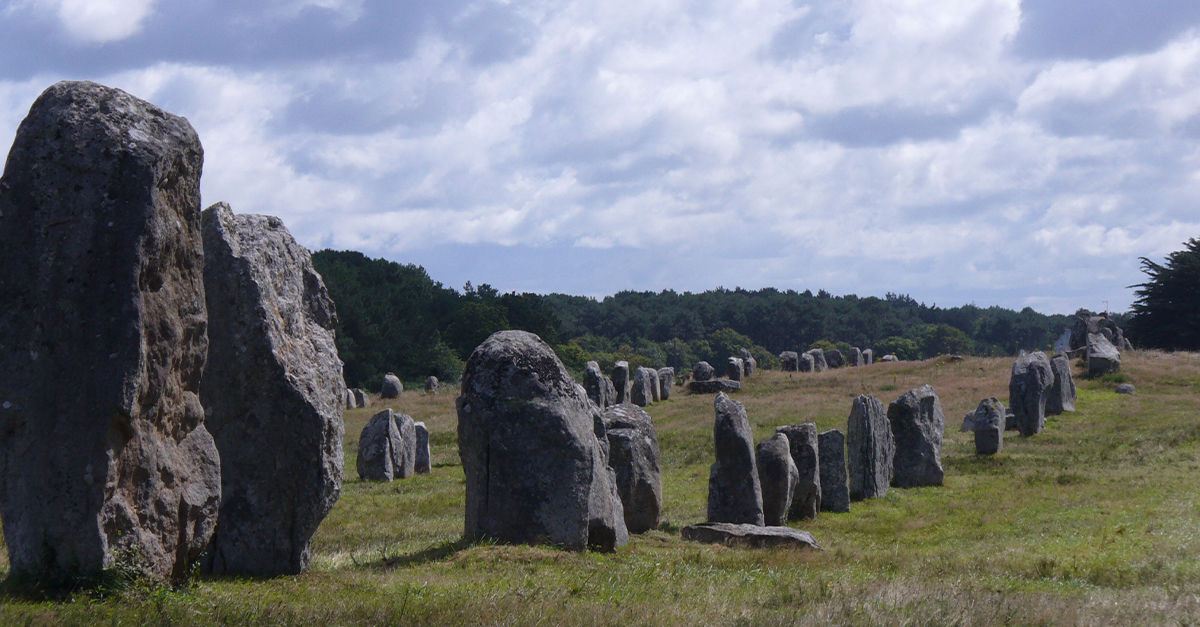
The Carnac megaliths in Brittany, France, are one of Europe’s most mysterious archaeological sites. Extending miles across the Breton countryside, these thousands of standing stones have always mesmerized scholars and tourists. Now, research using advanced dating technology has shed new light on the stones’ origins, making them perhaps the oldest monumental structures in Europe.
A New Chronology For Some Old Stones
A research team from France's CNRS and European institutions used advanced radiocarbon dating and luminescence techniques on the sediment and materials around the megaliths. The findings suggest that some of the stone positionings date to as early as 5000 BC, pushing the origins of the Carnac site back over 7,000 years. This is much earlier than previously assumed, and means the megaliths are older than Stonehenge by more than 1,000 years.
The Importance Of The Findings
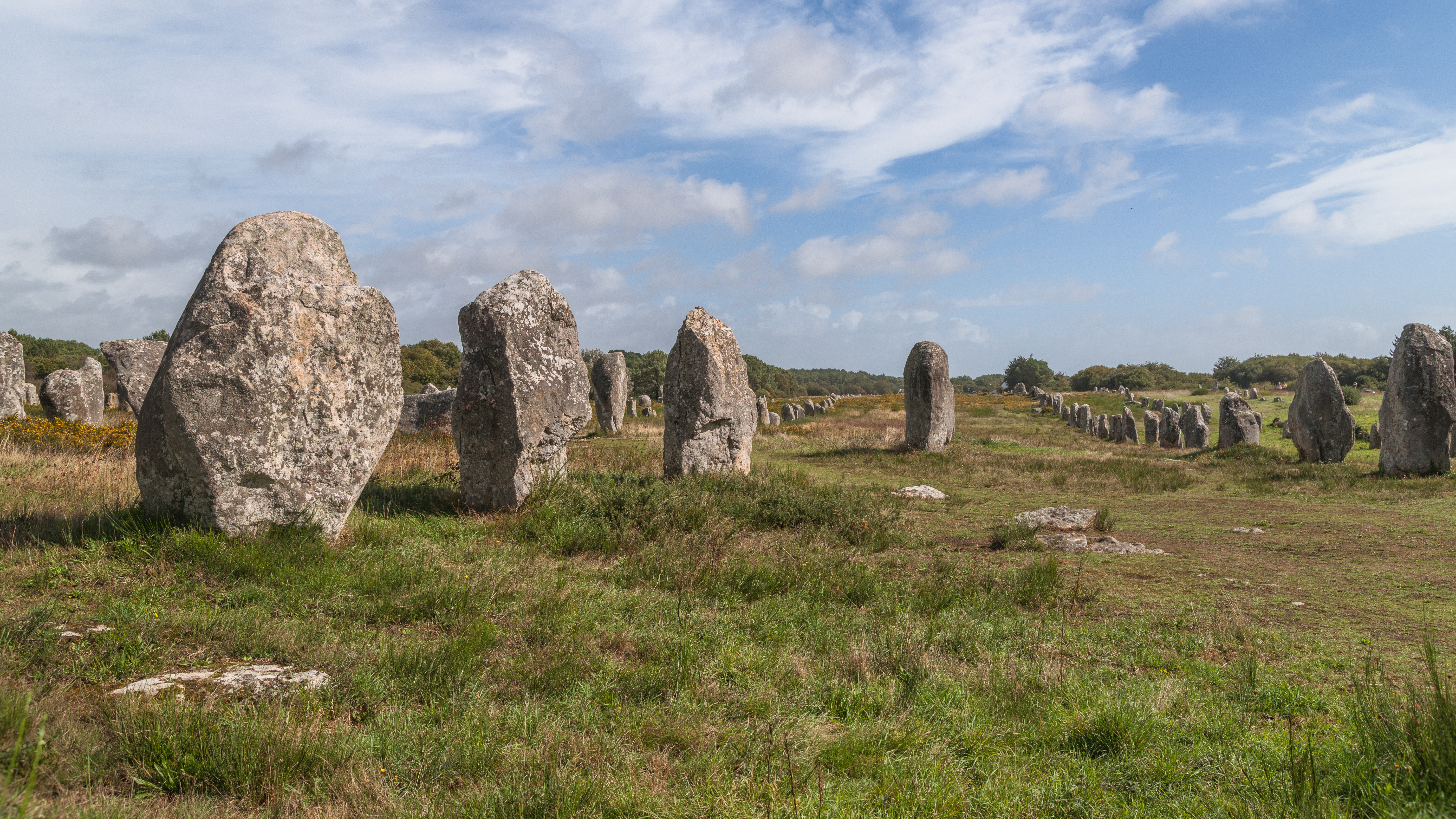
The new timeline changes our picture of Neolithic Europe. Large-scale megalith sites were previously thought to have emerged later in limited regions. The Carnac stones are a much earlier phase of human social organization. Researchers think that erecting these stones required technical ingenuity and complex social coordination, which means that Neolithic people in Brittany were far more advanced than we once assumed.
Landscape Of Mystery
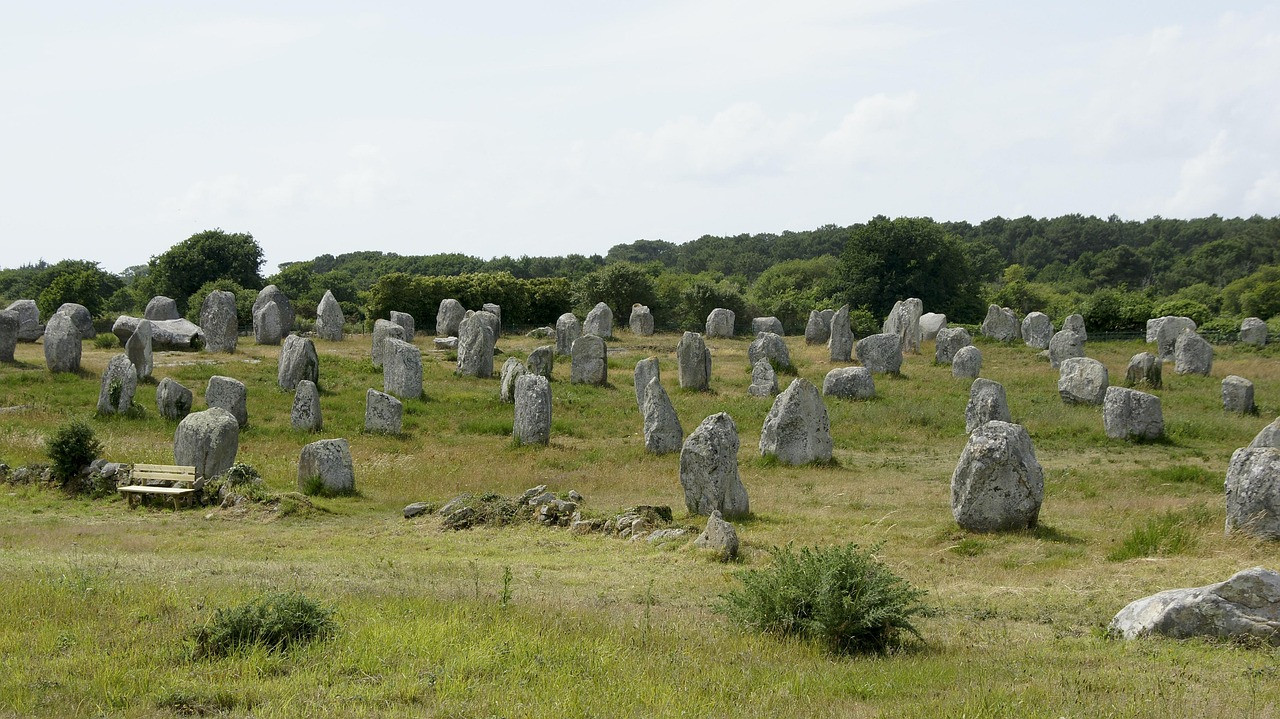
The Carnac site contains over 3,000 megaliths. The most famous are the long rows of upright stones set up in straight lines stretching for several kilometers. Their purpose is still shrouded in mystery. Archaeologists think these alignments may have served ceremonial, astronomical, or territory-marking purposes. The ancient date means they might’ve even preceded organized religion, though they may have served a spiritual purpose.
A New Megalithic History Of Europe
The new Carnac study flies in the face of the standard narrative of monument-building in Neolithic Europe. Rather than coming from the Middle East and making its way west, this kind of stone construction could’ve got started independently in Western Europe. This fits with other recent discoveries of ancient monuments in Spain and Portugal. Atlantic Europe seems to have been a major cultural force of early stone monument-building.
The Big Picture
With this new dating, the Carnac stones are now among the oldest known megalithic sites on Earth, with a similar age to Göbekli Tepe in Turkey. While they aren’t as ornate, the magnitude of the site in Carnac implies a similar ritual or cosmic purpose. The find puts Neolithic Brittany at the forefront of early human attempts to alter the landscape for their own ends.
The Potential Of Future Exploration
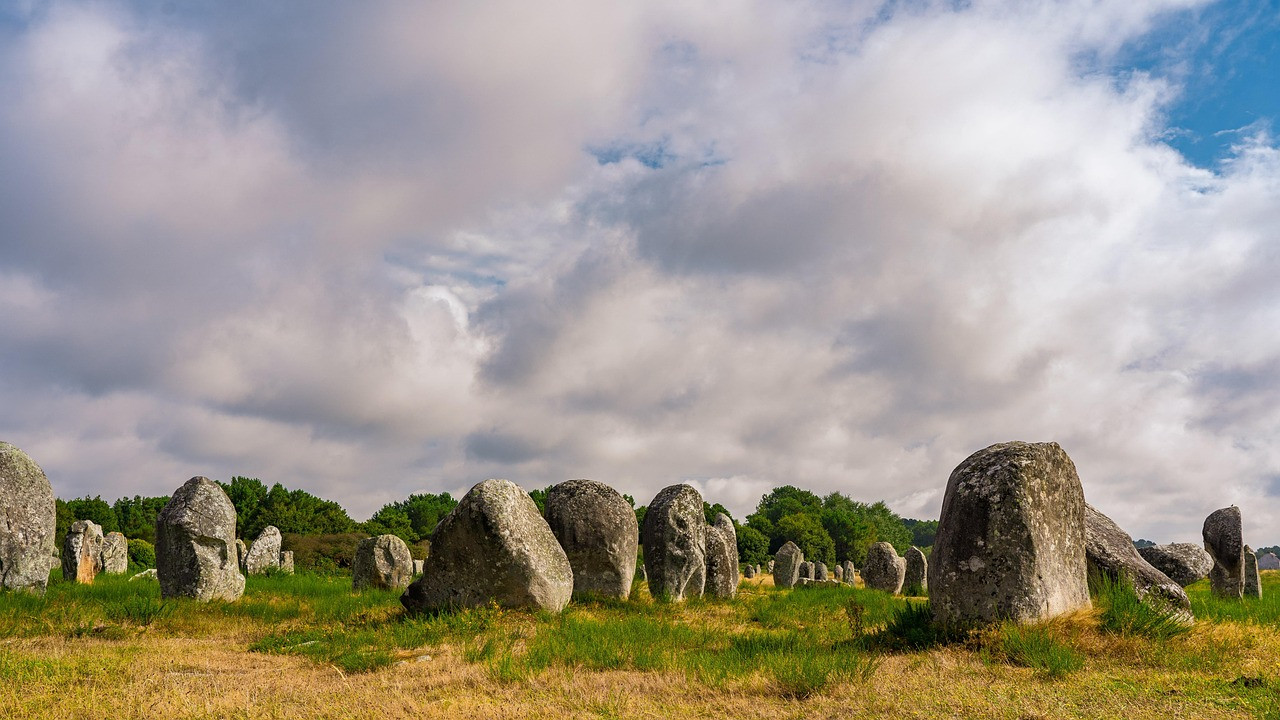
Researchers stress that only a small part of the site has been disturbed using these modern techniques. As remote sensing, radiometric dating, and other methods continue to develop, more secrets of Carnac are liable to be revealed. Plans are afoot for deeper digs around the zone where the initial dating samples were taken. The full-blown scale of this ancient civilization’s capabilities and ambition is still buried beneath tons of Breton soil.
Keeping The Part Intact For Future Generations
As our knowledge Carnac grows, so does the need for conservation. Urban development and environmental impacts are already affecting parts of the monument. French authorities and UNESCO are putting in place preservation programs, but the recent work demonstrates the site’s priceless global value. What we once thought was a field of stones is now a monument to humans’ desire to permanently modify the landscape for their own purposes.
You May Also Like:
A vast network of canals sustained Eridu in Mesopotamia, the world's first city.
Legendary Facts About Lost Cities