
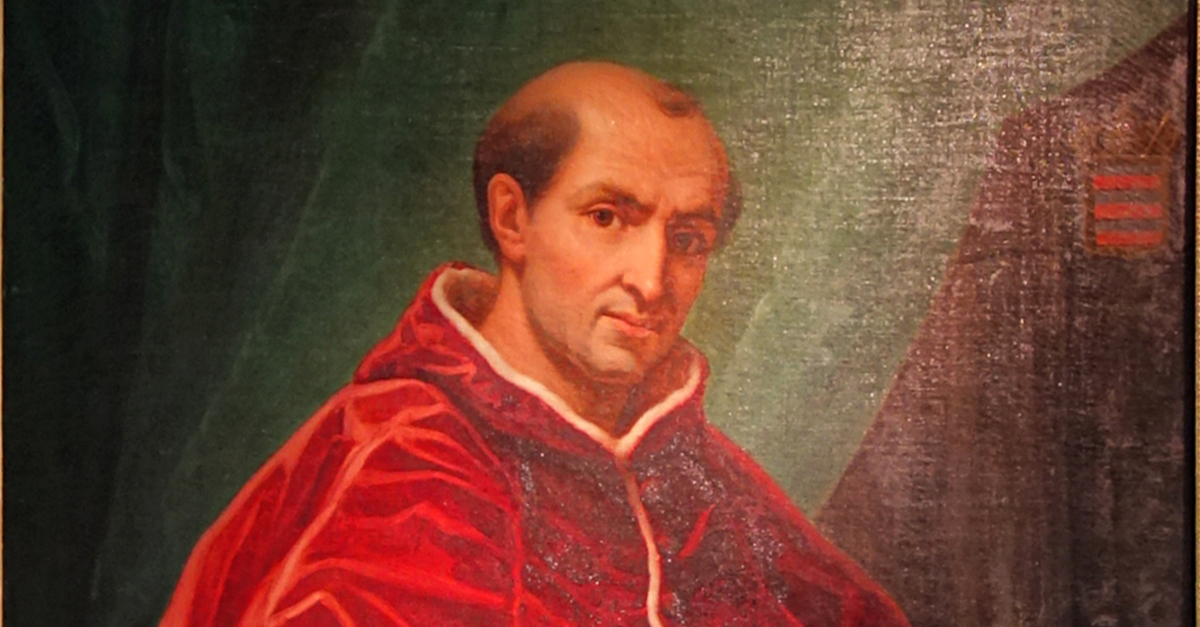
The Vatican Under Siege
By the start of the 14th century, Rome was no longer the stable heart of the Christian world that it had been for the previous millennium. Rival noble families battled for control, streets erupted in violence, and papal authority was constantly being undermined. Into this swirling chaos stepped Pope Clement V—a man who would make a decision that reshaped the Church for decades to come.
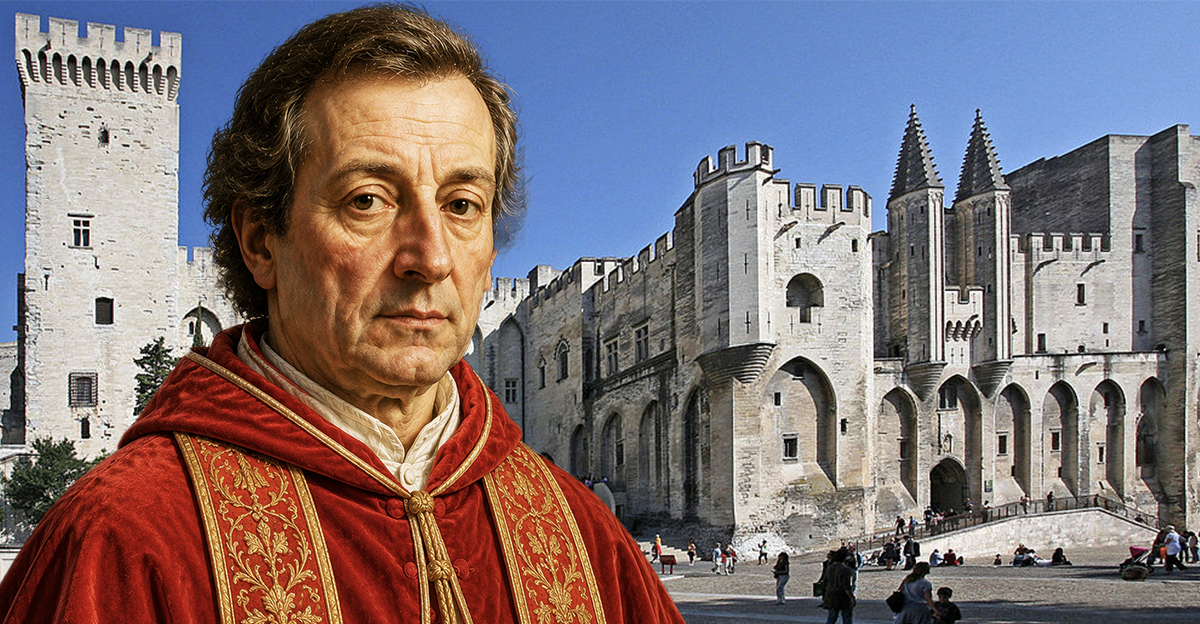 Jean-Marc Rosier via Wikimedia Commons; Factinate
The Collapse Of Order In Rome
Rome’s instability was nothing new, but by the early 1300s it had reached a breaking point. Feuding factions like the Colonna and Orsini turned the city into a battleground. It made governance nearly impossible. The pope’s safety could no longer be guaranteed, paving the way for a dramatic break from tradition.
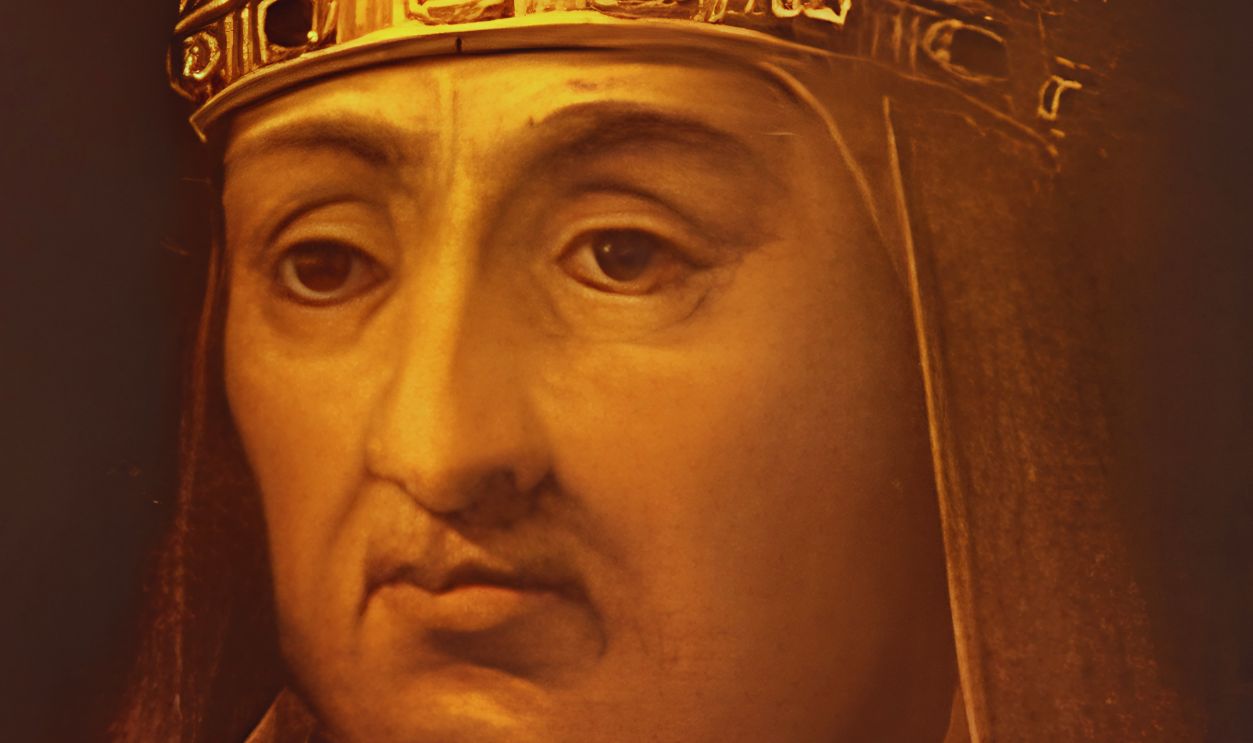 Cristofano dell'Altissimo, Wikimedia Commons, enhanced
The Shadow Of French Power
Clement V’s rose to become pope under the watchful eye of King Philip IV of France, whose influence loomed large. France was the dominant political power in Europe, and its monarch had already clashed with the papacy. That tension would soon shape where the pope chose to rule.
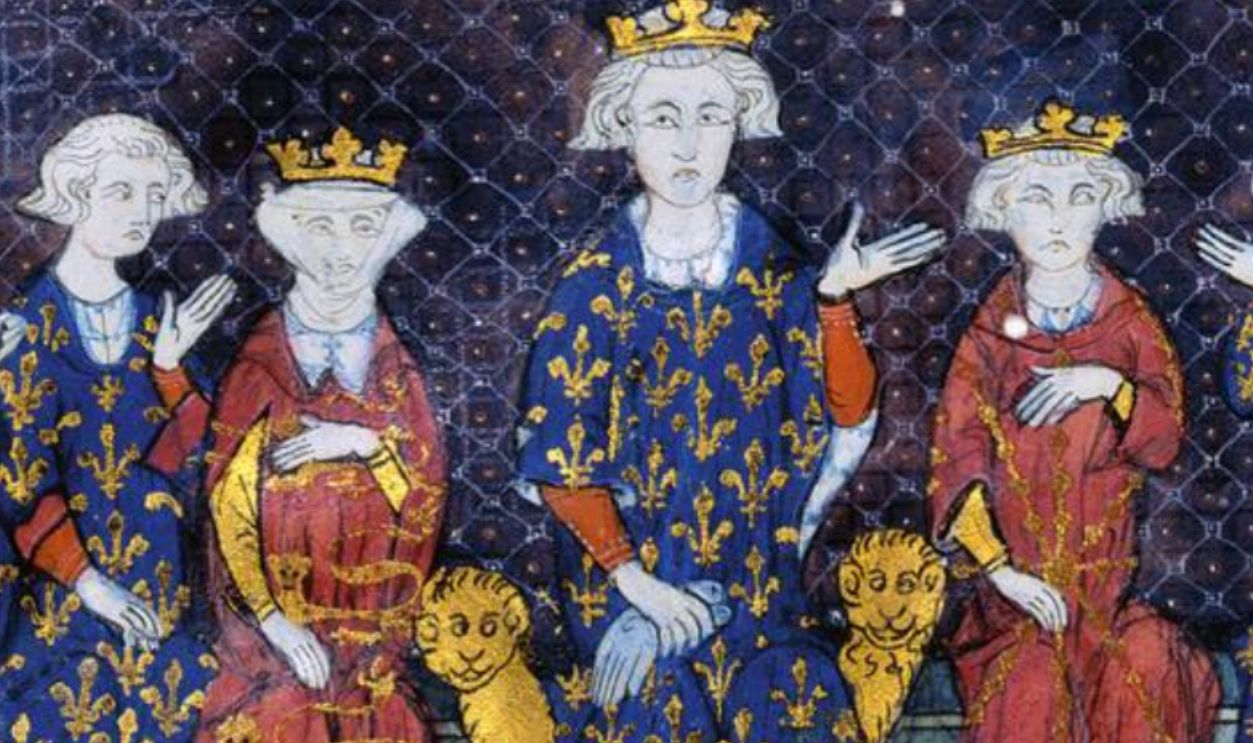 Unknown author, Wikimedia Commons
The Election Of Clement V
Elected in 1305 after a long and bitter conclave, Clement V never even set foot in Rome as pope. Instead, he stayed in France and set up shop there. It signaled a quiet but profound shift. While the decision raised eyebrows across Europe, it also hinted at a larger and more lasting relocation yet to come.
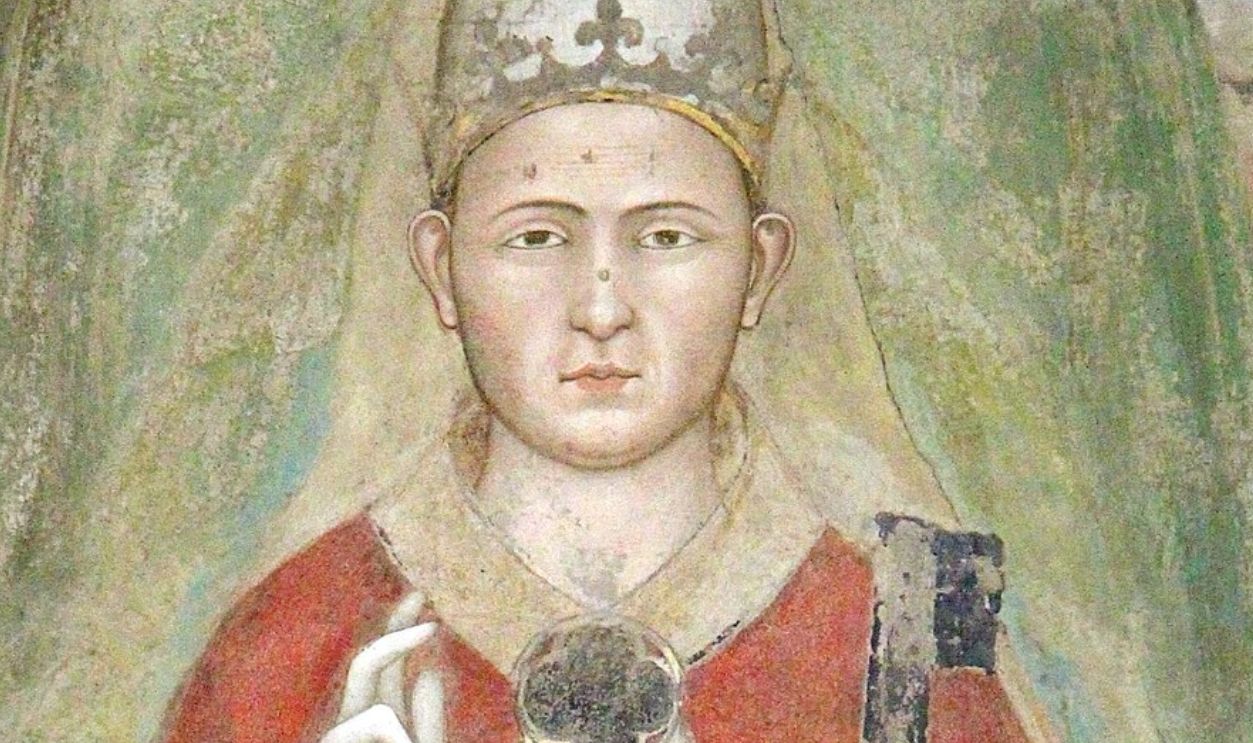
The Move To Avignon
By 1309, Clement V formally established the papal court in Avignon, in what is now southern France. Though technically not part of France at the time, it lay firmly within its sphere of influence. This move marked the beginning of a 70-year period that would later be called the Avignon Papacy.
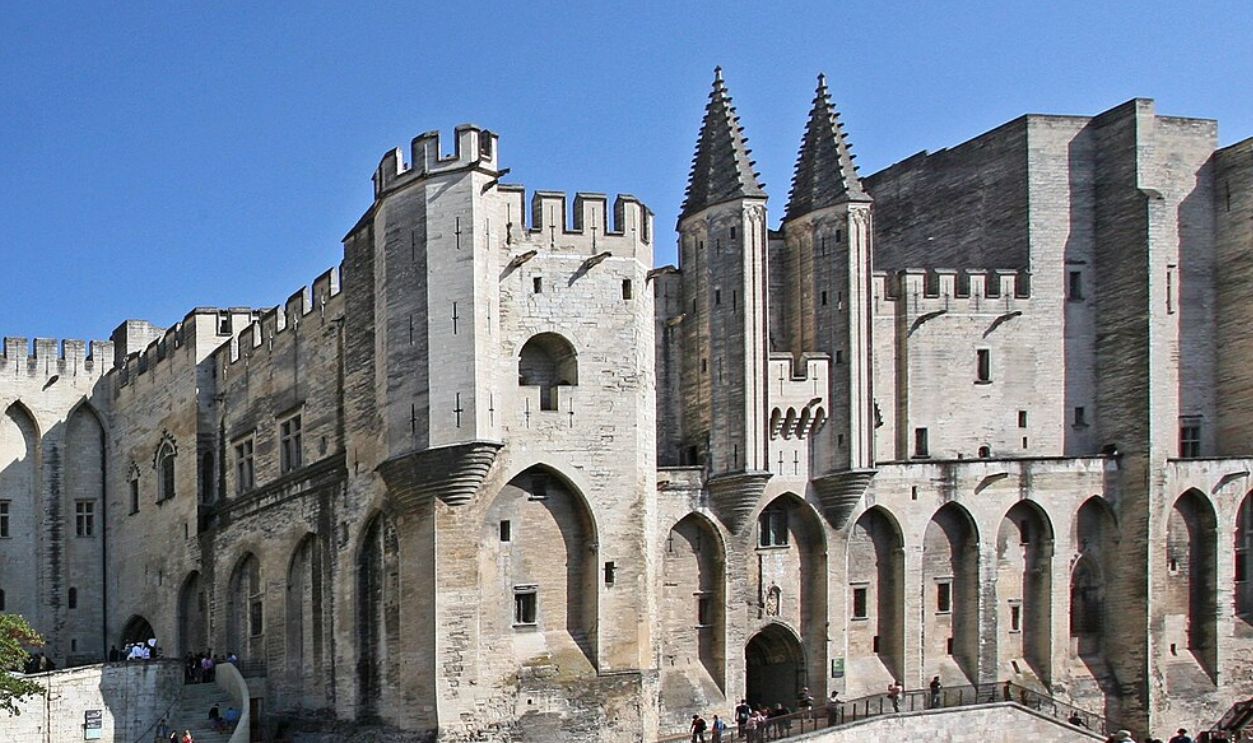 Jean-Marc Rosier, Wikimedia Commons
A New Center Of Power
Avignon quickly transformed into a bustling administrative hub. The papacy built an efficient bureaucracy, centralized finances, and expanded its reach across Europe. But the new sense of order came at a cost, as critics started questioning whether the Church had fallen under French control.
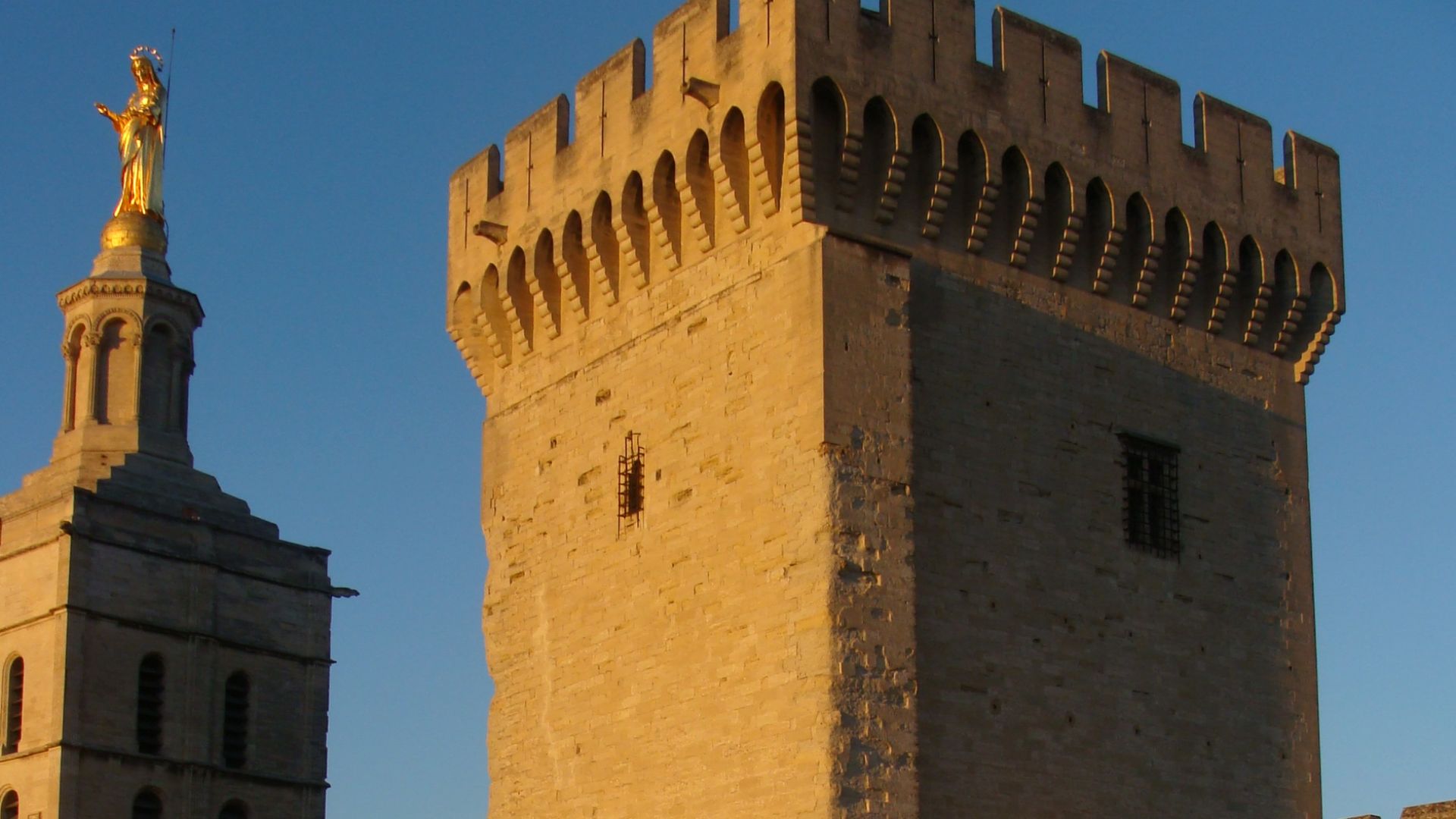 Przemyslaw Sakrajda, Wikimedia Commons
The Birth Of A Reputation
Observers soon labeled this period the “Babylonian Captivity” of the Church, suggesting the papacy had been taken hostage by France. Whether the accusation was fair or not, the label stuck. It reflected growing unease about the pope’s independence—or lack thereof—and foreshadowed deeper divisions within Christendom.
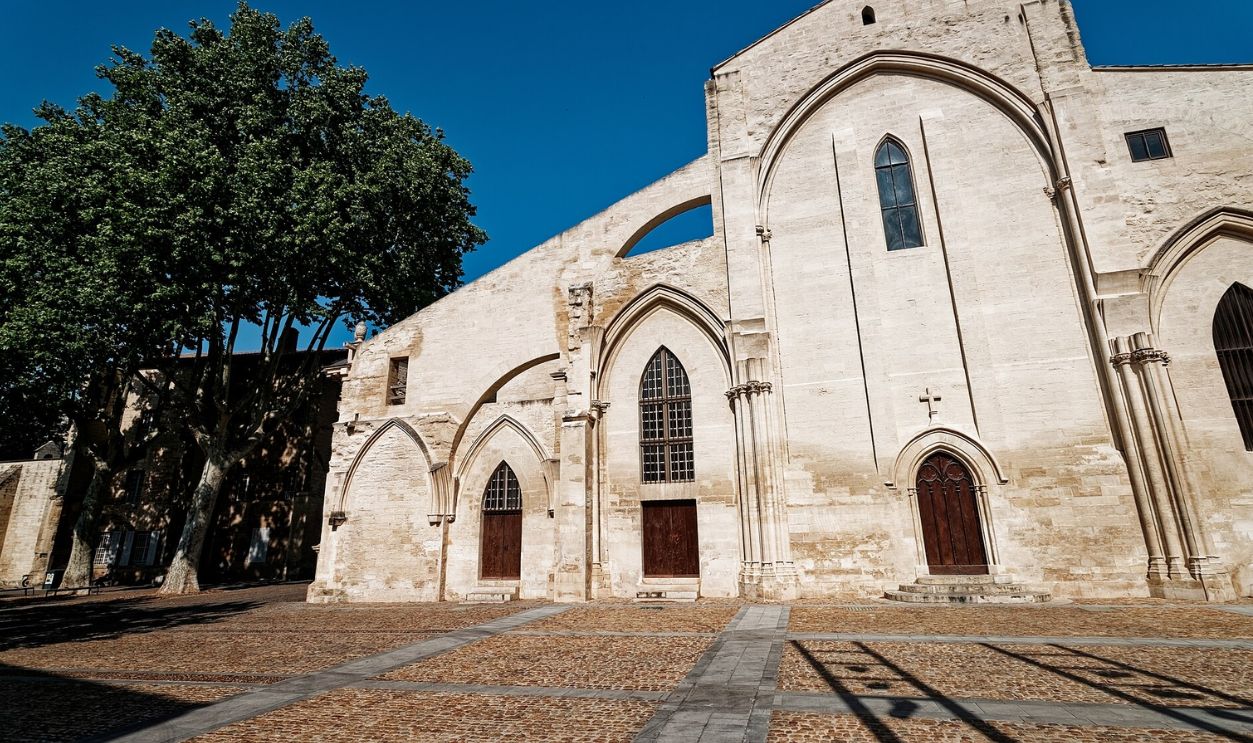 Txllxt TxllxT, Wikimedia Commons
Construction Of The Papal Palace
Under later Avignon popes, especially Pope Benedict XII, construction began on the massive Palais des Papes. This fortress-like structure symbolized both the power and isolation of the papacy. Its towering walls reflected a Church that was secure, but also increasingly removed from Rome.
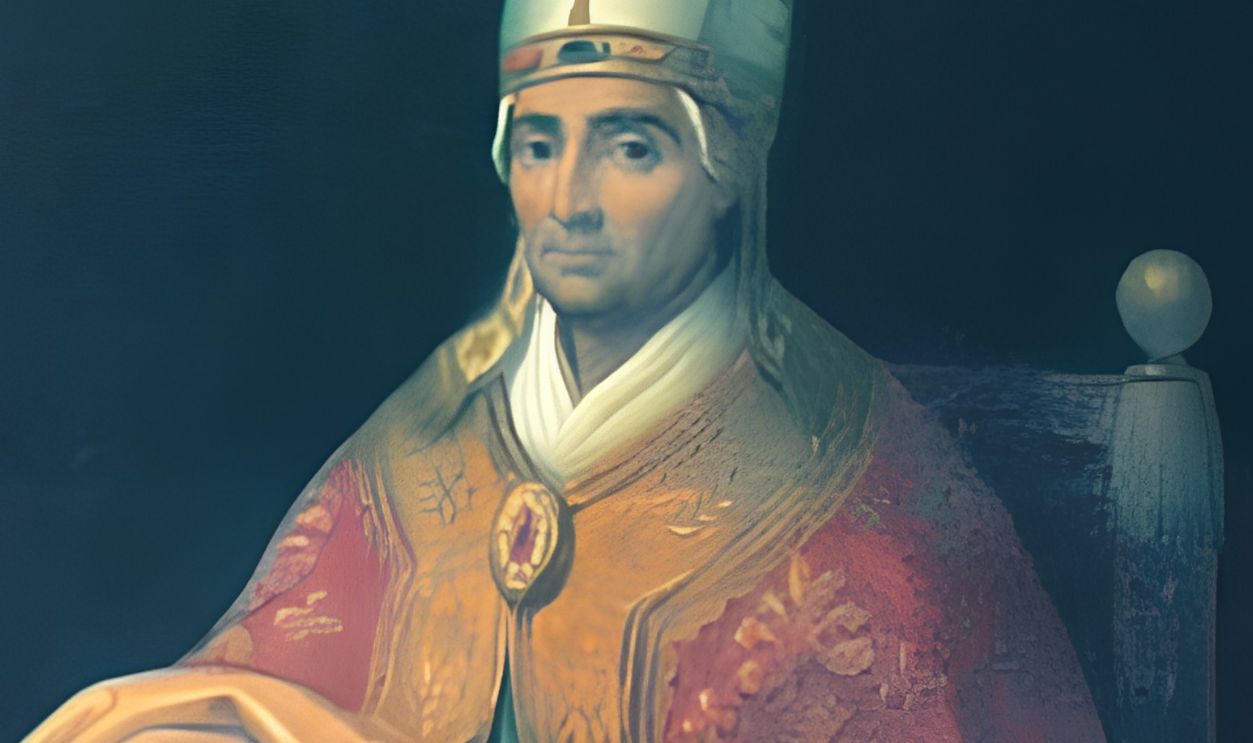 Henri Auguste Cesar Serrur, Wikimedia Commons, enhanced
A Wealthy But Distant Church
From Avignon, the papacy became more financially sophisticated, introducing taxes and fees that filled its coffers to the brim. Critics, however, saw corruption and greed, accusing Church officials of prioritizing wealth over spiritual leadership. These perceptions would fuel resentment that lingered long after the papacy left France.
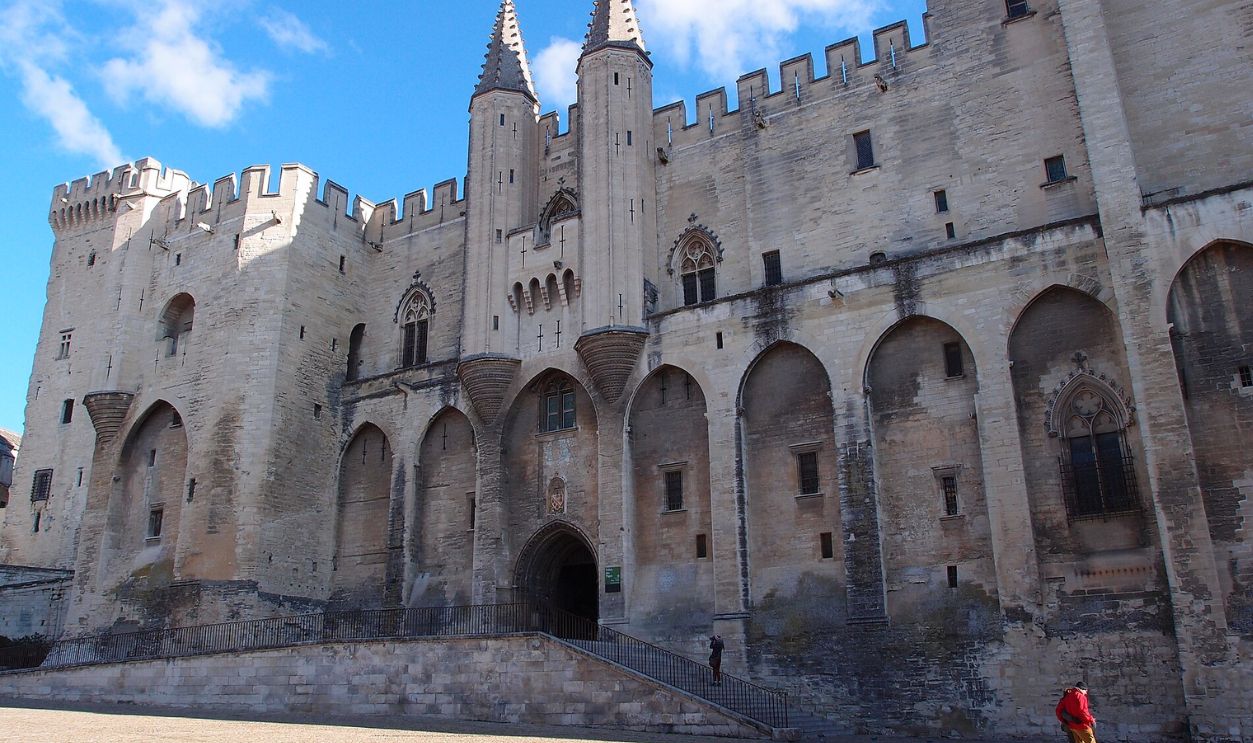 Guilhem Vellut from Annecy, France, Wikimedia Commons

History's most fascinating stories and darkest secrets, delivered to your inbox daily.
Europe Under Strain
The 14th century was marked by widespread upheaval, including famine, war, and social unrest. The Church, now based in Avignon, struggled to maintain its moral authority in a world that seemed to be coming unglued. These pressures only intensified with the arrival of an even greater catastrophe.
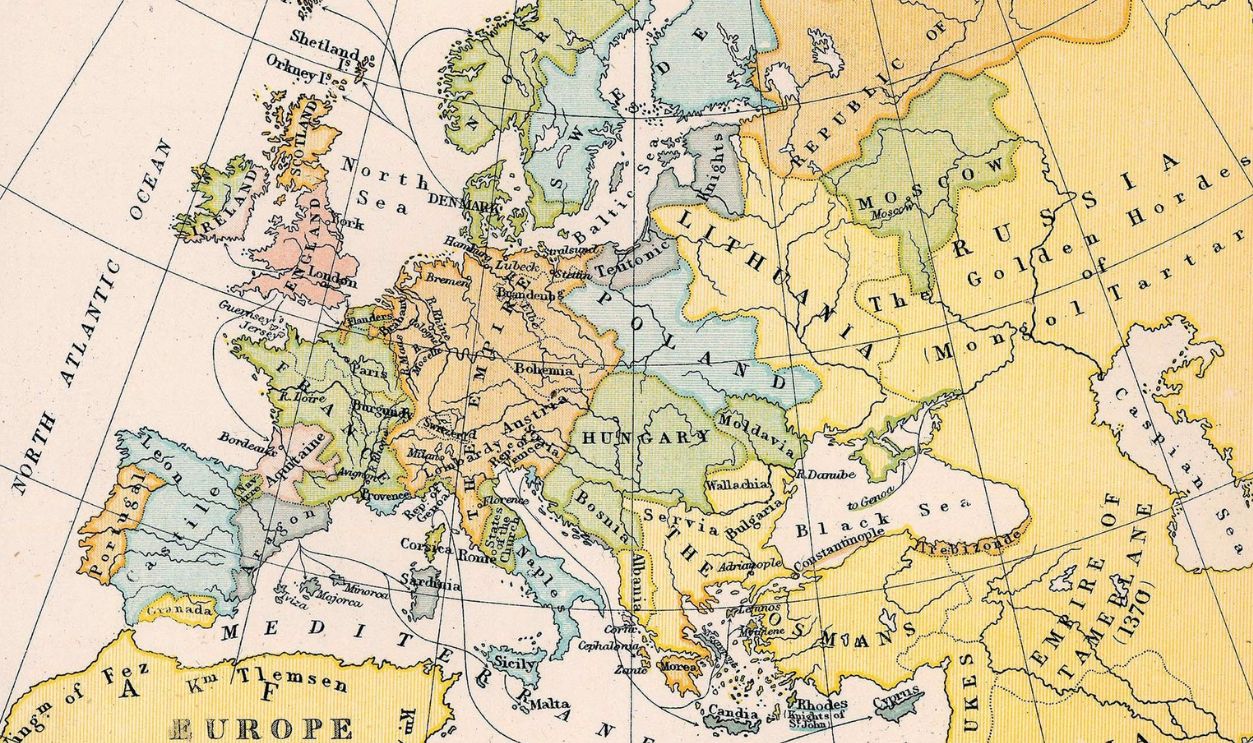 Charles ColbeckEdited by Yarl, Wikimedia Commons
The Black Death Arrives
In 1347, the Black Death swept across Europe, killing millions. Avignon itself was devastated, with corpses piling up faster than they could be buried. The papacy was now confronted by an existential crisis, as people questioned why the Church could not stop the suffering—or even explain it.
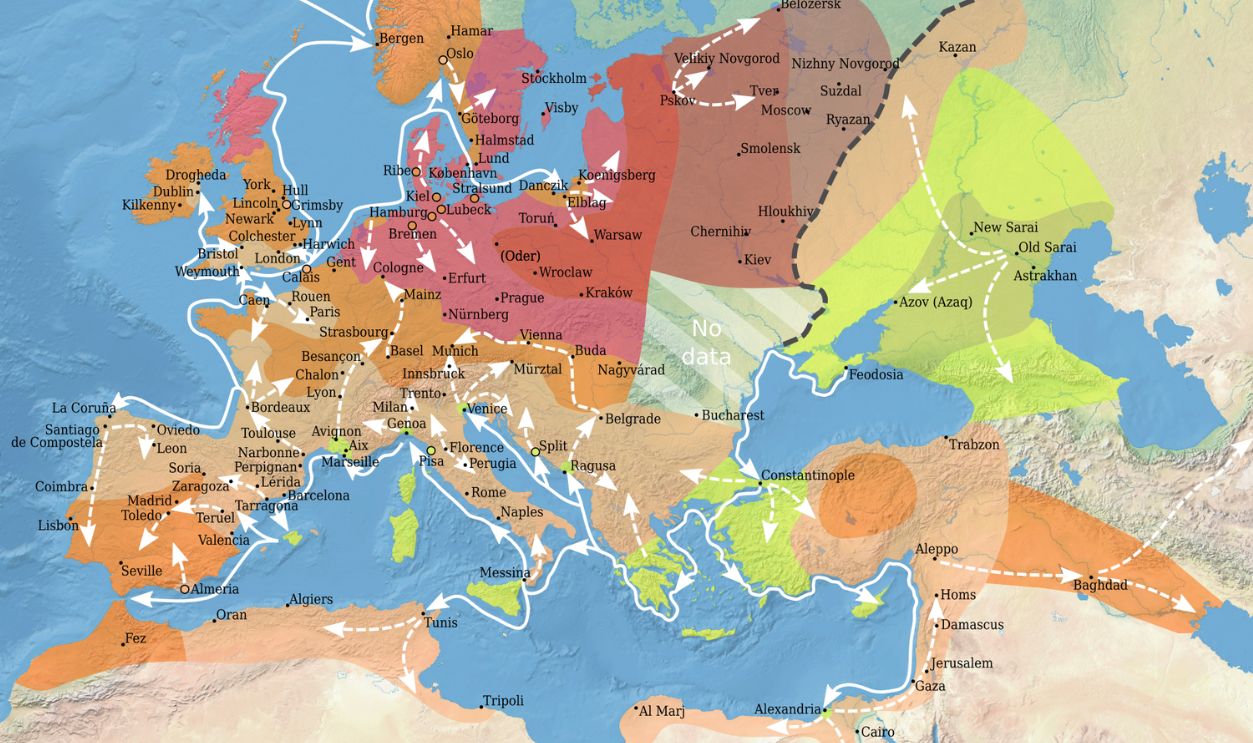
Crisis Of Faith
As death spread, faith faltered. Many believed the plague was divine punishment, while others turned away from the Church entirely. The papacy’s physical distance from Rome and its perceived wealth and luxury only deepened the sense that it was out of touch with ordinary believers.
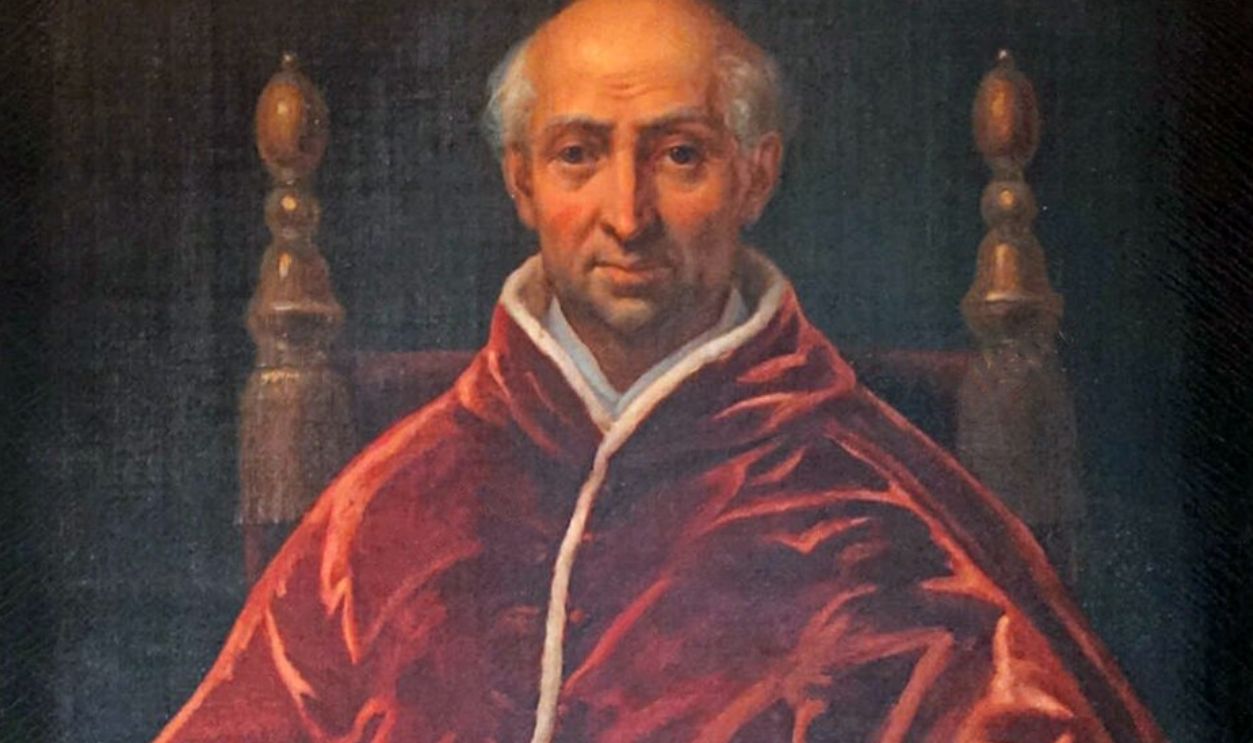 Henri Auguste Cesar Serrur, Wikimedia Commons
Political Entanglements Deepen
Avignon’s proximity to France meant that papal decisions often aligned with French interests. This perception weakened the Church’s claim to universal authority. Other European powers grew wary, and tensions simmered beneath the surface, threatening the unity of Christendom.
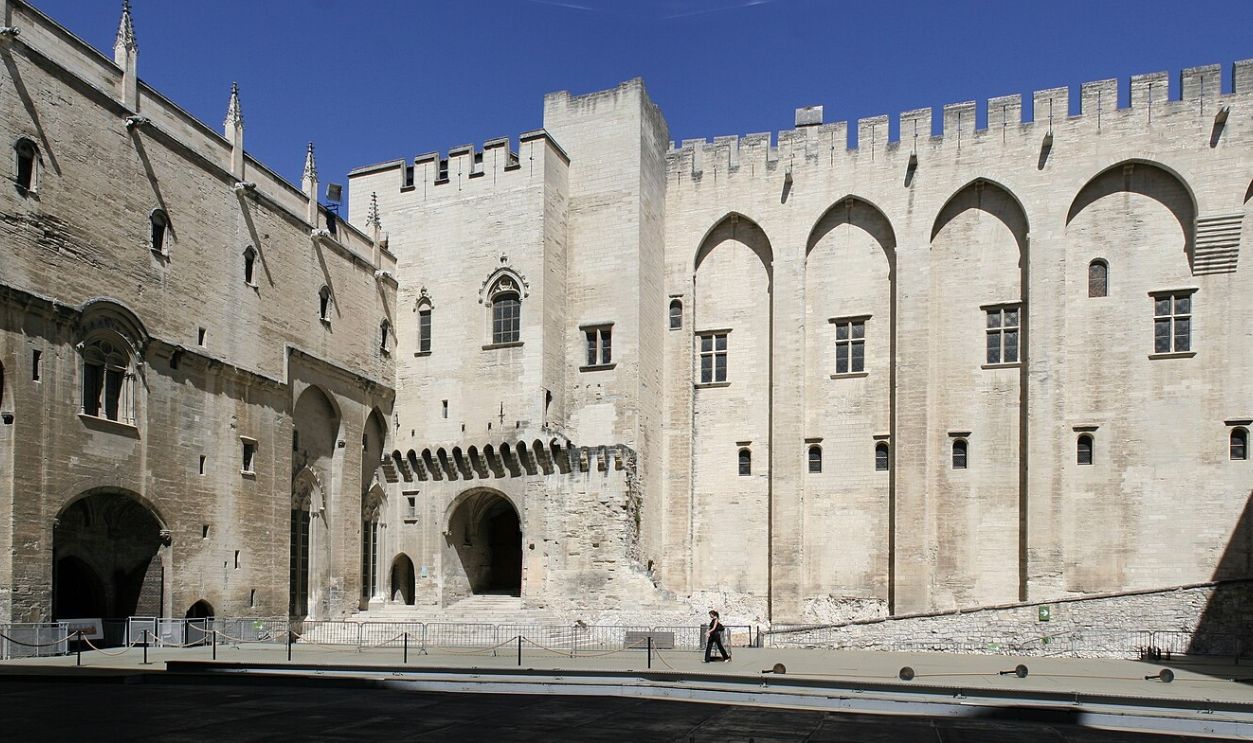 Ingo Mehling, Wikimedia Commons
Attempts To Reform
Some within the Church recognized the need for change. Efforts were made to curb excesses and restore credibility, but meaningful reform proved difficult. The institutional structures built in Avignon were powerful—and resistant to change.
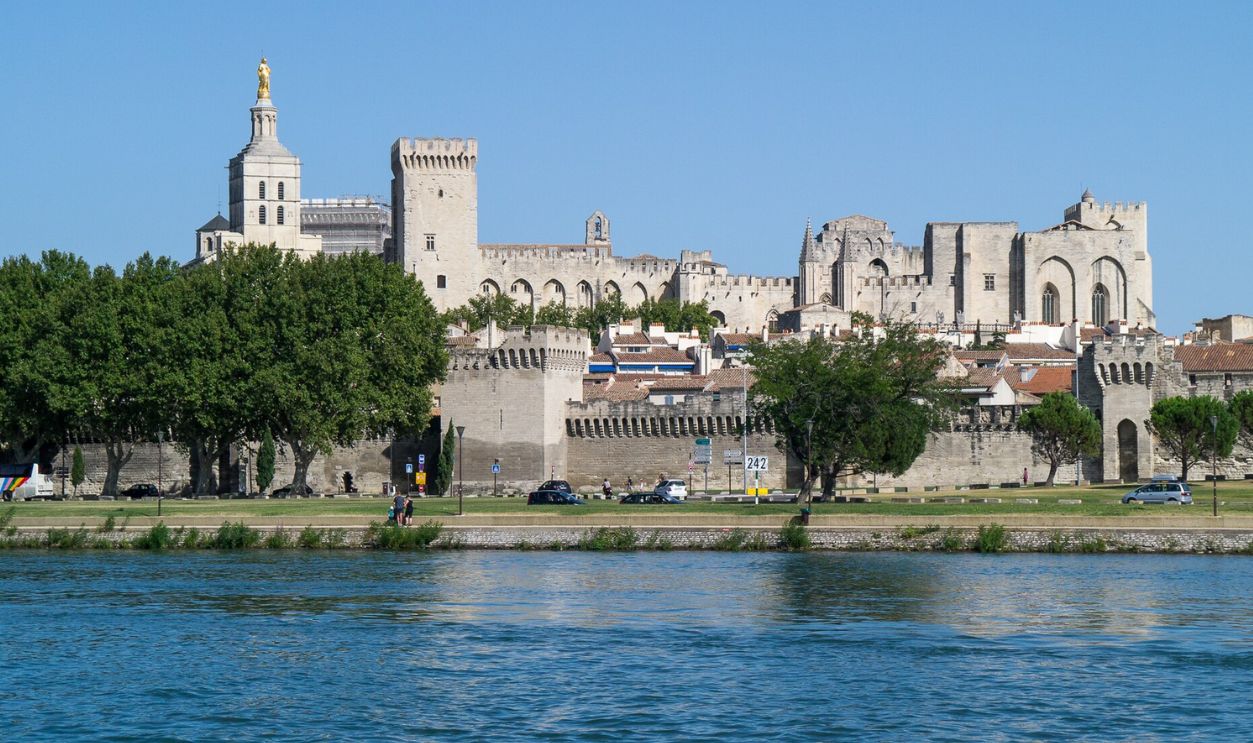 Sergey Ashmarin, Wikimedia Commons
The Italian Question
Meanwhile, Italy with its many city-states was still fragmented and unstable. Without the pope in Rome, the Papal States fell into disorder, and rival factions competed for dominance. The absence of the papacy left a vacuum that proved increasingly difficult to ignore.
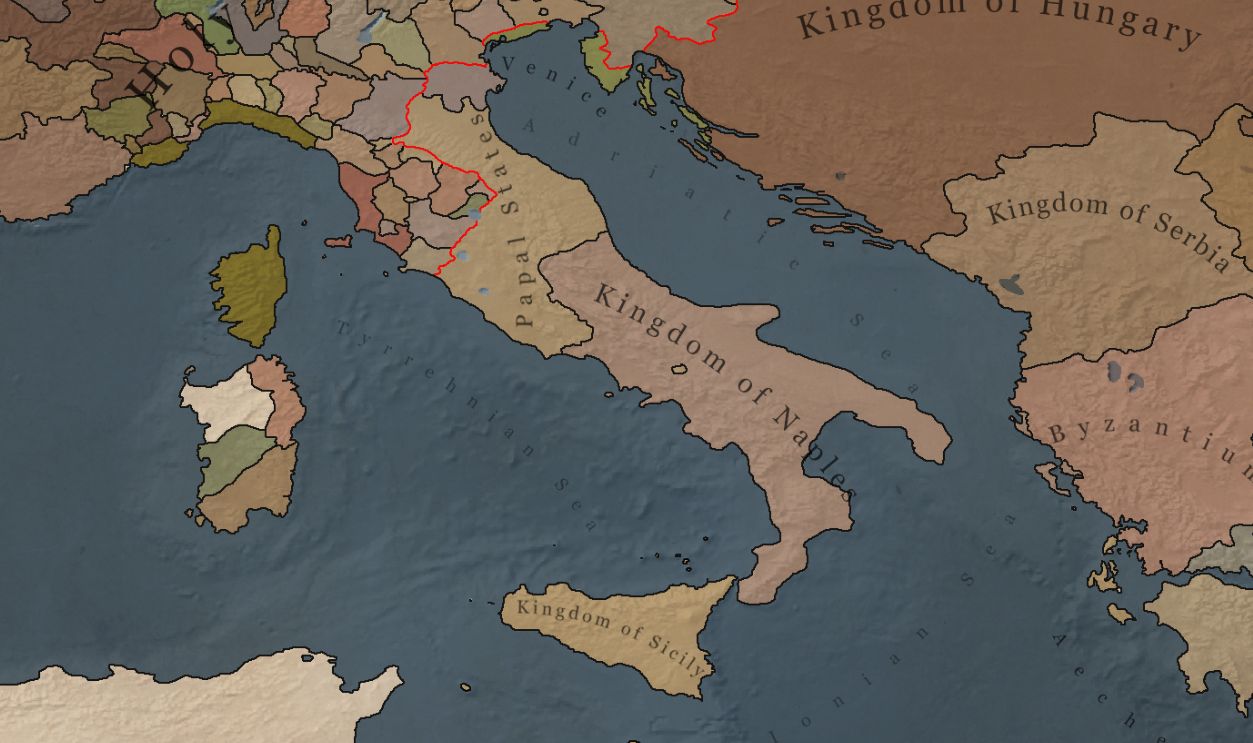 Mario.scotti.ok, Wikimedia Commons
Calls For A Return
Voices began to pipe up, demanding the pope’s return to Rome. Among them was Catherine of Siena, who urged the papacy to reclaim its rightful home. Her influence would prove pivotal in shaping the Church’s next move.
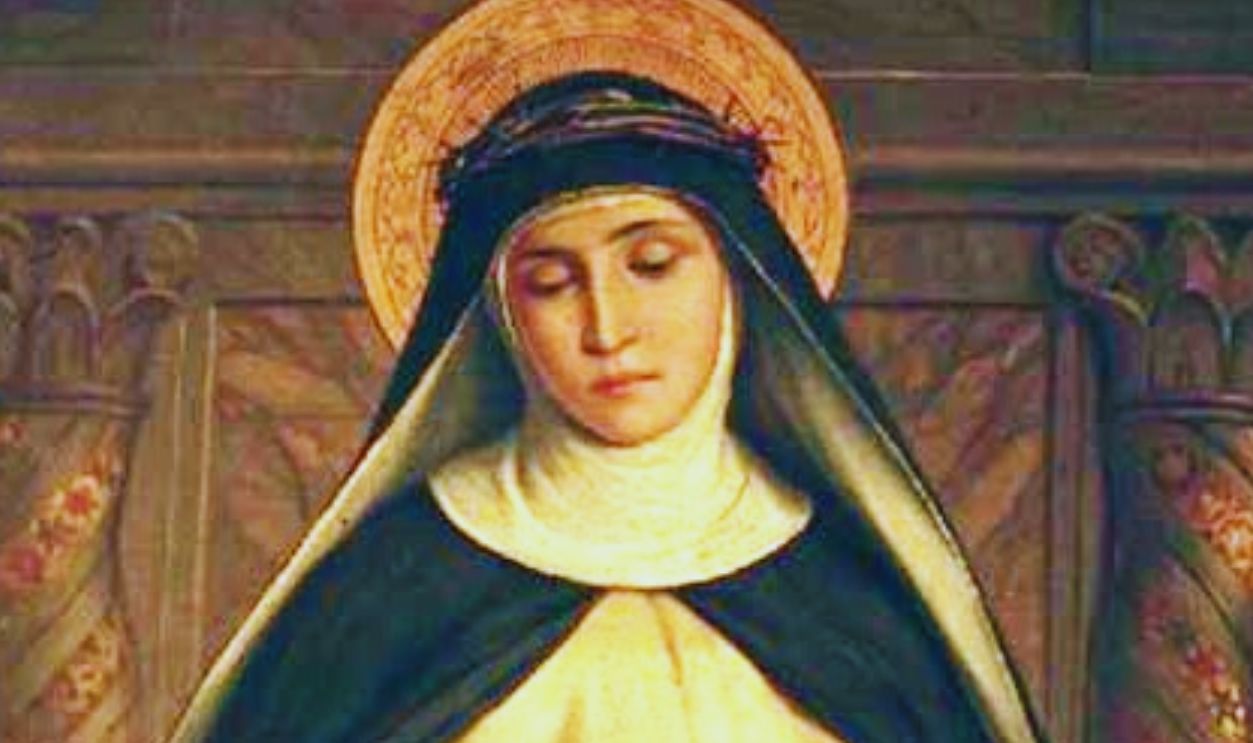 Unidentified painter, Wikimedia Commons
Urban V’s Bold Experiment
Pope Urban V attempted to return to Rome in 1367, hoping to restore stability. For a brief moment, it seemed possible. But political pressures and ongoing unrest forced him to retreat back to Avignon, leaving the question unresolved.
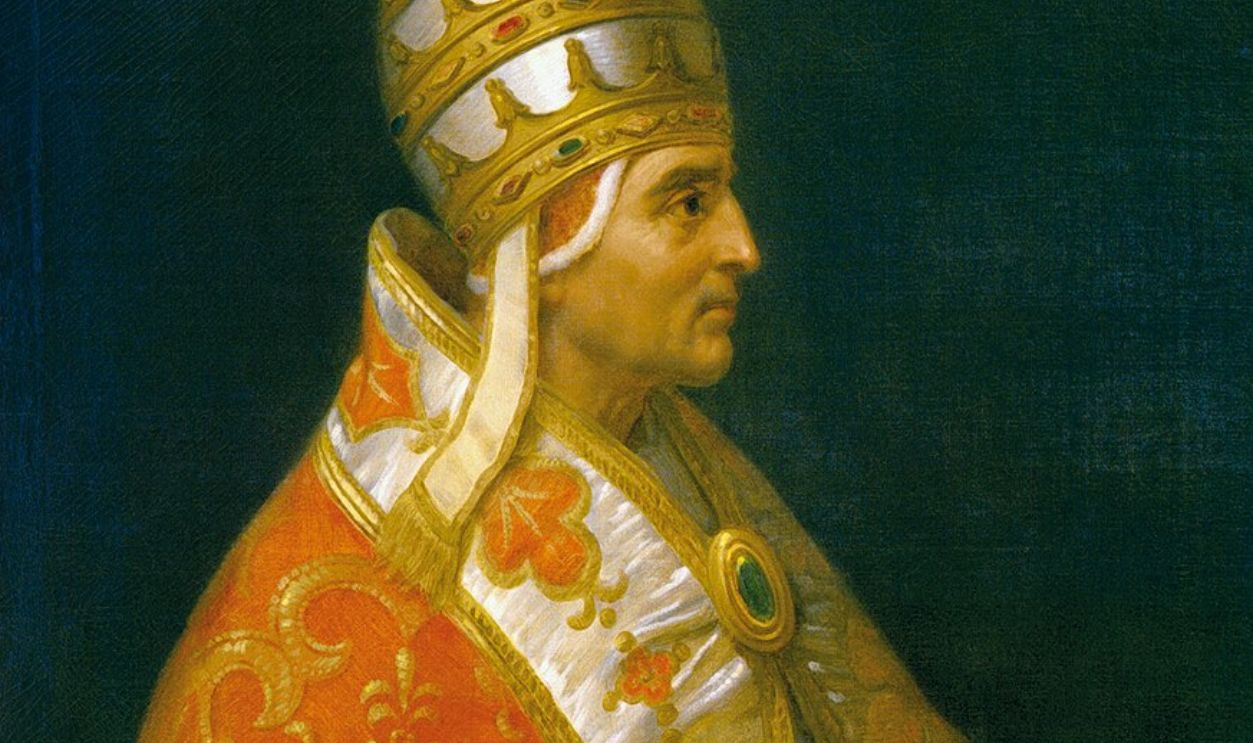 Henri Auguste Cesar Serrur, Wikimedia Commons
The Final Decision
The turning point came under Pope Gregory XI. Facing mounting pressure and recognizing the symbolic importance of Rome, he made the decisive move to return. In 1377, the papal court relocated once more. After 68 years, the Avignon papacy was over.
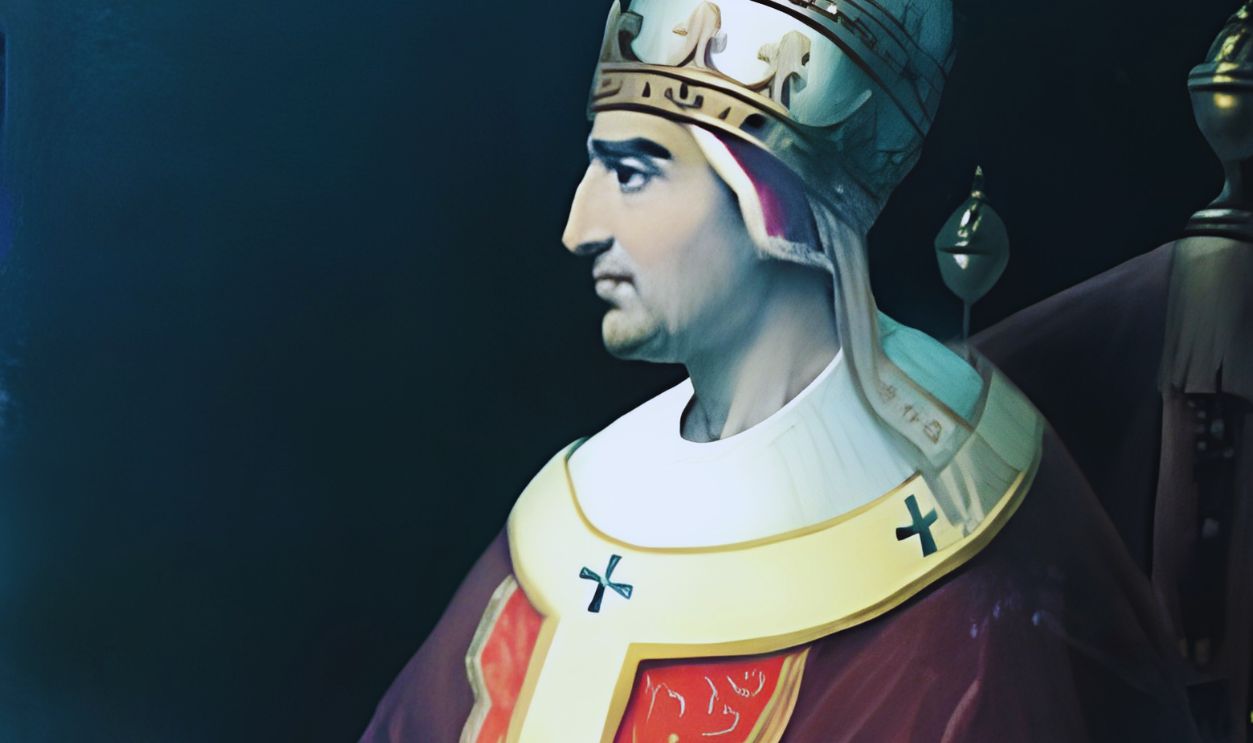 Henri Auguste Cesar Serrur, Wikimedia Commons, enhanced
A Fragile Homecoming
Gregory XI’s return was anything but smooth. Rome was still volatile, and the transition exposed deep divisions within the Church. These tensions would soon erupt into one of the most chaotic periods in papal history.
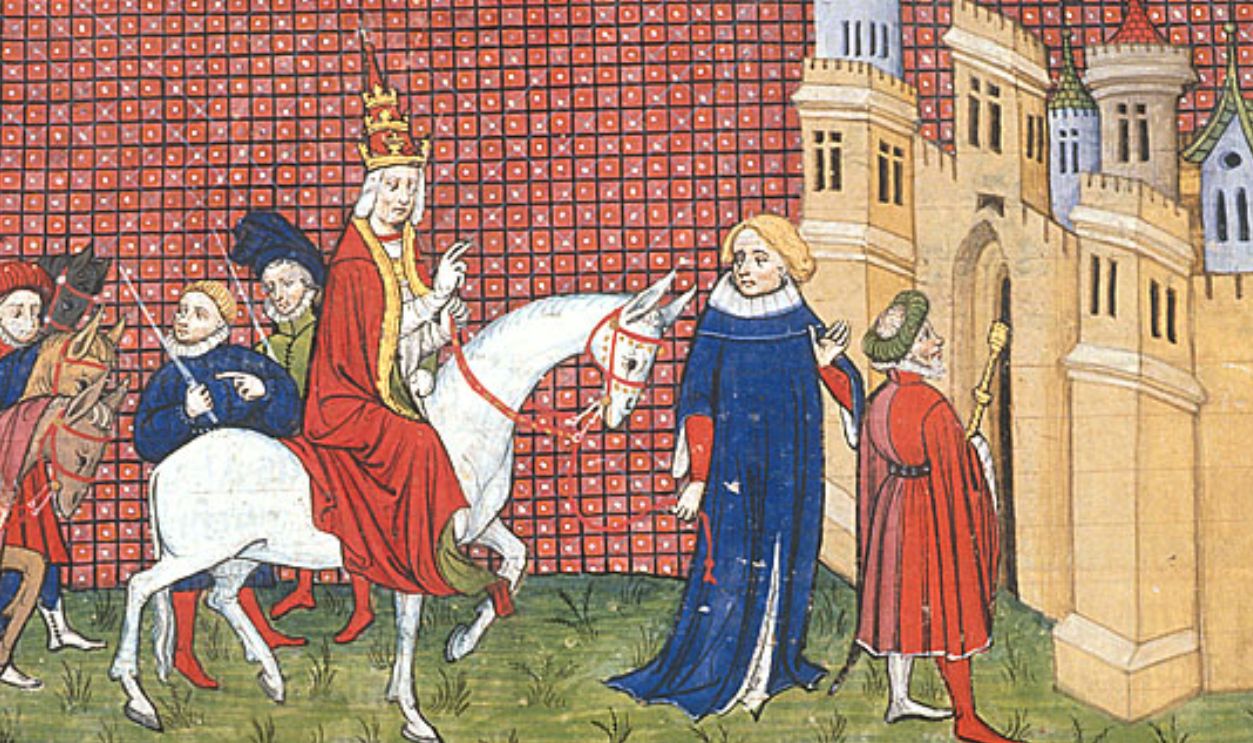 Virgil Master and his atelier, Wikimedia Commons
The Western Schism Begins
The Western Schism erupted shortly after Gregory XI’s death in March 1378. Rival popes were elected in Rome and Avignon, each claiming legitimacy. What started out as a solution to the chaos had now created a new crisis of authority.
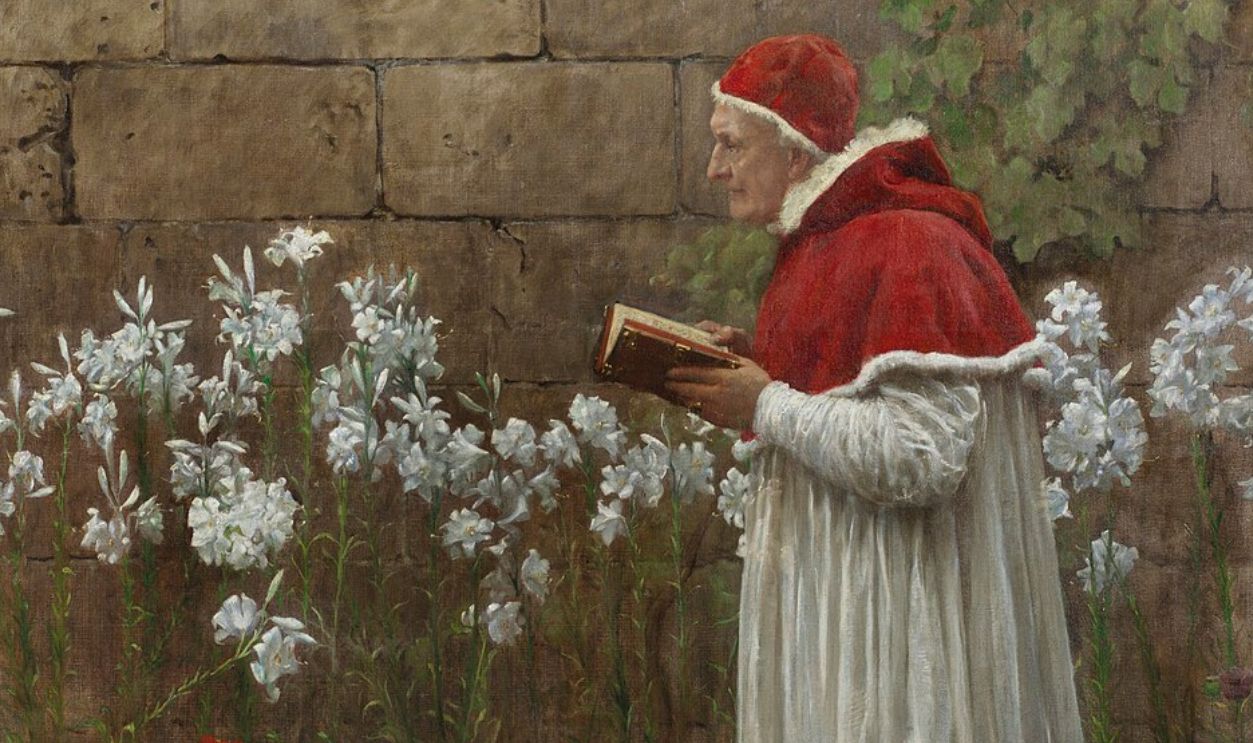 John Collier, Wikimedia Commons
Competing Papacies
For decades, Europe was divided between competing papal claimants. Kings and kingdoms took sides, turning a religious dispute into a muddled geopolitical struggle. The unity of the Church was shattered, and its credibility deeply damaged.
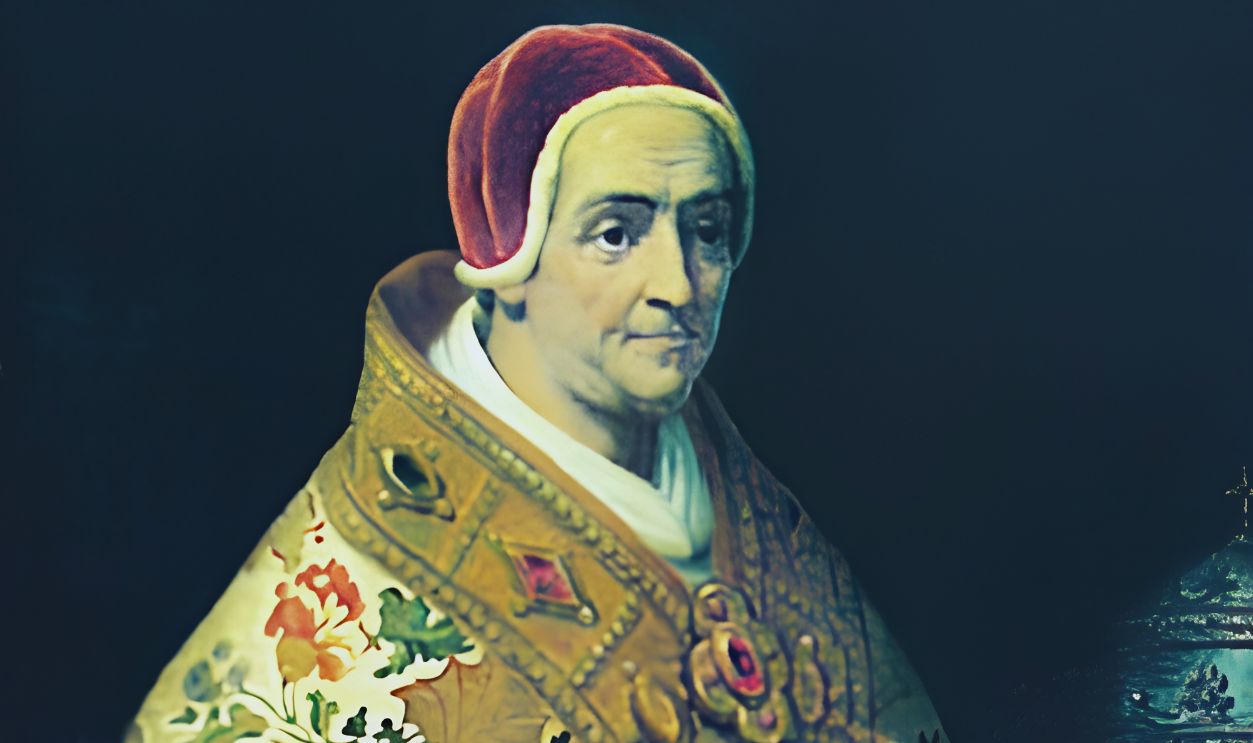 Henri Auguste Cesar Serrur, Wikimedia Commons, enhanced
The Long Road To Unity
Efforts to resolve the schism culminated in the Council of Constance in 1417. The council deposed rival popes and elected a single pontiff, restoring a semblance of unity. But the scars left by the Avignon Papacy and the schism would not fade away so easily.
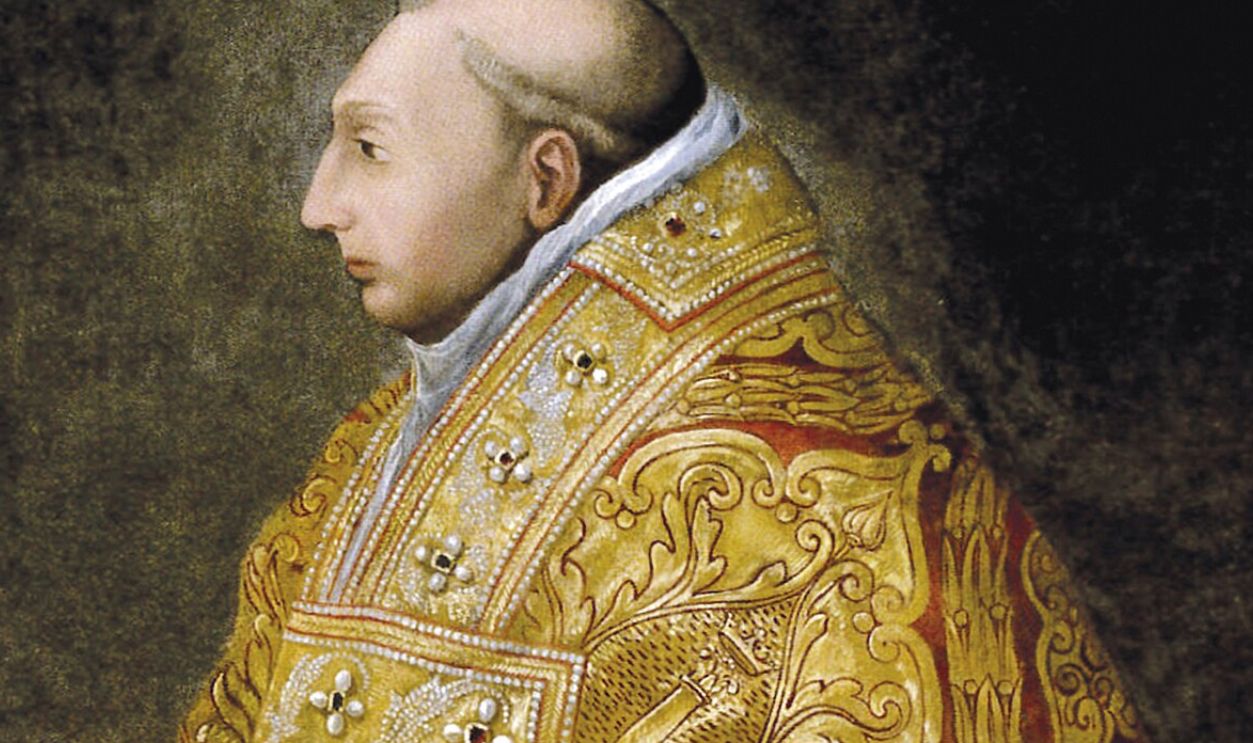 Venetian school, Wikimedia Commons
Lasting Damage To Authority
The events of the 14th century weakened the papacy’s moral authority. Critics started to question not just popes themselves as individuals, but the institution and its entire system as a whole. These doubts would reverberate into later movements that challenged Church power.
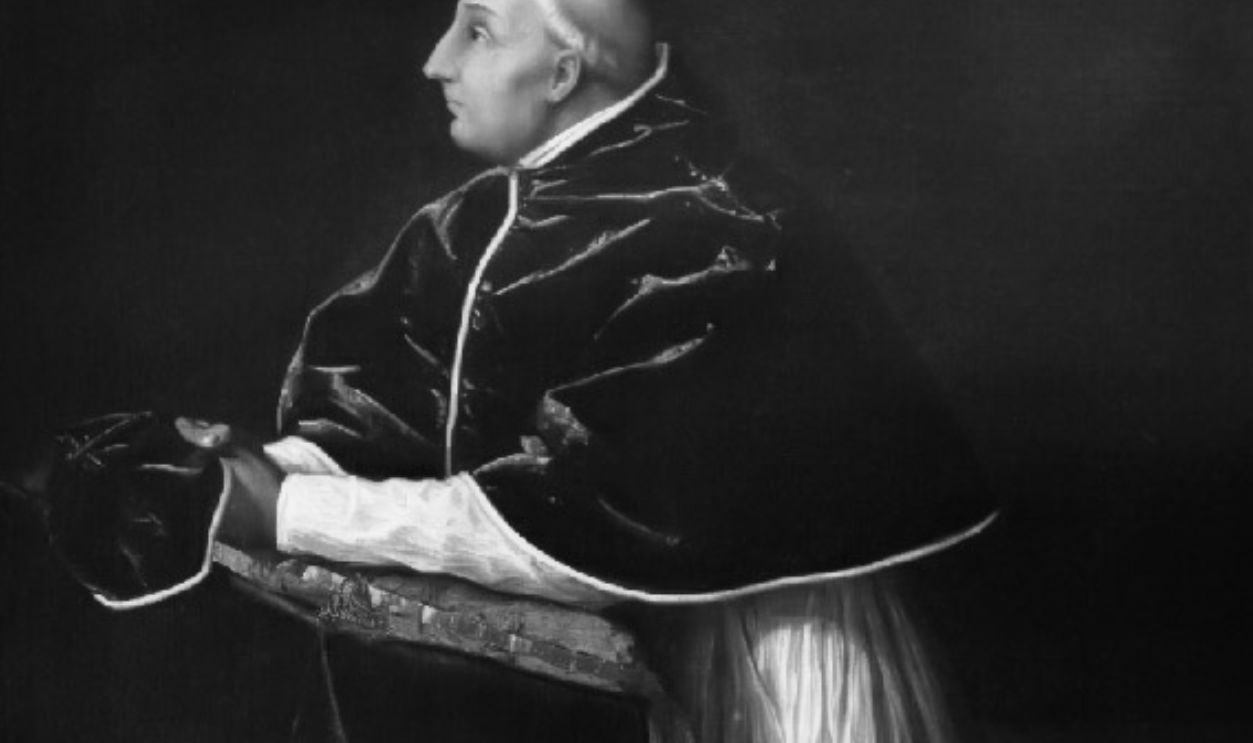 Anderson — Roma and Scipione Pulzone, Wikimedia Commons
Seeds Of Reform
The Avignon Papacy planted early seeds of reform. Dissatisfaction with Church leadership would later contribute to movements like the Protestant Reformation. The memory of a “captured” papacy lingered in the collective consciousness of Europe.
 Jean-Marc Rosier, Wikimedia Commons
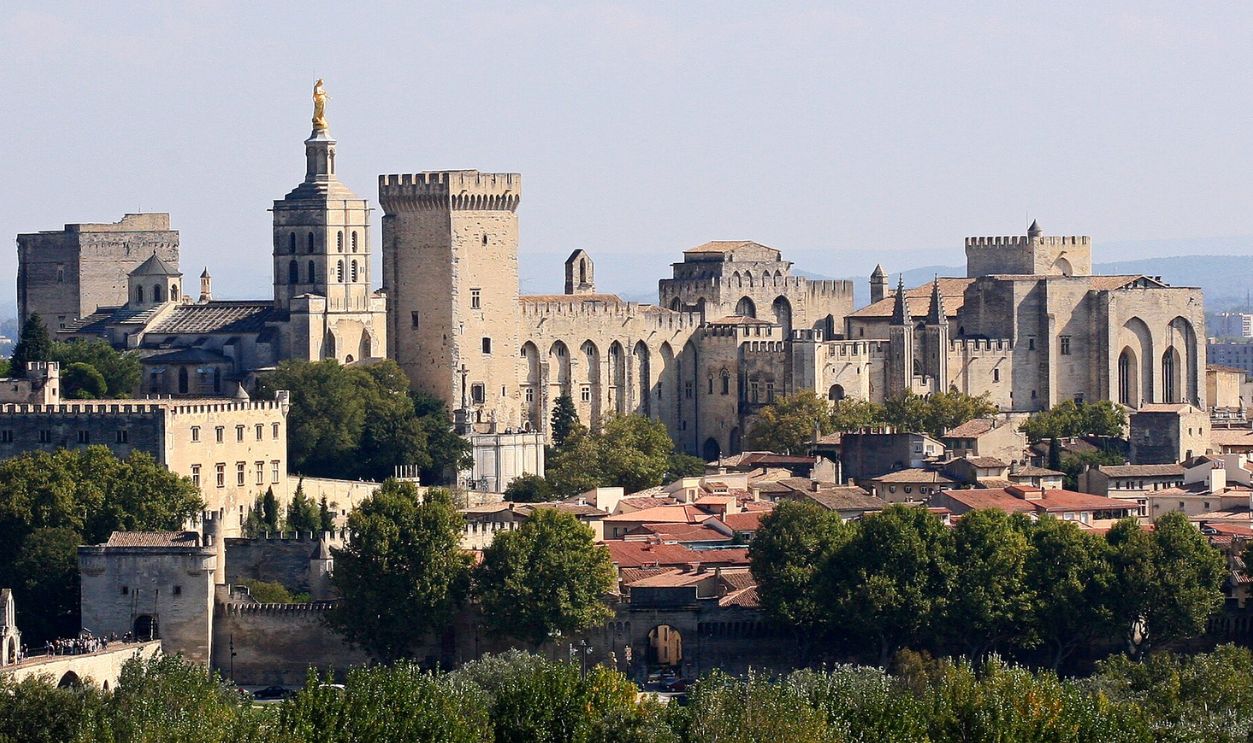
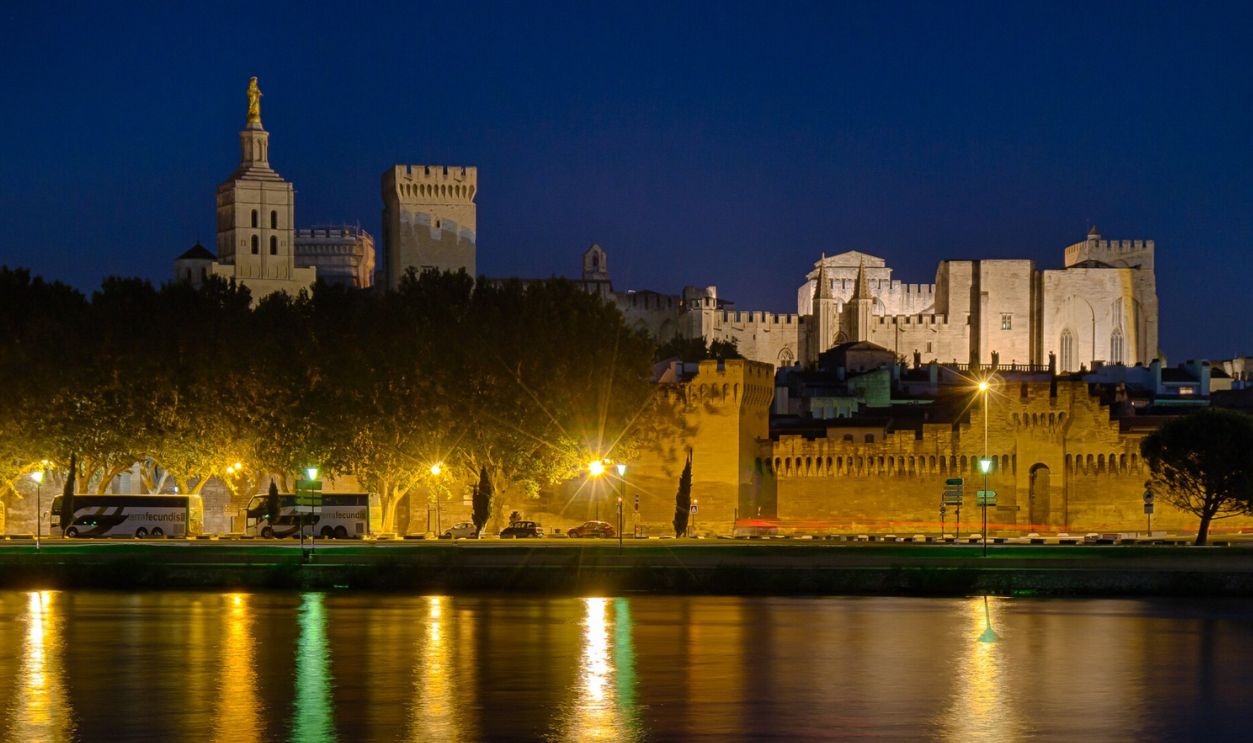
Avignon’s Enduring Legacy
Today, Avignon still bears the marks of its papal past. The amazing Palais des Papes stil stands as a reminder of a time when the center of Catholic power shifted away from Rome. It is a physical echo of a turbulent chapter in history.
 Sergey Ashmarin, Wikimedia Commons
A Lesson In Power And Place
The Avignon Papacy showed how geography and politics could reshape even the most ancient institutions. By leaving Rome, the papacy gained stability but lost something that was much more difficult to measure: its symbolic authority.
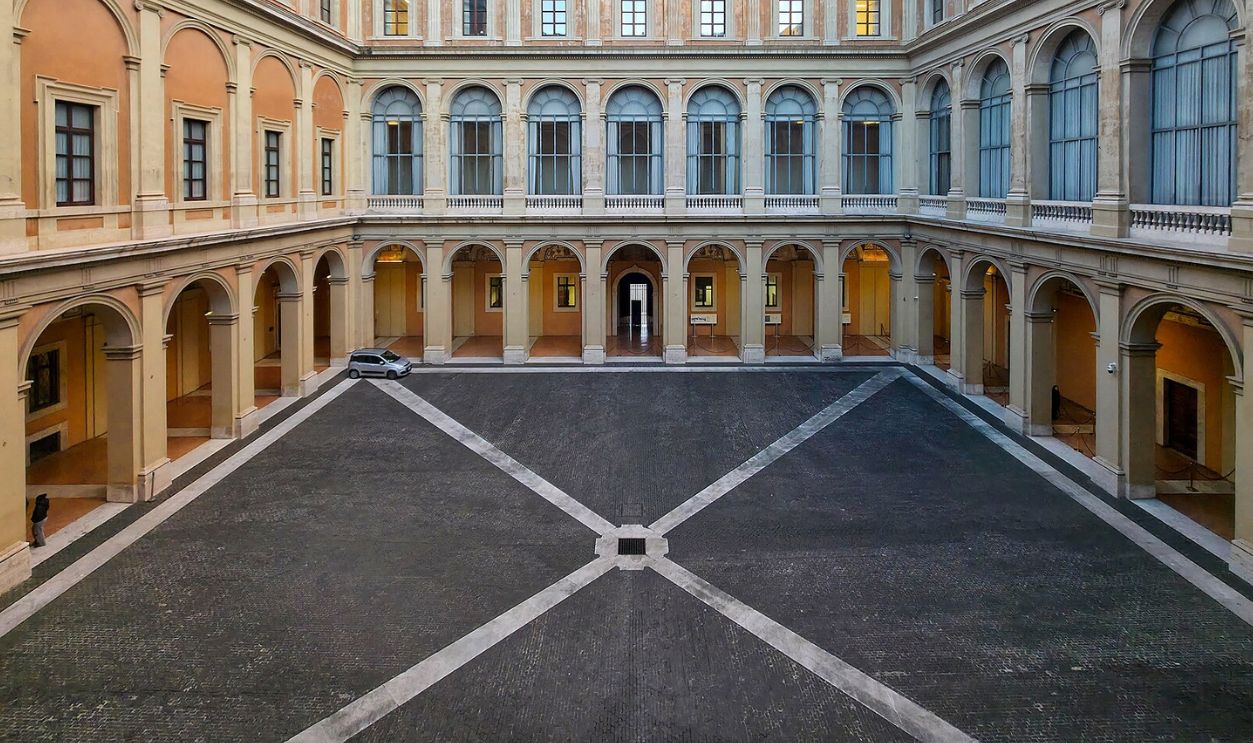
Echoes In The Modern World
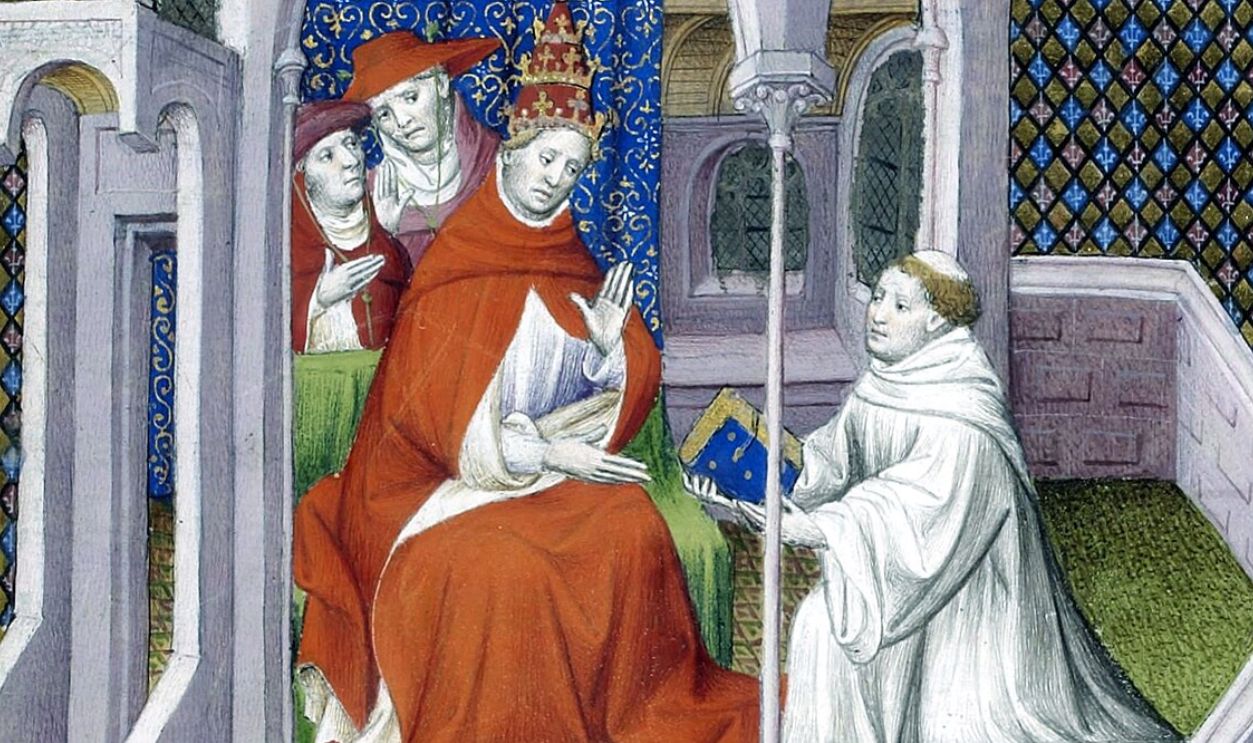
The tension between spiritual authority and political power still emerges sometimes even today. The story of Clement V and Avignon was a historical interlude that showed that even the most enduring institutions can be reshaped by circumstances with consequences that last for generations.
 Master of the Coronation of the Virgin, Wikimedia Commons
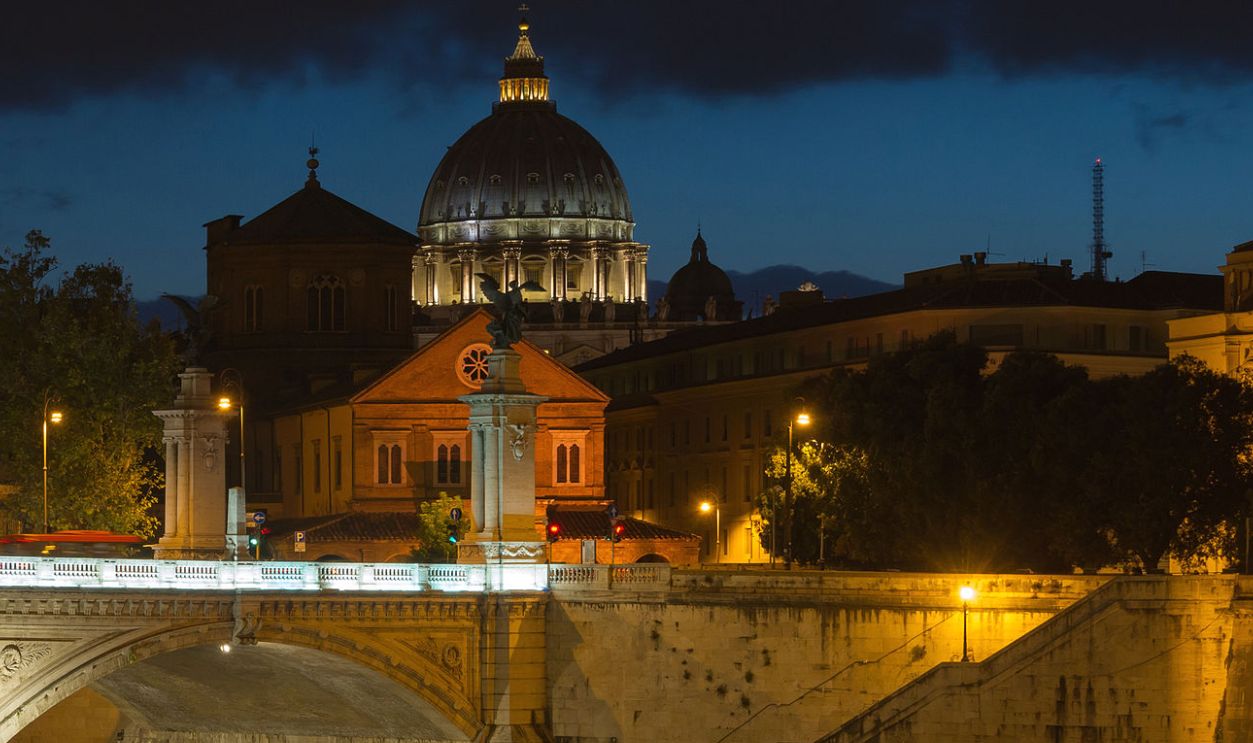
A Neglected Vatican
With the papacy absent for decades, Rome’s religious heart fell into visible decline. St. Peter’s Basilica, already centuries old, suffered from neglect, structural decay, and dwindling prestige as attention shifted to Avignon. By the time the popes returned, the now-dilapidated church symbolized abandonment. These conditions set the stage for an ambitious rebuilding effort that would redefine the Vatican in the Renaissance.
You May Also Like:
Unfortunate Facts About Pope Clement VII, The Unluckiest Pope
40 Bubonic Facts About The Black Death










.jpg)


.jpg)


-ritratto_Clemente_VI.jpg)


_%E2%80%93_Palais_des_Papes_d%27Avignon.jpg)


_%E2%80%93_1896.jpg)


.jpg)


