
Riverside Discovery
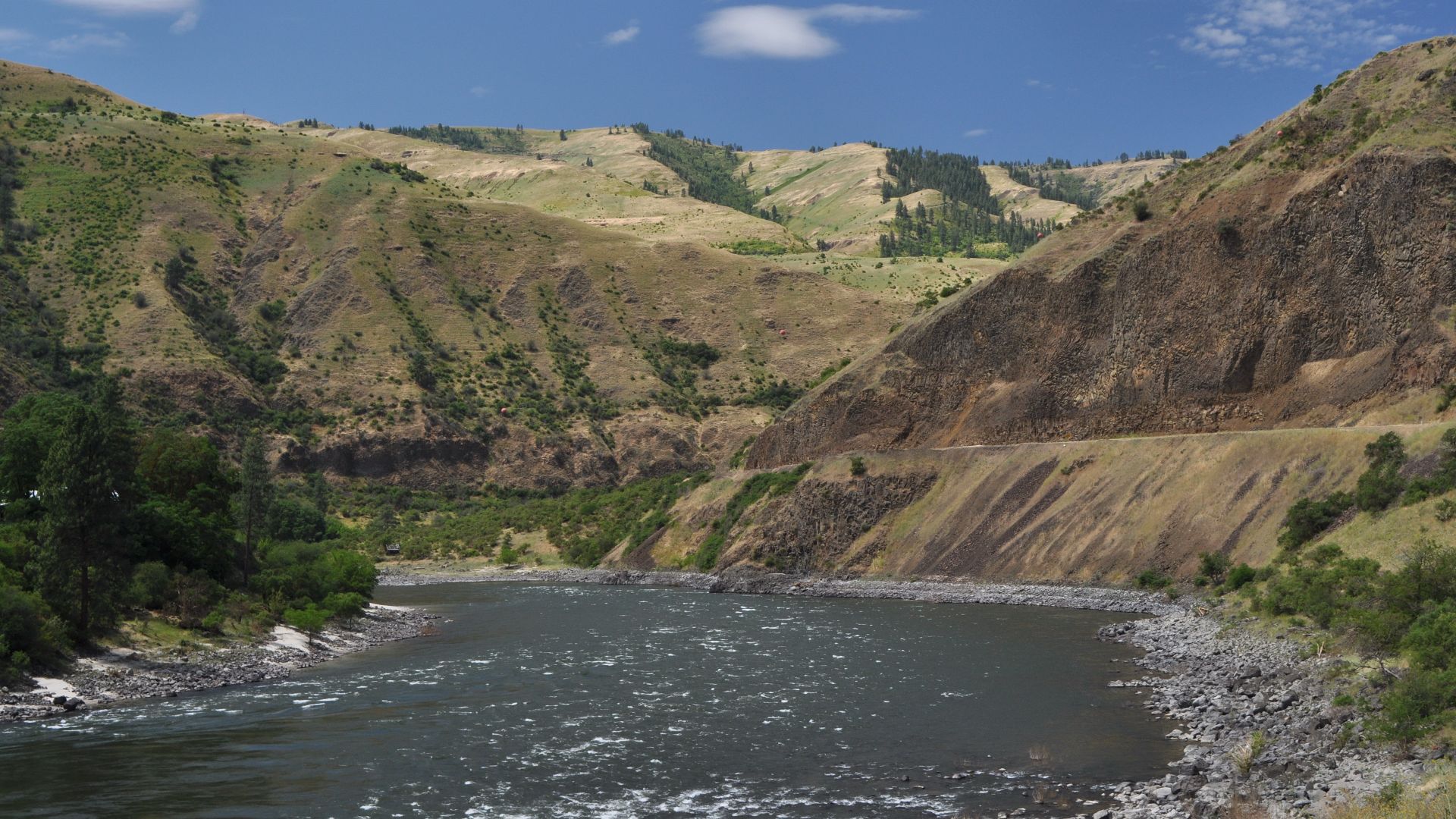
Tucked along the lower Salmon River in western Idaho, the Cooper’s Ferry archaeological site has altered how researchers understand the presence of the earliest human migrants in North America. Radiocarbon dating, artifacts, and distinctive stone tools all suggest that humans occupied the riverside site as early as 16,000 years ago, which is much earlier than long-accepted models have allowed for.
 Forest Service Northern Region from Missoula, MT, USA; Factinate
A Site On Nez Perce Traditional Land
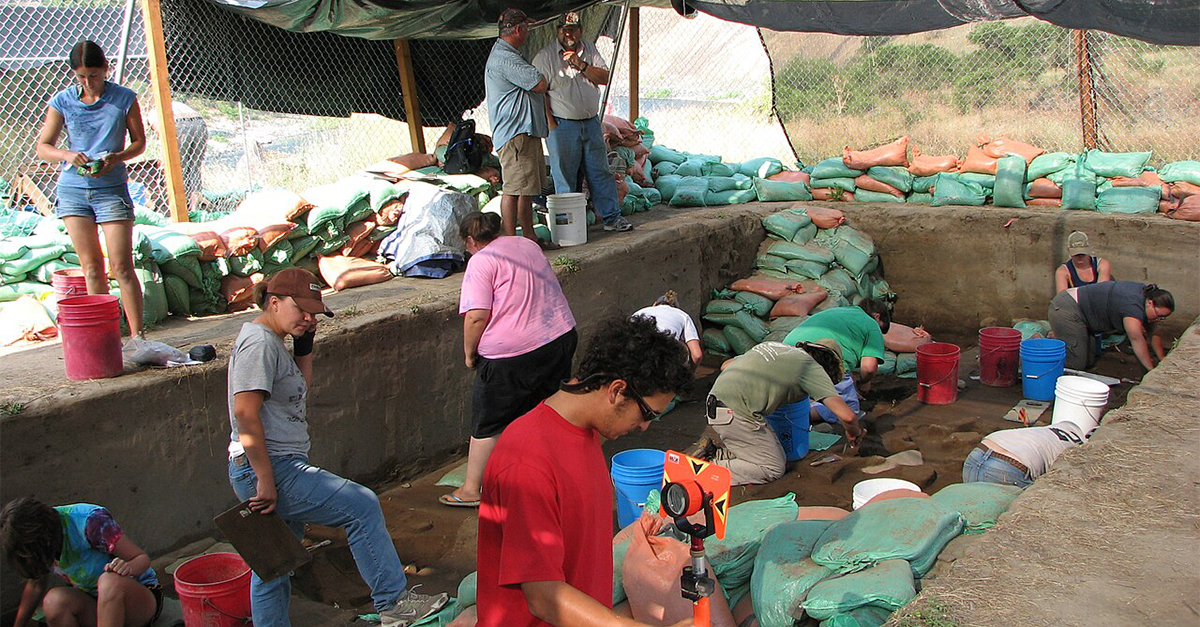
The Cooper’s Ferry site is located near the present-day town of Cottonwood, Idaho, within territory traditionally known as Nipéhe to the Nez Perce people. This area was culturally important for Indigenous groups long before any modern archaeologists took any notice of it. Excavations have uncovered layered deposits displaying repeated use of the site by humans across thousands of years.
 Forest Service Northern Region from Missoula, MT, USA, Wikimedia Commons
Early Excavations And Discoveries
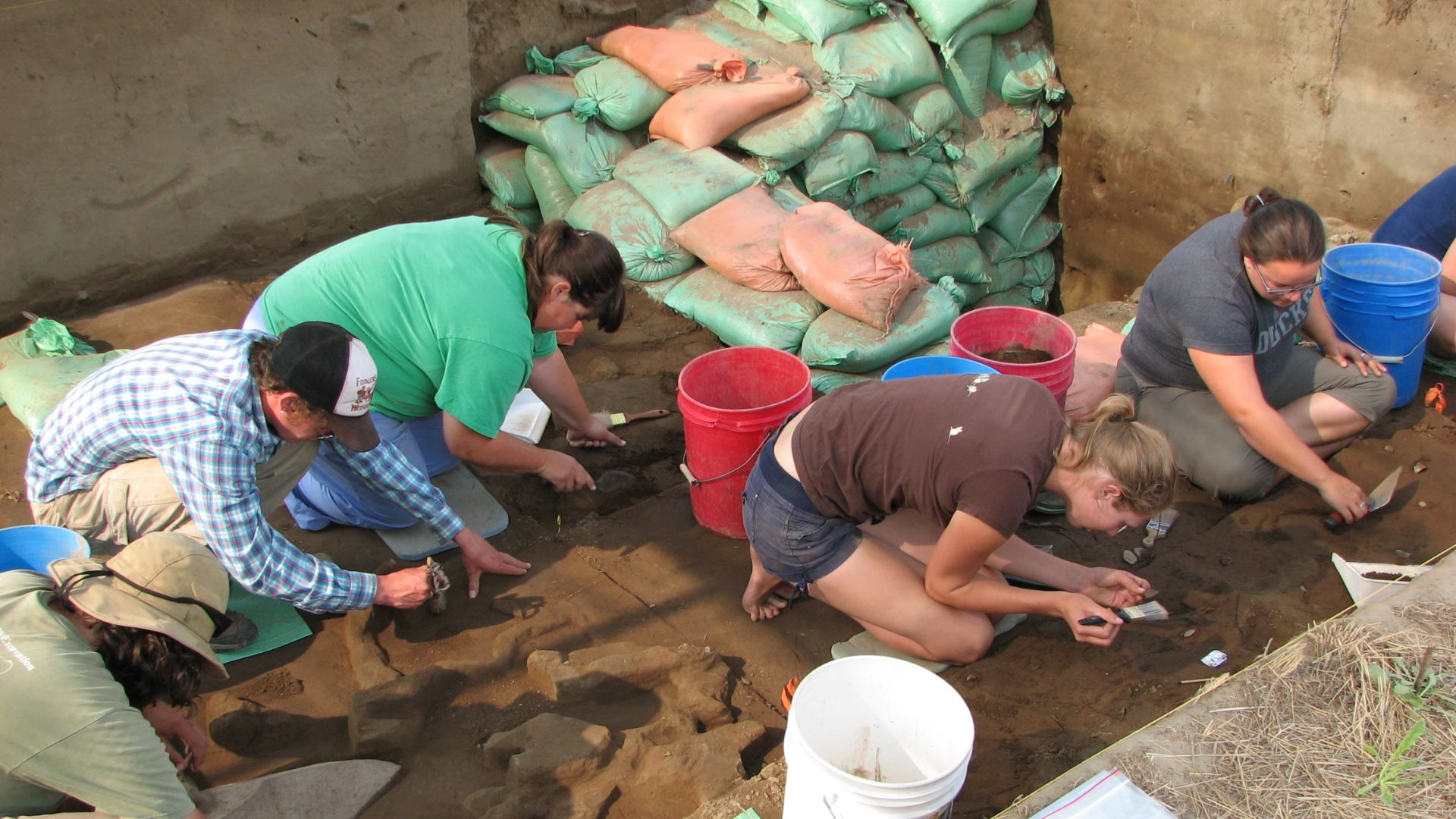
Archaeological interest in Cooper’s Ferry started in the 1960s, when early investigators dug up stone tools and other cultural debris. While this was a promising discovery, those early 60s digs lacked modern dating techniques and the comprehensive excavation methods that we have now. Because of this, the site’s true age and importance remained uncertain for decades.
 Tadeusz Biniewski, Wikimedia Commons
Renewed Research In The Late 20th Century
More systematic research started up again in the 1990s under the stern, unflinching gaze of archaeologist Loren G. Davis of Oregon State University. His team applied refined excavation strategies and quickly began to recover stemmed projectile points and other tools inconsistent with Clovis technology. These discoveries lent themselves to the notion of a human presence older than the long dominant Clovis first model.
 Bureau of Land Management, Wikimedia Commons

History's most fascinating stories and darkest secrets, delivered to your inbox daily.
Radiocarbon Dating Upends Old Beliefs
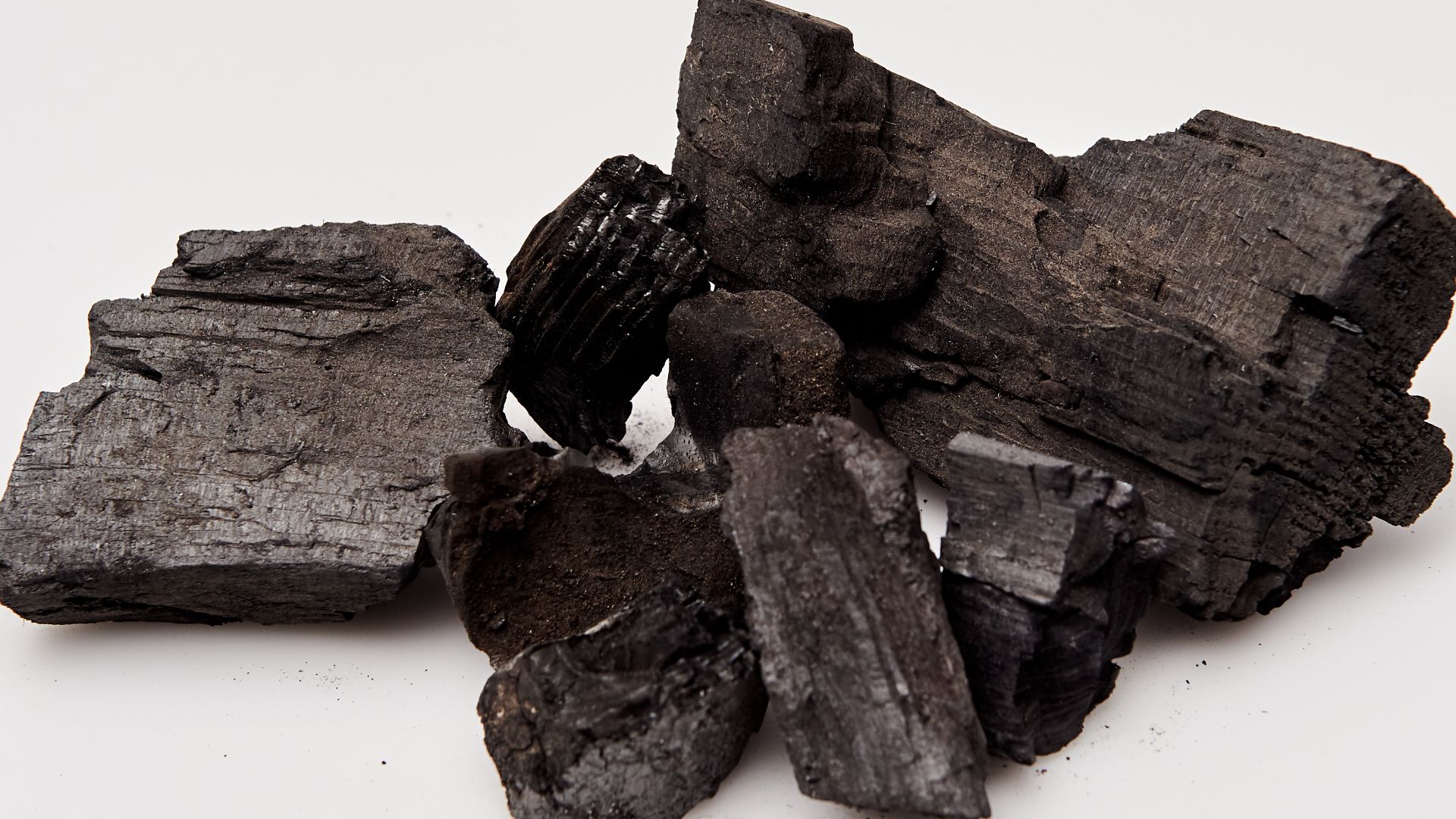
Radiocarbon dating of charcoal from hearths and animal remains at the Cooper’s Ferry site produced dates ranging from roughly 15,000 to more than 16,000 years ago. These results placed Cooper’s Ferry well within the pre-Clovis timeframe. The reliability of all the multiple samples from different layers strengthened the researchers’ confidence in these early occupation dates.
 Dati Bendo, European Commission, Wikimedia Commons
Who Were The Clovis People?
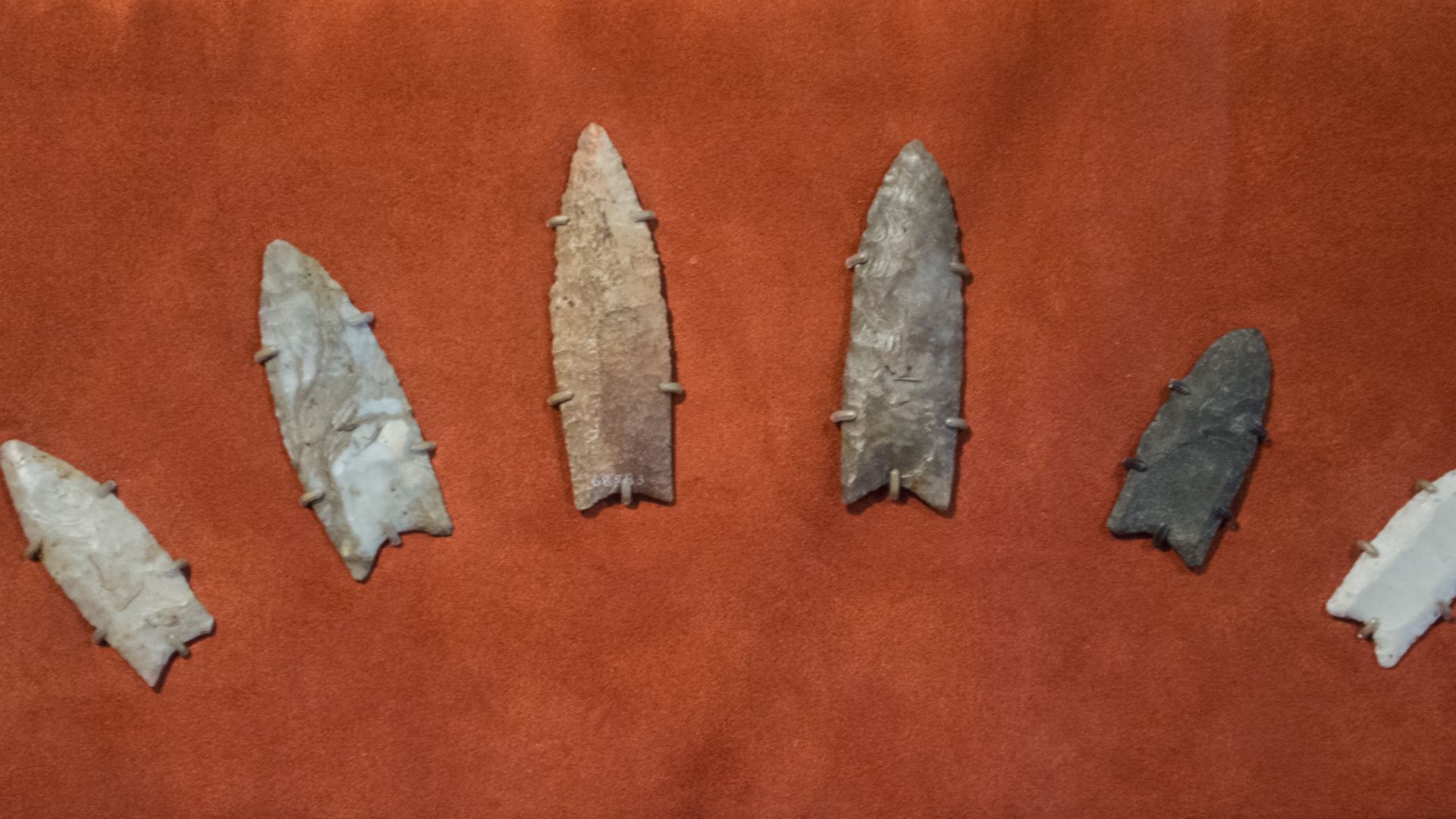
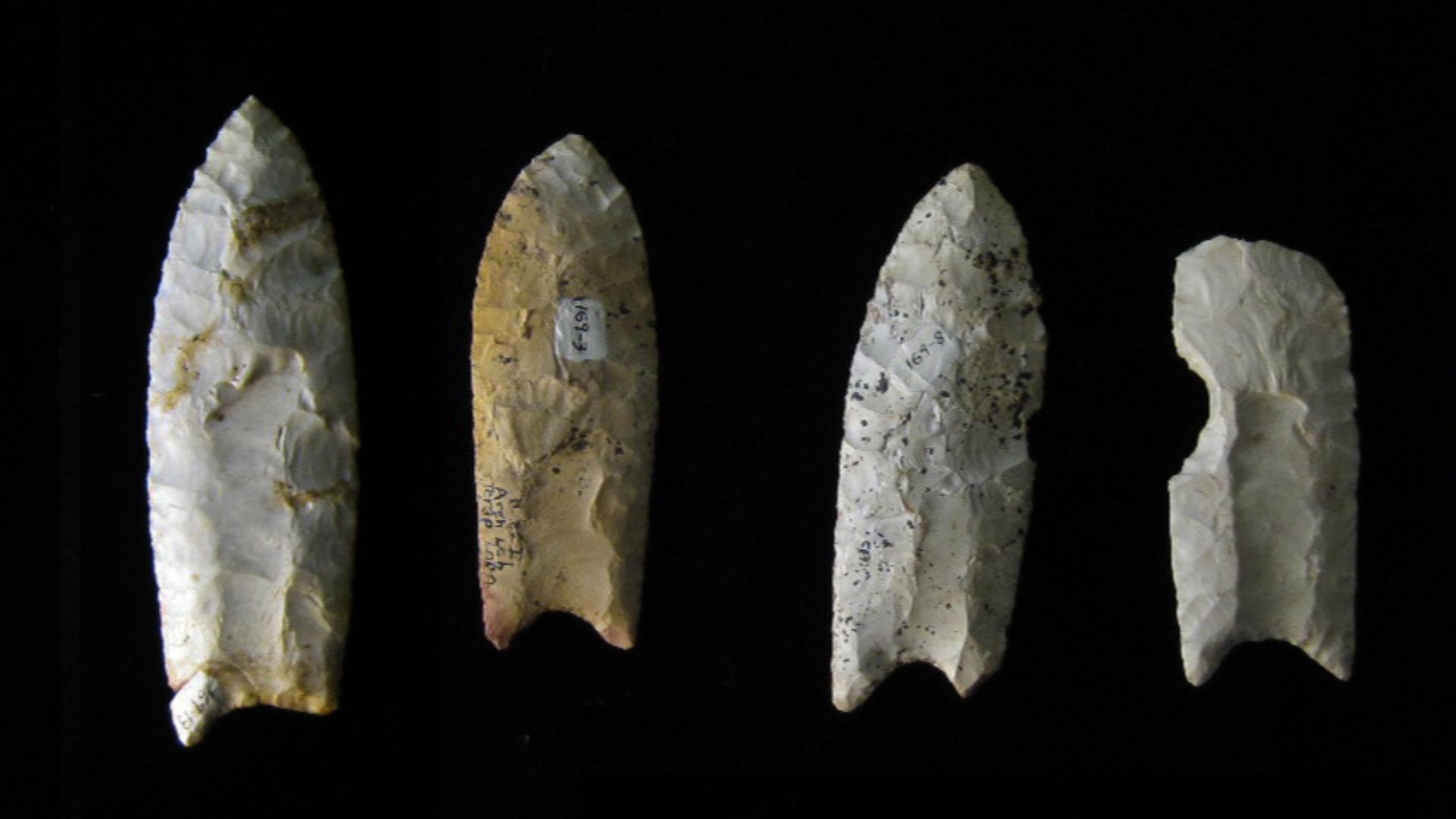
The Clovis people were a prehistoric culture named after distinctive stone spear points first identified near Clovis, New Mexico. Dating to about 13,000 years ago, their sophisticated fluted points were associated with big-game hunting and became the benchmark for early American archaeology.
 Tim Evanson, Wikimedia Commons
Pre-Clovis Evidence Emerges
For much of the 20th century, archaeologists believed deeply that Clovis culture represented the first inhabitants of the Americas. The chronological evidence from Cooper’s Ferry directly challenges this view. The early dates of its sample materials provide clear proof that humans were living in North America thousands of years before Clovis tools appeared.
 Bill Whittaker (talk), Wikimedia Commons
Stemmed Projectile Points
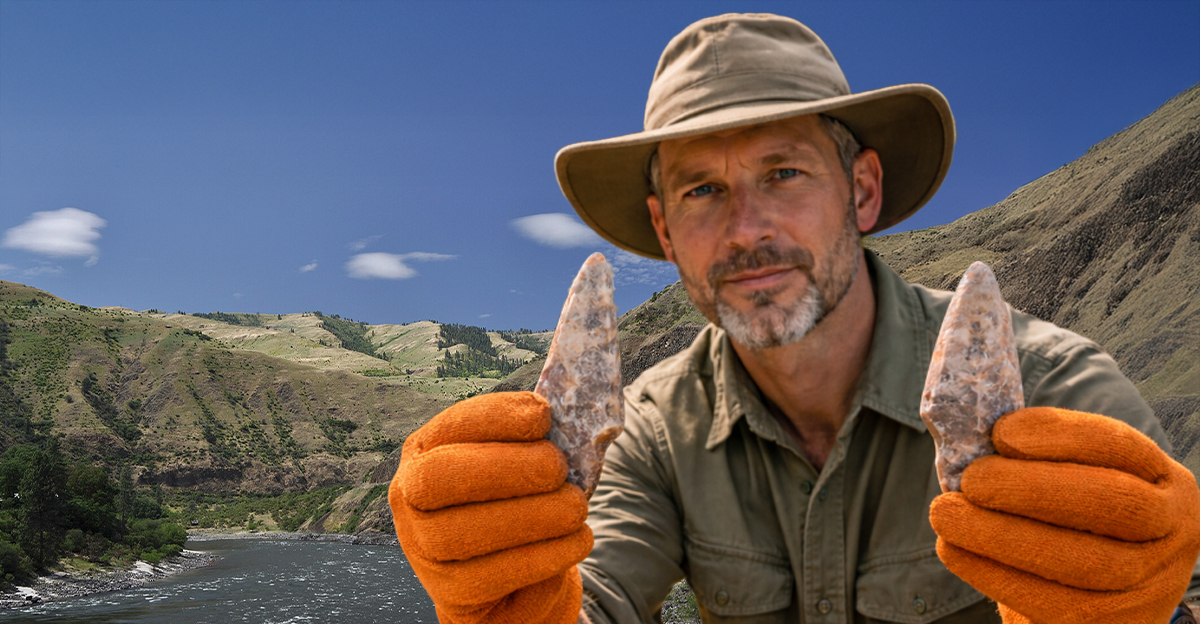
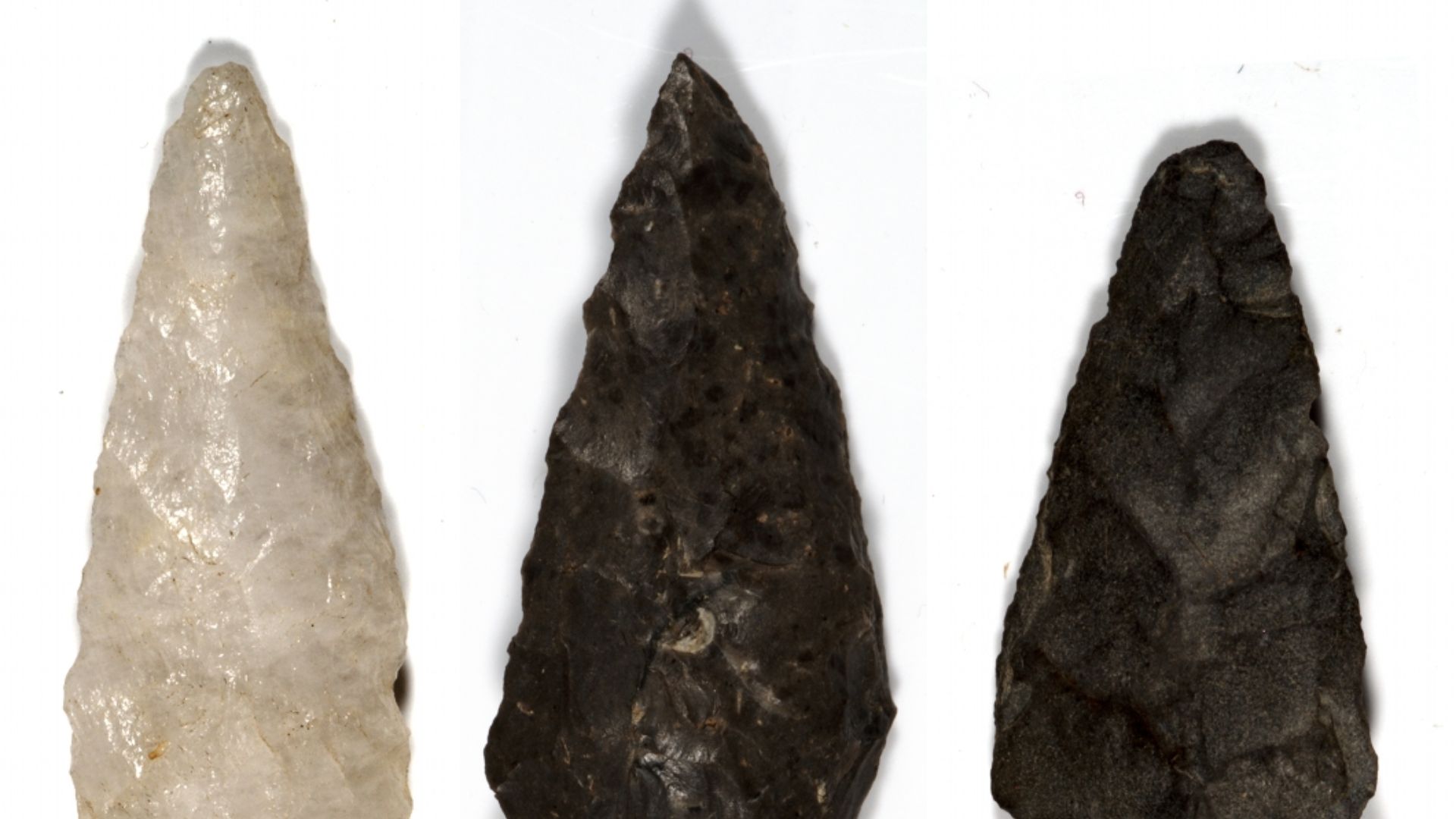
Among the most important discoveries at Cooper’s Ferry are stemmed projectile points—arrow heads— dating to nearly 16,000 years ago. These tools differ markedly from Clovis fluted points and are associated with what’s called the Western Stemmed Tradition. Their presence demonstrates a distinct technological lineage of weaponry separate from that of the Clovis people.
Technological Similarities With Asia
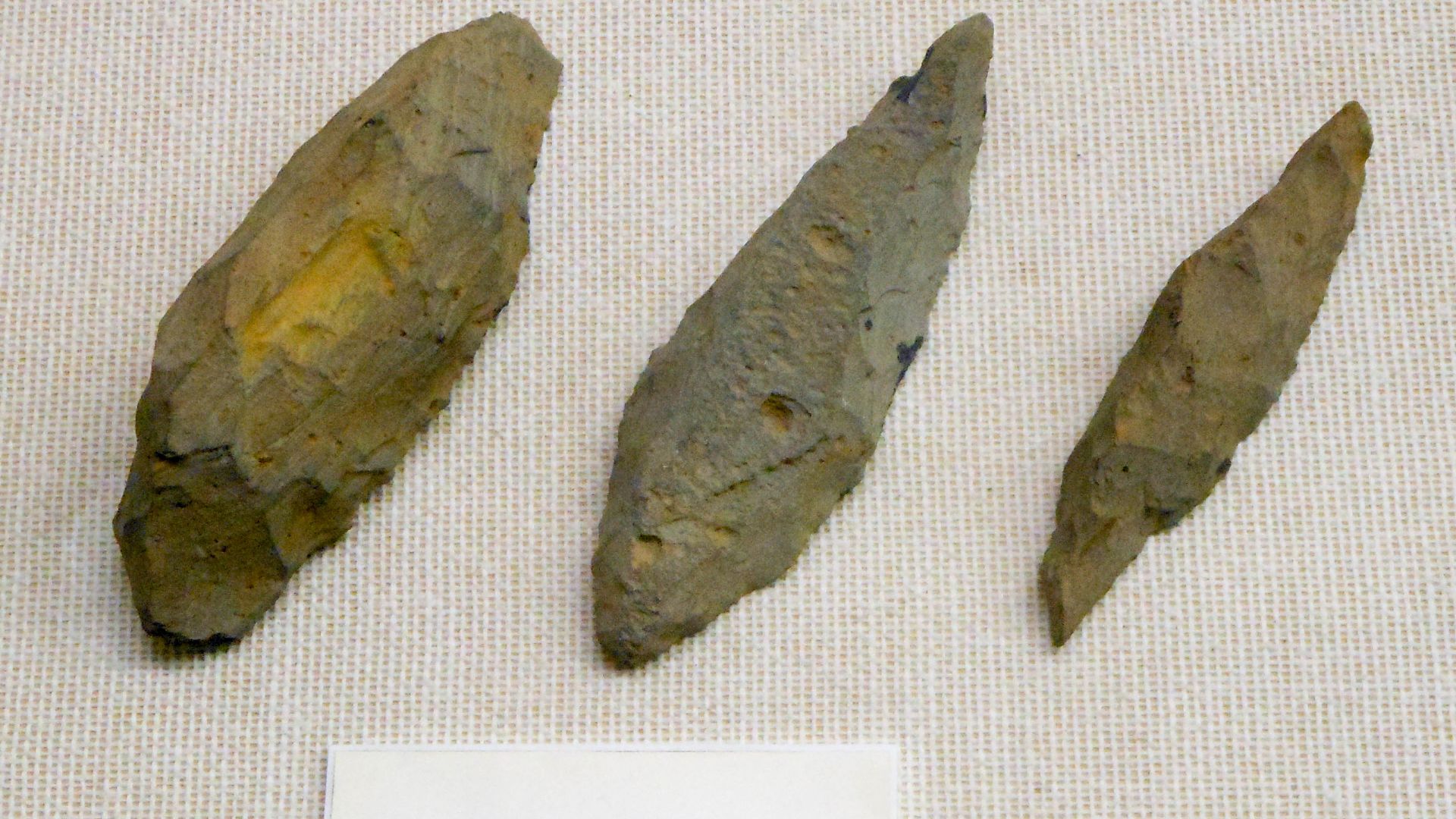
Comparisons between Cooper’s Ferry tools and stone implements from prehistoric Japan revealed some striking similarities in their form and manufacturing techniques. These parallels suggest a possible cultural or technological continuity along the Pacific Rim. The findings add strength to the idea that early migrants to the Americas brought toolmaking traditions along with them from far-off Northeast Asia.
Animal Bones And Hearth Features
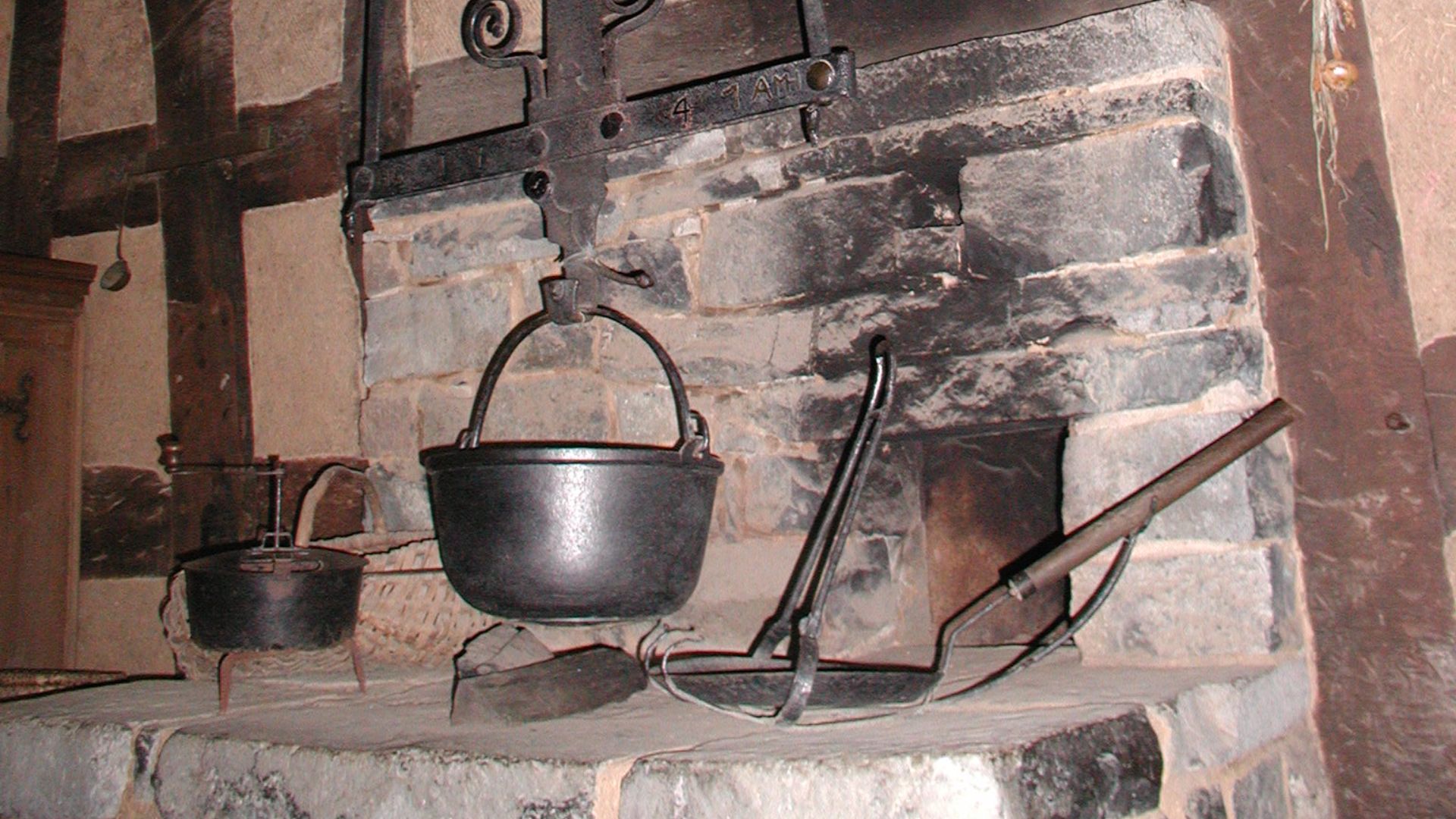
Excavations also dug up charred bone fragments, ash deposits, and hearth features that indicated long-term repeated fire use. These findings show that the humans here were hunting animals, processing the food, and staying at the site for extended periods. The remains are a valuable additional insight into the daily subsistence habits during the Late Pleistocene.
 HOWI - Horsch, Willy , Wikimedia Commons
History's most fascinating stories and darkest secrets, delivered to your inbox daily.
Well-Stratified Record
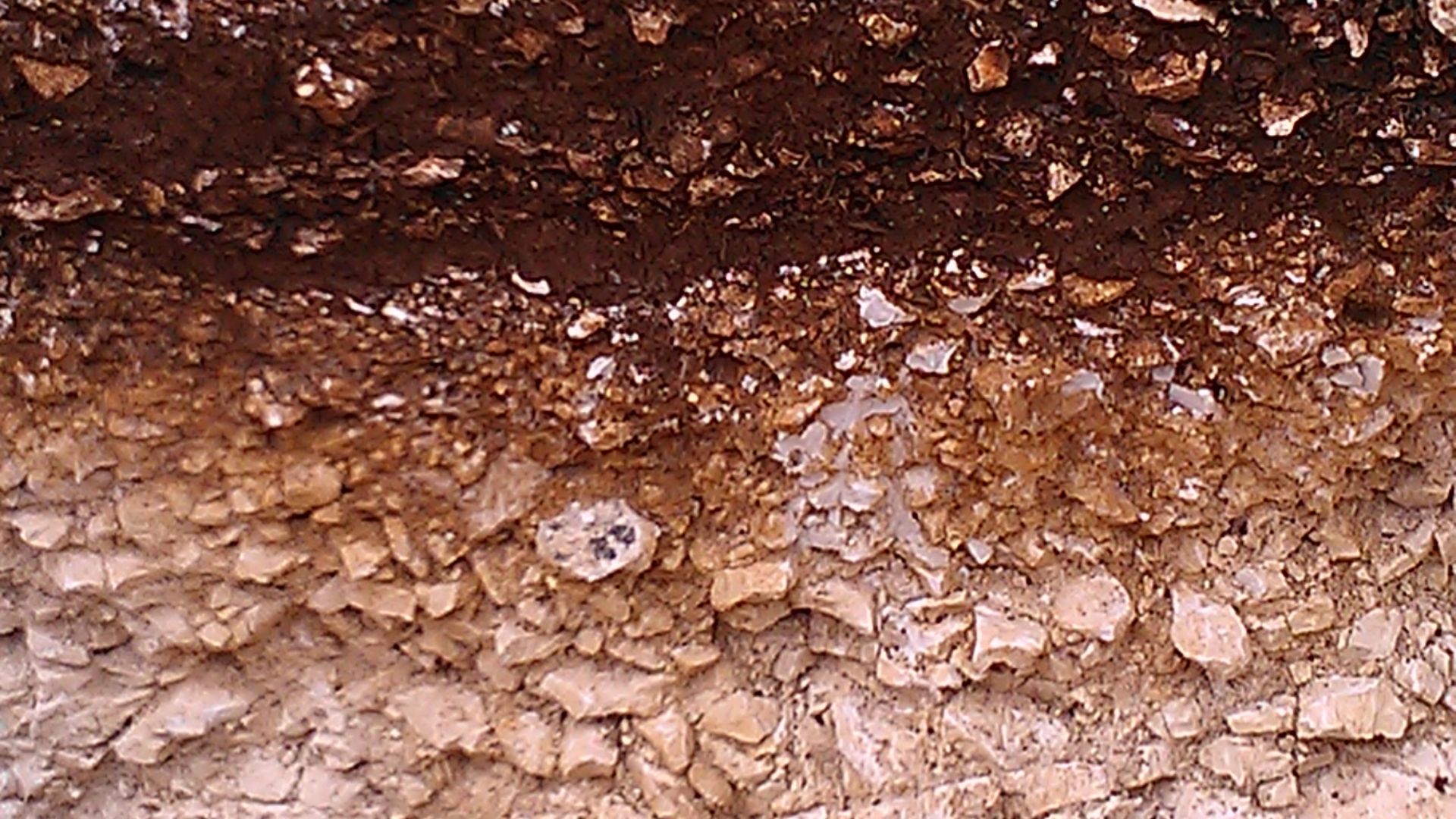
One of Cooper’s Ferry’s biggest strengths is its stratified well-defined sediment layers. Artifacts appear in clear chronological order through the sediment sequence, allowing researchers to trace changes in technology and behavior over time. This stratigraphy is a great frame of reference and makes the site valuable for studying long term patterns of early human occupation.
 Ethan Doyle White, Wikimedia Commons
Multiple Occupation Levels
Evidence suggests that Cooper’s Ferry wasn’t just a temporary camp but a site revisited again and again over the millennia. Multiple cultural layers indicate distinct occupation episodes separated by long periods of abandonment. This pattern shows the sustained use of the river corridor by successive groups of early people.
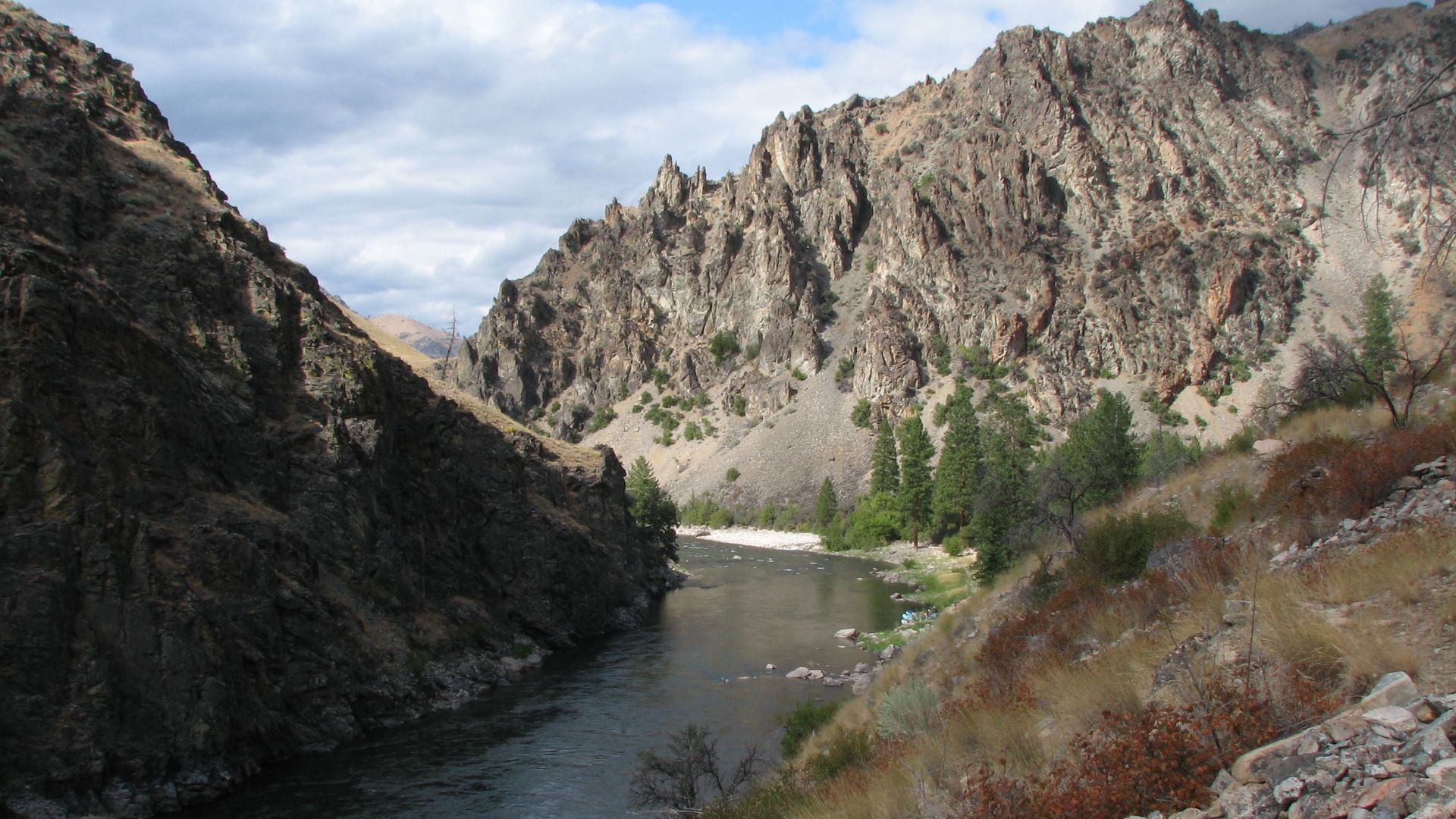
Fire Hearths And Domestic Life
Hearth features are valuable clues for archaeologists, because they reveal domestic activity beyond survival alone. Fire use allowed for cooking, warmth, and social gatherings. The organization of hearths suggests structured ongoing living spaces, providing evidence that early inhabitants purposefully shaped their domestic environment rather than simply passing through the area.
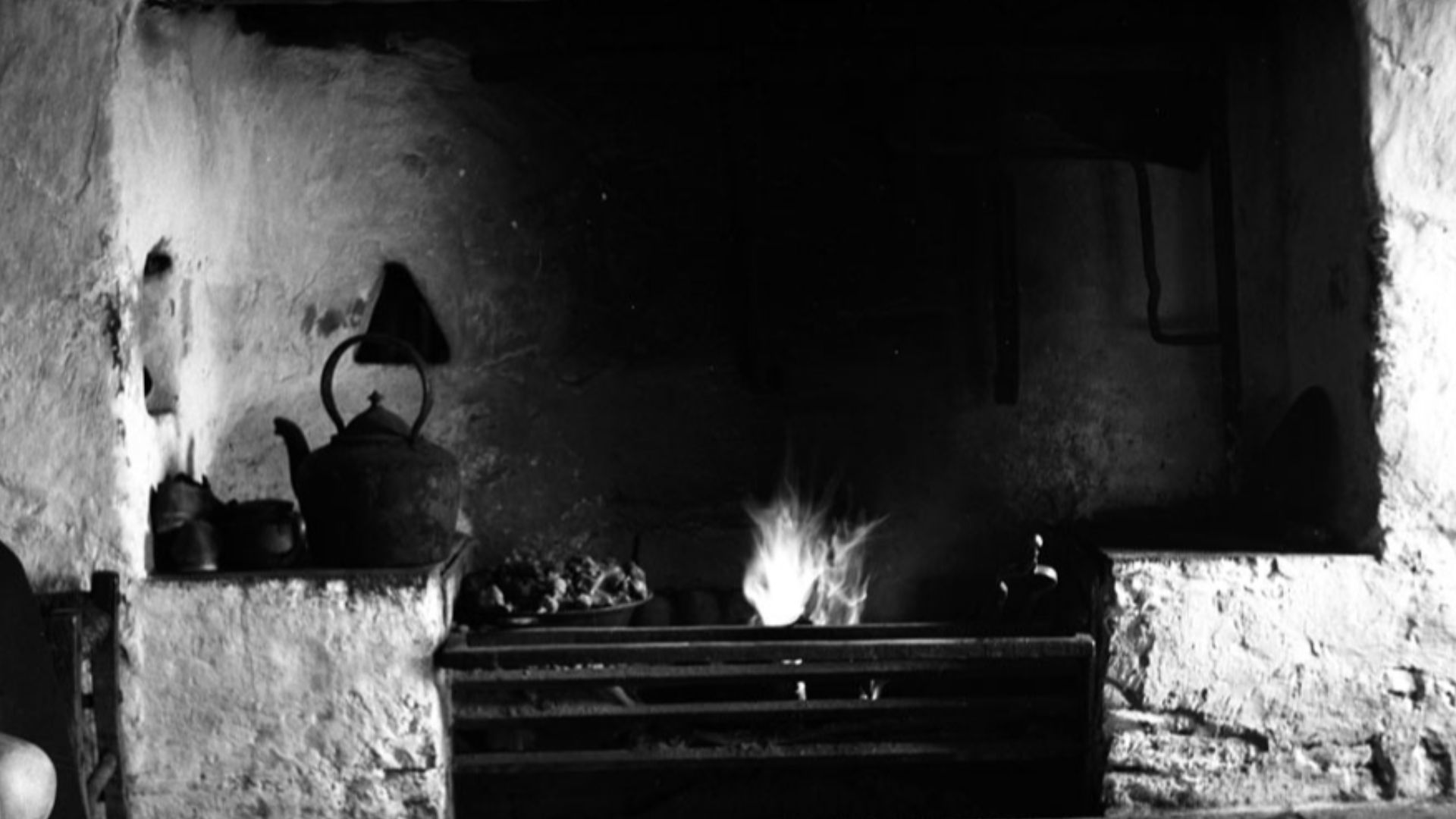 UCD Folklore Department, Wikimedia Commons
Challenging The Ice-Free Corridor Theory
For decades, scholars thought that humans entered the Americas only after glaciers retreated to leave an ice-free corridor through central Canada. But the problem with that is, Cooper’s Ferry dates earlier than this hypothetical corridor’s opening. The discrepancy undermines the corridor theory as the sole explanation for early migration.

Support For Coastal Migration
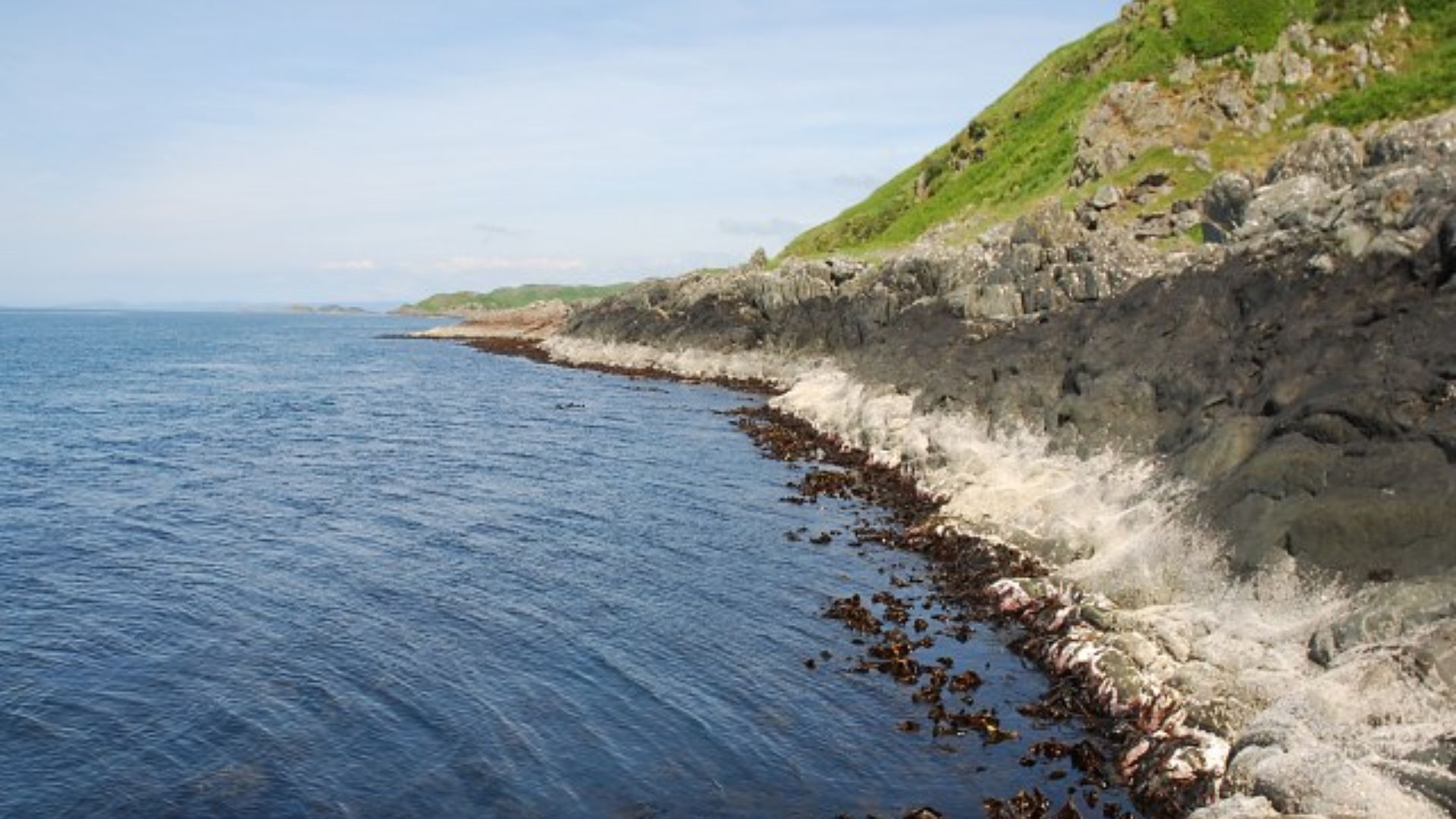
The age of Cooper’s Ferry aligns well with the alternative coastal migration hypothesis, which proposes that early peoples traveled south along the Pacific coast before moving inland along lush river valleys like the Columbia and others. Rivers like the Salmon likely served as natural corridors that guided the course of inland travel from coastal settlements.
 Patrick Mackie, Wikimedia Commons
Human Presence South Of The Ice Sheets
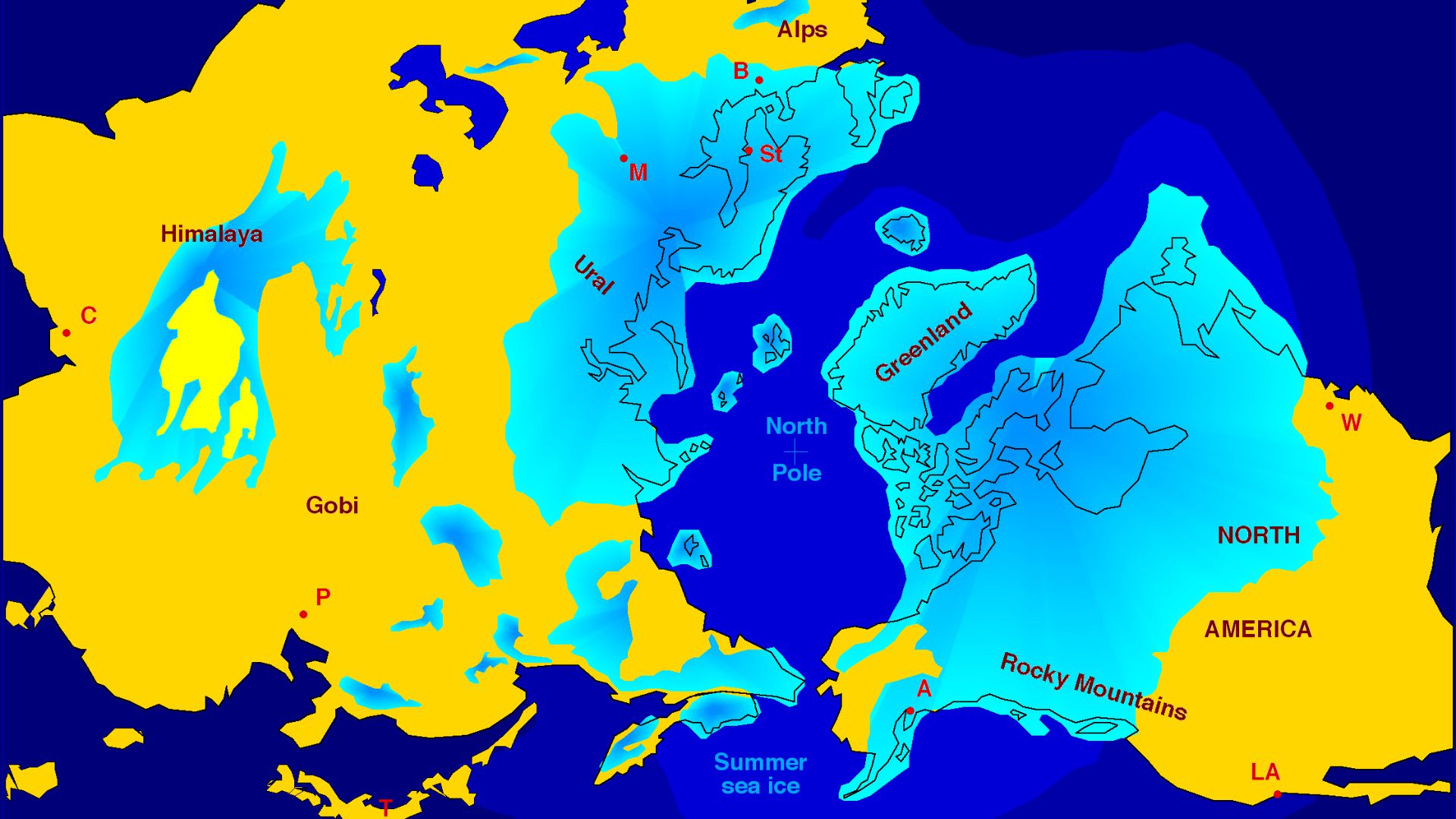
At 16,000 years ago, a lot of northern North America was still buried under a thick layer of glacial ice. Cooper’s Ferry’s location south of these ice sheets confirms that human populations were living beyond the glaciers earlier than we used to think. The whole scenario is forcing a re-evaluation of migration timelines.
 Hannes Grobe/AWI, Wikimedia Commons
History's most fascinating stories and darkest secrets, delivered to your inbox daily.
Adding To The Prehistory Debate
Archaeologists love nothing more than arguing about ancient origins, and the importance of Cooper’s Ferry is no exception. The site and its findings have become central to debates surrounding the peopling of the Americas. Its solid dating and clear archaeological context make it one of the most persuasive pieces of evidence supporting the arrival of far-roving human wanderers much earlier than traditional models could ever comprehend.
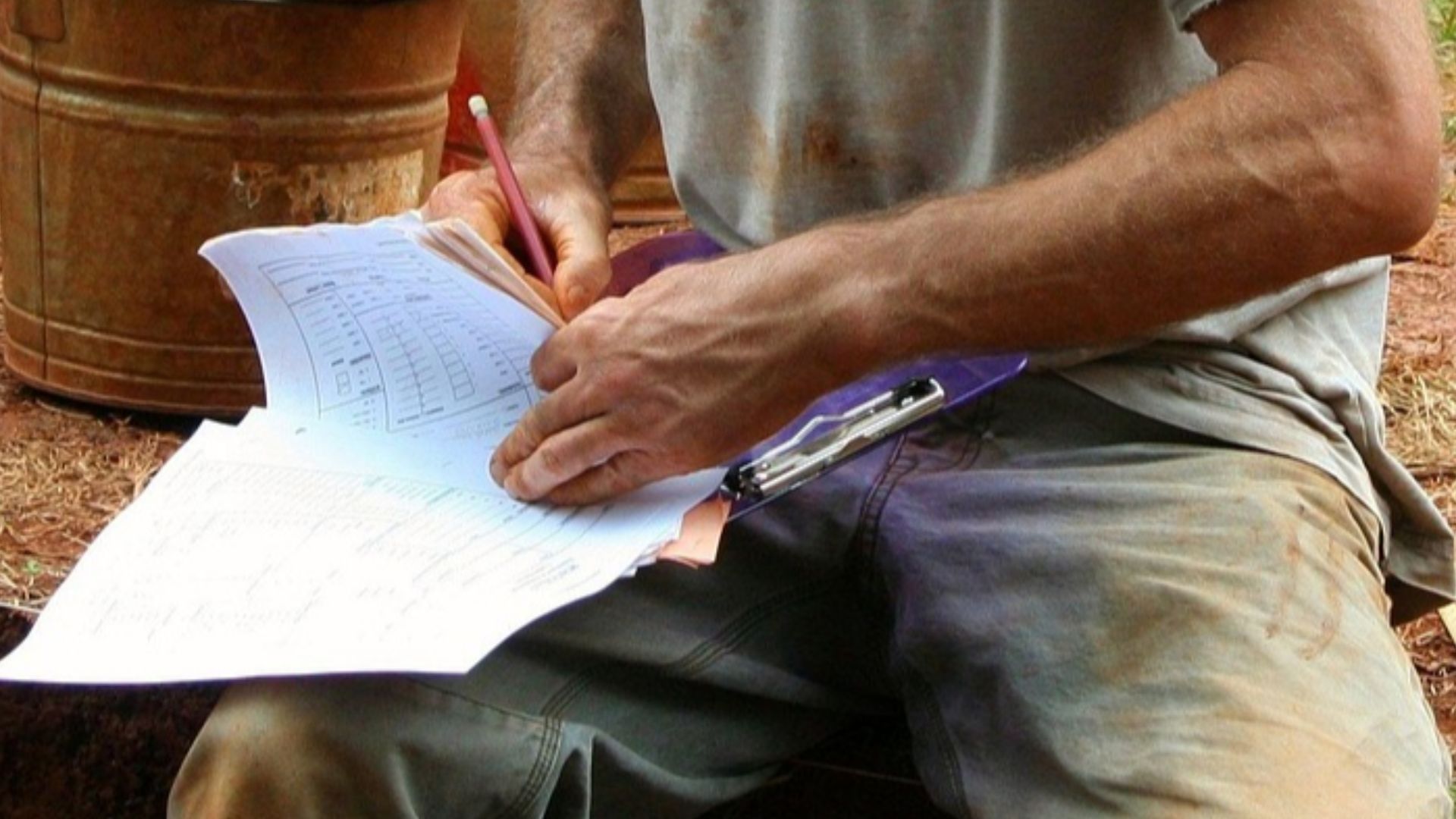
Modifying Archaeological Models
The discovery compels archaeologists to revise long held assumptions about migration routes, timing, and technology. Rather than one single migration event, evidence now seems to point toward the presence of multiple groups of humans arriving over extended periods along many different pathways.
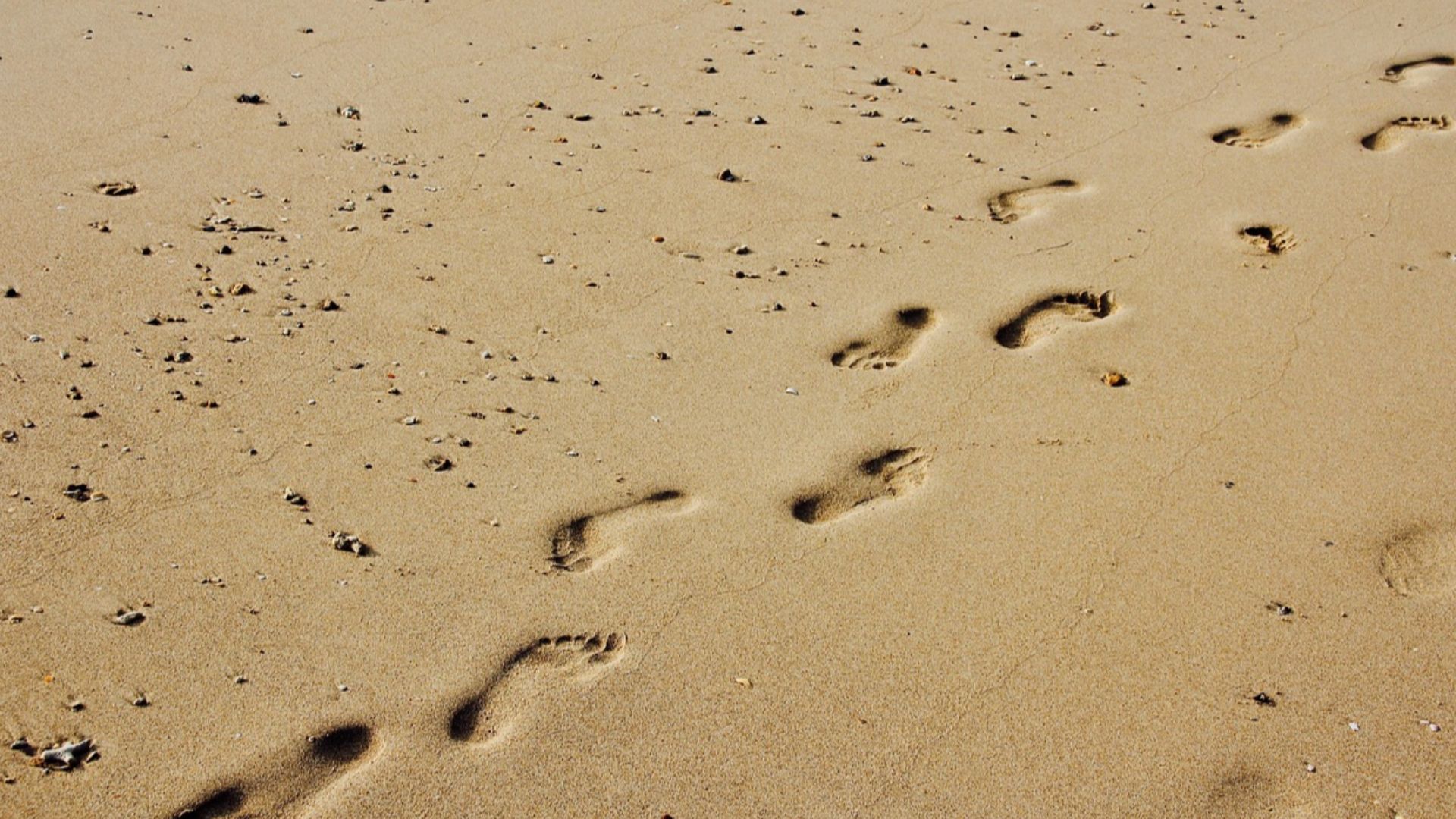
Western Stemmed Tradition In Context
Artifacts at Cooper’s Ferry belong to the Western Stemmed Tradition, a widespread early toolmaking complex across western North America. Mapping this tradition helps archaeologists track population movements and cultural connections across the vast geographic expanse of the North American continent.

Comparison With Other Pre-Clovis Sites
There are actually several pre-Clovis sites that have been firmly established, but Cooper’s Ferry stands out for its excellent stratigraphy and multiple radiocarbon dates. The dependable reliability of the information found there places it among the strongest candidates for confirming early human settlement in North America.
 Yulia Kolosova, Wikimedia Commons
Collaboration With Tribal Knowledge
Modern researchers have shown a keen interest in, and respect for, Indigenous perspectives, particularly those of the Nez Perce people. Archaeologists now recognize more and more that tribal oral histories and long-standing familiarity with the land offer a valuable context for their research and the interpretation of ancient sites like Cooper’s Ferry.
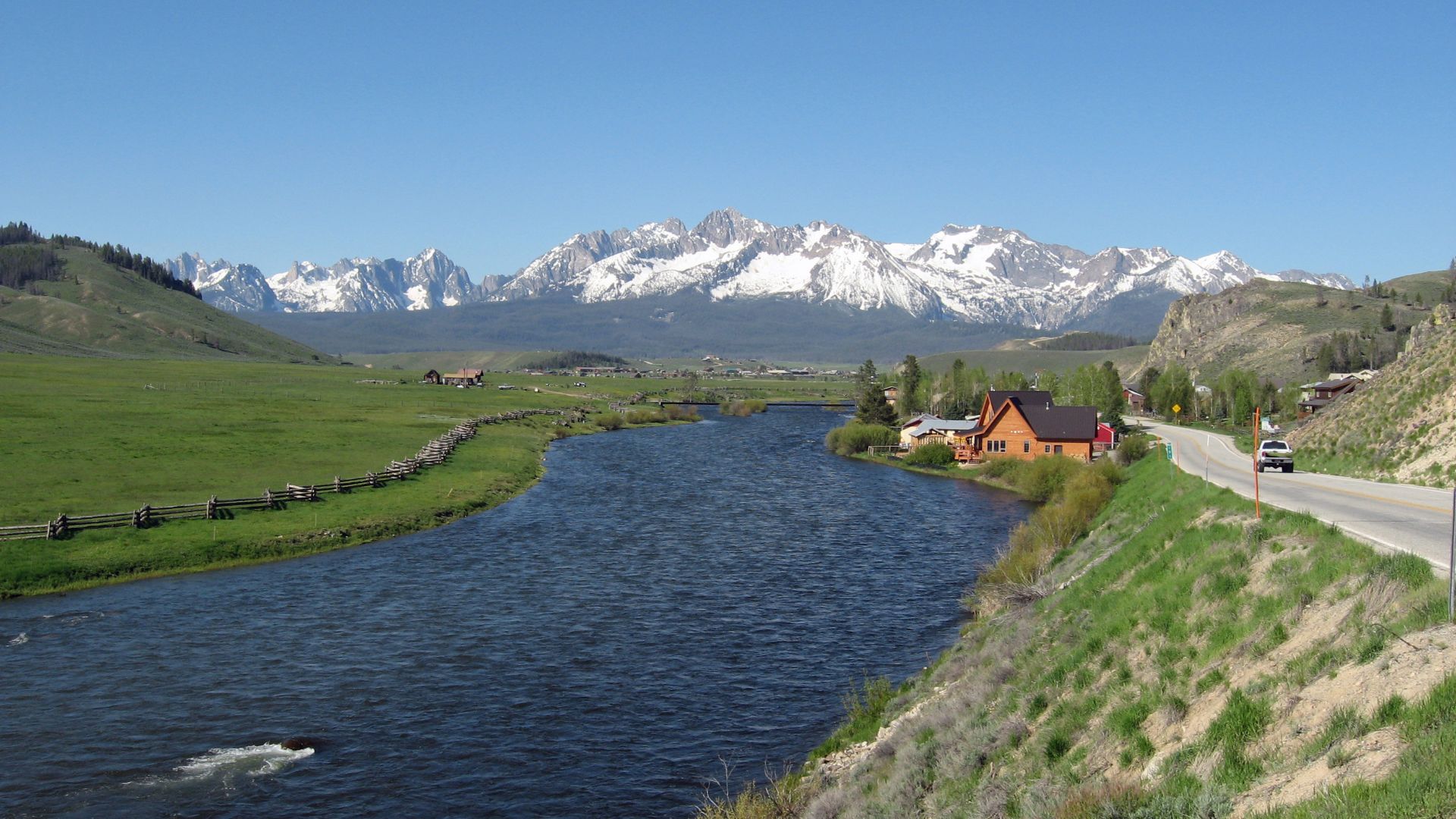 Fredlyfish4, Wikimedia Commons
Ongoing Excavation And Research
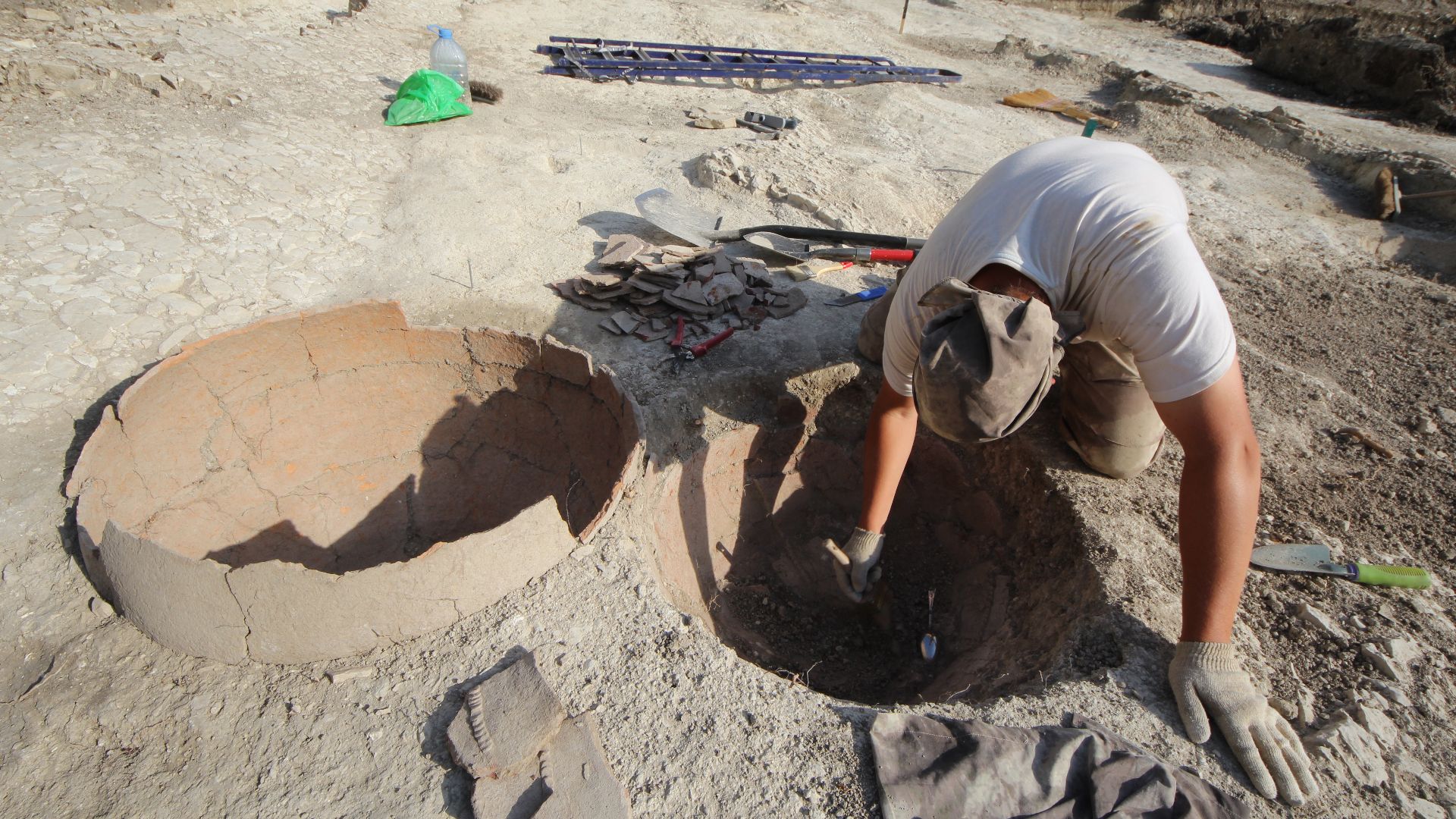
Excavations at Cooper’s Ferry go on, with researchers fine-tuning dates, poring over artifacts, and expanding excavation areas. Each new discovery deepens understanding of early human adaptation and migration patterns across the American West.
 MariyaShubina, Wikimedia Commons
History's most fascinating stories and darkest secrets, delivered to your inbox daily.
Timeless Lessons Of Cooper’s Ferry
Cooper’s Ferry demonstrates that the story of the first Americans is far older and more complex than previously believed. Its discoveries challenge outdated models and highlight humanity’s remarkable adaptability during one of the most dynamic periods in prehistory.
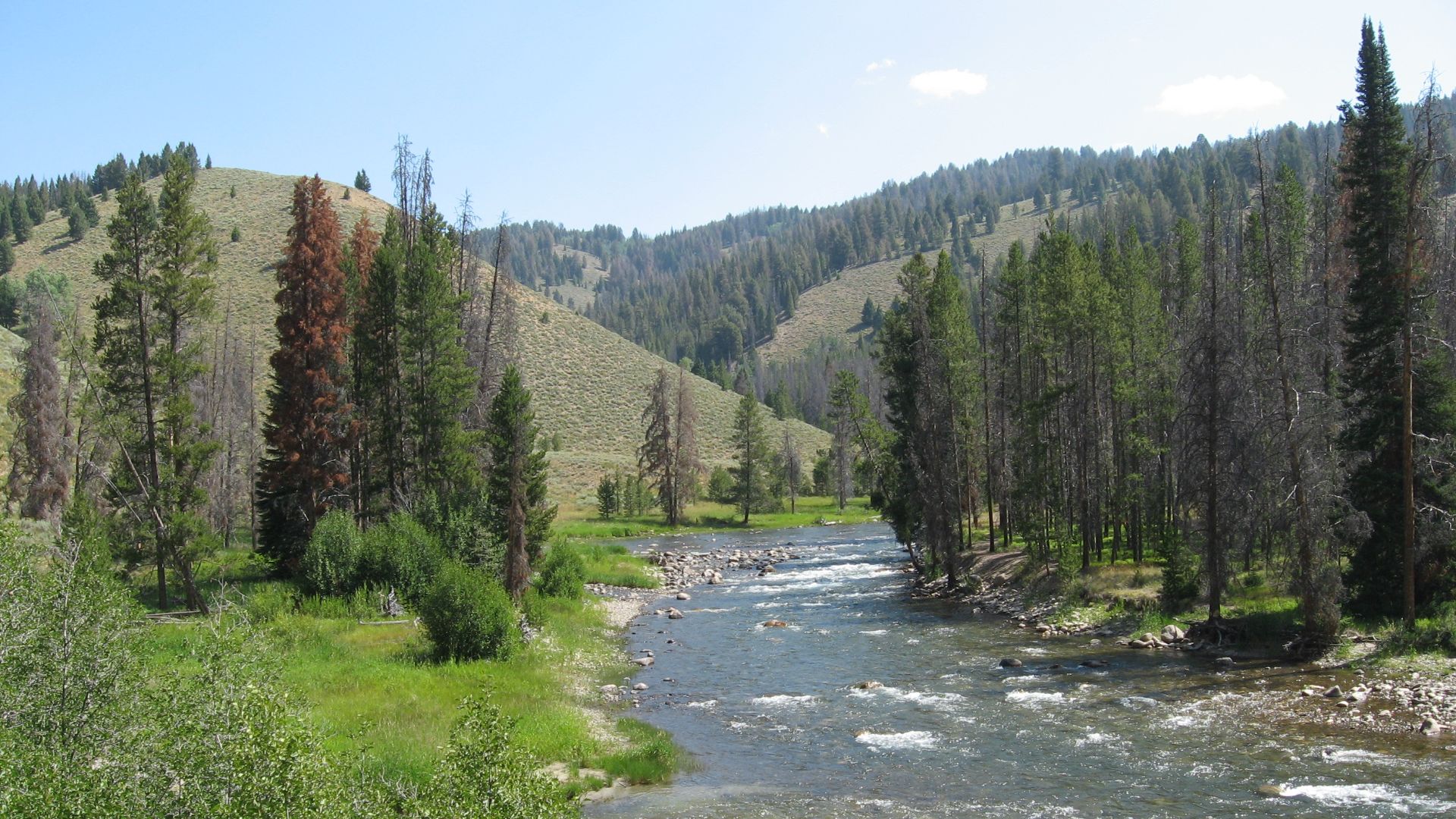 Fredlyfish4, Wikimedia Commons
You May Also Like:







.jpg#/media/File:Along-the-npnht-lower-salmon-river-at-coopers-ferry-near-cottonwood-id-07212011-rogermpeterson-006_(6081074906).jpg;%20https://www.factinate.com/)