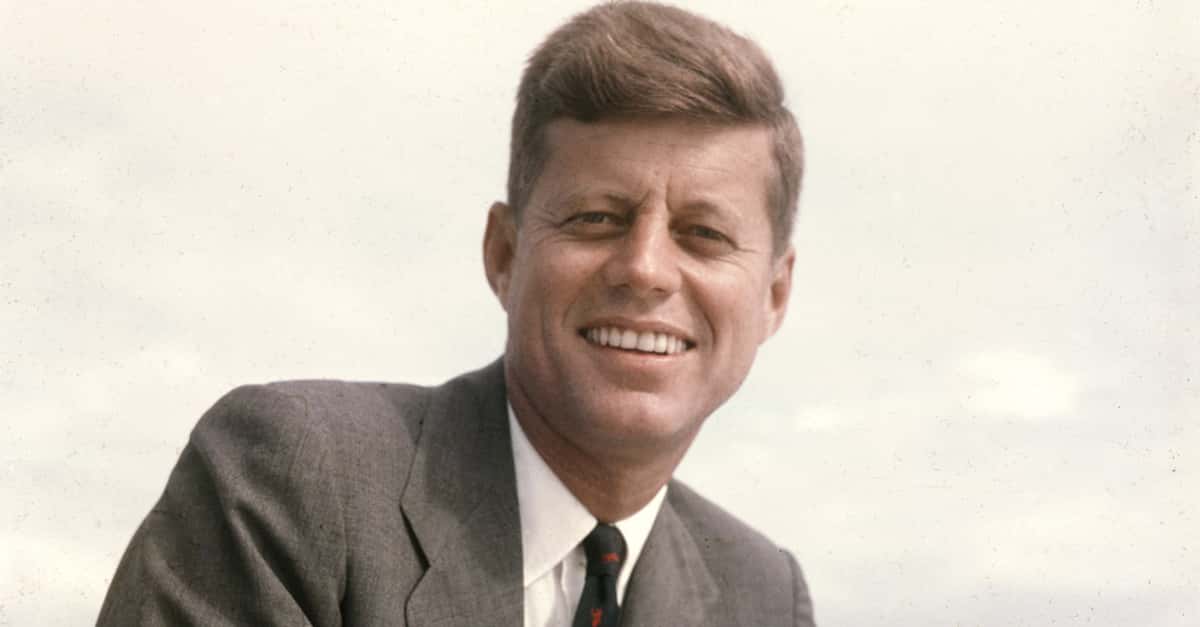
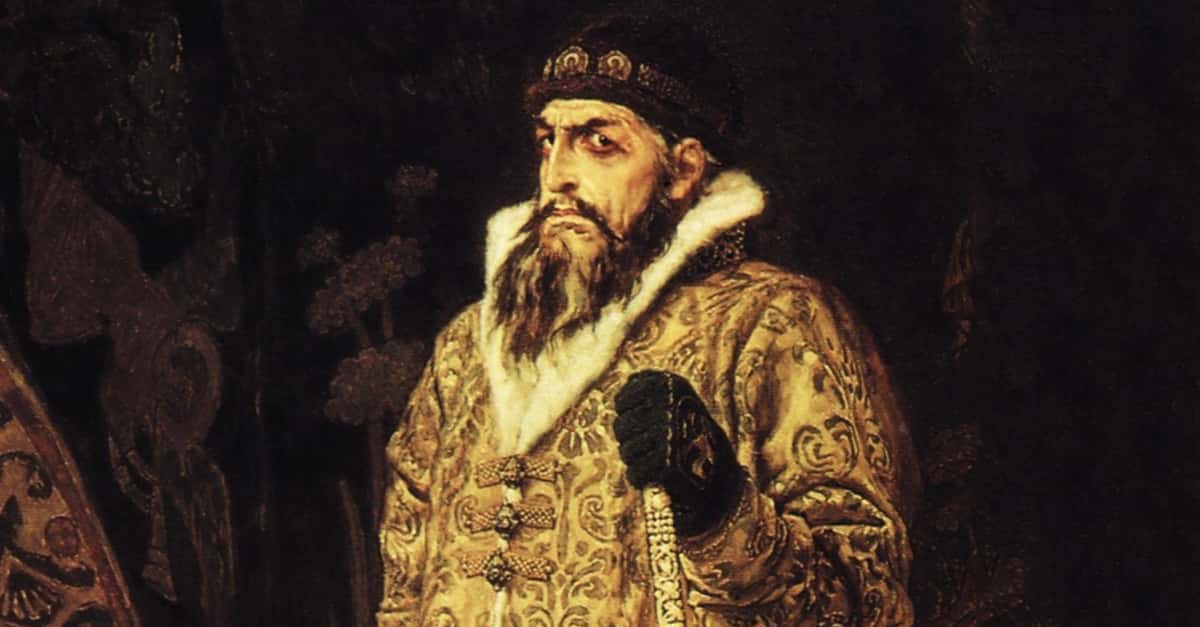
Abraham Zapruder expected November 22, 1963 to be memorable. President John F. Kennedy was coming through Dallas, and Zapruder hoped to film the motorcade with his home-movie camera. But he nearly didn't bring it. That ordinary decision ultimately placed a Dallas clothing manufacturer behind one of the most consequential pieces of film footage in American history.
A Childhood Far From Dallas
Zapruder was born in 1905 in Kovel, then part of the Russian Empire and now in Ukraine. His family immigrated to the United States in 1920, settling in Brooklyn. Zapruder learned English at night while working in New York's garment industry, eventually becoming a skilled clothing pattern maker. He moved to Dallas in 1941 and later established a women's clothing business.
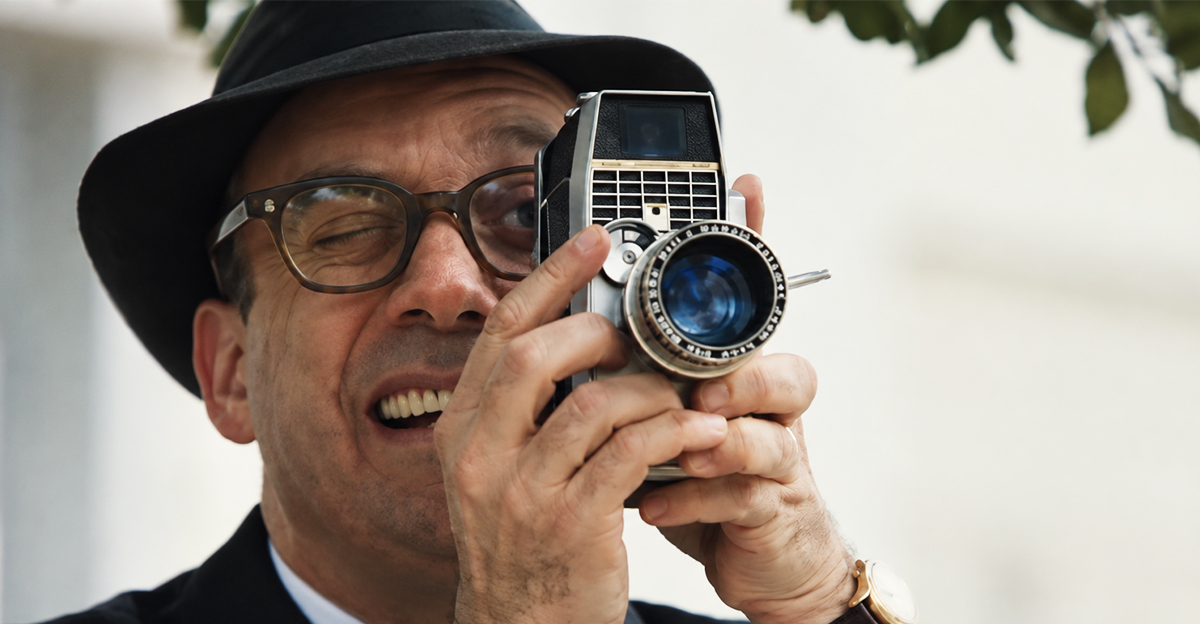 Screenshot of Paul Giamatti as Abraham Zapruder in 'Parkland' (2013), Millennium Entertainment
His Office Overlooked History
By 1963, Zapruder operated his business from the Dal-Tex Building, directly across from the Texas School Book Depository. He was enthusiastic about Kennedy's visit and owned an 8mm Bell & Howell home-movie camera. Yet when he arrived at work on November 22, he hadn't brought it with him. That could easily have been the end of the story.
Someone Told Him To Get It
Zapruder's employee Marilyn Sitzman encouraged him to go home and retrieve the camera. He did. Later, Sitzman accompanied him into Dealey Plaza and helped steady him as he stood atop a concrete pedestal, reportedly important because Zapruder suffered from vertigo. He pointed his camera toward the approaching presidential motorcade and began filming.
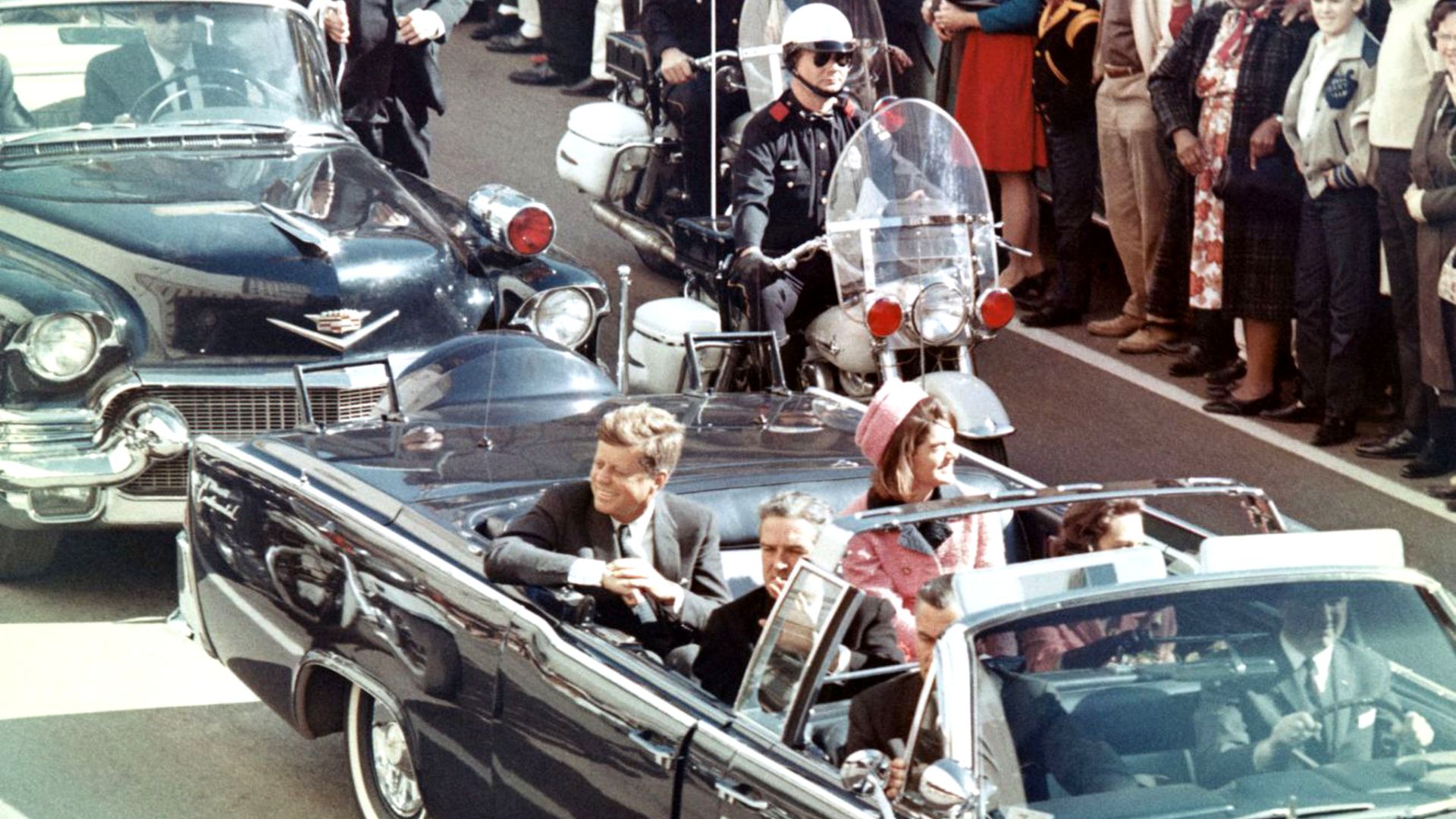 Walt Cisco, Dallas Morning News, Wikimedia Commons
Twenty-Six Terrible Seconds
Zapruder's camera recorded Kennedy's limousine moving through Dealey Plaza and captured the assassination itself. The roughly 26-second, 486-frame silent color film became the most complete visual record of the event. Zapruder kept filming through the entire tragic incident, producing images that would be examined frame by frame for decades afterward.

History's most fascinating stories and darkest secrets, delivered to your inbox daily.
He Immediately Knew
Zapruder was devastated by what he had witnessed. He returned to his office, where events quickly began moving beyond his control. Dallas reporter Harry McCormick helped connect him with Secret Service agent Forrest Sorrels. Zapruder appeared on Dallas television that afternoon describing what he had seen, while the film was processed and three copies were made locally. Two copies soon went to Washington.
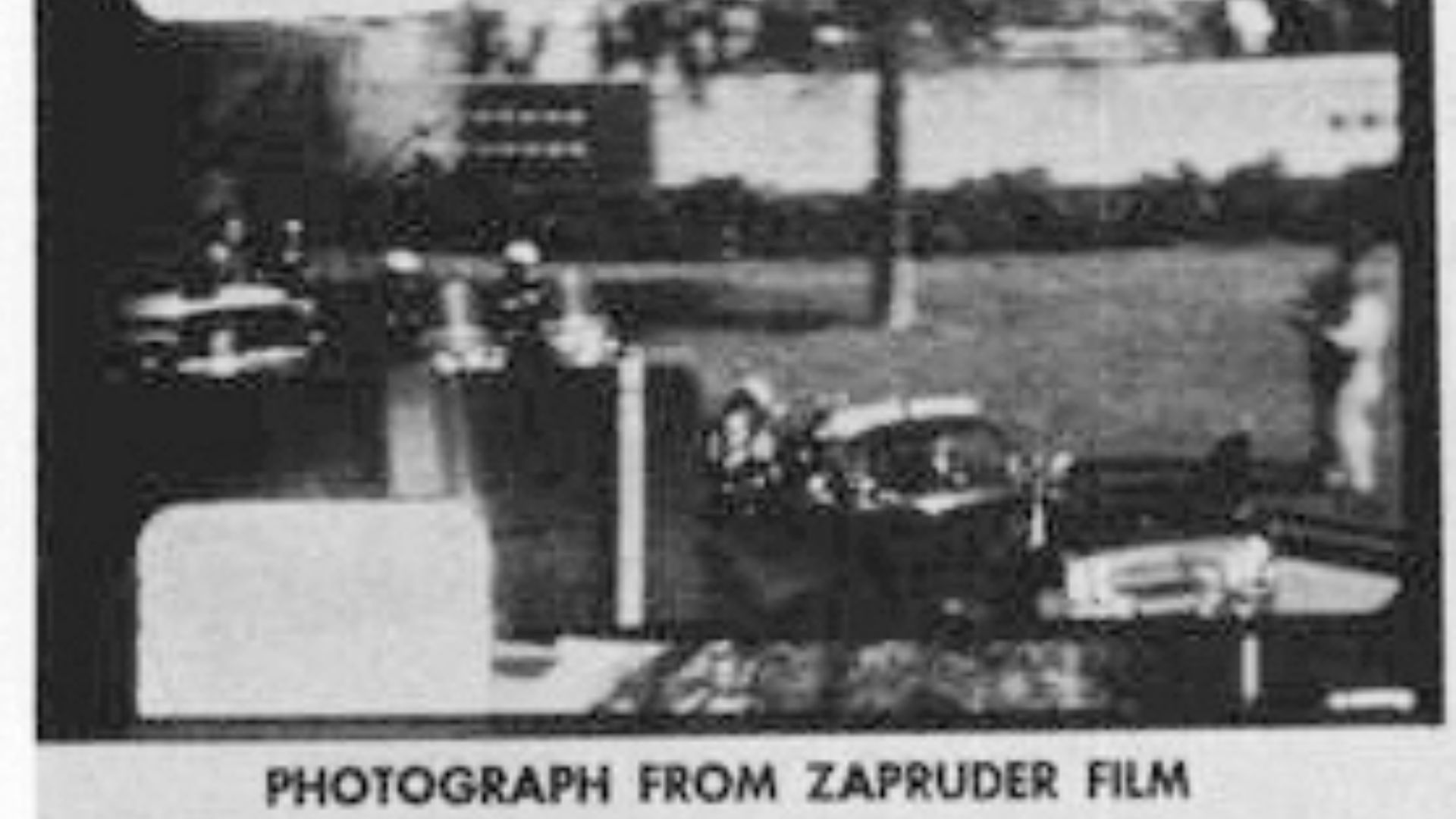 Abraham Zapruder / Warren Commission, Wikimedia Commons
The Film Became Valuable
The following day, Zapruder reached an agreement with Life magazine. The eventual price for the rights was reportedly $150,000, an enormous sum in 1963. But Zapruder was deeply uncomfortable with the idea of the tragedy becoming a spectacle. He specifically sought to prevent publication of frame 313, which showed the fatal impact to Kennedy's head.
Zapruder also gave $25,000 from the proceeds to the widow of Dallas police officer J.D. Tippit, who had been killed by Oswald shortly after the suspect fled the book depository. The payment underscored something easily lost in discussions of the film's eventual value: Zapruder himself regarded what he had captured primarily as a tragedy, not a commercial opportunity.
He Had To Relive It
The film quickly became crucial evidence. Investigators studied it closely, and Zapruder gave testimony to the Warren Commission in July 1964. The experience did not simply disappear when he put down his camera. Accounts of Zapruder's later life describe him as profoundly troubled by the images, particularly the fatal frame, which he said caused him nightmares.
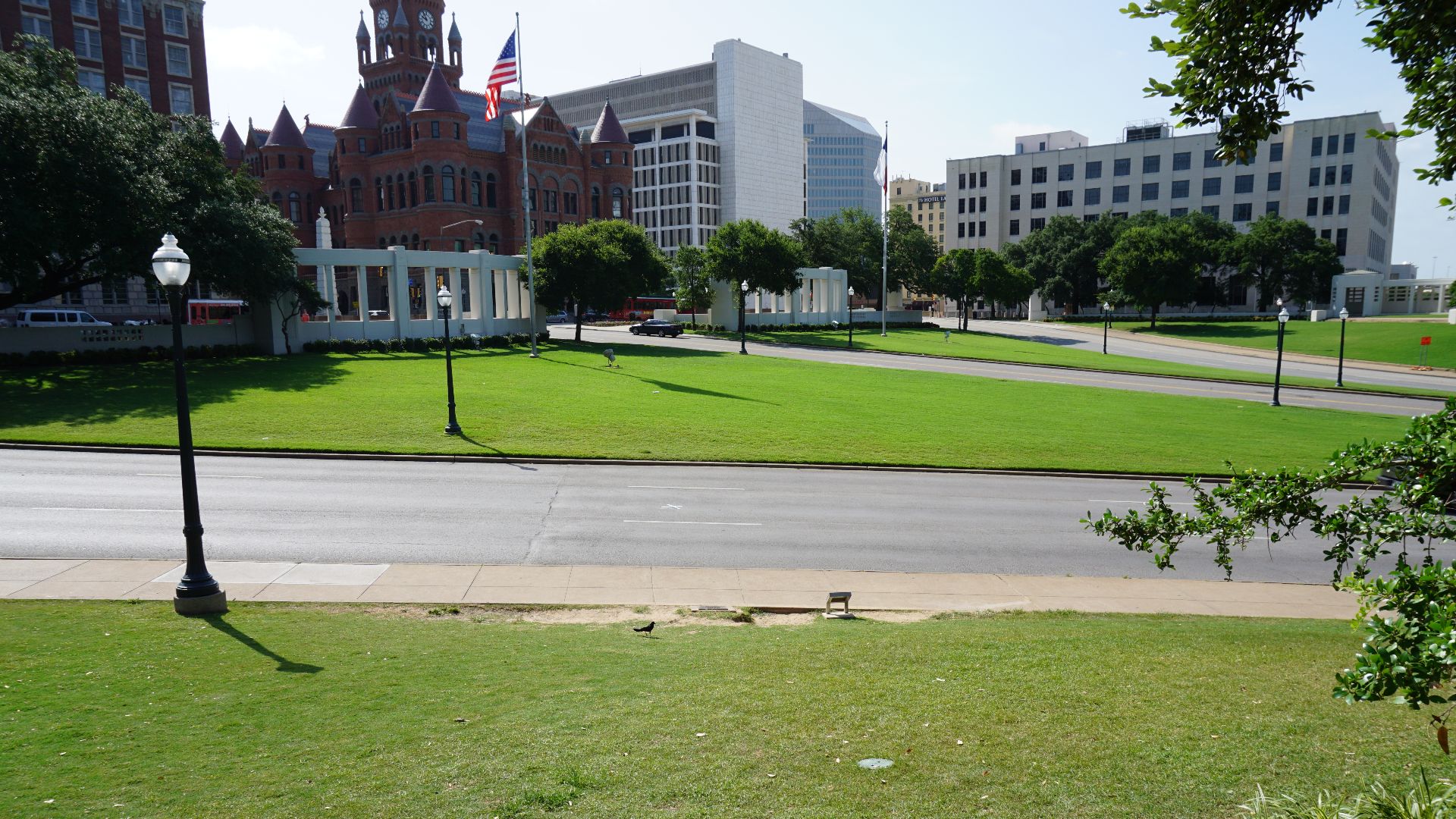 Michael Barera, Wikimedia Commons
He Never Saw Its Full Impact
Zapruder died of cancer in Dallas on August 30, 1970, at 65. He therefore never saw the extraordinary second life his film would acquire. It was first broadcast to a national television audience in 1975, and the original eventually entered the custody of the National Archives. In 1994, the film was added to the National Film Registry for its cultural and historical significance.
One Decision Changed Everything
Today, the original Zapruder film remains at the National Archives, while its copyright belongs to the Sixth Floor Museum at Dealey Plaza. Historians, investigators, filmmakers and countless viewers have scrutinized those few seconds ever since. But behind it all lies an extraordinary accident of history: Abraham Zapruder went to work without his camera. A coworker persuaded him to go back and get it. Had he simply said no, one of the defining visual records of the 20th century would never have existed.
You May Also Like:
The 75-Year Quest To Identify The Flag-Raisers At Iwo Jima