
A Legend Like No Other
Few outlaws met stranger or more disturbing ends than Big Nose George Parrott. A highwayman, cattle rustler, and confessed murderer, his violent crimes made him infamous across Wyoming. But it was what happened after his death that ensured him a permanent place in the pages of Wild West history.
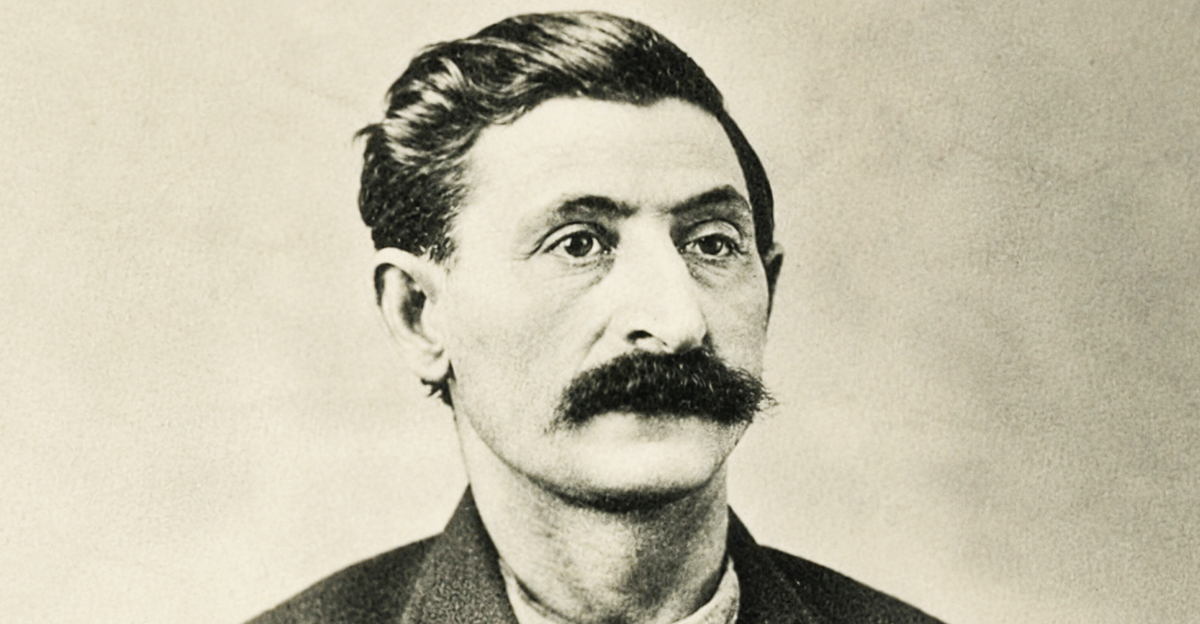 Public domain, Wikimedia Commons
Born Far From The Frontier
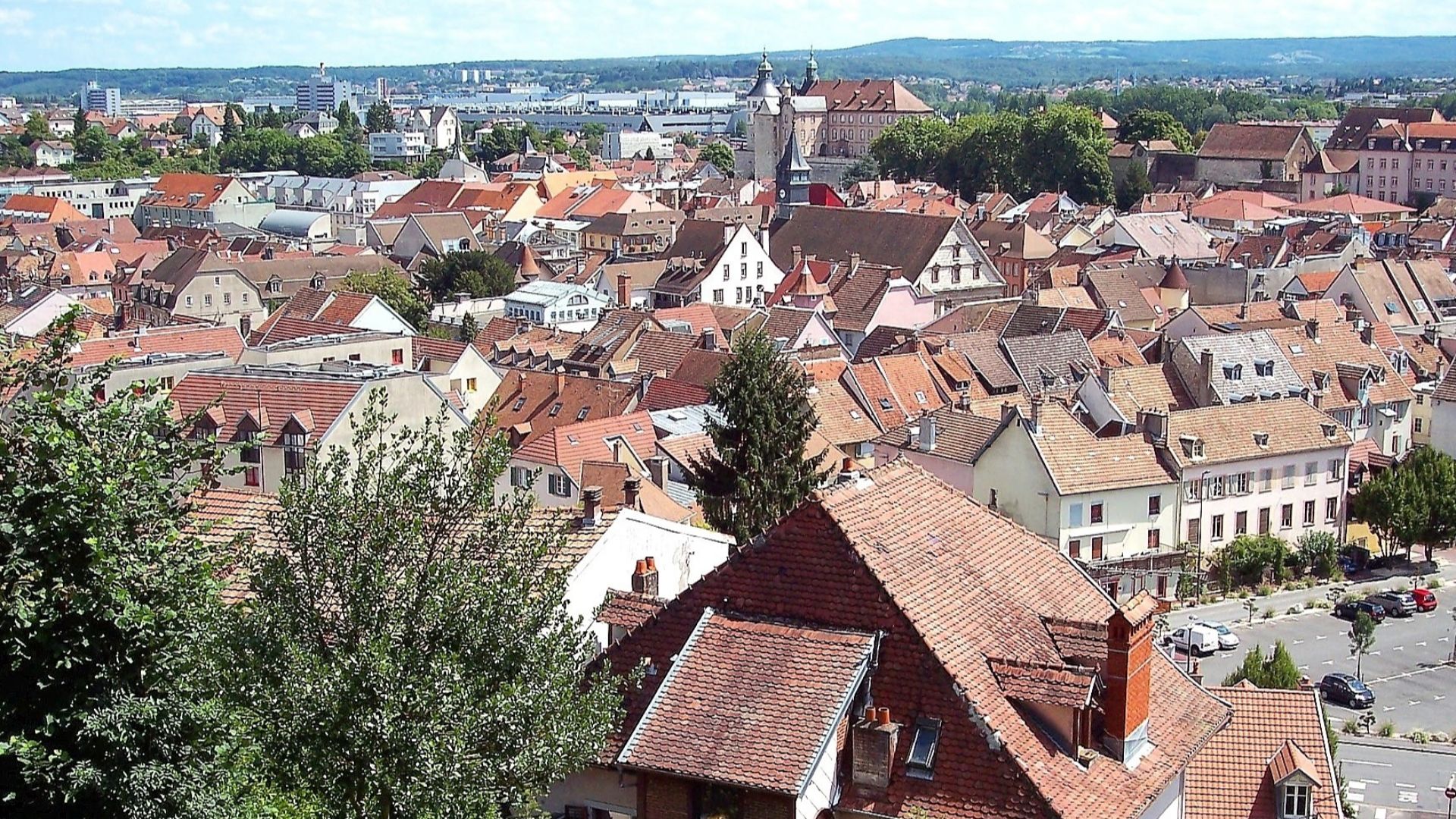
George Parrott was born on March 20, 1834, in Montbéliard, France. Little is known with certainty about his childhood or education. Sometime during the 1860s, he left Europe for America, abandoning the life he had known in search of opportunity on a rapidly expanding frontier.
Reinventing Himself
Like many frontier criminals, Parrott used multiple aliases, including George Warden and George Manuse. His large, distinctive nose earned him the nickname "Big Nose George," though some historians believe the name may also have reflected a variation of his French surname.
Drifting Into Crime
Rather than becoming a rancher or prospector, Parrott took more of a liking to to the outlaw life. By the 1870s he was involved in horse theft, cattle rustling, and highway robbery throughout Wyoming Territory, developing a reputation as an unpredictable and dangerous criminal.
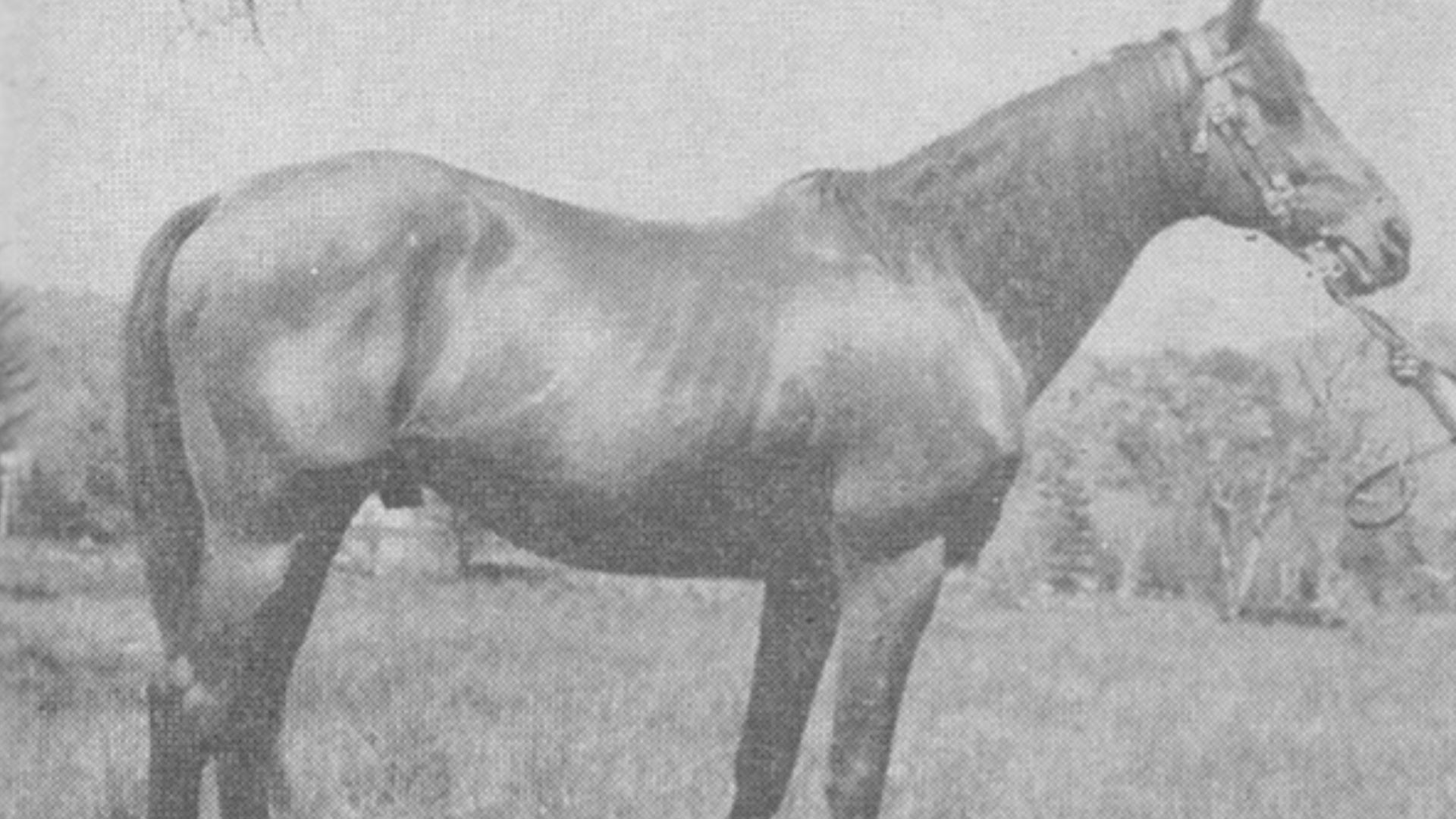 Unknown photographer, Wikimedia Commons
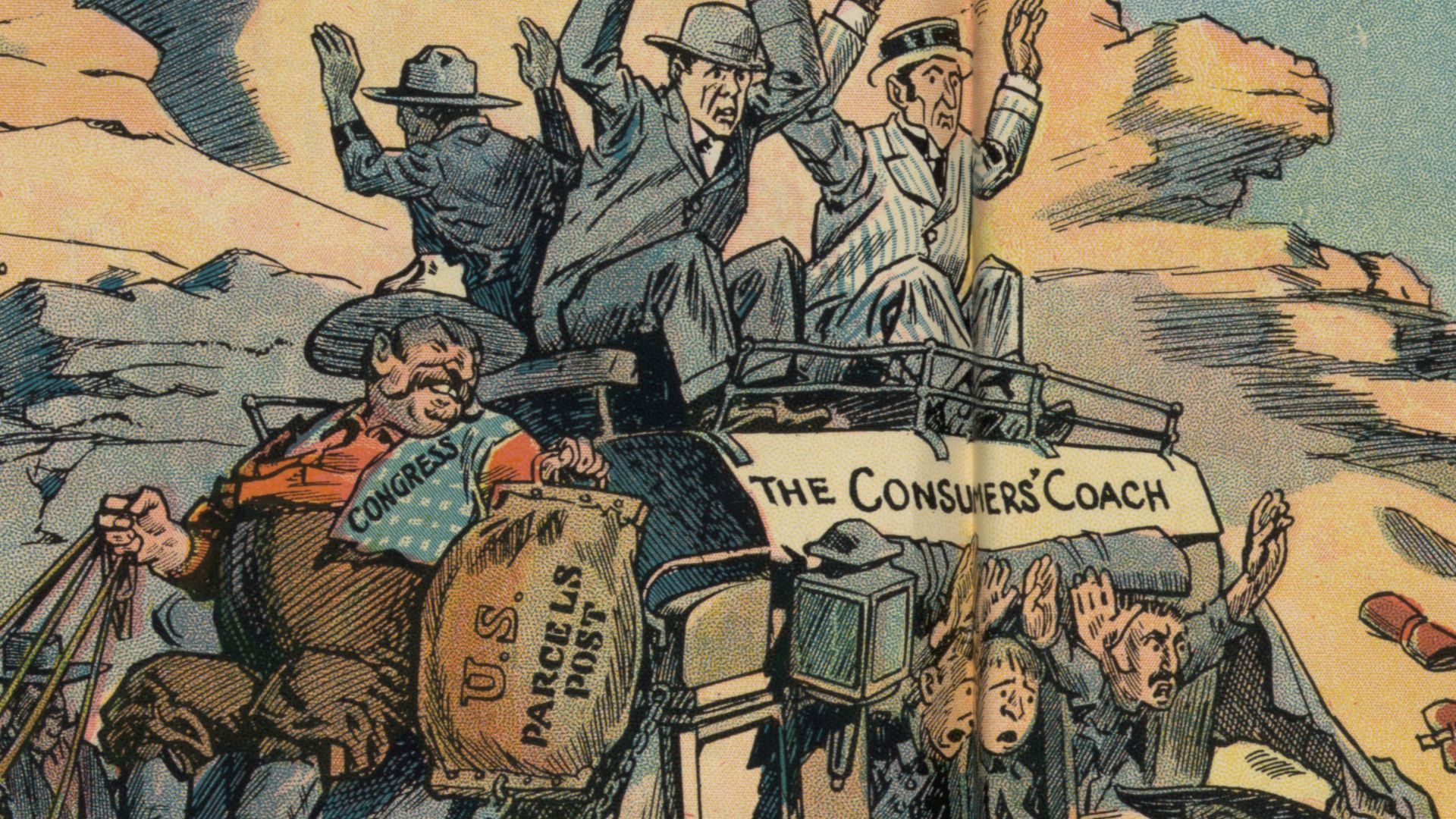
Robbing The Stagecoaches
Parrott and his associates frequently targeted stagecoaches carrying cash, payrolls, and valuables. The isolated roads of Wyoming offered ideal conditions for ambushes, allowing the gang to disappear into rugged country before organized posses could respond.
 Albert Levering, Wikimedia Commons
Bigger Targets Beckoned
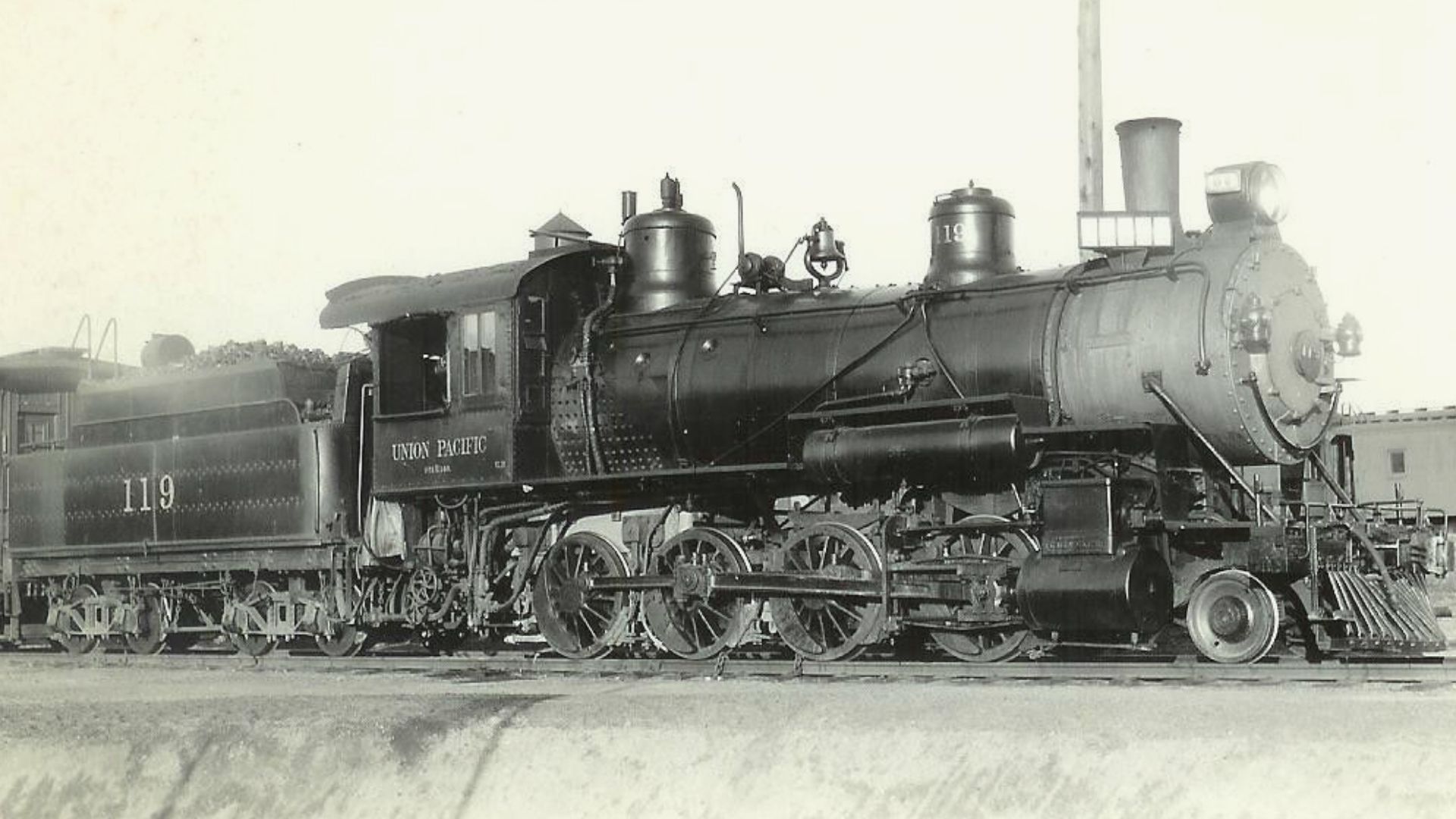
Success encouraged greater ambition. Instead of robbing travelers, Parrott began plotting attacks on Union Pacific payroll trains. Railroad payrolls often contained thousands of dollars in cash, making them irresistible prizes for increasingly daring outlaw gangs.
 Photographer-Otto C, Perry, Denver, Colorado, Wikimedia Commons
The Medicine Bow Plot
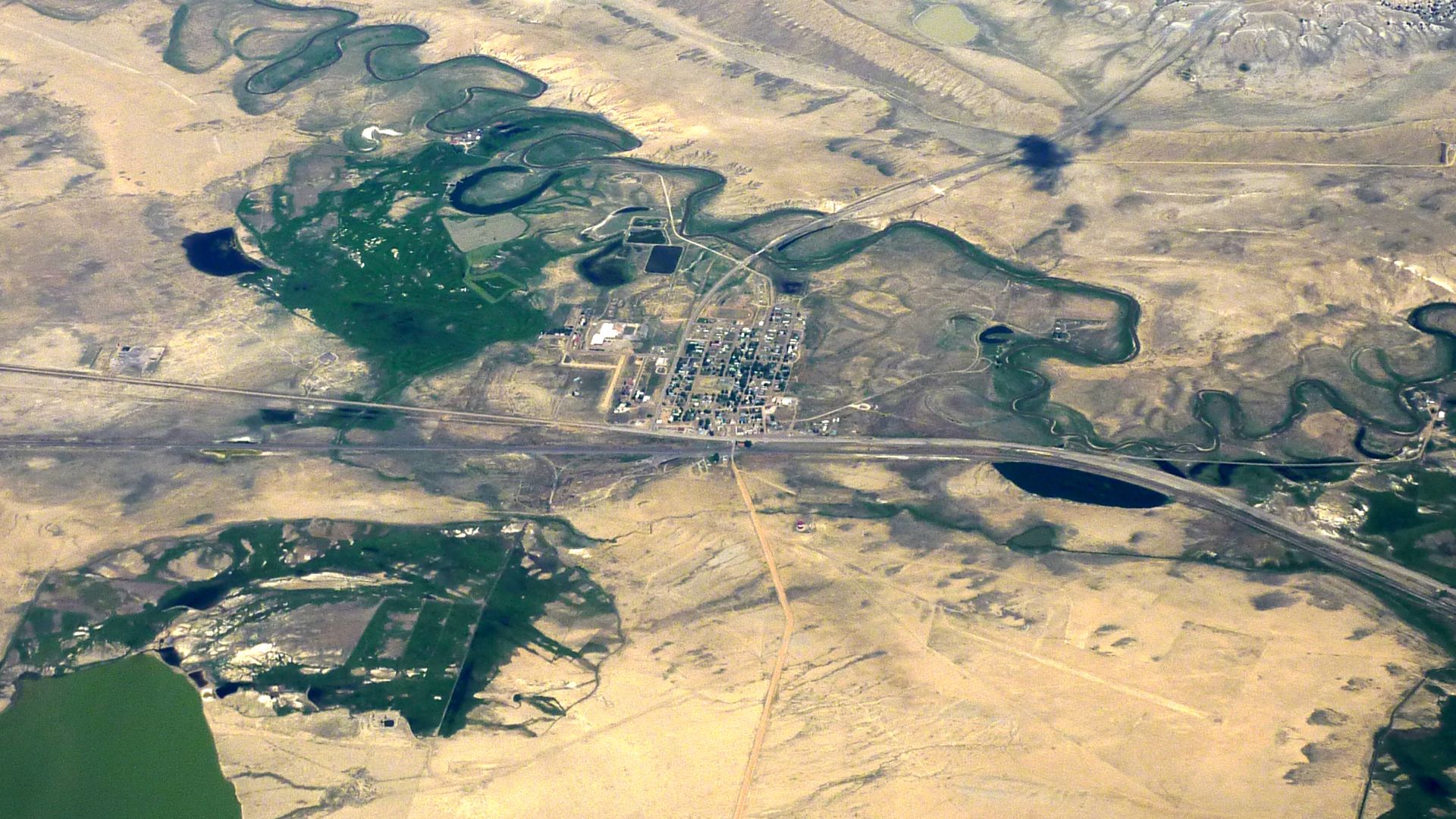
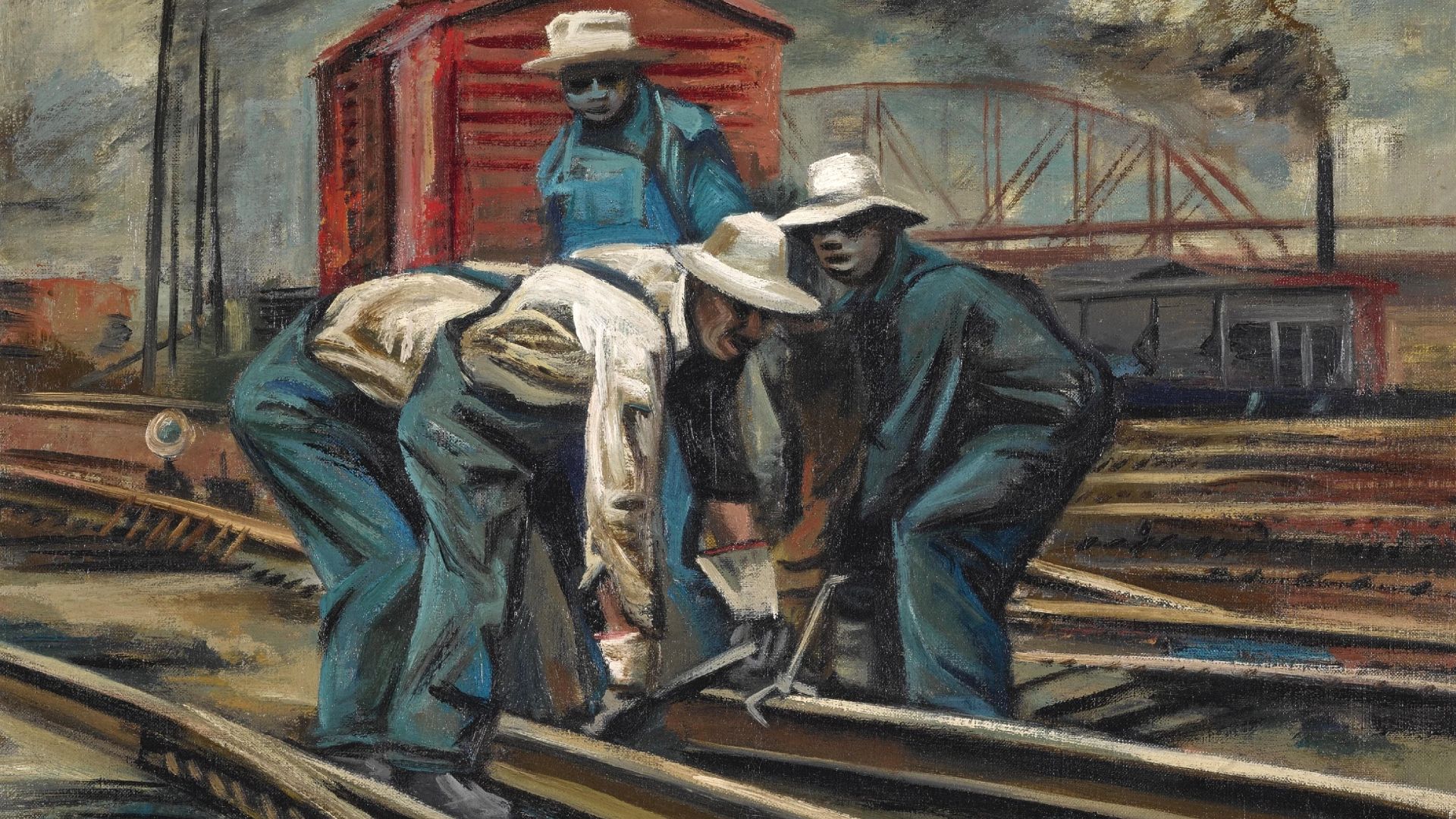
In August 1878, Parrott's gang attempted to derail a Union Pacific payroll train near the Medicine Bow River by loosening a rail and preparing to pull it free with telegraph wire. Alert railroad workers spotted the damaged track before disaster struck.
 Bobak Ha'Eri, Wikimedia Commons
A Failed Robbery
The train never left the rails, and the attempted robbery collapsed before it began. Forced to abandon the scene, Parrott and his companions fled into the nearby hills, hoping to avoid the inevitable pursuit by railroad detectives and local law enforcement.
The Pursuit Begins
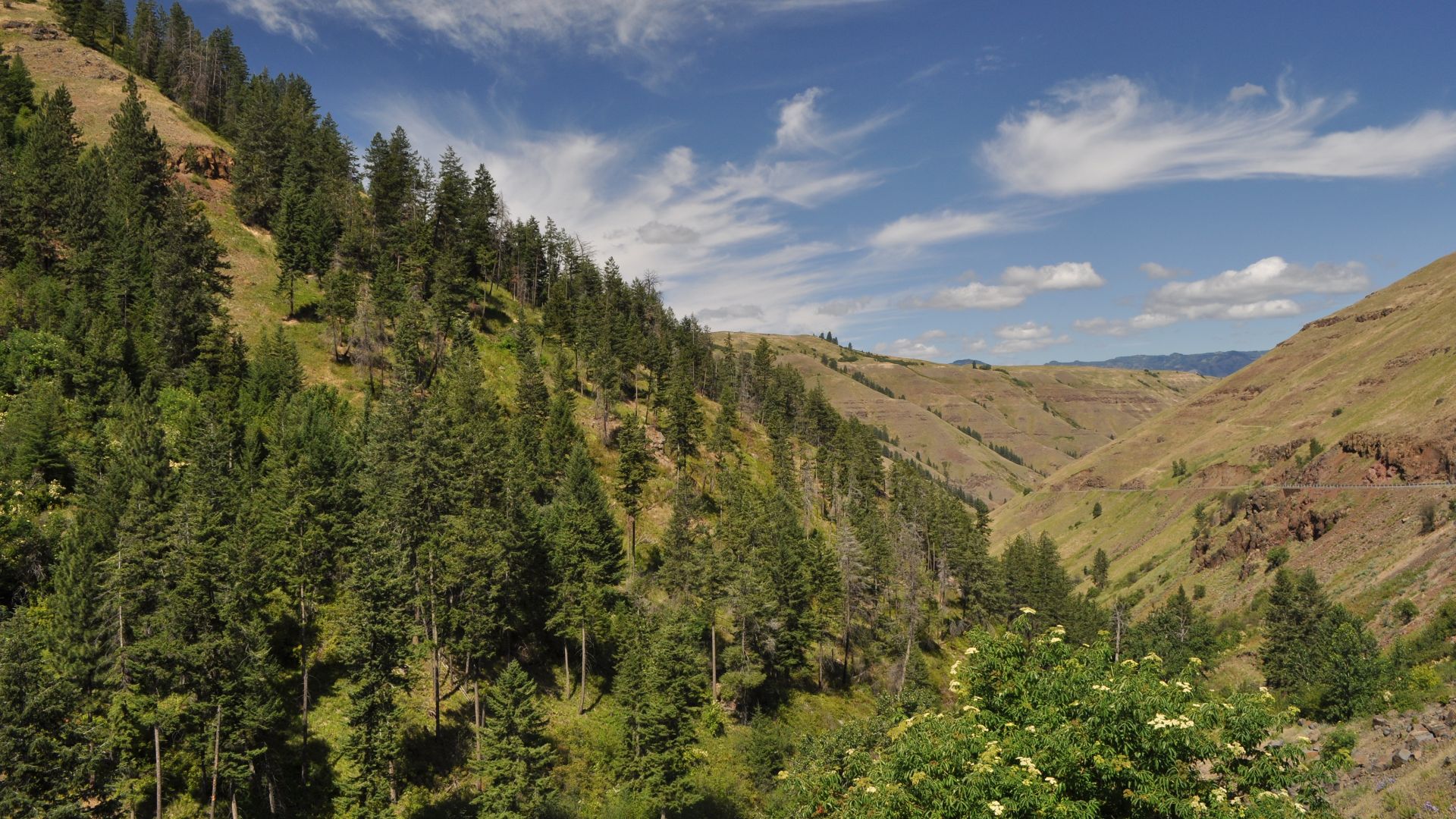
Union Pacific detective Tip Vincent and Carbon County deputy sheriff Robert Widdowfield were assigned to track down the fleeing outlaws. Their search led them toward Rattlesnake Canyon near Elk Mountain, where Parrott's gang had established a temporary camp.
 Forest Service Northern Region from Missoula, MT, USA, Wikimedia Commons
An Ambush In The Canyon
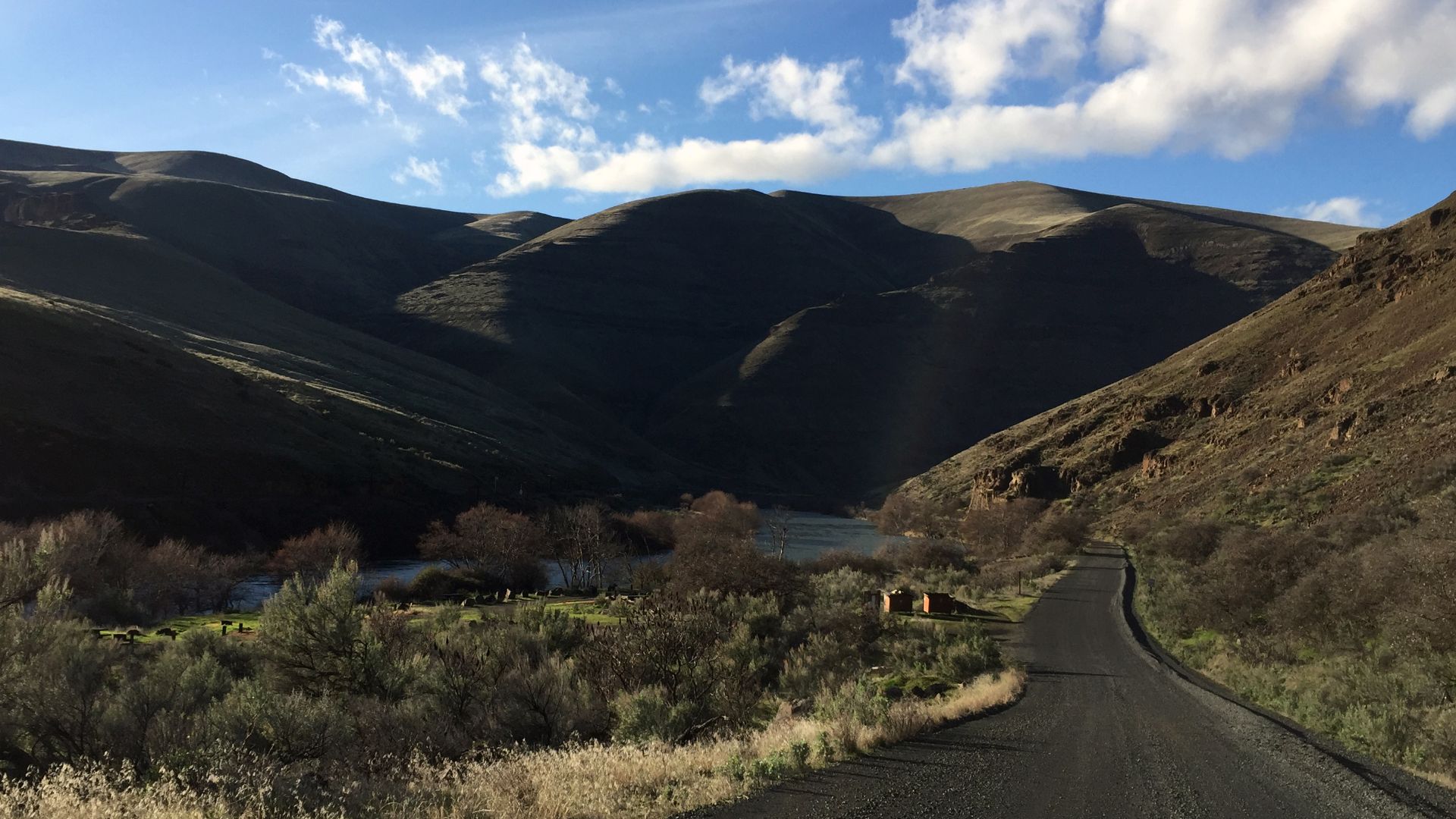
The officers unknowingly approached a hidden gang lying in wait. After realizing the campfire ashes were still warm, Widdowfield recognized the outlaws were nearby—but before either lawman could react, Parrott's gang opened fire from concealment.
 Bureau of Land Management Oregon and Washington from Portland, America, Wikimedia Commons
Two Officers Gunned Down
Widdowfield was shot in the face and killed almost instantly. Vincent attempted to escape but was also gunned down before he could flee the canyon. The gang stole weapons and horses before hiding the bodies and disappearing into Wyoming's wilderness.
Wyoming Demanded Justice
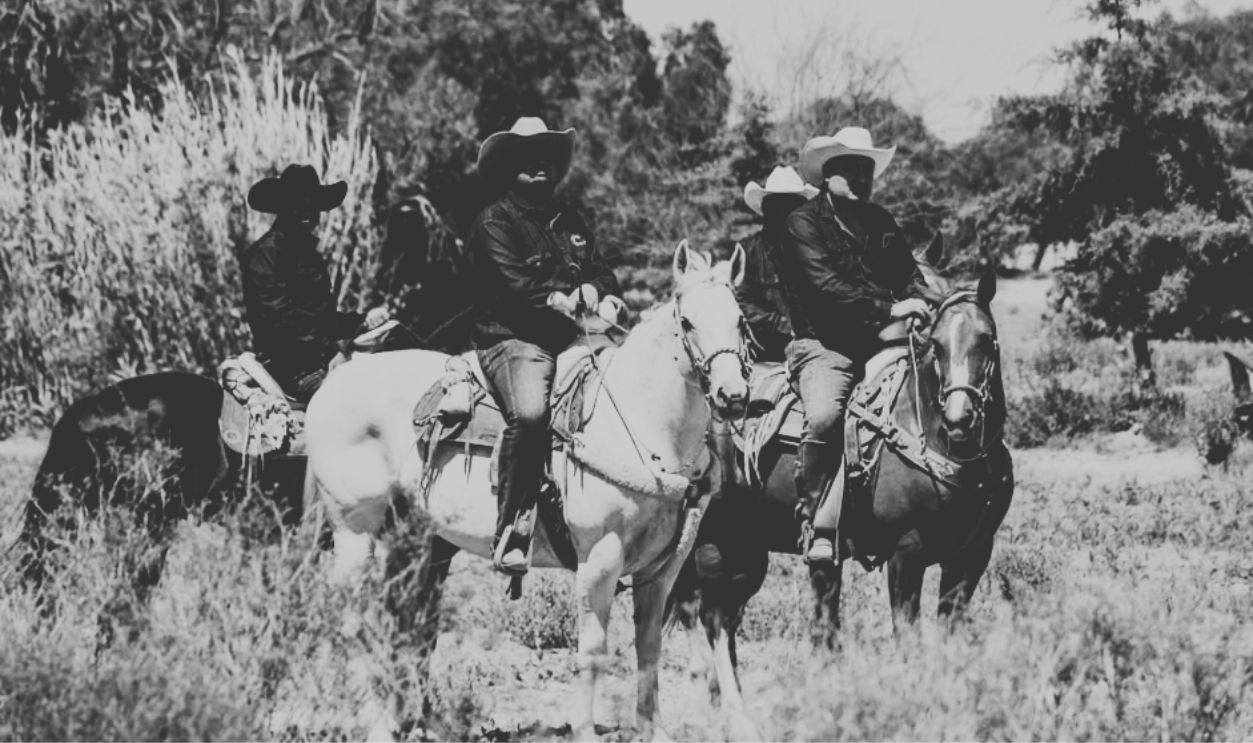
The murders shocked Wyoming Territory. Authorities offered a substantial reward for the killers, and Parrott became one of the territory's most wanted fugitives. Newspapers eagerly covered every rumor concerning the outlaw responsible for the notorious double homicide.
Life On The Run
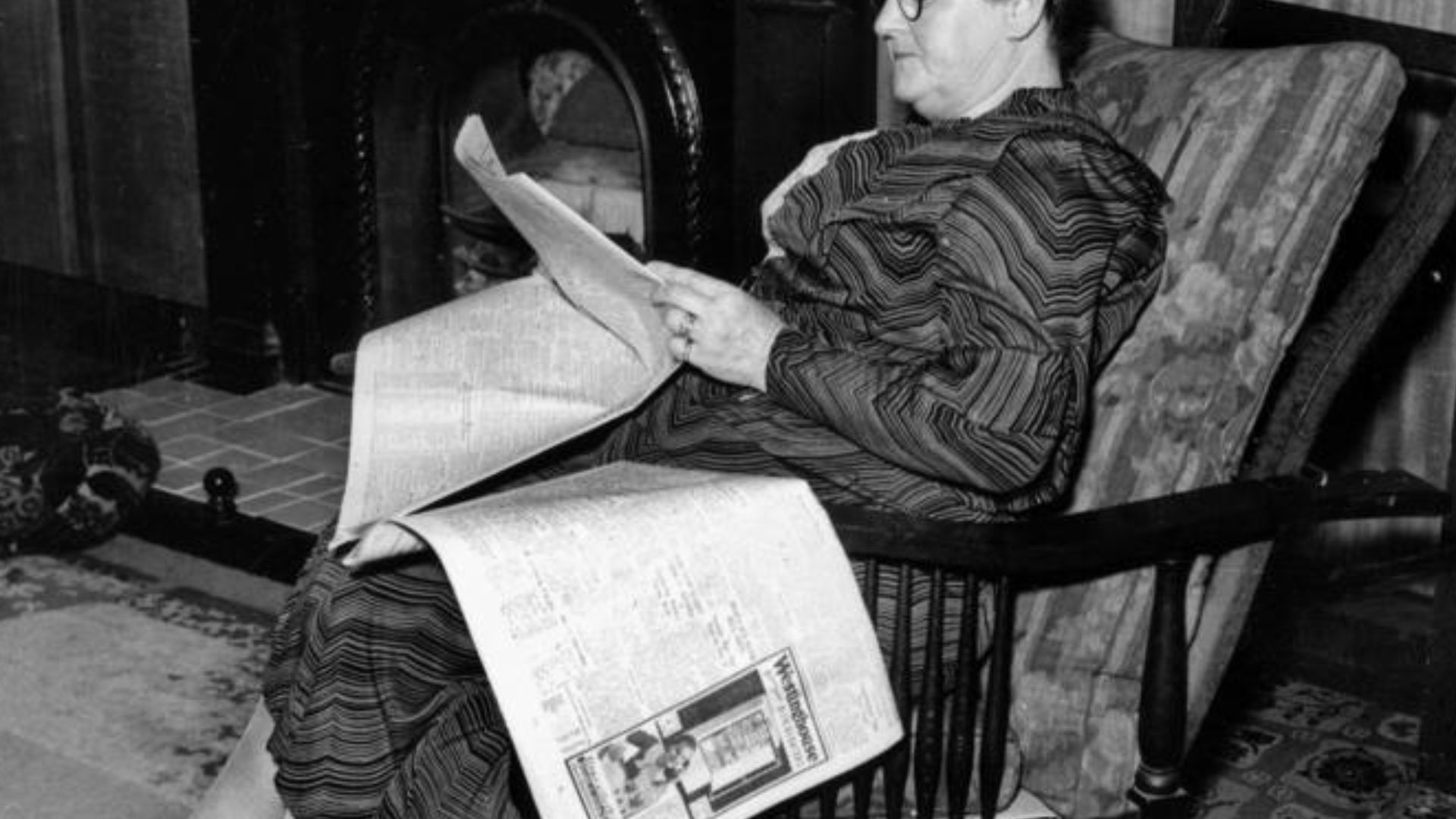
For nearly two years, Parrott successfully avoided capture while continuing criminal activities. Although he enjoyed some success robbing travelers, he never again attempted a robbery as ambitious as the failed Union Pacific payroll train plot.
Loose Lips Ended Everything
Parrott's downfall came about not through brilliant detective work but through his own drunken boasting. After robbing a train in Terry, Montana, he and his associate "Dutch" Charlie Burris were arrested in Miles City, Montana. Over the course of his drunken ranting, Parrott bragged about murdering the Wyoming officers, unknowingly revealing his identity to local authorities.

Returned To Wyoming
Once identified, Parrott was extradited to Rawlins, Wyoming, to stand trial. Public opinion had already turned overwhelmingly against him, and many residents viewed the coming proceedings as little more than a formality before execution.
![Astronomical expedition at Rawlins, Wyoming to observe transit of Venus. Thomas Edison second from right.. Astronomical expedition at Rawlins, Wyoming. Thomas Edison second from right. From left to right - Prof. G. I. Barker [University of Pennsylvania] ;](https://www.factinate.com/storage/app/media/factinate/2026/8/6/1786006077026319e2bef0f8900e5061ca3b99506c1fe6f571.jpg) Unknown authorUnknown author, Wikimedia Commons
Unknown authorUnknown author, Wikimedia Commons
Convicted Of Murder
Parrott pleaded guilty to first-degree murder for the deaths of Widdowfield and Vincent. The court sentenced him to hang, scheduling the execution for April 2, 1881. Few doubted he would soon face justice for his crimes.
One Last Escape Attempt
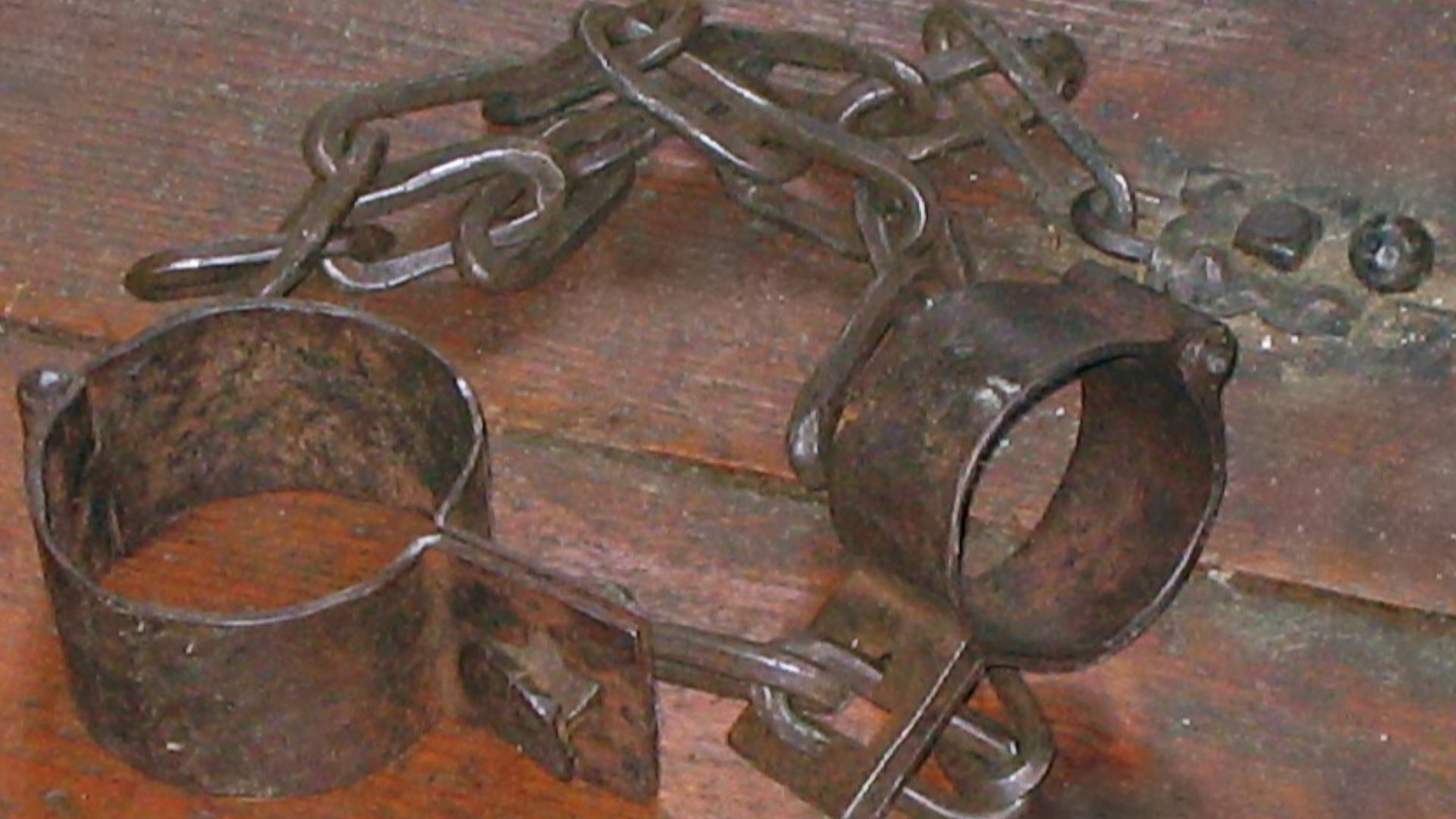
While awaiting execution, Parrott managed to loosen his leg irons using a pocketknife and a piece of sandstone. He assaulted jailer Robert Rankin and attempted to seize his revolver before Rankin's wife Rosa intervened with remarkable courage.
The Mob Takes Over
Enraged townspeople feared another escape attempt might succeed. On March 22, 1881, an angry mob stormed the jail, dragged Parrott into the streets, and carried him toward a telegraph pole to conduct their own immediate form of frontier justice.
 Robert Couse-Baker, Wikimedia Commons, Modified
A Brutal Lynching
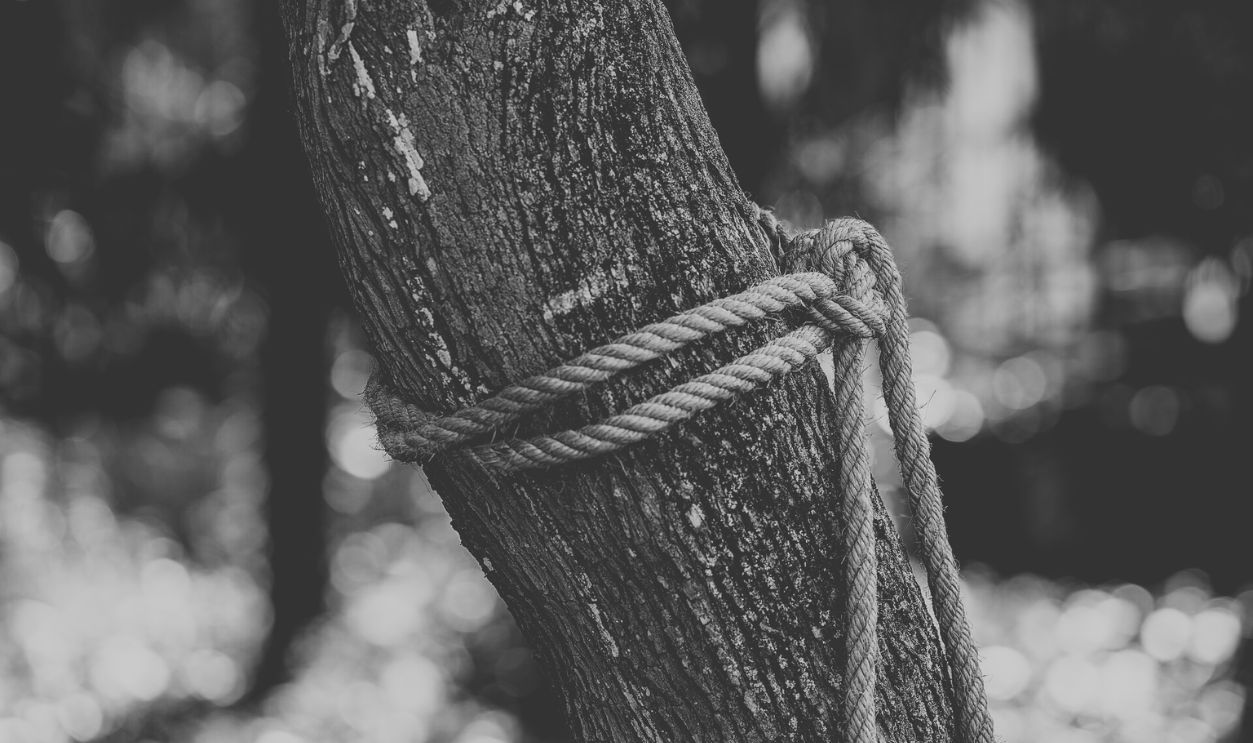
The first hanging attempt failed when the rope broke, dropping Parrott violently to the ground. After replacing the rope, the mob forced him back onto a ladder and completed the lynching before hundreds of spectators gathered in Rawlins.
 Jules Verne Times Two, Wikimedia Commons, Enhanced
Claimed By A Doctor
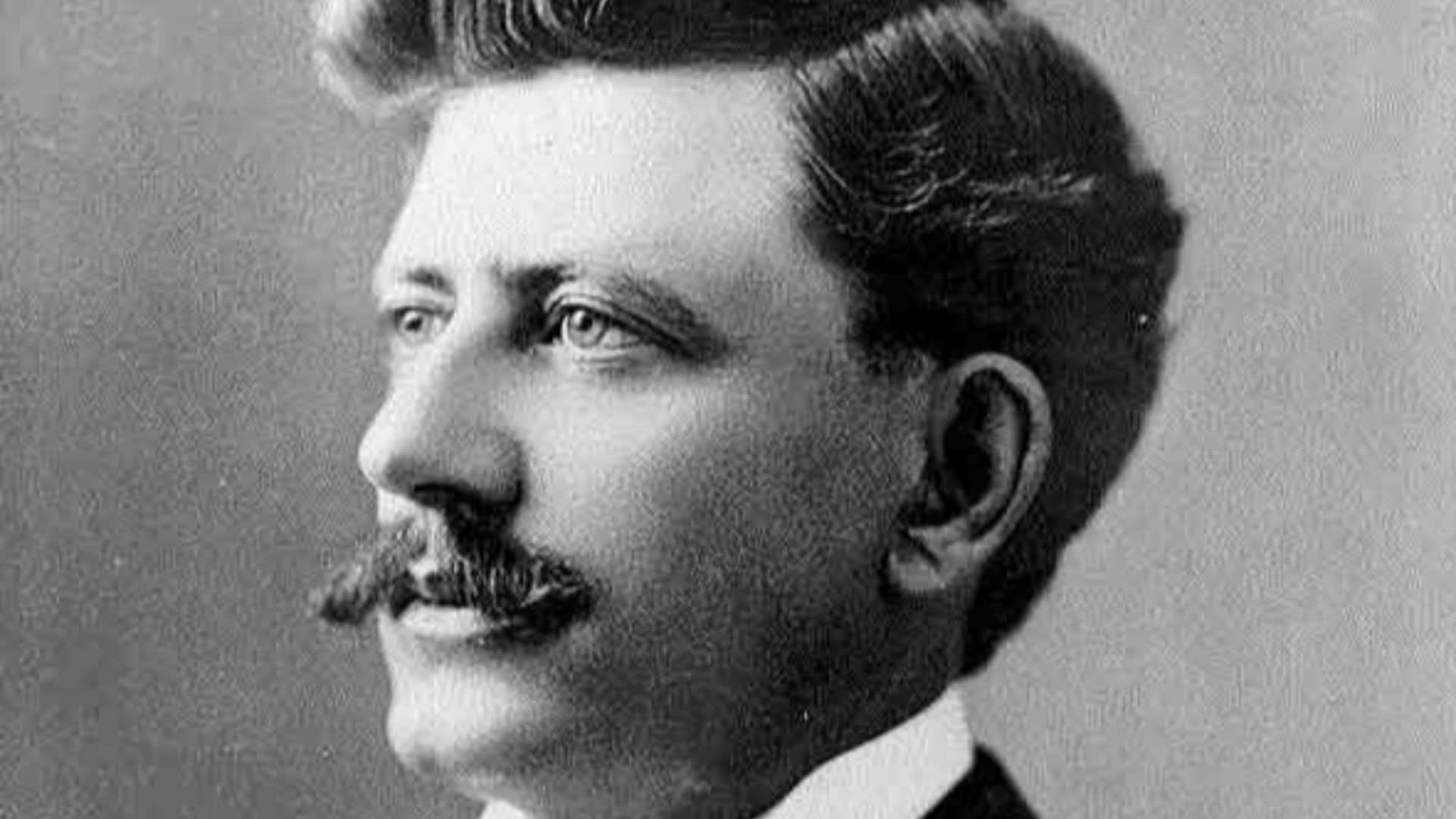
Because no relatives claimed the body, physicians Dr. John Eugene Osborne and Dr. Thomas Maghee requested possession of the corpse. They intended to study Parrott's brain, believing criminal behavior might leave visible physical abnormalities inside the skull.
Science Became Desecration
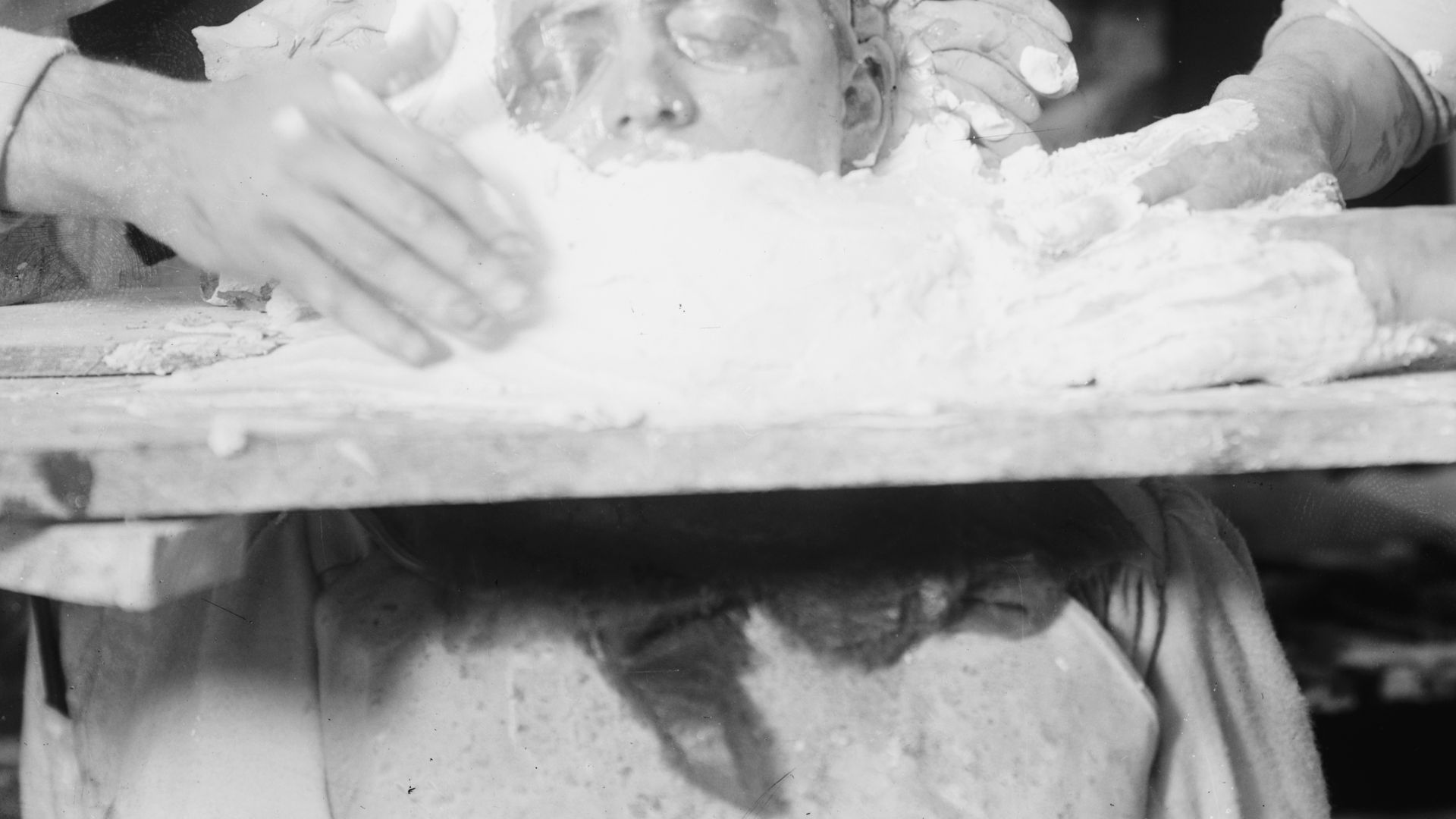
The examination quickly crossed into something far more disturbing. Osborne created a death mask, removed large sections of skin from Parrott's thighs and chest, and sent the hide to a Denver tannery with highly unusual instructions.
 Bain News Service, Wikimedia Commons
Shoes Made From Human Skin
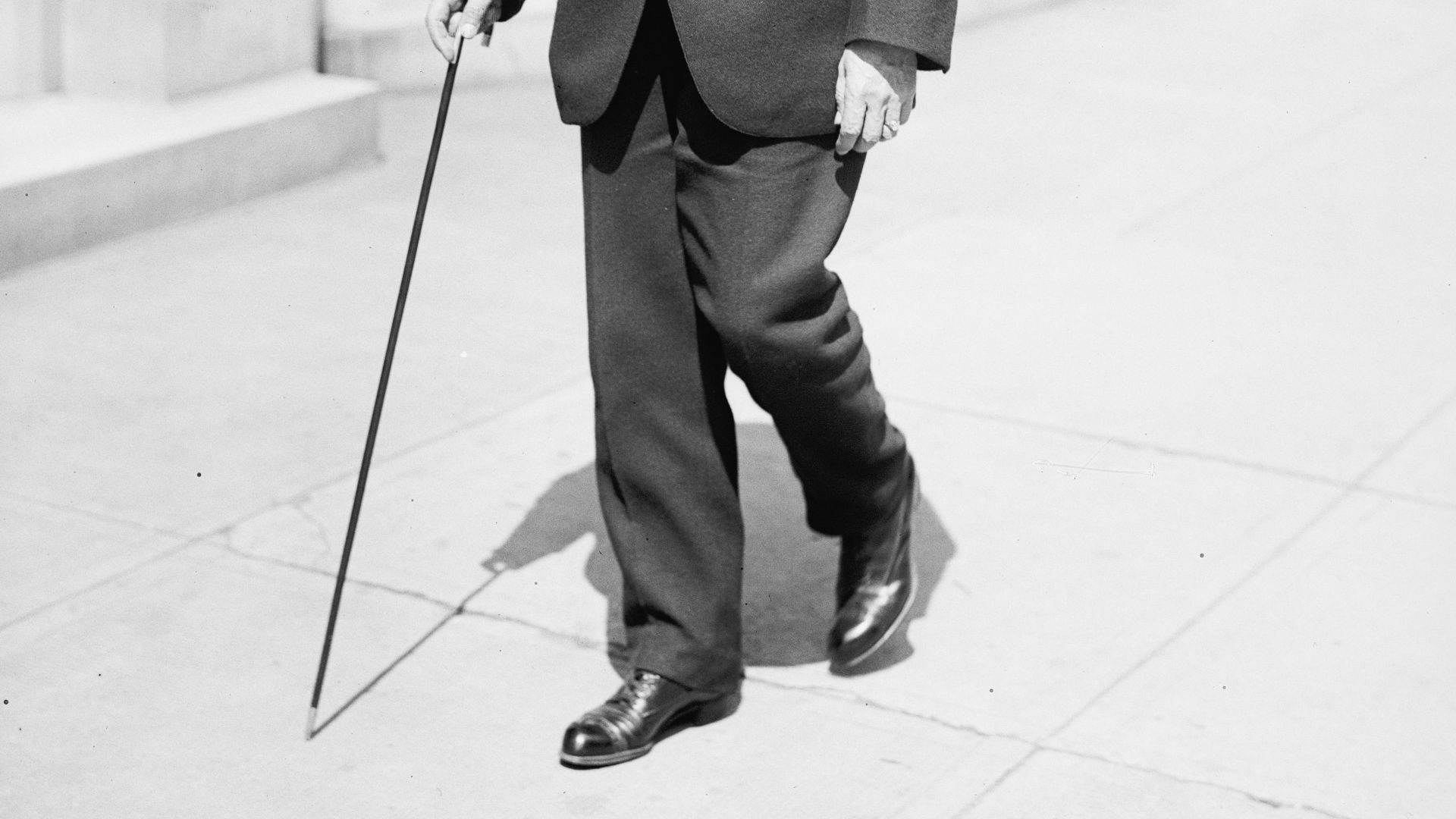
The tannery fashioned Parrott's skin into a pair of leather shoes and a medical bag for Osborne. Although the bag later disappeared, the shoes survived and became among the most infamous artifacts associated with any American outlaw.
 Harris & Ewing, photographer, Wikimedia Commons
The Skull's Strange Journey
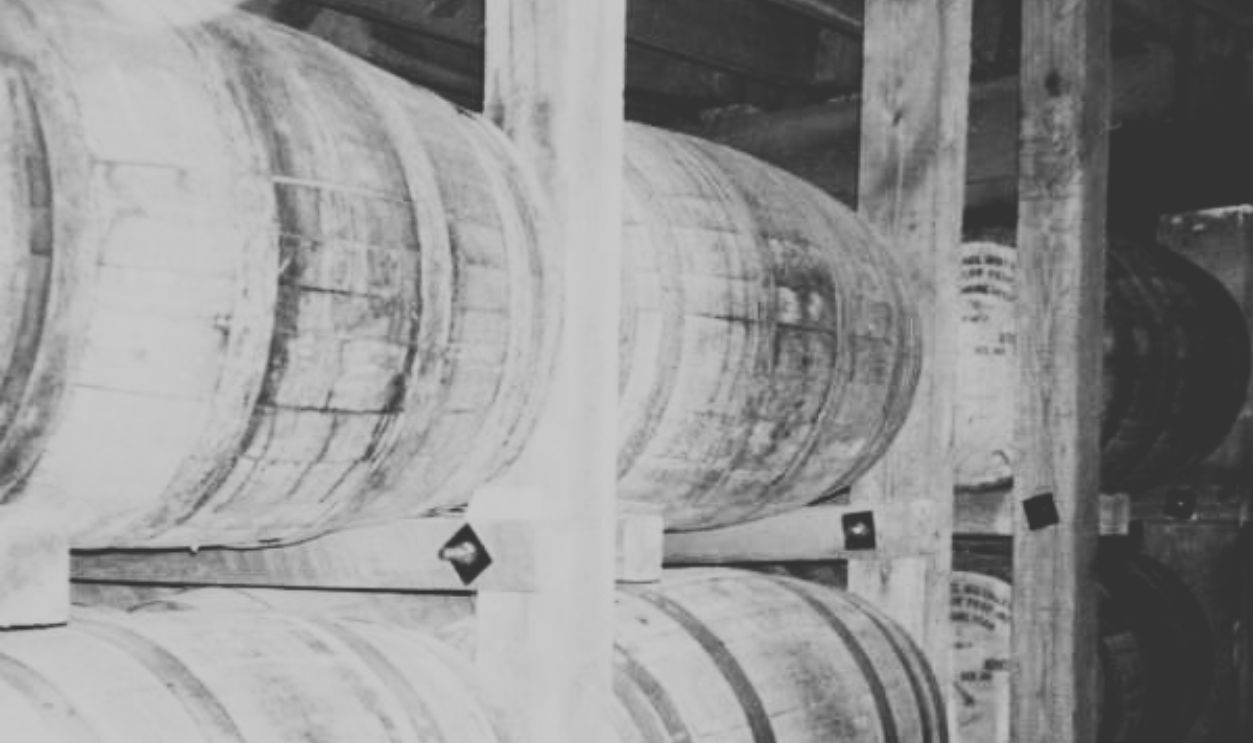
Parrott's skull was sawn into two pieces. The upper portion eventually went to medical assistant Lillian Heath, who later became Wyoming's first female physician. The lower portion remained with the rest of the skeleton, which was stored in a whiskey barrel.
 User:Ahoerstemeier, Wikimedia Commons, Enhanced
Governor Osborne's Grisly Fashion
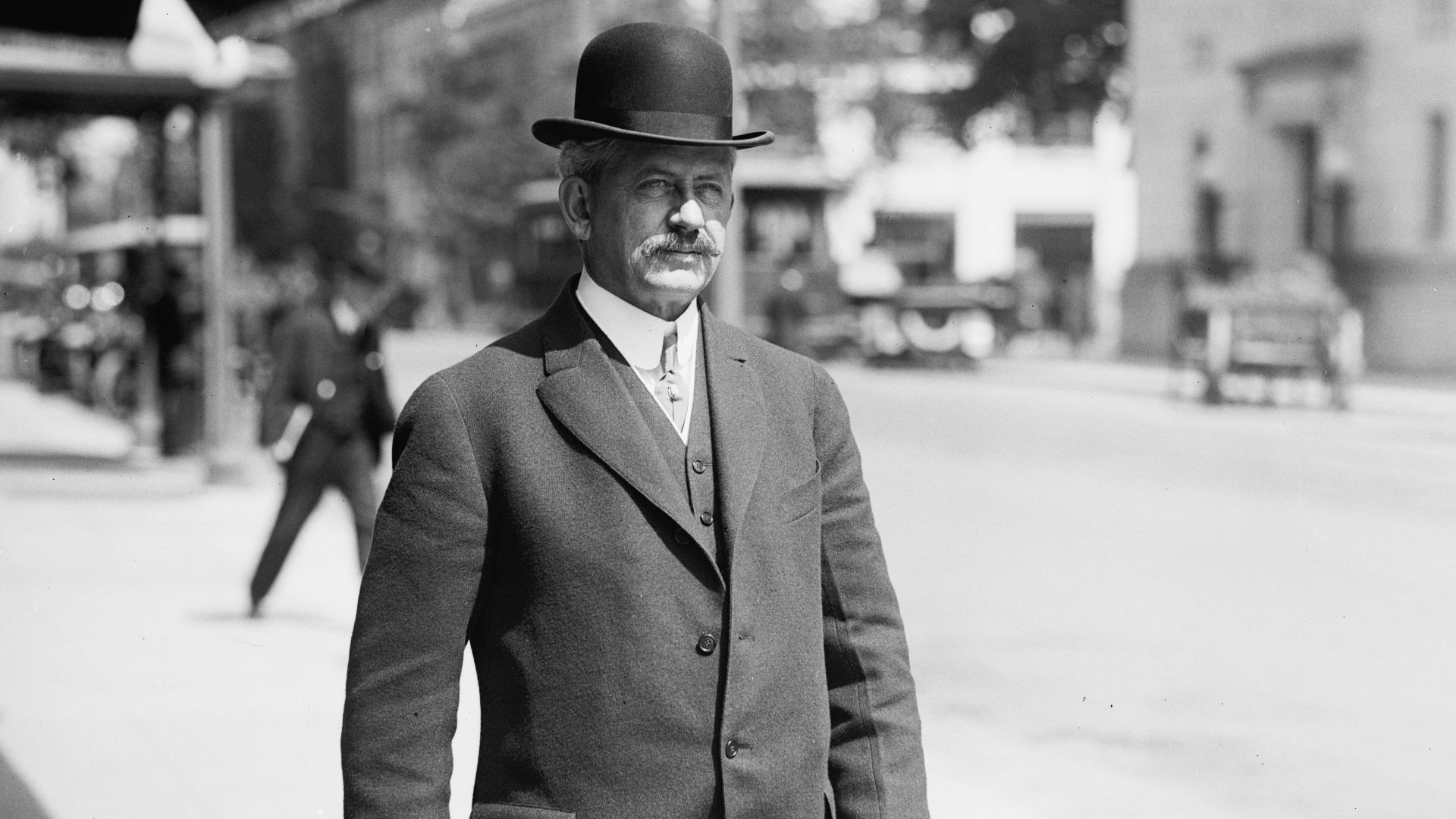
Years later, Osborne entered his inaugural celebration after becoming Wyoming's governor while wearing the shoes crafted from Big Nose George's skin. The bizarre act permanently linked the respected physician and politician with the notorious outlaw he had dissected.
 Harris & Ewing, photographer, Wikimedia Commons
Rediscovered Decades Later
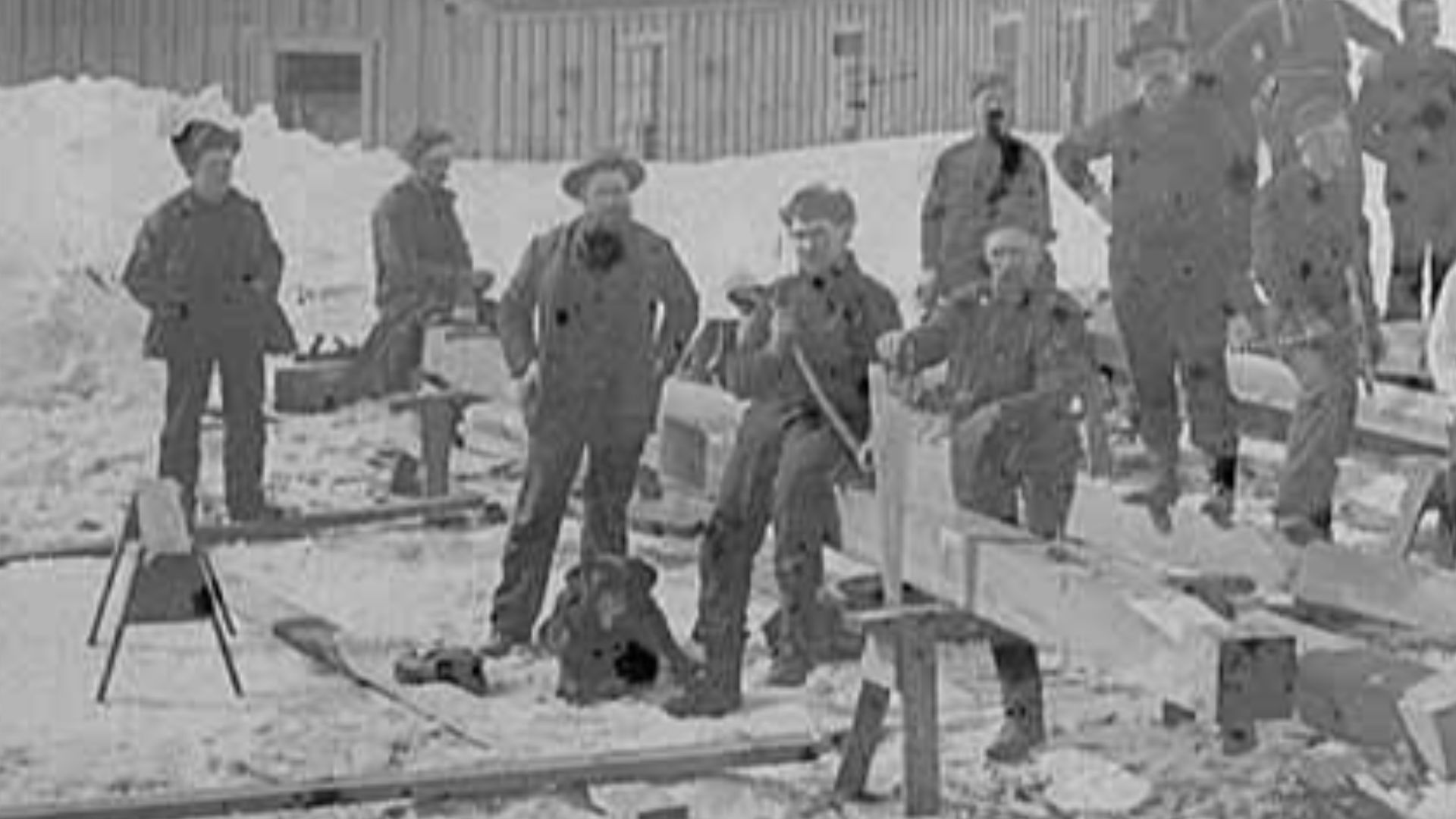
Construction workers unearthed Parrott's buried remains in 1950. The whiskey barrel still contained bones, the lower skull, and other evidence connecting the remains to the infamous outlaw. Later examinations confirmed the remarkable story was rooted in historical fact.
 Saaroni and Hammond, Wikimedia Commons
Myths And Misconceptions
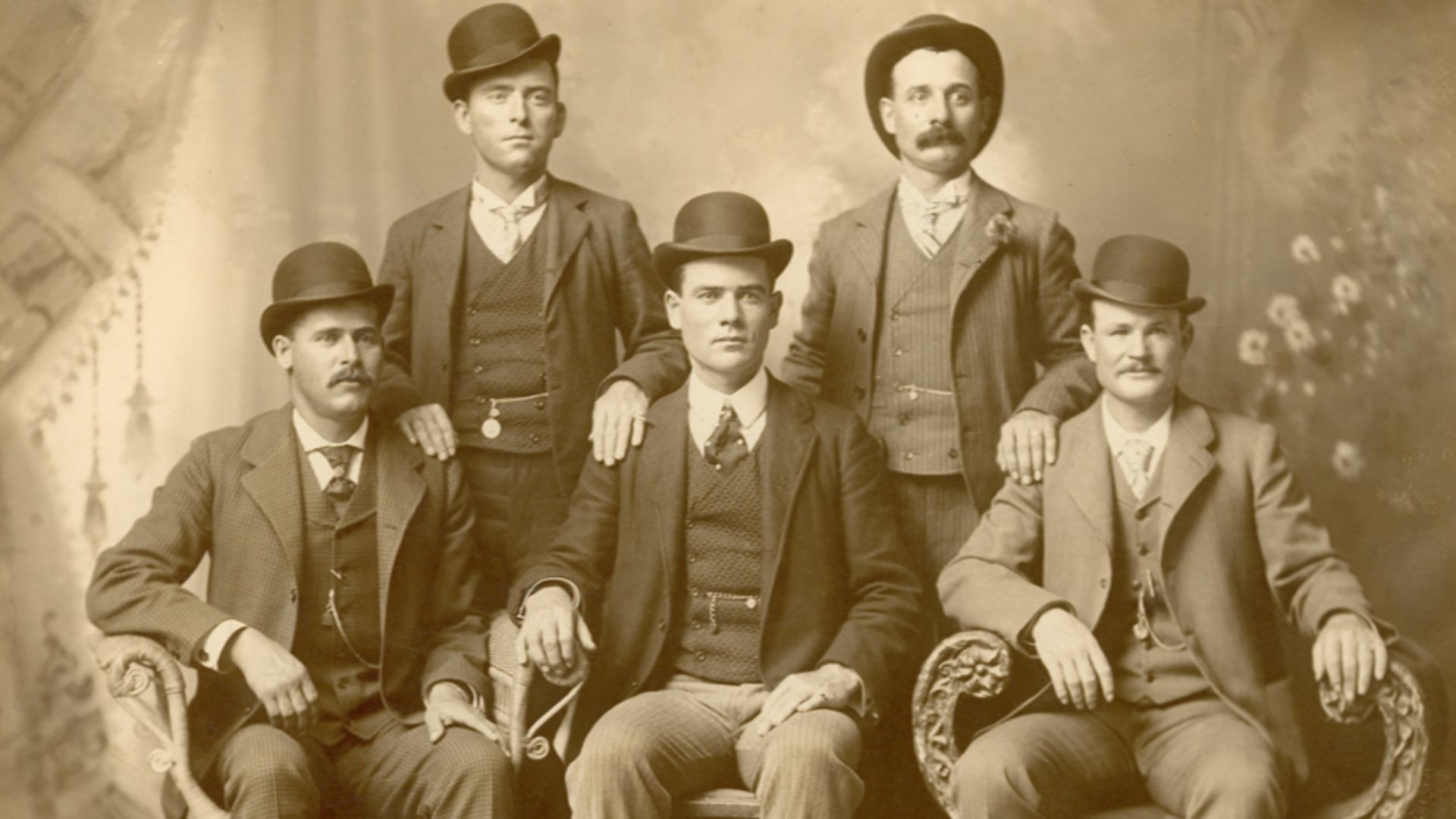
Legends later falsely claimed Parrott belonged to Butch Cassidy's Wild Bunch, despite dying years before that gang existed. Rumors were also swapped around many a campfire linking him to Frank and Jesse James, but historians generally dismiss those stories as falsehoods.
 Unknown authorUnknown author, Wikimedia Commons
An Unforgettable Legacy
Big Nose George's crimes alone would have earned him a place in Wyoming history. Instead, his shocking postmortem fate transformed him into one of the American West's strangest legends—a reminder that frontier justice could sometimes become every bit as disturbing as the criminals it punished.
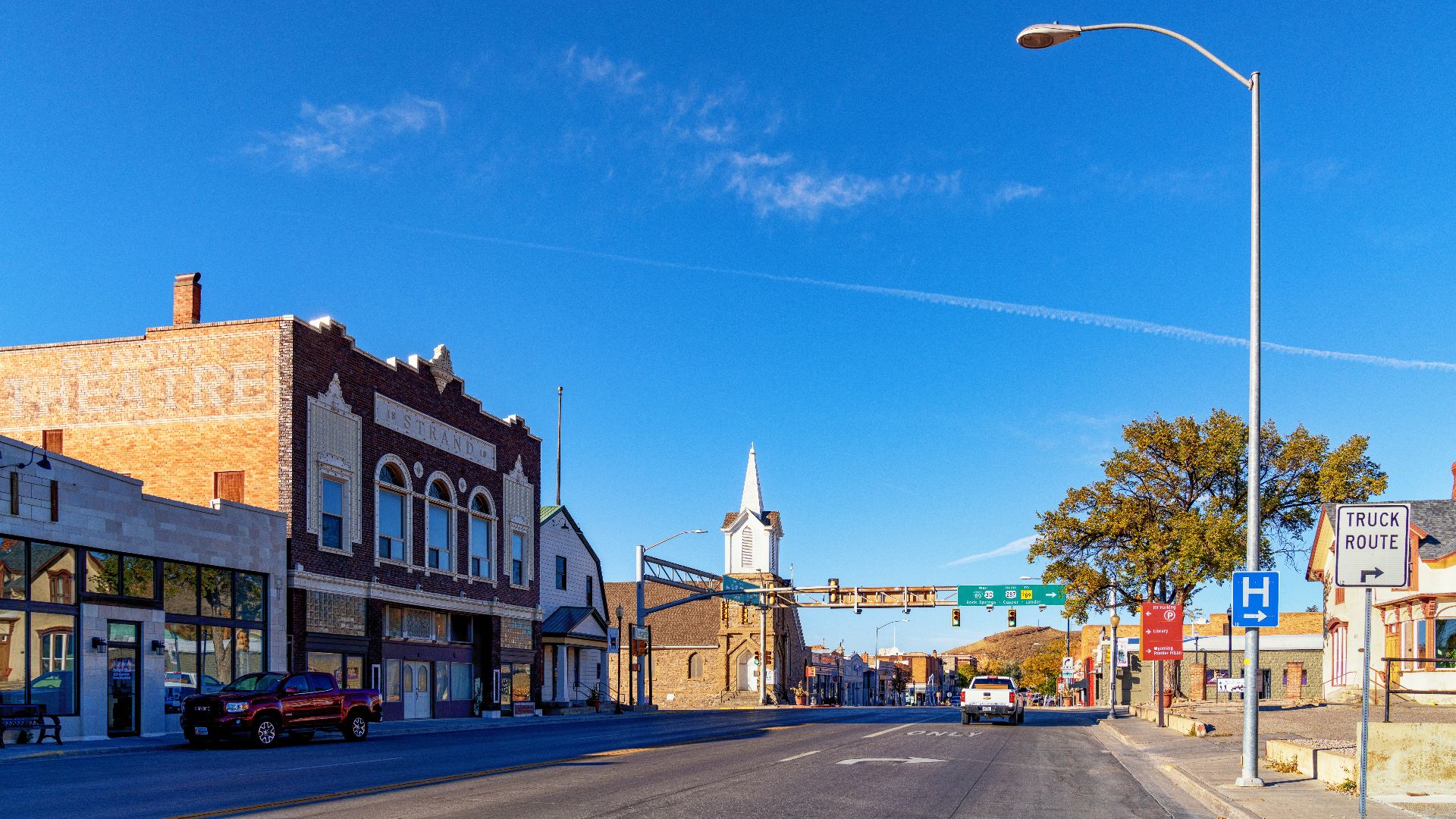 Tony Webster from Laramie, Wyoming, United States, Wikimedia Commons
You May Also Like:
The Outlaw Life And Death Of Clay Allison
Frank James And The End Of The Wild West









.jpg)

_julesvernex2.jpg)
