A Creator At Heart
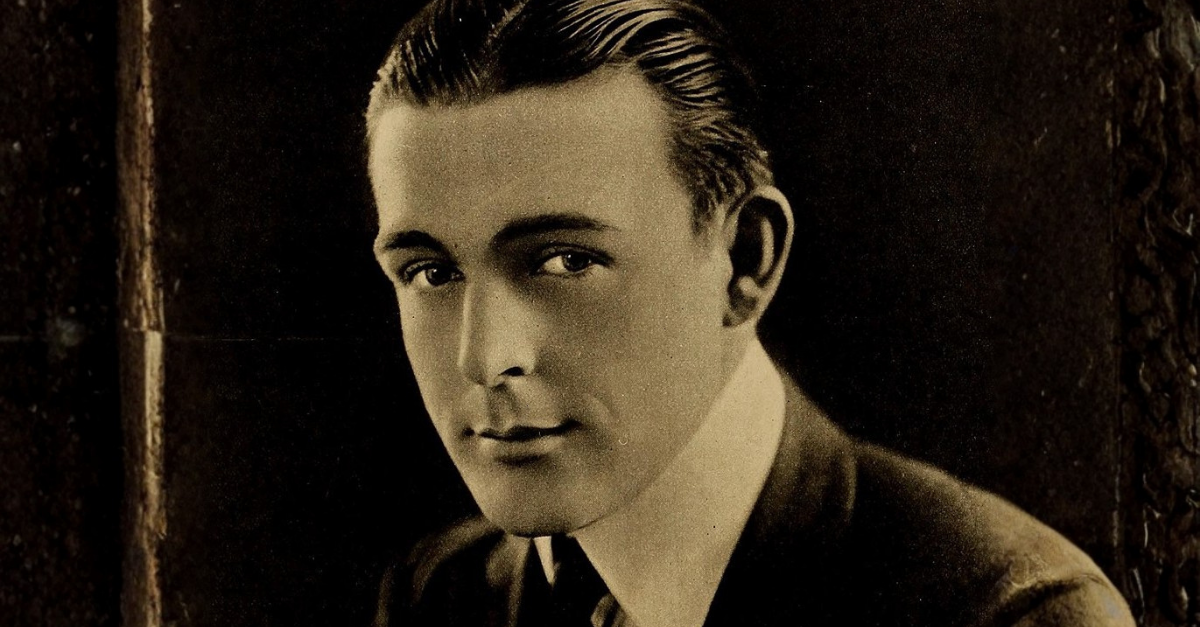
While the film industry in the early 1900s certainly featured all the glitz and glamour of Hollywood’s Silent Era, it wasn’t exactly a picnic, as a world of greed and injustice lay just beneath the surface. If anyone knew this all too well, it was Wallace Reid, who simply wanted a chance to make his own films, only to find himself lured and coerced into a dream that wasn’t his—and an early grave.
 Nelson Evans, Wikimedia Commons
1. He Joined The Family Business
While America largely viewed Wallace Reid as one of its finest actors, he was truly a jack of all trades, working as both a writer and director. This was no surprise to his family, though, as it was they who inspired his journey into filmmaking in the first place. While his mother, Bertha Westbrook, was an actress, he inherited his multi-talented nature from his father, James Reid, who dabbled in acting, playwriting, and other theatrical work.
Even so, Wallace didn’t have the luxury of doing whatever he wanted—even more so as he grew older.
 Wisconsin Center for Film and Theater Research, Wikimedia Commons
2. He Took A Break
Thanks to his family’s influence, Wallace managed to start a career in acting from a young age, booking a decent amount of stage work early on. However, he had to grow up sometime, and his parents still wanted to give him a formal education, so he had no choice but to put a pause on his passion for theatre while he attended Freehold Military School.
Still, this allowed him to branch out into even more avenues—even beyond the arts.
 Nelson Evans, Wikimedia Commons
3. He Was Multi-Talented
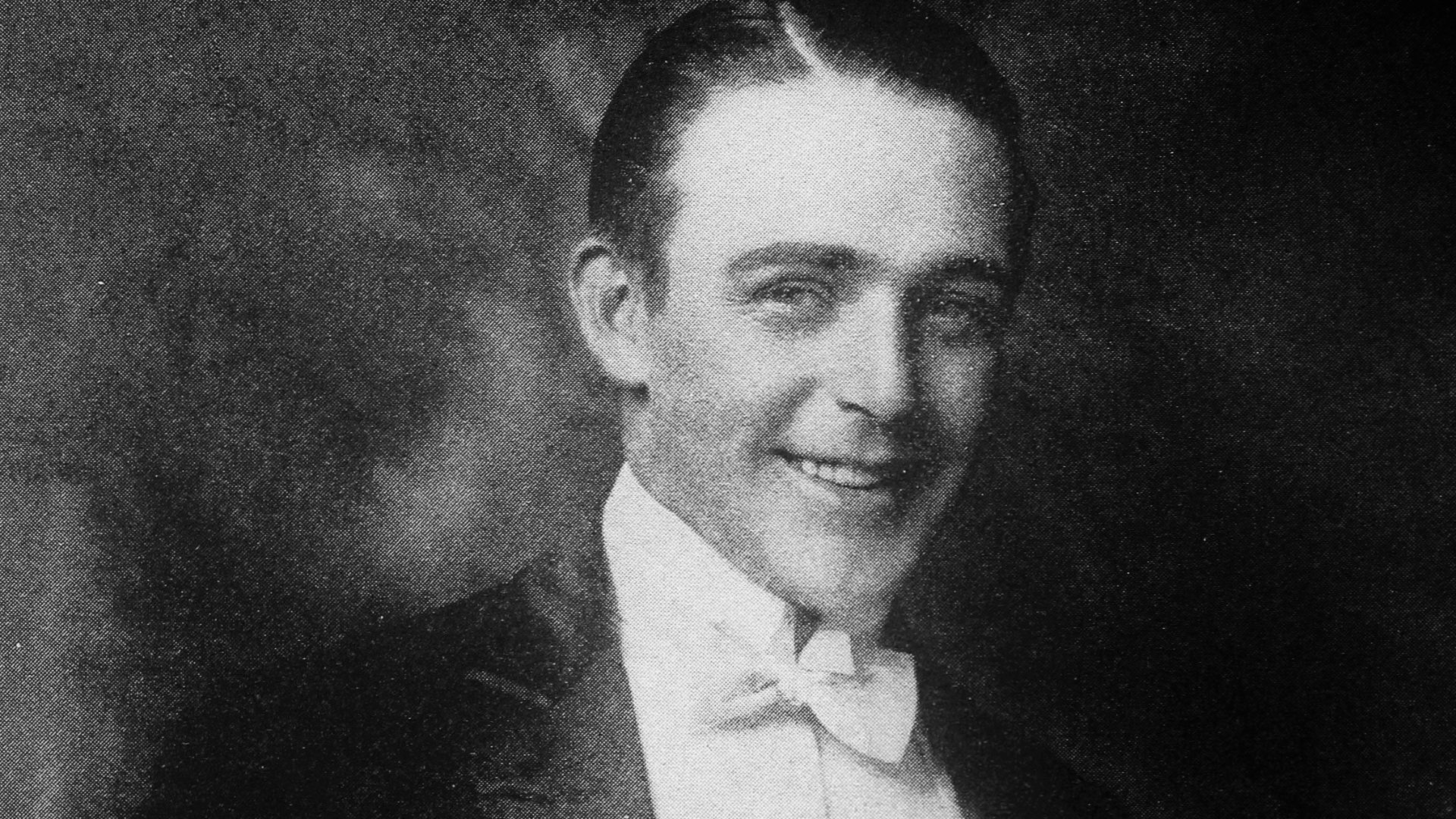
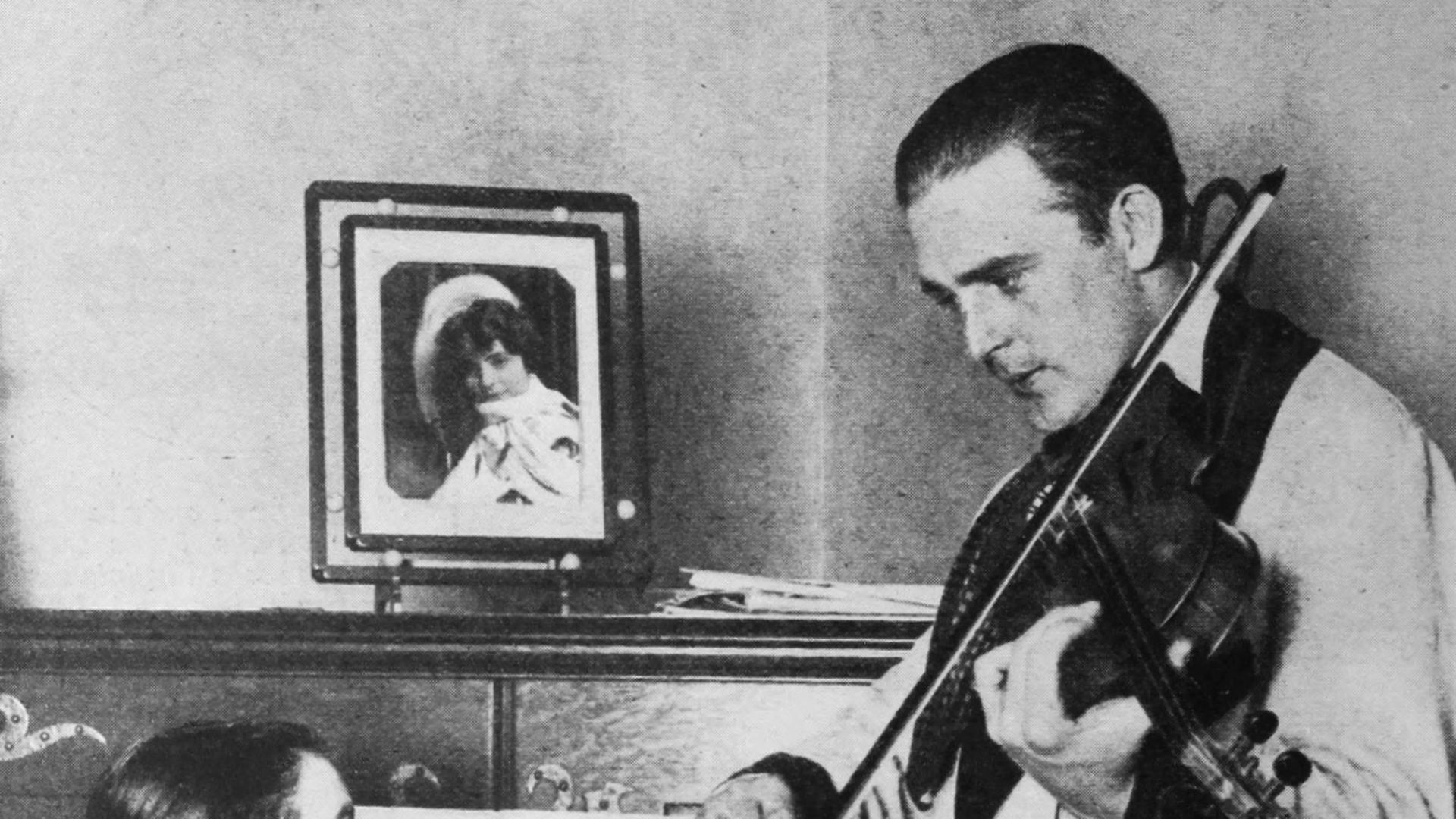
Although he had put his dreams on hold while at school, Wallace couldn’t help but feel drawn to other creative endeavors, including learning how to play the violin, drums, and piano. At the same time, he was happy to try all manner of activities, joining multiple sports teams and discovering he was also a naturally skilled athlete.
Nonetheless, he couldn’t stave off the hunger for his original passion any longer—especially watching his father work.
 Albert Witzel, Wikimedia Commons

History's most fascinating stories and darkest secrets, delivered to your inbox daily.
4. He Was Inspired
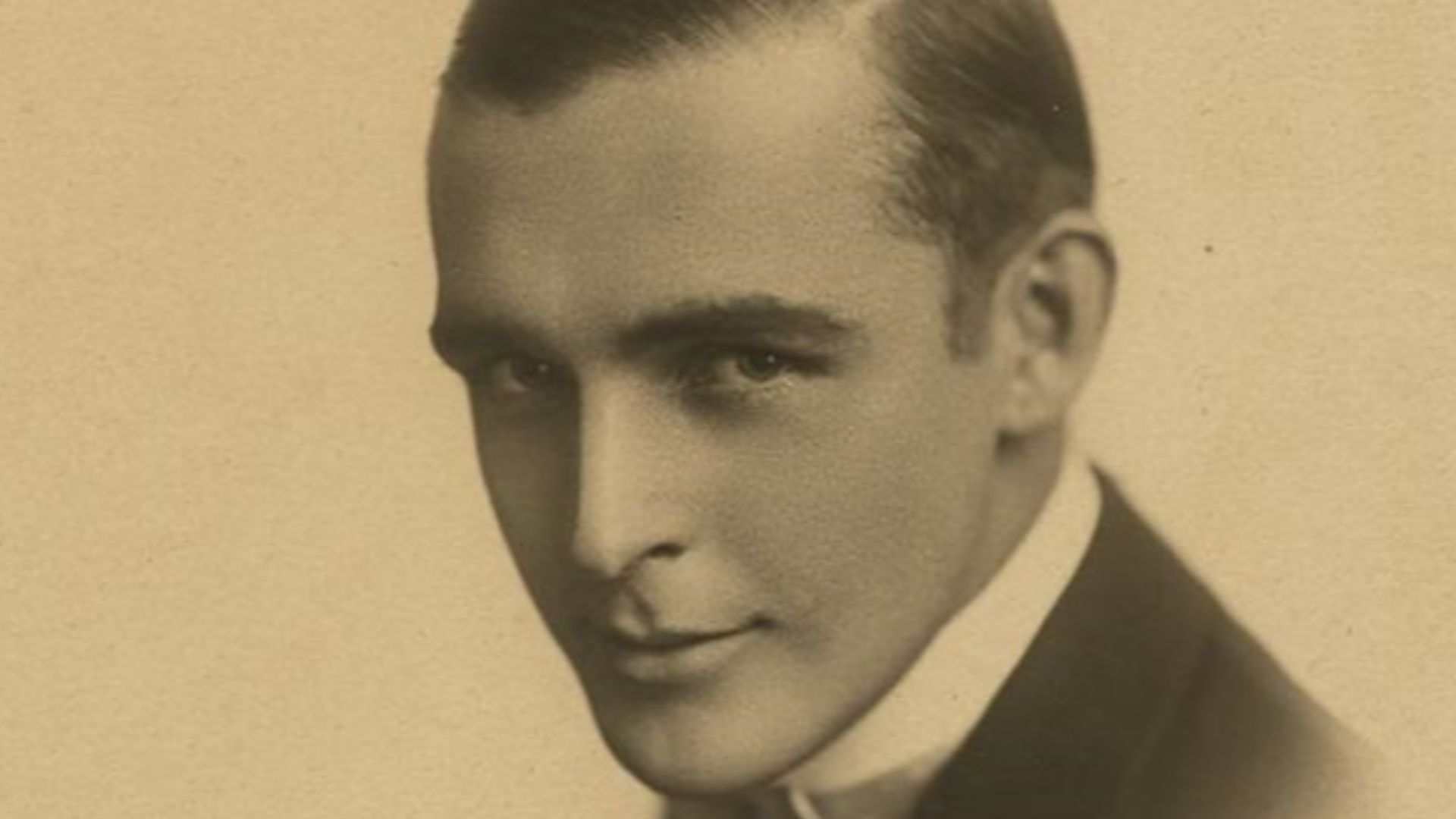
Wallace Reid had wanted to follow in his father’s footsteps since he was a child, so as far back as he could remember, he was involved in the theatre. However, as the early 1900s progressed, his father saw the potential of the budding film industry and wanted to get in on the action. So, as James began writing, directing, and acting for film, Wallace was also inspired to do the same.
Finally, he was able to work on his first real film—though not exactly how he wanted.
 Albert Witzel, Wikimedia Commons
5. He Made His Debut
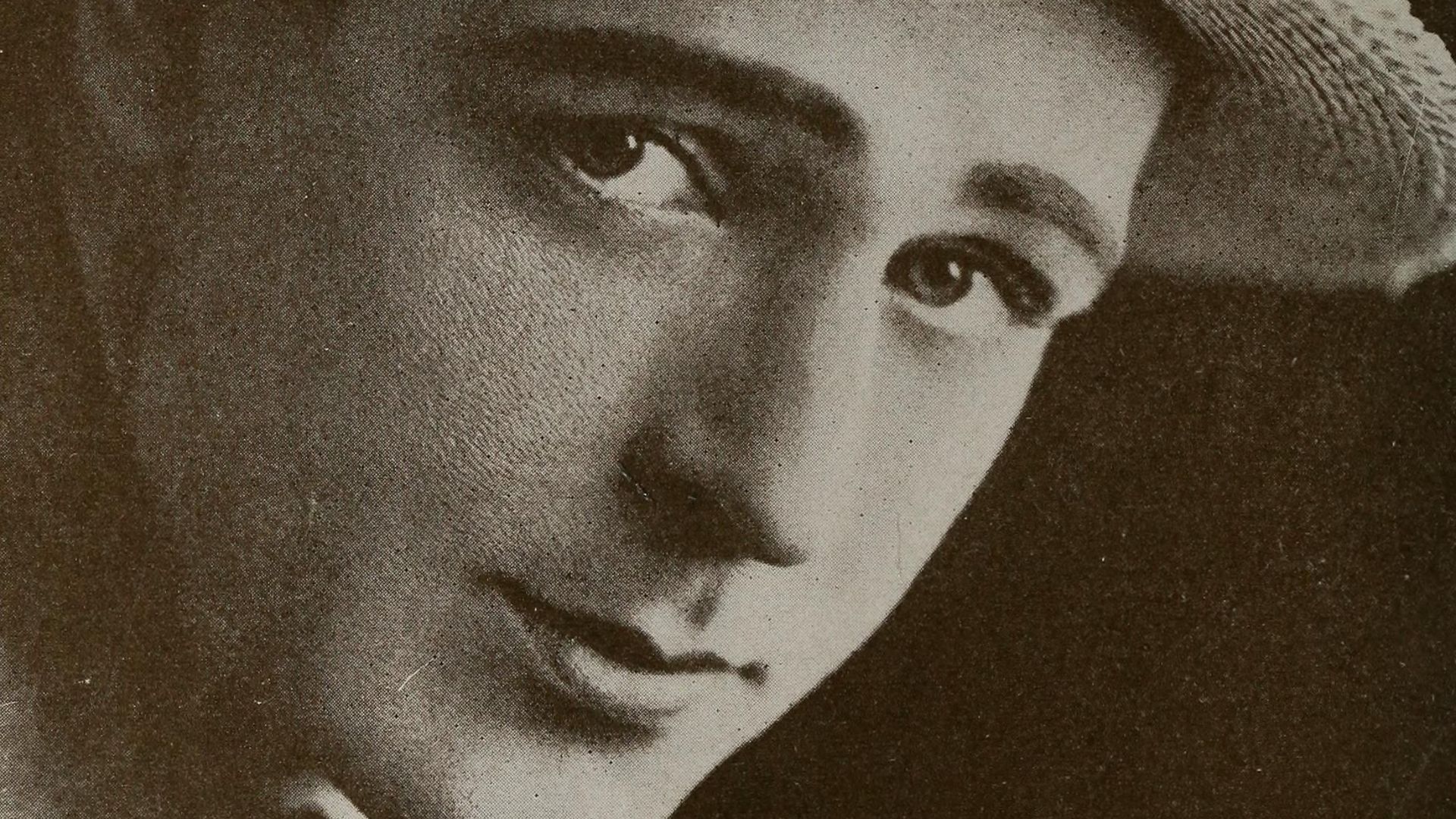
While Wallace grew to appreciate every aspect of filmmaking, he soon realized that he enjoyed writing and directing the most. Still, he couldn’t escape his theatrical history and instead found his first acting job in film in 1910, playing a young reporter in the movie The Phoenix.
Having added an acting gig to his resume, Wallace thought he might try working behind the scenes—if anyone would let him.
 Albert Witzel, Wikimedia Commons
6. He Pitched His Script
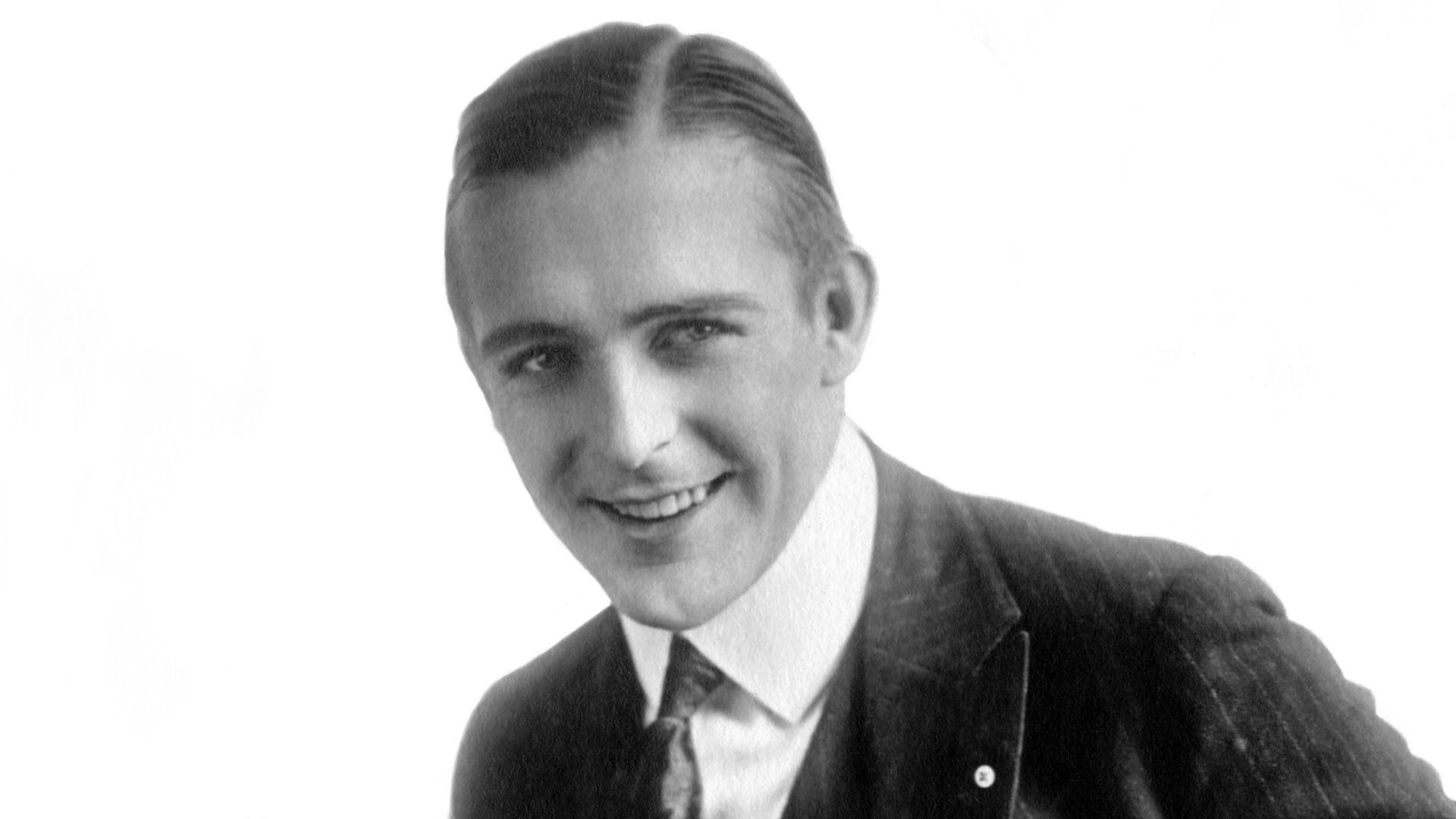
Now that he had gotten a taste of working in front of the screen, Wallace Reid wanted nothing more than to write and direct his own film—and thankfully, he already had a start. Using the script of his father’s play, The Confession, he reached out to Vitagraph Studios and offered it to them as a possible adaptation.
Unfortunately, he couldn’t escape how everyone perceived him—no matter how hard he tried.
 credited as "Evans", Wikimedia Commons
7. They Wanted His Looks
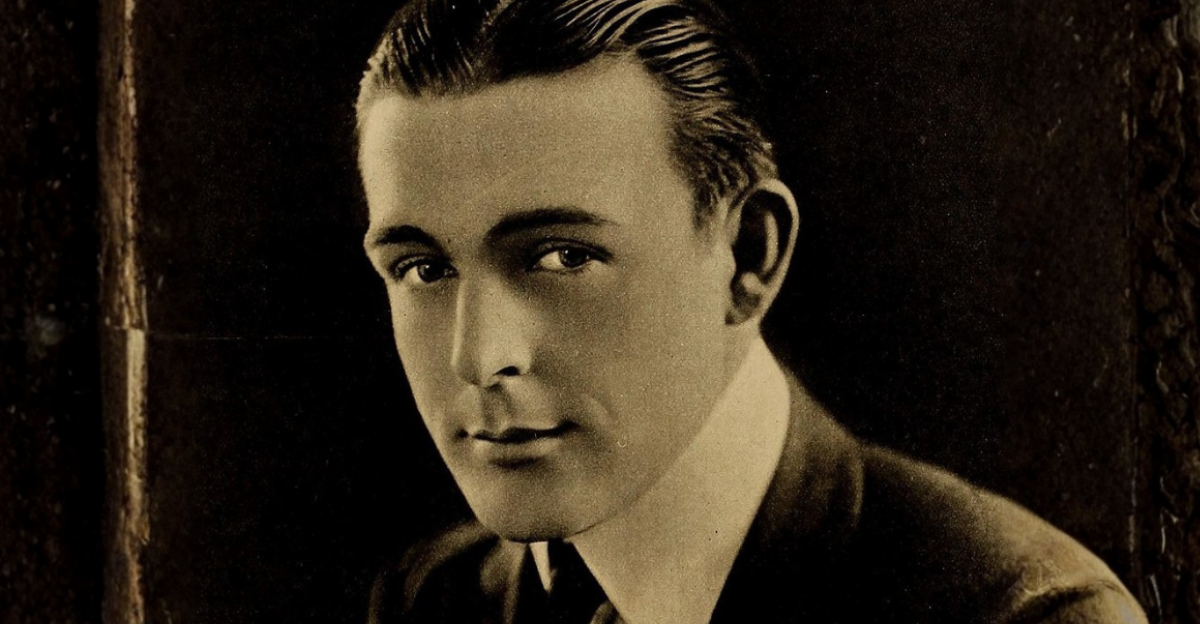
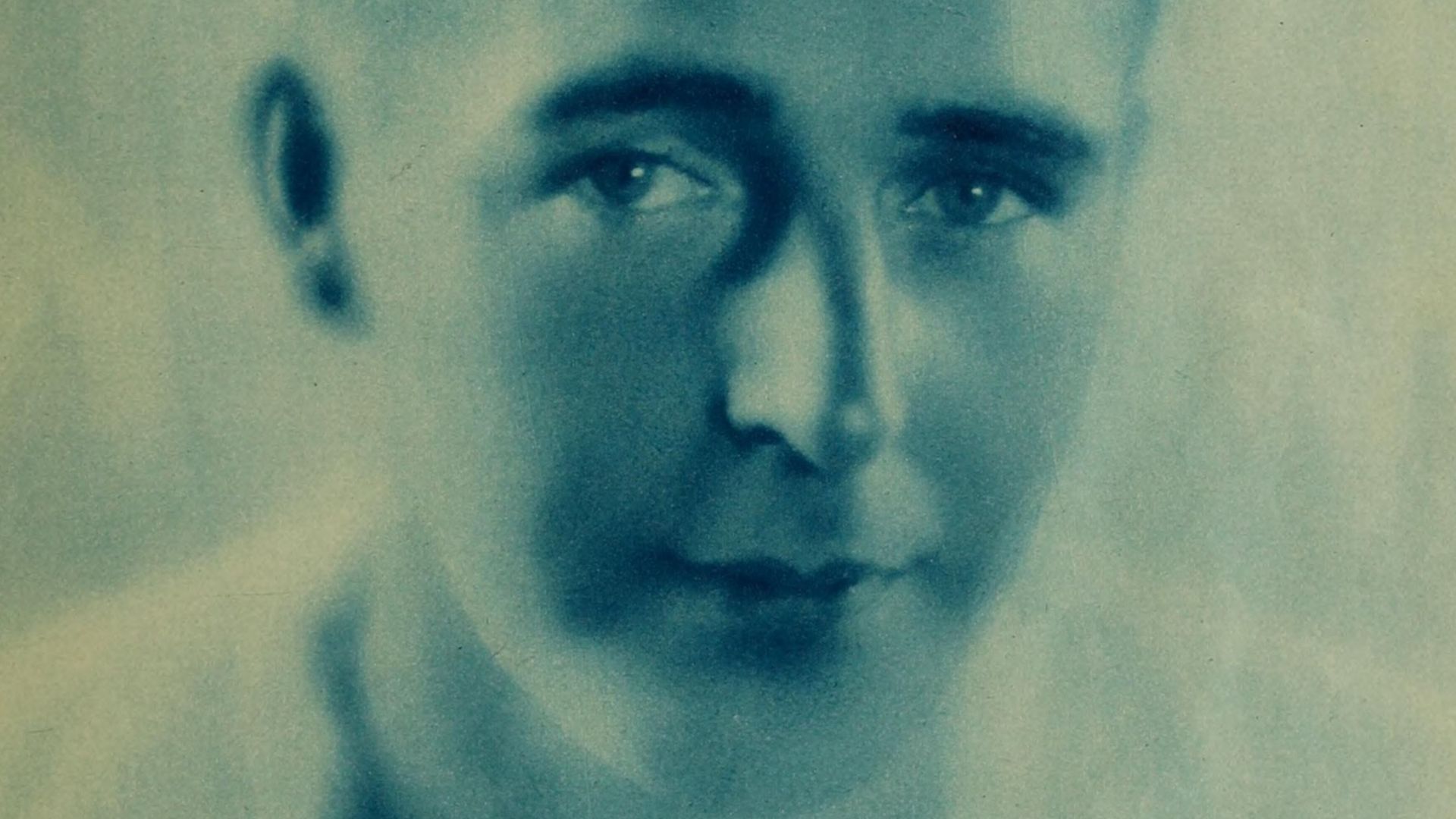
Wallace may have wanted to really flex his creative muscles behind the scenes, but when he pitched his adaptation of The Confession, the studio suddenly had another idea. Pointing out what they believed to be his Hollywood-quality good looks, they refused to let him stay behind the camera and cast him as one of the major characters. While this initially gave him pause, they also agreed to let him direct the film, and he couldn’t pass up the chance.
Despite this, Wallace greatly enjoyed many of his early film projects—especially with his greatest collaborator.
 Unknown authorUnknown author, Wikimedia Commons
8. They Worked Together
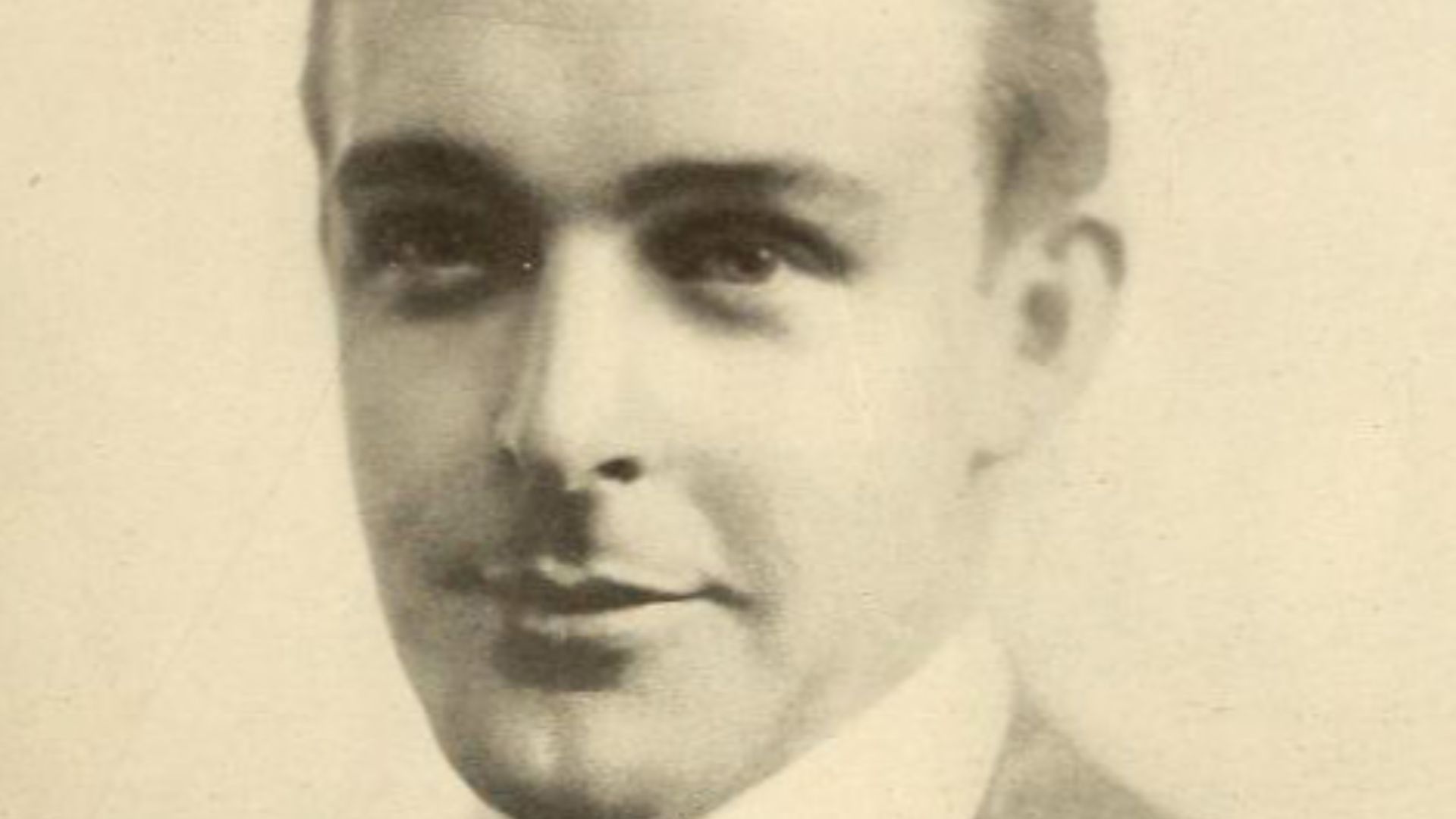
While this may not have been the start to the film career he envisioned, Wallace was still eager to keep on trucking, and luckily, he wouldn’t be doing so alone. As they had already proven to be such an effective filmmaking team, he worked with his father on numerous other projects, whether acting, directing, or writing.
Meanwhile, his career allowed him to find something even more valuable—true love.
 Unknown authorUnknown author, Wikimedia Commons
9. He Found Someone Special
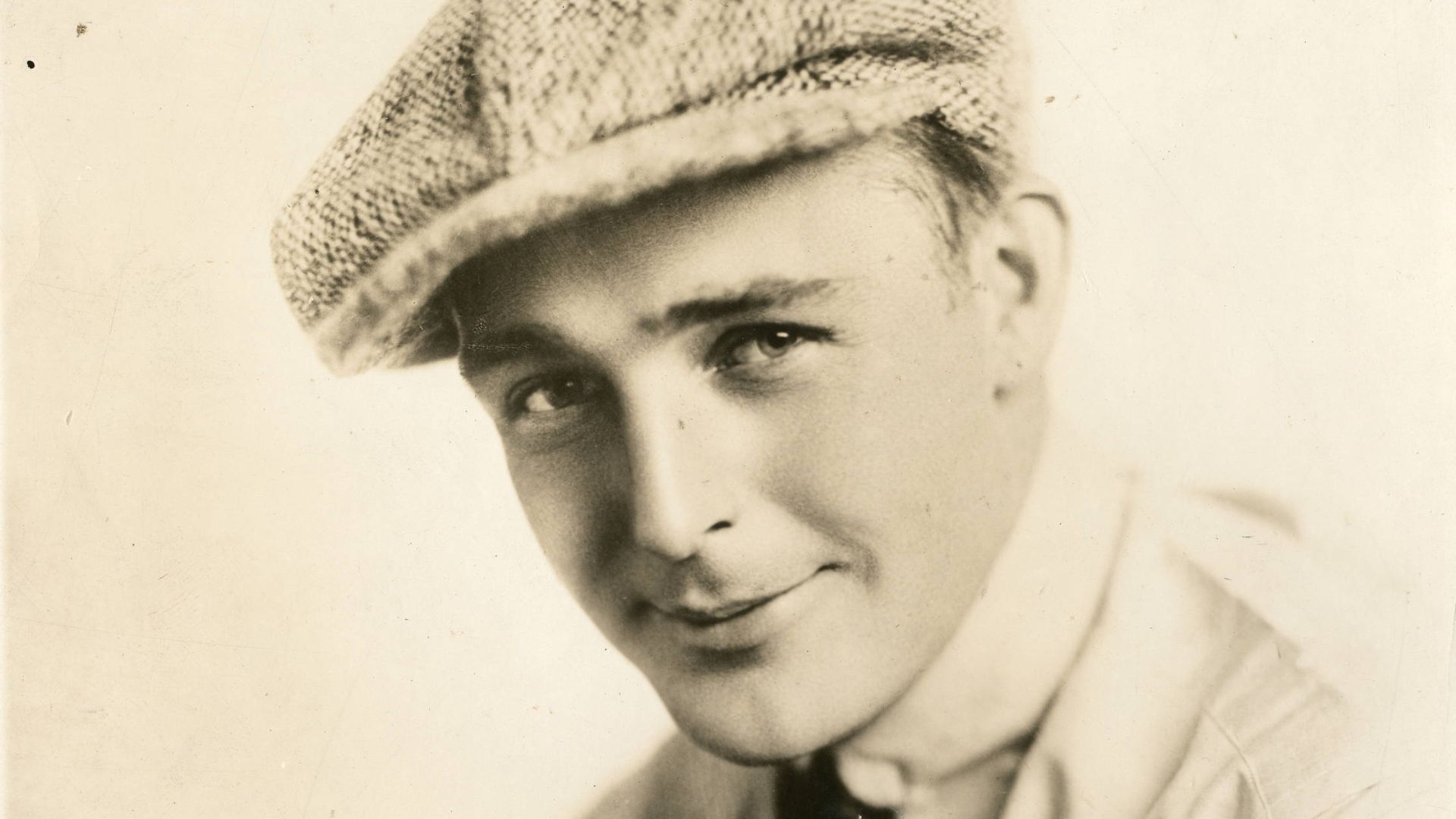
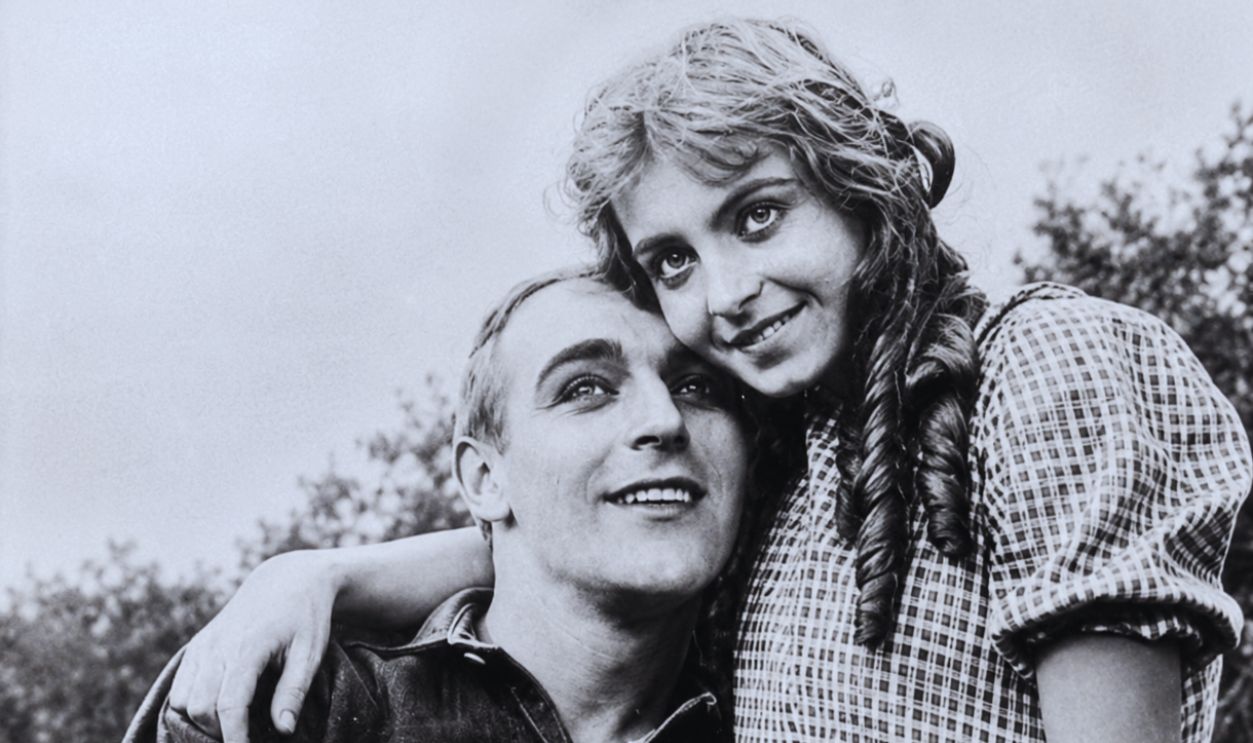
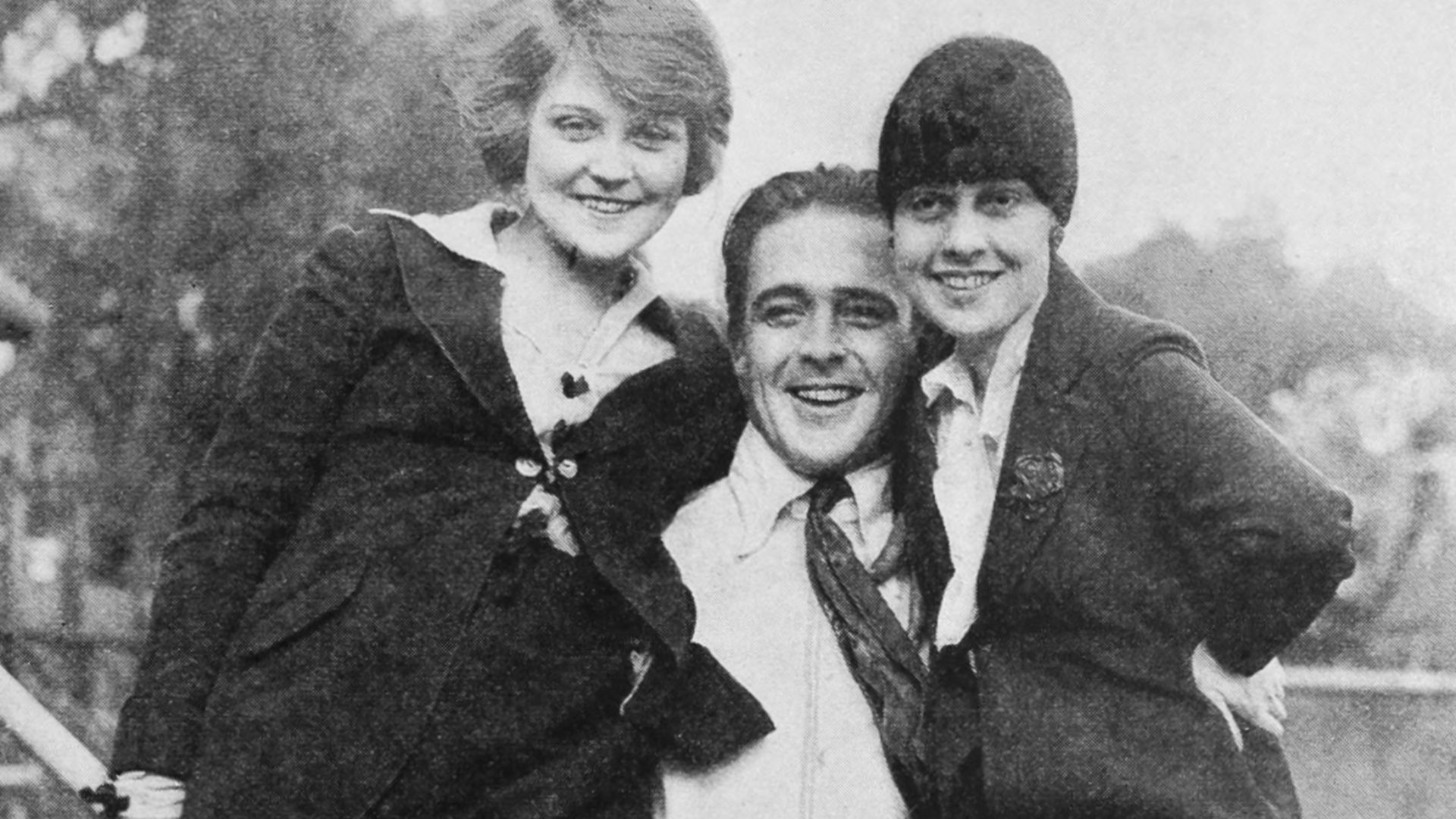
Moving up in the film world, Wallace Reid soon signed a contract with the Nestor Film Company and began working on several of their projects—but his life was looking up in other ways too. Also working there was an actress named Dorothy Davenport, and as both of them rose to be two of the studio’s major players, they ended up spending more time together.
Of course, he remained a busy man—but that wouldn’t stop him from taking the next step.
 Unknown authorUnknown author, Wikimedia Commons
History's most fascinating stories and darkest secrets, delivered to your inbox daily.
10. He Took Some Time Away
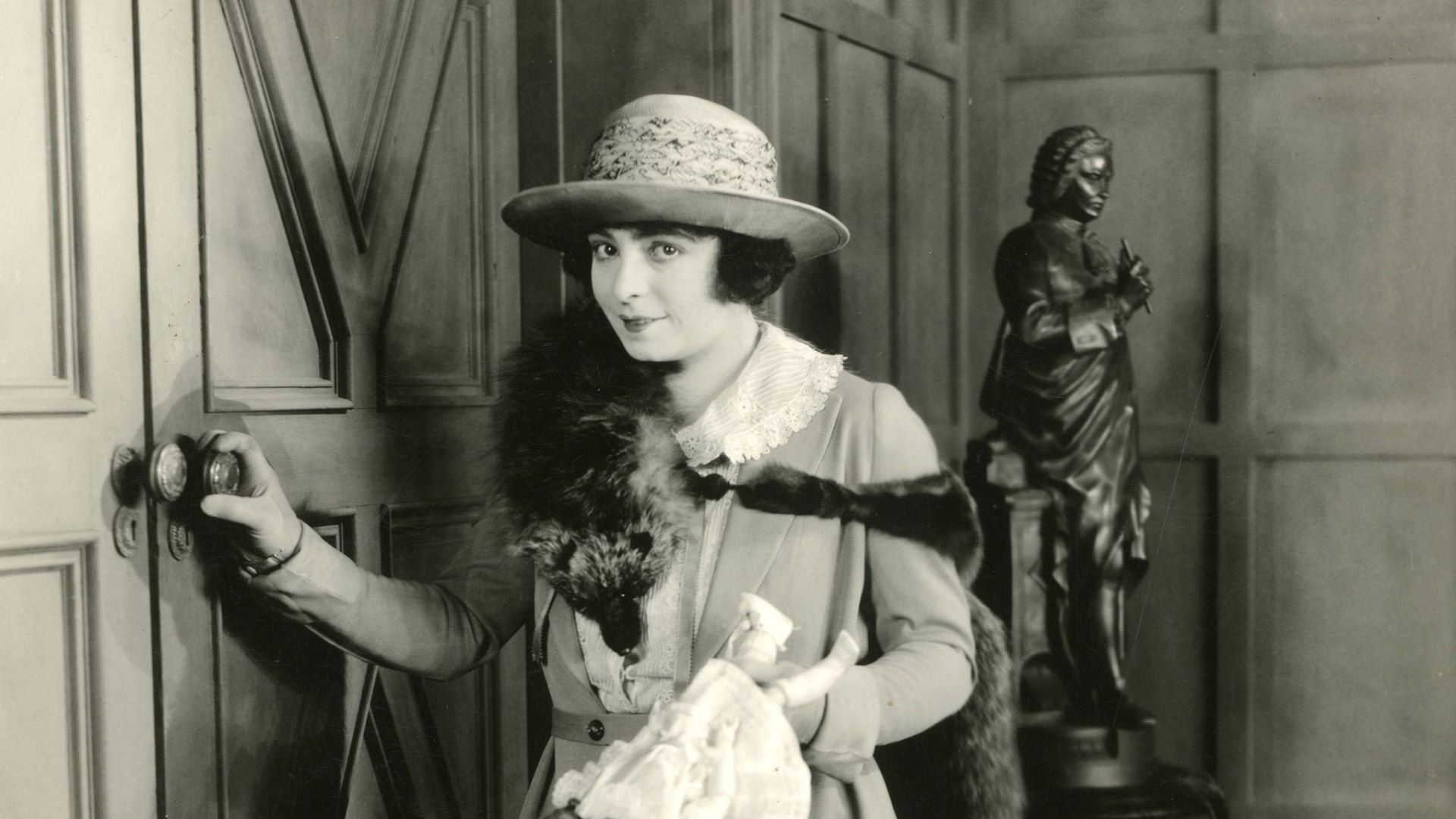
The friendship between Wallace and Dorothy quickly blossomed into more as they fell hopelessly in love, but he wouldn’t always be around. Thanks to another project he signed up for, he had to leave for about six months. However, as soon as he returned, they picked up right where they left off and tied the knot in 1913.
Eventually, they would both need to take even more time off—especially Dorothy.
 unknown (Nestor Film Company), Wikimedia Commons
11. They Made A Family
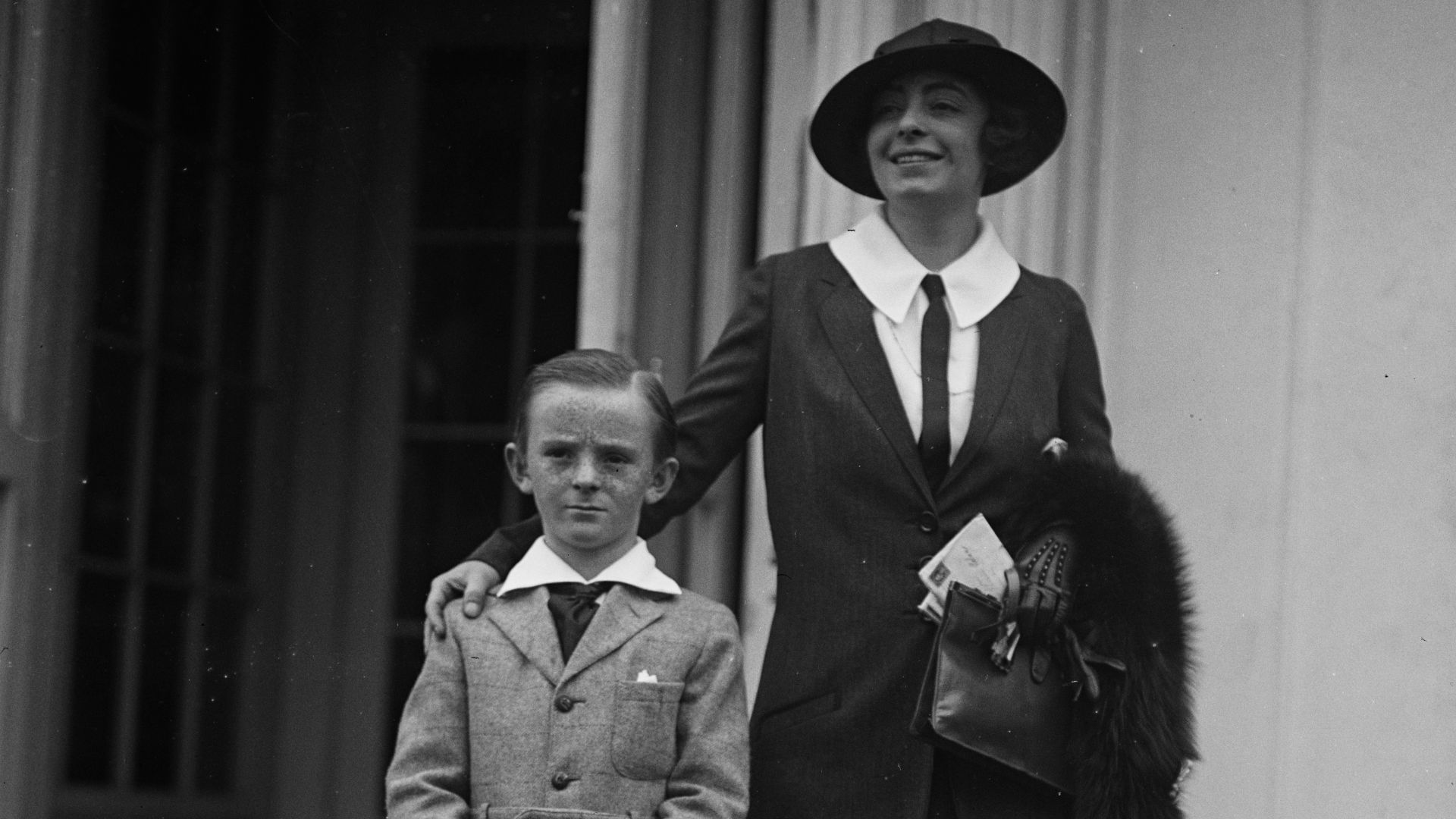
Wallace Reid and Dorothy contributed greatly to Nestor’s success, even during its acquisition by the now-industry titan, Universal Pictures. However, for one of them, this would be the end of the line. In 1917, the two welcomed the first of their two children, Wallace Jr, and Dorothy chose to focus on raising him rather than continue her acting career.
By this point, Wallace’s reputation had grown, and he had even helped make history in cinema—though not in a good way.
 Harris & Ewing, photographer, Wikimedia Commons
12. He Agreed To Less
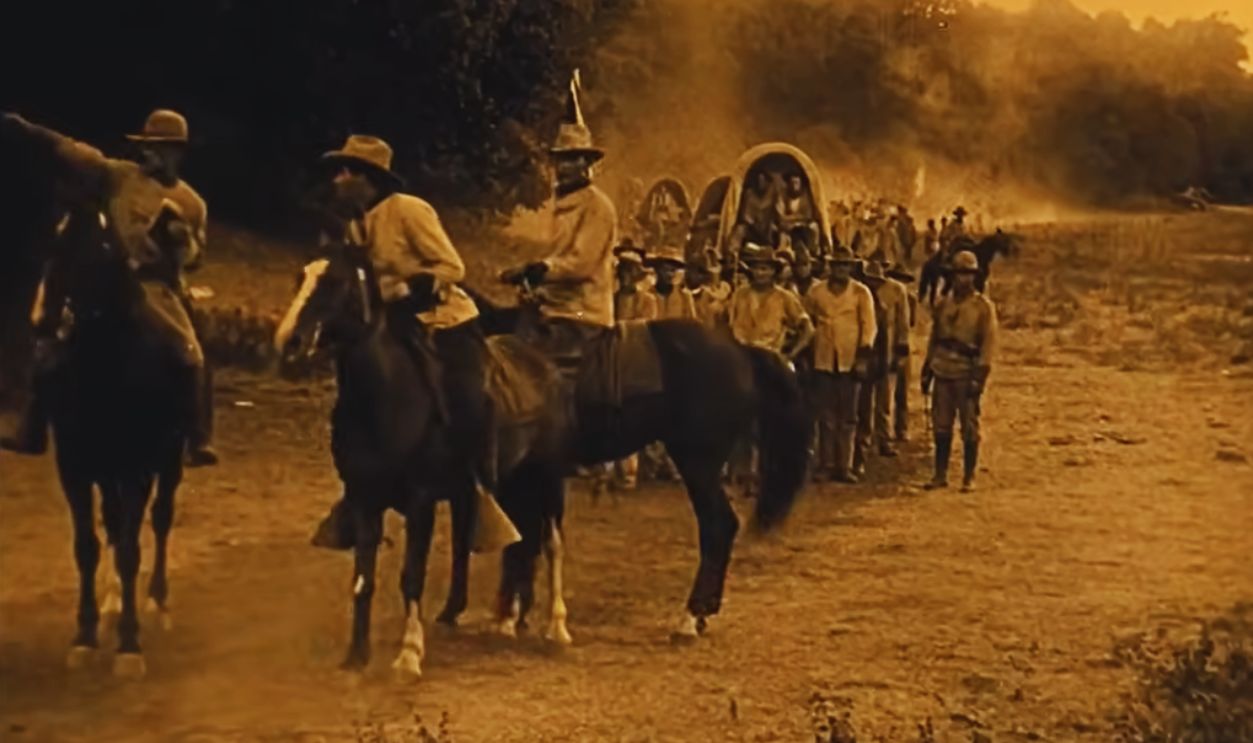
By 1915, Wallace had already become one of Hollywood’s most promising actors, having completed a whopping 100 films. Even for someone of his caliber, though, there were some projects he would do anything to work on. Cast in what many consider the most offensive film in history, Wallace agreed to take a smaller role in The Birth of a Nation and even a pay cut, all because he wanted to work with director DW Griffith.
Understandably, it wasn’t long before someone took notice—and wanted Wallace all to himself.
 Screenshot from The Birth of a Nation, Epoch Producing Corporation (1915)
13. He Became A Muse
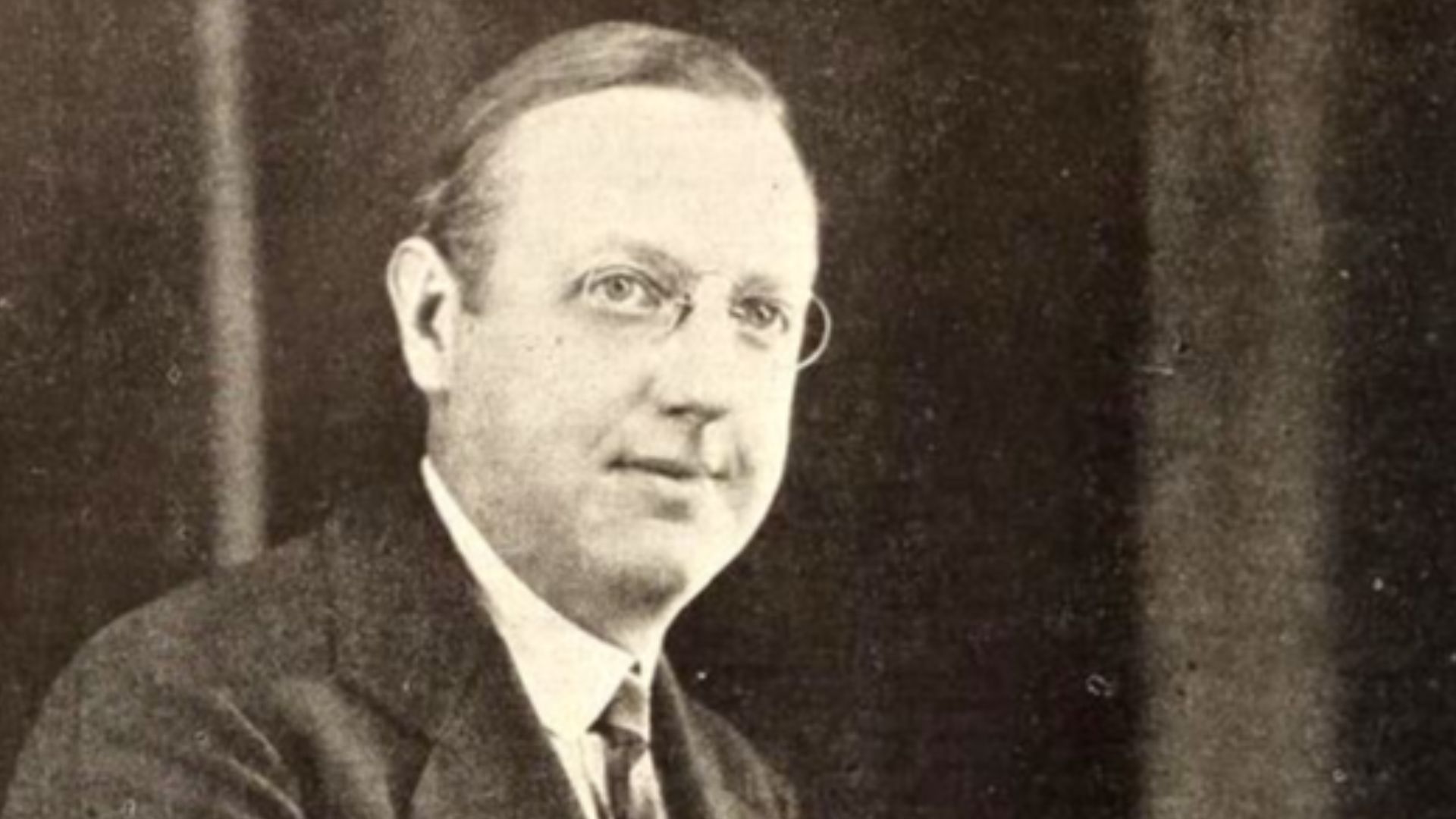
Having worked with one budding studio titan, Wallace Reid soon had another come knocking on his door, and with an even greater offer. Determined to use the actor’s success to power his own film company, Famous Players, Jesse L Lasky approached Wallace and offered to make him an even bigger star. Together, they created over 60 films, and Wallace helped build the foundations of what would become Paramount Pictures.
Suddenly, he was getting bigger and bigger parts—and working with even more prestigious co-stars.
 Unknown photographer, Wikimedia Commons
14. He Worked With Icons
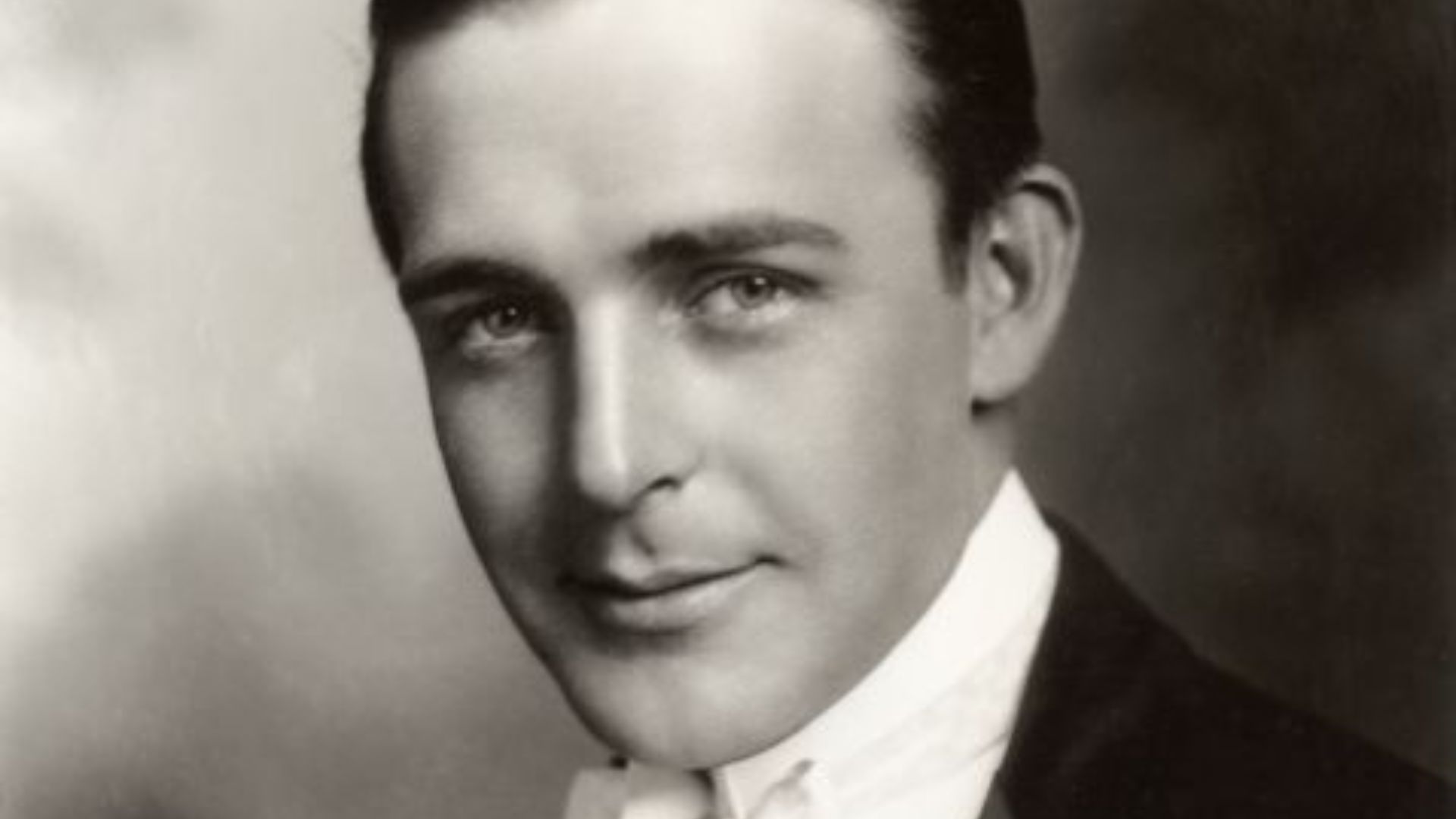
Only a few years earlier, Wallace had been happy to have any opportunity to make his films, but now he had become one of Hollywood’s greatest heartthrobs. Known to many as “the screen's most perfect lover,” he had the chance to star opposite many of the most famous lead actresses of the time, including Gloria Swanson, Lillian Gish, and Geraldine Farrar.
Peaking behind the curtain, though, things weren’t as peachy as they seemed.
15. He Was Falling Apart
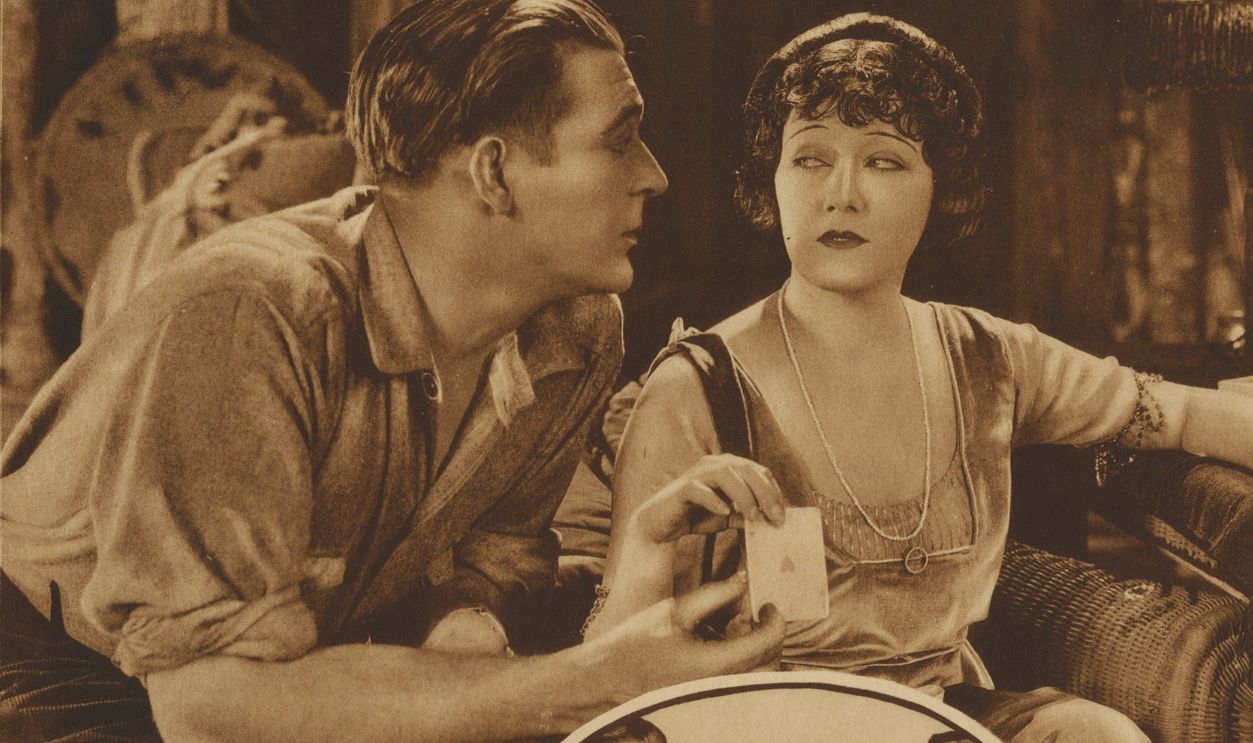
As one of the most sought-after actors in Hollywood, Wallace’s fame had skyrocketed him into immense success, but it was nothing like how he imagined. He had never actually wanted to be an actor, and this realization took a toll on his mental state, resulting in a lifestyle of drinking excessively and spending his money almost as fast as he was making it.
Sadly, things were only about to get worse—but not just for him.
 Photographer credited as Stagg, Wikimedia Commons
History's most fascinating stories and darkest secrets, delivered to your inbox daily.
16. He Wanted To Help
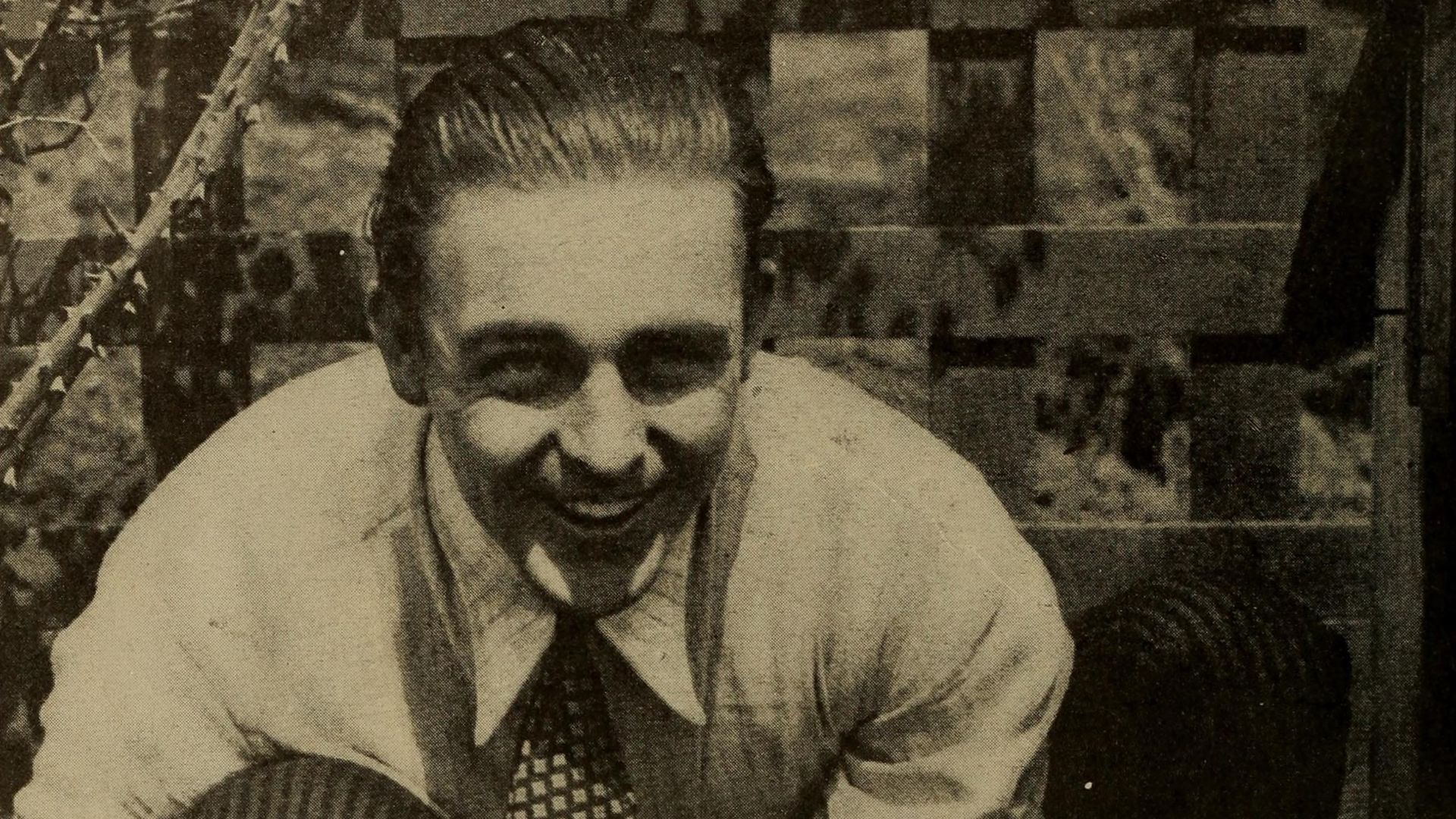
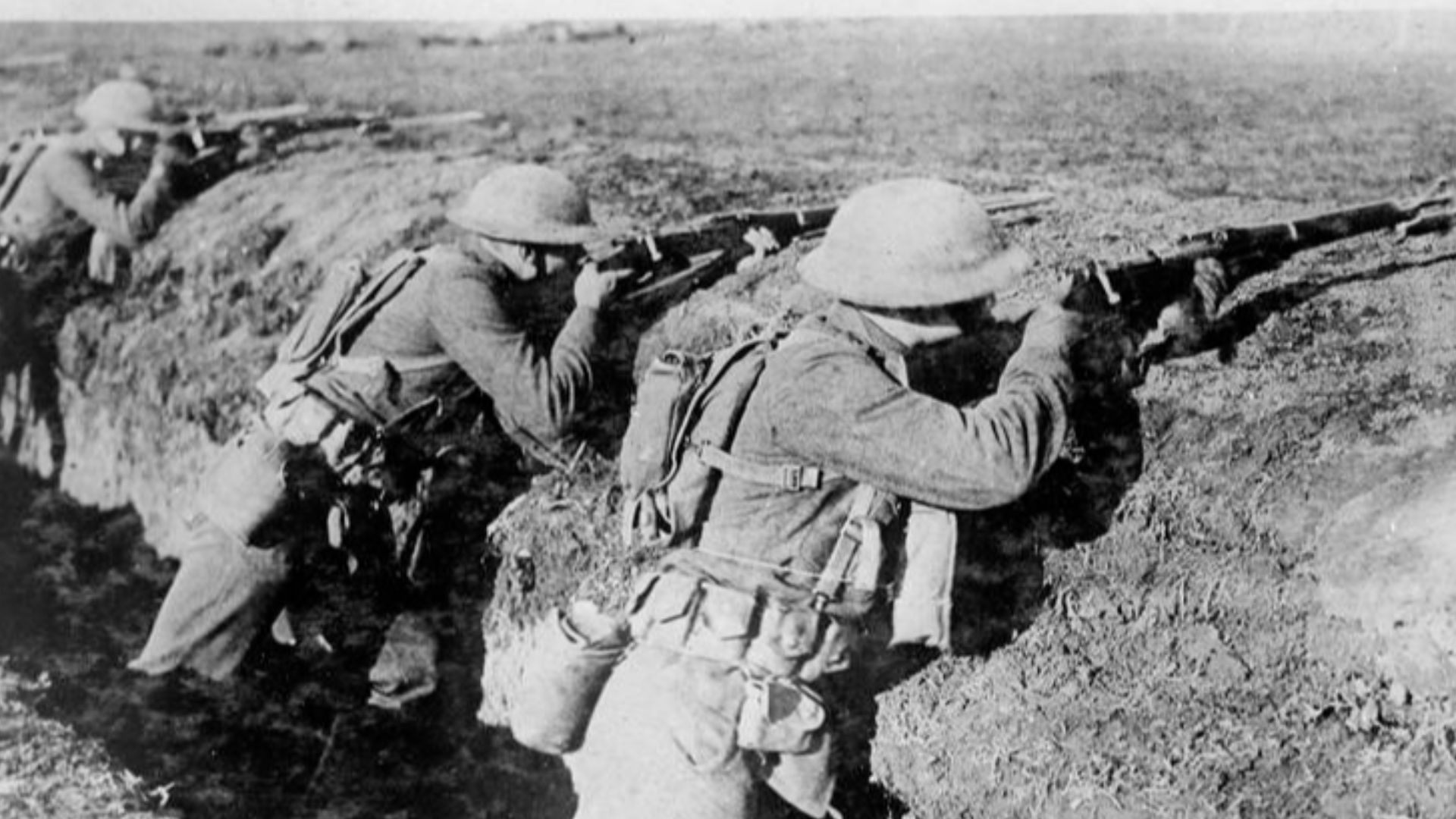
Suddenly, when Wallace Reid was in his mid-20s, something happened to make all the issues he was facing in his career seem trivial by comparison—America entered WWI. Wallace was young, relatively healthy, and reportedly a skilled shooter, and since he wanted to do everything he could to serve his country, he could think of no reason not to enlist.
Unfortunately, his situation was far more complicated than that—and the choice wasn’t up to him.
 American official photographer, Wikimedia Commons
17. He Couldn’t Get Away
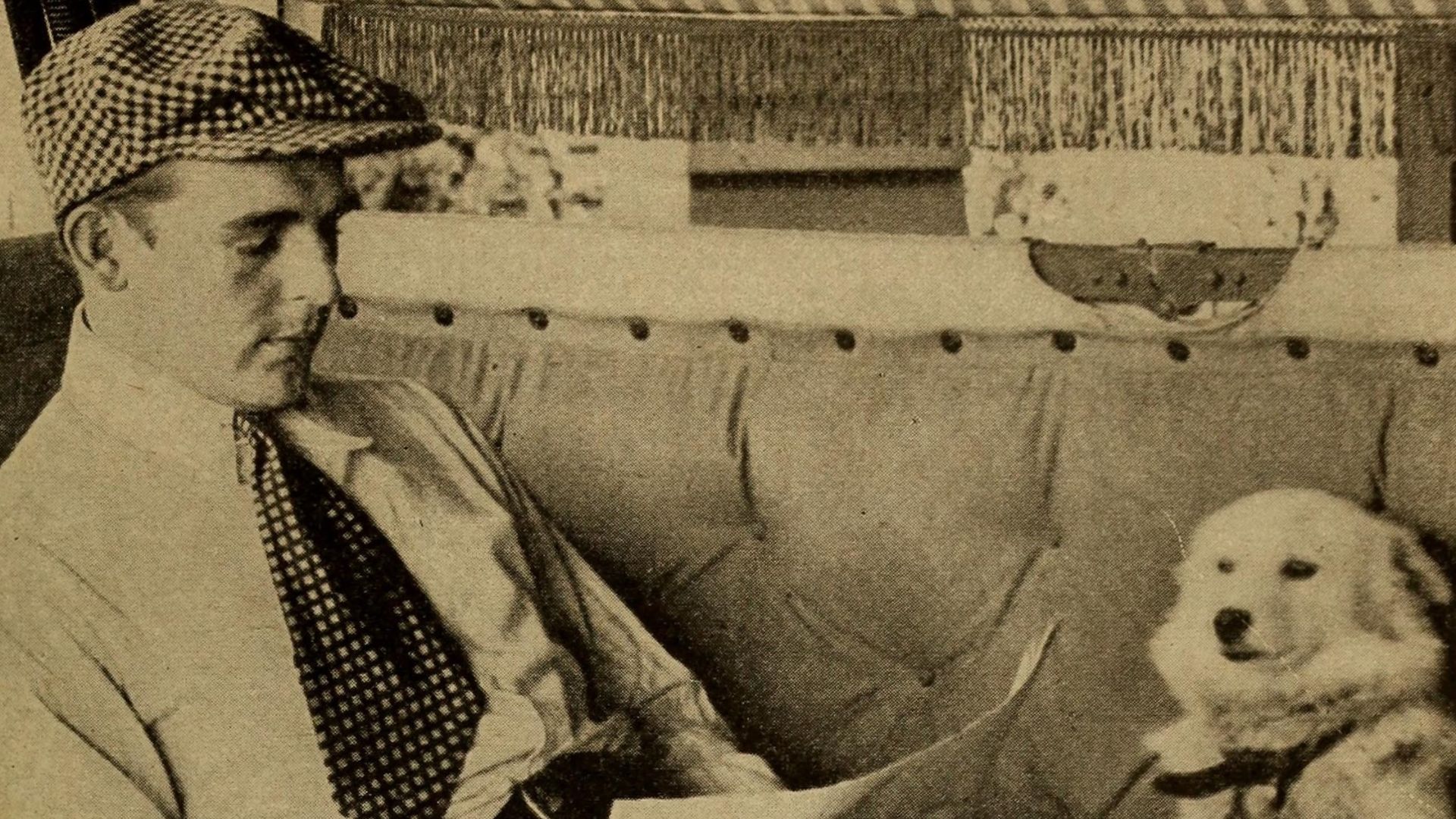
While Wallace may have thought that enlisting in the army was the best call, he hadn’t considered what others might think, especially those closest to him. The truth was that he was now a father and husband, and beyond supporting his wife and child, he also had both his mother and his in-laws relying on him financially. To make matters worse, he felt pressure coming from Famous Players, as he had quickly become the key to their success.
Nonetheless, he wasn’t going to let anything stand in the way of doing his part—in whatever way he could.
 Photographer credited as Stagg, Wikimedia Commons
18. He Did What He Could
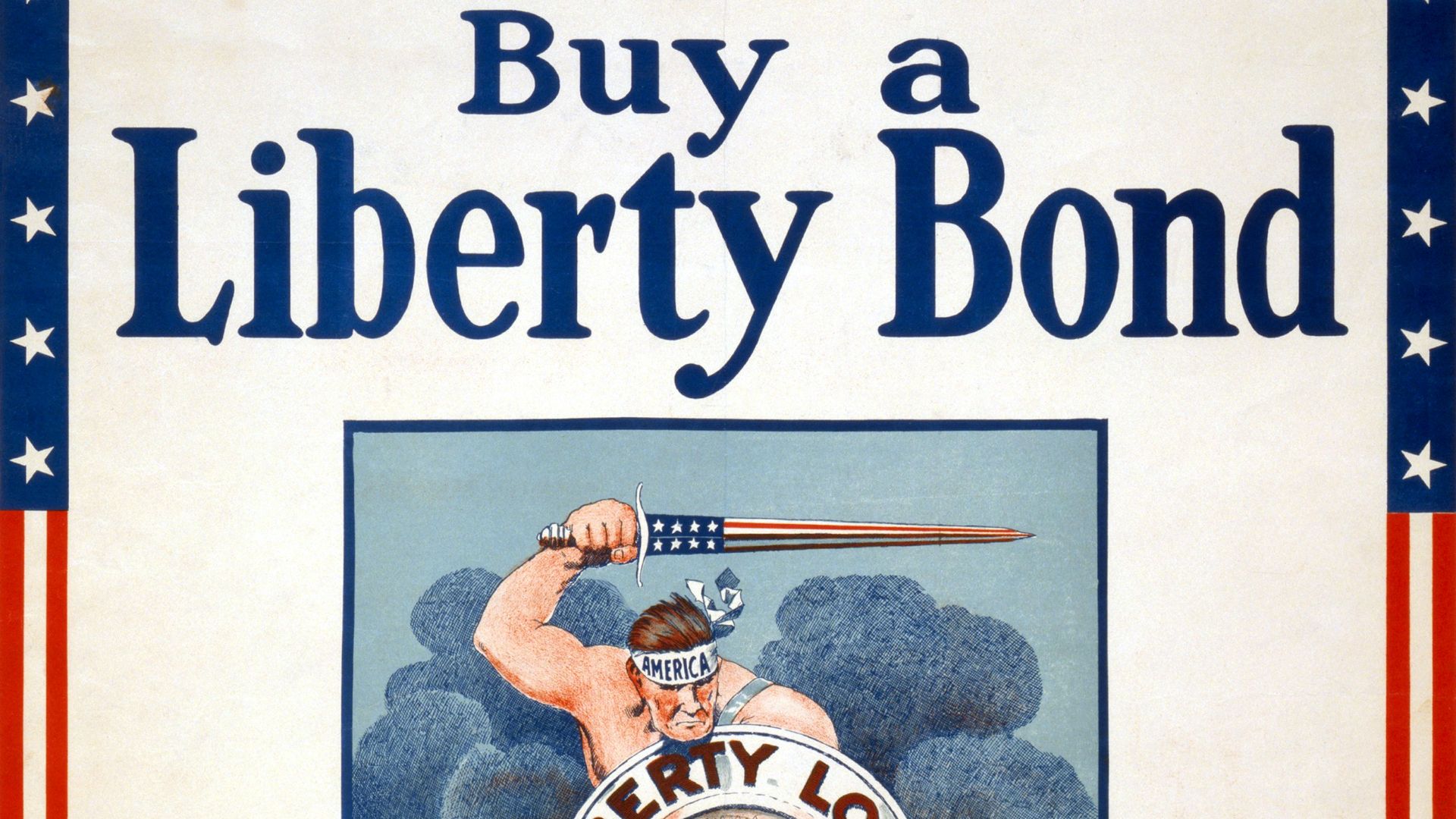
Ultimately, with so many people depending on him, Wallace had little choice but to refrain from enlisting and stay at home—but that wasn’t the end of the story. Intent on doing everything he could to help those who could serve, he spent his free time selling Liberty bonds and offered his house to veterans who needed a place to stay.
Of course, they weren’t the only ones he accepted into his home.
 Winsor McCay, Wikimedia Commons
19. They Took Someone In
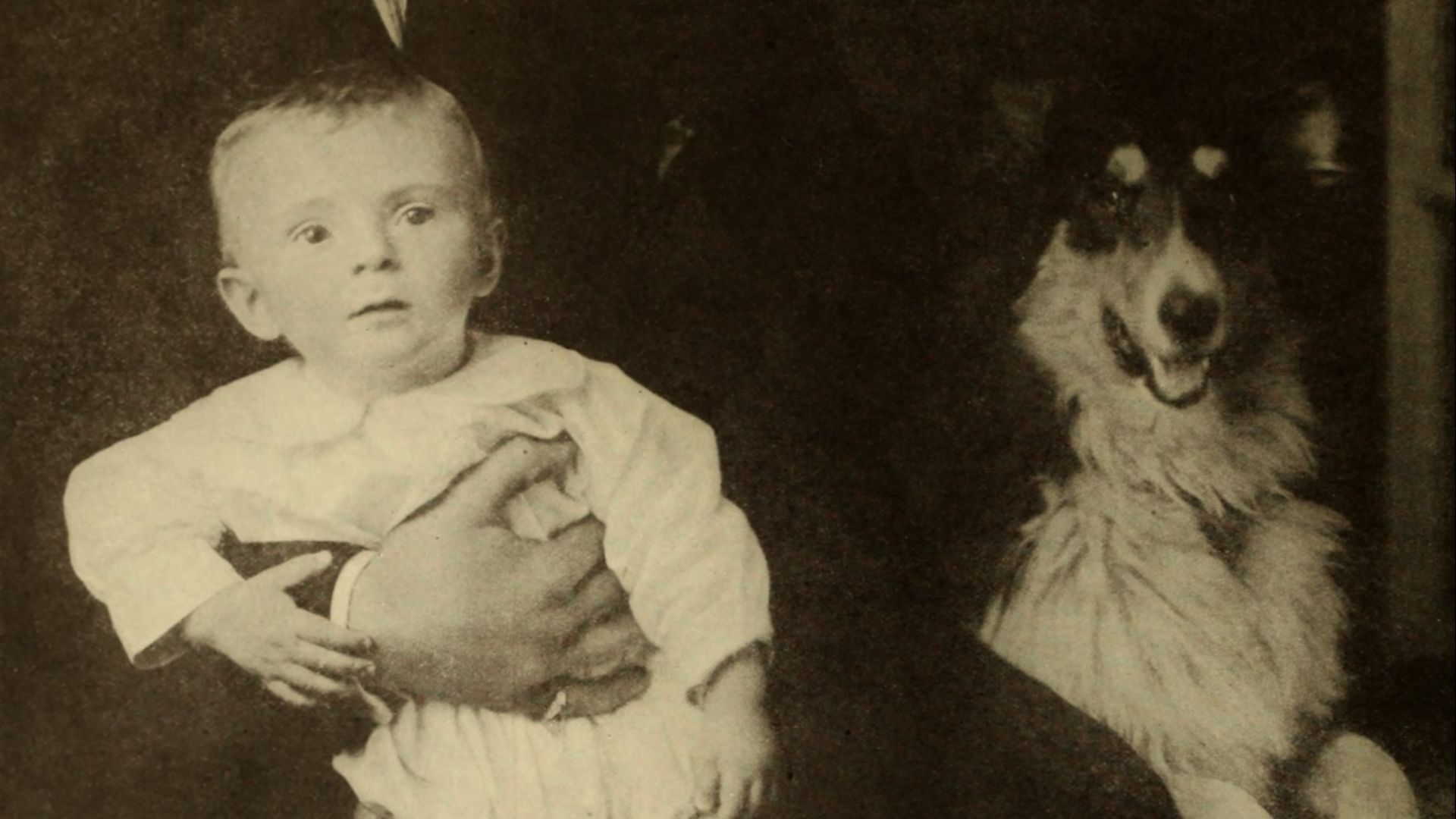
Although Wallace Reid already had so many people counting on him, there was one situation where he would be happy to add even more to his plate—building a bigger family. Welcoming their daughter in 1920, Wallace and Dorothy chose a different route this time, adopting three-year-old Betty into their home and family.
That wasn’t his only major life change at the time, as audiences would soon see him in a brand new light.
 Evans Photography, Wikimedia Commons
20. He Was A Daredevil
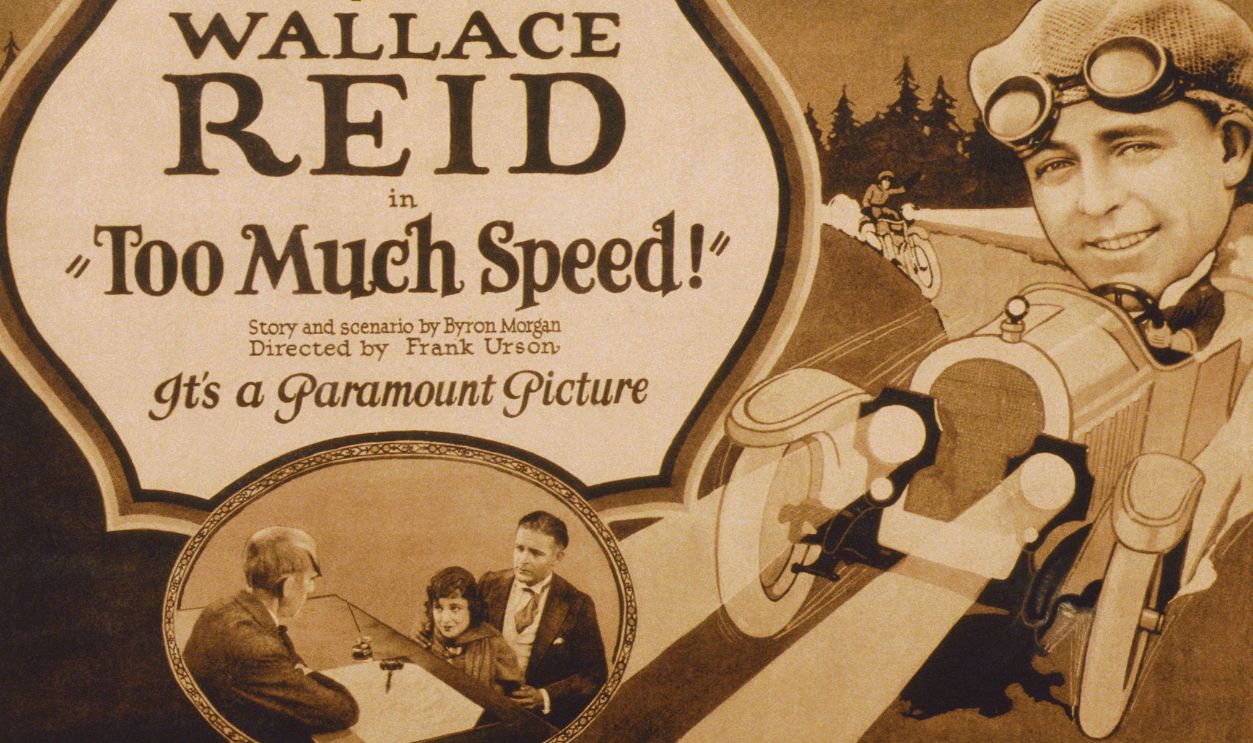
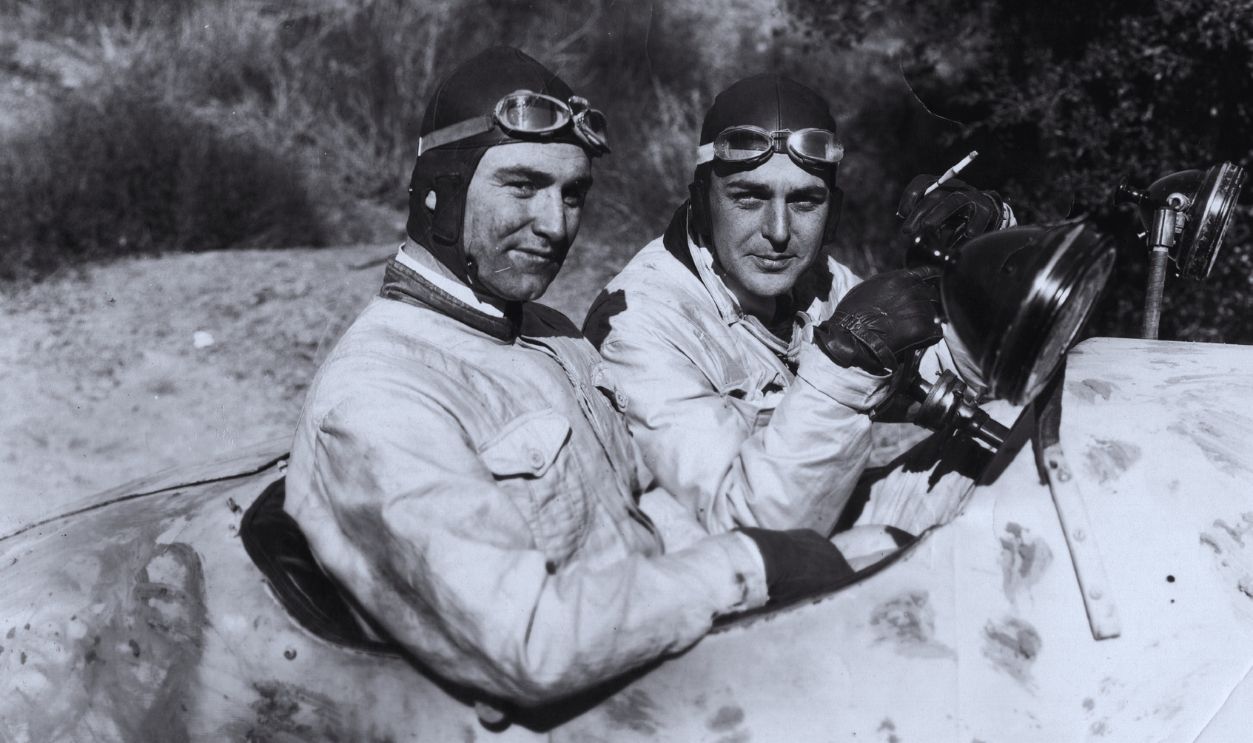
Up till this point, Wallace had largely filled the role of the typical romantic lead, but the 1920s allowed him to shake things up a bit. Starring in films like Too Much Speed and Excuse My Dust, he transformed his image from that of a suave lover to a daring race-car driver, often opposite actress Ann Little.
Finally, he found a spark of passion in his work—which carried over into his real life.
21. He Took It Seriously
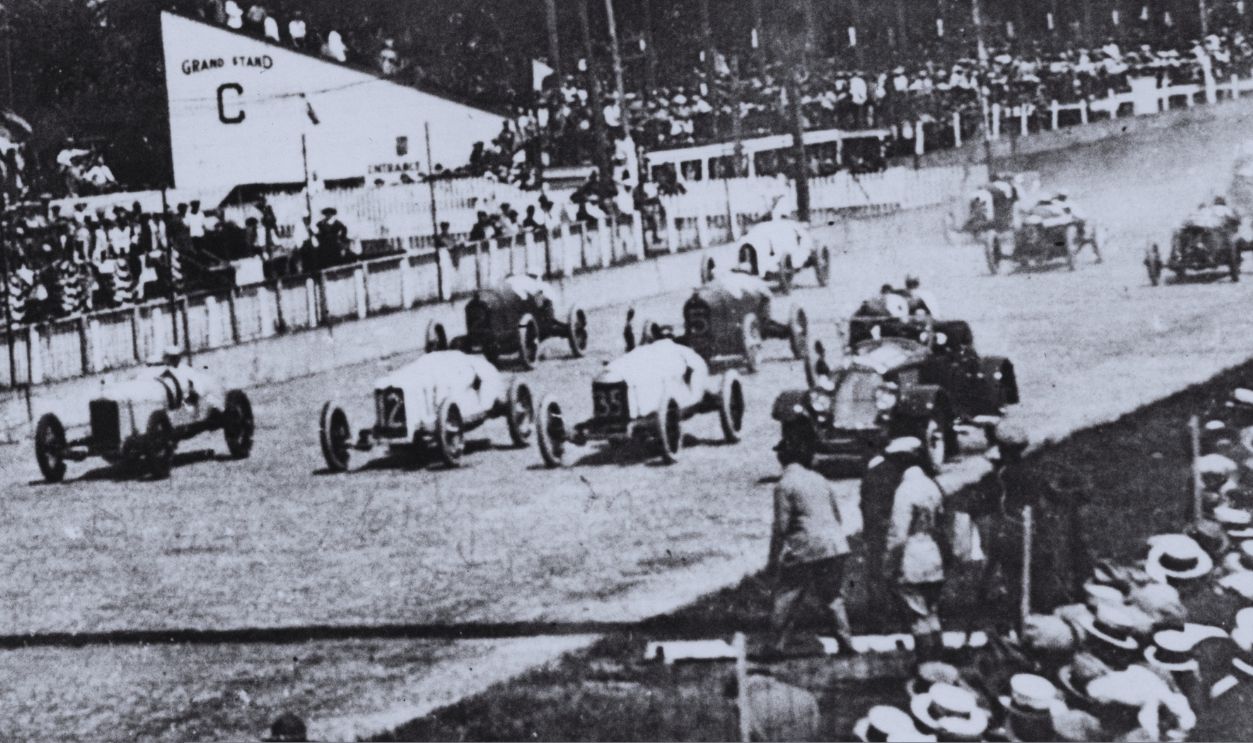
Although Wallace had gone along with his more romantic roles simply because the studios demanded it, he found himself genuinely falling in love with race-car driving. In fact, he became so invested in the sport that he signed up for the 1922 Indianapolis 500, even if he decided to drop out before he had a chance to qualify.
While audiences loved him, he wasn’t untouchable—especially when his habits got the best of him.
 American Stock Archive, Getty Images
History's most fascinating stories and darkest secrets, delivered to your inbox daily.
22. He Ran Into Trouble
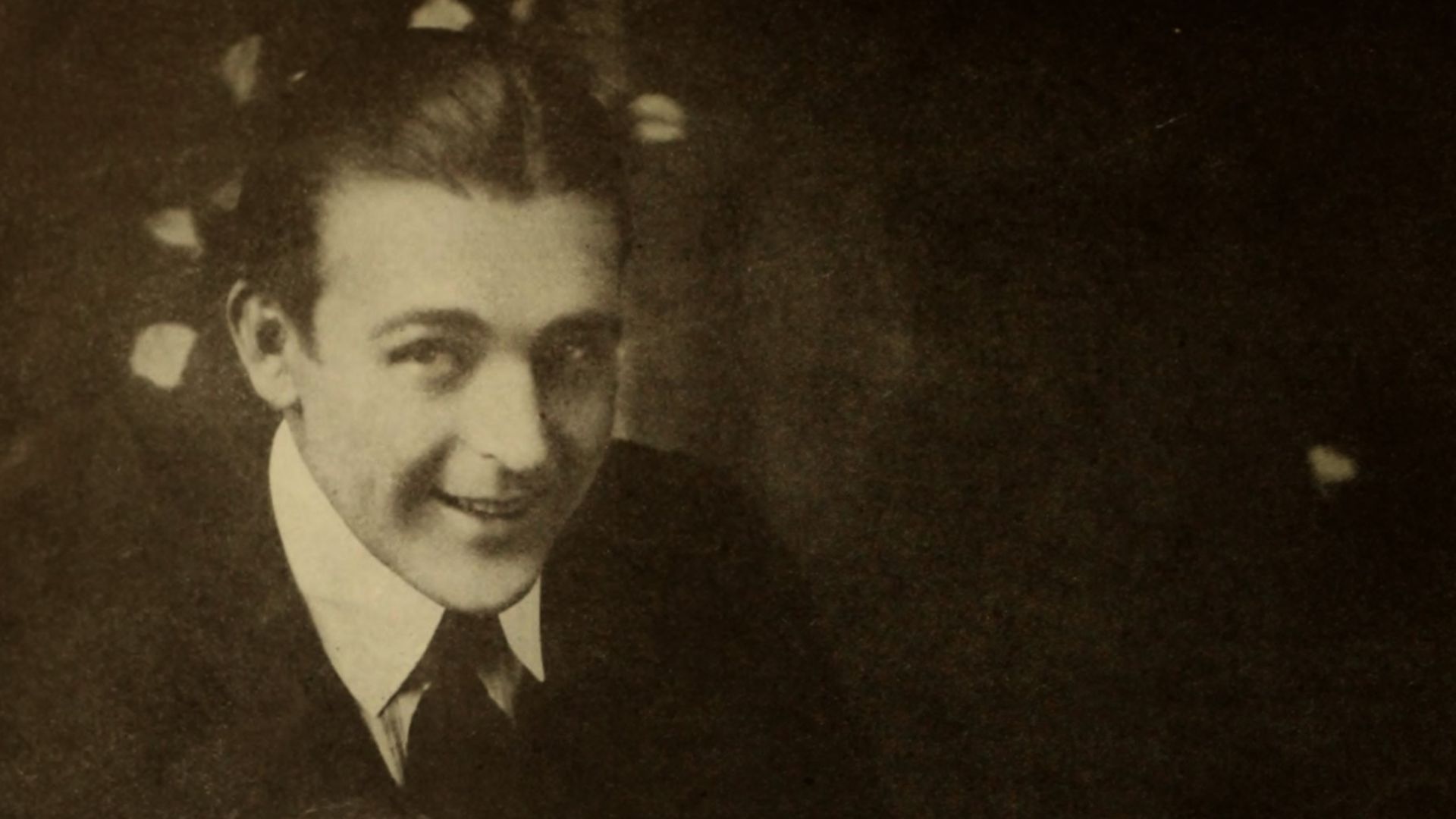
While in many ways, Wallace Reid seemed to have a new lease on life and be even more successful, he still hadn’t kicked his alcoholism—and it became more of a problem. Specifically because of the time he lived in, his drinking led to more than just a personal risk, as he found himself in the custody of law enforcement after breaking the Prohibition law in Portland, Oregon.
But this didn’t ruin his reputation at all, and in fact, he would be part of another major milestone.
 Evans Photography, Wikimedia Commons
23. He Helped Make History
Wallace had already been a part of cinema history in a major way, if not also a highly controversial way, but the 1920s gave him another chance to leave his mark. In 1922, the iconic Castro Theatre in San Francisco first opened its doors, and for its inaugural showing, they chose Wallace’s new film, Across the Continent.
Unfortunately, it was only a matter of time before he discovered how dangerous his new roles could be.
24. He Suffered An Injury
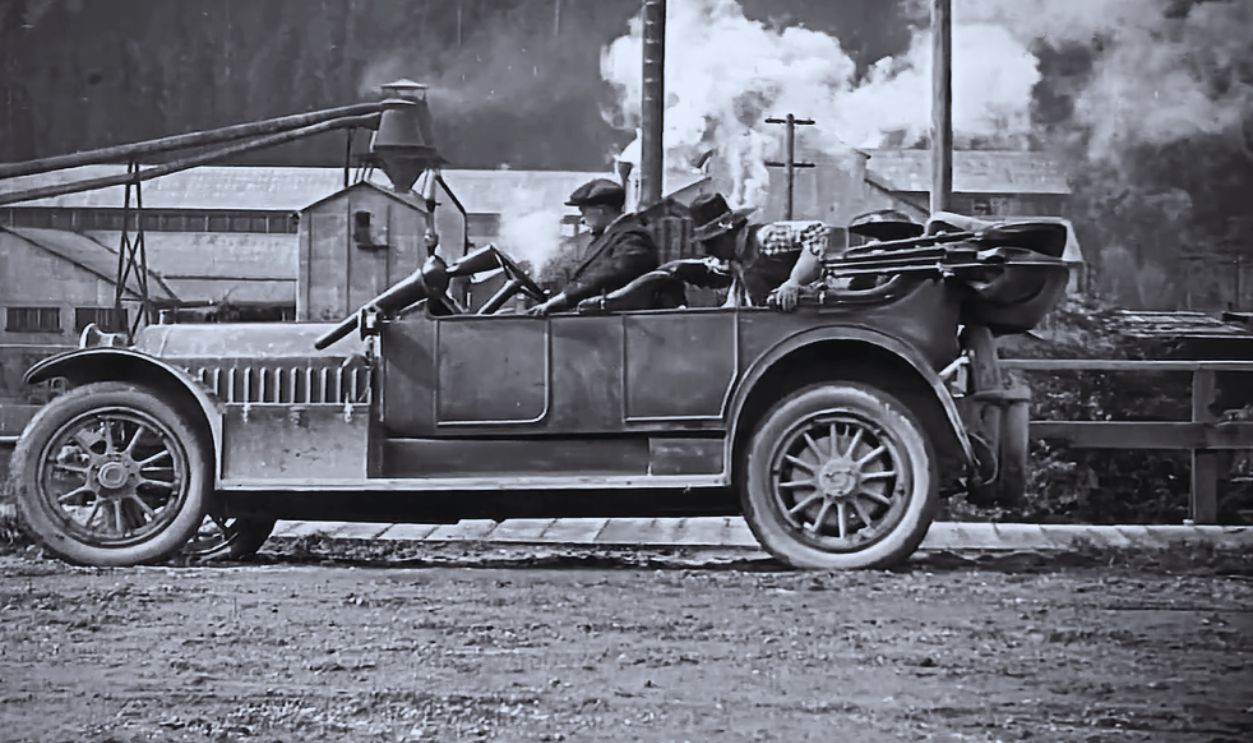
During Wallace’s heyday, safety precautions in the film industry were nothing like what they are now, meaning he assumed a tremendous amount of risk with each film role. However, danger was even present when he wasn’t on set, as while working on the 1919 film The Valley of the Giants, he fell victim to a horrific accident. Traveling to the filming location, he became involved in a train crash that left him with a severe head wound.
He should have had time to rest and get back on his feet—but the studio didn’t care.
25. They Wouldn’t Let Him Recover
Wallace’s injury was enough that he needed six stitches and likely an extended period of bed rest, but he unfortunately only received one of those. Refusing to let his recovery delay their filming schedule, Famous Players looked for any way to keep the actor working, eventually ordering the doctor on staff to simply load him up with morphine.
Still, production had to end sooner or later, at which point the studio would have to ease up—or so he thought.
26. They Didn’t Let Up
Seeing as the studio had only wanted to finish their film on time, Wallace Reid likely thought he would get a break after they wrapped, but he was sorely mistaken. The higher-ups only cared about the results, and seeing as Wallace was already scheduled for another project, they saw no issue with simply giving him more morphine so he could get back to work. In reality, though, they were essentially creating and enabling his addiction.
Sadly, although the industry was still in its early years, Wallace wasn’t the only one struggling with this.
27. He Wasn’t Alone
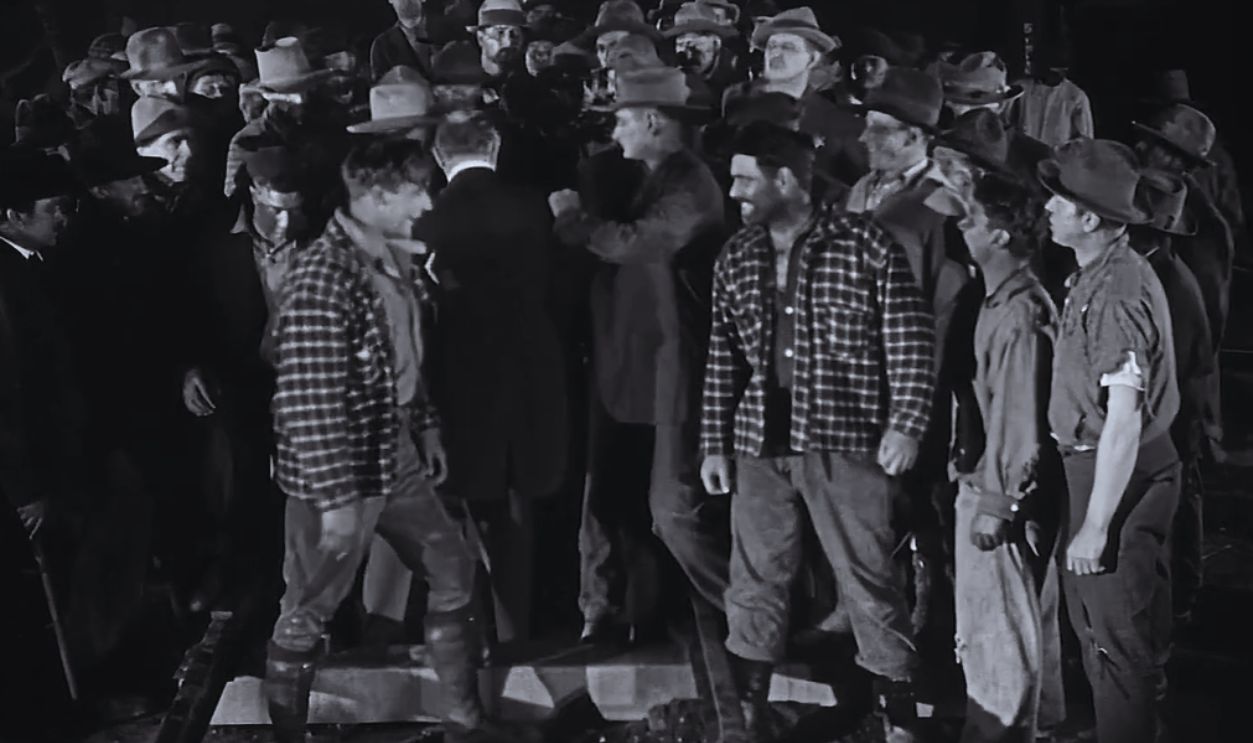
As Wallace Reid developed a complete dependence on morphine, he may have felt like he was the only actor going through these struggles, but this couldn’t be further from the truth. According to author Jill Jonnes, it was extremely common for actors in the 1910s and 1920s to become addicted to morphine, usually while drinking too—as Wallace likely did.
It would have been one thing if he had a strong support system, but he refused to tell anyone—even his closest confidant.
 Donald Biddle Keyes, Wikimedia Commons
History's most fascinating stories and darkest secrets, delivered to your inbox daily.
28. She Found Out About It
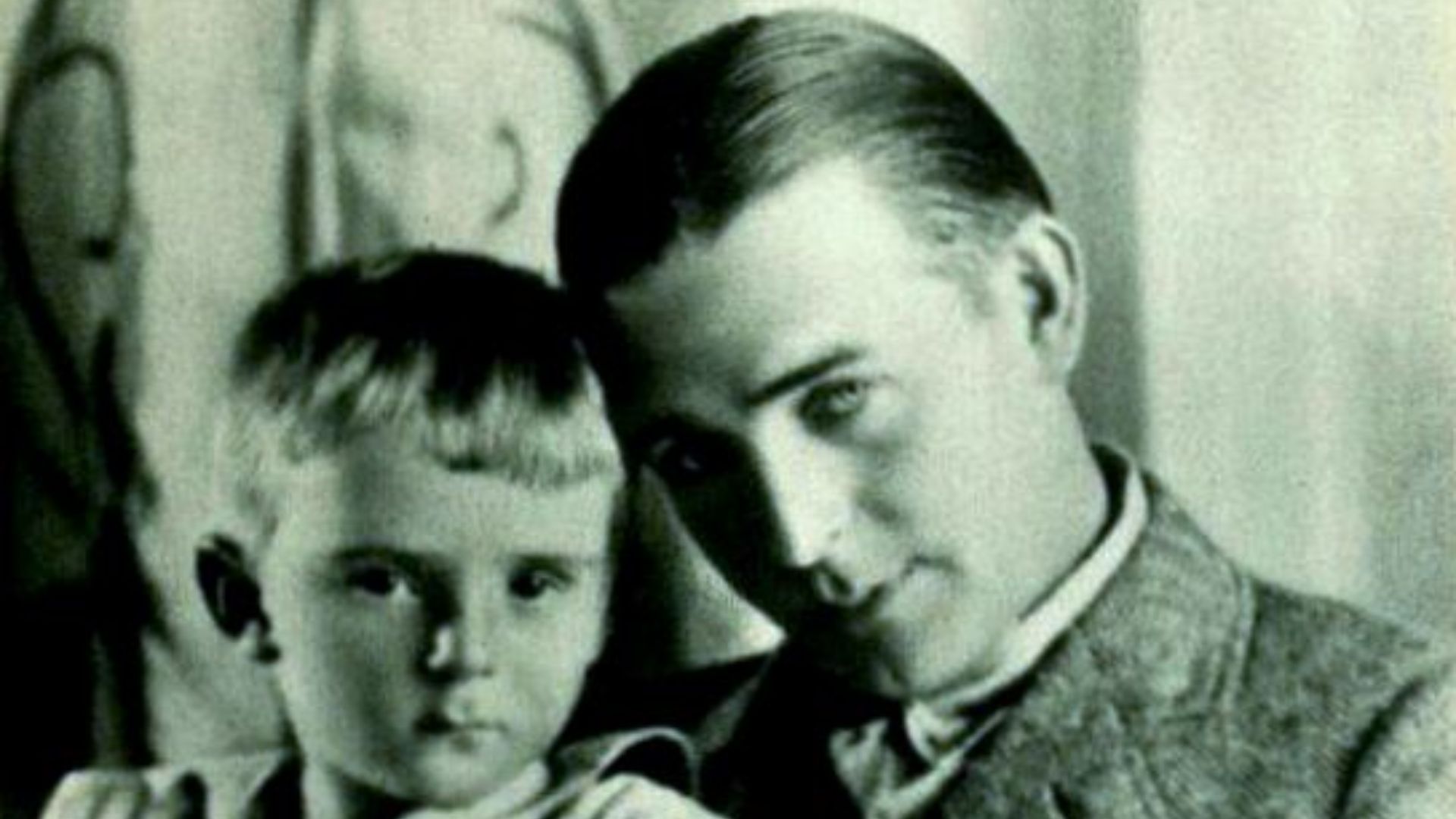
Likely feeling ashamed and out of control of his own life, Wallace tried to keep his addiction under wraps, even from his own wife. However, Dorothy was too observant to ignore the changes he was going through, and by the time she realized what was happening, he was much too far gone.
No amount of support could save him from the studio’s nefarious practices, especially as they expected more and more.
 unknown ( Davenport-Ince Prod. / FBO), Wikimedia Commons
29. He Had A Tough Workload
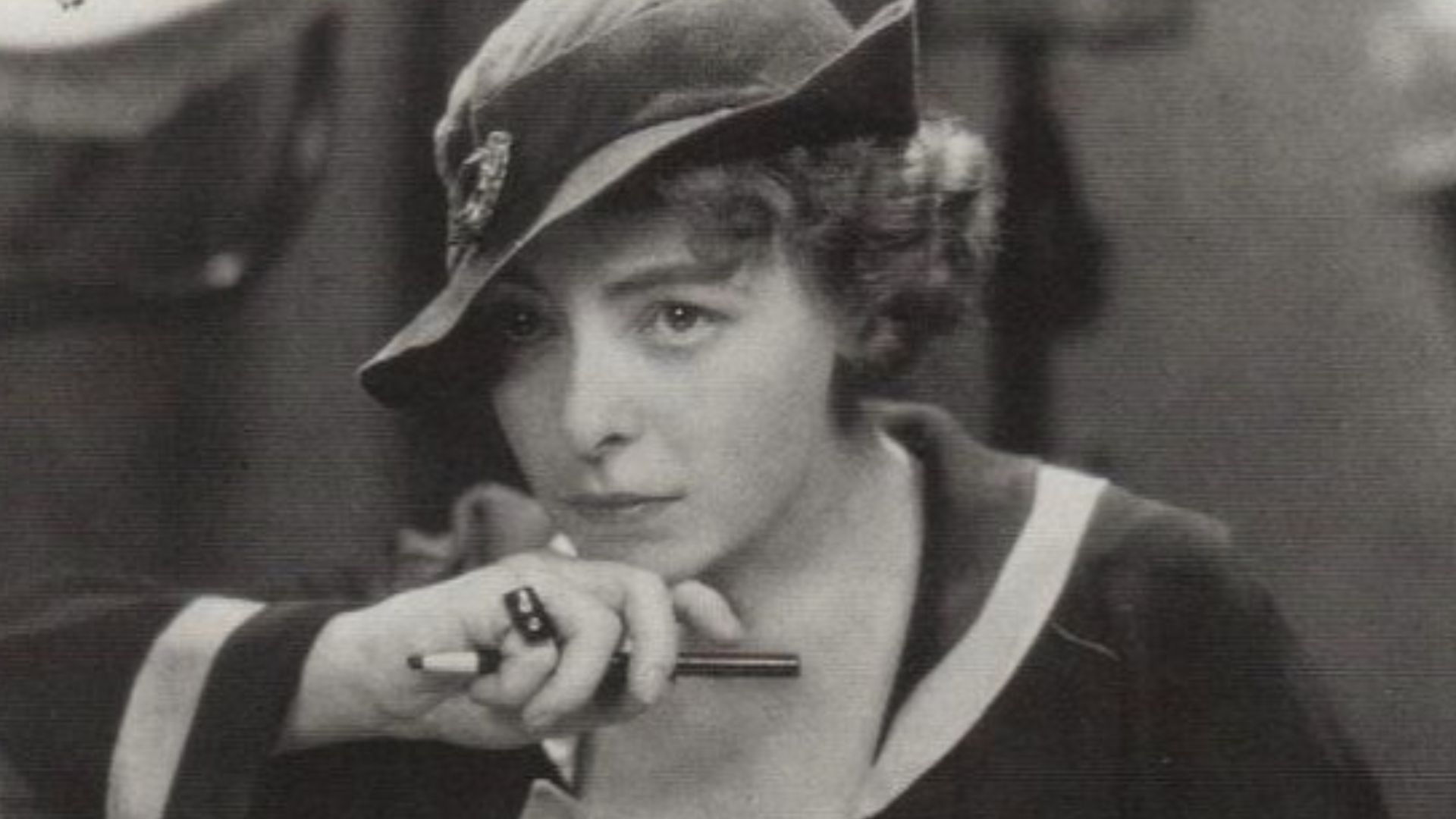
Pumped full of morphine and sent off to work, Wallace continued to film whatever Paramount told him to, no matter how intensive the productions were. Much of his previous work had involved filming shorts, but he soon began working on projects twice the length—or sometimes even three times as long.
Adding insult to injury, he still couldn’t find time to rest—unlike everyone else.
 Brewster Publications, Wikimedia Commons
30. He Had No Time Off
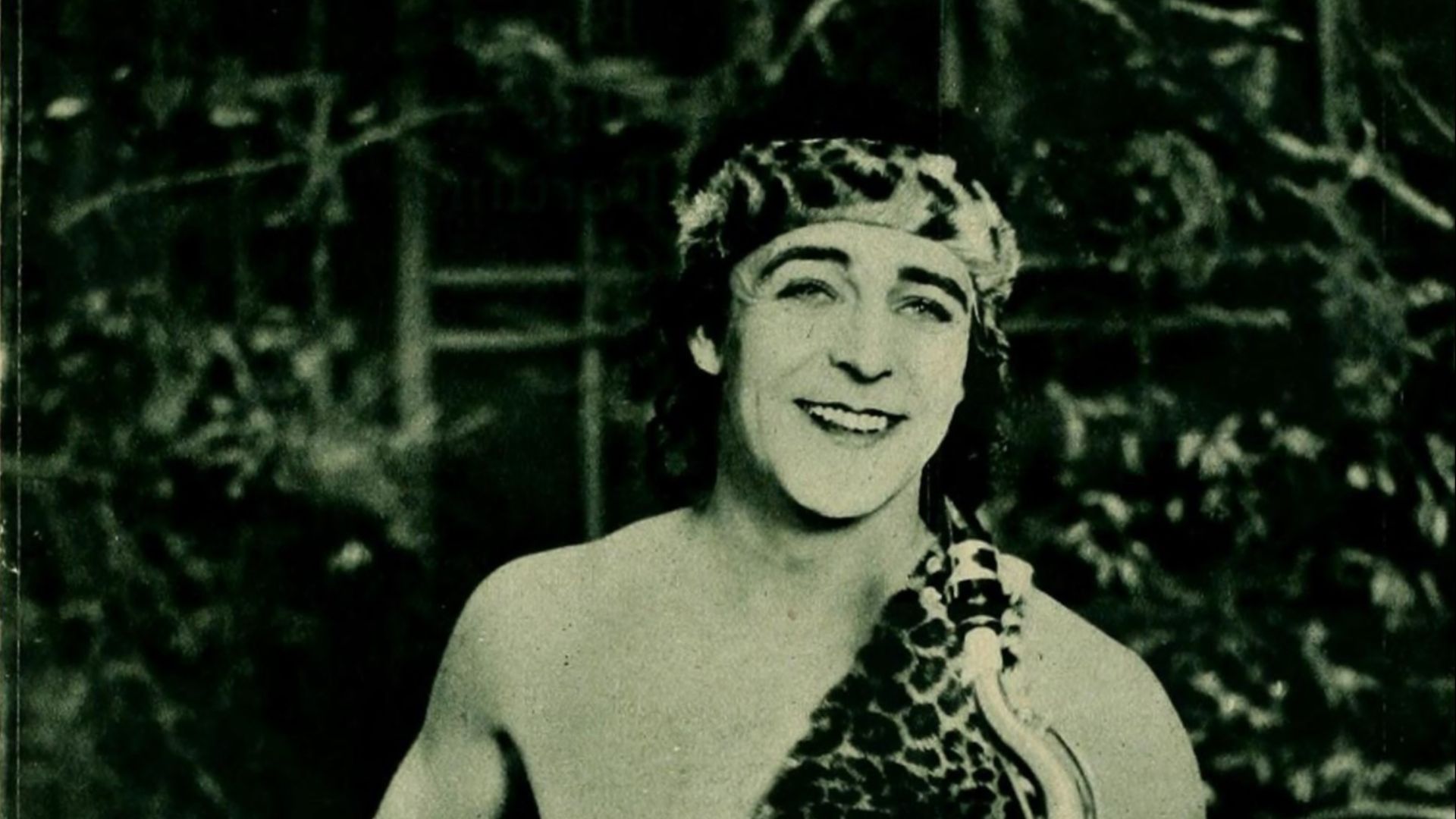
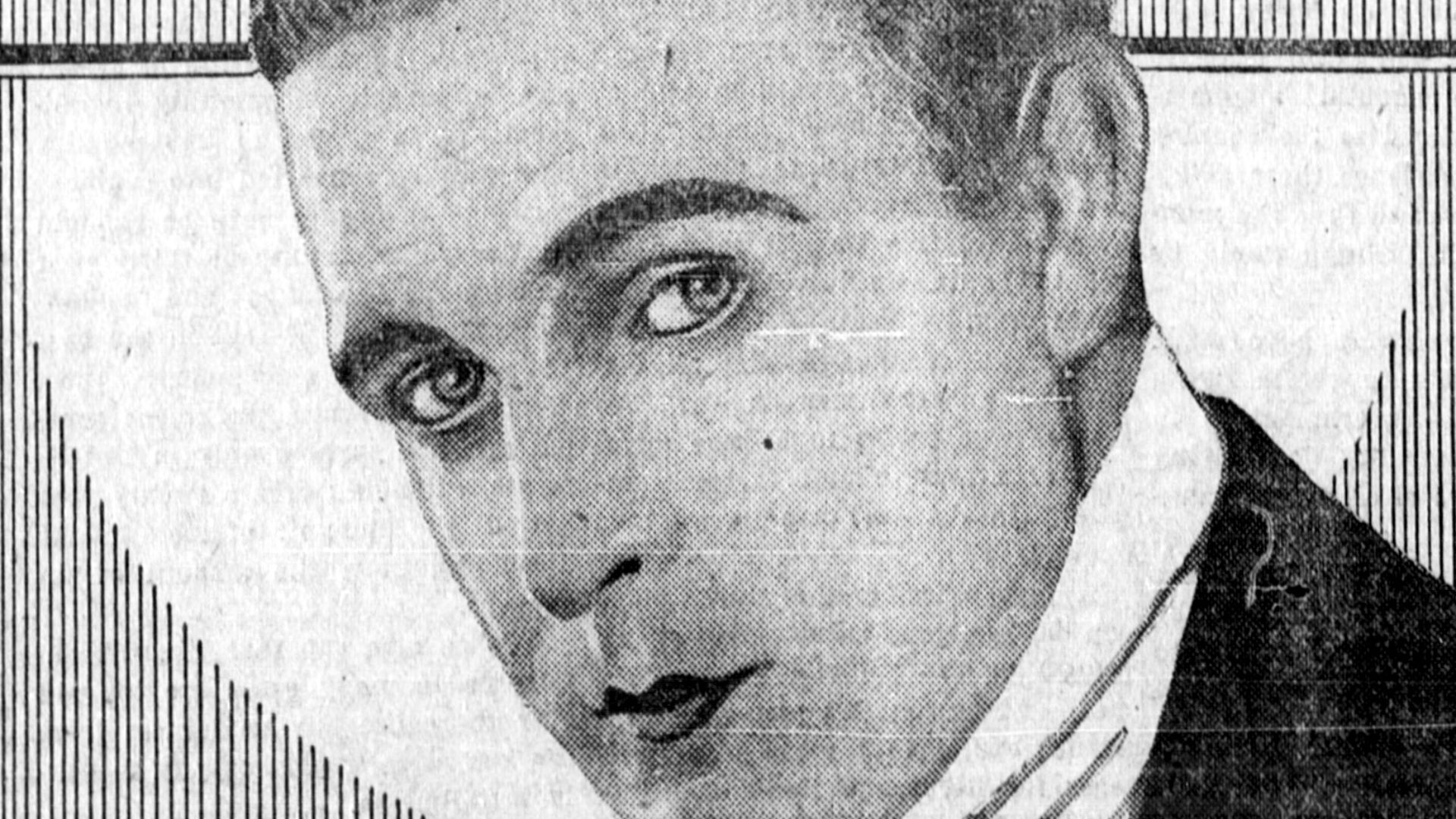
Not only had the studio increased the amount of work Wallace Reid did on each picture, but rather than allow him the appropriate time to rest and recuperate, they simply gave him more morphine. It was common at the time for actors in Hollywood to take a week or so off after finishing a project, but it reached such a low point for Wallace that he sometimes had barely a few hours to himself between pictures.
Unsurprisingly, he could only do this for so long before he finally snapped.
 Paramount Pictures, Wikimedia Commons
31. He Turned On Them
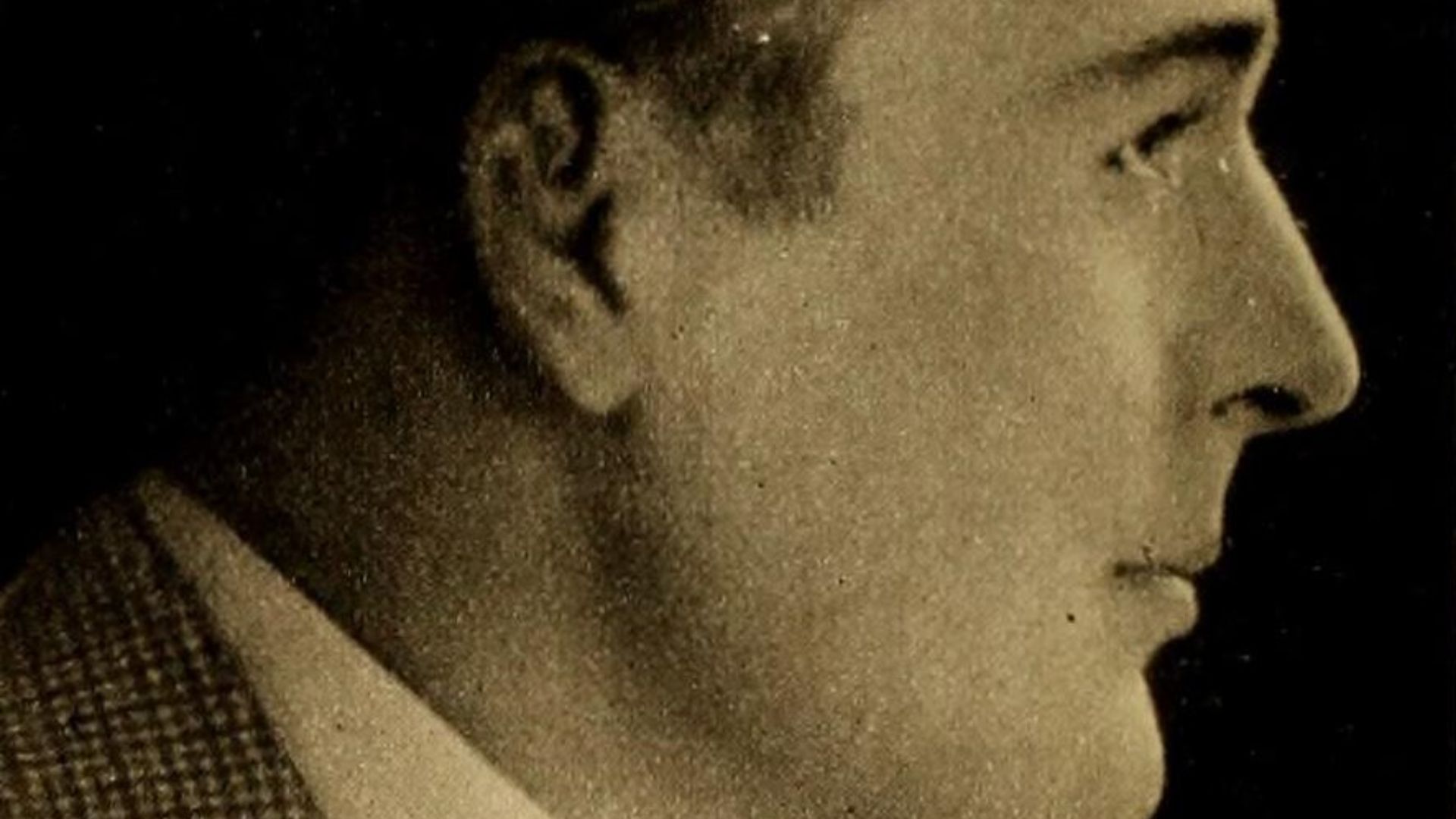
Since his accident, Wallace had gone along with the industry’s demands, just as he had the first time it pressured him into acting, but enough was enough. As the studio insisted on working him to exhaustion, he became increasingly irate until he finally started lashing out at the higher-ups for repeatedly putting him in this situation.
While he had become a nuisance, it wouldn’t be long before he turned into an actual problem for them.
 Fred Hartsook, Wikimedia Commons
32. He Became A Threat
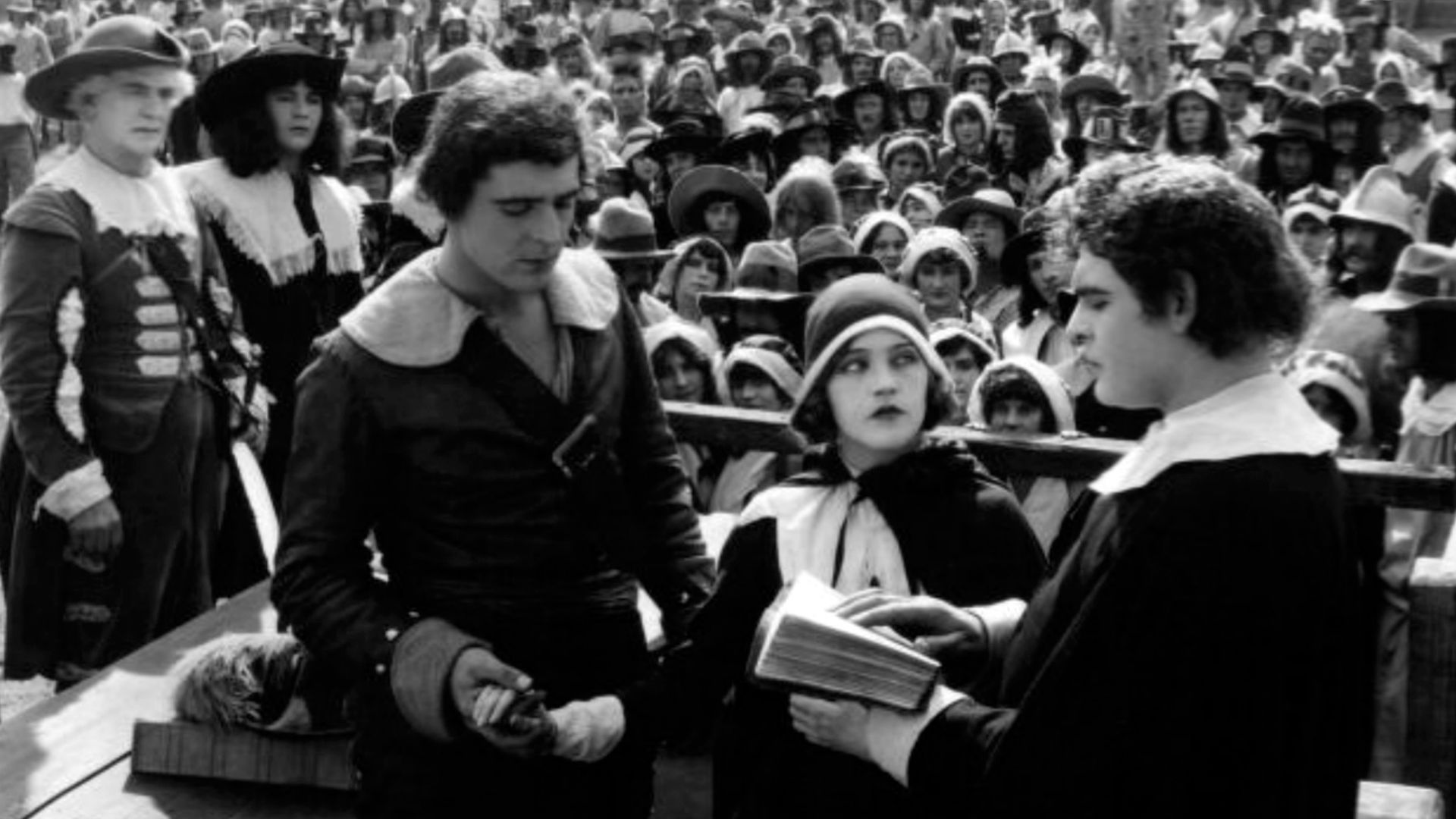
The relationship between Wallace and his bosses had gone from tense to completely explosive as they continued to take advantage of him. It also didn’t help that he was now blowing nearly all the money he was bringing in on other illicit substances, putting his mental state past the breaking point. Instead of just having public meltdowns, he allegedly began blackmailing the studio heads in retaliation.
Unfortunately, even if he was willing to get help, the world hadn’t gotten that far yet.
 Jesse L. Lasky Feature Play Company, Wikimedia Commons
33. He Had No Help
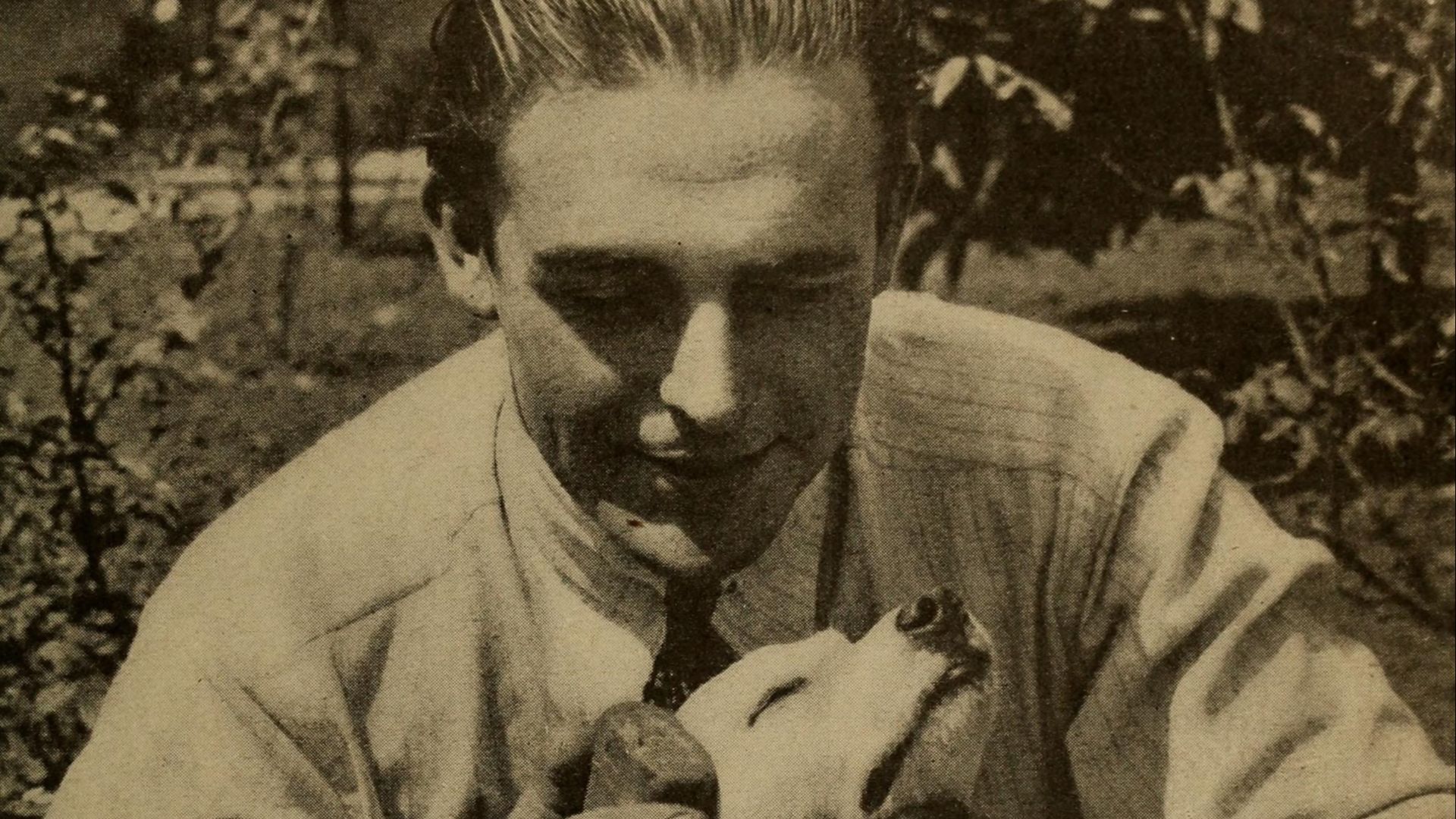
Wallace Reid knew he had a problem, but even when he tried to beat his addiction, the extreme withdrawal symptoms of insomnia, anxiety, and tremors were too much to handle on his own. Sadly, because the conversations around addictions were very different during this time, few resources existed that could have helped him through rehabilitation, so his condition only worsened.
Meanwhile, all anyone could do was stand by and watch his decline—even if they never said anything.
 Photographer credited as Stagg, Wikimedia Commons
History's most fascinating stories and darkest secrets, delivered to your inbox daily.
34. They All Knew About It
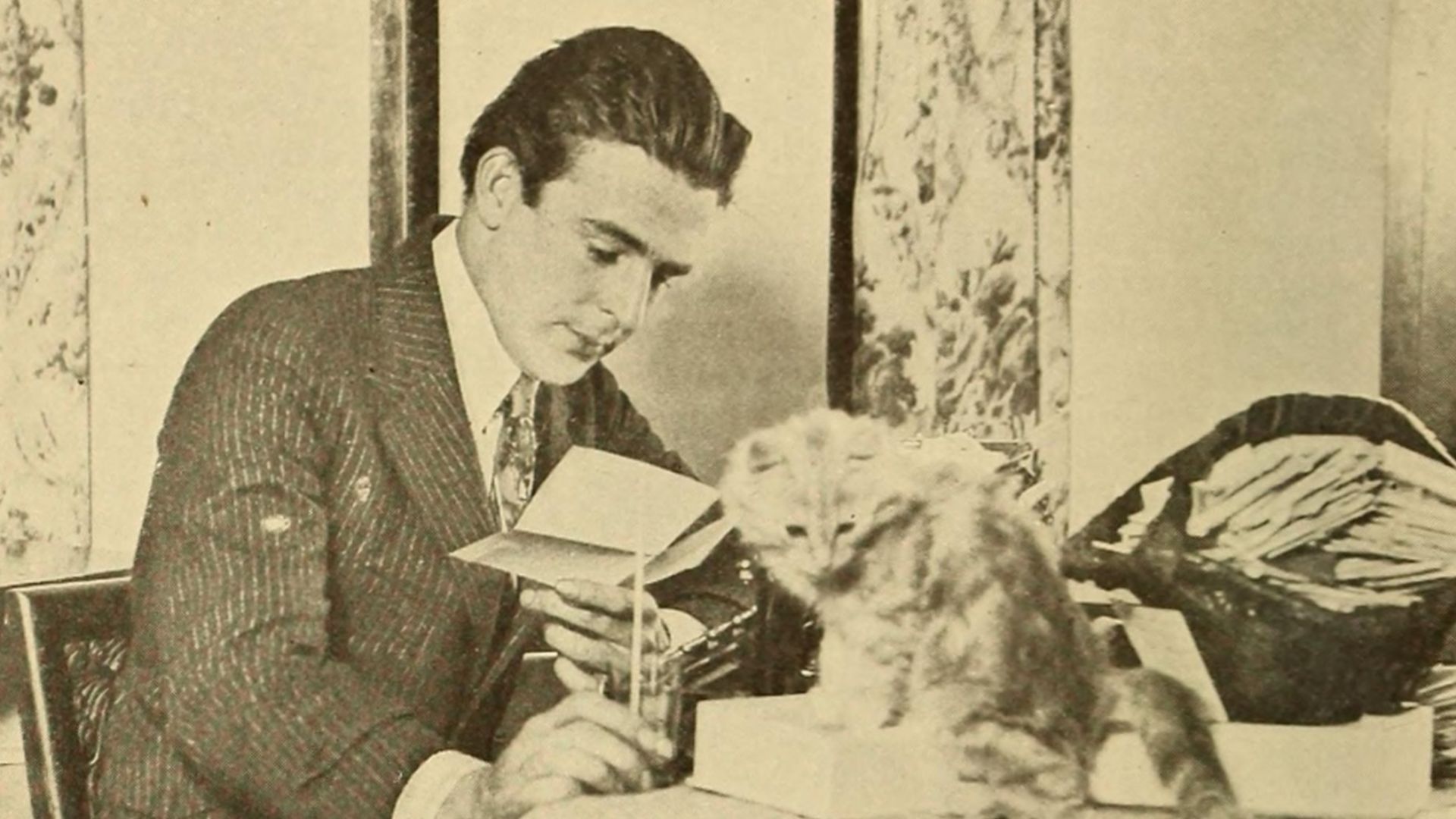
While Wallace and those enabling him tried to keep his addiction on the down low, word began to spread throughout the film industry, and eventually everyone had a good idea of what was going on. He had reached a point where he was buying illicit substances on the streets when he couldn’t get any more morphine, and although it was still a topic only spoken about behind closed doors, Hollywood knew how far gone he was.
At the same time, he couldn’t avoid making headlines—though they weren’t exactly that clear.
 Stagg Photo, Wikimedia Commons
35. They Hinted At It
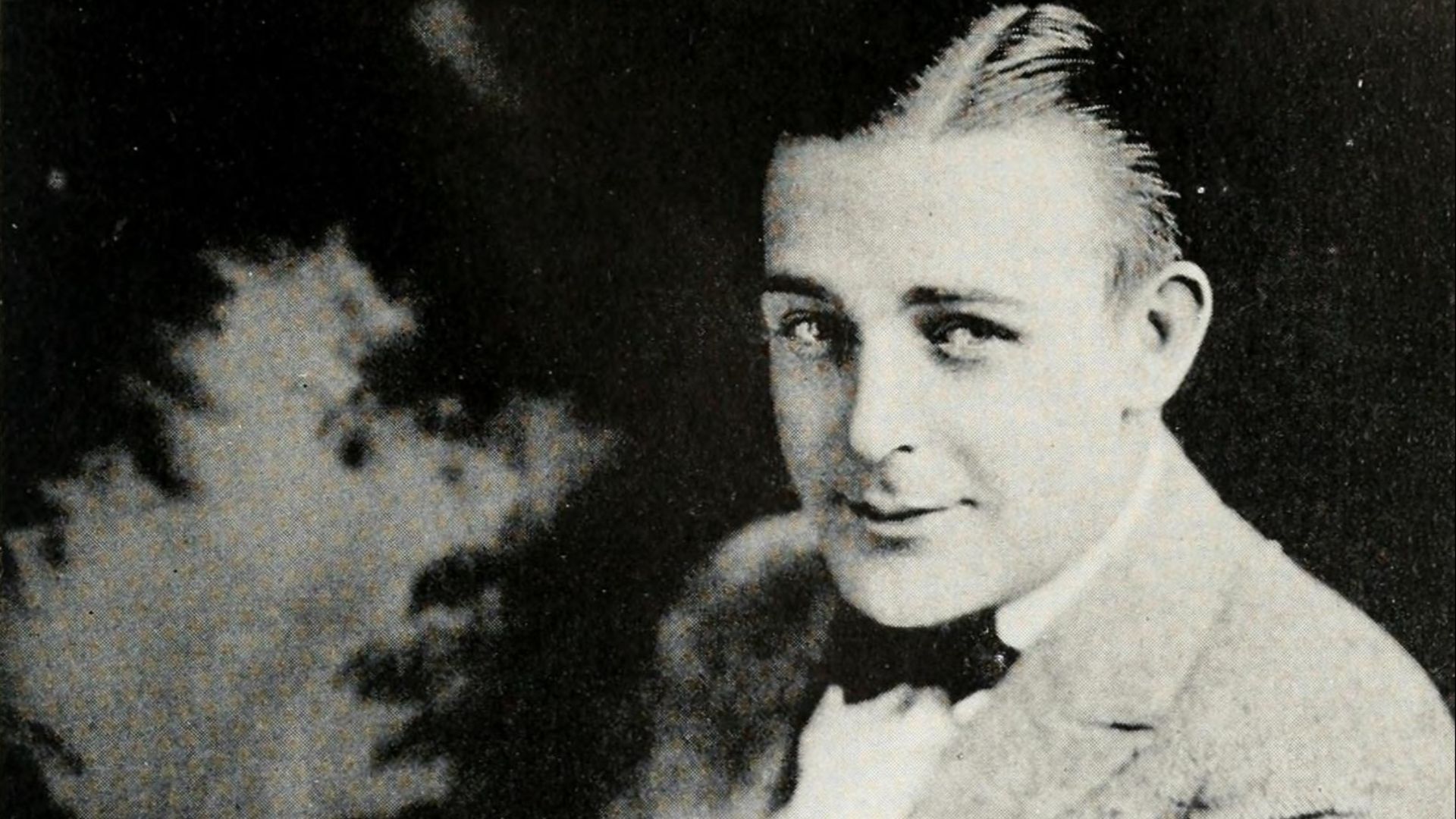
While struggles with addiction were common, Wallace’s situation was so extreme that he had essentially become the poster boy for it, even though it was still technically a secret. As a result, several newspapers ran stories about the issue and him specifically, and although many knew who they were talking about, they refrained from naming him.
Eventually, he just couldn’t go on any longer, and it was painfully apparent to everyone.
 Charles Donald Fox and Milton L. Silver, Wikimedia Commons
36. He Could Hardly Work
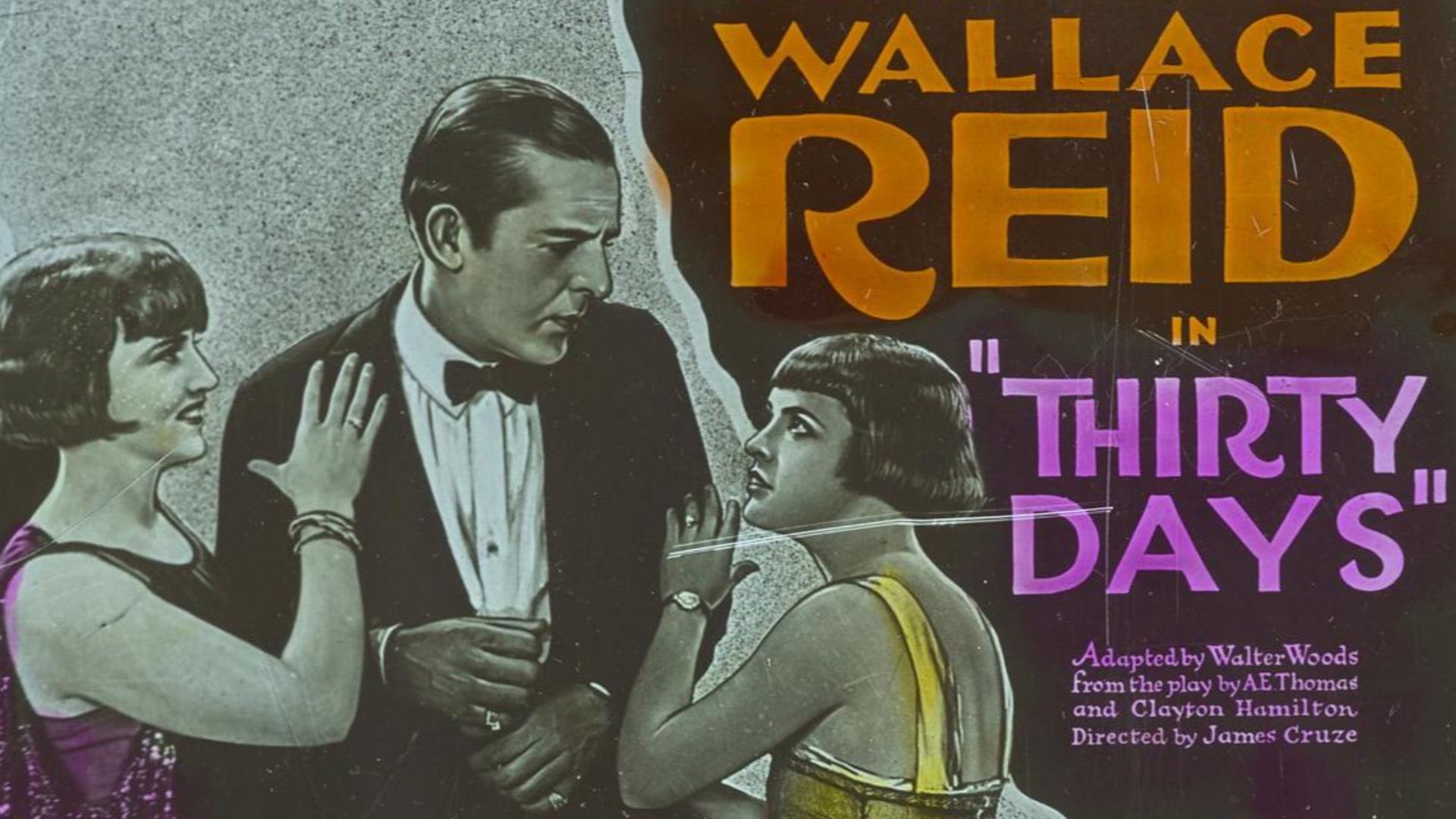
Wallace Reid continued this toxic relationship with Famous Players until 1922, when he worked on his final picture, Thirty Days. The studio had thought they could carry on like this forever, using Wallace as a limitless resource, but this obviously wasn’t the case. It was clear to everyone that this would be the end of his career, as his health had deteriorated so much that he could hardly stay on his feet while filming.
He was truly at the end of his rope, and one person couldn’t remain a bystander any longer.
 paramount pictures, Wikimedia Commons
37. They Got Some Fresh Air
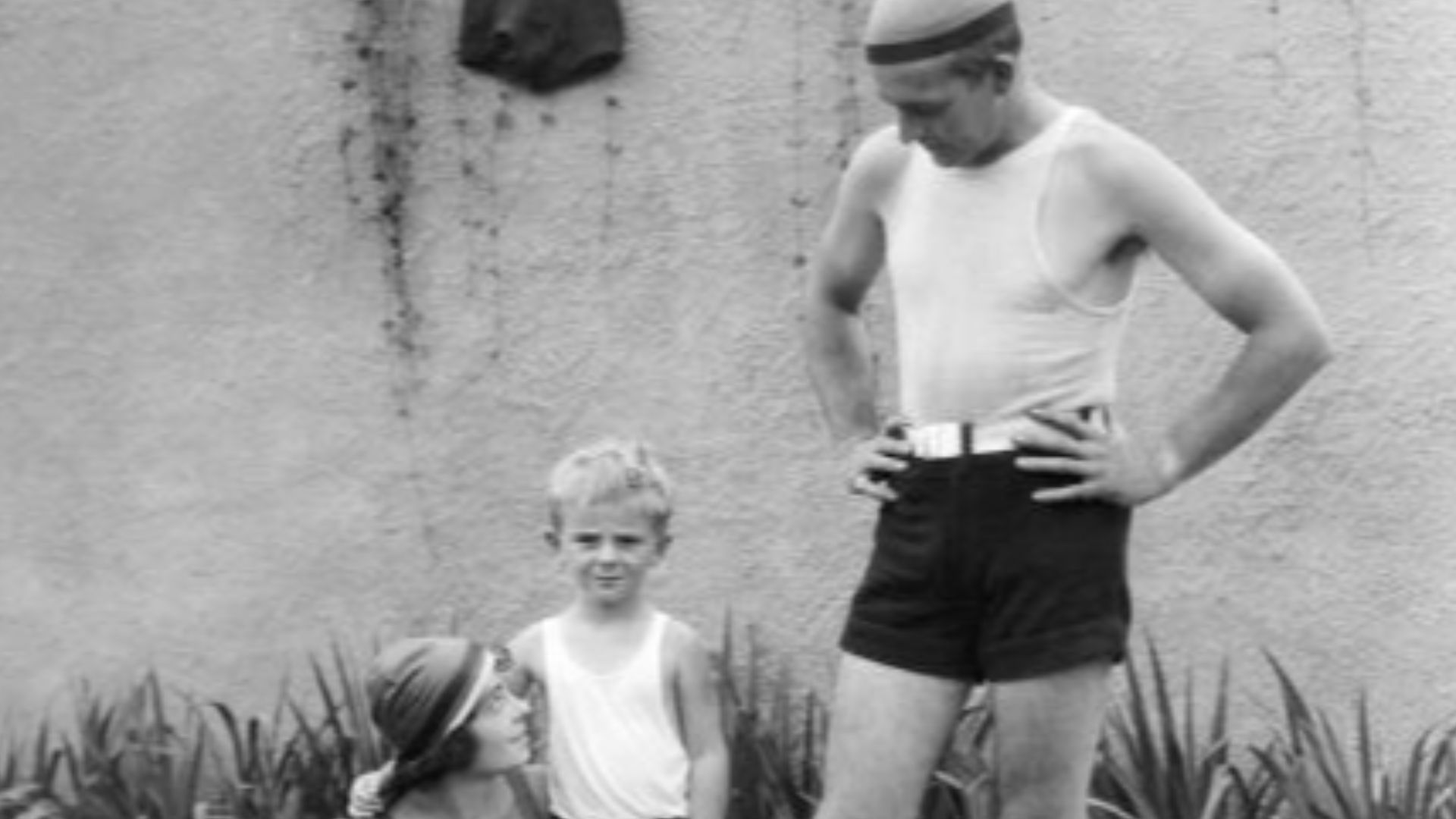
Dorothy had grown fed up with watching helplessly as her husband fell deeper into his addiction, so she finally decided to do something about it herself. Believing that everything would be better if he could just get some space from Hollywood, she convinced Wallace to join her on a wilderness retreat out in the mountains.
Many thought he was already beyond recovery—then a miracle happened.
 Wisconsin Center for Film and Theater Research, Wikimedia Commons
38. He Cleared His Head
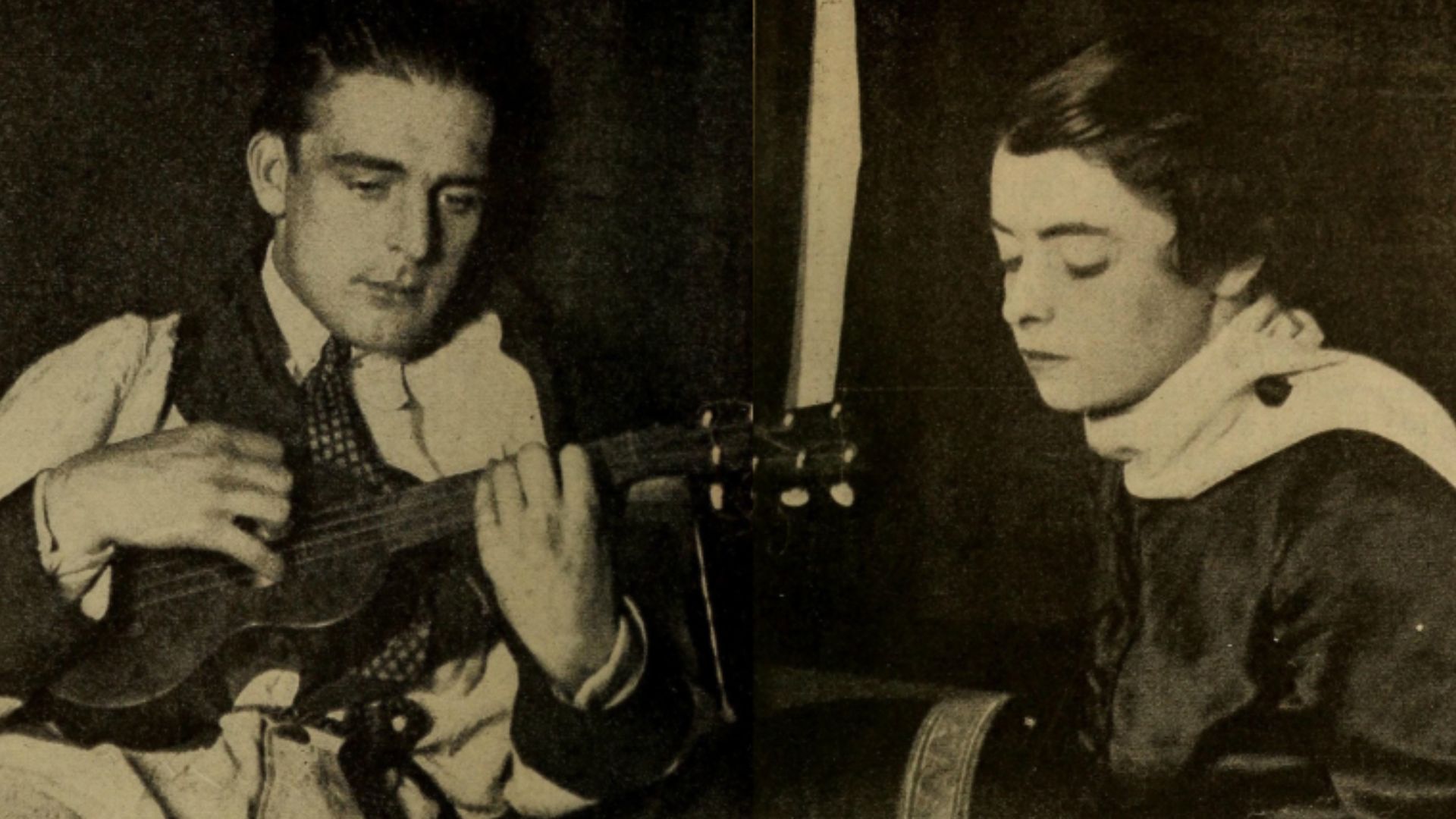
While Wallace may have been hesitant at first, this extended time away from the risks of drinking and other substances proved invaluable to his recovery. Spending his days surrounded by nature and putting his energy towards more pleasant activities like hiking, he finally started to feel like he might be able to kick his unhealthy habits.
It truly seemed like he had come out the other side—but he had to go home sometime.
 Photographer credited as Stagg, Wikimedia Commons
39. He Quickly Declined
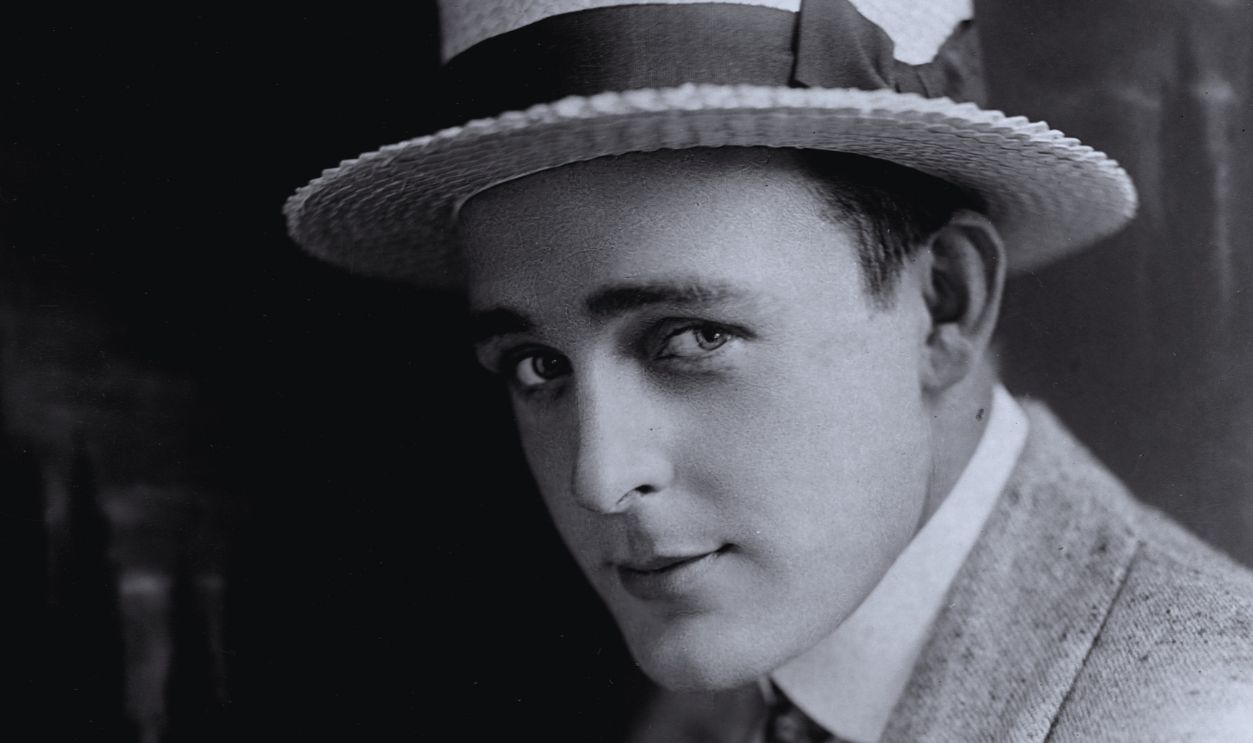
Wallace Reid and Dorothy believed that he had finally turned a corner, so they decided to return home with a newfound hope for his future, but sadly, this wouldn’t last long. Within a matter of days, his health plummeted even further than before, landing him in the hospital, where the doctors informed him that he had a serious case of influenza.
He had certainly faced health issues before—but this one was different.
 Library of Congress, Getty Images
History's most fascinating stories and darkest secrets, delivered to your inbox daily.
40. They Couldn’t Help Him
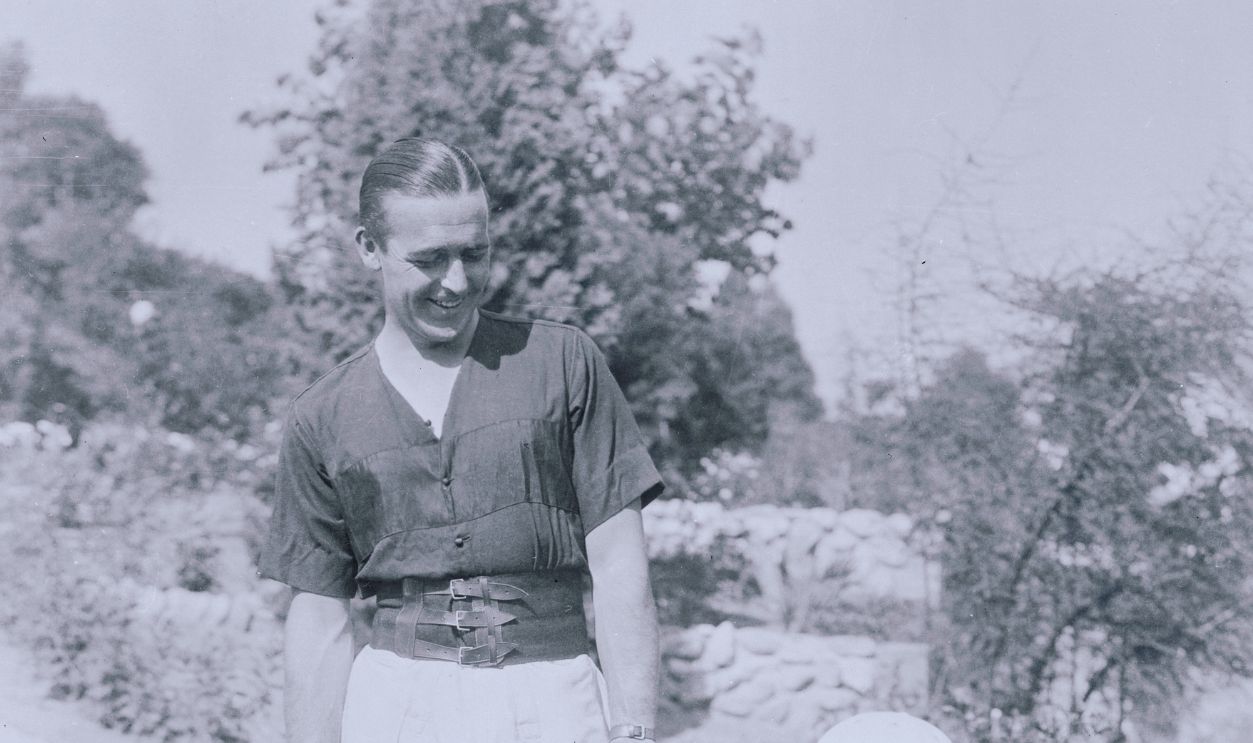
Given the severity of his illness, Wallace’s doctors saw fit to transfer him to the Banksia Sanitarium, where they believed he would have a better chance of recovery. Unfortunately, it wasn’t that simple, and while the staff at the sanitarium did their best to treat his influenza, nothing seemed to be making him any better.
Although the doctors wouldn’t give up on him, his prognosis already didn’t look great.
41. He Was Barely Conscious
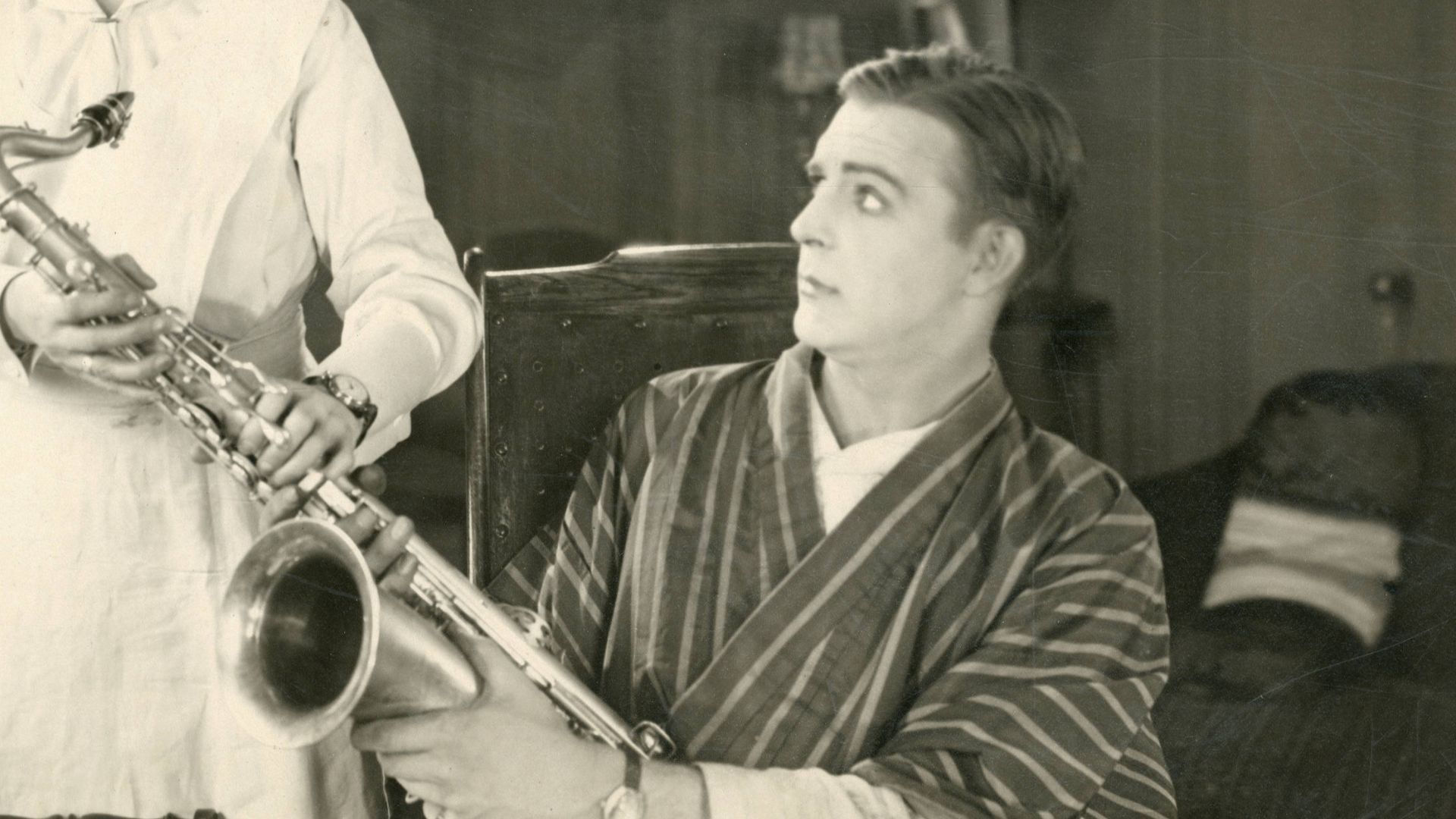
Although Wallace had stopped his drinking and other unhealthy habits now that he was in treatment, he had already done too much damage to his body. Due to his excessive use of one illicit substance in particular, infections posed a much greater threat, and by the end of the year, he was almost fully comatose.
Meanwhile, after years of gossip and speculation, Dorothy decided to set the record straight.
 Unknown authorUnknown author, Wikimedia Commons
42. She Aired Everything Out
Until now, all of Hollywood had been dancing around the subject of Wallace’s addiction, but as his condition grew worse with the passing days, Dorothy wanted to address the issue outright. With her mother by her side, she participated in an interview in which she revealed how poor Wallace’s health had become, going on to proudly say that he was now sober and that she was sure he would return to her.
Tragically, while she believed he would bounce back, Wallace’s time had come.
43. She Was With Him
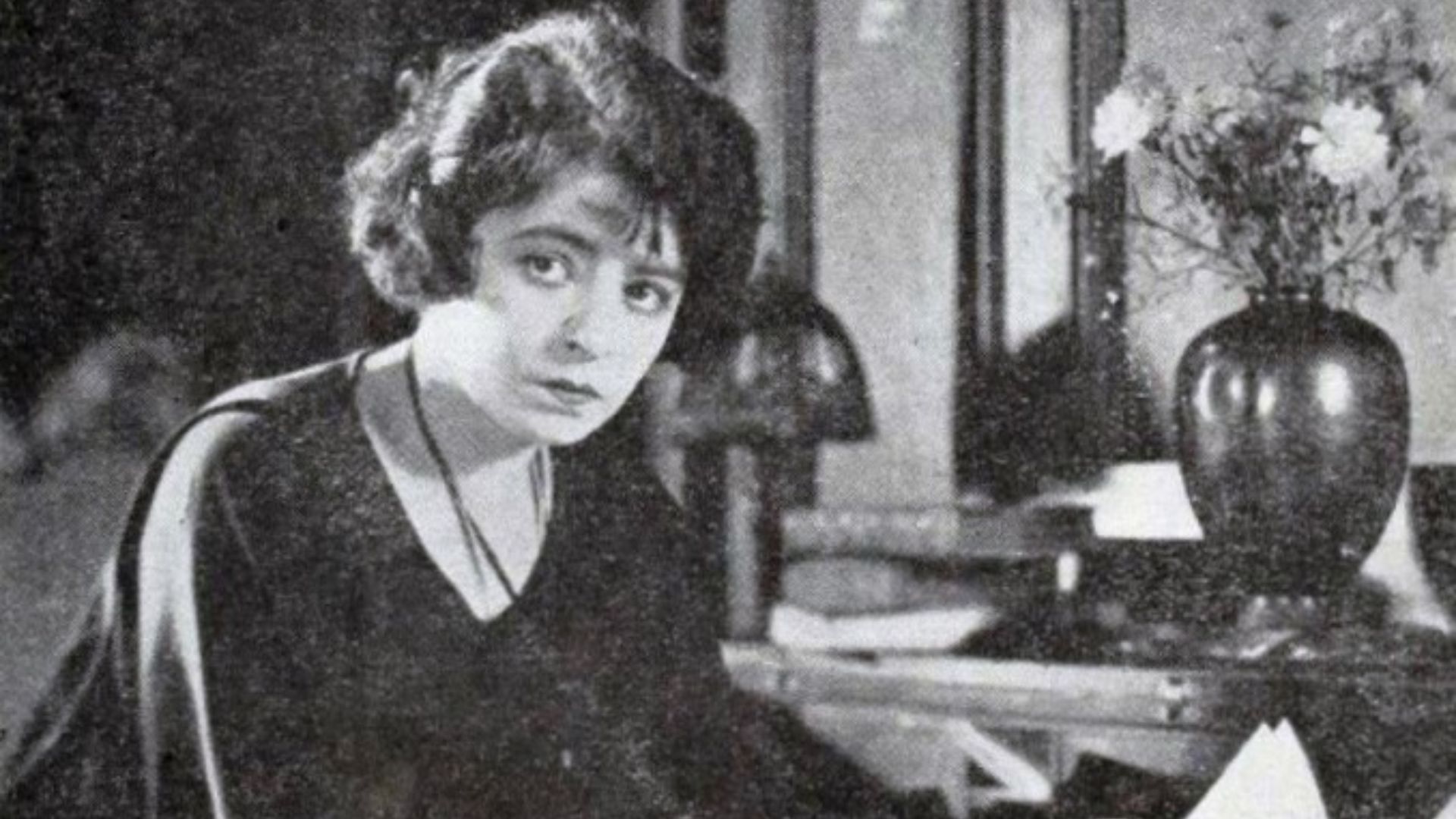
Just a couple of months earlier, Wallace had seemed perfectly healthy for the first time in a while, so it’s understandable why Dorothy held out hope for his recovery. However, his illness only declined further, and while visiting him at the Sanitarium on January 18, 1923, as she held him in her arms, Wallace drew his last breath.
His family hoped that the industry would be more respectful to him now that he was gone—but this was more wishful thinking.
 Paramount Pictures, Wikimedia Commons
44. They Still Used Him
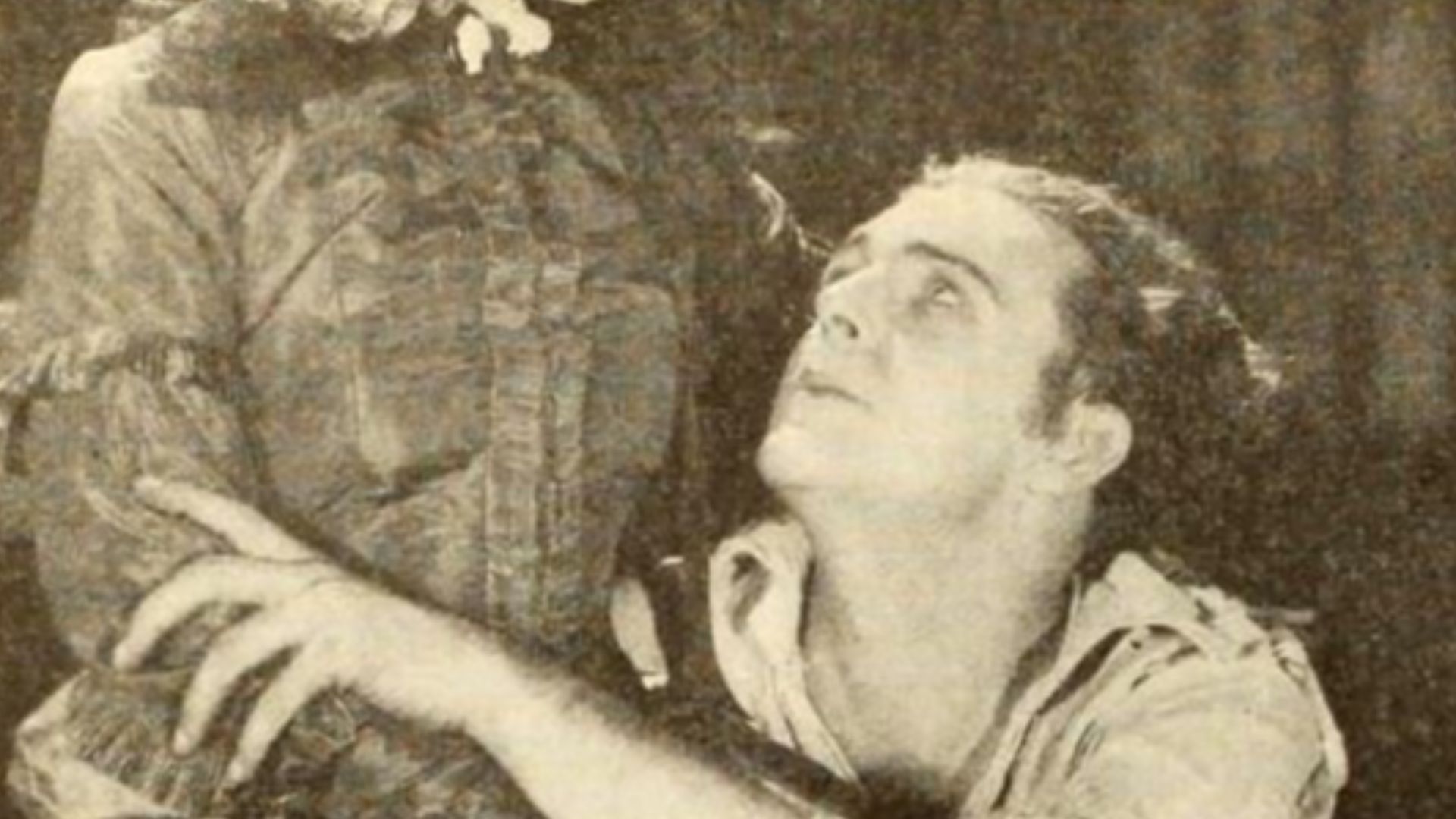
In life, Wallace had spent much of his career having filmmakers and studios treat him more like a commodity than a person, and even after his passing, he was only met with more of the same. Instead of talking about him with respect or admiration, the media did little more than advertise his upcoming releases.
Although his story was so sensationalized, it wasn’t the only one.
45. He Was The Latest One
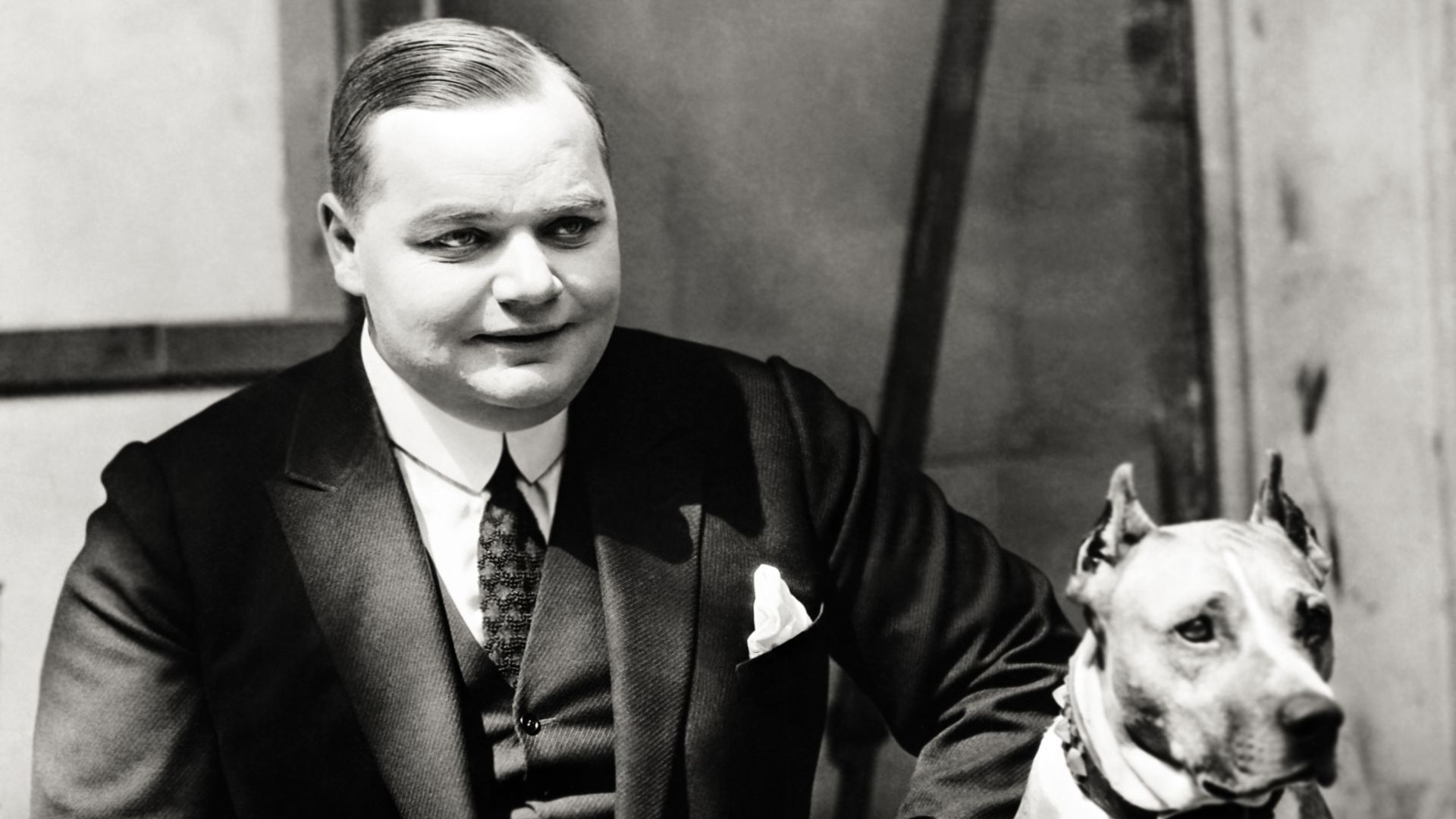
Hollywood was still relatively new at this point and had suffered few major scandals, but Wallace’s wasn’t even the only one of the early 1920s. Fatty Arbuckle had already had his highly controversial trial, and director William Desmond Taylor had perished under mysterious circumstances only a year before Wallace’s passing. However, one thing that connected all of these was how ruthlessly the media used them to their advantage.
Even when the news did dig deeper, they had their own ulterior motives.
 Carolyn Lowrey, Wikimedia Commons
History's most fascinating stories and darkest secrets, delivered to your inbox daily.
46. He Was Their Example
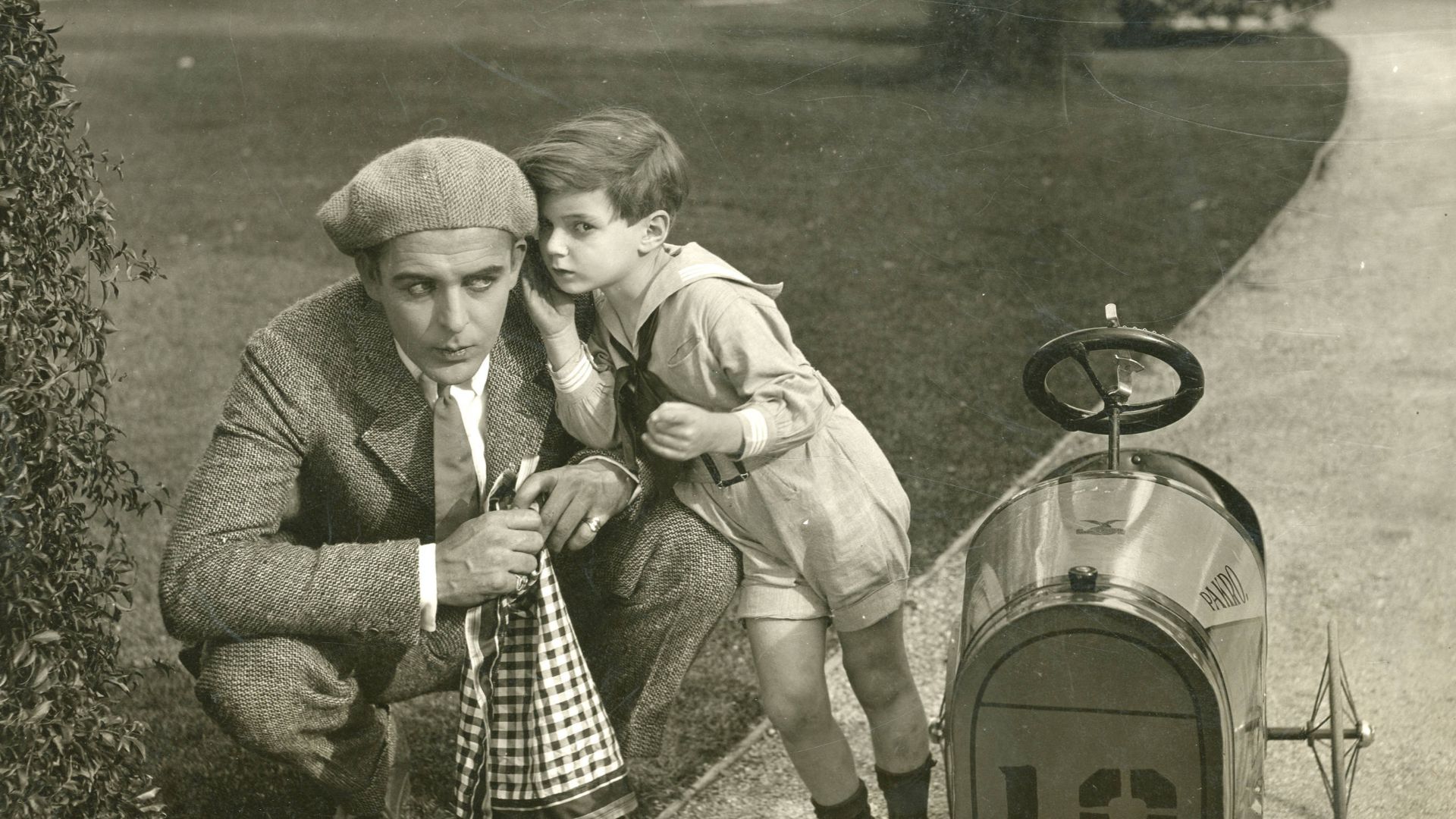
While some outlets used the news of Wallace’s passing as an opportunity for publicity, others tried to take a more serious stance—but still missed the point. Rather than get at the heart of the issue and call out the studios that enabled him, the media held up Wallace’s addiction as proof that Hollywood’s actors were becoming increasingly immoral.
Breaking through the noise, there was one more statement from the person who mattered to him most.
 Unknown authorUnknown author, Wikimedia Commons
47. She Made Her Statement
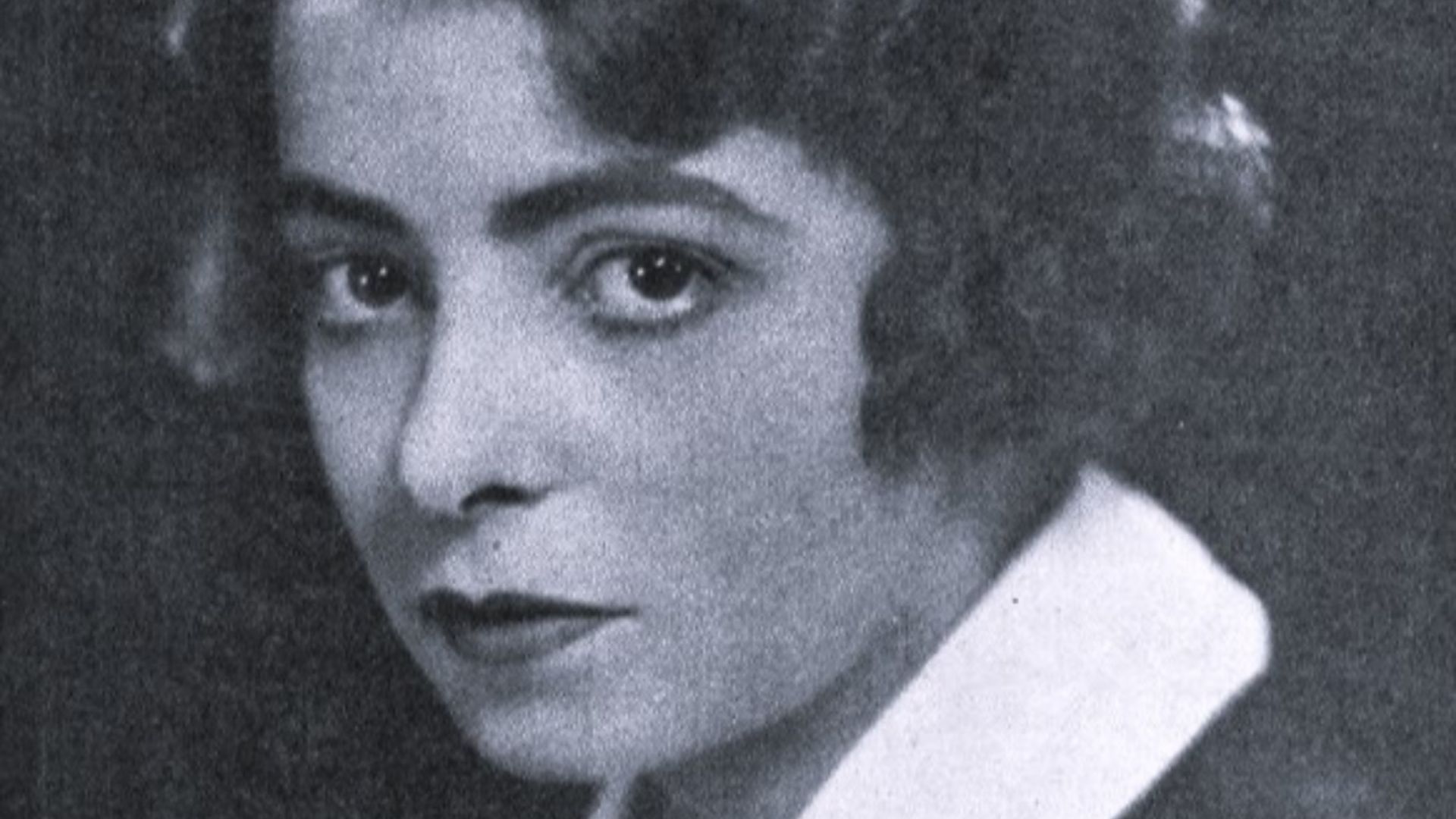
Although there was little she could have done by the time she caught on to Wallace’s addiction, Dorothy still felt a sense of guilt, believing that by doing nothing she had enabled him somehow. Taking another opportunity to clear the air, she spoke to the press in opposition to their narrative and explained what had actually gone wrong for Wallace.
This was just the beginning, and she soon did what no one thought was possible.
 Lumas Film Corporation, Wikimedia Commons
48. She Changed The Narrative
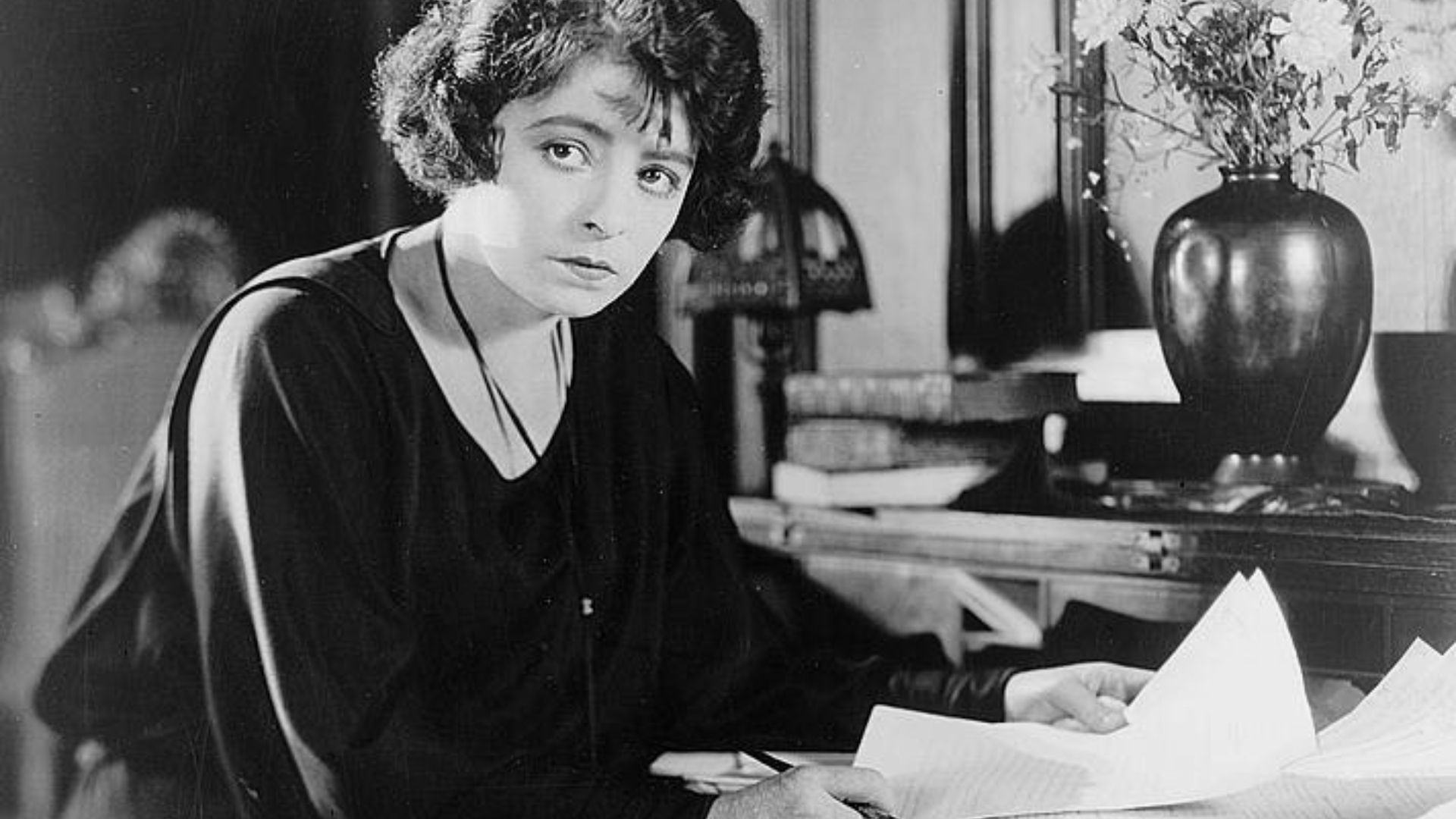
Seeing how the media had begun using the name of her late husband for their own purposes, Dorothy immediately got to work, choosing to honor his legacy as a victim of substance use. Speaking to the press and spreading her message, she quickly shifted the public’s perspective to highlight the rise of addiction in the US instead.
Going even further, she ensured that his legacy would ultimately help others in his shoes.
49. She Wanted To Help People
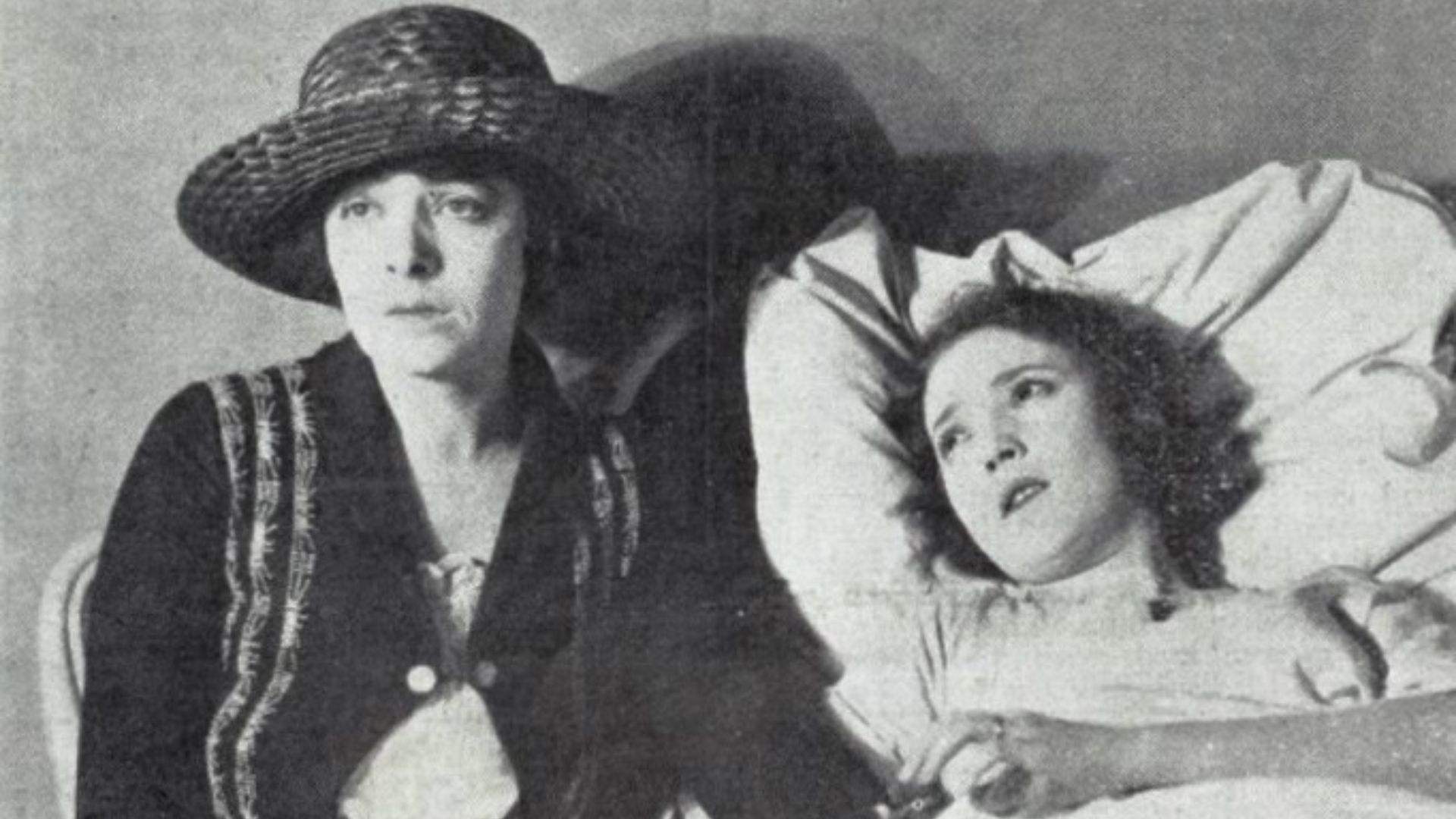
To ensure that America would never forget Wallace’s struggles and to spread her message to those with similar issues, Dorothy returned to the screen and created the 1923 film Human Wreckage. Producing and appearing in the picture, credited as Mrs Wallace Reid, she used the project as propaganda to show the threat of substance use.
Sadly, Wallace’s life remains the story of a man with dreams of making it in Hollywood—but who never truly achieved them.
50. He Was Happier Behind The Scenes
Wallace spent the majority of his career putting his own desires aside to follow the path that others laid for him. This eventually led to his demise as the industry took advantage of his trust, but even from the beginning, it stole the spark that got him into film in the first place. He had never wanted to act full-time, but studios took one look and made the decision for him, forcing him to abandon his dreams of being a writer and director.
You May Also Like:
Merle Oberon, Hollywood’s Dark Angel