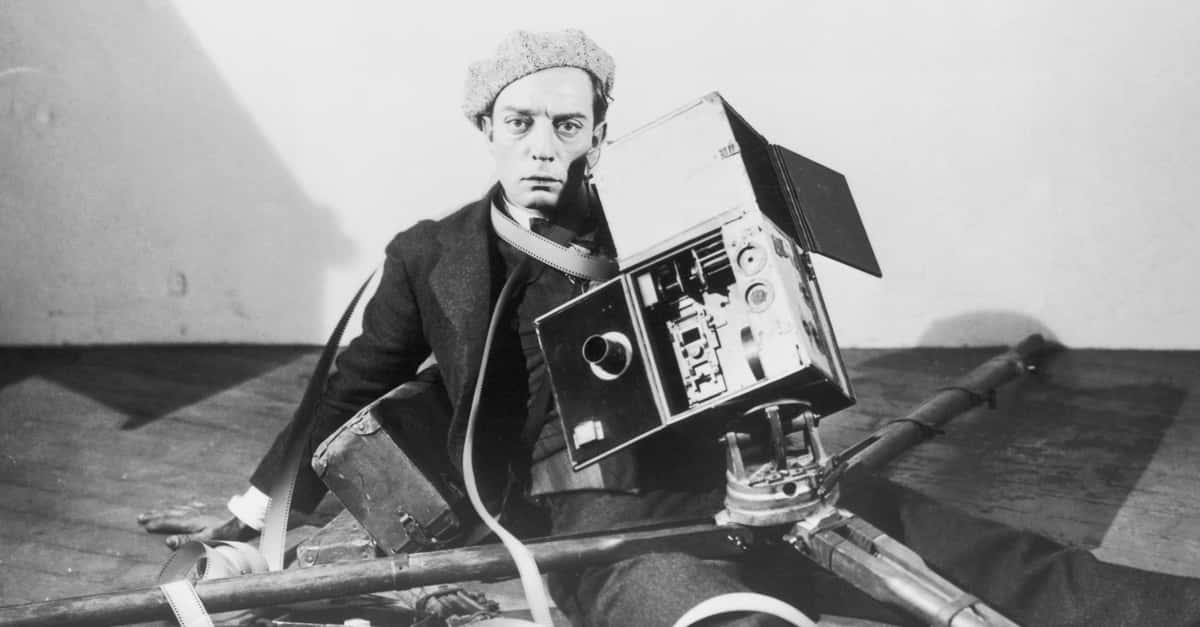
His Ruined Legacy
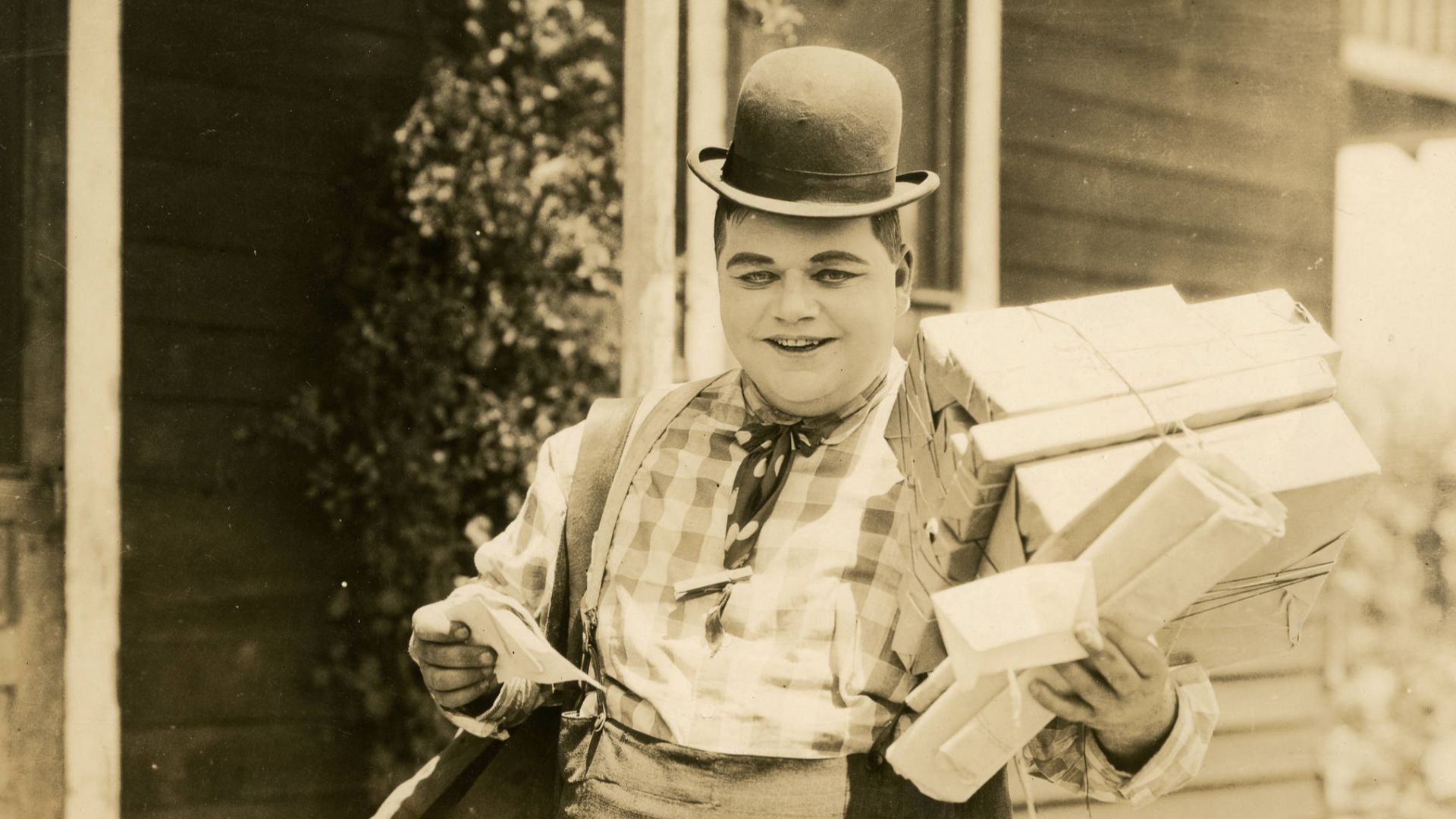
From early on, Fatty Arbuckle sadly realized how easy it was for people to make fun of him for his appearance. As he discovered a passion for performance, though, he turned his biggest insecurity into his superpower as a comedic actor, becoming one of the silent era’s most celebrated stars.
However, much of his career fell into obscurity over the decades, with a far more malicious reputation taking its place. The reason? One unforgettable scandal.

1. He Was A Big Baby
As he became widely known for his comedic chops, and especially using his size to his advantage, the man born Roscoe Arbuckle took on the mantle of “Fatty” Arbuckle. However, this aspect of himself wasn’t something that developed later in life, since even as an infant, he was bigger than most.
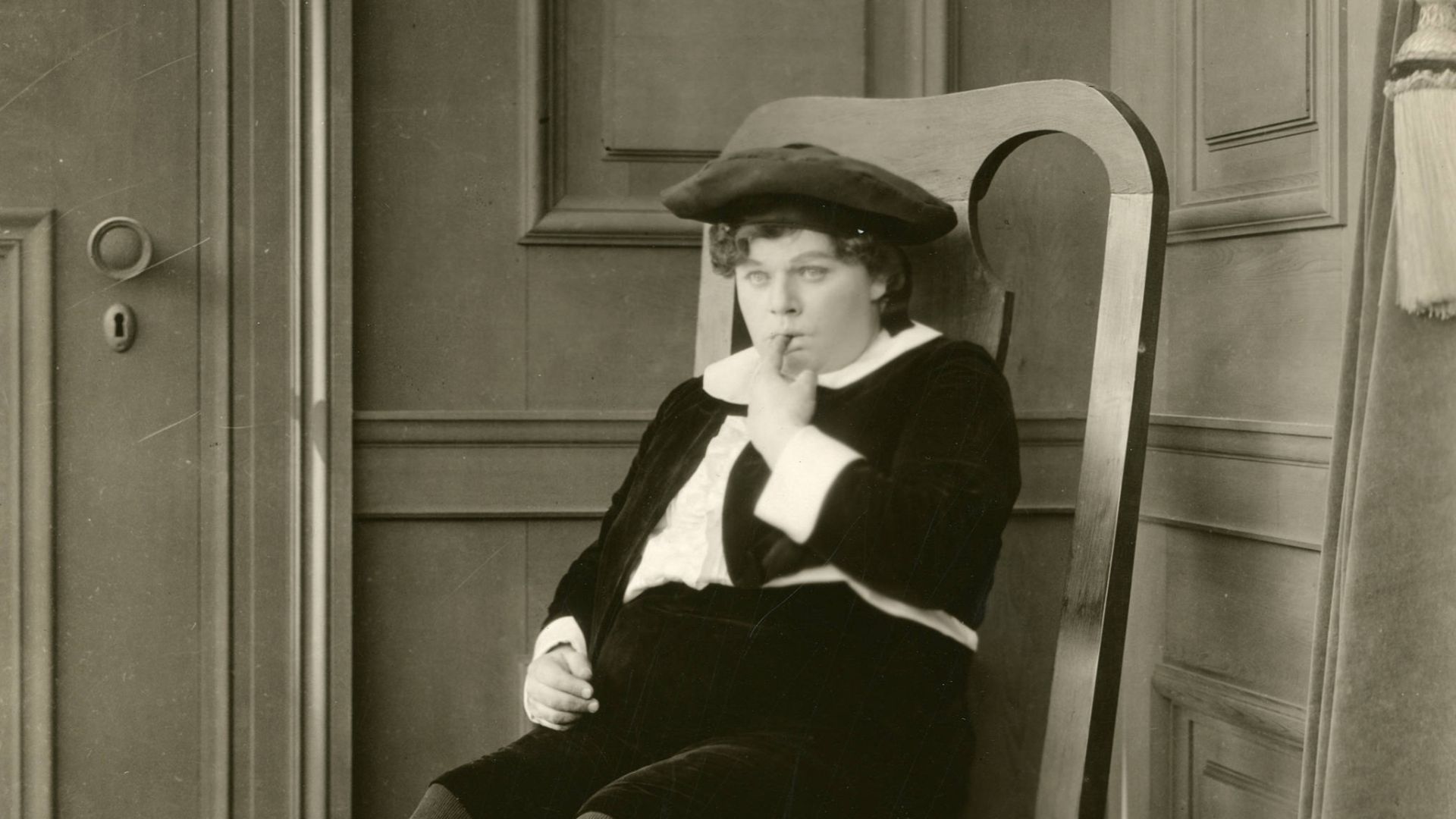
At the time of his birth on March 24, 1887, his mother, Mary E Gordon, delivered the over 13-pound baby, who was Roscoe. Even then, he experienced unkindness from someone who should have loved him.
 Unknown authorUnknown author, Wikimedia Commons
2. His Father Hated Him
Simply because Fatty Arbuckle was a large infant, and both his parents were more on the thin side, his father, William Arbuckle, started to suspect that he was the result of an affair. Taking his anger out on both mother and child, William thought it would be clever to name the baby after Roscoe Conkling, a Senator he hated, who was known for having many affairs.
With all this hostility in his childhood, Arbuckle sought an escape through his stagework.
 Unknown authorUnknown author, Wikimedia Commons
3. He Was A Performer
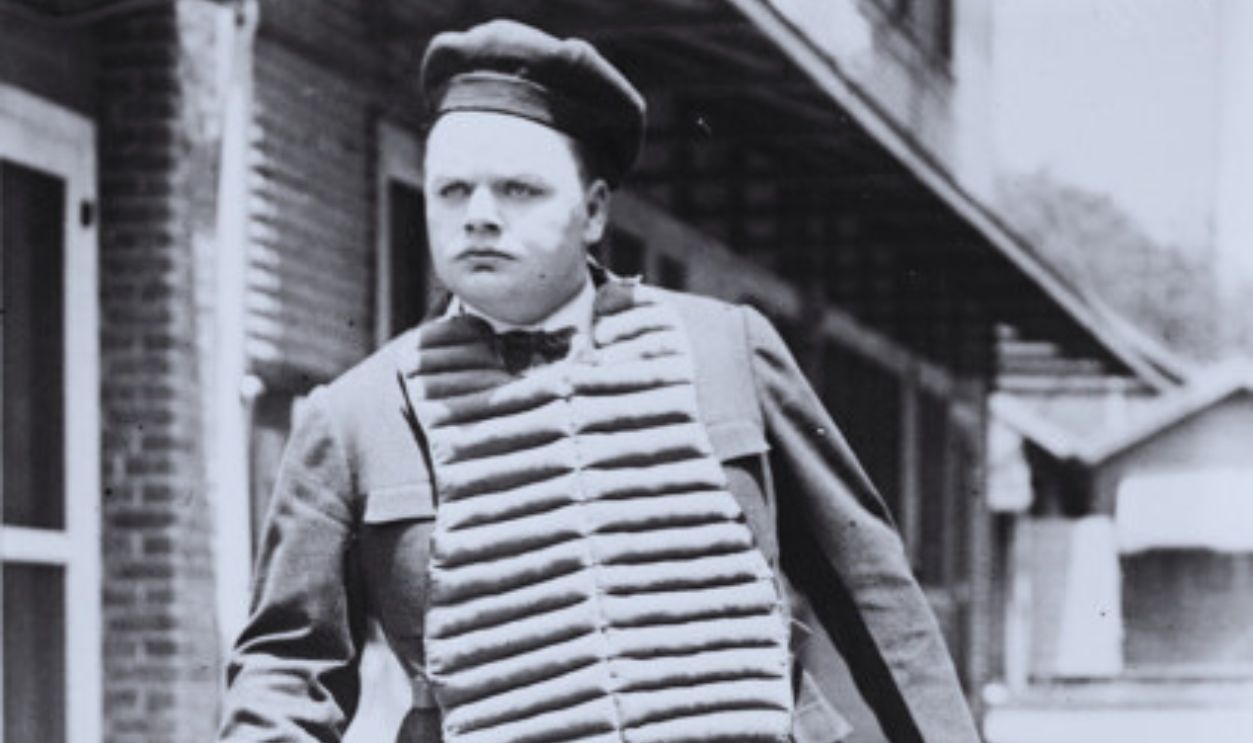
Many aspiring actors spend years without seeing work, but Arbuckle was able to get a taste of the spotlight at only eight years old. This opportunity came after he and his family relocated from Kansas to Santa Ana, California, and Frank Bacon’s acting company allowed the boy to join their performance. This sparked something within Arbuckle, and he continued to take any job on stage he could find.
But unfortunately for young Arbuckle, there was tragedy on the horizon.
 Bain News Service, publisher, Wikimedia Commons
4. He Fended For Himself
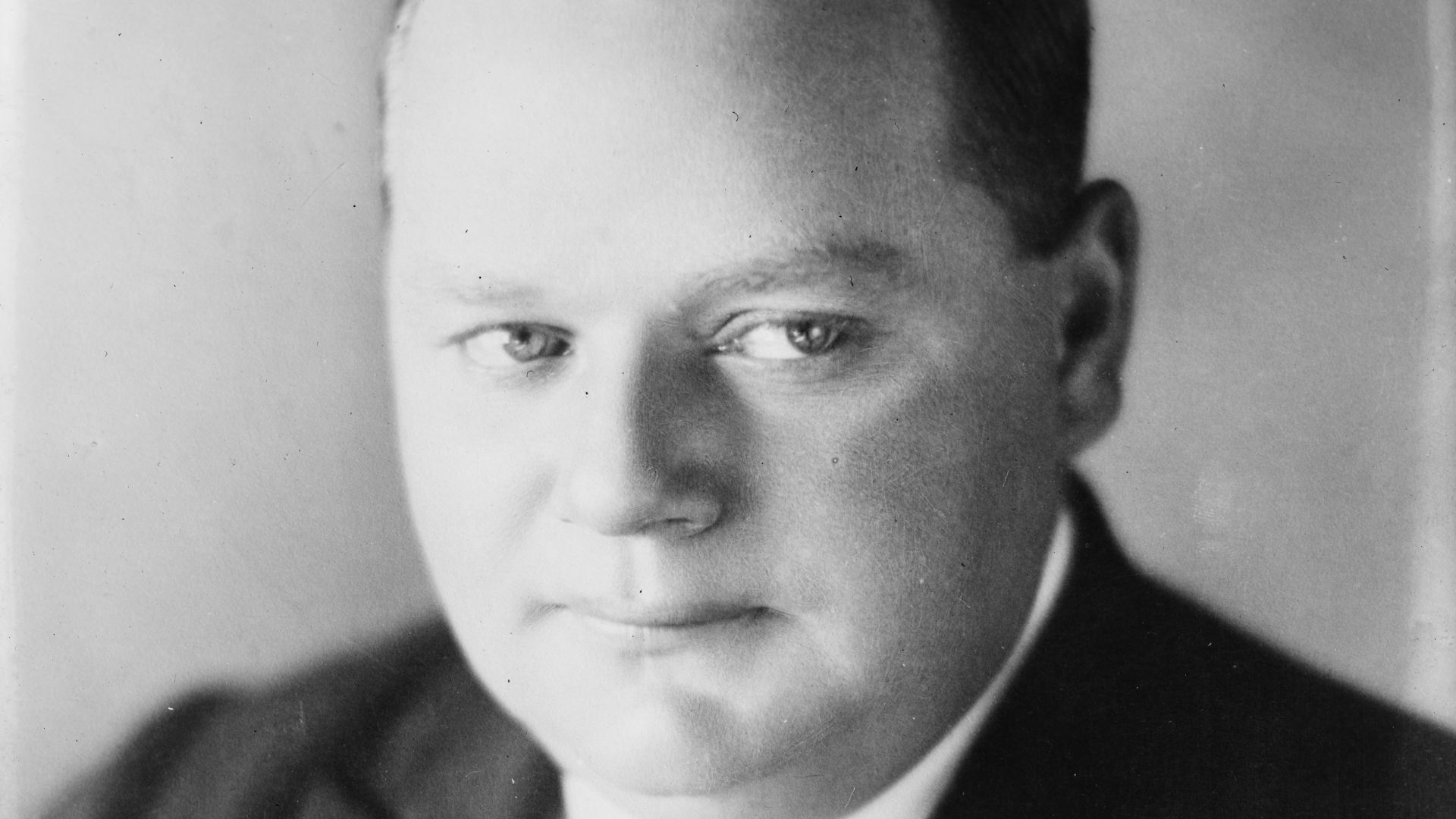
You see, Arbuckle’s size had caused complications for his mother during his birth, resulting in health issues that would ultimately take her life when he was only 11. Without her, Arbuckle had to contend with his cruel father alone. Continuing his bad parenting streak, William didn’t provide for his son in any way, so Arbuckle had to find work for himself.
As fate would have it, this was exactly the stepping stone he needed.
 Bain News Service, publisher, Wikimedia Commons
5. He Was Overheard
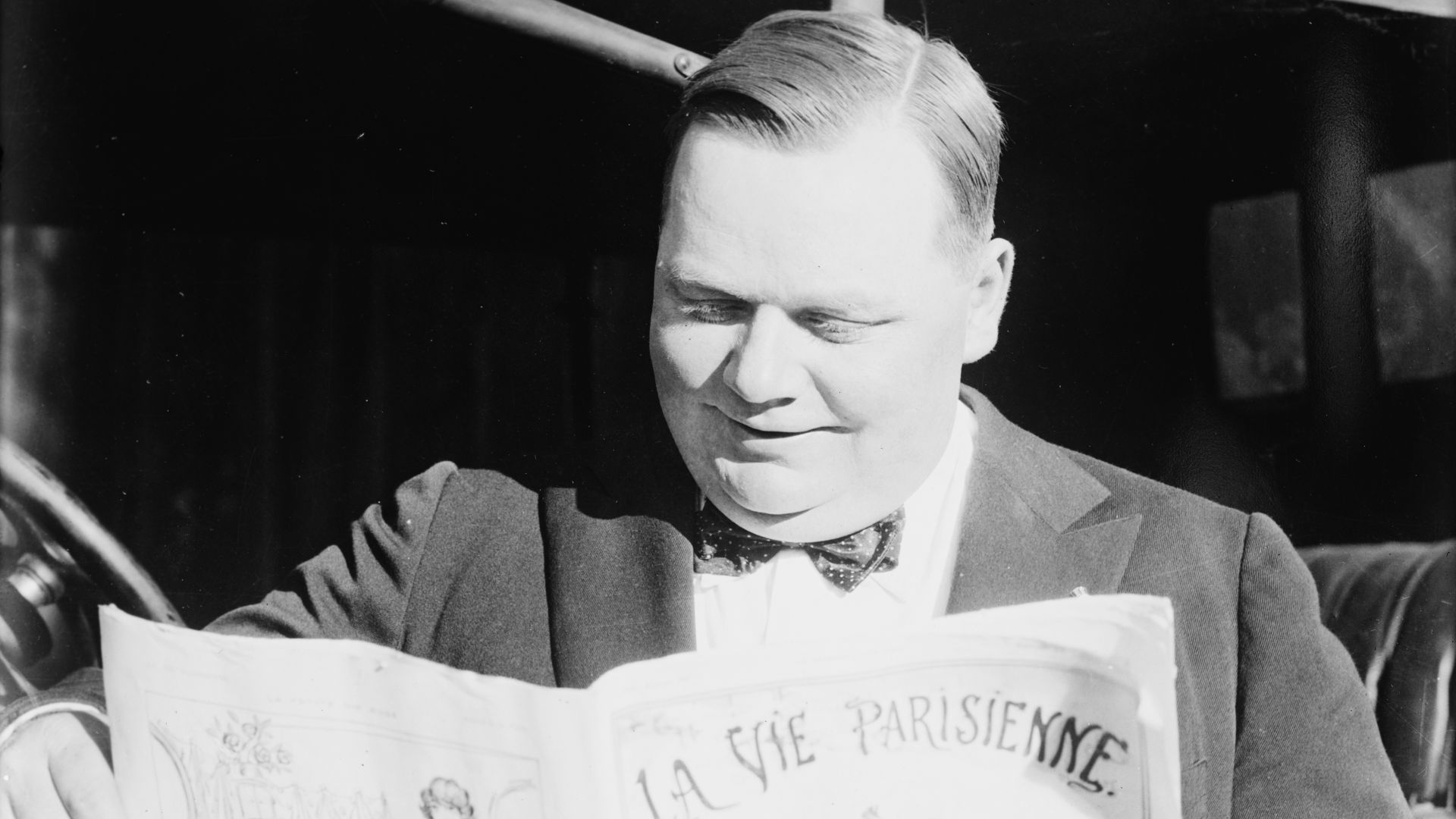
By this point, Arbuckle had already fallen in love with performing, but his situation forced him to put his dreams on hold and find a more consistent job at a nearby hotel. Still, he often couldn’t keep himself from singing aloud while working, and one day, his voice reached the ears of a professional singer who invited him to an amateur talent show.
Shockingly, this led to a once-in-a-lifetime opportunity.
 Bain News Service, publisher, Wikimedia Commons
6. He Saved His Act
During the talent show, the audience would judge whether an act was good or bad, with the latter being pulled off stage with a large cane. Arbuckle’s song and dance segment failed to get enough applause, but when the cane came out, he jumped out of the way and tumbled into the orchestra. The crowd was in stitches, and with that, he won the contest.
As became clear in his romantic life, everyone loves a funny guy.
 New York, Wid's Films and Film Folks, Inc., Wikimedia Commons
7. He Found Someone
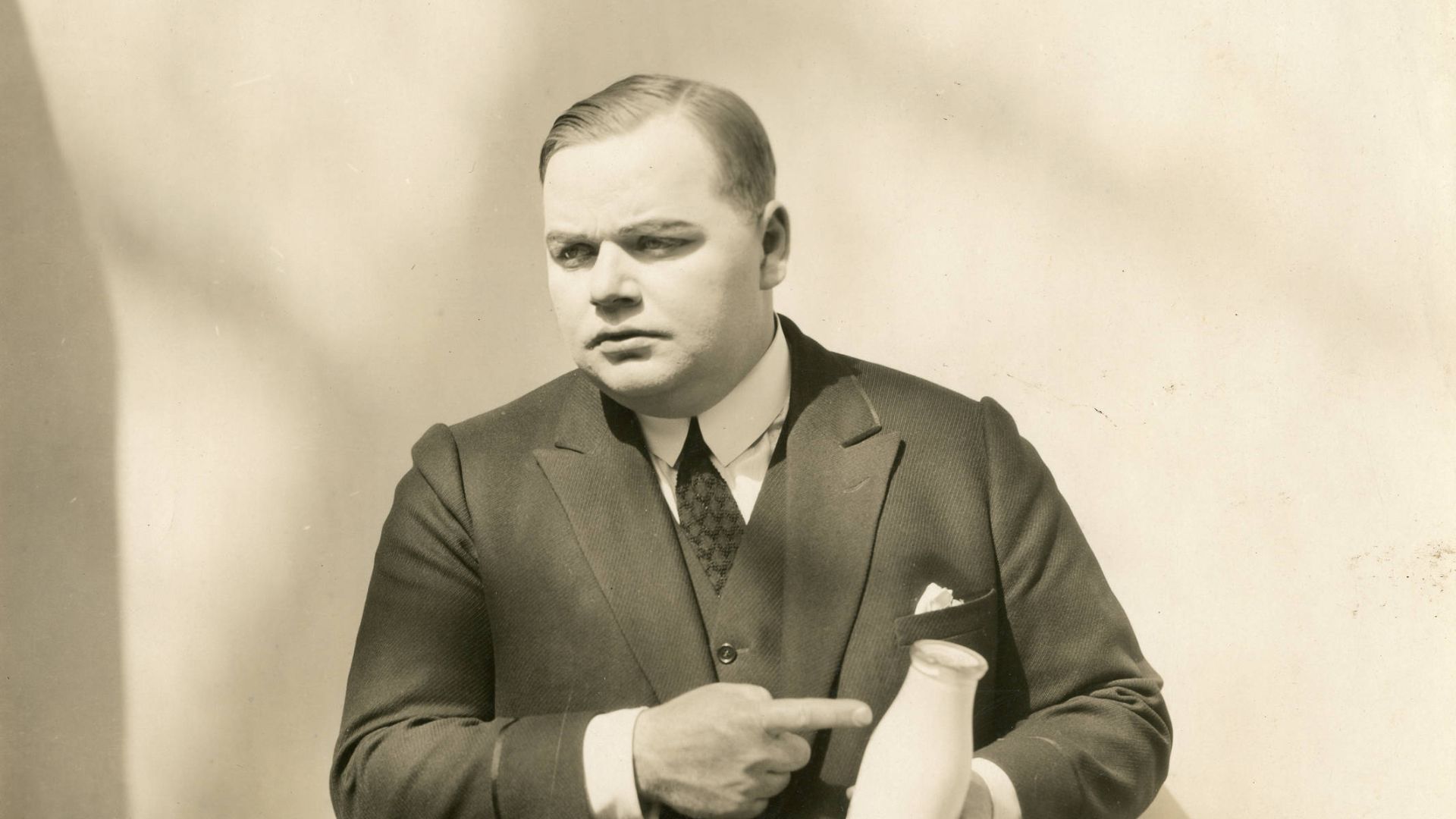
By the time he was in his 20s, Arbuckle’s life had drastically improved as he had finally begun his vaudeville career—and he fell in love. Both he and Minta Durfee were performers trying to find their footing in the industry, and this common ground soon blossomed into a romance. The two married in 1908 and would later star in several early comedies together.
Fortunately for him, he wouldn’t have to wait too much longer for his time on screen.
 Unknown authorUnknown author, Wikimedia Commons
8. He Broke Out
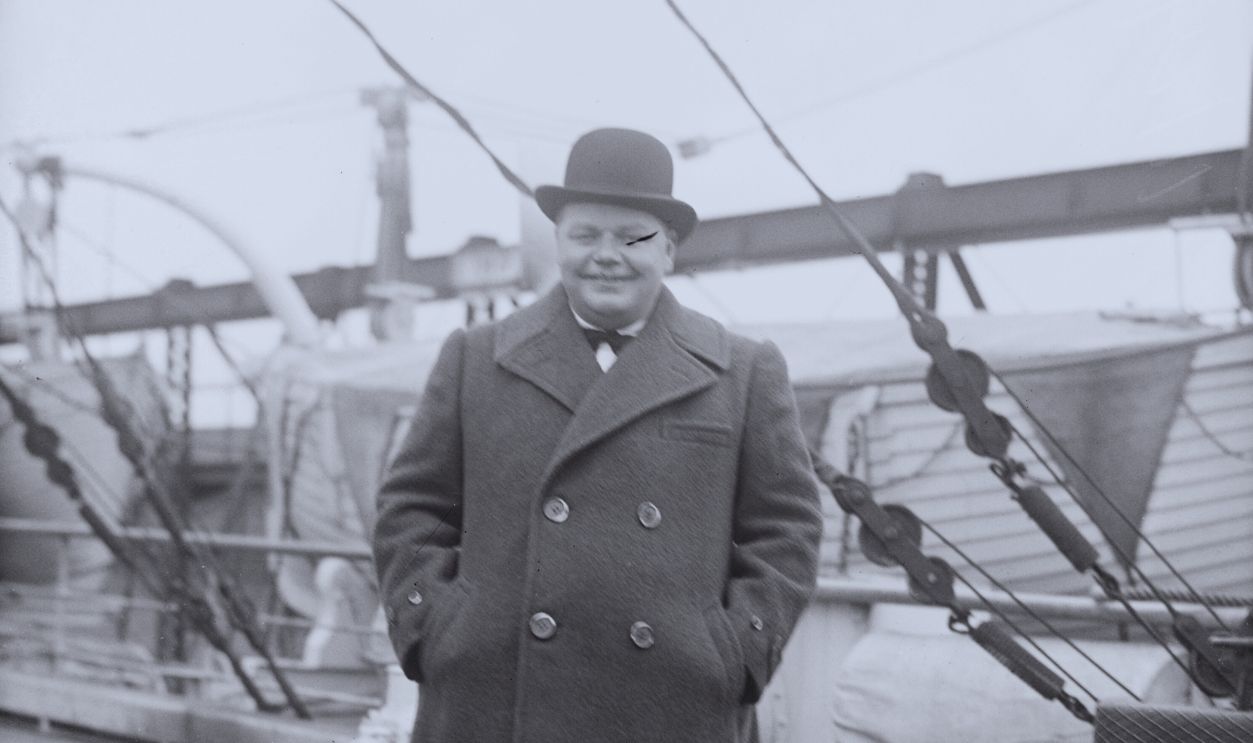
Although Fatty Arbuckle had found success while touring as a vaudeville performer, the future was on its way, and he wanted to transition into film work. Thankfully, the Selig Polyscope Company took a chance on him in 1909, and after working with them for a few years, he signed on with Universal Pictures and truly hit his stride as a comedian.
Part of his success was due to his strange ability to defy expectations.
 Bain News Service, publisher, Wikimedia Commons

History's most fascinating stories and darkest secrets, delivered to your inbox daily.
9. He Was Graceful
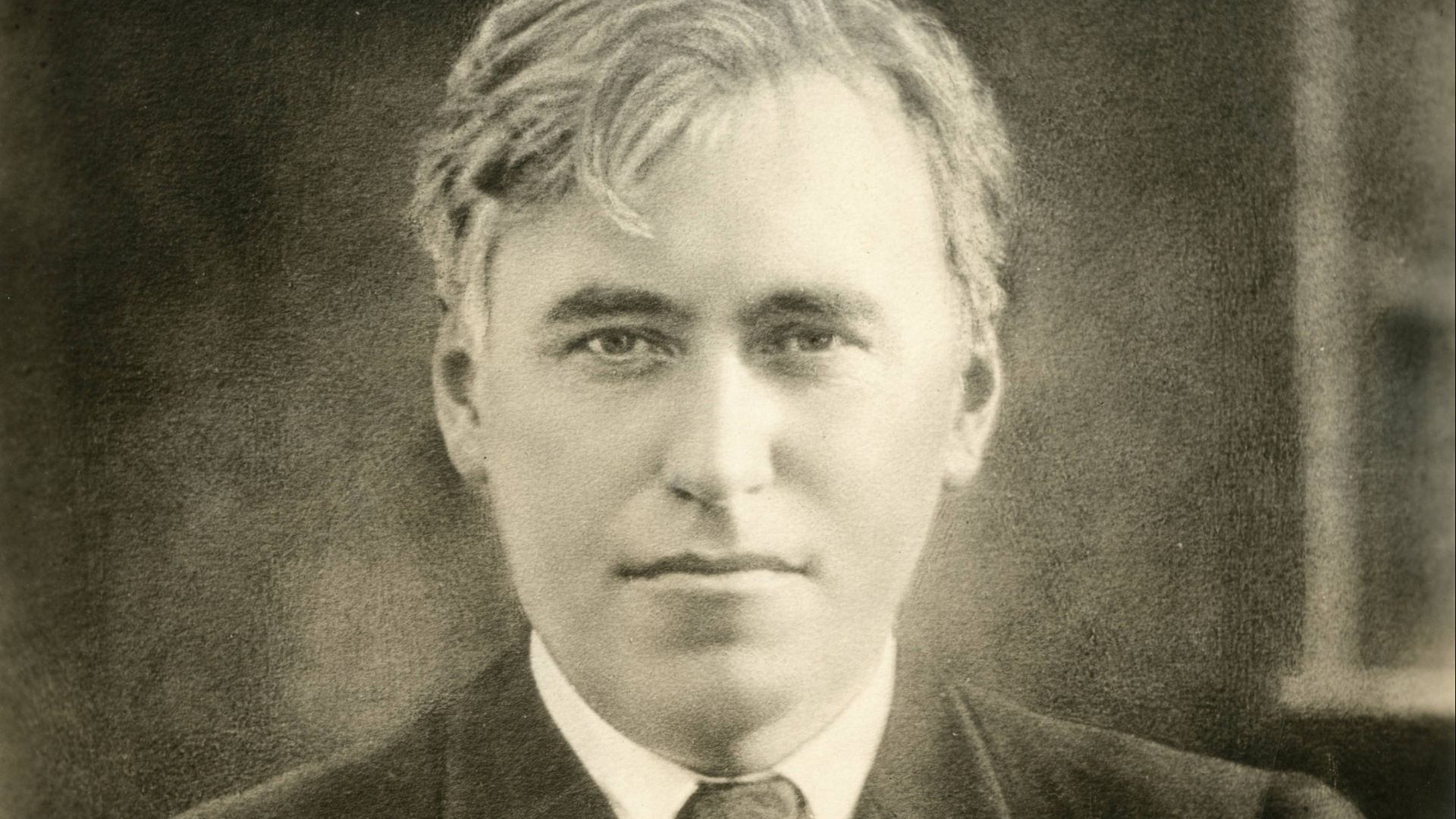
Still wanting to make people laugh after his stint at Universal, he began working with comedy director and producer Mack Sennett, who had more than a few kind words to say. According to the filmmaker, the true genius of Arbuckle’s comedy was evident when they first met, as the actor could execute a graceful backflip just as well as he could an expert pratfall.
Even so, Arbuckle had certain limitations to maintain his dignity.
 Unknown authorUnknown author, Wikimedia Commons
10. He Had Standards
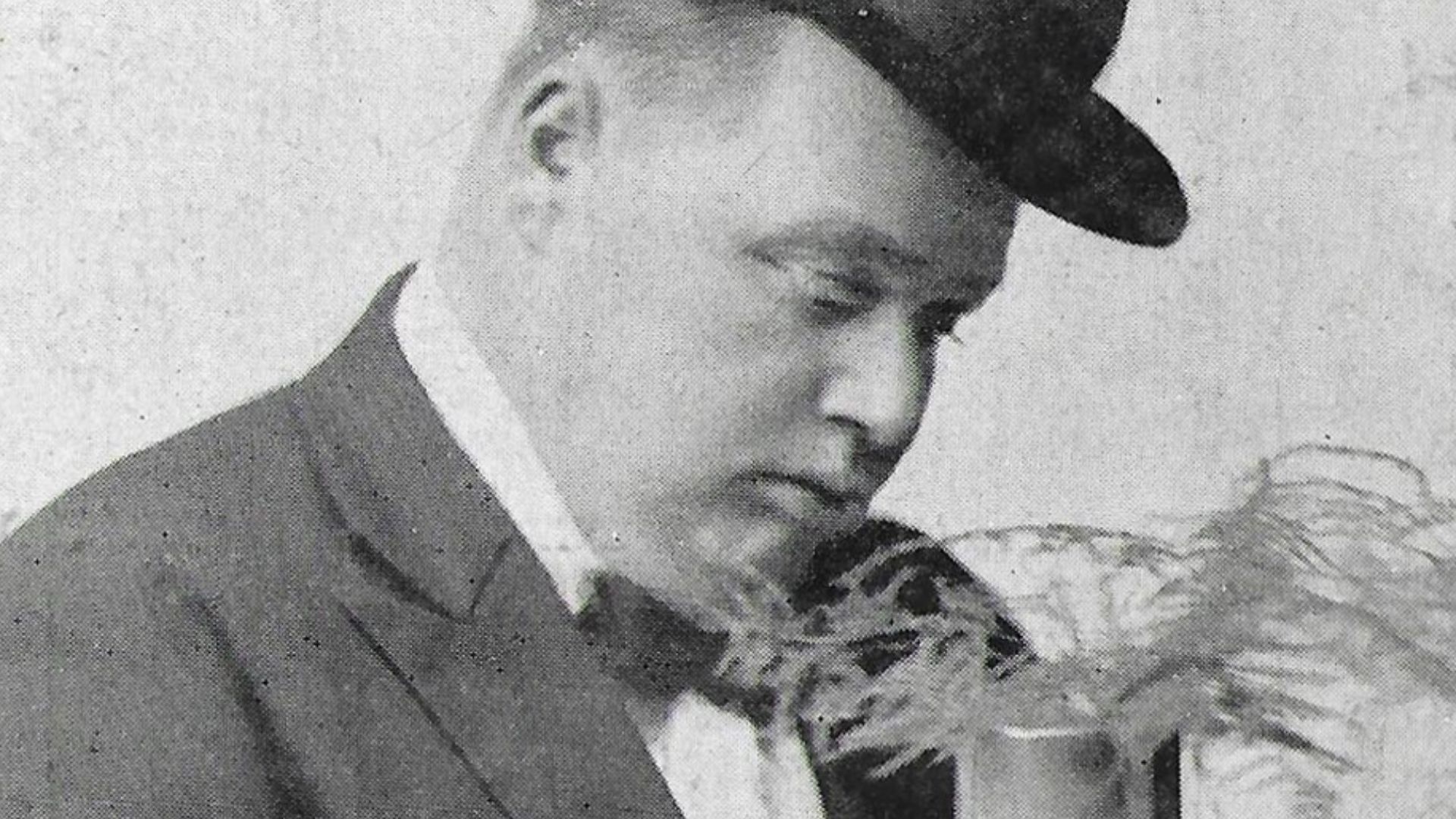
From his days in vaudeville to his growing success in comedic silent films, Fatty Arbuckle didn’t run from the jokes about his size and incorporated them into his act instead. However, while they certainly had a place in his comedy, he was very particular about how he used this kind of humor, refusing to resort to cheap gags by simply getting stuck in something small.
Furthermore, he ensured that no one could use his size against him.
 Apeda Studios, New York, Wikimedia Commons
11. He Set Boundaries
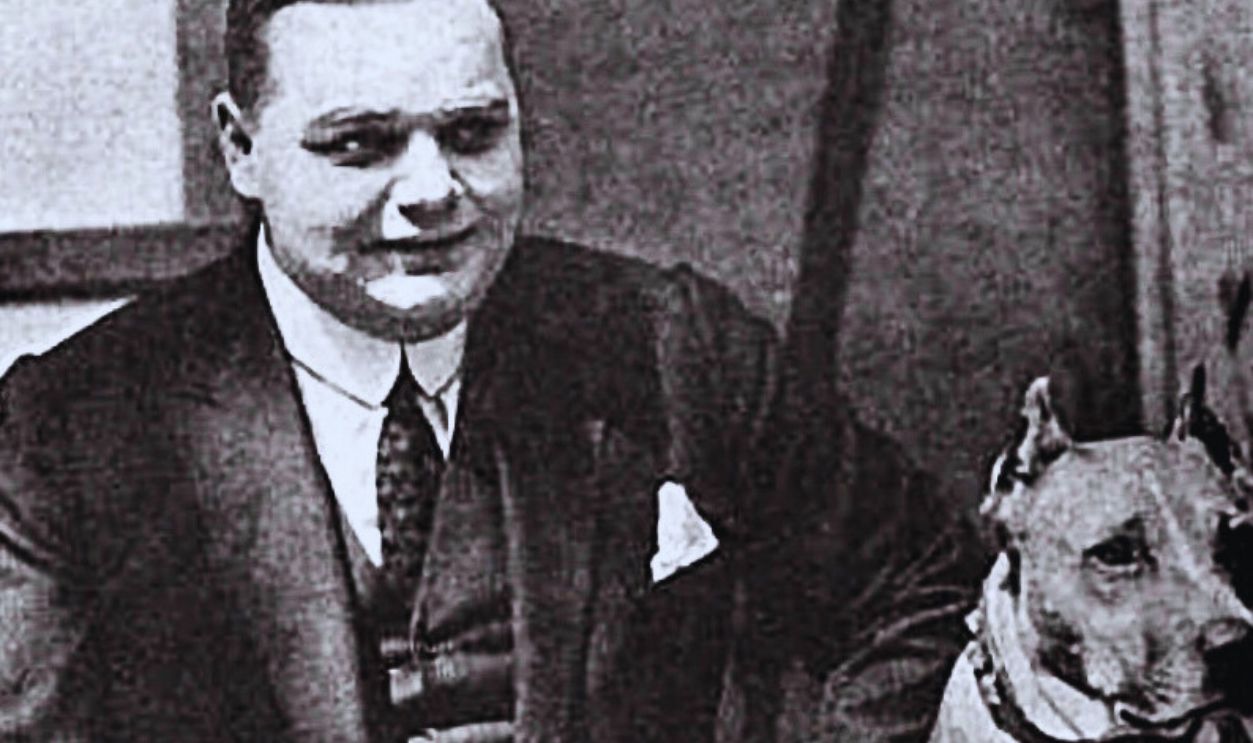
Even though he was quickly achieving both fame and fortune, Arbuckle’s childhood insecurities still affected him, so he had strict rules about how people addressed him. While he had received the screen name “Fatty,” he attributed it solely to the character he often played, and told others to call him by his real name outside of filming.
Of course, he had the talent to back this up, and studios were chomping at the bit.
 Carolyn Lowrey(Life time: pre-1925 image from publication with expired copyright), Wikimedia Commons
12. He Got An Offer
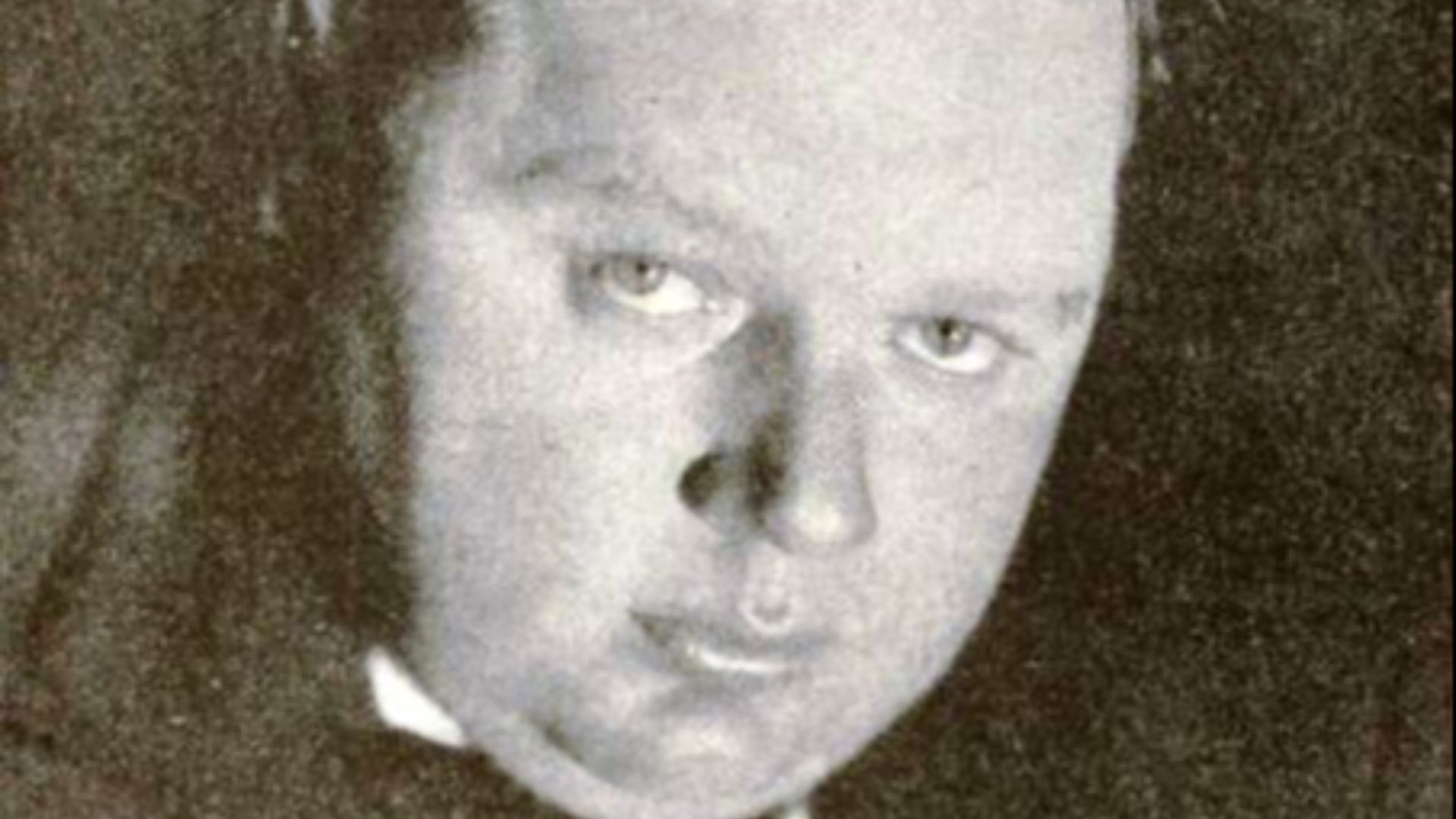
Fatty Arbuckle had truly become a master of his art form, and due to his rampant popularity, every studio in town would do anything to get him. He saw the evidence of this in 1914, when Paramount Pictures asked him to sign on, offering him a whopping $1,000 per day and 25% of all profits from his films.
This wasn’t even the highest number he would hear.
 Apeda (photograph credit), Wikimedia Commons
13. They Upped The Price
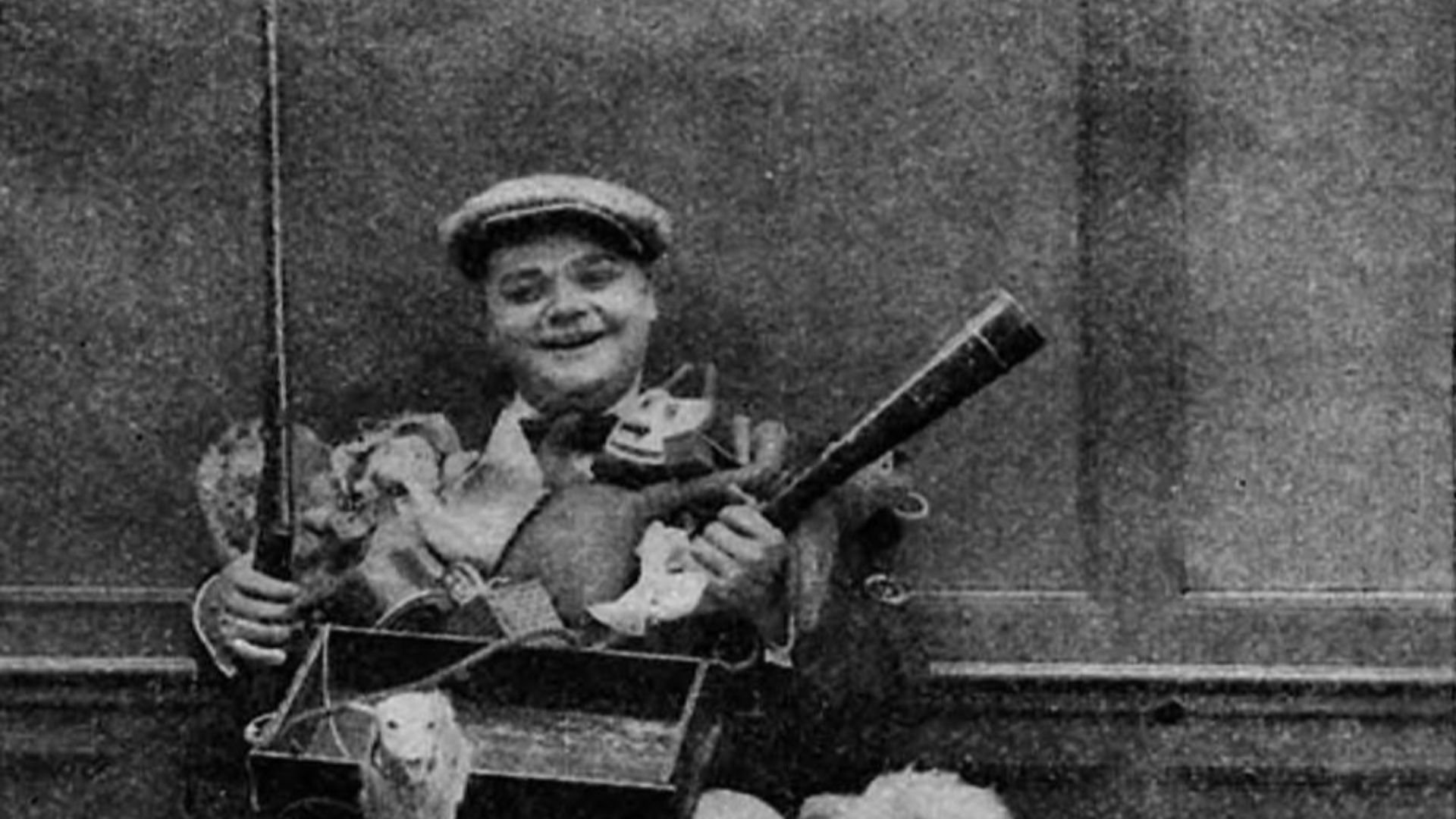
Along with the unprecedented amount that Paramount paid him, they offered him total creative control over his projects, so he immediately signed on. Immediately proving his skill, the films he made launched him even further into success, prompting the studio to offer him another contract for $3 million in 1918—worth $63 million today.
Still, he couldn’t rely only on other studios to further his career.
 Unknown photographer, Wikimedia Commons
14. He Started A Company
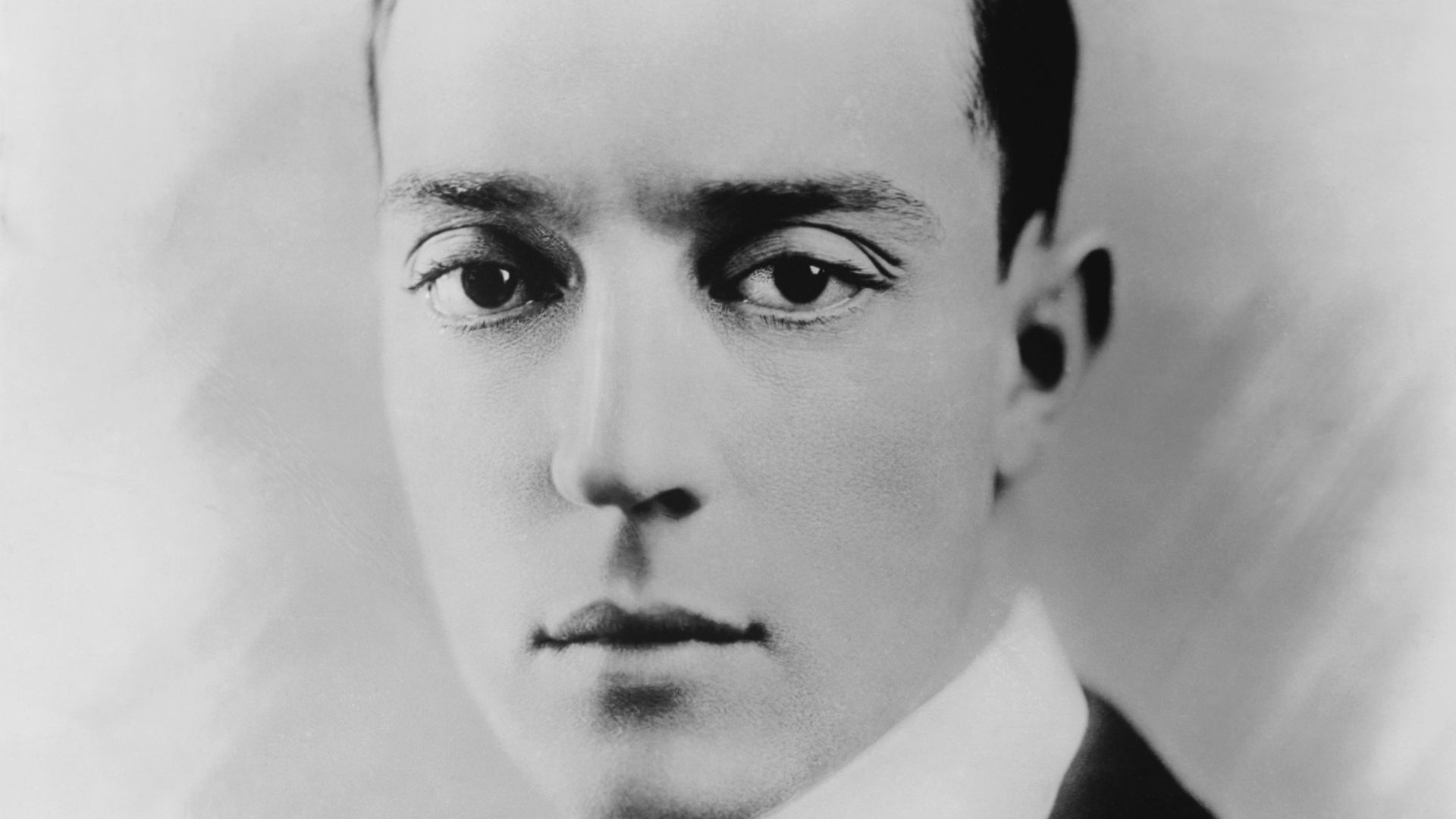
A couple of years before, Fatty Arbuckle took the next step in his filmmaking and became the owner of his own studio. Co-creating the Comique Film Corporation, he directed and starred in films under its banner, but this endeavor was short-lived. In 1918, he transferred his controlling interest in Comique to an actor he had mentored—a young comedian named Buster Keaton.
Unfortunately, the high points of his life were numbered.
 Bain News Service, Wikimedia Commons
15. They Took A Trip
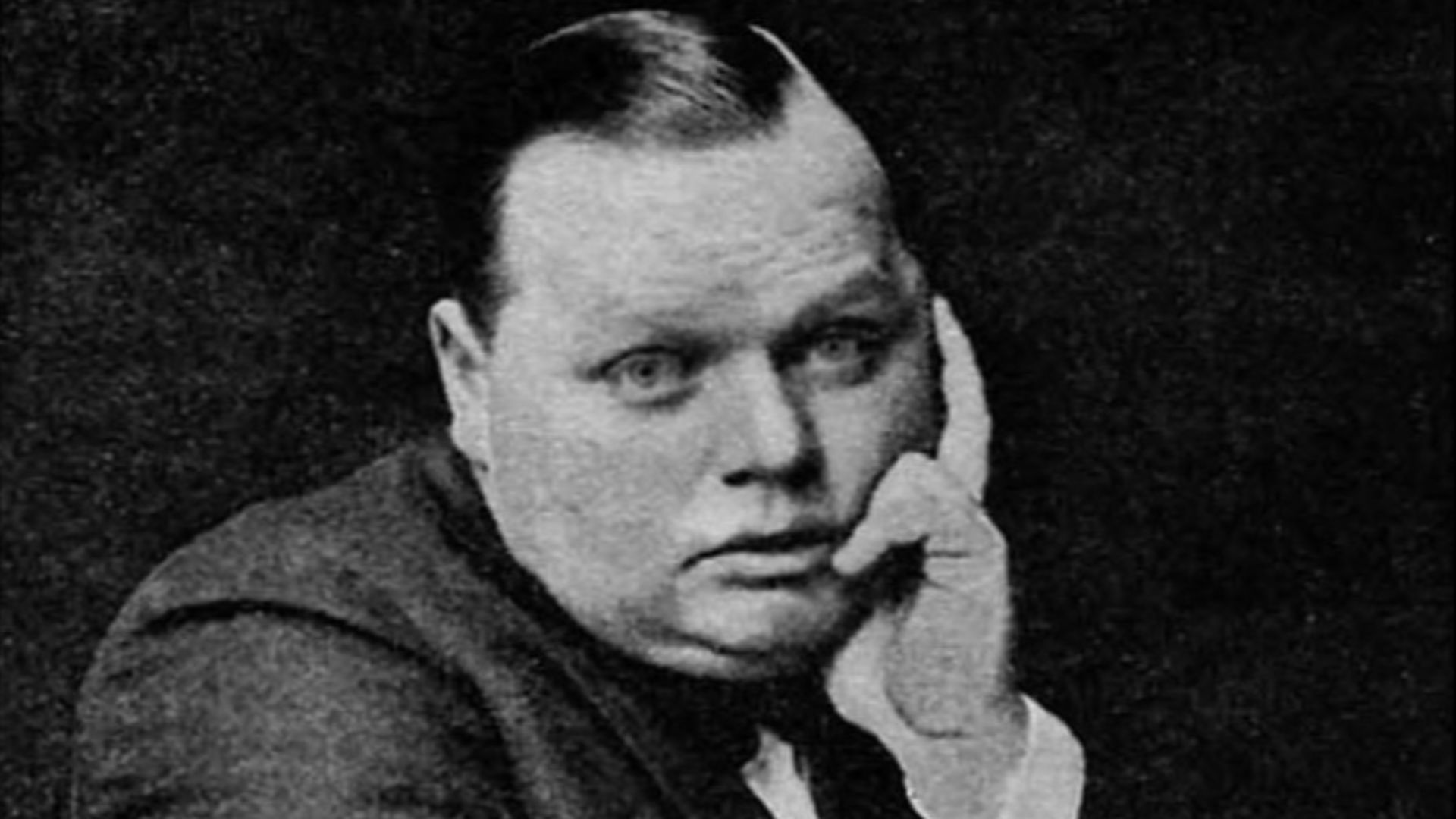
Whether he was acting or directing, Arbuckle was constantly working to the point of exhaustion, so in September 1921, he decided it was time for a break. Along with his two friends, fellow filmmakers Fred Fishback and Lowell Sherman, he drove down to San Francisco for some out-of-town partying.
 Unknown photographer, Wikimedia Commons
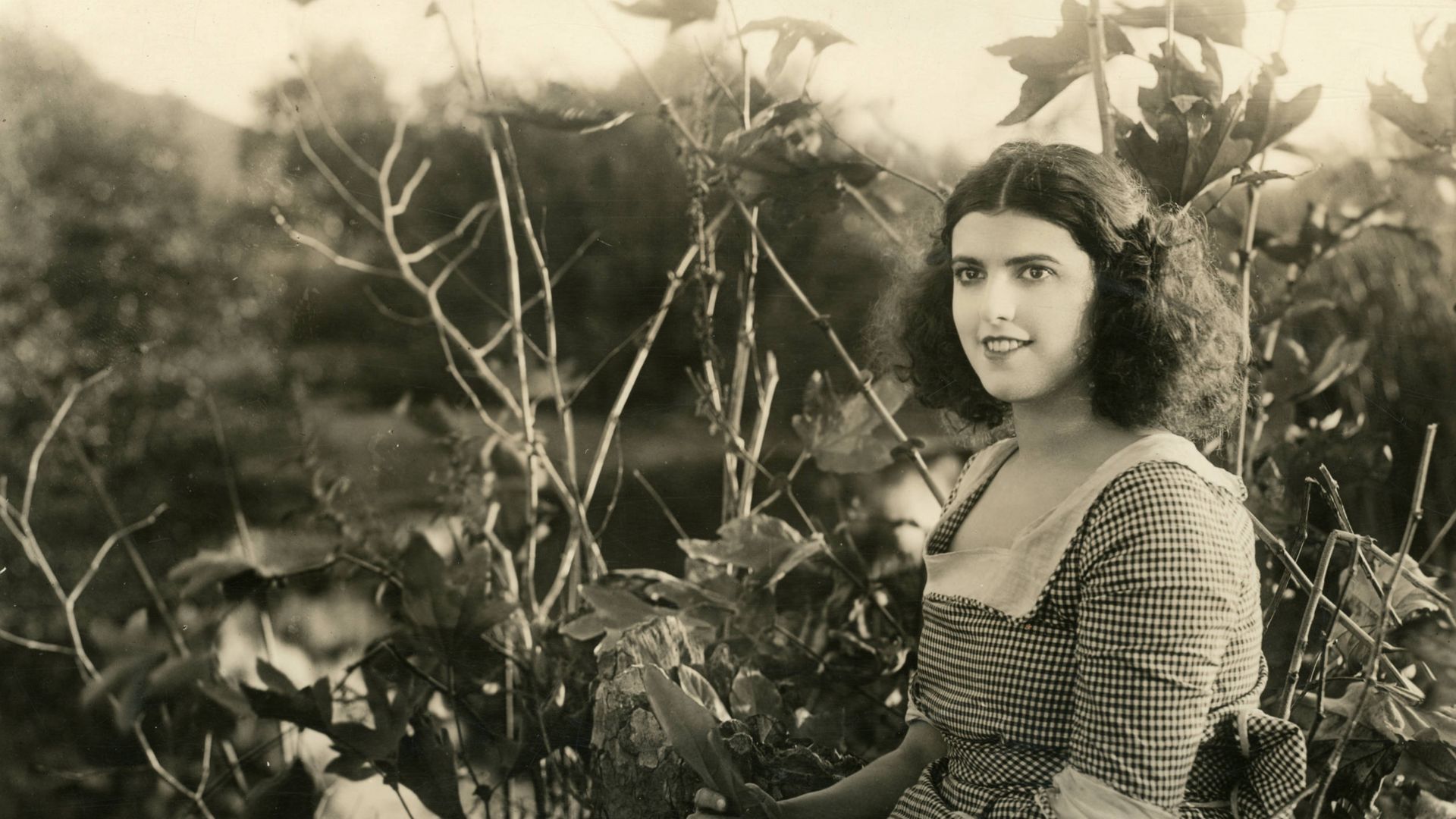
16. She Was Sick
Down in San Francisco, the three men rented three hotel rooms, making sure to appoint one as the party room. Over the course of their revelry, they invited several women to join them, including budding actress Virginia Rappe. However, at one point in the night, the partygoers found Rappe in Arbuckle’s room, having fallen ill.
Frighteningly, her condition was so bad that they had to call for help.
 Unknown authorUnknown author, Wikimedia Commons
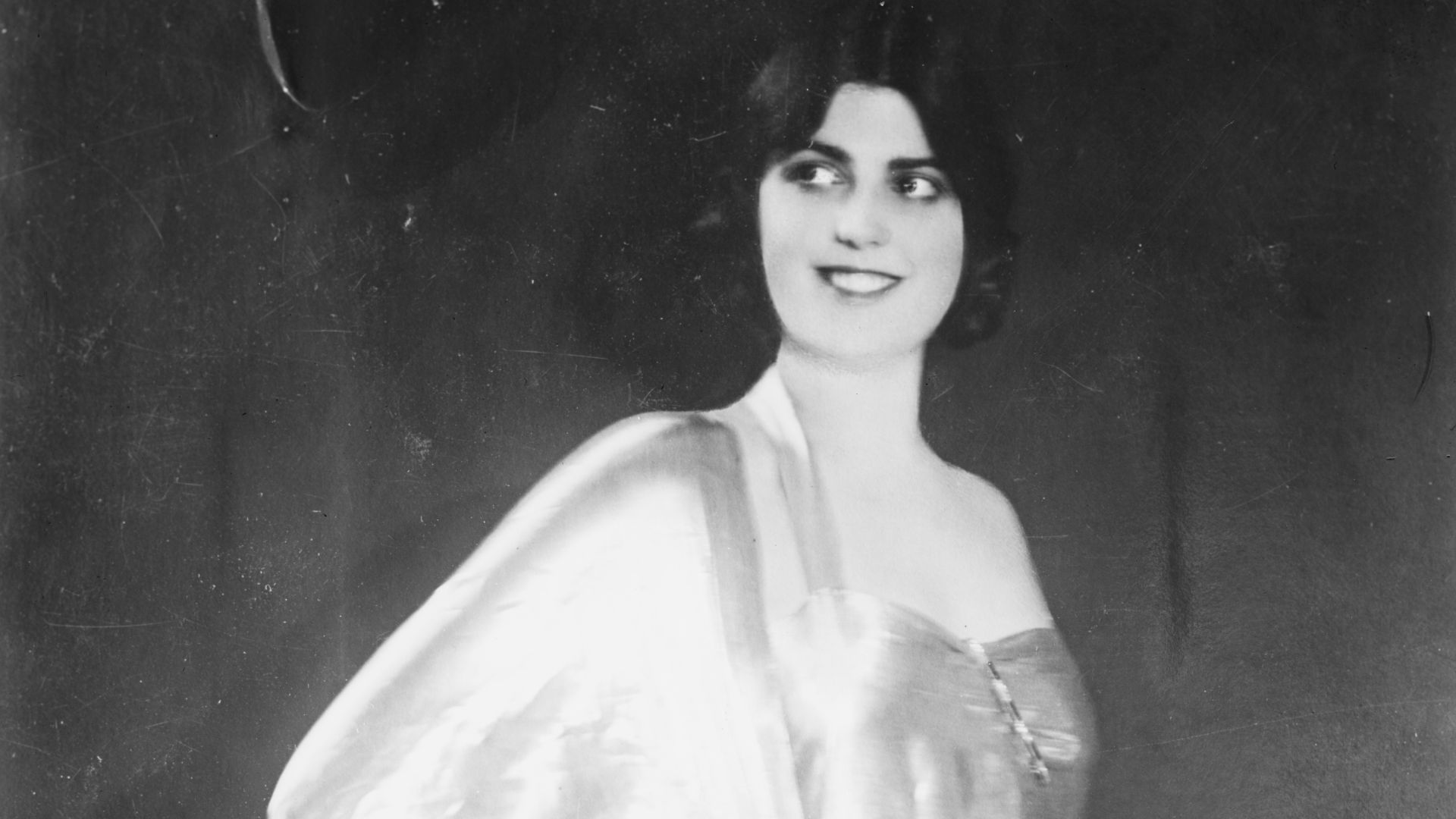
17. She Saw The Doctor
While Rappe seemed violently ill, enough to call the hotel doctor to check her out, her condition was summarily brushed off as the result of a night of partying. The doctor examined her swiftly and left, chalking her symptoms up to inebriation and giving her morphine before he went.
However, she wasn’t getting any better.
 Bain News Service, publisher, Wikimedia Commons
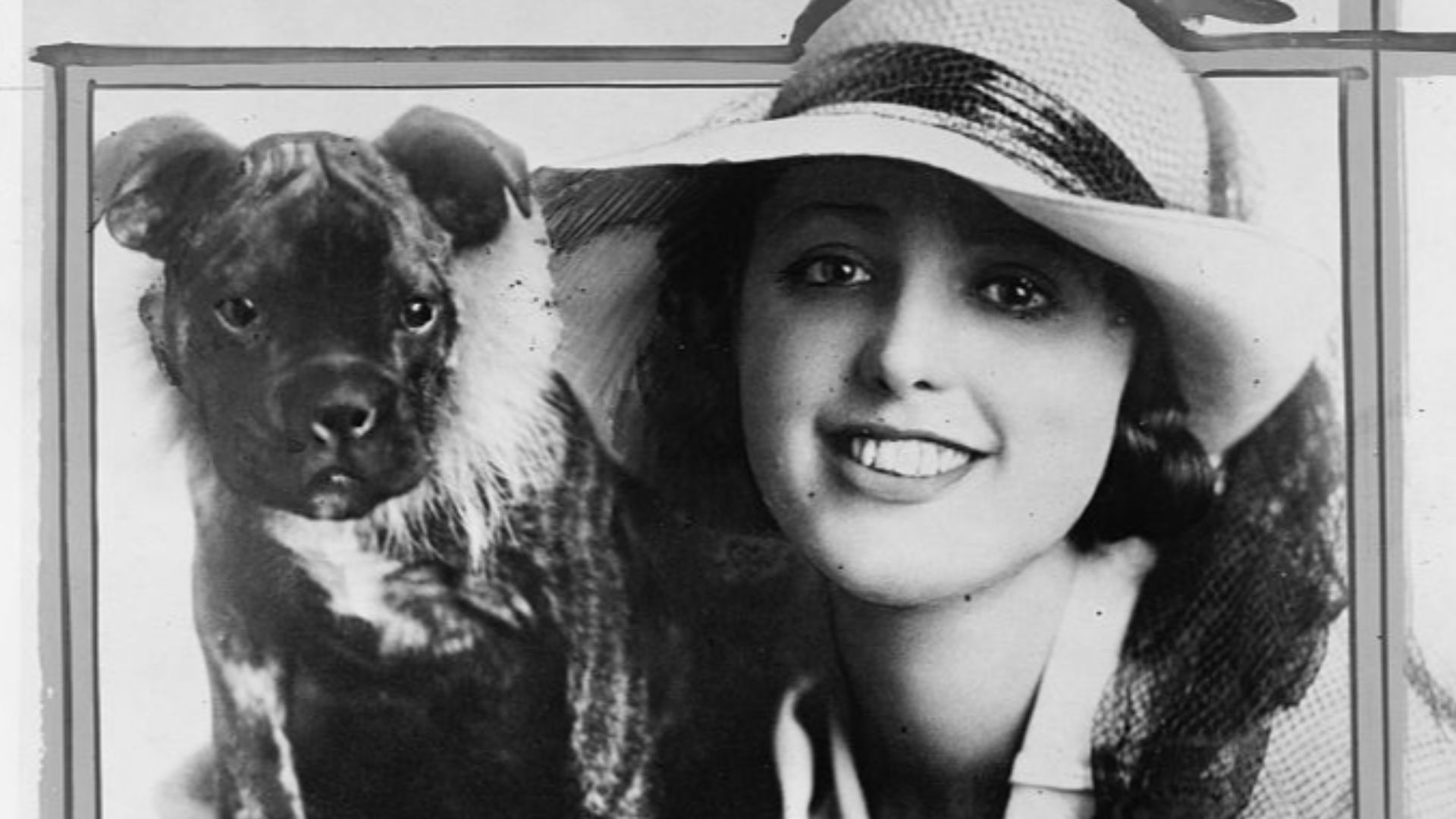
18. She Accused Him
For the next couple of days, Rappe lay in a drug-addled state but showed no signs of improvement. Eventually, she became so ill that a hospital was necessary, and her friend, Bambina Maude Delmont, went with her. While speaking to the doctor, Delmont told him that someone had forced himself on Rappe—and she named Fatty Arbuckle.
Tragically, Rappe never got the chance to speak for herself.
 Miscellaneous Items in High Demand, PPOC, Library of Congress, Wikimedia Commons
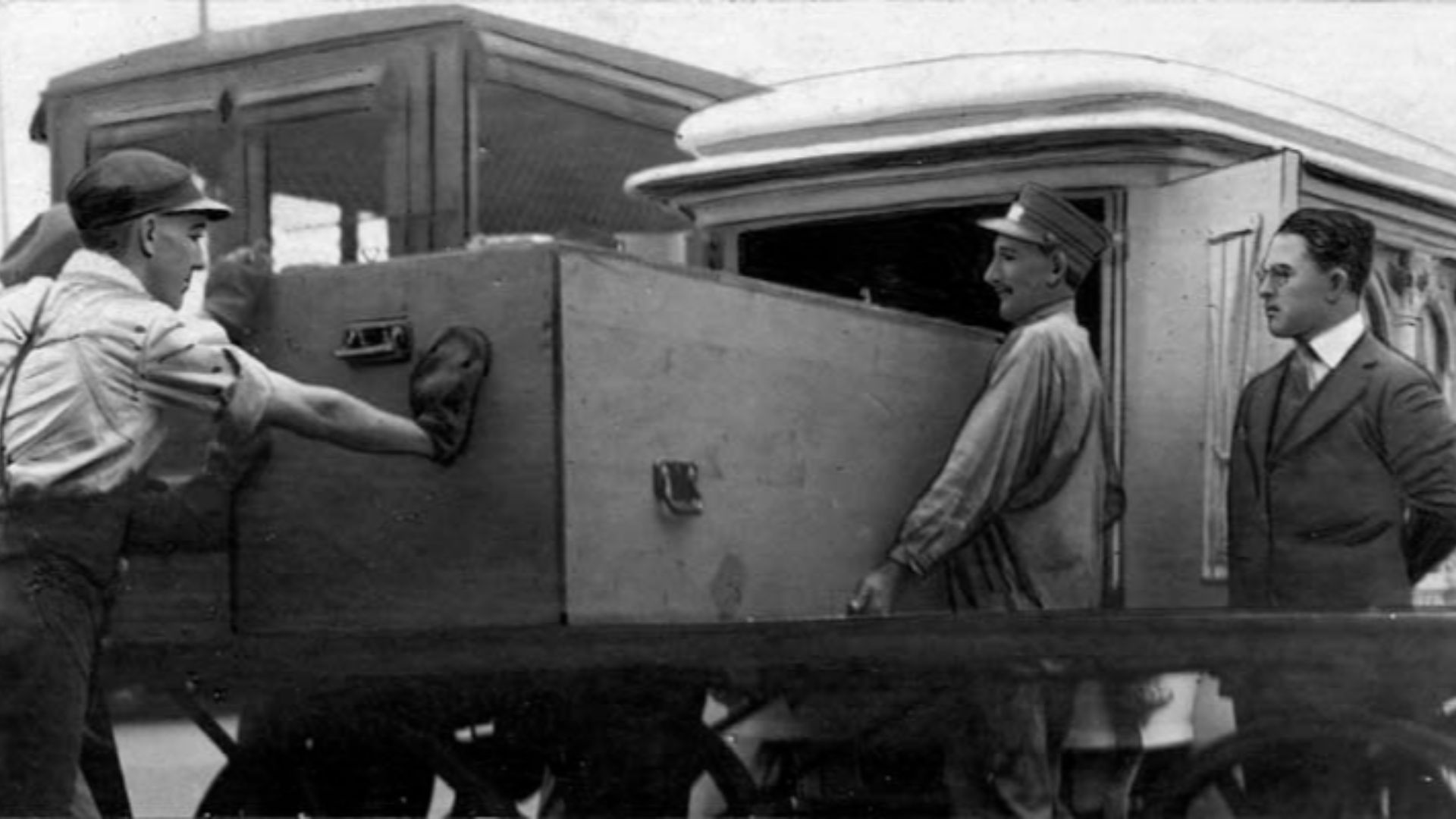
19. They Lost Her
Examining Rappe in response to the accusation, the doctor found no signs of what Delmont claimed, but Rappe was still extremely ill. The hospital staff did what they could for her, but on September 9, her bladder ruptured, and she passed. Apparently, Rappe had a sad history of chronic urinary tract infections, made worse by her drinking.
Suddenly, all fingers were pointing to Arbuckle.
20. He Was Brought In
After informing the doctor of her accusations, Delmont alerted the authorities to Arbuckle’s heinous act, and the officers went after him, but not for what one might expect. On September 10, law enforcement apprehended Fatty Arbuckle and charged him with taking Rappe’s life, scheduling a hearing before a grand jury three days later.
Even without any witness testimony, the authorities had an idea of what happened.
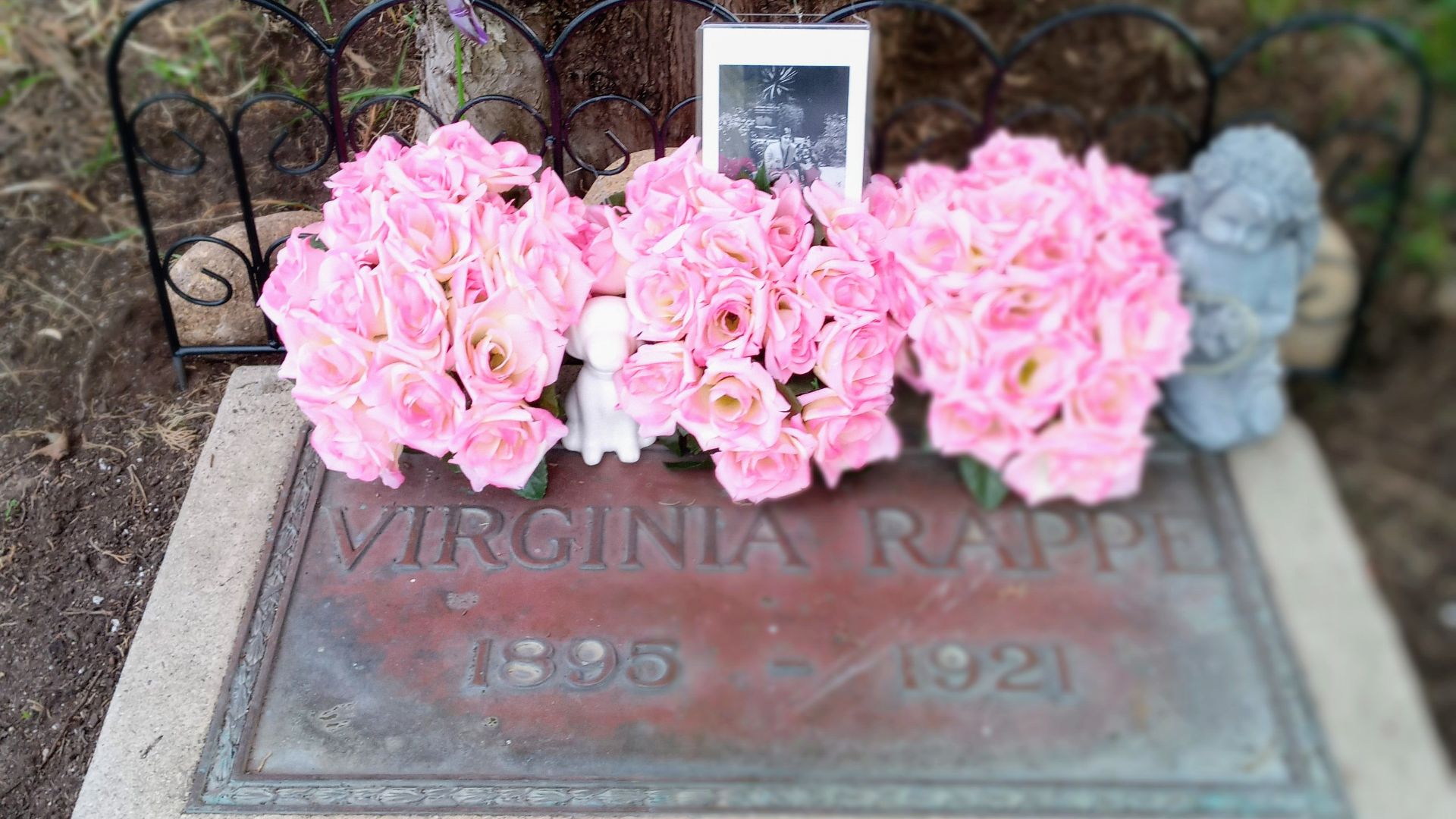
21. They Made Their Theory
As news of Arbuckle’s detainment reached the public, the media exploded with rumors of truly despicable acts, some of which came from Rappe’s manager himself. Regarding the authorities, they took Delmont’s accusation and turned it into a more serious charge, alleging that Rappe’s bladder had ruptured because of Arbuckle’s weight on top of her.
Behind the scenes, the scandal sent waves throughout the industry.
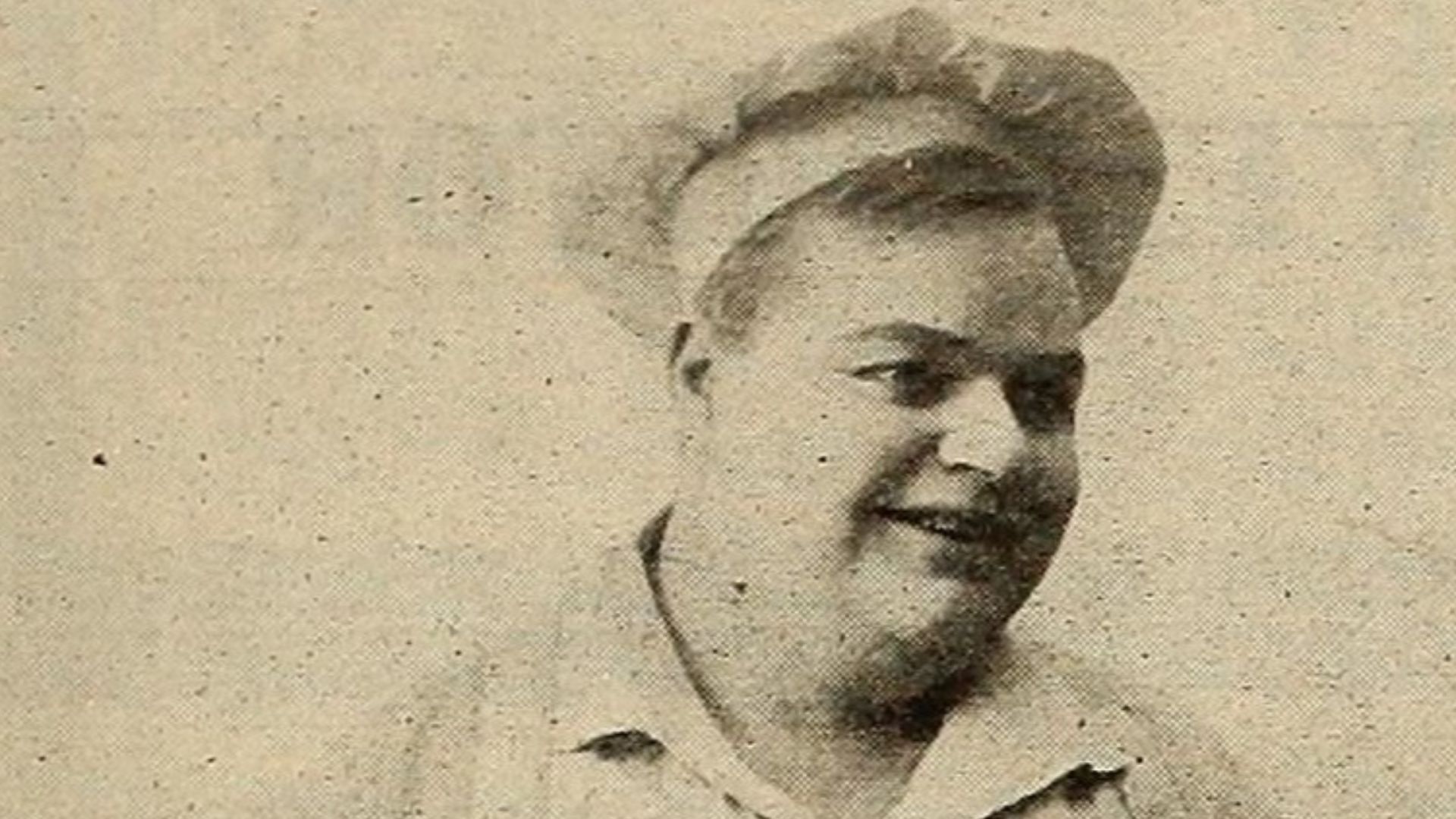 Photographer uncredited, Wikimedia Commons
22. They Warned Everyone
Despite Fatty Arbuckle being well-connected in Hollywood and having many friends in the film industry, few voices commented on the situation, and it all came down to fear. Many of the film studios had ordered their actors not to speak out in Arbuckle’s defense, wanting to avoid any backlash related to the scandal.
Even in court, the deck seemed stacked against Arbuckle.
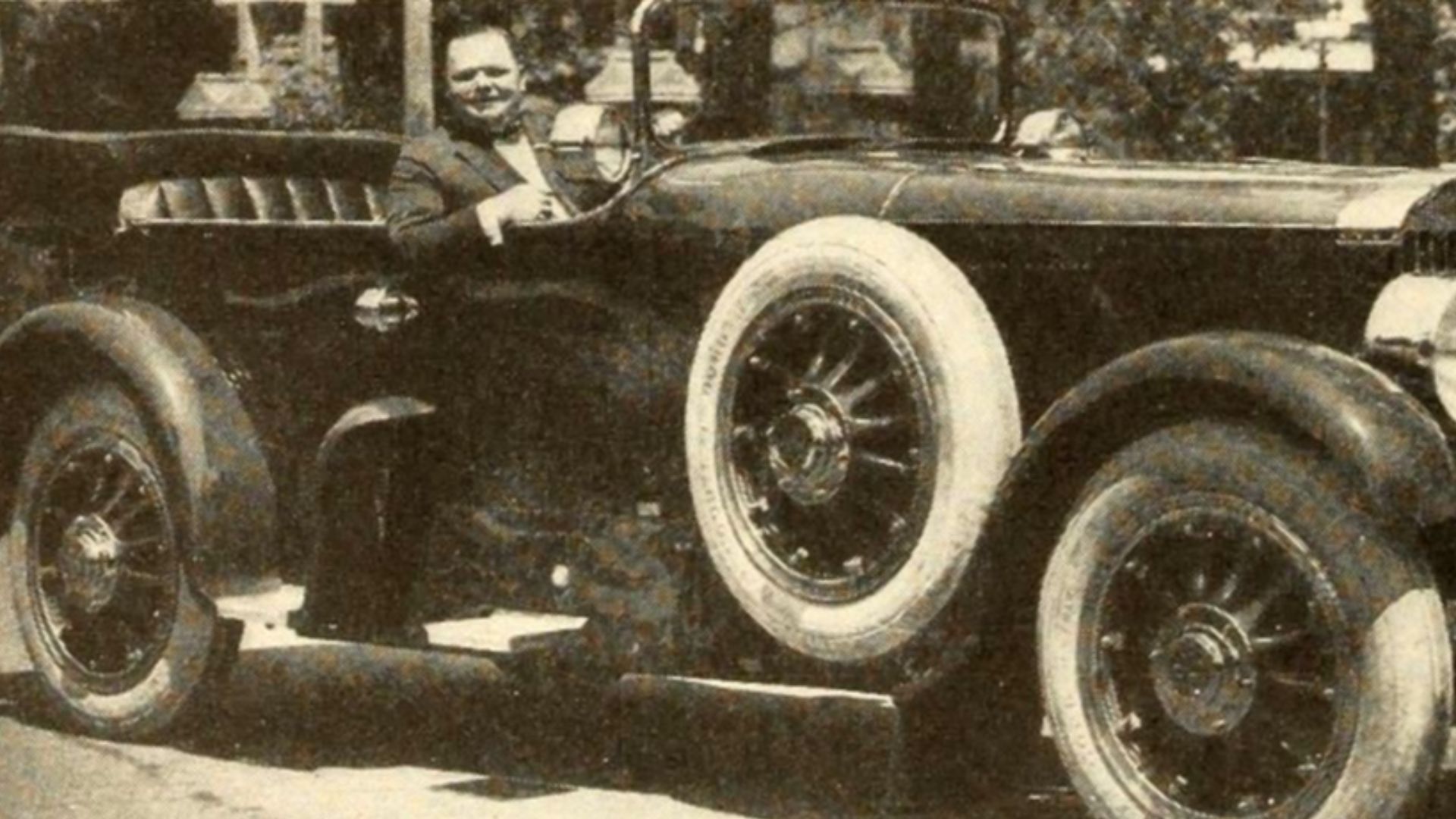 Unknown photographer, Wikimedia Commons
23. He Had Other Motives
Arbuckle was set to have his day in court, but unbeknownst to him, he wasn’t exactly walking into a fair trial. Matthew Brady, the district attorney prosecuting Arbuckle, seemed to be especially eager to prove the actor’s guilt. This was no surprise, as he had plans to run for governor, and winning this case would look great on his resume.
At the same time, the defense wasn’t playing around either.
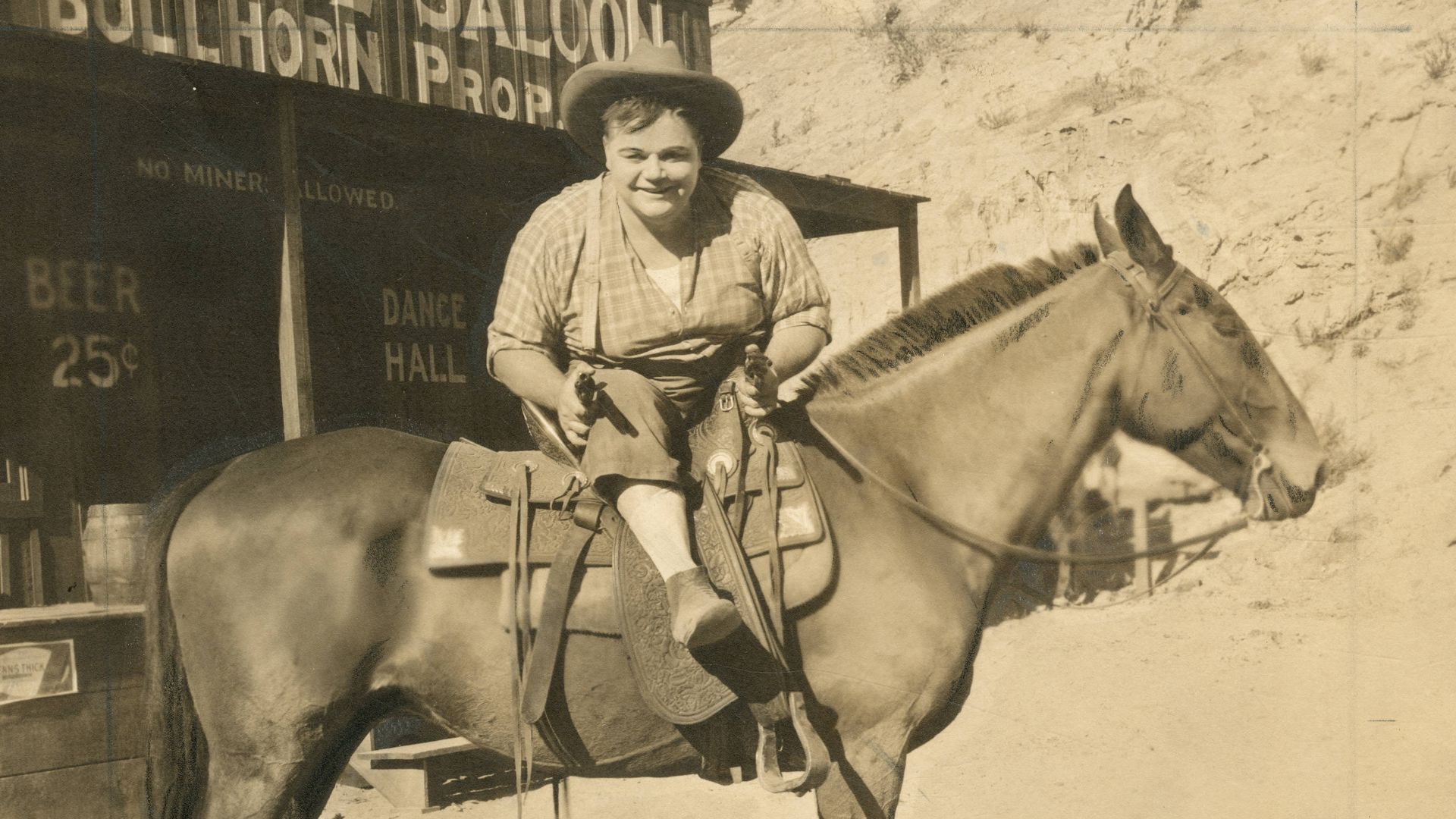 Unknown authorUnknown author, Wikimedia Commons
24. They Found A Letter
With Brady anxious to bring the hammer down on Fatty Arbuckle and even pushing for his execution, the indictment hearing began with an unexpected twist. The prosecution naturally put Delmont on the stand to testify as his trump card. However, Arbuckle’s defense produced a letter written by Delmont, which outlined her plan to coerce the actor into paying her.
It also didn’t help the prosecution that they couldn’t get their story straight.
25. She Was Inconsistent
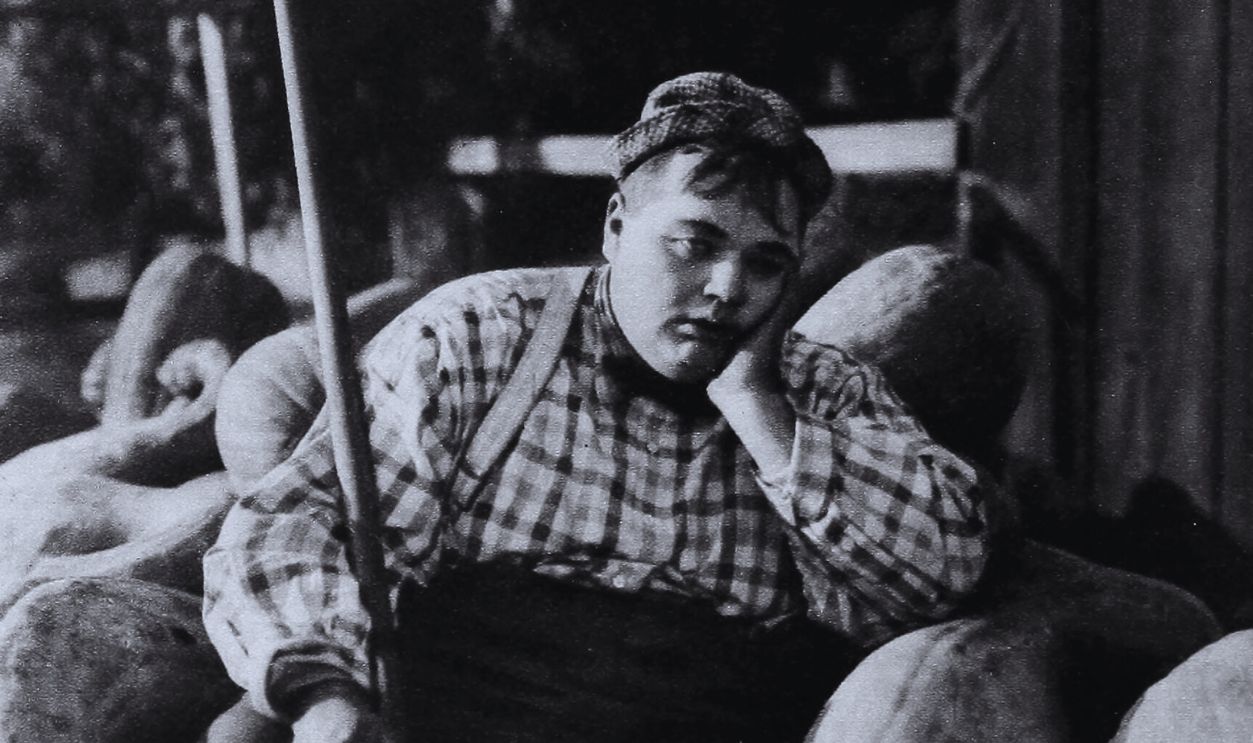
Up until the hearing, the media had been praising Delmont’s determination to avenge her friend, but things suddenly began not to add up. Admitting that she had been about “eight or ten” glasses deep, her story of what happened that night was vague at best, and its details seemed to change with every retelling.
Suddenly, someone took the stand with a jaw-dropping revelation.
 Unknown authorUnknown author, Wikimedia Commons
26. He Made A Decision
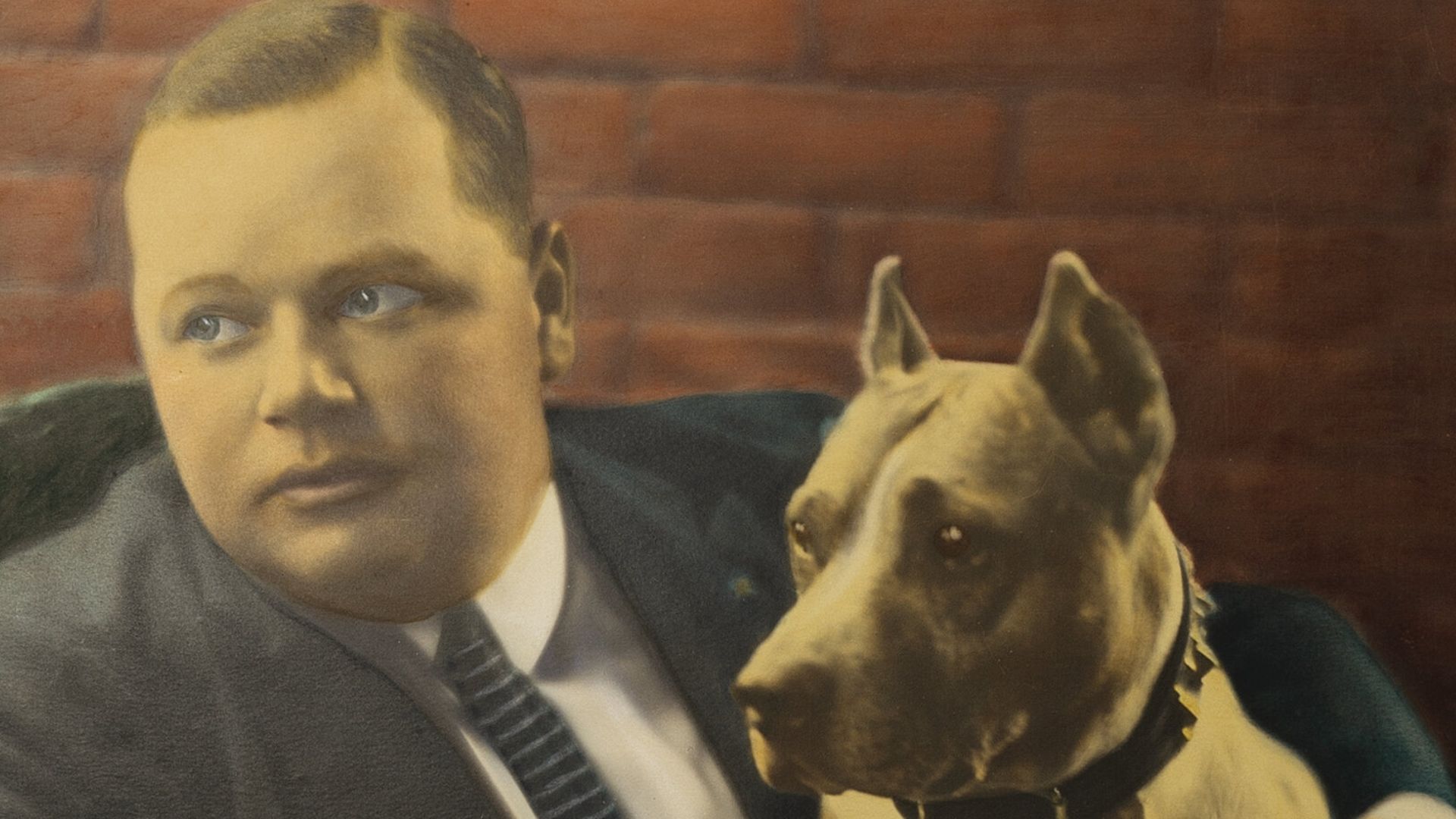
With Delmont’s unreliable testimony, the judge saw no credible evidence that Fatty Arbuckle had forced himself on Rappe, but he wasn’t off the hook yet. Another partygoer, Zey Prevon, testified that, in Rappe’s final moments, she stated that Arbuckle had hurt her. The case became much more complex, and the judge changed the actor’s charge to manslaughter.
Meanwhile, Arbuckle was desperate to prove his innocence.
27. He Told Her About It
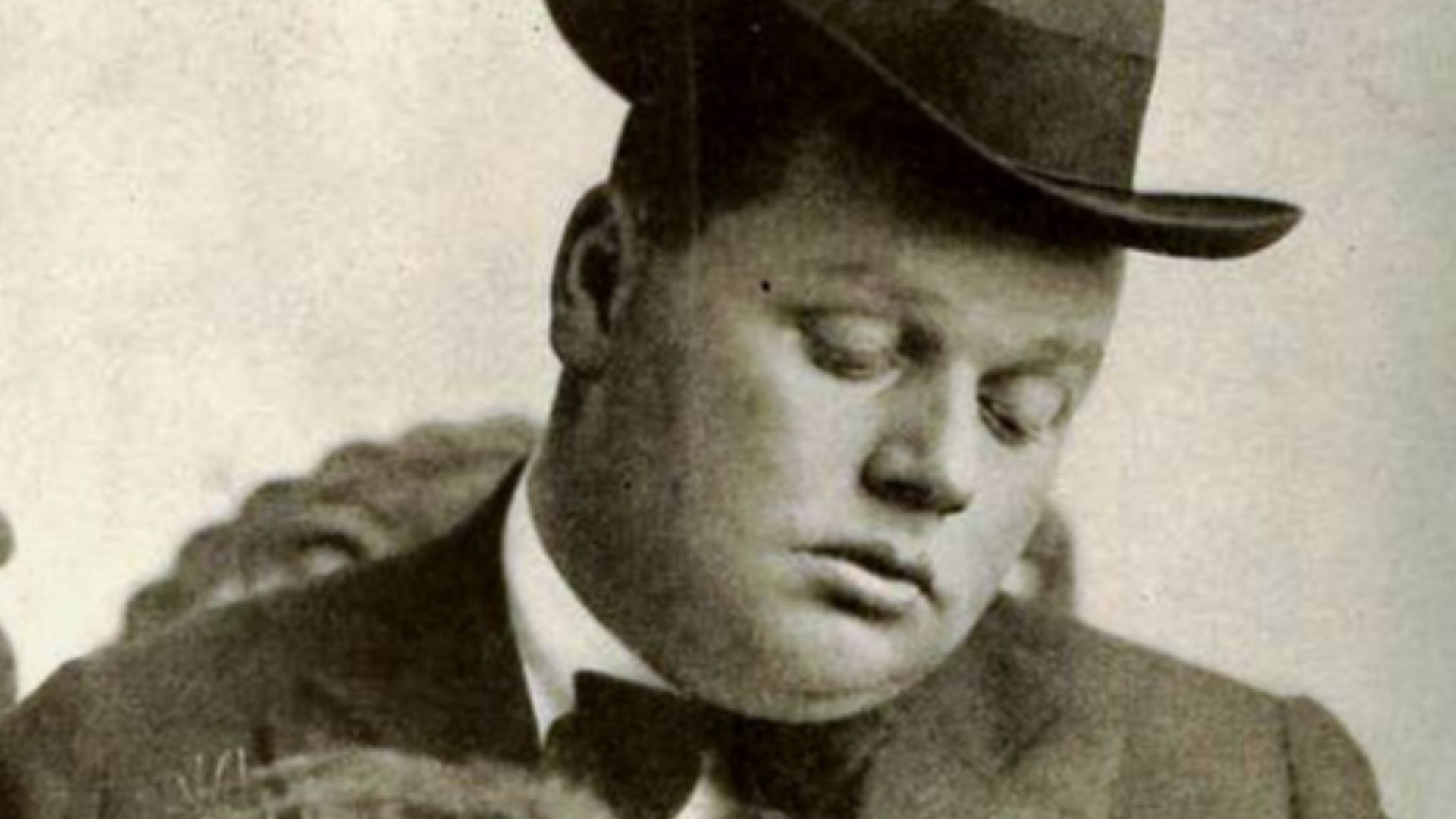
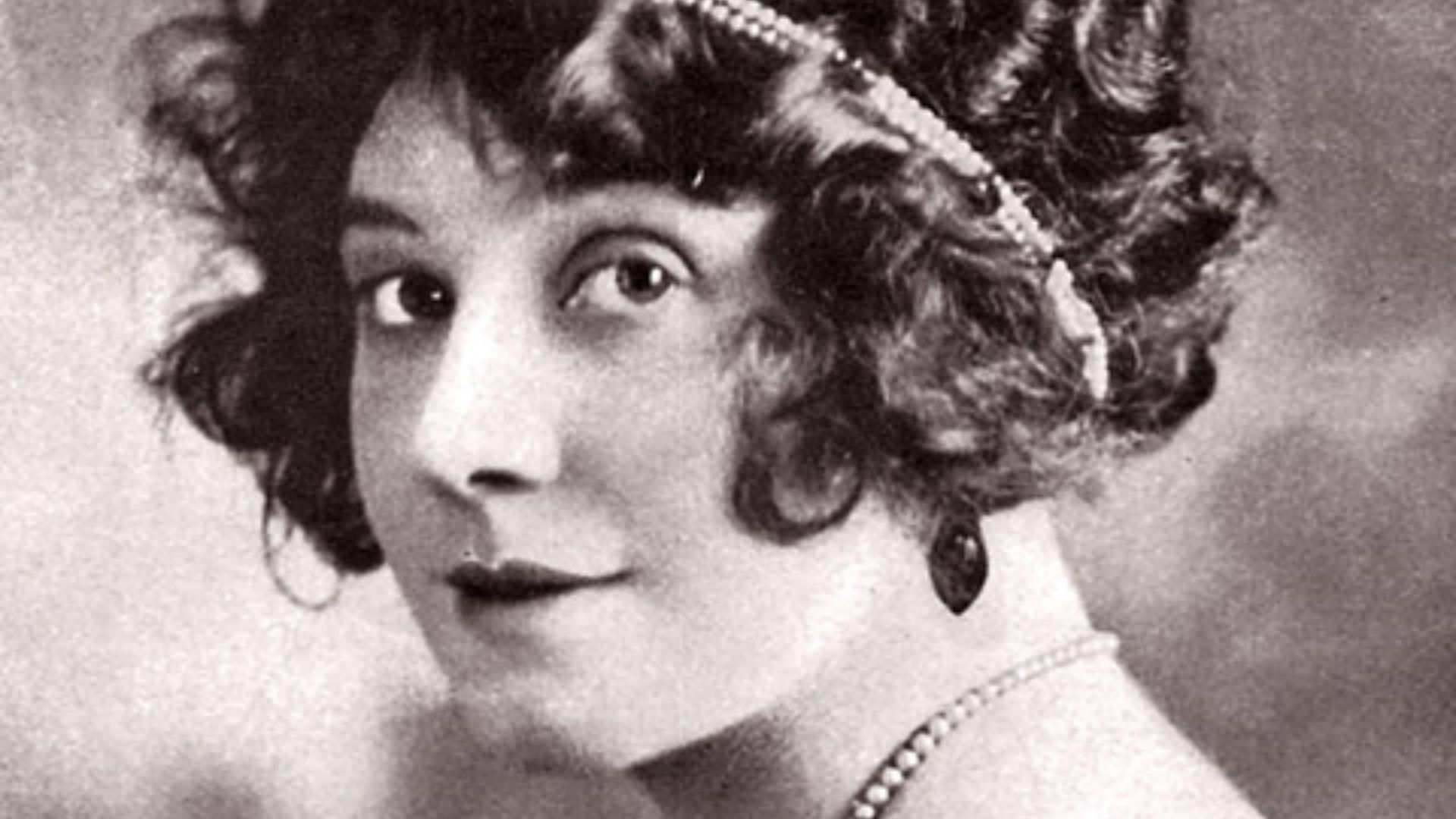
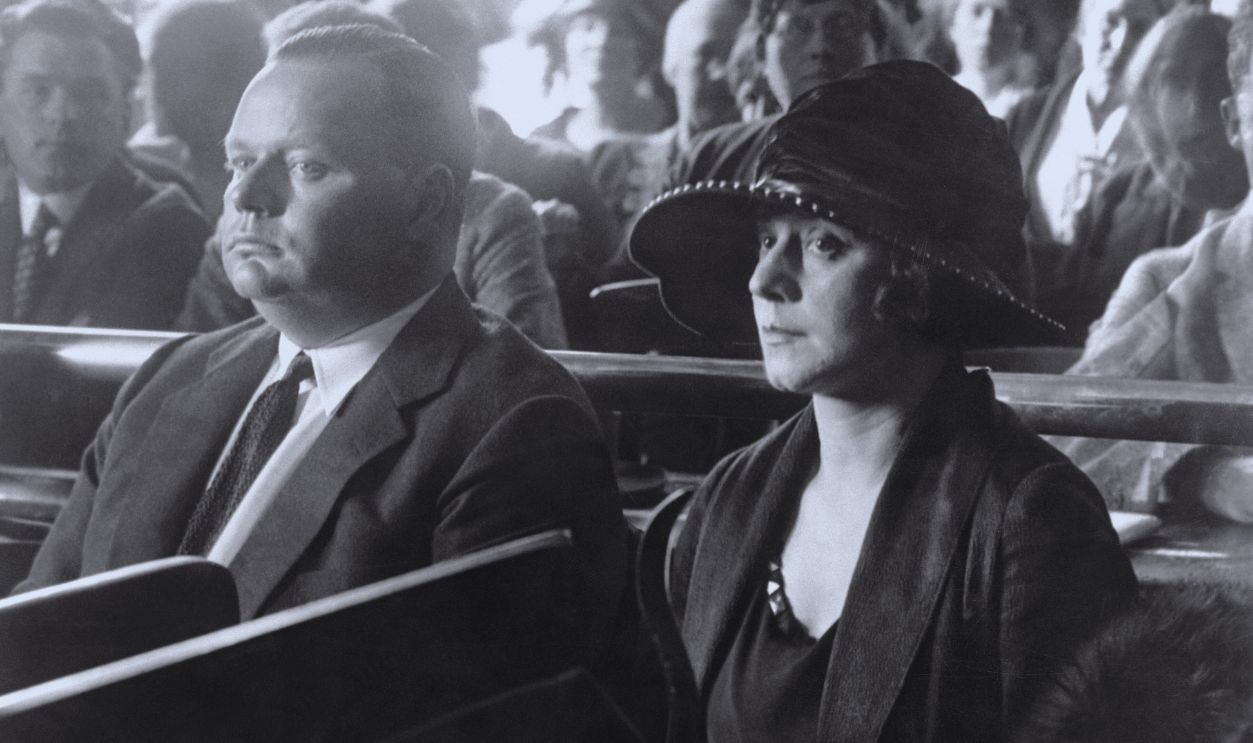
With Arbuckle’s case proceeding to trial, the disdain swelled coming from the film industry and the public at large, but he still had someone in his corner. He and his wife, Minta, had been drifting apart for years; however, she believed his claim that he hadn’t hurt Rappe and went so far as to show up in court to support him.
Still, if he wanted to clear his name, it would be a long road ahead.
 Unknown authorUnknown author, Wikimedia Commons
28. She Said Her Piece
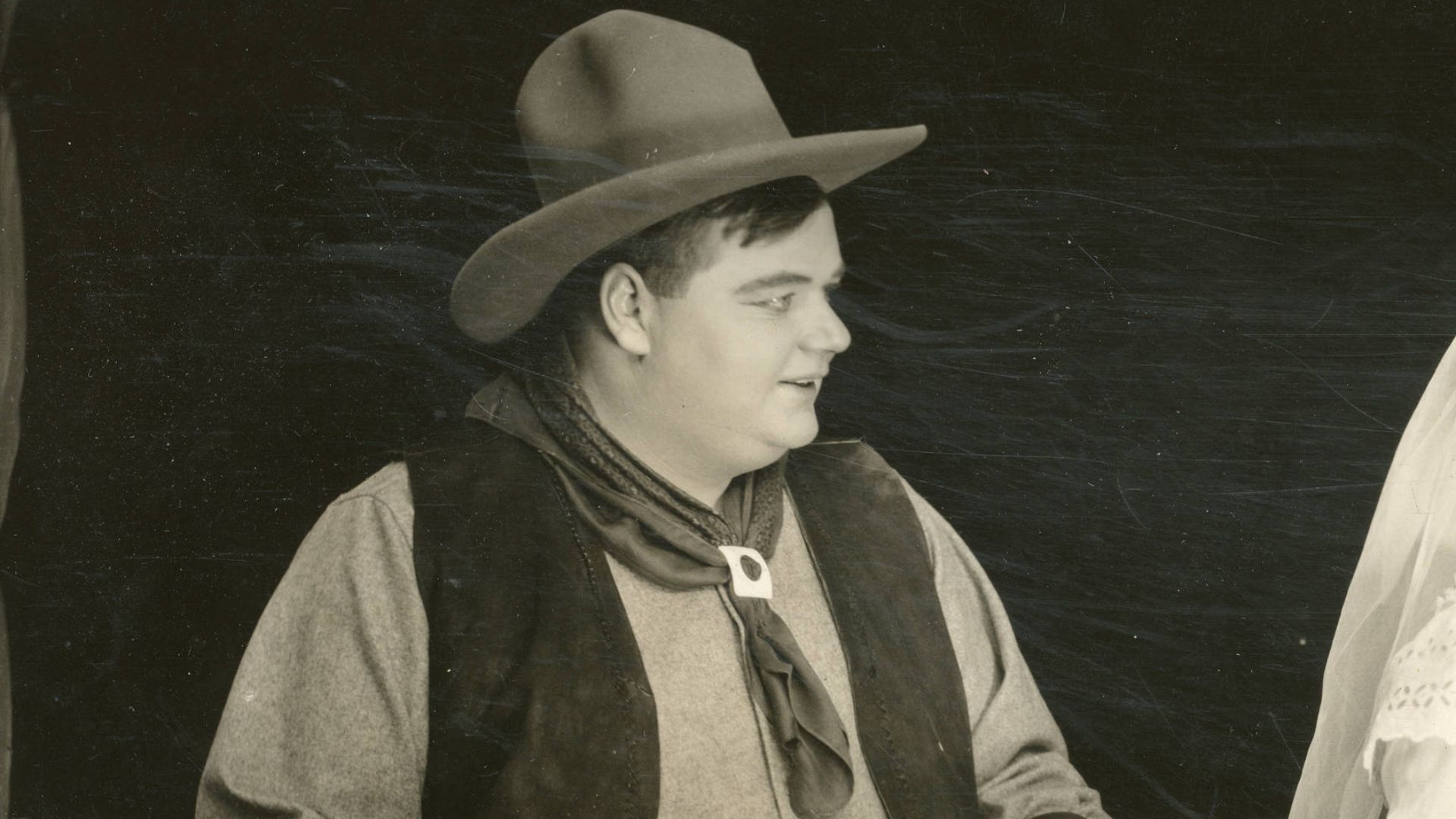
Even more eager to prove that Fatty Arbuckle was guilty, Brady began the trial on November 14, 1921, with another first-hand witness, model Betty Campbell. Adding to the context of the claims against Arbuckle, she stated that while she didn’t see him force himself on Rappe, she did notice him smiling peculiarly, not long after the time it allegedly happened.
Of course, Brady had a whole team of people ready to put Arbuckle behind bars.
 Unknown authorUnknown author, Wikimedia Commons
29. He Gave His Expert Opinion
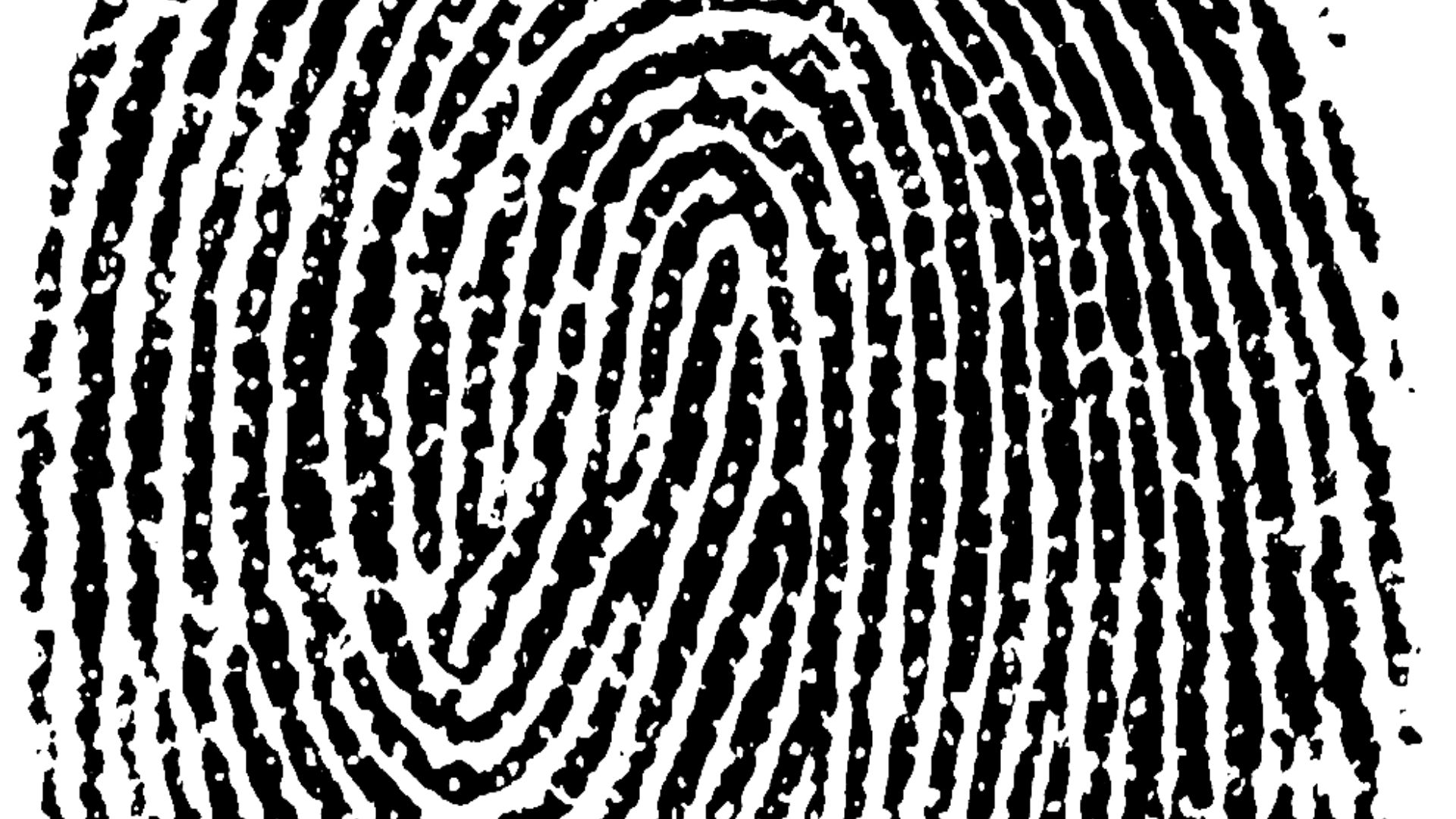
Furthering the narrative that Arbuckle trapped Rappe in his room, Brady called up criminologist Dr Edward Heinrich, whose testimony hinged on the fingerprints allegedly found on the hallway door. According to him, this indicated that Arbuckle had stopped the actress from running away by pinning her hand to the door with his.
As it was, Brady seemed to have the upper hand once again—at first.
 Pearson Scott Foresman, Wikimedia Commons
30. The Truth Came Out
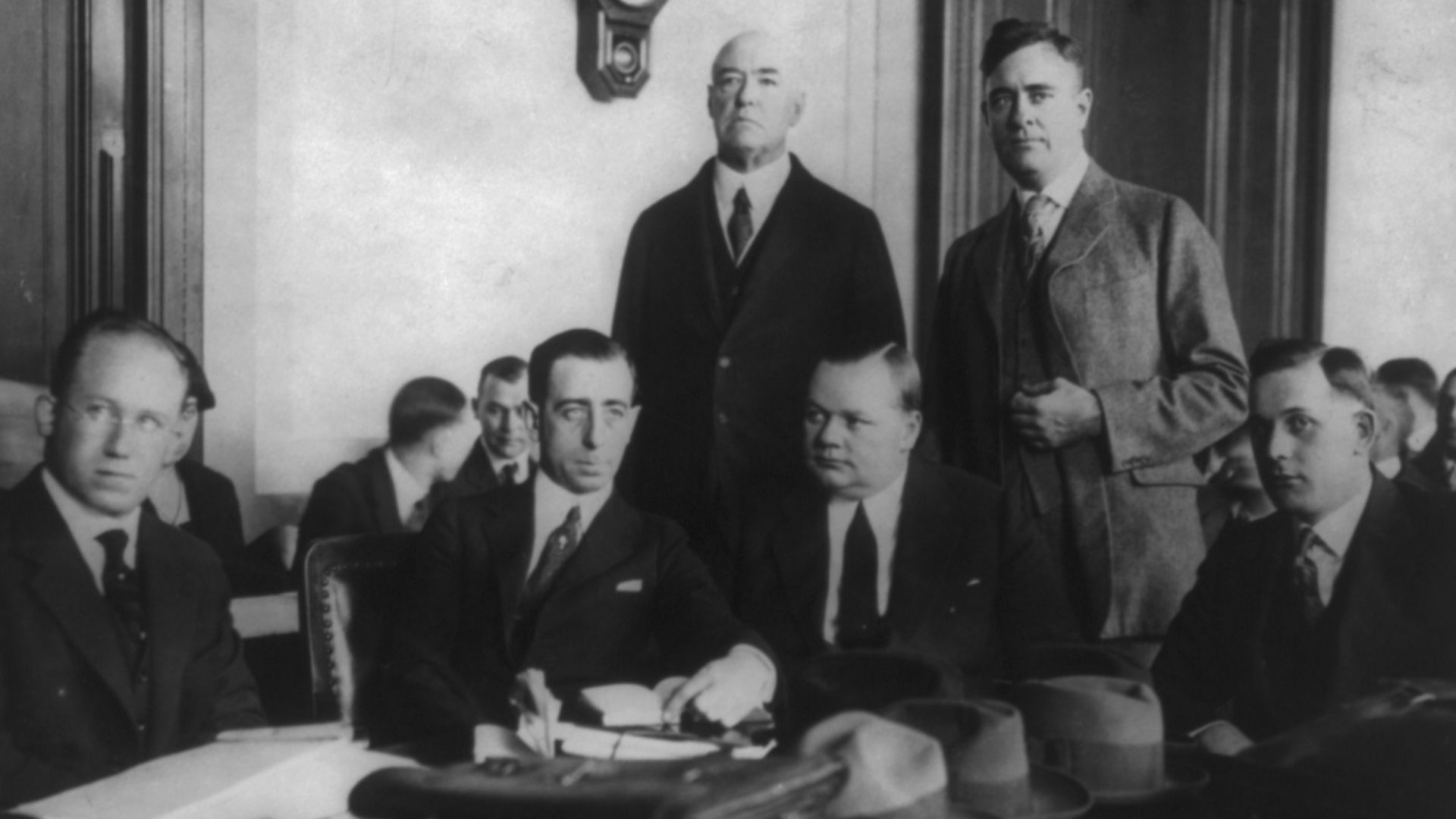
Brady had certainly set the bar high with his roster of witnesses against Fatty Arbuckle, but it was the defense’s turn next. Led by Arbuckle’s attorney, Gavin McNab, the cross-examination revealed several startling truths, including that a maid had exhaustively cleaned the hotel room prior to the investigation, so fingerprints were highly unlikely. The nail in the coffin was Betty Campbell confirming that Brady had threatened her to speak against Arbuckle.
Finally, the court allowed Arbuckle to plead his case.
 Miscellaneous Items in High Demand, PPOC, Library of Congress, Wikimedia Commons
31. He Told His Side
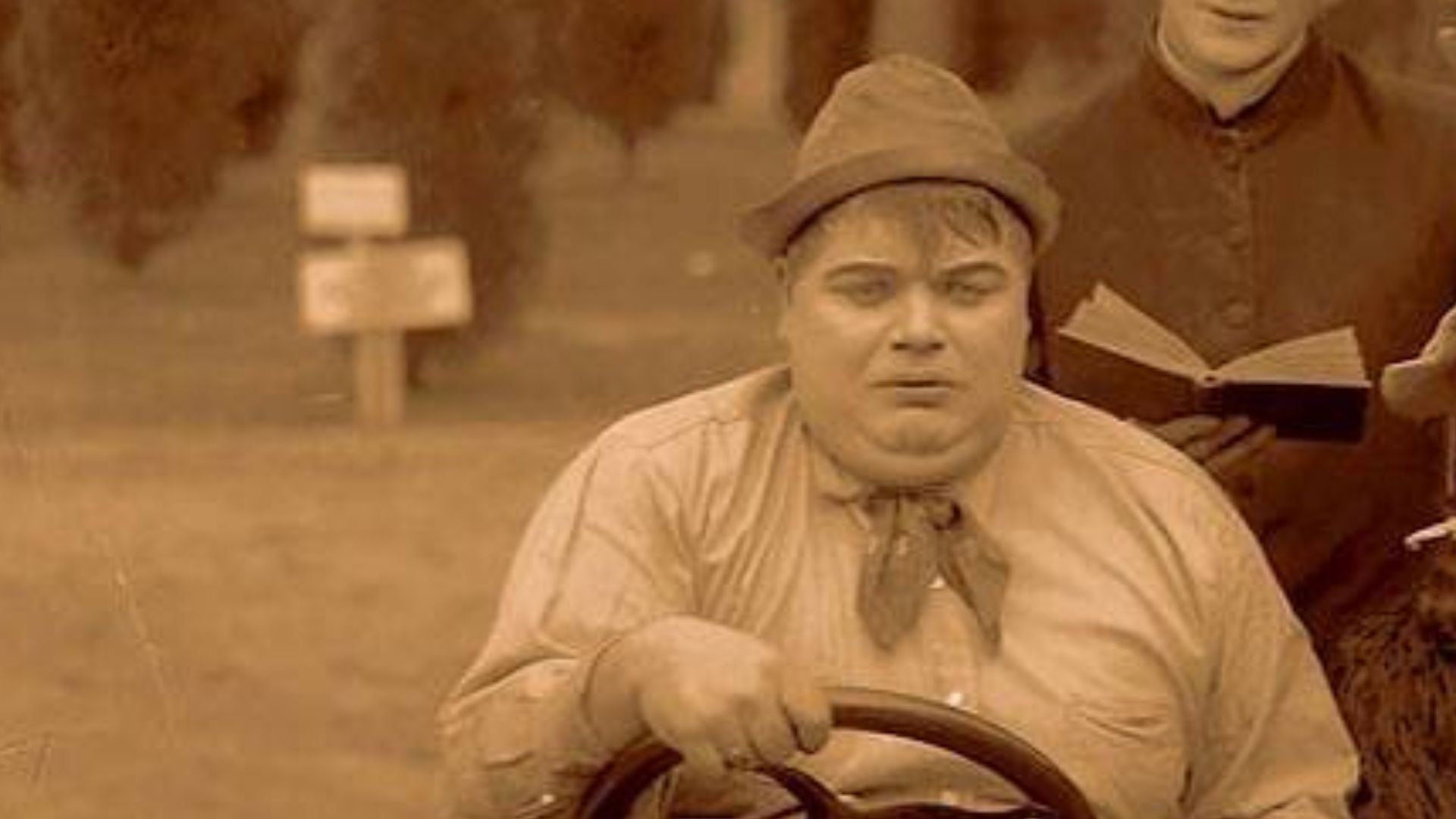
After listening to many of the testimonies against him, including several that had already turned out to be blatant lies, Arbuckle jumped at the chance to tell his side of the story. On November 28, he took the stand and explained that during the party, he found Rappe vomiting in the bathroom, and brought her to lie down in his room at her request.
Unbelievably calm and collected, Arbuckle went further into the details.
 www.imdb.com, Wikimedia Commons
32. She Was In A Bad State
According to Fatty Arbuckle, he had asked a few partygoers to help him take care of Rappe. However, her condition became even more worrying, and he and the others returned to his room to discover her on the ground, tearing her clothes off in intense spasms. Unsure of what to do and seeing her in intense pain, they ran a cool bath for her.
Even at this point, there were still a few surprises for Arbuckle.
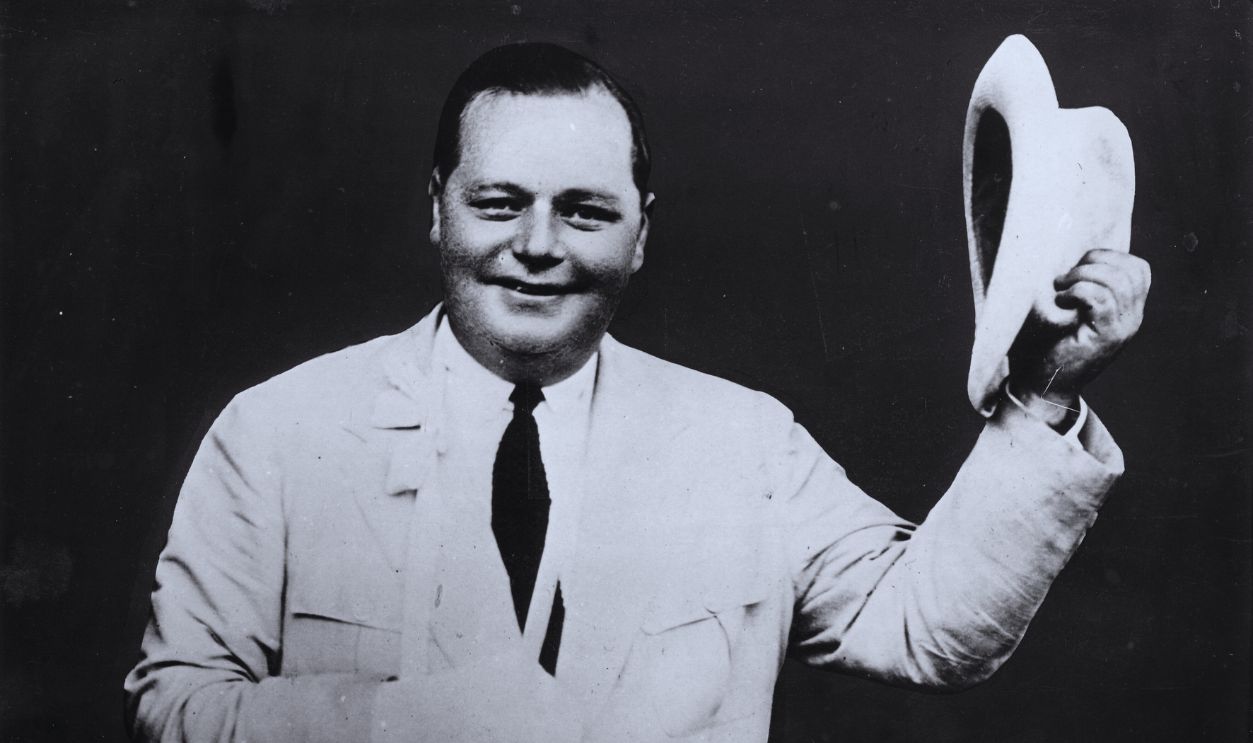 brandstaetter images, Getty Images
33. He Didn’t Know
Using medical reports and expert witnesses, the prosecution doubled down on the idea that Rappe was already seriously ill, positing that Arbuckle knew and took advantage of this. While it was true that her ruptured bladder seemed to be the result of a pre-existing condition, Arbuckle staunchly denied that he had any knowledge of her poor health.
Ultimately, he resolved to make the jury understand his truth.
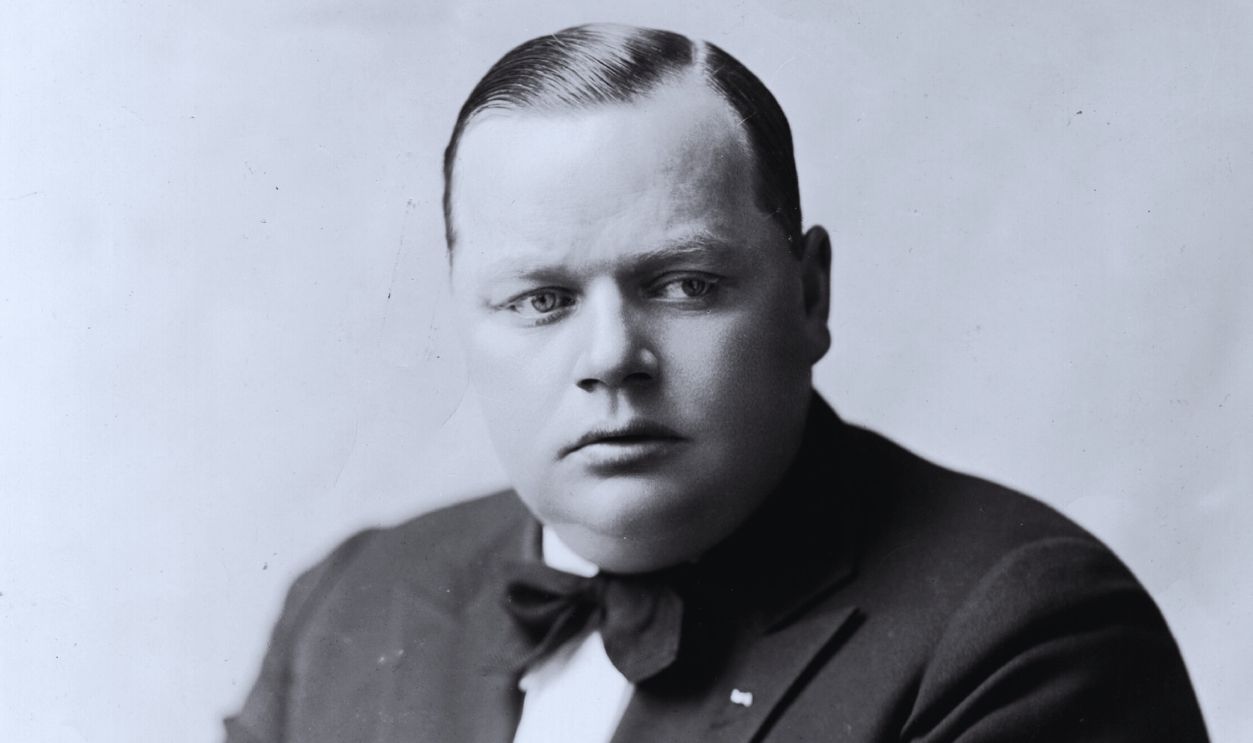
34. He Denied Everything
According to reports, Arbuckle testified without getting flustered and answered all questions simply and directly. Explaining that he had done everything he could think of to help Rappe, he ended his testimony by declaring that he never forced himself onto her or physically hurt her. Furthermore, he stated he had never made unseemly advances toward any woman ever.
At this point, the jury had heard enough, but they were far from on the same page.
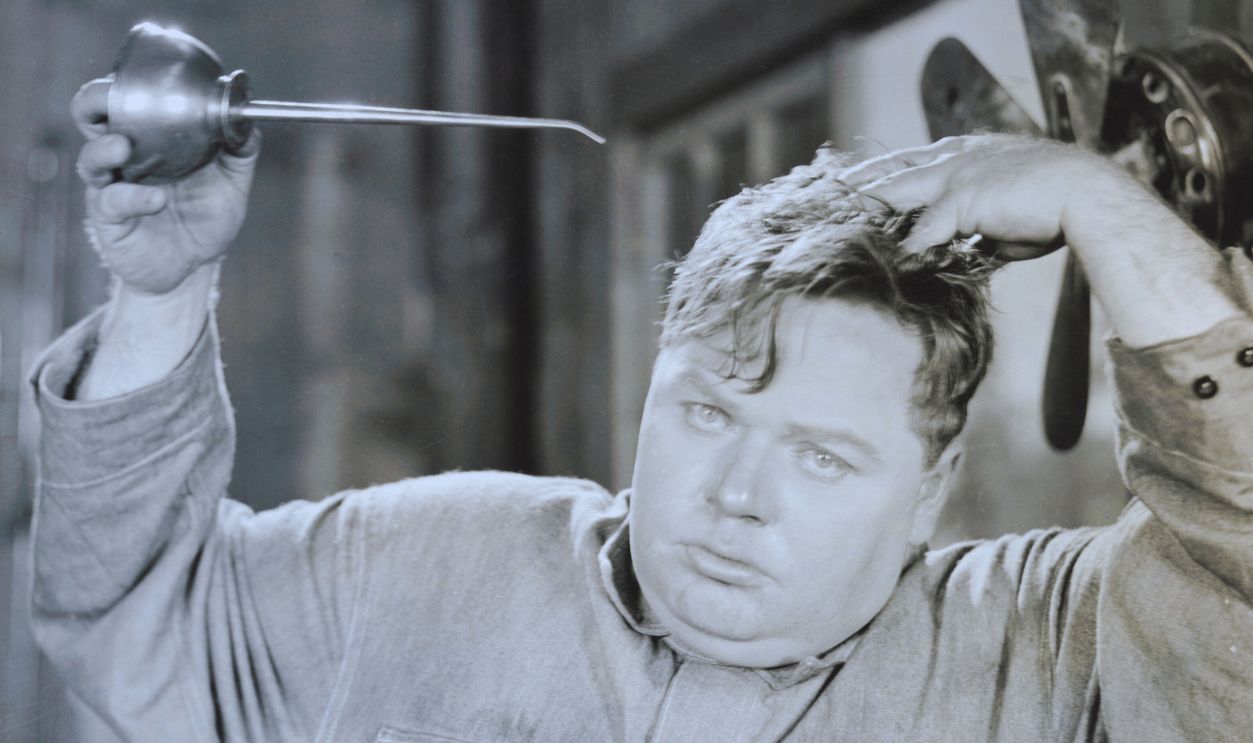
35. They Couldn’t Decide
This trial lasted two weeks, and although it was clear that the prosecution had falsified testimonies and evidence, the result was unclear. After two days of deliberation, the jury returned, but hadn’t come to a proper judgement. While the majority voted for a verdict of not guilty, it had to be unanimous, so the judge declared a mistrial.
Luckily for Fatty Arbuckle, he would soon have his day in court—again.
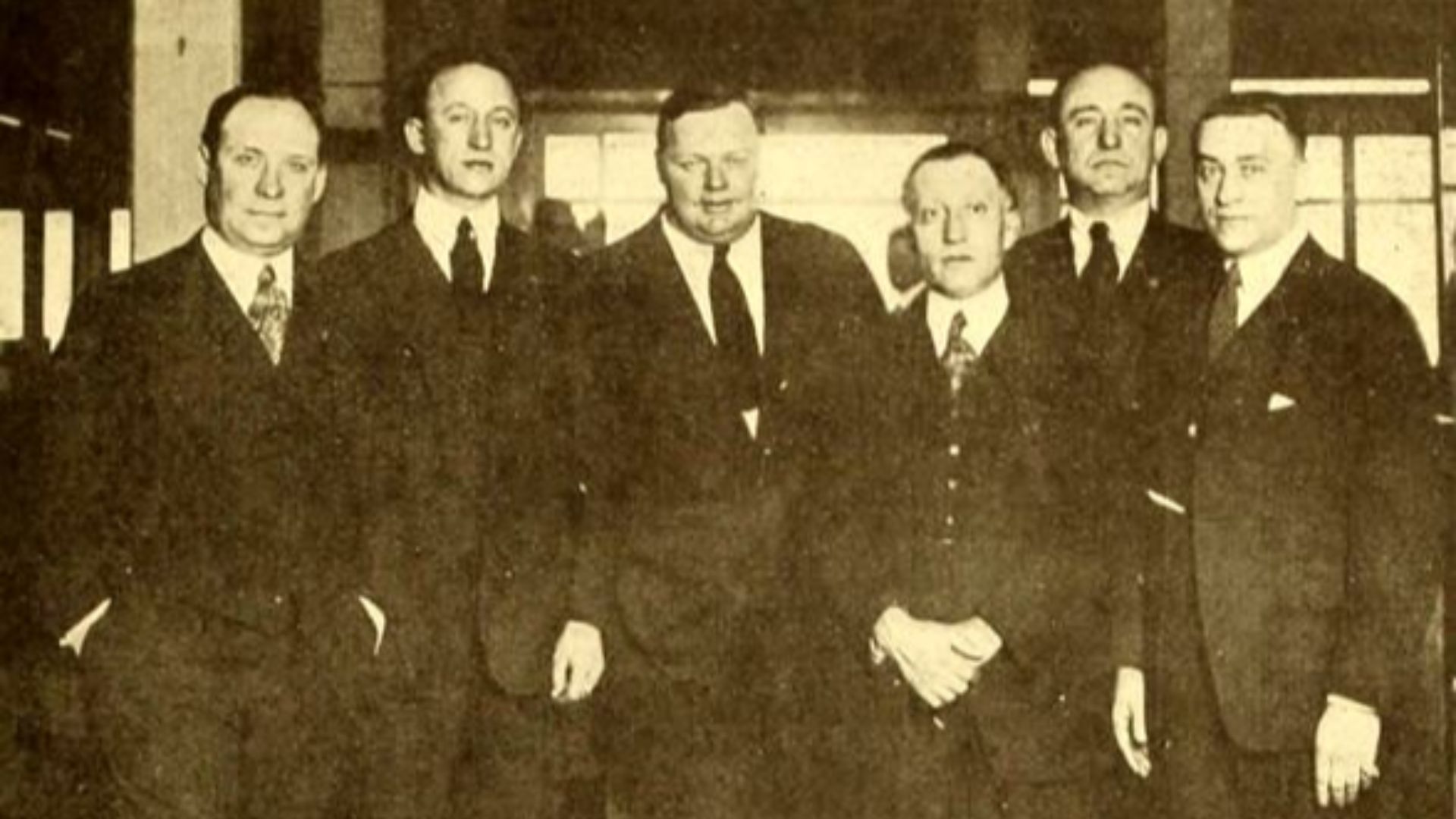 Unknown photographer, Wikimedia Commons
36. They Spoke Out
The judge scheduled another trial for Fatty Arbuckle on January 11, 1922, and as this all had dragged on past the initial hearing, certain witnesses were suddenly more truthful. One of the first witnesses, Zey Prevon, admitted that the prosecution pressured her to lie about Rappe’s last words, and even Dr Heinrich confirmed that the fingerprints were likely fake.
However, one unfortunate decision kept the whole ordeal going.
37. They Still Had Doubts
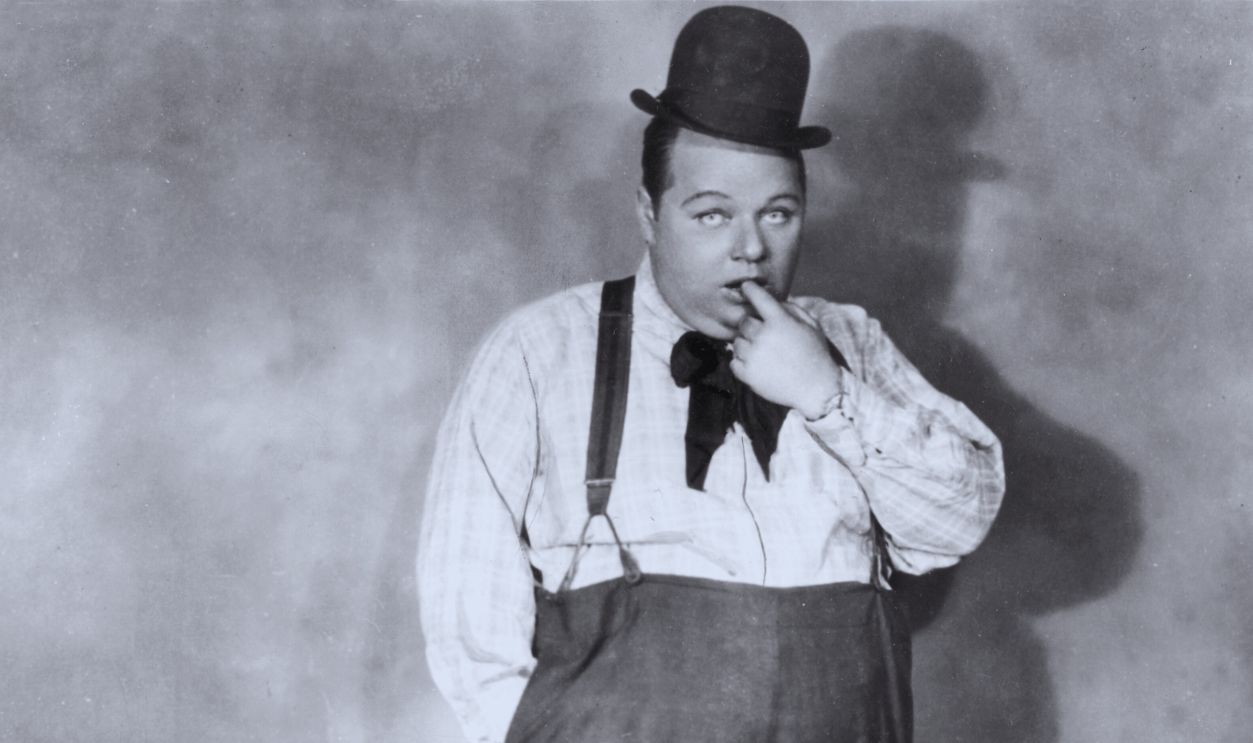
With all the newfound clarity on the prosecution’s case, McNab felt like the defense had the trial in the bag, and even declined to call Arbuckle up as he believed it wasn’t necessary. The jury didn’t see it that way, though, and interpreted this decision as evidence of the actor’s guilt, once again forcing a mistrial as they couldn’t come to a unanimous decision.
Outside the proceedings, Arbuckle’s career was already being pushed into obscurity.
 Unknown authorUnknown author, Wikimedia Commons
38. They Turned Against Him
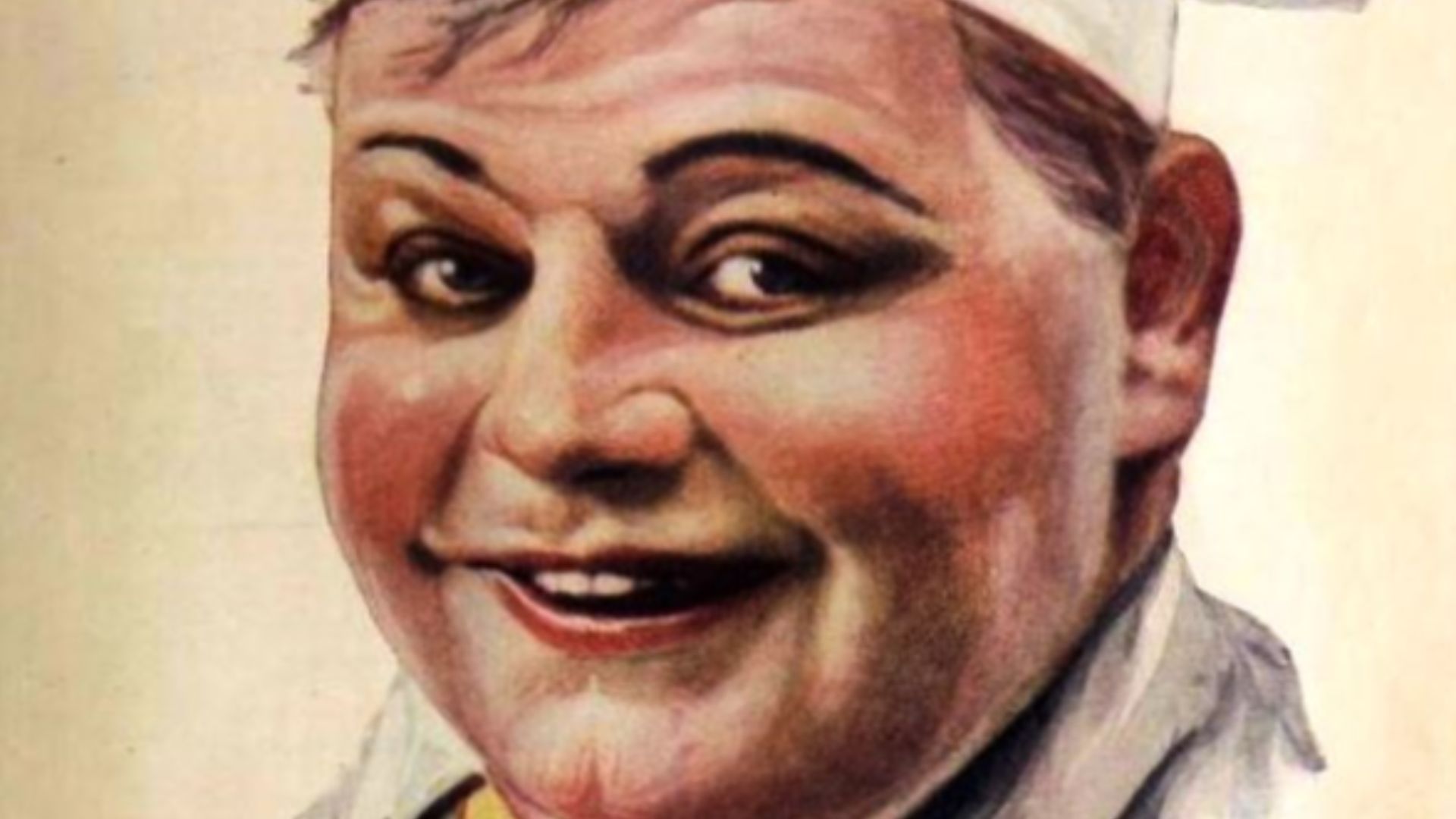
Fatty Arbuckle still had another trial scheduled to determine a final verdict, but to much of the public, he was already guilty. The media had run wild with more rumors of his misdeeds, and likely made up some of their own. As such, with the fear of further controversy looming over the industry’s head, most theaters banned the showing of his films.
Still, a third trial was imminent, and McNab was ready to finish this.
 Orange County Archives from Orange County, California, United States of America, Wikimedia Commons
39. He Went After Him
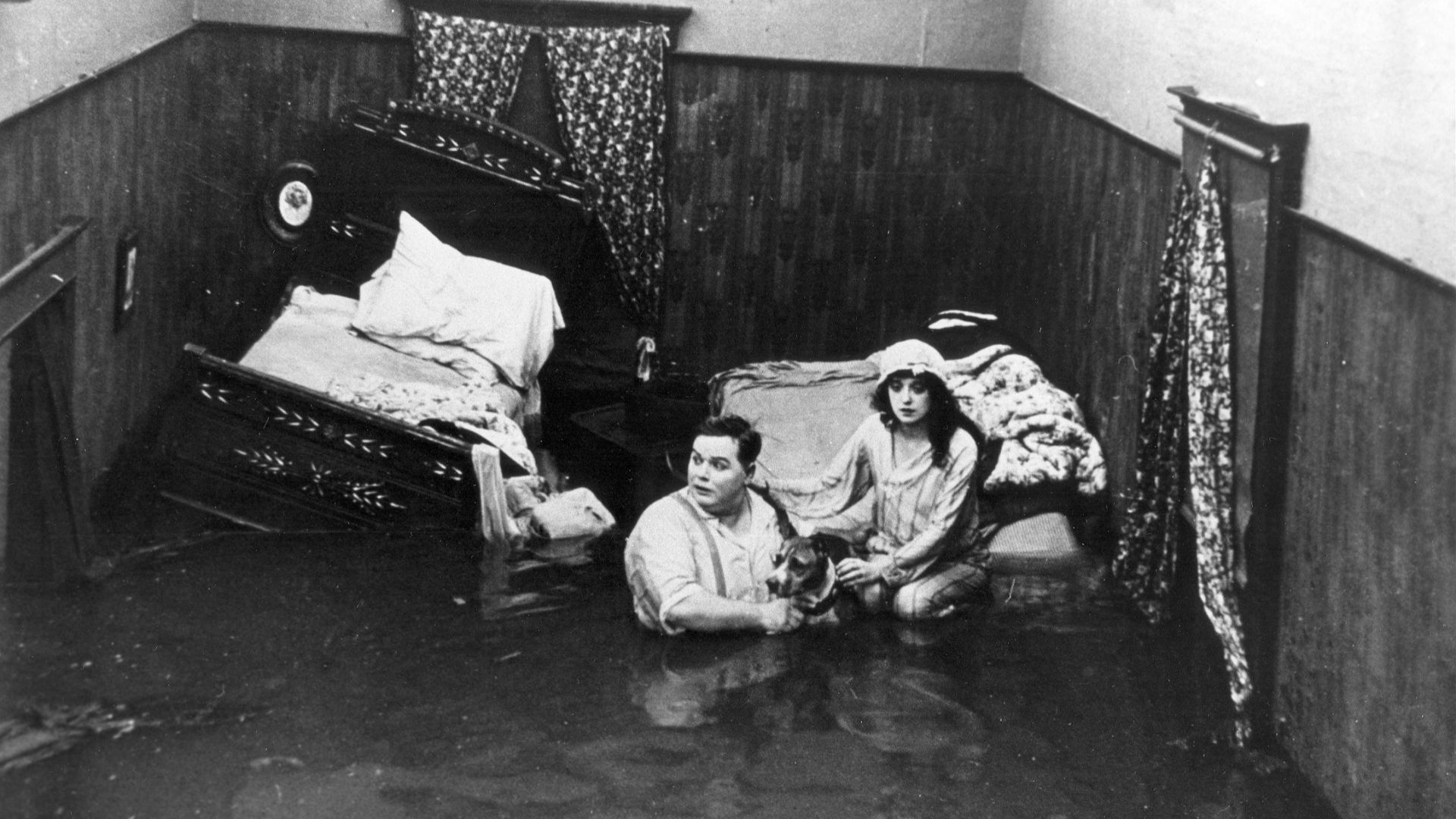
McNab may have previously taken a more passive approach as the prosecution dug its own grave, but during the third trial on March 13, 1922, he went on the offensive. Through further rigorous cross-examination of Brady’s witnesses, McNab meticulously tore apart the prosecution’s flimsy case and aired out all their lies for the jury.
Having witnessed the ups and downs of these trials, Arbuckle awaited his judgment.
 Chicago History Museum, Getty Images
40. They Felt Bad
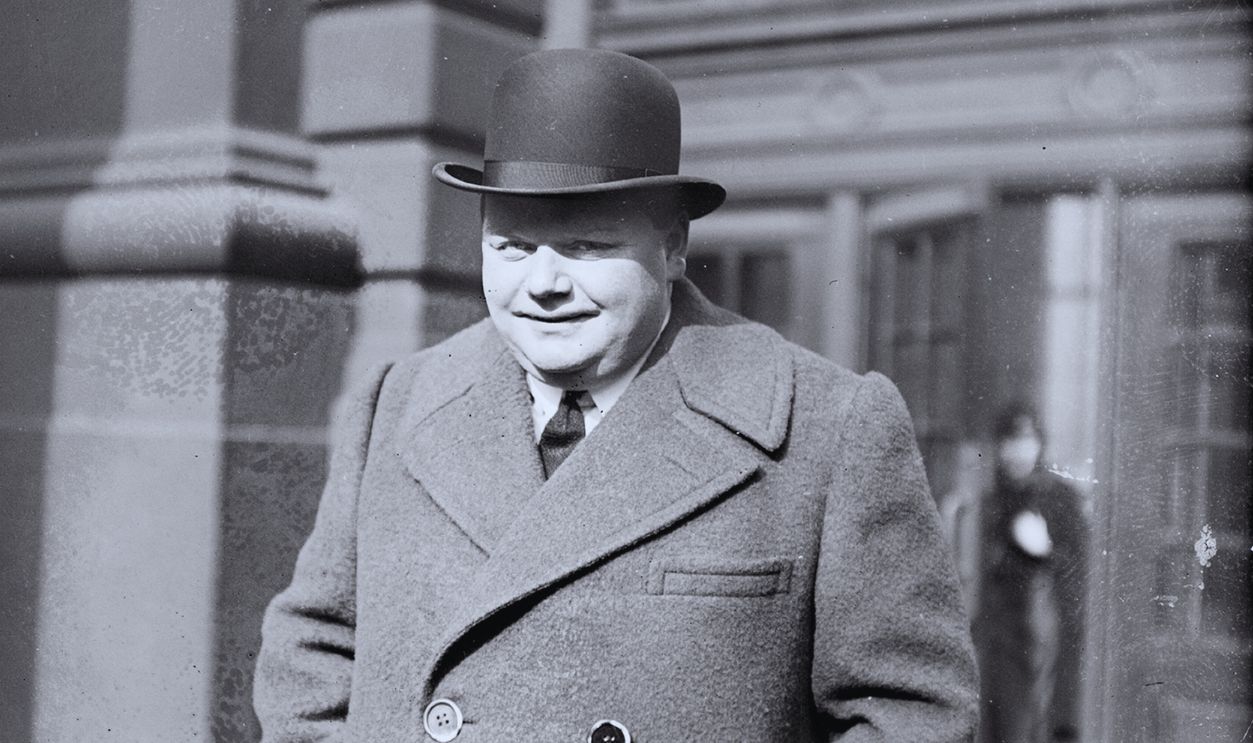
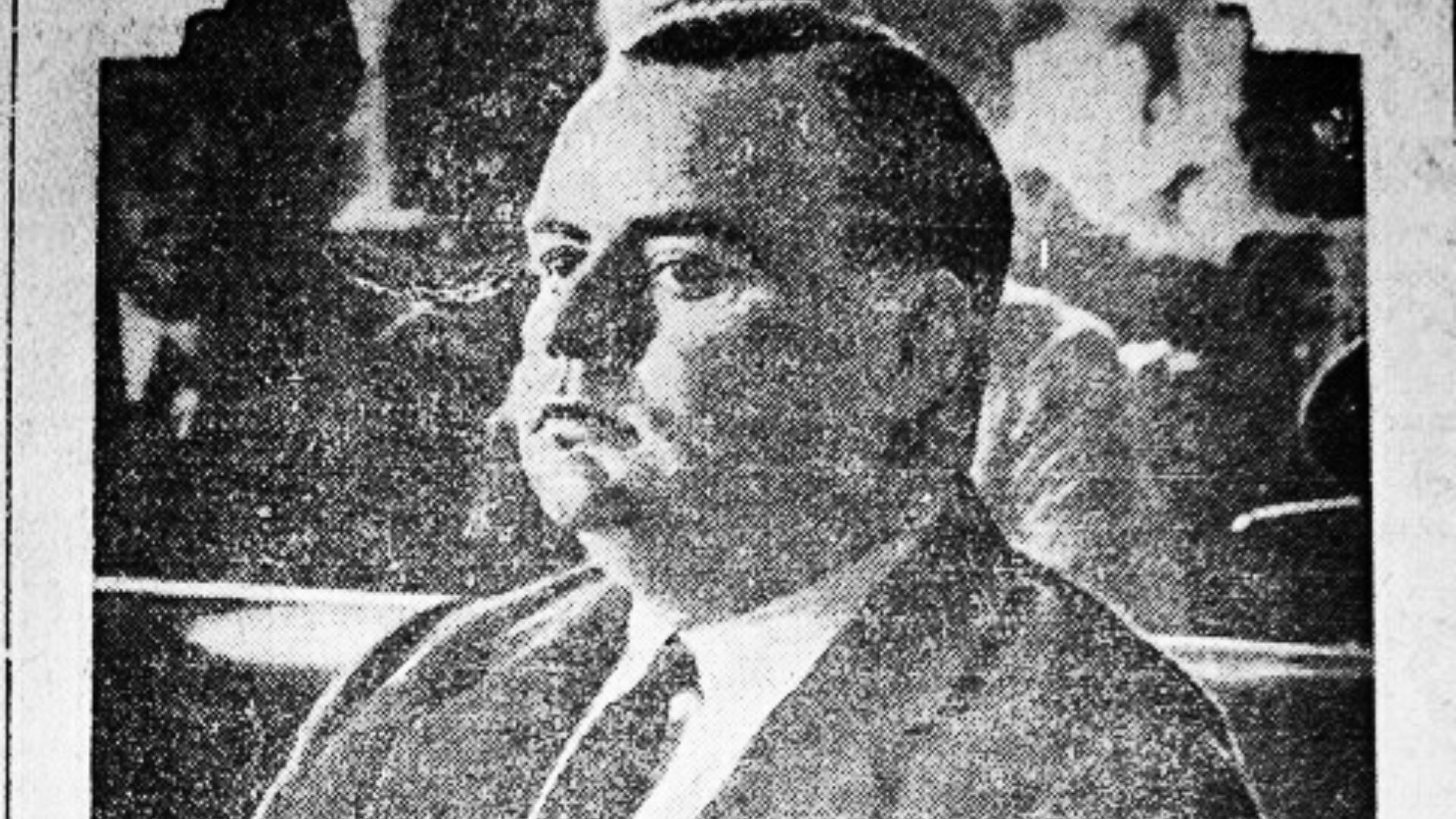
Once more, Fatty Arbuckle appeared before the jury and gave his testimony, maintaining his innocence and becoming more convincing with each word. This third trial lasted about a month, at which point the jury needed only six minutes to deliberate before reaching a unanimous verdict. They acquitted Arbuckle of all charges and read out a formal apology to him for the misery he had faced.
As sincere as they may have been, these apologies were too little too late.
 The Anaconda Standard, Wikimedia Commons
41. He Lost Everything
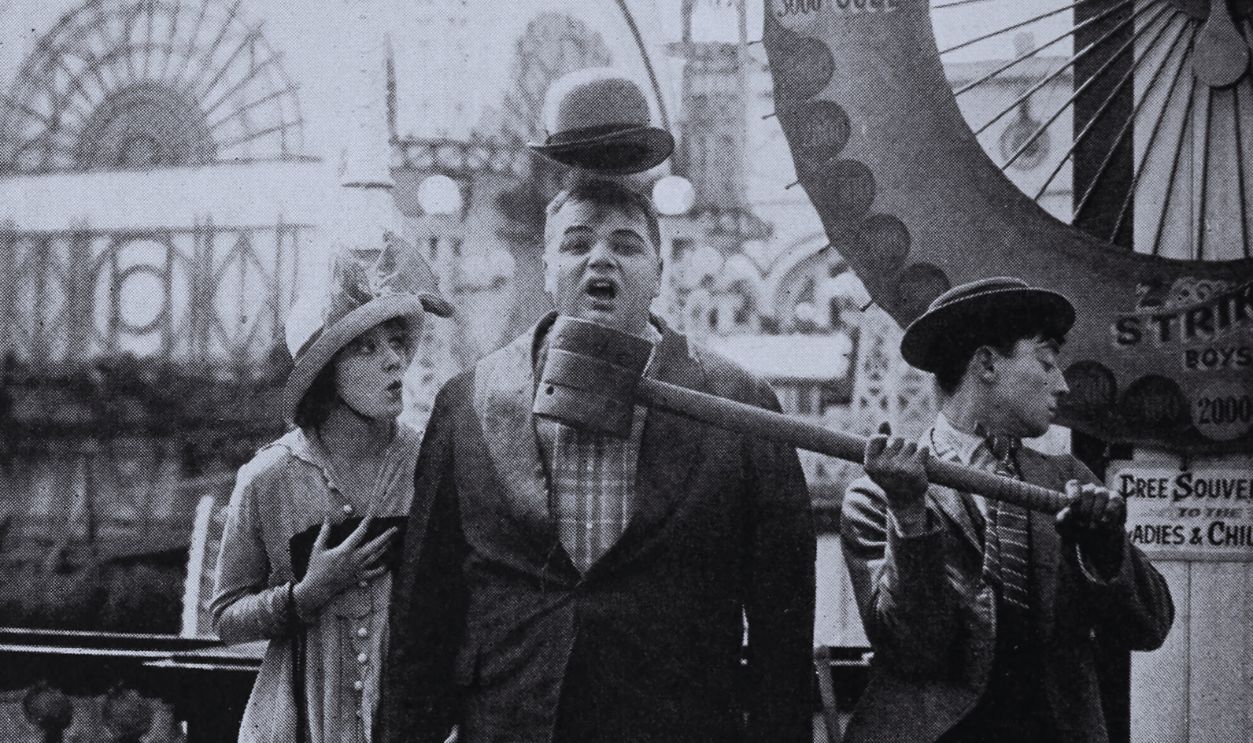
Up until this horrible period in his life, Arbuckle had been one of the most successful men in his field, with the money to match. Unfortunately, several months of litigation had cost him around $700,000, a sizable debt close to $13 million today, and one that he had to sell all of his cars and his house to pay off.
To make matters worse, he couldn’t even work to recover his funds.
 Benjamin B. Hampton, Wikimedia Commons
42. He Was Banned
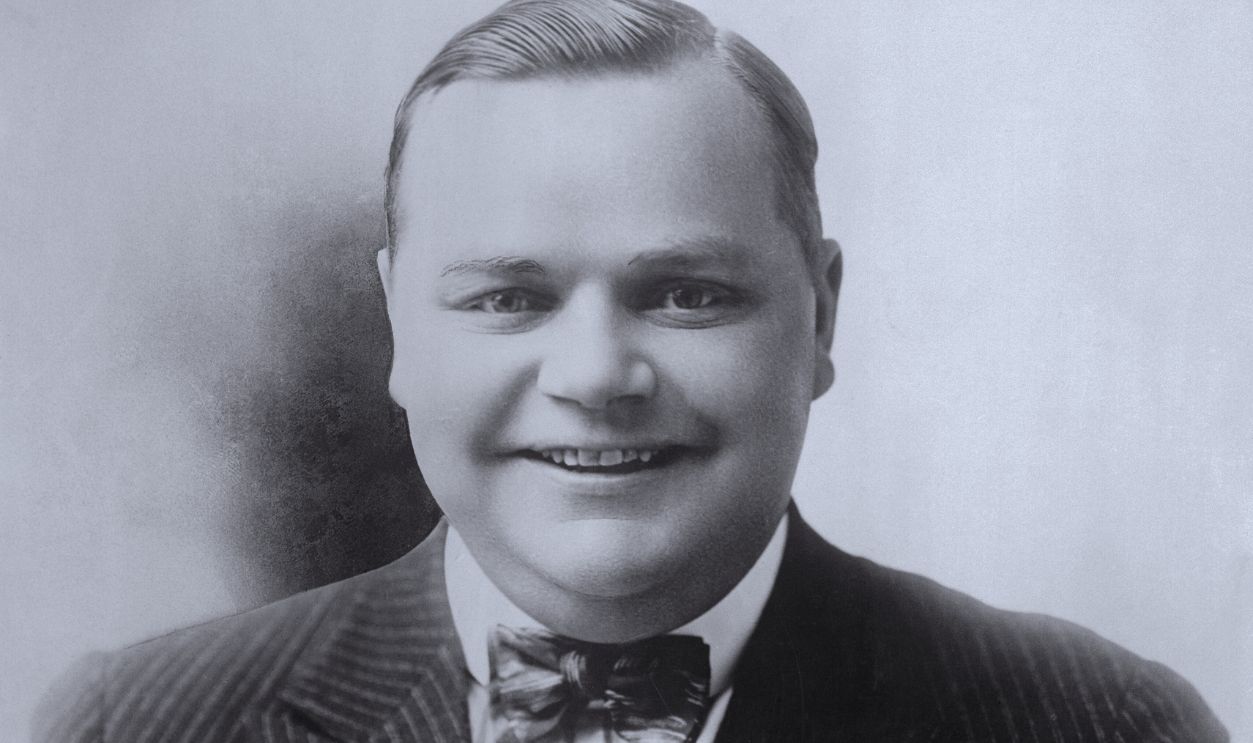
Arbuckle’s verdict had reached the media, but the public opinion of the actor didn’t change. Theaters still refused to show his films, and even worse, the head of the censor board for the new Motion Pictures Producers and Distributors of America wanted to make an example of the actor. Therefore, Arbuckle received a lifetime ban on all film work in the US.
He was past the point of no return, and his career would never be the same.
43. His Damage Had Been Done
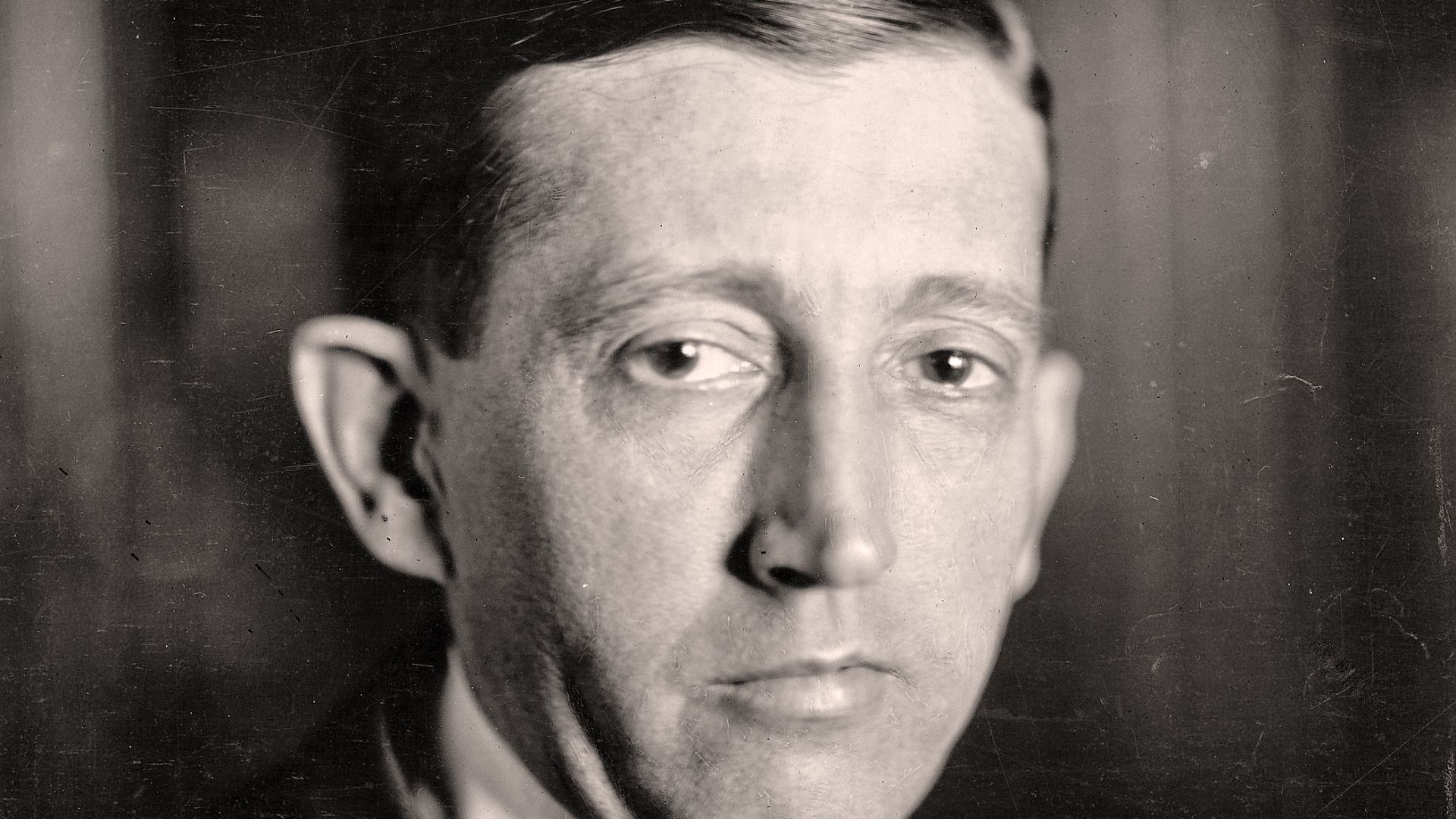
Surprisingly, Will H Hays, the man behind Arbuckle’s lifetime ban, received an overwhelming amount of backlash for his decision and rescinded the ban before the year was out. It was too late, though, and most decision-makers in the industry still feared the bad publicity of associating with Arbuckle, so they refused to hire him.
Sadly, all the suffering and exhaustion became too much.
 Underwood & Underwood, Wikimedia Commons
44. They Split Up
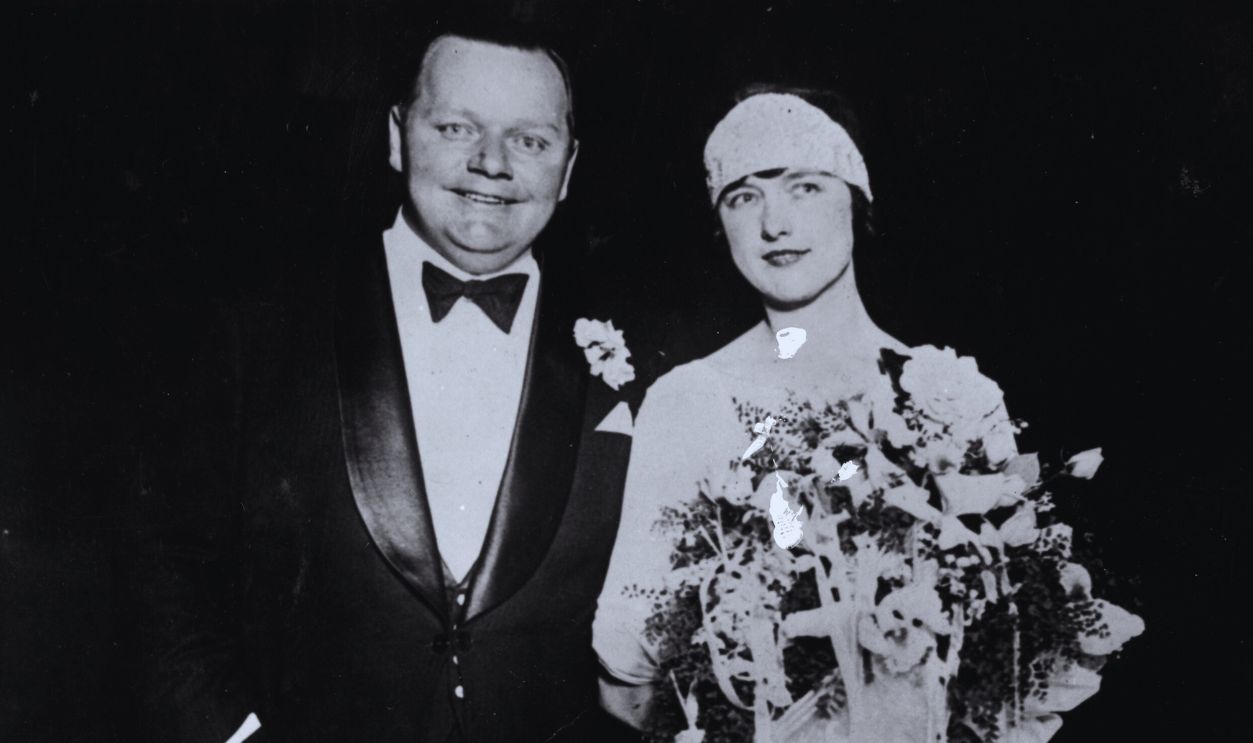
Despite Minta’s dedicated support of Arbuckle, their marriage had already been on the rocks, and the repercussions of the trial only made things worse. The next few years were a rollercoaster, with the two divorcing in 1923 but reconciling shortly after—then divorcing permanently the following year. Thankfully, Arbuckle fell in love with someone else before long, marrying Doris Deane in 1925.
Having almost nothing left, he became determined to break back into the film world.
45. He Took A New Name
Although Arbuckle had accepted that audiences would likely never see his face on screen again, he still couldn’t stay away from filmmaking as a whole. Taking the new alias of “William Goodrich,” he signed on with Educational Pictures in 1924 to direct comedy shorts for the next eight years.
Still, his life wasn’t completely on the right track yet.
46. She Left Him
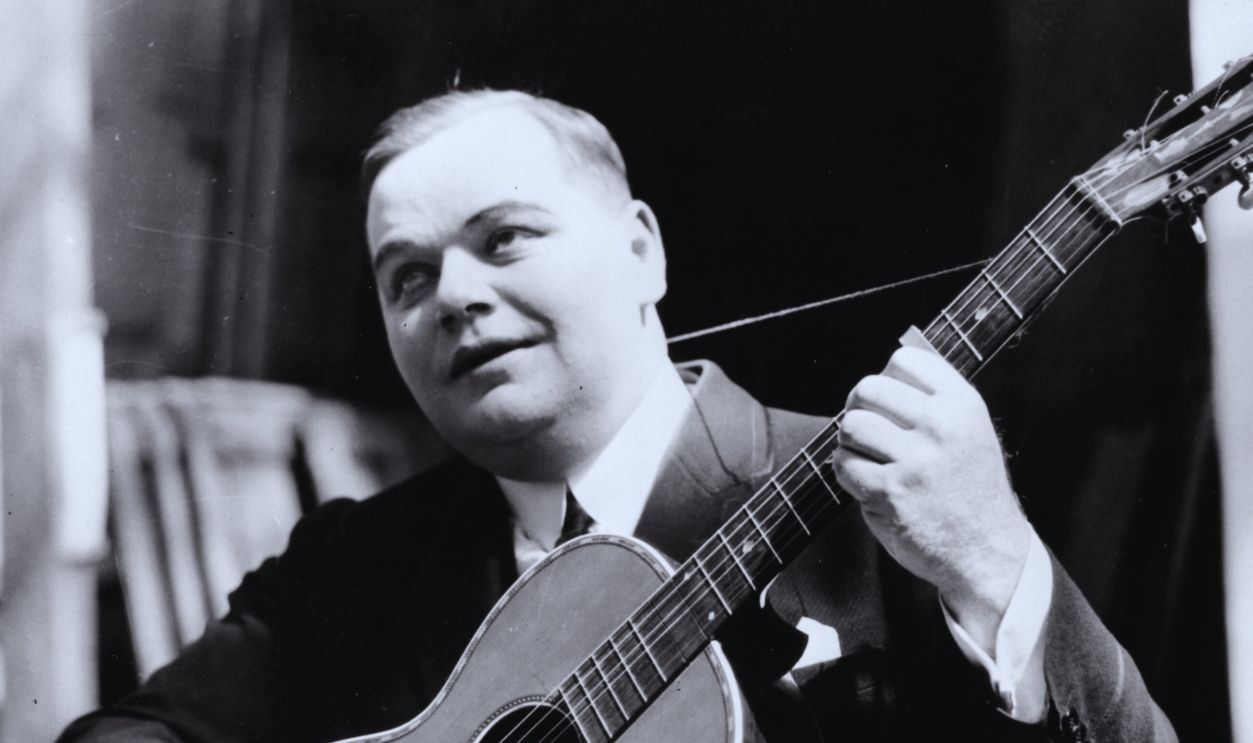
Although he had started working on films again in some form, Arbuckle still wasn’t in a good headspace and turned to drinking to cope. After four years of marriage, Arbuckle’s second wife, Doris, had had enough of dealing with this and divorced him on the grounds of desertion and mistreatment.
Nonetheless, he threw himself back into his work, slowly becoming more optimistic.
47. He Came Back
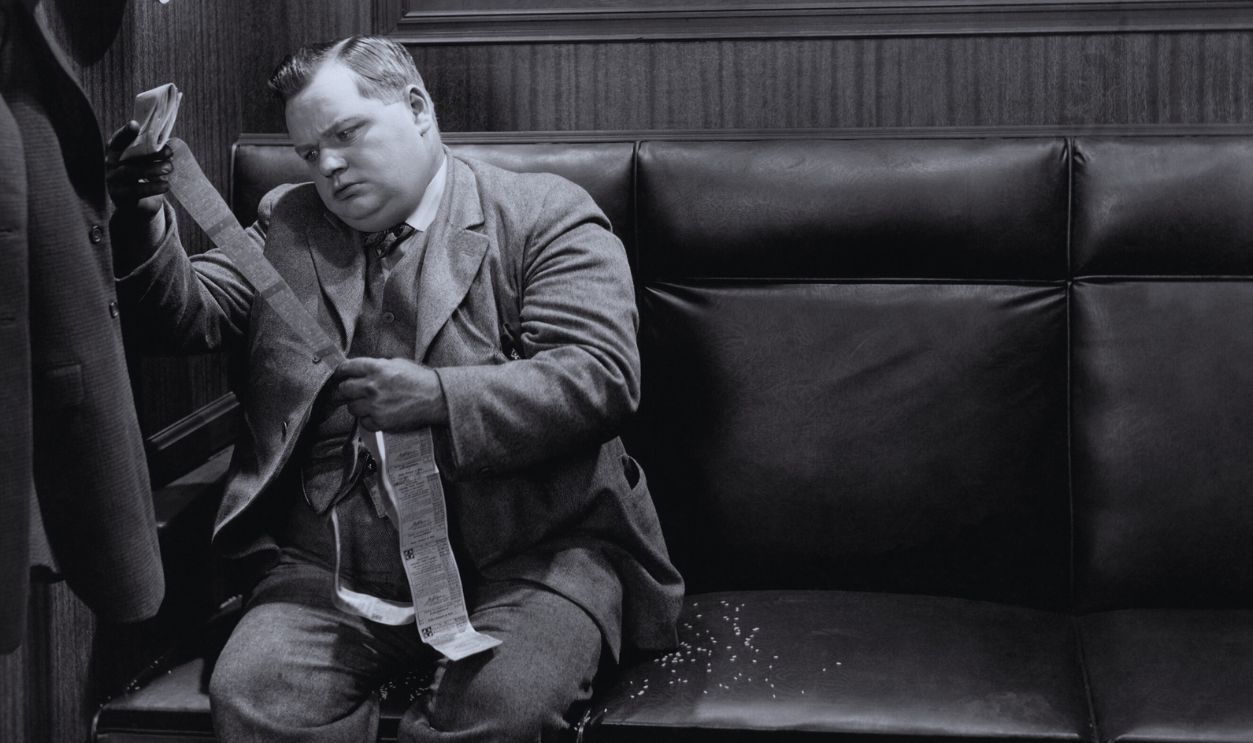
Arbuckle had been busy directing under his pseudonym, but a part of him sincerely missed performing comedy. In 1932, though, he got an opportunity that he likely believed would never come, and signed a contract with Warner Bros to star in six short comedies—credited under his real name again.
Little did he know, life was about to give him an even bigger win.
 De Carvalho Collection, Getty Images
48. He Made A Big Deal
It seems that, after eleven years of being absent from the big screen, most audiences had largely turned a corner on their opinion of Arbuckle. The films he starred in for Warner Bros ended up being massive hits, and the studio had no reason to deny him further work. A day after he wrapped filming on his last comedy short, they signed him to star in a feature film. That night, he reportedly told his friends, "This is the best day of my life".
Tragically, fate had other plans for him.
49. His Story Ended
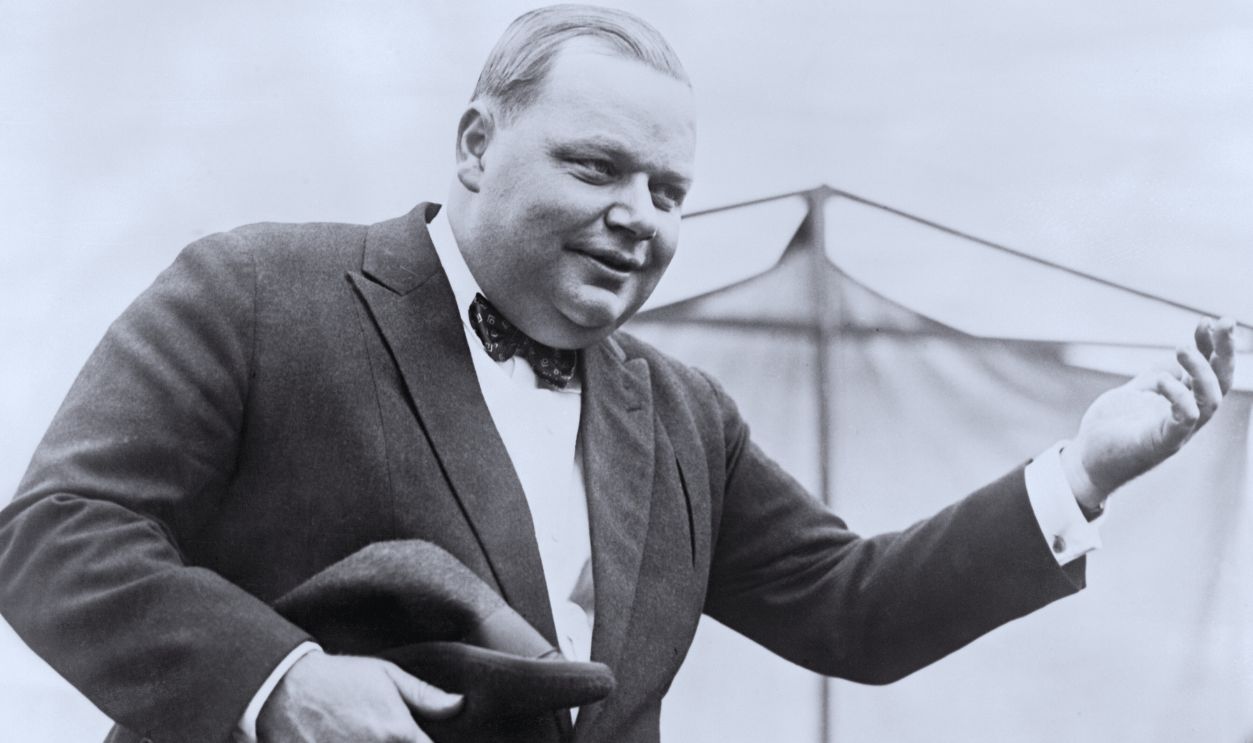
By June 28, 1933, Roscoe Arbuckle’s life was finally looking up after years of misery. He had married his third wife exactly a year ago, he had reclaimed his name as a performer, and he was set to star in a feature film. Sadly, after celebrating this good fortune and his wedding anniversary with his friends that night, he passed in his sleep from a heart attack on June 29th. He was only 46 years old.
Even after he was gone, Hollywood couldn’t allow his memory to survive.
50. They Erased Him
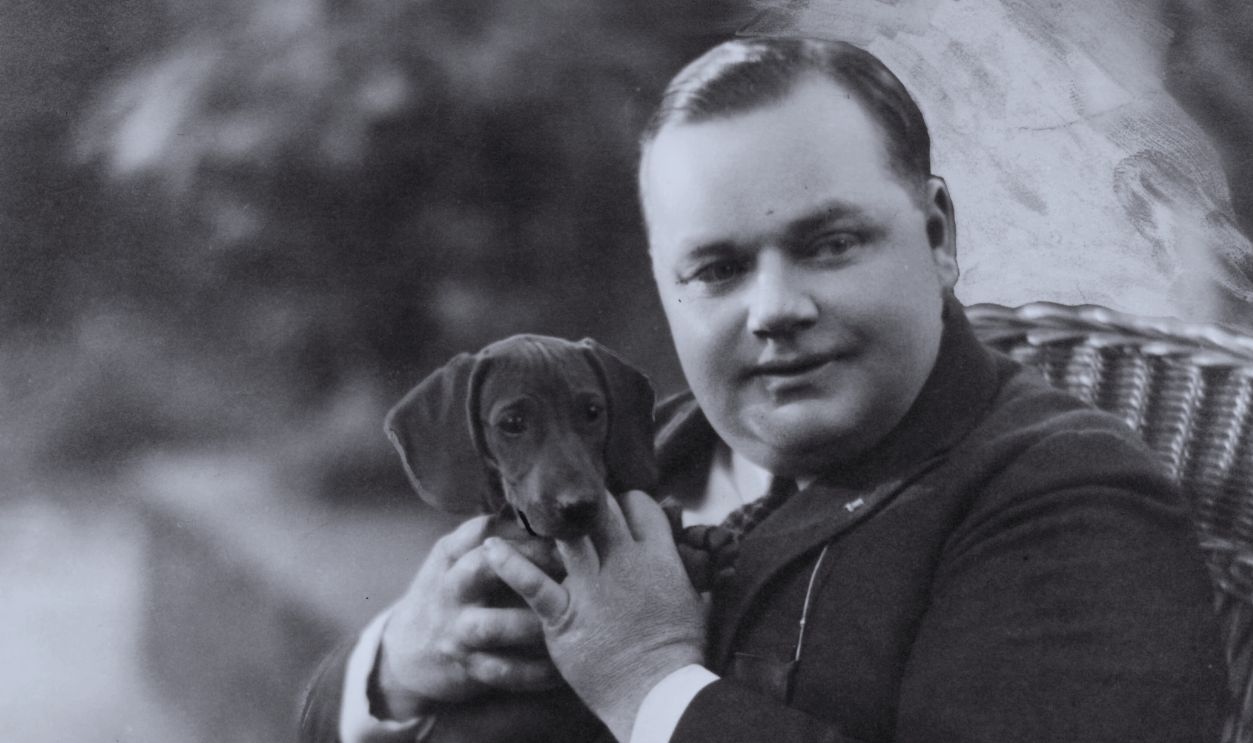
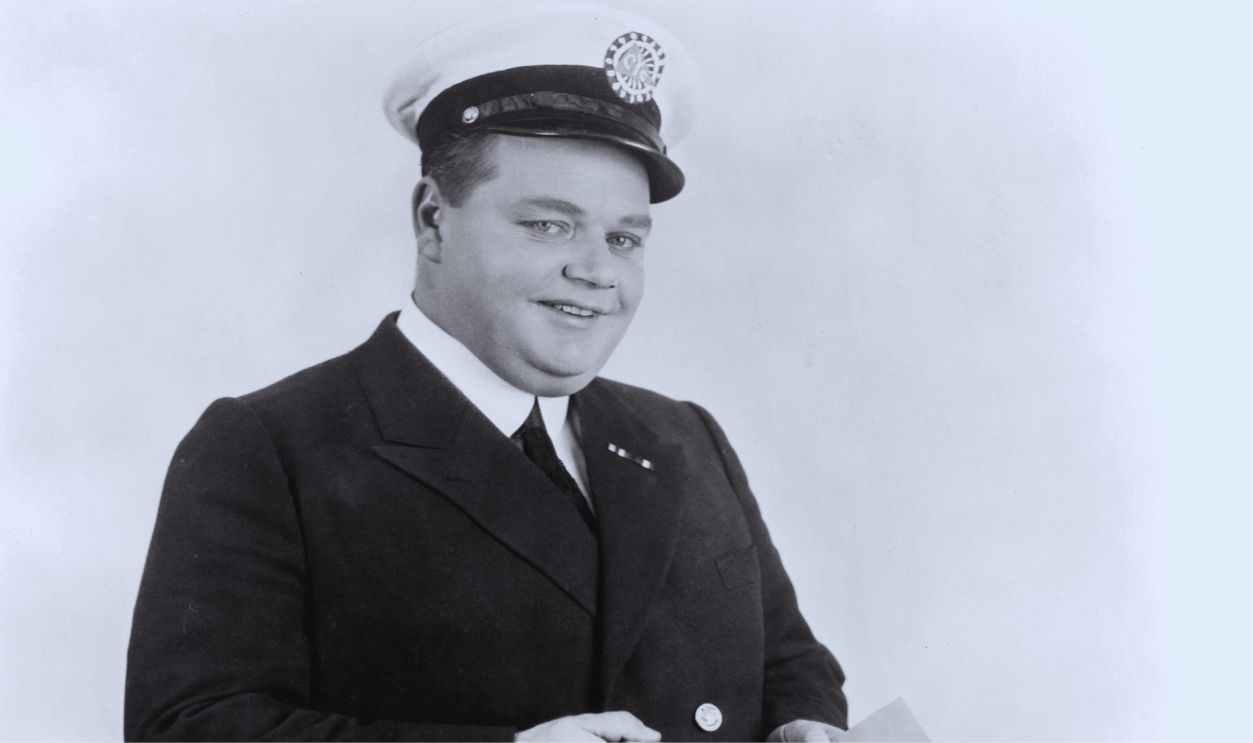
Roscoe Arbuckle rose through the ranks of early Hollywood by his own talent, only to fall farther than he ever expected to. Although his name was eventually cleared and even the public gave him another chance, many of his films became lost to time, making a scandal his most prominent legacy. While this was partly because of poor archiving at the time, there’s a good chance that the studios destroyed his films to avoid any further backlash.
 Michael Ochs Archives, Getty Images
You May Also Like:
Coco Chanel’s Secret Double Life
Janet Leigh Grew Up In Poverty—But Catapulted To Fame