

A Seafaring Lad
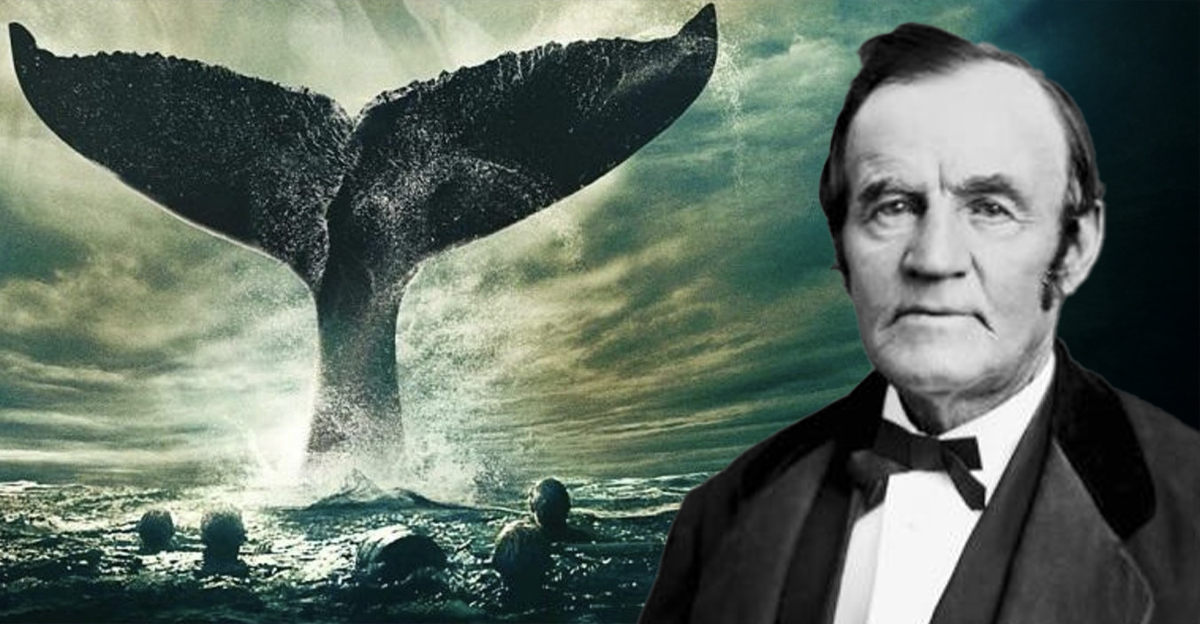
At age fourteen, Thomas Gibson Nickerson signed on with the crew of the whaleship Essex. When the ship was struck and sunk by a sperm whale in 1820, he was launched into one of the most grueling sagas of survival in maritime history: 89 days in open boats, starvation, and the edge of human endurance.
Early Life And The Call Of The Sea
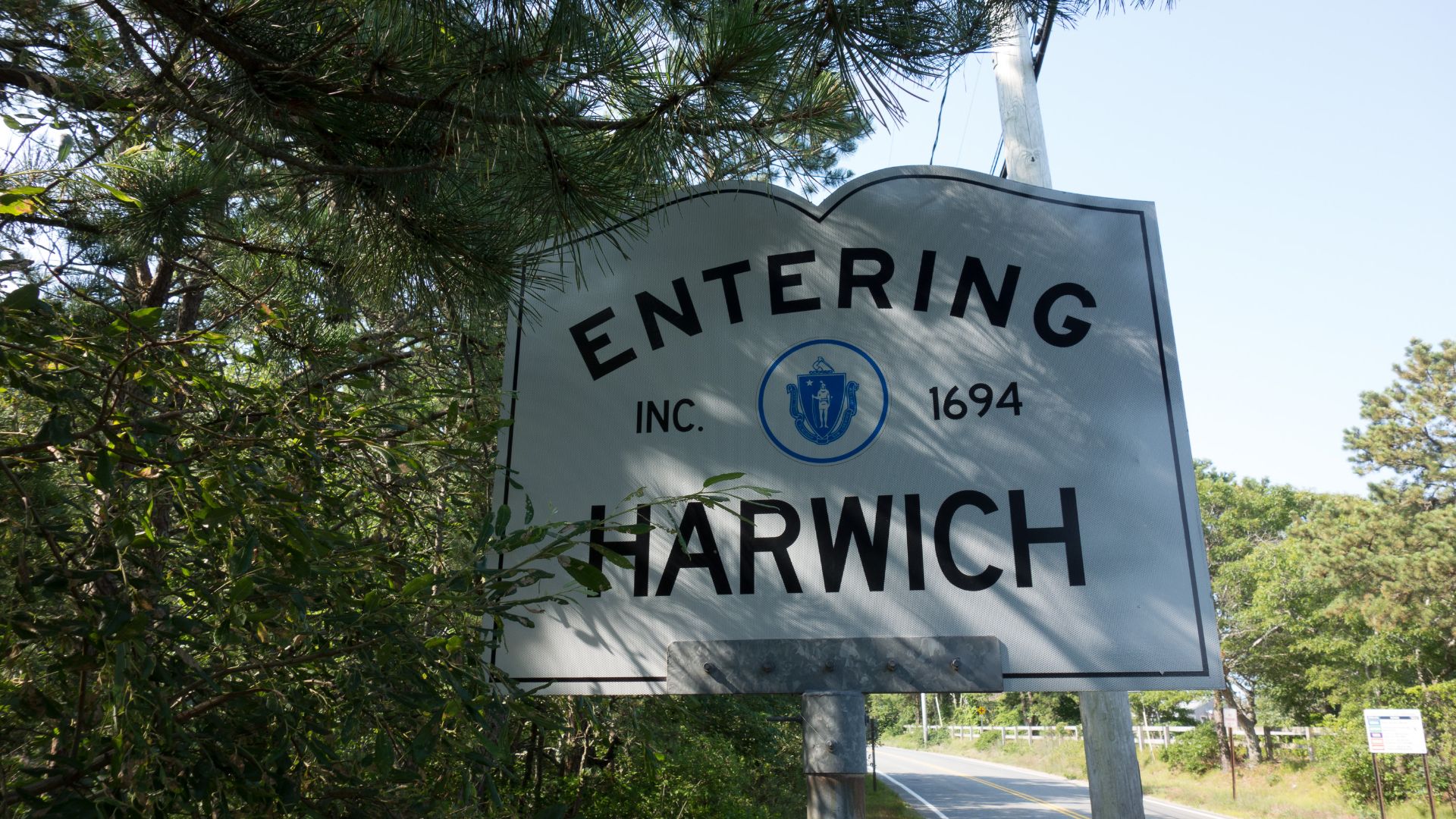
Born March 20, 1805, in Harwich, Massachusetts, Nickerson lost both his parents by the time he was two. Raised by his grandparents on Nantucket, he grew up surrounded by seafaring men. The ocean was all around him, beckoning with the promise of escape, adventure, and opportunity for a young boy to prove himself.
 Kenneth C. Zirkel, Wikimedia Commons
The Whaleship Essex And Its Fate
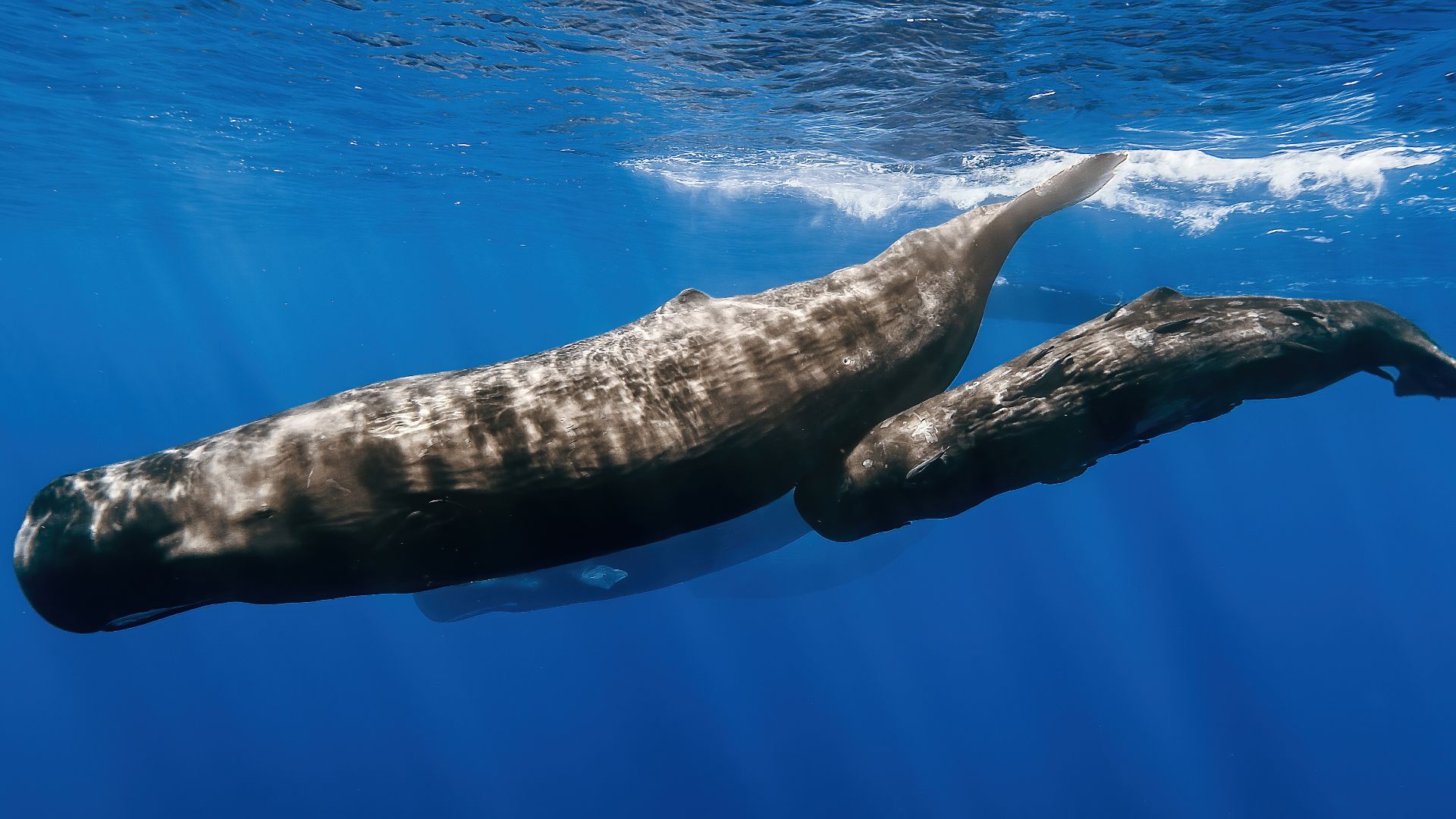
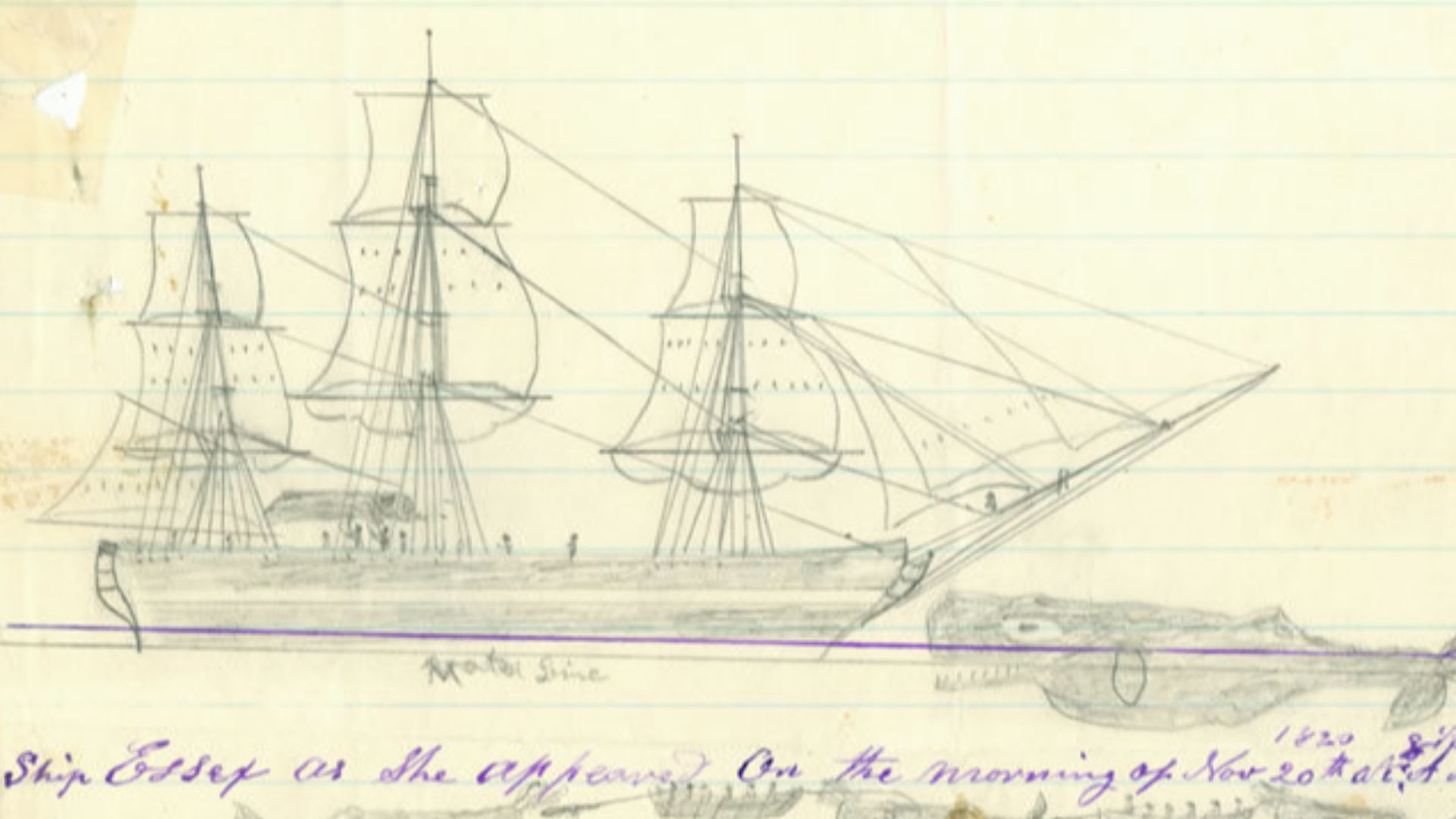
The Essex, launched in 1799, was a Nantucket whaleship renowned for its long Pacific voyages. It set sail for what would turn out to be its final voyage on August 12, 1819. On November 20, 1820, while in the South Pacific, it was rammed and sunk by a massive sperm whale. It was an event that shocked the whaling world and beyond, inspiring countless retellings.
 Gabriel Barathieu, Wikimedia Commons
Into The Open Sea: The Struggle Begins
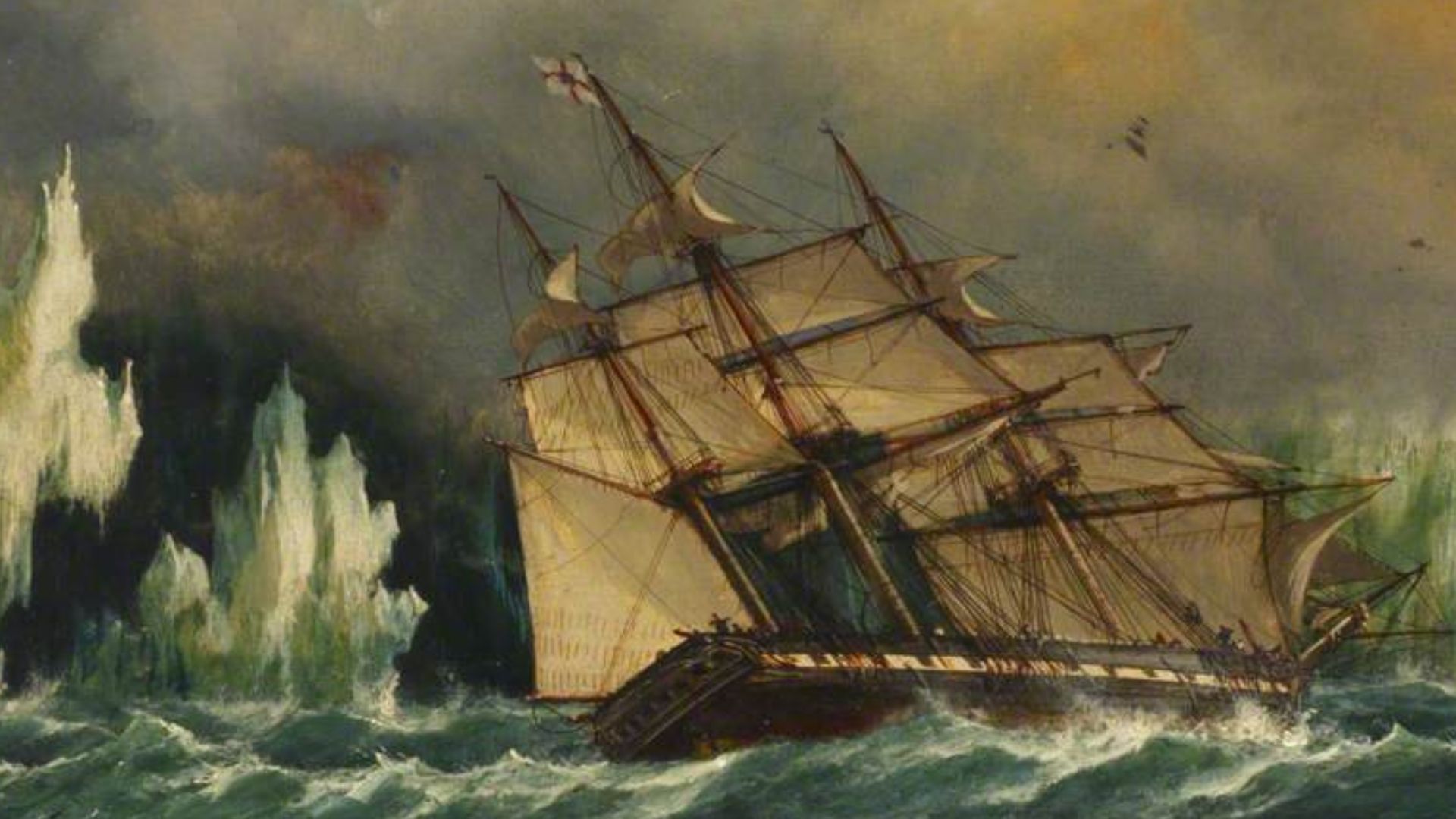
After the ramming, the twenty-man crew took to three small whaleboats. They managed to salvage some minimal food and water before the ship sank. The plan was to sail toward South America, an unimaginable distance of 2,000 miles away. Powerful currents and storms drove them off course, forcing them into a brutal struggle for survival.
 Richard Henry Nibbs, Wikimedia Commons
Landfall On Henderson Island
After weeks adrift, the men reached Henderson Island, a tiny speck of land in the Pacific. For a brief time, they feasted on crabs and birds. Yet the island’s resources dwindled, and only three men chose to remain, while the rest—including young Nickerson—returned to sea.
 Makemake at de.wikipedia, Wikimedia Commons
Departure From The Island And Harrowing Days
The open-sea ordeal worsened as starvation and thirst took their toll. Their meager supplies disappeared, and the men grew weaker by the day. Exposure to sun and saltwater left their skin raw and blistered, as death claimed one man after another.
 Dr. James P. McVey, NOAA Sea Grant Program, Wikimedia Commons
The Most Desperate Measure
Facing starvation, the survivors resorted to cannibalism, a desperate act born of absolute necessity. Nickerson, though only a boy of 14, witnessed the unthinkable. His later writings recounted the experience with haunting restraint, but captured the psychological torment of the survivors.

Rescue And Return
On February 18, 1821, Nickerson and two others were rescued by the British ship Indian. Weeks later, another group was found near Chile. Out of the original twenty crewmen, only eight lived to tell the tale. Nickerson returned to Nantucket a profoundly different individual from the one who had set sail.
 Unknown authorUnknown author, Wikimedia Commons
Nickerson’s Later Voyages
Remarkably, Nickerson continued to sail on further voyages. In 1823, he joined the crew of the Two Brothers, another whaling ship. Fate tested him again when it wrecked in the Pacific. Nickerson survived this second maritime disaster, cementing his reputation for endurance and resilience before he was even 20 years old.
 NordNordWest, Wikimedia Commons

History's most fascinating stories and darkest secrets, delivered to your inbox daily.
From Sailor To Boarding House Keeper
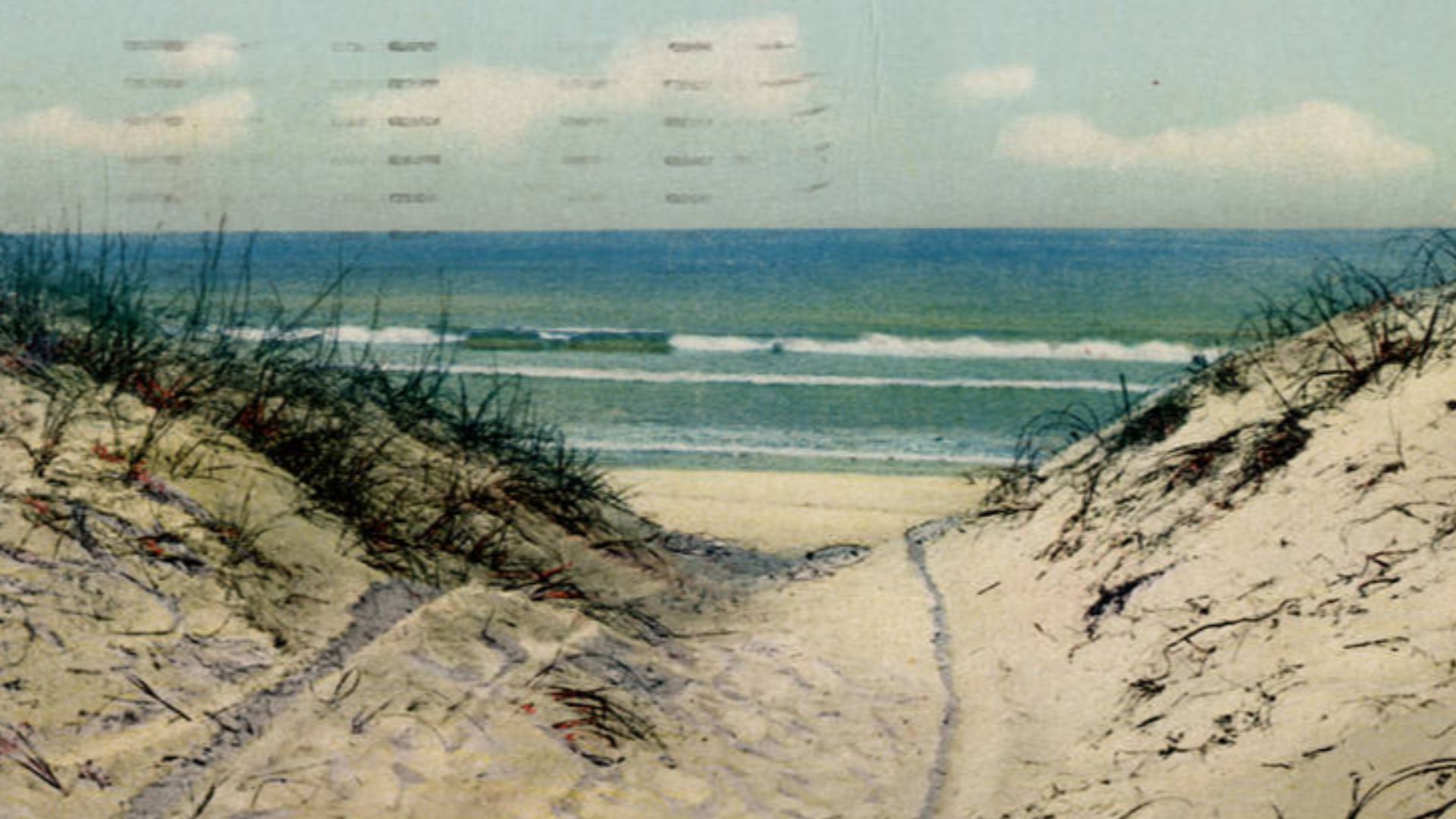
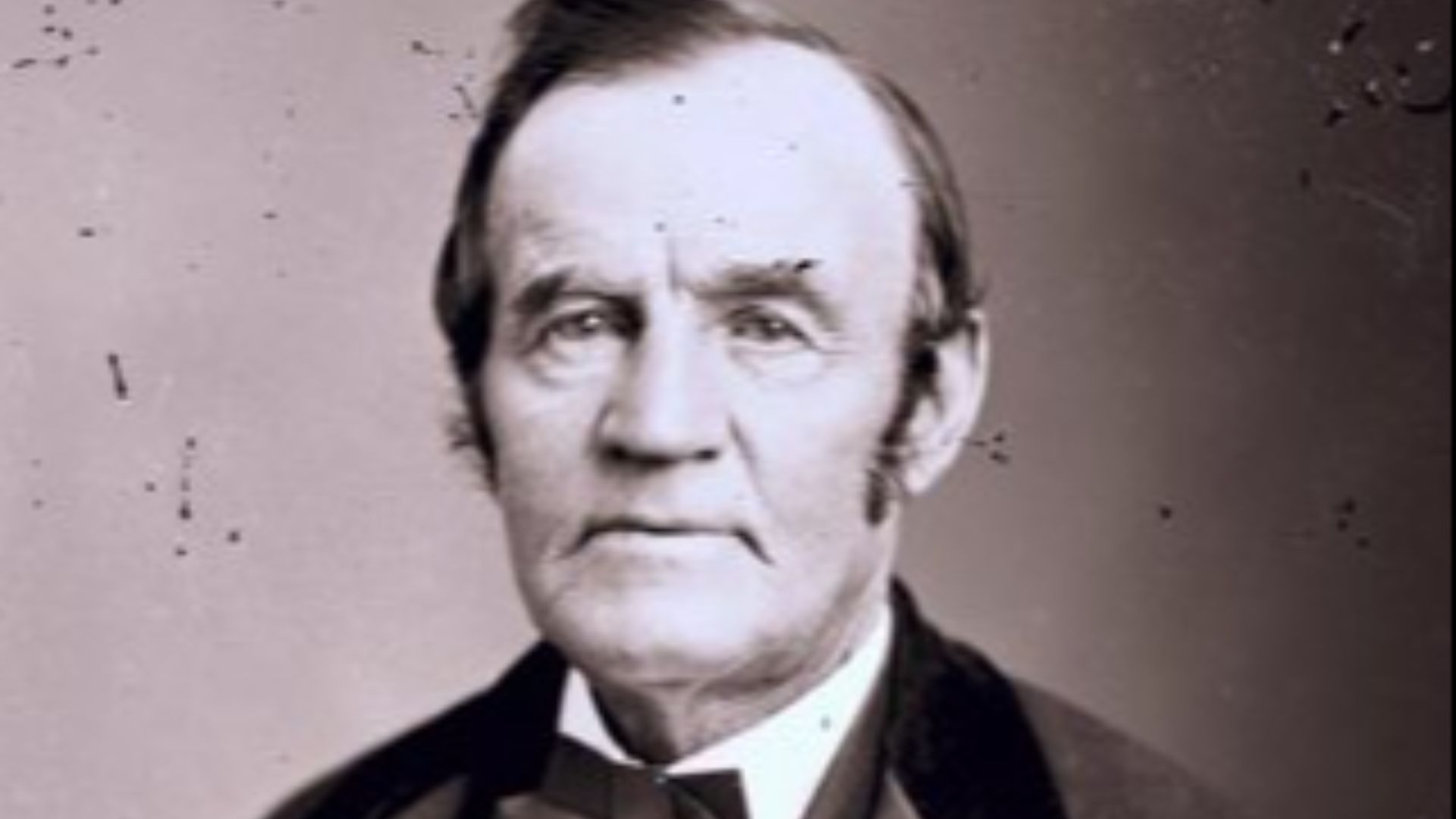
In later life, Nickerson settled on Nantucket and ran a boarding house for summer visitors. There, he took on the role of the salty old sea dog regaling his guests with tales of the sea. His gentle nature and humble storytelling concealed a life of extraordinary experience and survival.
 Unknown authorUnknown author, Wikimedia Commons
He Was Compelled To Write His Story
In 1876, encouraged by visiting writer Leon Lewis, Nickerson started writing his memoirs. His manuscript, called 'The Loss of the Ship Essex Sunk by a Whale,' recounted the tragedy and his later adventures, including his time aboard the Two Brothers.
 Shelf Sisters Series | Book Review: In the Heart of the Sea, getbookish
The Manuscript Was Lost
Though Leon Lewis promised to publish Nickerson’s memoir, it still hadn’t been published by the time Nickerson passed away in 1883. It seems Lewis had left Nickerson’s manuscript with a neighbor who locked it away in a trunk and forgot about it. For nearly eighty years, Nickerson’s firsthand account lay forgotten. Its whereabouts, even its very existence, was unknown to historians for generations.
Rediscovery In 1960
In 1960, the long-lost manuscript resurfaced. Discovered in the same forgotten old trunk in New York, it was identified as Nickerson’s memoir. The Nantucket Historical Association was notified, and went on high alert. The organization’s historians immediately understood the significance of this rare survivor’s perspective.
 Kenneth C. Zirkel, Wikimedia Commons
Authentication And Publication
After careful authentication by whaling historian Edouard Stackpole and others, Nickerson’s account was confirmed genuine. Finally, in 1984, it was published, giving voice to the man whose experience had been overshadowed by more famous Essex survivors like Owen Chase.

Differences From Chase’s Account
Nickerson’s memoir differed in some key ways from Owen Chase’s 1821 narrative. Chase’s account emphasized the events; Nickerson’s offered emotion and reflection. Writing decades after the fact, he brought a sense of memory, compassion, and humility to the same horrifying ordeal.
 Nantucket Historical Association, Wikimedia Commons
Legacy In Literature
The Essex tragedy was a source of inspiration for Herman Melville’s Moby-Dick, though Melville never read Nickerson’s version of events. When the manuscript was found, it deepened the historic and literary legacy of the Essex, showing how the experience haunted Nantucket’s whalers for generations.
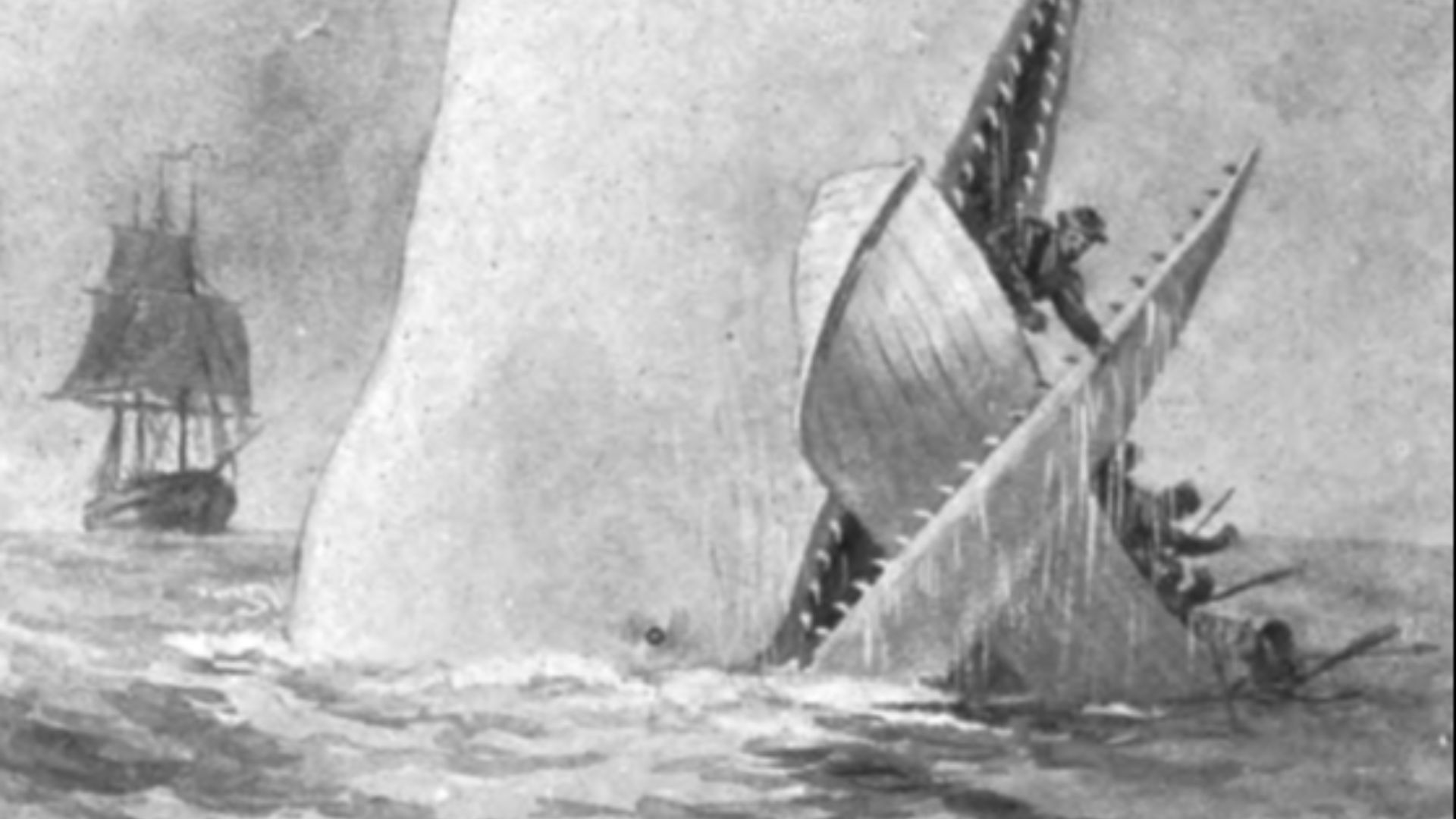 Augustus Burnham Shute, Wikimedia Commons
Historical Impact And Memory
Nickerson’s rediscovered account adds an important layer to history. His was the voice of a common sailor, not an officer or captain. His story shows that the youngest and least powerful witnesses can recount the deepest truths of survival even through the passage of decades.

A Striking Recall Of Detail
Even though he was writing more than fifty years after the events, Nickerson’s memory retained an amazing detail. Some scholars have pointed out discrepancies, yet its emotional honesty and eyewitness depth remain invaluable. His recollections stand as both history and survival memoir.

Commemoration And The Heart Of The Sea
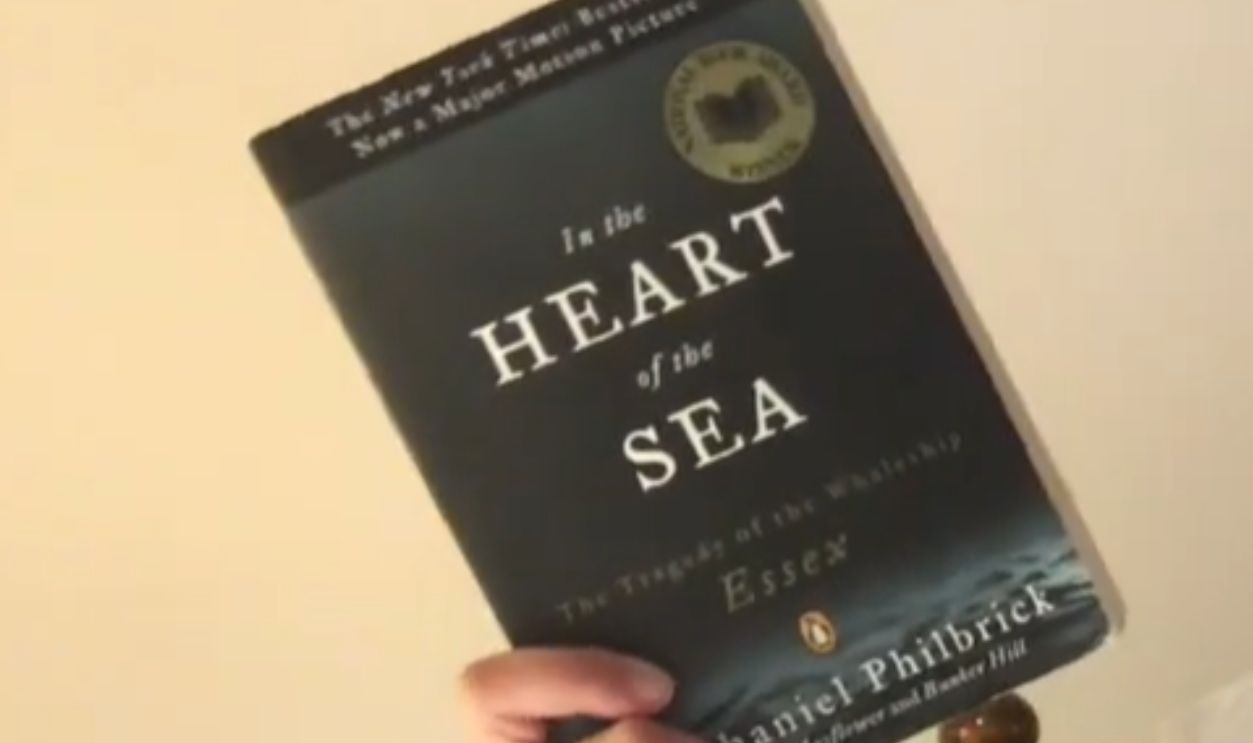
Today, the Essex disaster and Nickerson’s account are studied worldwide. The Nantucket Historical Association has preserved his writings and artifacts, ensuring that the cabin boy who endured the unendurable is never forgotten by history or literature. A film re-creation of the Essex disaster, The Heart of the Sea was released in 2015 with Tom Holland cast as Nickerson.
 Gage Skidmore, Wikimedia Commons
A Silent Voice Restored
Thomas Nickerson set out at 14 for a life of adventure. From being cast adrift in the middle of the Pacific Ocean to an old man whose words of wisdom resurfaced decades later, his story lives on today as one of quiet strength and the enduring power of observation and human memory.
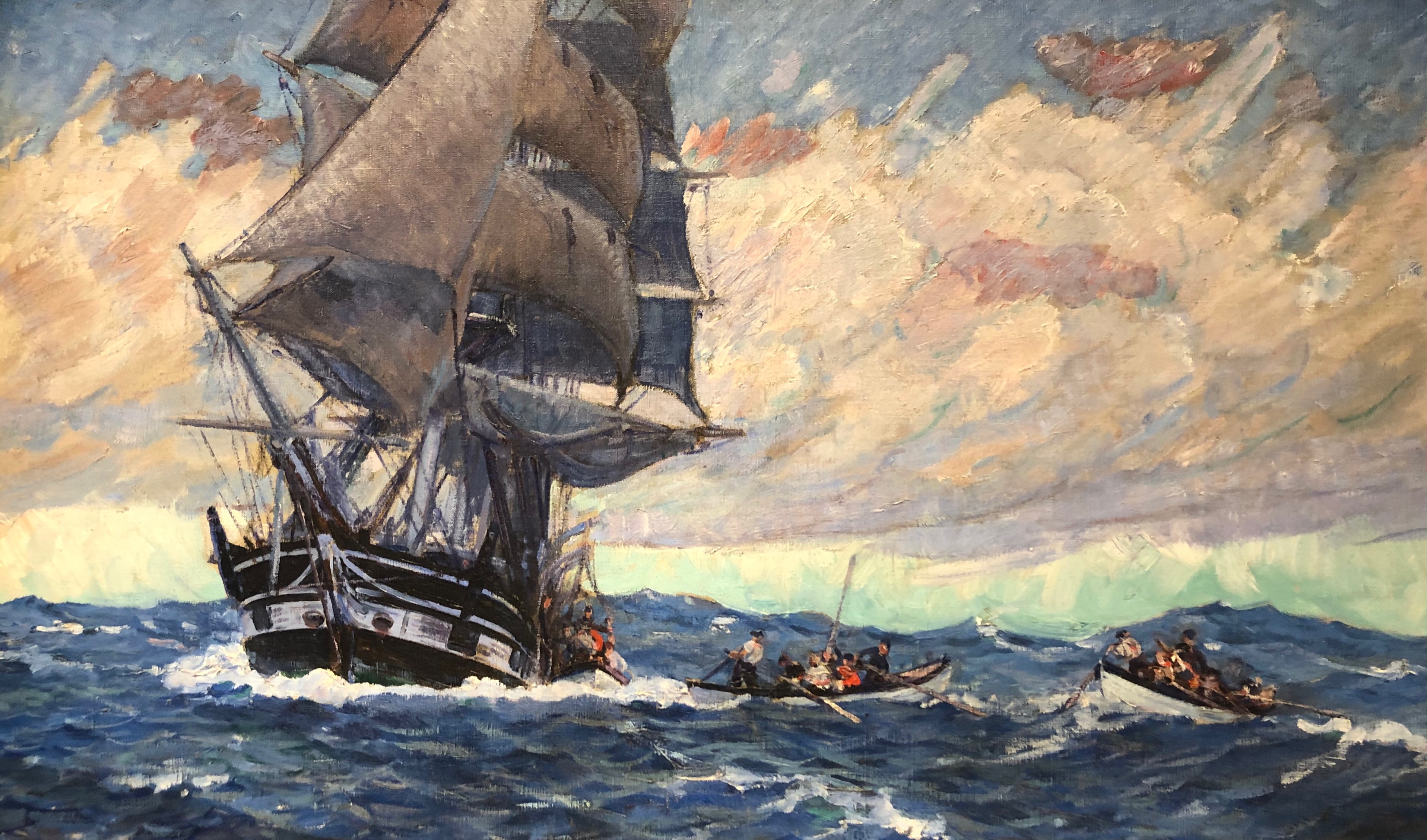 Clifford Warren Ashley, Wikimedia Commons
You May Also Like:
24 Titanic Facts About Shipwrecks
Animals You DON'T Want To Mess With









