He Had Humble Beginnings
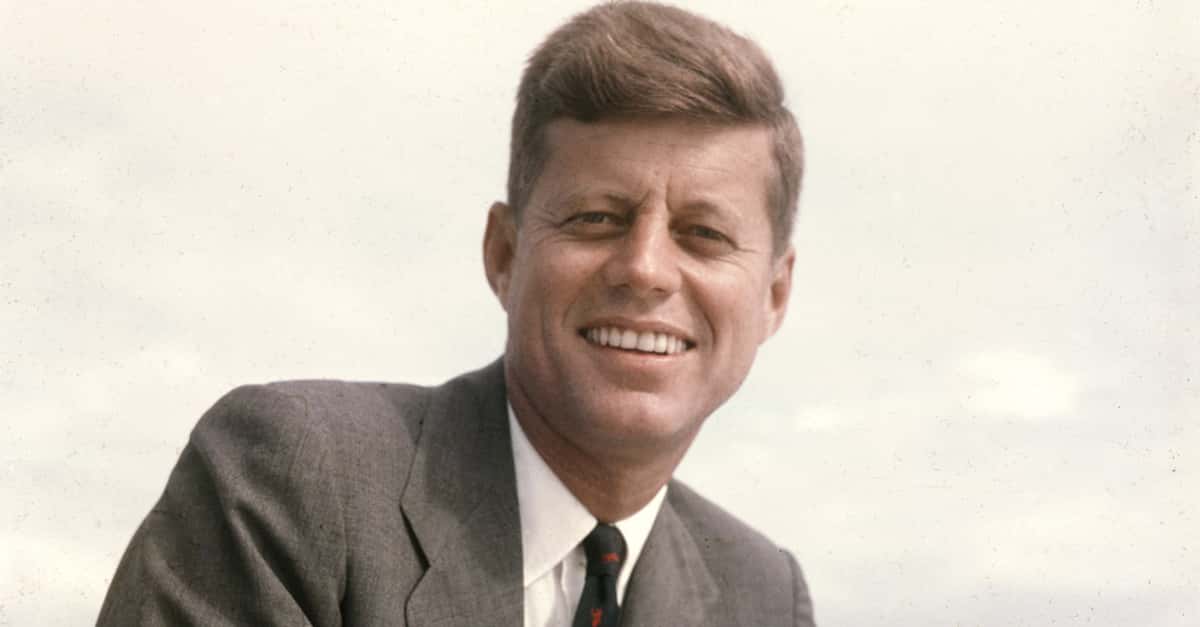
Stephen William Hawking was born on January 8, 1942, in Oxford, England—exactly 300 years after Galileo’s death. His parents, Frank and Isobel, were both academics. Though money was tight, their home was filled with books, curiosity, and lively discussions that shaped Stephen’s early love for knowledge.

He Had a Curious Mind
Stephen grew up in St Albans, a town outside London. Teachers noticed his sharp intelligence but also described him as a bit lazy with homework. Despite average grades, he loved to tinker with clocks and invent gadgets, showing an early knack for problem-solving and big questions.
 Romano Cagnoni/RETIRED, Getty Images
He Barely Studied
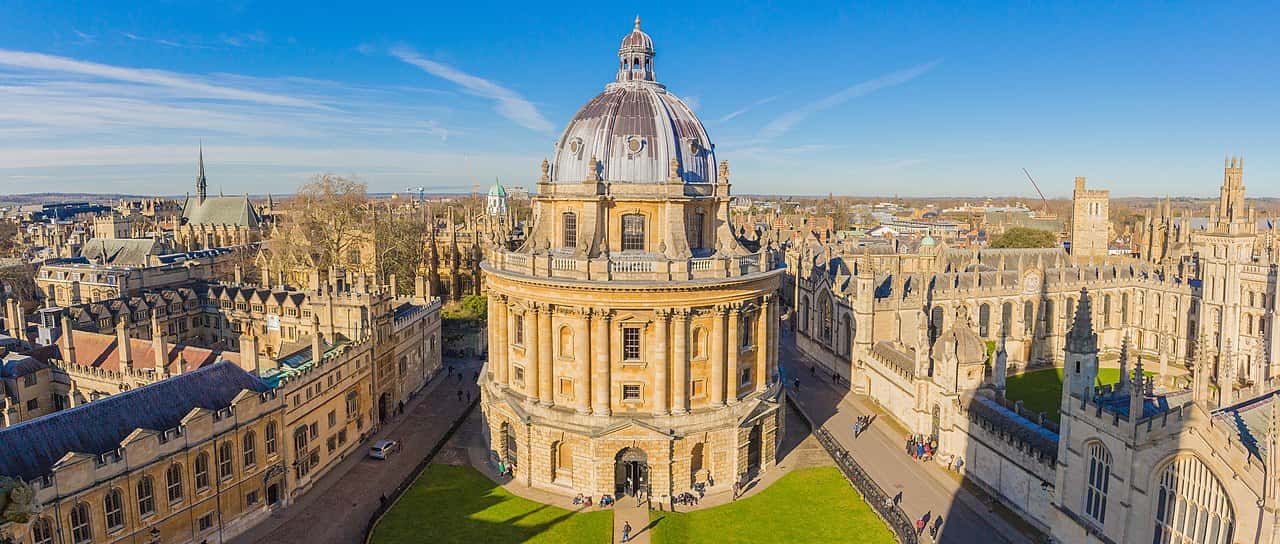
At just 17, Stephen won a place at University College, Oxford, to study physics. He admitted he only studied about an hour a day but still excelled. His brilliance wasn’t in memorizing facts but in grasping the deeper meaning behind the universe.
He Was a Social Guy
Though shy, Stephen became more outgoing at Oxford. He joined the rowing team as a coxswain, steering boats and shouting commands. The role gave him confidence, and his friends remembered his sharp wit, dry humor, and ability to lighten the mood even during stressful times.
The First Signs of Trouble
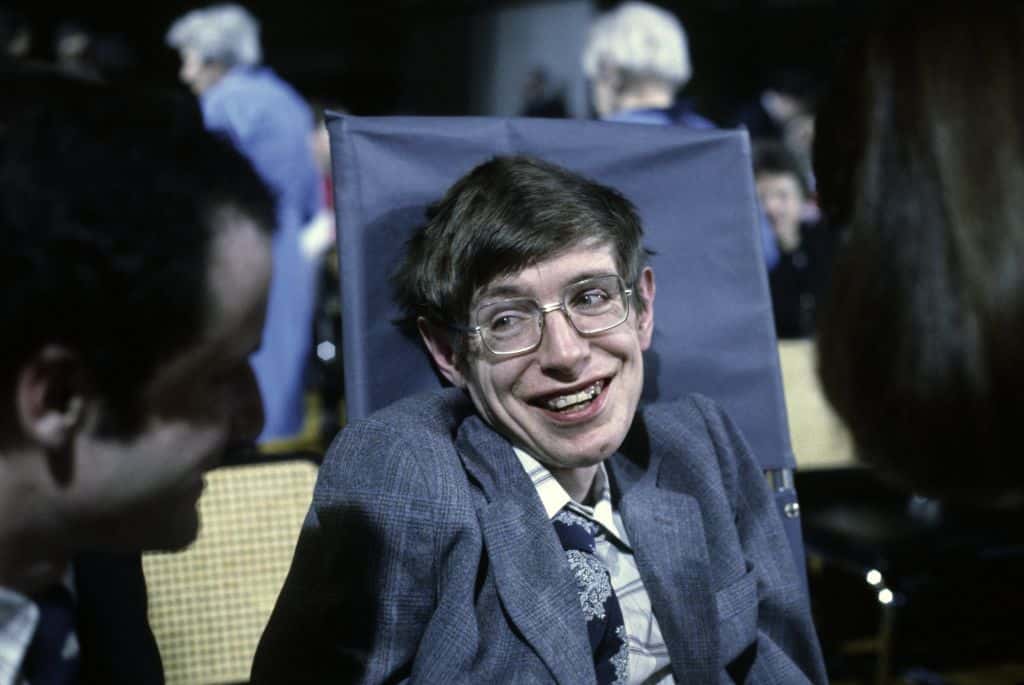
During his final year at Oxford in 1962, Stephen noticed he was stumbling more often and having trouble with coordination. At first, he ignored it. But the symptoms grew worse, and soon his family urged him to see a doctor—a decision that would change his life forever.

His ALS Diagnosis
In 1963, just after his 21st birthday, doctors diagnosed Stephen with amyotrophic lateral sclerosis (ALS). He was given only two years to live. The news was devastating, and he instantly fell into despair. But Stephen later said falling in love helped pull him out of that darkness.
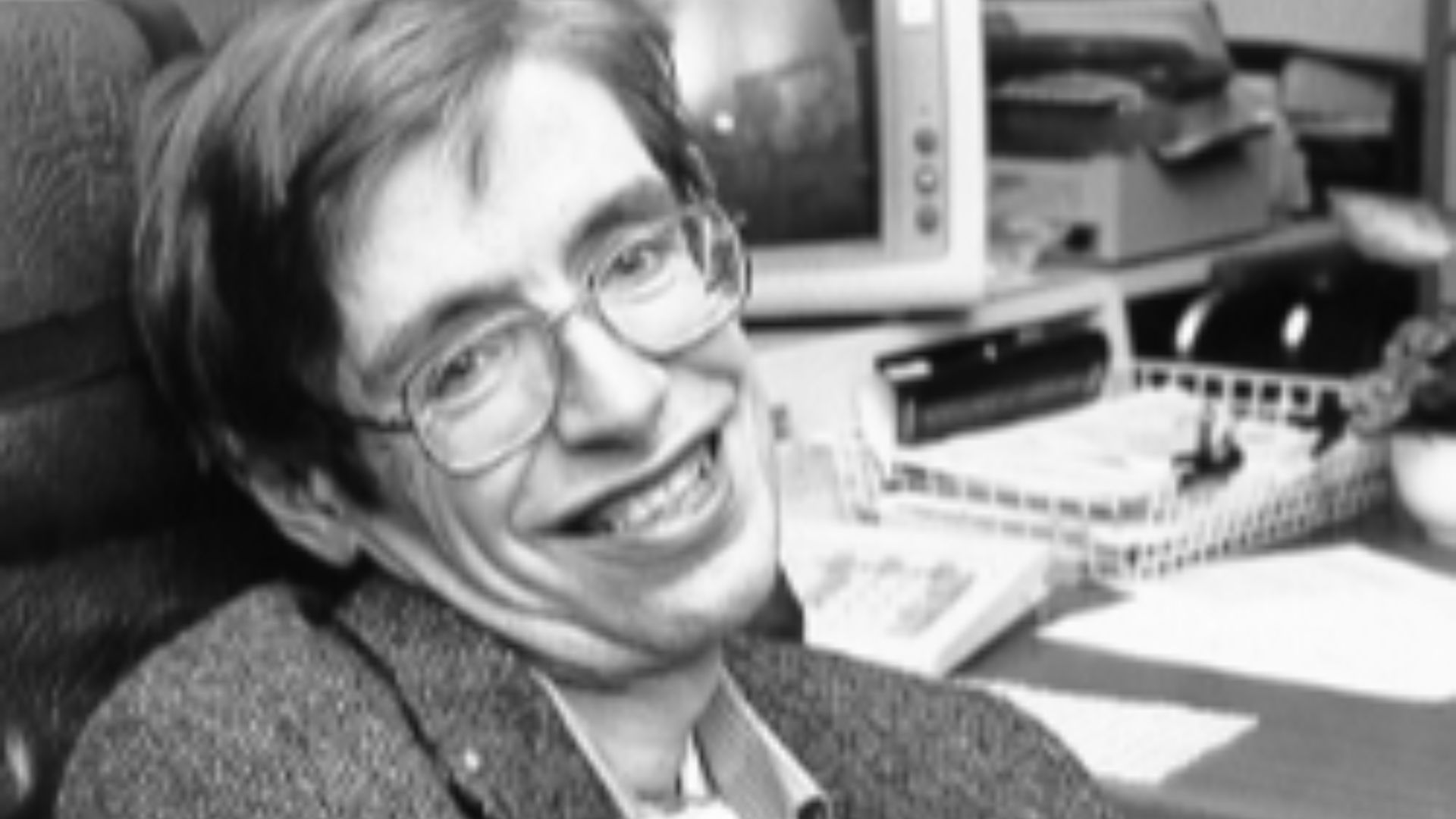
He Fell In Love
Around the same time as his diagnosis, Stephen met Jane Wilde, a student of languages at Cambridge. Their relationship gave him hope for a future. Jane later recalled, “He had this twinkle, this sense of humor. I wanted to be there for him.” They married in 1965.

He Kept Learning
Stephen pursued his doctorate in cosmology at the University of Cambridge. Despite his illness, he quickly stood out for his ability to tackle massive questions about black holes and the nature of time. His peers saw a young man whose body was weakening but whose mind soared higher than ever.
 Working Title, The Theory of Everything (2014)
He Defied the Odds
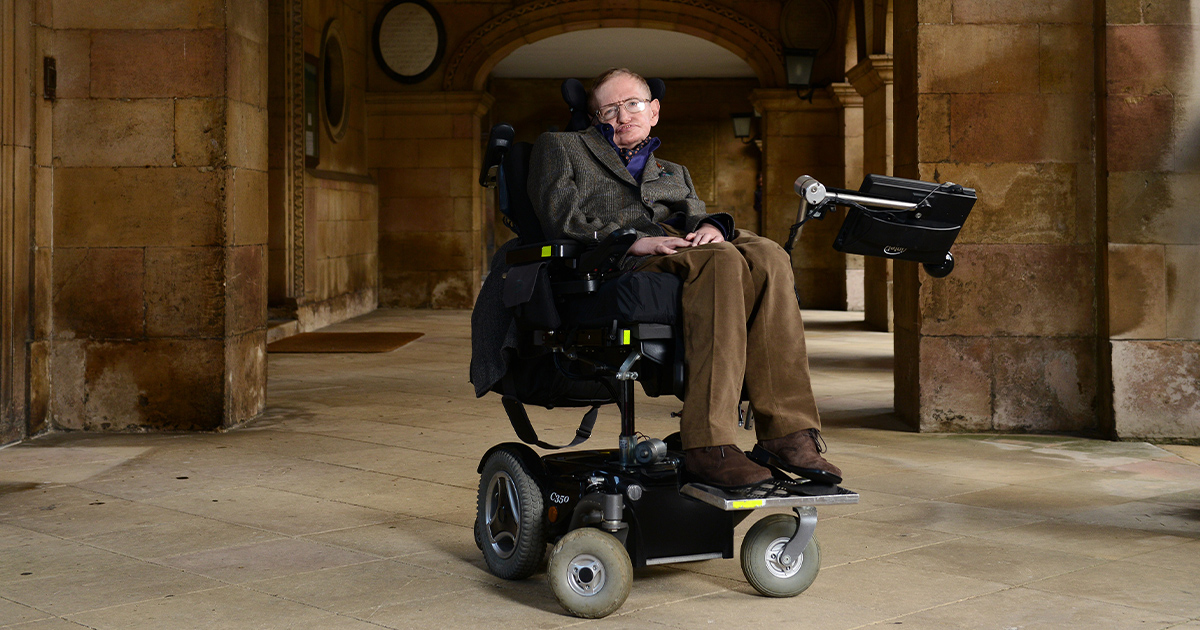
Doctors had predicted Stephen wouldn’t live beyond his mid-20s. Yet, with Jane’s support, he pressed forward. He began using crutches, then a wheelchair. Rather than retreat from the world, he dove deeper into his studies, proving that his spirit was far stronger than his diagnosis.

History's most fascinating stories and darkest secrets, delivered to your inbox daily.
He Made a Stunning Discovery
In 1974, Stephen stunned the scientific community by proposing that black holes emit radiation, now called Hawking radiation. The idea turned decades of physics upside down. Suddenly, the young man in a wheelchair was seen as one of the brightest scientific minds in the world.

He Was Recognized
That same year, at just 32, Stephen was elected a fellow of the Royal Society—one of the youngest scientists ever to receive the honor. His groundbreaking work was reshaping modern cosmology, and his perseverance was inspiring a generation of scientists.

He Lost His Voice
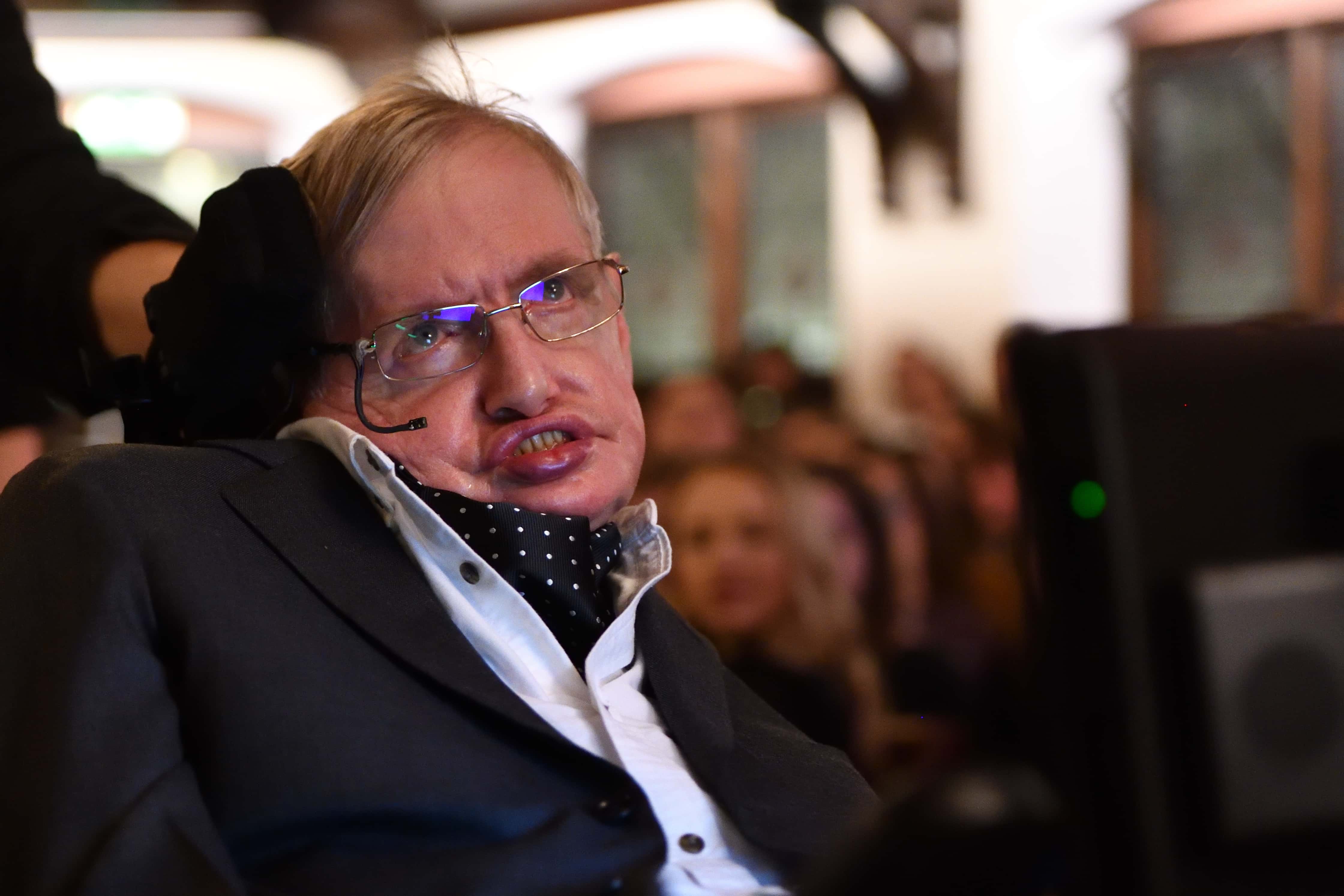
By the mid-1980s, Stephen lost the ability to speak after a tracheotomy. A computer system developed by engineers gave him a synthetic voice operated through a cheek muscle. That “robotic” voice became iconic—instantly recognizable and symbolic of his determination to keep communicating with the world.
 Chris Williamson, Getty Images
He Published a Book
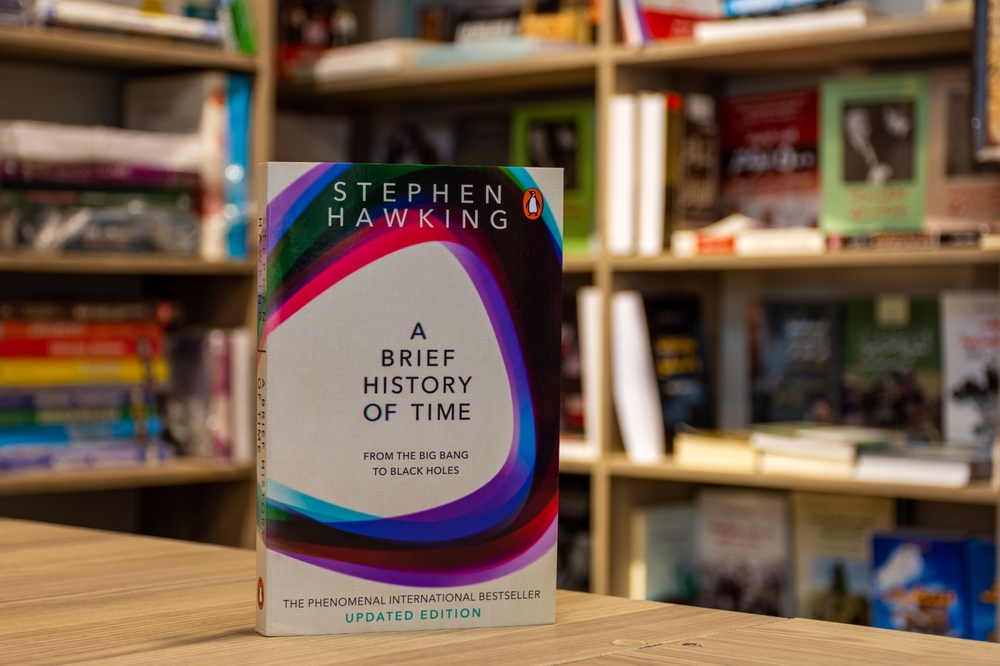
In 1988, Stephen published A Brief History of Time. Written for general readers, it tackled big questions about the universe in an accessible way. The book sold over 25 million copies worldwide and made him an unlikely celebrity scientist, admired well beyond academic circles.
He Became a Pop Culture Icon
Stephen didn’t shy away from pop culture. He appeared on The Simpsons, Star Trek: The Next Generation, and The Big Bang Theory. His willingness to laugh at himself made him beloved, and he showed that science didn’t have to be intimidating.
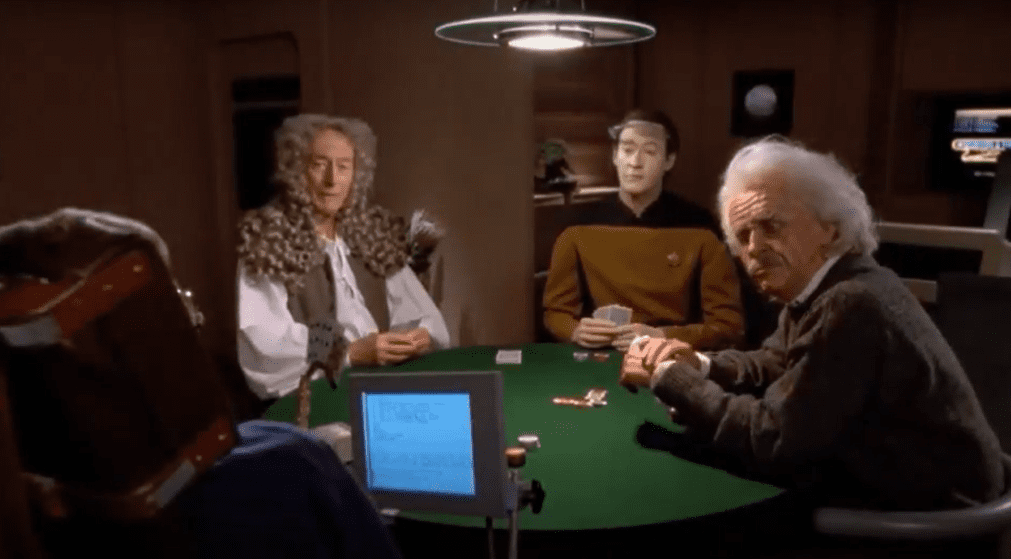 Paramount Domestic Television, Star Trek: The Next Generation (1987–1994)
He Was a Family Man
Stephen and Jane had three children together, Robert, Lucy, and Timothy. Despite the challenges of his illness, he remained a present father. Lucy later described him as playful and inspiring, saying, “He taught us that nothing is impossible if you put your mind to it.”
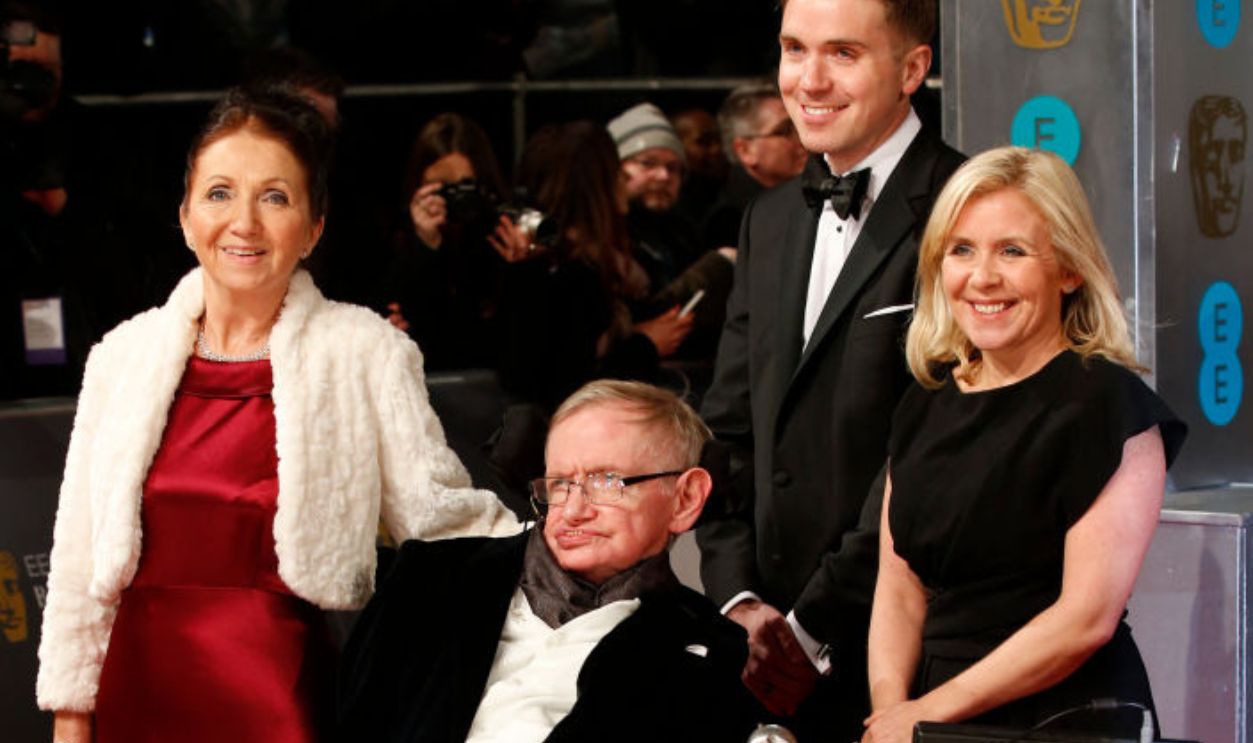
His Marriage Crumbled
The strain of Stephen’s illness and rising fame took a toll on his marriage to Jane. They eventually divorced in 1995, though they remained respectful of one another. Jane later wrote a memoir about their life together, highlighting both the struggles and their enduring love.
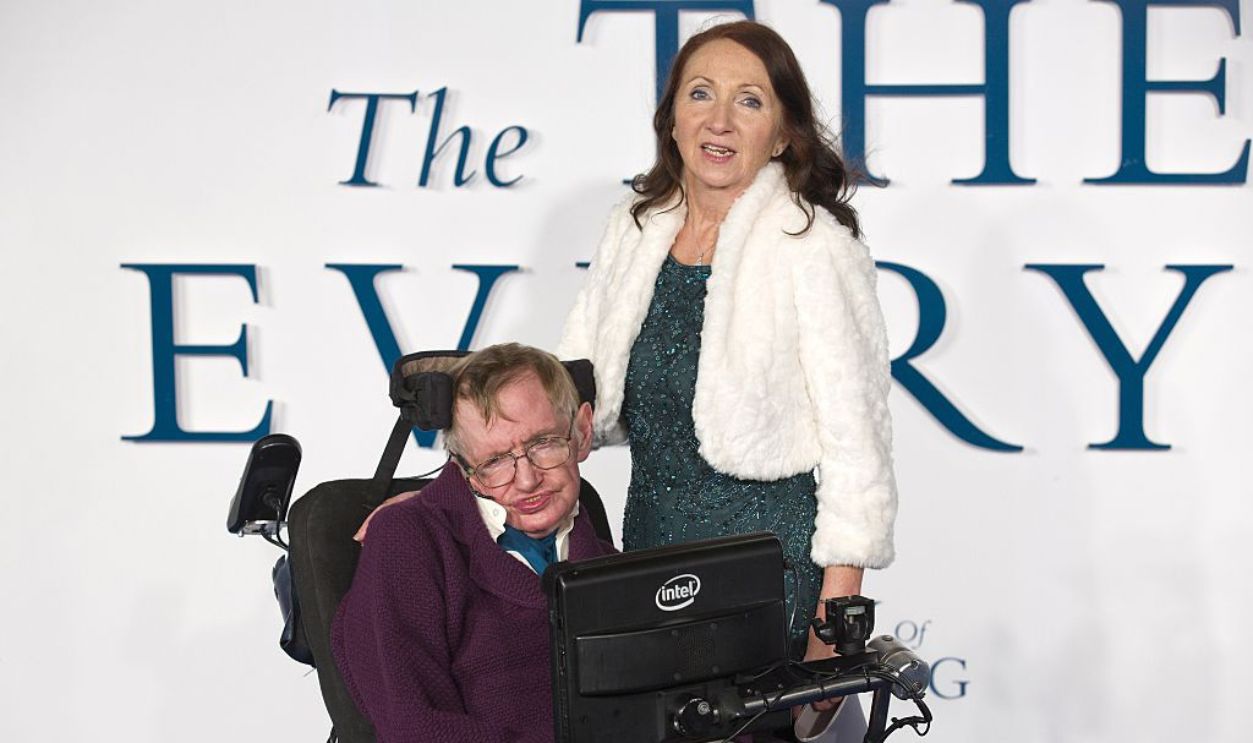
He Was Relentless
Even as his physical condition deteriorated, Stephen kept pushing forward. He rarely let illness slow his research. Colleagues recalled how he communicated complex ideas with just a few words, his brilliance cutting through the limitations of his body.
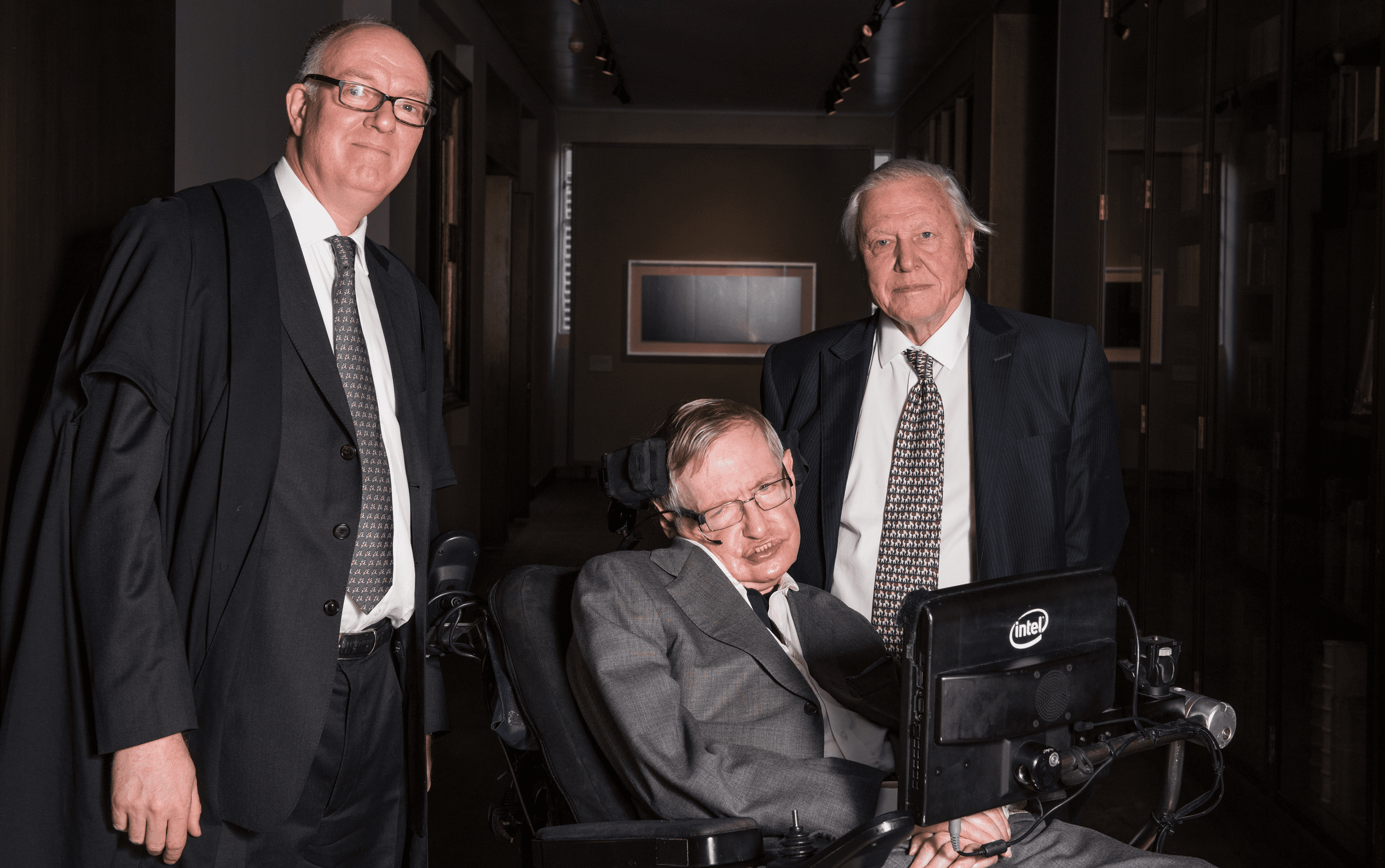
He Inspired Generations
Stephen received countless awards, including the Presidential Medal of Freedom in 2009 from President Barack Obama. Though he never won a Nobel Prize, his influence on theoretical physics was undeniable. His work inspired new generations to study the mysteries of space and time.

He Faced Setbacks Head-On
Stephen had numerous health scares throughout his life, often hospitalized and close to death. But each time, he pulled through. Friends and family often said his resilience was unmatched, and his will to live seemed fueled by his love for discovery.
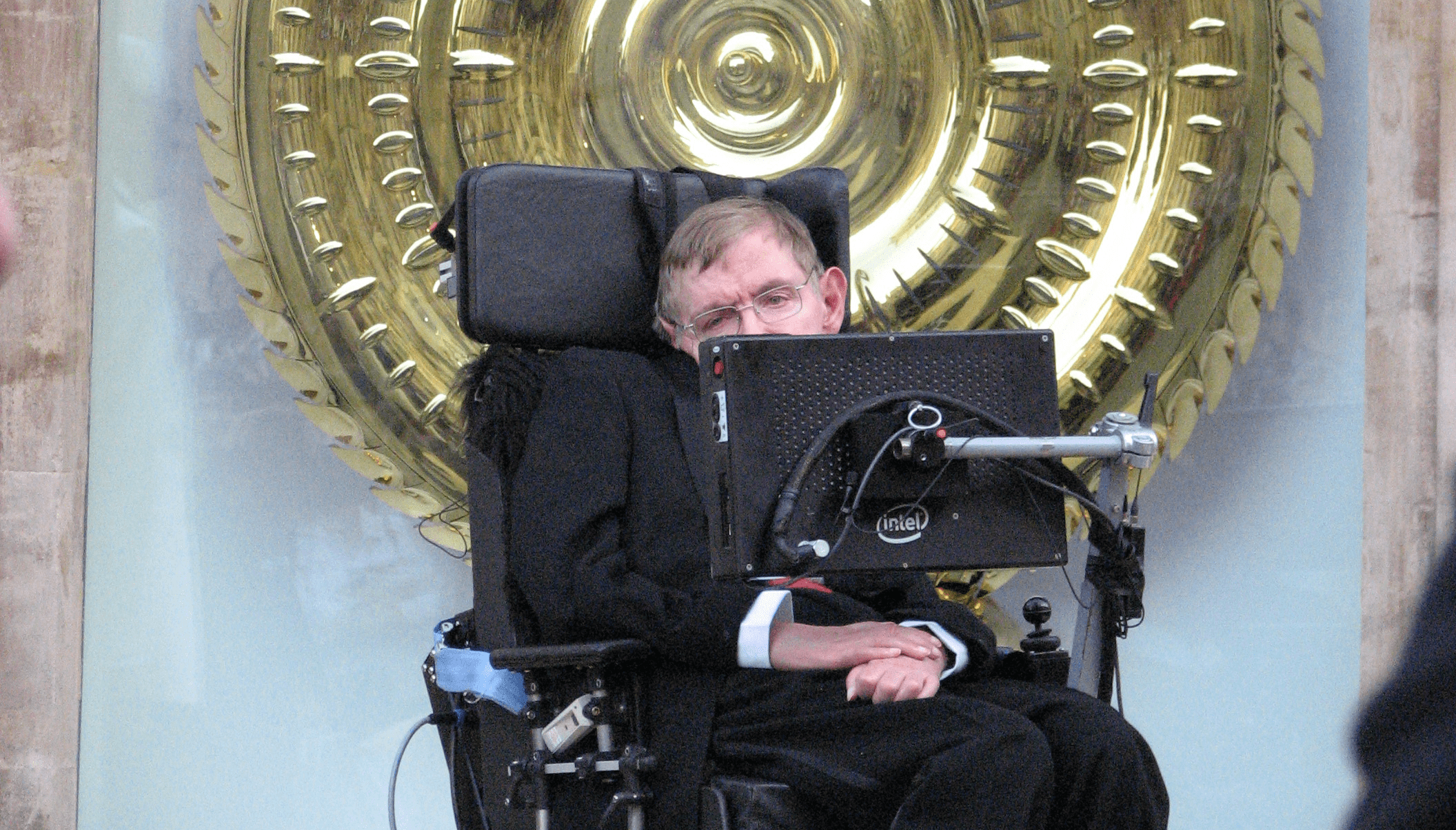
He Was an Eternal Optimist
Despite his hardships, Stephen was famously optimistic. He once said, “Where there’s life, there’s hope.” His outlook inspired millions living with disabilities, showing that determination could triumph over even the harshest odds.
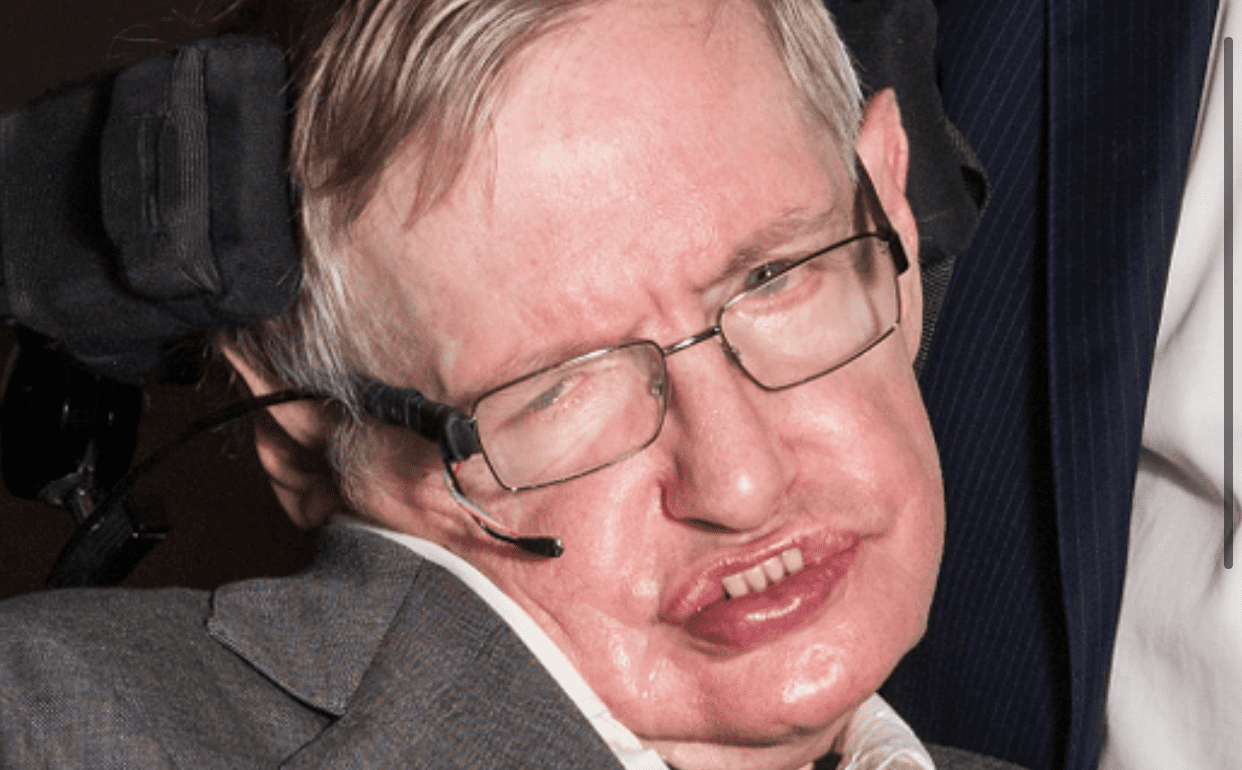
He Broke Stereotypes
Stephen became a role model for people living with disabilities worldwide. He proved that disability didn’t mean inability. By living a life full of achievement, humor, and humanity, he broke down stereotypes and opened doors for others to dream big.

He Was Mischievous
Friends often remembered Stephen’s mischievous sense of humor. He loved practical jokes, witty remarks, and even his “robotic” voice, once joking, “It’s not the voice I would have chosen, but at least it’s a voice.” His humor made him approachable and relatable, even as a global figure.
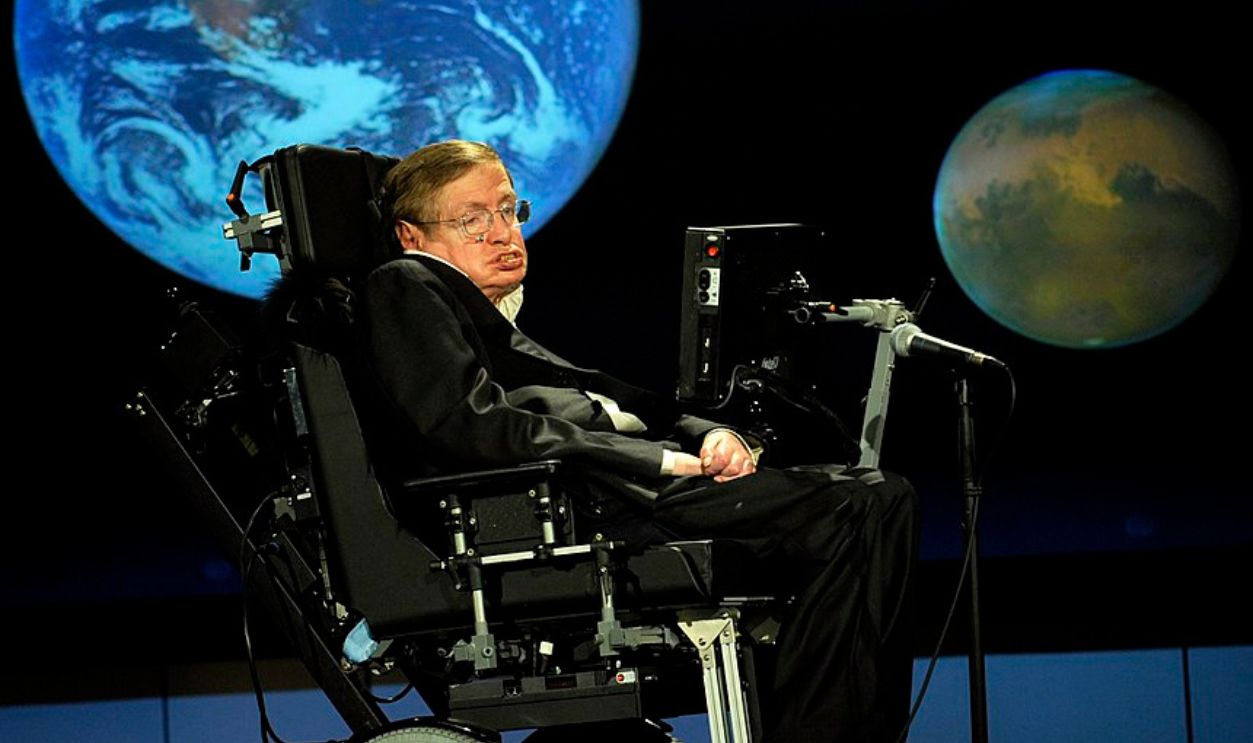 NASA/Paul Alers, Wikimedia Commons
He Watched His Life Unfold
In 2014, the film The Theory of Everything told the story of Stephen’s life, starring Eddie Redmayne. The movie received critical acclaim, and Redmayne won an Oscar. Stephen himself praised the film, saying he felt as though he was watching his own life unfold.
 Working Title, The Theory of Everything (2014)
He Persevered
Stephen lived far beyond the two years he was given in 1963. He survived for more than five decades with ALS, continuing to lecture, write, and inspire until his final days. His perseverance became as legendary as his discoveries.
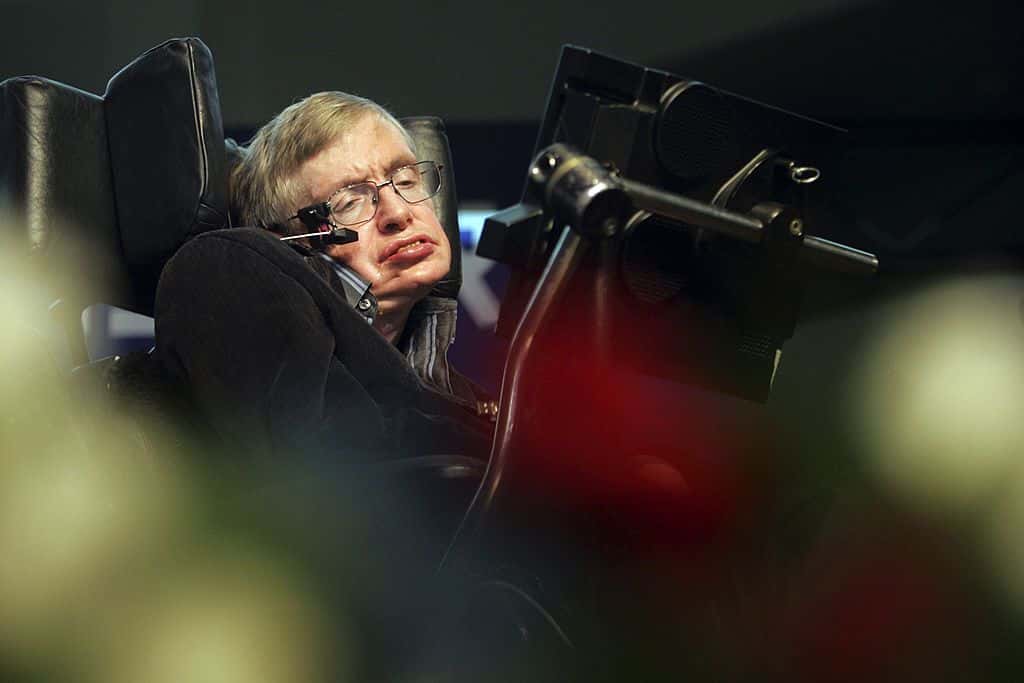
He Lived a Long Life
On March 14, 2018—Einstein’s birthday—Stephen Hawking died peacefully at home in Cambridge at the age of 76. The world mourned the loss of not just a scientist, but a symbol of resilience, perseverance, and the triumph of the human spirit.
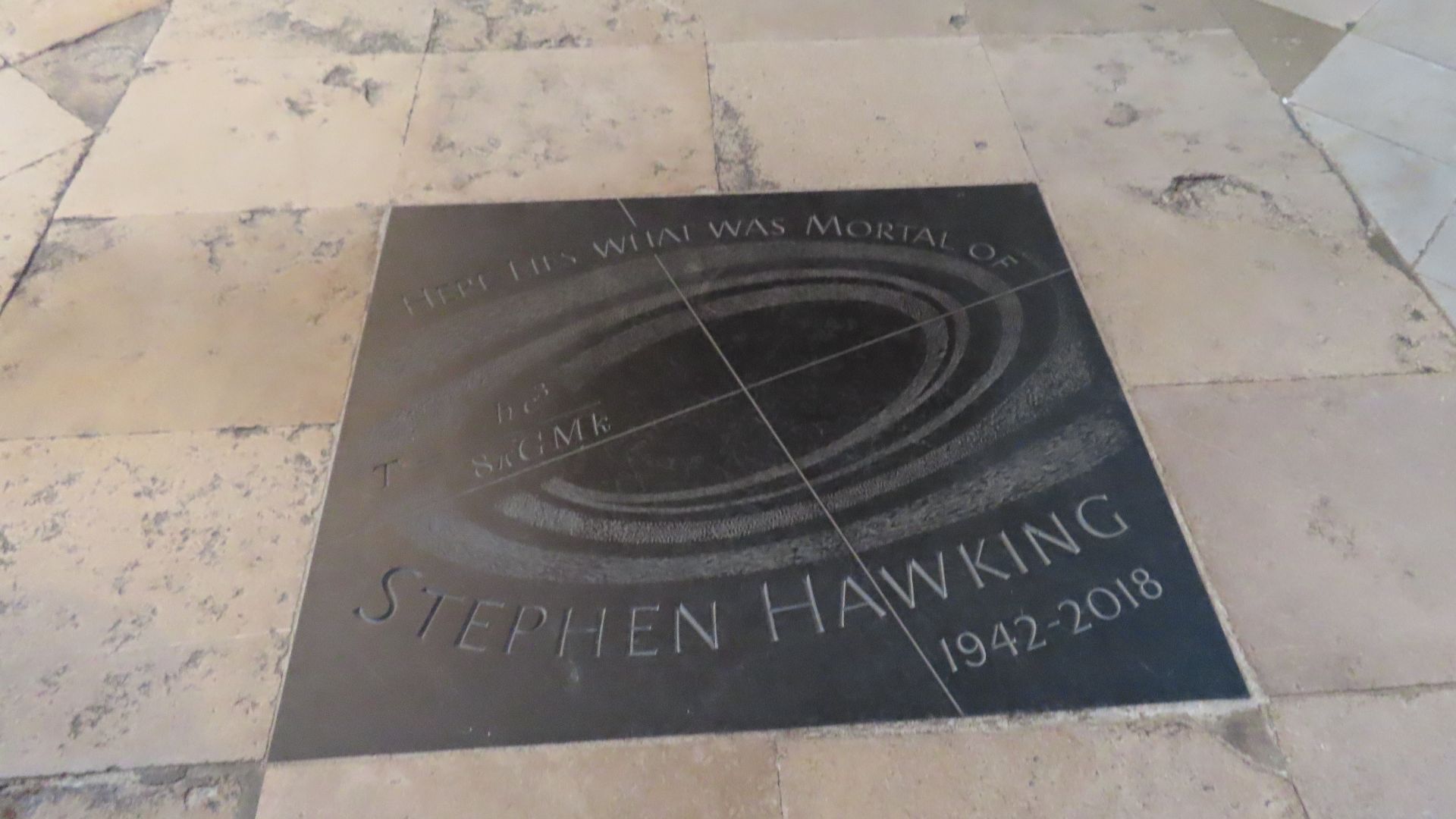 amanderson2, Wikimedia Commons
His Legacy Lives On
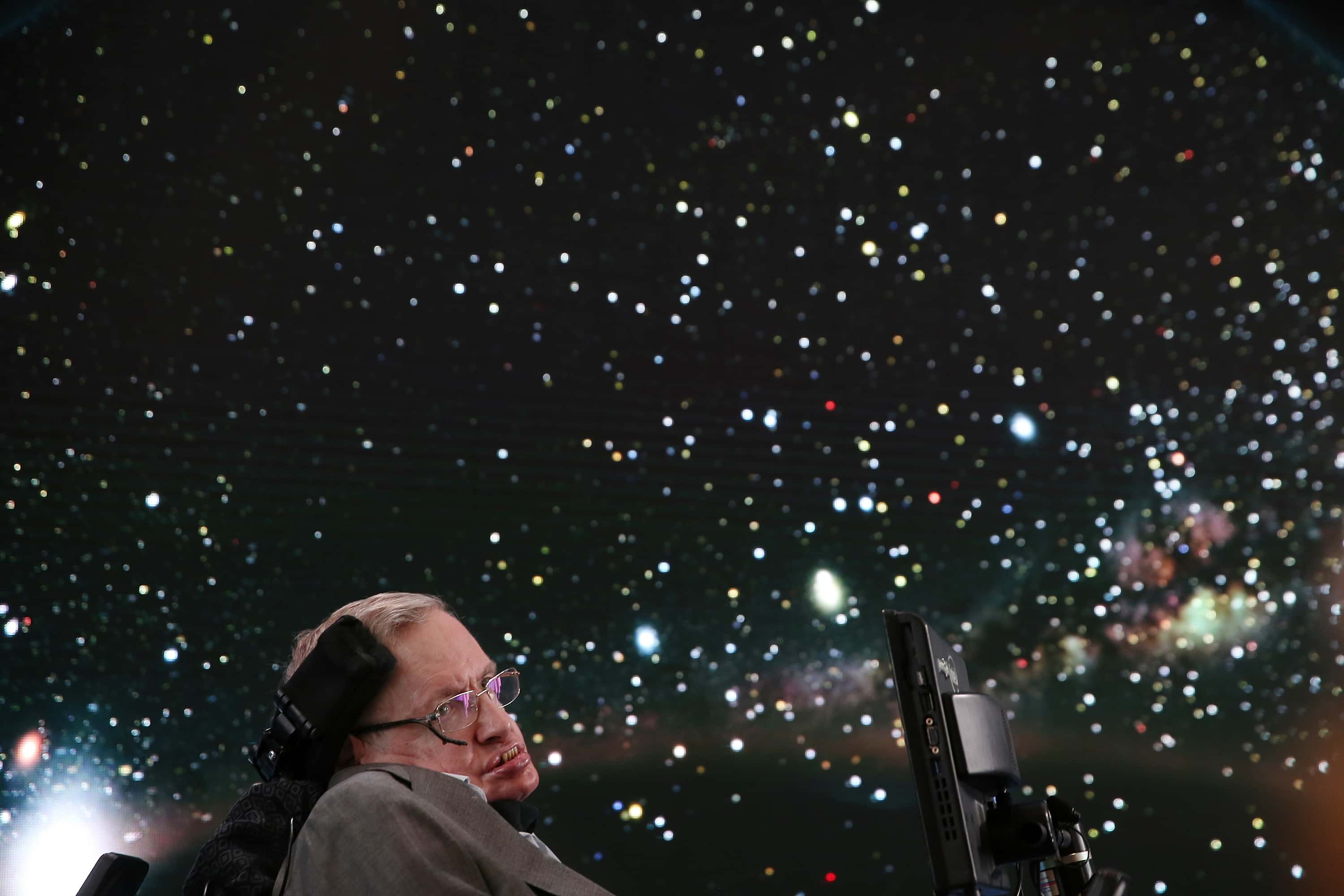
Stephen Hawking’s life was proof that limitations can be transcended. His discoveries changed how we see the universe, and his personal courage inspired millions. He once said, “Remember to look up at the stars and not down at your feet.” His words continue to guide us.
You May Also Like:
Angela Lansbury protected her daughter from Charles Manson by fleeing to Ireland. She passed in 2022, but her graceful legacy lives on.
Freddie Mercury recorded vocals for Made in Heaven while dying, barely able to stand. He passed in 1991, but his immortal legacy lives on.