When Tiny Errors Become Enormous Problems
History’s biggest disasters do not always begin with earthquakes, wars, or villains twirling mustaches. Sometimes they begin with an incorrect measurement, a forgotten procedure, a poorly worded message, or one warning that somebody decided could wait. These catastrophes show how frighteningly far a seemingly small mistake can travel.
 NASA, Public domain, via Wikimedia Commons
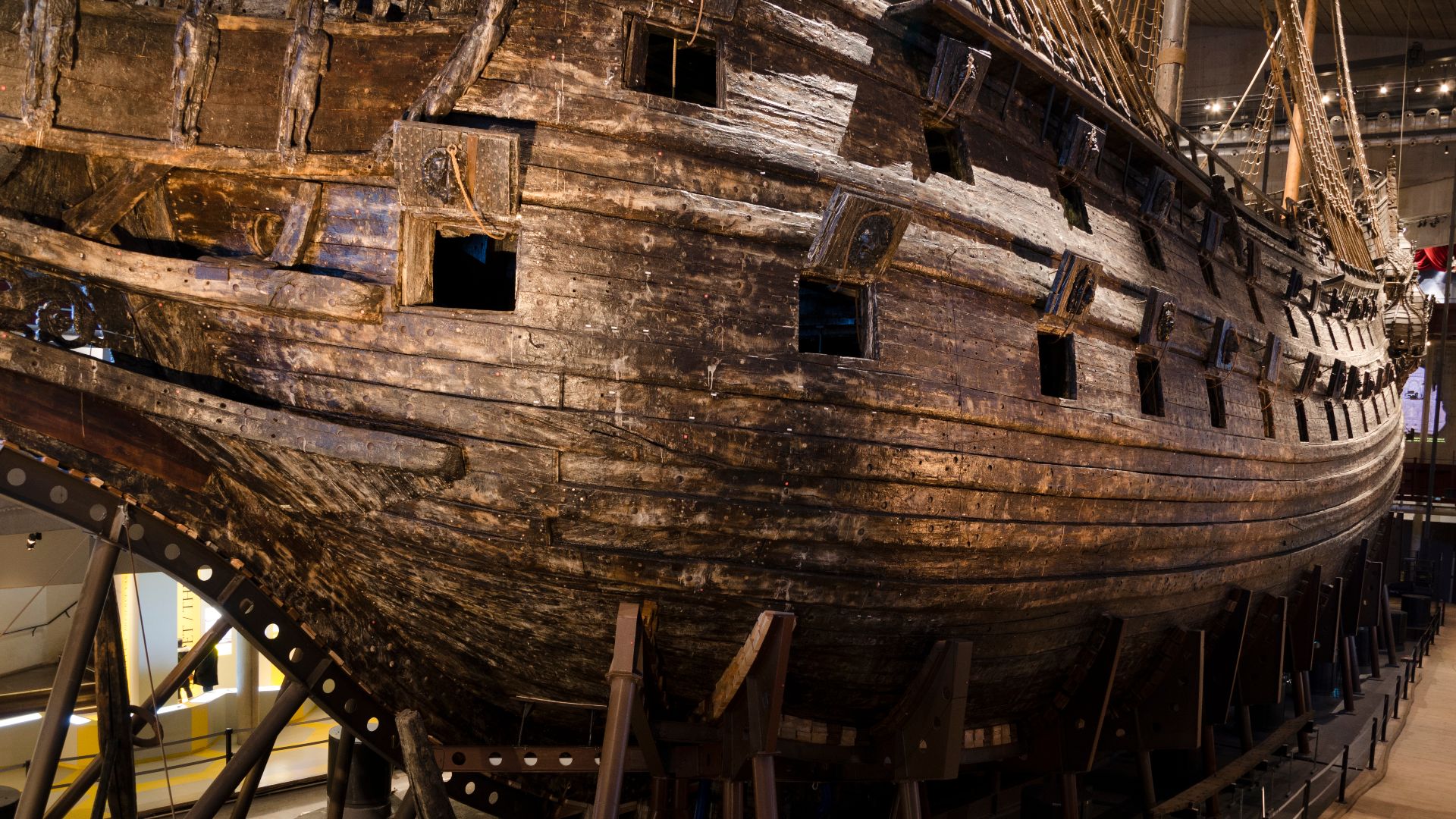
The Vasa Failed Its Own Warning Test
Before Sweden’s mighty warship Vasa sailed in 1628, 30 men were ordered to run back and forth across its deck to test its stability. The ship rocked so violently that the demonstration was stopped. Despite that enormous warning, officials sent Vasa sailing anyway. It sank after traveling roughly 1,300 meters.
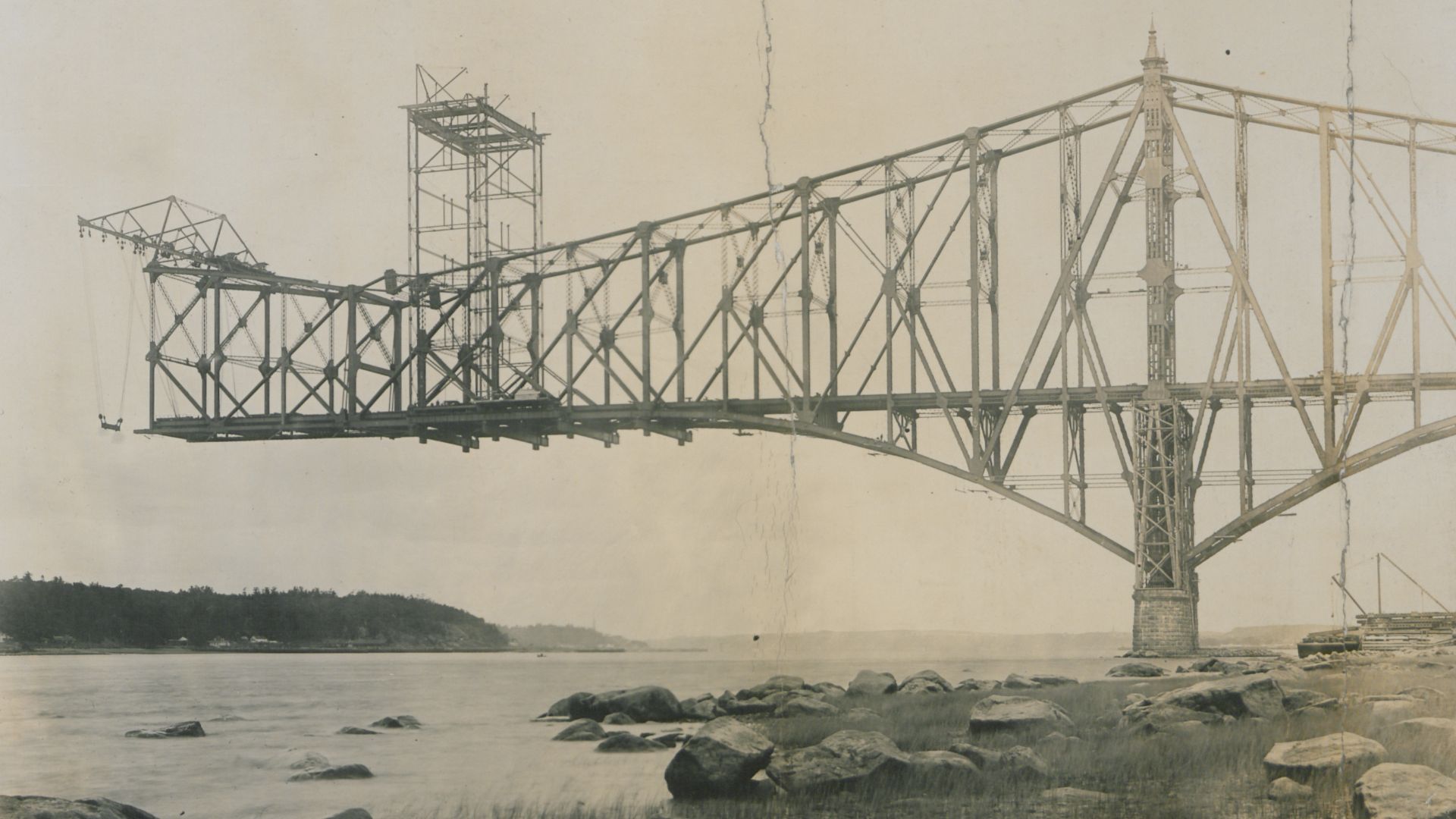
The Quebec Bridge Was Heavier Than The Math Said
While constructing the Quebec Bridge in 1907, engineers discovered that its actual weight exceeded calculations based partly on outdated design figures. Workers also reported increasingly alarming distortions in structural members. Construction nevertheless continued. The bridge collapsed on August 29, killing 75 workers and becoming a lasting lesson in engineering oversight.
 F. E. Cudworth, Wikimedia Commons
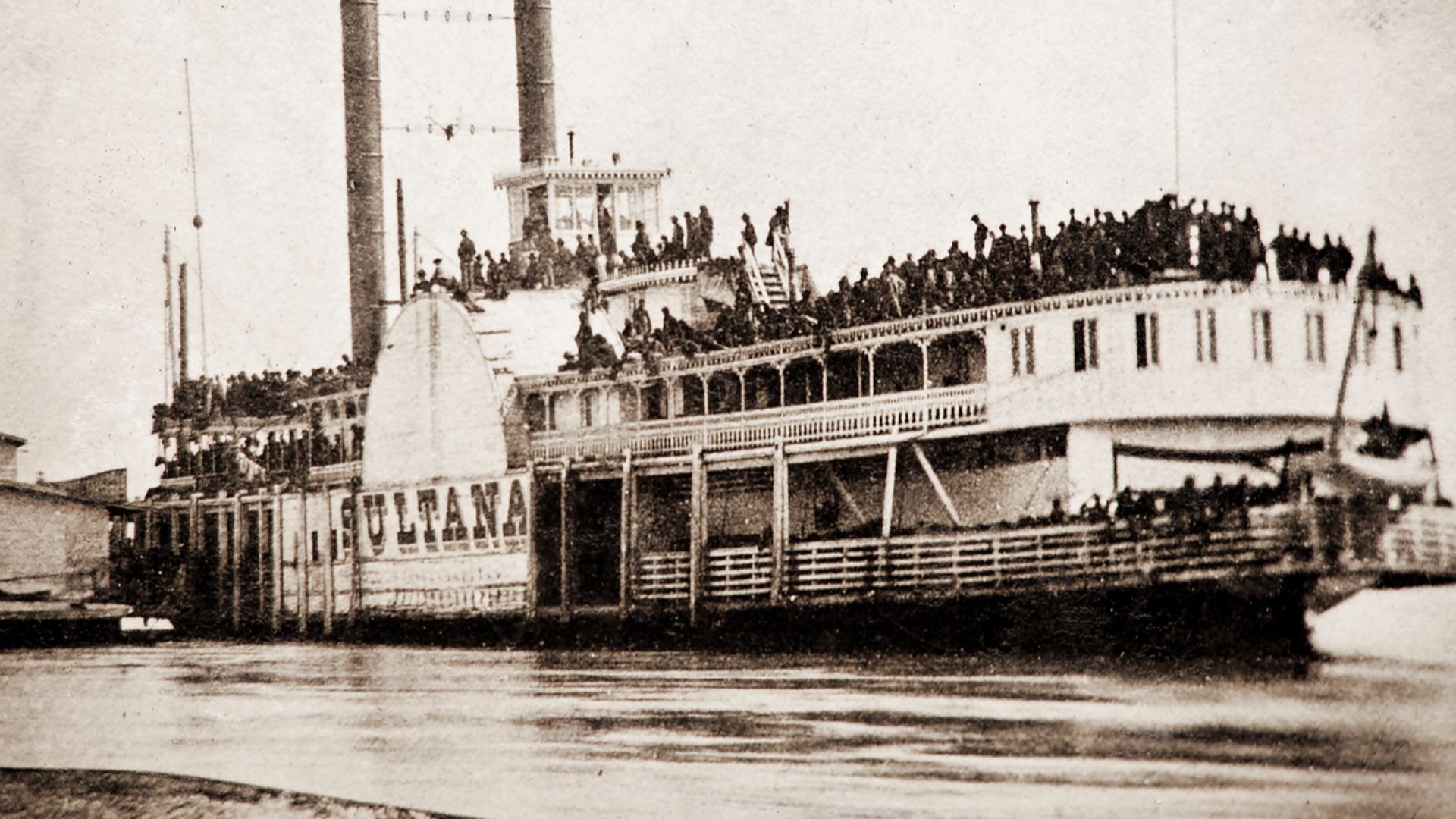
The Sultana Was Carrying Far Too Many People
The steamboat Sultana was legally rated for 376 passengers. In April 1865, it carried well over 2,000 people, mostly recently released Union prisoners of war. A boiler had also undergone repairs shortly before departure. When boilers exploded on the Mississippi, an estimated 1,700 or more people died.
 Thomas W. Bankes, Wikimedia Commons
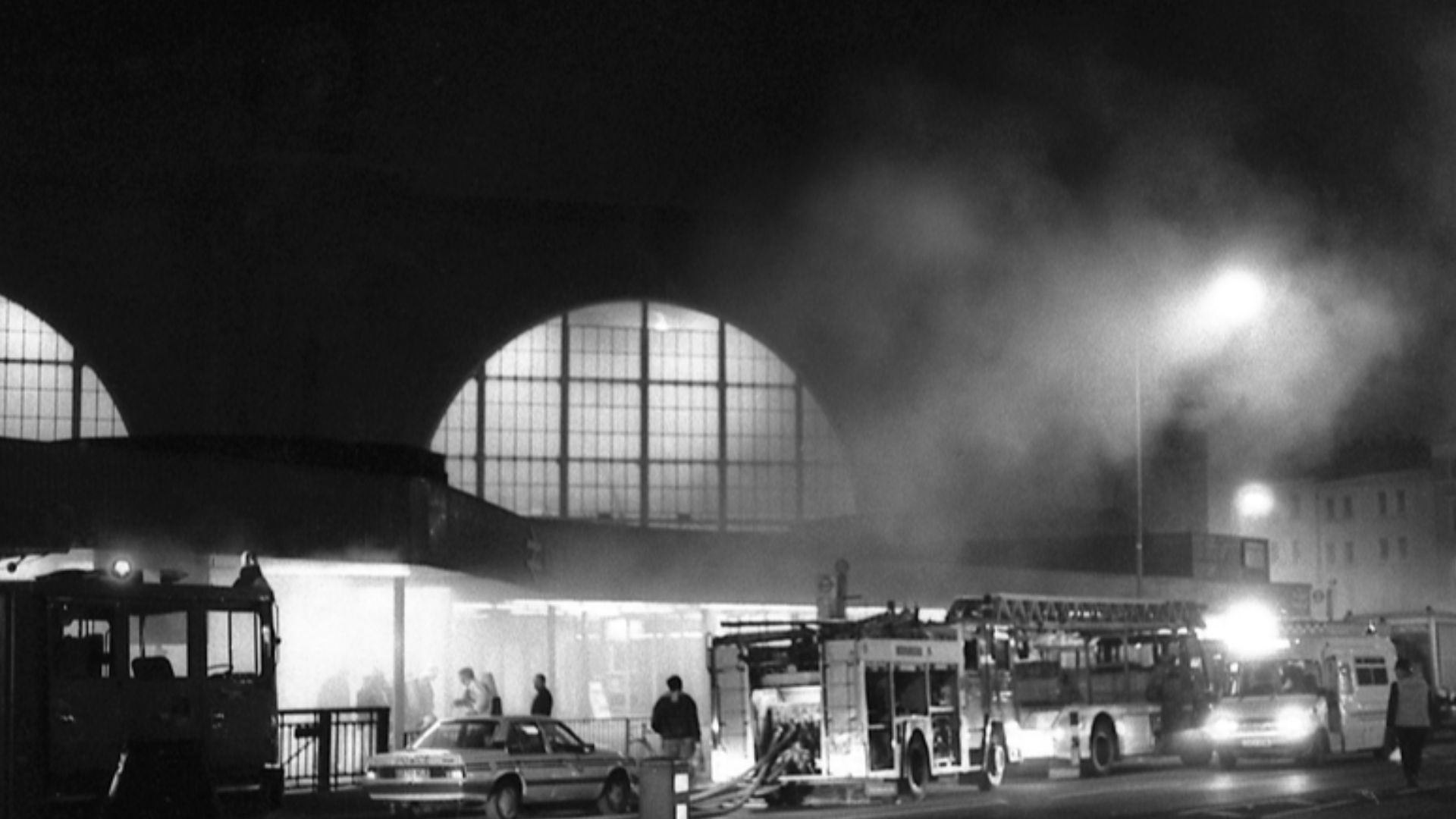
One Match Started The King’s Cross Fire
Smoking had already been banned on the London Underground when someone apparently dropped a burning match onto a wooden escalator at King’s Cross in November 1987. The tiny fire beneath the steps rapidly intensified through what investigators called the “trench effect.” Thirty-one people died, and wooden escalators were subsequently phased out.
 Christopher Newberry, Wikimedia Commons
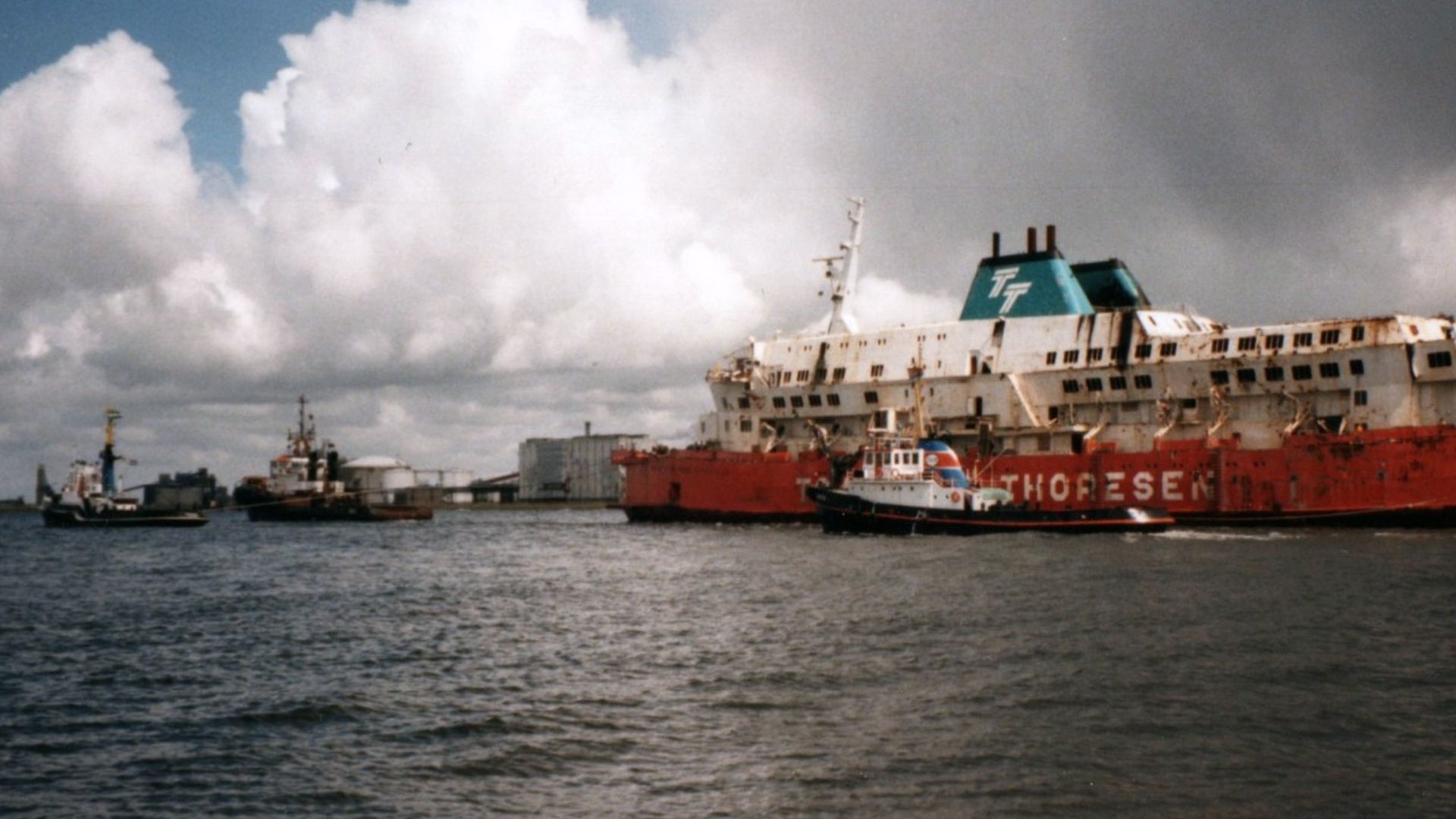
Someone Fell Asleep On The Herald
On March 6, 1987, the Herald of Free Enterprise left Zeebrugge with its bow doors open. The assistant bosun responsible for closing them had fallen asleep. Yet the official investigation emphasized something bigger: the company lacked a foolproof system ensuring such a vital task was actually completed. The ferry capsized, killing 193 people.
 Archief Ranter (The original uploader was AirSafetyGuy at English Wikipedia.), Wikimedia Commons
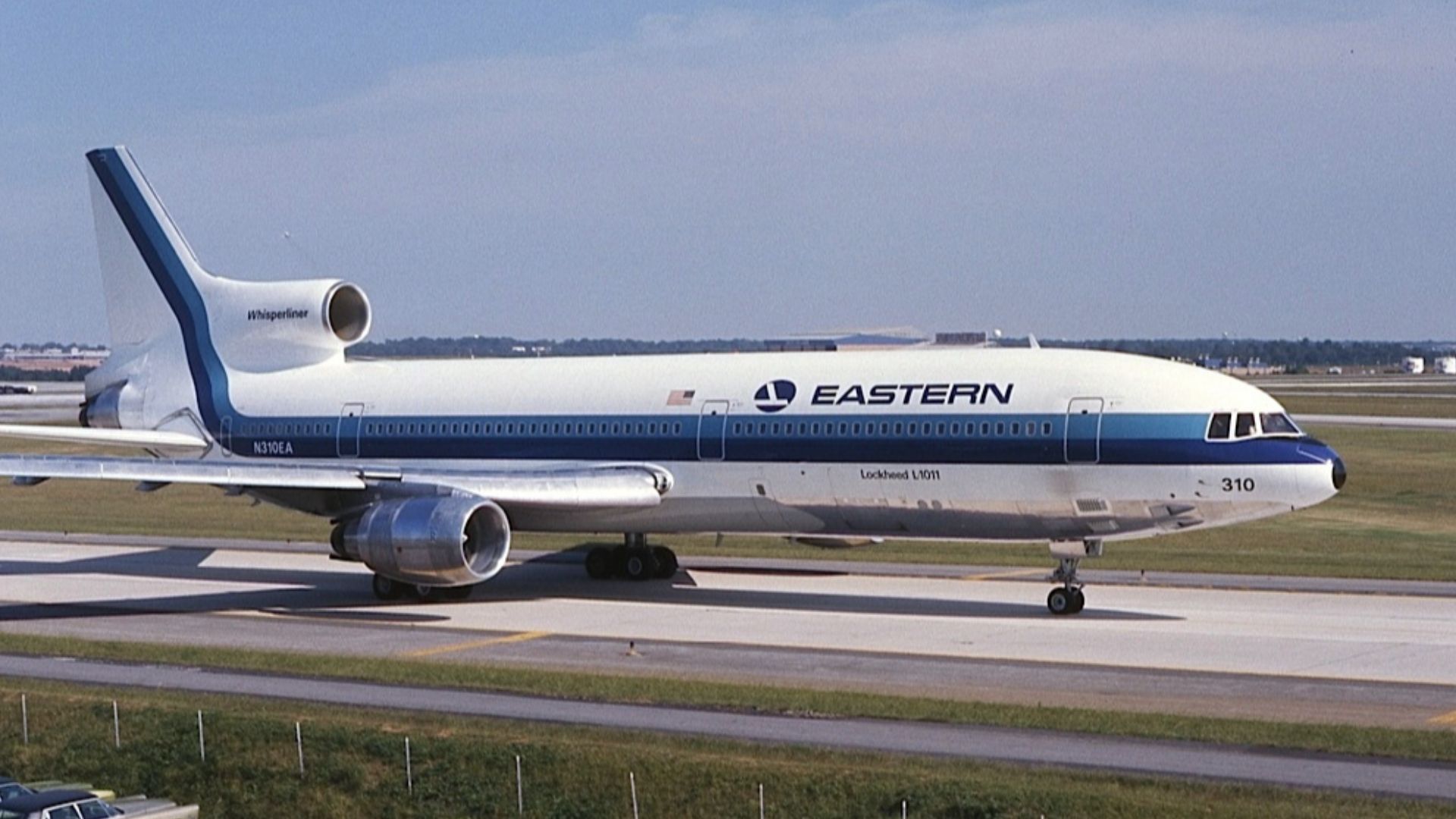
A Tiny Light Distracted An Entire Cockpit
Eastern Air Lines Flight 401 approached Miami in December 1972 when the green light confirming the nose landing gear was locked failed to illuminate. The crew became absorbed in solving the problem. Meanwhile, the aircraft gradually descended unnoticed and crashed into the Everglades. The NTSB concluded that distraction caused the crew to miss the descent.
 Jerry Stanick - Jon Proctor collection, Wikimedia Commons
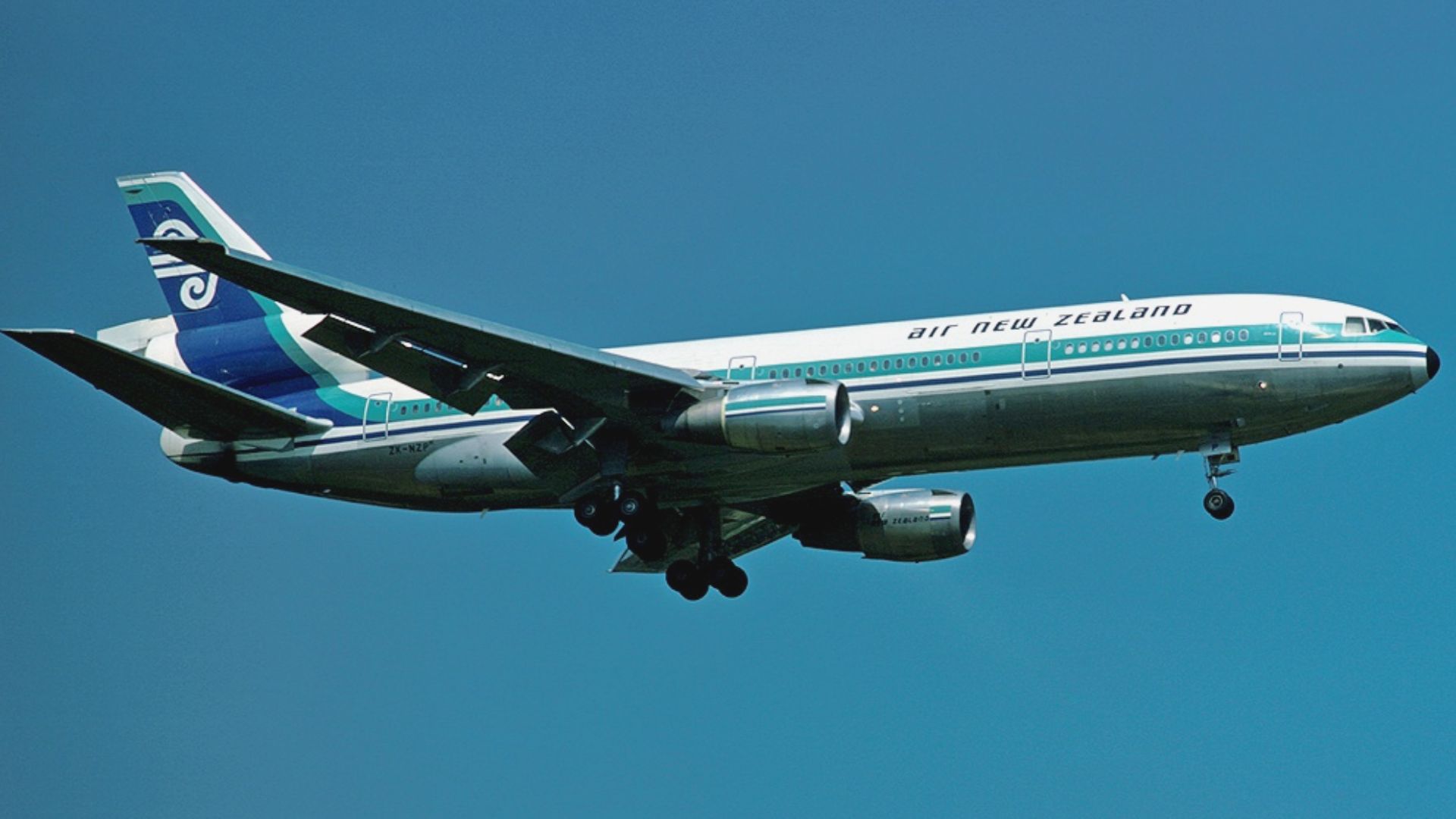
The Erebus Coordinates Changed Overnight
Before Air New Zealand Flight 901 departed for Antarctica in 1979, its computer flight-plan coordinates were changed. The crew was not alerted that the adjustment moved their programmed route roughly 27 nautical miles east from the route on which they had been briefed. The DC-10 struck Mount Erebus, killing all 257 aboard.
 Eduard Marmet, Wikimedia Commons
Air Florida Ignored The Ice
Air Florida Flight 90 departed Washington National Airport during a snowstorm in January 1982. Investigators found that the crew failed to use engine anti-ice, took off with contamination on the aircraft, and continued despite abnormal engine readings. The Boeing 737 struck the 14th Street Bridge and plunged into the Potomac.

History's most fascinating stories and darkest secrets, delivered to your inbox daily.
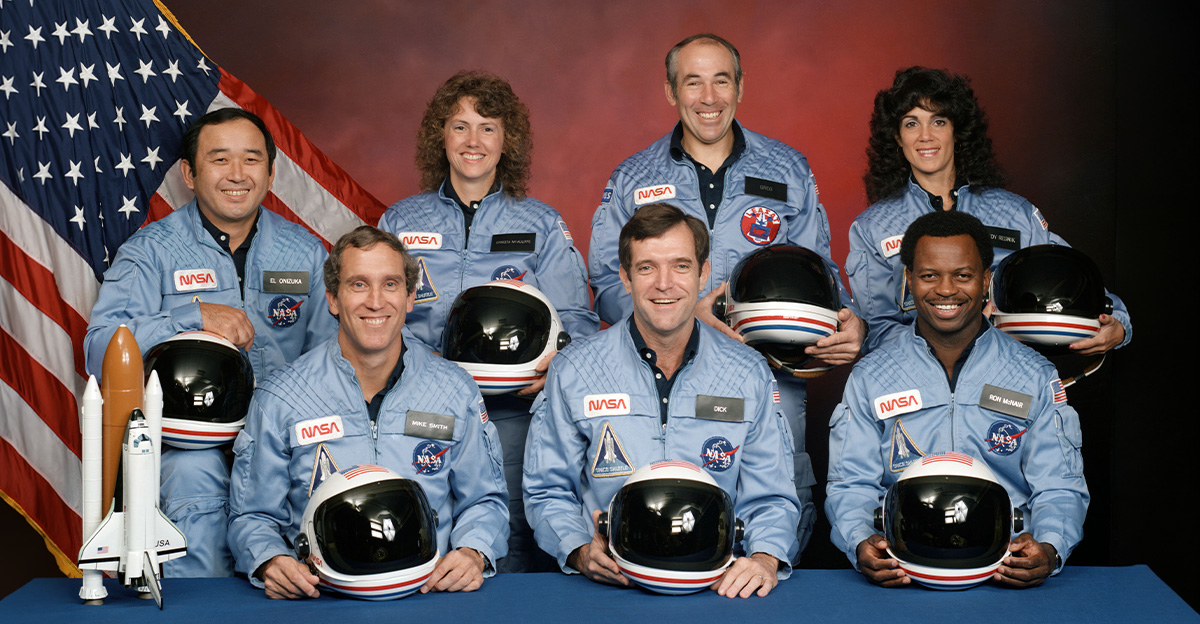
Challenger Launched Despite The Cold
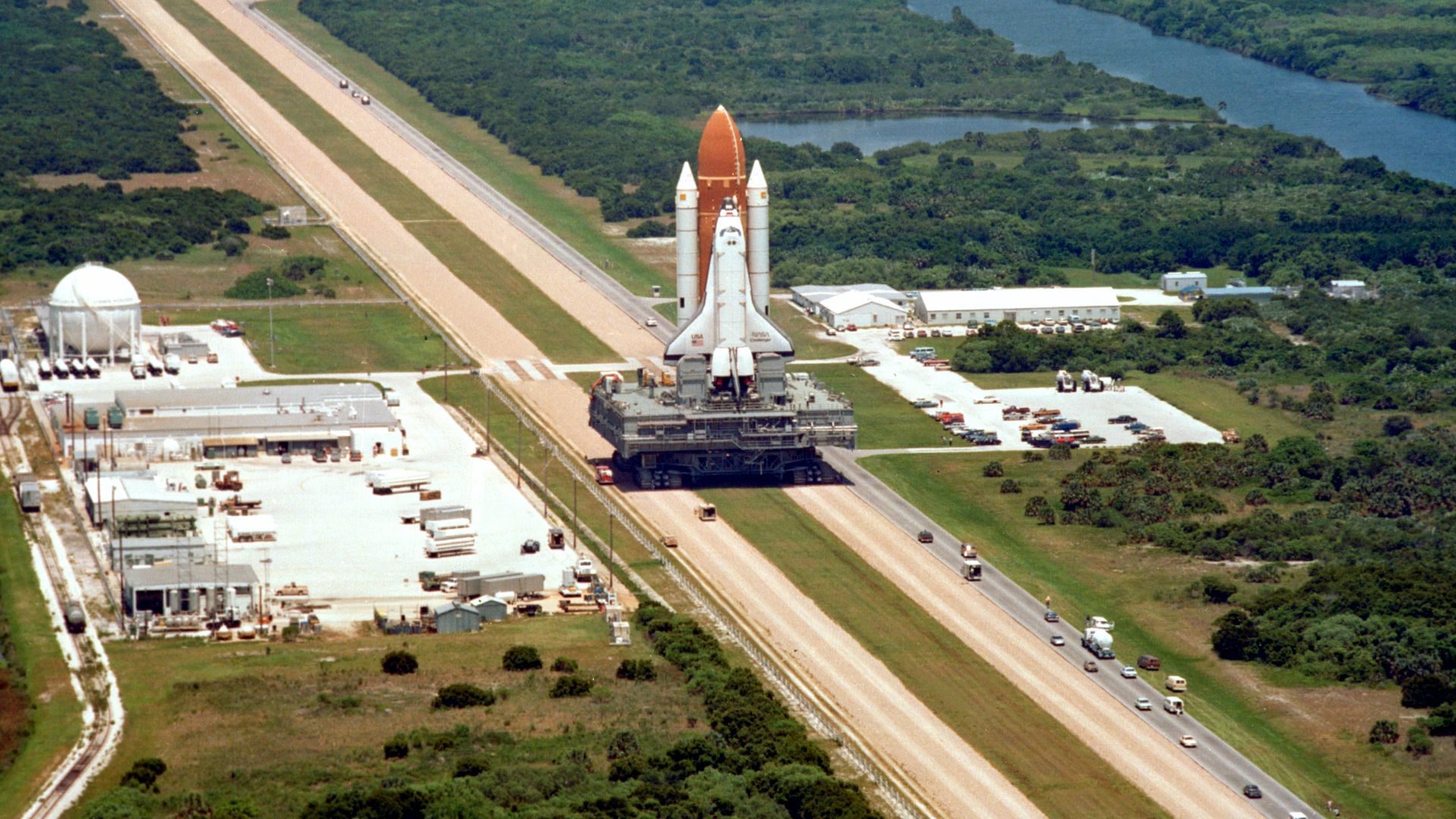
Engineers worried that unusually cold temperatures could compromise the seals in Challenger’s solid rocket boosters. Morton Thiokol initially recommended against launching below 53°F, yet management reversed course. Challenger launched on January 28, 1986, and broke apart 73 seconds later. The Rogers Commission called the launch decision flawed.
Apollo 13 Had The Wrong Switches
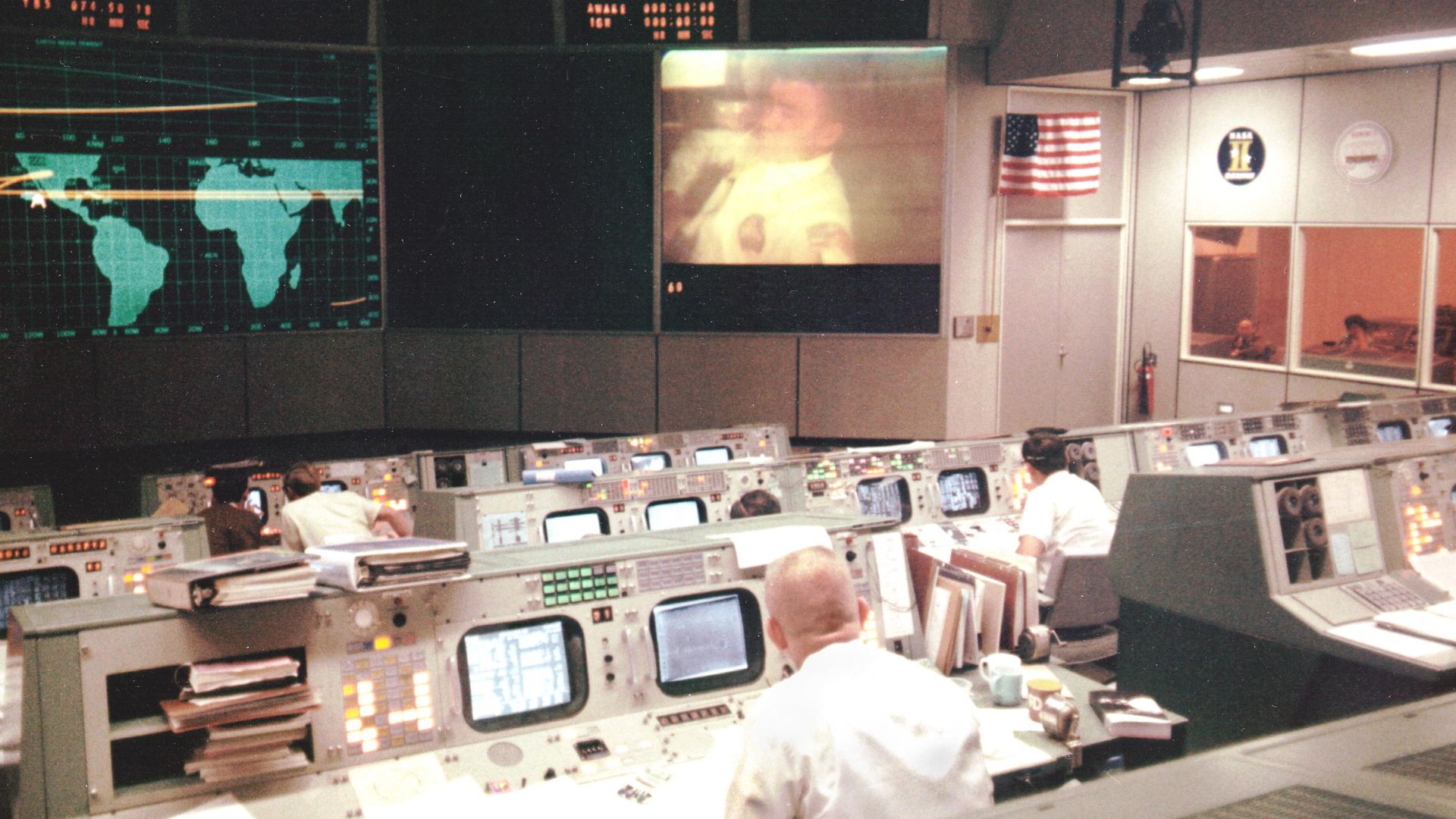
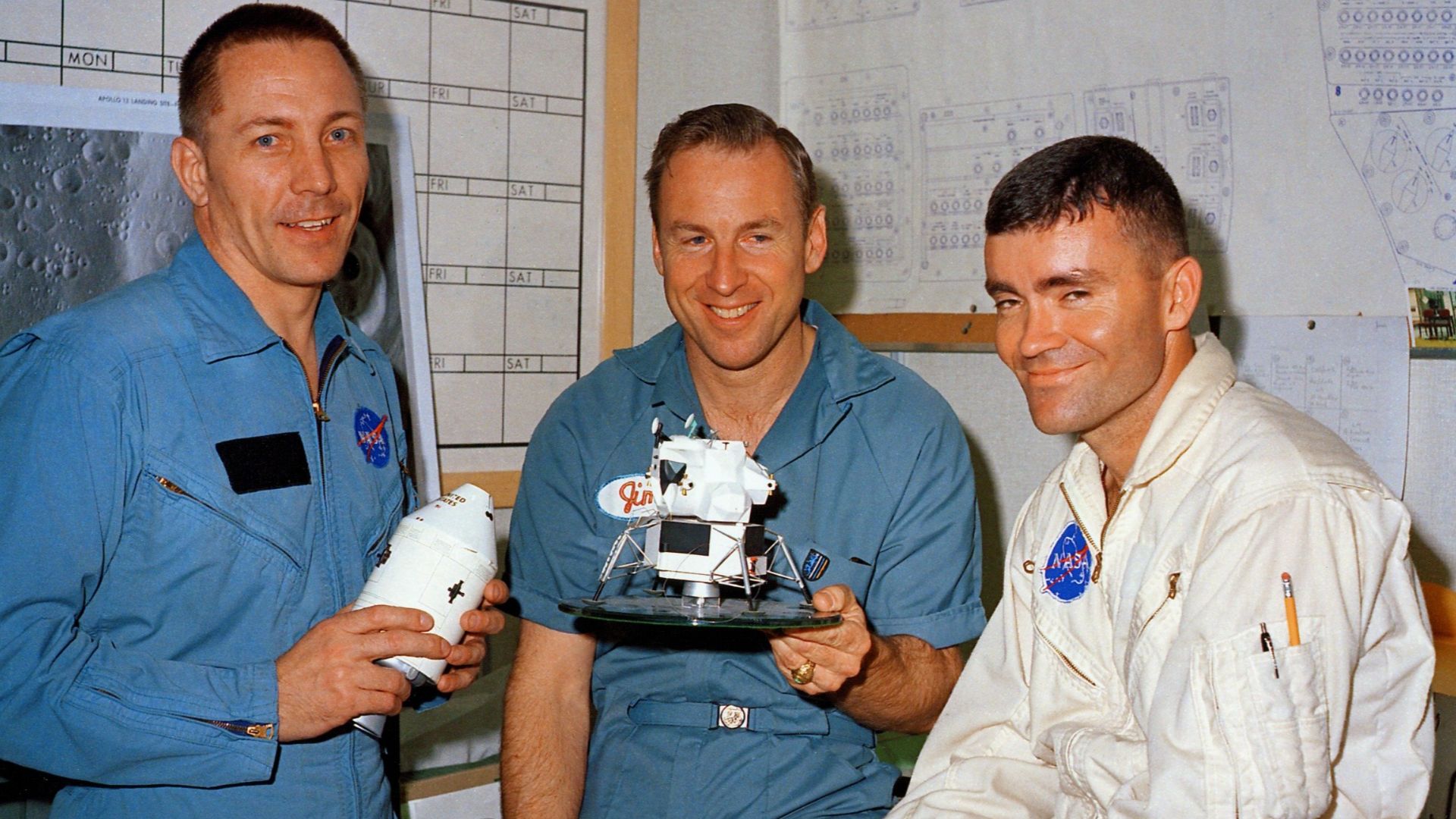
Apollo 13’s famous explosion had roots years earlier. The spacecraft’s oxygen-tank heaters had been upgraded to accept 65-volt ground power, but their thermostatic switches remained designed for 28 volts. During testing, the switches likely welded shut, allowing intense overheating that damaged wiring insulation. The hidden damage followed Apollo 13 into space.
Hubble Was Off By 1.3 Millimeters
The Hubble Space Telescope was built to stare billions of light-years into space, yet an error measuring just 1.3 millimeters nearly spoiled its vision. A testing instrument called a null corrector had been incorrectly assembled, causing Hubble’s enormous primary mirror to be polished precisely into the wrong shape.
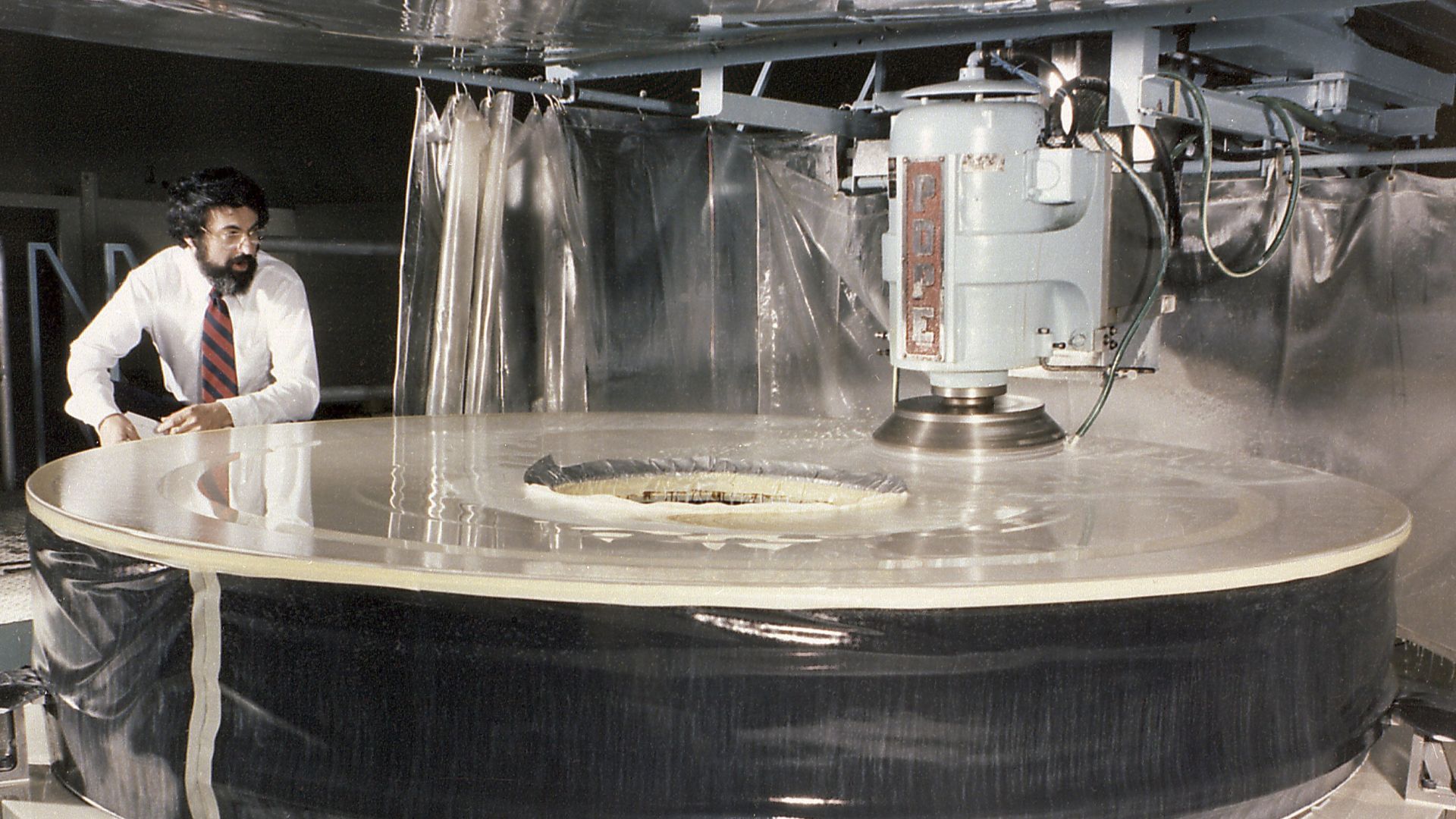 NASA Marshall Space Flight Center, Wikimedia Commons
Ariane 5 Reused The Wrong Software
Europe’s new Ariane 5 rocket launched in June 1996 and destroyed itself about 40 seconds later. Software inherited from Ariane 4 attempted a calculation inappropriate for Ariane 5’s much faster flight profile. The resulting failure knocked out both inertial reference systems and sent the rocket wildly off course.
 Alan Wilson from Peterborough, Cambs, UK, Wikimedia Commons
NASA Mixed Up Its Units
The Mars Climate Orbiter disappeared in 1999 for an almost painfully ordinary reason: one engineering team supplied data using English units while another system expected metric units. The resulting navigation error sent the spacecraft far closer to Mars than intended. NASA concluded that it was lost during atmospheric entry.
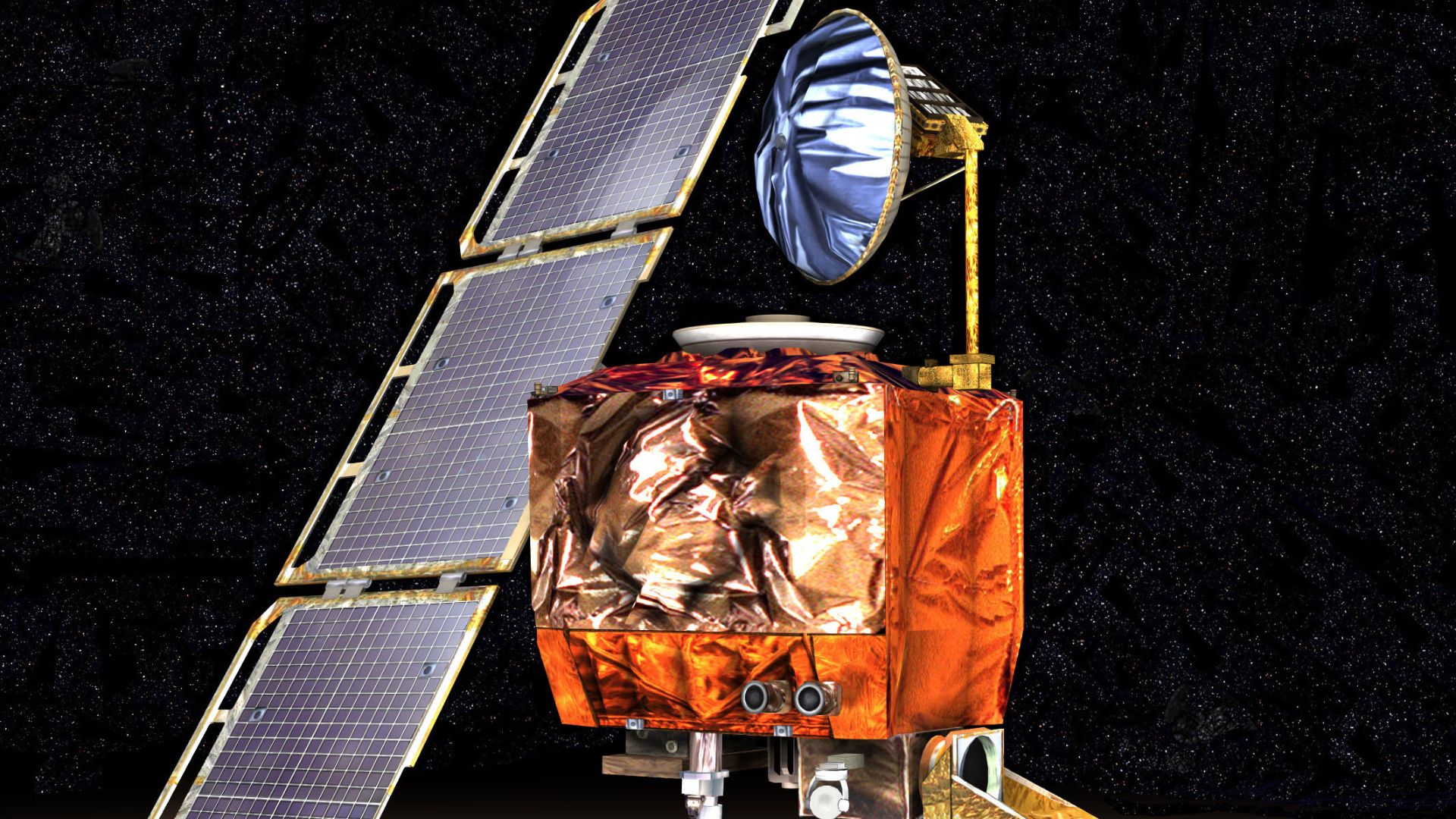 NASA/JPL/Corby Waste, Wikimedia Commons
A Clock Error Blinded A Patriot Battery
During the Gulf War, a Patriot missile battery at Dhahran suffered a software timing problem after running continuously for an extended period. Tiny inaccuracies accumulated in its internal calculations, preventing the system from properly tracking an incoming Iraqi Scud missile. The incident became a classic warning about seemingly insignificant computer errors.
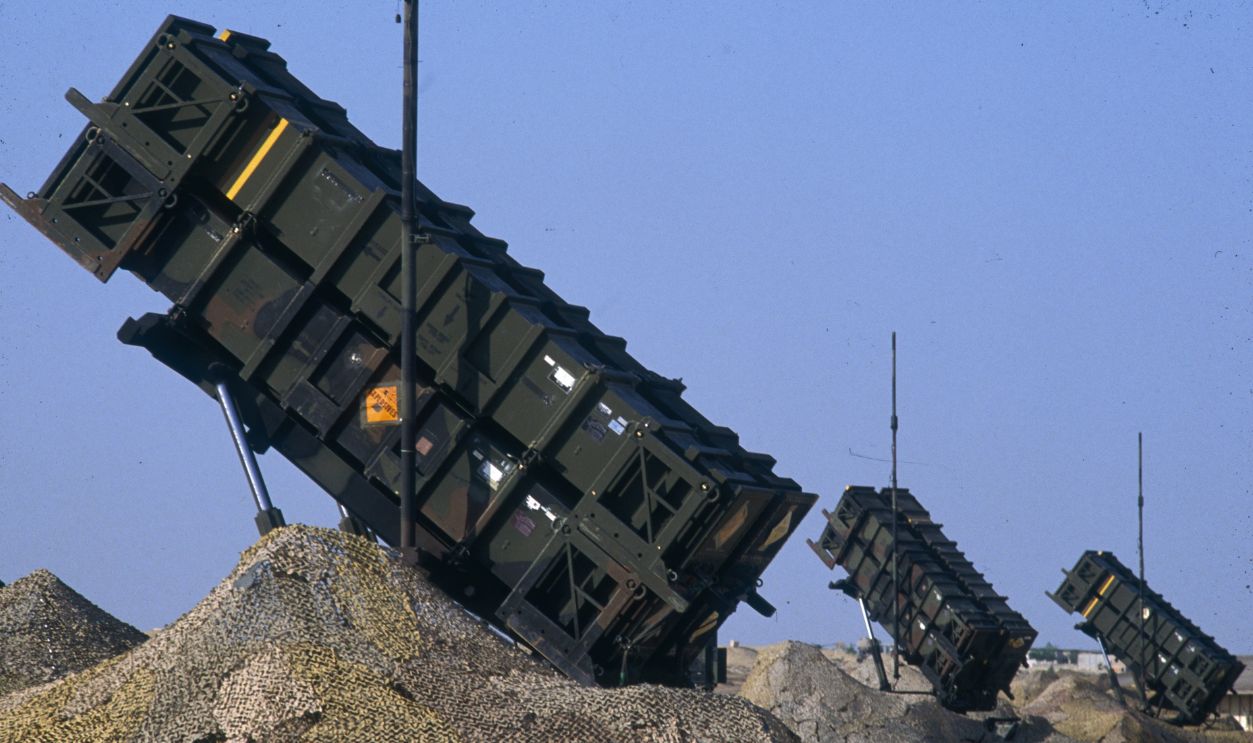 Langevin Jacques, Getty Images
Therac-25 Trusted Software Too Much
The Therac-25 radiation therapy machine relied heavily on software rather than the physical safety interlocks used by earlier models. A race condition could produce dangerously incorrect machine settings under particular sequences of operator input. Between 1985 and 1987, patients received enormous radiation overdoses, causing serious injuries and deaths.
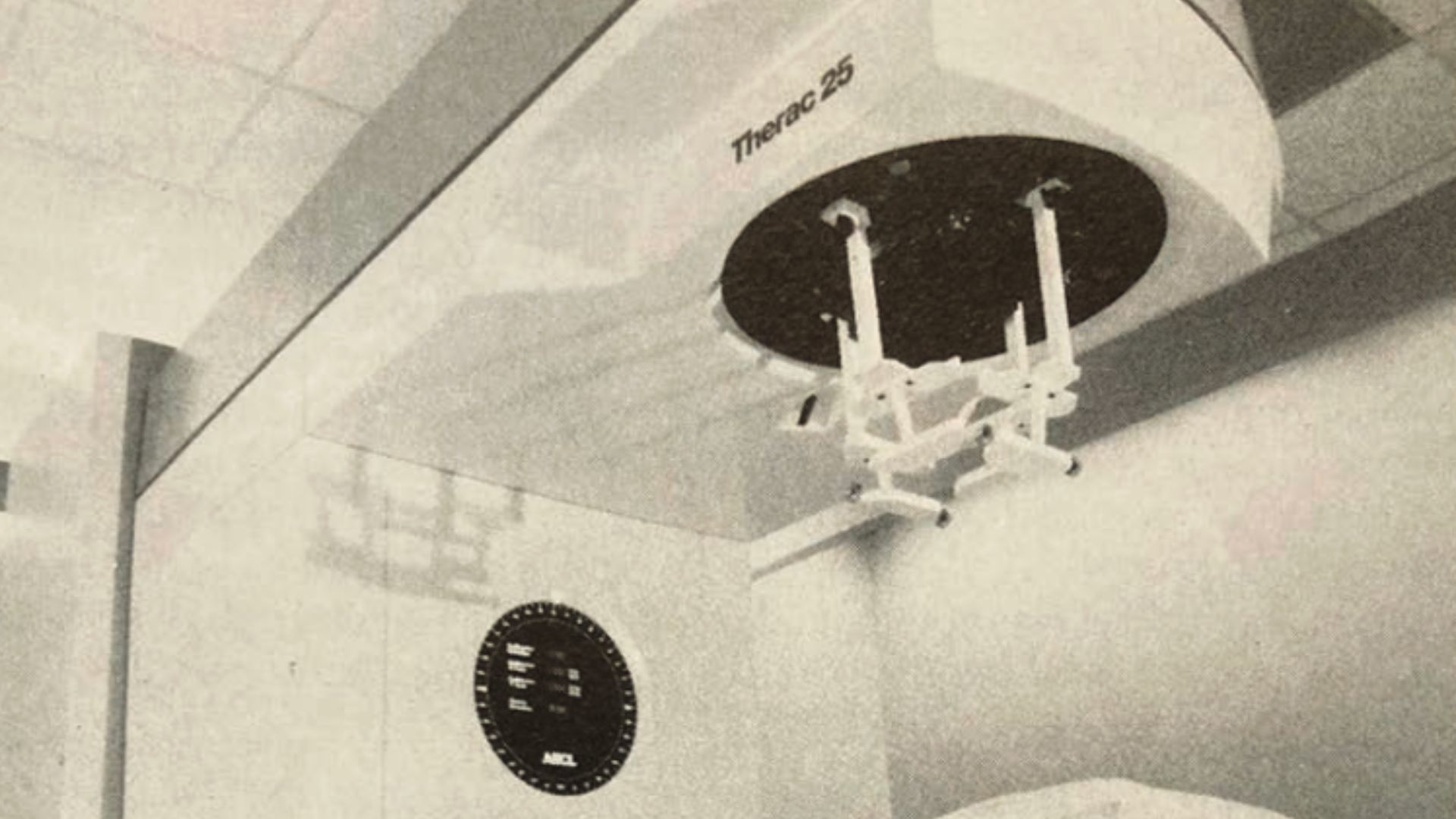 Unknown authorUnknown author, Wikimedia Commons
Three Mile Island Had A Misleading Indicator
At Three Mile Island in 1979, a pressure-relief valve opened as designed but then became stuck open. Inside the control room, however, instrumentation indicated that the command to close the valve had been issued, not that the valve itself had physically closed. Operators therefore misunderstood what was happening inside the reactor system.
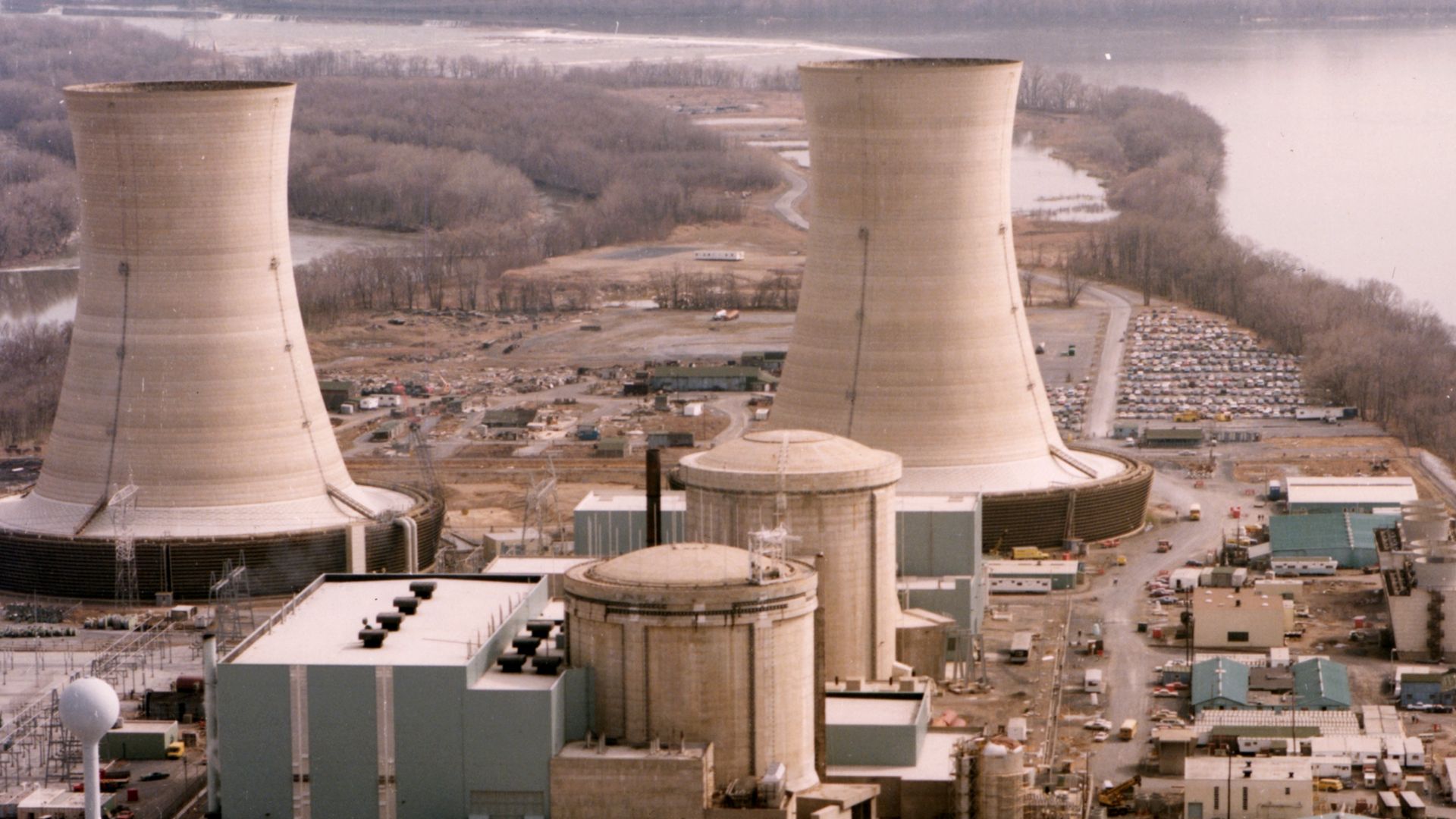 United States Department of Energy, Wikimedia Commons
A Walkway Change Doubled The Load
The Kansas City Hyatt Regency skywalk disaster began partly with what appeared to be a practical fabrication change. A continuous hanger-rod design was replaced with two sets of rods. That alteration effectively doubled the load on an already inadequate connection. On July 17, 1981, two walkways collapsed, killing 114 people.
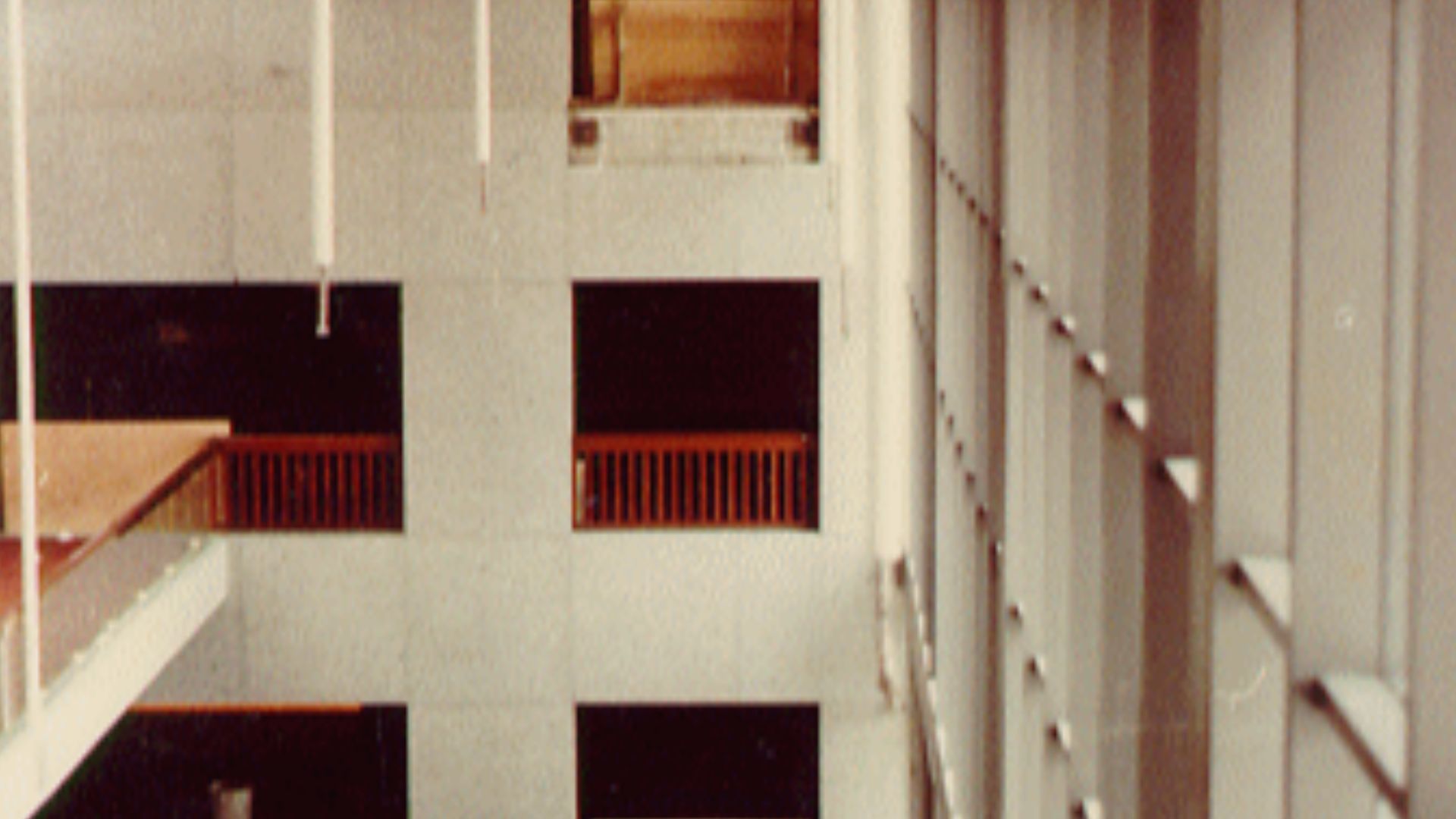 Dr. Lee Lowery, Jr., P.E., Wikimedia Commons
One Hidden Crack Brought Down The Silver Bridge
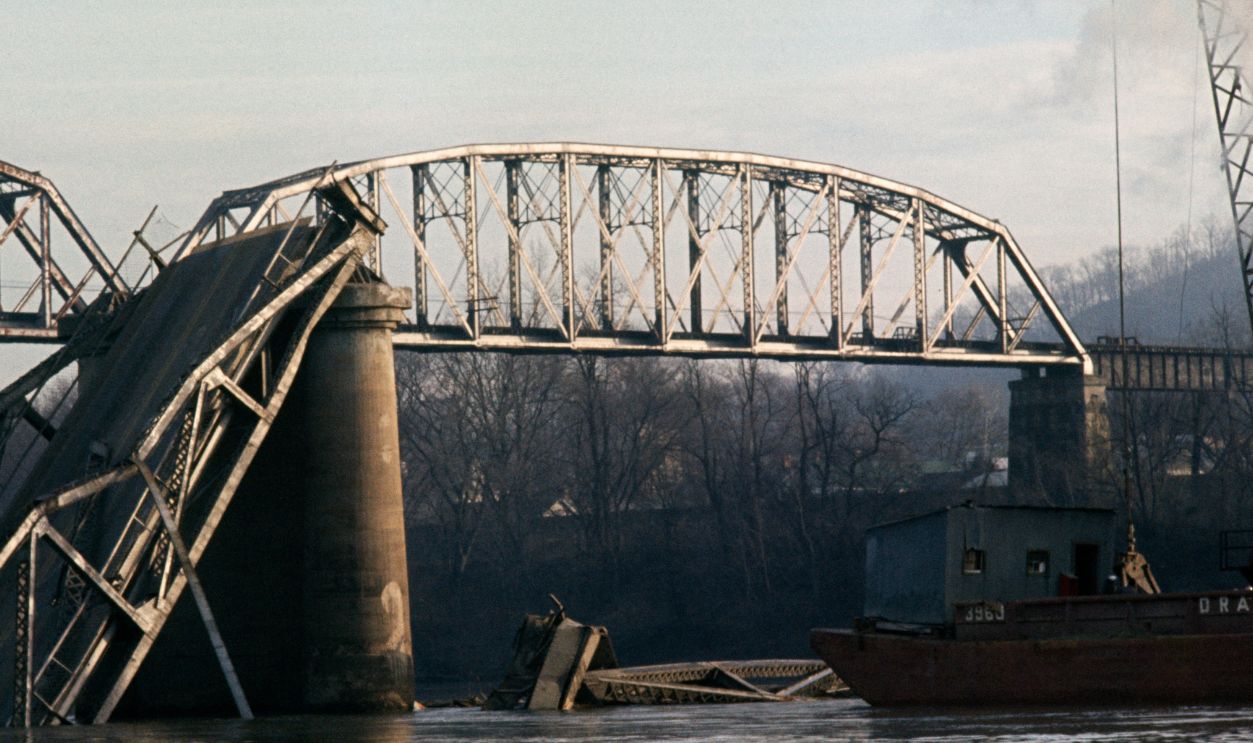
The Silver Bridge connecting West Virginia and Ohio looked ordinary until December 15, 1967. A critical flaw had slowly developed in one suspension eyebar through corrosion fatigue and stress corrosion. Its location made it practically impossible to inspect using contemporary techniques. When the component fractured, the entire bridge collapsed, killing 46 people.
Flixborough Built A Temporary Shortcut
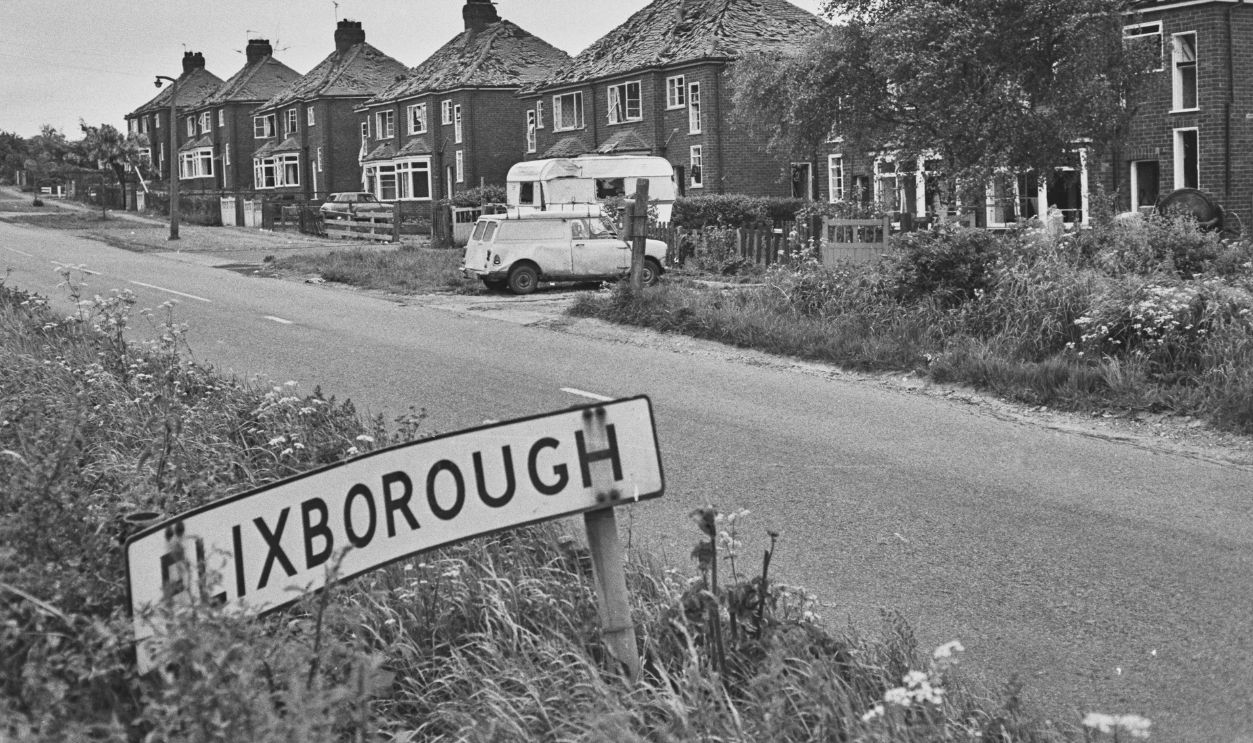
When a reactor at Britain’s Flixborough chemical plant developed a crack in 1974, it was removed and replaced with a temporary bypass connecting neighboring reactors. On June 1, that bypass system ruptured, releasing a huge cloud of cyclohexane that exploded. Twenty-eight workers died in the blast.
Piper Alpha Lost Track Of Maintenance
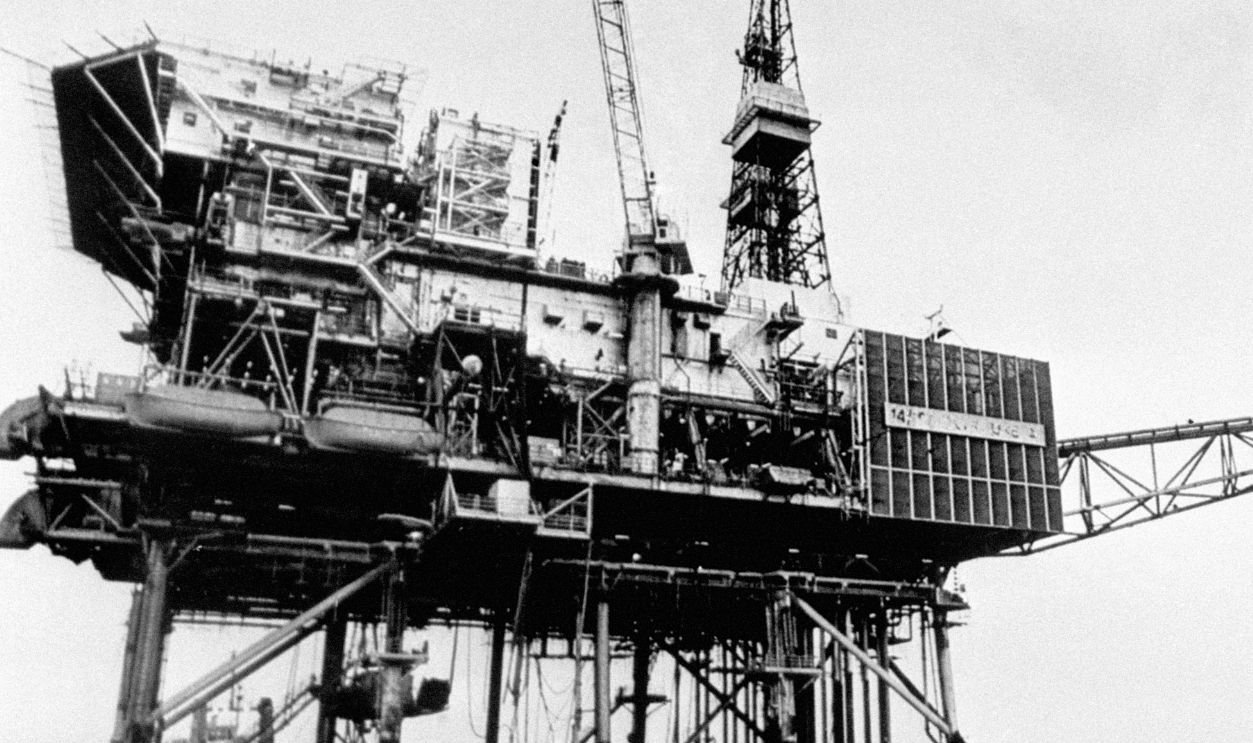
On Piper Alpha in 1988, maintenance and operating work overlapped inside a permit-to-work system that investigators later found dangerously inadequate. Critically, permits affecting related equipment were not reliably cross-referenced. The resulting confusion formed part of the chain leading to explosions and fires that killed 167 workers.
An Old Setting Misled Texas City Operators
At BP’s Texas City refinery in 2005, operators relied partly on a level transmitter that was badly miscalibrated. Investigators found that the setting apparently came from outdated information dating back decades. While the instrument suggested liquid levels were falling, the tower was actually filling dramatically. The resulting explosion killed 15 workers.
 Chemical safety and hazards investigation board, Wikimedia Commons
Deepwater Horizon Misread A Test
Hours before the Deepwater Horizon disaster in April 2010, workers conducted a negative-pressure test intended to confirm whether the Macondo well was properly sealed. Pressure readings that should have raised concern were instead interpreted as acceptable. The well subsequently blew out, killing 11 workers and triggering a massive Gulf of Mexico oil spill.
 Sara Francis, U.S. Coast Guard, Wikimedia Commons
The Station’s Pyrotechnics Found The Wrong Foam
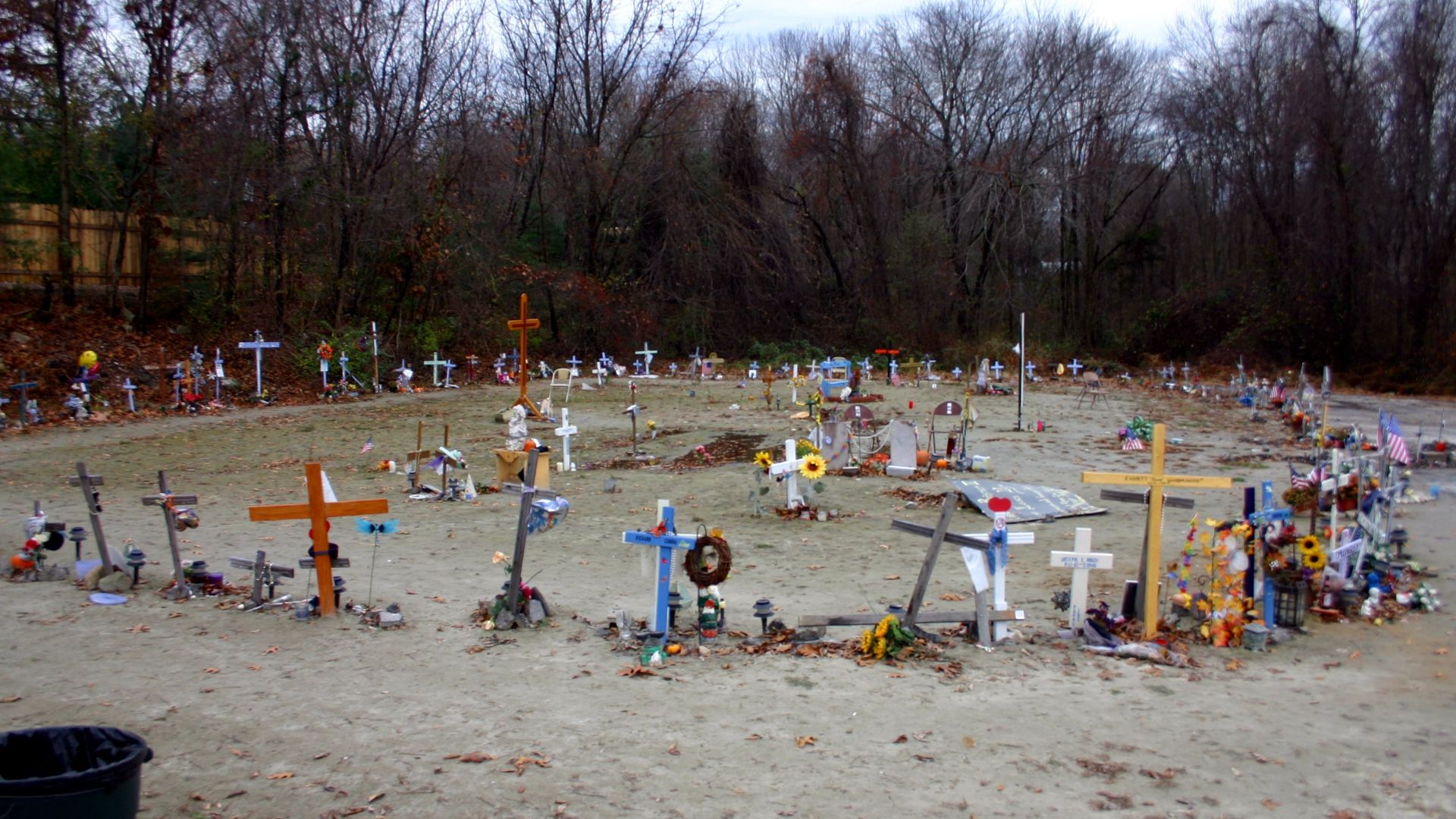
During a concert at The Station nightclub in Rhode Island in 2003, stage pyrotechnics ignited polyurethane foam installed around the performance area. Flames raced across the combustible material with astonishing speed. Smoke reached exits in little more than a minute. The fire killed 100 people and transformed American nightclub fire-safety discussions.
 Joe Webster (www.joewebster.net) / Joe.webster at en.wikipedia, Wikimedia Commons
A Software Alarm Failed During The Blackout
The enormous North American blackout of August 2003 involved many failures, but one important piece was startlingly mundane. A software problem disabled alarms in an Ohio control room, leaving operators without crucial warnings as power lines began failing. The trouble then cascaded across the interconnected electrical grid.
 The original uploader was Jmorgan at English Wikipedia., Wikimedia Commons
ValuJet’s Safety Caps Were Missing
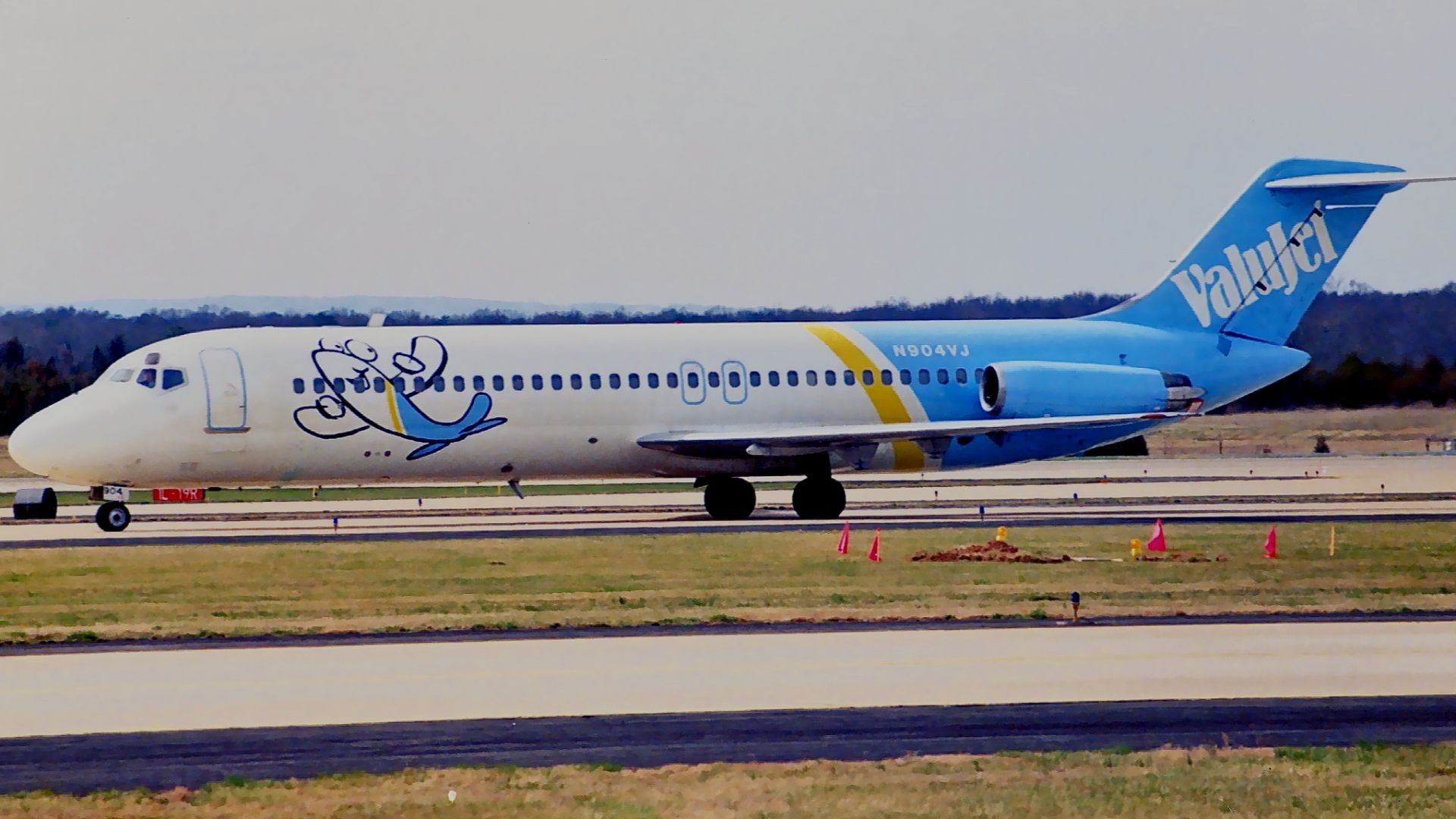
ValuJet Flight 592 crashed into the Florida Everglades in 1996 after improperly transported chemical oxygen generators ignited in the cargo compartment. Investigators concluded that proper safety caps probably would have prevented the generators from activating—even though they should never have been aboard the flight in that condition in the first place.
 RedRipper24, Wikimedia Commons
History’s Most Expensive Little Details
None of these disasters truly came from a single careless moment. Behind nearly every tiny mistake stood missed warnings, weak procedures, design assumptions, or safeguards that failed to catch the original error. That may be history’s most uncomfortable lesson: catastrophes often begin when something small happens—and everybody assumes somebody else will notice.
You May Also Like:
Things Scientists Once Believed About Human Evolution That Turned Out To Be Wrong