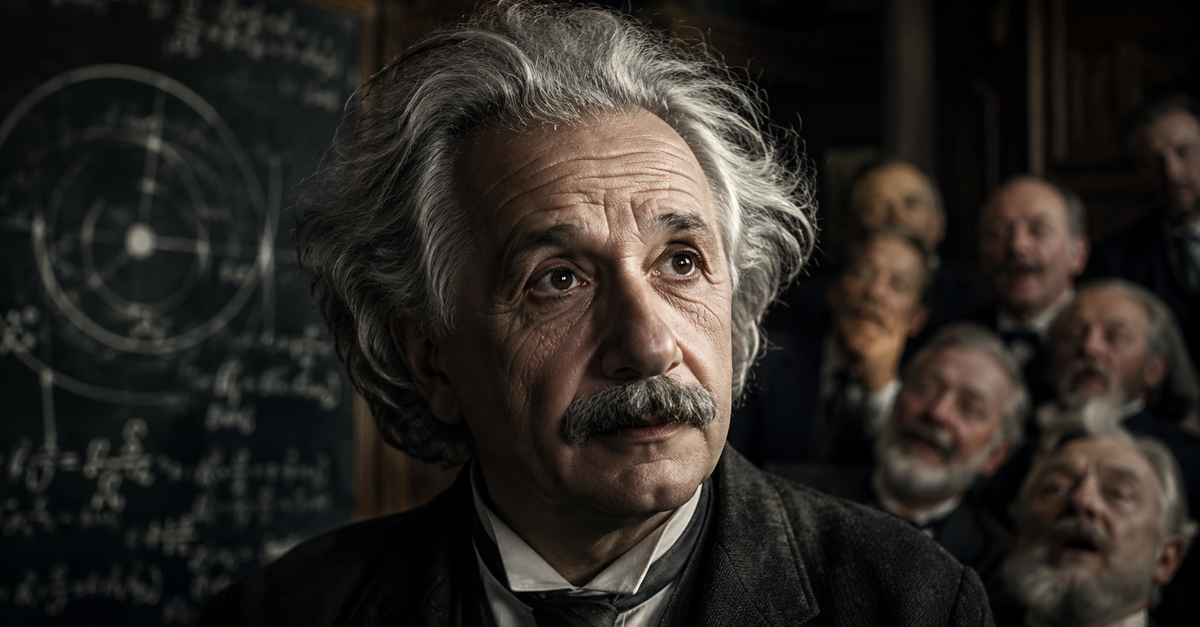
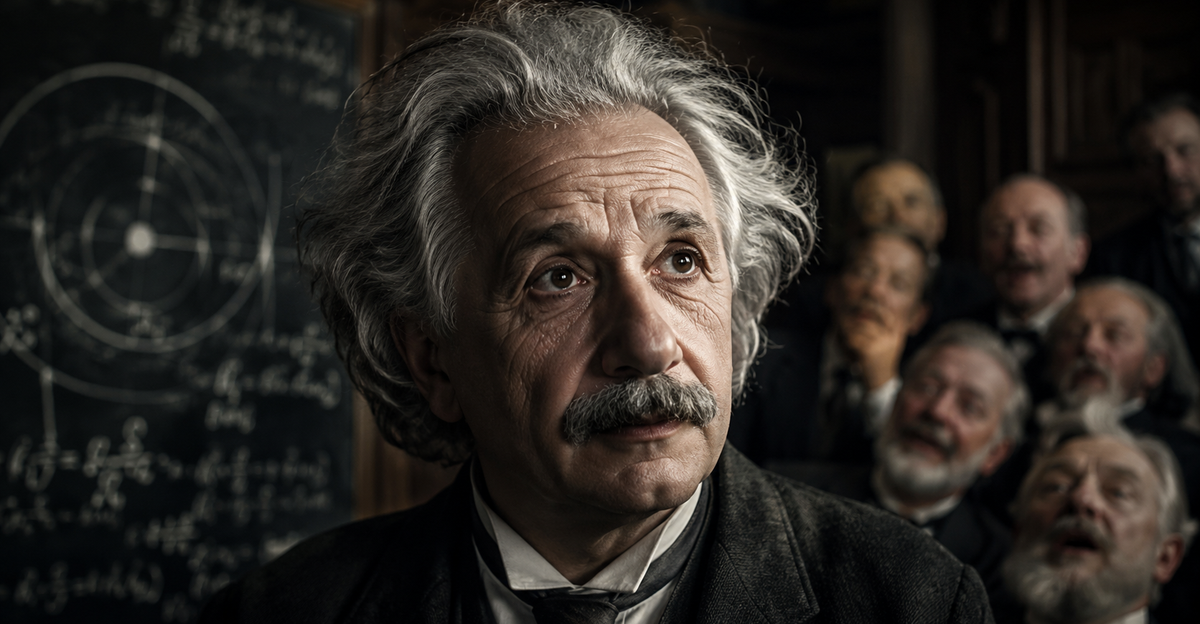
The Best Ideas Often Sound Impossible
History shows that groundbreaking scientific ideas rarely receive instant applause. Many discoveries challenged long-held beliefs and faced ridicule before evidence eventually changed minds. These stories remind us that science advances through testing ideas rather than accepting popular opinion.
The Earth Was Not Standing Still
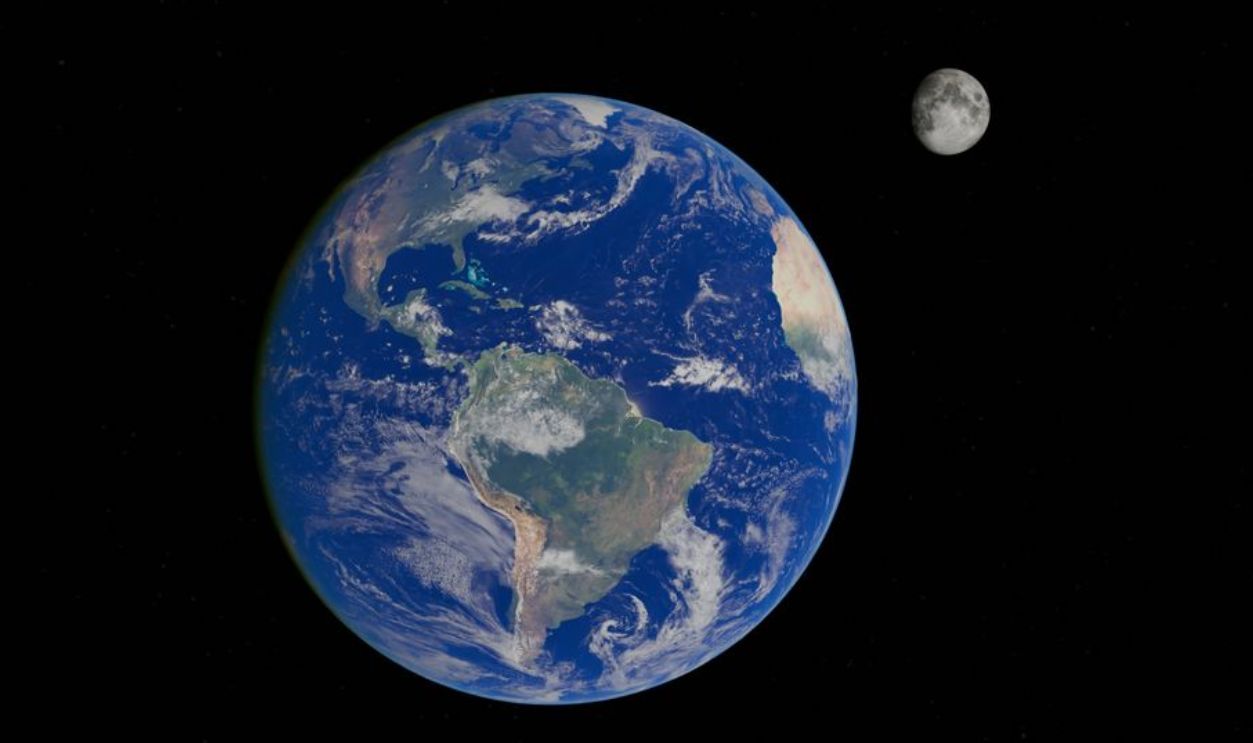
In 1912, Alfred Wegener proposed that Earth's continents had once been joined and slowly drifted apart. Many geologists mocked the idea because Wegener could not explain what force moved the continents. Decades later, discoveries about plate tectonics and seafloor spreading confirmed that continents really do move.
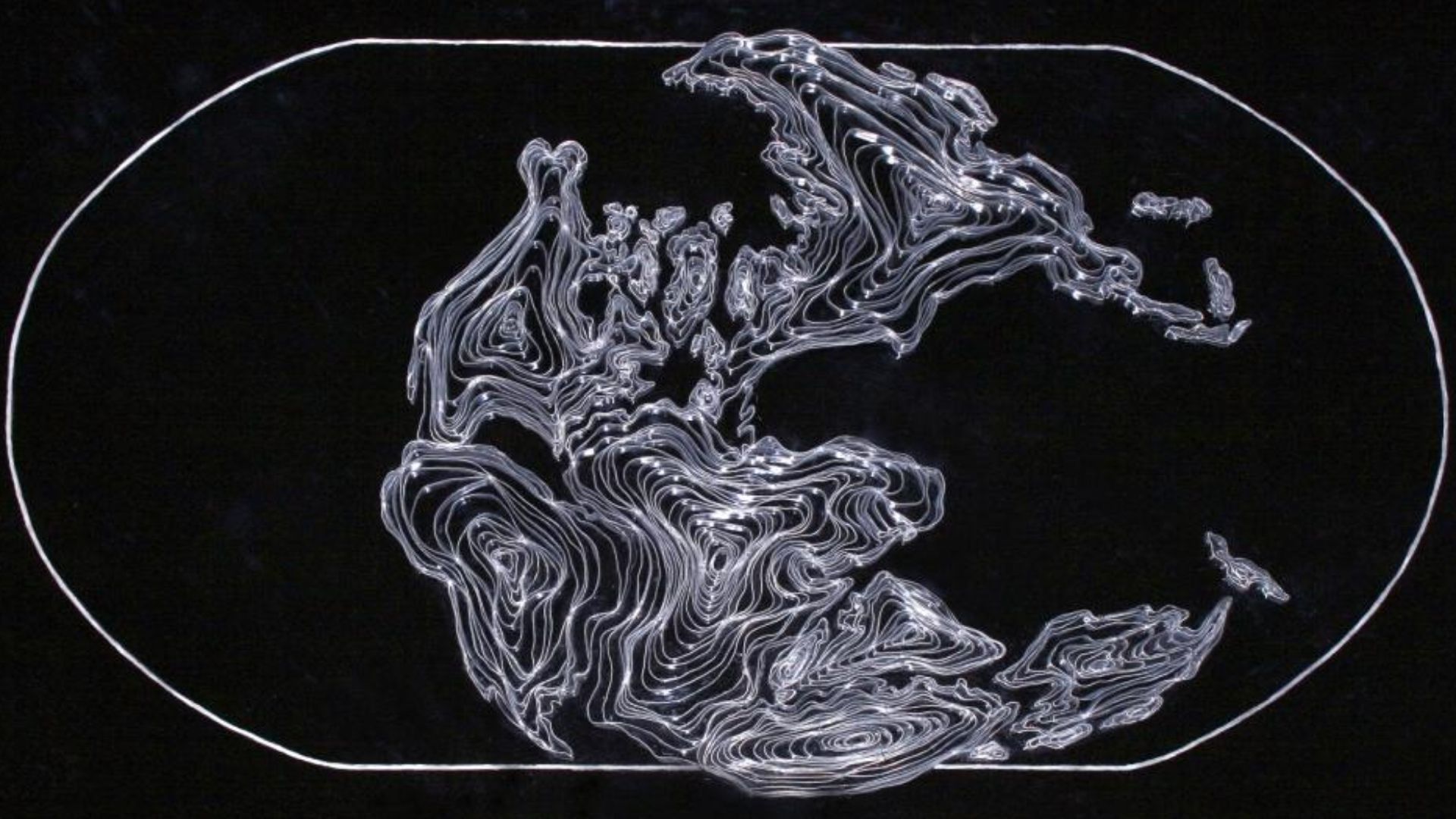 Jacki.mcInnes, Wikimedia Commons
Tiny Germs Could Cause Deadly Disease
Before the nineteenth century, many doctors believed diseases spread through bad air or mysterious imbalances. Louis Pasteur and Robert Koch demonstrated that microscopic organisms caused many illnesses instead. Germ theory transformed medicine, sanitation, surgery, and public health around the world.

Washing Hands Saved Lives
Hungarian physician Ignaz Semmelweis noticed that doctors who washed their hands dramatically reduced deaths from childbed fever. His recommendation was dismissed by many colleagues because they rejected the idea that physicians themselves could spread disease. Years later, germ theory explained why his observations had been correct all along.

Invisible Bacteria Could Cause Stomach Ulcers
For decades, doctors blamed stomach ulcers mainly on stress, spicy food, or excess acid. Australian researchers Barry Marshall and Robin Warren argued that the bacterium Helicobacter pylori caused many ulcers instead. Their work was initially met with skepticism before becoming one of modern medicine's greatest breakthroughs.
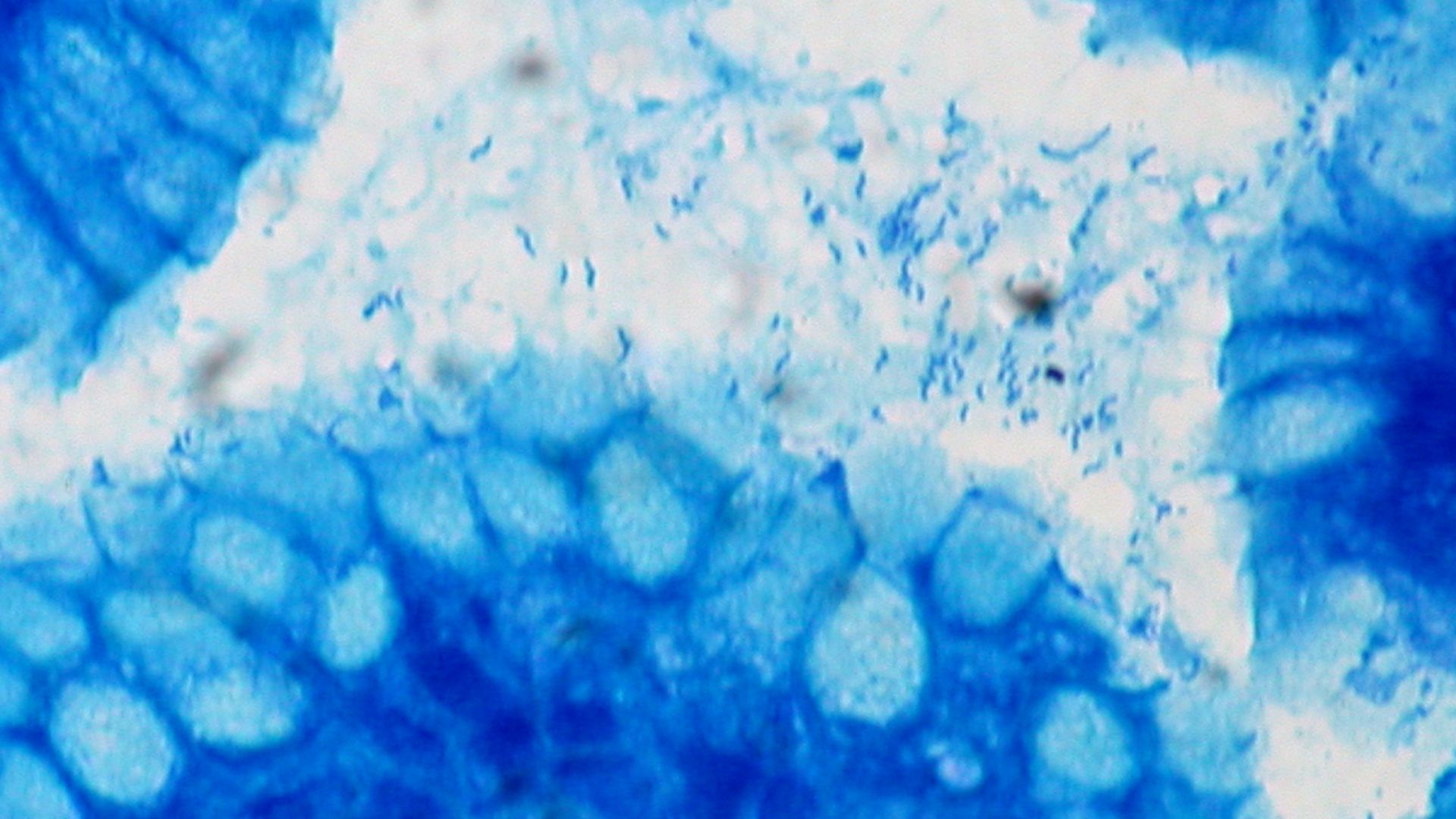 Ed Uthman from Houston, TX, USA, Wikimedia Commons
Stones Really Do Fall From The Sky
Many scientists once dismissed reports of meteorites as superstition or folklore. They believed rocks simply could not fall from space because no such mechanism seemed possible. Careful investigations during the early nineteenth century finally convinced the scientific community that meteorites were real extraterrestrial objects.
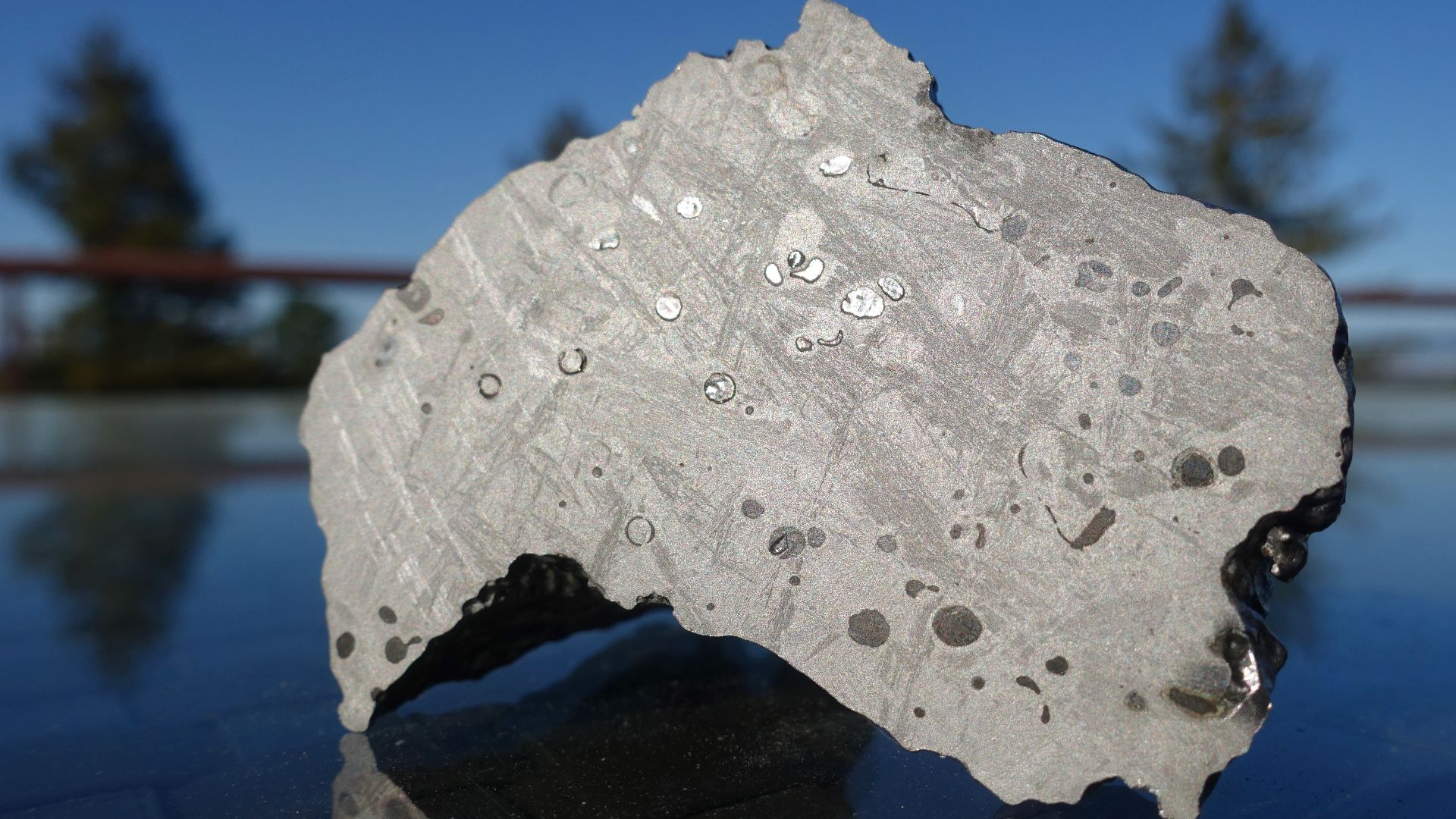 Steve Jurvetson, Wikimedia Commons
The Sun Does Not Orbit Earth
Nicolaus Copernicus proposed that Earth revolves around the Sun instead of occupying the center of the universe. The idea challenged centuries of accepted thinking and faced strong resistance from religious and academic authorities. Observations by Galileo Galilei and later astronomers provided convincing evidence for the heliocentric model.
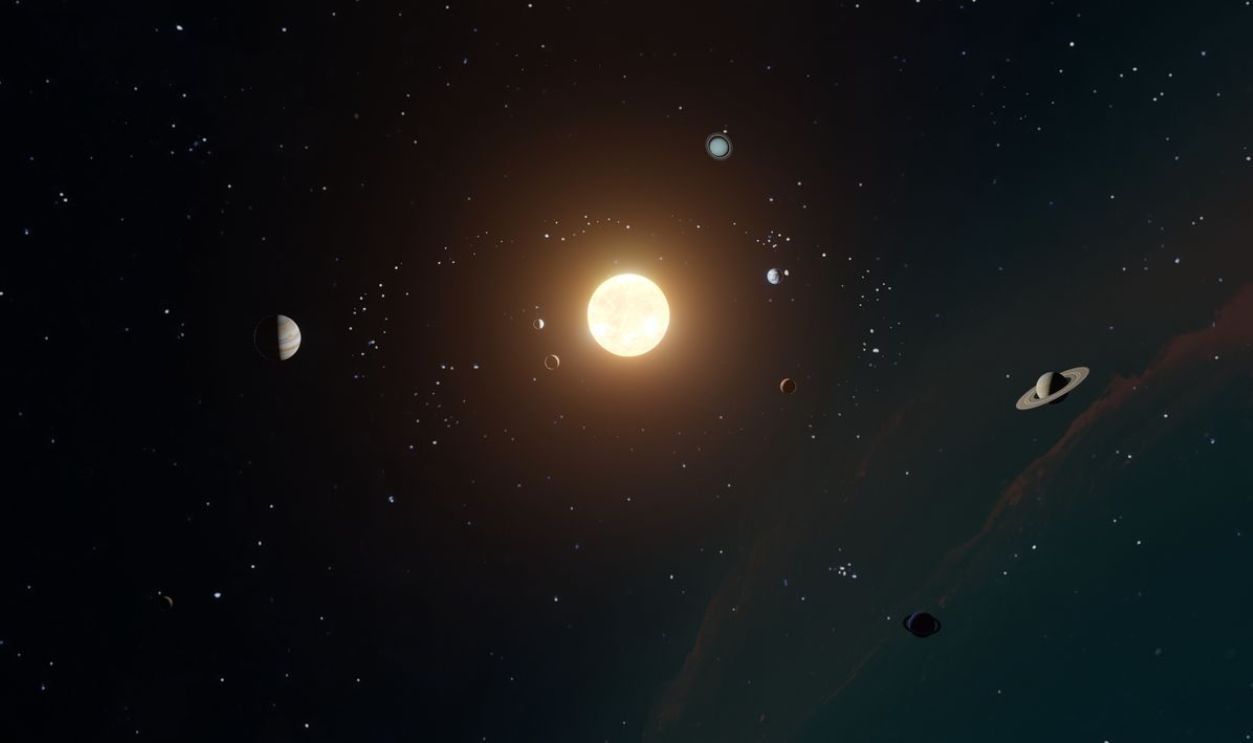
The Planets Follow Predictable Laws
Johannes Kepler showed that planets move in elliptical orbits rather than perfect circles. Many scholars resisted abandoning the long-standing belief that heavenly bodies must travel in flawless circular paths. Kepler's mathematical laws later became a foundation for Isaac Newton's explanation of gravity.
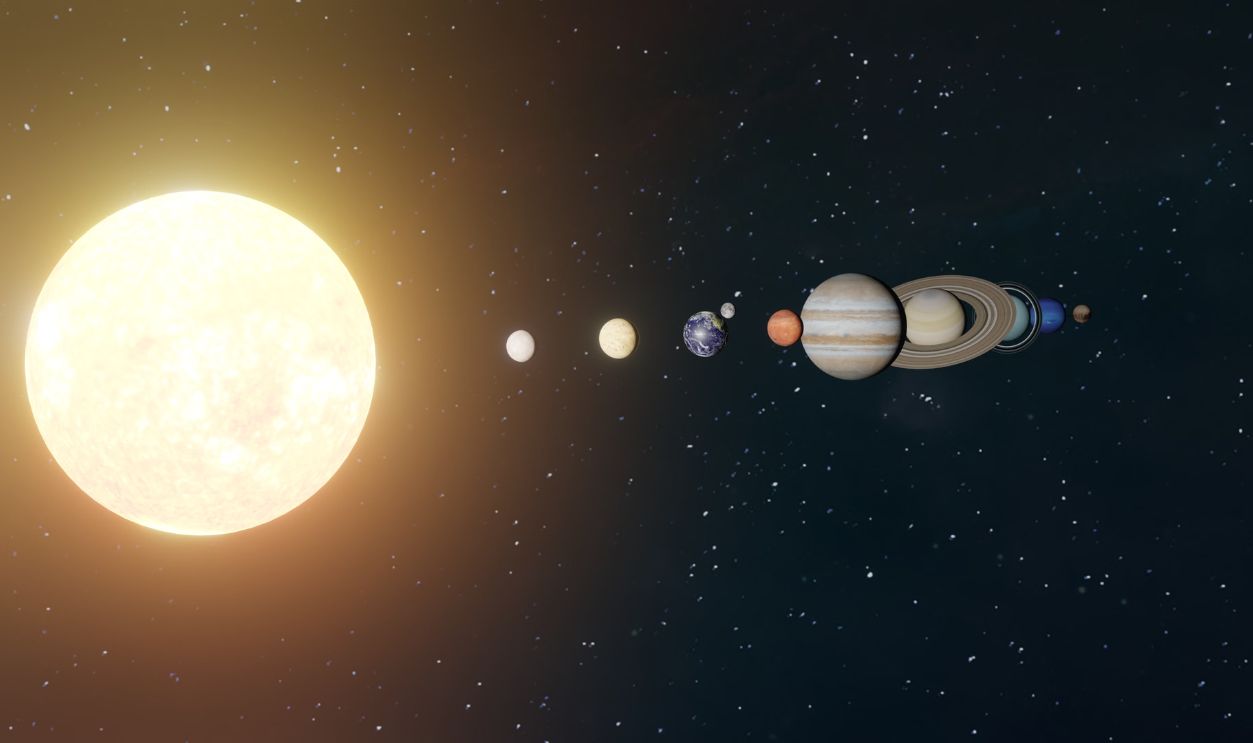
The Universe Keeps Expanding
Edwin Hubble found evidence that distant galaxies are moving away from one another. His observations suggested that the universe itself is expanding instead of remaining static. The discovery completely reshaped modern cosmology and helped support the Big Bang model.
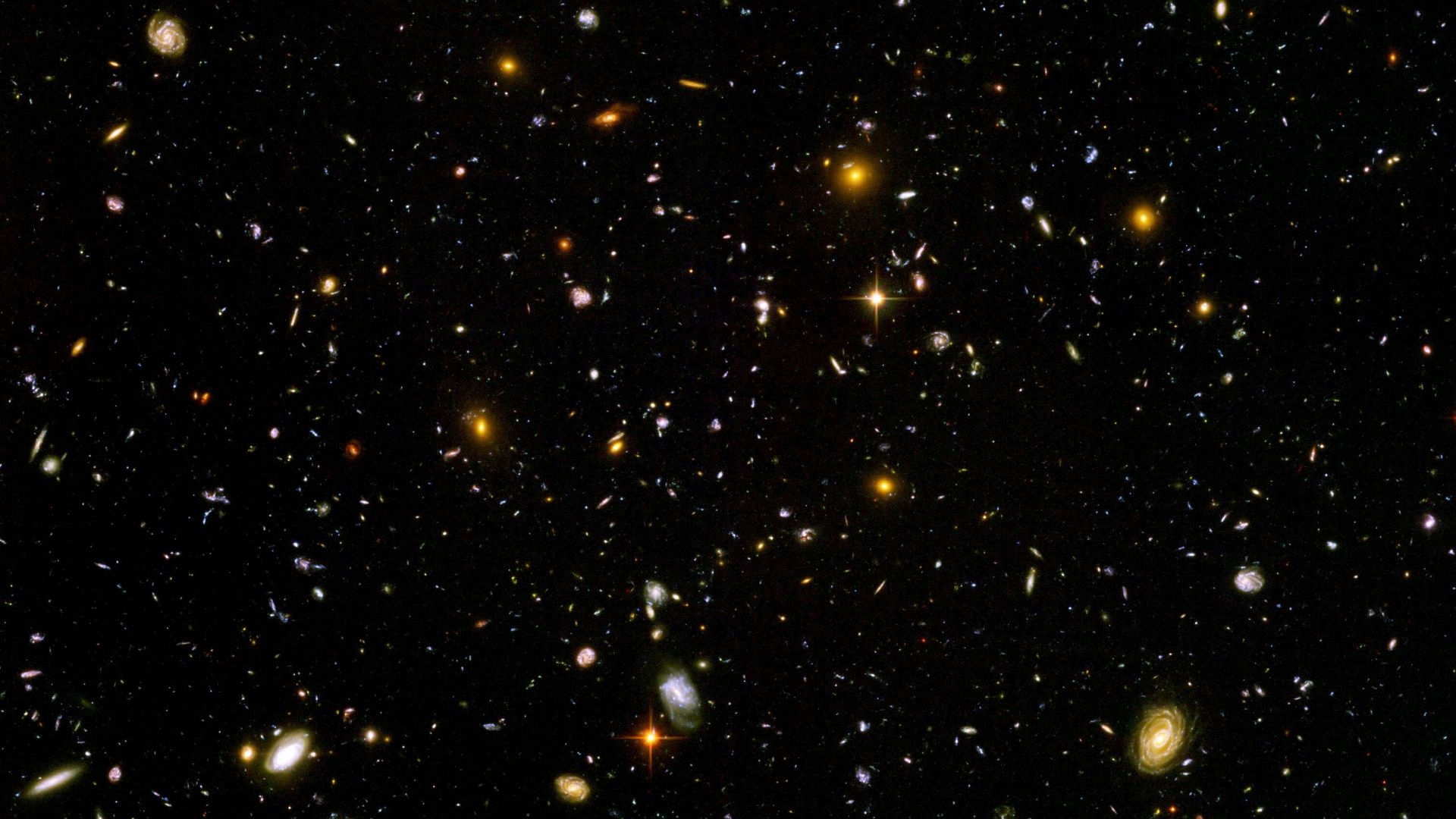 NASA and the European Space Agency., Wikimedia Commons

History's most fascinating stories and darkest secrets, delivered to your inbox daily.
Falling Apples And Orbiting Moons Shared A Rule
Isaac Newton proposed that the same force causing objects to fall also governs the motion of planets and moons. The idea unified earthly physics with celestial motion in a way never seen before. Universal gravitation became one of the greatest achievements in scientific history.
Continents Once Formed A Supercontinent
Wegener also suggested that today's continents had once been connected as a massive landmass called Pangaea. Critics viewed the concept as speculative because the geological evidence seemed incomplete. Modern geology now recognizes Pangaea as a central part of Earth's ancient history.
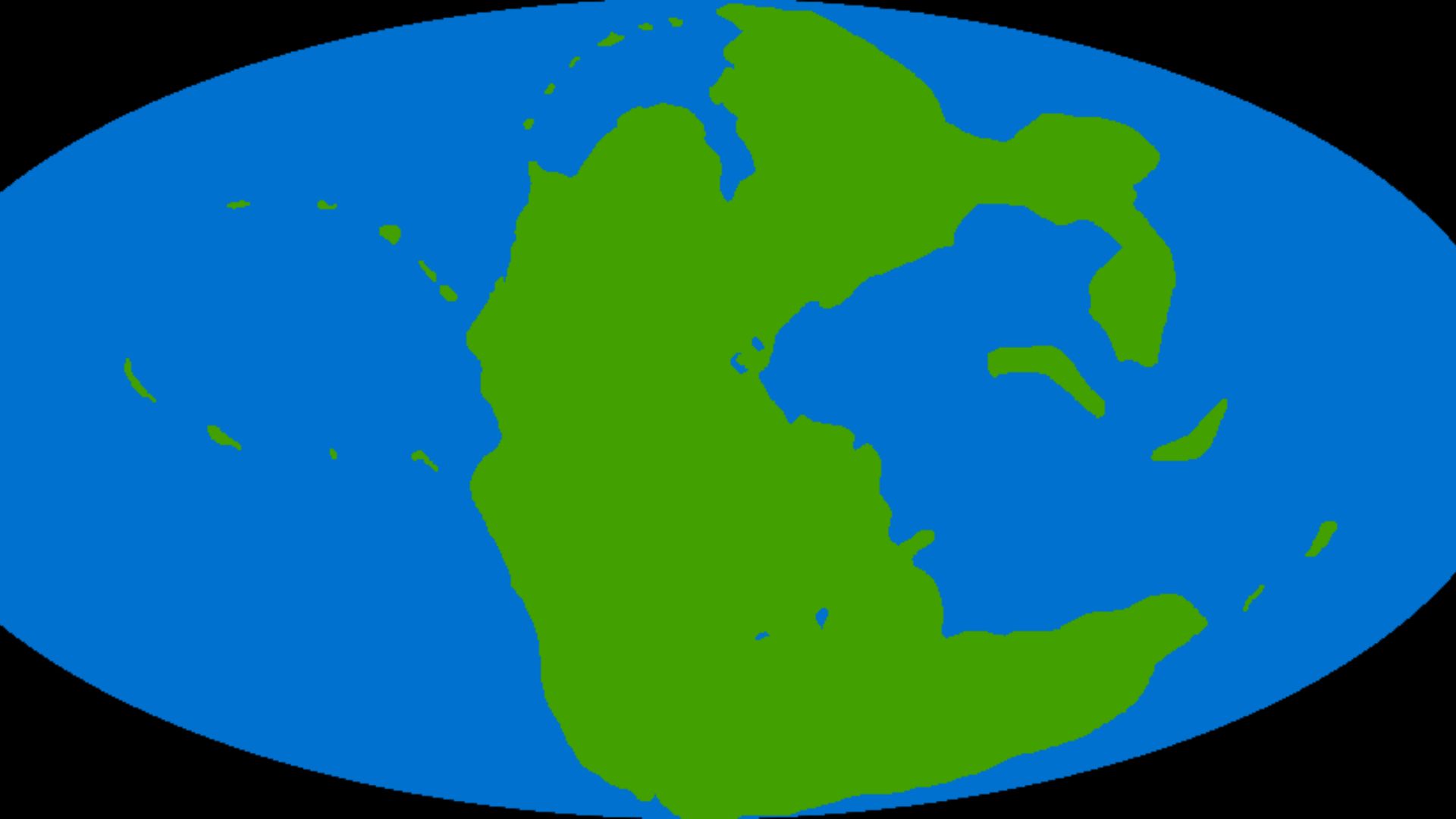 Jack Jackie Pomi, Wikimedia Commons
The Deep Ocean Held Hidden Clues
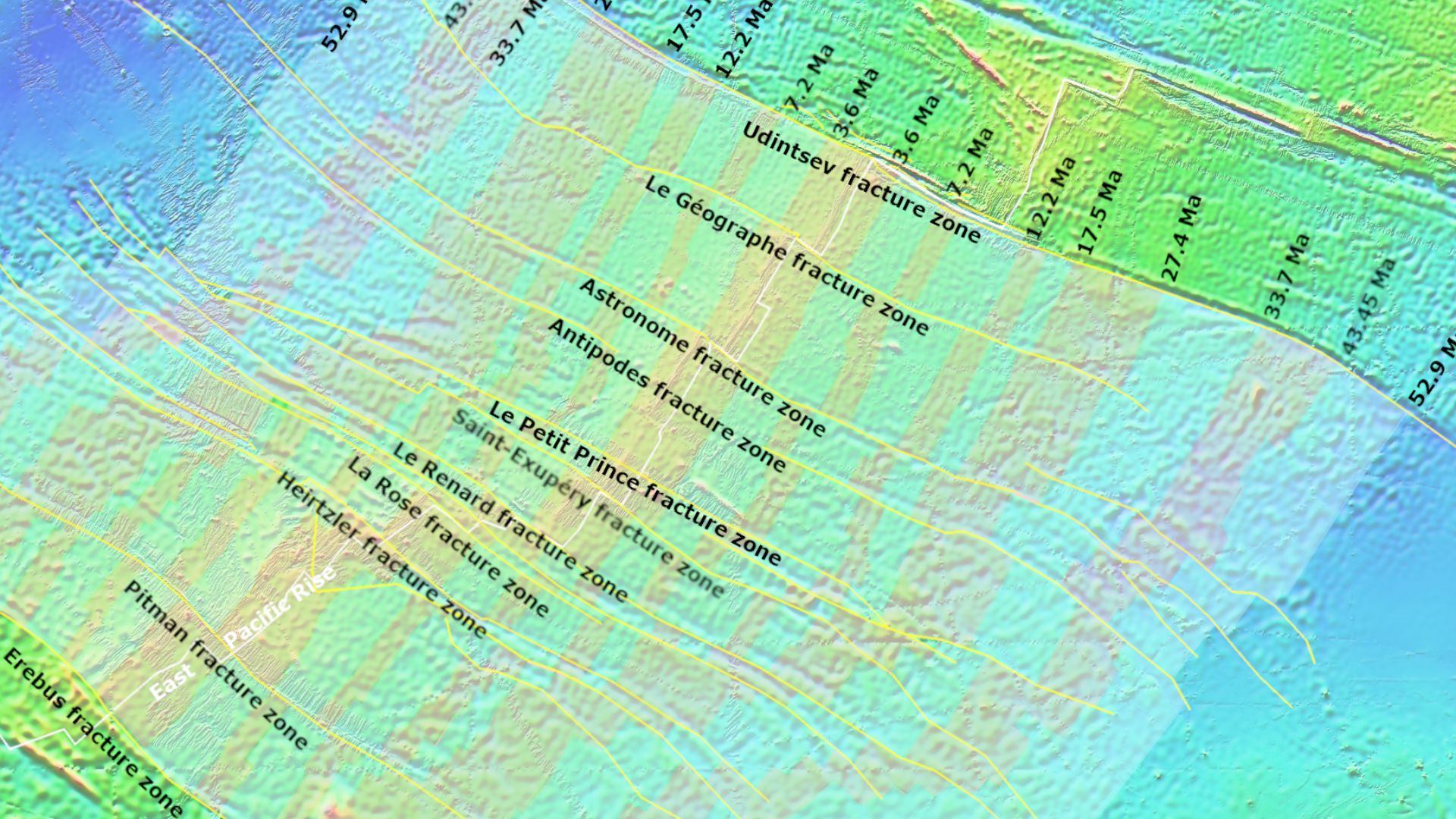
During the mid twentieth century, scientists mapped the ocean floor with new technology. They discovered underwater mountain ranges and evidence of seafloor spreading. These findings finally supplied the mechanism that continental drift had been missing.
The Earth Was Far Older Than Many Believed
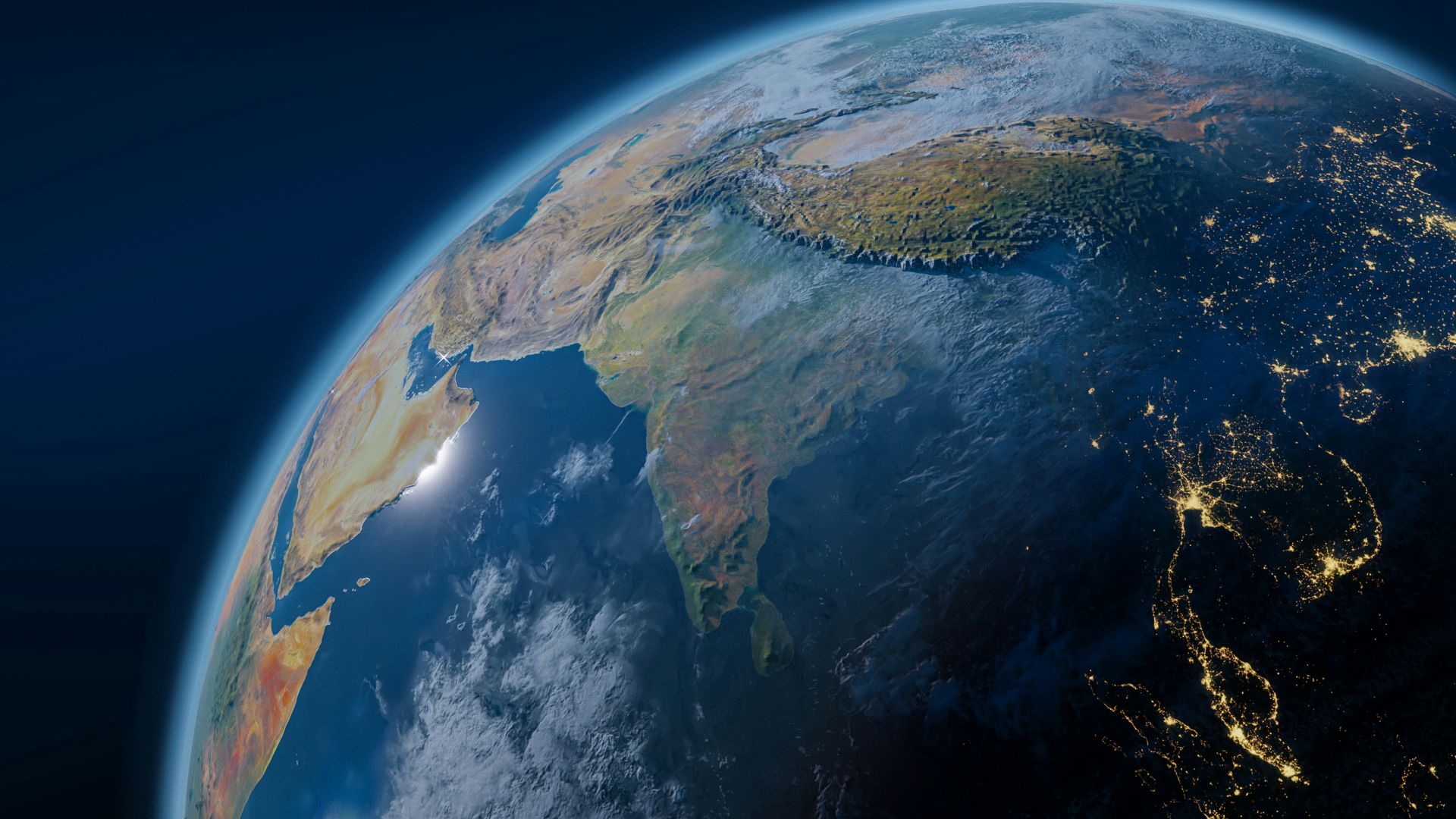
Early estimates often suggested Earth was only tens of millions of years old. Radiometric dating eventually showed that our planet formed about 4.54 billion years ago. This dramatically expanded scientists' understanding of geology and biological evolution.
Invisible Genes Shape Life
Gregor Mendel's experiments with pea plants revealed predictable patterns of inheritance. His work received little attention during his lifetime and was largely forgotten for decades. Later scientists rediscovered his research, making Mendel the father of modern genetics.
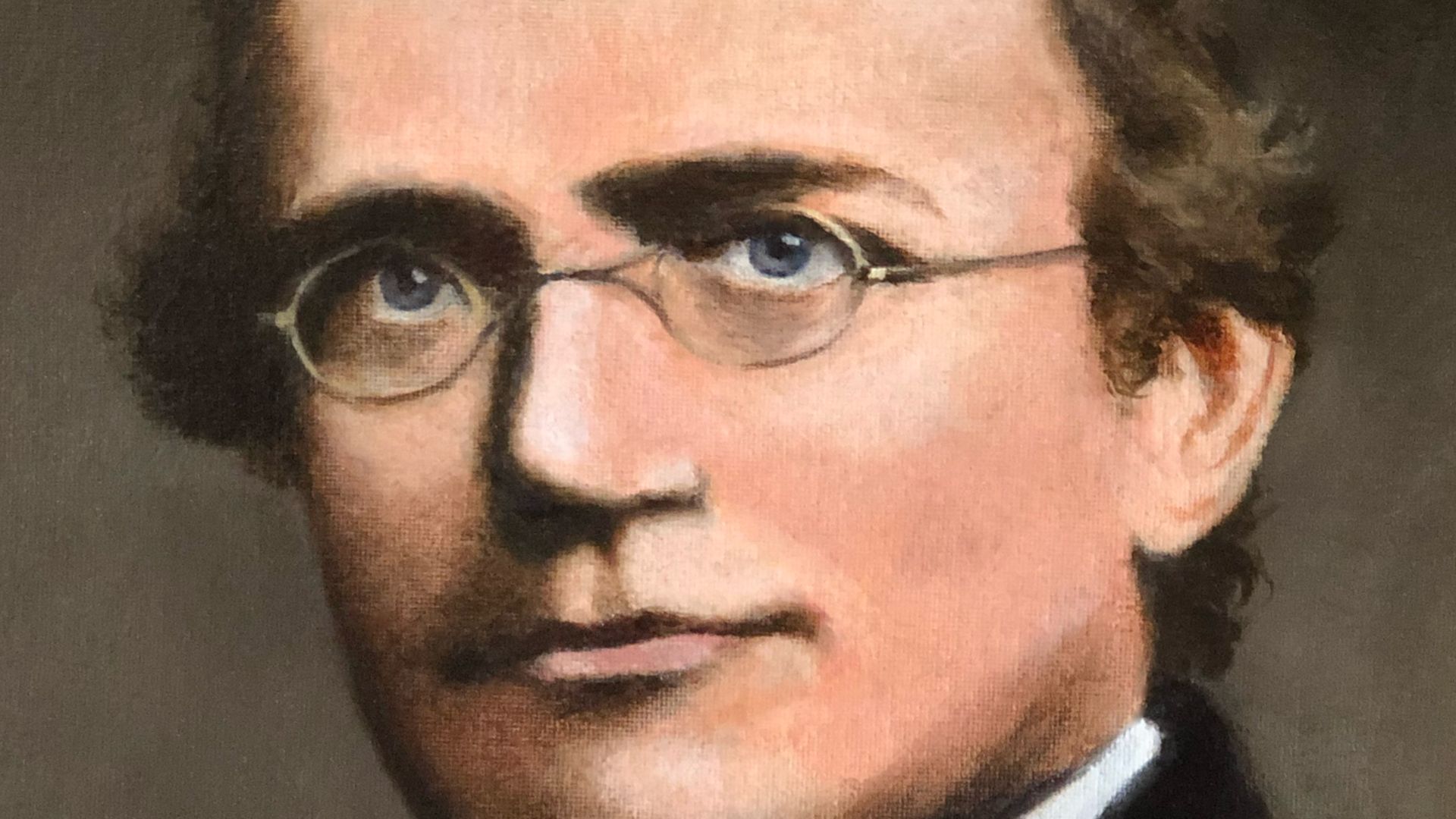 Daniel J. Fairbanks, Wikimedia Commons
DNA Carries The Blueprint Of Life
Scientists debated for years whether proteins or DNA stored genetic information. Experiments by Oswald Avery and later researchers showed that DNA carries hereditary instructions. This discovery paved the way for molecular biology and modern biotechnology.

Tiny Continents Drifted Across Ancient Seas
Evidence from fossils, rock formations, and paleomagnetism gradually strengthened support for moving continents. These independent lines of evidence reinforced one another over time. Together they transformed what had once seemed like a fringe idea into scientific consensus.
 Jg abagat abc123, Wikimedia Commons
The Air Around Us Has Weight
Early thinkers struggled to understand atmospheric pressure because air appeared invisible and weightless. Experiments by Evangelista Torricelli and Blaise Pascal demonstrated that air exerts measurable pressure. Their work became fundamental to physics and meteorology.
 Lorenzo Lippi, Wikimedia Commons
Vaccines Could Prevent Disease
Edward Jenner showed that exposure to cowpox could protect people from smallpox. Some critics considered the practice dangerous or unnatural when it first appeared. Vaccination eventually became one of the most effective public health tools ever developed.
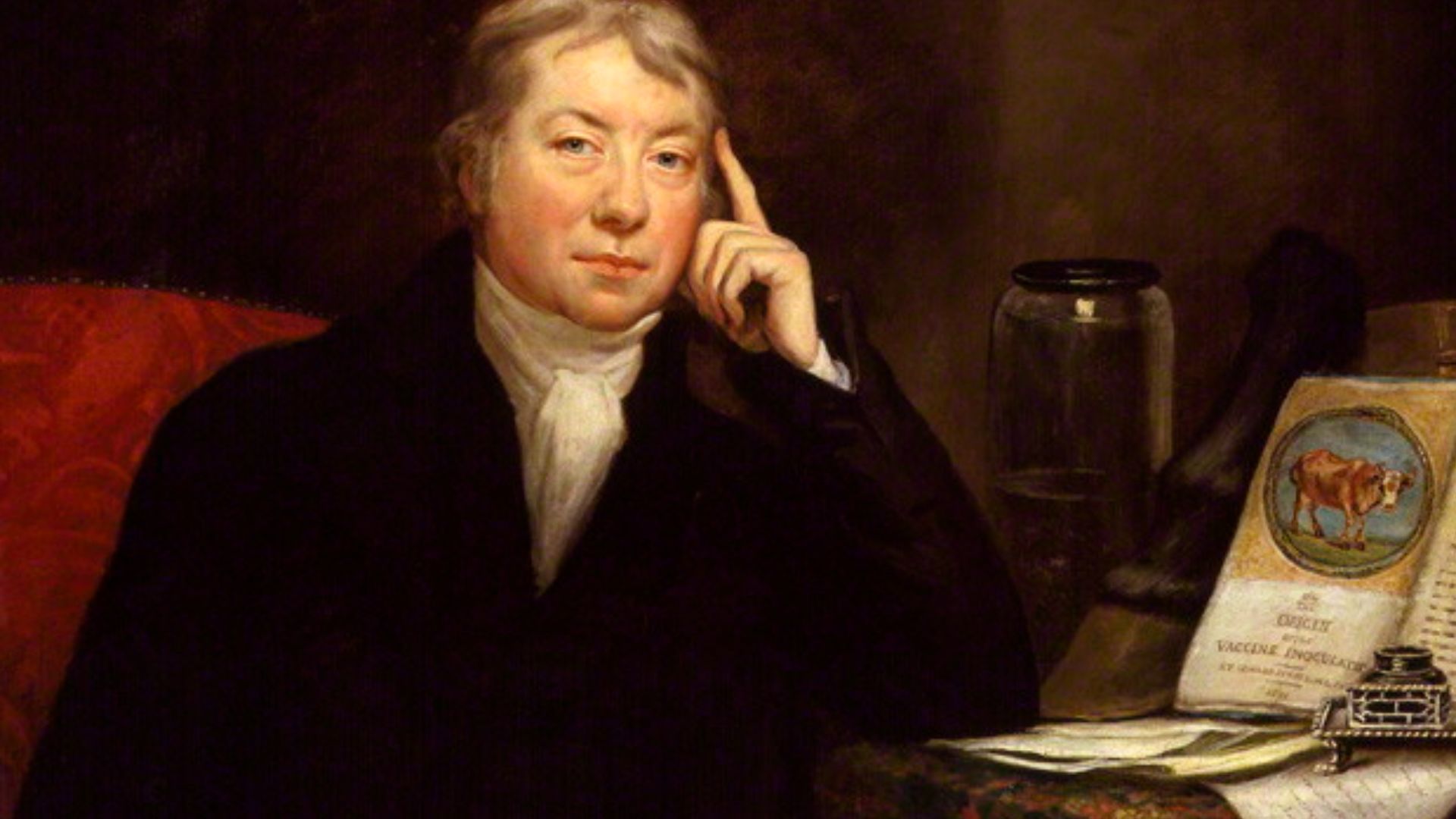 James Northcote, Wikimedia Commons
Earth Has Experienced Ice Ages
In the nineteenth century, Louis Agassiz argued that vast ice sheets once covered large parts of Europe and North America. Many scientists initially rejected the proposal because the evidence seemed unbelievable. Geological discoveries later confirmed repeated ice ages throughout Earth's history.
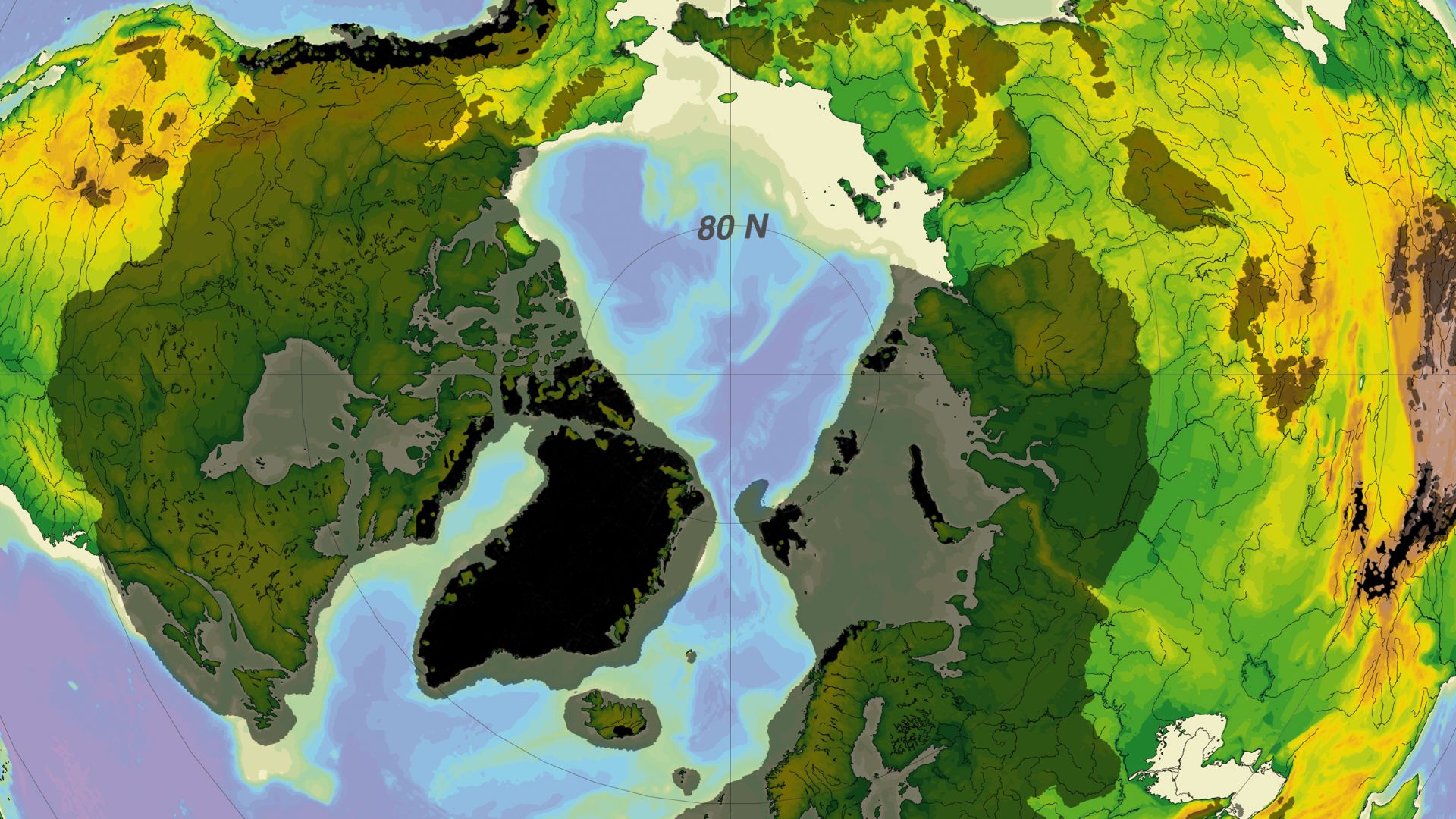 Hannes Grobe/AWI, Wikimedia Commons
Fossils Told A Story Of Change
Charles Darwin's theory of evolution by natural selection challenged prevailing views about the diversity of life. Many critics dismissed the concept when On the Origin of Species appeared in 1859. Over time, evidence from genetics, paleontology, and biology strongly supported evolutionary theory.
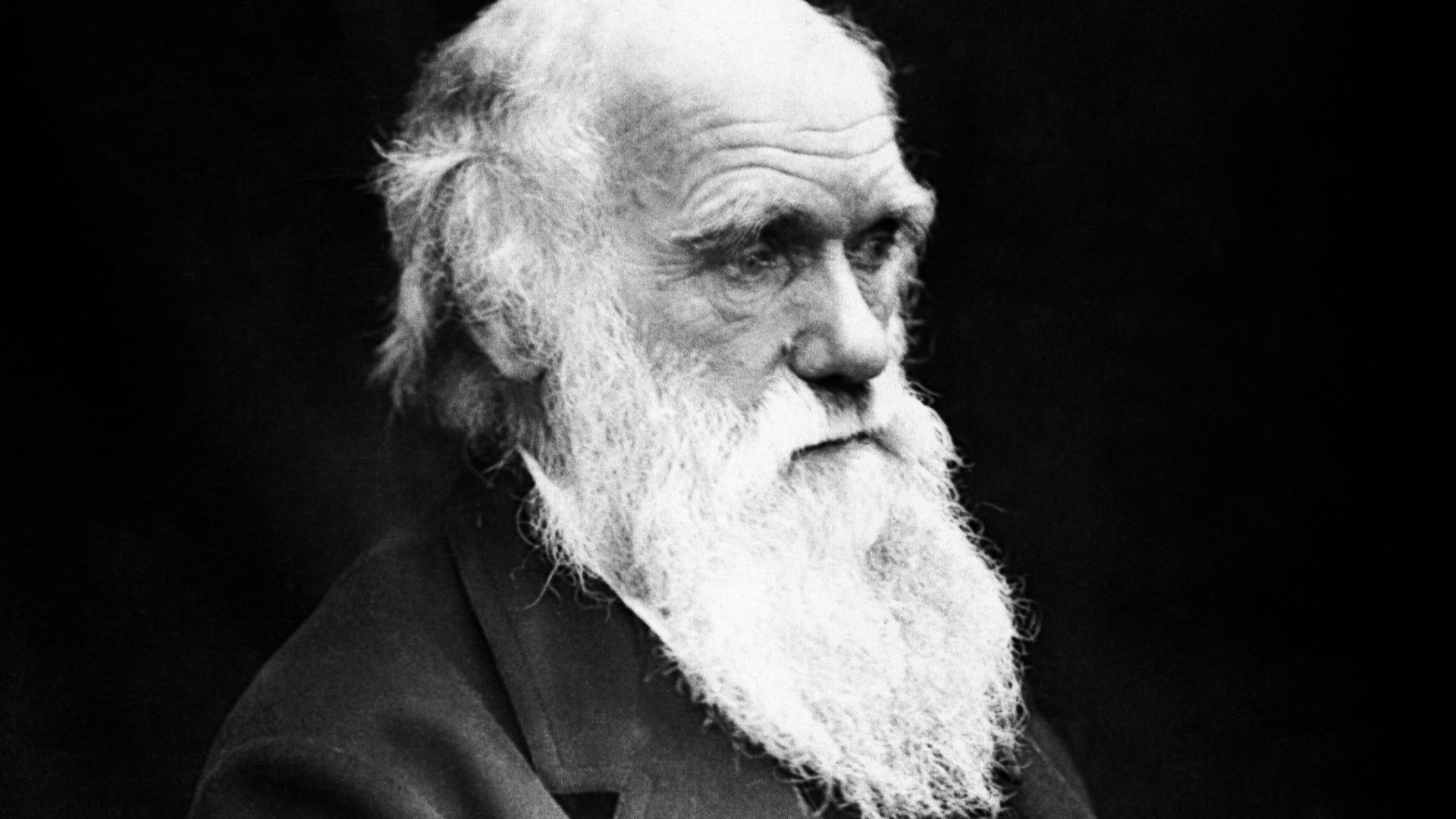 Julia Margaret Cameron, Wikimedia Commons
The Ocean Floor Was Constantly Renewing
Harry Hess proposed that new oceanic crust forms at mid-ocean ridges before gradually moving outward. At first, the hypothesis seemed radical because the ocean floor remained poorly understood. Subsequent magnetic evidence confirmed seafloor spreading and strengthened plate tectonic theory.
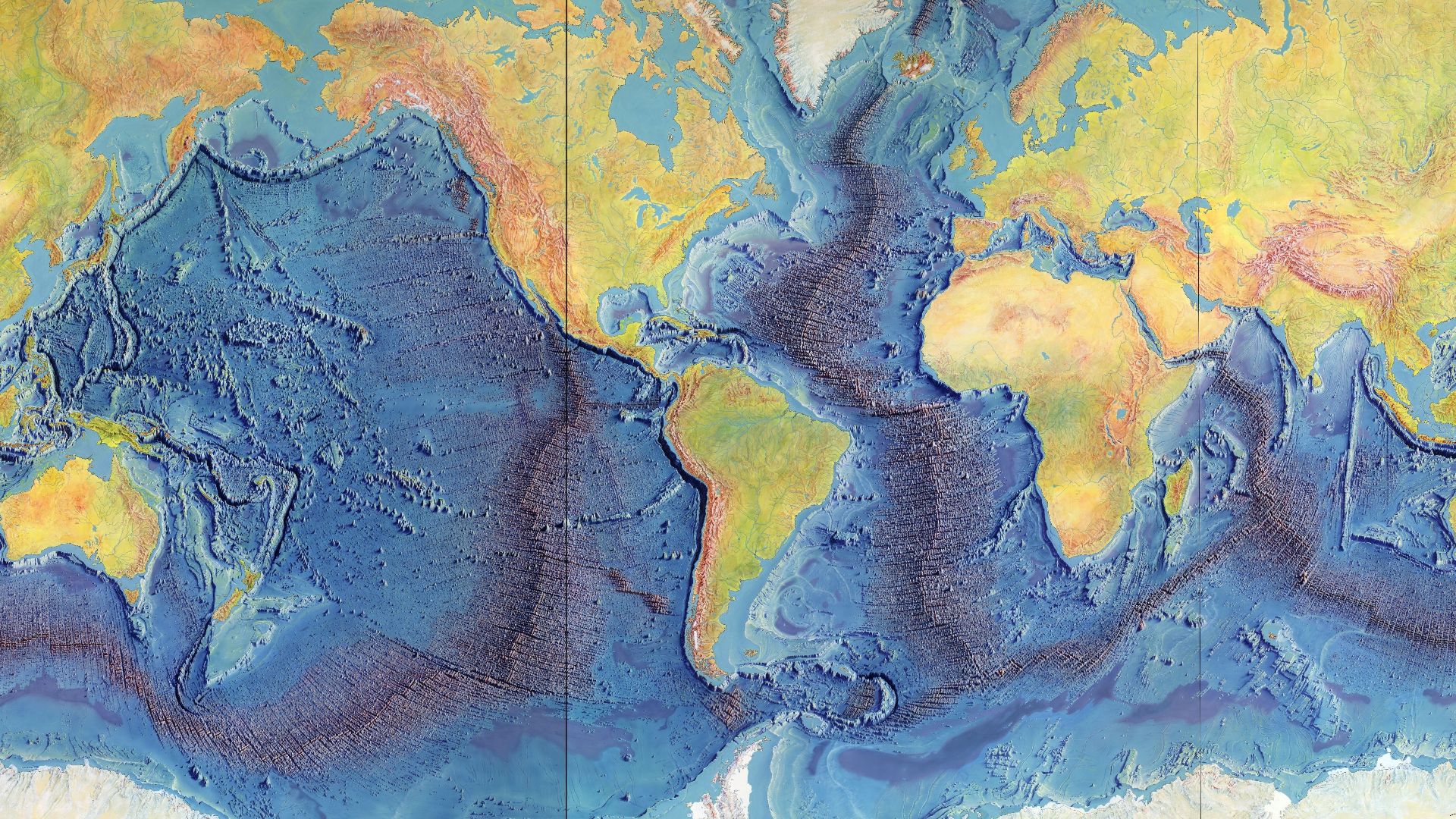 Marie Tharp, Bruce Heezen, Heinrich Berann, Wikimedia Commons
The Sky Contains Other Galaxies
For centuries, many astronomers debated whether spiral nebulae belonged inside the Milky Way. Observations by Edwin Hubble demonstrated that these objects were actually separate galaxies located far beyond our own. Humanity's view of the universe expanded almost overnight.
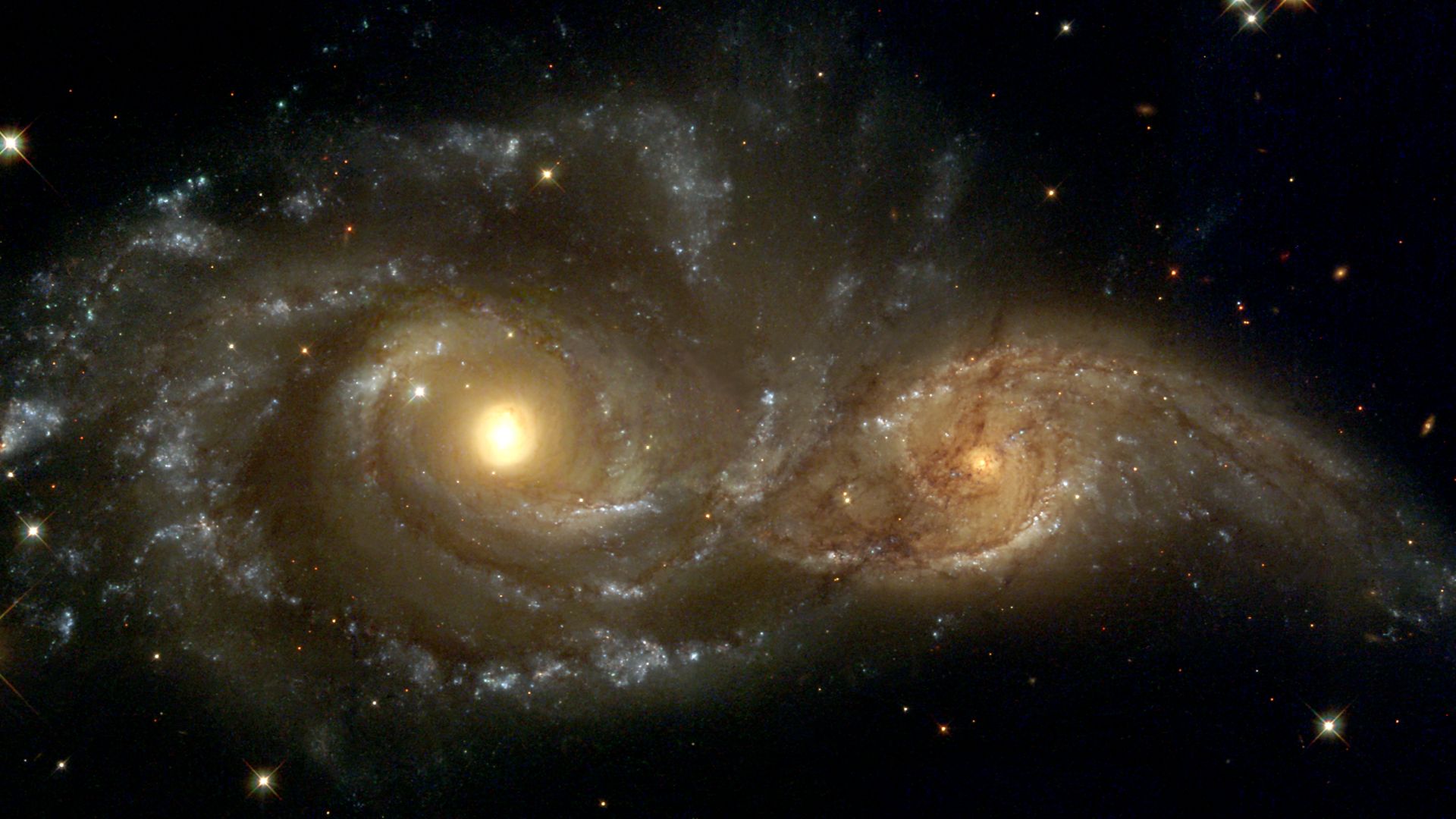 NASA/ESA and The Hubble Heritage Team (STScI), Wikimedia Commons
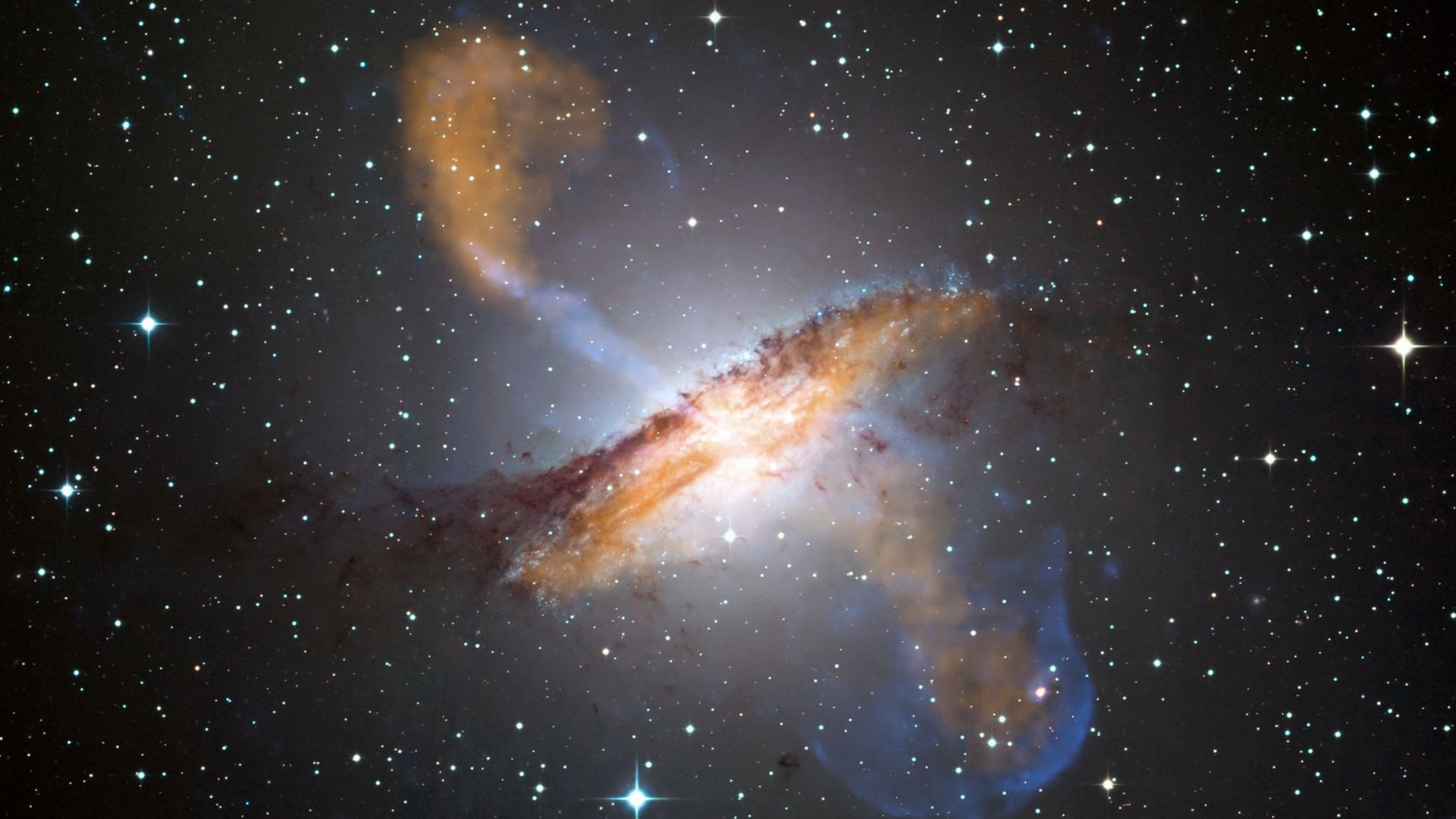
Black Holes Were Once Pure Theory
Solutions to Albert Einstein's equations suggested that extremely dense objects could trap even light. Many physicists doubted such strange objects could actually exist in nature. Modern observations have provided overwhelming evidence that black holes are real astronomical objects.
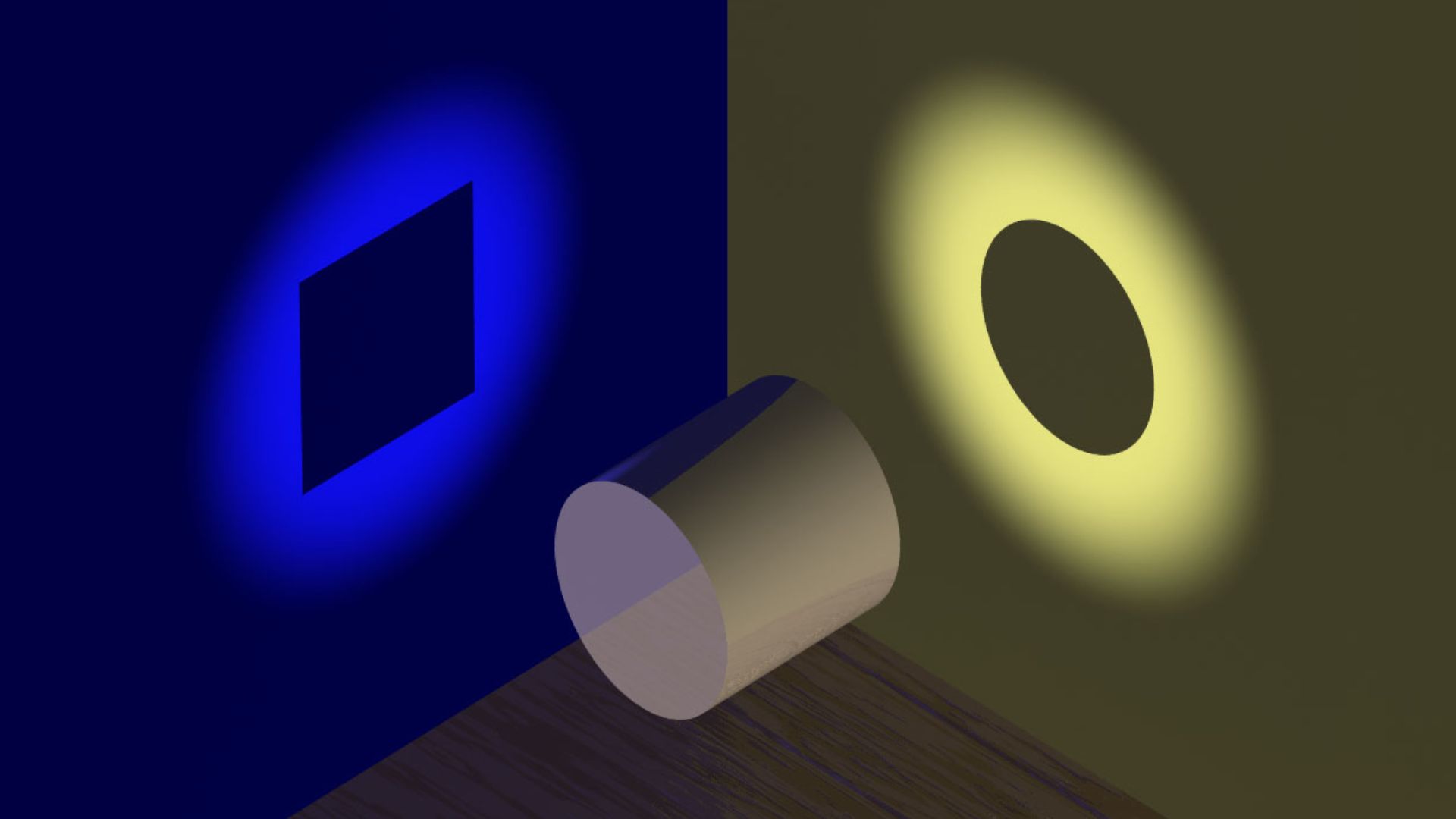
Tiny Particles Behave In Strange Ways
Quantum mechanics introduced ideas that seemed almost impossible to accept when first proposed. Concepts such as wave-particle duality challenged everyday intuition about reality. Repeated experiments have confirmed these surprising predictions with remarkable accuracy.
 Jean-Christophe BENOIST, Wikimedia Commons
Science Rewards Evidence, Not Popularity
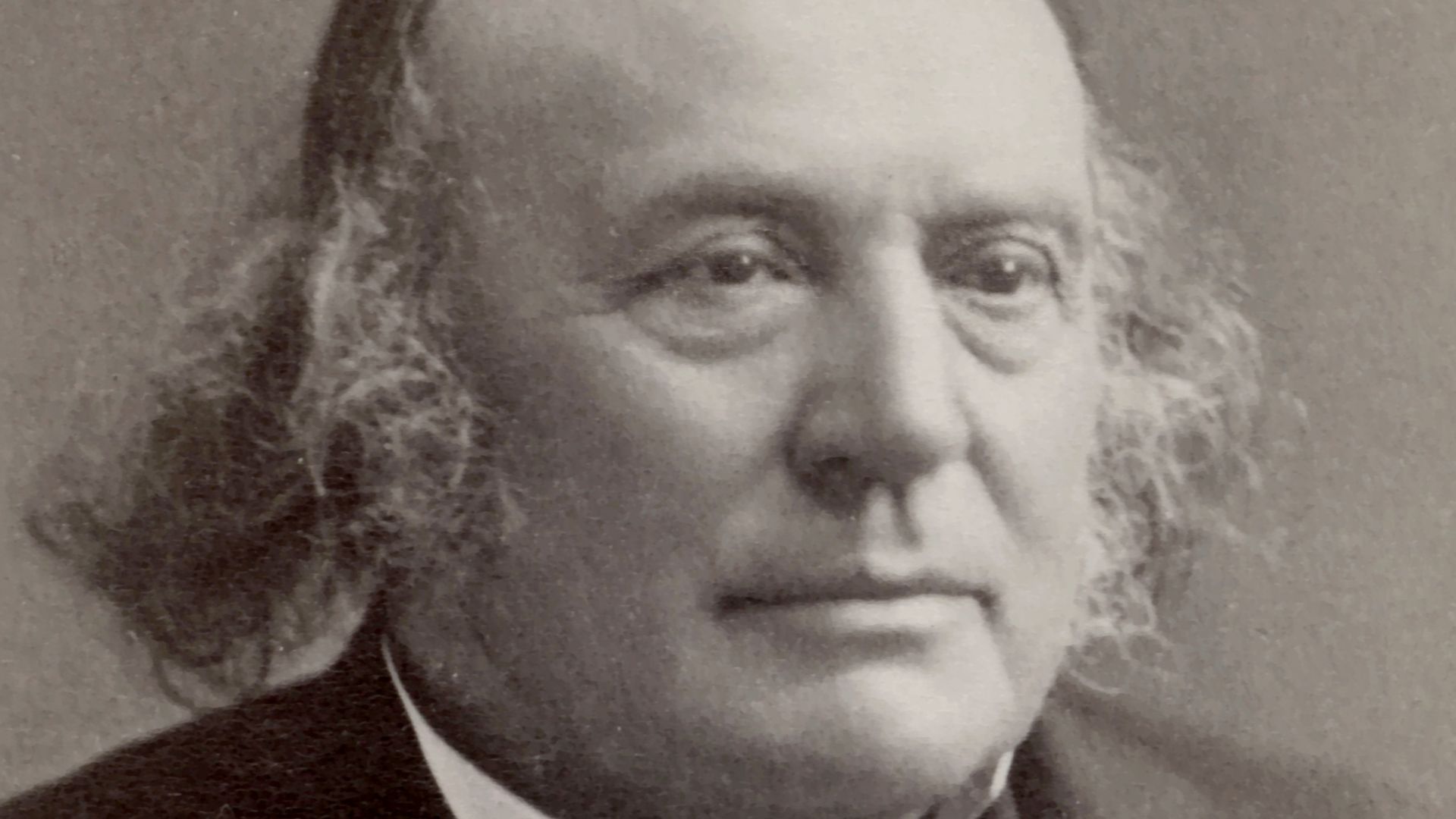
Nearly every scientific revolution began with questions that seemed unreasonable to many experts. Strong evidence eventually outweighed skepticism, allowing new ideas to replace older explanations. These stories show that healthy skepticism is valuable, but careful testing ultimately decides which ideas endure.
 William Shaw Warren, Wikimedia Commons
Curiosity Keeps Changing The World
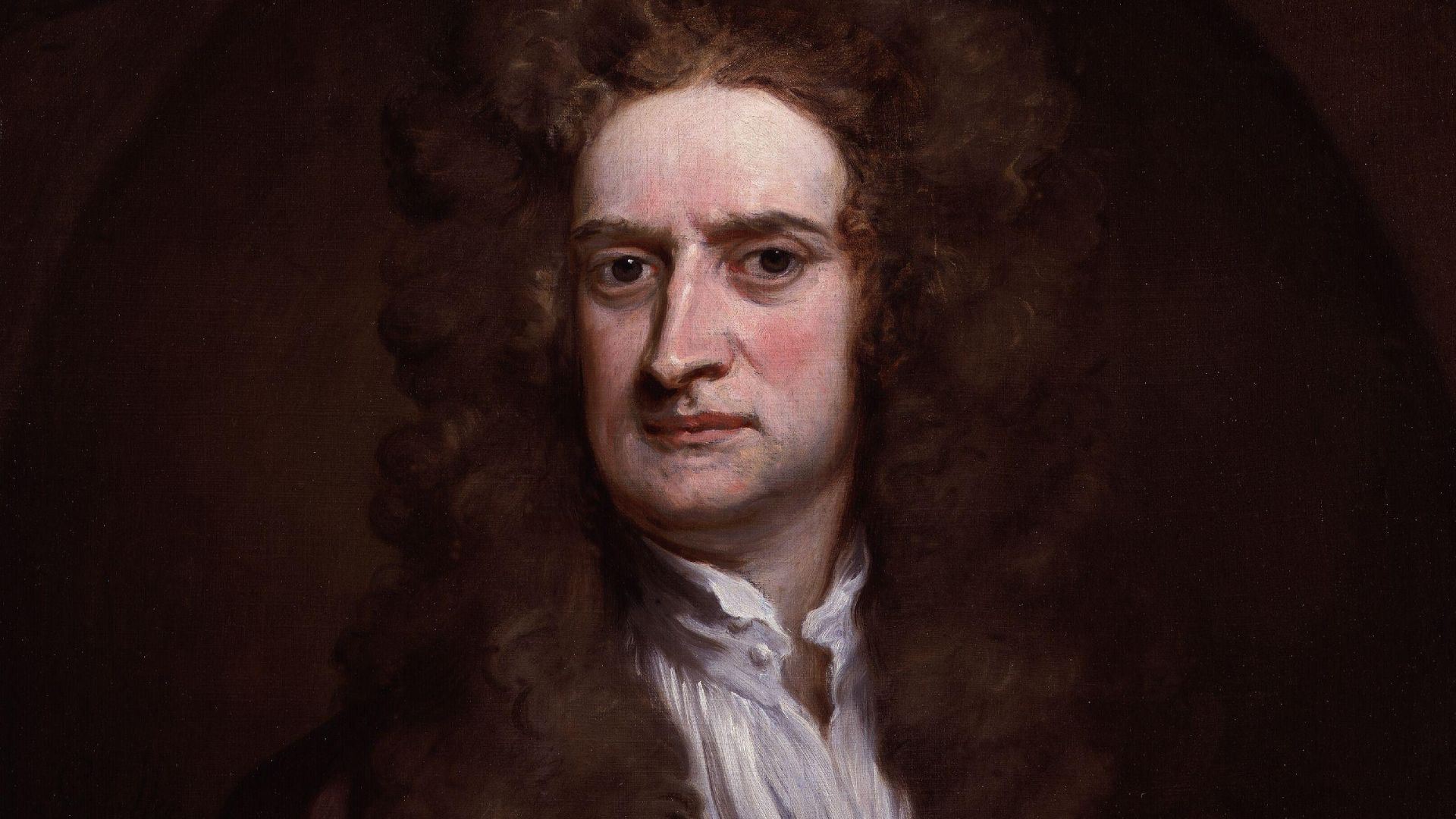
Many discoveries that now appear obvious once sounded unbelievable. Scientists who challenged conventional wisdom often faced criticism before evidence supported their conclusions. The history of science reminds us that today's controversial hypothesis could become tomorrow's accepted fact.
 Godfrey Kneller, Wikimedia Commons
You May Also Like:
The Bizarre Inventions People Thought Would Change The World
The Most Important Inventions Of The 21st Century So Far