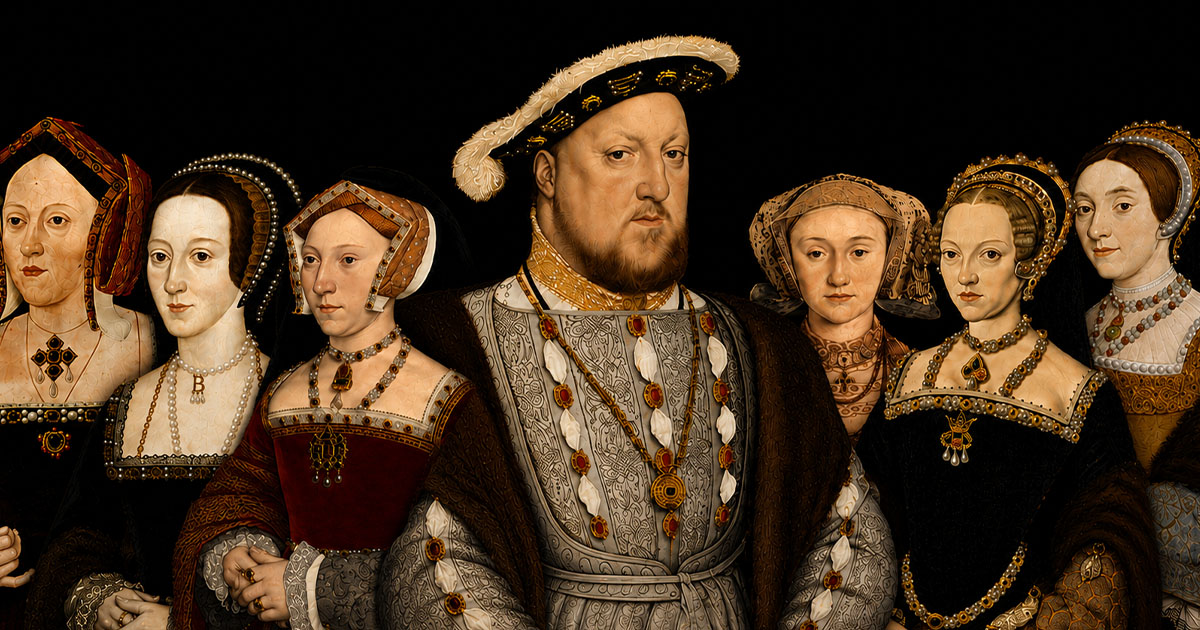
Royal Marriage Was Serious Business
Royal daughters didn’t always get a say in who they married. Some were sent across Europe to wed men they had never even met, all in the name of alliances, heirs, and dynastic politics. A few of those marriages grew into real partnerships. Others went spectacularly wrong.
 Hans Holbein the Younger, Wikimedia Commons
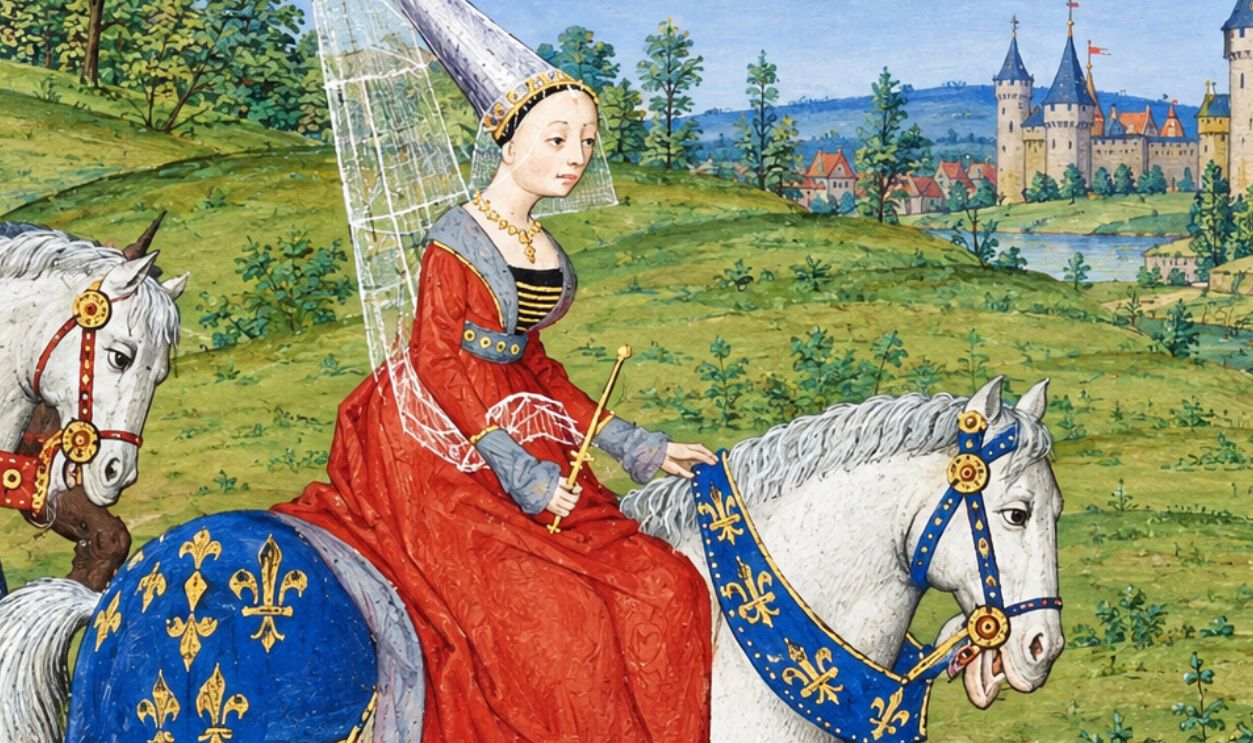
Isabella Of France Was Only Thirteen
Isabella was the daughter of France's powerful King Philip IV and Joan I of Navarre. In 1308, at about 13, she married the 23-year-old Edward II of England. The match was intended to strengthen relations between two kingdoms with a long history of conflict.
 Loyset Liedet, Wikimedia Commons, Enhanced
She Arrived At A Troubled Court
Isabella crossed to England after marrying Edward at Boulogne in January 1308. Her new husband was already intensely attached to his favorite, Piers Gaveston, whose influence infuriated powerful English nobles. Isabella had been sent abroad to strengthen an alliance, but she arrived in the middle of a growing political struggle.
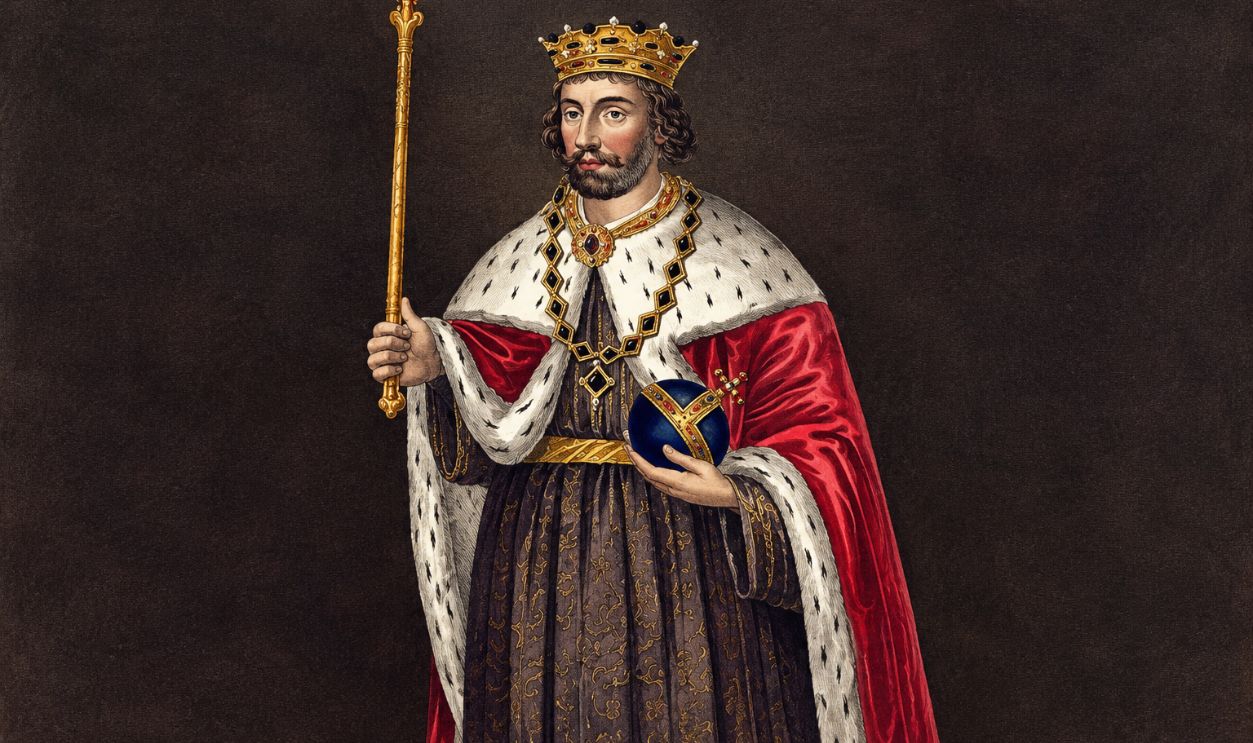
She Eventually Turned Against Her Husband
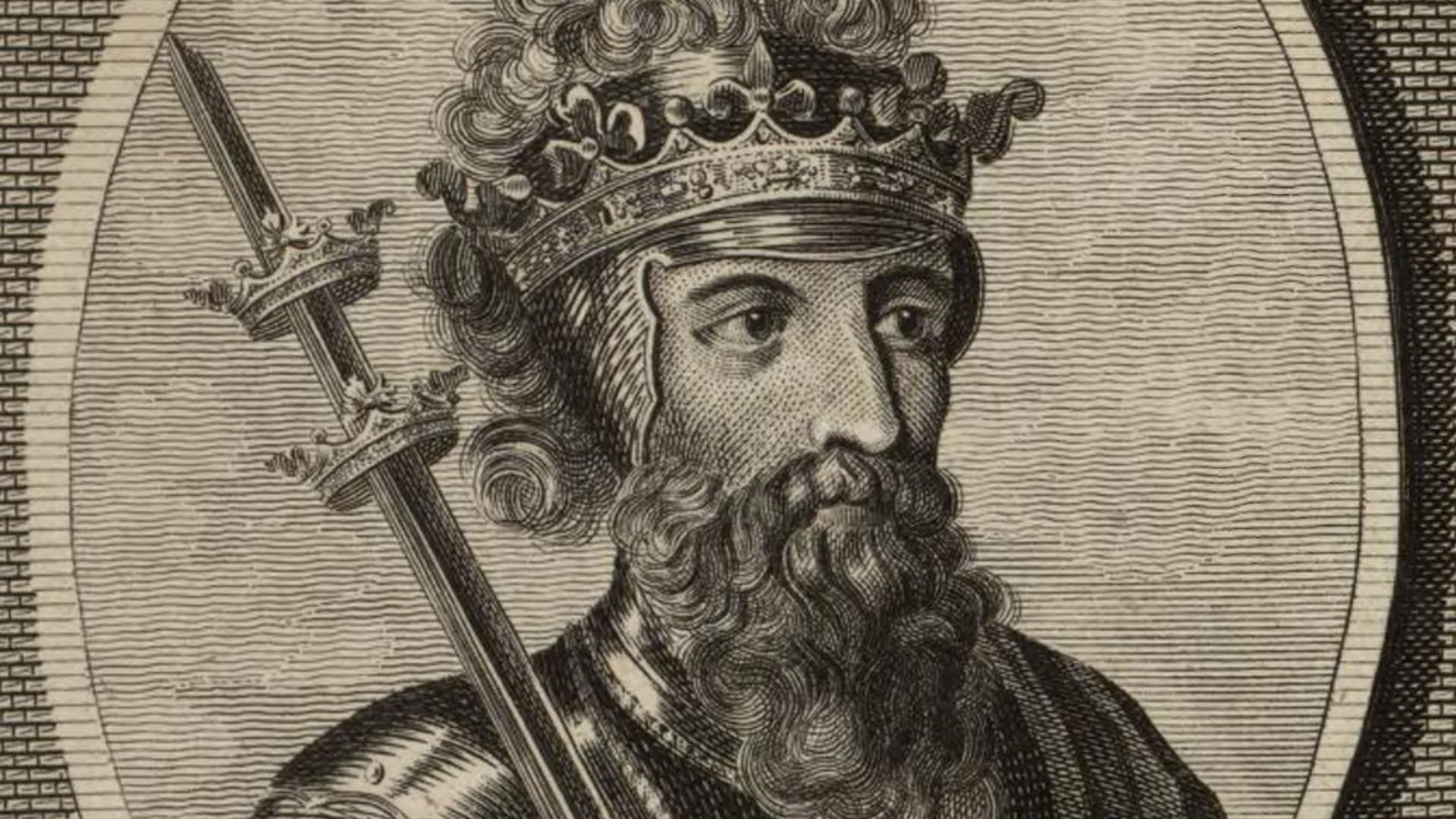
Isabella became increasingly involved in English politics as Edward's reign descended into conflict. In 1326, she returned from France with Roger Mortimer and an invading force that helped overthrow her husband. Edward was deposed in favor of their son, Edward III, giving Isabella's arranged marriage an extraordinary ending.
 Simon van de Passe, Wikimedia Commons
Catherine Of Aragon Was Promised Away Young
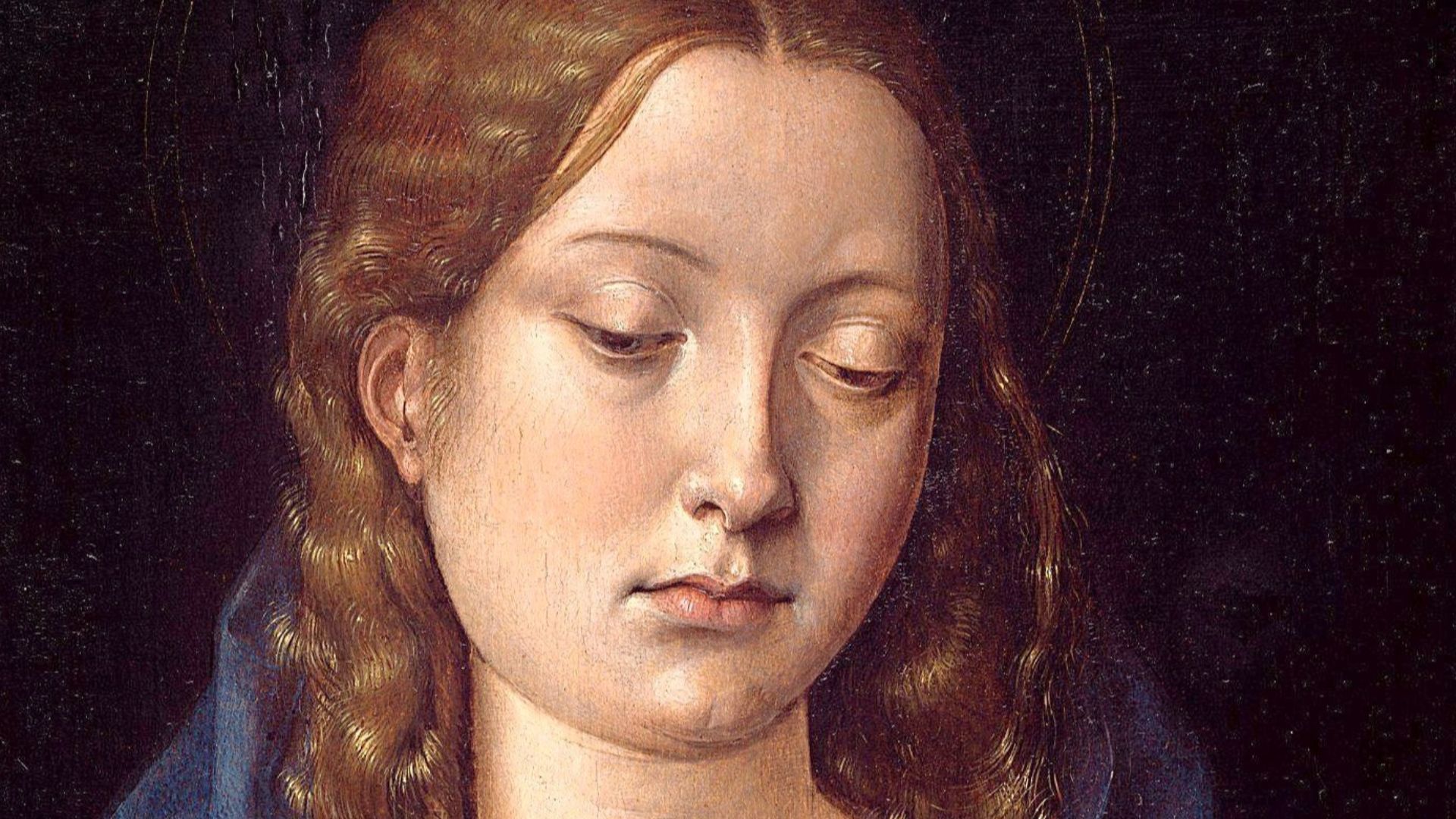
More than a century later, Catherine of Aragon became another princess whose marriage was planned for diplomatic reasons. The daughter of Ferdinand of Aragon and Isabella of Castile was promised to Arthur, Prince of Wales, strengthening ties between Spain and Tudor England. Negotiations began when both future spouses were still children.
 Michael Sittow, Wikimedia Commons
She Finally Met Arthur In England
Catherine sailed for England in 1501 after years of preparations surrounding the marriage. Arthur met his Spanish bride shortly after her arrival, and the teenagers married at St Paul's Cathedral on November 14. Catherine had crossed the sea to begin a new life beside a young man she had only just met.
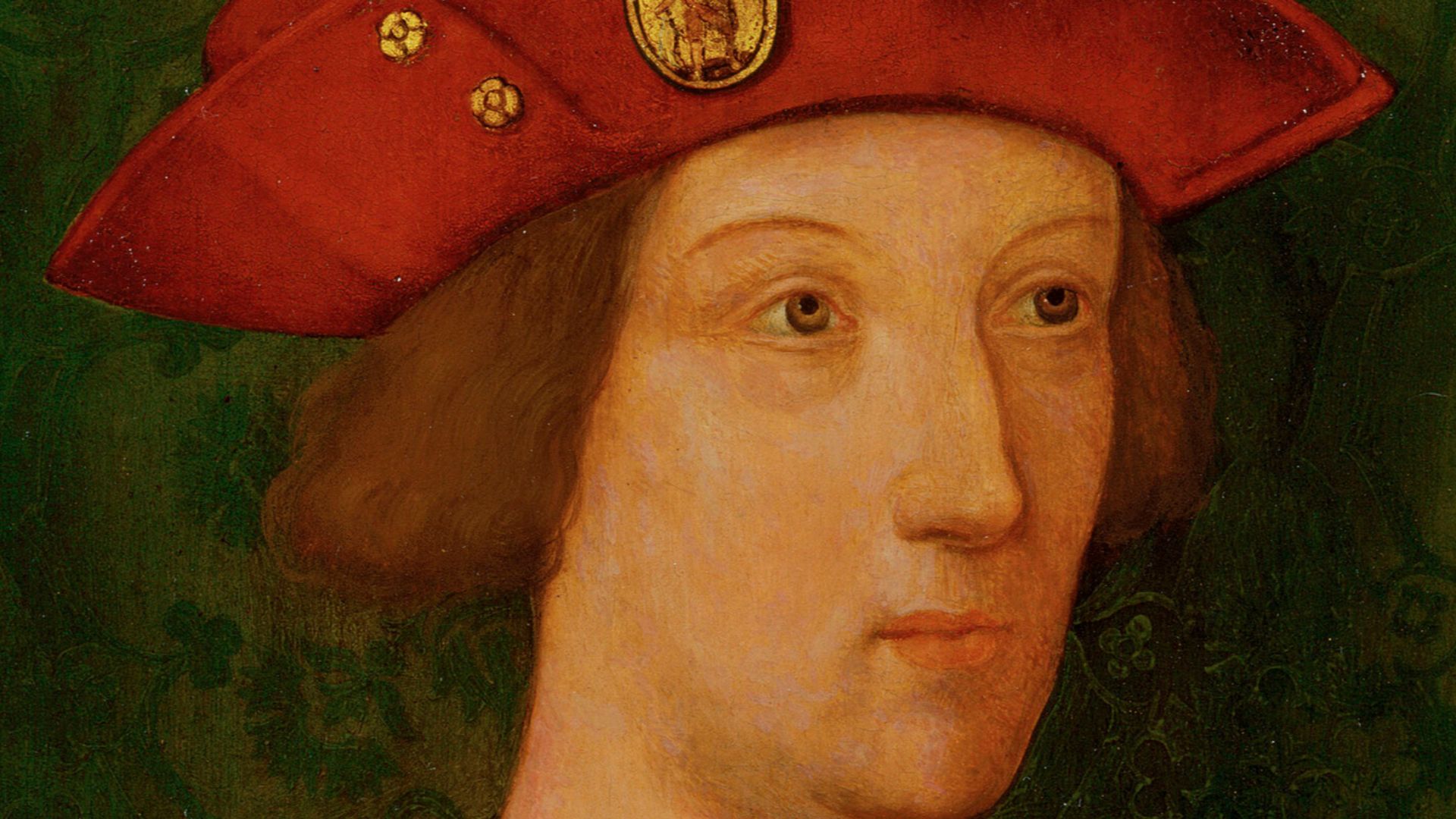
Then Arthur Suddenly Died
The newlyweds established their household at Ludlow, but their marriage lasted less than five months. Arthur died in April 1502, leaving Catherine stranded in England as a teenage widow. Seven years later, she married his younger brother Henry VIII and became queen of England.
 Unknown authorUnknown author, Wikimedia Commons
Anne Of Denmark Set Sail For Scotland
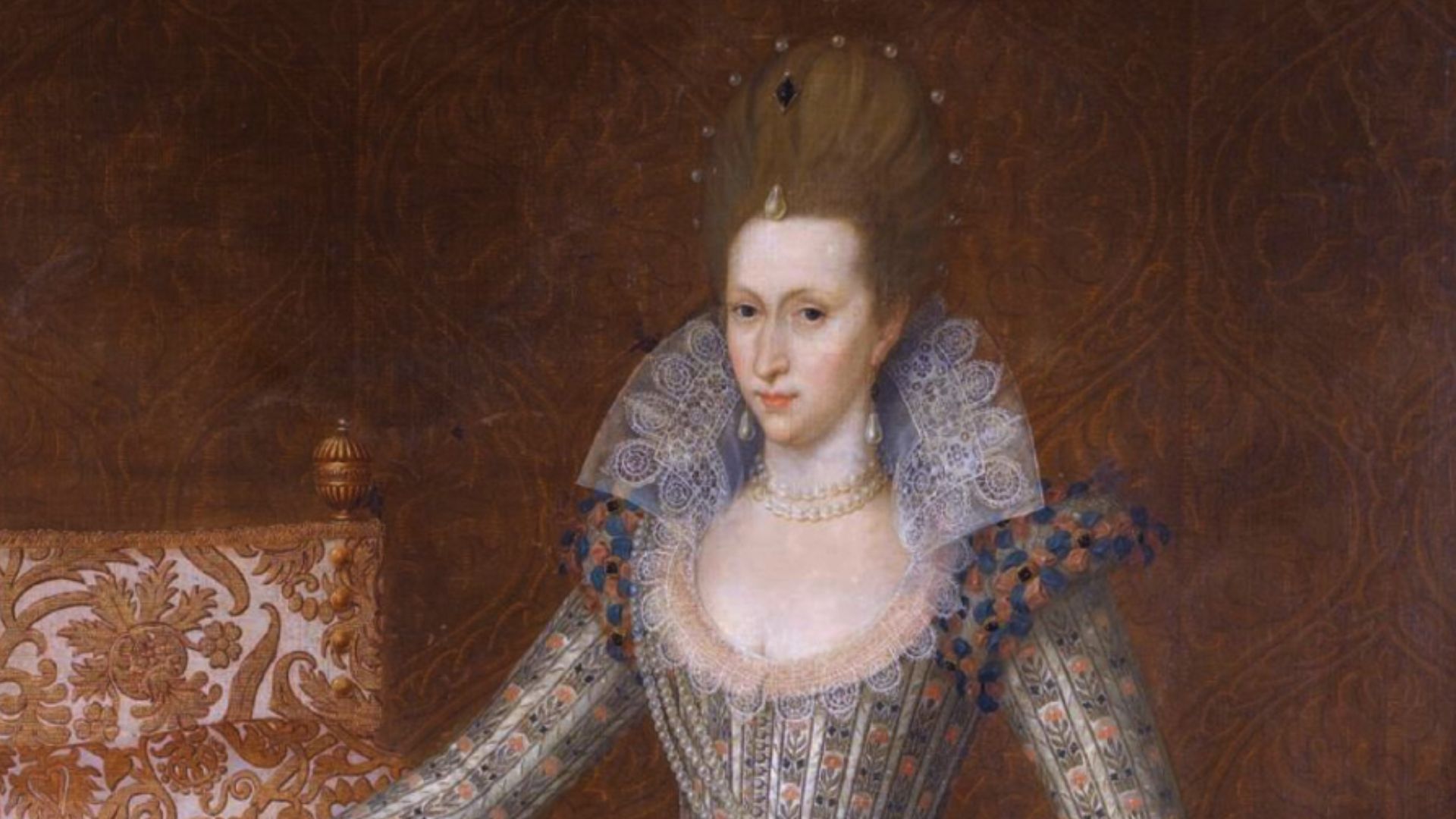
In 1589, 14-year-old Anne of Denmark was chosen to marry Scotland's James VI. A marriage between the Scottish king and a Danish princess had been under discussion for years, although Anne was not the family's original candidate. The couple were married by proxy before Anne attempted to travel to her new kingdom.
 John de Critz, Wikimedia Commons
The Weather Ruined Everything
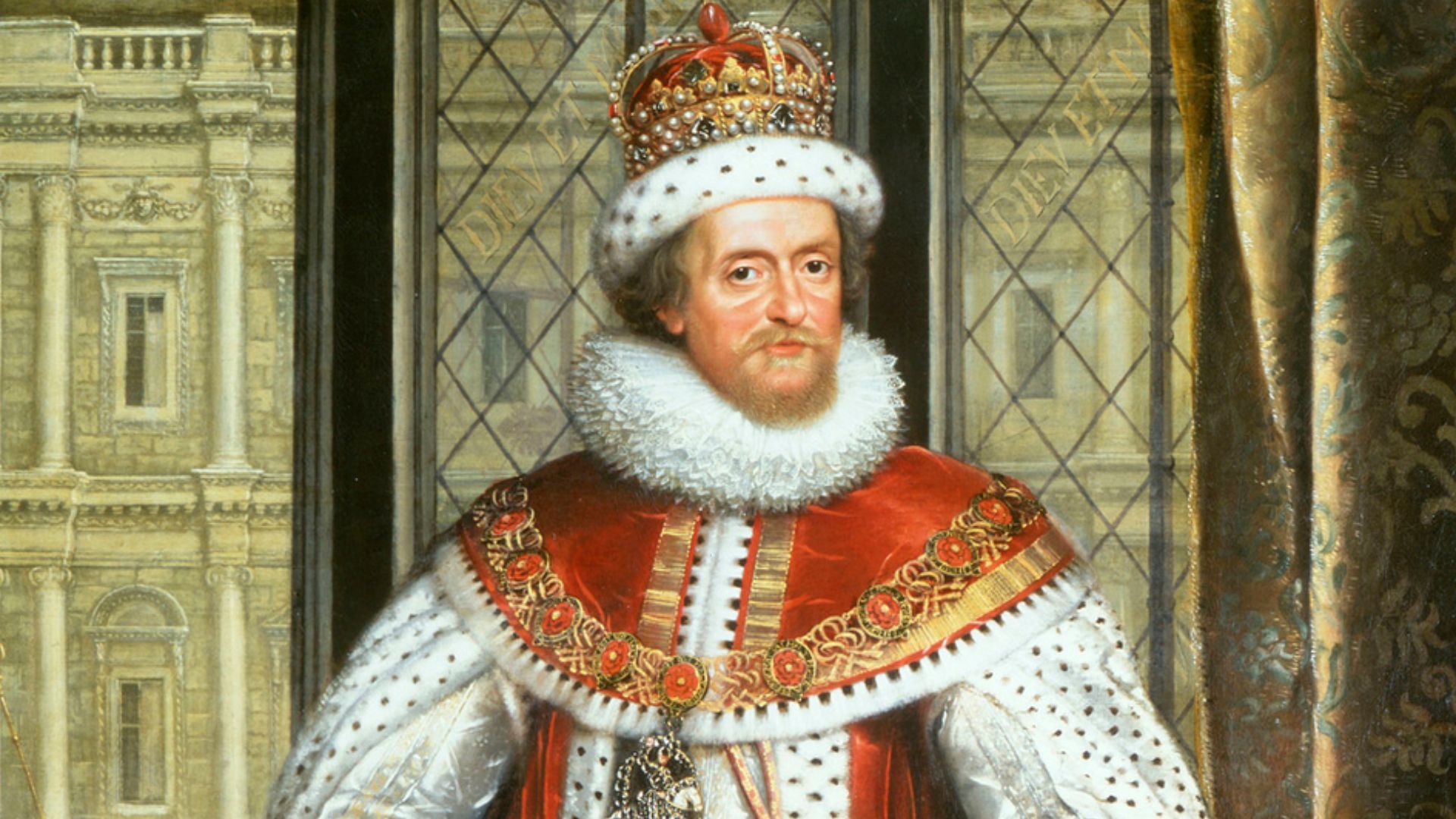
Anne's fleet encountered severe storms and eventually abandoned its attempt to reach Scotland. When James learned that his bride was stranded, he did something unusually adventurous for a king. He sailed across the North Sea to find her himself.
 Paul van Somer I, Wikimedia Commons

History's most fascinating stories and darkest secrets, delivered to your inbox daily.
Their First Meeting Was Awkward
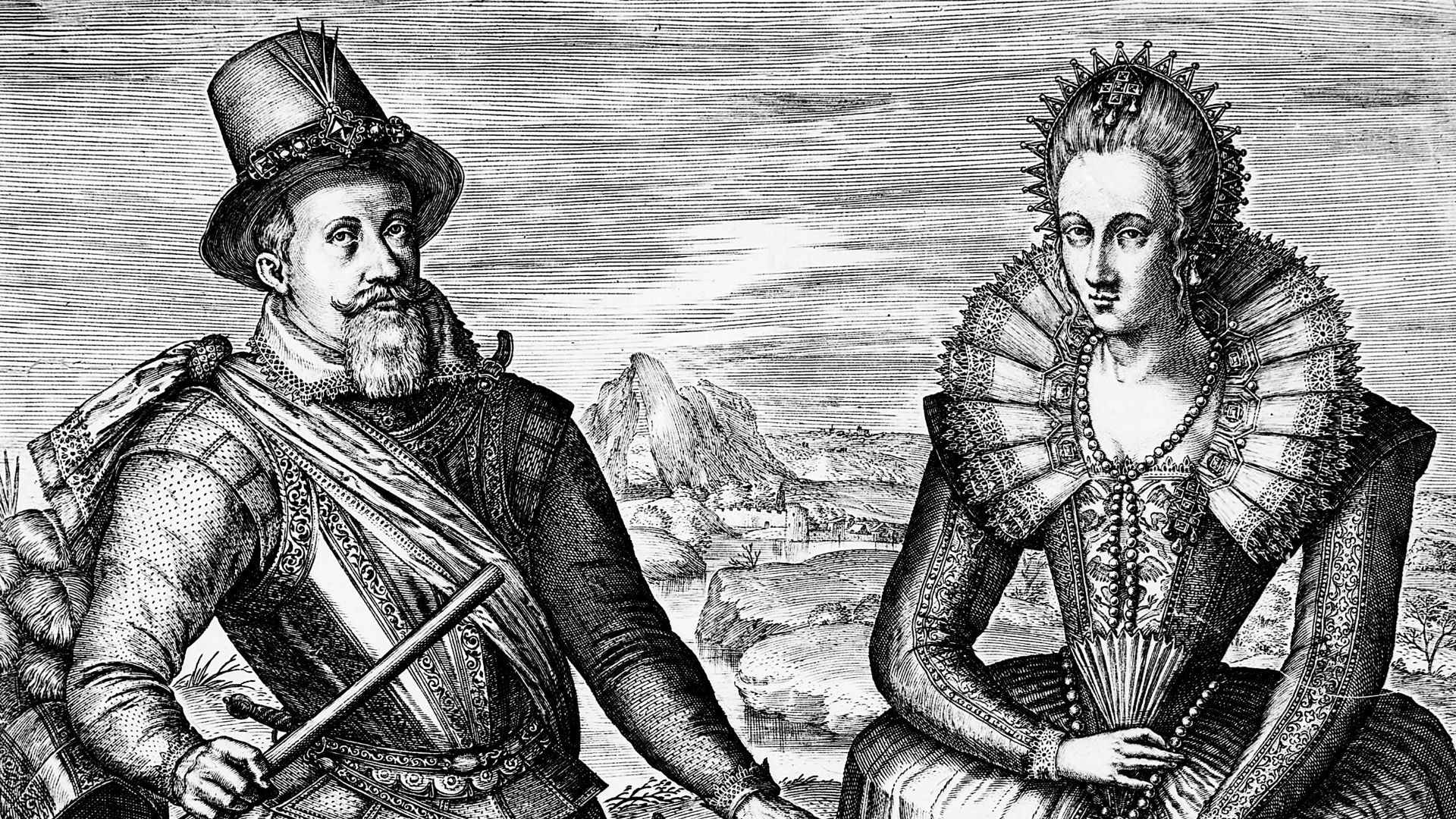
James eventually reached Anne in Oslo, where the couple met and formally married. According to a contemporary account, Anne was briefly surprised when James tried to kiss her according to Scottish custom. They returned to Scotland in 1590, and Anne later became queen of England as well when James inherited the English throne.
Catherine Of Braganza Had A Valuable Dowry
When Charles II needed a wife after the restoration of the English monarchy, Portugal offered an extremely attractive alliance. Catherine of Braganza's marriage settlement included a huge dowry as well as Tangier and Bombay, today's Mumbai. For Portugal, the deal also secured valuable English support against Spain.
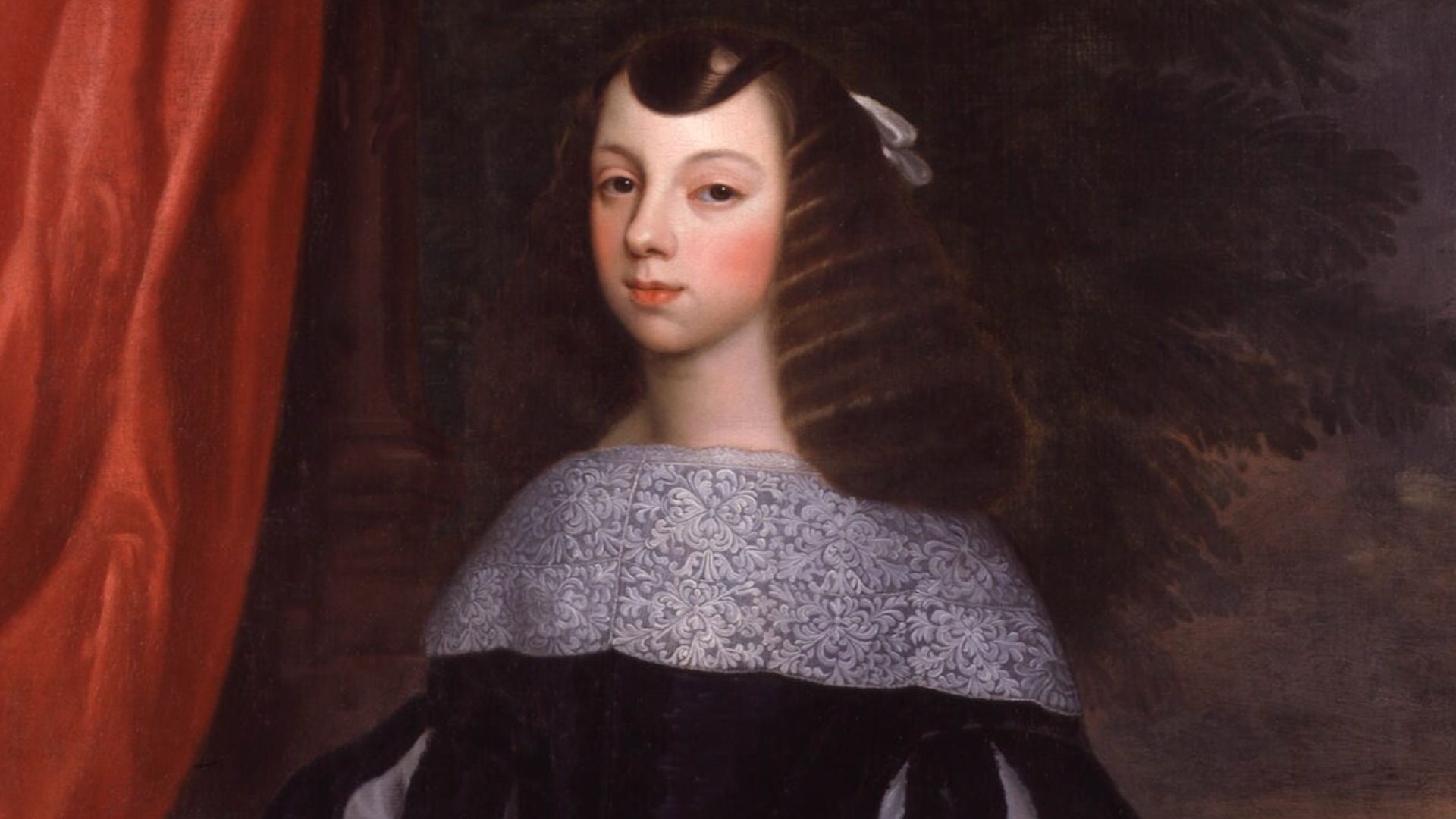 After Dirk Stoop, Wikimedia Commons
She Sailed To Meet Her King
Catherine arrived in England in 1662 to begin life with a husband chosen through diplomacy rather than courtship. She and Charles married at Portsmouth in May. The young Portuguese princess had left behind her family, language, and familiar court for one of Europe's most politically complicated royal households.
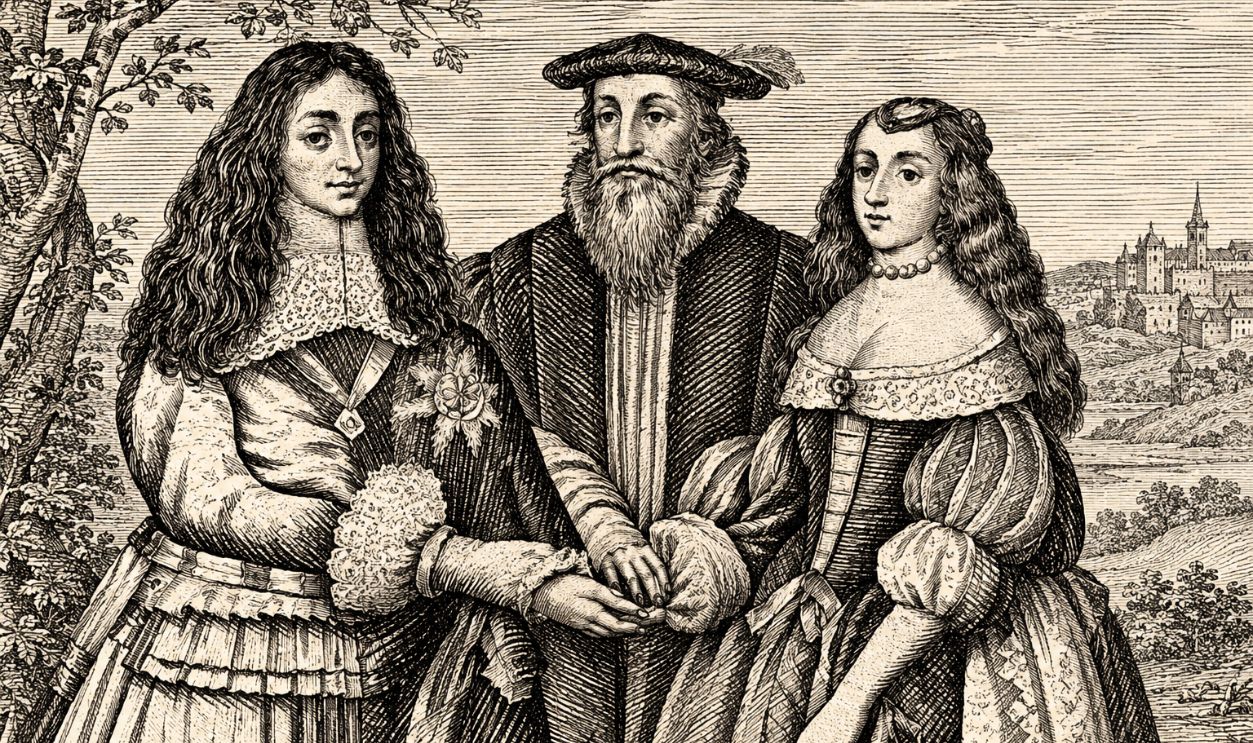 National Portrait Gallery, Wikimedia Commons, Enhanced
Charles Made Marriage Difficult
Catherine remained queen for more than two decades, but her husband's numerous mistresses were a constant presence at court. She suffered several miscarriages and had no surviving children, leaving Charles without a legitimate heir. Despite those pressures, Catherine remained his queen until his death in 1685.
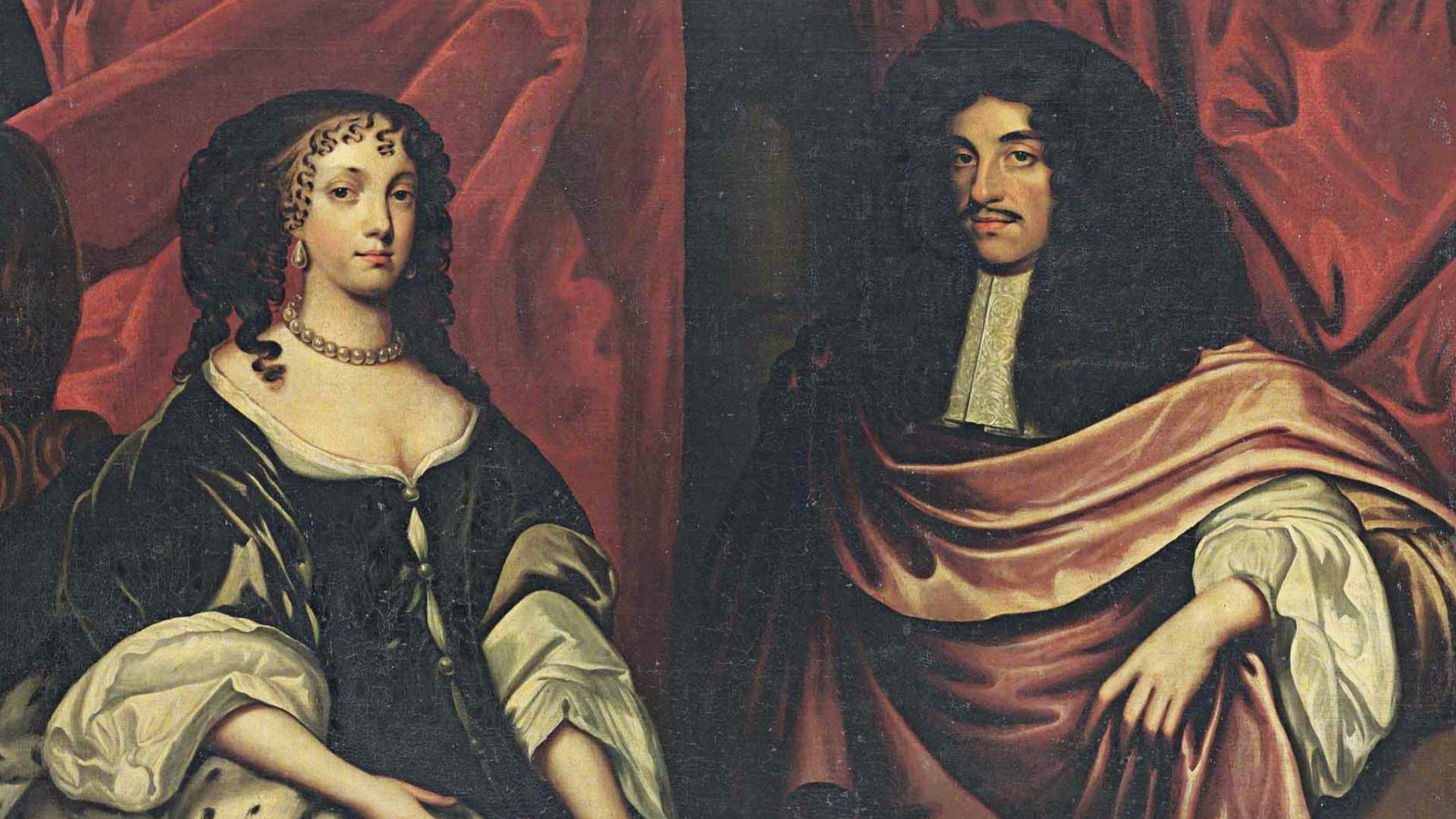 Unidentified painter, Wikimedia Commons
Charlotte Was Selected For George III
George III became king in 1760 while still unmarried, making the search for a suitable queen urgent. Seventeen-year-old Charlotte of Mecklenburg-Strelitz was selected from a small German duchy as an appropriate Protestant princess. There was no long courtship between the future husband and wife.
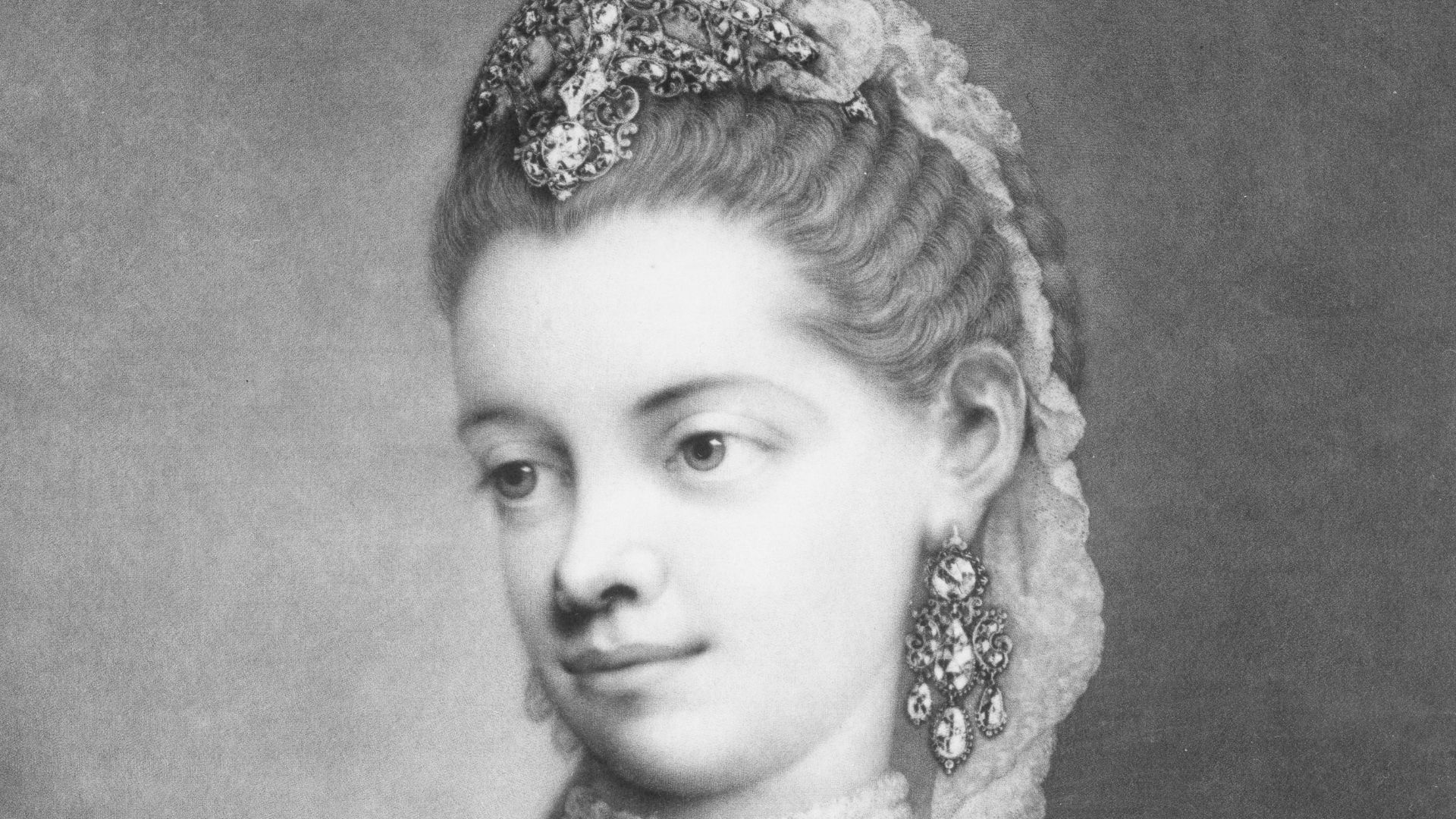 Thomas Frye, Wikimedia Commons
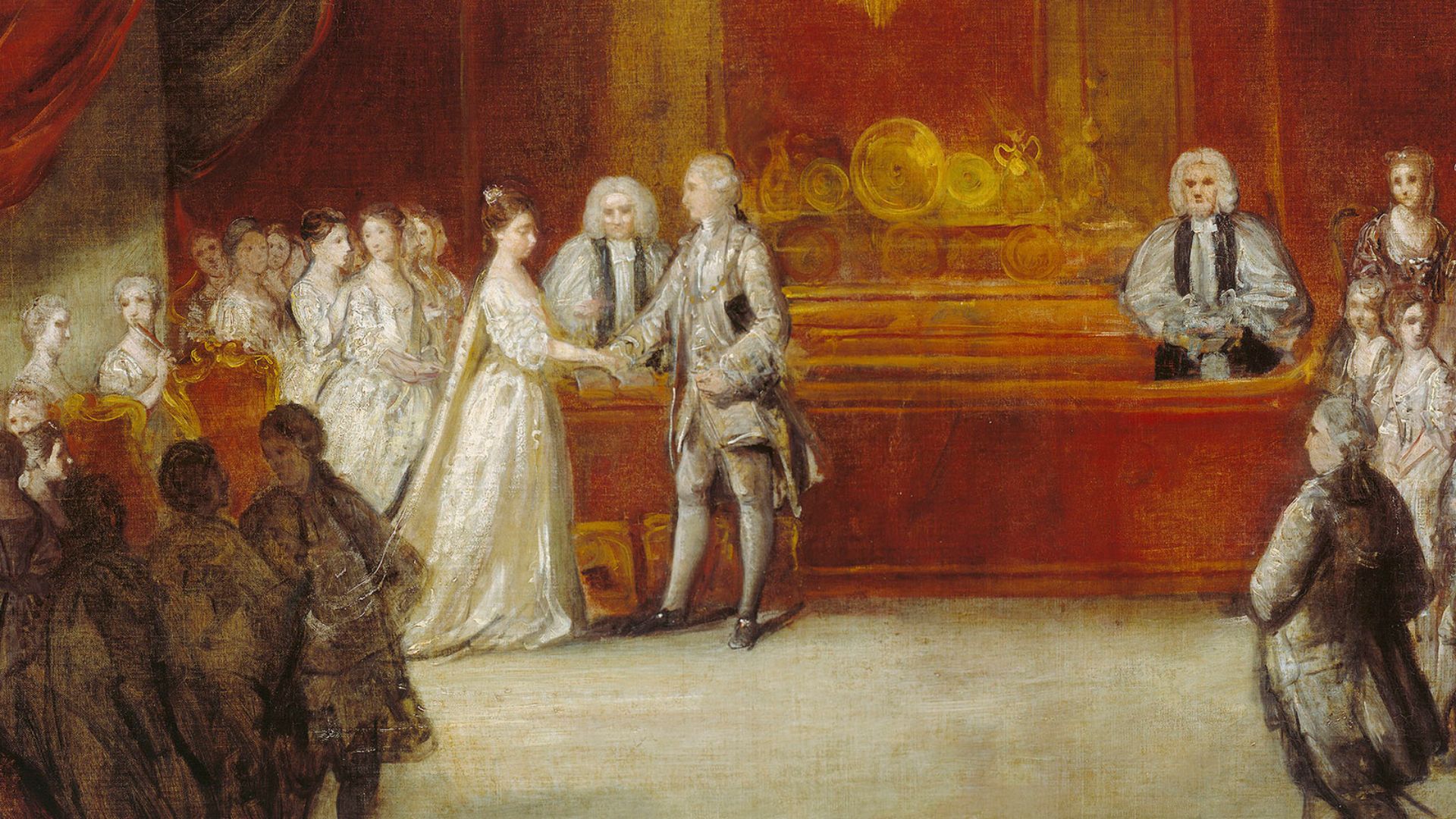
They Met On Their Wedding Day
Charlotte arrived in London on September 8, 1761, after a difficult journey from Germany. She and George III had never met before that day. Only hours after their introduction, they were married at St James's Palace.
 Joshua Reynolds, Wikimedia Commons
The Royal Blind Date Actually Worked
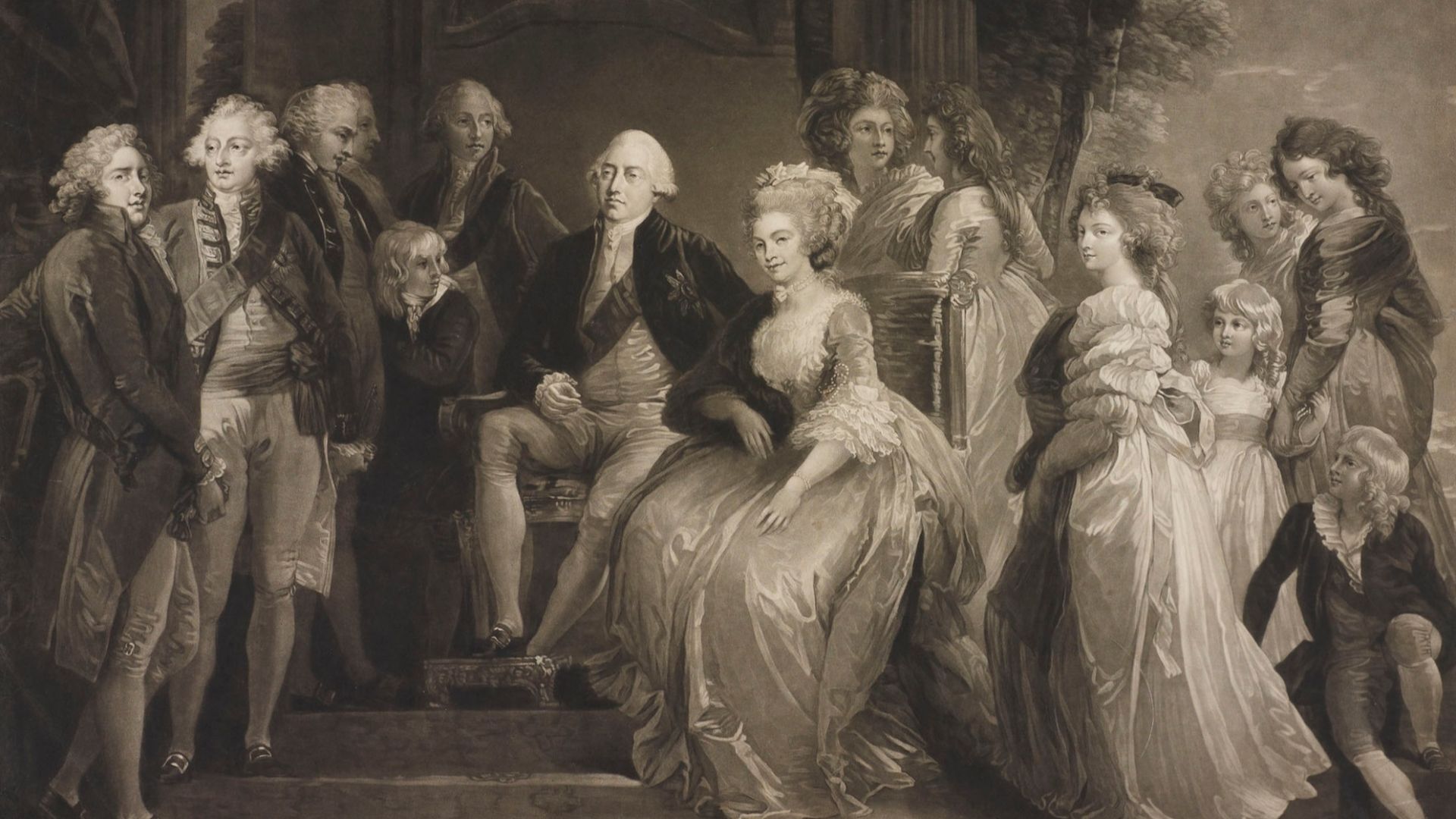
Unlike many dynastic marriages, George and Charlotte's union developed into a close and enduring relationship. They had 15 children and shared a strongly family-oriented outlook. Charlotte remained beside George through decades of marriage and his later periods of serious illness.
 After Thomas Stothard, Wikimedia Commons
Marie Antoinette Was Fourteen
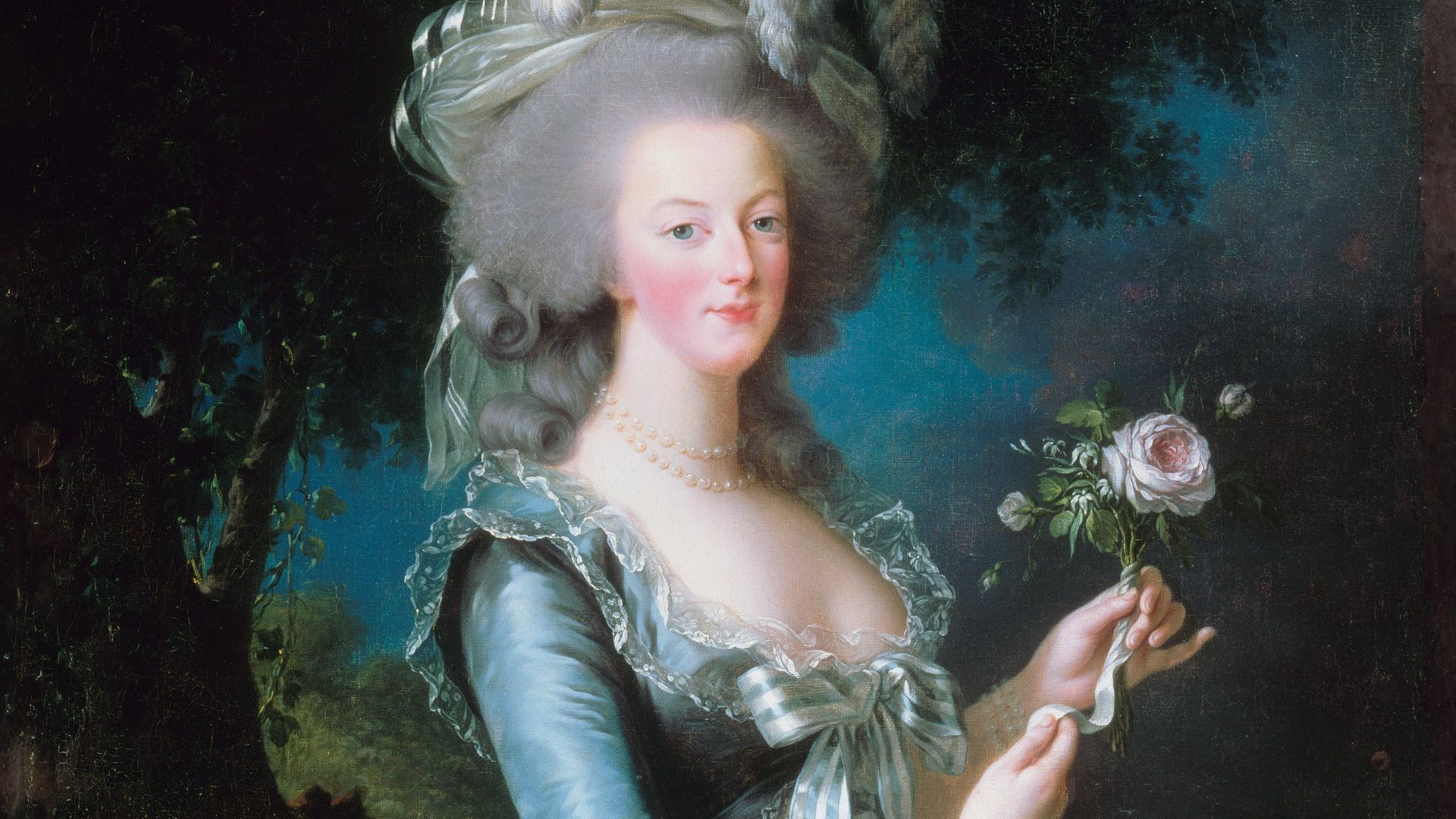
France and Austria had been enemies for generations before dramatically becoming allies in 1756. The new relationship was reinforced by arranging a marriage between the French heir and Marie Antoinette, the youngest daughter of Austrian ruler Empress Maria Theresa. Marie Antoinette was just 14 when she prepared to leave Austria in 1770.
 Élisabeth Louise Vigée Le Brun, Wikimedia Commons
She Was Married Without The Groom
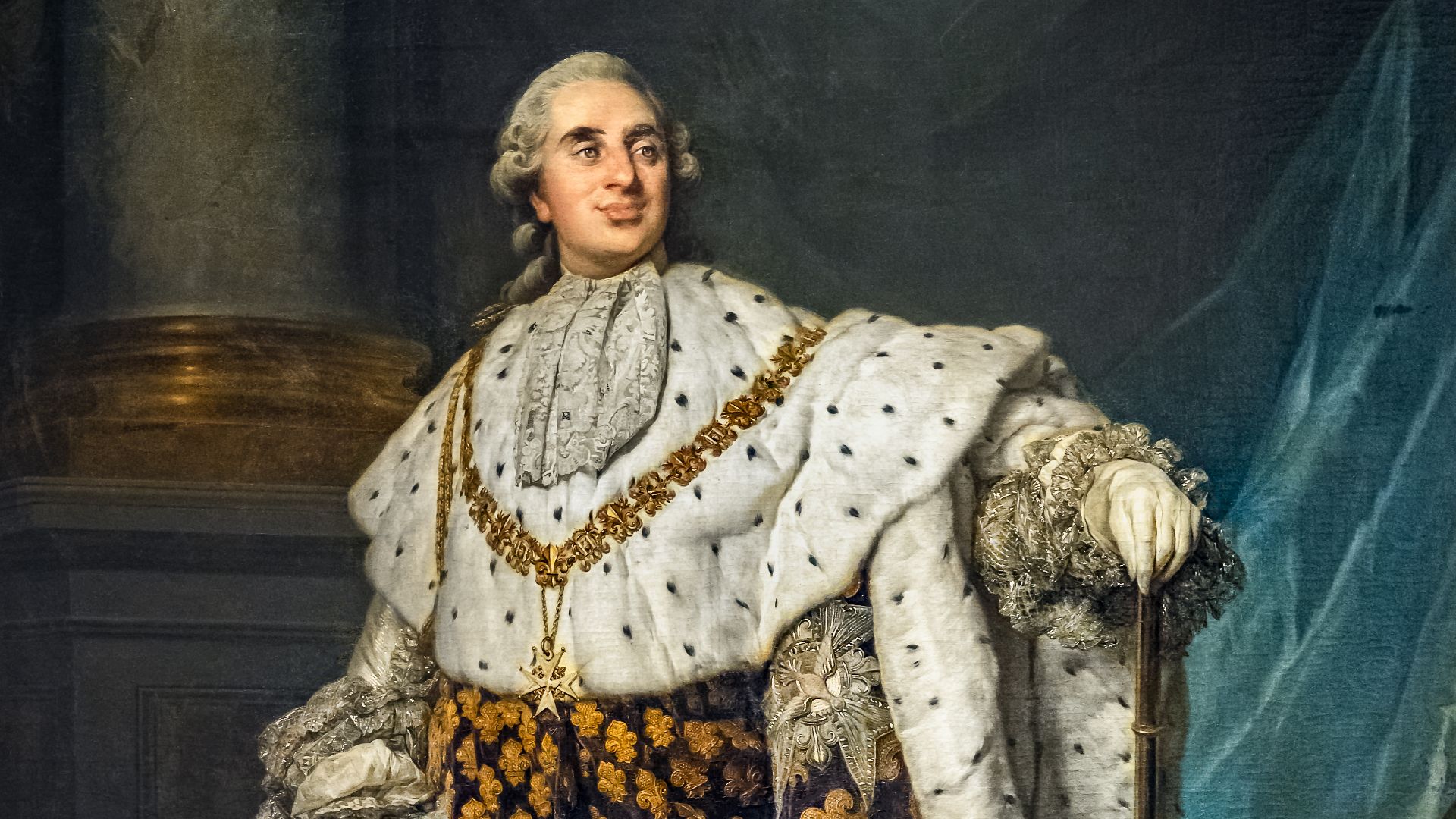
Marie Antoinette first married Louis by proxy in Vienna, meaning the French dauphin was not physically present at his own wedding. She then departed Austria and traveled west toward an entirely new life. The teenagers met in France before their formal wedding at Versailles on May 16, 1770.
 Didier Descouens, Wikimedia Commons
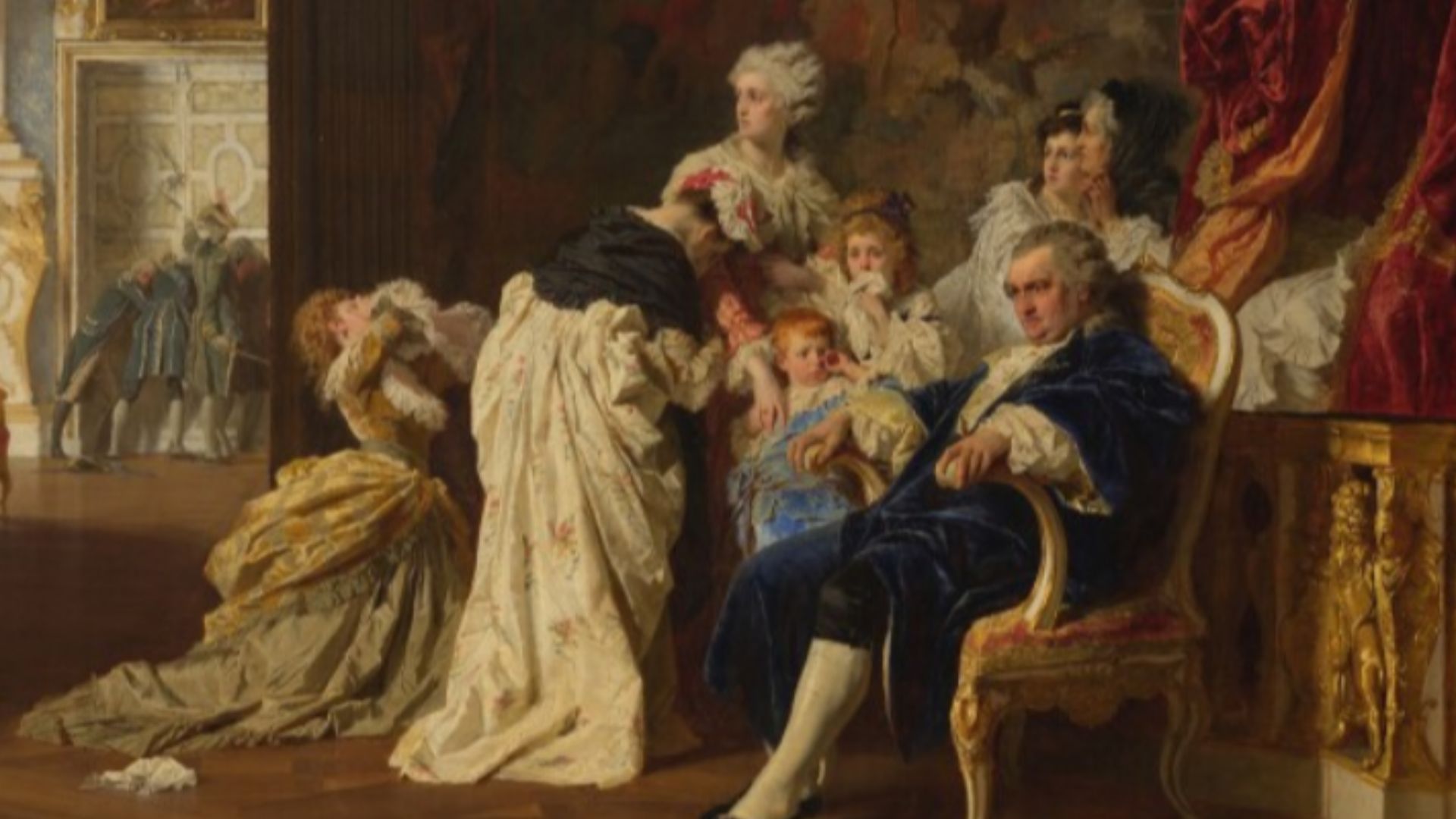
Versailles Was A Shock
Life at Versailles subjected Marie Antoinette to an elaborate system of public ceremony and rigid court etiquette. She struggled to adapt to those constraints and increasingly sought privacy away from the formal court. Four years after arriving as an Austrian teenager, she became queen of France alongside Louis XVI.
 Gyula Benczúr, Wikimedia Commons
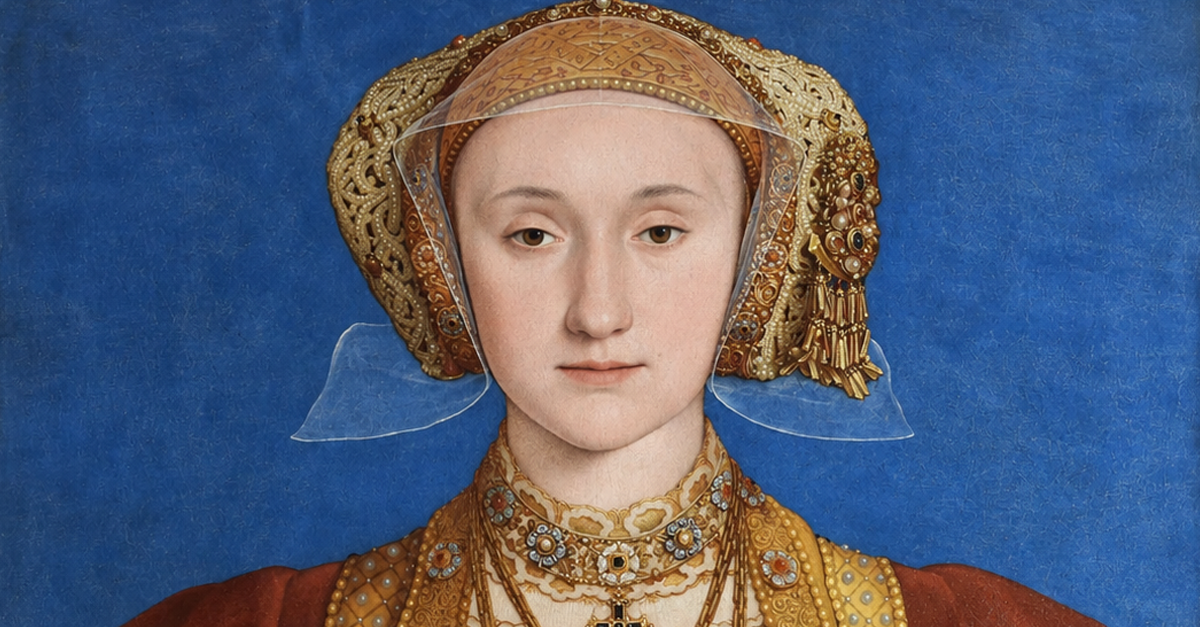
Anne Of Cleves Was Chosen From A Portrait
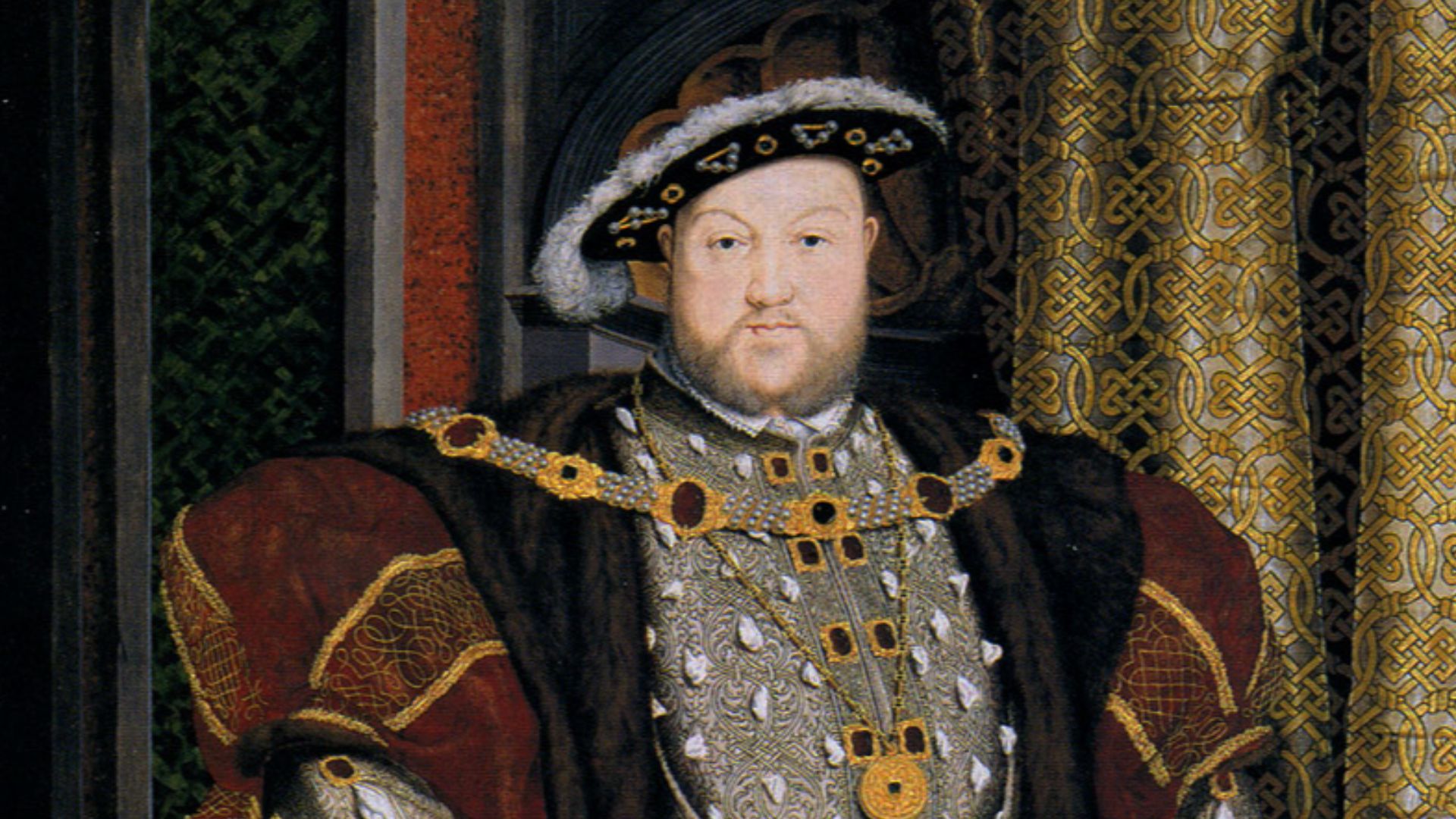
Henry VIII's ministers began searching for his fourth wife after the death of Jane Seymour. Political tensions made an alliance with Cleves attractive, and court painter Hans Holbein produced a portrait of Anne for Henry. The king approved the match without ever meeting her in person.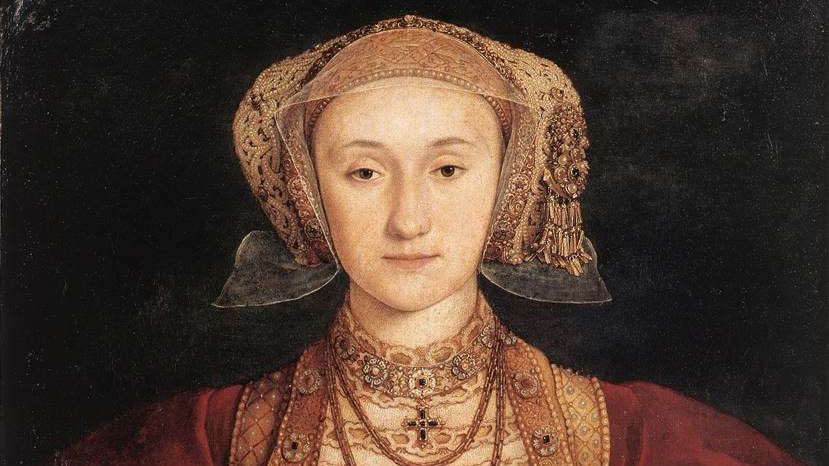 Hans Holbein the Younger, Wikimedia Commons
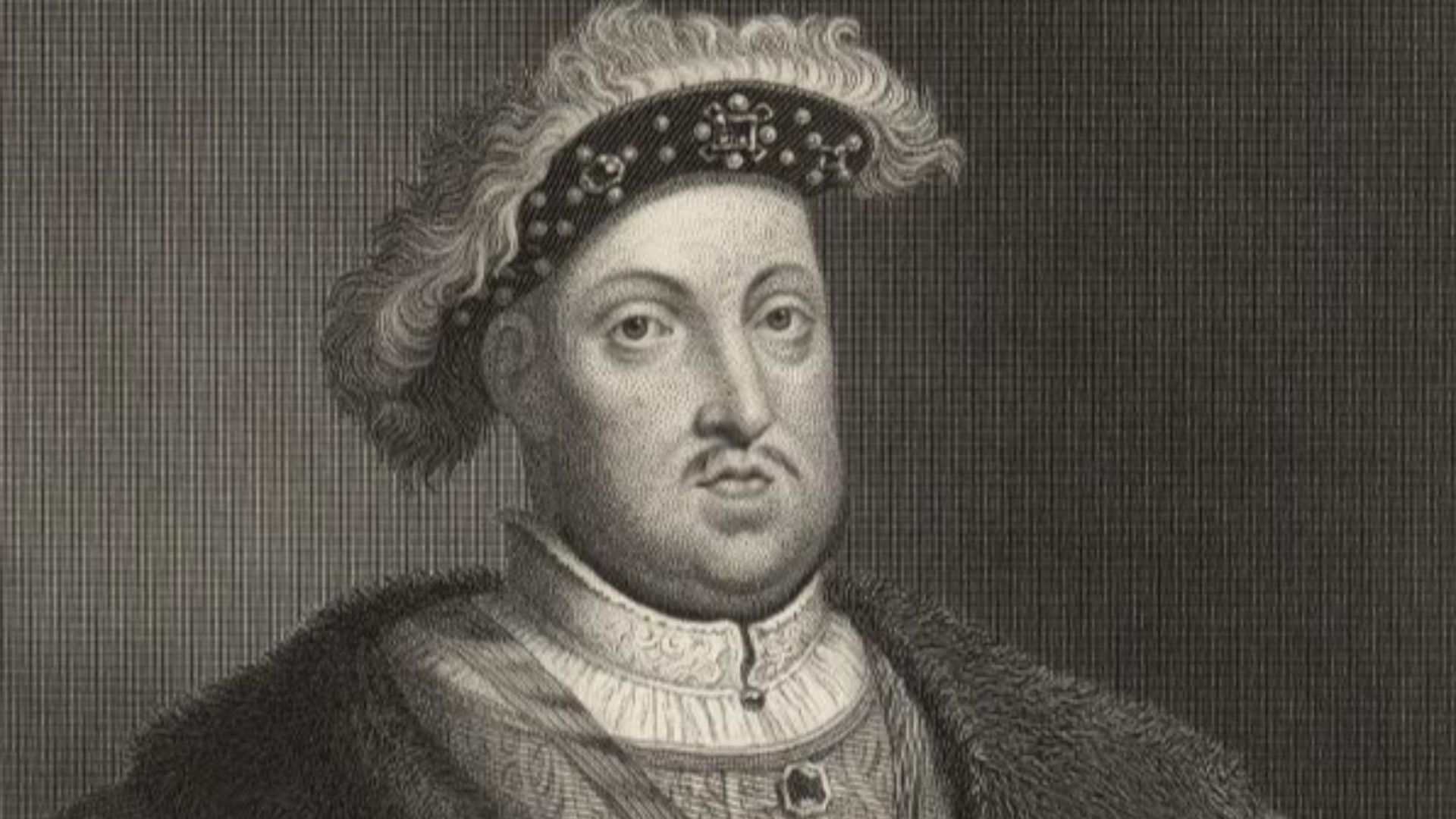
Henry Tried To Surprise Her
Anne arrived in England in late 1539 and made her way toward London to meet Henry for the first time. On New Year's Day 1540, Henry unexpectedly visited her at Rochester while wearing a disguise. Anne had no idea the stranger approaching her was actually the king she was about to marry.
 William Holl, Wikimedia Commons
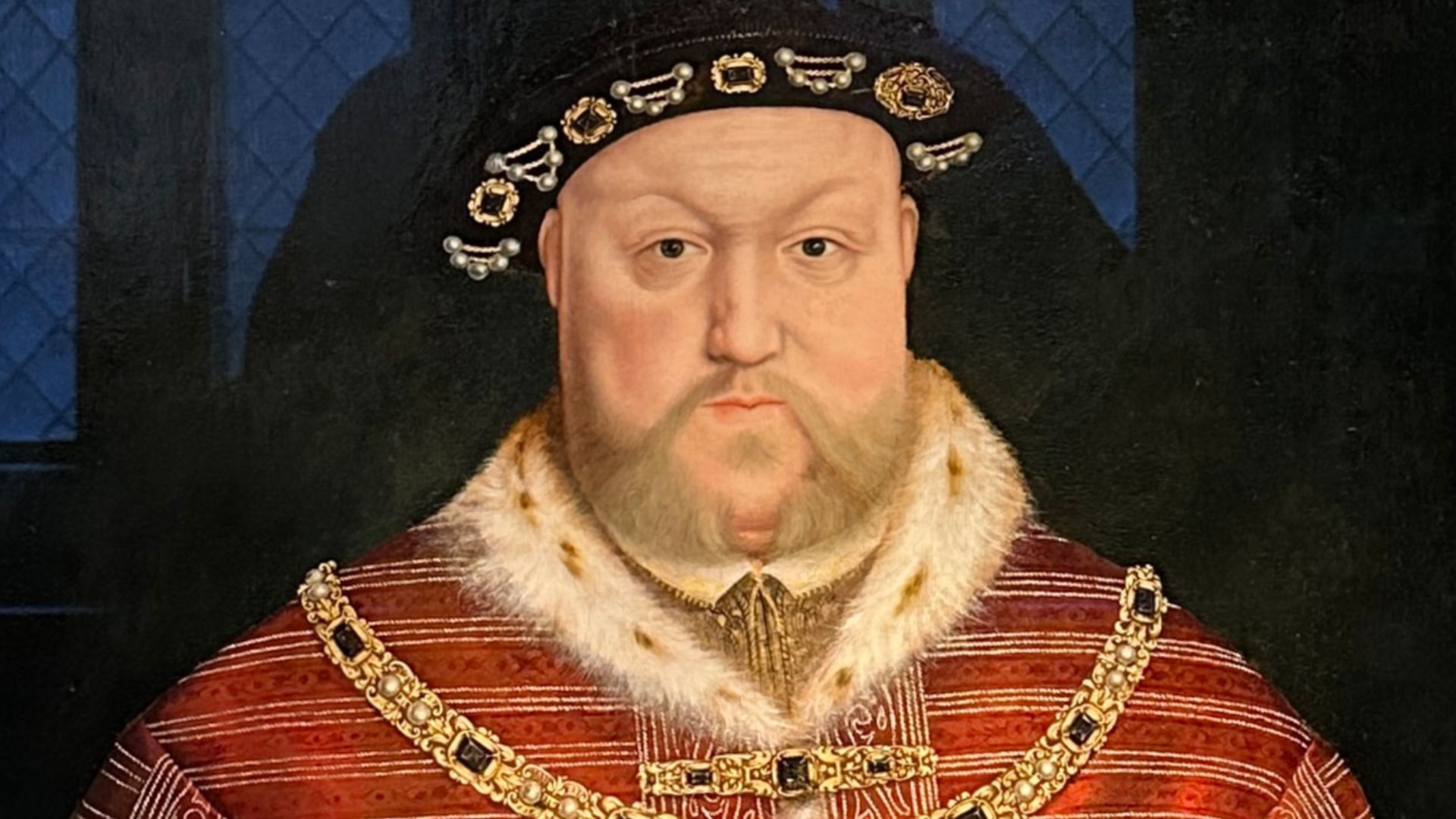
Henry Immediately Wanted Out
Henry was disappointed by the meeting and quickly began asking whether he could escape the agreement. Political considerations made backing out difficult, so he married Anne at Greenwich on January 6, 1540. Their marriage was annulled roughly six months later, and Anne accepted a generous settlement that allowed her to remain comfortably in England.
Caroline Of Brunswick Was A Political Solution
By the 1790s, George, Prince of Wales, was deeply in debt and under pressure to produce a legitimate heir. His cousin Caroline of Brunswick was selected as his bride despite the pair having no personal relationship. Caroline left Germany and traveled to Britain in the spring of 1795.
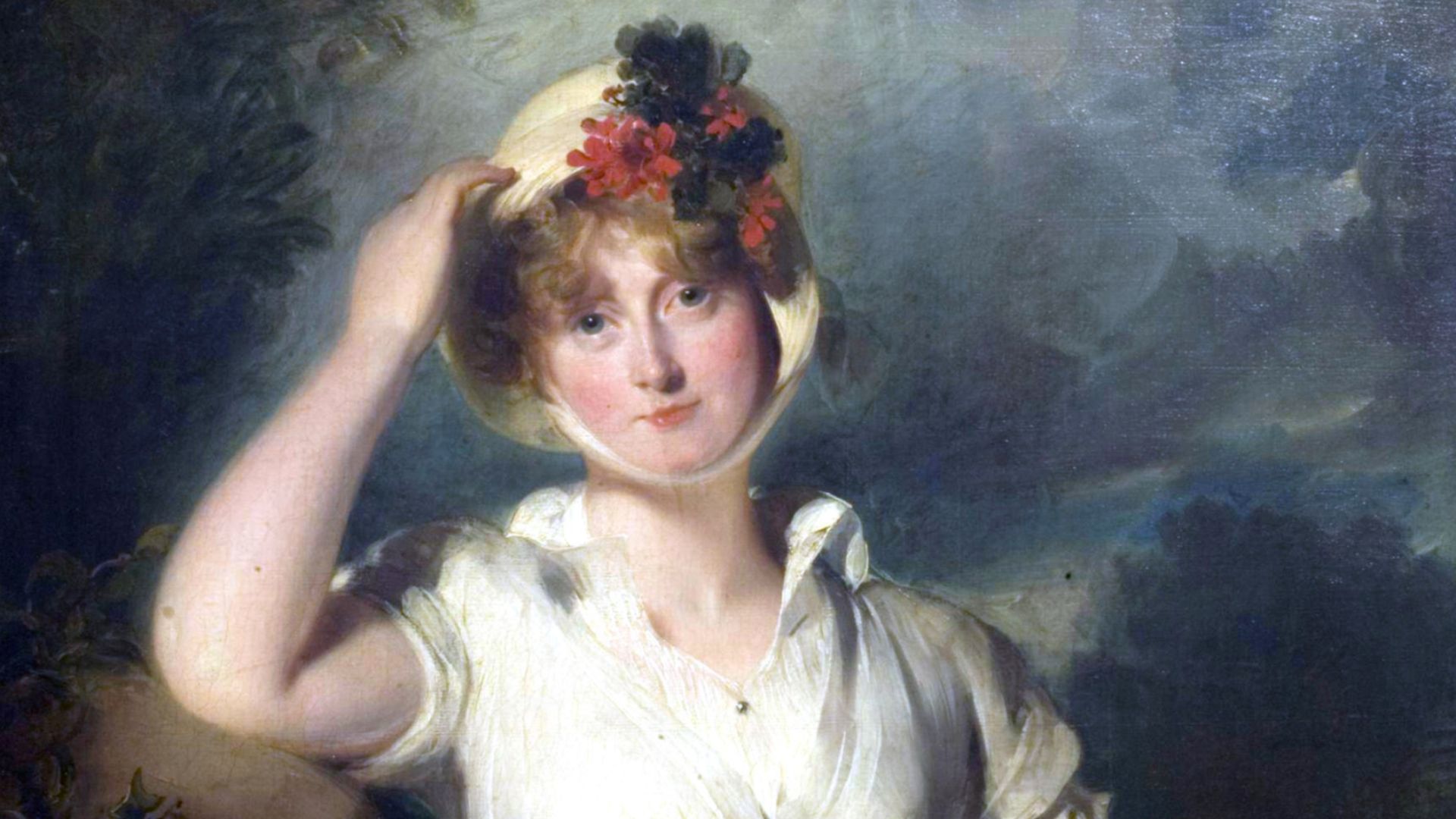 Thomas Lawrence, Wikimedia Commons
Their First Meeting Was A Disaster
George and Caroline met at St James's Palace on April 5, 1795, a moment recorded in contemporary prints. The meeting did little to improve the prospects of an already reluctant match. Three days later, they went through with the wedding anyway.
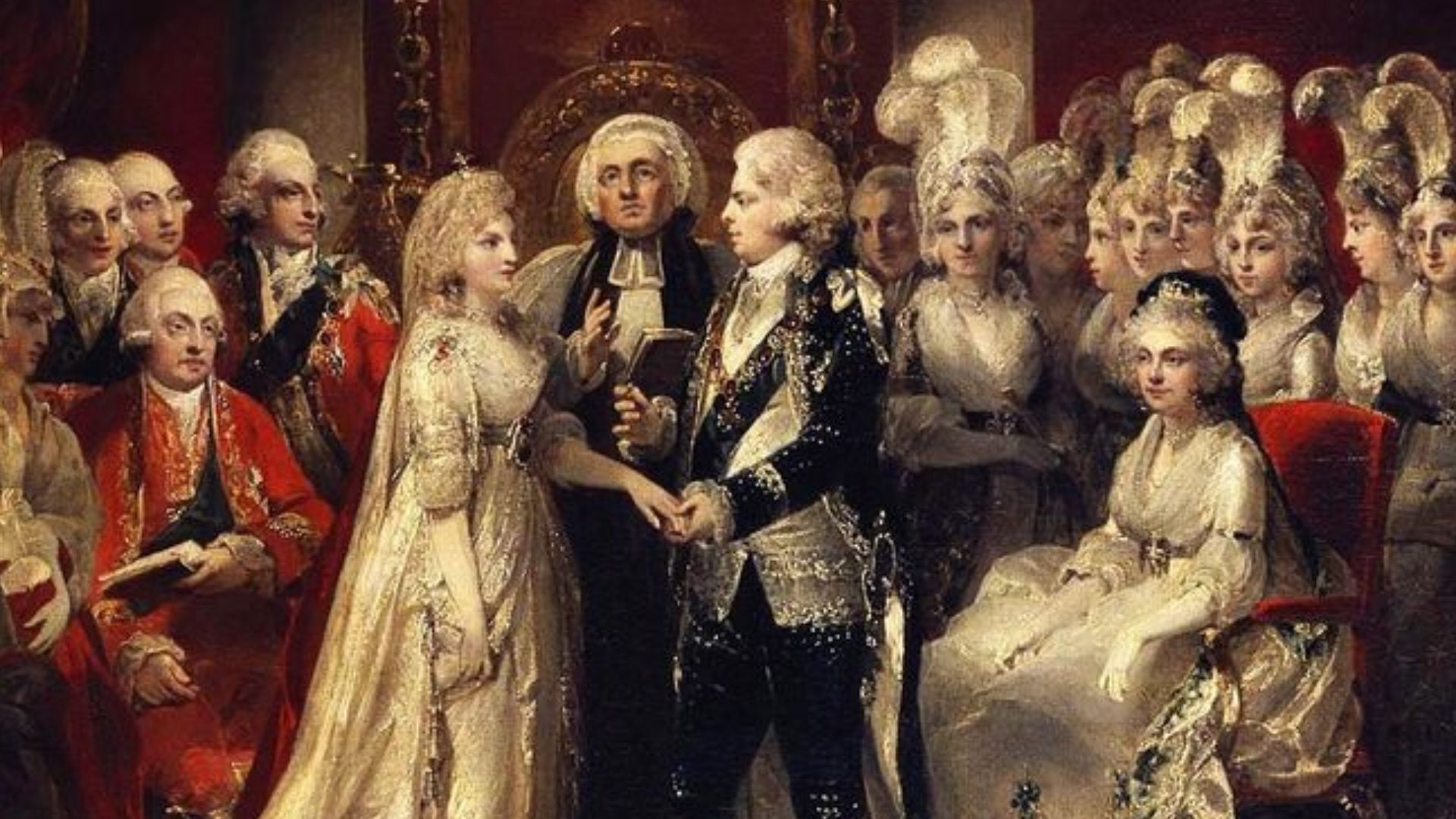 Gainsborough Dupont, Wikimedia Commons
They Could Barely Stand Each Other
Caroline gave birth to their only child, Princess Charlotte, in 1796, but the royal marriage rapidly collapsed. Husband and wife separated, and their bitter dispute became a public spectacle that lasted for years. When George became king in 1820, his attempt to divorce Caroline triggered one of the biggest royal scandals of the period.
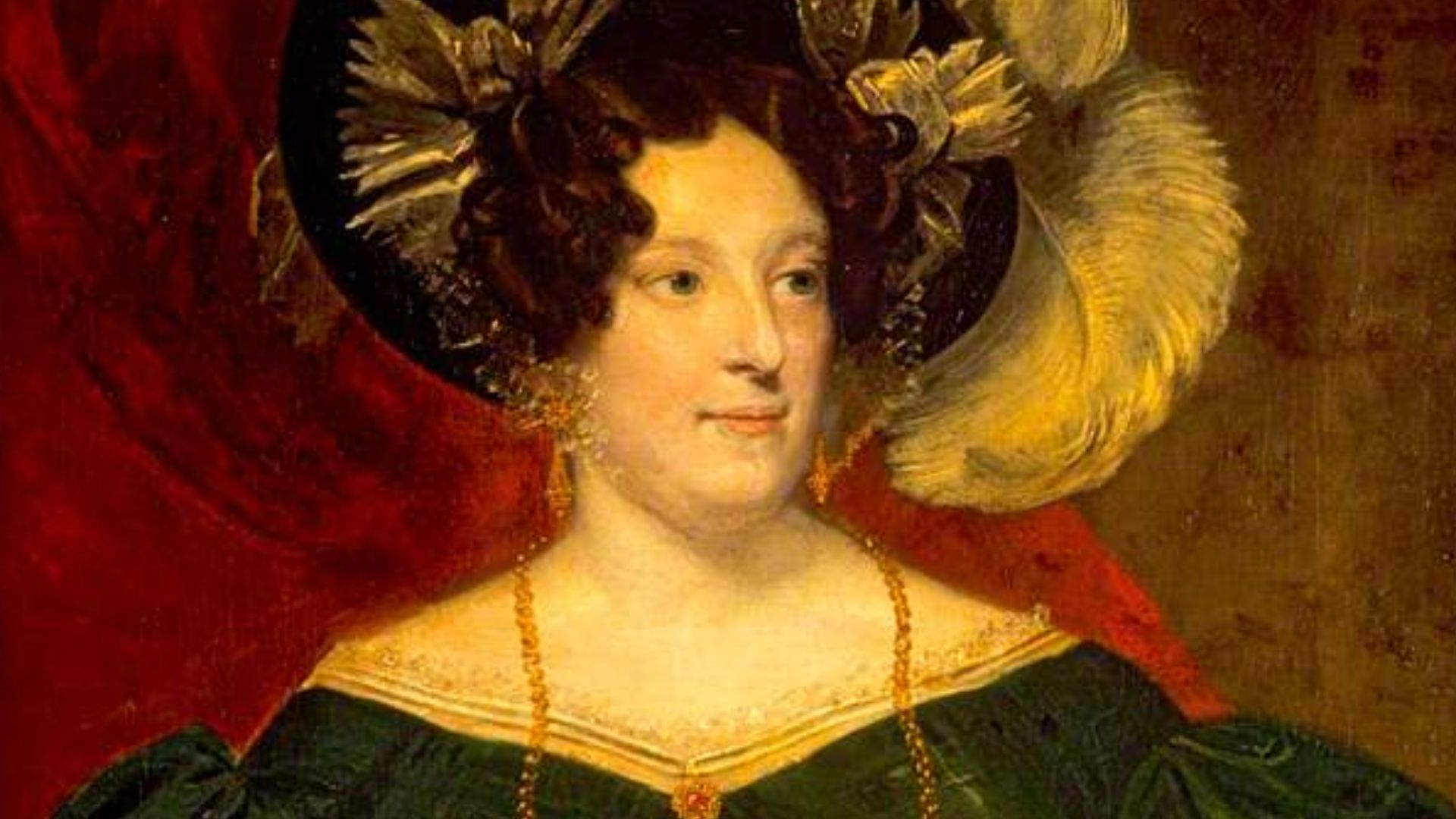 Samuel Lane, Wikimedia Commons
Marie Louise Grew Up Fearing Napoleon
Marie Louise of Austria had more reason than most royal brides to feel uneasy about her proposed husband. Napoleon had repeatedly defeated Austria, forced her family to flee Vienna, and become an enemy figure during her childhood. Then in 1810, the 18-year-old archduchess learned that Napoleon wanted to marry her.
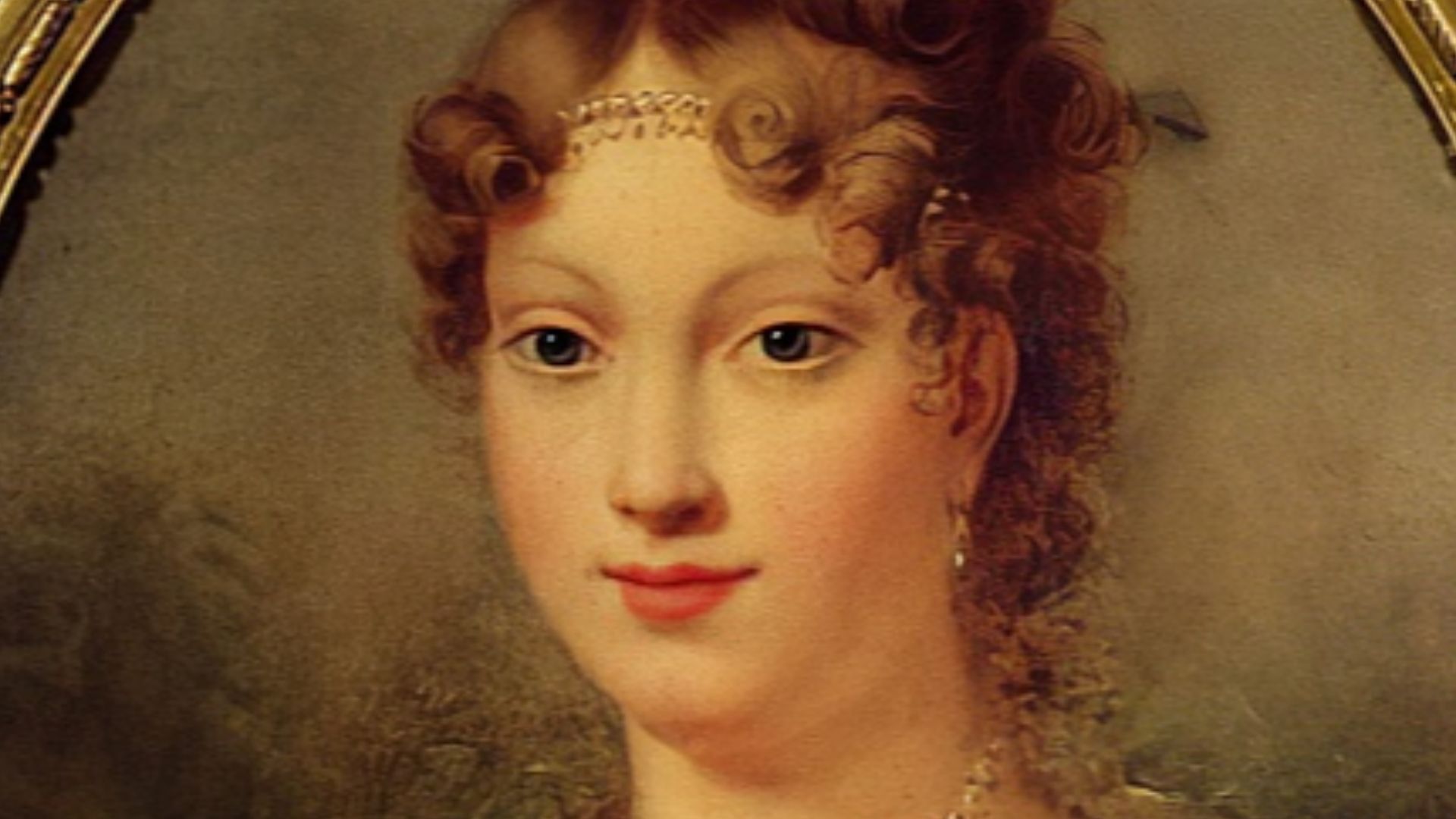 Pierre-Paul Prud'hon, Wikimedia Commons
She Accepted It As Her Duty
Napoleon needed a new wife after ending his marriage to Joséphine, particularly because he wanted a legitimate heir. Marie Louise accepted her father's decision and was married to Napoleon by proxy in Vienna on March 11, 1810, with Archduke Charles standing in for the absent emperor. Two days later, she left Austria to meet the man who had spent years defeating her country.
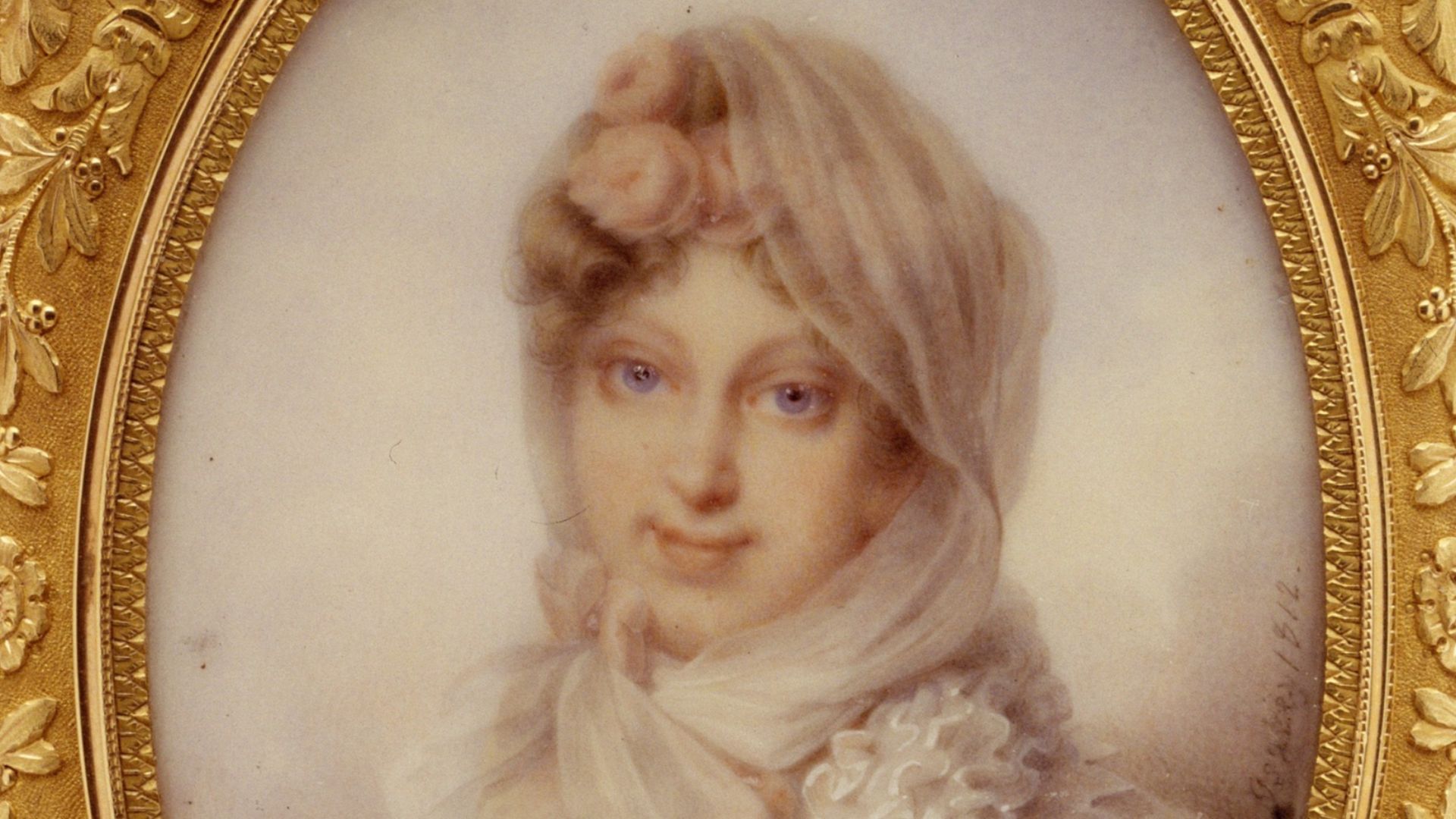 Jean-Baptiste Isabey / Lizinska de Mirbel, Wikimedia Commons
Napoleon Couldn't Wait To Meet Her
Napoleon became so impatient that he traveled out to intercept Marie Louise before her planned formal arrival. He met her near Compiègne on March 27, and their civil and religious wedding ceremonies followed in Paris on April 1 and 2. Less than a year later, Marie Louise gave birth to Napoleon's long-awaited son, known as the King of Rome.
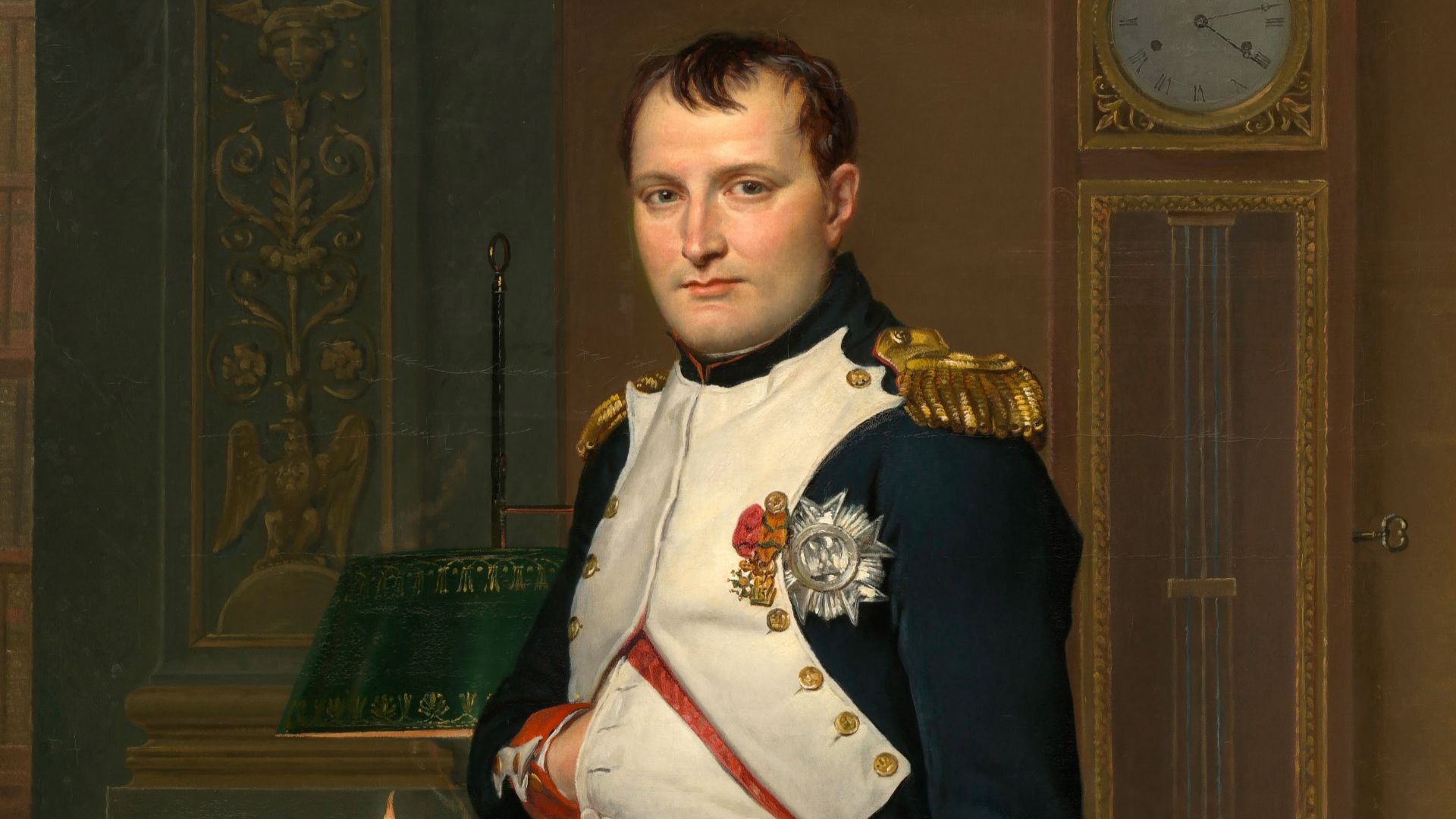 Unknown authorUnknown author, Wikimedia Commons
A Royal Wedding Could Change Everything
For these royal brides, marriage meant far more than a wedding ceremony. It could mean leaving home forever, adapting to a foreign court, and tying their future to a man they barely knew. Some found stability or affection. Others discovered just how badly a political marriage could unravel.
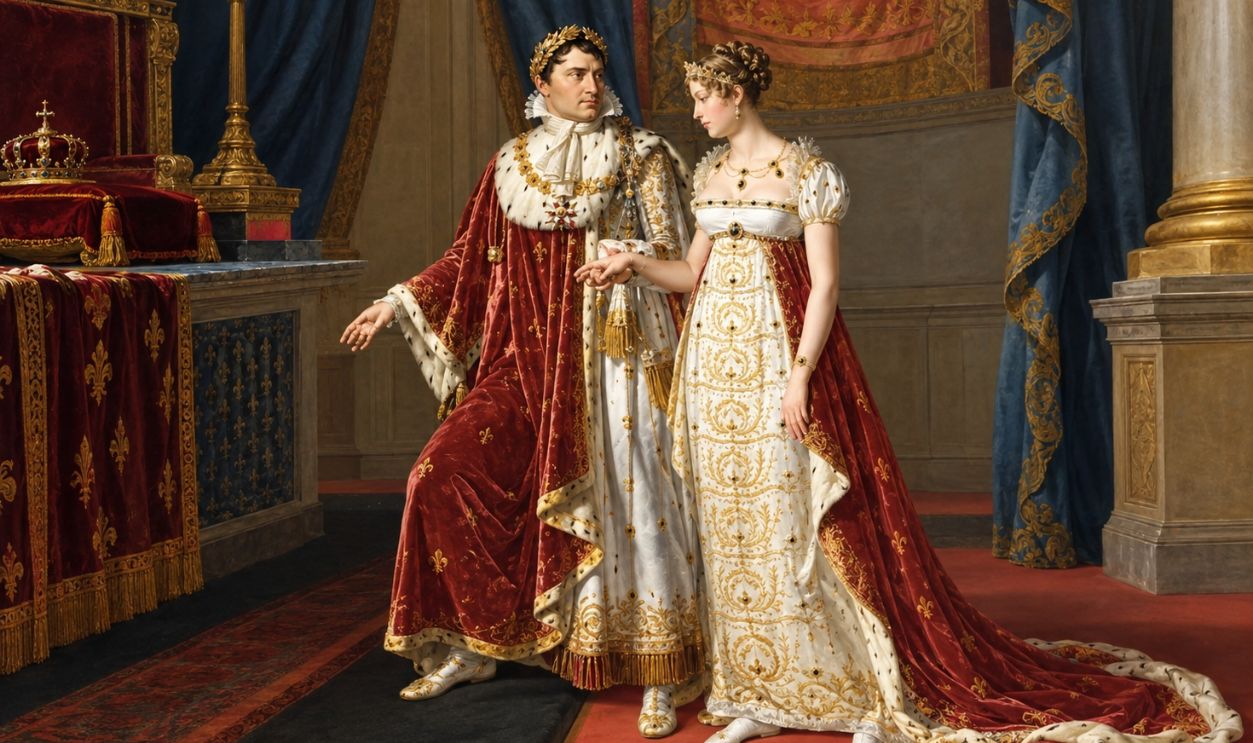 Auguste-Francois Laby, Wikimedia Commons, Enhanced
You May Also Like: