The Princess Who Turned Royal Scandal Into a National Spectacle
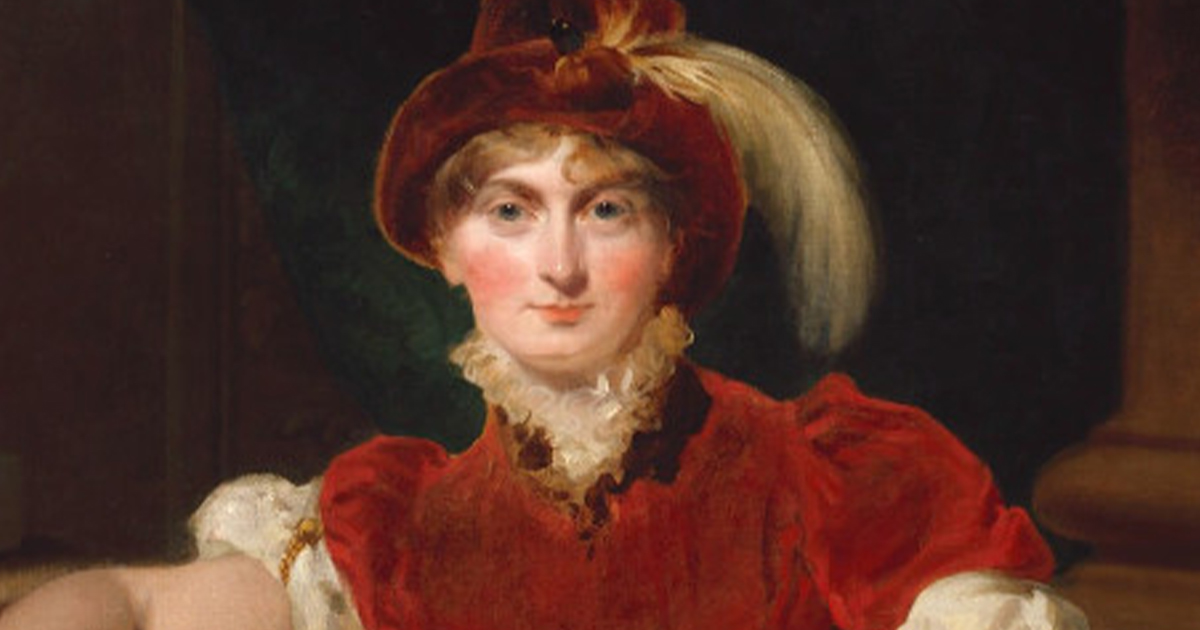
Long before modern tabloids followed every royal misstep, Princess Caroline of Brunswick was shocking Britain with behavior that seemed almost designed to scandalize the monarchy. Married to the future King George IV, she became one half of one of history's messiest royal feuds. And somehow, the scandals only grew bigger with time.
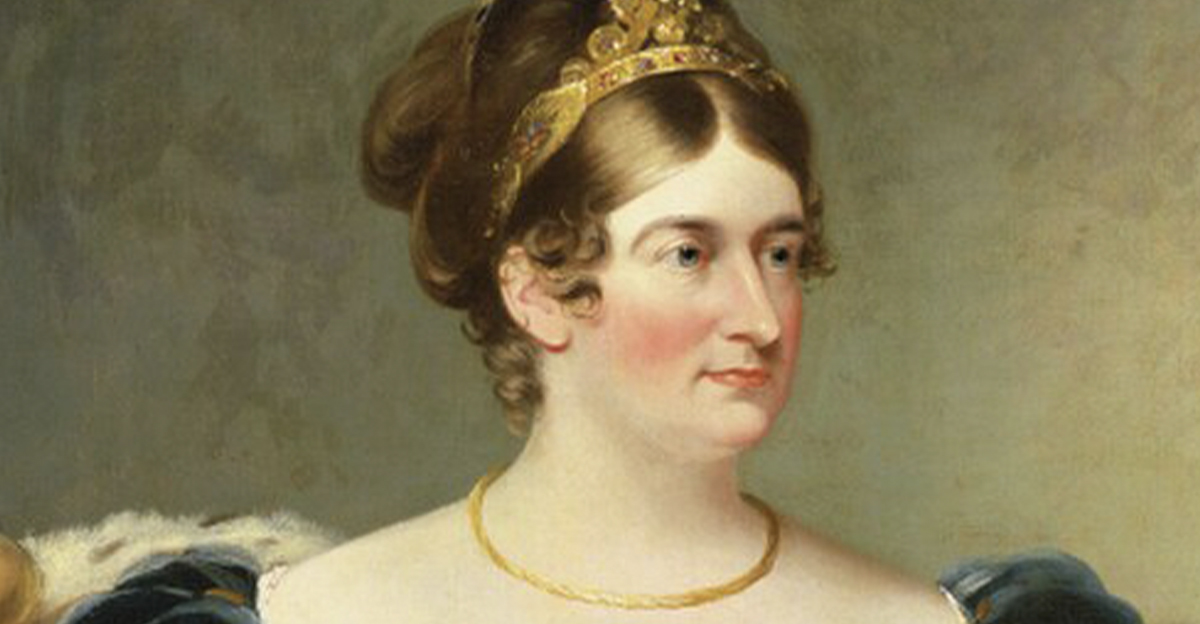 Unknown Author, Wikimedia Commons
A Princess Nobody Really Wanted
Caroline Amelia Elizabeth of Brunswick-Wolfenbüttel was born on May 17, 1768, in Brunswick, in what is now Germany. By the early 1790s, Britain needed a suitable bride for George, Prince of Wales. George had secretly married Catholic widow Maria Fitzherbert years earlier, but that marriage was legally invalid under British law. Parliament wanted a legitimate royal match.
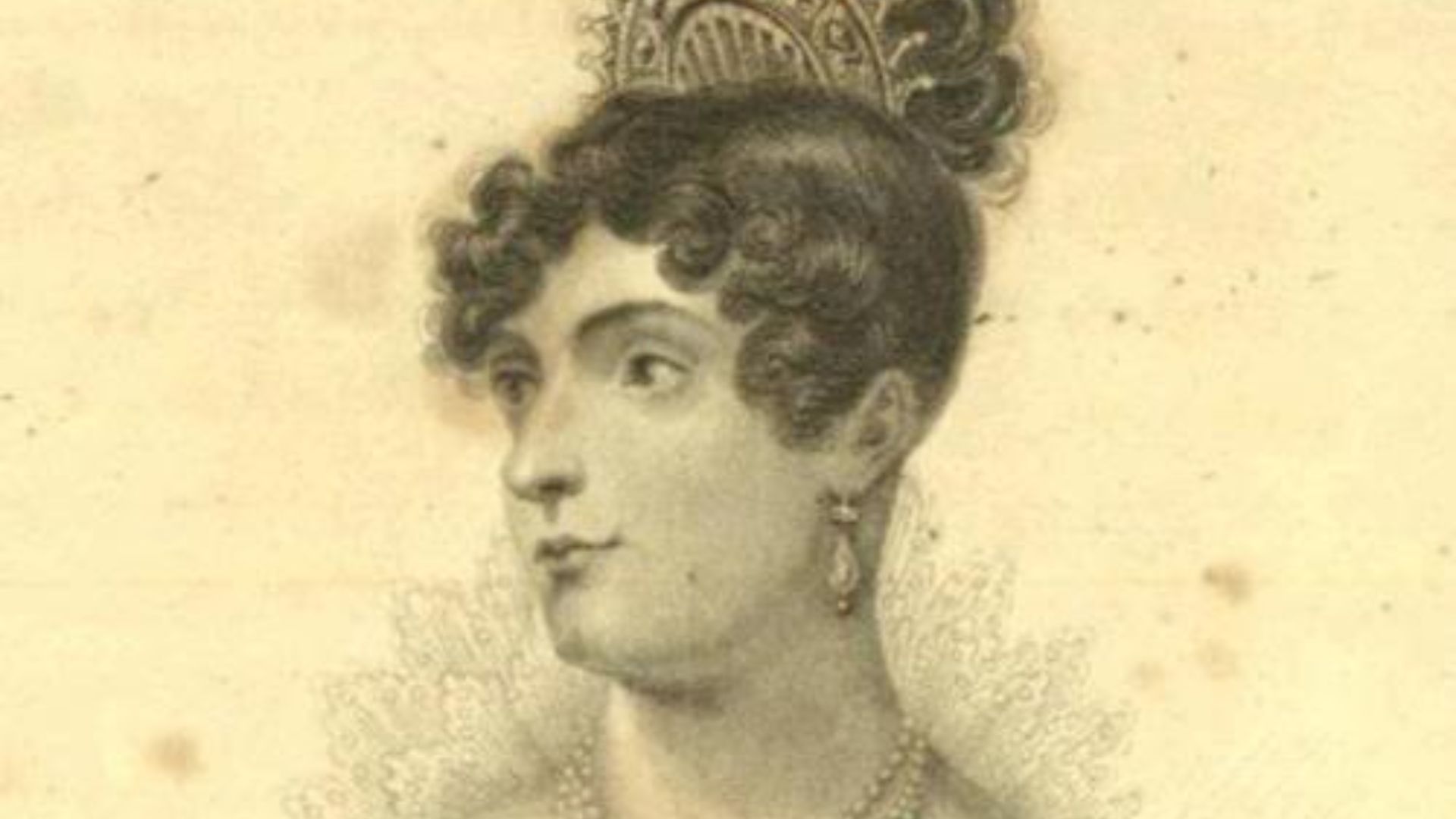 Unknown authorUnknown author, Wikimedia Commons
George Needed a Wife—and Money
By 1794, George's debts had become legendary. Parliament agreed to help solve his financial problems if he married and produced an heir. Caroline was selected largely for political convenience. Neither side was particularly enthusiastic.
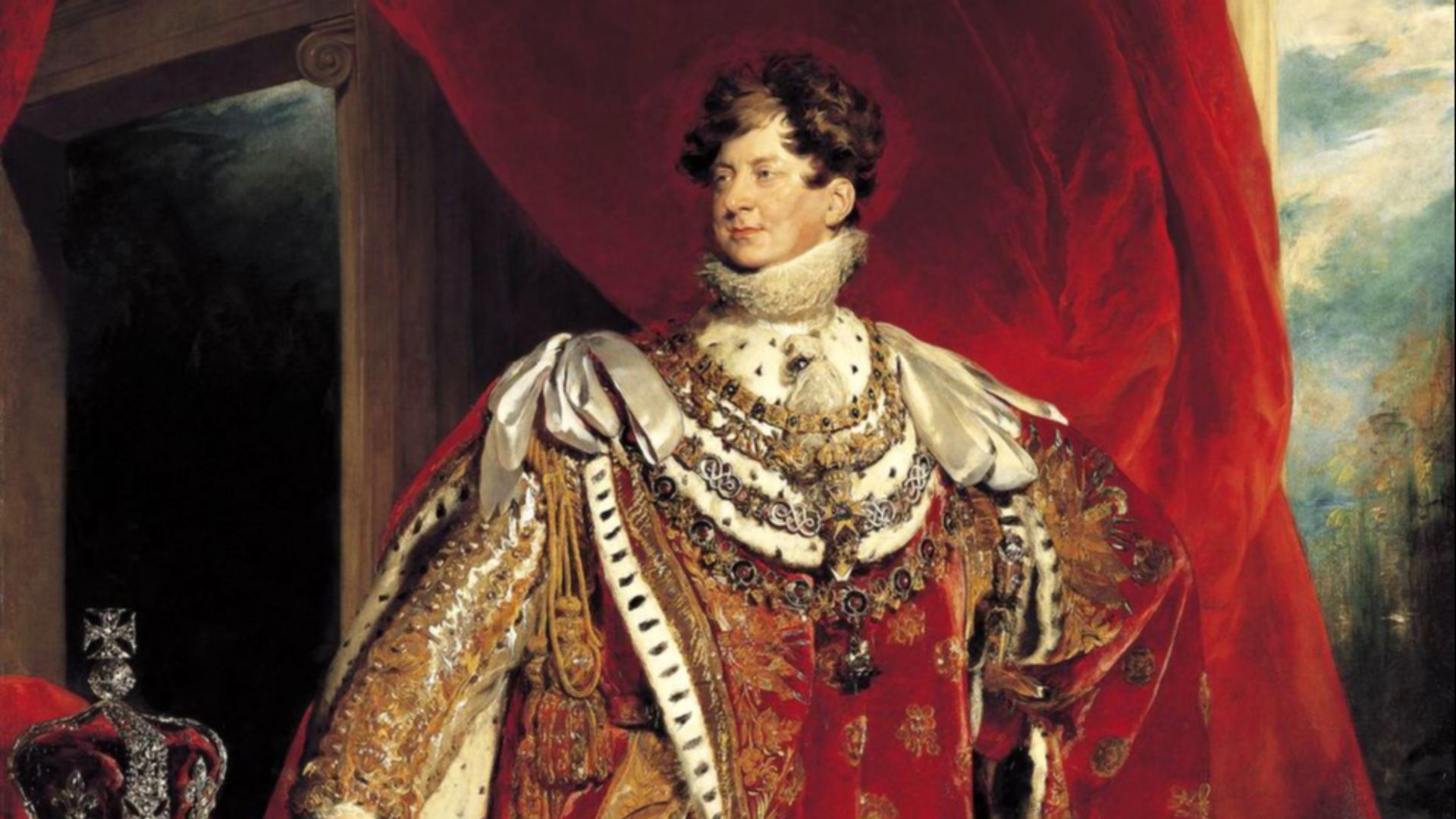 Thomas Lawrence, Wikimedia Commons
A First Meeting That Became Royal Legend
When Caroline arrived in London in April 1795, the couple finally met. The encounter was disastrous. According to several contemporary accounts, George reportedly turned away and asked for brandy after seeing his future bride. It was hardly the beginning of a fairy tale romance.
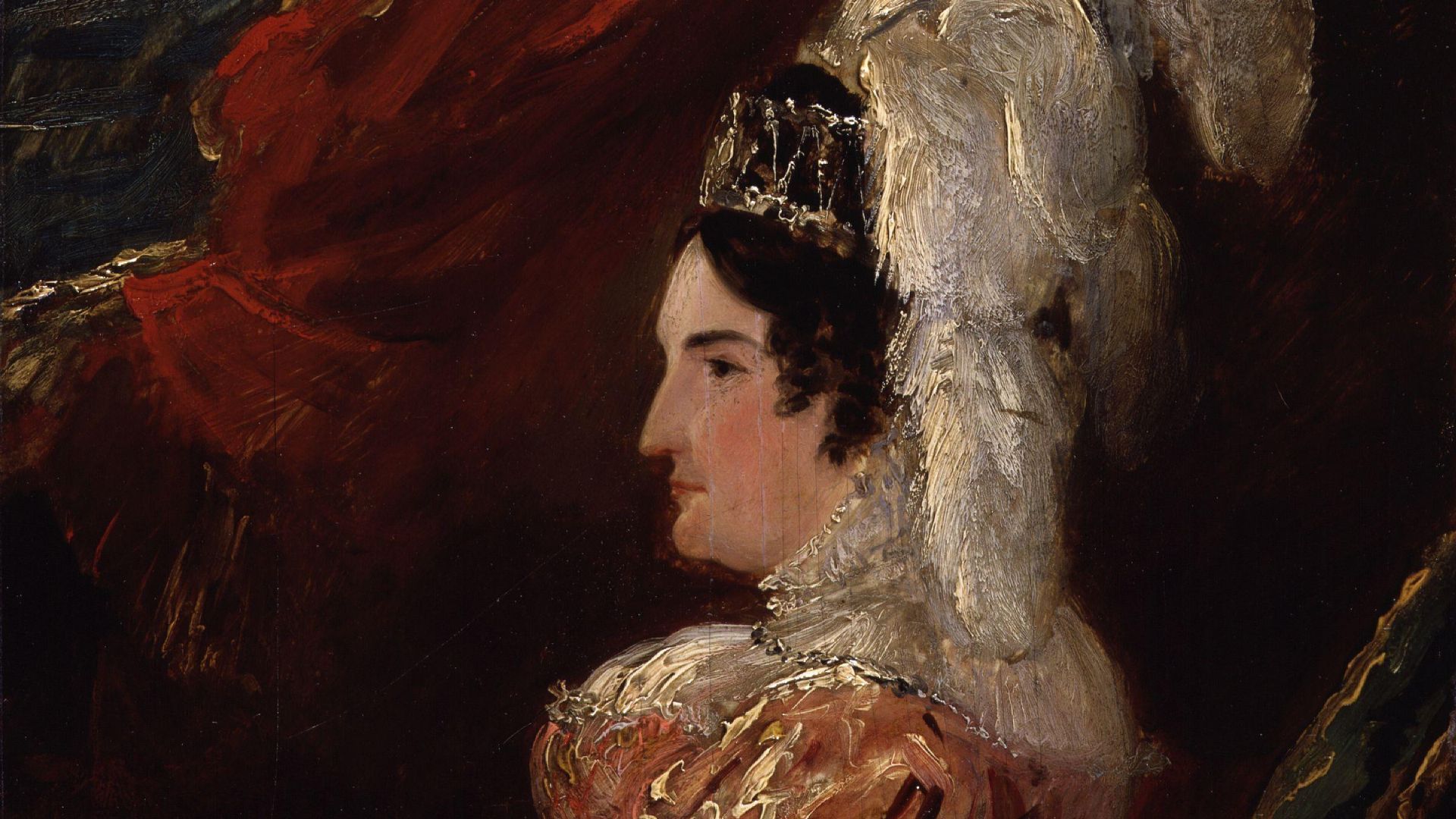 George Hayter, Wikimedia Commons
The Wedding Nobody Enjoyed
The wedding took place on April 8, 1795, at St James's Palace in London. Witnesses later claimed George appeared tipsy. Caroline reportedly found him rude and unpleasant almost immediately. Their marriage was in trouble before it had truly begun.
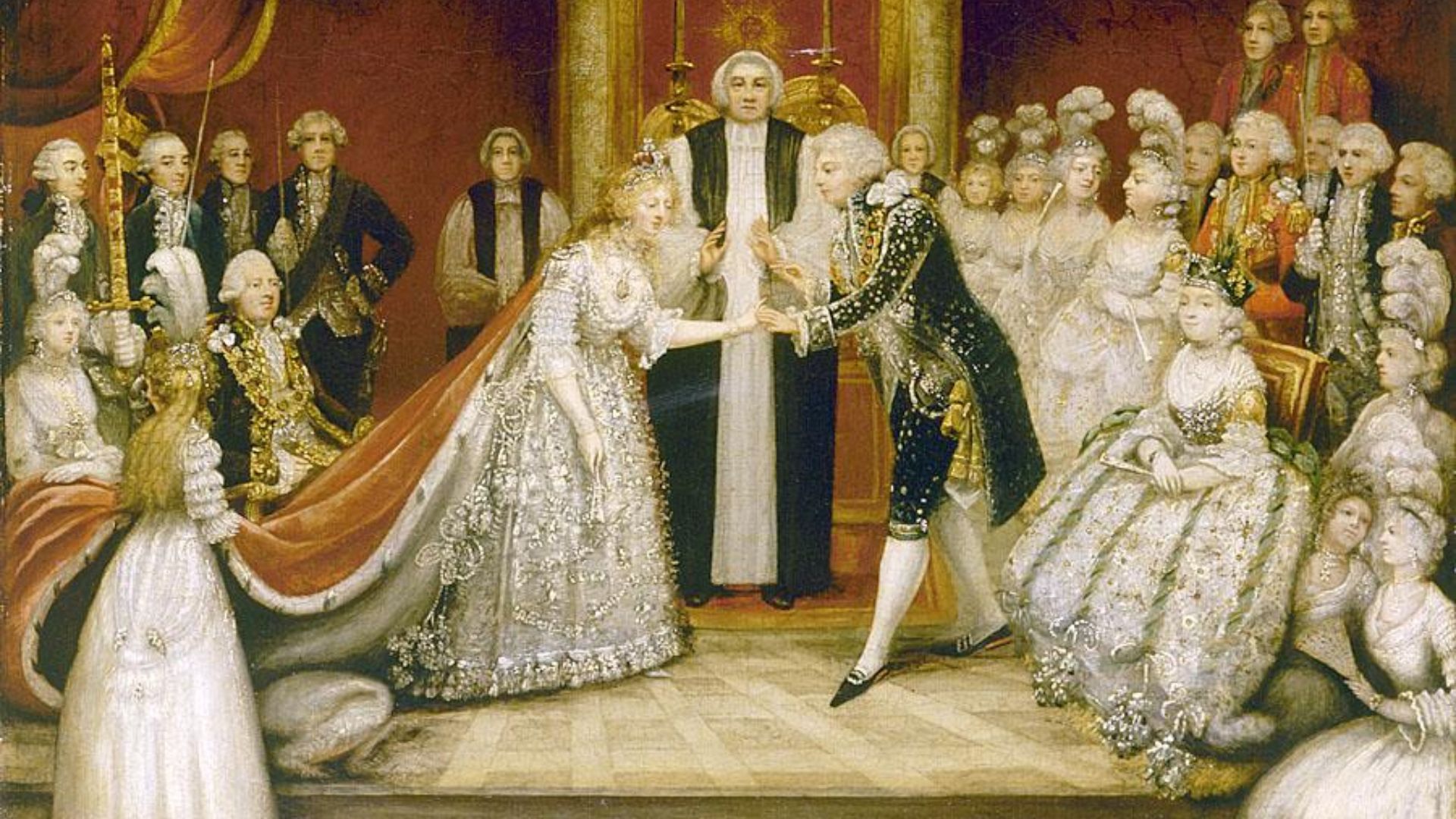 Unknown authorUnknown author, Wikimedia Commons
One Child and Instant Separation
On January 7, 1796, Caroline gave birth to Princess Charlotte, the couple's only child. Shortly afterward, husband and wife largely separated. George reportedly informed Caroline that their marital obligations were complete.
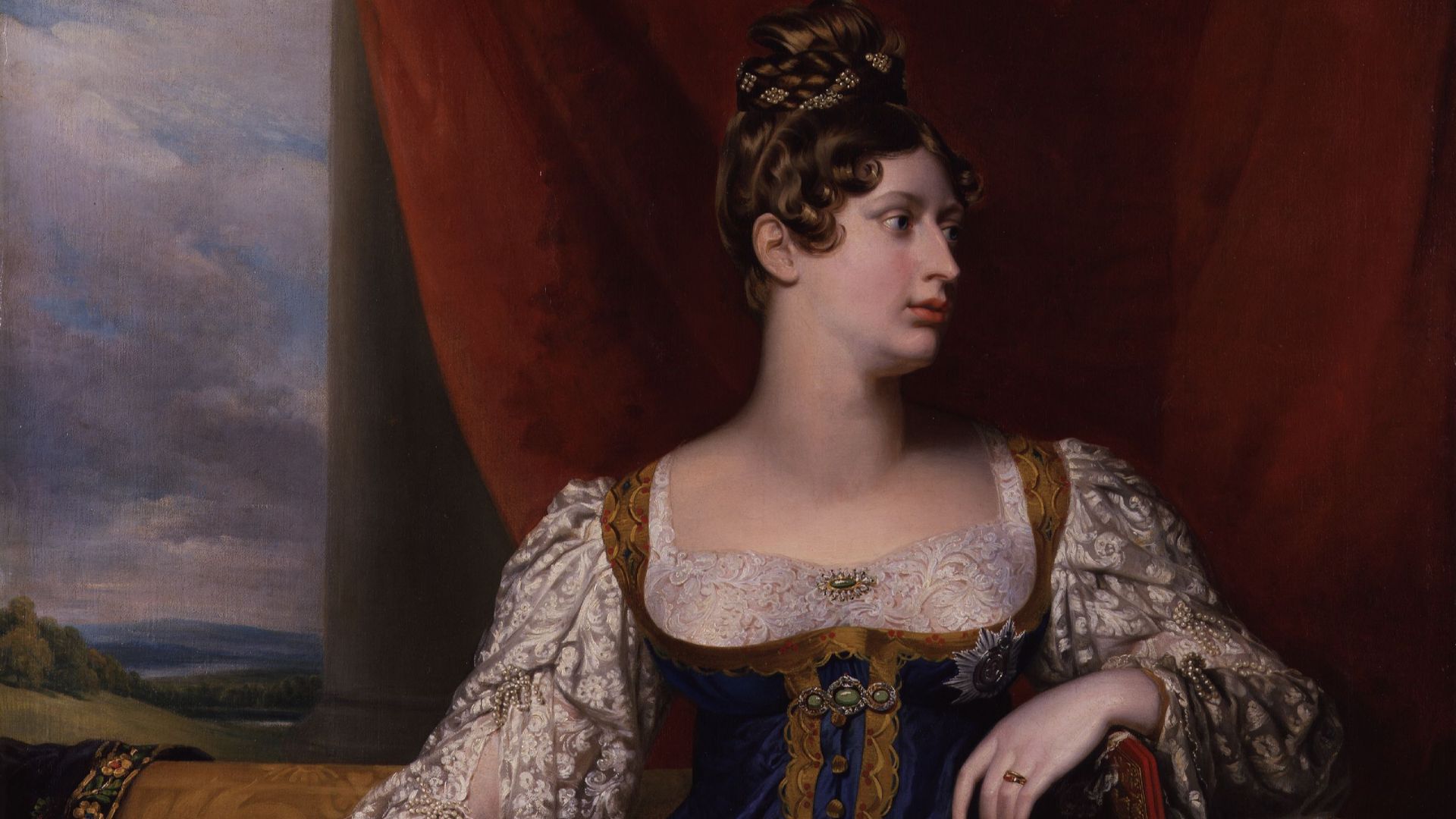 George Dawe, Wikimedia Commons
The Public Begins Taking Sides
The British public quickly noticed the hostility. George was often viewed as extravagant, selfish, and arrogant. Caroline, despite her eccentric behavior, increasingly attracted sympathy as the wronged wife.
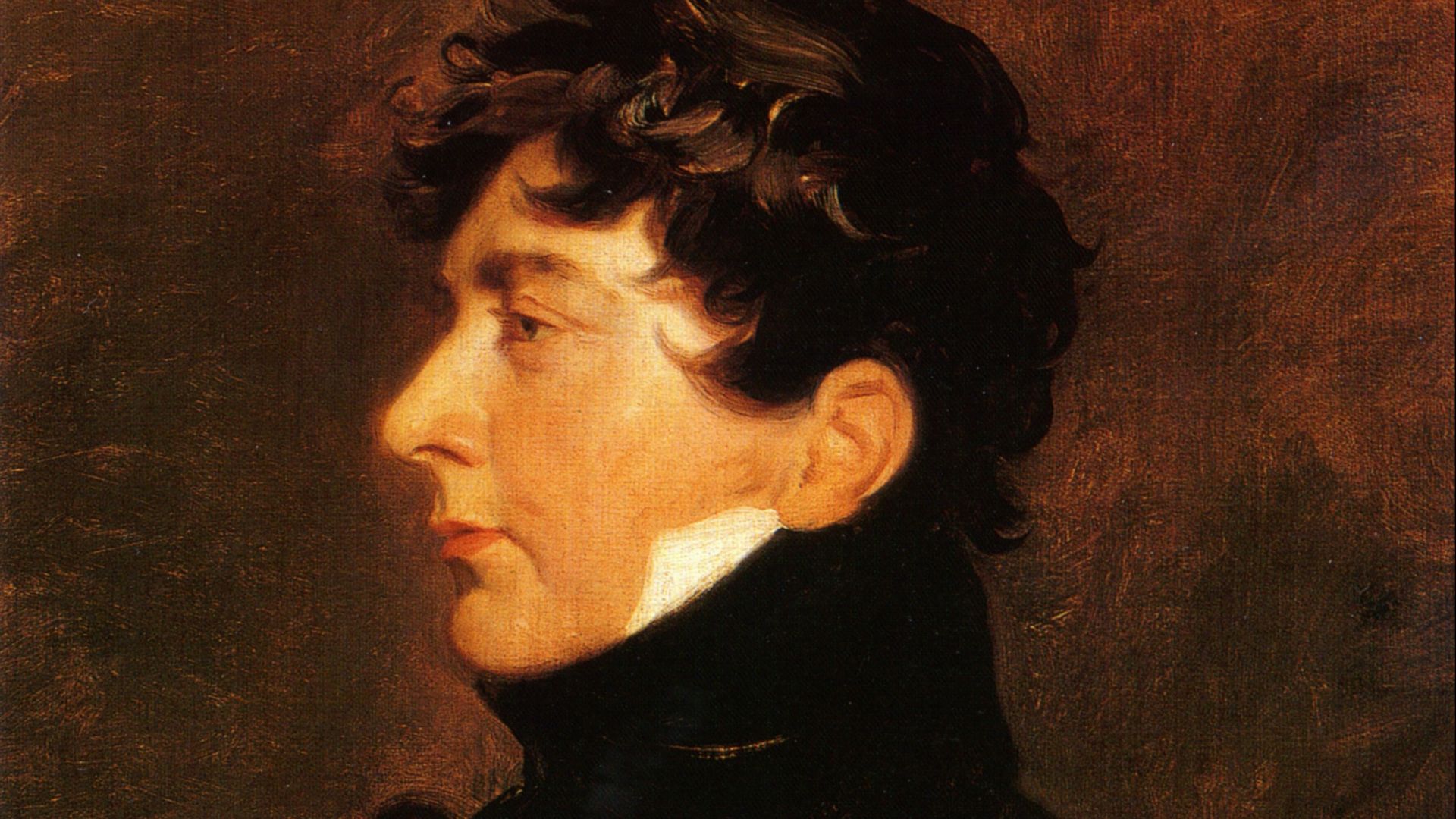 Thomas Lawrence, Wikimedia Commons
Caroline's Manners Raised Eyebrows
Unfortunately for her supporters, Caroline rarely behaved like a conventional royal. Visitors frequently commented on her unusual habits. Critics described her as loud, impulsive, and sometimes lacking social refinement. Admirers saw her as refreshingly authentic.
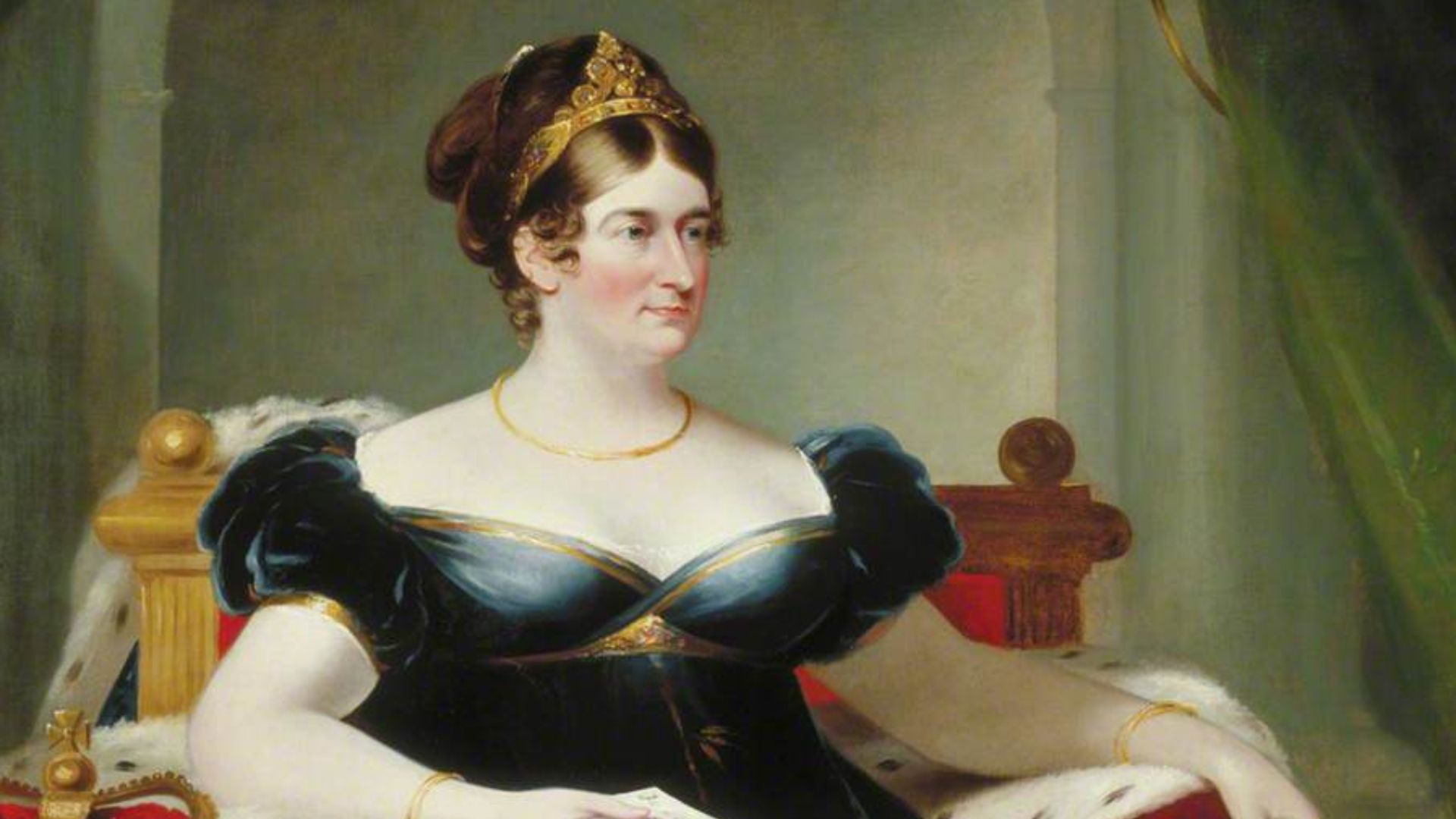 James Lonsdale, Wikimedia Commons
A Royal Who Ignored the Rulebook
Caroline loved doing things her own way. She mingled freely with people of different social classes and often ignored strict royal etiquette. To the royal establishment, she seemed impossible to control.
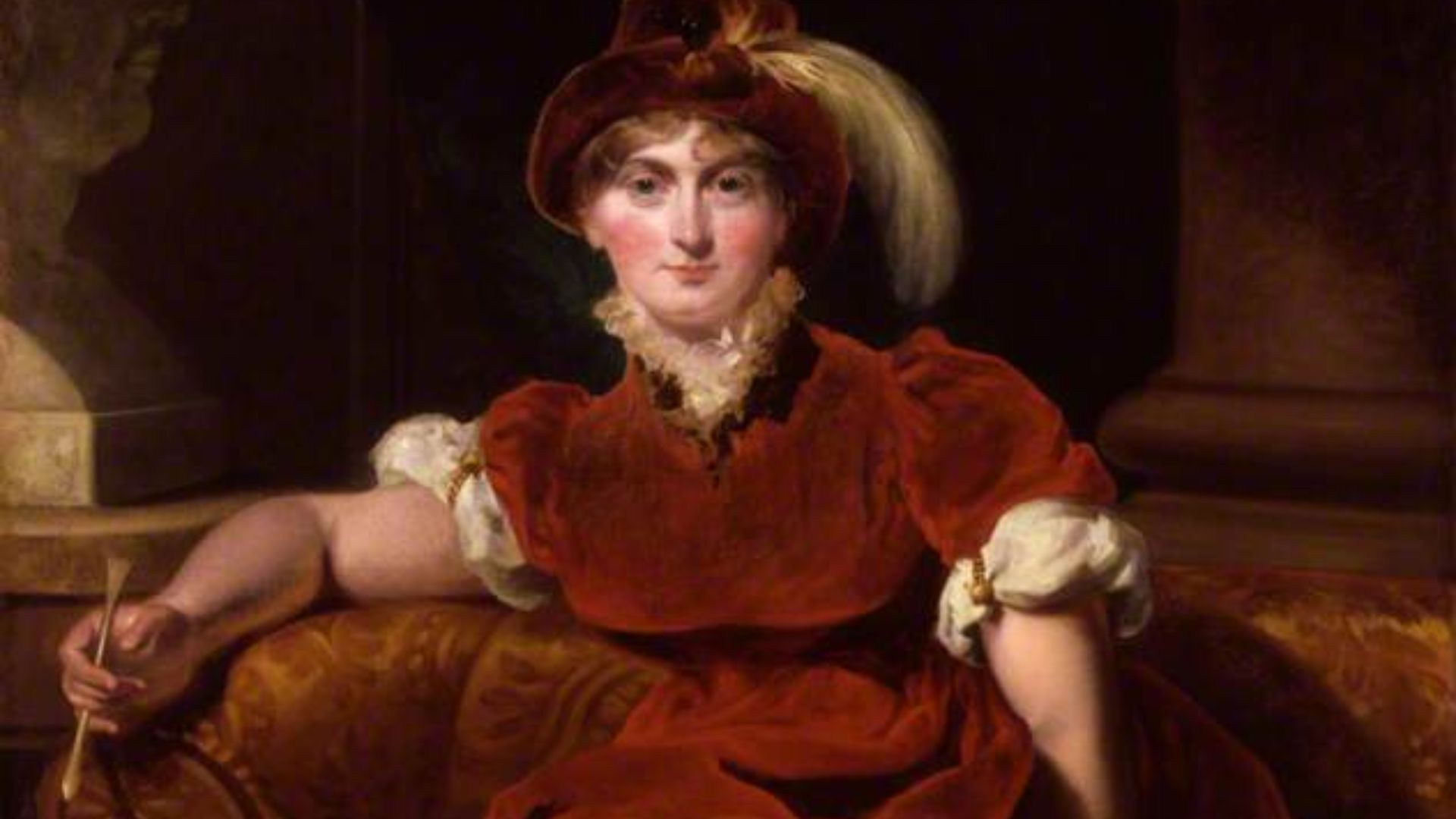 Thomas Lawrence, Wikimedia Commons

History's most fascinating stories and darkest secrets, delivered to your inbox daily.
Blackheath Becomes a Gossip Factory
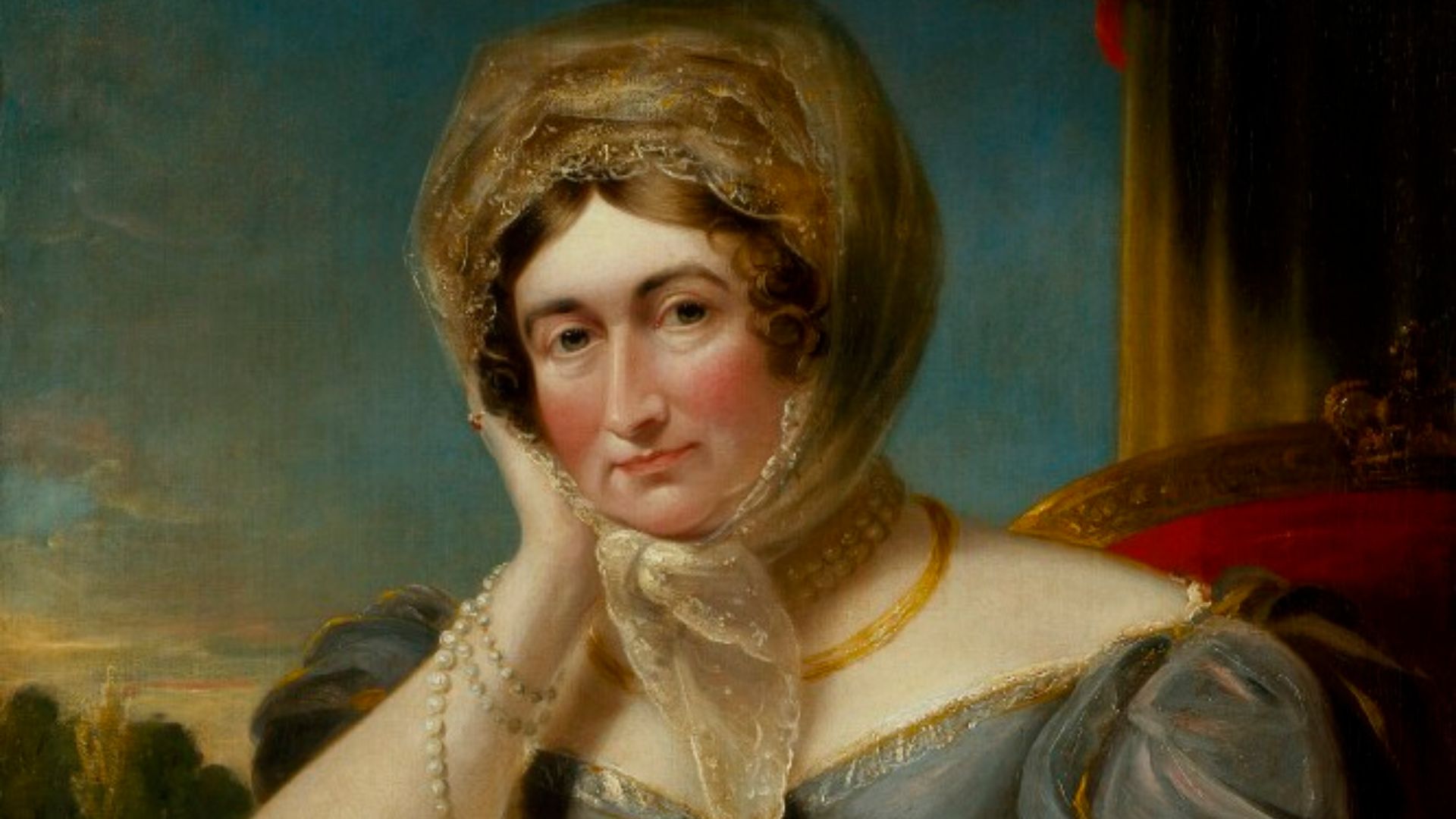
After separating from George, Caroline settled at Blackheath, southeast of London. Her residence became famous for lively parties, unconventional guests, and endless rumors. Society gossip columns had plenty of material.
 James Lonsdale, Wikimedia Commons
Enter William Austin
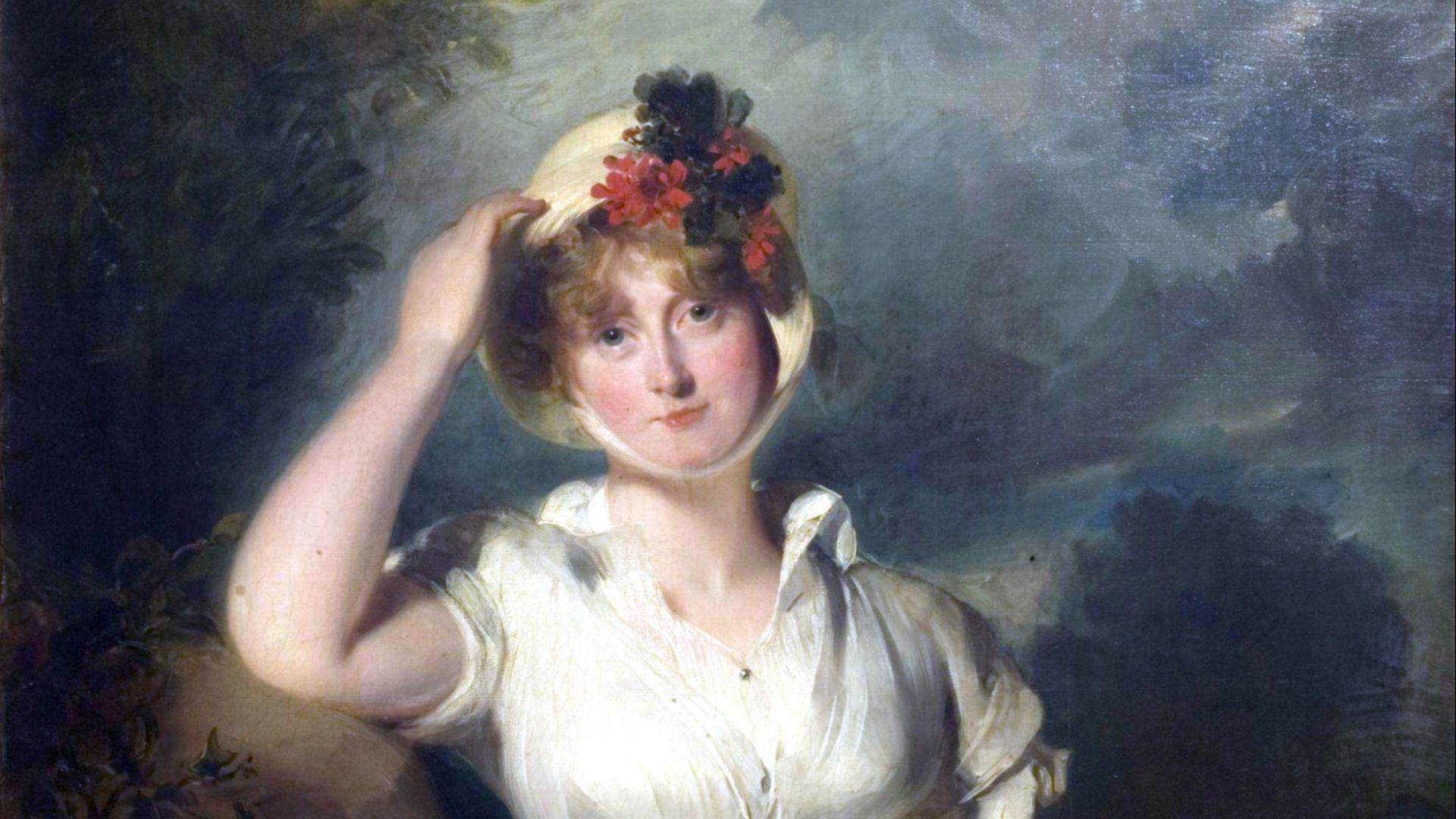
Around 1802, Caroline adopted a young boy named William Austin. Almost immediately, rumors spread that he was secretly her biological son. The allegation exploded through aristocratic circles.
 Thomas Lawrence, Wikimedia Commons
George Sees an Opportunity
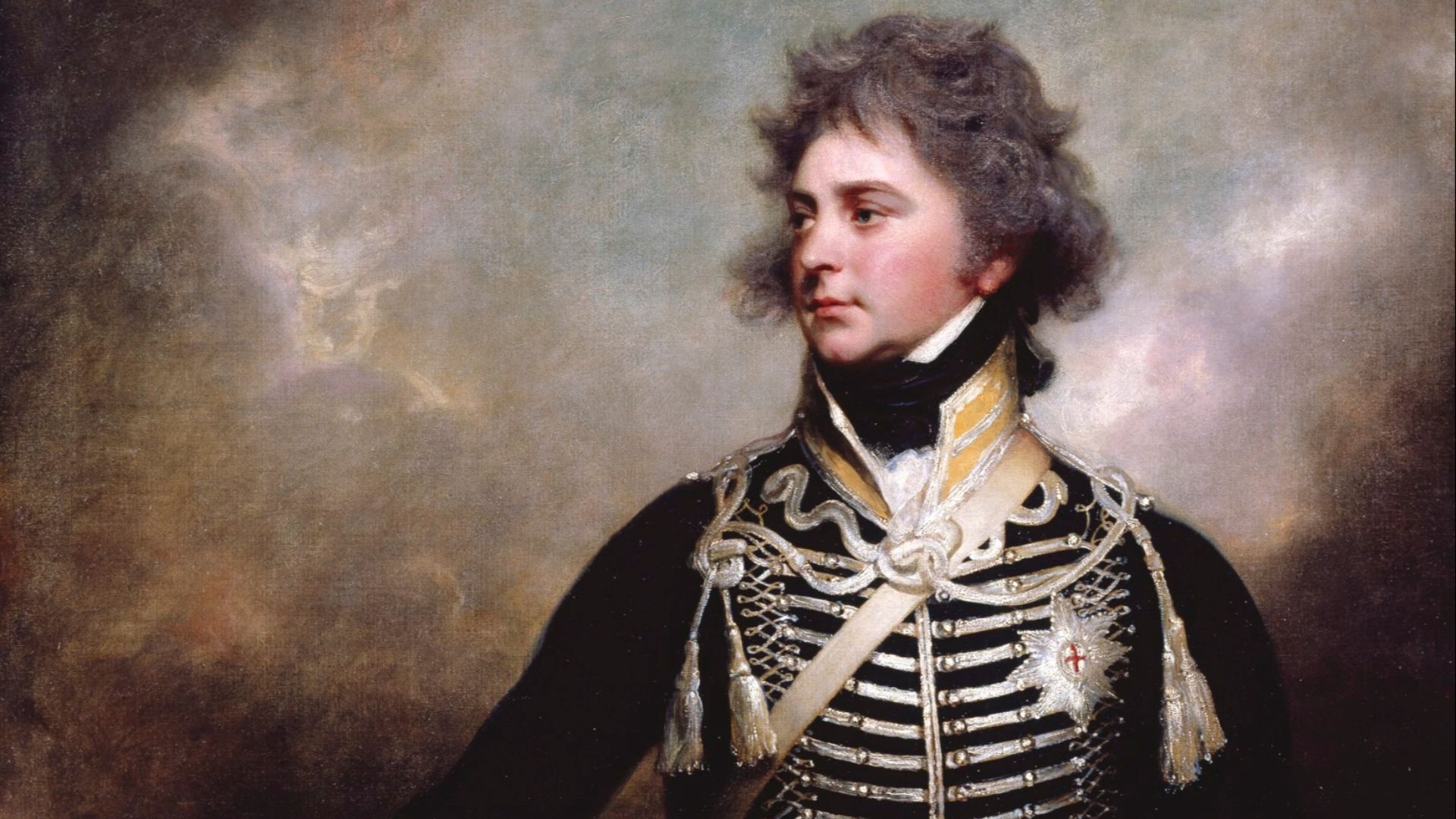
The Prince of Wales seized on the rumors. If Caroline had secretly given birth while separated from her husband, it could potentially prove adultery and damage her position permanently.
 Sir William Beechey, RA (1753-1839), Wikimedia Commons
The Delicate Investigation
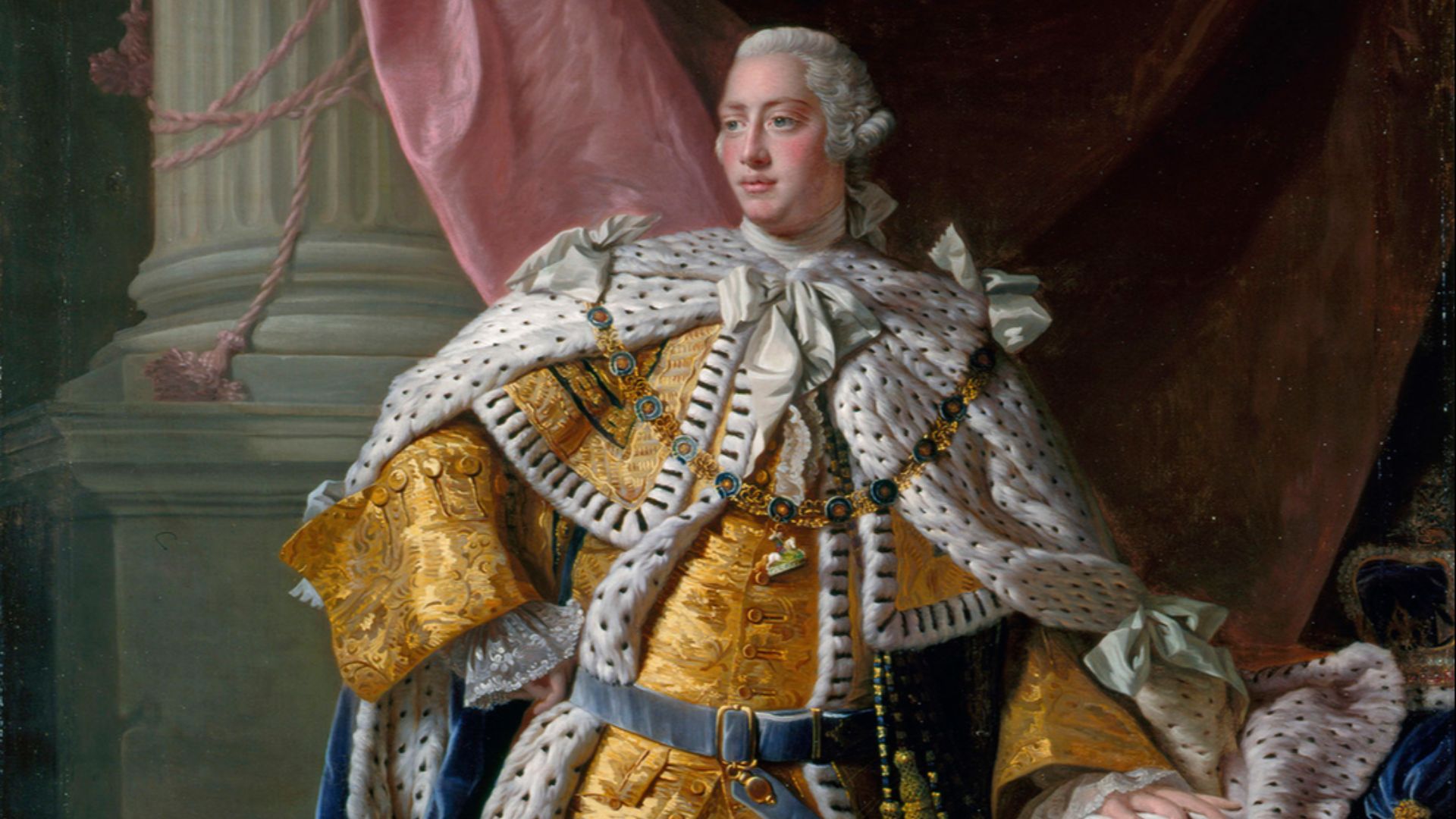
In 1806, George persuaded King George III to authorize what became known as the 'Delicate Investigation.' Senior officials interviewed servants, neighbors, and associates in an effort to uncover evidence against Caroline.
 Allan Ramsay, Wikimedia Commons
Britain Watches Every Move
The investigation became one of the biggest scandals in Britain. Witnesses described household activities in remarkable detail. Newspapers eagerly reported developments, even when facts remained unclear.
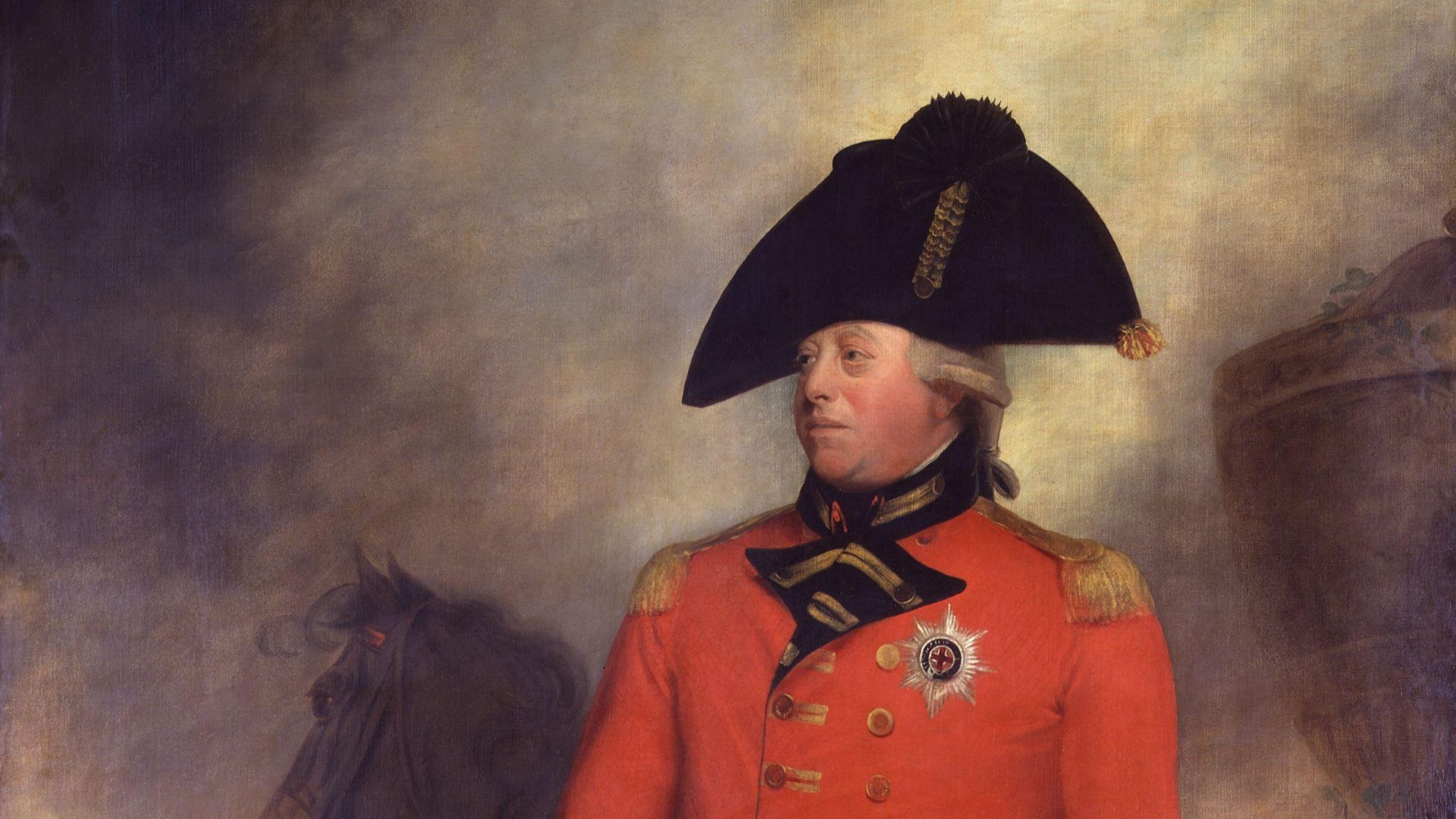 Workshop of William Beechey, Wikimedia Commons
The Most Serious Accusation
Investigators examined whether William Austin was Caroline's biological child. After months of inquiry, they concluded there was no evidence she had secretly given birth. It was a major victory for Caroline.
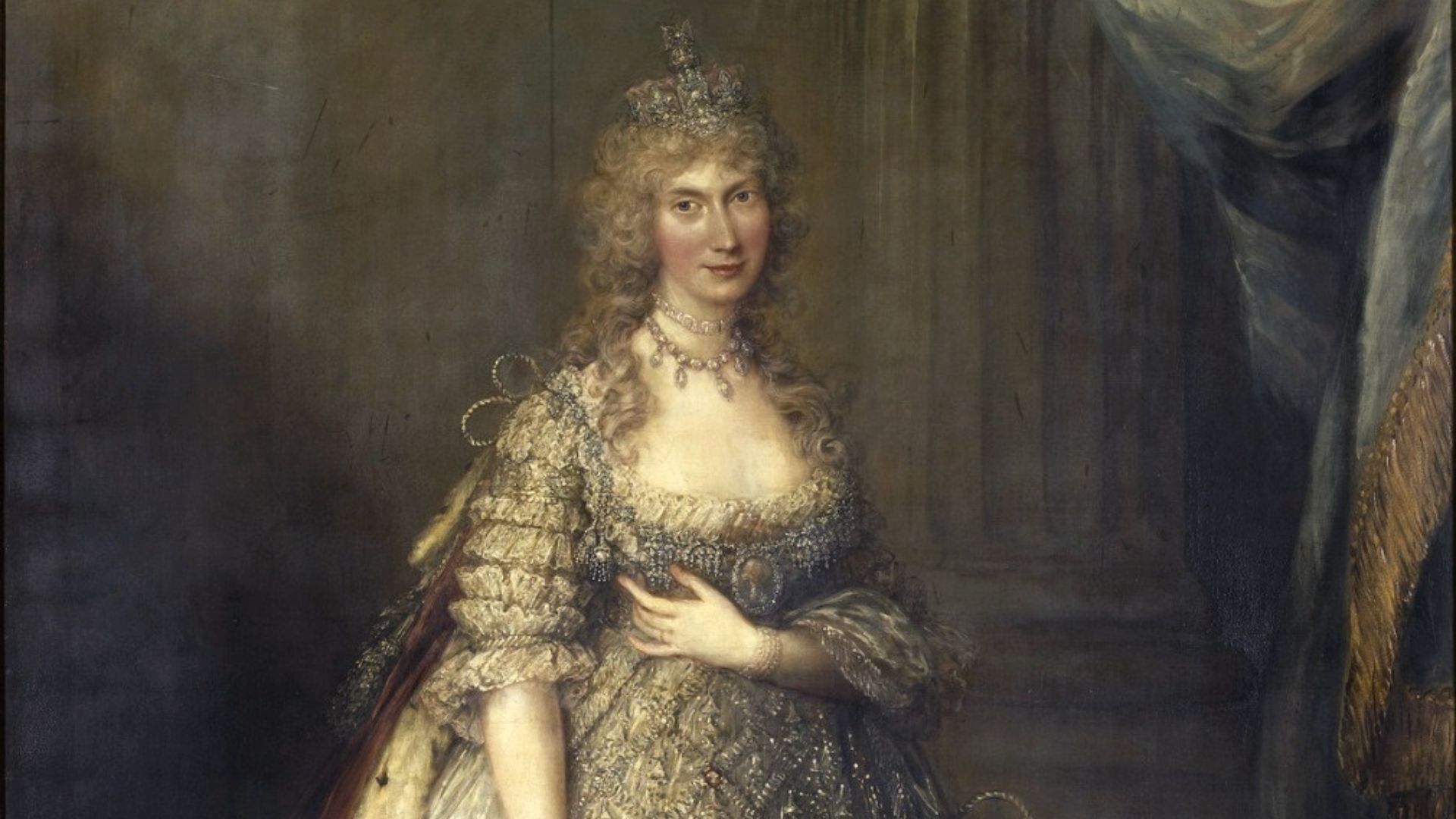 Gainsborough Dupont, Wikimedia Commons
Cleared—but Not Entirely
Although the most damaging accusation collapsed, investigators criticized aspects of Caroline's conduct. They suggested some of her friendships and behavior were inappropriate, even if they could not prove adultery.
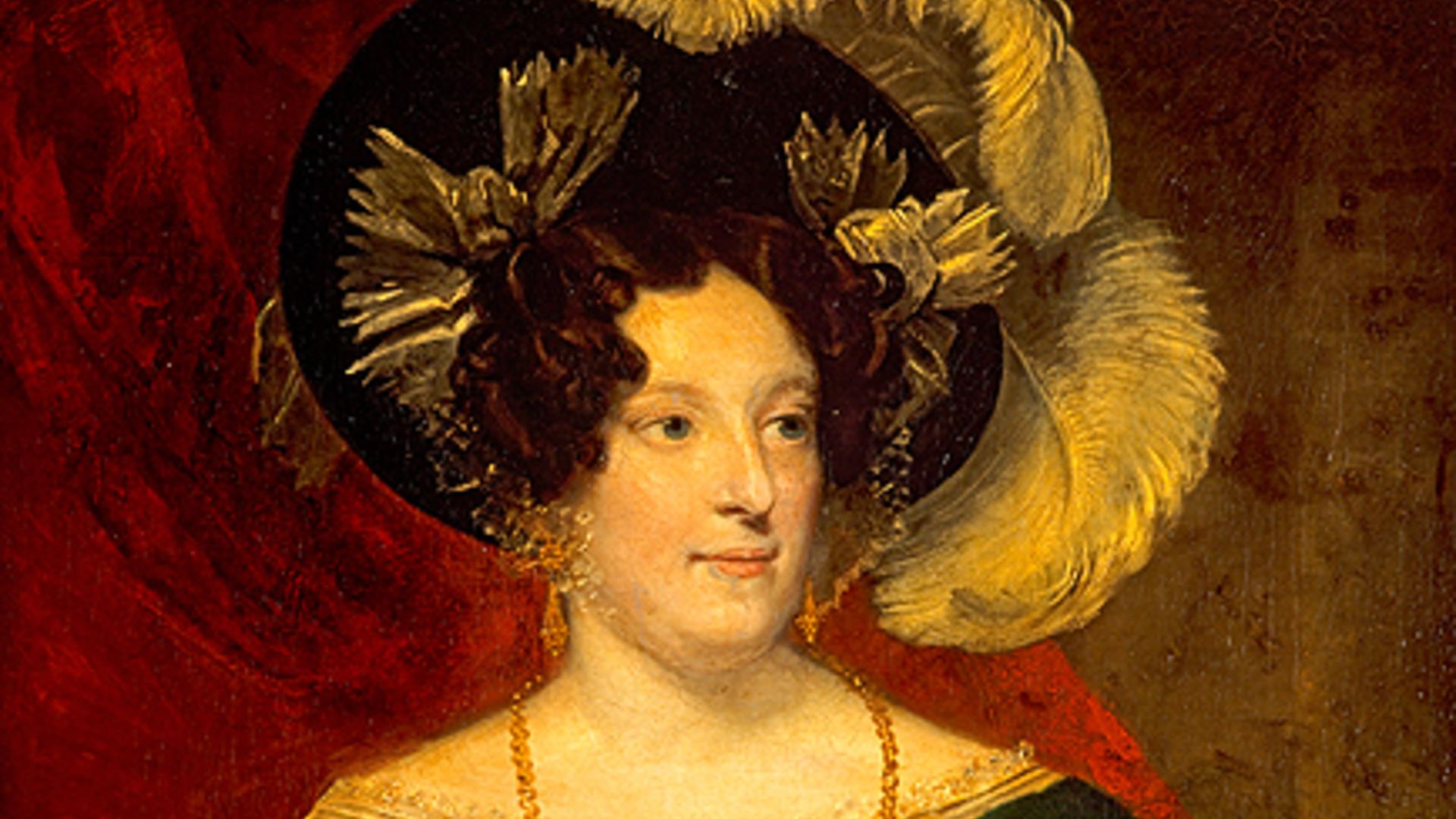 Samuel Lane, Wikimedia Commons
Caroline Fights Back
Caroline was furious. She insisted she had been the victim of a politically motivated smear campaign. Public sympathy grew even stronger as many Britons saw her as a woman being persecuted by a powerful husband.
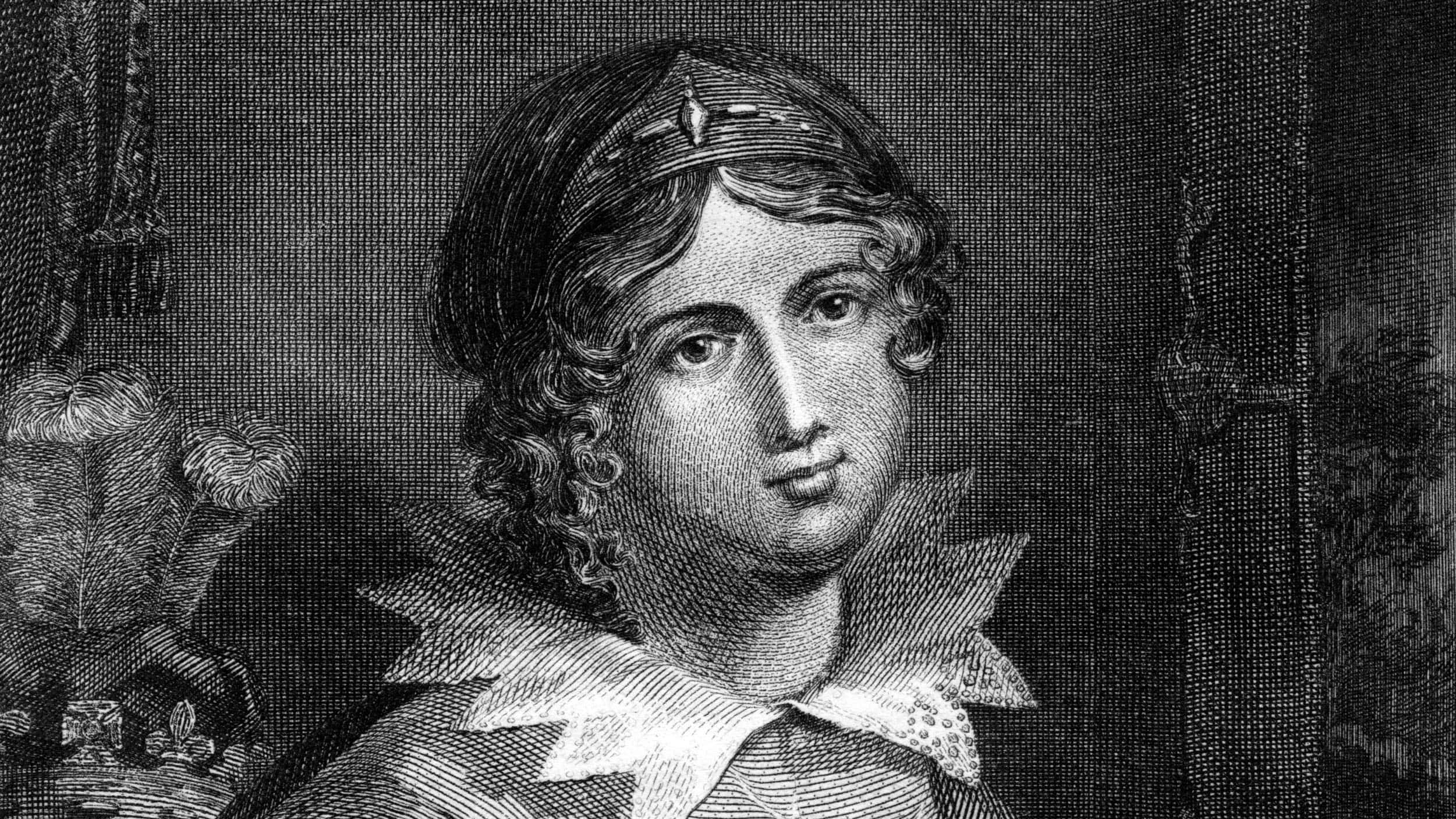
Princess Charlotte Joins the Drama
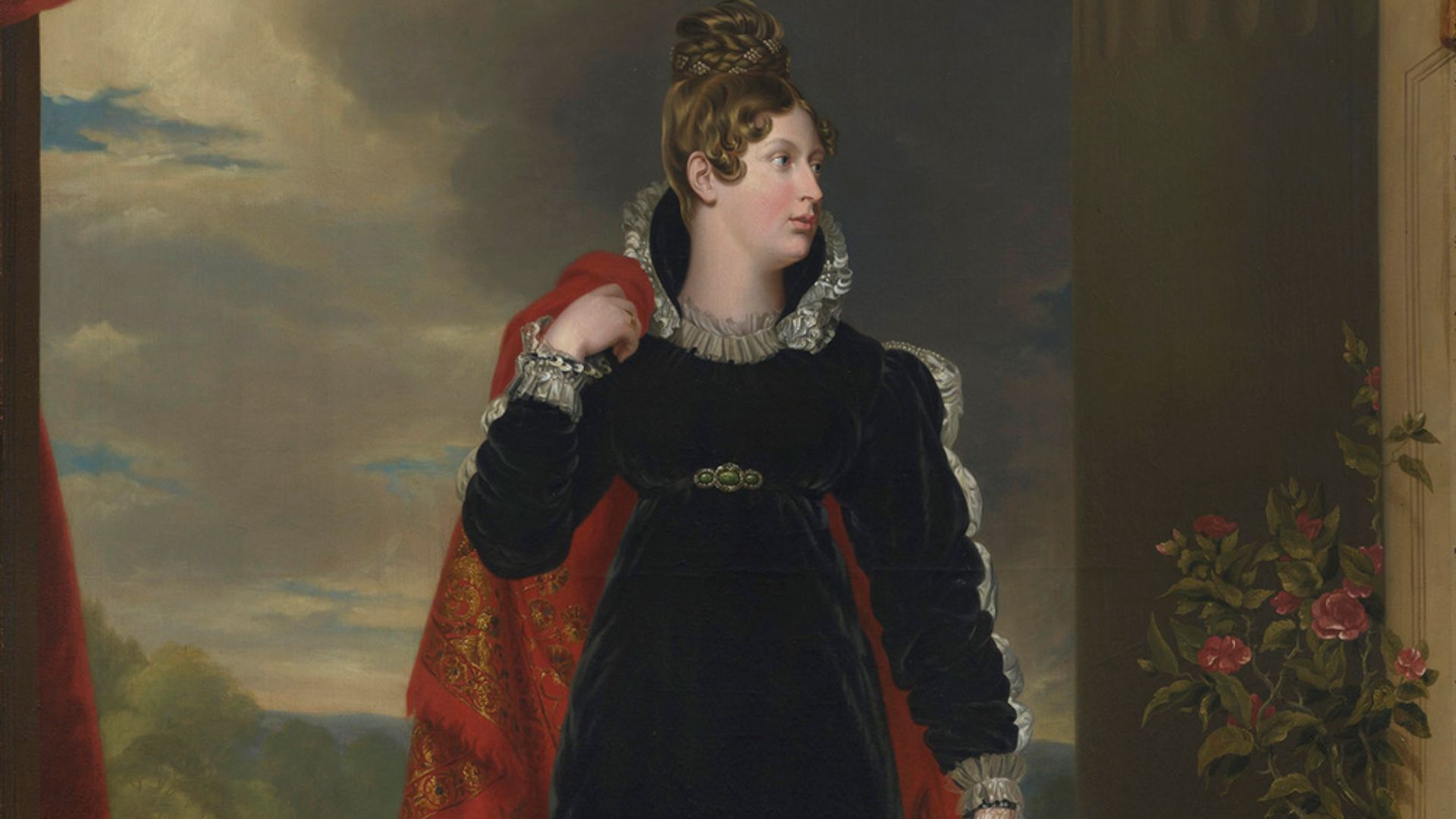
The feud became even more emotional because it affected Princess Charlotte. Mother and daughter developed a close bond, while George repeatedly attempted to control Charlotte's movements and relationships.
 After George Dawe, Wikimedia Commons
The People's Princess Before Diana
By the 1810s, Caroline had become remarkably popular. Crowds cheered her appearance in public. Many viewed her as a relatable underdog standing up to an unpopular prince.
 Design Pics Editorial, Getty Images
Europe Becomes Her Playground
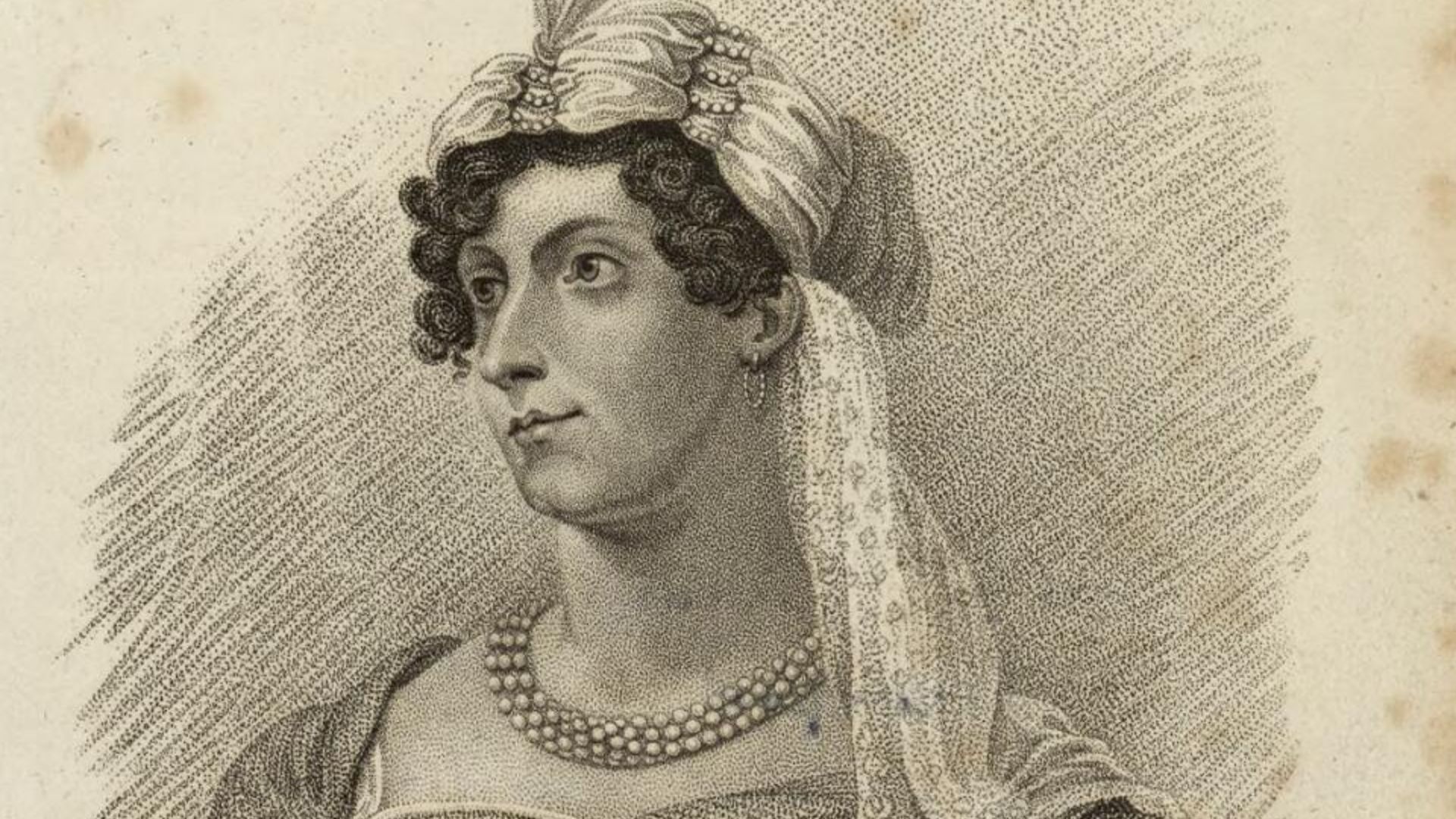
In 1814, Caroline left Britain and embarked on extensive travels across Europe. She visited Italy, Greece, Switzerland, and other destinations. The journey would spark an entirely new wave of scandal.
 Robert Hicks, Wikimedia Commons
Enter Bartolomeo Pergami
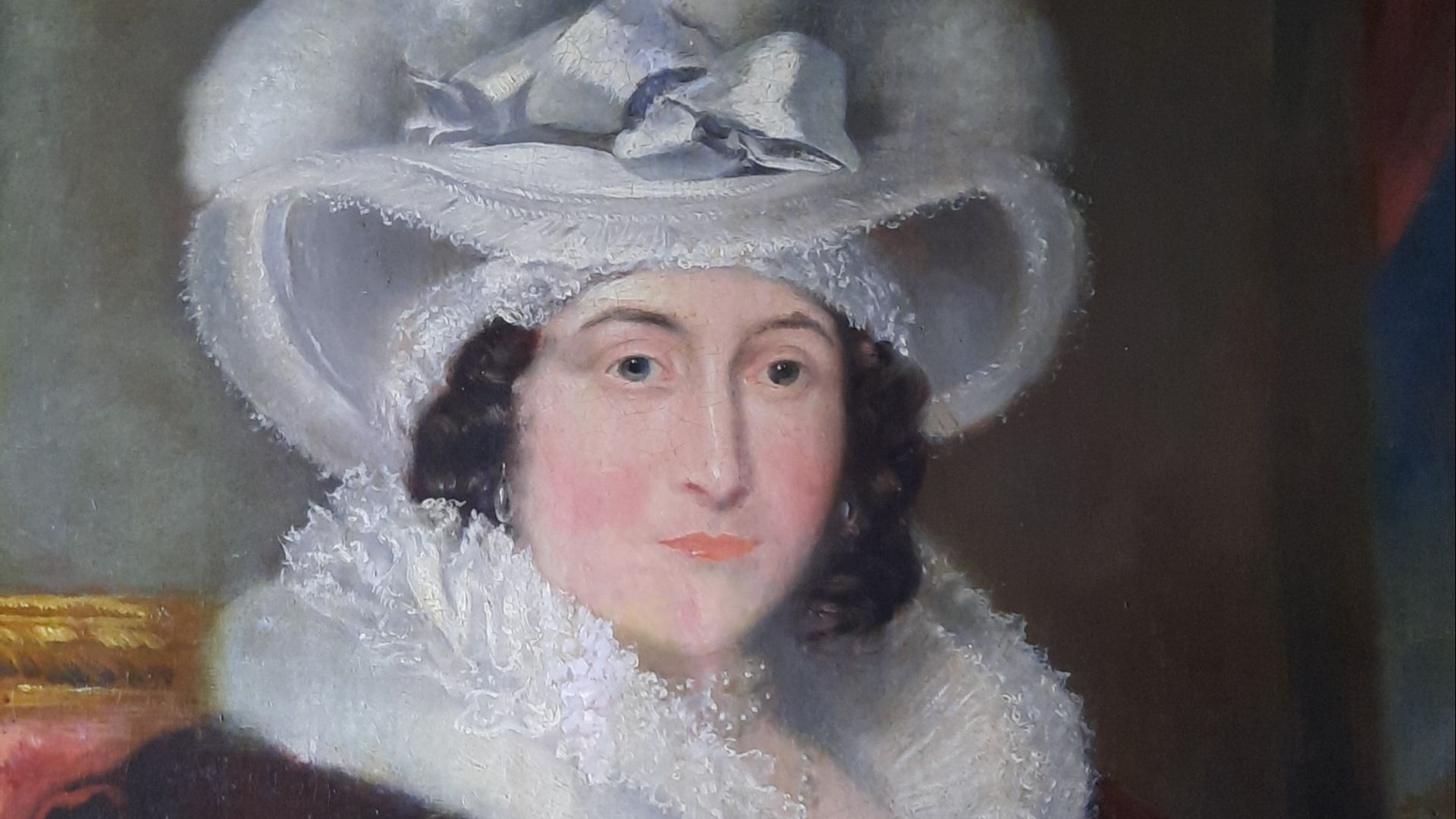
While traveling in Italy, Caroline met Bartolomeo Pergami, a handsome former soldier from Lombardy. He quickly became one of her closest companions.
 Christian Wilhelm, Wikimedia Commons
The Rumors Become Louder
Pergami's rapid rise within Caroline's household fueled intense speculation. He received titles, gifts, and promotions. Observers wondered whether their relationship was merely friendship.
Spies Across Europe
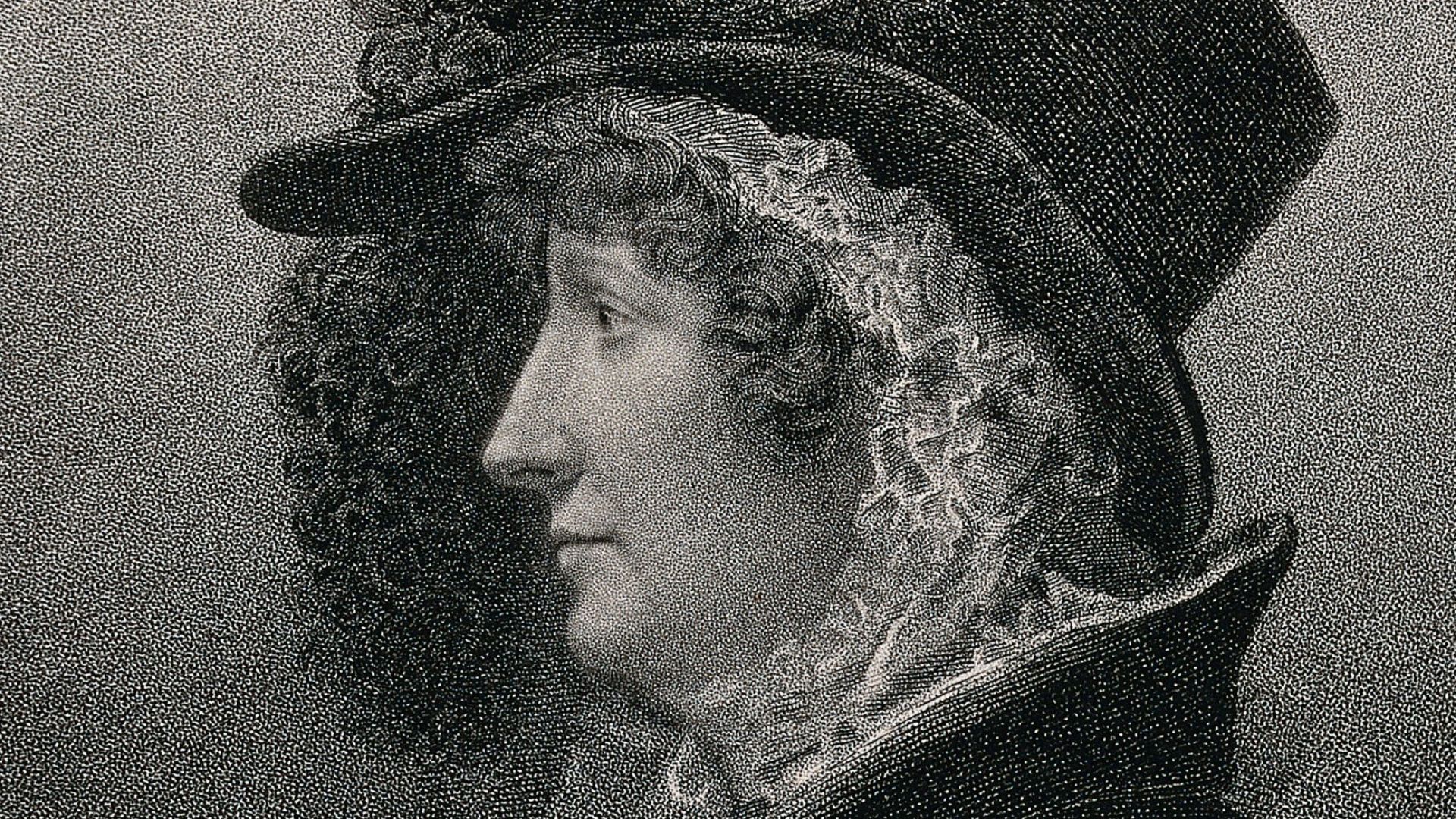
George's allies reportedly gathered information about Caroline and Pergami. Witnesses were interviewed across Italy. Servants, innkeepers, and travelers were questioned about what they had seen.
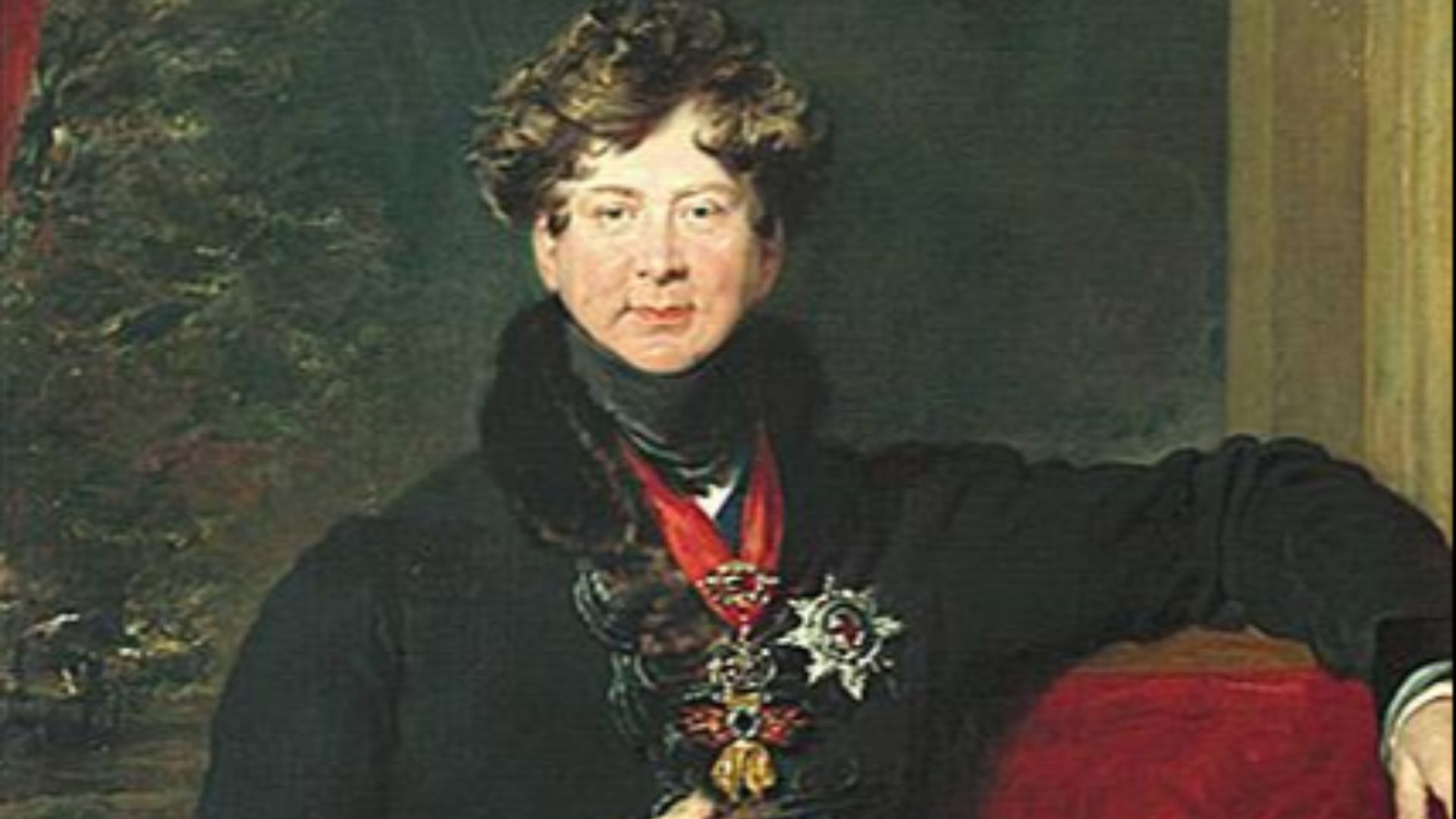 Thomas Lawrence, Wikimedia Commons
A Mountain of Testimony
By the late 1810s, investigators had collected extensive statements regarding Caroline and Pergami. Some witnesses claimed they shared bedrooms. Others described affectionate behavior. Hard proof remained elusive.
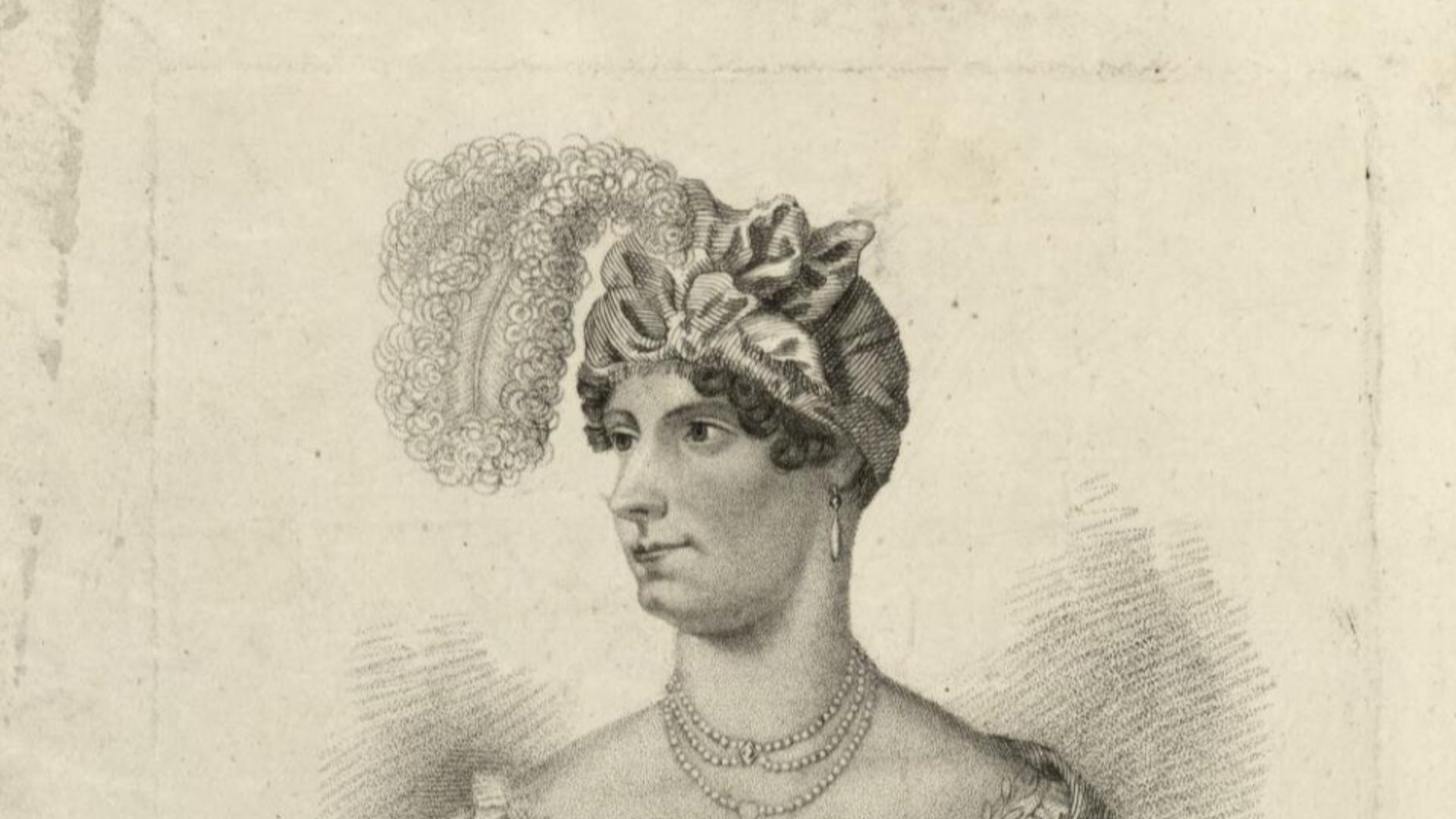 Unknown authorUnknown author, Wikimedia Commons
A King and Queen at War
When George became King George IV in January 1820, he wanted a divorce. Caroline returned to Britain determined to claim her rights as queen. The stage was set for an extraordinary confrontation.
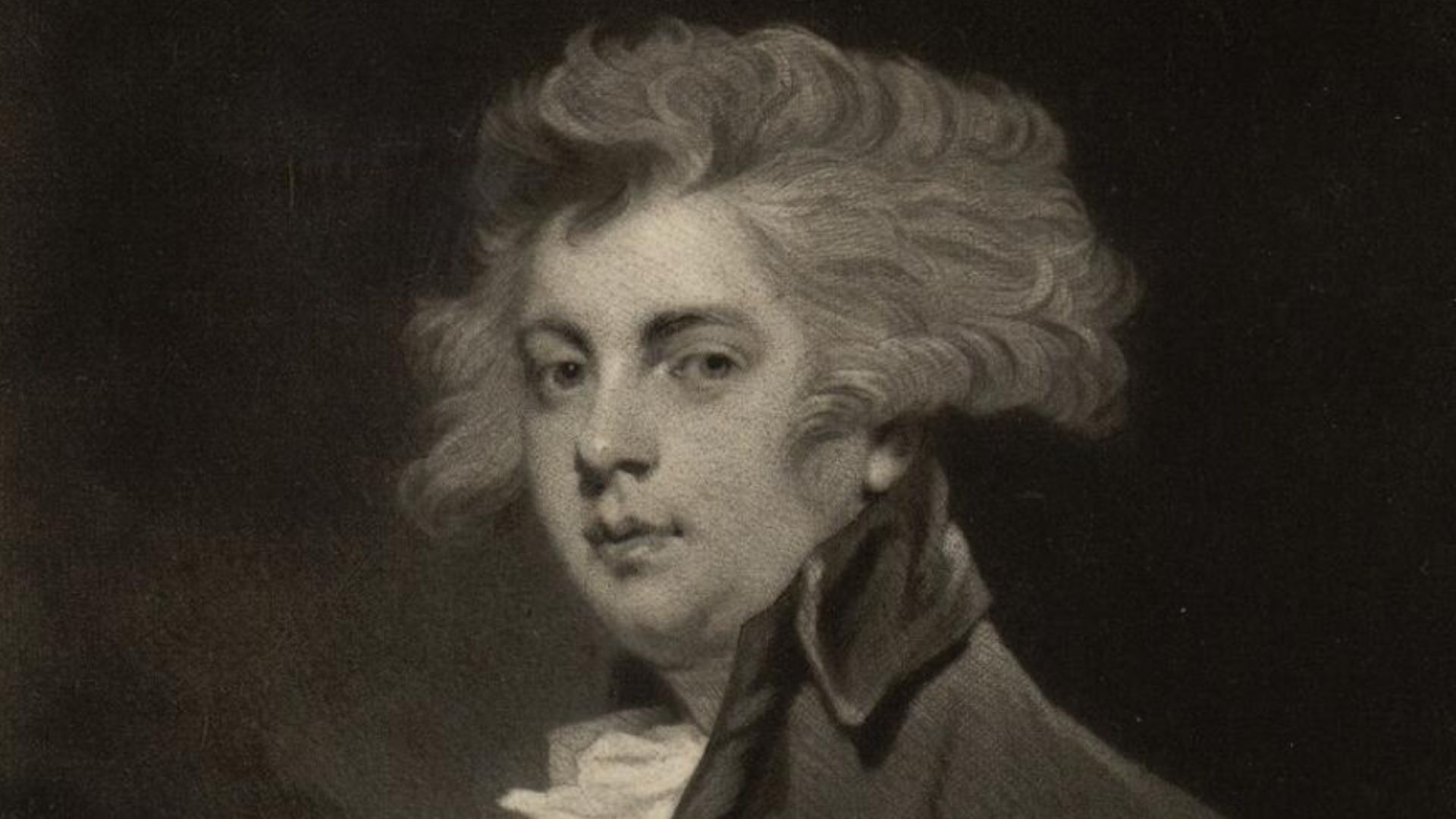 Samuel William Reynolds, Wikimedia Commons
The Trial That Stopped Britain
In 1820, the government introduced the Pains and Penalties Bill, which would strip Caroline of her title and dissolve the marriage. The resulting proceedings effectively became a public trial.
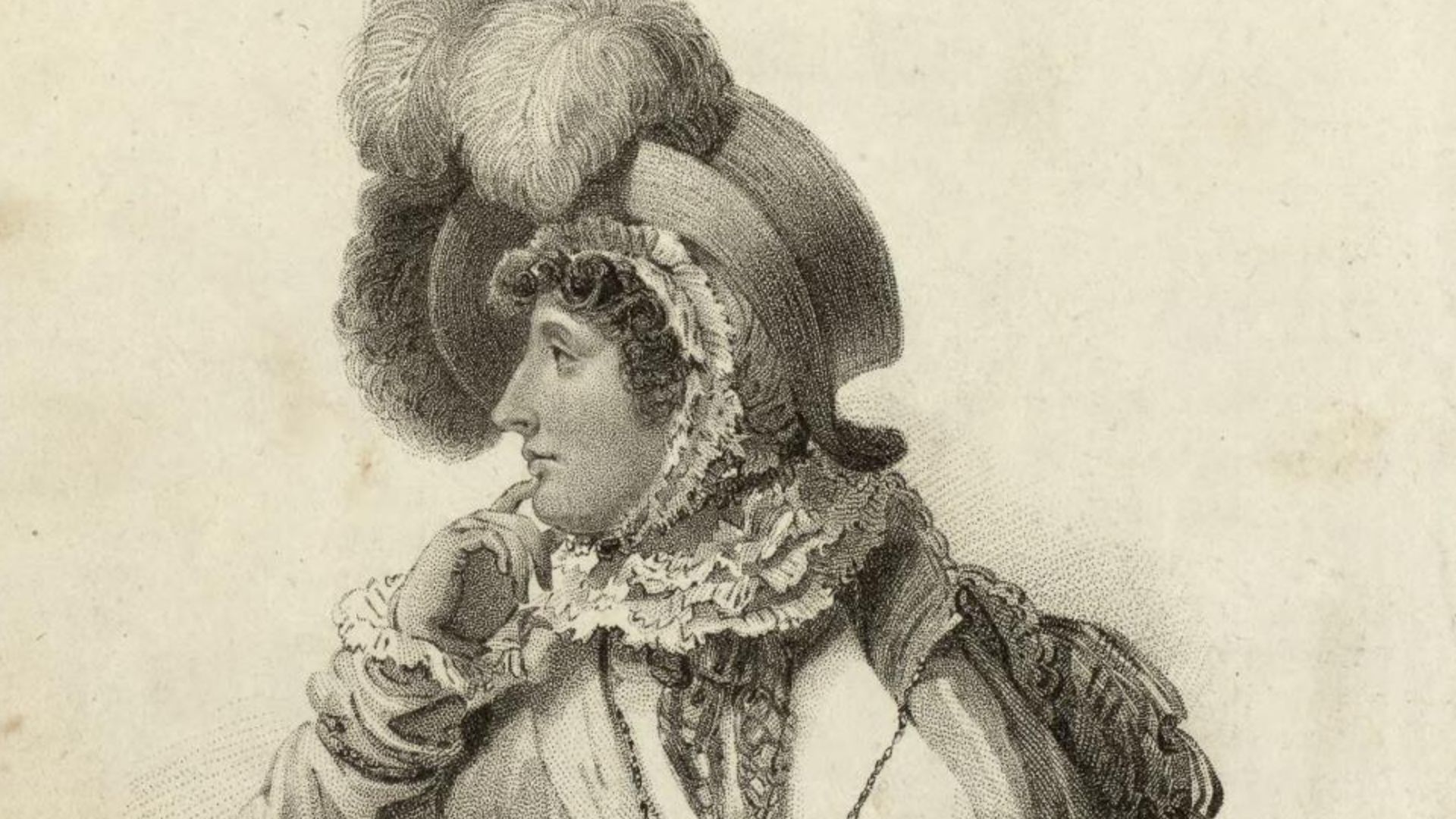 Charles Picart, Wikimedia Commons
London Becomes Obsessed
Crowds gathered daily around Westminster. Newspapers published every sensational allegation. Witnesses testified about Italian hotels, private dinners, and alleged romantic encounters involving Pergami.
![Queen Caroline Repulsed from the Door of Westminister Abbey, engraving from the Illustrated History of England (1865), vol. VII.[1]](https://www.factinate.com/storage/app/media/factinate/2026/6/29/1782738121f09e9d301d288b1c847ef89f0603b38f32771fd1.jpg) Unknown engraver, Wikimedia Commons
Unknown engraver, Wikimedia Commons
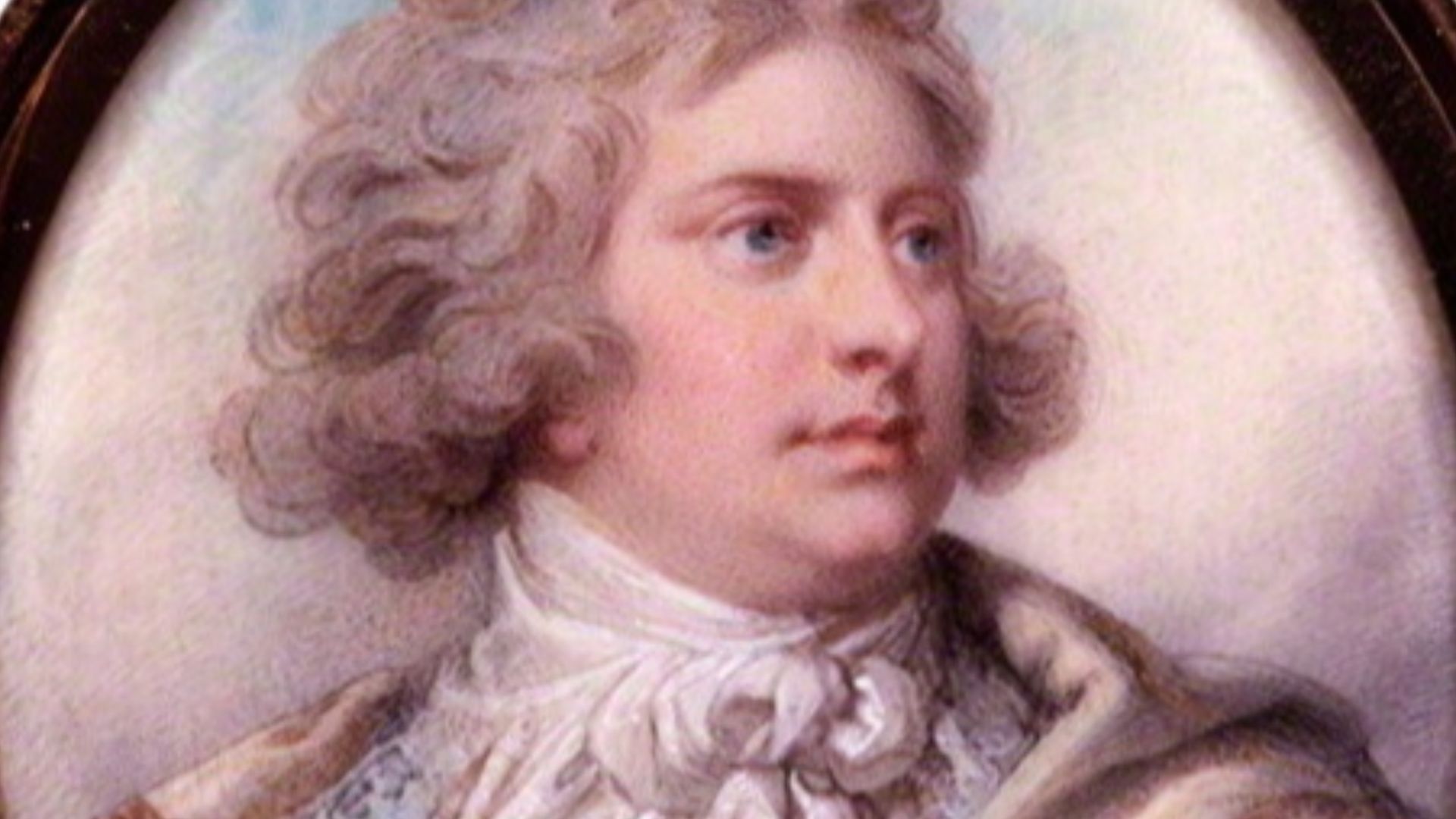
George's Plan Backfires
Instead of destroying Caroline, the proceedings often damaged George. Many Britons viewed the king as vindictive. Public demonstrations erupted in support of Caroline throughout the country.
 Richard Cosway, Wikimedia Commons
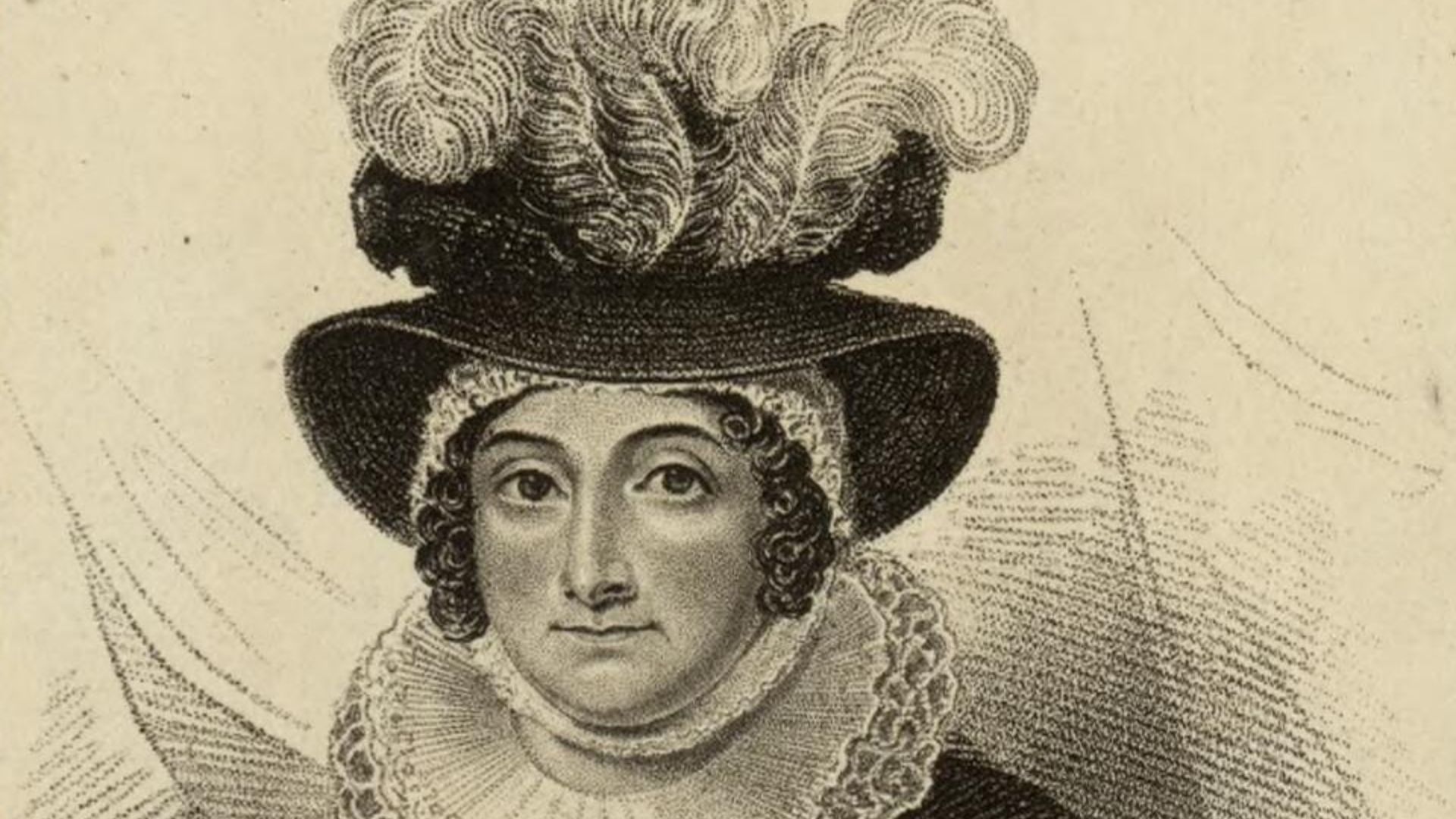
Victory—But Not Happiness
The government eventually abandoned the bill in November 1820. Caroline had survived. Yet the victory was bittersweet. Her health declined, and relations with the royal family remained hostile.
 Robert Page, Wikimedia Commons
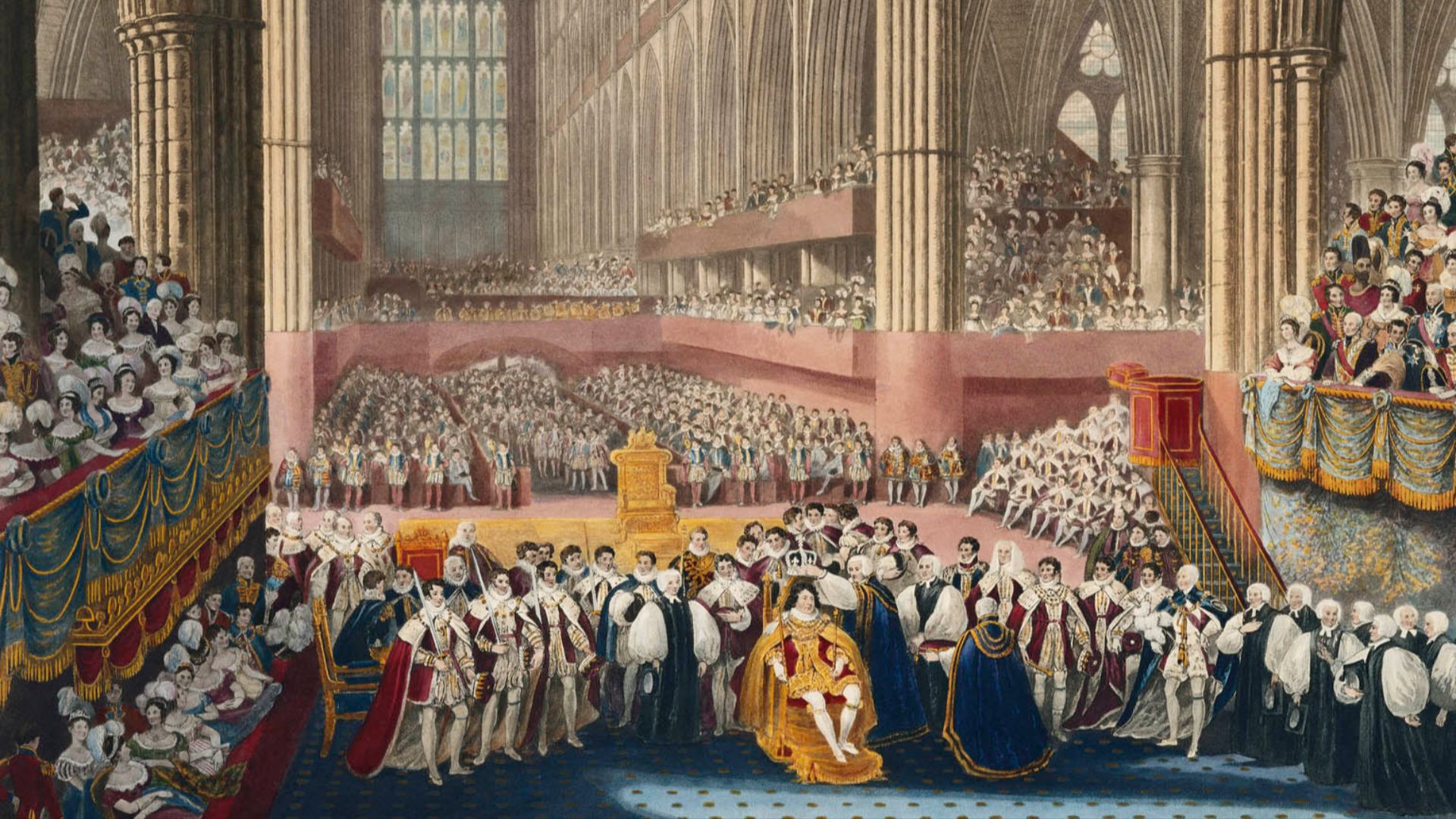
The Coronation Humiliation
On July 19, 1821, Caroline attempted to attend George IV's coronation at Westminster Abbey. Guards refused her entry. The scene became one of the most humiliating moments of her life.
 James Stephanoff, Wikimedia Commons
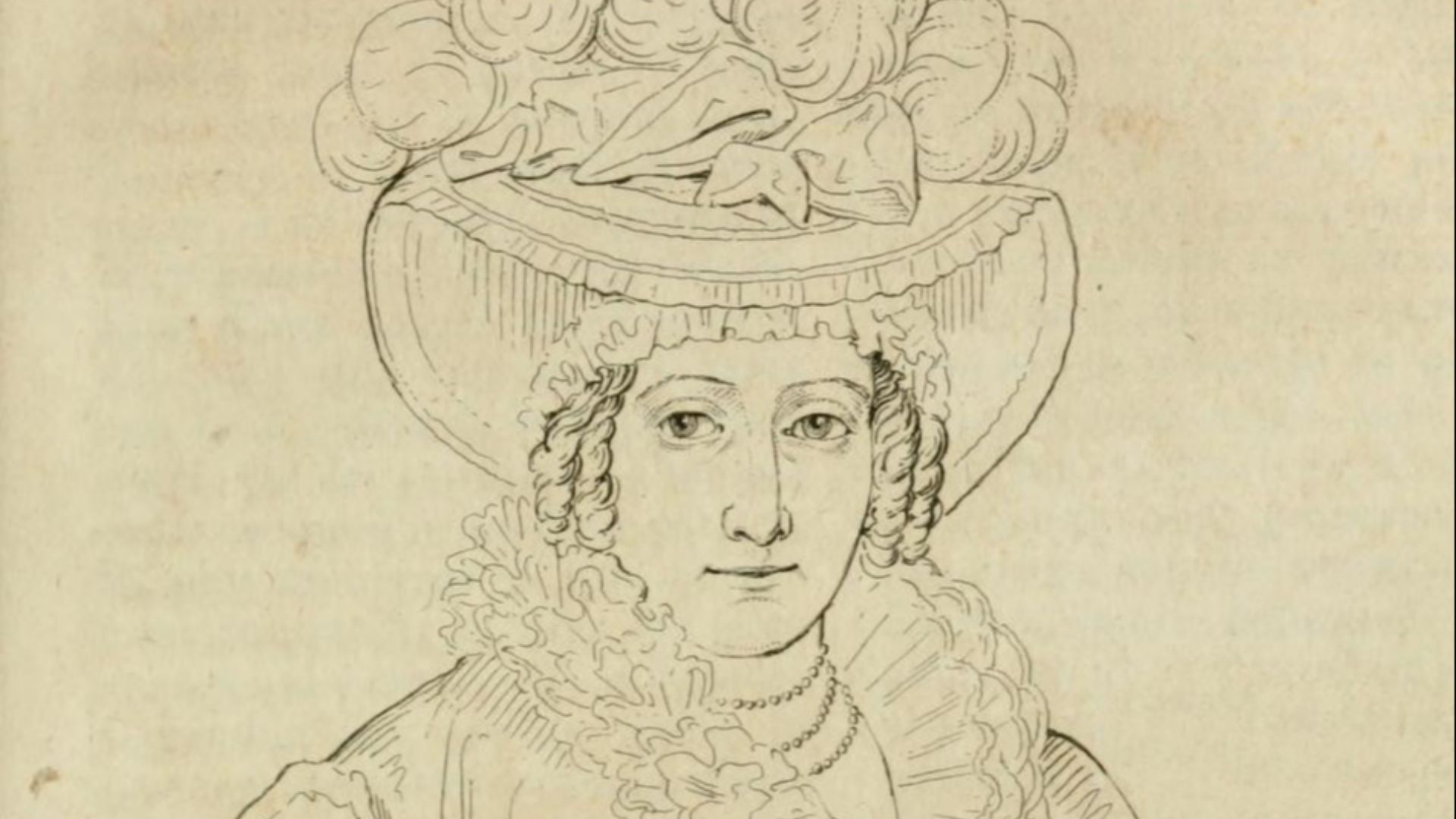
The Final Chapter
Just weeks later, on August 7, 1821, Caroline died in London at age 53. Many supporters believed years of stress had contributed to her decline. Huge crowds attended events connected to her funeral.
 Réveil (graveur), Wikimedia Commons
The Juiciest Royal Scandal of Them All
Caroline's greatest scandal was not necessarily whether she had affairs. It was that she transformed a deeply unhappy royal marriage into a public battle that embarrassed a king, divided a nation, and turned private accusations into front-page entertainment decades before modern celebrity culture existed.
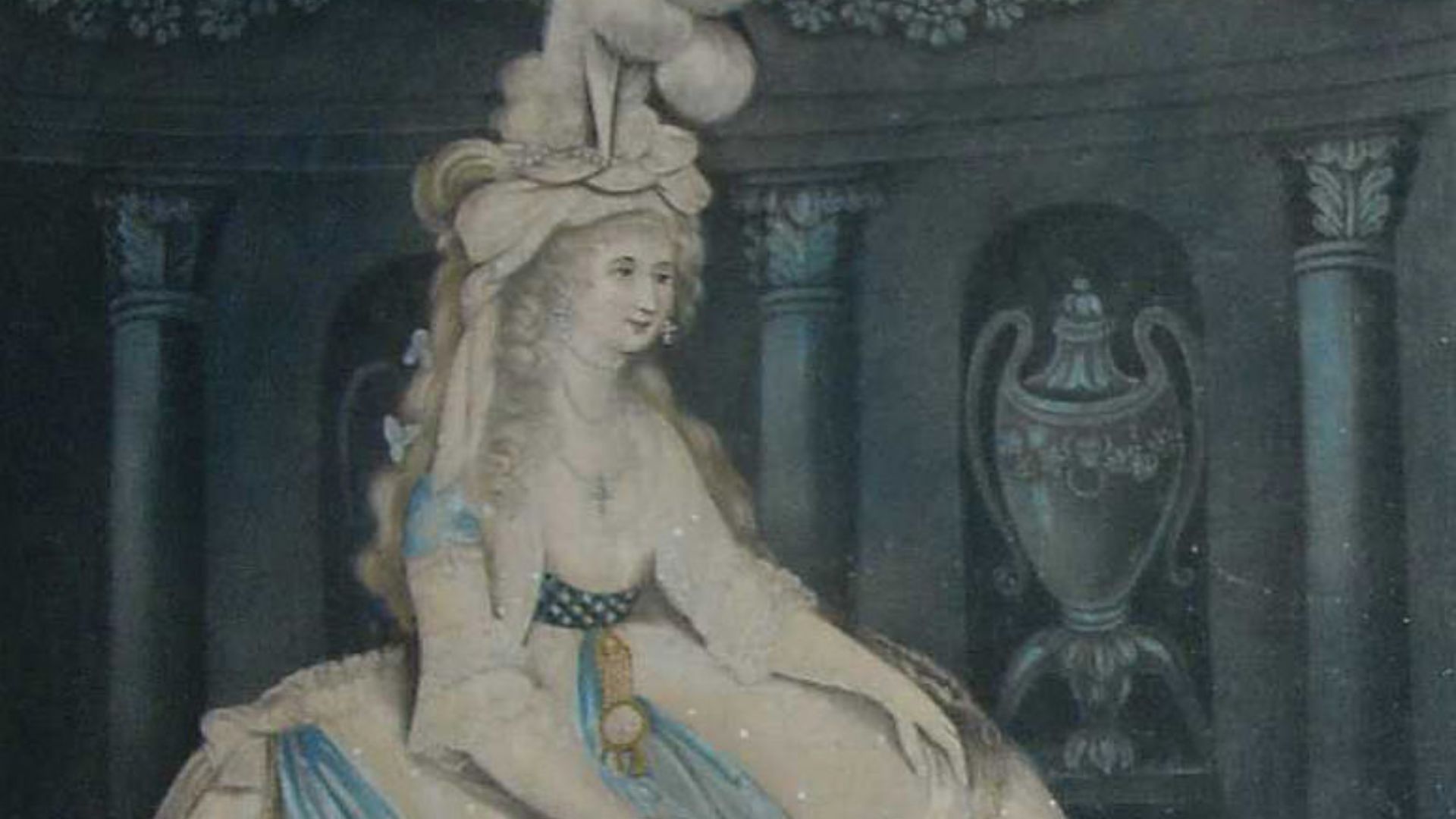
The Royal Rebel Who Refused to Be Quiet
Princess Caroline of Brunswick remains one of the most colorful figures in royal history. Loud, unconventional, stubborn, and endlessly controversial, she challenged the future George IV at every turn. Whether viewed as victim, rebel, or scandal magnet, she ensured that Britain would never stop talking about her.
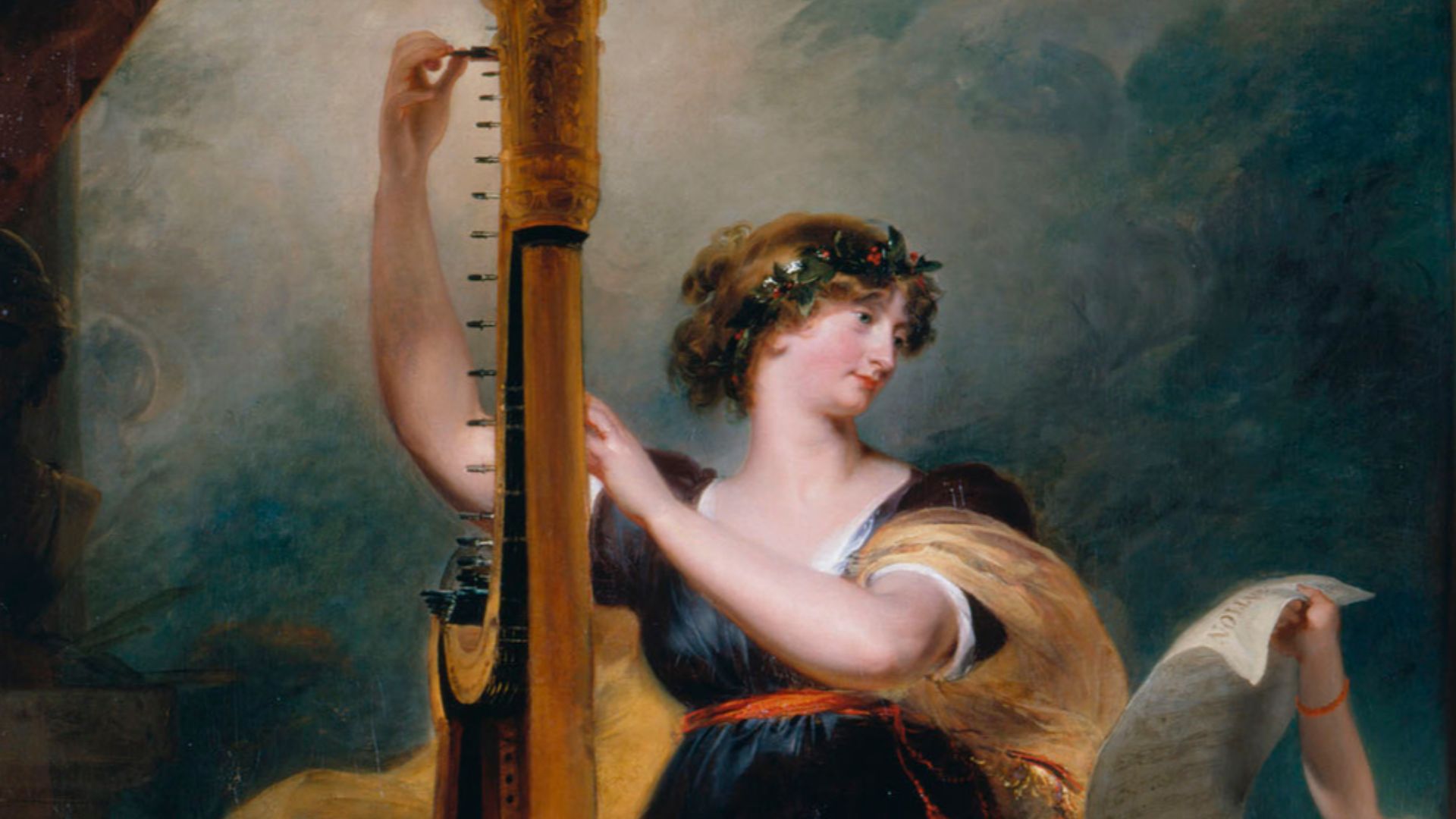 Thomas Lawrence, Wikimedia Commons
You May Also Like: