When Power Turns Personal
Most grudges end with an awkward silence or a permanently blocked number. But when ruler take an insult personally, entire governments can get dragged into the drama. These true stories show how bruised egos turned prisons, armies, censors, and state agencies into tools of revenge.
Cicero Picked The Wrong Enemy
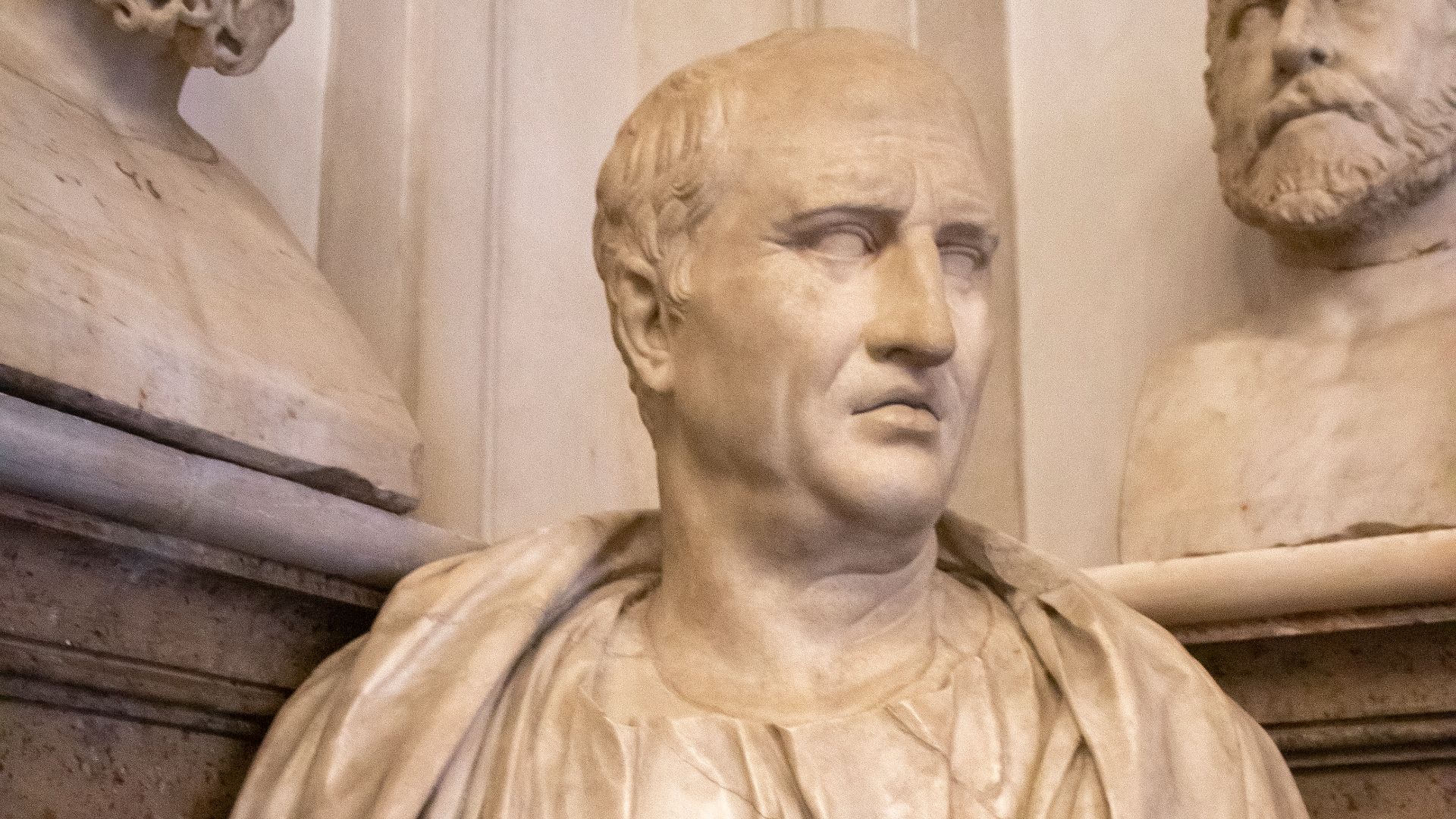
After Julius Caesar's assassination in 44 BCE, Rome's most famous speaker decided Mark Antony was a threat to the Republic. Cicero attacked Antony in a blistering series of speeches known as the Philippics. The campaign was political, but its insults also made the struggle intensely personal.
 Liam Clarkson-Holborn, Wikimedia Commons
The Speeches Cut Deep
Cicero tried to turn the Senate and Roman public against Antony, portraying him as a would-be tyrant. For a time, his words helped make Antony an official enemy of the state. Then Antony joined Octavian and Lepidus in the Second Triumvirate, and the men began proscribing their opponents.
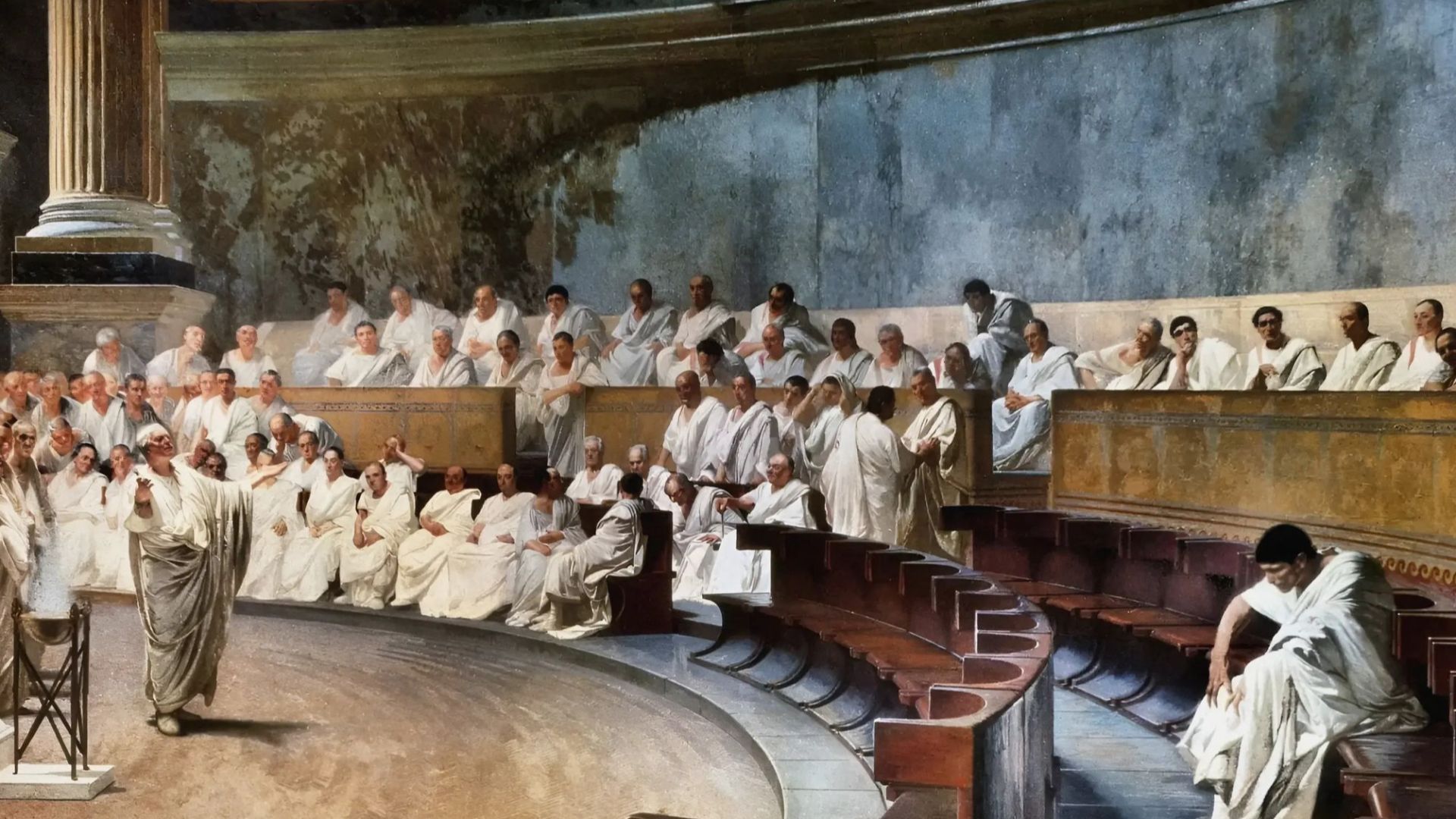 Cesare Maccari, Wikimedia Commons
Antony Chose A Public Ending
Cicero's name appeared on the killing list, and Antony's men caught him while he was fleeing in December 43 BCE. They brought his head and right hand back to Rome, where Antony ordered them displayed on the Rostra, the platform associated with Cicero's speeches. The punishment turned Cicero's own public voice into the centerpiece of Antony's revenge.
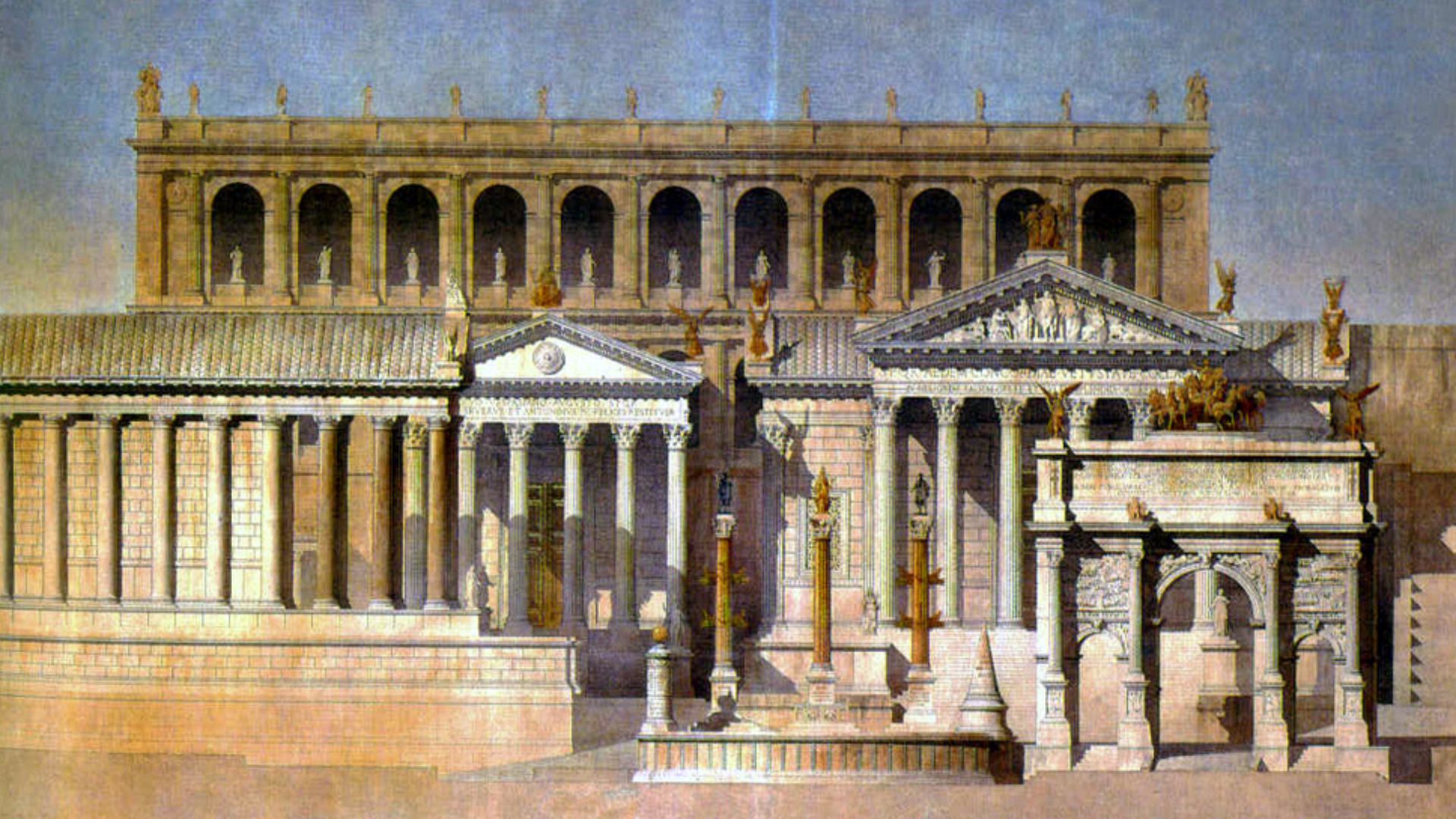 Constant Moyaux, Wikimedia Commons

History's most fascinating stories and darkest secrets, delivered to your inbox daily.
A Caravan Set Off A Catastrophe
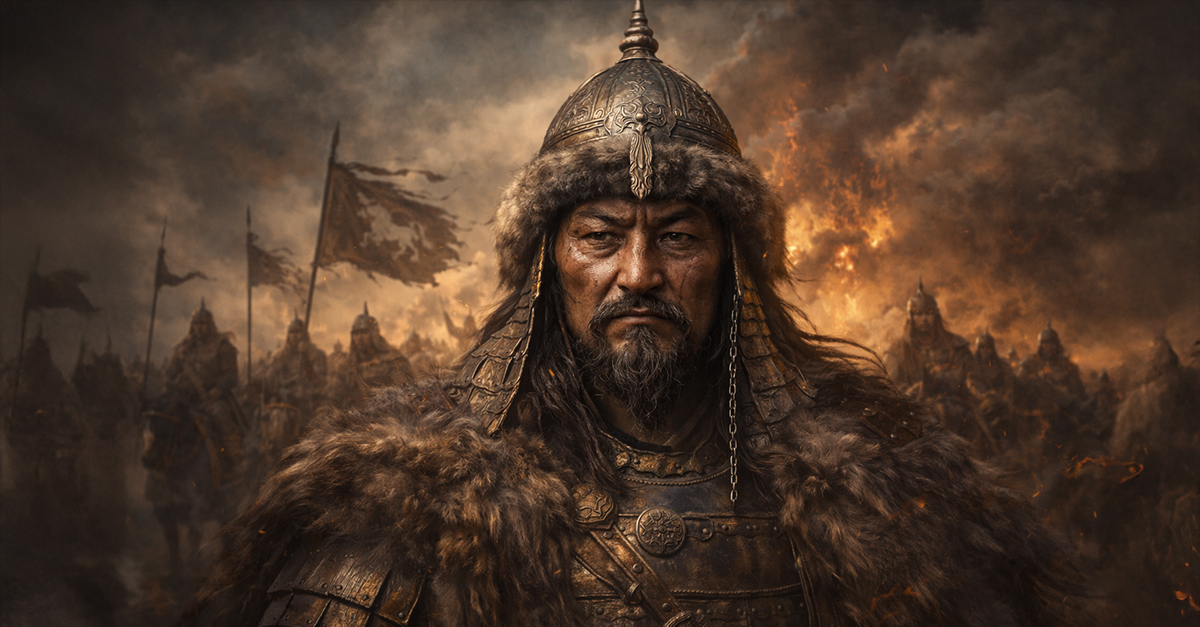
Genghis Khan initially approached the wealthy Khwarazmian Empire through trade and diplomacy. In 1218, officials at Otrar seized a Mongol caravan, accused its members of spying, and killed nearly all the merchants. What followed transformed a border incident into one of the most devastating campaigns of the medieval world.
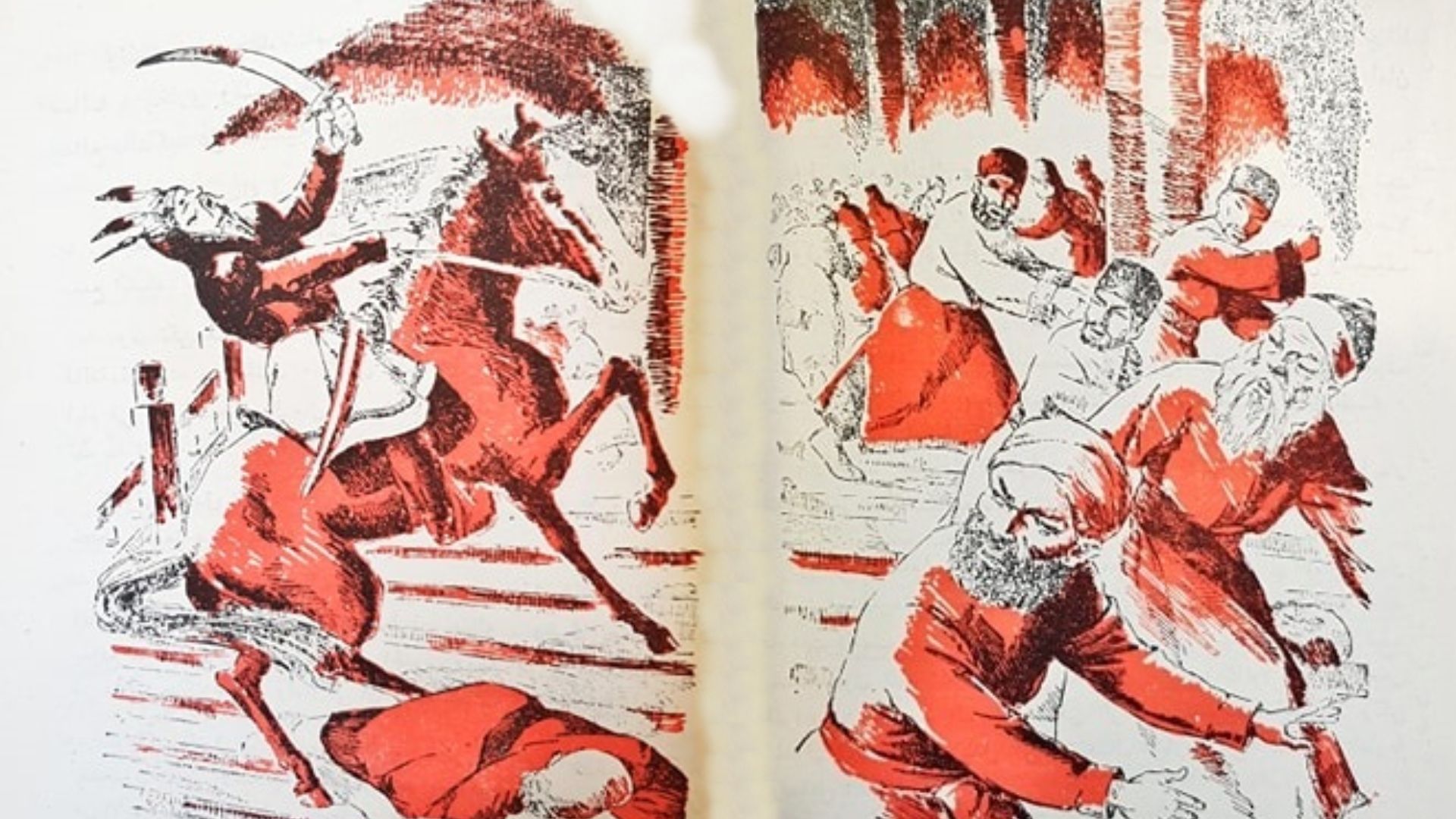 Unknown authorUnknown author, Wikimedia Commons
The Envoys Never Came Home
Genghis Khan sent envoys to Shah Muhammad II and demanded that the governor responsible be punished. The shah rejected the demand, killed the senior envoy, and humiliated the others before sending them back. Harming emissaries was an especially serious offense in Mongol political culture, and Genghis Khan answered it with an invasion.
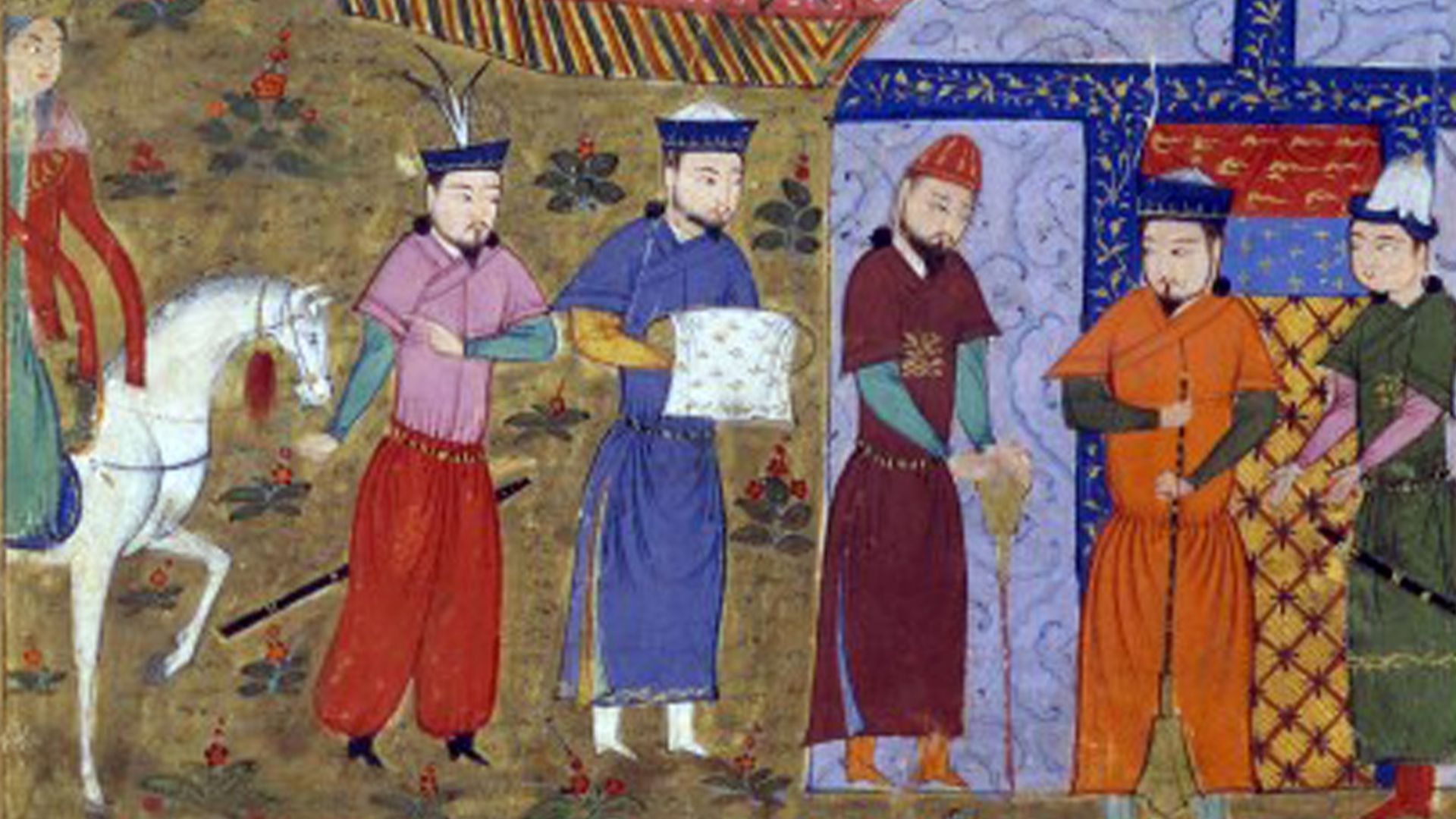 Sayf al-Vahidi. Herat. Afghanistan, Wikimedia Commons
Khwarazm Paid For The Insult
Mongol armies entered Banwarí the empire in 1219 and captured major cities including Bukhara and Samarkand. Communities that resisted faced mass violence, while the shah fled toward the Caspian Sea and his empire collapsed. Medieval casualty totals are unreliable, but the scale of the destruction is not in doubt, and one ruler's refusal to make amends became the justification for destroying his state.
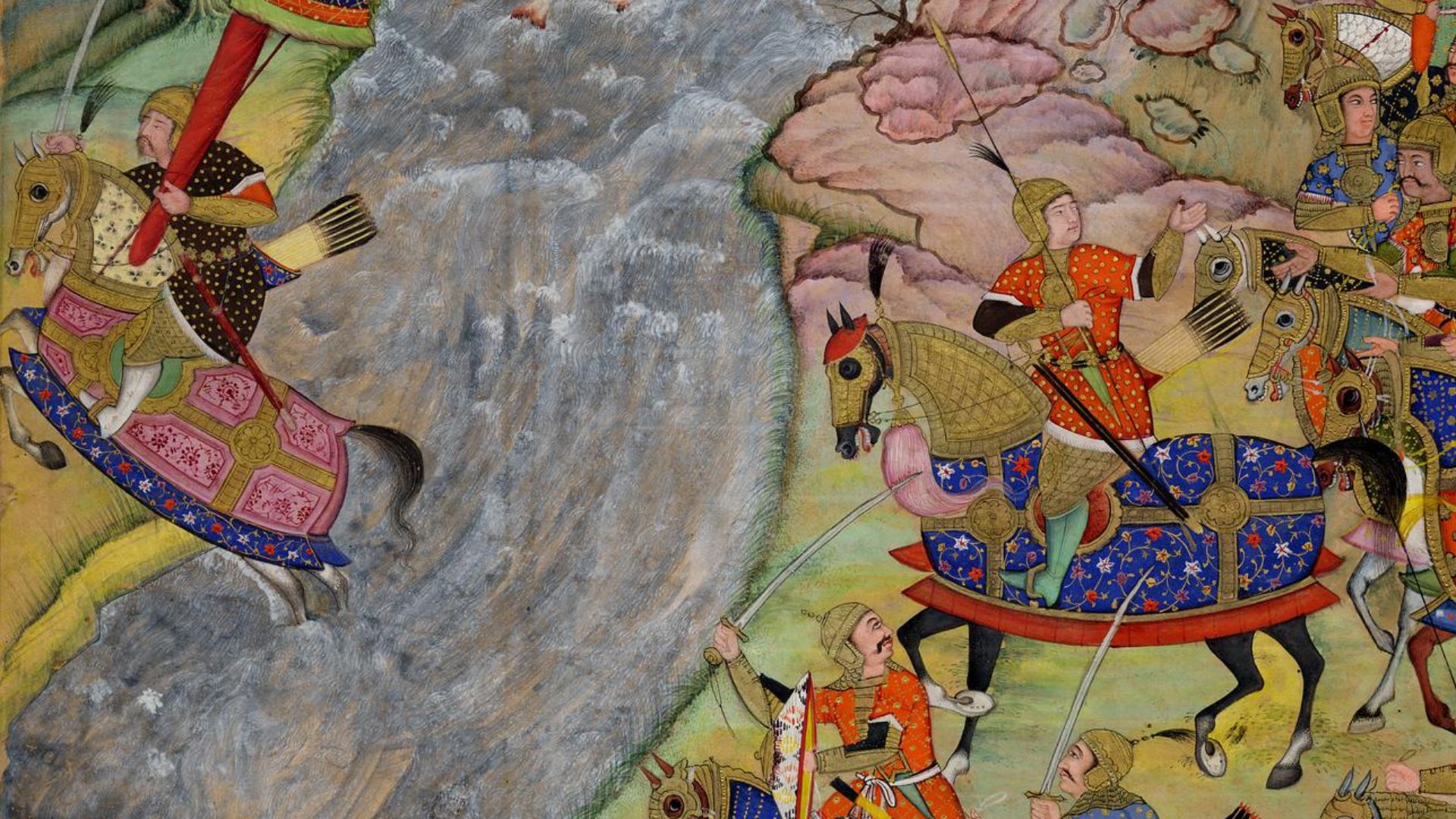 Banwari Khurd, Dharm Das, Wikimedia Commons
Henry VIII Lost An Old Friend
Thomas More was once one of Henry VIII's closest advisers and rose to become Lord Chancellor. Their relationship deteriorated as Henry sought to end his marriage to Katherine of Aragon and place the English Church under royal control. More resigned in 1532, hoping that retirement and silence might keep him out of the king's path.
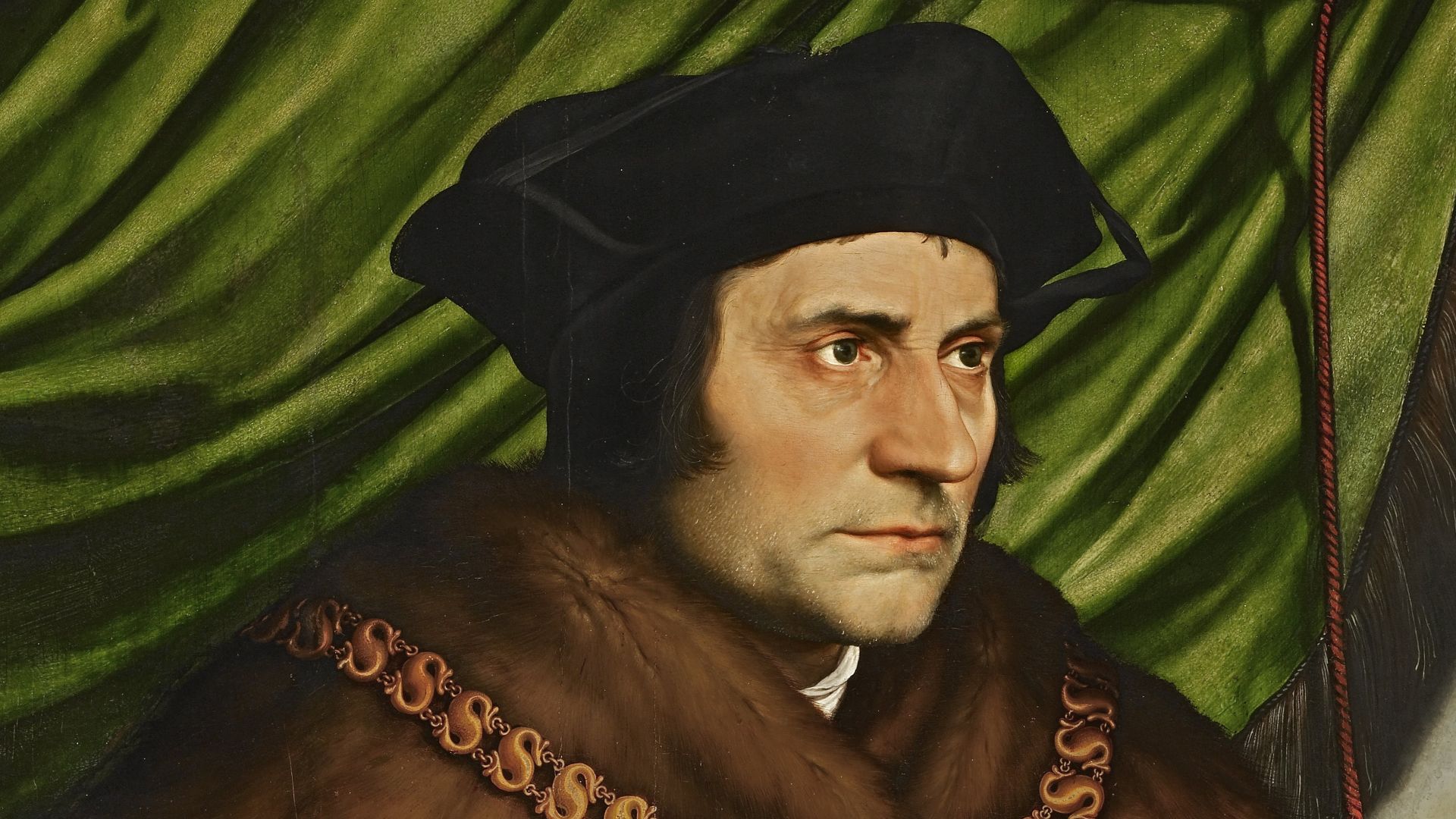 Hans Holbein the Younger, Wikimedia Commons
More Would Not Say The Words
More then skipped Anne Boleyn's coronation, which deeply offended Henry. In 1534, he agreed to recognize Anne and Henry's children as legitimate successors, but he refused an oath whose preamble rejected papal authority. Henry demanded complete submission and ordered his former friend arrested.
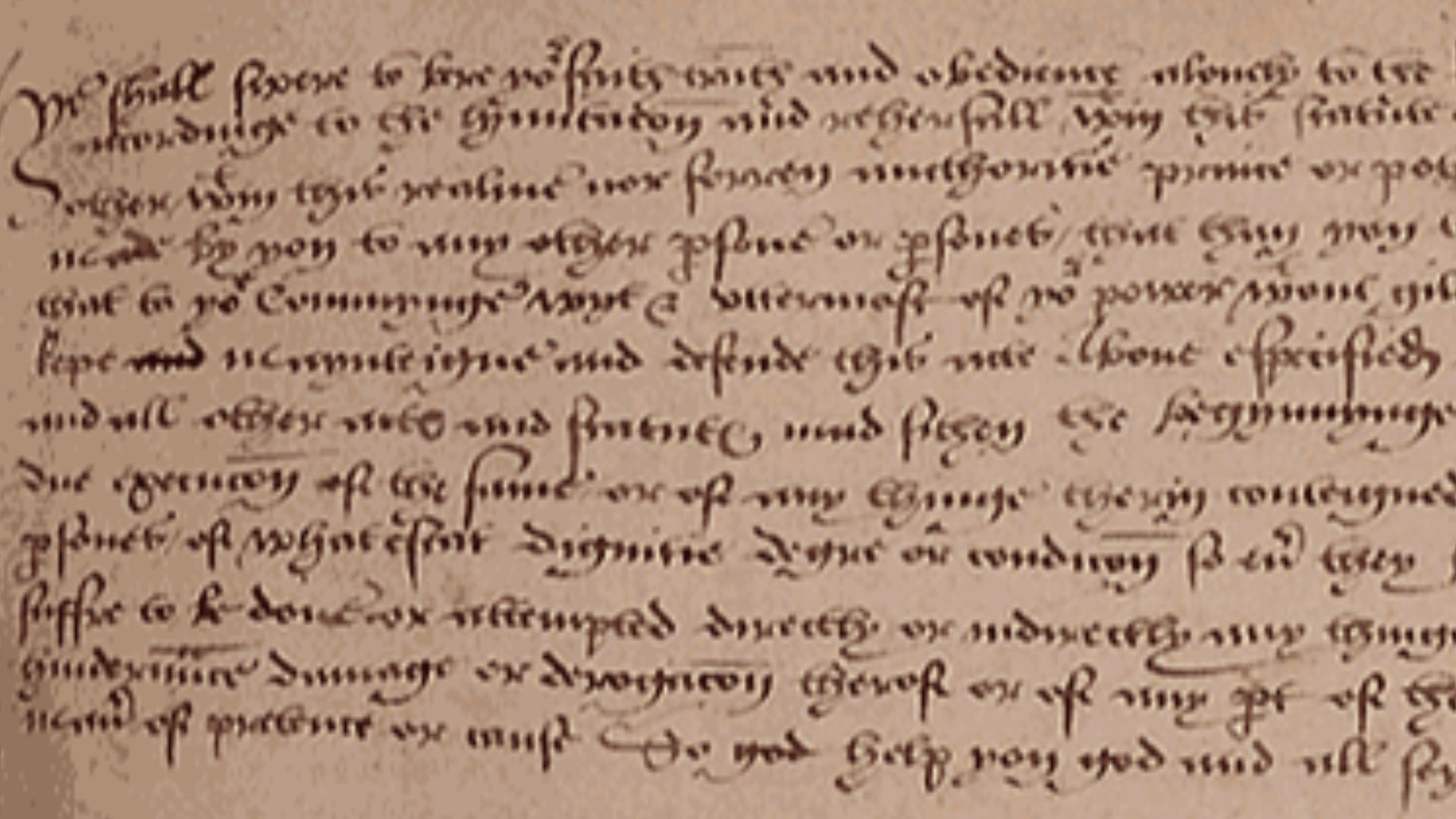 Unknown authorUnknown author, Wikimedia Commons
Silence Could Not Save Him
More spent about 14 months in the Tower of London before standing trial for treason in July 1535. He was convicted of maliciously denying the royal supremacy and beheaded on Tower Hill five days later. Henry also tried to stop accounts of the execution from circulating in England, but pamphlets about More quickly spread across Europe.
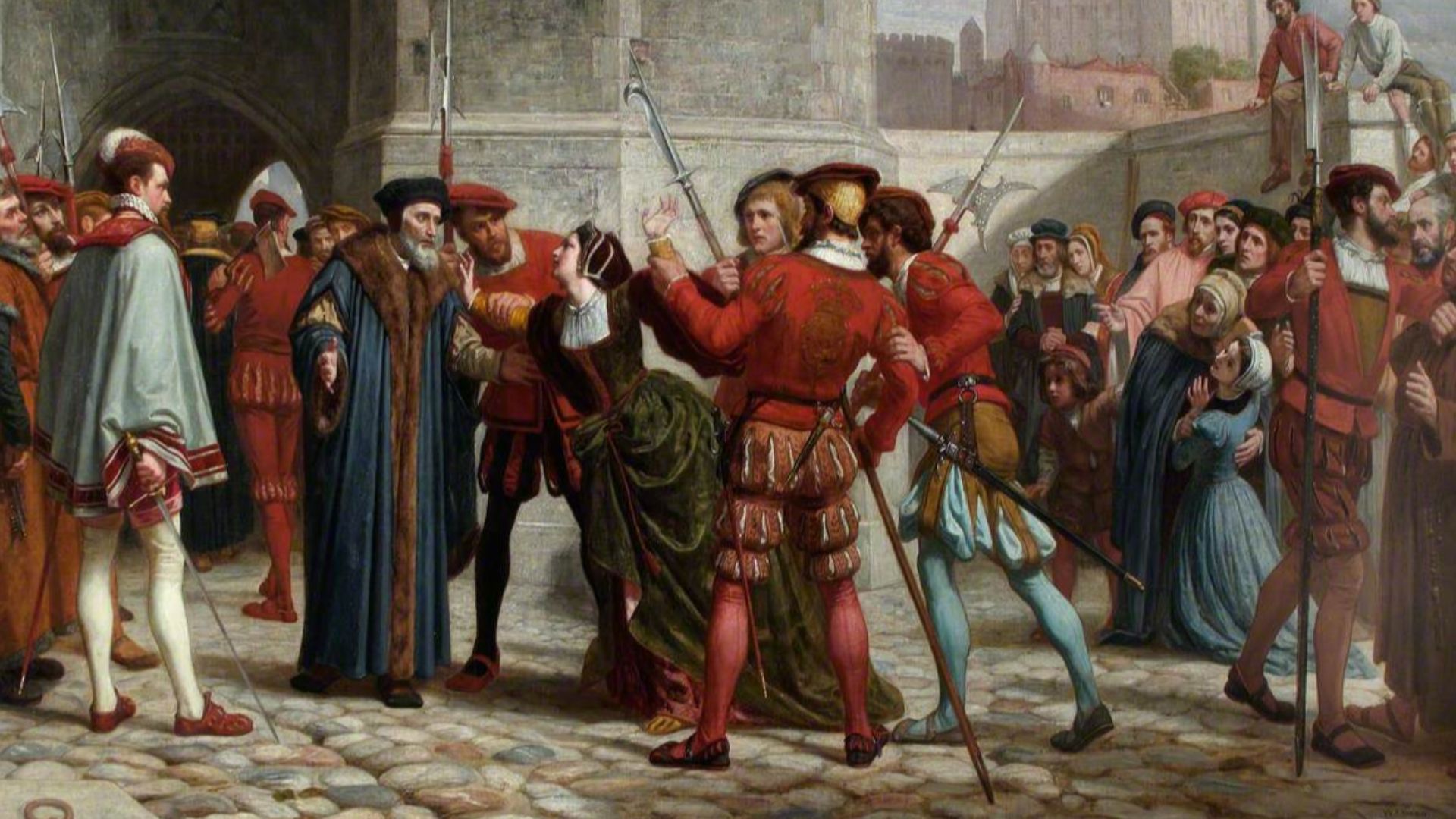 William Frederick Yeames, Wikimedia Commons
History's most fascinating stories and darkest secrets, delivered to your inbox daily.
Fouquet Outshone The Sun King
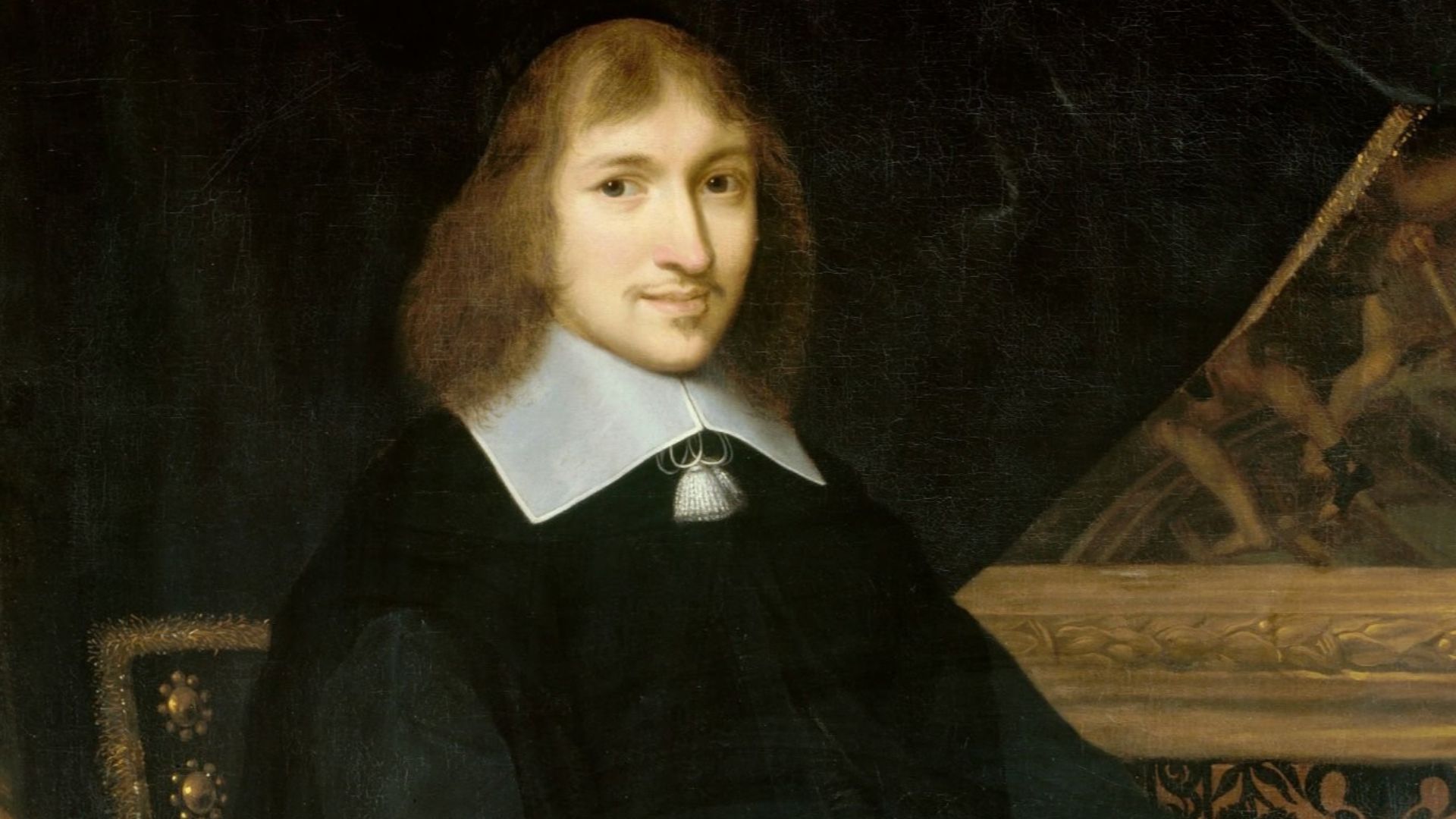
Nicolas Fouquet became Louis XIV's superintendent of finances and built the spectacular Château de Vaux-le-Vicomte. On August 17, 1661, he hosted the king at an extravagant celebration filled with food, theater, gardens, and fireworks. The enduring story says the display made Louis jealous enough to crush him.
 Charles Le Brun, Wikimedia Commons
The Party Was Not The Whole Story
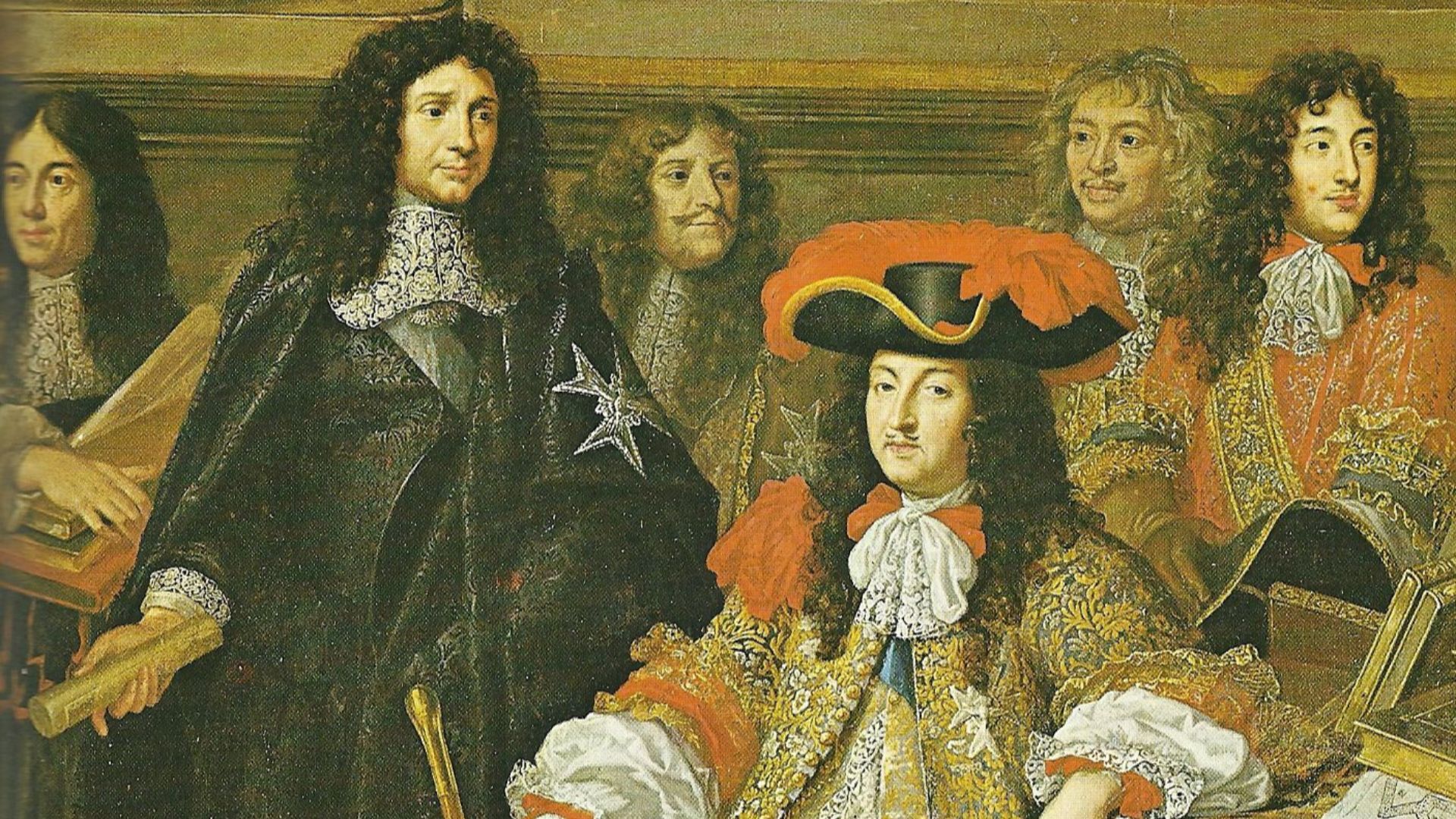
The truth is more complicated because Louis had decided to move against Fouquet before the famous fête. Fouquet faced serious financial accusations, and his rival Jean-Baptiste Colbert had worked to turn the king against him. Even so, the magnificence of Vaux offered an unforgettable image of a subject appearing to rival his sovereign.
 Henri Testelin, Wikimedia Commons
Louis Rewrote The Sentence
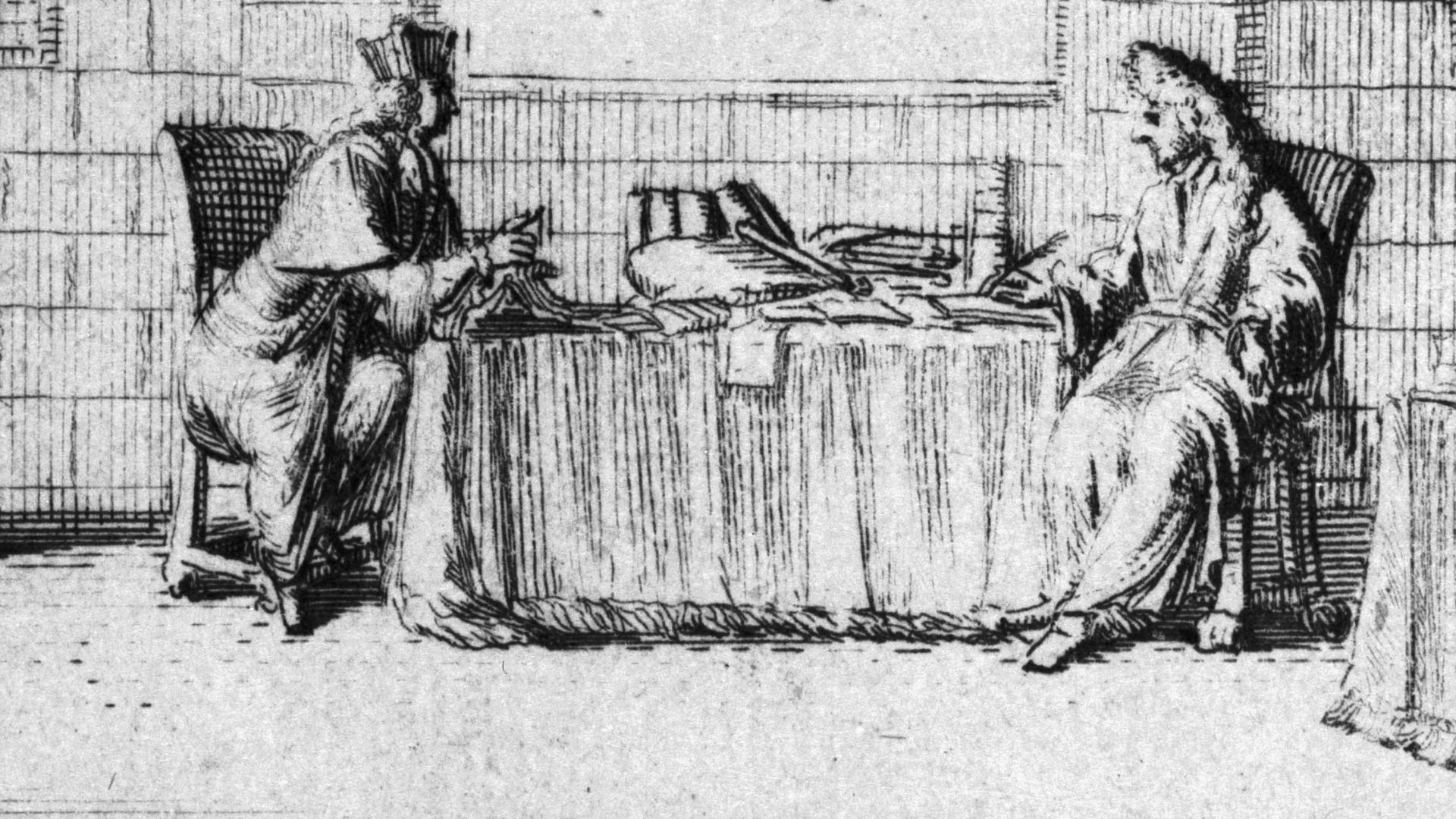
Three weeks after the celebration, the musketeer d'Artagnan arrested Fouquet on the king's orders. A lengthy trial ended with judges choosing banishment, but Louis personally replaced that sentence with life imprisonment. Fouquet remained confined at Pignerol until his death in 1680, while artists who had worked at Vaux later helped shape the king's own vision at Versailles.
 Inconnu, editeur, Wikimedia Commons
Napoleon Feared A Salon
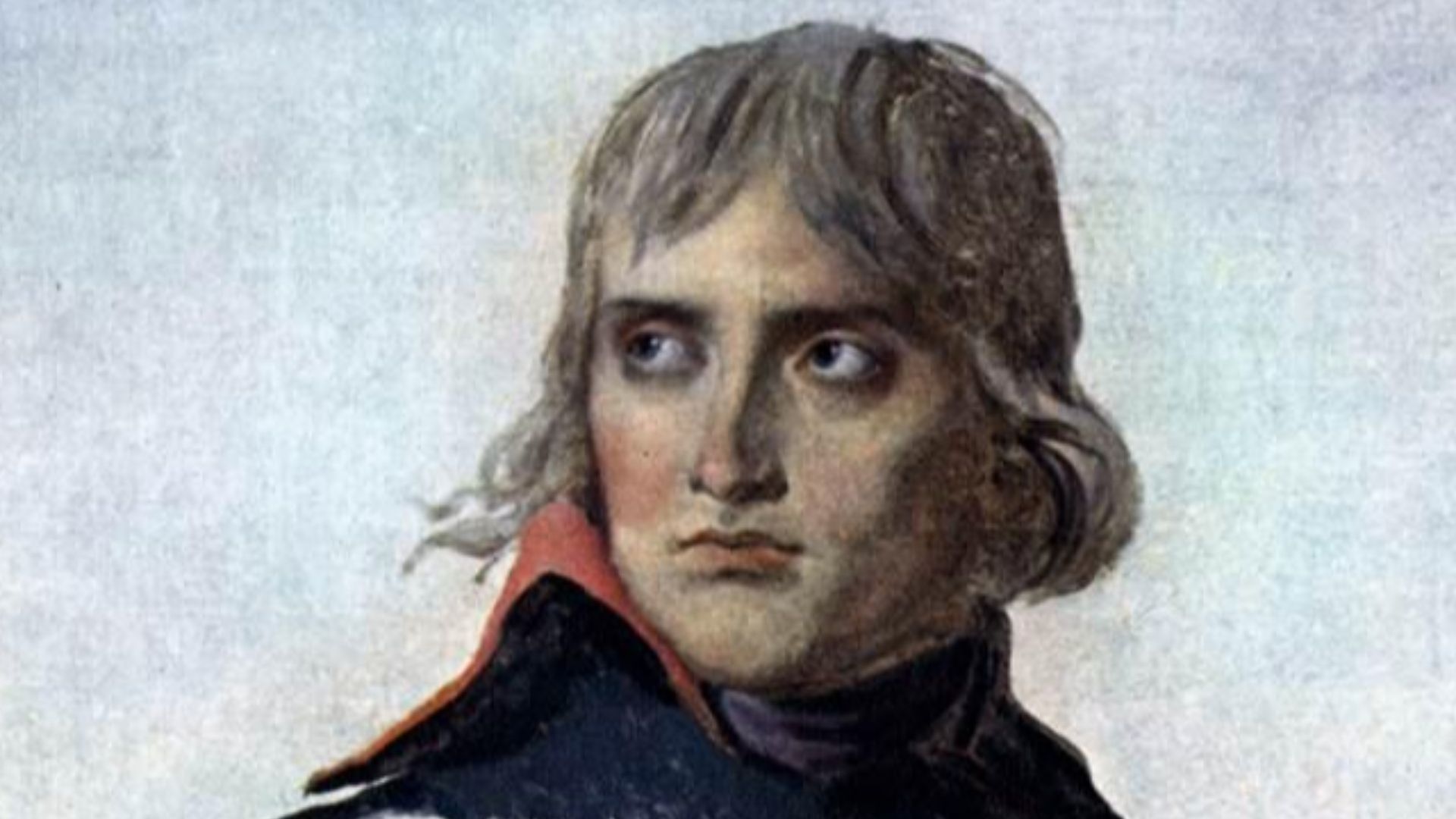
Germaine de Staël did not command an army, but her Paris salon brought together writers, diplomats, and political opponents. She defended liberal ideas and increasingly viewed Napoleon Bonaparte as a danger to freedom. Napoleon, in turn, treated her influence and enormous network as a political threat.
 Jacques-Louis David, Wikimedia Commons
He Banished Her From Paris
In 1803, Napoleon ordered de Staël to remain 40 leagues from Paris, effectively barring her from the city. She settled at her family's Château de Coppet in Switzerland and turned exile into an international intellectual campaign. Her travels through Germany and Italy expanded both her reputation and the range of her criticism.
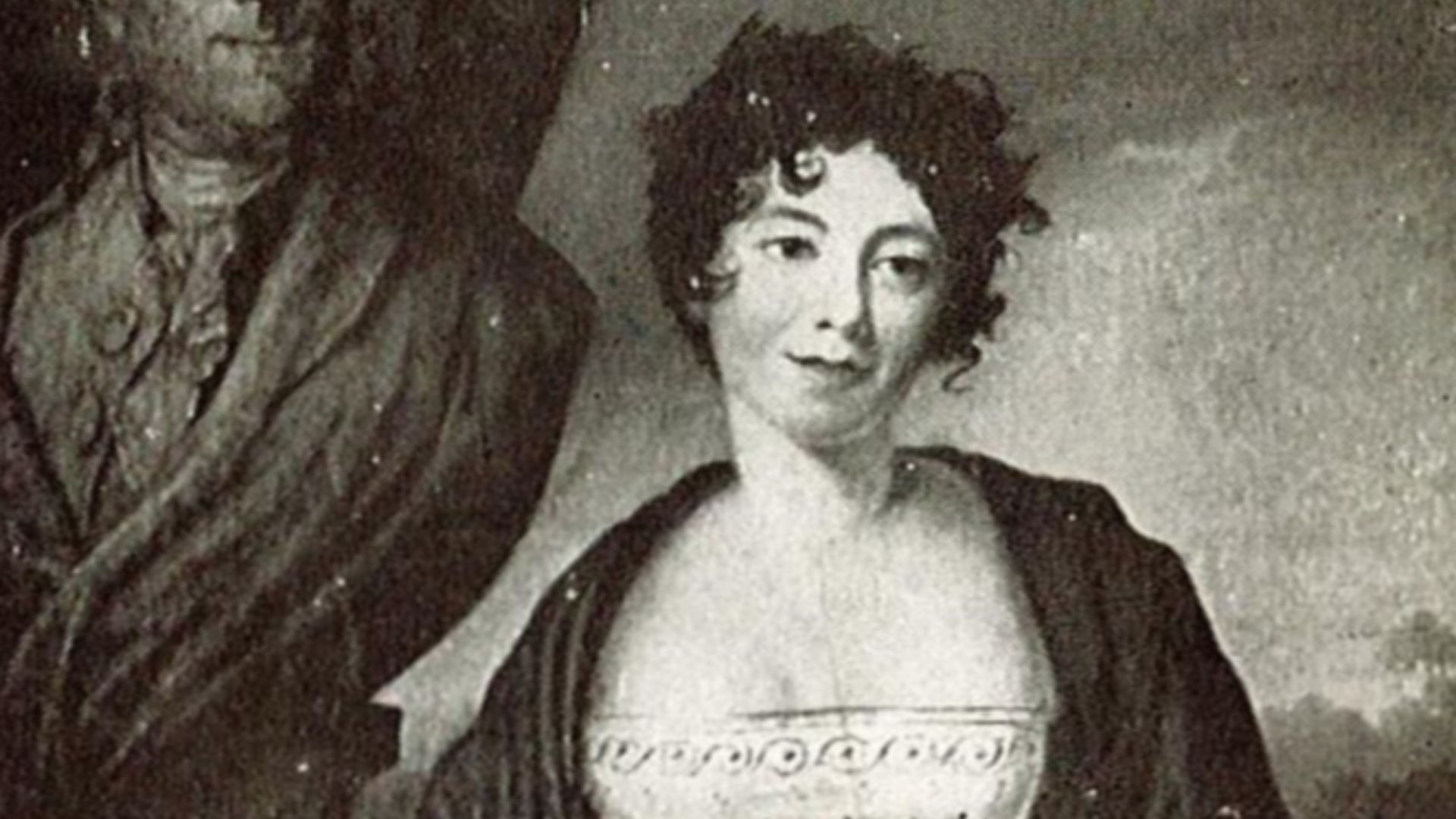 AnonymousUnknown author, Wikimedia Commons
Then He Tried To Erase Her Book
De Staël returned to France to arrange publication of De l'Allemagne, a celebration of German culture that indirectly challenged Napoleonic conformity and conquest. In 1810, imperial police destroyed the printed copies and ordered her back to Coppet. She eventually escaped across Europe, published the book abroad, and returned to Paris after Napoleon's abdication in 1814.
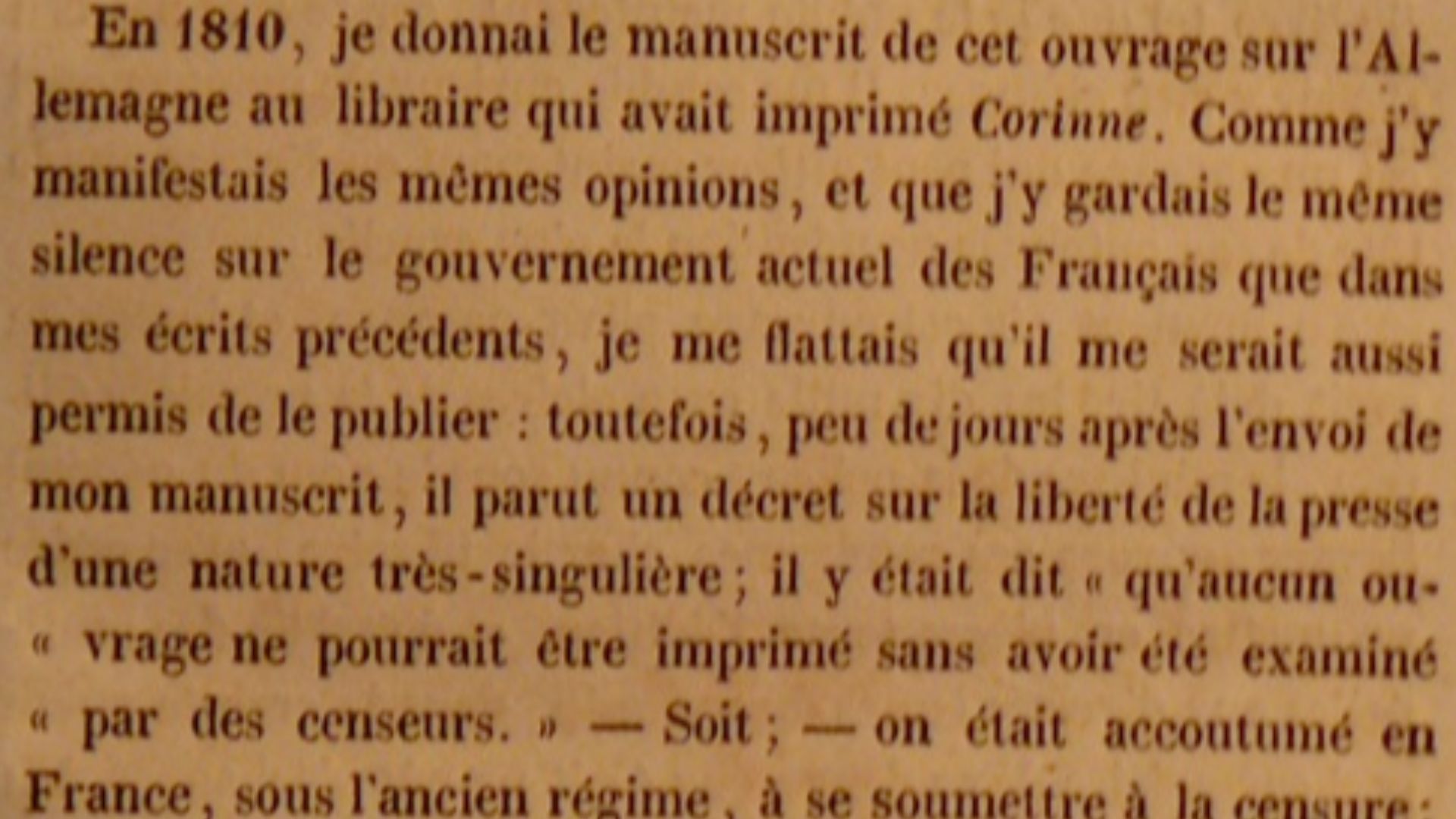 Nestorrefacteur, Wikimedia Commons
History's most fascinating stories and darkest secrets, delivered to your inbox daily.
Stalin Could Not Forget Trotsky
Leon Trotsky had helped lead the Bolshevik Revolution and built the Red Army during the Russian Civil War. After Lenin's death, he lost the succession struggle to Joseph Stalin and became the regime's most famous internal rival. Stalin's victory did not end the contest because Trotsky kept attacking his rule in print.
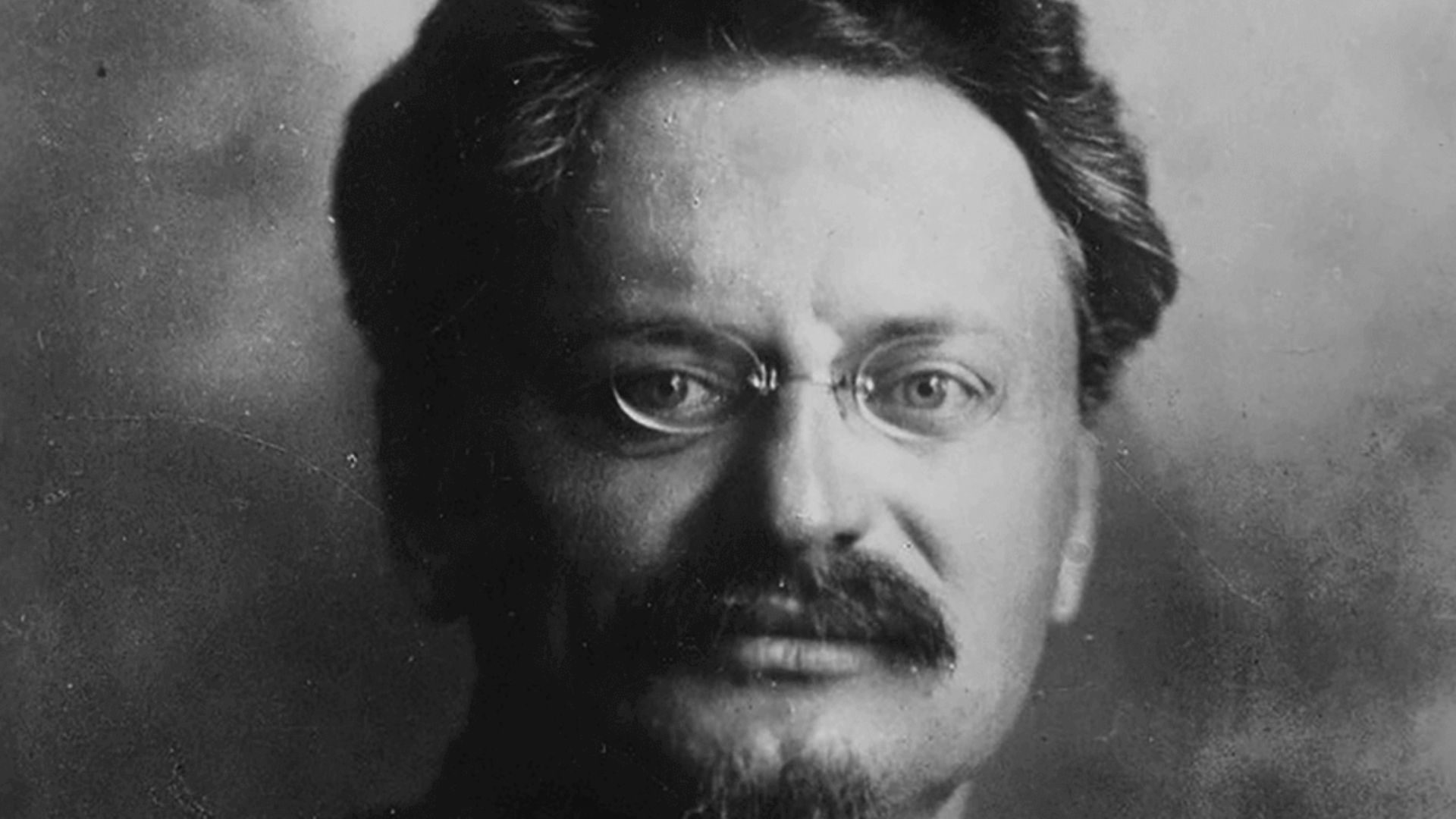 Unknown authorUnknown author, Wikimedia Commons
Exile Was Only The Beginning
Trotsky was removed from the war commissariat, expelled from the Politburo, and thrown out of the Communist Party. Stalin sent him into internal exile in 1928 and banished him from the Soviet Union the following year. Trotsky moved through Turkey, France, and Norway before receiving asylum in Mexico.
 Bertilvidet, Wikimedia Commons
Mexico Was Not Far Enough
From Mexico, Trotsky condemned Stalin's dictatorship and challenged the legitimacy of his regime. Soviet show trials convicted the absent exile of treason as Stalin's purges eliminated real and imagined opponents at home. In May 1940, Trotsky survived an armed raid on his compound carried out by Stalinist agents.

The Rivalry Ended In A Study
On August 20, 1940, Soviet agent Ramón Mercader entered Trotsky's study after gaining the household's trust. He struck Trotsky with a mountaineering ice axe, and Trotsky died the next day. The Soviet government denied responsibility, but later evidence established that Stalin had ordered his old rival's assassination.
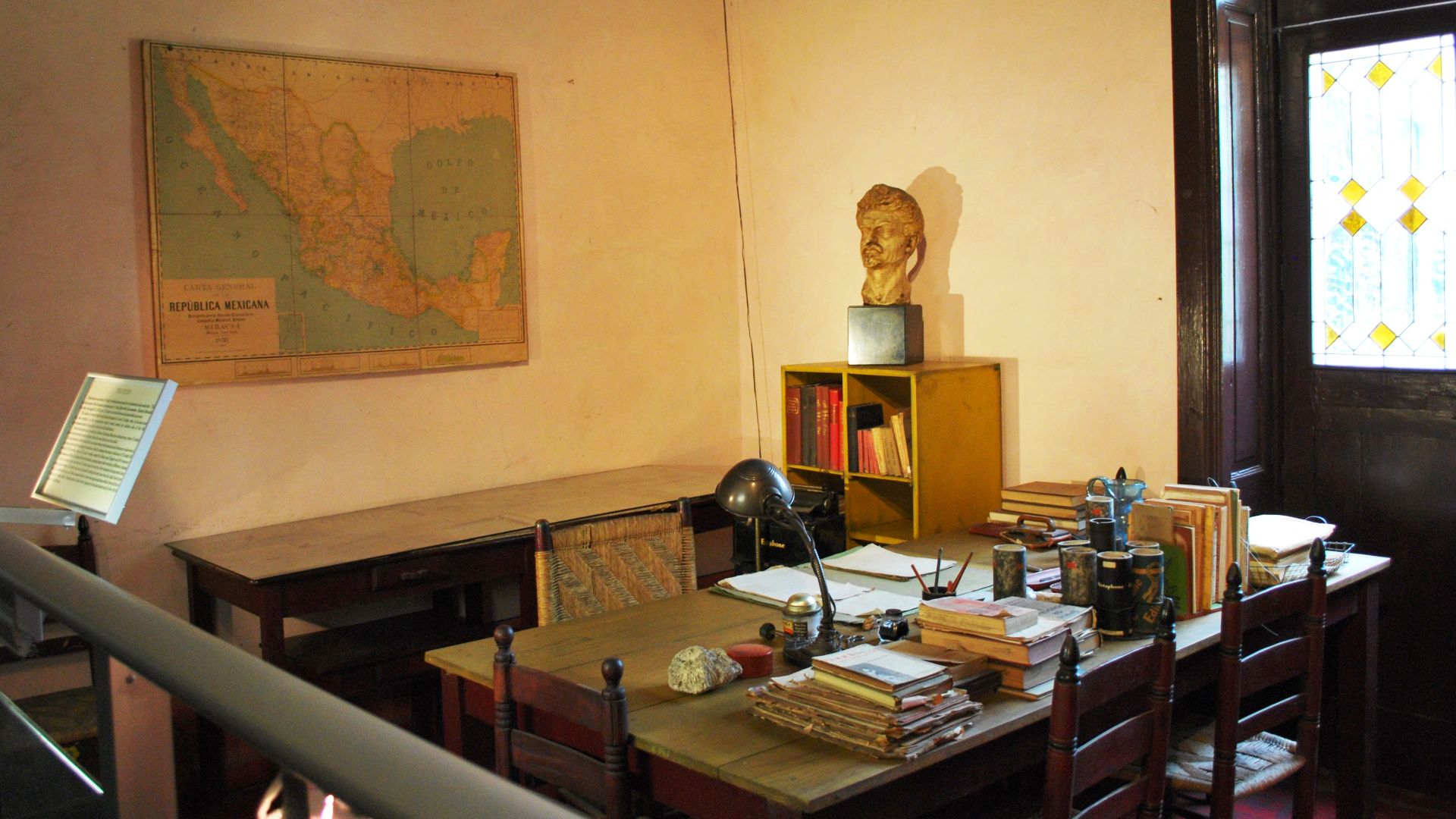 Thelmadatter, Wikimedia Commons
Peng Dehuai Wrote One Letter
Peng Dehuai was a celebrated Chinese commander and Mao Zedong's minister of national defense. During the Great Leap Forward, inflated production claims and disruptive policies were helping push rural China into catastrophe. At the Lushan Conference in July 1959, Peng privately sent Mao a restrained letter describing serious failures.
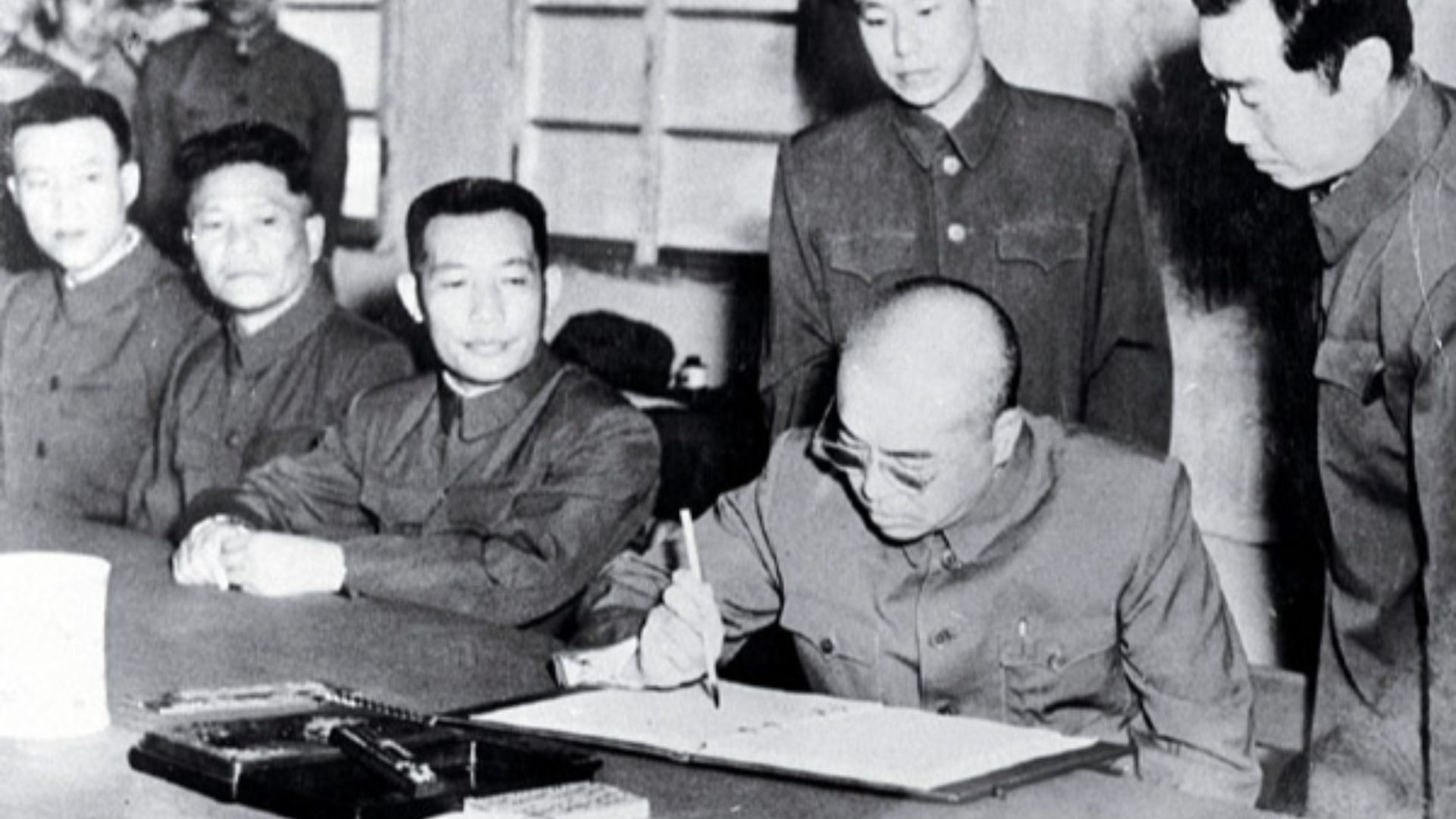 Unknown authorUnknown author, Wikimedia Commons
Mao Turned Criticism Into Treason
Rather than answer the criticism privately, Mao circulated Peng's letter among the conference delegates. He portrayed it as evidence of right-wing opportunism and an organized anti-Party challenge. Officials who shared some of Peng's concerns quickly learned that agreeing with him could destroy their careers.
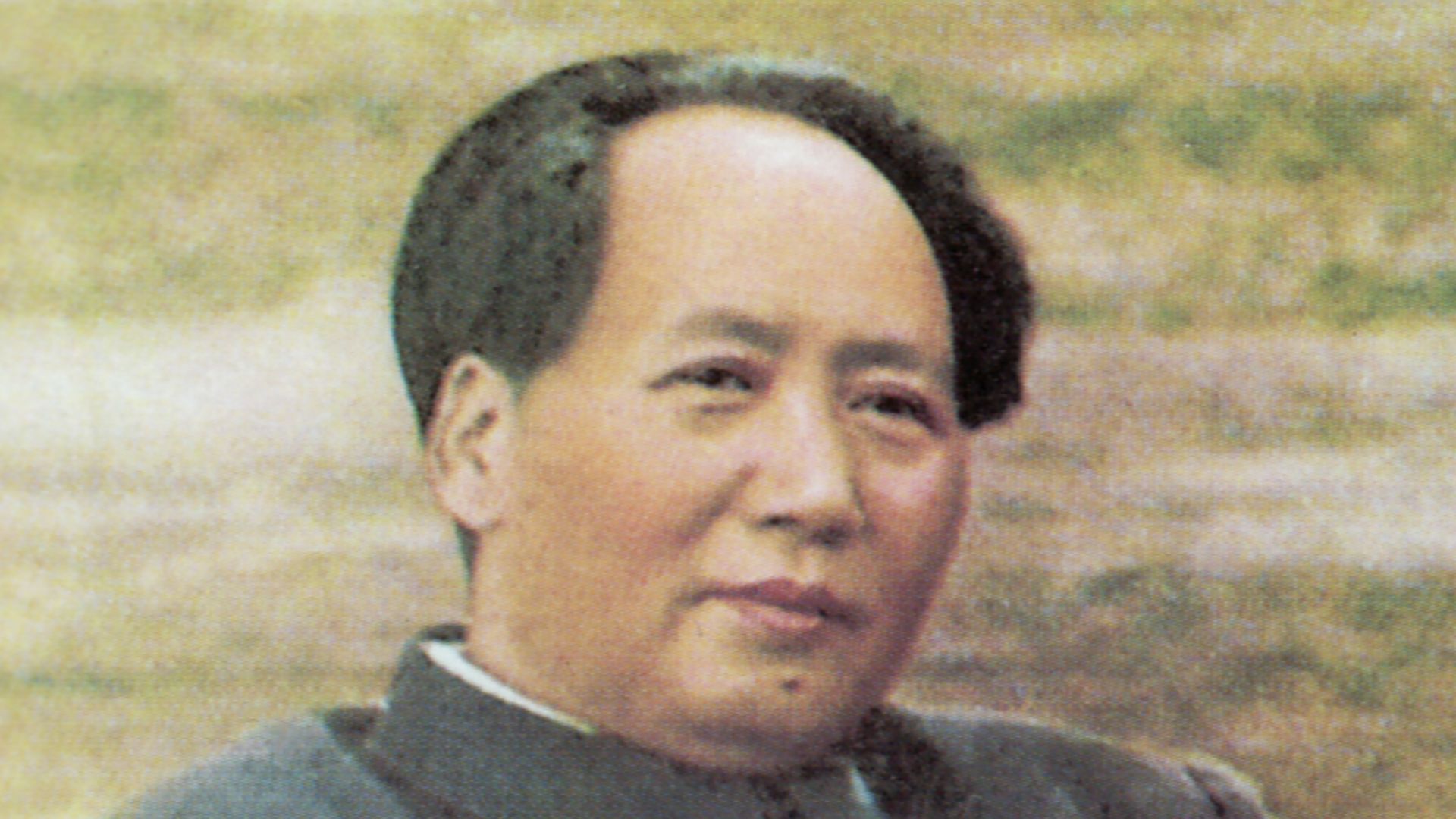 The People's Republic of China Printing Office, Wikimedia Commons
History's most fascinating stories and darkest secrets, delivered to your inbox daily.
The Warning Died With The Messenger
Peng was dismissed as defense minister and replaced by Lin Biao. The purge expanded into a campaign against alleged right opportunists, making cadres even less willing to report failed harvests and food shortages honestly. By punishing the man who raised the alarm, Mao helped silence warnings while the famine deepened.
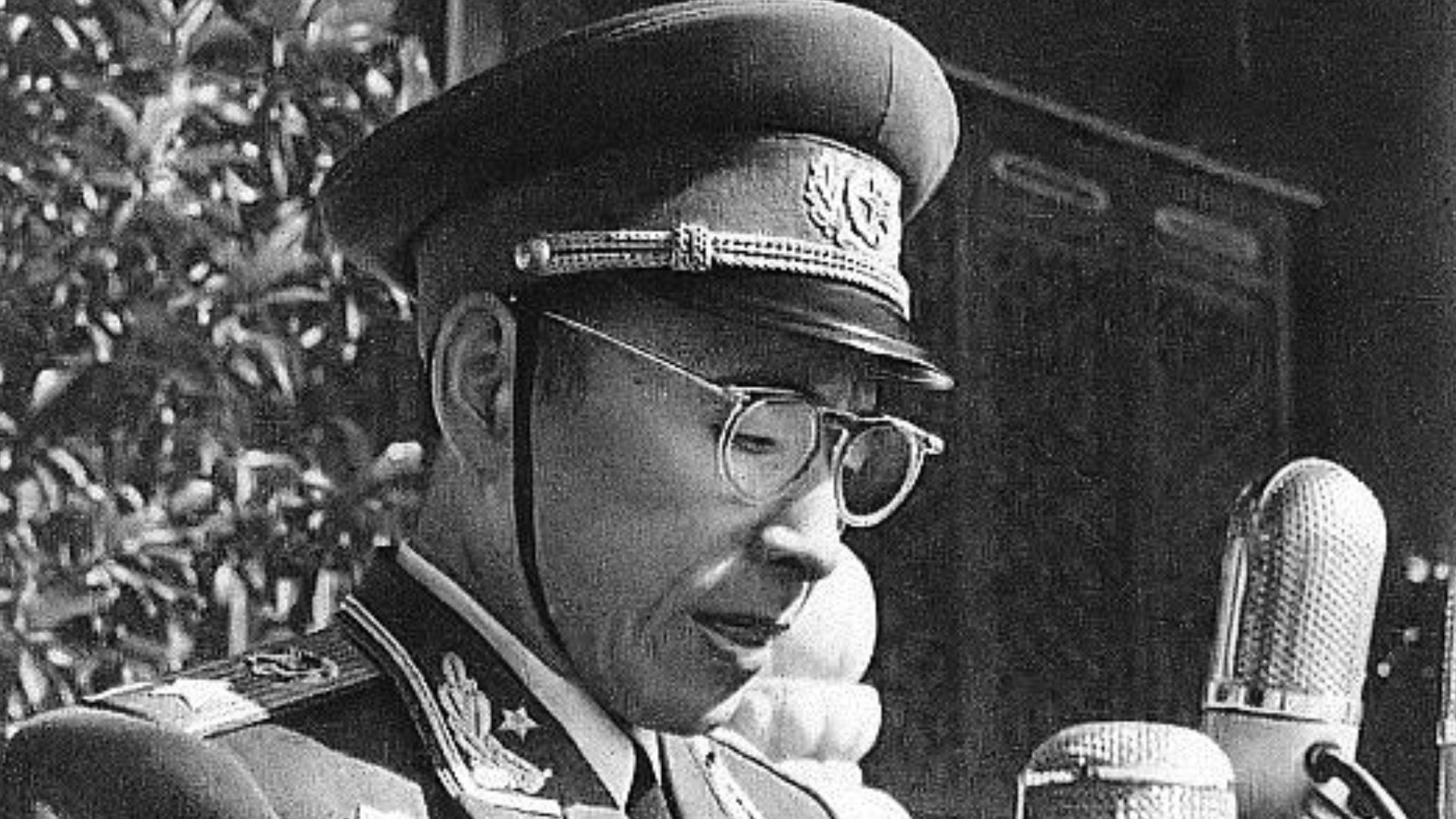 Unknown authorUnknown author, Wikimedia Commons
Years Later The Punishment Returned
Peng lived under restriction and was later given limited work in southwest China, but Mao's campaign against him was not forgotten. During the Cultural Revolution, Red Guards brought him back to Beijing and subjected him to brutal persecution. He died in detention in 1974 and received a formal political rehabilitation only after Mao's death.
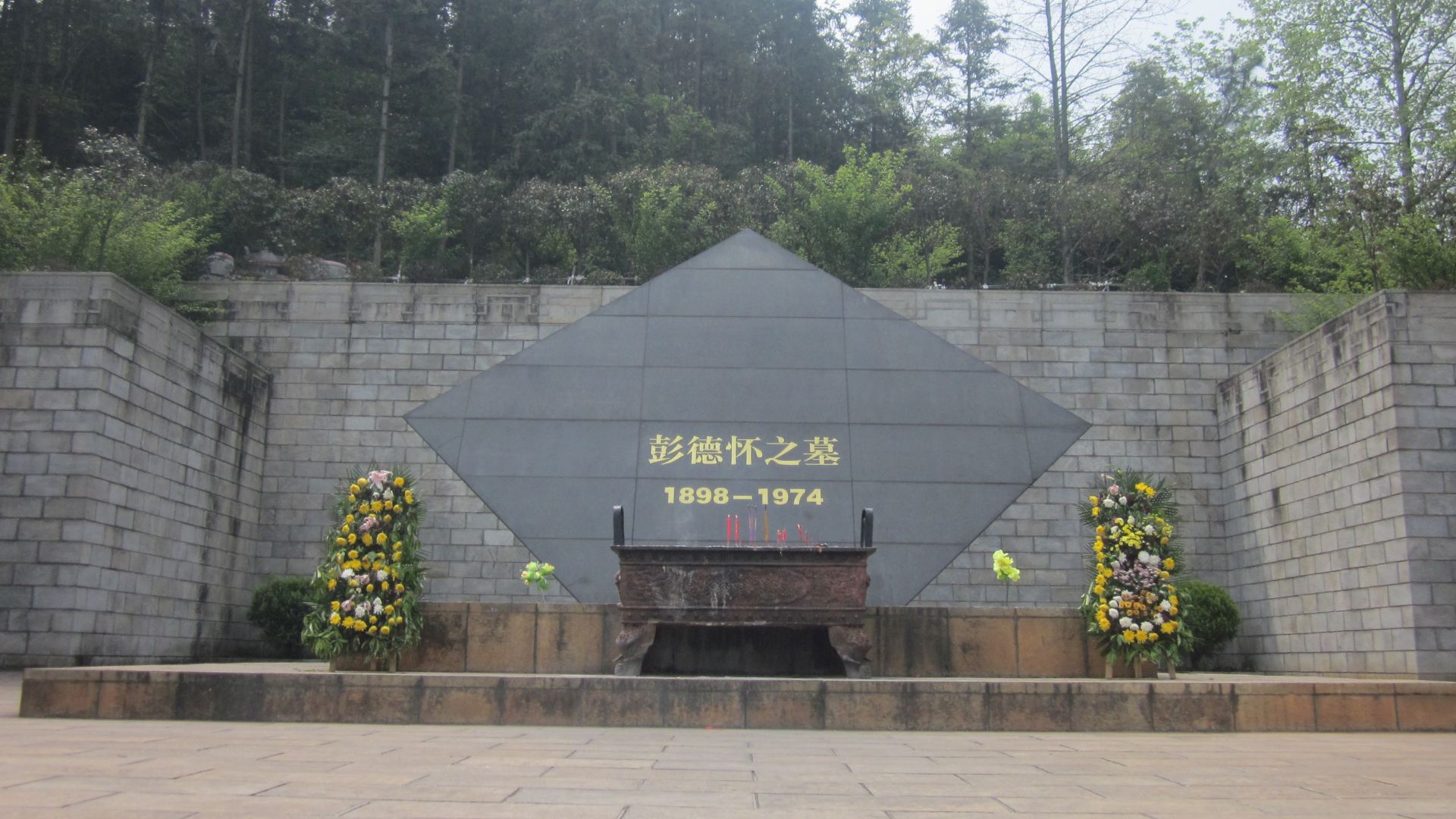 Huangdan2060, Wikimedia Commons
Nixon Put His Grudges On Paper
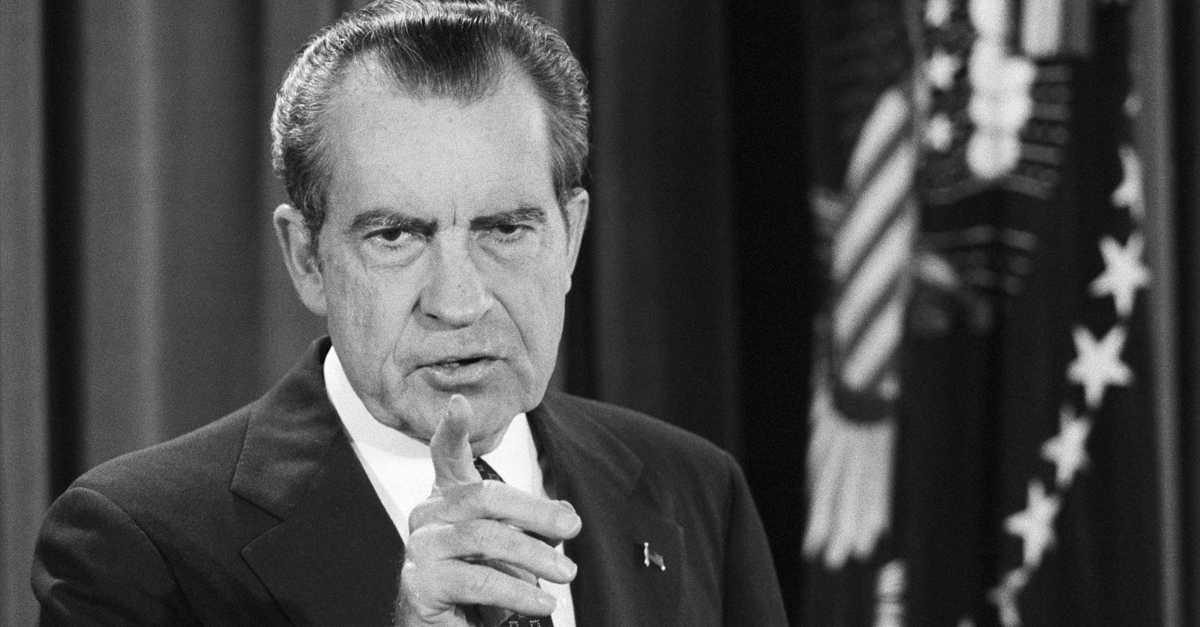
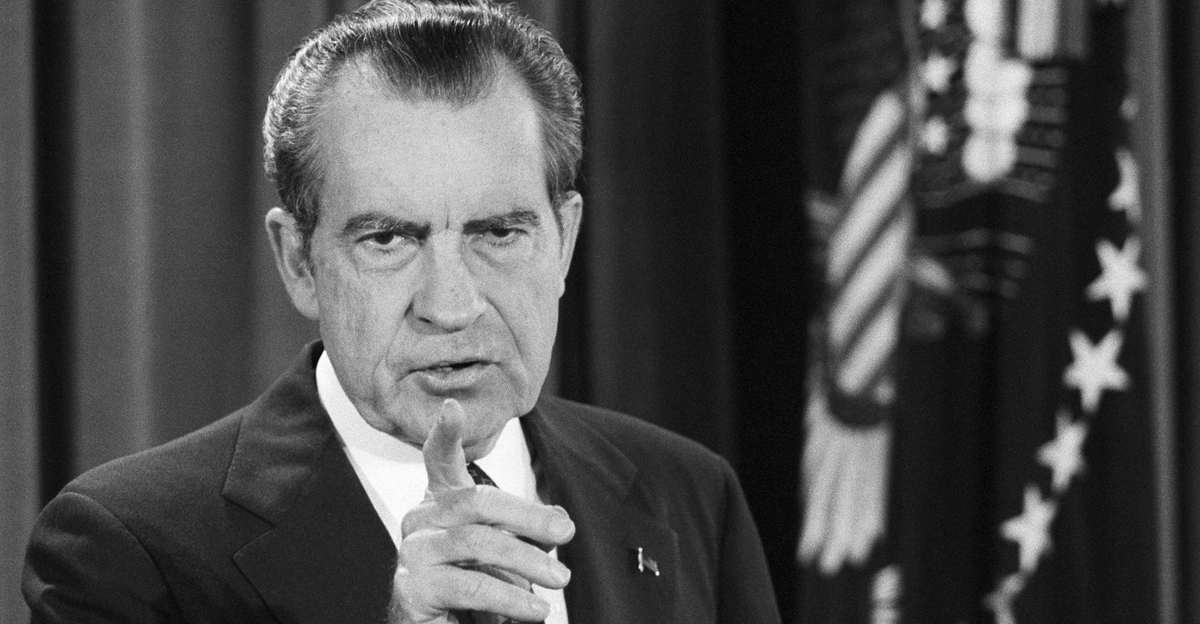
Richard Nixon's resentments produced something unusually literal: an enemies list. In March 1970, he recorded instructions for aides to create a group that could keep track of political opponents. By June 1971, a White House memo identified 20 prominent targets, including politicians, donors, journalists, and actor Paul Newman.
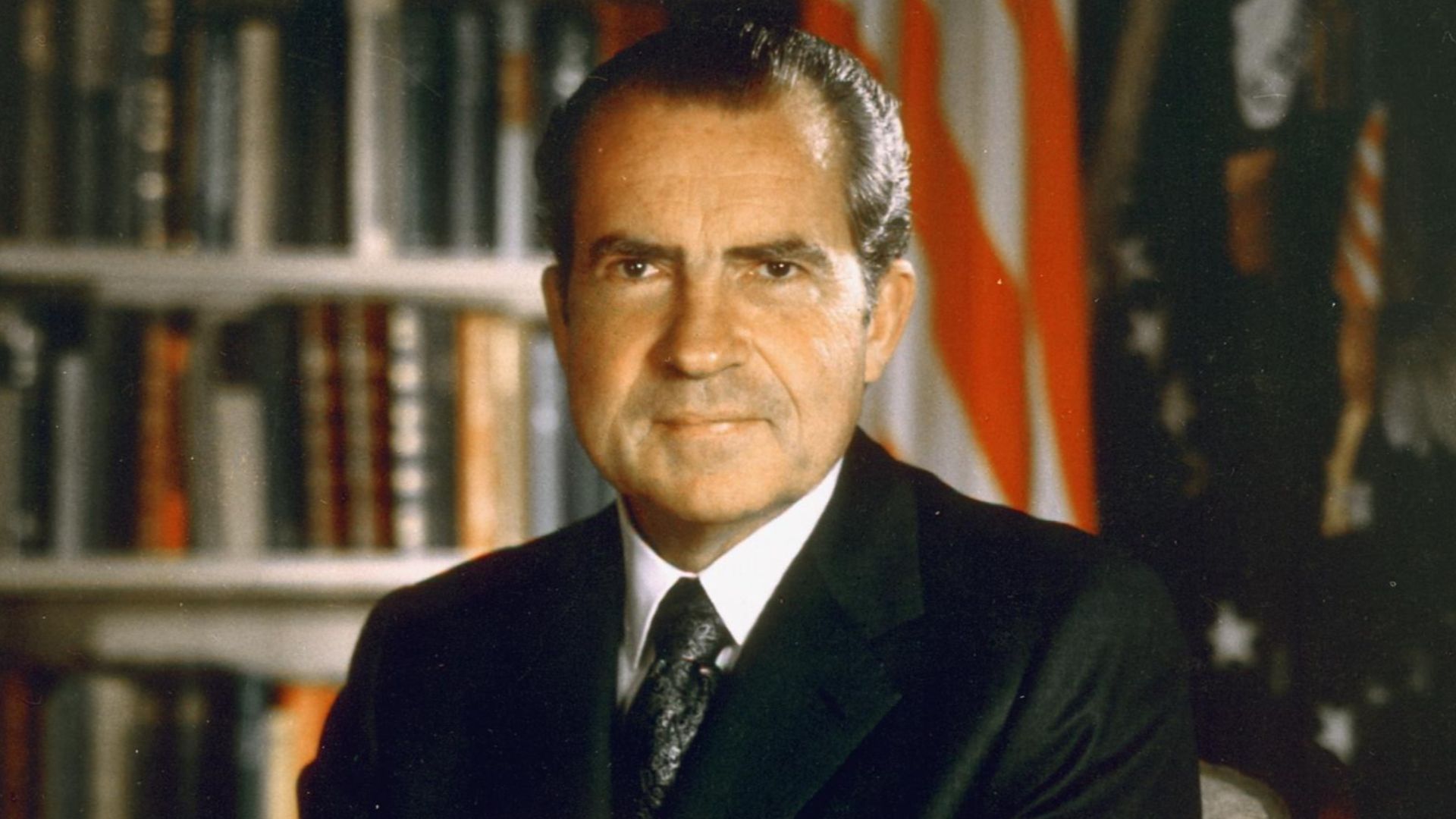 United States Federal Government, Wikimedia Commons
The White House Wanted Leverage
White House counsel John Dean described the project's goal as using federal machinery against political enemies. Aides considered tax audits, contracts, grants, litigation, and prosecution as possible pressure points. Treasury and Internal Revenue Service officials resisted important parts of the effort, limiting how much damage the White House could inflict.
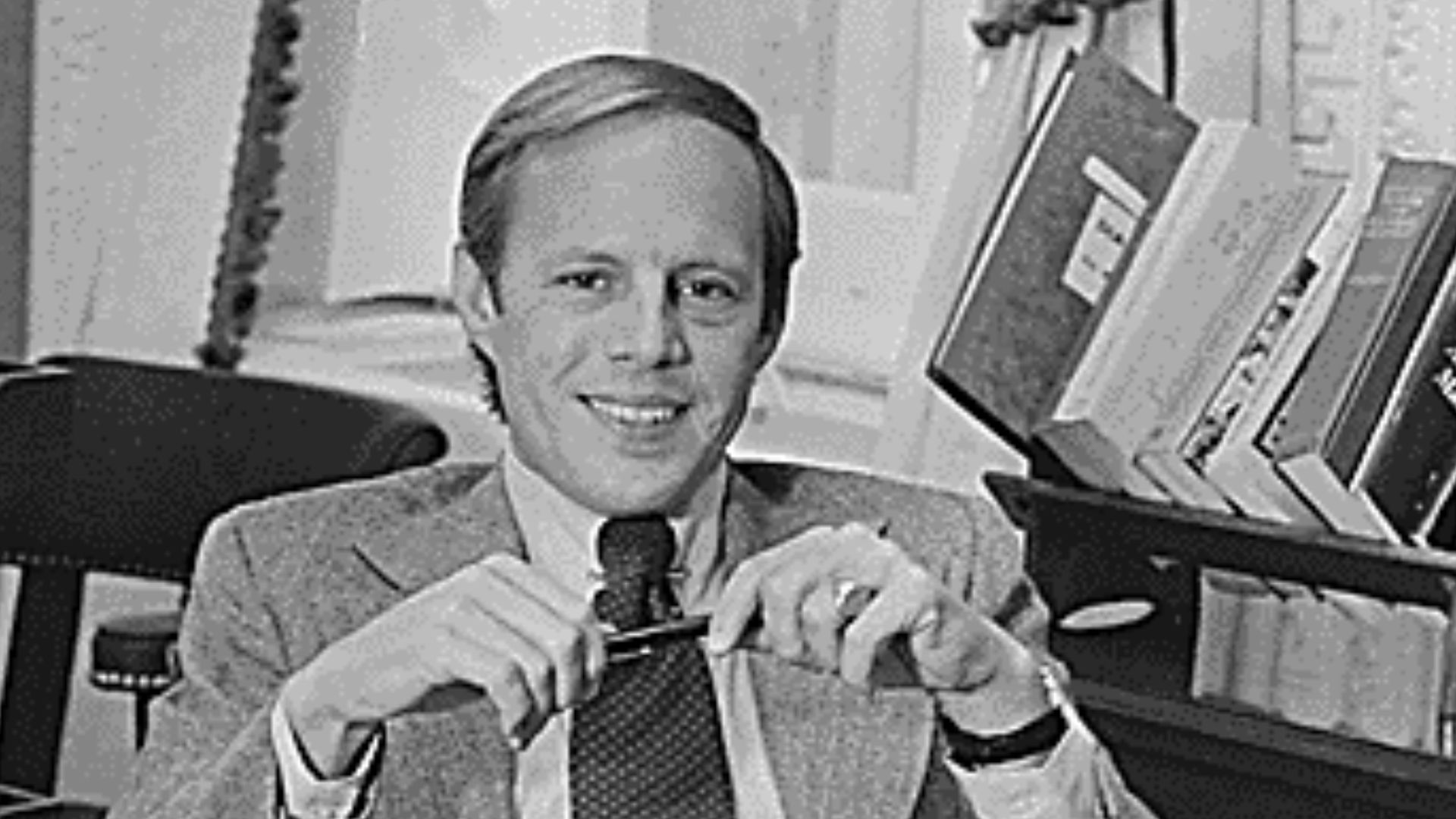 Oliver F. Atkins, Wikimedia Commons
The List Became Evidence
Dean revealed the enemies project during the Senate Watergate hearings in June 1973. CBS journalist Daniel Schorr then discovered his own name on the list while reading it on live television. The scheme became part of the House Judiciary Committee's abuse-of-power case against Nixon, turning his desire to punish critics into evidence that helped end his presidency.
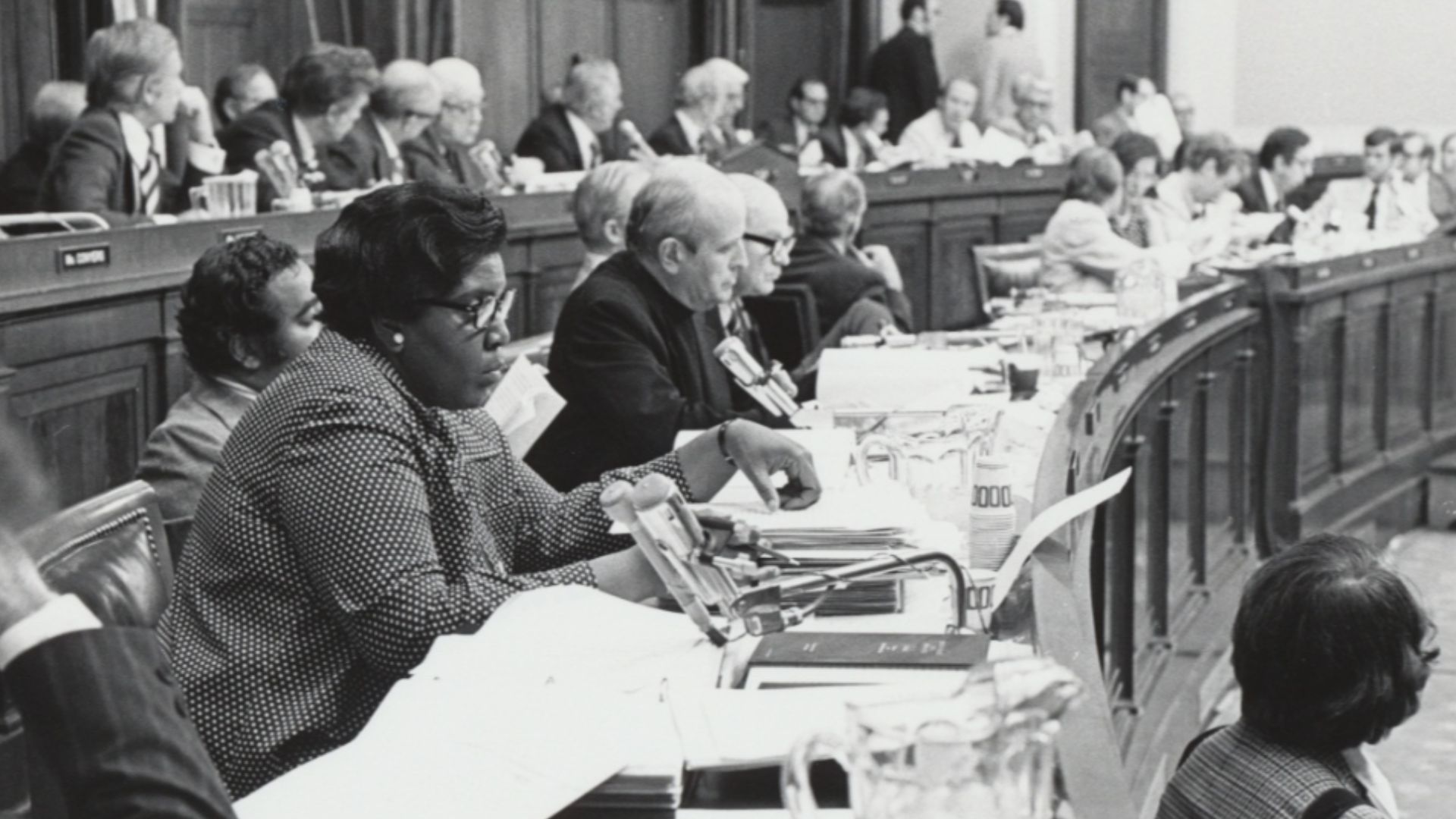 U.S. House of Representatives Photography Office, Wikimedia Commons
Grudges Become Government Policy
These leaders did not all act for the same reasons, and strategy often mixed with pride, fear, ideology, or simple self-preservation. The danger appeared when criticism became disloyalty and a ruler's opponent became an enemy of the state. Once that happened, a personal feud could swallow a career, a city, an empire, or the leader who started it.
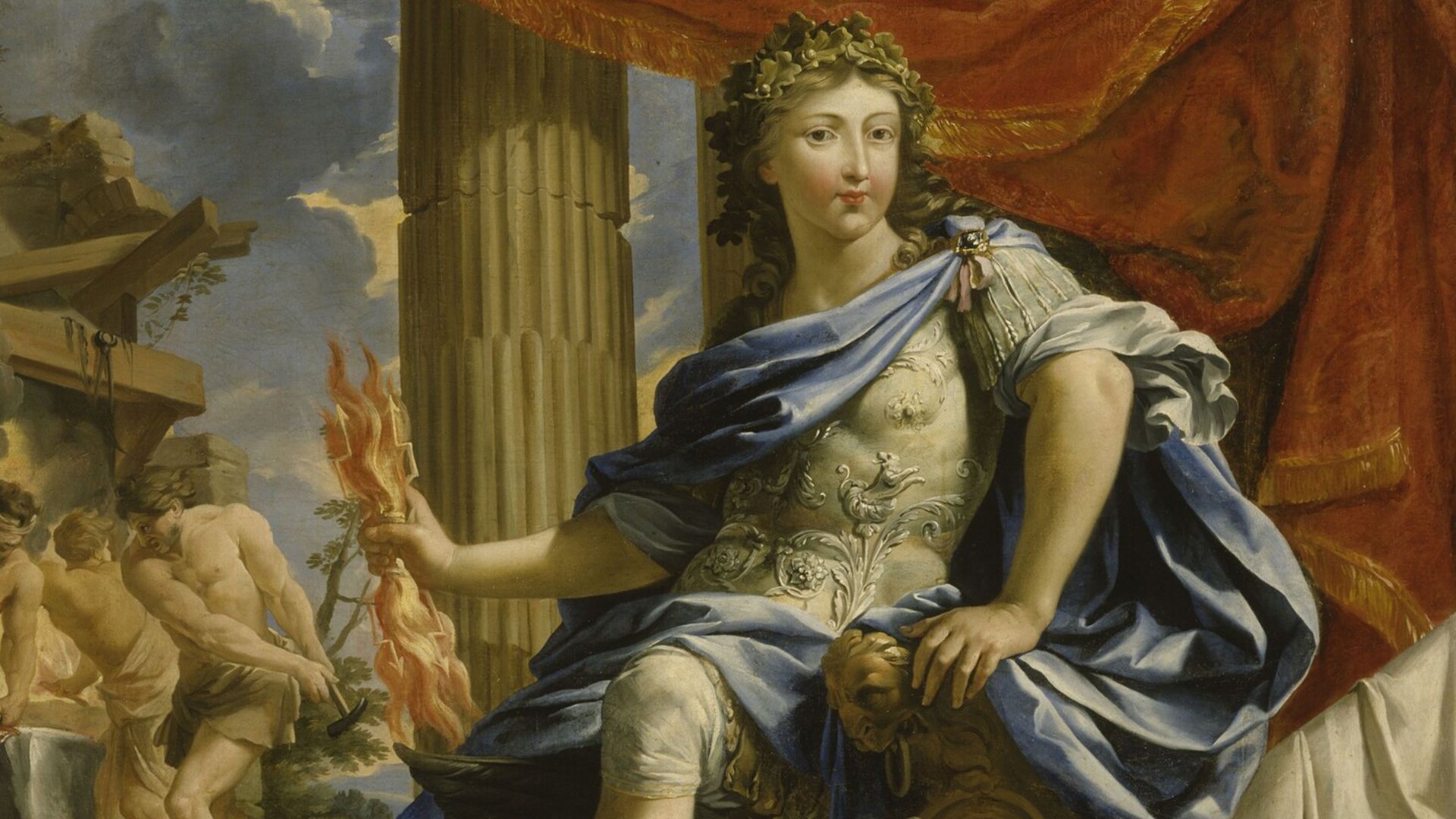 Charles Poerson, Wikimedia Commons
You May Also Like:
John F. Kennedy’s Close Call In The 1960 Presidential Election.
King Henry VIII Married Six Women—But Only Two Outlived His Brutal Reign
The Most Famous Pets Of World Leaders
Sources: 1, 2, 3, 4, 5, 6, 7, 8, 9, 10, 11, 12, 13, 14, 15, 16, 17