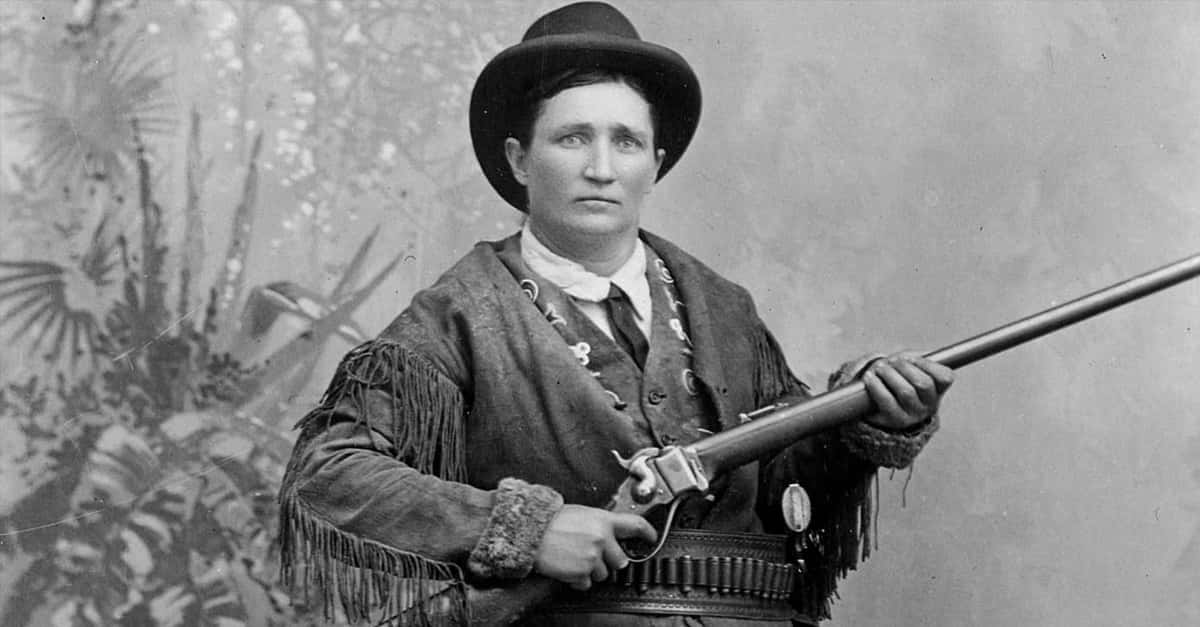
A Legend With Loose Ends
Few outlaws captured the public imagination like Pearl Hart. Her daring stagecoach robbery in 1899 made headlines across America, but separating the facts of her life from fiction has never been easy. Conflicting accounts, self-created myths, and sensational reporting have made her one of the Wild West's most fascinating figures.
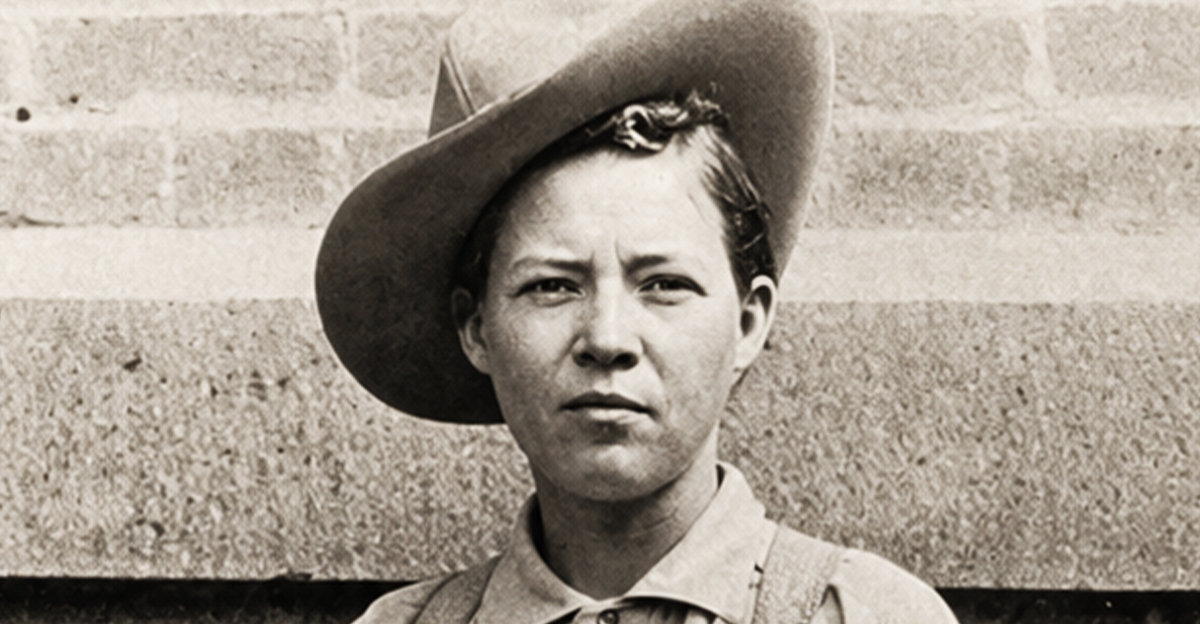 Public domain, Wikimedia Commons
A Canadian Beginning
Pearl Hart was born Pearl Taylor in 1871 in Lindsay, Ontario, Canada. Raised by prosperous and deeply religious parents, she received an unusually good education for a young woman of the era, a background that contrasted sharply with the notorious life she would later embrace.
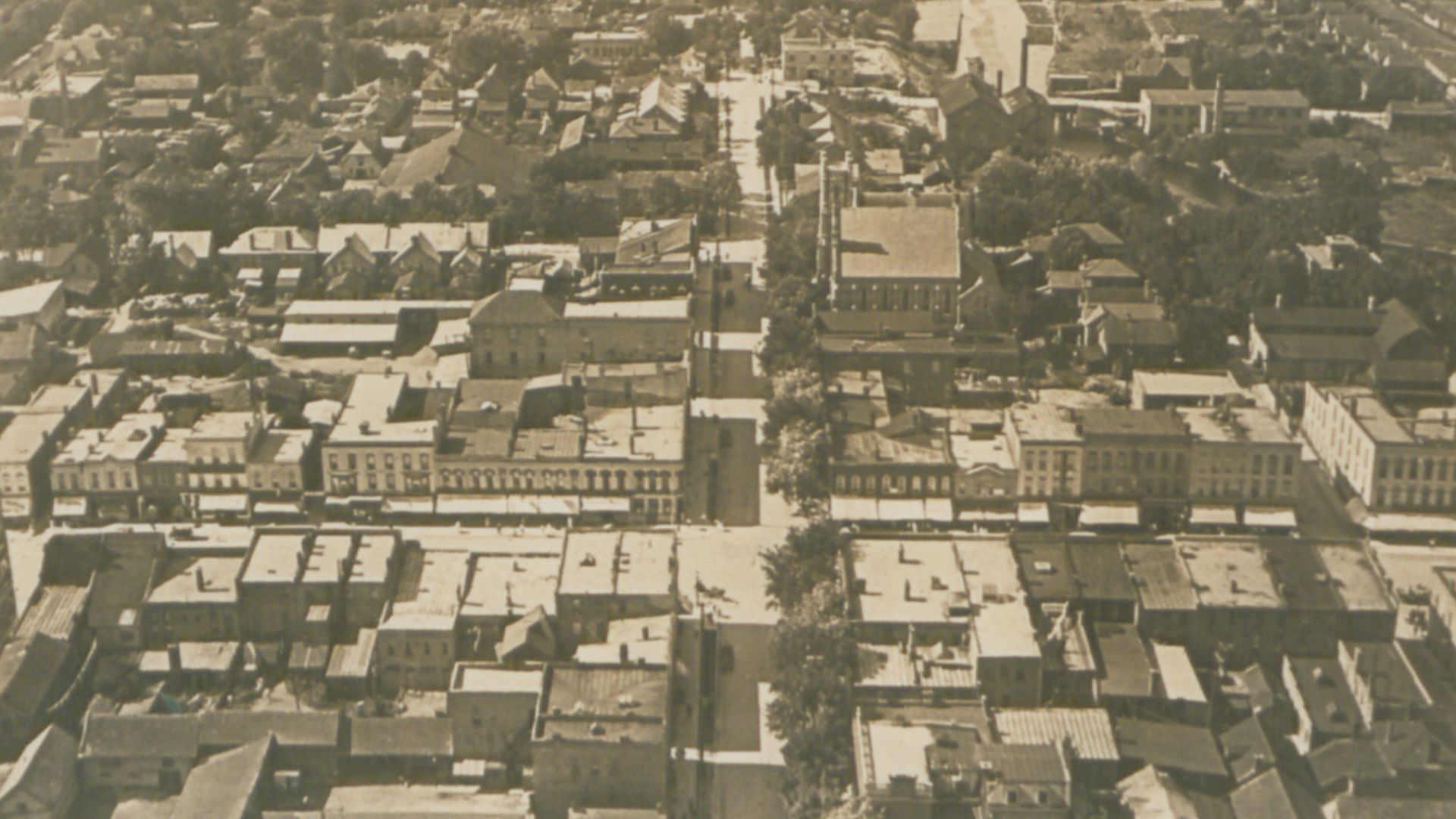 Canadian Postcard Company, Wikimedia Commons
Boarding School Romance
As a teenager, Pearl attended boarding school, where she fell in love with a young gambler named Hart. Sources disagree about his first name, but nearly all describe him as a heavy drinker, gambler, and unreliable husband who would bring turmoil into her life.
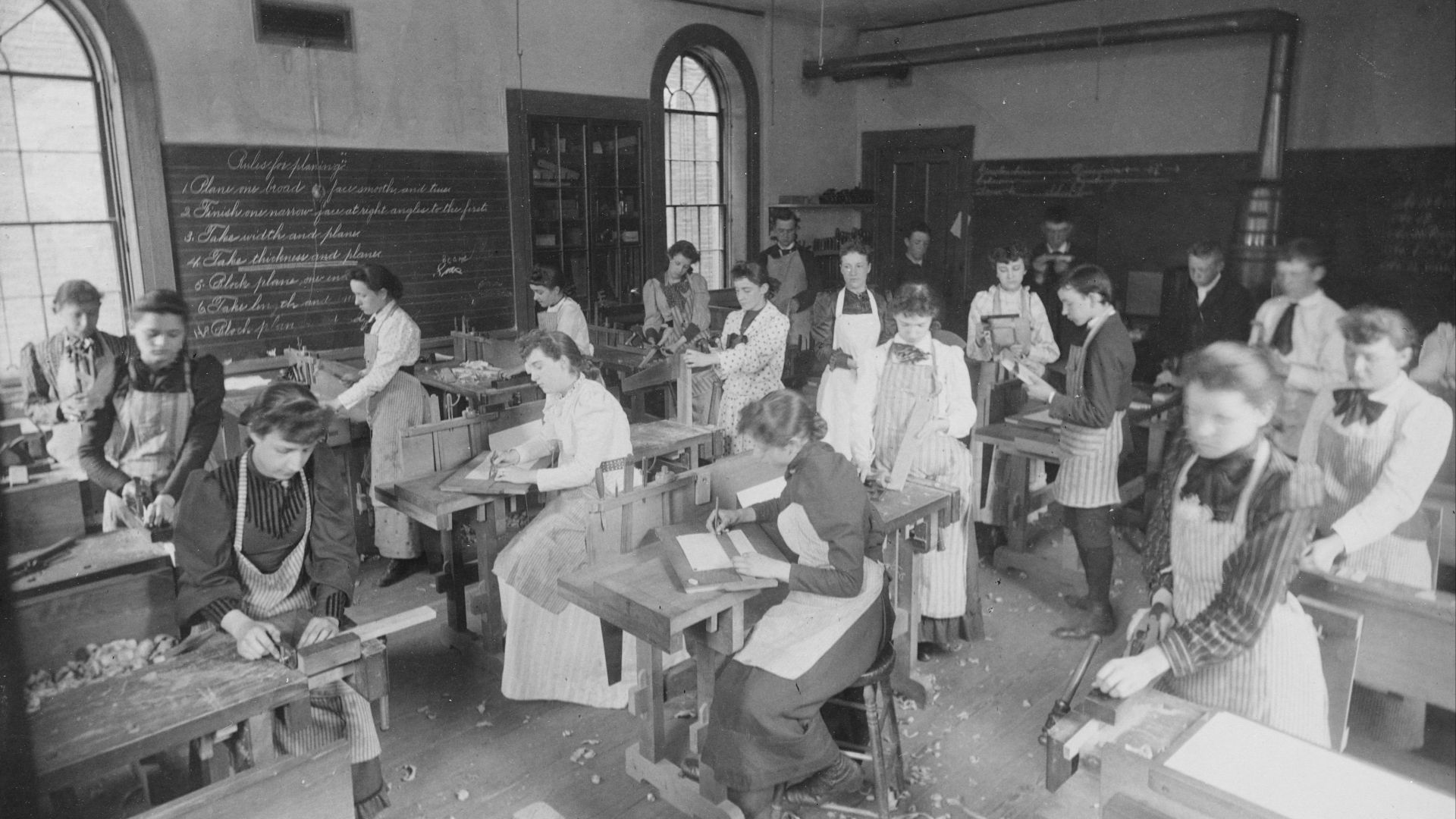 Boston Public Library, Unsplash
A Troubled Marriage
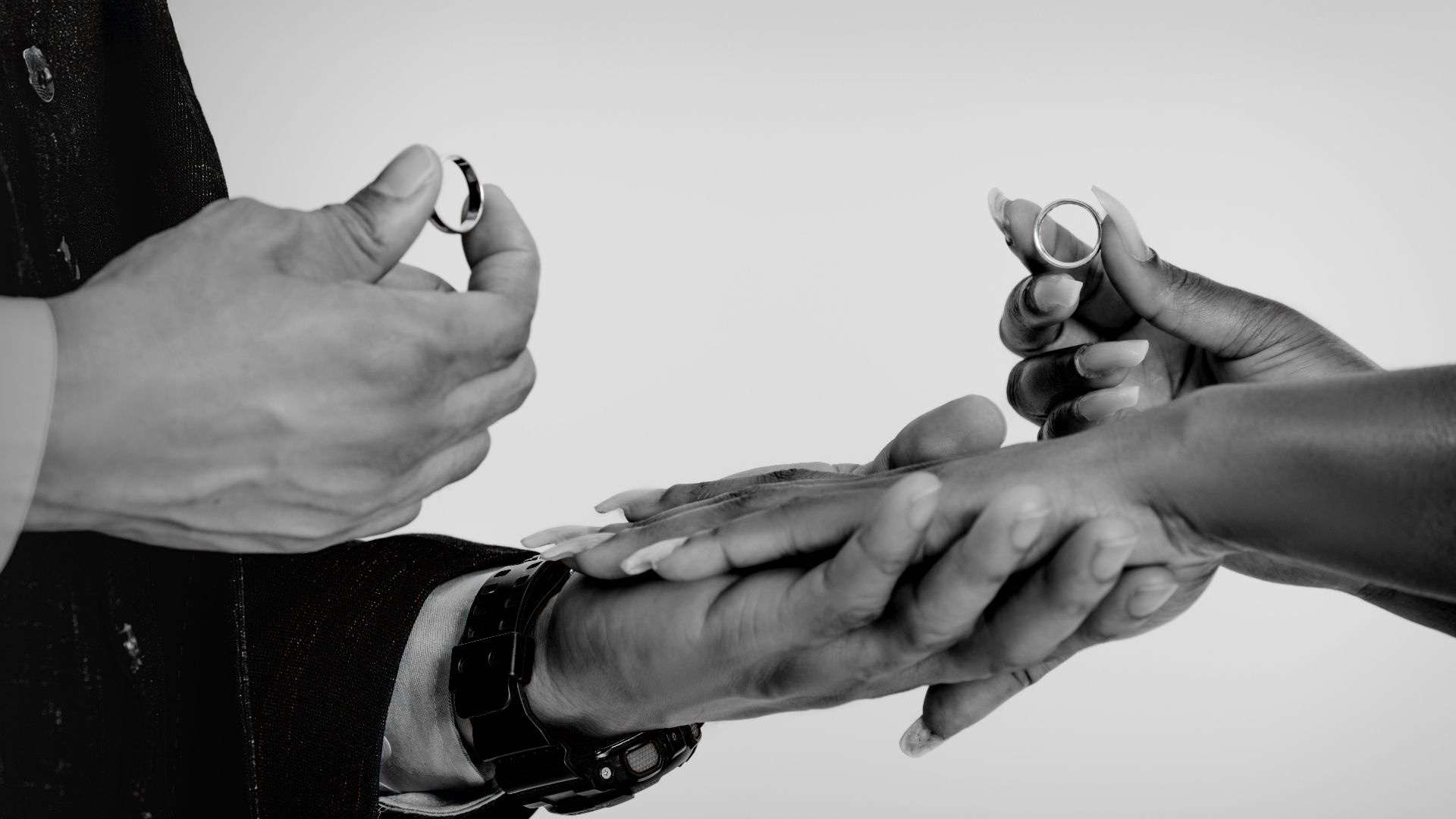
Pearl married Hart while still very young. Their relationship quickly became unstable, marked by repeated separations and reconciliations. During the marriage they had two children, a son and a daughter, whom Pearl eventually sent to live with her mother in Ohio.
Chicago Changed Everything
In 1893 the couple traveled to the World's Columbian Exposition in Chicago. While her husband found work around the fairgrounds, Pearl became captivated by Buffalo Bill's Wild West exhibition, which romanticized frontier life and completely captured her imagination.
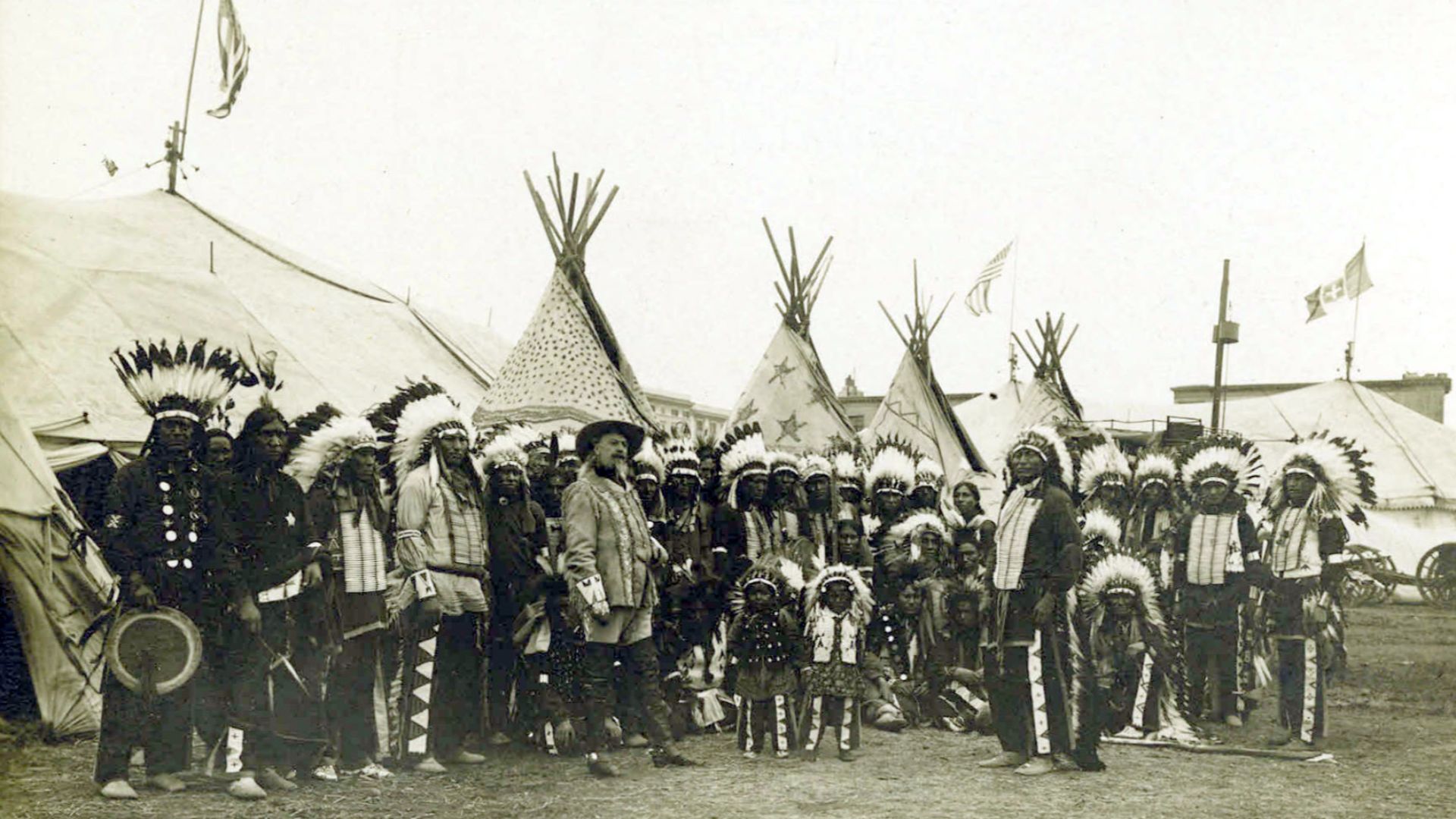 Royale Photographie, Vuillemenot Montabone 188 Via Nazionale – Roma (Italia), Wikimedia Commons
Heading West Alone
After leaving her husband once again, Pearl traveled west, eventually reaching Colorado and later Arizona. During these years she worked as a cook and singer, while some accounts suggest she also survived through gambling, card playing, or prostitution, although the details will never be known for certain.
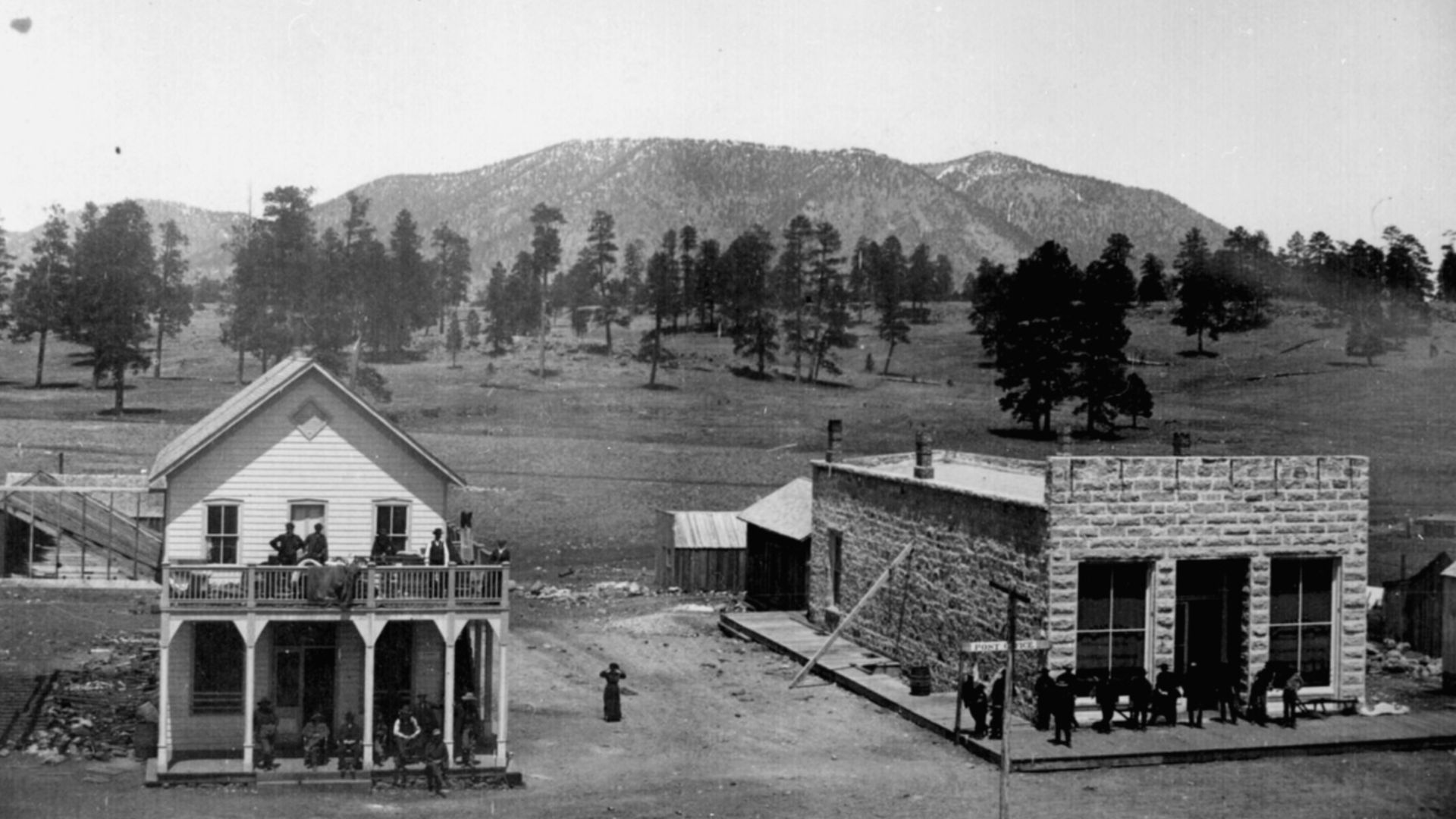 The original uploader was Darwinek at English Wikipedia., Wikimedia Commons
Reinventing Herself
Like many frontier drifters, Pearl reinvented herself repeatedly. She developed a reputation for smoking cigars, drinking liquor, dressing unconventionally, and moving freely through mining towns, creating an image that challenged Victorian expectations of respectable womanhood.
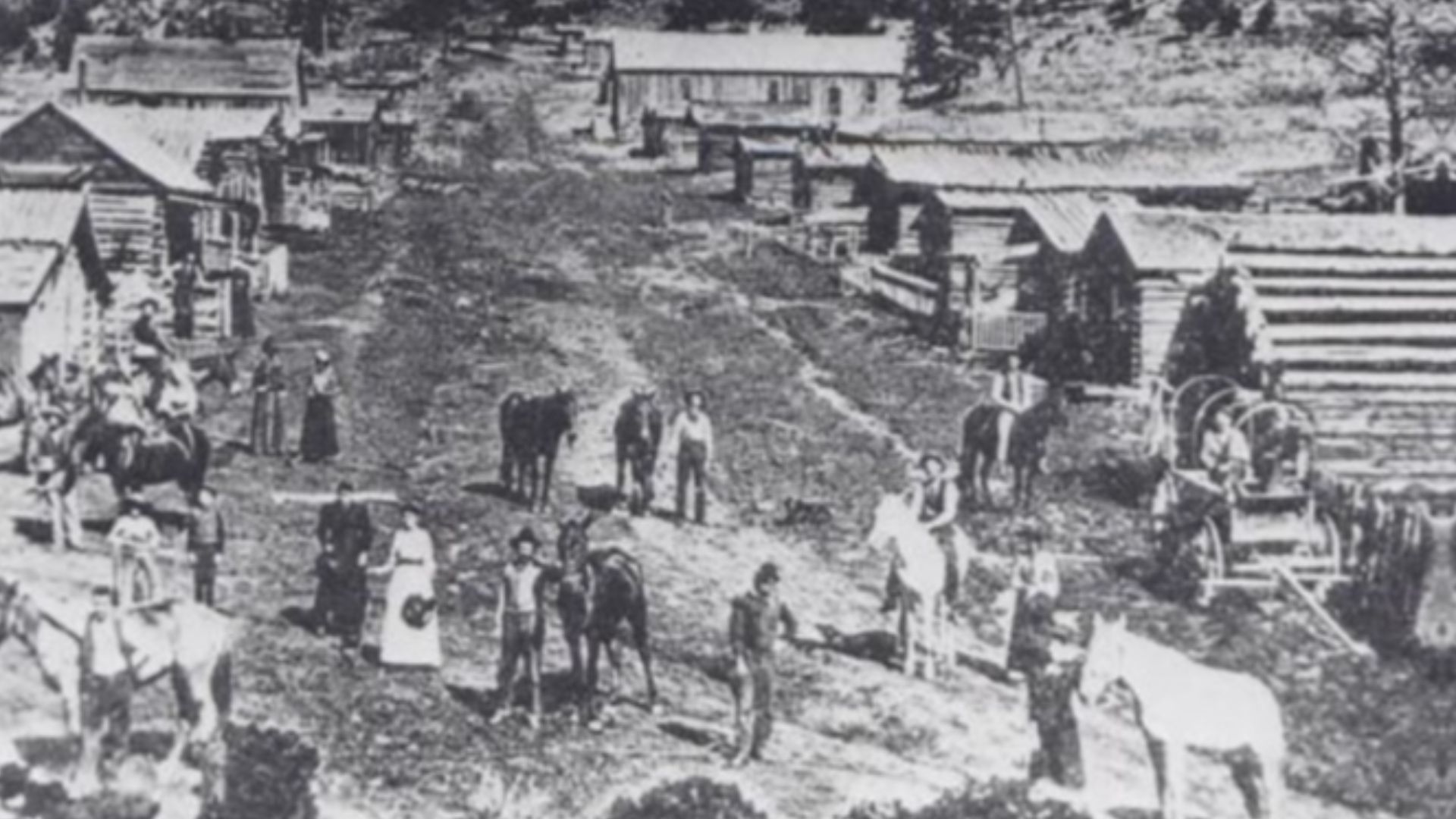 Unknown - 1888, Wikimedia Commons
Arizona Mining Camps
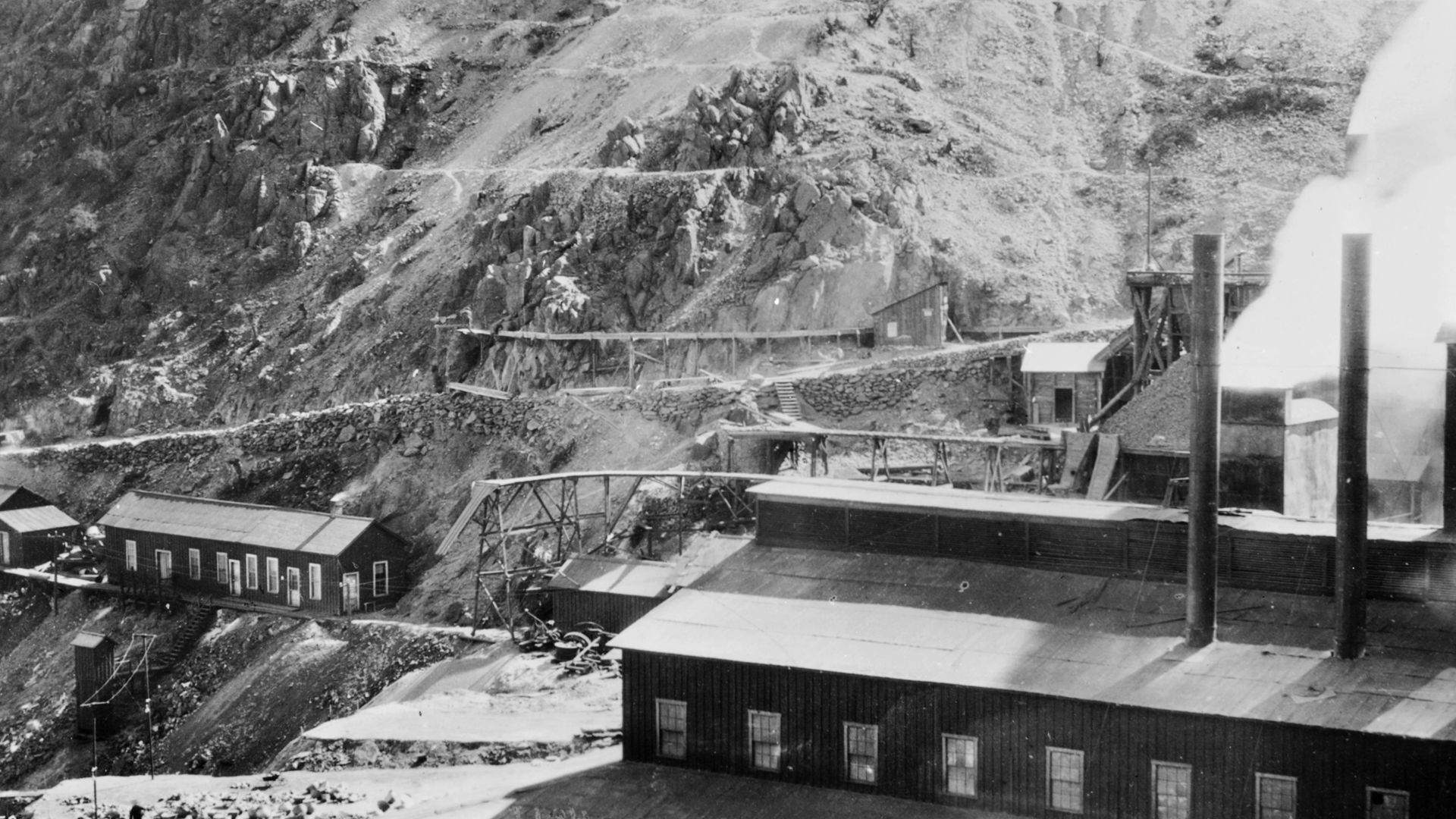
By the late 1890s Pearl was living in Arizona Territory, reportedly working as a cook in the mining town of Mammoth. The closure of local mines sharply reduced economic opportunities, leaving many residents, including Pearl, struggling financially.
 George Wharton James, 1858—1923, Wikimedia Commons
A Desperate Situation
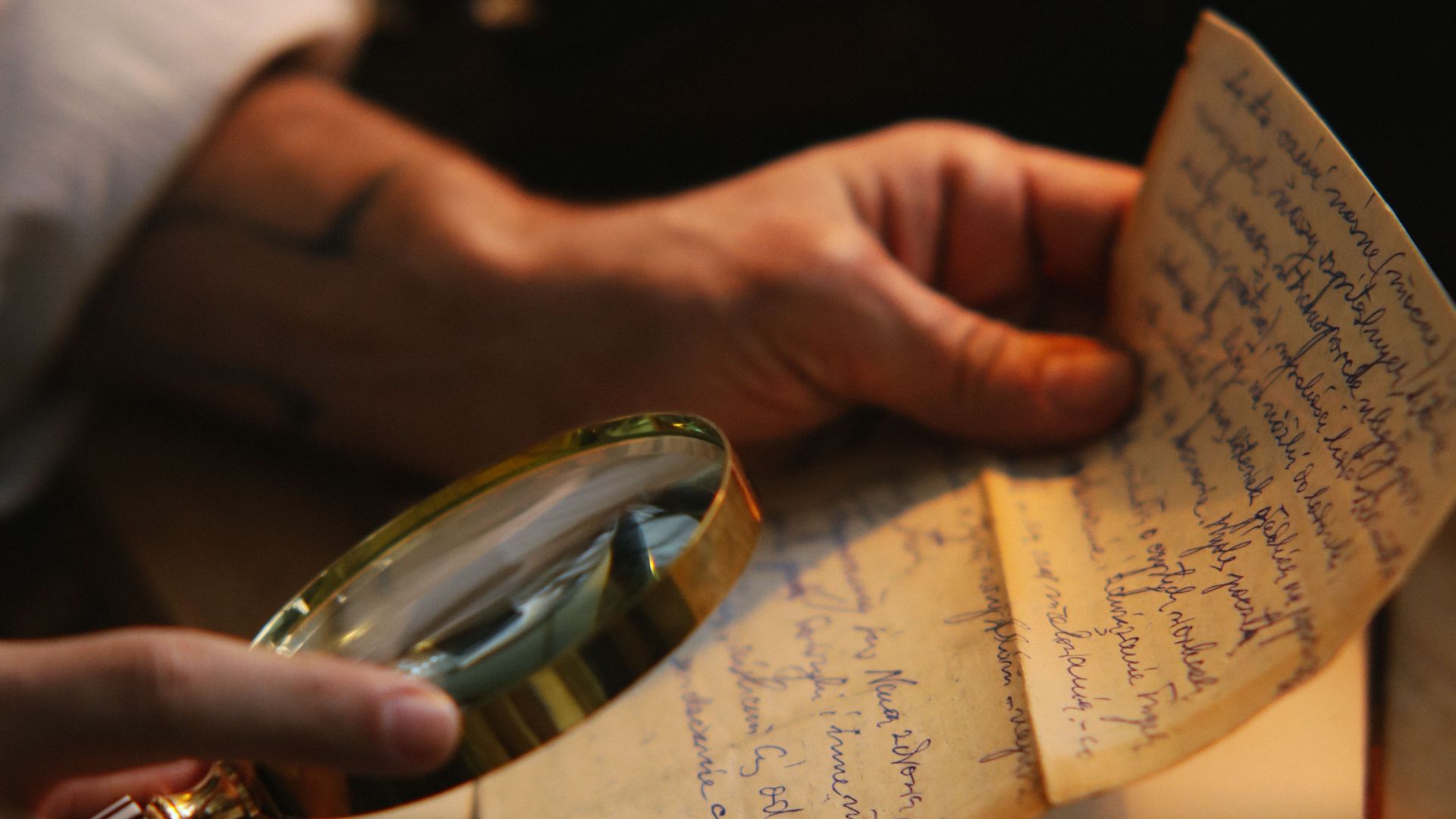
According to Pearl's later account, she received word that her mother had become gravely ill. Whether entirely true or partly intended to gain sympathy, the story became central to her explanation for the desperate decision she was about to make.

History's most fascinating stories and darkest secrets, delivered to your inbox daily.
Meeting Joe Boot
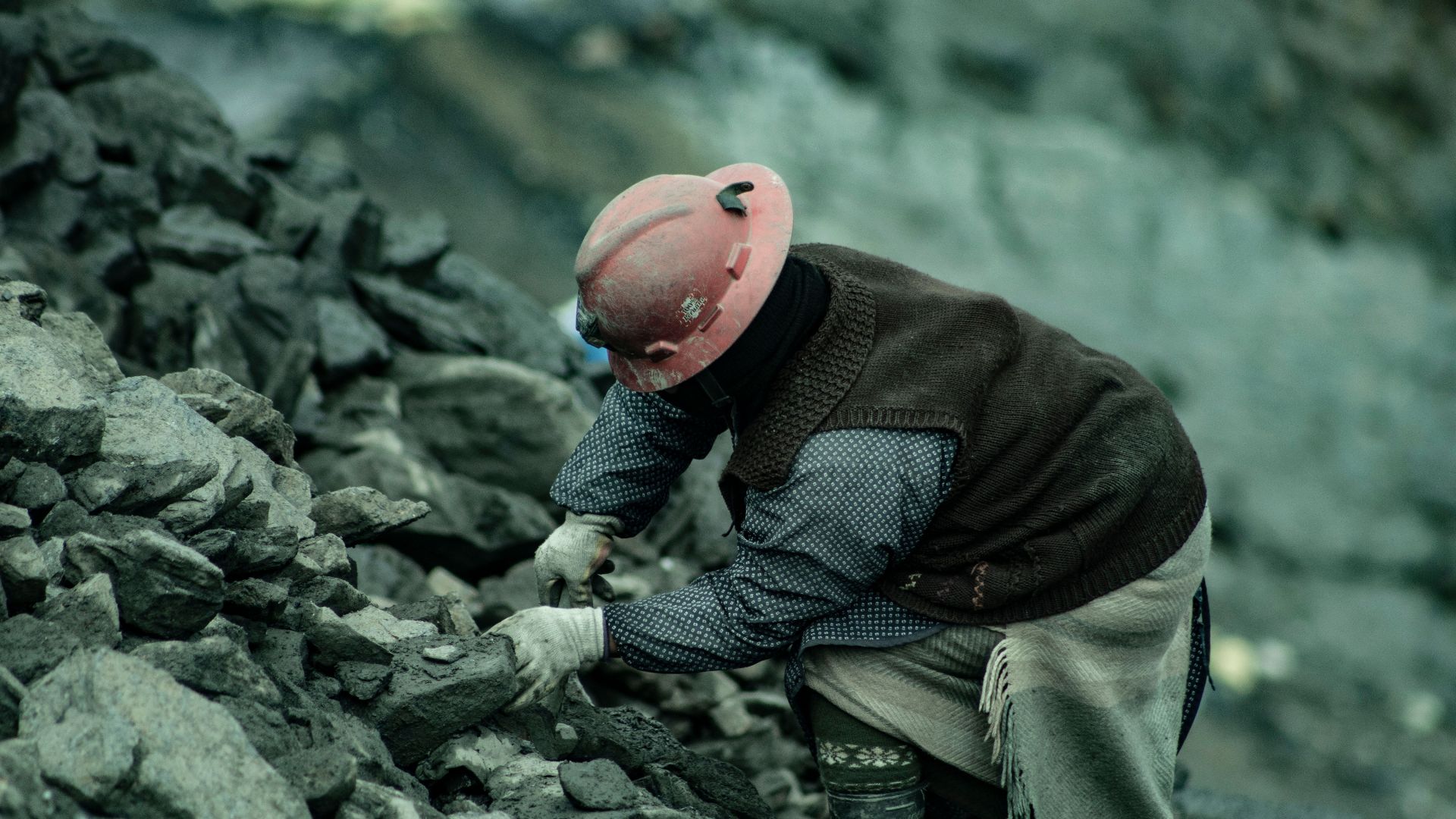
Around this time Pearl teamed up with a mysterious companion known as Joe Boot, almost certainly an alias. The pair first attempted to earn money by working an abandoned mining claim, but when they found no gold, they turned toward robbery.
Planning The Robbery
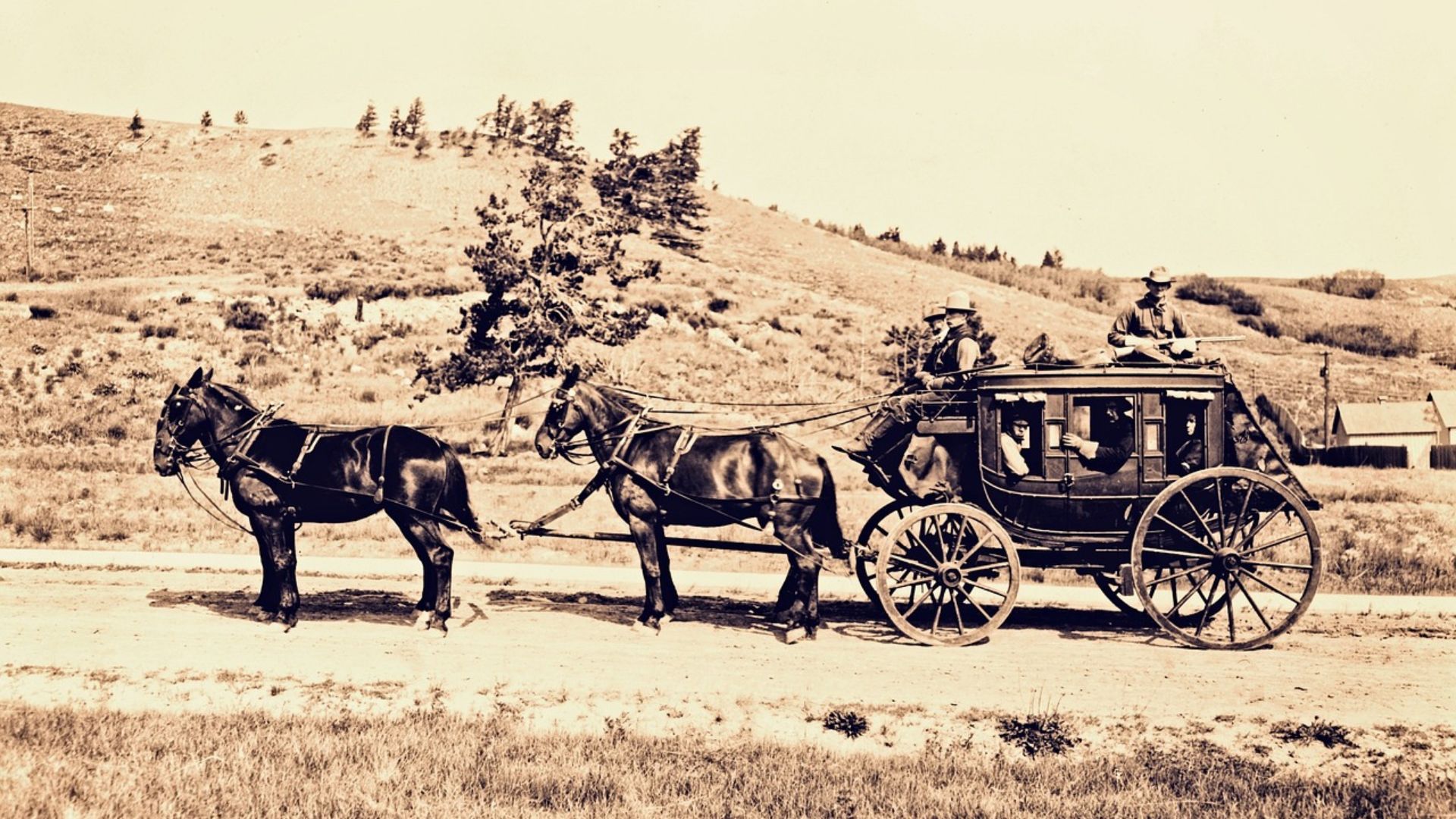
Boot and Hart targeted a stagecoach route running between Globe and Florence, Arizona. Because the route had gone years without being robbed, it no longer carried an armed shotgun messenger, making it appear to be an unusually vulnerable target.
A Clever Disguise
Before the robbery, Pearl cut her hair short and dressed in men's clothing to make identification more difficult. Armed with a .38 caliber revolver, she and Boot positioned themselves near Cane Springs Canyon to await the approaching stagecoach.
 Unknown authorUnknown author, Wikimedia Commons
The Famous Hold Up
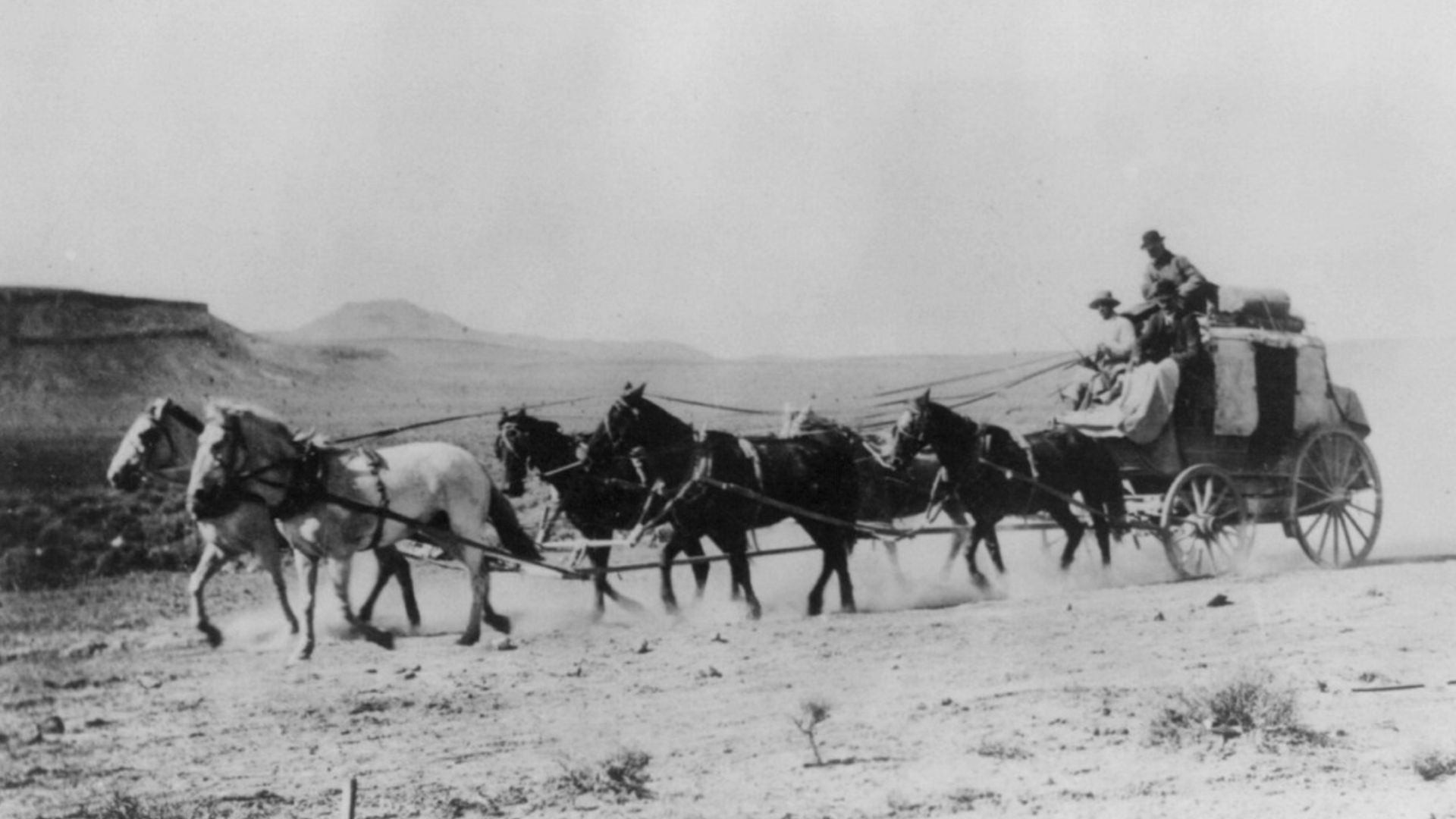
On May 30, 1899, the pair stopped the stagecoach at gunpoint. While Boot covered the passengers, Pearl collected about $431, took two firearms, and then famously returned one dollar to each passenger so they could buy a meal later.
 Miscellaneous Items in High Demand, PPOC, Library of Congress, Wikimedia Commons
Capture In The Desert
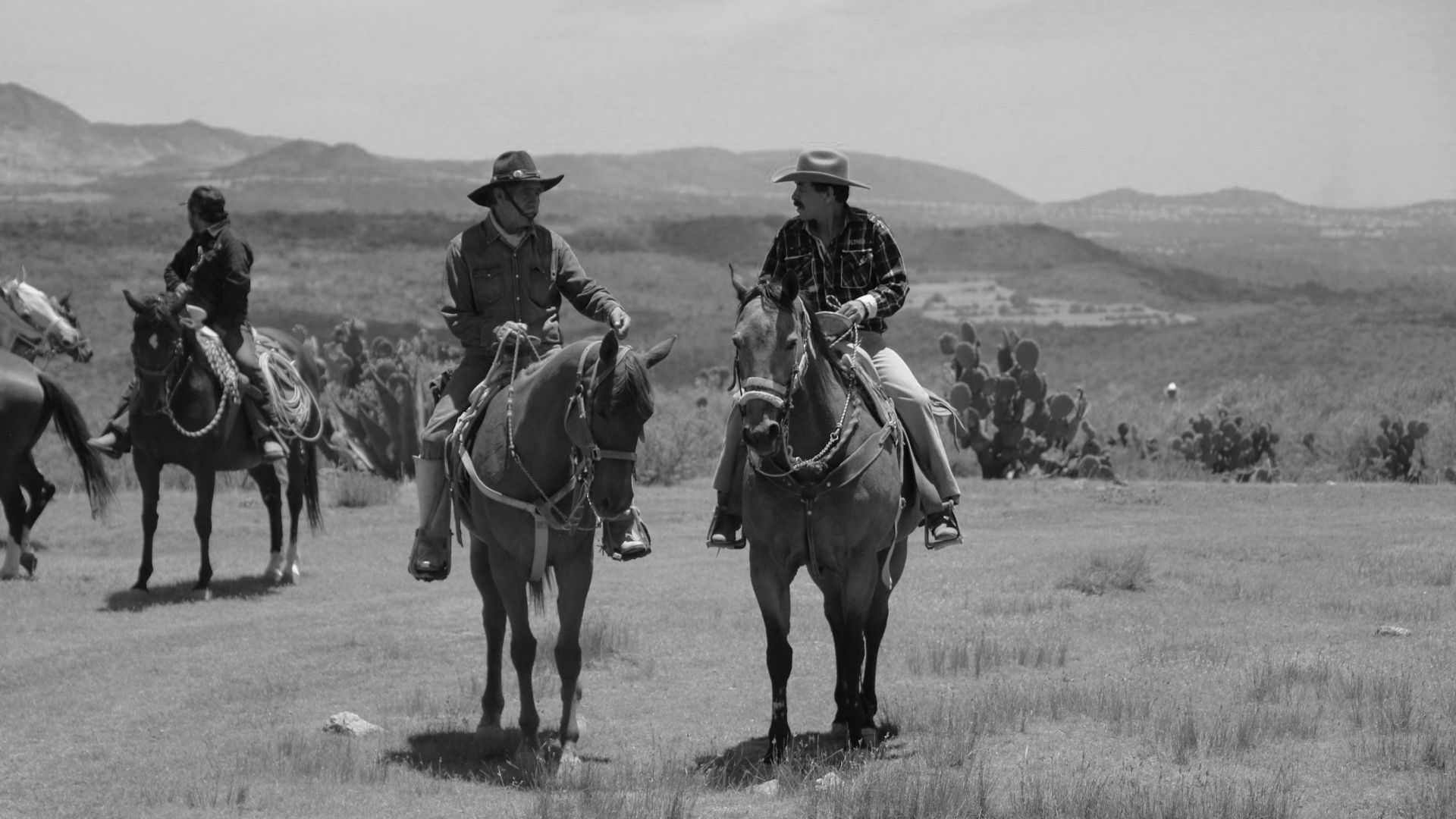
Their escape lasted less than a week. Accounts differ on exactly what happened afterward, but the pair either became lost or wandered in circles before Sheriff Truman's posse found them asleep on June 5, 1899. Boot surrendered immediately, while Pearl reportedly resisted arrest.
An Unexpected Escape
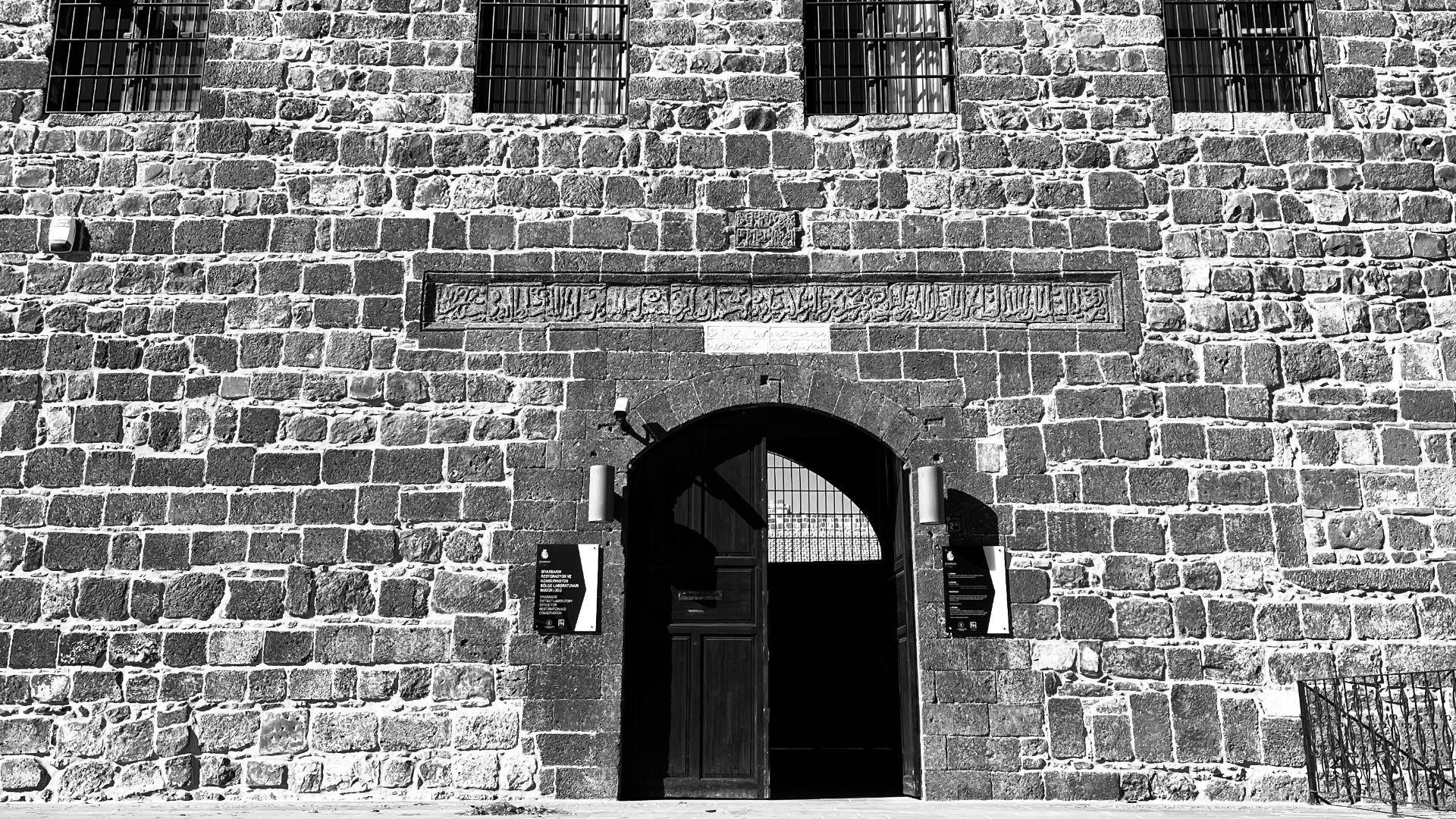
While awaiting trial in Tucson, Pearl escaped from jail on October 12, 1899, reportedly squeezing through a hole in the adobe wall with another prisoner. Her freedom lasted only about two weeks before officers recaptured her near Deming, New Mexico.
 Halil Cihat Darıcıoğlu, Pexels
The Trial Begins
Pearl's stagecoach robbery trial attracted enormous crowds and national reporters. Her unusual status as a female outlaw fascinated the public, and newspapers eagerly covered her courtroom appearances, photographs, and interviews almost as if she were an emerging celebrity rather than a criminal.
 Unknown, published by S.J. Clarke Publishing Company, Wikimedia Commons
A Bold Defense
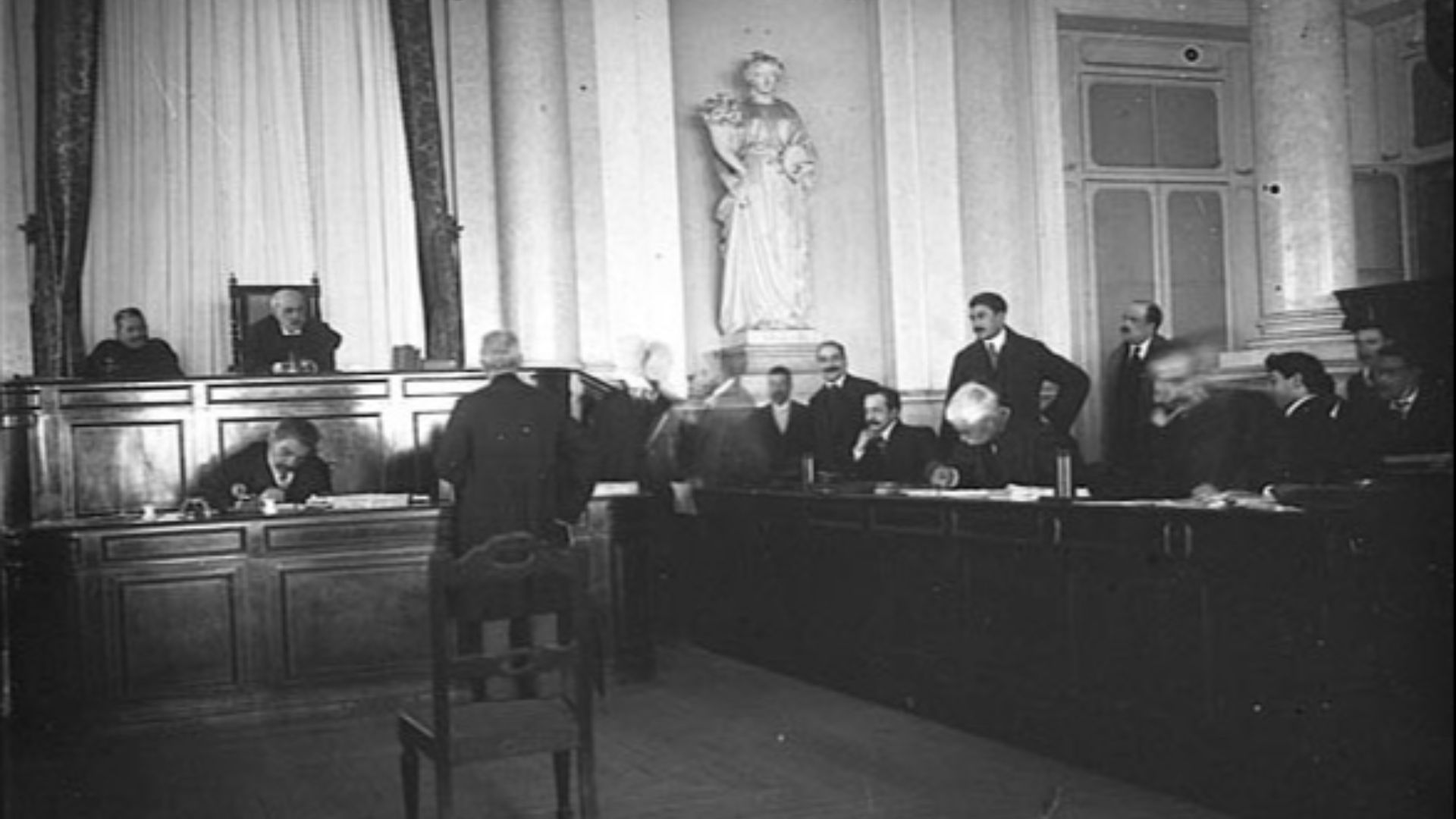
Pearl admitted participating in the robbery but defended her actions with remarkable confidence. She also argued that she should not be judged by laws created without women's participation, declaring that she would not consent to be tried under such a legal system.
 Charles Chusseau-Flaviens, Wikimedia Commons
Winning The Jury
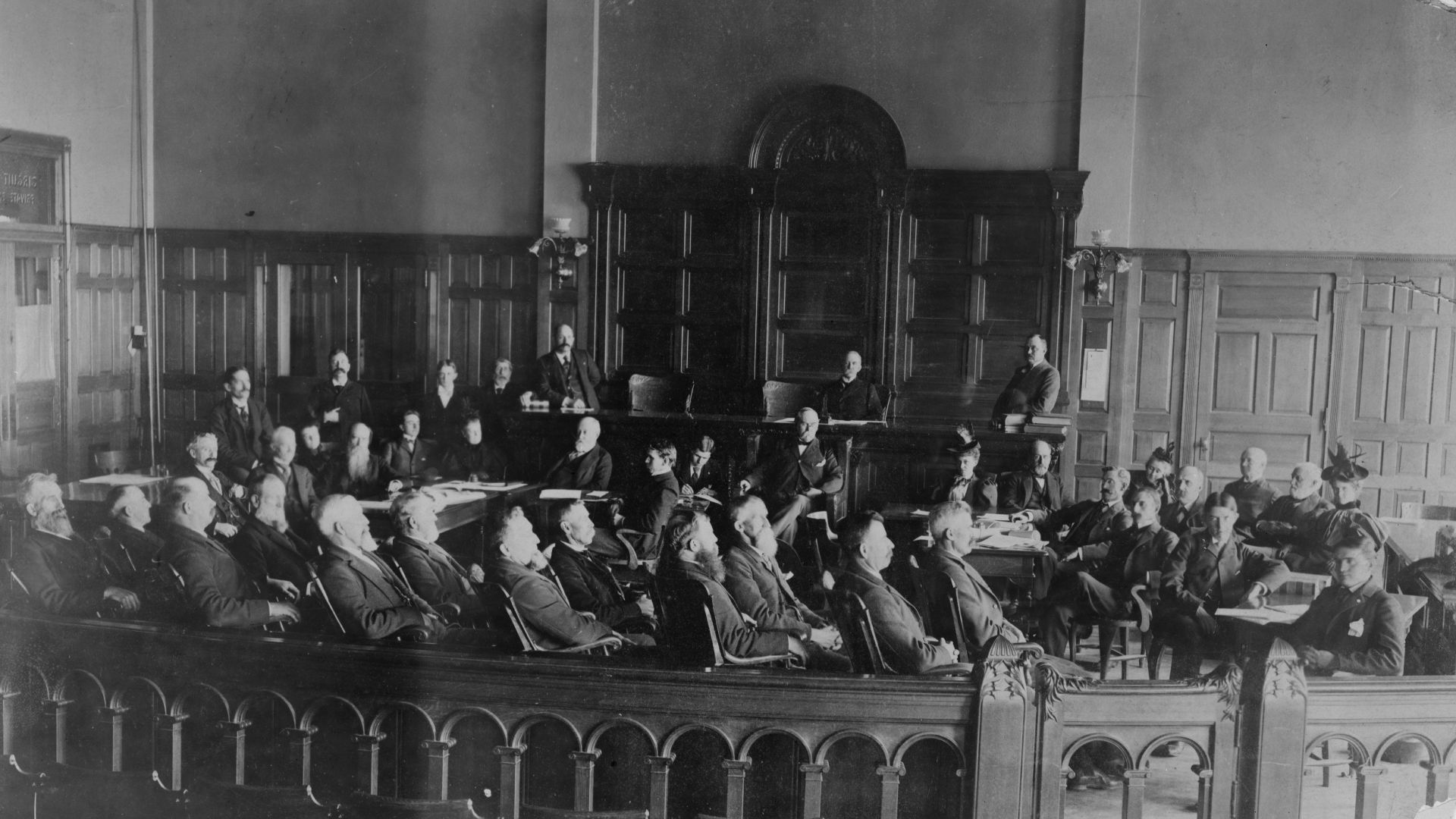
Pearl's story that she robbed the stagecoach to help her ailing mother, combined with her charisma and the arguments of her attorney, persuaded the jury. In a stunning verdict, she was acquitted of robbing the stagecoach passengers.
 Miscellaneous Items in High Demand, PPOC, Library of Congress, Wikimedia Commons
A Second Prosecution
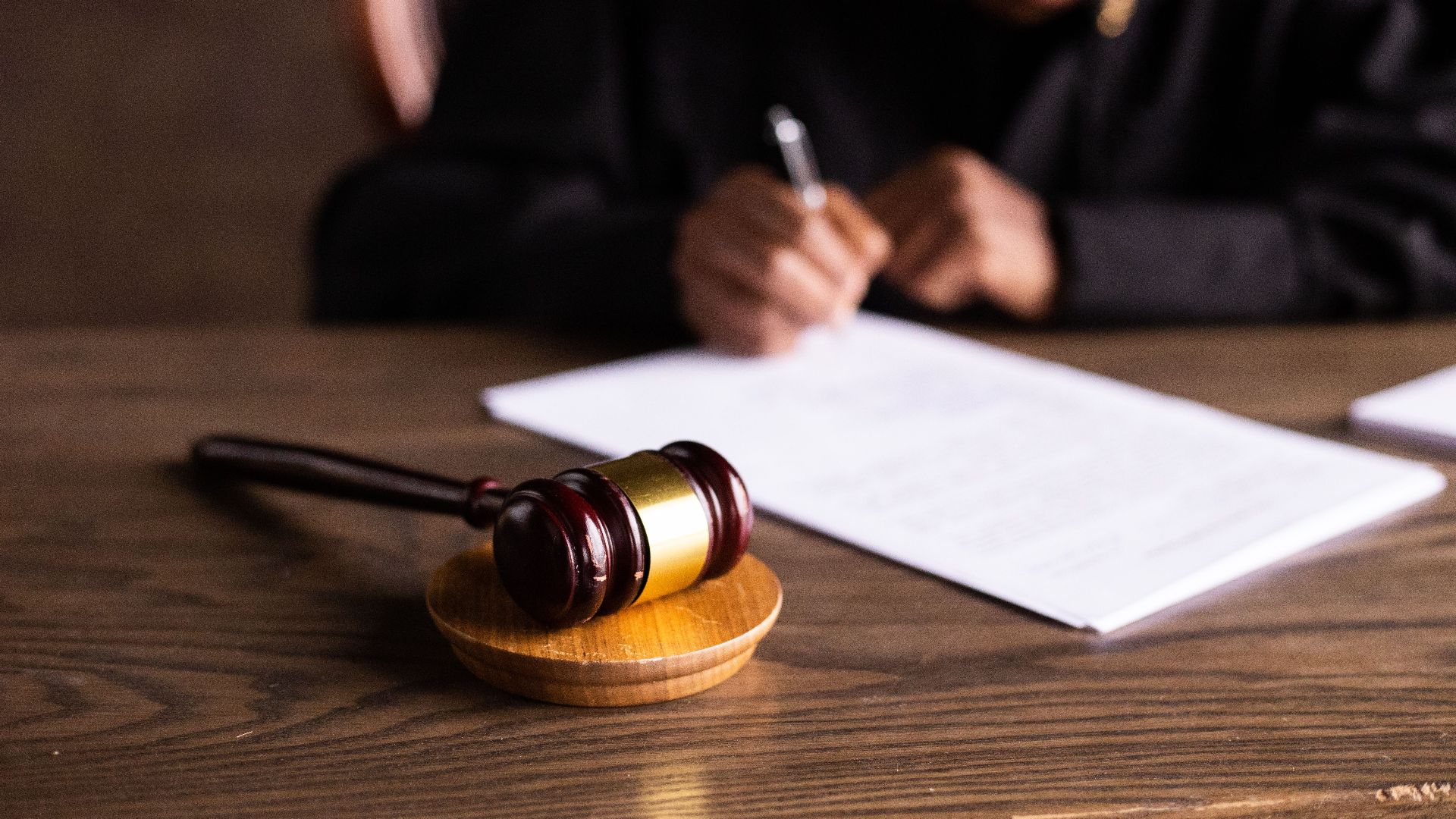
Judge Fletcher Doan was outraged by the acquittal. Prosecutors immediately charged Pearl and Joe Boot with interfering with United States mail, a federal offense arising from the same robbery. This time, Pearl's courtroom charm could not spare her from conviction.
Yuma Territorial Prison
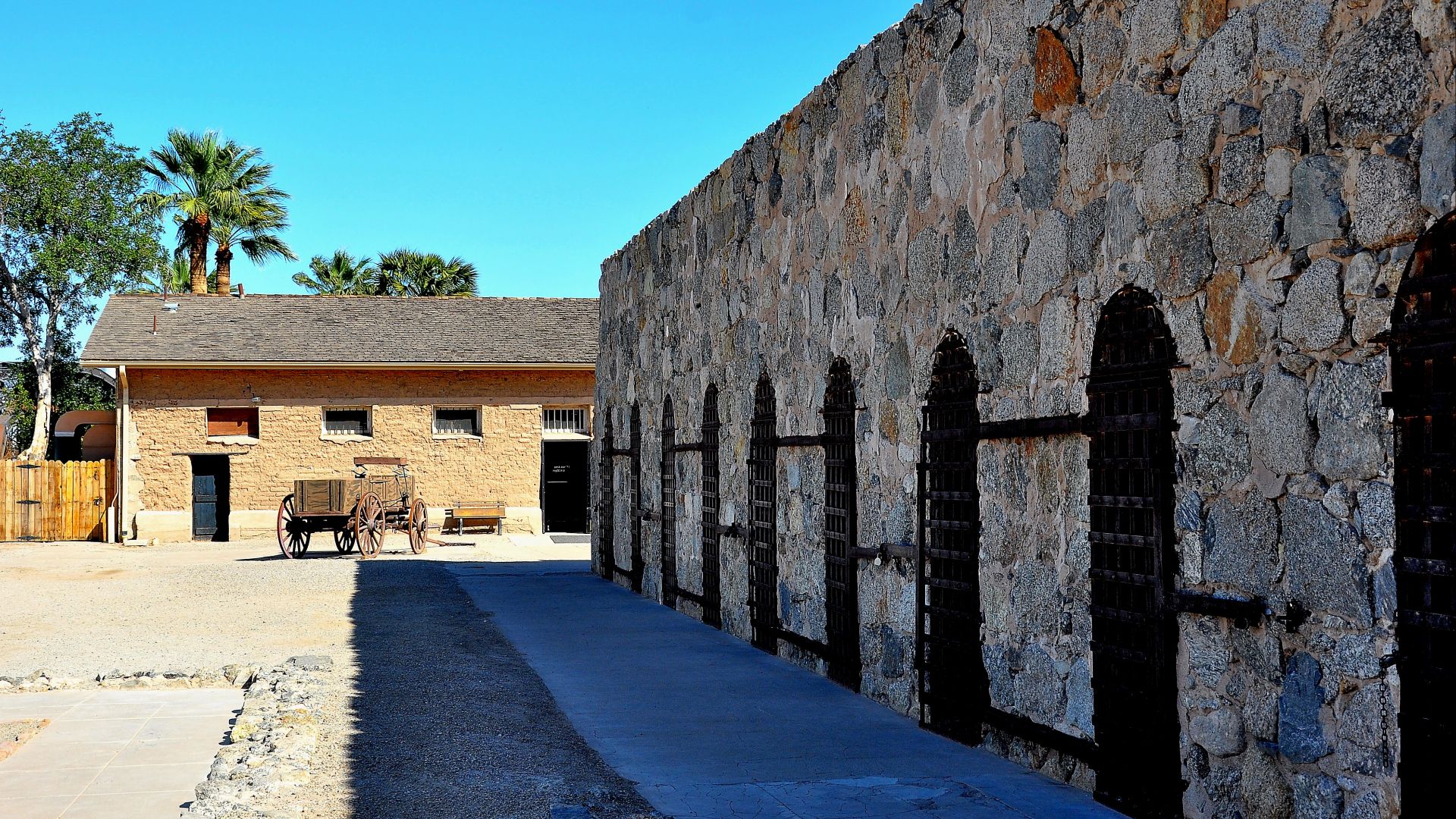
Pearl received a five-year sentence at the Yuma Territorial Prison, while Joe Boot was sentenced to thirty years. Because the prison had been designed almost entirely for men, officials had to improvise accommodations for their famous female inmate.
Celebrity Behind Bars
Instead of fading from public attention, Pearl became even more famous in prison. Reporters, photographers, and curious visitors flocked to see the Lady Bandit, while the warden allowed her unusual privileges that helped keep public interest alive.

Joe Boot Vanishes
Joe Boot eventually escaped from Yuma while serving as a prison trusty assigned to outside work. He disappeared without a trace, and historians have never confirmed what ever became of him after his dramatic escape from custody.
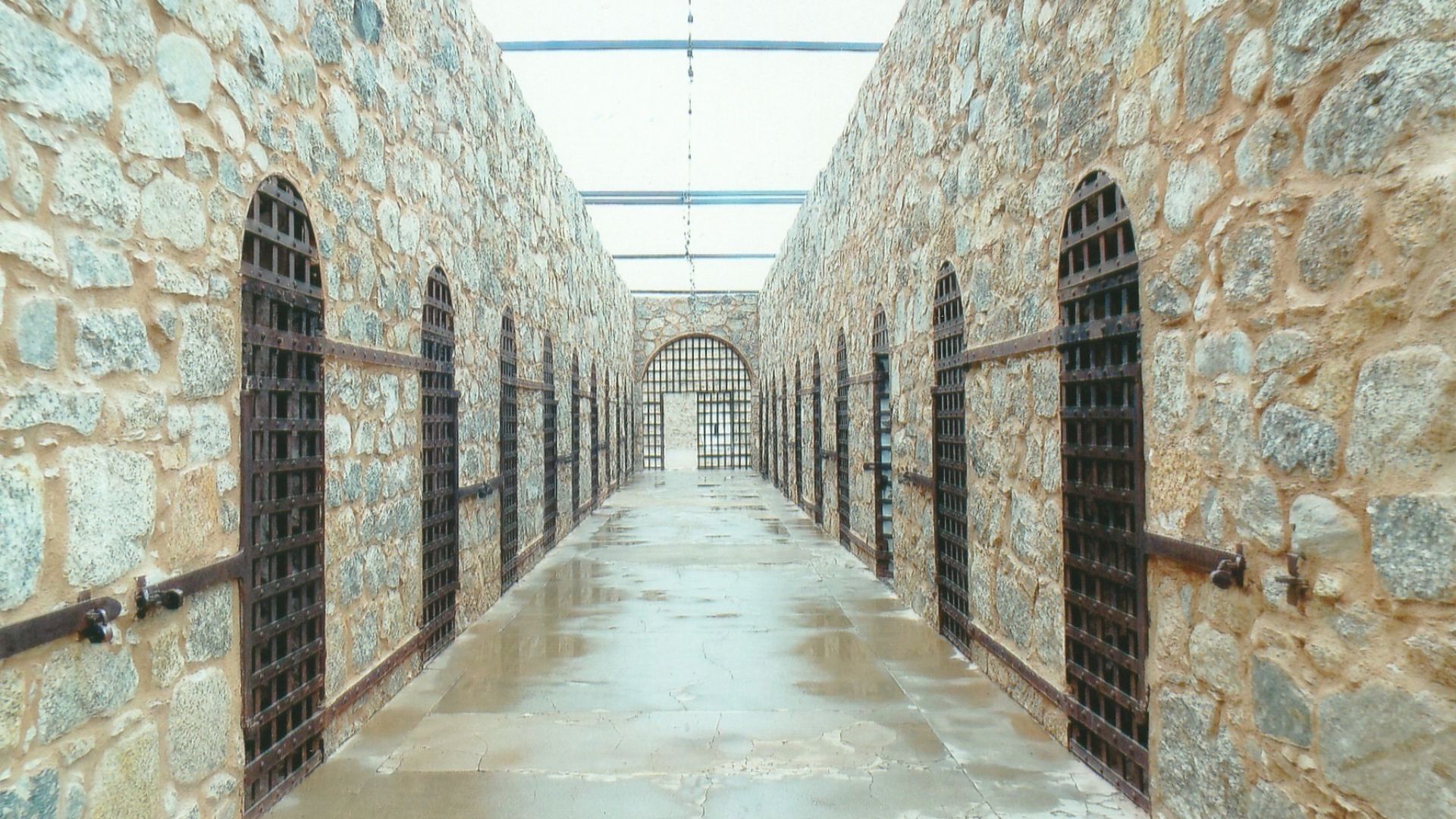 Marine 69-71, Wikimedia Commons
Freedom At Last
Arizona Territorial Governor Alexander Brodie pardoned Pearl in December 1902 after she had served about two years. Upon her release, she was provided transportation out of Arizona, effectively ending her brief but spectacular outlaw career.
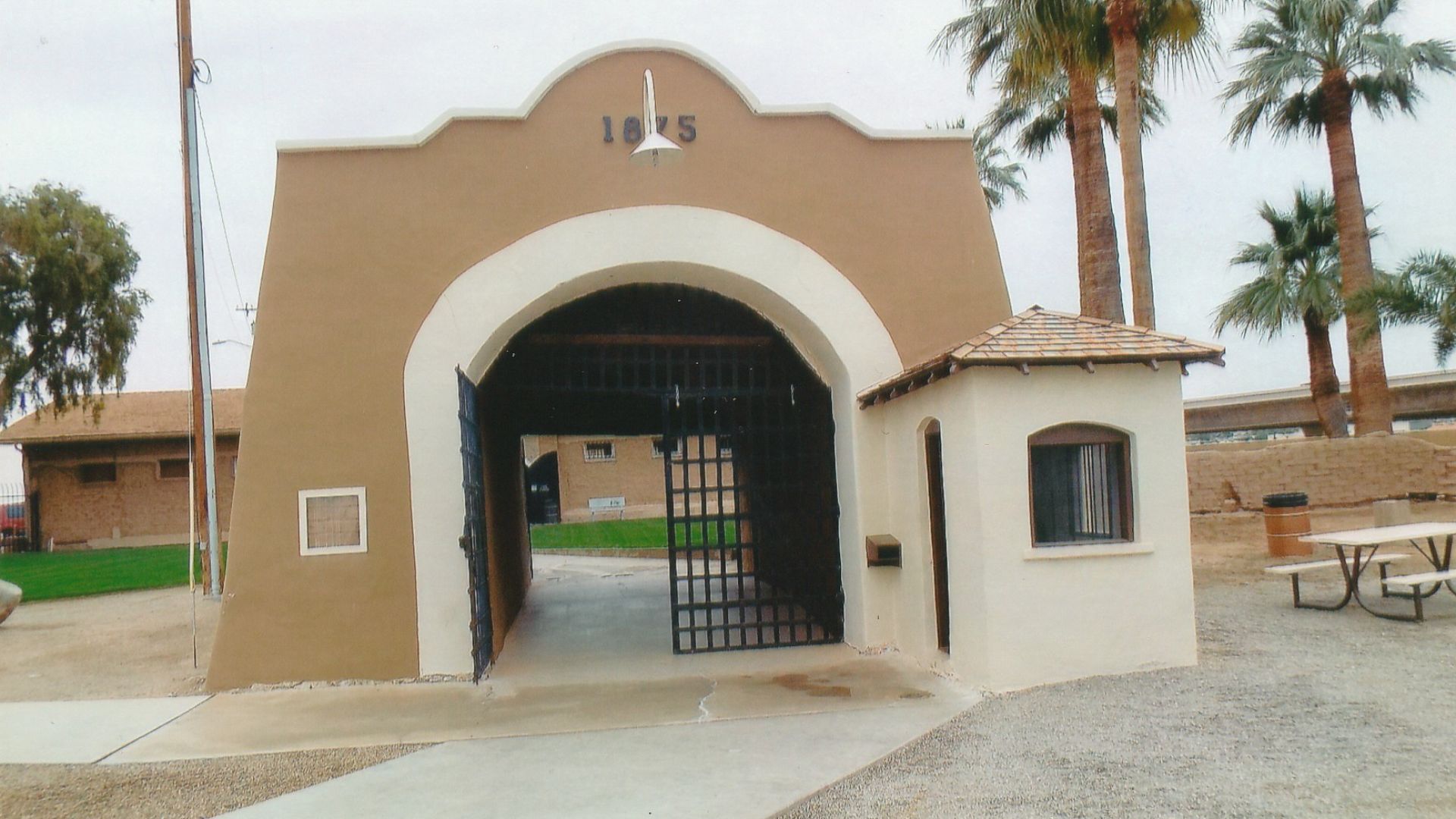 Marine 69-71, Wikimedia Commons
Cashing In
Pearl attempted to capitalize on her notoriety by appearing in a stage production that reenacted her famous robbery and by speaking about her prison experiences. She reportedly also spent a short time performing under an alias with Buffalo Bill's Wild West Show.
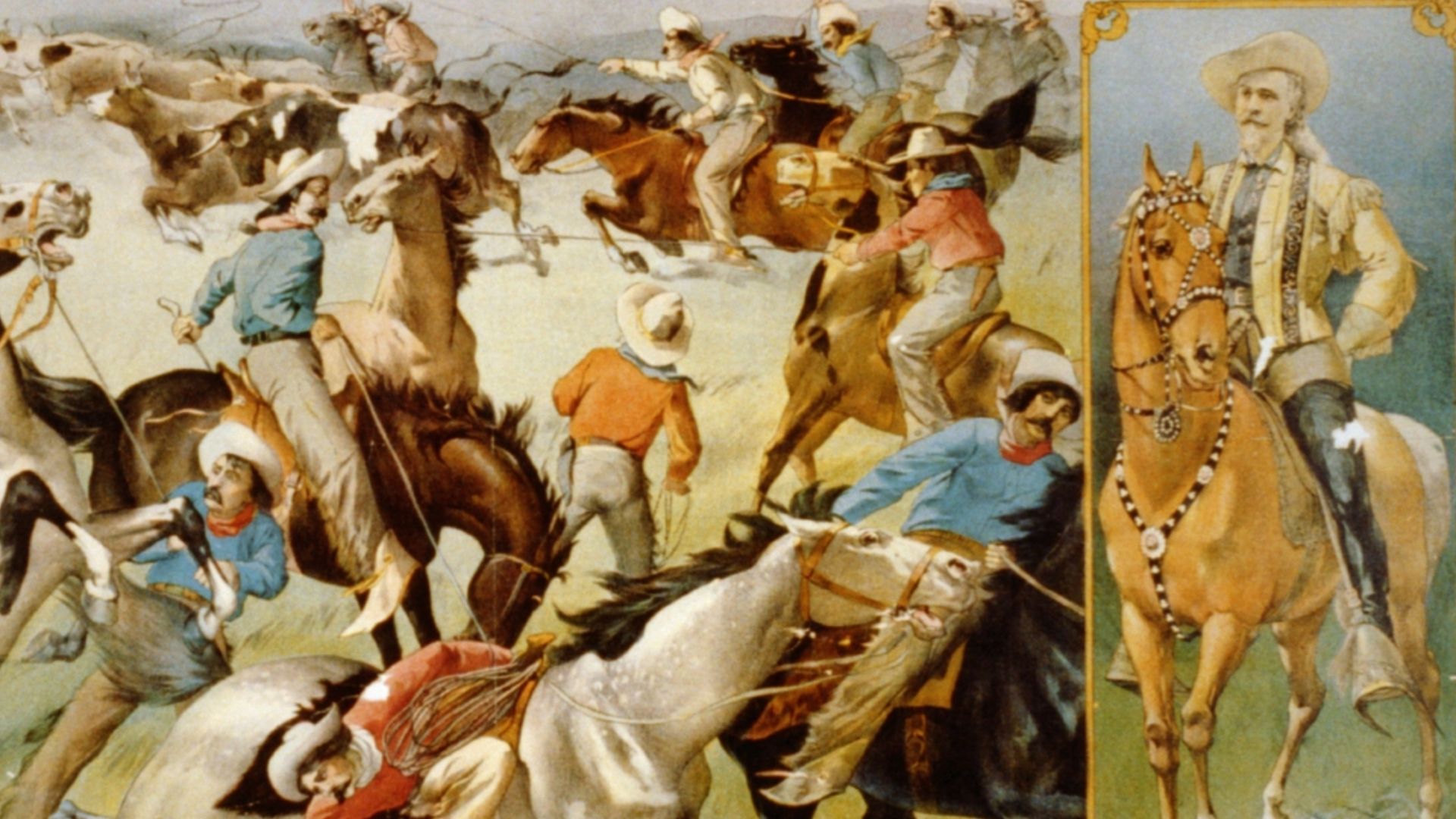 Courier Litho. Co., Buffalo, N.Y., Wikimedia Commons
Disappearing Again
After her brief return to public life, Pearl largely disappeared from the historical record. She resurfaced occasionally, including an arrest in Kansas City involving stolen goods, but much of her later life remains frustratingly difficult to document with any degree of certainty.

Myths And Mysteries
Many stories about Pearl cannot be fully verified. Accounts differ over her marriages, alleged romances, later occupations, drug use, final residence, and even the exact circumstances of her death. These contradictions have become part of her enduring legend.
 Mr Cup / Fabien Barral, Unsplash
Separating Fact From Fiction
Pearl is often mistakenly described as the last person ever to rob a stagecoach or the only woman to do so. Historians have shown that both claims are incorrect, although her robbery remains among the final famous stagecoach holdups of the Old West.
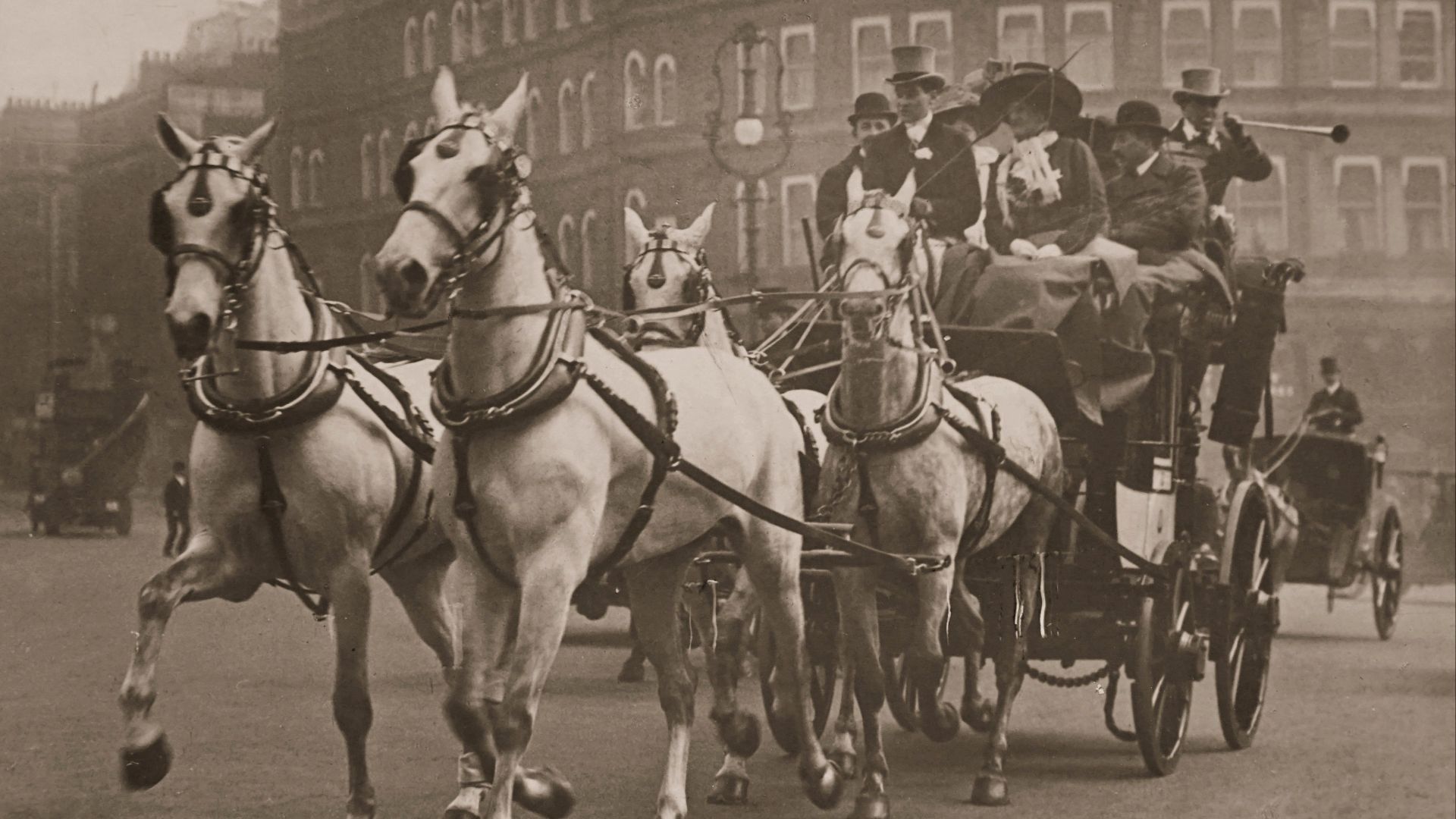
A Quiet Final Chapter
Evidence suggests Pearl eventually remarried and lived under the name Pearl Bywater in Arizona. Most modern sources identify December 30, 1955, as the date of her death, though earlier accounts offered conflicting versions of her final years.
The Lady Bandit's Legacy
Pearl Hart is one of the American West's most recognizable female outlaws. Her story has inspired books, stage productions, television episodes, songs, and countless retellings. Whether she's remembered as a desperate criminal or a folk hero, her legend continues to outlive the facts.
You May Also Like:
Gunslinging Facts About Wyatt Earp, The Infamous Lawman
Outlawed Facts About Belle Starr, The Bandit Queen
Astounding Facts About Annie Oakley, The Greatest Trick Shooter In The West