To The Rest Of His Days
Pat Garrett roamed from cattle ranges and outlaw trails to saloons and political halls, but he is really remembered for one moment etched in time: his deadly confrontation with Billy the Kid in 1881. We follow Garrett’s journey from wandering cowboy to reluctant legend, and the consequences that dogged his steps until his final days on this earth.
Early Life In Alabama And Louisiana
Patrick Floyd Garrett was born to a cotton-farming family in Alabama in 1850 and grew up in Louisiana after his family relocated. He grew up through the Civil War, which ruined the family’s finances. His fortunes fell further after the war as his parents passed away amid Reconstruction-era change and tough farming. By his twenties, he left the South and headed west toward Texas in search of work on the cattle frontier that shaped his future.
 Houston-media, Wikimedia Commons
He Was A Texas Cowboy
Garrett reached Texas in the early 1870s and worked as a cowboy on sprawling cattle ranches. The frontier lifestyle broke him into the hard life of cattle drives, rough saloons, and the hard-as-nails men who roamed the region. At the height of six-foot-five, Garret couldn’t fail to attract attention. This wandering period built his own reputation for toughness that would later make him a prime candidate for sheriff in New Mexico Territory.
 Adolph Selige Pub. Co. (St. Louis–Leipzig), Wikimedia Commons
First Blood
Garrett’s life as a frontier wanderer took a darker turn in 1878 when he killed Joe Briscoe, a fellow buffalo hunter with whom he had quarreled. Accounts differ on who set off the confrontation, but Briscoe wound up dead, and Garrett left the hunting camp. The incident pushed him out of drifting work and toward the ranching communities where his future as a lawman would take shape.
 Unknown authorUnknown author, Wikimedia Commons
Arrival In New Mexico Territory
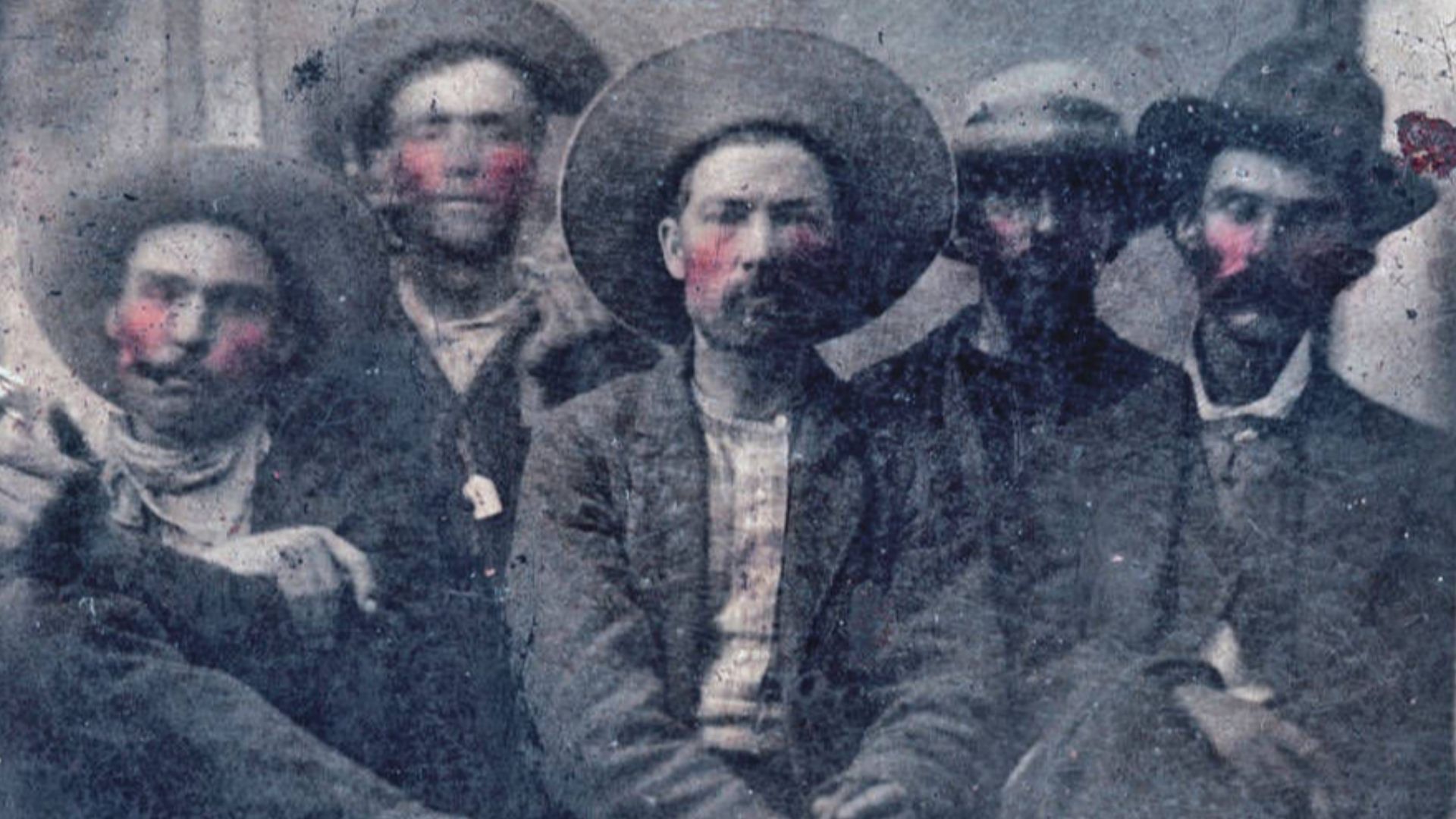
By the late 1870s, Garrett moved farther west on into New Mexico, and finally settled down near Fort Sumner. There, he made a name for himself in local circles as a buffalo hunter, ranch hand, and bartender. The territory simmered with political rivalries and cattle wars. Garrett’s connections there would soon put him on a collision course with Billy the Kid.
 Unknown authorUnknown author, Wikimedia Commons
Moving Up In The World
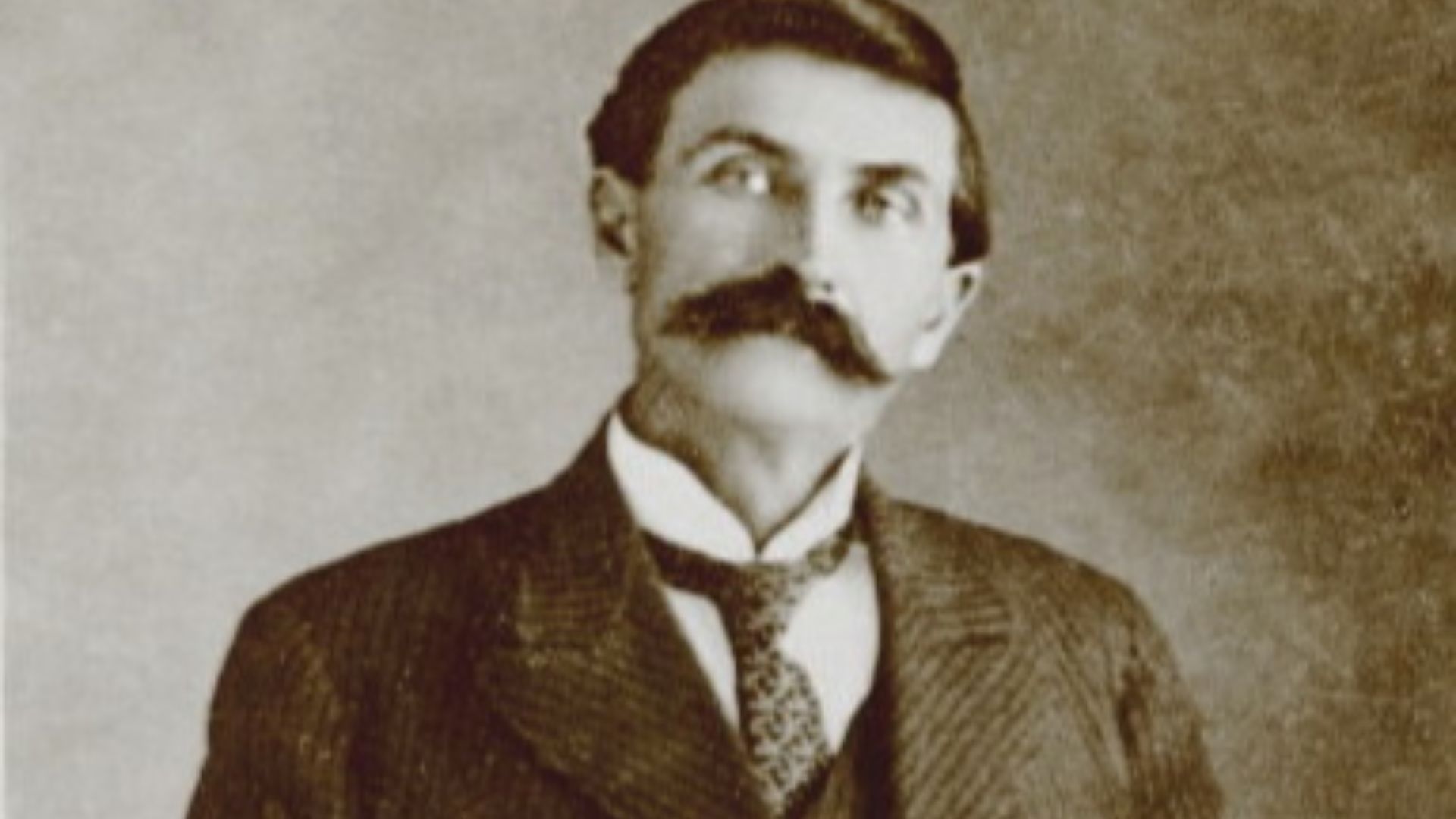
Garrett married Apolinaria Gutierrez in 1880. The couple eventually had nine kids. Now established as a family man with long-term ties to the region, Garrett’s new duties and respect from locals kindled his desire for steady work and authority. These personal life changes motivated him to seek a more official role; and it was right at that time that Lincoln County was looking for somebody willing to pursue the territory’s most elusive outlaw.
 Unknown authorUnknown author, Wikimedia Commons
Lincoln County Sheriff
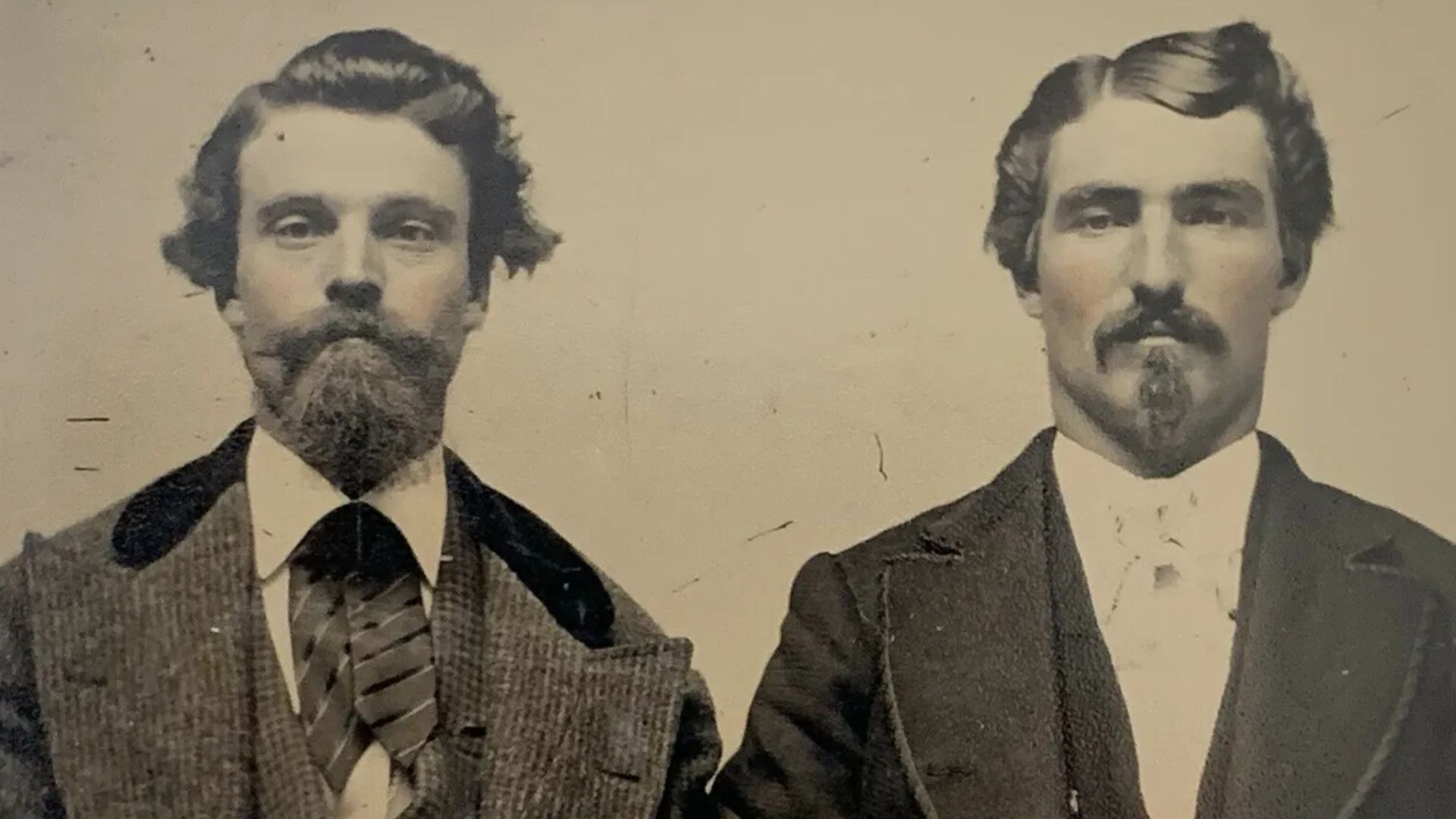
In November 1880, Garrett was elected sheriff of Lincoln County, defeating the incumbent who had struggled mightily to keep a lid on local violence that always threatened to burst forth. Quickly, the new sheriff had a task on his hands that everyone expected him to tackle: apprehending Billy the Kid. Garrett accepted his mandate, shifting overnight from cowboy to lawman on a mission that came with some serious hazards.
 Unknown authorUnknown author, Wikimedia Commons
Garrett Takes Up The Chase
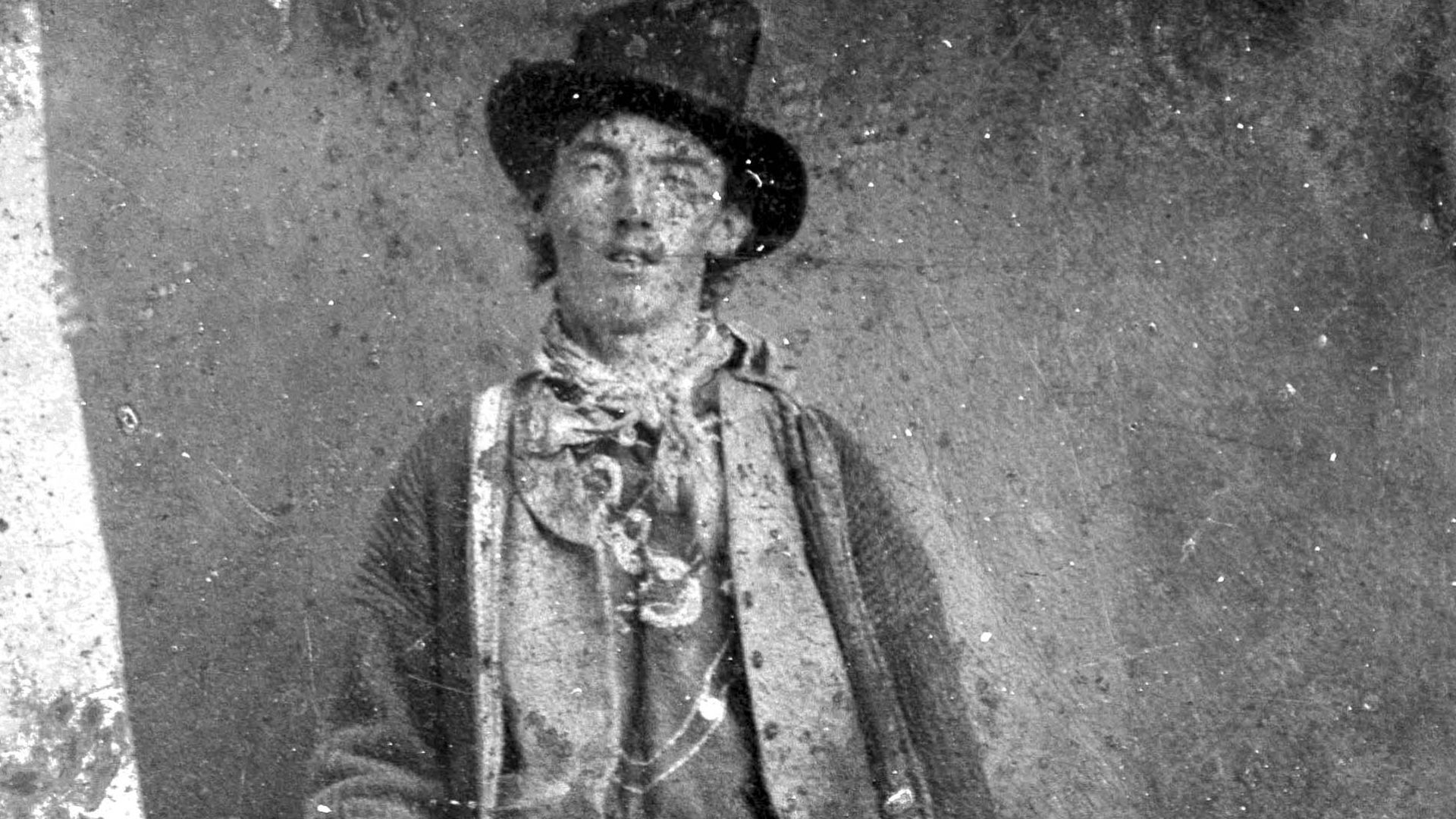
Garrett started tracking Billy the Kid and his merry band of rag-tag allies, studying their habits minutely and speaking in-depth to locals who had sheltered them. He sensed the Kid’s intimate familiarity with the terrain and his network of supporters. The pursuit began to heat up through late 1880, pushing Garrett toward the Fort Sumner region where the outlaw often hid.
 Ben Wittick (1845–1903), Wikimedia Commons
The Stinking Springs Shootout
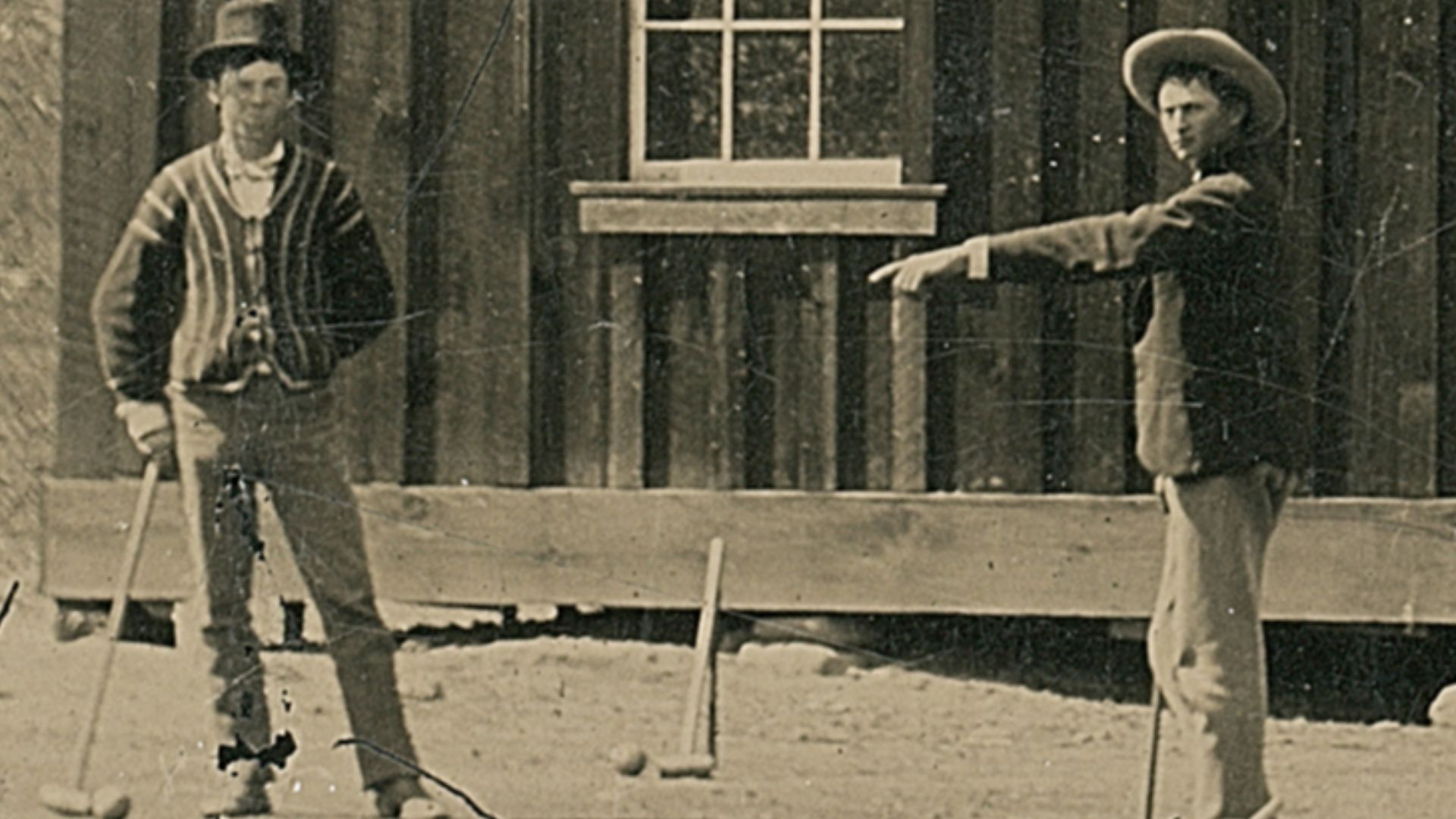
In December 1880, Garrett trapped Billy the Kid’s gang at Stinking Springs. The standoff ended with the apprehension of several members, but the Kid himself was also taken soon afterward without major bloodshed. The breakthrough bolstered Garrett’s reputation as a capable lawman. Now the next phase began: escorting the Kid to trial and imprisonment.
 Unknown authorUnknown author, Wikimedia Commons
The Kid’s Trial And Escape
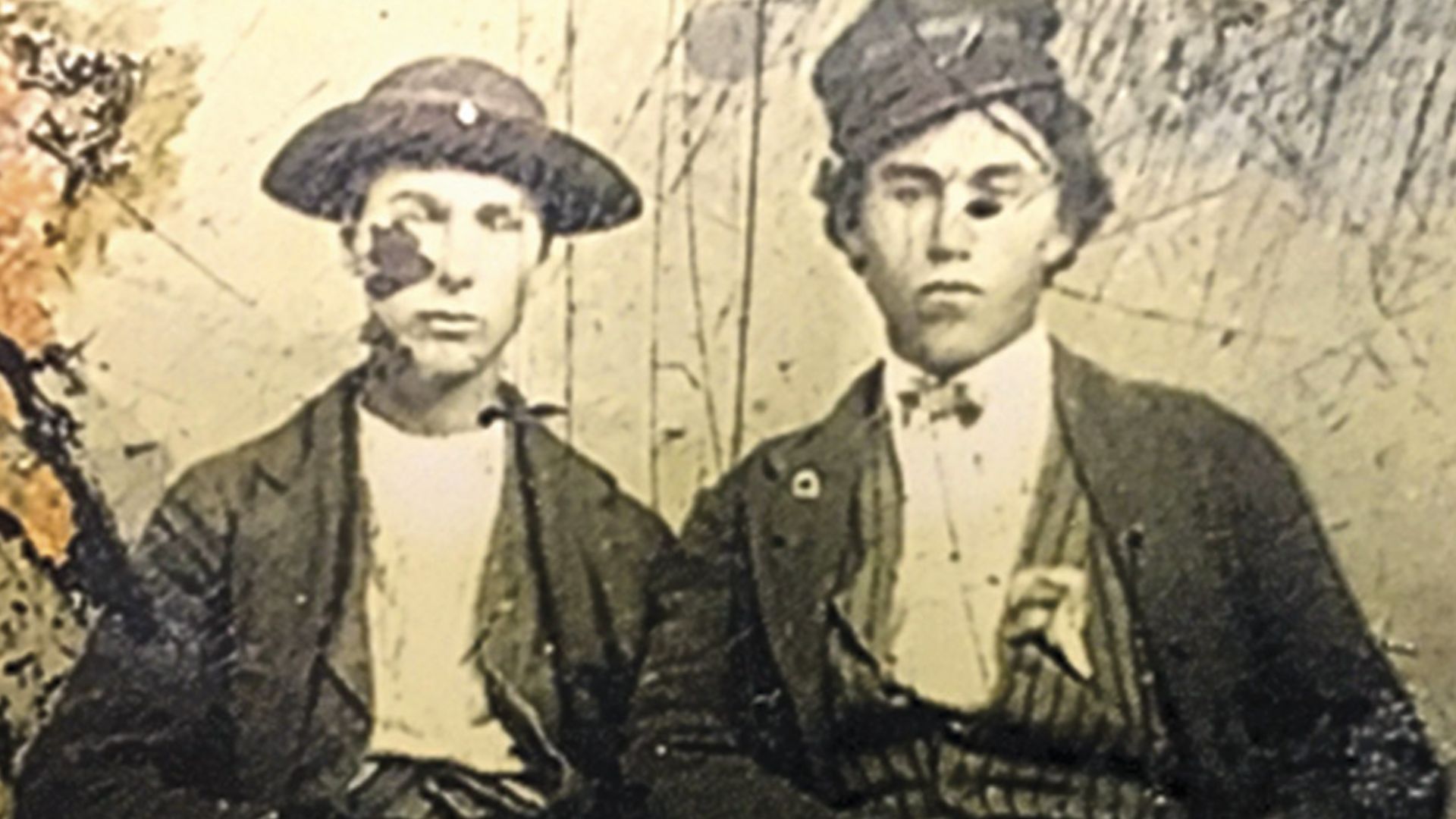
Billy the Kid was convicted of murdering Sheriff William Brady and sentenced to hang. But in April 1881, he made a brazen escape from the Lincoln County courthouse after killing two deputies. The escape left local authorities humiliated. Garrett himself was sinking low, but mustered the determination to get right back in the saddle and take up the pursuit once more. He was determined to finish what he had been elected to do. Dead set on it, in fact.
 Unknown authorUnknown author, Wikimedia Commons
Return To Fort Sumner
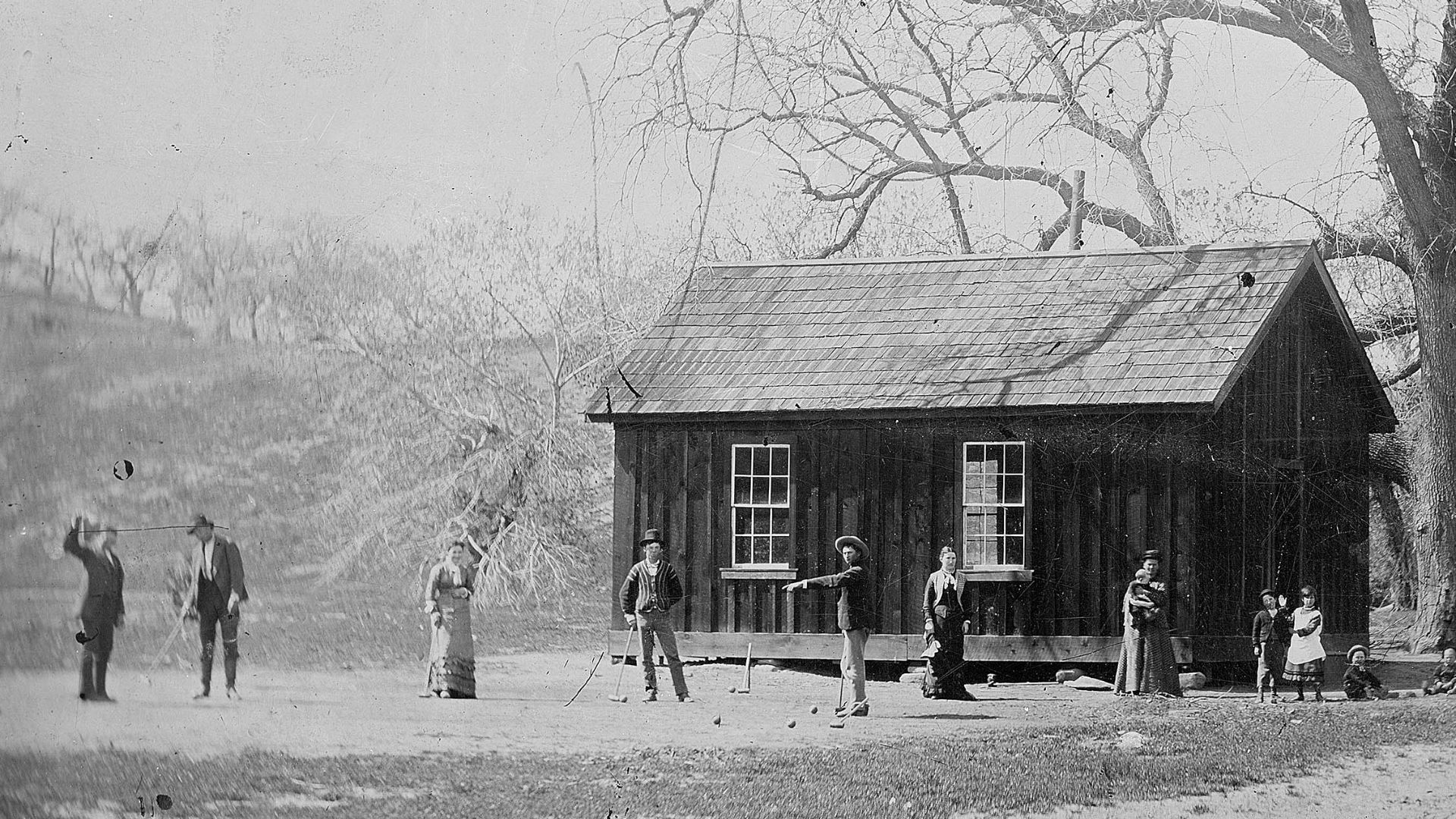
Garrett got wind that Billy the Kid had quietly slipped back into familiar territory near Fort Sumner, availing himself of the shelter of friends in the area. Garrett traveled quietly, knowing the Kid had the allegiance of many of the area’s residents. His approach was patient and deliberate, as he waited for the perfect moment to catch the outlaw off guard.
 Unknown authorUnknown author, Wikimedia Commons
Fatal Encounter At Pete Maxwell’s House
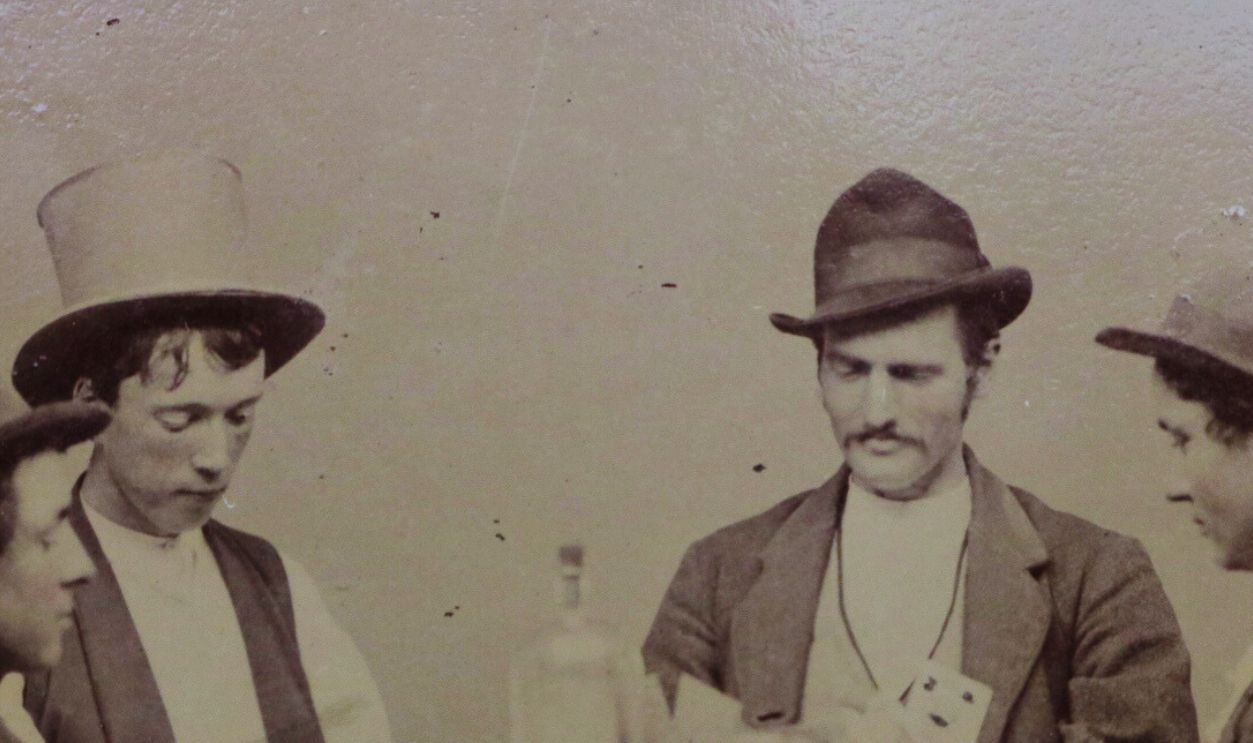
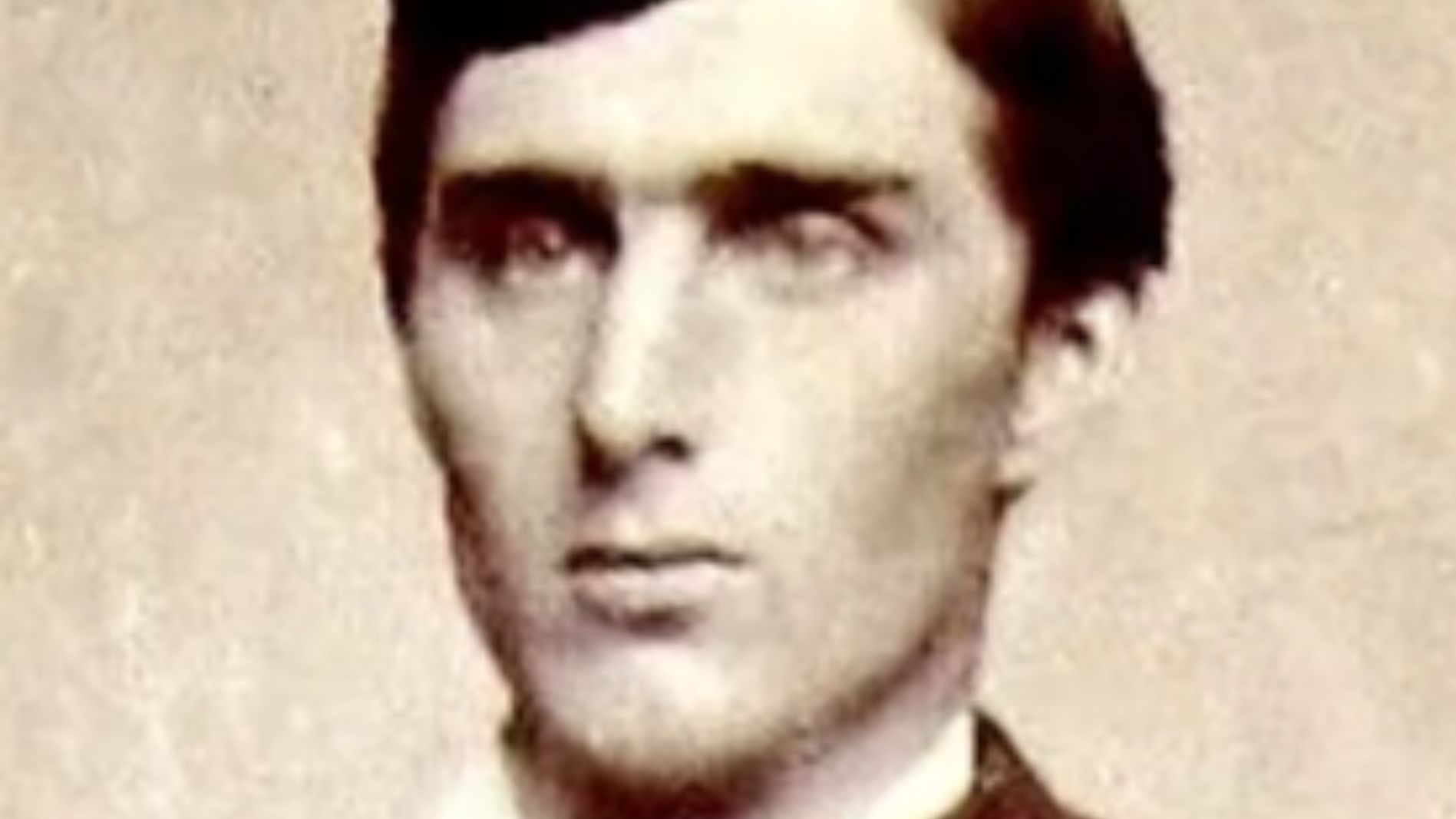
On July 14, 1881, Garrett entered the bedroom of rancher Pete Maxwell. Billy the Kid unexpectedly walked in, reportedly asking in Spanish, '¿Quién es?'—'Who is it?' Garrett opened fire, killing him instantly. The shooting was the brutal end of a long and deadly cat-and-mouse game. With the Kid gone, Garrett’s fame spread clear across the country, but the notoriety brought him as much trouble as it did triumph.
Aftermath And Public Reaction
Garrett received a mixed reaction. Some locals resented him, believing the killing was too sudden or unfair; others hailed him for ending Billy the Kid’s destructive career. Everywhere Garrett went, the controversy followed him close behind, making daily life strained. To defend his actions and present the facts as he saw them, he turned to a new mode of action: authorship.
 Unknown authorUnknown author, Wikimedia Commons
He Wrote The Kid’s Biography
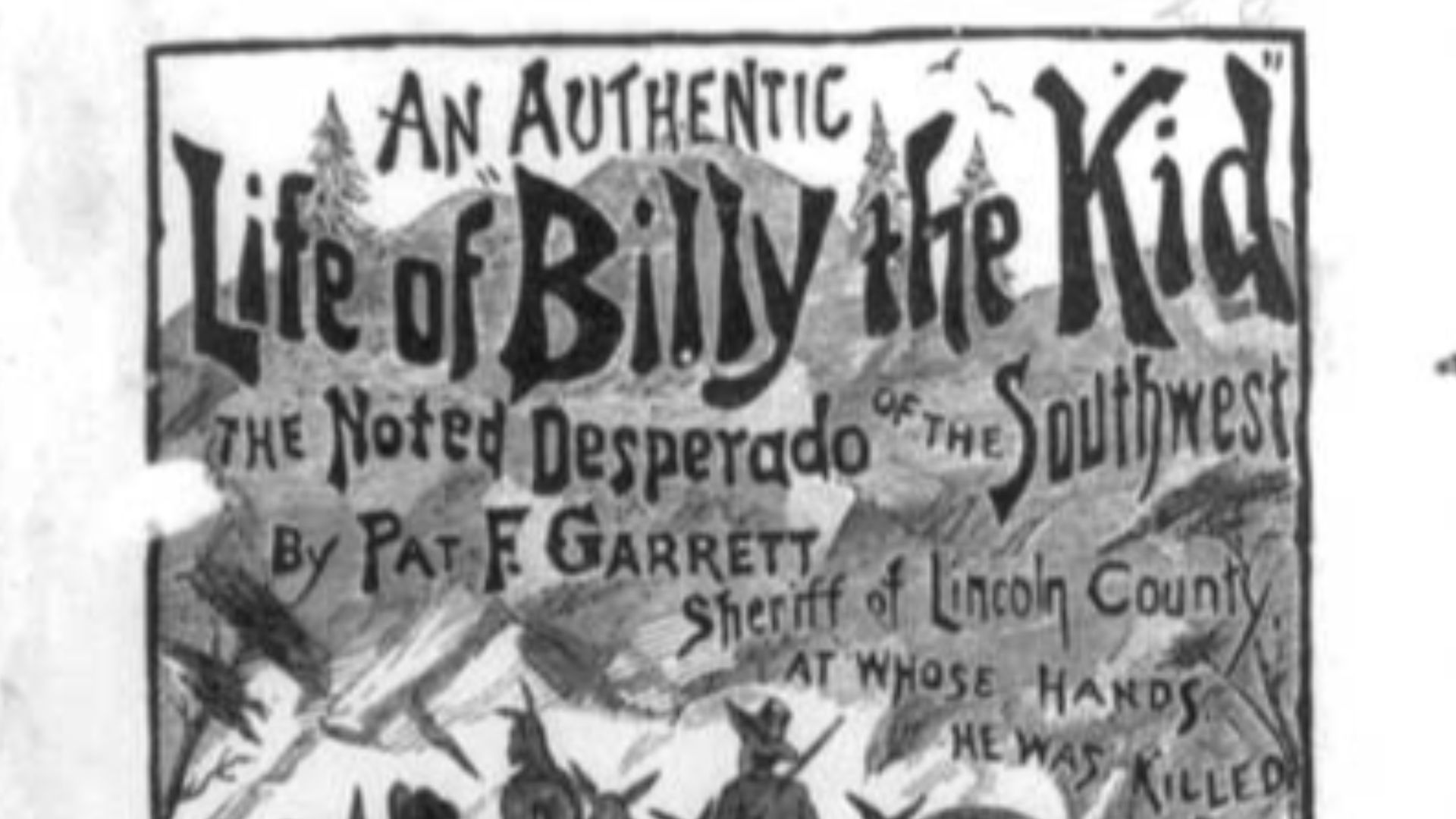
In 1882, Garrett published The Authentic Life of Billy, the Kid, written with the journalist Ash Upson. The book aimed to justify the shooting and give an authoritative account of the Kid’s life. While partly sensational, it was also an act of finality that helped cement both men’s legends. But to Garrett’s chagrin, he found that public opinion was still stubbornly divided.
 Unknown authorUnknown author, Wikimedia Commons
He Struggled With Regret
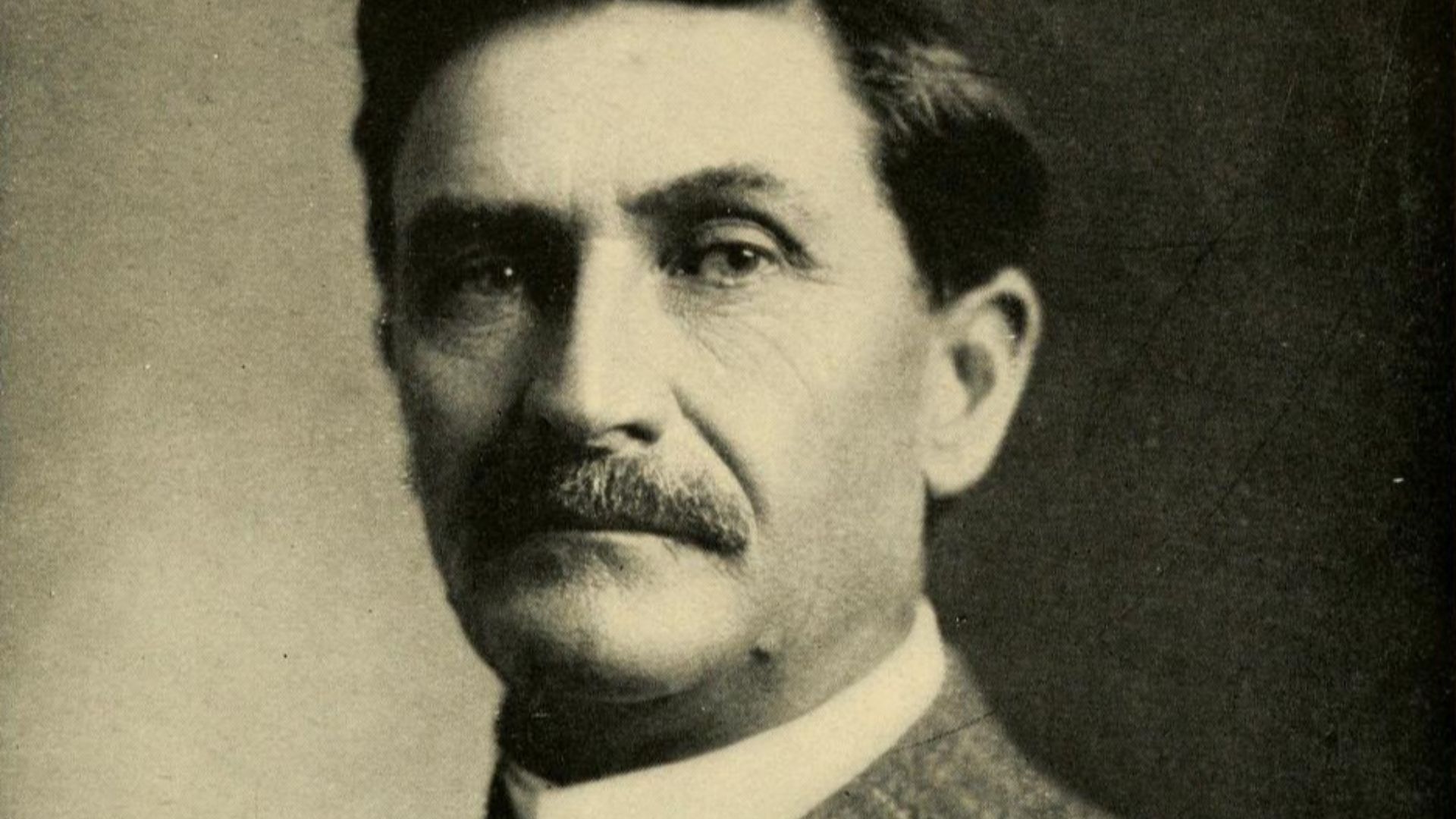
Garrett privately expressed regret that he became known more for killing Billy the Kid than for his record of keeping the community safe through his law enforcement work. Friends related that he felt misunderstood and criticized for how he’d taken the young outlaw’s life. This sense of frustration influenced his later decisions, including his attempts to hold political appointments and restore his standing across the territory.
Senate Campaign
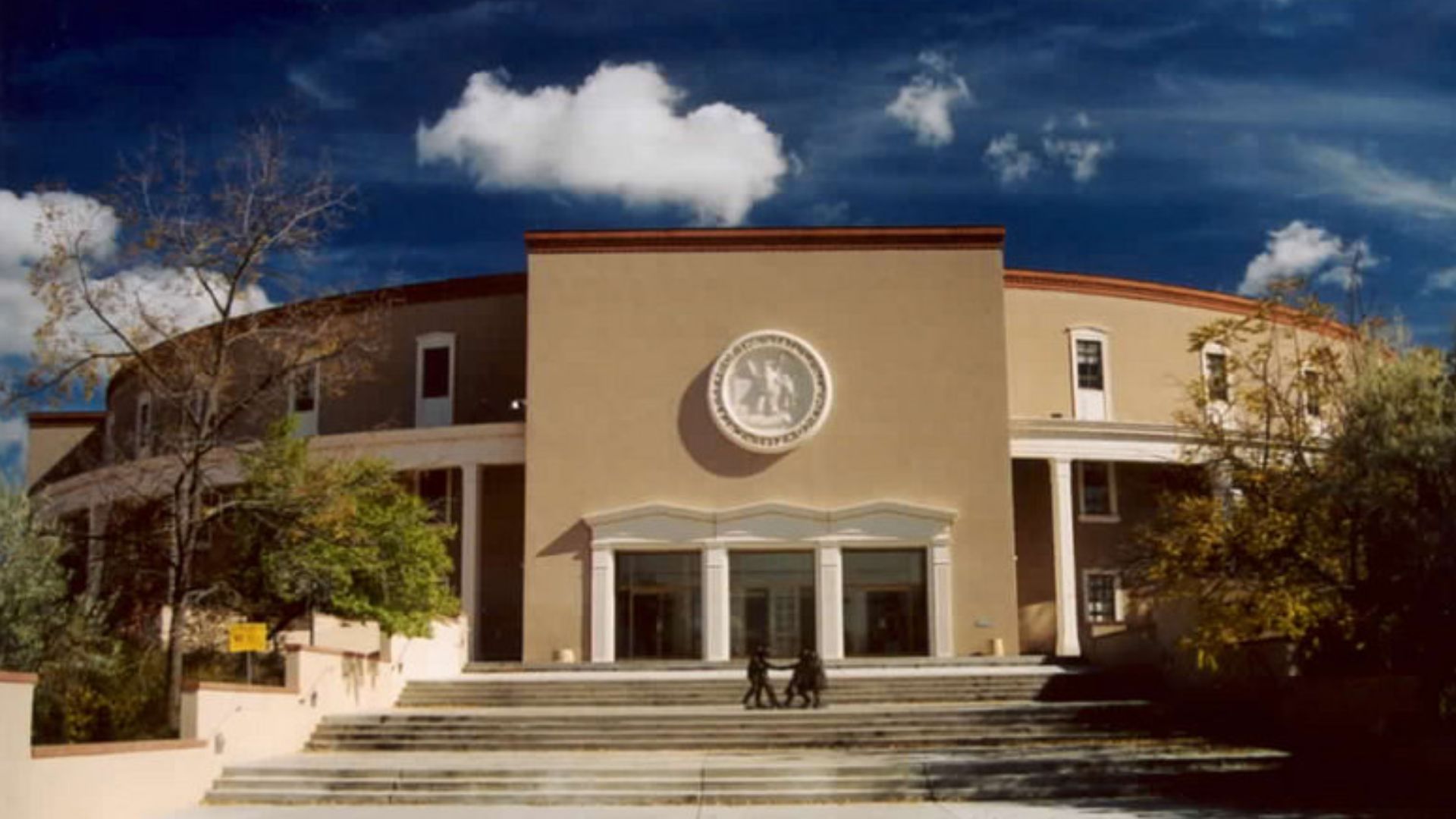
Garrett attempted a shift away from lawman to politician in 1883 when he ran for the New Mexico territorial senate. Despite the fame of killing Billy the Kid, voters were badly split about him, and his opponents painted him as reckless and overly ambitious. Garrett lost the race decisively, pushing him back toward law enforcement and uncertain business ventures as he tried to drum up prospects for a more stable future.
 Urban~commonswiki, Wikimedia Commons
Business Ventures And Financial Trouble
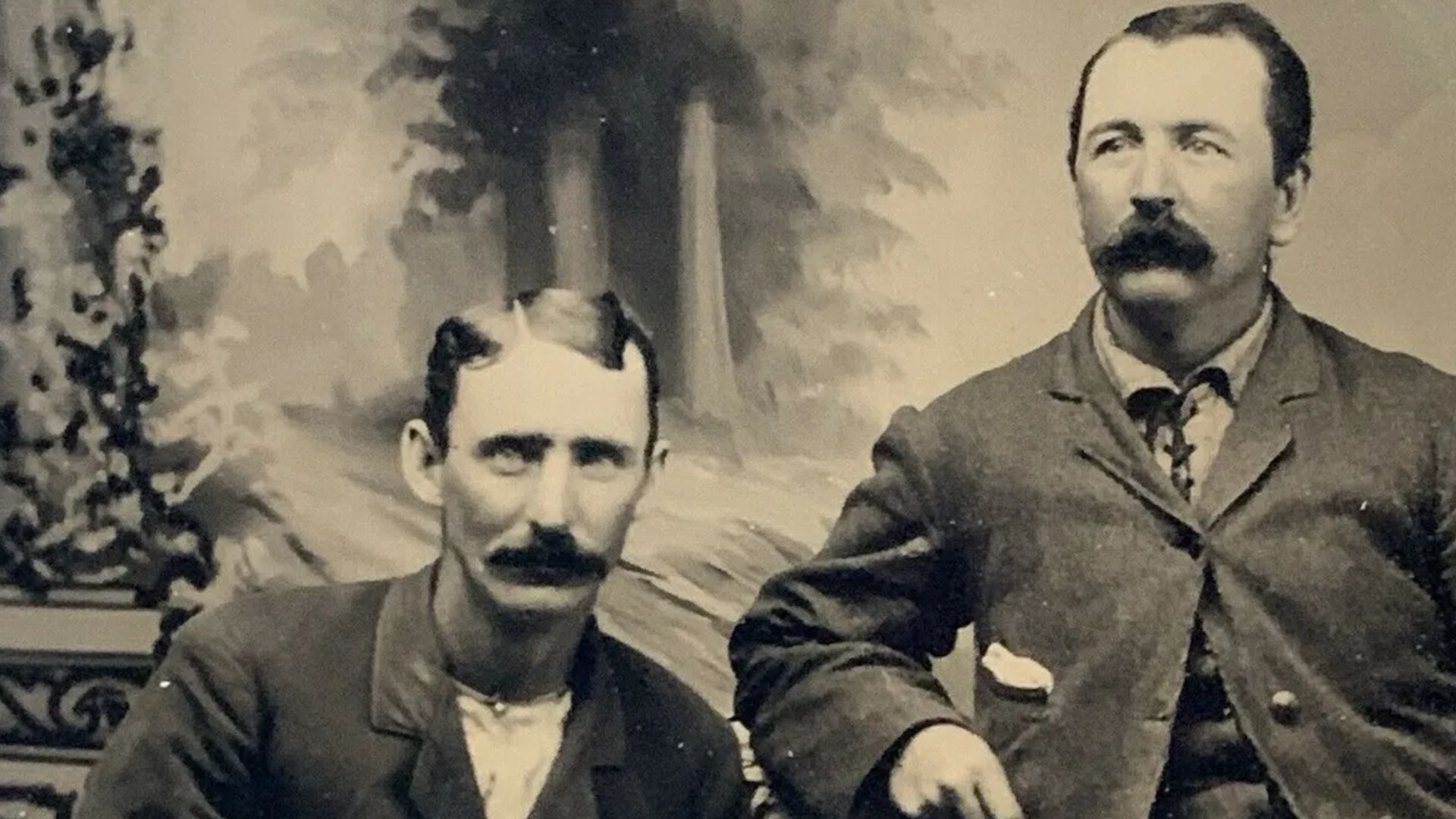
In the following decades, Garrett tried to secure his finances through ranching, farming, and various public roles. A lot of these ventures failed, leaving him strapped for money. His financial straits pushed him to seek federal appointments, which even if they came through were short-lived. These appointments and ventures led him into disputes with political rivals and business partners.
 Unknown authorUnknown author, Wikimedia Commons
Service As Customs Collector
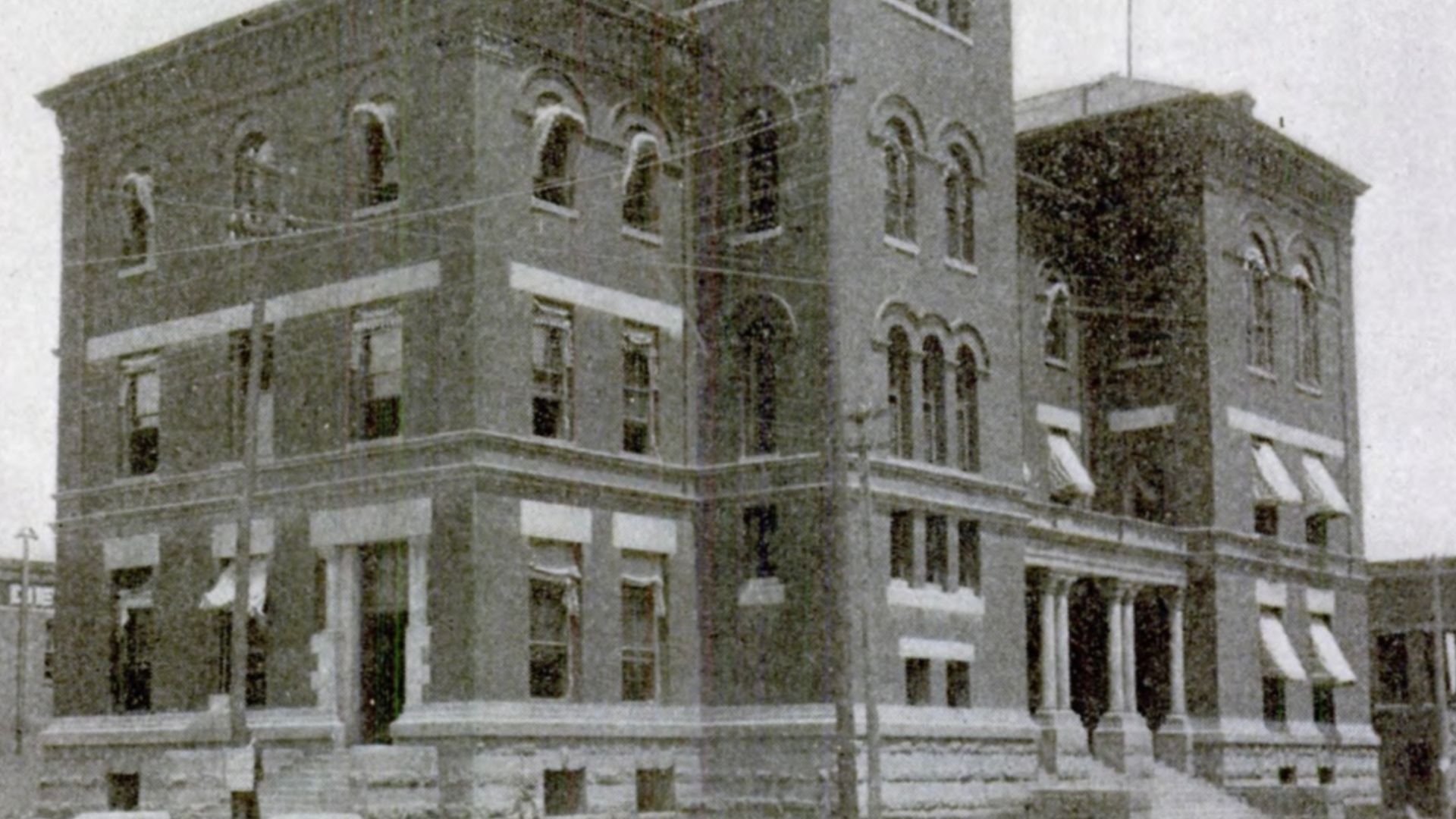
Garrett served as a U.S. Customs Collector in El Paso during the 1890s, enforcing border regulations during a period of a thriving smuggling of contraband. His role brought him some official prestige but also friction, as accusations of lax enforcement circulated. The political turbulence of the job eventually pushed him out, and he sought other ways to set right his increasingly unstable income situation.
Feud With Rancher Wayne Brazel
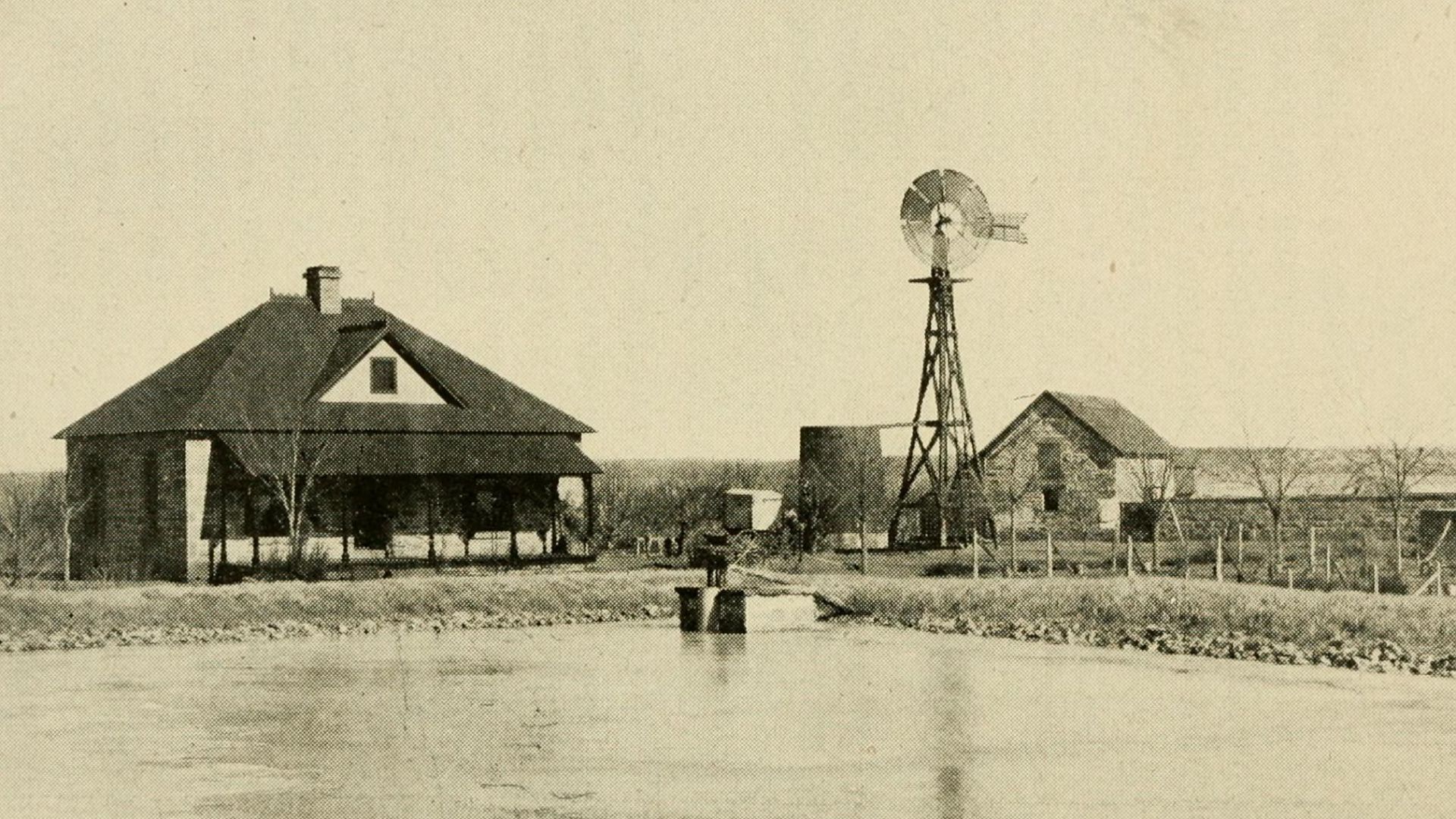
By the early 1900s, Garrett leased land to Wayne Brazel, a young rancher whose goat-herding operations drew the anger of neighboring cattlemen. Tensions rose as Brazel refused to remove his herds. This dispute got Garrett entangled in land conflicts, a foreshadowing of the fateful final encounter that would claim his life.
 Internet Archive Book Images, Wikimedia Commons
Garrett’s Last Ride
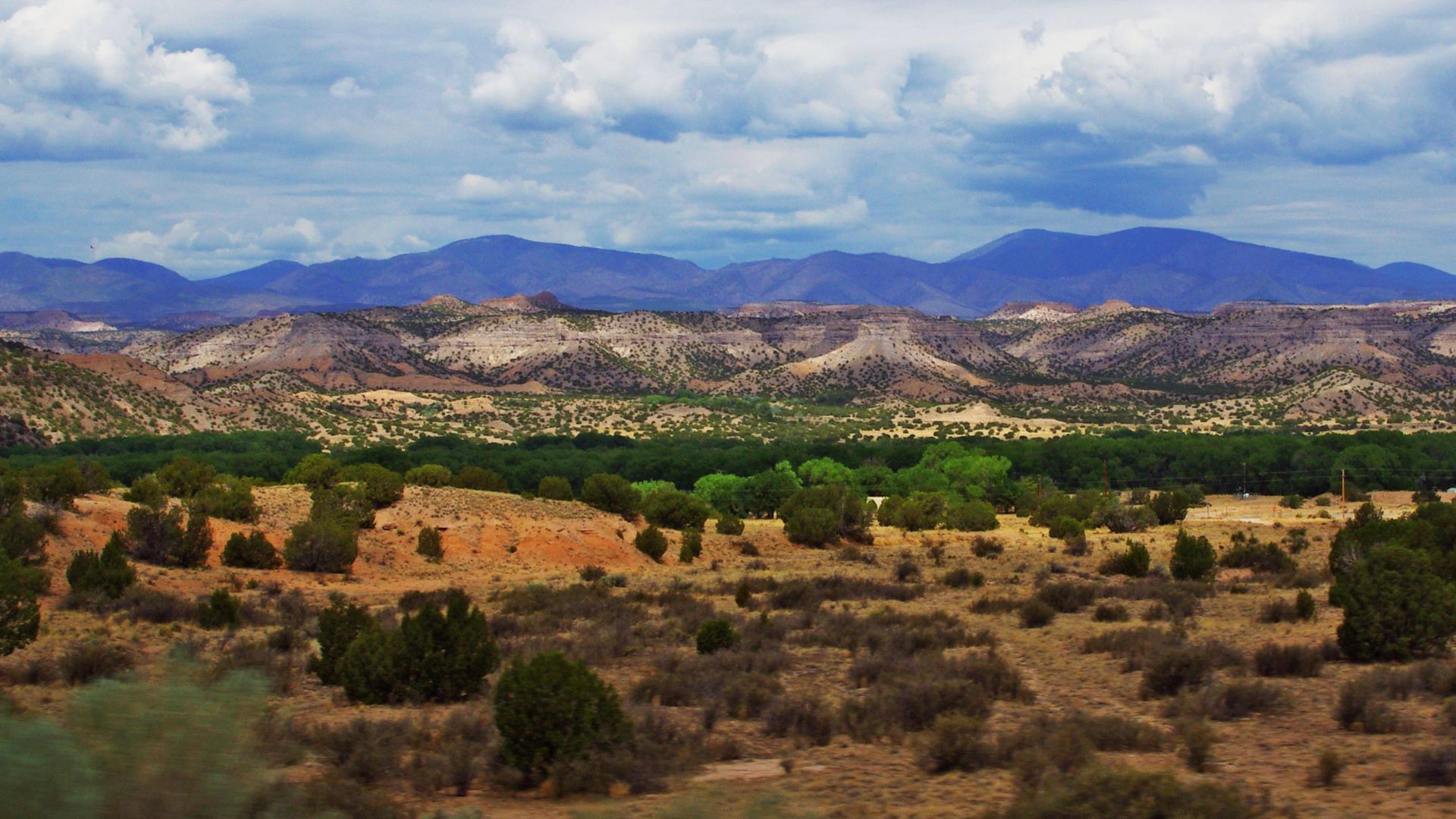
On February 29, 1908, Garrett traveled with business associate Carl Adamson and confronted Brazel along a remote road near Las Cruces. Accounts differ about the argument’s cause, but witnesses all agree that a confrontation erupted. Moments later, gunfire struck Garrett, killing him. The sudden shattering nature of his end was the final result of the outlaw violence he once tried to control.
 Thomas Shahan, Wikimedia Commons
Brazel’s Surrender And Trial
Wayne Brazel immediately confessed to shooting Garrett but claimed he’d done it in self-defense, alleging Garrett threatened him. At trial, the jury acquitted Brazel, despite the pall of suspicion that he may not have acted alone. Speculation swirled around the killing, but no further charges were ever filed. Time went on, and the exact circumstances of Garrett’s death were never resolved.
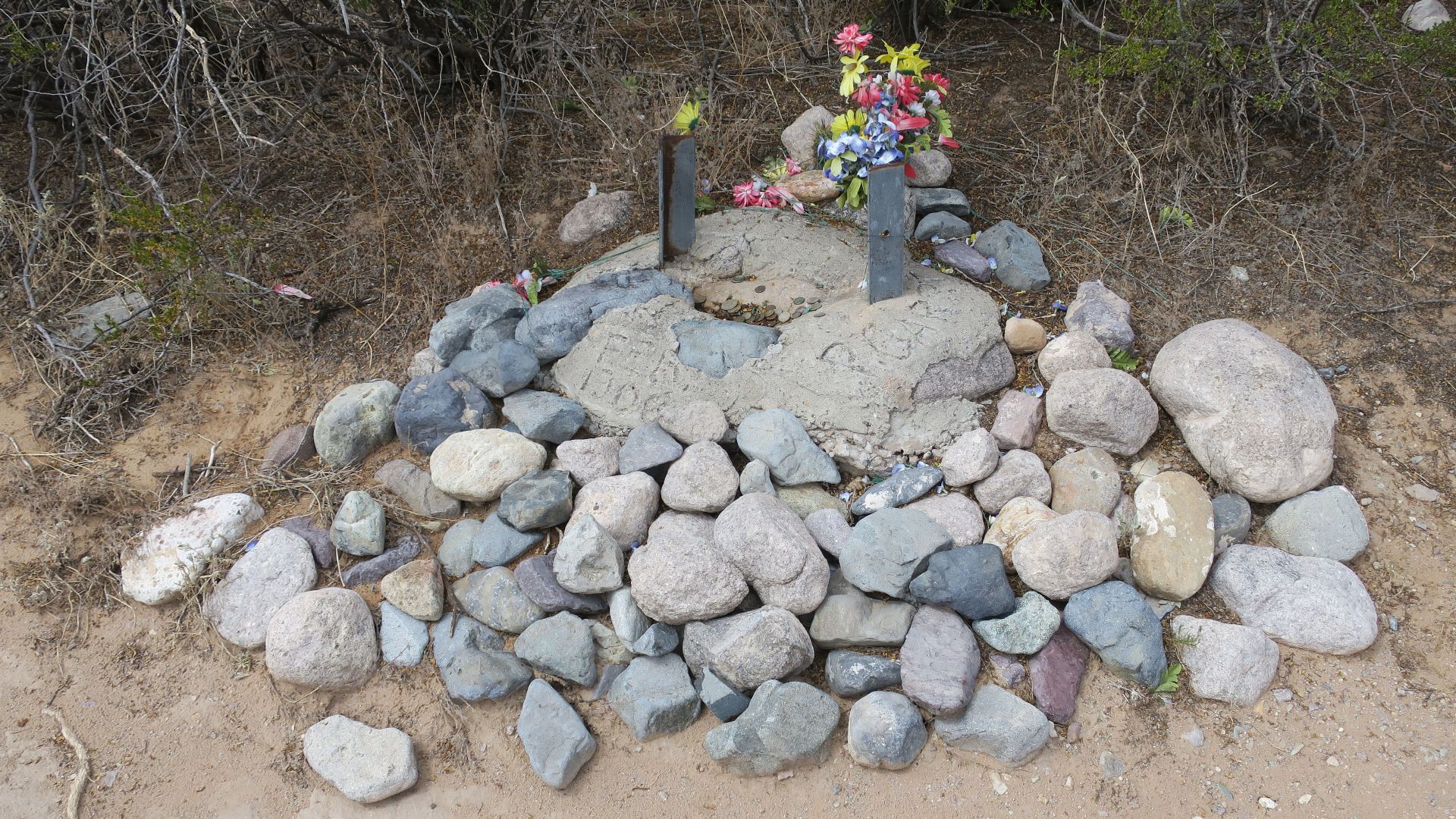 Lando Kuriyakin, Wikimedia Commons
Quiet End To A Turbulent Life
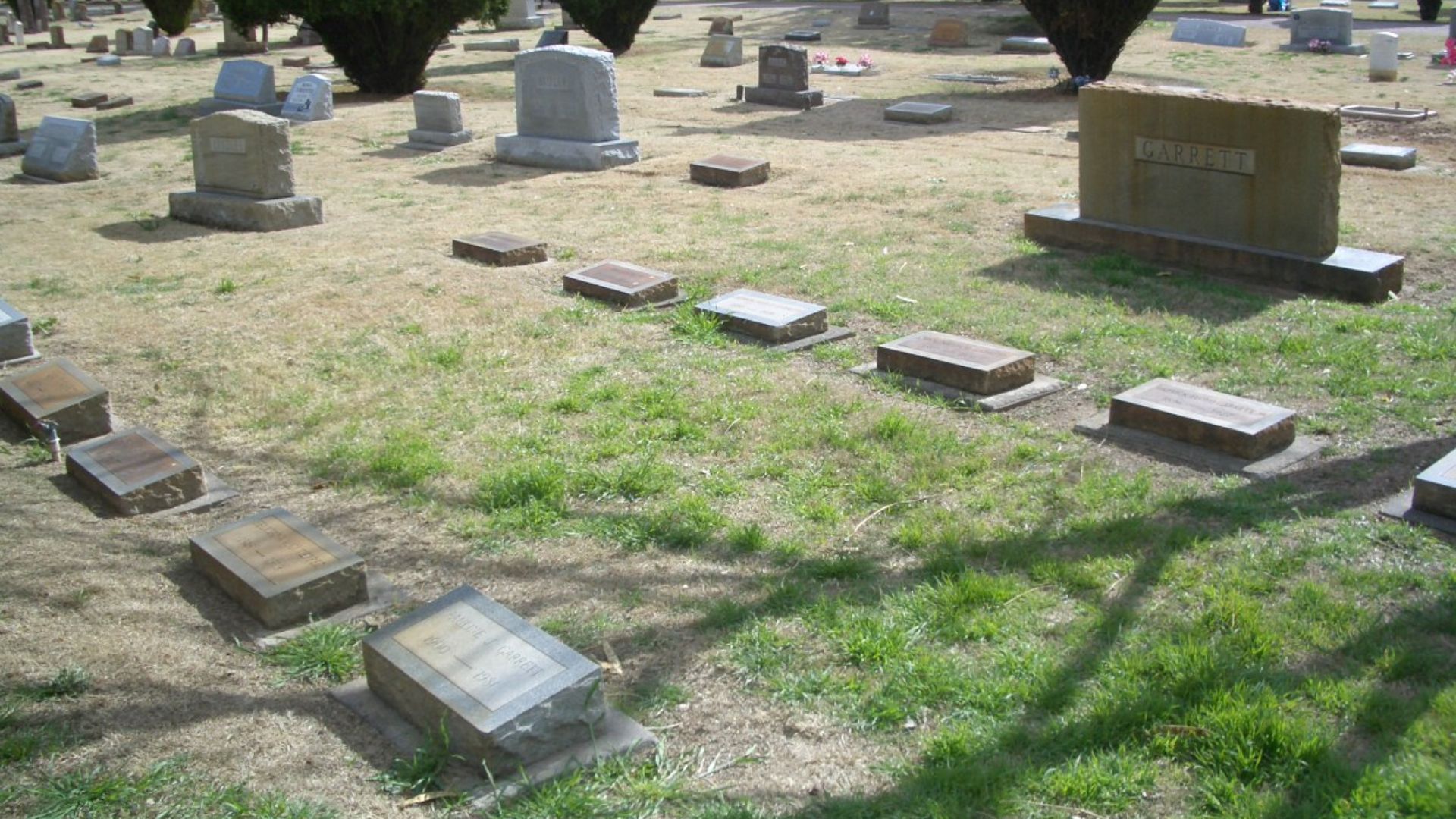
Garrett was buried in Las Cruces, New Mexico in simple fashion, his financial troubles left little behind for his family. His death was the closing epilogue to a life marked by dramatic turns of fate, including cowboy wanderings, outlaw pursuits, political struggles, and finally, deadly armed conflict. The legend of Billy the Kid followed him even into the corridors of history, linking their fates together permanently.
Billy The Kid Defined Him
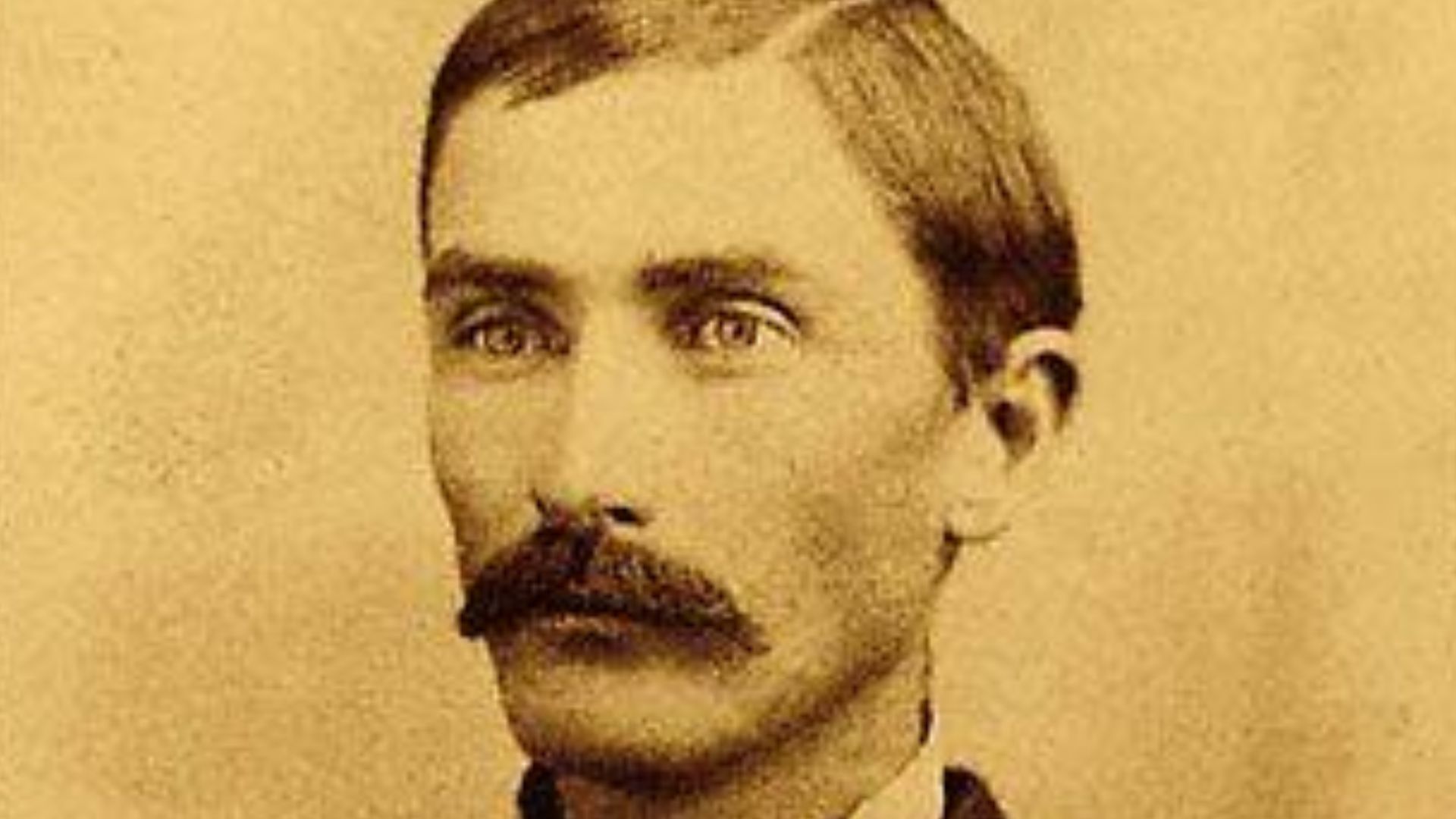
Though Garrett led a varied life and did many different jobs and ventures, public fascination with Billy the Kid would dictate how newspapers depicted him for decades. Garrett was aware of this connection during his lifetime. Sometimes he embraced it, other times he brooded with resentment because of it. The notoriety from July 14, 1881, stayed inseparable from every chapter that came afterward in his turbulent life.
 Unknown authorUnknown author, Wikimedia Commons
Cinematic Figure
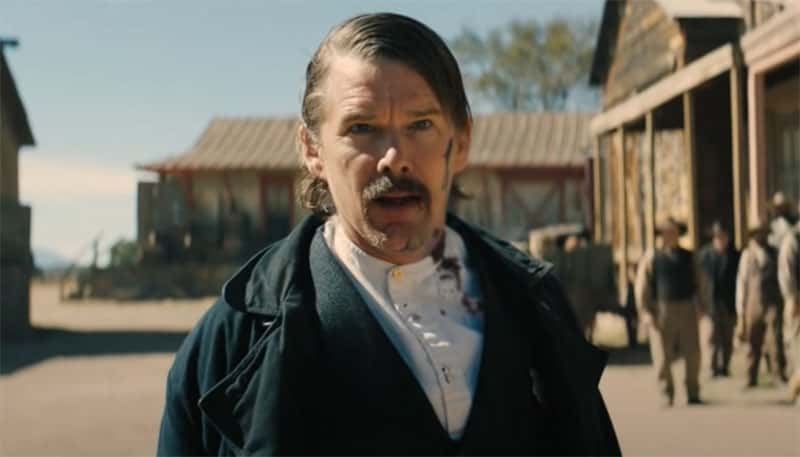
Garrett’s tense relationship with Billy the Kid made him a favorite figure in Western films. Over the decades, at least 40 actors, including James Coburn, Wallace Beery, and Ethan Hawke have played the lawman on screen. Each portrayal emphasized different traits of the lawman’s personality: ruthlessness, regret, or duty. Garrett’s complicated real-life persona and mysterious end continue to inspire new interpretations.
He Never Turned Away From The Challenge
Pat Garrett’s path from drifting cowboy to reluctant gunman to embattled public official encapsulates the story of the Old West on the frontier of a changing career. His pursuit of Billy the Kid brought him lasting fame, but his later life brought many vicissitudes: failed ventures, bitter disputes, and a violent end. His story will forever be rooted in the brutal realities he tried to police.
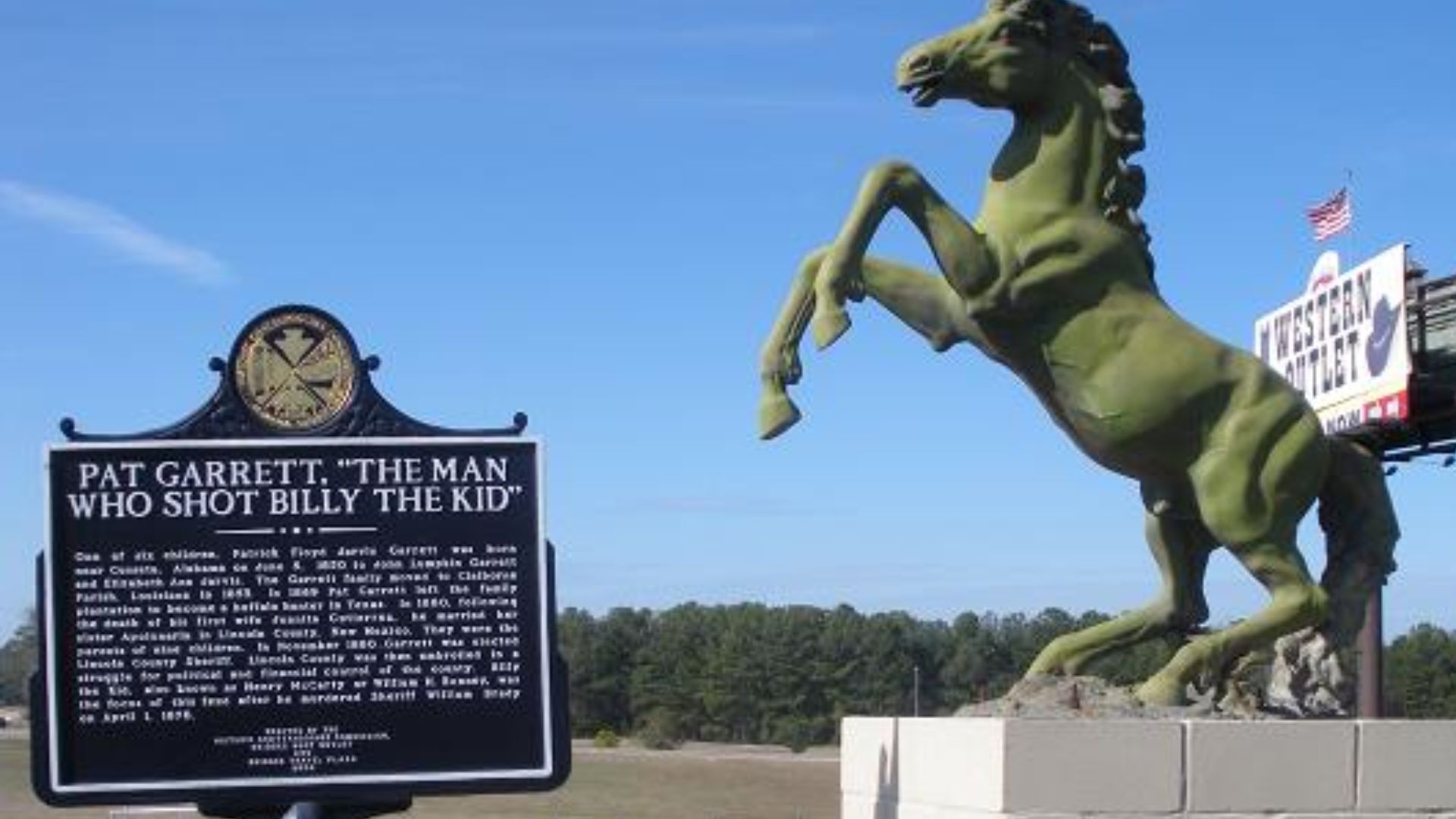 Rivers A. Langley; http://www.phoenixrivers.blogspot.com, Wikimedia Commons
You May Also Like:
Dastardly Facts About Doc Holliday, The Wild West Gentleman
Gunslinging Facts About Wyatt Earp, The Infamous Lawman
Rough Facts About Calamity Jane, The Wildest Woman In The Old West