She Was A Journalist
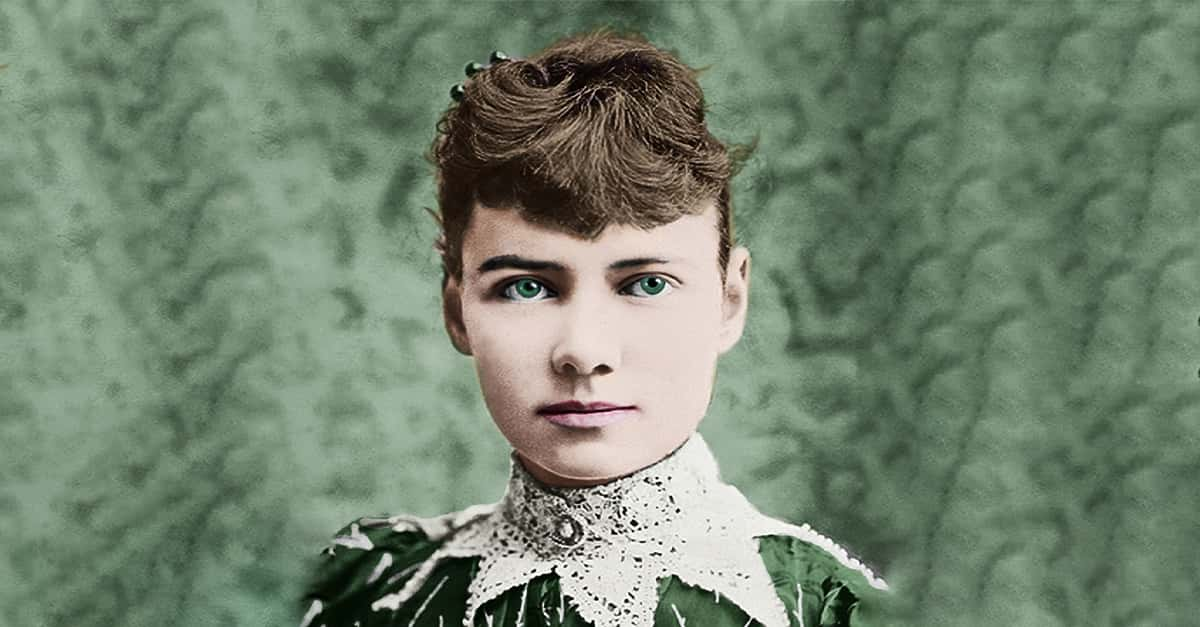
Nellie Bly single-handedly introduced the world to the concept of stunt girl journalism. These were female journalists going undercover in sometimes dangerous situations to bravely bring scandals out to the newspaper reading public. Once other stunt girls joined in on the idea, Bly had to come up with more and more outrageous stories and more and more outrageous ways to keep readers glued to their newspapers. When Bly was finally at the top of her game, she did something that shocked her loyal fans and changed her life forever.
 H. J. Myers, Wikimedia Commons
1. She Was Unlucky 13
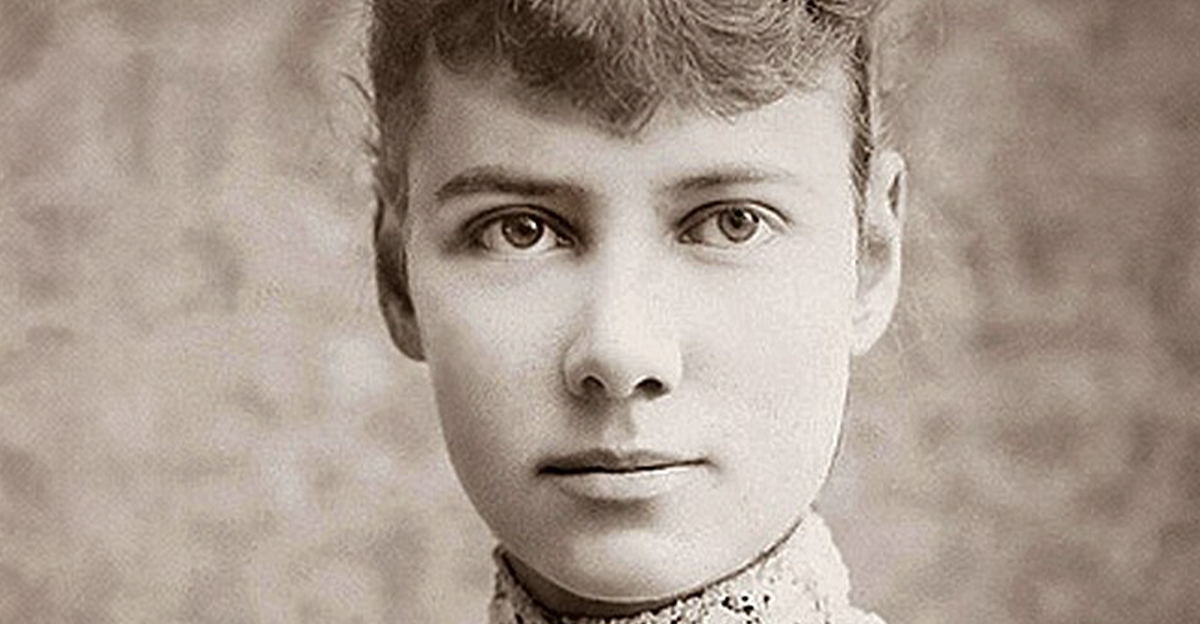
Nellie Bly was born Elizabeth Jane Cochran on May 5, 1864, in Cochran's Mills, Pennsylvania. As it turned out, Bly’s father was almost single-handedly populating the town that bore his name. With his first wife, he had 10 children, and with his second wife, he had five more. Bly was unlucky number 13 on the list. Sadly, she never really got to know her father, as he passed away when she was just six years old.
Life for Bly took a turn for the worse.
 H.J. Myers, New York., Wikimedia Commons
2. She Had To Quit
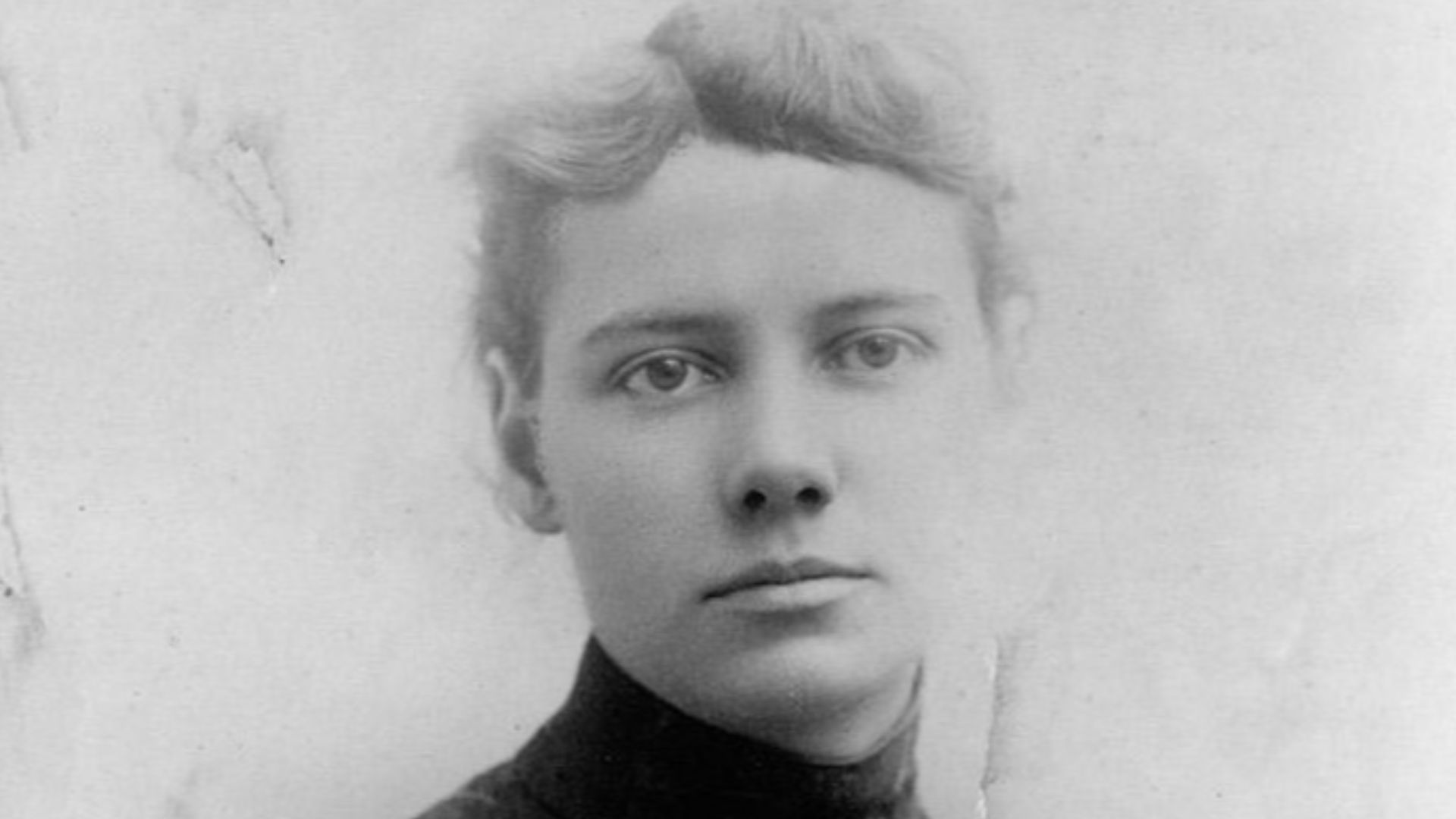
Bly’s mother remarried and then divorced in 1879. With no father in the family for financial support, times were tough for Bly and her siblings. Bly enrolled in the Indiana Normal School but had to leave because they couldn't afford the tuition. The next year, her mother packed up the entire family and moved to Allegheny City, which was just outside Pittsburgh.
It was here that Bly found something that made her blood boil.
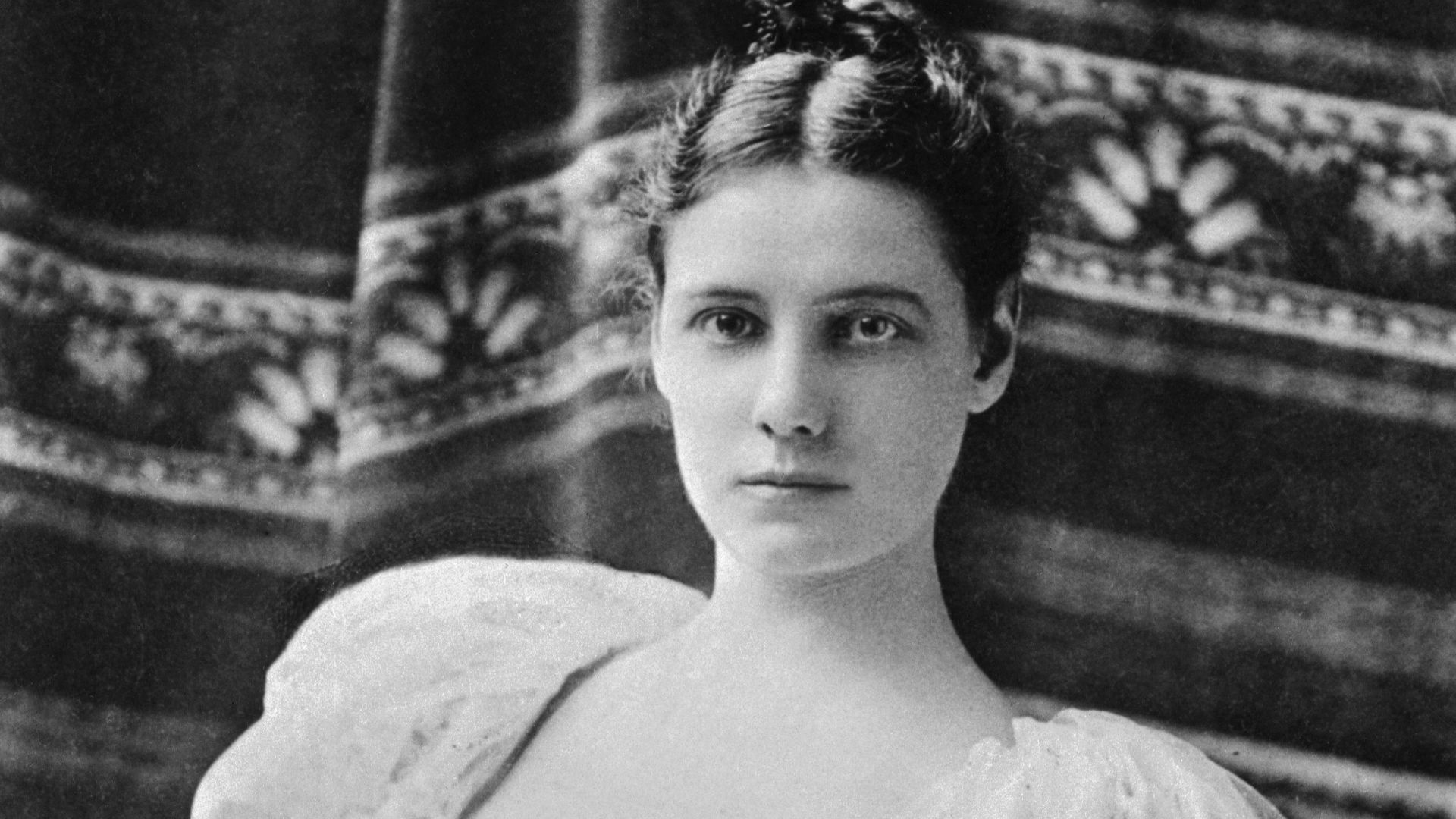 Unknown authorUnknown author, Wikimedia Commons
3. She Got Mad At A Story
When Bly was about 20 years old, a headline in the Pittsburgh Dispatch caught her eye. It was "What Girls Are Good For". Likely looking for some information about opportunities for women, Bly started reading. When the article only mentioned having children and cleaning the house, she started seeing red.
She was not going to take this sitting down.
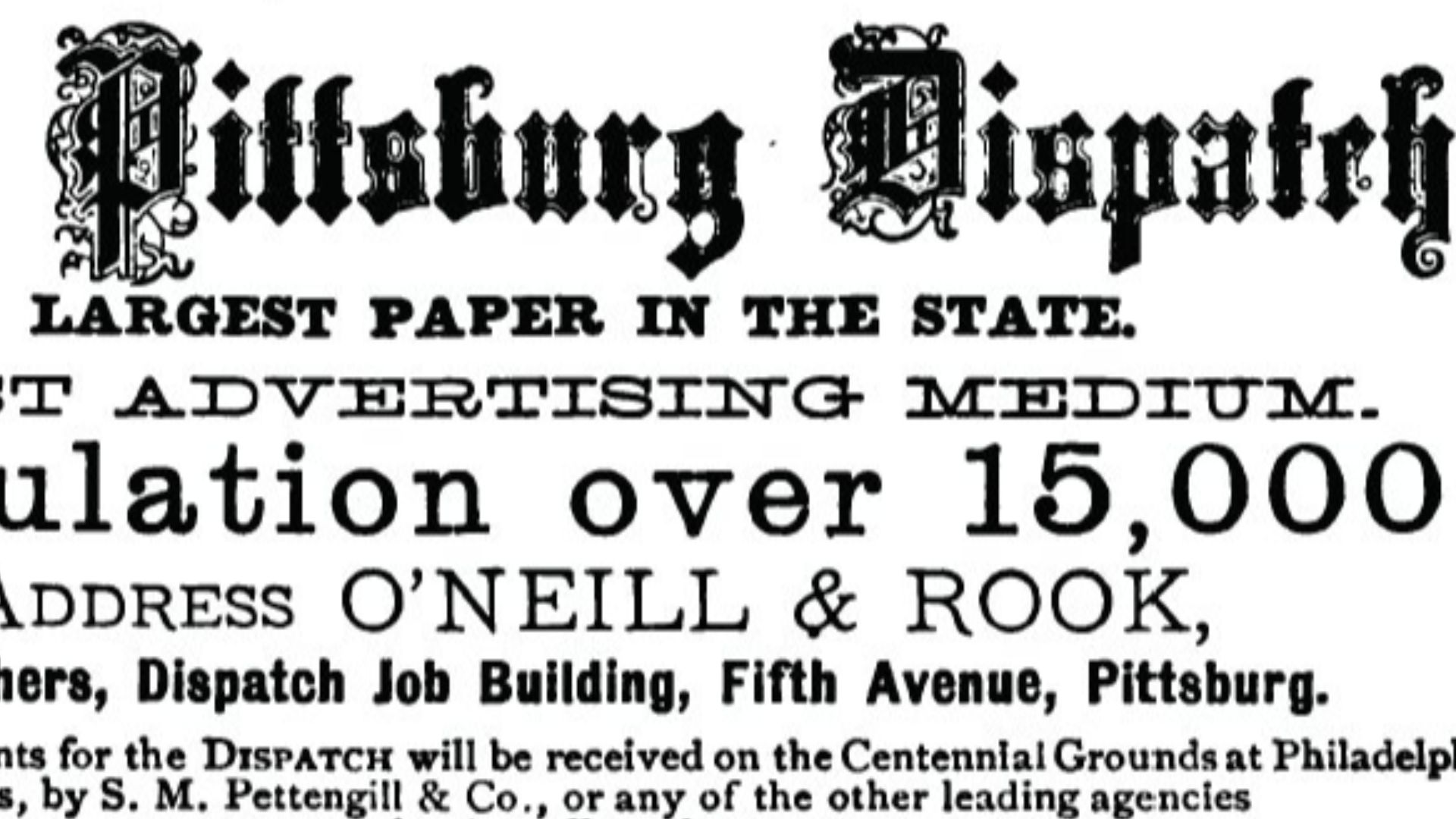 J. R. Nagle and company, Wikimedia Commons

History's most fascinating stories and darkest secrets, delivered to your inbox daily.
4. She Wrote An Enraged Letter
Bly sat down and started writing an angry letter to the newspaper. She wrote about how she disagreed with the idea that women were only good for making babies and doing housework. Bly signed the letter "Lonely Orphan Girl" and sent it in. She didn’t know it then, but this angry letter would set her on a course for a whole different life.
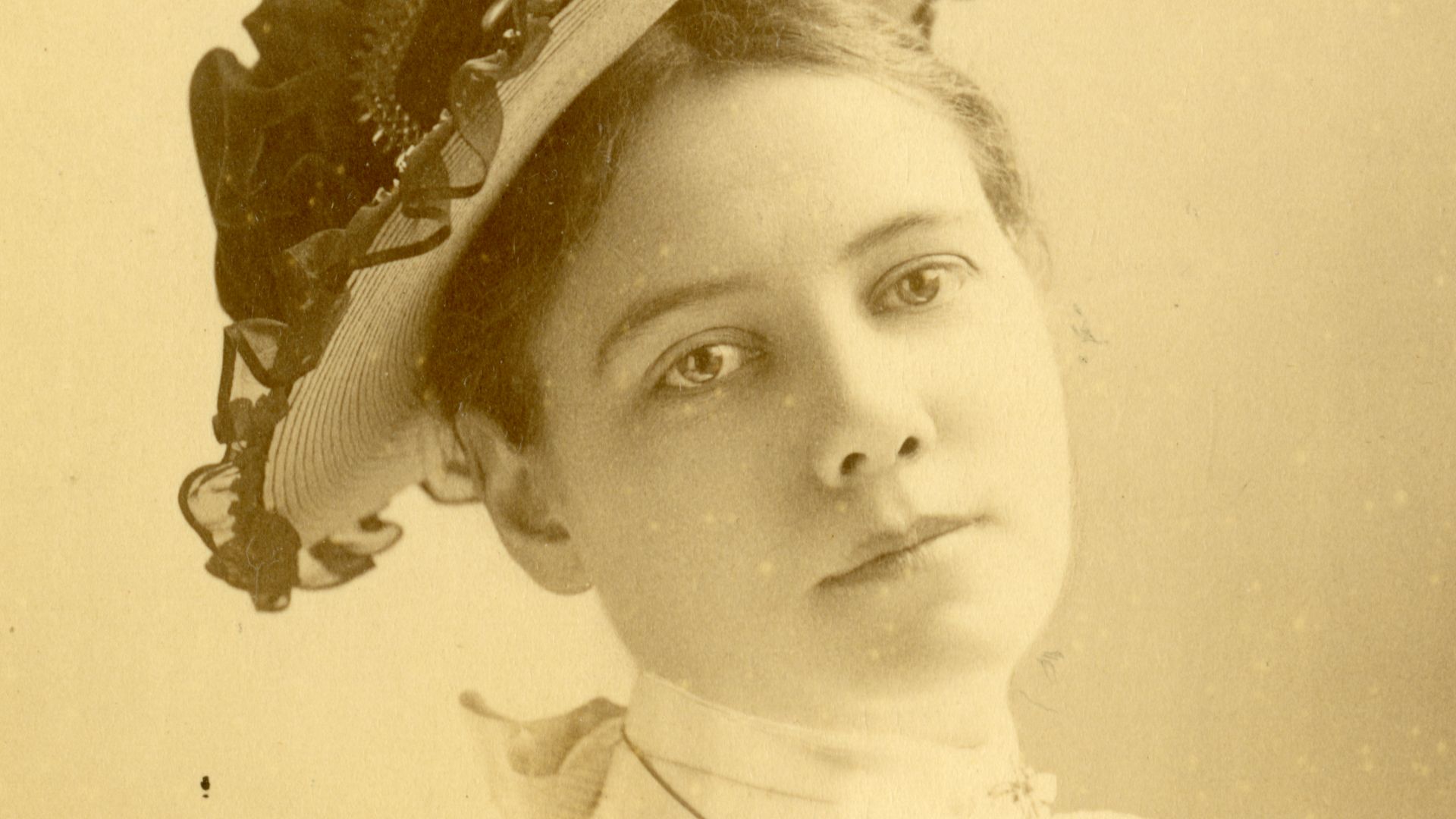 Unknown authorUnknown author, Wikimedia Commons
5. They Wanted To See Her
Bly probably expected no response at all to her letter. To her surprise, she soon saw an ad in the same newspaper that seemed to target only her. It said that the newspaper wanted the author who called herself “Lovely Orphan Girl” to contact them. Bly probably thought she was in trouble.
It was actually the opposite.
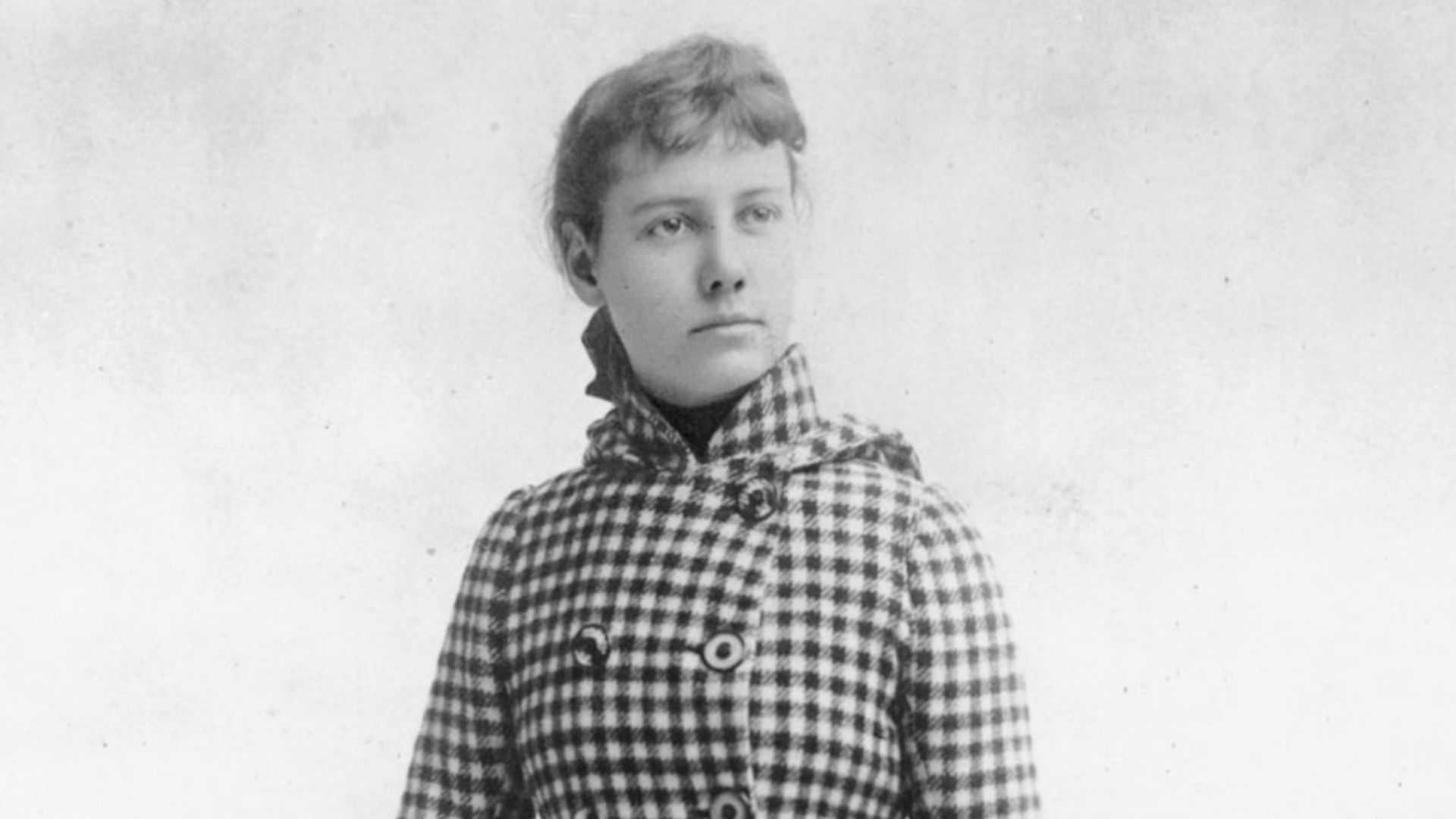 Unknown authorUnknown author, Wikimedia Commons
6. She Received An Offer
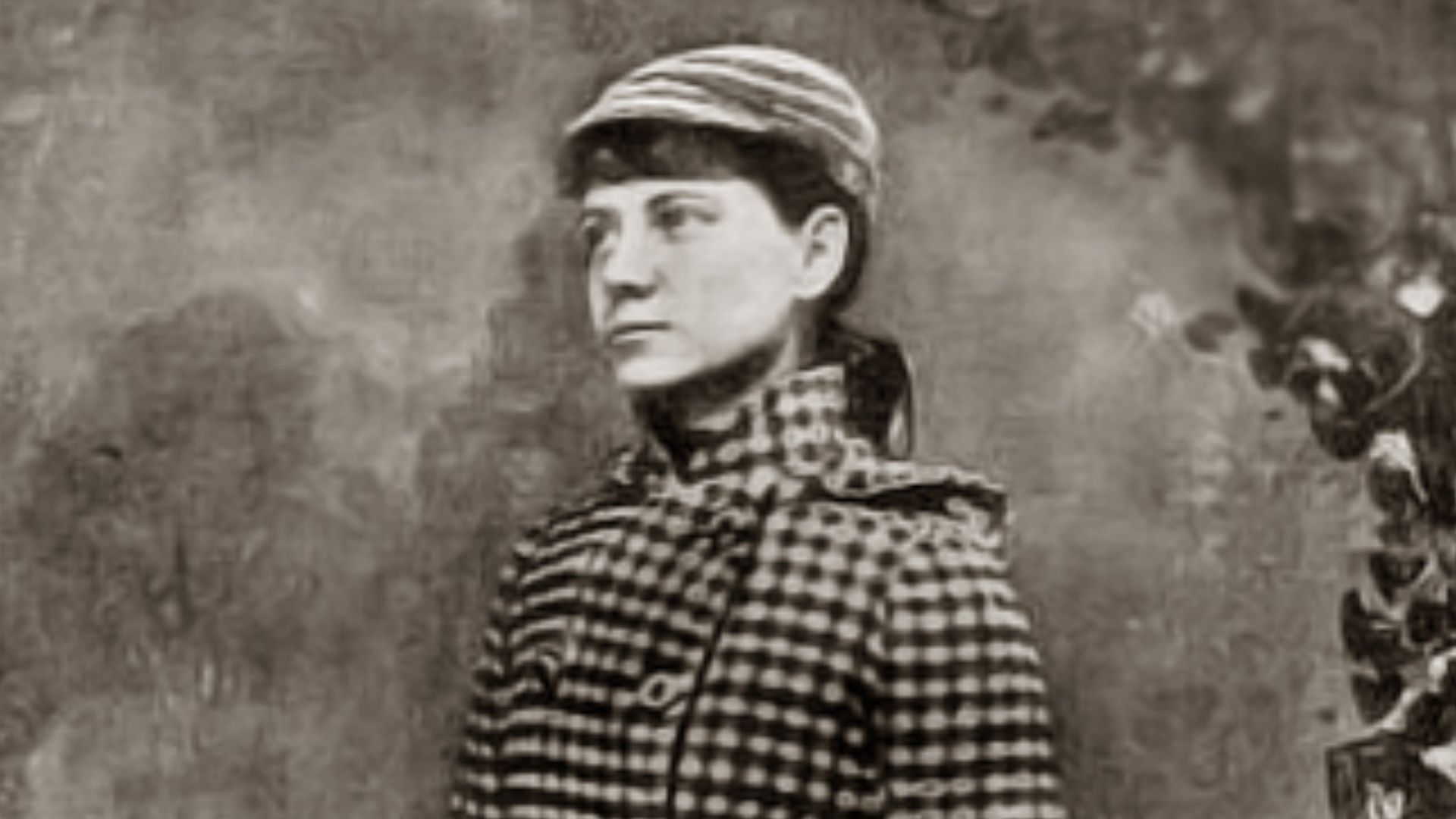
As it turned out, the editor of the Pittsburgh Dispatch, George Madden, wanted to meet Nellie Bly because her writing was so good. He even wanted to offer her a chance to write an article for the newspaper. Bly accepted, and her first article argued that not all women should marry, and, instead, society should find better jobs for women.
Bly also needed a better job for herself.
 Historical and Public Figures Collection, Wikimedia Commons
7. She Had To Hide Her Identity
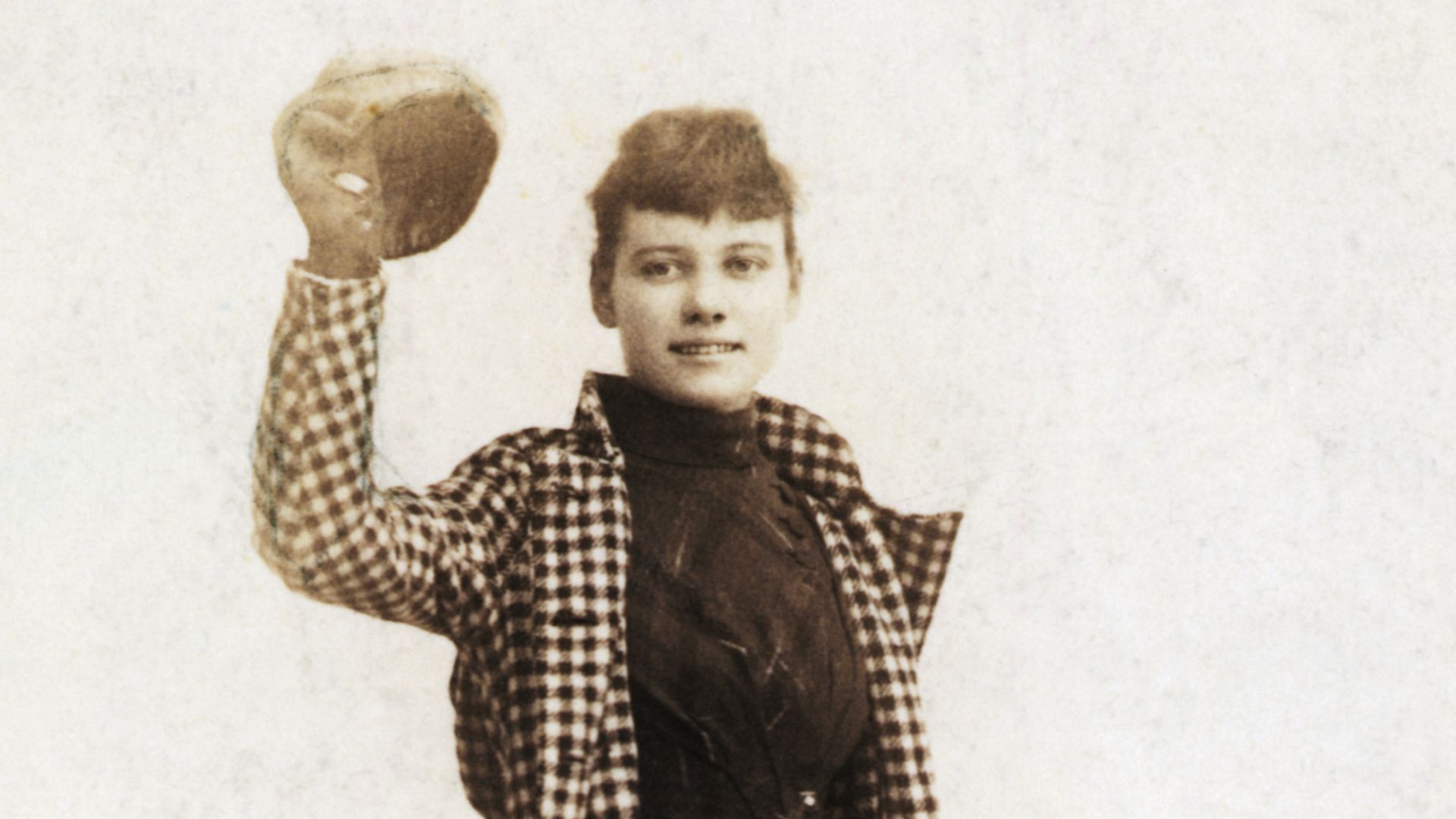
Madden was so impressed with Bly’s second article that he wanted her to write another one. He also wanted to drop the “Lonely Orphan Girl” alias. Back at this time, female writers found it necessary to hide their identities with pen names because it was still scandalous for a woman to be writing about serious topics.
Bly came up with a new name for herself.
 Unknown authorUnknown author, Wikimedia Commons
8. She Found A Name
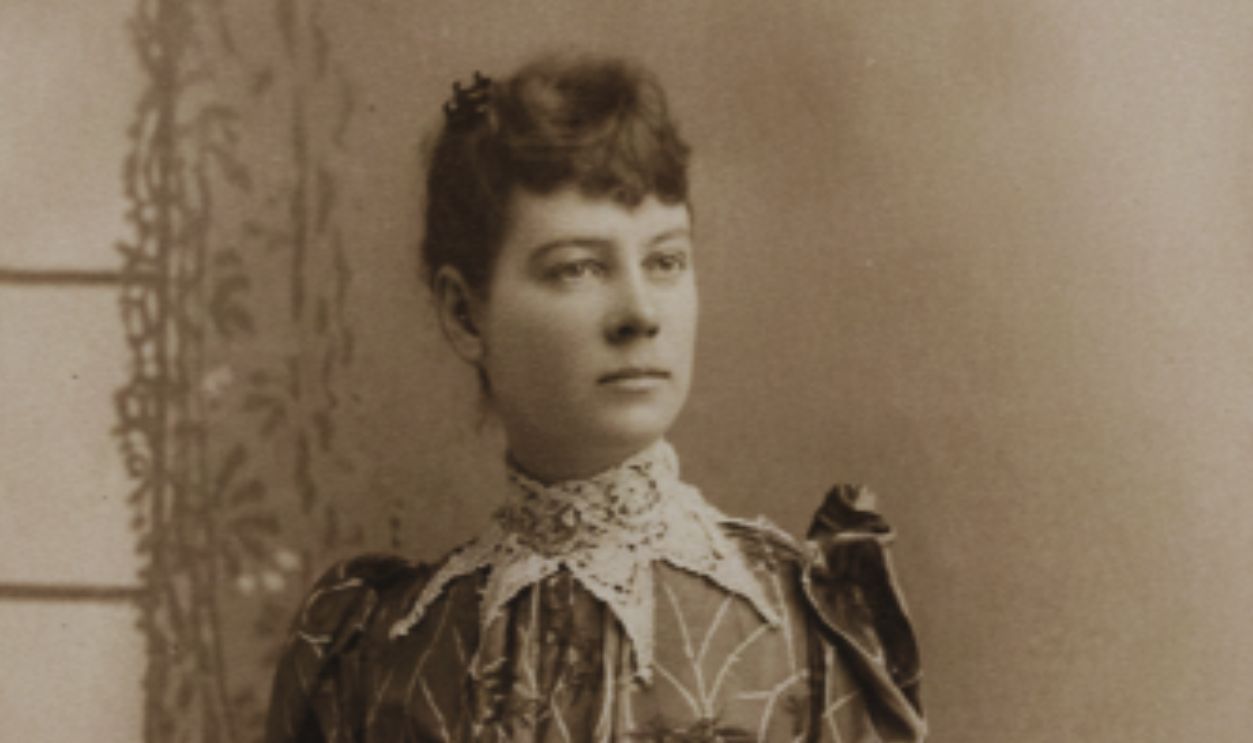
Bly came up with the name “Nelly Bly”, inspired by an African American character in a song by Stephen Foster. When Bly’s article went to print, the editor made the mistake of spelling her first name “Nellie”. And that was how the absolutely original name of Nellie Bly came into being.
Nellie Bly was now ready to make some waves in print.
 H.J. Myers, N.Y, Wikimedia Commons
9. She Wrote From Experience
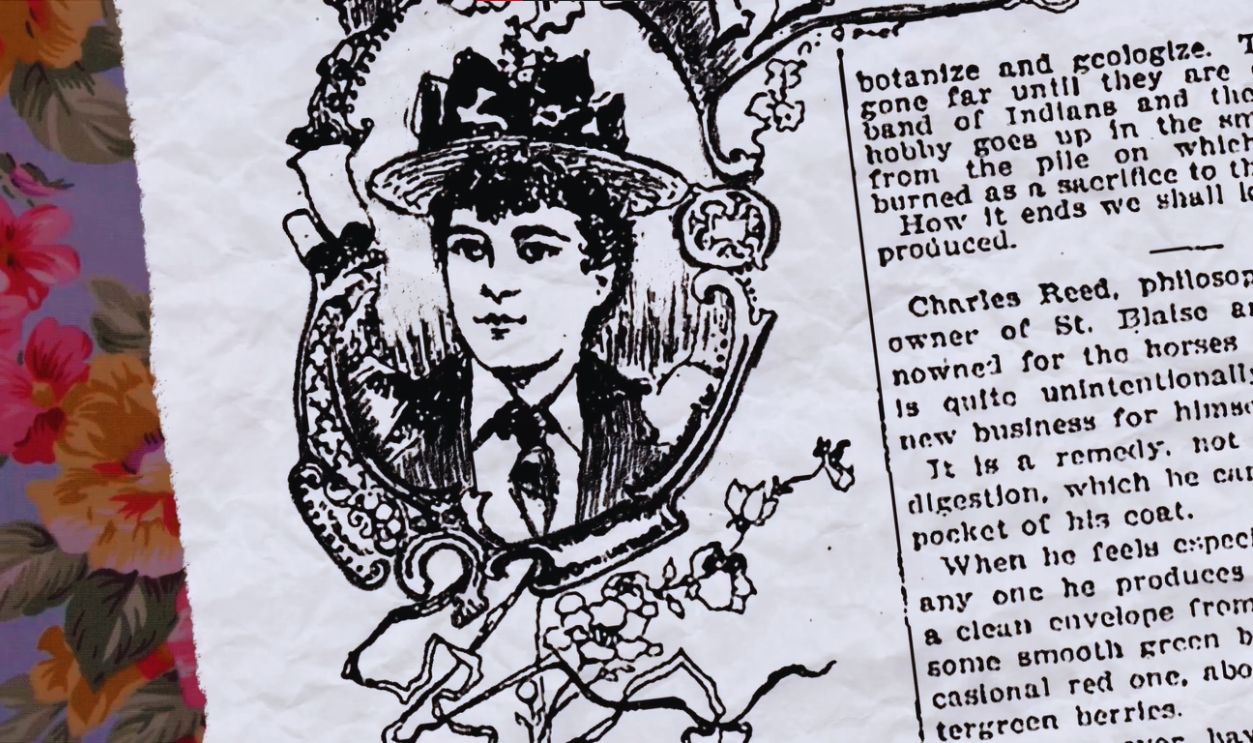
Bly’s second article spoke about marriage. "Mad Marriages" was about how divorce affected women and called for some reform of the existing divorce laws. Bly’s article was particularly passionate because she was writing from the experience of her own mother’s problems with divorce. Once again, her writing made an impression on the editor.
He was ready to take Bly to the next level.
 Screenshot from Nellie Bly Makes the News, Video Project (2019)
History's most fascinating stories and darkest secrets, delivered to your inbox daily.
10. She Knew What She Cared About
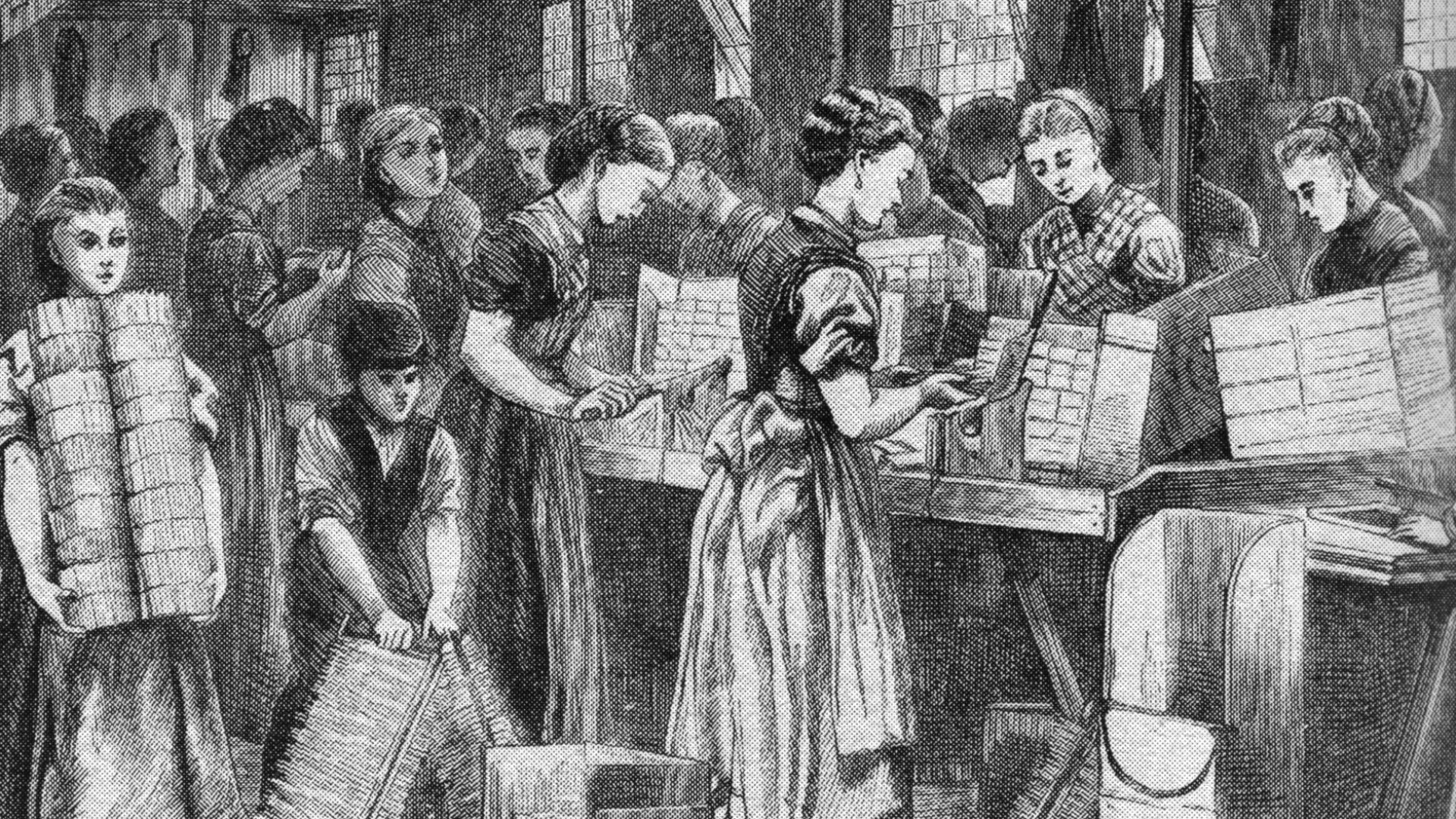
Madden was ready to make Bly a full-time member of his writing staff. As her first focus, she would write about the plight of women who worked, especially those in factories. But simply interviewing workers wasn’t enough for Bly. She wanted to find out exactly how it felt to be a female worker in a factory.
After spending some time thinking outside the box, she came up with a plan.
 Herbert Johnson, Wikimedia Commons
11. She Wore A Disguise
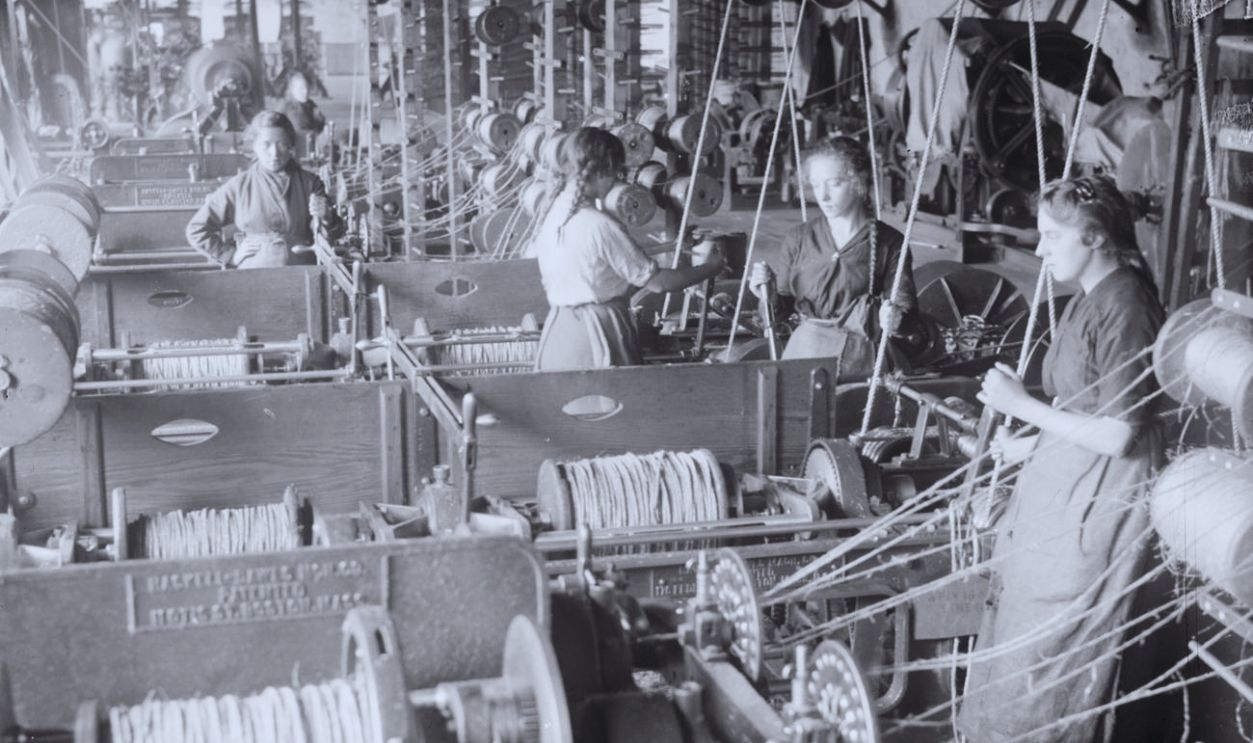
Bly decided that the best way to write about women working in factories was to become a woman working in a factory. She dressed up like a poor woman and went in search of a job. She got a position at a copper cable factory and exposed herself to the dismal conditions that faced both women and children at the factory.
She was ready to write her article and she wasn’t about to hold back.
 George P. Lewis, Wikimedia Commons
12. She Caused A Stir
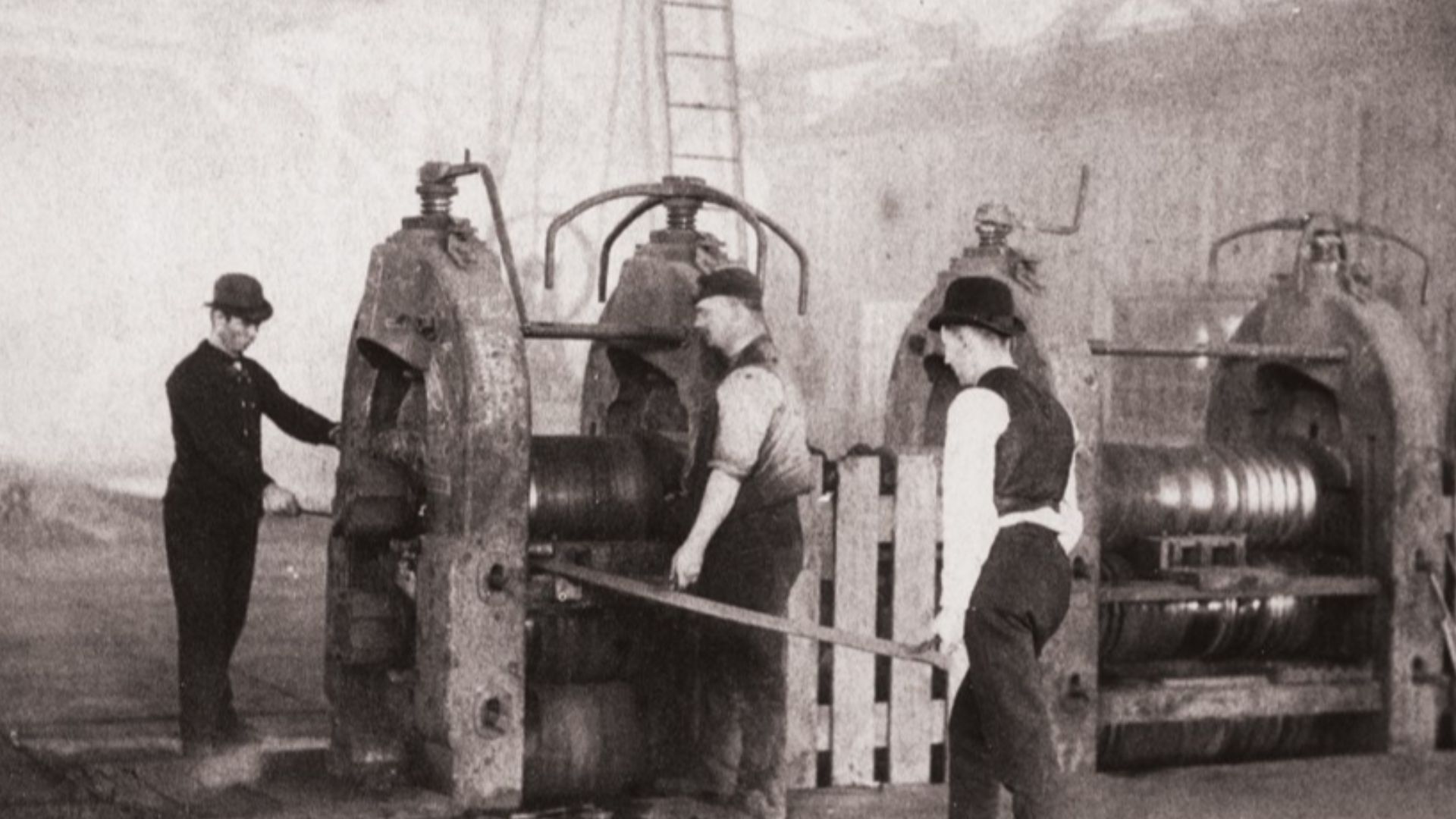
Bly’s article about poor working conditions for women in factories received a positive response from factory workers. However, one group that didn’t like the article was factory owners. These men began writing angry letters to the editor to complain. Her editor was in a pickle. He had to do something about Bly.
 Carpenter Steel Company, Wikimedia Commons
13. She Got Demoted
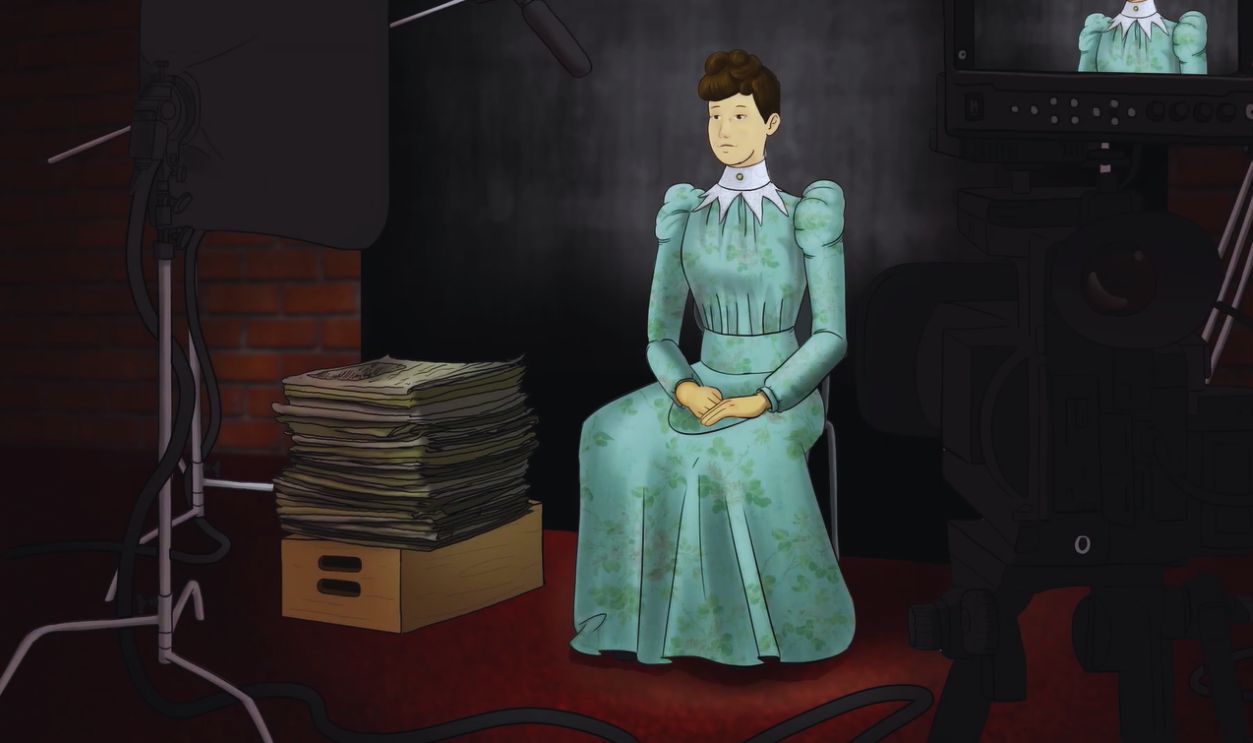
Bly’s editor had to appease the angry and influential factory owners. What this meant for Bly was a demotion. She shifted from writing political columns supporting women to covering stories that interested traditional female readers. This meant things like gardening, fashion, and even society news.
There was no way Bly could stomach this. She had to make a change.
 Screenshot from Nellie Bly Makes the News, Video Project (2019)
14. She Went South
Nellie Bly was just 21 years old when she reinvented herself: she decided she would be a foreign correspondent. Next, she had to choose her first stop. It was Mexico. She made the trip and spent almost six months writing about Mexican culture. While this sounds like a fairly safe gig, Bly soon got herself into trouble.
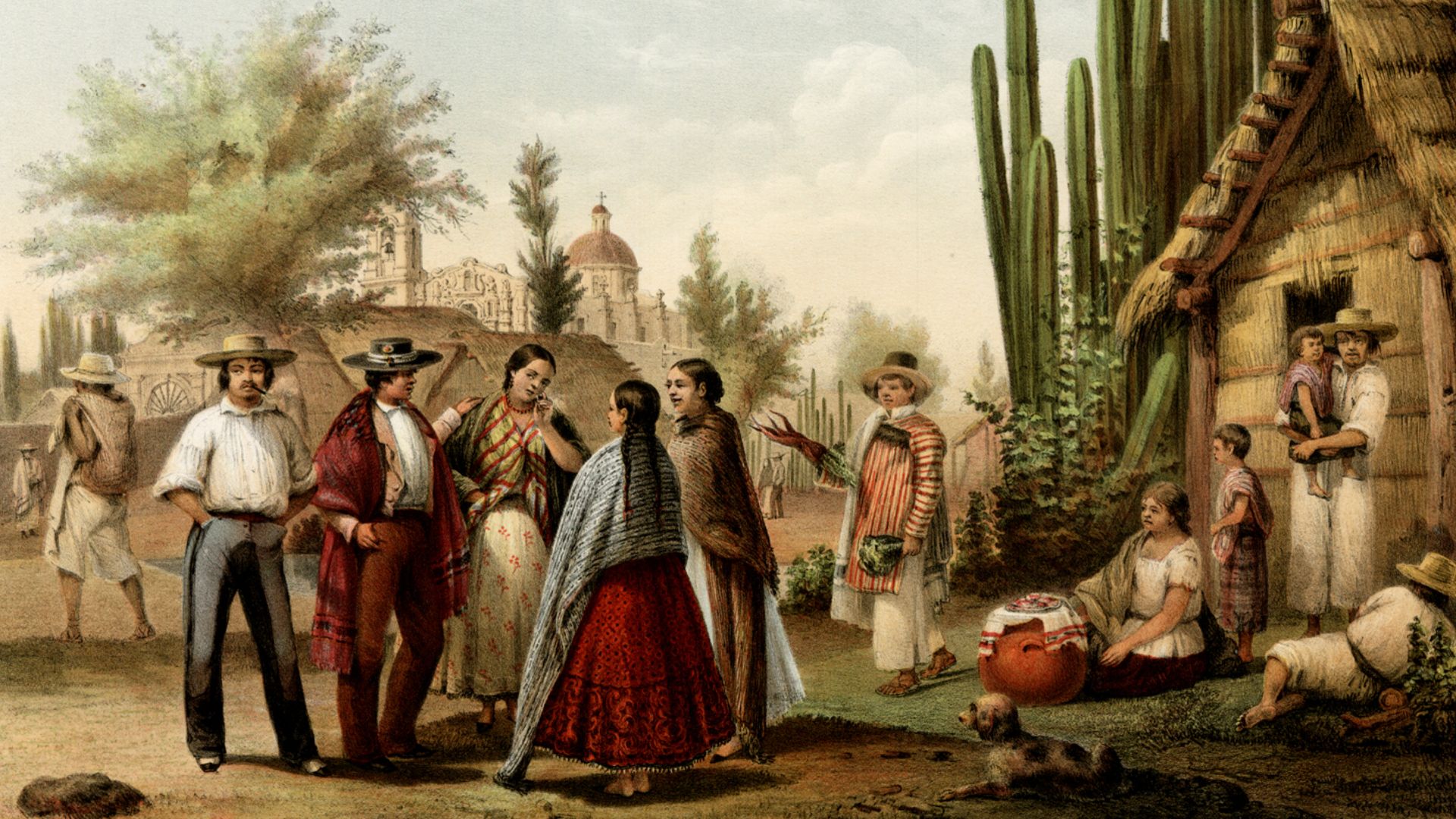 Casimiro Castro (1826-1889), Wikimedia Commons
15. Sher Angered A Dictator
Between writing wholesome pieces about the customs of Mexican people, Bly wrote one that was critical of the Mexican government. At this time, the Mexican people were living under a dangerous dictator named Porfirio Diaz. Bly’s article, which was about the unfair imprisonment of a Mexican journalist, got her into hot water. The authorities called for her arrest.
Bly had to do something quickly.
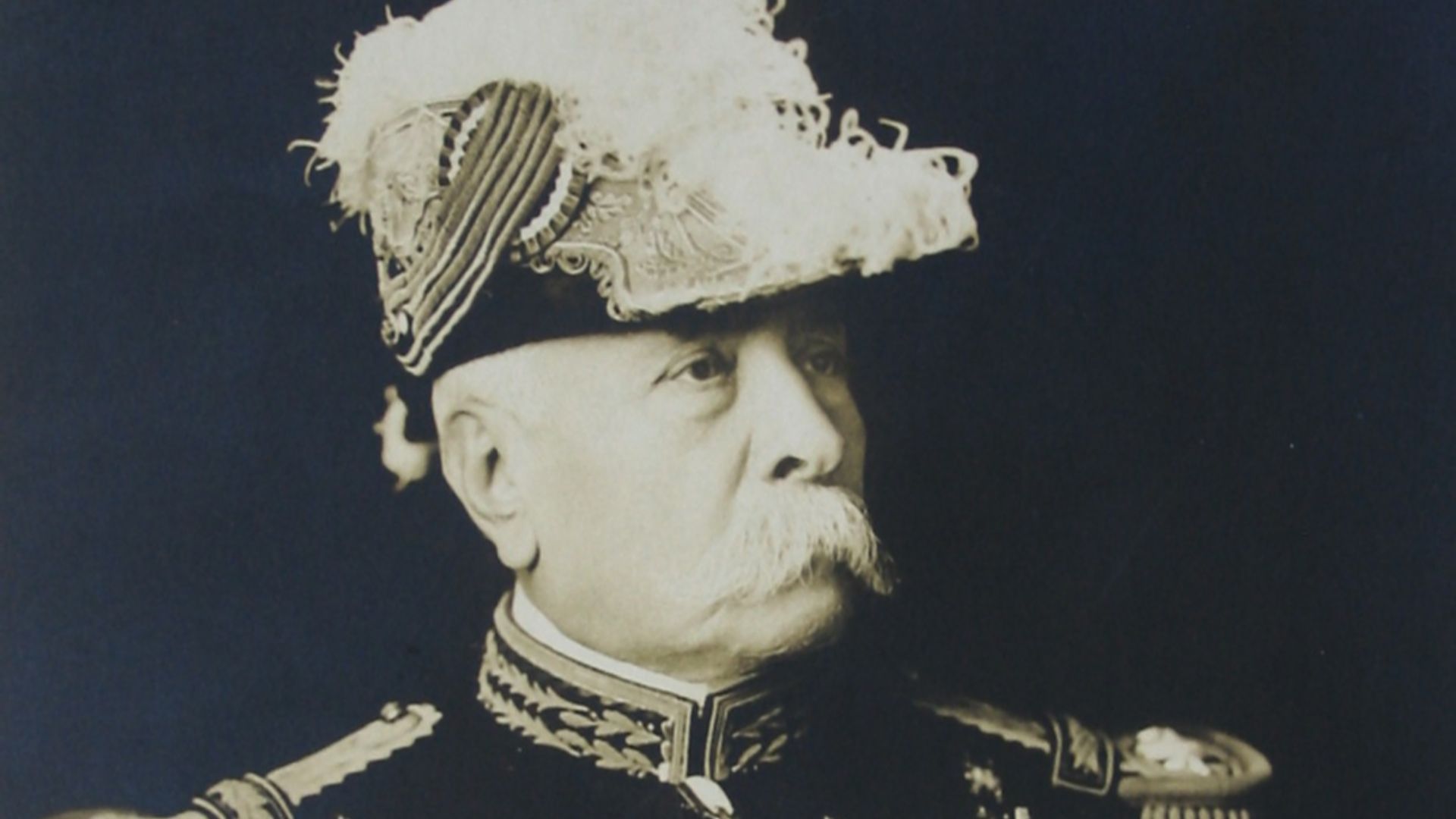 Aurelio Escobar Castellanos, Archive, Wikimedia Commons
History's most fascinating stories and darkest secrets, delivered to your inbox daily.
16. She Fled
Luckily, these were the days when you could still quickly and easily exit a country. Nellie Bly did just that and returned to the States. Once safely home, she wrote more about Diaz, calling him a "tyrannical czar”. She clearly did not worry about making dangerous enemies. By now, she was safe and sound in Pittsburgh.
Her only enemy was her editor.
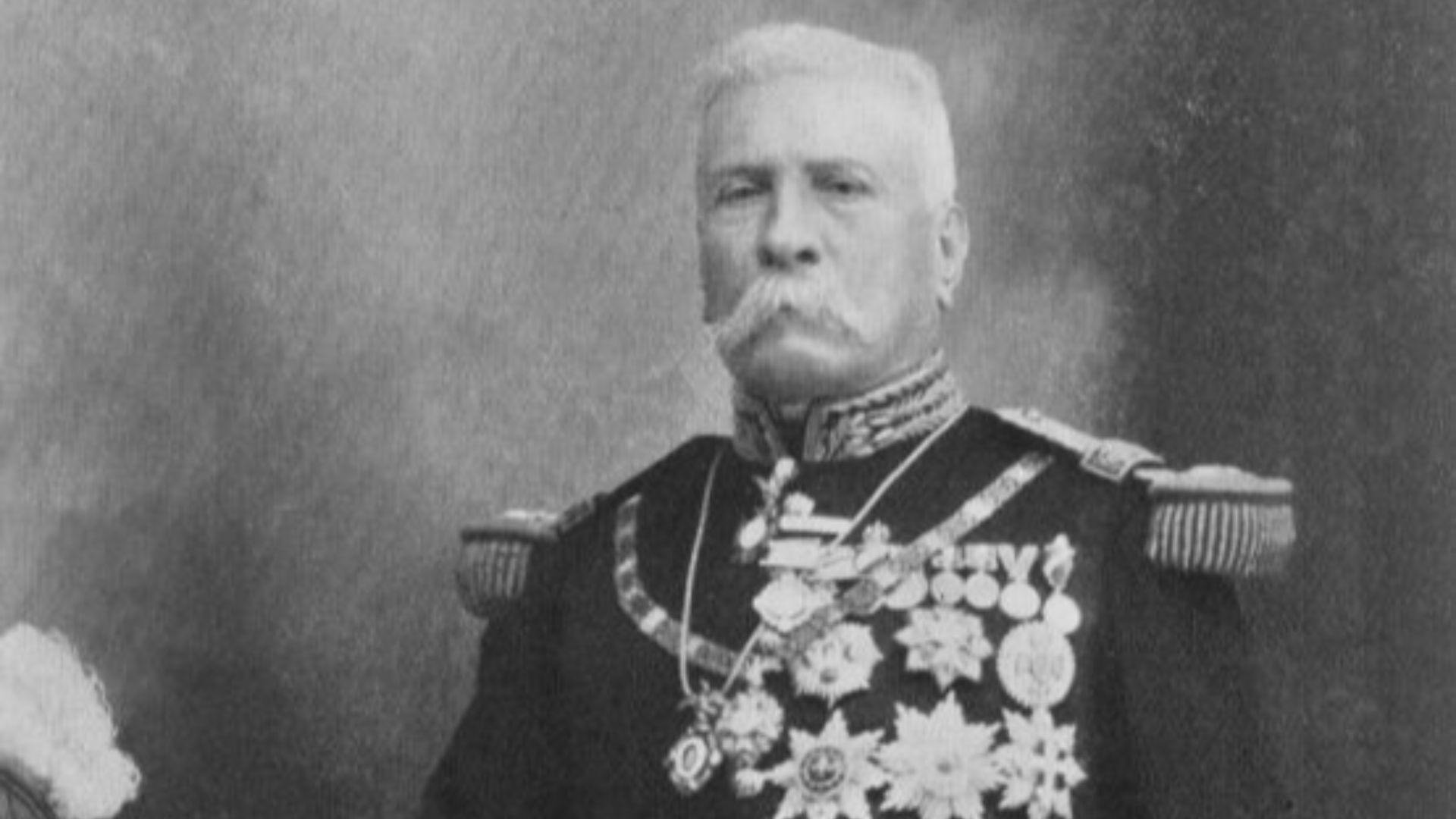 Unidentified photographer, Wikimedia Commons
17. She Took A Risk
Even after her brave stint in Mexico, Bly’s editor only had theater and arts columns for her to write. This was not her thing, and she realized she needed another change. It was 1887 when Bly quit her cozy job at the Pittsburgh Dispatch and headed to New York City, where she hoped they’d take her seriously as a journalist.
It was a huge risk.
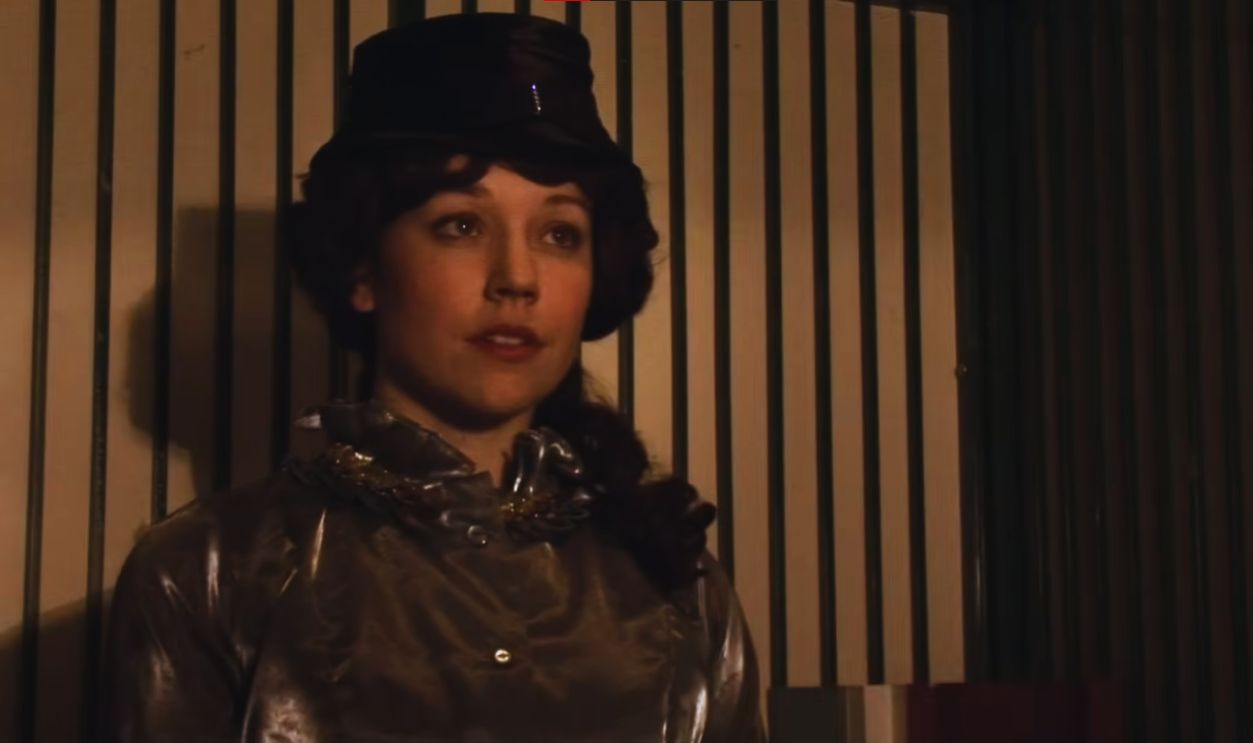 Screenshot from 10 Days in a Madhouse, Cafe Oscura Films (2015)
18. She Met With Rejection
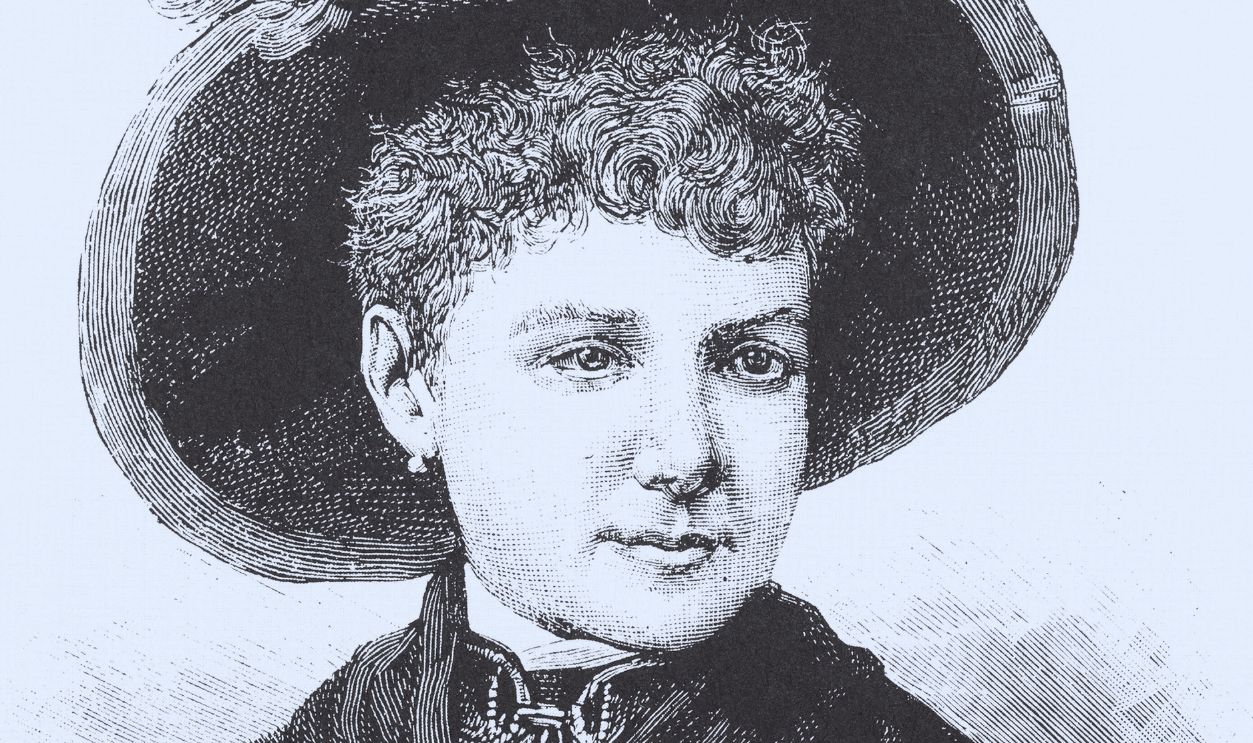
As it turned out, New York newspaper editors were no more enlightened than the Pittsburgh ones. She faced only rejection there, and she knew it was because she was a woman. With no job and little savings, Bly was completely broke. She was desperate, and that meant desperate measures.
 Interim Archives, Getty Images
19. She Had A Crazy Idea
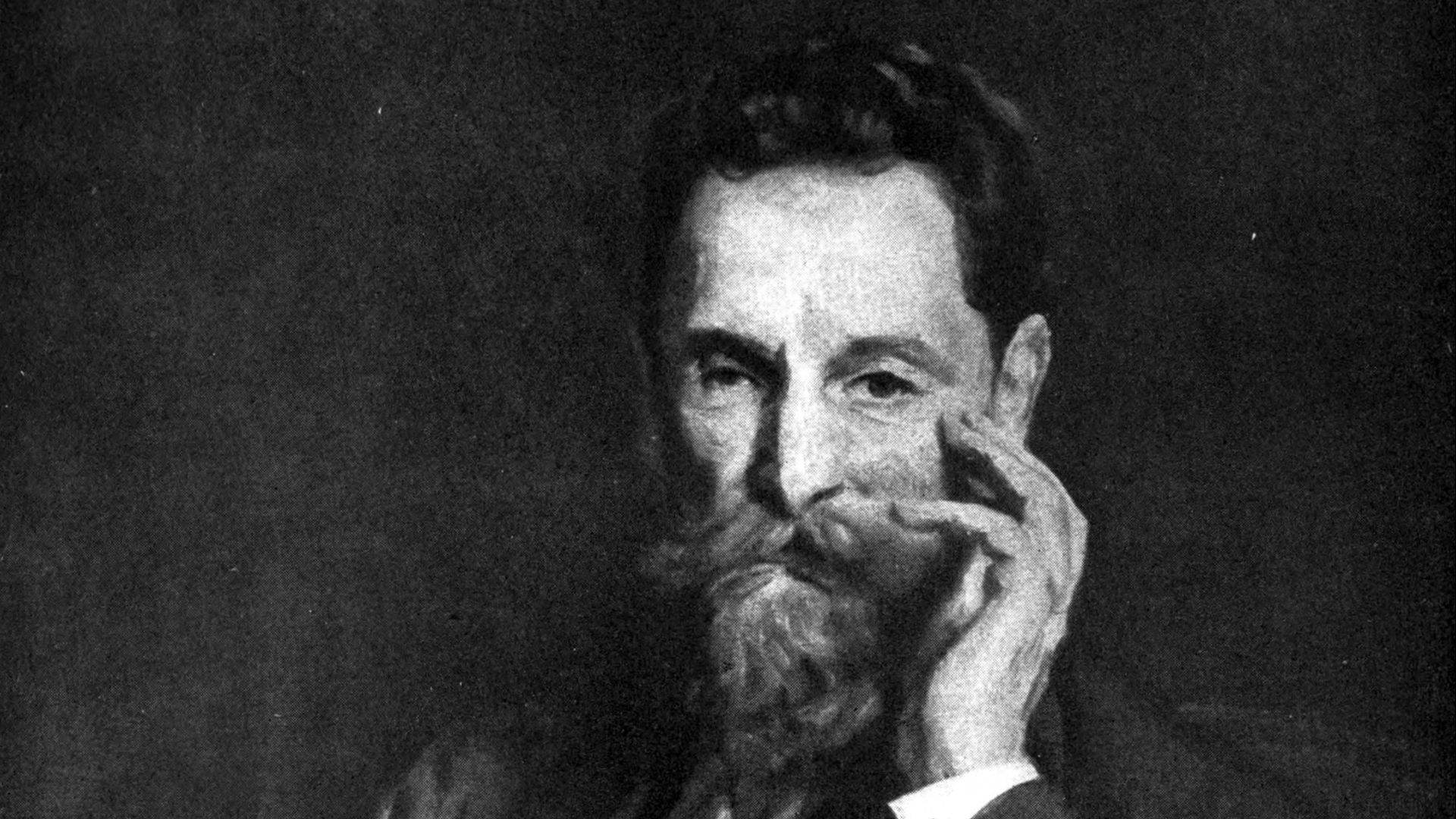
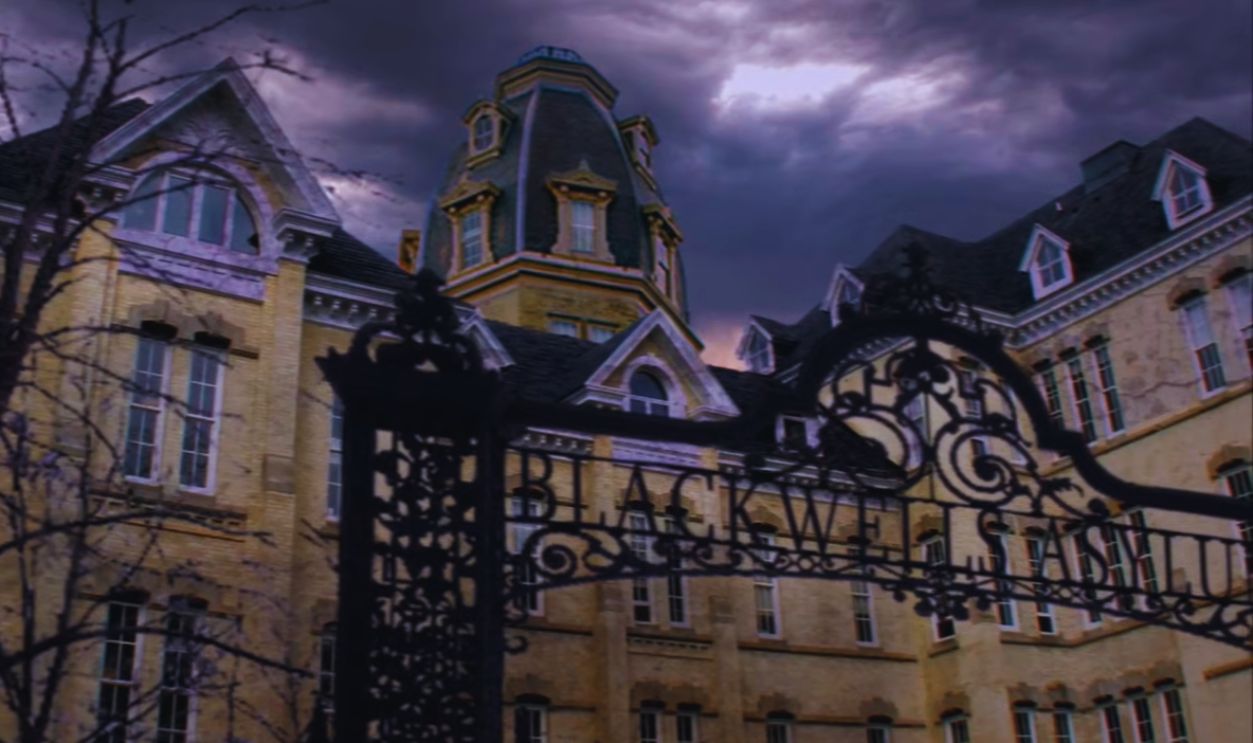
Bly had an idea for an article, and she needed the right newspaper to sponsor her. She sweet-talked her way into the New York World, whose owner was Joseph Pulitzer. Her idea was certainly out there. Bly had heard that conditions in the Women’s Lunatic Asylum on Blackwell’s Island were horrible.
She had a crazy, and potentially dangerous, idea about how to get the story.
 no painter credit given, Wikimedia Commons
20. She Was Going To Fake It
Remember, Nellie Bly found employment as a factory worker to get one story. This time, she planned to feign insanity, enter the asylum as a patient, and then leave safely to write the article. Bly had a plan to accomplish this, and it was going to require skill, nerve, and a lot of luck.
 Screenshot from 10 Days in a Madhouse, Cafe Oscura Films (2015)
21. She Lived In A Scary Place
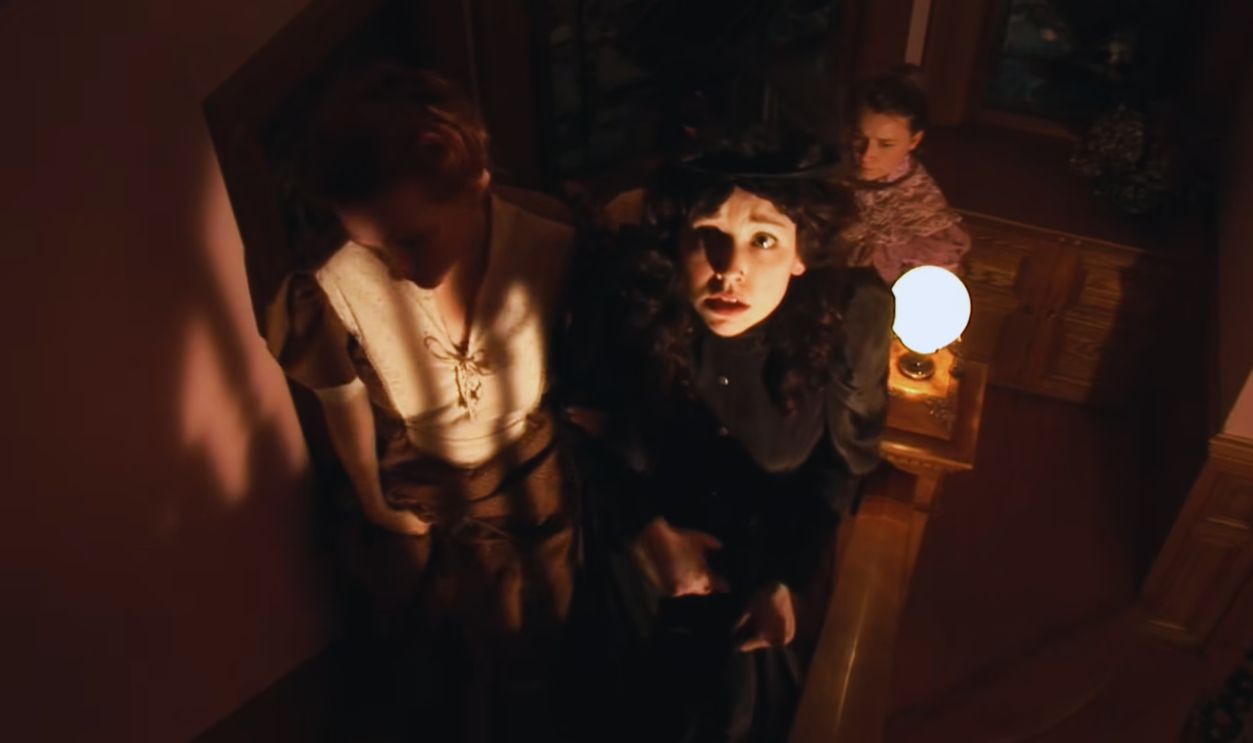
The first part of Bly’s plan was to get a doctor to say she was insane. She had to work slowly to make that happen. First, she started living in a place called "Temporary Homes for Females". Once there, she wouldn’t let herself sleep, so she would look crazy. She started acting paranoid and complained about the other residents.
Eventually, they had to call the police. Bly’s plan was working like a charm.
 Screenshot from 10 Days in a Madhouse, Cafe Oscura Films (2015)
History's most fascinating stories and darkest secrets, delivered to your inbox daily.
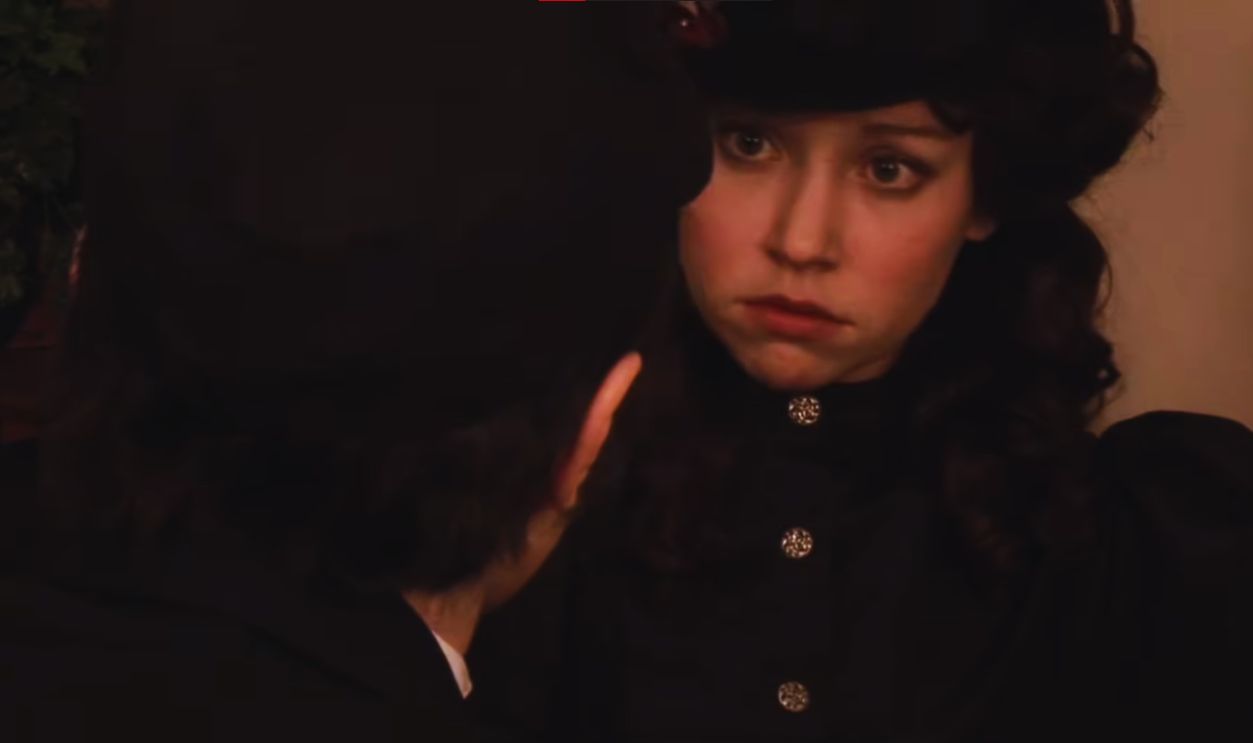
22. She Acted Perfectly
Bly’s acting job was amazing. She received three examinations: by a doctor, an officer of the law, and a judge. After her Oscar-worthy performance, they sent her to Bellevue Hospital for a brief time and then off to Blackwell’s Island.
Bly had done it. Now she had to face living in the horrible asylum.
 Screenshot from 10 Days in a Madhouse, Cafe Oscura Films (2015)
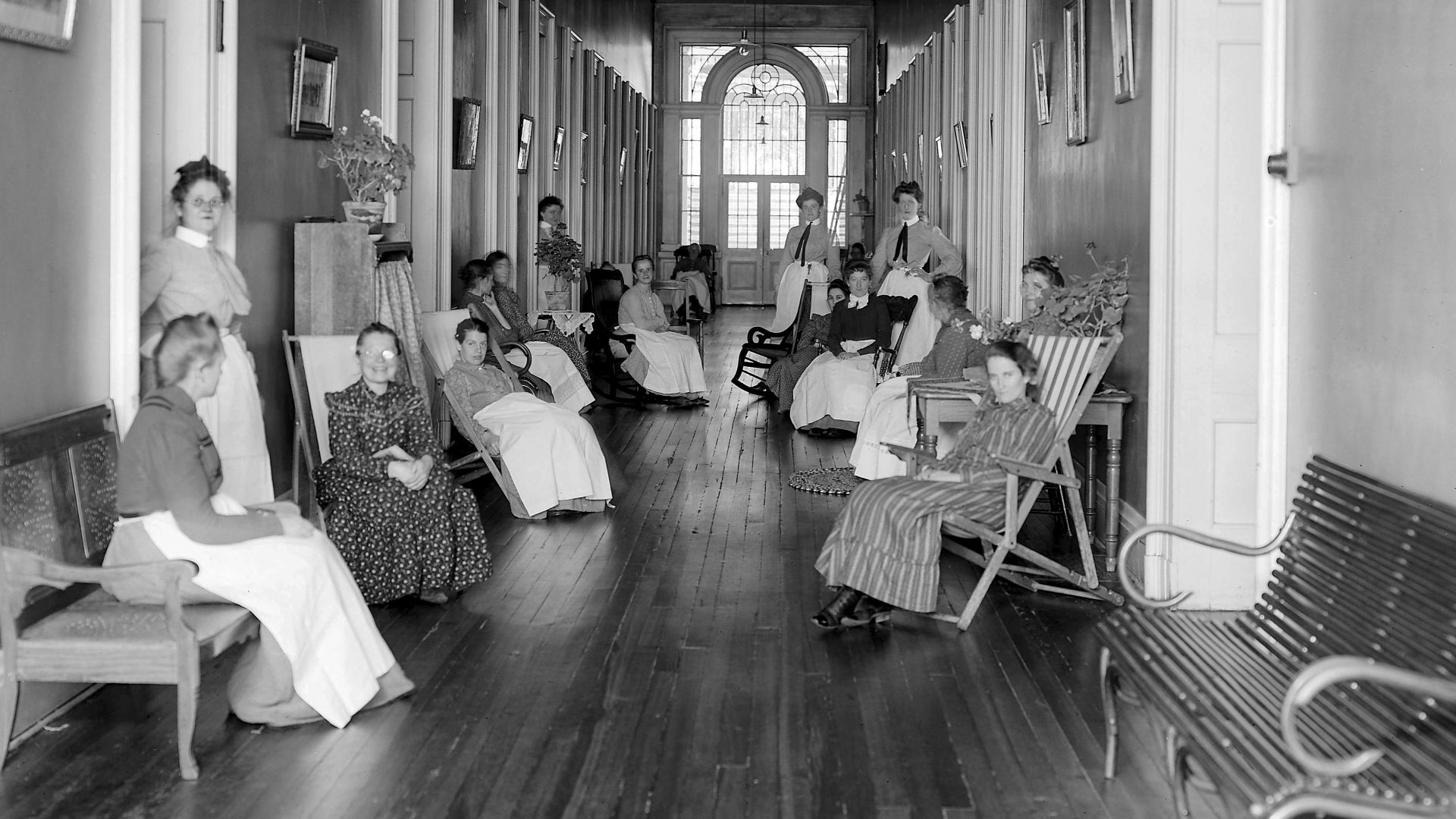
23. She Saw What She Expected
Bly got a first-hand look at the horrible conditions at the Women’s Lunatic Asylum. The place was freezing cold, and the staff mistreated the residents horribly. She also noticed that immigrant residents with little English skills got the worst treatment. Once she’d seen what she needed to, Bly was ready to get out.
But that wasn’t going to be easy.
 City of St. Louis Water Department, Wikimedia Commons
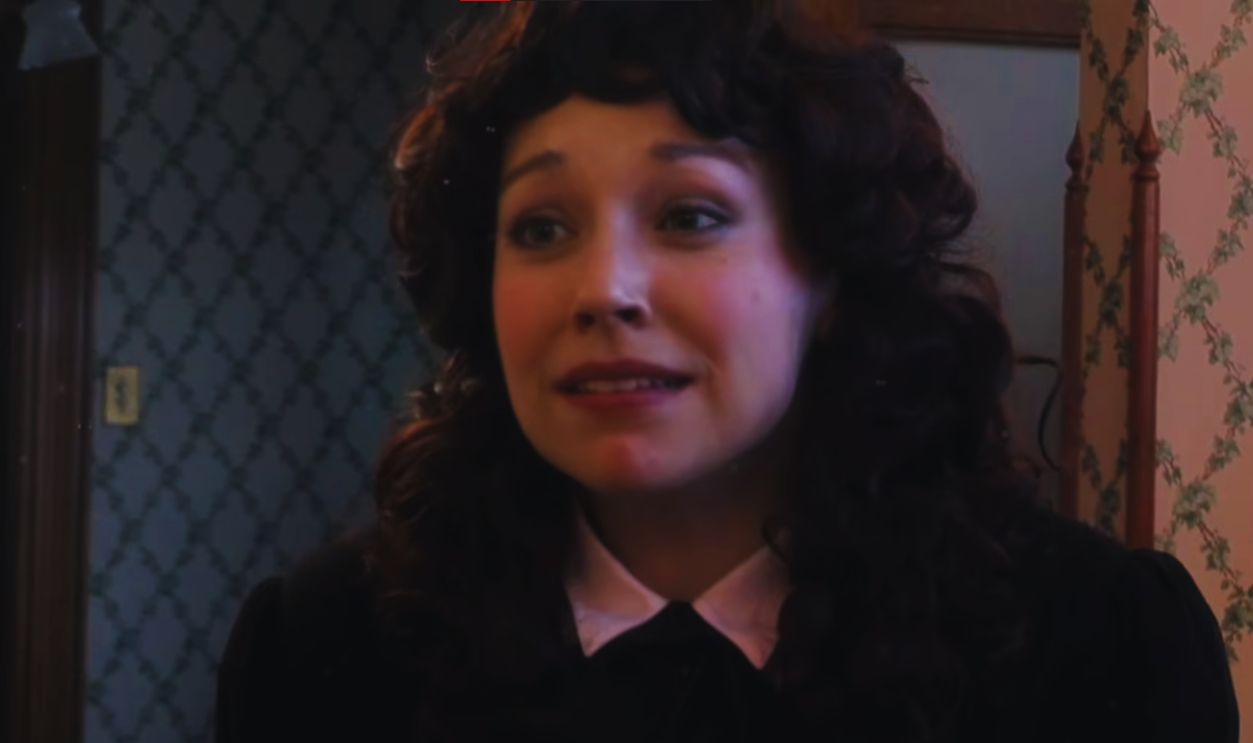
24. She Couldn’t Get Out
Of course, when Nellie Bly started claiming that she was a reporter who wasn't really supposed to be in an asylum, no one believed her. I mean, doesn't that sound exactly like what a resident would say to get out? Even after quite a few days of acting sane and begging to be let free, Bly was not making any headway. She was stuck in the asylum.
Her plan was falling apart, and she was in serious trouble.
 Screenshot from 10 Days in a Madhouse, Cafe Oscura Films (2015)
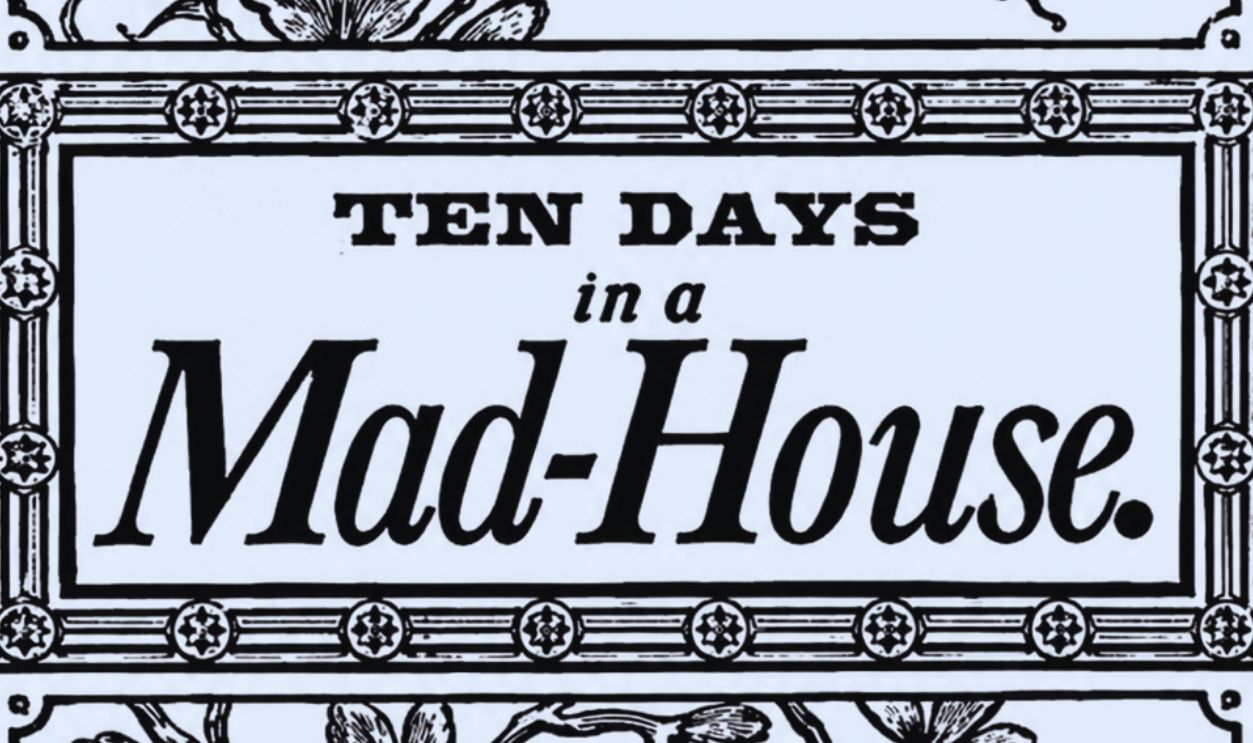
25. She Started A Trend
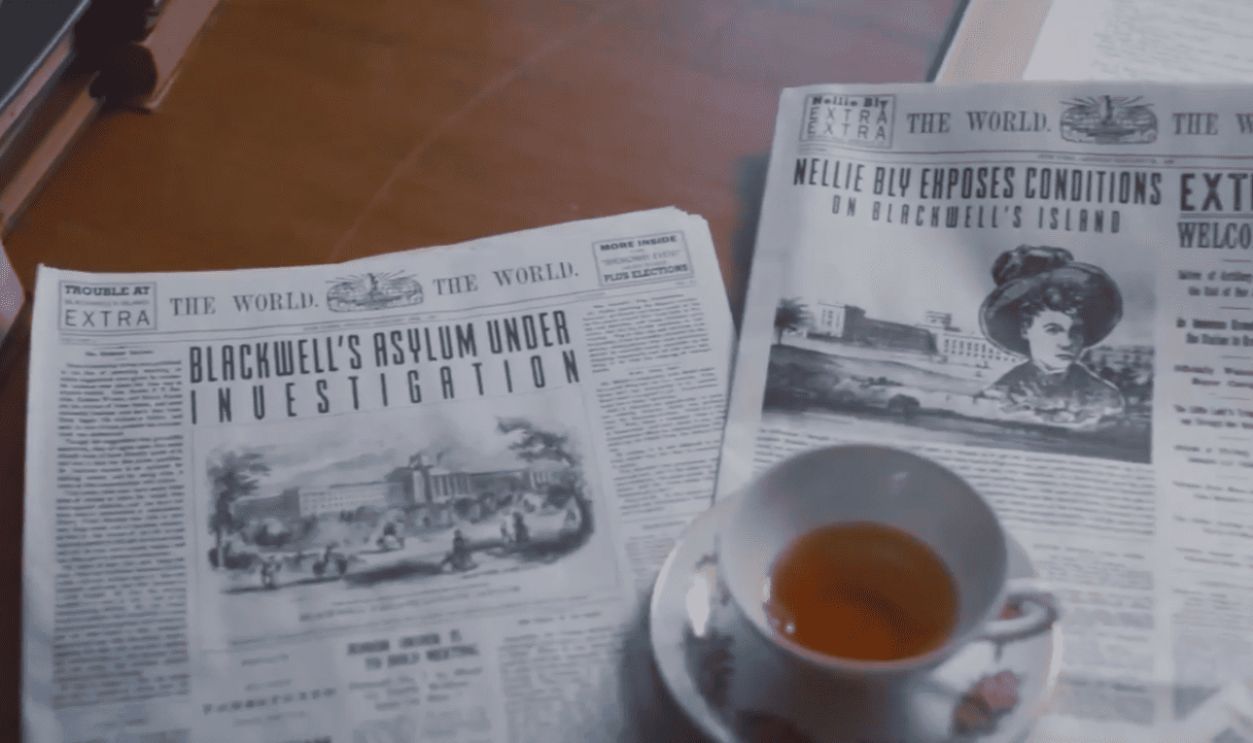
Eventually, the attorneys from her newspaper came to her rescue, and she walked away a free woman. The New York World published her article, called Ten Days in a Mad-House, on October 9, 1887. Bly’s article led to major changes in the treatment of residents at the asylum. It also got her noticed.
It was the beginning of “stunt girl journalism” .
 CorrectionHistory.org, Wikimedia Commons
26. She Paved The Way For Others
At the time, women were still struggling to find their place in the world of journalism. Bly’s undercover effort in the asylum prompted new opportunities for women as “stunt girls”. These female journalists started doing things much like Bly had done in the asylum. Their male counterparts got the much more prestigious title of “investigative journalists”.
But now Bly had to do something even more outrageous: she had to outshine the new stunt girls.
 Screenshot from Escaping the Madhouse: The Nellie Bly Story, Lifetime (2019)
27. She Would Take An Epic Trip
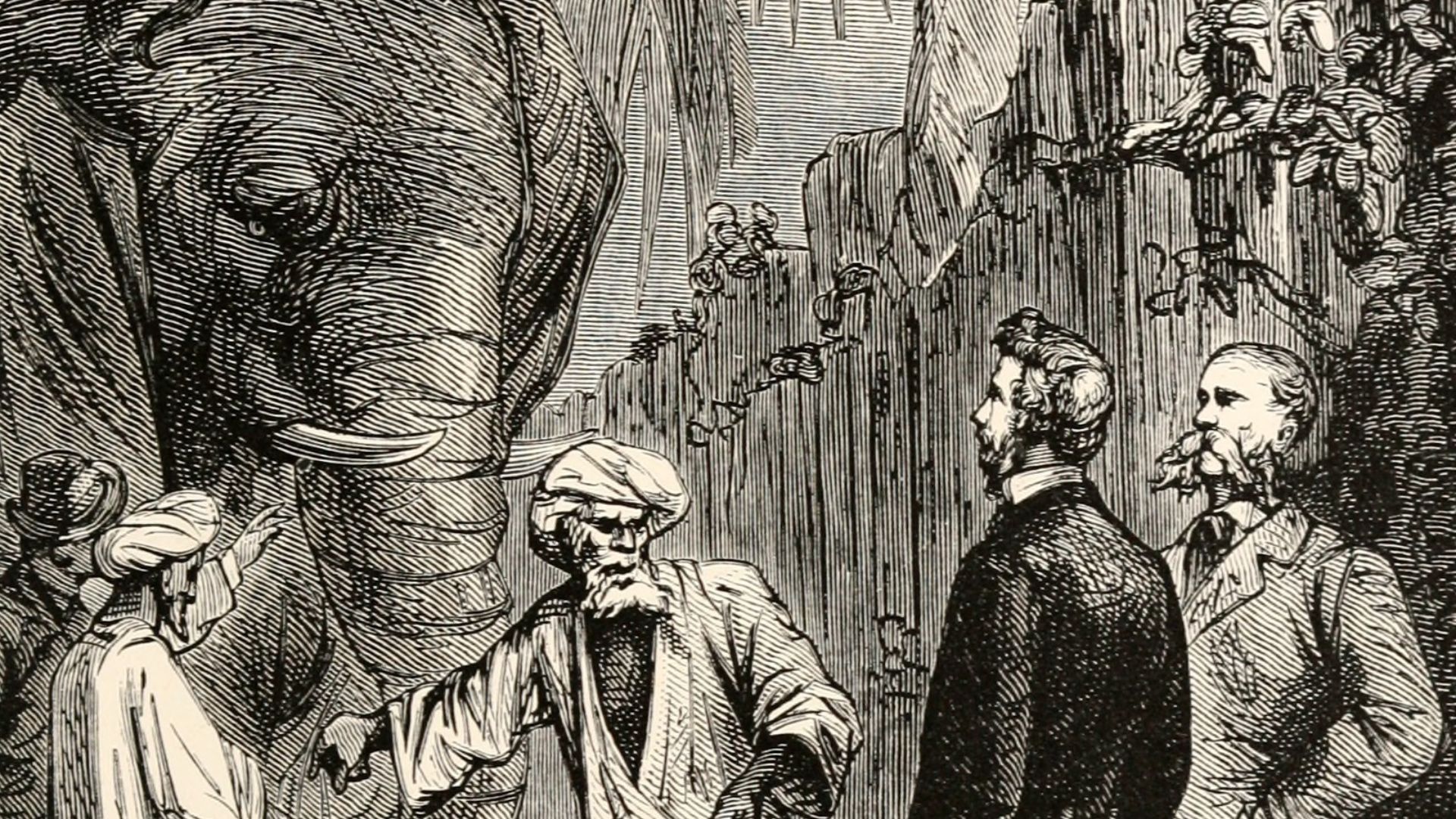
Back in 1872, Jules Verne had written a fictional account of a man called Philieus Fogg, who tried to circle the globe in just 80 days. This gave Bly’s editor an idea: maybe Bly could do it in fewer days than Fogg did. Bly liked the idea, and both knew that she could turn this into a huge story for the New York World.
Bly started planning her once-in-a-lifetime adventure.
 Internet Archive Book Images, Wikimedia Commons
History's most fascinating stories and darkest secrets, delivered to your inbox daily.
28. She Traveled Light
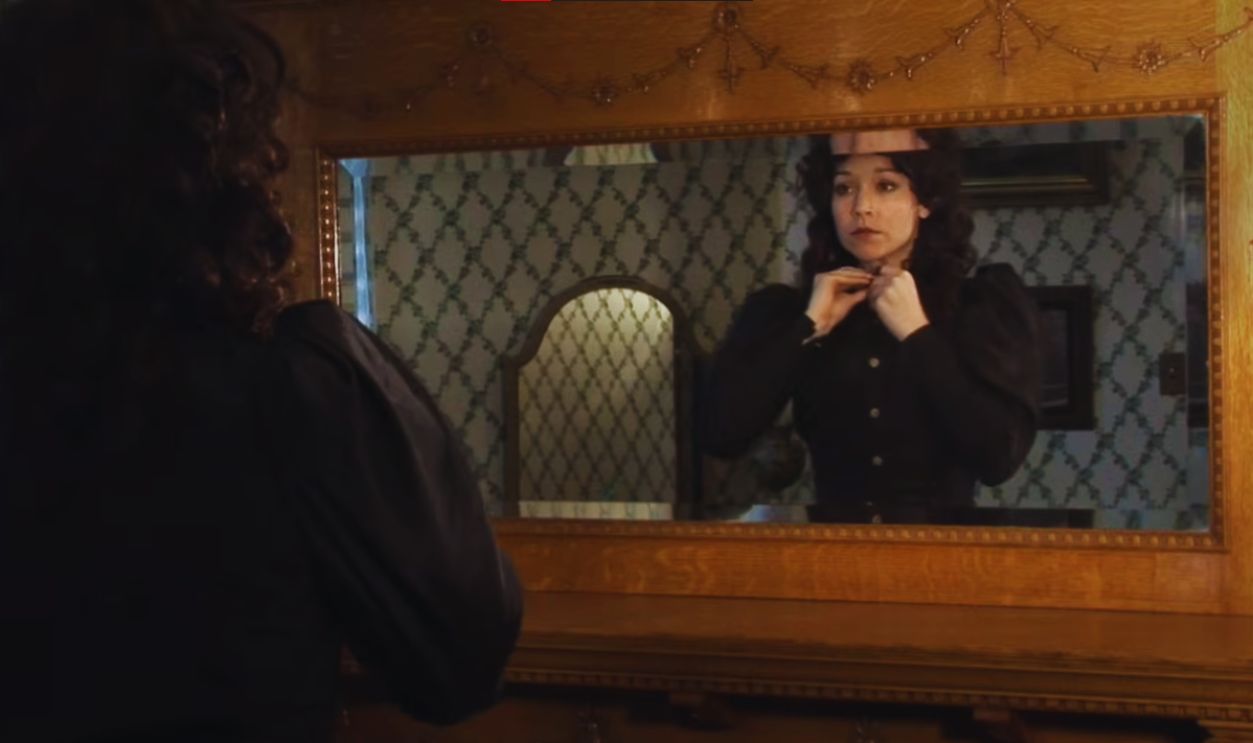
Nellie Bly had to decide what she absolutely needed for her trip around the world. The dress she wore on day one was going to have to survive the entire trip. She also brought an overcoat, some underwear, and a little bag for her toiletries. Her money, consisting of pound sterling, American dollars, and gold, hung in a bag around her neck.
After months of preparation, it was time for her departure.
 Screenshot from Escaping the Madhouse: The Nellie Bly Story, Lifetime (2019)
29. She Set Sail
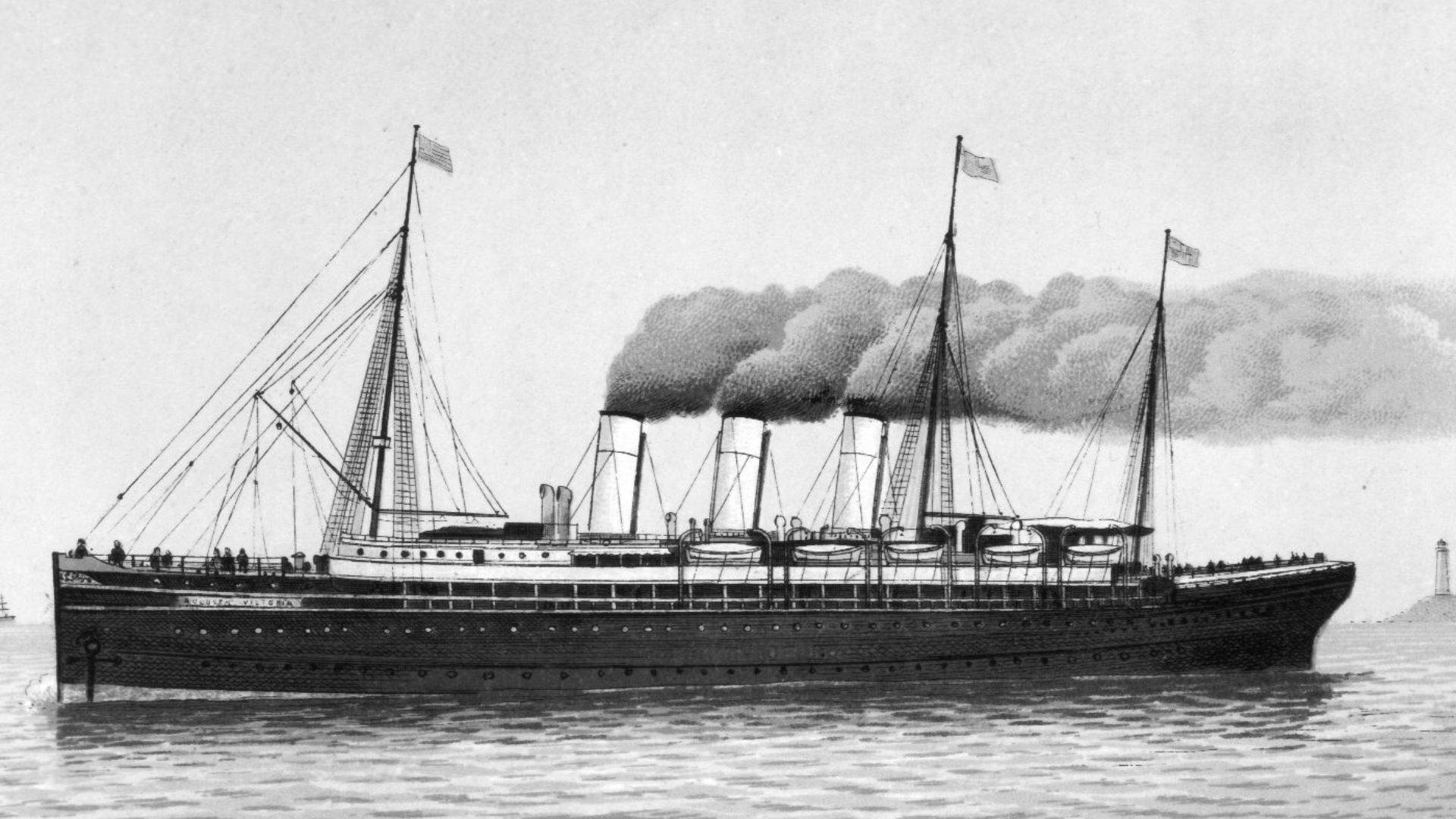
Day one for Bly’s trip around the world was on November 14, 1889, at 9:40 am. She got on board the Augusta Victoria and headed to Europe. Her plan was to be back in the same place within 75 days. She would take five days off from the journey of Verne’s character. No one had ever done this before.
 Book was published without author name, Wikimedia Commons
30. She Wouldn’t Compete
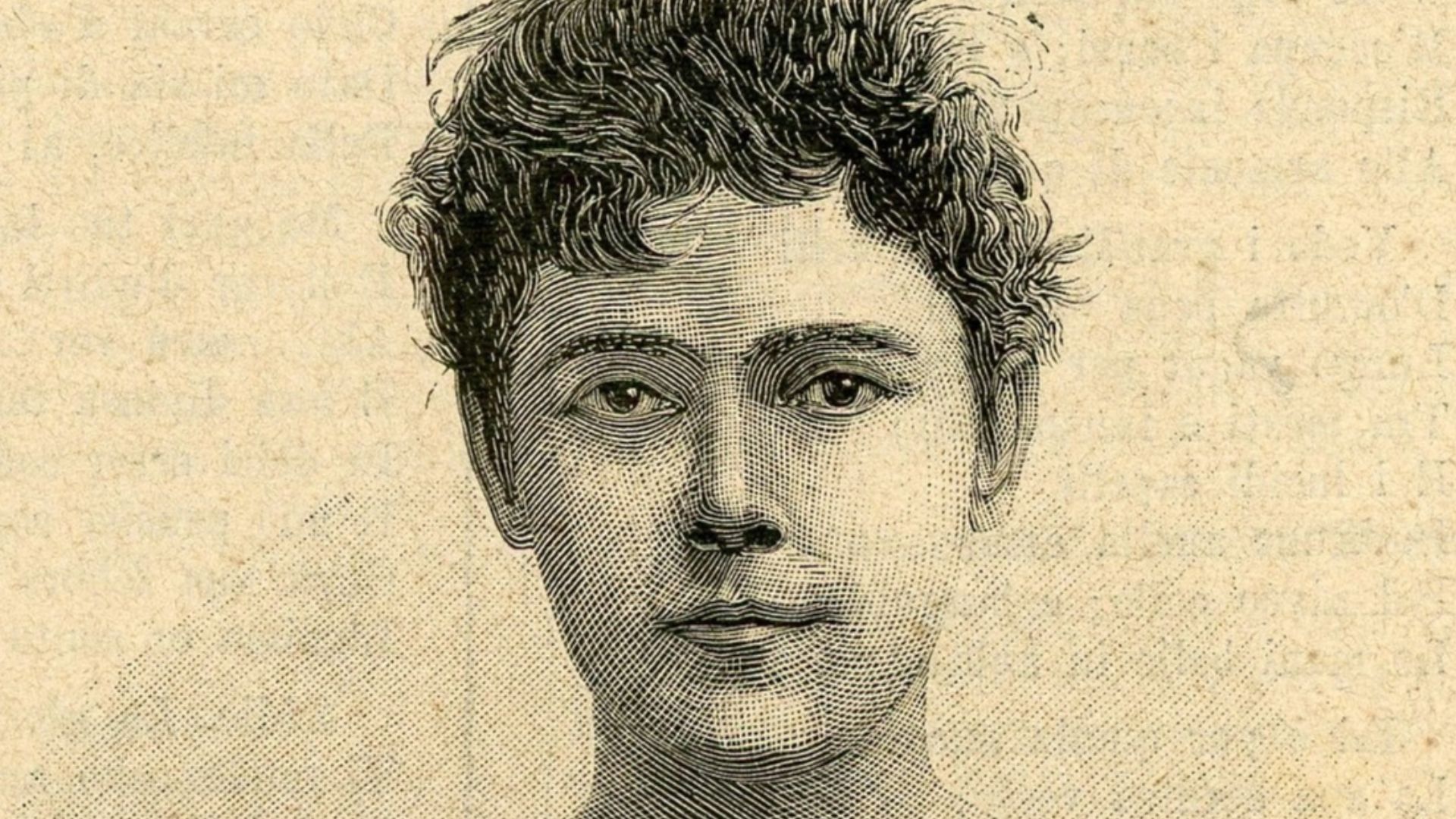
Once Bly reached Hong Kong, she got some disturbing news. Turns out, there was another woman trying to beat her around the world. This was Elizabeth Bisland, and she was working for the Cosmopolitan newspaper. Bly took in the information and made her response:. "I would not race. If someone else wants to do the trip in less time, that is their concern".
Now, the New York World needed a way to keep the focus away from Bisland and on Bly.
 Unknown authorUnknown author, Wikimedia Commons
31. It Got Gimicky
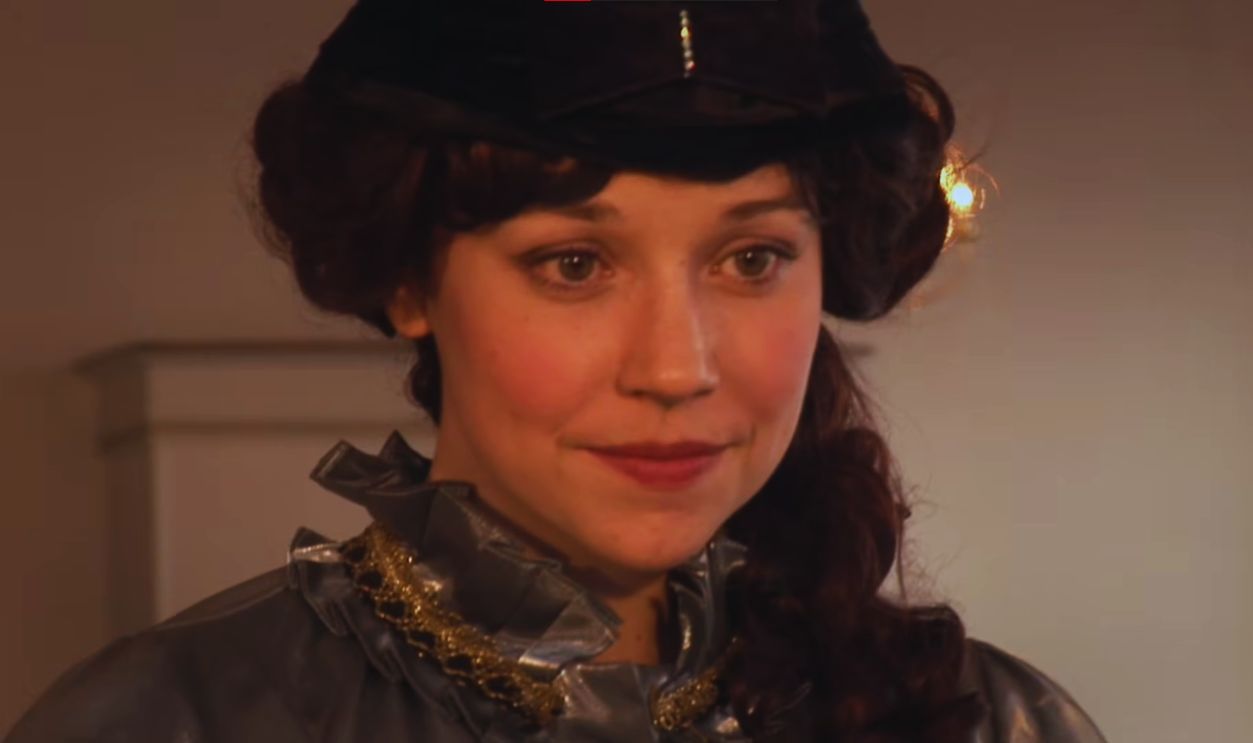
Bly’s editor was likely feeling that readers might follow Bly’s competitor instead of Bly herself. For this reason, they started a contest called "Bly Guessing Match". Readers had the opportunity to guess exactly what time—to the second—Bly would arrive at various locations. The prize was a trip to Europe.
Newspaper readers grew excited about Bly’s journey. But communicating with her readers was a real challenge.
 Screenshot from Escaping the Madhouse: The Nellie Bly Story, Lifetime (2019)
32. She Struggled To Communicate
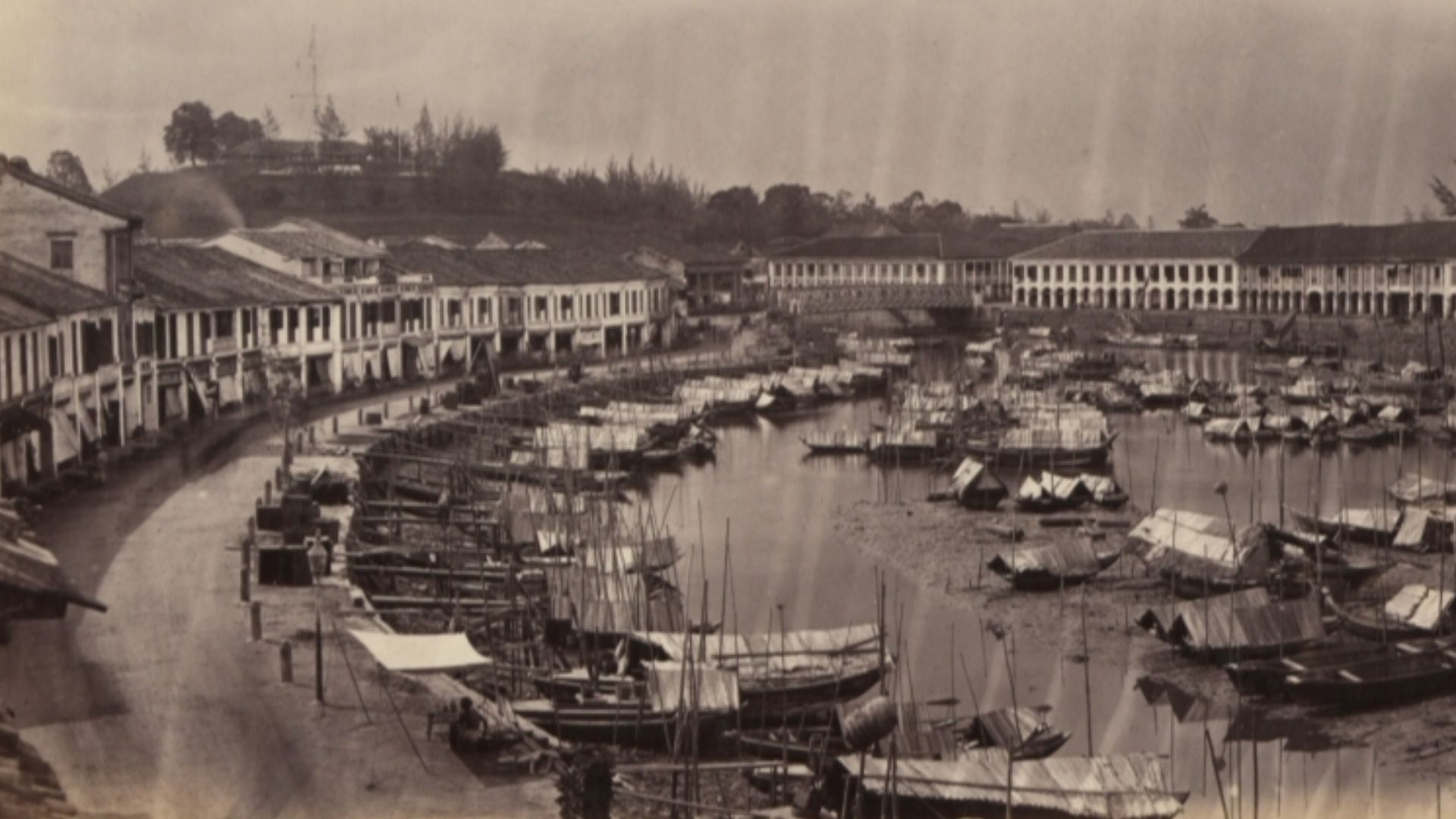
Now remember, these were the days before easy communication from abroad. So, while Nellie Bly traveled to exotic locations like the Suez Canal, Ceylon, and Singapore, she struggled to send word back home. She could write short messages and send them by electric telegraph and submarine cable networks. Anything longer, and she would have to resort to snail mail, which often took weeks.
Communication was a real struggle, but transportation was even worse.
 The National Archives UK - Flickr account, Wikimedia Commons
33. She Got Behind
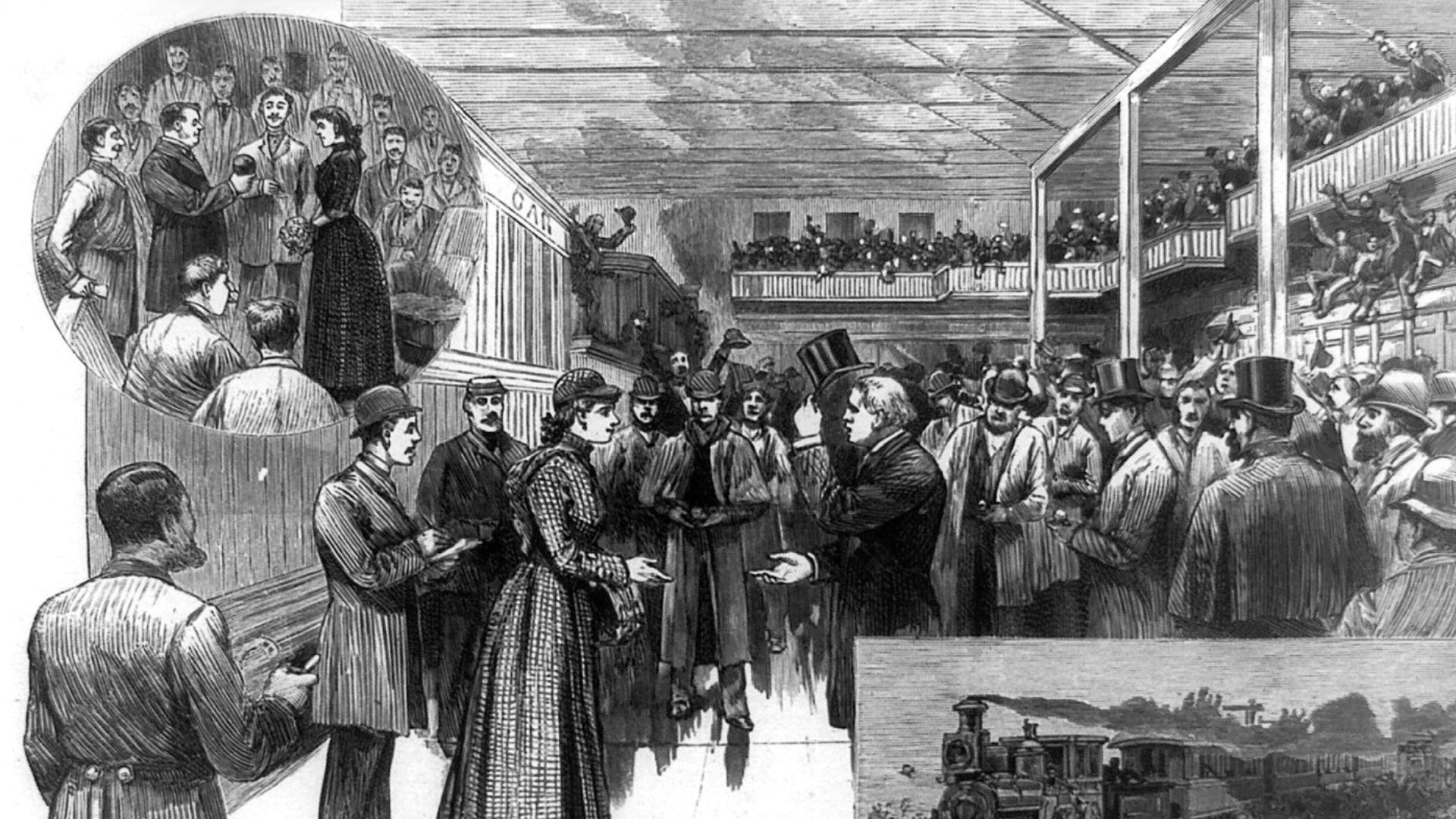
Of course, Bly had some glitches in her travels, but she tried to make the best of them. This didn’t mean she relaxed on a beach. No, not Bly. When delayed in China, Bly visited a leper colony. In Singapore, she bought a monkey. Then the worst happened: bad weather made her final sea voyage to San Francisco two days late.
It looked like she wouldn’t achieve her goal of circling the planet in 75 days.
 Frank Leslie's Illustrated Newspaper, from sketches by C. Bunnell., Wikimedia Commons
History's most fascinating stories and darkest secrets, delivered to your inbox daily.
34. She Rushed To the Finish Line
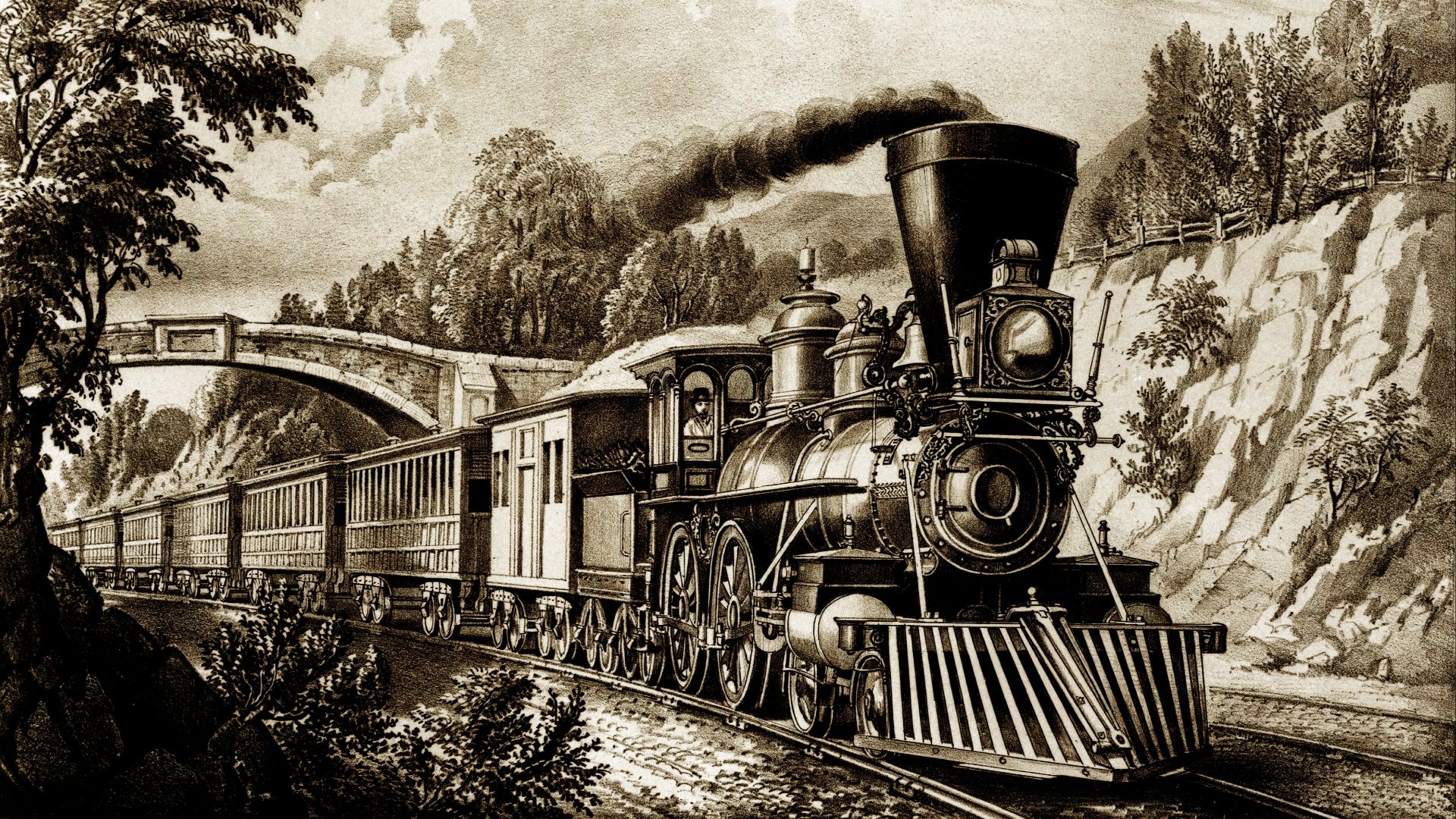
The New York World was not about to let its stunt girl fail. The newspaper hired a private train to try to get Bly back to New York in time to achieve her goal. They called the train the Miss Nellie Bly Special, and it sped across the country at an average speed of 37 mph (60 km/h). It broke a record when it arrived in New York after just 69 hours. Bly had done it.
It was time to reap her rewards.
 Currier and Ives, Wikimedia Commons
35. She Set A Record
In the end, it had taken Bly 72 days, 6 hours, and 11 minutes to circumvent Earth. Making it more impressive, she’d done most of it without a companion. Sadly, Bly had only a short time to enjoy her fame. The appropriately named George Francis Train beat her record only a few months later. He did it in 67 days.
It seemed that this round-the-world trip had tired Bly out. She needed to take it easy.
![George Francis Train
CALL NUMBER: LC-BH82- 4749 A-2 <P&P>[P&P]
REPRODUCTION NUMBER: LC-DIG-cwpbh-01724 (b&w copy scan)
No known restrictions on publication.
MEDIUM: 1 negative : glass, wet collodion.
CREATED/PUBLISHED: [between 1855 and 1865]
NOTES:
T](https://www.factinate.com/storage/app/media/factinate/2026/6/16/1781597192e4aef31aec48149fc6bd3c481400f7db1df34f45.jpg) Mathew Benjamin Brady, Wikimedia Commons
Mathew Benjamin Brady, Wikimedia Commons
36. She Settled Down
Bly wanted to continue writing. Although she was still in her 20s, she also wanted an easier life. This led her to a job writing serial novels. These were novels that appeared one chapter at a time in the New York Family Story Paper. By 1895, she’d written 11 of them. Most considered these stories lost until 2021, when author David Blixt said he’d found all 11. Phew.
But writing novels could not keep Bly from more edgy reporting.
 Caledfwlch1314, Wikimedia Commons
37. She Met A Dangerous Woman
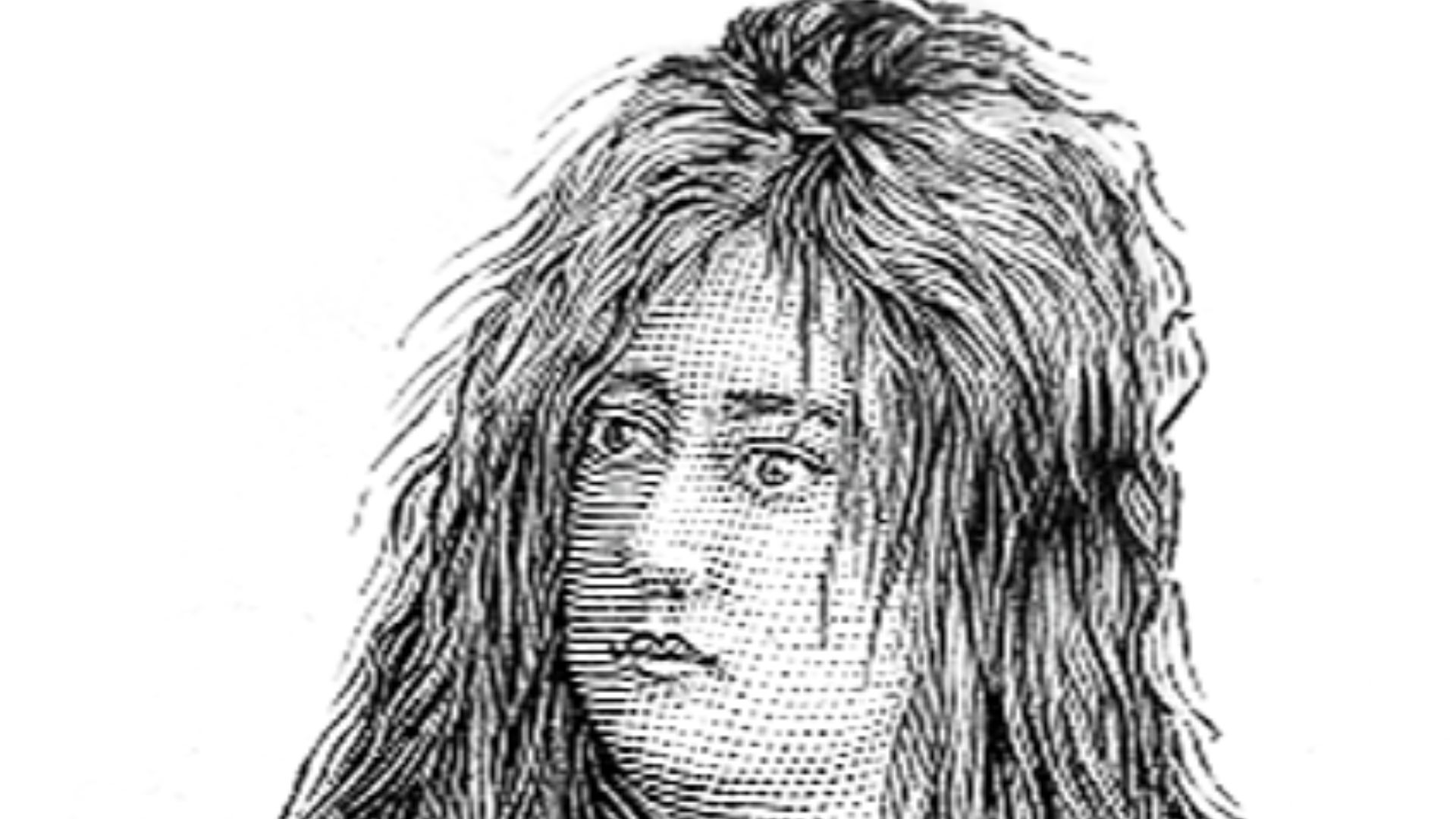
In 1893, Bly returned to the New York World with a story she could not resist. Lizzie Halliday was a female serial killer who was facing the electric chair. Halliday had ended the lives of at least two poor souls, and most believed a few more. Bly bravely went in to interview this woman, who, when she heard one of her attendants was leaving for a new job, stabbed her 200 times with scissors.
Bly lived to tell the story, and then her own story became news.
 Unknown authorUnknown author, Wikimedia Commons
38. She Met An Older Man
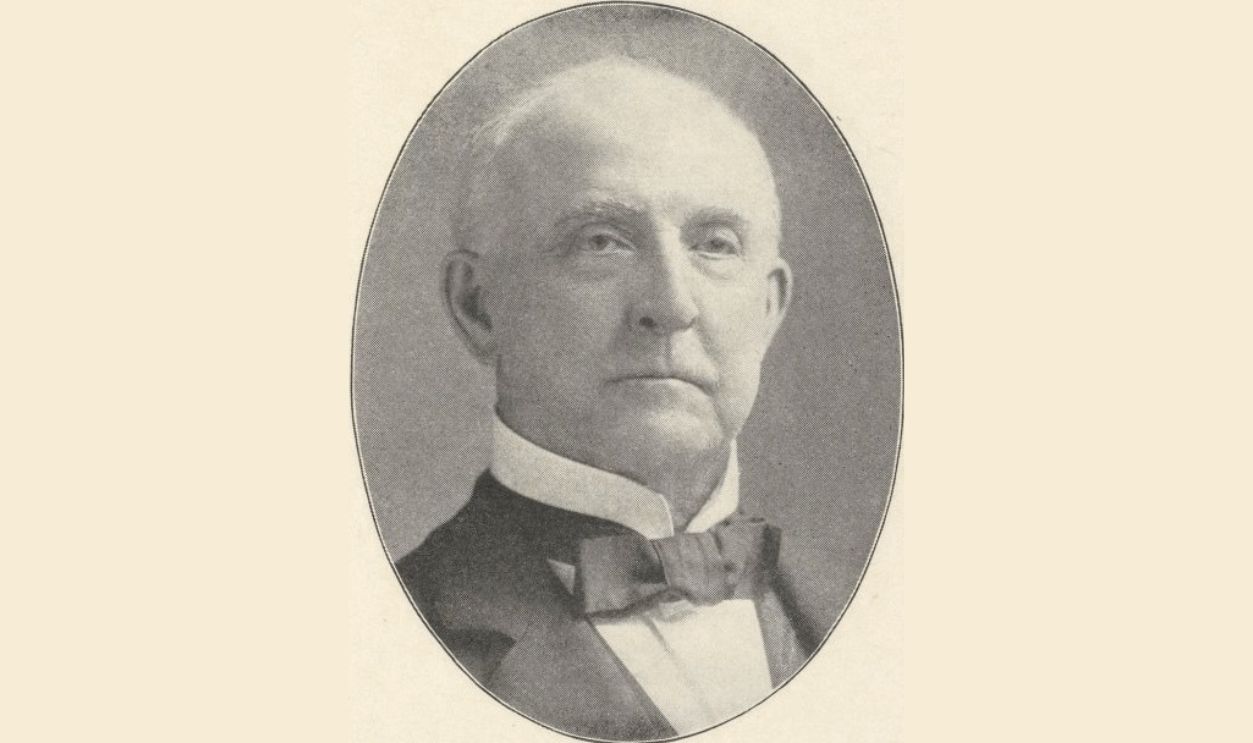
The details are a little sketchy, but in March 1895, Nellie Bly met Robert Livingston Seaman. It was either on a train or at a party. Seaman was a manufacturer who was worth upwards of a million dollars. He was also more than 40 years older than the 31-year-old Bly. Somehow, these two became an item and, on April 5, 1895, they tied the knot.
This marriage raised more than a few eyebrows.
 New York Public Library, Wikimedia Commons
39. It Was A Suspicious Marriage
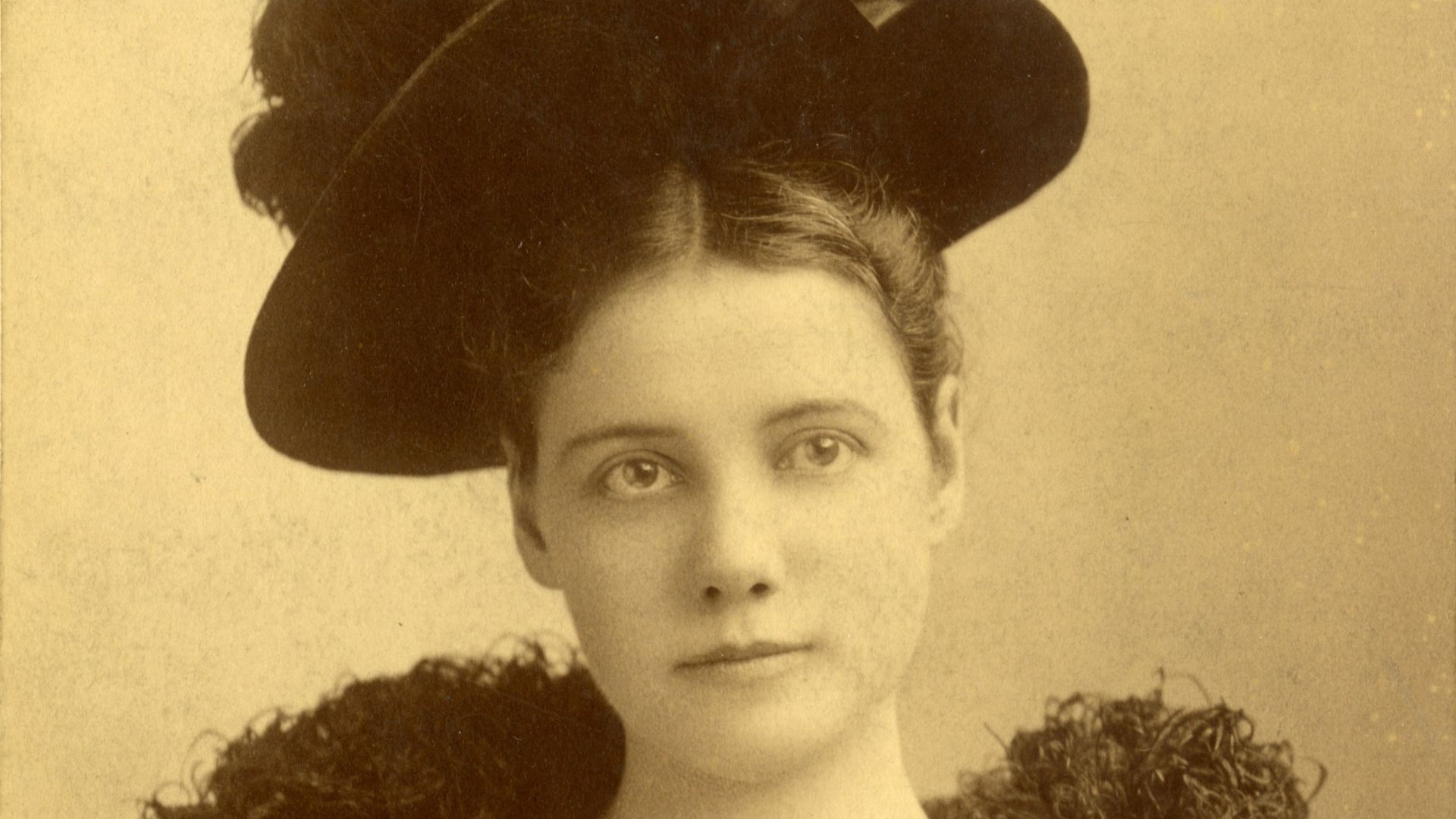
Knowing Bly’s courageous battles for women’s rights, it seems unlikely that she had married Seaman for his money. But that’s exactly what his relatives thought. The media went even a step further to explain this odd marriage: they thought it was another attempt at “stunt reporting”.
This marriage was going to mark a huge departure in Bly’s career.
 Unknown authorUnknown author, Wikimedia Commons
History's most fascinating stories and darkest secrets, delivered to your inbox daily.
40. She Went Corporate
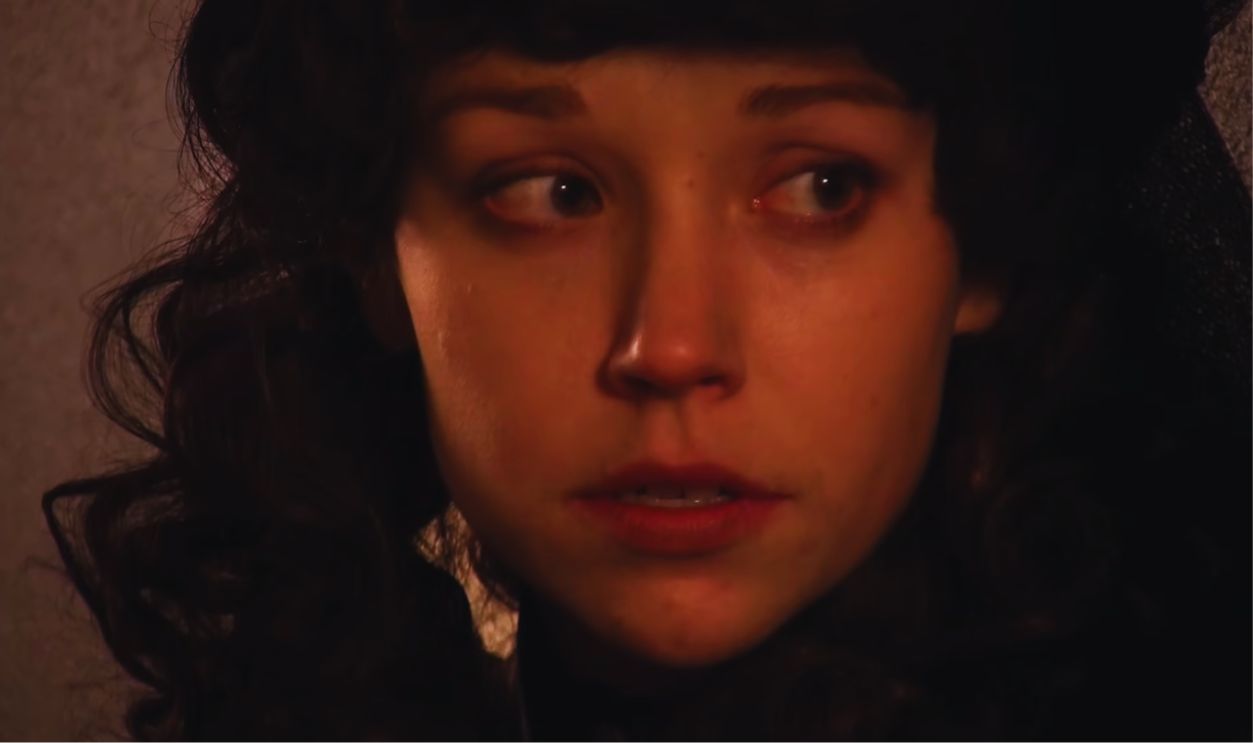
Bly and Seaman set up their home on West 37th Street in New York City. As he was much older, Seaman’s health began deteriorating much earlier than Bly’s. Now, Bly had to step up. She had no experience running a business, but that had never stopped her before. She was soon head of the Iron Clad Manufacturing Company.
It seemed there was nothing that Bly could not succeed at.
 Screenshot from 10 Days in a Madhouse, Cafe Oscura Films (2015)
41. She Was An Inventor
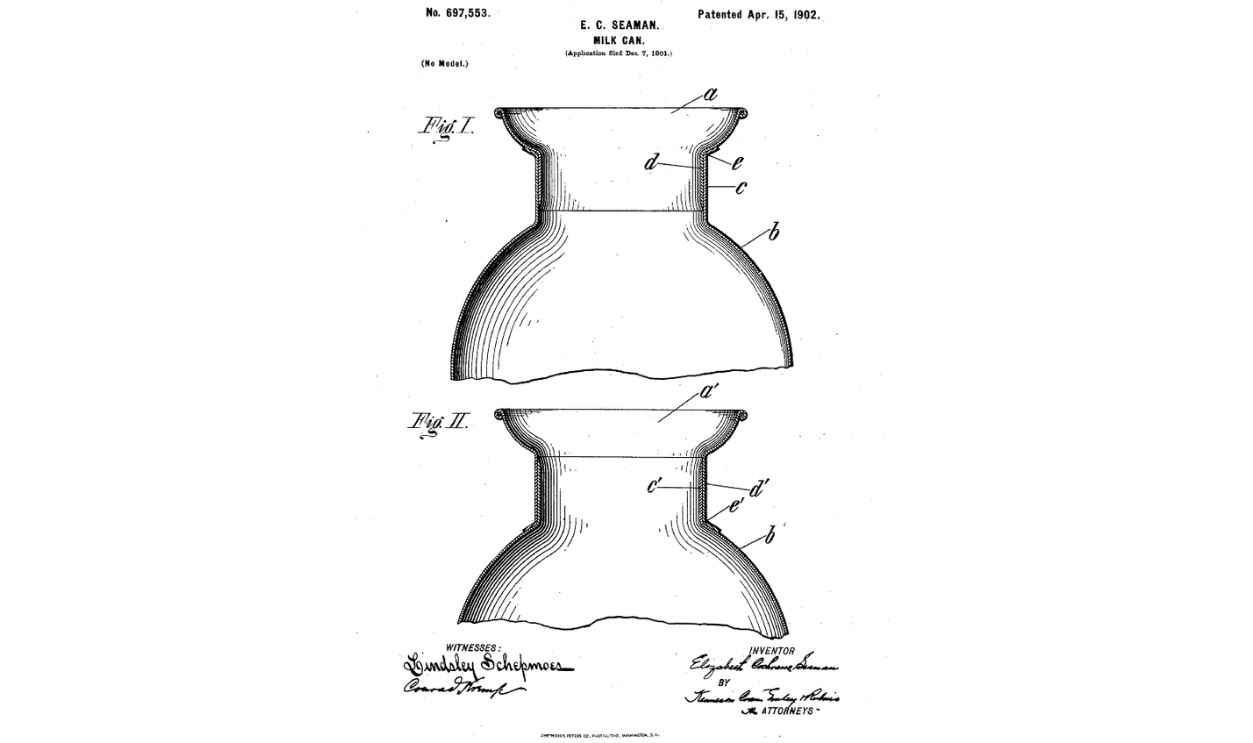
As the head of her own company, Bly received the title of “one of the leading women industrialists in the United States”. She also tried her hand at inventing. She changed the way milk cans worked and got her own patent under her new name: Elizabeth Cochrane Seaman. Next, Bly would tackle how she ran her business.
She was about to taste the bitter pill of failure.
 Nelly Bly (using her marital name on the documents), Wikimedia Commons
42. She Was Her Own Kind Of Boss
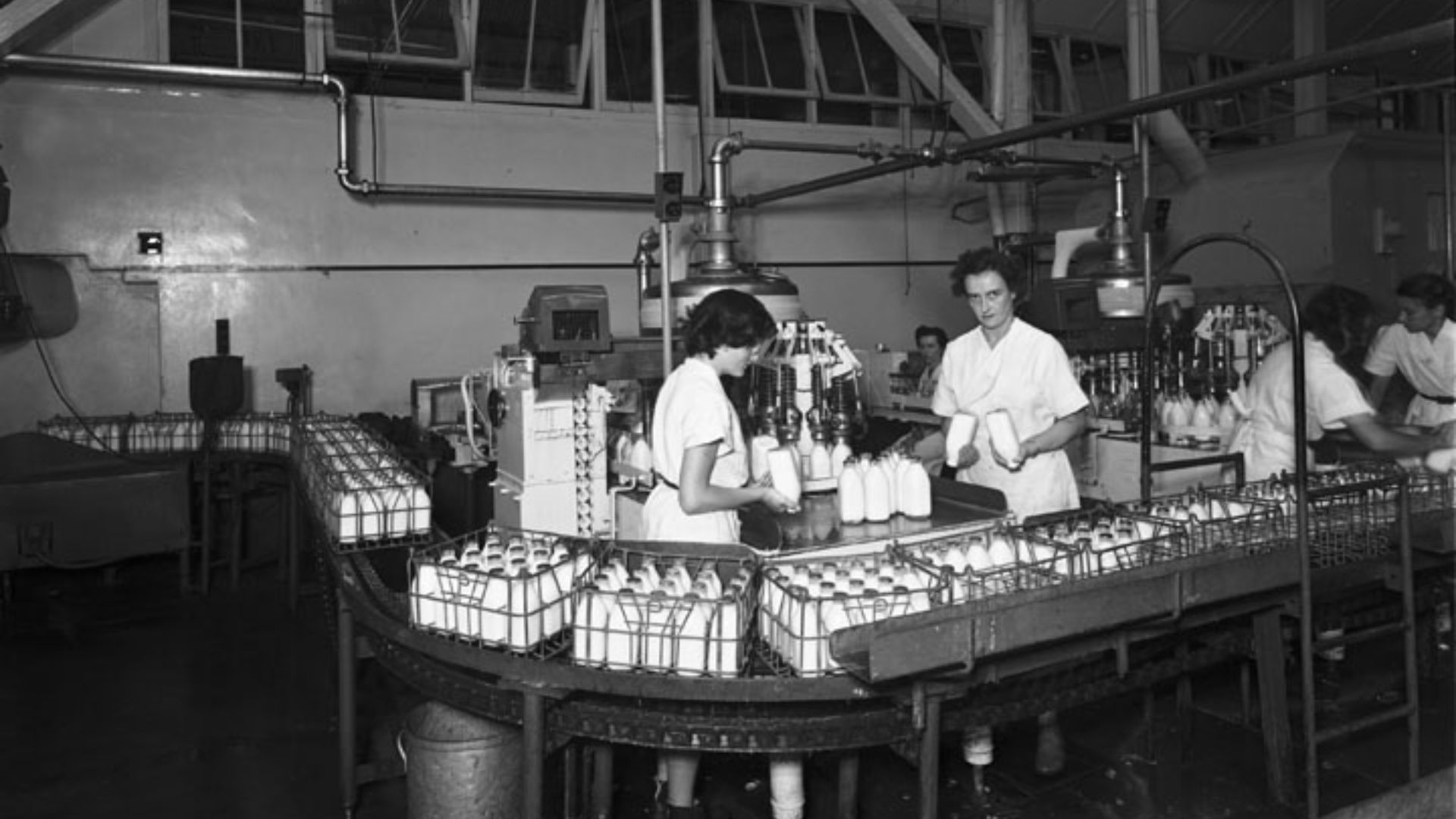
Of course, Bly was not about to run her company in a traditional way. She wanted health benefits for employees and recreational facilities for them as well. The problem was that she didn't really have a head for business. As a result, some employees took advantage and embezzled money. Soon, the company was in serious trouble.
This was tragic, but then there was more.
 Agriculture And Stock Department, Information Branch, Photography Section, Wikimedia Commons
43. He Stepped Into The Street
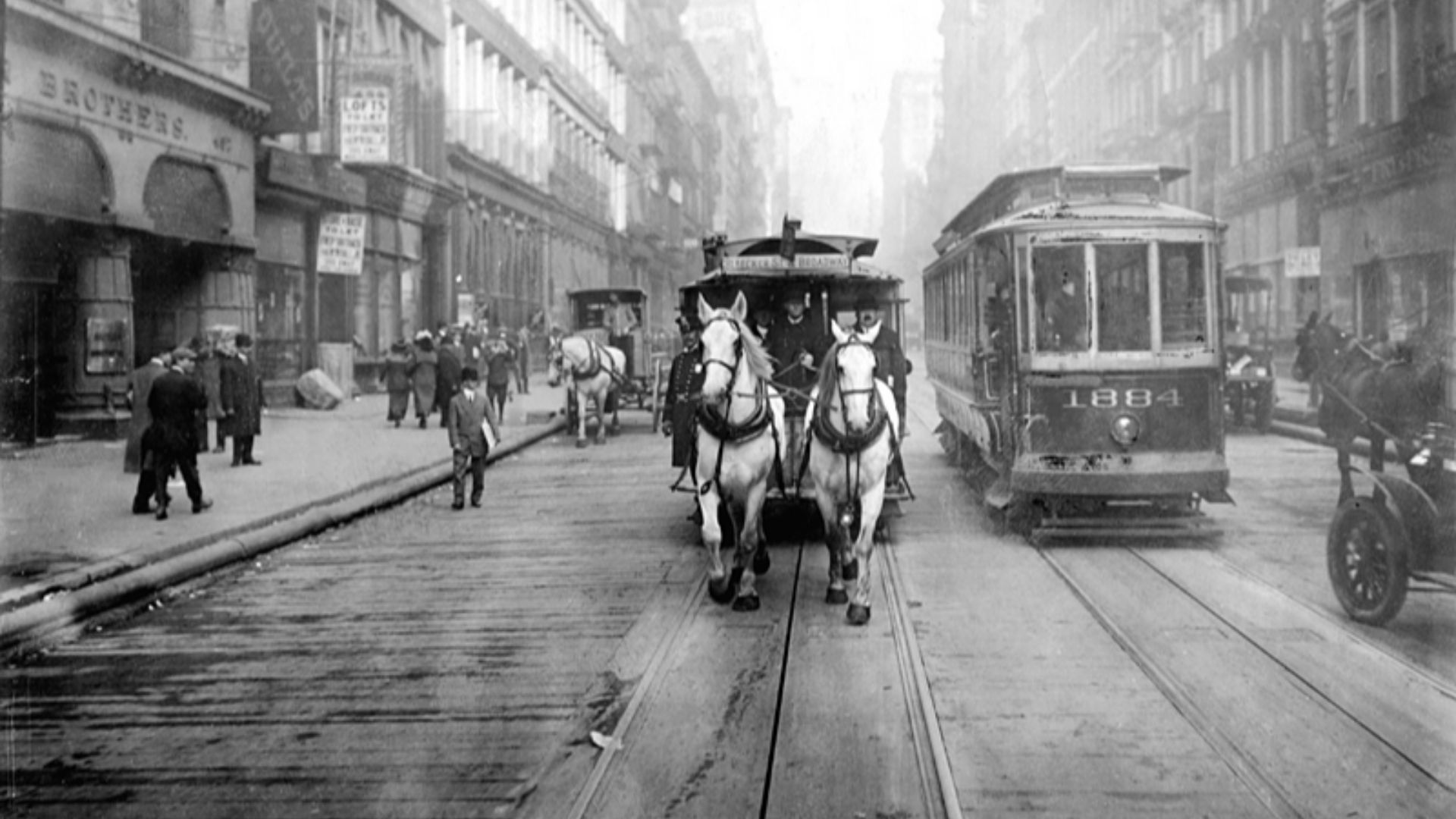
On February 6, 1904, Bly’s frail husband stepped onto the street in New York City. A horse and wagon were on the street at the same time and struck him. They rushed him to the hospital, where they treated his injuries. Sadly, these injuries caused heart disease, and he passed away a few months later.
Bly was now a widow with a company that was at risk of bankruptcy. She had to do something drastic.
 Credited to The Brown Brothers, Wikimedia Commons
44. She Was In the Wrong Place At The Right Time
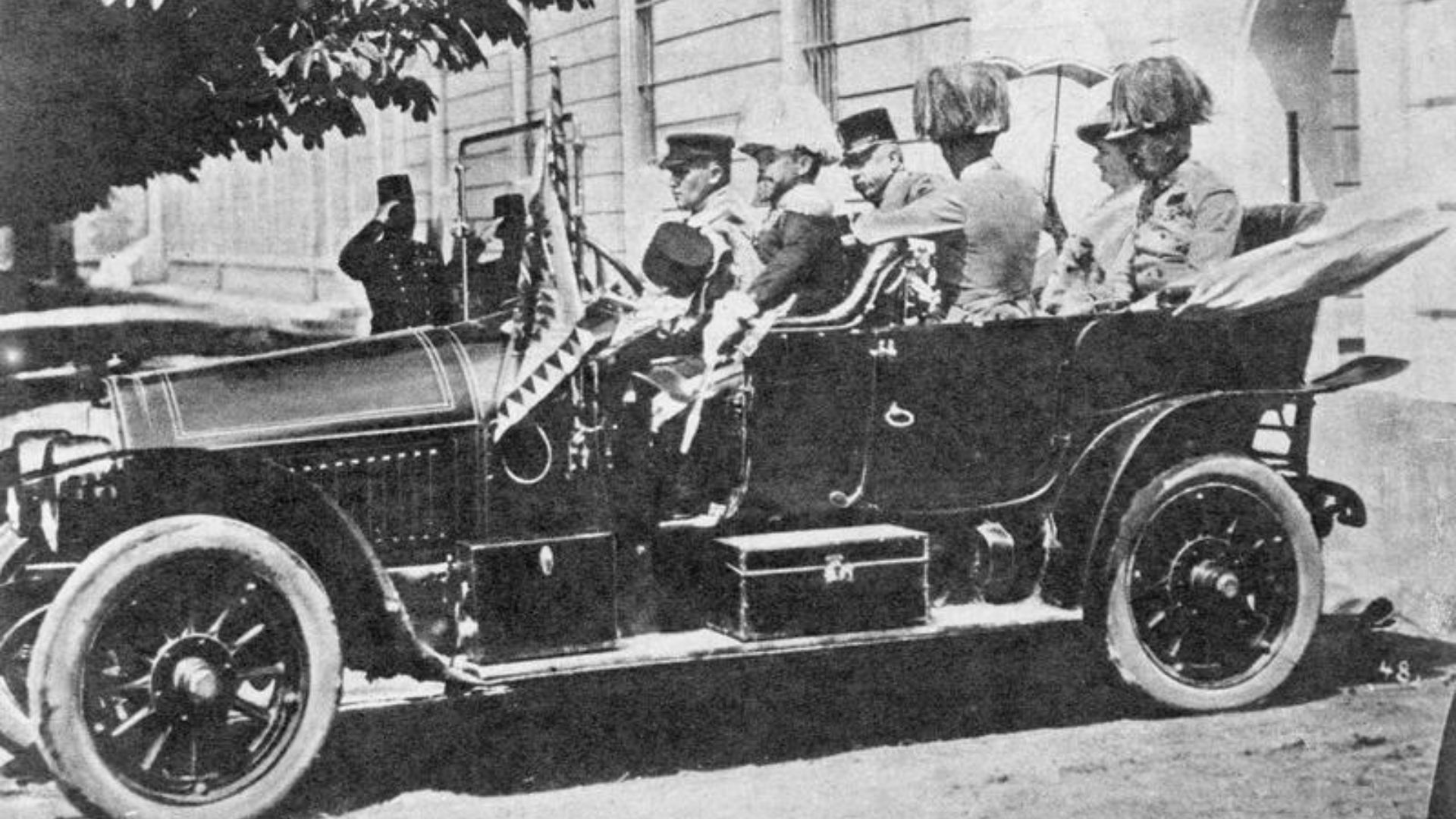
In 1914, Nellie Bly ended up in Austria to find investors for her troubled company. When a Bosnian Serb student fatally shot Archduke Franz Ferdinand and his wife, Bly found herself in the middle of what would become WWI. Her inner journalist kicked in, and she started sending dispatches to the New York Evening Journal from Europe.
These articles had a dramatic effect on history.
 Jaroslav Bruner-Dvořák, Wikimedia Commons
45. She Changed History
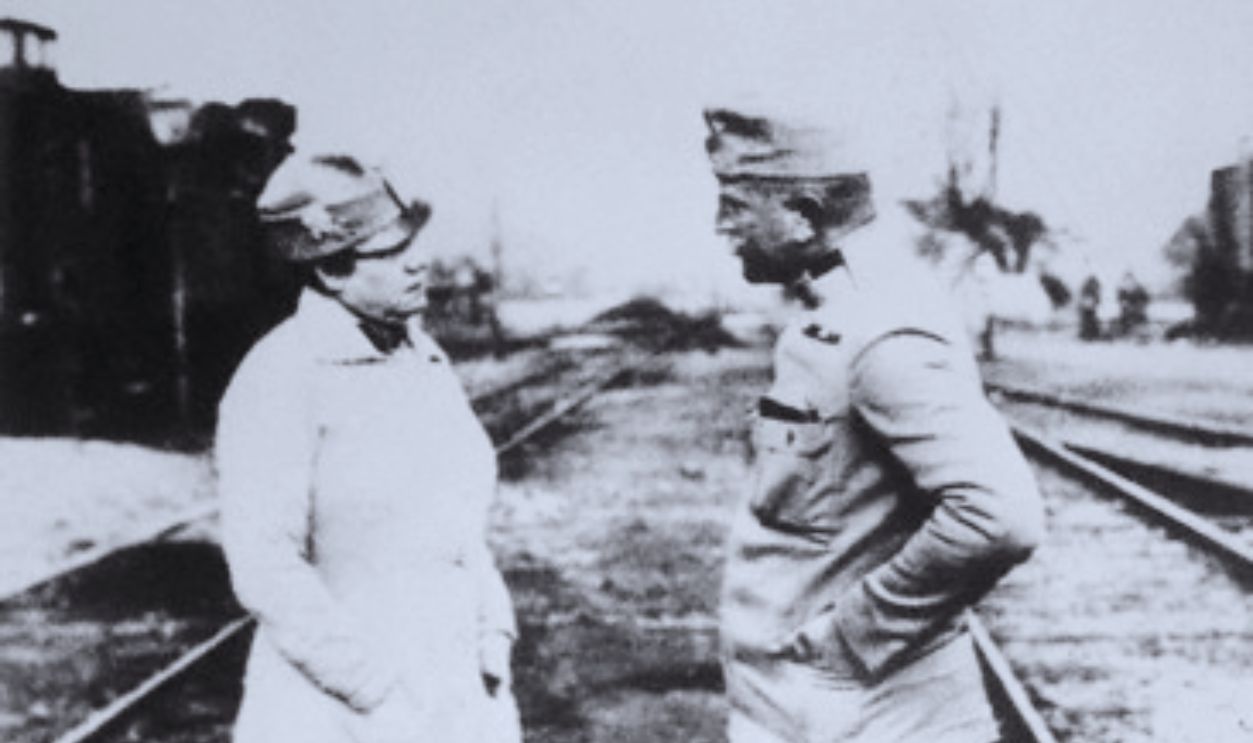
Witnessing the beginnings of WWI firsthand, Bly decided it was going to require a huge sacrifice. Americans read her ideas about how entering WWI would have a huge cost, both in lives and money. They started seeing her point. Some believe that Bly’s opinion went all the way to the office of President Wilson, who then postponed America’s entry into WWI.
But Bly was still in Europe, which was getting more and more dangerous.
History's most fascinating stories and darkest secrets, delivered to your inbox daily.
46. She Was In The Danger Zone
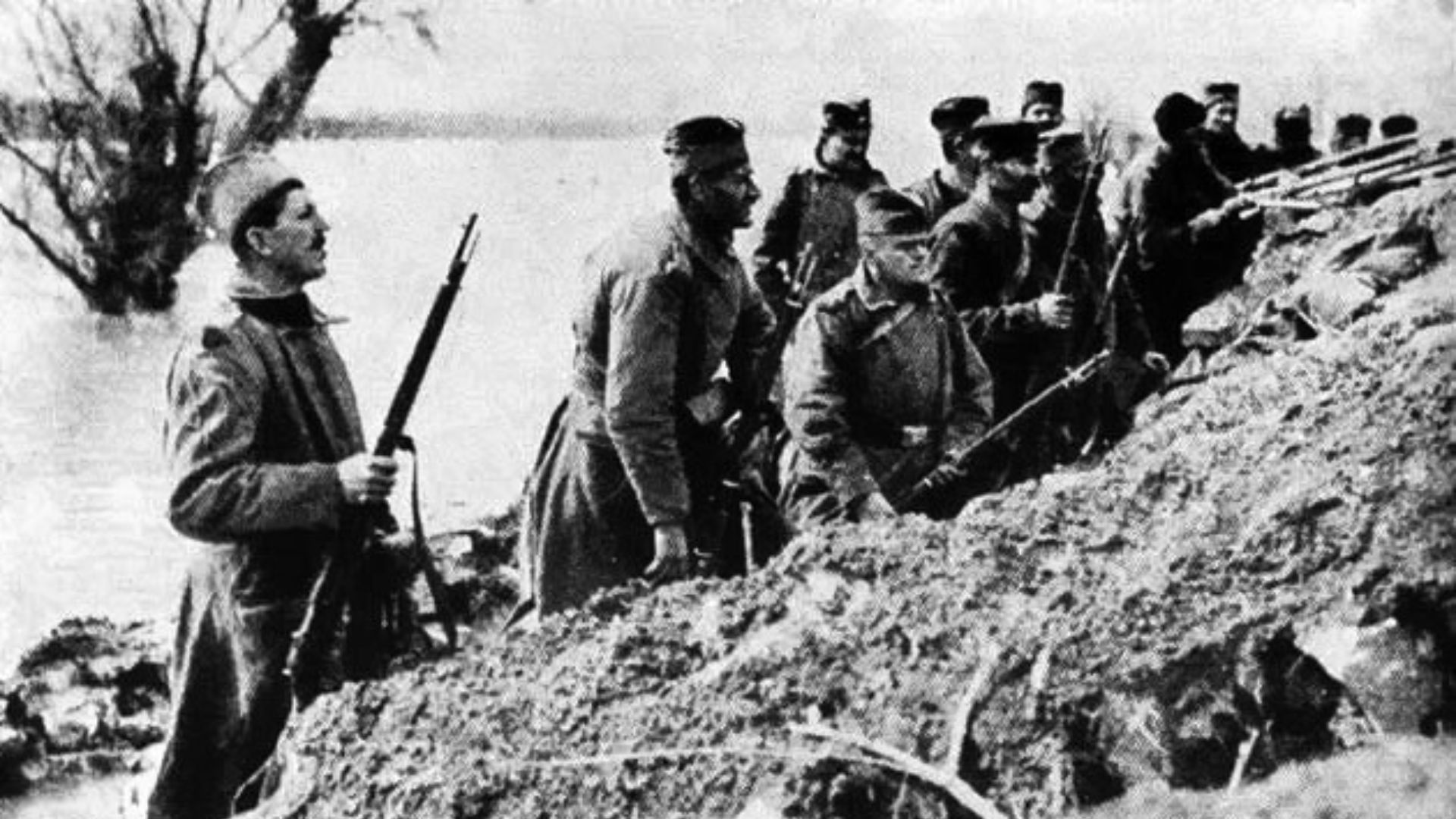
Nellie Bly was the first woman—in fact, one of the first foreigners—to appear in the dangerous area between Serbia and Austria. Her headlines tell the story of her perilous time in Europe: “Hides in Trenches as Russian Shells Rain About Her”, “Under Fire for Weeks in the Rain and Cold”, and “Nowhere to Hide and as Slippery as Ice!”
Bly miraculously survived WWI, but trouble awaited her at home.
47. She Lost Everything
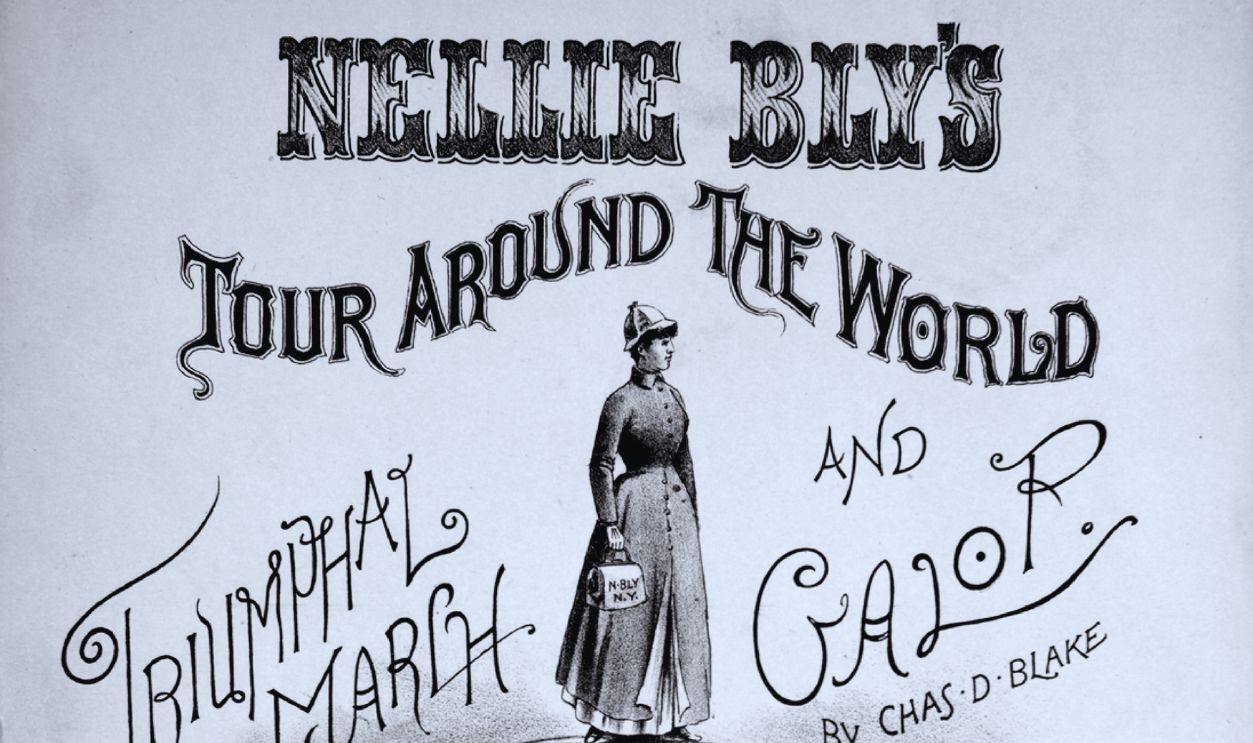
When Bly returned from the dangers of Europe, she walked into a minefield. She’d left her property with her mother and brother. Now they refused to give it back to her. Her money was gone, and they’d even heartlessly sold her souvenirs from her round-the-world adventure. She was over 50 years old and had almost nothing.
She had to get money somewhere.
 Sheridan Libraries/Levy/Gado, Getty Images
48. She Helped A Little Girl
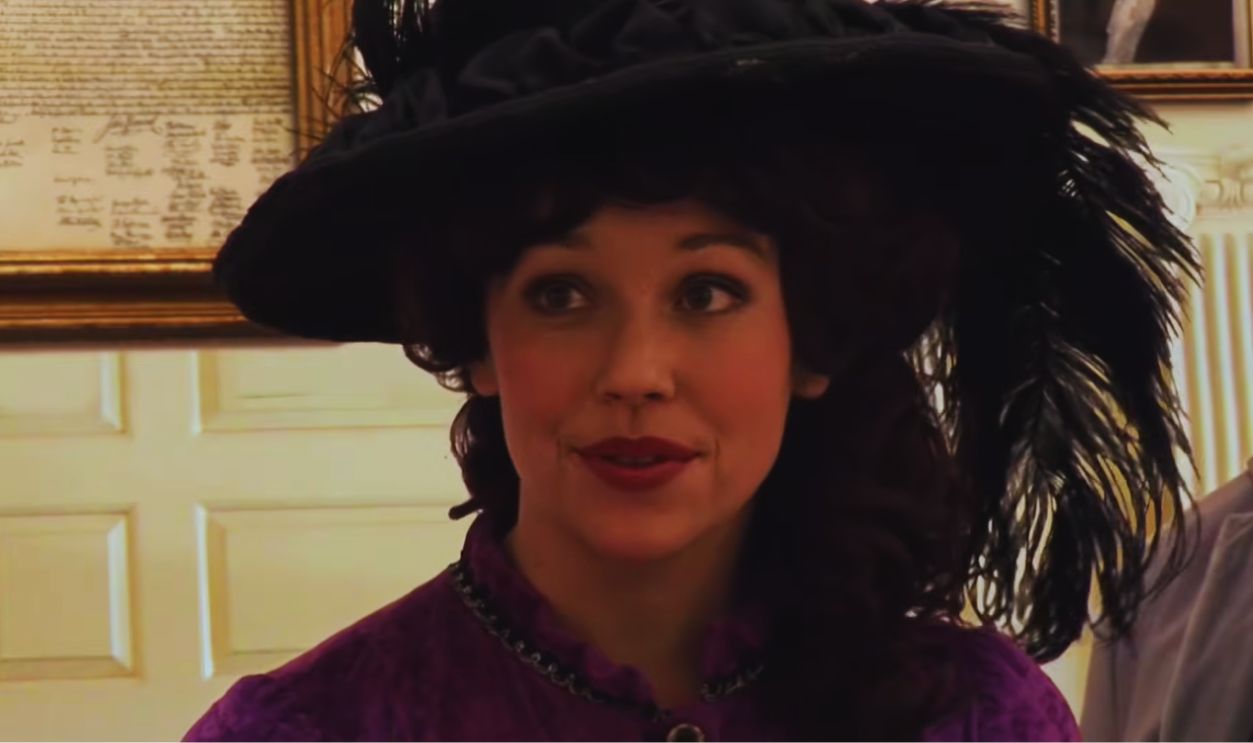
To make some quick money, Bly got a job writing for the Evening Journal. One of Bly’s first stories was to help an orphaned girl named Dorothy find her mother. The missing woman was sick with tuberculosis, but before she passed, she signed her daughter’s guardianship over to Bly. Bly did the natural thing: she went to the orphanage and took Dorothy away.
Suddenly, Bly had to learn to take care of a child.
 Screenshot from 10 Days in a Madhouse, Cafe Oscura Films (2015)
49. It Was The Wrong Time
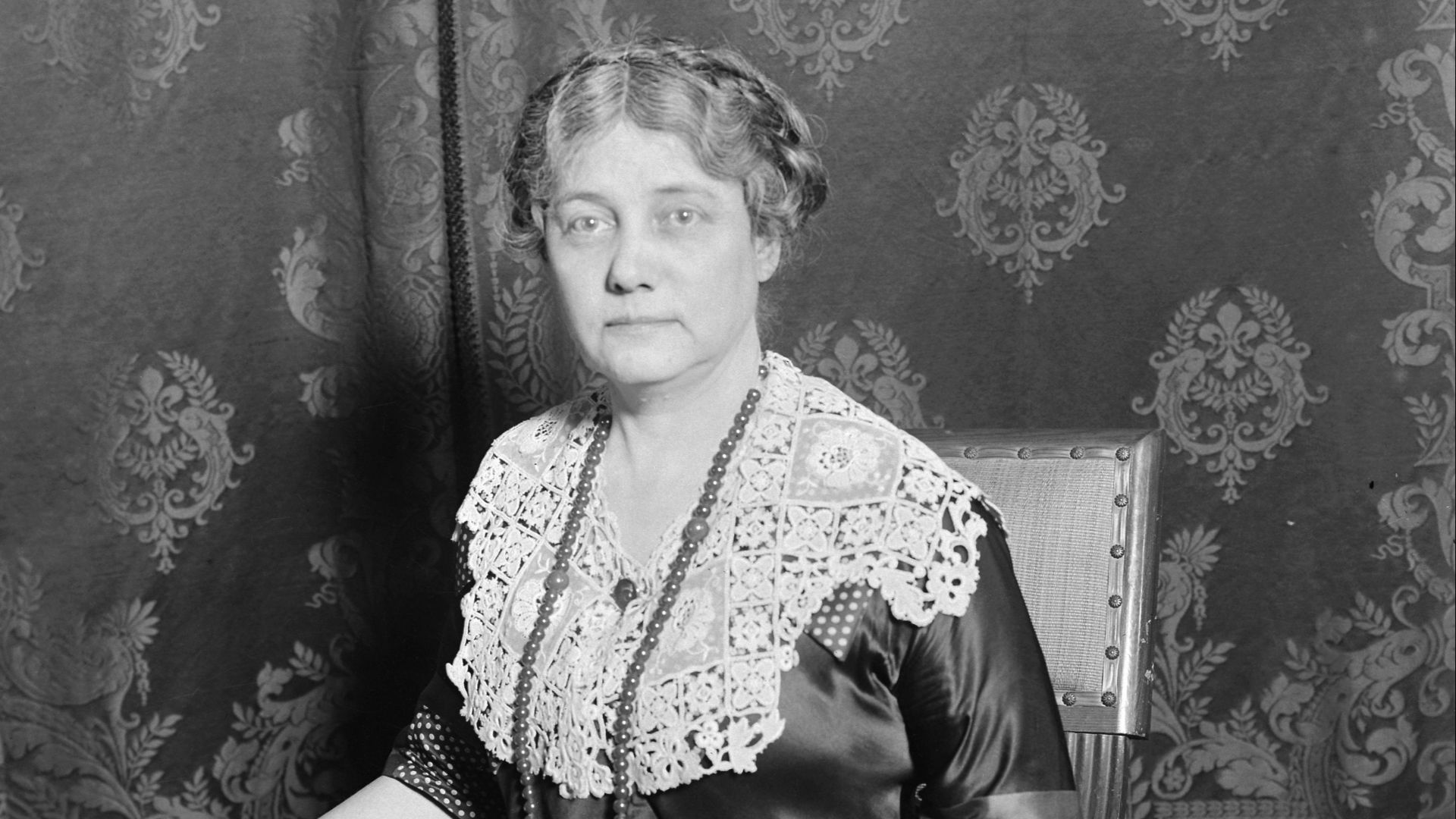
In 1921, Nellie Bly officially adopted Dorothy Coulter. Bly was a widow and in her mid-fifties. It was an unusual time to be adopting a child. It was also the wrong time. Bly passed from pneumonia at St Mark’s Hospital just one year after the adoption took place. Thankfully, Dorothy found new parents and lived a long life. What Bly found was a sad resting place in an unmarked grave.
It looked like Bly’s name would fade into obscurity.
 Unknown authorUnknown author, Wikimedia Commons
50. She Finally Found Her Place
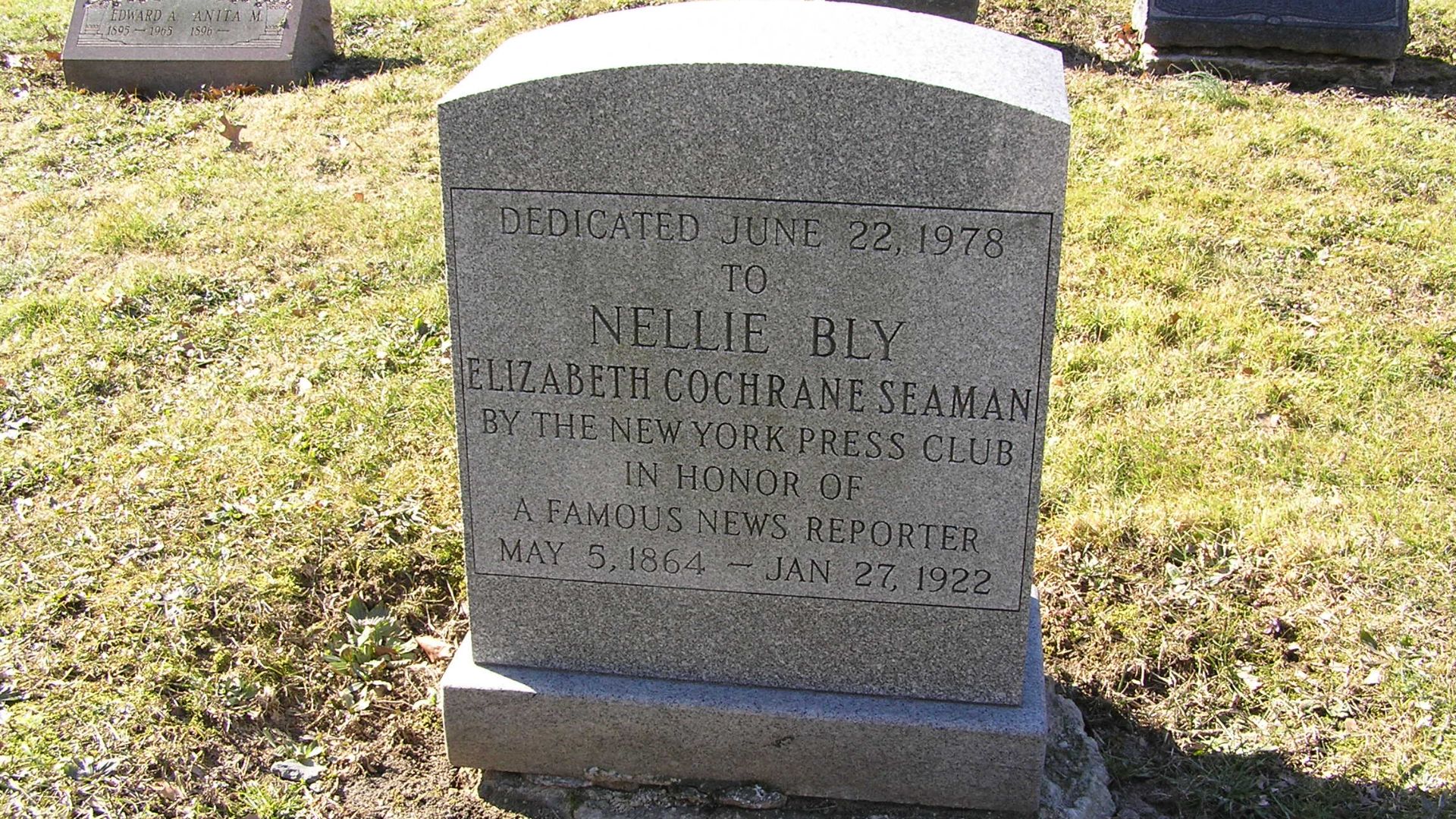
In 1978, the New York Press Club provided the funds to mark Bly’s grave with a tombstone. They also started the annual Nellie Bly Cub Reporter journalism award. The US Post Office put her picture on a postage stamp in 2002. And in 2017, the Museum of Political Corruption started handing out an annual award called the Nellie Bly award to honor investigative reporters.
As it turned out, Bly’s life had really meant something.
 Anthony22 at en.wikipedia, Wikimedia Commons
You May Also Like:
Rebellious Facts About Aphra Behn, The First Lady Of Writing
Unapologetic Facts About Jane Austen, The Literary Revolutionary