
Who Is Your Favorite Government Pet?
Every world leader brings something unique into office—some bring sweeping reforms, some bring unforgettable speeches… and some bring extremely adorable animals. From loyal pups padding through presidential palaces to royal cats who climb history’s curtains, government pets have become global sensations in their own right. These creatures soften the sharp edges of politics, deliver viral moments, and occasionally upstage their powerful owners. Welcome to our whirlwind tour of 25 of the world’s most iconic political pets.
Fala, Franklin D. Roosevelt’s Legendary Scottish Terrier
Fala moved into the White House in 1940 and quickly became as recognizable as his owner. His shiny black coat and dignified demeanor made him a fixture at FDR’s side, and he traveled widely during the war years—becoming a national morale booster. Fala lived until 1952 and remains one of the most celebrated presidential pets in U.S. history.
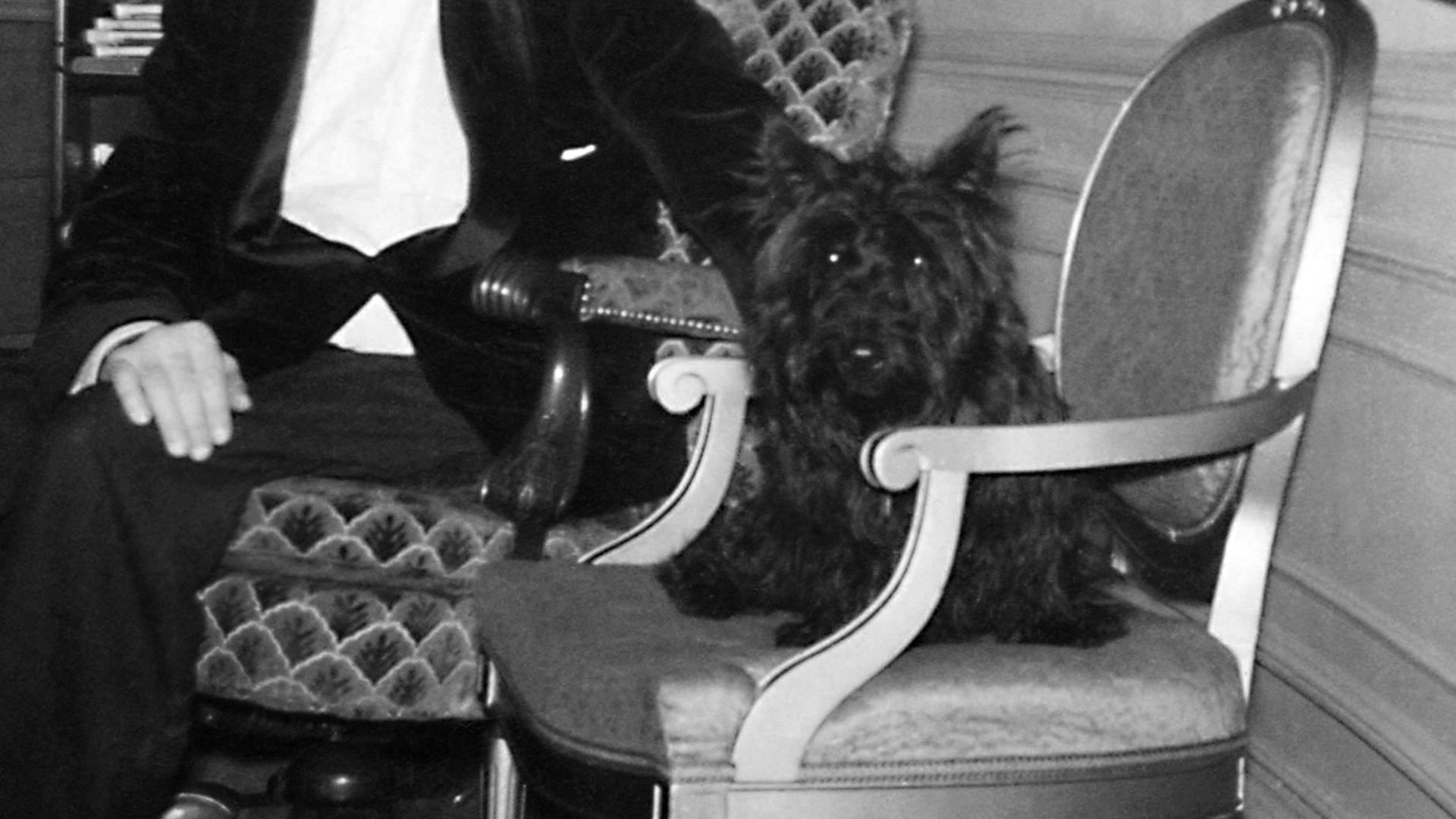 Franklin D. Roosevelt Library, Wikimedia Commons
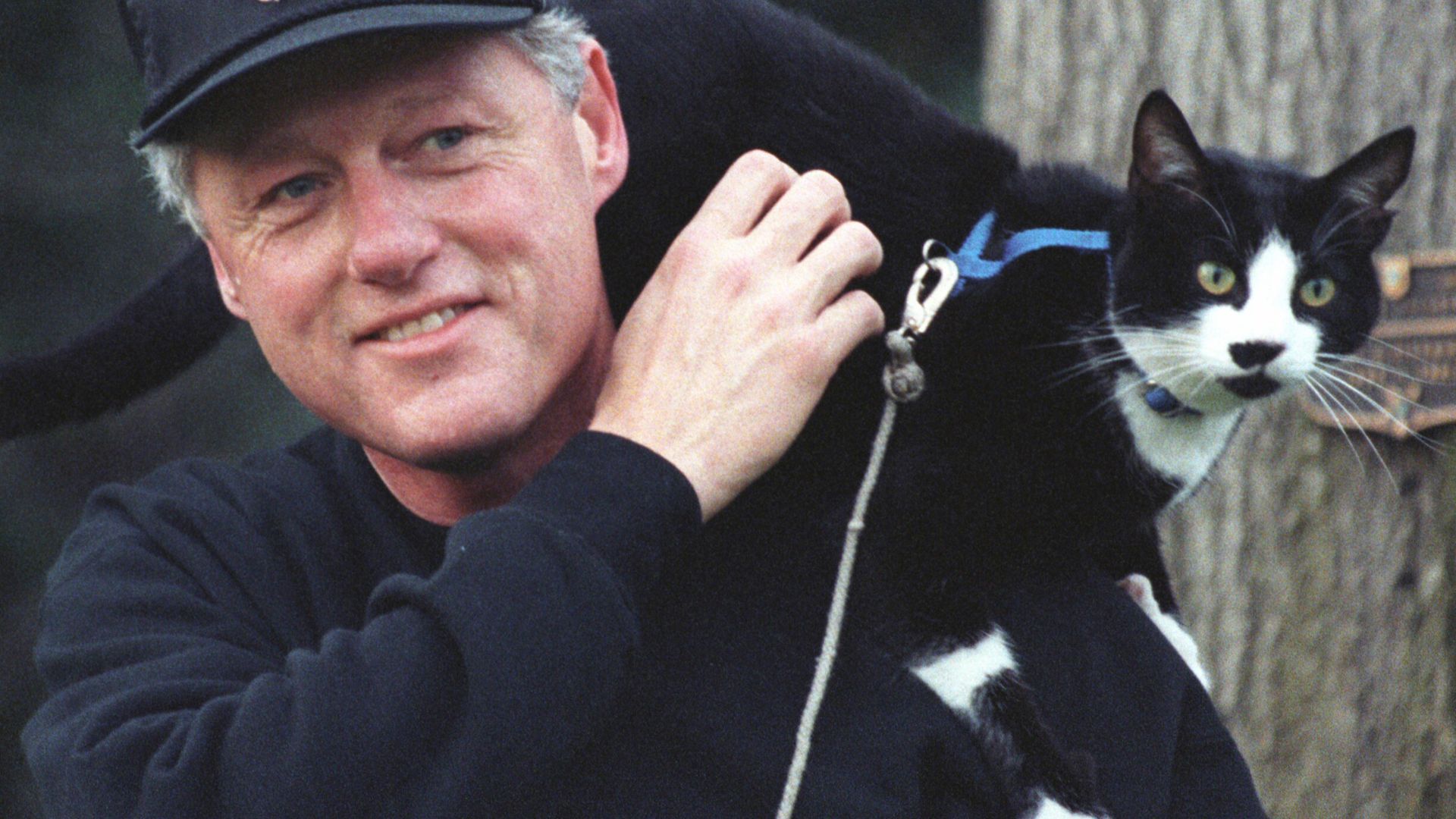
Socks, The Clintons’ Charismatic Cat
Adopted in 1991, Socks the tuxedo cat ruled the Clinton White House with a mix of charm and cattitude. He appeared in press photos, greeting lines, and children’s events—much to the dismay of Buddy, the family dog. Socks lived a long, pampered life until 2009 and remains a ‘90s political pop icon.
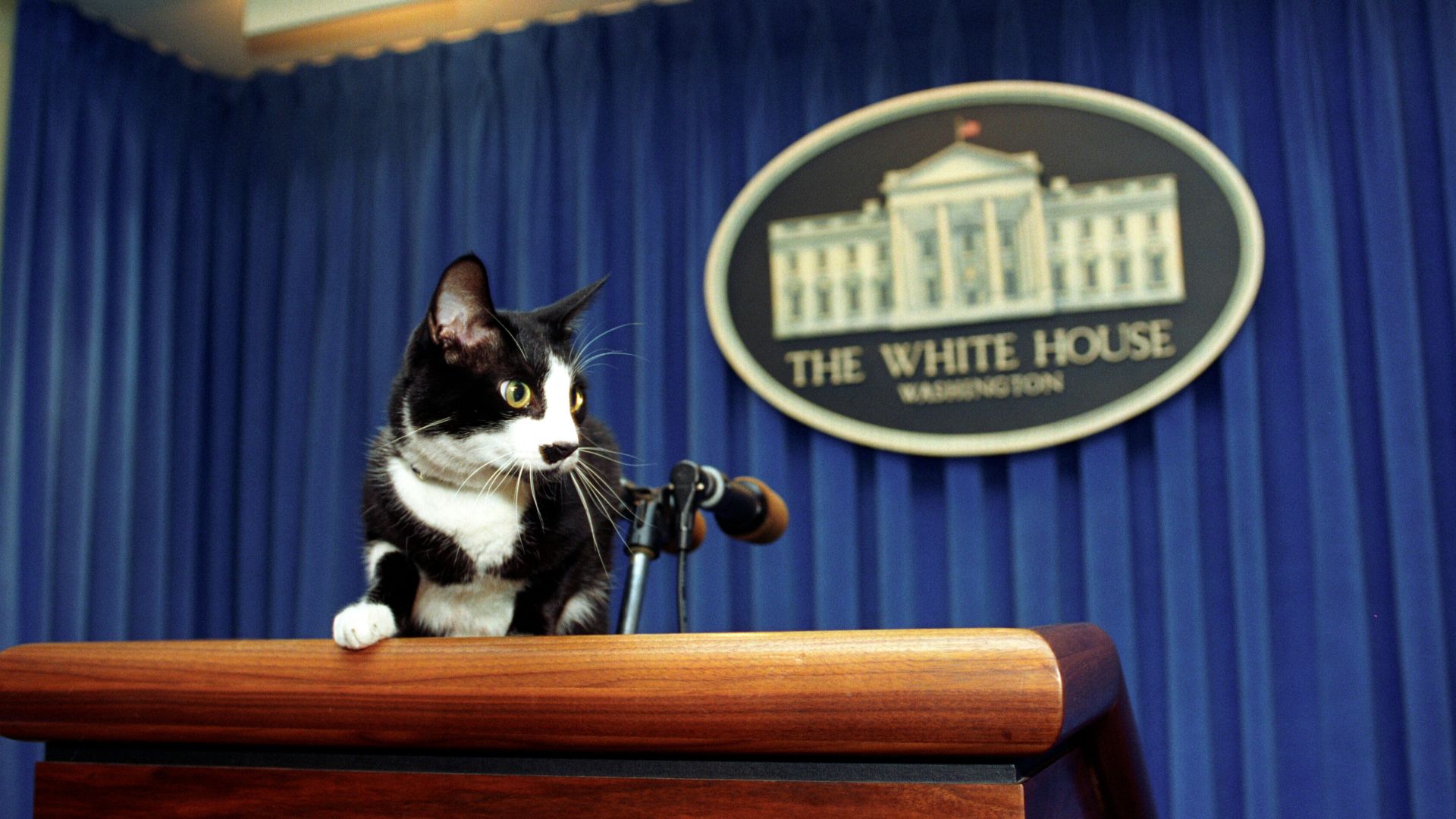 Barbara Kinney, Wikimedia Commons
Bo, Barack Obama’s First Dog Of America
Gifted to the Obama family in 2009, Bo—an elegant Portuguese Water Dog—became an instant celebrity thanks to his fluffy curls and impeccable behavior. He was later joined by Sunny, creating the First Dog duo that captured the internet’s heart. Bo passed away in 2021 but remains a symbol of the Obama era.
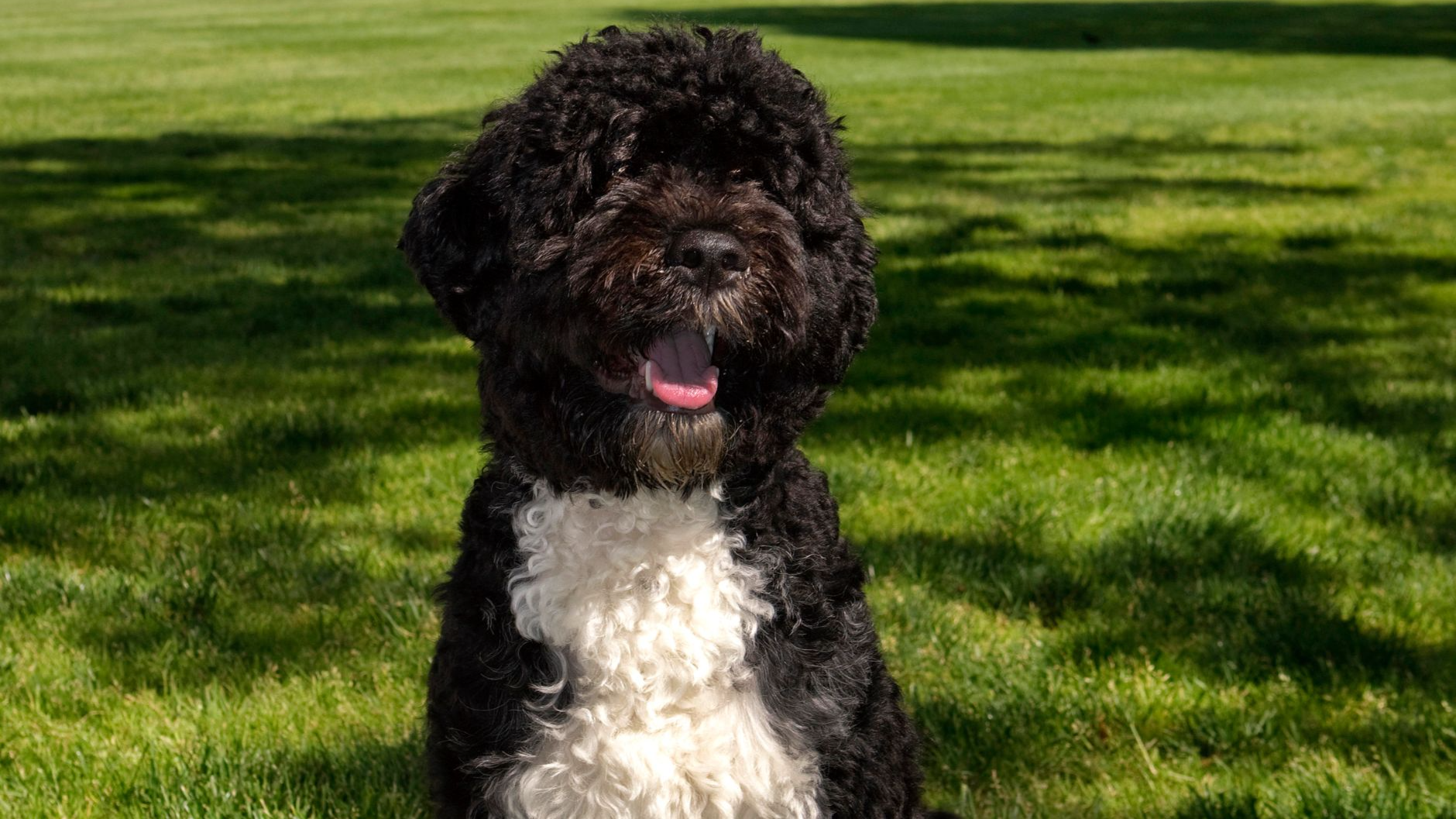 Chuck Kennedy, Wikimedia Commons
Larry, The U.K.’s Chief Mouser To The Cabinet Office
Larry the Cat arrived at 10 Downing Street in 2011 and has served—quite independently—through five prime ministers and counting. A brown-and-white tabby with unimpeachable confidence, Larry is technically employed to catch mice but often appears in headlines for chasing reporters or refusing to vacate doorsteps. A modern British icon.
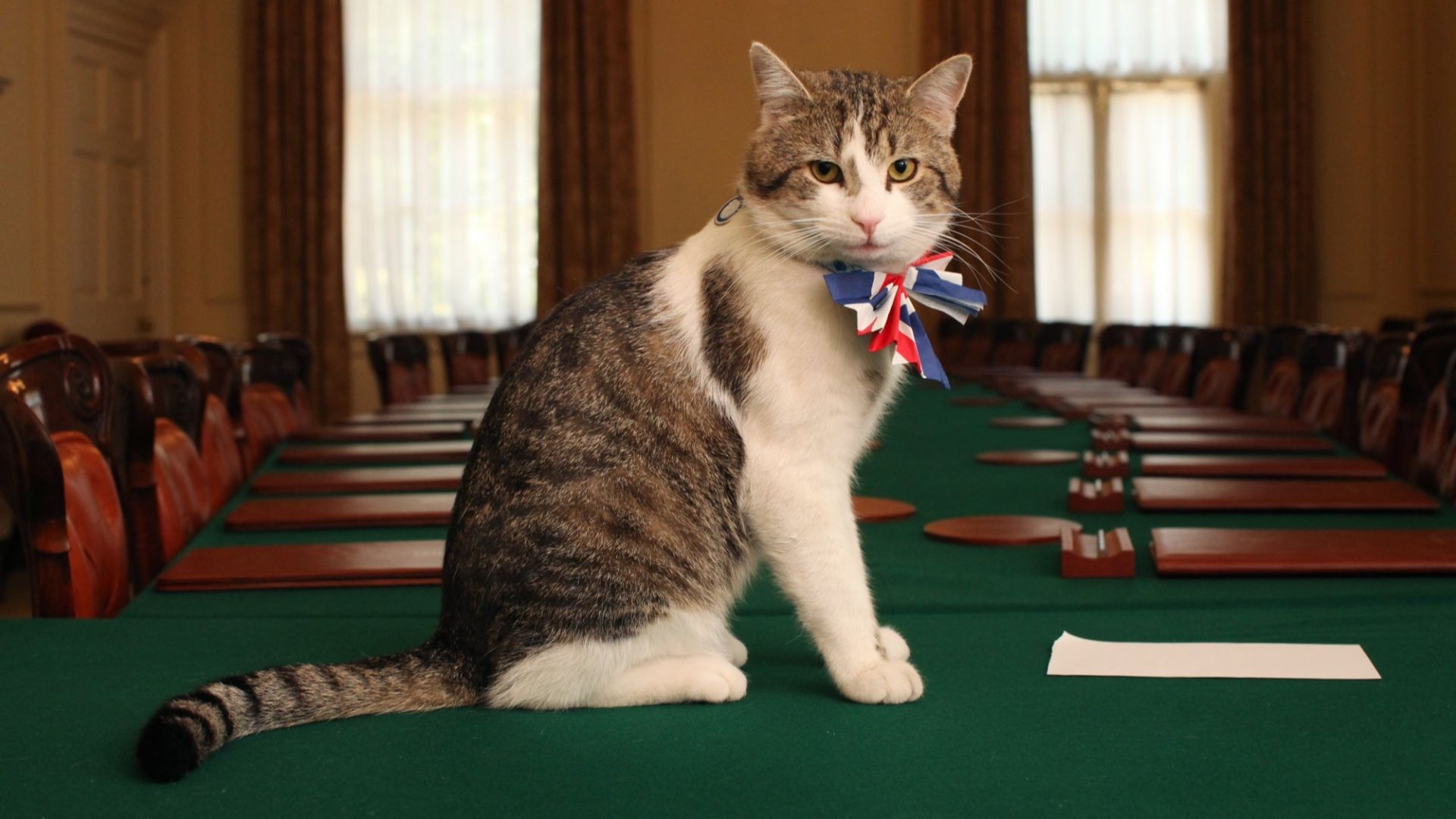 His Majesty's Government, Wikimedia Commons
Dilma, Angela Merkel’s Beloved Parrot
Long before she was Germany’s chancellor, Angela Merkel cared for a pet parrot named Dilma during her youth in the 1960s. While not a resident of the chancellery, the colorful bird became part of Merkel’s origin story, symbolizing the quiet, observant nature for which she later became politically famous.
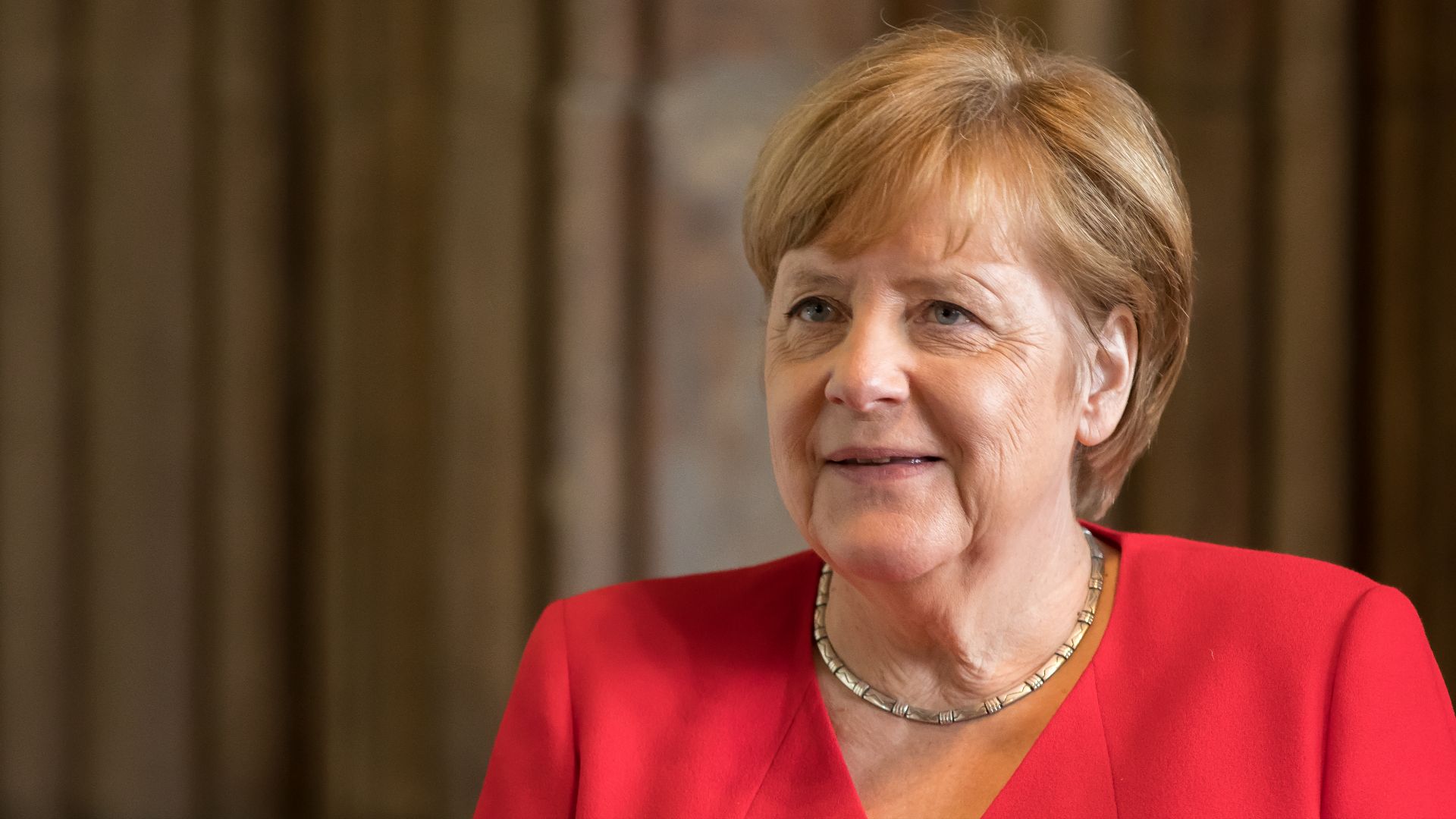 Raimond Spekking, Wikimedia Commons
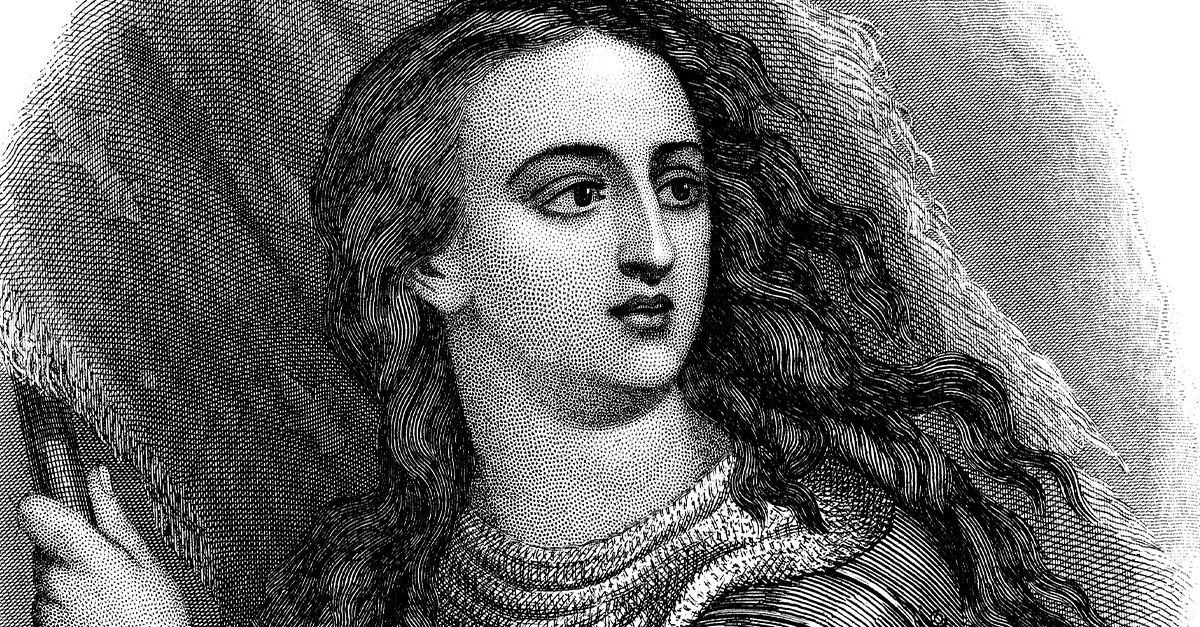
Him and Her, Lyndon B. Johnson’s Beagles
Few presidential pets were photographed as often as LBJ’s beagles. Him and Her moved into the White House in 1964 and quickly charmed visitors with their floppy ears and playful spirit—though they also sparked controversy when LBJ was photographed lifting one by its ears. Their energetic presence became inseparable from LBJ’s image.
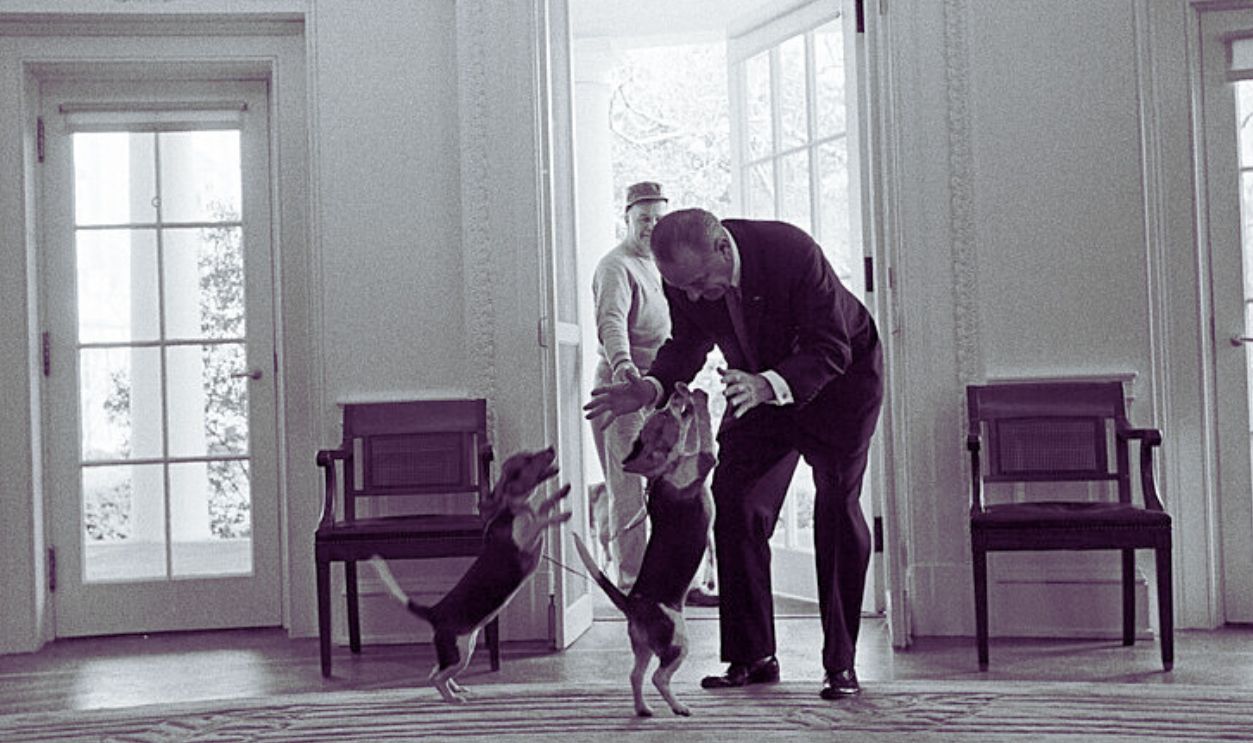 Yoichi Okamoto, Wikimedia Commons
Pal, Winston Churchill’s Poodle Companion
Churchill owned several pets throughout his life, but Pal the poodle—active during the 1940s—was one of his closest canine confidants. Pal was known for following Churchill through the halls of wartime command posts, offering cheer amid chaos. Their bond illustrated a softer side of the famously tough prime minister.
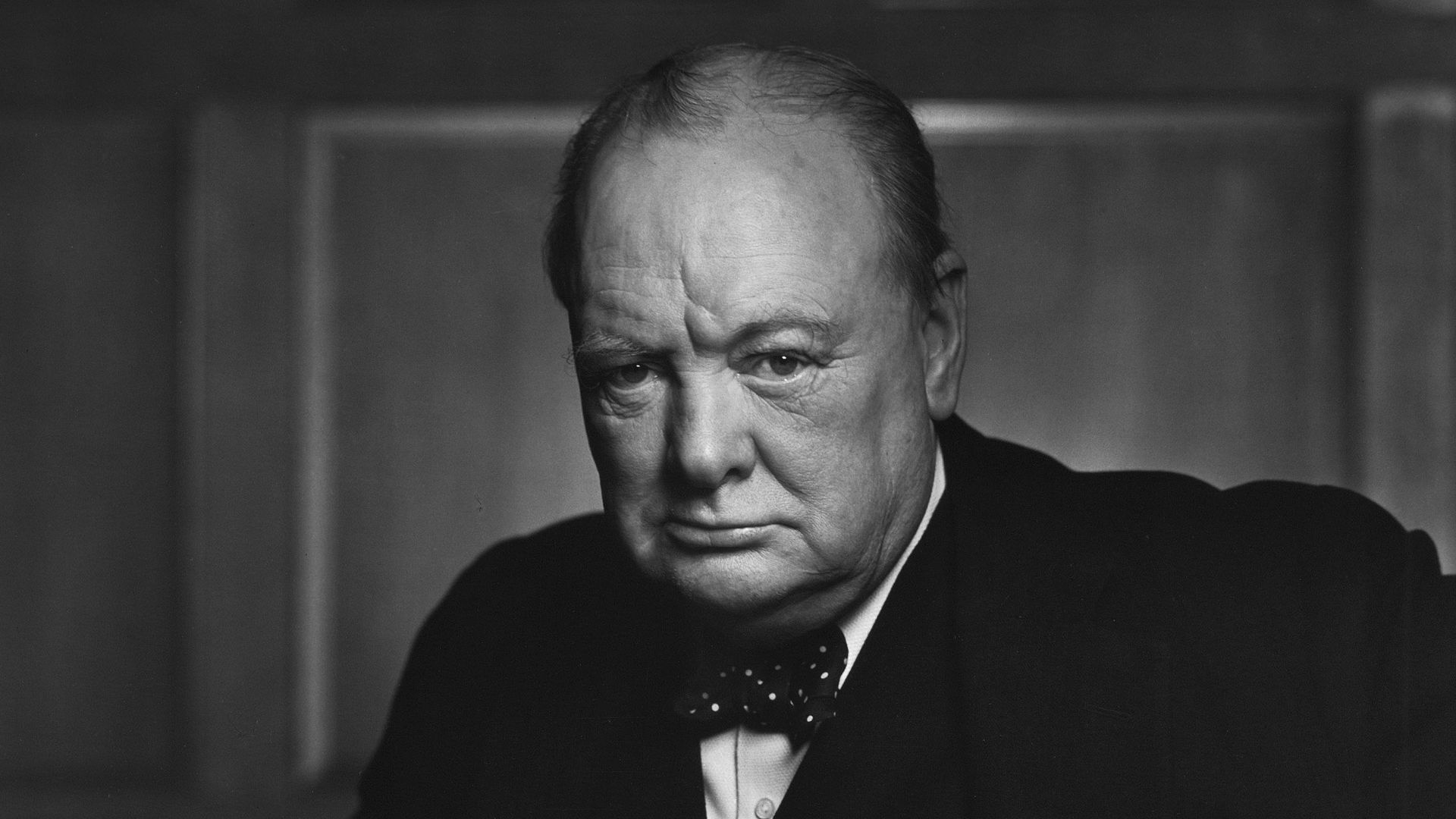 Yousuf Karsh, Wikimedia Commons
Pushinka, John F. Kennedy’s Cold War Pup
Pushinka arrived at the White House in 1961 as a gift from Soviet leader Nikita Khrushchev. A fluffy mixed-breed descended from the Soviet space dogs, Pushinka became a symbol of unlikely goodwill between adversaries. She even had puppies—dubbed “pupniks”—with the Kennedy family dog, Charlie.
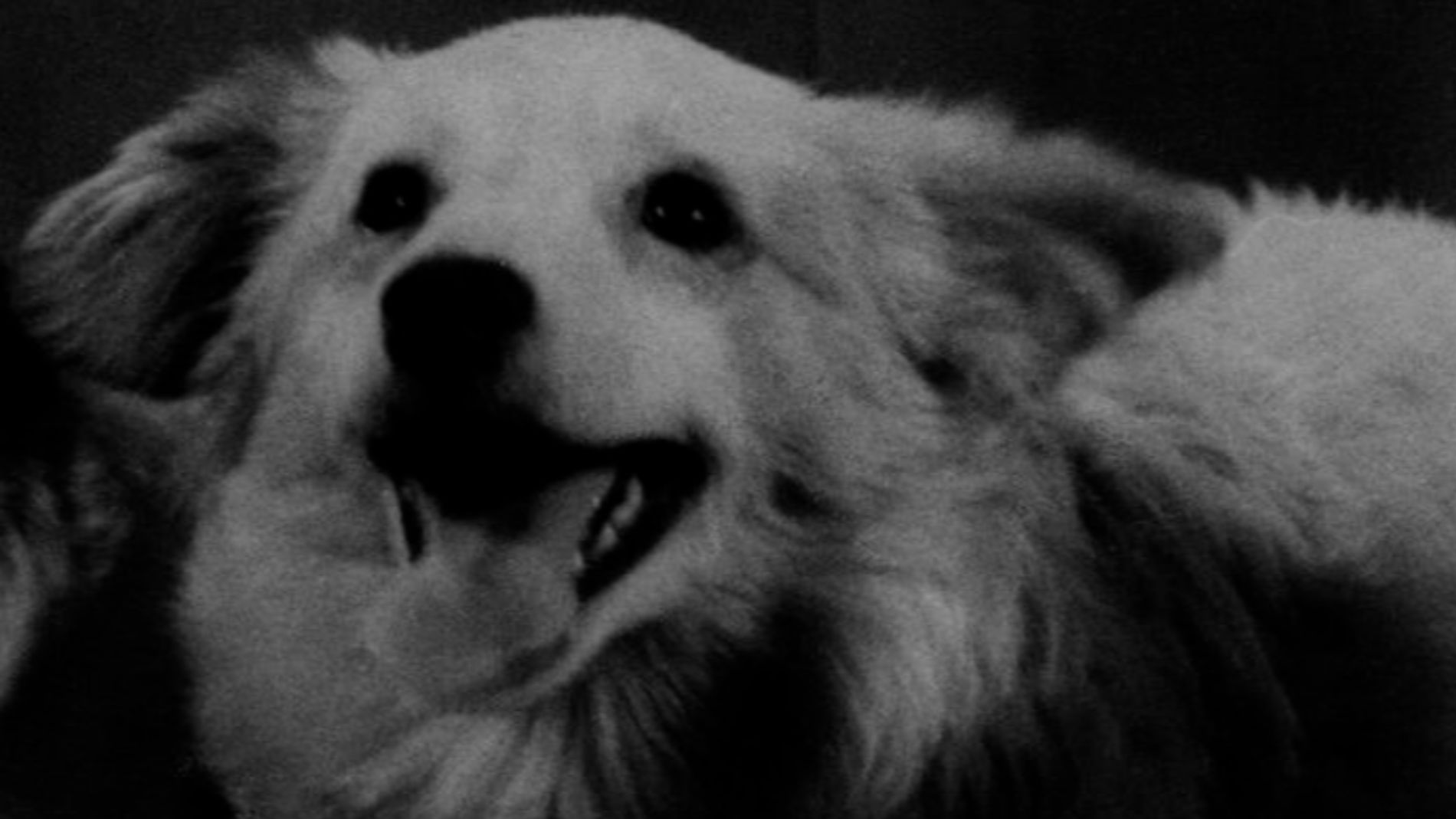 Unknown Soviet Union government employee, Wikimedia Commons

History's most fascinating stories and darkest secrets, delivered to your inbox daily.
Nemoy, François Hollande’s Presidential Labrador-Griffon Mix
Adopted in 2014, Nemoy became a popular fixture of the Élysée Palace. With his scruffy charm and calm attitude, he often appeared during Hollande’s public addresses. Nemoy represented the down-to-earth personality Hollande cultivated during his presidency.
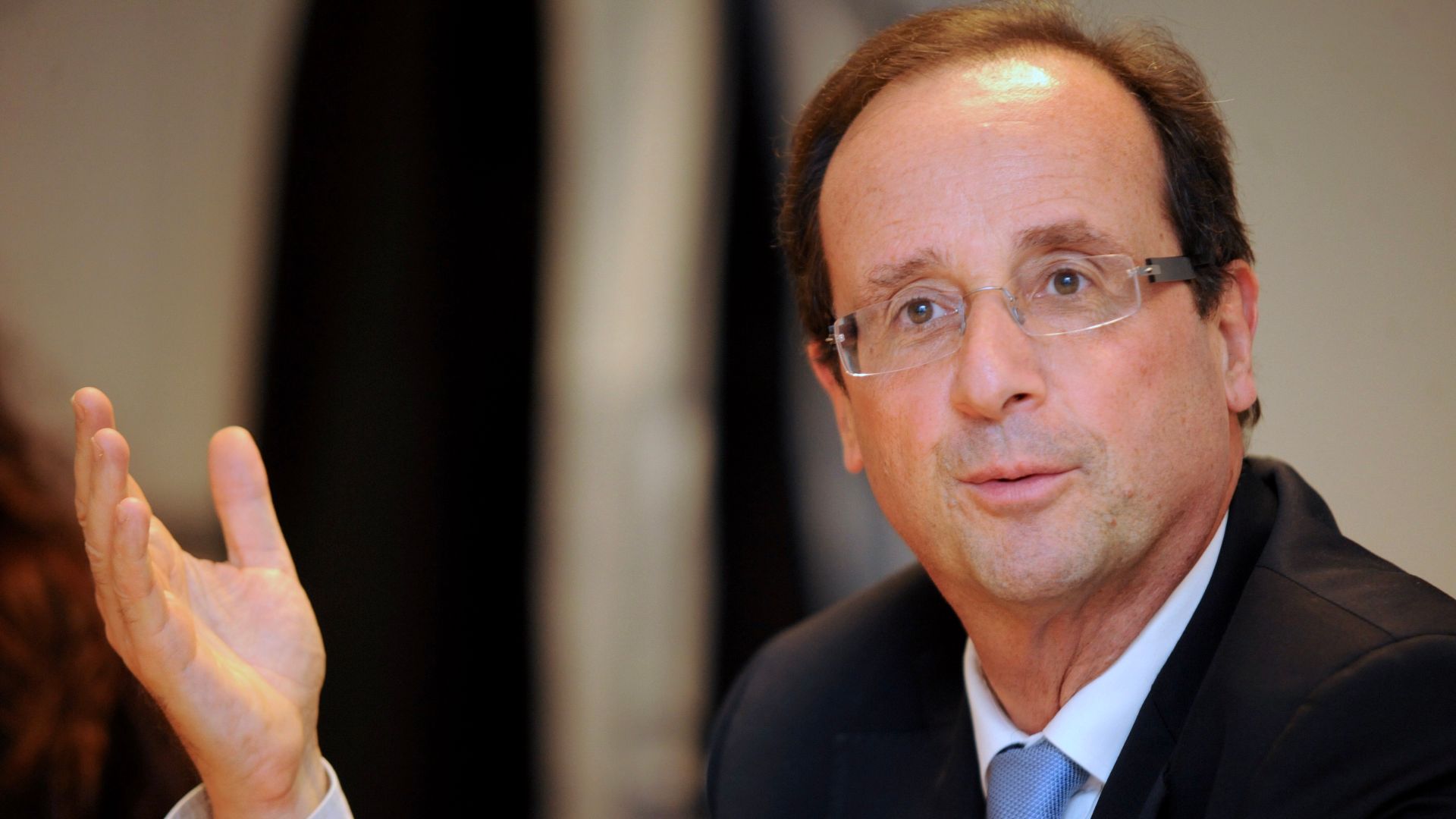 Nicolas Richoffer, Wikimedia Commons
Paddles, Jacinda Ardern’s First Cat Of New Zealand
Paddles, a ginger-and-white rescue cat with thumbs—yes, polydactyl paws—became a social media phenomenon after Ardern’s 2017 election win. Paddles even had a Twitter account (run by fans). Tragically, she died later that year, but she remains a beloved figure in New Zealand political culture.
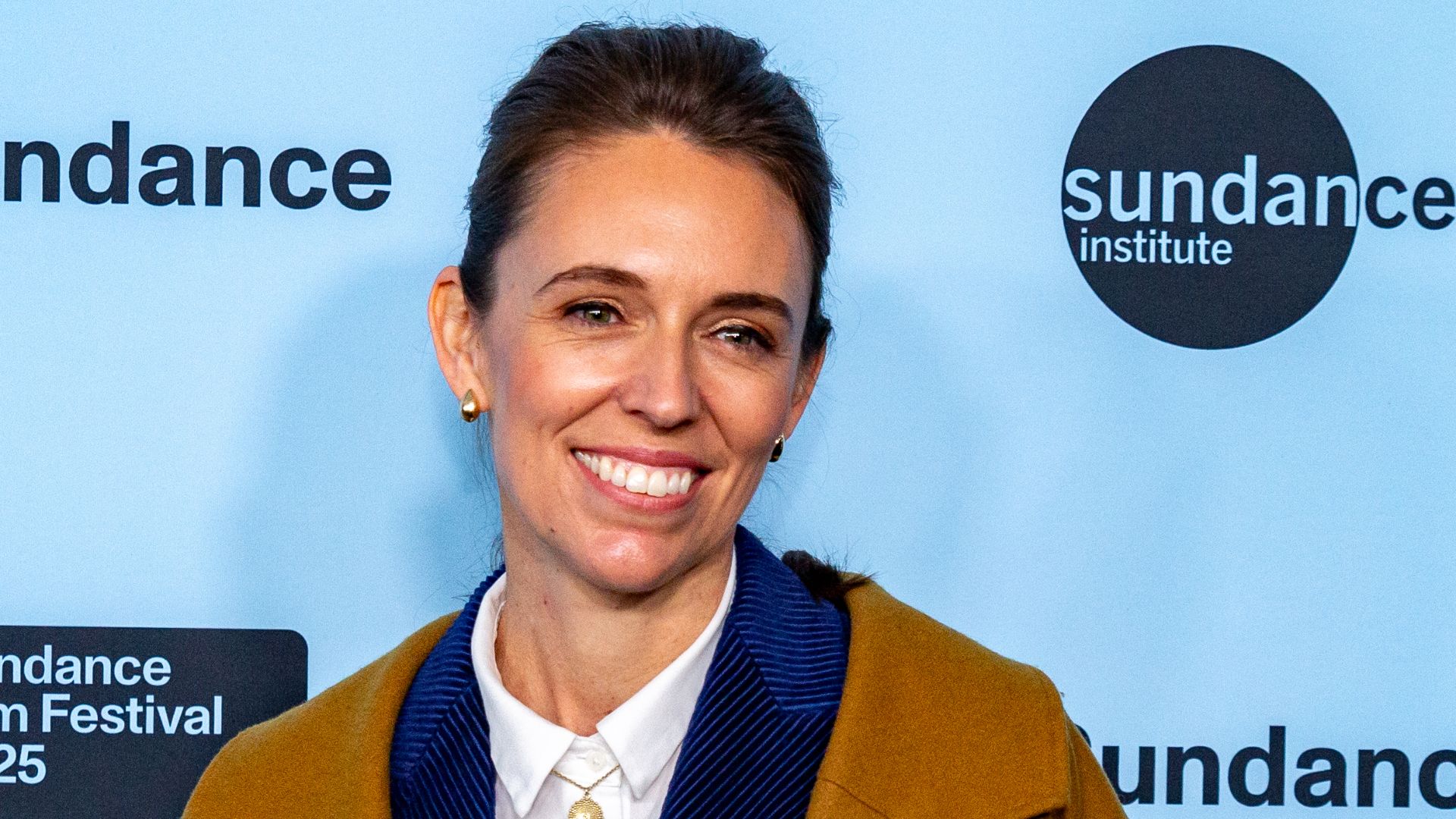 Adam Chitayat, Wikimedia Commons
Cori and Connie, Vladimir Putin’s Loyal Dogs
Putin is well known for his love of dogs, especially the regal Akita Inu named Yume (gifted by Japan) and the large shepherds Cori and Connie. Since the early 2000s, these dogs have appeared in various state settings and photo ops, often softening Putin’s otherwise stern public image.
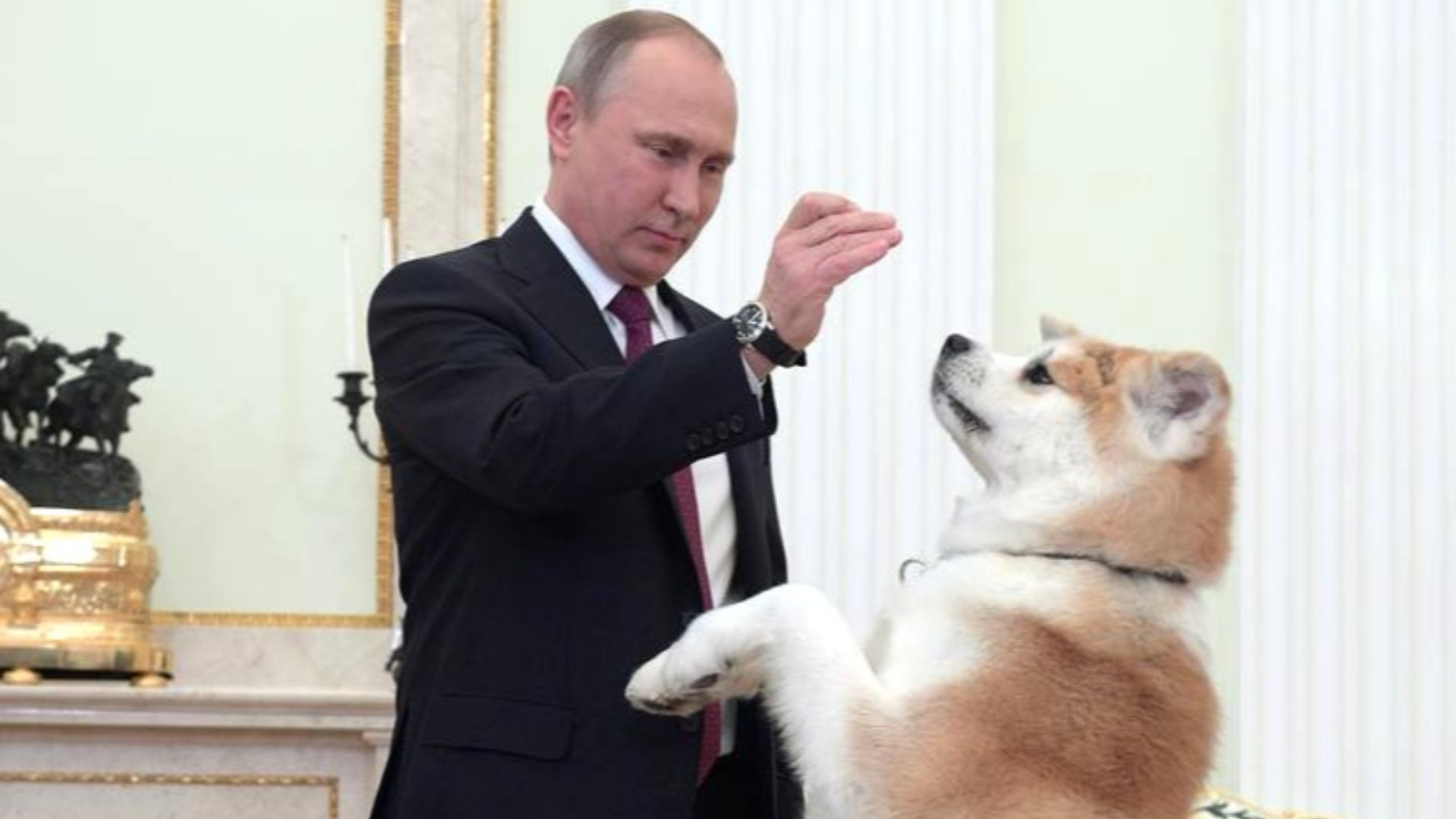 Press Service of the President of Russia, Wikimedia Commons
Macron’s Nemo, The Élysée Palace Rascal
Adopted from a rescue shelter in 2017, Nemo is a black Labrador–Griffon mix who quickly gained fame for interrupting meetings, photobombing official portraits, and—most notoriously—peeing on a fireplace during a live press event. Nemo is still active in the palace, delighting France with every antic.
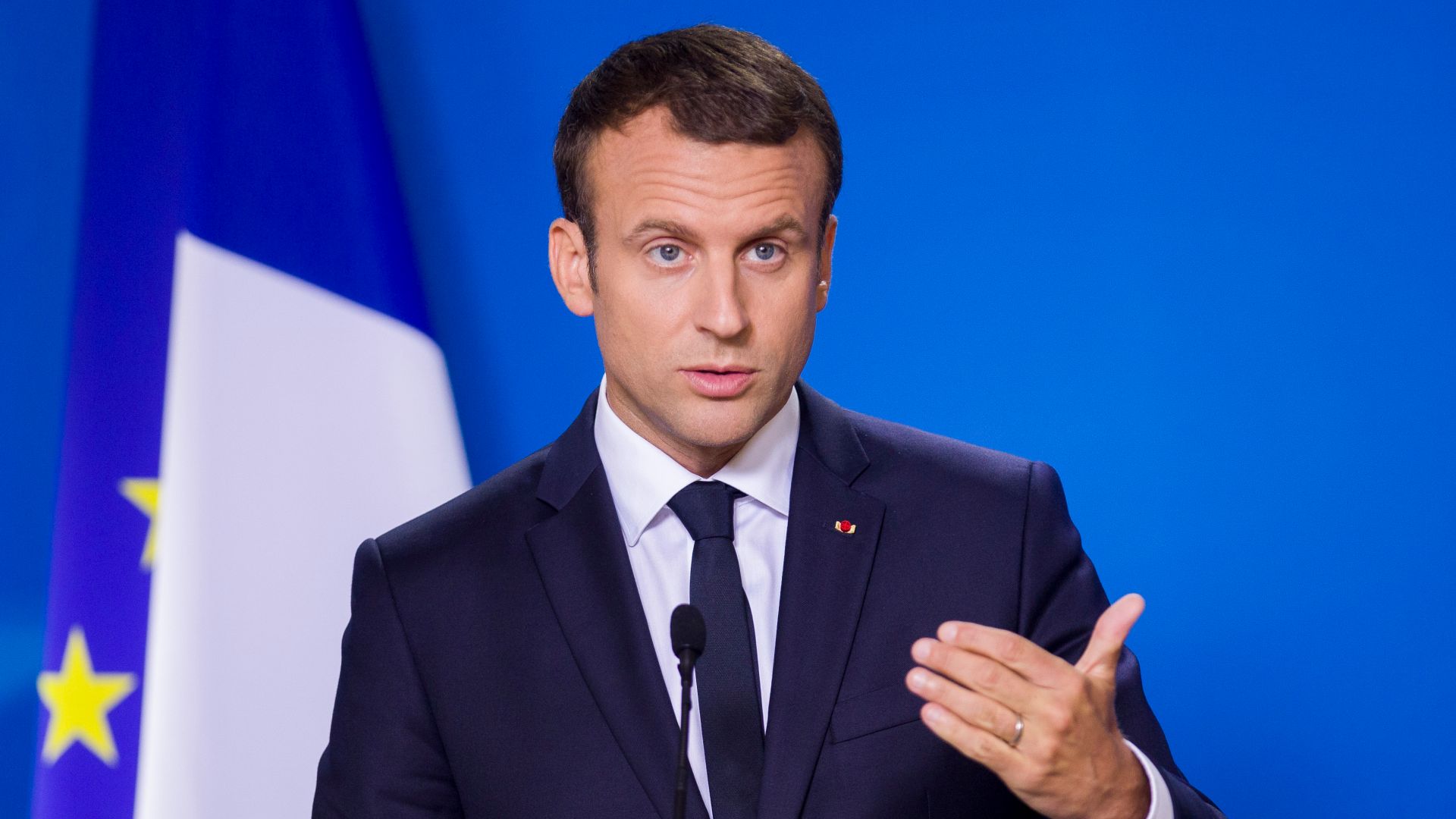 European Union, Wikimedia Commons
Grits, Jimmy Carter’s Cat Of The Late ‘70s
Grits was a tabby given to Amy Carter in 1977 shortly after Carter took office. Although Grits didn’t stay at the White House long, the kitten’s brief, bright moment in presidential history lives on through photographs and children’s books that immortalized him.
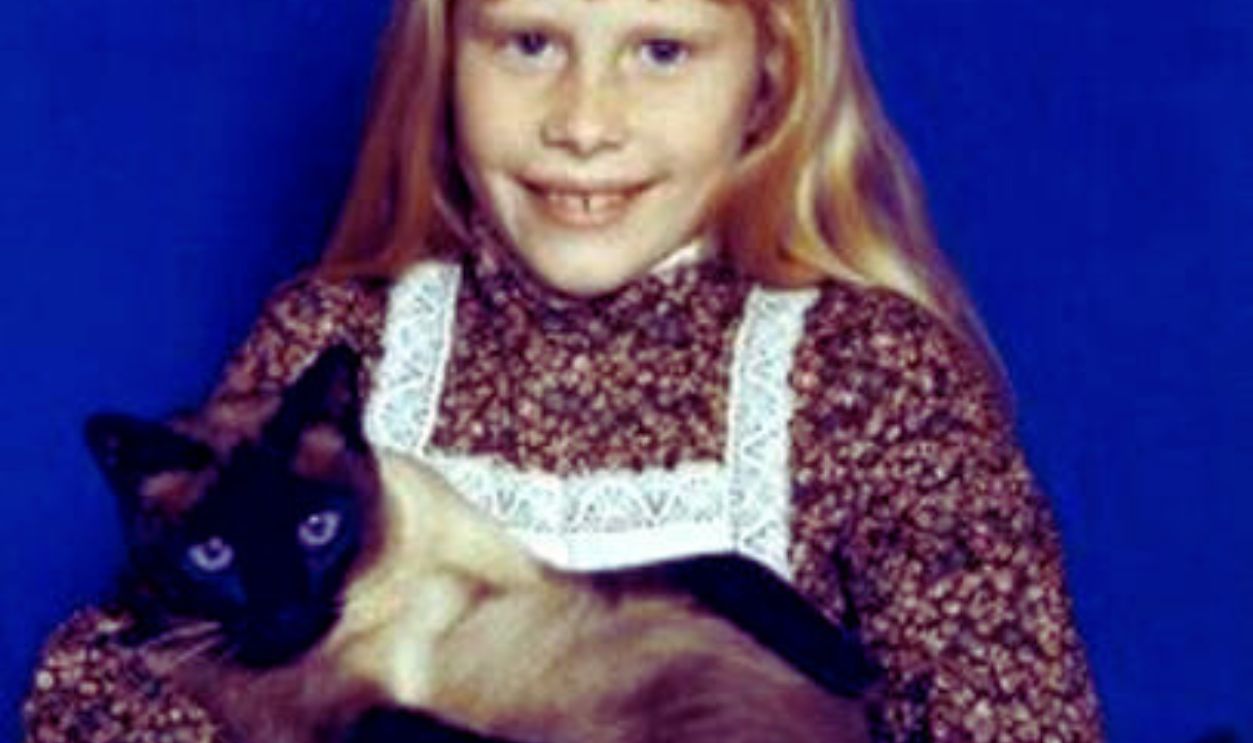 Charles Rafshoon, Wikimedia Commons
Mrs. Chippy, The Cat Of Antarctic Explorer Ernest Shackleton (Later Honored By Governments)
Though not a government pet at the time, Mrs. Chippy—who sailed with Shackleton’s crew in 1914—has been officially commemorated by the British government. A skilled ship’s cat, Mrs. Chippy is remembered as an iconic companion during one of history’s greatest survival expeditions.
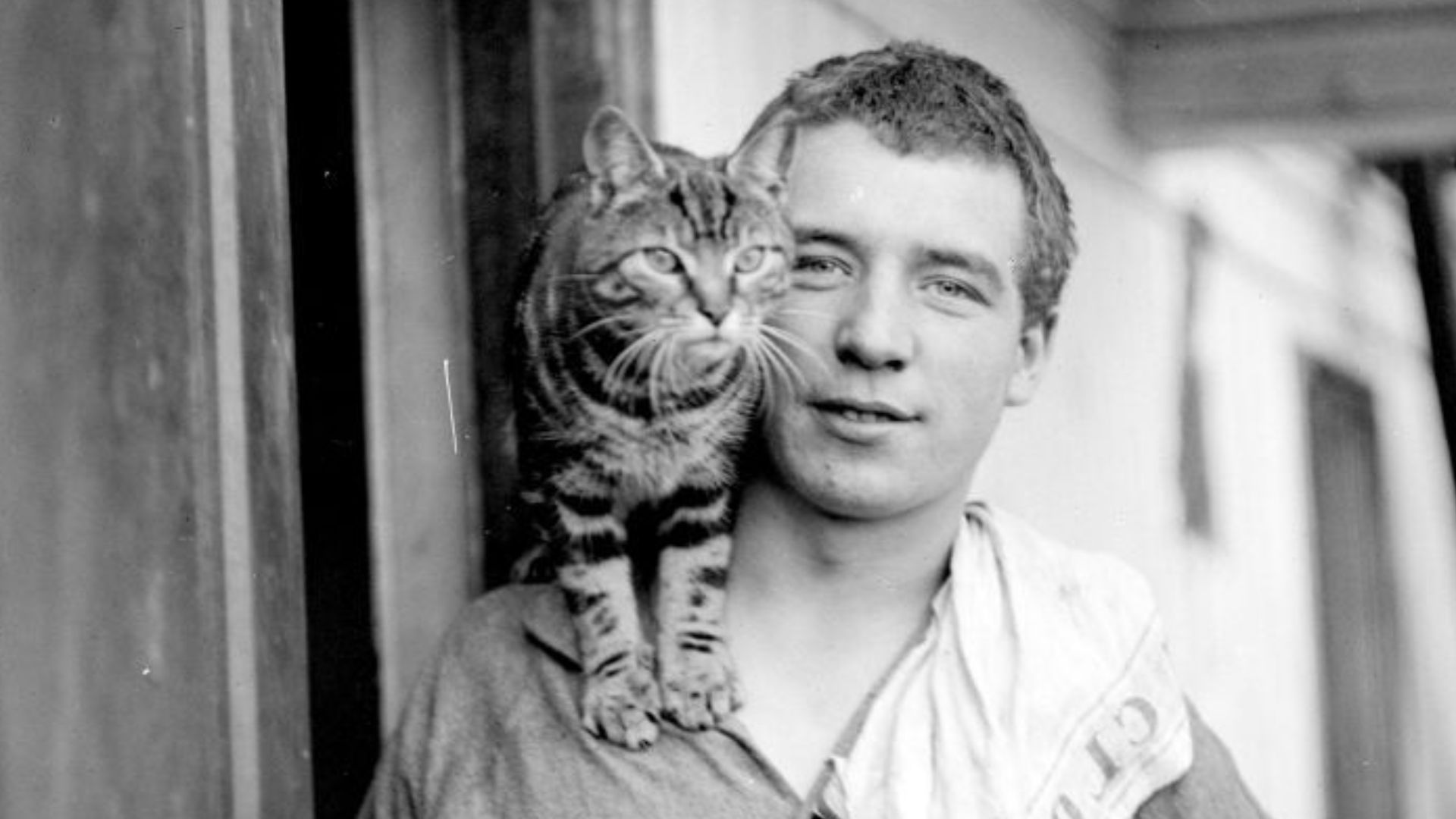 Frank Hurley, Wikimedia Commons
Thambi, India’s Republic Day Elephant
Thambi wasn’t a pet in the personal sense, but this gentle, massively popular elephant took part in the Indian Republic Day parades during the 1960s and ‘70s. He became a cultural symbol, beloved by both the government and the public.
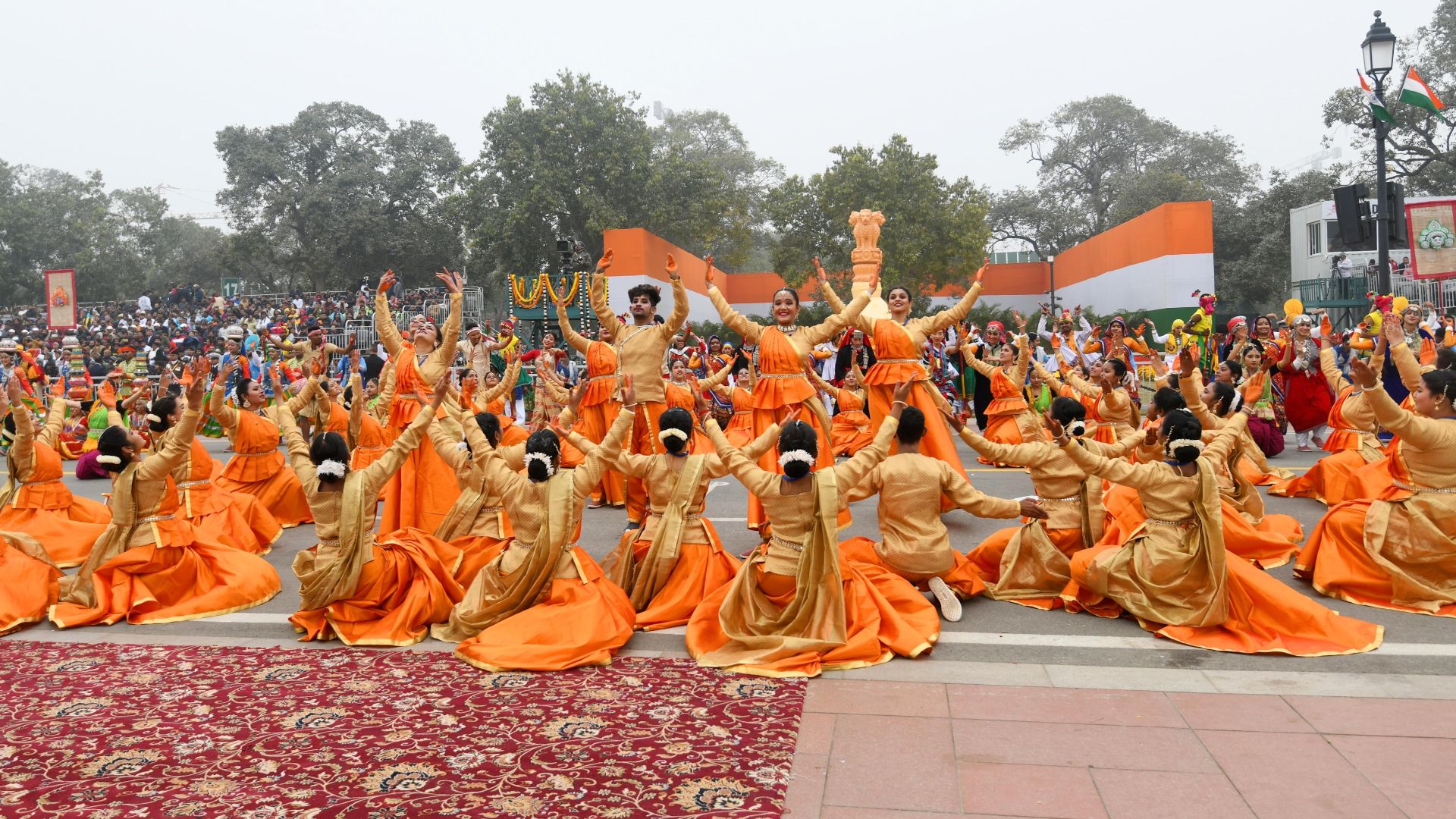 Government of India, Wikimedia Commons
Edi, Austria’s Presidential Sheepdog
Former Austrian President Heinz Fischer owned Edi, a lovable sheepdog who frequently appeared in photographs during Fischer’s time in office (2004–2016). Edi became an ambassador for Austria’s famously dog-friendly culture.

Toto, South Korea’s Presidential Poodle
President Roh Moo-hyun owned a cheerful poodle named Toto, who lived in the Blue House during the early 2000s. Toto became popular with the Korean public thanks to frequent appearances in behind-the-scenes presidential footage.
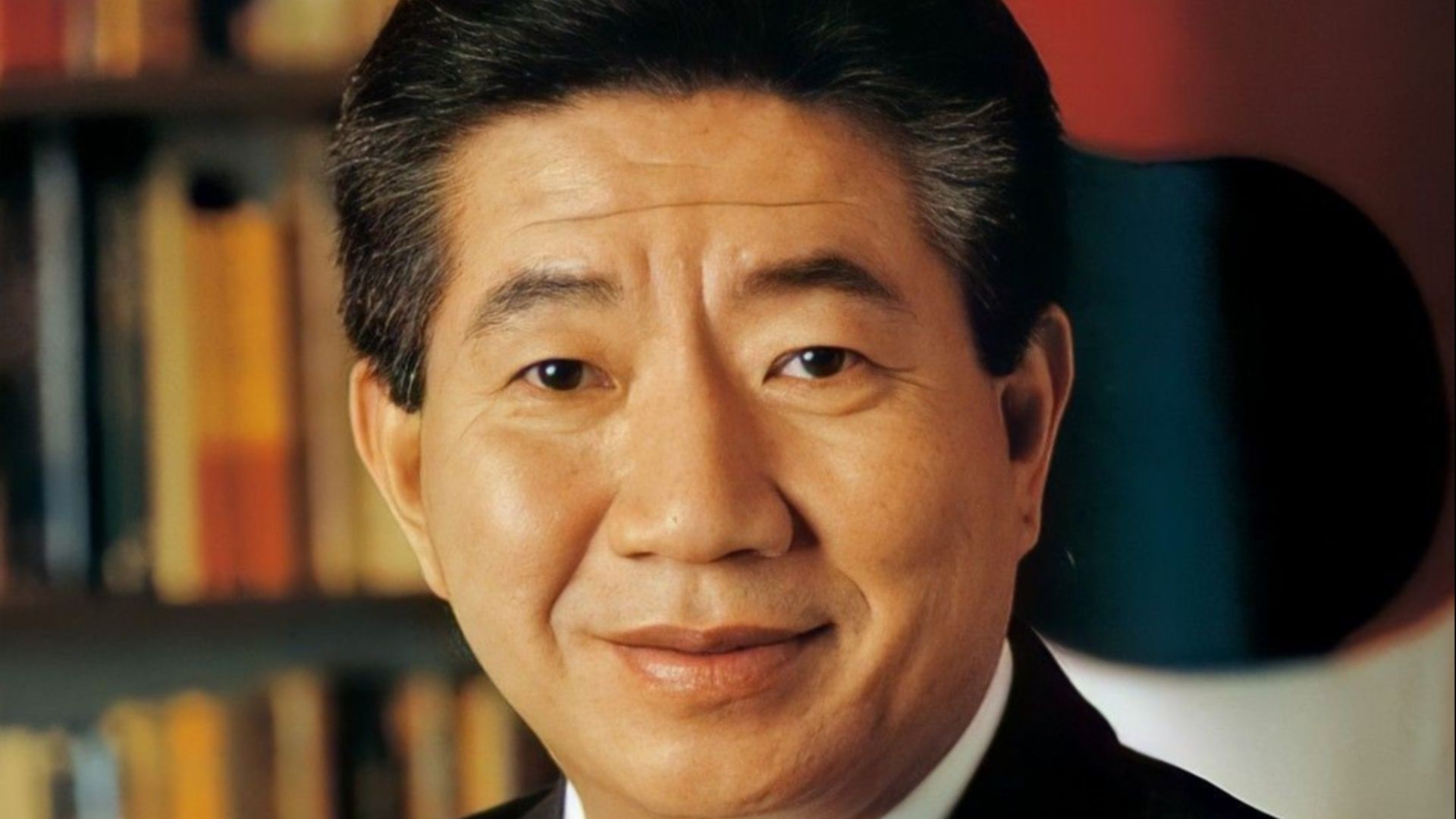 National Archives of Korea, Wikimedia Commons
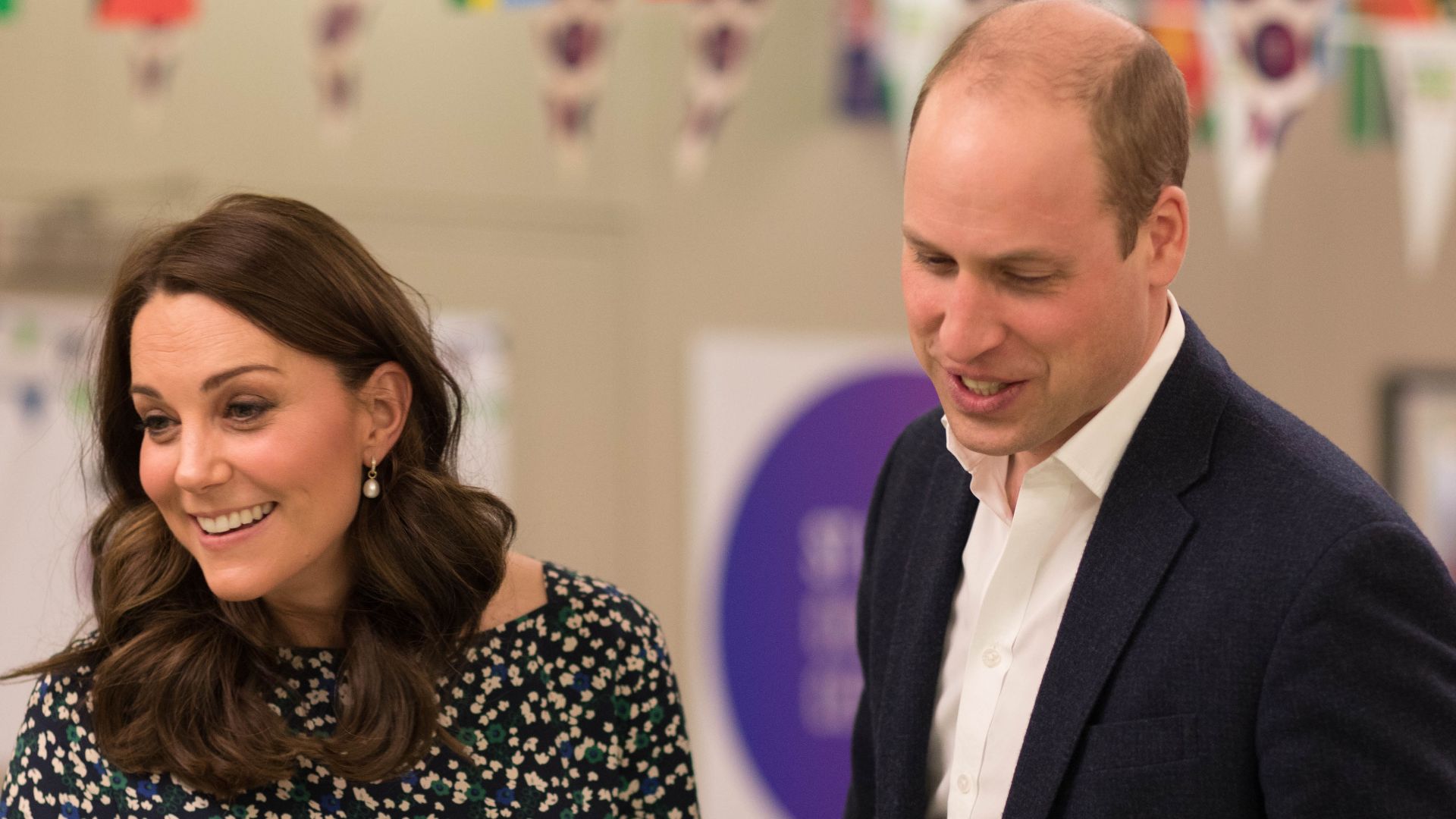
Lupo, Prince William And Catherine’s Royal Cocker Spaniel
Lupo, born in 2011, became a global celebrity shortly after the Duke and Duchess of Cambridge introduced him to the world. Although not a head-of-state pet, Lupo lived in the heart of British royal government life, and his death in 2020 prompted tributes from around the world.
Koni, Putin’s Iconic Black Labrador
Before Yume and the shepherds, Koni was the best-known of Putin’s dogs. She often accompanied him during official meetings in the 2000s and once famously intimidated Angela Merkel—who had mentioned her fear of dogs.
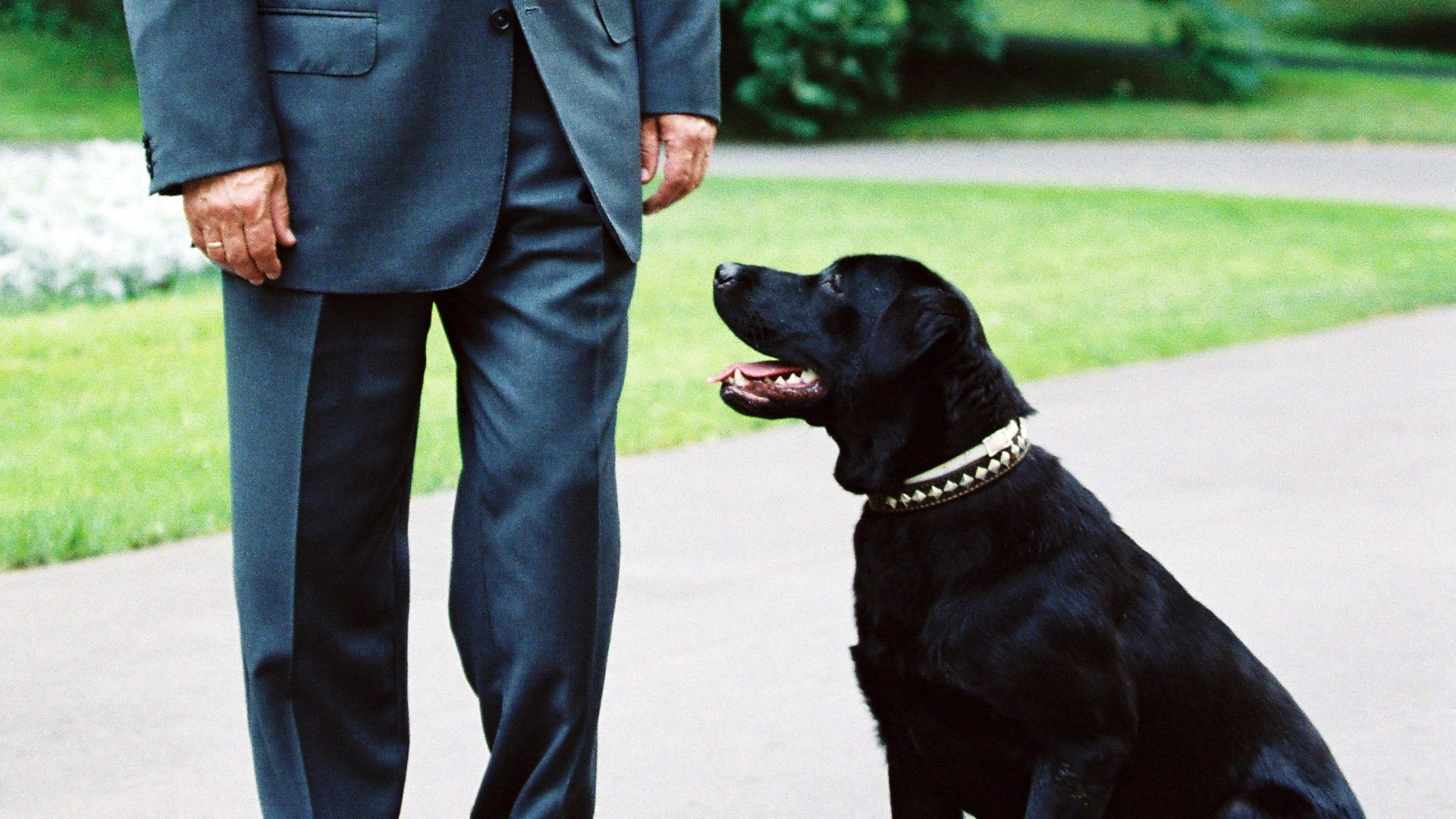 Presidential Press and Information Office, Wikimedia Commons
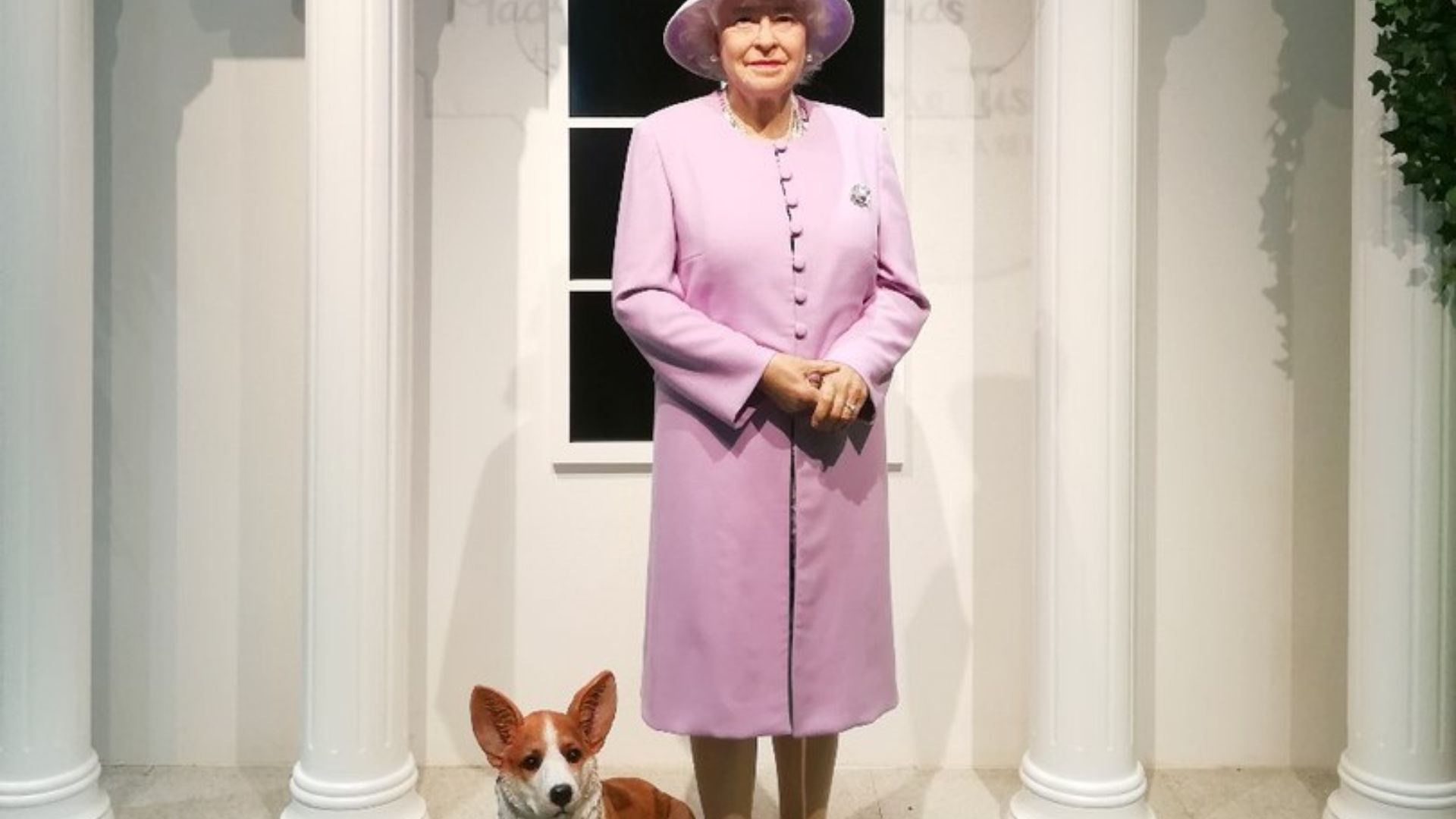
Queen Elizabeth II’s Corgis
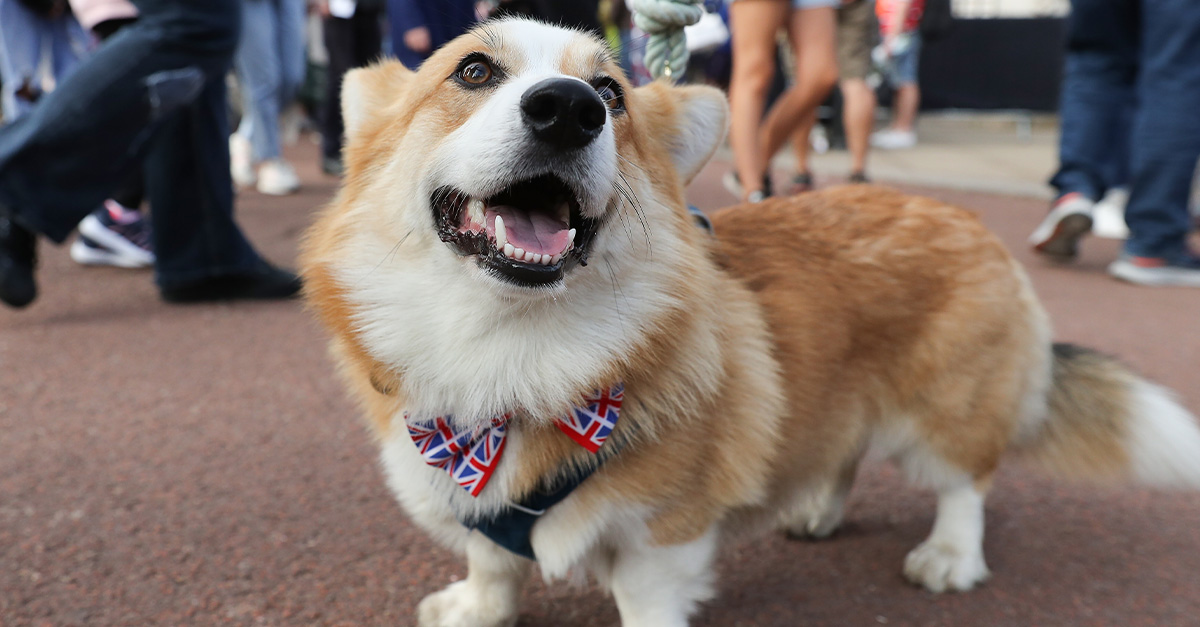
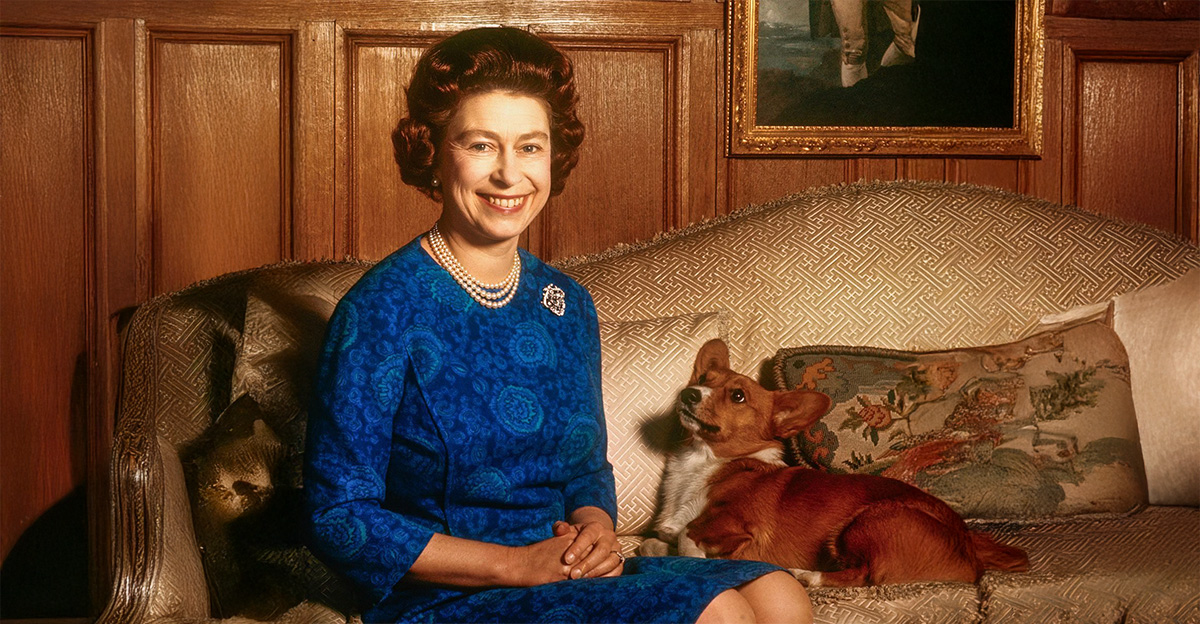
No list of political pets would be complete without the corgis. From the 1940s until her passing in 2022, Queen Elizabeth II raised more than 30 corgis and dorgis combined. Willow, her last corgi of the original royal bloodline, died in 2018. These dogs became symbols of the monarchy itself.
Tama, Japan’s Stationmaster Cat (Government-Honored)
Tama wasn’t owned by the Japanese government but was so cherished by her community that the government honored her publicly. Appointed stationmaster of Kishi Station in 2007, she increased tourism, delighted visitors, and became a national treasure until her death in 2015.
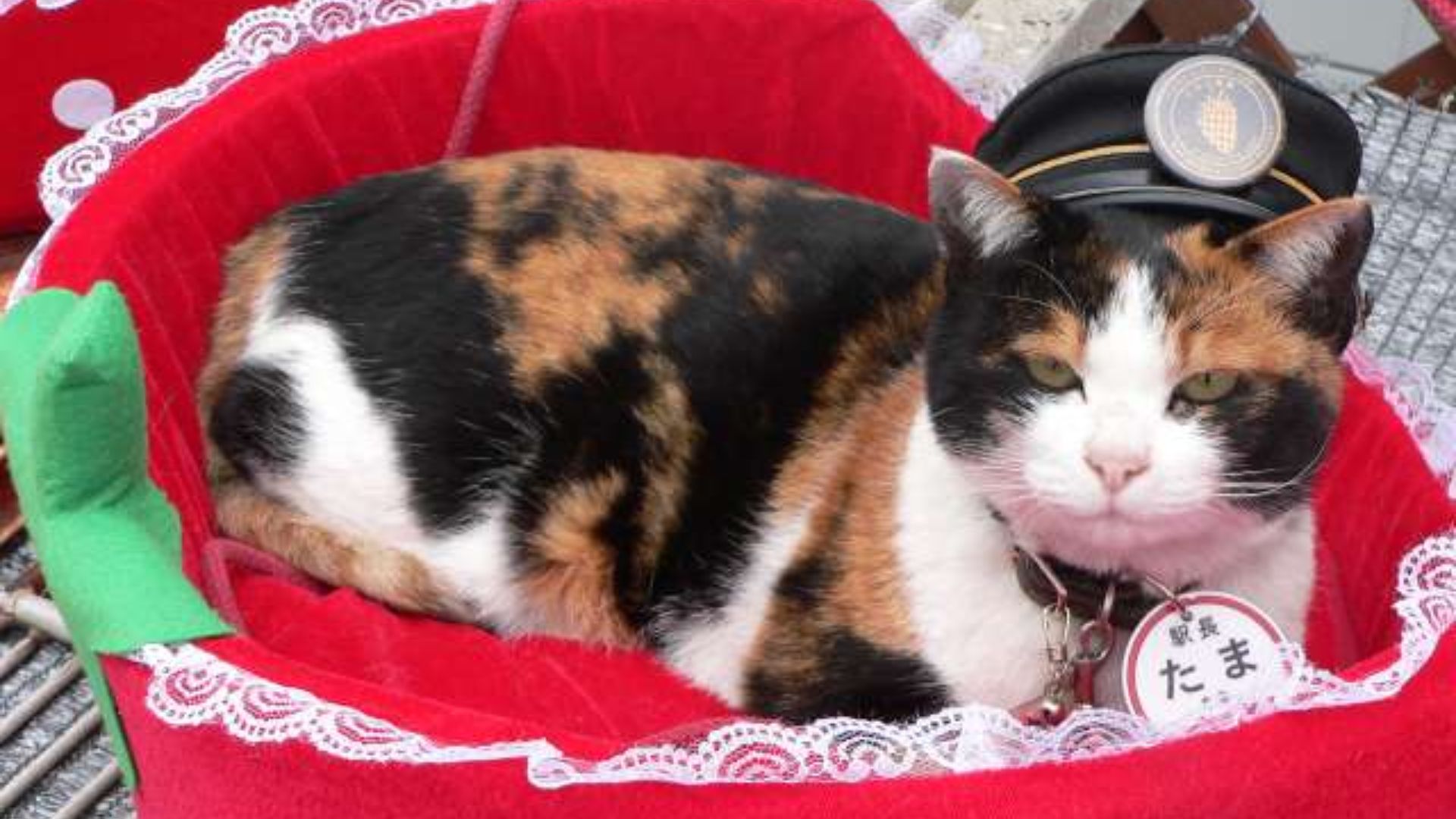 Takobou at Japanese Wikipedia, Wikimedia Commons
Harriet, Theodore Roosevelt’s Hare
Roosevelt owned a virtual zoo during his presidency (1901–1909), including lizards, snakes, a one-legged rooster, and, yes, a hare named Harriet. Harriet was known for hopping freely through the White House gardens—adding to the administration's wild reputation.
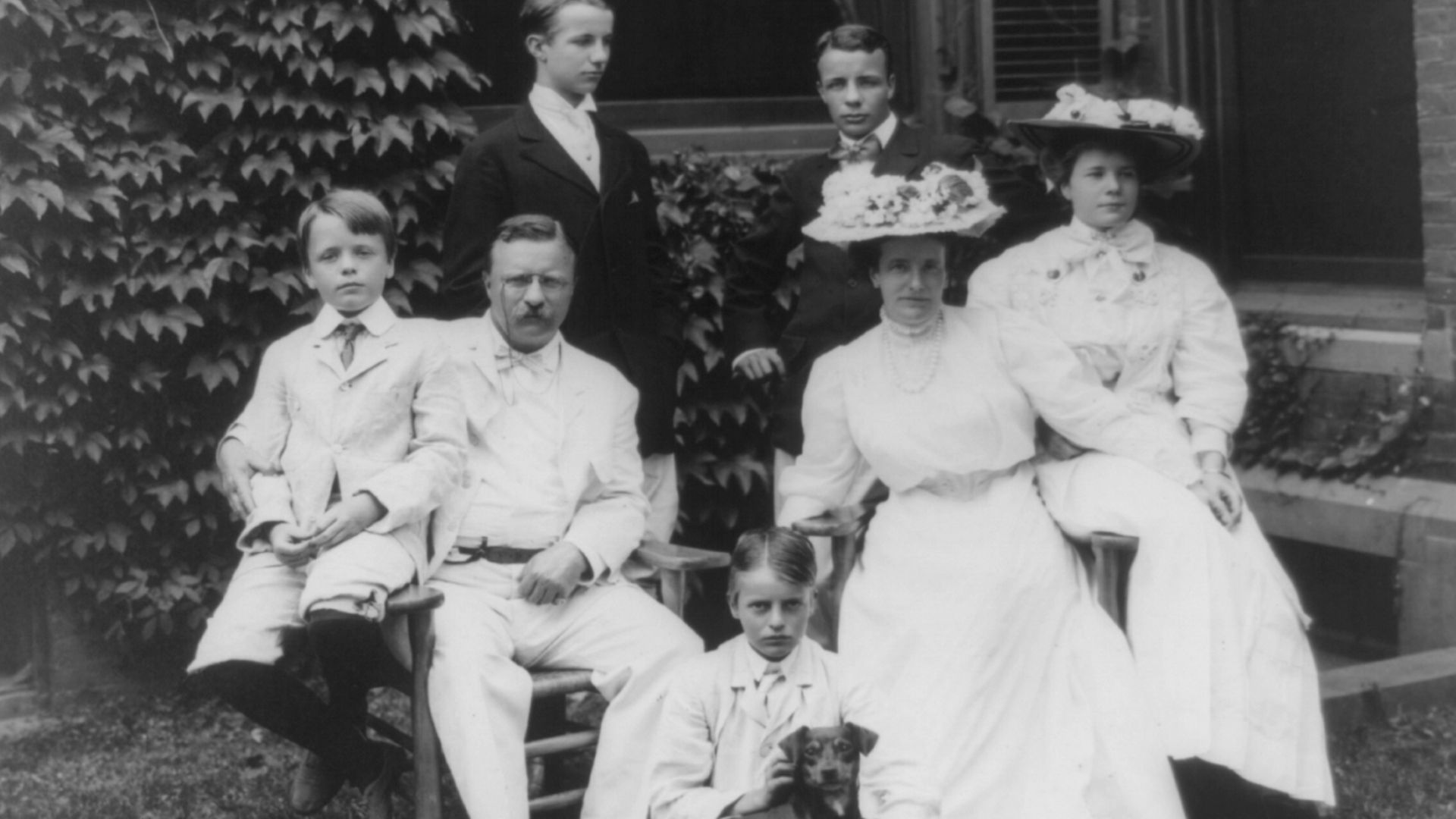 Pach Brothers, Wikimedia Commons
Pat, Charles de Gaulle’s Loyal Dog
Pat, a German Shepherd who accompanied de Gaulle throughout the 1950s and ‘60s, became a reassuring symbol during a tumultuous era in French politics. Pat’s calm presence mirrored de Gaulle’s own quiet strength.
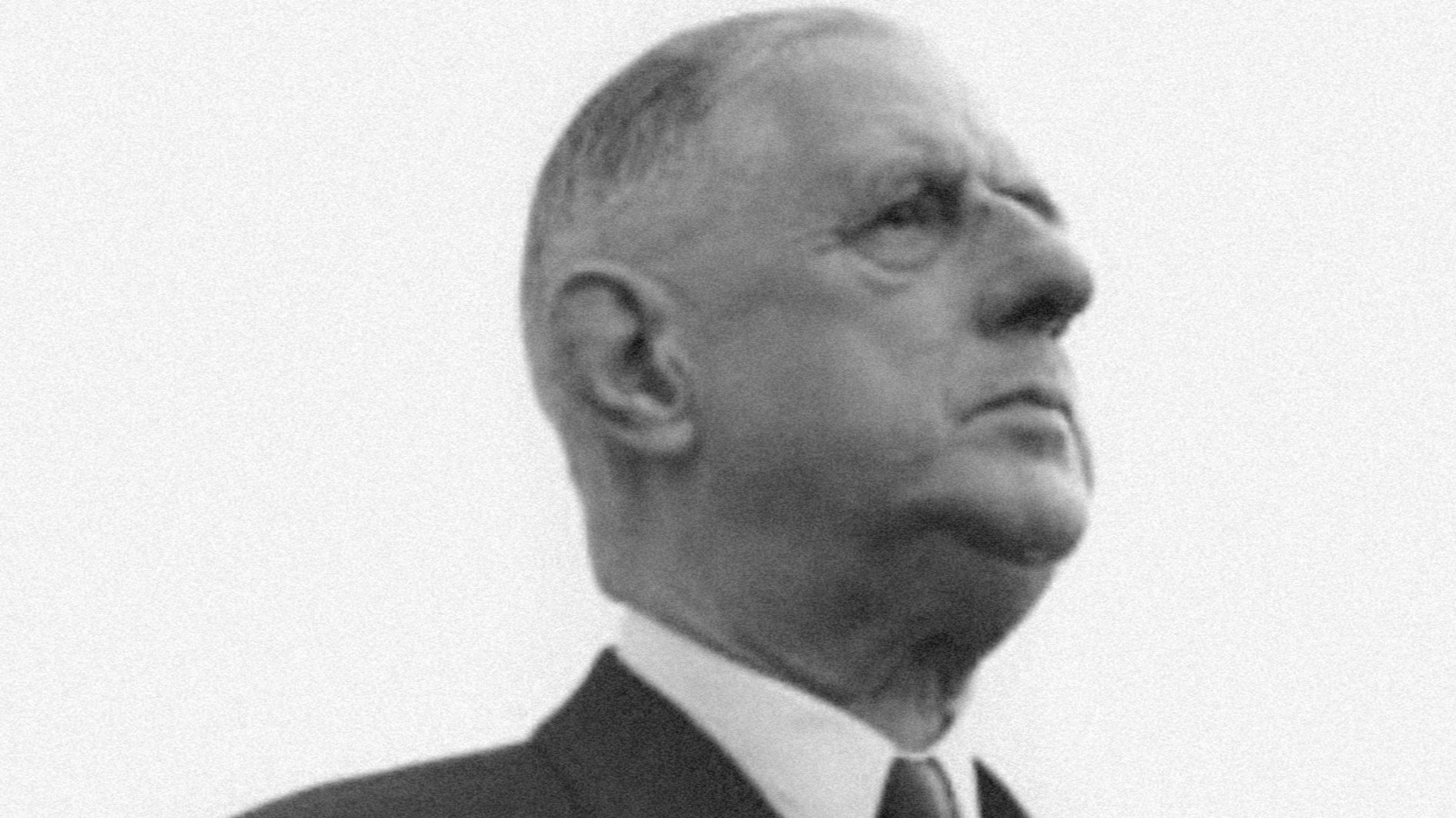 Steiner, Egon, Wikimedia Commons
Balder, Norway’s Royal Working Horse
Balder served the Norwegian Royal Guard during the mid-20th century and became a symbol of national pride. Though not a personal pet, his role in royal ceremonies made him one of Norway’s best-known government animals.
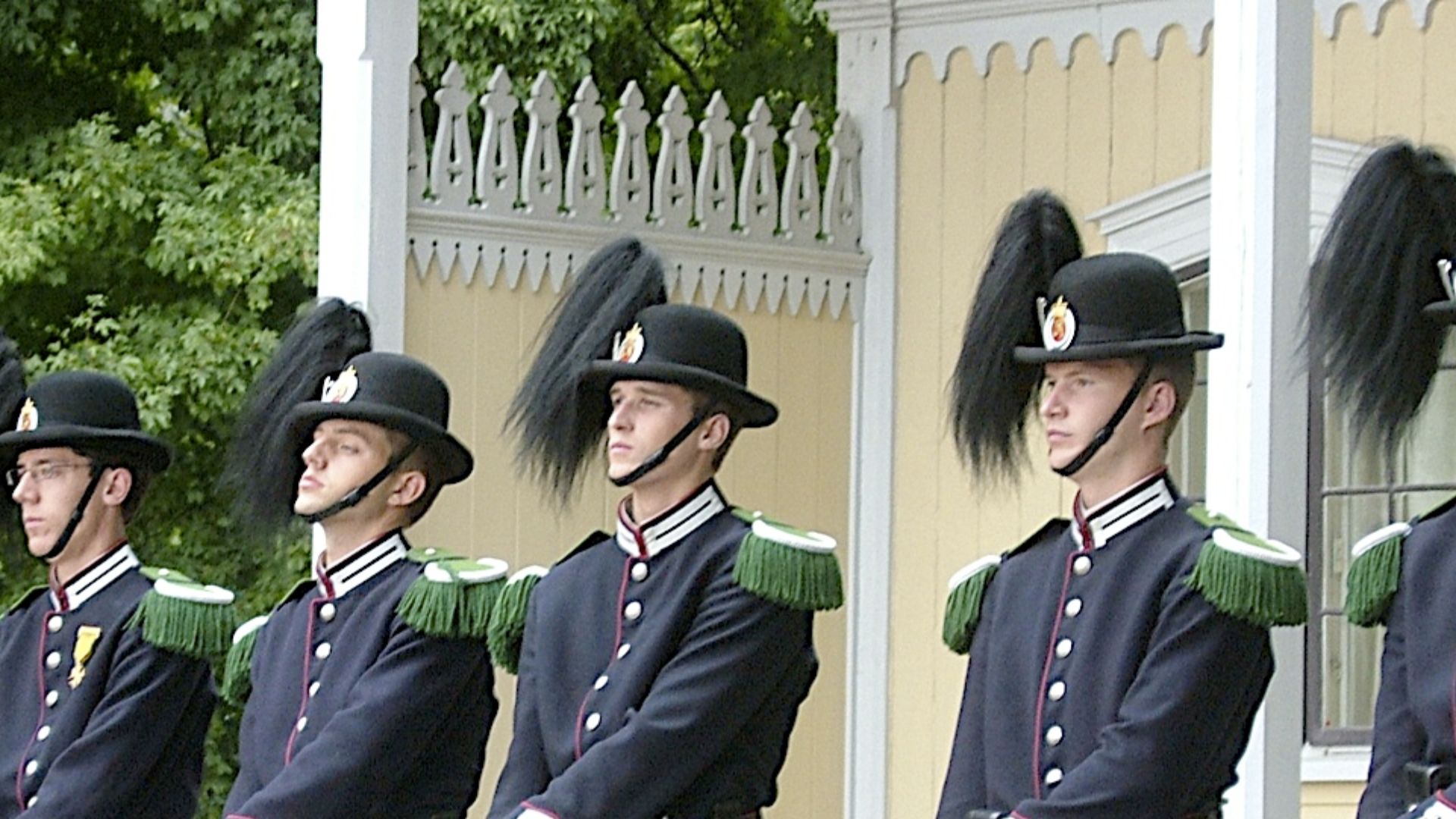 Liline sur Flickr, Wikimedia Commons
Aso, Japan’s Imperial Akita
Prime Minister Taro Aso, in office from 2008–2009, owned a dignified Akita who occasionally appeared in public photographs. Akitas carry deep cultural symbolism in Japan, making Aso’s dog a point of national affection.
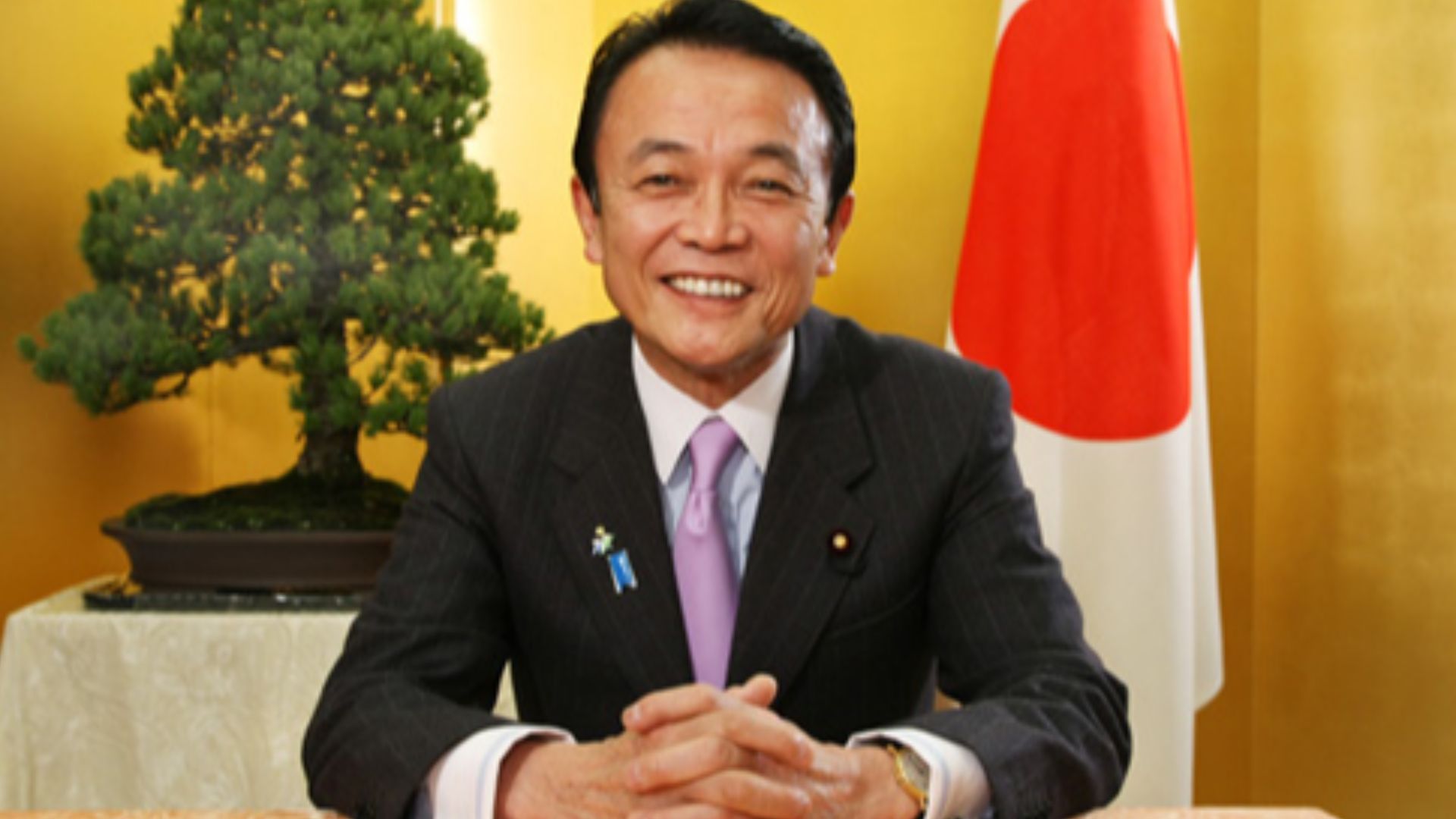 Prime Minister's Office website, Wikimedia Commons
When Politics Gets Adorable
From Downing Street to the White House to palaces and parades around the globe, political pets remind us that behind every official title is a human being who, like the rest of us, melts for a pair of warm eyes and wagging tail. These 25 famous animals played small but meaningful roles in history—bringing comfort, laughter, diplomacy, and sometimes pure chaos to the world stage. No matter how sharp the debates or how heavy the decisions, there’s always room for a furry (or feathery) friend in the halls of power.
 The U.S. National Archives, Wikimedia Commons
You May Also Like:
Tragic Facts About Minnie Riperton: The Lost Singer Of Soul
Presidential Pets: The Weird & Wonderful Animals Of The White House









_receives_a_greeting_from_his_beagles_(6314099419).jpg)
