When Politics Meets Paw-Litics
For more than two centuries, the White House has been home not only to presidents, first families, and a revolving door of advisors—but also to an entire menagerie of pets. Some were classic, lovable companions. Others were… let’s call them creative choices. From alligators lounging in bathtubs to raccoons wandering the halls in ribbon collars, presidential pets have shaped public image, delighted voters, and occasionally terrified staff. Here are 25 of the weirdest and most wonderful creatures ever to call 1600 Pennsylvania Avenue home.
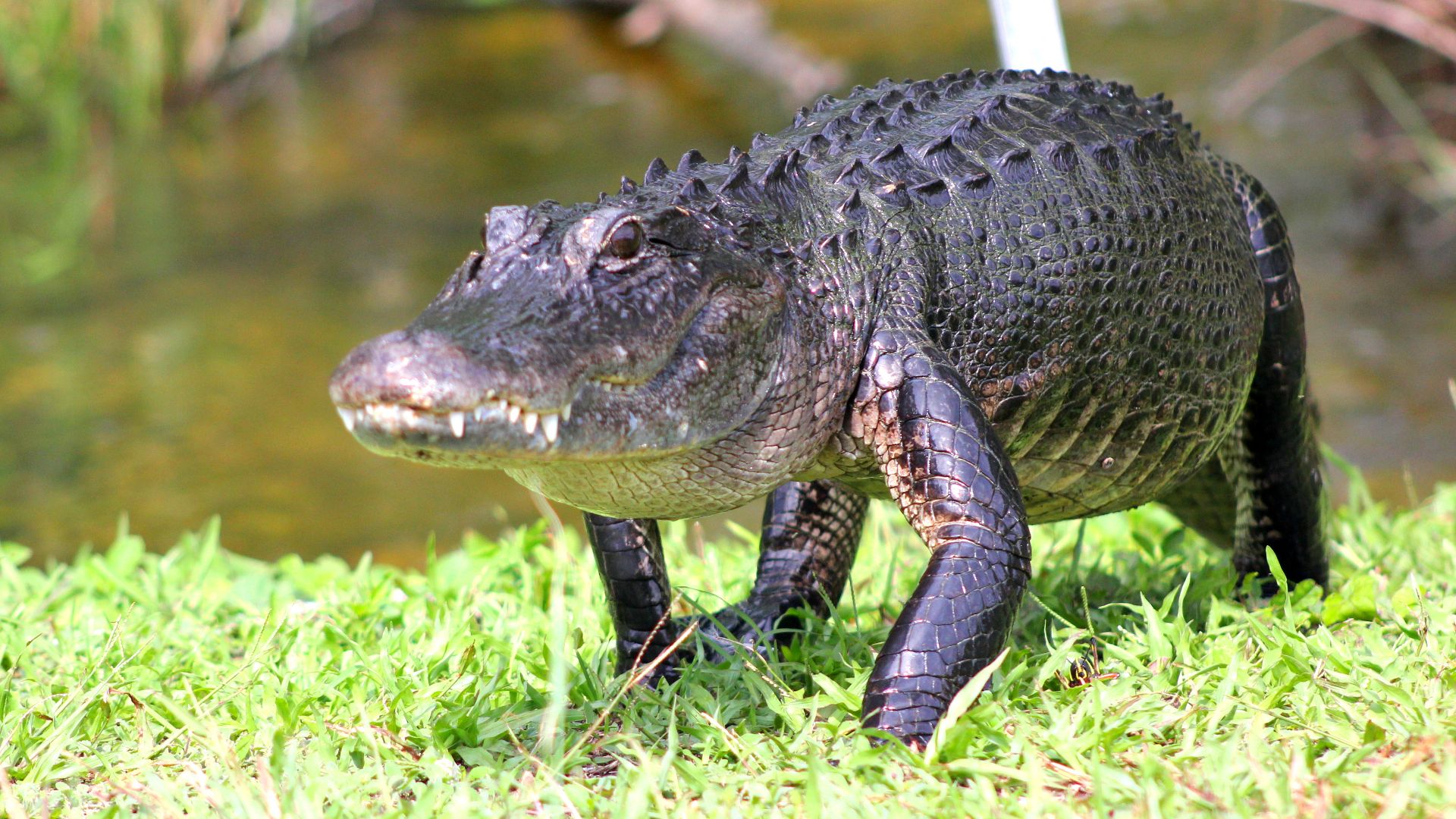
Alligator In The East Room
President John Quincy Adams received a pet alligator as a gift from Revolutionary War hero Marquis de Lafayette. Legend has it the reptile lived for several months in a White House bathtub, where Adams enjoyed showing it off to unsuspecting visitors. Nothing says "Welcome to the presidency" like an alligator lunging from a soap dish.
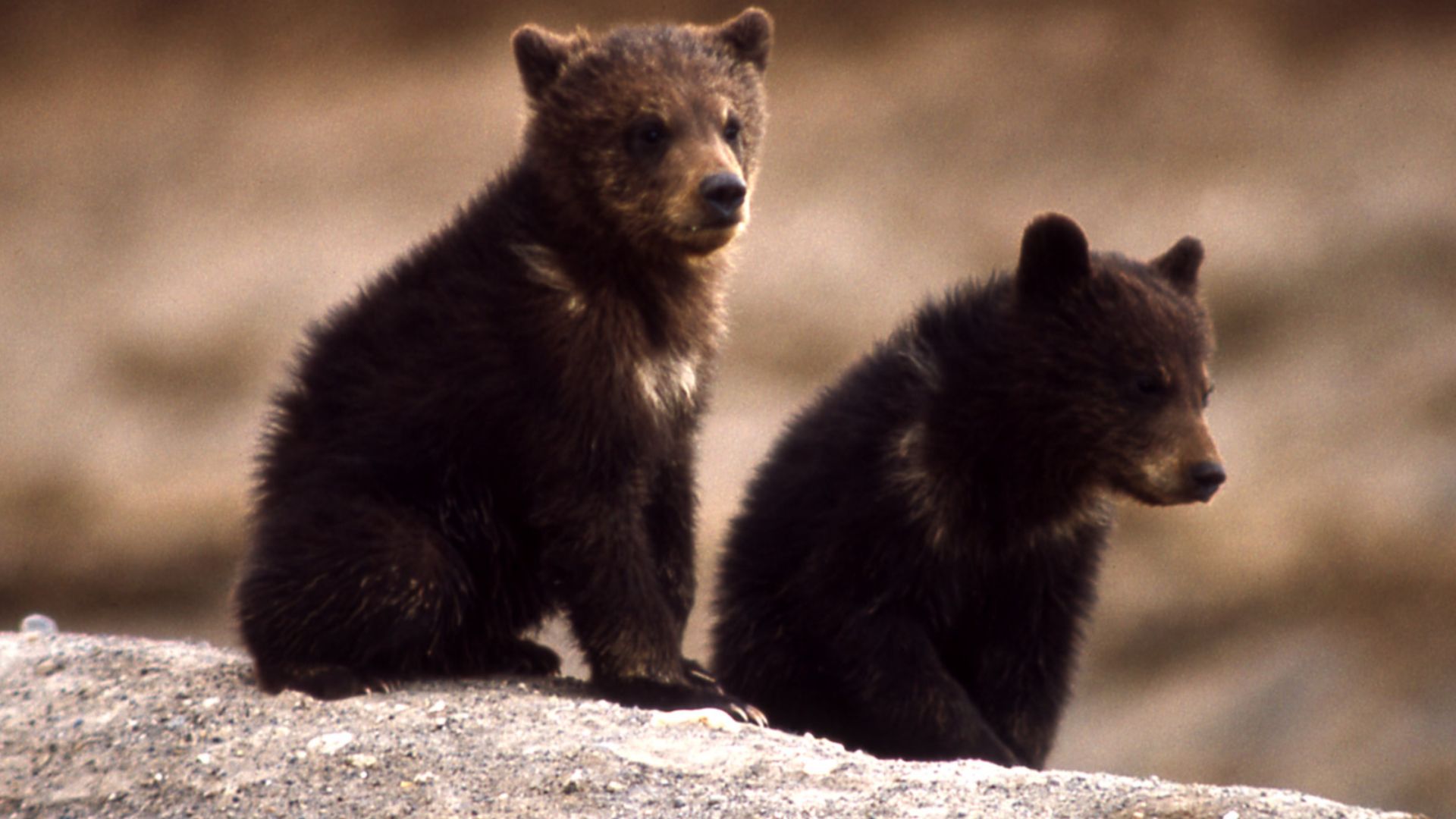
Jefferson’s Grizzly Cubs
Thomas Jefferson briefly housed two grizzly bear cubs—yes, real, soon-to-be-huge grizzly bears—on the White House lawn. Gifted by explorer Zebulon Pike, the cubs were described as “the most ferocious animals” in North America. Jefferson agreed…and quickly arranged for them to live in a nearby museum instead.
 Unknown authorUnknown author, Wikimedia Commons
Washington’s Sweet Tooth—For Donkeys
George Washington was deeply attached to his prized donkey, "Royal Gift," sent by the King of Spain. The donkey wasn’t weird in species so much as in stature: Washington doted on the animal like a modern celebrity dotes on a designer purse dog. Royal Gift helped launch the American mule-breeding industry, which is arguably the most “founding father” fact imaginable.
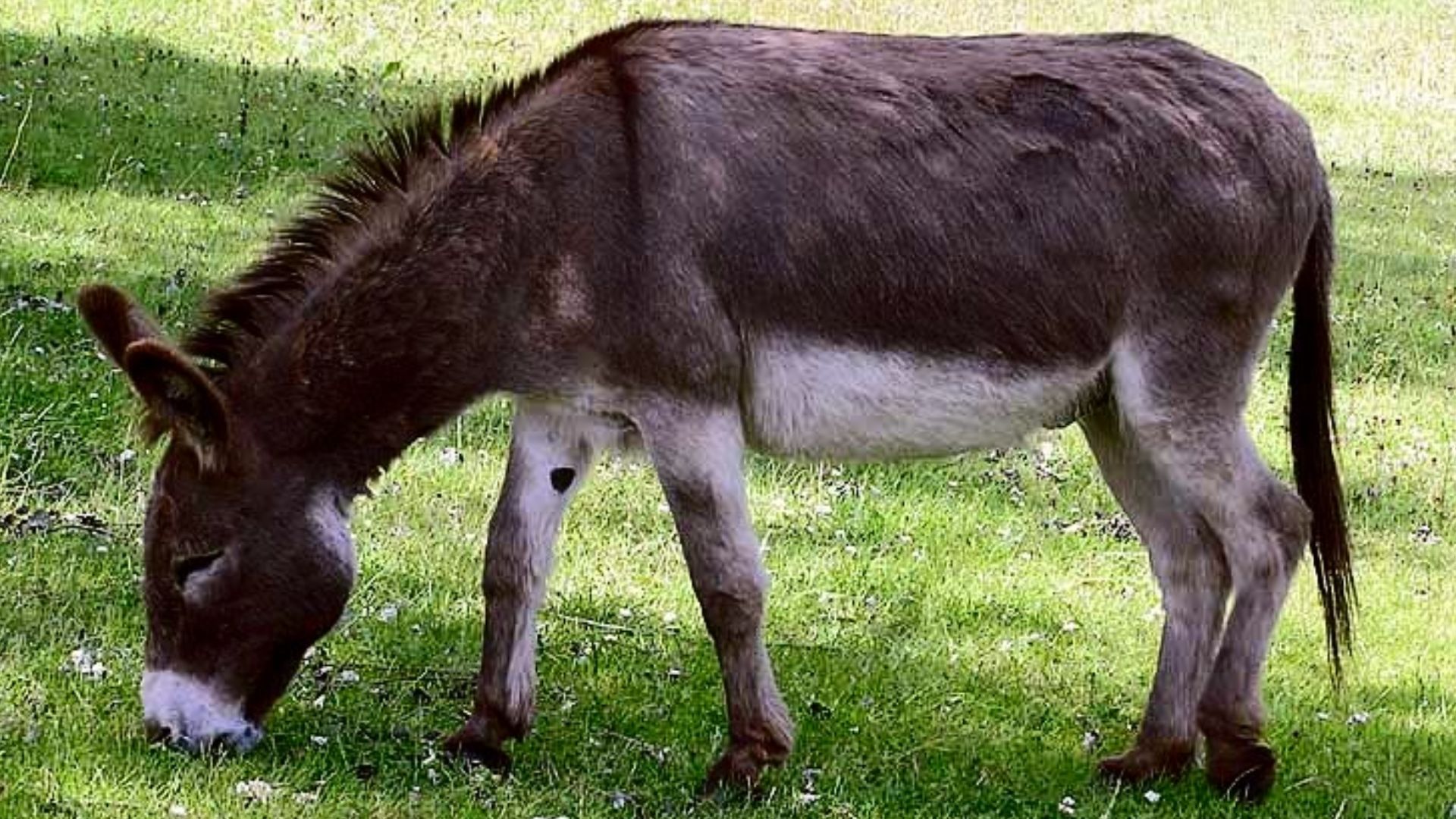 Adrian Pingstone, Wikimedia Commons
Lincoln’s Turkey With Attitude
Abraham Lincoln had a turkey named Jack who was meant for Christmas dinner—until Lincoln’s son Tad begged for his life. Jack repaid the favor by following Tad around the White House like a dog, gobbling at official events, and once interrupting a meeting by loudly protesting a proposed military draft.
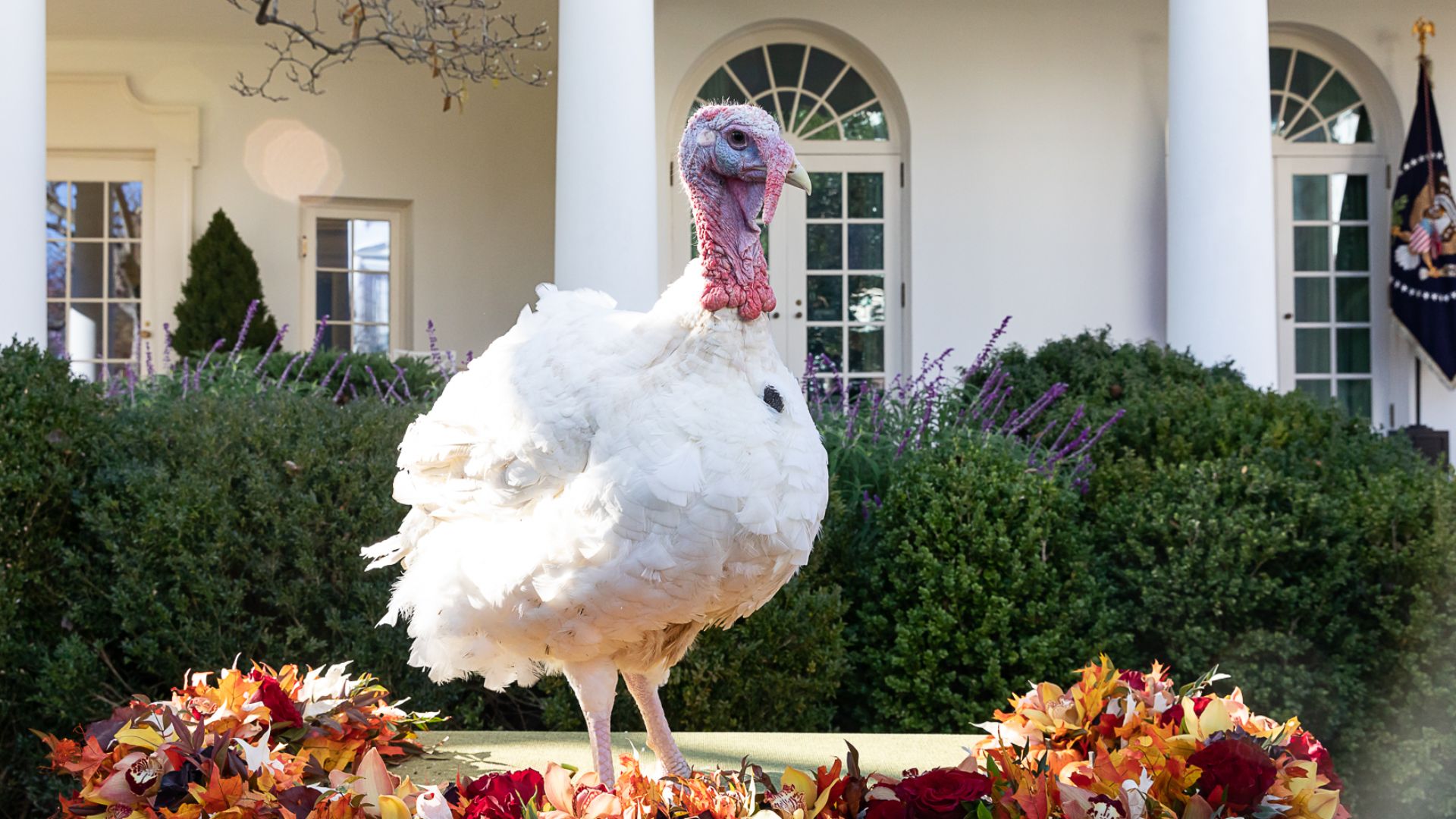 Trump White House Archived from Washington, DC, Wikimedia Commons
Coolidge’s Raccoon Rascal
Grace Coolidge adored her pet raccoon, Rebecca, who wore custom-made collars and enjoyed roaming the White House kitchen. Originally intended to be served as Thanksgiving dinner (seriously), Rebecca was spared and became one of the most entertaining presidential pets—though she frequently escaped, forcing staff to chase her across the grounds.
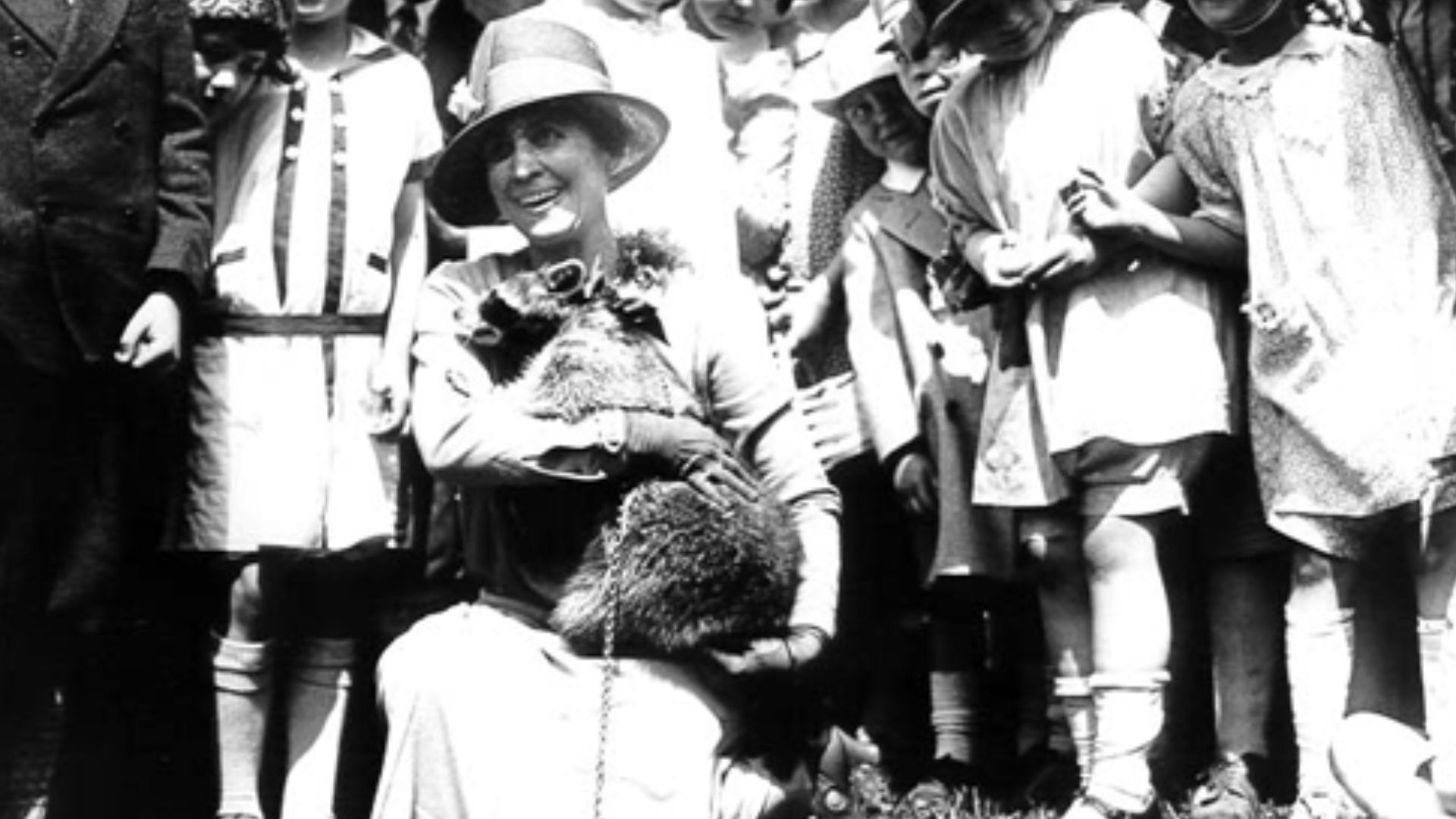 Library of Congress, Wikimedia Commons
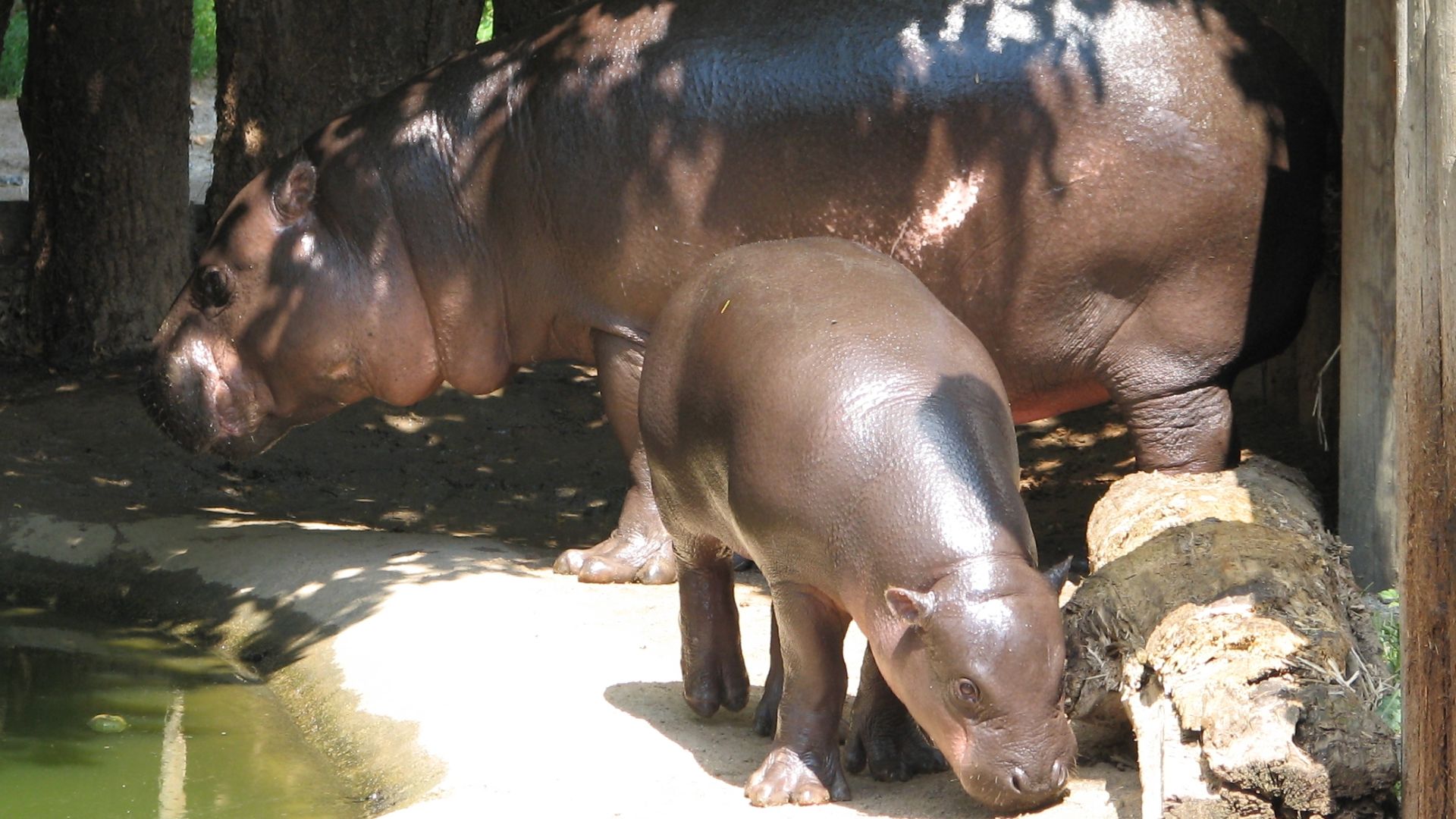
Coolidge’s Miniature Hippo
The Coolidges didn’t stop at raccoons—they also accepted a pygmy hippopotamus named Billy from Liberia. Billy lived at the National Zoo, where he became the founding father of the modern pygmy hippo population. Forget legislation; breeding hippos was the Coolidges’ real legacy.
Teddy Roosevelt’s Hyena Surprise
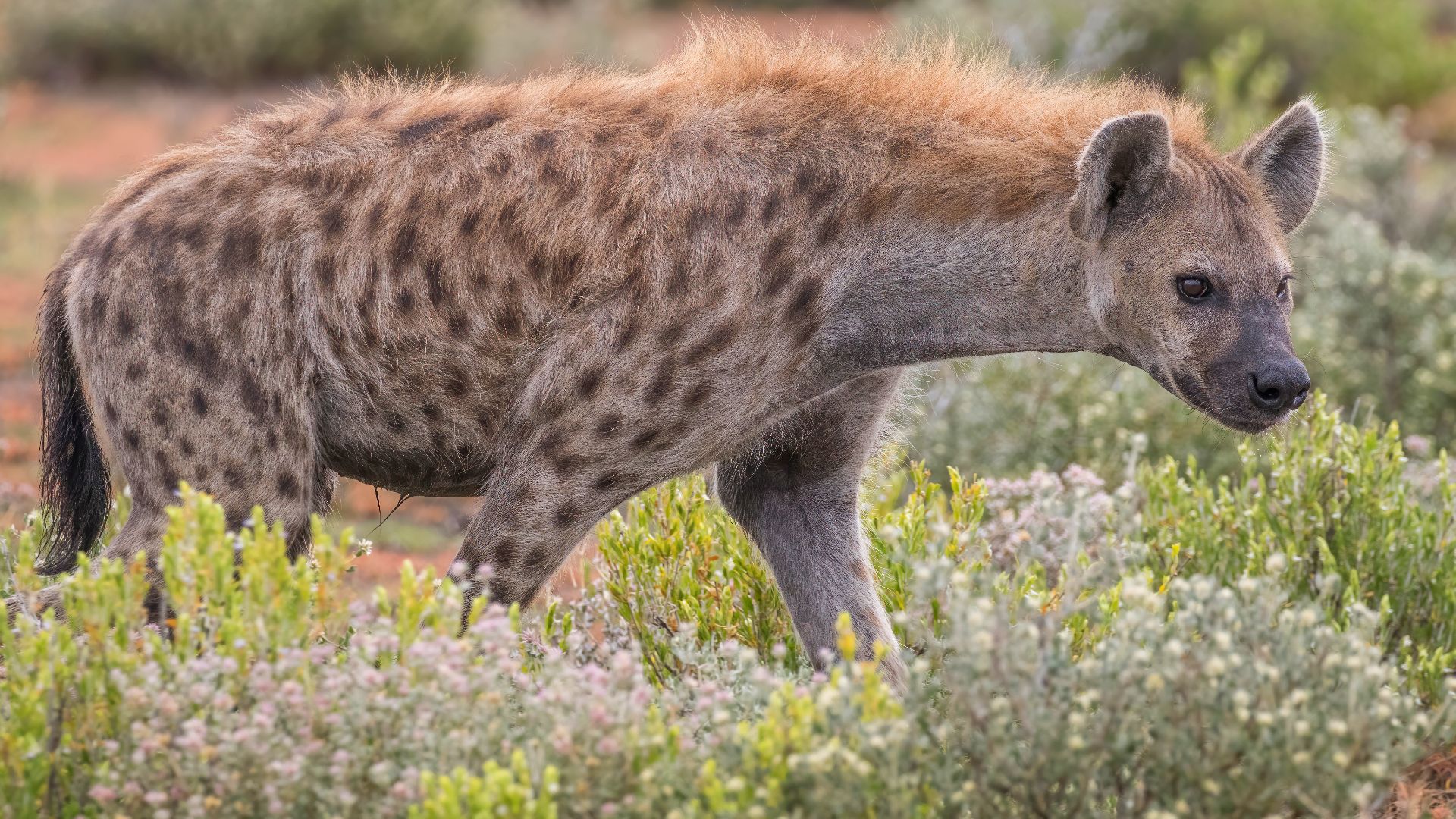
President Theodore Roosevelt, known for his love of wildlife, received a hyena named Bill from the Ethiopian emperor. Roosevelt treated the hyena surprisingly well—though Bill had a habit of laughing during official events. Guests were never sure if it was the animal or a senator from Oklahoma.
 Charles J. Sharp, Wikimedia Commons
Roosevelt’s Flying Squirrel
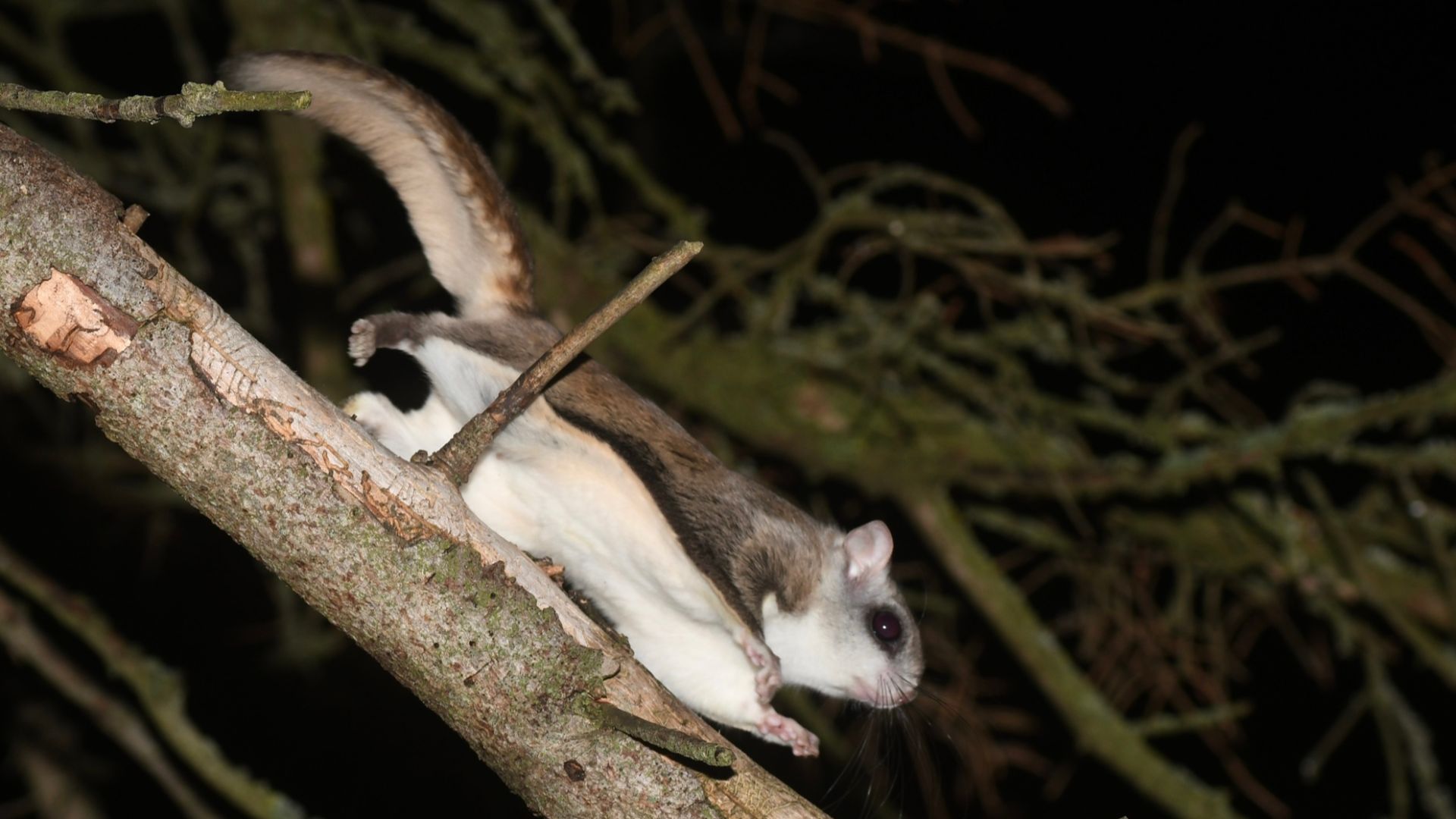
Teddy Roosevelt's children kept a small army of exotic animals, including a flying squirrel that occasionally glided through the corridors. Imagine working a late shift in the Roosevelt administration only to be dive-bombed by airborne fluff.
 Henrique Pacheco, Wikimedia Commons

History's most fascinating stories and darkest secrets, delivered to your inbox daily.
Taft’s Presidential Cow
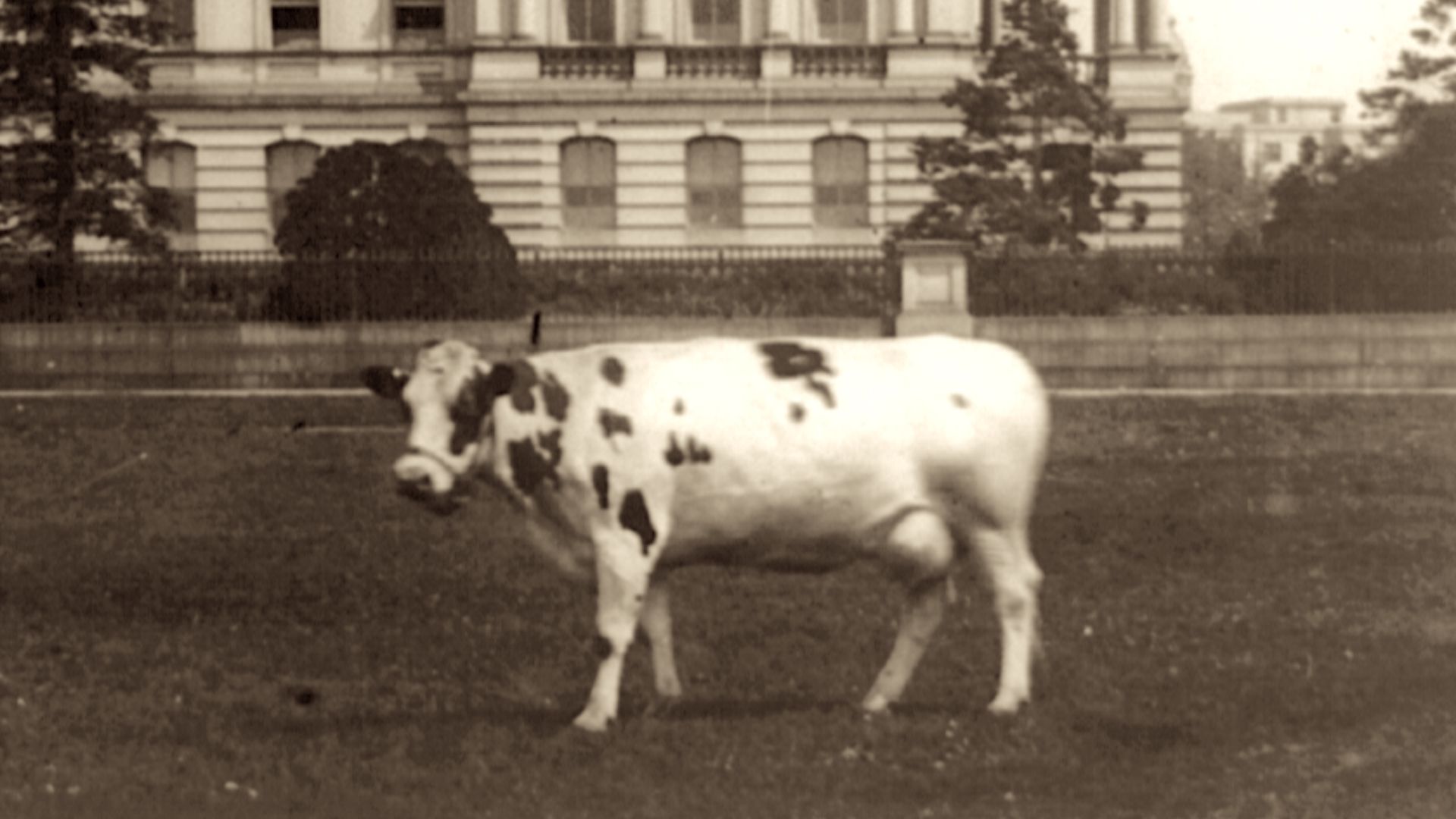
William Howard Taft owned a 1,500-pound Holstein cow named Pauline Wayne, who freely grazed on the White House lawn. She provided fresh milk for the first family and quickly became a national celebrity. Pauline was so adored that when she was mistakenly sent to a slaughterhouse, the country practically held its breath until she was rescued.
 Library of Congress photo., Wikimedia Commons
Wilson’s Flock Of Sheep
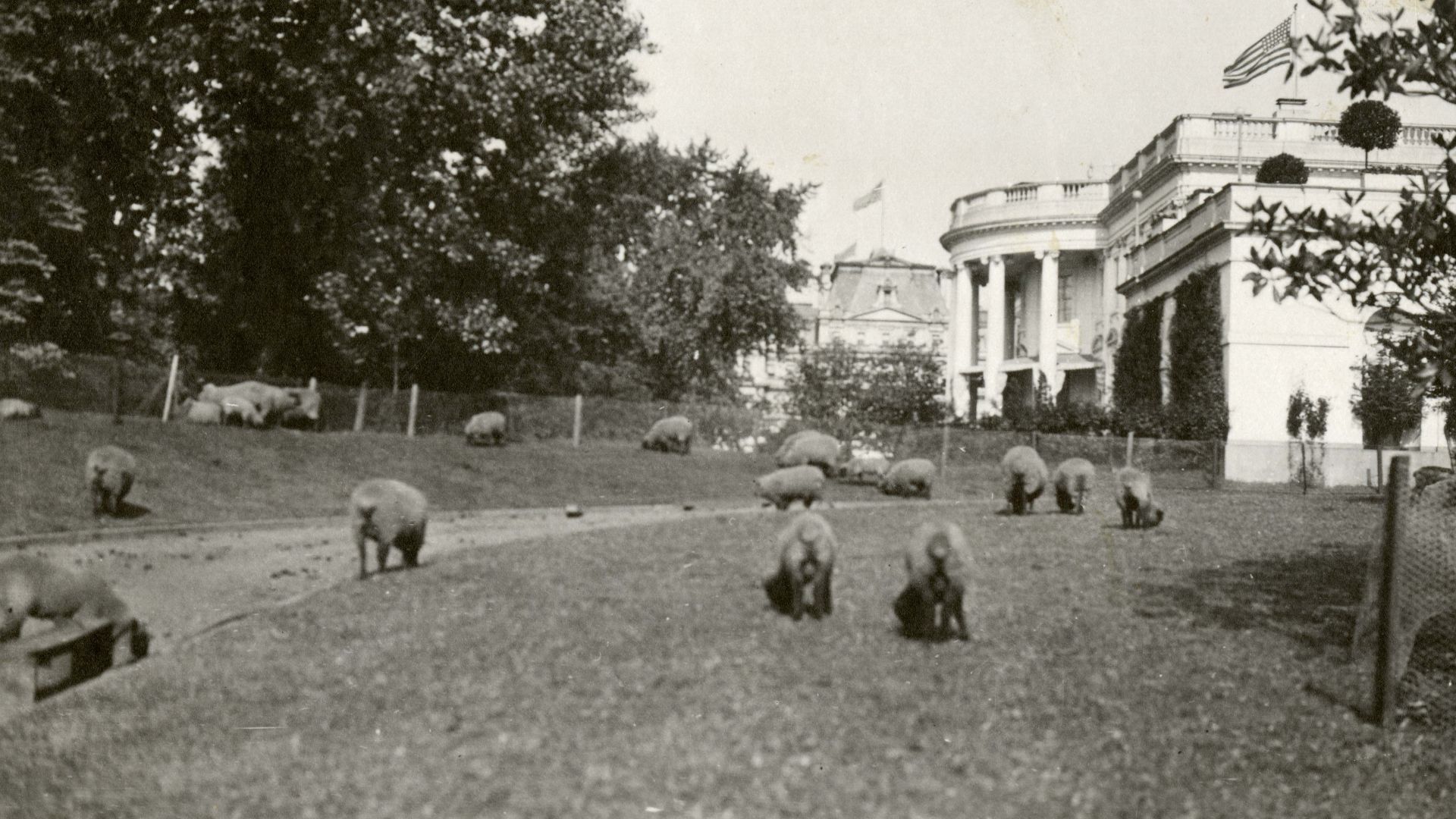
Woodrow Wilson populated the White House lawn with sheep to help maintain the grounds during World War I. One sheep, a ram named Old Ike, became famous for chewing tobacco—an alarming talent that horrified visitors and delighted newspapers.
 Smithsonian Institution from United States, Wikimedia Commons
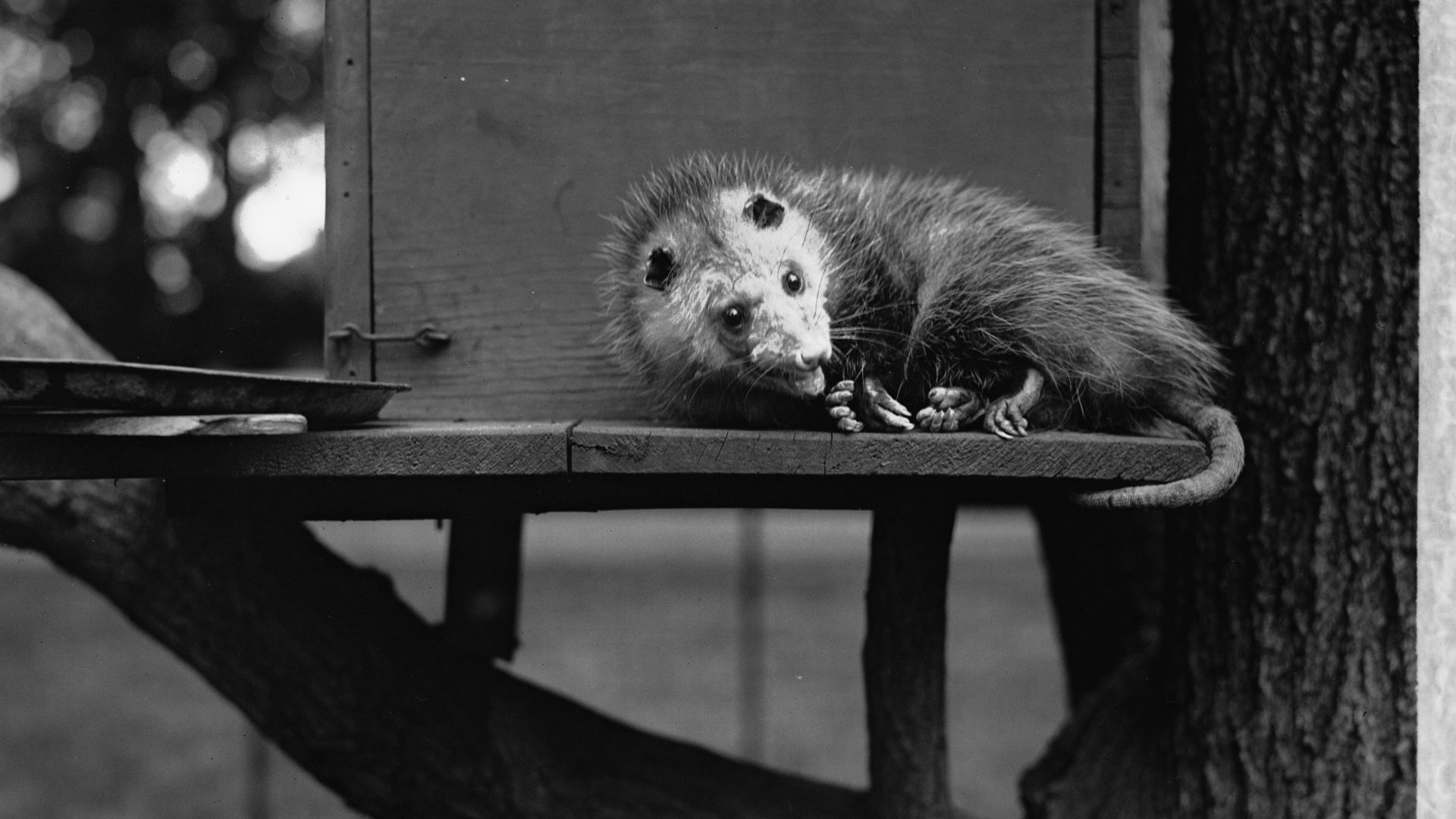
Hoover’s Presidential Opossum
Herbert Hoover owned an opossum named Billy Possum, who supposedly replaced the popular “Teddy Bear” as America's next big toy. The plan failed, but Billy still enjoyed scampering around the White House—probably stealing snacks and giving Secret Service agents gray hairs.
 National Photo Company Collection, Wikimedia Commons
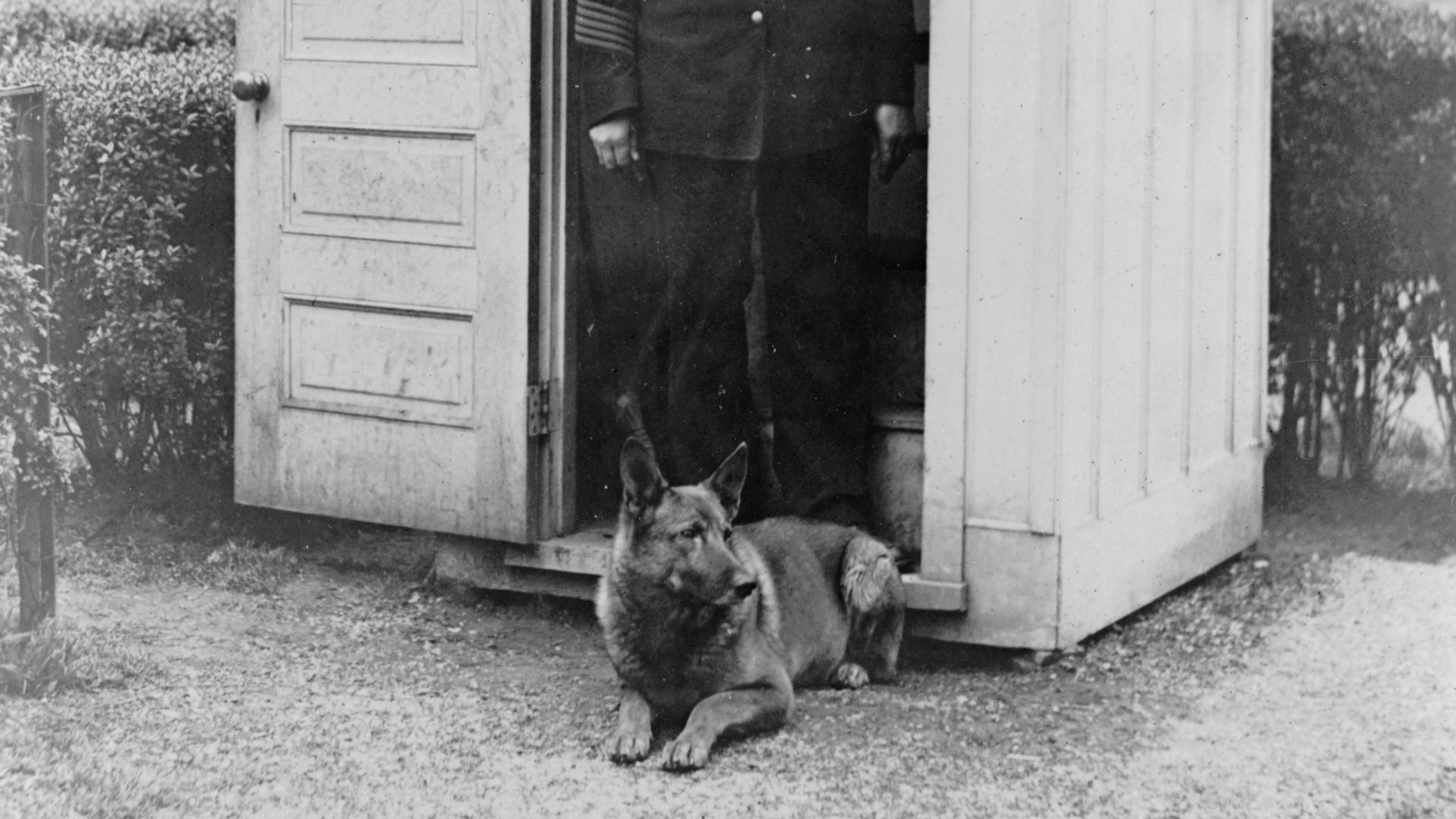
Hoover’s Belgian Police Dogs
While not weird in species, Hoover’s pair of Belgian police dogs—King Tut and Pat—were unusual for their intense training and top-secret duties. Rumor has it they once helped investigate suspicious grounds activity. If political thrillers featured presidential pets, these dogs would definitely get their own spin-off.
 Photographer not credited, Wikimedia Commons
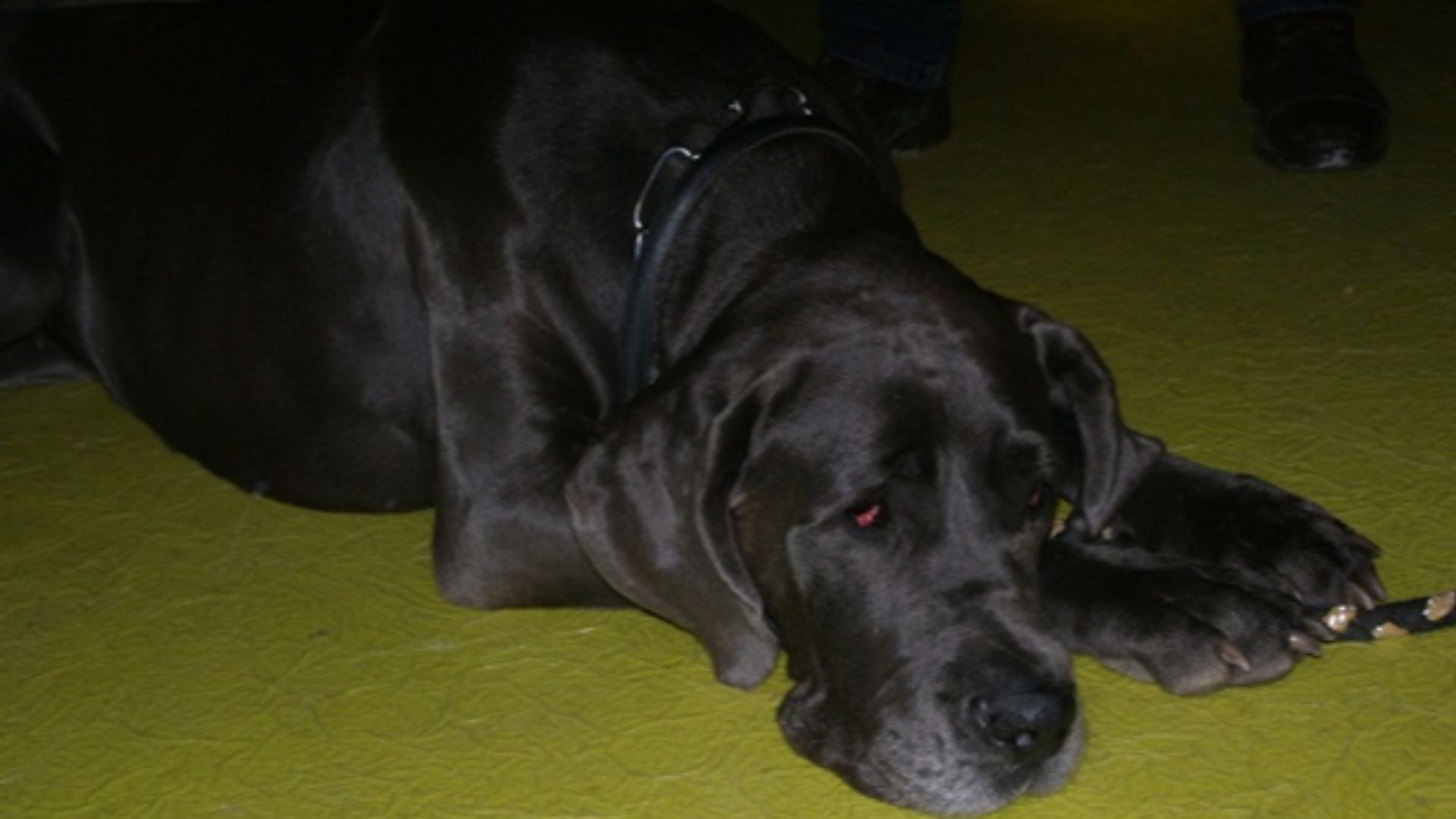
FDR’s Great Dane Giant
Franklin Roosevelt’s Great Dane, President, was so massive that staff claimed he could block a hallway single-pawedly. Though overshadowed by FDR’s famous Scottish Terrier Fala, President remains one of the largest pets ever to live in the White House.
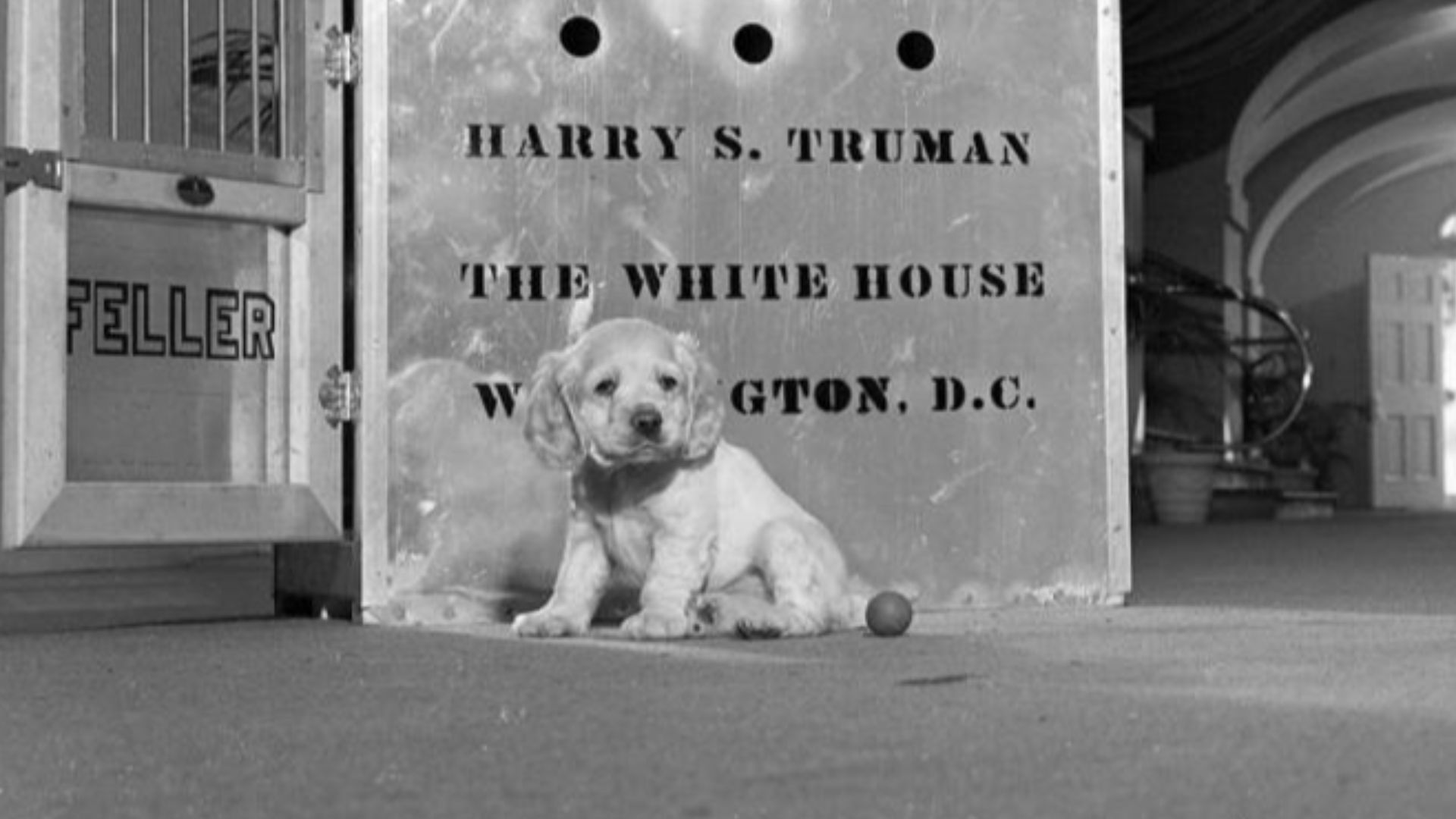
Truman’s No-Nonsense Coonhound
President Harry Truman was gifted a dog named Feller, whom he…didn’t particularly want. In fact, Truman famously insisted that if you want a friend in Washington, get a dog—just not that dog. Feller was eventually rehomed somewhere less politically fraught.
 Presidential Pet Museum, Wikimedia Commons
Eisenhower’s Parakeet Chirpers
Dwight Eisenhower owned a series of parakeets with charming names like Gabby and Skippy. Gabby lived up to his name by loudly disrupting phone calls and Oval Office conversations. The Secret Service reportedly preferred dealing with foreign threats to dealing with a noisy bird.
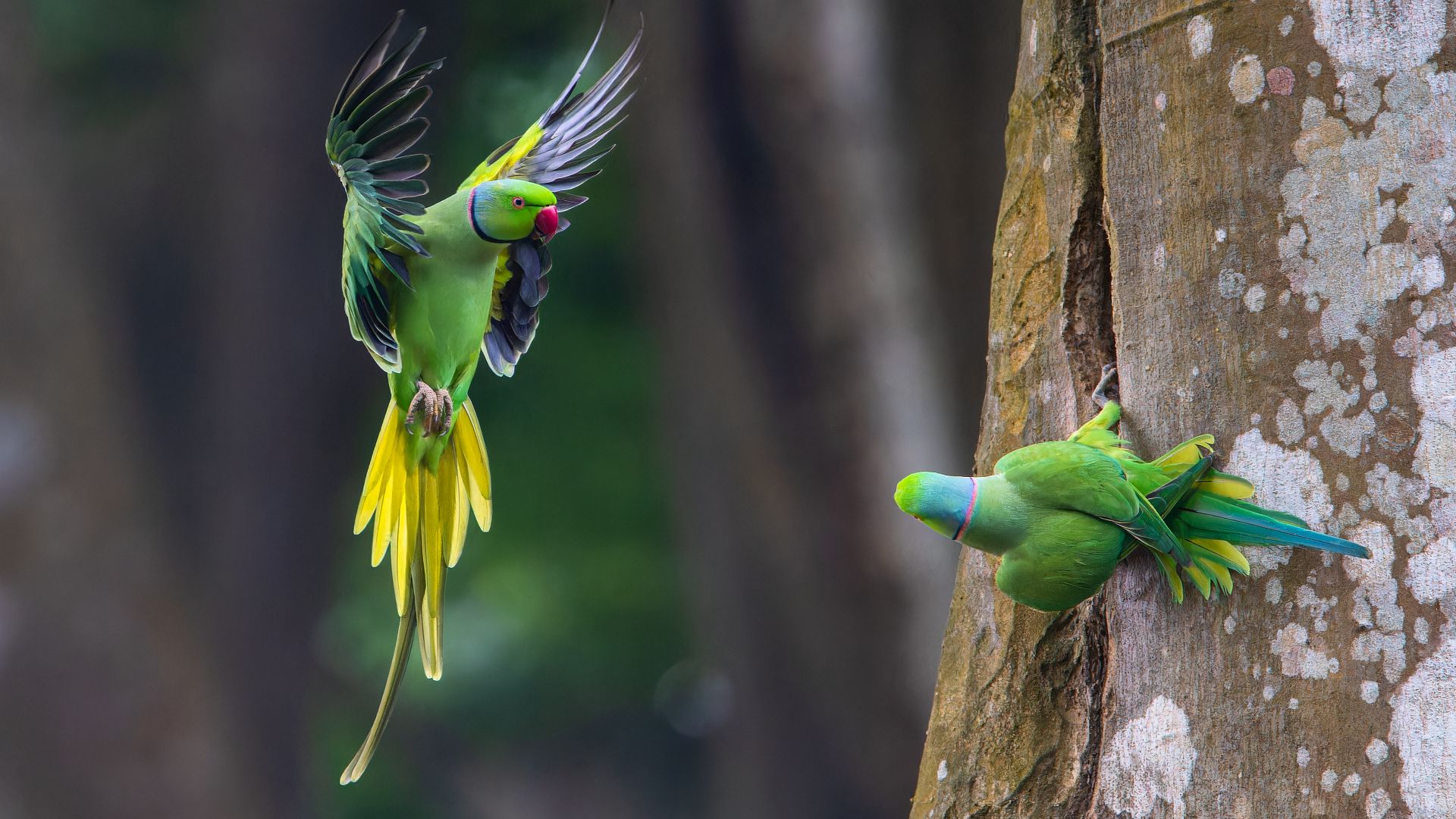 A. H. M Ibnul Arabi, Wikimedia Commons
JFK’s Ponies
John F. Kennedy’s children had several ponies, including one named Macaroni, who became a press darling. Macaroni received fan mail from children across the country, proving that in the early 1960s, America’s most beloved celebrity was a shaggy pony with bangs.
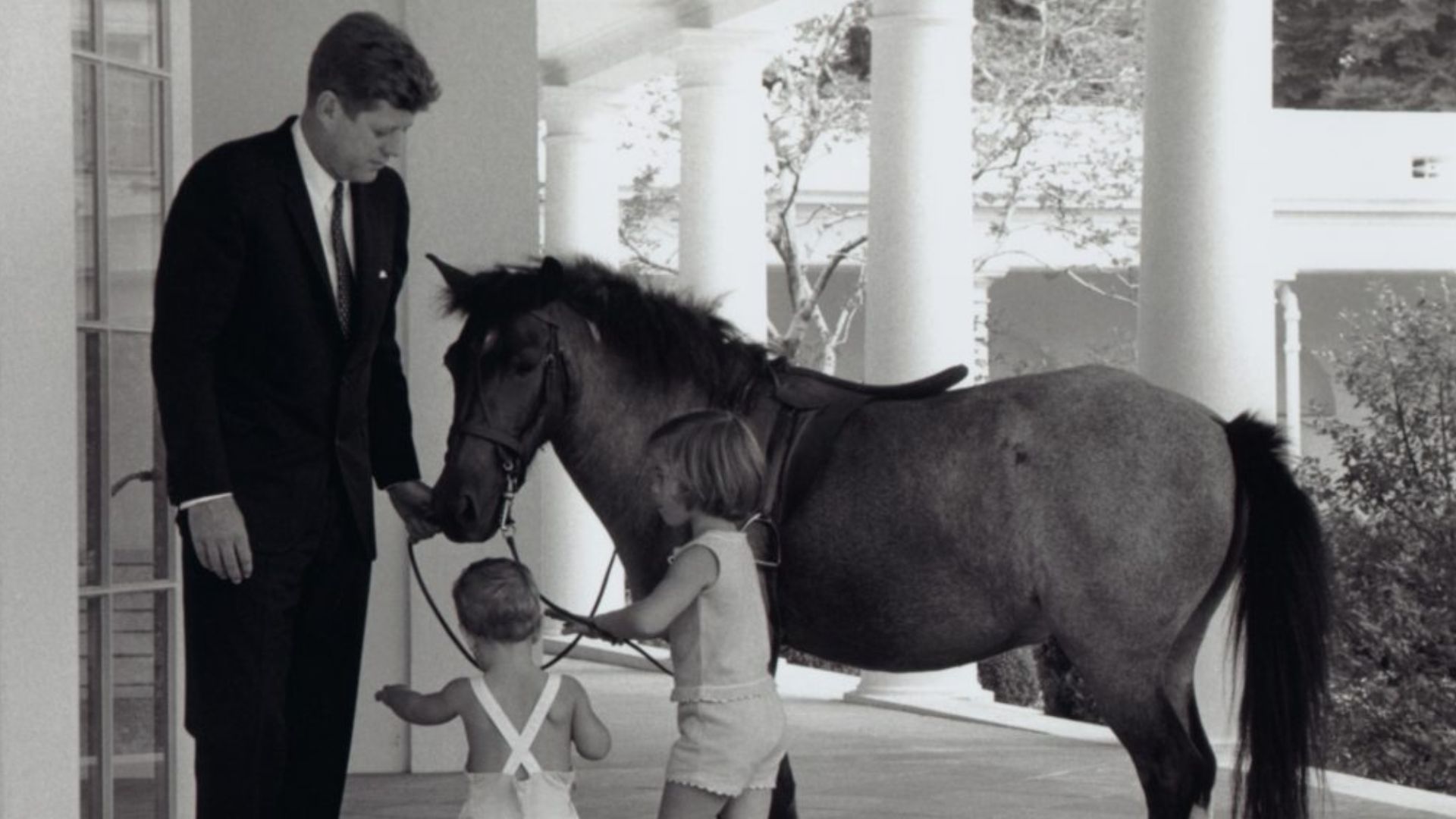 White House, Wikimedia Commons
LBJ’s Singing Beagles
Lyndon B. Johnson adored his beagles—Him, Her, Edgar, and Freckles. LBJ frequently sang to them, sometimes during press gatherings. Photographers captured iconic images of the president crooning while the beagles howled along in a presidential family duet.
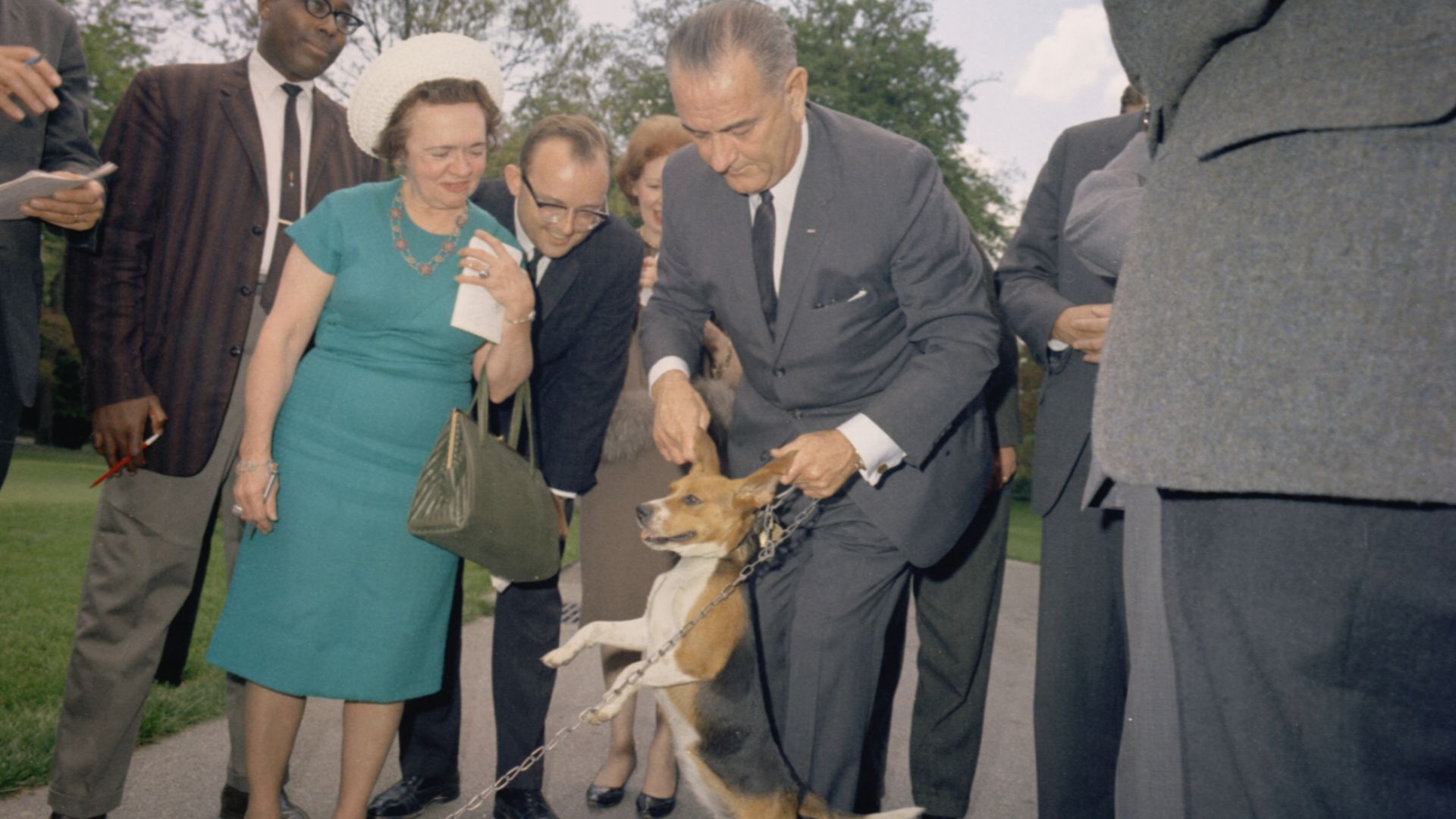 Yoichi Okamoto, Wikimedia Commons
Nixon’s Manx Cat
Richard Nixon's cat, Vicky, was a tailless Manx with a dramatic stare that staff swore could quiet an entire room. Between Watergate and Vicky’s death-glare, the White House was a nerve-wracking place.
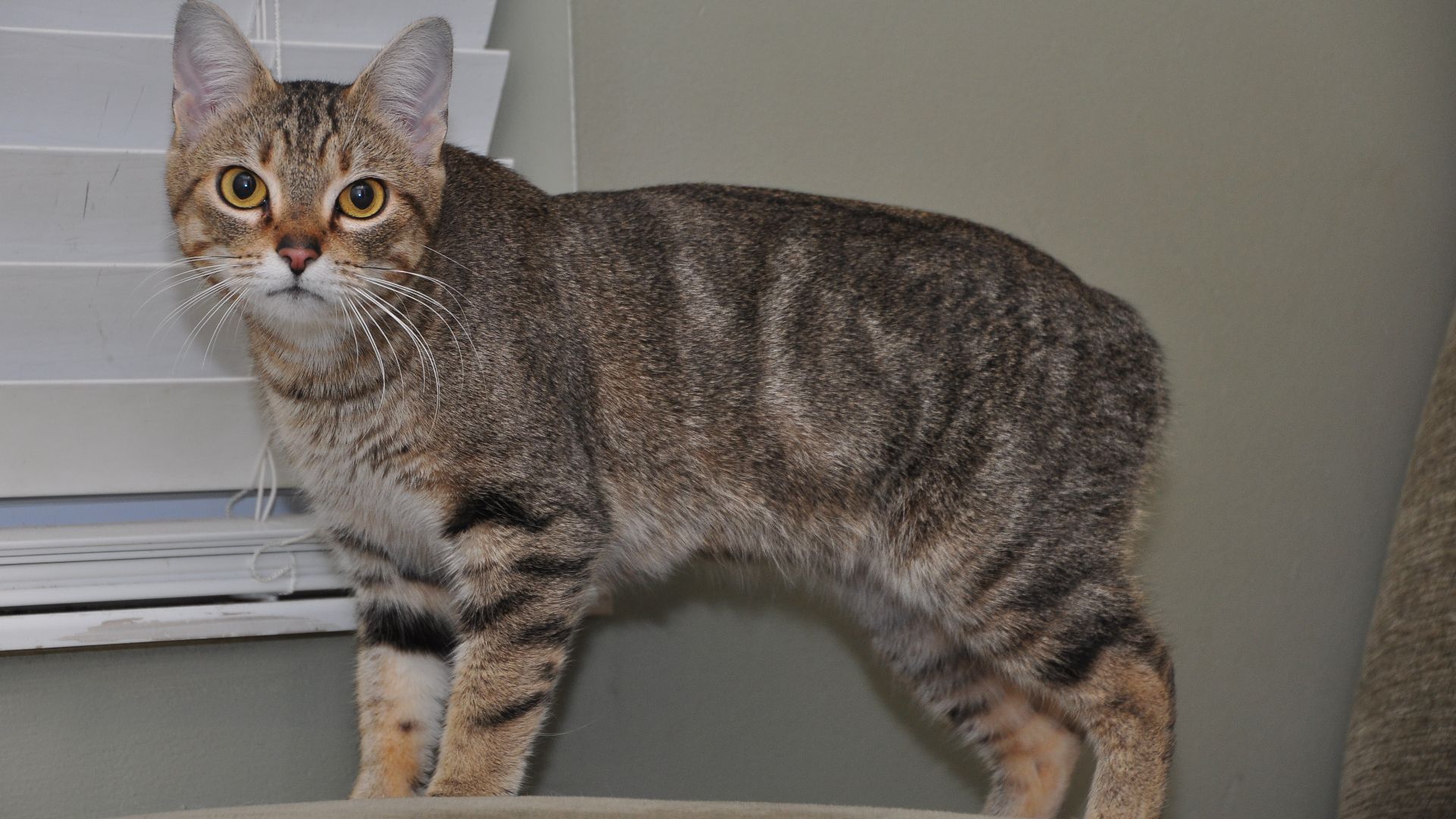 Michelle Weigold, Wikimedia Commons
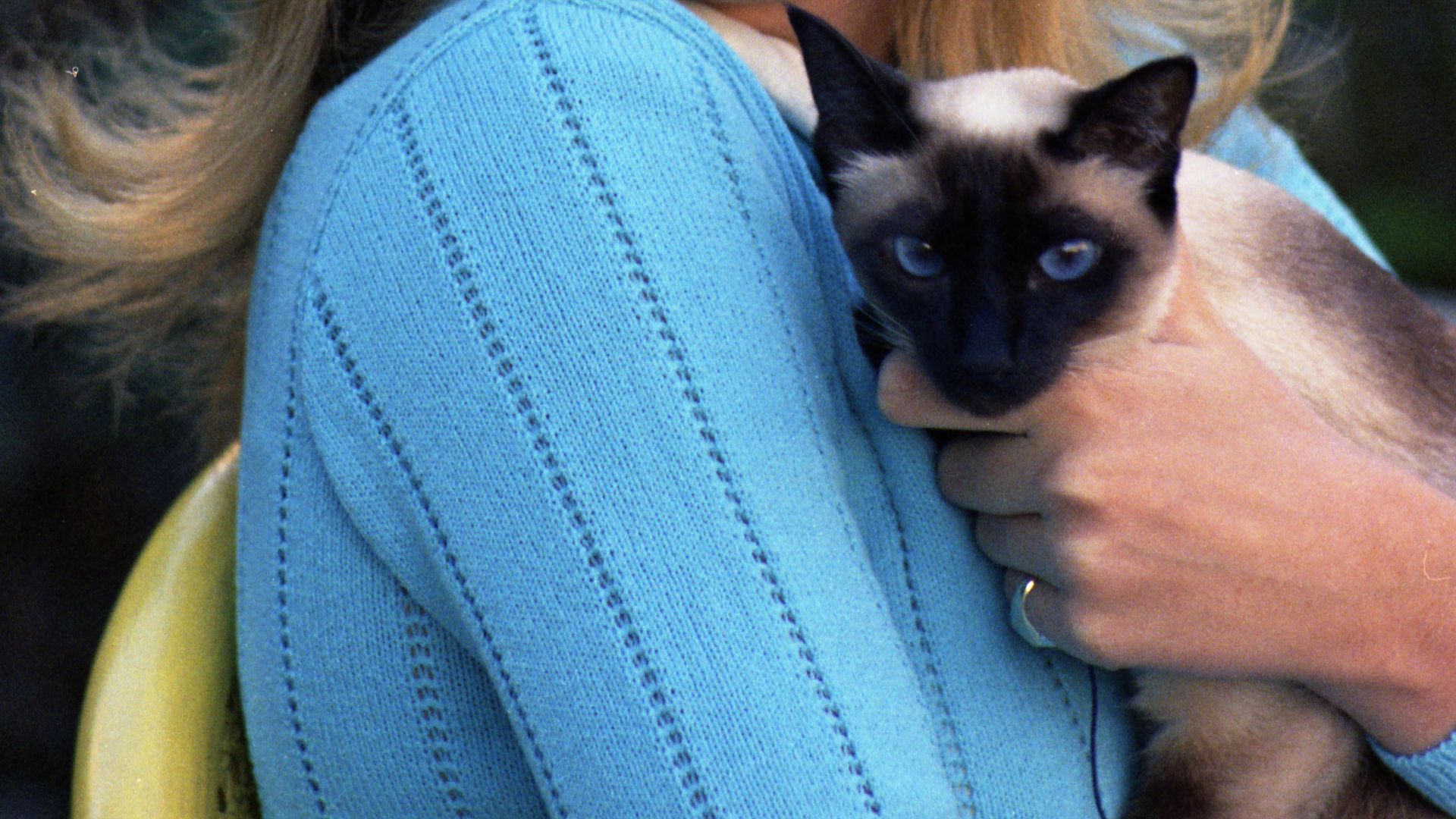
Ford’s Mischievous Siamese Cat
Susan Ford’s Siamese cat, Shan, was notorious for hiding in plain sight and startling diplomats with an unexpectedly loud yowl. International relations survived, but barely.
 David Hume Kennerly, Wikimedia Commons
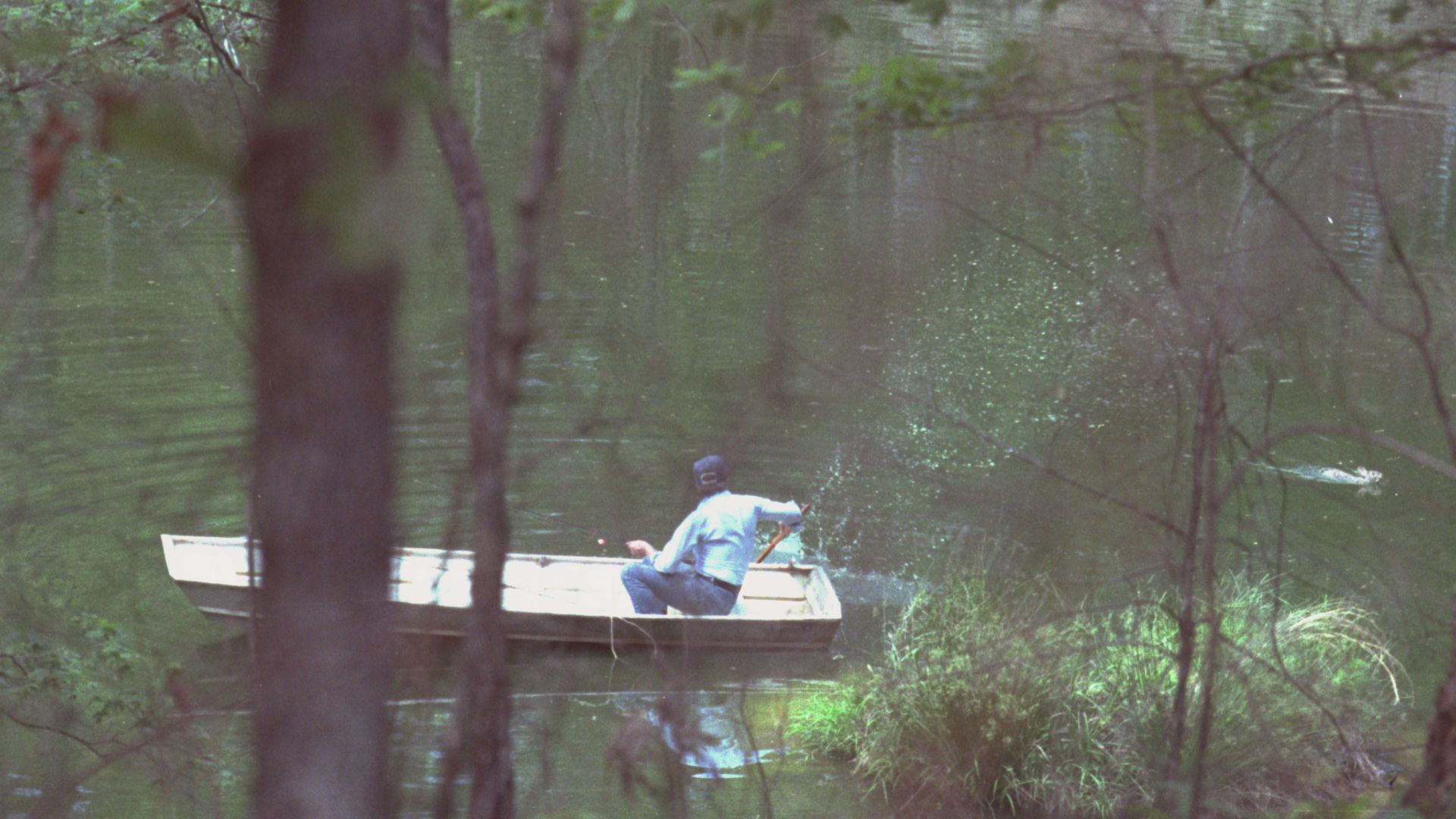
Carter’s Gifted Rabbit Encounter
President Jimmy Carter famously reported being charged by a “killer rabbit” during a fishing trip. While not a pet, the rabbit’s unexpected ferocity became one of the strangest animal stories in presidential history—and you just know Carter would have adopted it if it hadn’t tried to drown him.
 White House photographer., Wikimedia Commons
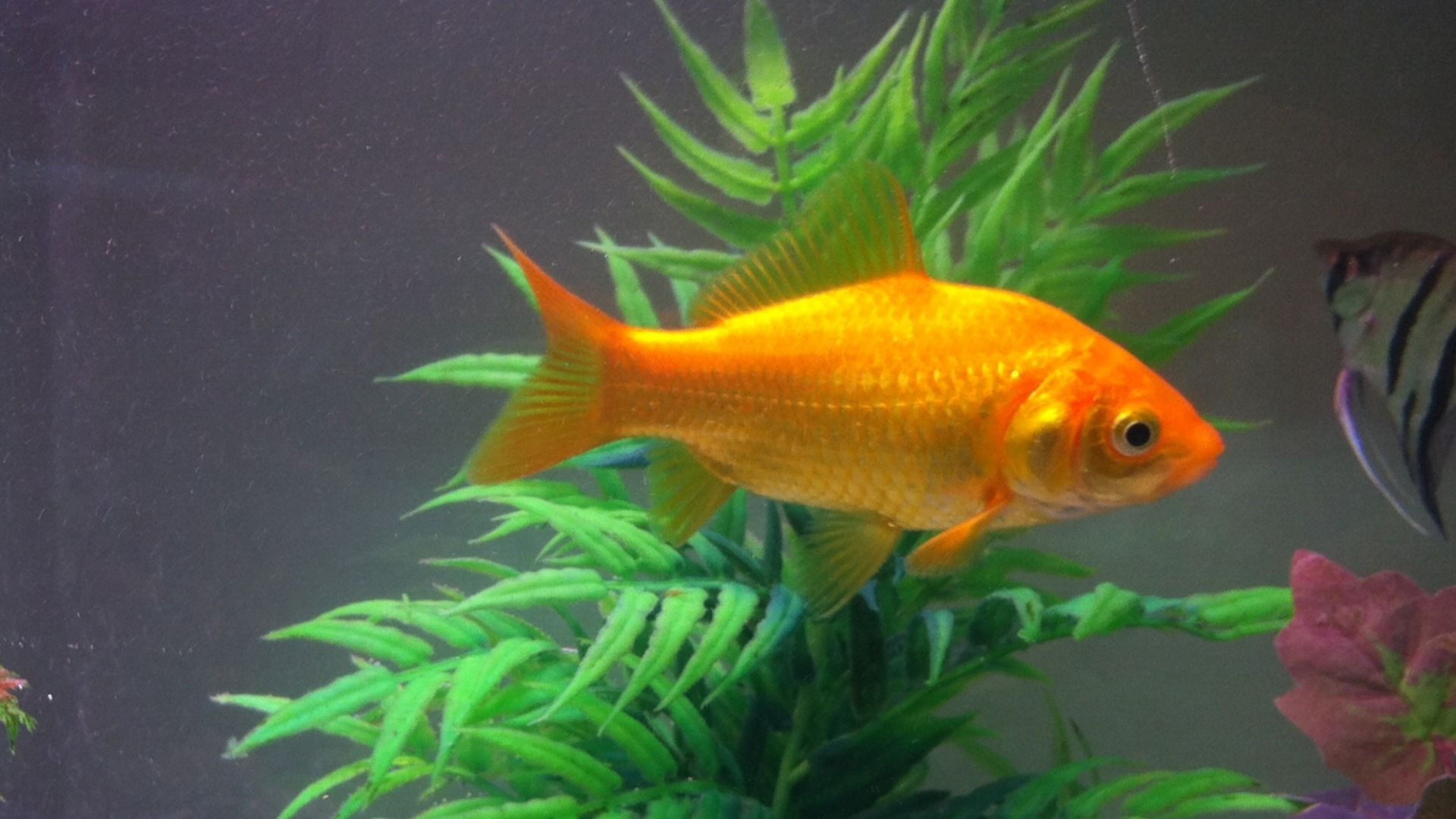
Reagan’s Exchange-Student Goldfish
Ronald Reagan inherited a goldfish named Pontius from daughter Patti. Pontius lived a shockingly long life and somehow avoided being overshadowed by Reagan’s horses, dogs, and political career. Few goldfish can claim Oval Office experience.
 לינה אבוגוש, Wikimedia Commons
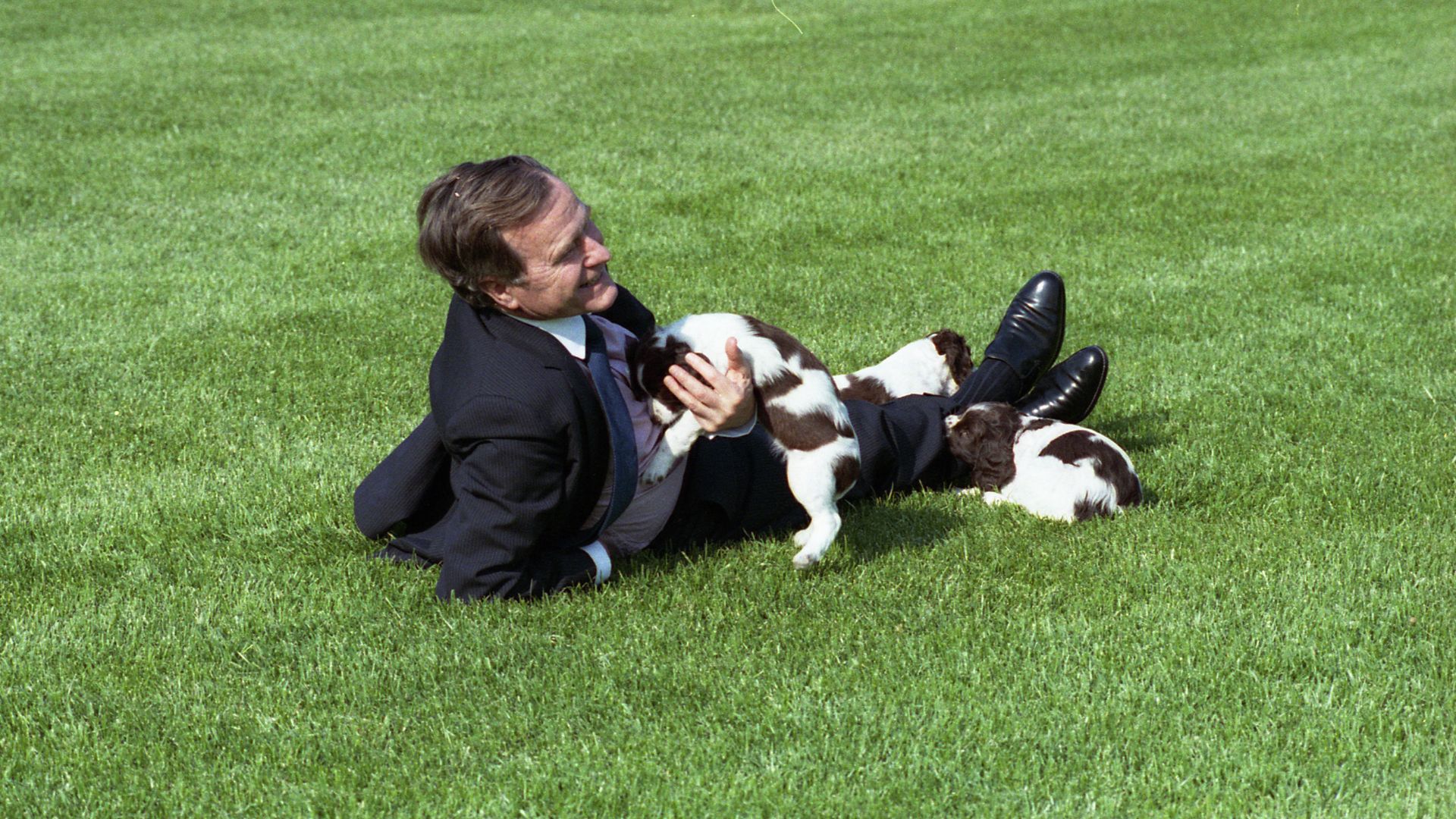
Bush Sr.’s Springer Spaniel Sock Star
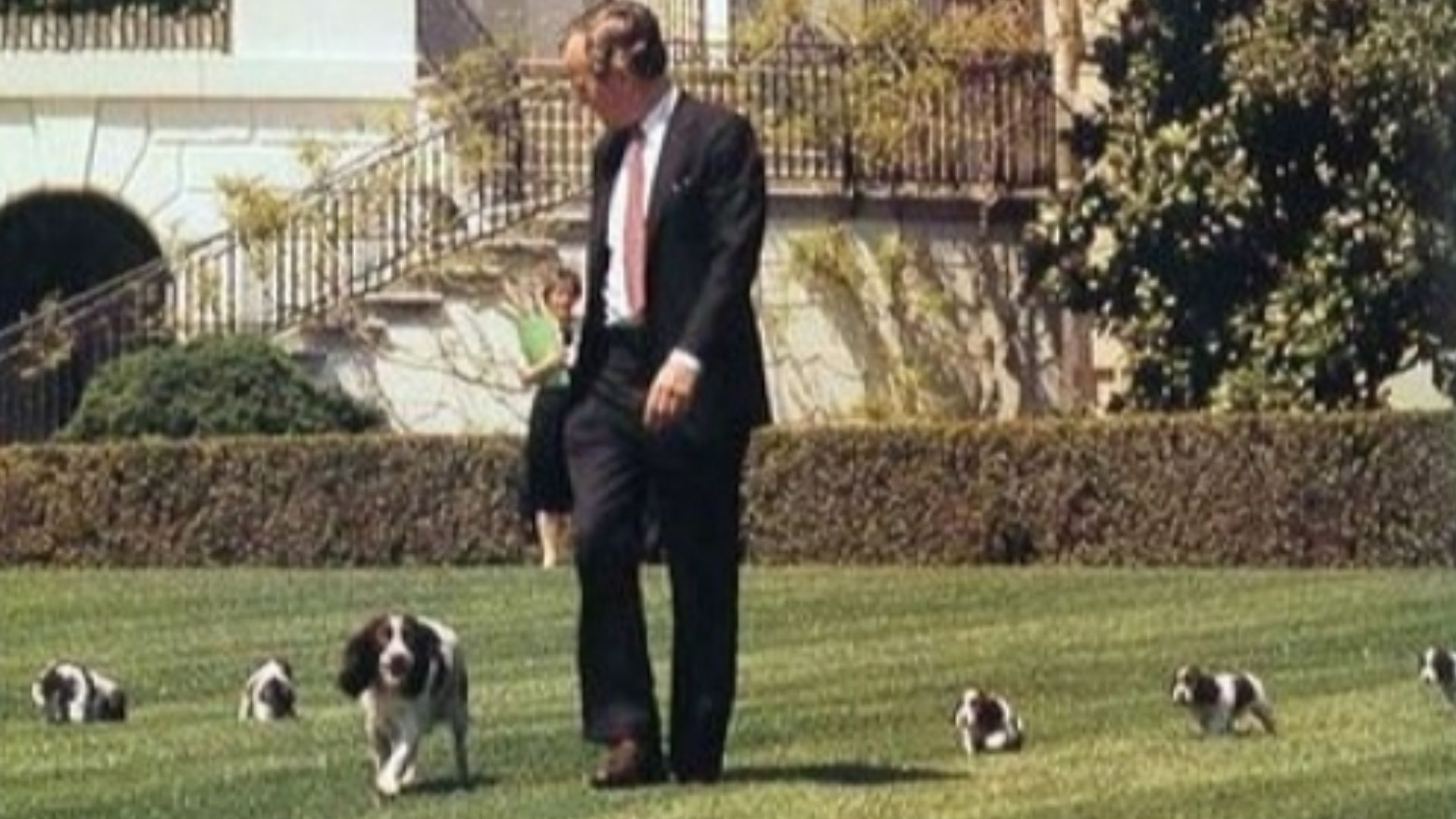
George H. W. Bush’s dog Millie wrote a bestselling book—yes, wrote. Ghostwritten, sure, but branded as her memoir. One of her puppies, Ranger, became a staff favorite until he got too plump from excessive treats and Bush had to order everyone to stop feeding him.
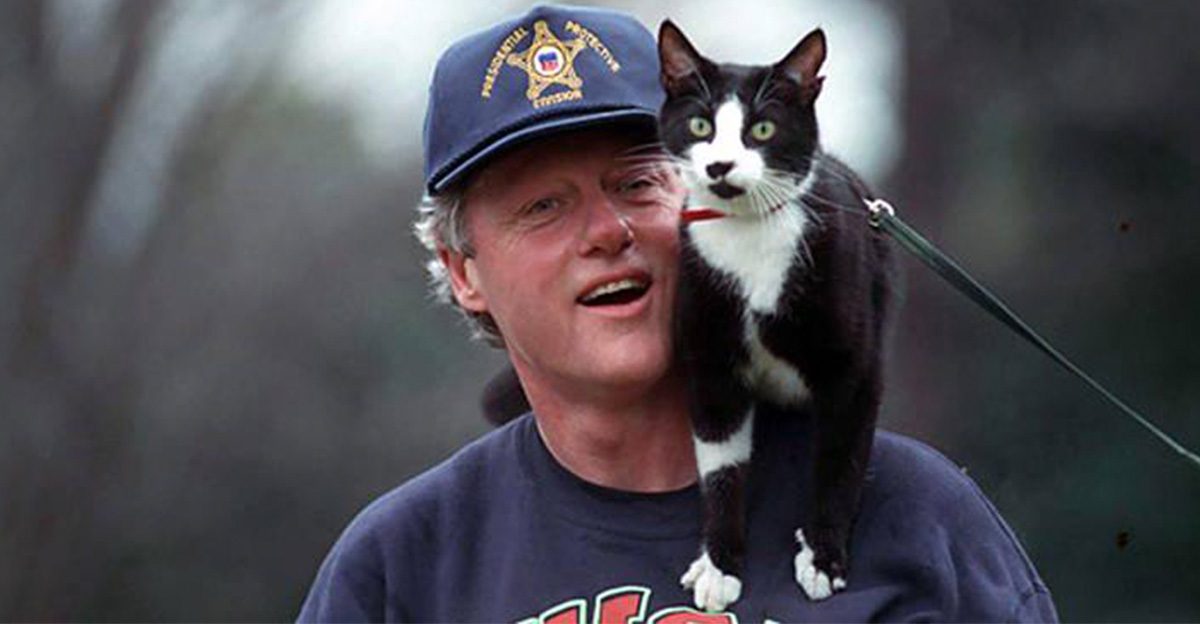
Clinton’s Sock-Centric Cat
Bill Clinton’s tuxedo cat, Socks, became a 1990s icon complete with merchandise, fan clubs, and a video game in development. Socks loved exploring the press room, where he occasionally unplugged equipment and derailed broadcasts. Pure chaotic energy.
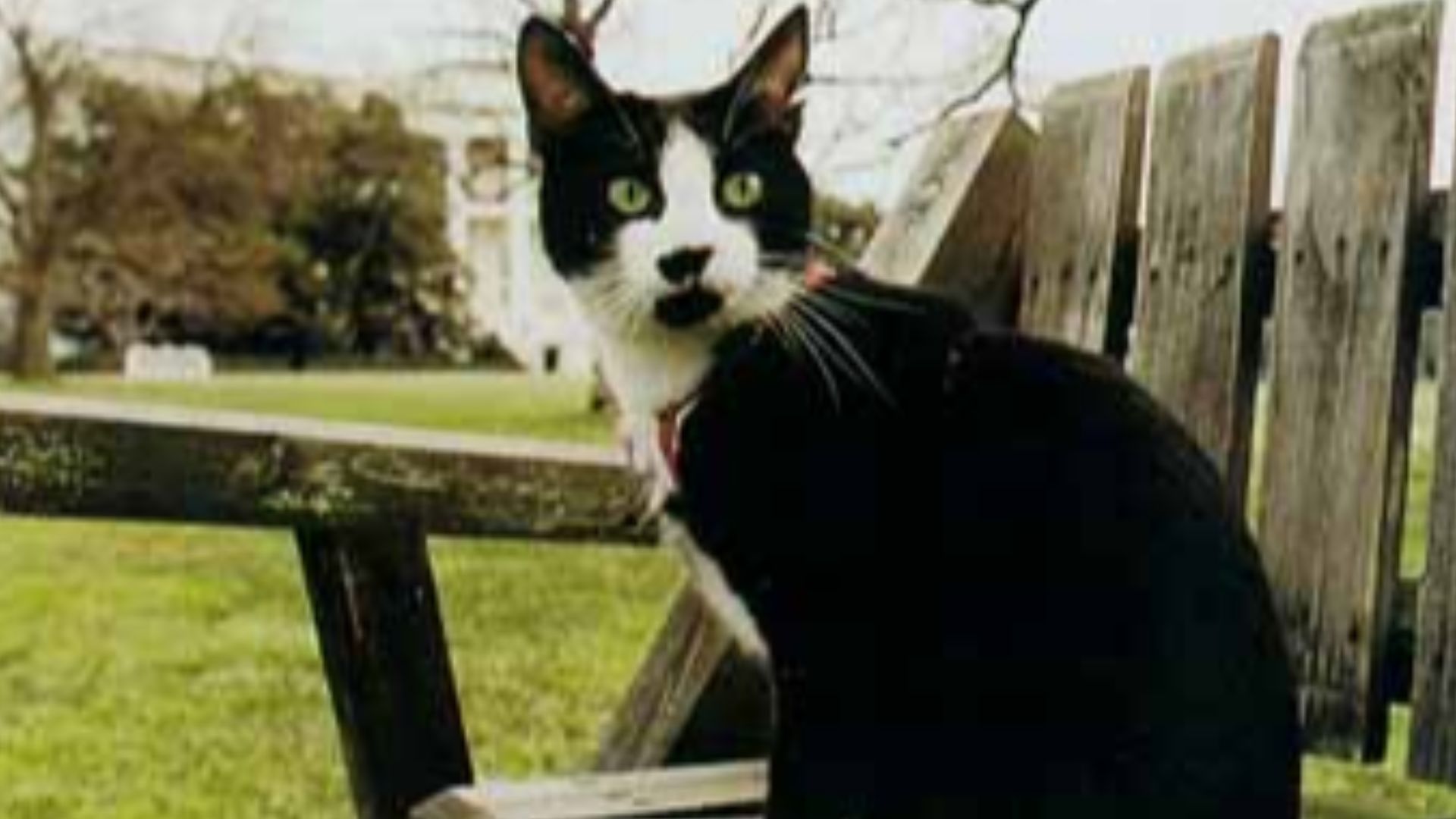 File Upload Bot (Magnus Manske), Wikimedia Commons
George W. Bush’s Longhorn Cow
Bush’s ranch was home to a longhorn cow named Ofelia, who wasn’t technically a White House pet but was beloved enough to make the list. Bush frequently joked that Ofelia was the only member of the family who didn’t argue with him.
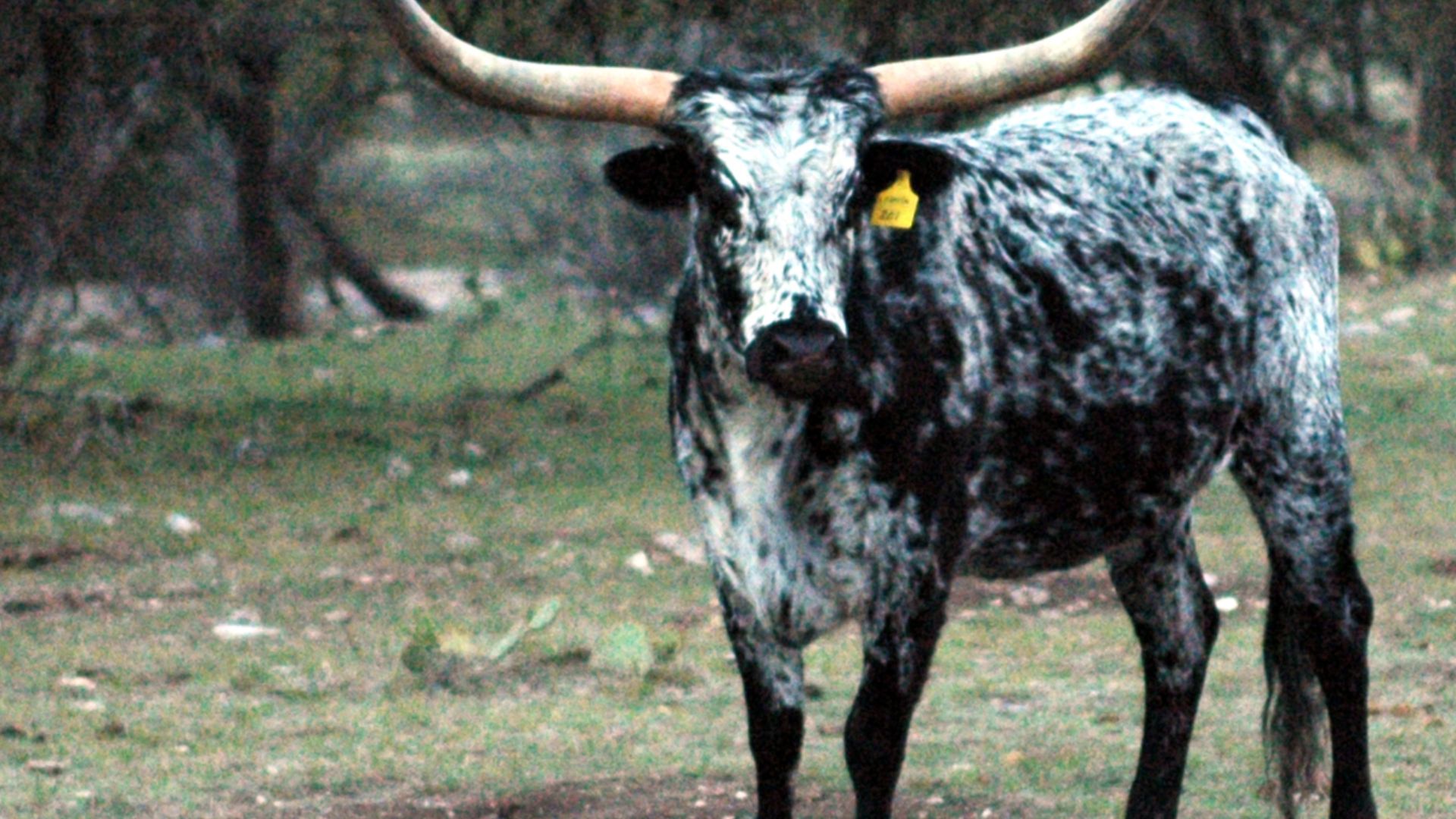 Clinton & Charles Robertson from Del Rio, Texas & San Marcos, TX, USA, Wikimedia Commons
Obama’s Hypoallergenic First Dogs
Bo and Sunny Obama weren’t odd in species, but they were uniquely chosen for Malia’s allergies. The Portuguese Water Dogs became fashion icons, popping up in holiday videos, Easter Egg Rolls, and even surprise school visits. Their fame reached Beatlemania levels for dog lovers.
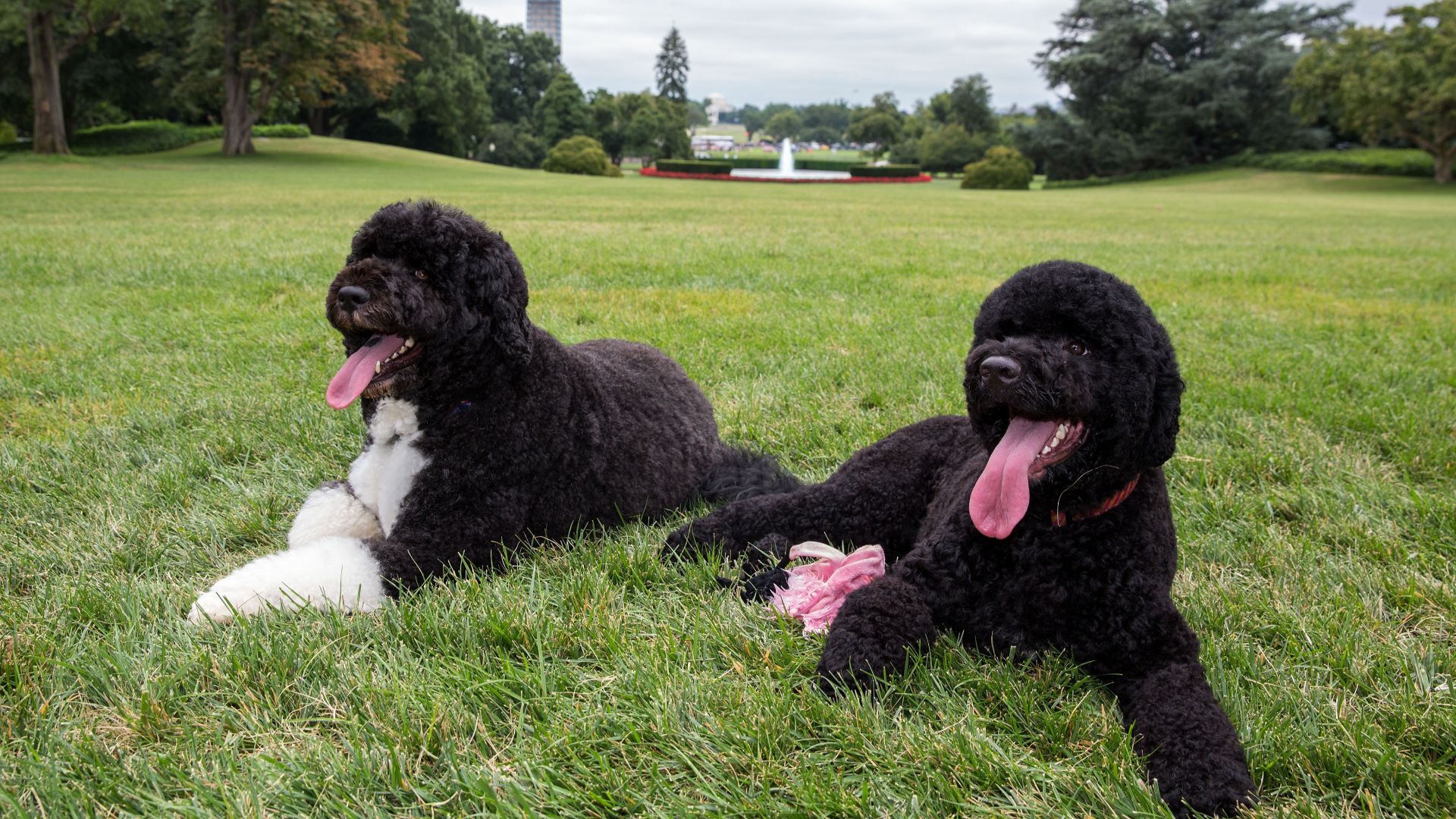 The White House from Washington, DC, Wikimedia Commons
Biden’s Rescue German Shepherds
Joe Biden’s dogs, Champ and Major, brought big-dog energy back to the White House. Major, the first rescue dog ever to live there, occasionally startled staff but was beloved for his joyful, slightly chaotic personality—an underdog’s journey straight into American history.
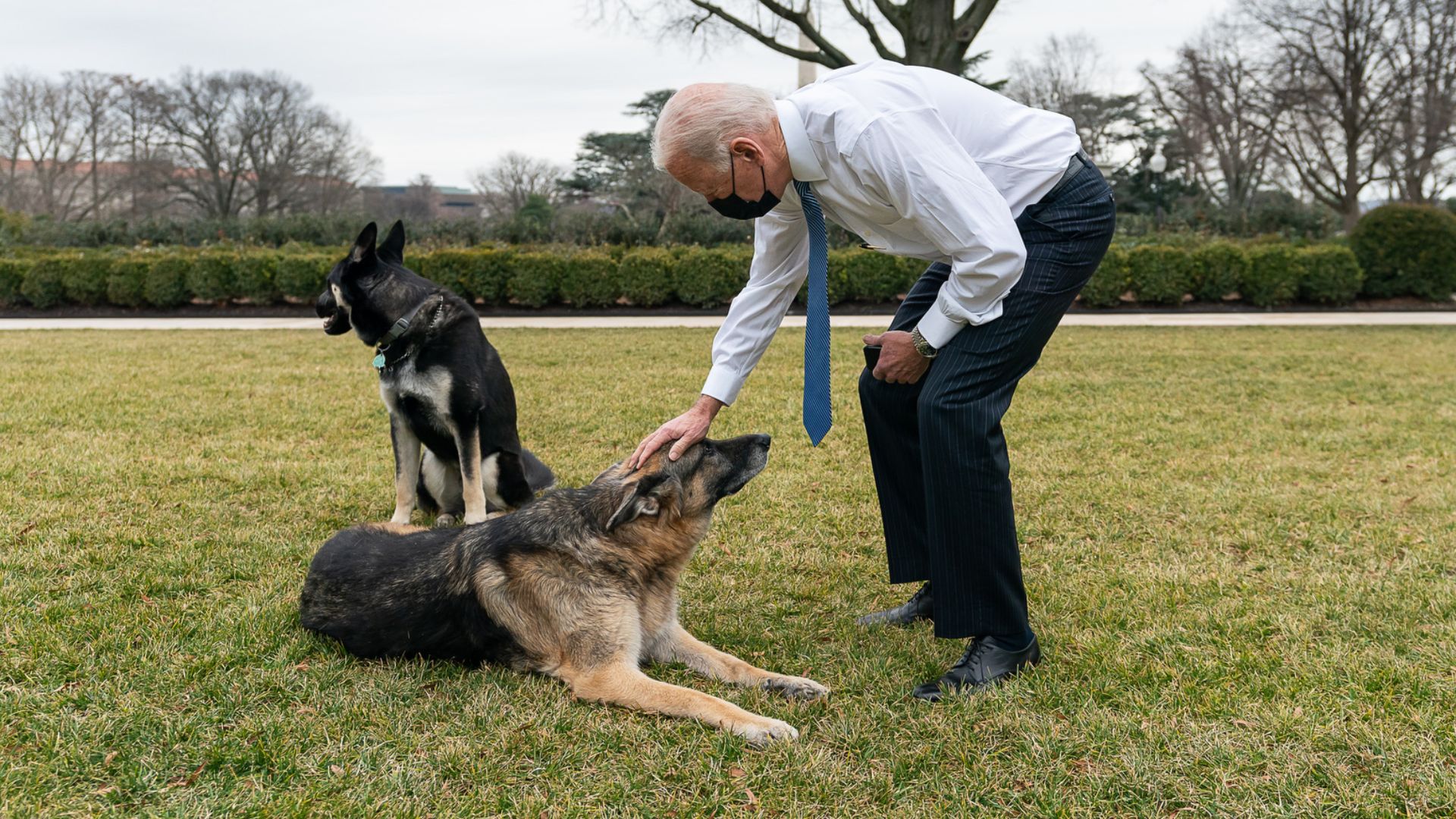 The White House, Wikimedia Commons
Fur-Ever Part Of History
From gators to grizzlies and raccoons to rabbits, presidential pets add a vivid splash of personality to administrations that can sometimes feel distant or formal. These animals weren’t just companions—they were ambassadors of charm, symbols of family life, and sometimes the source of extraordinary chaos. Through their antics, they made the White House feel a little more human—and a lot more fun. While presidents come and go, one thing remains constant: America will always love a good political pet story.
 Library of Congress, Wikimedia Commons