
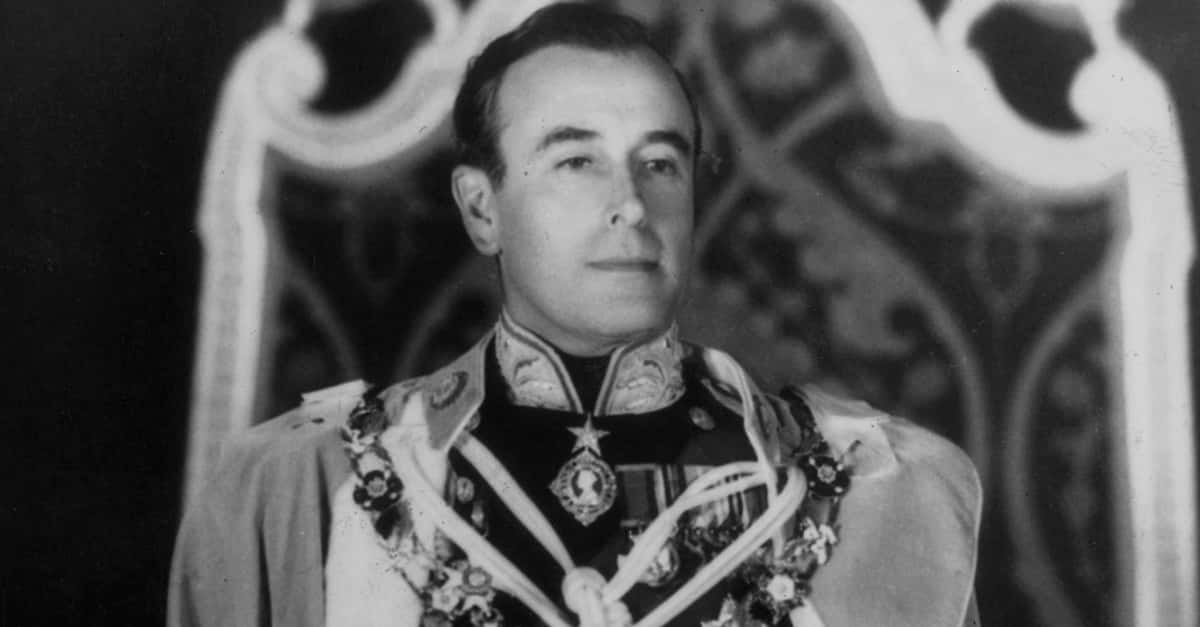
A Naval Nepo Baby
Lord Mountbatten was a decorated British Royal Navy veteran, a great hero on the surface. But his privileged position and silver-spooned jumpstart on life may be more responsible for his success than his actual skills. Behind the façade was a bumbling man who hid some disturbingly dark secrets.
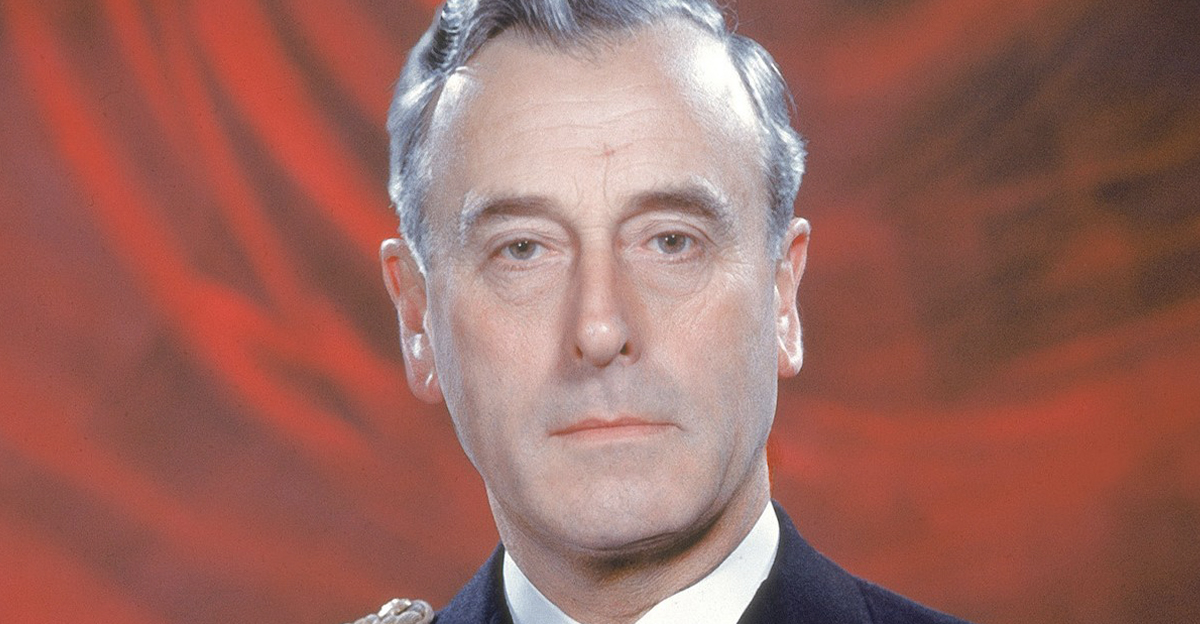
1. Born Close To Royalty
Louis Francis Albert Victor Nicholas Mountbatten was born Prince Louis of Battenberg. The Battenbergs were a prominent British family, close relatives to the Royal family themselves. Indeed, Louis himself was the uncle of Prince Philip and a second cousin of King George VI, which illustrated his immense privilege from birth. However, his official title told a curious story.
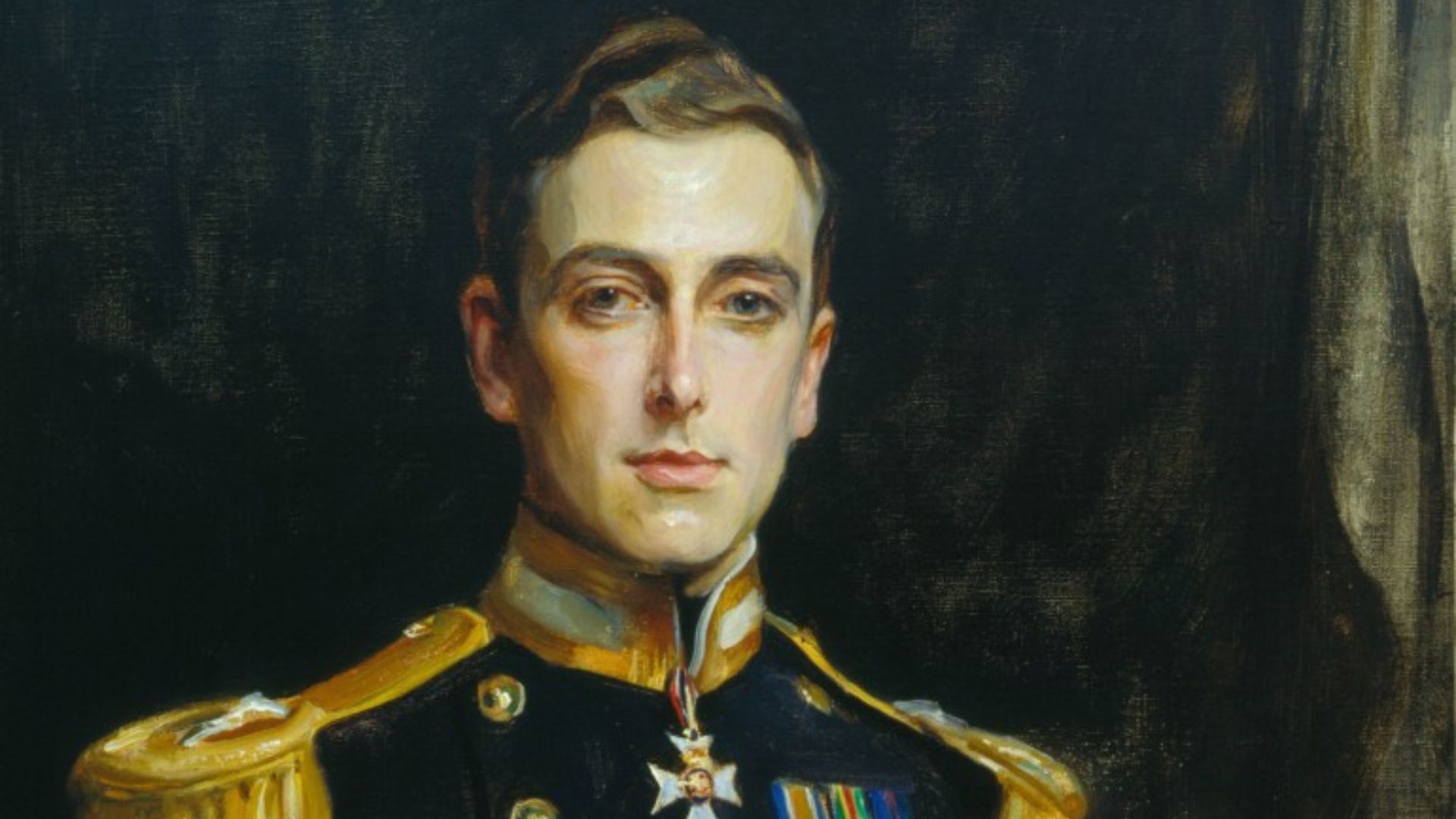 Philip de László, Wikimedia Commons
2. His Grandparents Limited His Lineage
Louis’ family title, Battenberg, was less noble than it could have been. This was because his paternal grandparents had had a morganatic union—his grandmother had not been of royal lineage, and because of Louis’ descension from someone outside his family’s social class, he received the lesser title of Serene Highness rather than the more exalted Grand Ducal Highness. This did not appear to affect his royal access.
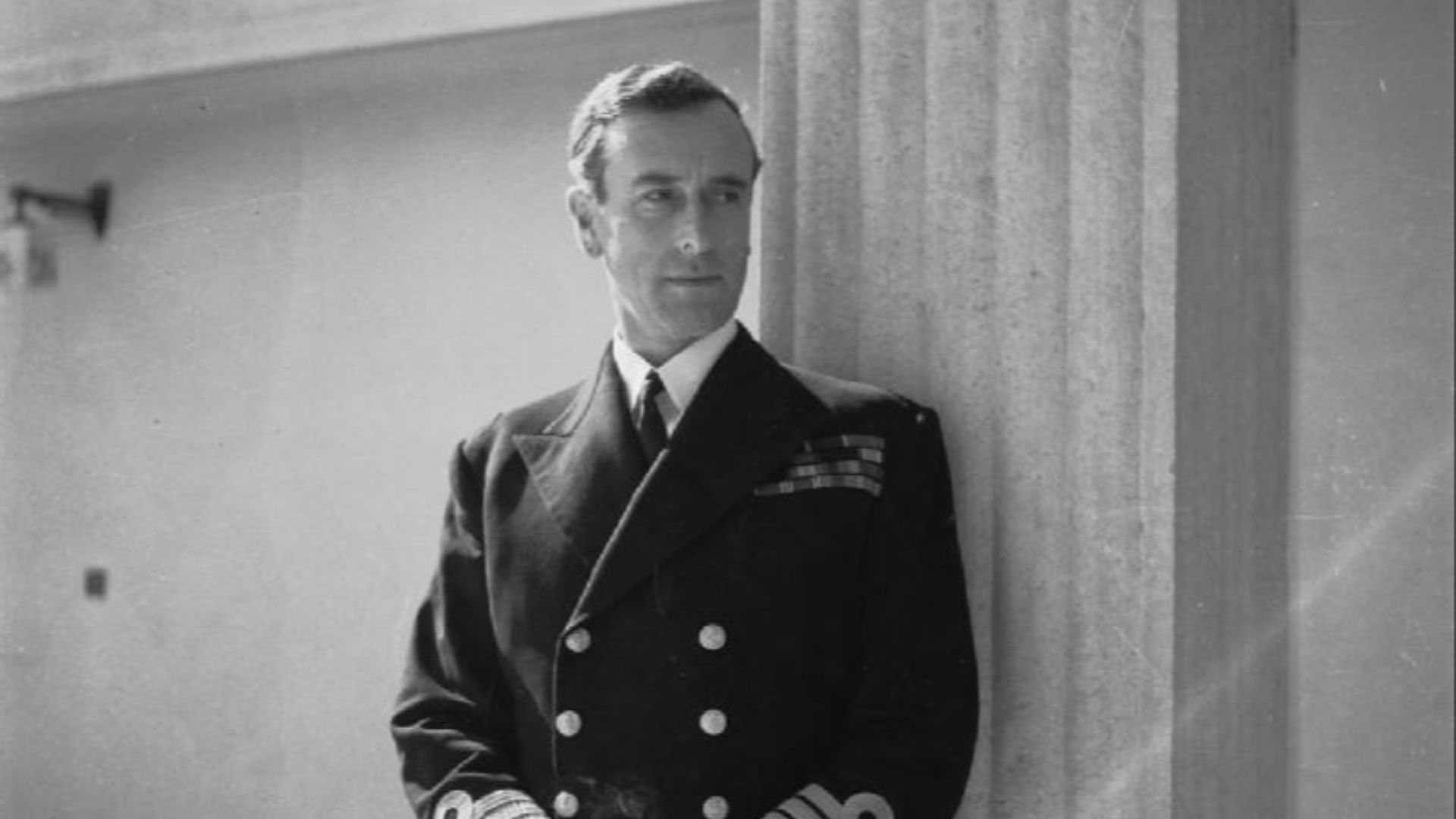 Cecil Beaton, Wikimedia Commons
3. He Had Noble Connections
Upon Louis’ baptism, his parents chose godparents among the highest of European royalty. His godmother was Queen Victoria, Louis’ maternal great-grandmother. His godfather was his second cousin, Tsar Nicholas II of Russia, who would end up being the last reigning monarch of tsarist Russia before the Revolution. But Louis managed to get his time in before his godfather’s deposing.
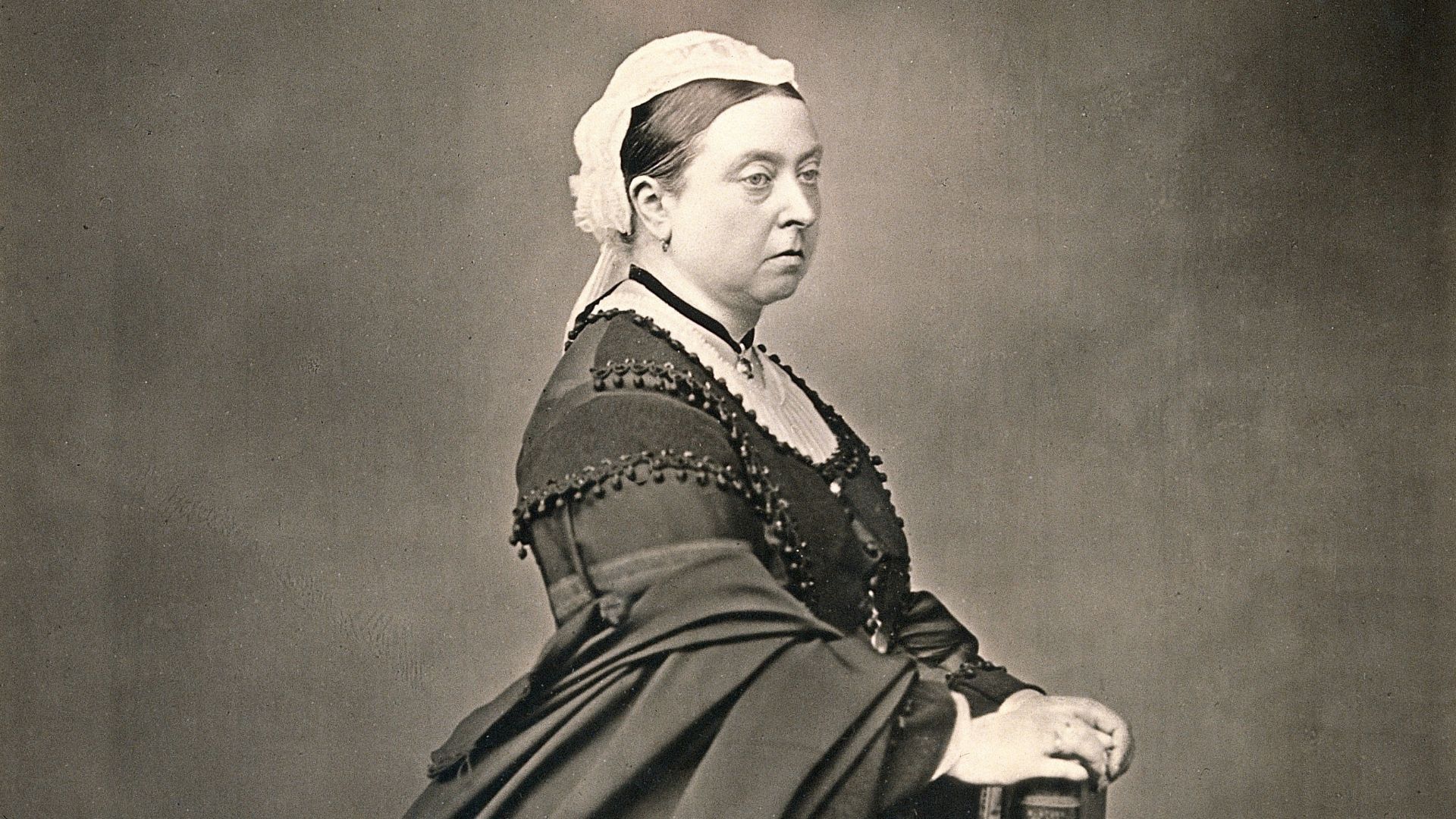
4. He Fell In Love With Russian Royalty
Throughout his childhood, Louis often visited the Imperial Court of Russia, becoming intimately familiar with the Imperial Family. The young man grew infatuated with his cousin, Grand Duchess Maria Nikolaevna, and his romantic feelings lasted the rest of his life: he kept a photo of her at his bedside until his final days. His crush on a cousin reflected the sheltered nature of his childhood.
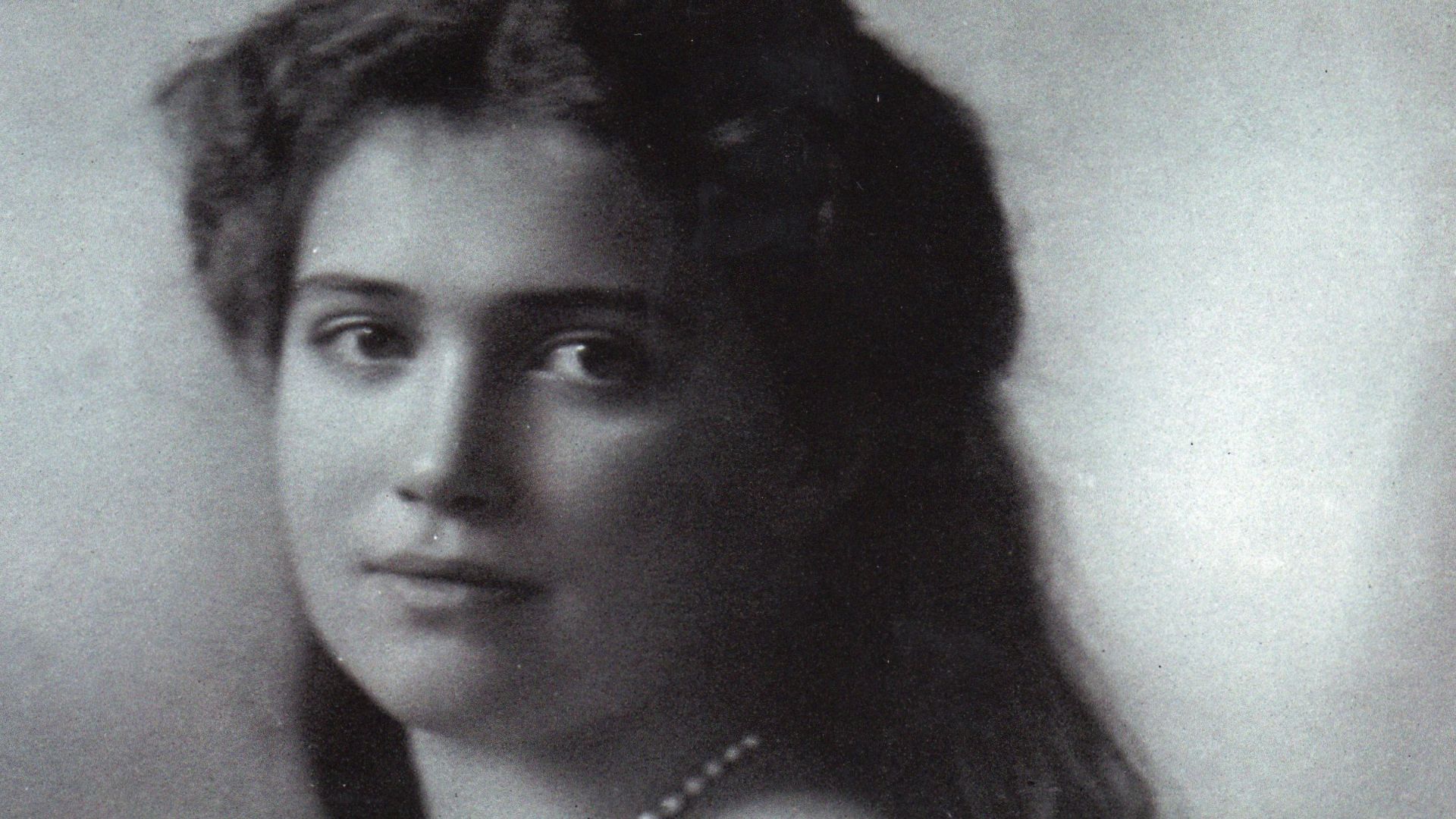 Boasson and Eggler St. Petersburg Nevsky 24., Wikimedia Commons
5. He Learned At Home
Louis did not socialize outside his familial circle much. In fact, he was homeschooled for the first 10 years of his life, a practice not uncommon among royals. At the age of 10, he transferred to the prestigious Lockers Park boarding school before transferring to the Royal Naval College a few weeks shy of his 13th birthday. But with tensions rising in Europe, his family name became a burden.
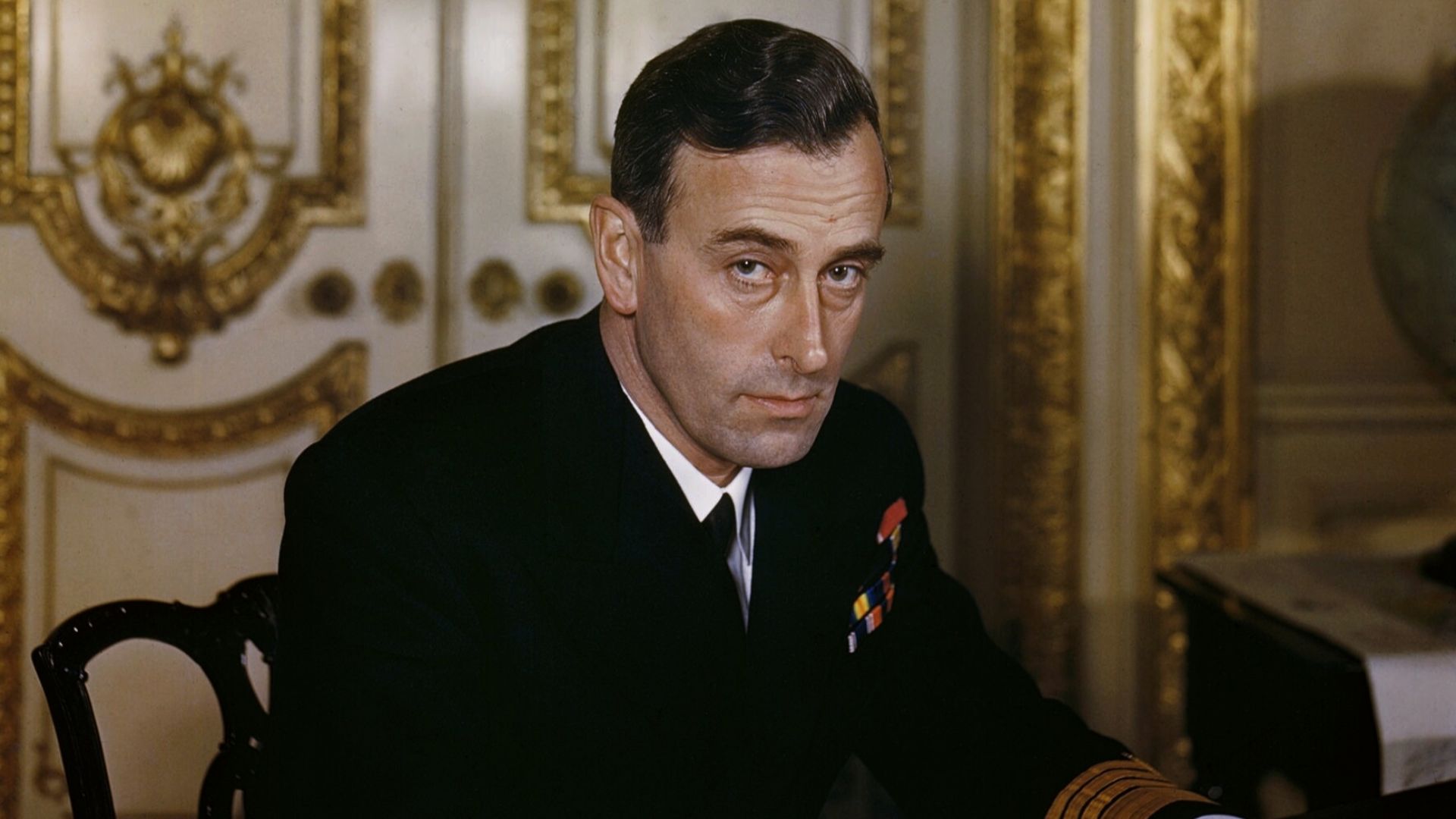 British official photographer, Wikimedia Commons
6. He Changed His Name
The Battenbergs became the Mountbattens because of WWI. In the face of rising British nationalism and anti-German sentiment, King George V officially changed the name of the British Royal family from the House of Saxe-Coburg and Gotha to Windsor. German-named relatives followed suit, and the anglicized Mountbatten resulted for Louis. With a fresh new name, Lord Mountbatten prepared to fight for King and country.
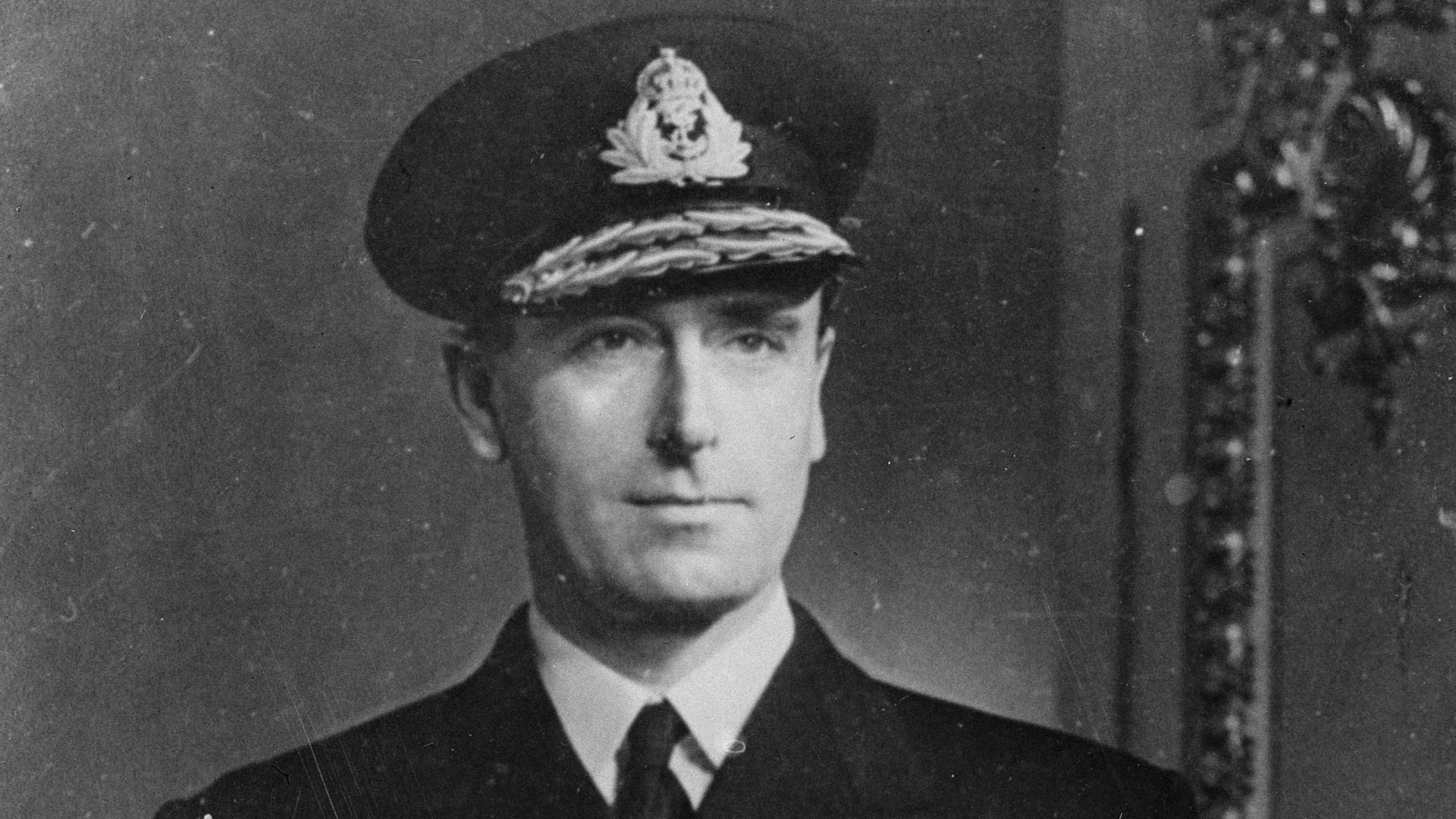 Nationaal Archief, Wikimedia Commons
7. He Saw Action At A Young Age
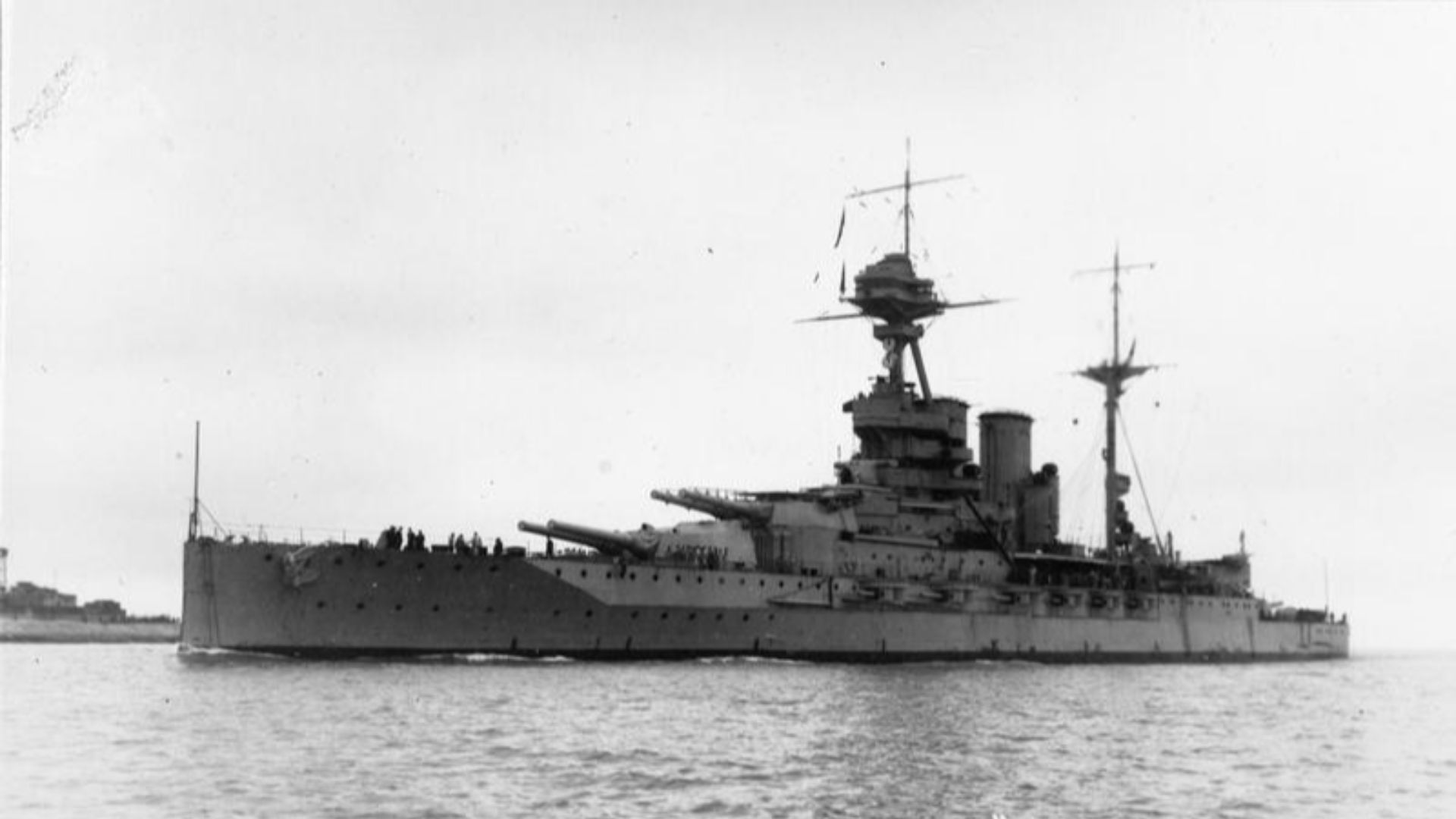
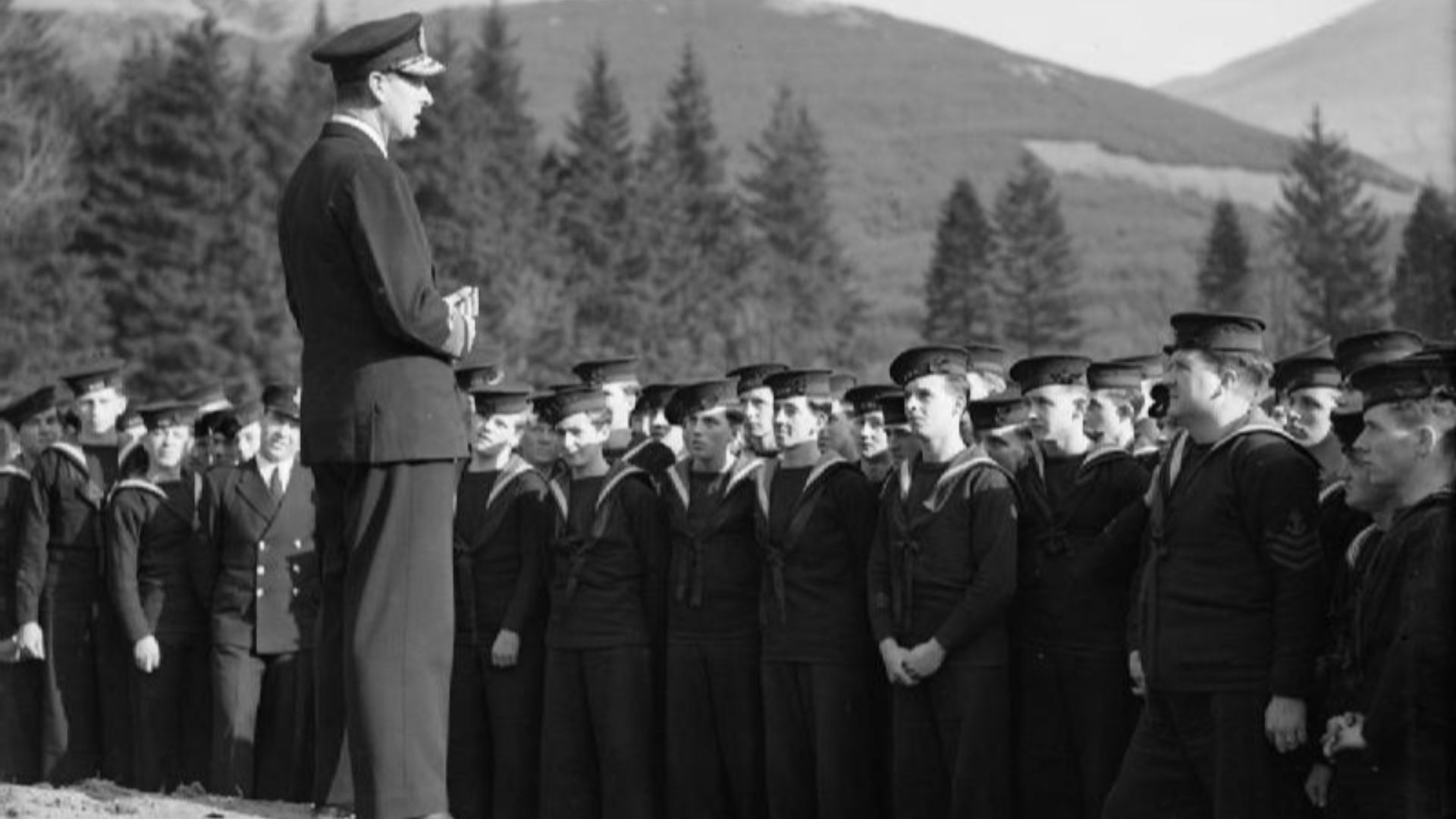
Mountbatten enlisted in the Royal Navy at the age of just 16. Taking a post as a midshipman on the battlecruiser HMS Lion, the young Lord actually saw some action in August 1916 when the cruiser found itself marred in a naval battle. Mountbatten transferred to the HMS Queen Elizabeth toward the end of WWI, but as the conflict winded down, his ambitions only rose.
 Ernest Hopkins, Wikimedia Commons
8. He Climbed The Ranks
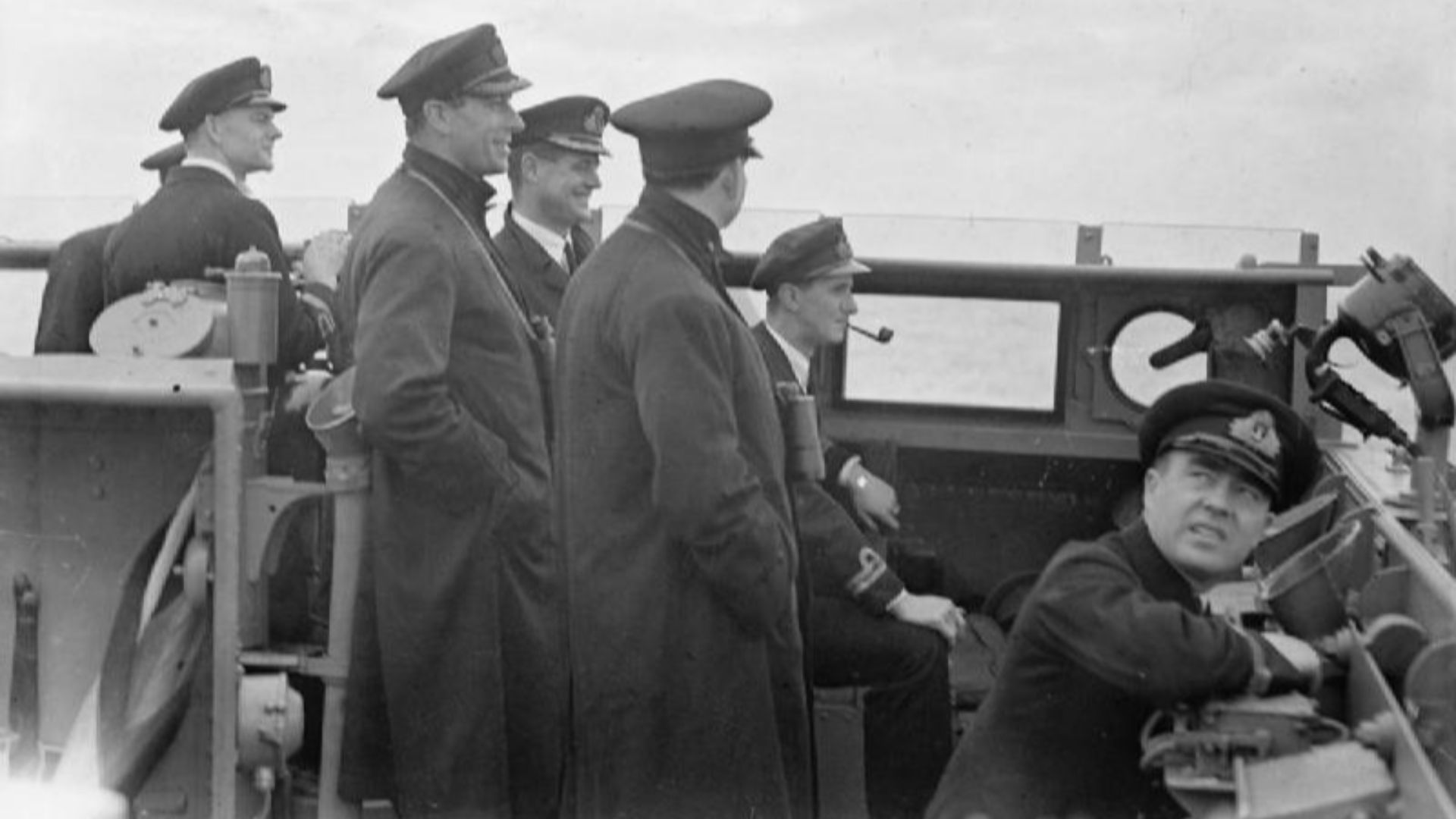
Mountbatten continued to pursue his naval career in the interwar period. Specializing in communications, the plucky young Lord rose through the ranks, eventually landing his first command of a naval cruiser in 1934. This was not due so much to skill as it was to the relationships he formed.
 Royal Navy official photographer, Ware C J (Lt), Wikimedia Commons

History's most fascinating stories and darkest secrets, delivered to your inbox daily.
9. He Had A Royal Bestie
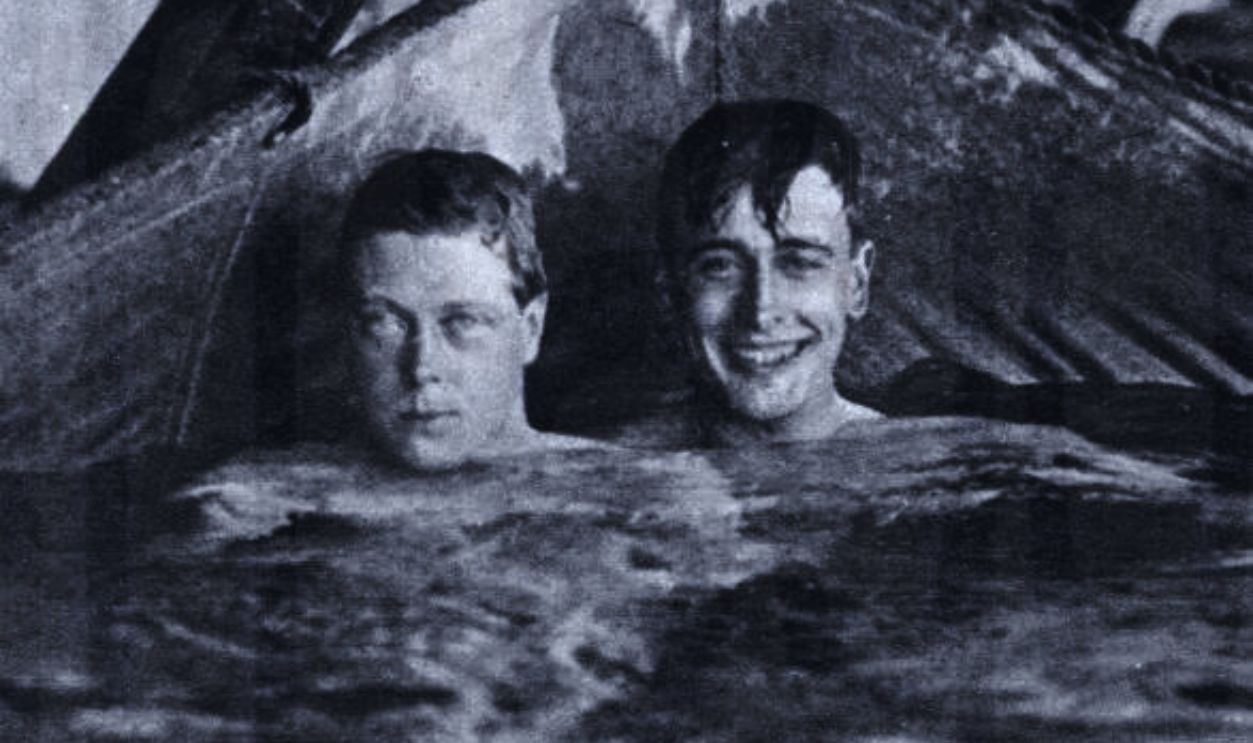
Shortly after WWI ended, Lord Mountbatten accompanied Prince (and future King) Edward on a royal tour of Australia aboard the HMS Renown, and on subsequent tours to Japan and India. During these trips, the two formed a close relationship. Some credit his relationship with the Prince to Mountbatten’s future naval success. He seemed to have an appeal to future kings in general.
 United Archives International, Wikimedia Commons
10. He Mentored A Future King
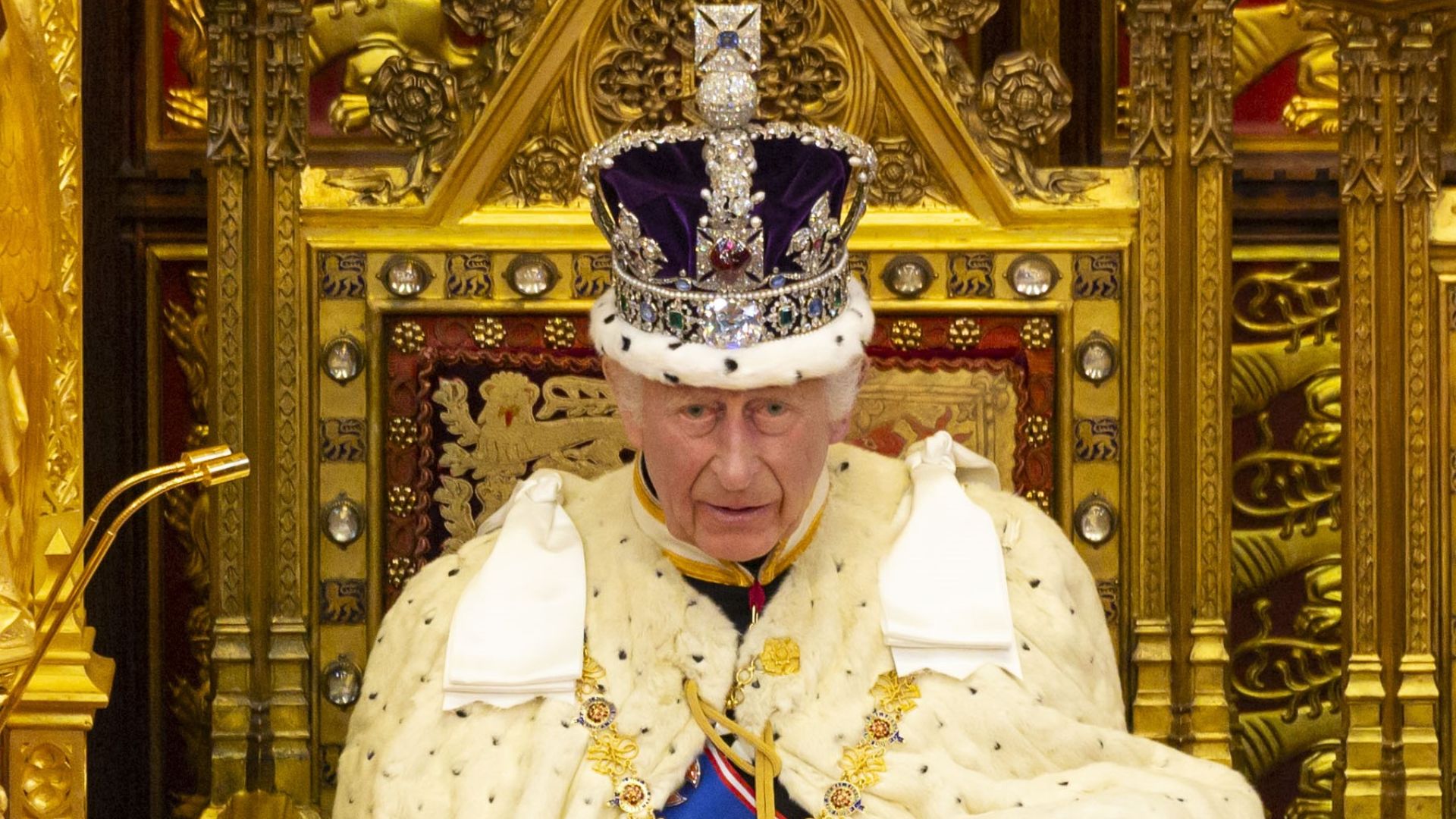
Mountbatten had a close relationship with another eventual titanic figure: the current King of Great Britain, Charles III. Charles was Mountbatten’s great-nephew, and the Lord had a deep influence on the young future ruler. Charles affectionately referred to Lord Mountbatten as his “Honorary Grandfather”. Mountbatten encouraged Charles to enjoy the bachelor life—something he had a hard time letting go of.
 Roger Harris, Wikimedia Commons
11. He Had A Hollywood Honeymoon
Mountbatten married heiress and socialite Edwina Ashley on July 18, 1922. Shortly after their nuptials, the couple embarked on a gargantuan honeymoon across Europe and North America. While in California at the tail end of their tour, the newlyweds met Charlie Chaplin and starred in one of his silent movies, Nice and Friendly, which ultimately never saw theatrical release. But things would not remain nice and friendly with the couple for long.
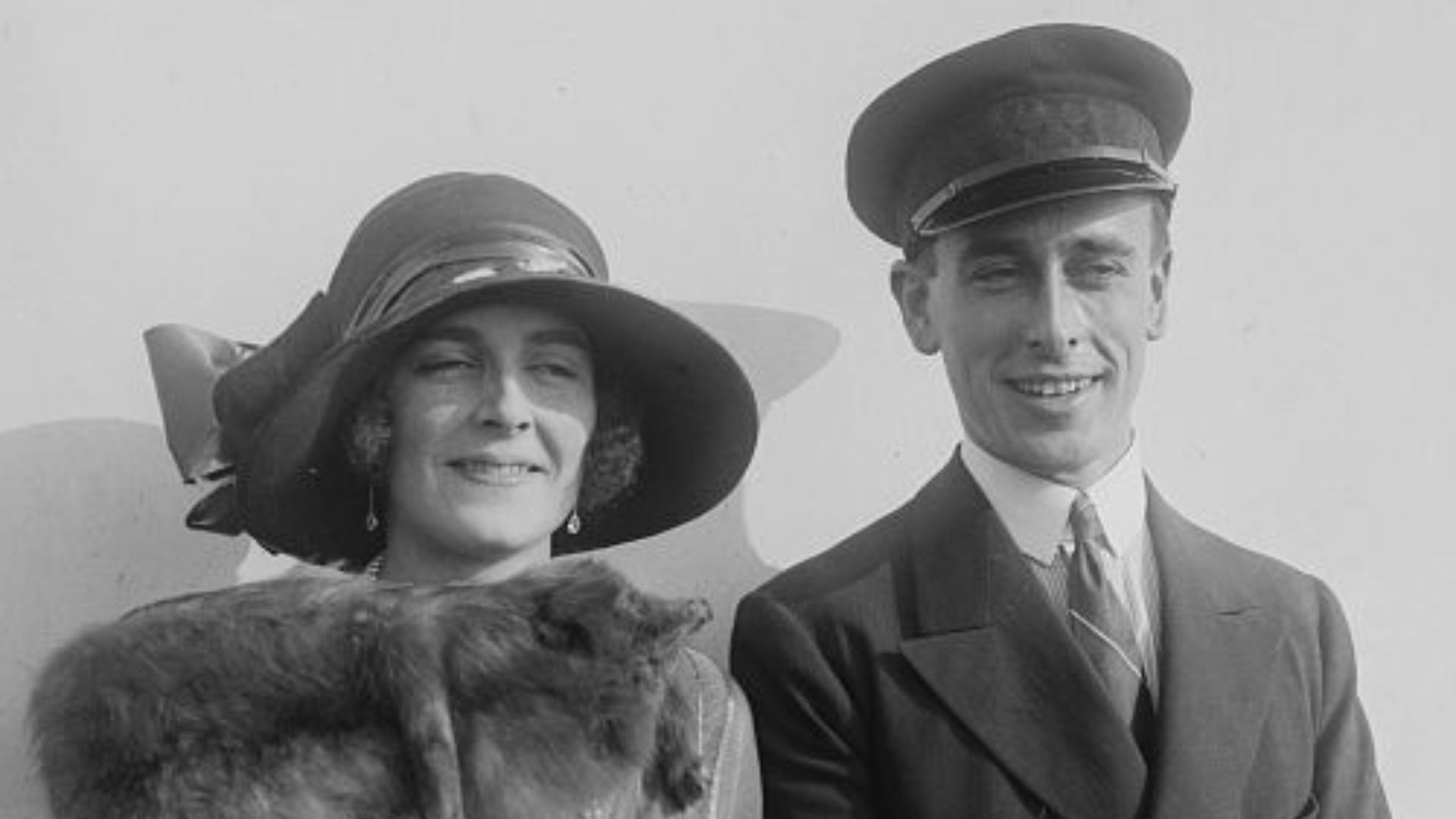 Unknown (Bain News Service, publisher), Wikimedia Commons
12. His Relationship Was Adulterous
Mountbatten and Edwina did not stay faithful for long; he would later admit that he and his wife “spent all our married lives getting into other people's beds”. The couple gained a reputation for their many extramarital affairs on both sides. But there was a much more disturbing side to the Lord’s proclivities—we can't get into the sordid details just yet but Mountbatten would show his more ruthless nature in other areas of his life, too.
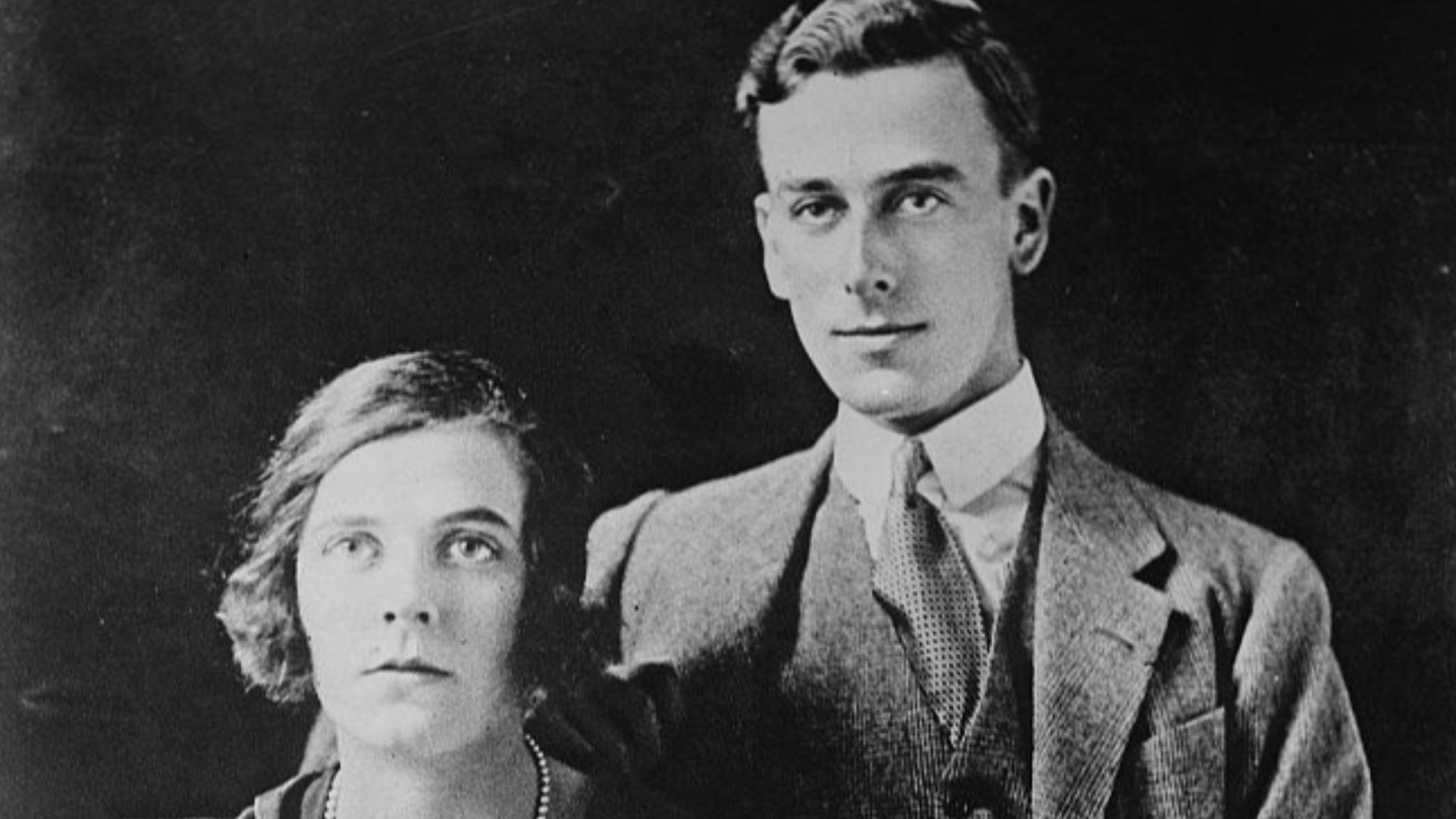 Unknown (Bain News Service, publisher), Wikimedia Commons
13. He Quashed Striking Workers
In 1921, industrial unrest was on the rise in Britain amid protests and strikes over poor working conditions. Mountbatten, leading a platoon of stokers, was deployed to quash the strikes and restore “order”. The platoon was as bumbling as their leader, however, with many of them having no skill with a rifle. But as usual, Mountbatten’s own lack of skill did not seem to hinder him.
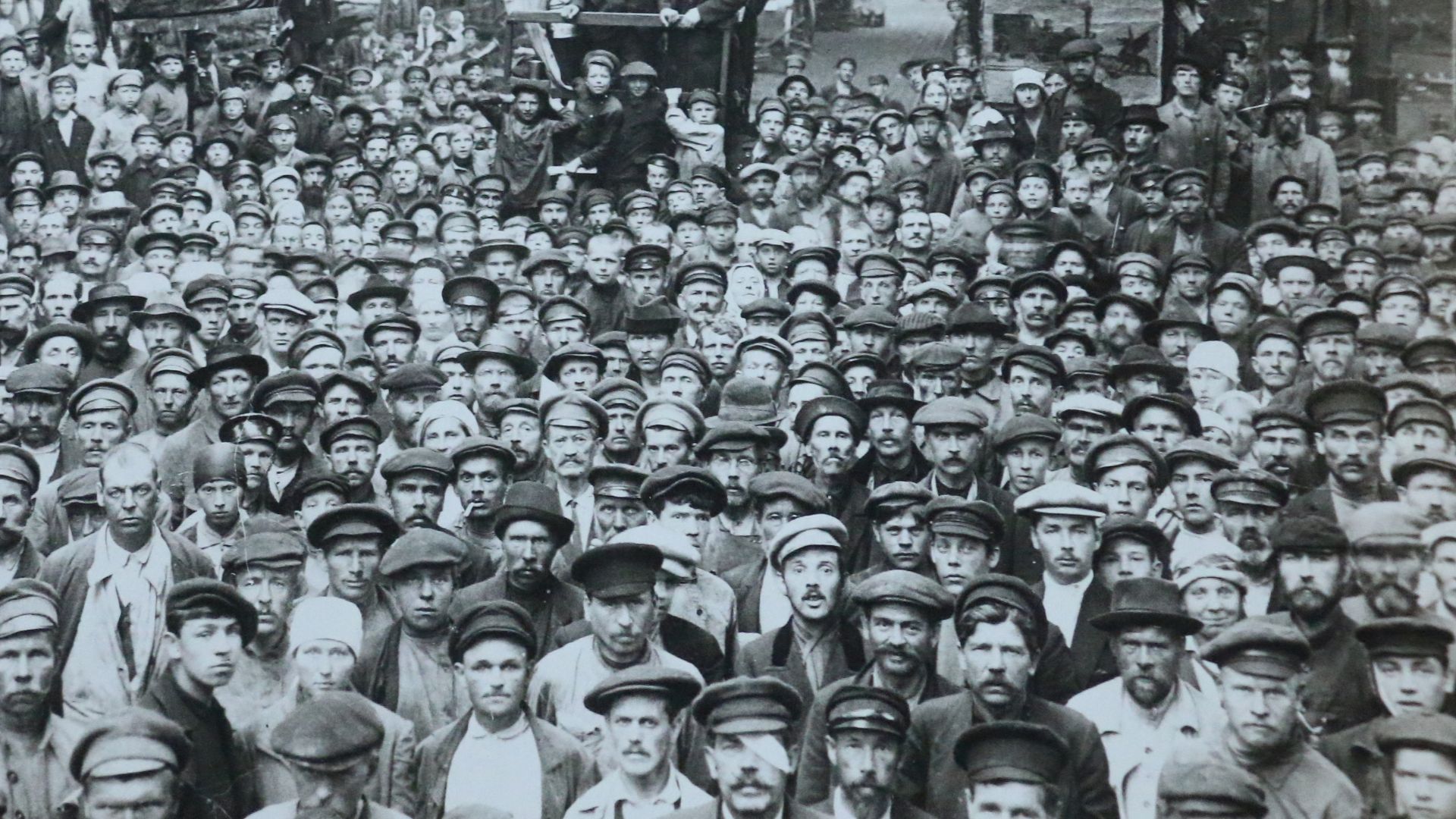 The Kathryn and Shelby Cullom Davis Library, Wikimedia Commons
14. He Survived By His Status
The economic precarity of workers in the 1920s reflected an overall slowdown of the British economy, and the Royal Navy was not spared. The government ordered 52% of officers dismissed from the Navy by the end of 1923 to cut costs. Mountbatten was spared, however, likely due to the rumors that wealthy, well-connected officers were disproportionately kept on. The Lord was now free to pursue his career interests.
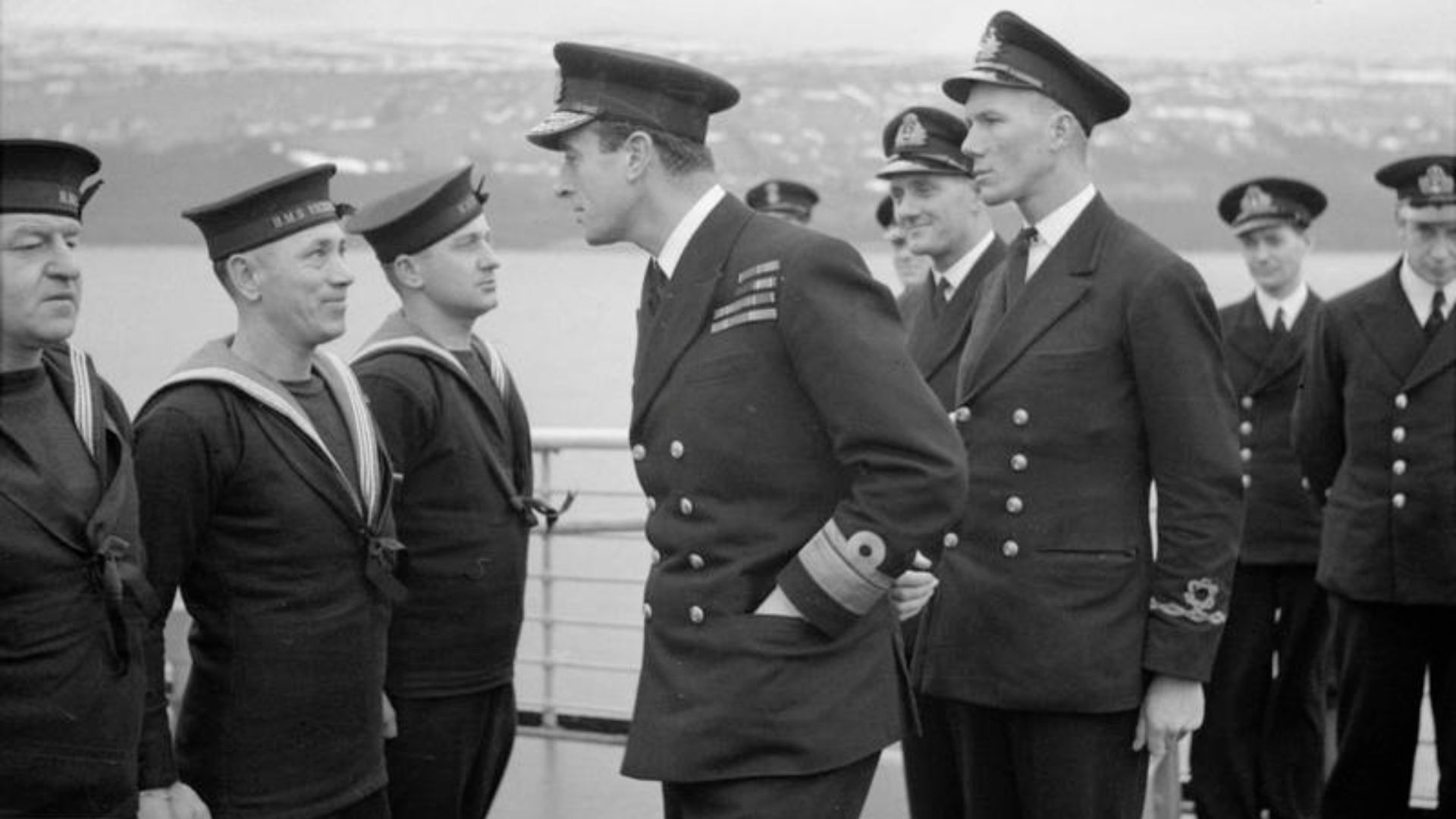 War Office official photographer, Puttnam (Lt), Wikimedia Commons
15. He Was A Tech Bro
With his focus on naval communications, Mountbatten gained an increasing interest in technological development and a fascination with gadgets. In 1924, he enrolled in the Portsmouth Signals School and briefly studied electronics at the Royal Naval College in Greenwich. His knowledge and advancements through naval ranks positioned him well for the next seismic conflict.
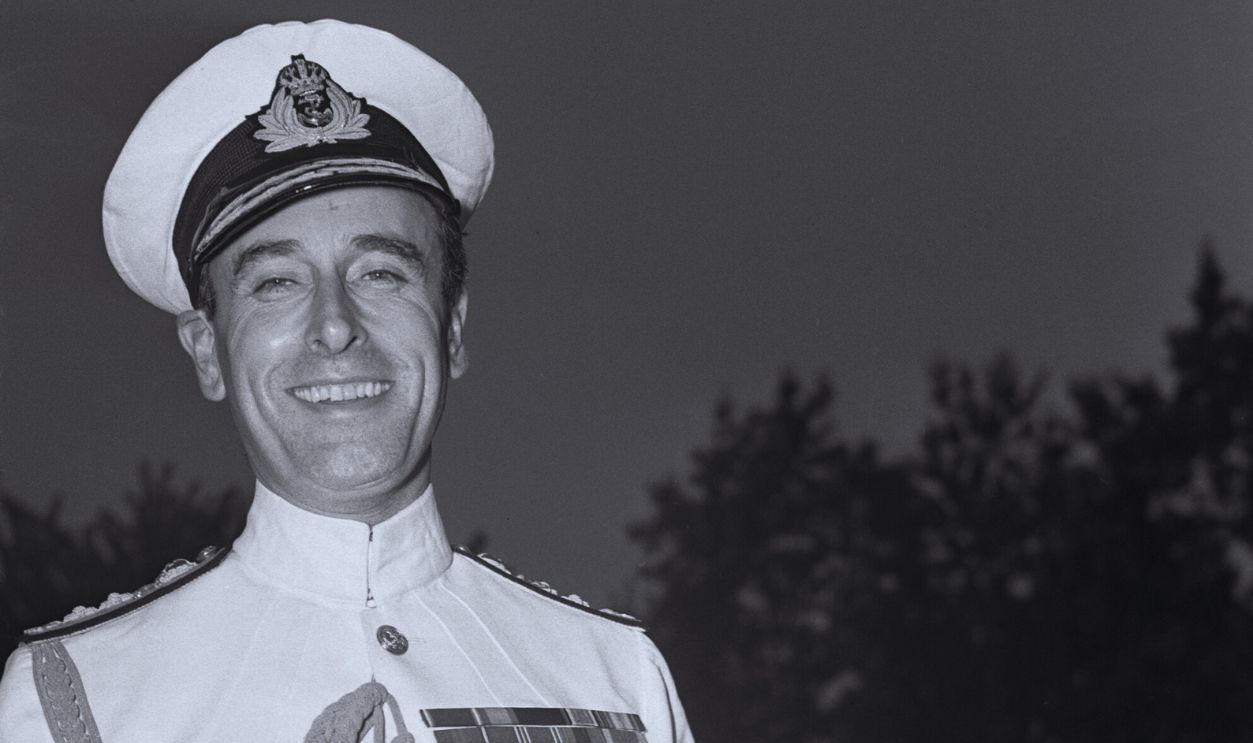
16. He Saw More Action
With the outbreak of WWII in 1939, Mountbatten took command of the HMS Kelly, a vessel which became known for its exciting exploits. The Lord saw considerable action throughout the conflict, particularly in Norway, the English Channel, and the Mediterranean. But the action was not necessarily heroic.
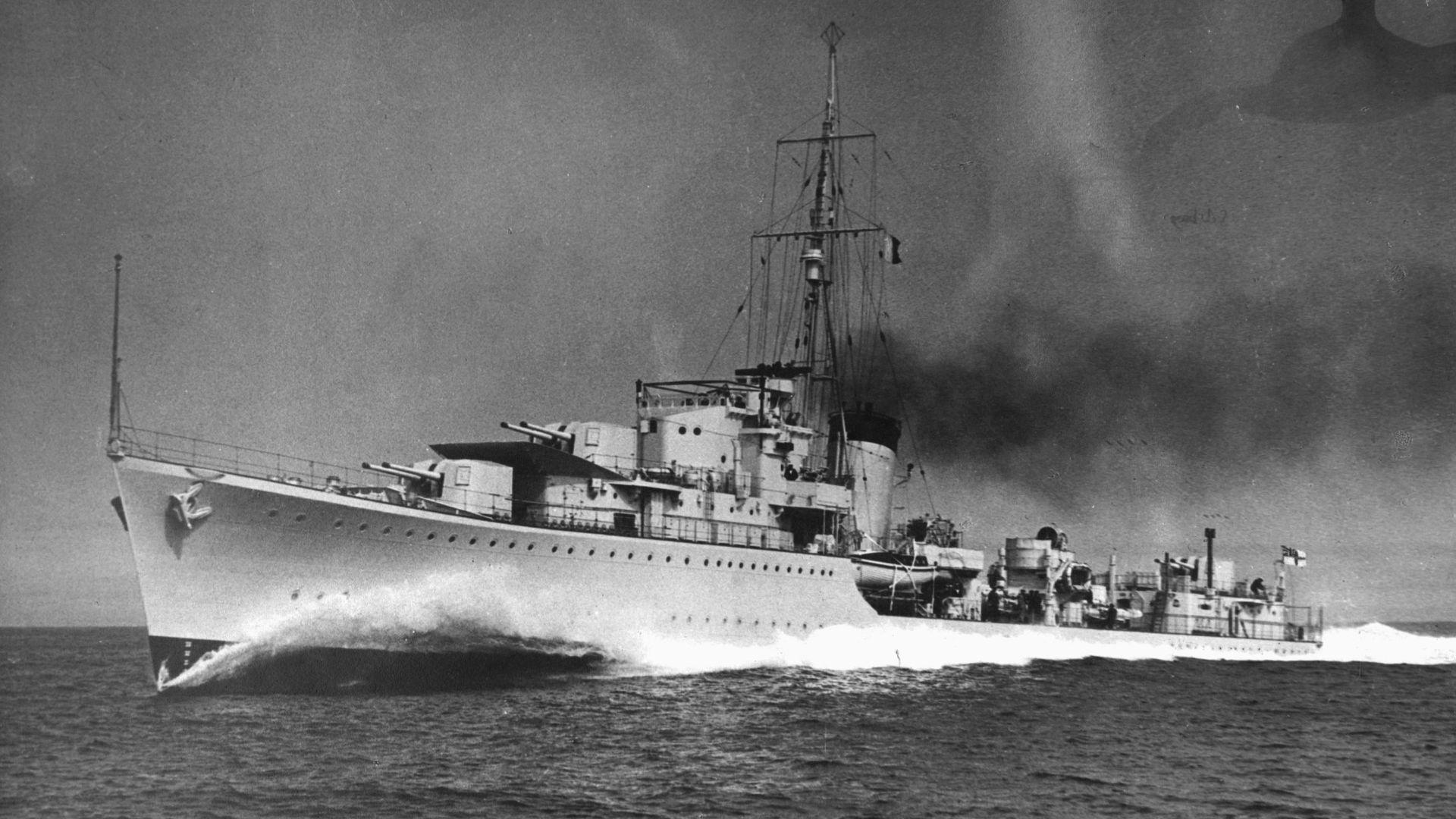 Tyne & Wear Archives & Museums, Wikimedia Commons
17. He Got An Unflattering Nickname
Mountbatten’s ship became infamous for its commander’s oafish mistakes, and many were unimpressed with his leadership, with one American General describing his style as “endless walla-walla, but damned little fighting.” On one occasion, the buffoonish Lord sailed the Kelly directly into a minefield, before ramming it into another British ship. His bumbling command earned Mountbatten the nickname “the Master of Disaster”. Still, he did have his admirers.
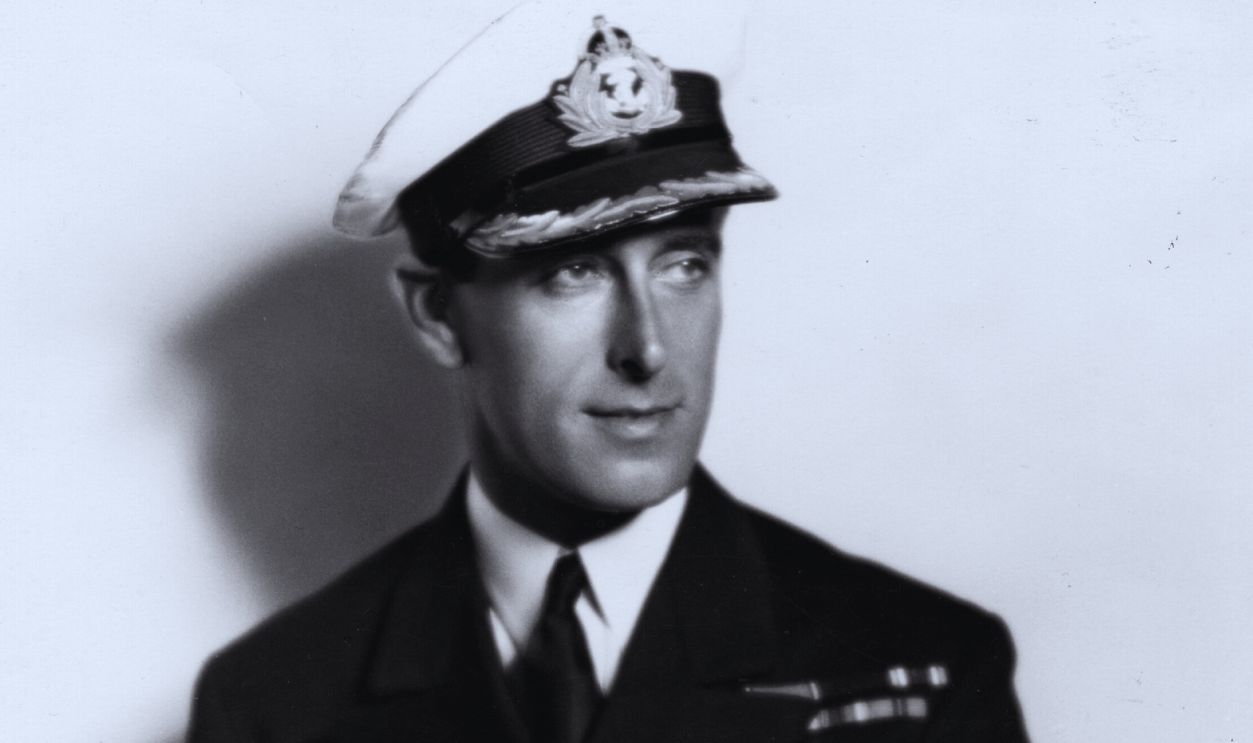
18. He Inspired A Monologue
Clearly in his role because of his social position, Lord Mountbatten nonetheless managed to launder his reputation through his connections. During the Battle of Crete, the Kelly was finally sunk by German dive bombers. The incident served as the basis for the film In Which We Serve.
However, rather than portrayed accurately, Mountbatten actually came off well; the writer/director of the film was a close personal friend, who even included snippets of Mountbatten’s speeches as monologues in the script. The Lord did not forget to take some leisure breaks during those trying times.
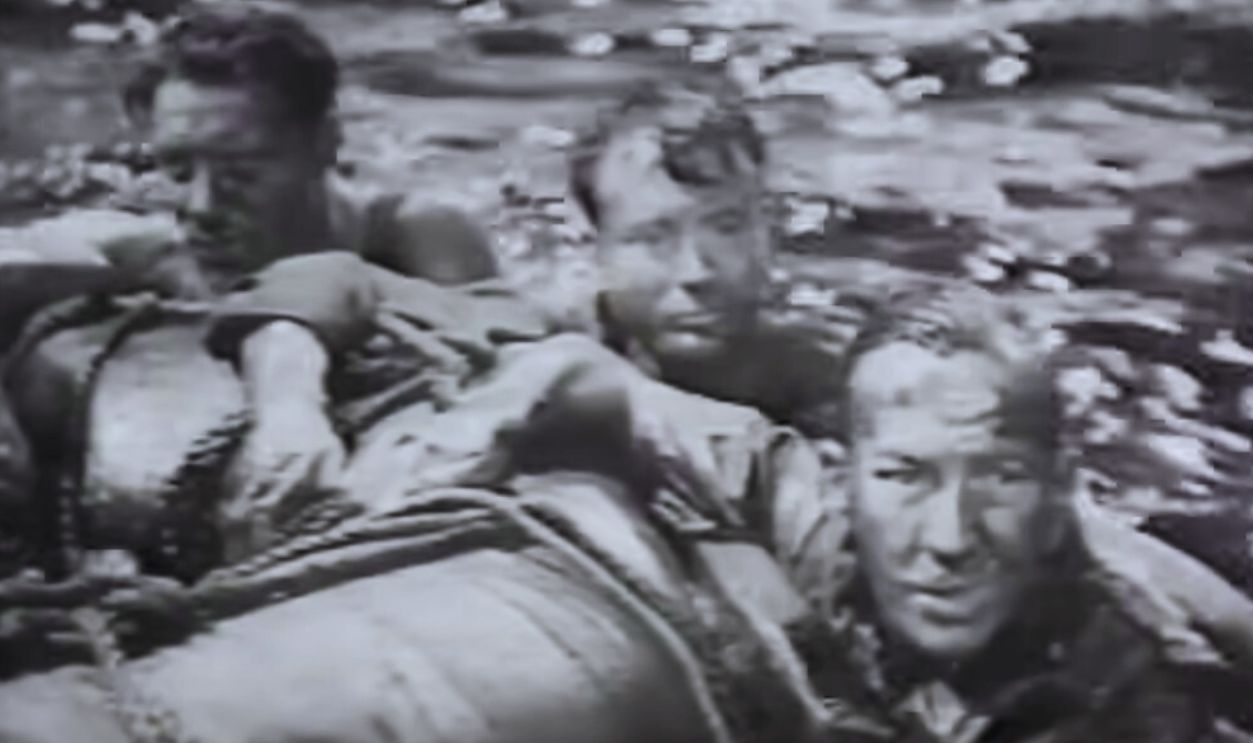 britishlion, In Which We Serve (1942)
19. He Made A Prediction
During a period of relative inactivity in 1941, Mountbatten flew to Pearl Harbor for a tour—three months before its bombing by the Japanese, prompting US entry into the conflict. To his credit, Mountbatten actually called it: he expressed shock at the lack of preparedness at the naval base and predicted that the Japanese would launch a surprise attack against the US there. This gained him the respect of the UK’s highest commander.
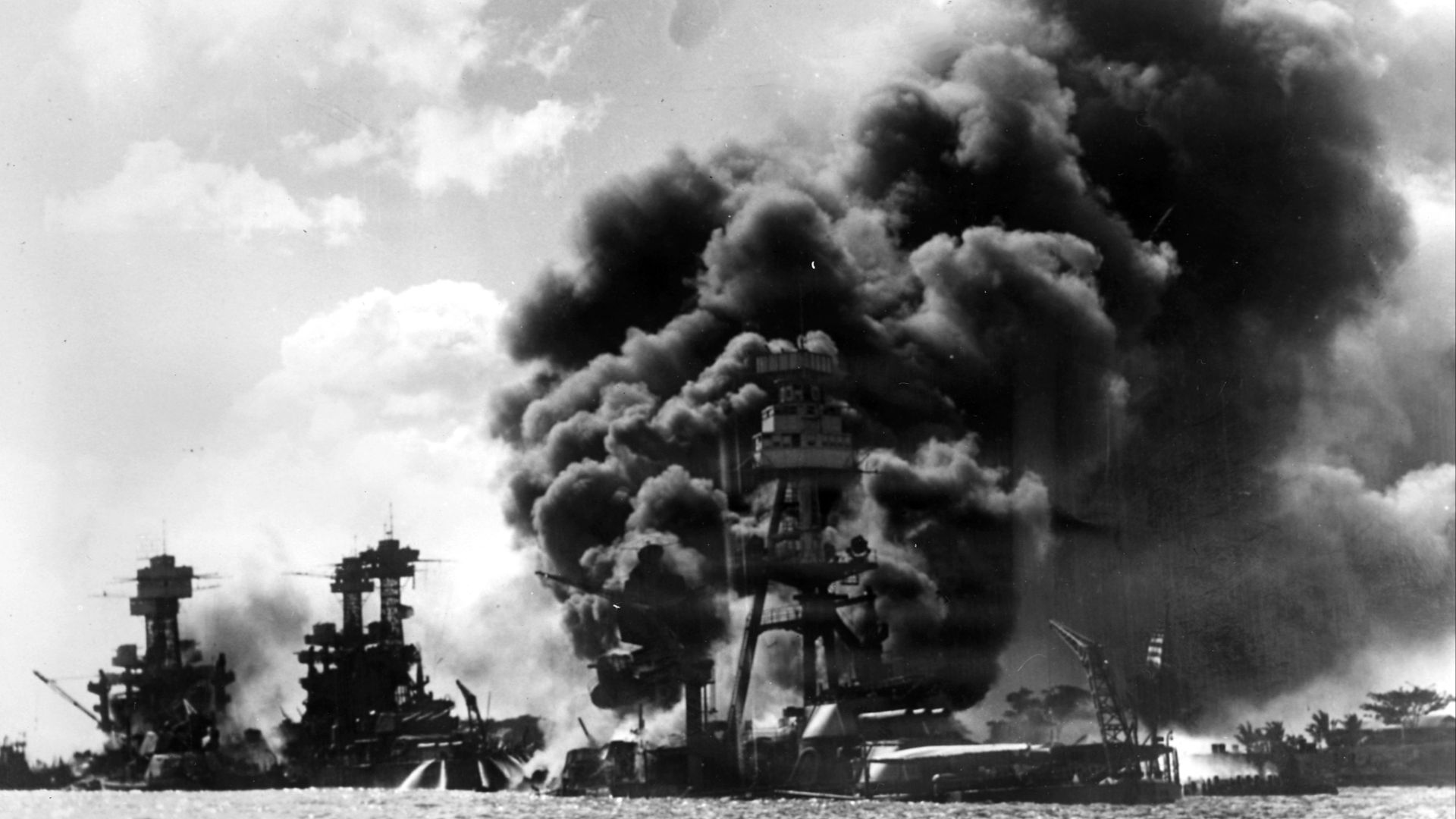 Official U.S. Navy photograph NH 97378., Wikimedia Commons
20. He Was Favored By A Prime Minister
Despite his lack of naval skills, Mountbatten apparently had a charming personality. Combined with his social standing, this made him some friends in high places, including one of the highest places in Britain: Mountbatten was reportedly a favorite of Winston Churchill. These connections led to some historic photo ops.
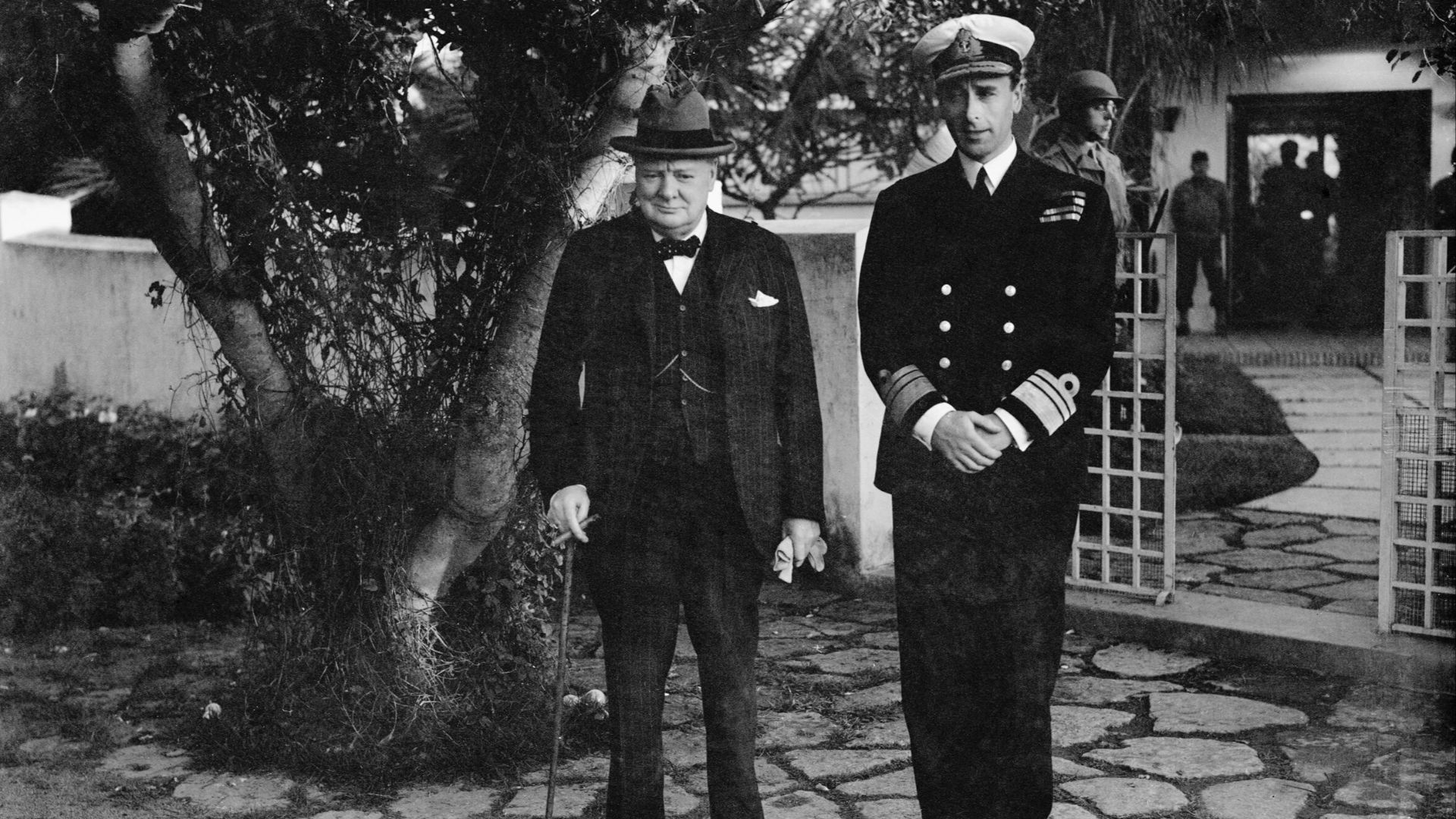 Herbert Mason, Wikimedia Commons
21. He Posed With Historic Titans
Through his connection to Churchill, Mountbatten managed to attend some notable summits throughout WWII, where he met other colossal historical figures. One famous photo from the Casablanca Conference, a pivotal strategic meeting between leaders of the Allied forces, shows Mountbatten posing with Churchill and President Franklin D Roosevelt. But the Lord was not in the good graces of all the Allies.
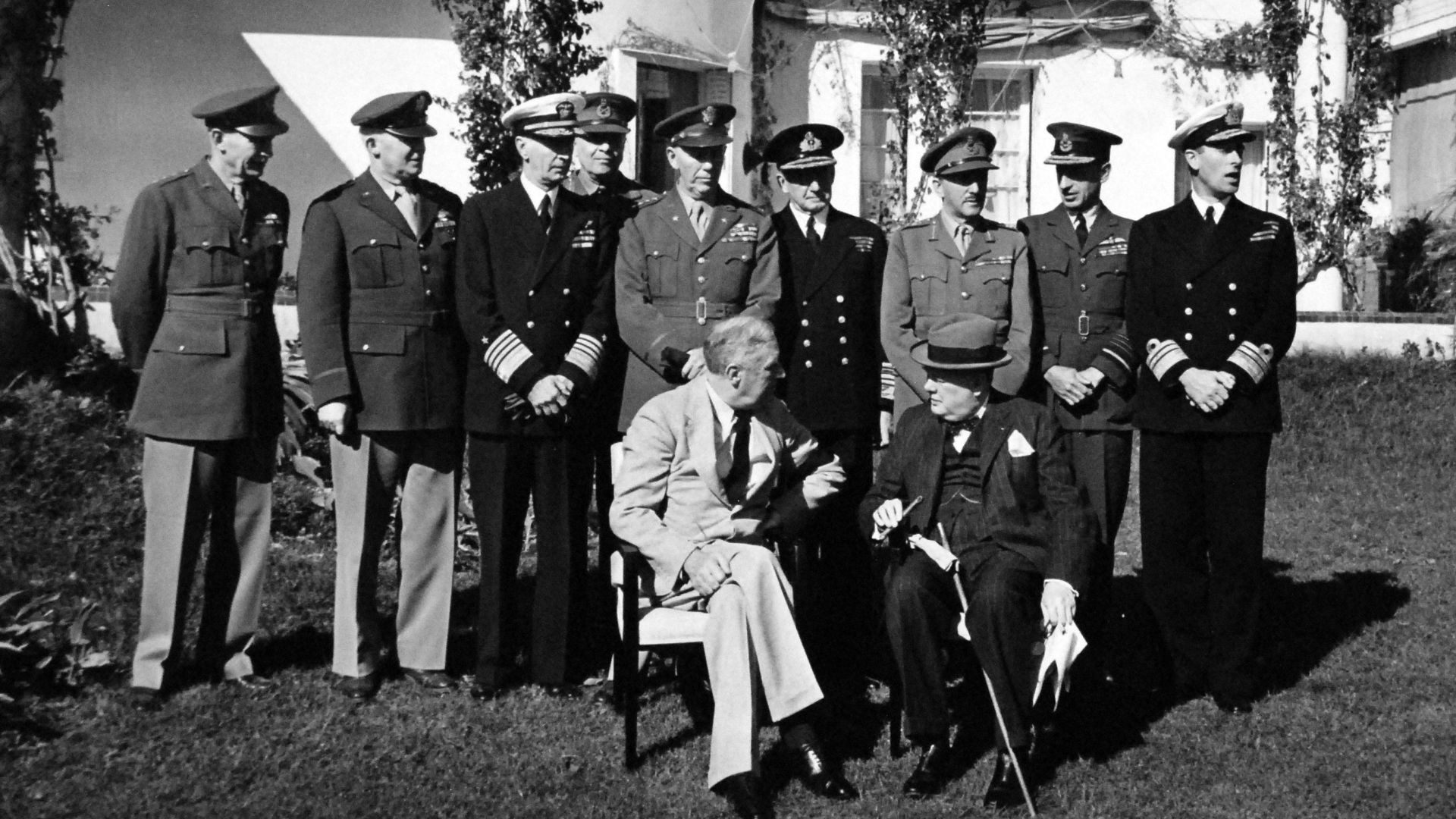 National Museum of the U.S. Navy, Wikimedia Commons
22. He Had Detractors To The North
In 1942, Mountbatten was tasked with planning an attack known as the Dieppe Raid. In true Master of Disaster fashion, the raid was a huge failure with a nearly 60% casualty rate. Most of the forces lost were Canadians, and the nation soured on Mountbatten after this.
During the Lord’s later visits to Canada, the Royal Canadian Legion distanced themselves from him, blaming him for the casualties. Relations with Canadian veterans “remained frosty” for the rest of Mountbatten’s life. But, as was usually the case with Mountbatten, he continued to fail upwards.
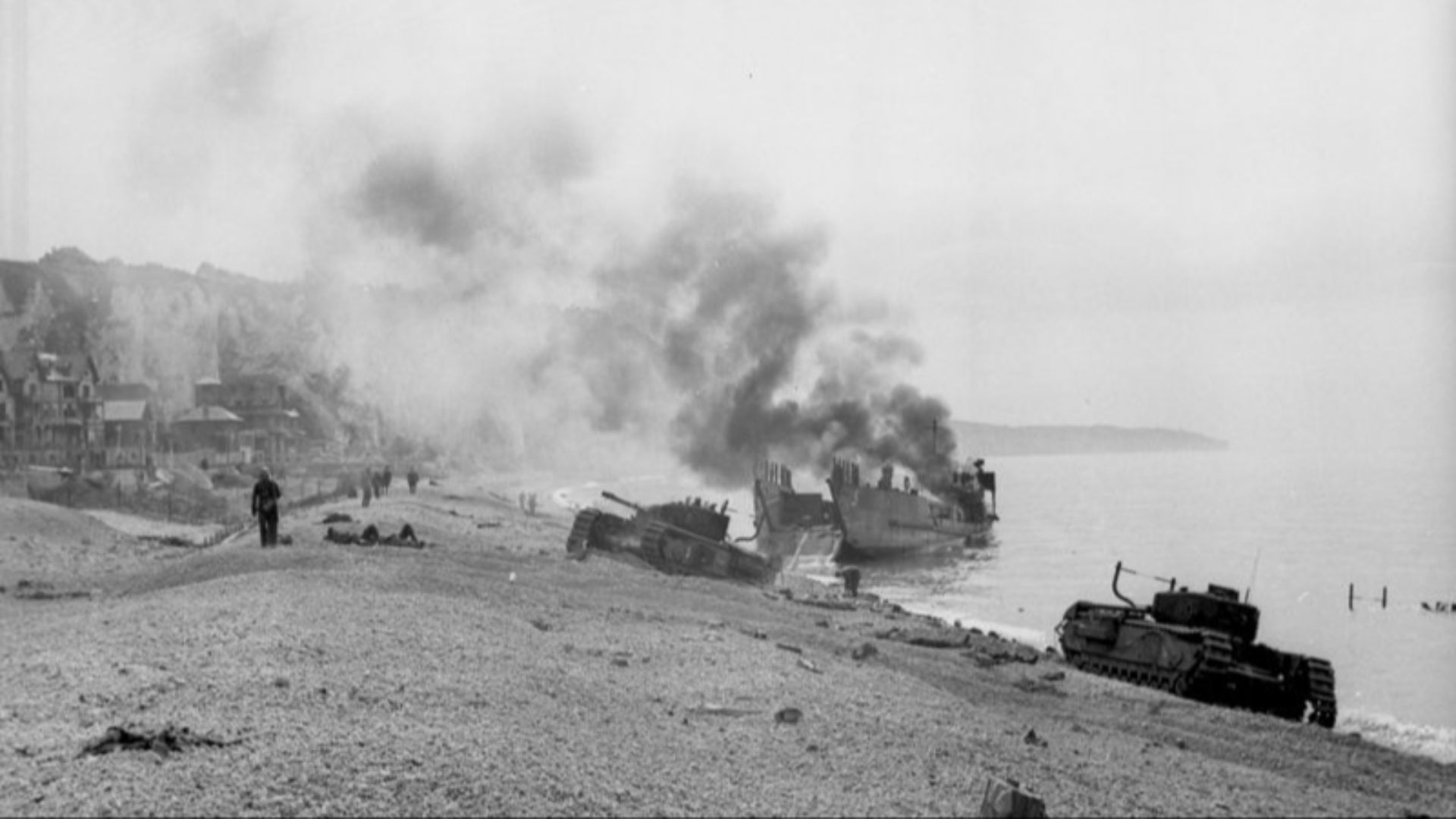 Meyer; Wiltberger, Wikimedia Commons
23. He Received A Huge Responsibility
Mountbatten’s nepo baby promotion streak continued despite his many errors. In August 1943, Winston Churchill himself promoted the Lord to a massively important position. Attaining the rank of acting full admiral, Mountbatten received the role of Supreme Allied Commander South East Asia Command. Luckily, there were responsible people there to reign him in.
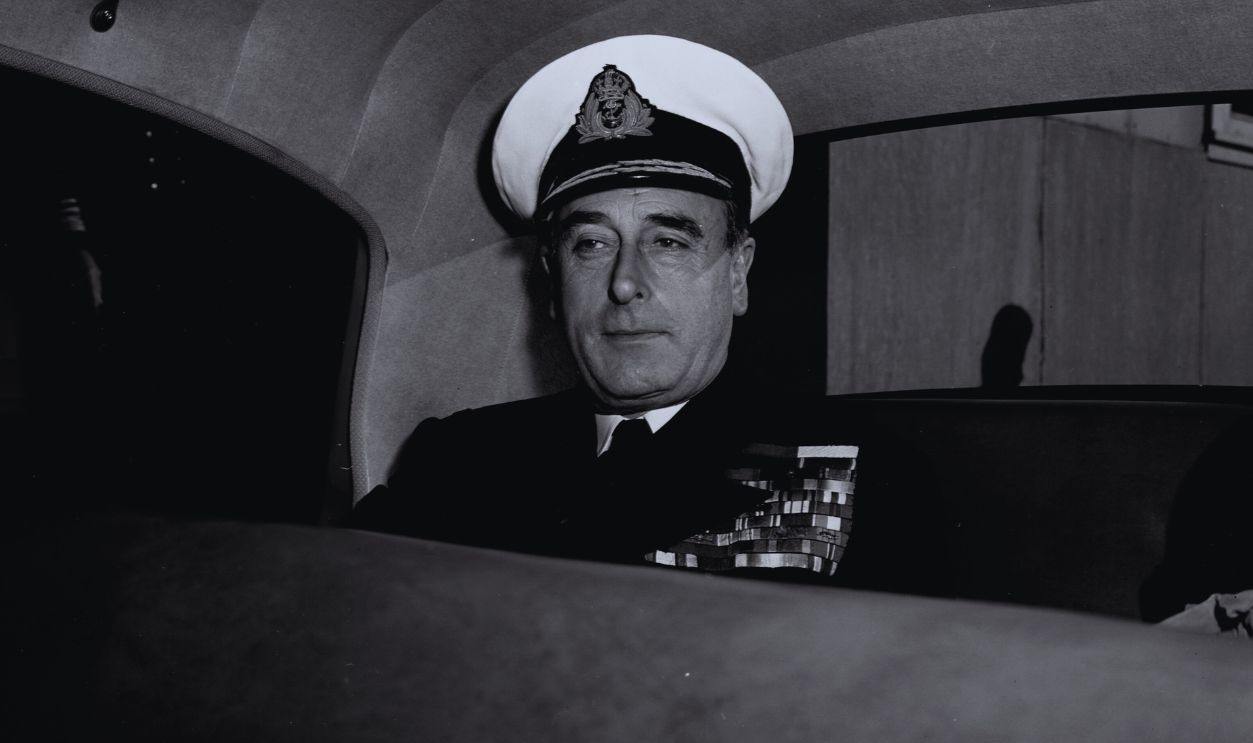
24. He Got Managed
Mountbatten continued to plan recklessly in Southeast Asia but met resistance at every level of command. Pitching multiple impractical ideas for ill-advised amphibious assaults, most of his proposals were sidelined by much more experienced planning staff. One irresponsible idea, however, made it all the way up to Churchill before the Prime Minister quashed it. But Mountbatten found other ways to embarrass himself.
 Beadell S J (Lt), Royal Navy official photographer, Wikimedia Commons
25. He Didn’t Read The Room
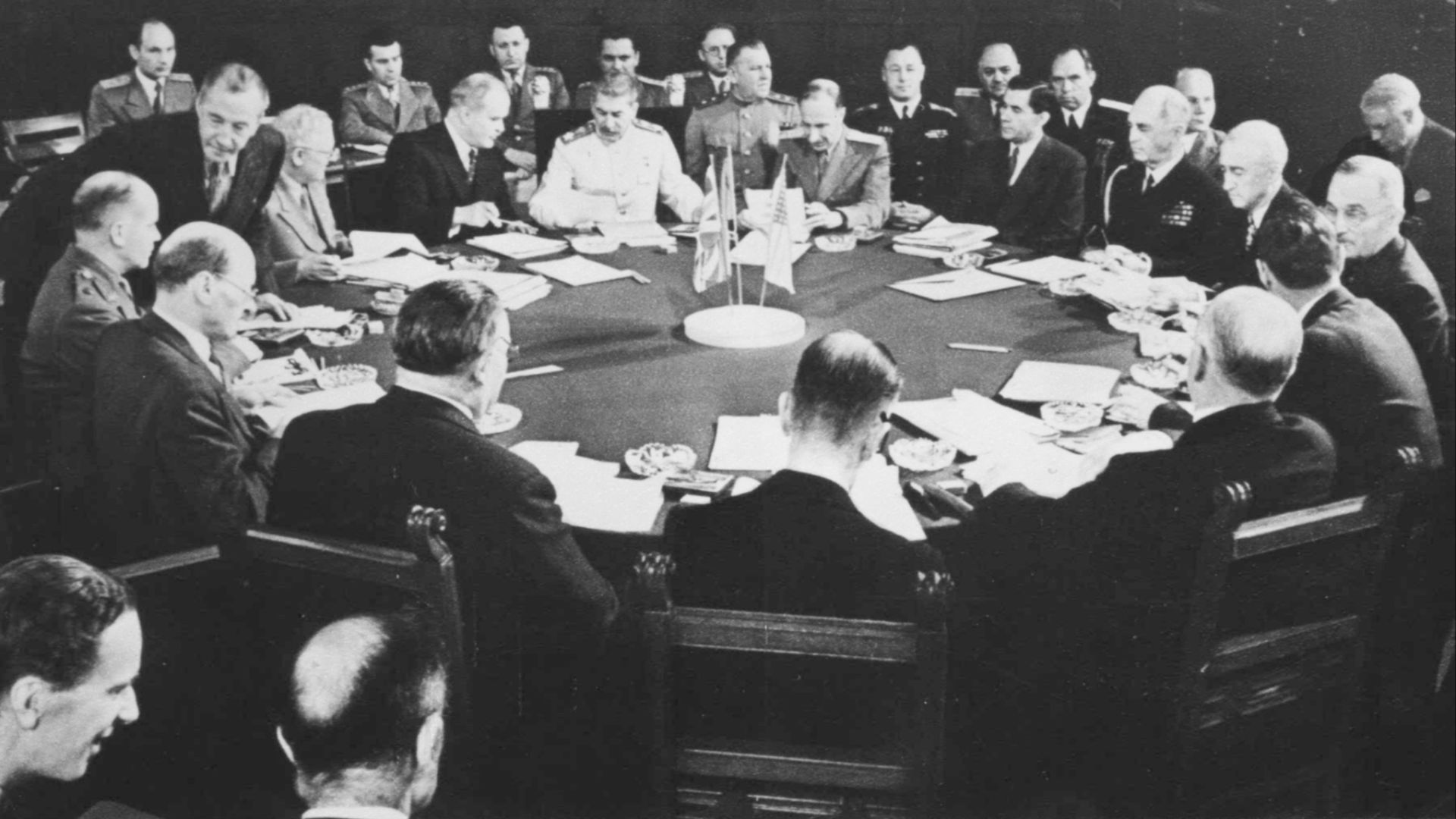
Mountbatten attended the 1945 Potsdam Conference, an event also attended by USSR leader Joseph Stalin. Seeking an official invitation to the Soviet Union, Mountbatten attempted to woo Stalin by informing him of his connections to the Russian imperial family—the very rulers Stalin had helped to overthrow.
The Russian leader was obviously unimpressed, dryly asking if “it was some time ago” that Mountbatten had last visited Russia. Humiliated, Mountbatten nevertheless continued to isolate the east.
 Unknown authorUnknown author, Wikimedia Commons
26. He Kept His Wartime Prejudices
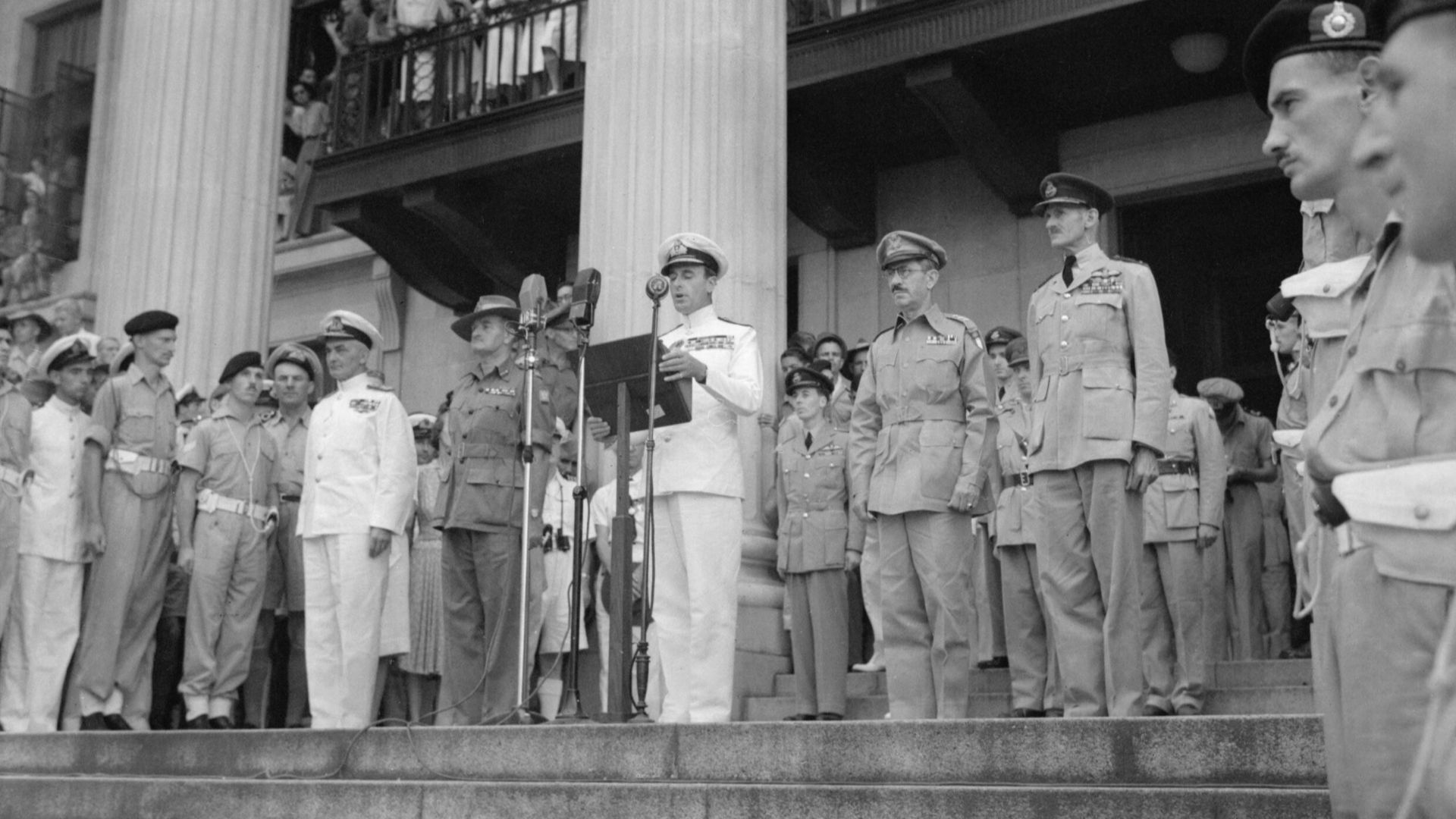
Following the end of WWII, Mountbatten had lost many men to Japanese forces. This resulted in a lifelong shunning of the Japanese from that point forward, allegedly out of “respect” for his fallen forces. Mountbatten went so far as to instruct his estate, in his will, not to invite Japanese diplomats to his funeral. Despite all these shortcomings, however, Mountbatten etched his place in Naval canon.
 Ashley (Fl Off), Royal Air Force official photographer, Wikimedia Commons
27. He Received Honors
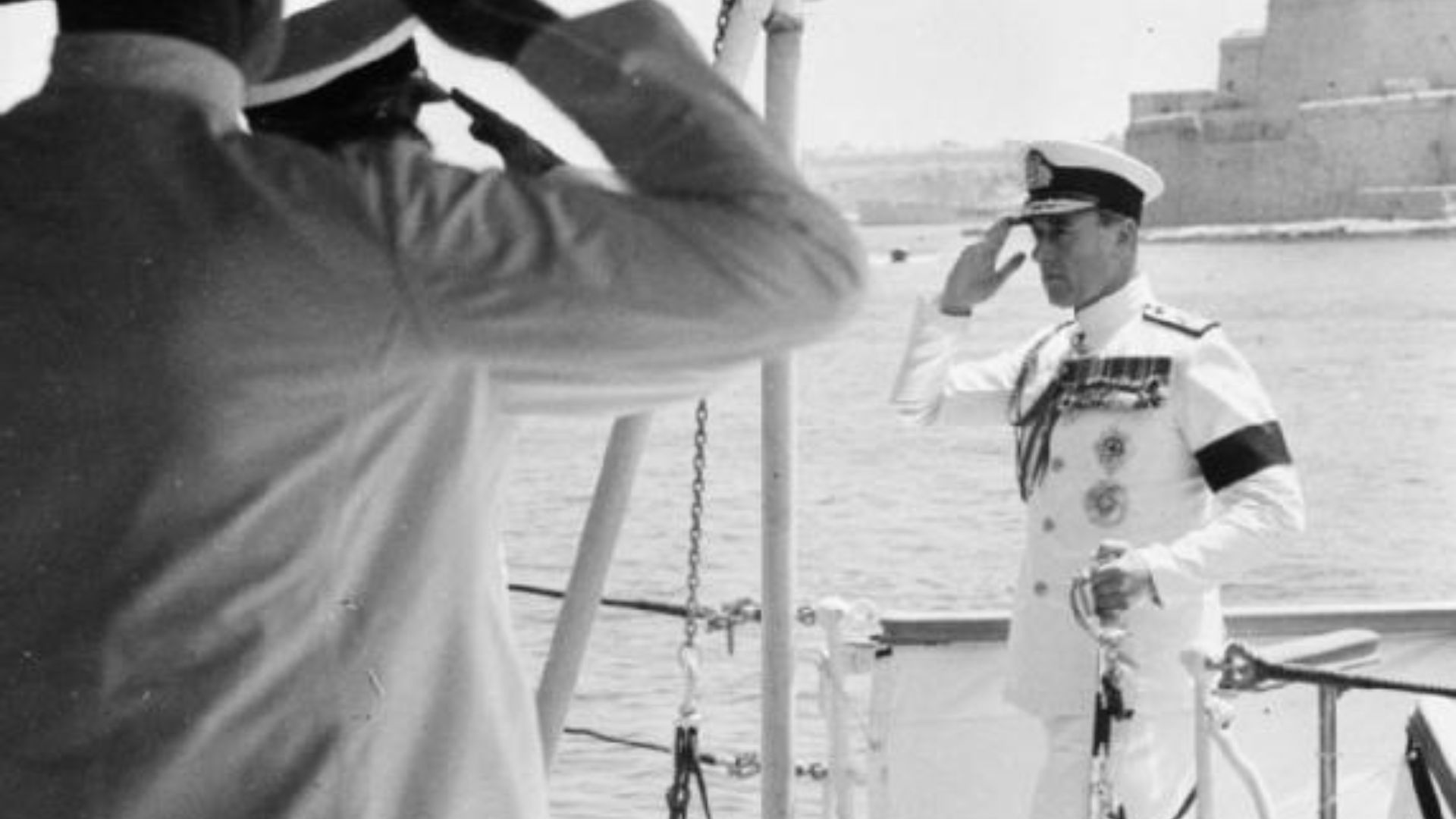
Bafflingly, Mountbatten received some very high honors for his service after the war. Along with various Naval awards and decorations for service, he attained the titles of viscount and, later, earl for his “contributions” to the Empire. These were purely symbolic, however, and in reality, the powers that be wanted him out of the way.
 Royal Navy official photographer, Wikimedia Commons
28. He Got Shipped Overseas
On February 20, 1947, Mountbatten received appointment as Viceroy of India. Though ostensibly given the job because of his experience in the region, some have speculated that the British government wanted to avoid his meddling in domestic affairs. It was an interesting time to go to India.
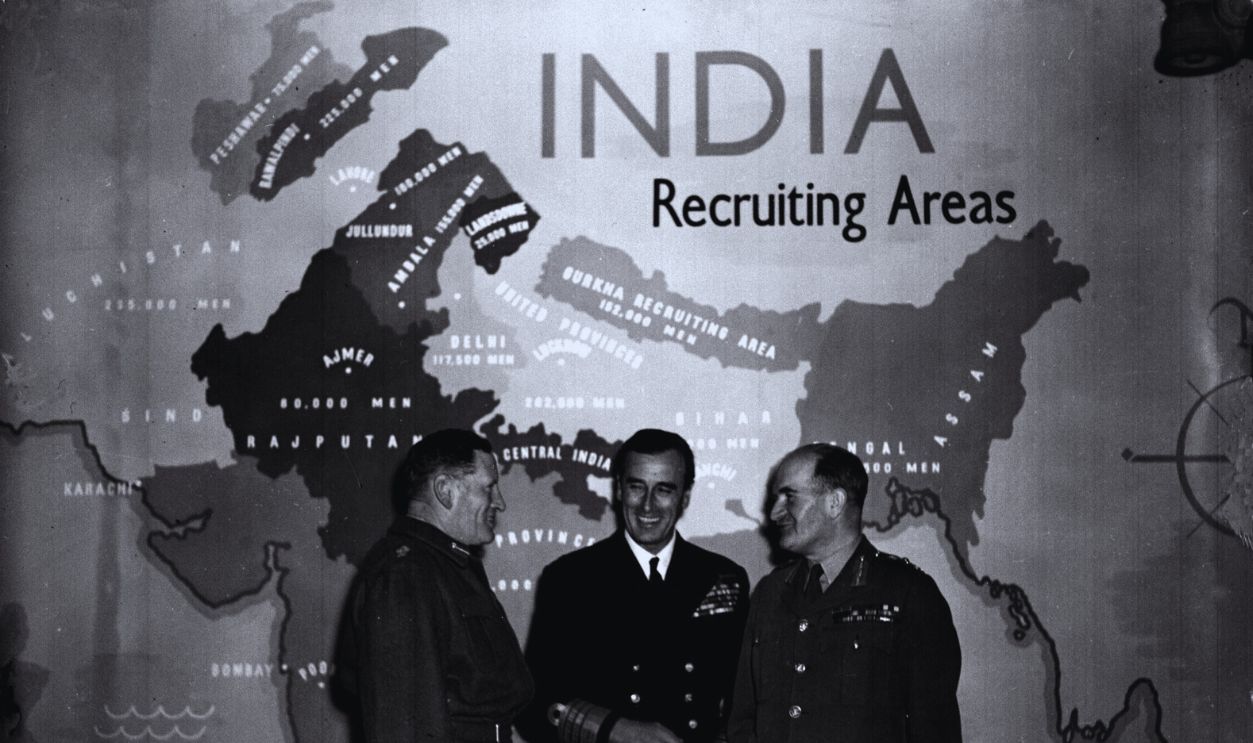
29. He Had An Important Job
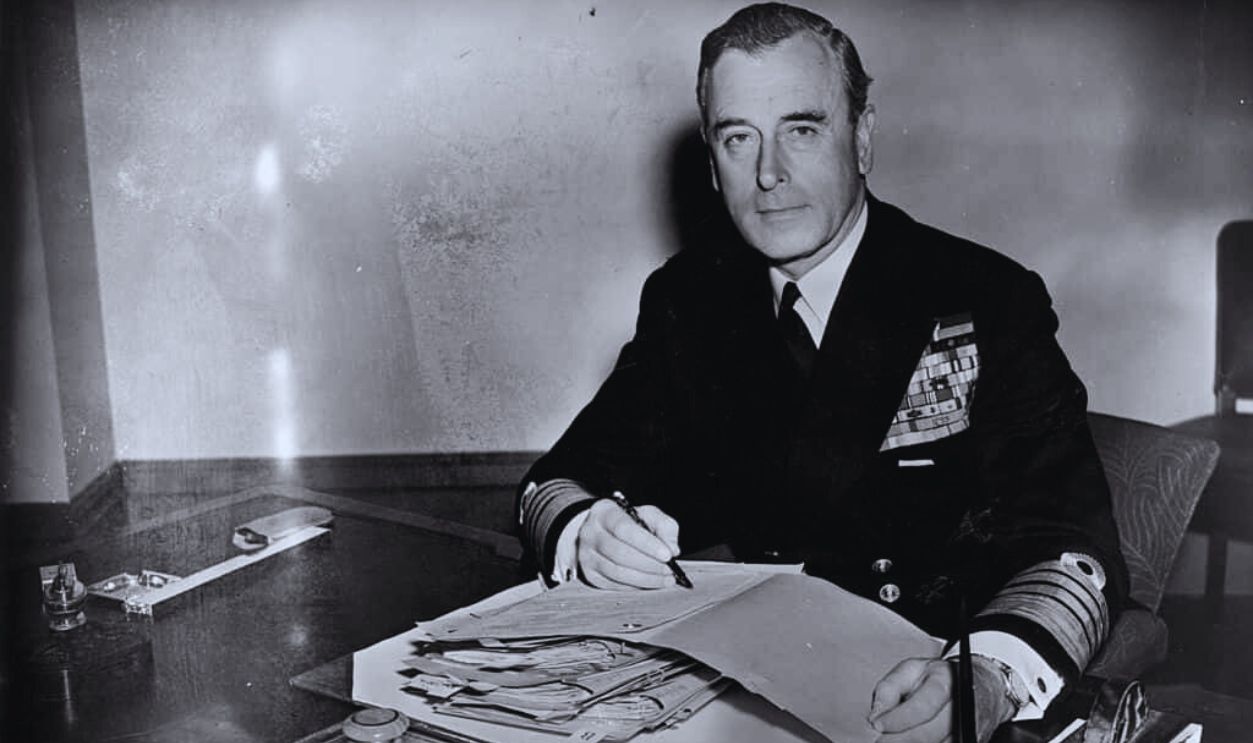
Regardless of the reasons for his appointment, Mountbatten faced a monumental task: the overseeing of India’s transition to an independent country, free of Britain’s rule. With a requested deadline of June 30, 1948, Mountbatten received very specific instructions.
30. They Warned Him Not To Mess It Up
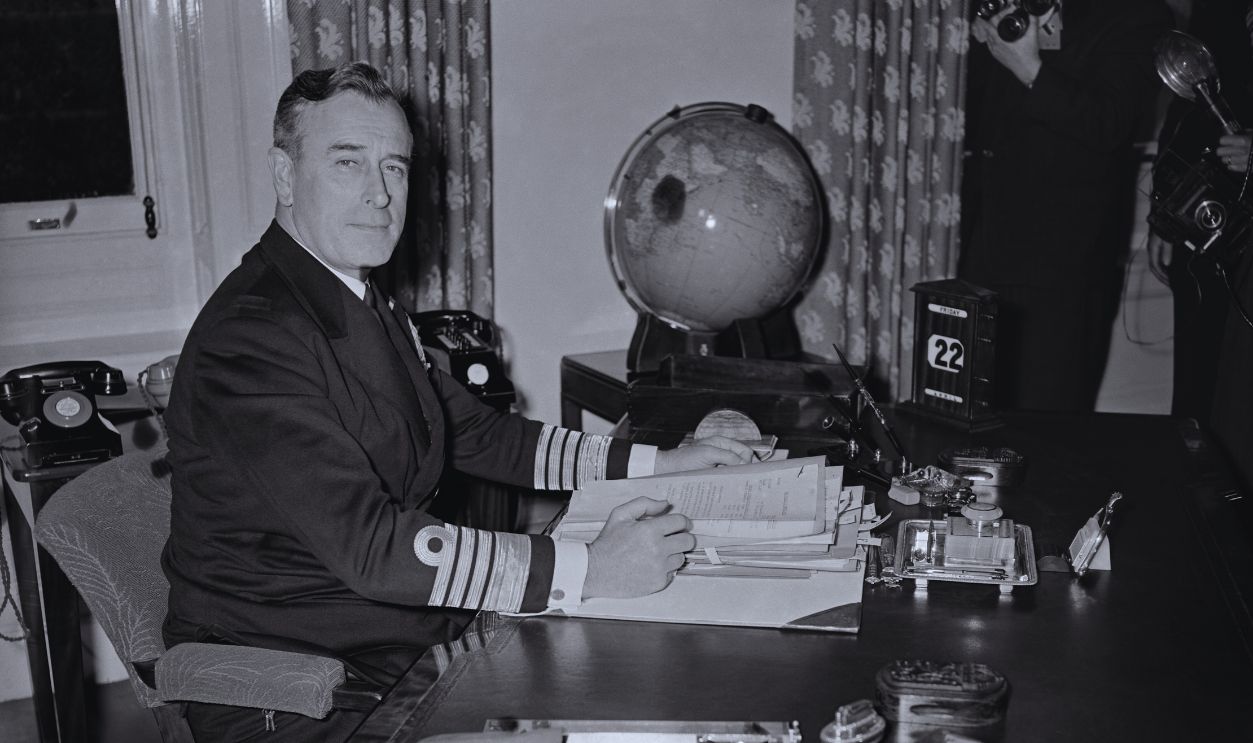
Reflecting Britain’s new, more subtle 20th century colonial ambitions, Mountbatten received express guidance on how to handle the situation in India. Higher-ups instructed him to do everything in his power to avoid partition and preserve a united India. But he was also given flexibility to adapt to the situation to make Britain look as good as possible throughout the ordeal, minimizing reputational damage for the dwindling colonial power. It was a bumpy start.
 Evening Standard, Getty Images
31. He Received A Less-Than-Warm Welcome
Mountbatten touched down in India on March 22, 1947. Immediately upon his arrival, riots broke out in Delhi, Bombay, and Rawalpindi, in response to what many saw as the inappropriate meddling of the British ruling class in Indian affairs. Sensing the volatility of the situation, the imperious Lord was anxious to get things over with.
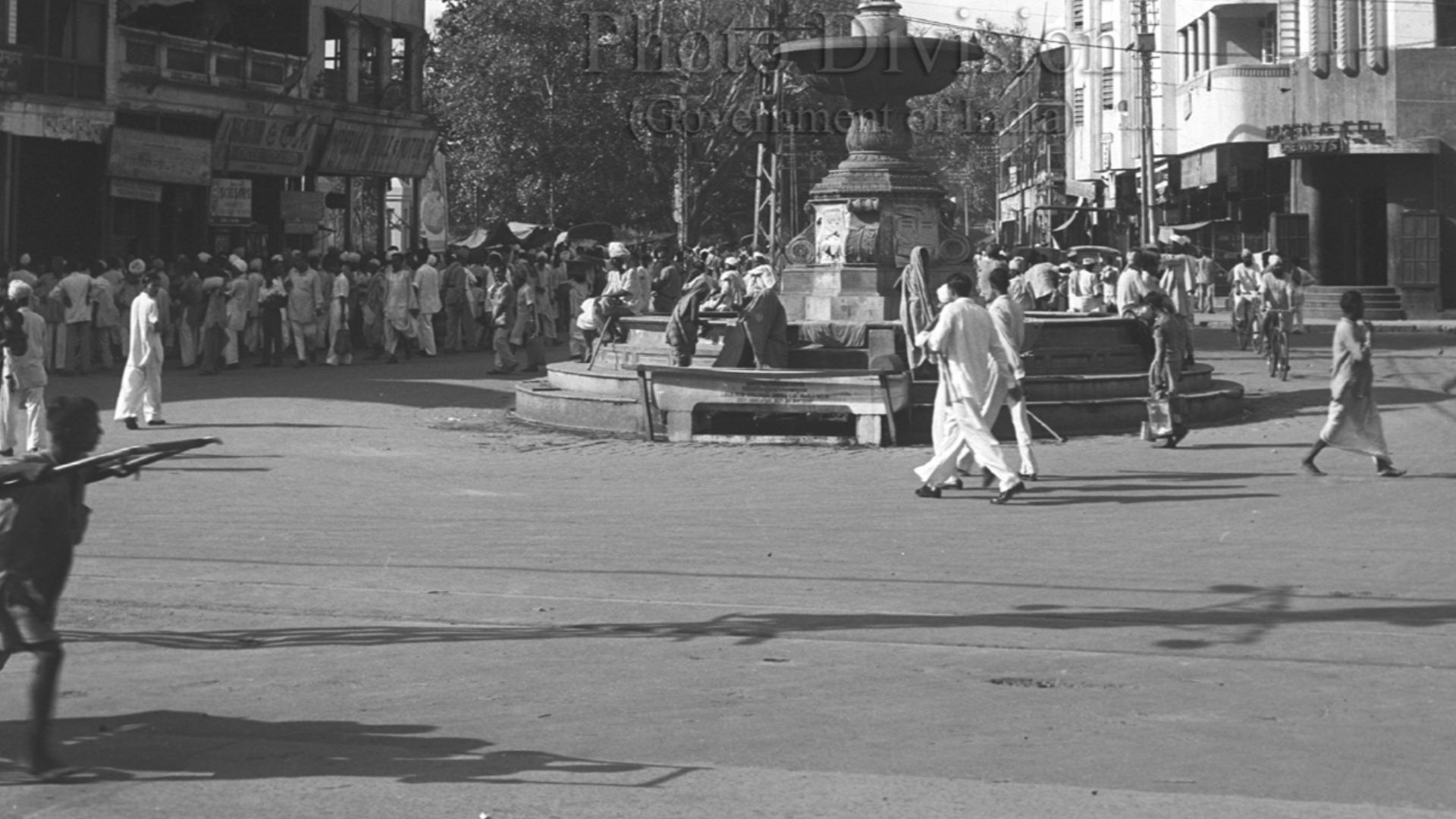 Photo Division, Govt. of India, Wikimedia Commons
32. He Rushed The Job
Mountbatten’s advisors favored a gradual transfer of independence, but the Lord felt differently. Assessing the situation on the ground, he believed gradual transfer would result in civil war and decided quick and orderly was the way to go. Selfishly, Mountbatten was also anxious to return to the familiar environment of the Royal Navy. The global ramifications of his decision reverberate to this day.
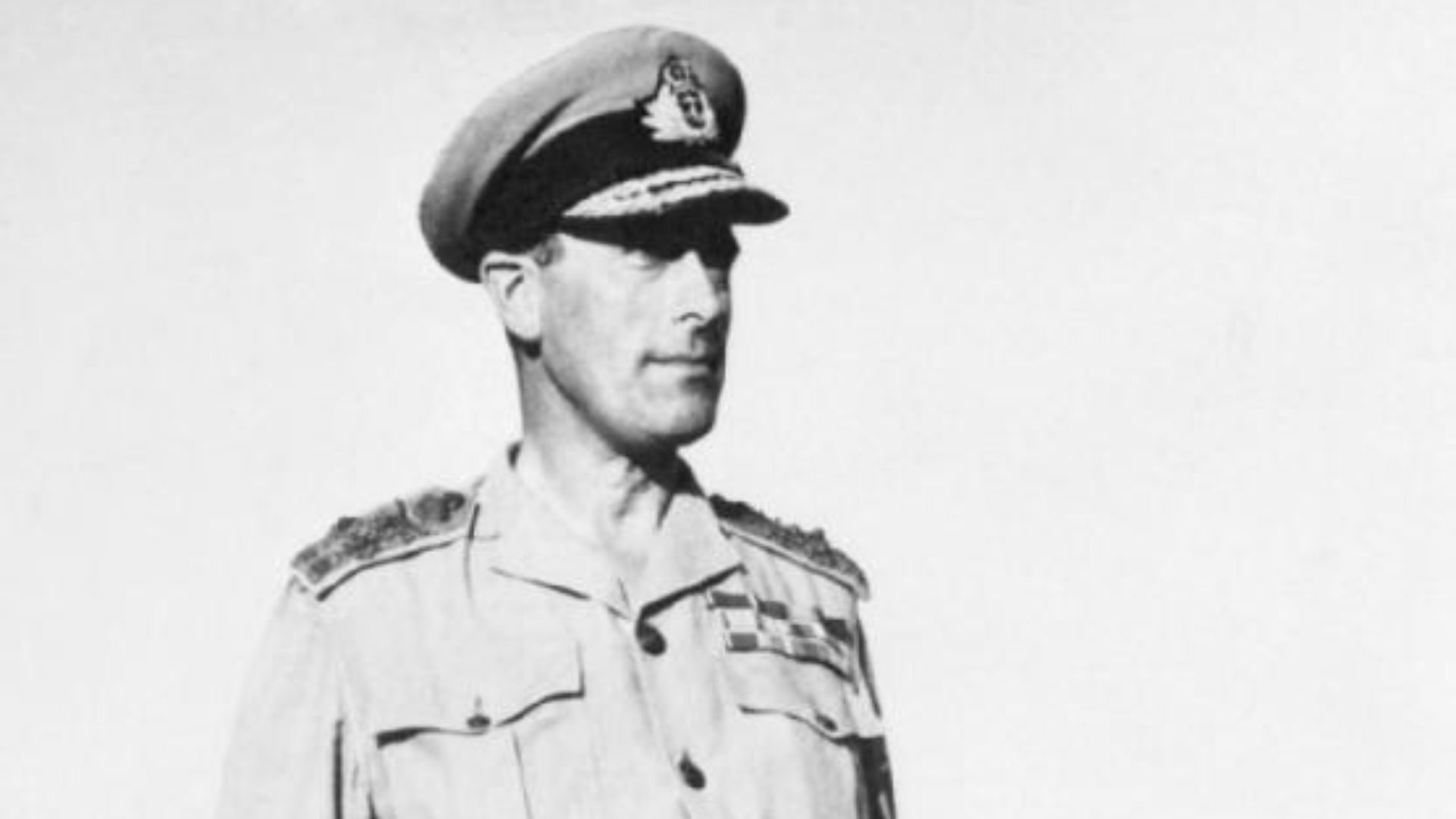 Official photographer of No.9 Army Film and Photographic Unit., Wikimedia Commons
33. He Created Two Nations
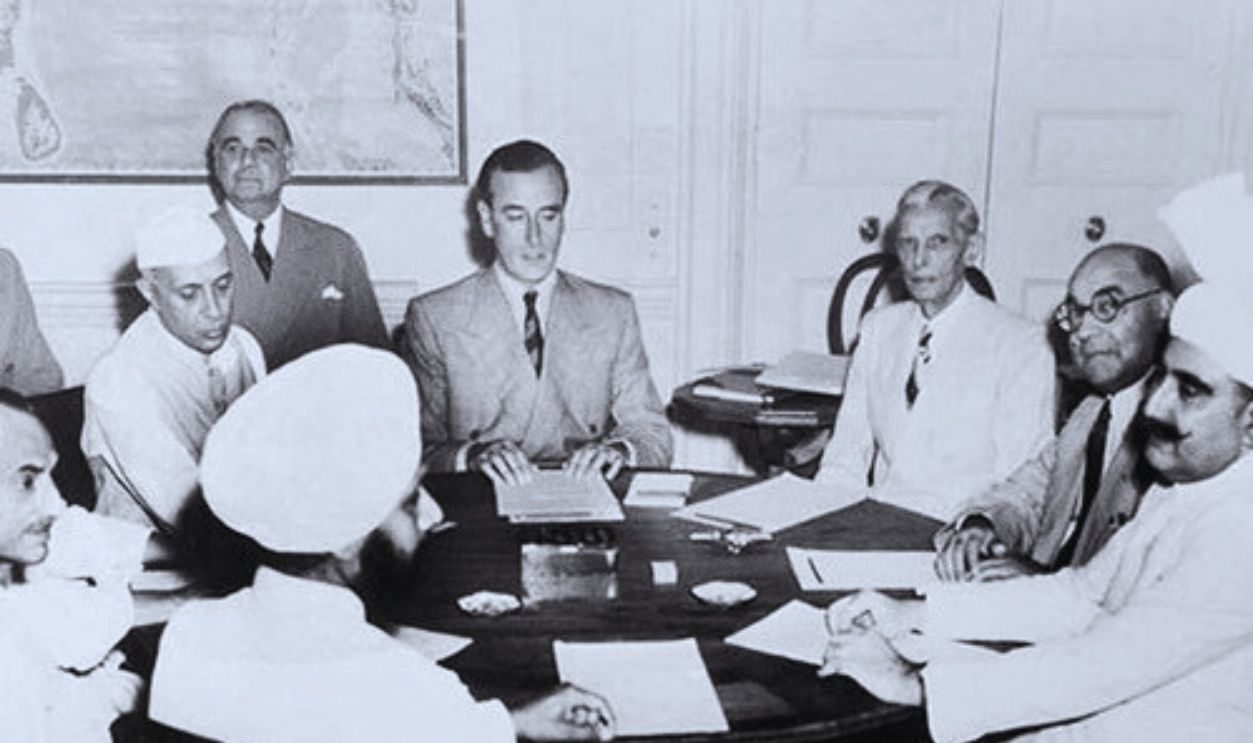
Mediating between Hindu and Muslim leaders within India, Mountbatten finally concluded that the best course of action was to partition the country into the two independent nations of India and Pakistan. Many leaders and citizens of the region expressed their opposition to this, but the Lord soldiered on, with partition officially occurring on August 15, 1947. While he more or less forced through this decision, Mountbatten had other ideas rejected.
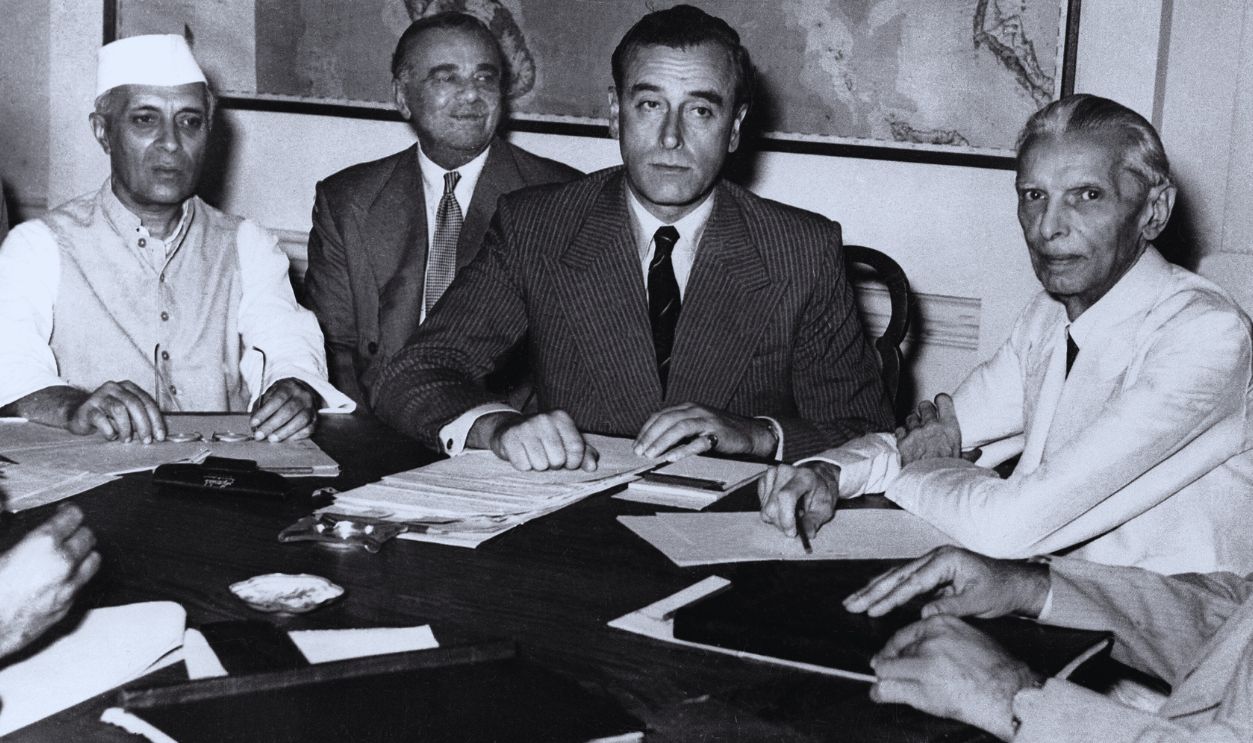
34. His Ideas Were Poo-Poo’d
Mountbatten, excited by the prospect of statecraft, attempted to insert himself into the formation of these two new nations in various ways. For example, he pitched ideas for the national flags of India and Pakistan, both of which included the Union Jack defacing the top left corner. Both flags were staunchly rejected by leaders of both nations. It was not the only opposition he faced.
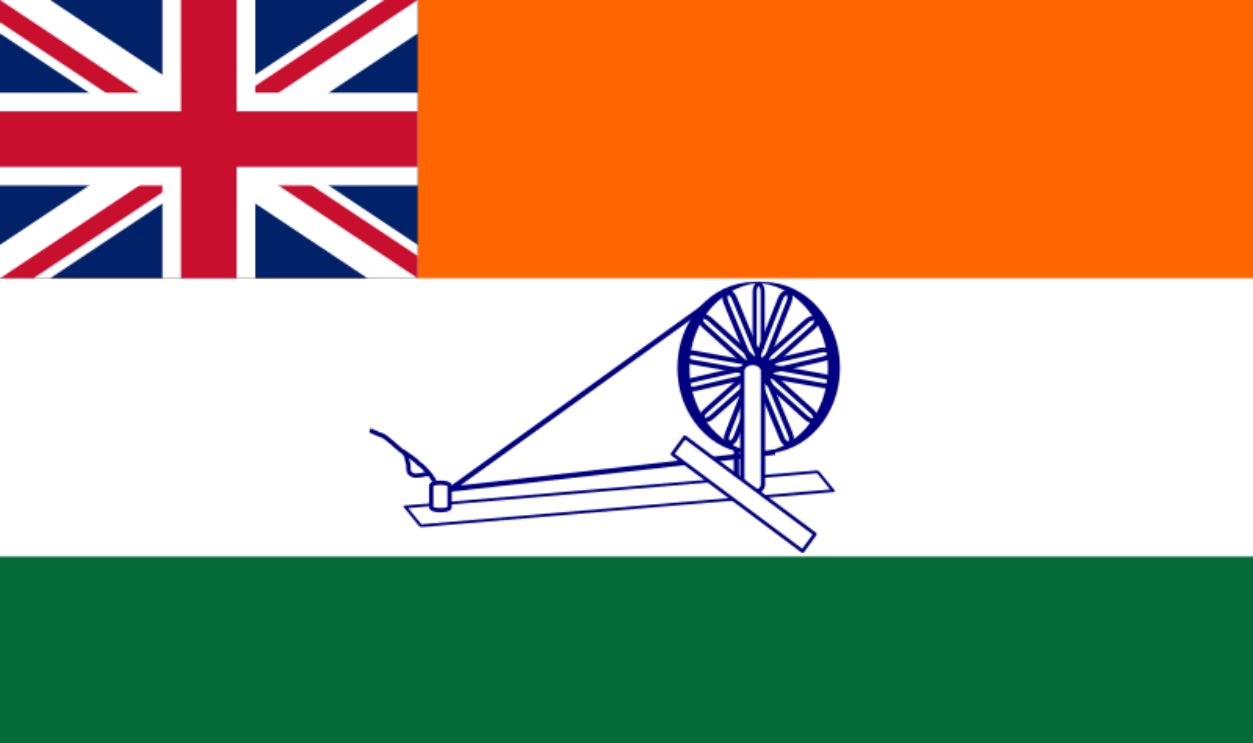
35. He Had Some Powerful Opposition
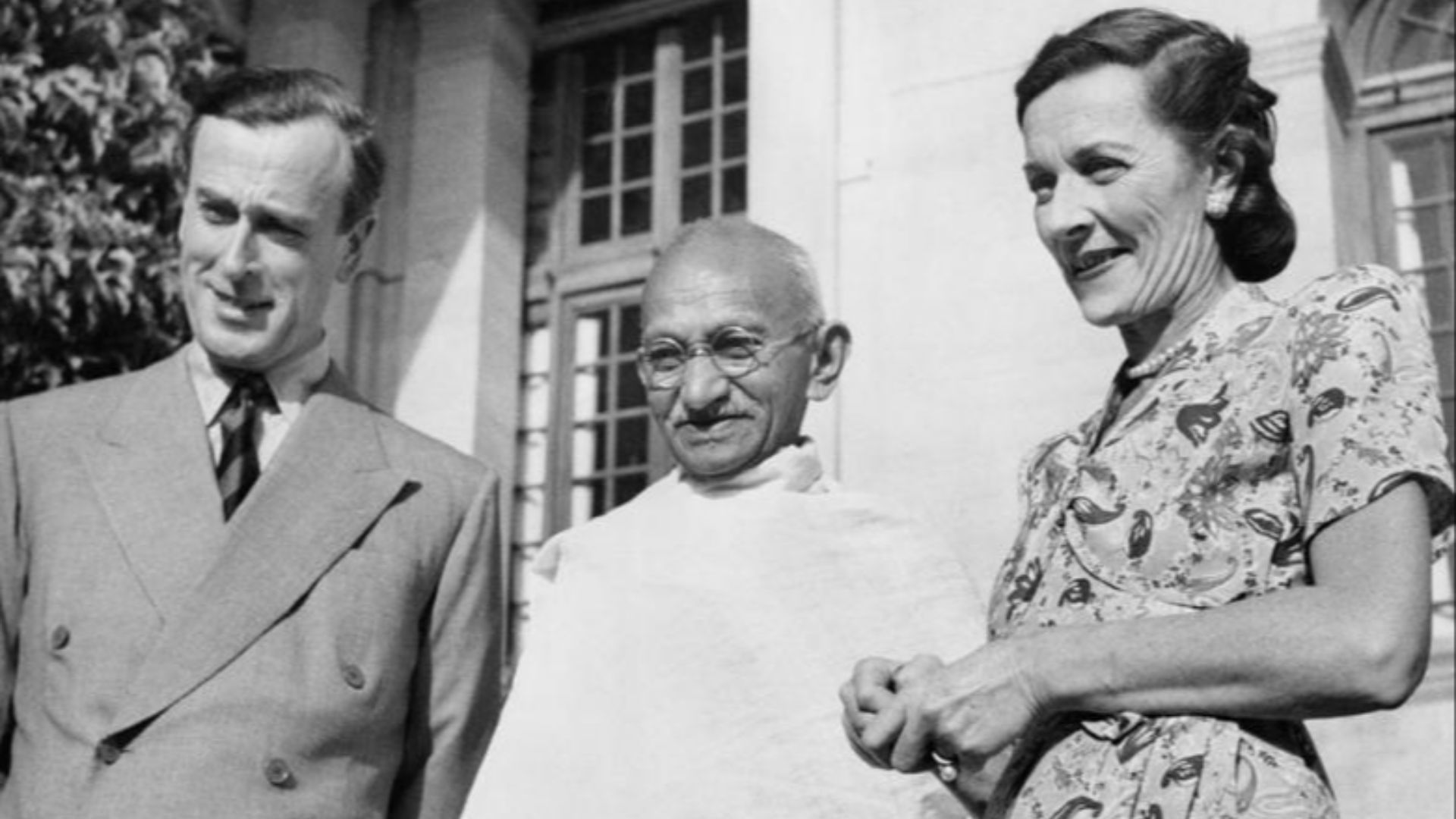
Among the many opponents of Mountbatten’s partition, perhaps the most notable was Mahatma Gandhi. Gandhi was insistent that India remain united and met Mountbatten to convince him of this. The Indian leader even proposed inviting Muslim leader and eventual Pakistan founder, Muhammad Ali Jinnah, to form a central government, but Mountbatten never even relayed this offer to Jinnah. The pompous Lord seemed too blinded by his own self-importance.
 No 9 Army Film & Photographic Unit, Wikimedia Commons
36. He Felt Good About Himself
Mountbatten later recounted his feelings on the night of partition. Just before midnight, minutes before partition was to take effect, Mountbatten reported that he was alone in his study at the Viceroy’s mansion and that, for a few minutes, felt himself the most powerful man on Earth. His egotism was sickening, considering the ramifications of his actions.
 Unknown Author, Wikimedia Commons
37. His Actions Led To Tragedy
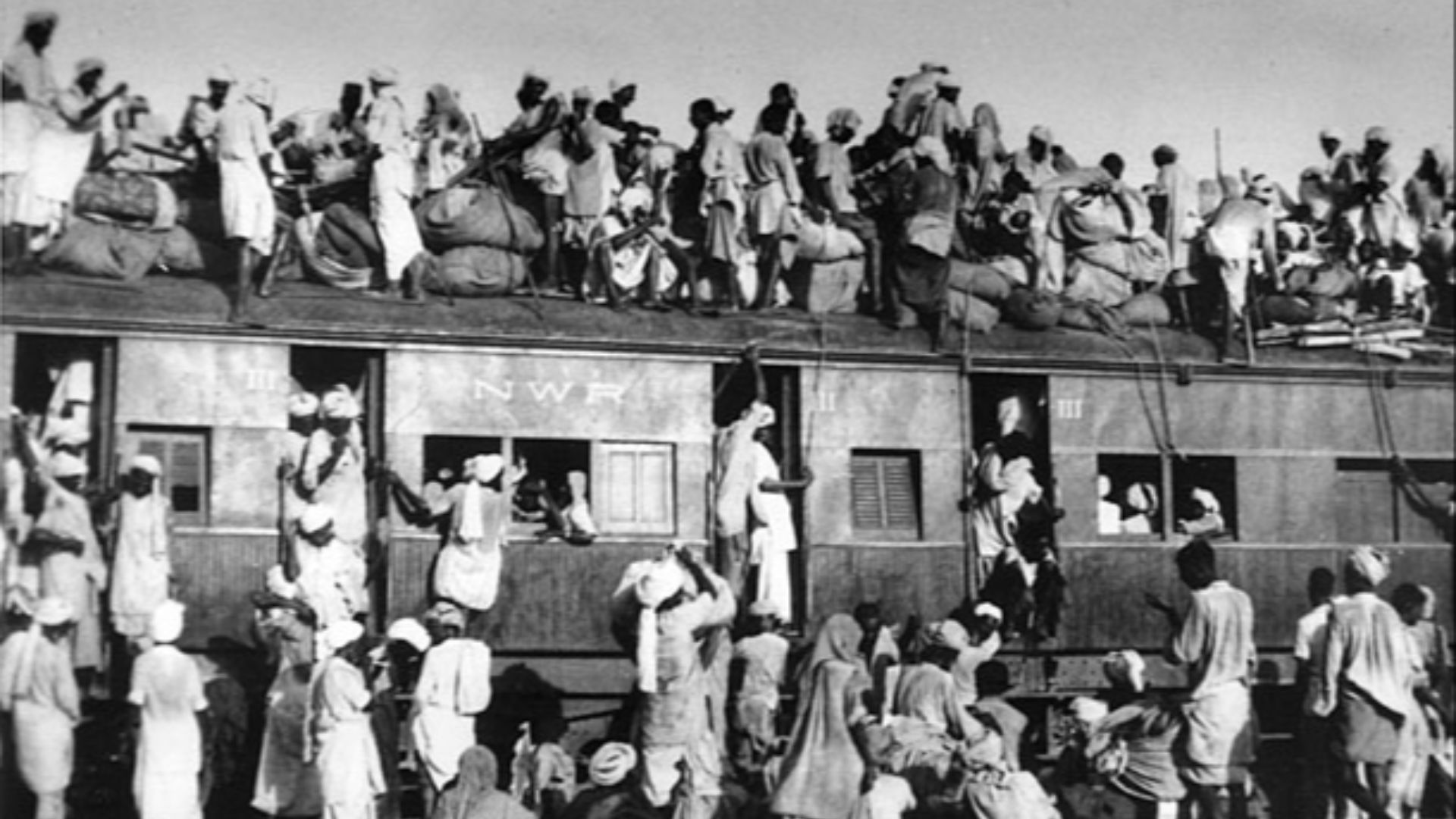
Following partition, there were mass migrations as Muslims fled India and Hindus left Pakistan. Due to Mountbatten’s hastening of the process, there was much disruption and loss of life, the avoidance of which he purported were his reasons for hastening the process in the first place. Mountbatten’s bumbling once again led to misery for everyone but him—and his underserved success continued.
 Unknown authorUnknown author, Wikimedia Commons
38. He Got Another Promotion
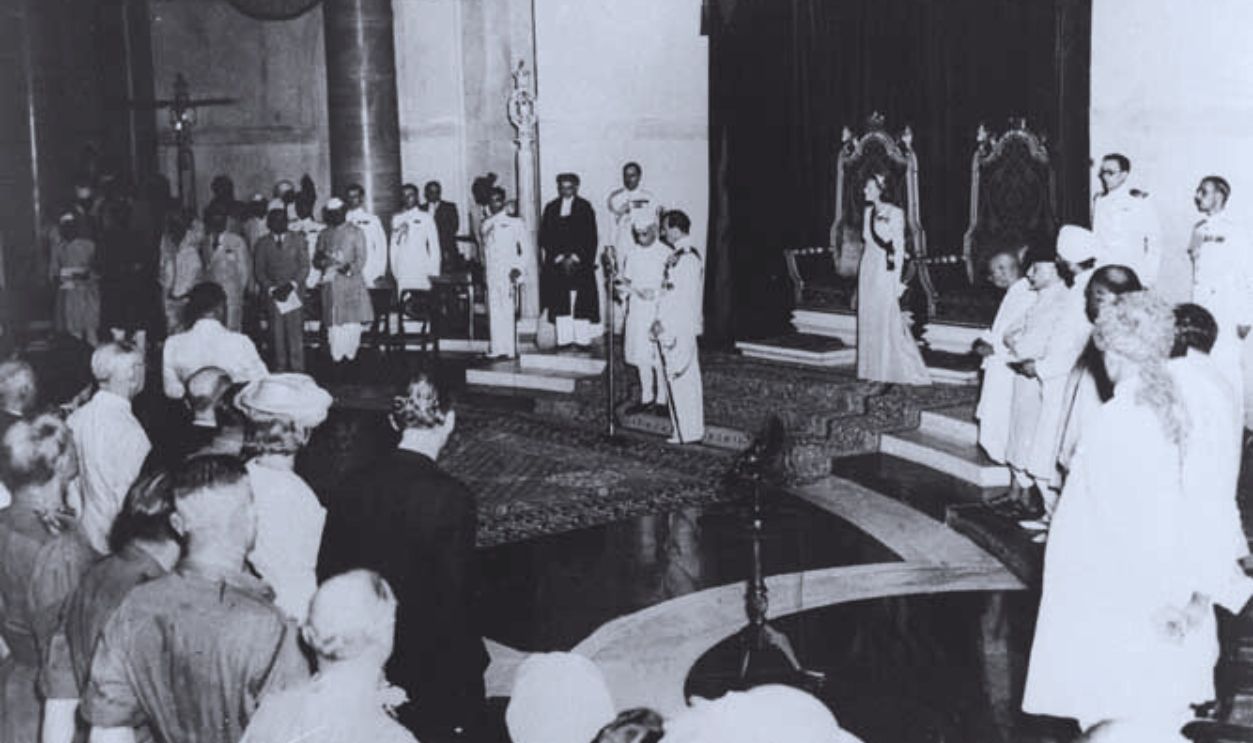
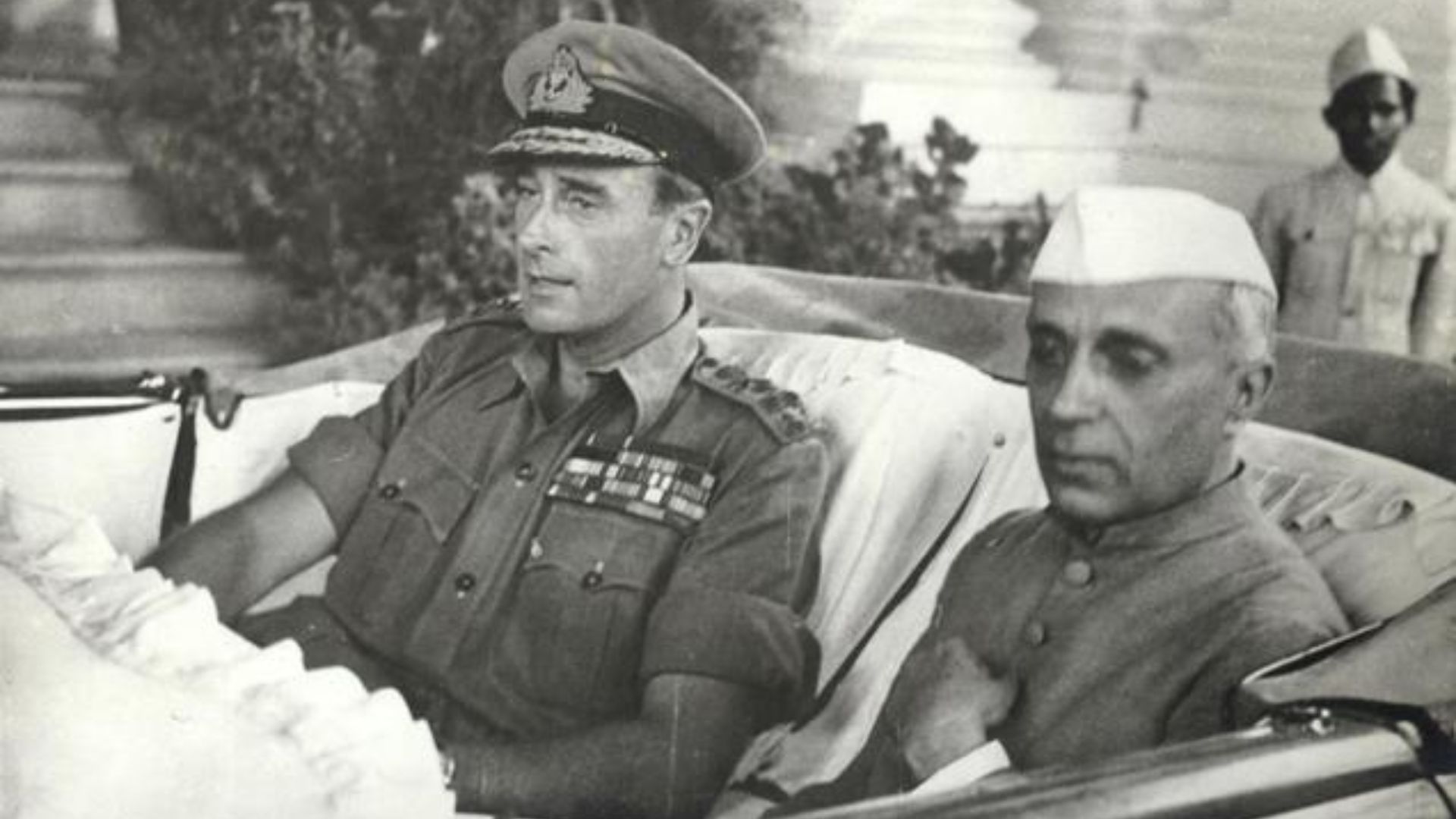
Some nationalists in India were satisfied with Mountbatten’s decision, however, and they rewarded him for it. On August 15, 1947, at the request of the new Indian Prime Minister, Jawaharlal Nehru, Mountbatten became the first Governor-General of independent India, adding further to his already dizzying list of titles. He set to work expanding his newfound territory.
 photodivision.gov.in, Wikimedia Commons
39. He Made A Country Bigger
Mountbatten reigned as Governor-General of India for a little under a year, but he played a significant role during that time. Overseeing the political integration of the new state, he managed to convince many peripheral, princely states to join the centralized Indian government. This gained him some fans, and many critics too.
 Unknown authorUnknown author, Wikimedia Commons
40. He Got Mixed Reviews
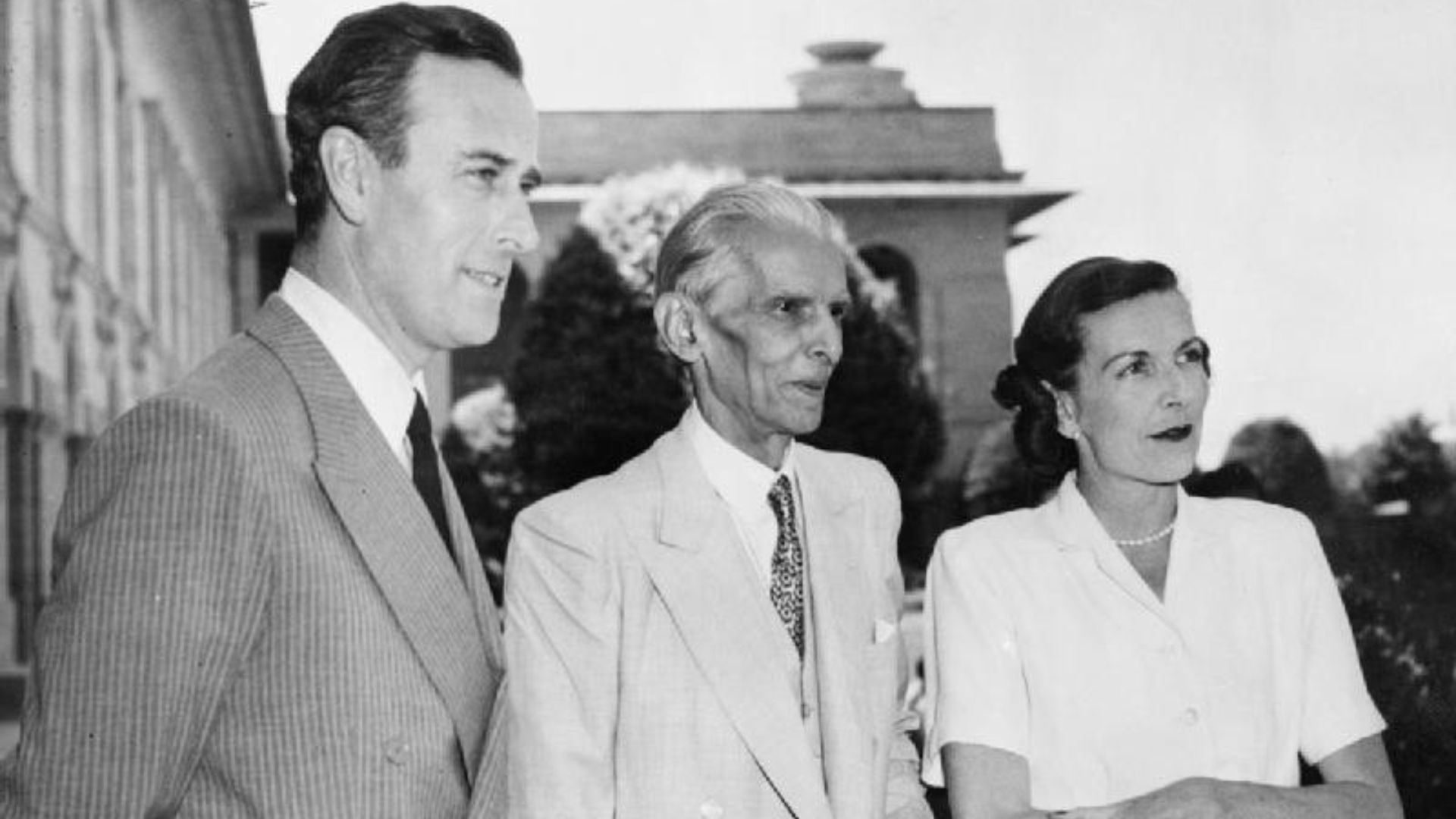
With his tenure as Governor-General winding down, Mountbatten began to receive an increasingly positive reception from post-independence Indian leadership. He received warm welcomes during subsequent trips to India throughout his life.
The same could not be said for Pakistan, however, where Mountbatten has remained largely despised, due to his perceived hostile attitude towards the country. Pakistani authorities even banned him from transiting through their airspace during Mountbatten’s 1956 visit to India. He was likely happy to go home.
 No 9 Army Film & Photographic Unit, Wikimedia Commons
41. He Continued His Career
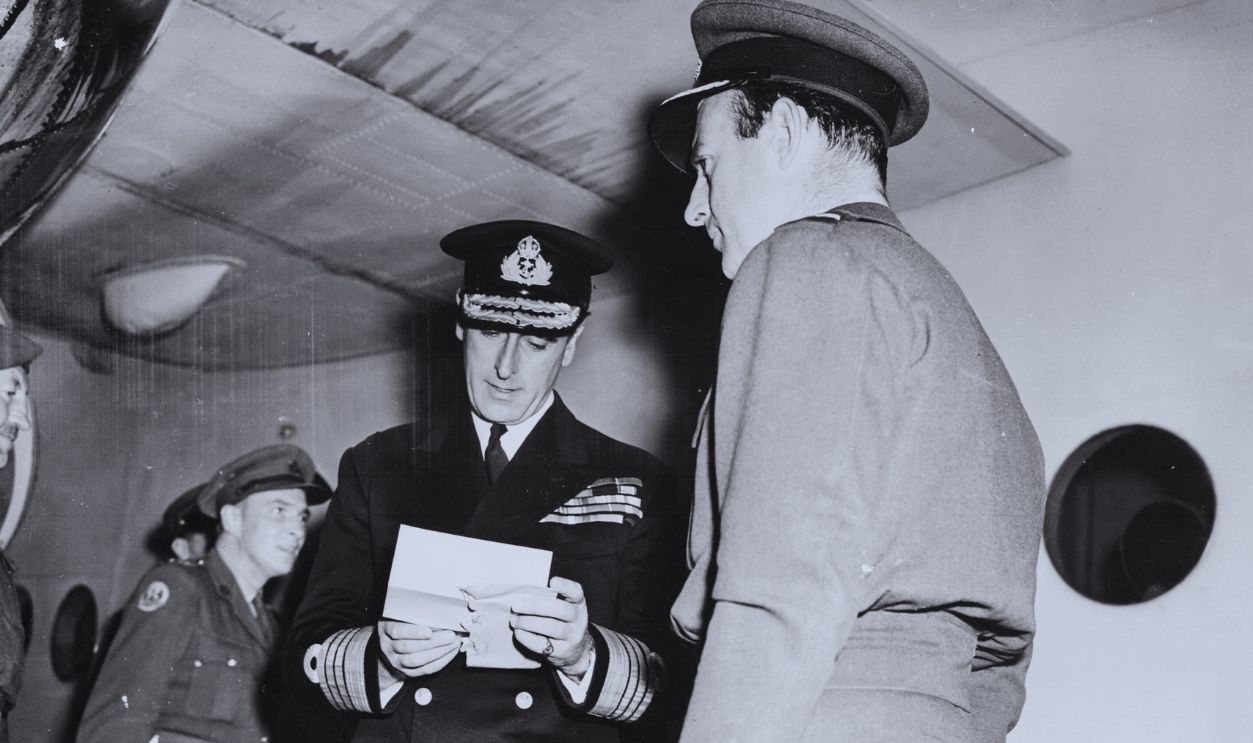
Mountbatten returned to the UK after concluding his work in India and resumed his naval career. He continued to receive promotions throughout the 1950s, serving his final posting as First Sea Lord and Chief of the Naval Staff from 1955 to 1959, a position held by his father 40 years previously. He found himself in a position of relative influence.
 National Archives and Records Administration, Wikimedia Commons
42. He Made Another Prescient Prediction
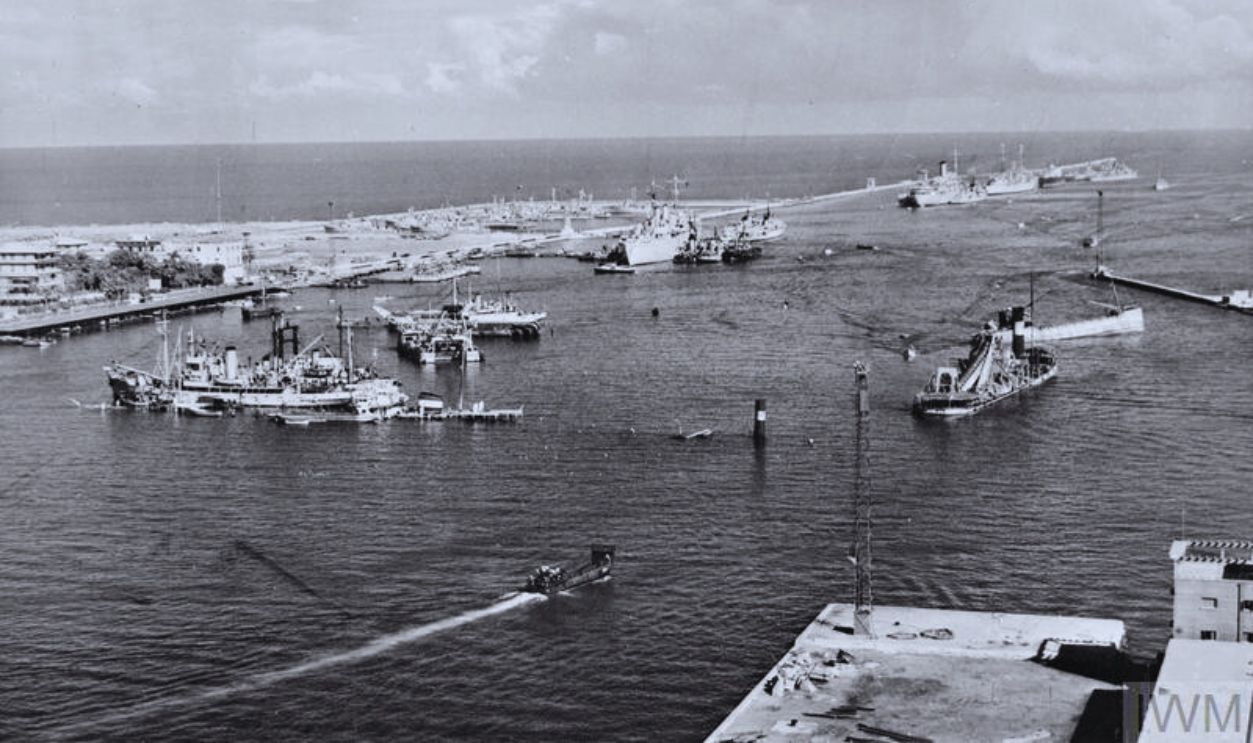
1956 saw the emergence of a crisis around the Suez Canal, where the Conservative government of the UK, led by PM Anthony Eden, along with France and Israel, planned to seize the Canal and put it under Western control. Mountbatten felt that such a move would destabilize the Middle East and attempted to persuade Eden, an old friend of his, of his position.
The higher ups ignored his advice, however, and instead he assisted in preparing the Royal Navy for this aggressive action. His concerns would prove correct in the long term, and it was not the only time he expressed reservations.
 US Department of State, Wikimedia Commons
43. He Disapproved Of Devastating Weapons
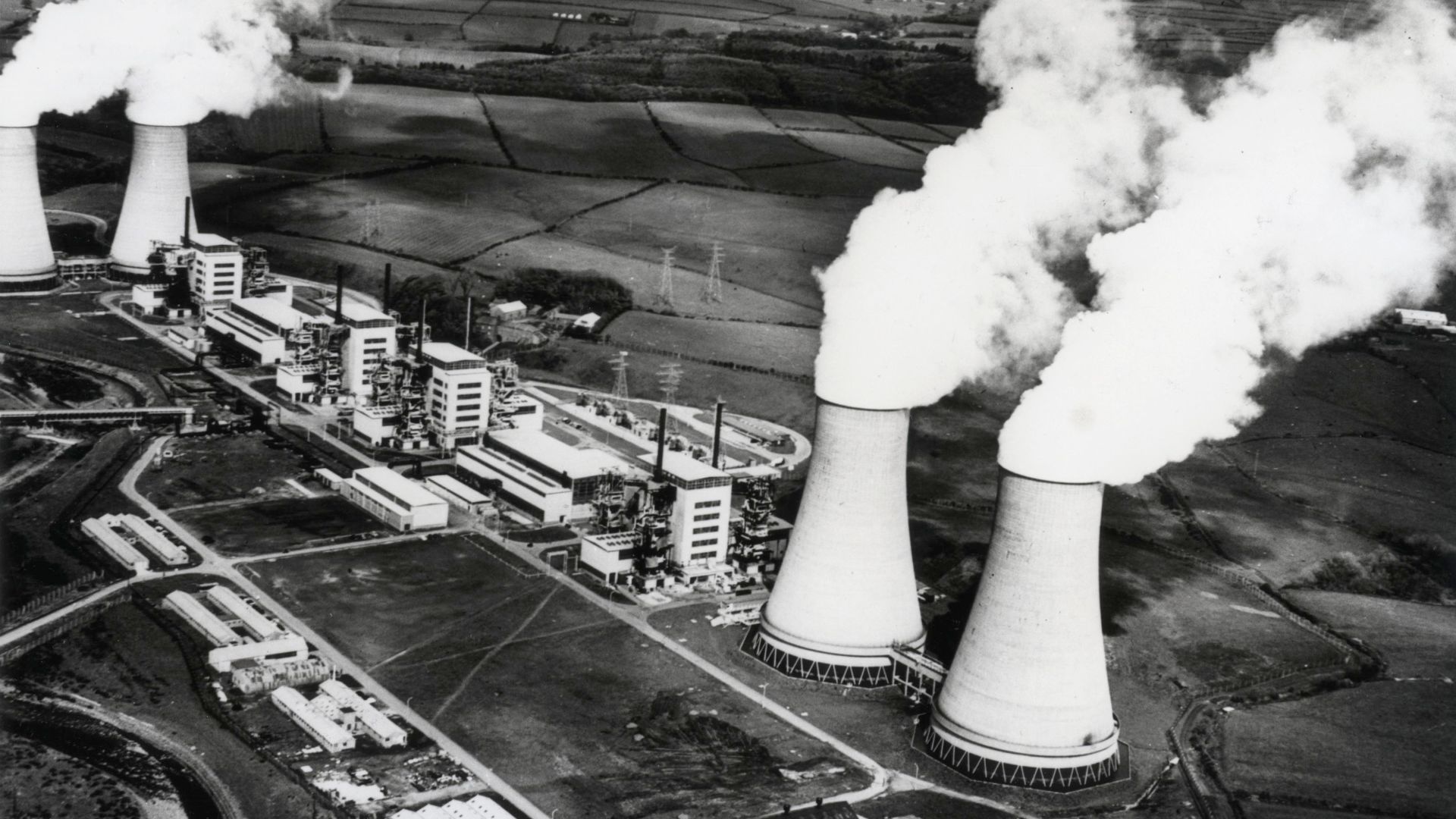
During the 1950s, Mountbatten became increasingly familiar with the effects of nuclear weapons. The more he learned, the more he grew opposed to their use in combat and was outspoken on this issue. However, he was also a proponent of nuclear energy and took measures to promote the practice where he could. A fan of emerging technology, he became a fan of emerging women too.
44. He Had Some Young Affairs
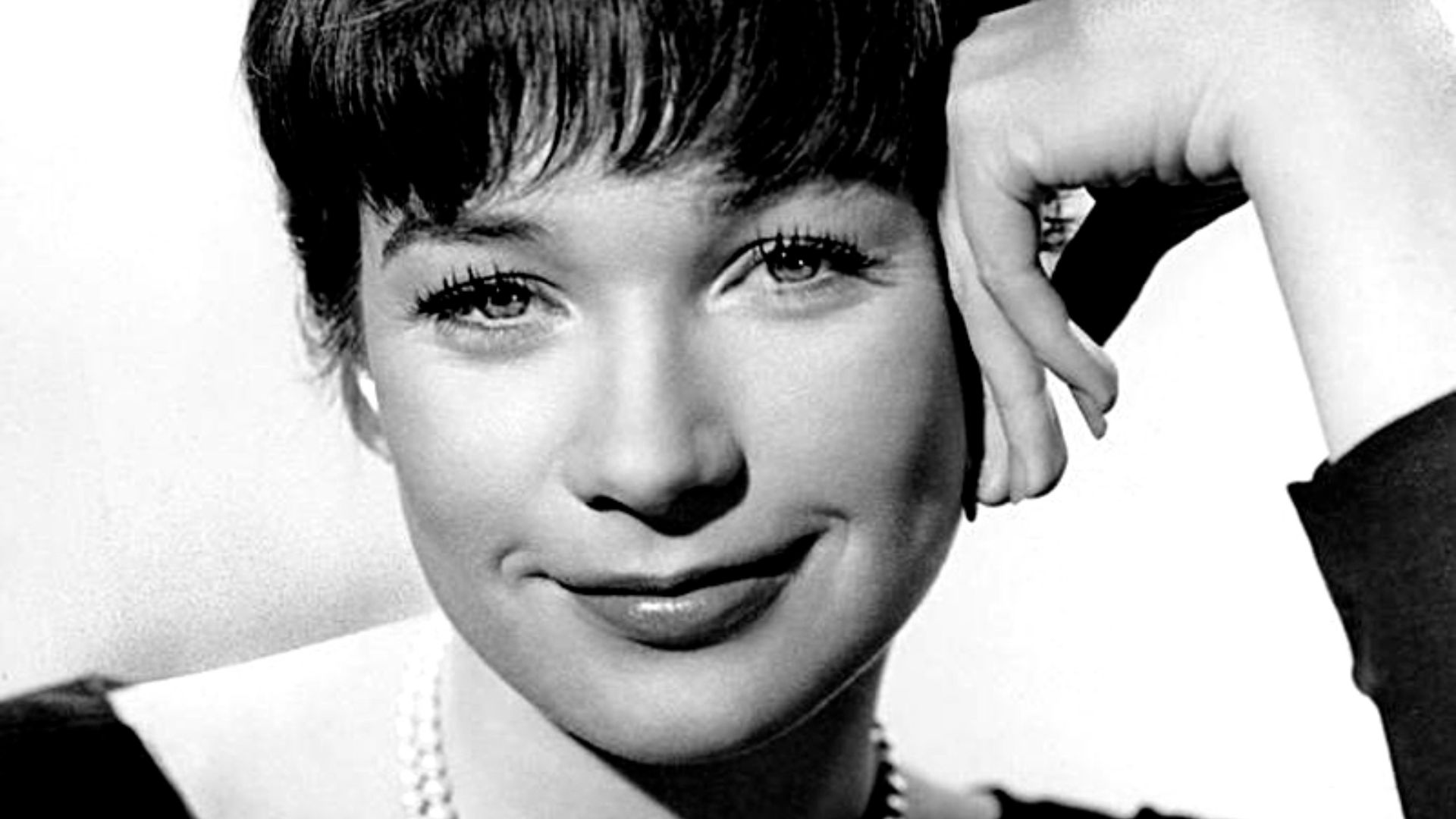
Mountbatten’s wife, Edwina, passed in 1960 at the age of just 58. Her widowed husband wasted no time getting back out there, however. The Lord became notorious for his many relationships with much younger women following his wife’s passing, including a long-running affair with actress Shirley MacLaine. These liaisons were not exactly clandestine, but some of Mountbatten other affairs certainly were—and for a disturbing reason.
 movie studio, Wikimedia Commons
45. He May Have Engaged In Unimaginable Behavior
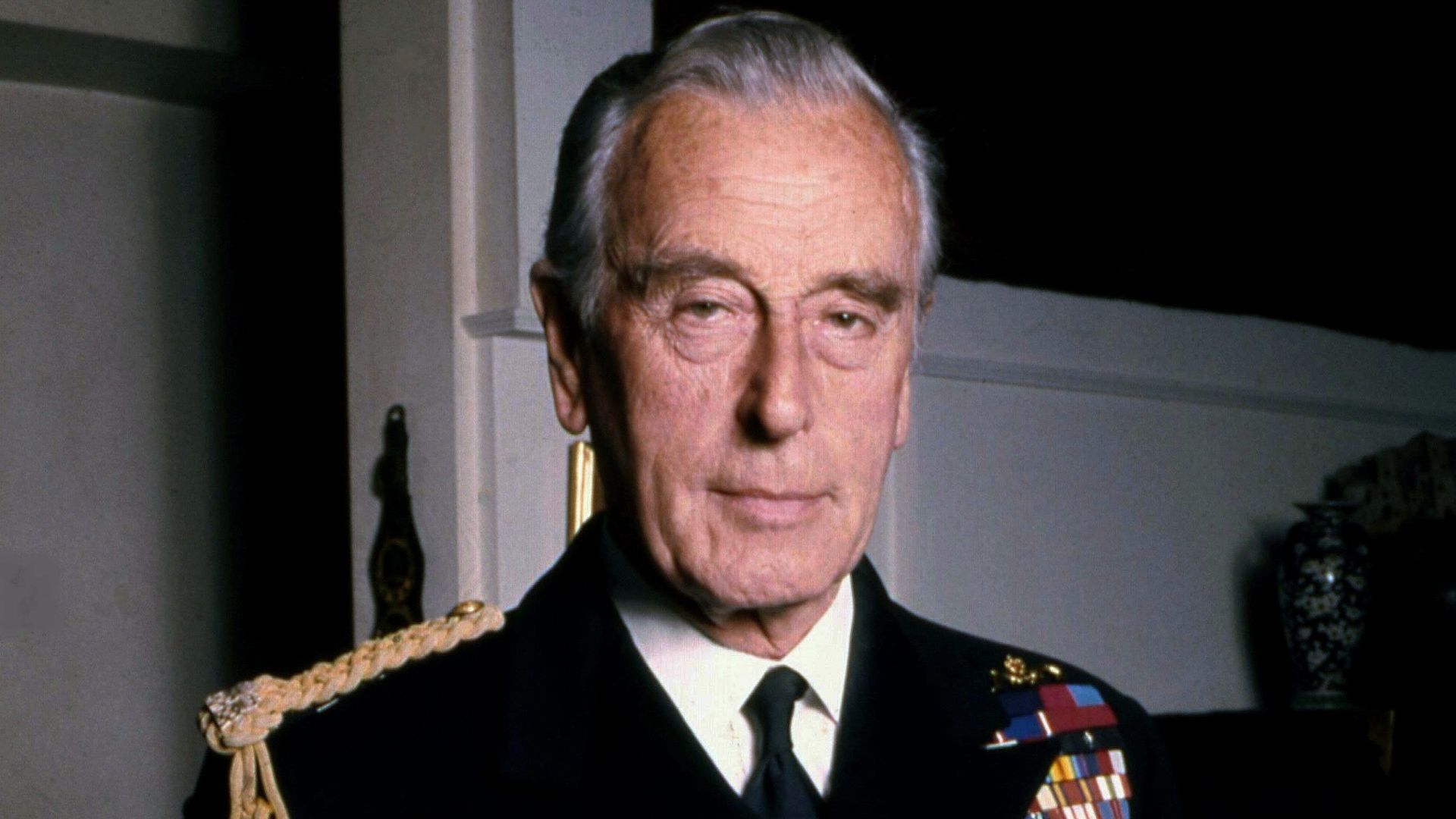
Throughout his life, and indeed, posthumously, rumors swirled around Lord Mountbatten’s bedroom proclivities, with many claiming that he was a closeted homosexual. Some sources claimed that Mountbatten had “a perversion for young boys”, and the credible accusations that he ran a trafficking ring for boys in Ireland. In 2019, declassified FBI files showed that not only had the Bureau tracked his extramarital activities, it called Mountbatten and his wife "persons of extremely low morals," and had knowledge of his illicit interest in younger boys.
And though nothing is worse than such acts, these may not have been Mountbatten's only sinister secrets.
 Allan Warren, Wikimedia Commons
46. He May Have Gunned For The Top Spot
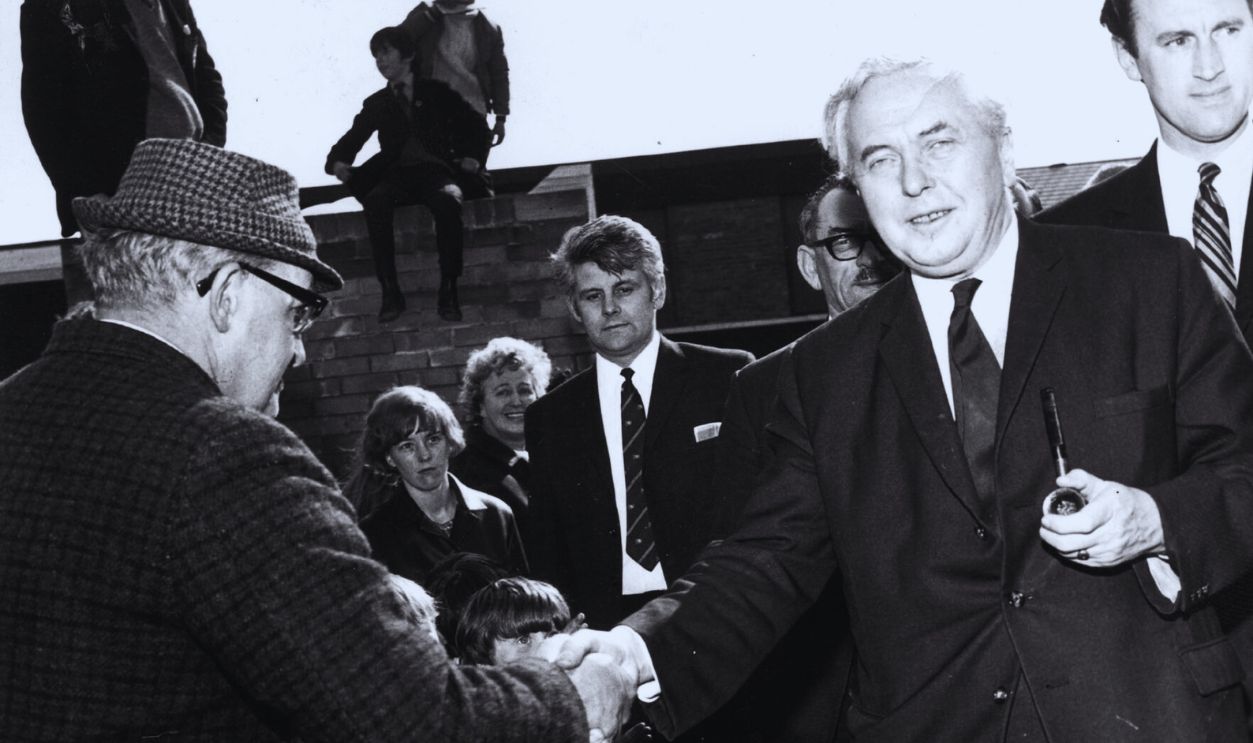
A 1987 book alleged Mountbatten’s involvement in a 1968 plot to undermine the Labour government of Harold Wilson, accused of communist sympathies. The plan reportedly involved MI5 agents and right-wing forces overthrowing and replacing the Prime Minister with Mountbatten himself.
Historians have concluded that such a plot likely existed, though Mountbatten’s involvement is questioned, as well as how far the plan actually got before being quashed. Regardless, Mountbatten decided to settle into retirement by the 1970s.
 Tyne & Wear Archives & Museums, Wikimedia Commons
47. He Holidayed On The Emerald Isle
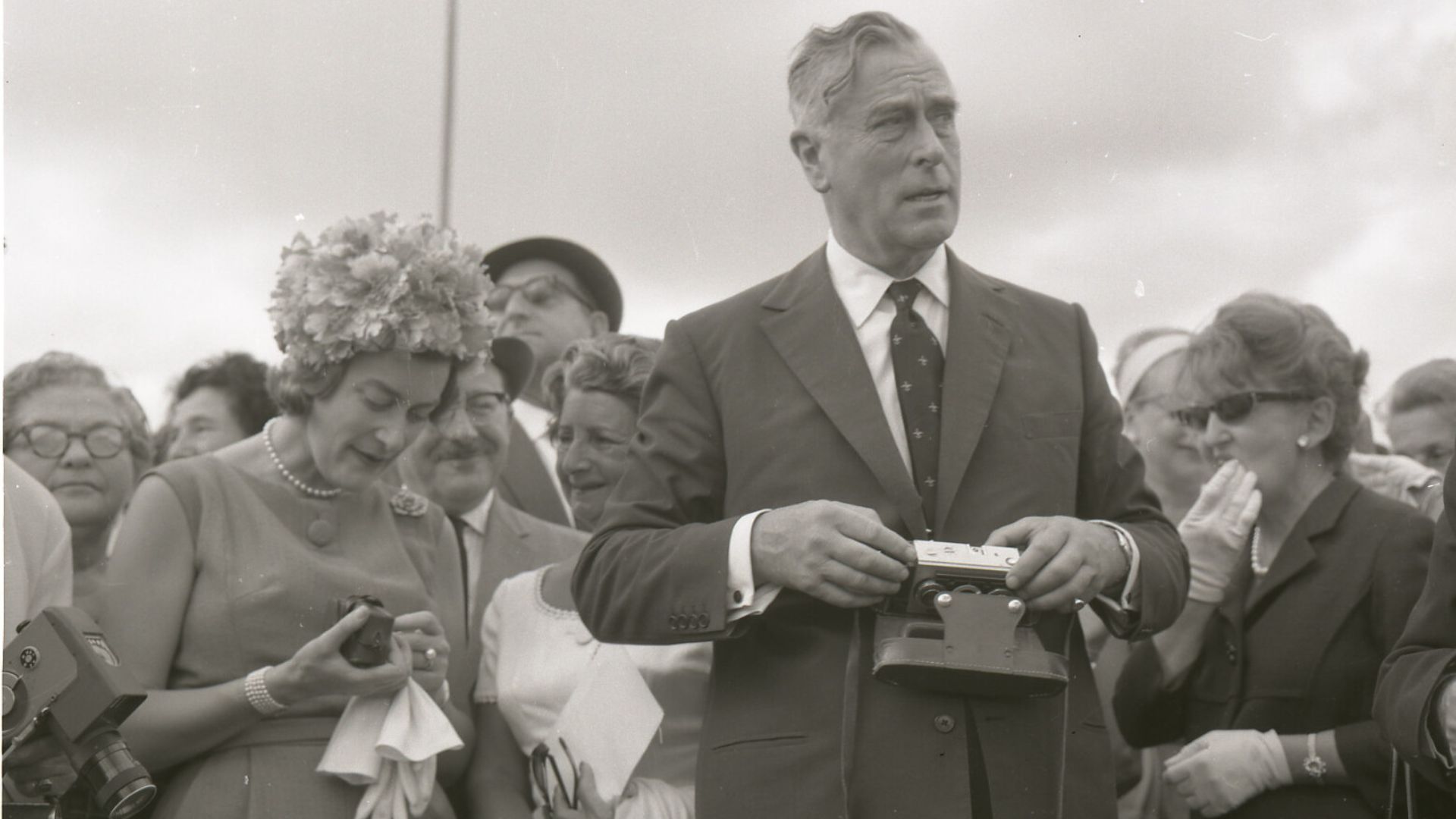
In his old age, Mountbatten acquired a summer home called Classiebawn Castle, situated on the Mullaghmore Peninsula in County Sligo, in the northwest of Ireland. Here, the ageing Lord would often go fishing for lobster and tuna on a small boat he owned. Situated not far from the Northern Ireland border, the area would make Mountbatten an easy target.
 Boris Carmi, Wikimedia Commons
48. He Got Taken Out
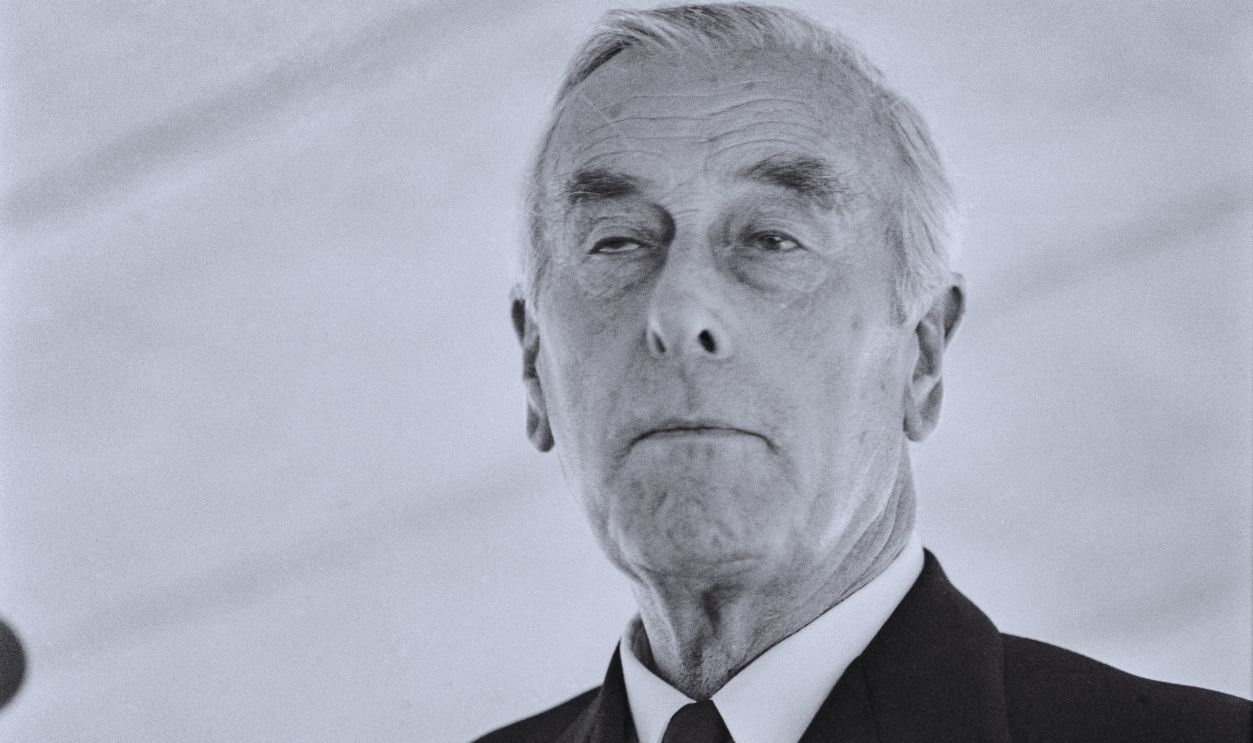
On the night before August 27, 1979, Irish Republican Army (IRA) member Thomas McMahon snuck onto Mountbatten’s boat and planted a radio-controlled bomb. The next morning, Mountbatten and a party of relatives embarked on a fishing trip on the boat. But just a few hundred yards from the shore, the bomb detonated.
The resulting destruction was devastating. Mountbatten, whose legs were almost blown off, initially survived the explosion, pulled from the water by fishermen. But before reaching the shore, the Lord succumbed to his injuries at the age of 79. There was even more tragic collateral damage.
49. His Demise Was A Family Tragedy
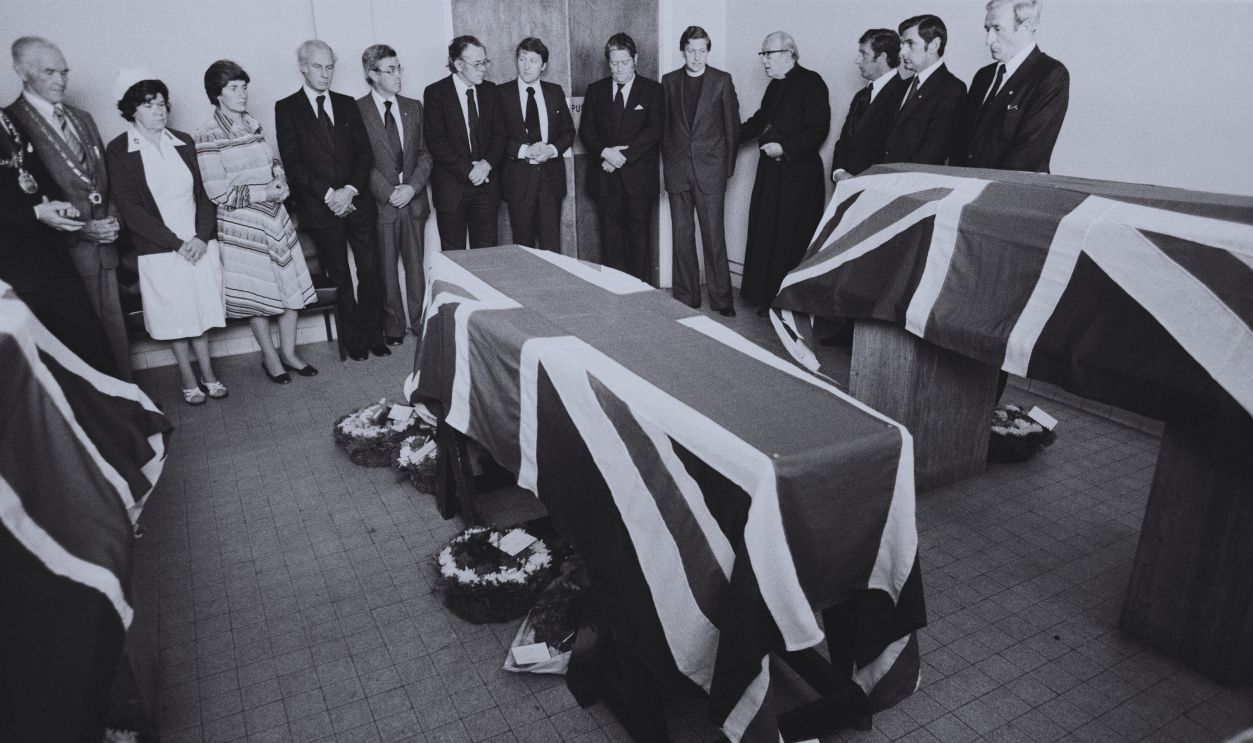
There were six others on board the fishing boat with Mountbatten, and the casualties were horrendous. His 14-year-old grandson, Nicholas, lost his life, along with a 15-year-old local crewmember named Paul. The 83-year-old Dowager Lady Doreen Brabourne, also present onboard, passed from her injuries the following day. It was a tragic end to so many lives connected to one man who had many virtues, and twice as many flaws.
 Evening Standard, Getty Images
50. He Was Complicated
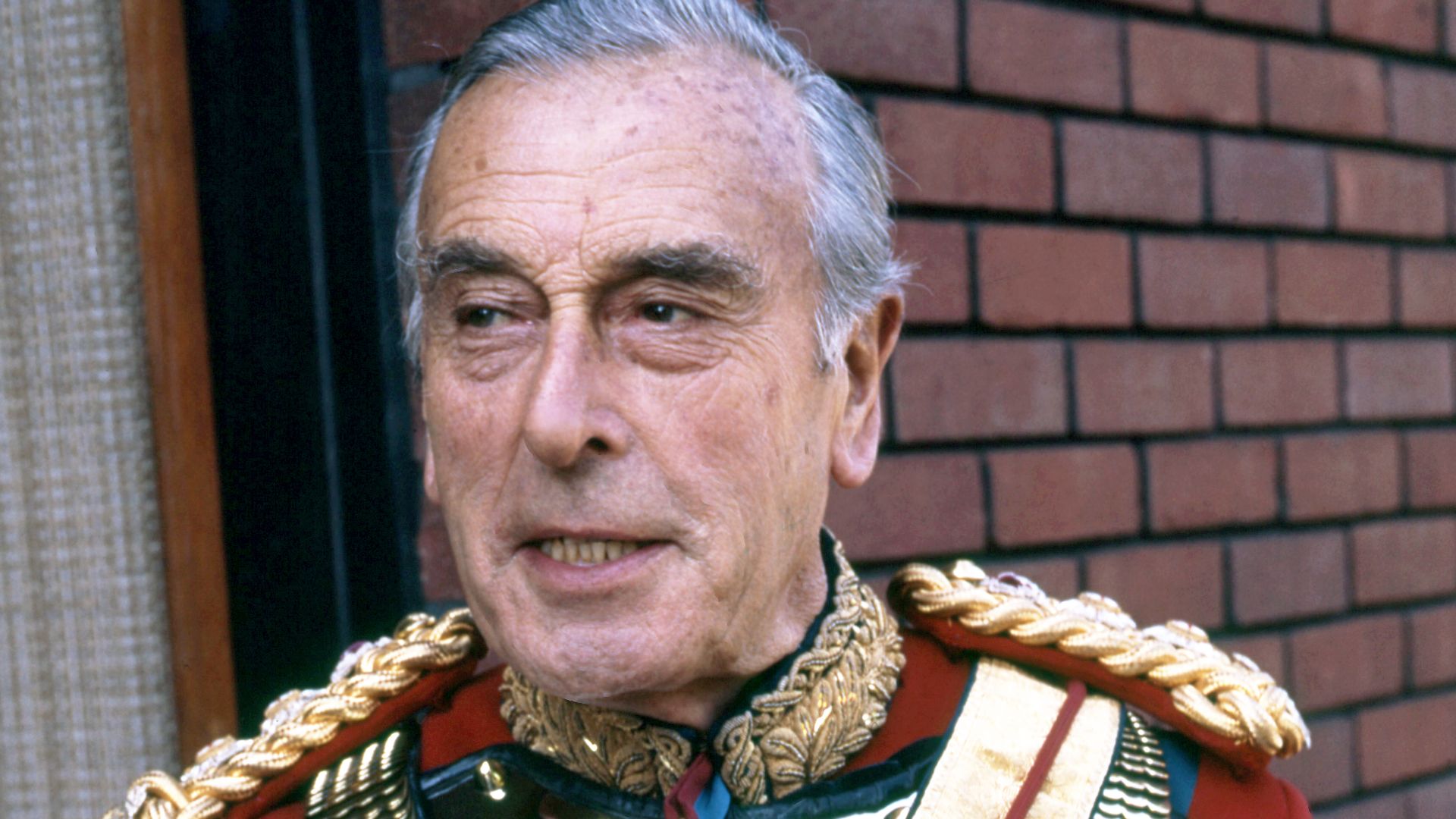
Mountbatten’s legacy is a complex one. Many historians have listed his many faults: monstrous vanity, unbridled ambition, and a cavalier tendency to rewrite history to magnify his own achievements. But despite his bumbling shortcomings (and unforgivably dark proclivities, as mentioned above), Mountbatten reportedly had some virtues too: generosity, loyalty, and a capacity for listening to and respecting all views being chief among them. Such contrasts leave behind a portrait of a man who many liked, though few would be foolish enough to trust.
 Allan Warren, Wikimedia Commons
You May Also Like:
The Incredible Life Of Edwina Mountbatten
The House Of Hanover’s Long And Historic Reign










.jpg%20)