
He Was A Magnet For Scandal
The latter end of cinema’s Silent Film era was a tumultuous time for many reasons, and right smack-dab in the middle of it all was Charlie Chaplin. As one of history’s greatest rags-to-riches stories, Charlie fought his way into the film world and became known as a titan of comedy.
However, his desire to make his films more realistic and topical led to significant backlash—especially given his numerous other scandals.
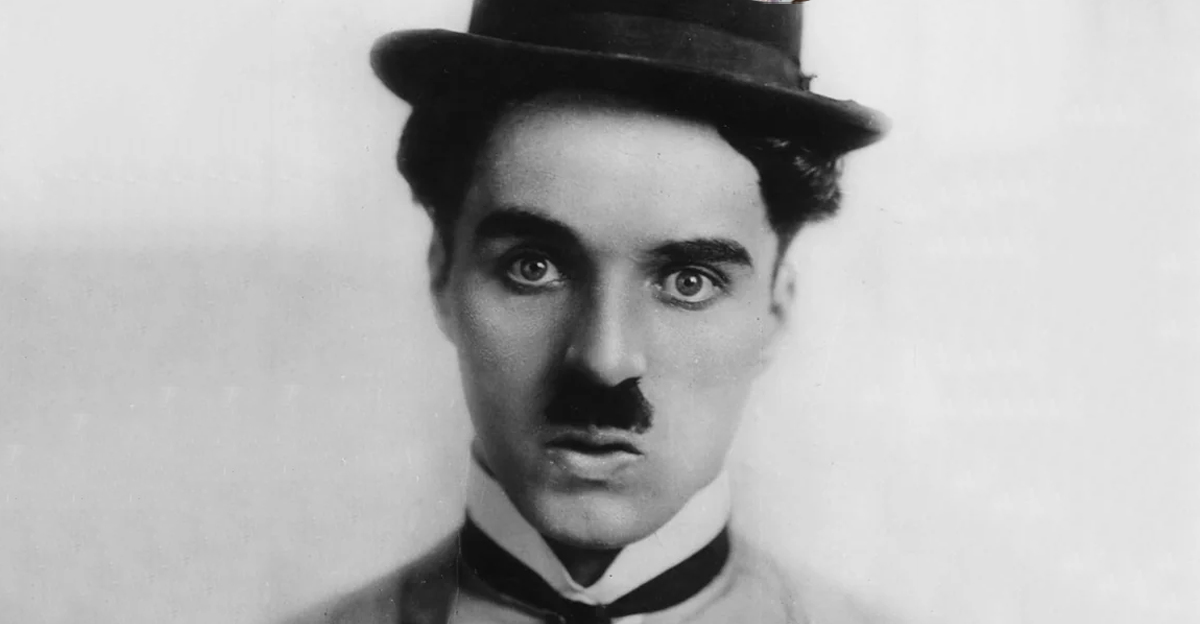
1. It Was In His Blood
Those who were able to meet Charlie Chaplin, or even just watch his films, likely saw how effortlessly he executed his unique brand of comedy—almost like he was born for it. In fact, there may be some truth to that, since all the talents and gumption of an entertainer were inherent family traits.
Born on April 16, 1889, Charlie’s parents were both actors and singers, who certainly influenced his path in life. Still, this didn’t make things much easier for him.
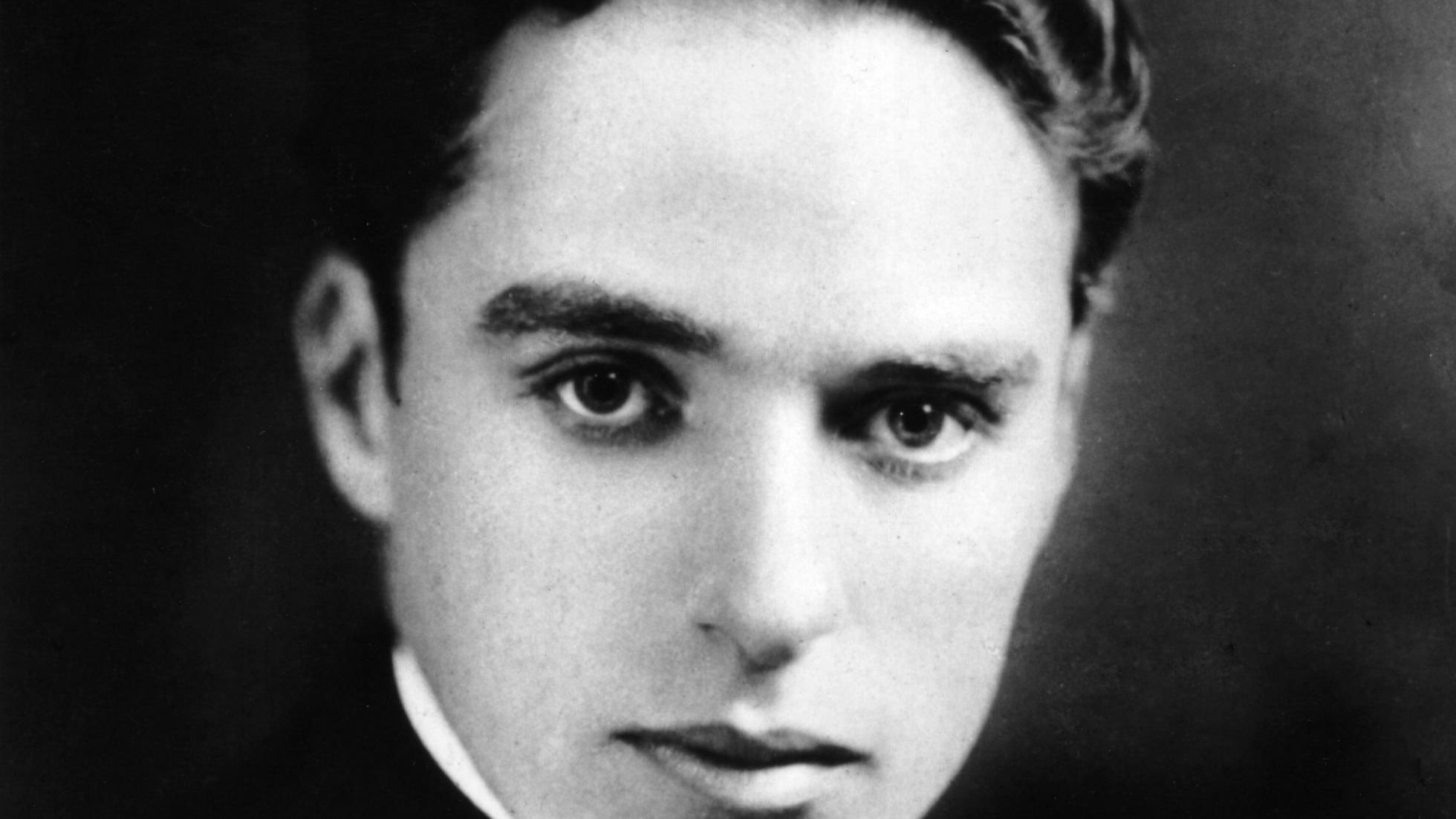 Unknown Author, Wikimedia Commons
2. They Were Impoverished
By the time he was about two, Charlie’s parents had separated, leaving his mother, Hannah, to raise her children on her own for the most part. As this was during the tail end of the Victorian era, life was far from easy. With little finances to go around, young Charlie had no choice but to spend his days at workhouses and paupers’ schools.
Tragically, there were even darker days ahead.
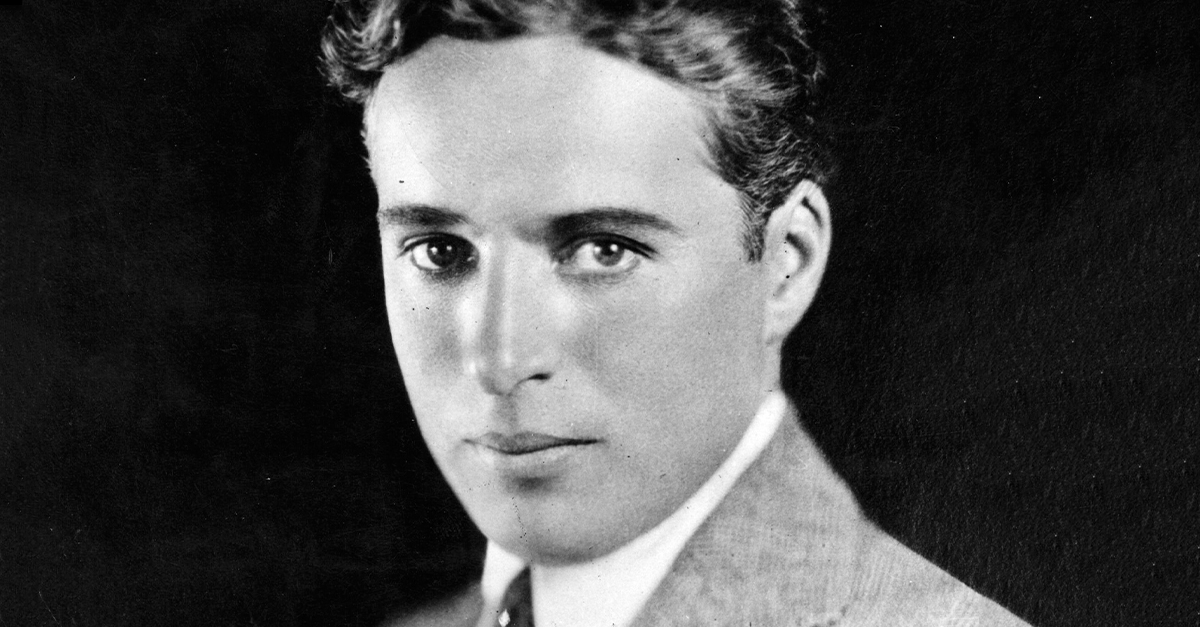 Topical Press Agency, Getty Images
3. His Mother Was Very Ill
In 1898, Charlie's life was turned upside down when his mother's health took a chilling turn. As a result of malnutrition and syphilis, Hannah developed psychosis—and wound up in a mental institution. Both Charlie and his brother Sydney had no choice but to live with their volatile father, who was known to be a heavy drinker.
Unfortunately, this was only the beginning of the nightmare.
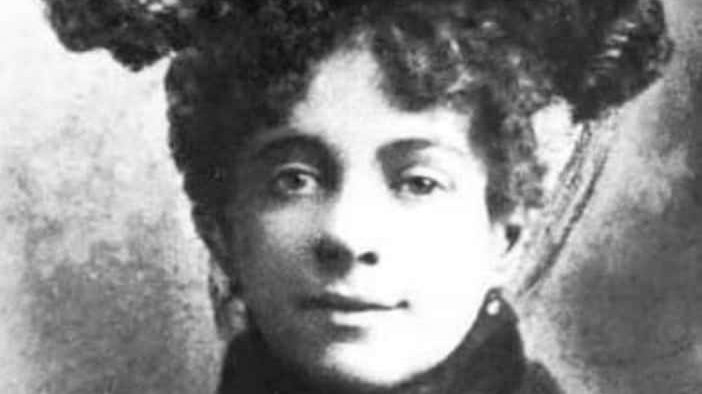 Unknown Author, Wikimedia Commons
4. His Father Was A Nightmare
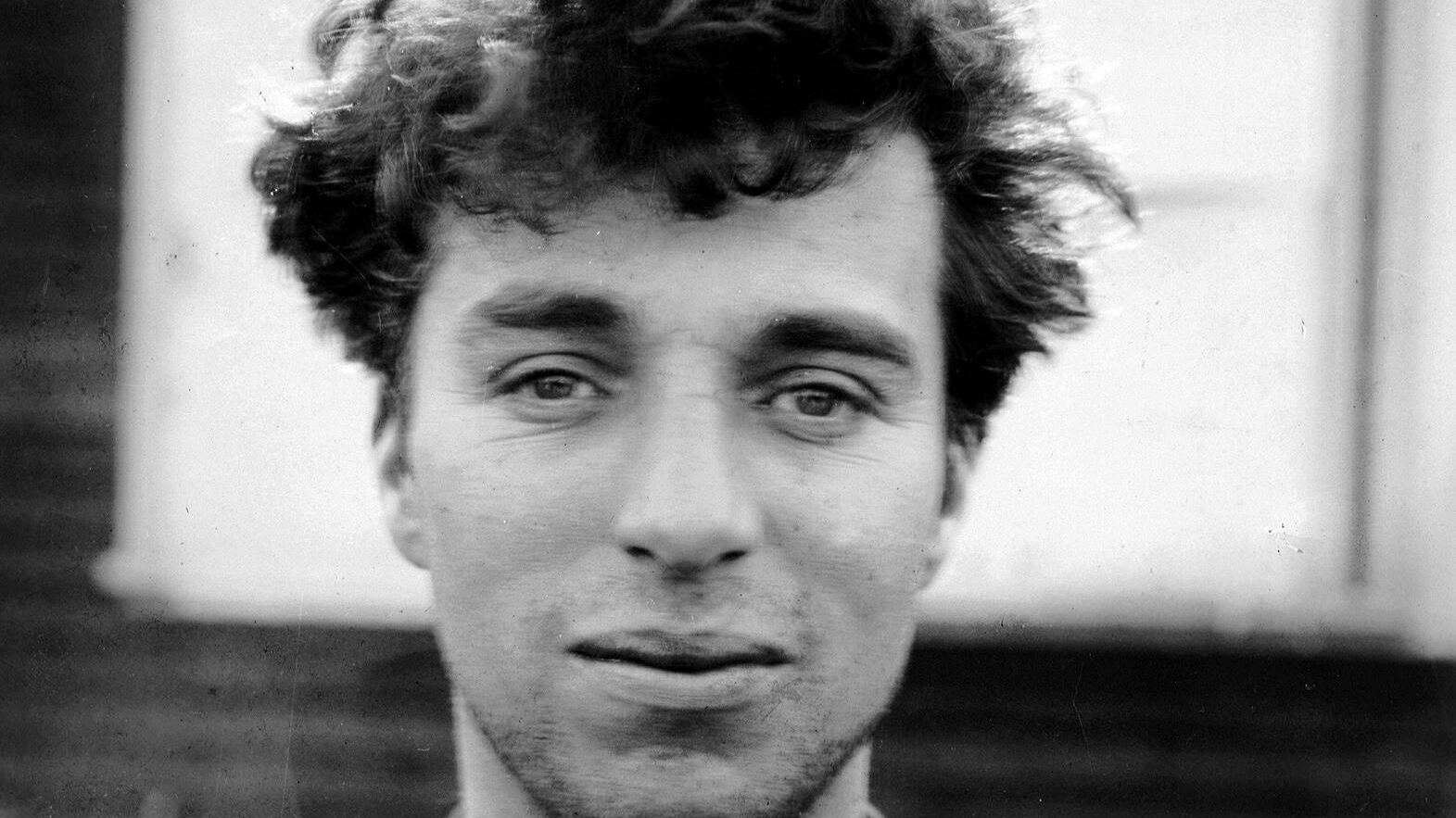
Though Charlie eventually escaped the horror show of his father's home when his mother recovered, his father perished two years later. Even worse? He had little time left with his mother. Hannah was ultimately doomed to spend the rest of her days in an institution, as she eventually relapsed permanently in 1905.
In lieu of such misfortune, 14-year-old Charlie Chaplin had learned to be quite the independent young man. Behind the scenes of his tragic childhood, he had already found a home on the stage.
 National Media Museum - Daily Herald Archive, Wikimedia Commons
5. He Began Performing As A Child
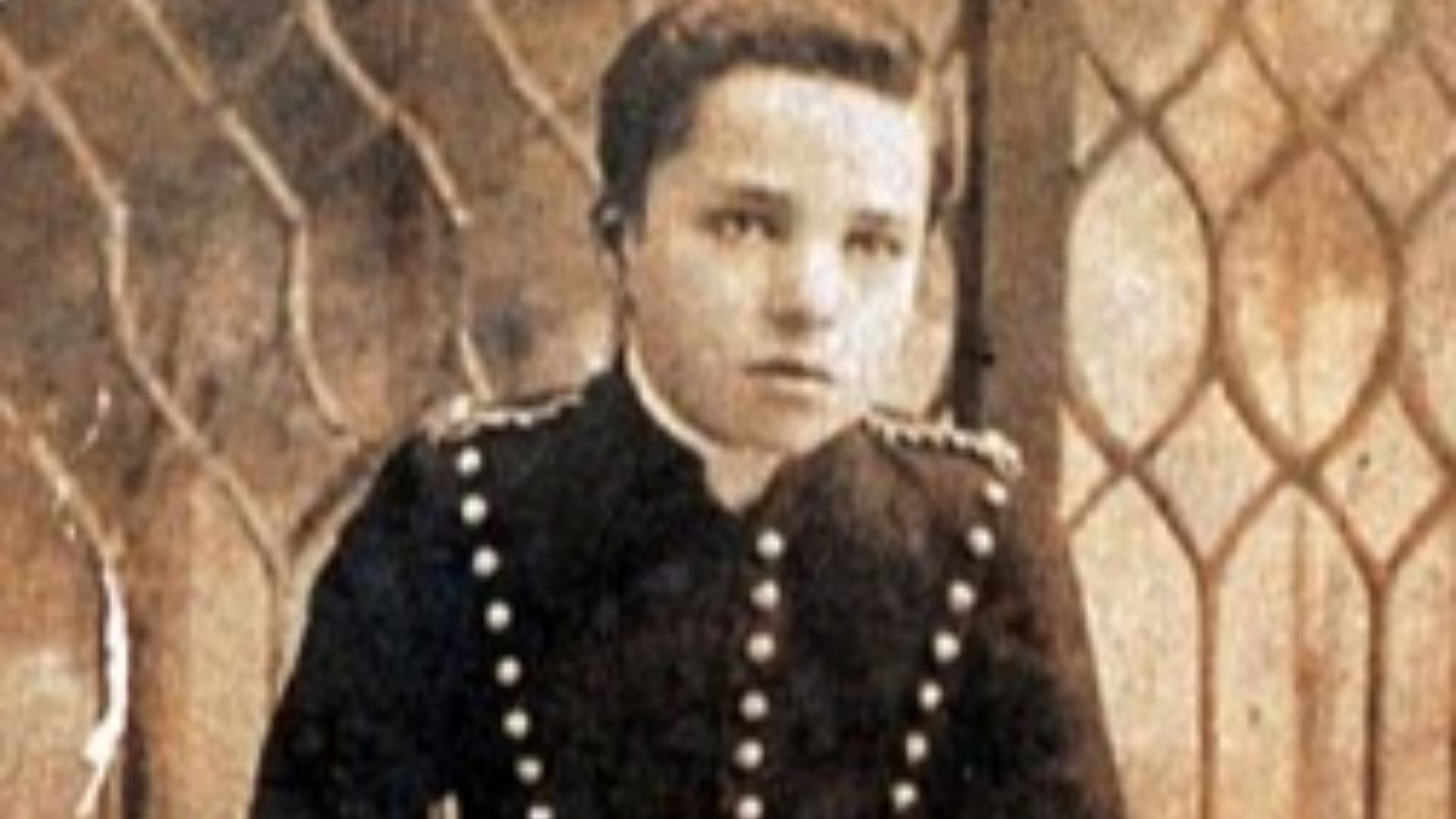
Thanks to his mother's talent and encouragement, Charlie began performing when he was just five years old. He went on to tour with a clog-dancing troupe, but deep down, he wanted to do more than just dance. By the time his mother's health hit the point of no return, Charlie had already fostered a full-fledged ambition to succeed as an actor.
Setting his sights on London's West End, he signed up with a theatrical agency. It was a move that changed his life forever.
 Unknown authorUnknown author, Wikimedia Commons
6. He Had Star Potential
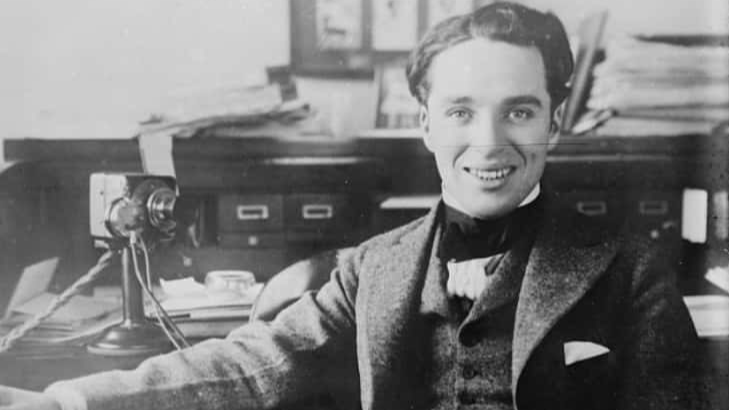
The manager of the theatrical agency recognized that young Charlie Chaplin had star potential and gave him a role in Jim, a Romance of Cockayne. Overall, the play was a total flop—but there was one actor who stood above the rest. Critics adored Charlie's comedic performance. This slew of good reviews caused a mighty ripple effect for his career.
 Flickr, The Library of Congress
7. He Had Strong Connections
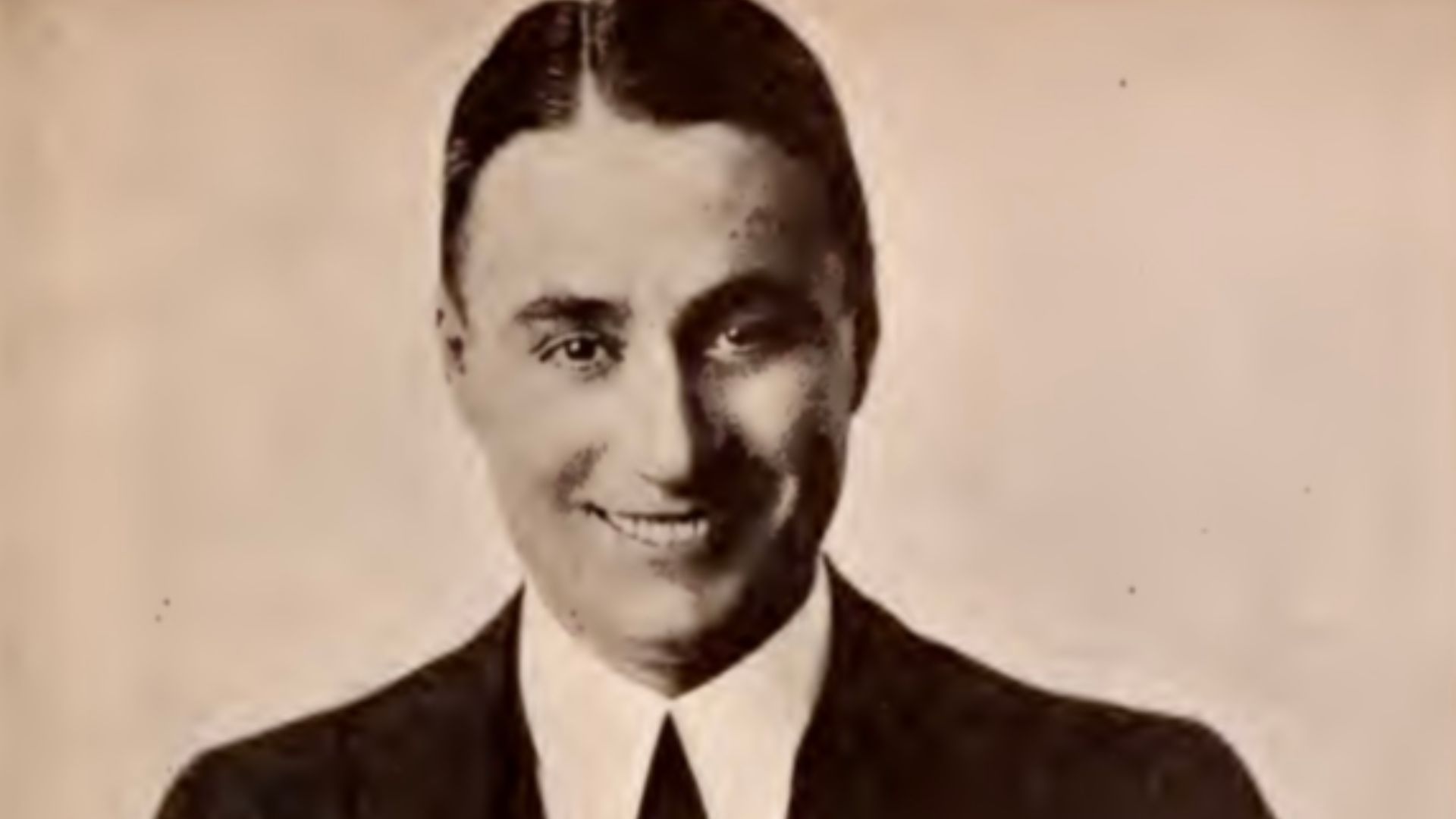
Charlie entertained success right out of the gates, working on several productions throughout his teen years. By the time he was 18, he was no longer an amateur performer. He also had a very important connection in his corner: his brother Sydney, who was also an actor.
Luckily, a major turning point came when Sydney secured him one of the biggest opportunities of his life.
 Motion Picture News, Inc., Wikimedia Commons
8. He Seemed Shy
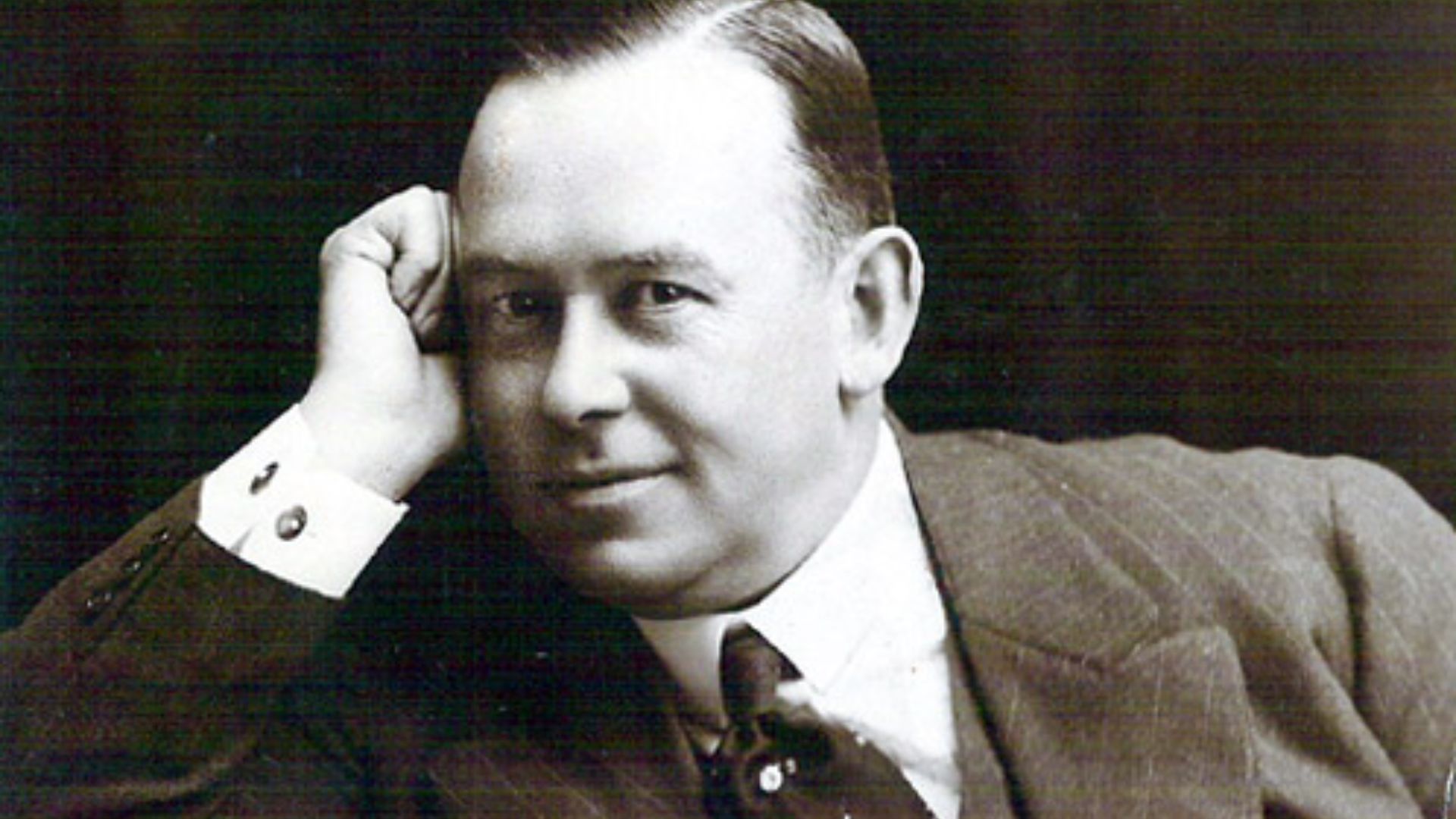
Thanks to Sydney's reputation, Charlie was well-recommended to join Fred Karno's comedy company. Karno, however, was quite hesitant to hire him at first, thinking that the young actor "looked much too shy to do any good in the theatre". It only took one jaw-dropping performance at the London Coliseum to silence these doubts.
Charlie Chaplin signed a contract with the company. He was finally off to the races.
 Unknown authorUnknown author, Wikimedia Commons

History's most fascinating stories and darkest secrets, delivered to your inbox daily.
9. He Saw An Opportunity
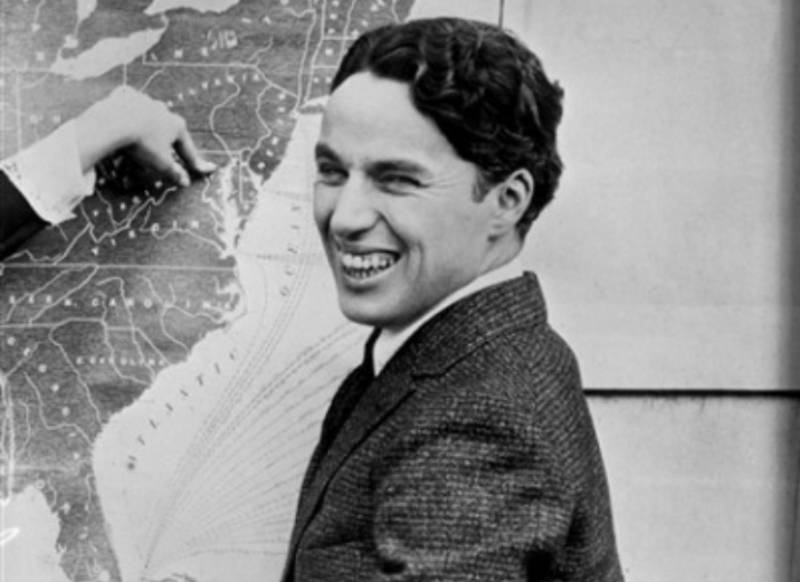
With Fred Karno’s company, Charlie became a shining jewel on their roster. He was lucky enough to travel to America, where he performed in two tours in the early 1910s. In the second of these, he made an impression on another industry representative, this time with Keystone Studios. Looking to replace one of their actors, the film studio met with Charlie and signed him to a contract in 1913.
Unfortunately, his debut wasn’t exactly what he had hoped for.
 Unknown Author, Wikimedia Commons
10. He Hated It
Signing up for a contract of $150 a week, Charlie wouldn’t see his first bout of work until several months later, when he began production on the aptly-named 1914 film Making a Living. Often describing the studio’s films as “crude,” Charlie’s attitude didn’t change, and he finished this debut project of his with a bad taste in his mouth—despite the praise he received for it.
Luckily, he soon found his identity.
 P.D Jankens, Wikimedia Commons
11. He Created His Character
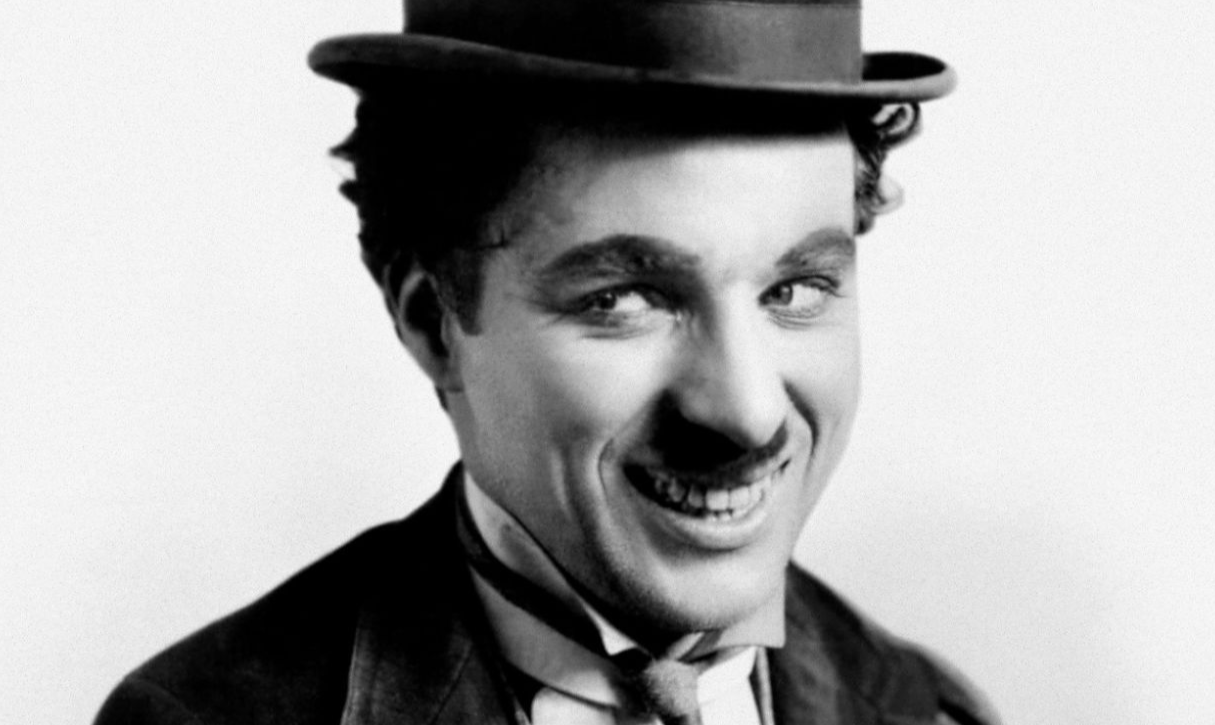
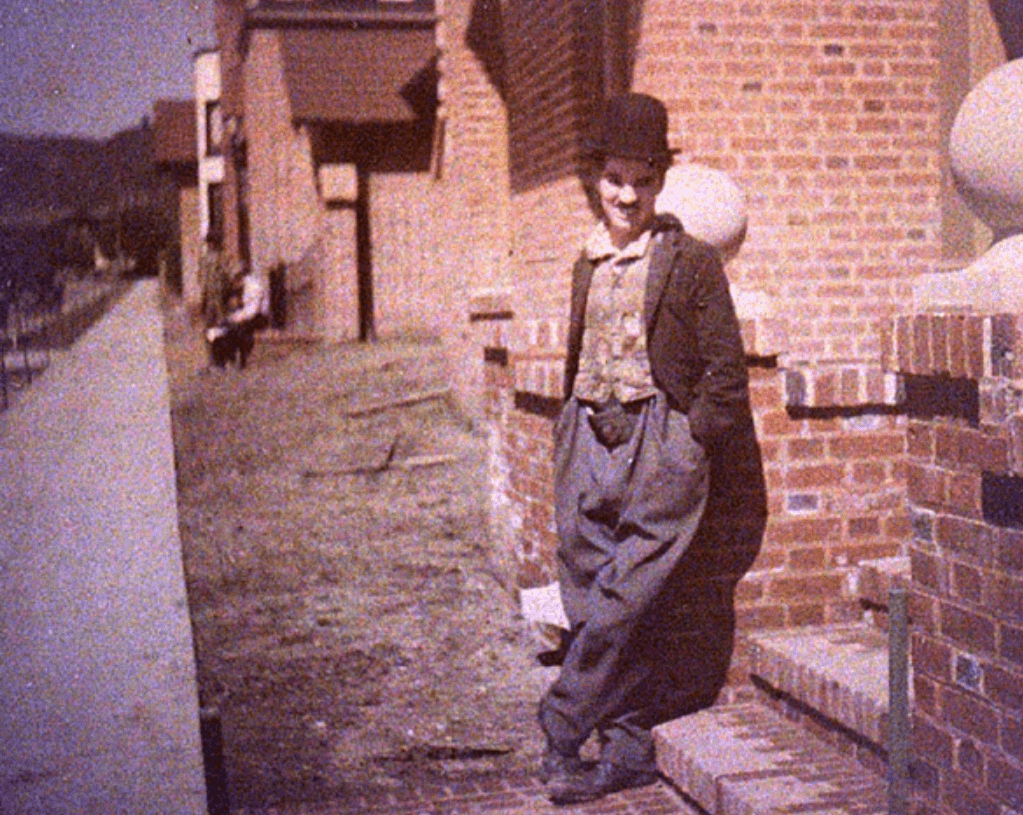
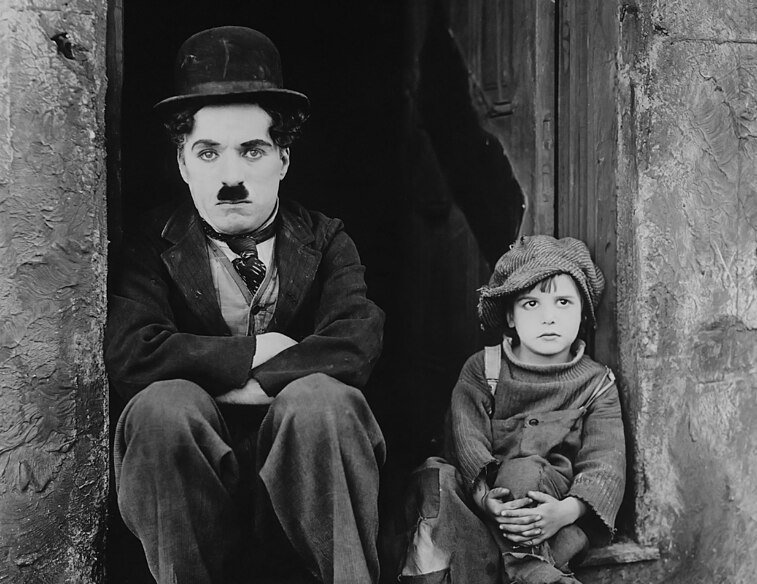
Moving on from his first on-screen appearance, Charlie began working on the film Mabel's Strange Predicament, in which he had more control over his character. Intricately selecting each piece of his costume, Charlie created the character of “the Tramp,” which would forever remain his most iconic on-screen personality.
With this, he was on track to take full control.
 Zoller, Charles C., Wikimedia Commons
12. He Took Charge
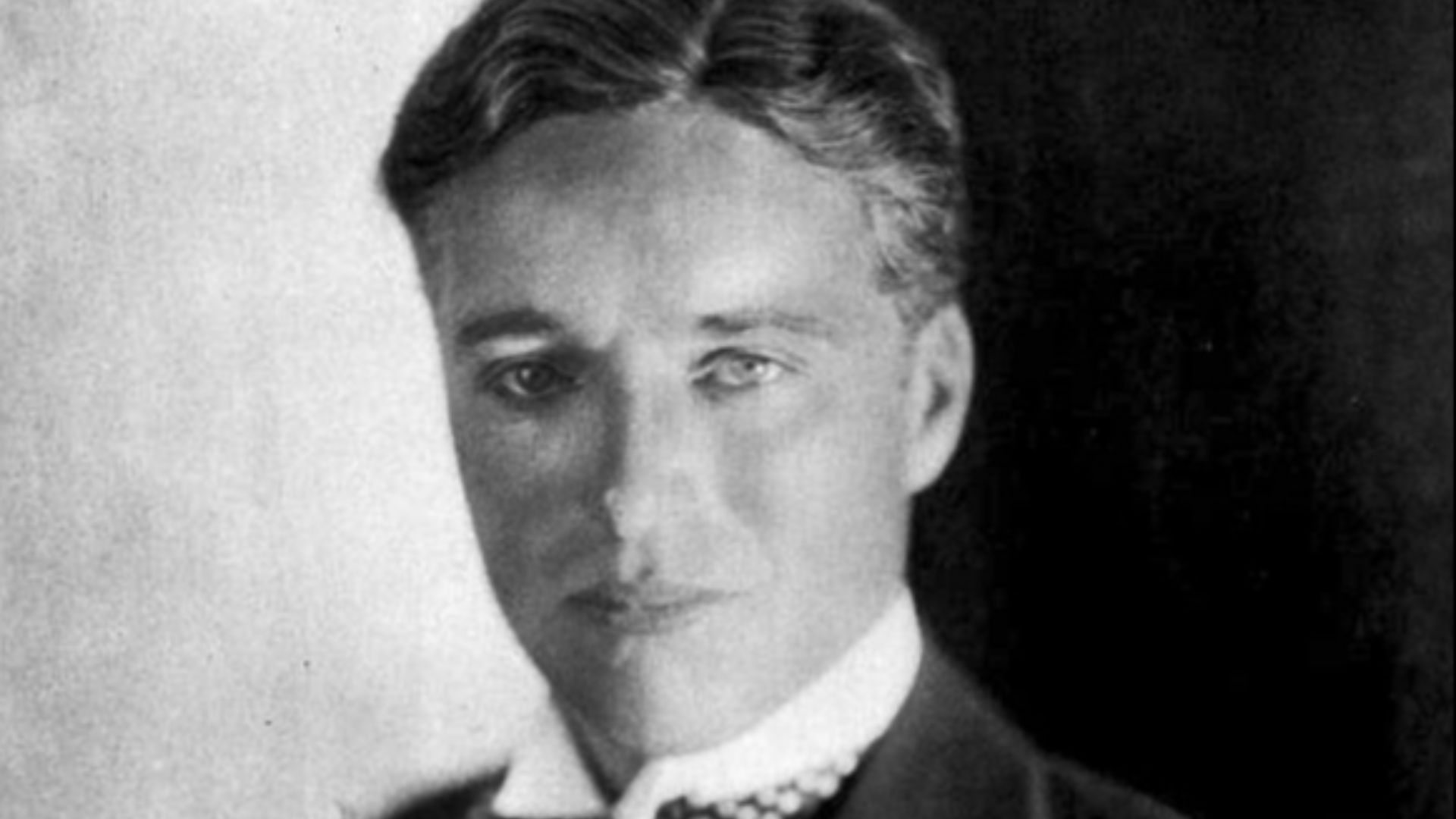
Only a few months after his debut, producer Mack Sennett trusted Charlie enough to give him the directorial reins of the upcoming film Caught in the Rain. Upon its release, Sennett was happy to see that he had made the right call. He rewarded Charlie’s success with the freedom to serve as both actor and director for nearly every short film he made with the studio.
Still, he wasn’t a man who stayed in one place for long.
 Strauss-Peyton photographic studio, Wikimedia Commons
13. He Signed On
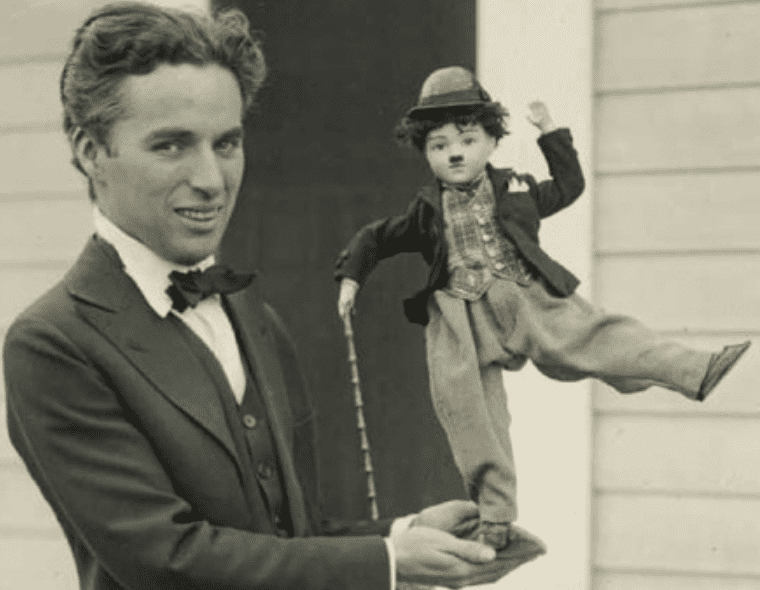
With Keystone Studios, Charlie reached a point where he was directing and acting in one film per week, but upon requesting a raise from $150 to $1,000, Sennett refused. So, Charlie decided to look elsewhere, which was fortunate for the Essanay Film Manufacturing Company, which offered to pay him $1,250 a week. Naturally, Charlie accepted.
One of his next projects led to an impactful encounter.
 Unknown Author, Wikimedia Commons
14. He Found His Lead
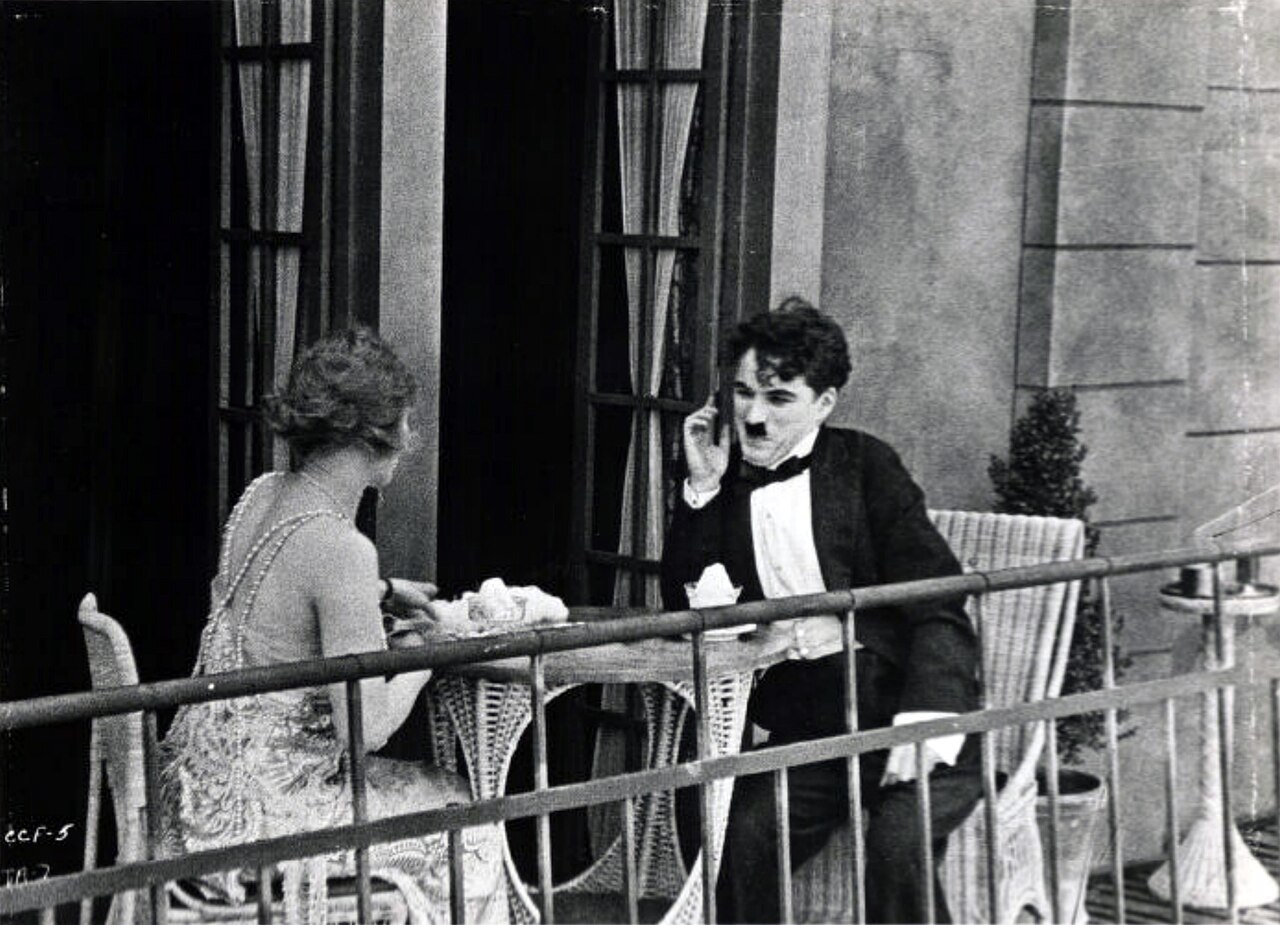
After signing on with Essanay, Charlie got to work immediately and built up a team of comedic actors whom he could regularly rely on. However, for his second film with the studio, A Night Out, he still needed a leading lady. Fortunately for him, he found the right actress when he saw Edna Purviance by chance at a cafe, and thought she was beautiful.
She proved to be a key player in more than just his professional life.
 Mutual Film Corporation, Wikimedia Commons
15. They Were Close
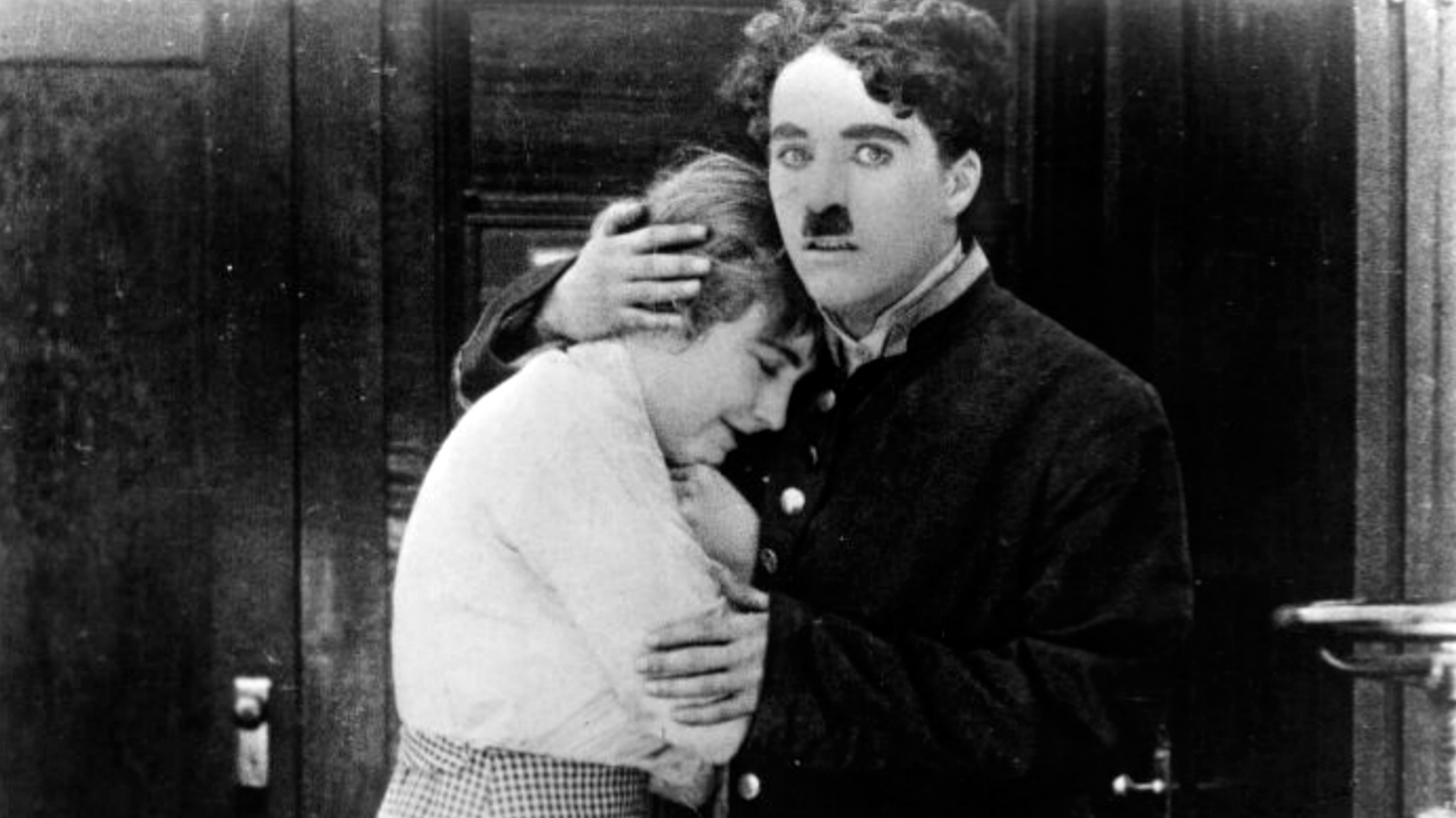
From the moment Edna Purviance agreed to star in Charlie’s films, the two of them began working quite closely, which soon led to more than just a friendship. Rumors spread about their behind-the-scenes relationship, which ultimately proved to be true as she starred in many of his films until both their professional—and romantic—relationship ended in 1917.
 Essanay Films, Wikimedia Commons
16. He Changed His Character
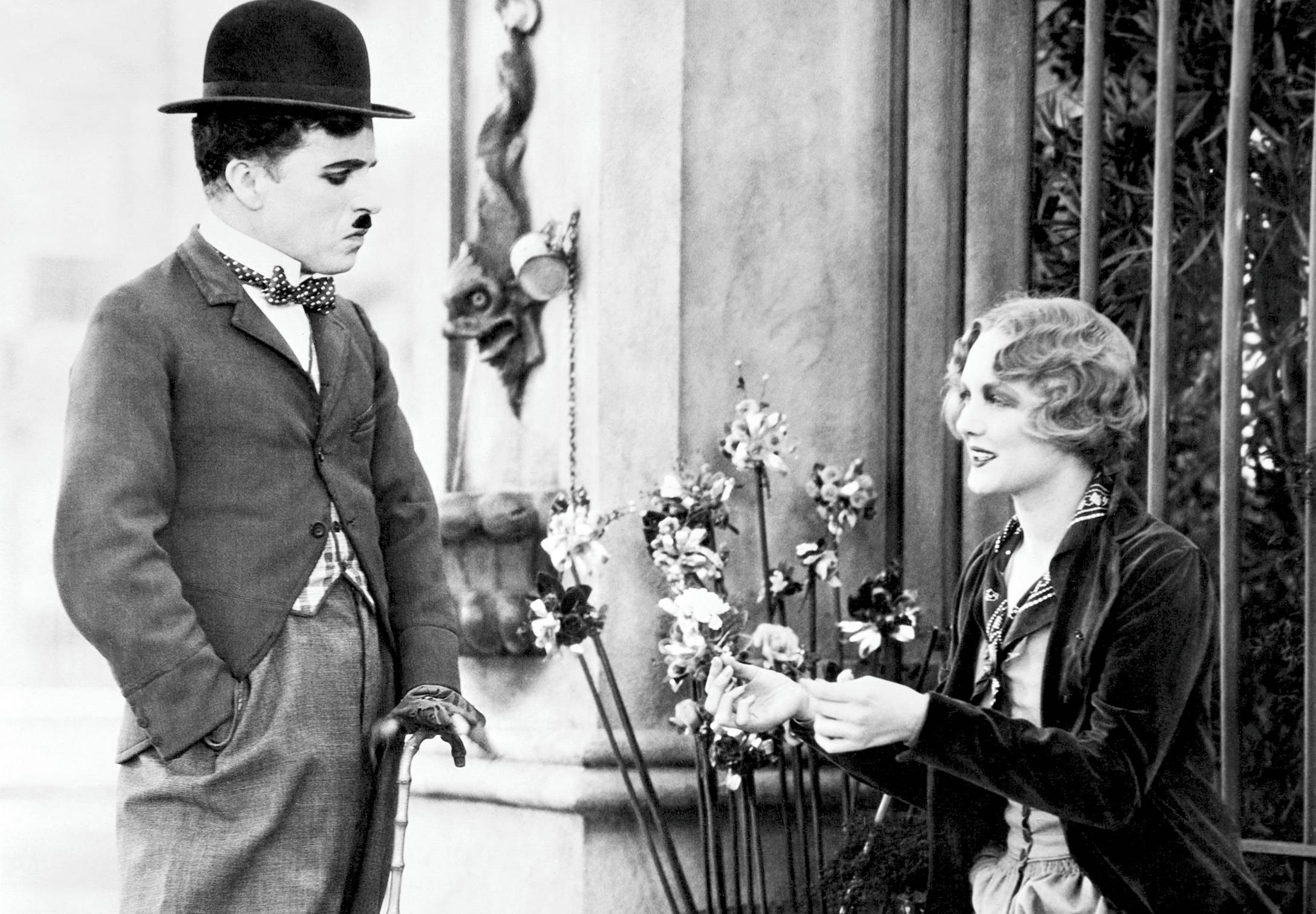
By 1915, Charlie’s “Tramp” character had appeared in 25 of his films, but he wasn’t totally pleased with the portrayal. Audiences had come to expect the Tramp to be a more unkind character, and as a result, they started giving more negative feedback. In response, Charlie officially changed his character in The Tramp and played him as a more caring man.
He clearly knew what he was doing.
 United Artists., Wikimedia Commons
17. He Blew Up
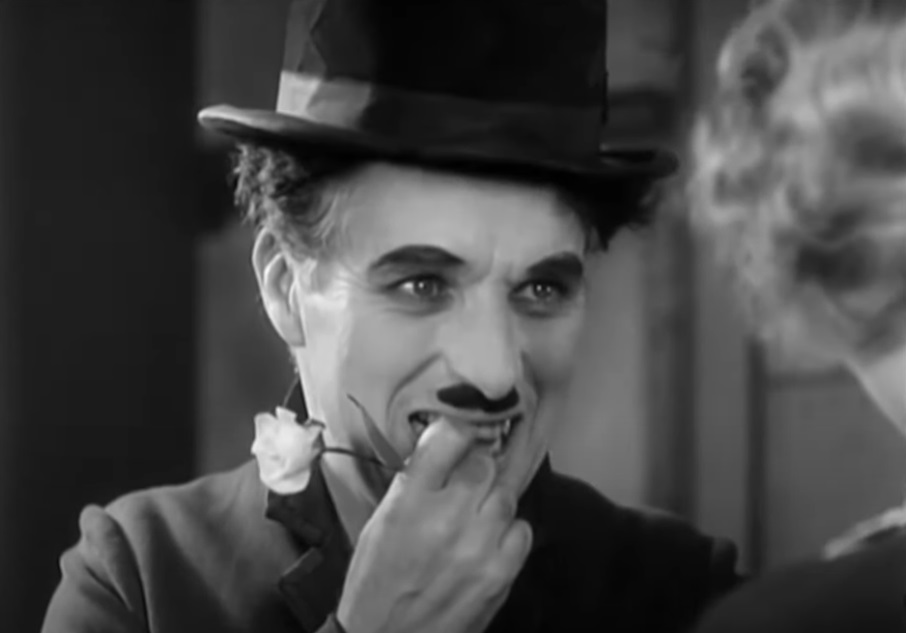
As he continued to pump out films throughout 1915, Charlie began to receive a lot more attention from audiences and critics alike, and his following quickly increased. He was more than just a movie star, as other businesses soon capitalized on his character and image, and he became the first among cinema’s stars to reach international fame.
Of course, this also meant some negative publicity was inevitable.
 United Artists, City Lights (1931)
18. They Criticized Him
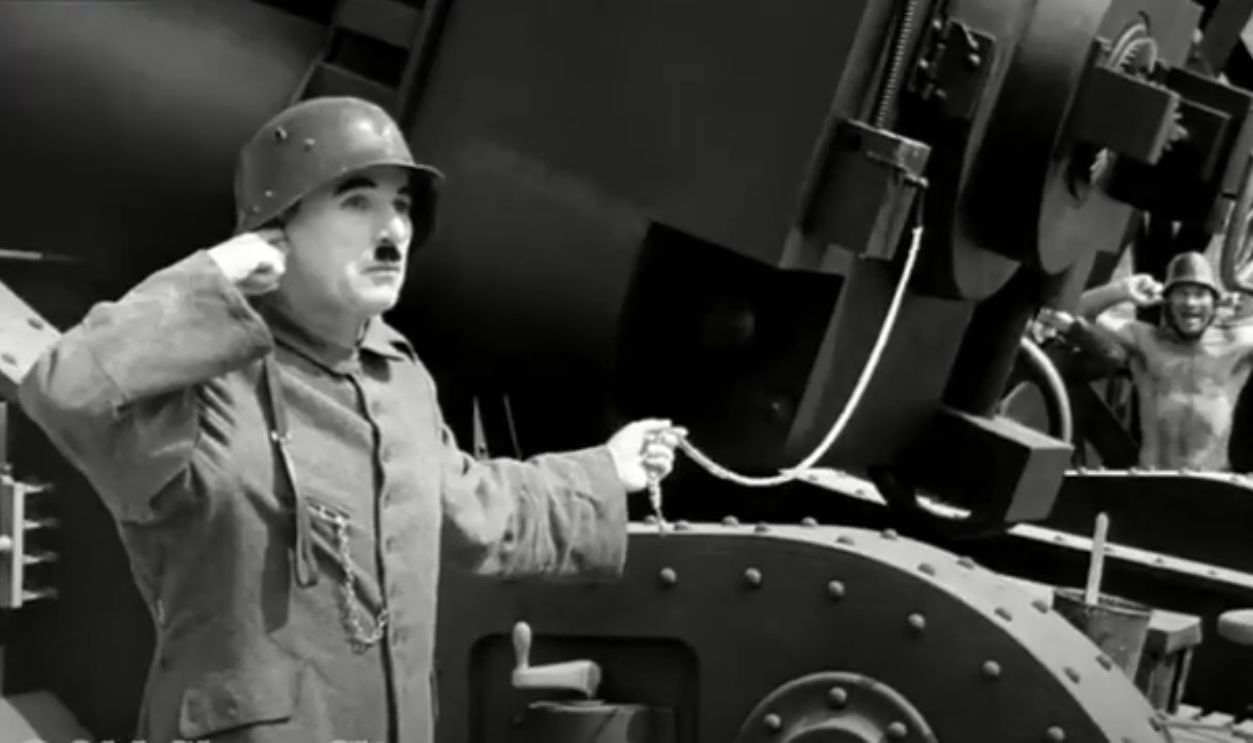
Although Charlie had become one of the most sought-after movie stars in the world, he wasn’t immune to public scrutiny. American media may have been in love with him, but the arrival of WWI prompted the press in Britain to call him out for not fighting in the conflict. In his words, he was ready for either the US or Britain to call him to action, but neither did.
Somehow, he had even higher to climb.
 Charlie-Chaplin funny Moments A day without laughter is a day wasted by Mohsin clips-1734
19. He Built His Own Studio
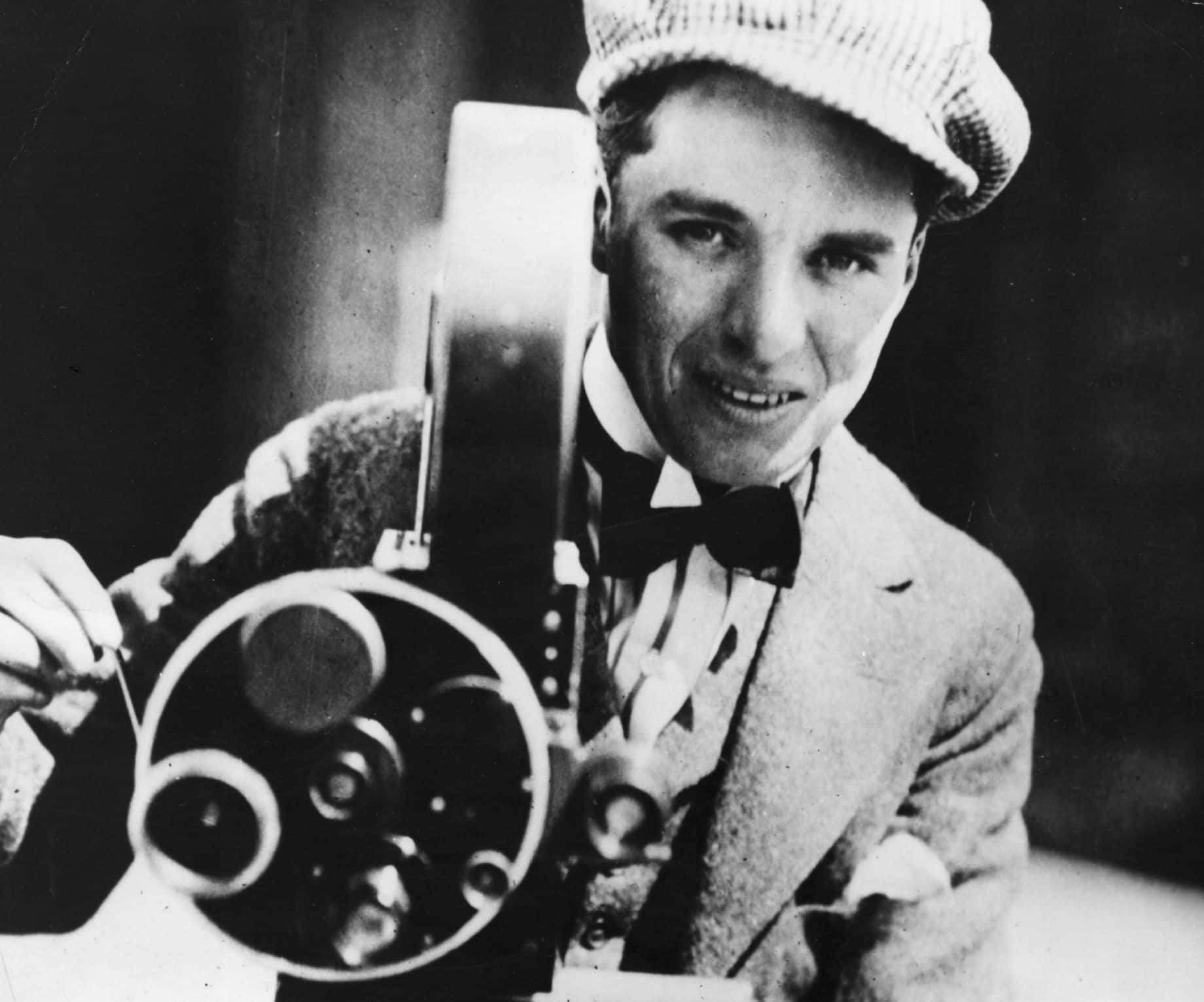
Between 1915 and 1917, Charlie had worked with another film company that had given him his own studio to work out of, a privilege he was eager to keep up. So, when he then signed with the First National Exhibitors' Circuit, he used the $1 million they gave him to build his own Charlie Chaplin Studios just off Sunset Boulevard.
Suddenly, his next big scandal surfaced.
20. She Made A Claim
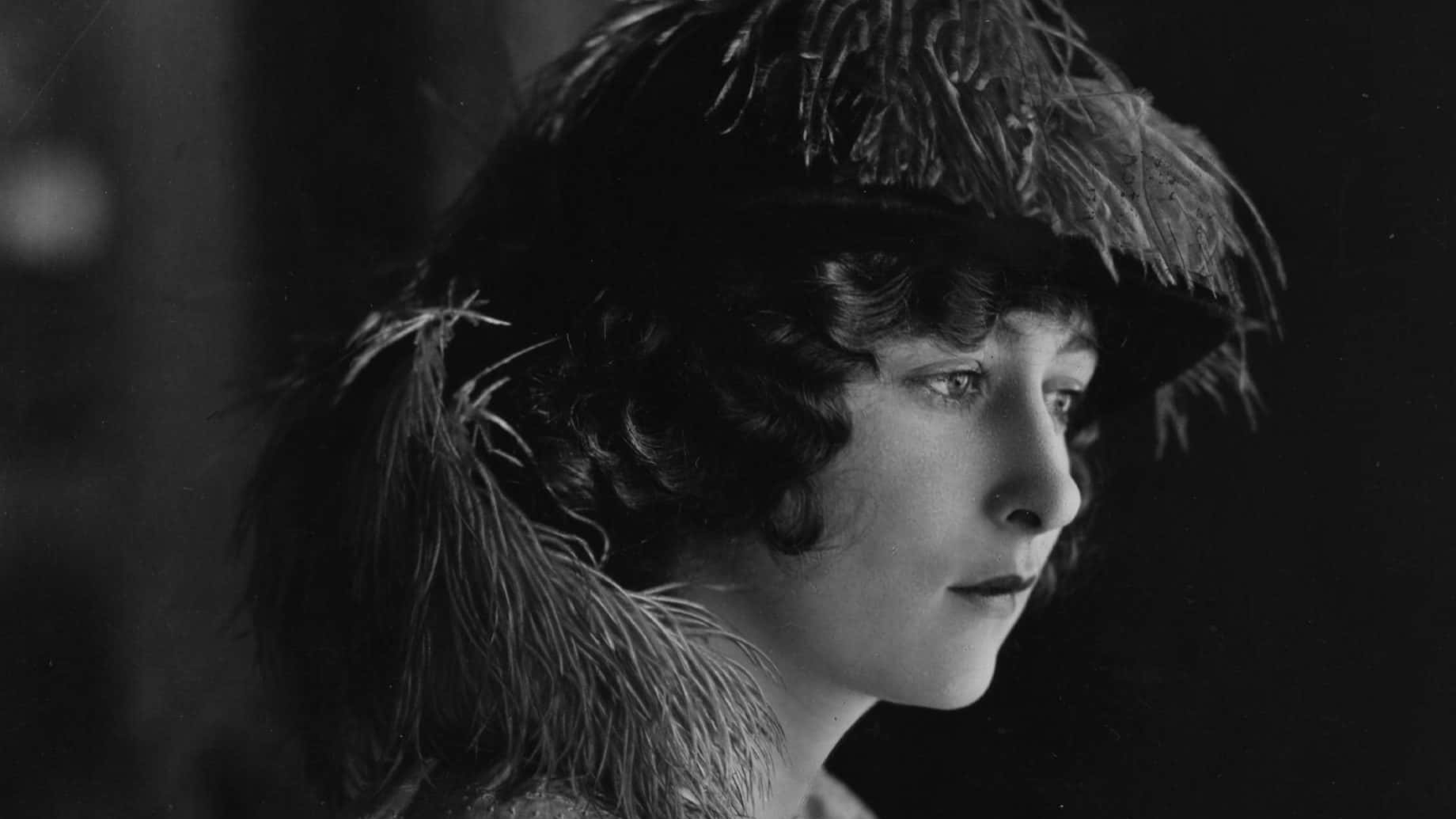
By his late 20s, Charlie had become one of the highest-paid individuals in the world, which he had virtually in the palm of his hands—until his first real controversy arose. In 1918, a 16-year-old actress named Mildred Harris announced that she was pregnant with Charlie’s child. Trying to prevent a massive scandal, Charlie married her away from the public eye.
Obviously, this was not a good decision.
21. The Truth Came Out
Not long after the marriage, the reality of the situation came to light with the revelation that Mildred wasn't actually pregnant. However, by the time Charlie discovered this, Mildred was pregnant for real, and gave birth to Norman Spencer Chaplin in 1919. Sadly, Norman passed in infancy, and the miserable union of Charlie and Mildred ended the following year.
Still, it wasn’t long before he found someone else.
 Unknown photographer, Wikimedia Commons
22. He Moved On
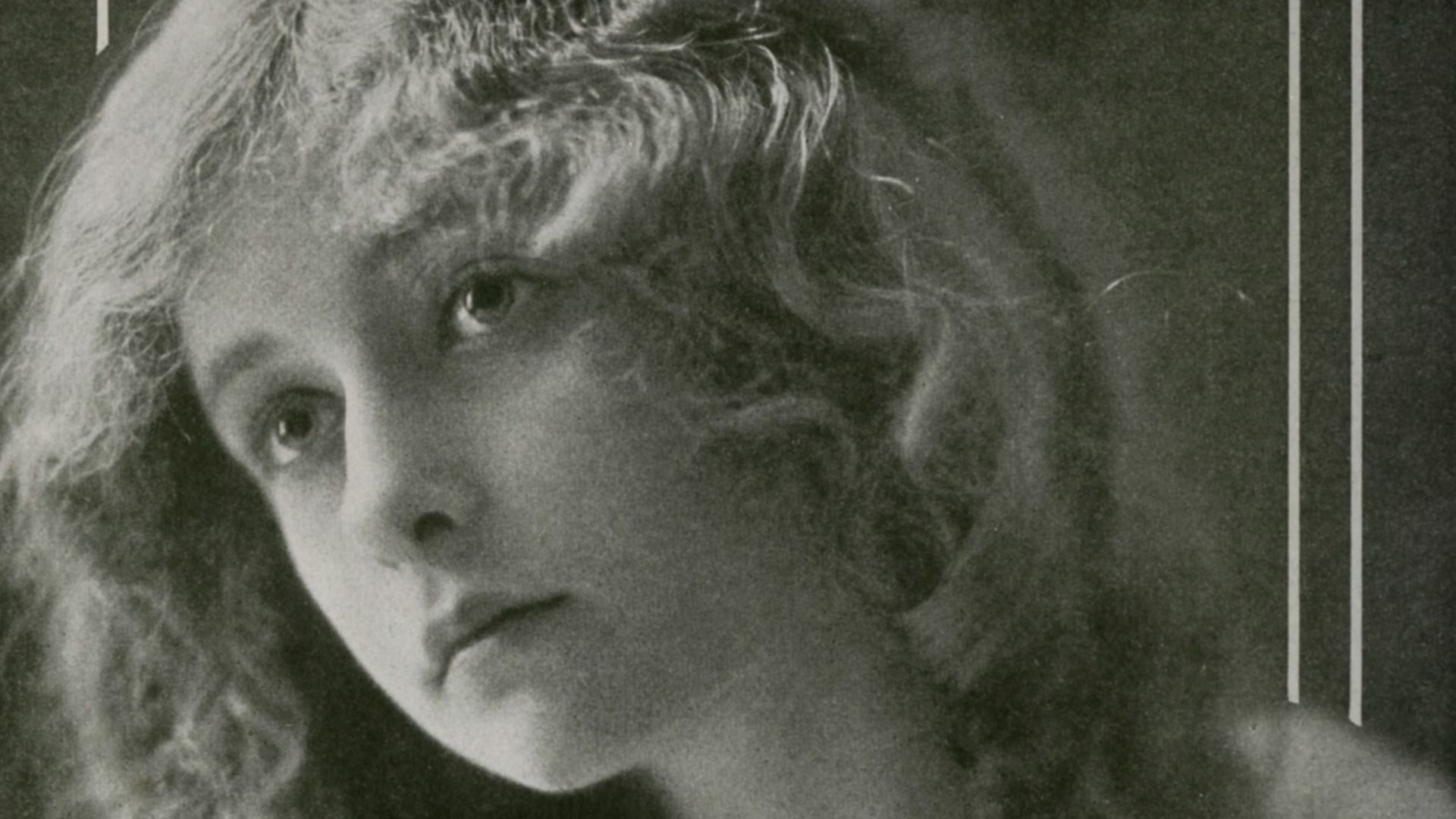
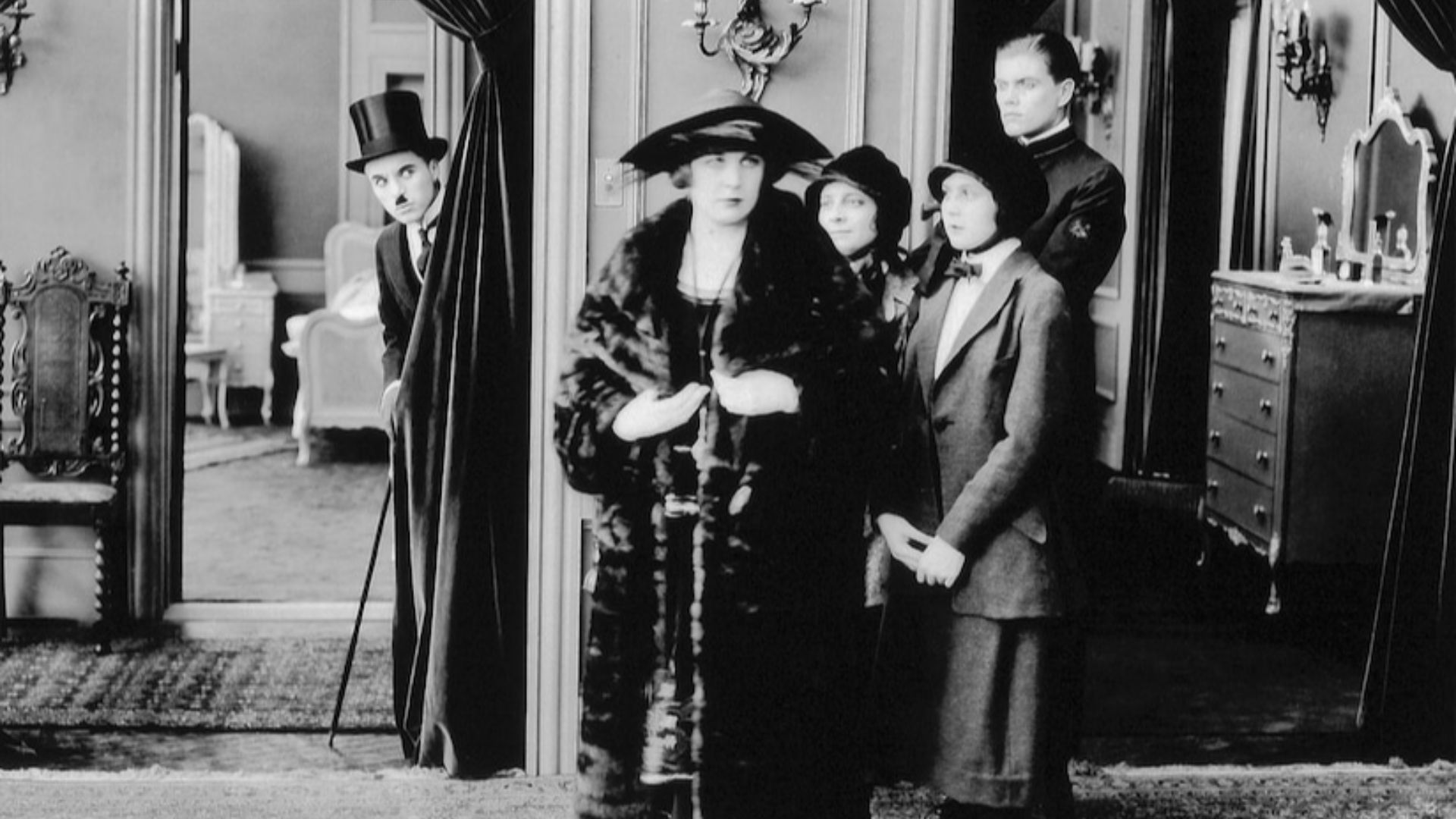
Around the time that Charlie began production on his next film for First National, The Idle Class, he hired an actress named May Collins to be his secretary. Once again, he failed to keep things professional, and the studio soon announced to the public in 1921 that the two of them had become engaged.
This wasn’t meant to last, though.
23. He Ran Away
In a surprising twist of fate, Charlie and May wouldn’t make it anywhere close to exchanging vows. Only two months after their engagement, Charlie’s attitude toward his fiancée changed drastically. Apparently, he'd already grown sick of her—and came up with a diabolical way of ending things.
Charlie Chaplin decided to ghost May. He simply stopped coming to the set and claimed to be ill, until May realized their engagement was over. In a matter of a few years, however, he was back in the middle of a scandal.
 Alfred Cheney Johnston, Wikimedia Commons
24. It Happened Again
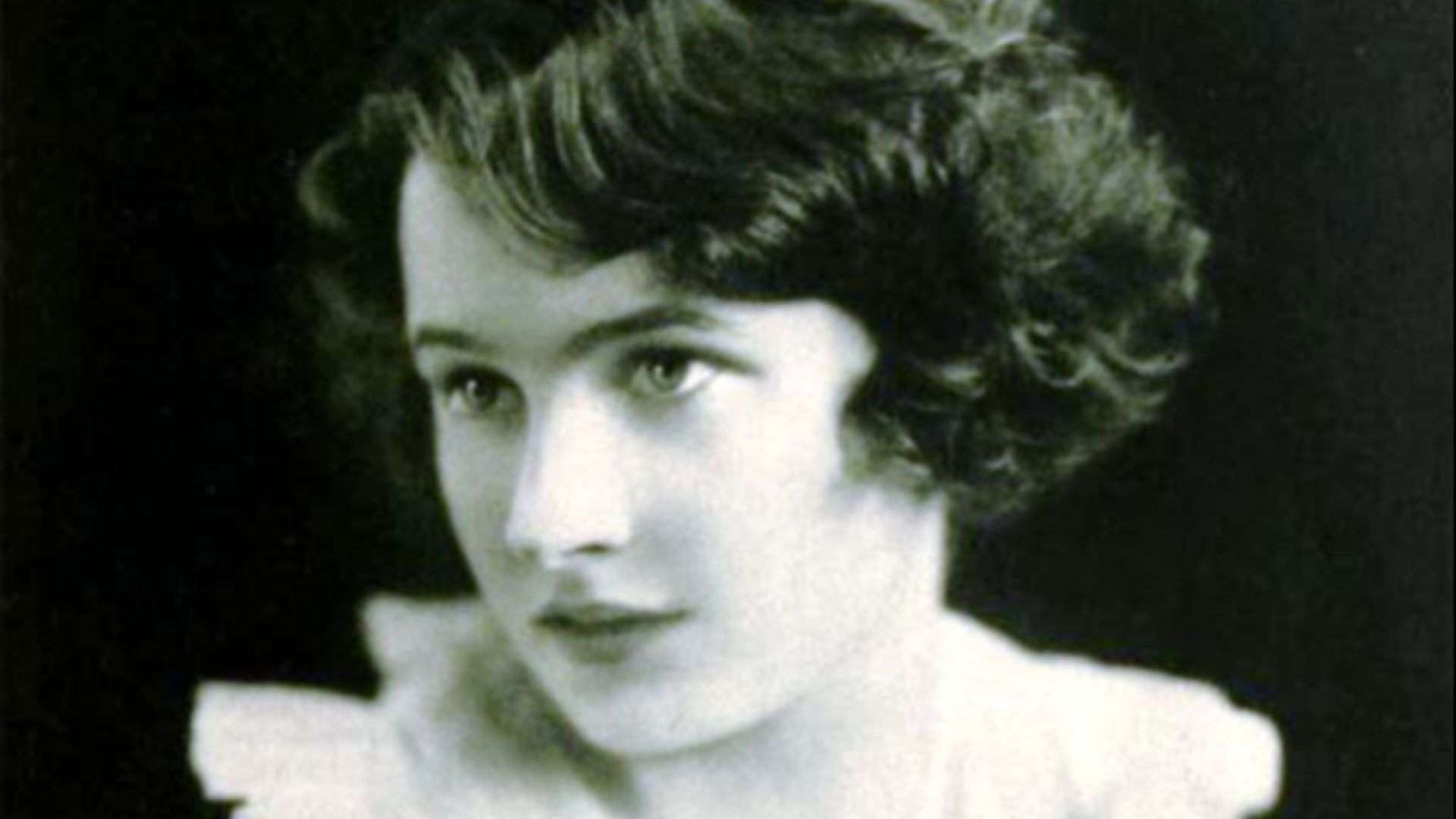
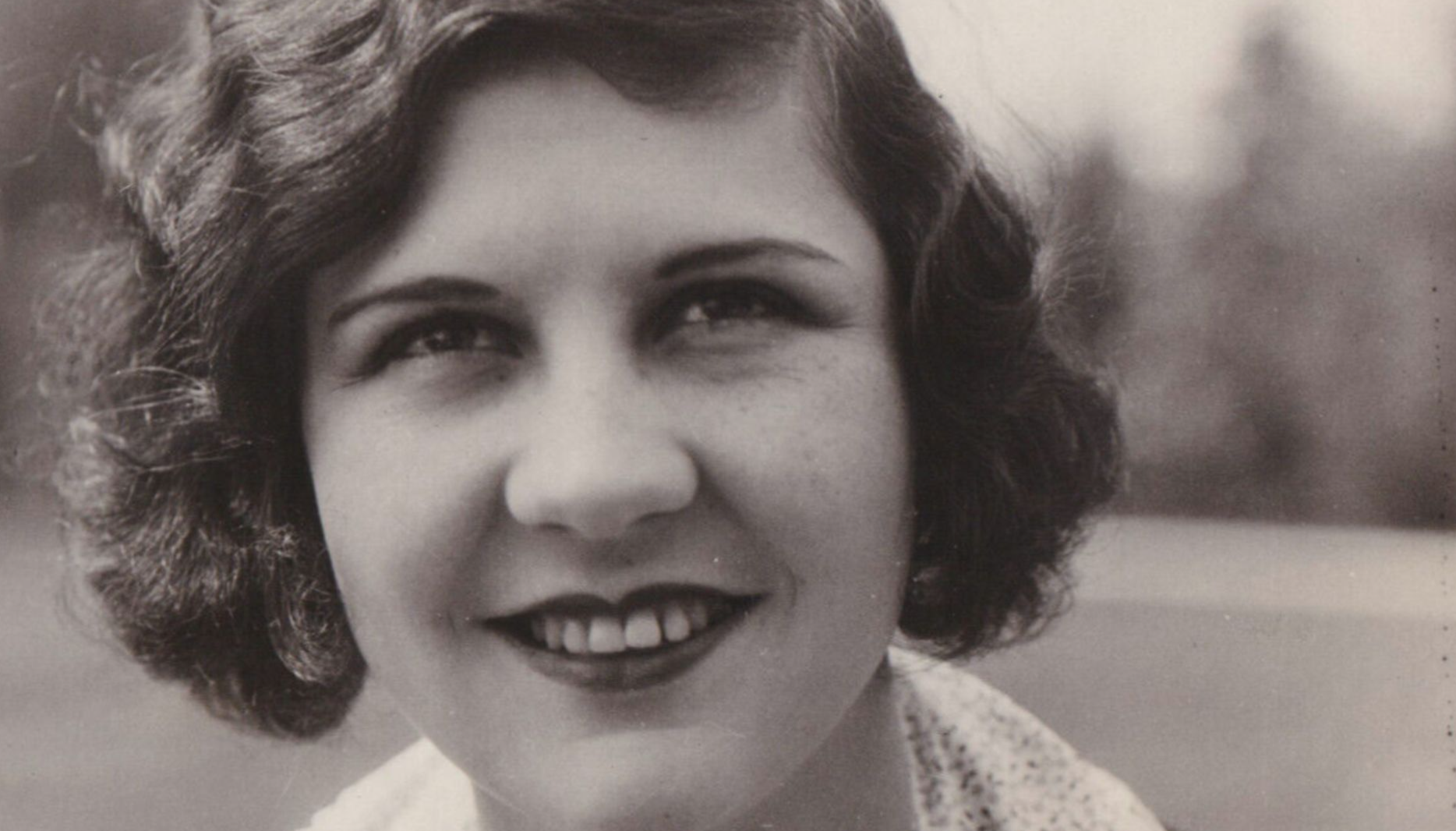
Now 35 years old, Charlie became involved with an unfortunately familiar controversy when another 16-year-old actress named Lita Grey told him she was pregnant with his child. However, this time it was true, and the announcement came around the time that Charlie was making his film The Gold Rush, which she was originally going to star in.
Just as before, he tried to keep things under wraps.
 Unknown author, Wikimedia Commons
25. He Kept It Secret
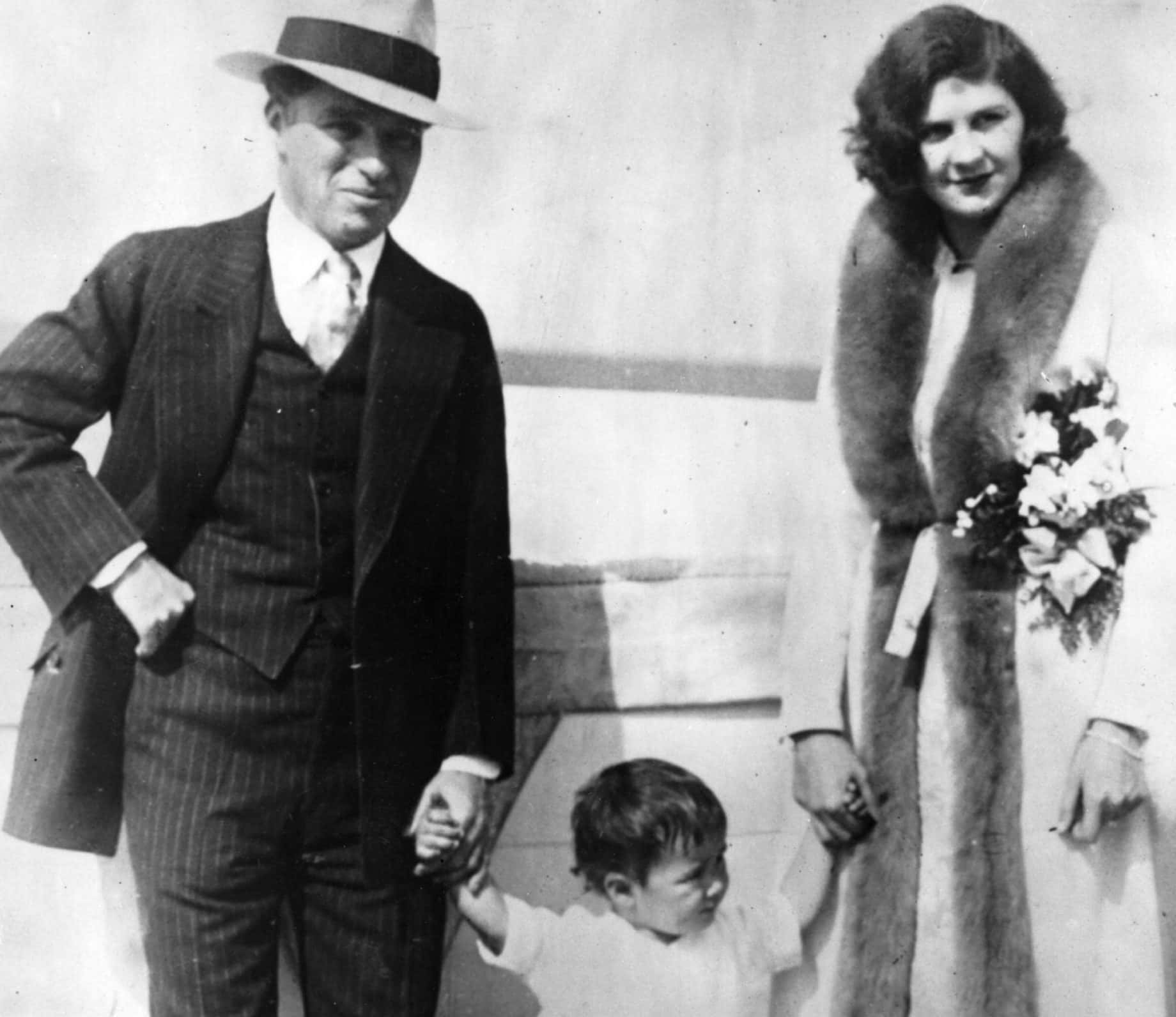
If the truth of Lita’s pregnancy made its way to the authorities, Charlie could potentially face charges under California law, so he tried his best to avoid publicity. As such, he went to Mexico and arranged a marriage between himself and Lita in 1924, before she gave birth to their first child, Charles Spencer Chaplin III.
However, it didn’t take long for things to reach a breaking point.
 Topical Press Agency, Getty Images
26. She Left Him
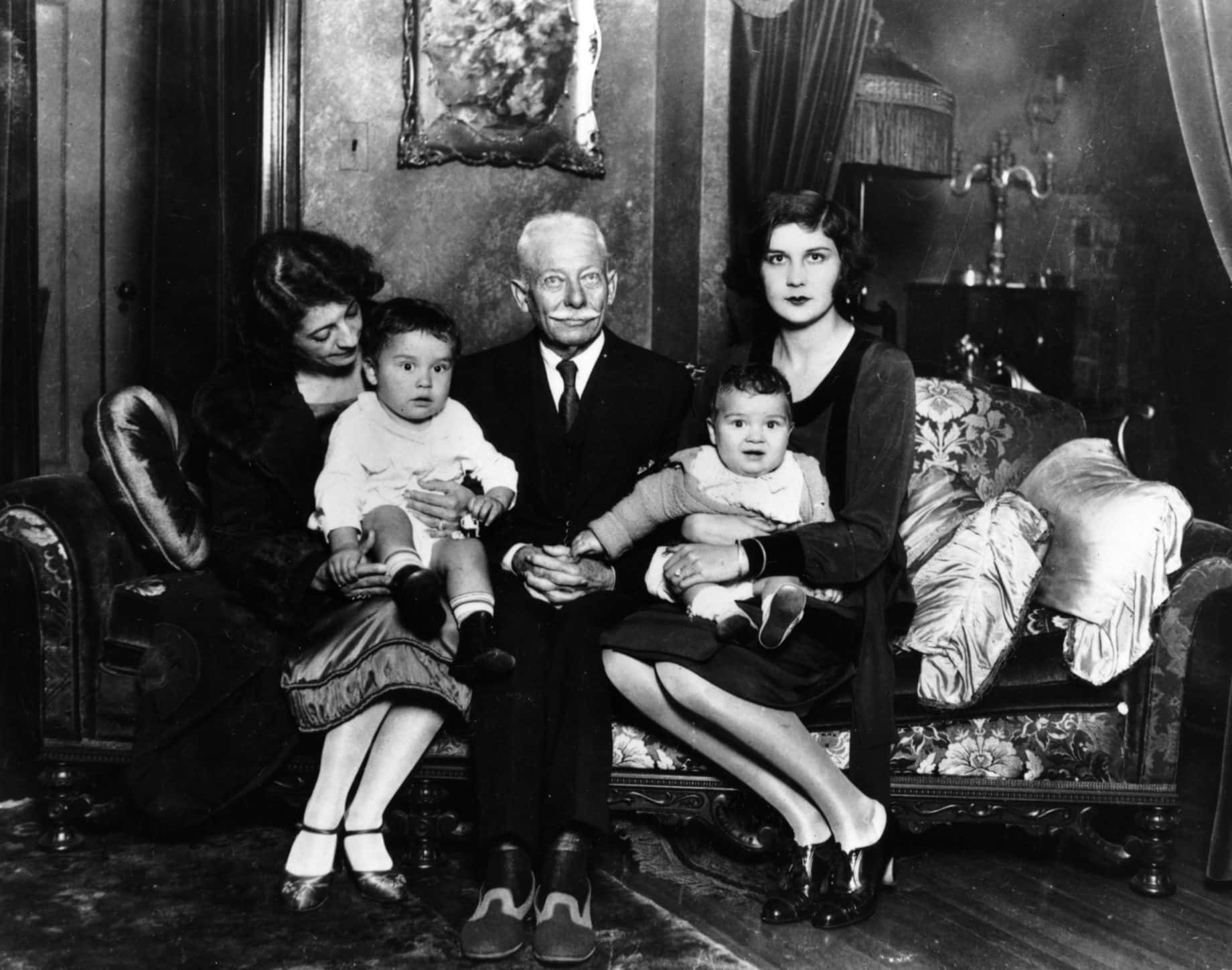
Lita and Charles had another child, Sydney Earl Chaplin, in 1926, but their marriage wouldn’t last the rest of the year. Naturally, this was yet another horrible union, and even Charlie was in such a wretched state that he barely spent time at home. This was for the best, as Lita soon realized she deserved better, so she took their children and left.
Their marriage wouldn’t stay a secret forever.
 Topical Press Agency, Getty Images
27. The News Blew Over
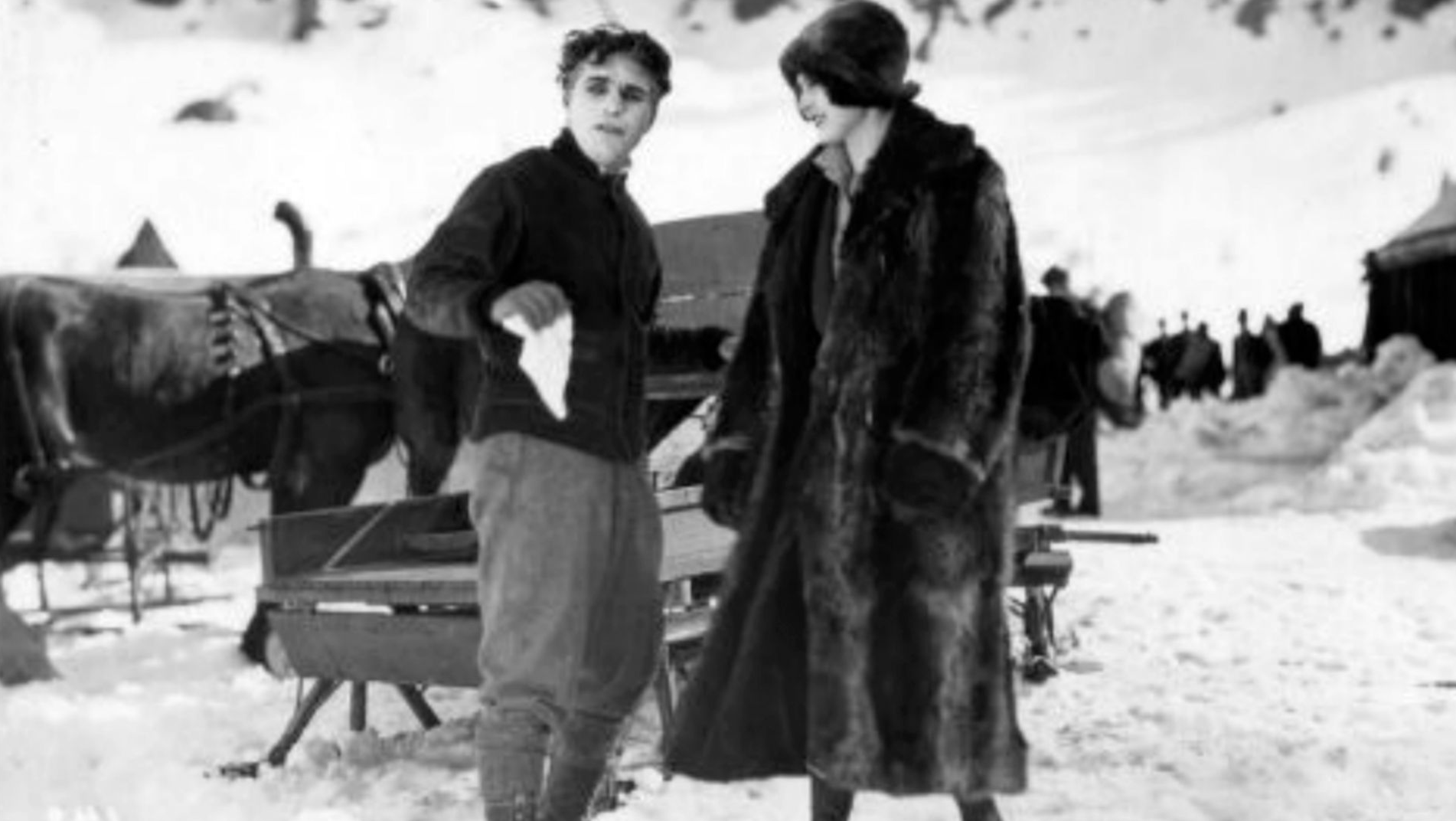
Despite his efforts, Charlie couldn’t avoid the truth completely, and Lita officially filed for divorce in 1927. Shortly after, her application leaked to the public, alerting them to all the wicked things she was accusing Charlie of. Still, while there was a rising sentiment of banning his films, he had enough fans that it didn’t take long for the whole incident to fall into obscurity.
Meanwhile, the industry was experiencing a significant shift.
 Charles Chaplin Productions, Wikimedia Commons
28. He Was Against It
Charlie had risen to the very top of the Silent Film era, but that time was quickly coming to an end, and change wasn’t always welcome. With the technological advent of sound films, many eagerly embraced these “talkies”. However, others like Charlie voiced their opposition, claiming that the new form of filmmaking paled in comparison to the art of silent films.
Unfortunately for him, his confidence in his craft took a hit.
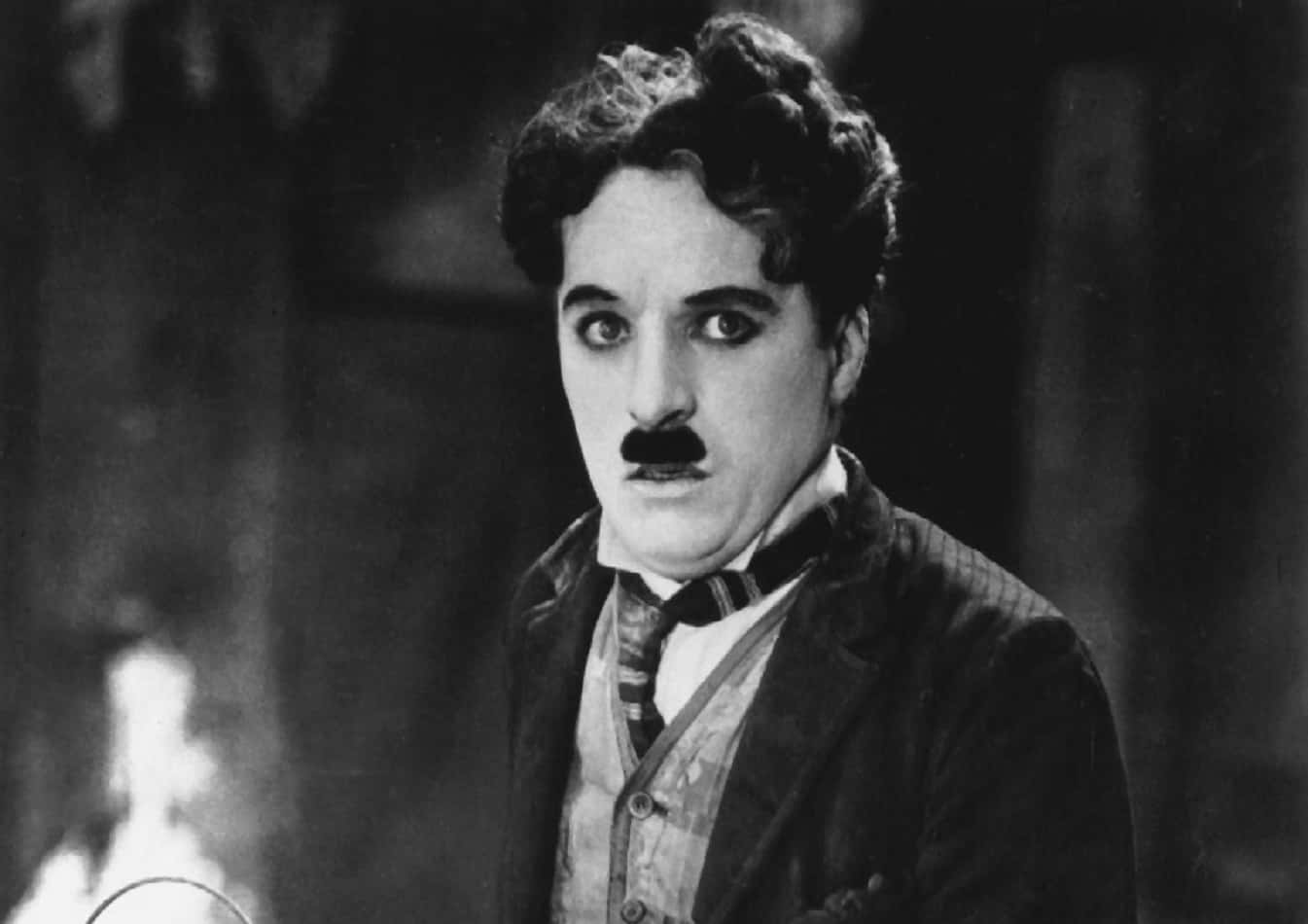
29. It Had Mixed Reviews
Despite being a staunch advocate of silent films, Charlie still grew nervous about their potential. This only worsened with the preview of his newest project, City Lights, which was met with a more negative reception than he was comfortable with. However, once he took it to the media, all the critics did was praise his skill and express defiance toward the new sound pictures.
Behind the scenes, his personal life took another shocking turn.
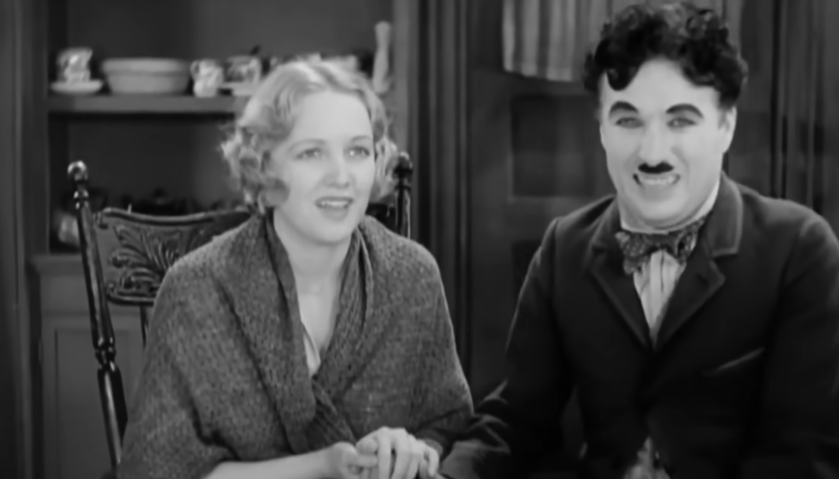 Charles Chaplin Productions, City Lights (1931)
30. He Met Someone Else
Having spent nearly a decade alone, Charlie was ready for another relationship, which came along once again as he was casting for his upcoming film Modern Times. Taking on the 21-year-old actress Paulette Goddard as his co-lead in the movie, the two of them began a romantic relationship almost immediately.
Soon after, they traded the hustle and bustle of Hollywood for a life abroad.
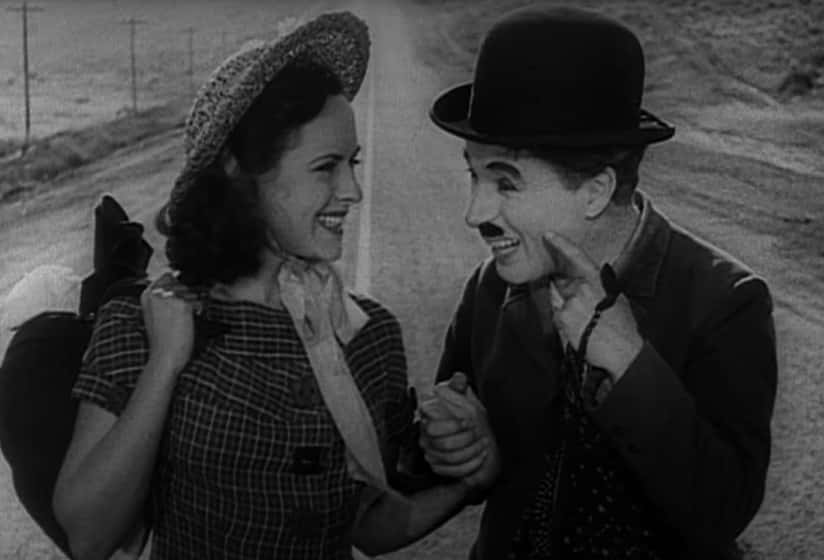 Modern Times (1936), Charles Chaplin Productions
31. They Went Away
Charlie and Paulette worked on several projects going forward, but after their first film, they decided it would be best to get away for a bit. Becoming increasingly private people, they wanted to get as much distance from the spotlight as possible and traveled to the Far East in 1936. Unbeknownst to the press, the two of them married while on this journey.
Having traveled the world, the state of it began to weigh on Charlie more and more.
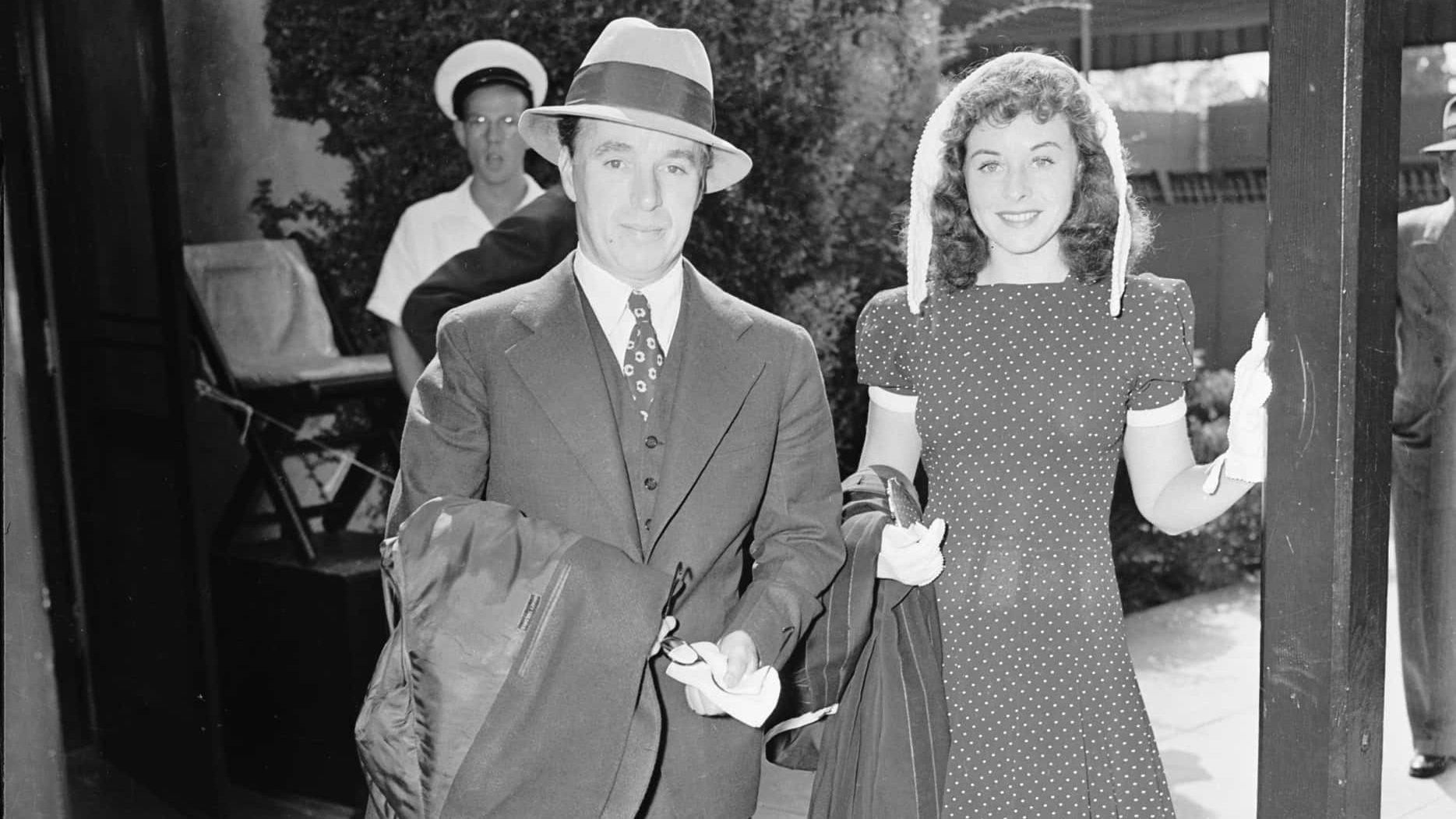
32. He Was Radicalized
Through learning about global events from the comfort of Hollywood and then witnessing the state of the world throughout his travels, Charlie grew more invested in the geopolitical landscape. Specifically, the rise of militaristic nationalism in several countries deeply disquieted him, and even though it upset some audiences, this passion and fear found a place in his films.
Unfortunately, he also bore a strong resemblance to someone evil.
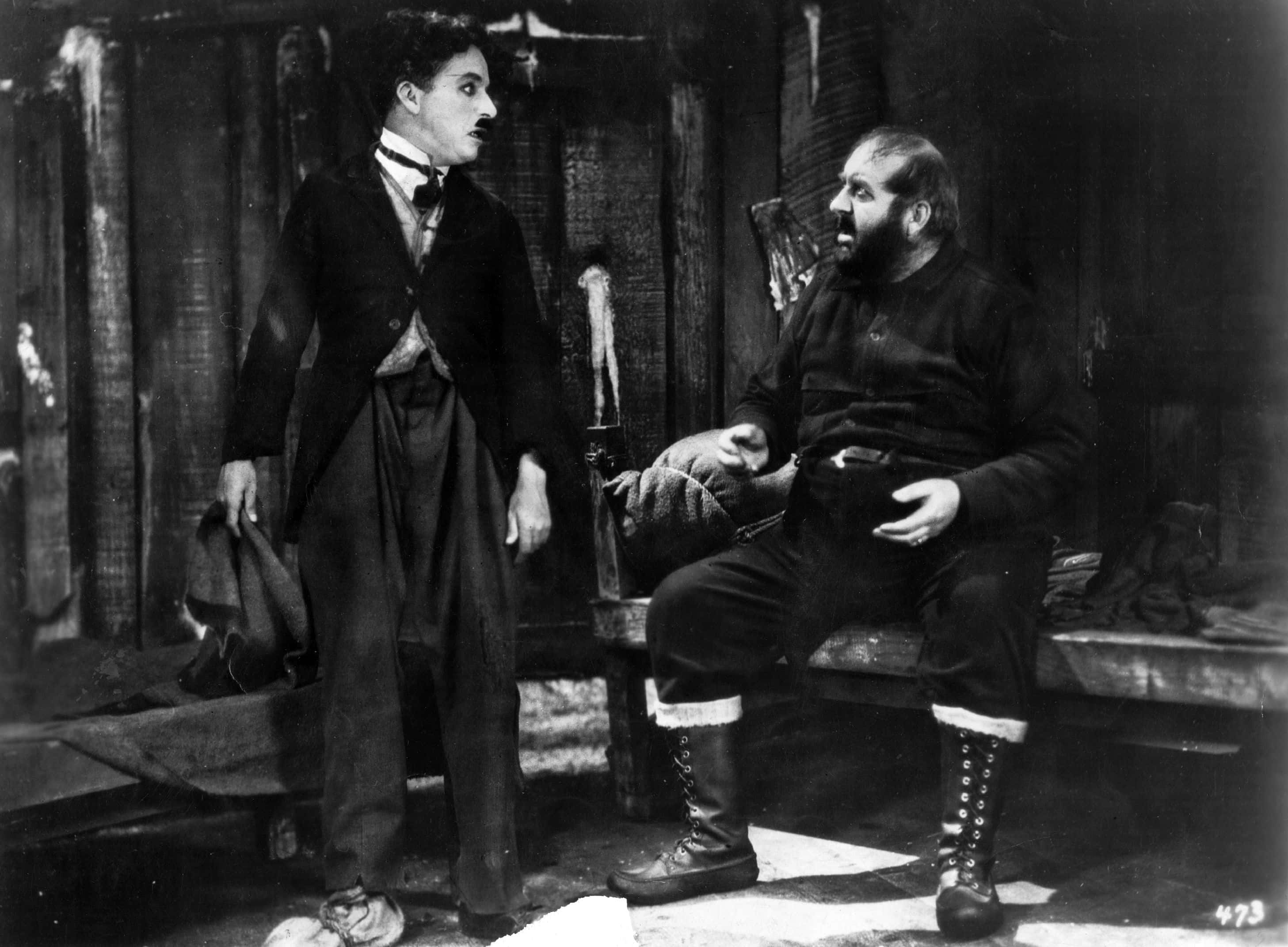
33. They Were Similar
Eventually, many started to point out similarities between Charlie and another man who was quickly gaining notoriety in the world—the new Führer of Germany. These similarities included details like a shared life story of “rags-to-riches,” and being born four days apart, as well as their appearances, since the Führer and the Tramp had the same mustache.
At last, Charlie relented to the new age.
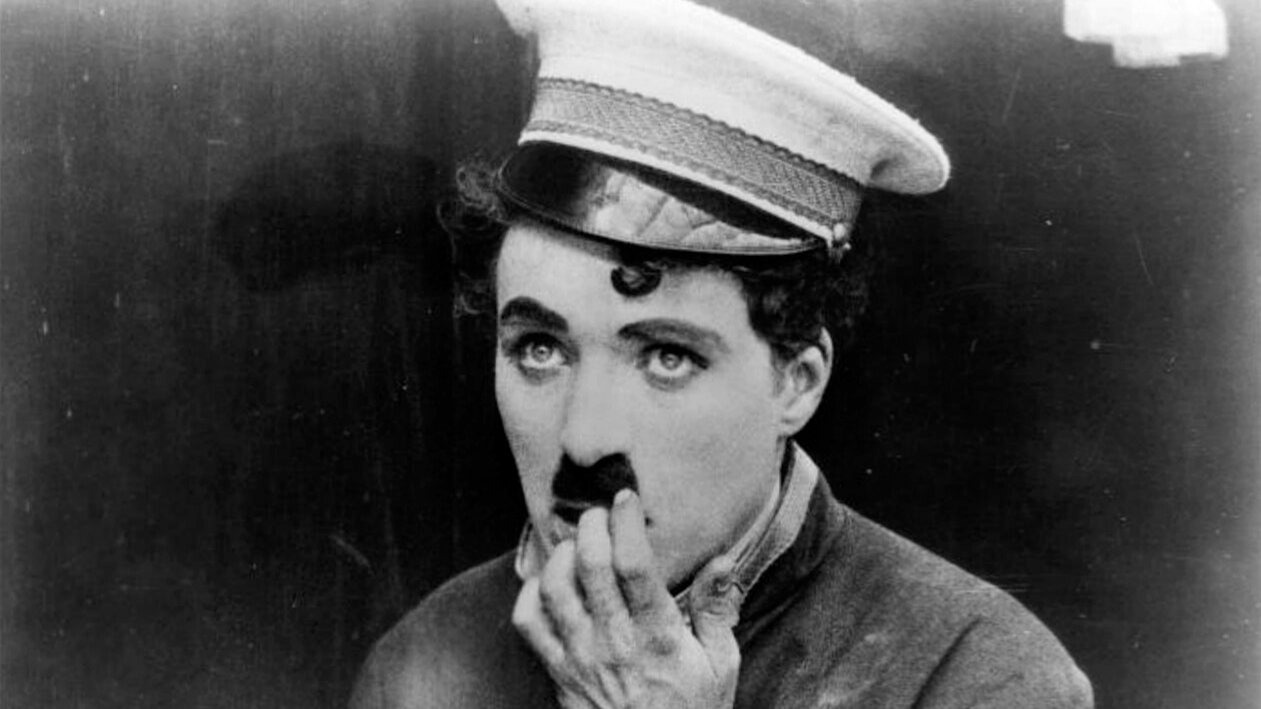 Essanay Studios, Wikimedia Commons
34. He Gave In
Inspired by the comparisons between himself and the Führer, Charlie got the idea for his next film, The Great Dictator, but he would be making some serious changes. Finally warming up to the concept of sound films, he realized that if he were to depict the kind of message he was looking for properly, people would actually need to hear it.
Those who didn’t like his more political projects wouldn’t be happy with the result.
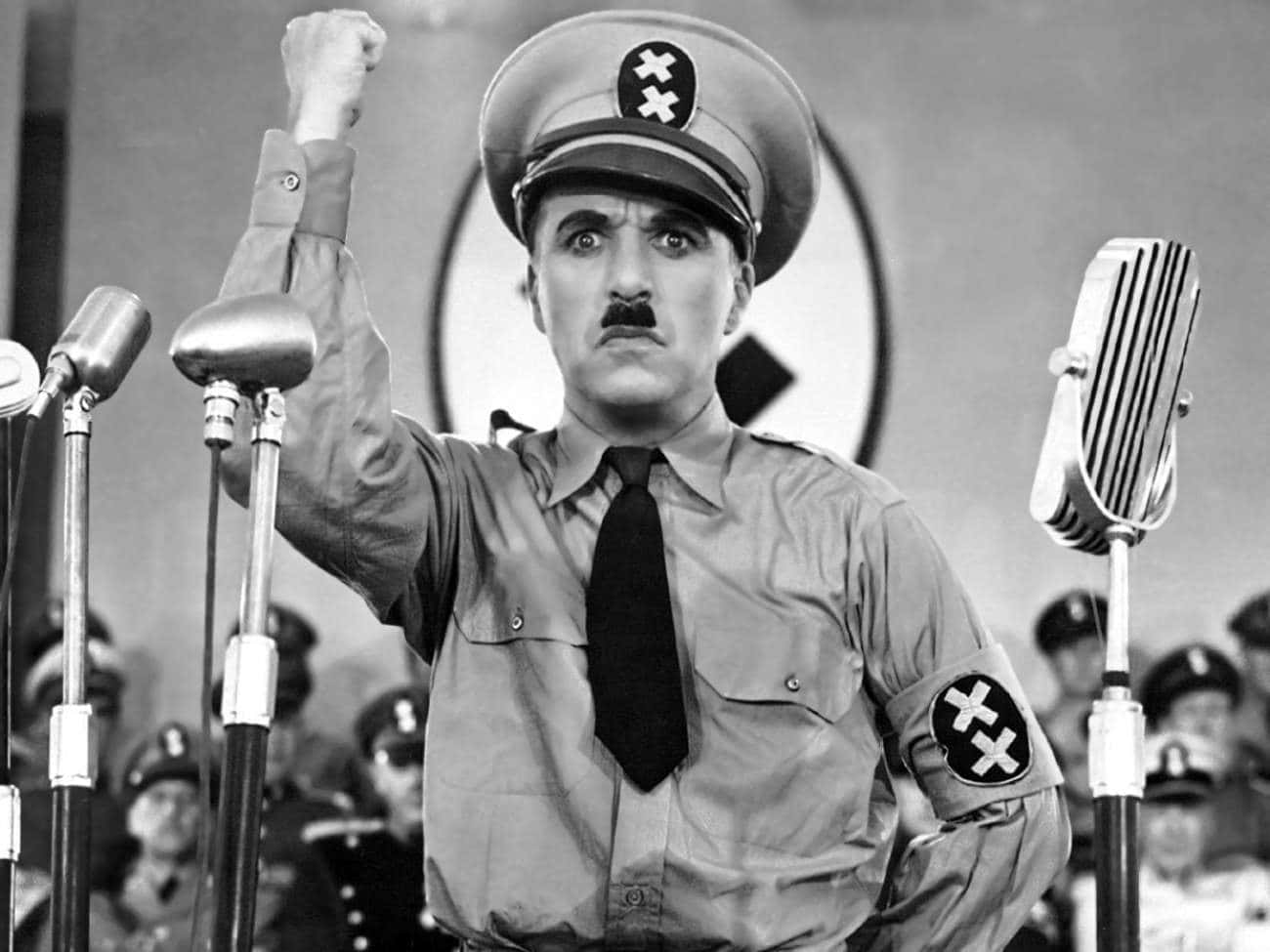 Trailer screenshot, Wikimedia Commons
35. He Was More Serious
Charlie had experimented with political themes in previous films, but The Great Dictator soon became his most iconic project to include such concepts. As a satirical view of the Führer, Charlie was sure to include his brand of comedy. However, he also ended the film on a more severe note, where his character delivers a five-minute speech against fascism and conflicts.
His relationship was also in an unstable place.
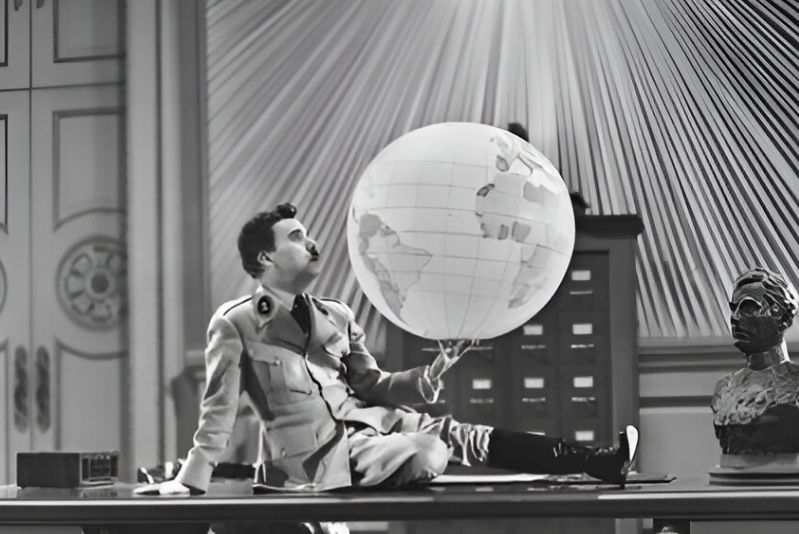 Charlie Chaplin, Wikimedia Commons
36. They Split Up
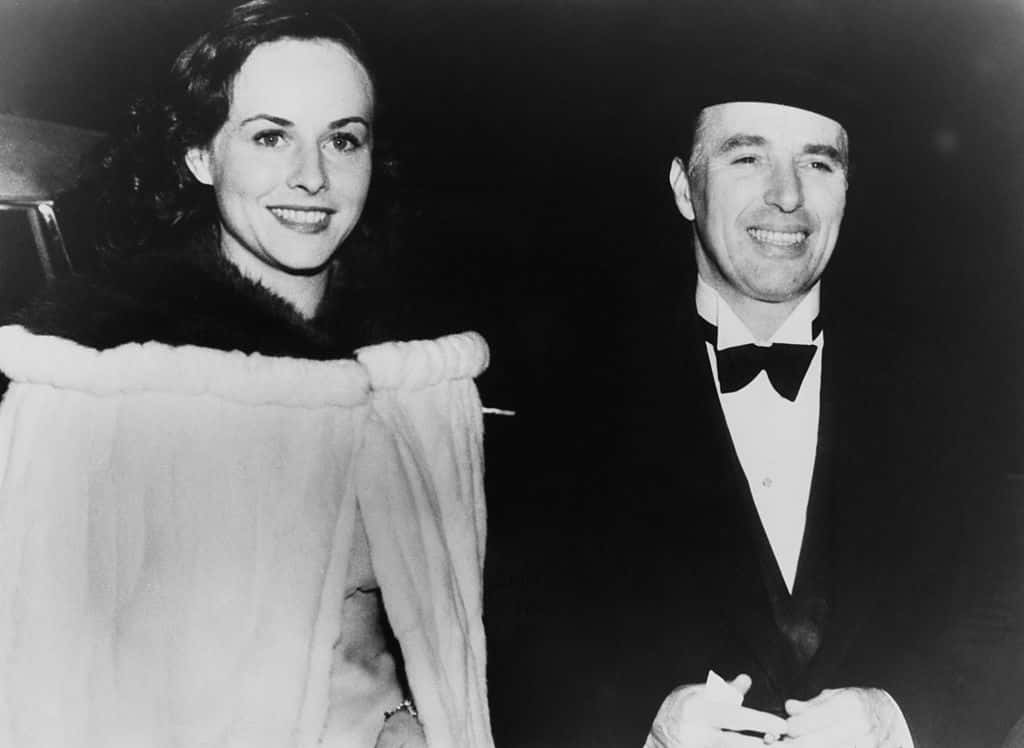
As had become familiar, Charlie and Paulette Goddard worked together again when she played a lead in The Great Dictator, but something was different. As they both were prone to throwing themselves wholeheartedly into their work, neither had much time for anything else. After a few years of slowly losing their spark, this divide pushed them to divorce in 1942.
But their cooling chemistry wasn't the only thing that contributed to their break-up.
37. They Were On And Off
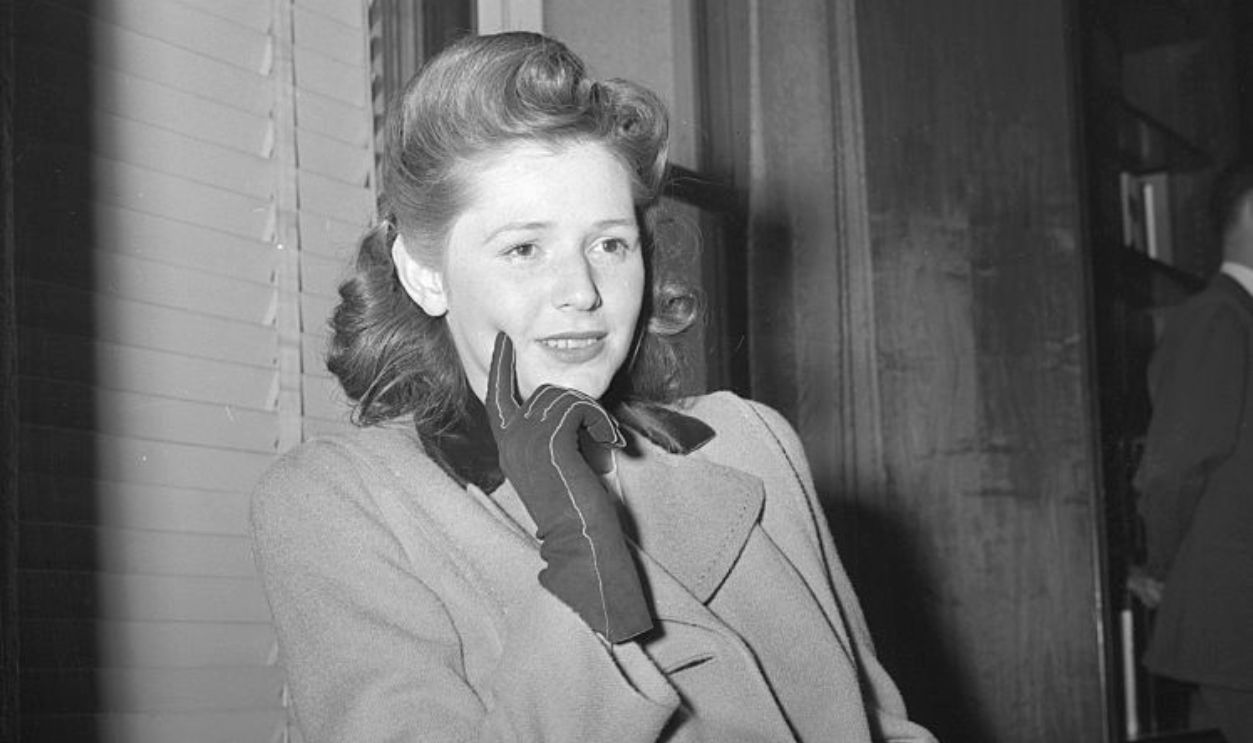
Even before Charlie and Paulette’s divorce, their loss of love was clear, since he had started courting another woman a year earlier. This relationship with the 21-year-old Joan Barry was much more casual, but that didn’t seem to satisfy her at the end of the day, and she pursued him with an obsessive love.
Finally, he had had enough.
 Sasha (1895–1940), Wikimedia Commons
38. She Had Her Own Issues
Joan Barry had dreams of being an actress, and Charlie intended to make her his next leading lady. However, he saw her as inexperienced, so he constantly worked to improve her acting skills, to no avail. According to some accounts, Joan developed a drinking problem and stopped coming to acting class, which pushed Charlie to end things between them.
However, Joan proved to be an even bigger problem for Charlie than he realized.
39. He Denied It
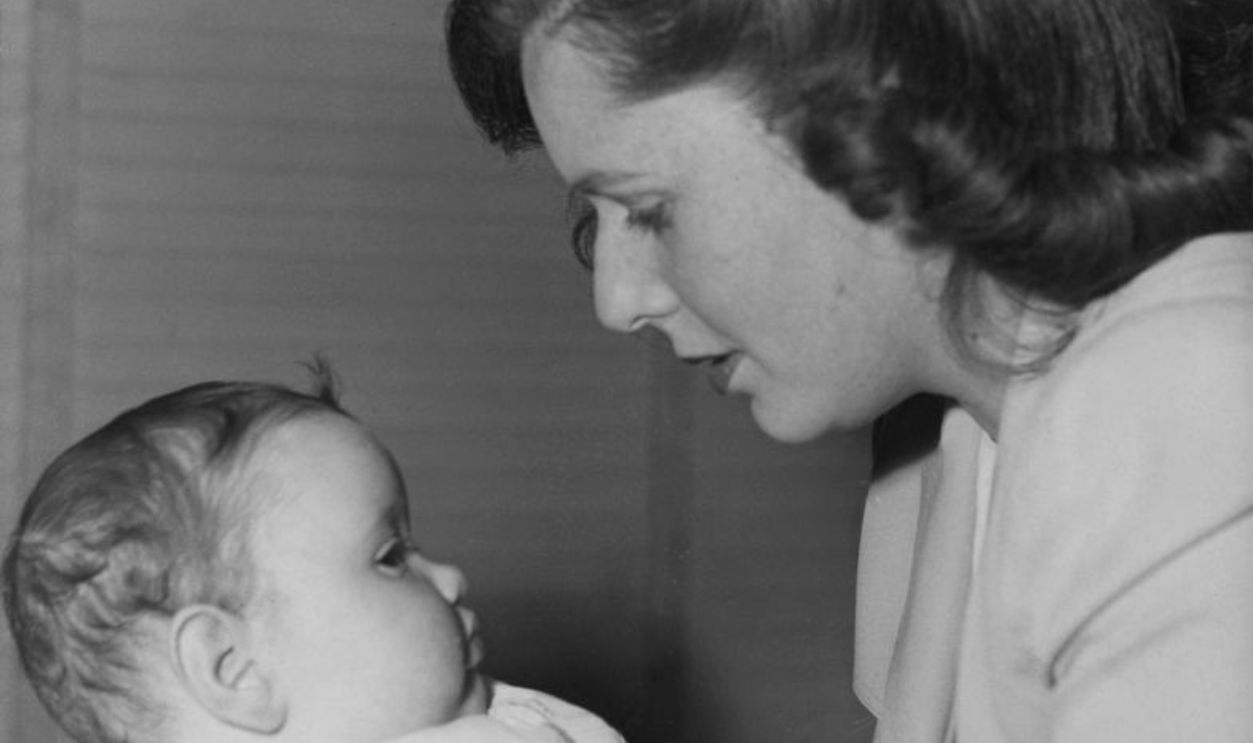
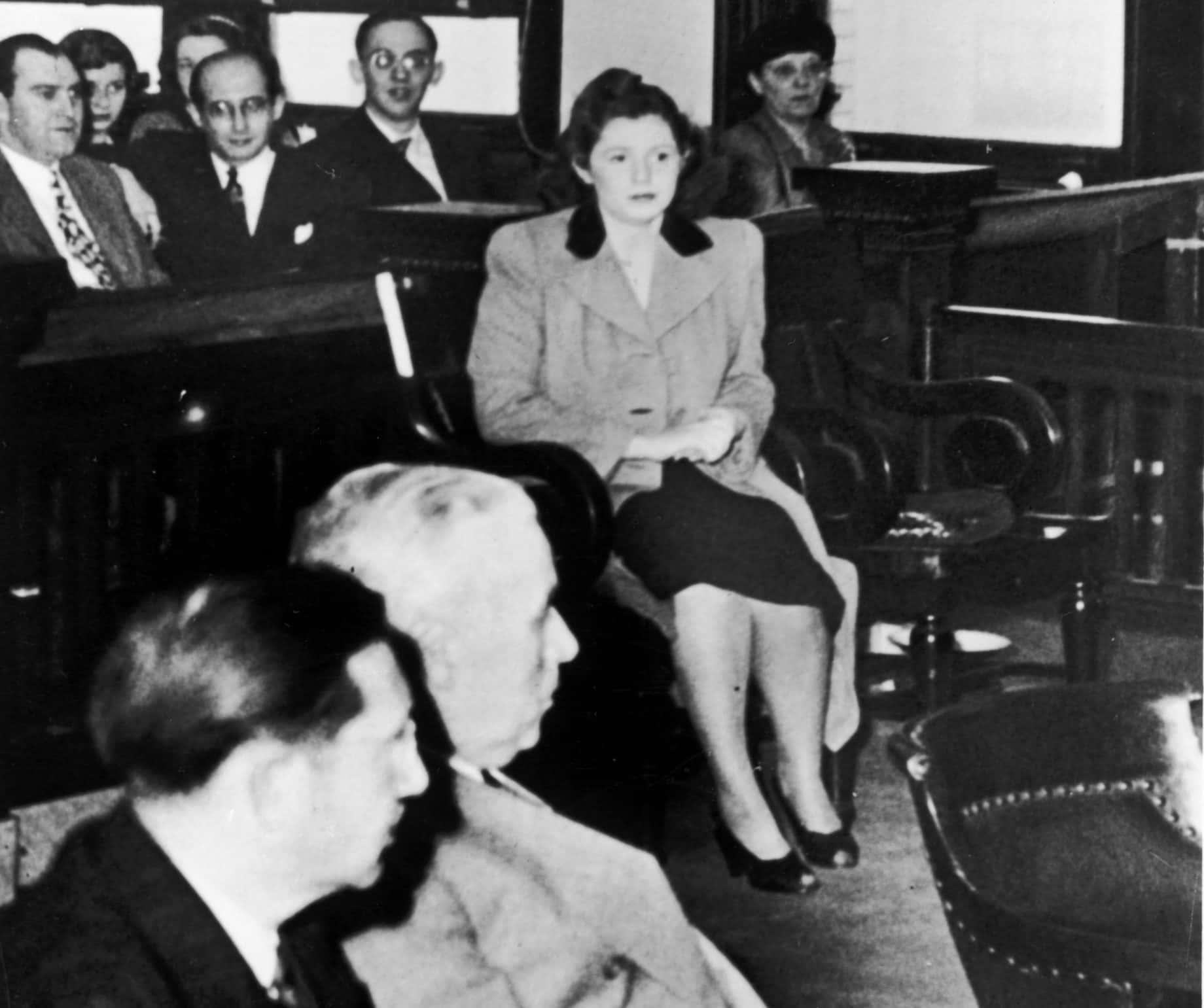
Following their split, Joan became more obsessive, and her stalking even led to intervention by law enforcement several times. In a familiar twist, she then asserted she was pregnant with Charlie’s child, a notion he adamantly refuted. Still, after giving birth to her daughter, Carol Ann, Joan filed a paternity suit to prove that Charlie was the father.
As we'll see, the trial did not go as planned.
40. He Seized The Chance
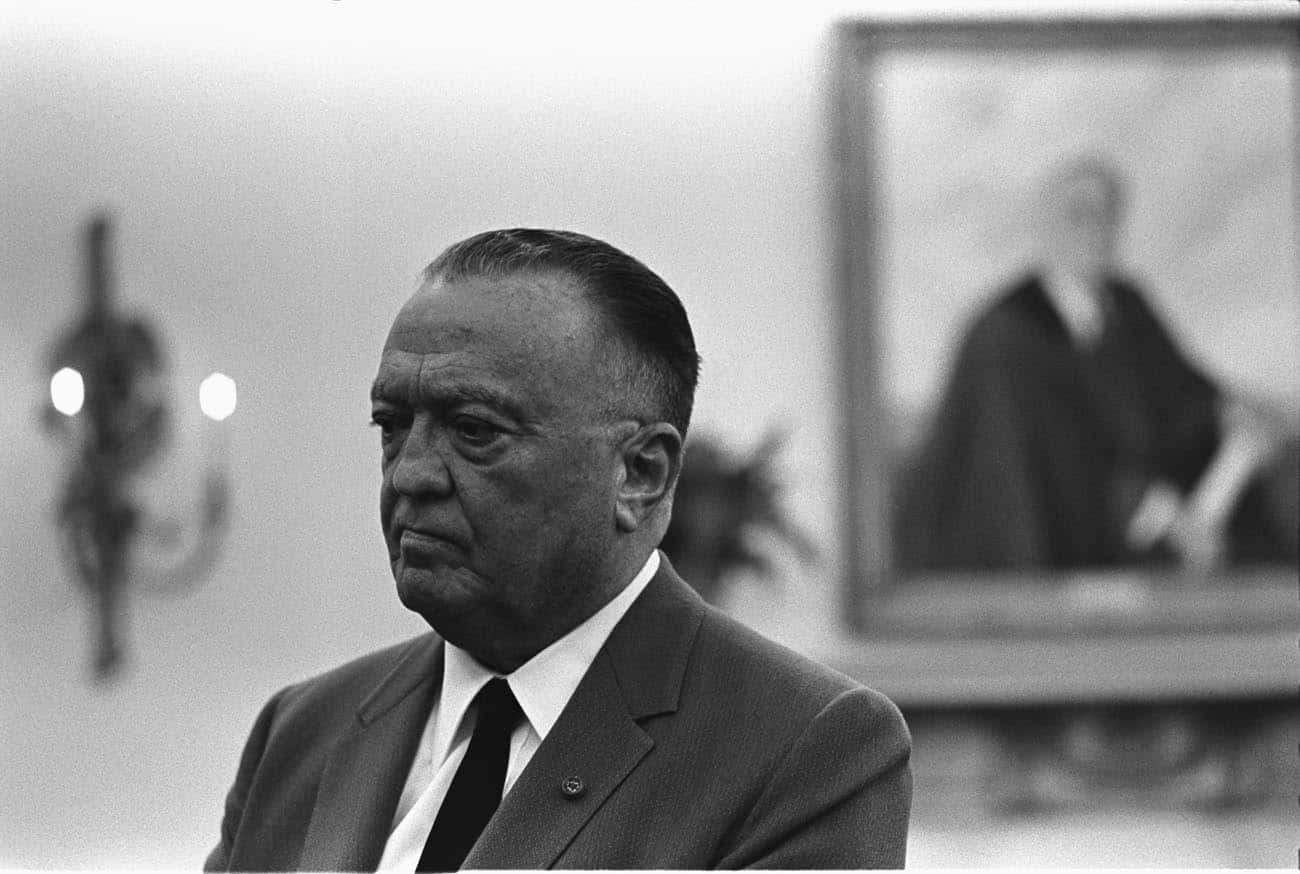
Undoubtedly due to Charlie’s strong political leanings and willingness to publicize them, the FBI grew suspicious of where his allegiances truly lay, but his fame was a sort of shield. To ruin his image, director J Edgar Hoover used his scandal with Joan Barry to imply that Charlie was guilty of violating several laws. He even went as far as to name Charlie in four indictments.
He accused him of having violated the Mann Act in his relationship with Barry, which prohibits transporting a person across state lines for the purposes of engaging in "immoral" behavior. Even if the charges didn’t stick, the damage was done. And the situation only became messier.
 Yoichi R. Okamoto, Wikimedia Commons
41. It Went To Trial
Charlie’s luck didn’t improve in 1944, when Joan’s paternity suit went to trial and the prosecution seemed to be out for blood. Being accused of "moral turpitude," Charlie submitted to a series of blood tests, which revealed he was not the father. Shockingly, though, the court ruled these tests inadmissible and ordered him to pay child support. Even with all these scandals, Charlie’s search for love remained undeterred.
42. He Found Someone New
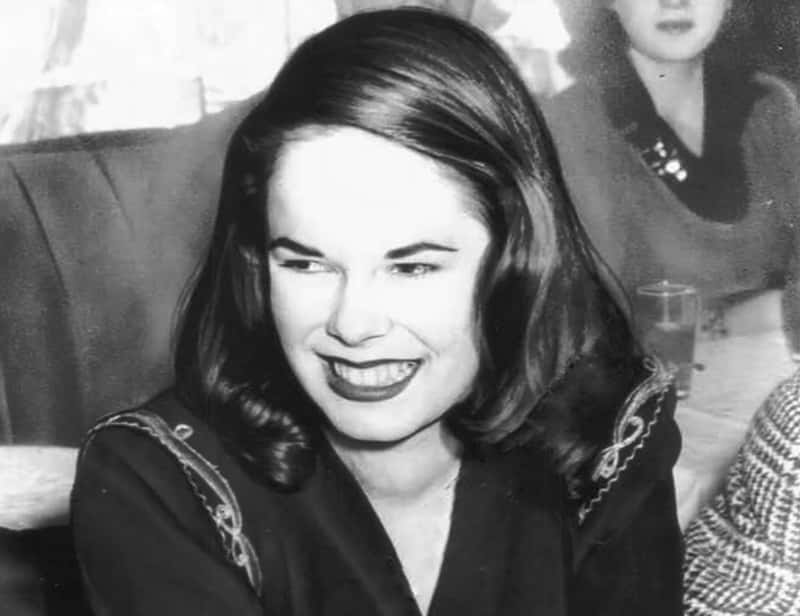
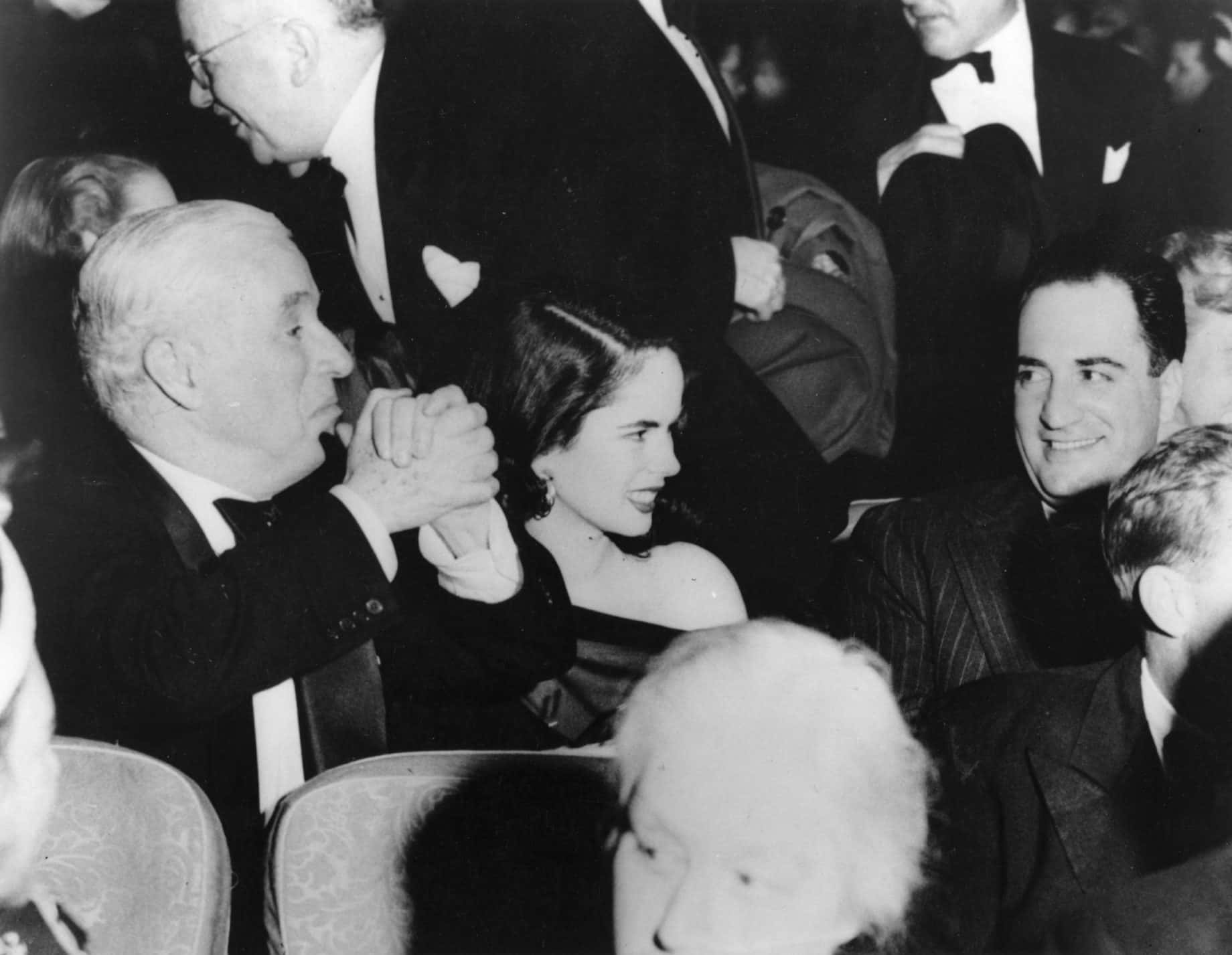
As it turns out, Joan wasn’t the only one Charlie had in mind as a lead for his new movie, since he had also met a 17-year-old actress named Oona O'Neill. All while the controversy surrounding him and Joan was happening, the now 54-year-old Charlie and Oona had begun a relationship. Before long, they eloped and announced their marriage.
Meanwhile, he hadn’t finished interweaving his films with deeper meanings.
 Associated Press, Wikimedia Commons
43. He Spoke Out Again
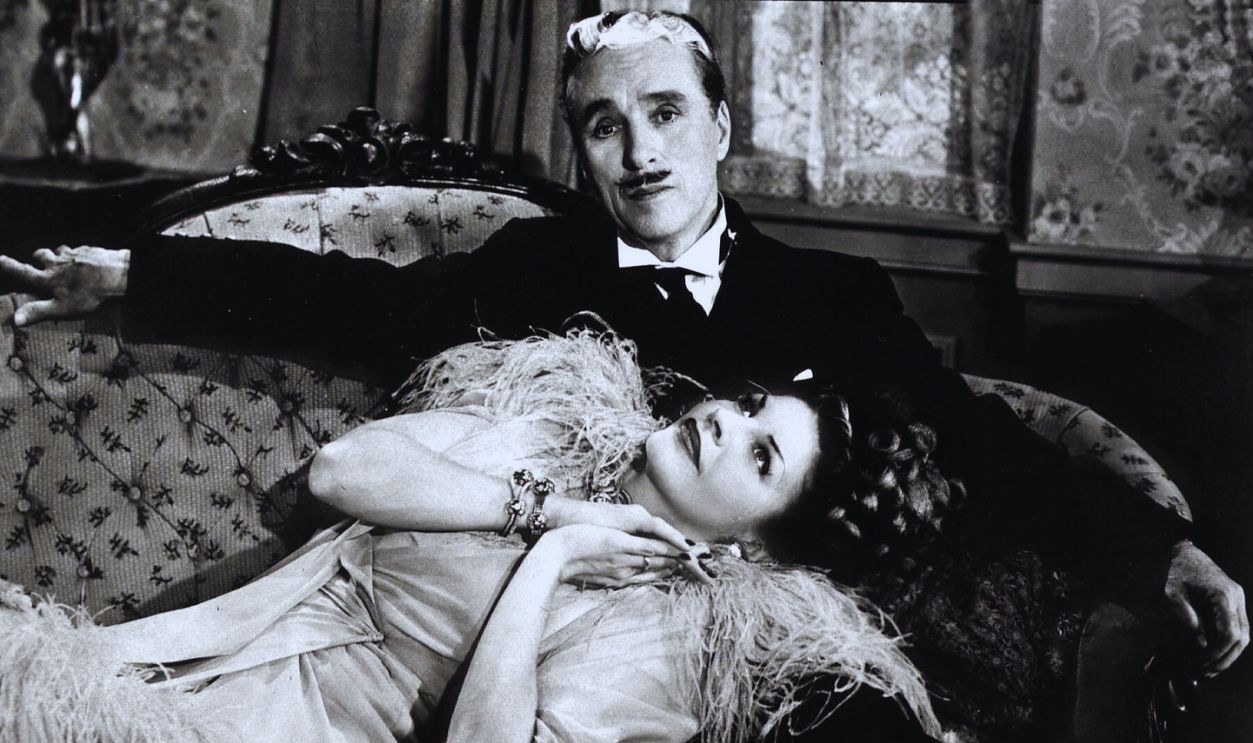
All the trials and scandals had taken their toll on Charlie’s mental state, and he didn’t make another film until 1946, when he commenced production on Monsieur Verdoux. Releasing the following year, the film again provided commentary on the society around him, specifically the world’s complacency towards conflict and capitalism.
Unfortunately for him, this only fanned the flames.
44. They Spread Rumors
Charlie was already in hot water from the Joan Barry scandal, and his marriage to a woman 36 years his junior didn’t help, but Monsieur Verdoux’s release sealed his fate. The film’s anti-capitalist message only provoked more contention, giving the media fuel to accuse Charlie of being a communist and the FBI reason to launch an official investigation.
Soon enough, this all finally came to a head.
45. He Couldn’t Return
Charlie denied being a communist, and the FBI never found anything to incriminate him of such sympathies, but many still wanted him kicked out of the country. Luckily for them, Charlie had planned to premiere his next film in London and had left in September 1952. Taking their chance, the government then rescinded the actor’s re-entry permit for the US.
Needless to say, Charlie was fed up.
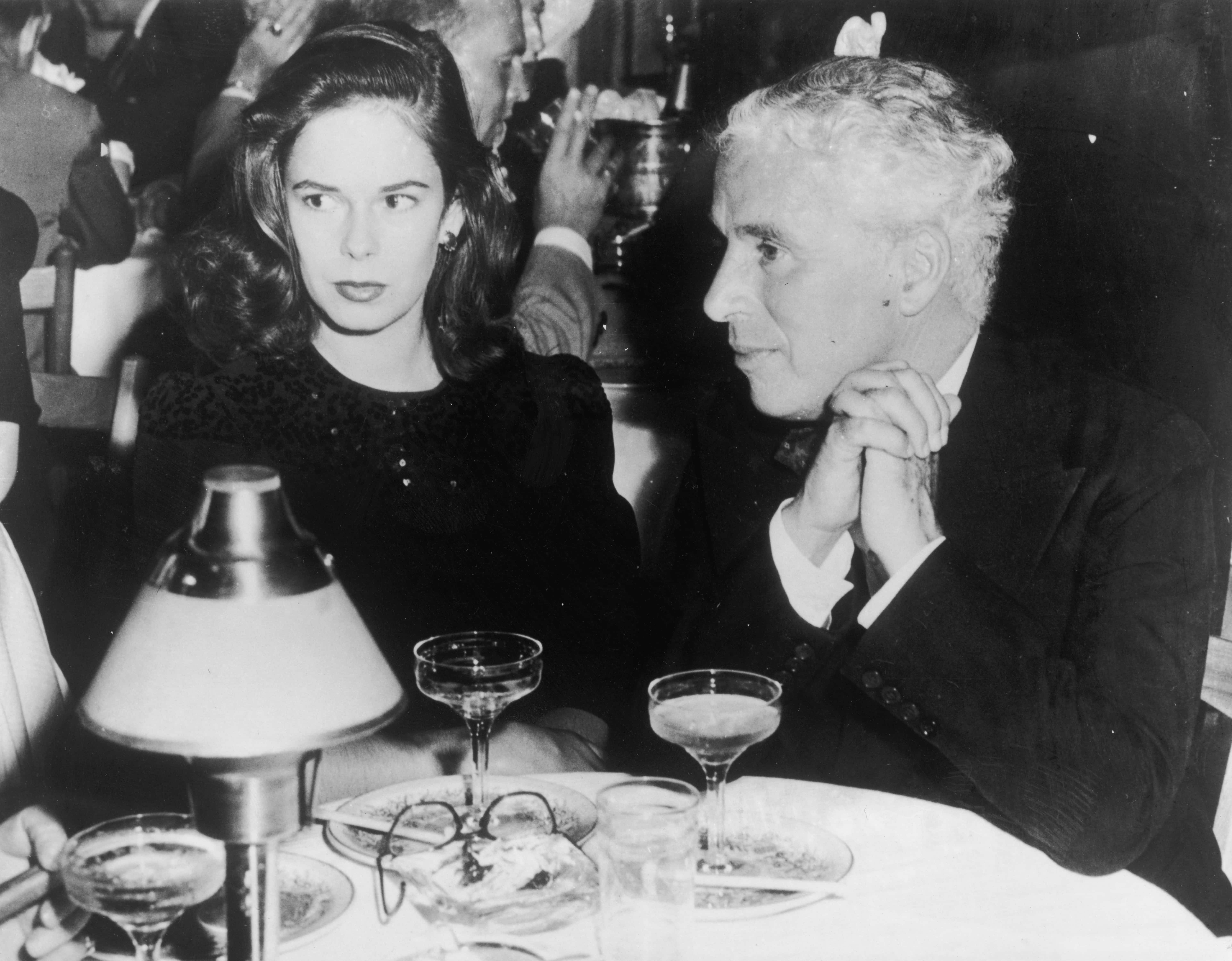
46. He Made The Decision
The FBI had nothing substantial that proved Charlie was a communist, but the loss of his re-entry permit meant he would have to apply again and prove his loyalty. Although many have since claimed he likely would have succeeded in this, Charlie decided that enough was enough, and he renounced any connections he had to America.
From then on, it was clear his career wouldn’t be the same.
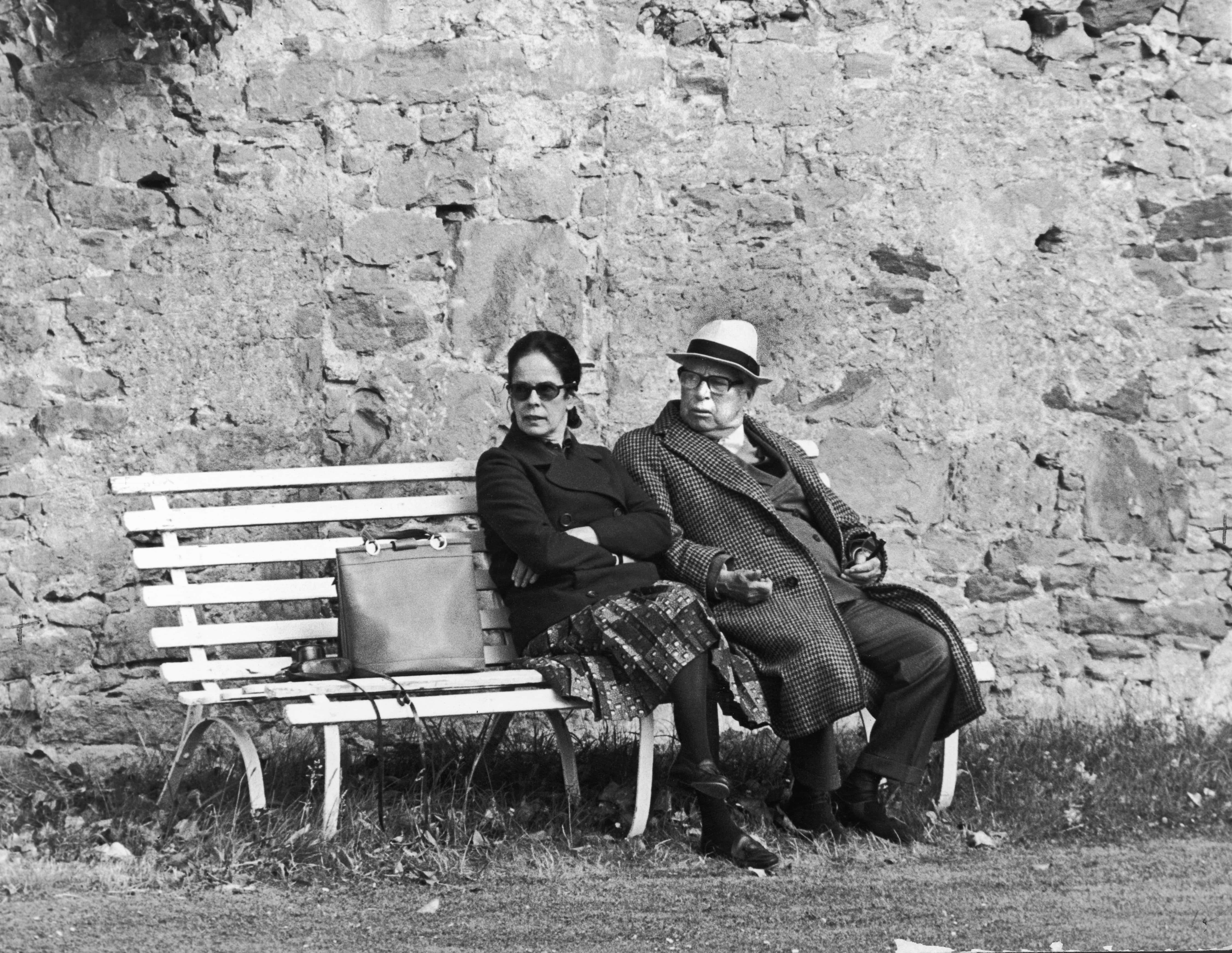
47. He Took It Hard
Finding a home for his family in Switzerland, Charlie spent the following decades trying to reach the same heights as his previous works. This only amounted to two films, the second of which, 1967’s A Countess from Hong Kong, was considered a failure in nearly every aspect. This deeply affected Charlie and likely contributed to the end of his career shortly after.
Of course, this wouldn’t be the last hardship he faced.
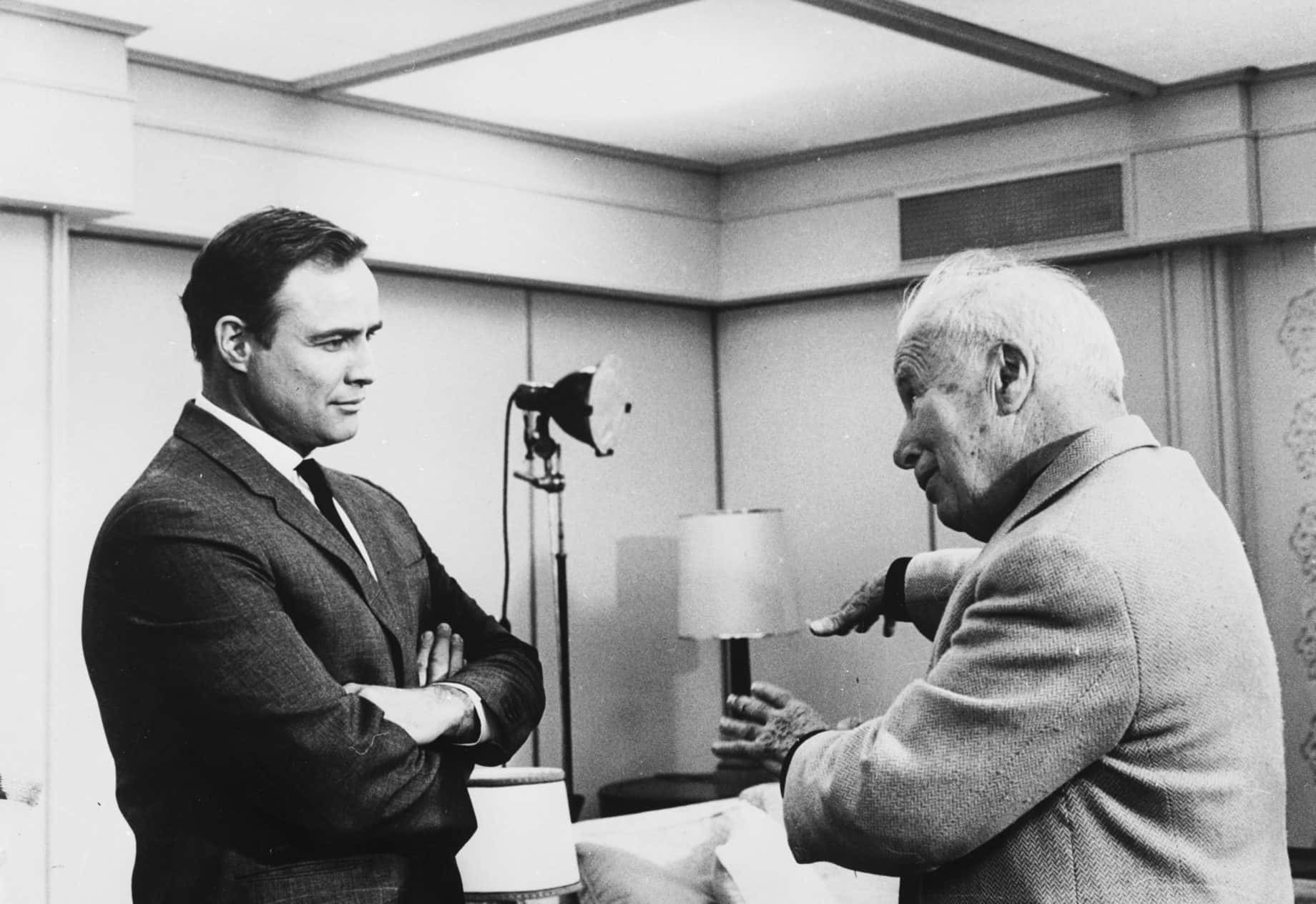
48. His Health Worsened
Despite the poor reception of his last film, Charlie didn’t want to stop filmmaking immediately, and still had a plan for his next picture, The Freak. By this point, he had started to include his family in his projects, and he wanted his daughter Victoria to star in this one. However, he never got that far into production, as several minor strokes put a stop to all of his work.
Finally, he found himself back in a familiar place.
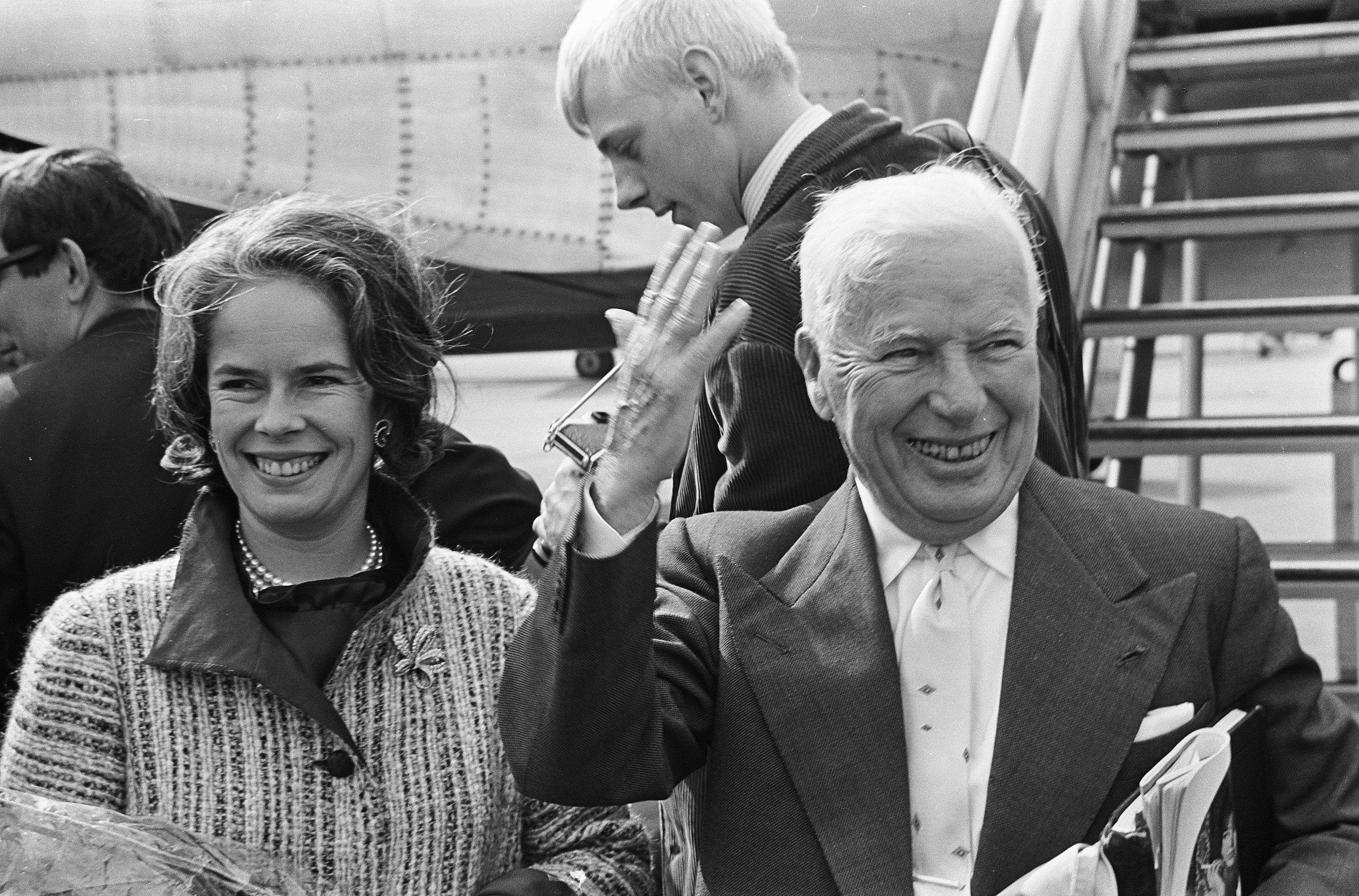
49. He Went Back
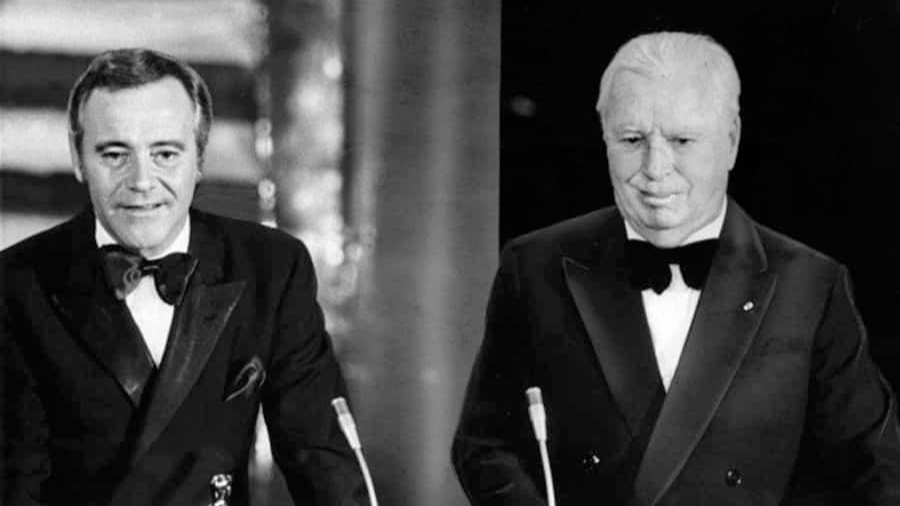
By 1972, America was finally ready to bury the hatchet with Charlie, leaving the paranoia and hurt of the past behind. Therefore, Charlie received an invitation from the Academy of Motion Picture Arts and Sciences to return to the US. Skeptical at first, Charlie took them up on their offer and happily received an honorary award—along with a 12-minute standing ovation.
Before long, his story came to an end.
50. He Took His Final Bow
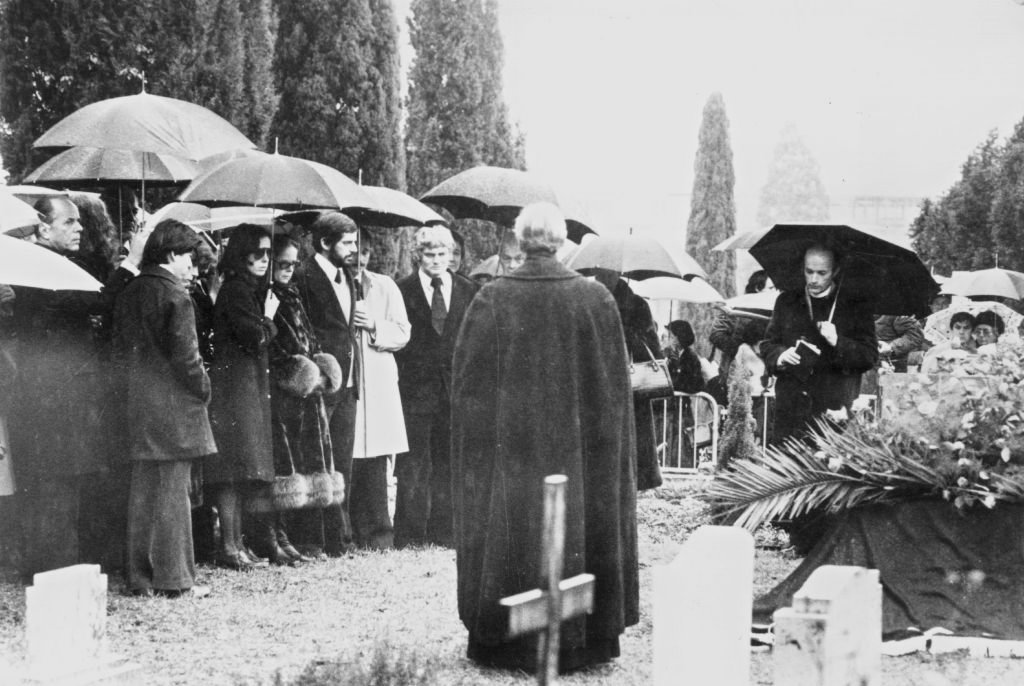
Over the next few years, another series of strokes only caused his condition to worsen at a quicker pace, and he was soon confined to a wheelchair. Even then, he continued to think about potential filmmaking projects, but it wasn’t meant to be. On Christmas morning in 1977, he suffered another stroke and passed in his sleep.
However, even in death, there was still drama to be had.
51. His Coffin Went Missing
The next year, something alarming transpired at Charlie Chaplin's gravesite. Two robbers unearthed his coffin and made away with it—body and all. What they did with Charlie's remains was downright despicable. They attempted to hold it for ransom in order to get their hands on some of his widow's money.
Thankfully, this story had a happy ending.
 Giramondo1 from Vila Isabel, Brasil, Wikimedia Commons
52. They Secured His Resting Place
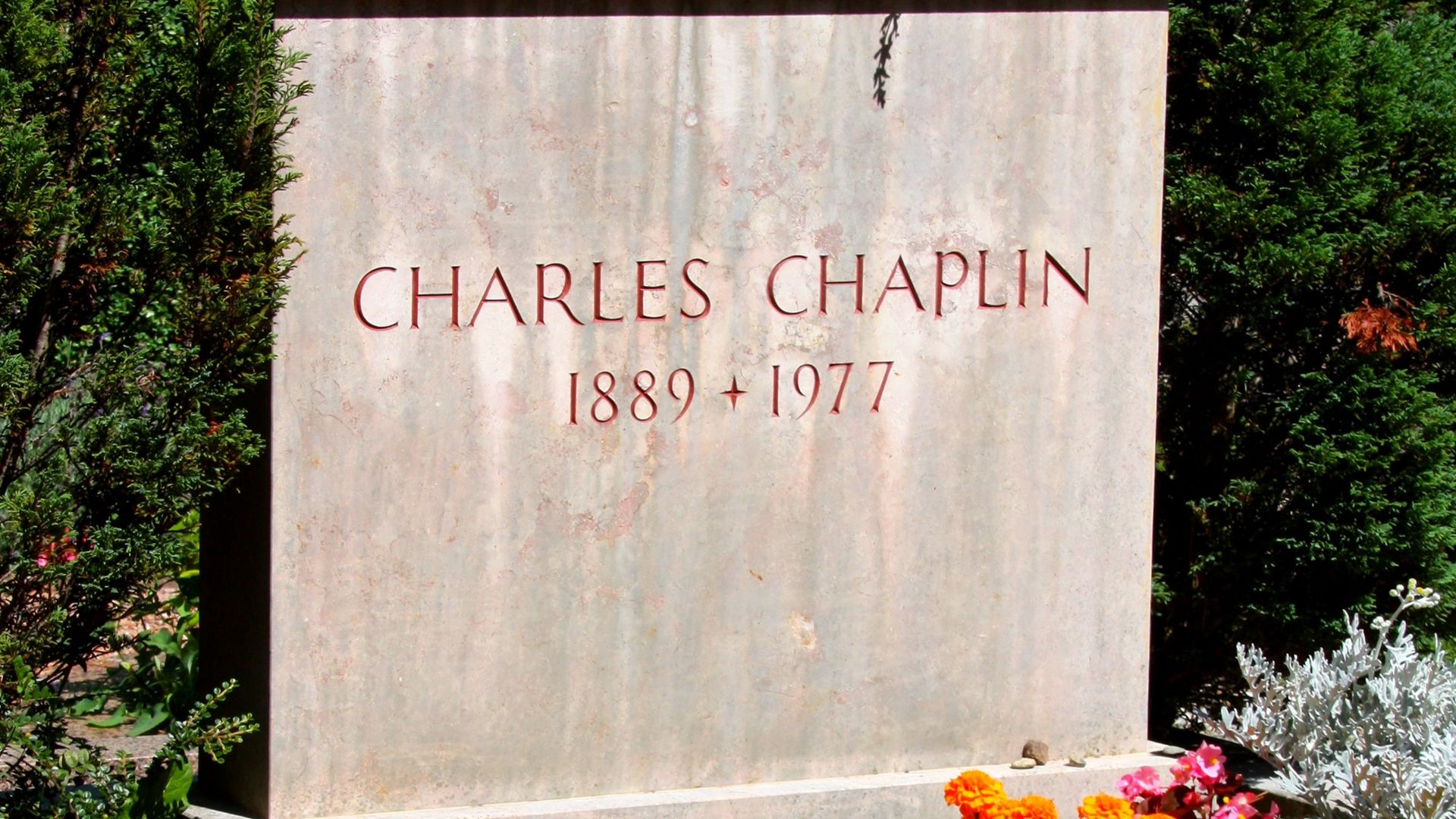
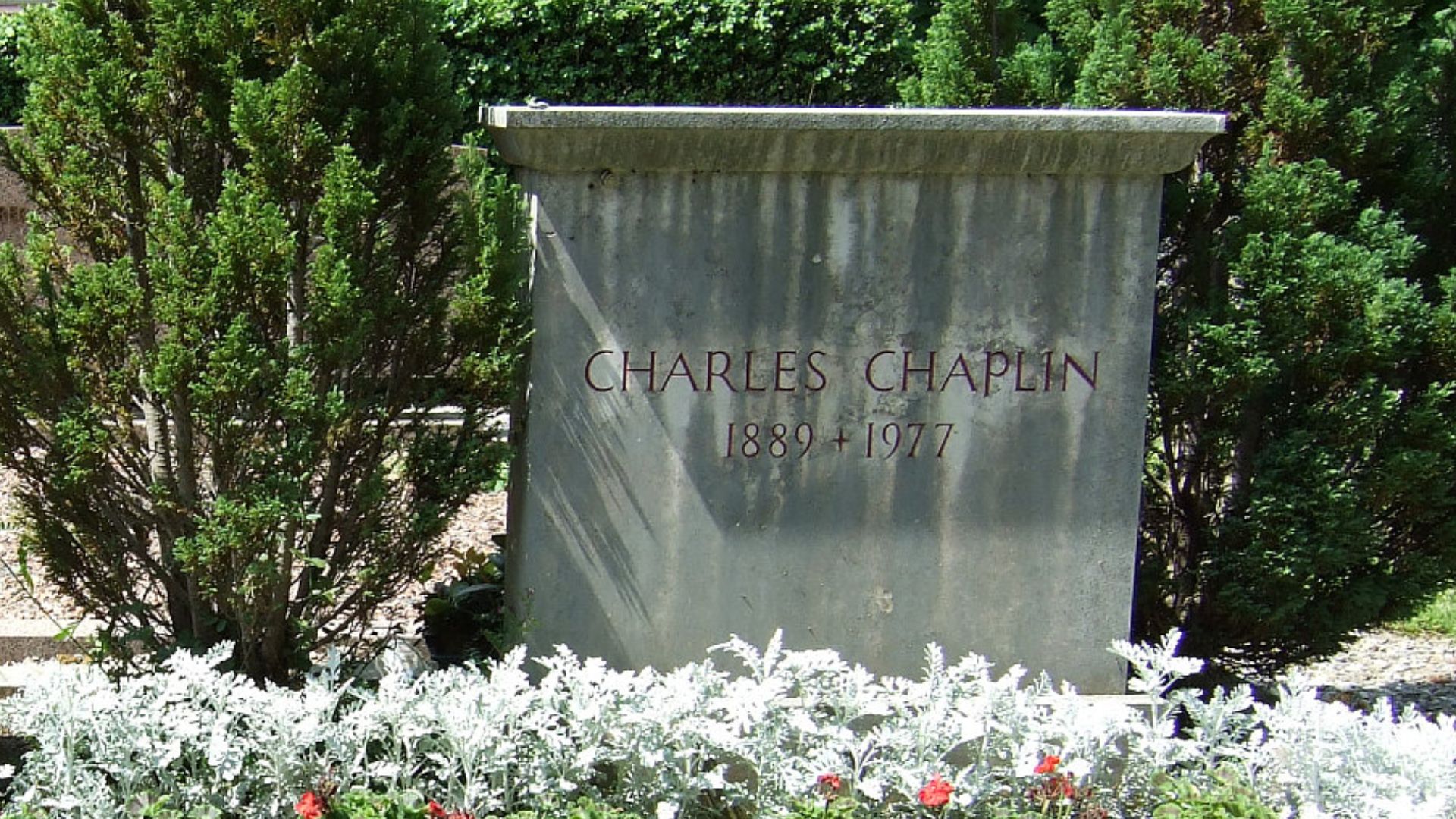
Charlie Chaplin's remains weren't doomed to be lost forever, and Oona Chaplin didn't have to pay up to see him returned. Thanks to an extensive operation, authorities were able to recover the coffin from a field in the village of Noville. When the body was laid to rest for a second time, it was placed in a secure, concrete vault.
Despite everything, his impact remains to this day.
53. He Was Remembered
To say Charlie Chaplin left a complicated legacy would be a gross understatement. Although he spent his life balancing work with whatever horrible scandal he involved himself in, his achievements have since overshadowed the darker sides of his story. Rather than focusing on his many controversies, most hold him up as possibly cinema’s greatest artist, including Time, which named him one of the "100 Most Important People of the 20th Century."
 Unknown Author, Wikimedia Commons
You May Also Like:
Elizabeth Taylor Had The Most Dramatic Life In Hollywood
What Actually Happened To Bruce Lee?
Dick York Was A Beloved Sitcom Actor Who Wound Up Cleaning Apartments











.jpg)


