The Camera That Made America Look Twice
In the early 1900s, many Americans knew children worked in mills, mines, factories, farms, and city streets. But knowing something and seeing it are two very different things. Then Lewis Hine showed up with a camera—and suddenly the country had to stare directly at the children it had been trying not to notice.
Lewis Hine Started As A Teacher
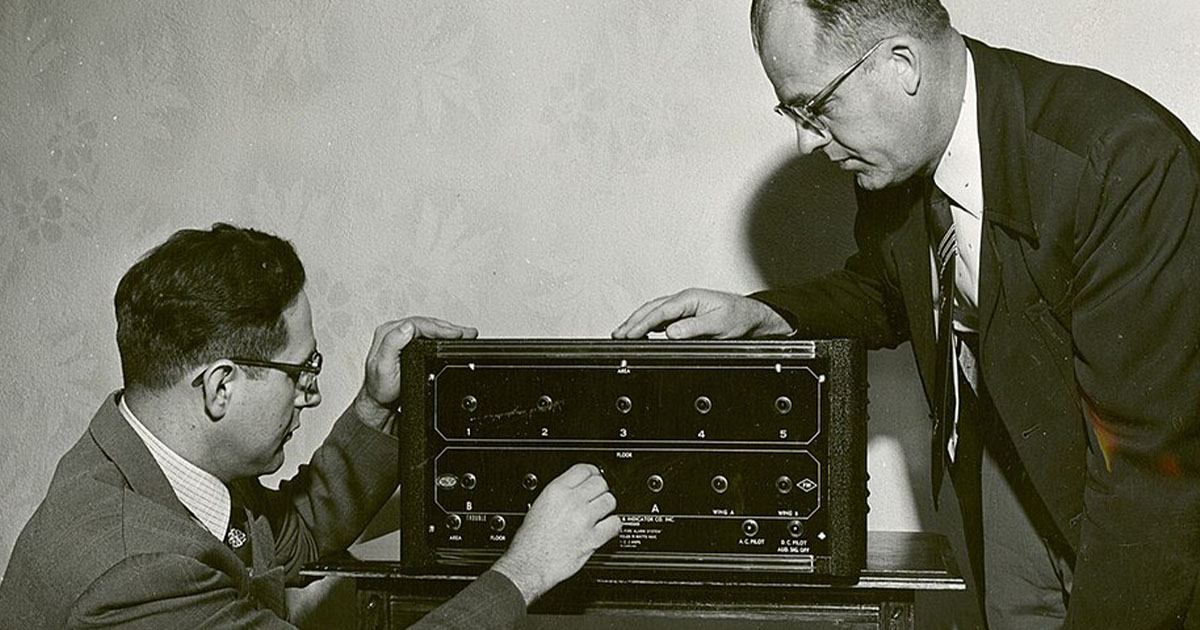
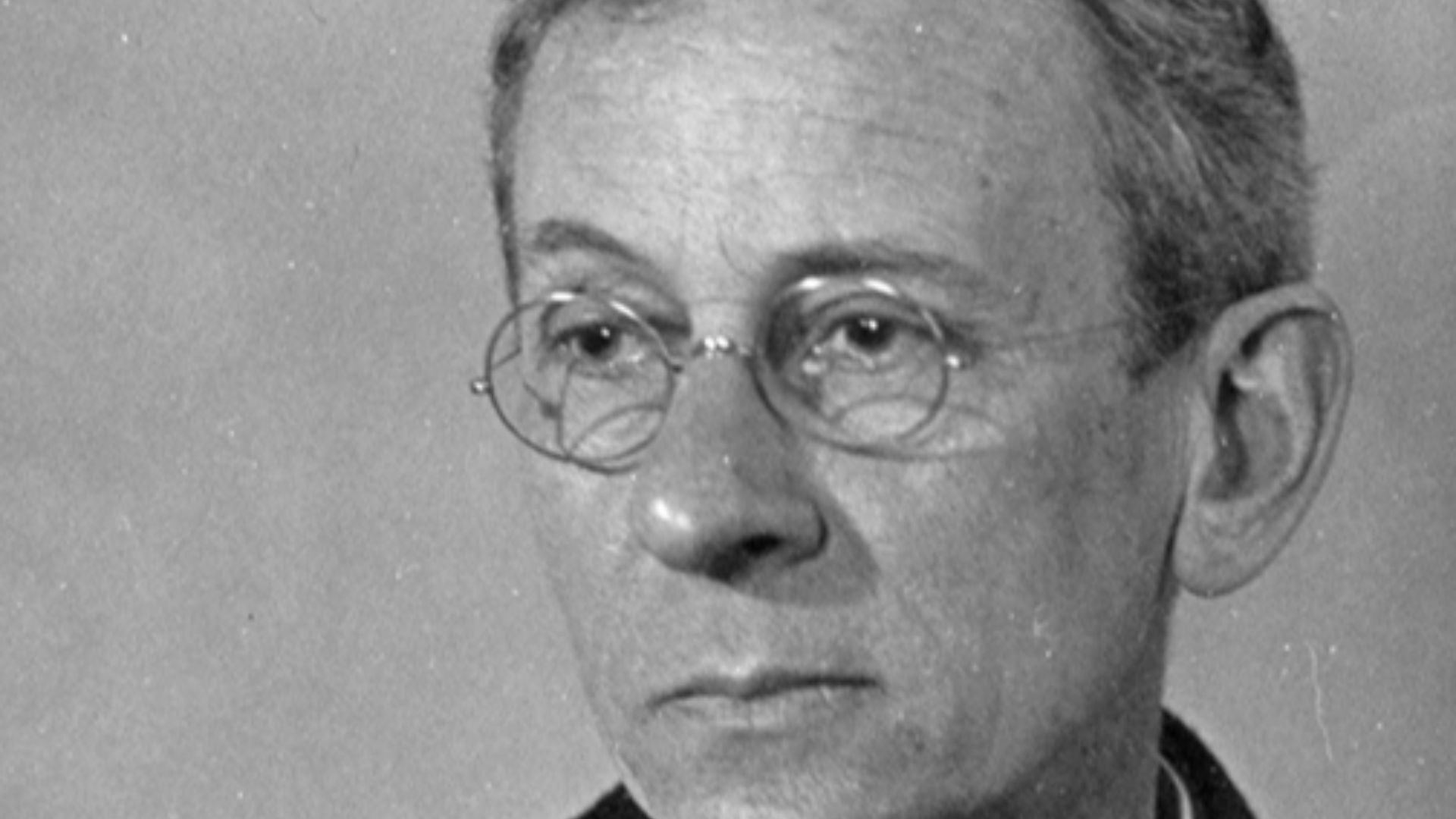
Lewis Wickes Hine was born in Oshkosh, Wisconsin, in 1874. Before he became one of America’s most important documentary photographers, he worked as a teacher and sociologist. That mattered. Hine did not treat photography like decoration. He saw it as evidence, and evidence has a way of making excuses sound ridiculous.
His Camera Had A Mission
Hine believed photographs could do more than preserve memories. They could expose injustice. At the Ethical Culture School in New York, he used photography as an educational tool, later photographing immigrants at Ellis Island. He was learning how to tell human stories with a lens—and America was about to get very uncomfortable.
 Hine, Lewis Wickes; National Child Labor Committee Collection, Wikimedia Commons
The National Child Labor Committee Hired Him
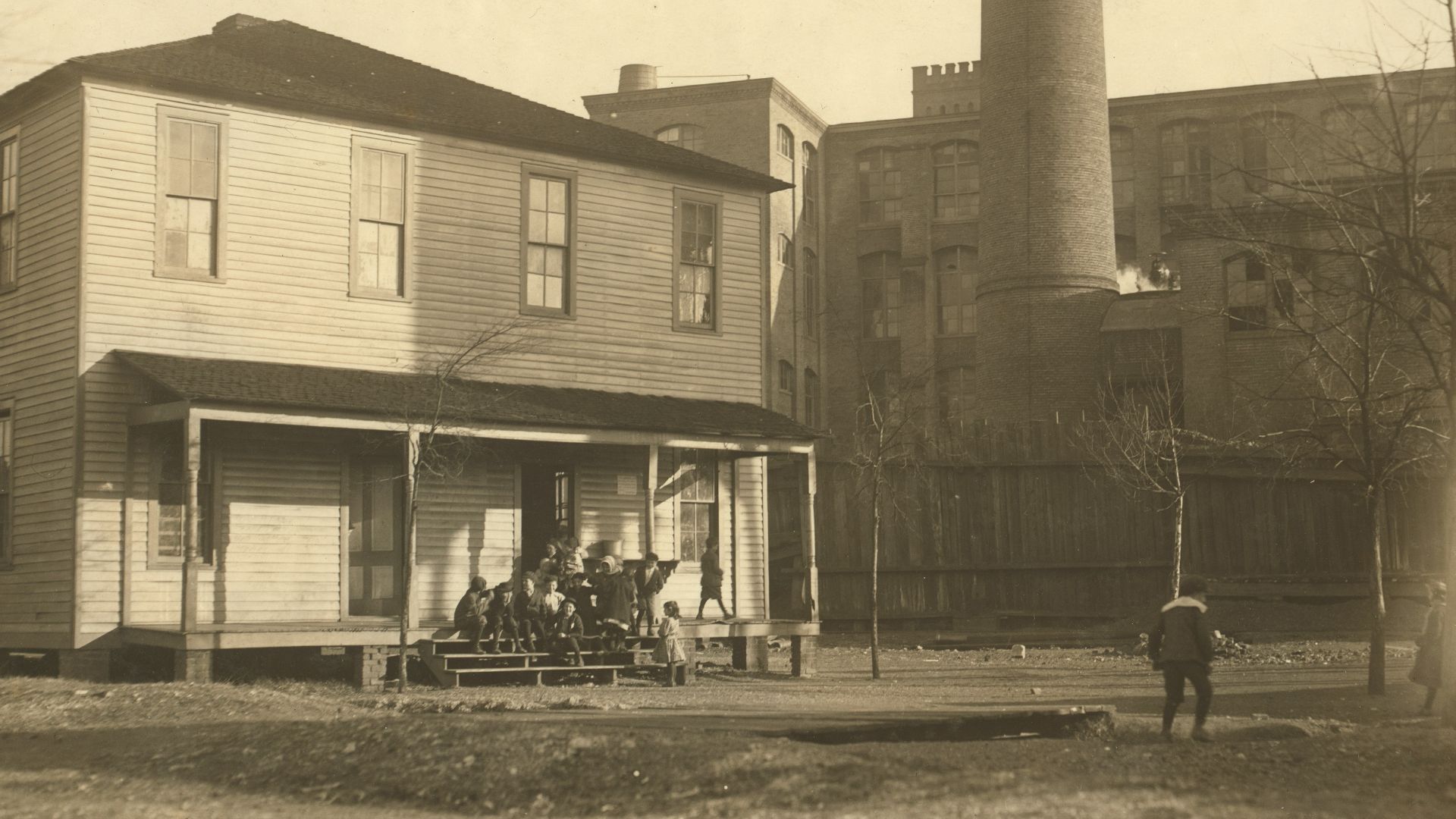
In 1908, Hine began working as an investigative photographer for the National Child Labor Committee, also called the NCLC. The reform organization had been founded in 1904 to fight child labor and promote education. Hine’s job was simple in theory: go where children worked and bring back proof. In practice, it was dangerous, exhausting, and deeply upsetting.
Child Labor Was Everywhere
At the time, children worked in textile mills, coal mines, glass factories, canneries, cotton fields, oyster houses, street trades, and tenement workshops. Some were barely old enough to tie their shoes, yet they were handling machinery, carrying heavy loads, or working long night shifts. Childhood was not being “lost.” It was being scheduled.
Hine Had To Sneak Around
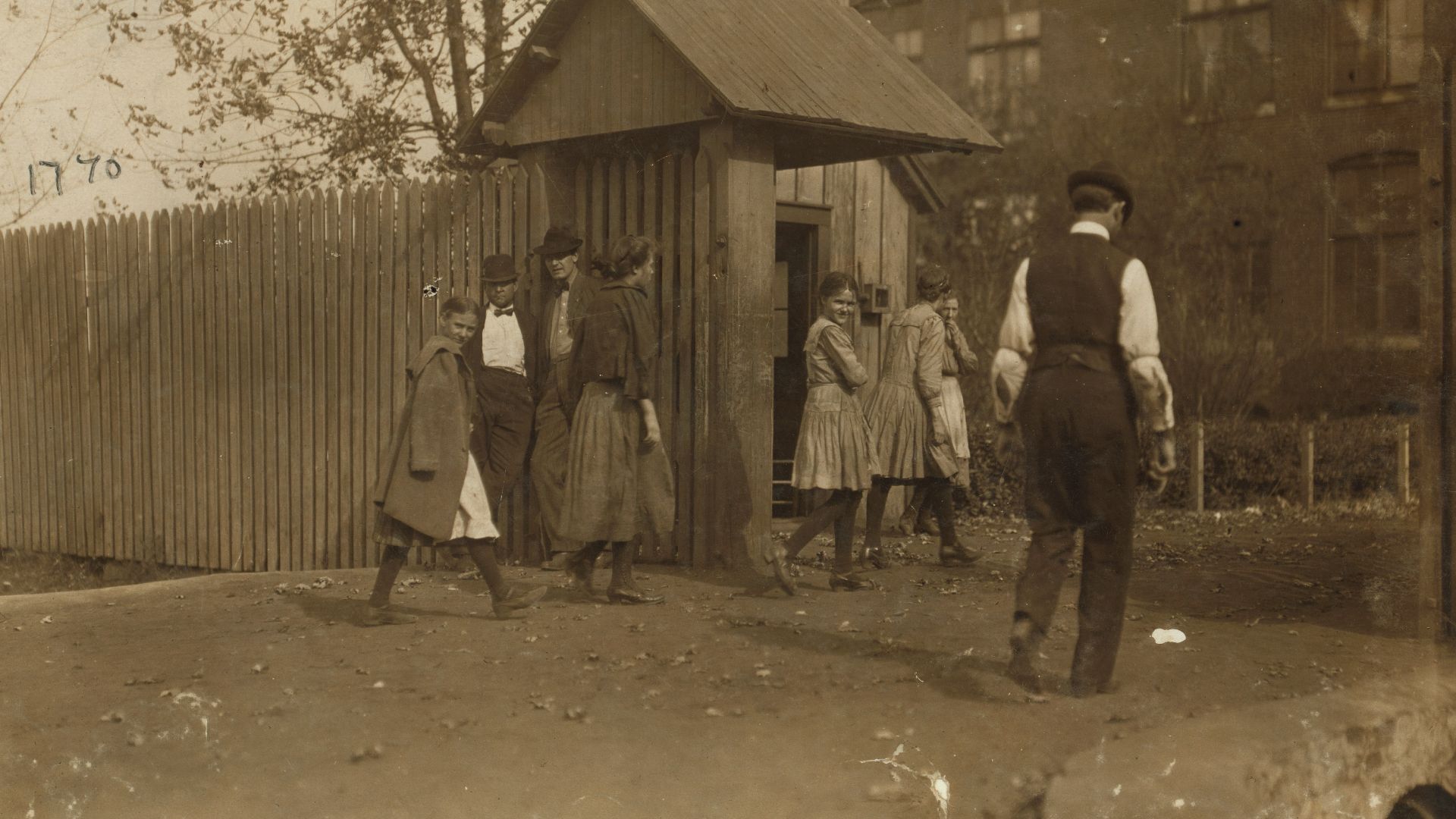
Factory owners were not exactly thrilled to have a reform photographer wandering in with a camera. Hine sometimes posed as a Bible salesman, postcard seller, or industrial photographer to gain access. It sounds almost funny—until you remember he was sneaking in because the truth was profitable to hide.
 Hine, Lewis Wickes; National Child Labor Committee Collection, Wikimedia Commons
He Took Notes Like A Detective
Hine did not just take pictures. He recorded names, ages, jobs, locations, hours, wages, and working conditions whenever he could. His captions are often painfully specific. That detail made the photographs harder to dismiss. These were not vague “poor children.” They were real kids in real places doing real work.
The Mill Children Looked Tiny Beside The Machines
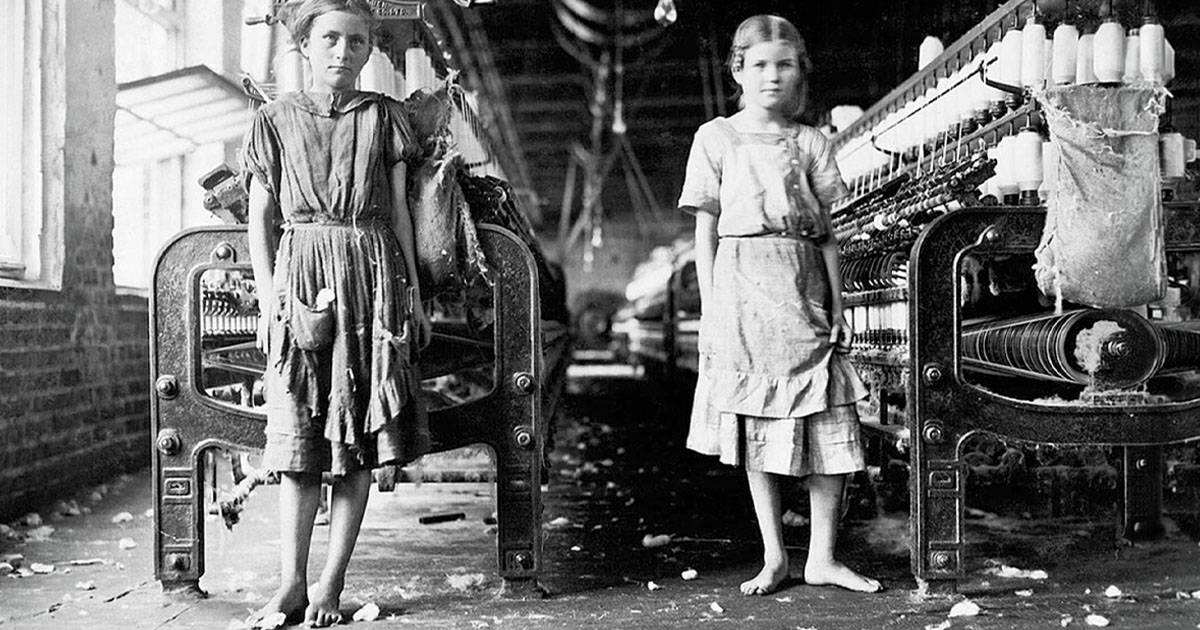
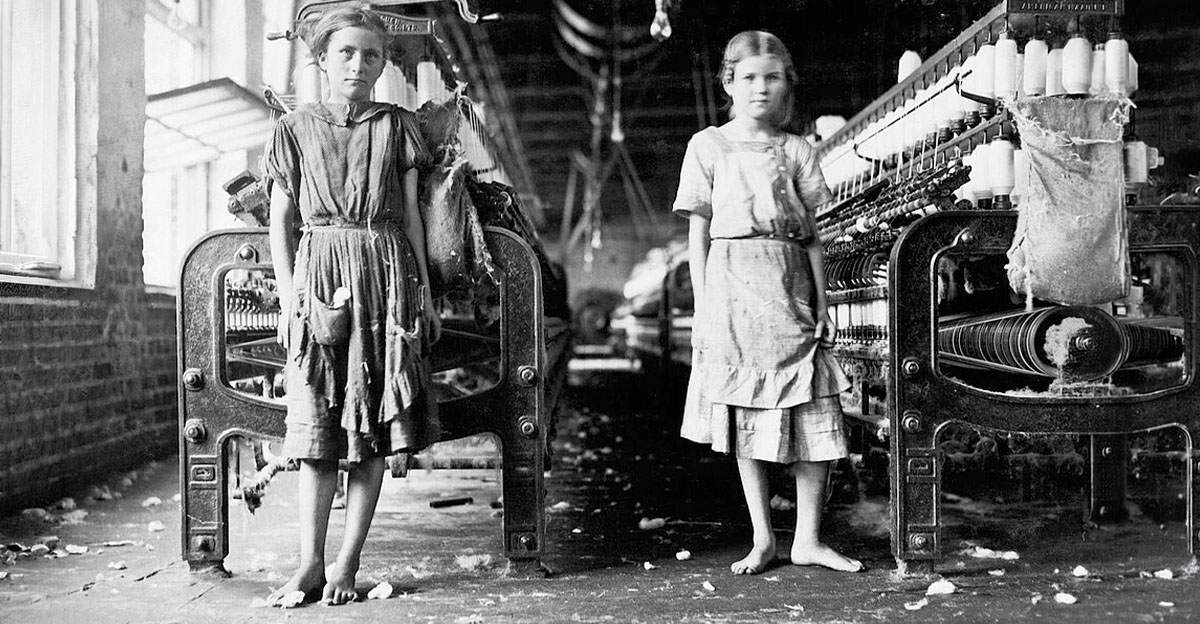
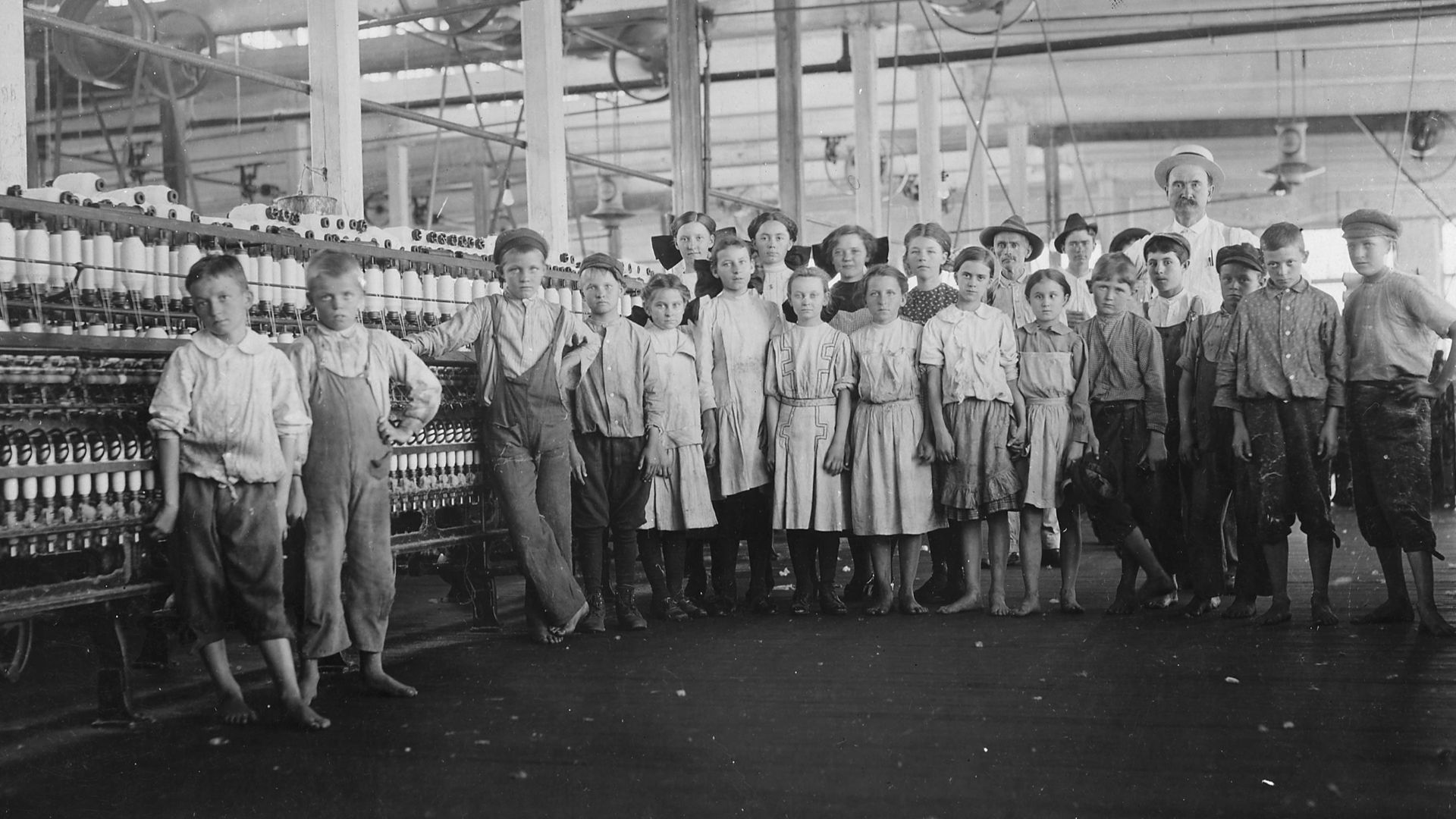
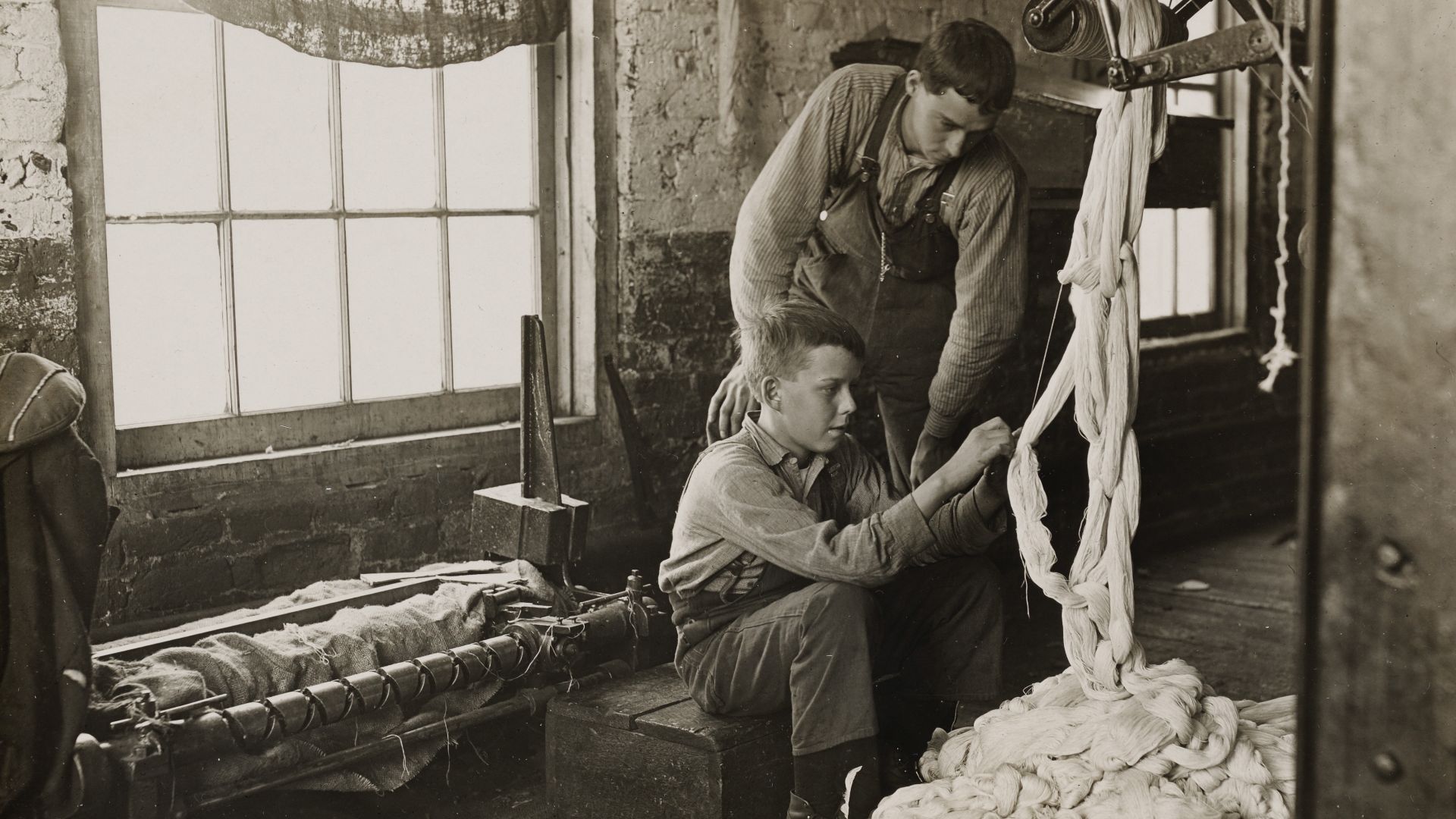
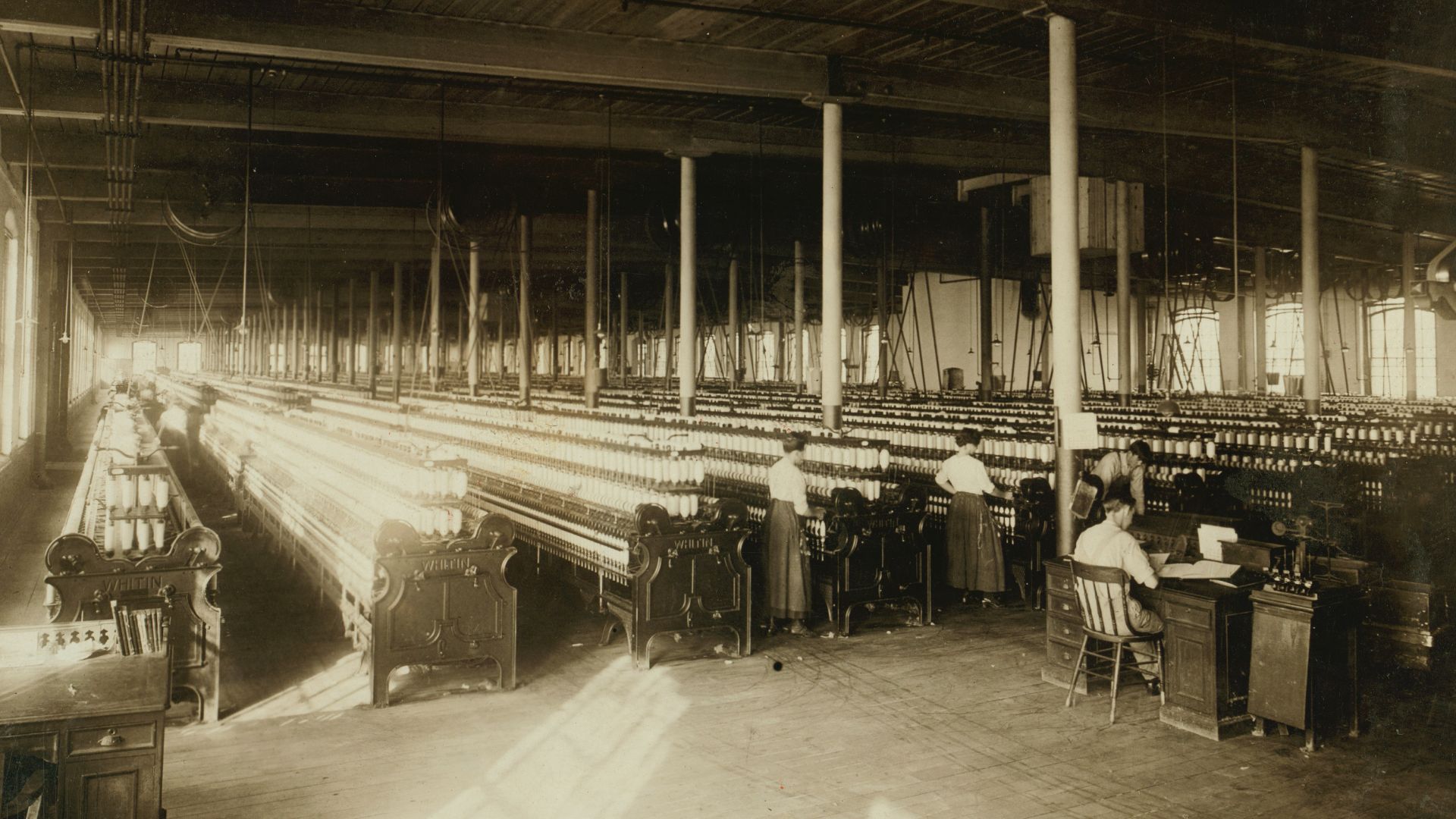
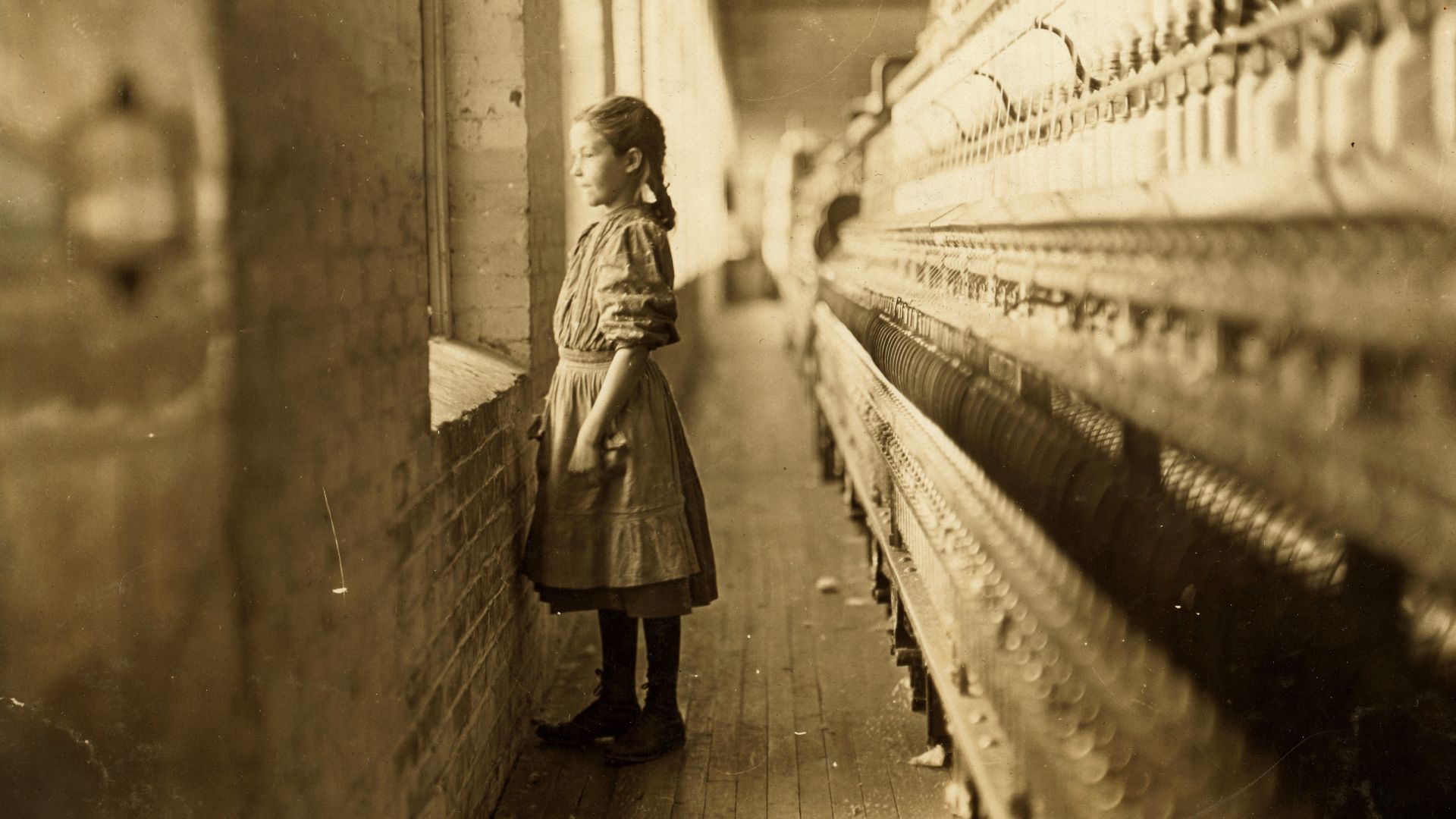
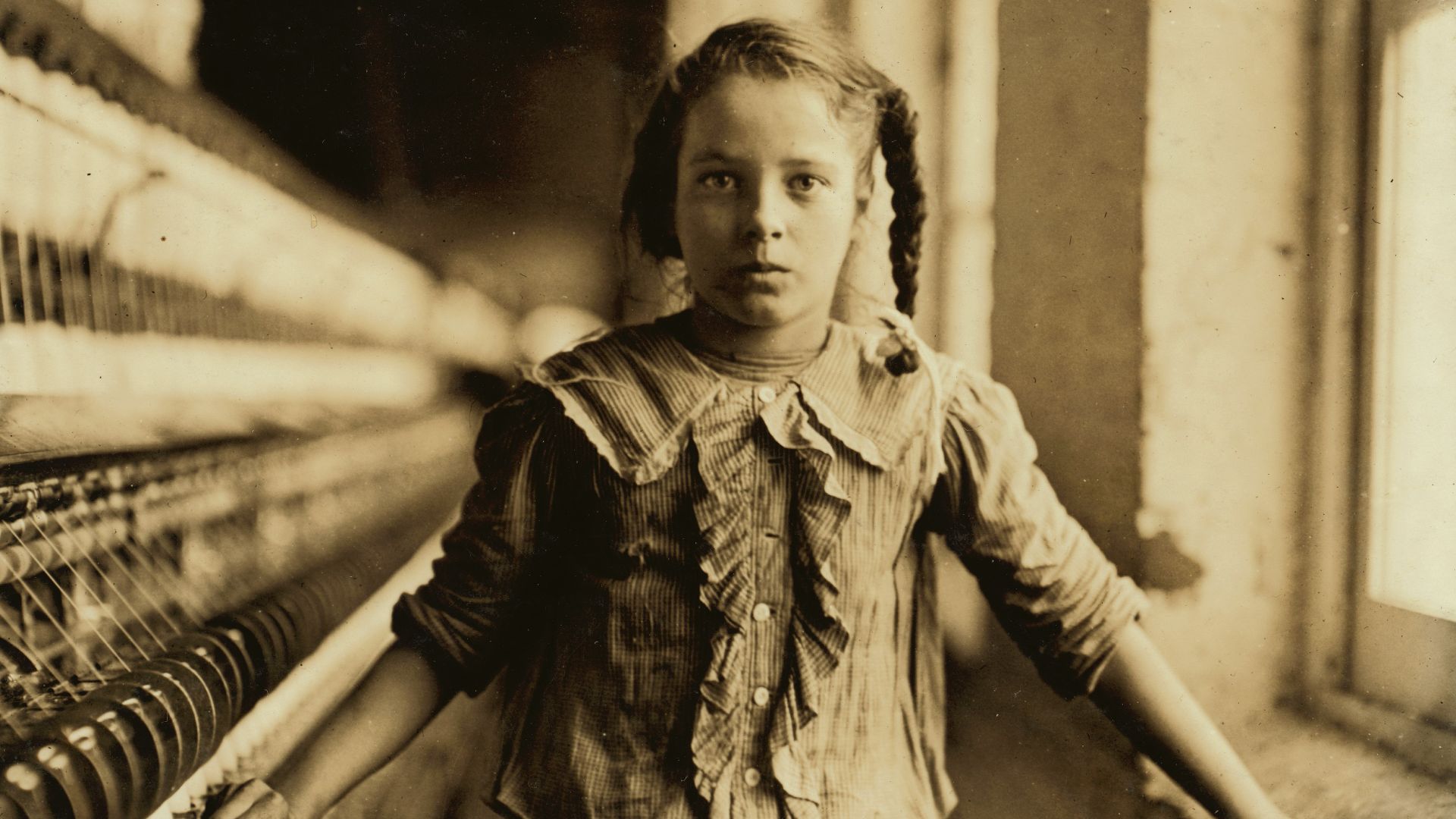
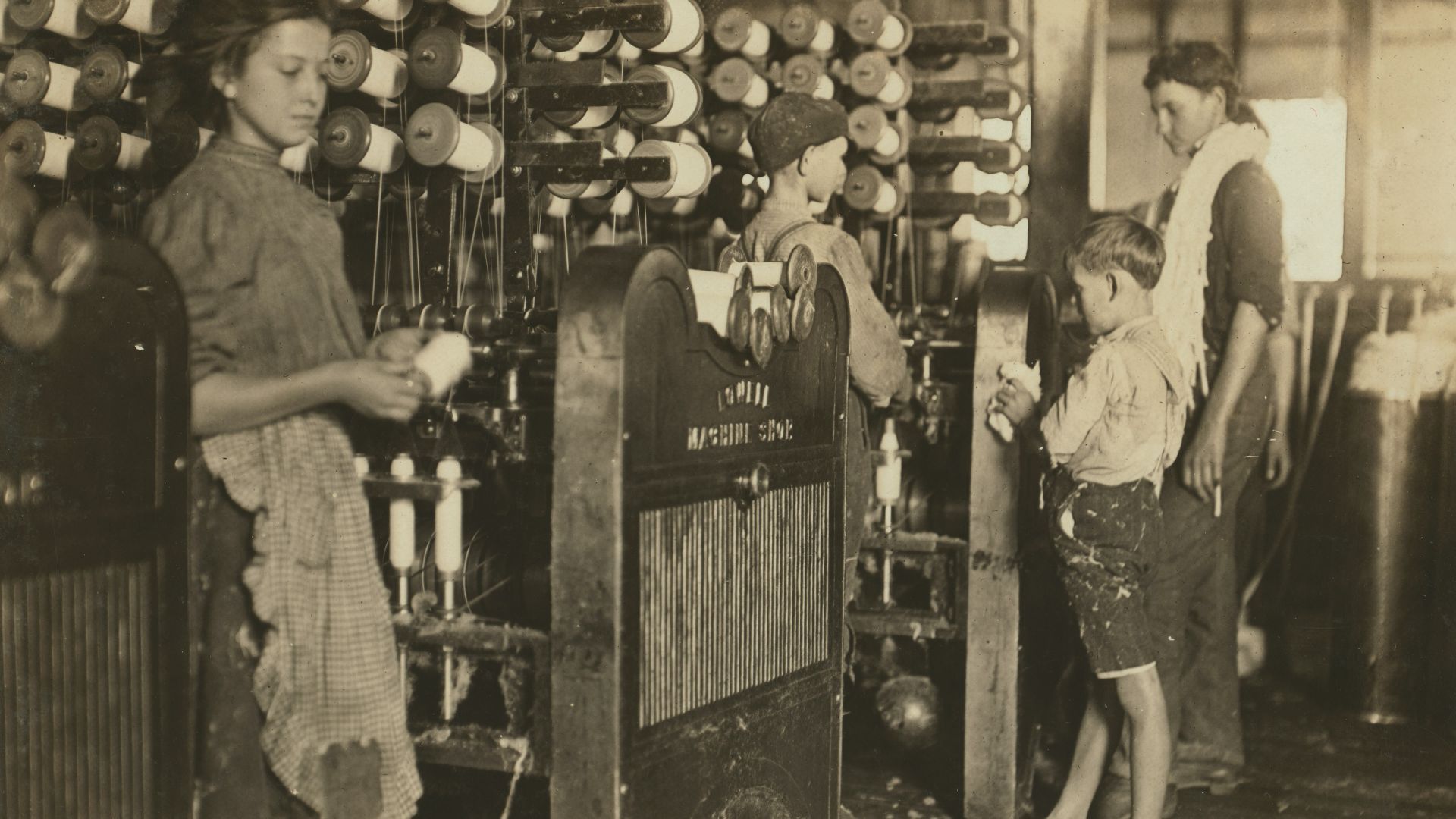
One of Hine’s most famous subjects was children in textile mills, especially in the American South and Northeast. The machines towered over them. Many worked as doffers, spinners, or sweepers. In Hine’s images, the children look swallowed by the factory floor, like the machines got the childhood and the kids got the dust.
 Preus museum, Wikimedia Commons
The Cotton Mill Photos Hit Hard
In places like North Carolina, South Carolina, and Georgia, Hine photographed young children working in cotton mills. Some stood barefoot or exhausted beside spinning equipment. His pictures made it harder for comfortable families to pretend child labor was just “helping out.” These kids were not learning responsibility. They were losing sleep.
 Hine, Lewis Wickes; National Child Labor Committee Collection, Wikimedia Commons
He Found Children Working At Night
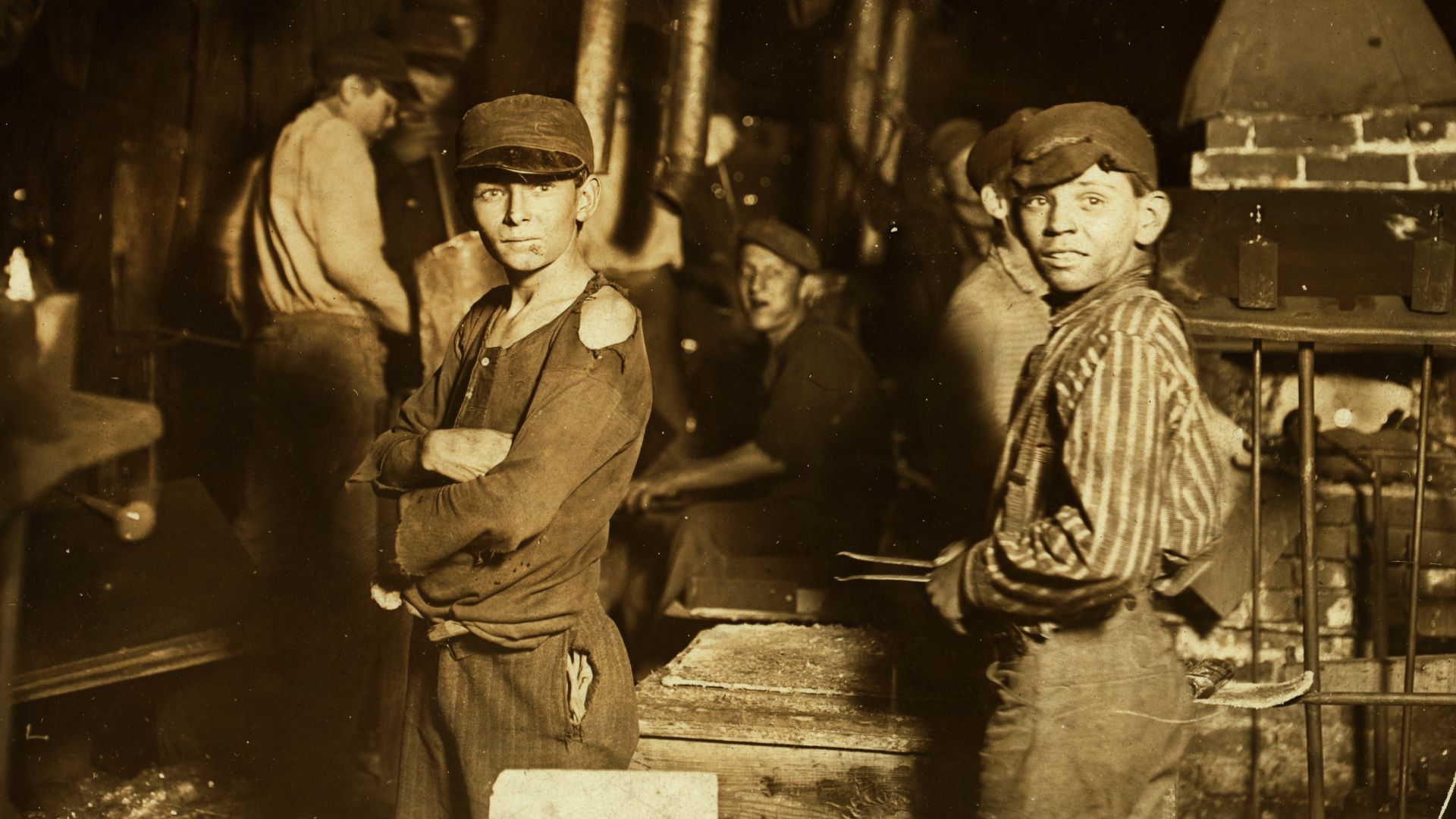
Hine photographed children working late shifts in glass factories, mills, and other industries. Night work was especially disturbing to reformers because it meant children were not just working—they were being worn down. A child leaving work at midnight is not a charming tale of grit. It is a national warning sign.
The Breaker Boys Became Symbols
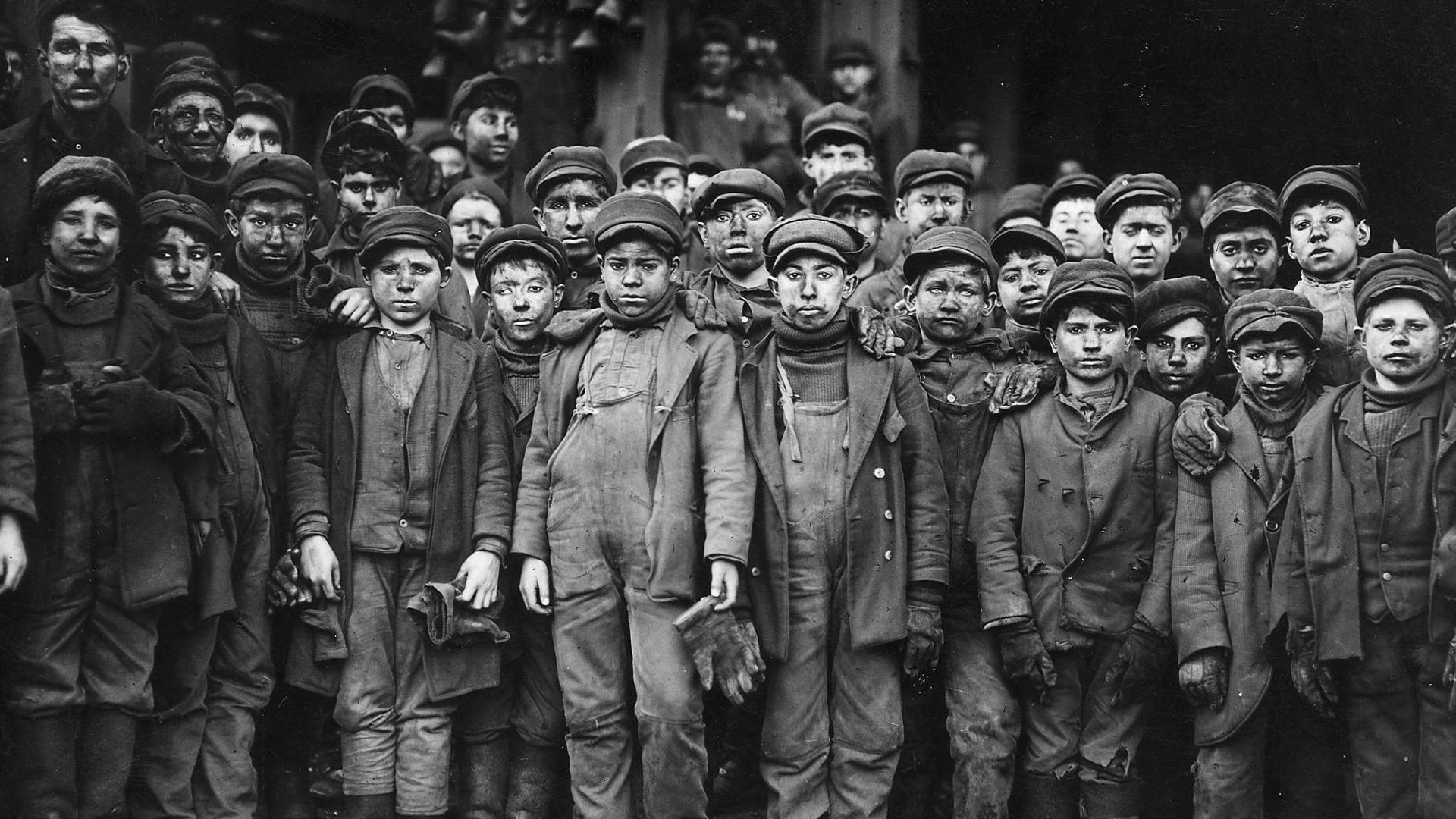
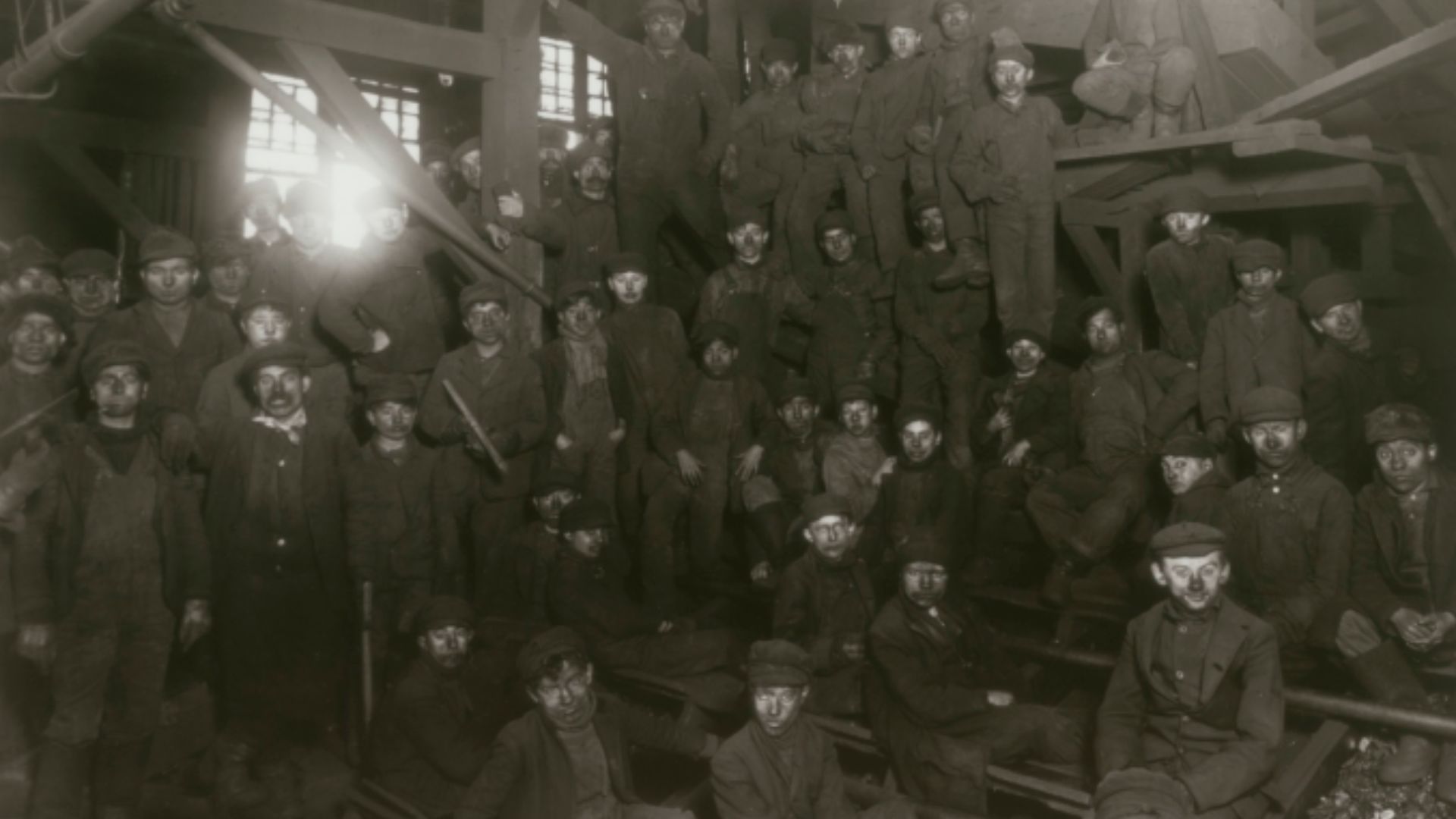
In Pennsylvania coal country, Hine photographed breaker boys who sorted slate from coal. The work was dirty, dangerous, and brutal on small hands. The boys sat in clouds of dust, surrounded by sharp coal and machinery. It was the kind of job that made childhood look like something America had misplaced.
Street Workers Had Their Own Dangers
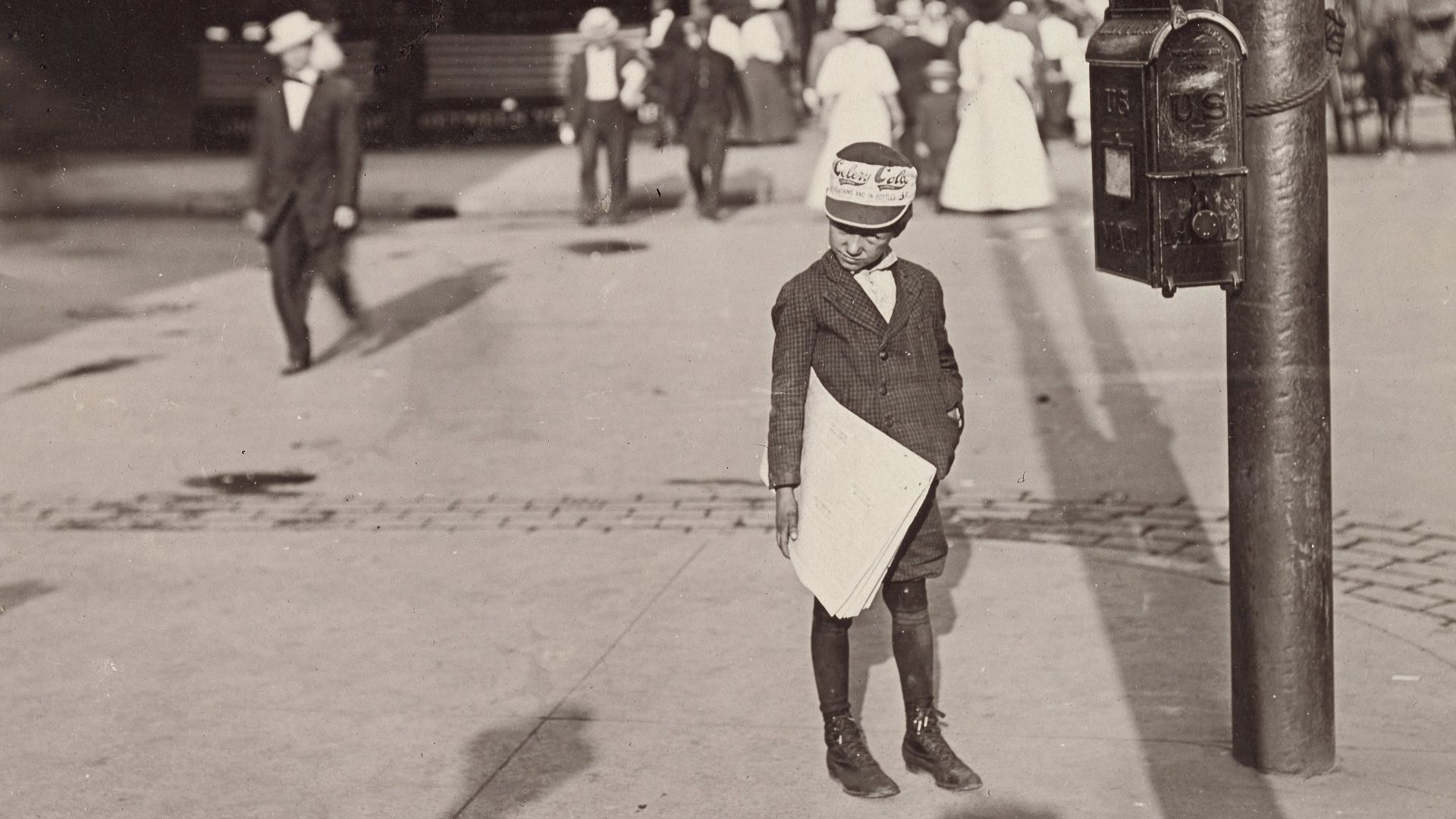
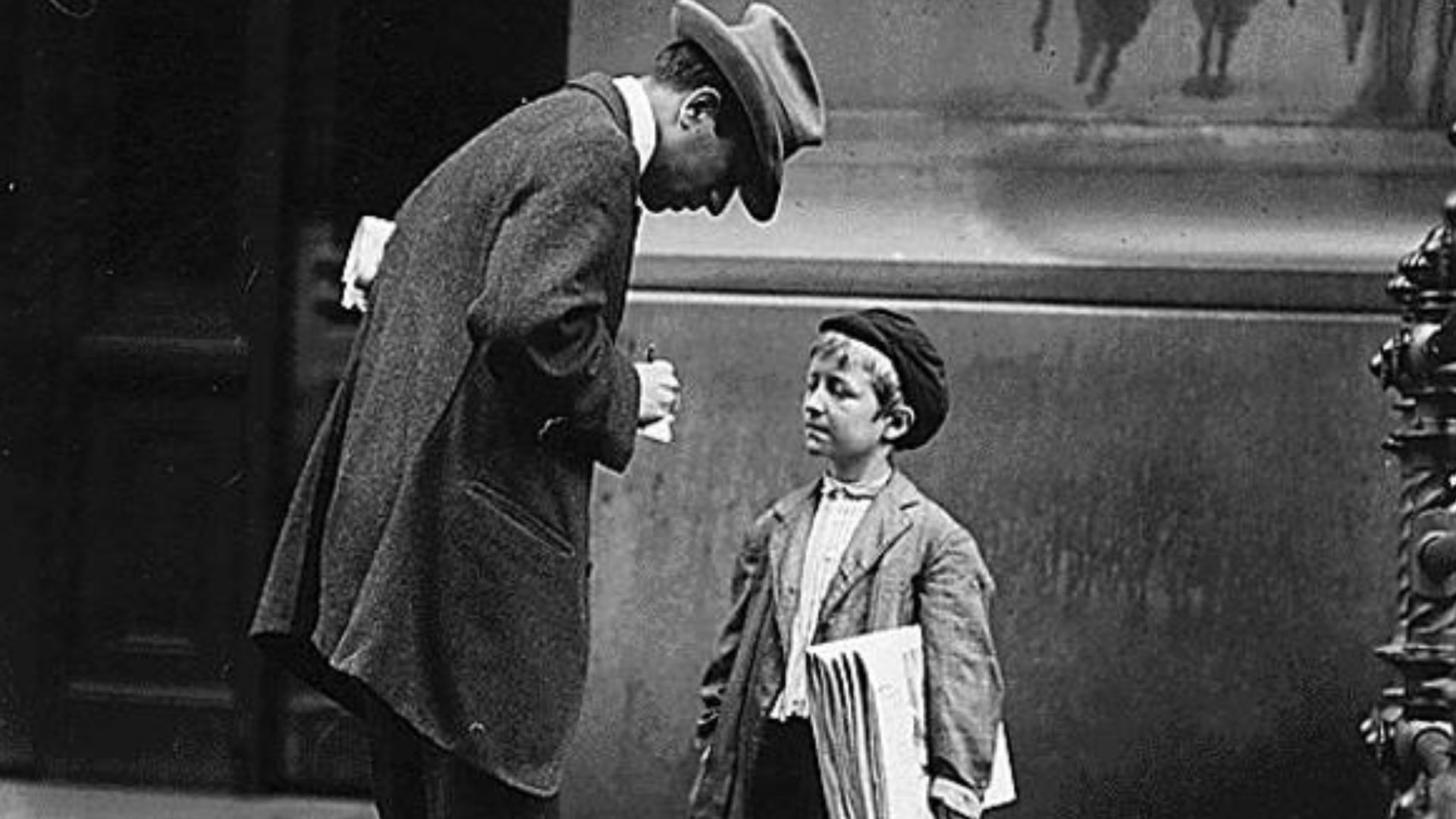
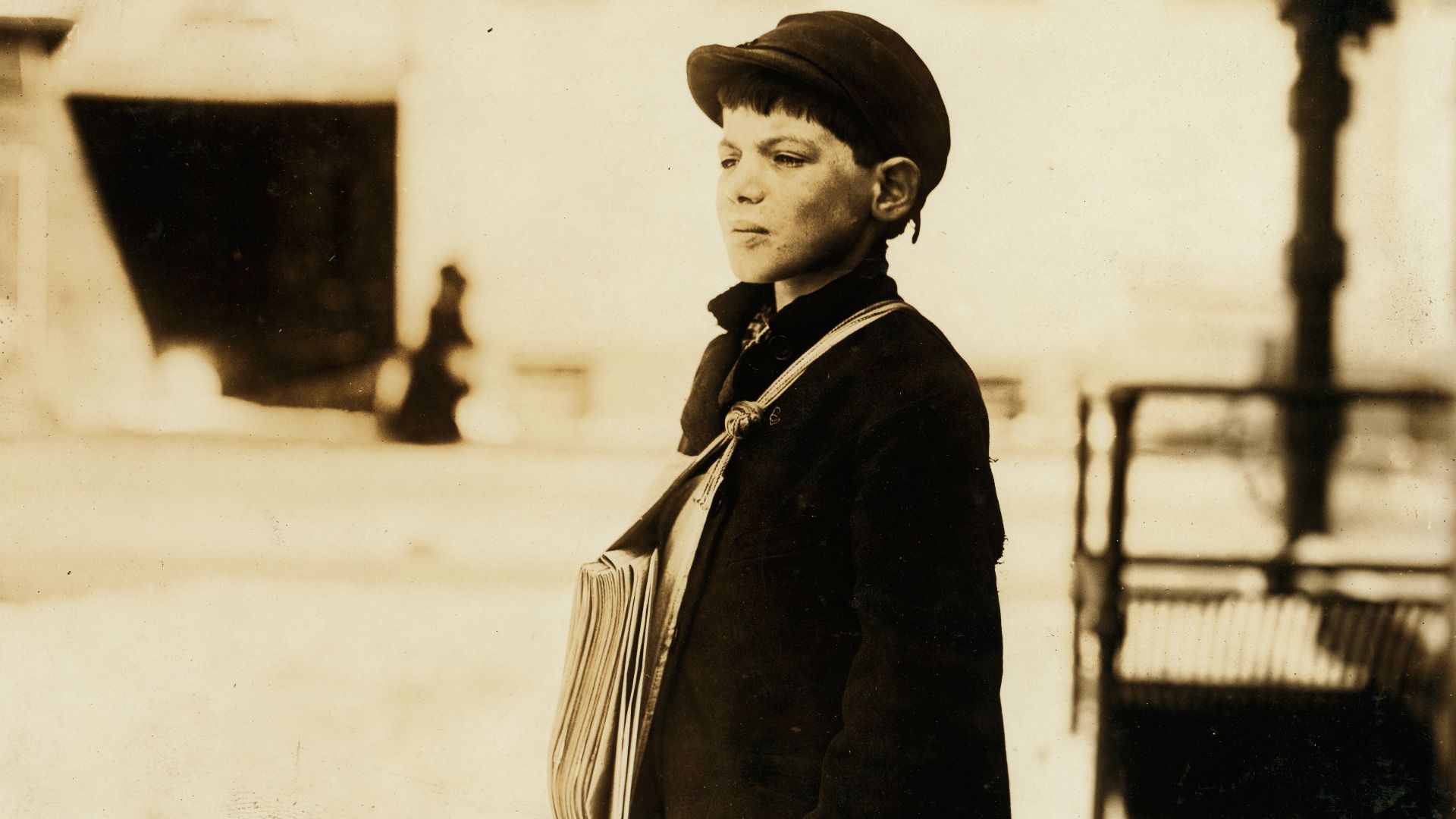
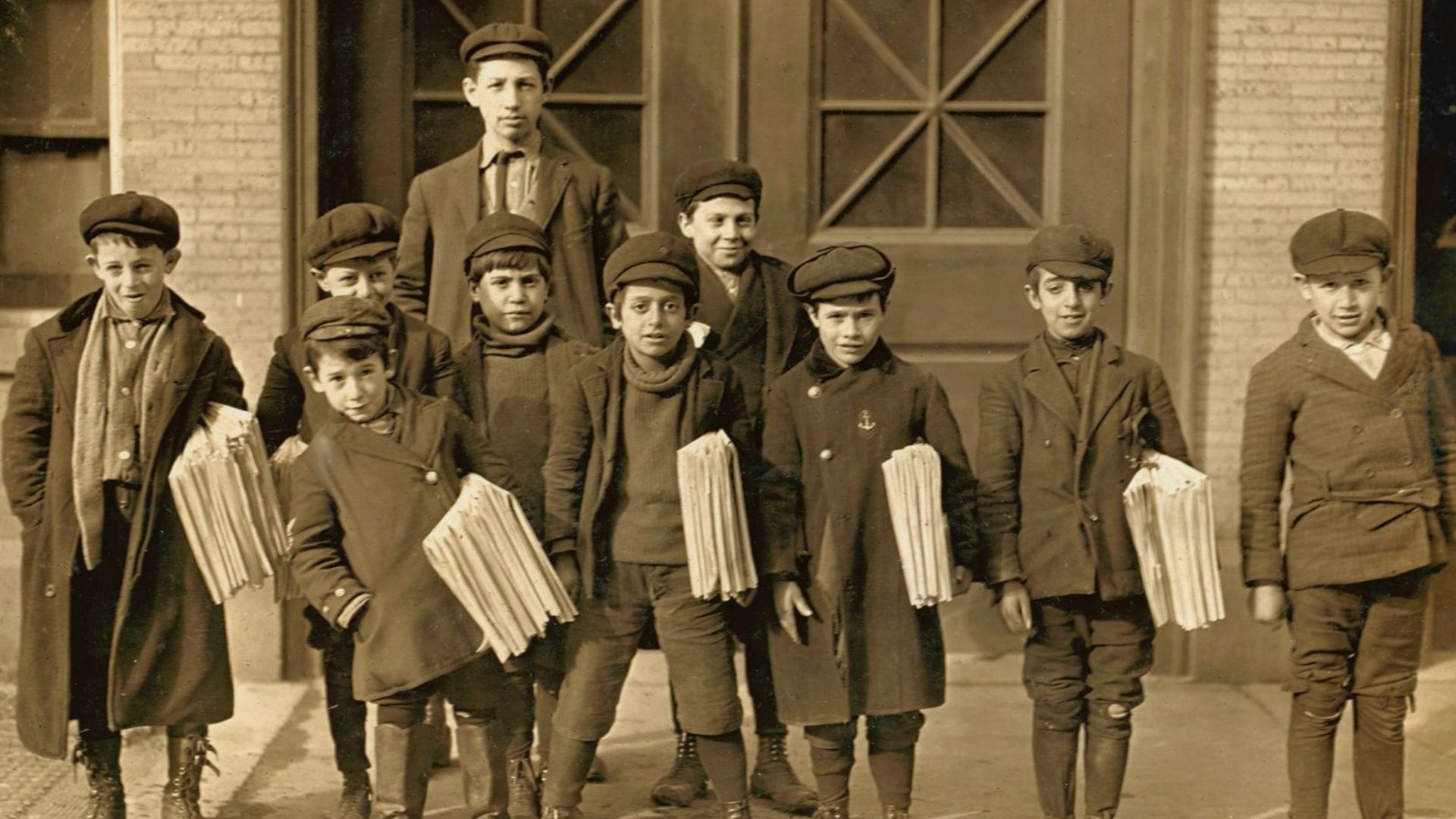
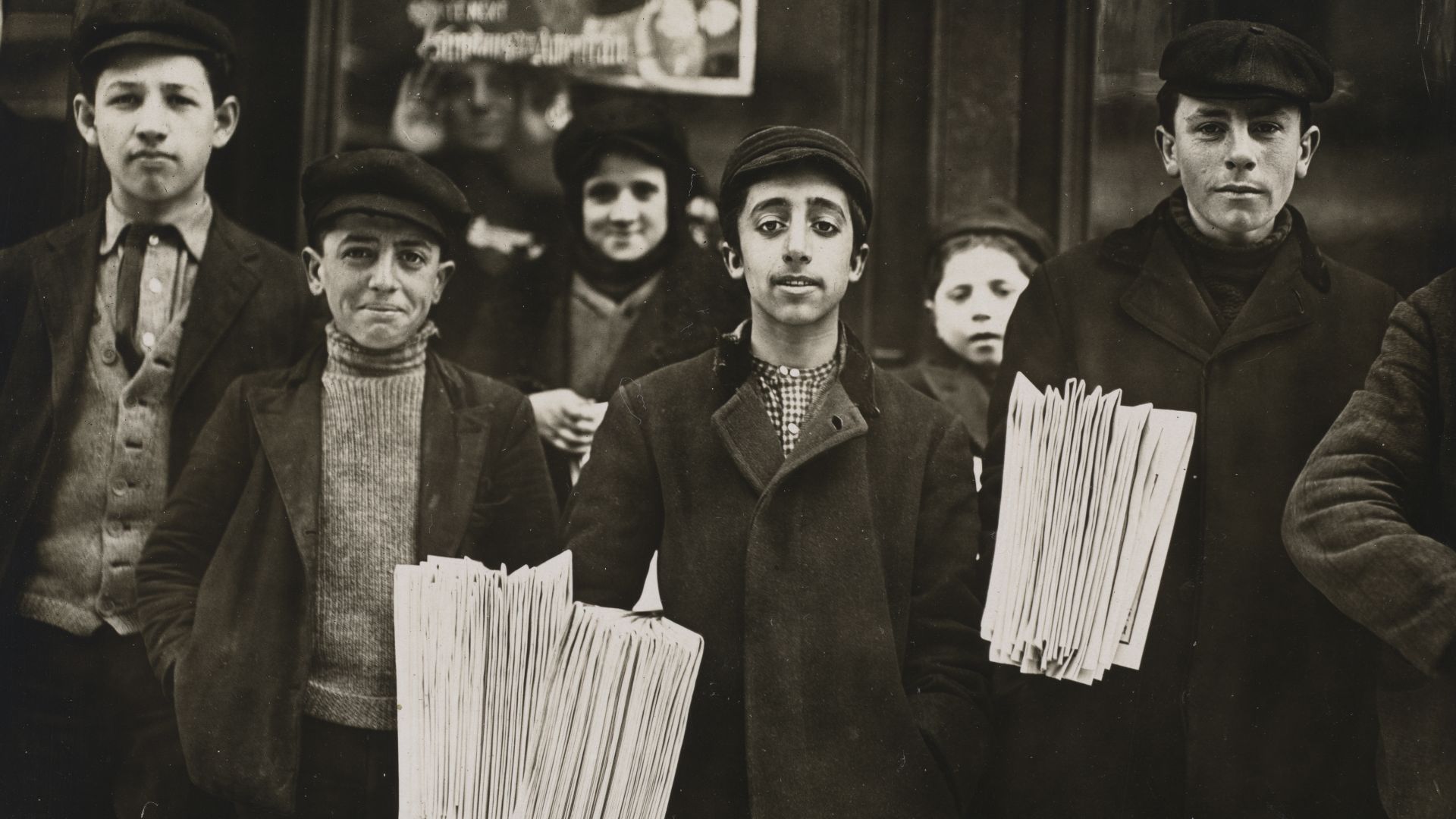
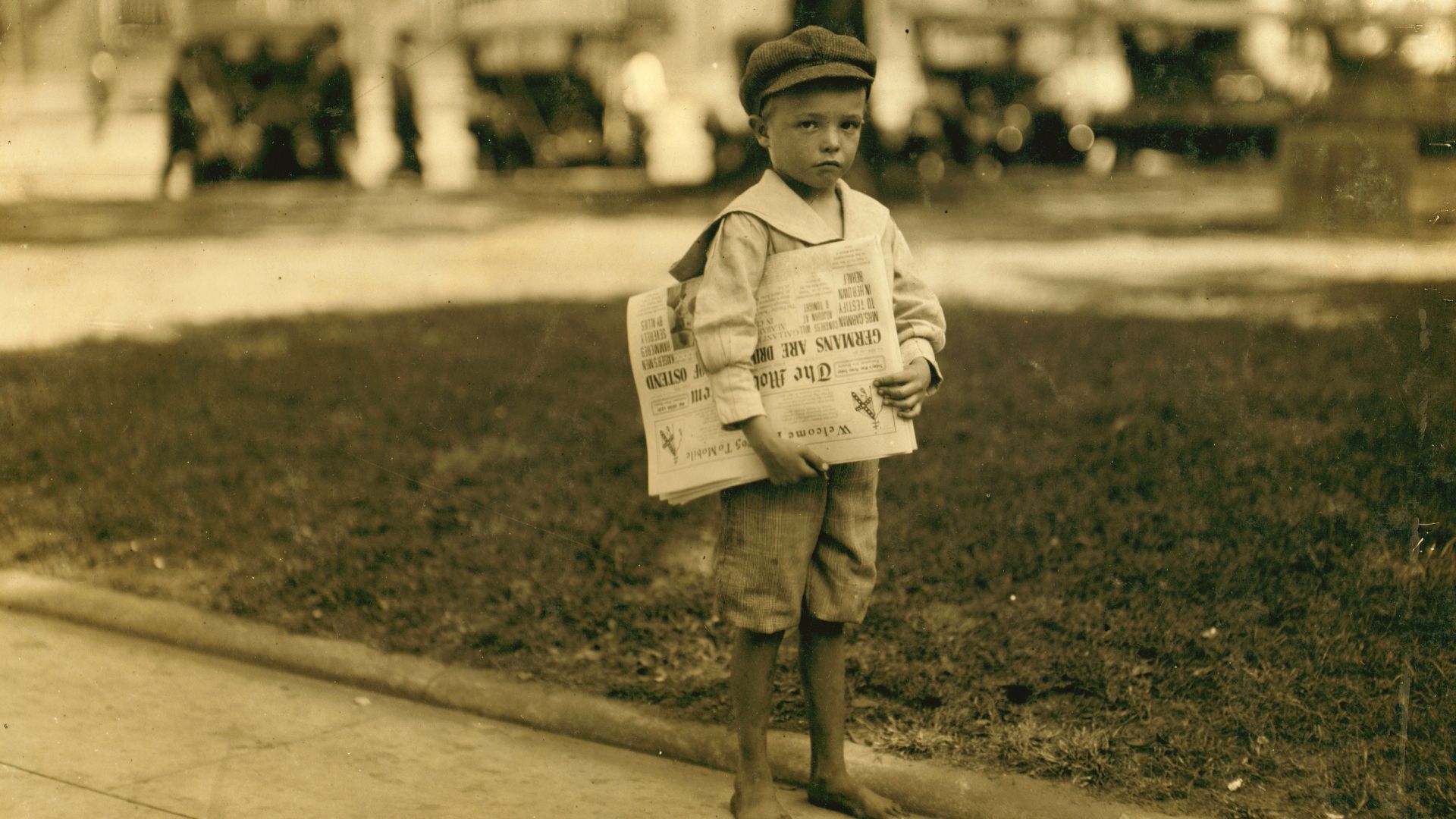
Hine also photographed newsboys, messengers, bootblacks, and children selling goods on city streets. These jobs looked less industrial, but they were not harmless. Children worked long hours, often at night, exposed to weather, traffic, crime, and adult exploitation. The street could be just as rough as the factory.
The Oyster Shuckers Were Heartbreaking
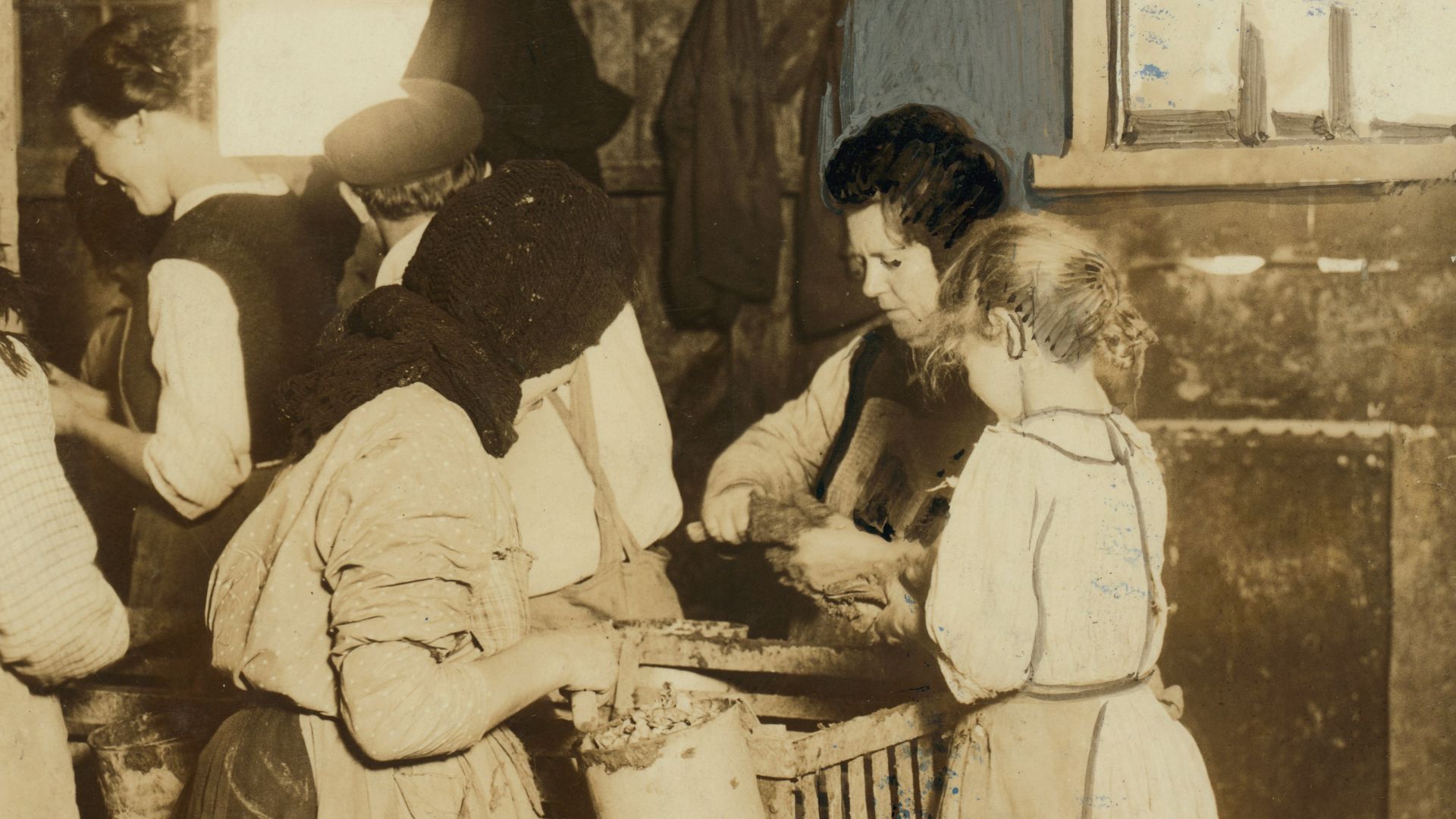
In seafood canneries along the Gulf Coast and elsewhere, Hine photographed children shucking oysters and doing other processing work. Their hands were cut, wet, and overworked. Some children worked with entire families. The images showed that child labor was not only an urban factory problem—it reached into food production too.
 Hine, Lewis Wickes; National Child Labor Committee Collection, Wikimedia Commons
The Photos Traveled Far
Hine’s photographs appeared in NCLC reports, pamphlets, exhibits, lectures, and lobbying campaigns. They were not meant to sit quietly in albums. They were weapons in a reform movement. A good photograph could walk into a room full of lawmakers and say, “Please explain this.”
 trialsanderrors, Wikimedia Commons
His Captions Did Not Let Viewers Escape
Hine’s captions often included a child’s age, job, and location, sometimes with blunt comments about the conditions. That combination was powerful. The image created sympathy, and the caption removed wiggle room. It is much harder to say “maybe it is not that bad” when the evidence brings receipts.
 Hine, Lewis Wickes; National Child Labor Committee Collection, Wikimedia Commons
America Had Already Been Arguing About Child Labor
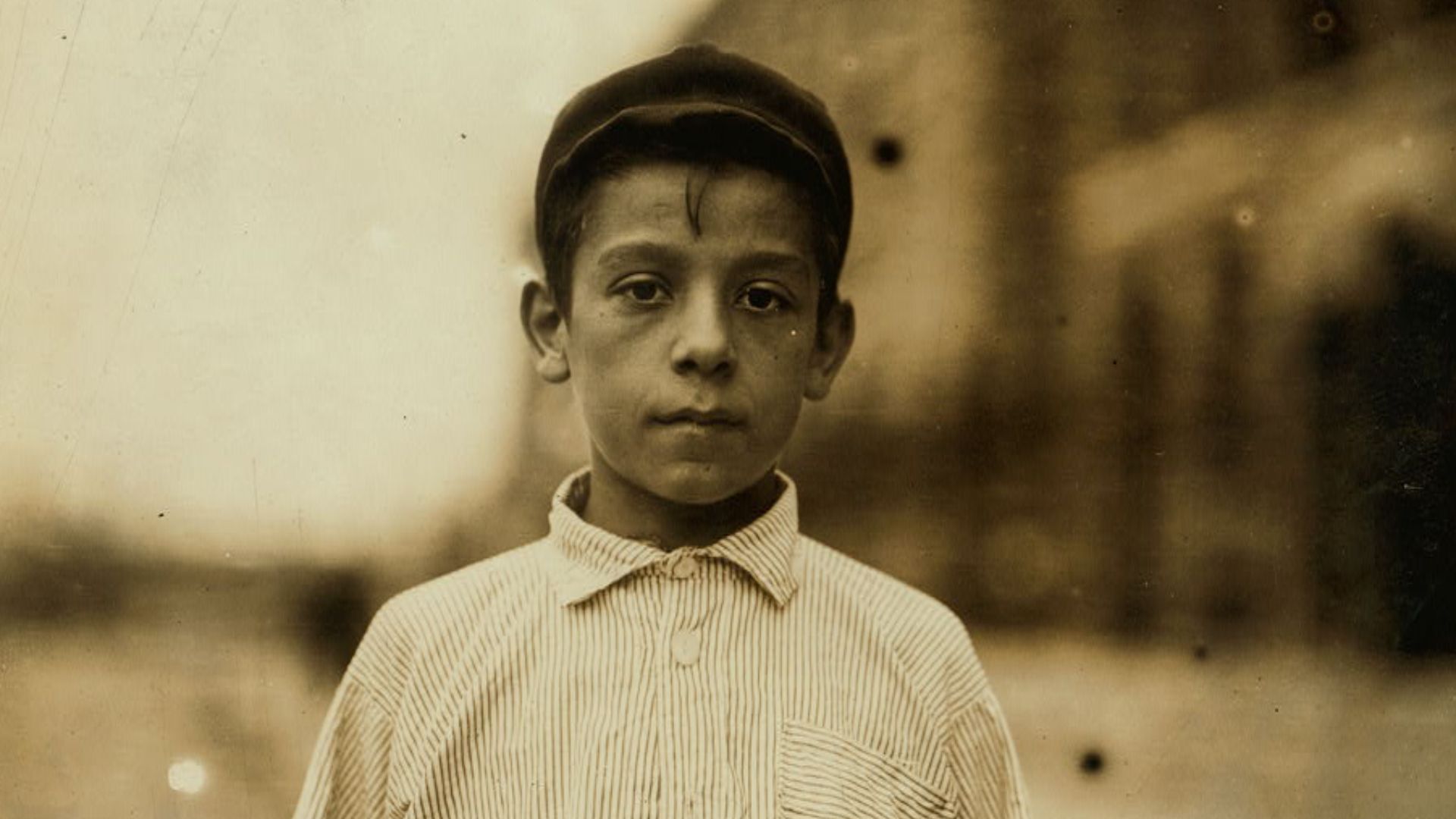
Reformers had been pushing against child labor for years before Hine. Labor activists, teachers, clergy, settlement-house workers, and progressive politicians all joined the fight. But Hine gave the movement something unforgettable. Statistics mattered, but a photograph of a tired child beside a giant machine could hit faster than a speech.
 Hine, Lewis Wickes; National Child Labor Committee Collection, Wikimedia Commons
The Images Challenged A Popular Excuse
Defenders of child labor often claimed work taught discipline, helped poor families, or kept children out of trouble. Hine’s photos complicated that argument. These children were not simply helping around the farm after school. Many were exhausted, underpaid, and placed in dangerous environments. “Character building” suddenly looked a lot like exploitation.
 Unknown authorUnknown author, Wikimedia Commons
Some Children Lied About Their Ages
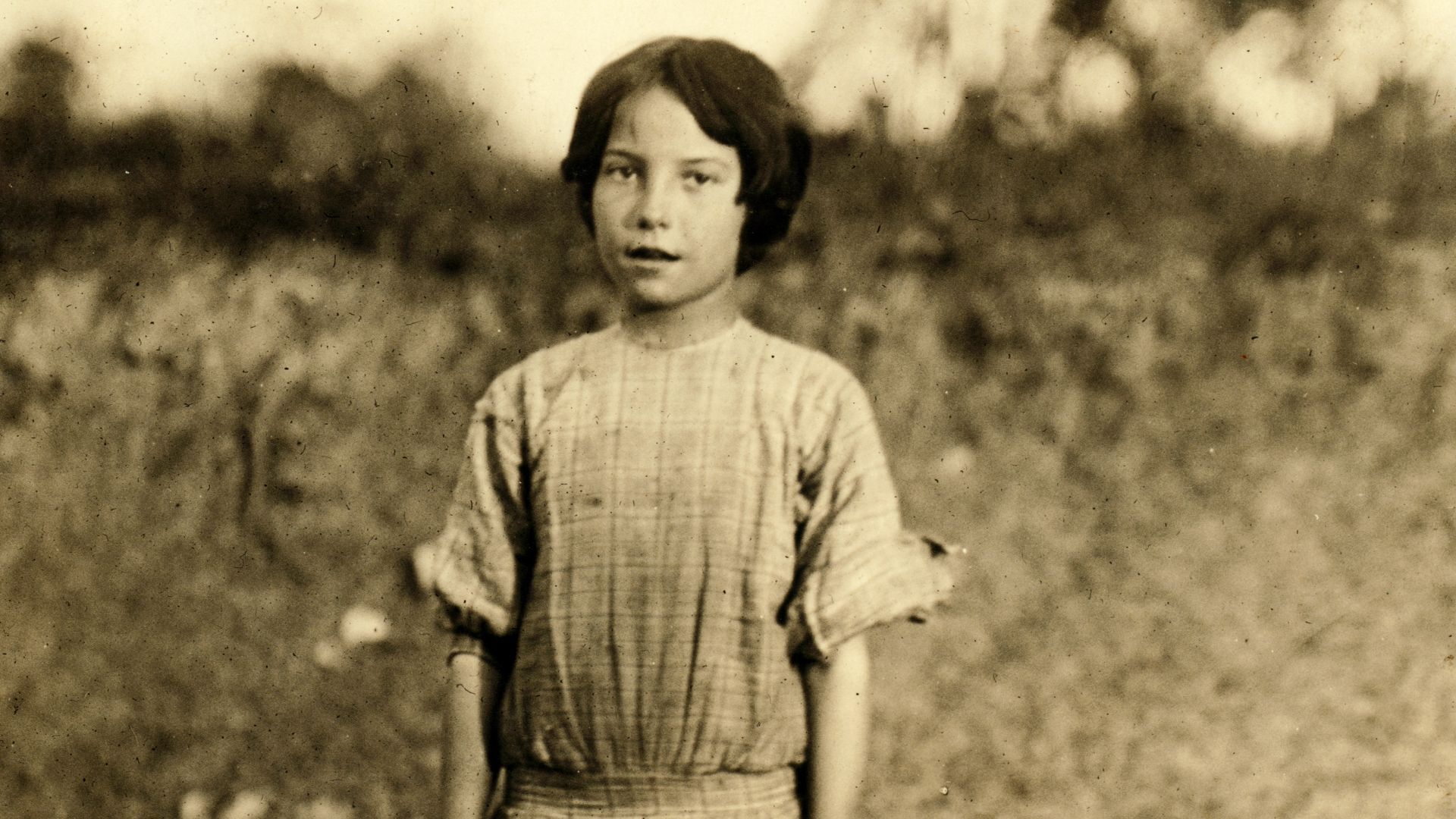
Age laws were often weak or poorly enforced, and employers sometimes claimed children were older than they looked. Hine paid close attention to age. His captions sometimes note contradictions or suspicious claims. When a tiny child was called fourteen, the camera had a way of raising one very skeptical eyebrow.
The Keating-Owen Act Was A Major Victory
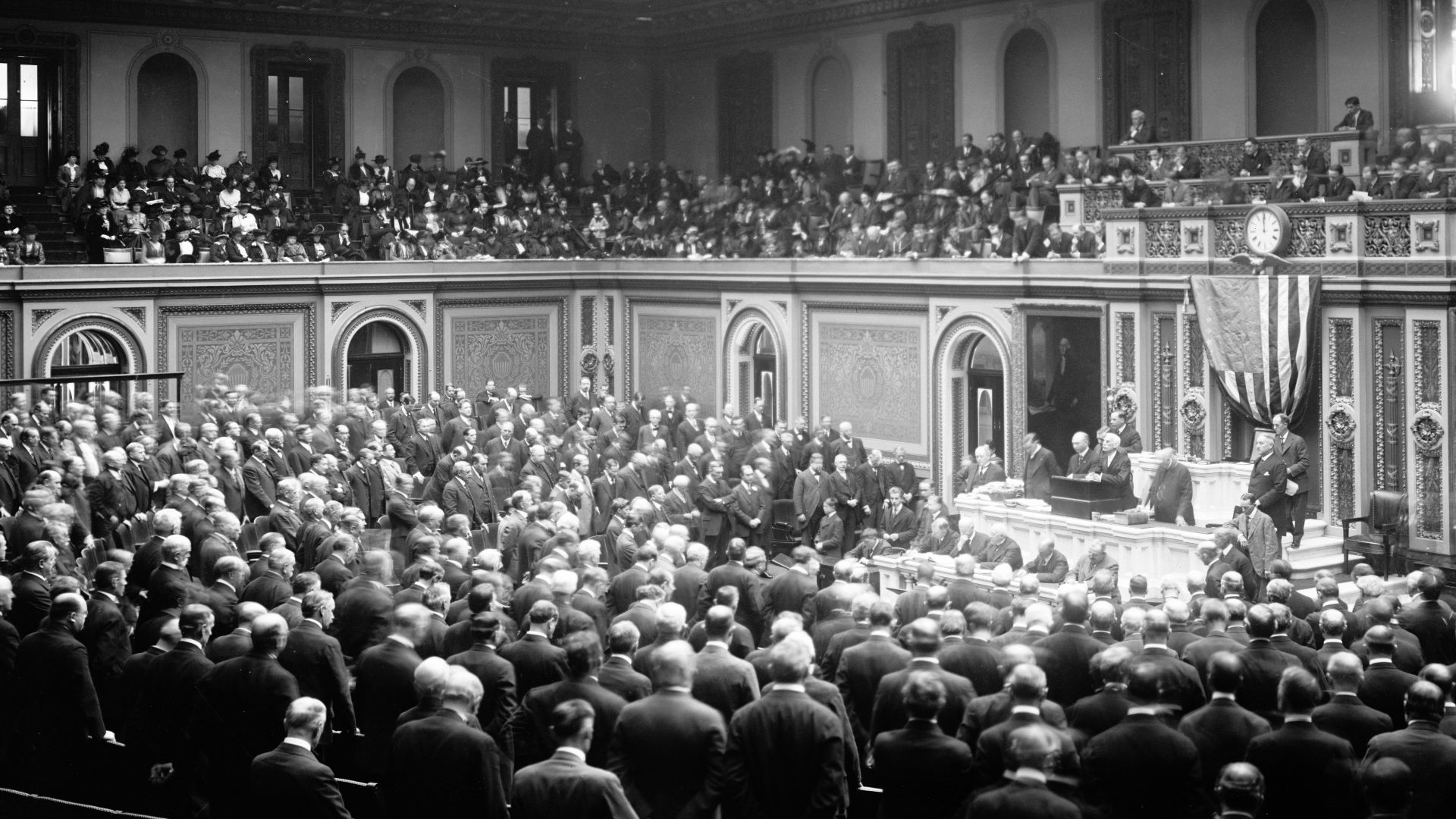
In 1916, Congress passed the Keating-Owen Child Labor Act. It restricted interstate commerce in goods produced by certain forms of child labor. Hine’s photographs helped build public support for reforms like this. For the first time, the federal government had taken a major step against child labor.
 Harris & Ewing, photographer, Wikimedia Commons
Then The Supreme Court Struck It Down
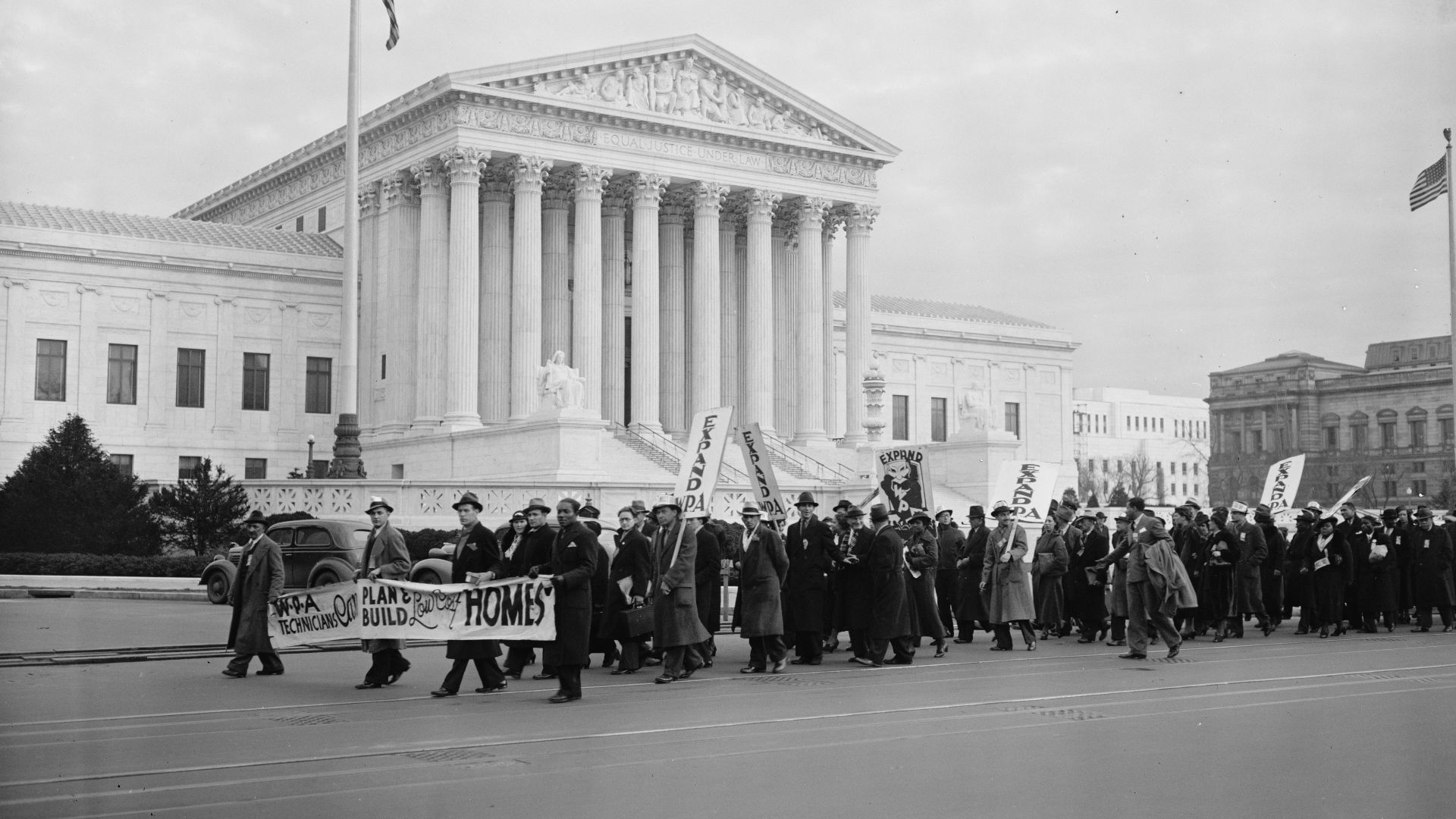
The victory did not last. In 1918, the Supreme Court struck down the Keating-Owen Act in Hammer v. Dagenhart, ruling that Congress had overstepped its power. It was a crushing setback. America had seen the pictures, passed a law, and then watched the legal system say, “Not so fast.”
 Harris & Ewing, photographer, Wikimedia Commons
Reformers Kept Pushing Anyway
The defeat did not end the movement. Reformers tried again through tax laws, state laws, education campaigns, and later constitutional efforts. Hine’s photographs remained part of the moral case. Once Americans had seen children in mills and mines, the issue could not be stuffed neatly back into a filing cabinet.
Hine Paid A Personal Price
Hine’s work was not glamorous. He traveled constantly, faced hostility, and spent years documenting poverty and exploitation. Later in life, he struggled financially and professionally. That is one of the sad ironies of the story: the man whose photographs helped protect children did not become rich or especially celebrated in his own time.
 Hine, Lewis Wickes; National Child Labor Committee Collection, Wikimedia Commons
The Fair Labor Standards Act Finally Changed Federal Law
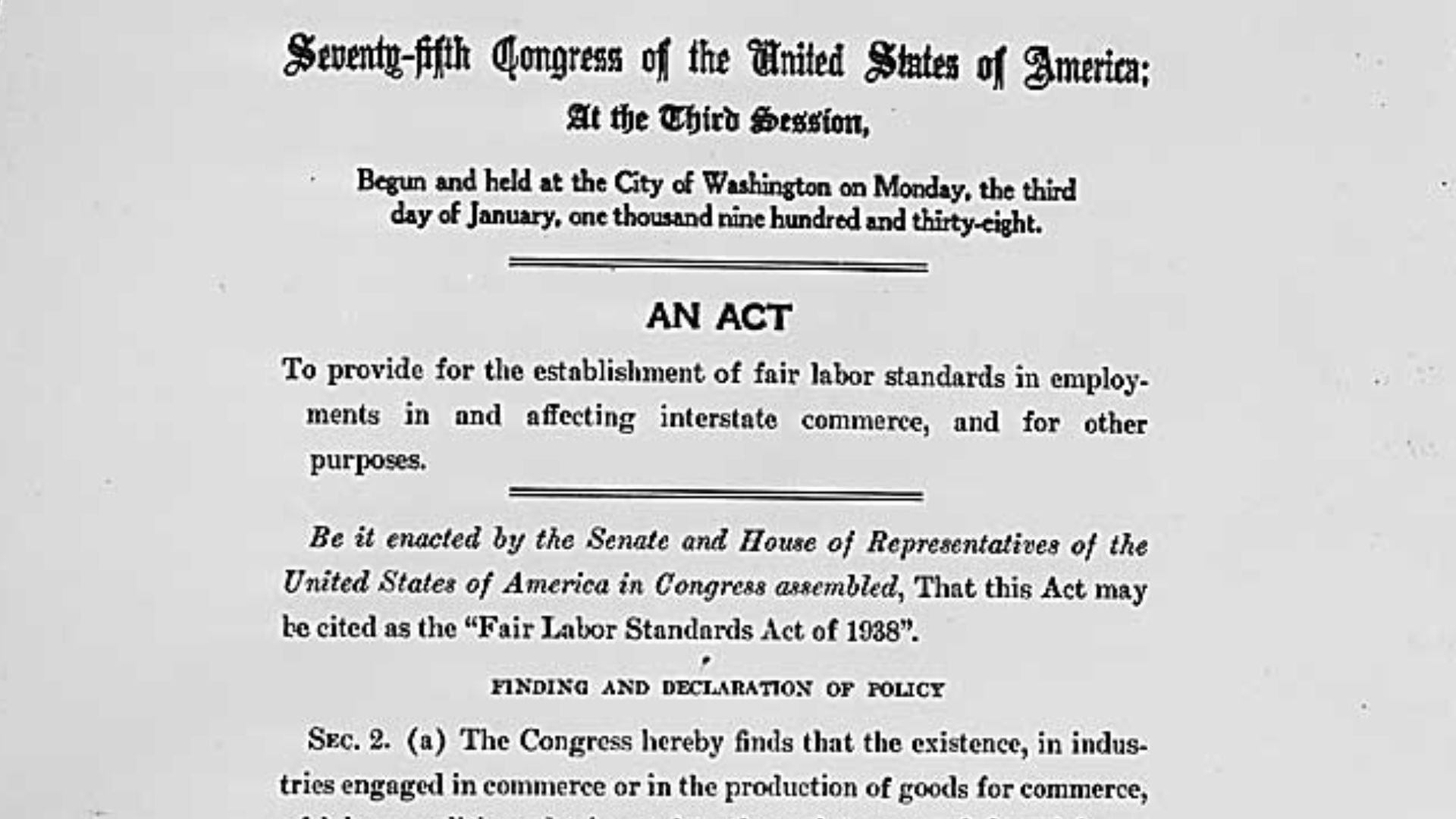
In 1938, the Fair Labor Standards Act became law under President Franklin D. Roosevelt. It established federal minimum wage and overtime rules and included major child-labor protections. After decades of reform efforts, the federal government finally had durable national rules limiting oppressive child labor.
The Supreme Court Later Reversed Course
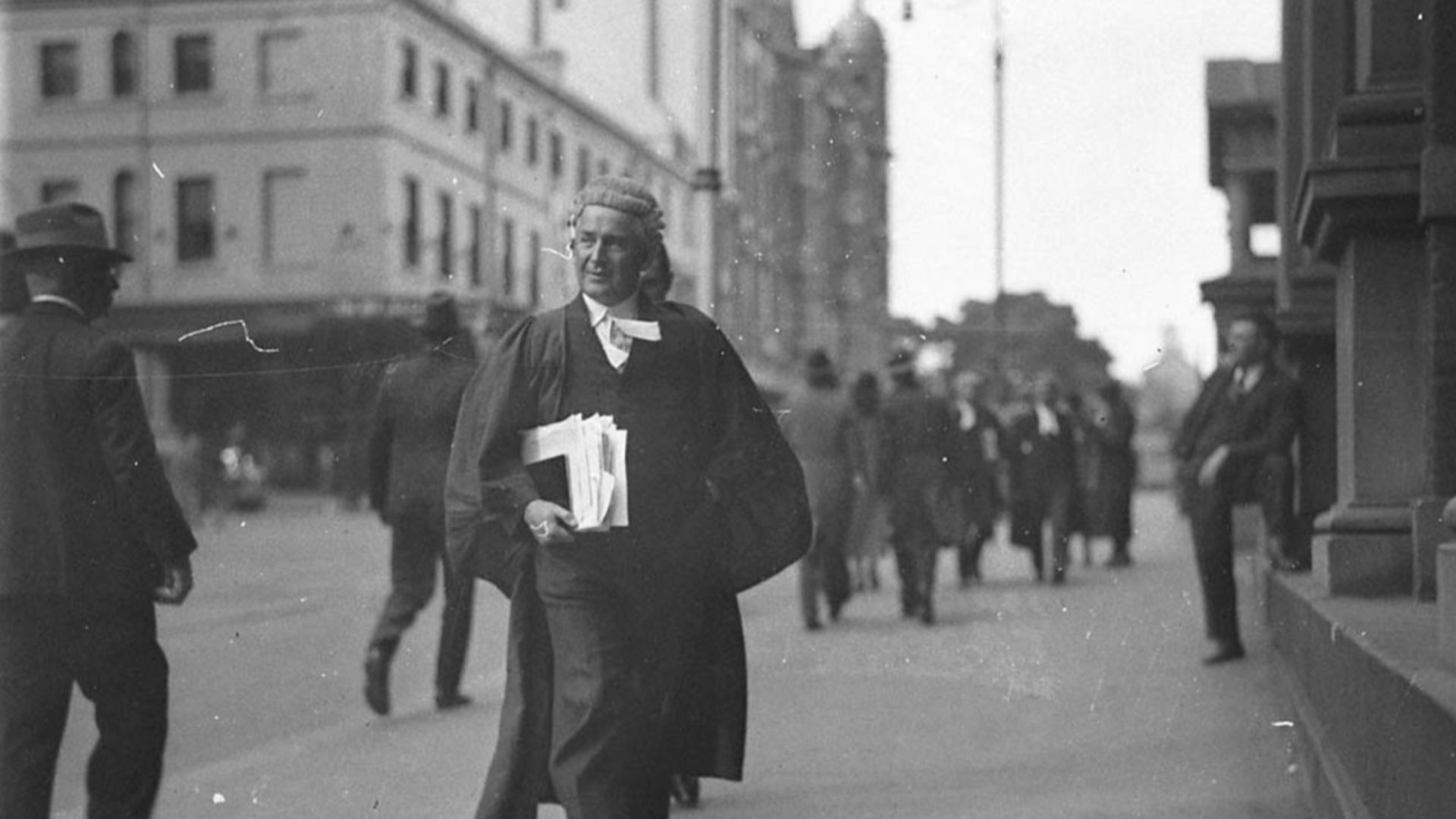
In 1941, the Supreme Court upheld federal authority over labor standards in United States v. Darby Lumber Co., reversing the logic that had doomed earlier child-labor laws. That decision helped secure the legal foundation behind federal child-labor protections. The law finally had stronger teeth, and not a moment too soon.
Hine’s Photos Did Not Change Everything Alone
It would be too simple to say Hine ended child labor by himself. He did not. The change came from reformers, lawmakers, unions, educators, parents, journalists, and shifting public values. But Hine gave the movement something unforgettable: faces. He turned an abstract problem into children America could not unsee.
His Camera Helped Redefine Childhood
Lewis Hine’s photographs helped Americans see child labor not as normal, necessary, or character-building, but as a moral failure. His images showed that children belonged in schools, homes, and playgrounds—not coal dust, factory noise, and midnight shifts. That was his real achievement: he made the country look, and looking changed everything.
 Lewis W. Hine, Wikimedia Commons
You May Also Like:
Hetty Green Was The Richest Woman In America, But You Wouldn't Believe How Cheap She Was