An Unexpected Fortune
In 1913, 11-year-old Sarah Rector struck oil on land she received through a federal land-allotment program, inheriting a fortune no one expected—and it came with consequences no child should have faced.
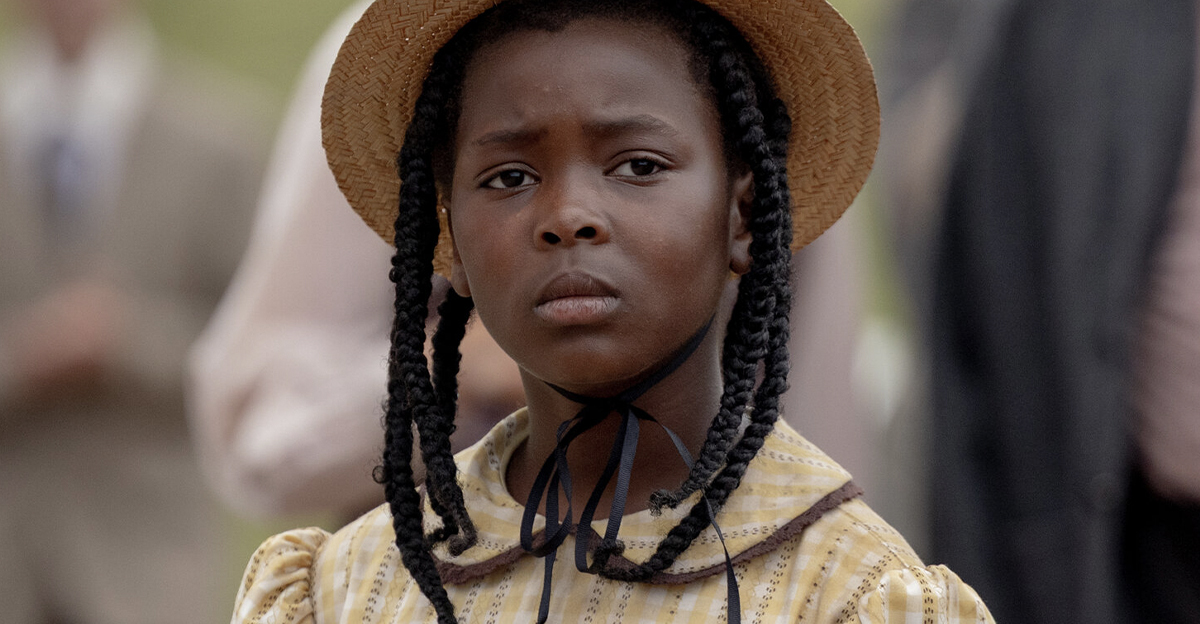 Amazon MGM Studios, Sarah's Oil (2025)
She Was Born in Indian Territory
Sarah was born on March 3, 1902, near Taft in what was then Indian Territory. Her parents, Joseph and Rose Rector, were farmers raising their children in a growing community of Black Muscogee Freedmen.
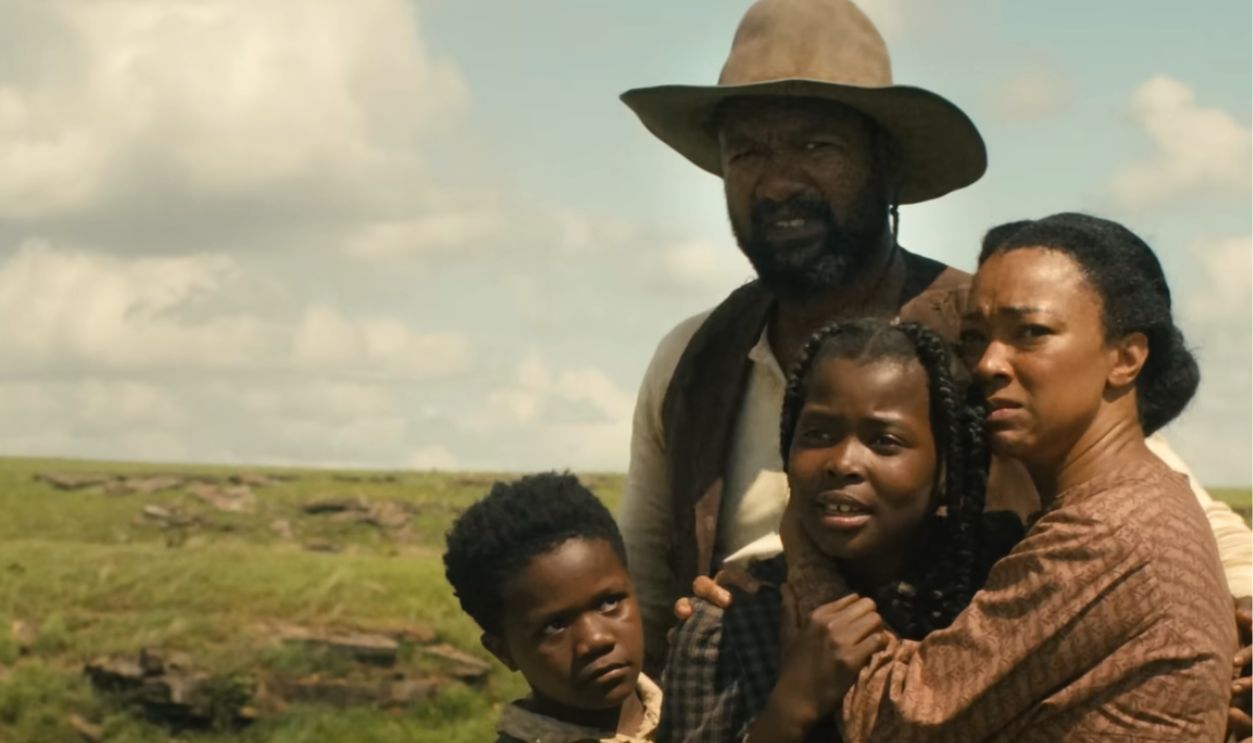 Screenshot from Sarah's Oil, Amazon MGM Studios (2025)
Her Family Carried a Painful History
Sarah’s ancestors had been enslaved by members of the Muscogee Nation. After the Civil War, the 1866 treaty between the United States and the Muscogee Nation granted formerly enslaved people and their descendants tribal citizenship rights.
 Tim Evanson from Cleveland Heights, Ohio, USA, Wikimedia Commons
The Government Divided the Land
Federal allotment policies later broke communally held tribal territory into individual parcels. Eligible members of Sarah’s family received approximately 160 acres each, but this was not simply free farmland. The policy also weakened tribal control over the territory.
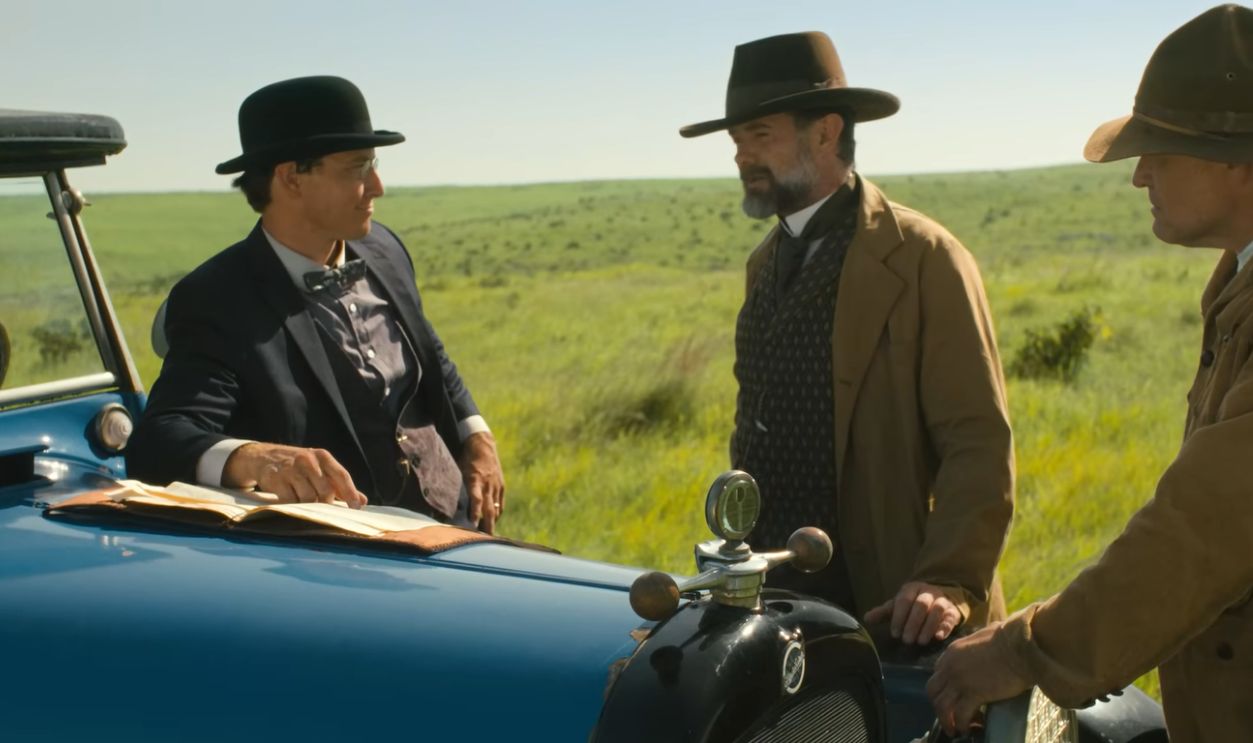 Screenshot from Sarah's Oil, Amazon MGM Studios (2025)
Sarah Drew the Unlucky Parcel
Sarah’s 159-acre allotment sat near the Cimarron River, far from her family’s home. Its sandy, rocky ground appeared nearly impossible to farm. On the surface, an 11-year-old had received little more than an oversized tax bill.
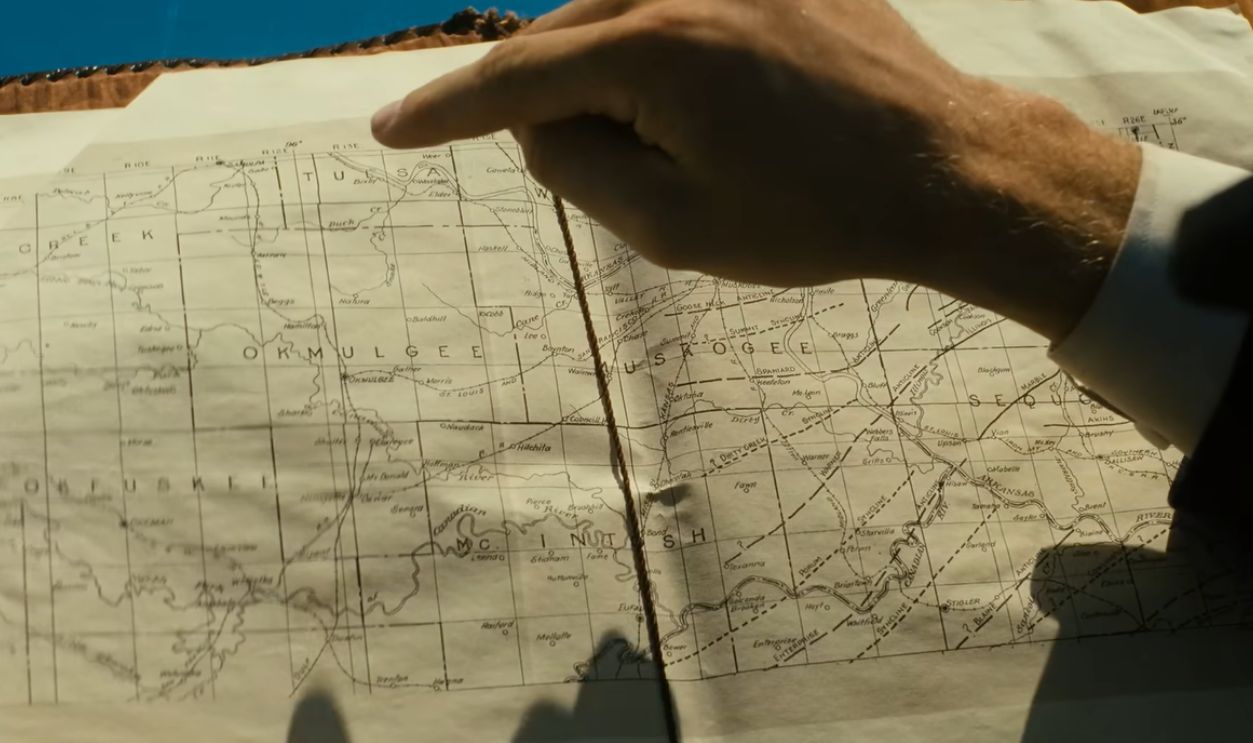 Screenshot from Sarah's Oil, Amazon MGM Studios (2025)
Even the Taxes Were a Struggle
The property reportedly carried an annual tax of approximately $30—a serious burden for the Rector family. Joseph tried to make the land pay for itself, eventually leasing it for oil and natural-gas exploration in 1911.
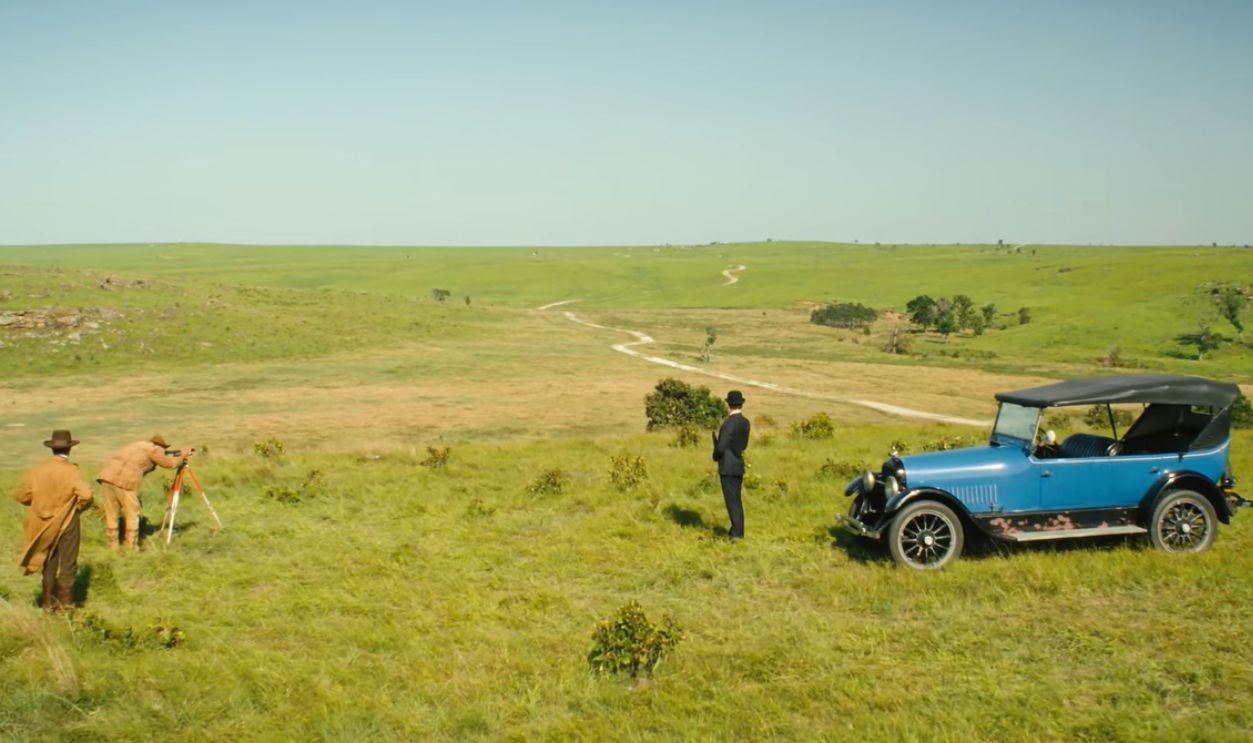 Screenshot from Sarah's Oil, Amazon MGM Studios (2025)
Someone Finally Drilled Deep Enough
In 1913, independent driller BB Jones completed a productive well on Sarah’s allotment. The neglected ground suddenly became part of an enormously valuable oil-producing area. Everything her family had been told about the parcel changed almost instantly.
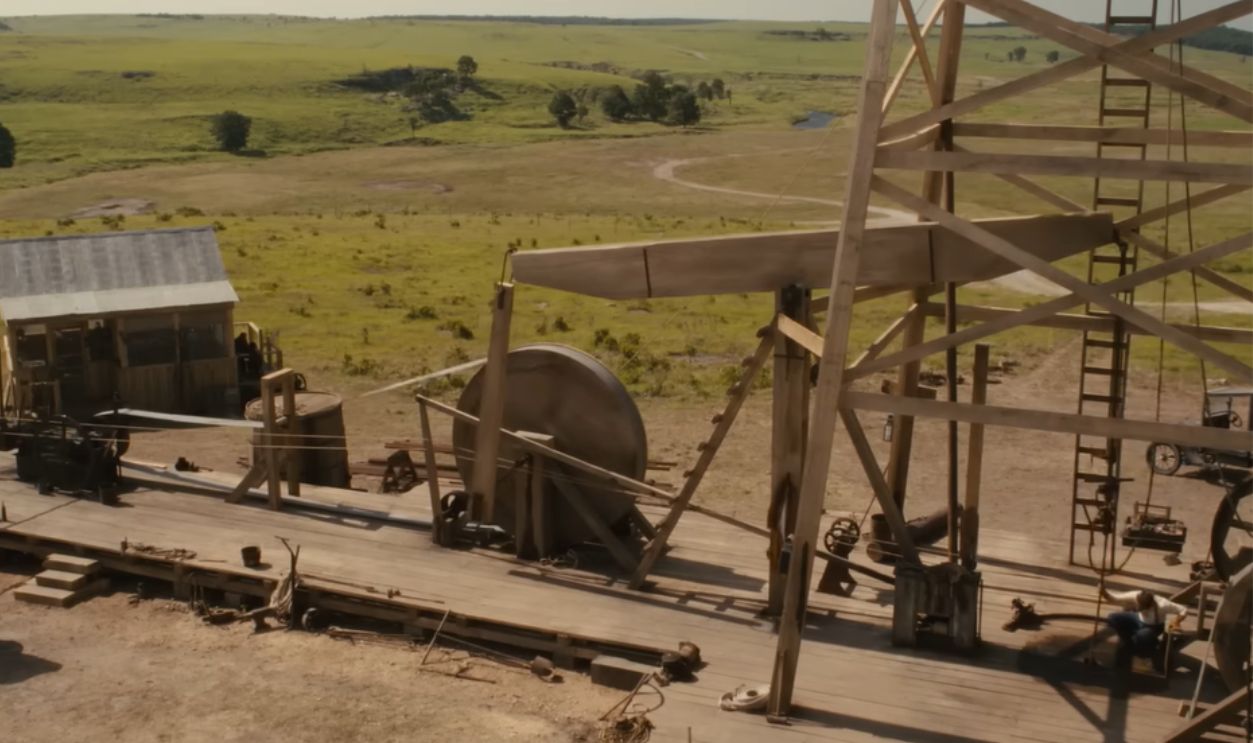 Screenshot from Sarah's Oil, Amazon MGM Studios (2025)
The Numbers Were Almost Absurd
Accounts commonly place the well’s production near 2,500 barrels per day at its peak. Sarah’s royalty share reportedly brought her roughly $300 daily—an extraordinary income in 1913, especially for a Black child living under segregation.
 Screenshot from Sarah's Oil, Amazon MGM Studios (2025)
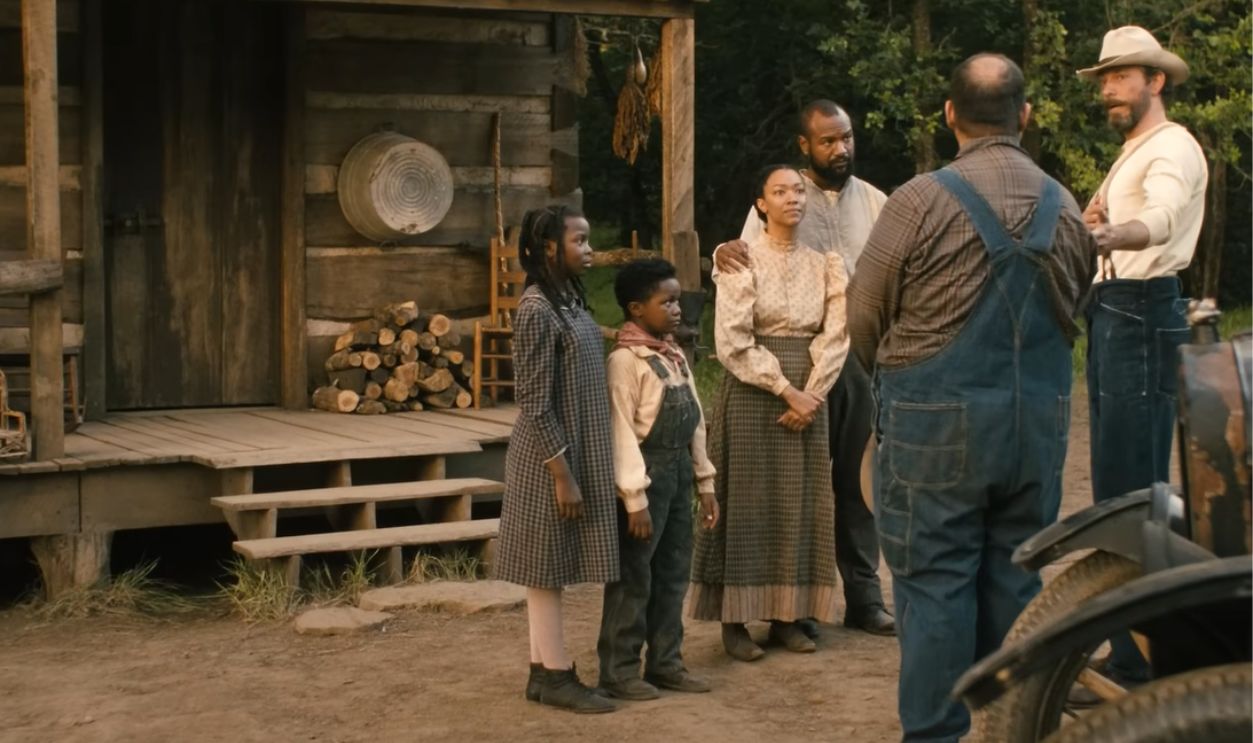
Then the Letters Started Arriving
News of Sarah’s fortune traveled across the United States and eventually overseas. Strangers requested loans, donations, and business deals. Newspapers even reported that young men were sending marriage proposals to a girl who had barely reached middle-school age.
 Screenshot from Sarah's Oil, Amazon MGM Studios (2025)

History's most fascinating stories and darkest secrets, delivered to your inbox daily.
Newspapers Turned Her Into a Spectacle
White-owned newspapers repeatedly described Sarah using unpleasant language and treated her fortune like a cosmic mistake. One report falsely called her an orphan worth $4 million. She was neither an orphan nor a millionaire at that point.
 Screenshot from Sarah's Oil, Amazon MGM Studios (2025)
Her Real Life Looked Very Different
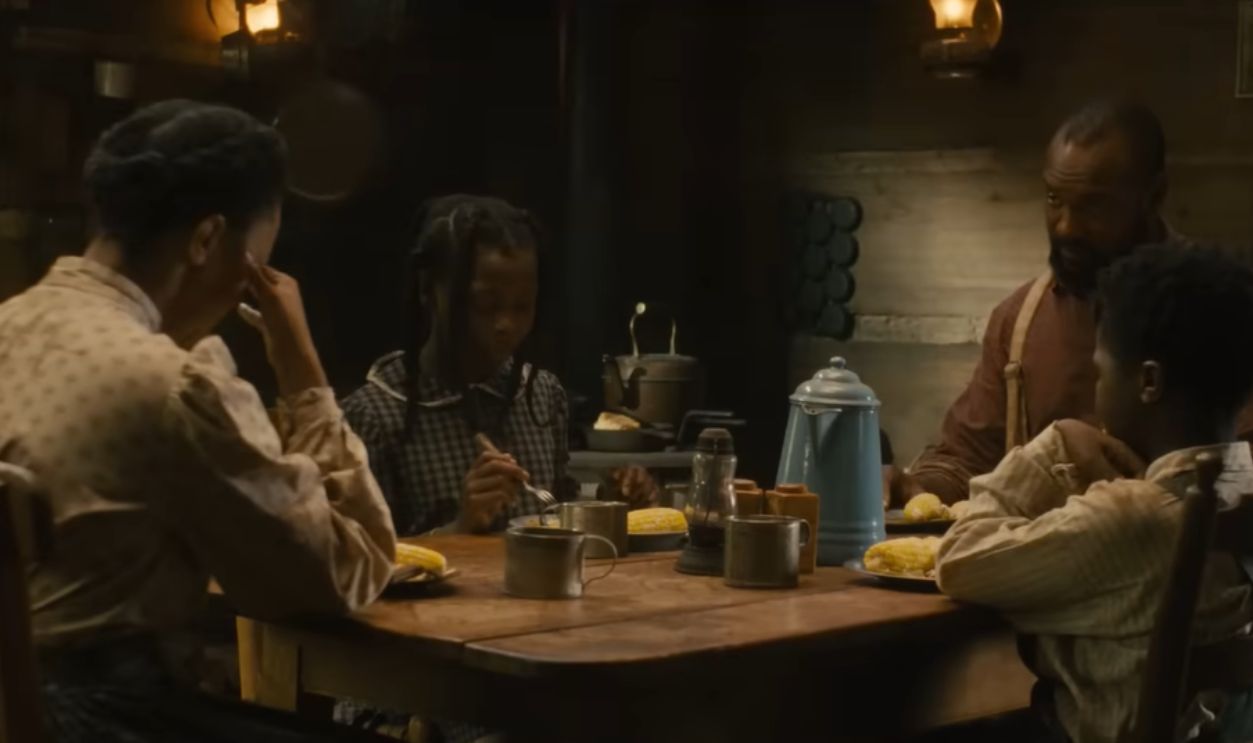
Sarah lived with both parents, attended school in Taft, and remained part of a close family. After the oil money arrived, the Rectors replaced their two-room home with a larger house and purchased transportation for the children’s journey to school.
 Screenshot from Sarah's Oil, Amazon MGM Studios (2025)
Wealth Could Make a Child a Target
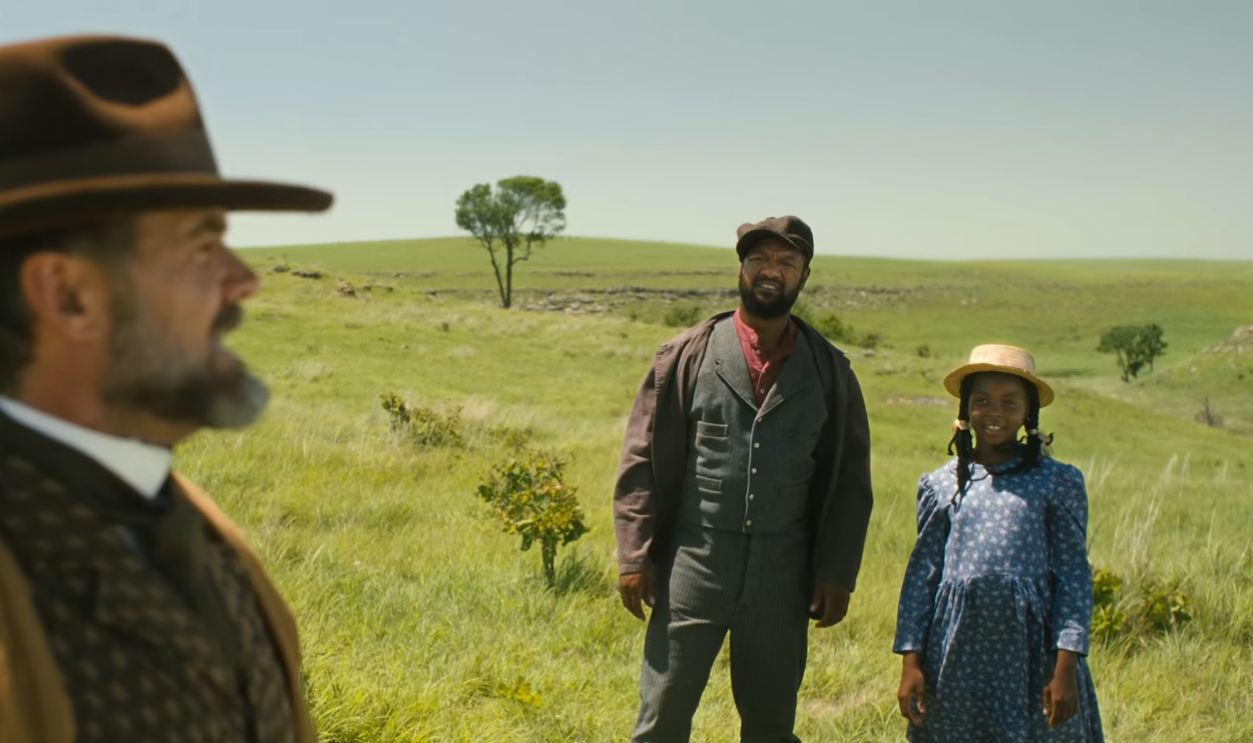
Oil fortunes were dangerous in early Oklahoma. Herbert and Stella Sells, two Freedmen children from the Taft area, had been killed after their allotments became valuable. Sarah’s money attracted admiration, but it also created frightening new risks.
 Screenshot from Sarah's Oil, Amazon MGM Studios (2025)
The Law Put Her Money Under Guardianship
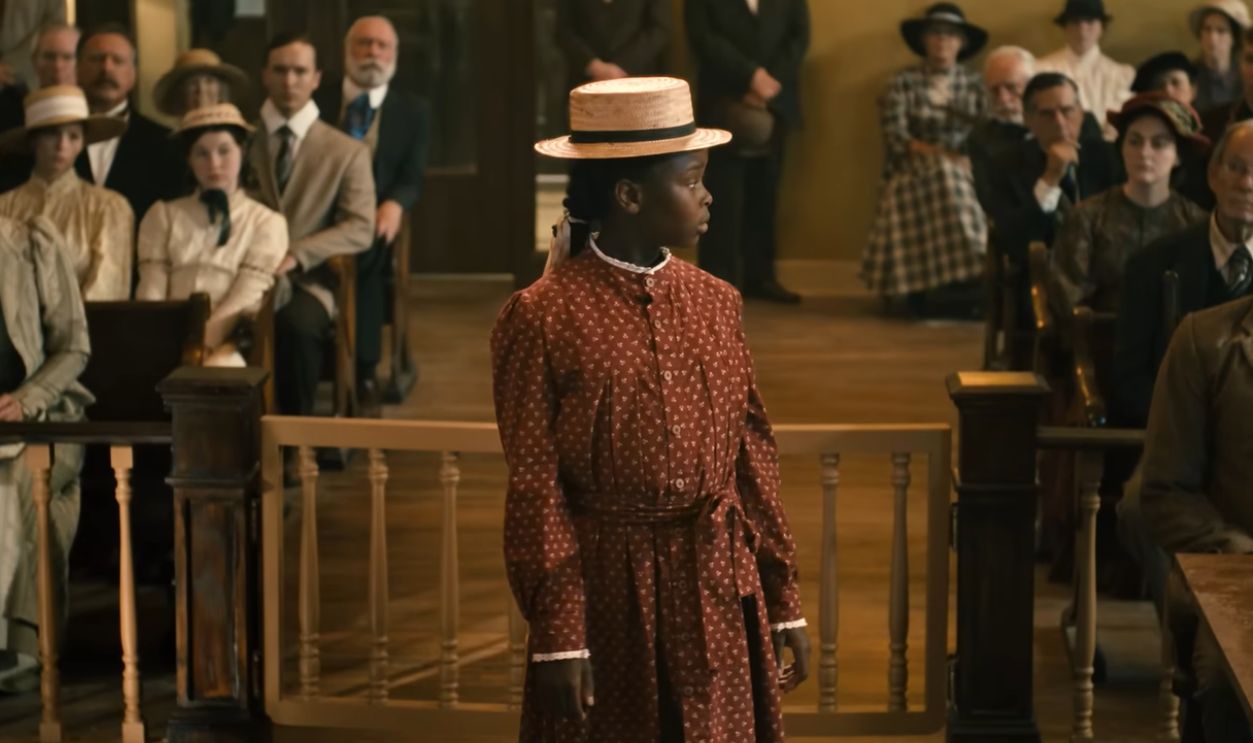
Because Sarah was a wealthy Black minor, her finances were placed under court-supervised guardianship. A white rancher named TJ Porter became her guardian—an arrangement that understandably alarmed Black journalists familiar with widespread theft from Indigenous and Freedmen landowners.
 Screenshot from Sarah's Oil, Amazon MGM Studios (2025)
The Guardian Story Is Complicated
Many guardians abused their power, but surviving evidence does not show Porter simply stealing Sarah’s fortune. Her parents had selected him as a trusted neighbor, while Judge Thomas Leahy supervised investments in property, mortgages, and other income-producing assets.
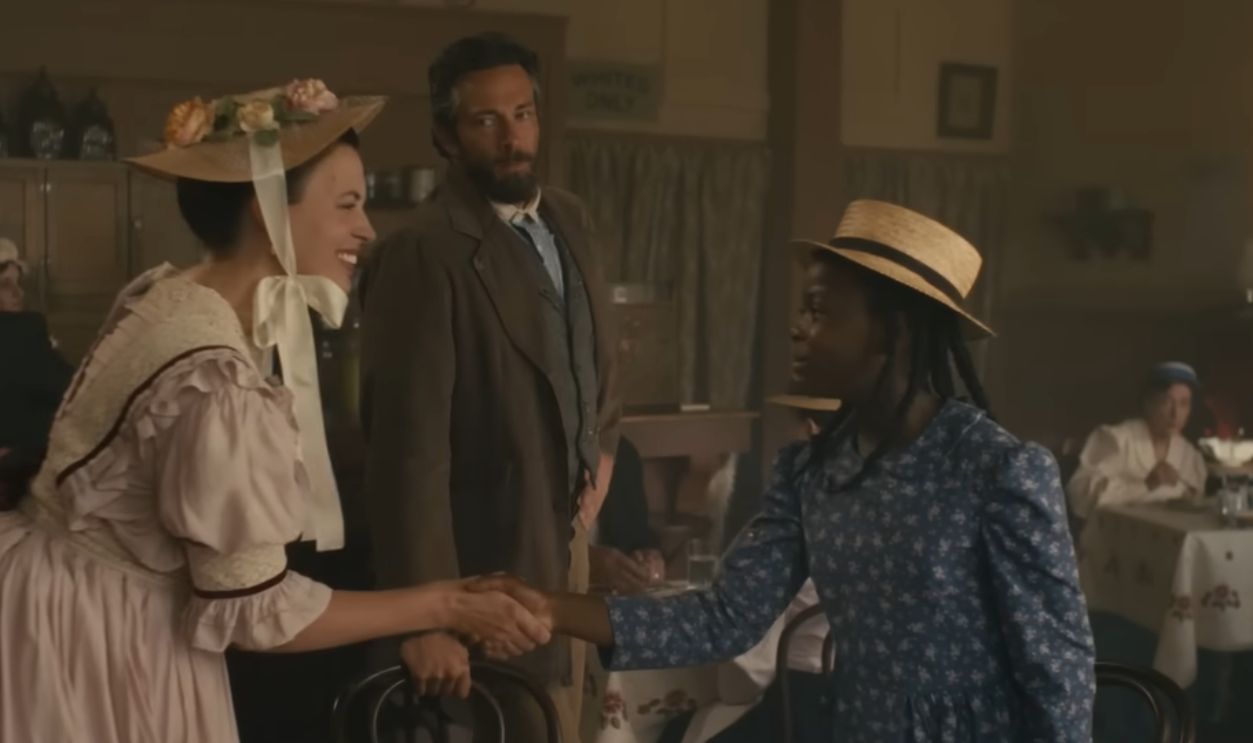 Screenshot from Sarah's Oil, Amazon MGM Studios (2025)
The Black Press Raised the Alarm
The Chicago Defender published reports claiming Sarah was being neglected, poorly educated, and kept in a shack while white officials controlled her money. The allegations spread quickly, forcing influential Black leaders to ask what was truly happening.
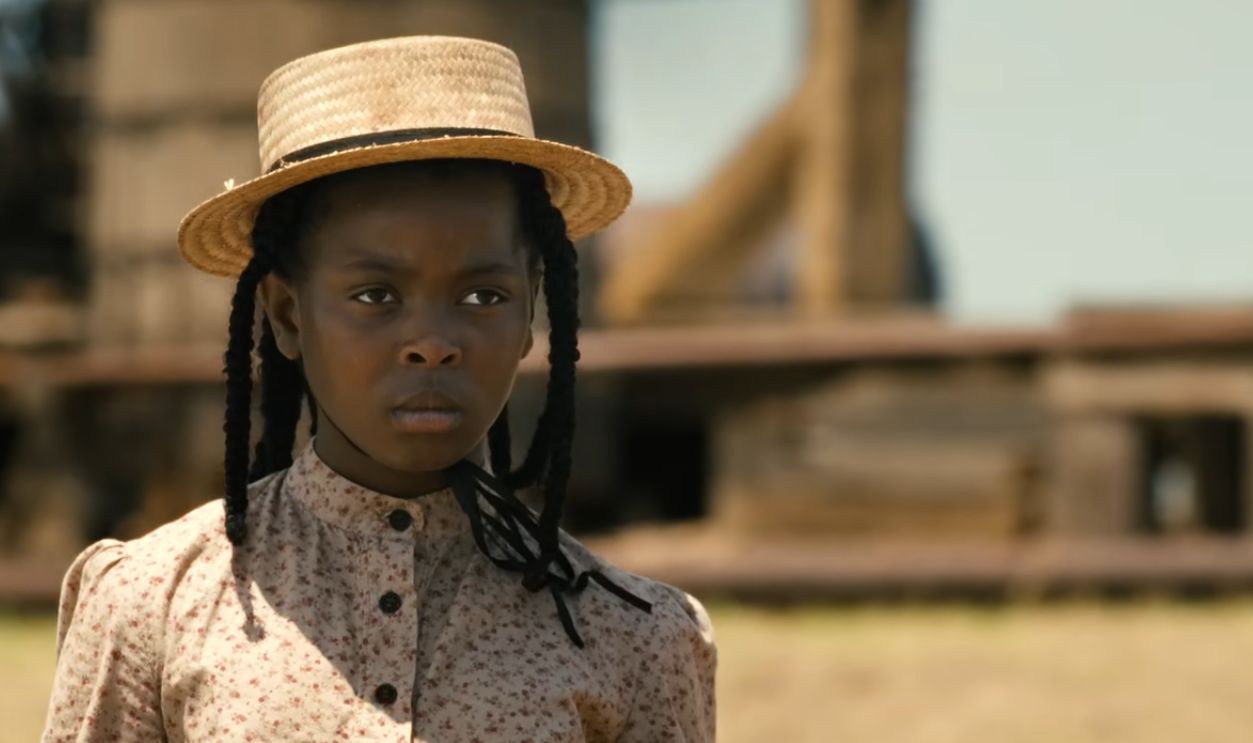 Screenshot from Sarah's Oil, Amazon MGM Studios (2025)
WEB Du Bois Wanted Answers
On June 6, 1914, WEB Du Bois wrote to Judge Leahy seeking information about Sarah’s treatment and estate. His concern reflected a much larger problem: wealthy Black and Indigenous children frequently had little power over their own property.
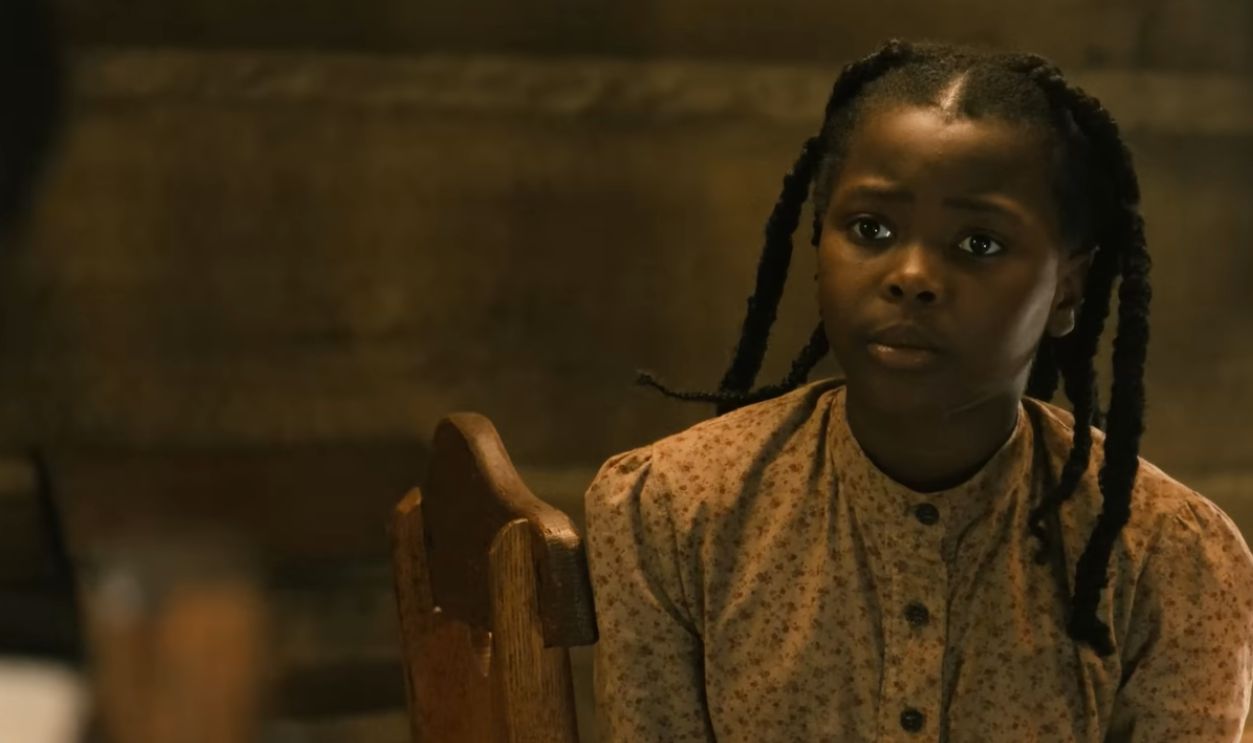 Screenshot from Sarah's Oil, Amazon MGM Studios (2025)
The Judge Opened the Books
Leahy responded five days later with a detailed account of Sarah’s finances. He described improvements to the Rector home, money used for the family, and tens of thousands of dollars invested or spent under court supervision during the preceding months.

Education Became the Next Chapter
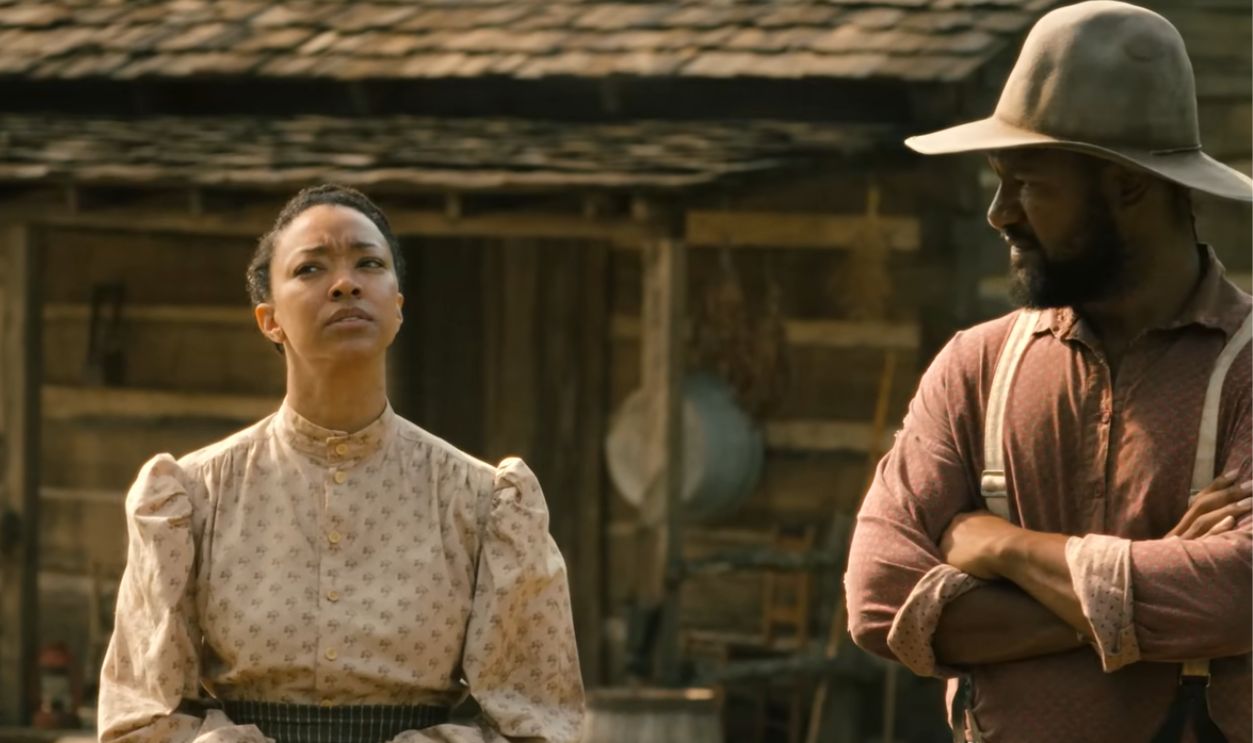
In autumn 1914, Sarah and her older sister Rebecca entered the children’s school at Tuskegee Institute in Alabama. They later studied at Fisk University, escaping some of the relentless attention surrounding Sarah’s oil wells back in Oklahoma.
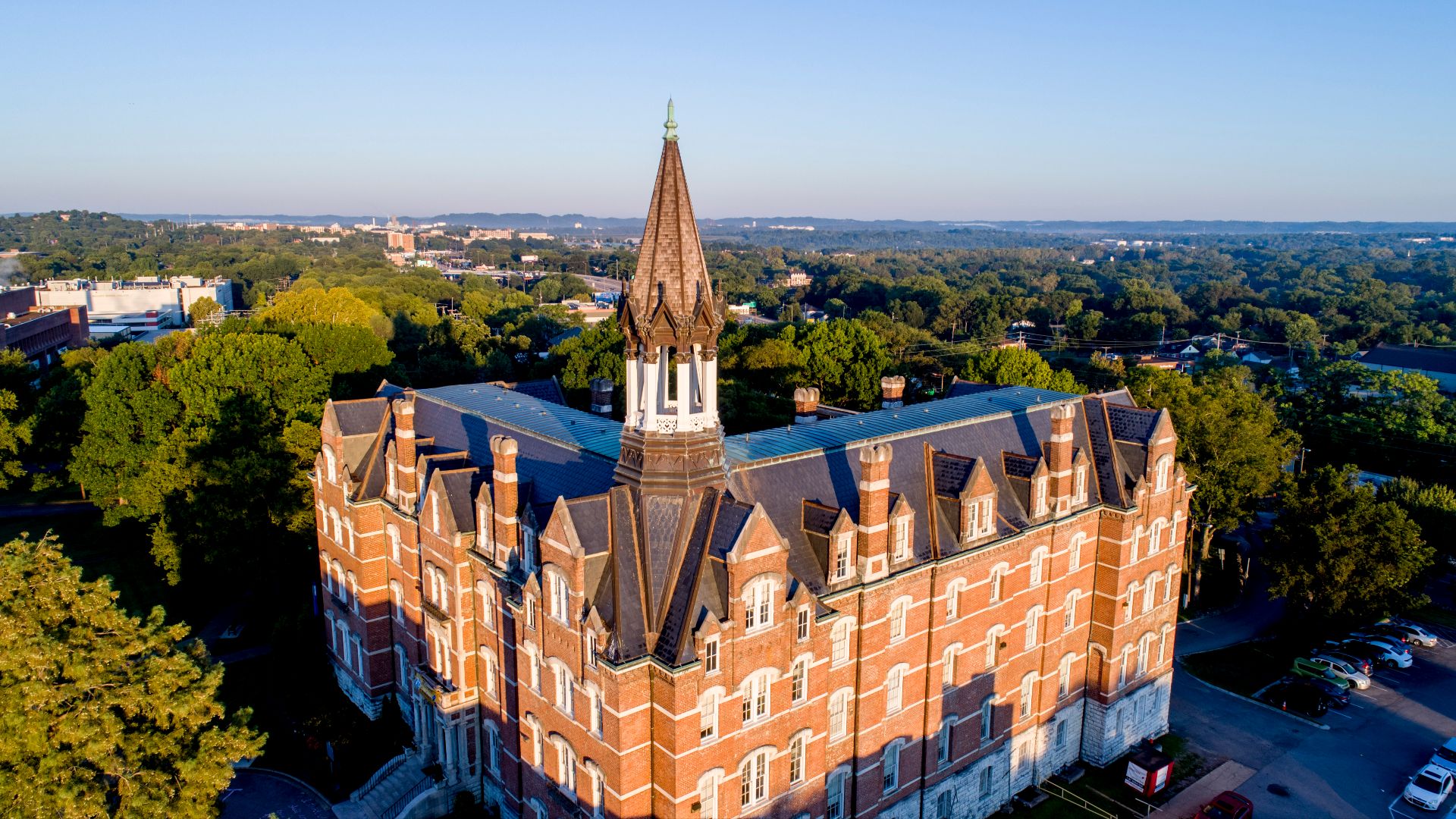
Her Family Quietly Left Oklahoma
Around 1917, the Rectors relocated to Kansas City, Missouri. Sarah’s relatives later believed fear played a role, although documentation does not prove the motive. Considering what happened to other oil-rich families, their suspicion was hardly far-fetched.
 Screenshot from Sarah's Oil, Amazon MGM Studios (2025)
She Entered Adulthood With a Portfolio
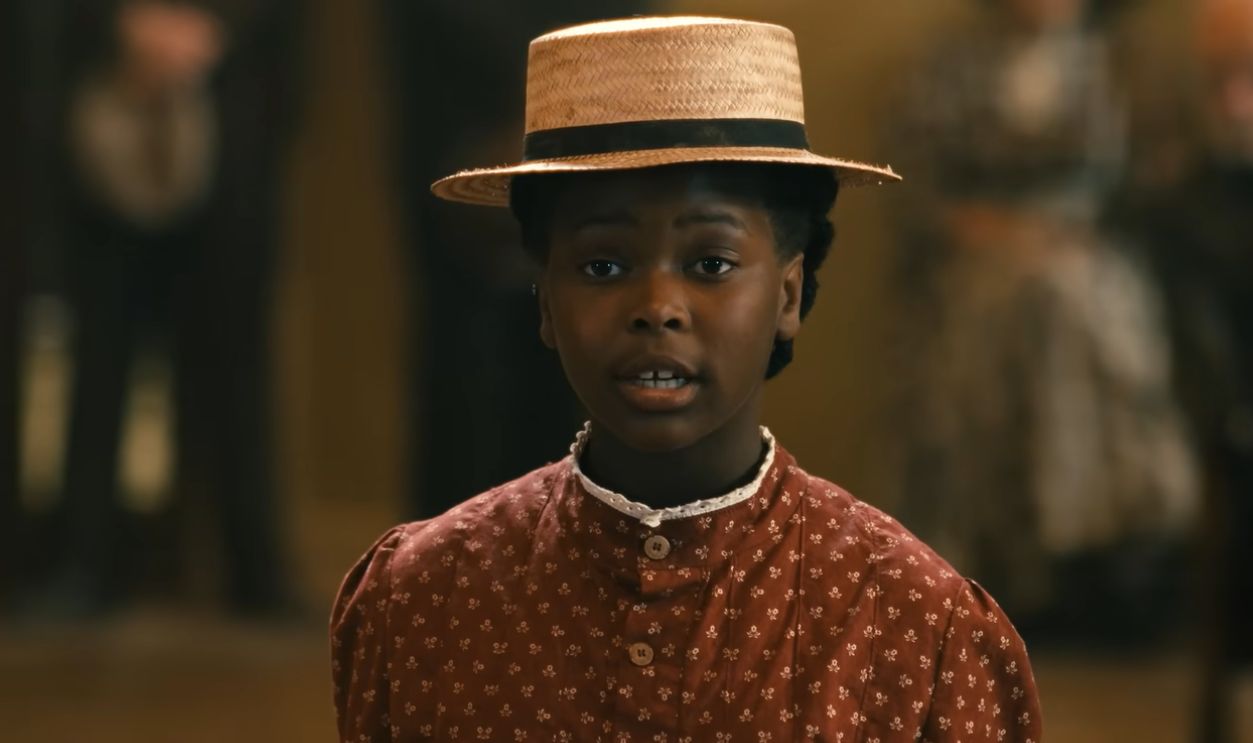
By the time restrictions on her estate ended, Sarah’s wealth extended far beyond one oil well. Her holdings reportedly included securities, mortgages, businesses, rental property, and valuable farmland. The unwanted allotment had created an entire financial empire.
 Screenshot from Sarah's Oil, Amazon MGM Studios (2025)
The “Rector Mansion” Has Its Own Twist
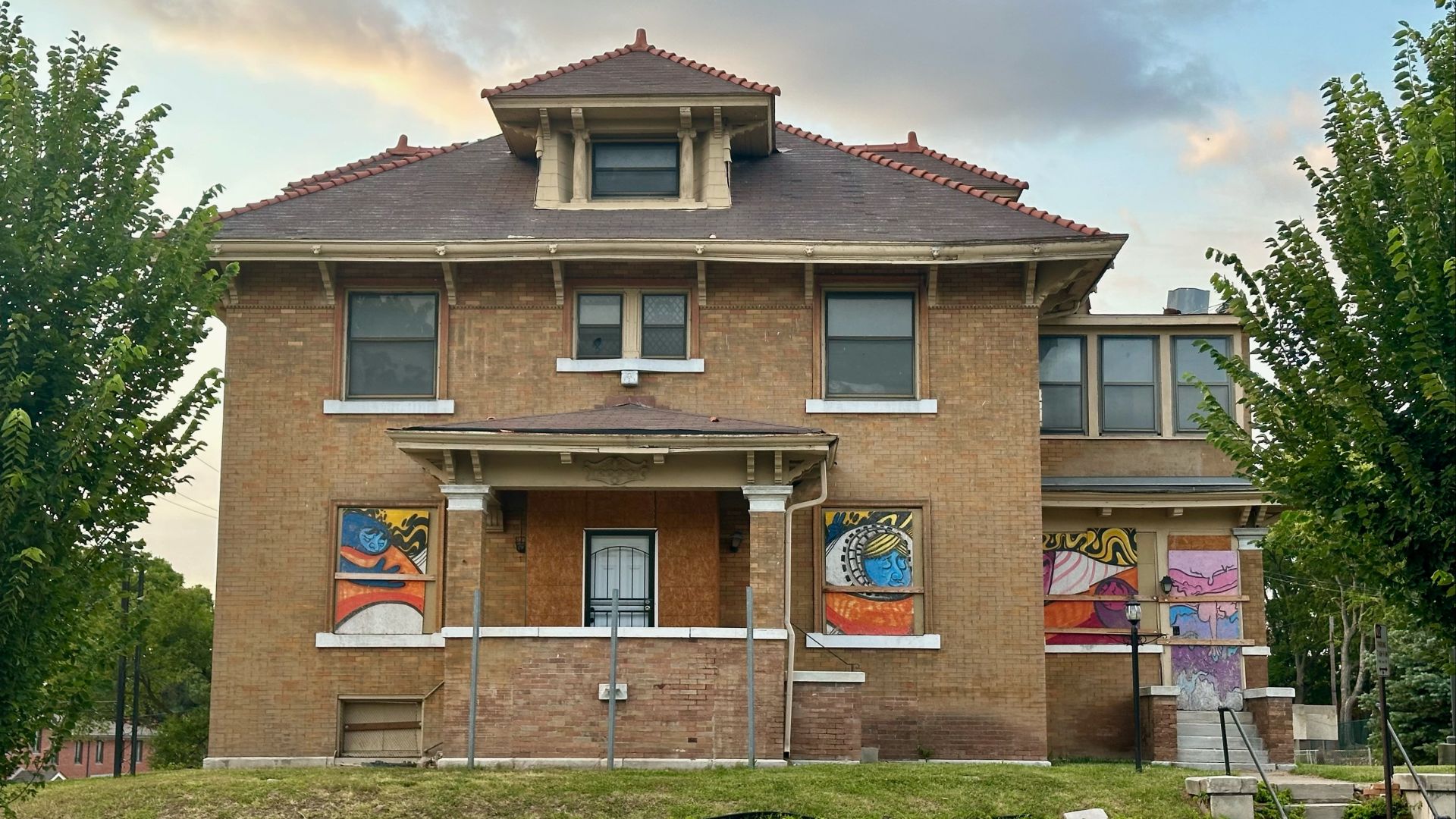
The family settled in a large stone house at 2000 East 12th Street. It became famous as the Rector Mansion, although later research indicates Sarah’s mother, Rose, legally owned it. The home belonged to the whole close-knit family.
Kansas City Saw Her Spend Freely
Sarah developed a fondness for fashionable clothing, automobiles, music, and parties. Her nieces recalled that a segregated downtown department store would close early so she could shop privately—a humiliating accommodation disguised as special treatment.

Jazz Royalty Came Through the Door
Family accounts say Sarah entertained major figures such as Duke Ellington and Count Basie. She married businessman Kenneth Campbell and had three sons. In 1934, she married restaurant owner William Crawford, remaining with him for the rest of her life.
 Unknown authorUnknown author, Wikimedia Commons
Her Fortune Did Not Remain Untouched
Exactly what happened to Sarah’s money is difficult to determine. The 1929 market crash, the Great Depression, heavy spending, and changing investments probably reduced it considerably. She eventually left the mansion, but relatives said she remained comfortable.
 Unknown authorUnknown author, Wikimedia Commons
The Famous Story Still Gets Things Wrong
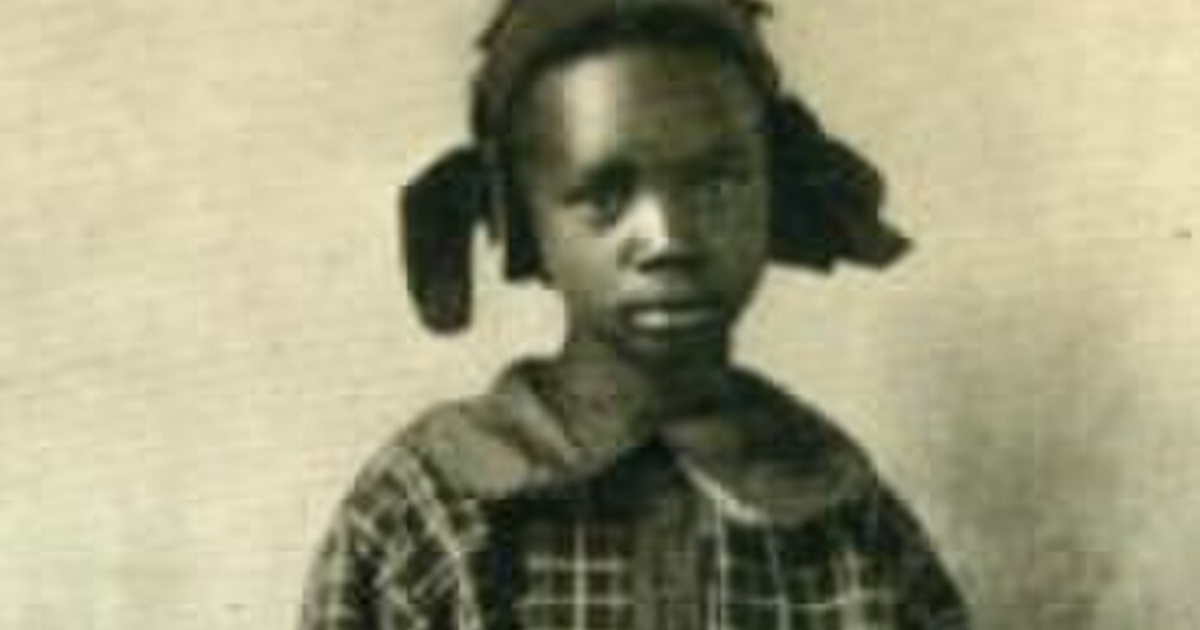
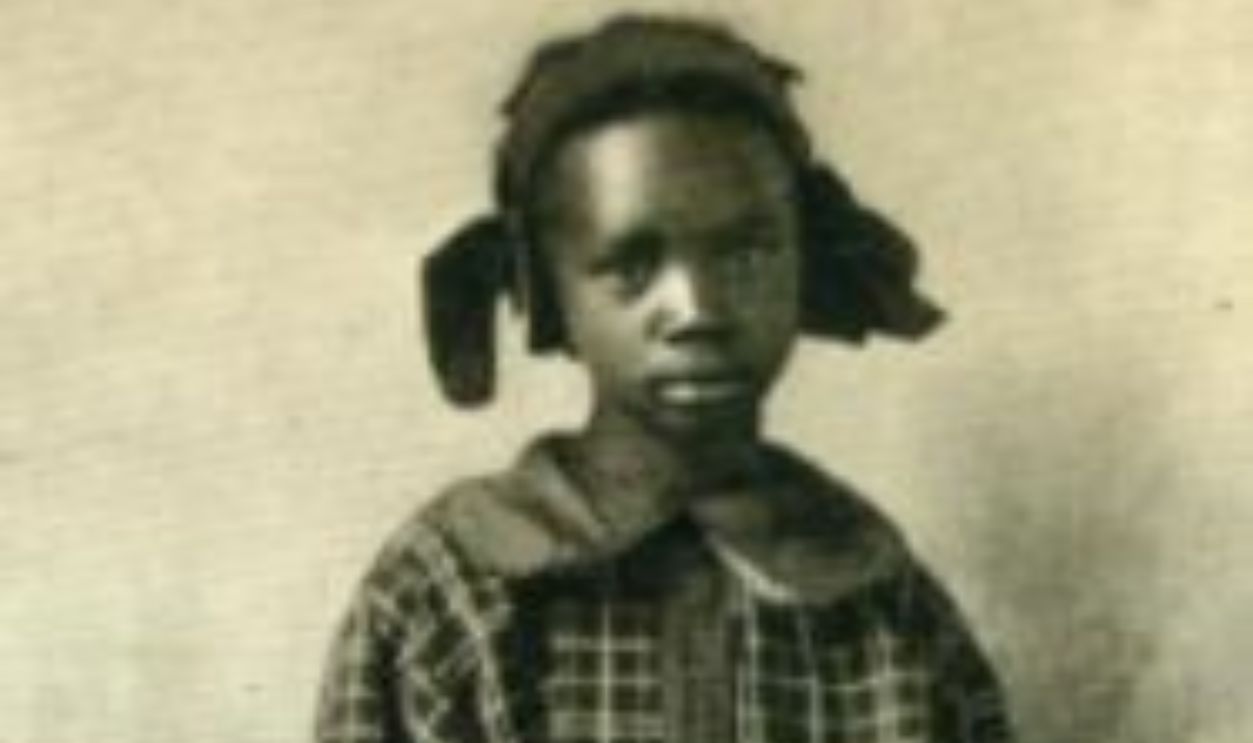
Claims that Oklahoma officially declared Sarah “honorary white” remain difficult to substantiate with a law or government order. Even the famous childhood photograph commonly identified as Sarah is disputed by nieces who insist the girl pictured is someone else.
 Unknown authorUnknown author, Wikimedia Commons
Sarah Was More Than the Oil
Sarah died on July 22, 1967, and was buried in Blackjack Cemetery near Taft. Her story is not simply about miraculous wealth. It reveals how race, land, guardianship, and sensational journalism shaped the life of one very real child.
 Screenshot from Sarah's Oil, Amazon MGM Studios (2025)
You May Also Like:
America’s Most Isolated Town
The Worst Man-Made Disasters in U.S. History
Sam Bass turned one bad decision into Wild West immortality.