
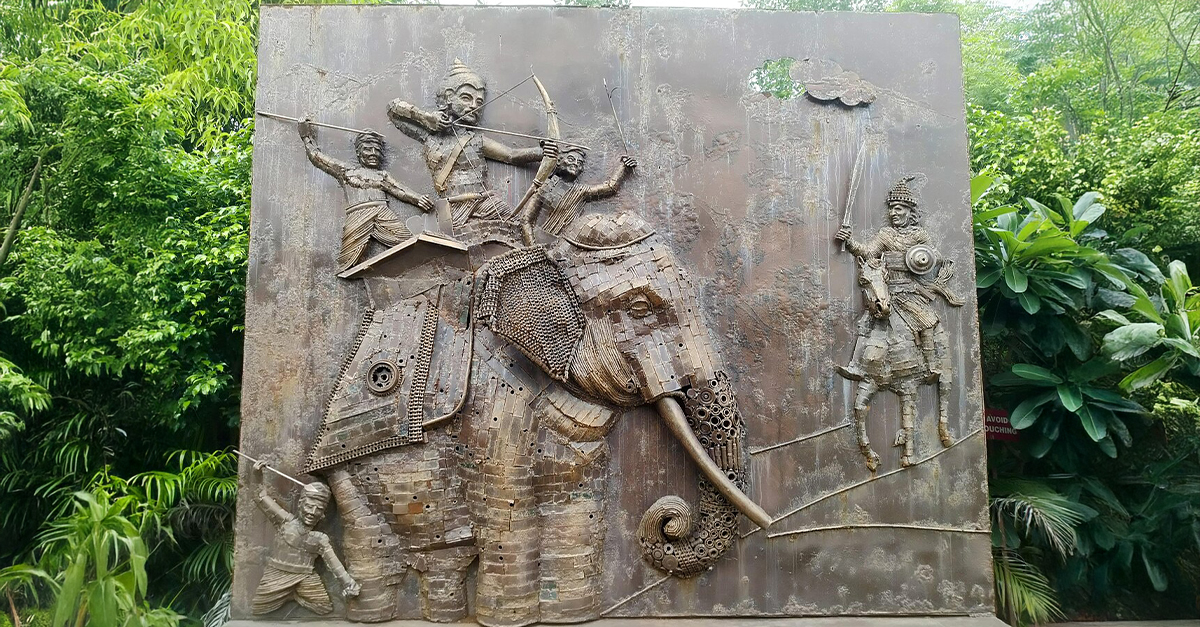
A King Who Defied A Legend
The story of Porus and his clash with Alexander the Great sits at the crossroads of history and myth, blending fact with centuries of telling and retelling of tales. Their encounter in 326 BC has been interpreted in different ways by Greek historians, regional traditions, and modern scholars. What actually happened all those centuries ago is still one of the ancient world’s most fascinating and contested mysteries.
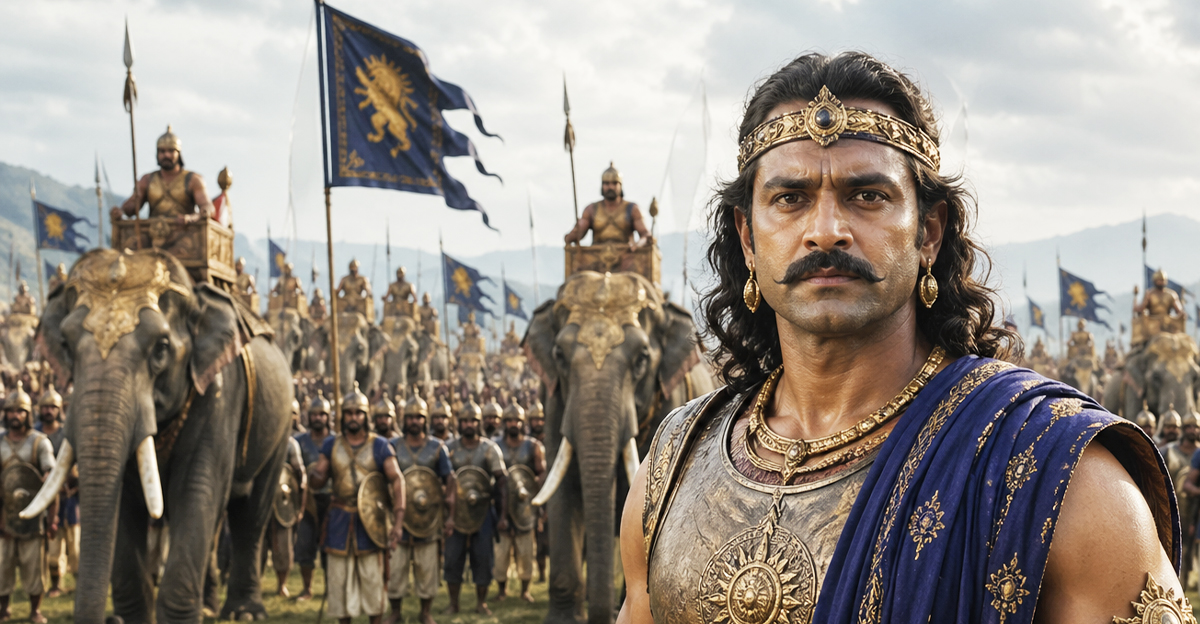
Who Was King Porus?
Porus ruled a significant kingdom in the Punjab region, located between the Hydaspes River and the Acesines River. While much of what we know about him comes from Greek sources, Porus appears as a capable and independent ruler with serious military power at his disposal. His willingness and ability to confront Alexander suggests he commanded both respect and strategic skill in a politically complex region.
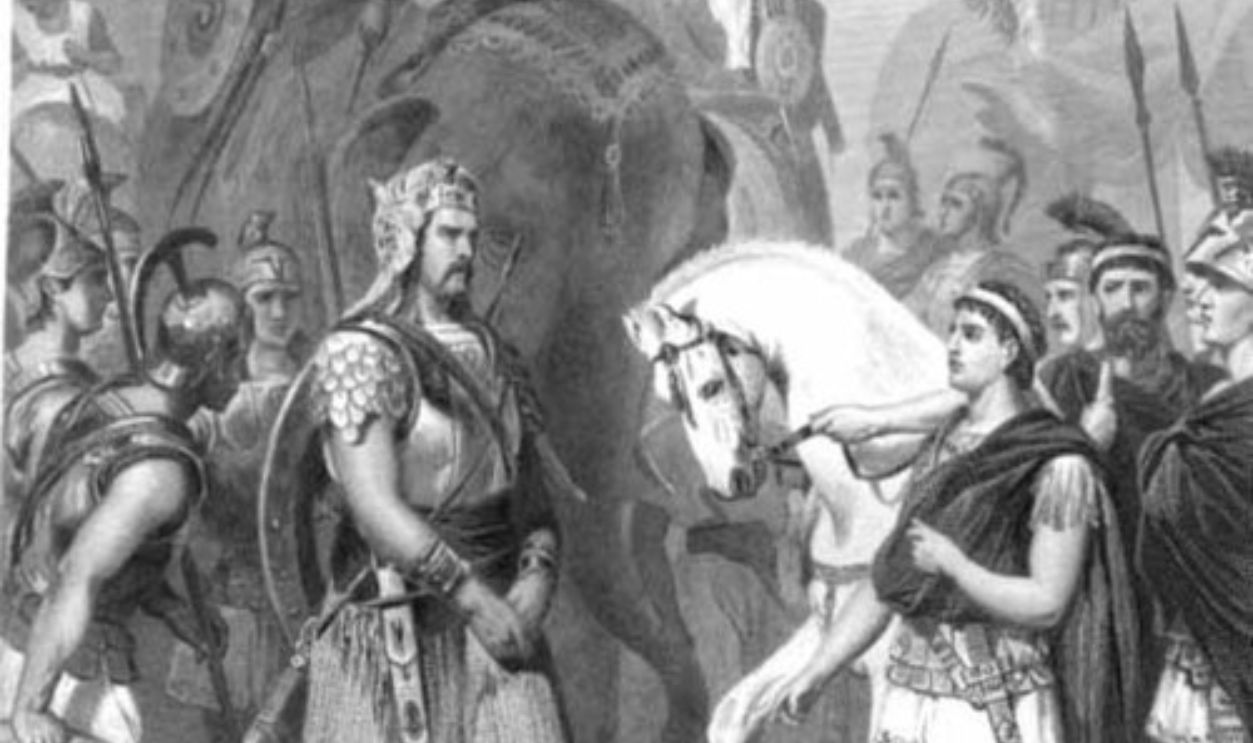 Alonzo Chappel, Wikimedia Commons
Alexander’s Relentless Advance East
By the time Alexander was reaching the fringes of India, he had already dismantled the vast Achaemenid (Persian) Empire and secured control over a large part of the known world. His eastward expansion was driven by ambition and curiosity, but also by a insatiable need to cement his own legacy for future generations. But India was an entirely new challenge, with its unfamiliar terrain, powerful kingdoms, and a level of resistance never seen before.
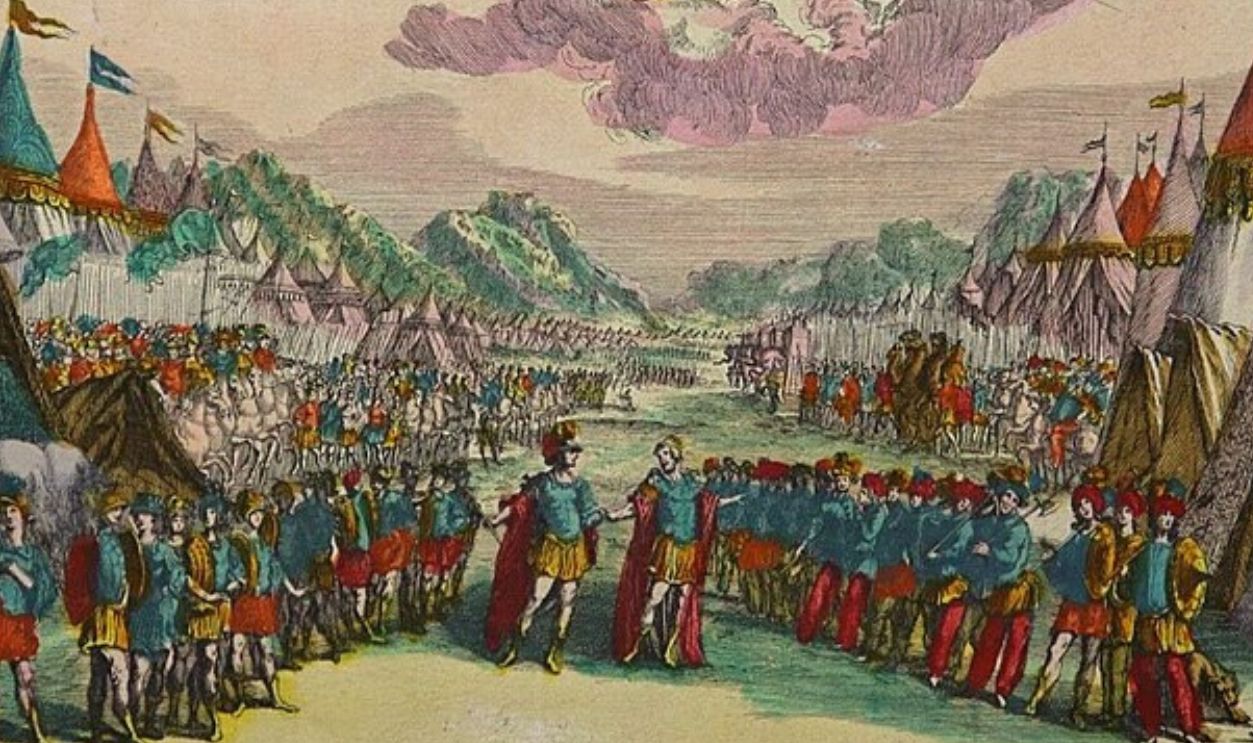 Opera From Antonio Cesti / Burnacini - 1750, Wikimedia Commons
Collision At The Edge Of The World
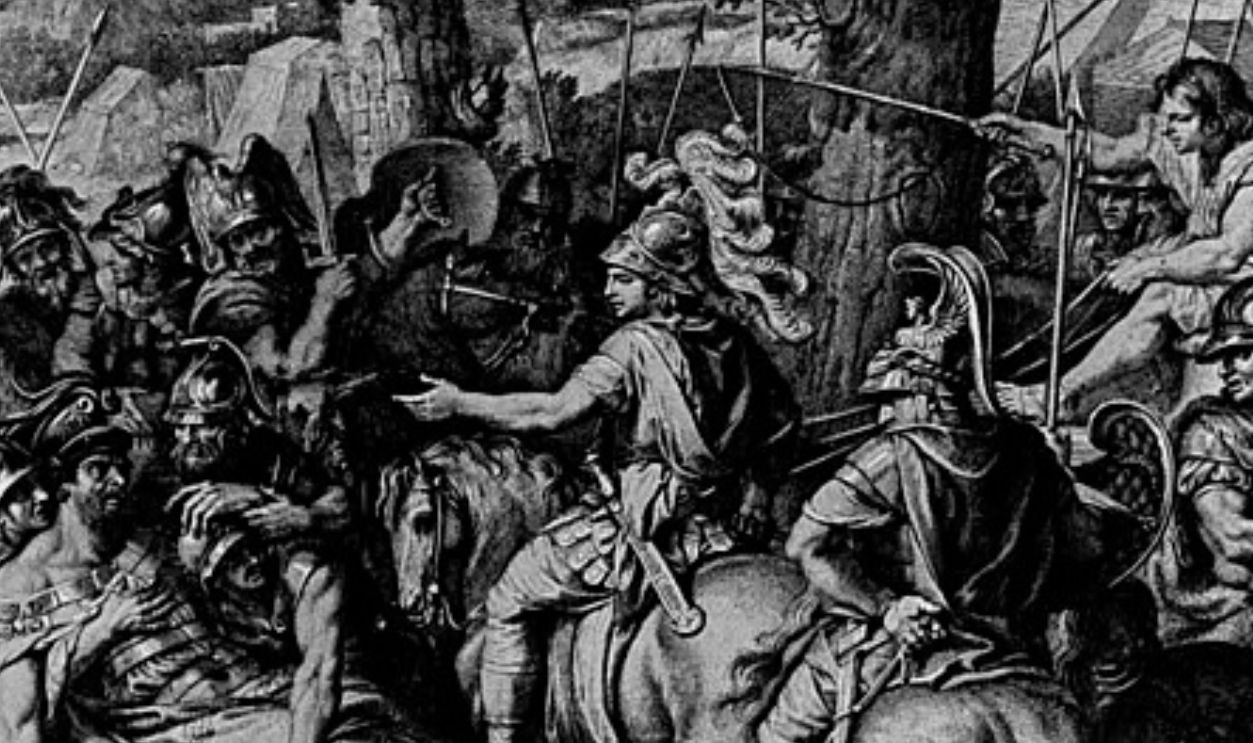
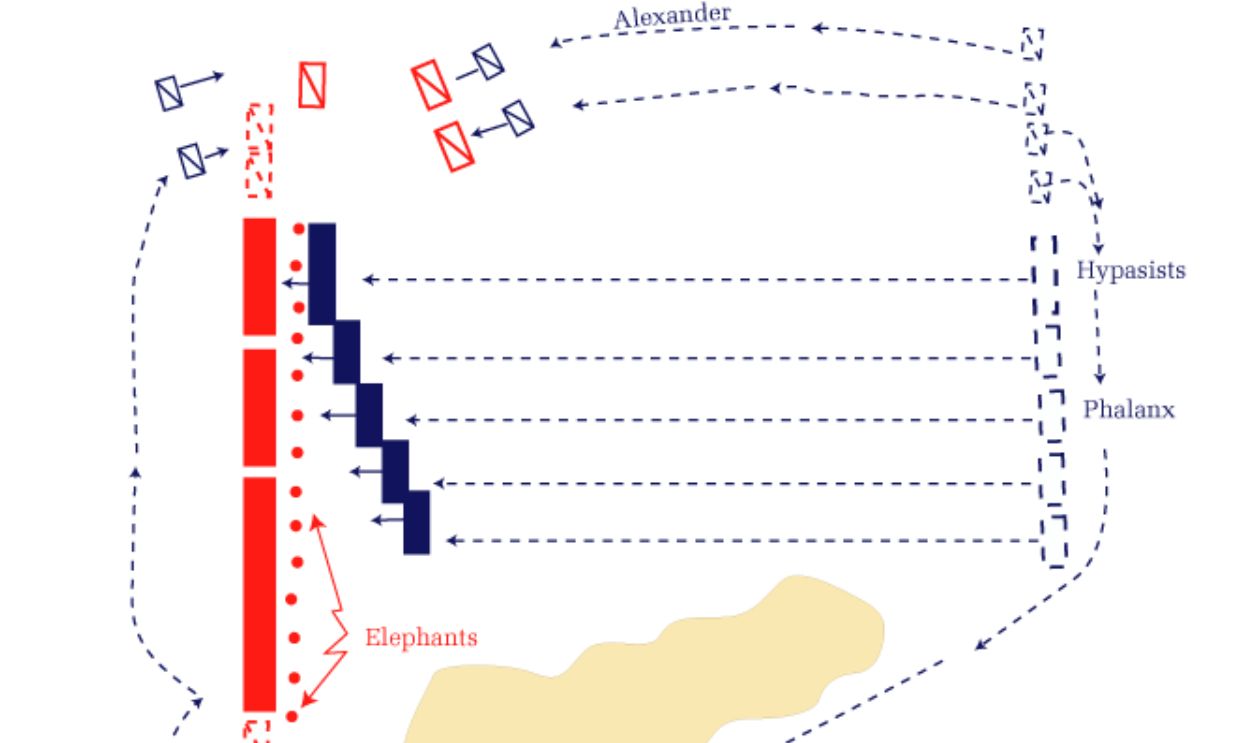
The confrontation between Porus and Alexander took place at the Battle of the Hydaspes, a battle that tested both armies in unprecedented ways. This wasn’t just another conquest, but a meeting of two vastly different military traditions. Macedonian discipline and cavalry tactics were sorely tested by war elephants and defensive strategies that challenged their usual battlefield supremacy.
 Public Domain, Wikimedia Commons

History's most fascinating stories and darkest secrets, delivered to your inbox daily.
The Problem Of The River
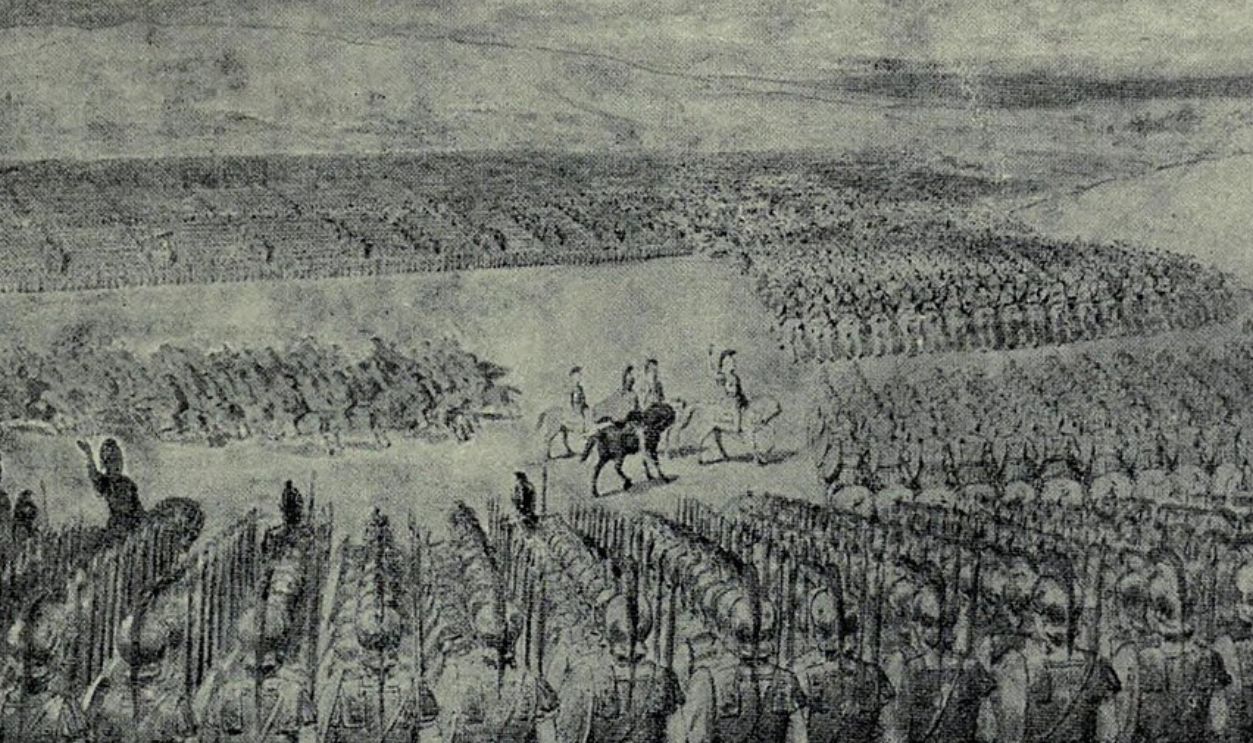
The Hydaspes River was a major obstacle in the campaign, swollen by seasonal monsoon rains that made crossing it extremely hazardous. Porus positioned his forces to block any straightforward attempt to cross. Alexander responded with deception, constantly repositioning his troops along the riverbank before finally carrying out a stealth crossing during a storm. The bold move caught Porus partially unprepared but not entirely overwhelmed.
 Horace van Ruith, Wikimedia Commons
War Elephants Enter The Field
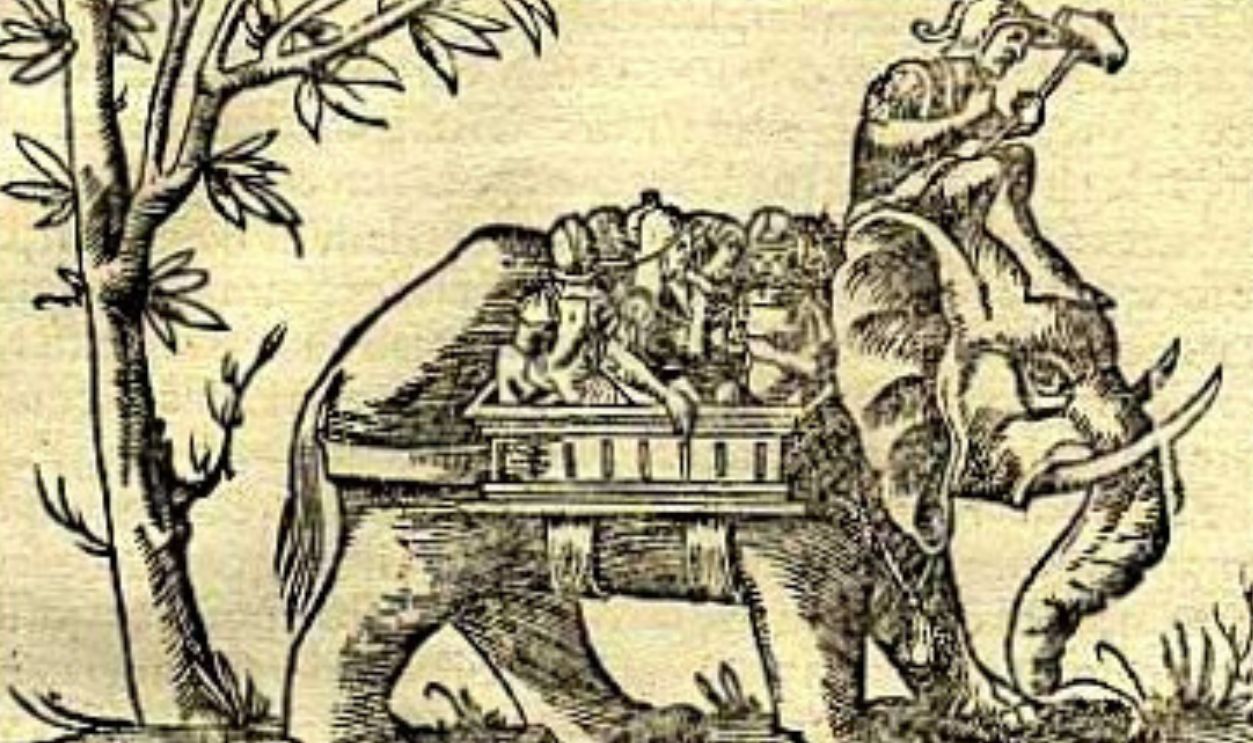
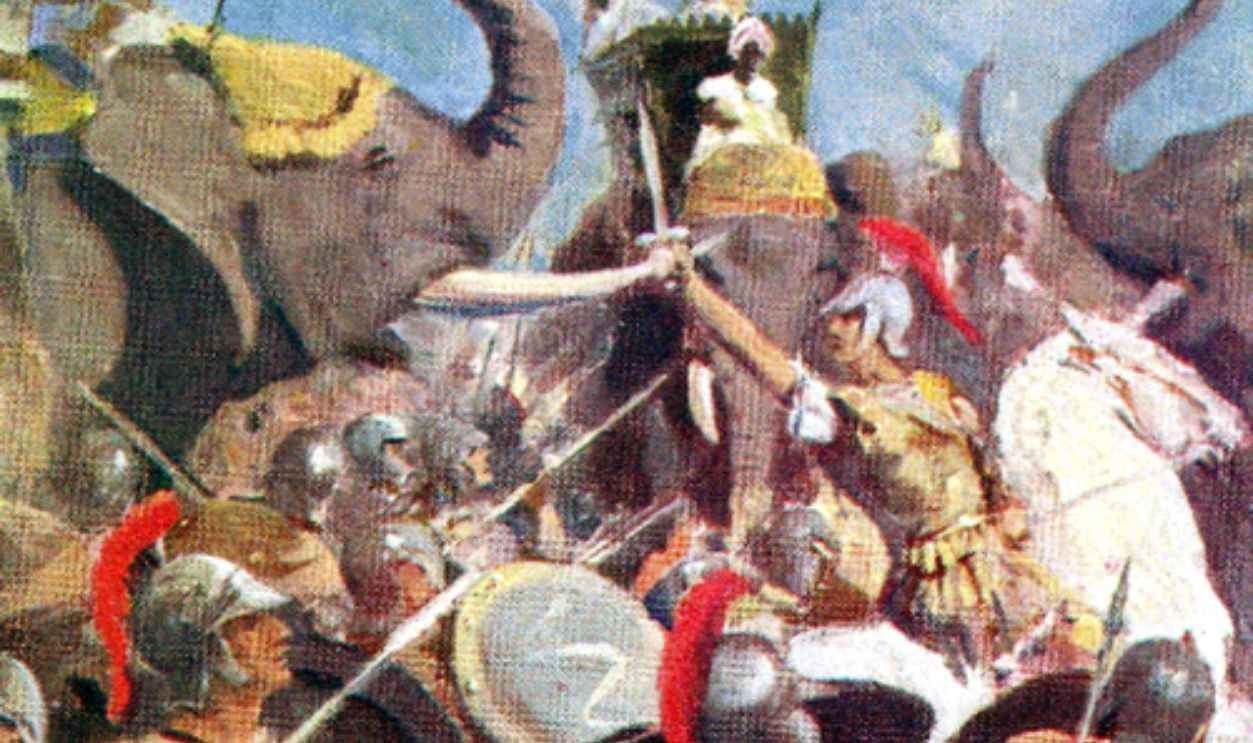
Porus’s use of war elephants brought a terrifying new element into the battle, one that Macedonian soldiers had little experience dealing with. These animals disrupted formations, trampled infantry, and sowed panic among troops unfamiliar with such sights and sounds. Even disciplined units struggled to maintain cohesion, highlighting how unfamiliar technology and tactics can level the playing field.
A Brutal And Costly Battle
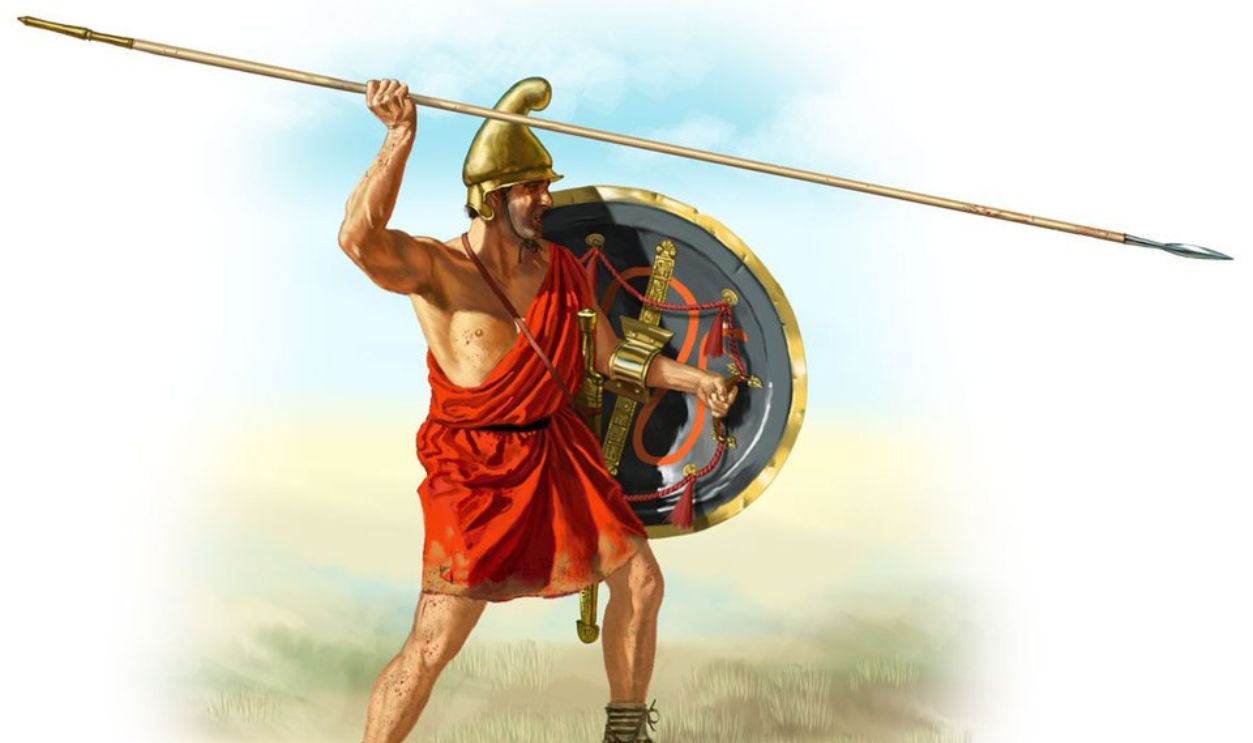
Although a lot of the old Greek sources frame the encounter as a victory for Alexander, the reality appears far more complicated and costly. Both sides took heavy casualties, and the fighting was prolonged and intense. The elephants, difficult terrain, and determined resistance meant that even a tactical success came at a steep price, leaving the Macedonian army shaken by the experience and its consequences.
The Famous Question And Answer
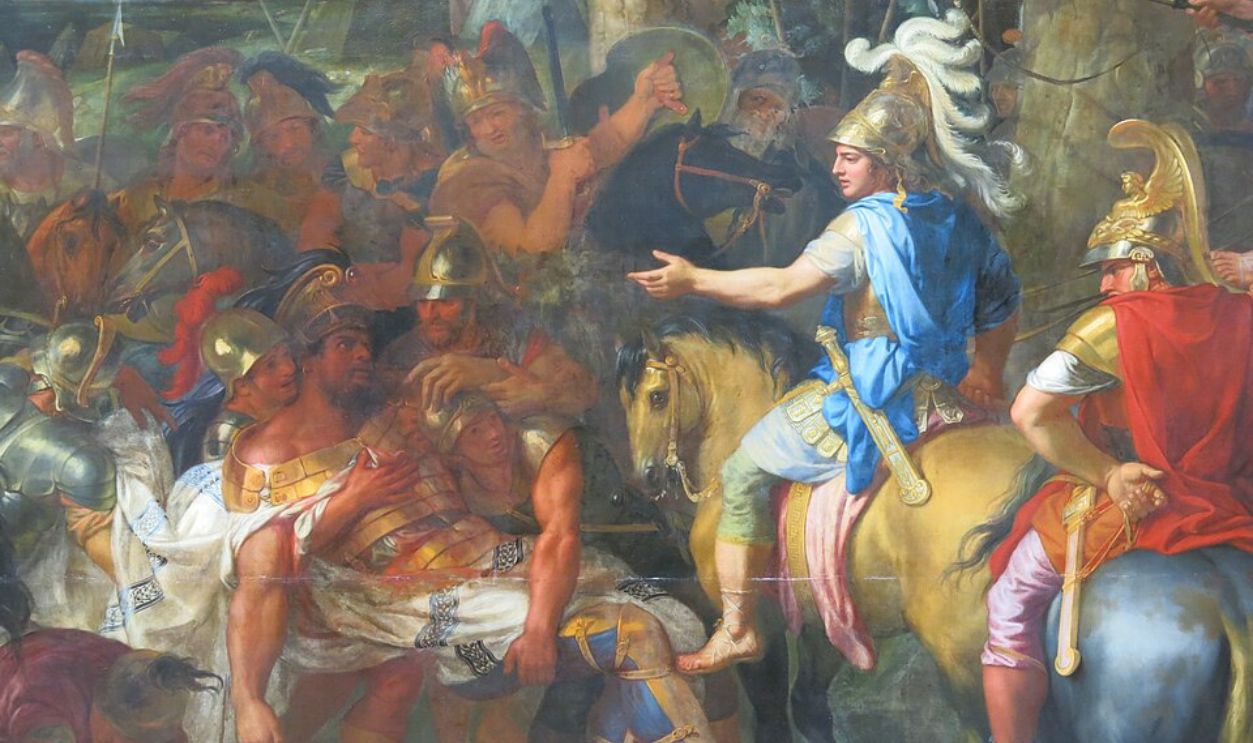
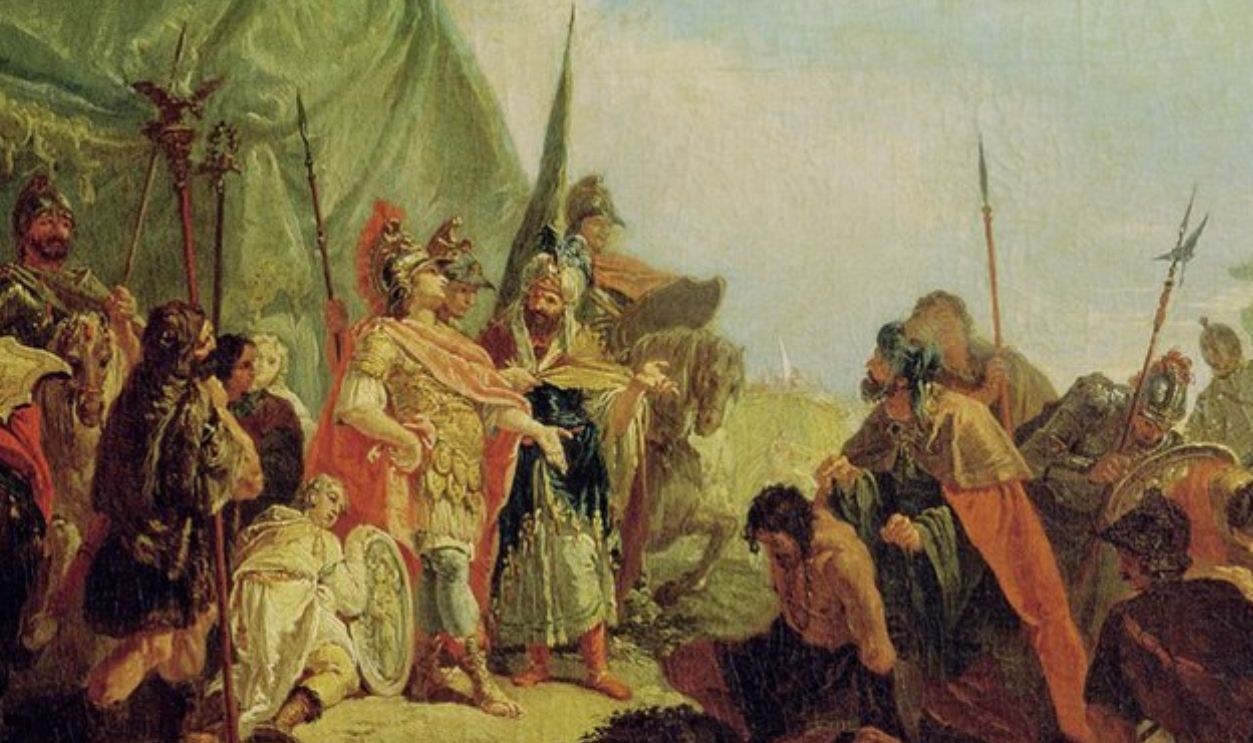
After the battle, Alexander is said to have asked Porus how he wished to be treated, to which Porus famously replied, “Treat me as a king.” This exchange, recorded by writers like Plutarch, has become symbolic of mutual respect between enemies. But historians today still debate whether this moment was real or a later literary invention designed to elevate both figures.
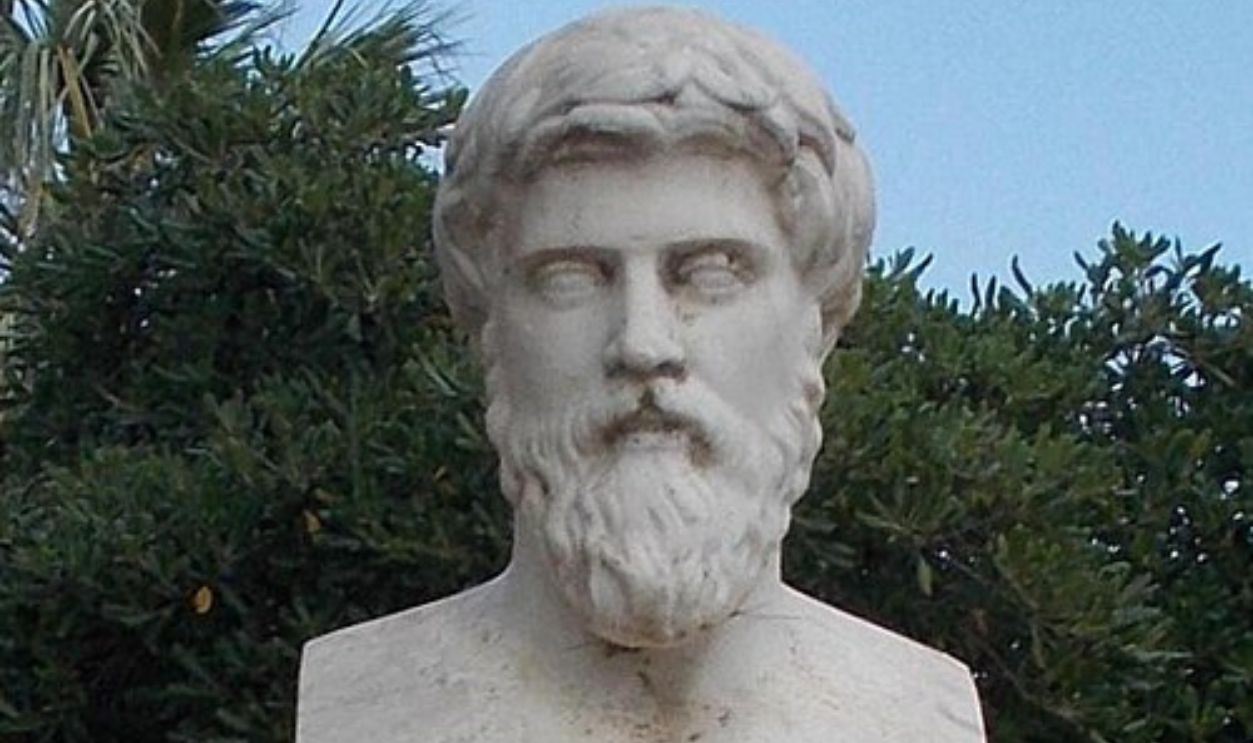 Odysses, CC BY-SA 3.0, Wikimedia Commons
A Defeated King… Or A Respected Ally?
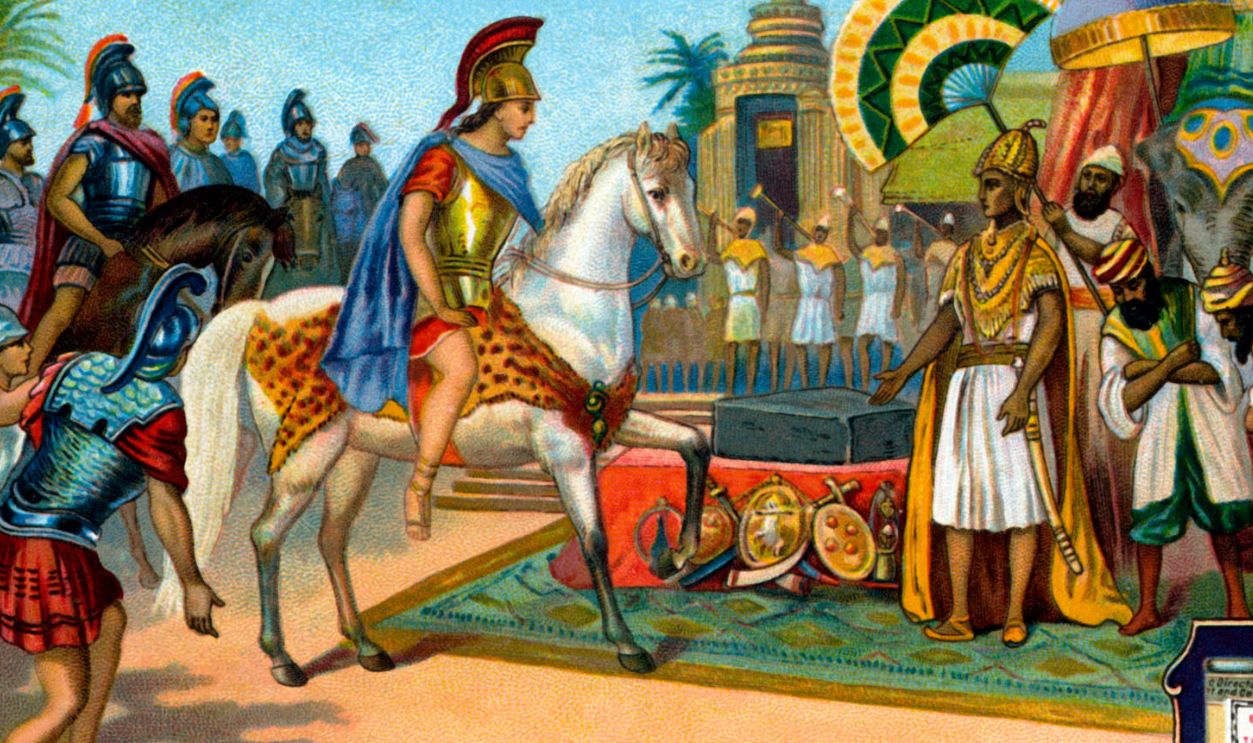
Instead of removing Porus from power, Alexander chose to reinstate him as a ruler and even grant him additional territory. This decision was unusual compared to his treatment of other defeated leaders. It suggests that Porus’s resistance earned Alexander’s genuine respect. Or it may have been that Alexander recognized the practical need for a strong local ally in a region that had proven difficult to subdue.
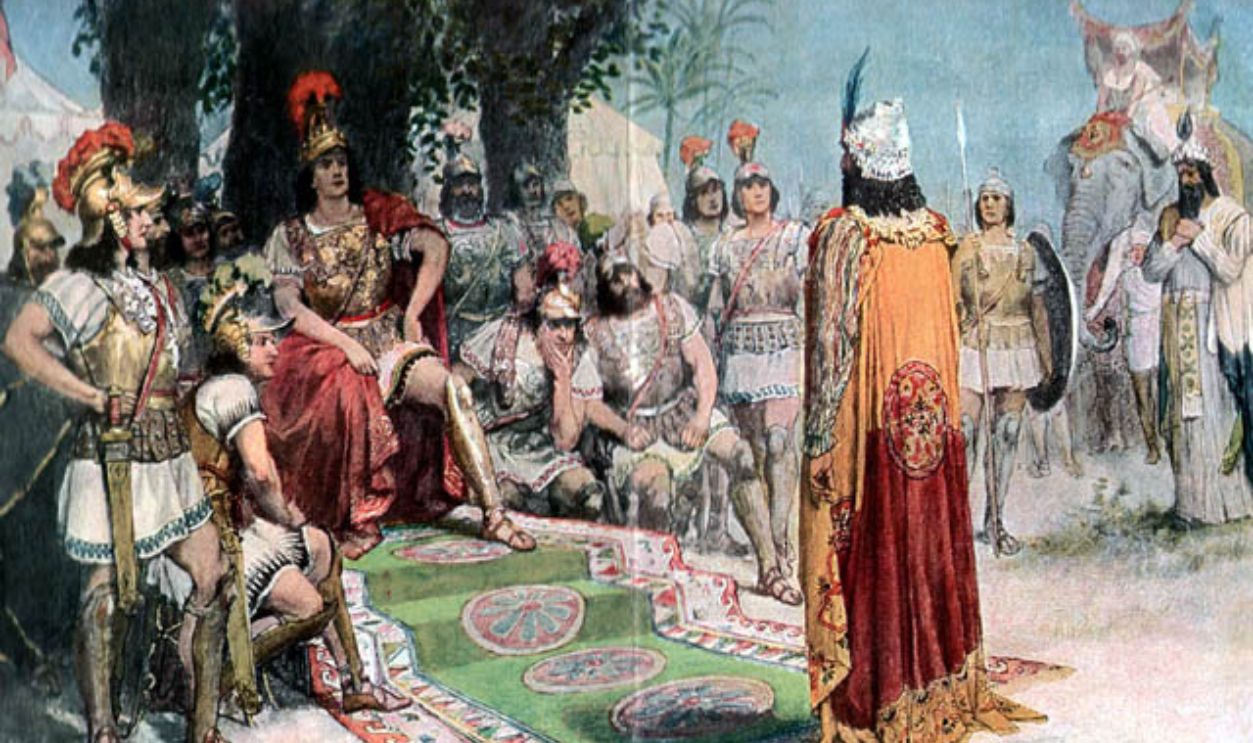
The Greek Version Of Events
Accounts from Greek writers like Arrian portray the battle as a clear demonstration of Alexander’s brilliance and inevitability. In these narratives, Porus is brave but ultimately outmatched, reinforcing the image of Alexander as the unstoppable conqueror. These versions of the story ended up dominating the Western history, shaping perceptions for centuries despite their potential bias.
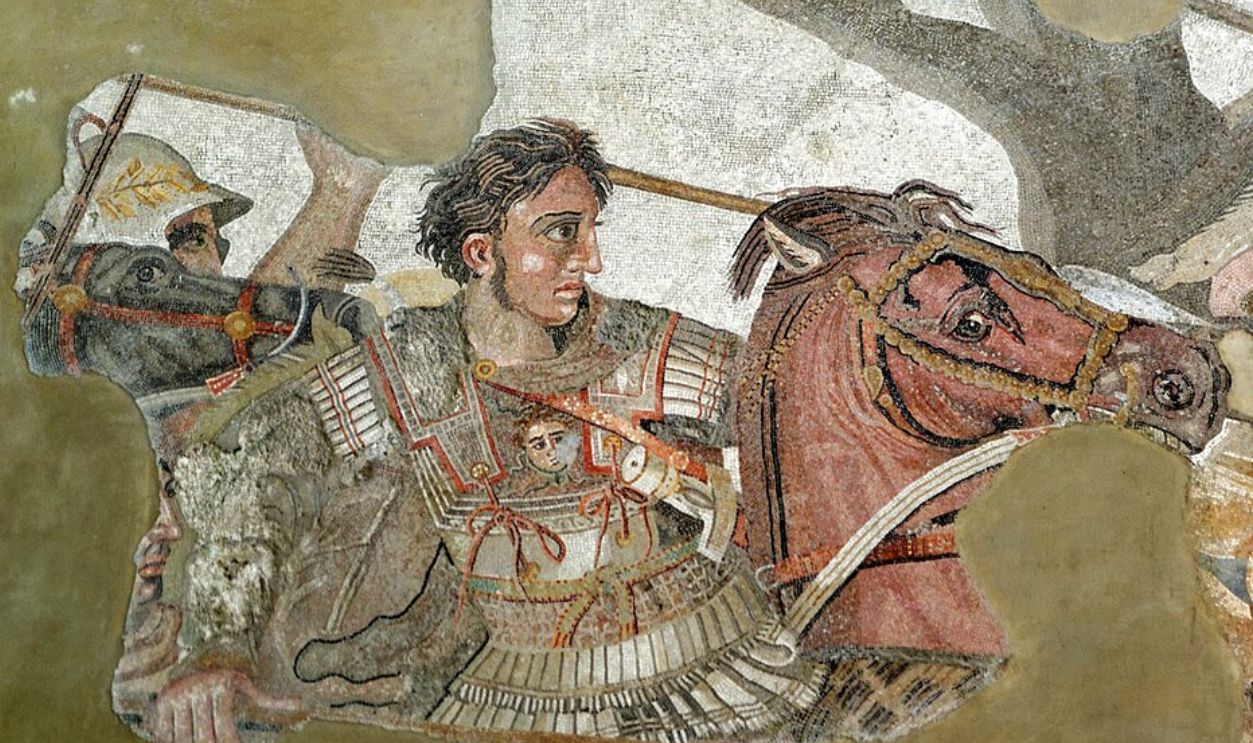 Berthold Werner, Wikimedia Commons
History's most fascinating stories and darkest secrets, delivered to your inbox daily.
The Indian Perspective
In contrast, Indian traditions tend to focus less on Alexander and more on local resilience and continuity. Some interpretations suggest that Porus’s defeat was not decisive, or that the outcome was a lot more balanced than what Greek sources describe. This view highlights the possibility that regional resistance played a bigger role in limiting Alexander’s success than commonly understood.
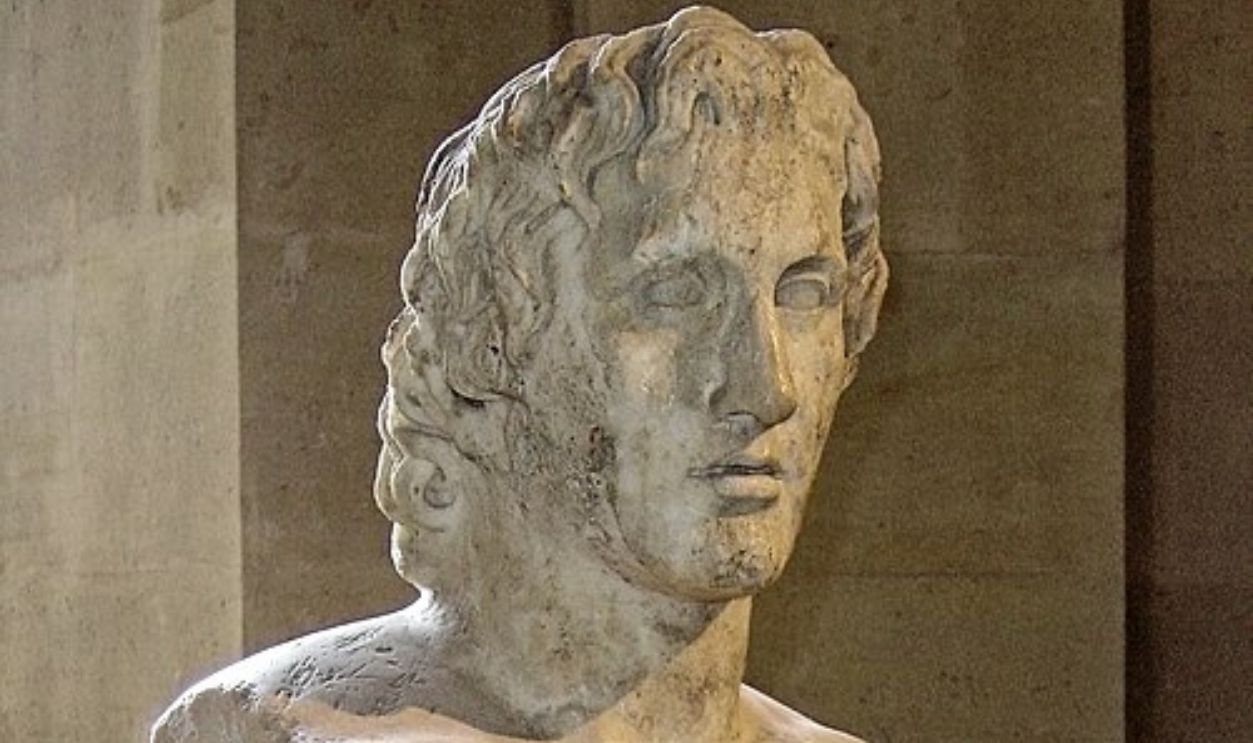 Sting, CC BY-SA 2.5, Wikimedia Commons
Propaganda And Historical Bias
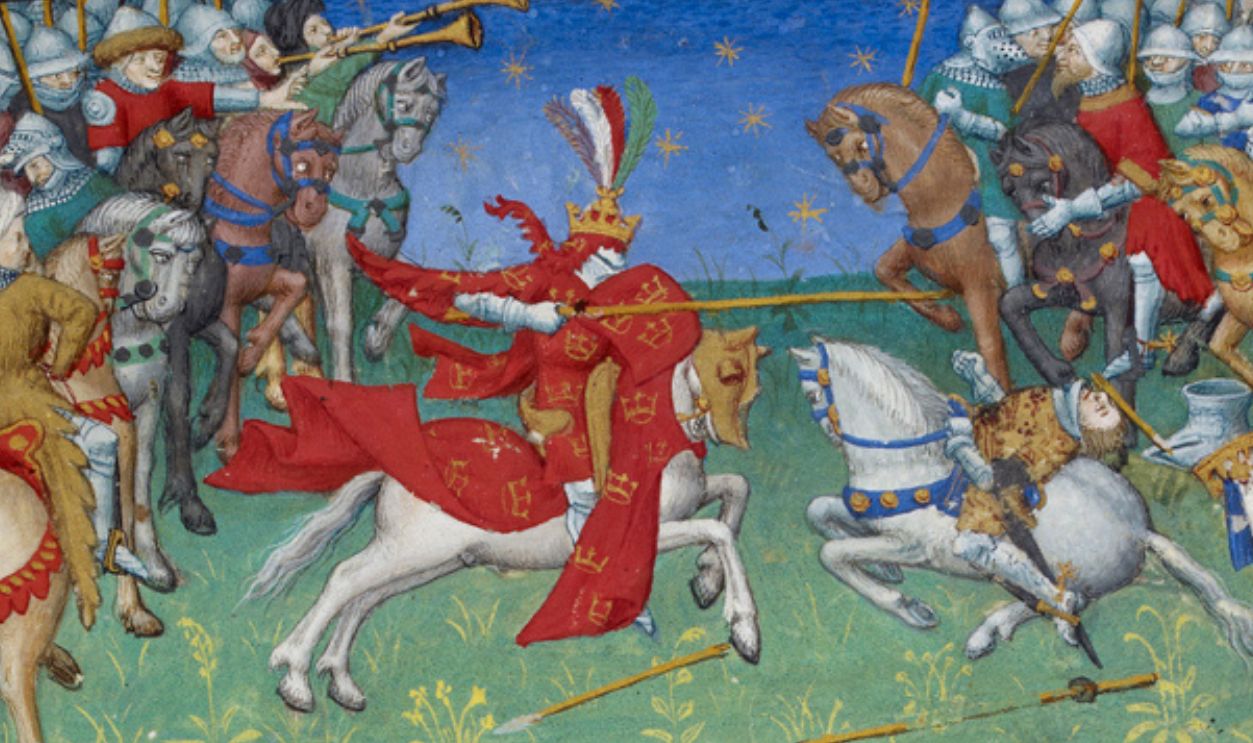
The majority of surviving written accounts come from Greek or later Roman authors, many of whom were influenced by their admiration for Alexander. This raises the question of bias, as these writers may have shaped events to fit a narrative of heroic conquest. Because of this, Porus’s achievements and the difficulties faced by Alexander may have been understated or obscured.
 British Library, Wikimedia Commons
Shadow Of The Nanda Empire
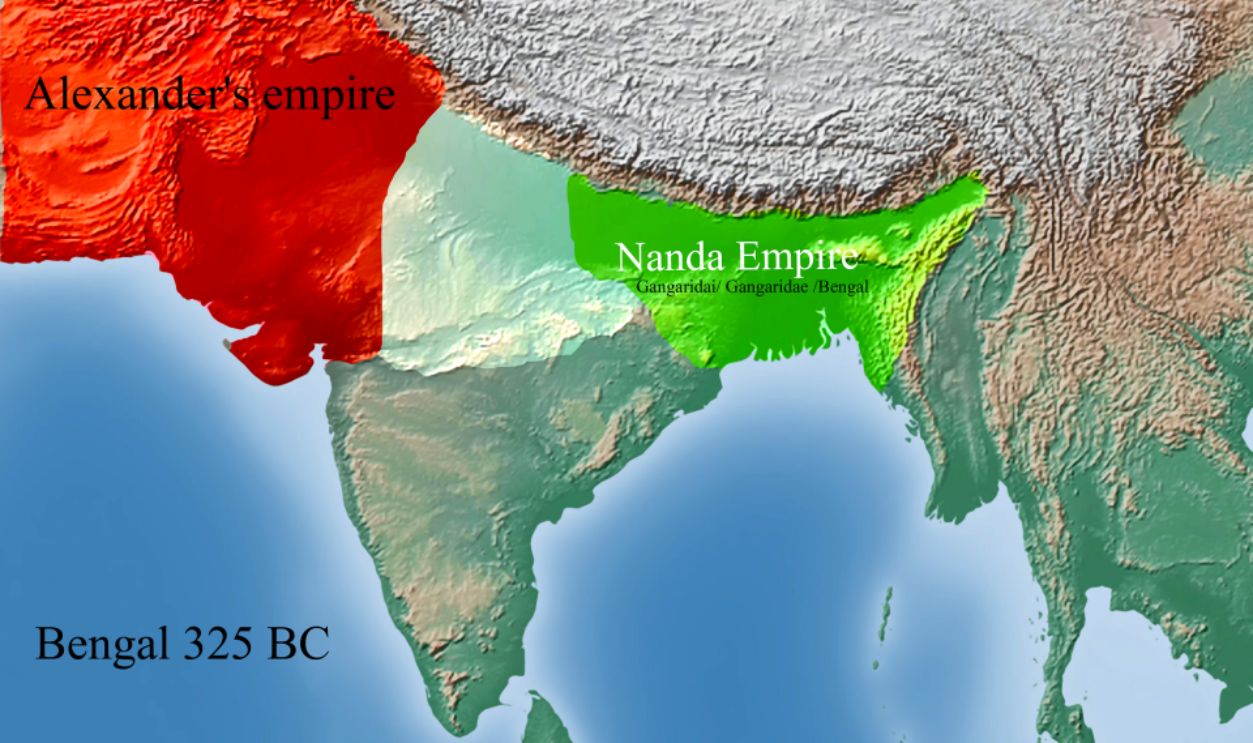
Beyond the territory of Porus was the powerful Nanda Empire, which supposedly possessed vast armies and thousands of war elephants. Reports of this immense force circulated among Alexander’s troops, leading to a growing sense of unease. The prospect of taking on an even larger and better-prepared force added a new level of uncertainty to the campaign.
 Aziz Tarak., CC BY-SA 4.0, Wikimedia Commons
The Army Reached Its Limit
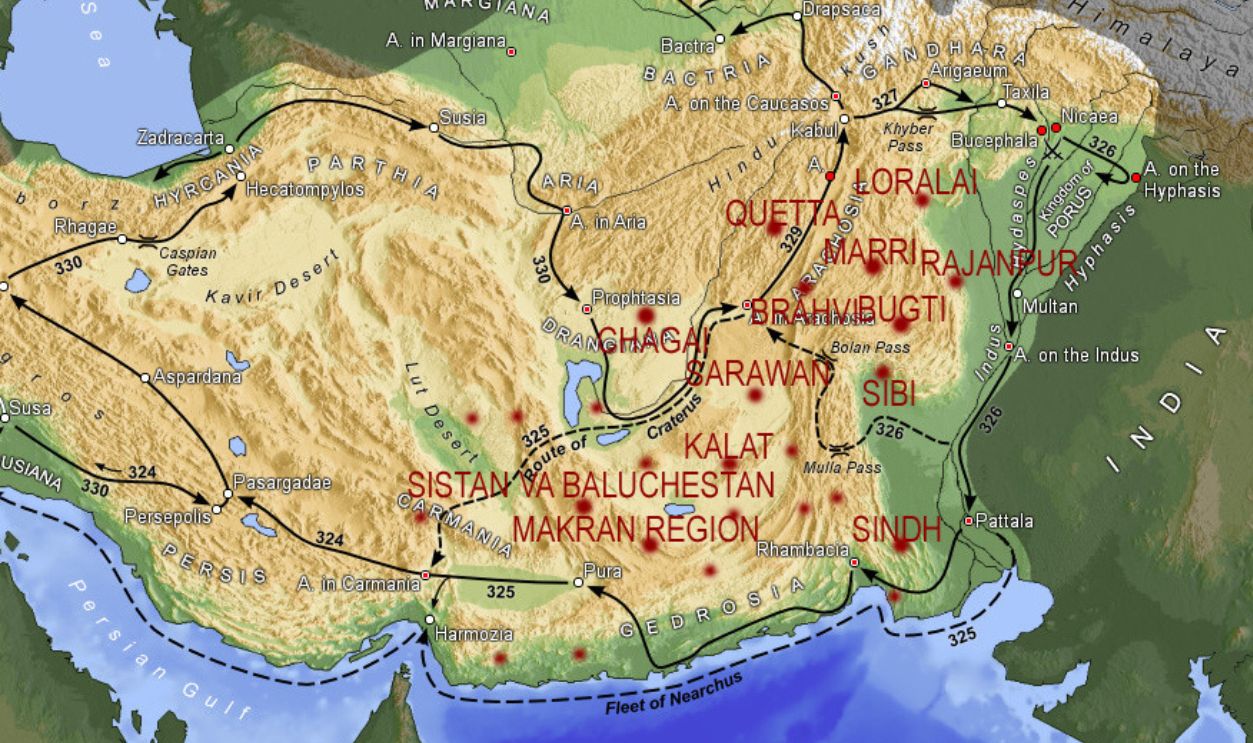
When Alexander’s forces arrived at the Hyphasis River, they refused to march further east. Years of continuous campaigning had taken their toll, and the combination of exhaustion, unfamiliar conditions, and fear of future battles led to a rare collective act of defiance. This moment marked the decisive turning point in the campaign.
 Usualphonexs, CC BY-SA 3.0, Wikimedia Commons
A Rare Moment Of Defiance
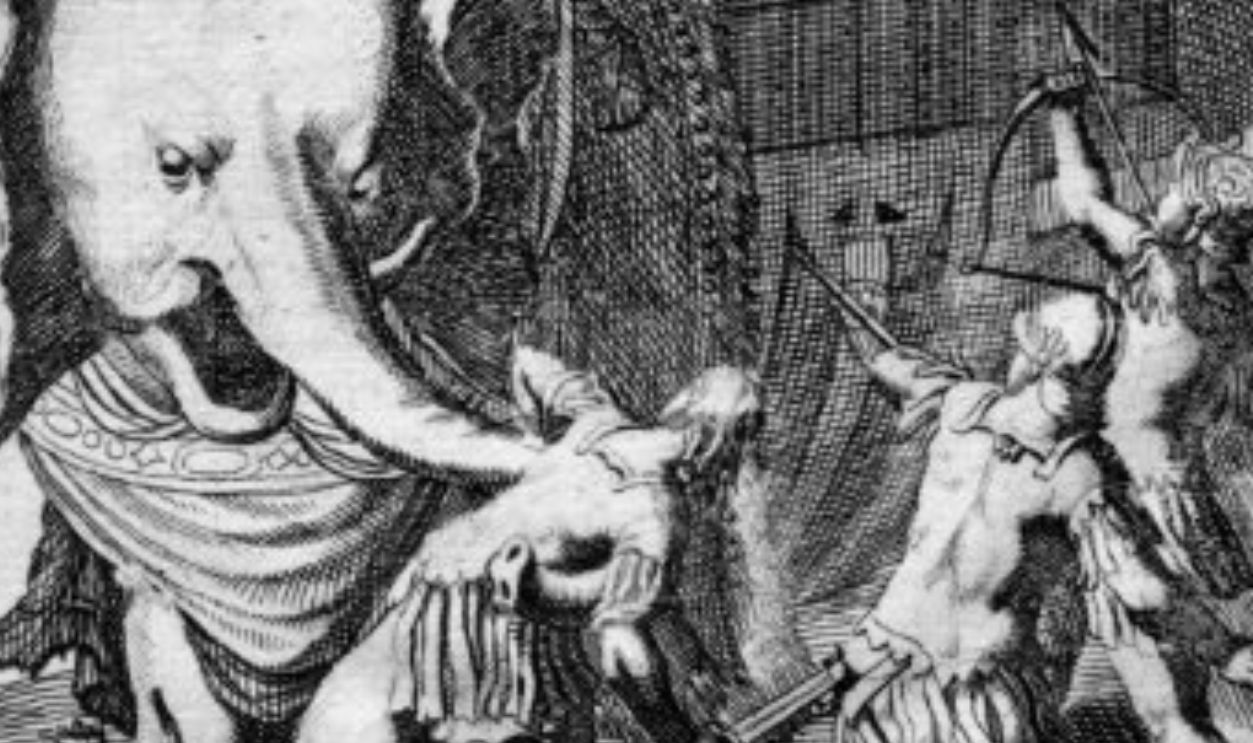
This refusal was one of the few times Alexander’s authority was openly challenged by his own troops. Despite his reputation for leadership and persuasion, he was unable to convince them to carry on. Whether the refusal was driven mainly by fear, fatigue, or simply a practical assessment of the growing risks is a topic that historians still debate.
 Johannes van den Avele, Wikimedia Commons
Did Porus Influence The Mutiny?
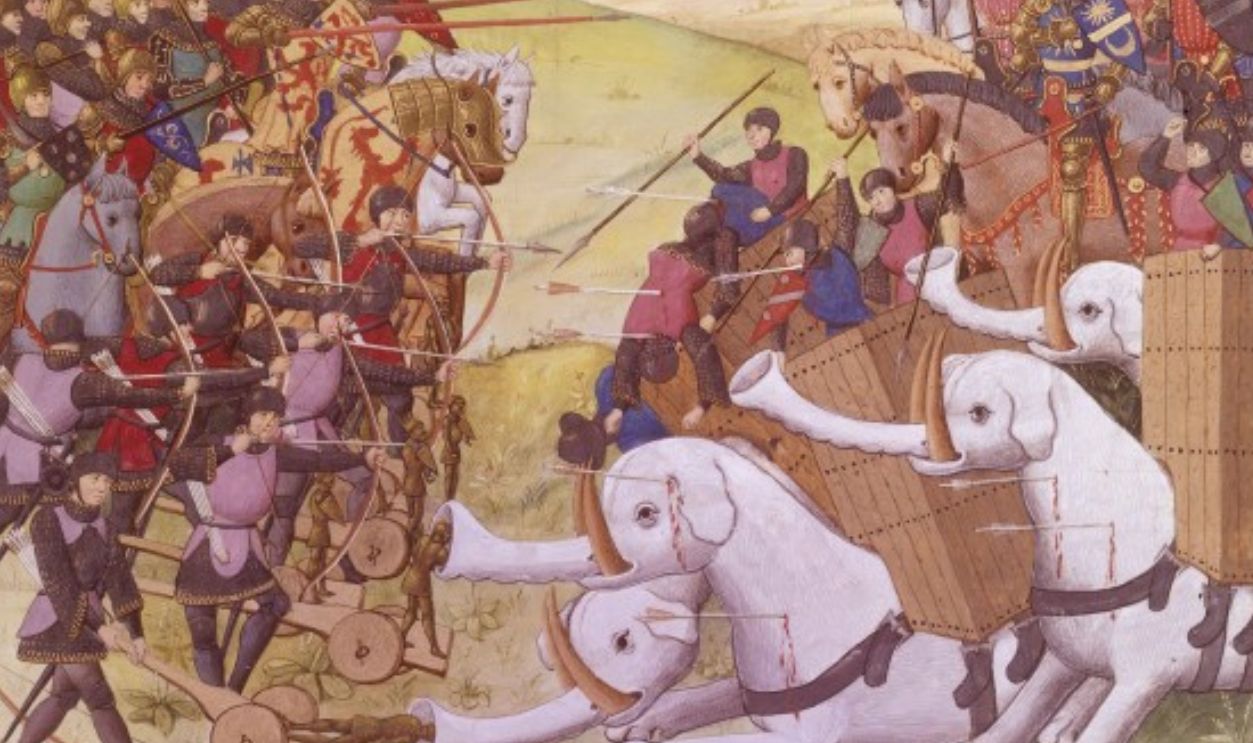
Some historians suggest that the fierce resistance encountered at Hydaspes showed that Indian rulers were not easily defeated. Porus’s ability to challenge Alexander may have shaken the confidence of the Macedonian army, making them less willing to face even stronger opponents further east. His stand may have had consequences that went far beyond the battlefield itself.
History's most fascinating stories and darkest secrets, delivered to your inbox daily.
Role Of Geography And Climate
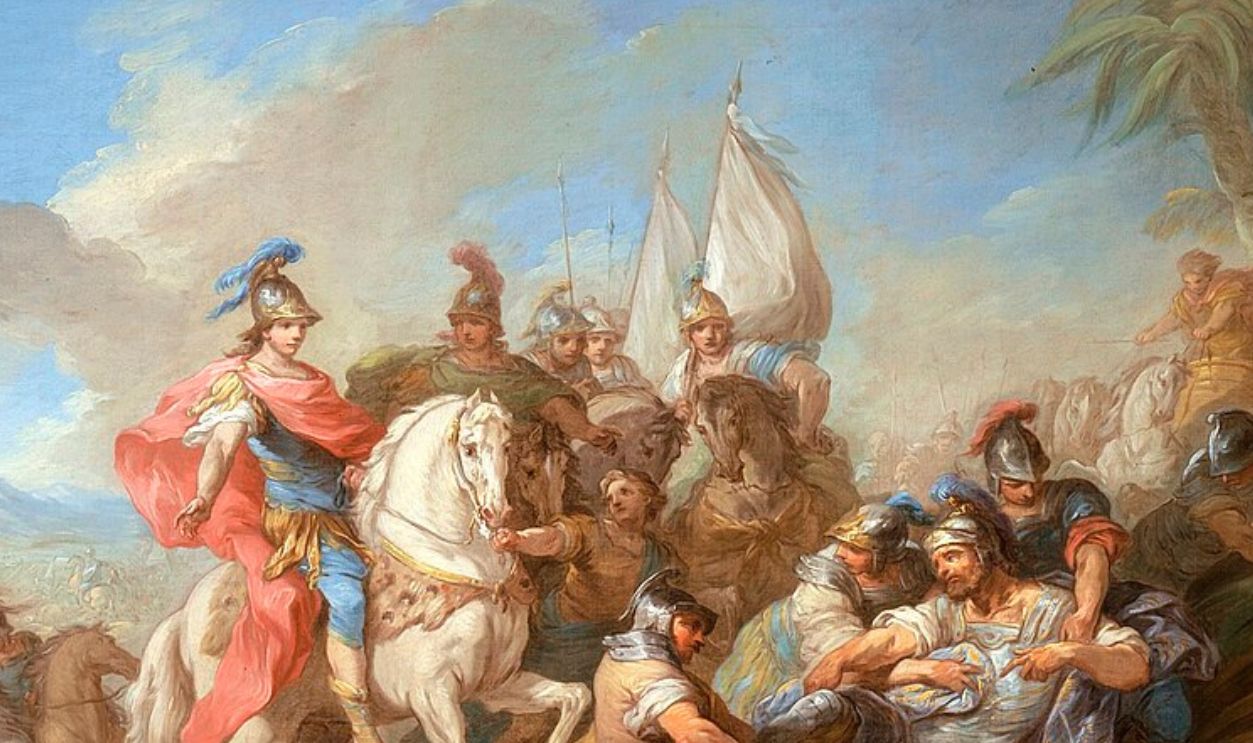
India’s geography posed daunting challenges for any invading force, including vast river systems, dense populations, and seasonal monsoon rains. These geographic factors complicated logistics, communication, and movement. For an army already stretched across great distances, the prospect of continuing deeper into such conditions posed serious strategic and practical concerns.
 Charles Andre van Loo, Wikimedia Commons
Strategic Pause Or A Forced Retreat?
Alexander framed his decision to turn back as a strategic choice, emphasizing the need to consolidate his gains. However, many historians interpret this more as a forced retreat, dictated by the will of his army. The distinction is important, as it raises questions about whether Alexander broke off the campaign of his own will or by recognizing the grim truth that the odds weren’t in his favor.
 T. H. Mannerhow Illustrated by Allan Stewart, Wikimedia Commons
The Cost Of Victory
Even if the Battle of the Hydaspes is accepted as a victory for Alexander, it was one that came at considerable cost. The losses in manpower, the strain on morale, and the challenges encountered during the campaign all brought a growing sense that further conquests might not be attainable.
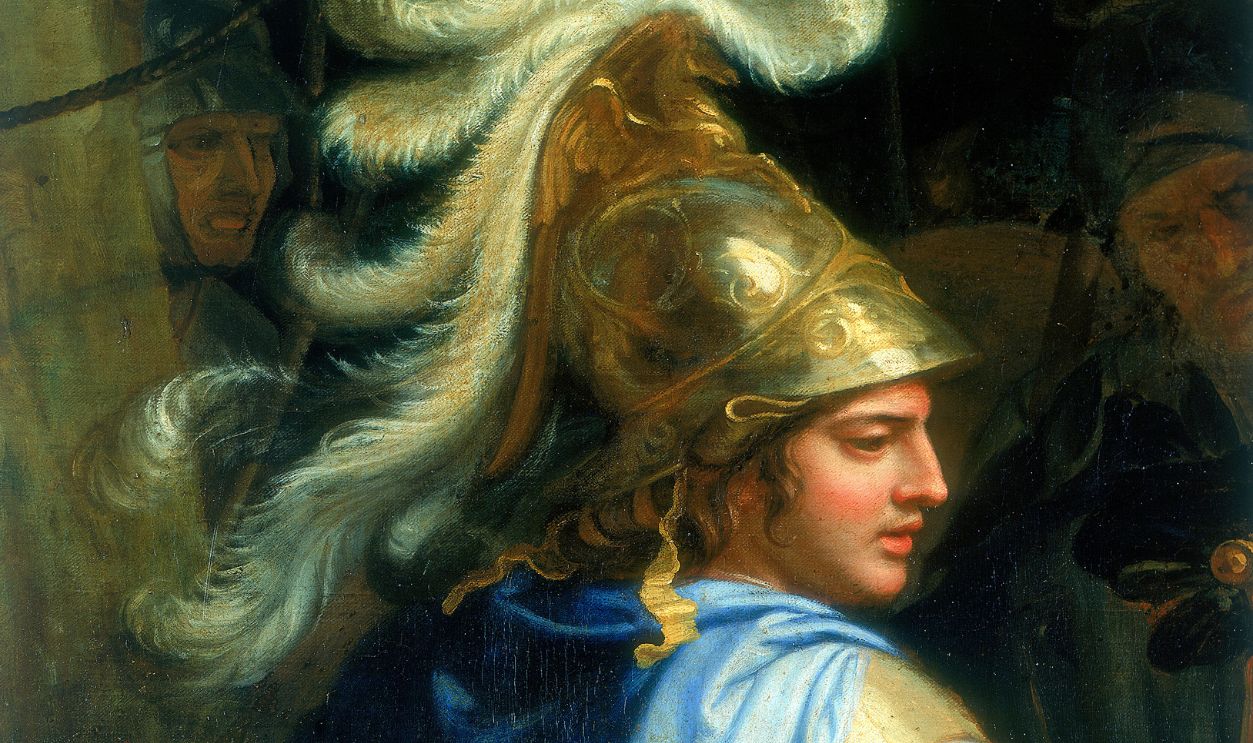
 Charles Le Brun, Wikimedia Commons
The Mystery Of Porus’s Later Life
After his encounter with Alexander, Porus continued to rule his territory under Macedonian oversight. However, the details of his later life are sparse and inconsistent. Some accounts suggest he remained a loyal ally, while others suggest that he was up to his eyeballs in political intrigue and conflict. This murky track record adds to the enduring mystery around his legacy.
 Francesco Fontebasso, Wikimedia Commons
Competing Legends
Over time, the story of Porus and Alexander has grown into a legend, with different cultures emphasizing different aspects of the encounter. Some portray Porus as nearly equal to Alexander in ability and stature, while others describe him as a noble but ultimately defeated opponent. The competing narratives reflect differing cultural perspectives on power and resistance.
Did Alexander Reach His Limit In India?
India stood as the true limit of Alexander’s expansion, whether it was because of military resistance, logistical challenges, or the will of his troops. Unlike previous campaigns, where he could adapt, improvise and continue, the conditions in India brought about a situation where further progress became uncertain and potentially unsustainable.
 Rijksmuseum, CC0, Wikimedia Commons
History's most fascinating stories and darkest secrets, delivered to your inbox daily.
A Clash That Changed History
The encounter between Porus and Alexander had long-term fallout for both regions. It marked the eastern boundary of Alexander’s empire and proved the strength of Indian kingdoms. This meeting of cultures and armies influenced future historical developments, including the interactions between Greek and Indian civilizations.
 Uploadmo, CC BY-SA 3.0, Wikimedia Commons
Why India Was Never Conquered
India avoided conquest not because of a single decisive event, but more due to a combination of different reasons, including strong regional rulers like Porus, the vast size of the subcontinent, and the presence of powerful states like the Nanda Empire. These elements together were too strong for Alexander to overcome.
The Enduring Legacy Of Porus
Porus is still a symbol of resilience and dignity in the face of overwhelming force. Whether people look at him as a defeated king or a strategic victor, his confrontation with Alexander continues to inspire debate and fascination with the limits every conqueror eventually runs up against.
You May Also Like:
Cunning Facts About Military Underdog Victories
How Alexander The Great Conquered The World—Then Lost It












.jpg)


.jpg)


_details.jpg)
_and_Porus_(oil_on_canvas).jpg)

,_RP-P-1911-469.jpg)
