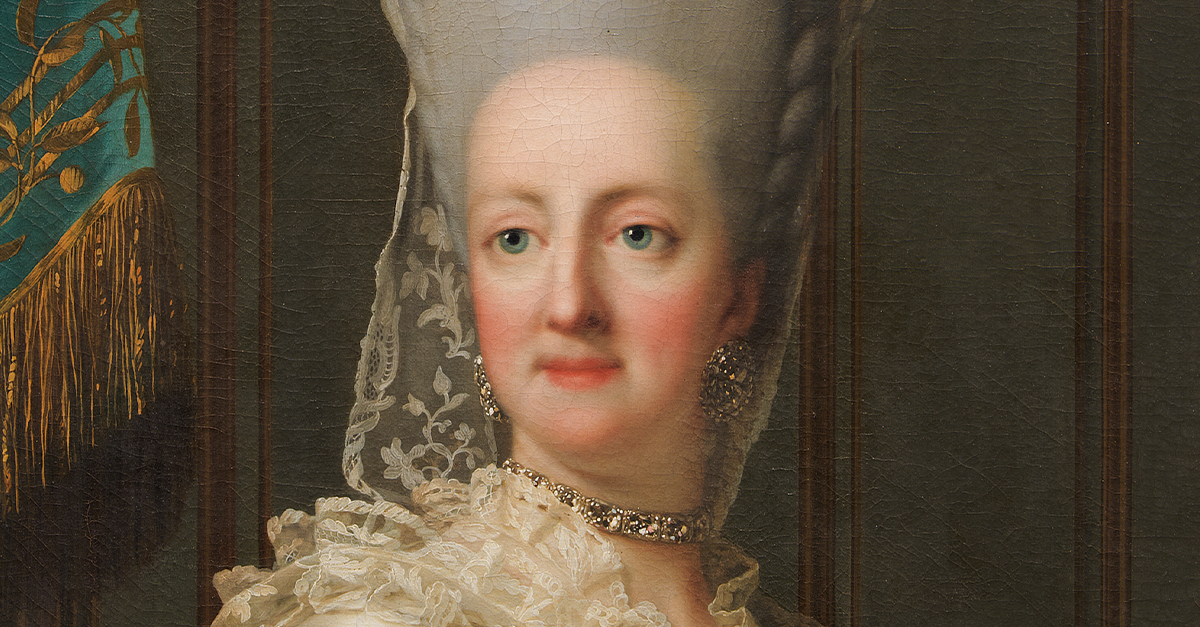
She Was Not What She Seemed
Juliana Maria of Brunswick-Wolfenbüttel was a quiet and seemingly insignificant duchess who wed the King of Denmark and Norway shortly after his first wife passed. A timid and unassuming girl, her reign as queen began quietly, and no one could have predicted her wild story.
She would later become the figurehead of a dramatic palace coup, full of twists and turns that would ultimately end in a lucky dismissal for the powerful monarch.
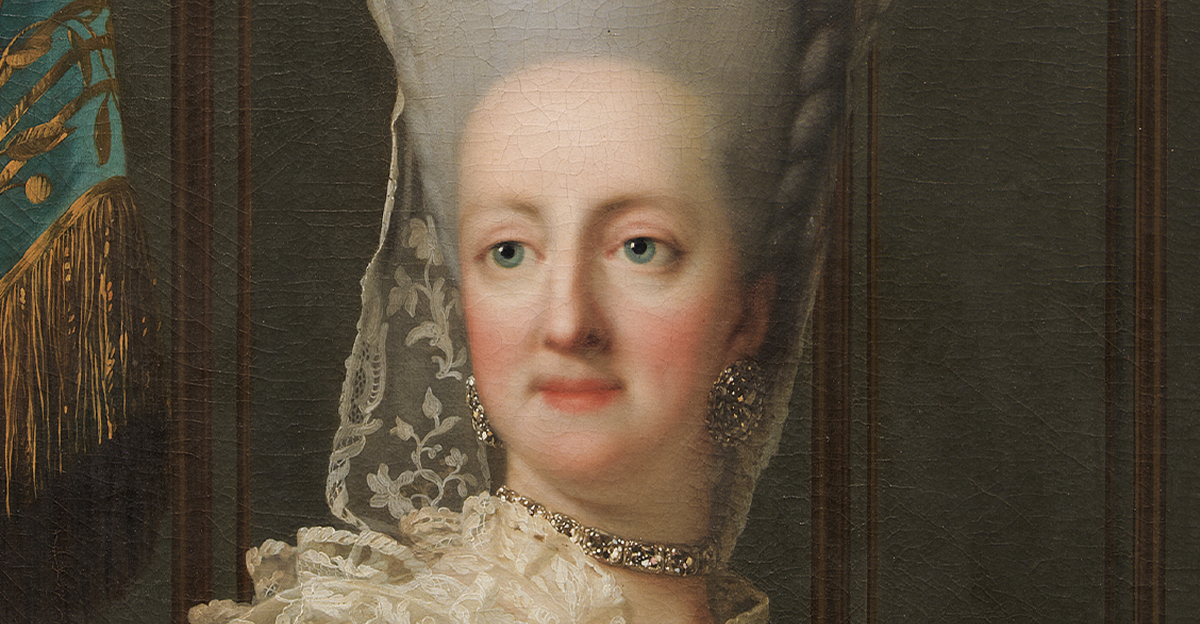 Vigilius Eriksen, Wikimedia Commons
1. She Was A Latecomer
Duchess Juliana Maria of Brunswick-Wolfenbüttel was born in Wolfenbüttel, Lower Saxony, to a relatively unimportant German noble family, on September 4, 1729. And if her family were initially insignificant in the grand scheme of things, Juliana’s apparent insignificance was deeper still: She was the 11th child of her parents, Duke Ferdinand Albert and Duchess Antoinette Amalie.
Her family was not short on ambition, however.
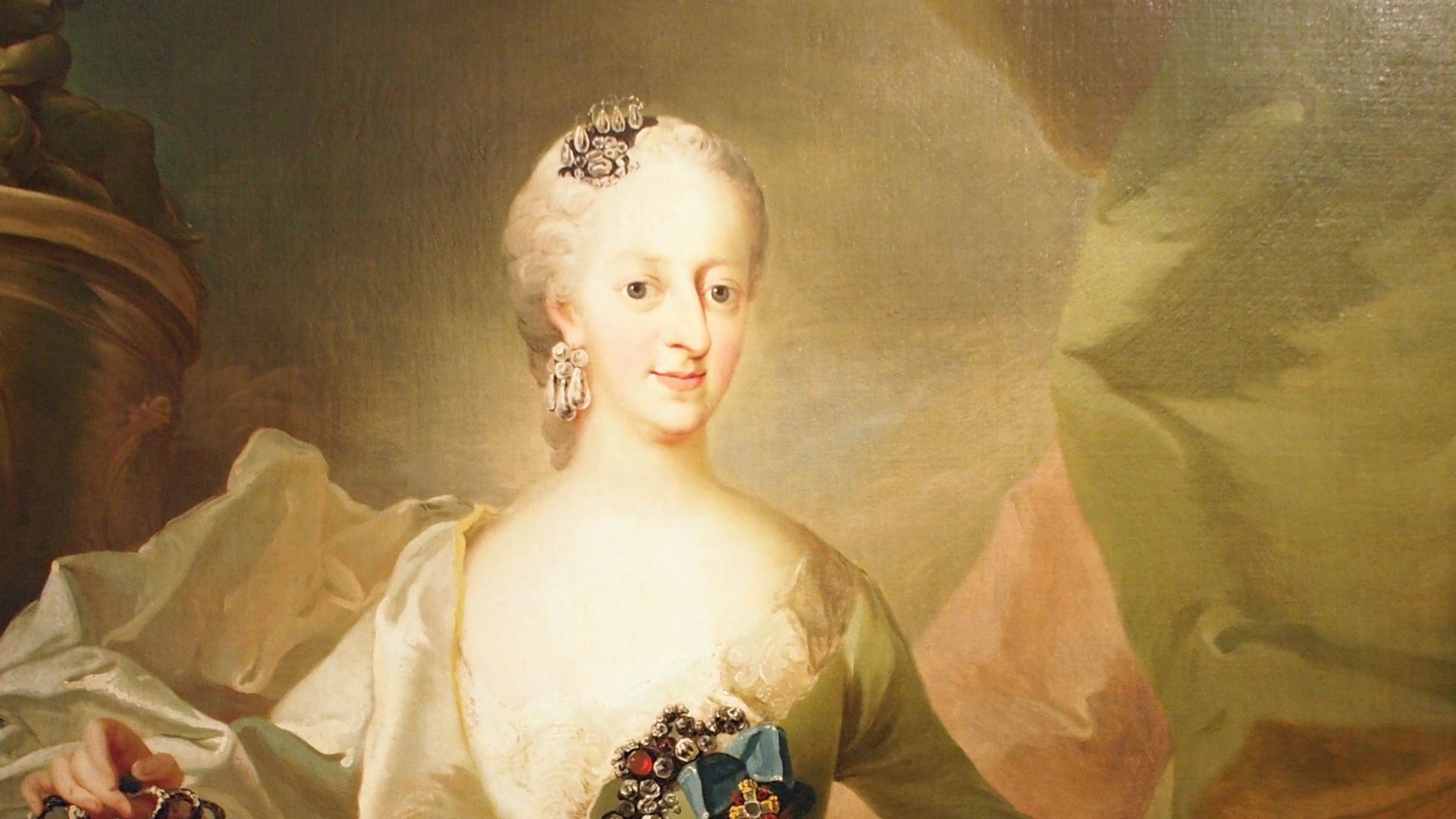 Carl Gustaf Pilo, Wikimedia Commons
2. Her Siblings Were Impressive
Despite the family’s stature, Juliana and a handful of her siblings would make names for themselves. We’ll get to her story, of course, but among her notable brothers and sisters were Duke Charles I of Brunswick-Wolfenbüttel, Duke Anthony Ulrich, who married Russian regent Anna Leopoldovna, and Duchess Elisabeth Christine, who became the wife of Prussia’s Frederick the Great.
Family life for the young dukes and duchesses revolved around their lofty ambitions.
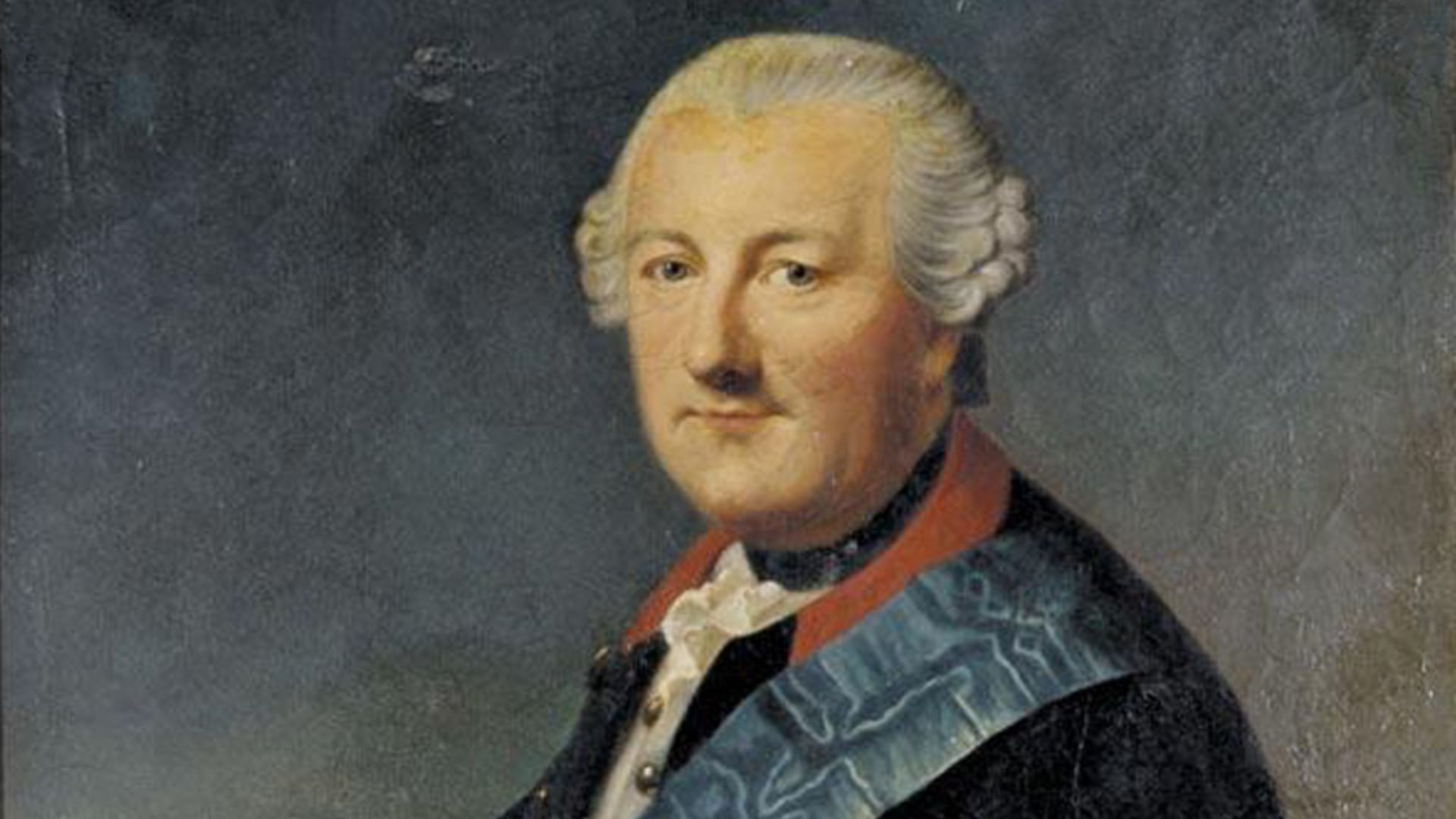 After Johann Georg Ziesenis, Wikimedia Commons
3. She Was A Royal In Training
Juliana’s parents clearly had their sights set on higher positions for their children. The duke and duchess raised their children simply but strictly, learning etiquette befitting of small princely German courts that would put them in pole position to marry above their stature. But a physical limitation meant Juliana had her work cut out for her.
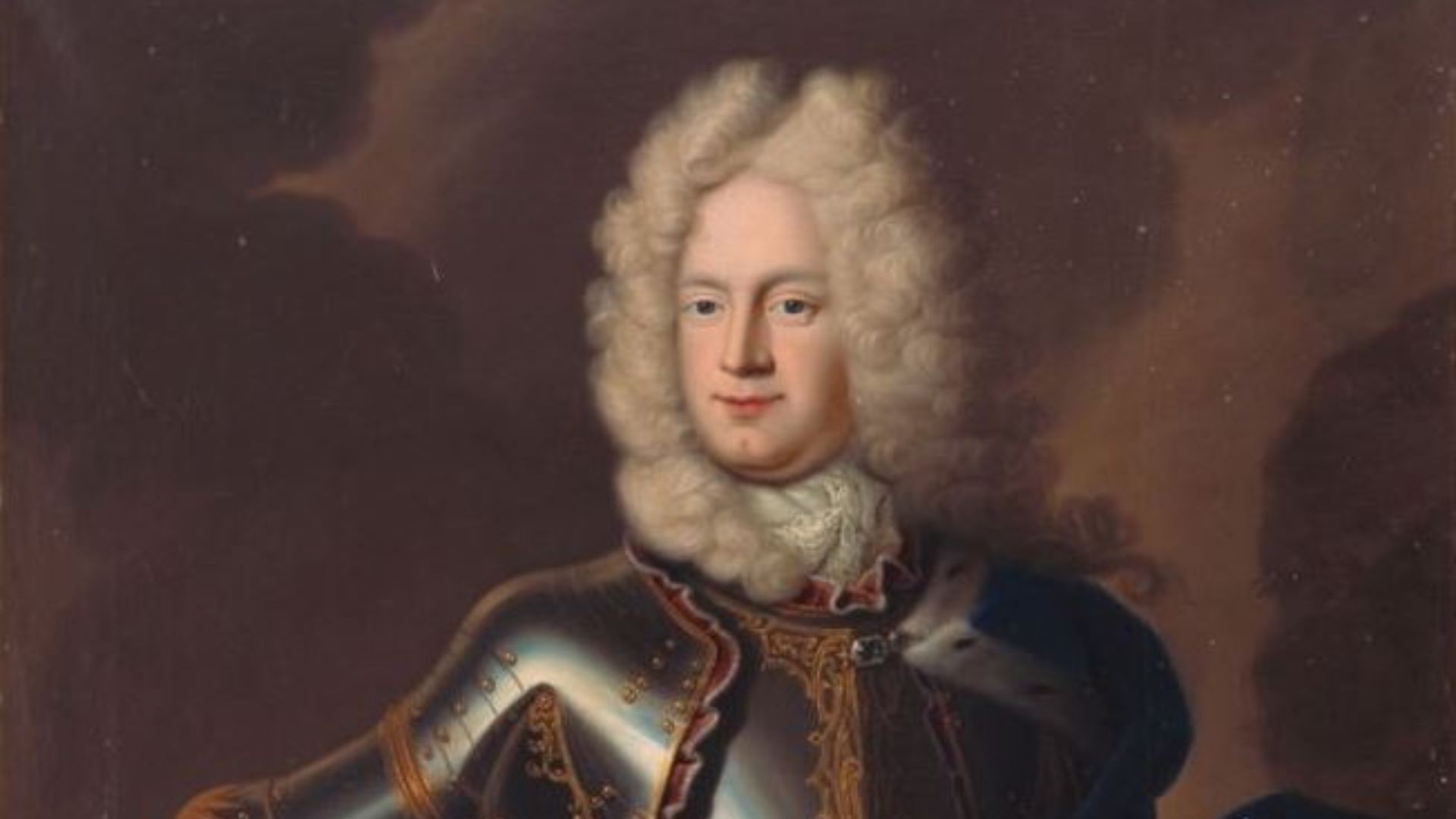 Christoph Bernhard Francke, Wikimedia Commons

History's most fascinating stories and darkest secrets, delivered to your inbox daily.
4. She Had A Family Impairment
As a child, Juliana Maria dealt with the challenge of a stutter, which made the already shy young girl even quieter. This impairment appears to have been genetic (or, at the very least, environmentally influenced) as several documented members of the house of Brunswick spoke with stammers. But with the family’s rising position, Juliana would have to learn to overcome it.
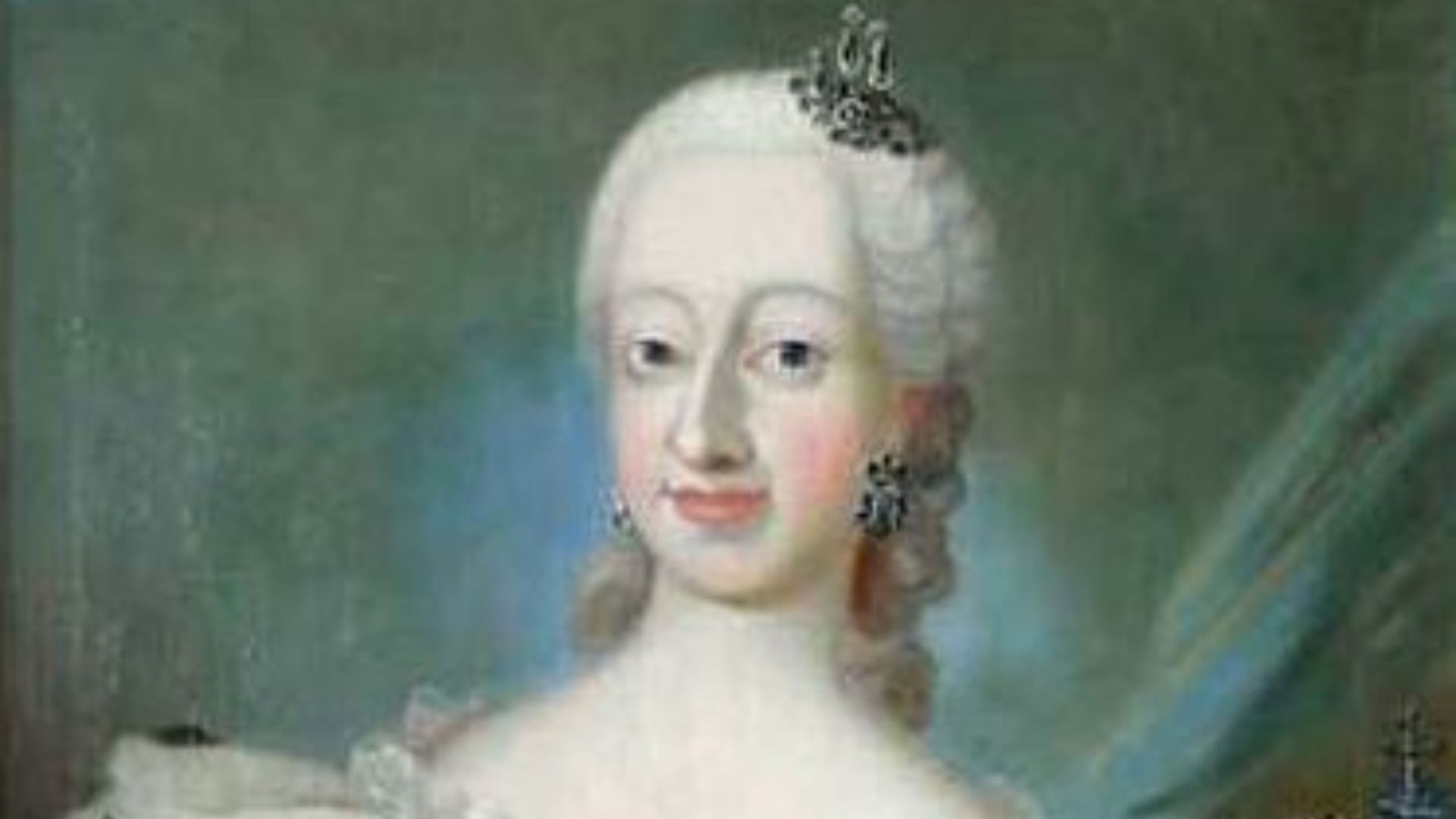 Unidentified painter, Wikimedia Commons
5. Her Father Climbed
Upon her birth, Juliana’s family constituted the princely cadet line of Brunswick-Wolfenbüttel-Bevern, a relatively low position. However, following the passing of his cousin and father-in-law, Juliana’s father, Ferdinand Albert, inherited the Principality of Wolfenbüttel, improving the family’s noble standing.
He didn’t get to enjoy it for very long, however. Fate had a terrible plan in store for him.
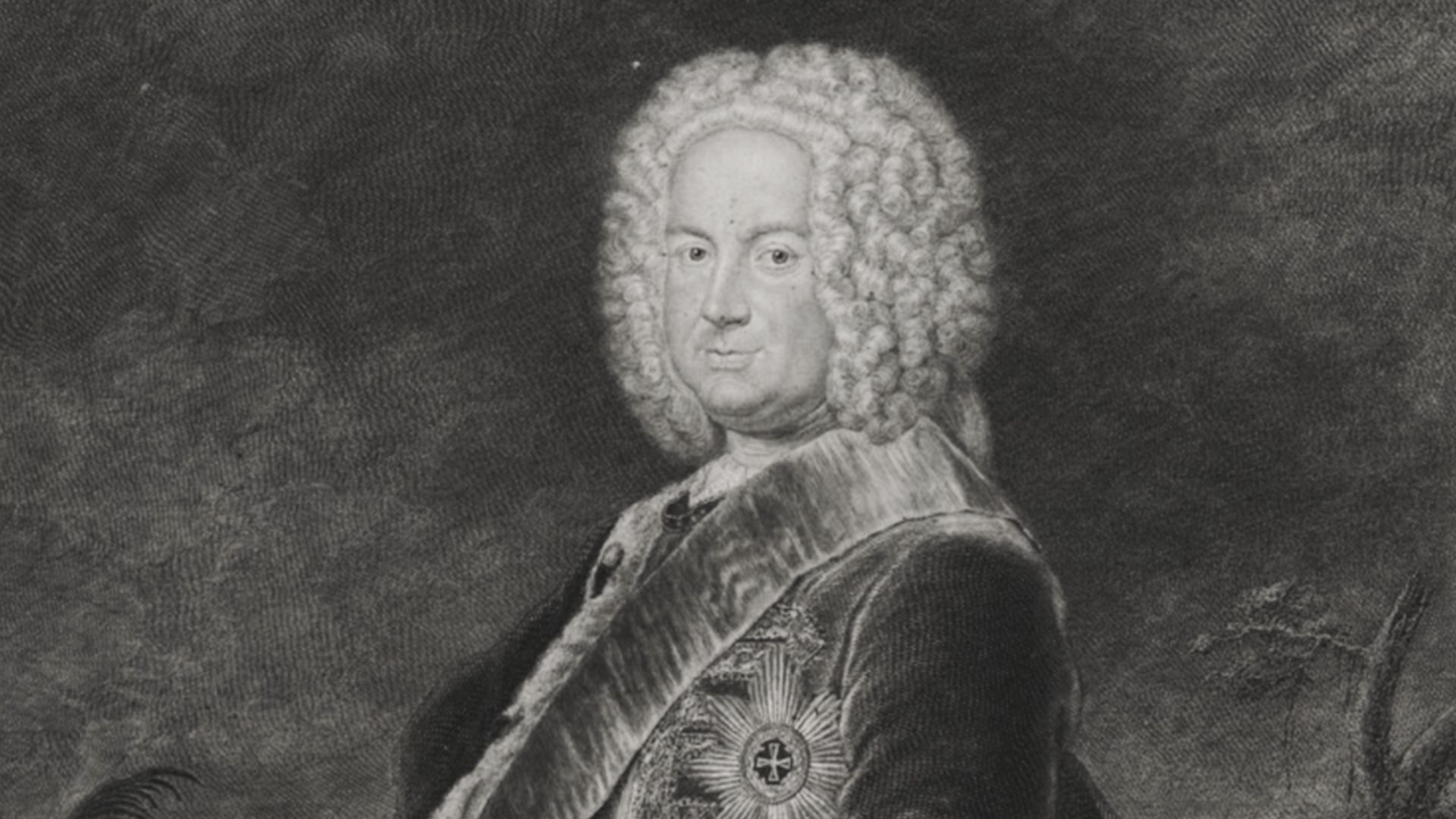 Johann Georg Wolfgang / After Antoine Pesne, Wikimedia Commons
6. She Lost Her Dad
Tragically, Juliana’s father would pass unexpectedly only six months after attaining his new position. This, of course, set her brother up nicely, but with the family now in disarray, they needed to secure their place in German high society. And that daunting responsibility got placed on the small shoulders of the young Duchess.
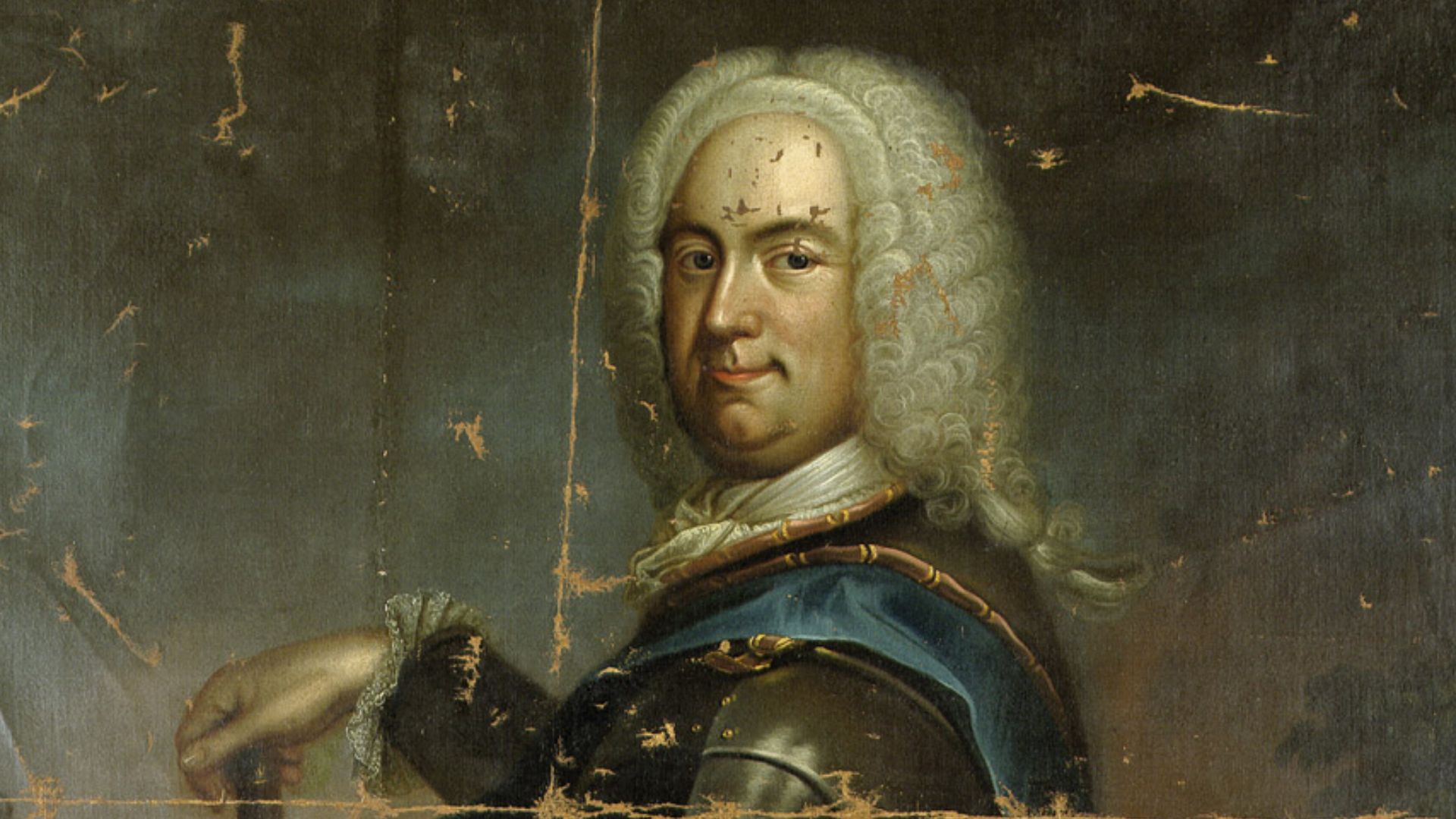 Unidentified painter, Wikimedia Commons
7. She Got Engaged
In 1752, negotiations began for a dynastic marriage between Juliana Maria and the King of Denmark and Norway, Frederick V. The king had only recently lost his first wife, Louise of Great Britain, the year before. This had thrown Fred’s court into some choppy waters of their own, and Juliana was completely unaware that she was a pawn in this game of thrones.
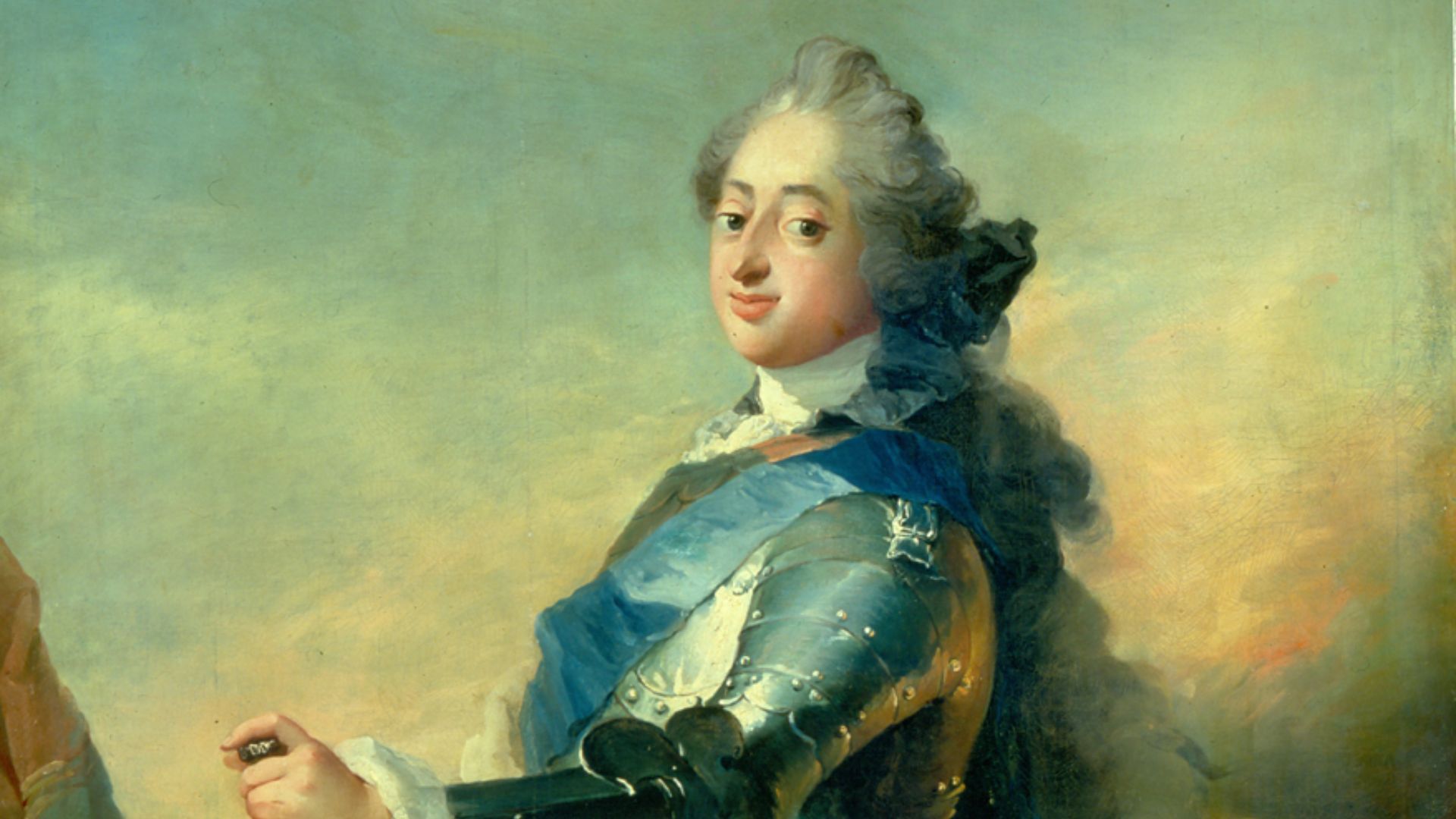 Carl Gustaf Pilo, Wikimedia Commons
8. She Was Used
King Frederick’s grief was palpable, and his behavior at court had become quite erratic since his wife’s passing. The king’s favorite, the powerful lord chamberlain Count Adam Gottlob von Moltke, was eager to have the king remarry to help balance his chaotic emotions, and the lord hastily arranged the marriage.
But for Juliana, this was a disturbingly shaky foundation on which to build her new life.
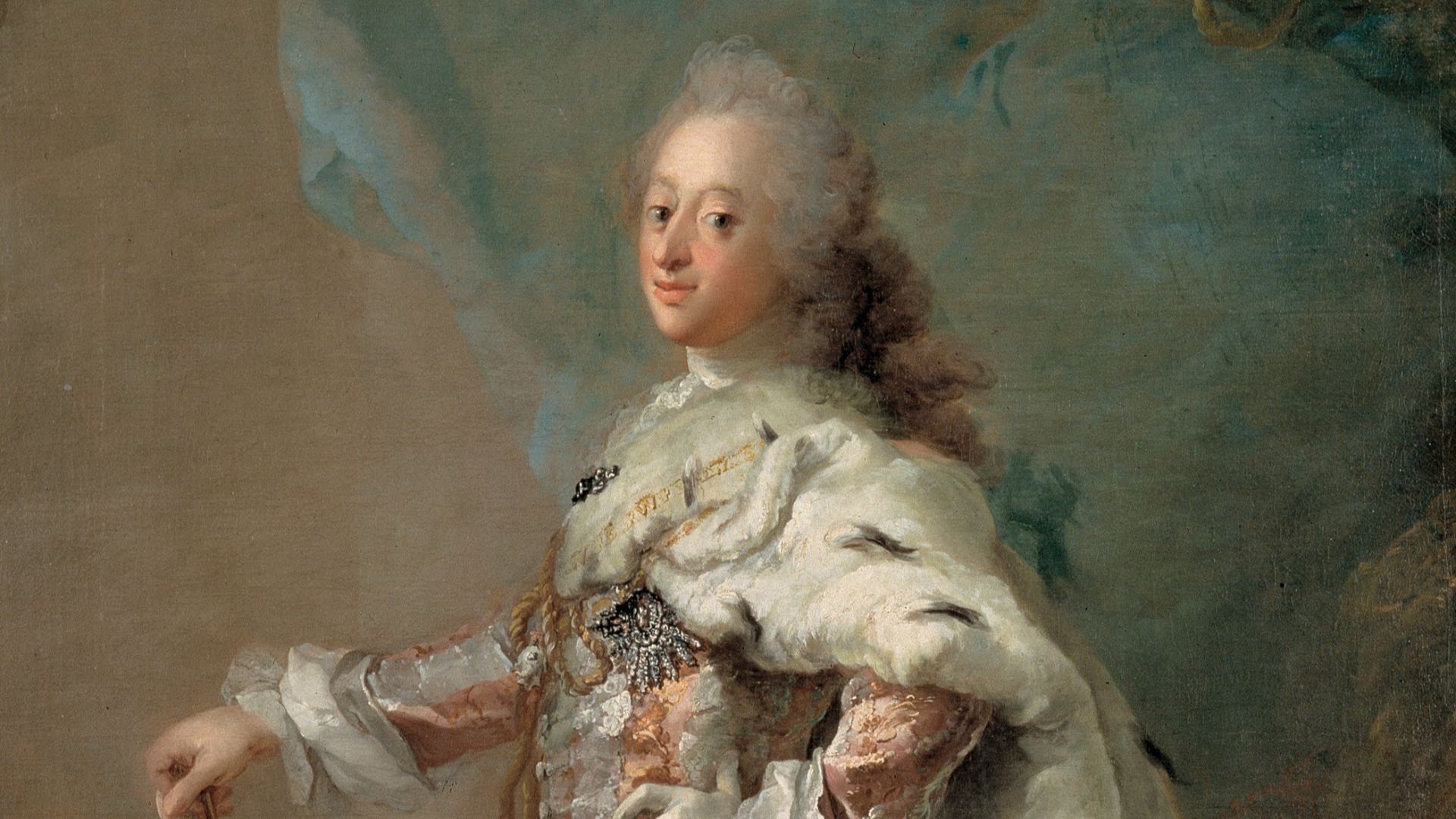 Carl Gustaf Pilo, Wikimedia Commons
9. She Received A Cold Welcome
There were many red flags during the arrangement of the union: The king was reluctant to marry a foreign princess, unless she was British as his previous wife had been. Since no Brits were available, Frederick eyed Count Moltke’s own daughter, a union the count did not desire at all—he quickly married his daughter off to prevent this from happening and drew the king’s attention to Juliana. But it took some convincing.
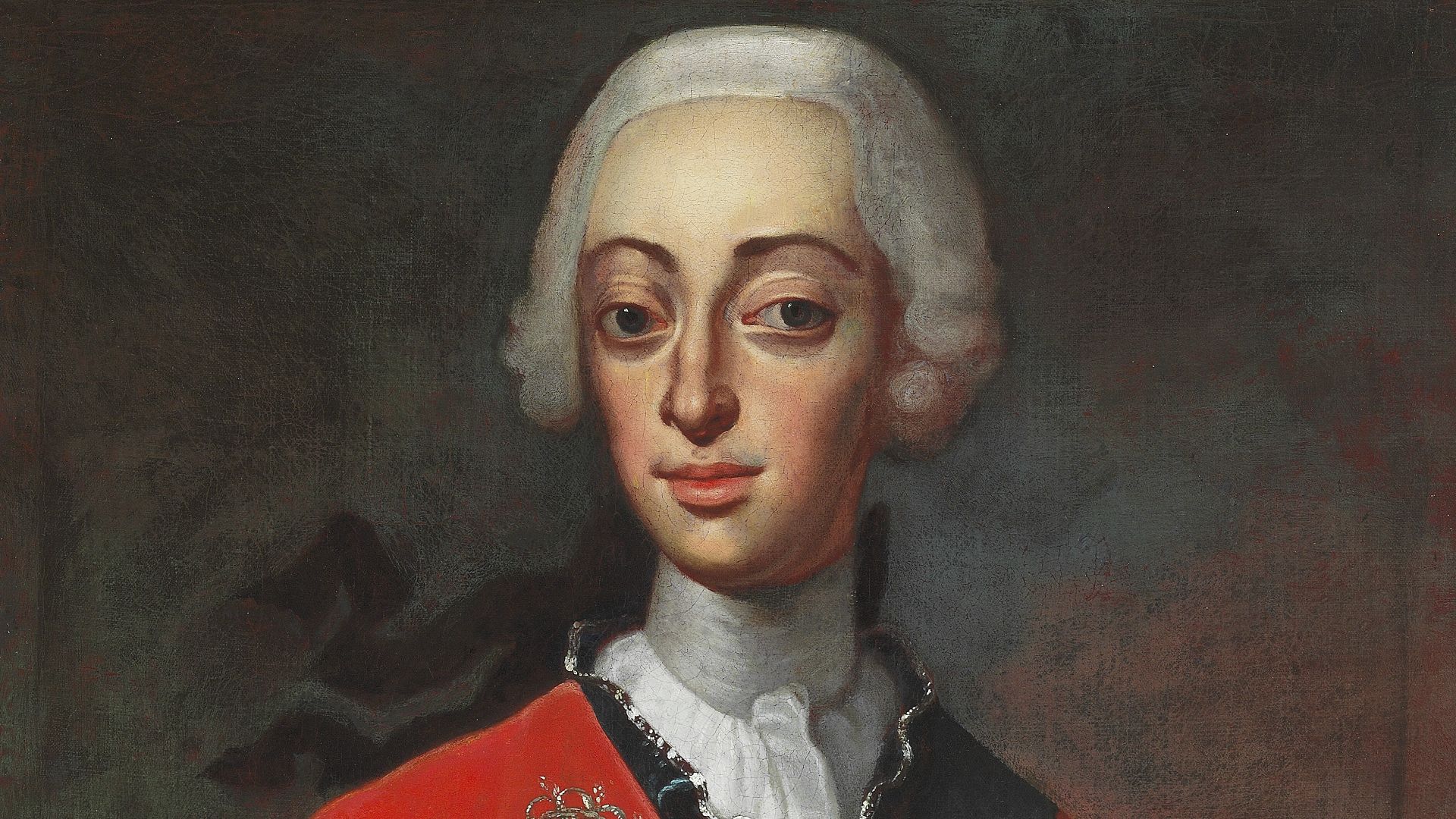 Andreas Møller, Wikimedia Commons
History's most fascinating stories and darkest secrets, delivered to your inbox daily.
10. She Was Under Consideration
Before agreeing to marry Juliana Maria, the king insisted on seeing a portrait of her and scrutinized her personality and temperament—kind of the contemporary equivalent of viewing her dating profile! In the end, Frederick was pleased by what he saw and finally agreed to the union. However, it was a rather hasty process.
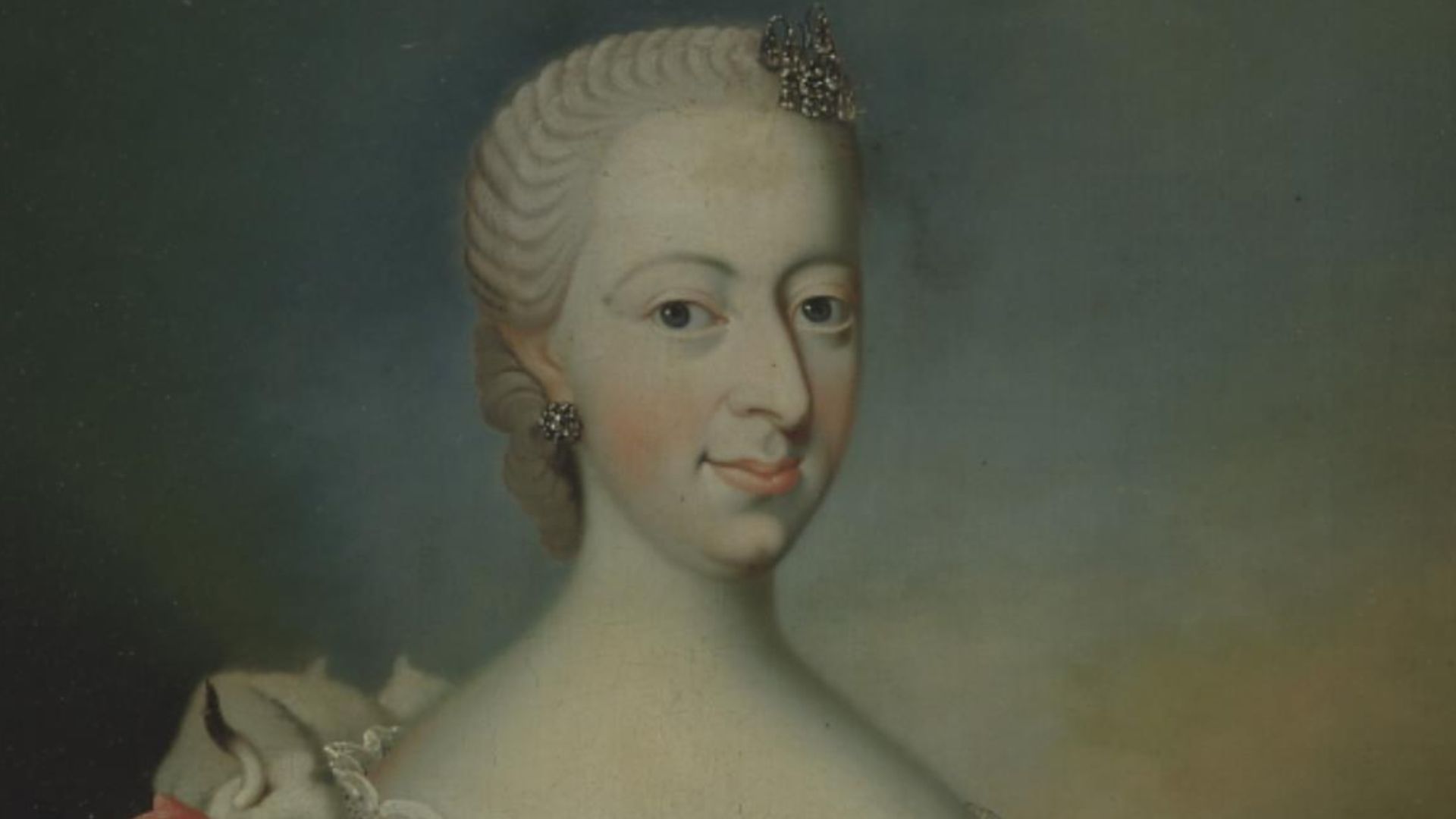 Peter Wichmann, Wikimedia Commons
11. She Was Wed
The couple celebrated their wedding on July 8, 1752, with a lavish ceremony at the chapel of Frederiksborg Palace. The marriage took place barely six months after the passing of the king’s previous wife, a fact that would cause difficulties for Juliana early on. But for the day at least, the underestimated young duchess could enjoy her glittering, new position in life.
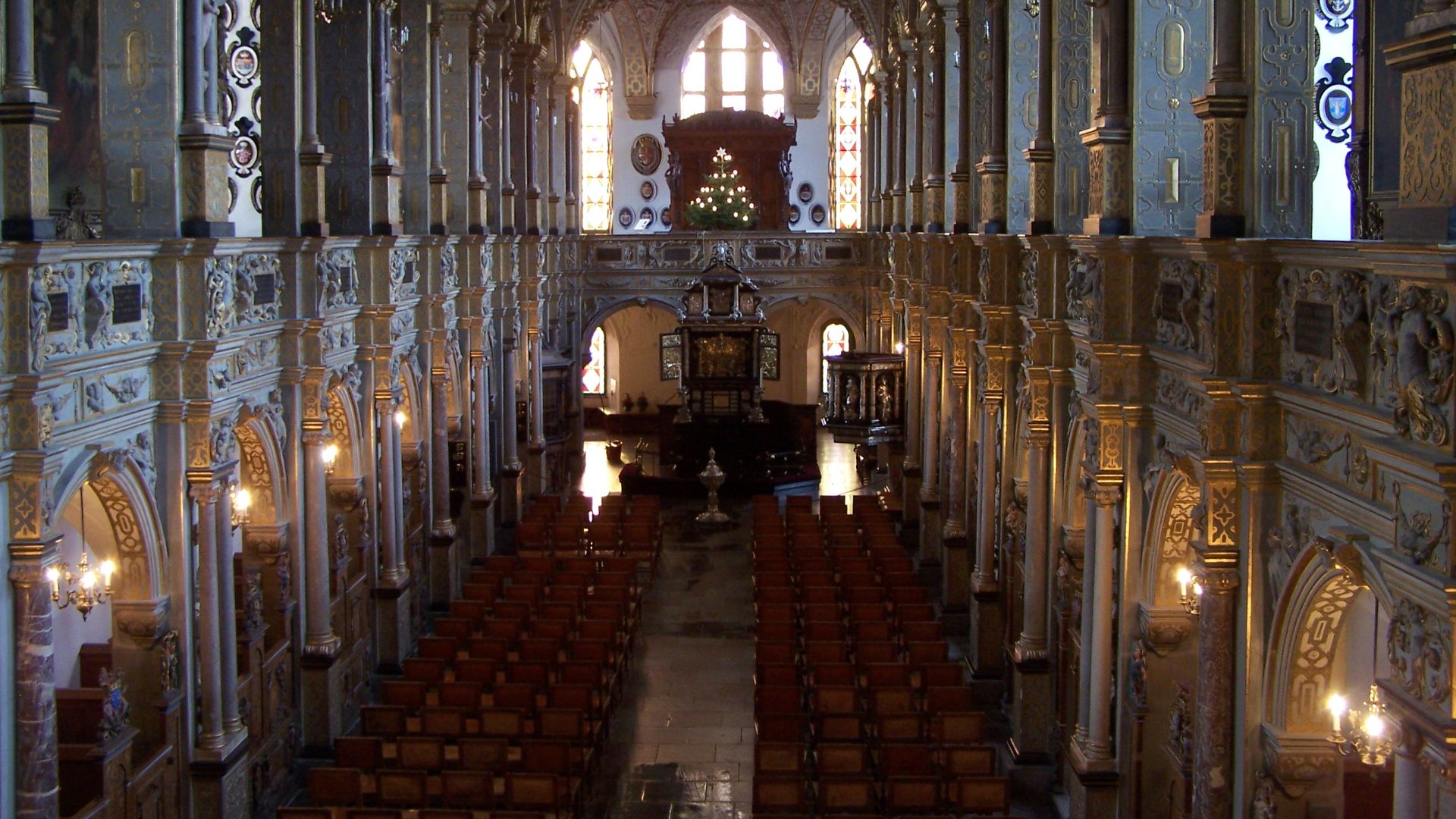
12. She Became Queen
On the very same day as her wedding, Juliana was crowned Queen of Denmark and Norway. It was a stunning rise for a girl from such relatively modest origins. She received her own household headed by her predecessor’s old chamberlain and head lady-in-waiting. With the arrival of a new queen, the celebrations continued across the land.
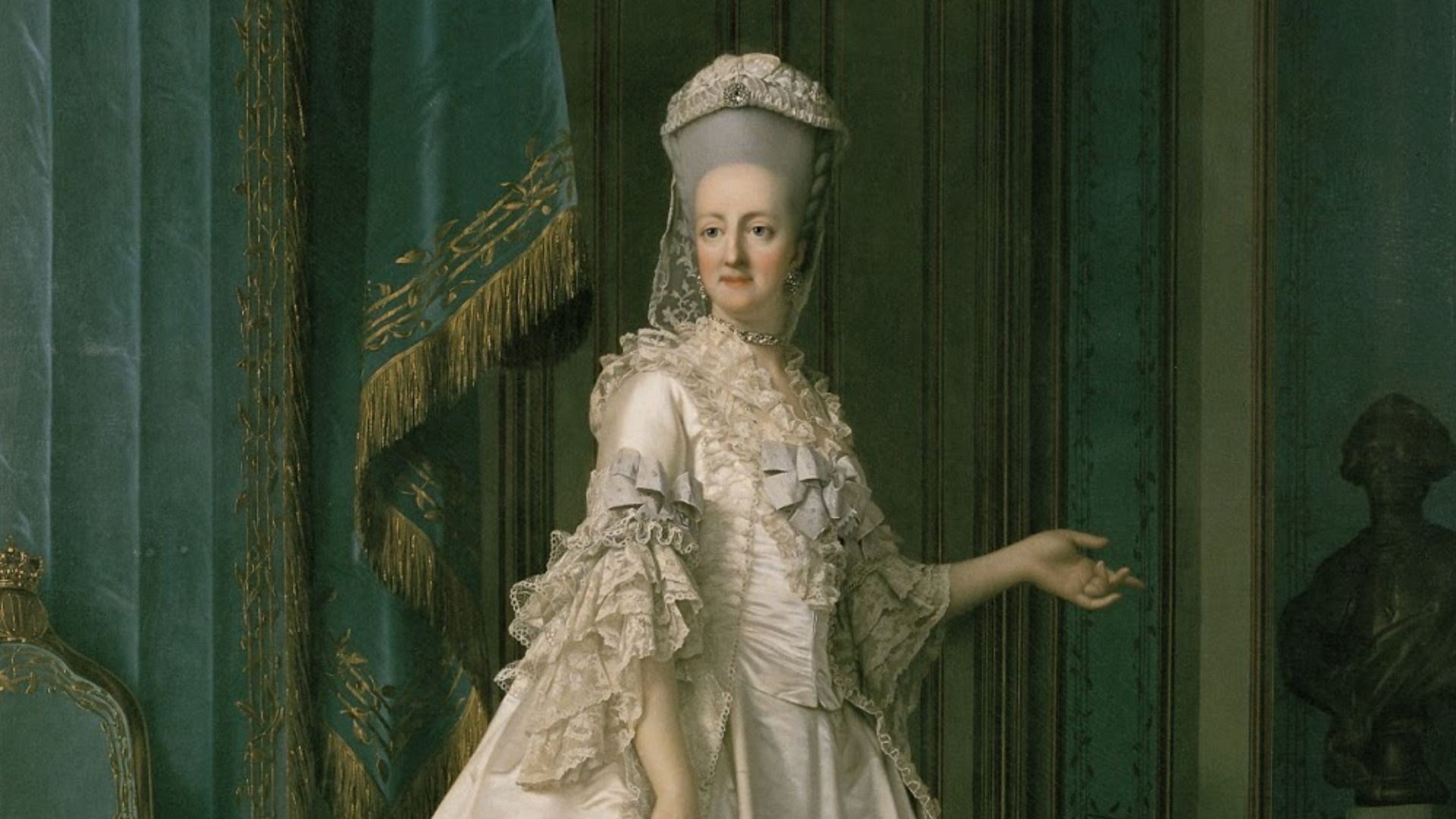 Unknown authorUnknown author, Wikimedia Commons
13. Her Party Kept Going
The celebrations for the new royal wedding and newly crowned queen continued throughout the summer, with several royal palaces around North Zealand holding grand court festivities in Juliana’s honor. But though the upper crust may have been happy with the new arrangements, the queen herself was feeling nervous.
 Circle of Carl Gustaf Pilo, Wikimedia Commons
14. She Had A Timid Start
Juliana Maria was still quite young when she rose to queen, and it was difficult to shake her quiet nature overnight upon arriving at the Danish royal court. Early accounts of her reign describe her as shy, quiet, and still dealing somewhat with her childhood stutter. But it was not just Juliana’s nature that gave her pause; the situation itself was odd.
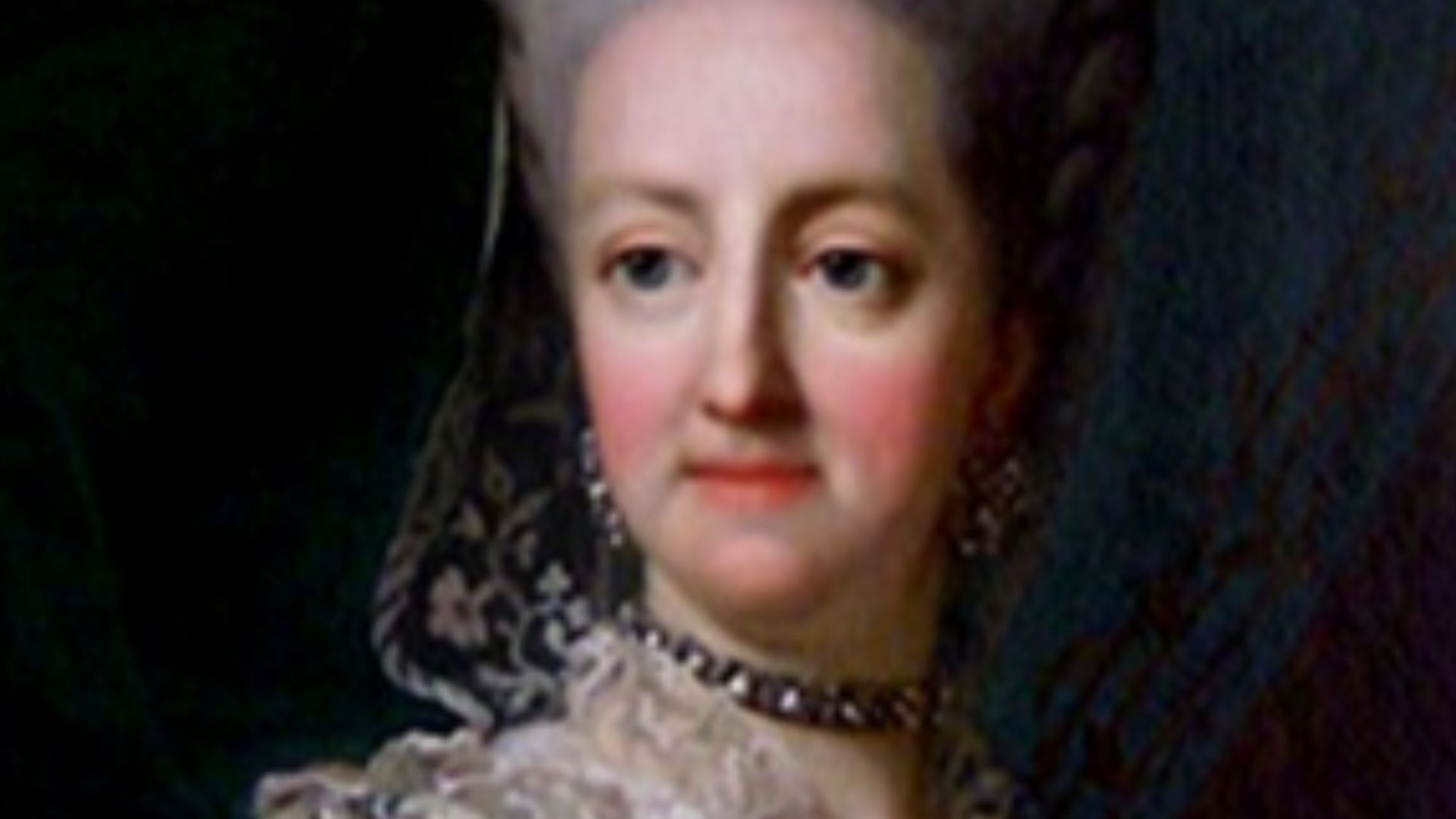 Vigilius Eriksen, Wikimedia Commons
15. She Was Nervous
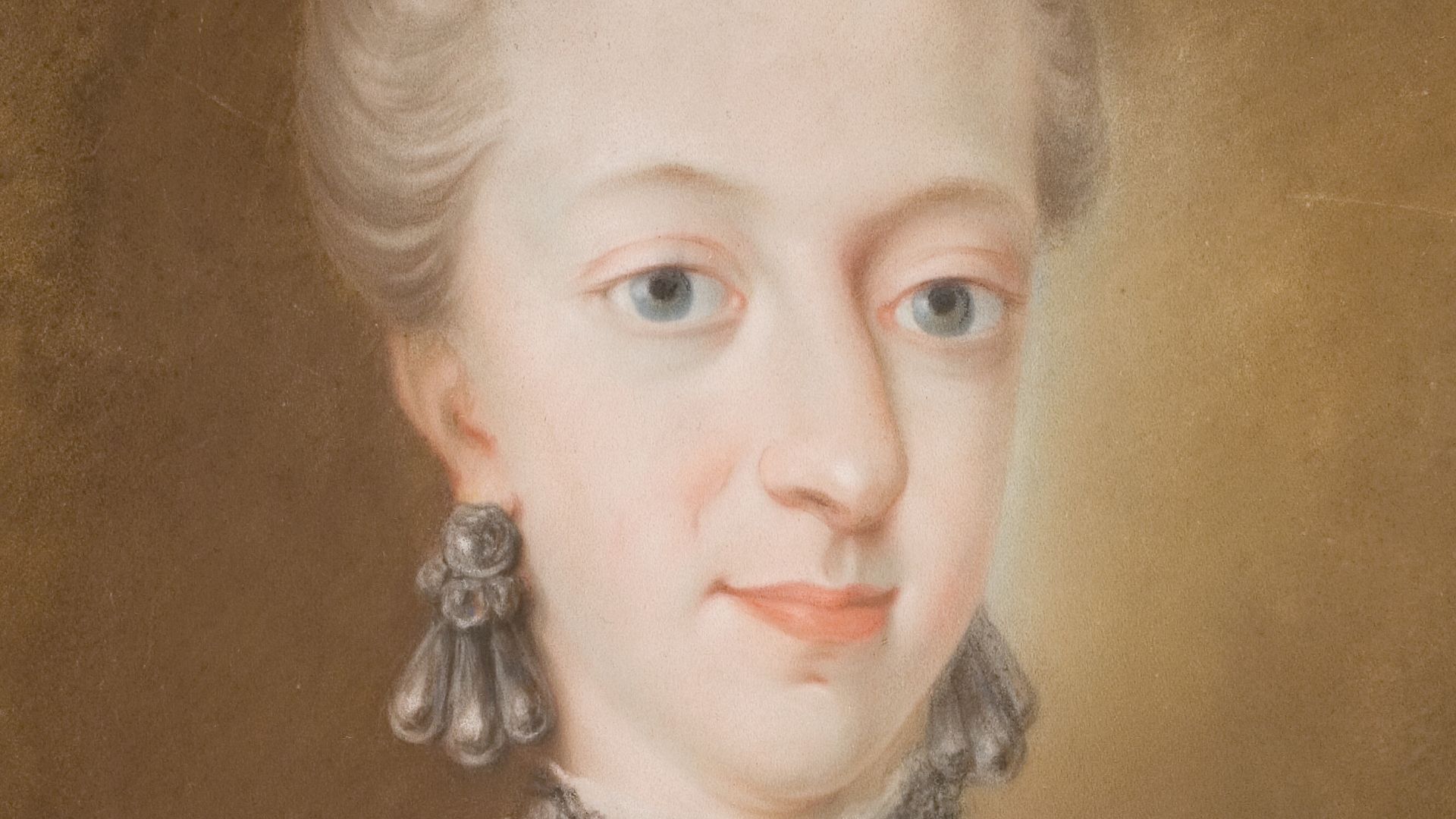
Further reports confirm Juliana was downright uncomfortable with her new role as queen and, in particular, her duties as stepmother of the king’s existing children. The pressure she felt to perform and be proper was a lot to handle for the shy young monarch. And the mood throughout the kingdom didn’t help matters.
History's most fascinating stories and darkest secrets, delivered to your inbox daily.
16. She Was Unpopular
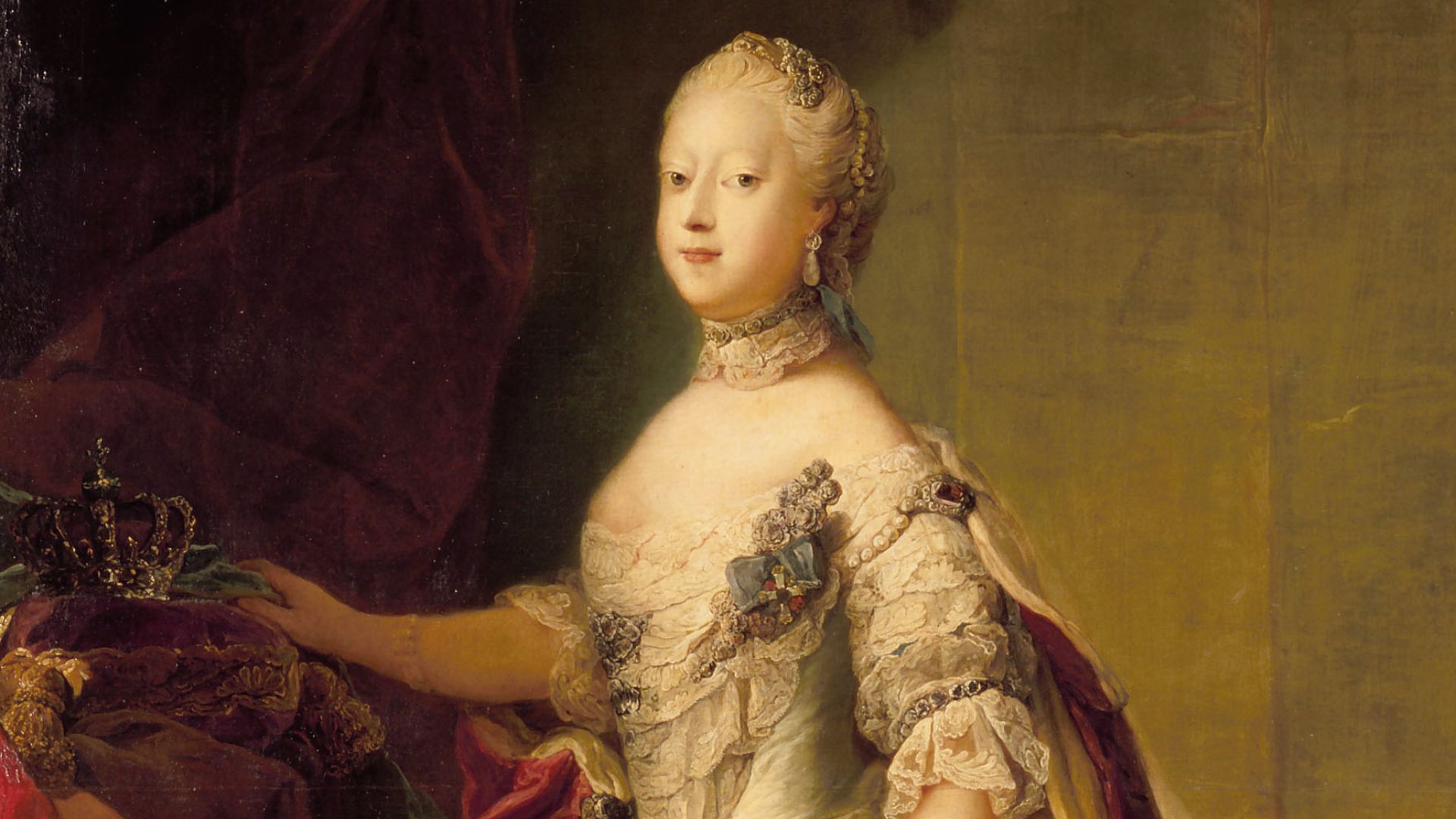
Juliana Maria, while well received by the upper crust, was not warmly welcomed by the common man in Denmark. Her predecessor, Queen Louise, had been popular and well loved, and many felt Juliana’s union to the king had happened far too soon after Louise’s demise, a sign of disrespect to the late queen. Juliana’s husband wasn’t much help in making her feel welcome either.
 Carl Gustaf Pilo, Wikimedia Commons
17. Her Husband Was A Playboy
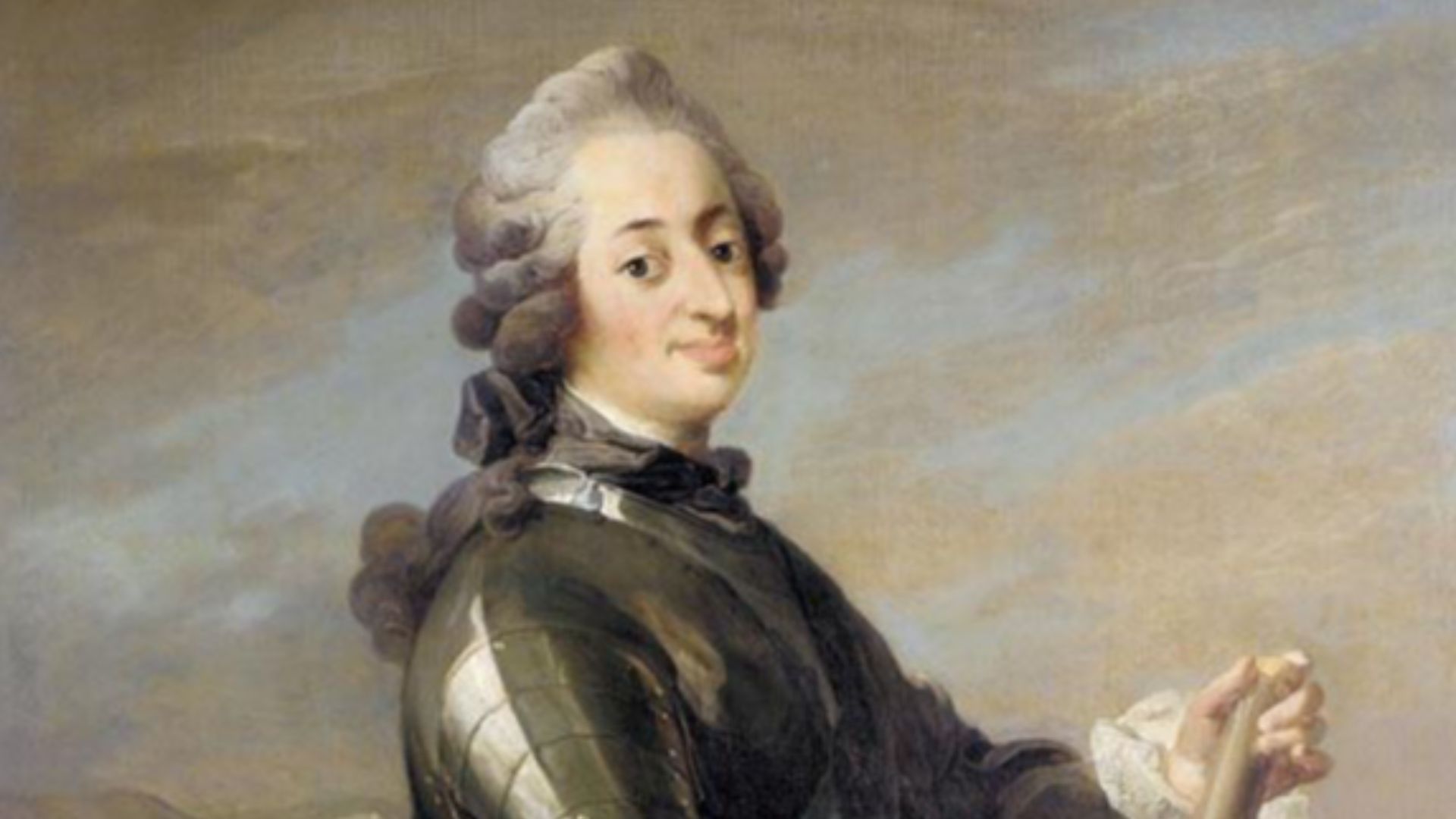
Juliana’s new husband, King Frederick V, had a well-known reputation as a scandalous party animal and philanderer. The king was wickedly unfaithful to his new wife, with many mistresses, and was partial to a grand banquet where he would drink excessively. With such a big personality for a husband, it was no wonder Juliana lived in his shadow.
 Studio of Carl Gustaf Pilo, Wikimedia Commons
18. She Stayed On Brand
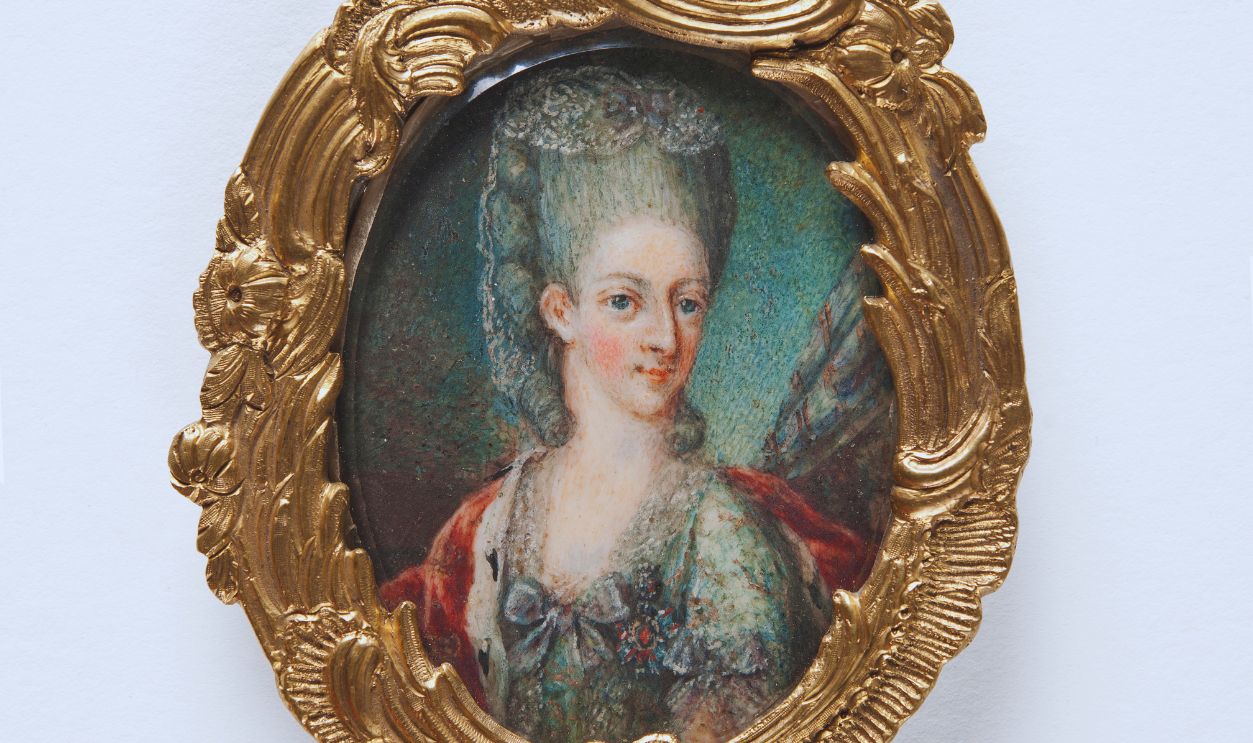
Records of the early years of Juliana’s reign as queen consort are sparse because she kept it that way: The young monarch lived a quiet life of devotion to domestic duties and family life. The overall impression of her was that she was a queen of honor and virtue, but one of insignificance. Indeed, Juliana’s own diaries appeared to confirm this fact.
19. Her Life Was Boring
Like many royal figures of her era, Juliana Maria kept a diary, and its early contents are yawn-inducing. Detailing her days of quiet family life, where the most exciting things that happened were exchanges of visits with various other members of the royal family, the queen herself summed up her life in one encapsulating sentence: “Everything was as yesterday”. But she did her duty, nonetheless.
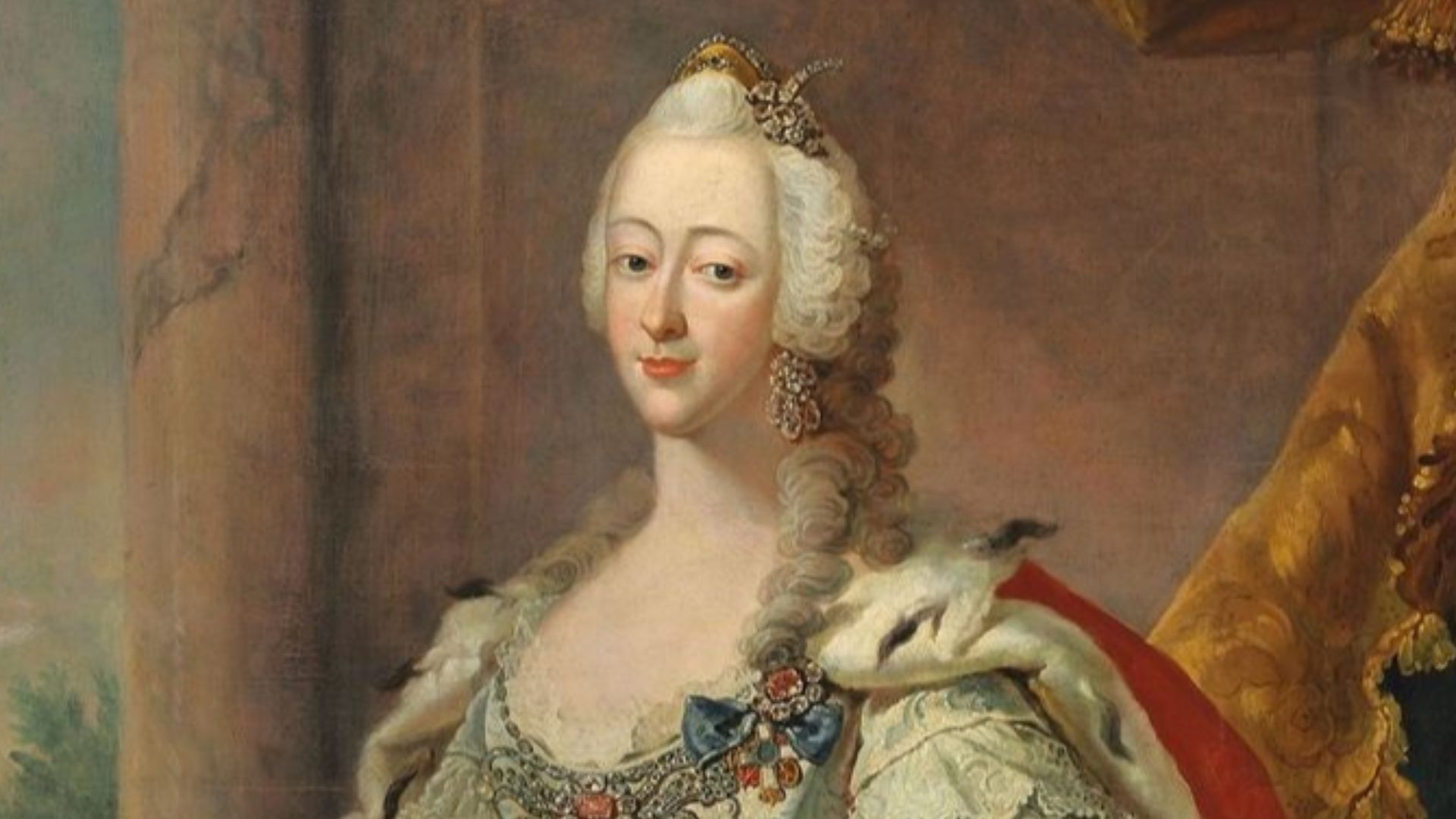 Peter Wichmann, Wikimedia Commons
20. She Was Dutiful
Despite her husband’s rampant cheating, Juliana remained the picture of the perfect wife, as her strict education and upbringing had taught her. She never complained about her husband’s actions and lovingly nursed him back to health whenever he fell ill. However, her devotion to her duties didn't end there.
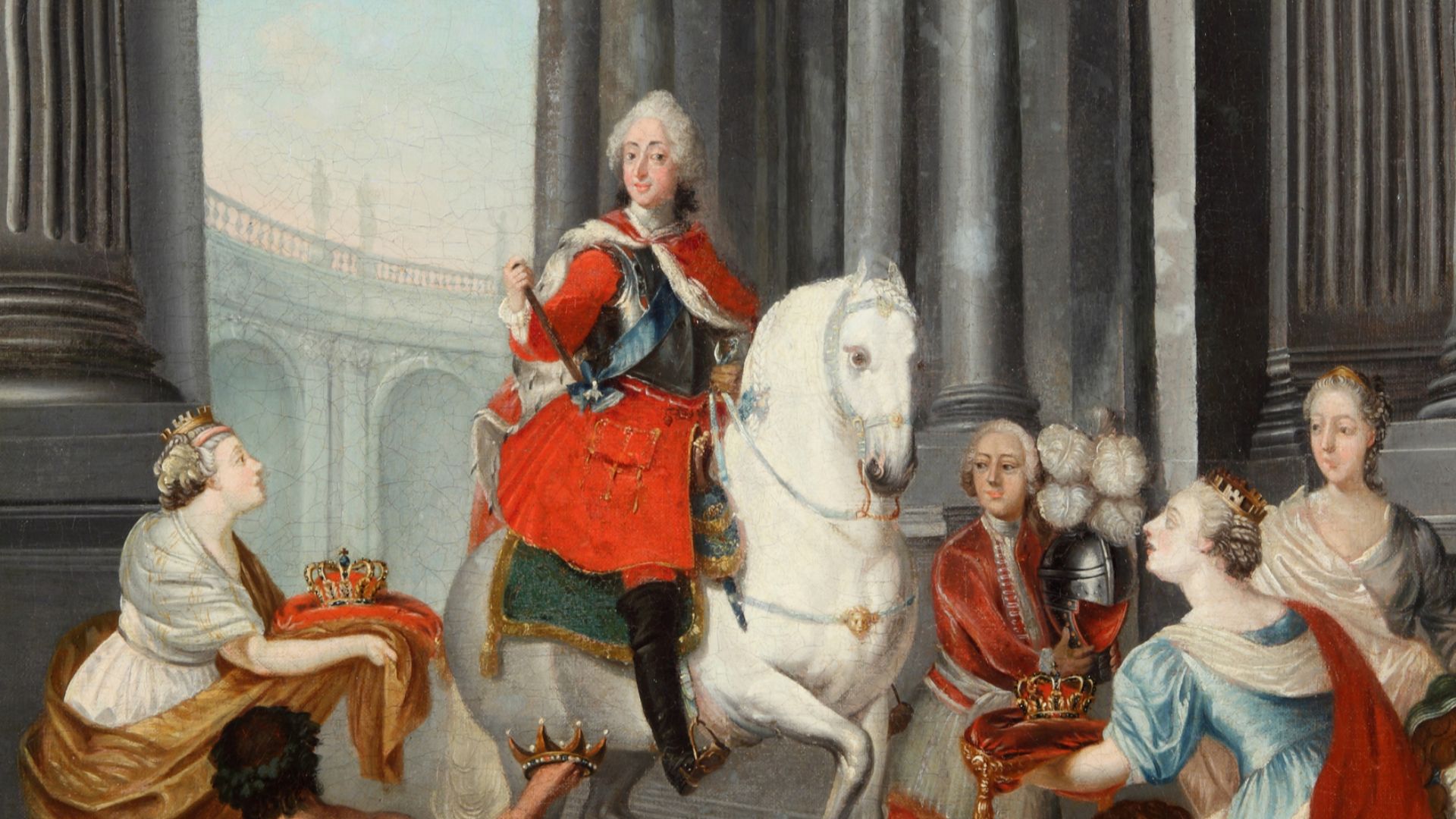
21. She Tried Her Best
Despite her overwhelming shyness, Juliana Maria did her very best to win the hearts of her subjects, learning Denmark's customs as best as she could. She even tried to learn the Danish language, speaking and writing it as much as possible. But sadly, try as she might, the young queen just didn't make the cut in the eyes of her people.
Poor Juliana had become a wallflower at court, and her lack of agency reared its ugly head in other areas of her life too.
 Workshop of Andreas Thornborg, Wikimedia Commons
History's most fascinating stories and darkest secrets, delivered to your inbox daily.
22. She Got Kept At Arm’s Length
Having inherited several stepchildren from her marriage to the king, Juliana nevertheless remained limited in influencing their upbringing. The court did not permit her to mother the king’s children, though she still loved them, referred to them as her sons and daughters, and wrote extensively in her diary about the quality time she spent with them.
Control and influence certainly weren't Juliana's strong suits, but there were still some silver linings to be had.
 Lorens Pasch the Younger, Wikimedia Commons
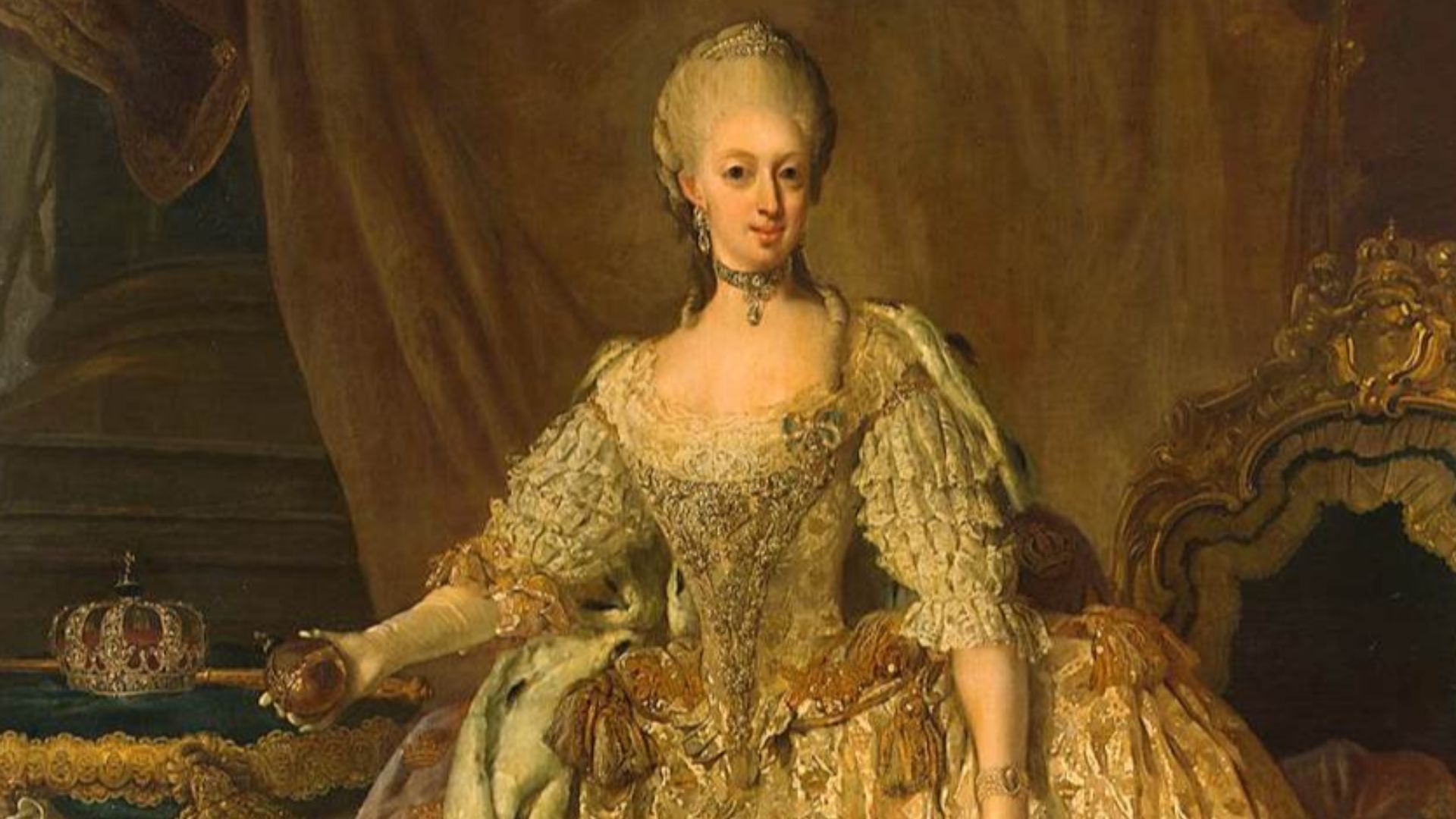
23. She Had A Mother Figure
Juliana Maria wasn’t completely alone in Denmark; she developed a close and caring relationship with her mother-in-law, the Queen Dowager Sophie Magdalene, who took to her new daughter-in-law quickly. The two queens would visit each other often, spending much time together. And, of course, Juliana would bring her own children into the world.
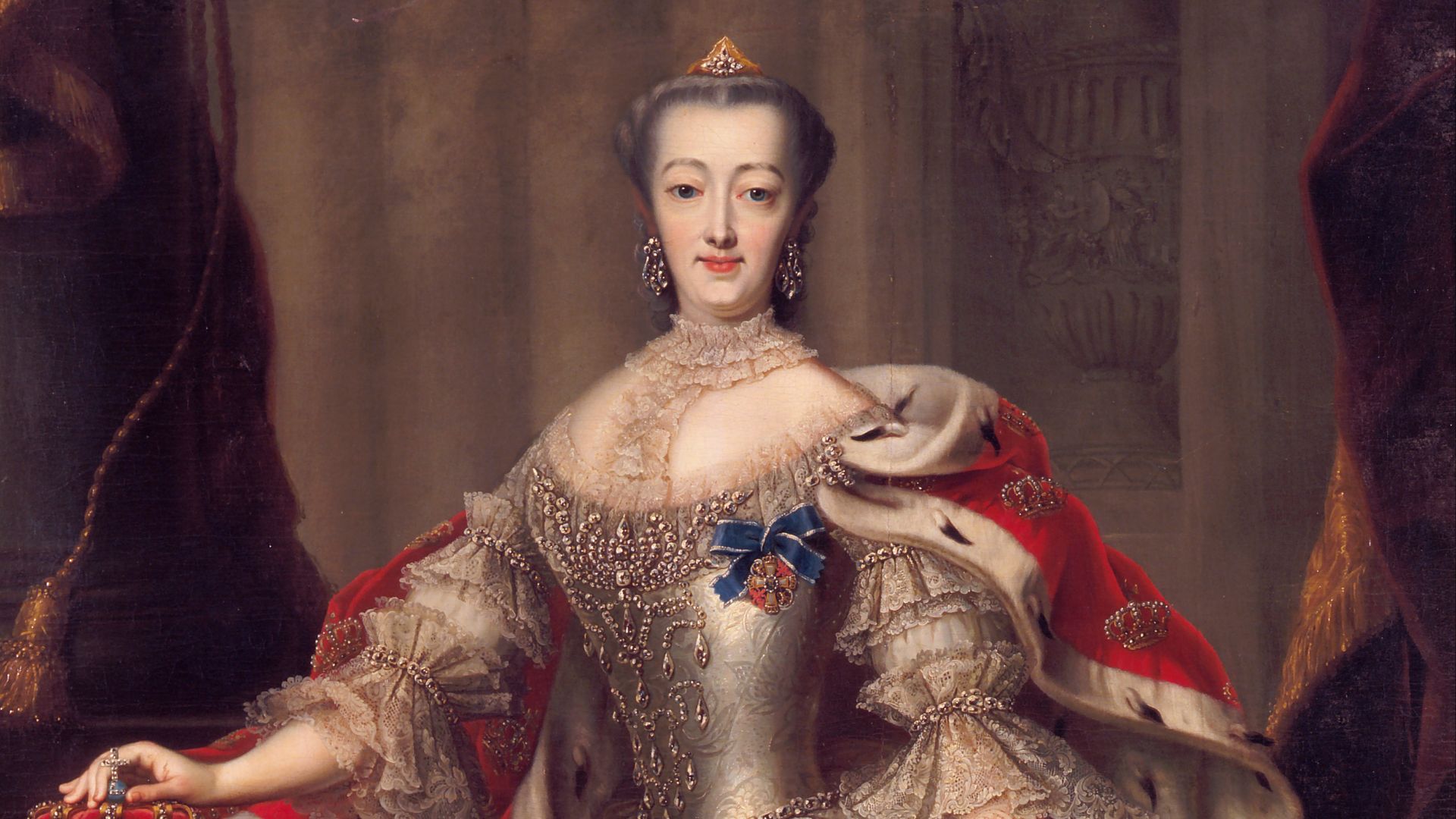 Andreas Brünniche, Wikimedia Commons
24. She Got To Mother
Juliana’s first son by King Frederick, named after his father, was born on October 11, 1753. Unlike the upbringing of her stepchildren, the queen had free rein to raise her biological son and took an important role in influencing his education. She decided to set the boy up for success—a privilege she had not been blessed with herself.
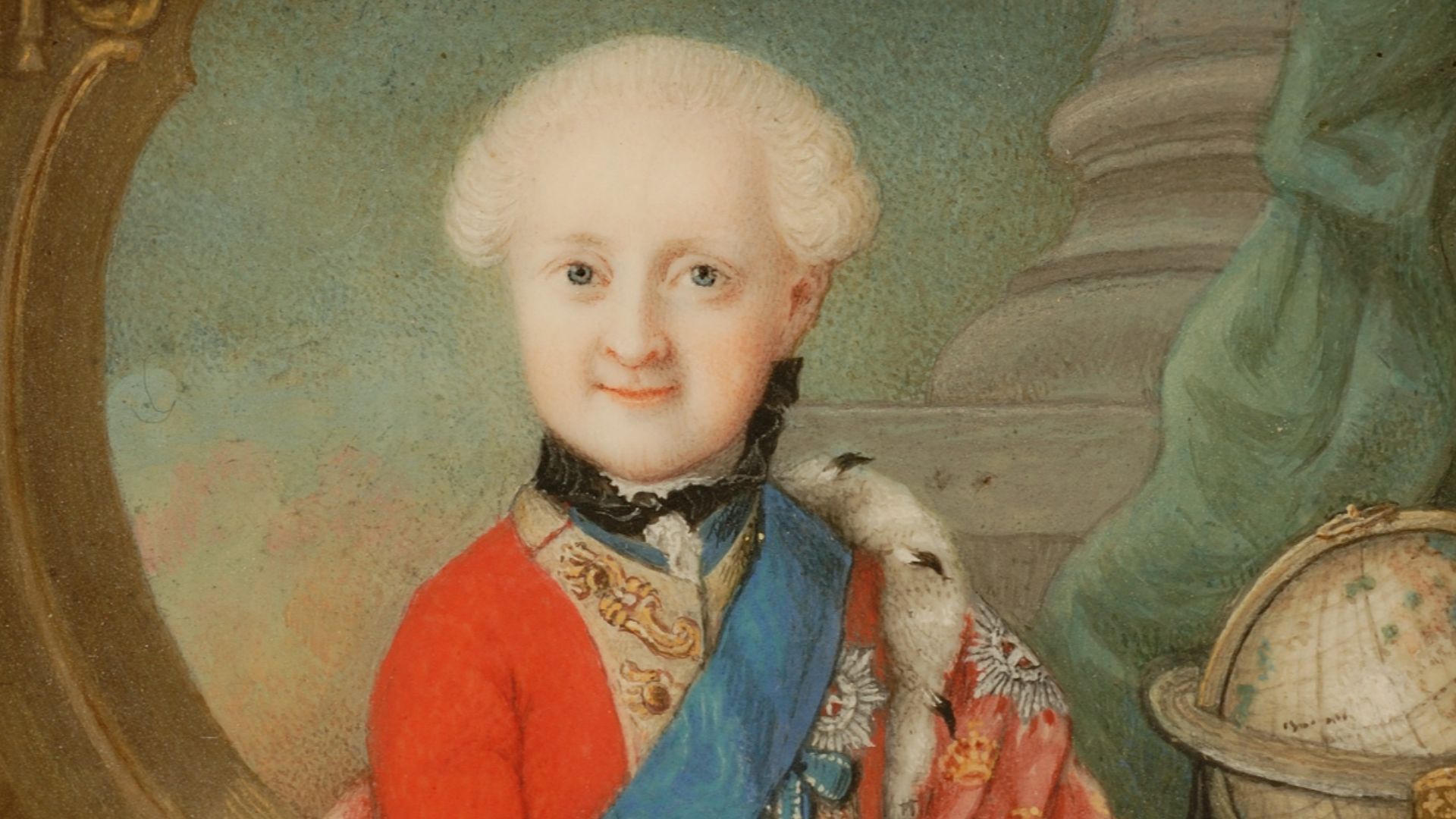 Christoffer Foltmar, Wikimedia Commons
25. She Ingratiated Her Son
Juliana Maria opted to have two successive Danes appointed as governors to oversee her son’s schooling, meaning he received his education primarily in the Danish language. This made him quite a unique member at court. For generations, the Danish language had not been the mother tongue of any Danish prince, making Prince Frederick's capabilities remarkably special.
But this undoubtedly unleashed Juliana's maternal biases.
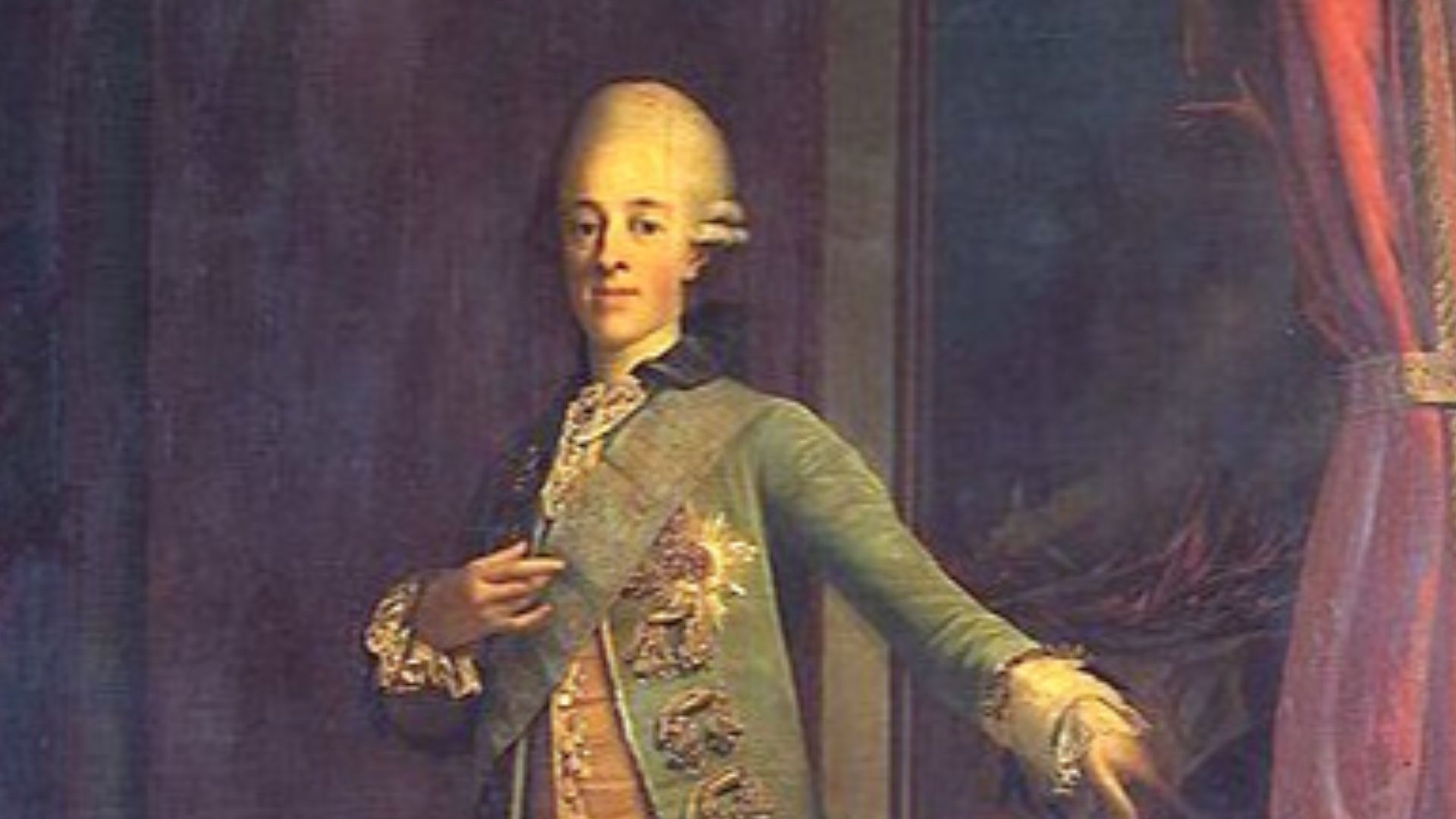 Vigilius Eriksen, Wikimedia Commons
26. She Got Some Treasonous Ideas
While Juliana exercised little to no influence over politics, it didn’t stop her from considering some What-Ifs. And as her son got older and his capabilities became increasingly clear, the queen concluded that her own son, Frederick, would make a much more suitable king than his half-brother, the Crown Prince Christian. And as fate would have it, events would soon take a turn that set her desires in motion.
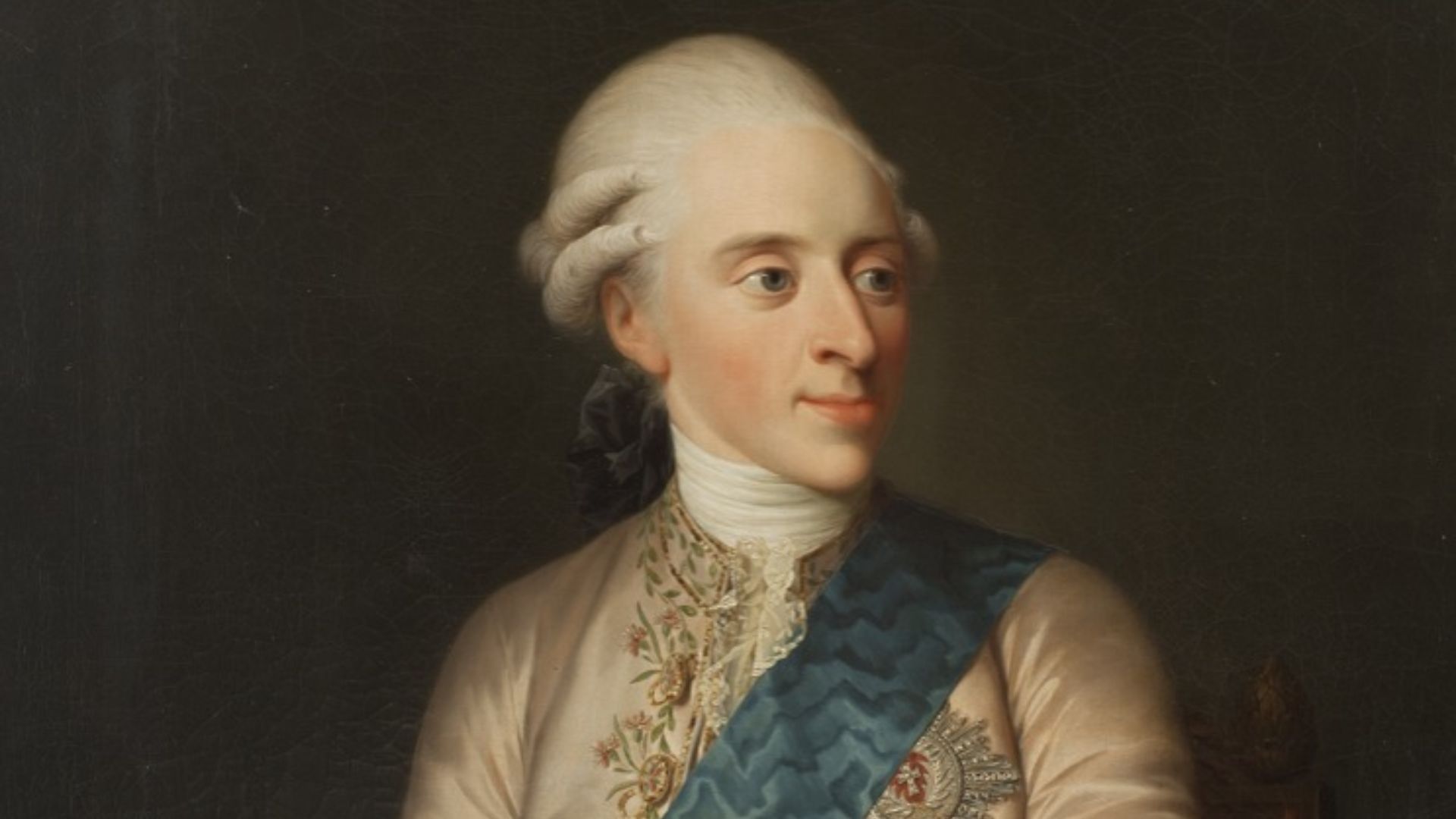
27. Her Husband Perished
By 1766, King Frederick’s debaucherous lifestyle had caught up with him. The king was rarely sober, and with a weak constitution to begin with, he took ill very often. As mentioned, Juliana Maria dutifully nursed him during these illnesses, including what would end up being his last one.
After a battle with dropsy, King Frederick V perished on January 14, 1766, and his successor, Juliana’s stepson, King Christian VII, took the throne. Life would never be the same for the now-queen dowager after that.
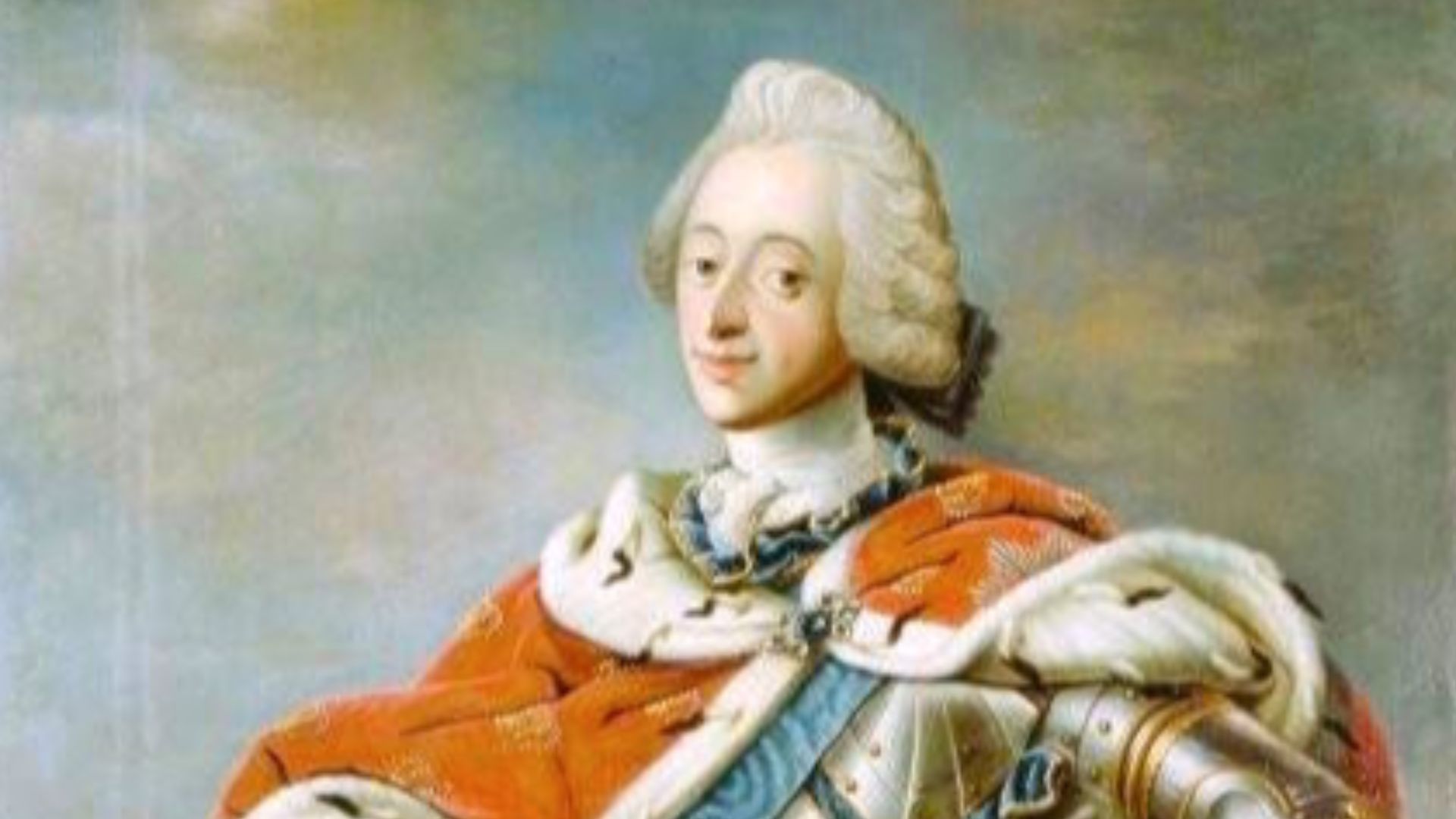 Carl Gustaf Pilo, Wikimedia Commons
History's most fascinating stories and darkest secrets, delivered to your inbox daily.
28. She Got Shunned
After the passing of her husband, Juliana’s stepchildren cut her out of their lives almost entirely. The new king would reject any attempt Juliana made to contact him, as did his wife. They would never visit the queen dowager at her nearby home, and Juliana only received an invitation to the royal table when absolutely necessary, and even then, still, completely ignored.
Her neglected position at court made her a prime target for a brewing storm.
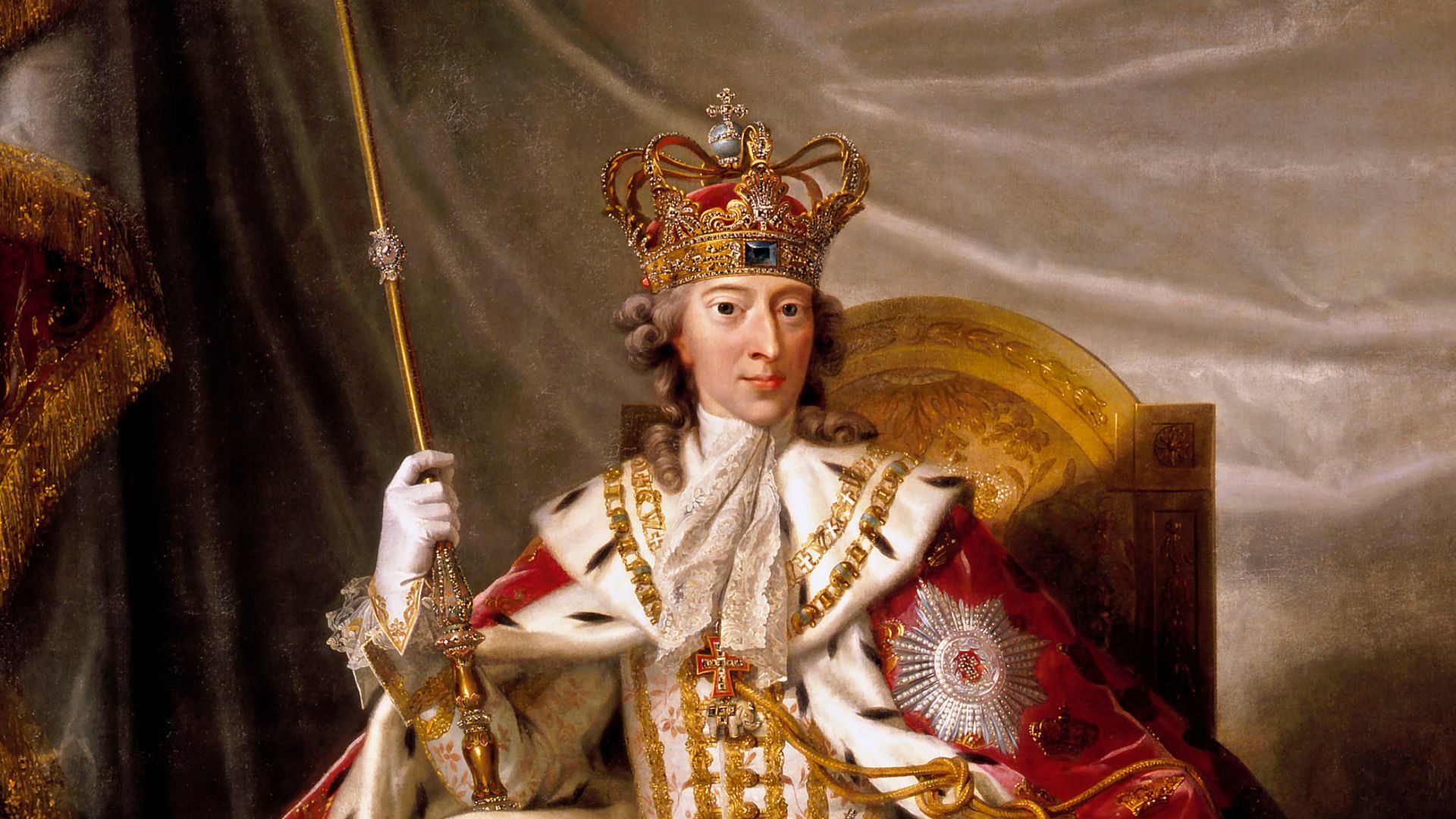
29. She Got Courted By Enemies
King Christian had always had shaky mental health, and his condition deteriorated as his reign progressed. For this reason, a growing opposition movement was bubbling up at court, and because of her neglected position, Juliana Maria became the ideal center for this movement. They quickly swept her up in the drama that followed.
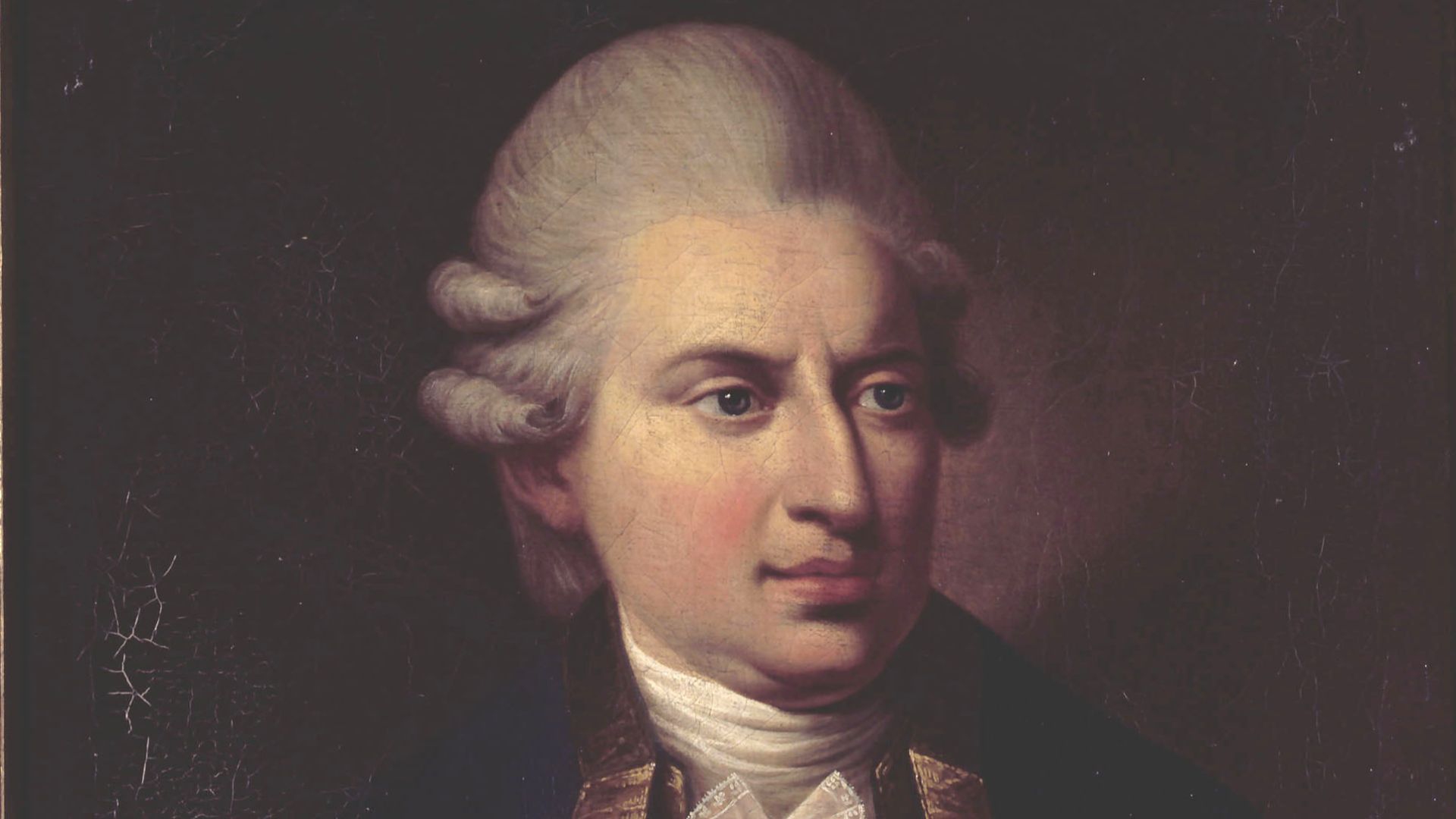
30. Her Stepson Lost It
1768 saw the banishment of the king’s mistress, whom the opposition viewed as having undue influence over Christian, and Juliana played a part in her ejection. By 1770, Christian’s mental health had deteriorated to the point of insanity, and power slipped into the control of his wife, Caroline Matilda of Great Britain, and her lover.
The couple had a very liberal political stance and implemented democratic reforms of an anti-nobility flavor. Juliana’s faction could not stand for such an affront.
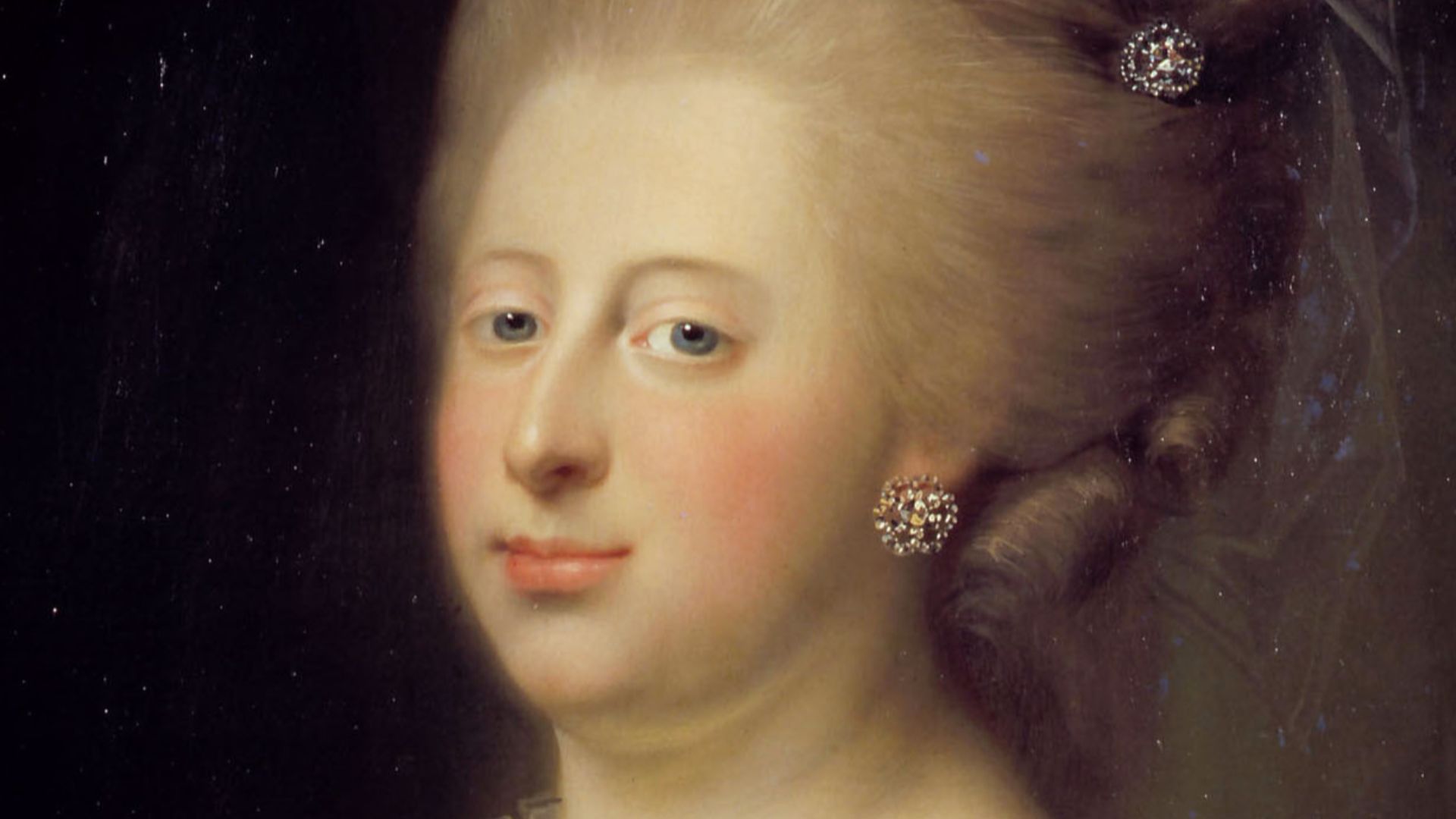
31. Her People Made Moves
In January 1772, a palace coup took place, led by the opposition under the leadership of Juliana’s confidante, Ove Høegh-Guldberg. Queen Caroline Matilda, her lover, and their trusted courtier were stripped of their ruling power and placed under arrest. Juliana was not heavily involved…at first.
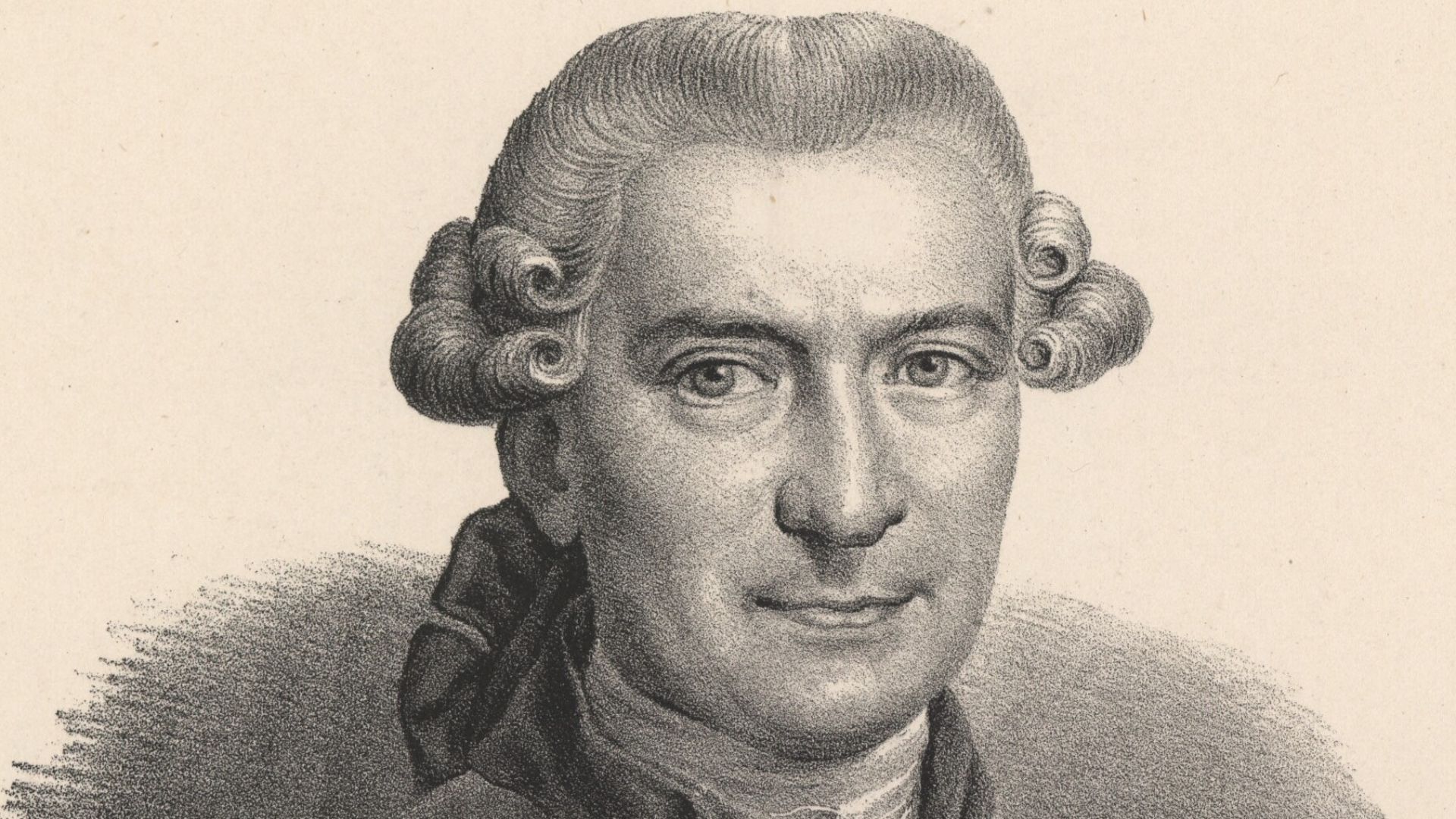 Emil Bærentzen (1799-1868), Wikimedia Commons
32. She Stepped Up
While Juliana Maria allegedly played no role in instigating the palace coup, Guldberg soon approached her and requested her participation, feeling her involvement would lend an air of royal legitimacy to the actions taken. Guldberg convinced the Queen Dowager to join him by insisting that what they were doing was in the interests of safeguarding Denmark-Norway. Juliana got to work.
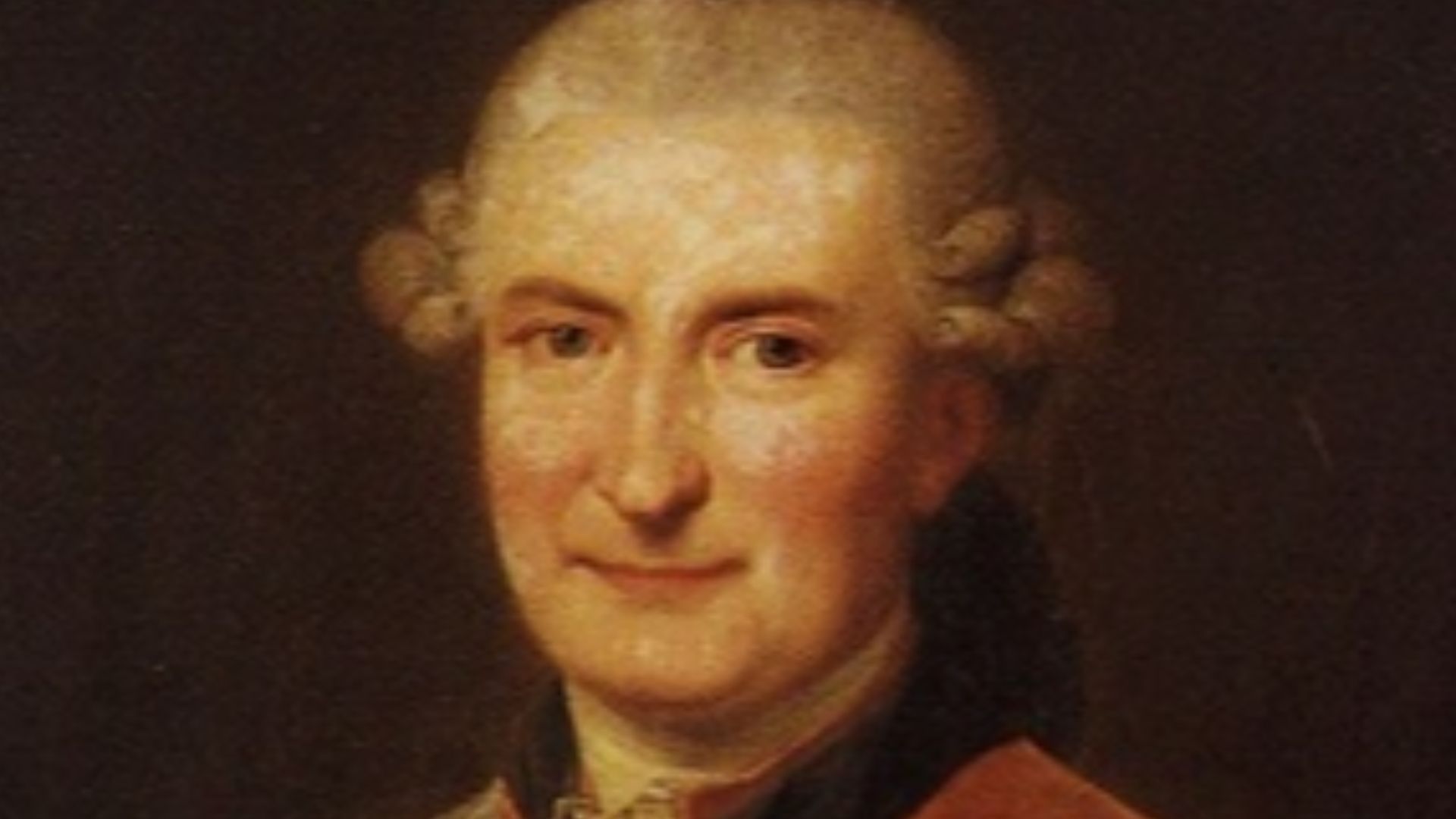
33. She Talked It Over The Line
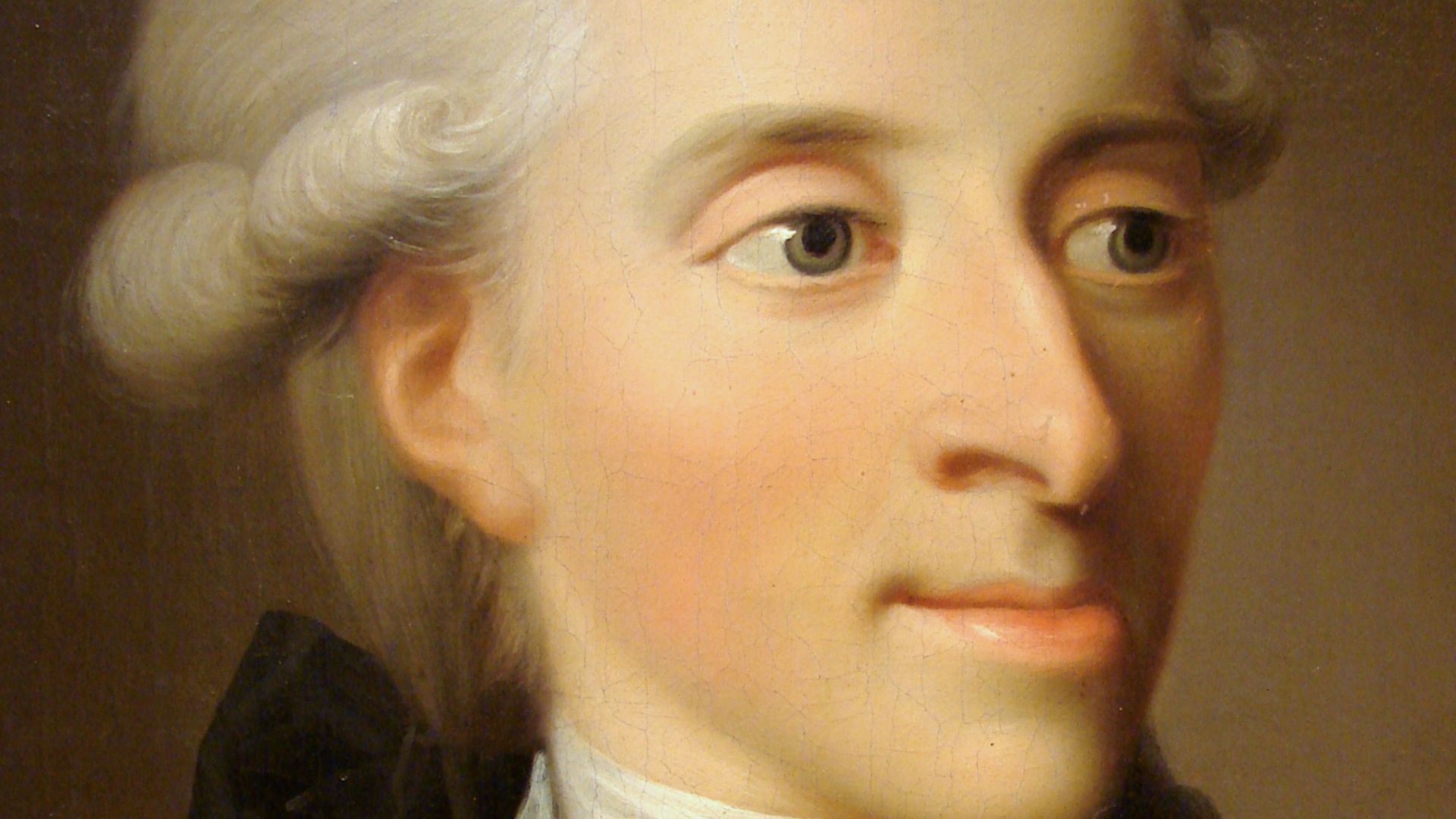
While not an instigator of the coup, Juliana effectively brought it about all the same: On January 17, 1772, she persuaded her mentally ill stepson, King Christian, to sign the arrest order for his wife and her cohort of conspirators. They had already made the arrests, of course, but Juliana’s efforts condoned the acts.
This dramatic turn on the royal stage ignited the press.
History's most fascinating stories and darkest secrets, delivered to your inbox daily.
34. She Got Mixed Reactions
Following the successful coup, the conservative press hailed Juliana Maria as the leader of the coup that saved the monarchy. She was favorably compared to canonical female saints, and the new powers forced the king to sign a letter thanking her for “saving” him. However, there was also a chilling side to all of this publicity.
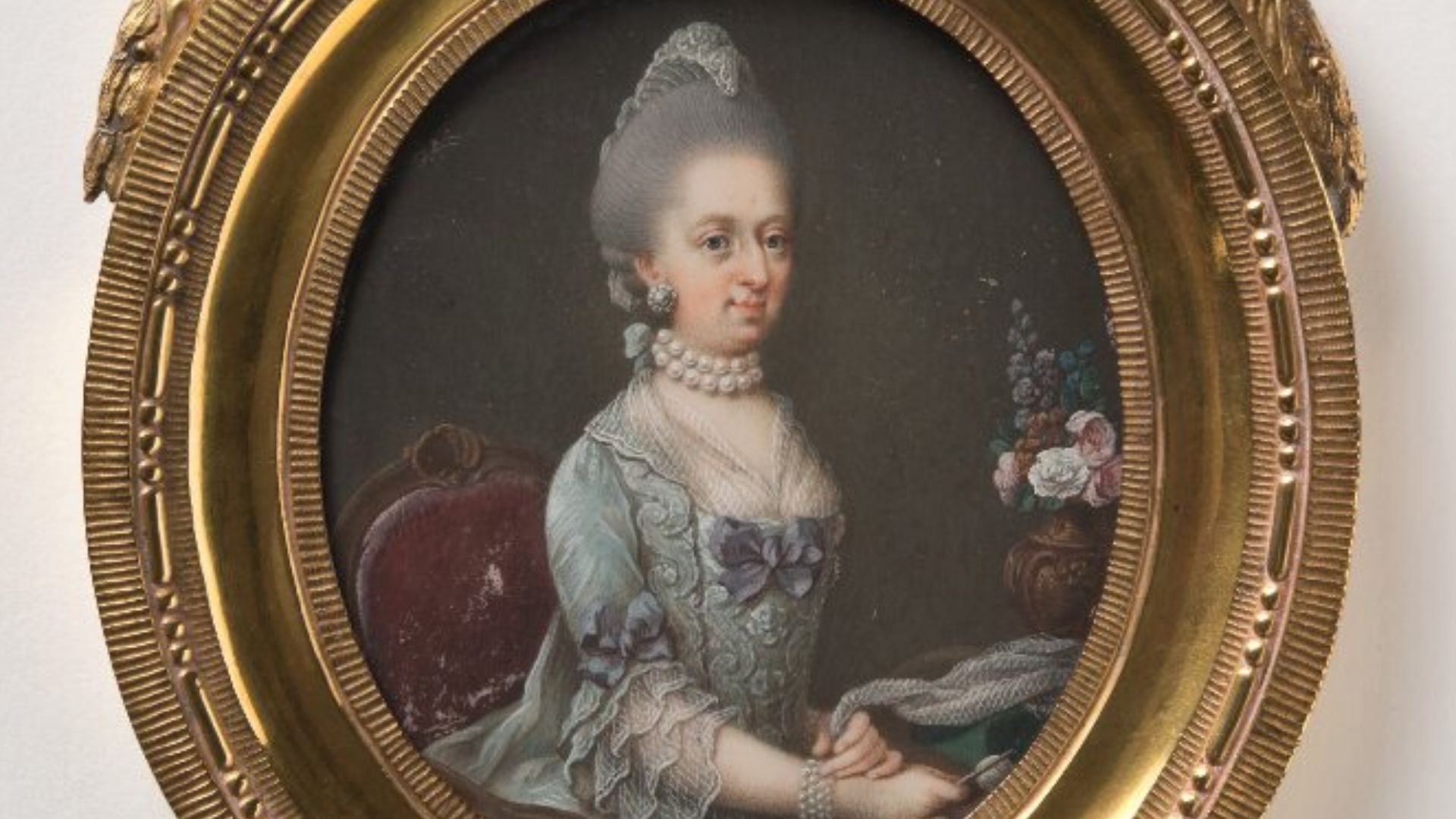 Wilhelm Andreas Müller, Wikimedia Commons
35. They Called Her A Devil
On the other hand, the opposition produced anti-Juliana propaganda in Germany, calling her the devil. They pointed fingers of blame at her, casting her as the source of all of Denmark’s woes. But no amount of ire could change the startling truth: Juliana's grand ambitions for her son were finally being realized.
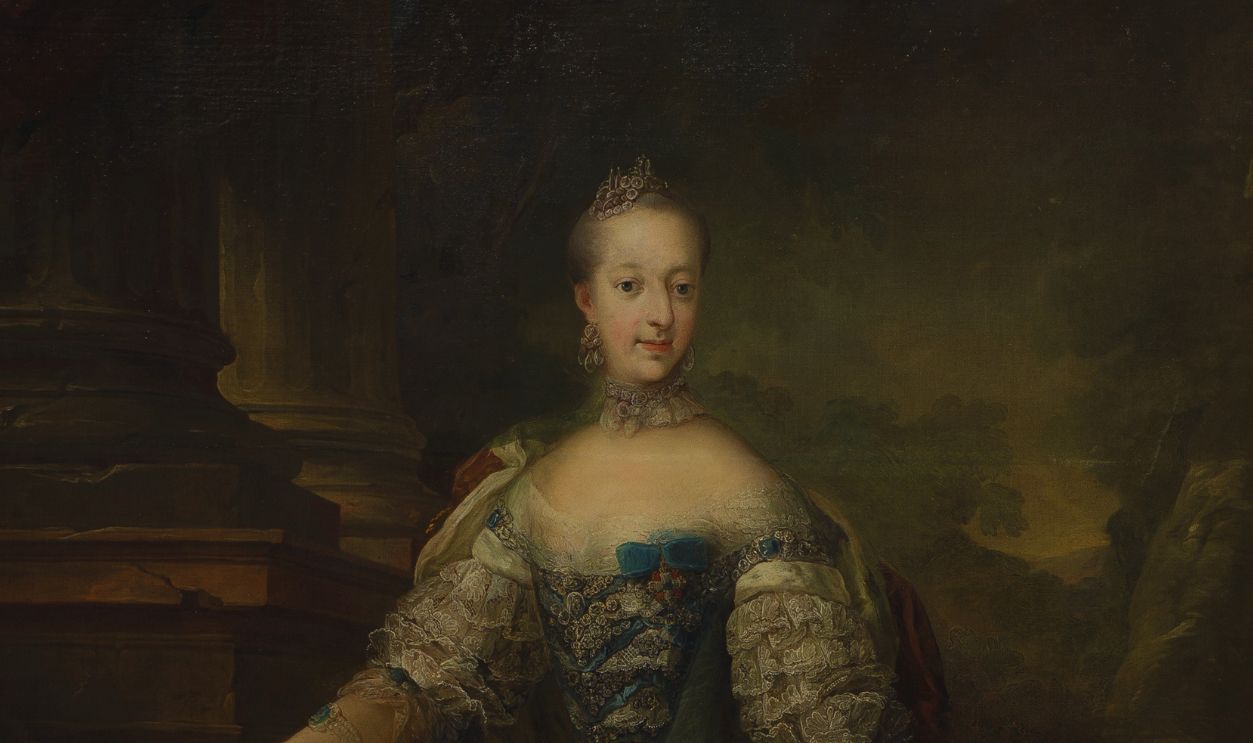 Carl Gustaf Pilo, Wikimedia Commons
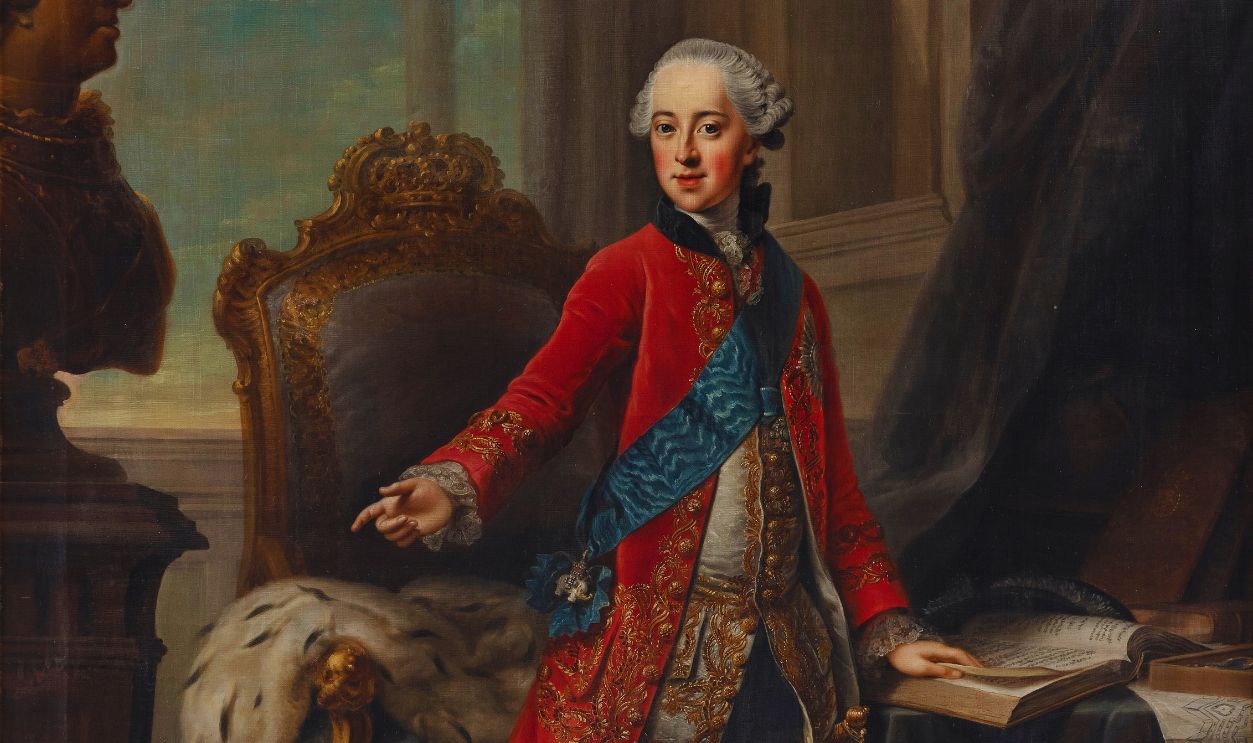
36. Her Son Got Promoted
Shortly after the coup, the new powers softly retired King Christian from rule, citing his mental incapacitation. In his place rose Juliana’s son, Hereditary Prince Frederick, who became the formal regent for his absent half-brother. Of course, the Prince Regent was young and inexperienced, so his mother had to step in.
37. She Had A Huge Come-Up
As events played out, then, Queen Dowager Juliana Maria found herself the de facto ruler and regent of Denmark-Norway for the next 12 years and received recognition as such by many notable foreign and domestic figures. It was a meteoric rise for such a timid and unassuming girl. Despite her meek reputation, she certainly took to her new role.
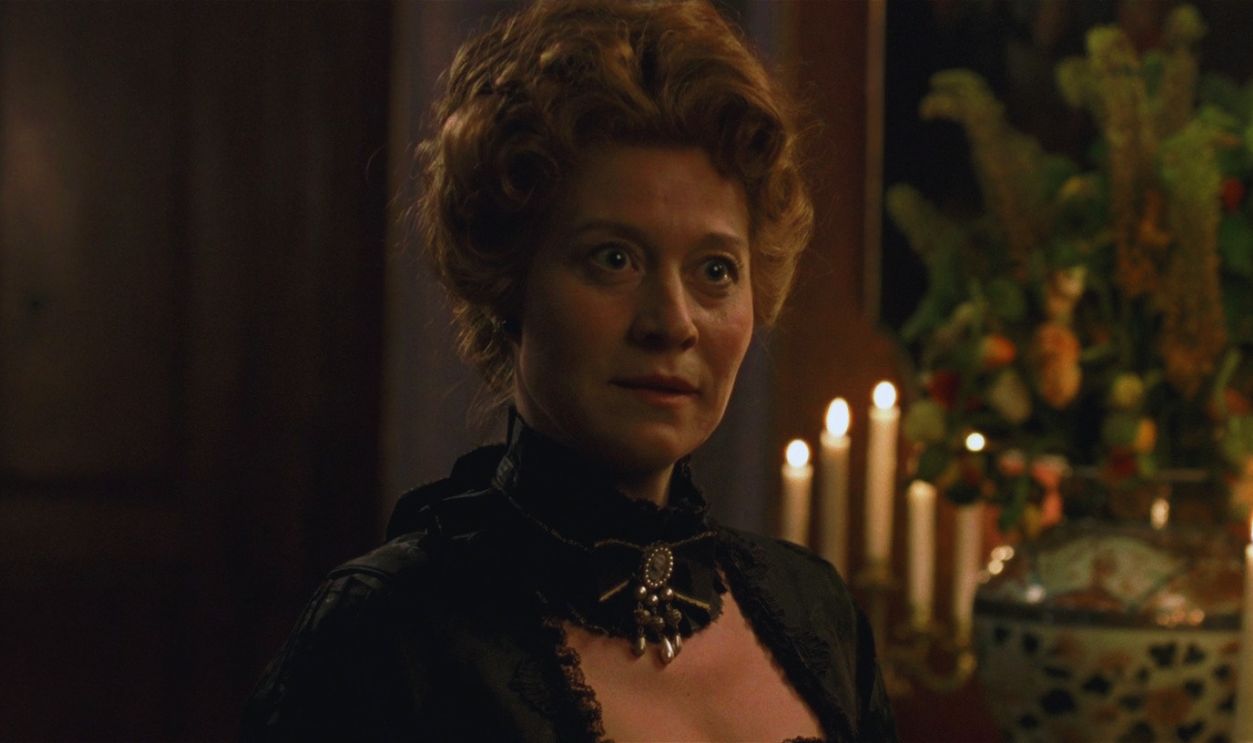 : Screenshot from A Royal Affair, Nordisk Film (2012)
38. She Swung The Country Rightward
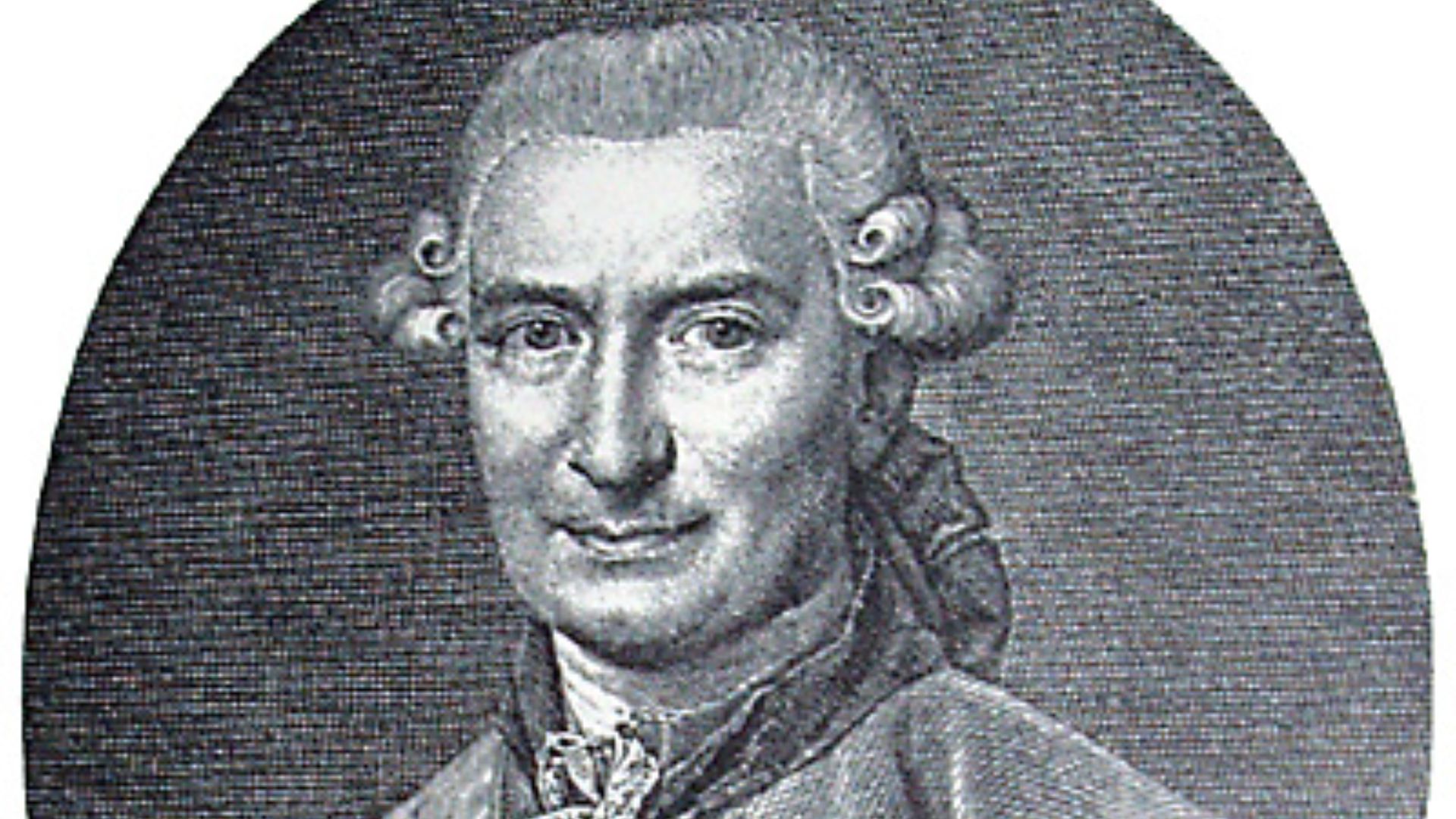
For 12 years, Juliana ruled in her son's (and stepson's) stead, in tandem with her right-hand man, Ove Høegh-Guldberg. Together, the two enacted a government policy described as reactionary conservatism, striking back at the liberal reforms made by their pretender predecessors. They began by shoring up their own lines.
39. She Was Pro-Royal
Juliana and Guldberg took measures to restore all the privileges of nobility that were stripped away in the previous period, making her something of a heroine and savior of the aristocracy. She also founded a porcelain factory in Copenhagen. But most of all, Juliana also made sure to put Danes first.
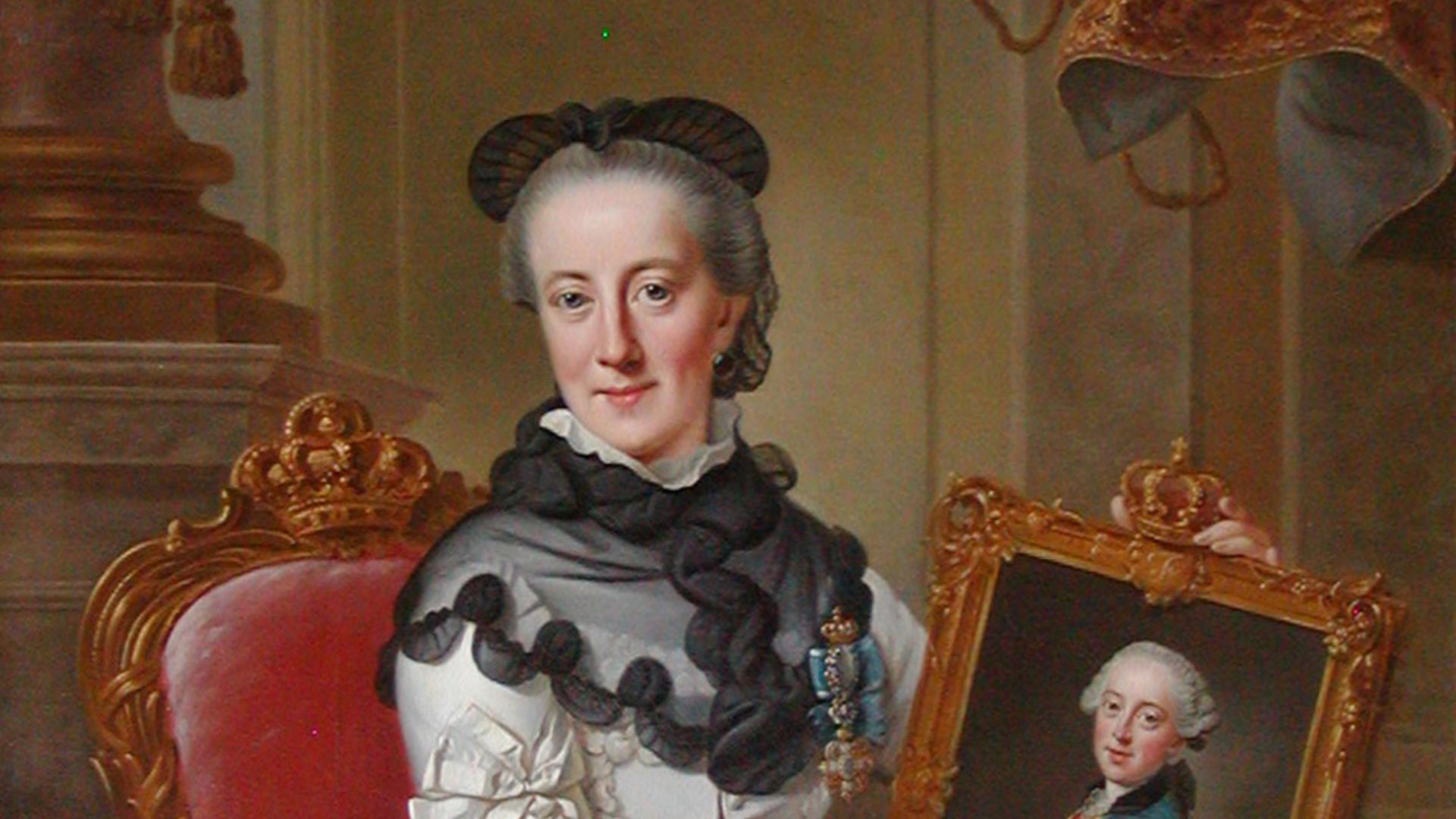 Johann Georg Ziesenis, Wikimedia Commons
History's most fascinating stories and darkest secrets, delivered to your inbox daily.
40. She Limited Foreign Influence
Perhaps the crowning policy of her regency was the 1776 Law of Indigenous Rights, which Juliana Maria established to prohibit foreigners from holding public office. It made sense, considering the previous actions of her stepson’s British wife. Things only continued swimmingly for the Dowager.
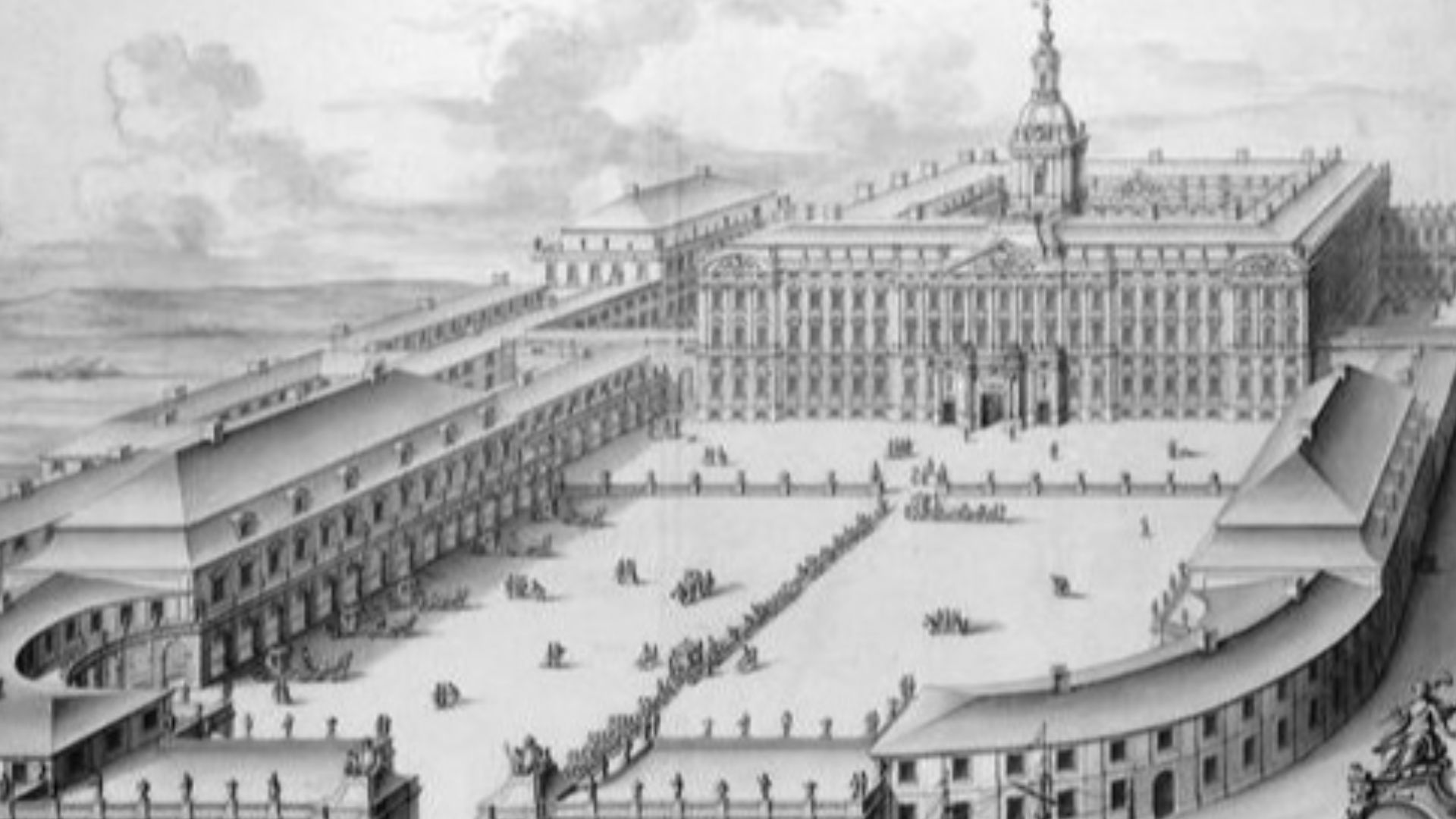 Unknown authorUnknown author, Wikimedia Commons
41. She Was Happy
Juliana’s court ran like a well-oiled machine, and she expressed great satisfaction in her diaries about this fact. She gushed about her pleasant days, affectionate sons, supportive stepchildren, and an incapacitated king who was grateful for her intervention. Capping the entry off with praise for the government, she cheerfully wrote, “everything is done as a good and well tended clockwork, and without alarm or fuss at that”. And she offered sanctuary to those who asked.
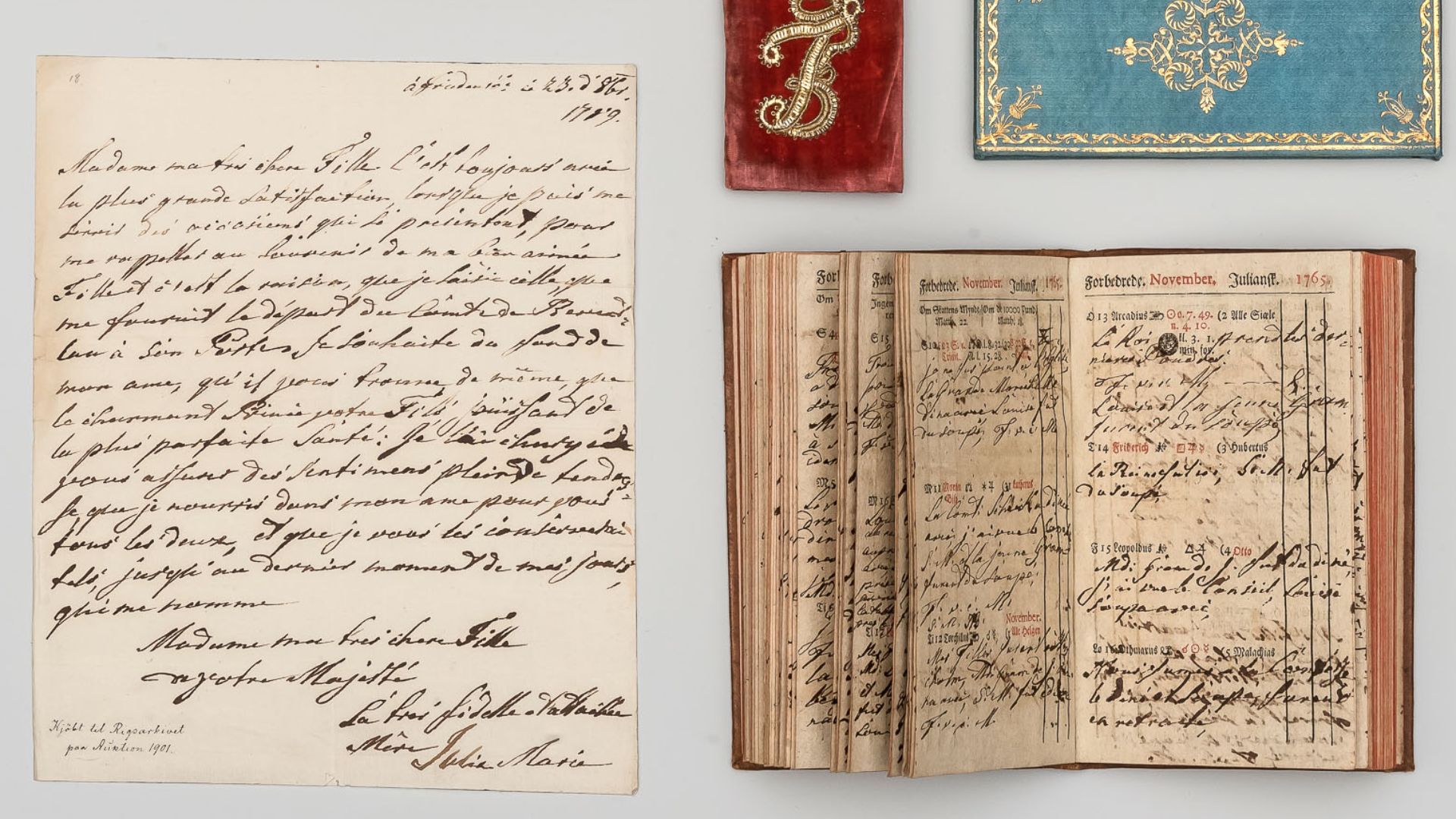 Rigsarkivet - Danish National Archives, Wikimedia Commons
42. She Gave Refuge
On several occasions, Juliana took in her various relatives around Europe who found themselves with nowhere to go after various monarchical overthrows. On June 30, 1780, for example, she offered refuge to her nieces and nephews from Russia after authorities released them from captivity following the deposition of Czar Ivan VI. But while her extended family was grateful, those closer to home were less so.
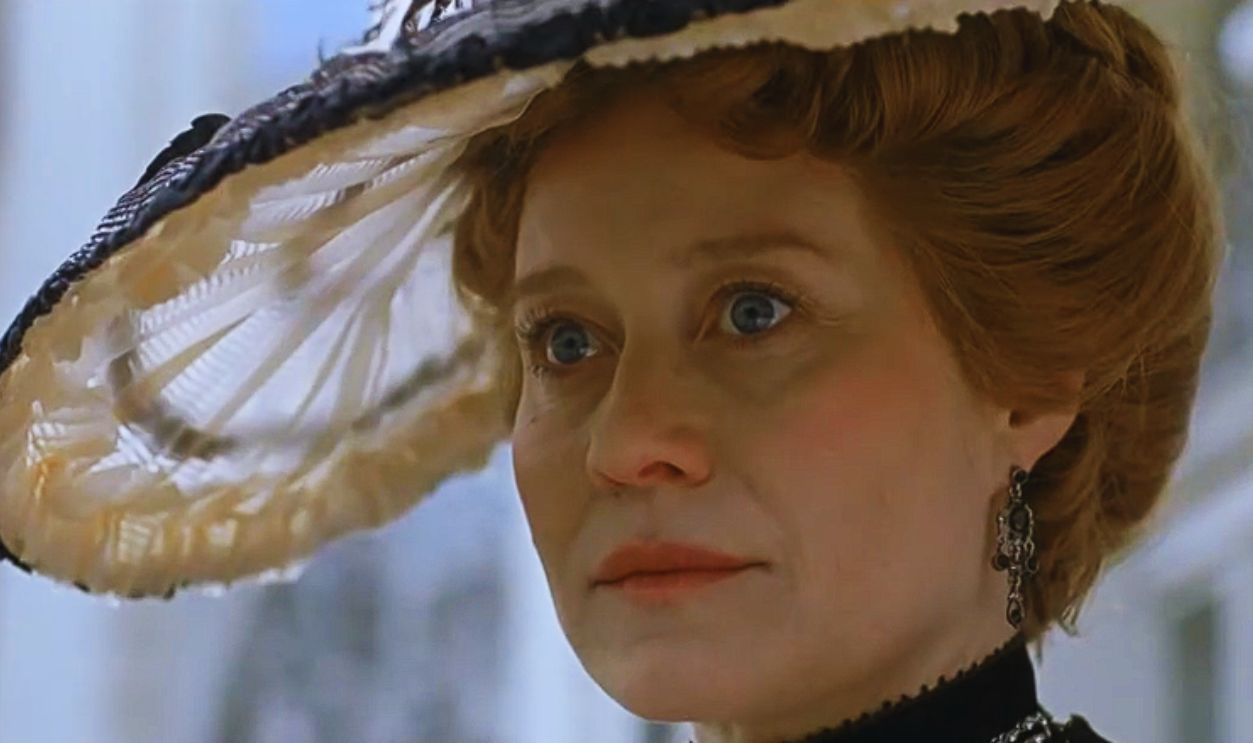 Screenshot from A Royal Affair, Nordisk Film (2012)
43. She Interfered
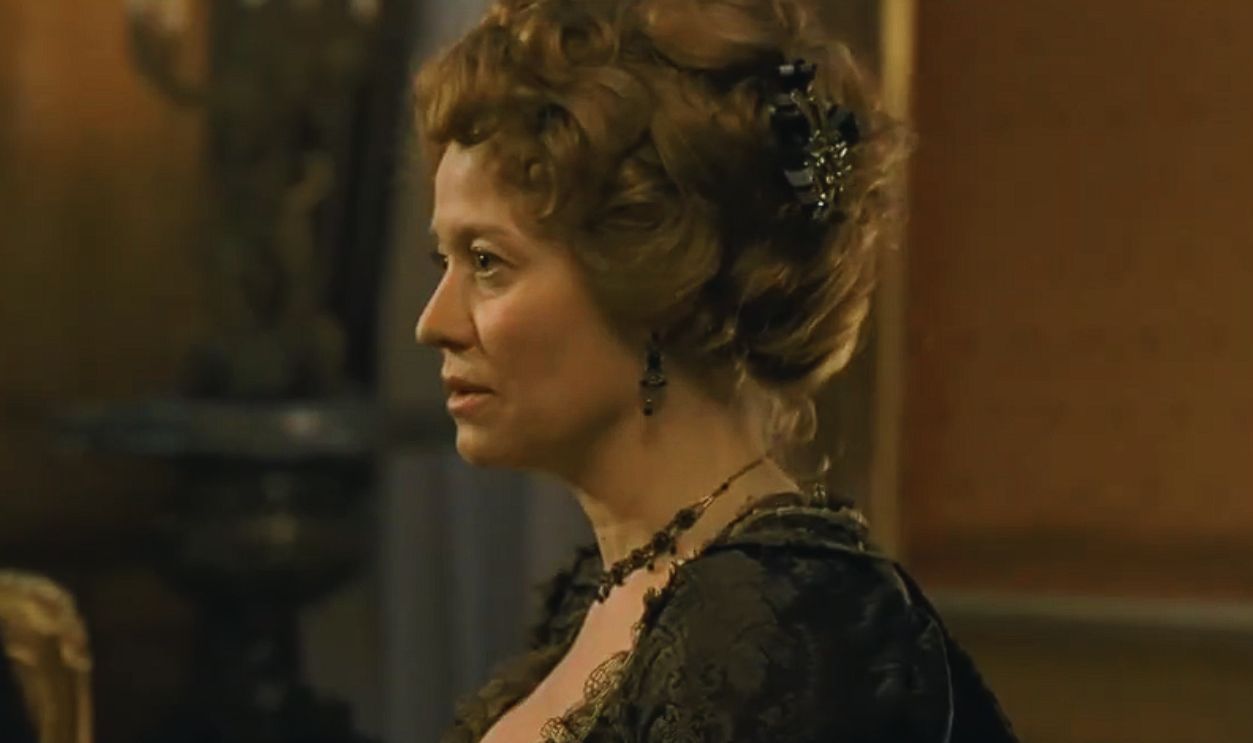
Because of the king’s insanity, the court gave Juliana Maria the responsibility of raising her step-grandson, the Crown Prince, Frederick VI, as well as his younger sister. The prince grew deeply resentful of the queen, however, as she desperately tried to mold him in favor of her regency. But then she went even further, attempting and failing to drive a wedge between the young heir and his best friend—his sister.
Realizing her efforts were futile, Juliana instead attempted to block the young prince.
 Screenshot from A Royal Affair, Nordisk Film (2012)
44. She Blocked Her Grandson
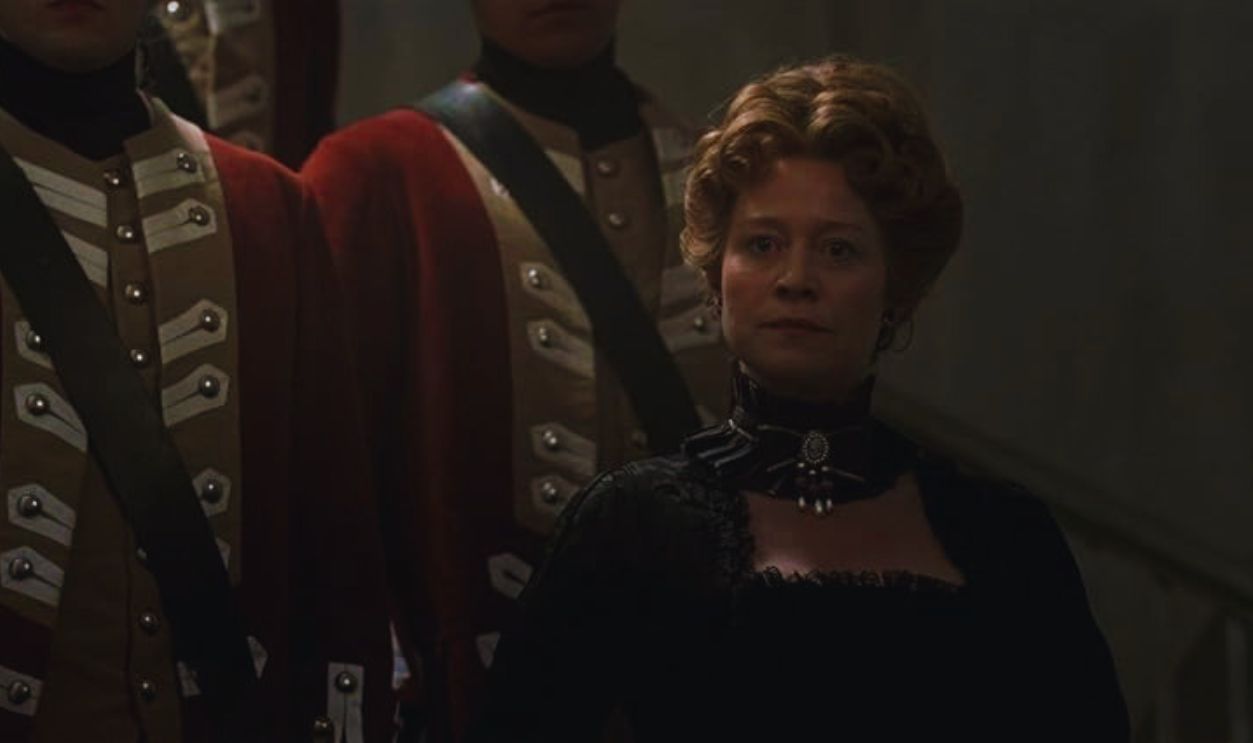
According to royal policies, the crown prince was to join the regency council after coming of age and completing his religious confirmation. But Juliana decided to shake things up a bit and interfere. She craftily postponed the prince's confirmation for as long as possible.
However, his eventual admittance was inevitable—and that's why the dowager had another trick up her sleeve.
 Screenshot from A Royal Affair, Nordisk Film (2012)
45. She Stacked The Court
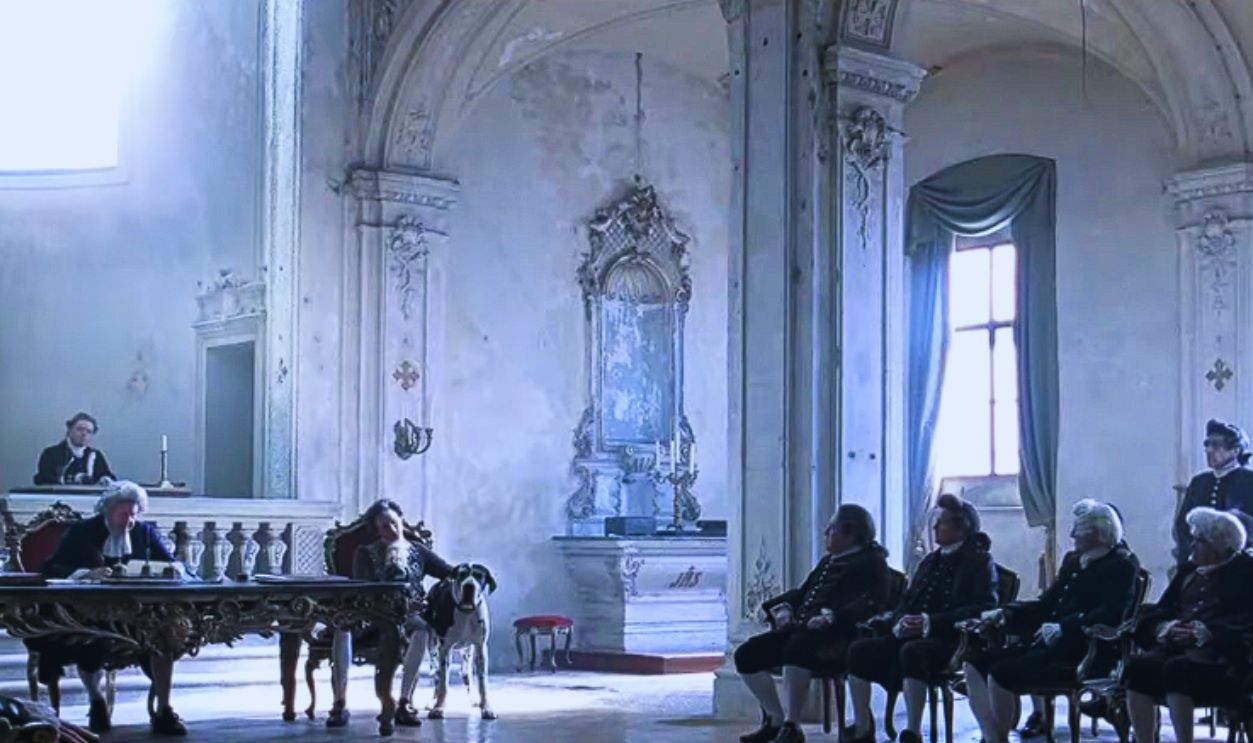
In preparation for the crown prince’s admittance to the council, Juliana wanted to ensure the defiant young boy would find himself blocked at every turn. She proceeded to fill the council with her loyal followers as a precaution ahead of any potential move against her by young Frederick. Juliana braced for the storm, and it arrived as predicted.
 Screenshot from A Royal Affair, Nordisk Film (2012)
History's most fascinating stories and darkest secrets, delivered to your inbox daily.
46. She Had The Tables Turned
In the spring of 1784, the prince finally had his confirmation. But right out of the gates, Juliana sparked drama. She arrogantly handed him a shocking document, instructing him on how to rule, with the headline being clear: always follow her advice. He did not receive the gesture well.
The crown prince immediately started forming clandestine alliances with opposition figures, intending to oust Juliana and her son from power. Her reckoning had arrived.
 Hans Hansen, Wikimedia Commons
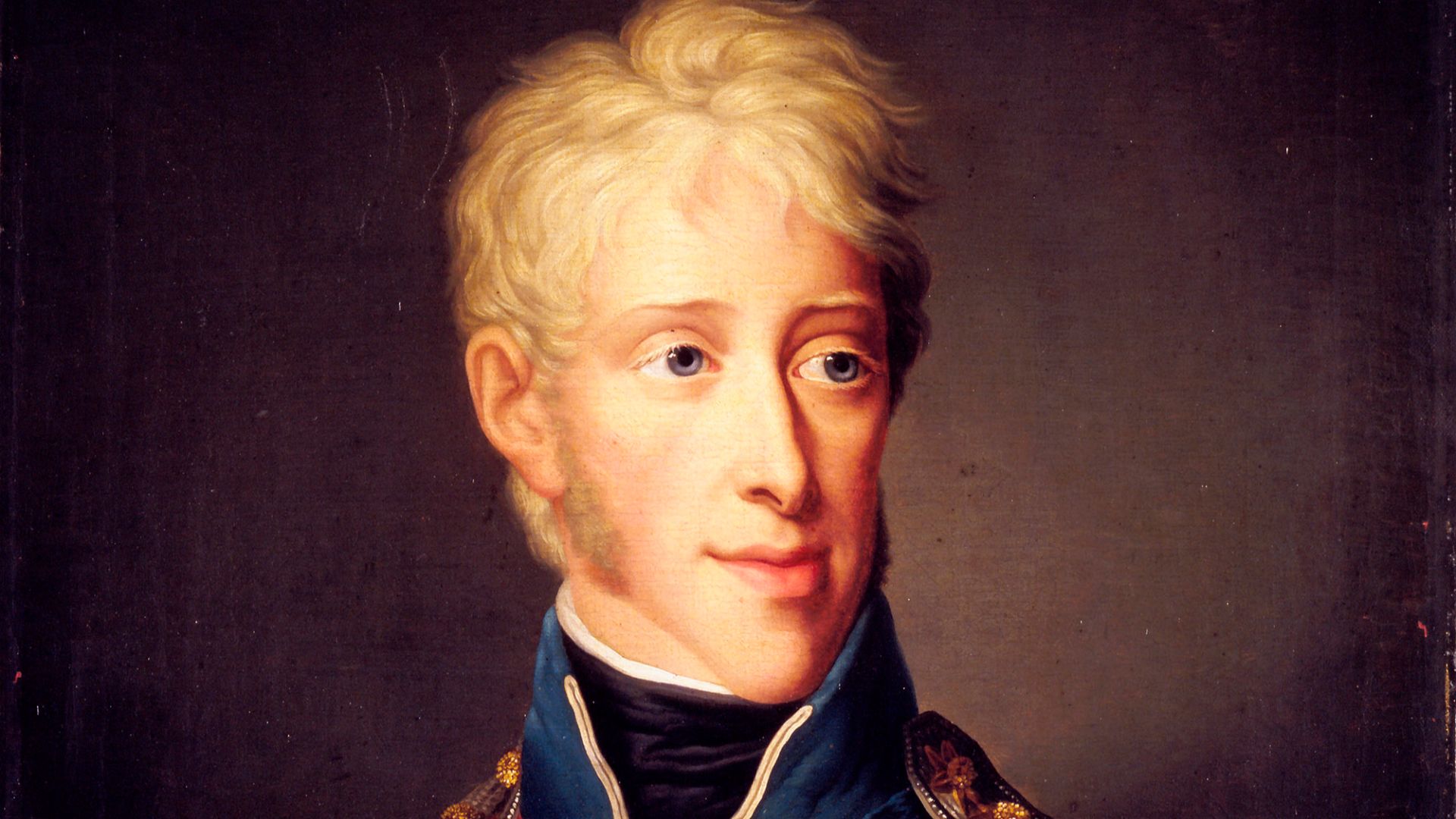
47. He Went Behind Her Back
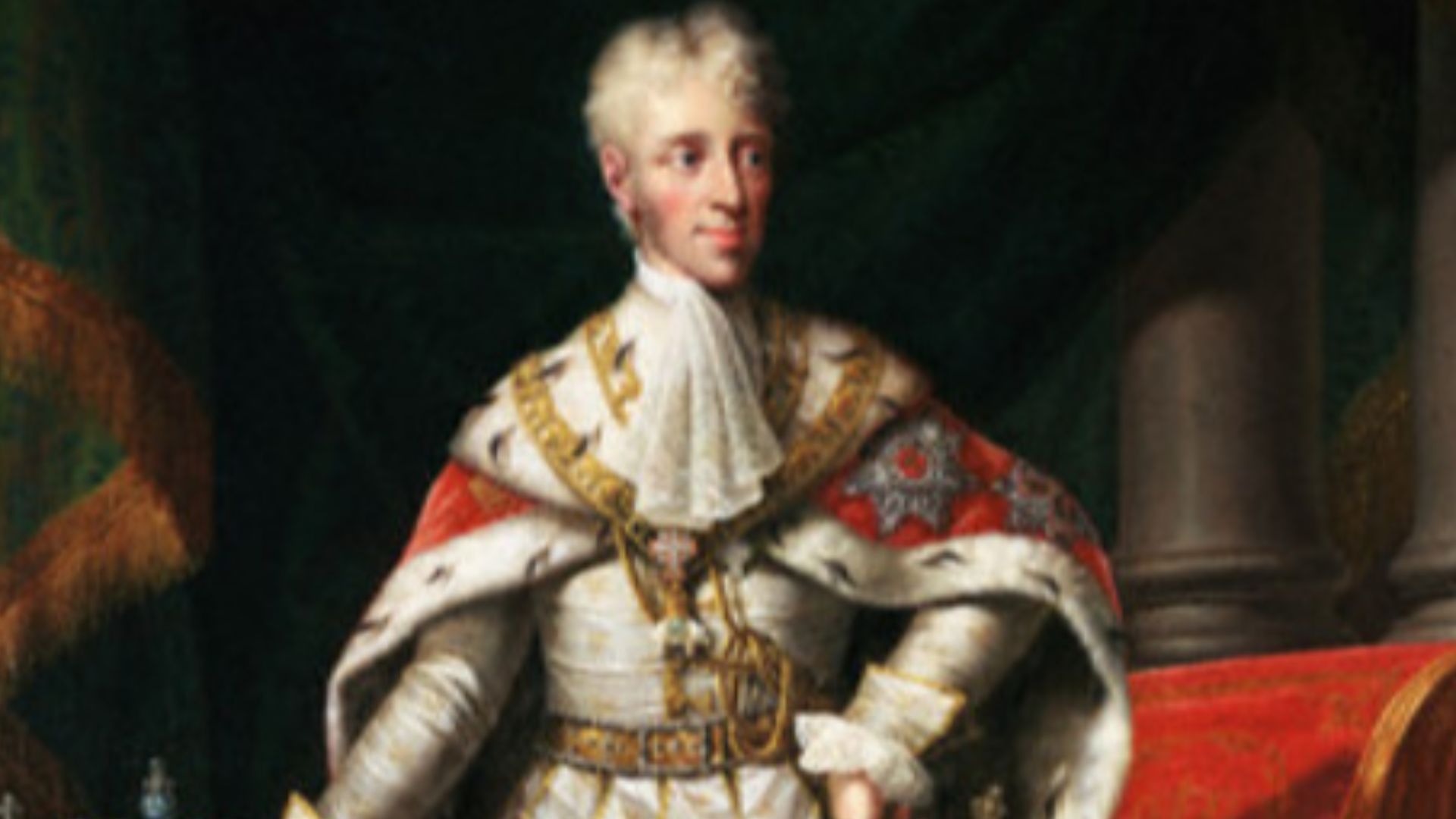
Frederick VI, working behind the scenes, convinced his insane father to sign an order dismissing Juliana’s supporters from the council and requiring the crown prince’s signature on any royal order. The jig was up for the Dowager. During Frederick VI’s first session with the council on April 14, 1784, he dealt Juliana a brutal blow.
 Friedrich Carl Gröger, Wikimedia Commons
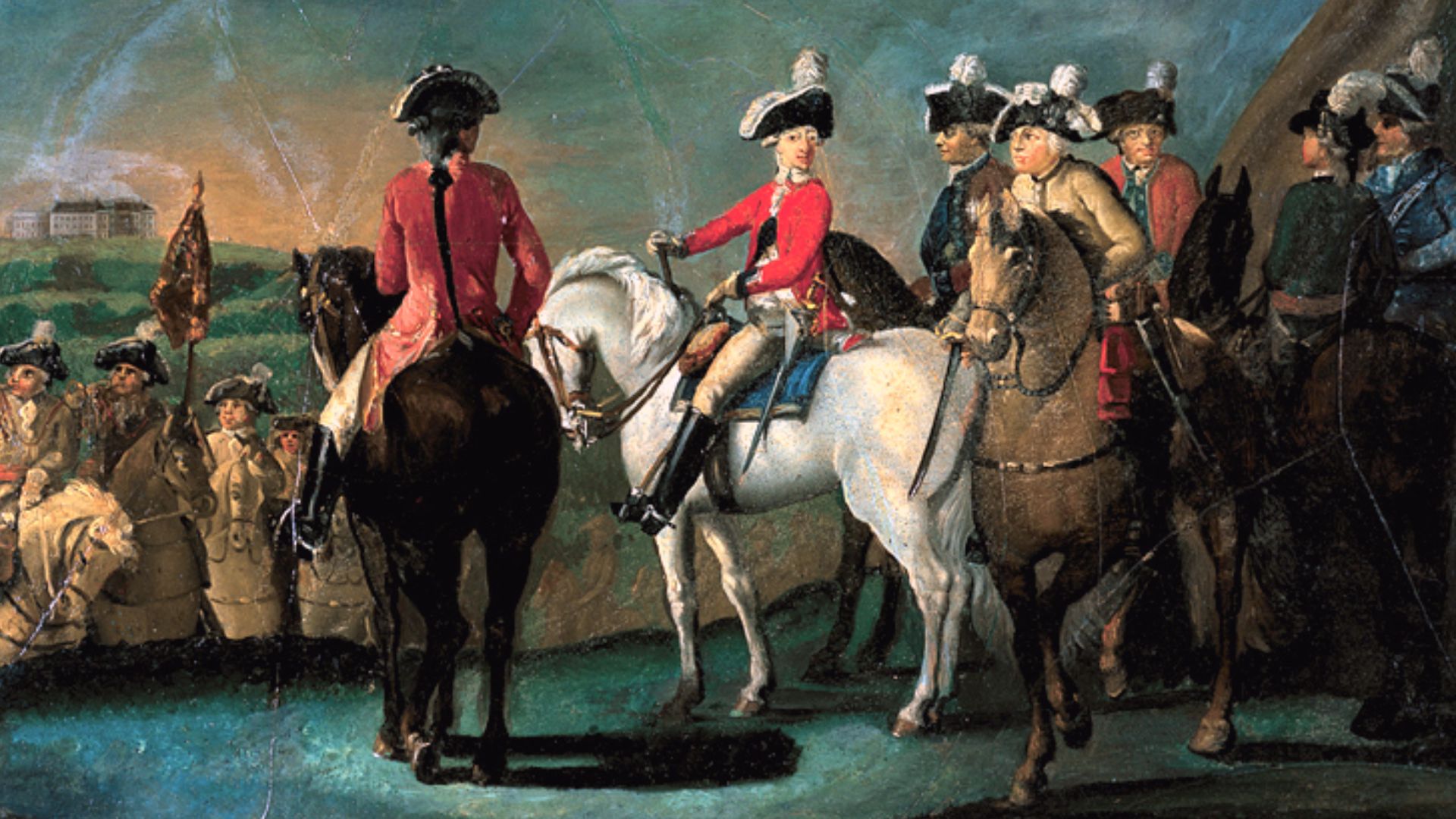
48. She Got The Boot
In one fell swoop, Frederick VI ruthlessly dismissed Juliana’s son and supporters from the council to make room for his own followers. It was an unforgettable palace coup that obliterated Juliana's regency dreams. She had certainly gotten a taste of her own medicine, though she tried her best to save face.
 Christian August Lorentzen, Wikimedia Commons
49. She Rewrote History
A courtly ball followed the dramatic council session that night, but you wouldn’t know anything had happened; reportedly, Juliana and all others involved acted as if nothing had happened. Taking it a step further, Juliana would later write that the coup was, in fact, a transference of power that was planned all along. Perhaps it was a move to spare her from punishment, because the dowager got off pretty easily.
 Screenshot from A Royal Affair, Nordisk Film (2012)
50. She Retired
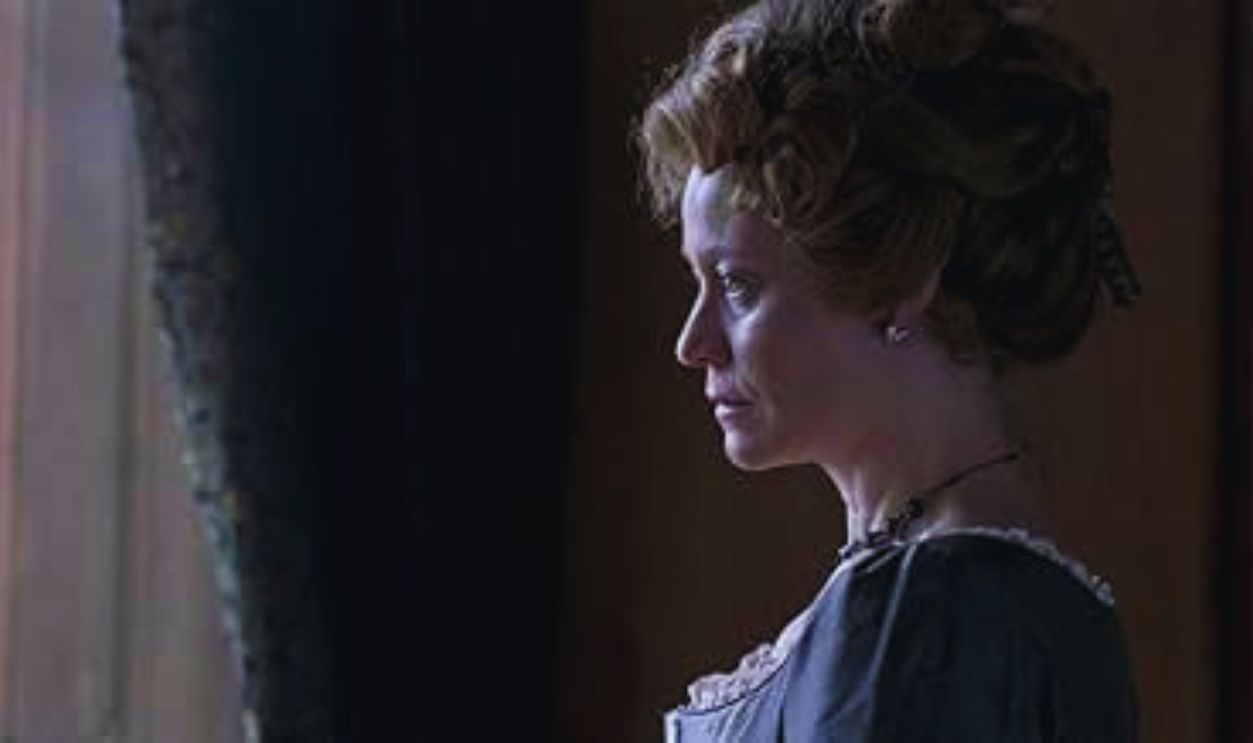
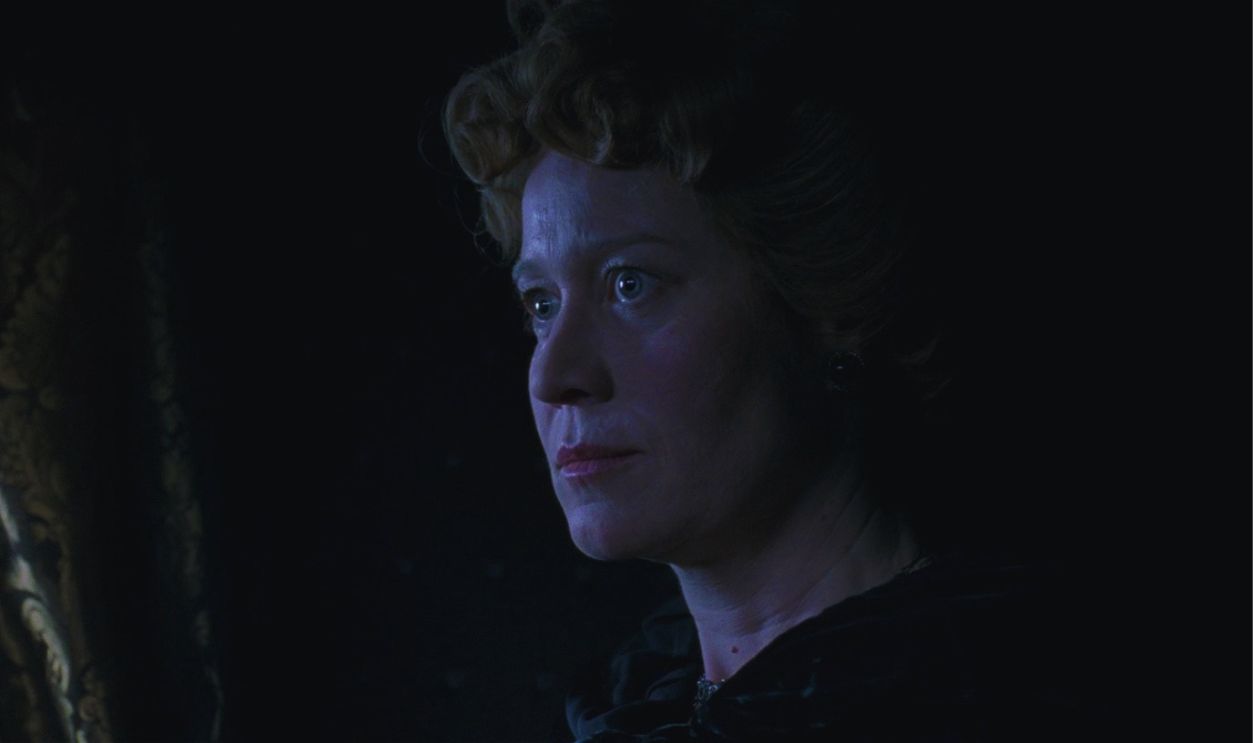
It quickly became clear that Juliana’s position in court was now completely toothless, and though she received no reprimand for her actions, she was effectively exiled to her estate to live out her days in quiet solitude, blocked from exerting any influence. It was a stunning rise and an equally dizzying fall for the unassuming queen, and she faded into irrelevance.
 Screenshot from A Royal Affair, Nordisk Film (2012)
51. She Lived Out Her Days
Juliana’s remaining days looked much like they had before 1772—peaceful and unassuming. She had clearly learned her lesson: In 1784, the King of Sweden proposed that she attempt to retake power again, but she politely turned this risky suggestion down. The dowager passed away quietly at her home on October 10, 1796, at 67 years old. She had cemented her legacy.
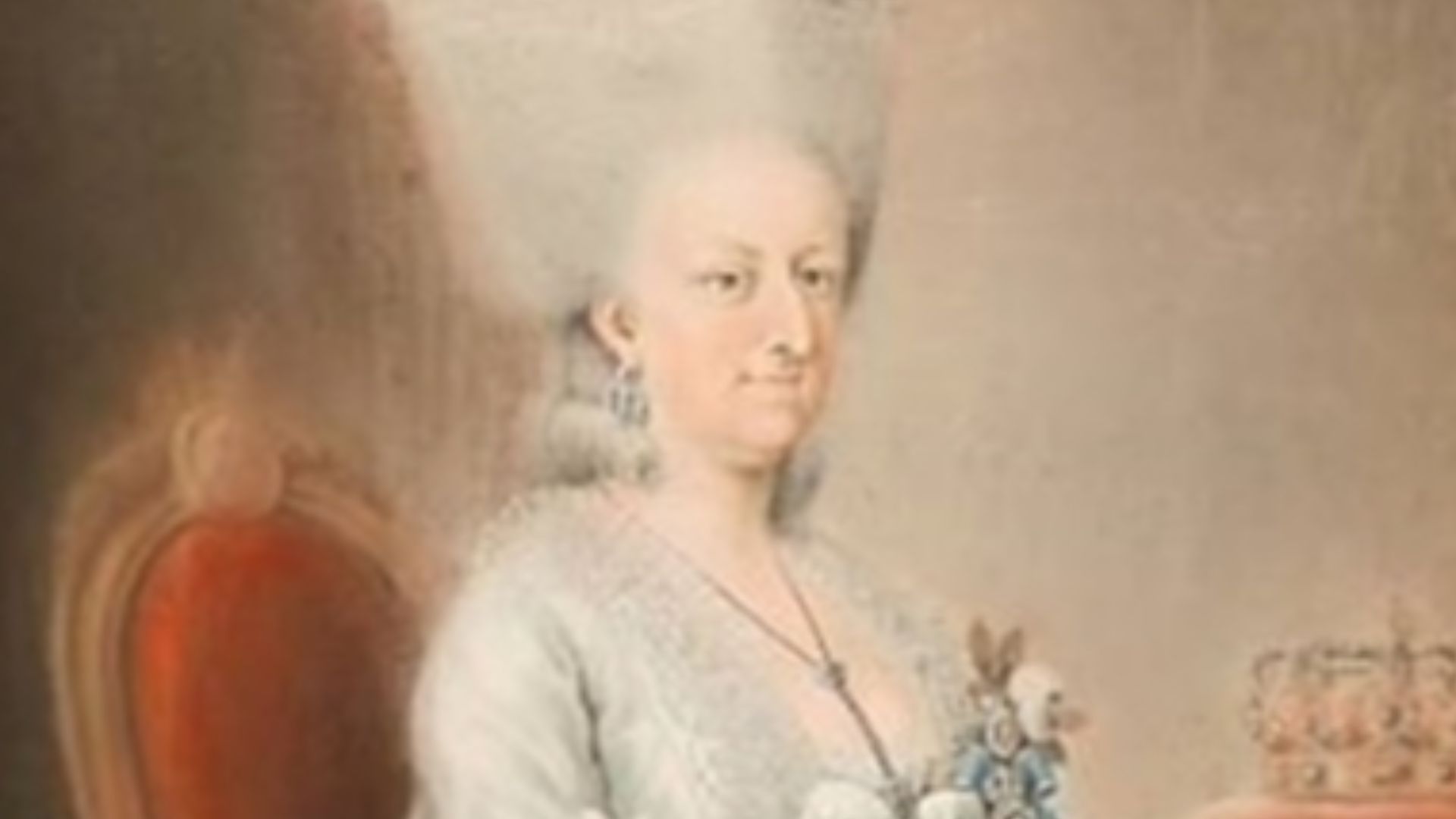 Wilhelm von Haffner, Wikimedia Commons
History's most fascinating stories and darkest secrets, delivered to your inbox daily.
52. She Made Her Mark
Interestingly, Juliana’s lineage would come around again: Her grandson would end up being crowned King Christian VIII of Denmark, and from then on, every Danish monarch bar one descended from her. The once-quiet, stuttering duchess had permanently altered the course of the Danish monarchy, and nobody could have predicted it.
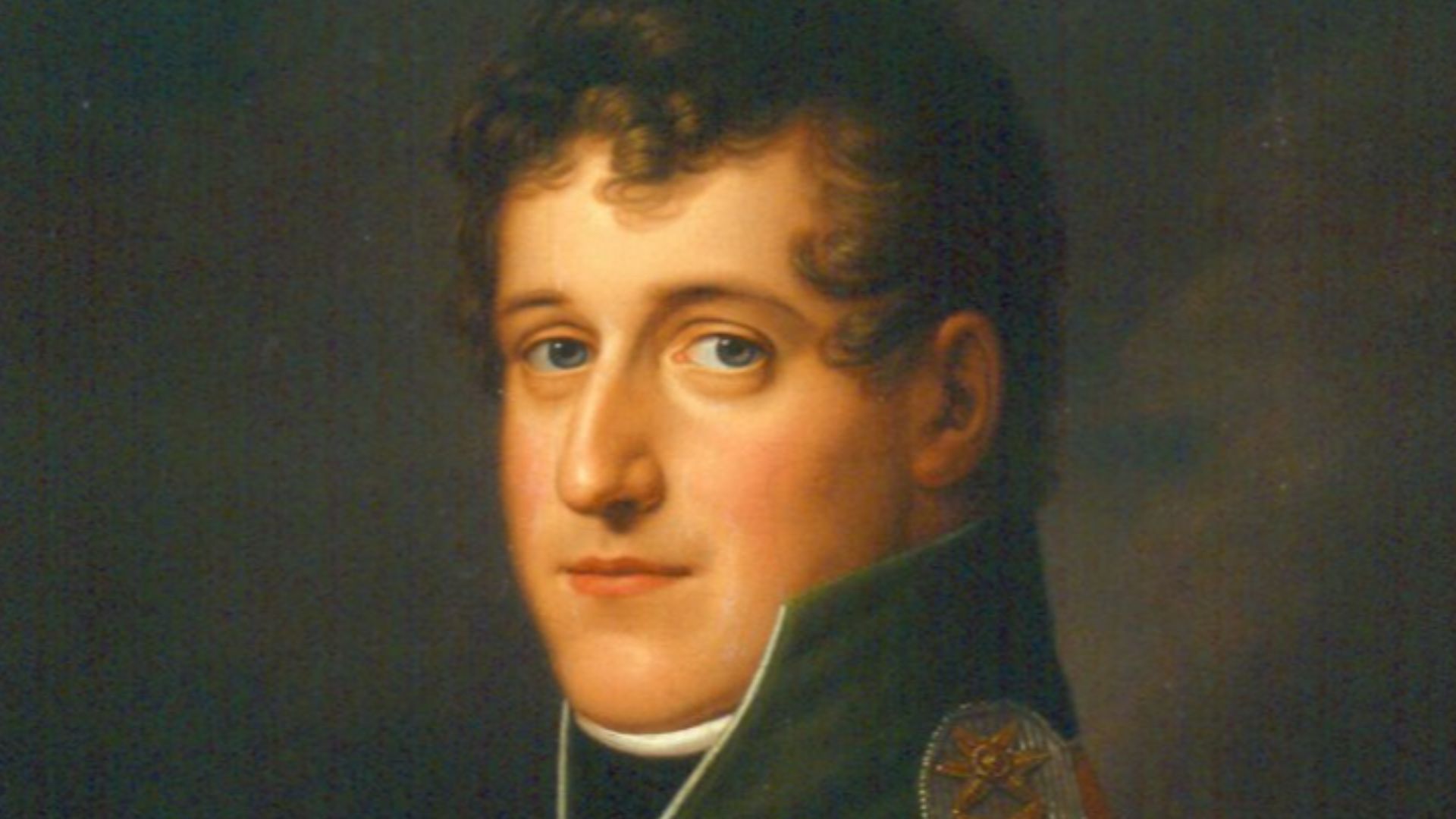 Unidentified painter, Wikimedia Commons
You May Also Like:
Queen Maria Anna Of Neuberg Was Too Smart For Her Own Good