The Fallen Confederate
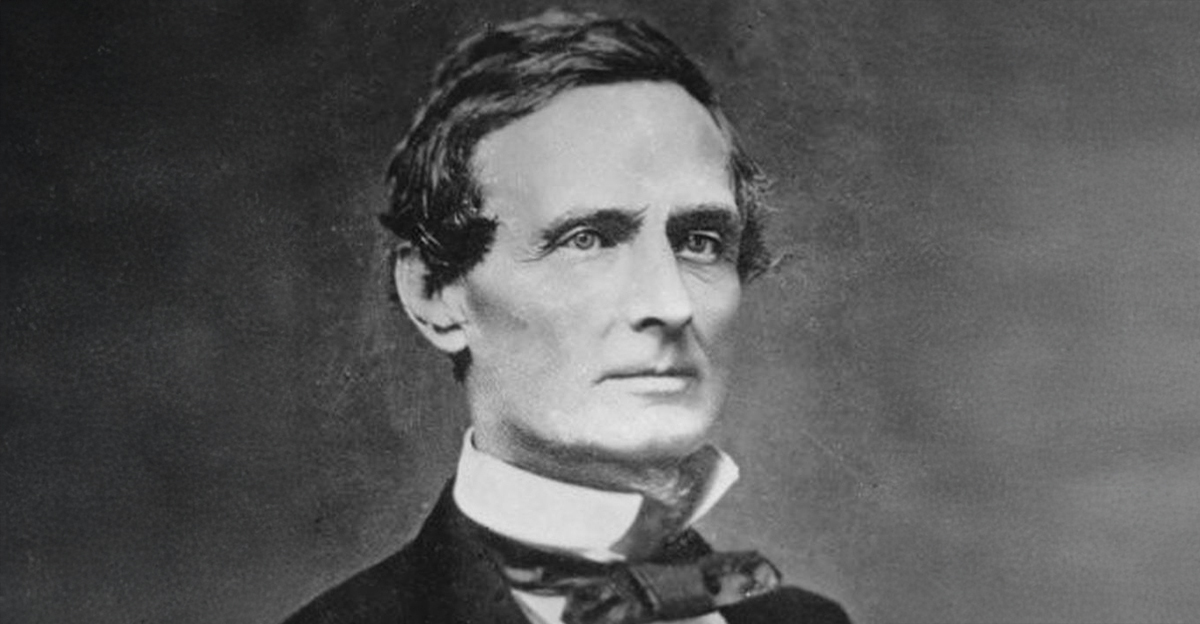
The American Civil War transformed Jefferson Davis from a prominent American politician into one of the most controversial figures in the nation's history. As president of the Confederacy, he guided the South through four years of devastating conflict before a final catastrophic military defeat. Davis then endured capture, imprisonment, accusations of treason, and a difficult search to resume his life in postwar America.
 Unknown Author, Wikimedia Commons
Frontier Beginnings
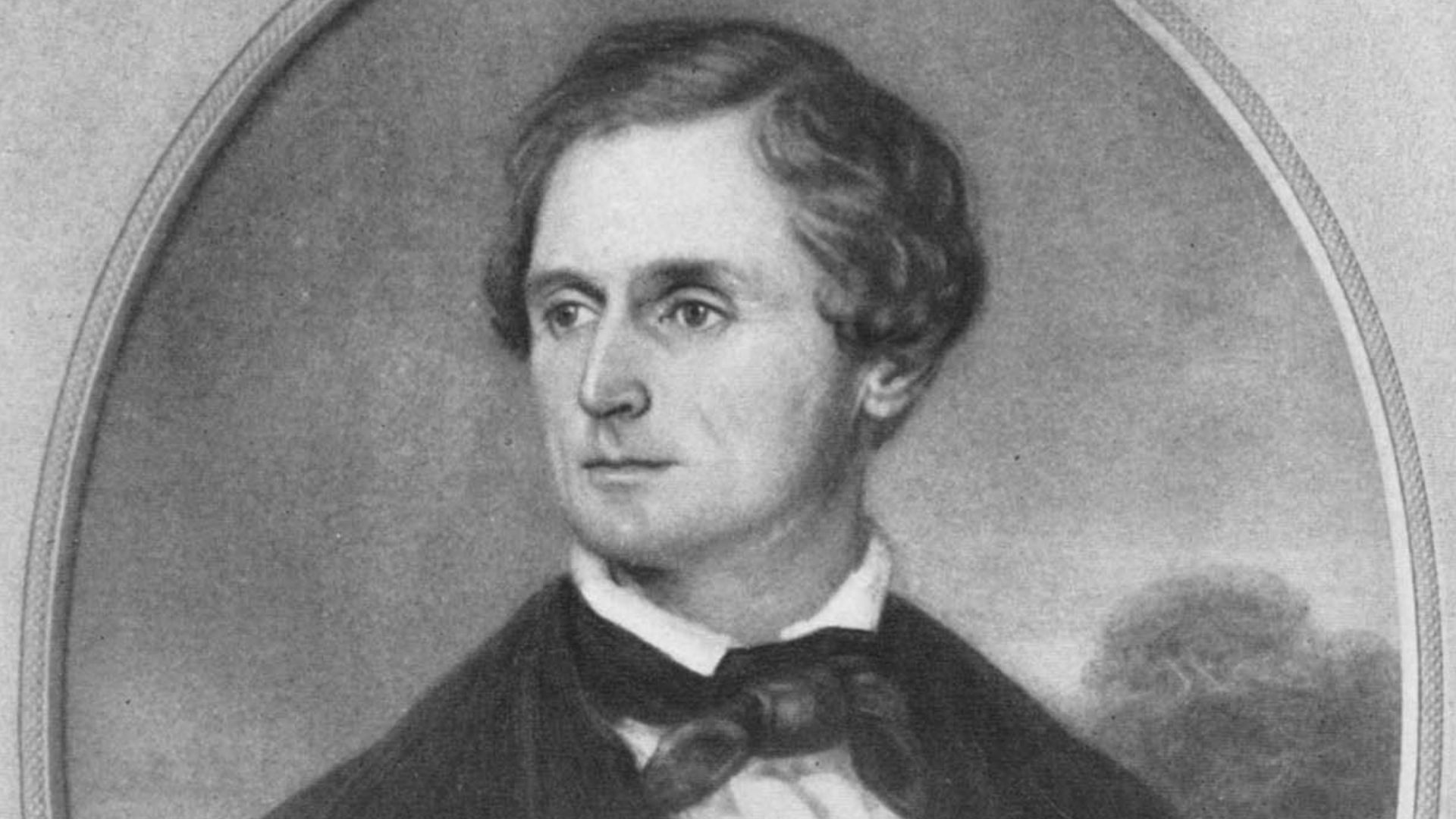
Jefferson Davis was born on June 3, 1808, in Kentucky, the youngest of ten children born to Samuel and Jane Davis. His family later relocated to Mississippi, where he spent much of his childhood. Growing up on the expanding American frontier exposed him to Southern culture and values that would later shape both his political outlook and his loyalty to the South.
 Unknown authorUnknown author, Wikimedia Commons
West Point Education
Davis attended the United States Military Academy at West Point and graduated in 1828. He wasn’t among the academy's most distinguished students, but the experience gave him some valuable military training and introduced him to future military leaders. The education and contacts he gained there would prove important during his public career.
 Unknown (18??-18??), Wikimedia Commons
His Boss’s Daughter
While serving as a young Army lieutenant in the 1830s, Davis fell in love with Sarah Knox Taylor, the daughter of future U.S. president Zachary Taylor. Taylor was at that time a US Army colonel; he respected Davis as an officer but opposed the marriage because he didn’t want his daughter subjected to the hardships of frontier military life.


History's most fascinating stories and darkest secrets, delivered to your inbox daily.
Leaving The Army
While serving at Fort Gibson in the Arkansas Territory in February 1835, Davis was court-martialed for insubordination. Though he was acquitted of the charges, Davis had had enough of the soldier’s life and resigned from the army in June of the same year. But he hadn’t forgotten about Sarah Knox Taylor.
Marriage Cut Short
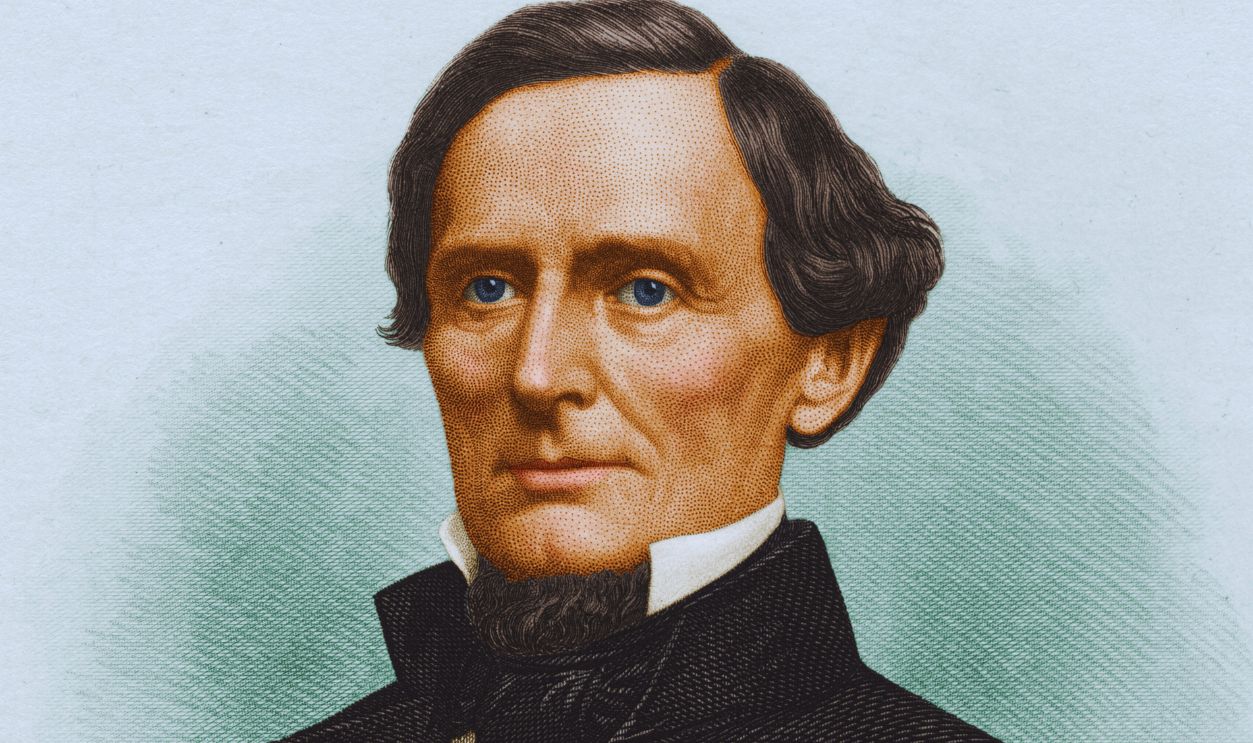
Davis ended up marrying Sarah Taylor on June 17, 1835, but their happiness was heartbreakingly brief. During a visit to Davis's sister in Louisiana, both contracted either malaria or yellow fever. Sarah died on September 15, 1835, less than three months after the wedding. Davis himself nearly died. Her death devastated him, strained relations with Zachary Taylor for years, and left Davis largely withdrawn from public life.
 Unknown author, Wikimedia Commons
Soldier And Planter
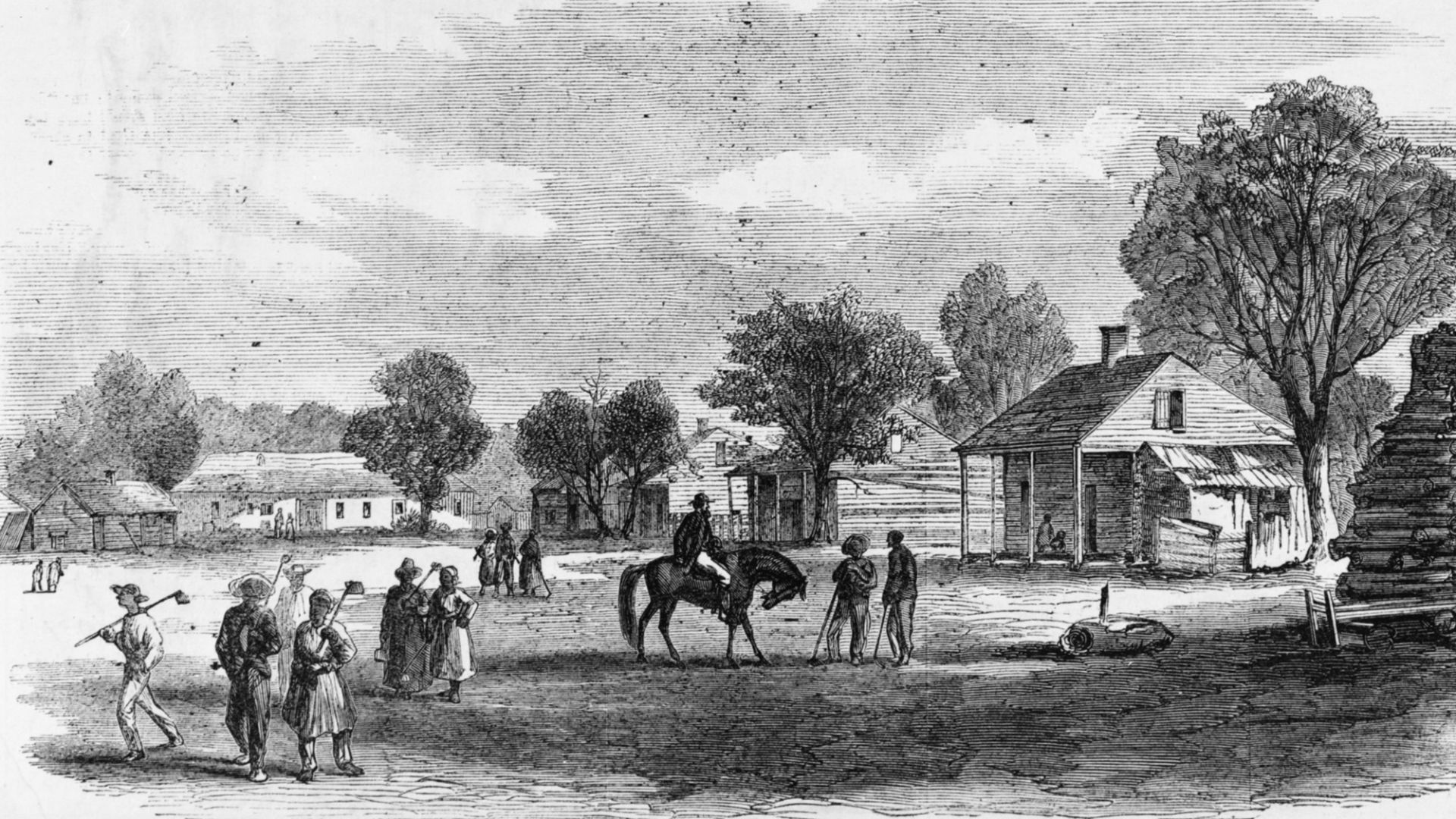
After leaving military service, Davis settled in Mississippi, where he became a cotton planter and managed agricultural operations. Life as a planter connected him to the Southern economy and society, and gave him the financial and social standing needed to pursue public office. It also meant slave ownership, and Davis ended up owning more than 100 slaves by 1860.
 Harper's Weekly, Wikimedia Commons
Rising Political Star
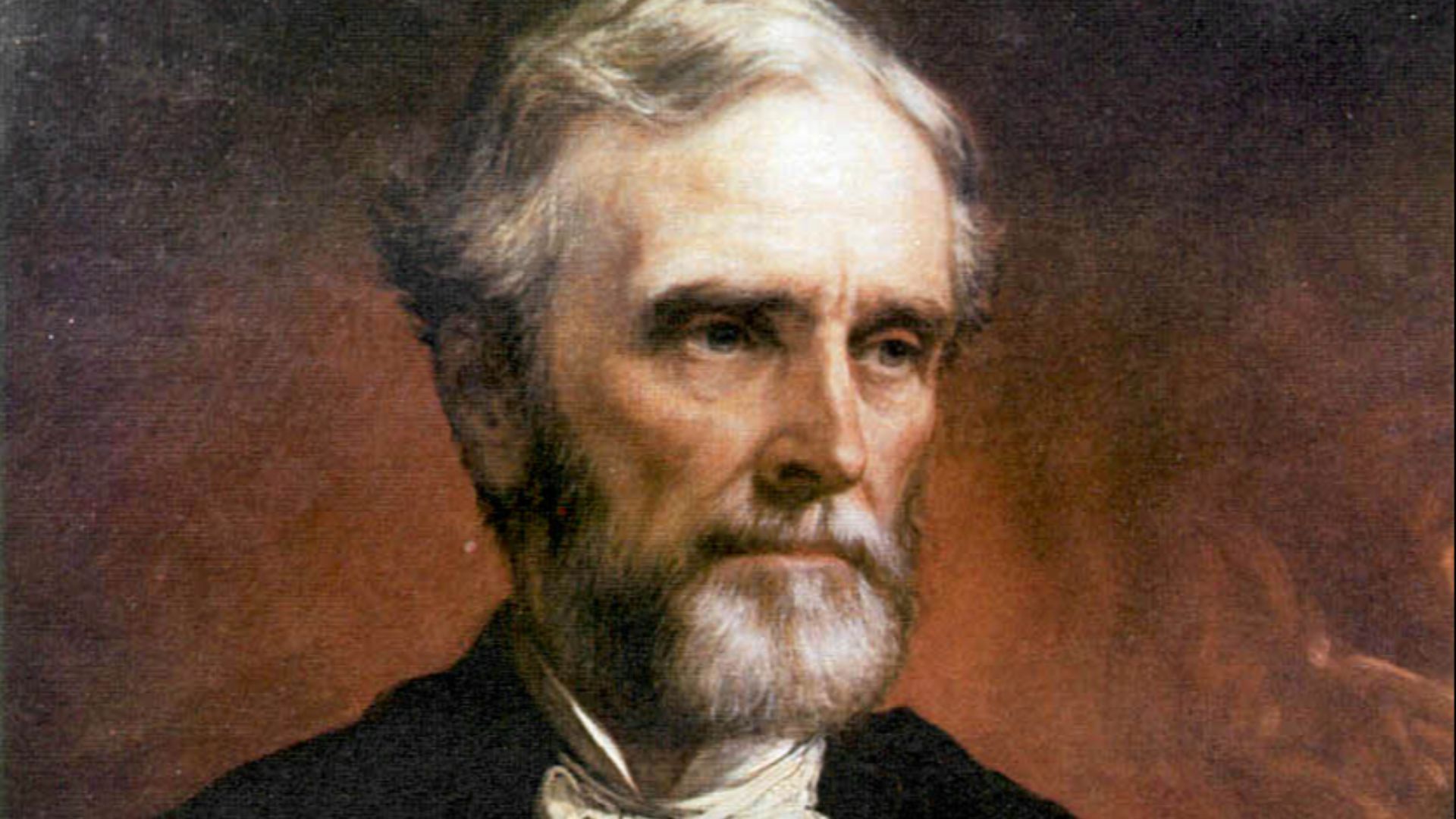
Davis entered politics and quickly established himself as a forceful advocate for Southern interests. Serving in Congress, he gained a reputation as an intelligent and determined spokesman. His growing influence within the Democratic Party and among Southern voters elevated him from a regional figure into one of the most prominent politicians in the South.
 The original uploader was The Mystery Man at English Wikipedia., Wikimedia Commons
Mexican War Service
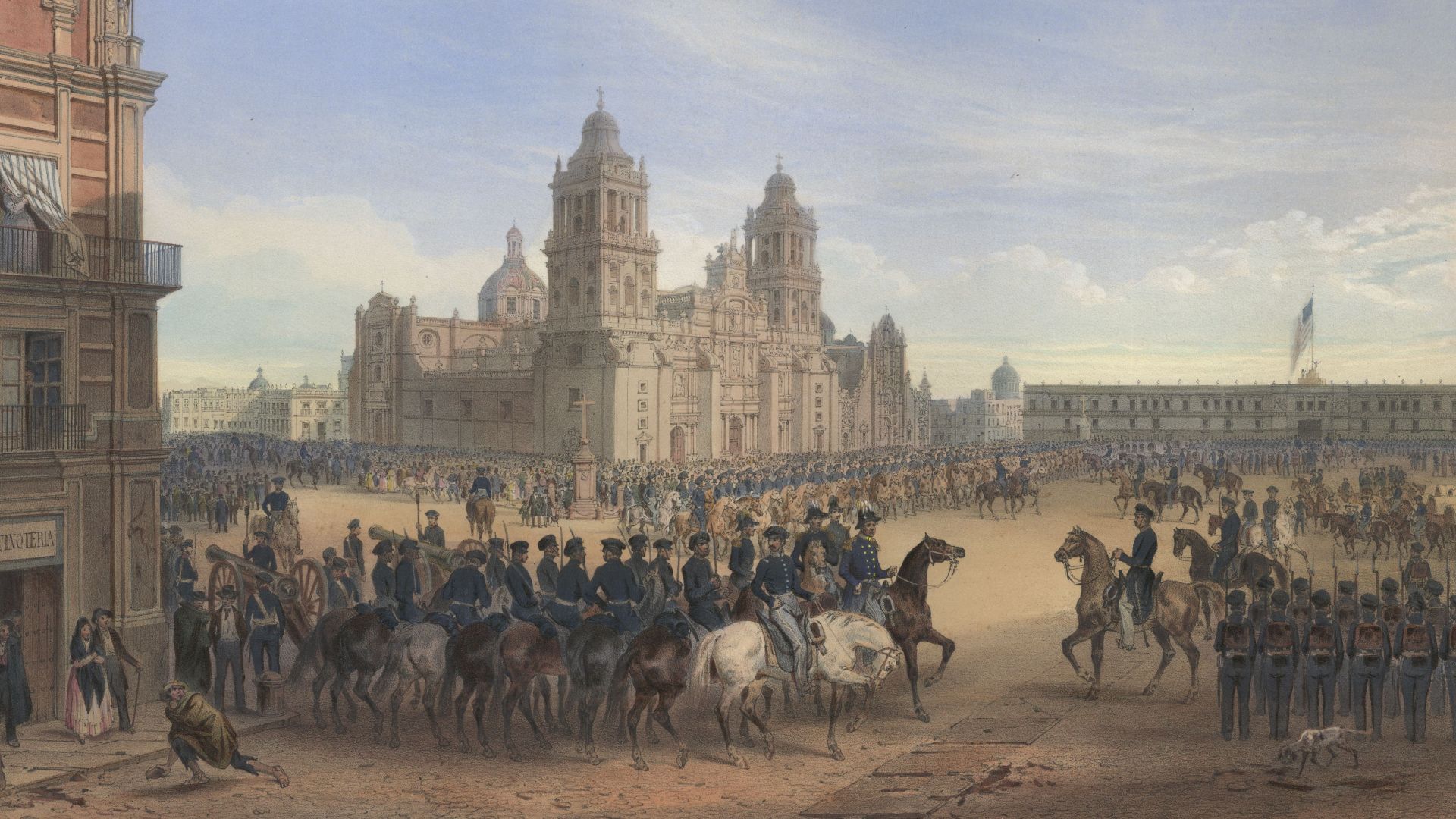
The Mexican-American War provided Davis with another opportunity to demonstrate leadership. He commanded a Mississippi volunteer regiment and earned praise for his performance. His service enhanced his national reputation and increased his political prestige, helping him build a profile that extended far beyond Mississippi and the broader Southern region.
 Adolphe Jean-Baptiste Bayot / Carl Nebel, Wikimedia Commons
Senator And Cabinet Member
Davis served as a United States senator and later became Secretary of War under President Franklin Pierce. These positions allowed him to gain extensive experience in both legislative and executive government. By the late 1850s, he was widely regarded as one of the South's most capable and respected political leaders.
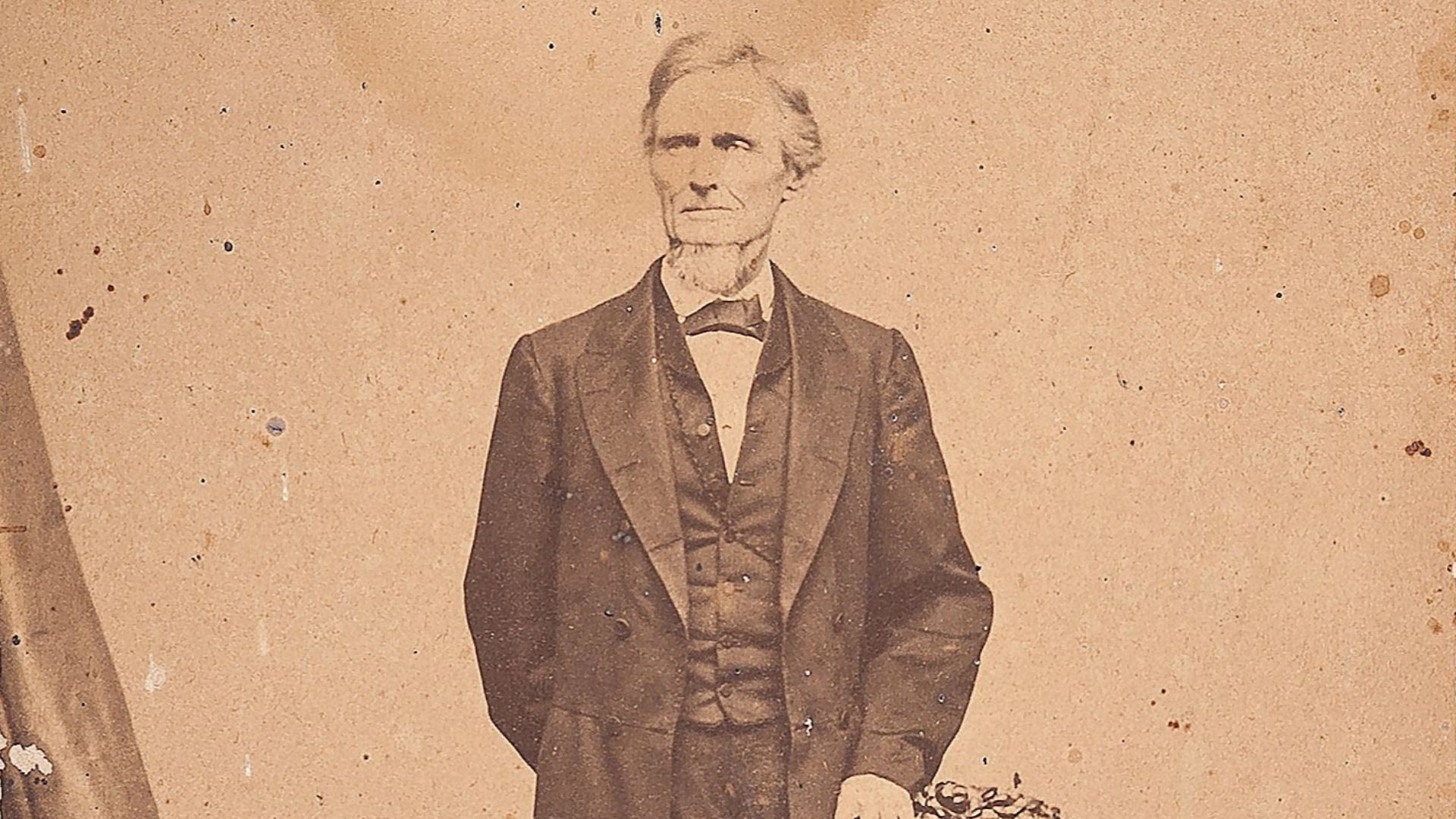 Bendann Bros., Wikimedia Commons
History's most fascinating stories and darkest secrets, delivered to your inbox daily.
Camel Corps Experiment
While serving as Secretary of War under President Franklin Pierce, Davis championed several military modernization efforts. One of his most unusual initiatives involved importing camels from the Middle East for use in the American Southwest. The experimental Camel Corps was intended to help transport supplies across arid regions. Although the project showed some promise, the Civil War eventually ended further development and the experiment was abandoned.
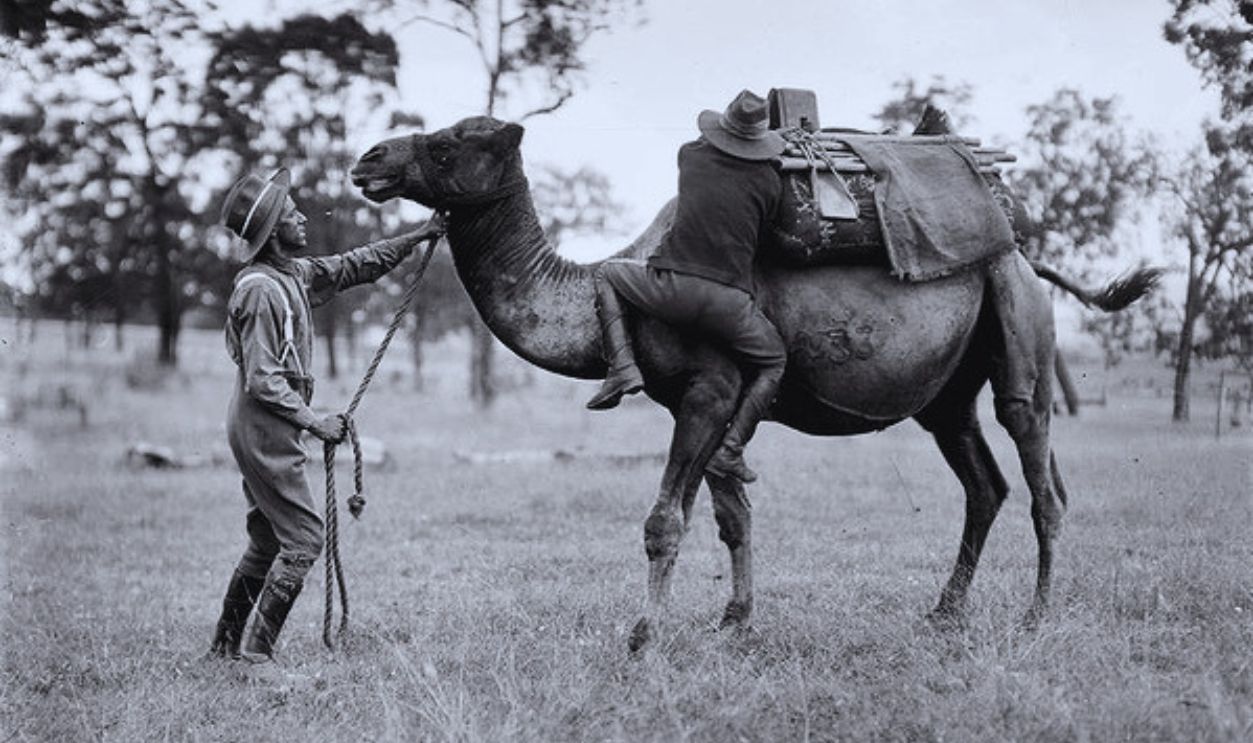 unknown, Fairfax Archive, Wikimedia Commons
Secession Crisis
As tensions between North and South intensified, Davis initially hoped that compromise might preserve the Union. However, after Mississippi voted to secede in 1861, he resigned his Senate seat and aligned himself fully with his state's decision. His resignation marked a dramatic turning point in both his career and American history.
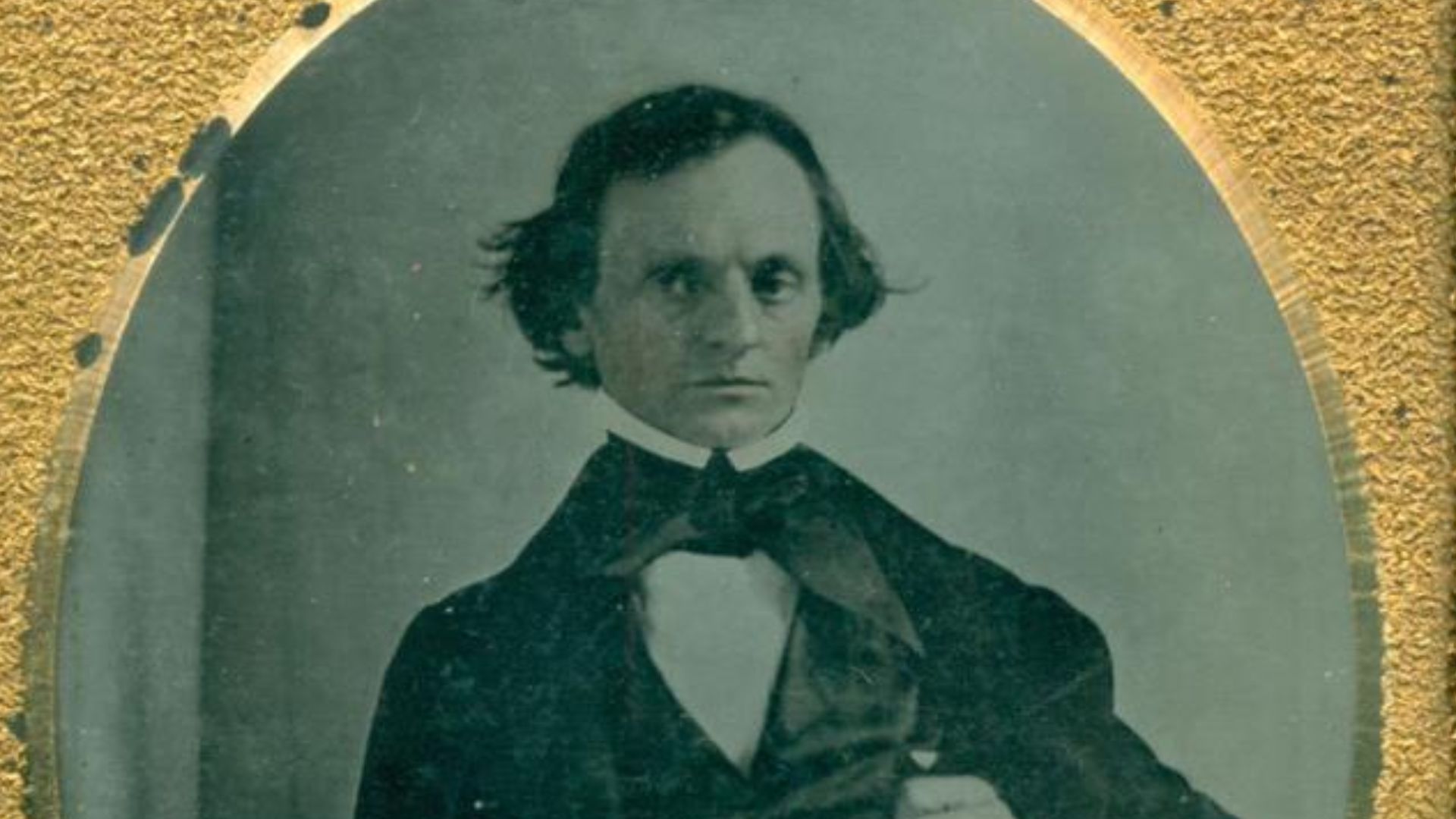 Unknown authorUnknown author, Wikimedia Commons
Confederate President
In February 1861, delegates selected Davis as provisional president of the Confederate States of America. His military experience, political credentials, and reputation for leadership made him an attractive choice. He soon became responsible for organizing a new government and directing the Confederacy's effort to achieve independence from the United States.
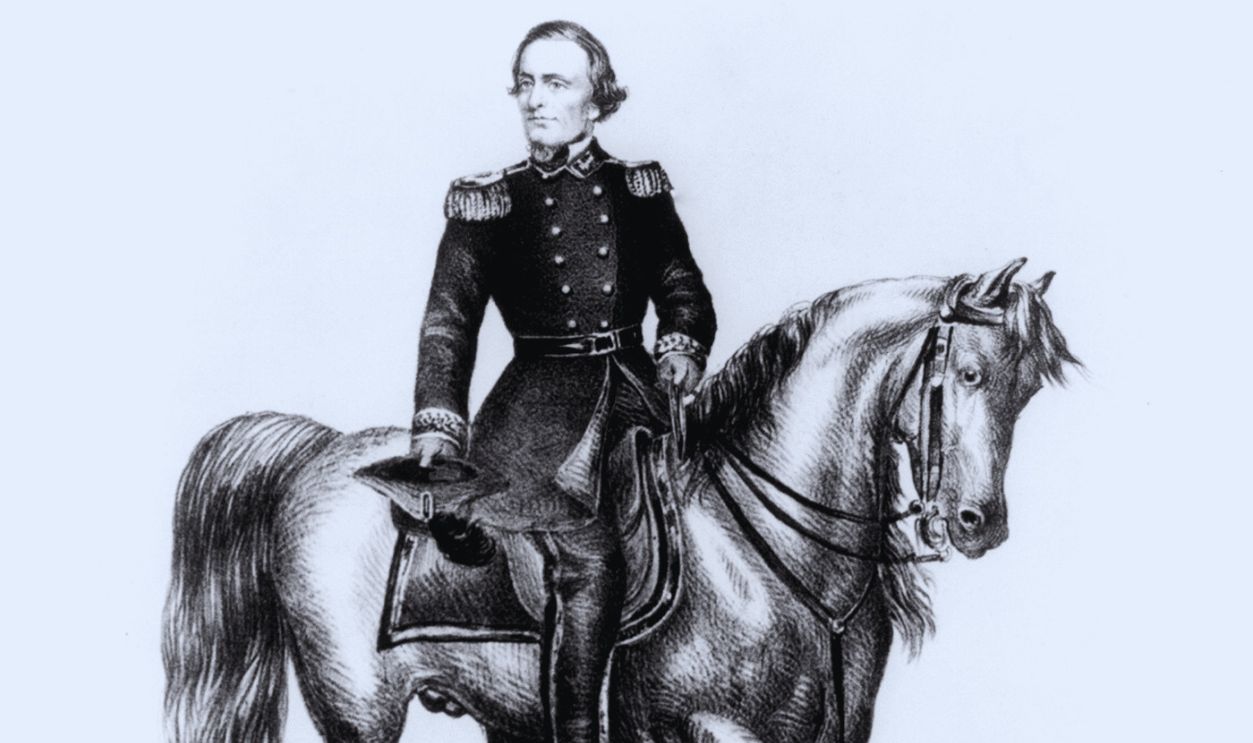
Wartime Leadership
As Confederate president, Davis spent enormous amounts of time overseeing military operations, government administration, and diplomatic initiatives. The challenges were immense, requiring constant decisions on strategy, resources, and leadership appointments. He worked tirelessly, but the burdens of leading a nation at war placed extraordinary strain on both him and the Confederacy.
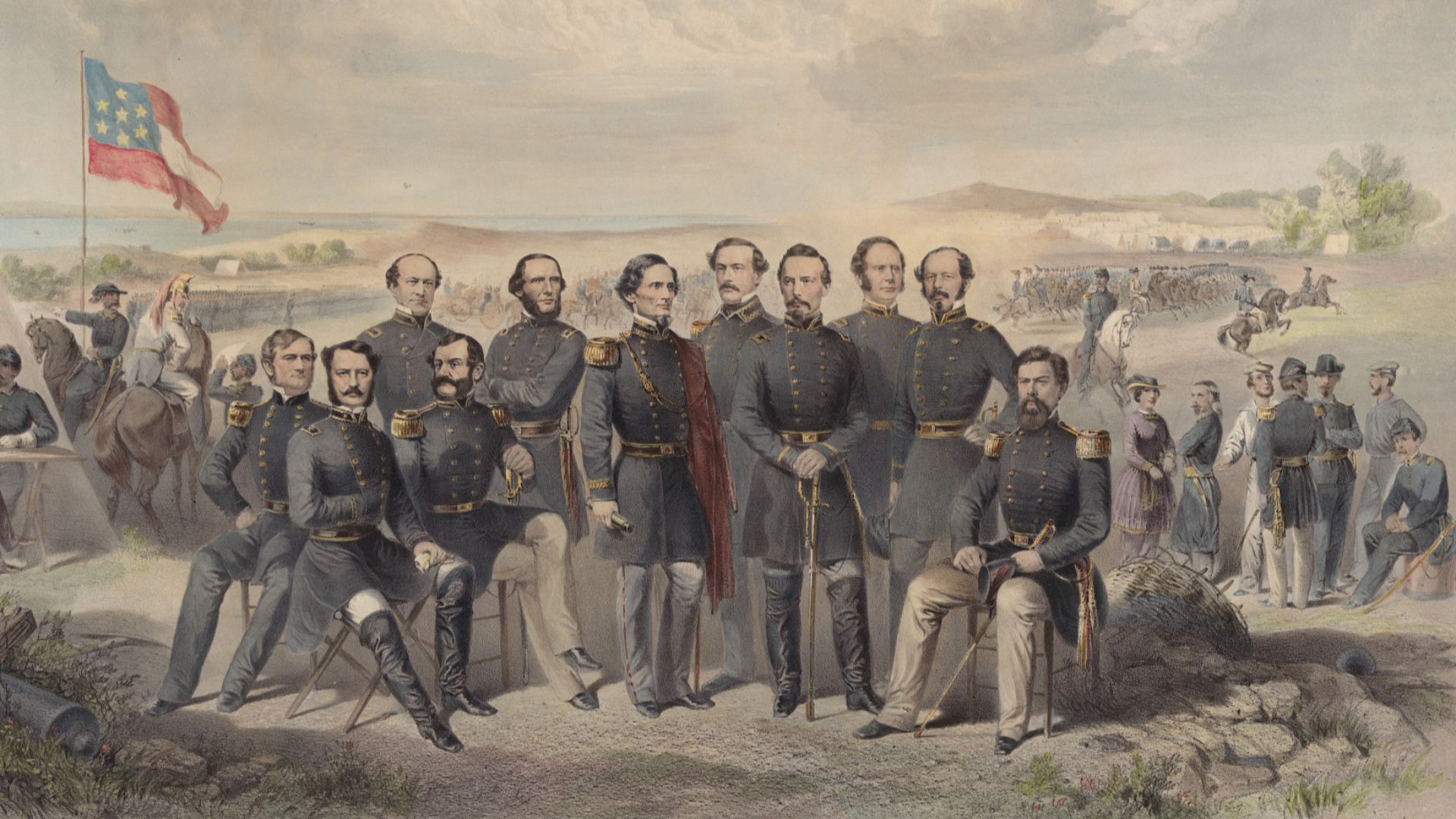 Picture by Goupil Lithography, Wikimedia Commons
Political Struggles
Davis faced frequent criticism from fellow Confederates during the war. Disagreements over military leadership, states' rights, and centralized authority created friction within the Confederate government. Many Southern politicians and military officers became frustrated with his decisions, leading to political divisions that weakened Confederate unity during a critical period.
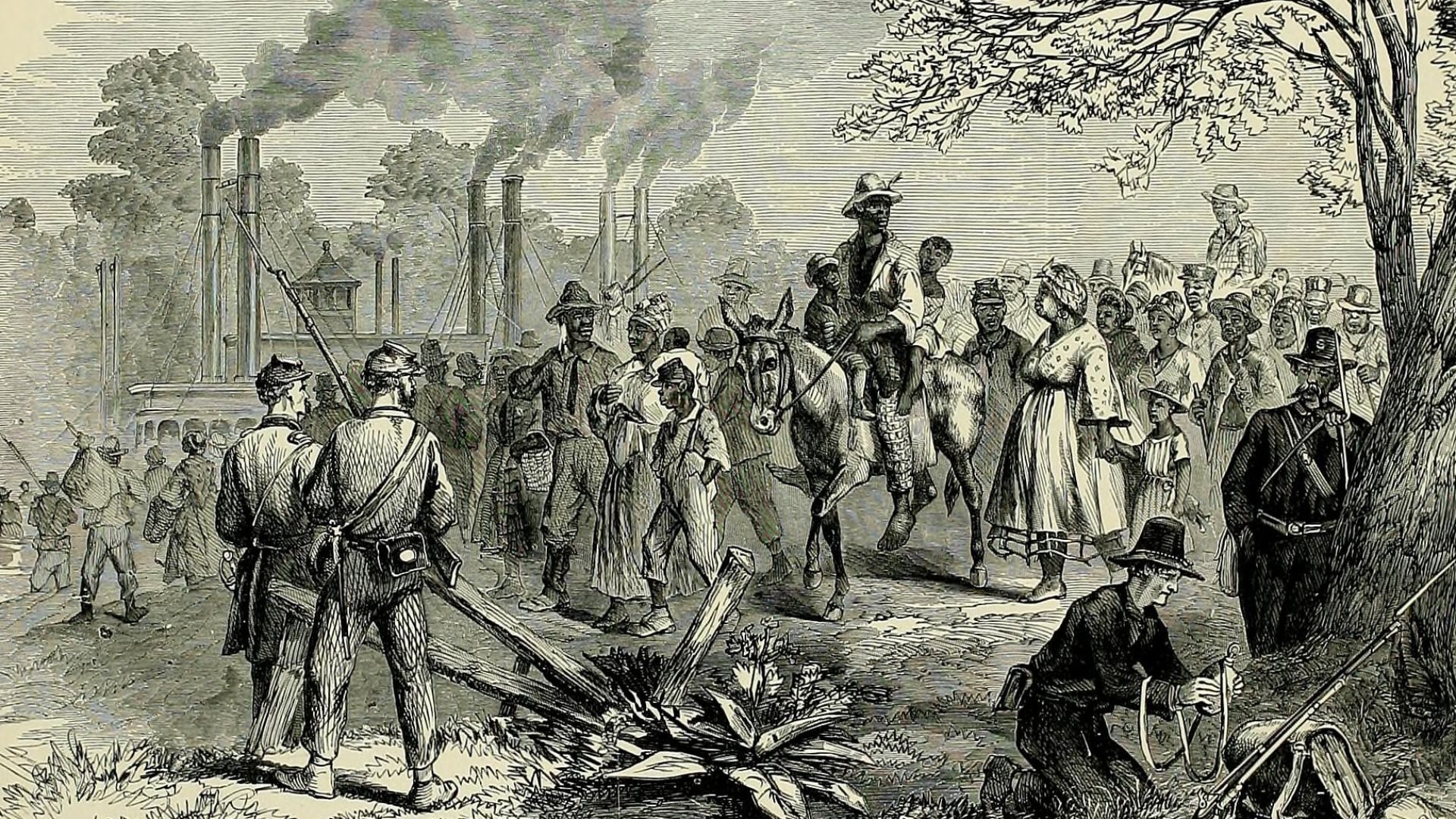 Internet Archive Book Images, Wikimedia Commons
A Failing Confederacy
By late 1864 and early 1865, Confederate prospects had deteriorated significantly. Union armies continued advancing, Southern resources were increasingly exhausted, and morale was declining. Davis remained committed to the cause, but the reality became increasingly clear that the Confederacy's ability to sustain the war effort was nearing collapse.
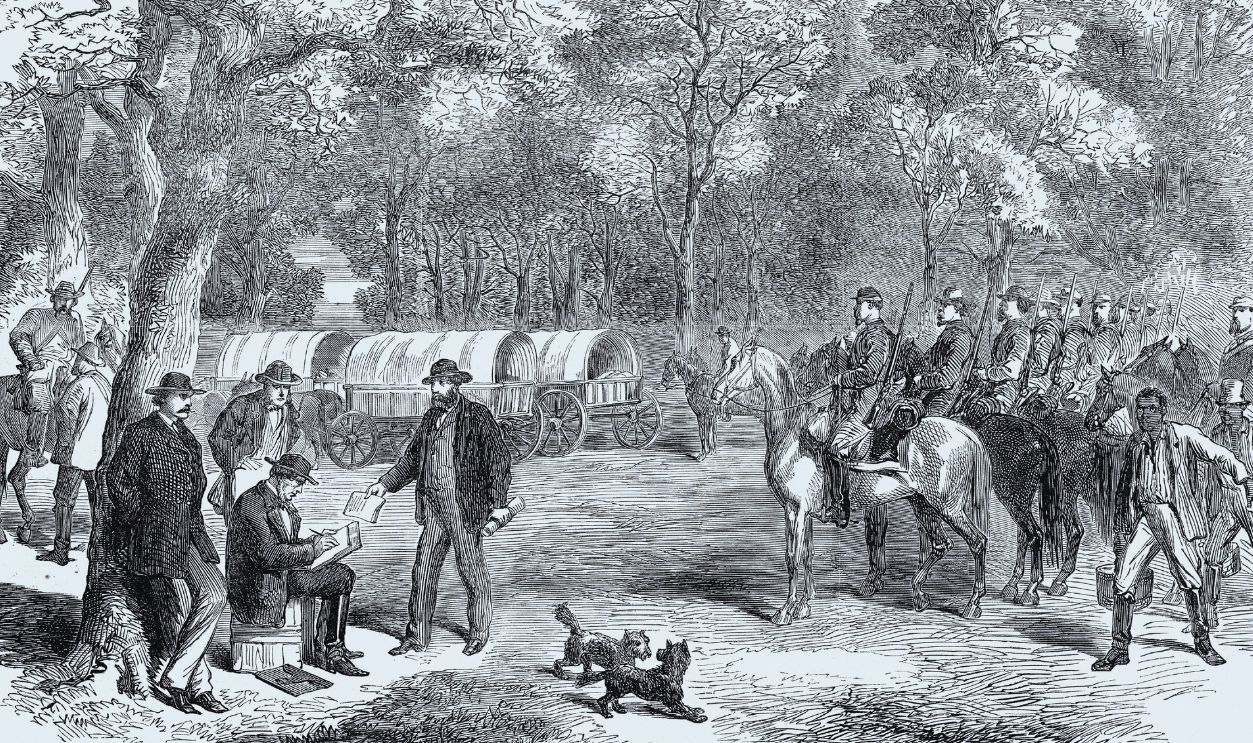 Universal History Archive, Getty Images
History's most fascinating stories and darkest secrets, delivered to your inbox daily.
Richmond Falls
In April 1865, Union forces captured Richmond, Virginia, the Confederate capital. Davis and other government officials evacuated before the city fell. The loss of Richmond represented far more than the fall of a city. It effectively signaled the disintegration of Confederate national authority and the approaching end of organized resistance.
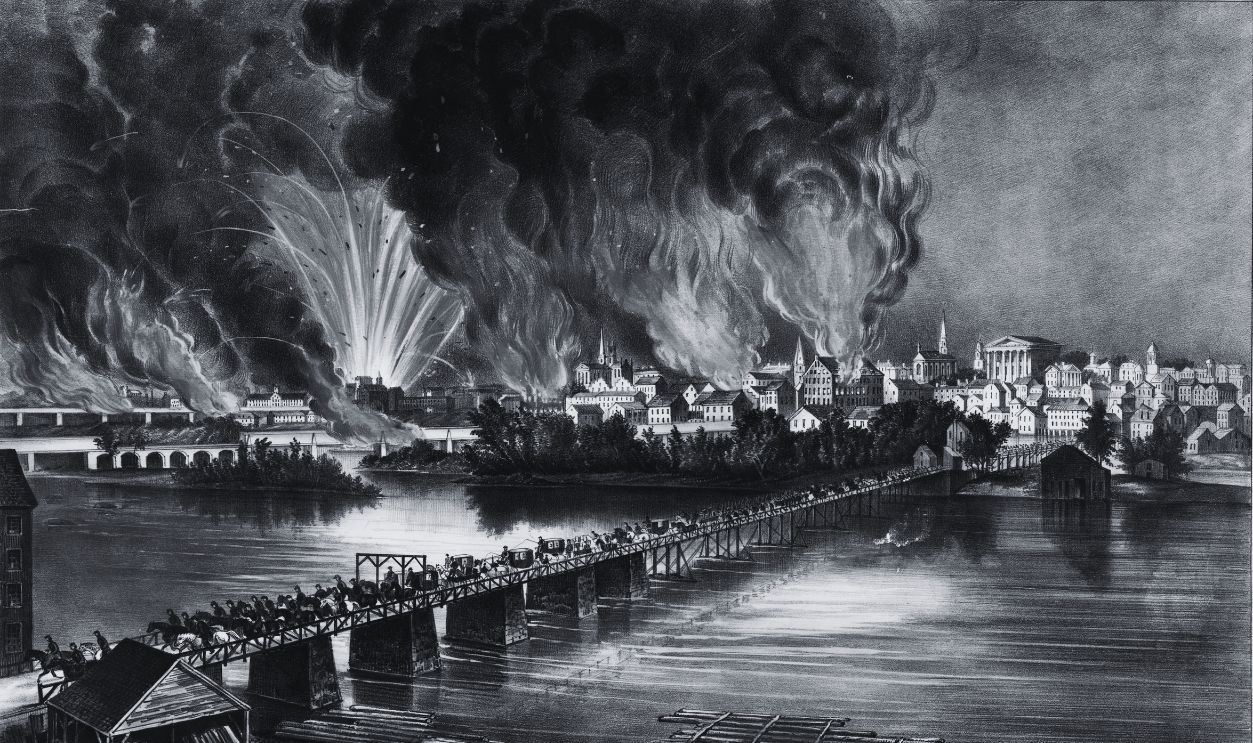 Currier & Ives (not signed), Wikimedia Commons
Flight Through The South
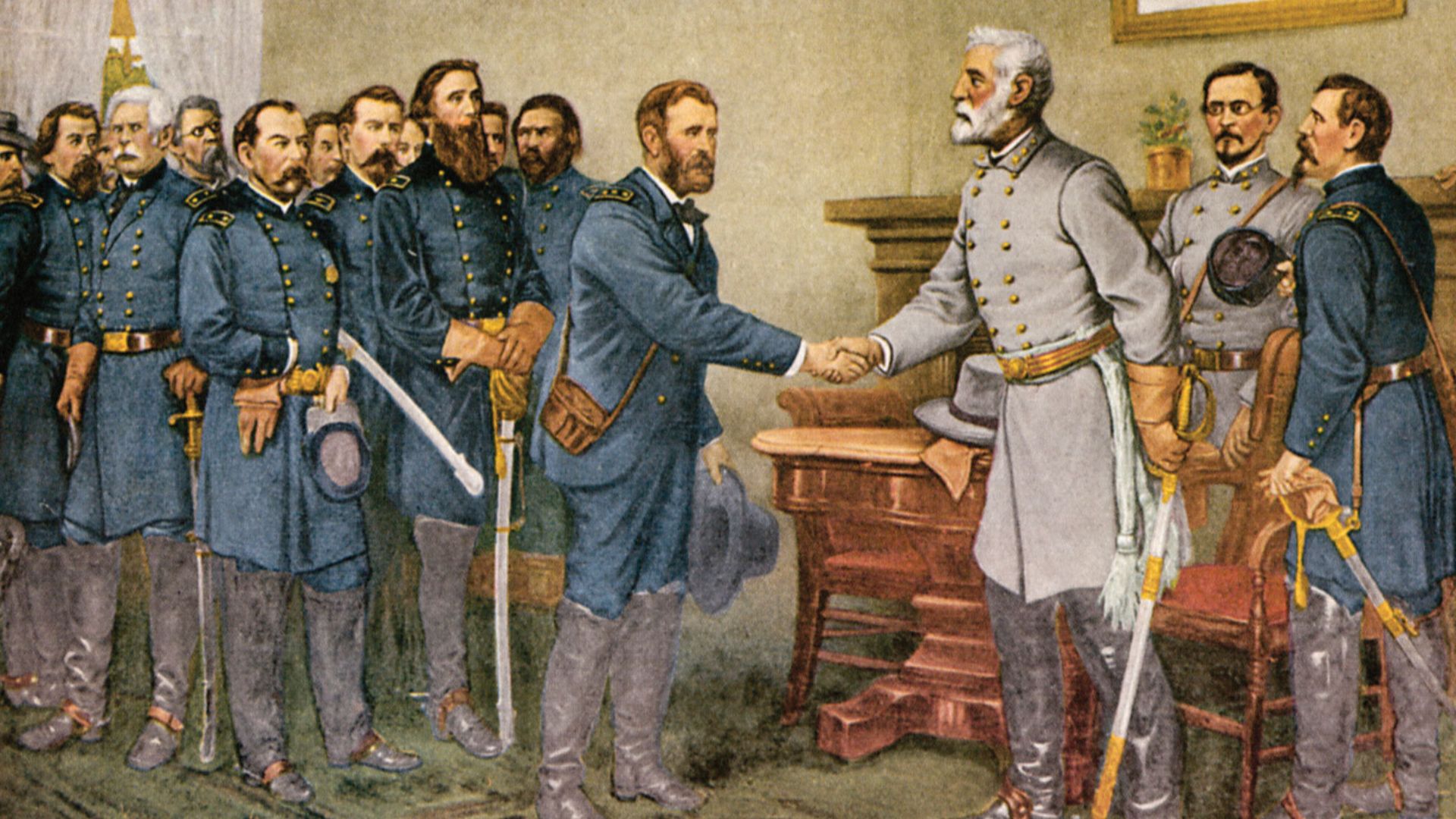
After leaving Richmond, Davis traveled southward with members of his government. He hoped to continue resistance or reorganize Confederate efforts elsewhere. However, Confederate armies were surrendering across the South, and Union forces aggressively pursued remaining leaders. Davis's options became increasingly limited as the Confederacy rapidly unraveled around him.
 Thomas Nast, Wikimedia Commons
Lincoln Assassination Shock
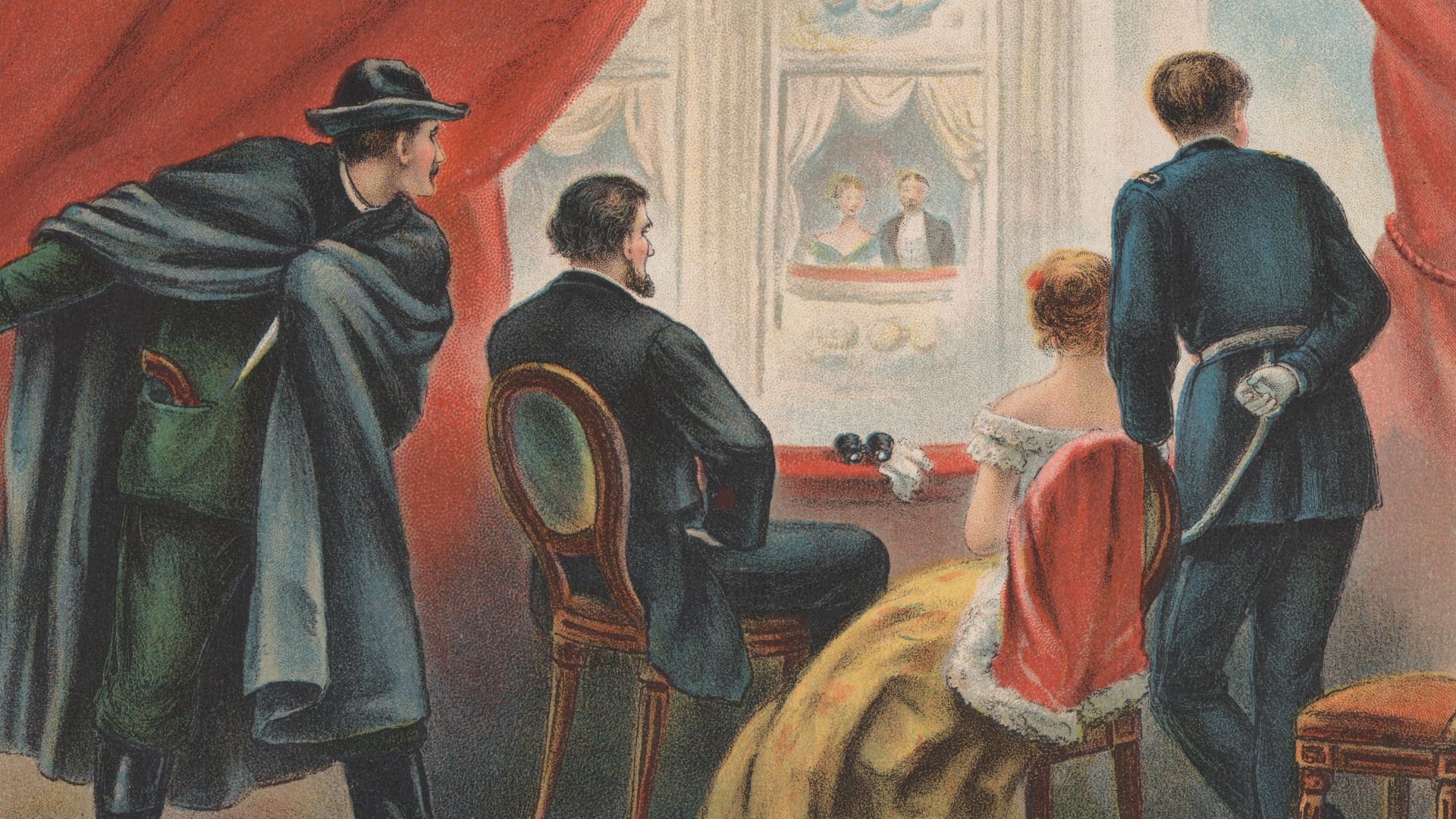
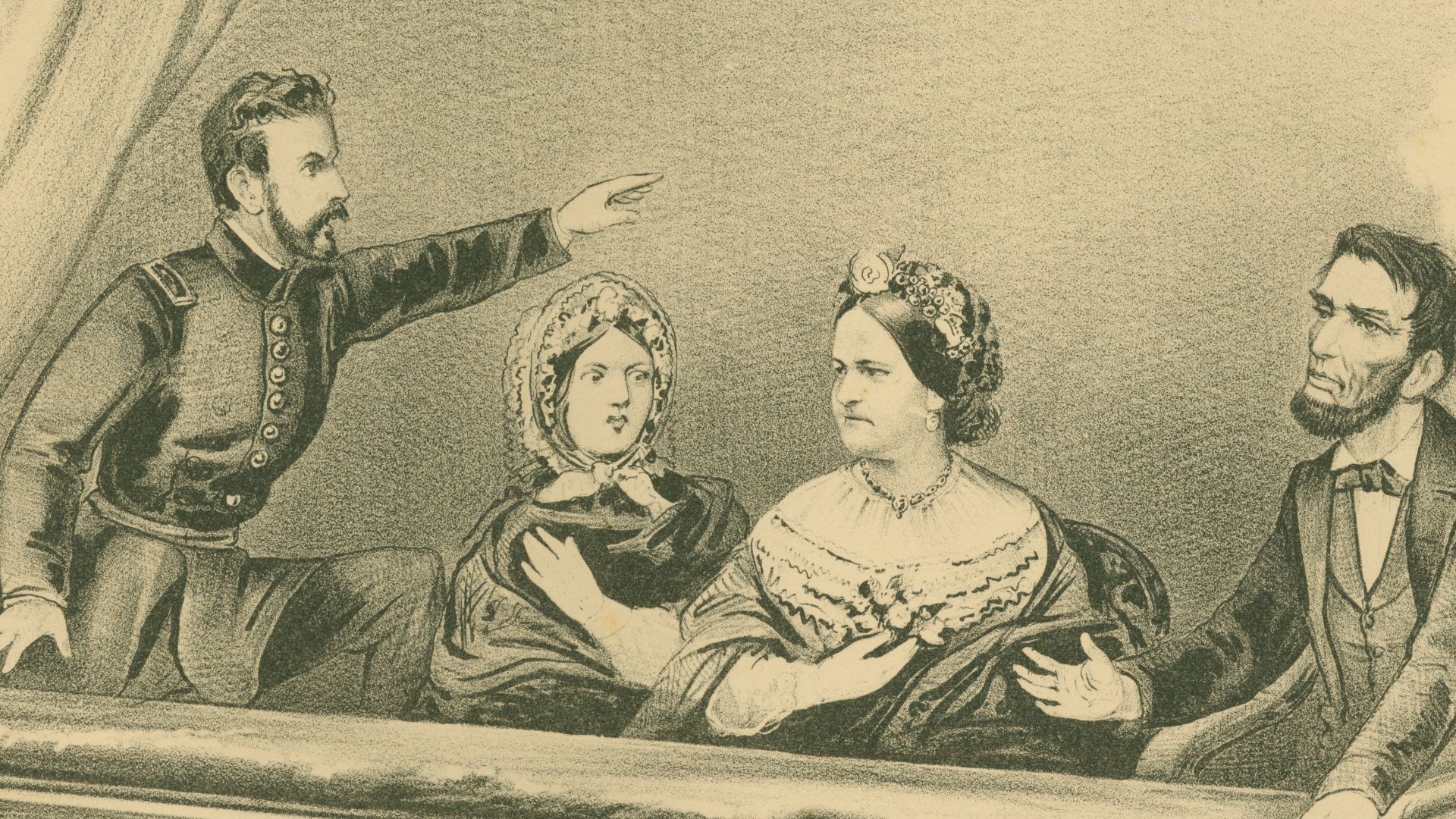
The assassination of Abraham Lincoln in April 1865 dramatically changed the political climate. Federal authorities launched investigations into possible Confederate involvement in the conspiracy. Public anger intensified throughout the North, and suspicion soon extended to Davis and other Confederate leaders despite the absence of definitive proof linking them to the murder.
 unattributed, Wikimedia Commons
Capture In Georgia
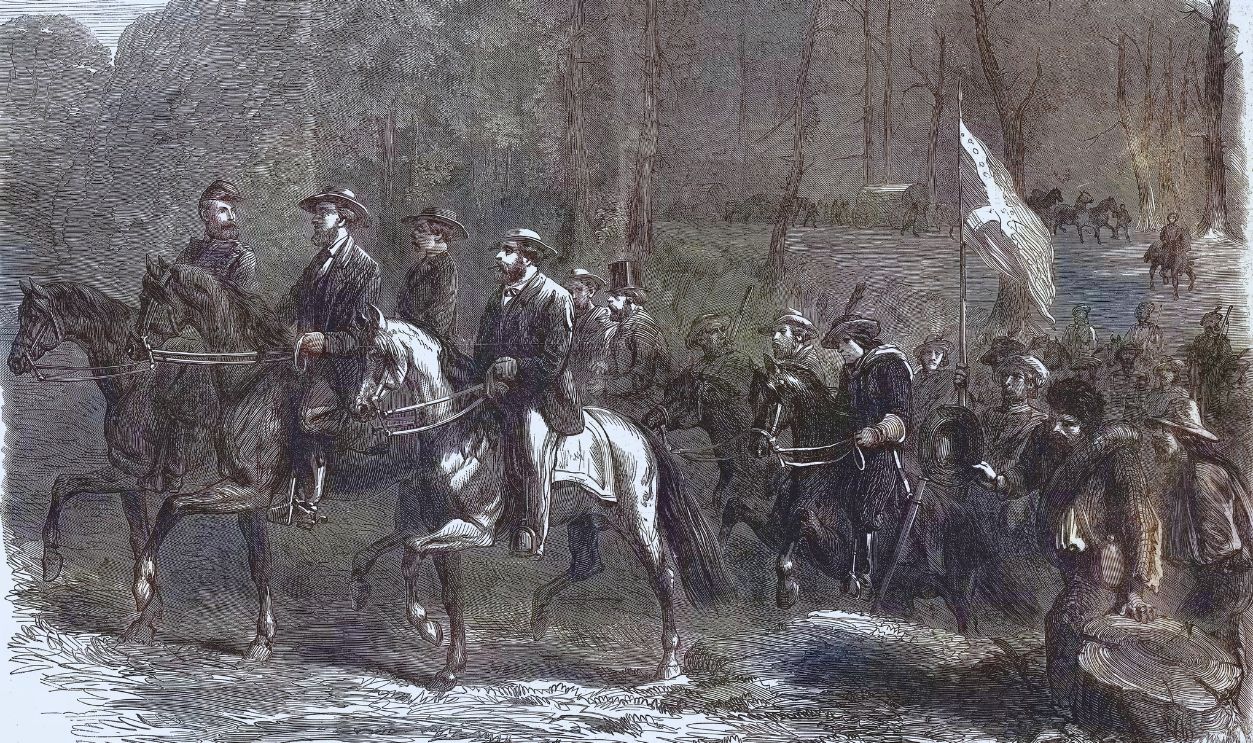
Union cavalry captured Davis near Irwinville, Georgia, on May 10, 1865. His arrest effectively ended any remaining hopes for a functioning Confederate government. News of the capture spread quickly across the country, and many Americans viewed it as the final symbolic chapter in the Confederacy's collapse.
Captured In Disguise?
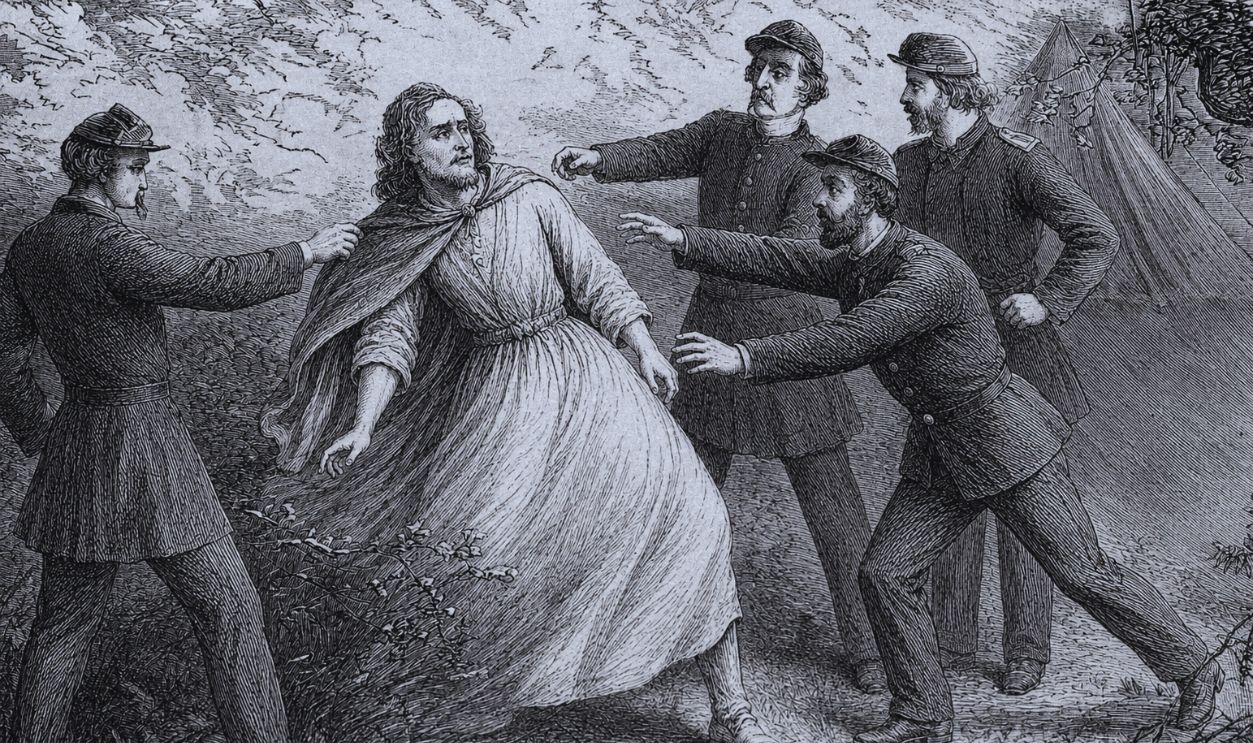
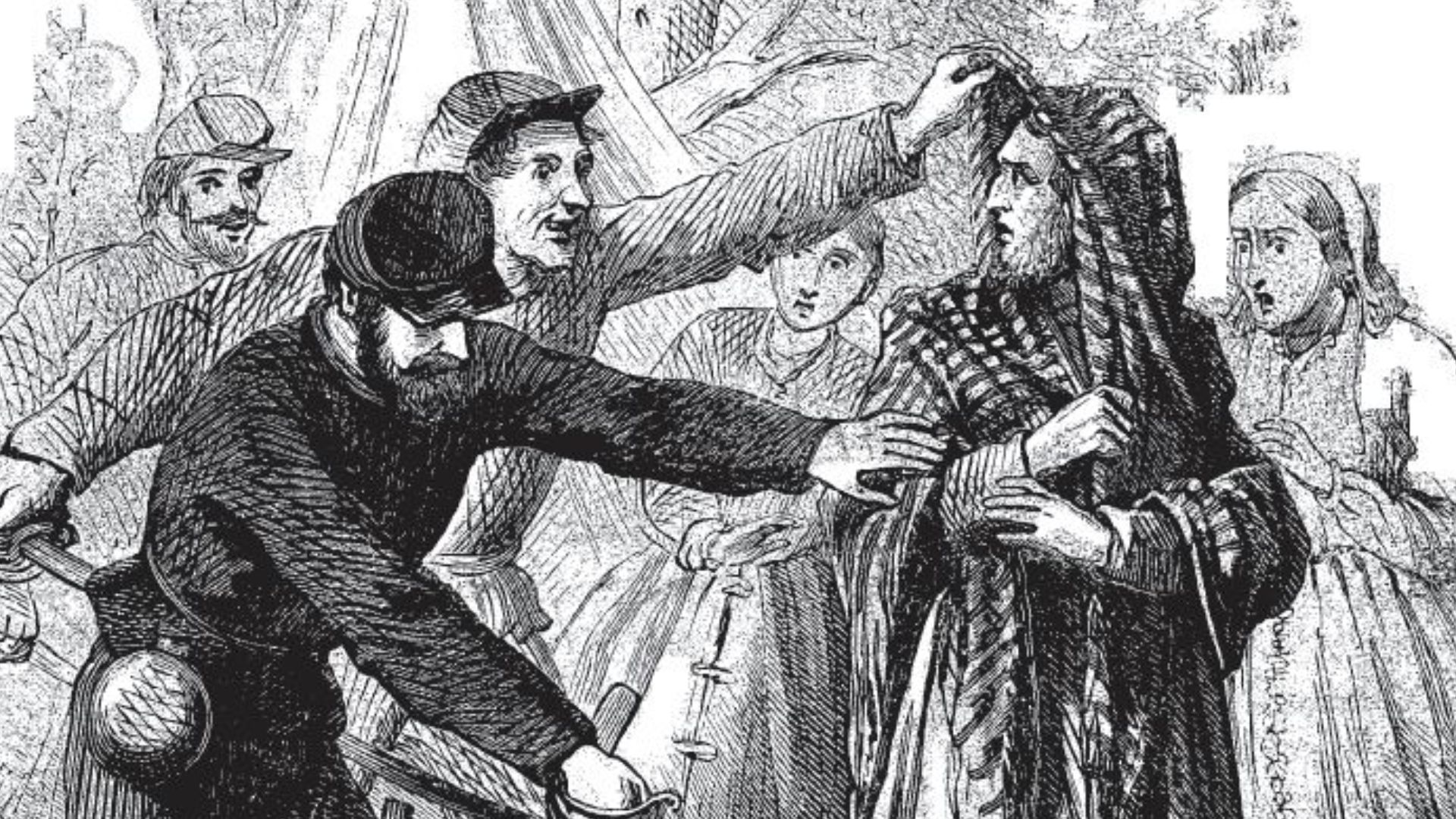
One of the most persistent stories about Davis's capture claimed that he was arrested while attempting to escape in women's clothing. The rumor spread quickly in Northern newspapers and became a popular source of ridicule. According to historical accounts, the truth of the famous story is disputed.
Accused Of Complicity
After his capture, Davis faced accusations that he had been involved in or supported the conspiracy to assassinate Lincoln. Federal officials investigated possible Confederate connections to the plot. Although evidence remained uncertain, the allegations intensified public hostility toward Davis and increased demands that he face severe punishment.
 Unknown authorUnknown author, Wikimedia Commons
History's most fascinating stories and darkest secrets, delivered to your inbox daily.
Fortress Monroe Prisoner
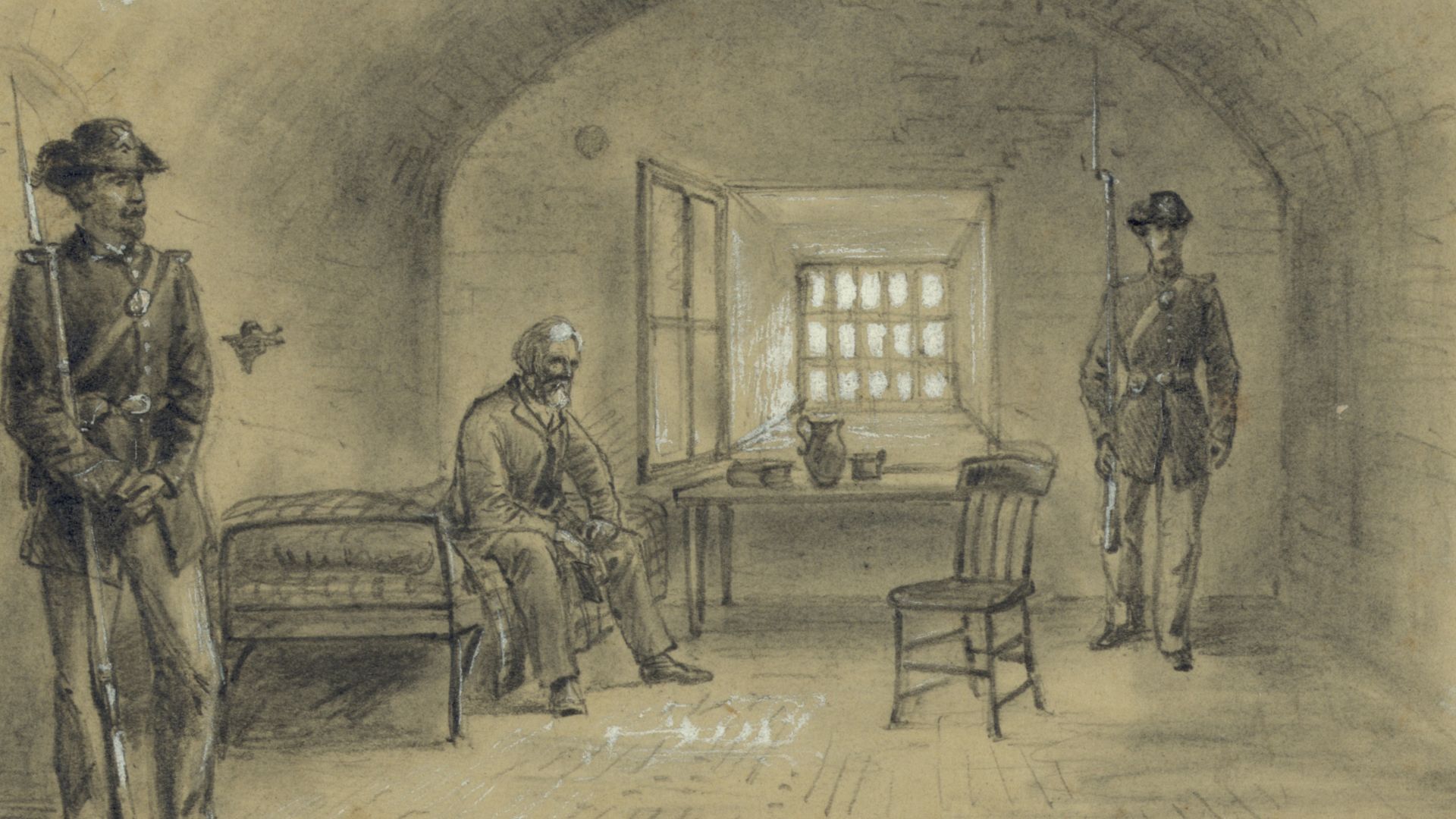
Authorities transported Davis to Fortress Monroe in Virginia, where he was held as a prisoner. His incarceration attracted national attention because of his status as the former Confederate president. The federal government now faced difficult questions about whether and how to prosecute the man who had led the rebellion.
 Alfred Waud, Wikimedia Commons
Harsh Confinement
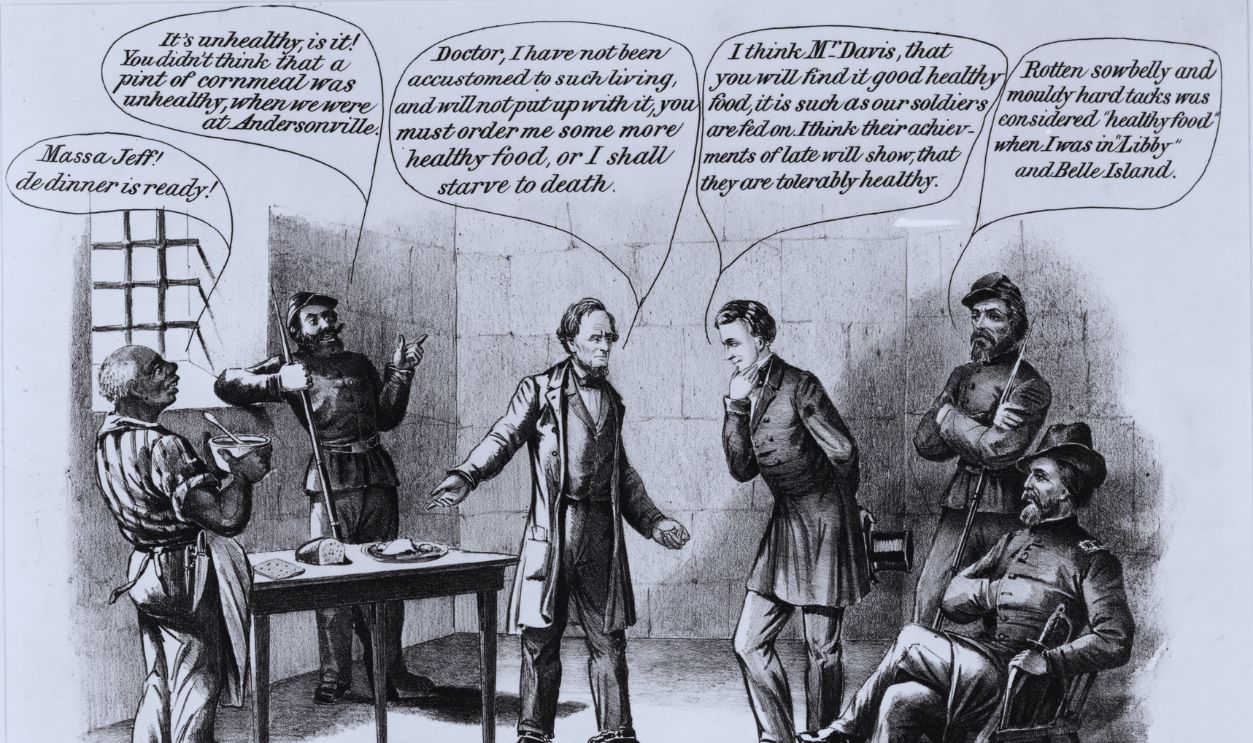
The conditions of Davis's imprisonment became controversial. He was initially subjected to particularly strict security measures, reflecting concerns about escape and public outrage over Lincoln's assassination. Critics argued that the treatment was excessive, while supporters believed he was being punished harshly before receiving a fair trial. Others noted that by the second year of his incarceration, he was allowed to be imprisoned in a four-room apartment with his wife Varina!
Charged With Treason
Federal authorities eventually charged Davis with treason against the United States. The charge carried enormous significance because it directly addressed the legality of secession and rebellion. Any trial would have become one of the most important legal proceedings in American history and attracted intense national attention.
 John Barber, and Henry Howe, Wikimedia Commons
Why No Trial Occurred
Despite the treason charge, Davis never stood trial. Government officials increasingly worried that a courtroom battle might create legal complications. A trial could potentially force courts to address difficult constitutional questions regarding secession and state sovereignty, raising concerns that an unfavorable ruling could create lasting political problems.
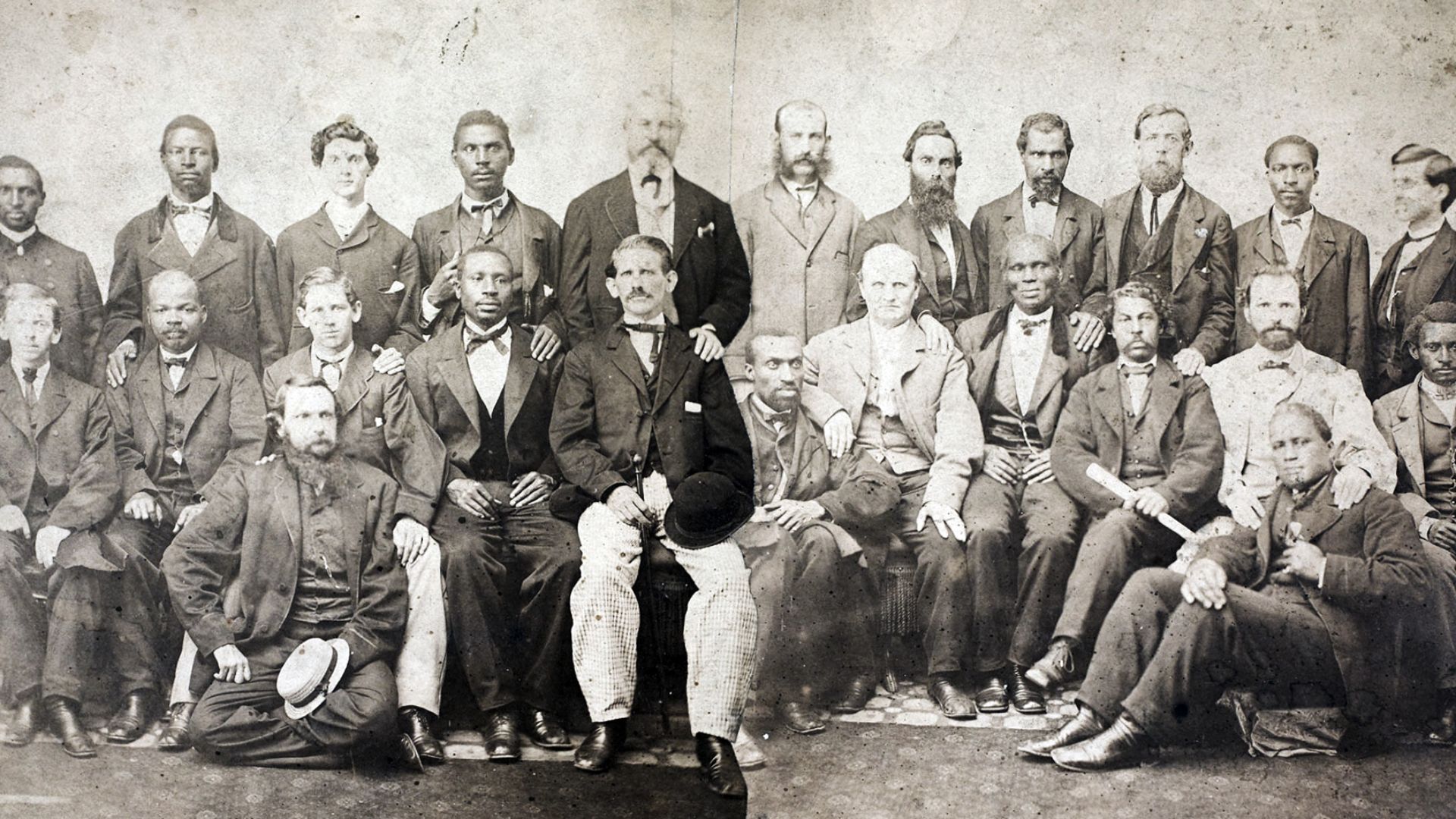
Bail And Freedom
In 1867, Davis was released after supporters arranged the $100,000 bond required for his freedom. The most notable men who signed the bail bond were Horace Greeley, Cornelius Vanderbilt, and several other prominent figures. Their involvement surprised many Americans, particularly because Greeley had strongly opposed the Confederacy during the war. After spending two years imprisoned without trial, Davis finally left Fortress Monroe and began rebuilding his life in the postwar era.
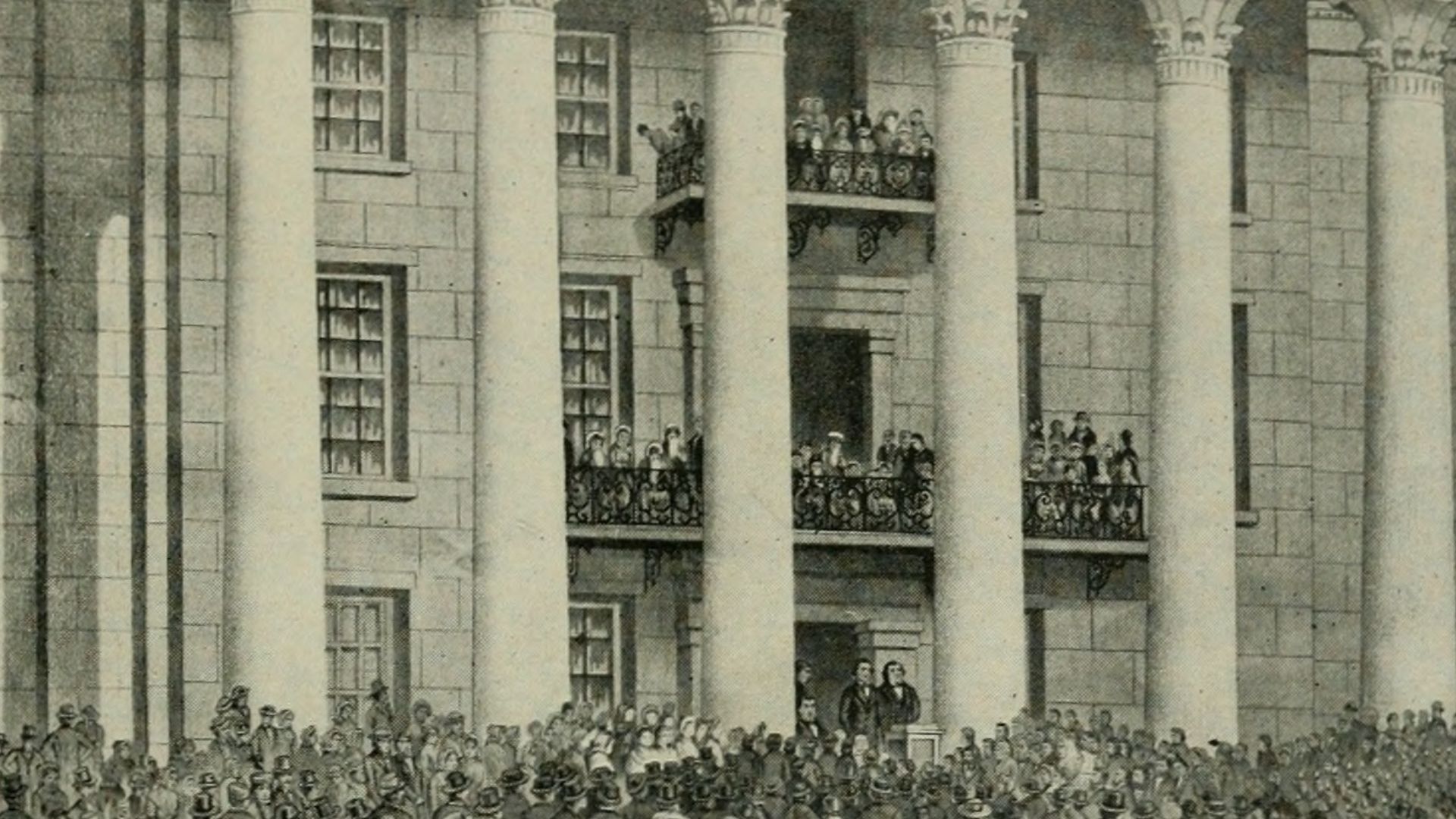 Internet Archive Book Images, Wikimedia Commons
Exile In Canada
Following his release, Davis spent time in Canada, including a period in Montreal. The move provided temporary distance from the intense political atmosphere of the United States. During this period, he considered future opportunities and reflected on the collapse of the Confederacy and his uncertain place in postwar society.
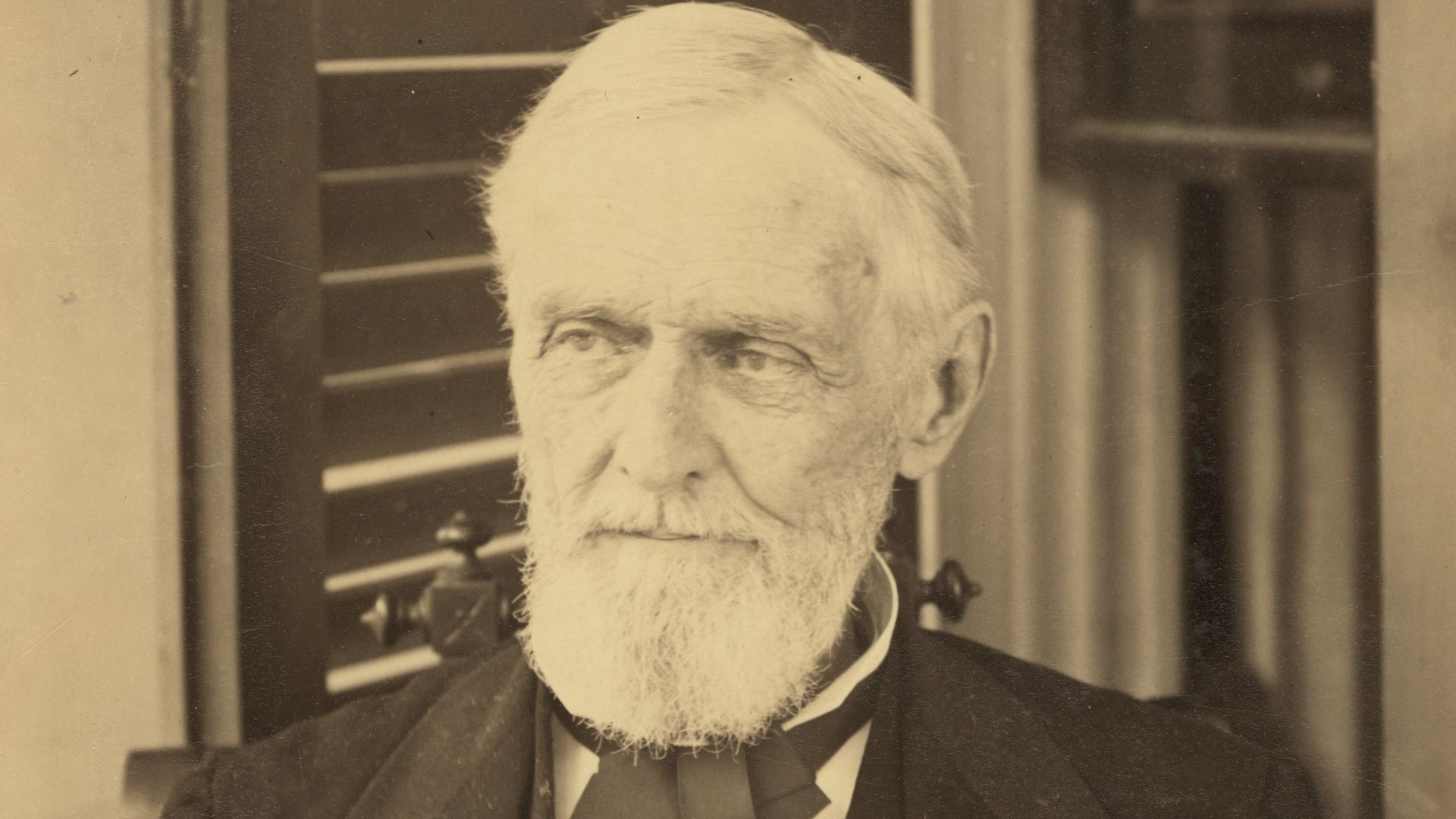 Wilson, Edward L. (Edward Livingston), 1838-1903, photographer, Wikimedia Commons
History's most fascinating stories and darkest secrets, delivered to your inbox daily.
Amnesty Arrives
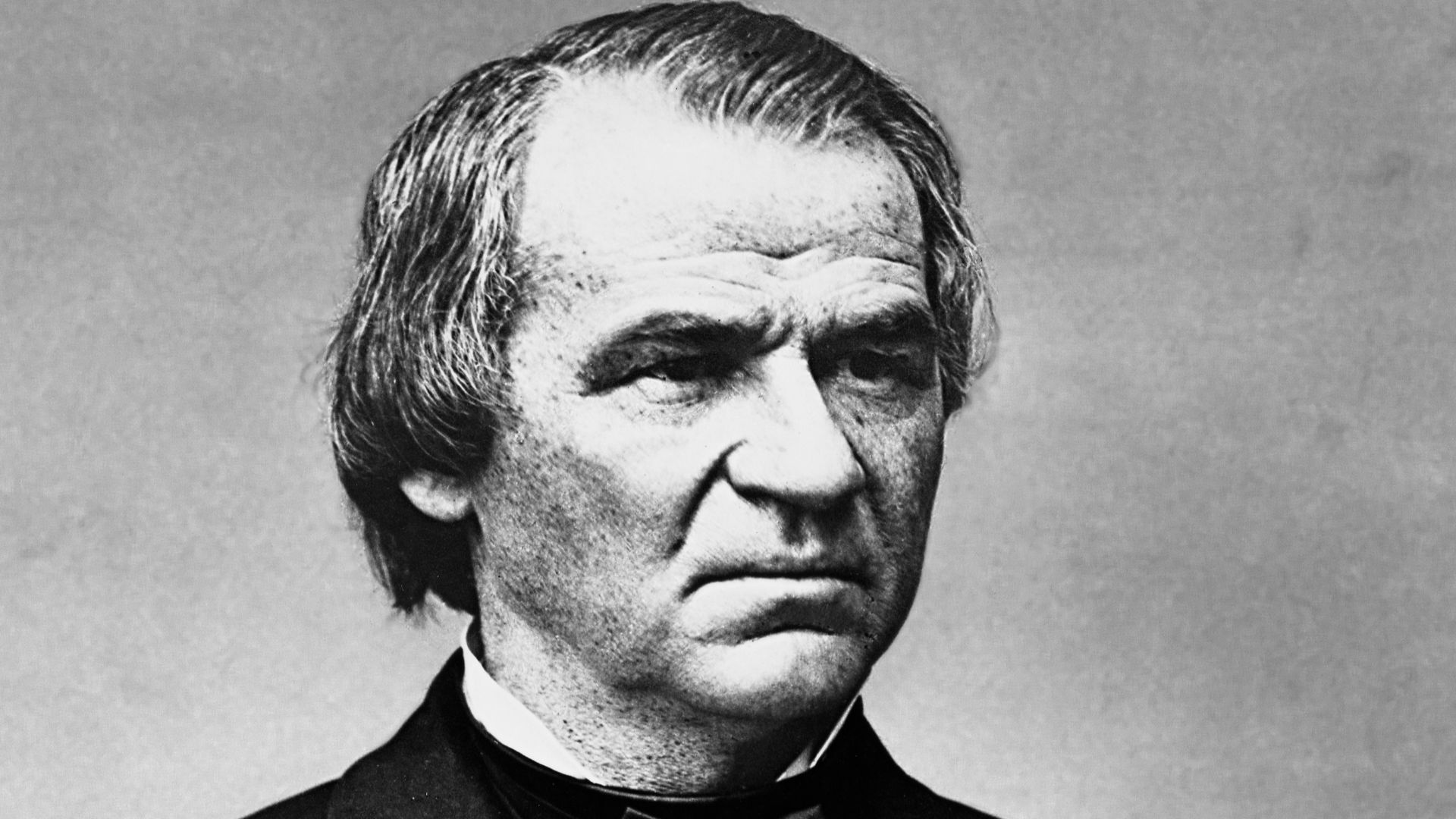
In 1868, President Andrew Johnson issued a broad Christmas amnesty that applied to many former Confederates. The government also abandoned plans to prosecute Davis. Together, these developments effectively ended the legal threat hanging over him and allowed him to focus on rebuilding his personal and professional life.
 Mathew Benjamin Brady, Wikimedia Commons
Seeking A New Life
Although free from legal jeopardy, Davis faced significant challenges after the war. Many Southerners continued to regard him as a respected leader, but opportunities remained limited. His association with the Confederacy made it difficult to return to mainstream political life within a reunited nation still recovering from conflict.
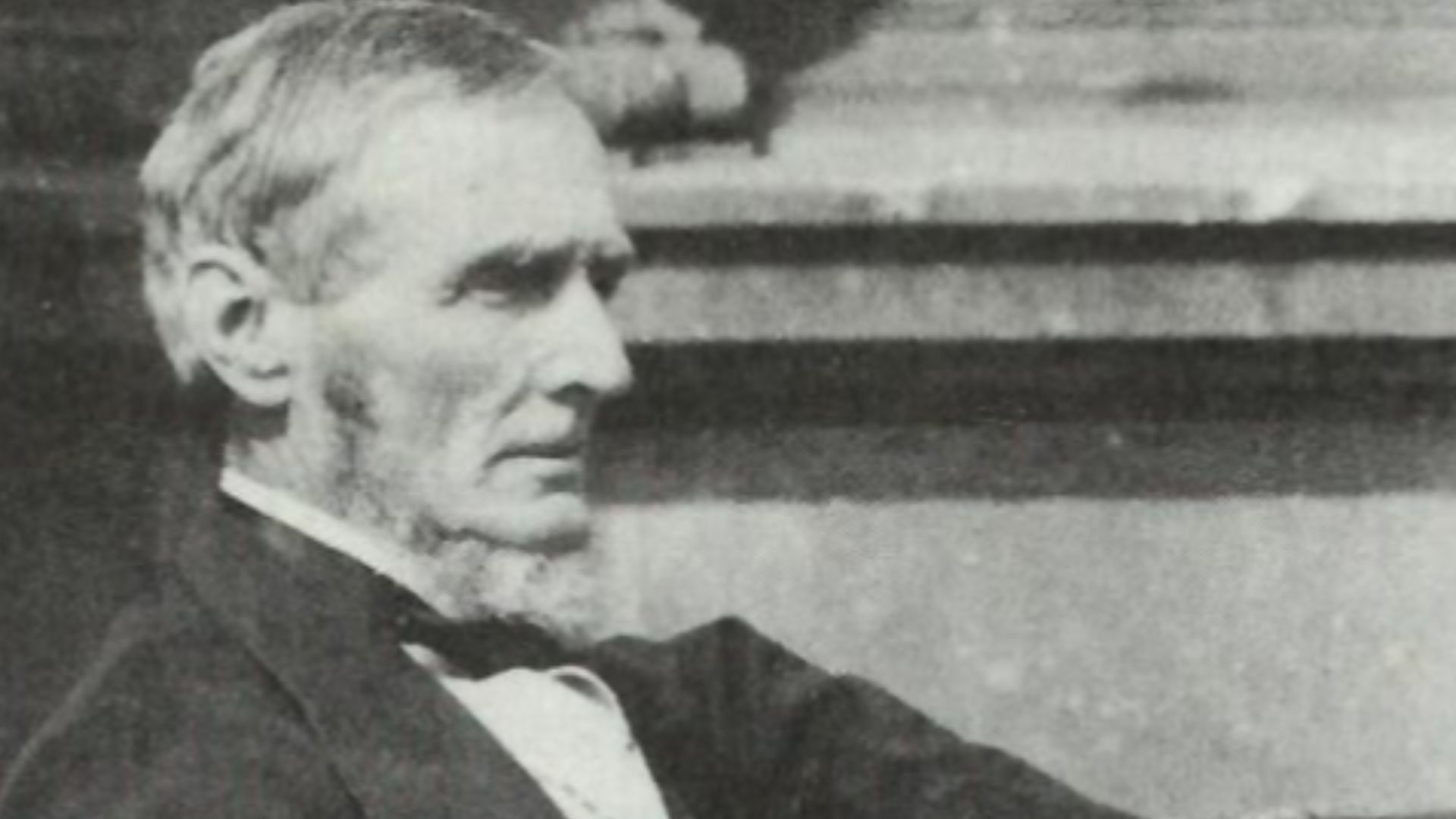
Author And Public Figure
Davis devoted much of his later life to writing and public speaking. He sought to explain and defend his actions during the Civil War while presenting the Confederate perspective on events. These efforts helped preserve his influence among former Confederates and ensured that his voice remained part of debates over history.
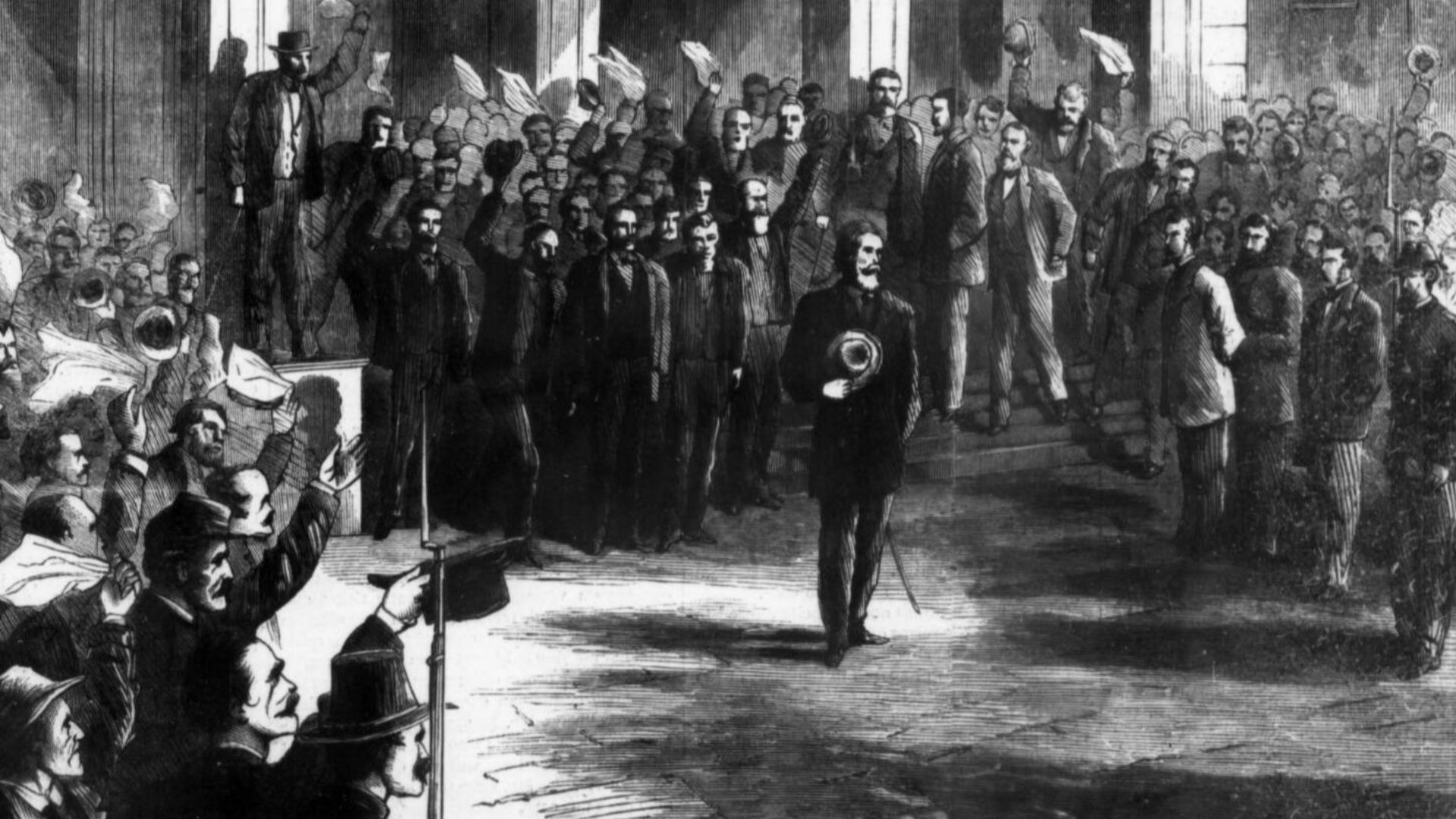 Harper's magazine, Wikimedia Commons
Declining Health
As the years passed, Davis's health gradually deteriorated. Even so, he remained an important symbolic figure for many Southerners. Public appearances continued to attract attention, demonstrating the enduring interest in his life and legacy and the powerful emotions that the Civil War continued to evoke.
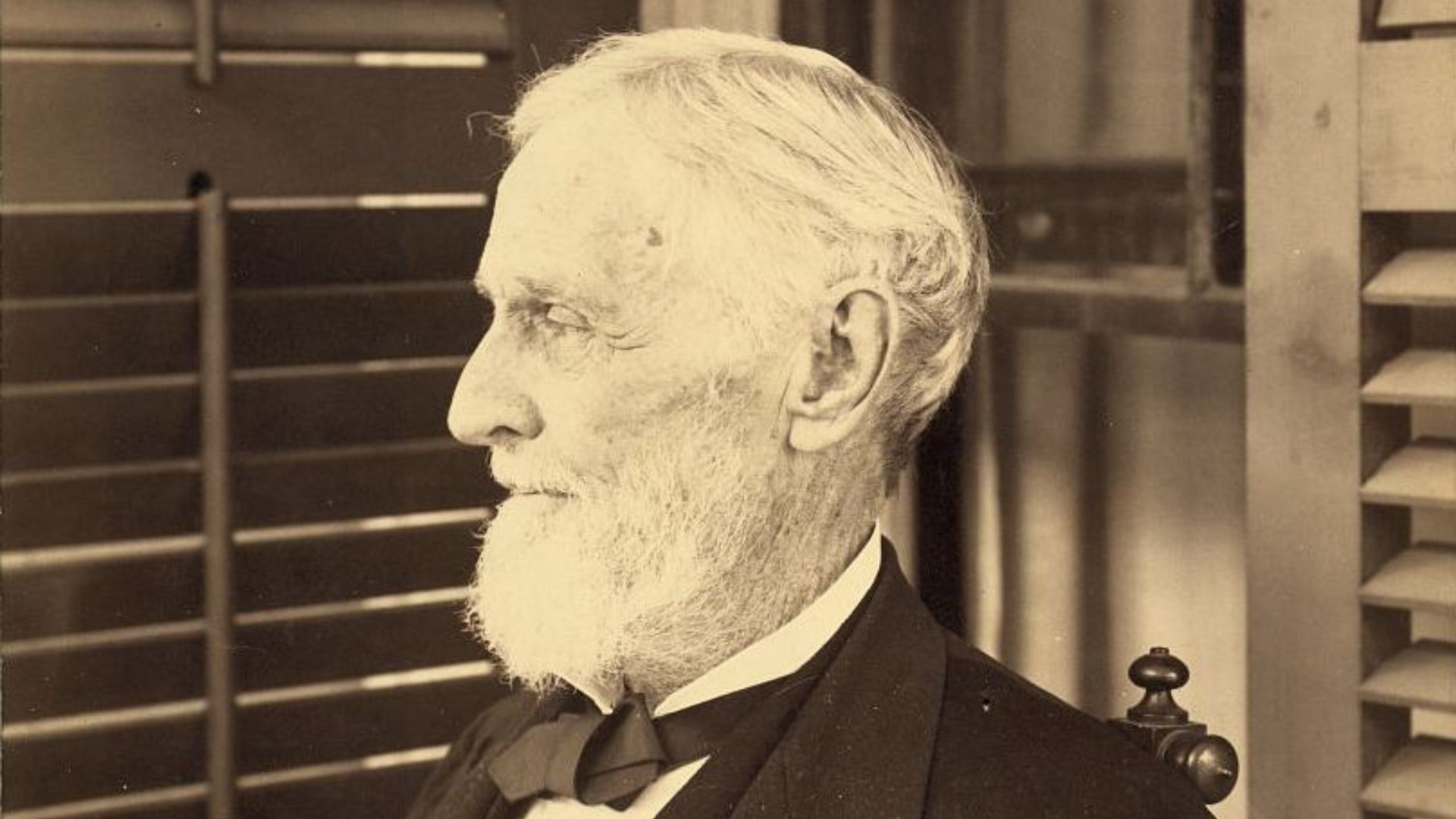 Edward Livingston Wilson, Wikimedia Commons
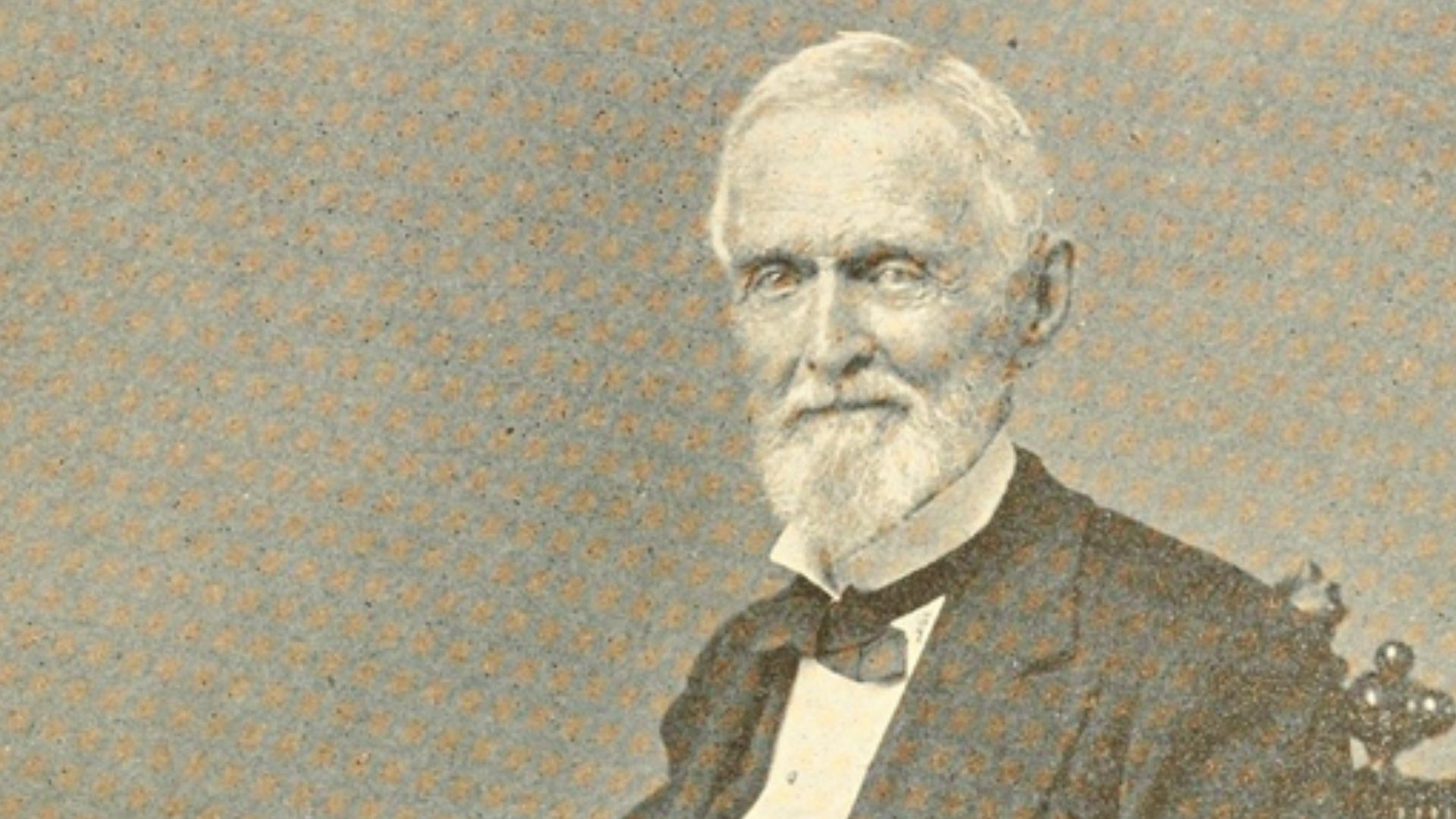
Death And Legacy
Jefferson Davis died in New Orleans on December 6, 1889. His death prompted widespread attention, particularly throughout the South, where many still viewed him as a significant historical figure. Debates about his leadership, the Confederacy, and the meaning of the Civil War continued long after his passing.
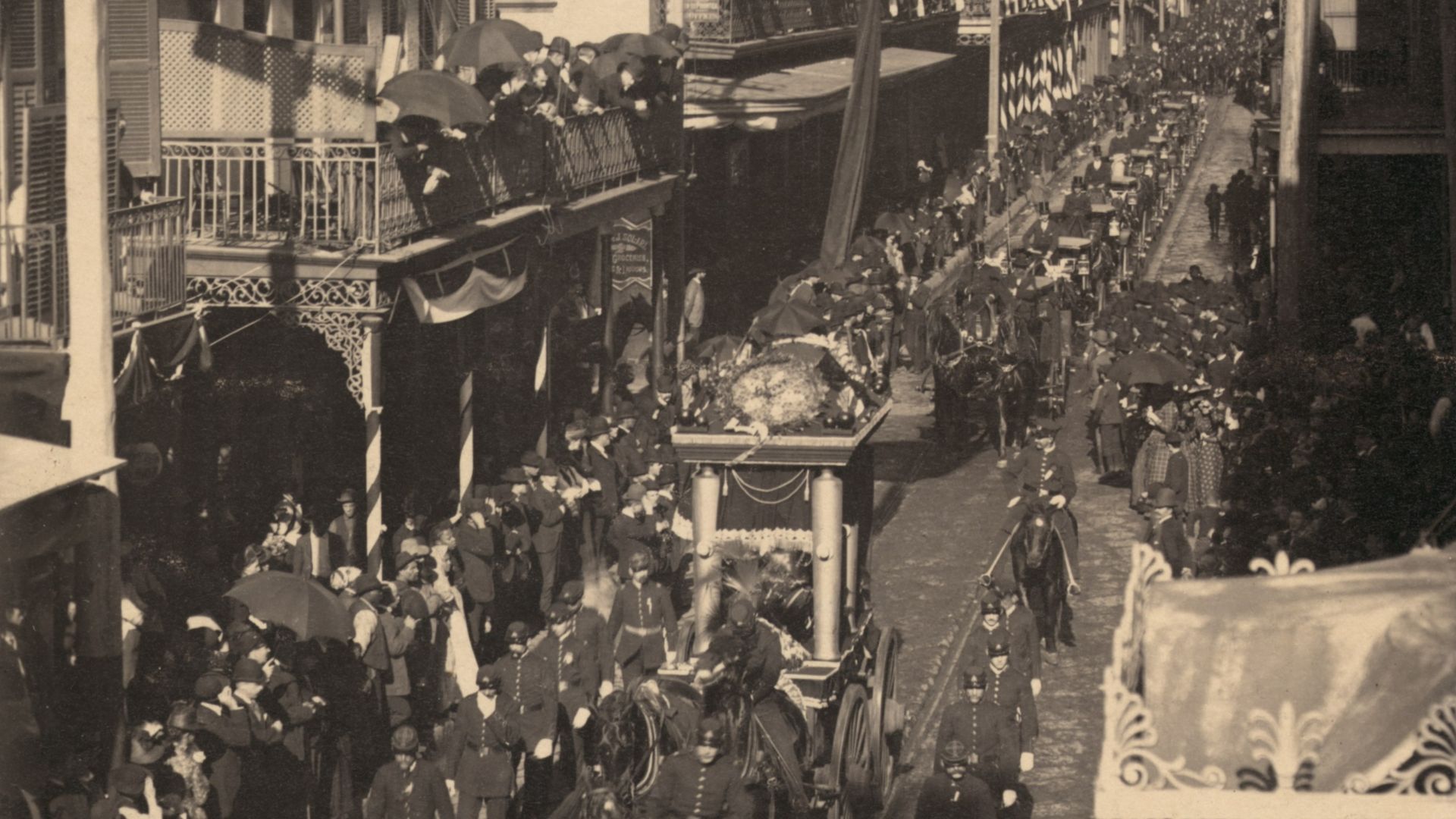 Miscellaneous Items in High Demand, PPOC, Library of Congress, Wikimedia Commons
Citizenship Restored
Davis never regained United States citizenship during his lifetime. Nearly ninety years after his death, Congress acted to restore it posthumously in 1978. The measure was widely viewed as a symbolic act of national reconciliation, reflecting changing attitudes toward Civil War memory and the country's long process of healing.
 Photographer not named., Wikimedia Commons
You May Also Like:
Dred Scott’s Quest For Freedom