Influential Faces From A Different Fame Era
Every generation has its own celebrity universe. Boomers grew up with stars, thinkers, activists, and power players who seemed impossible to ignore. But ask a millennial about some of these once-household names, and you may get a blank stare. Let’s revisit the Boomer-era figures who shaped the world, even if their fame has faded from the group chat.
 Public Domain, via Wikimedia Commons
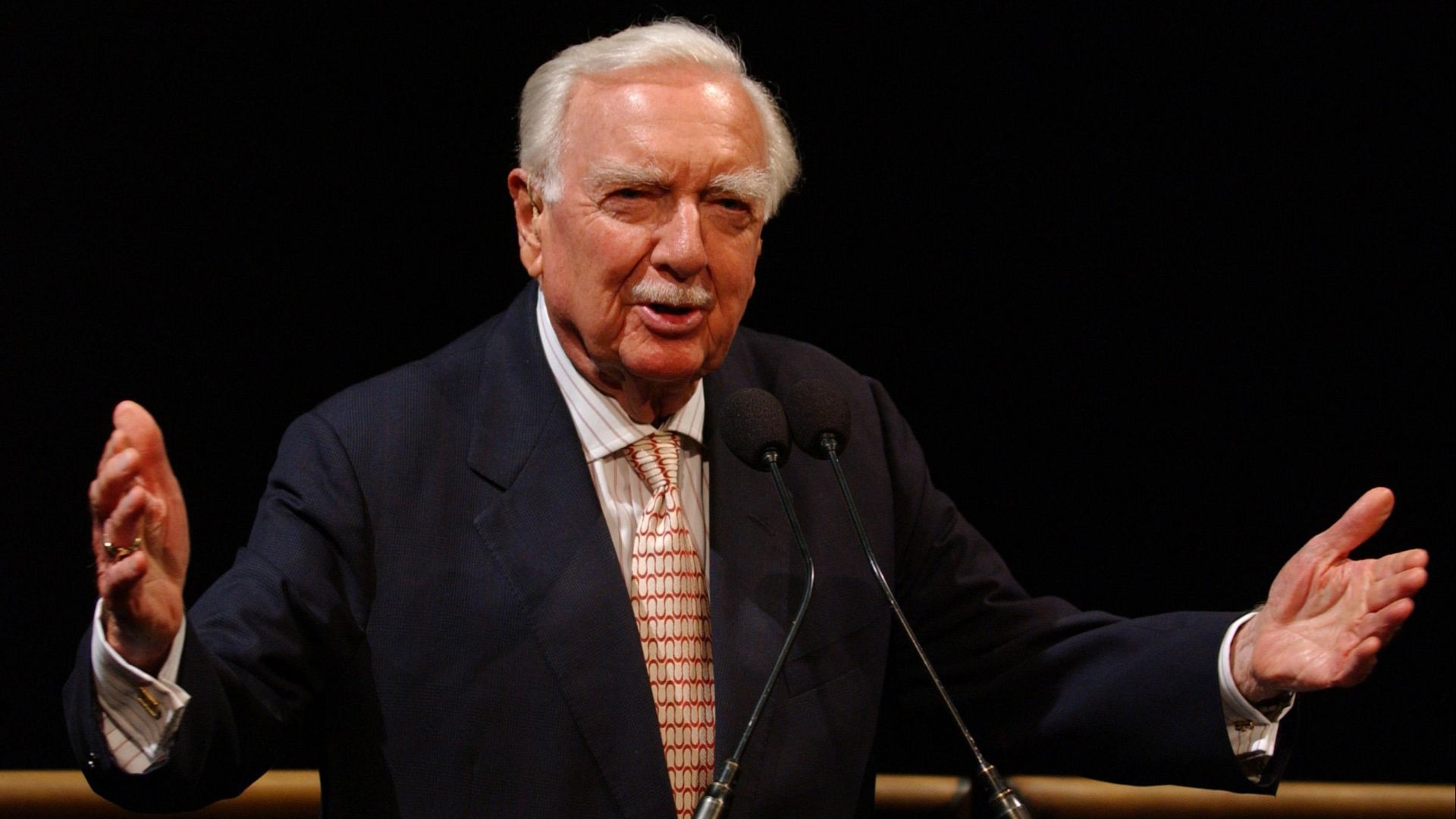
Walter Cronkite
Walter Cronkite was once called “the most trusted man in America,” which sounds almost impossible in today’s media world. As anchor of CBS Evening News, he guided viewers through Vietnam, the moon landing, Watergate, and national tragedies. For Boomers, Cronkite wasn’t just a journalist—he was the voice of reality.
 Bill Ingalls, Wikimedia Commons
Phyllis Schlafly
Phyllis Schlafly was a conservative activist who became famous for fighting against the Equal Rights Amendment. She argued that traditional gender roles protected women, a view that made her beloved by some and fiercely opposed by others. Like her or not, she helped reshape American politics in ways still felt today.
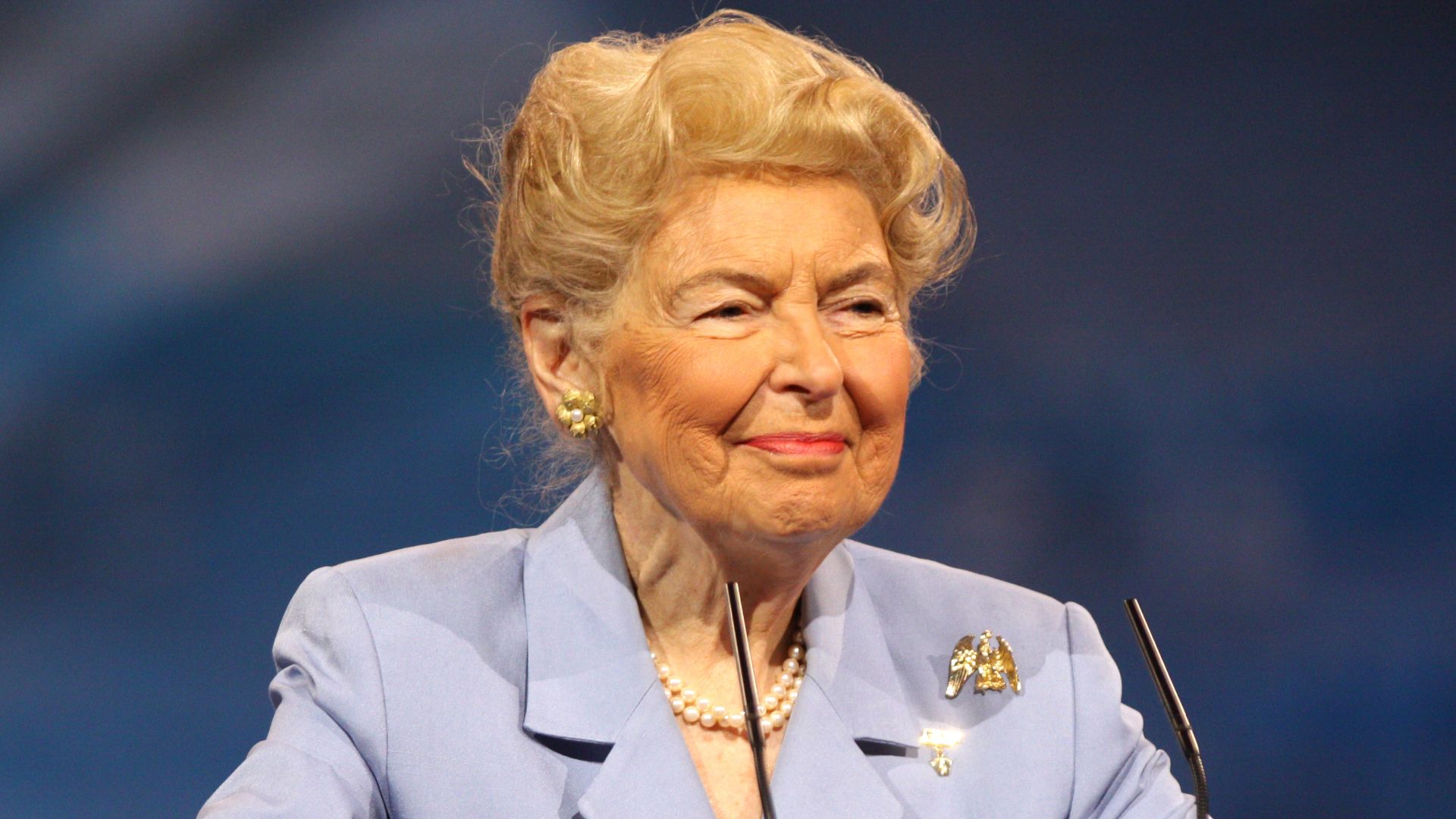 Gage Skidmore, Wikimedia Commons
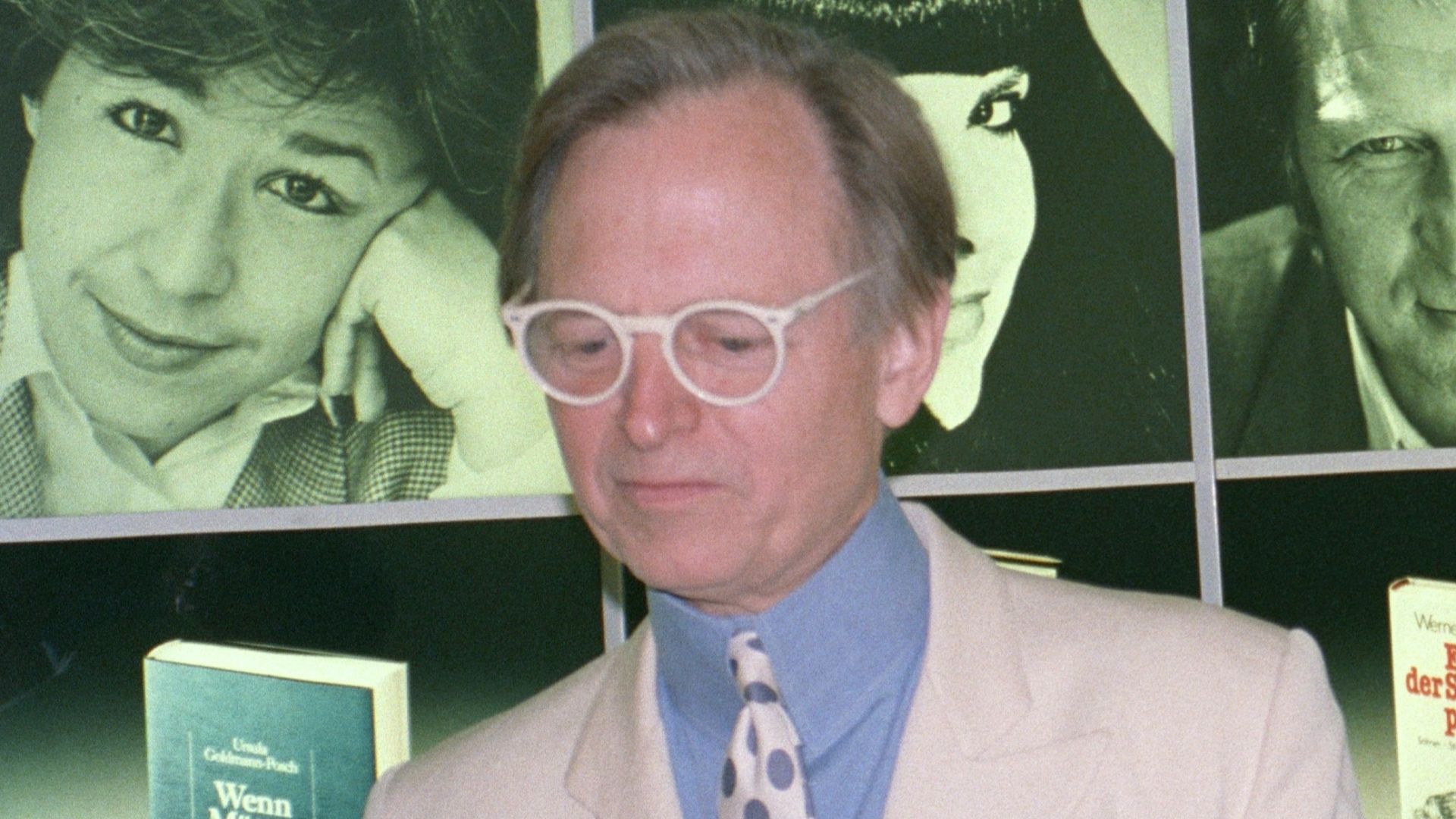
Tom Wolfe
Tom Wolfe dressed like a Southern gentleman and wrote like someone had poured fireworks into a typewriter. A pioneer of “New Journalism,” he mixed reporting with novel-like style in books like The Right Stuff. Boomers knew him as a sharp observer of status, ambition, and American weirdness.

History's most fascinating stories and darkest secrets, delivered to your inbox daily.
Bella Abzug
Bella Abzug was impossible to miss, partly because of her big hats and partly because she refused to be quiet. A lawyer, feminist, and congresswoman, she fought for women’s rights, civil rights, and peace. Her slogan, “This woman’s place is in the House,” was both witty and true.
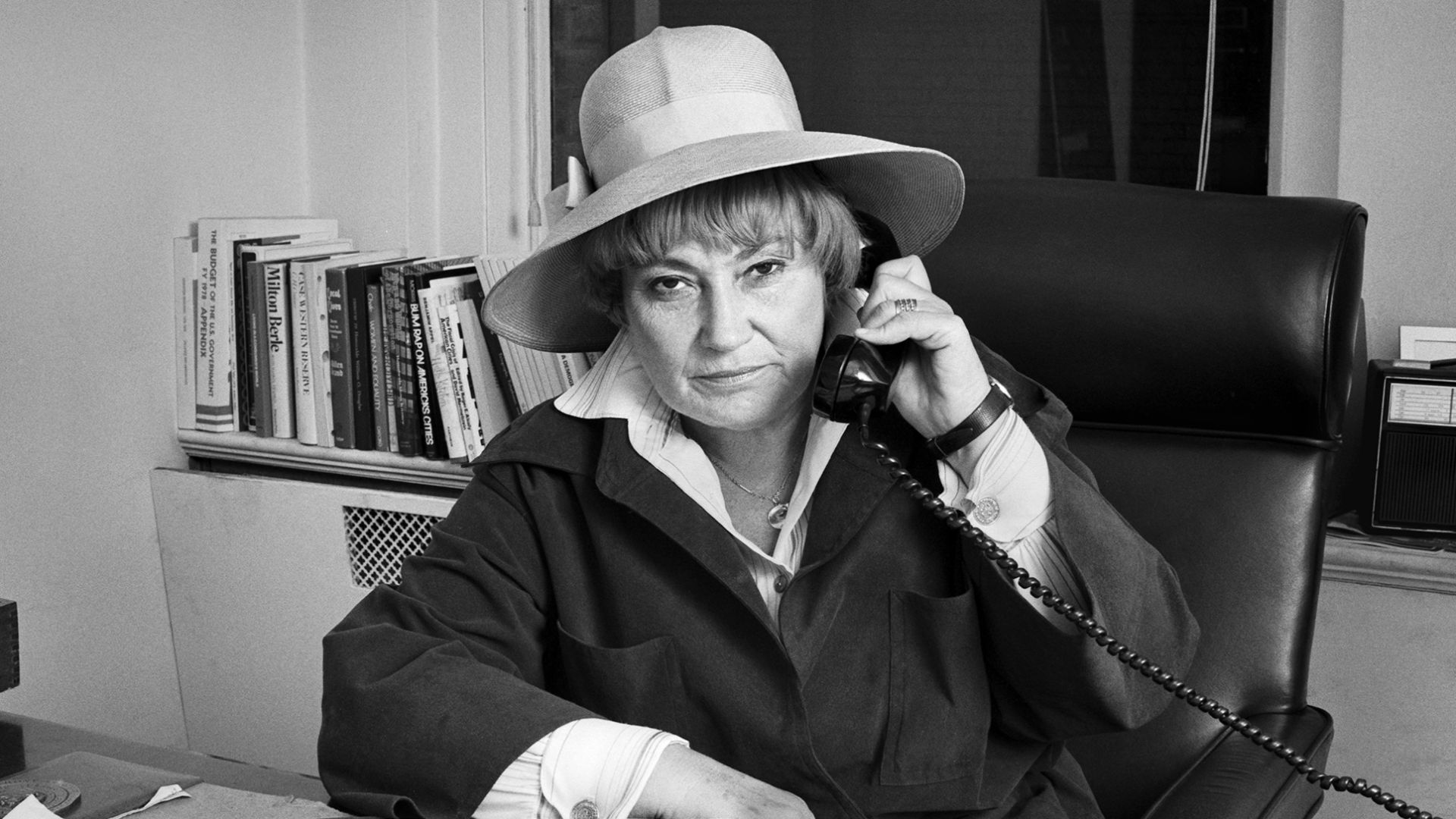 Lynn Gilbert, Wikimedia Commons
Dick Cavett
Before podcasts made long conversations cool, Dick Cavett was doing it on television. His talk show brought together actors, writers, politicians, and musicians for smart, strange, and sometimes tense discussions. Boomers remember him as the thinking person’s talk-show host, with better questions than most people had answers.
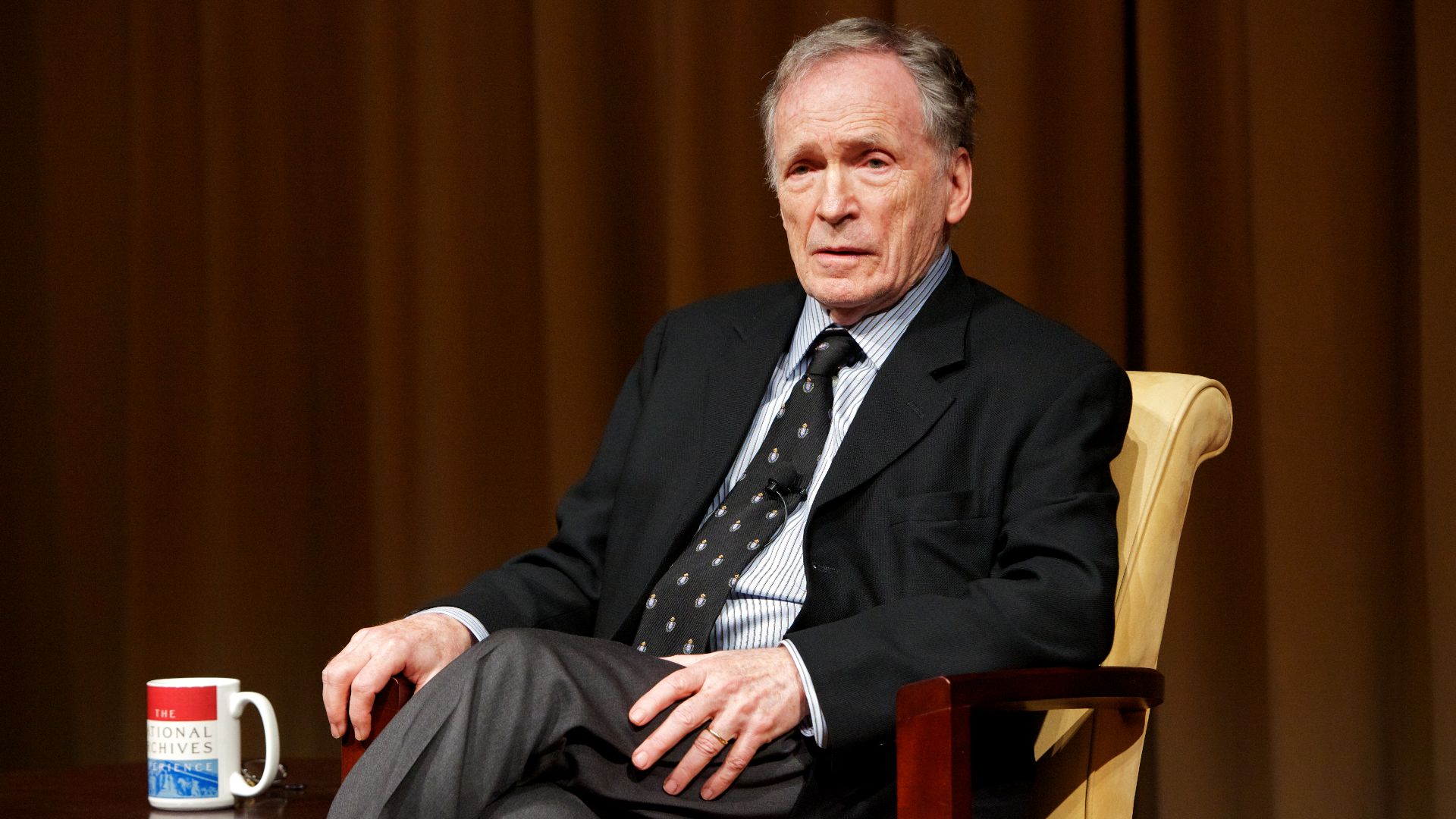 Jermaine Scott--NARA Staff, Wikimedia Commons
Gloria Steinem
Gloria Steinem became one of the most recognizable faces of second-wave feminism. As a writer, activist, and co-founder of Ms. magazine, she pushed women’s issues into the mainstream. Boomers saw her on magazine covers and talk shows, while younger people may know her mostly as a textbook name.
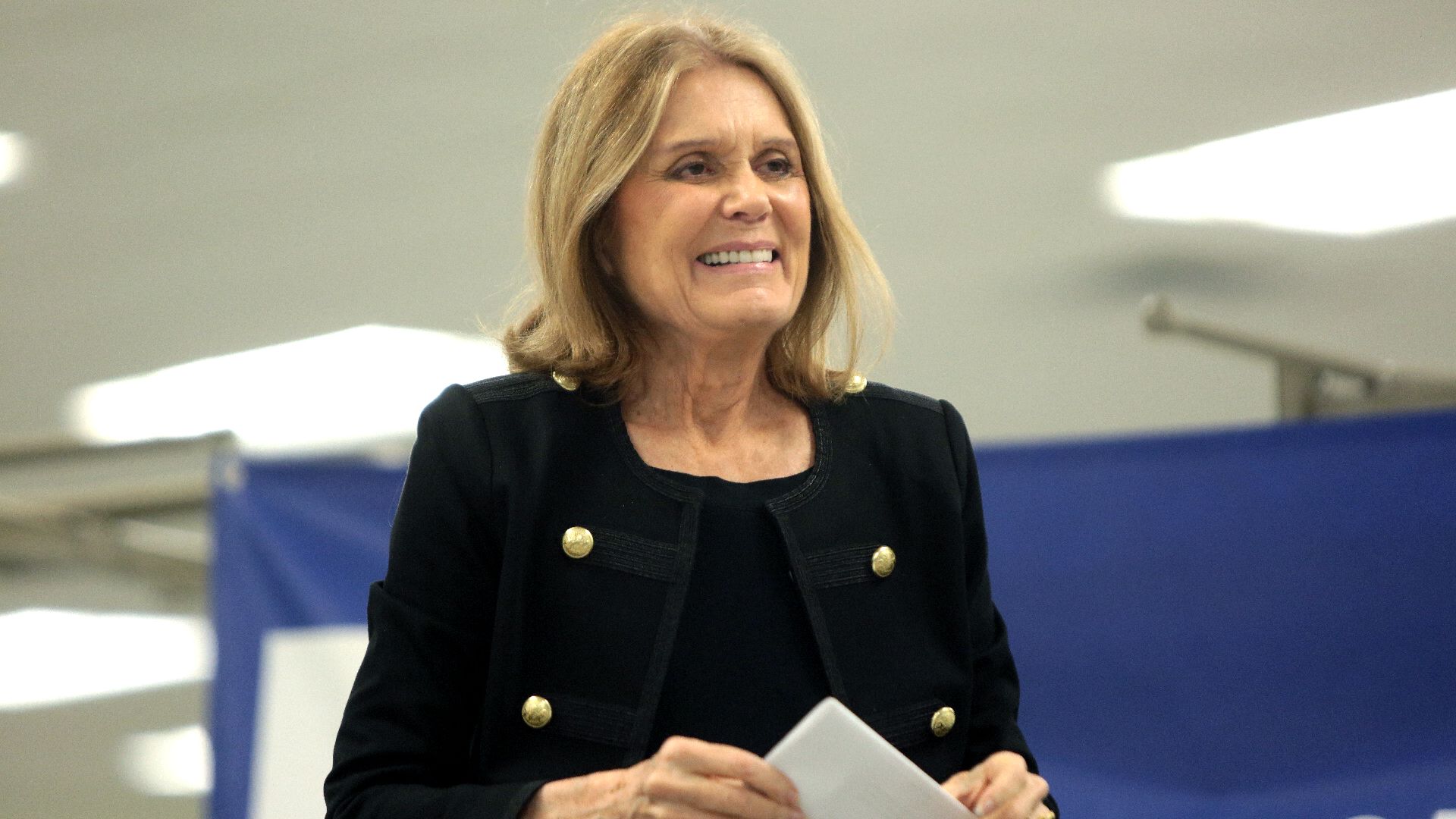 Gage Skidmore from Peoria, AZ, United States of America, Wikimedia Commons
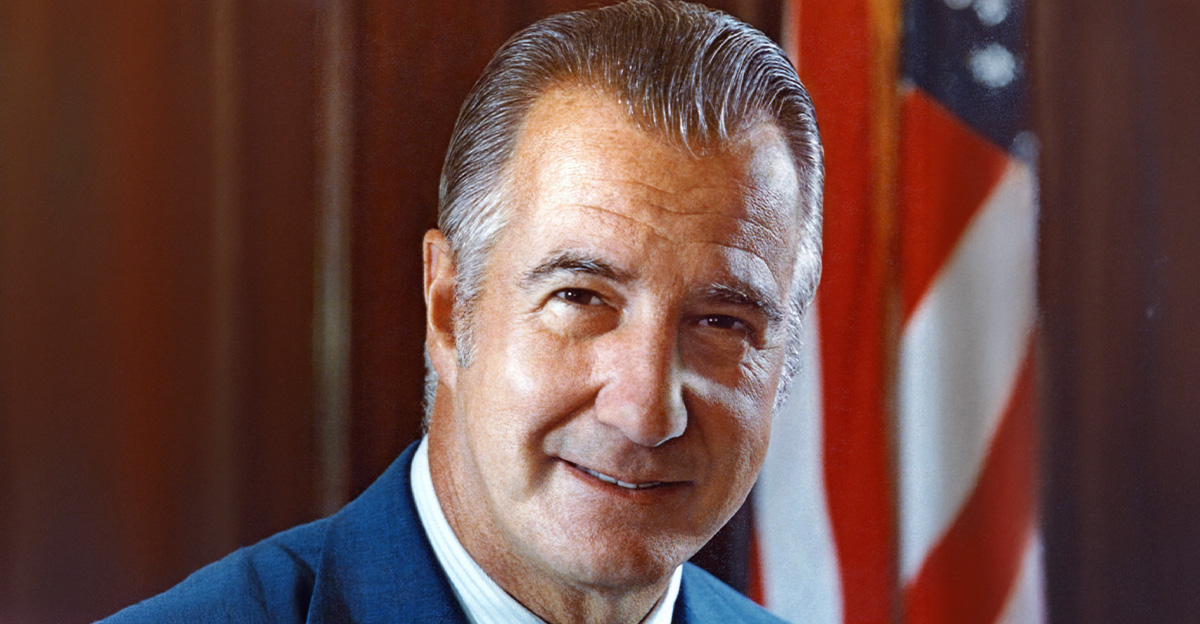
Spiro Agnew
Spiro Agnew was Richard Nixon’s vice president before scandal knocked him out of politics. Known for attacking the media and political opponents with memorable insults, he became a major conservative voice. His resignation over corruption charges made him a cautionary tale—and a very Boomer-era political reference.
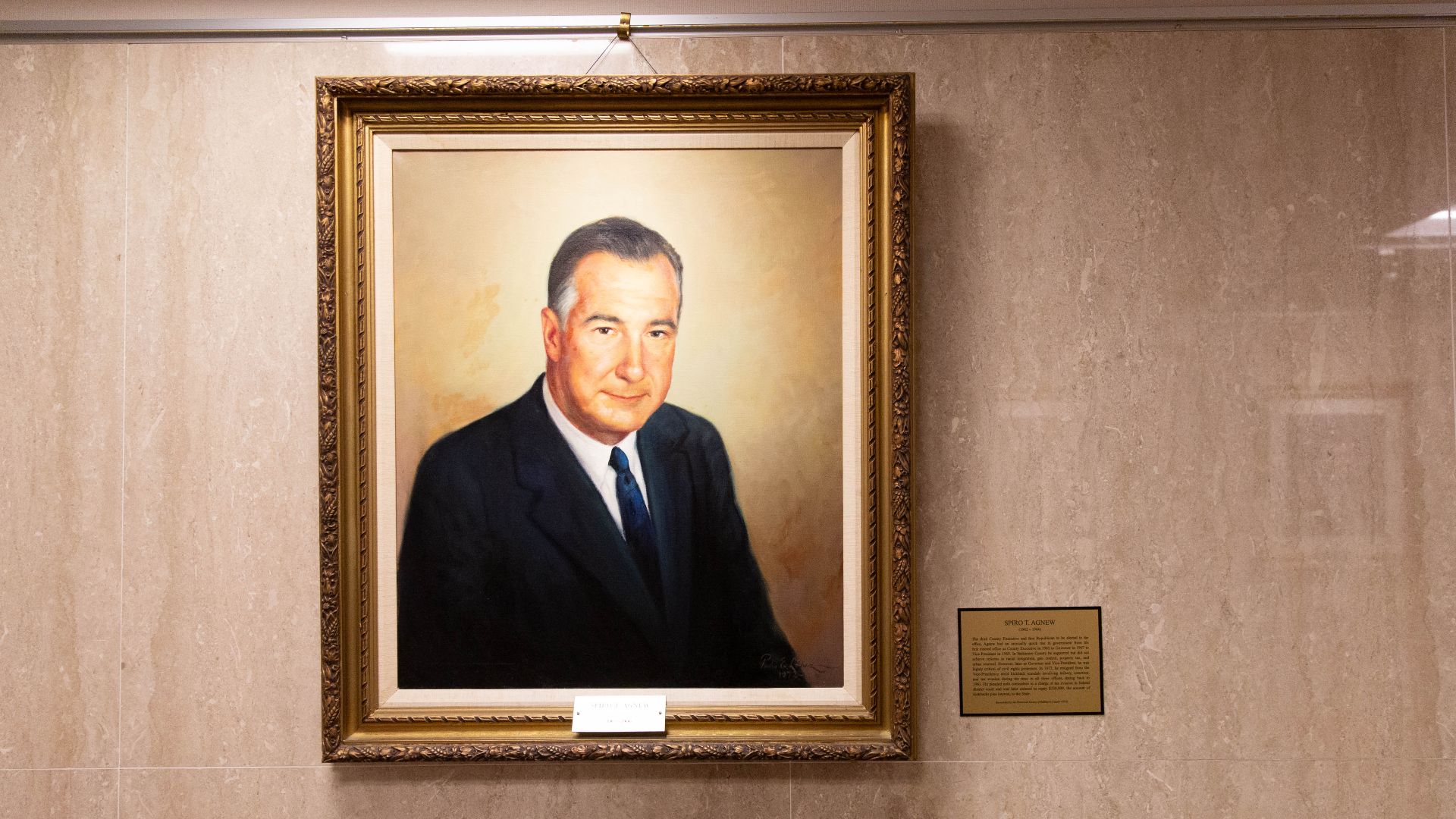 Baltimore County Government, Wikimedia Commons
Dinah Shore
Dinah Shore was a singer, actress, and TV host whose warmth made her a living room regular. She charmed audiences with music, variety shows, and famously cheerful interviews. To Boomers, she was comfort television in human form. To millennials, she may sound like someone’s fancy aunt.
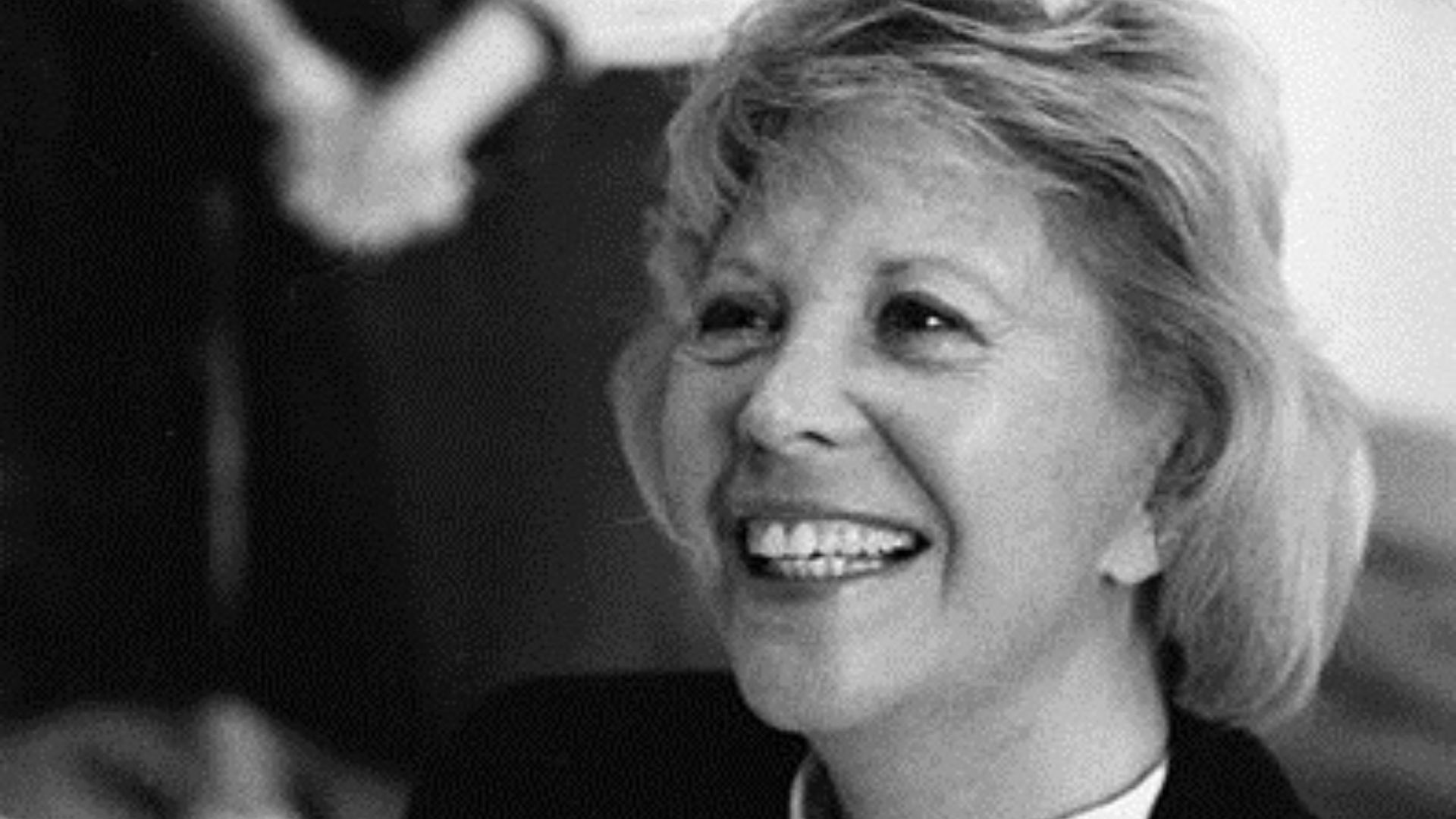 MDCarchives, Wikimedia Commons
Jonas Salk
Jonas Salk was the scientist behind the first successful polio vaccine, a breakthrough that changed millions of lives. At a time when polio terrified families, his work brought enormous relief. He became a national hero, especially because he refused to patent the vaccine. That is main-character energy.
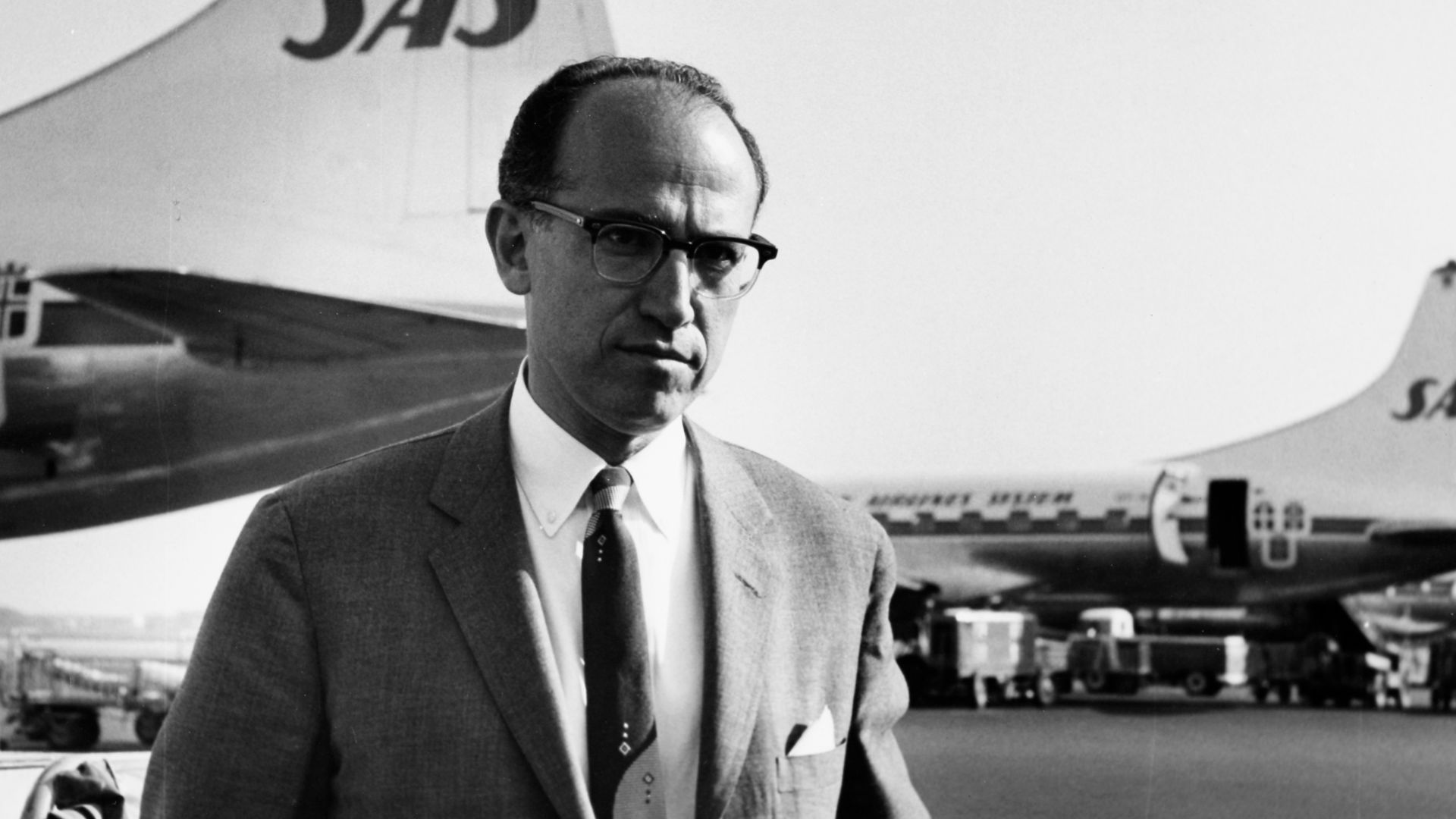 SAS Scandinavian Airlines, Wikimedia Commons
History's most fascinating stories and darkest secrets, delivered to your inbox daily.
Norman Mailer
Norman Mailer was a novelist, journalist, and professional literary brawler. He wrote major works like The Naked and the Dead and became known for his huge ego, sharp opinions, and public feuds. Boomers knew him as a major intellectual celebrity, back when writers could still become TV regulars.
![Title: Norman Mailer, writer
Creator(s): Gotfryd, Bernard, photographer
Date Created/Published: [1967]
Medium: 1 photograph : color transparency ; 35mm (slide format)
Reproduction Number: LC-DIG-gtfy-02666 (digital file from original)
Rights Advisory: No](https://www.factinate.com/storage/app/media/factinate/2026/6/22/17821395717689ae8c0a36d5f2581cdb371c9f9b1440af25b8.jpg) Gotfryd, Bernard, photographer, Wikimedia Commons
Gotfryd, Bernard, photographer, Wikimedia Commons
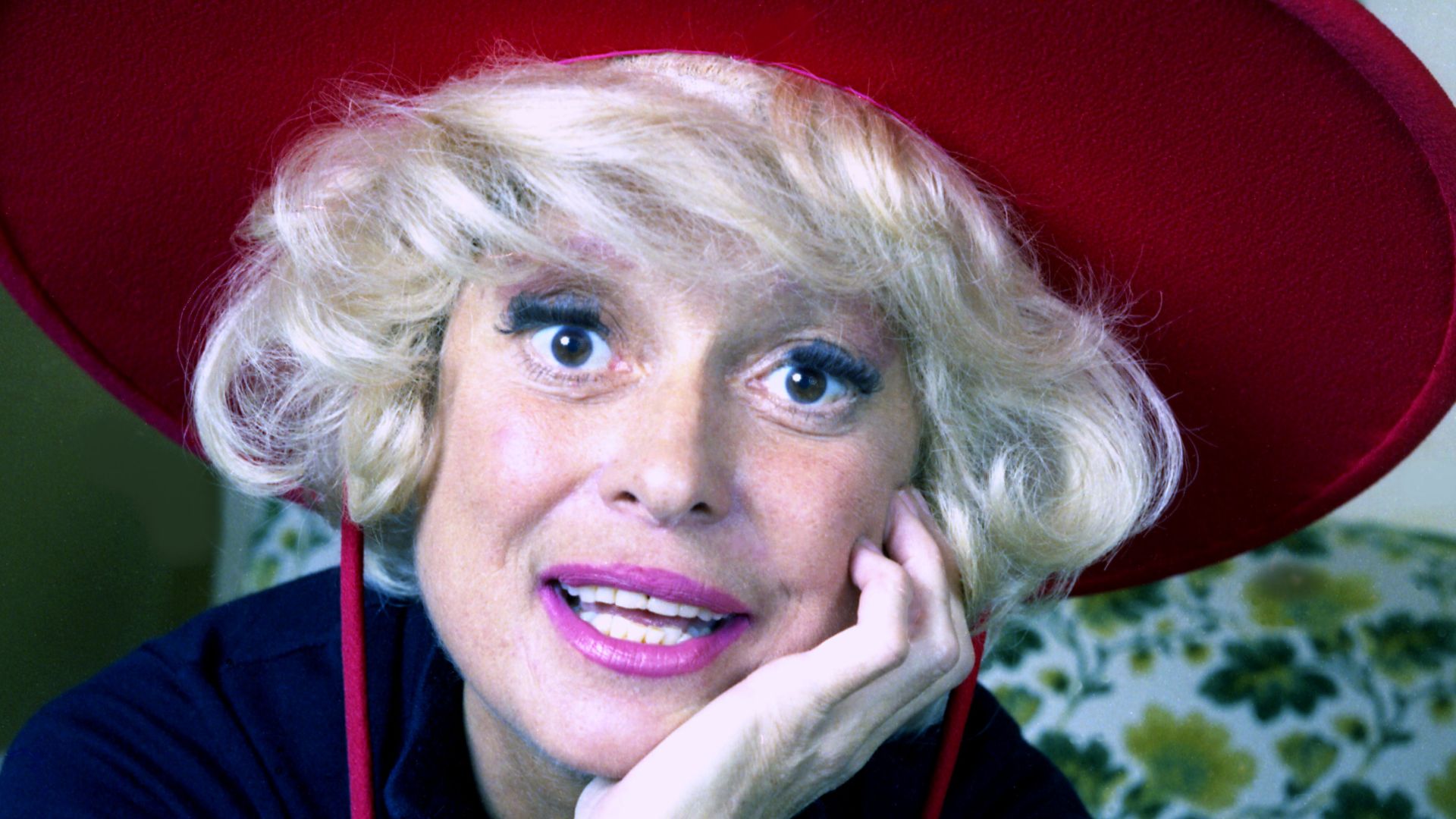
Carol Channing
Carol Channing had a voice, face, and stage presence nobody could confuse with anyone else. Best known for Hello, Dolly!, she became a Broadway legend with sparkling comic timing. Her glamour was big, her personality was bigger, and her influence on musical theater was enormous.
 Allan Warren, Wikimedia Commons
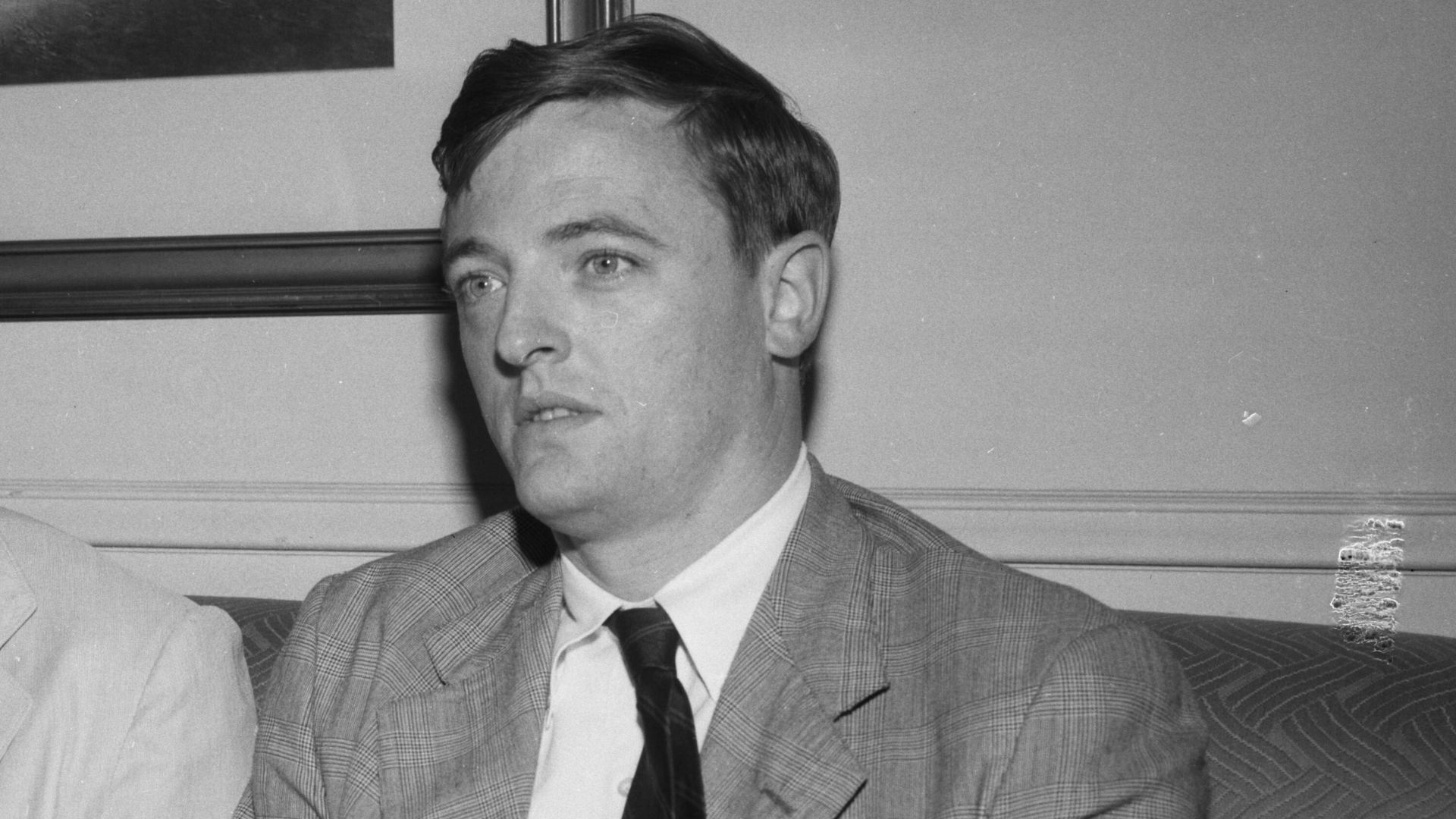
William F Buckley Jr
William F Buckley Jr helped define modern American conservatism. With his magazine National Review and TV show Firing Line, he made intellectual debate into a spectator sport. His vocabulary alone could scare off casual viewers. Boomers knew him as a towering conservative thinker with a famously arched eyebrow.
 Los Angeles Times, Wikimedia Commons
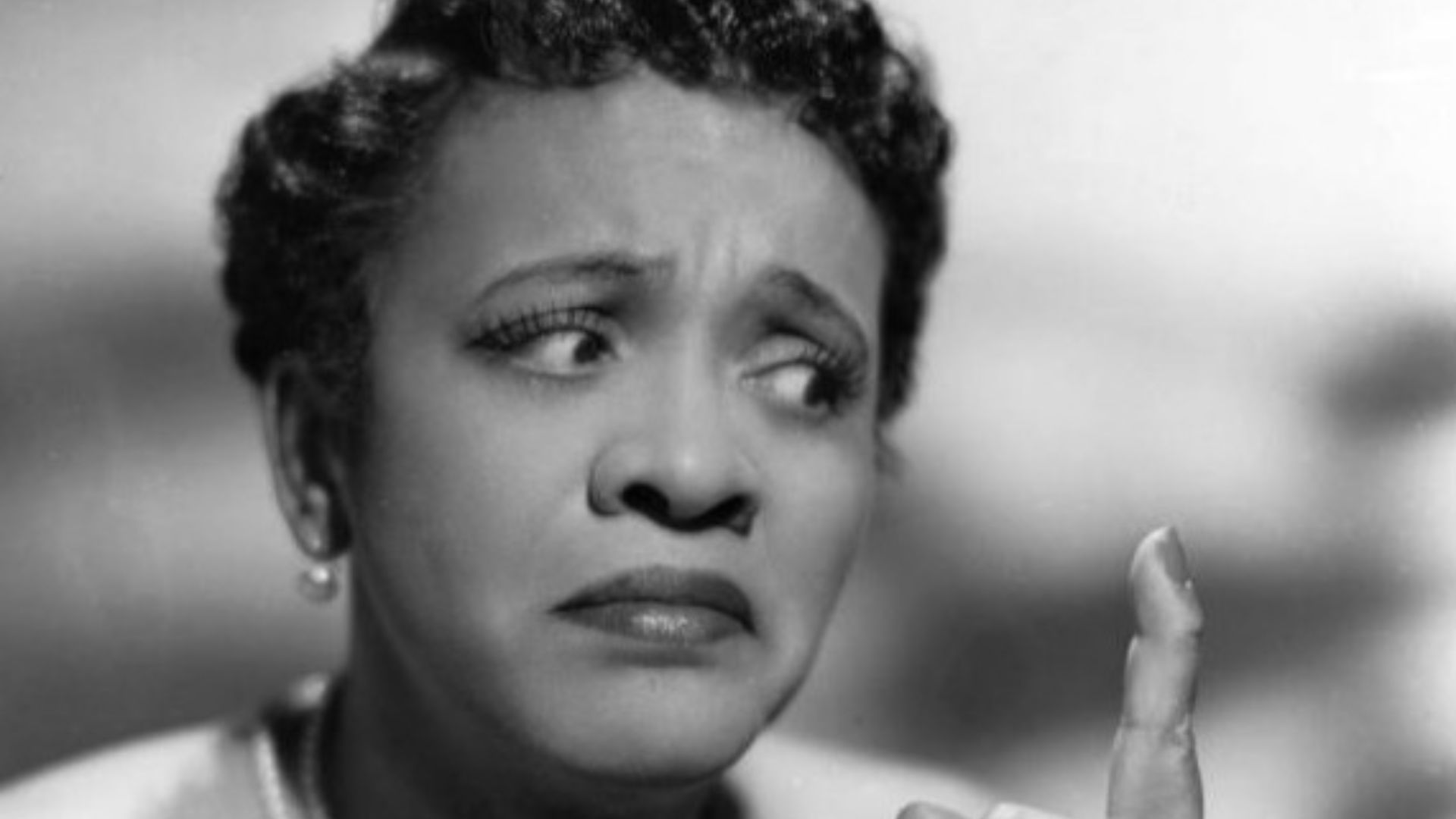
Moms Mabley
Moms Mabley was a comedy trailblazer who broke barriers long before stand-up became a streaming-special machine. Performing in a housedress and toothless grin, she used sharp jokes to talk about race, age, and politics. She influenced generations of comedians, even if many younger fans don’t know her name.
 Associated Booking Corporation-management-Photo by James Kriegsmann, New York., Wikimedia Commons
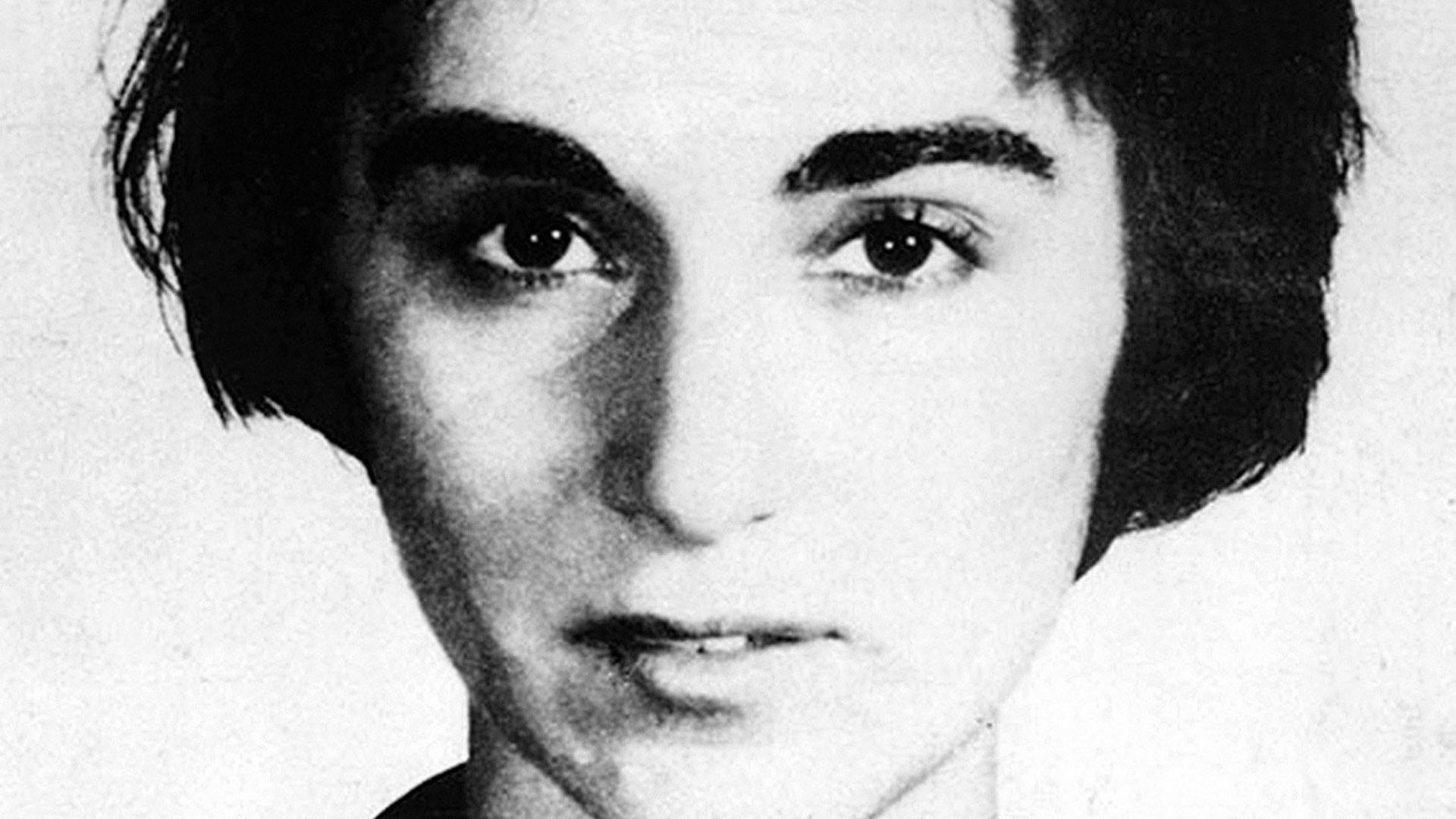
Kitty Genovese
Kitty Genovese became known because of the public conversation around her tragic 1964 murder. Reports claimed neighbors failed to help, sparking debate about urban life and bystander behavior. Later investigations complicated the original story, but her name still became a powerful symbol in psychology, media, and crime history.
 New York Police Department, Wikimedia Commons
Art Linkletter
Art Linkletter was a radio and TV host best known for letting kids say ridiculous things on camera. His show House Party made everyday people entertaining long before reality TV. Boomers knew his gentle humor and easy charm, while millennials might assume he invented a chain-link fence.
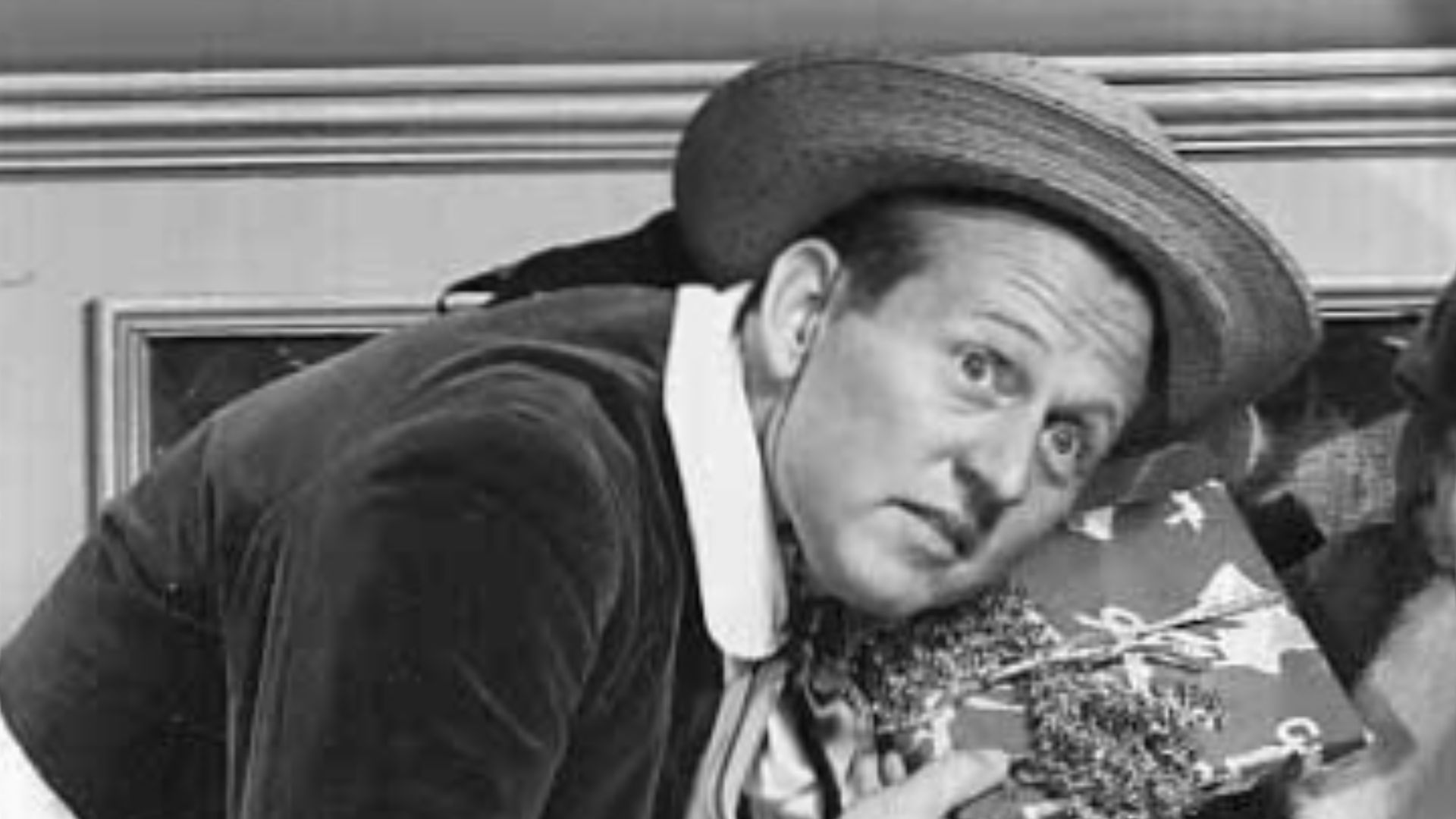 National Broadcasting Company, Wikimedia Commons
History's most fascinating stories and darkest secrets, delivered to your inbox daily.
Margaret Mead
Margaret Mead was an anthropologist who brought big ideas about culture, gender, and childhood to the general public. Her work made anthropology famous outside universities, even though scholars later debated parts of it. For Boomers, she was one of those rare academics who became a household name.
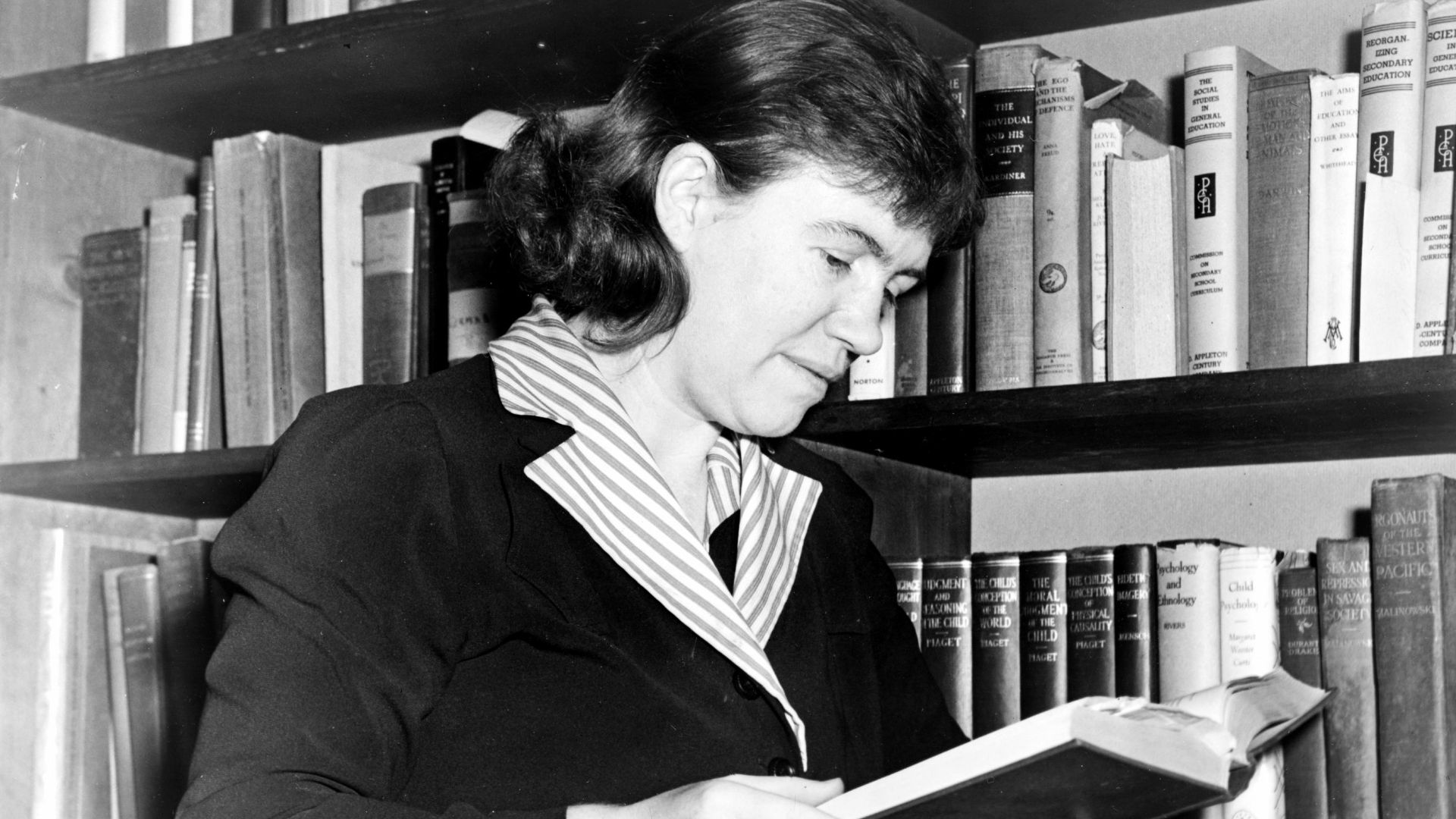 Edward Lynch, World-Telegram staff photographer, Wikimedia Commons
Ed Sullivan
Ed Sullivan did not sing, dance, or tell great jokes, yet his variety show was must-watch television. He introduced American audiences to everyone from Elvis Presley to The Beatles. Appearing on The Ed Sullivan Show could make a career overnight, which made Sullivan one of TV’s great gatekeepers.
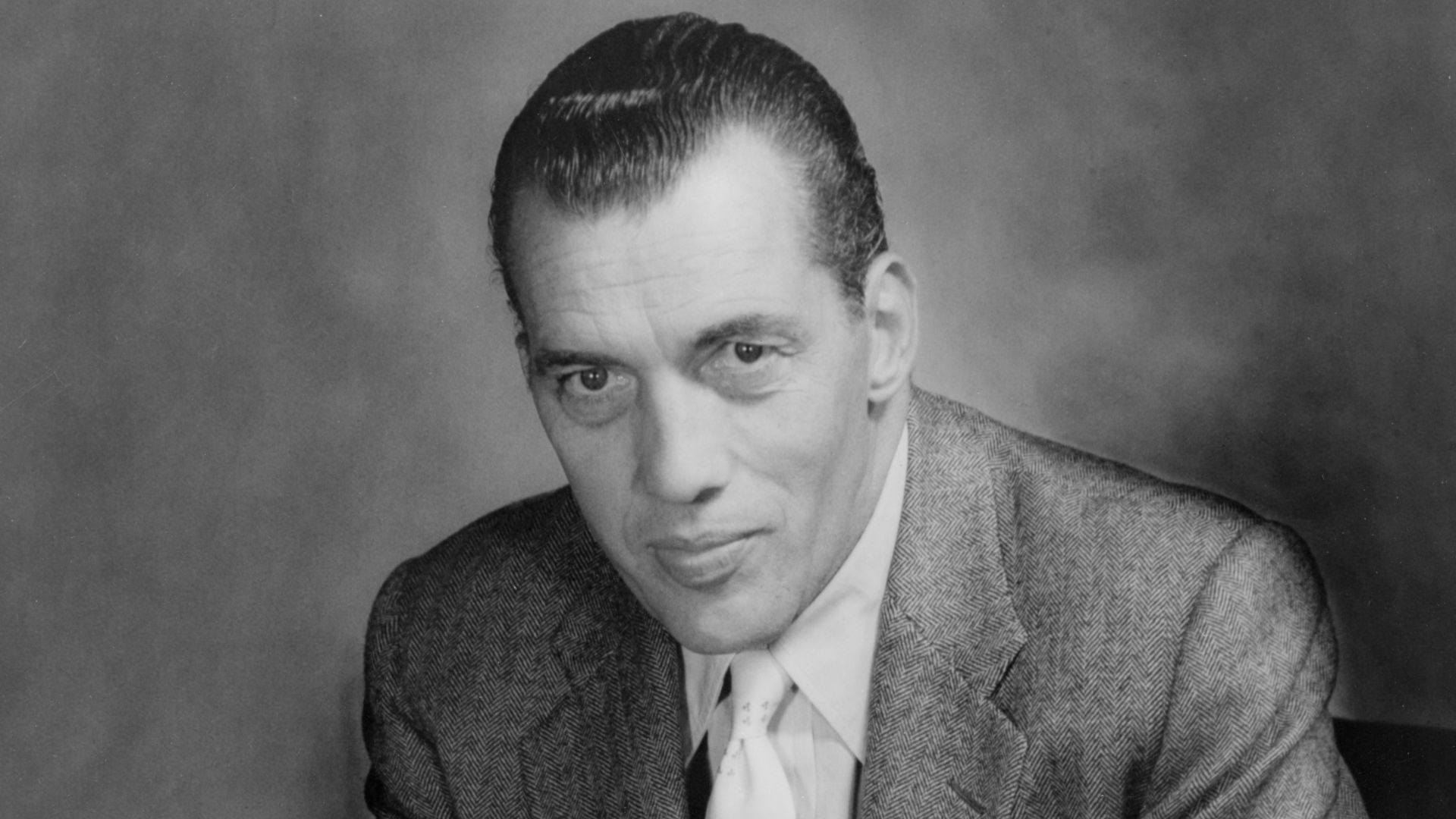 Creator:Maurice Carnes LaClaire, Wikimedia Commons
Angela Davis
Angela Davis became a symbol of radical politics, Black liberation, feminism, and prison abolition. Her activism, scholarship, and legal battles made her one of the most recognizable political figures of the 1970s. Boomers knew her as a lightning rod. Younger generations may know her image before they know her story.
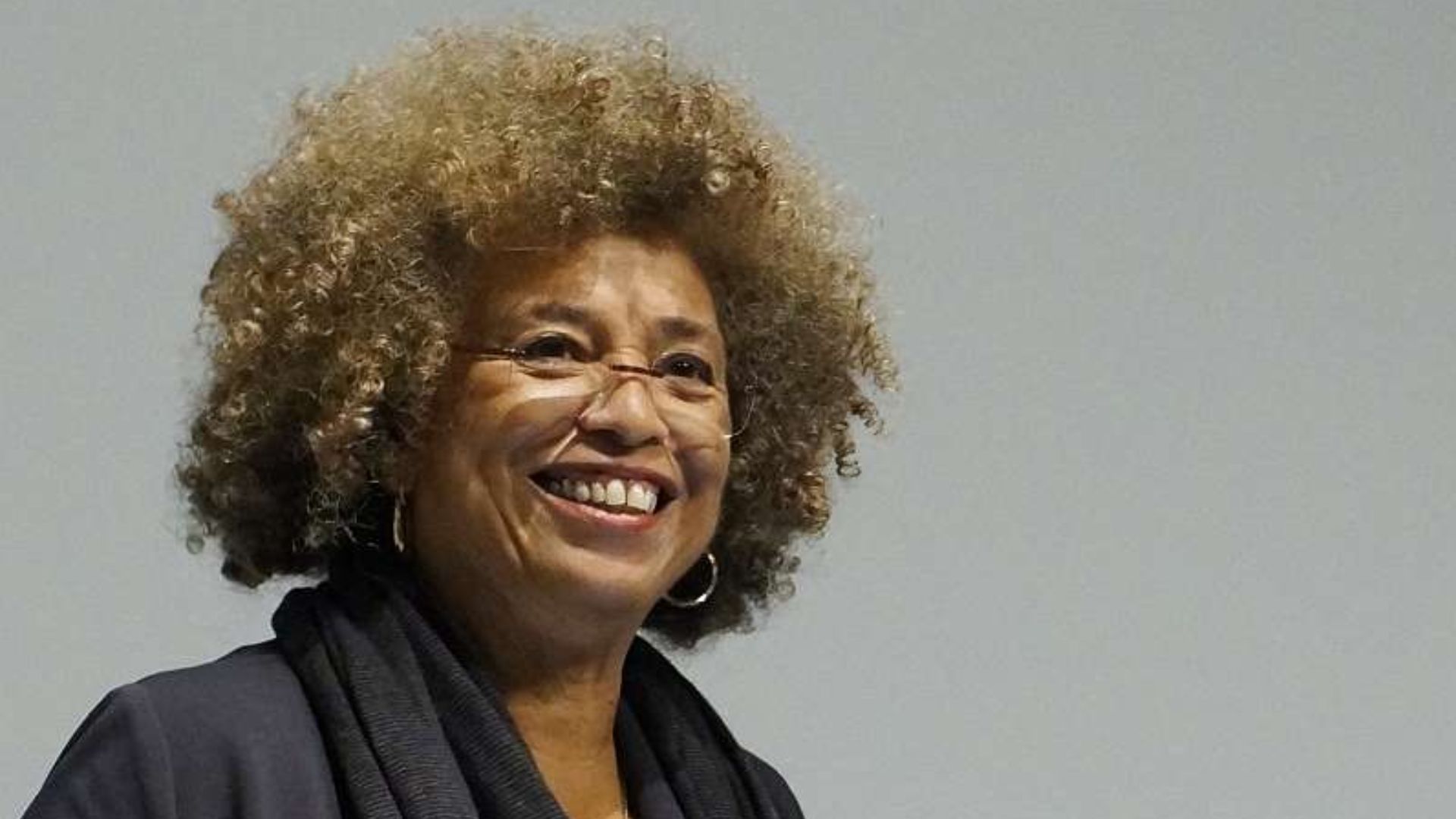 Columbia GSAPP, Wikimedia Commons
Rod Serling
Rod Serling created The Twilight Zone, a show that made science fiction feel eerie, clever, and deeply human. He used strange stories to talk about fear, prejudice, war, and conformity. Boomers grew up with his voice guiding them into the bizarre. Modern TV still borrows from his shadow.
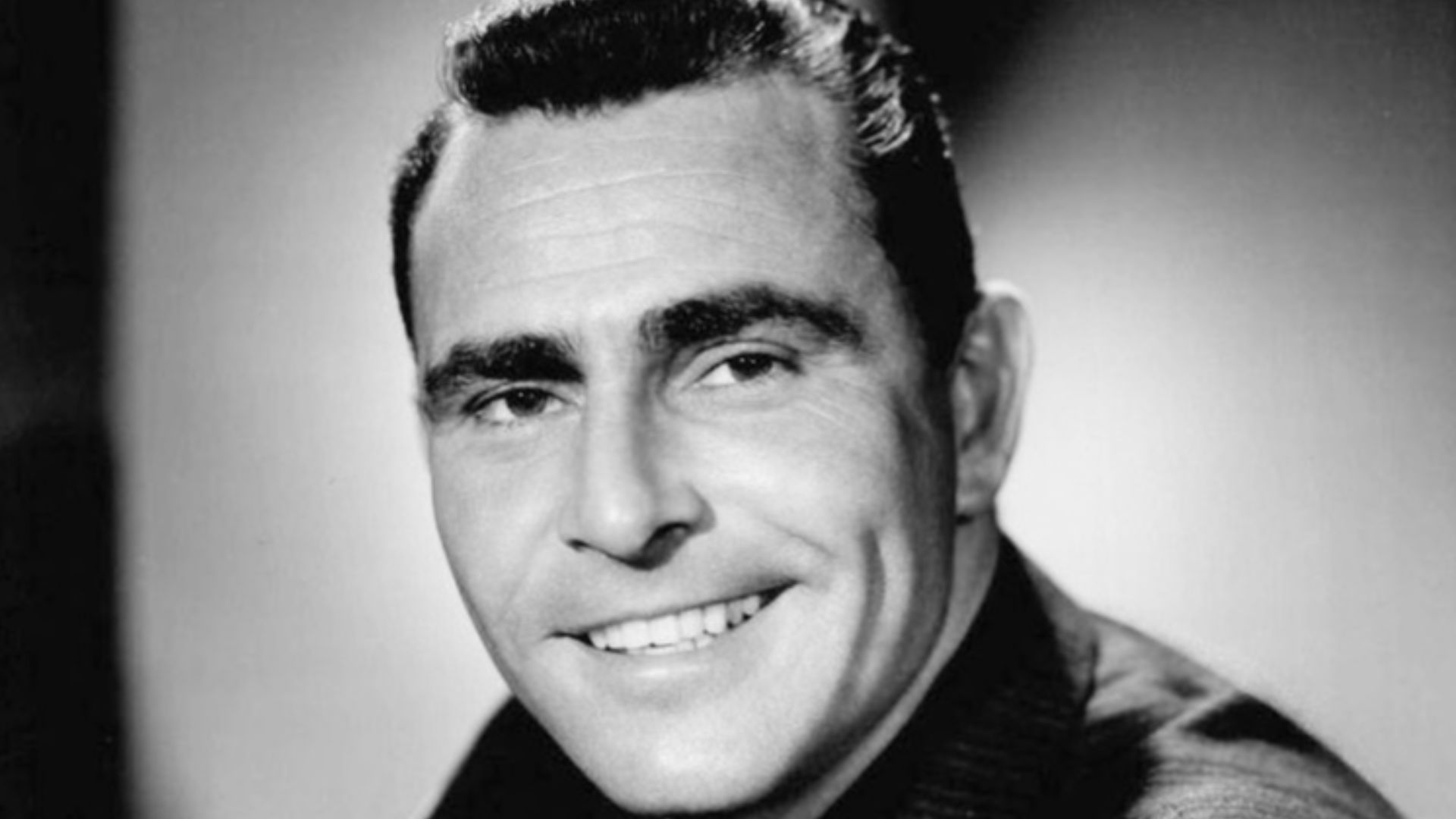 CBS Television-CBS Portrait by photographer Gabor Rona-mark is faint in spots., Wikimedia Commons
Marlo Thomas
Marlo Thomas became a star with That Girl, playing an independent young woman trying to build her own life in New York. The show helped push TV beyond the usual wife-and-mother roles. She later became known for activism and children’s media, especially Free to Be… You and Me.
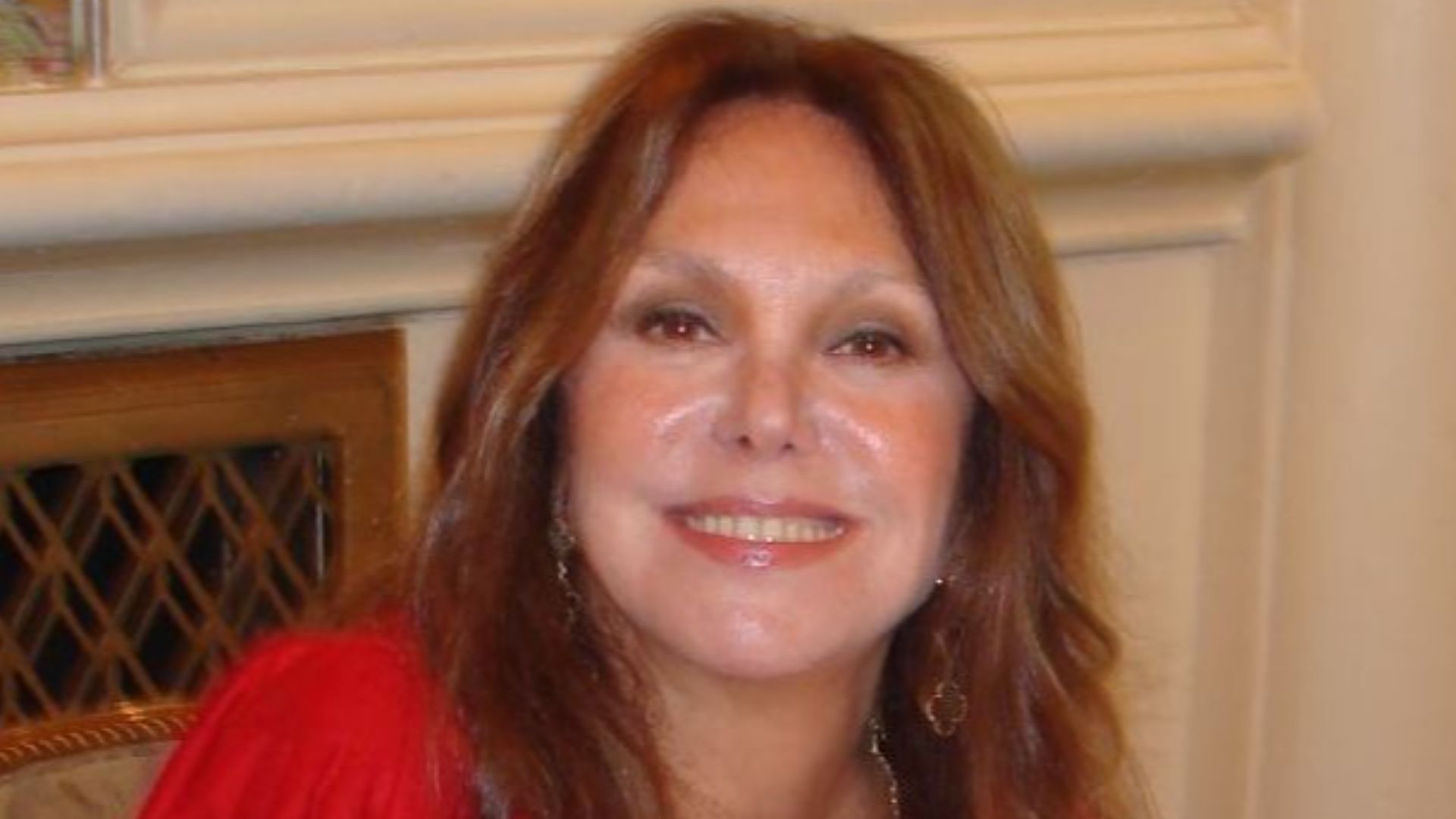 Shannon from New York, Wikimedia Commons
Ralph Nader
Ralph Nader became famous by taking on unsafe cars and powerful corporations. His book Unsafe at Any Speed helped spark consumer protection reforms and made him a public-interest hero. Later, his presidential campaigns made him controversial. Boomers remember him as the consumer advocate who made companies sweat.

History's most fascinating stories and darkest secrets, delivered to your inbox daily.
Charo
Charo was a Spanish-American performer known for her wild energy, flamenco guitar skills, and unforgettable catchphrase “cuchi-cuchi.” She popped up constantly on variety shows and talk shows, becoming a kitschy TV favorite. Behind the camp, though, she was also a serious musician with real talent.
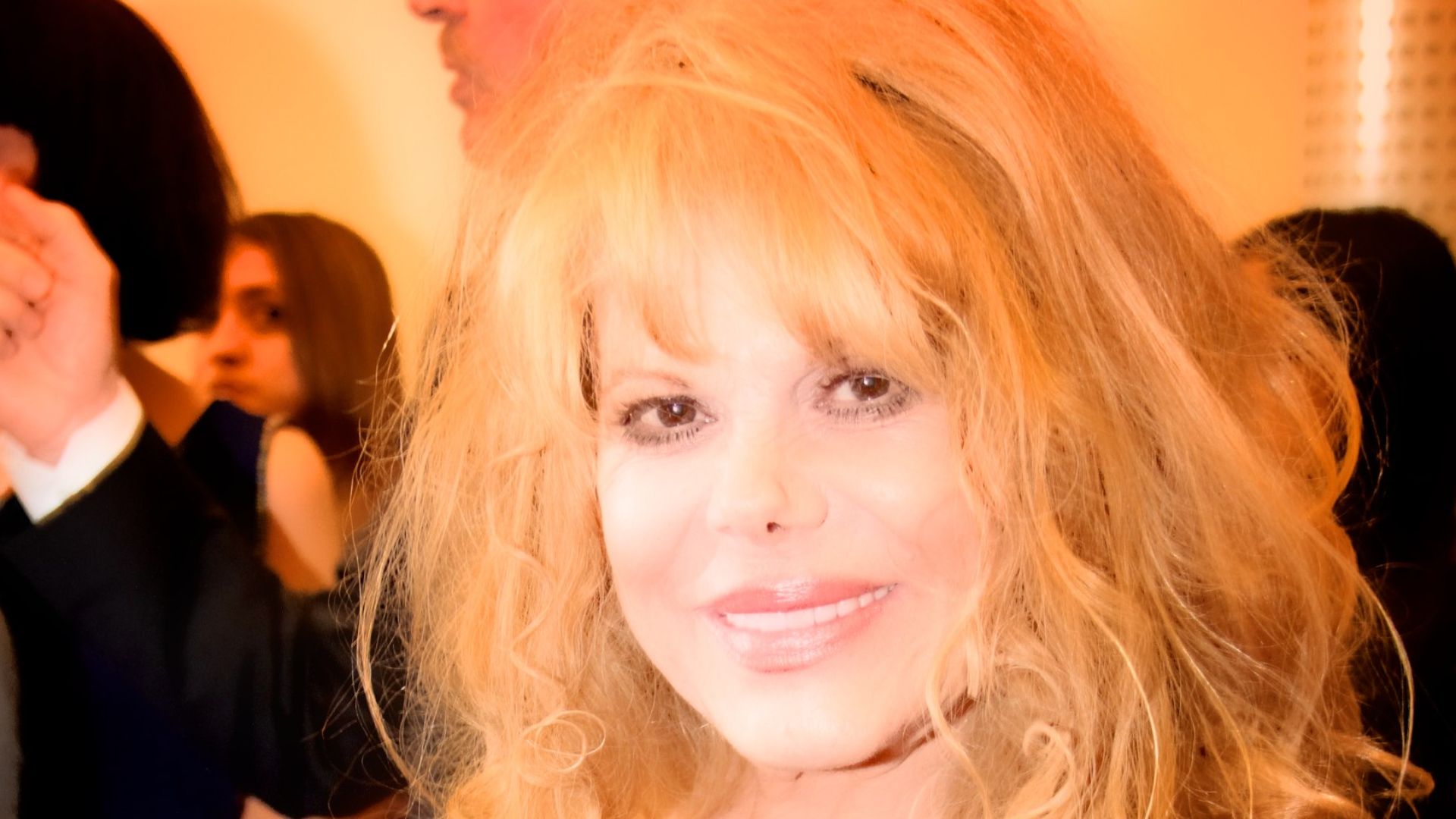 Richard Sandoval, Wikimedia Commons
David Halberstam
David Halberstam was a journalist and author who helped shape how Americans understood Vietnam, politics, sports, and power. His reporting challenged official narratives, and his books became major works of nonfiction. Boomers saw him as part of a generation of reporters who could shake the government.
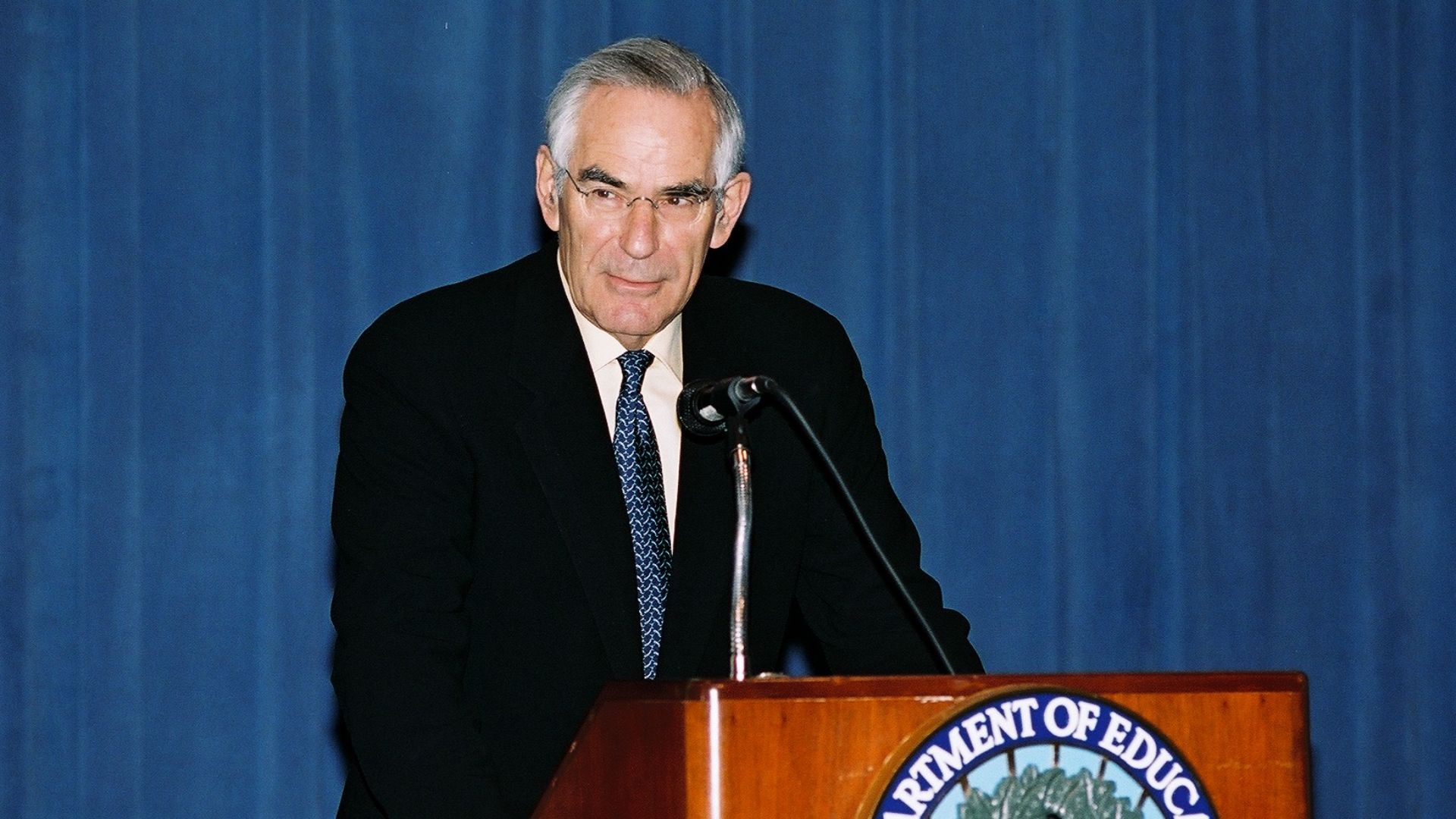
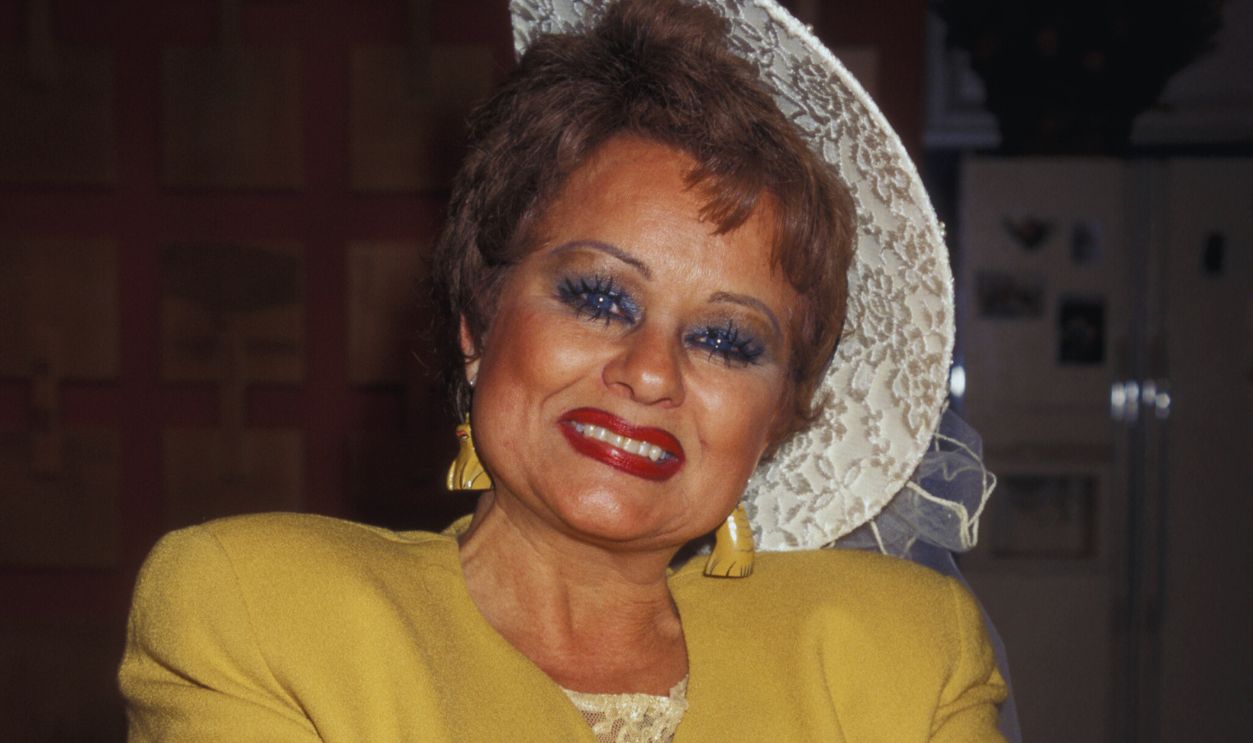
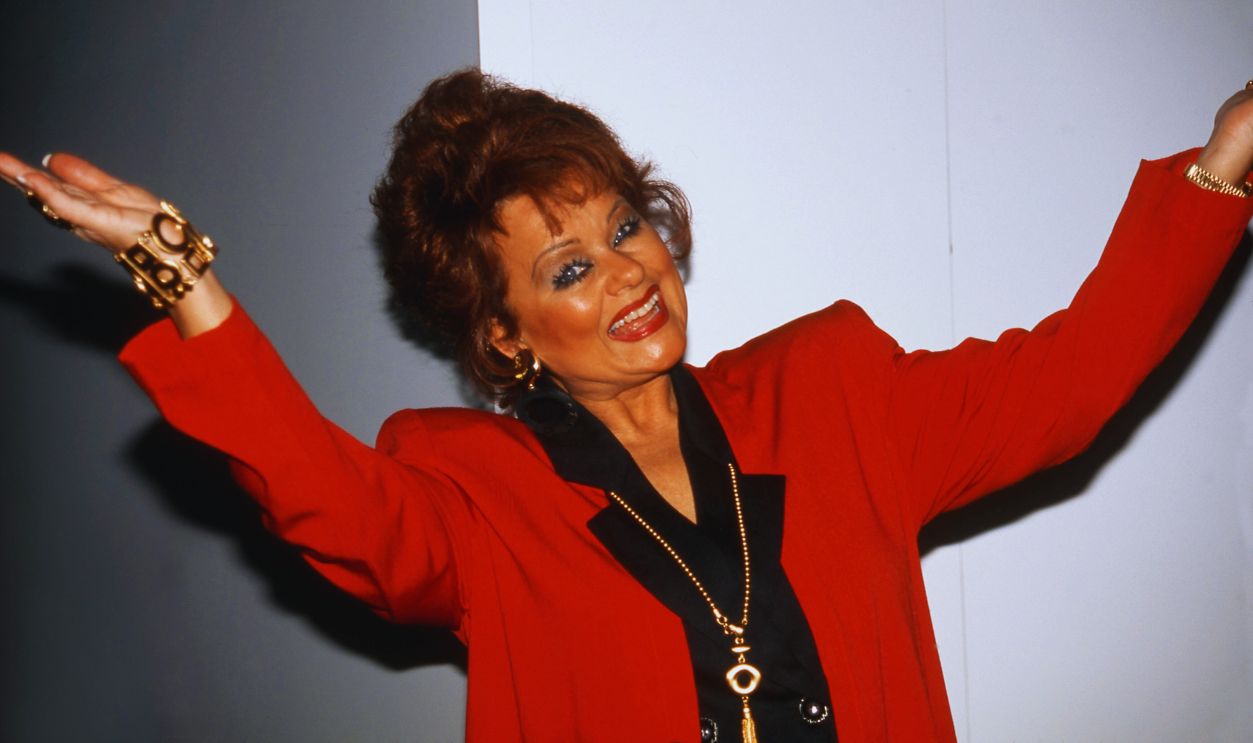
Tammy Faye Bakker
Tammy Faye Bakker was a televangelist with heavy mascara, big emotion, and surprising compassion. Alongside her husband Jim Bakker, she built a Christian TV empire before scandal brought it crashing down. Later, people reexamined her warmth toward marginalized communities, making her legacy more complicated than the punchlines.
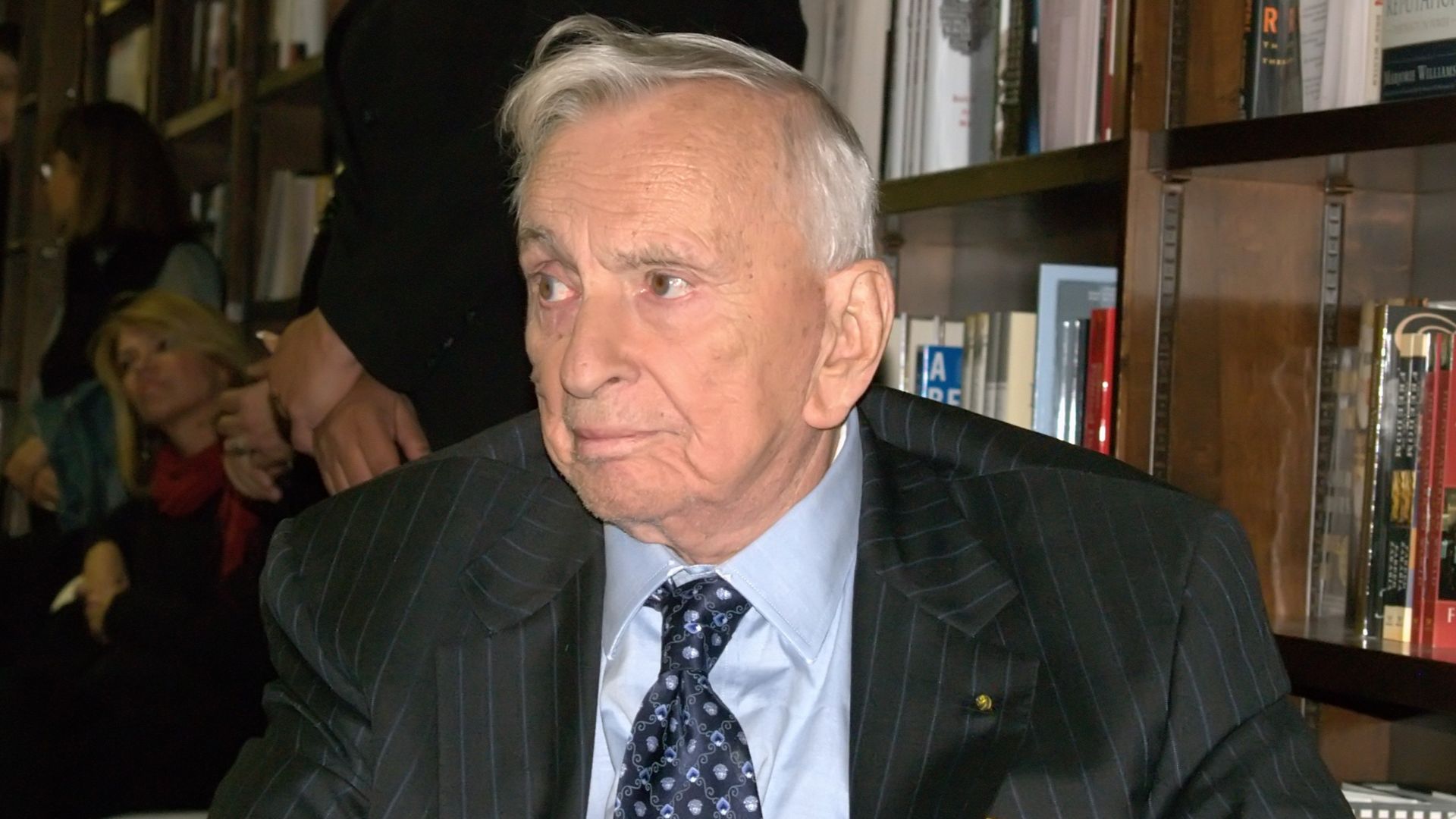
Gore Vidal
Gore Vidal was a novelist, essayist, and master of the devastating TV insult. He wrote historical fiction, political commentary, and cultural criticism with icy confidence. Boomers watched him debate, argue, and verbally fence with famous rivals. He was proof that literary drama could be just as messy as celebrity gossip.
 David Shankbone, Wikimedia Commons
Why These Names Still Matter
Some of these figures were heroes, some were villains, and some were walking contradictions in fabulous outfits. But all of them shaped the world Boomers grew up in—through television, politics, science, art, activism, or scandal. Millennials may not know every name, but they definitely inherited the world these people helped create.
 Donaldson Collection, Getty Images
You May Also Like:
Shady Facts About Eddie Mannix, Old Hollywood’s Notorious Fixer
Scipio Africanus won Rome its greatest victory—but the details of his last days are still a mystery.