
Tiny Choices, Huge Consequences
History loves a grand speech, a dramatic battle, or a king storming out of a room. But sometimes, the world changes because someone forgets a letter, misses a meeting, signs a boring document, or says, “Sure, why not?” These small decisions seemed harmless in the moment—but their consequences echoed for centuries.
 United Press International, Public domain, via Wikimedia Commons
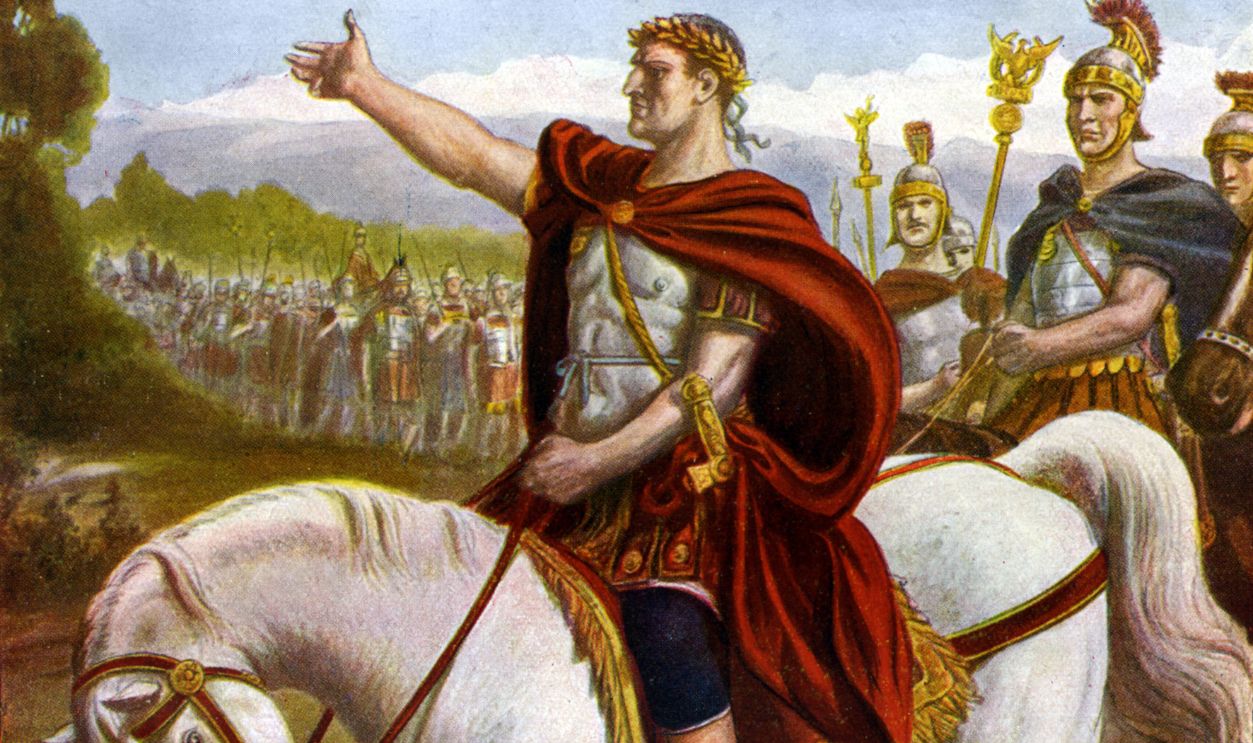
Caesar Crosses The Rubicon
In 49 BC, Julius Caesar led his army across the Rubicon River, a tiny stream in northern Italy. It seemed like a military maneuver. Instead, it was an act of rebellion against Rome. That one crossing helped trigger civil war, topple the Roman Republic, and create the Roman Empire.
 Fototeca Storica Nazionale., Getty Images
Columbus Gets A Second Chance
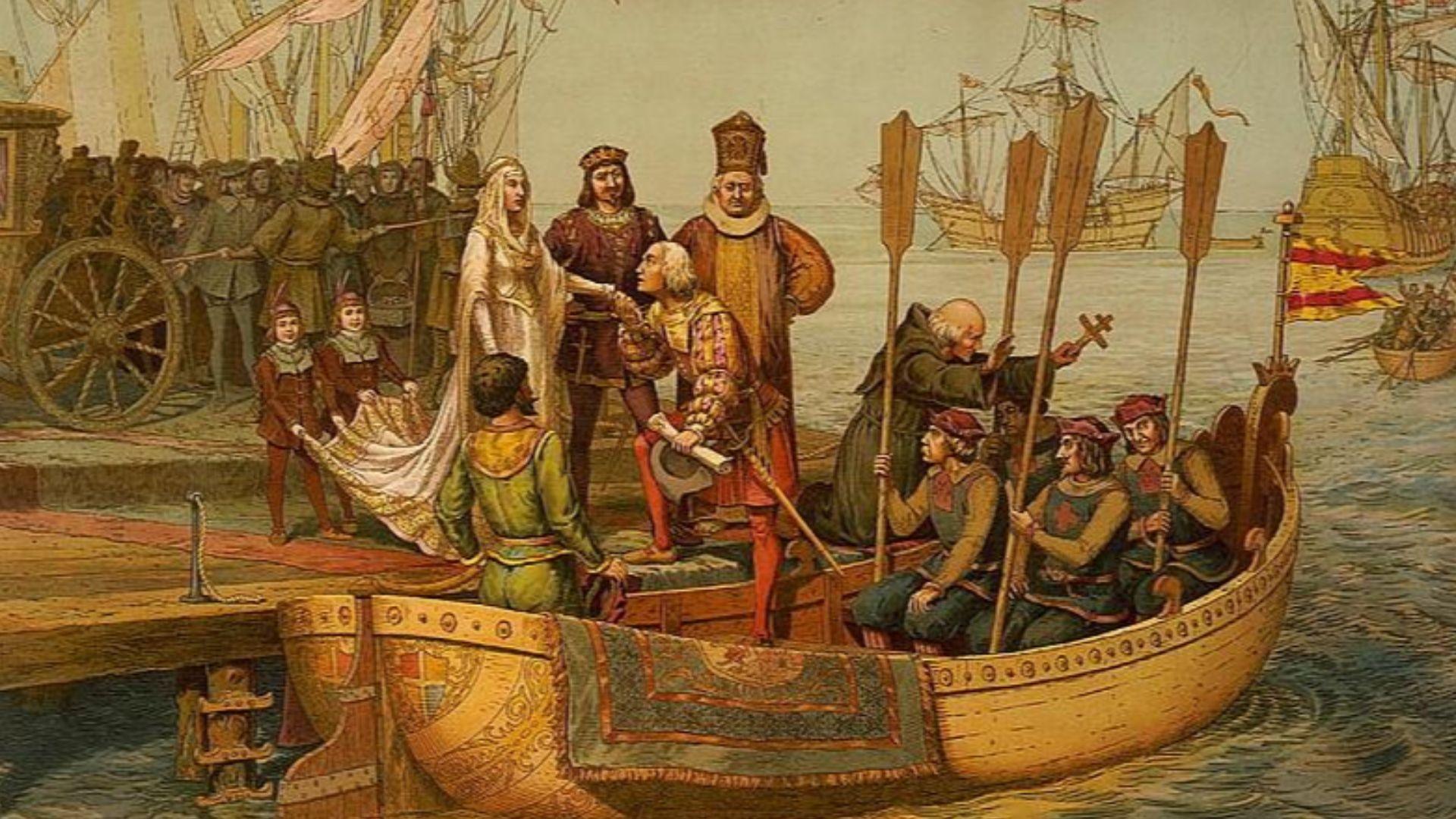
Christopher Columbus had already been rejected by several rulers before Spain finally backed his voyage in 1492. To the Spanish court, it was a risky but limited investment. To the world, it became a turning point that reshaped global trade, colonization, disease, wealth, and entire civilizations.
Luther Posts His Complaints
When Martin Luther challenged Church practices in 1517, he likely did not expect to split Western Christianity. His Ninety-Five Theses began as an academic argument. But thanks to the printing press, those complaints spread fast—and helped launch the Protestant Reformation, changing religion, politics, and power in Europe.
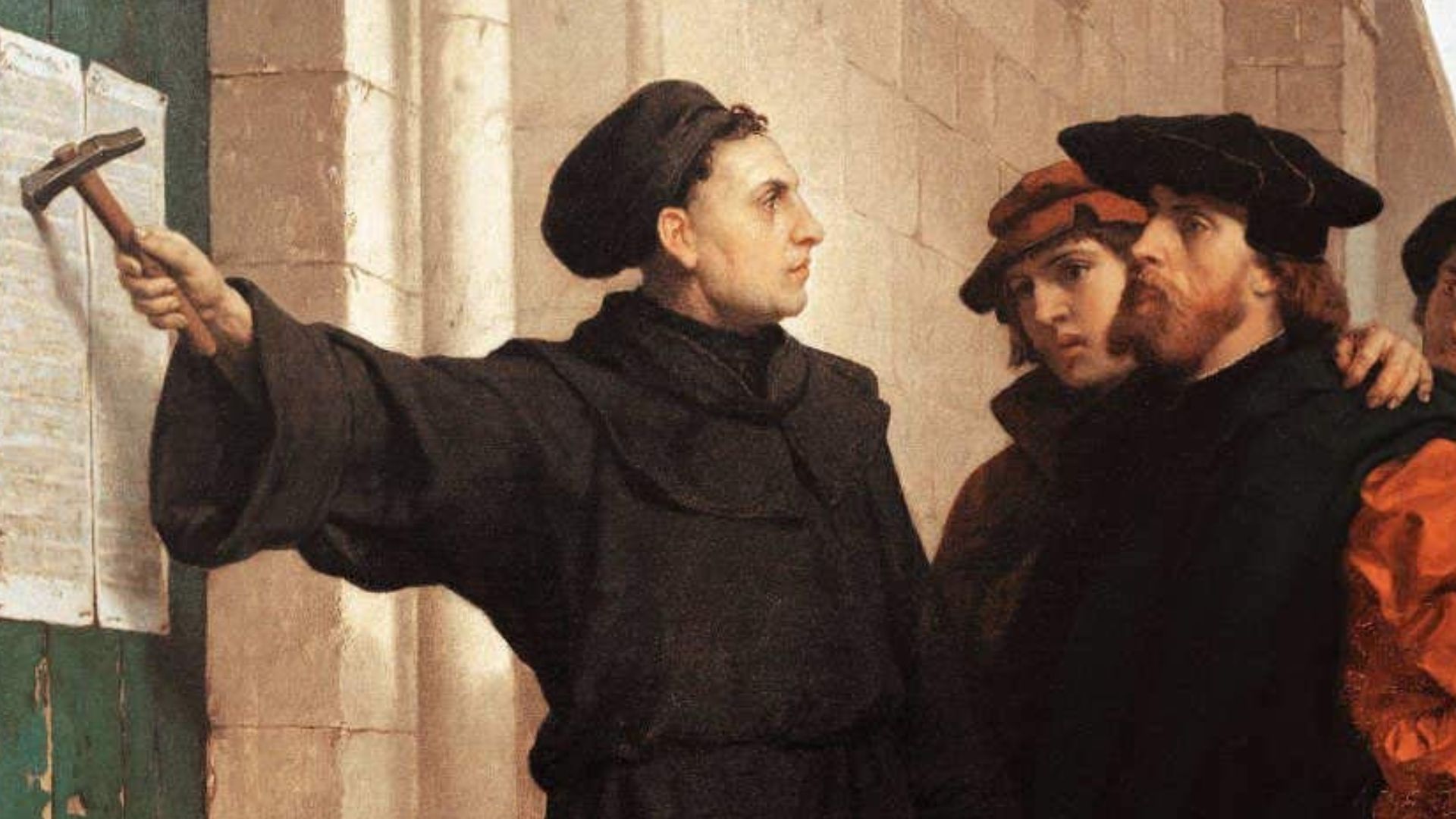 Ferdinand Pauwels, Wikimedia Commons
The Ottomans Let A Prince Live
In 1451, the young Mehmed II became Ottoman sultan. Some enemies underestimated him, assuming he was inexperienced. Just two years later, he captured Constantinople, ending the Byzantine Empire. What looked like another routine succession became one of the most important geopolitical shifts of the medieval world.
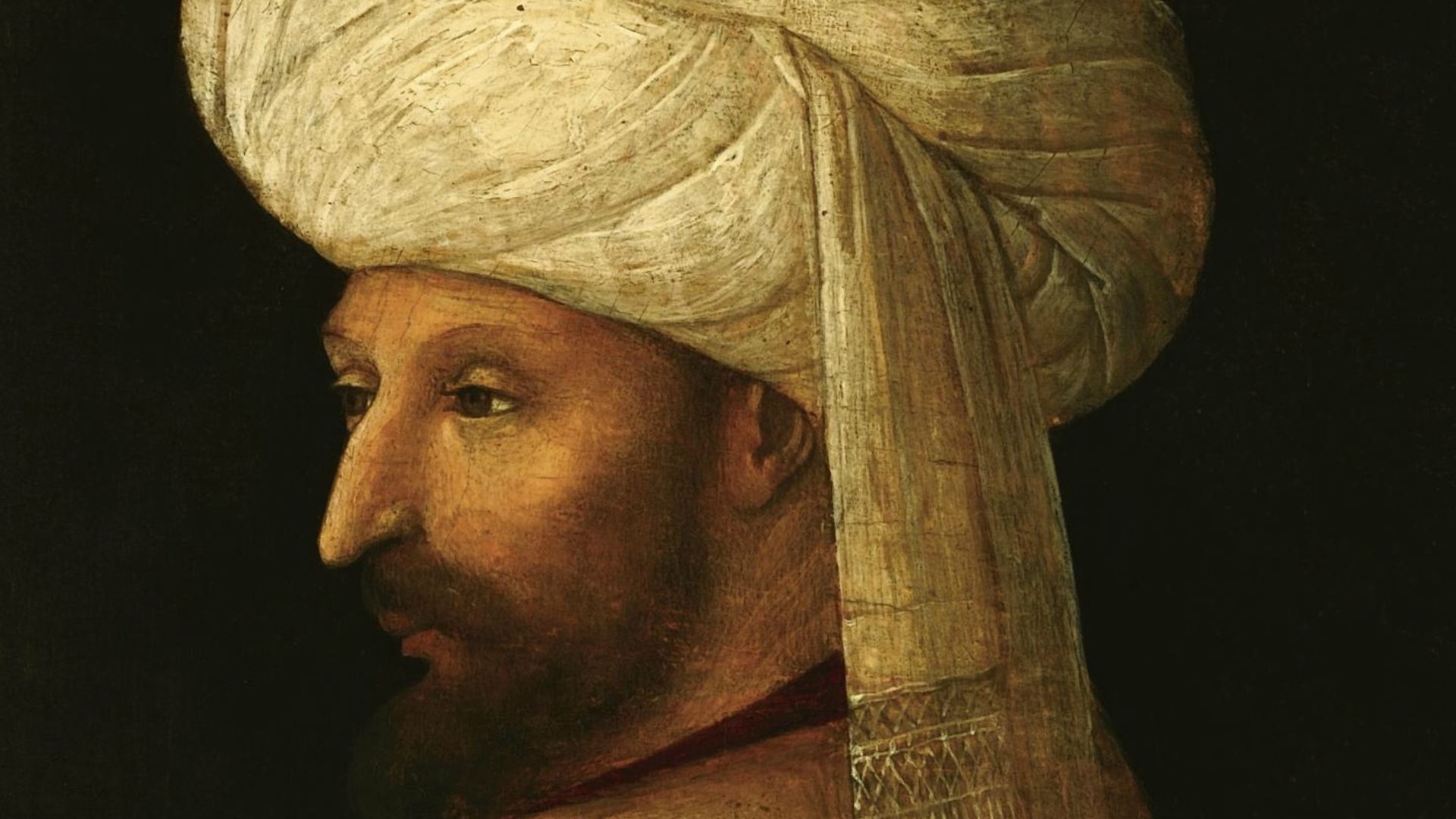 A follower of Gentile Bellini, Wikimedia Commons
A Wrong Turn Starts A War
In 1914, Archduke Franz Ferdinand’s driver took a wrong turn in Sarajevo. That mistake brought the car directly near Gavrilo Princip, who assassinated him. The death did not “cause” World War I by itself, but it lit the fuse on Europe’s already explosive alliances.
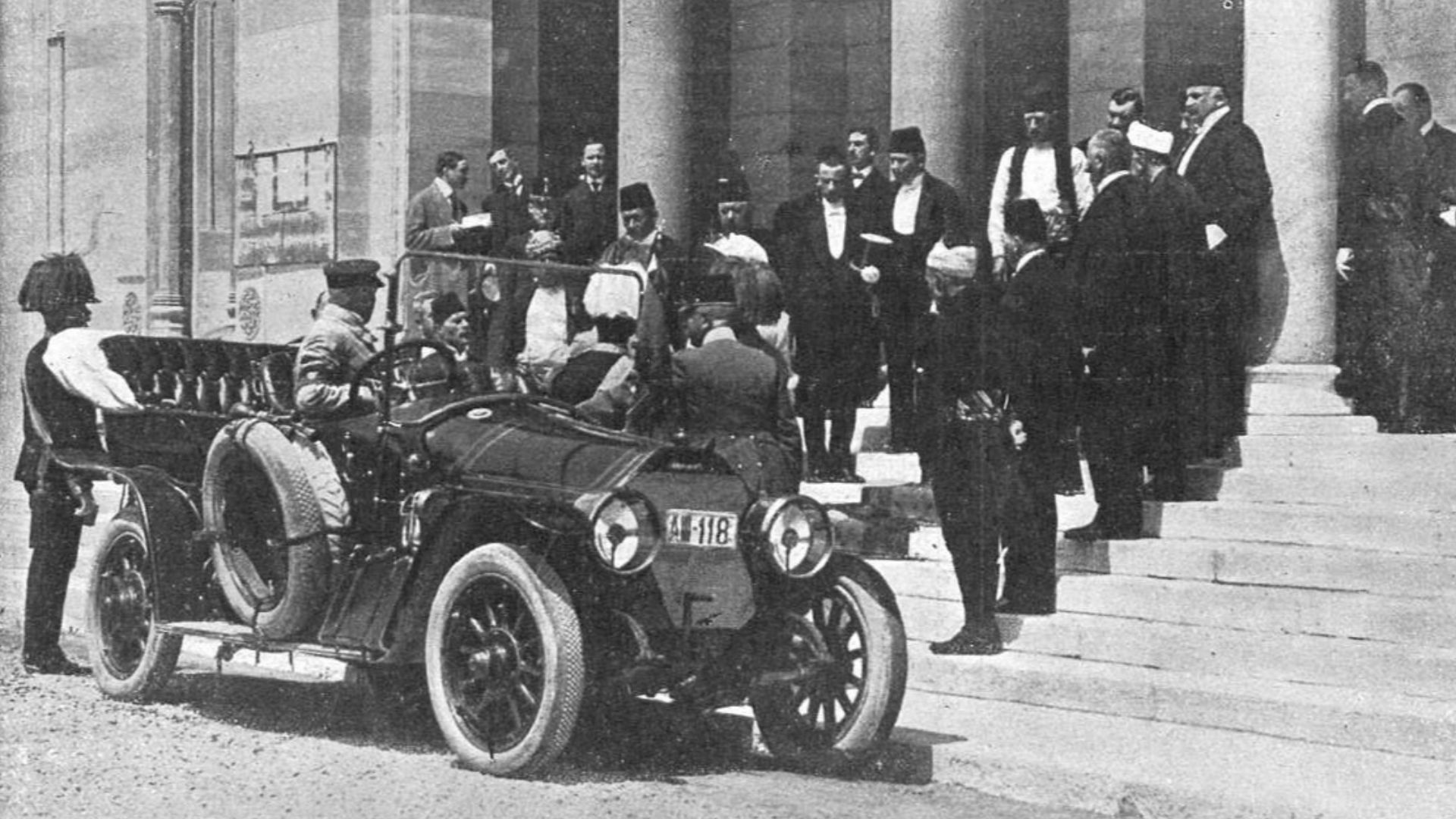
Russia Sells Alaska
In 1867, Russia sold Alaska to the United States for $7.2 million. Many Americans mocked it as “Seward’s Folly,” thinking the land was useless ice. Then came gold, oil, strategic military value, and natural resources. The silly purchase became one of America’s greatest bargains.
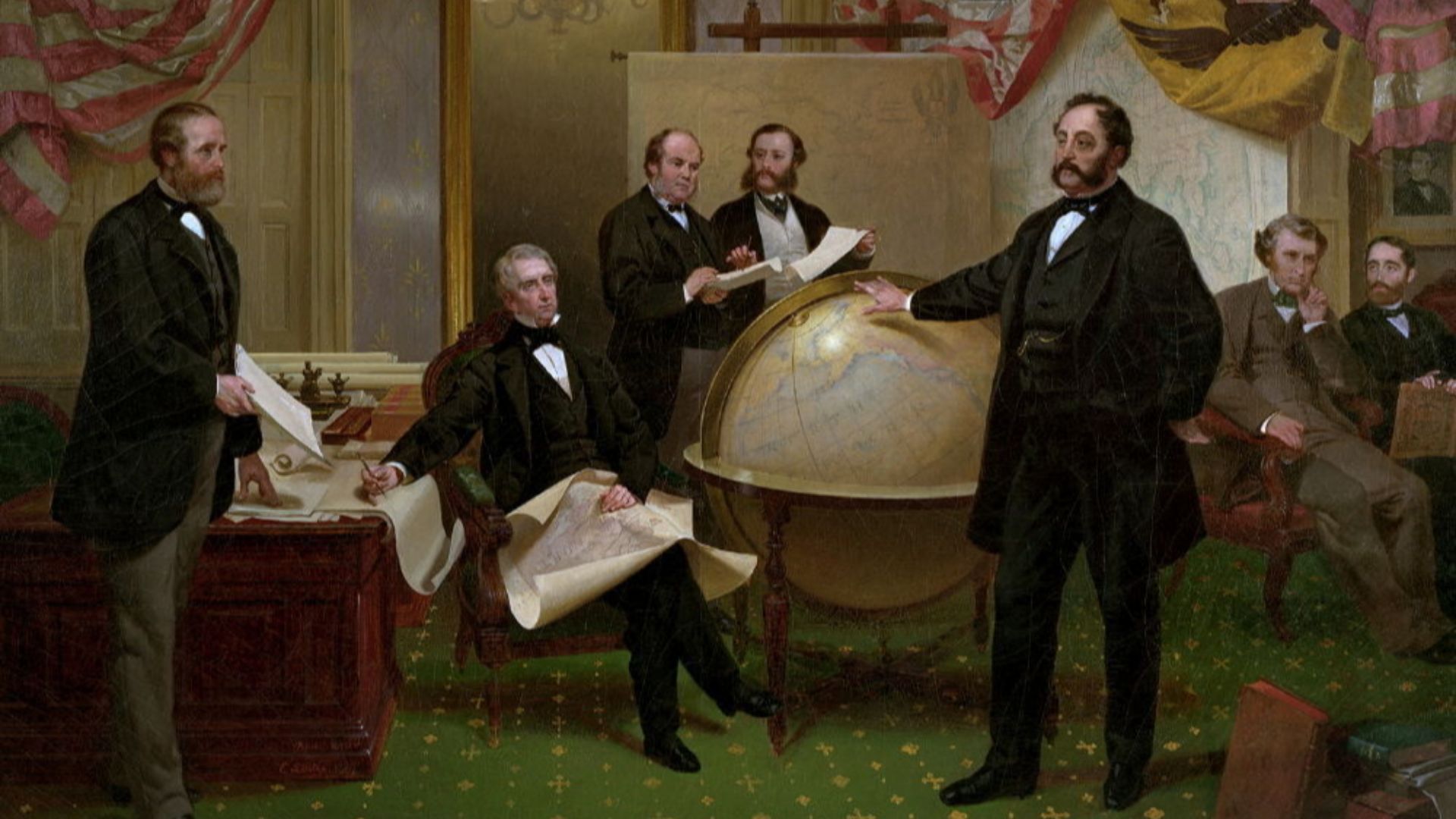 Emanuel Leutze, Wikimedia Commons
A Train Ticket Is Denied
In 1893, young Mohandas Gandhi was thrown off a train in South Africa after refusing to leave a whites-only compartment. It was one humiliating incident among many. But it helped awaken Gandhi’s political purpose, eventually influencing India’s independence movement and nonviolent resistance around the world.
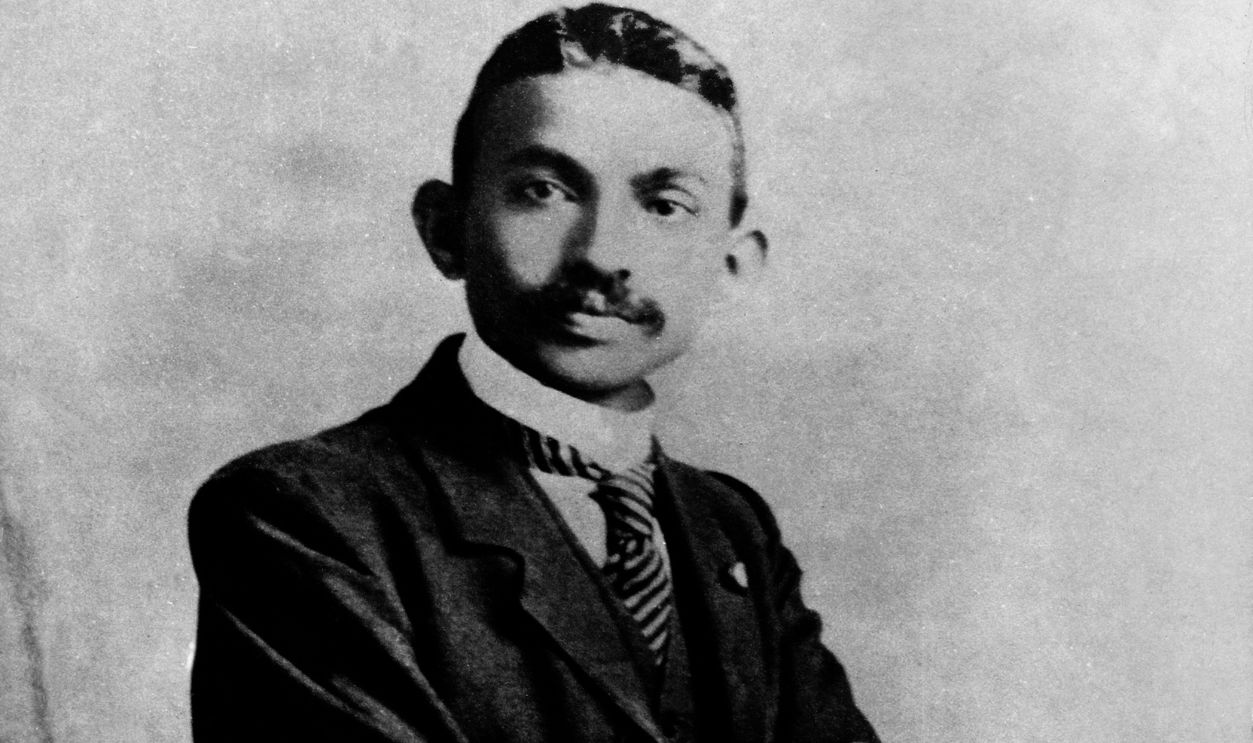 Mondadori Portfolio, Getty Images
The Beatles Hire Brian Epstein
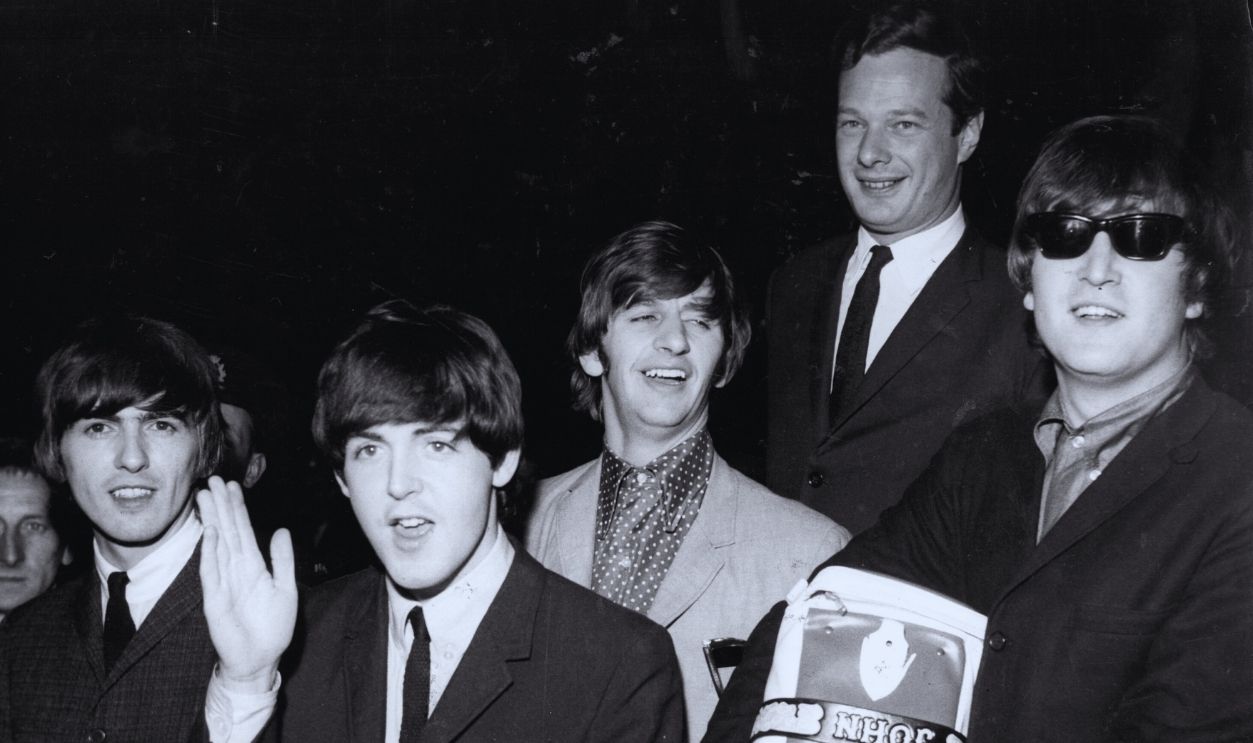
When Brian Epstein saw the Beatles perform in Liverpool, they were talented but rough around the edges. Managing them seemed like a local gamble. Epstein polished their image, pushed their career, and helped turn them into a global force that transformed popular music and youth culture.
The Titanic Speeds Ahead
The Titanic received multiple ice warnings before disaster struck in 1912. Continuing at high speed across the North Atlantic may have seemed normal for a luxury liner trying to impress. But that confidence proved deadly, turning a celebrated voyage into one of history’s most famous tragedies.
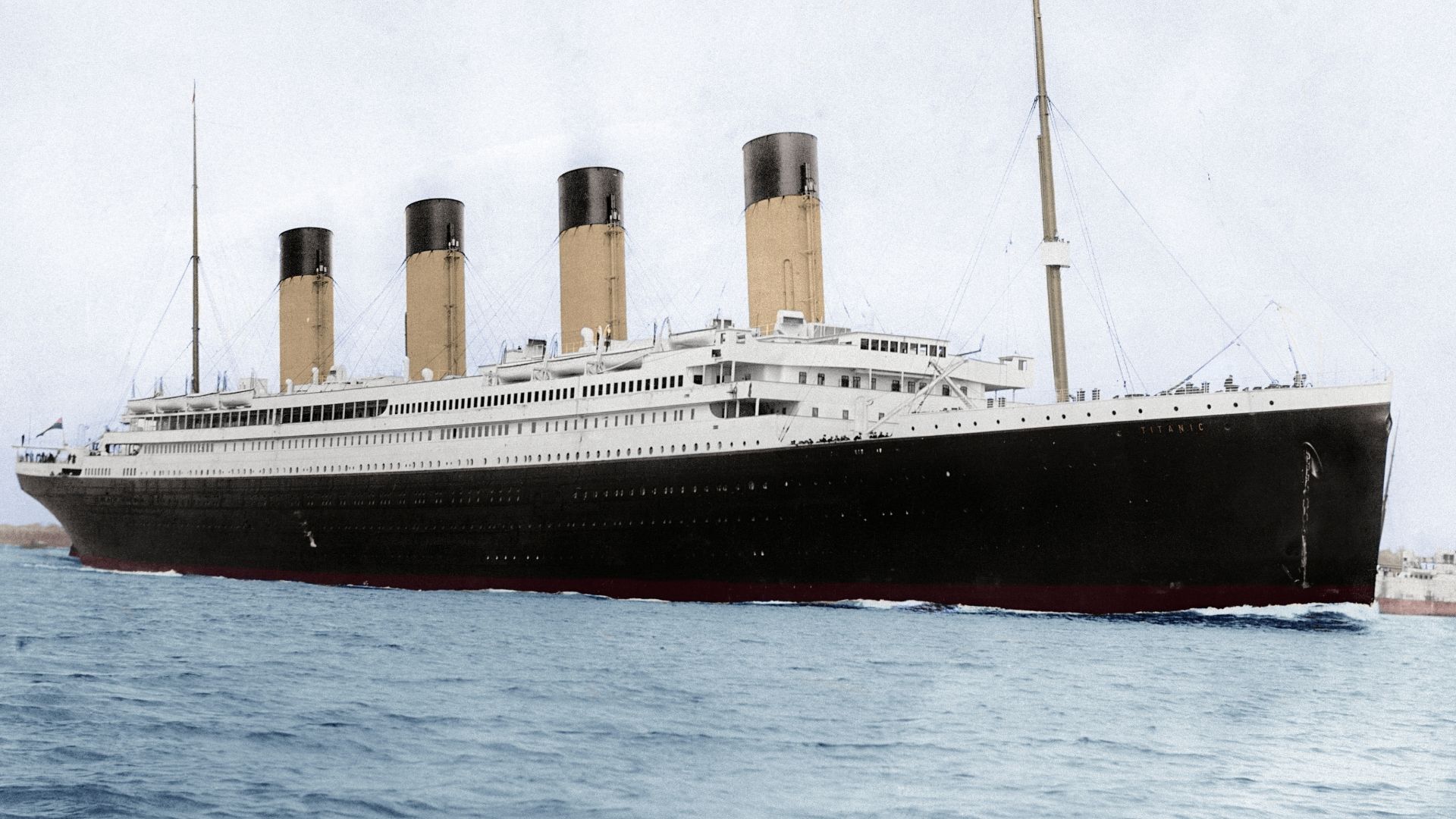 Francis Godolphin Osbourne Stuart, Wikimedia Commons
Napoleon Sells Louisiana
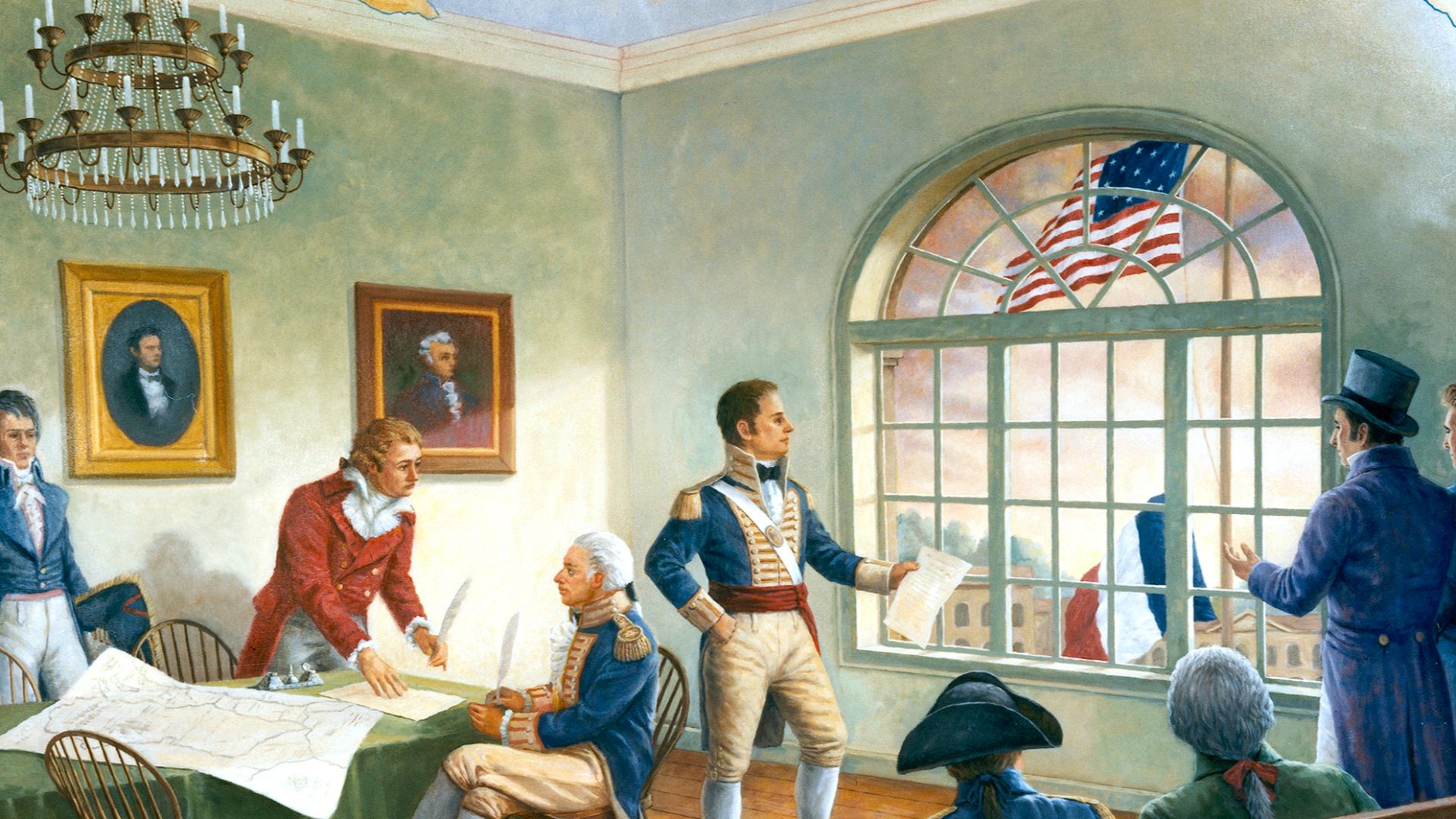
Napoleon Bonaparte sold the Louisiana Territory to the United States in 1803, partly because he needed money and had bigger problems in Europe. For the Americans, it doubled the country’s size overnight. A practical sale reshaped North America and supercharged US expansion westward.
A Pope Refuses An Annulment
When Pope Clement VII refused to annul Henry VIII’s marriage to Catherine of Aragon, it seemed like a dynastic and religious dispute. Instead, Henry broke from Rome, created the Church of England, and set off centuries of religious conflict, political drama, and royal chaos.
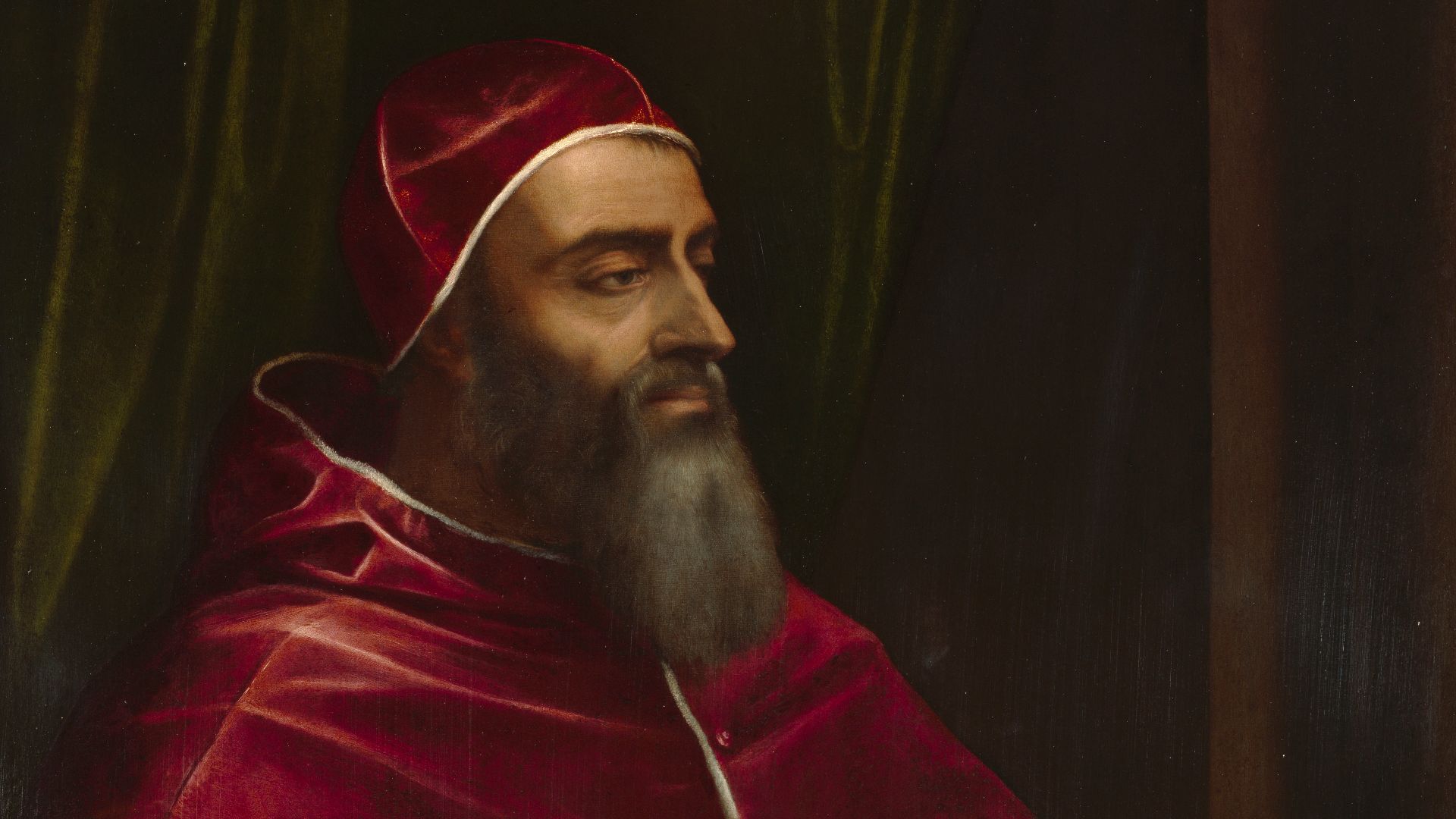 Sebastiano del Piombo, Wikimedia Commons
A Clerk Checks The Wrong Box
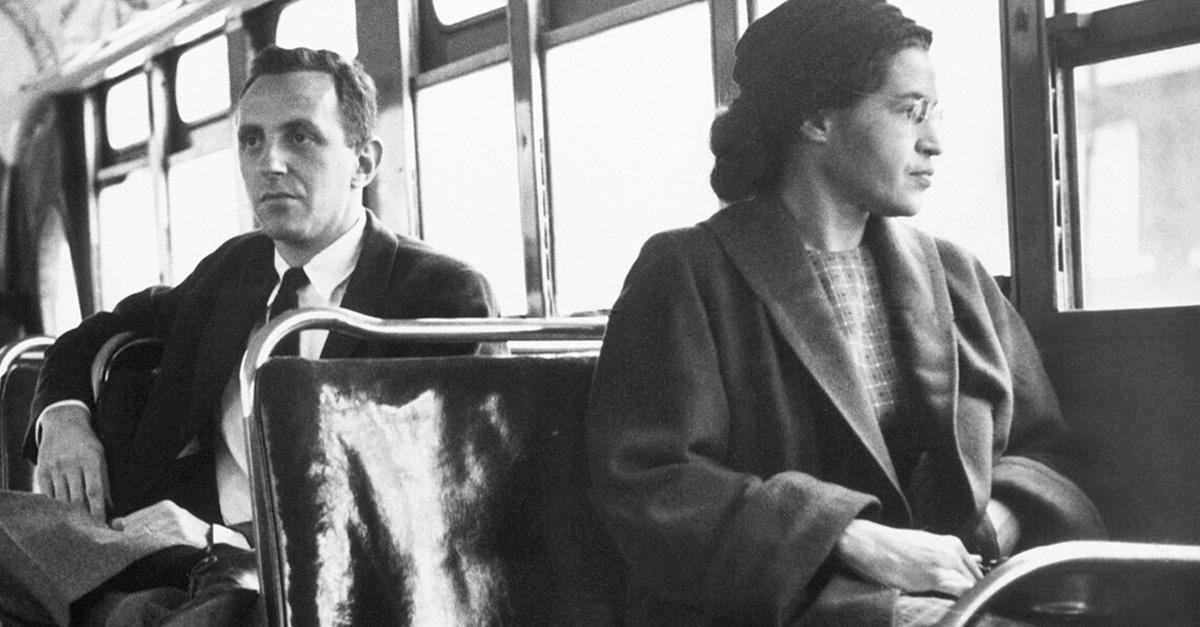
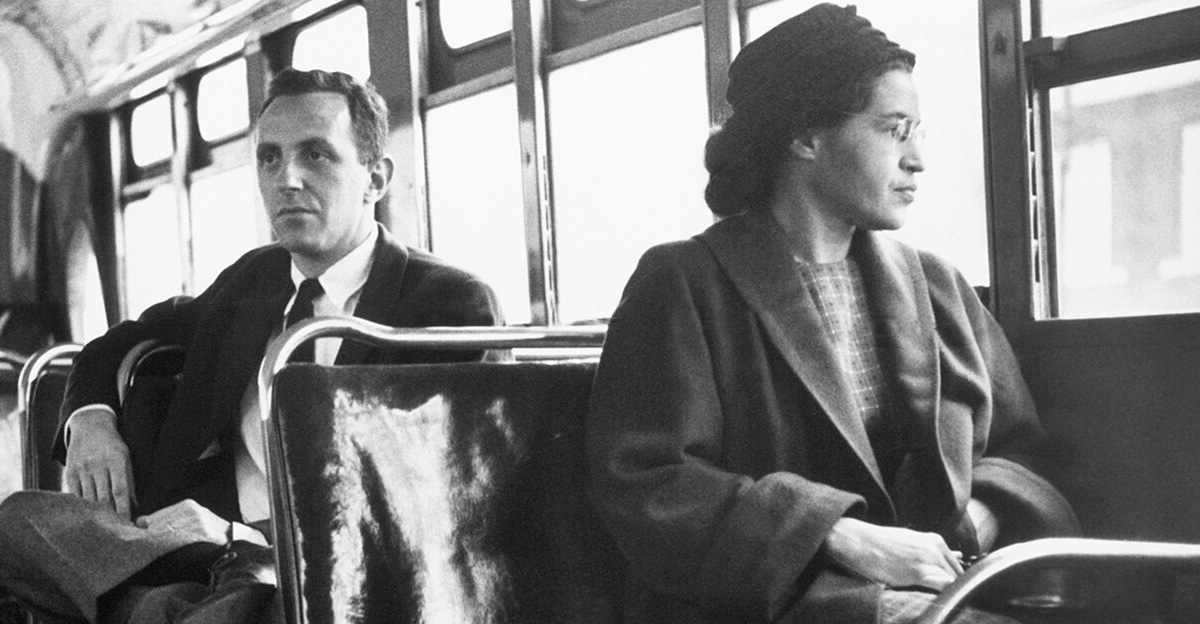
In 1955, Rosa Parks refused to give up her bus seat in Montgomery, Alabama. The choice was deeply brave, but it also grew from years of organizing. Her arrest sparked the Montgomery Bus Boycott, helping turn the American civil rights movement into a national force.
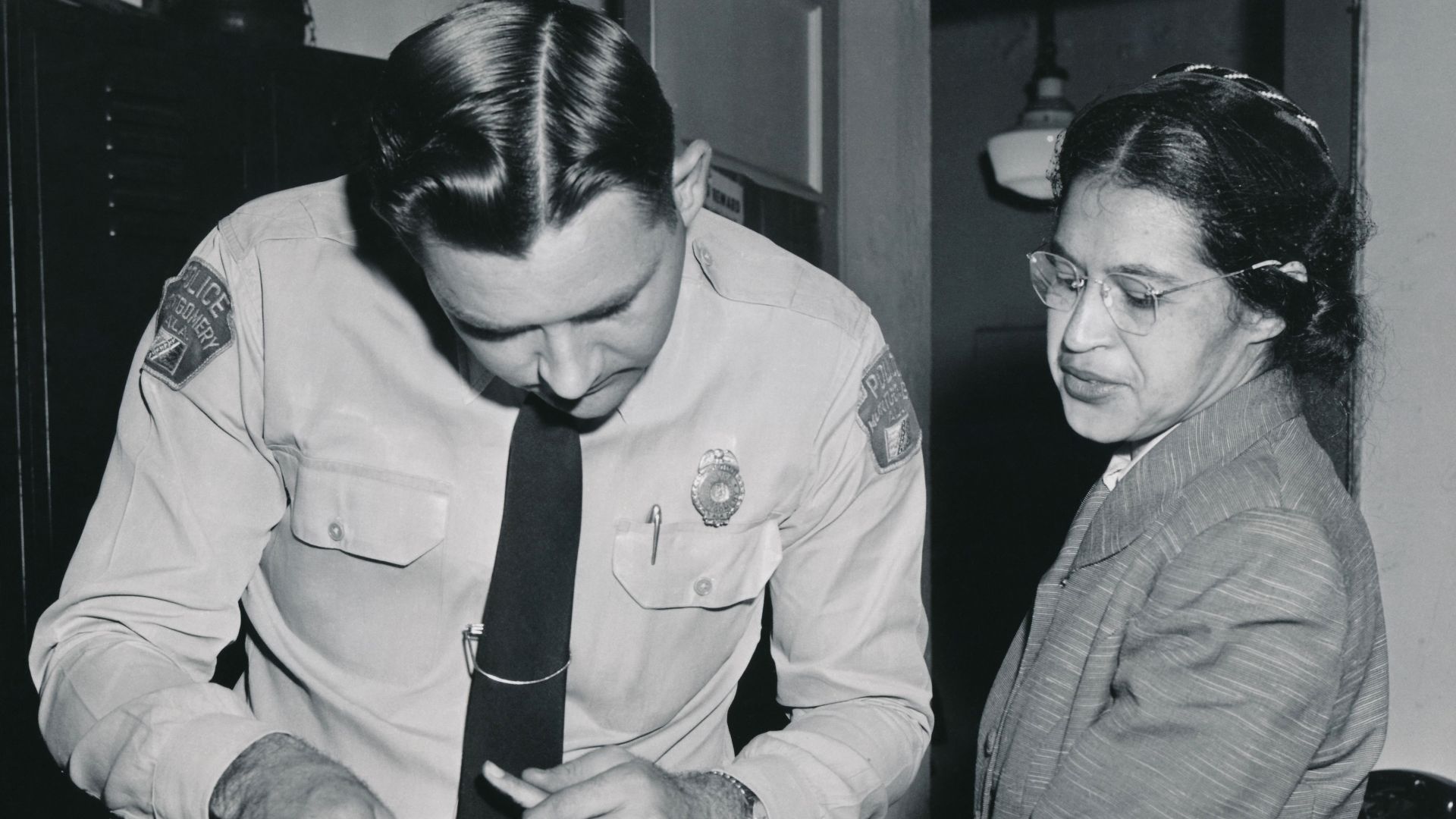 Gene Herrick for the Associated Press; restored by Adam Cuerden, Wikimedia Commons
The Soviets Dismiss A Warning
Before Nazi Germany invaded the Soviet Union in 1941, Joseph Stalin received warnings about the attack. He doubted them, believing Hitler would not risk a two-front war yet. That misjudgment helped leave Soviet forces dangerously unprepared when Operation Barbarossa began.
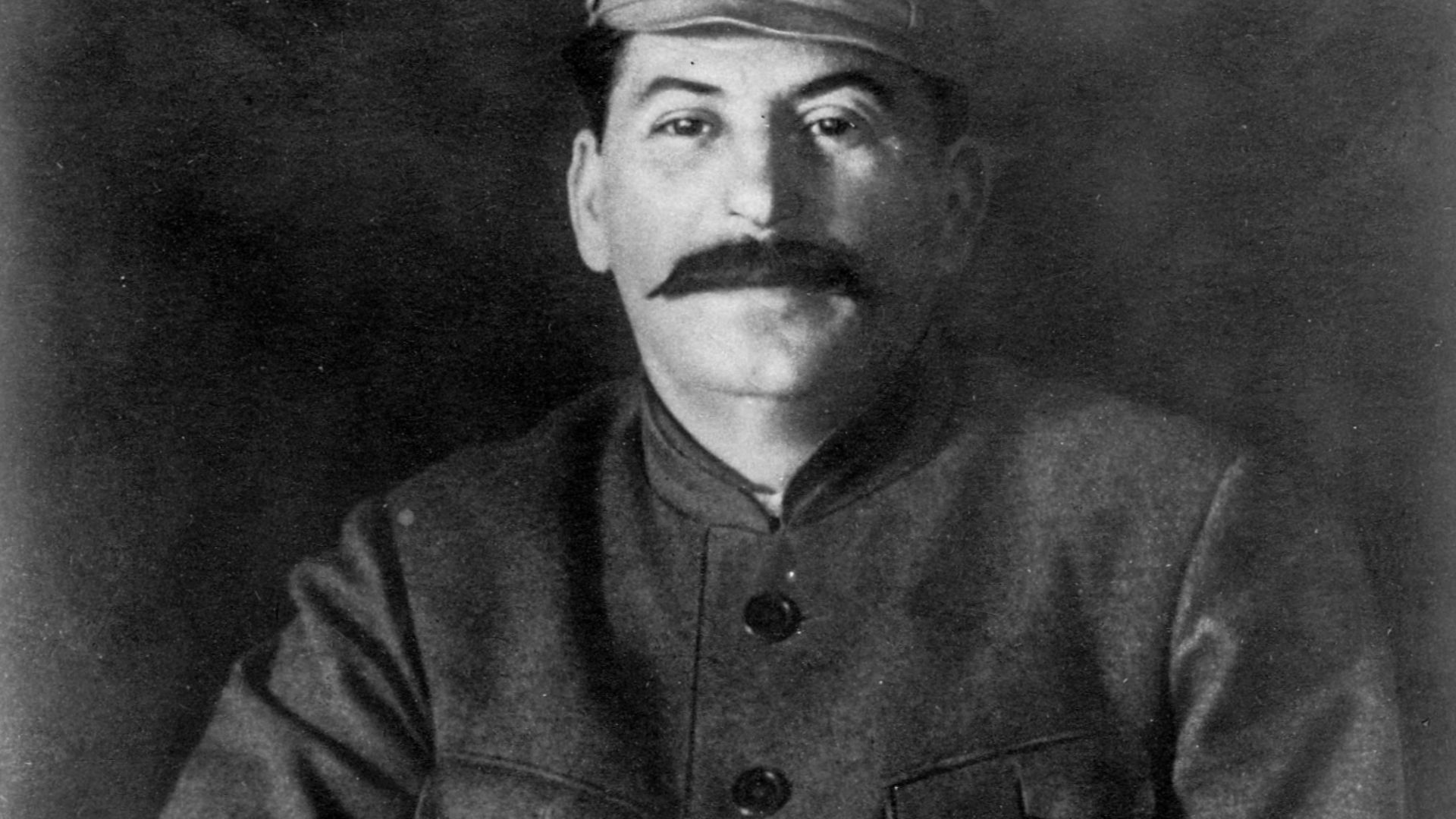 Unknown authorUnknown author, Wikimedia Commons
Decca Rejects The Beatles
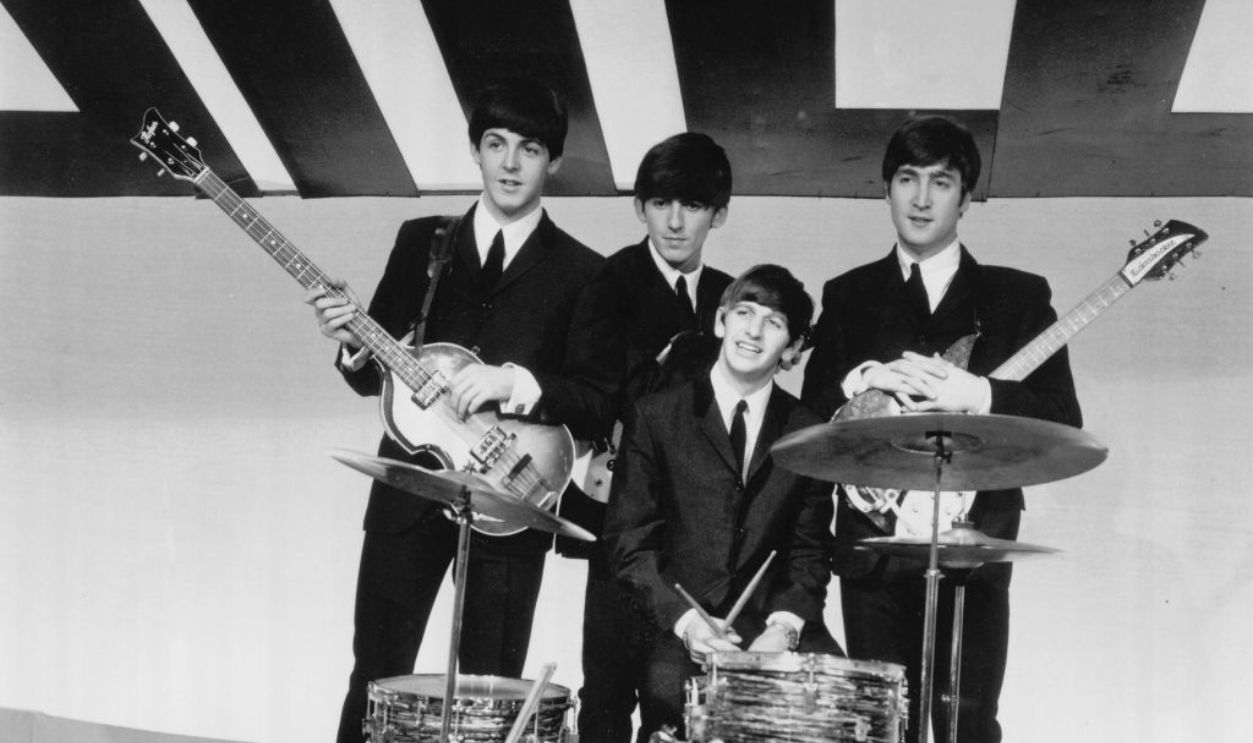
In 1962, Decca Records rejected the Beatles after an audition, reportedly thinking guitar groups were fading. At the time, it was just another business decision. Soon after, the Beatles signed with EMI and became the biggest band on Earth. Ouch. That one had to sting.
A Scientist Leaves Mold Alone
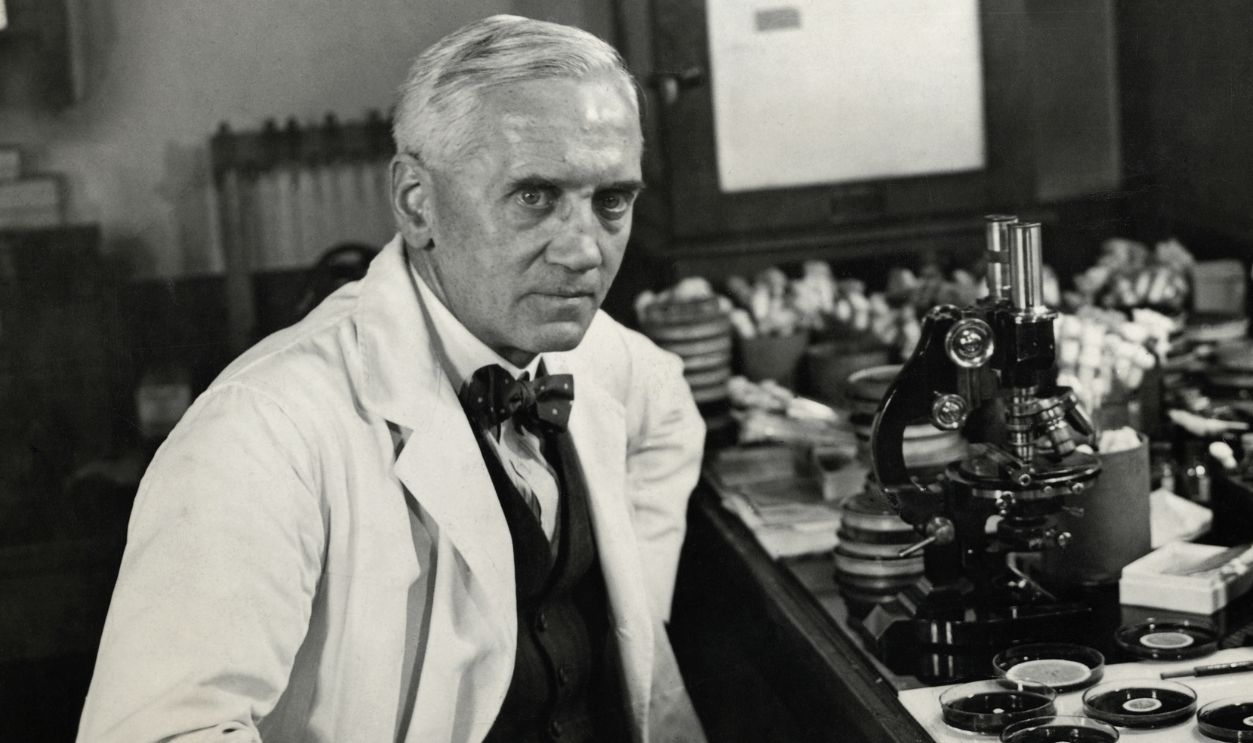
In 1928, Alexander Fleming noticed mold killing bacteria in a petri dish. A messy lab accident could have been tossed away without thought. Instead, Fleming studied it, helping lead to penicillin. That small observation eventually transformed medicine and saved countless lives.
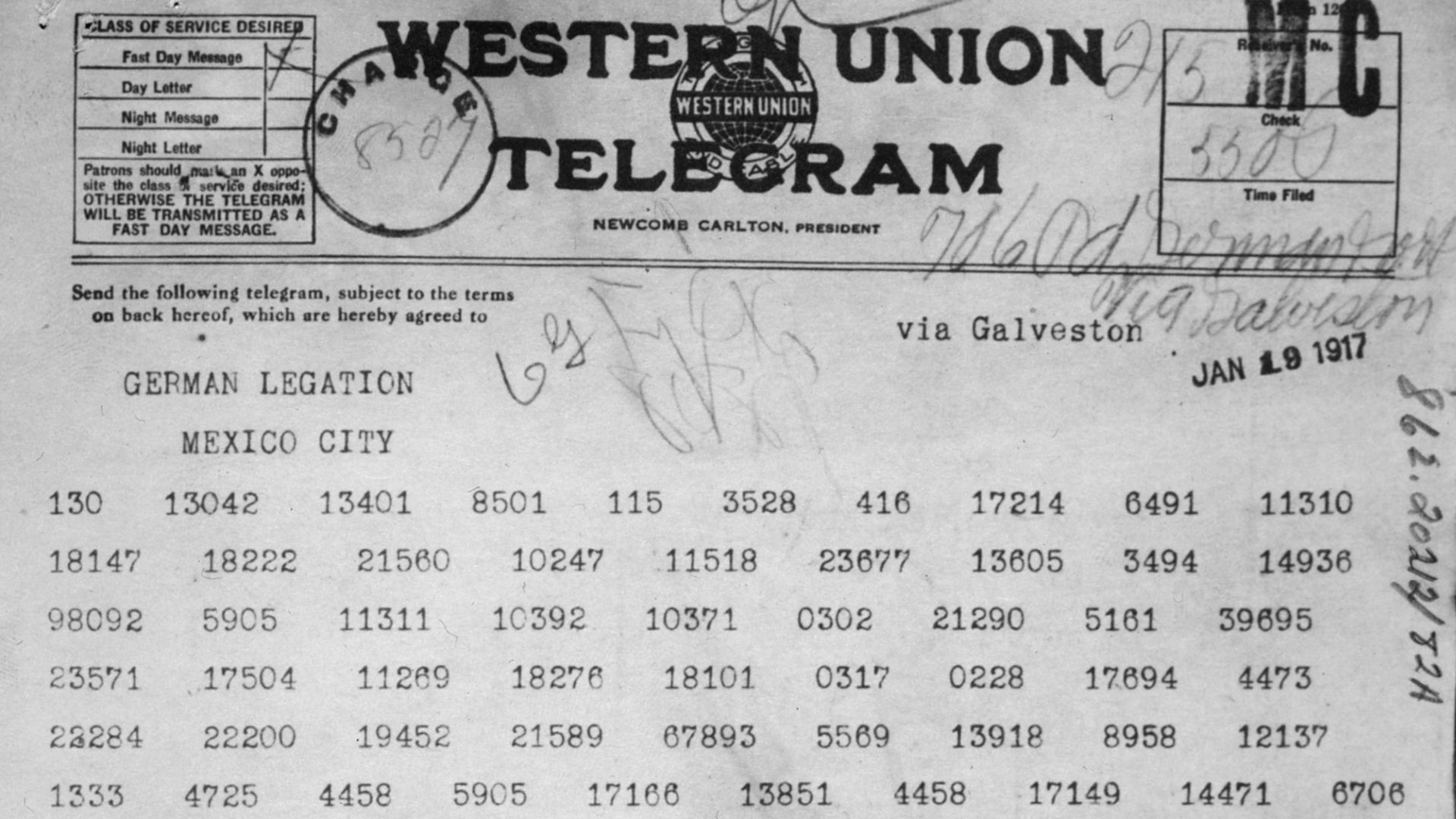
The Zimmermann Telegram Is Sent
In 1917, Germany sent a secret message encouraging Mexico to join a war against the United States. It may have seemed like clever diplomacy. But Britain intercepted it, America found out, and public outrage helped push the United States into World War I.
 Unknown authorUnknown author or not provided, Wikimedia Commons
A King Taxes Tea
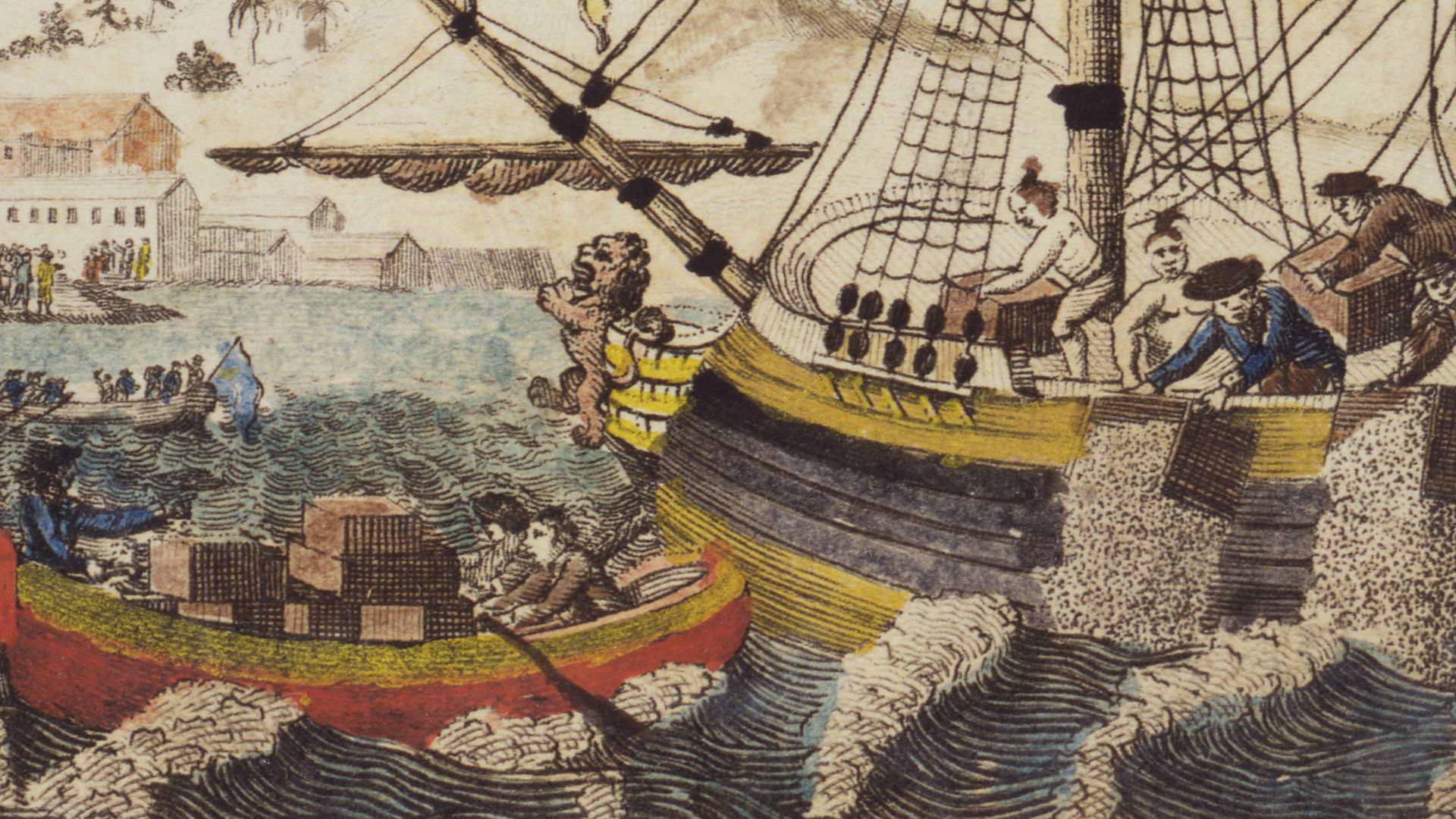
Britain’s tea tax on the American colonies was financially small, but symbolically enormous. To colonial protesters, it represented government without representation. The backlash produced the Boston Tea Party and helped drive the colonies toward revolution. Sometimes, it is not the amount—it is the principle.
 Original uploader was Cornischong at lb.wikipedia, Wikimedia Commons
The Berlin Wall Opens By Accident
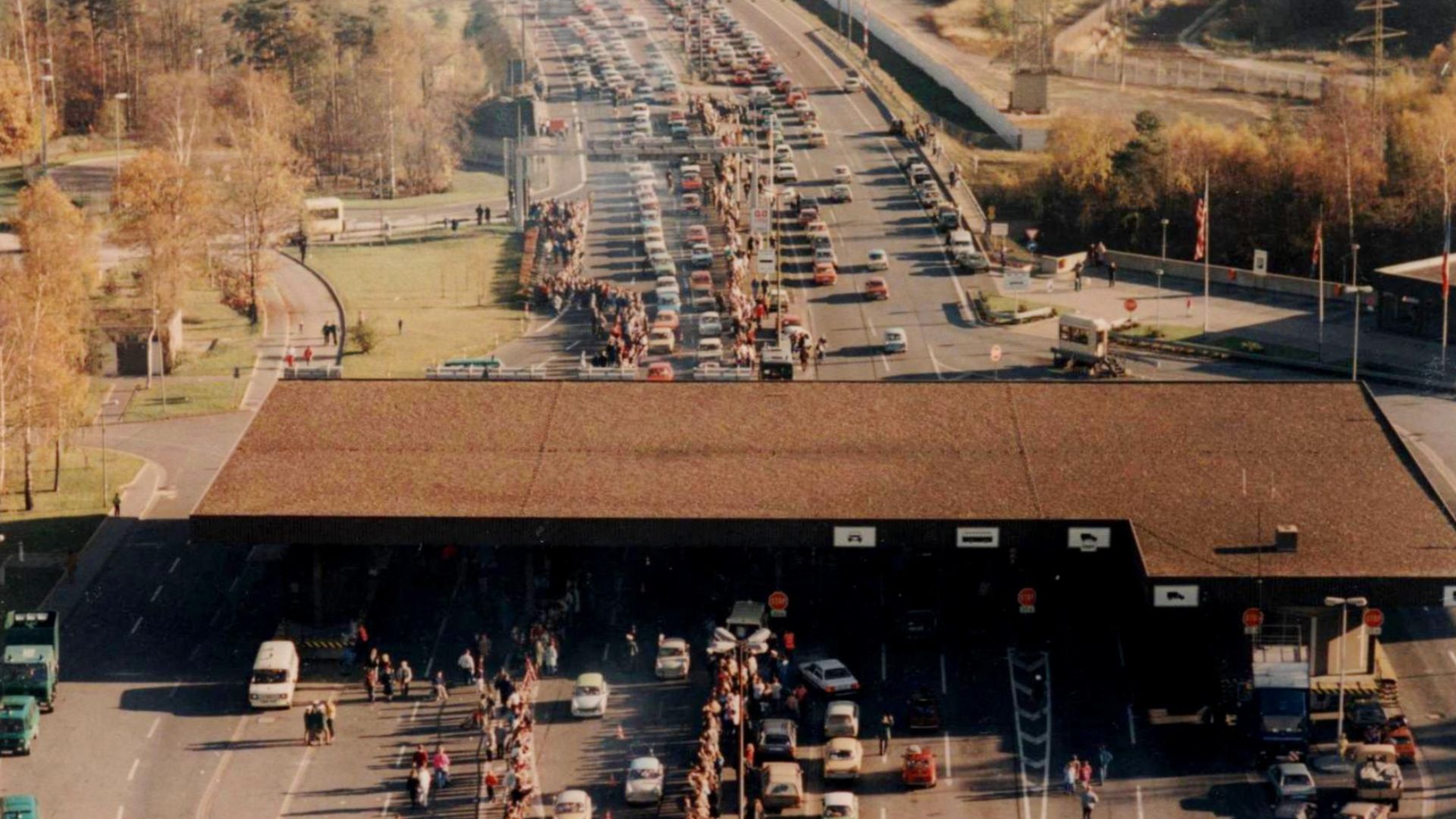
In 1989, an East German official confusingly announced new travel rules before they were ready. Crowds gathered at the Berlin Wall, guards hesitated, and checkpoints opened. A bungled press conference helped create one of the Cold War’s most unforgettable moments.
 Gunter Mach, Helmstedt, Wikimedia Commons
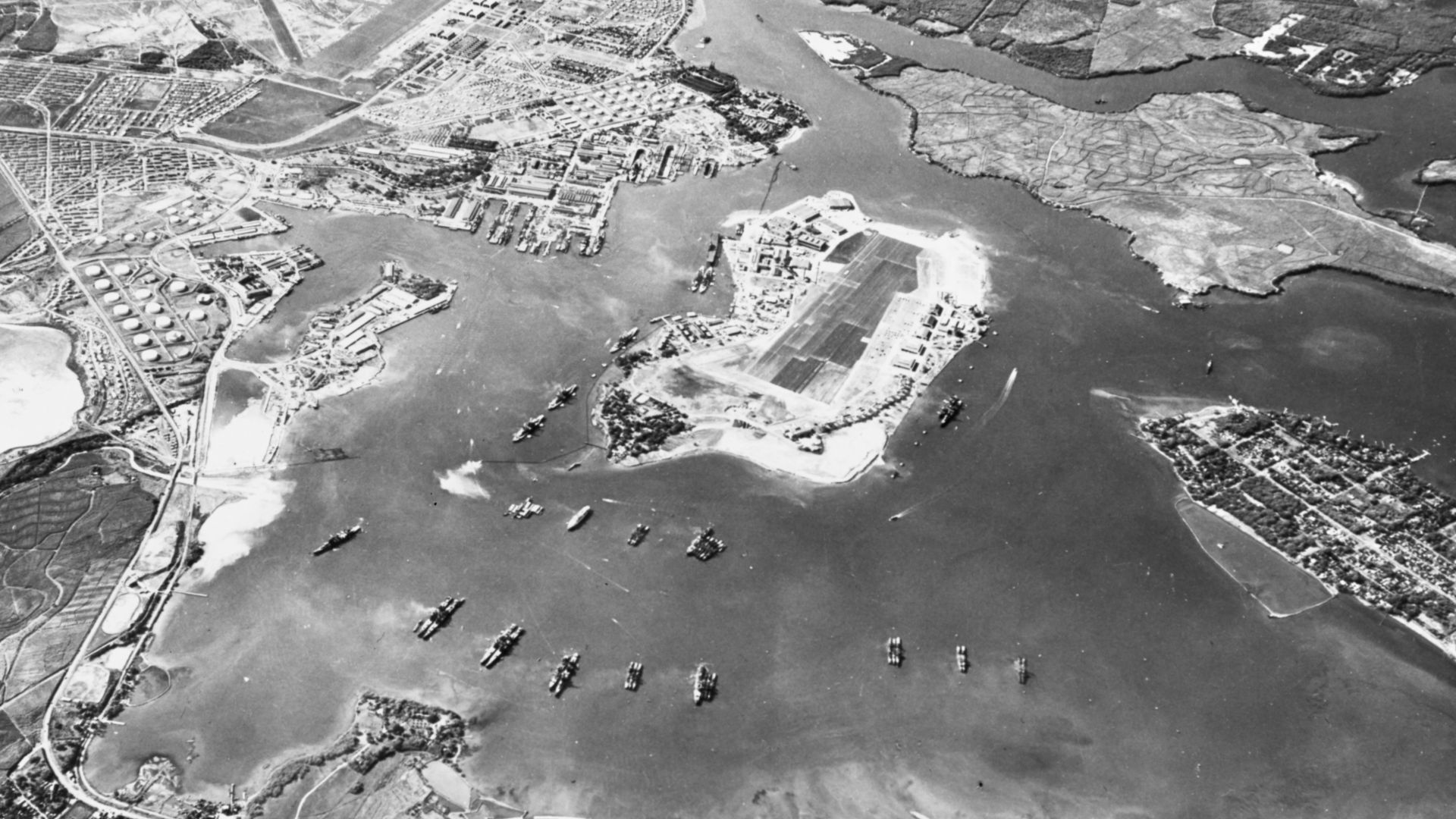
Japan Attacks Pearl Harbor
Japan’s leaders hoped attacking Pearl Harbor in 1941 would weaken the US Pacific Fleet and buy time for expansion. Instead, it united American public opinion and brought the United States fully into World War II. What seemed like a strategic opening became a disastrous miscalculation.
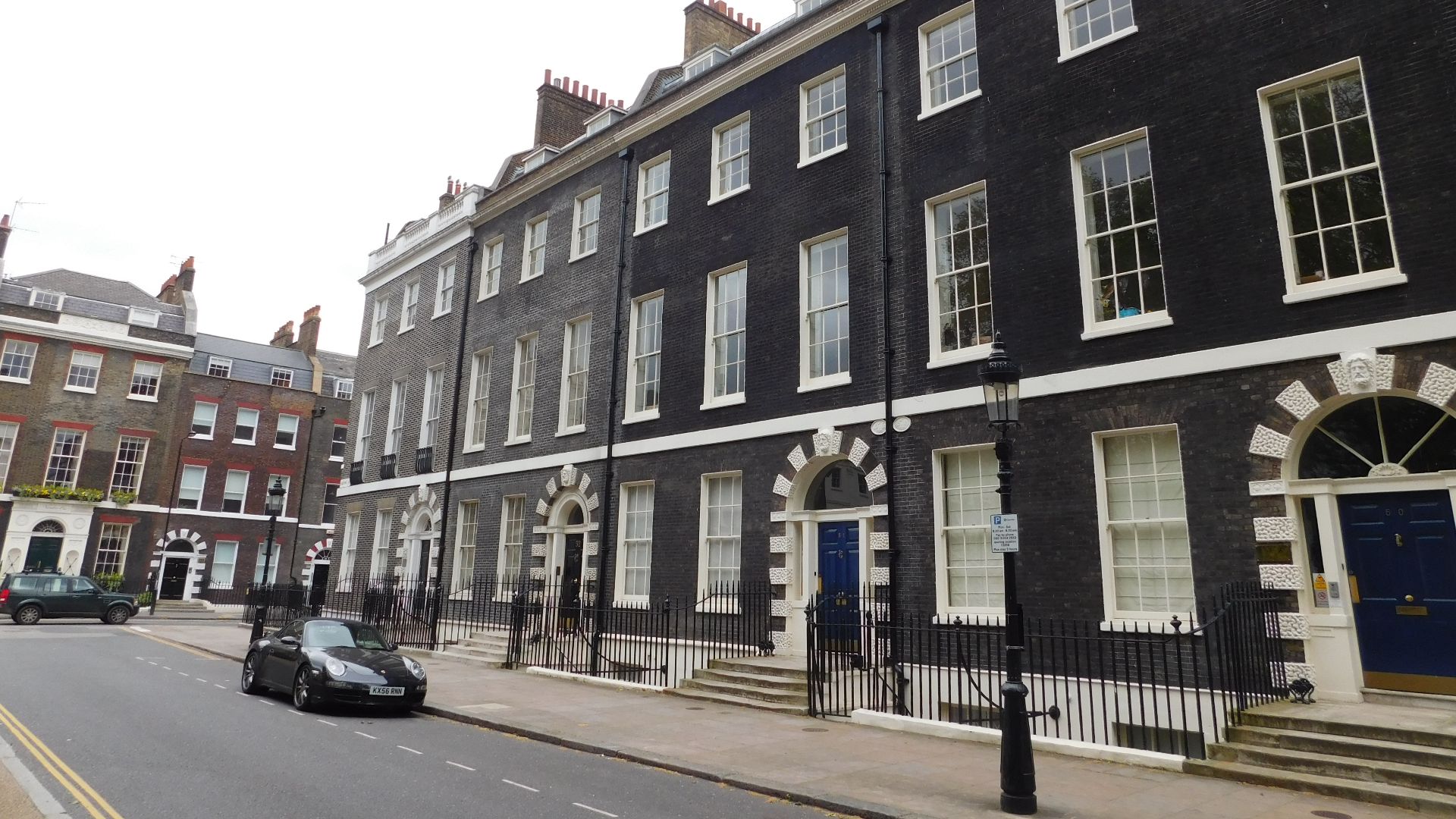
A Publisher Takes A Chance On Harry Potter
Several publishers rejected J.K. Rowling’s first Harry Potter manuscript before Bloomsbury accepted it. At first, it was a modest children’s book deal. Then came a publishing phenomenon, blockbuster films, theme parks, and a fantasy franchise that shaped a generation of readers.
 Paul The Archivist, Wikimedia Commons
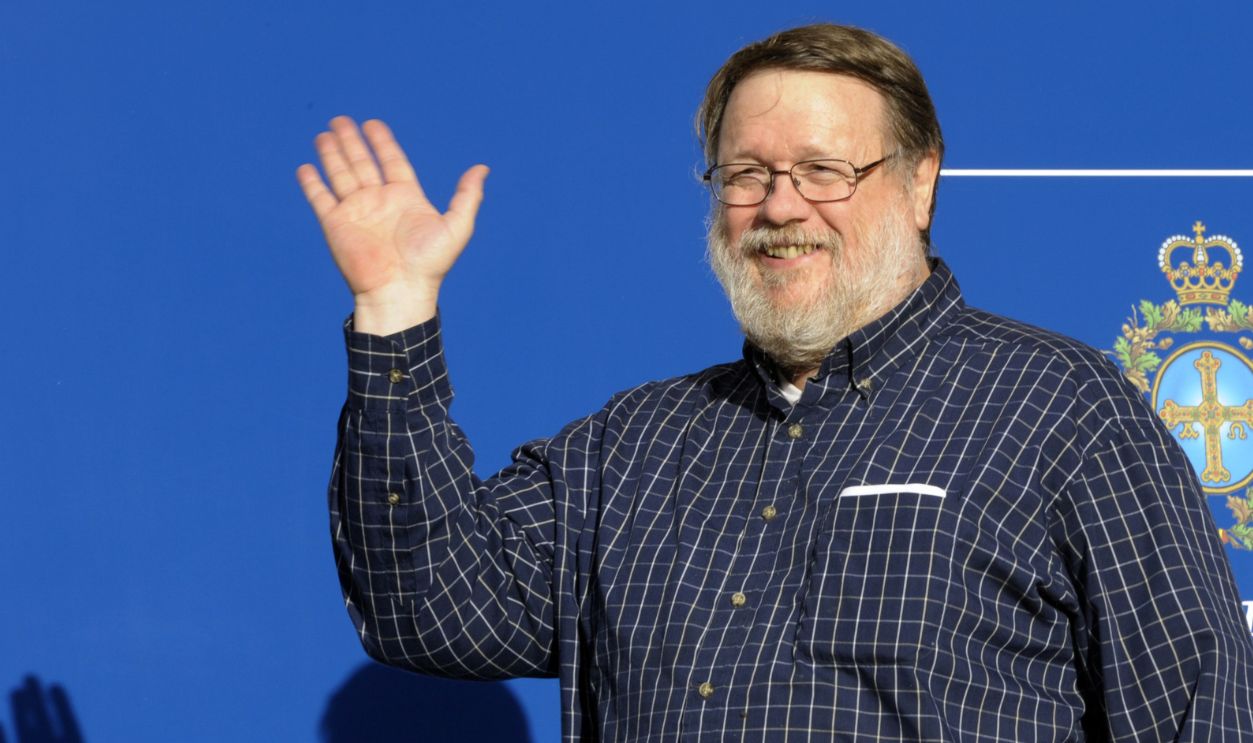
The First Email Is Sent
In 1971, Ray Tomlinson sent one of the first networked emails and chose the “@” symbol to separate user from machine. It seemed like a technical convenience. Decades later, email became a foundation of modern work, communication, spam, and accidentally replying all.
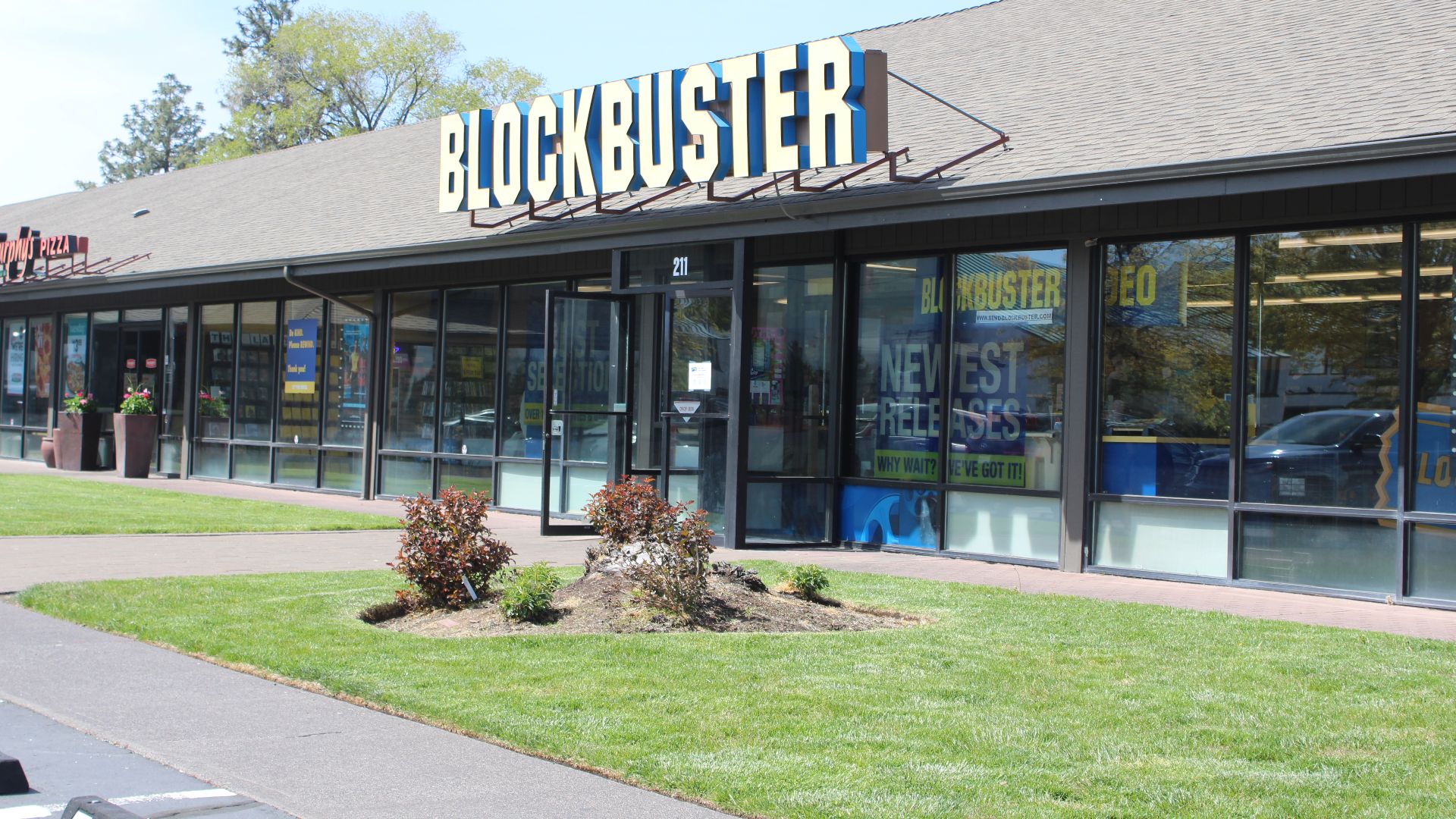
Blockbuster Passes On Netflix
In 2000, Netflix’s founders reportedly tried to sell their company to Blockbuster, which declined. At the time, Netflix was a small DVD-by-mail service. Years later, streaming reshaped entertainment, while Blockbuster collapsed. One ignored meeting became a business-school cautionary tale.
 Chris Light, Wikimedia Commons
A Security Guard Notices Tape
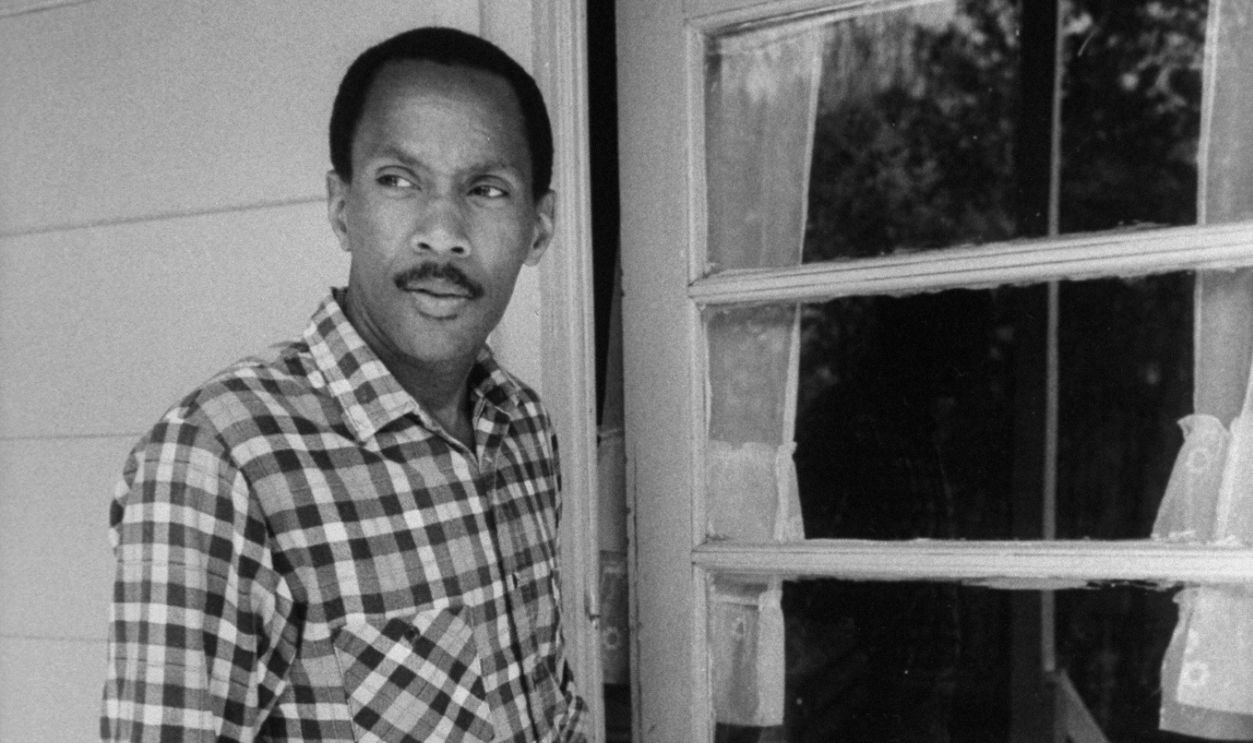
During the Watergate break-in, security guard Frank Wills noticed tape on a door latch and reported it. It seemed like a routine building issue. Instead, it helped uncover a scandal that eventually led to President Richard Nixon’s resignation. Good thing someone was paying attention.
 Thomas S England, Getty Images
The Magna Carta Gets Sealed
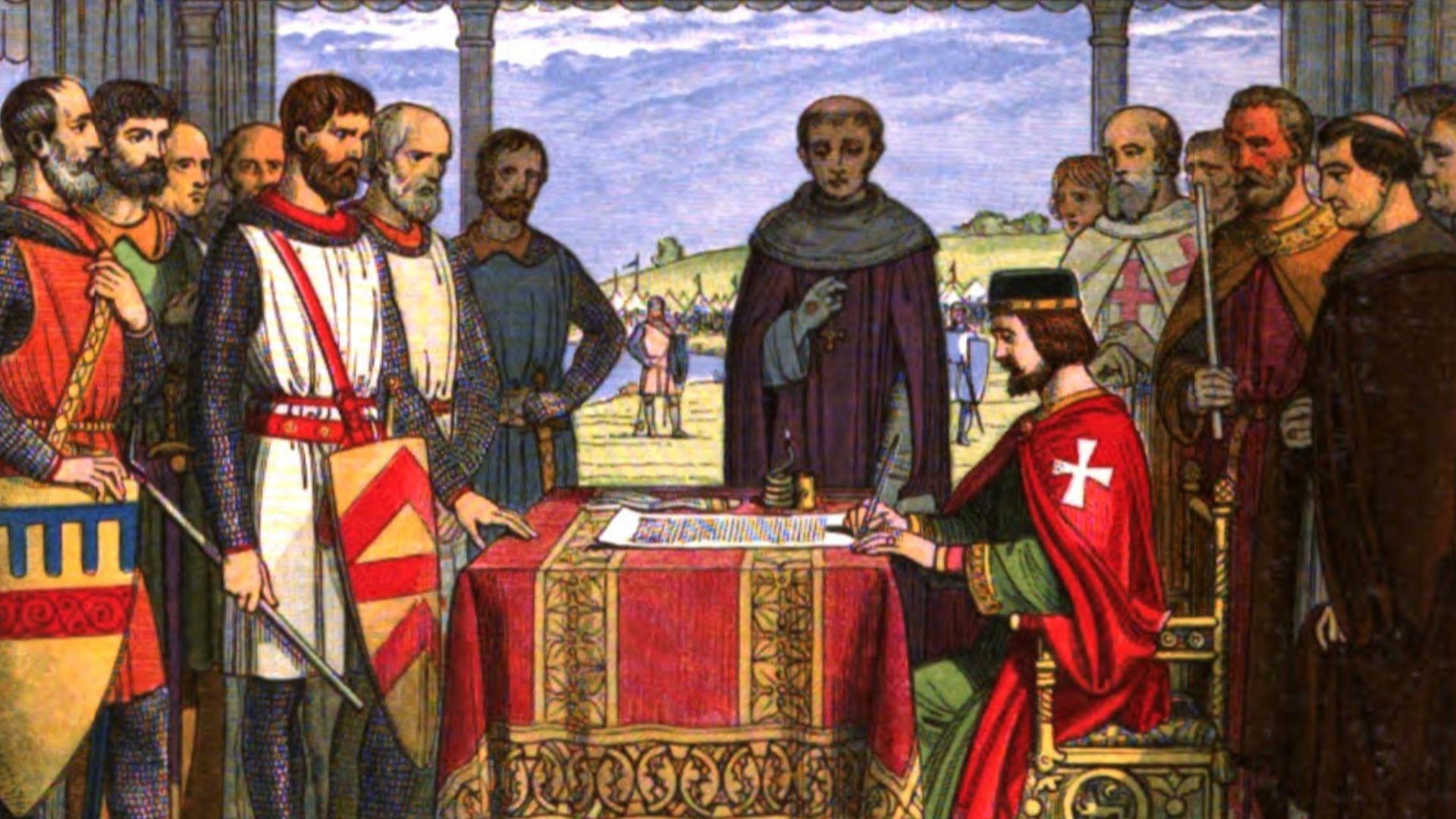
In 1215, King John sealed Magna Carta to calm rebellious barons. It was not meant as a modern democracy manifesto. Yet over time, the document became a symbol of legal limits on power and helped inspire constitutional ideas in England and beyond.
 James William Edmund Doyle / Edmund Evans, Wikimedia Commons
A Computer Bug Gets Named
In 1947, engineers found a moth trapped in a computer relay and logged it as a “bug.” The word already existed in engineering slang, but the story made it legendary. A tiny insect became part of the language of the digital age.
 Nativeplants garden, Wikimedia Commons
Small Decisions Never Stay Small
History is not only shaped by emperors, armies, and revolutions. It is also shaped by missed turns, overlooked warnings, strange accidents, stubborn choices, and lucky breaks. The scary part? Nobody knows which tiny decision today will become tomorrow’s “How did that change everything?” moment.
You May Also Like:
Catastrophic Facts About Lynyrd Skynyrd, The Kings Of Southern Rock
Real People Whose Names Became Everyday Words










