
The Headlines Became Relentless.
Long before television, social media, and 24-hour news, competitive newspapers discovered that murder, scandal, disaster, celebrity, and mystery could keep readers buying fresh editions for weeks or even years. These stories reveal how the modern media frenzy was already taking shape while the printing press was still its most powerful weapon.
 Gertrude Käsebier / Wikimedia Commons
Mary Rogers Was Famous Before She Was Murdered
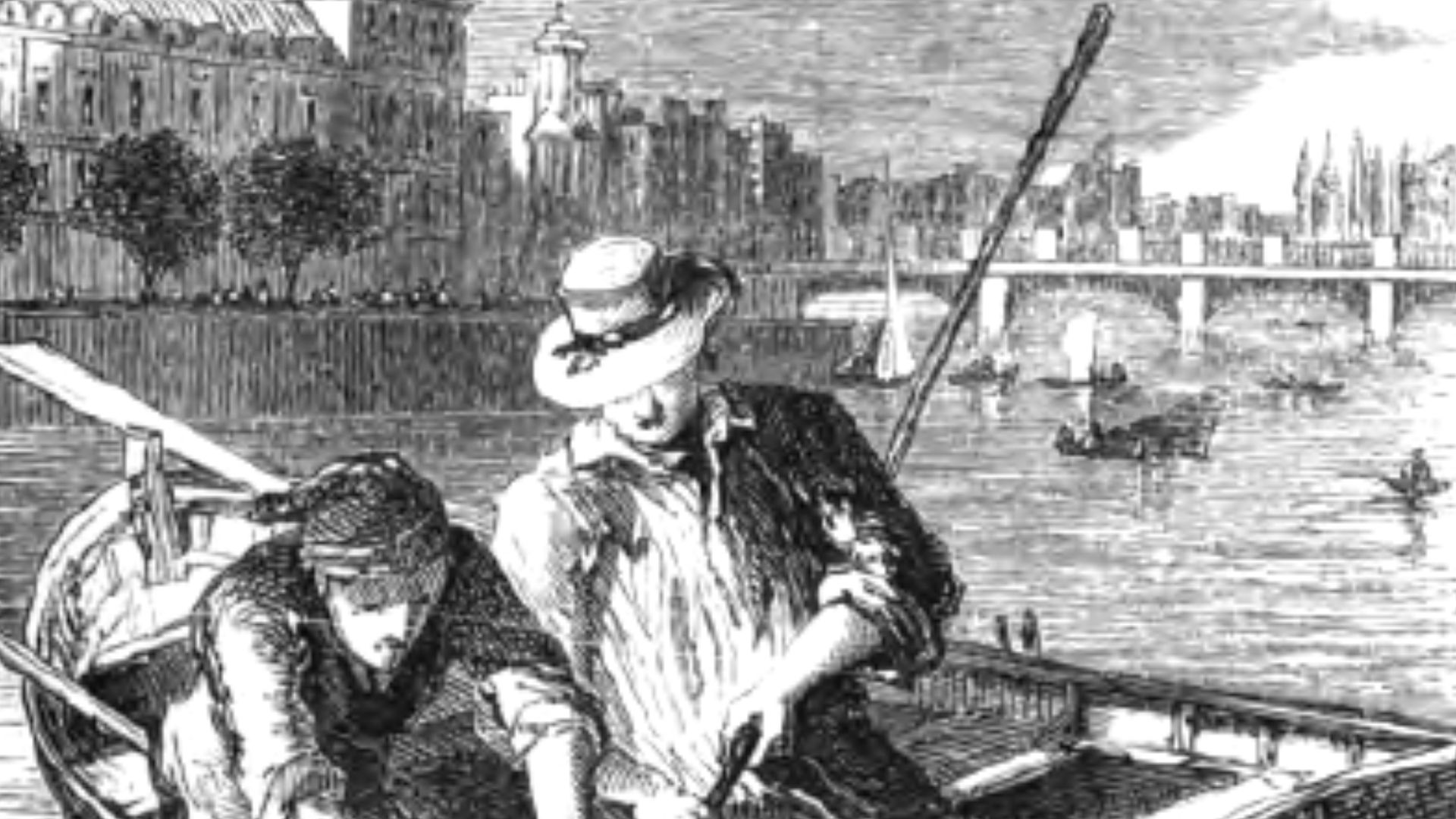
Mary Rogers worked at a popular New York cigar shop where her looks attracted customers and even inspired newspaper poetry. She briefly disappeared in 1838, only to return a few days later, producing rumors that the episode had been manufactured for publicity. When Rogers disappeared again in July 1841 and her body was found in the Hudson River, newspapers already had a recognizable young woman to turn into a sensation. Her death immediately became front-page material.
 Artist unidentified, Wikimedia Commons
Every Newspaper Had Its Own Killer
The Herald, Sun, Tribune, and other papers printed graphic descriptions, theories, accusations, and supposed clues about Rogers's death. Her fiancé Daniel Payne became an object of suspicion despite having an alibi, while later discoveries of clothing created new rounds of speculation. When Payne died by suicide near the place where Rogers's body had been found, the press received yet another dramatic chapter. The murder remained unsolved, but that uncertainty only gave newspapers more room to keep rewriting the story.

Edgar Allan Poe Joined The Investigation
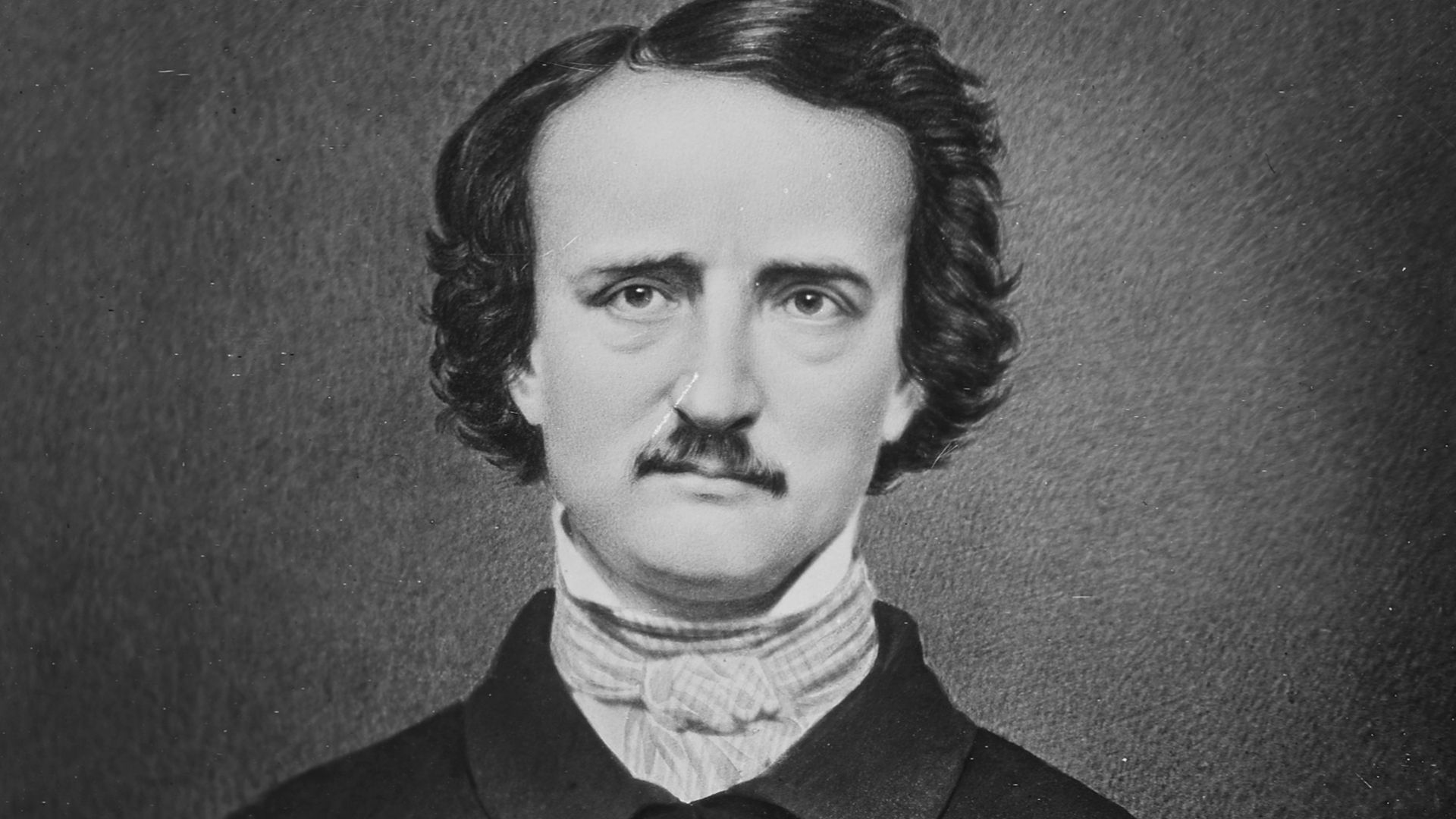
The Rogers mystery became so famous that Edgar Allan Poe transformed it into fiction. His serialized story “The Mystery of Marie Rogêt” moved the crime to Paris while closely following the real case. New developments in Rogers's death even forced Poe to adjust the serialized narrative as newspapers published additional claims. One of America's earliest true-crime sensations had crossed from journalism into popular literature while the real victim's killer remained unknown.
 Mathew Benjamin Brady, Wikimedia Commons
Lizzie Borden Became National News Overnight
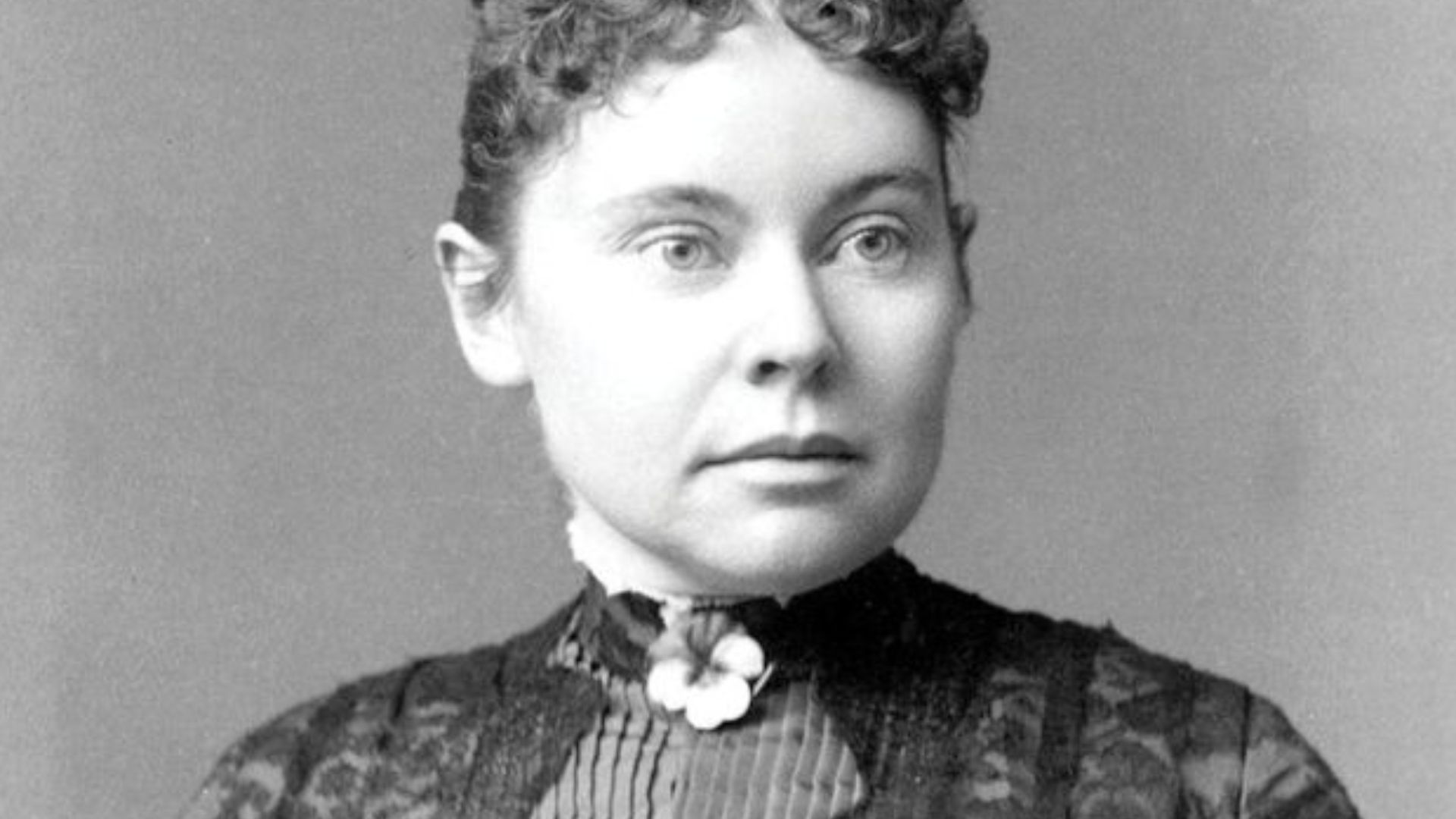
Andrew and Abby Borden were found murdered in their Fall River, Massachusetts, home on August 4, 1892. Andrew's daughter Lizzie was arrested a week later, giving newspapers an extraordinary suspect: an unmarried woman from a prosperous and respectable family. The Library of Congress describes the case as one that excited national interest, and papers across the country followed each development. A local double murder had become an American spectacle.

Reporters Followed Every Dress And Doorway
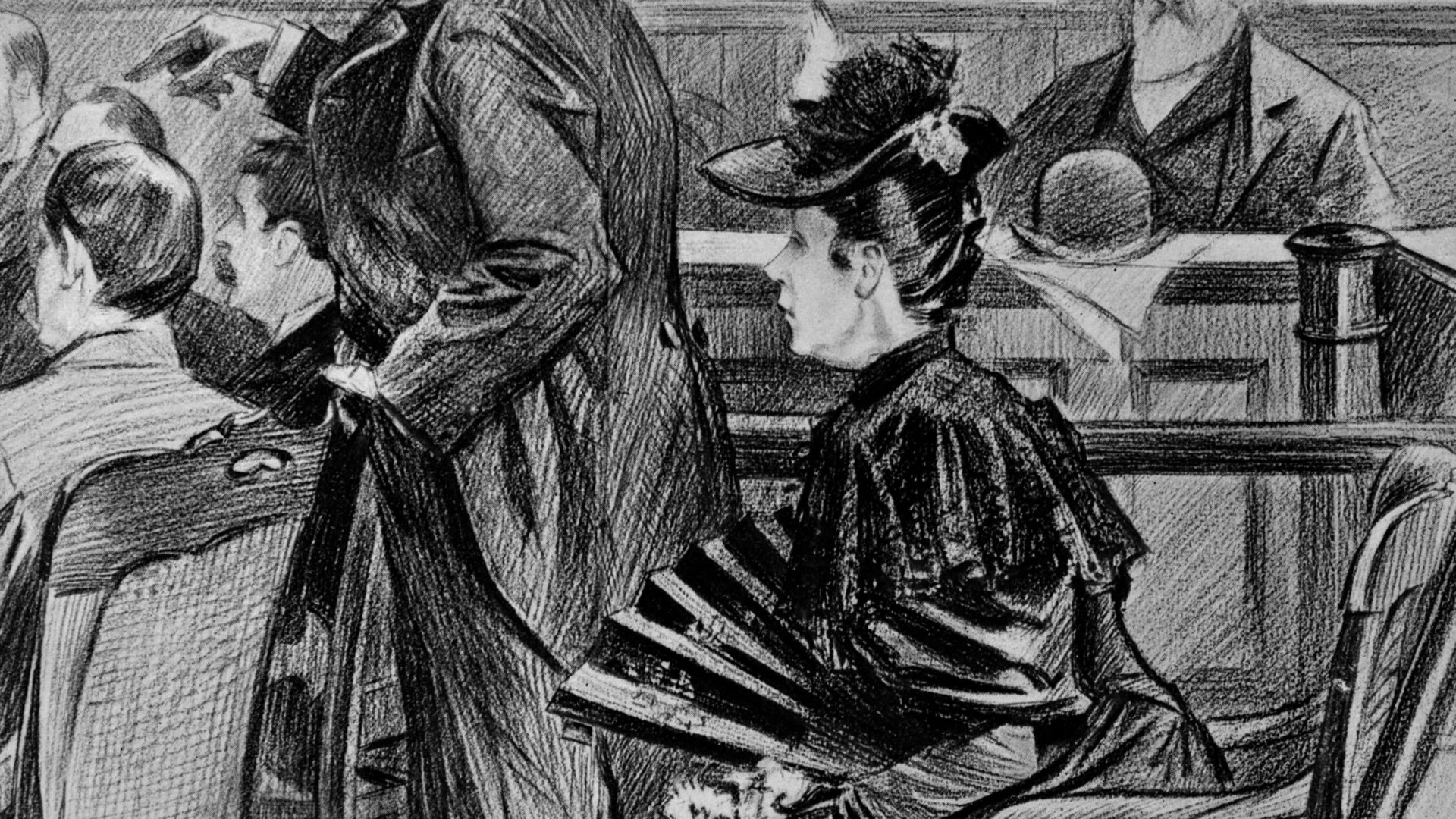
Newspapers reported testimony, household tensions, suspicious behavior, and even the burning of one of Lizzie Borden's dresses. Chronicling America collections show the case appearing on front pages from New York to San Francisco and Texas. The press repeatedly treated small evidentiary details as potential breakthroughs, creating suspense between court sessions. Readers far from Massachusetts could follow the trial almost as if it were a serialized drama.
 Unknown authorUnknown author, Wikimedia Commons
Acquittal Only Made Lizzie More Famous
A jury acquitted Borden on June 20, 1893. That verdict settled her criminal liability, but it did nothing to satisfy public curiosity about who had killed Andrew and Abby. The mystery survived in books, rhymes, stage productions, films, and repeated reconsiderations of the evidence. The Library of Congress notes that the question of Borden's guilt continues to fascinate people today, making the newspaper sensation far more durable than the trial itself.
 Benjamin West Clinedinst, Wikimedia Commons
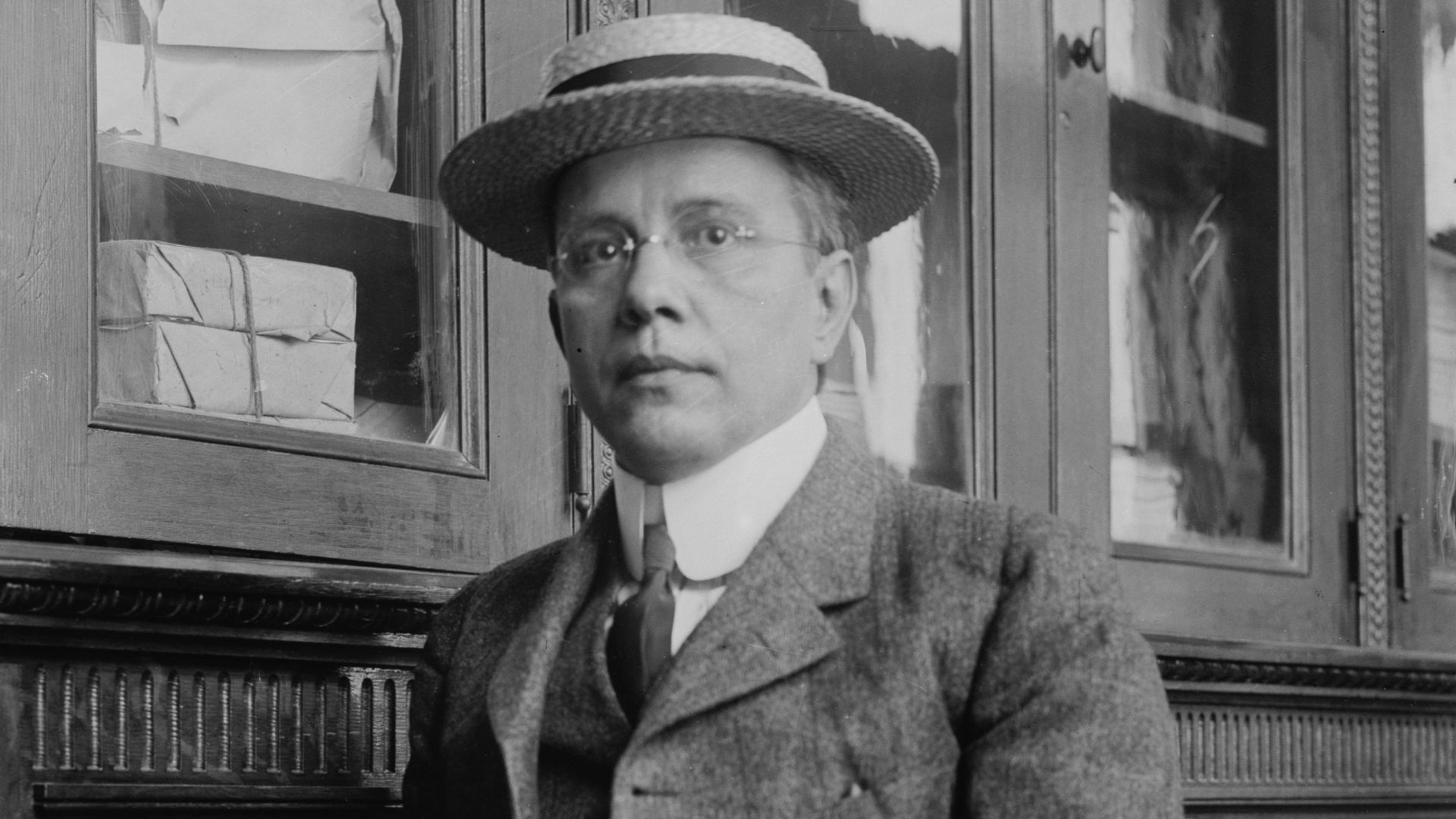
Harry Thaw Shot A Famous Architect In Public
On June 25, 1906, millionaire heir Harry K. Thaw approached celebrated architect Stanford White at the rooftop theater of Madison Square Garden. Thaw shot White three times in front of an audience while his wife, model and actress Evelyn Nesbit, was nearby. The killing connected enormous wealth, sex, jealousy, theater, and one of America's most famous architects in a single story. Newspapers immediately recognized that they had almost every ingredient needed for a national sensation.
 Bain News Service, publisher, Wikimedia Commons
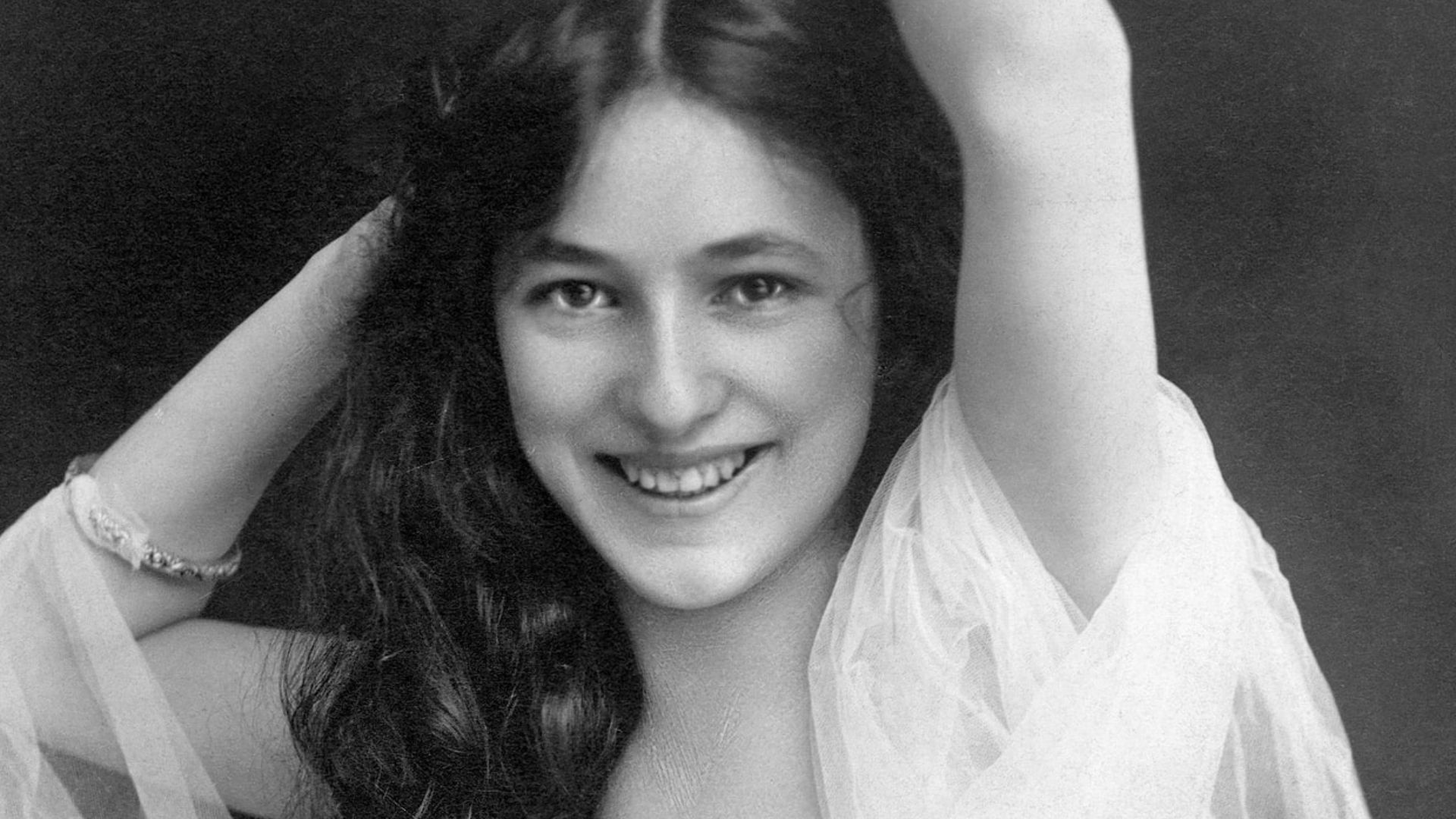
Evelyn Nesbit Became The Story
Nesbit's past relationship with White became central to Thaw's defense, forcing intimate details of her life into public testimony. Reporters filled newspapers with descriptions of White's behavior, Thaw's jealousy, Nesbit's youth, and the relationships among the three. The first trial ended with a deadlocked jury, guaranteeing that the entire spectacle would happen again. Nesbit had once been famous for her beauty, but the press now turned her private history into national entertainment.
 Otto Sarony, Wikimedia Commons
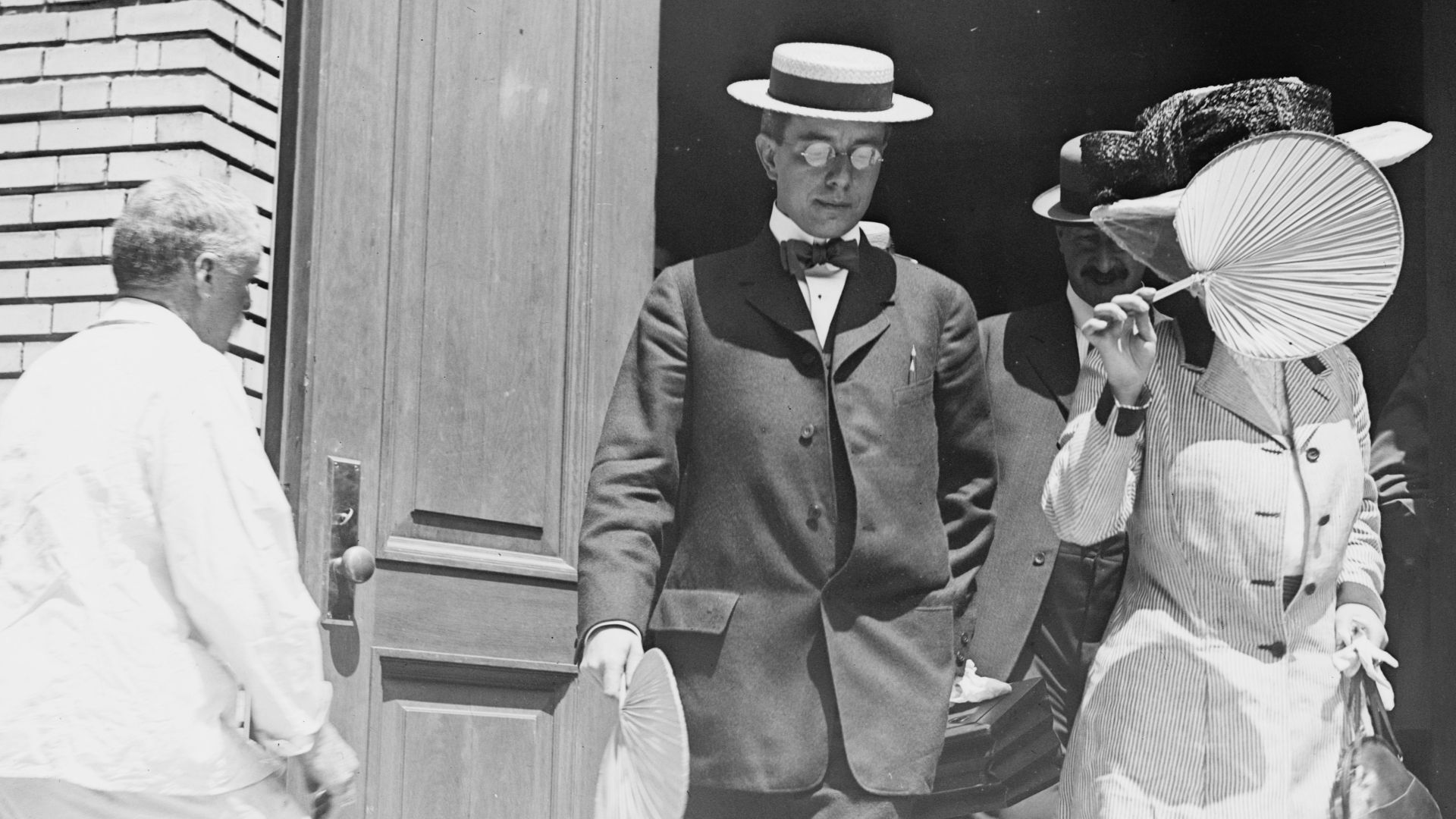
The “Trial Of The Century” Would Not End
At Thaw's second trial, he was found not guilty by reason of insanity and committed to an institution. His subsequent legal battles, escape to Canada, extradition, and later sanity proceedings produced still more headlines. Smithsonian notes that crowds even cheered Thaw during parts of his flight from custody. What began as one murder became a nearly decade-long media franchise centered on people whose lives newspapers refused to release.
 Bain News Service, publisher, Wikimedia Commons
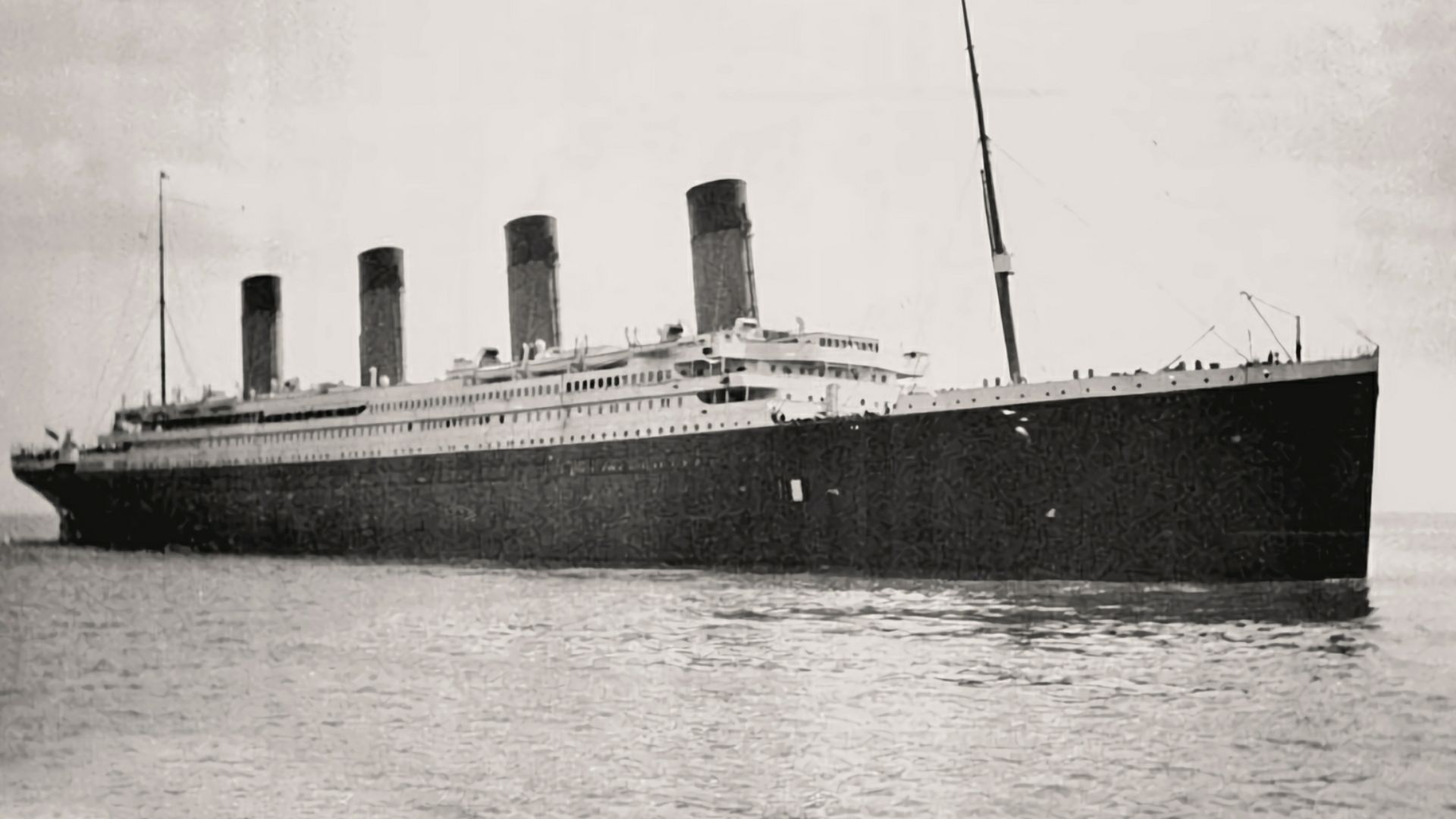
Titanic Produced Confusion Before Facts
When Titanic struck an iceberg in April 1912, early newspaper reports contained conflicting information about whether the ship had actually sunk and how many people had survived. The Library of Congress notes that more reliable details emerged only over the following days. Reporters and relatives crowded White Star Line offices while newspapers raced to publish wireless messages. A communications disaster quickly became a competition to own the biggest story in the world.
 Francis Browne, Wikimedia Commons
Newspapers Literally Chased The Survivors
As the rescue ship Carpathia approached New York, newspapers fought for firsthand accounts from the people aboard. The Evening World chartered a tug to intercept dispatches written by its correspondent and rushed an extra edition into the streets. The paper proudly described how its story was carried from Carpathia toward New York Harbor. Reporting the disaster had become an adventure almost as competitive as the scramble for survivors' interviews.
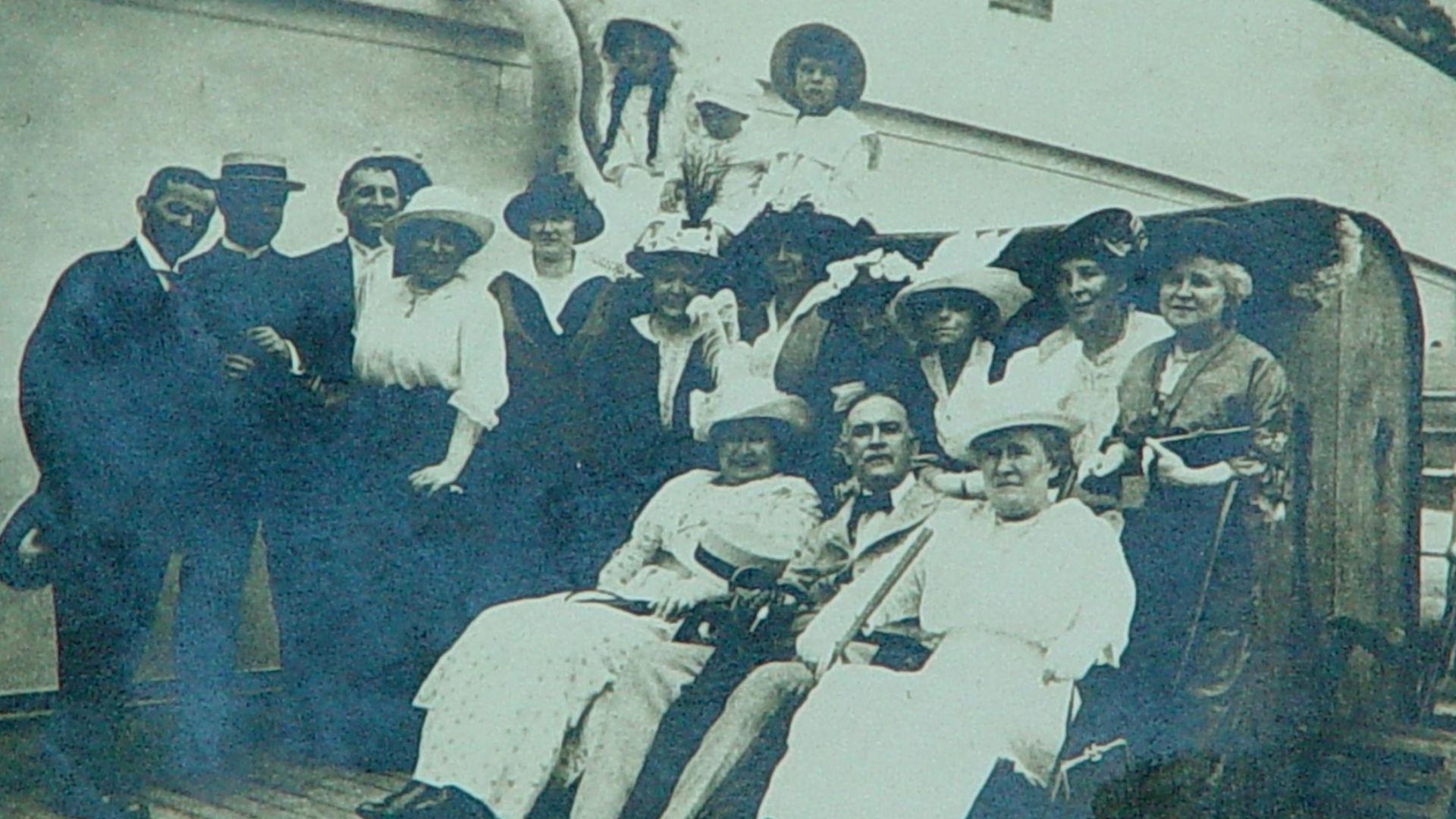 RMS Carpathia official photographer, Wikimedia Commons
Titanic Stories Became Instant Mythology
Newspapers quickly published accounts of heroism, sacrifice, musicians playing as the ship sank, and wealthy men supposedly meeting death with extraordinary calm. Some stories were accurate, while others became embellished as newspapers filled gaps in the chaotic early record. Congressional investigations kept Titanic in the news for weeks after the sinking itself. The disaster became both a historical event and a collection of endlessly repeated human-interest stories almost immediately.
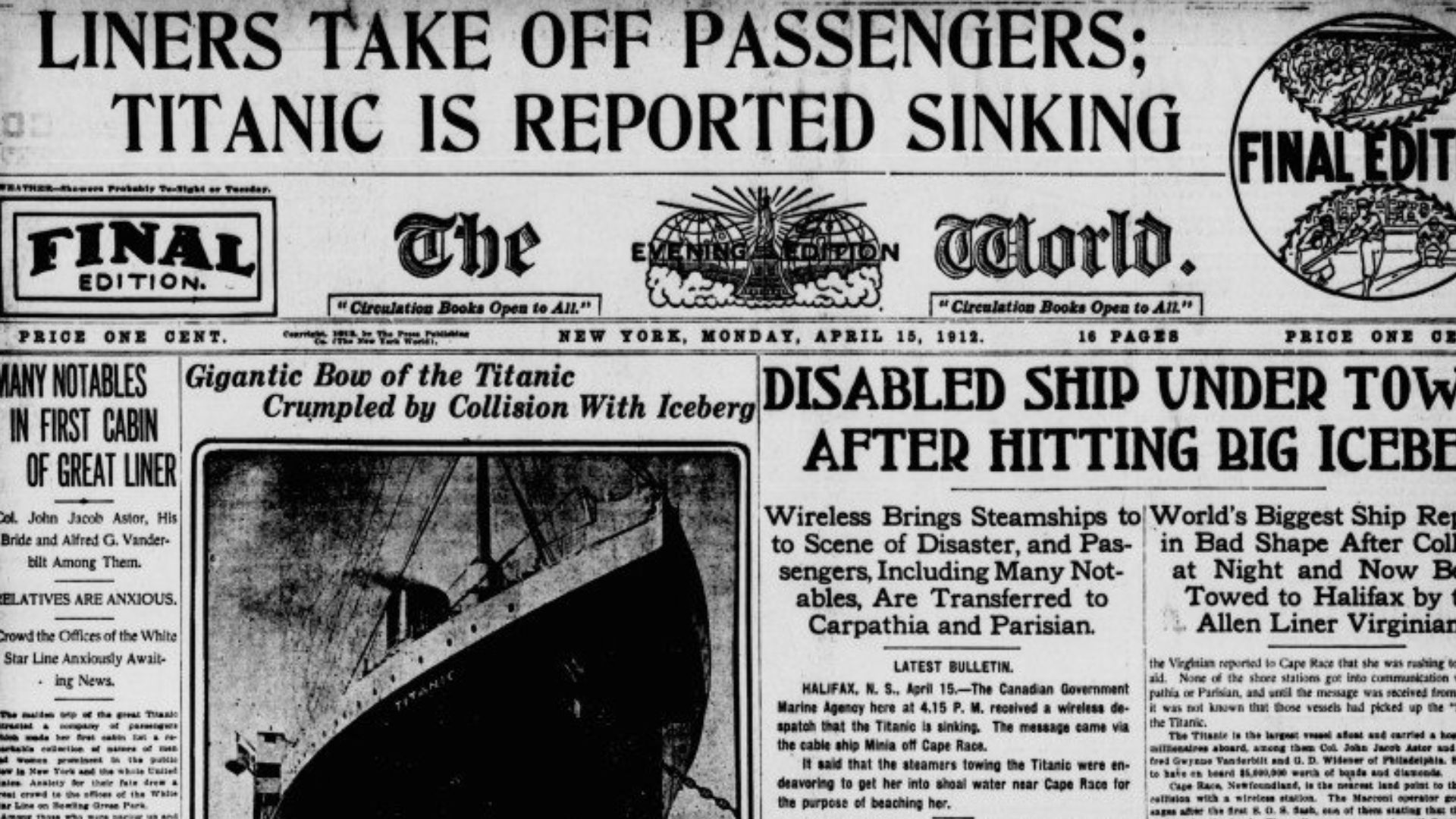 Unknown authorUnknown author, Wikimedia Commons
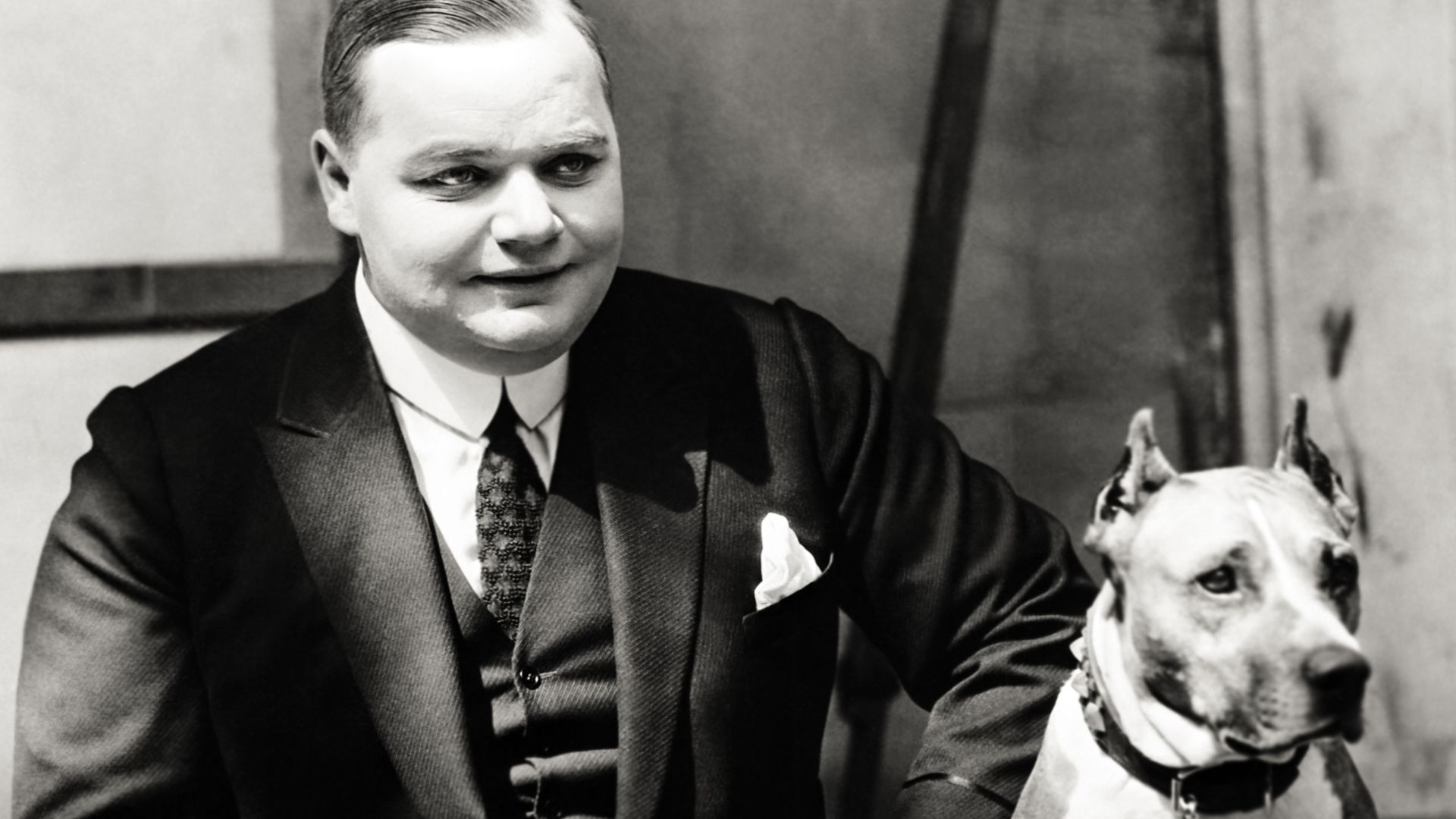
Roscoe Arbuckle Was A Perfect Celebrity Target
By 1921, Roscoe “Fatty” Arbuckle was one of Hollywood's highest-paid comedians, with a multimillion-dollar Paramount contract. Actress Virginia Rappe became seriously ill after a party Arbuckle attended in San Francisco and died several days later. Arbuckle was charged with manslaughter after sensational allegations surrounding the party spread through the press. His immense fame ensured the story would not stay confined to a courtroom.
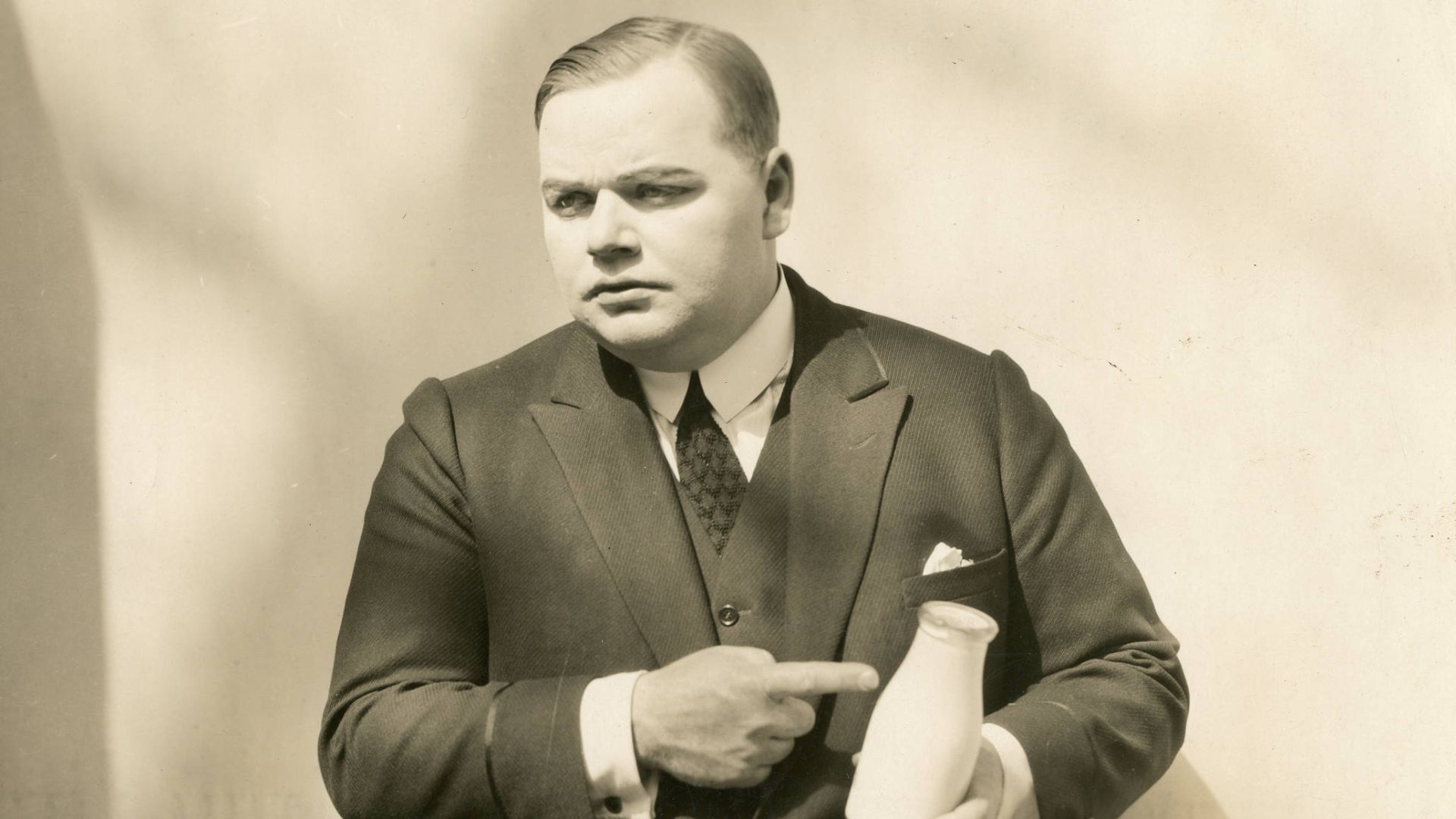 Unknown authorUnknown author, Wikimedia Commons
Hearst Newspapers Went Wild
William Randolph Hearst's newspapers aggressively covered the case, printing lurid allegations before they had been tested in court. Smithsonian reports that Hearst later claimed the scandal sold more newspapers than the sinking of the Lusitania. Arbuckle was portrayed as a symbol of Hollywood excess, and theaters began banning his films while the legal case was still unfolding. The accusation itself became commercially valuable news.
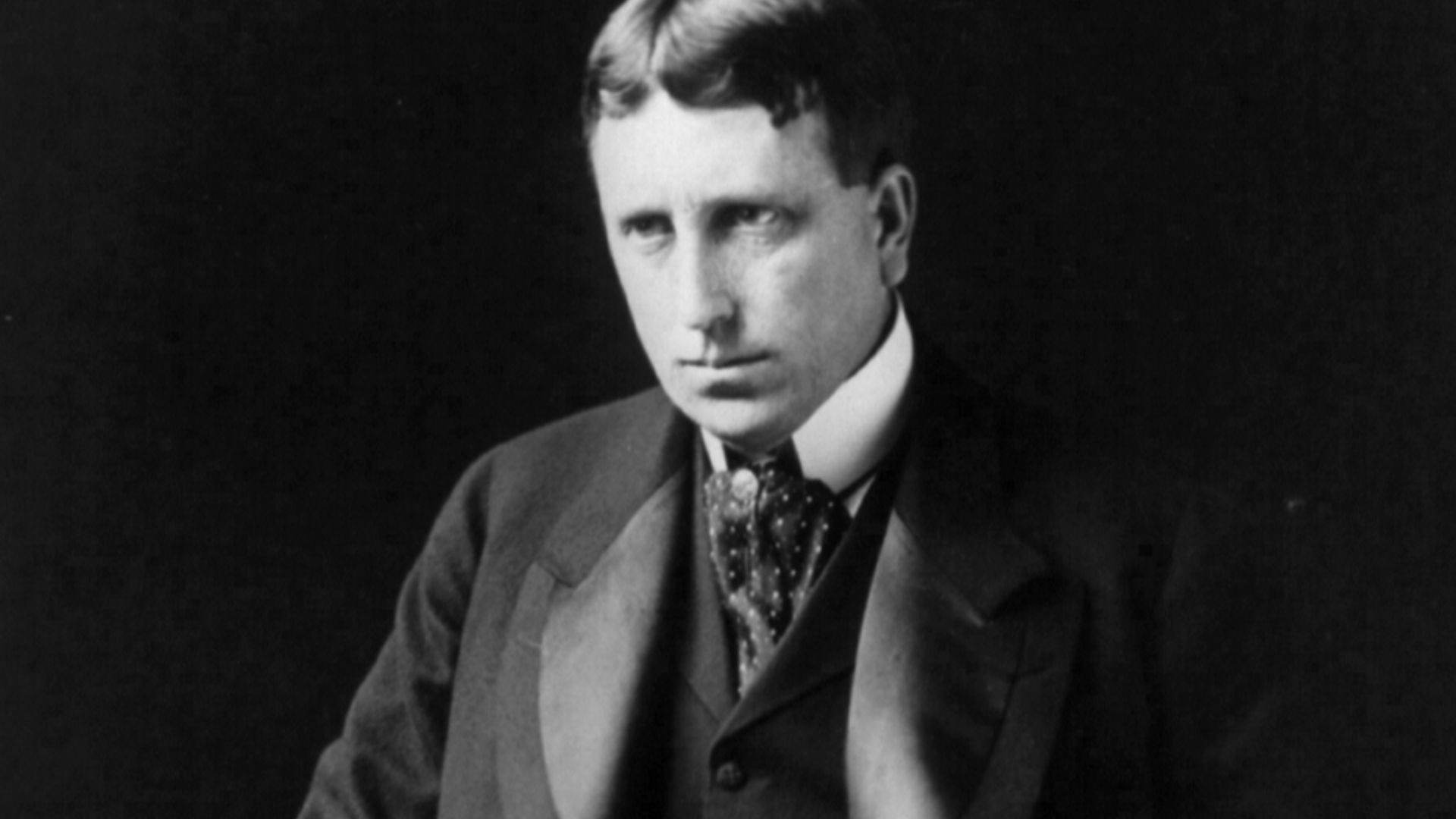 B. M. Clinedinst, Wikimedia Commons
Three Trials Could Not Undo The Headlines
Arbuckle faced three trials, with the first two ending in hung juries. The third jury acquitted him and issued a statement saying that a grave injustice had been done. By then, however, his reputation had been devastated and Hollywood's new censorship chief temporarily barred him from films. Newspapers had spent months turning Arbuckle into a scandalous character, and a courtroom acquittal could not make readers forget the role.
 Carolyn Lowrey, Wikimedia Commons
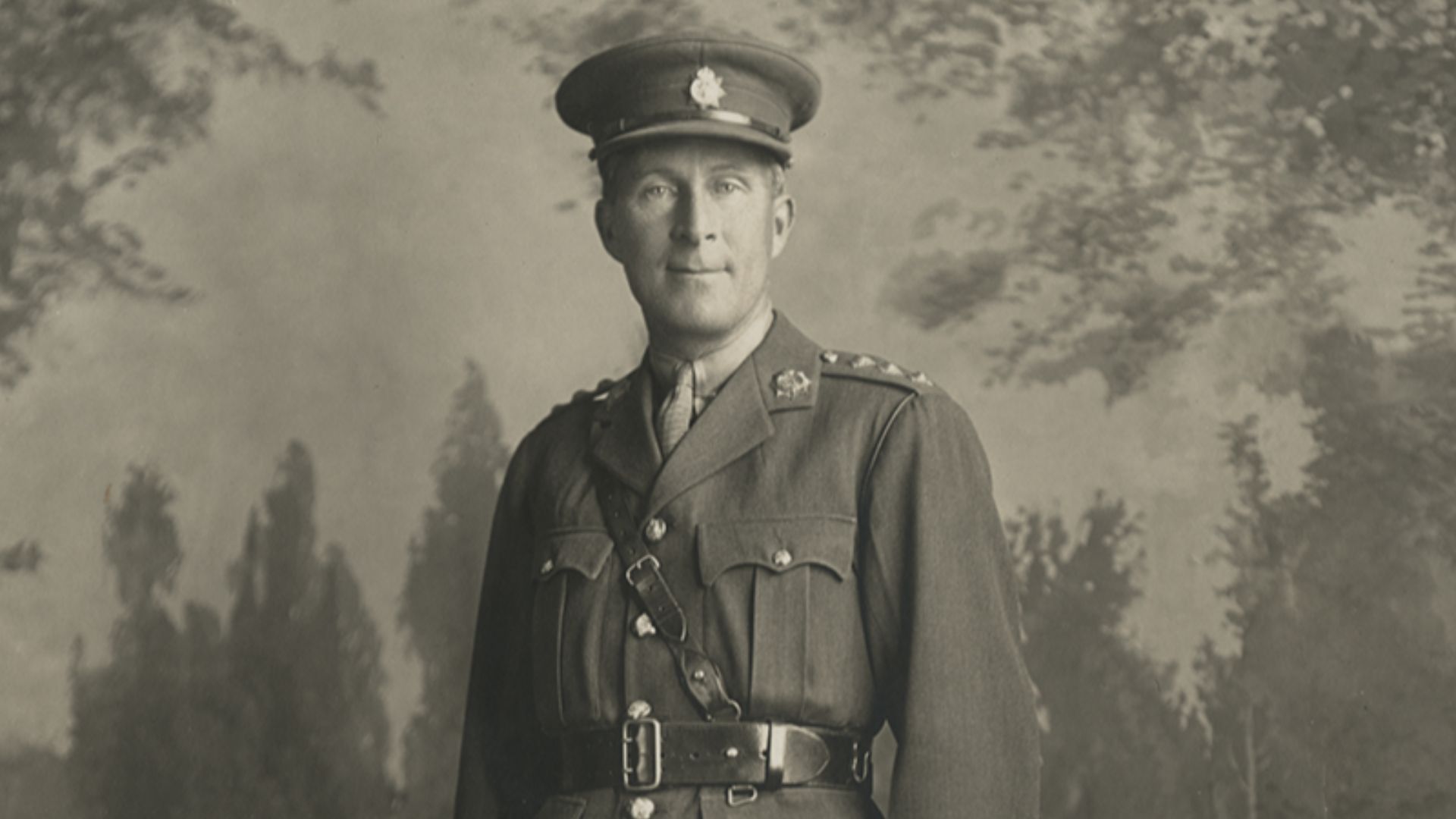
William Desmond Taylor Created Another Hollywood Mystery
Film director William Desmond Taylor was found shot to death in his Los Angeles home in February 1922. Police arrived to find members of the film community already moving through the bungalow and handling his belongings. The case became a national scandal almost immediately, particularly because Hollywood was still reeling from the Arbuckle affair. Another sensational story now seemed to confirm critics' claims that the movie colony was hiding something rotten.
 Albert Witzel, Wikimedia Commons
Every New Suspect Became A Headline
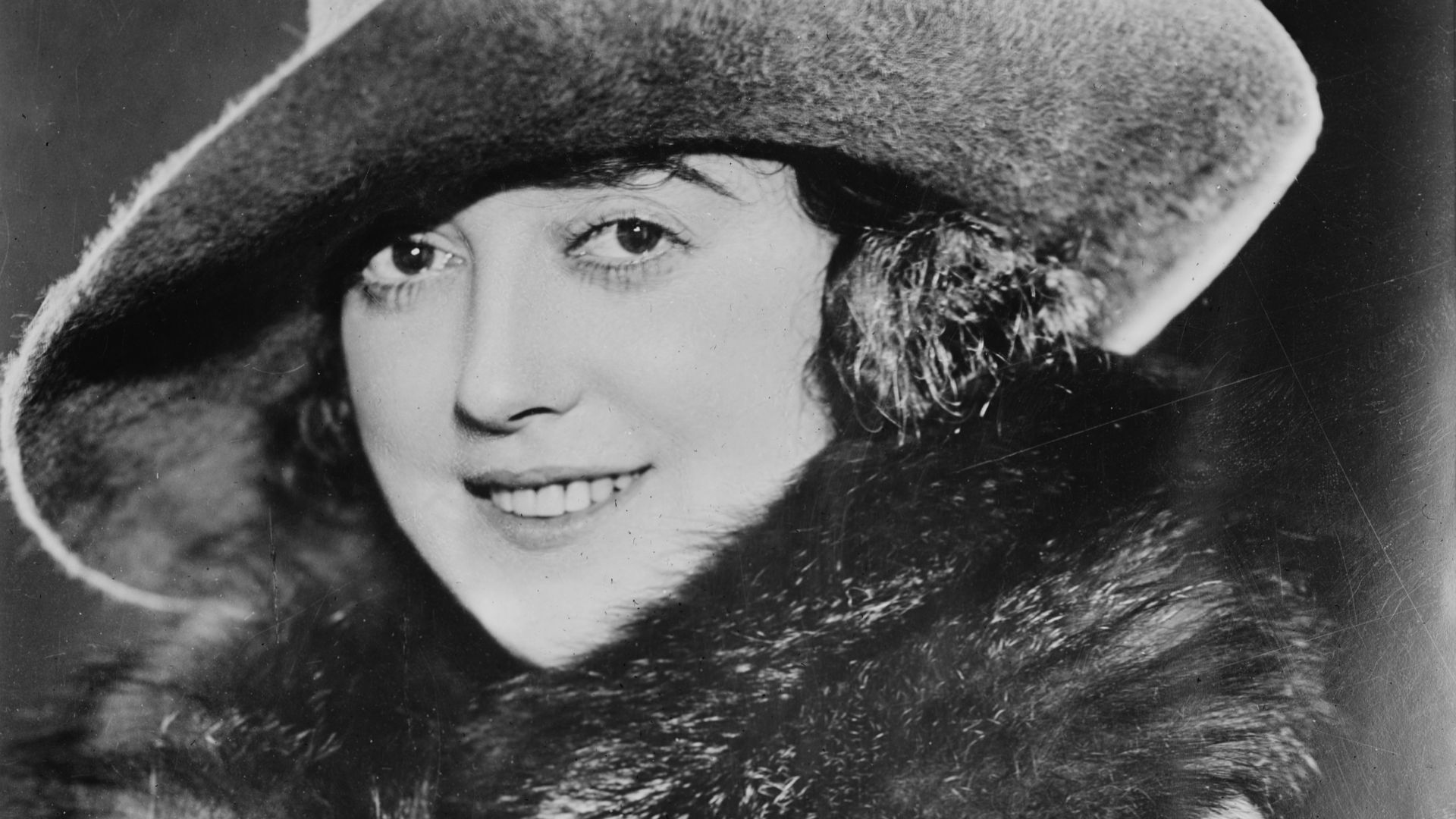
Taylor's former valet Edward Sands vanished, actress Mabel Normand had visited Taylor shortly before his death, and actress Mary Miles Minter was also publicly linked to him. Newspapers reported alleged confessions, arrests of false suspects, rumors about drugs, and claims that a mysterious woman might have committed the murder. A 1922 newspaper preserved by the Library of Congress shows how quickly even questionable leads received major coverage. The investigation offered reporters a seemingly endless supply of dramatic possibilities.
 Bain News Service, publisher, Wikimedia Commons
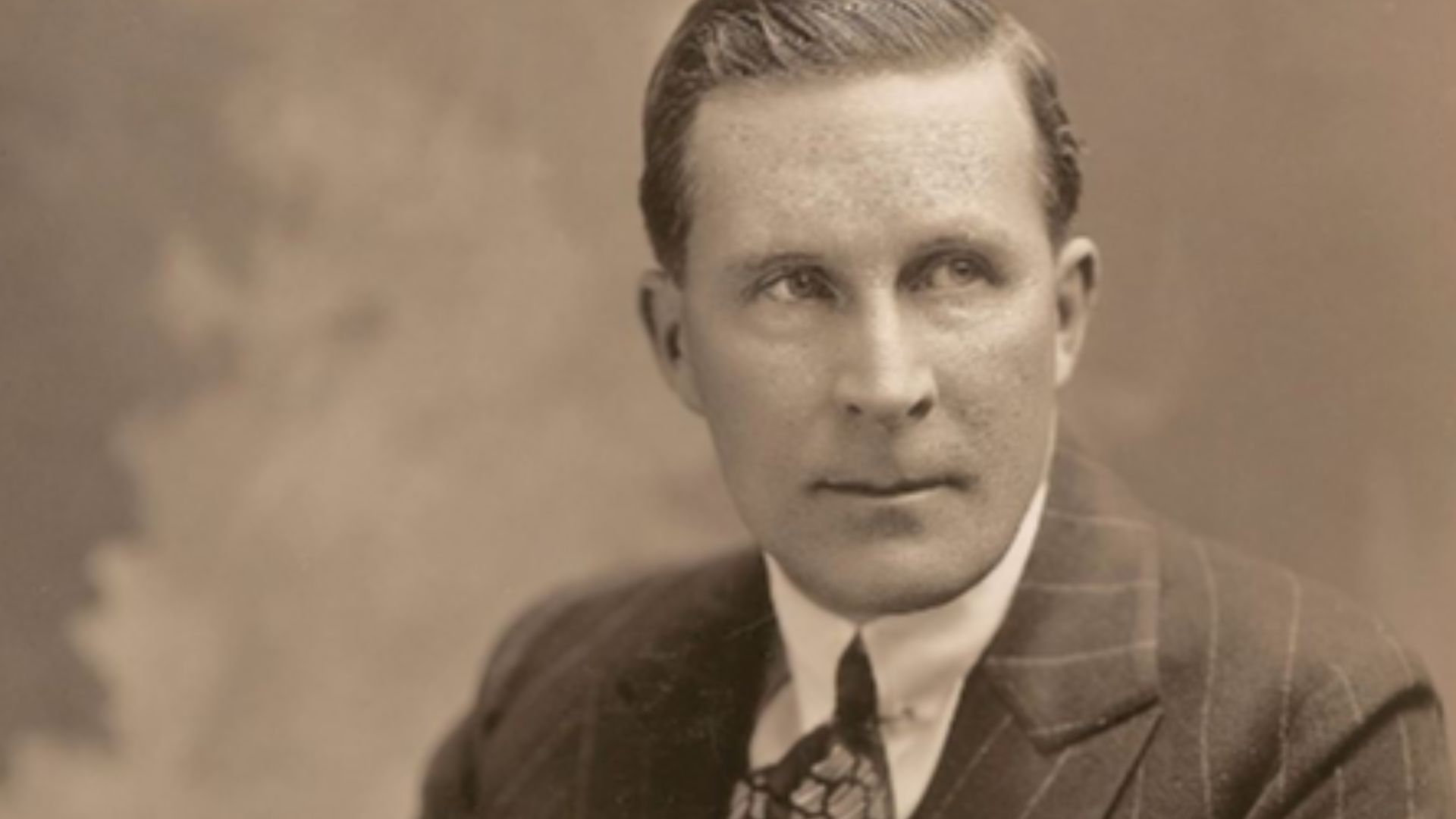
The Cold Case Kept Becoming Hot Again
Taylor's murder was never solved, which meant almost any new object, confession, or rumor could revive it. A 1923 report announced that jewelry allegedly belonging to Taylor had surfaced in Seattle and declared that the trail had suddenly become hot again. His death continued appearing in discussions of Hollywood morality and helped strengthen demands for industry self-regulation. An unsolved murder gave newspapers something a solved case could not: an ending that could always be postponed.
 Albert Witzel, Wikimedia Commons
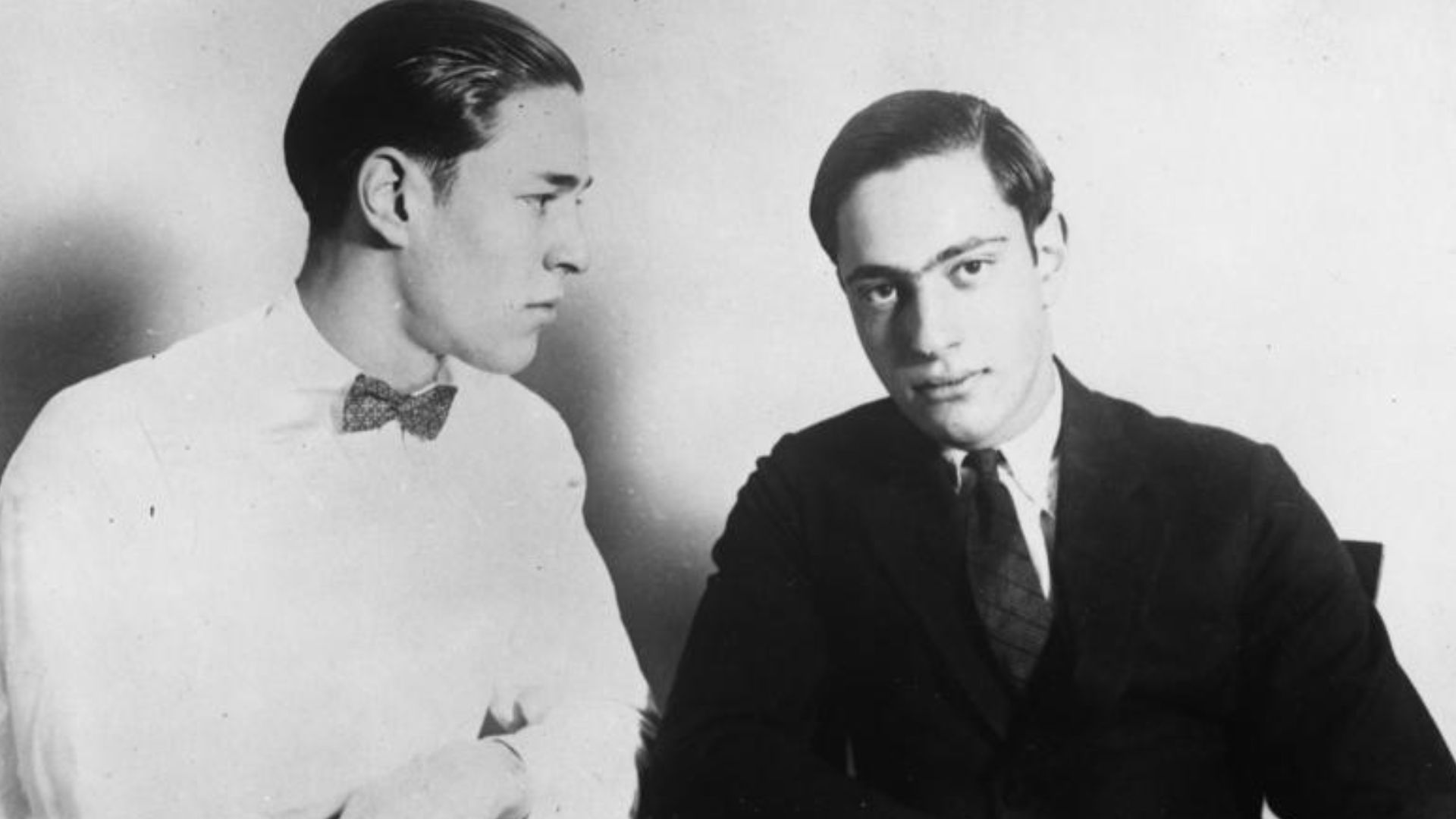
Leopold And Loeb Wanted The Perfect Crime
In May 1924, wealthy Chicago youths Nathan Leopold Jr. and Richard Loeb kidnapped and murdered 14-year-old Bobby Franks. Investigators quickly connected the pair to the crime, and both confessed. Their privileged backgrounds, intelligence, and apparently thrill-seeking motive baffled the public. Smithsonian describes the case as one of the earliest American prosecutions to earn the label “crime of the century.”
 Unknown authorUnknown author, Wikimedia Commons
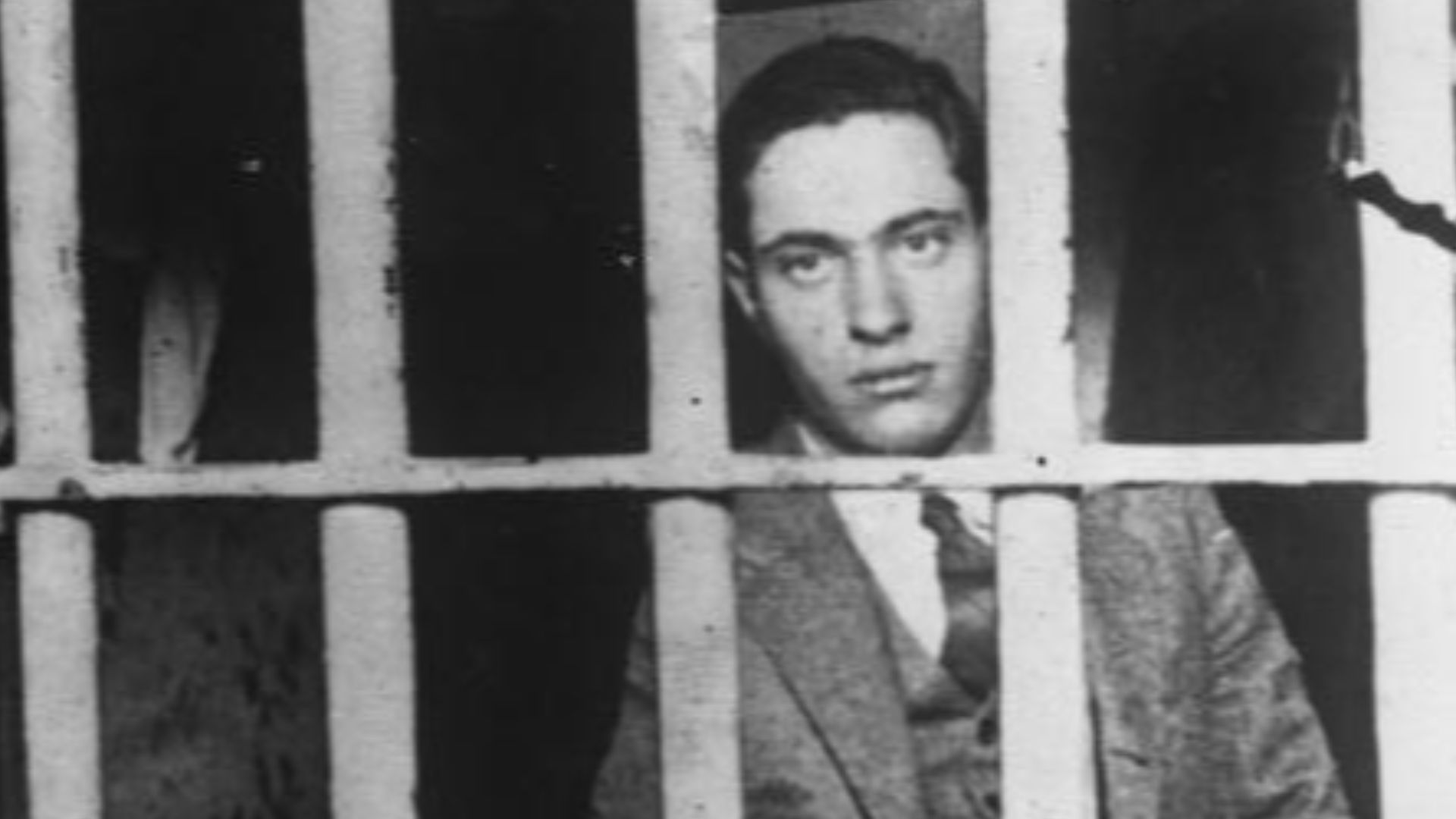
Newspapers Diagnosed An Entire Generation
Local and national newspapers offered competing explanations for how two privileged young men could commit such a crime. Commentators blamed wealth, education, philosophy, atheism, parenting, sexuality, modern culture, and other supposed social failures. The case became less about evidence alone and more about what observers believed was wrong with 1920s America. Continuous press attention transformed the killers into symbols onto which readers could project their own fears.
 UnknownUnknown , Wikimedia Commons
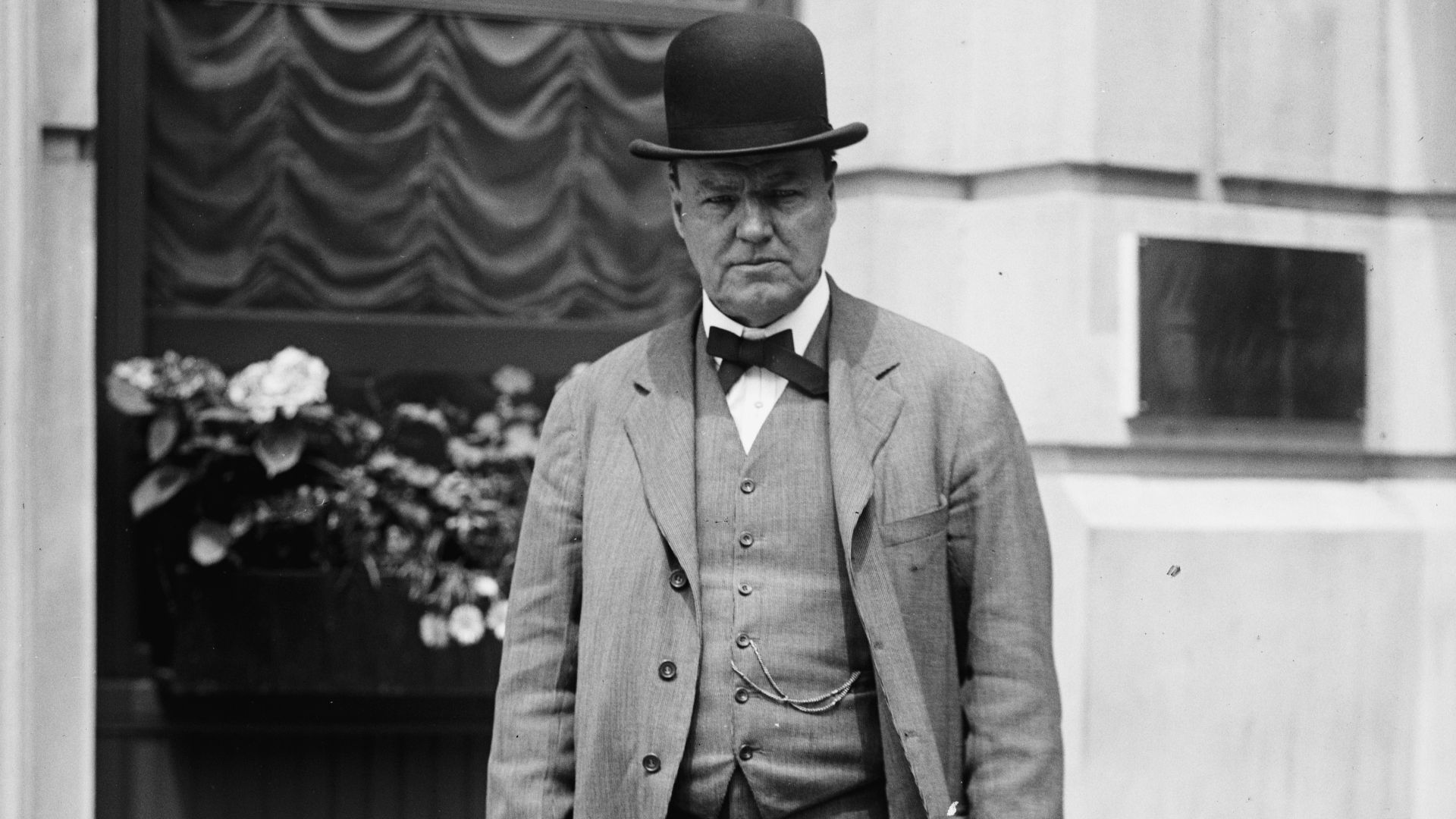
Clarence Darrow Kept The Press Coming Back
Leopold and Loeb pleaded guilty, so the major courtroom battle concerned whether they would receive the death penalty. Defense attorney Clarence Darrow presented extensive psychiatric evidence and delivered a lengthy argument against execution. Judge John Caverly ultimately sentenced each young man to life for murder plus 99 years for kidnapping, citing their youth as a major consideration. Newspapers had followed the case from Franks's disappearance through sentencing, and the story continued inspiring books, plays, films, and documentaries for generations.
 Harris & Ewing, photographer, Wikimedia Commons
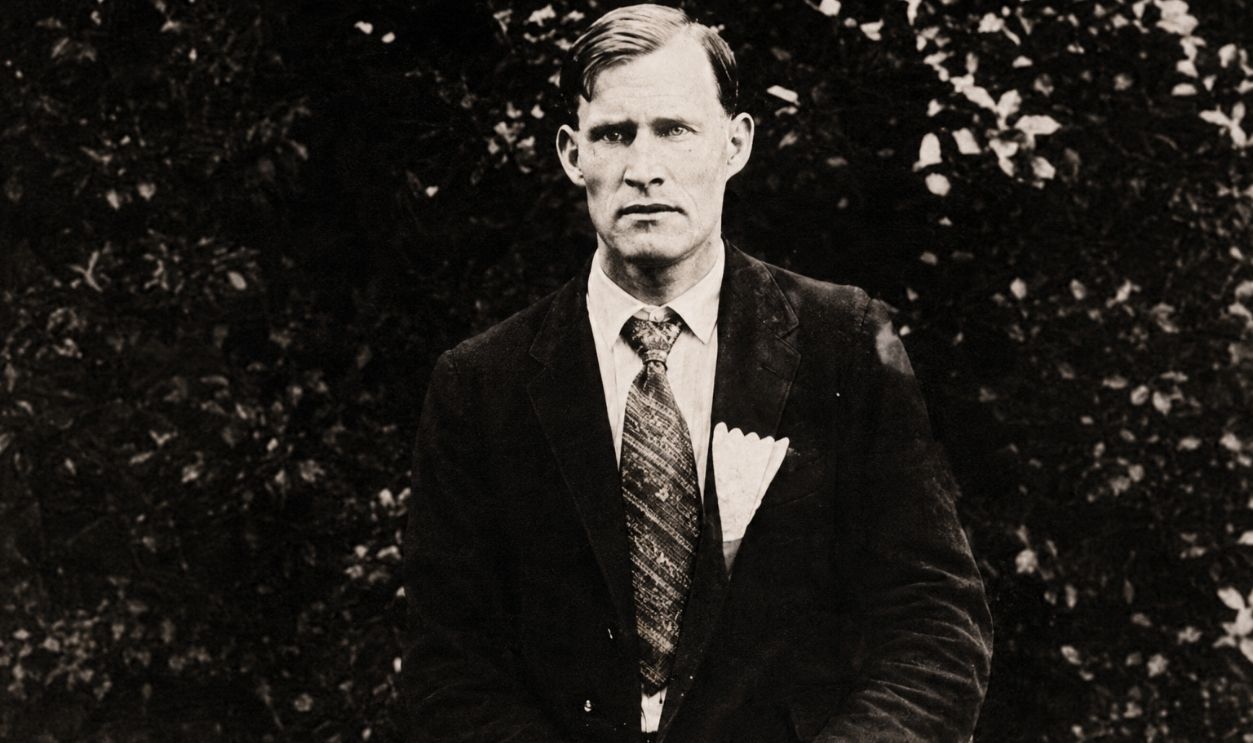
Floyd Collins Became Trapped Underground
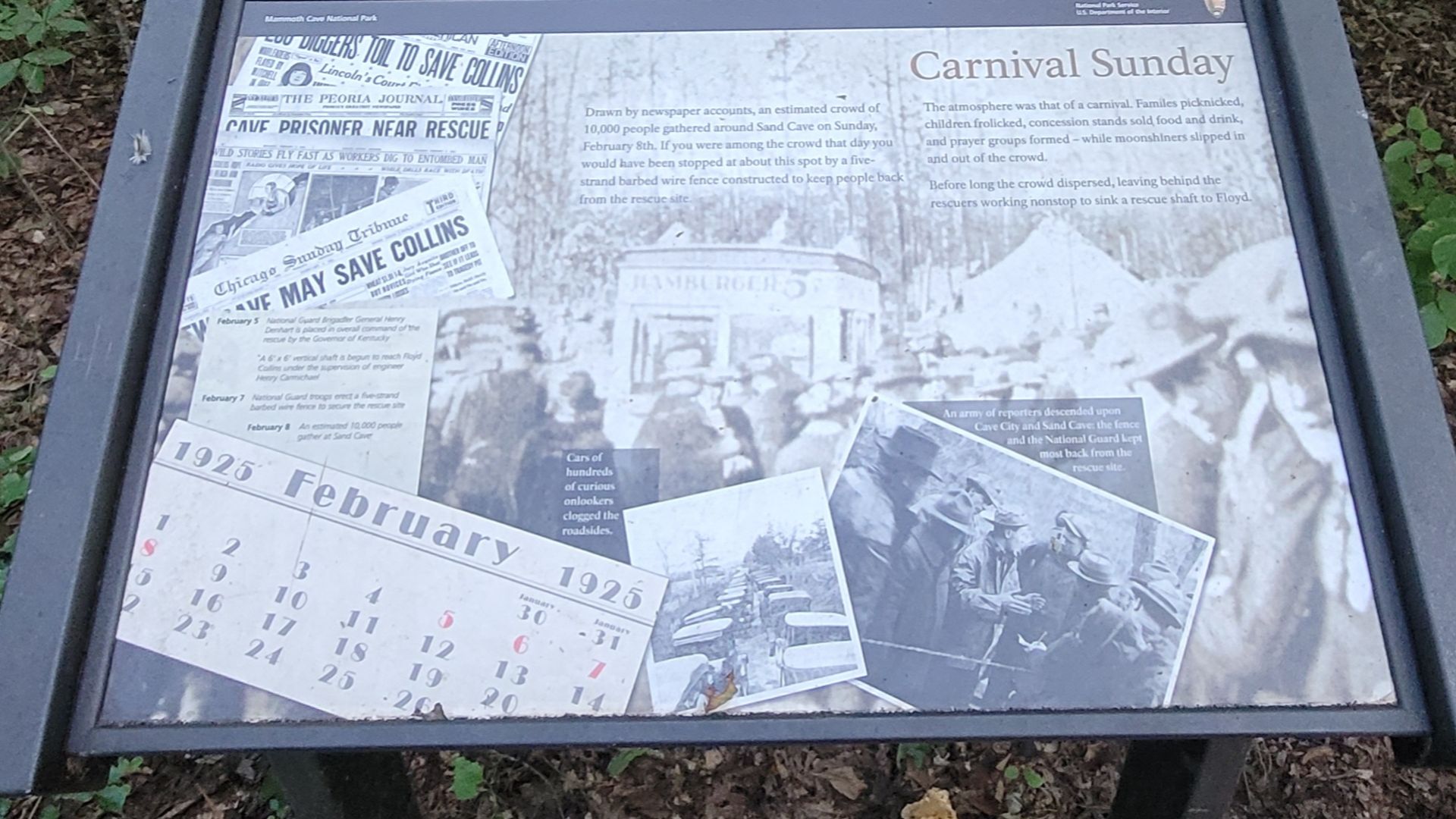
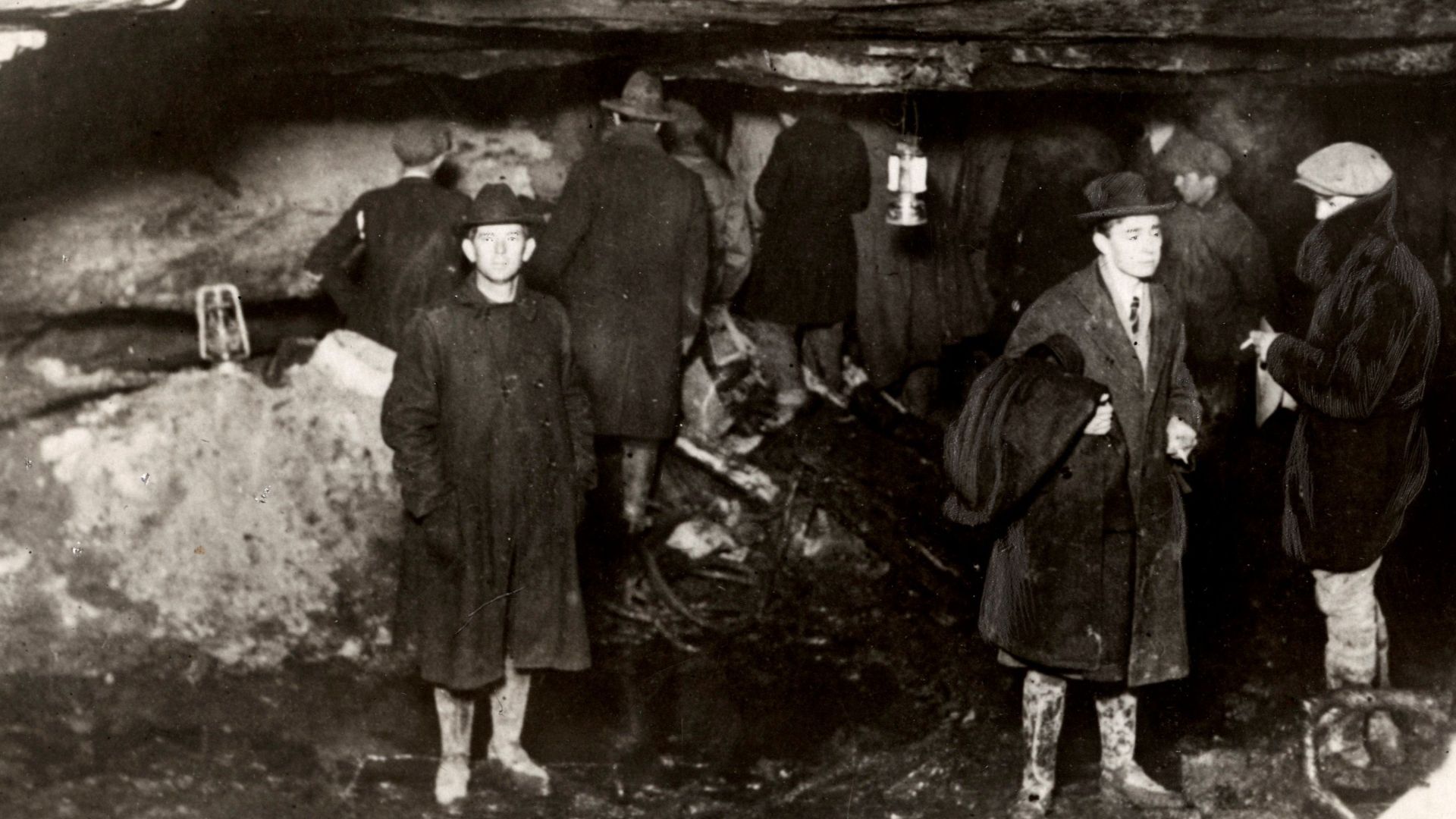
On January 30, 1925, cave explorer Floyd Collins entered Sand Cave in Kentucky and became pinned by a fallen rock roughly 60 feet underground. Initial rescue attempts were disorganized, and the narrow passage made reaching him extremely difficult. Louisville reporter William “Skeets” Miller crawled down to interview Collins and then became personally involved in efforts to help him. Within days, what began as a local rescue had become the biggest news story in America.
 Wade H. Highbaugh, Wikimedia Commons, Enhanced
Ten Thousand Tourists Came To Watch
As newspapers spread the story, crowds descended on the rescue site. The National Park Service estimates that around 10,000 people arrived on February 8, a day remembered as “Carnival Sunday,” while vendors sold food and alcohol near the cave. Reporters came from every state, along with foreign correspondents, and rumors circulated that the entire emergency was a publicity hoax. A man slowly dying underground had become a tourist attraction before rescuers could even reach him.
Even Rumors Needed Official Investigations
Newspapers published claims that Collins had been murdered, deliberately deprived of food, secretly leaving the cave each night, or participating in a giant tourism scheme. Authorities were eventually forced to investigate the rumors themselves while rescuers continued digging. Collins was found dead on February 16 after 17 days of entrapment. The publicity became so enormous that the National Park Service says it helped build momentum for the creation of Mammoth Cave National Park.
 Unknown authorUnknown author, Wikimedia Commons
Aimee Semple McPherson Vanished At The Beach
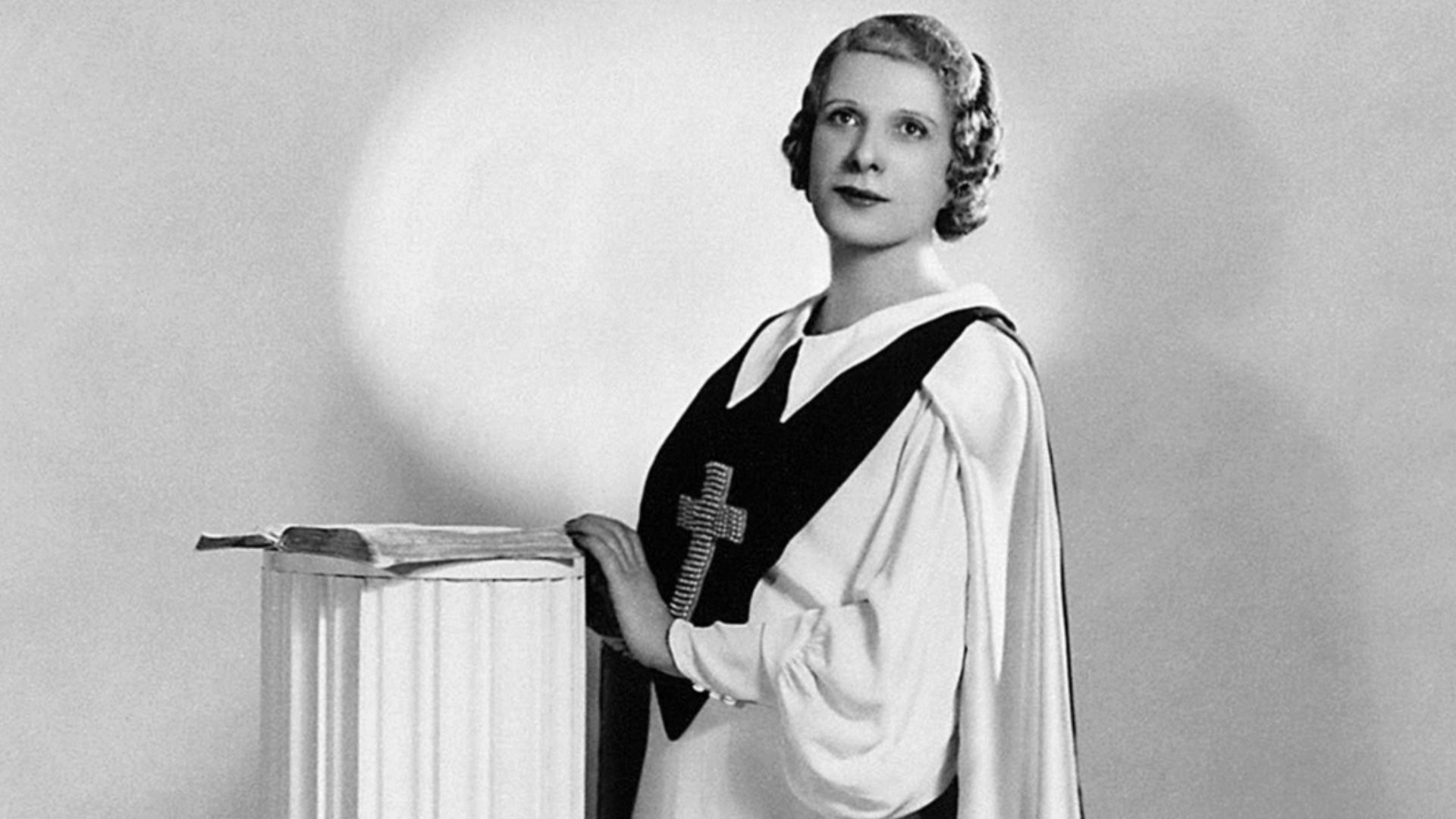
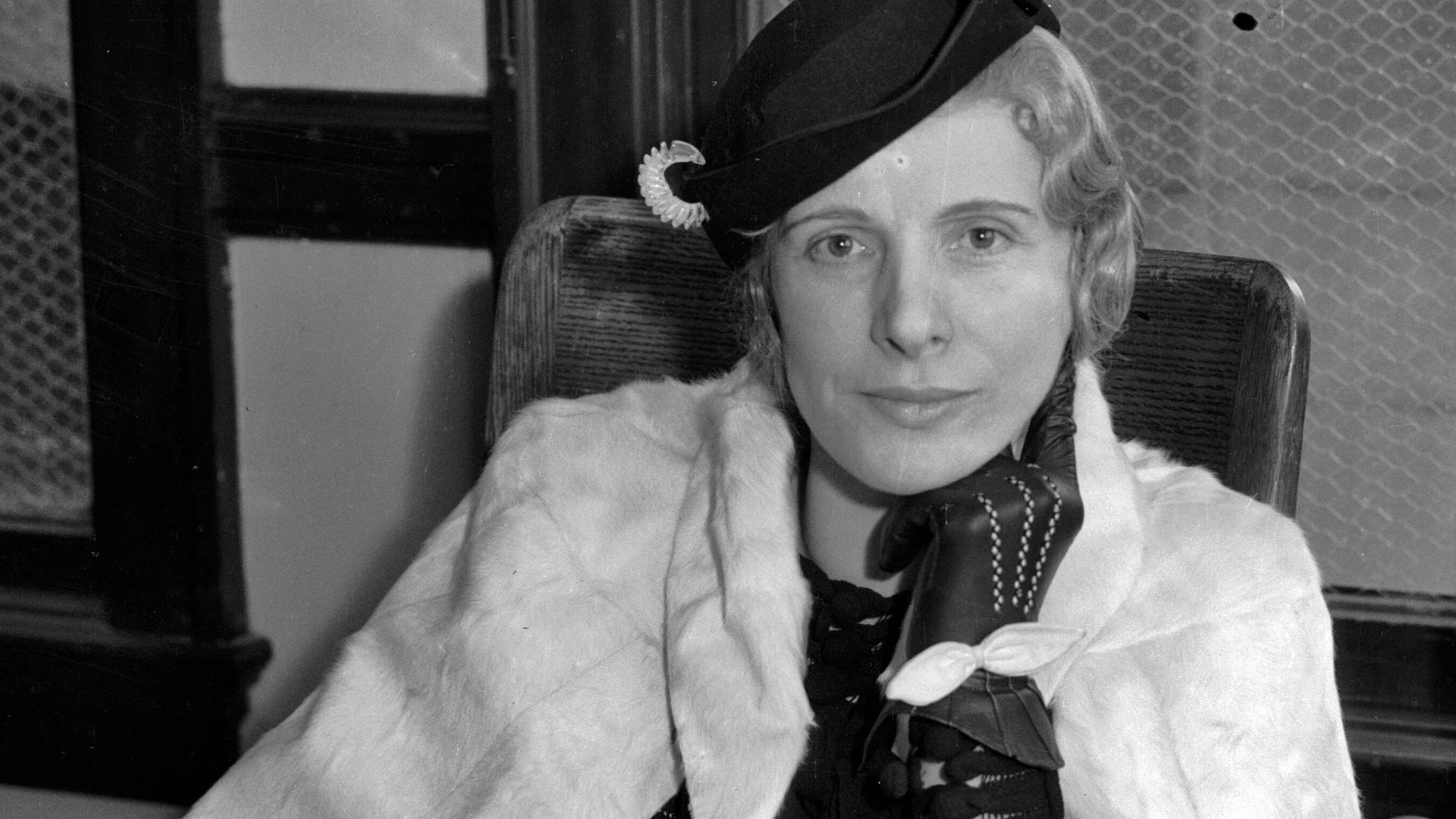
Evangelist Aimee Semple McPherson was already one of America's most famous religious figures when she disappeared from a Los Angeles-area beach on May 18, 1926. Authorities initially believed she had drowned, and divers searched the water while followers mourned. Newspapers reported supposed sightings and ransom claims across the country. Smithsonian notes that during the crisis, no woman in America commanded more headlines than the missing preacher.
 Albert Witzel, Wikimedia Commons
Then Sister Aimee Walked Back Into The Story
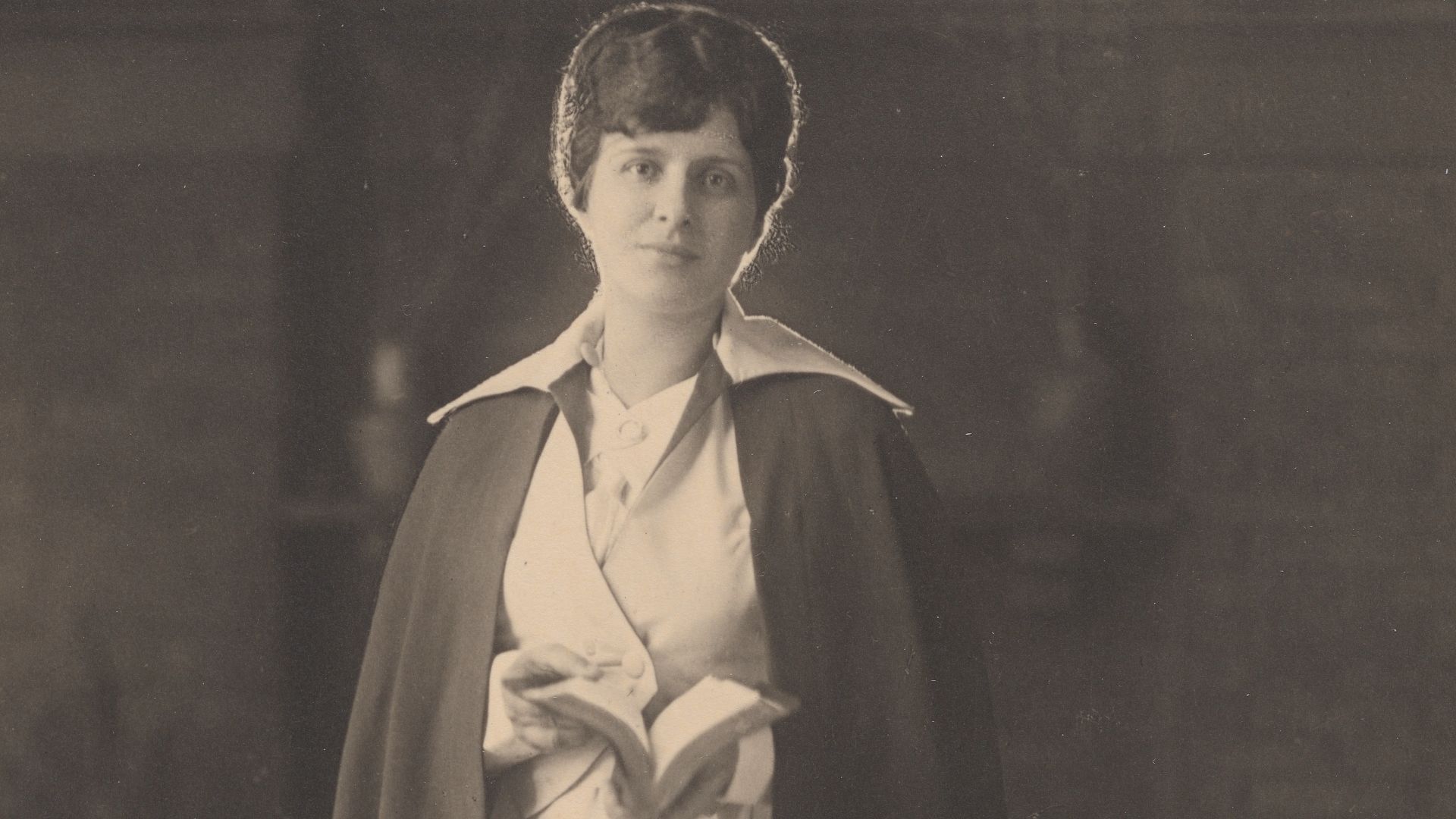
More than a month later, McPherson appeared in the border town of Agua Prieta, Mexico, claiming she had been kidnapped and had escaped her captors. Her dramatic return did not end newspaper interest because questions immediately arose about whether the kidnapping account was genuine. Investigators scrutinized her movements and possible links to radio operator Kenneth Ormiston. The supposed resolution simply produced a more sensational second act.
 Gerhard Sisters Studio, Wikimedia Commons
People Tried To Buy Tickets To The Hearing
A grand jury investigated McPherson's disappearance and testimony. Contemporary reporting preserved by the Library of Congress describes people being tricked into paying for fake tickets supposedly granting admission to the proceedings. Legal charges connected with the case were eventually dropped, but newspapers continued discussing the scandal and rival explanations. McPherson returned to preaching, yet the five-week disappearance remained attached to her public image for the rest of her life.
 Los Angeles Times, Wikimedia Commons
The Lindbergh Baby Became Front-Page News Immediately
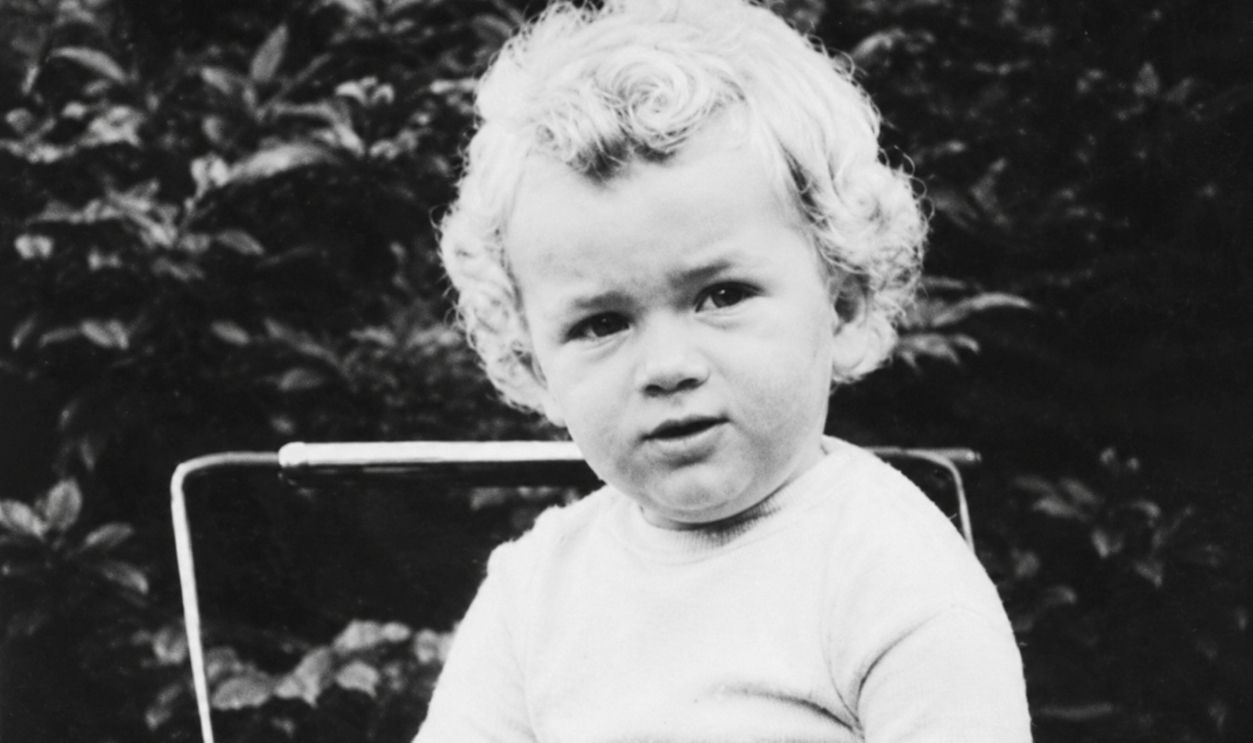
Charles Lindbergh and his wife Anne already lived under intense media scrutiny after his historic transatlantic flight. On March 1, 1932, their 20-month-old son was kidnapped from the family's New Jersey home and a $50,000 ransom note was discovered. The FBI says the crime stunned the nation and made the family's tragedy front-page news for months. Thousands of tips, rumors, false leads, and attempted frauds followed.
The Investigation Became A National Obsession
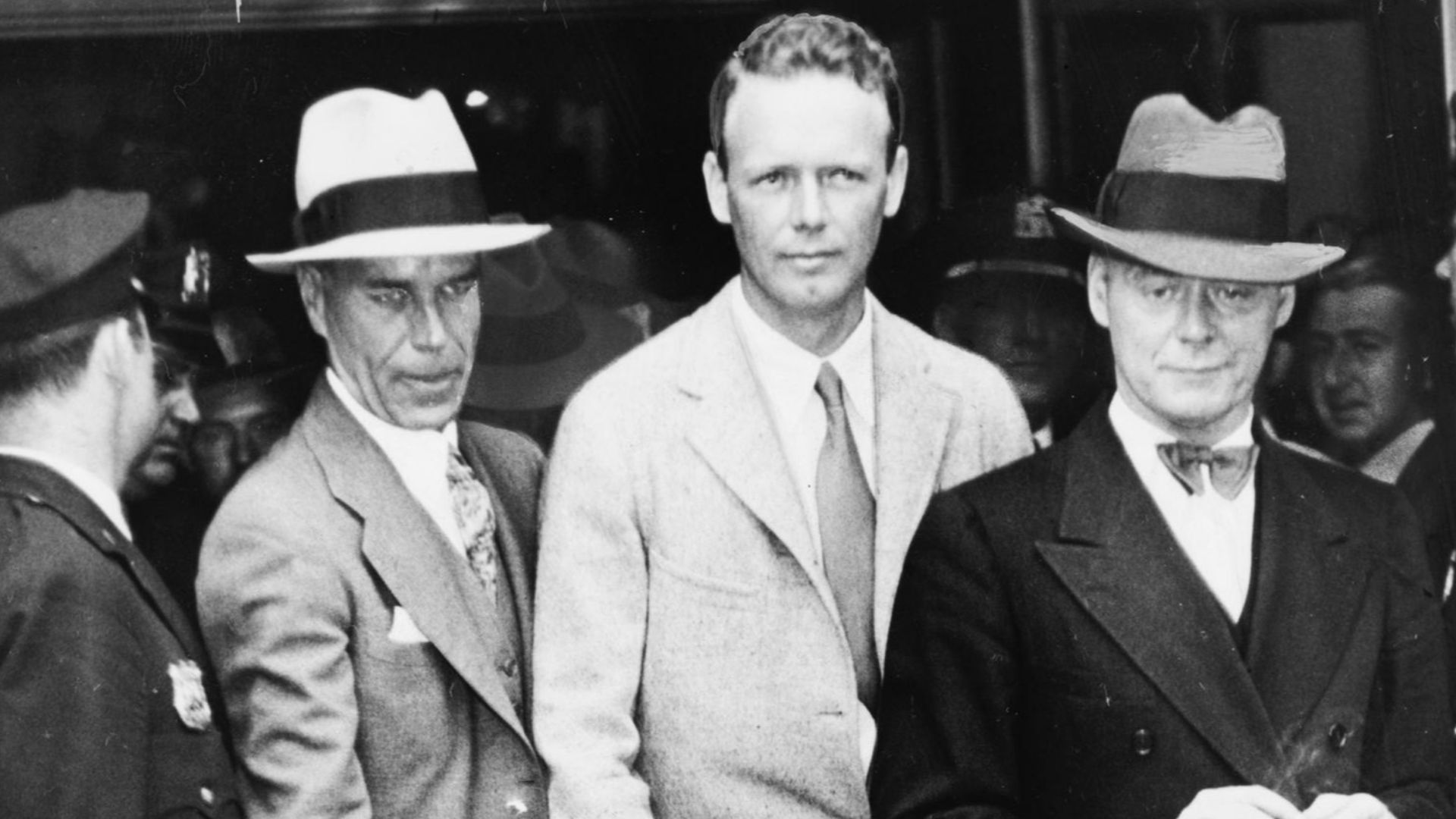
The Lindbergh family received a series of ransom notes and eventually paid $50,000 through intermediary John Condon, but the child was not returned. His body was found in May 1932 a few miles from the family home. Federal investigators followed thousands of leads while newspapers reported developments across the country. The public fixation was so intense that the kidnapping helped accelerate passage of the federal law commonly called the Lindbergh Law.
 World Telegram staff photographer, Wikimedia Commons
Hauptmann's Trial Became The Final Spectacle
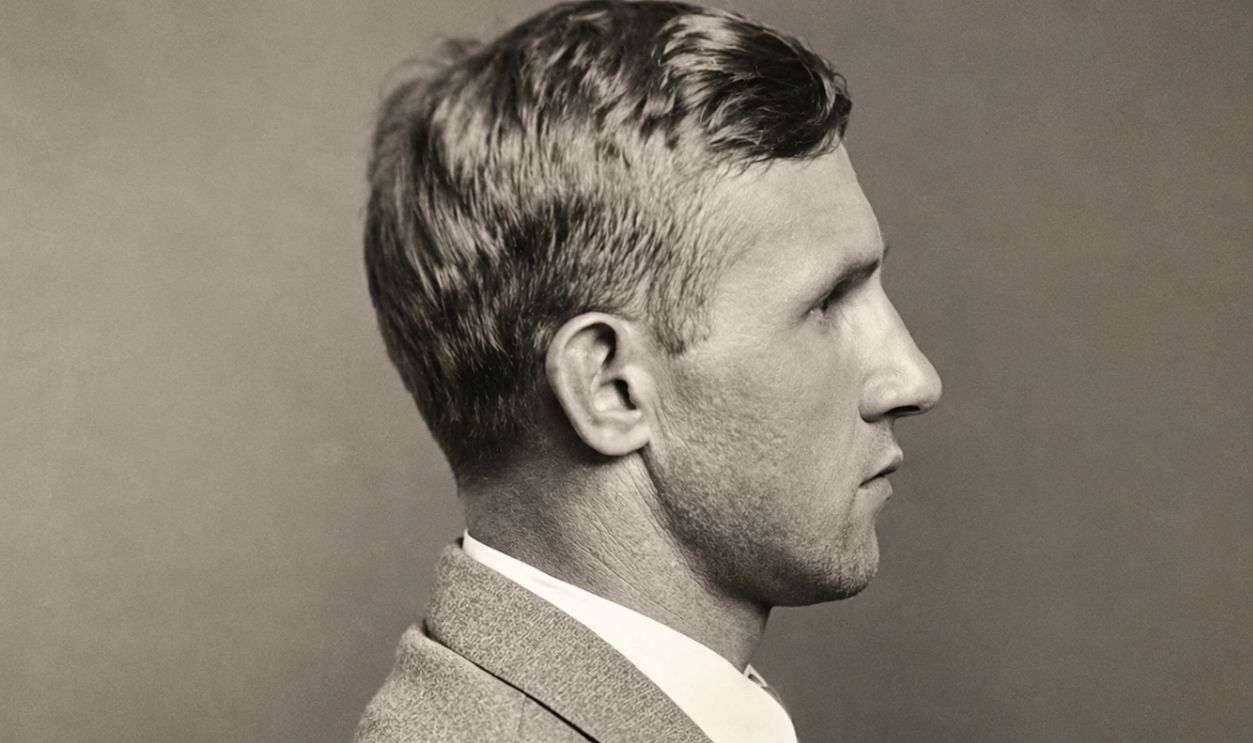
Bruno Richard Hauptmann was arrested in September 1934 after ransom money helped investigators connect him to the crime. His murder trial began in Flemington, New Jersey, in January 1935 and lasted five weeks before a jury found him guilty. Hauptmann was ultimately executed in 1936 after appeals failed. By then, the kidnapping, investigation, arrest, trial, and execution had occupied newspaper readers for four years, proving that a media sensation no longer needed a quick ending to remain commercially irresistible.
You May Also Like:
These Socialites Hid Sordid Secrets
Page-Turning Facts About The Literary World's Wildest Scandals
Little-Known Celebrity Scandals
Sources: 1, 2, 3, 4, 5, 6, 7, 8, 9, 10, 11, 12, 13, 14, 15, 16, 17, 18, 19, 20, 21, 22, 23, 24, 25, 26










_New_York_City_mugshot.png)