
They Told People What They Wanted To Hear
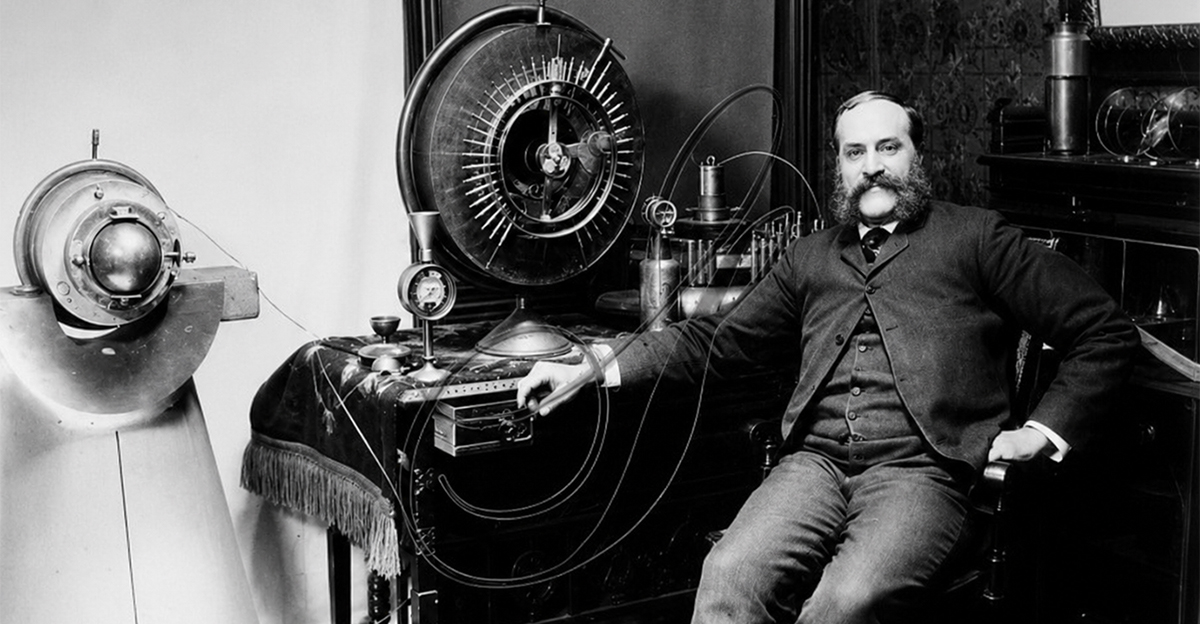
The most successful frauds rarely succeed through deception alone. They give their victims something they desperately want to believe: a lost masterpiece, a miraculous discovery, a royal heir, or a fortune waiting to be claimed. These historical impostors and hoaxers became famous because powerful, educated, and influential people helped make their incredible stories credible. (Above: John Ernst Worrell Keely)
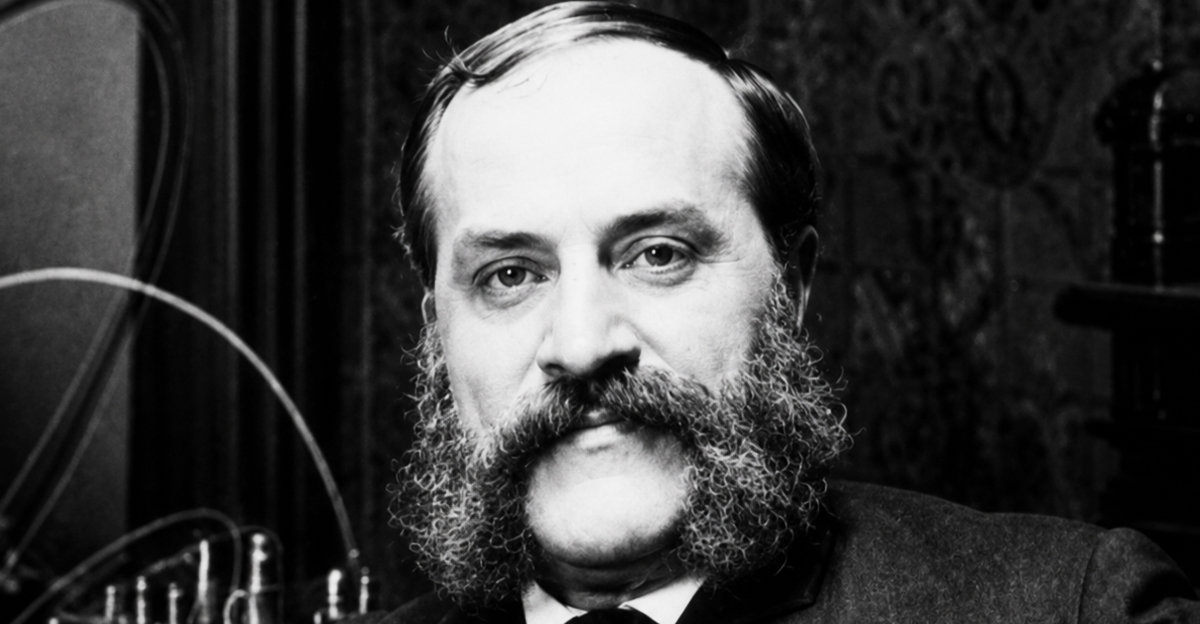
George Psalmanazar
Around 1702, a mysterious young European arrived in Britain claiming to be a native of Formosa, now Taiwan. Calling himself George Psalmanazar, he invented an alphabet, religion, customs, and lurid stories about human sacrifice. Clergymen and intellectuals embraced him because exotic tales about distant cultures were enormously fashionable. He eventually admitted that virtually everything was invented.
 Antérieur à 1763, Wikimedia Commons
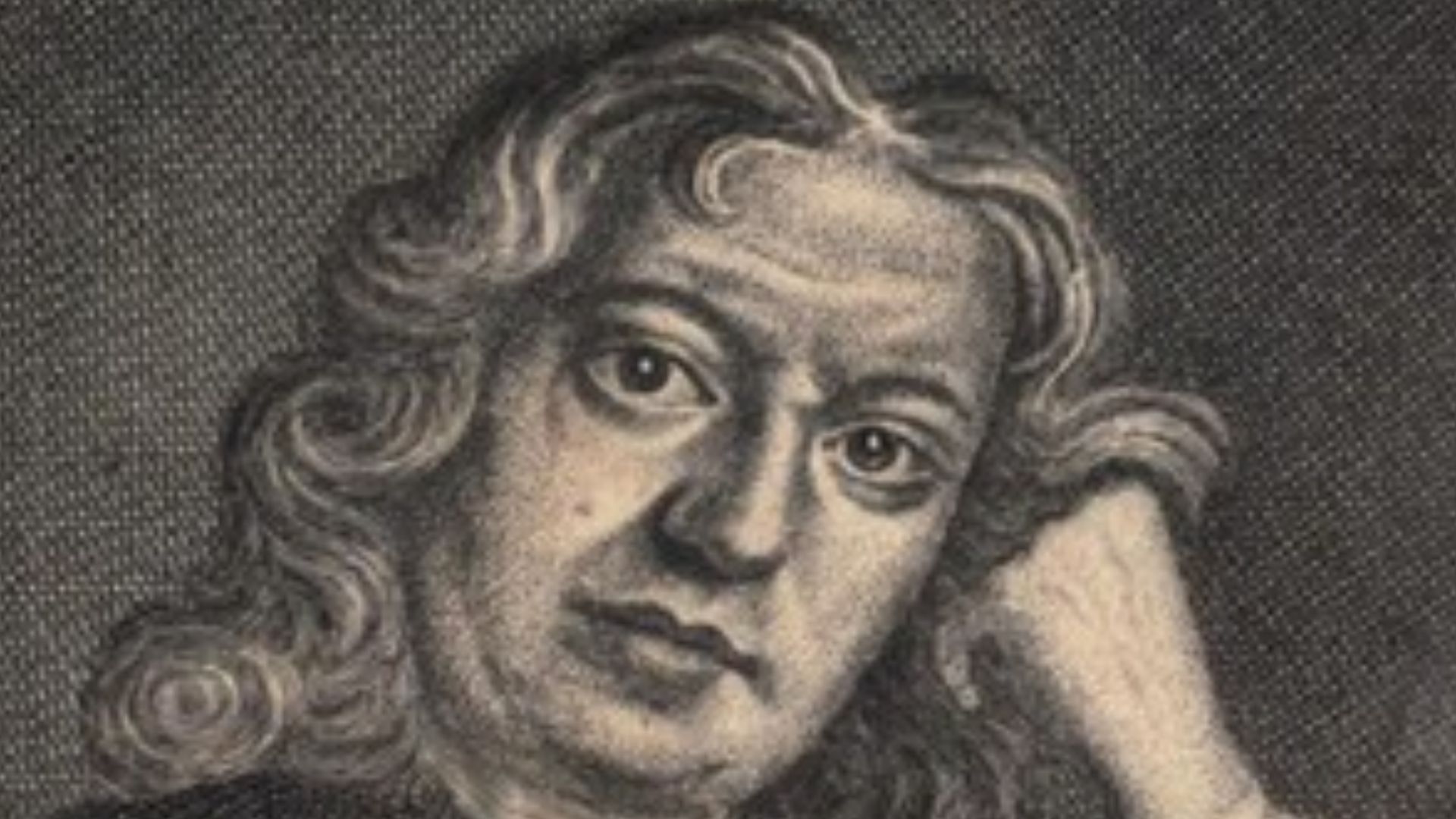
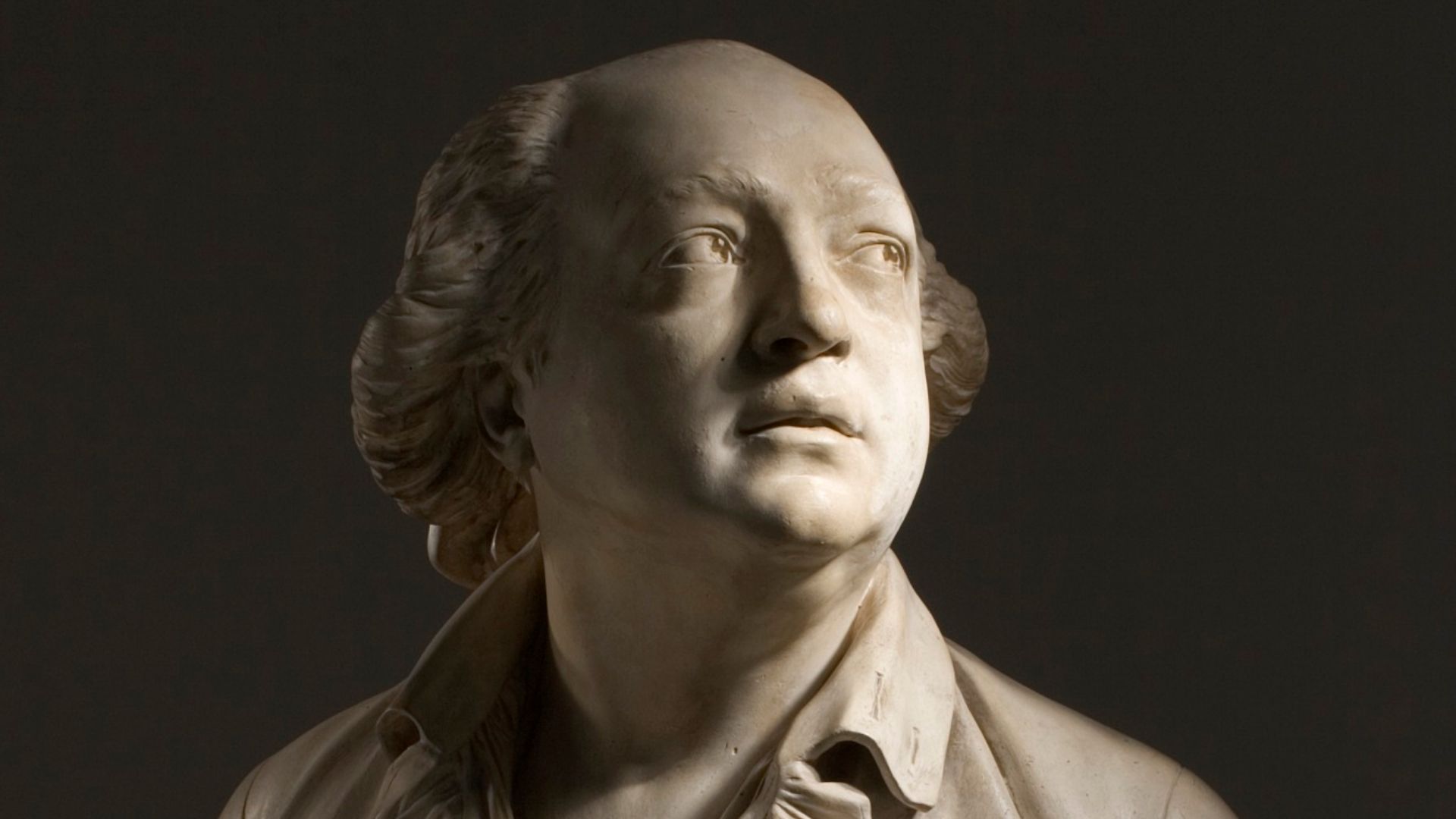
Count Alessandro Cagliostro
Giuseppe Balsamo reinvented himself as Count Alessandro Cagliostro, a mysterious healer, alchemist, occultist, and supposed nobleman. Moving through 18th-century Europe, he cultivated wealthy aristocrats fascinated by secret knowledge and miraculous cures. His extraordinary reputation eventually entangled him in the Affair of the Diamond Necklace that scandalized French Queen Marie Antoinette, although his precise involvement remains disputed.
 Jean-Antoine Houdon (France, Paris, 1741-1828), Wikimedia Commons
Mary Toft
In 1726, Englishwoman Mary Toft convinced prominent physicians that she was giving birth to rabbits. The absurd claim reached the court of King George I, whose physicians investigated. Several medical men became invested enough in the extraordinary case to damage their reputations defending it. Toft finally confessed after evidence emerged that rabbits were being secretly supplied to her.
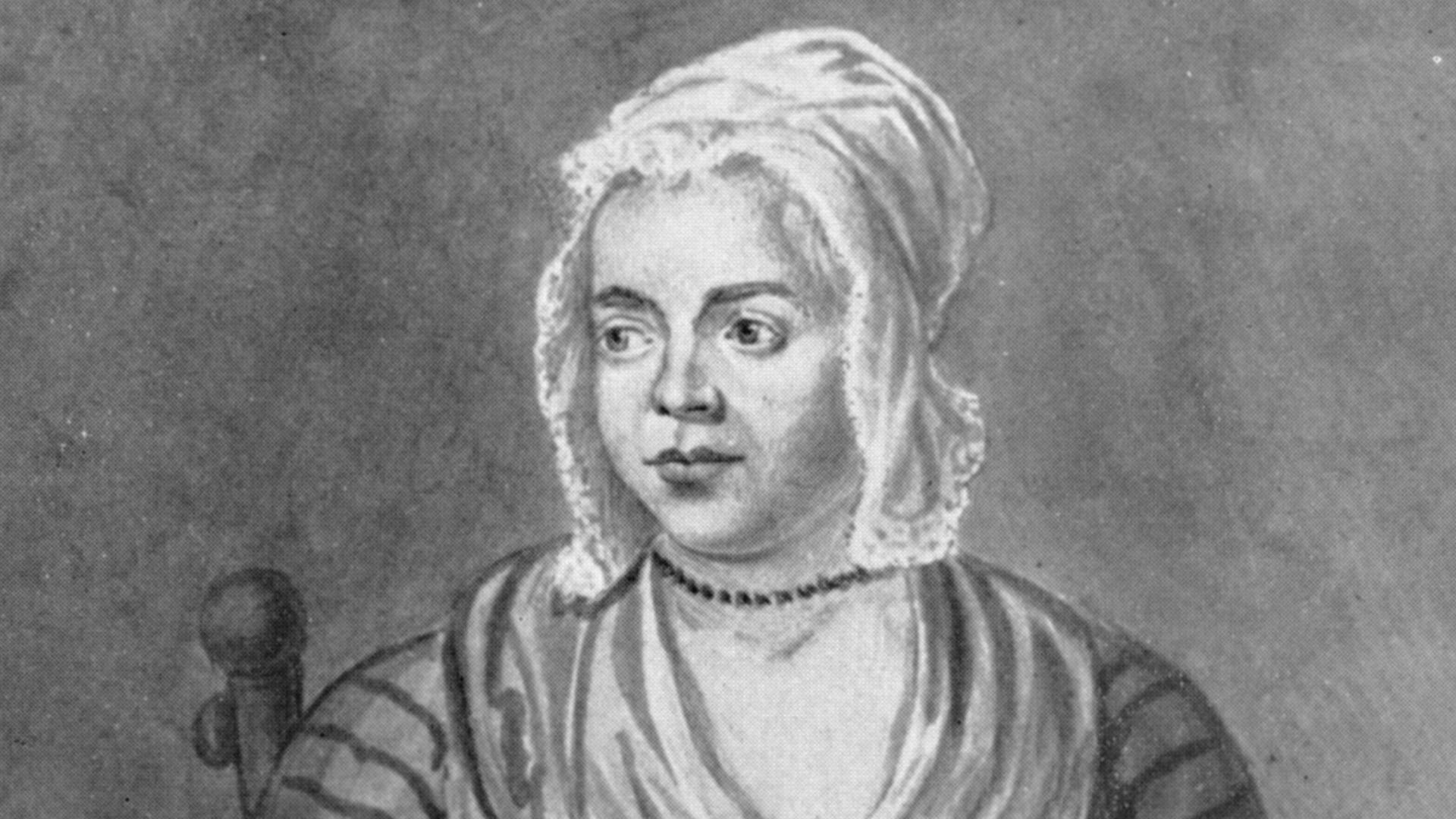 John Laguerre, Wikimedia Commons

History's most fascinating stories and darkest secrets, delivered to your inbox daily.
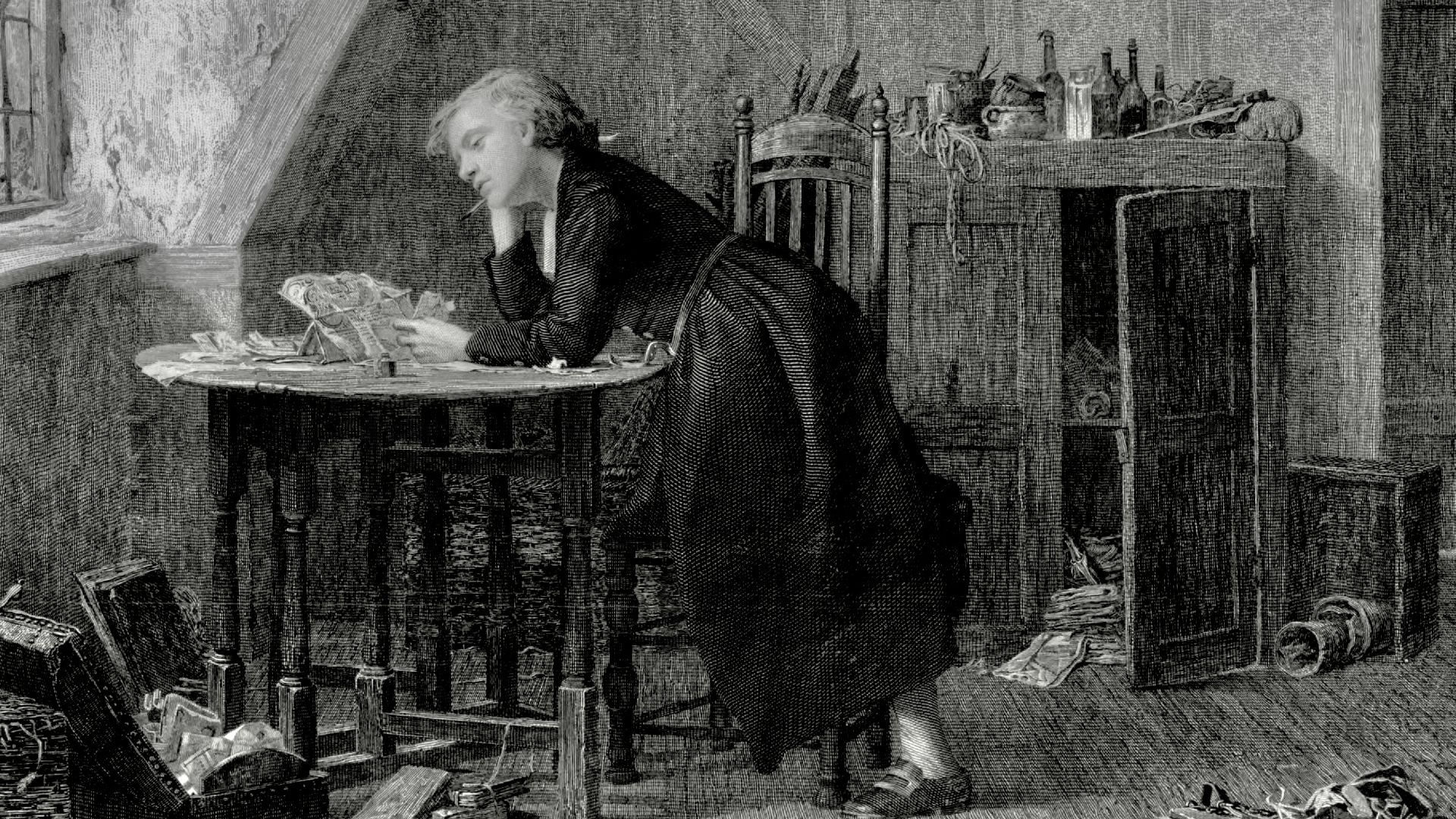
Thomas Chatterton
Teenager Thomas Chatterton created poems supposedly written by a 15th-century monk named Thomas Rowley. He even supplied fake medieval manuscripts to support his claims. Antiquarians hungry for undiscovered English literature initially took the material seriously. Horace Walpole was briefly intrigued before becoming suspicious. Chatterton's tragic early death later transformed the young forger into a Romantic literary legend.
James Macpherson
Scottish writer James Macpherson electrified 18th-century Europe with poems he claimed were translations of works by the ancient Gaelic bard Ossian. Napoleon, Thomas Jefferson, and other prominent readers admired them. Scholars questioned their authenticity almost immediately, and Macpherson never produced convincing original manuscripts. The controversy nevertheless helped turn the supposed ancient poet into an international phenomenon.
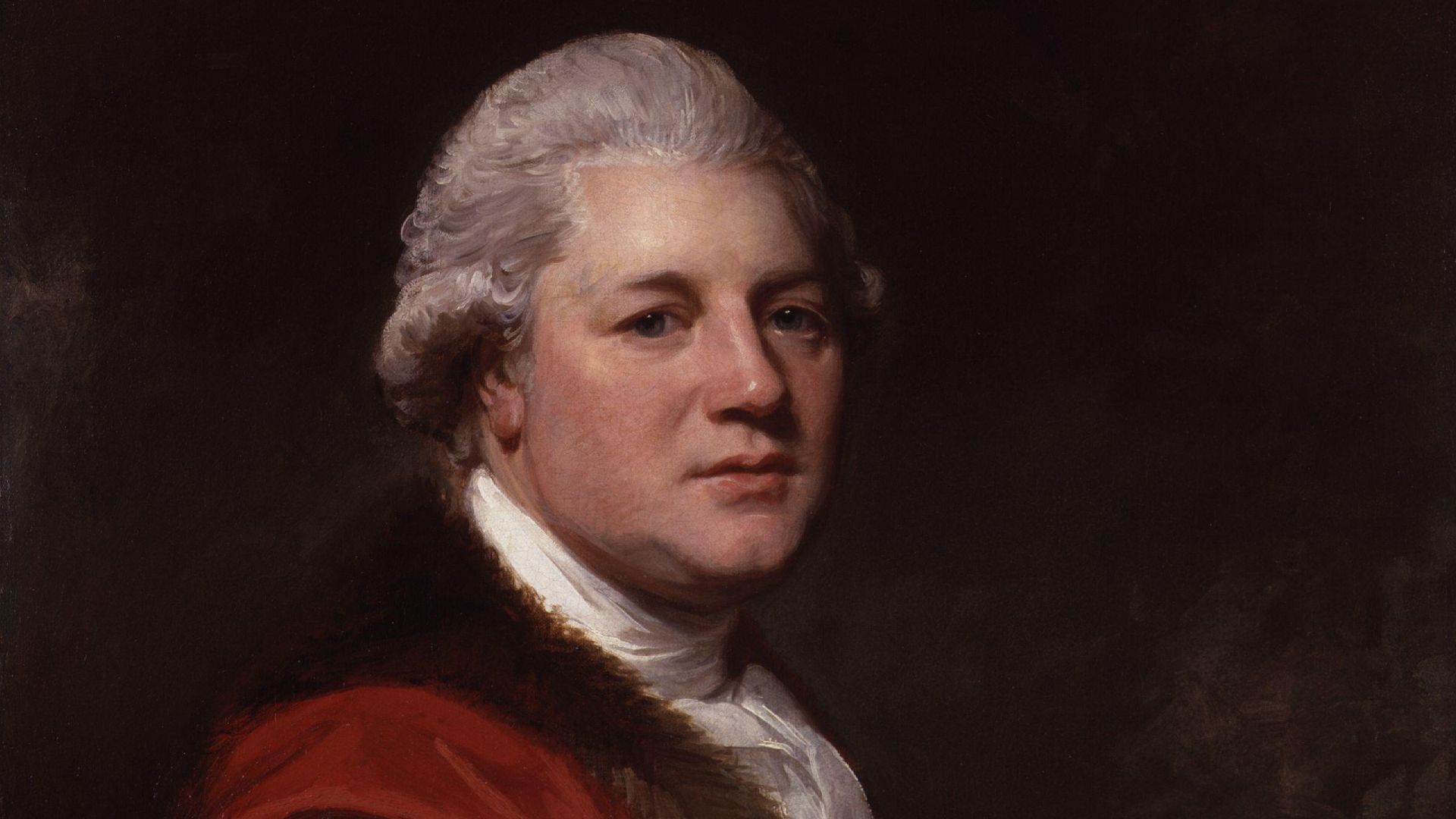 George Romney, Wikimedia Commons
William Henry Ireland
William Henry Ireland knew exactly what his Shakespeare-obsessed father wanted most: undiscovered documents written by the Bard. Beginning in the 1790s, Ireland produced letters, legal papers, poems, and eventually an entire supposedly lost Shakespeare play, Vortigern. Respected literary figures endorsed the discoveries before inconsistencies exposed the remarkable collection as forgery.
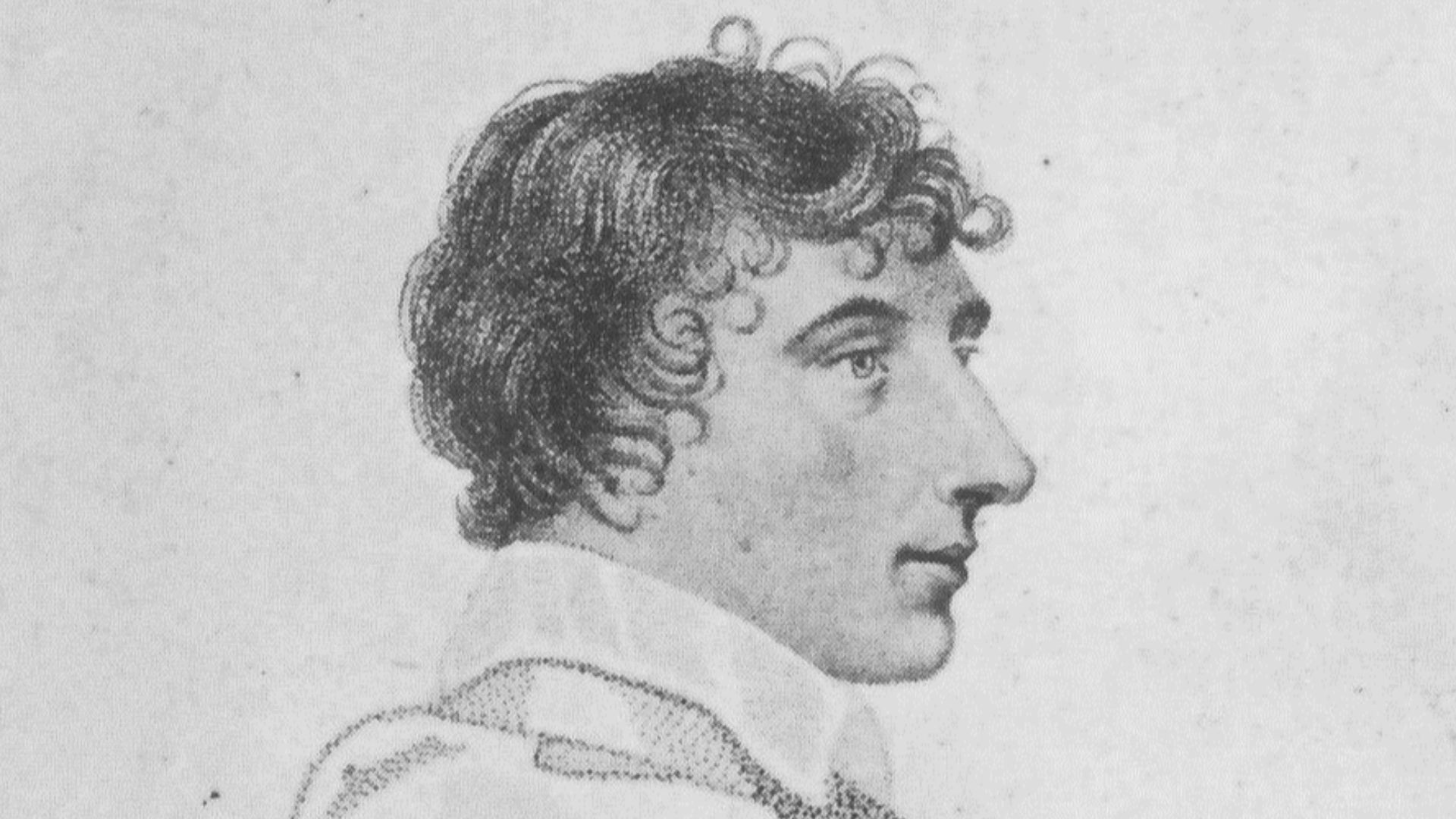 Silvester Harding, Wikimedia Commons
Princess Caraboo
In 1817, a strangely dressed woman appeared in Gloucestershire speaking an incomprehensible language. She was eventually identified as "Princess Caraboo" from the distant island of Javasu. Local elites welcomed the exotic visitor into high society. In reality, she was Mary Baker, an English cobbler's daughter who had constructed an elaborate identity from invented language and theatrical improvisation.
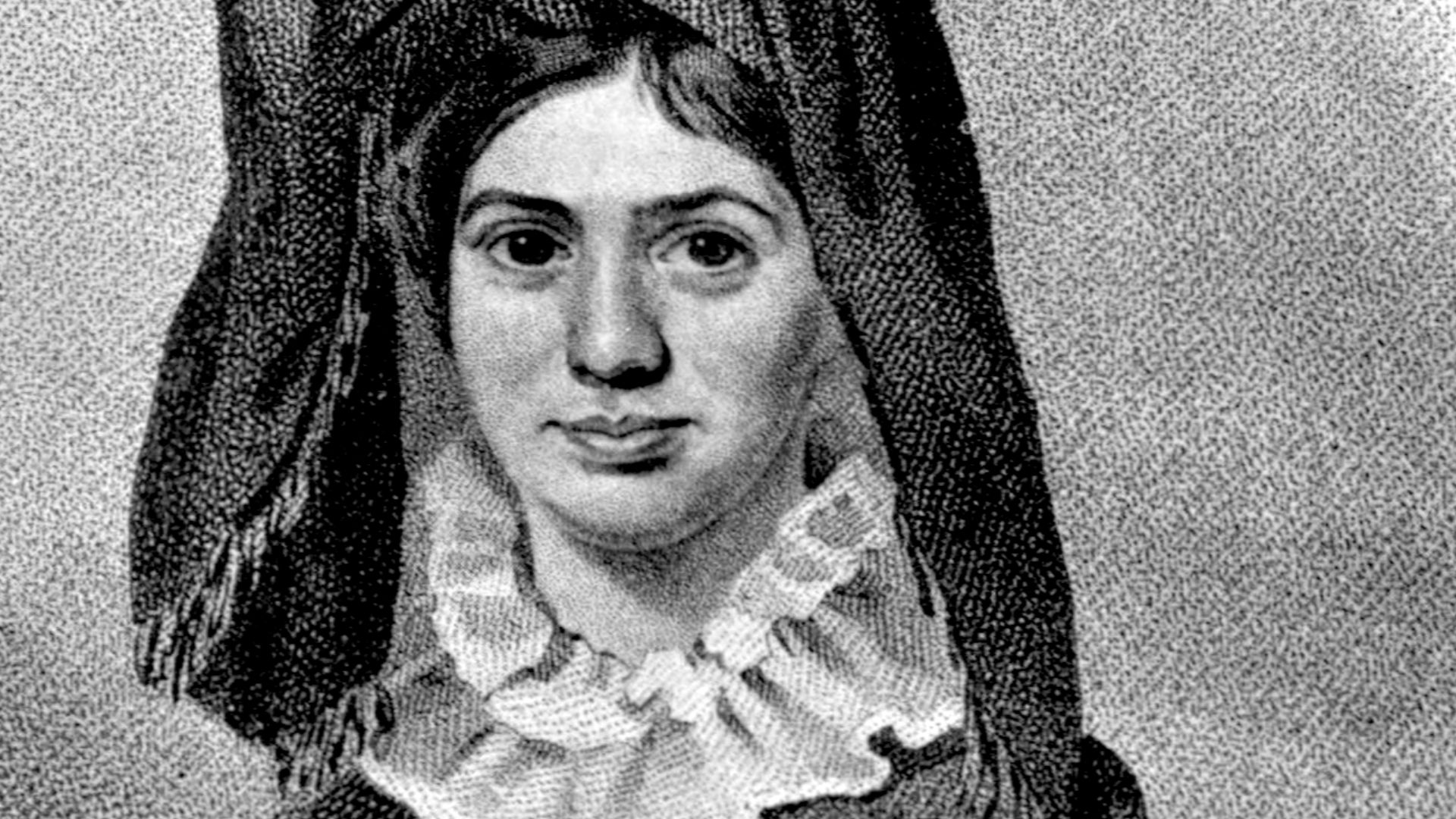 Nathan Cooper Branwhite, engraver, Wikimedia Commons
Gregor MacGregor
Scottish adventurer Gregor MacGregor did more than invent a title. He effectively invented a country. Calling himself ruler of the Central American territory of Poyais, MacGregor sold bonds and land to British investors. Hundreds believed his descriptions of a prosperous new nation. Settlers who sailed there instead encountered undeveloped wilderness, disease, starvation, and death.
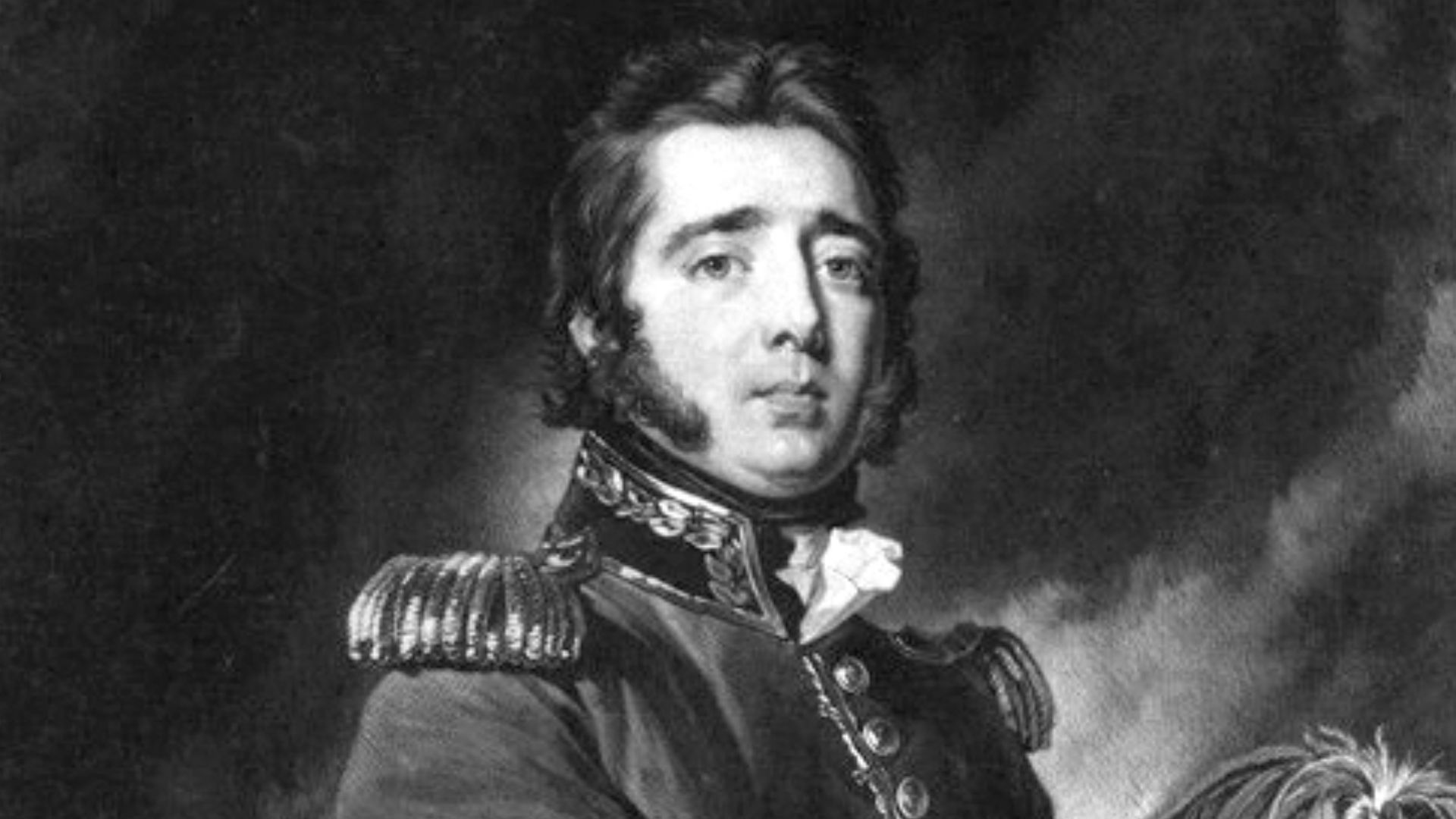 en:Samuel William Reynolds (1773–1835), after Simon Jacques Rochard (1788–1872), Wikimedia Commons
The Tichborne Claimant
When wealthy English heir Roger Tichborne disappeared at sea, his grieving mother refused to believe he was dead. Years later, Australian butcher Arthur Orton appeared claiming to be Roger. Lady Tichborne accepted him despite glaring differences in appearance and background. Her belief gave his claim credibility, producing an extraordinary legal battle and one of Victorian Britain's greatest public sensations.
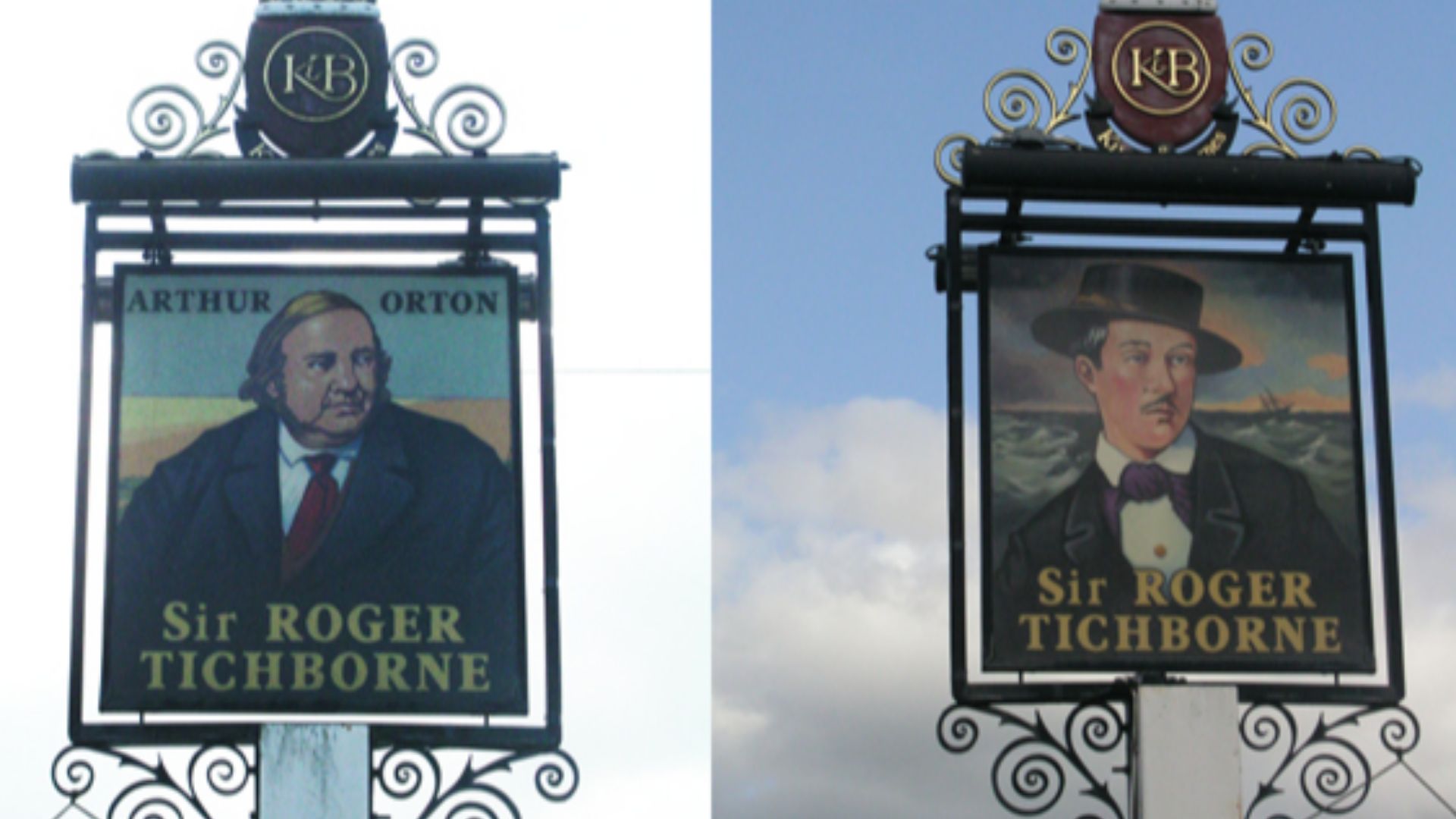 Andy Potter, Wikimedia Commons
History's most fascinating stories and darkest secrets, delivered to your inbox daily.
Sarah Rachel Russell
Known as "Madame Rachel," Sarah Rachel Russell promised wealthy Victorian women something they badly wanted: eternal beauty. Her fashionable London establishment offered expensive treatments and secret formulas under the slogan "Beautiful For Ever." Aristocratic clients gave her access to money, jewelry, and private information. Eventually, allegations of blackmail and fraud sent the celebrated beauty specialist to prison.
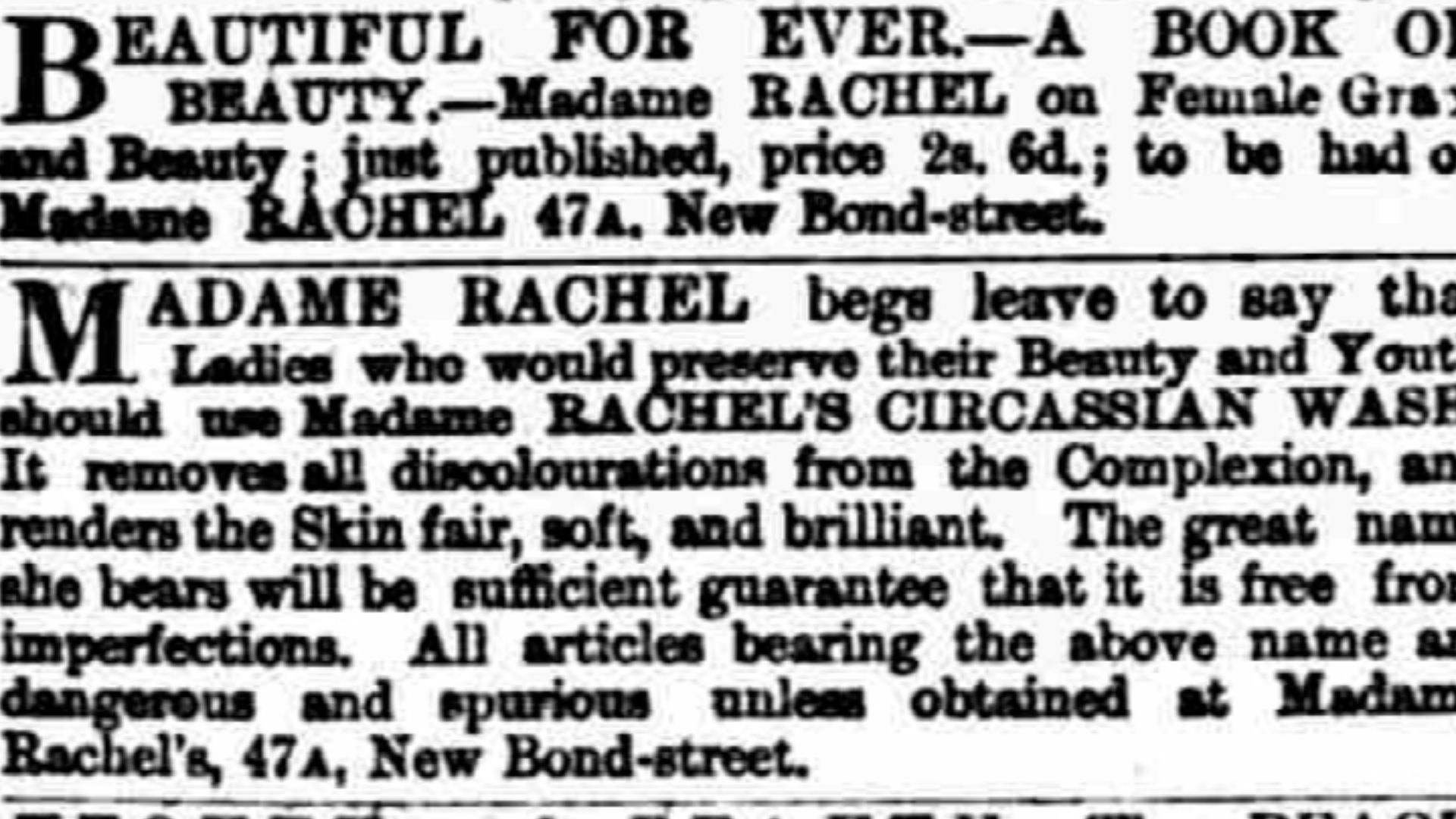 Unknown authorUnknown author, Wikimedia Commons
John Ernst Worrell Keely
American inventor John Keely claimed he had discovered a mysterious new source of energy capable of revolutionizing machinery. Wealthy investors poured money into the Keely Motor Company while Keely repeatedly delayed demonstrating a commercially useful machine. After his death in 1898, investigators reportedly discovered concealed apparatus suggesting that his miraculous technology depended on conventional compressed air rather than revolutionary physics.
Cassie Chadwick
Cassie Chadwick discovered that bankers could become remarkably accommodating if they thought an incredibly rich man stood behind her debts. She posed as the illegitimate daughter of industrialist Andrew Carnegie and obtained enormous loans based on supposed Carnegie securities. Banks competed for her business until her debts collapsed around her, revealing one of America's most audacious financial impostures.
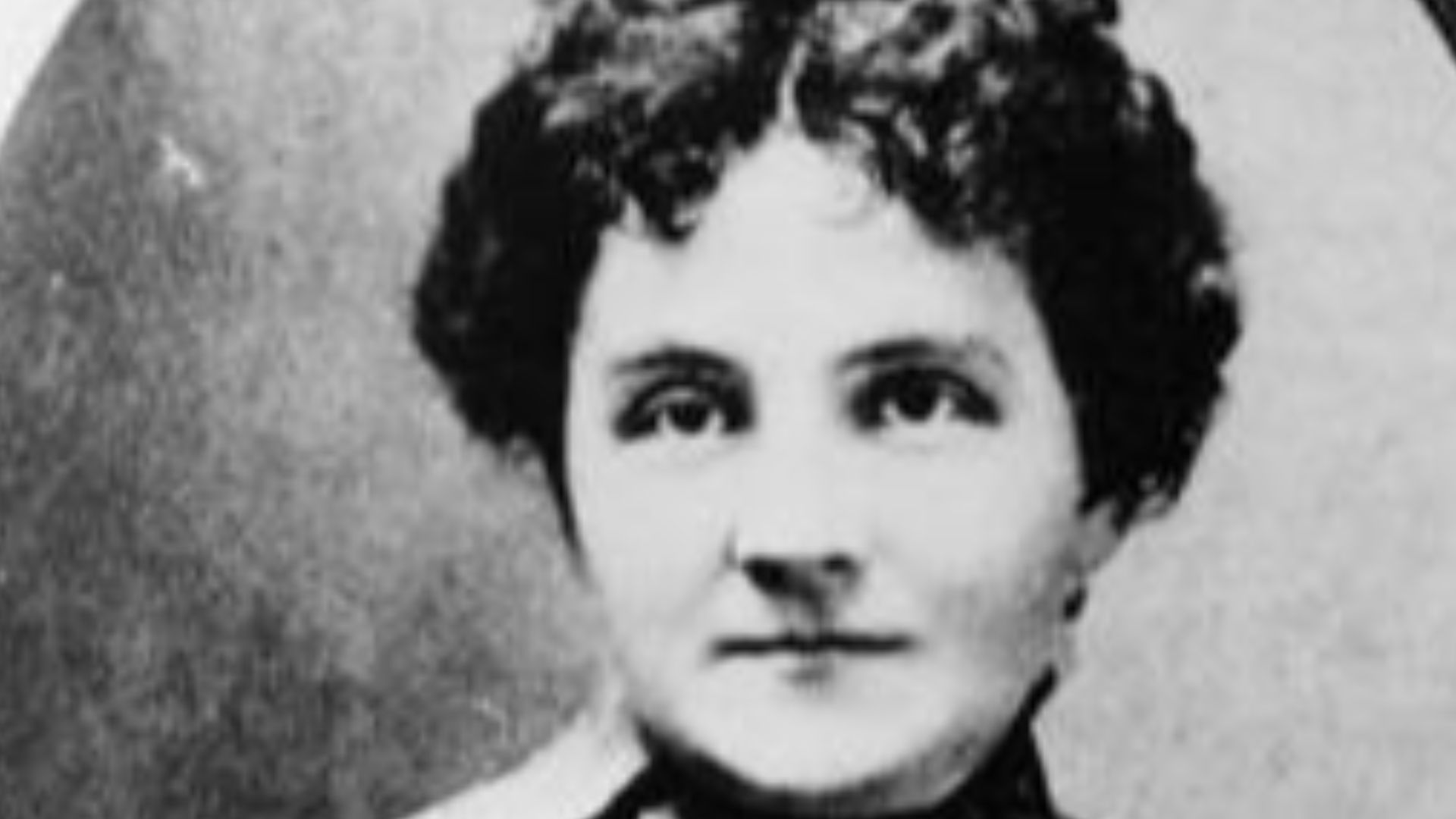 Unknown photographer, Wikimedia Commons
Wilhelm Voigt
In 1906, unemployed German shoemaker Wilhelm Voigt bought pieces of a captain's uniform, assembled a group of soldiers, marched to Köpenick town hall, arrested officials, and seized municipal funds. Nobody seriously questioned him because the uniform itself commanded obedience. The "Captain of Köpenick" became internationally famous as a hilarious demonstration of Imperial Germany's mindless reverence for military authority.
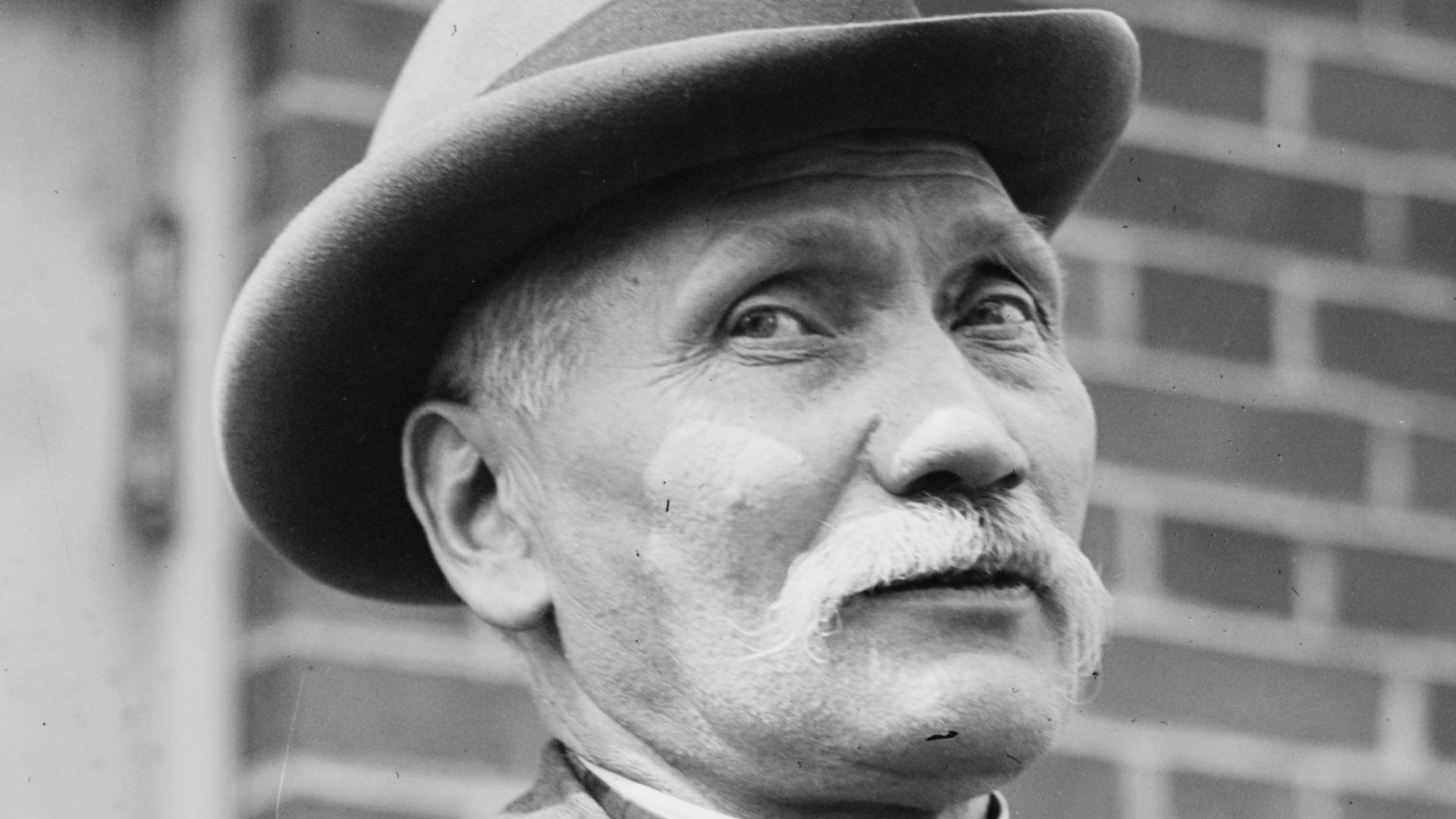 Bain News Service, publisher, Wikimedia Commons
Charles Dawson
Charles Dawson gave British scientists something many desperately hoped existed: an ancient human ancestor discovered on British soil. Beginning in 1912, the amateur archaeologist presented fragments associated with "Piltdown Man." Distinguished scientists studied and defended the discovery for decades. Later testing exposed manipulated human and orangutan remains, with modern research strongly pointing toward Dawson as the principal fraudster.
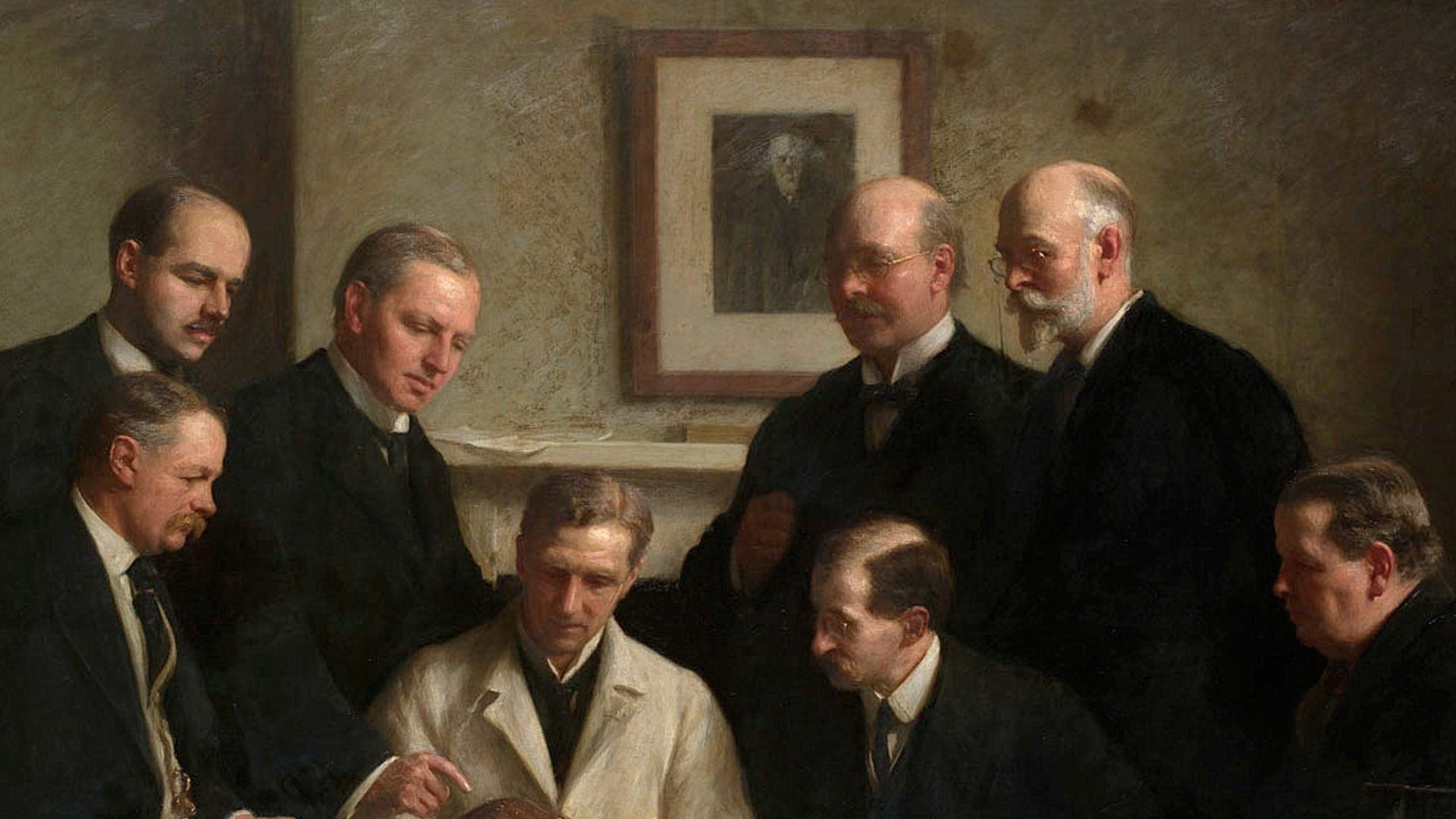
Stanley Clifford Weyman
Stanley Clifford Weyman repeatedly discovered that confidence and the right costume could open astonishing doors. The American impostor posed as diplomats, military officers, and government officials. In one extraordinary episode, he inserted himself into an Afghan princess's American visit and helped arrange access to senior officials. Authority figures frequently assumed that someone acting official must actually be official.
![Title: Princess Fatima of Afghanistan with her three sons, eldest is second from left; with second from right, Prince Zerdechene of Millan, and right, Stanley Clifford Weyman, a dedicated imposter, during a visit to Washington, D.C.], 7/25/21
Abstract/med](https://www.factinate.com/storage/app/media/factinate/2026/8/14/1786684777174e0aa434206de99946df9e1c4dfe7c3d14ba30.jpg) National Photo Company Collection, Wikimedia Commons
National Photo Company Collection, Wikimedia Commons
History's most fascinating stories and darkest secrets, delivered to your inbox daily.
Elsie Wright And Frances Griffiths
Teenager Elsie Wright and her young cousin Frances Griffiths photographed themselves with paper fairies in Cottingley, England. The pictures might have remained a family joke except that spiritualists embraced them. Most famously, Sherlock Holmes creator Sir Arthur Conan Doyle regarded the photographs as powerful evidence for supernatural beings and publicized them in The Strand Magazine.
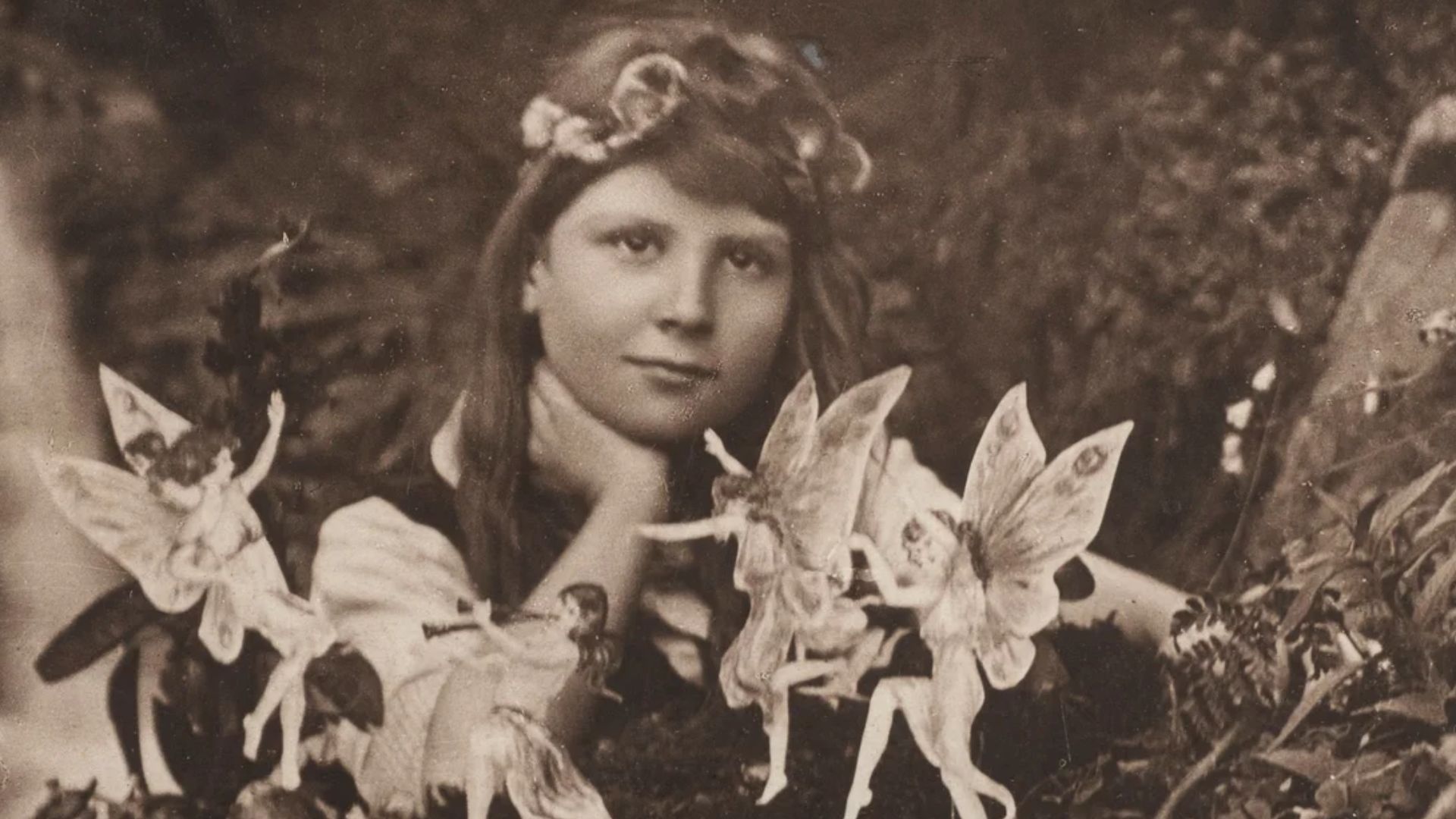 Elsie Wright, Wikimedia Commons
Anna Anderson
After Russia's imperial family was murdered, Anna Anderson claimed to be Grand Duchess Anastasia, somehow rescued from the massacre. Some surviving Romanov acquaintances rejected her, while others became passionate supporters. The mystery lasted for decades because Anastasia's survival was emotionally irresistible. DNA testing after Anderson's death demonstrated that she could not have been the missing Romanov grand duchess.
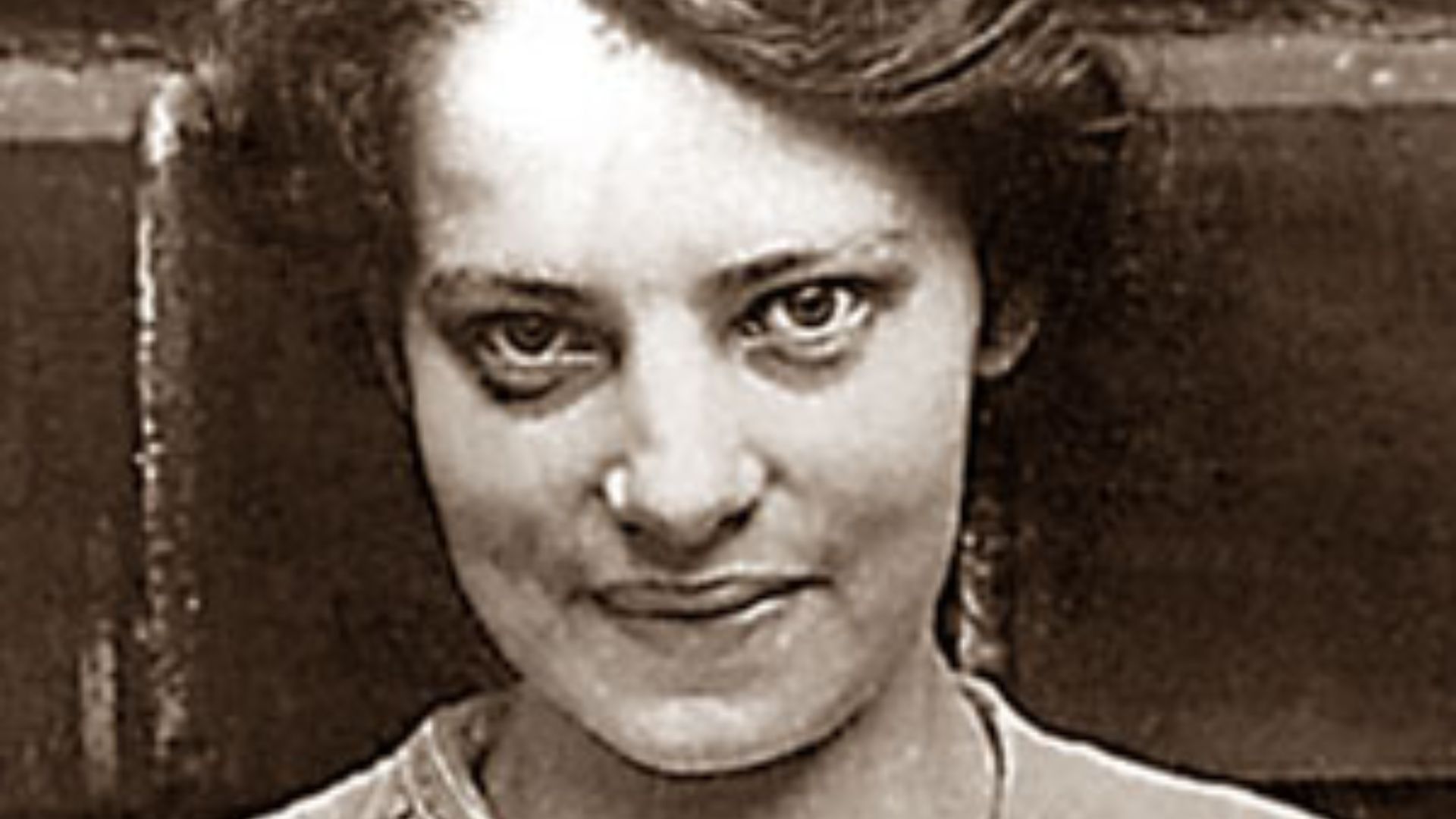 Unknown authorUnknown author, Wikimedia Commons
Victor Lustig
Victor Lustig understood that a convincing bureaucratic story could make an outrageous proposition sound mundane. In 1925, posing as a French government official, he told scrap-metal dealers that Paris secretly planned to dismantle the Eiffel Tower. Dealer André Poisson believed him and paid. Lustig escaped, then astonishingly returned to Paris and attempted essentially the same scam again.
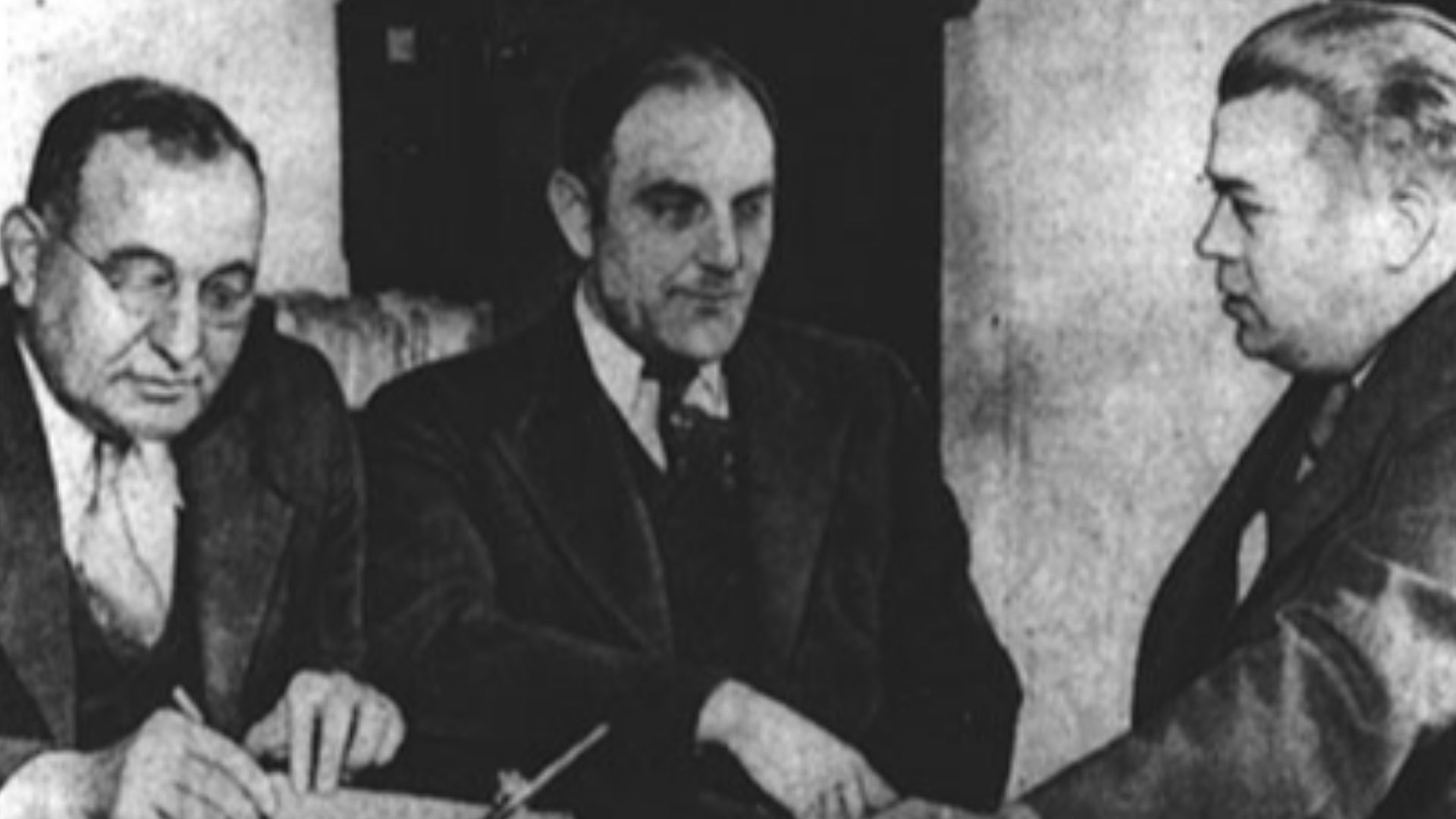 Page from a 1935 Philadelphia newspaper, Wikimedia Commons
Han Van Meegeren
Dutch painter Han van Meegeren exploited the art world's hunger for undiscovered Vermeers. He created paintings in a style experts expected from a supposedly missing phase of the master's career. Leading authorities authenticated his work, and one forgery eventually reached Nazi leader Hermann Göring. Van Meegeren finally confessed after World War II when accusations of collaboration threatened far worse punishment.
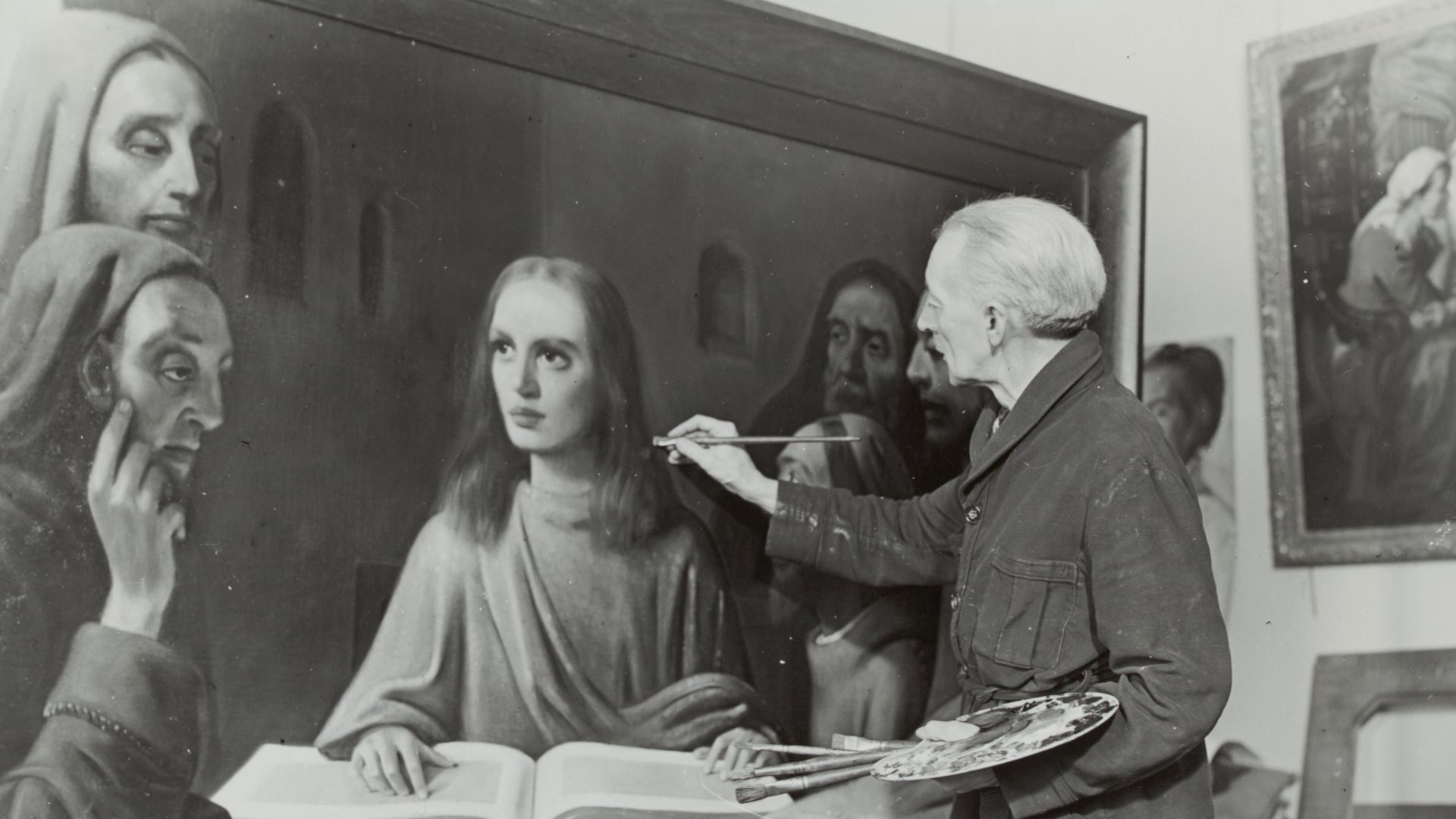 Koos Raucamp (ANEFO), Wikimedia Commons
Ferdinand Waldo Demara
Nicknamed "The Great Impostor," Ferdinand Waldo Demara assumed an astonishing collection of professional identities, including monk, psychologist, teacher, prison official, and surgeon. His most alarming performance came aboard a Canadian naval vessel during the Korean War, where he impersonated a doctor. His confidence and voracious reading repeatedly convinced institutions that he possessed qualifications he simply didn't have.
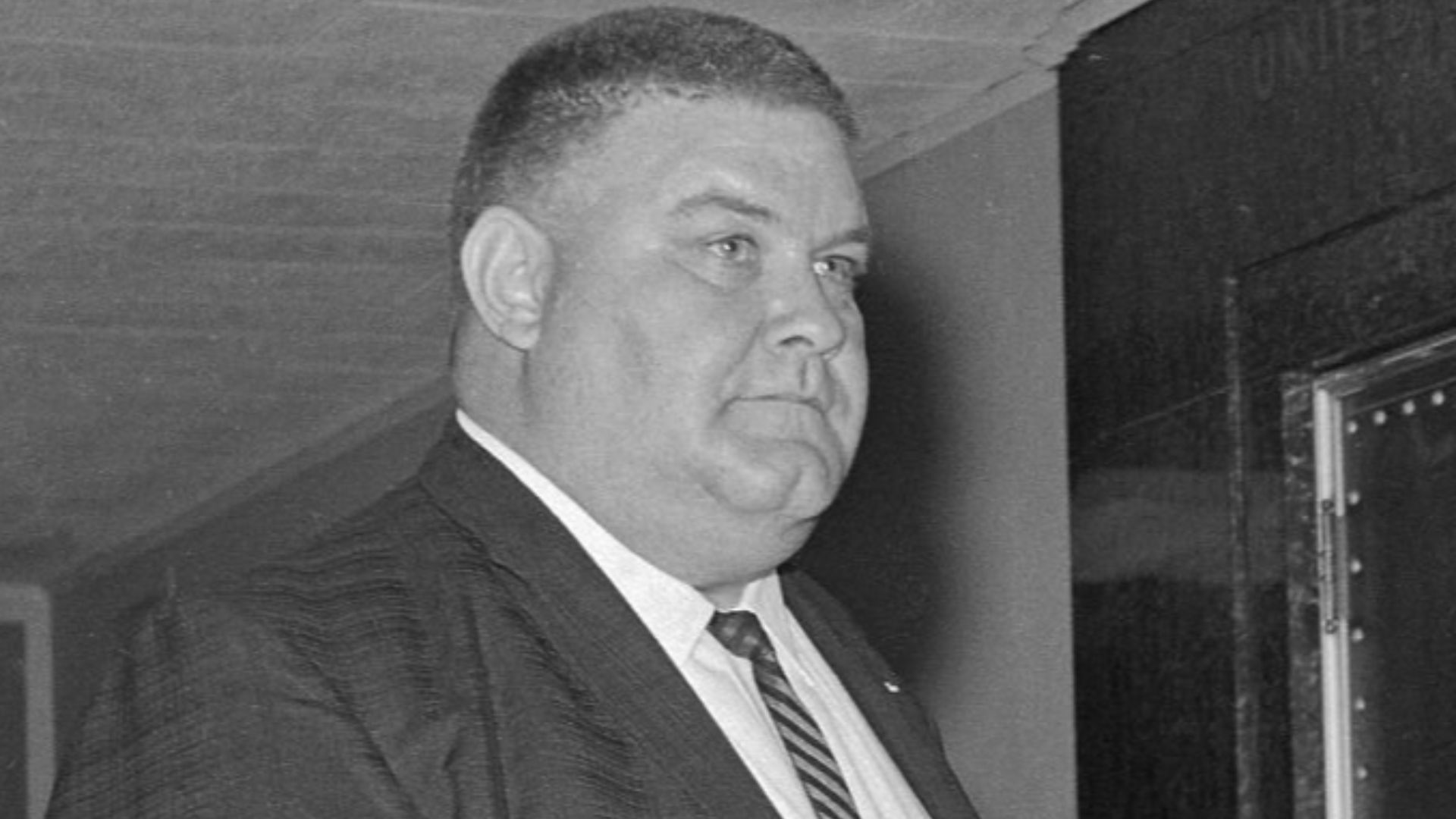 Unknown authorUnknown author, Wikimedia Commons
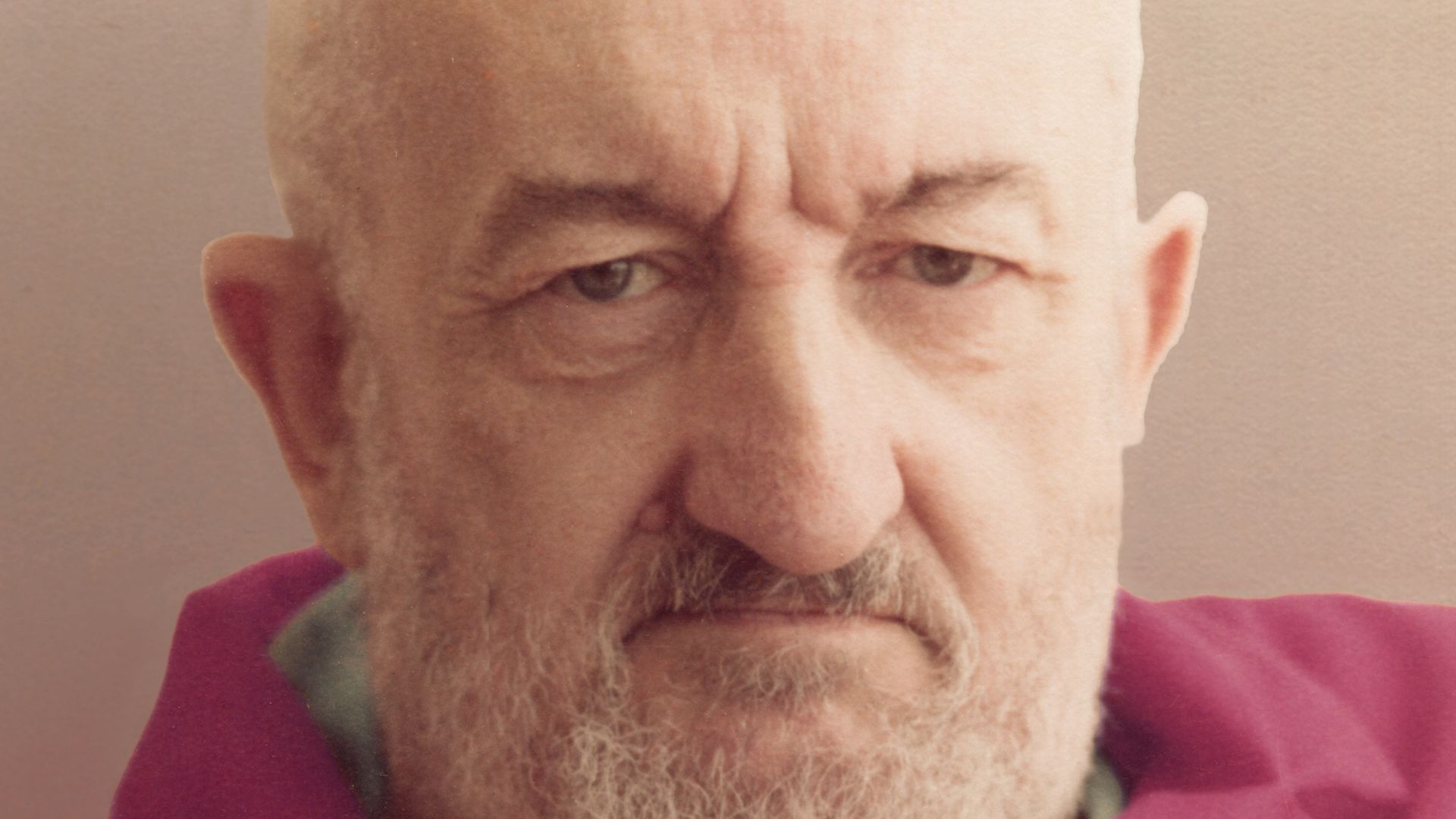
T. Lobsang Rampa
The Third Eye appeared in 1956 as the autobiography of a Tibetan lama named T. Lobsang Rampa, offering Western readers extraordinary tales of monastic training and mystical powers. Investigators discovered that "Rampa" was actually Cyril Hoskin, an Englishman who had never visited Tibet. He responded by claiming that a Tibetan lama's spirit had taken possession of his body.
 Unknown authorUnknown author, Wikimedia Commons
History's most fascinating stories and darkest secrets, delivered to your inbox daily.
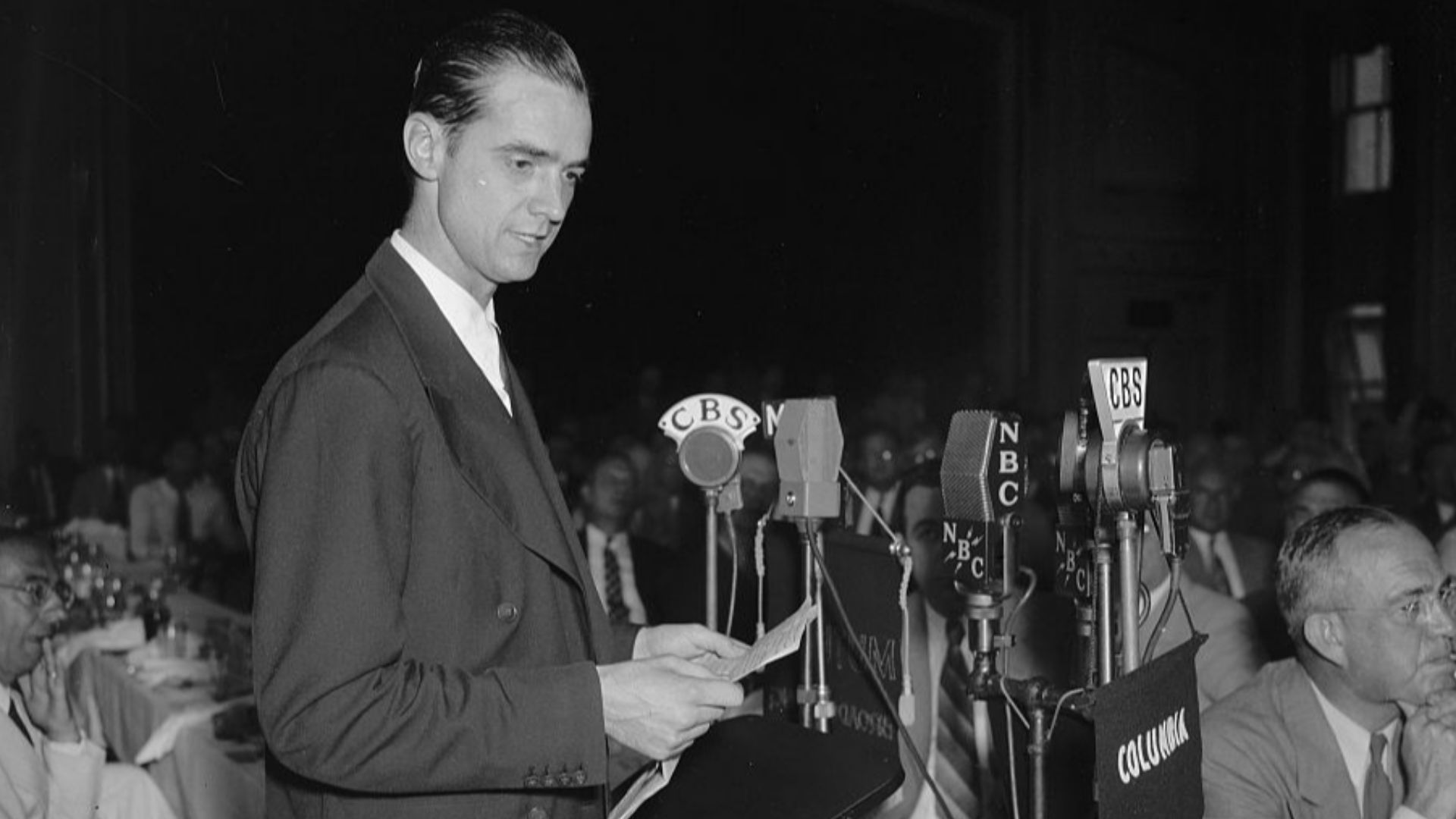
Clifford Irving
Writer Clifford Irving announced in 1970 that reclusive billionaire Howard Hughes had authorized him to write Hughes's autobiography. The claim was difficult to verify precisely because Hughes avoided public appearances. Irving produced forged letters and supposedly secret interviews, persuading major publishing interests. The scheme collapsed spectacularly when Hughes broke his silence and publicly denied ever meeting Irving.
 Harris & Ewing, photographer, Wikimedia Commons
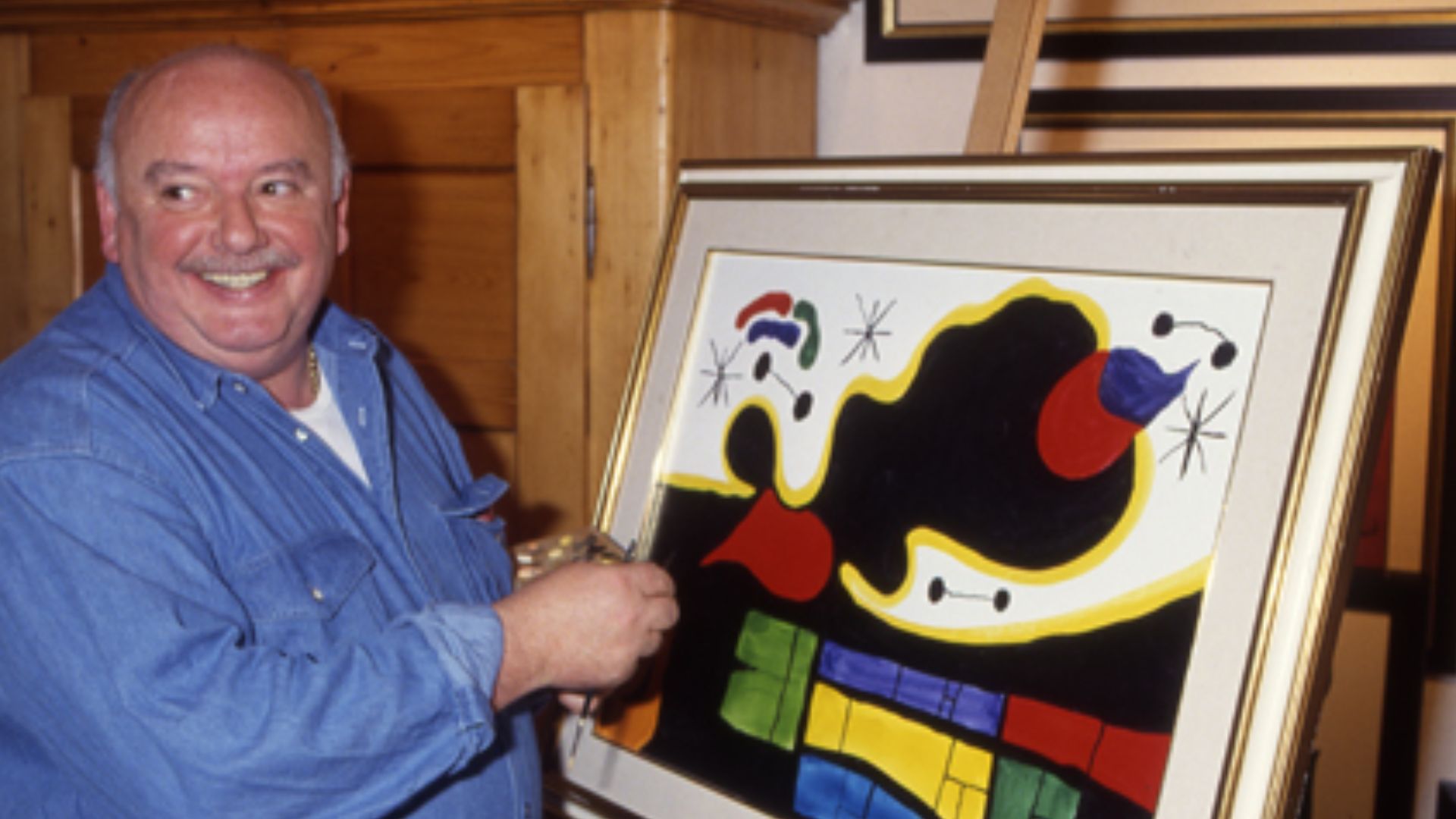
Konrad Kujau
Forger Konrad Kujau created dozens of notebooks supposedly containing Adolf Hitler's private diaries. Stern magazine paid millions for them, while respected historian Hugh Trevor-Roper initially supported their authenticity. The desire for an unprecedented historical scoop overwhelmed obvious warning signs. Scientific examination quickly showed that the supposedly wartime materials contained modern paper, ink, and other postwar components.
The Fraud Was Often A Collaboration
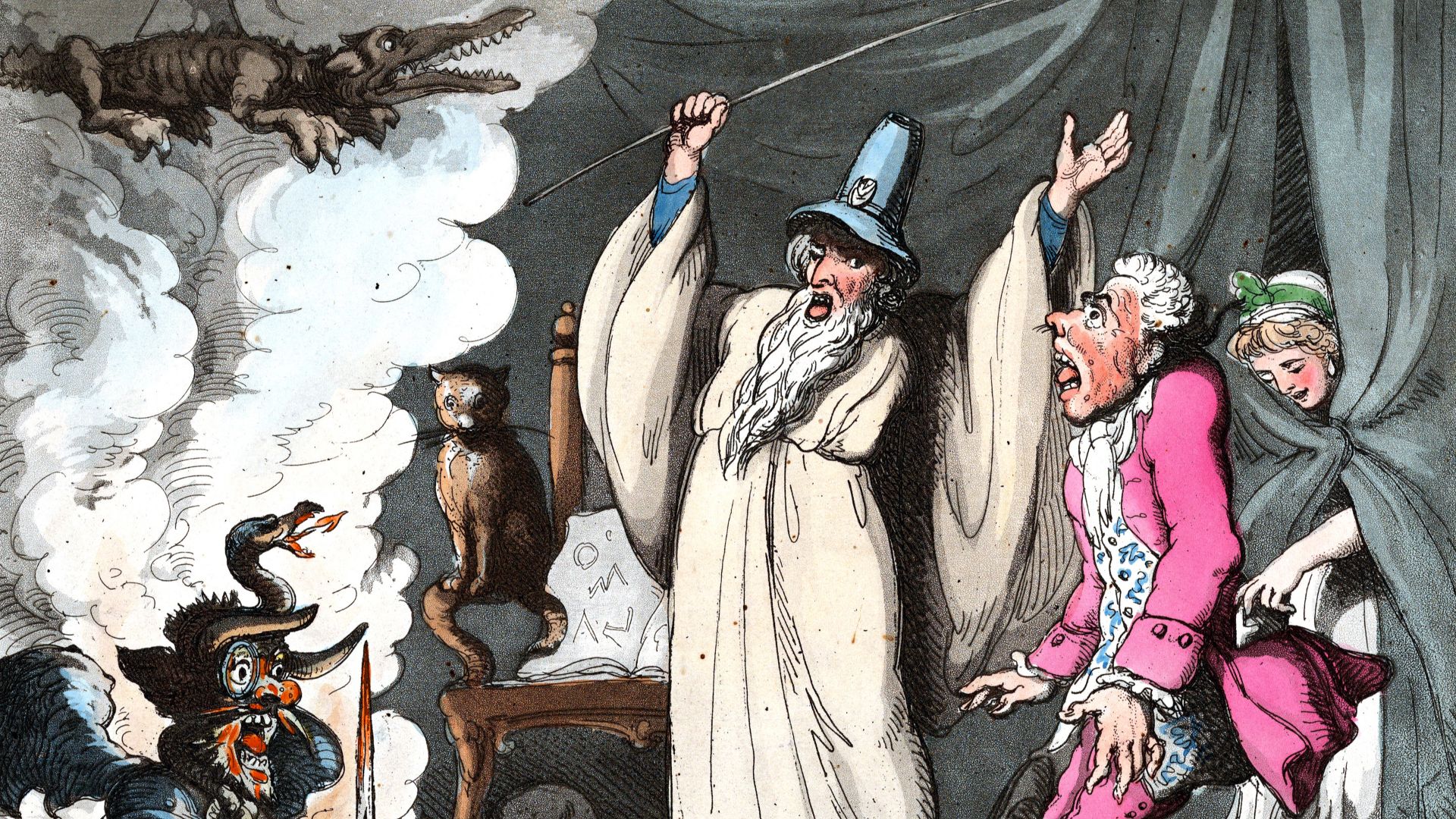
The strangest lesson isn't simply that clever people can be fooled. Again and again, these frauds succeeded because victims participated psychologically in their own deception. Scholars wanted lost masterpieces. Scientists wanted groundbreaking discoveries. Aristocrats wanted miracles. Publishers wanted exclusives. The fraudster supplied the evidence, but powerful believers often supplied the credibility that made the deception famous.
 Thomas Rowlandson, Wikimedia Commons
You May Also Like:
The Disturbing Case Of The Fake Rockefeller
Scheming Facts About Charles Ponzi
Fact or Forgery? Thomas Chatterton And The Tragic Truth Of Fiction









.jpg)