The Story Was Better Than The Truth
Some historical figures didn't just make history. They sold the public a version of themselves people wanted to believe. The stories were dramatic, flattering, and often repeated for years. Then documents, science, archaeology, and determined researchers started pulling those carefully built legends apart.
 Unknown authorUnknown author, Wikimedia Commons
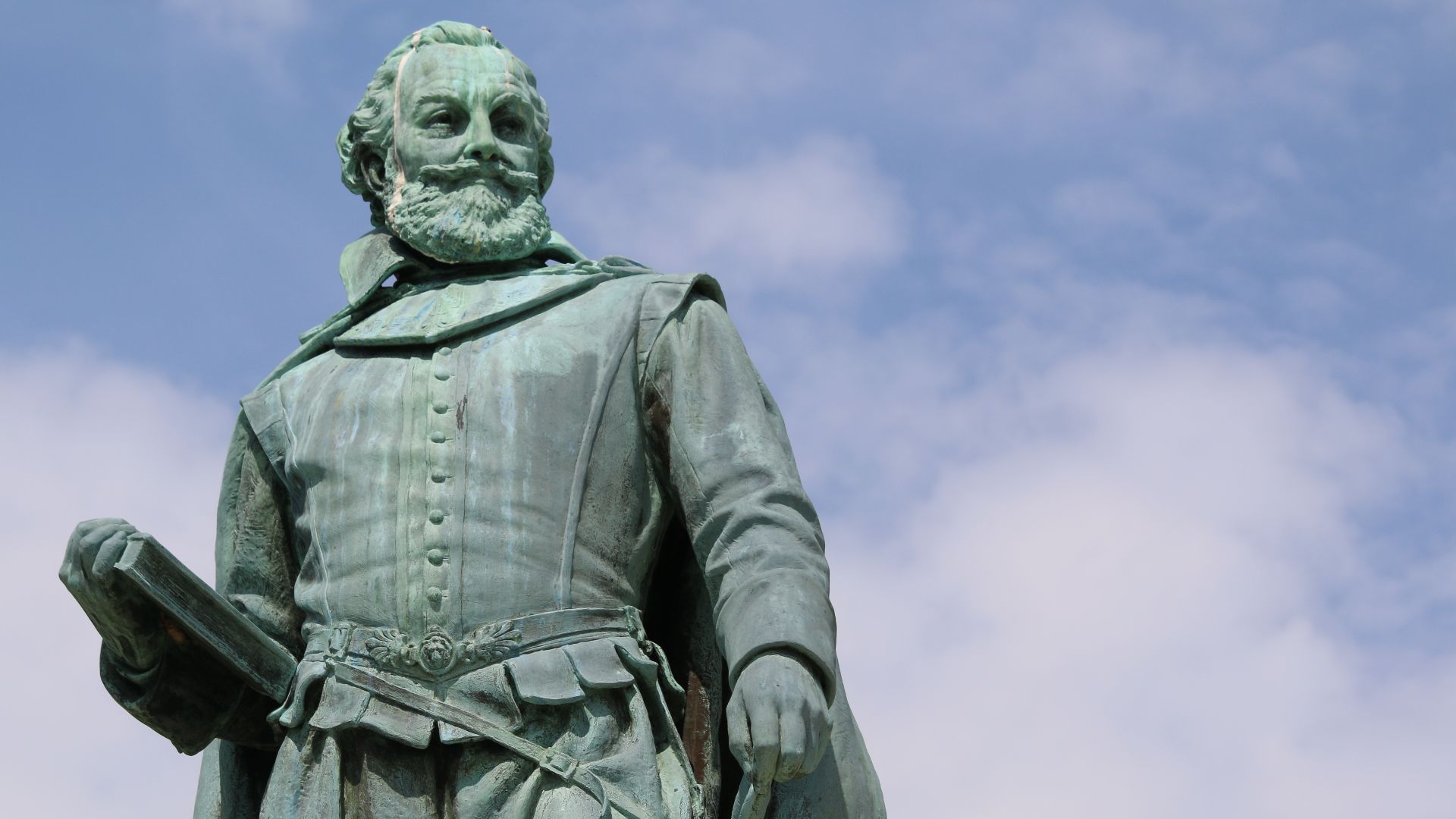
John Smith Made Himself The Hero
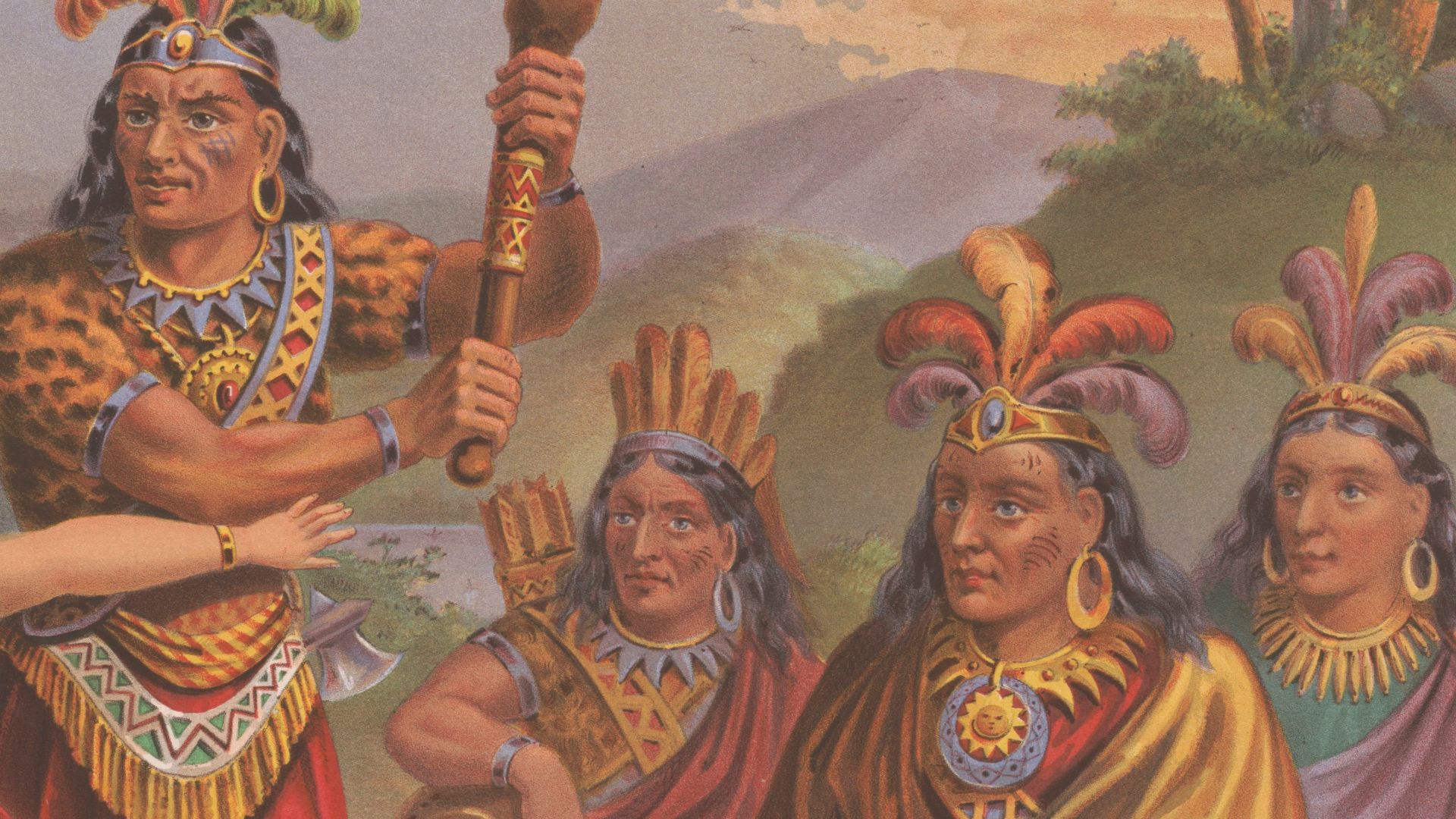
Captain John Smith genuinely helped lead the struggling Jamestown colony. He was also one of its main chroniclers, and his accounts regularly placed him at the center of events. Historians have long noted how effectively Smith promoted his own heroic image.
His Famous Rescue Came Later
Smith eventually claimed Pocahontas saved him just as Powhatan’s men were preparing to kill him. Yet he did not mention the dramatic rescue in his earlier accounts, only describing it years later. Historians still debate whether it happened, was misunderstood, or was embellished.
 New England Chromo. Lith. Co., Wikimedia Commons
Gregor MacGregor Invented A Country
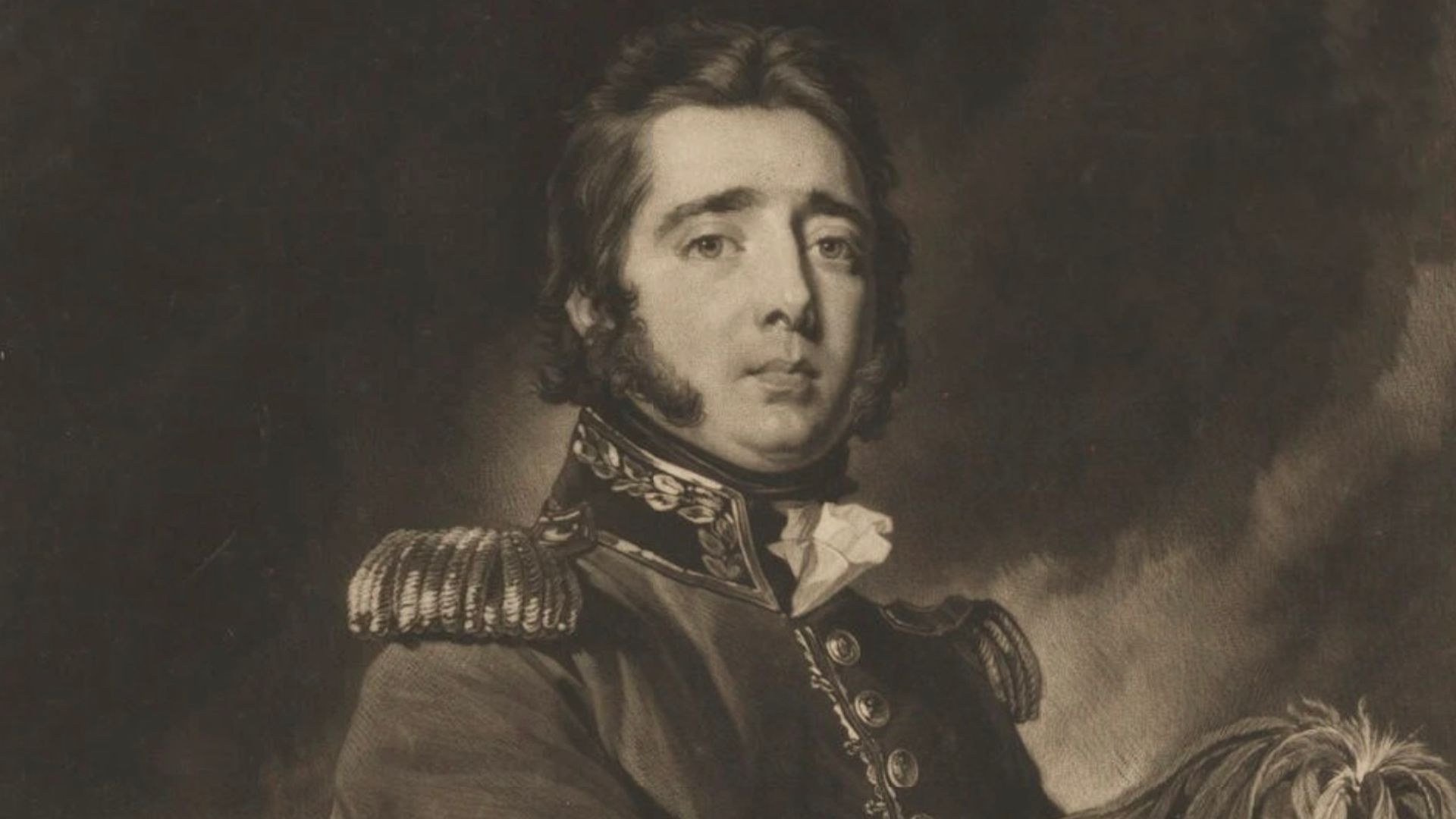
Scottish adventurer Gregor MacGregor returned to Britain claiming to rule a Central American territory called Poyais. Promotional materials described fertile land, thriving settlements, and a functioning government. Investors bought bonds and prospective settlers purchased land.
 Samuel William Reynolds, Wikimedia Commons

History's most fascinating stories and darkest secrets, delivered to your inbox daily.
Poyais Vanished When Settlers Arrived
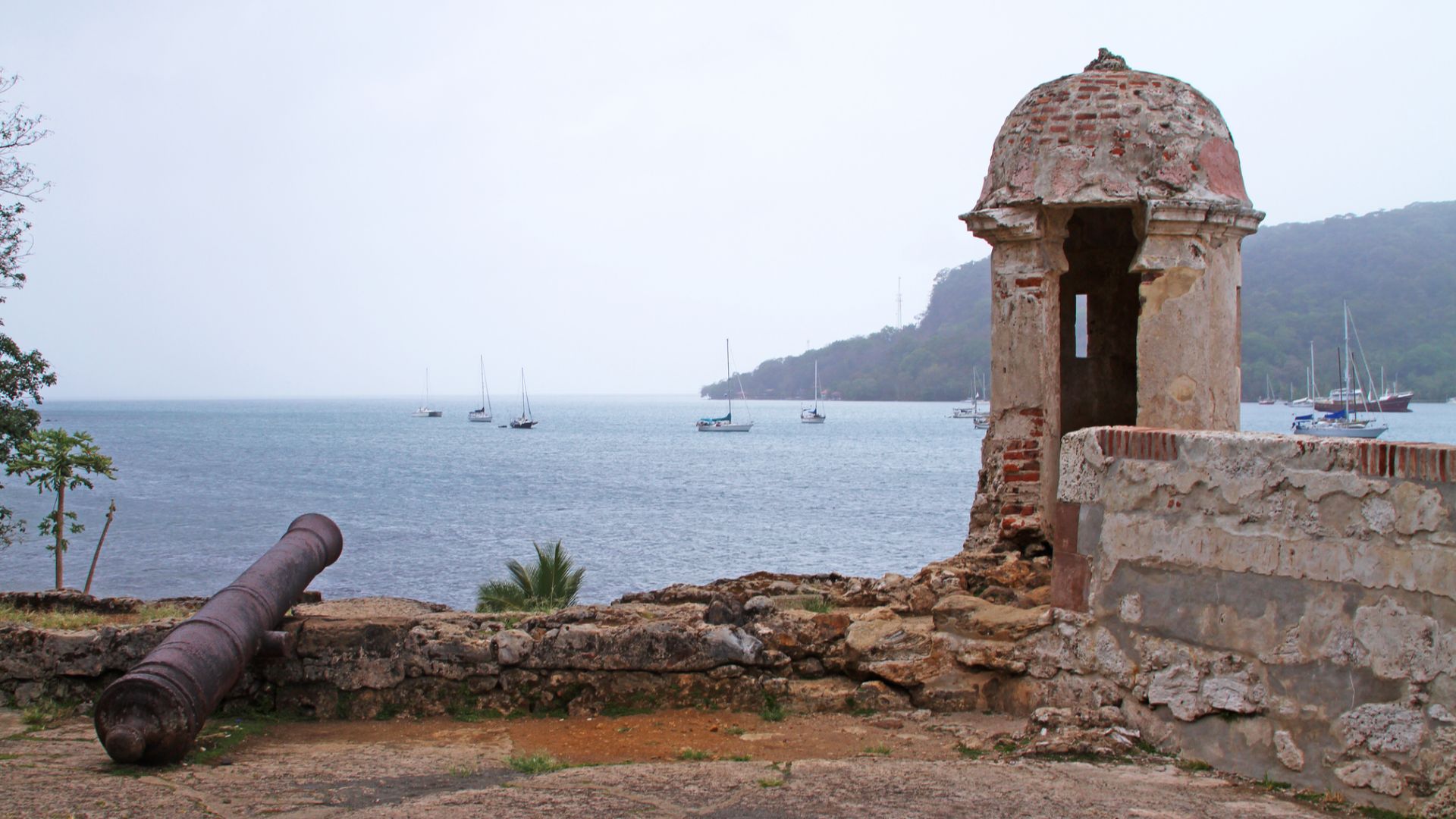
Settlers crossed the Atlantic expecting the prosperous country they had been promised. Instead, they found an undeveloped tropical coastline, and many died from disease and deprivation. News of the disaster exposed MacGregor as one of the era’s most notorious fraudsters.
 andrea1victoria, Wikimedia Commons
Sarah Emma Edmonds Really Did Serve
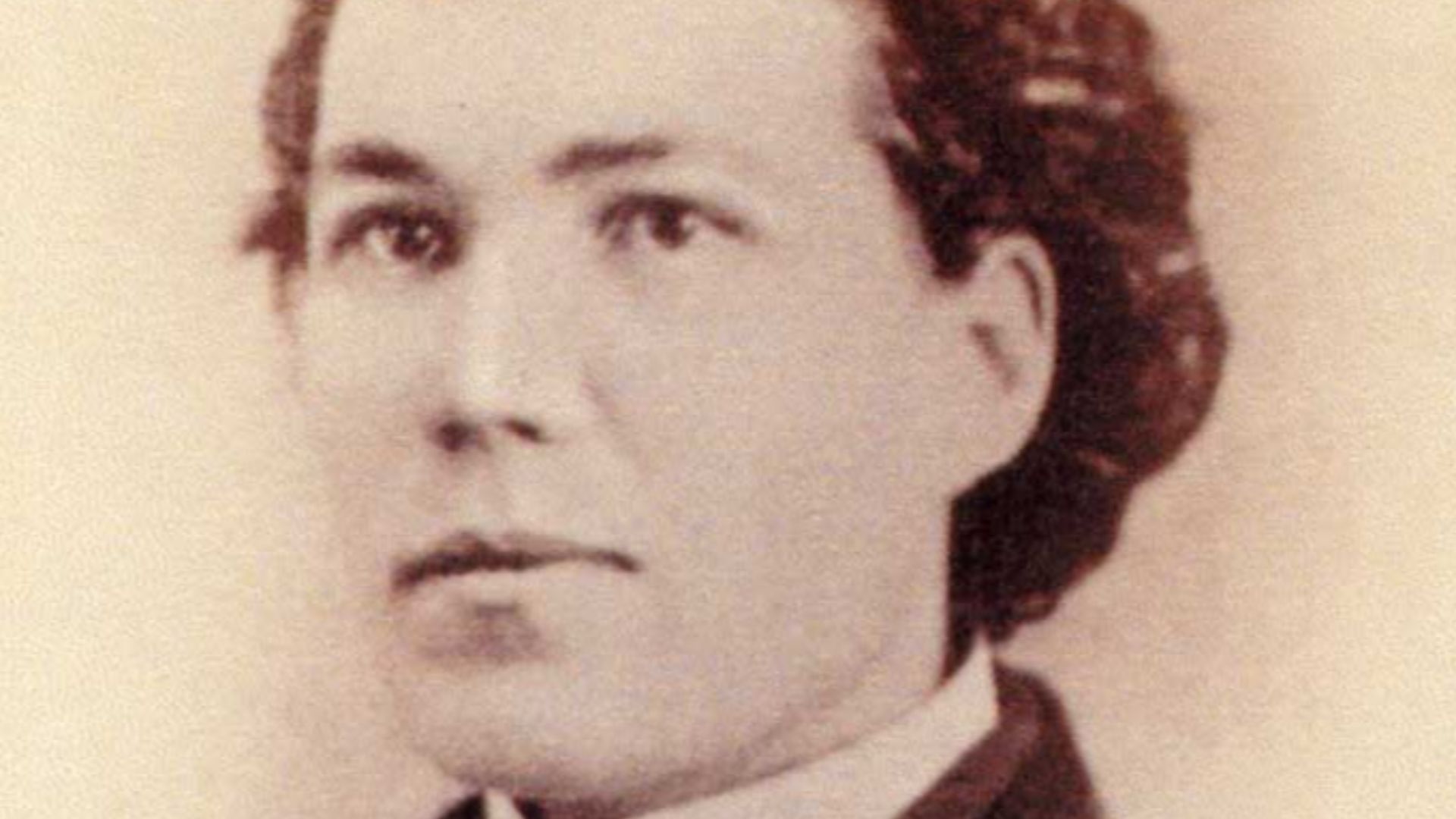
Sarah Emma Edmonds disguised herself as Franklin Thompson and enlisted in the Union Army during the Civil War. Records confirm that she served as a nurse, mail carrier, and postmaster. Her later account, however, made her wartime career far more dramatic.
 Unknown author, Wikimedia Commons
Her Spy Career Was Another Matter
Edmonds claimed she repeatedly crossed Confederate lines as a disguised Union spy. Historians have found no official record supporting those missions. Edmonds later admitted her memoir contained extensive fictionalization and denied performing secret-service work in a sworn statement.
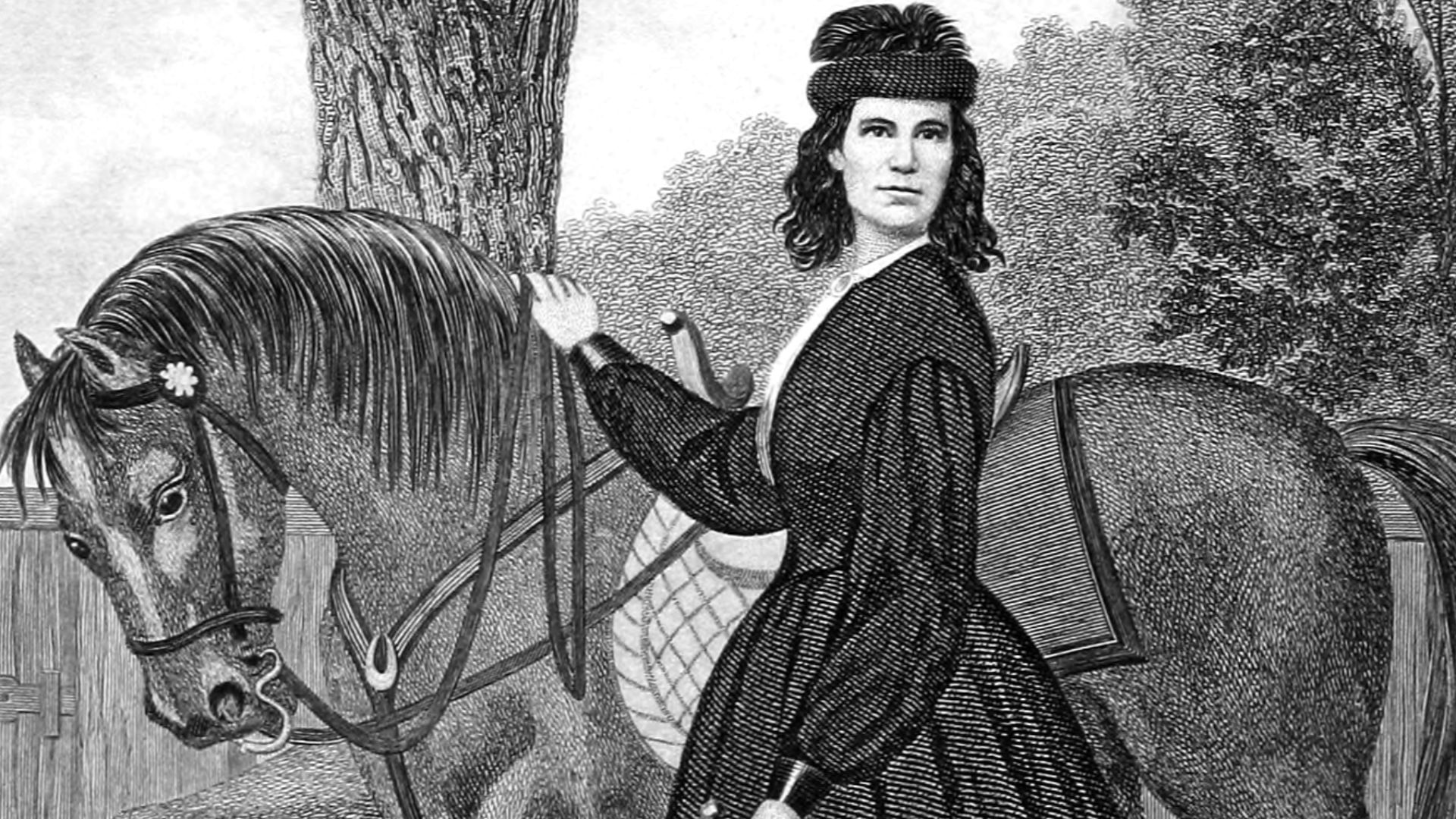 Sarah Emma Evelyn Edmonds, Wikimedia Commons
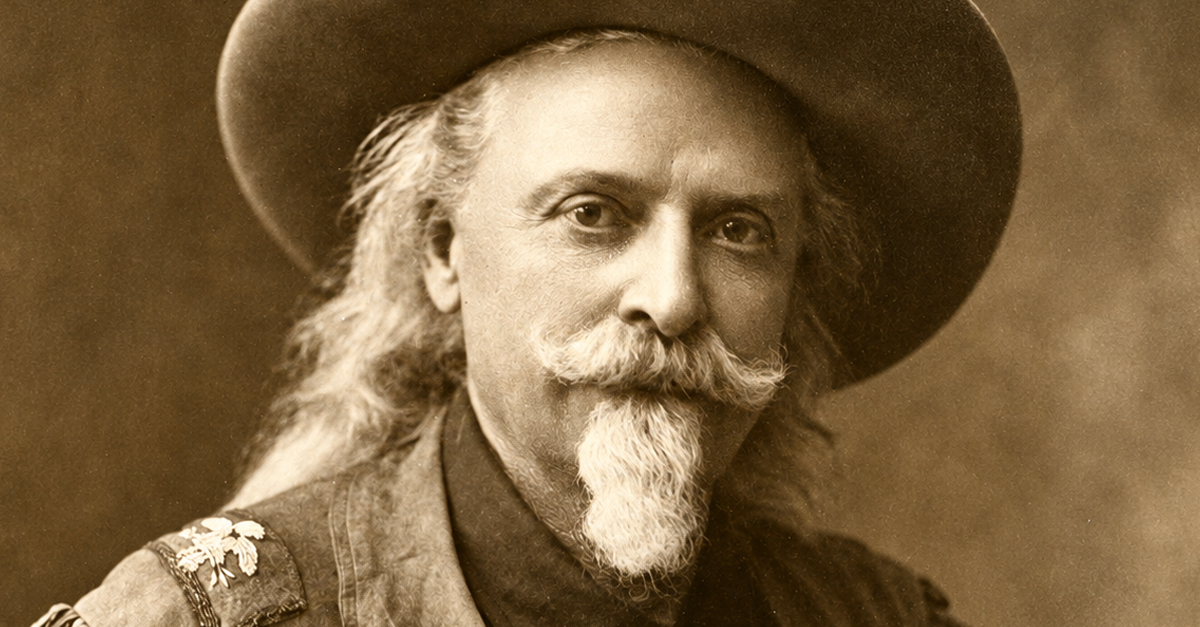
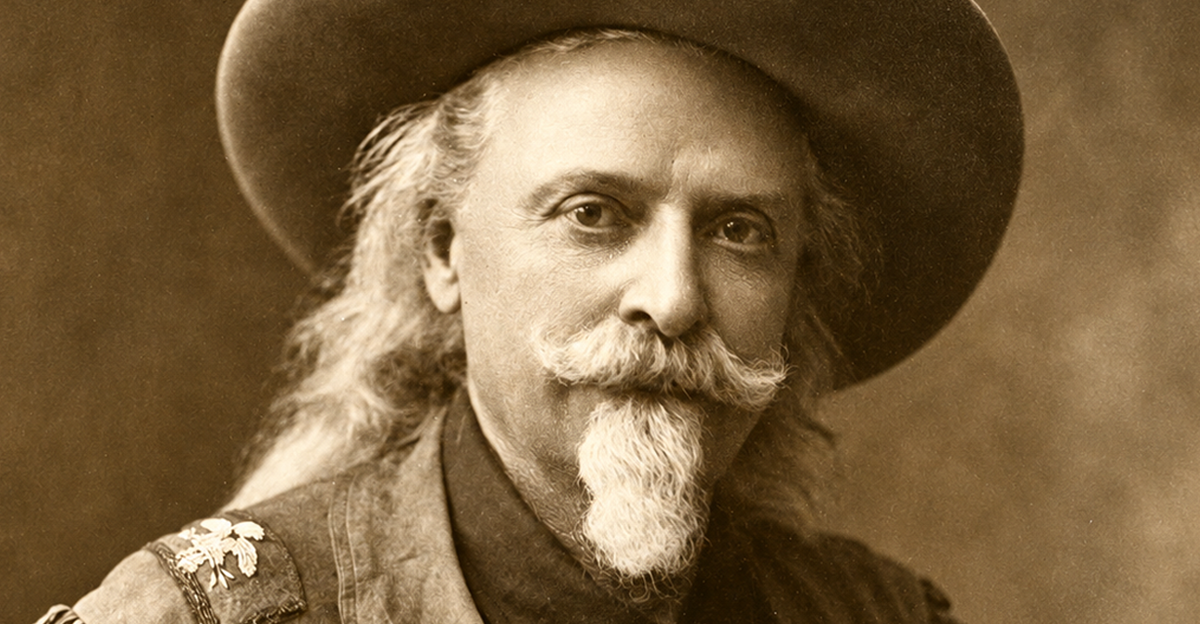
Buffalo Bill Became The Wild West
William F. Cody really had worked as a hunter, Army scout, and frontier entertainer. As Buffalo Bill, he and his promoters turned those experiences into a much grander legend. His Wild West shows then carried that heroic persona around the world.
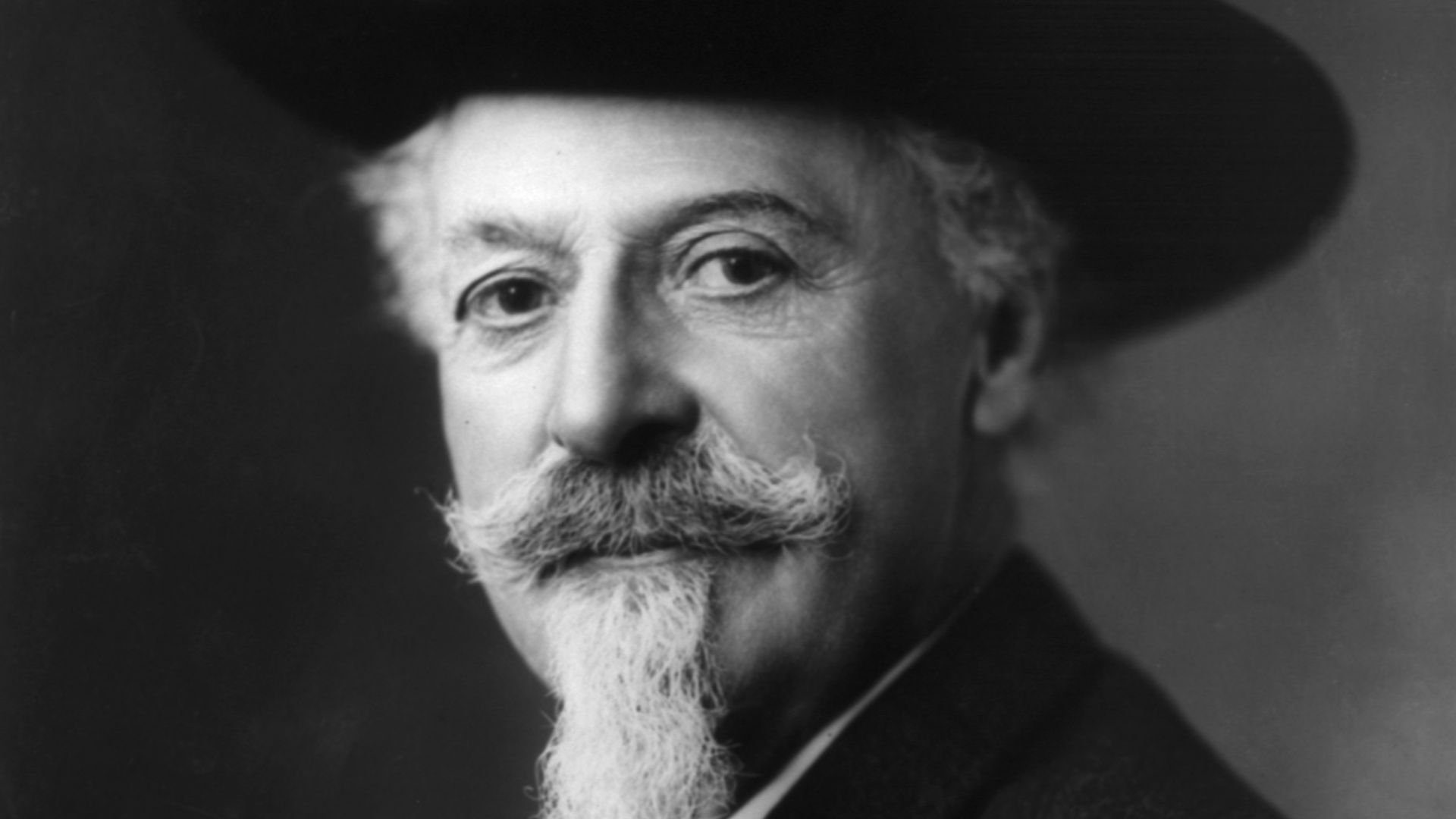 Moffett, Chicago, Wikimedia Commons
The Pony Express Story Fell Apart
Cody famously claimed he had ridden for the Pony Express as a teenager. The Smithsonian’s National Postal Museum says the historical evidence does not support that story. Cody nevertheless reenacted the supposed exploits so often that they became part of his legend.
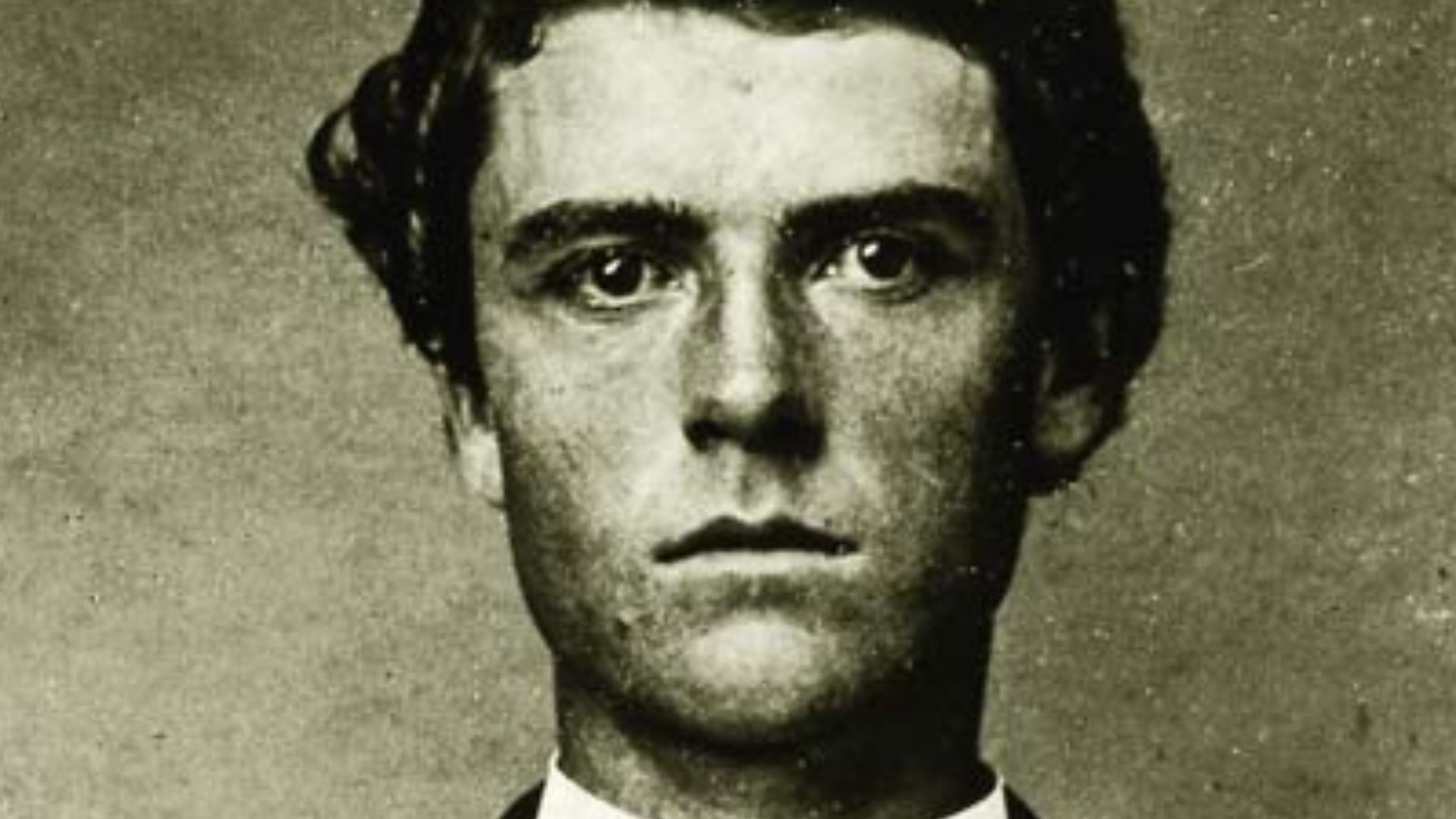 Unknown author, Wikimedia Commons
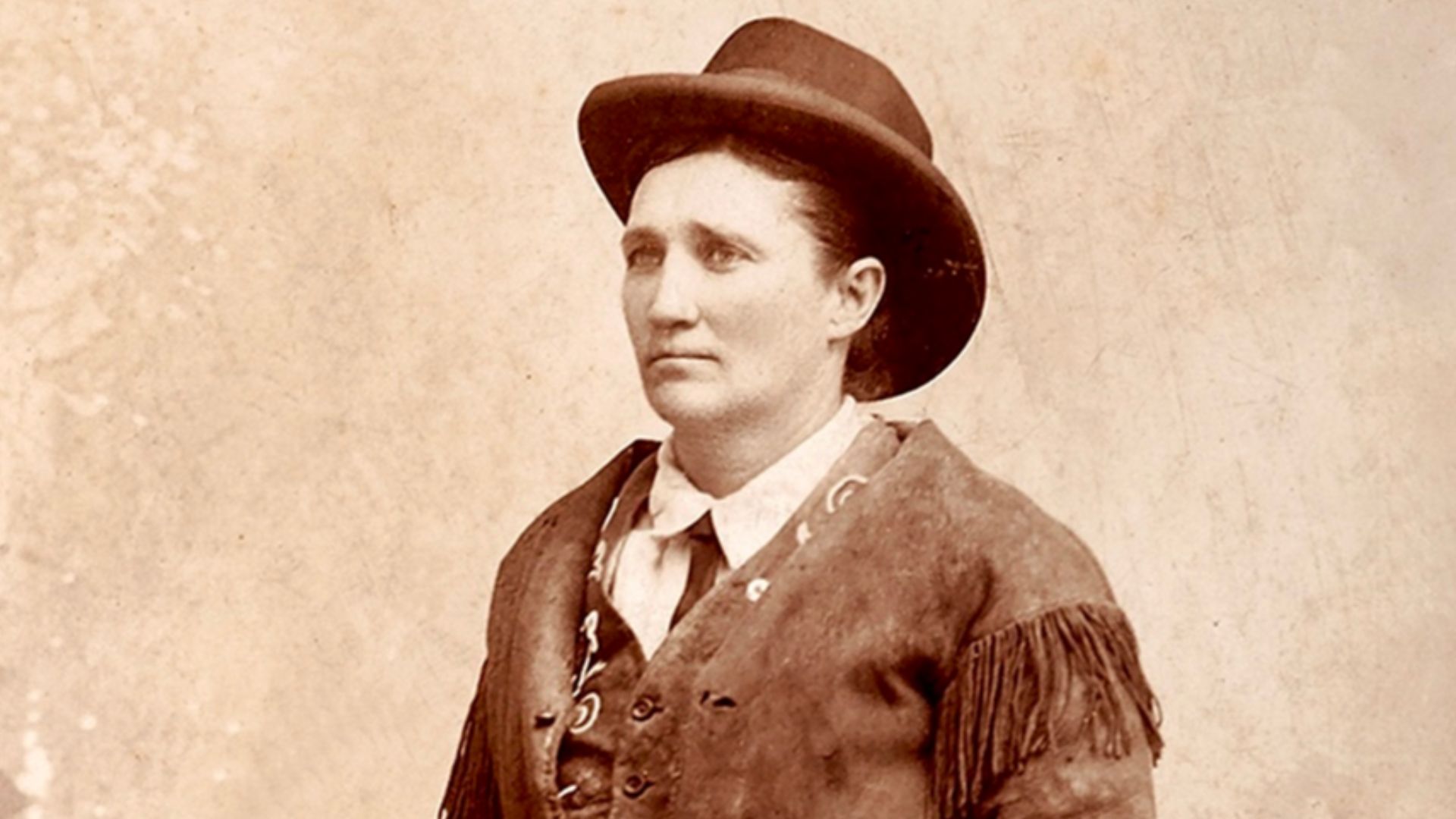
Calamity Jane Sold Her Own Legend
Martha Canary became famous as Calamity Jane, the hard-living woman of the Wild West. She embraced publicity and helped blur the line between genuine experiences and colorful frontier tales. Reliable contemporary evidence for many of those stories is surprisingly thin.
History's most fascinating stories and darkest secrets, delivered to your inbox daily.
The Records Were Less Exciting
Later stories credited Jane with military scouting, Pony Express riding, and dramatic rescues. Researchers have struggled to verify many of those claims. The real Canary led an unusual life, but much of the action-packed Calamity Jane legend cannot be firmly documented.
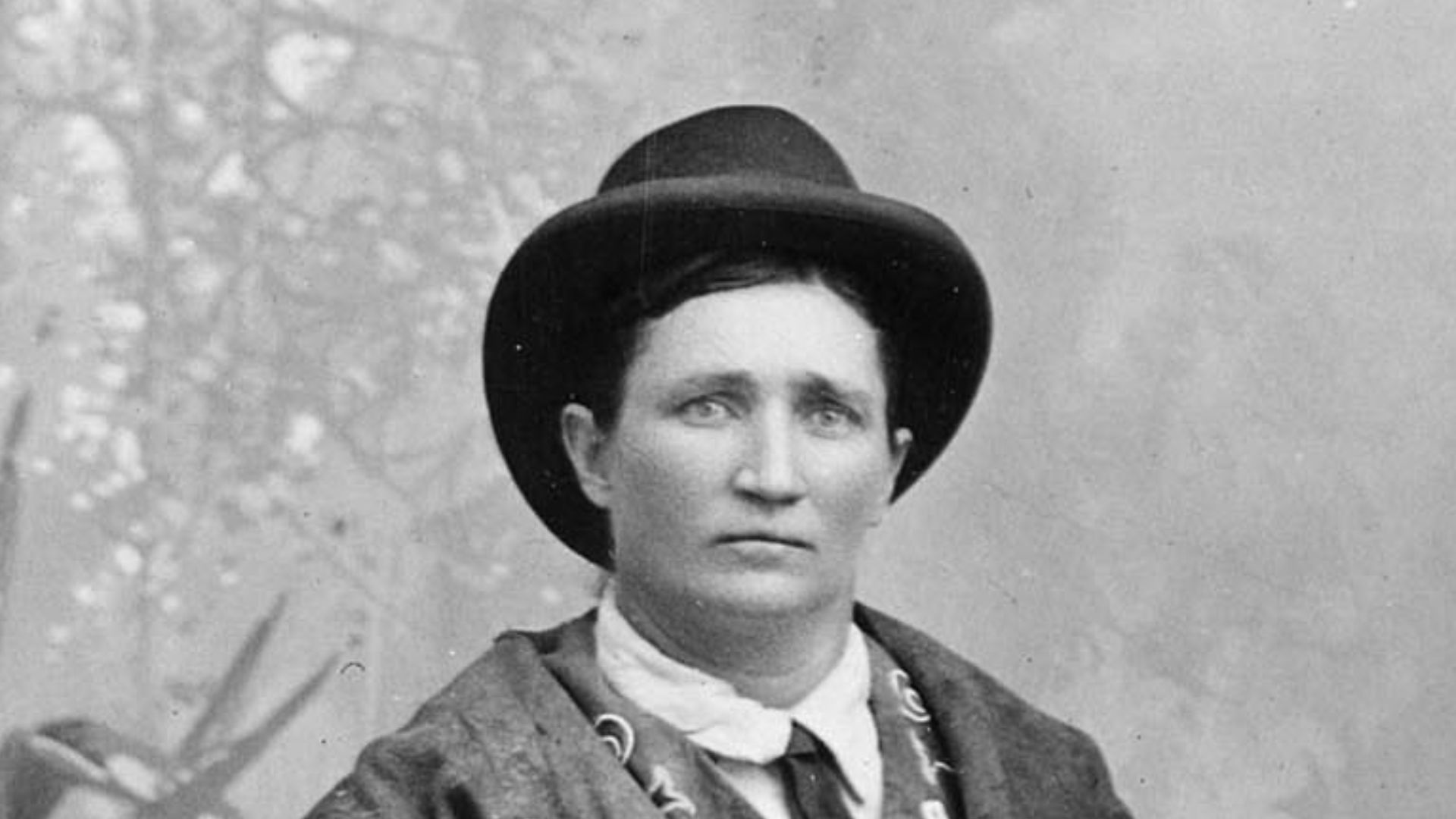 C.E. Finn, Livingston, Montana, Wikimedia Commons
Schliemann Became Troy's Discoverer
Heinrich Schliemann became internationally famous for excavating Hisarlik and identifying it with ancient Troy. Yet Frank Calvert had already investigated the site and encouraged Schliemann to dig there. Schliemann’s wealth and publicity skills helped him receive most of the fame.
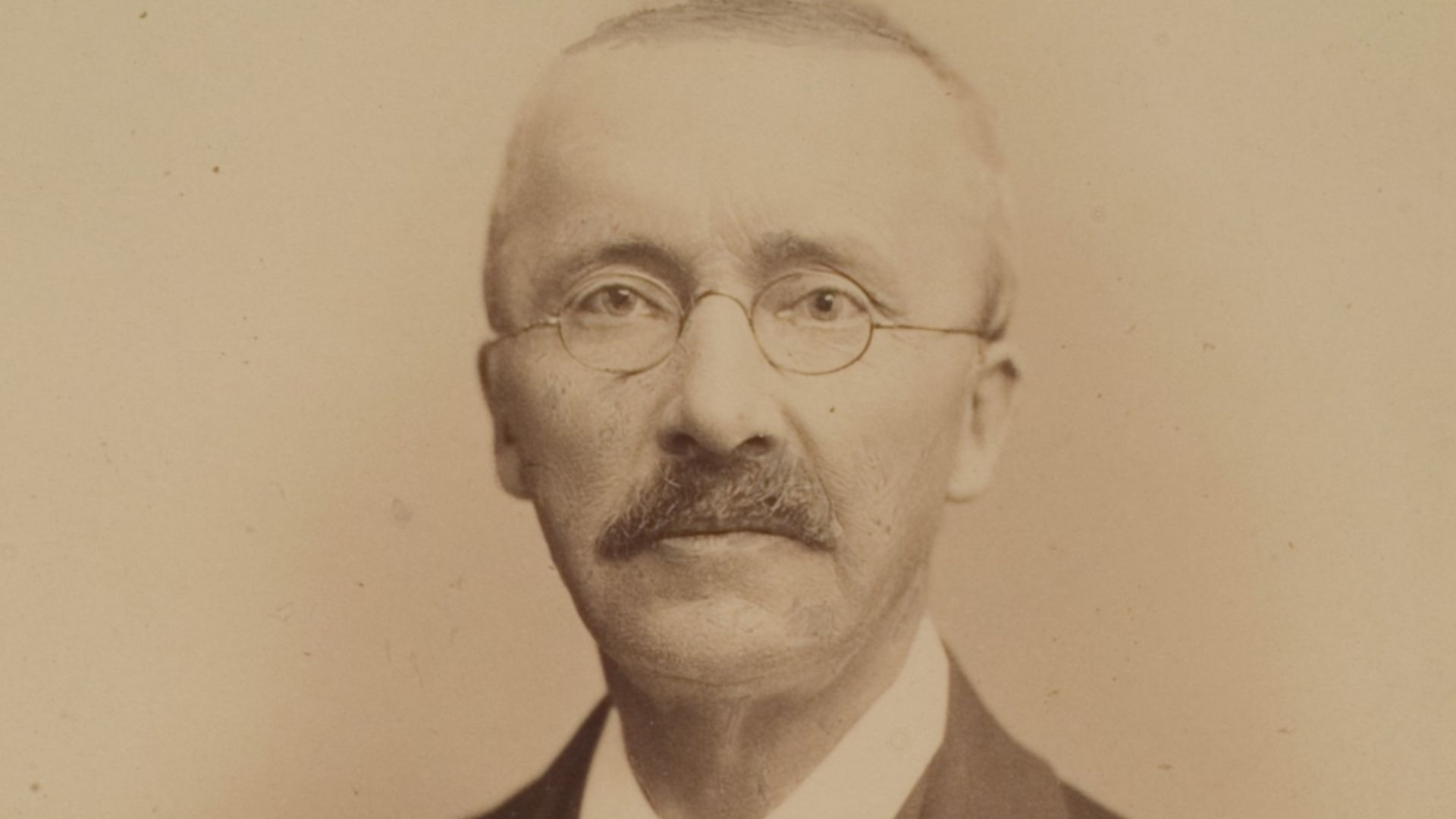 Ed. Schultze Hofphotograph Heidelberg Plöckstrasse 79, Wikimedia Commons
Priam's Treasure Wasn't Priam's
Schliemann announced that a spectacular cache of gold belonged to Homer’s King Priam. Archaeologists later dated the objects roughly a thousand years earlier than the period associated with the Trojan War. His destructive excavation techniques also permanently damaged parts of the site.
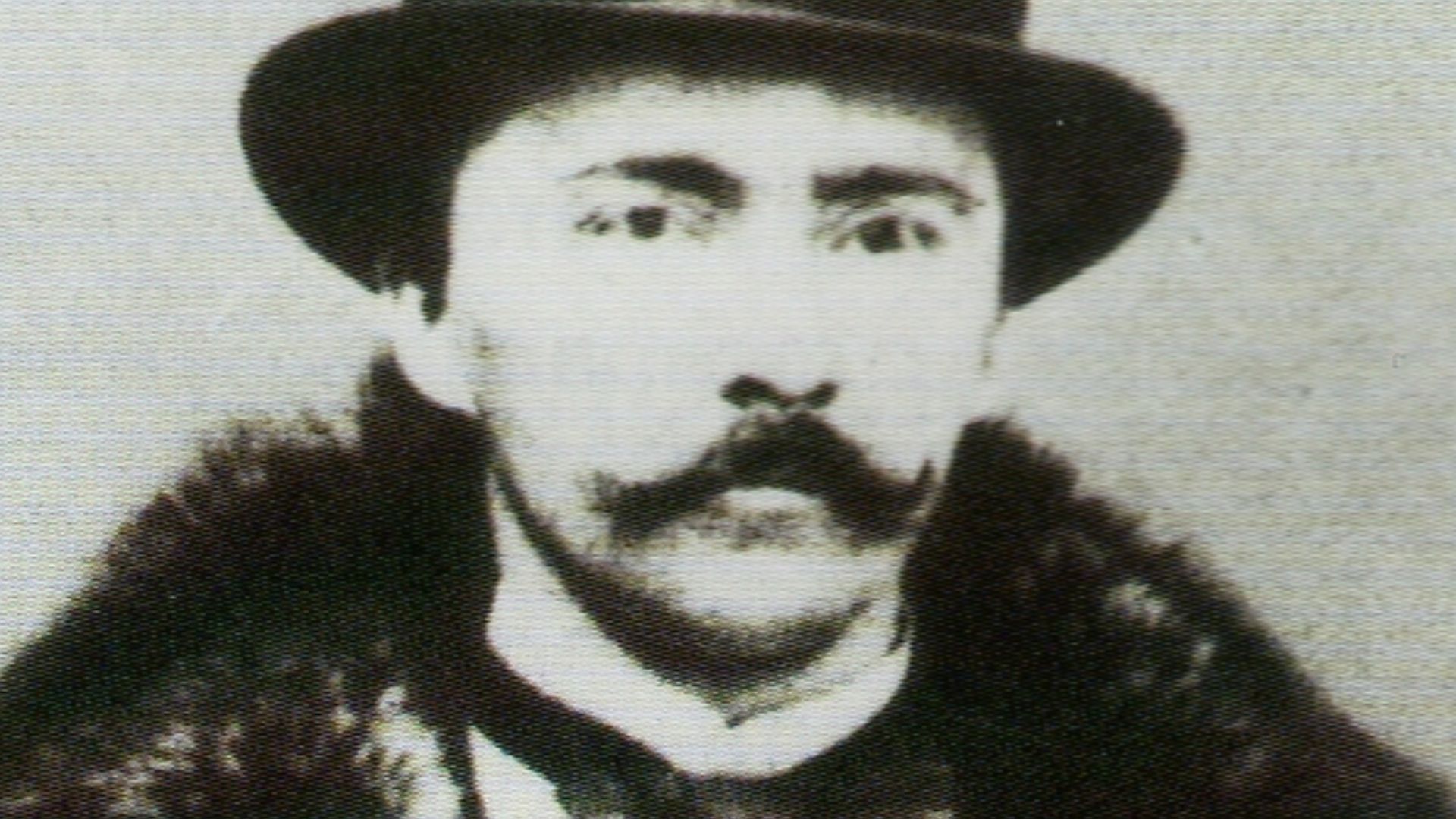 Uniphoto Press, Wikimedia Commons
Frederick Cook Claimed Two Firsts
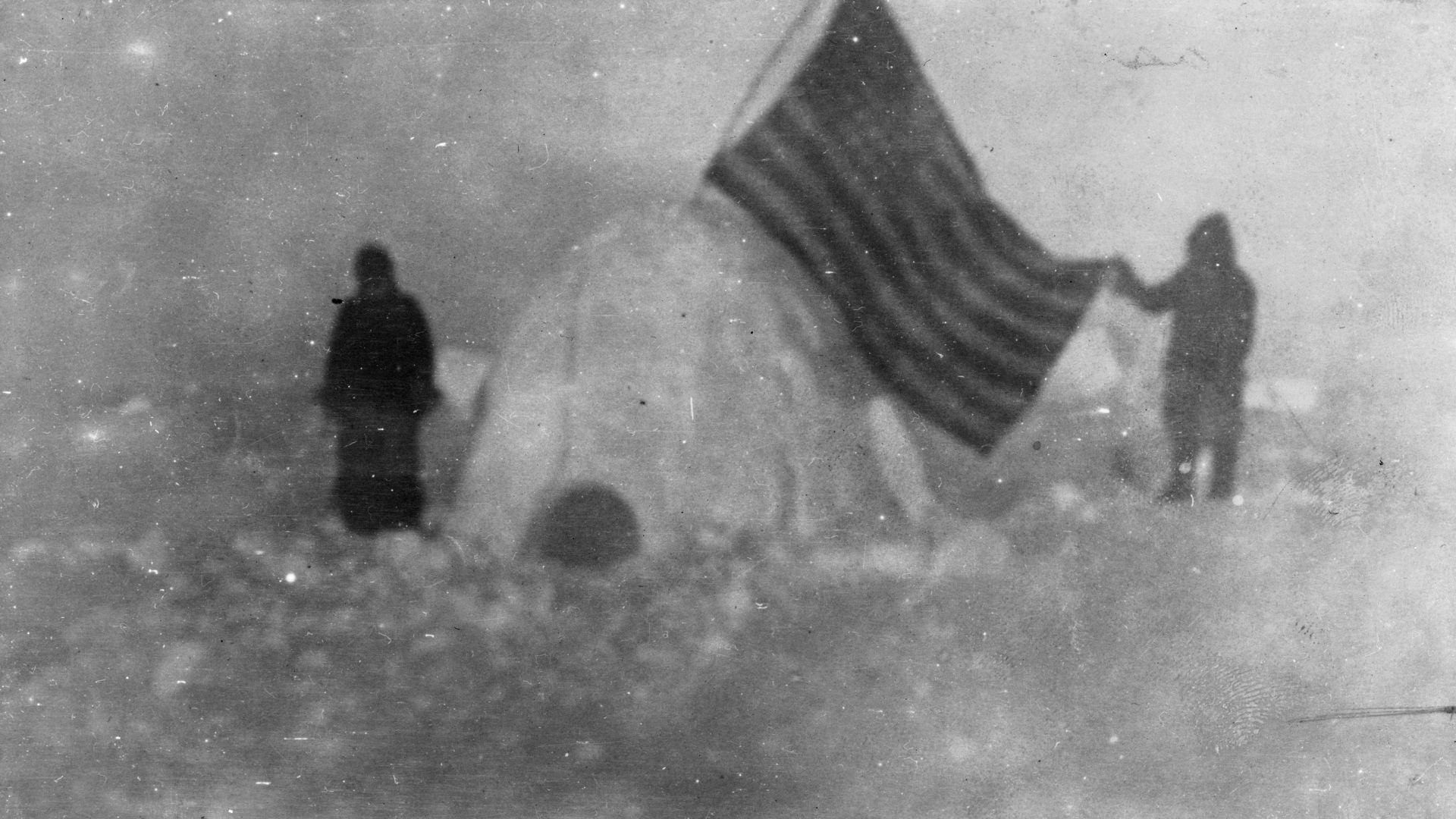
Explorer Frederick Cook announced that he had reached the summit of Denali in 1906. He later claimed to have reached the North Pole in 1908, before rival Robert Peary. For a time, Cook was celebrated as an extraordinary record-breaking explorer.
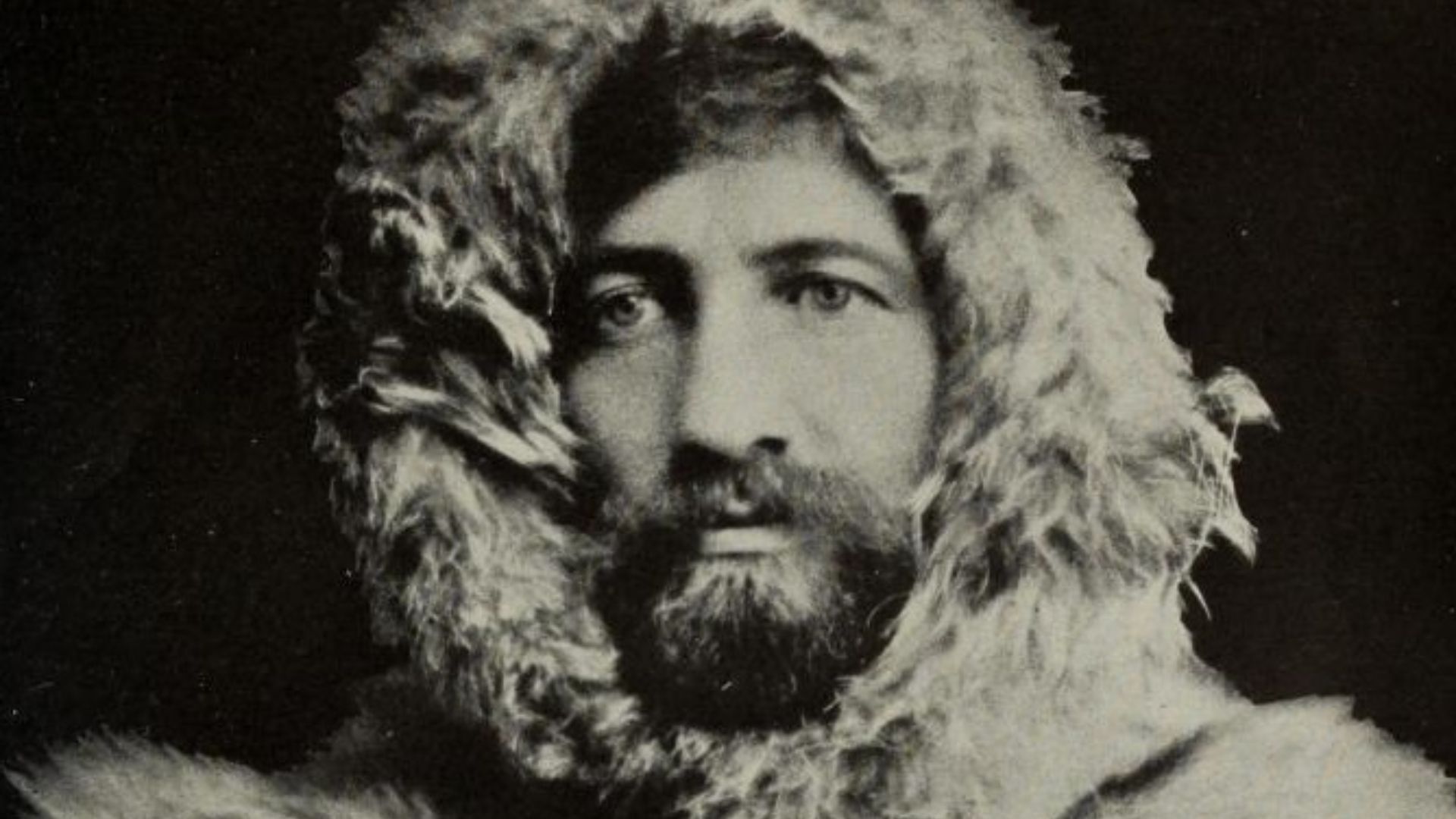
His Evidence Could Not Hold Up
Climbers examining Cook’s Denali evidence concluded his supposed summit photograph was taken far from the top. His North Pole claim also failed to gain lasting acceptance. Although Peary’s rival claim remains debated too, Cook’s two greatest achievements were widely rejected.
 Frederick Cook's expedition, Wikimedia Commons
Grey Owl Became A Celebrity
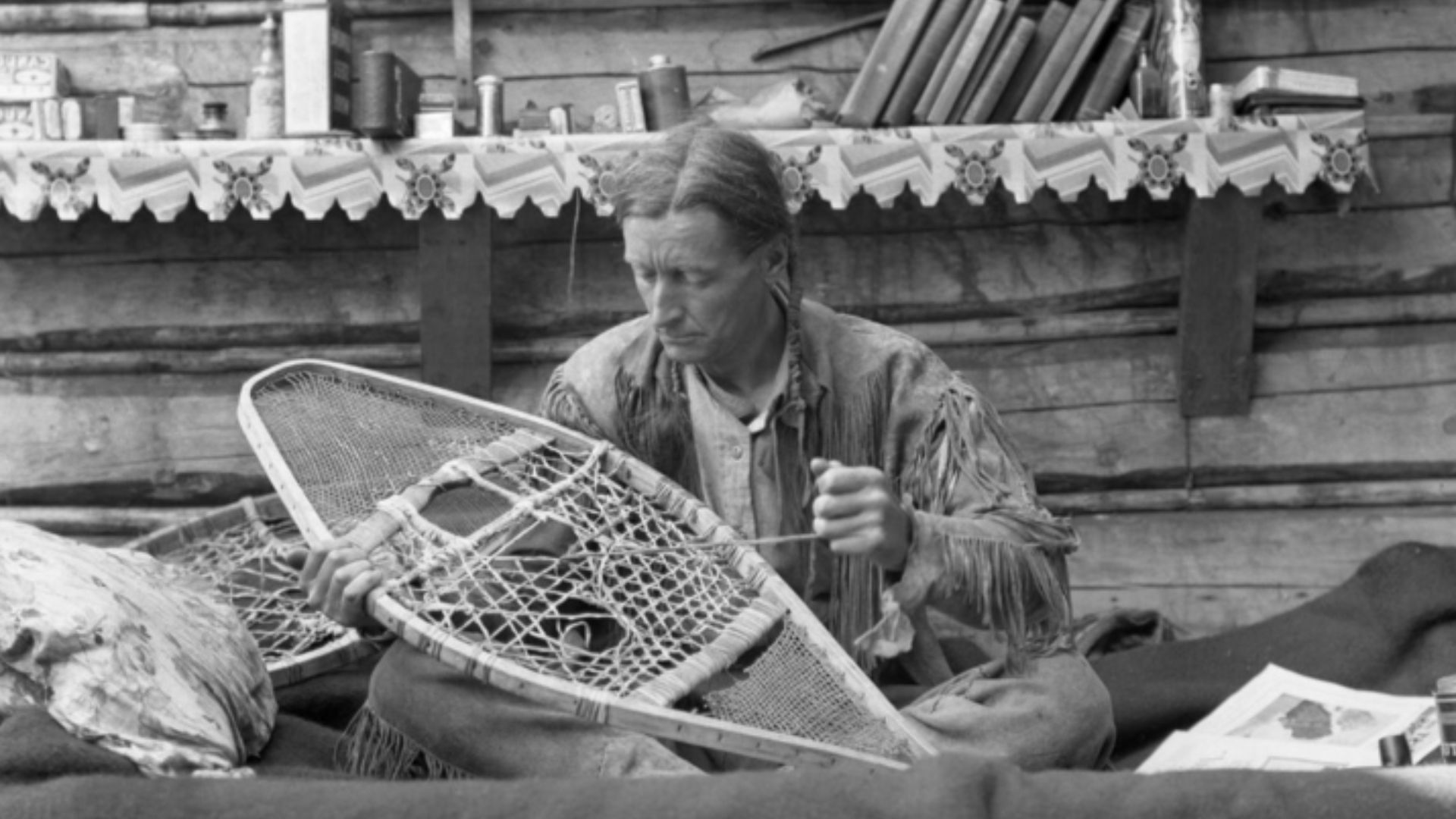
During the 1930s, Grey Owl became famous through books, films, and popular lectures about conservation. He presented himself as an Indigenous man whose background gave special authority to his message. Canada’s national parks system even employed him.
 W. J. Oliver, Wikimedia Commons
History's most fascinating stories and darkest secrets, delivered to your inbox daily.
Then His Identity Was Exposed
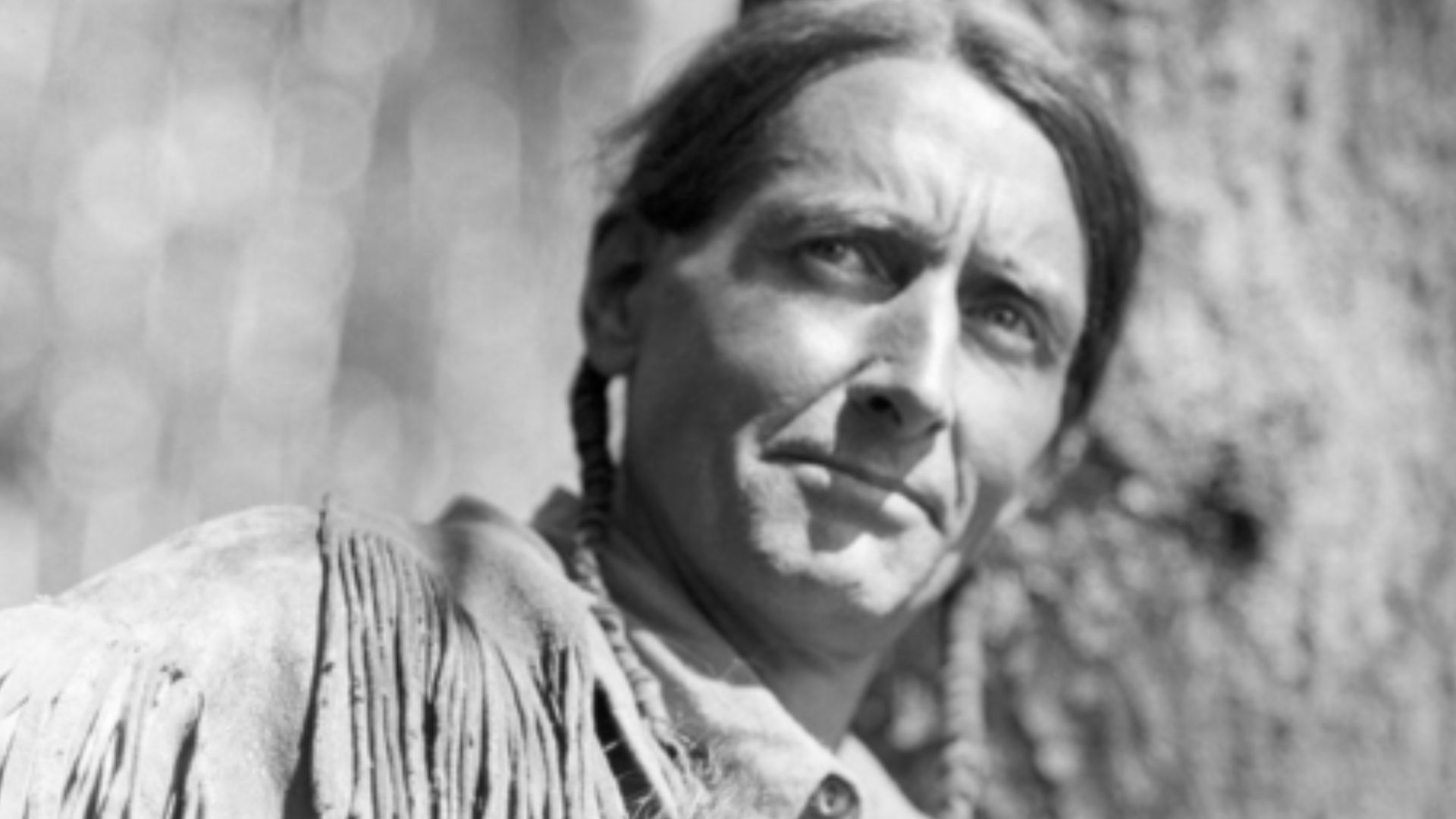
Grey Owl was actually Archibald Stansfeld Belaney, born in Hastings, England. Newspapers revealed his true identity shortly after his death in 1938. His conservation work remained influential, but the Indigenous identity central to his public persona was false.
 W. J. Oliver, Wikimedia Commons
Anna Anderson Became Anastasia
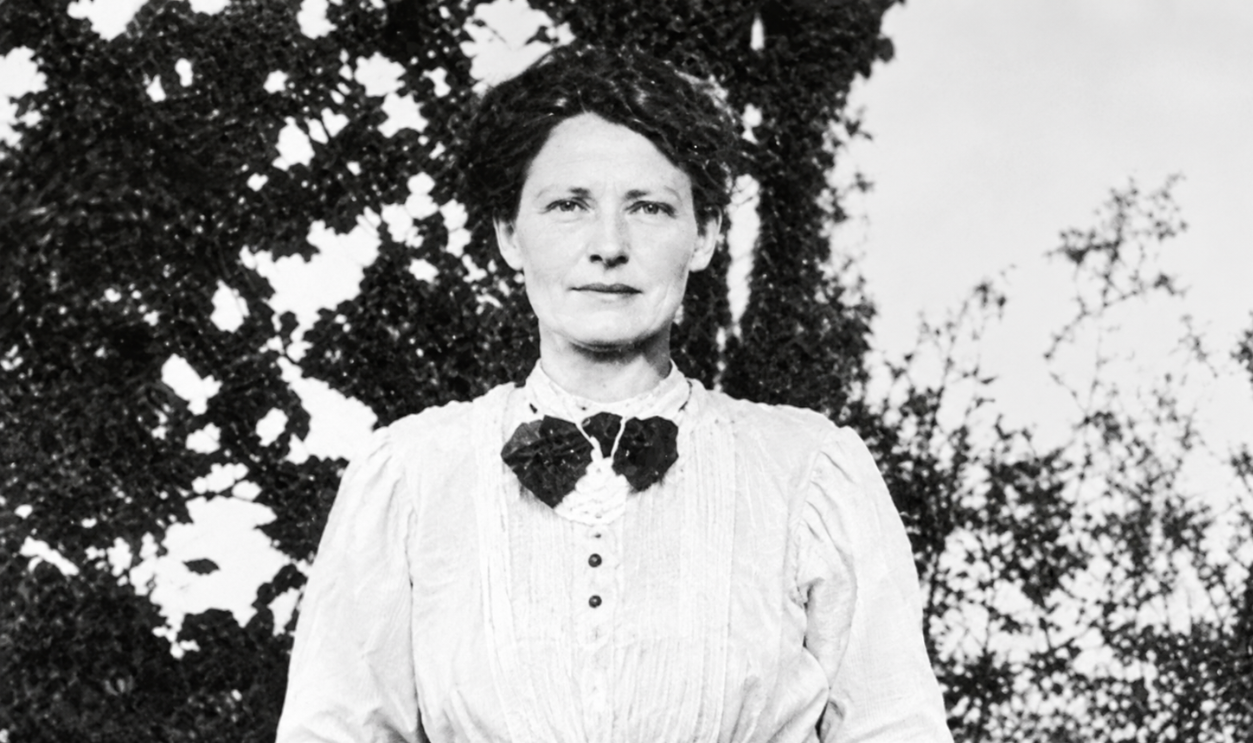
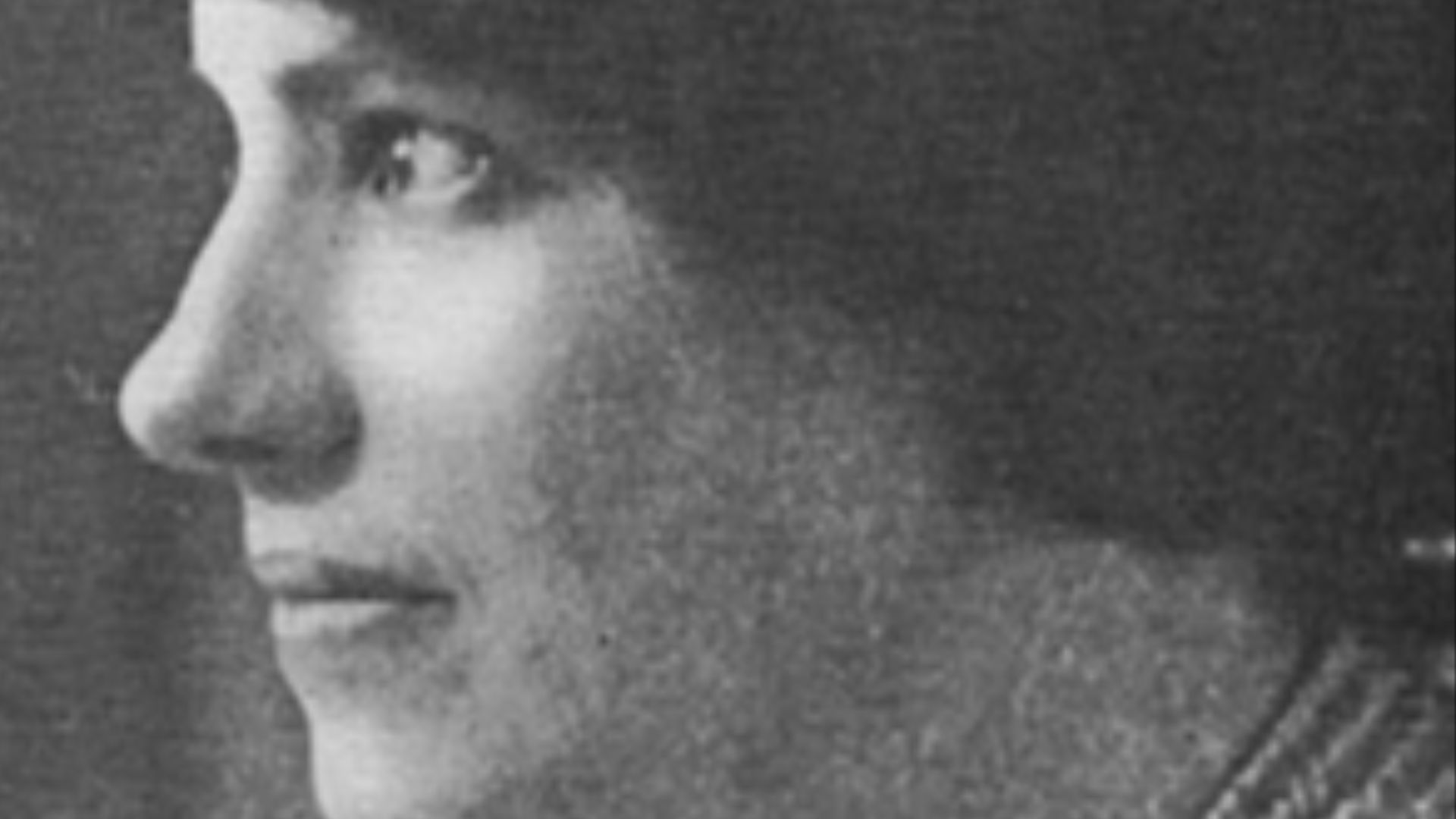
After Russia’s imperial family was killed, rumors persisted that Grand Duchess Anastasia had escaped. Anna Anderson emerged in Germany and convinced many supporters that she was the missing princess. Her claim inspired decades of books, arguments, and films.
 Unknown author, Wikimedia Commons, Modified
DNA Ended The Mystery
Modern genetic testing eventually allowed researchers to examine Anderson’s claim. DNA evidence excluded her from the Romanov family. Instead, it supported a connection to the family of Franziska Schanzkowska, the Polish woman investigators had suspected Anderson really was.
 Unknown author, Wikimedia Commons
Lobsang Rampa Sold A Mystery
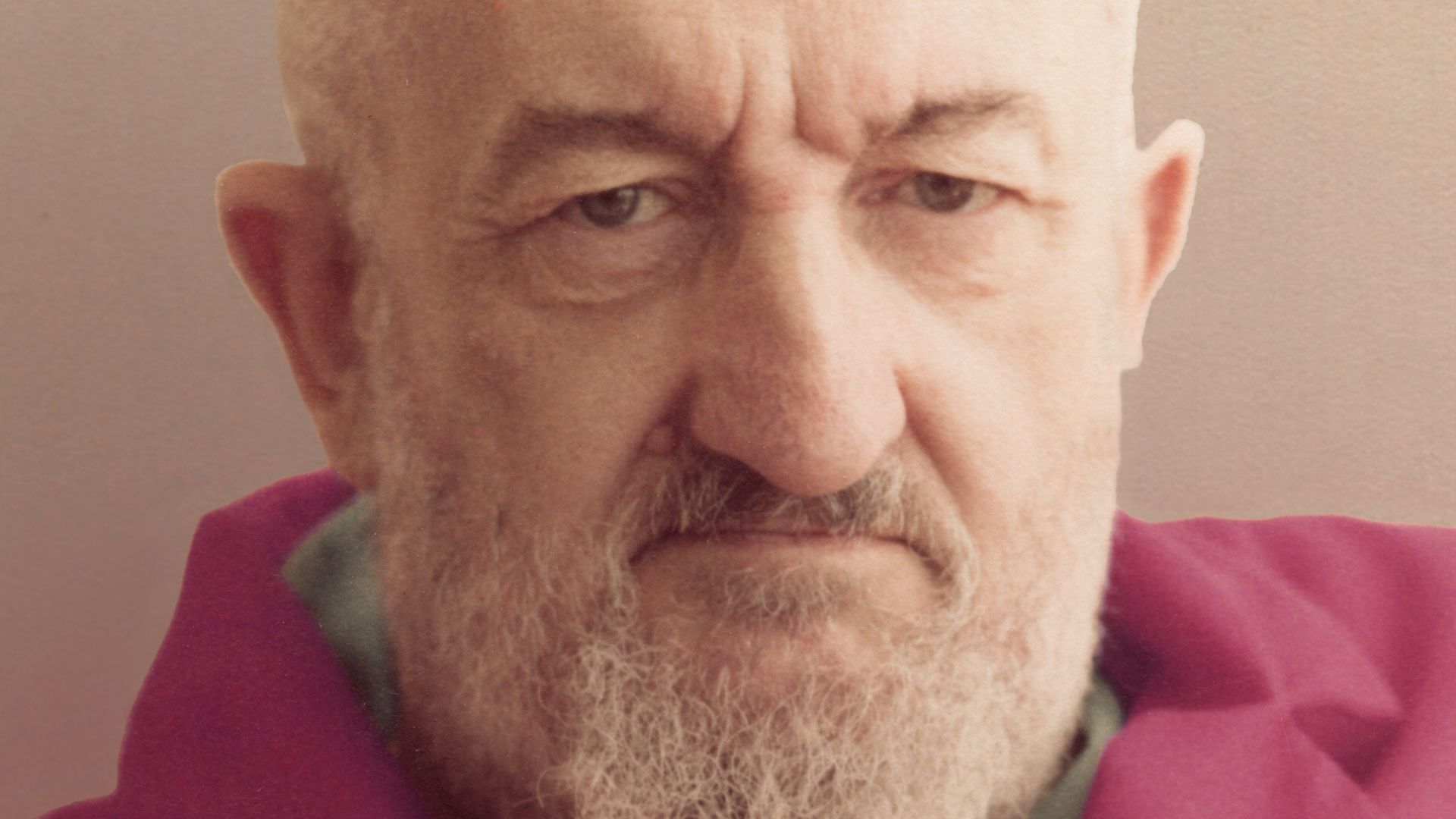
The Third Eye, published in 1956 under the name Tuesday Lobsang Rampa, supposedly described the upbringing of a Tibetan lama. Its stories of monasteries and mystical experiences became an international sensation. Rampa quickly gained a large following.
 Unknown author, Wikimedia Commons
The Lama Was From Devon
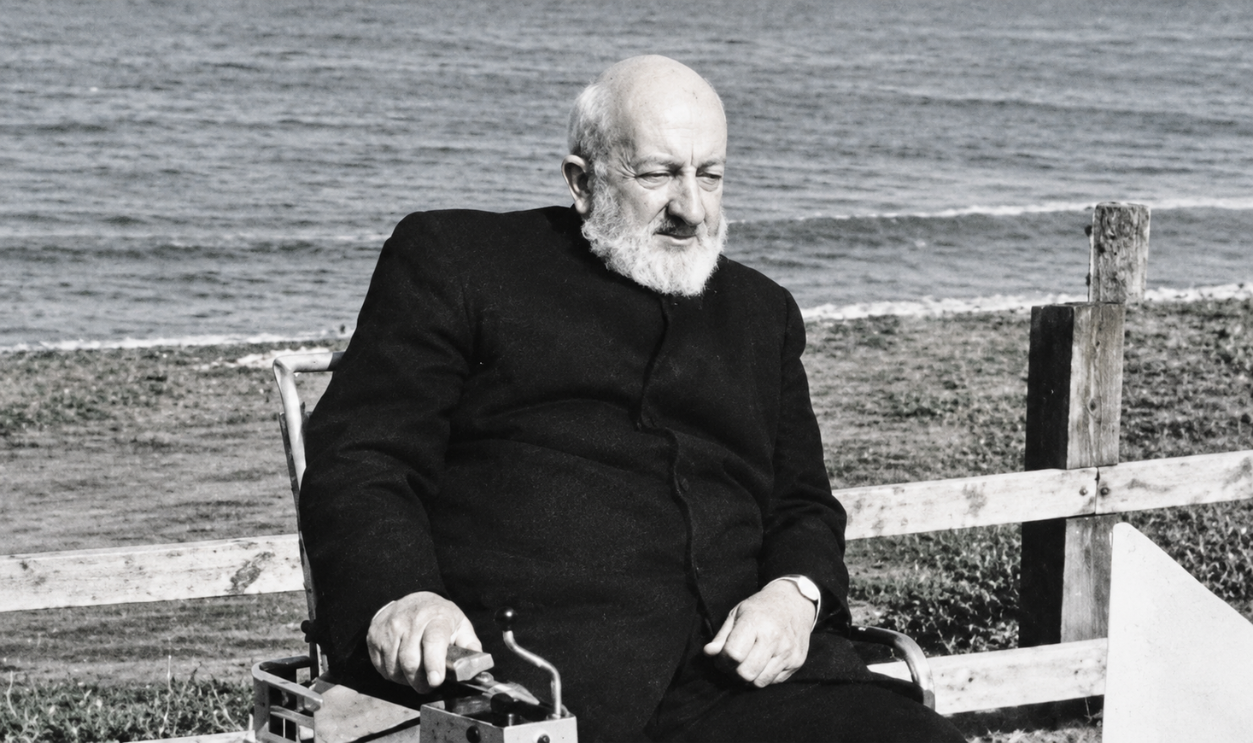
Experts noticed major problems with Rampa’s account, prompting an investigation into his background. He was identified as Cyril Hoskin, an Englishman from Devon who had never visited Tibet. Hoskin responded by claiming a Tibetan lama’s spirit had taken over his body.
 Thomas Michie, Wikimedia Commons, Modified
Ferdinand Demara Became Anyone
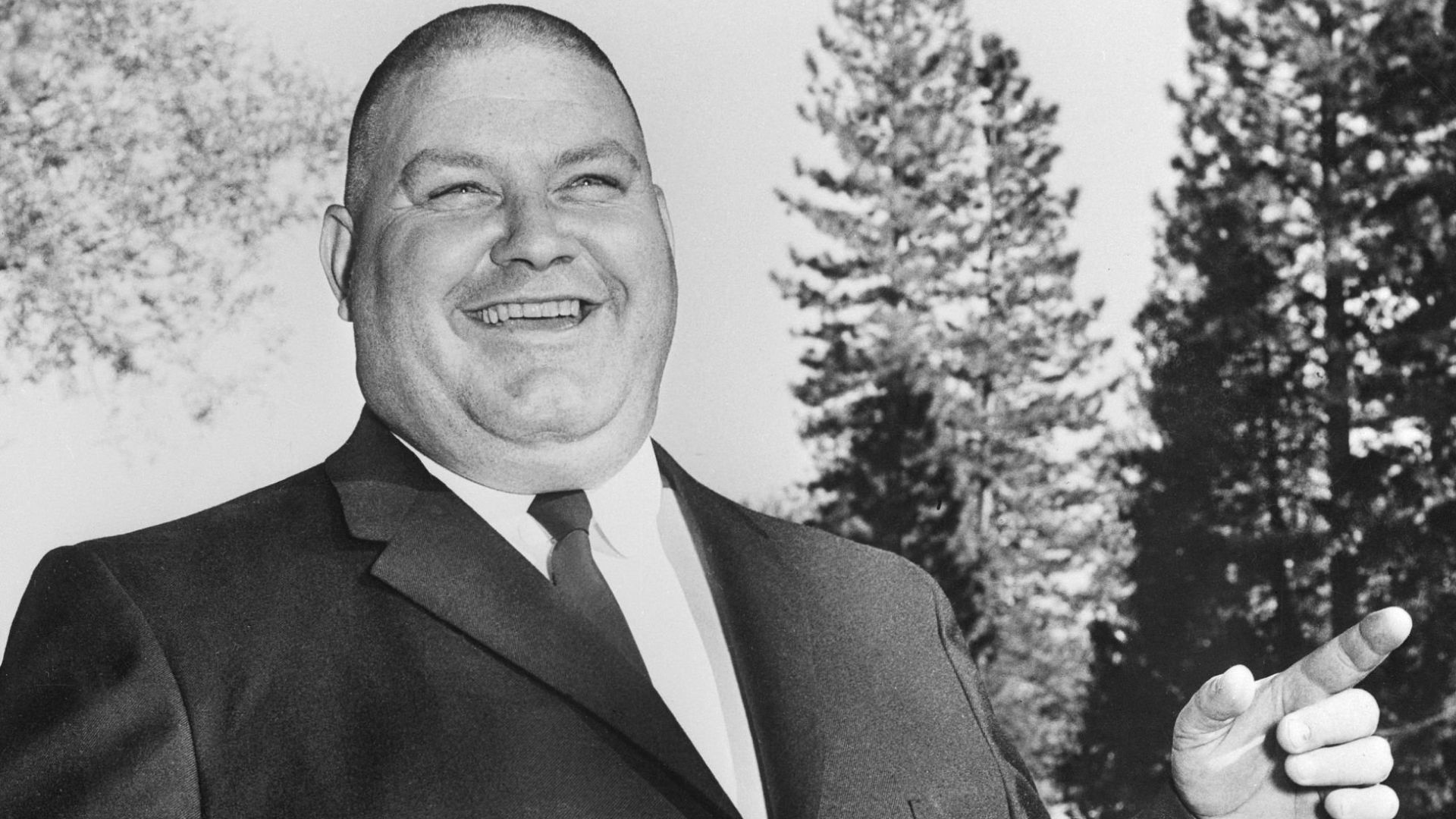
Ferdinand Demara spent years assuming professional identities he had no qualifications to hold. His most astonishing role came when he joined the Royal Canadian Navy using a doctor’s identity. He served aboard HMCS Cayuga during the Korean War.
 Unknown author, Wikimedia Commons
History's most fascinating stories and darkest secrets, delivered to your inbox daily.
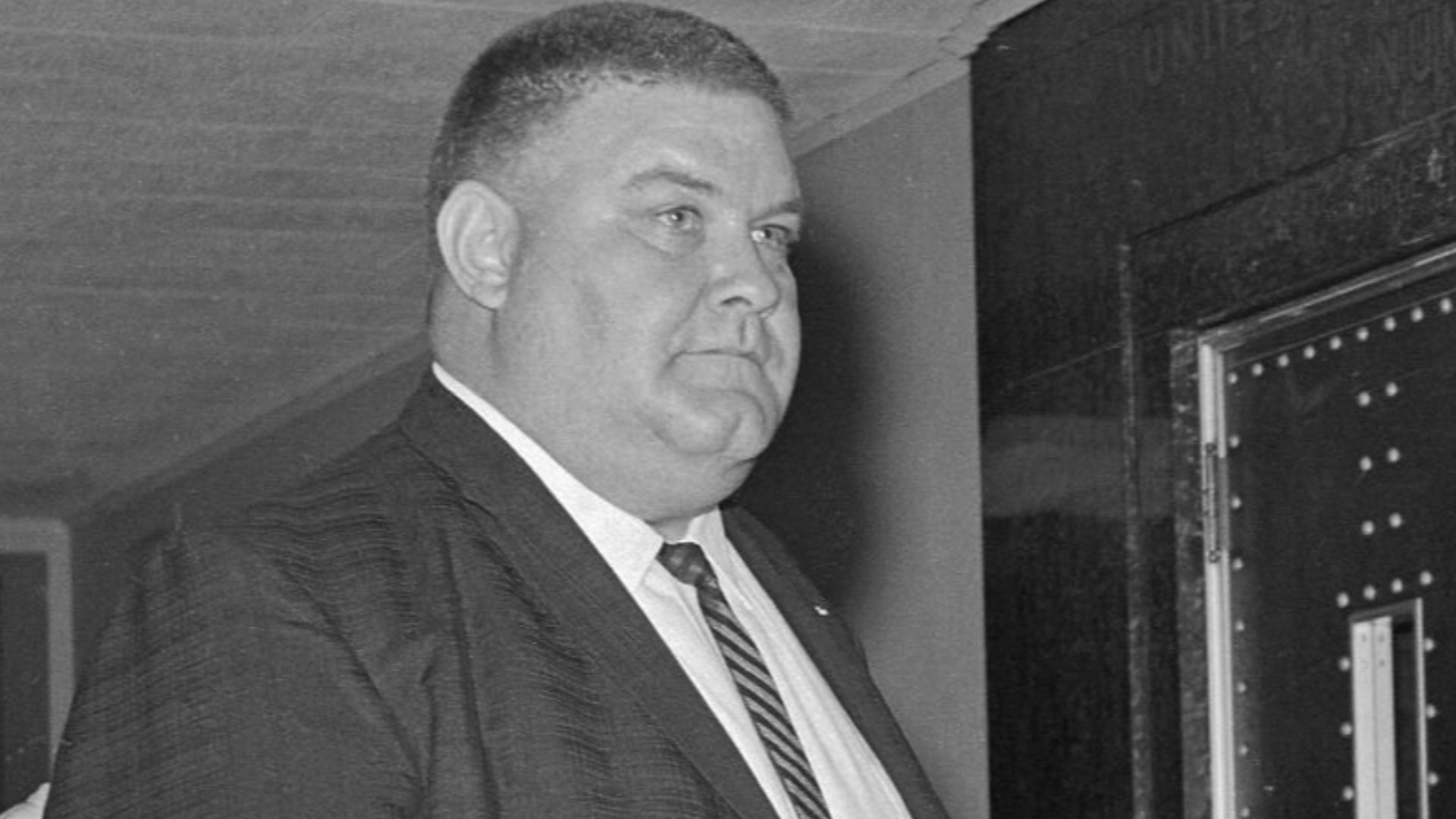
The Fake Doctor Actually Operated
Despite having no medical degree, Demara treated patients and performed surgical procedures aboard ship. Press coverage eventually alerted the real doctor whose identity he had stolen. Canadian authorities uncovered the deception and removed Demara from the Navy.
 Unknown author, Wikimedia Commons
J. Edgar Hoover Built The FBI Image
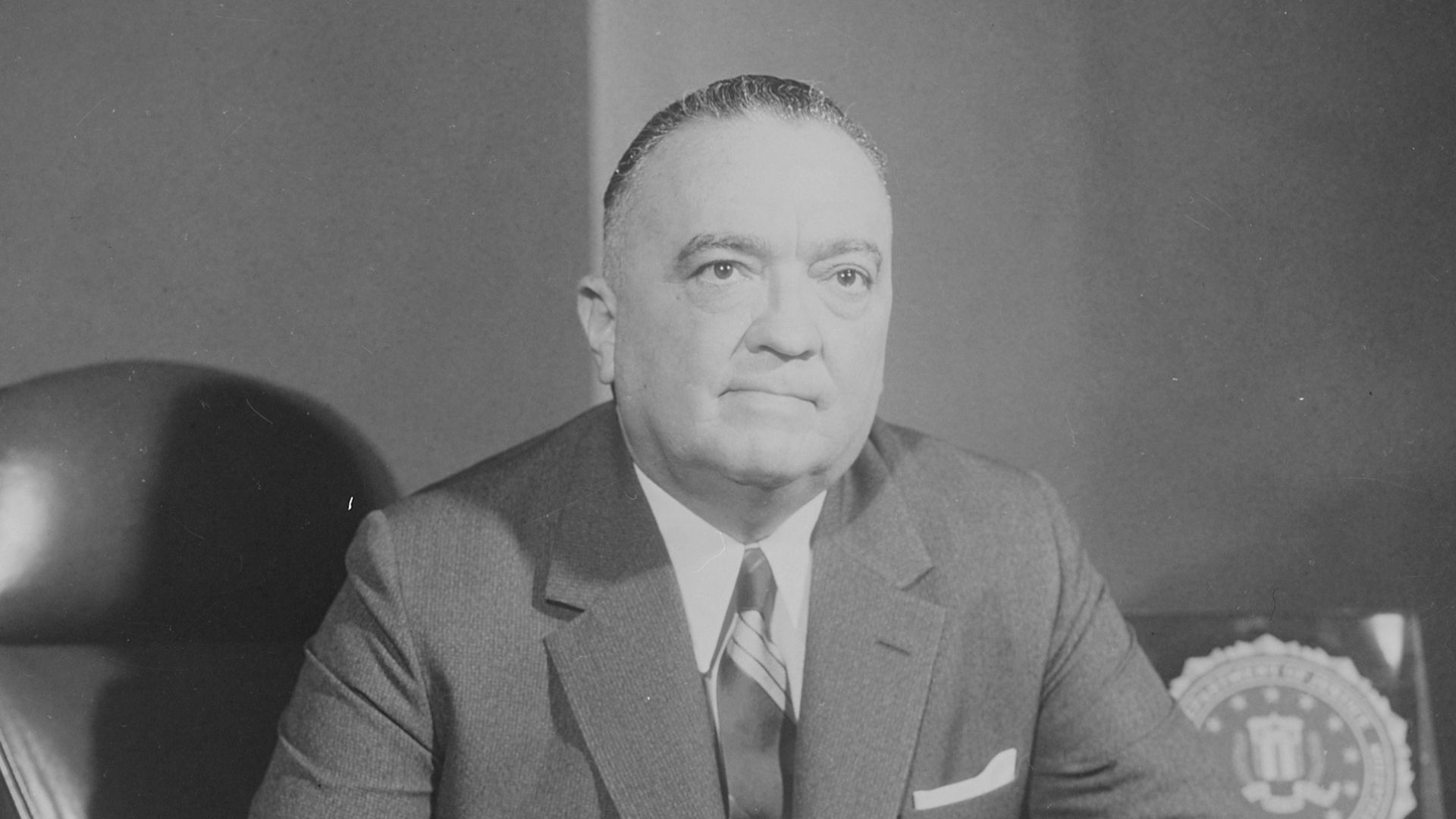
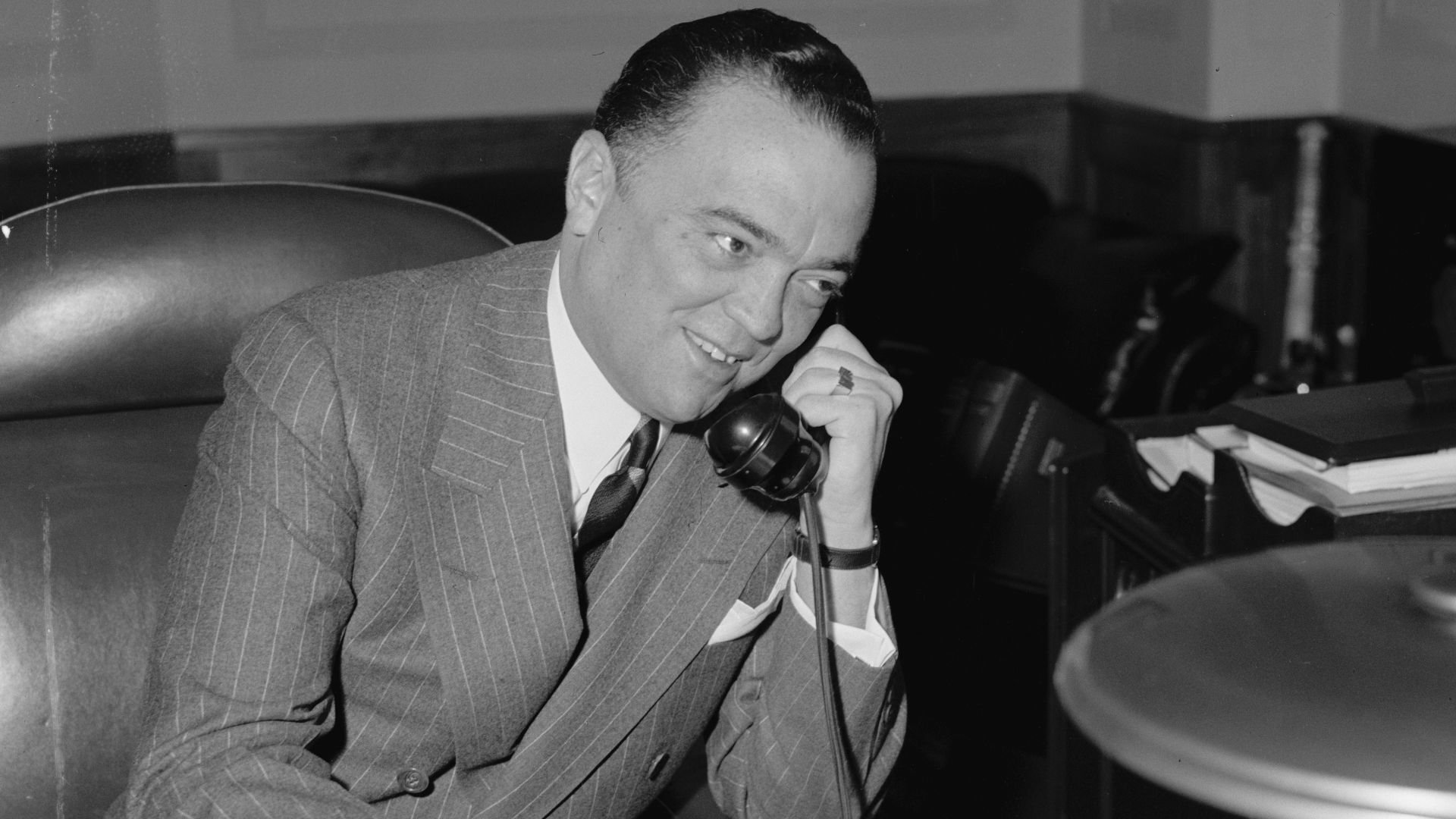
J. Edgar Hoover led the FBI for nearly half a century. Under him, the Bureau promoted professionalism, scientific crime detection, and dramatic campaigns against gangsters. Hoover carefully cultivated an image of an efficient and politically neutral law-enforcement agency.
 Unknown author or not provided, Wikimedia Commons
Secret Files Told Another Story
That image weakened when secret FBI activities became public. COINTELPRO had infiltrated organizations, spread discord, and worked to discredit targeted individuals and groups. The FBI later acknowledged that some tactics went too far and violated constitutional protections.
Frank Abagnale Sold The Perfect Con Story
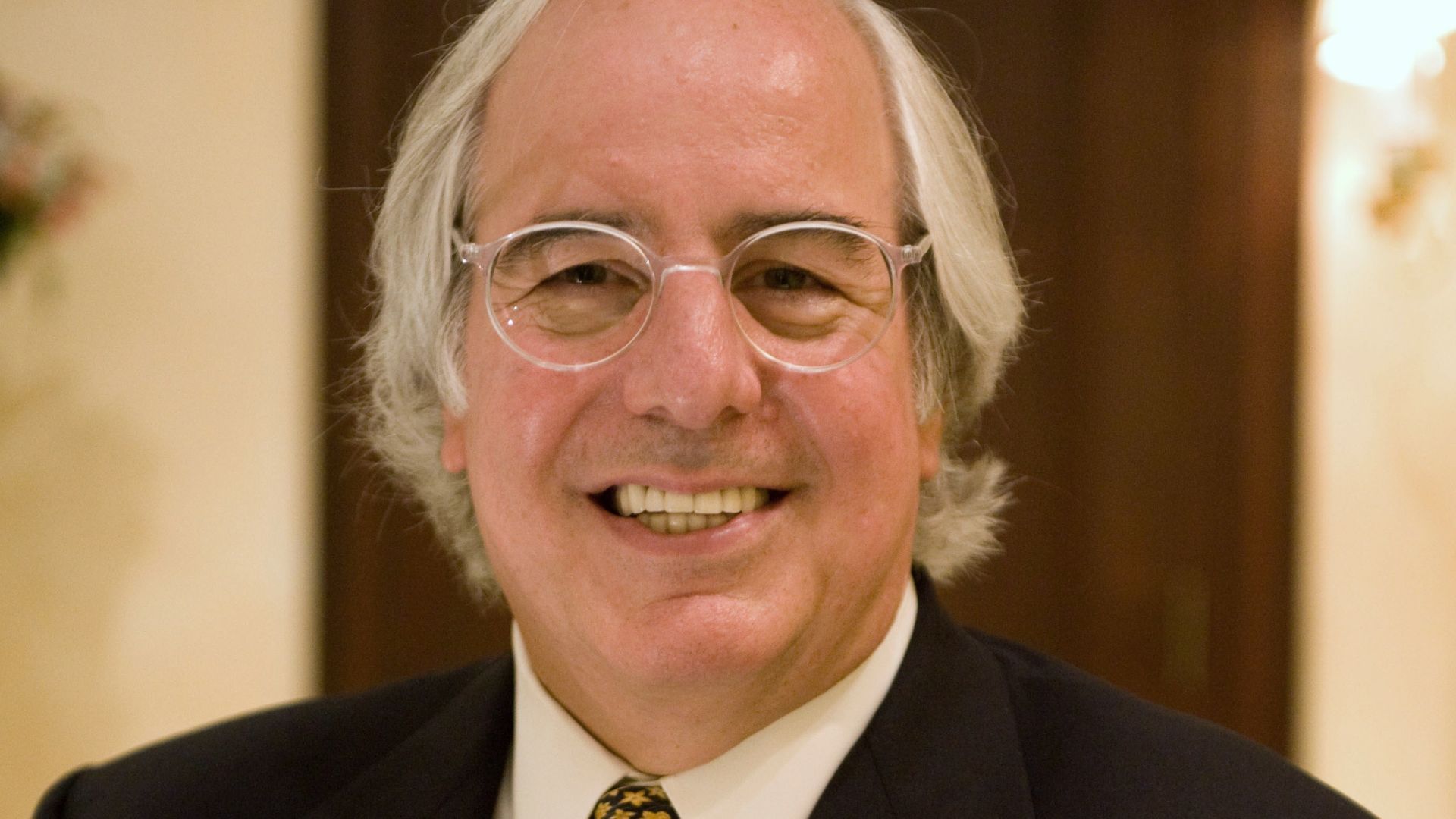
Frank Abagnale became famous for claiming he impersonated pilots, doctors, lawyers, and professors while still very young. His memoir Catch Me If You Can turned those exploits into an irresistible criminal redemption story. A successful Hollywood film made the legend even bigger.
 Abagnale & Associates (Work for Hire), Wikimedia Commons
Public Records Challenged The Legend
Later investigations uncovered records contradicting several of Abagnale’s best-known claims. Documents indicate he spent significant portions of the supposed globe-trotting period in prison. Abagnale continues to defend his broader story, but much of his famous biography is now seriously disputed.
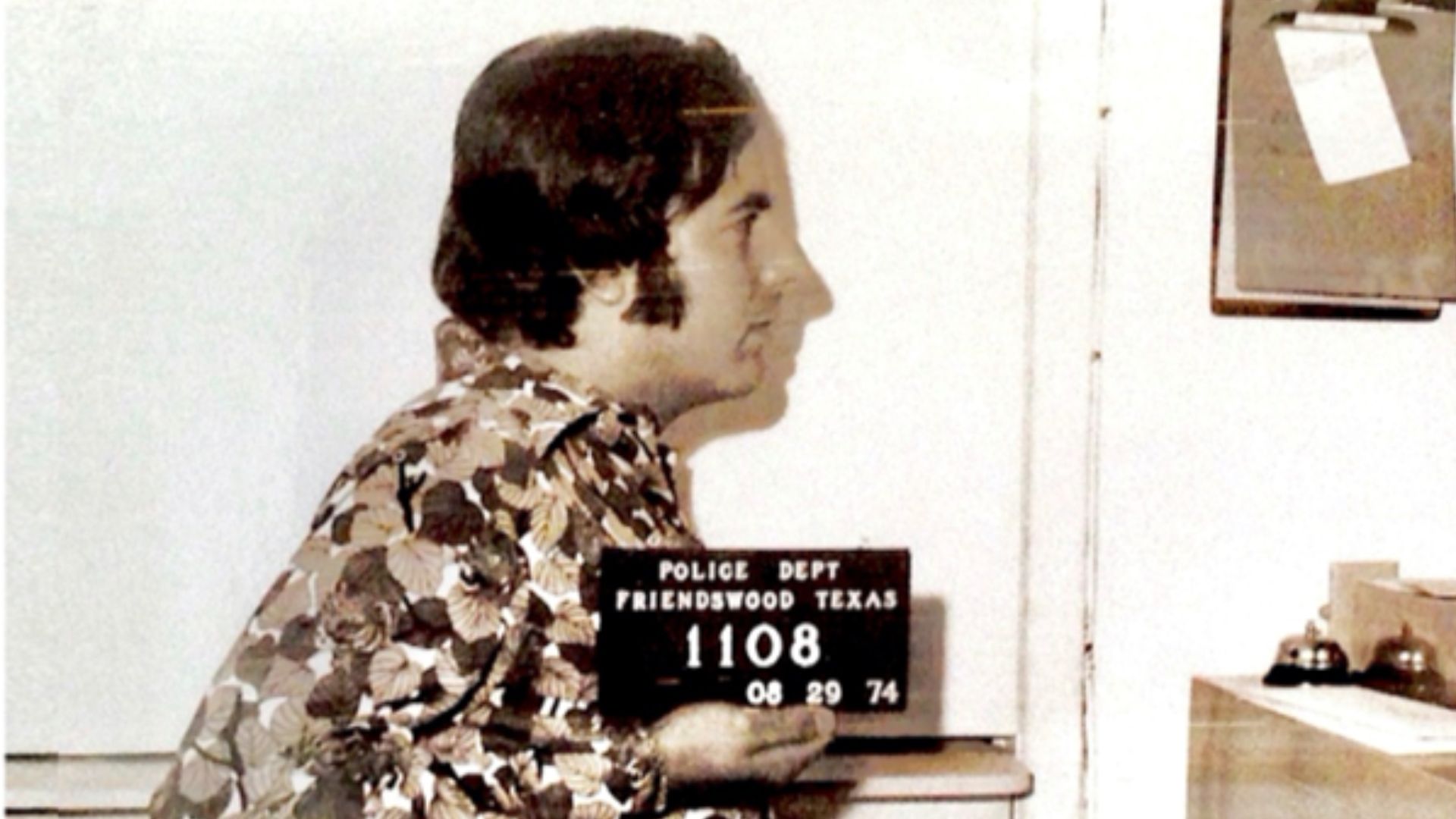 Friendswood Police Department, Wikimedia Commons
A Great Story Can Outrun Reality
Not everyone here was an outright fraud. Buffalo Bill really was a frontier scout, Edmonds really served in the Civil War, and Schliemann really excavated Troy. Their stories show how easily genuine accomplishments can become wrapped in legends that eventually grow larger than the evidence.
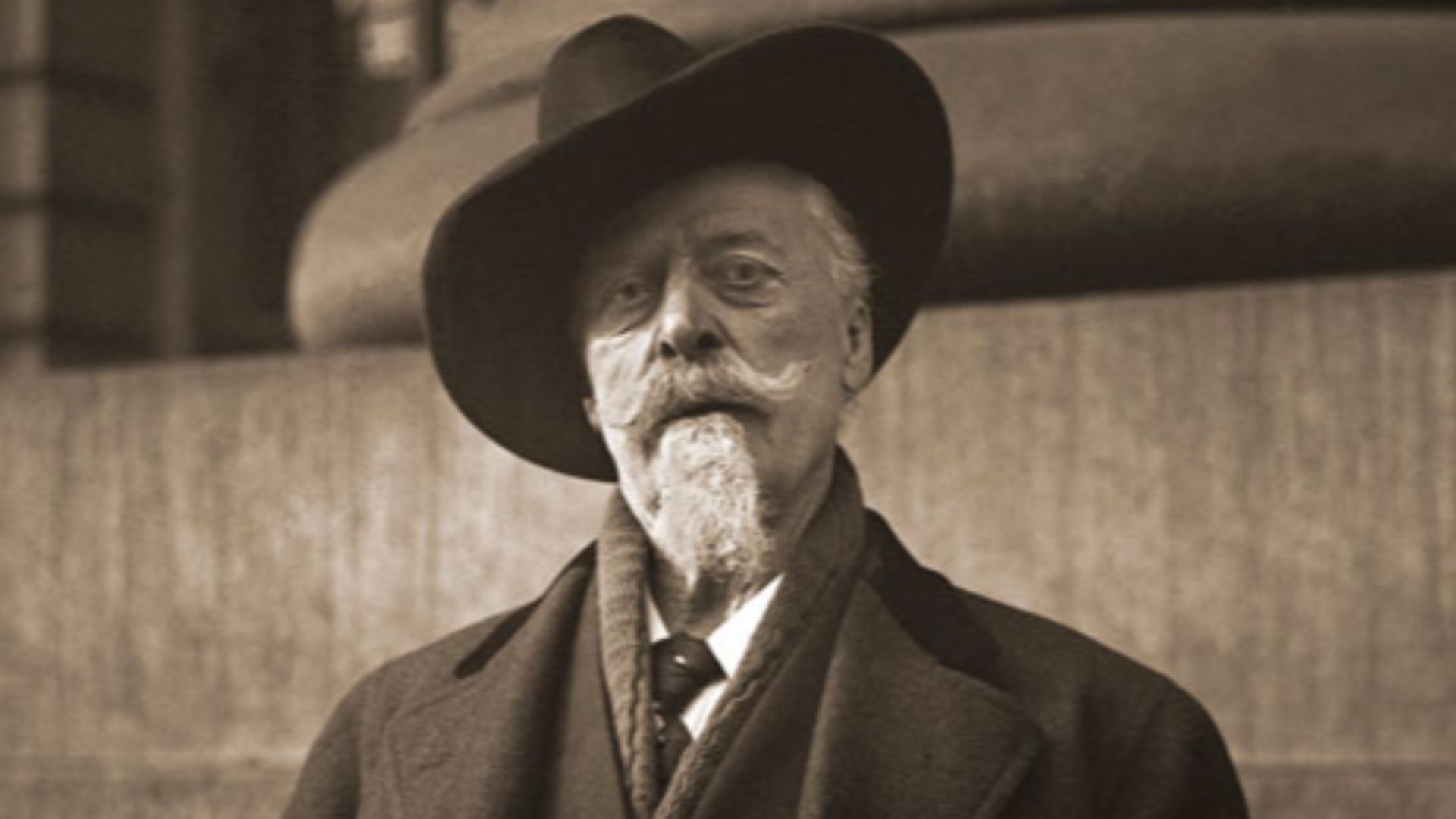 Chicago Tribune, Wikimedia Commons
You May Also Like:
The Real-Life Scandals That Turned Ordinary Names Into Infamous Words
Historical Nicknames That Outlived The People Who Hated Them
Powerful World Leaders Who Took "Holding A Grudge" To Another Level
Sources: 1, 2, 3, 4, 5, 6, 7, 8, 9, 10, 11, 12, 13, 14, 15, 16