
The West Was Built By More Than Legends
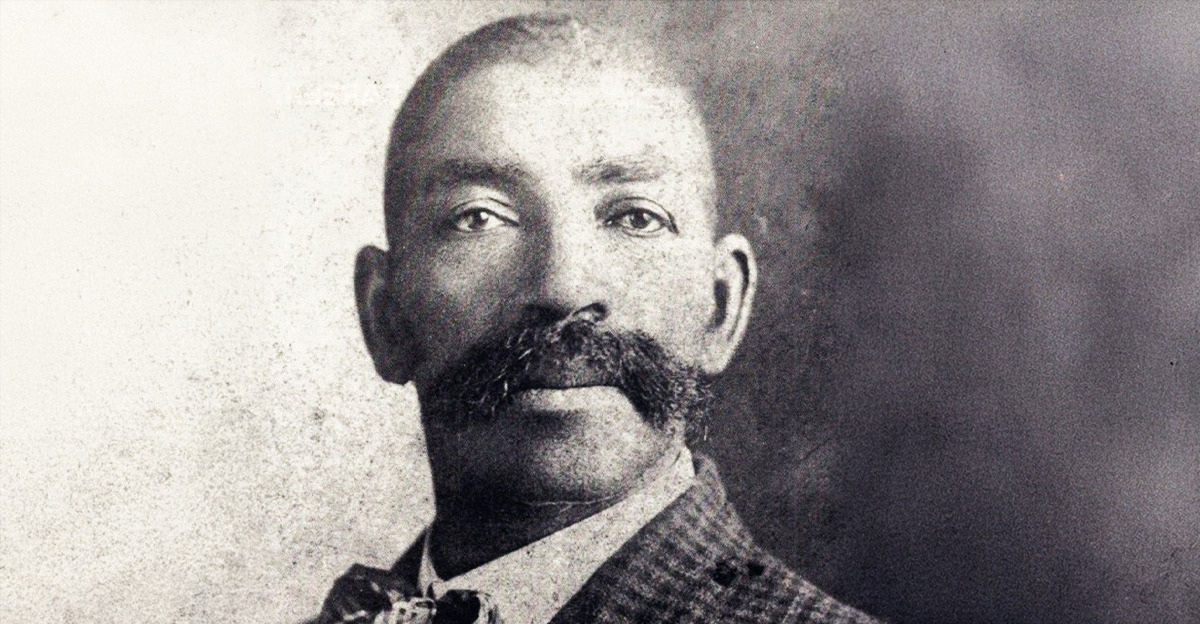
When people think of the American frontier, they picture famous names like Wyatt Earp, Wild Bill Hickok, Buffalo Bill, and Billy the Kid. Yet countless lesser-known men and women had an even greater influence on western history. Through courage, innovation, diplomacy, exploration, or sheer determination, these overlooked figures quietly helped shape the American West we know today. (above: US Deputy Marshal Bass Reeves)
Narcissa Whitman
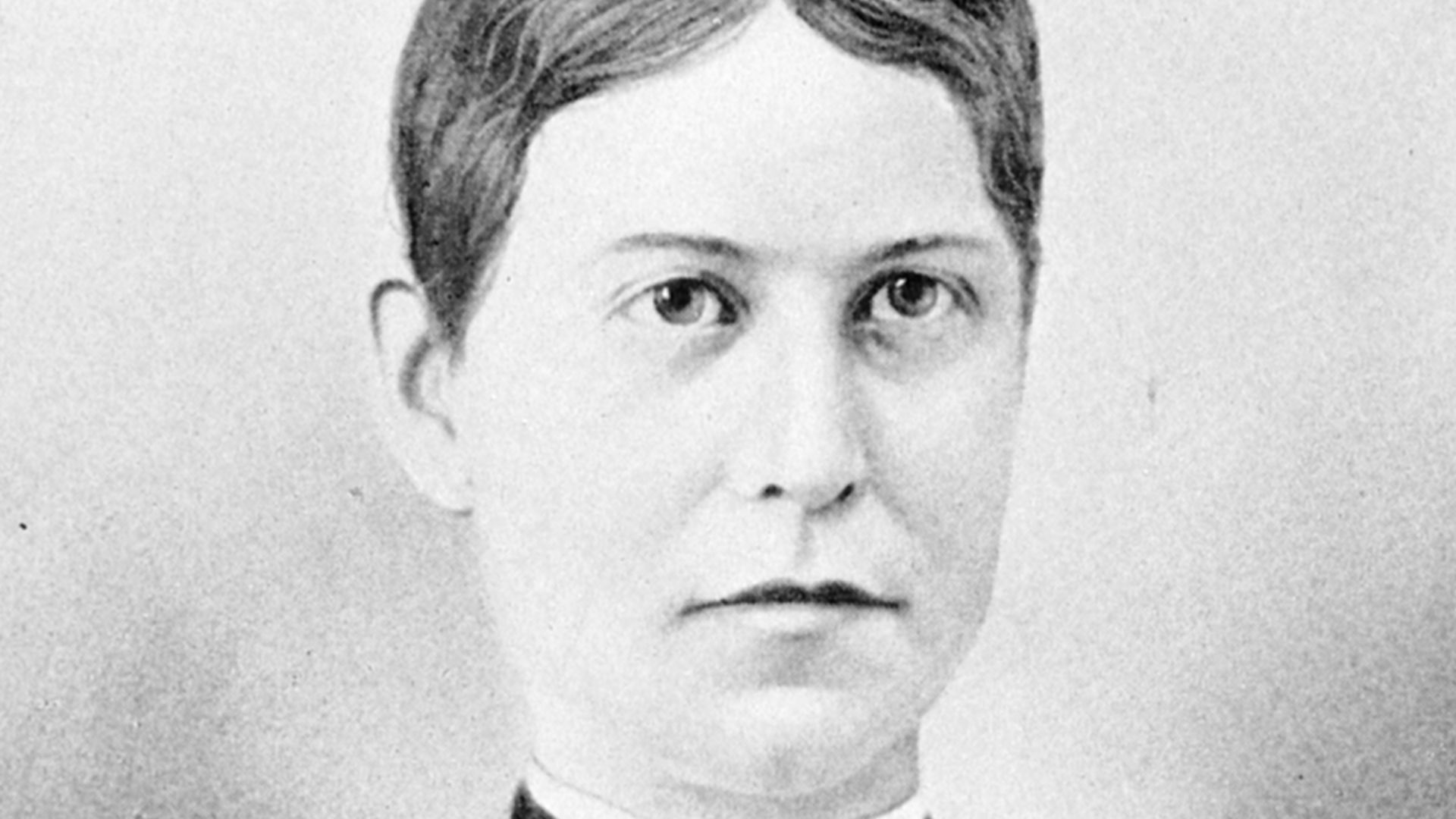
Narcissa Whitman became one of the first white women to cross the Rocky Mountains by wagon in 1836. Her journey encouraged thousands of families to believe the Oregon Trail was suitable for permanent settlement, helping fuel the great migration westward that permanently altered the Pacific Northwest.
 Unknown authorUnknown author, Wikimedia Commons
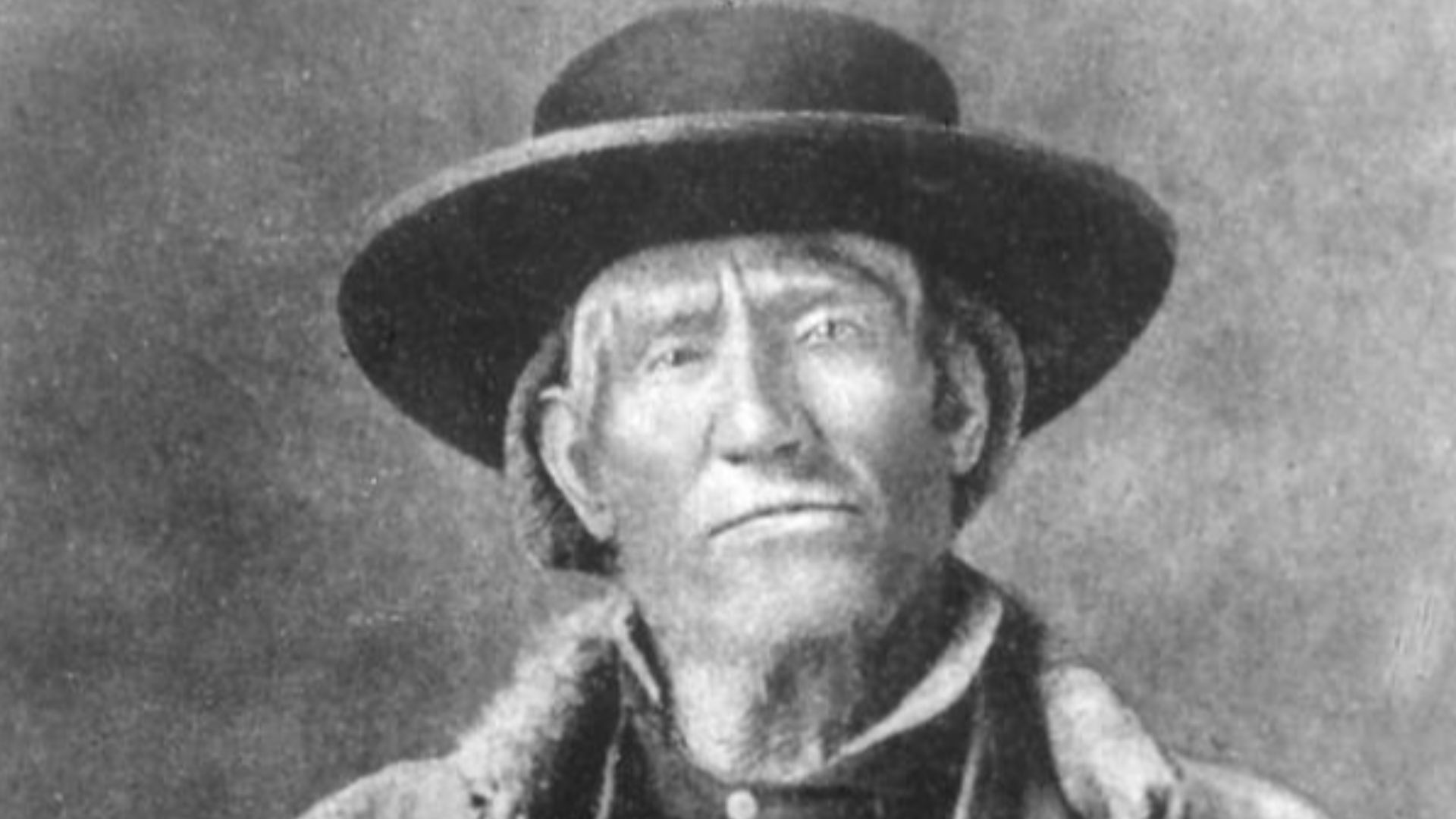
Jim Bridger
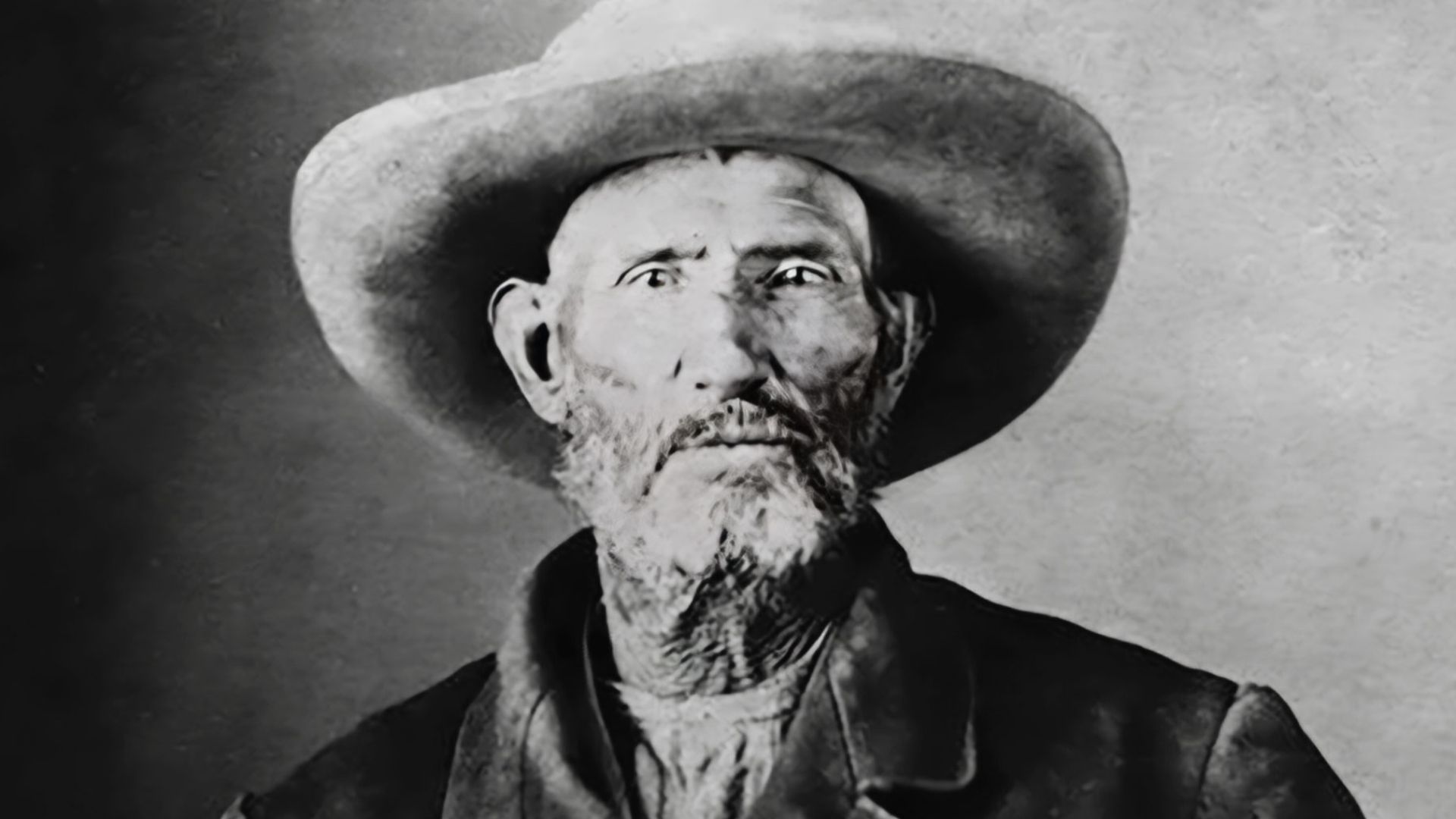
Although mountain men were once famous, Jim Bridger's achievements deserve far greater recognition today. His unmatched knowledge of western geography guided emigrants, military expeditions, and railroad surveyors for decades, making him one of the frontier's most influential pathfinders long after the fur trade declined.
 Unknown authorUnknown author, Wikimedia Commons
John Colter
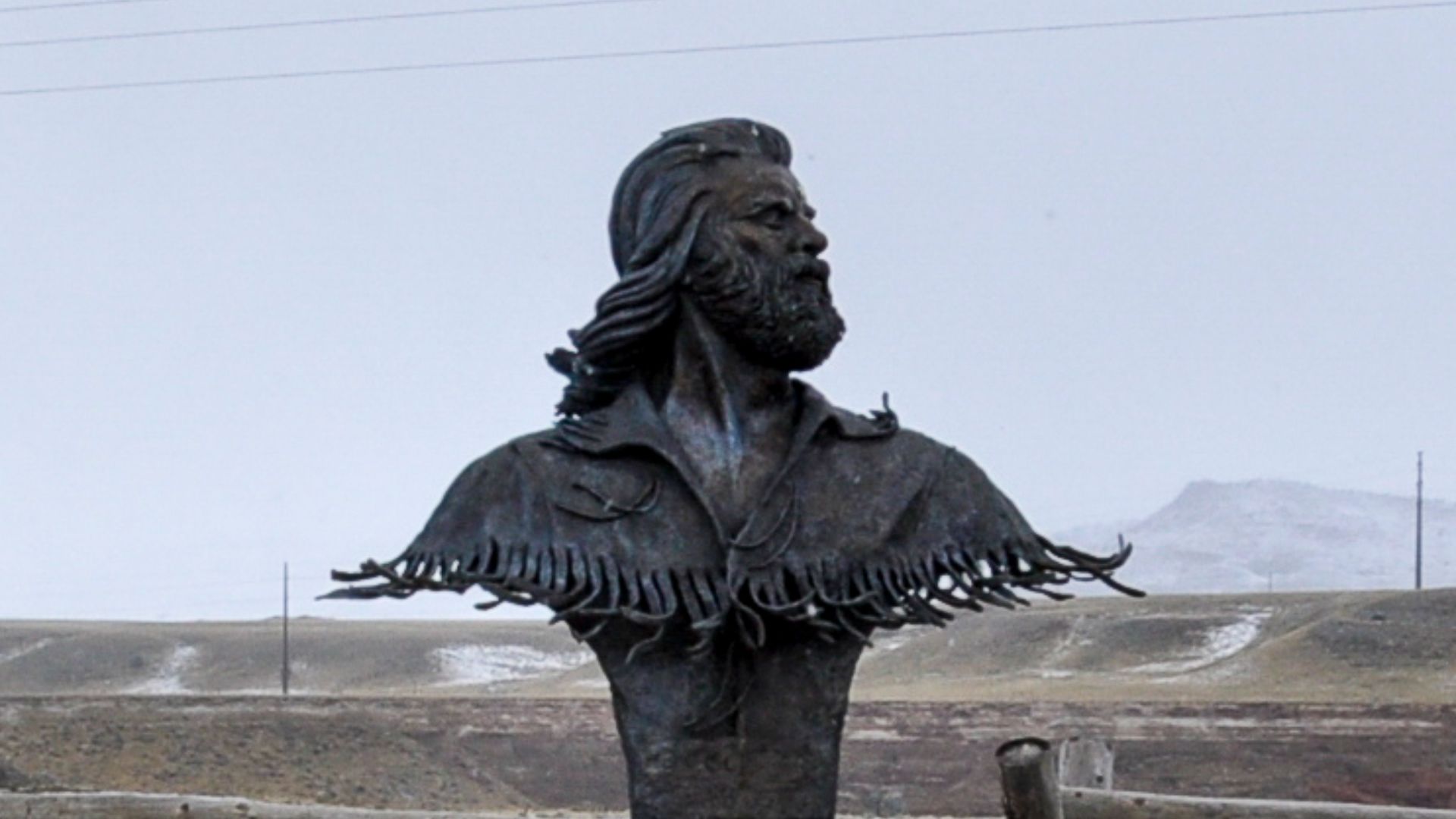
After accompanying the Lewis and Clark Expedition, John Colter ventured alone into the northern Rockies. He became the first known European American to describe the geysers and hot springs of what is now Yellowstone, though many dismissed his astonishing stories as fantasy for years.
 Paul Hermans, Wikimedia Commons
Thomas Fitzpatrick
Known as the "Broken Hand" mountain man, Thomas Fitzpatrick spent decades exploring the Rockies before becoming a respected Indian agent. His efforts to negotiate peaceful relations between Native nations and the United States often prevented conflicts, even as tensions steadily increased across the frontier.
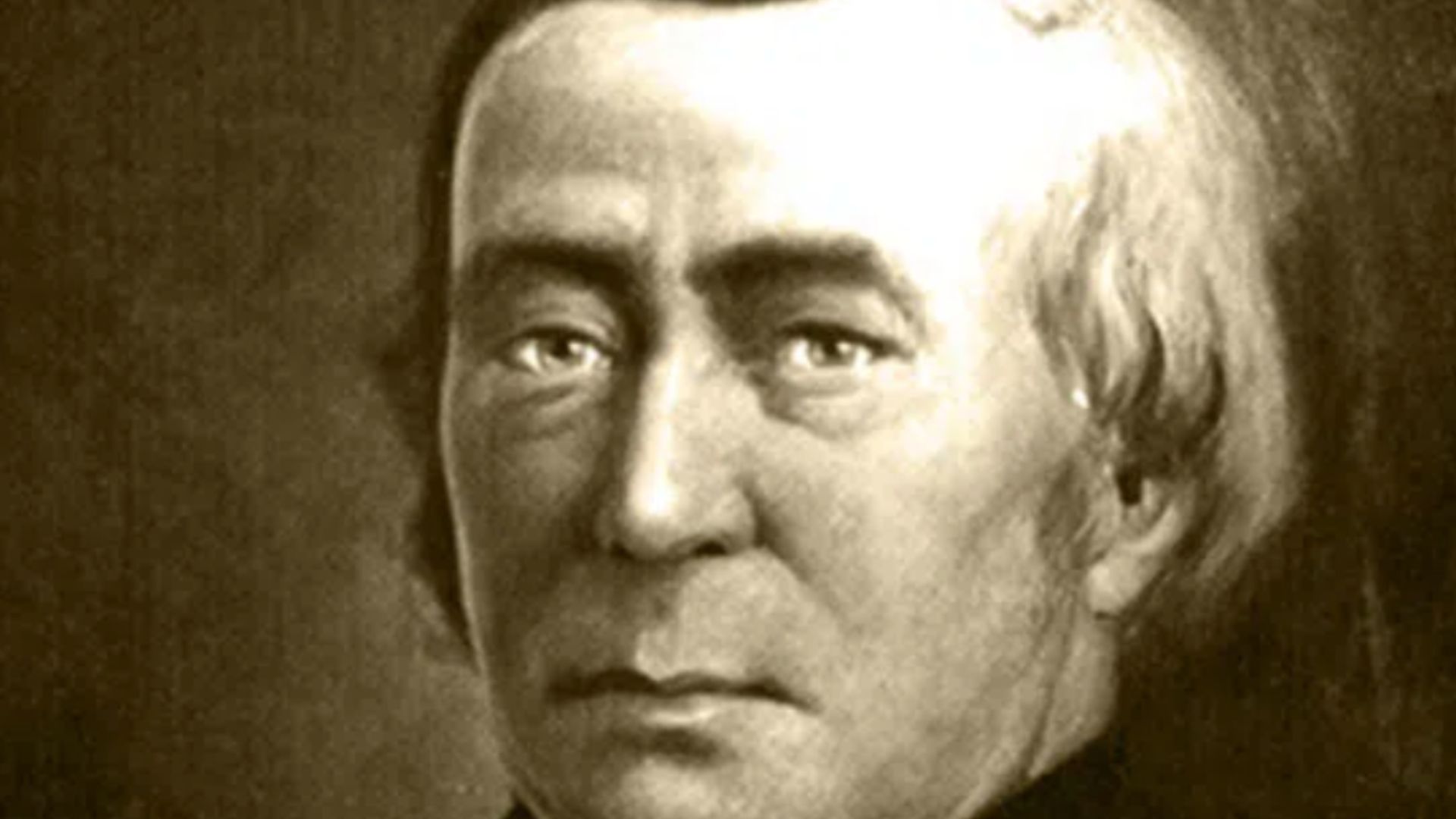 Unknown authorUnknown author, Wikimedia Commons
Sarah Winnemucca
Born into the Northern Paiute Nation, Sarah Winnemucca became one of the nineteenth century's most eloquent Native American advocates. She served as an interpreter, educator, lecturer, and author, tirelessly explaining Native perspectives to eastern audiences while campaigning for fair treatment and educational opportunities.
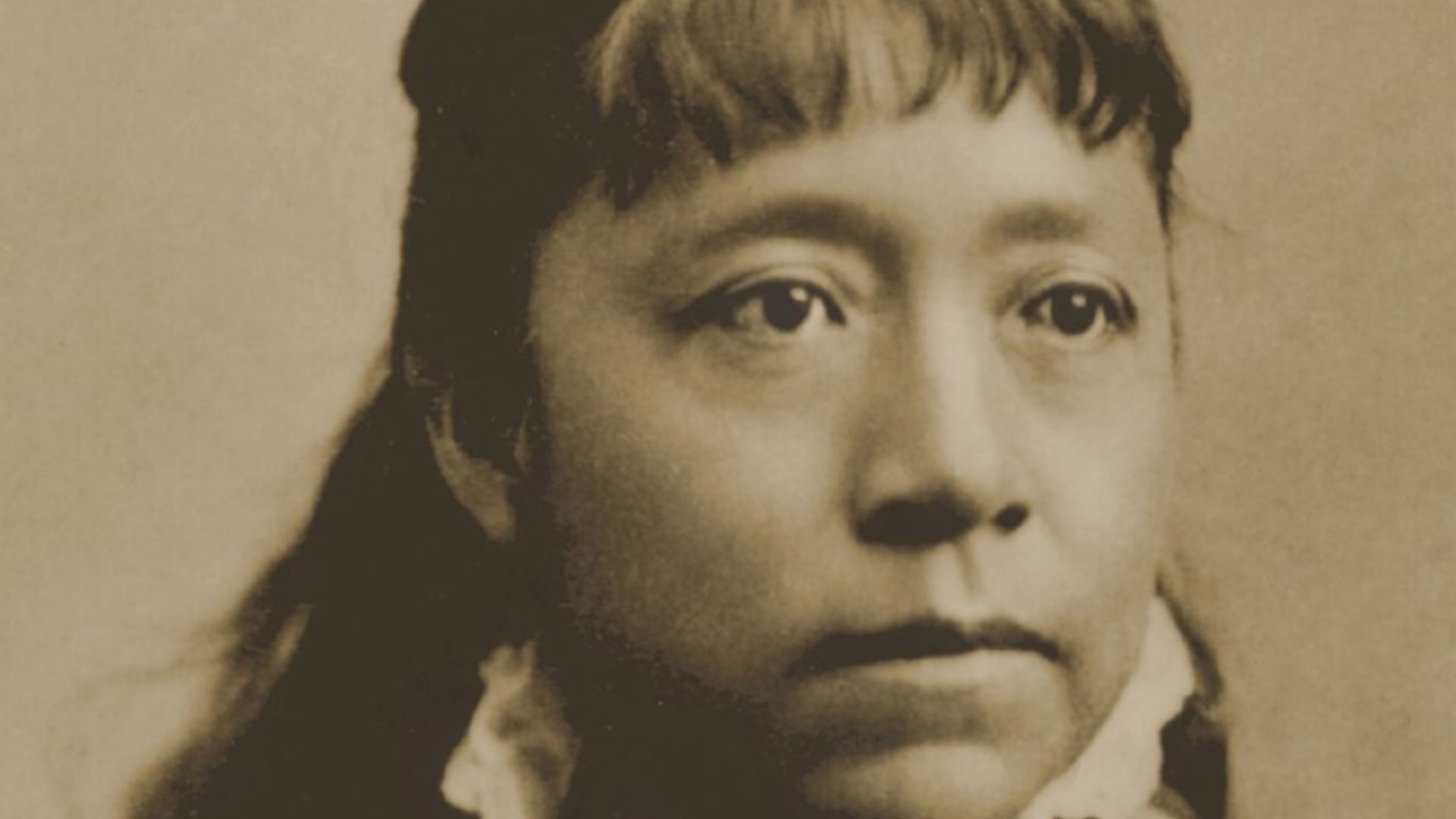 Unknown authorUnknown author, Wikimedia Commons
Seth Kinman
Hunter, trapper, guide, and entertainer Seth Kinman became famous for crafting elaborate furniture from elk antlers and presenting unusual gifts to U.S. presidents. His exploits reflected the frontier's blend of rugged survival, entrepreneurship, and self-promotion during California's early statehood.
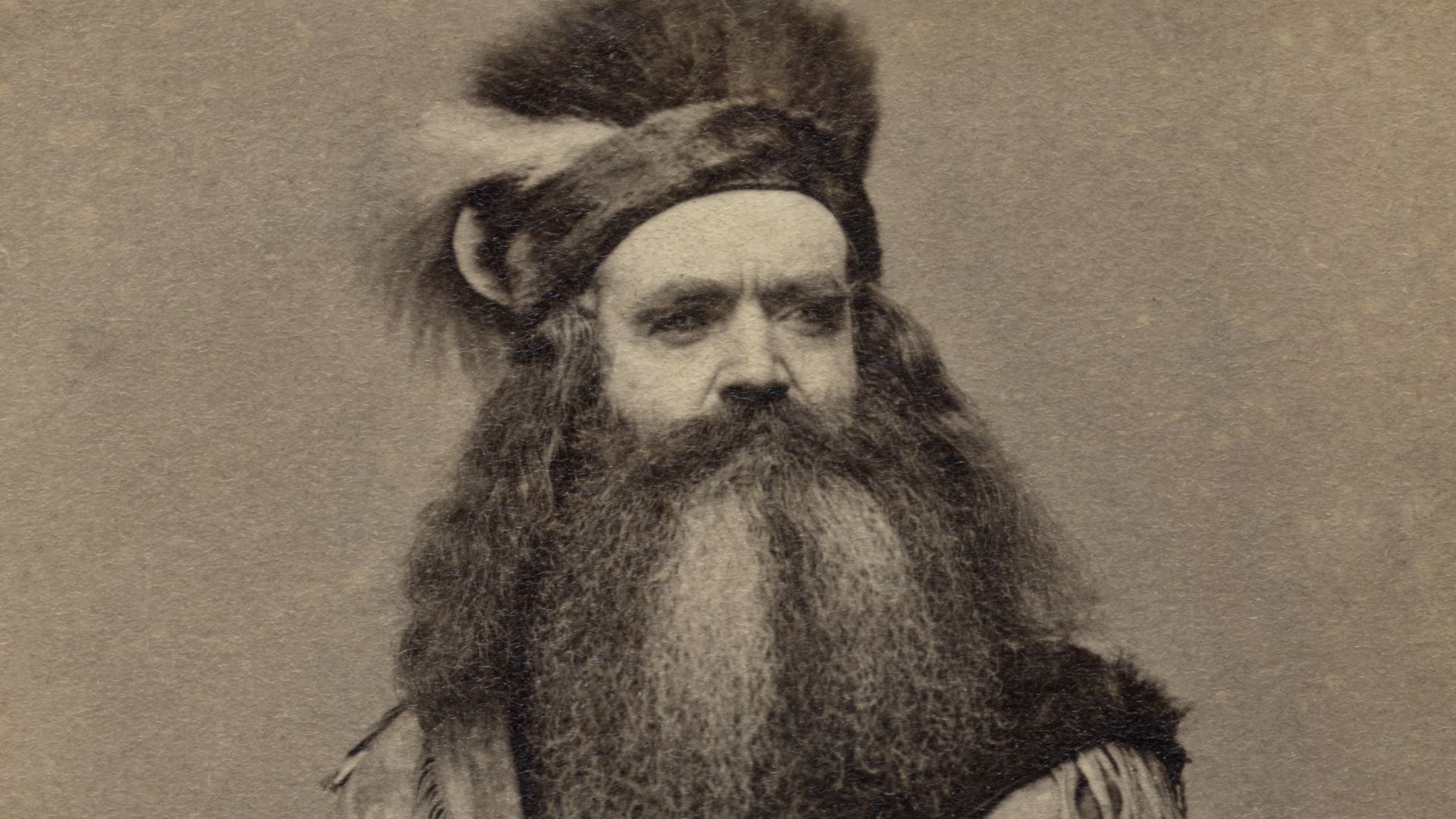 Mathew Benjamin Brady, Wikimedia Commons
William Bent
William Bent established Bent's Fort along the Santa Fe Trail, creating one of the frontier's most important trading posts. By maintaining close relationships with Native tribes, Mexican traders, and American settlers alike, he transformed the fort into a diplomatic and commercial crossroads of the Southwest.
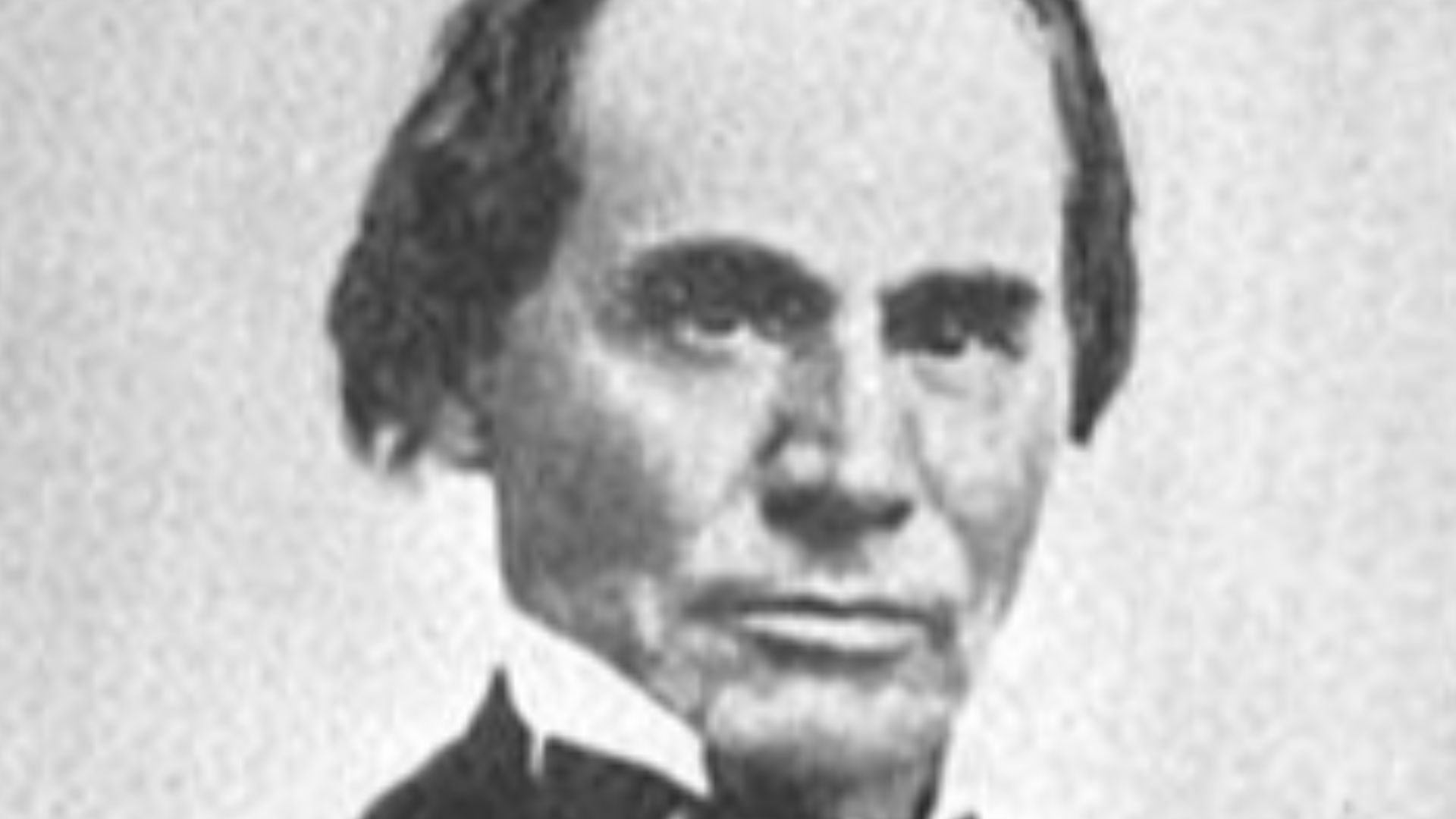
Josefa Jaramillo Carson
Although often overshadowed by her famous husband Kit Carson, Josefa Jaramillo Carson played an essential role in helping him navigate the cultural complexities of New Mexico. Her deep roots in the region connected Carson to influential Hispanic families during a transformative period in southwestern history.
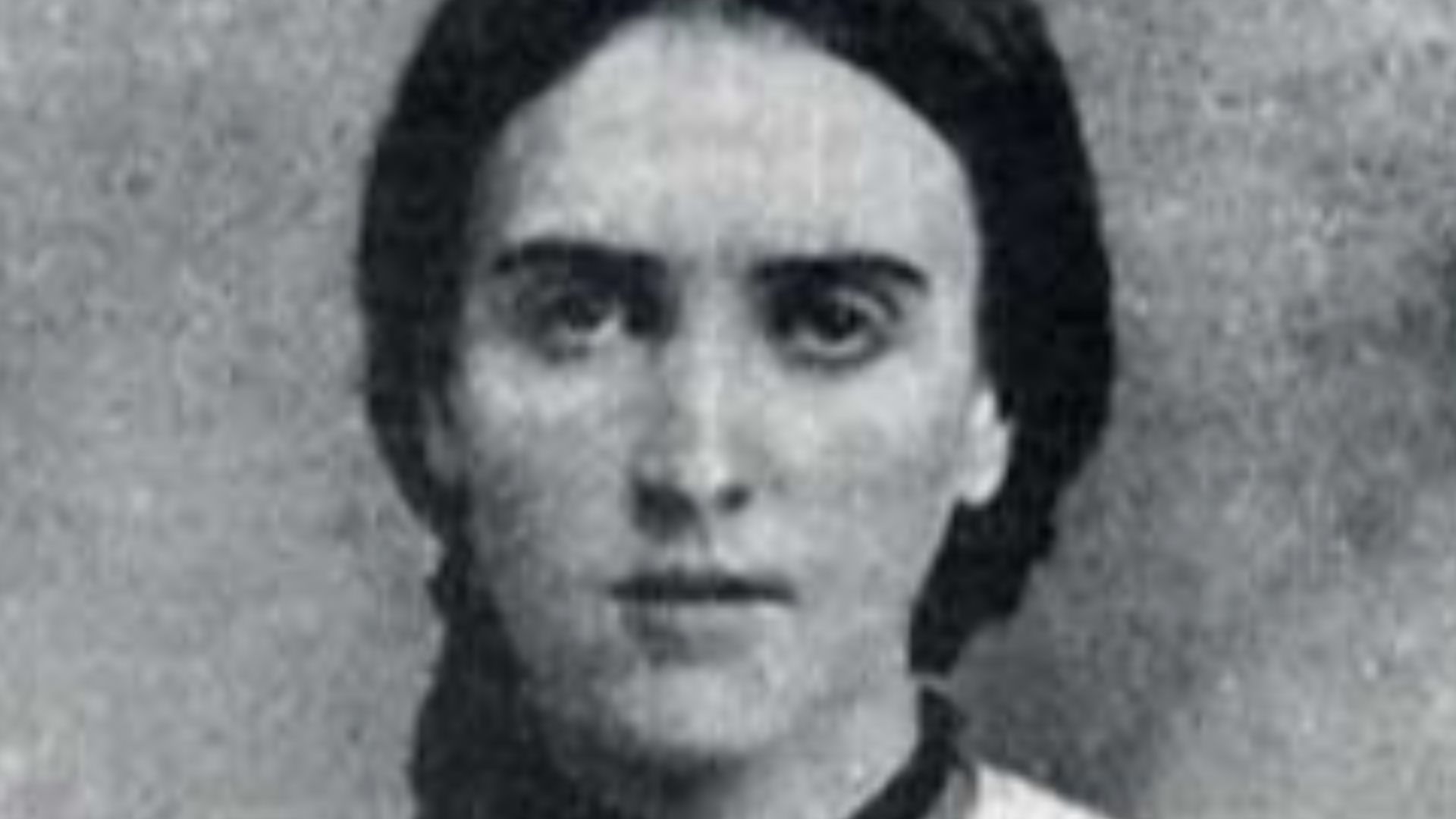 Unknown 19th century photographers, Wikimedia Commons

History's most fascinating stories and darkest secrets, delivered to your inbox daily.
James Beckwourth
Born into slavery, James Beckwourth escaped to become one of the West's greatest mountain men. He explored vast regions of the Rockies, lived among the Crow Nation, and discovered Beckwourth Pass, a route that later carried thousands of emigrants safely into California.
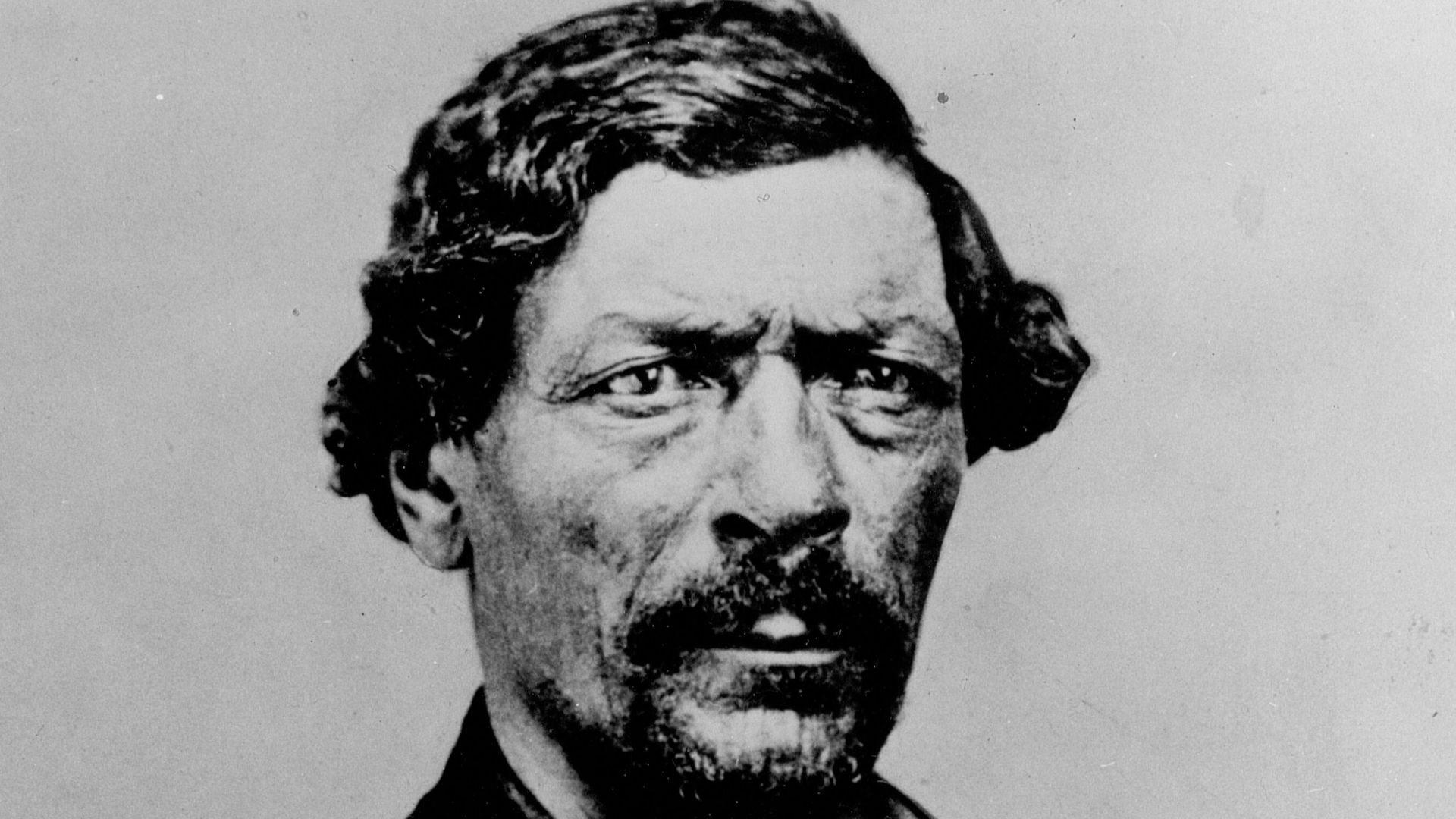 Unknown authorUnknown author, Wikimedia Commons
Mary Fields
Known as "Stagecoach Mary," Mary Fields became one of the first Black women employed as a U.S. mail carrier. Delivering mail through Montana's rugged terrain despite discrimination and dangerous weather, she earned widespread respect for her strength, reliability, and determination.
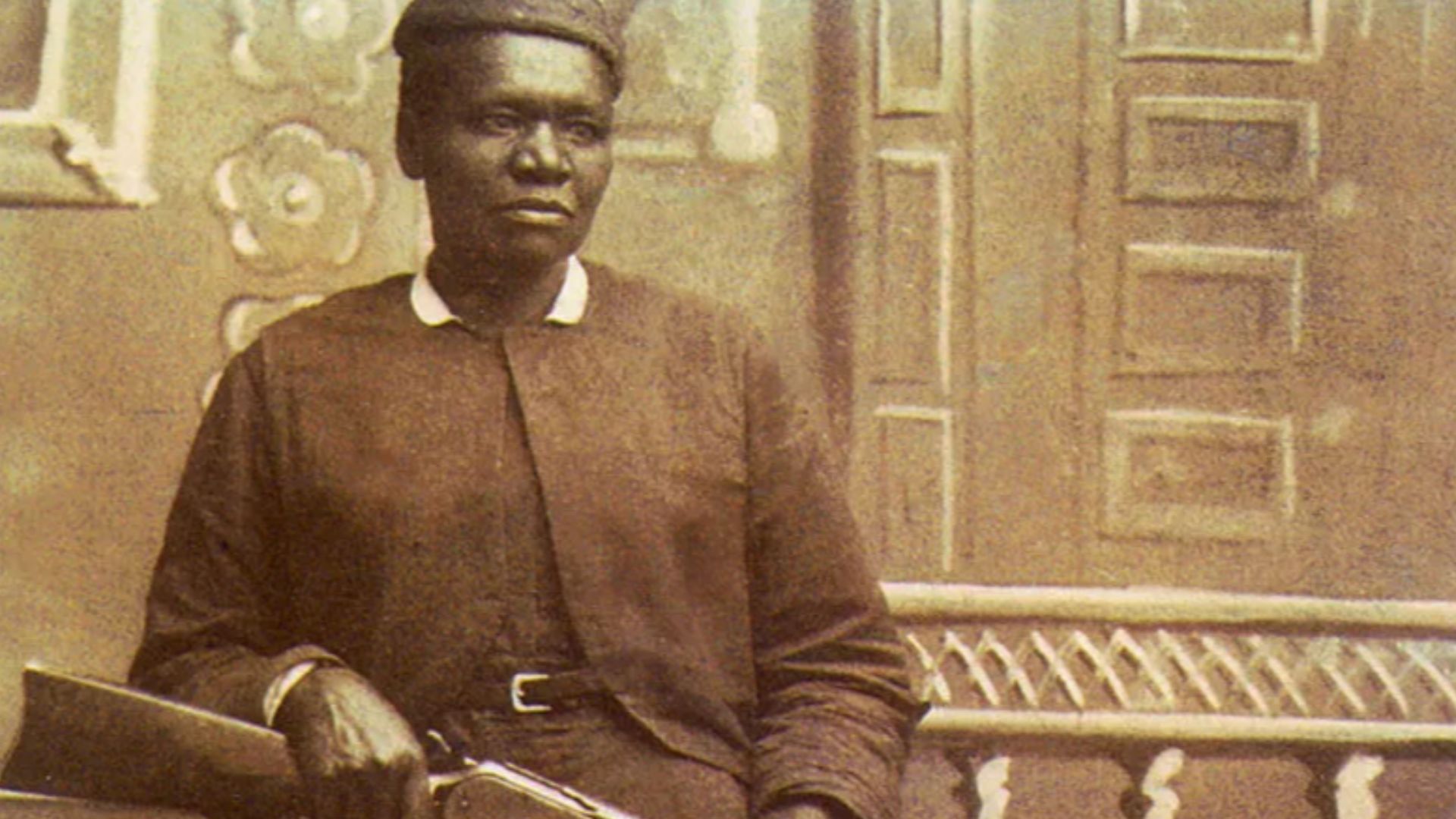 Unknown authorUnknown author, Wikimedia Commons
William Jackson Palmer
Civil War veteran William Jackson Palmer founded Colorado Springs and helped build critical western railroads. His vision encouraged settlement across the Rocky Mountain region while carefully planning communities that balanced economic growth with scenic preservation.
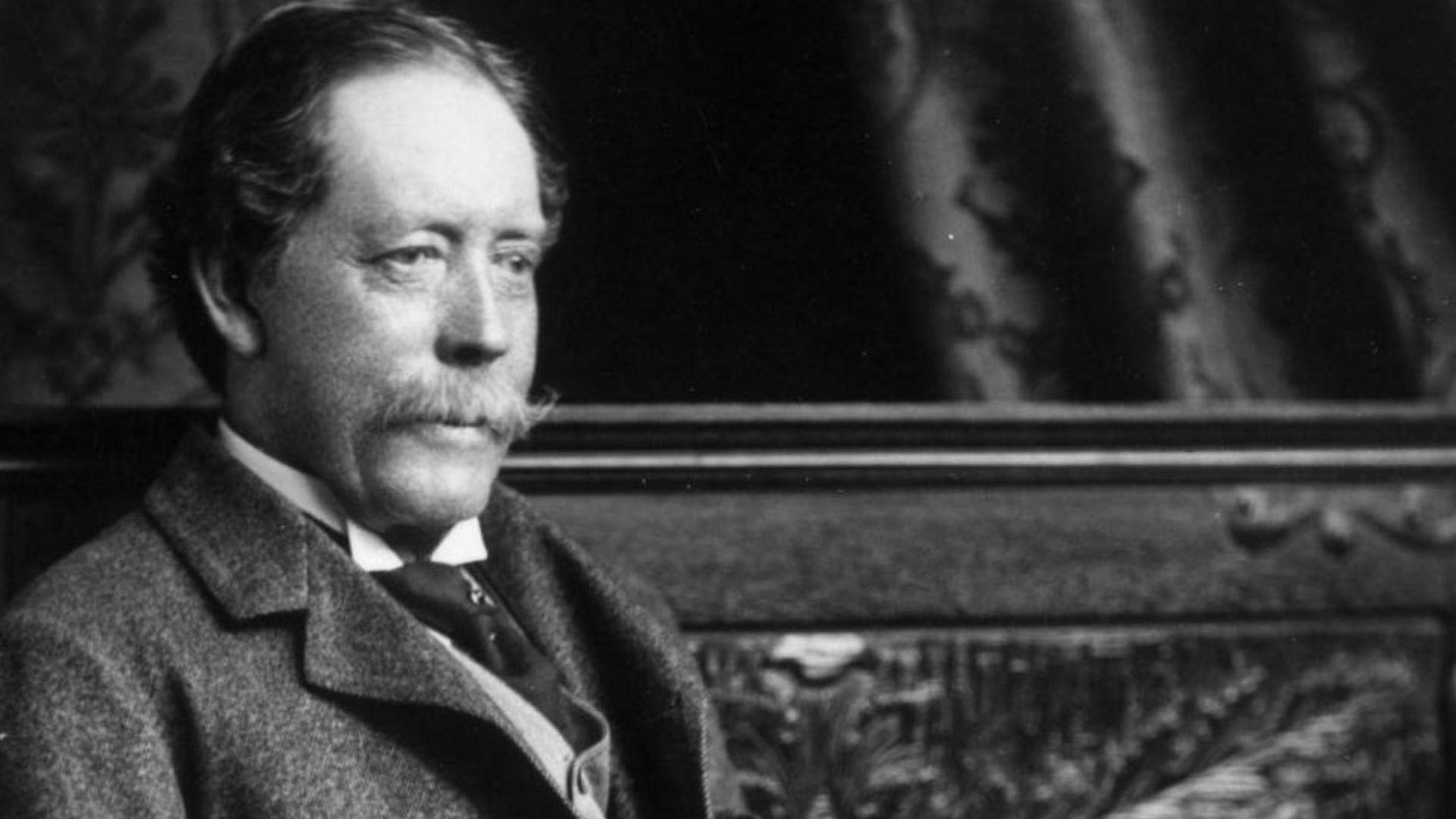 Unknown authorUnknown author, Wikimedia Commons
Tom Smith
Before Wyatt Earp became famous, lawman Tom Smith transformed frontier policing in Abilene, Kansas. Rather than relying on gunfights, Smith preferred using his fists and negotiation to maintain order, proving that diplomacy could sometimes succeed where violence failed.
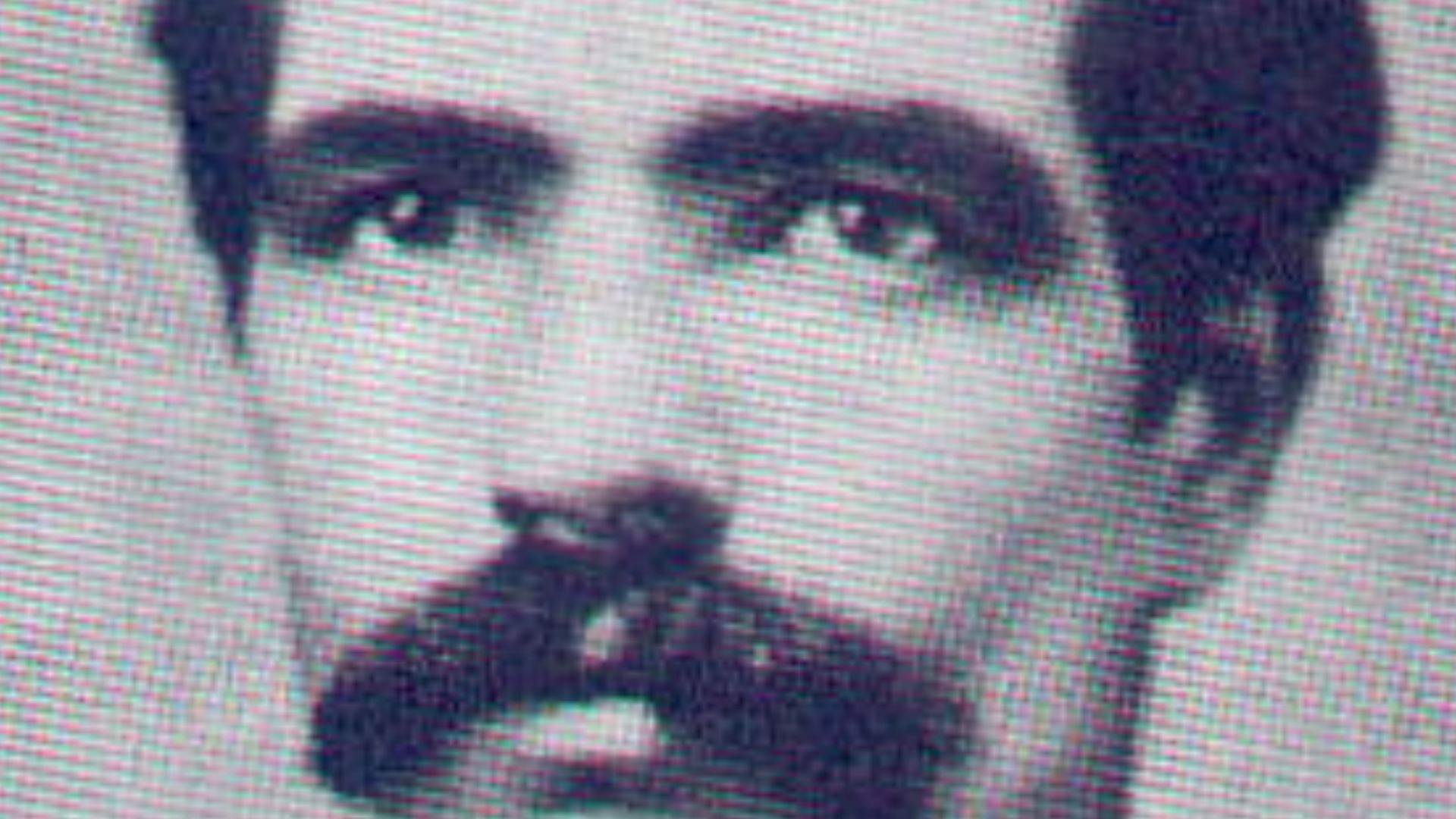 File Upload Bot (Magnus Manske), Wikimedia Commons
Bass Reeves
Born into slavery, Bass Reeves became one of the most accomplished Deputy U.S. Marshals in frontier history. He arrested more than 3,000 fugitives during his remarkable career, earning a reputation for courage, honesty, and extraordinary marksmanship throughout Indian Territory.
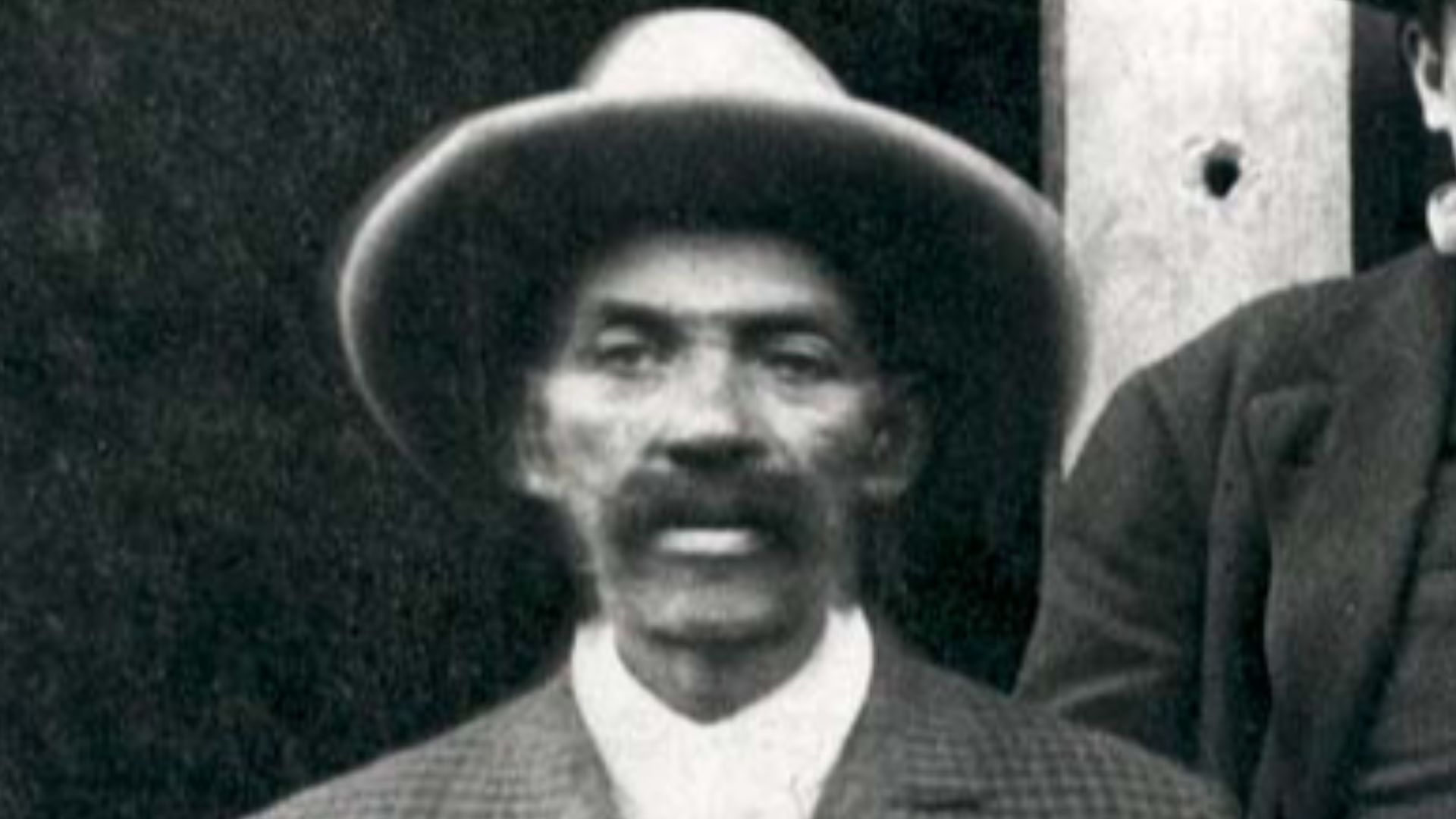 Unknown authorUnknown author, Wikimedia Commons
Olive Oatman
Captured by Native Americans as a teenager after her family was killed, Olive Oatman spent years living among both the Yavapai and Mohave peoples. Her extraordinary experiences challenged popular assumptions about frontier captivity and Native American life.
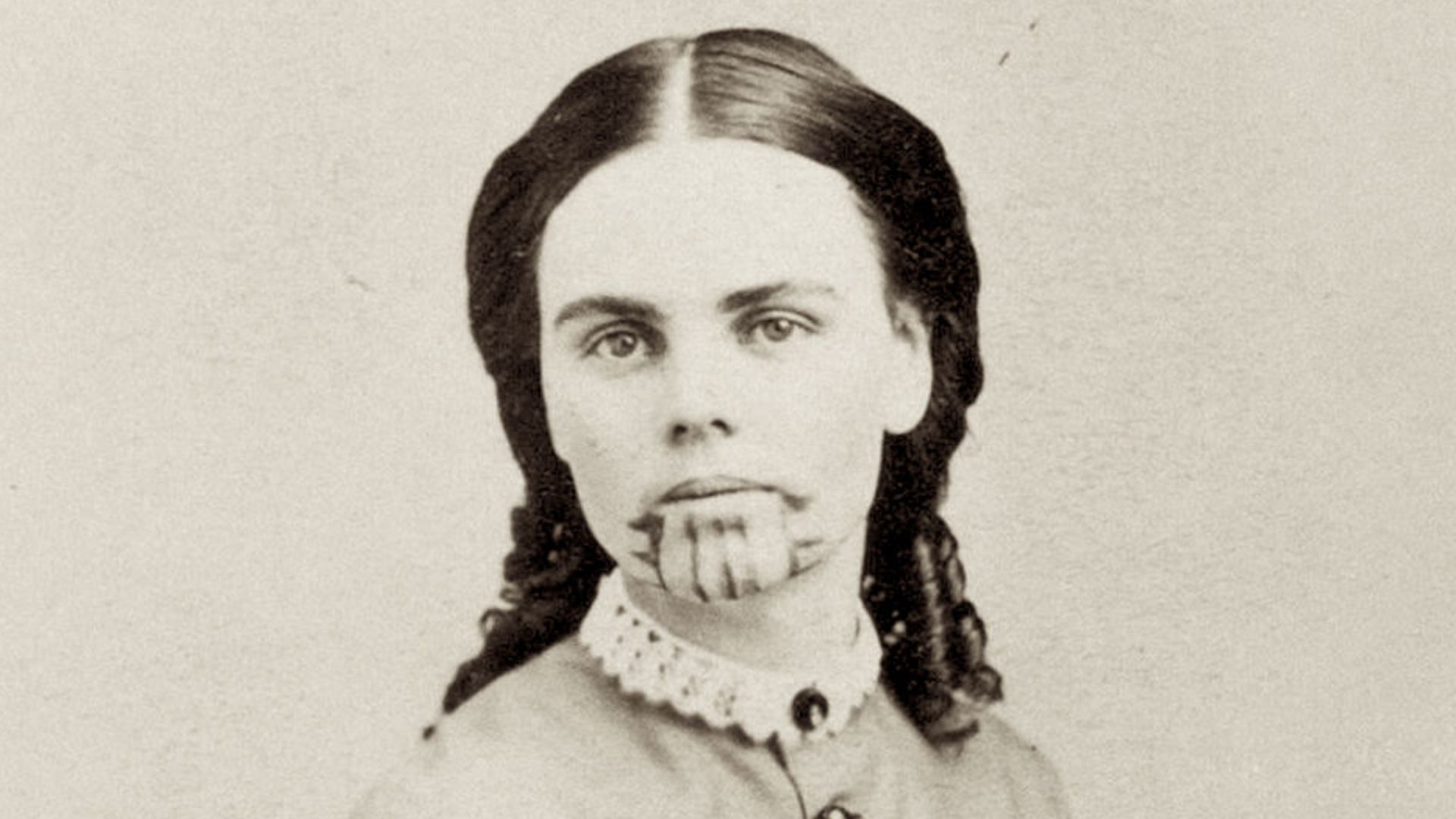 Benjamin F. Powelson, Wikimedia Commons
Elfego Baca
When a violent mob surrounded a tiny adobe building in 1884, nineteen-year-old Elfego Baca survived a siege involving thousands of bullets. He later became a respected lawyer, politician, and lawman whose career symbolized New Mexico's transition from frontier territory to statehood.
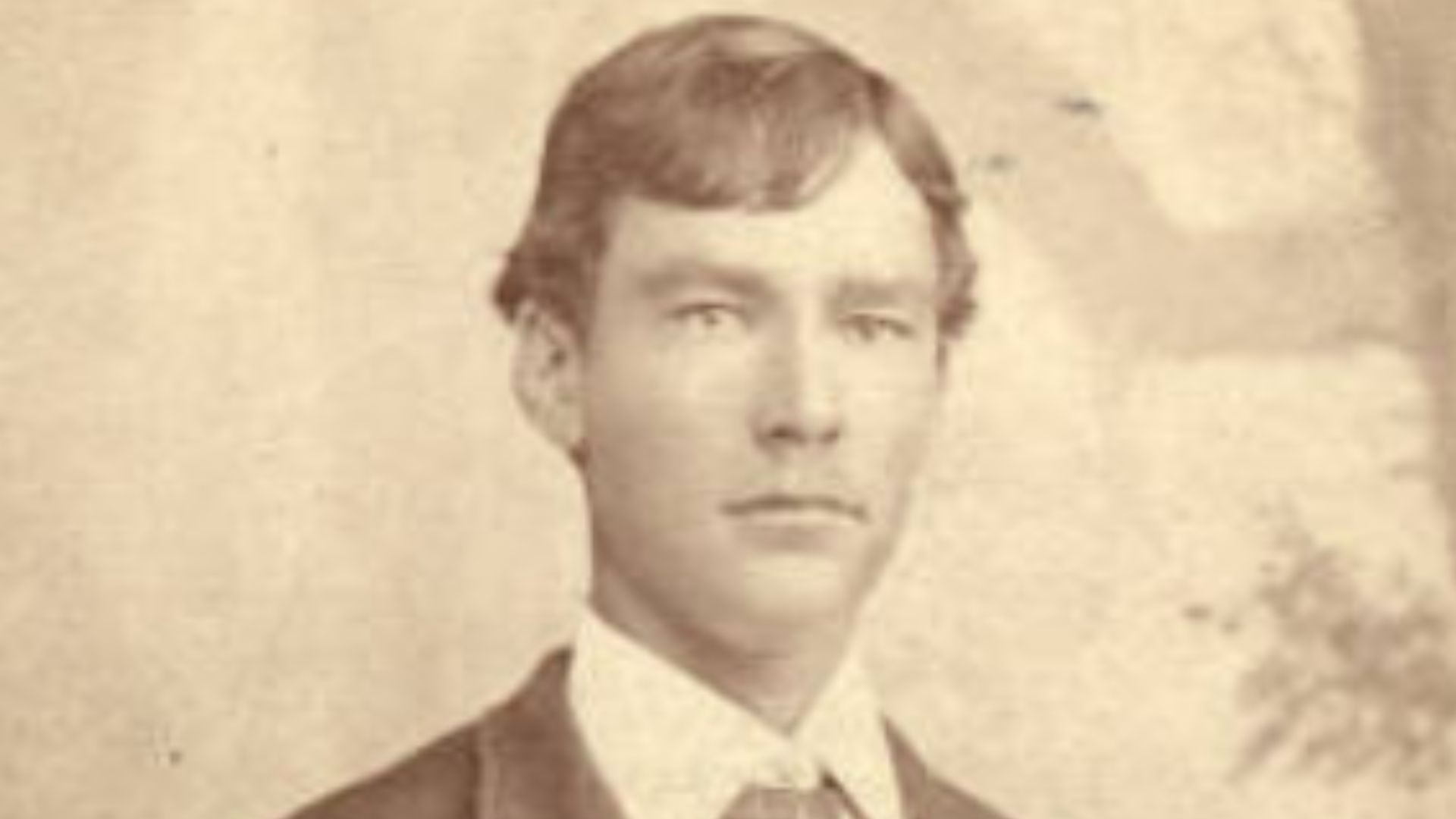 Unknown authorUnknown author, Wikimedia Commons
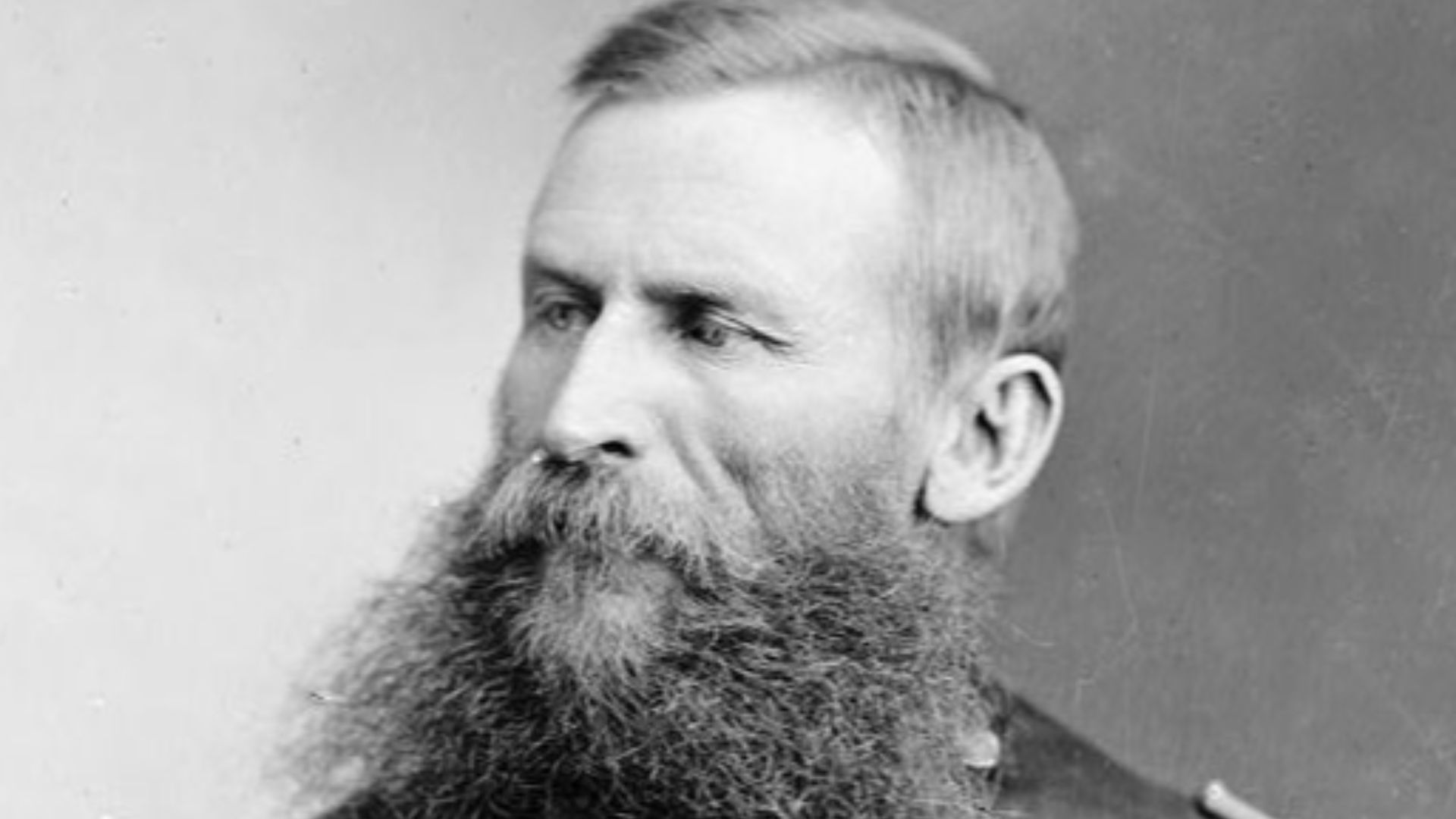
George Crook
General George Crook earned unusual respect from both soldiers and many Native leaders because he studied Indigenous cultures and often employed Native scouts. His campaigns highlighted the complex alliances that shaped the Indian Wars far beyond simple battlefield confrontations.
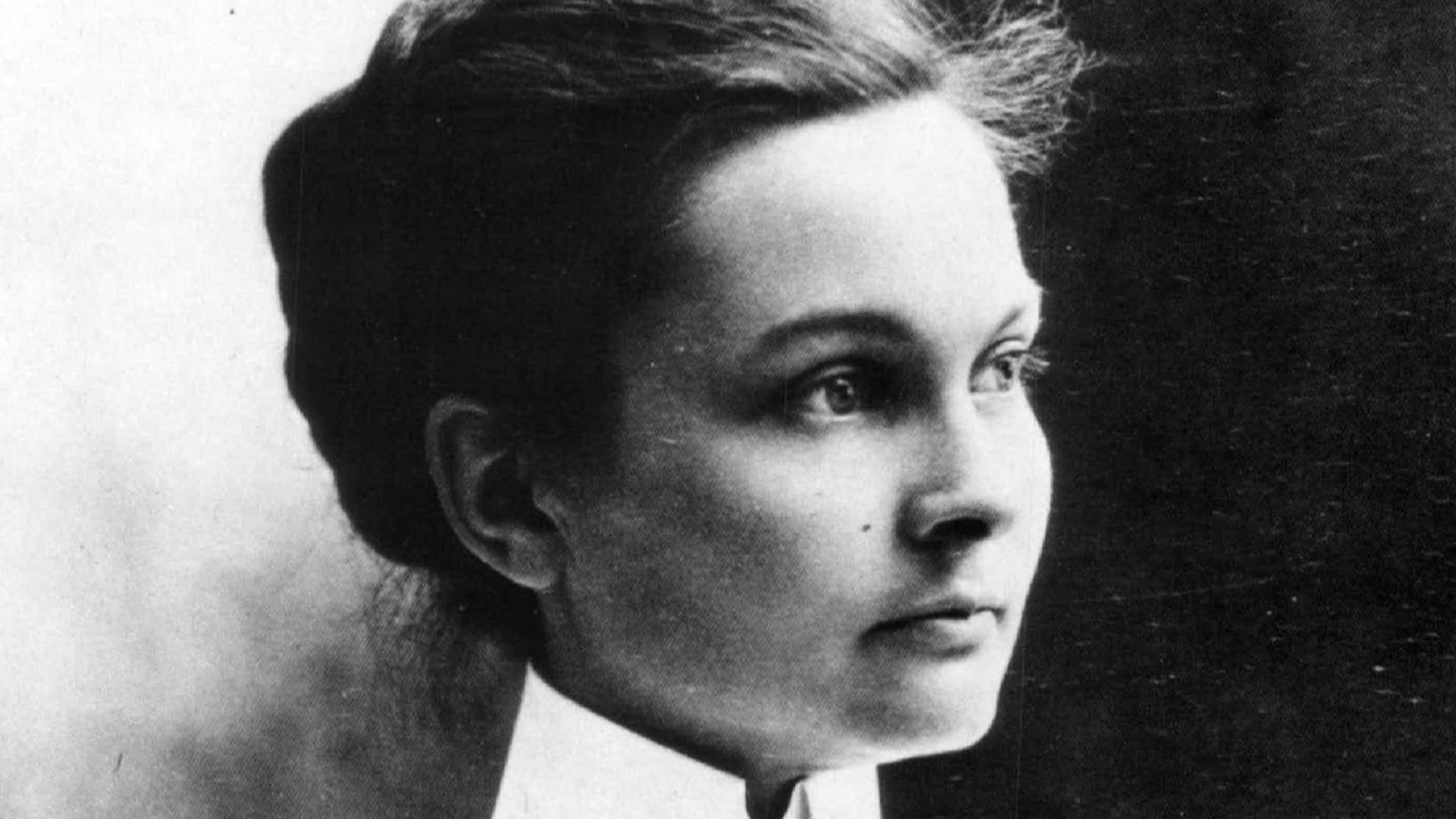
Susan Anderson
Known as "Doc Susie," physician Susan Anderson practiced medicine in isolated Colorado mining towns where doctors were desperately needed. Her willingness to treat anyone, regardless of wealth or social standing, made her one of the frontier's most respected medical pioneers.
 Unknown authorUnknown author, Wikimedia Commons
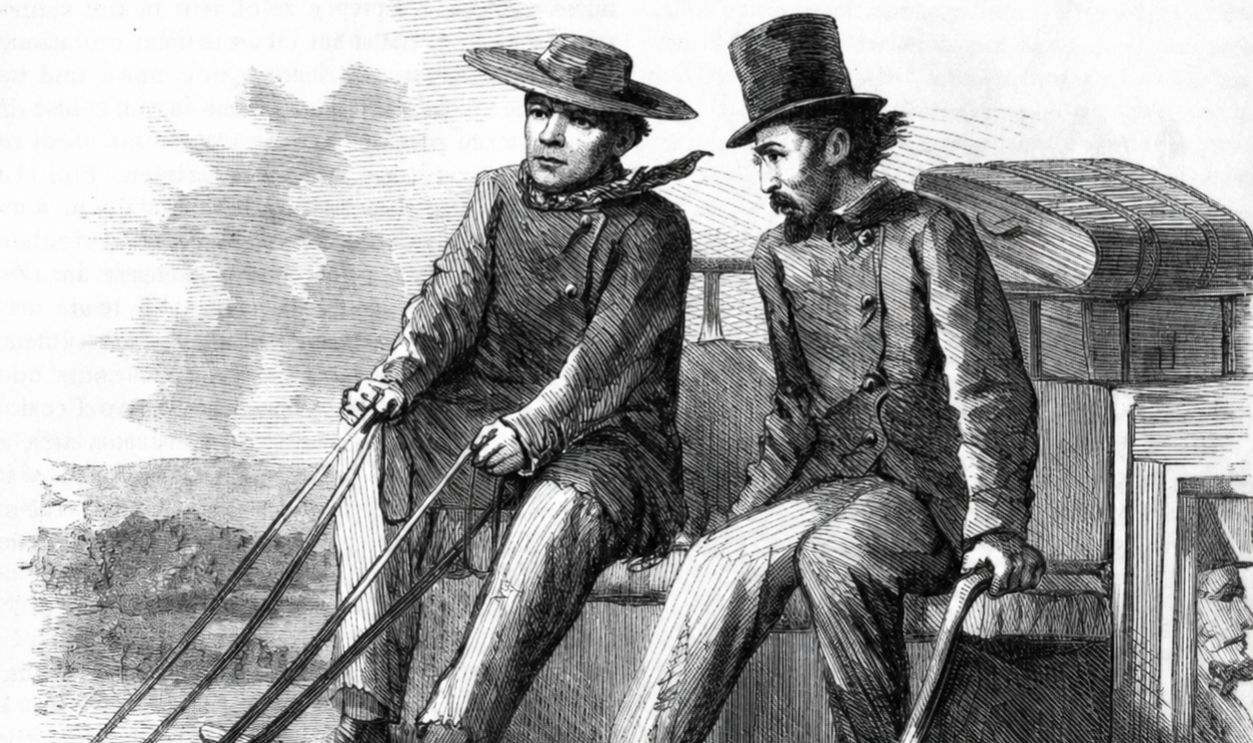
Charley Parkhurst
Stagecoach driver Charley Parkhurst earned fame for extraordinary driving skills under dangerous frontier conditions. Only after Parkhurst's death did many people discover that the legendary driver had been assigned female at birth, making the story one of the West's most remarkable biographies.
 Harper's New Monthly Magazine, Wikimedia Commos, Modified
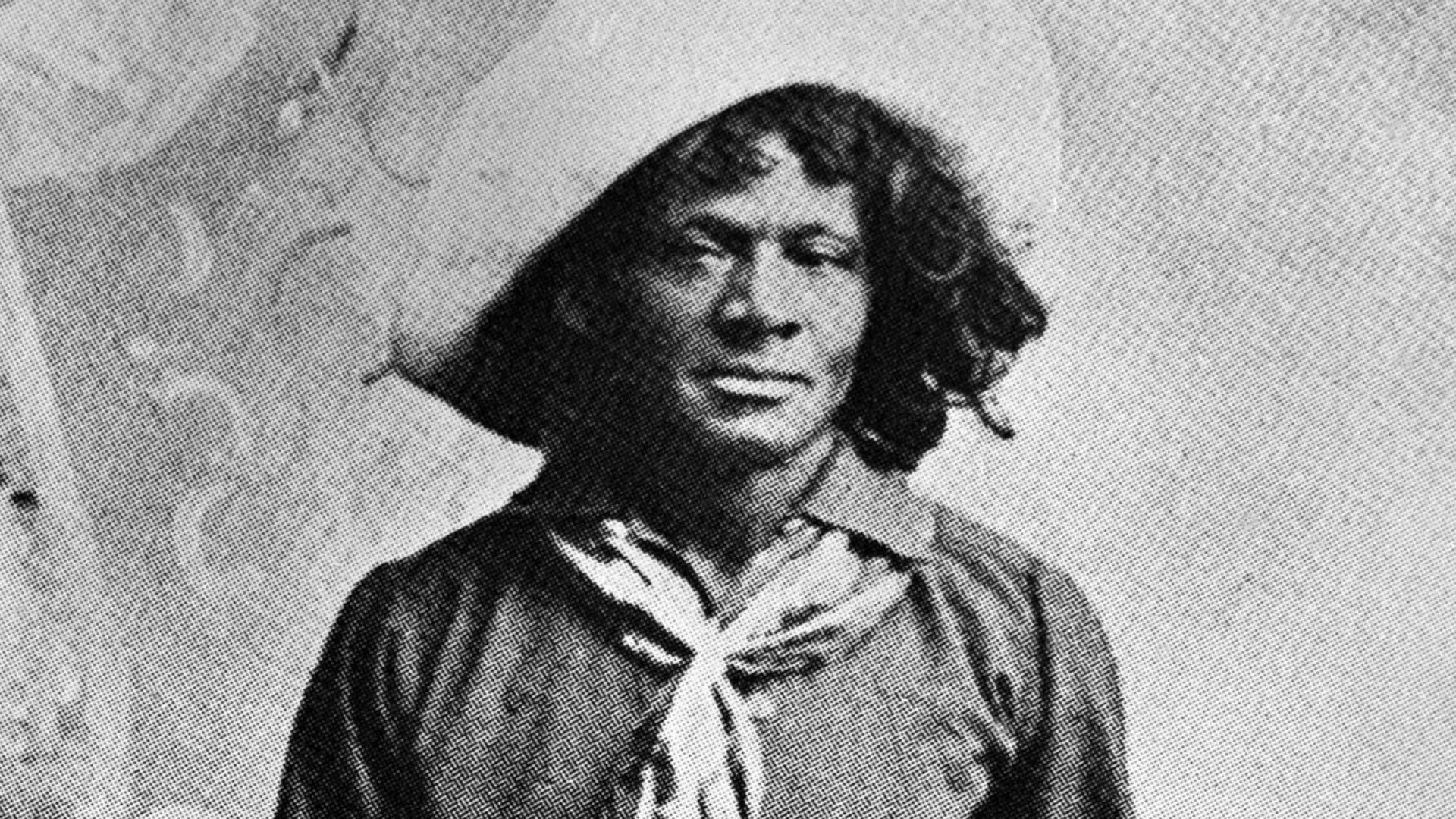
Nat Love
Born into slavery, Nat Love became one of the West's finest Black cowboys. His autobiography documented cattle drives, rodeo competitions, and frontier life while preserving an often-overlooked chapter of western history that challenged popular Hollywood stereotypes.
 Unknown authorUnknown author, Wikimedia Commons
Frank Grouard
Frank Grouard's remarkable knowledge of Lakota language and culture made him one of the U.S. Army's most valuable frontier scouts. His intelligence gathering influenced several major military campaigns during the Great Sioux War of the 1870s.
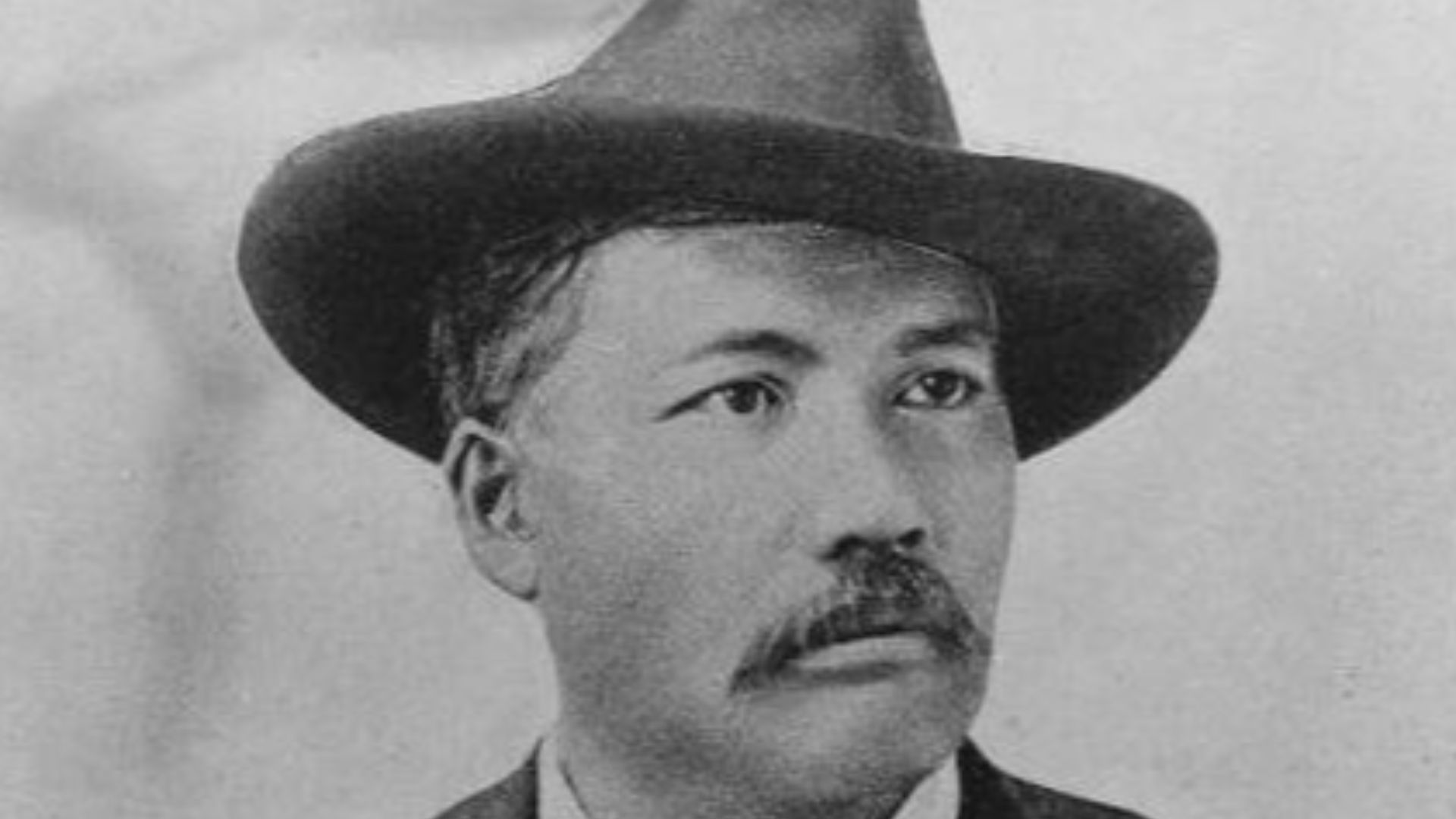 Trone Studio (Sheridan, Wyo.), Wikimedia Commons
John Wesley Powell
Despite losing an arm during the Civil War, John Wesley Powell led the first successful scientific expedition through the Grand Canyon. His groundbreaking surveys permanently expanded American understanding of the Colorado River and the arid West.
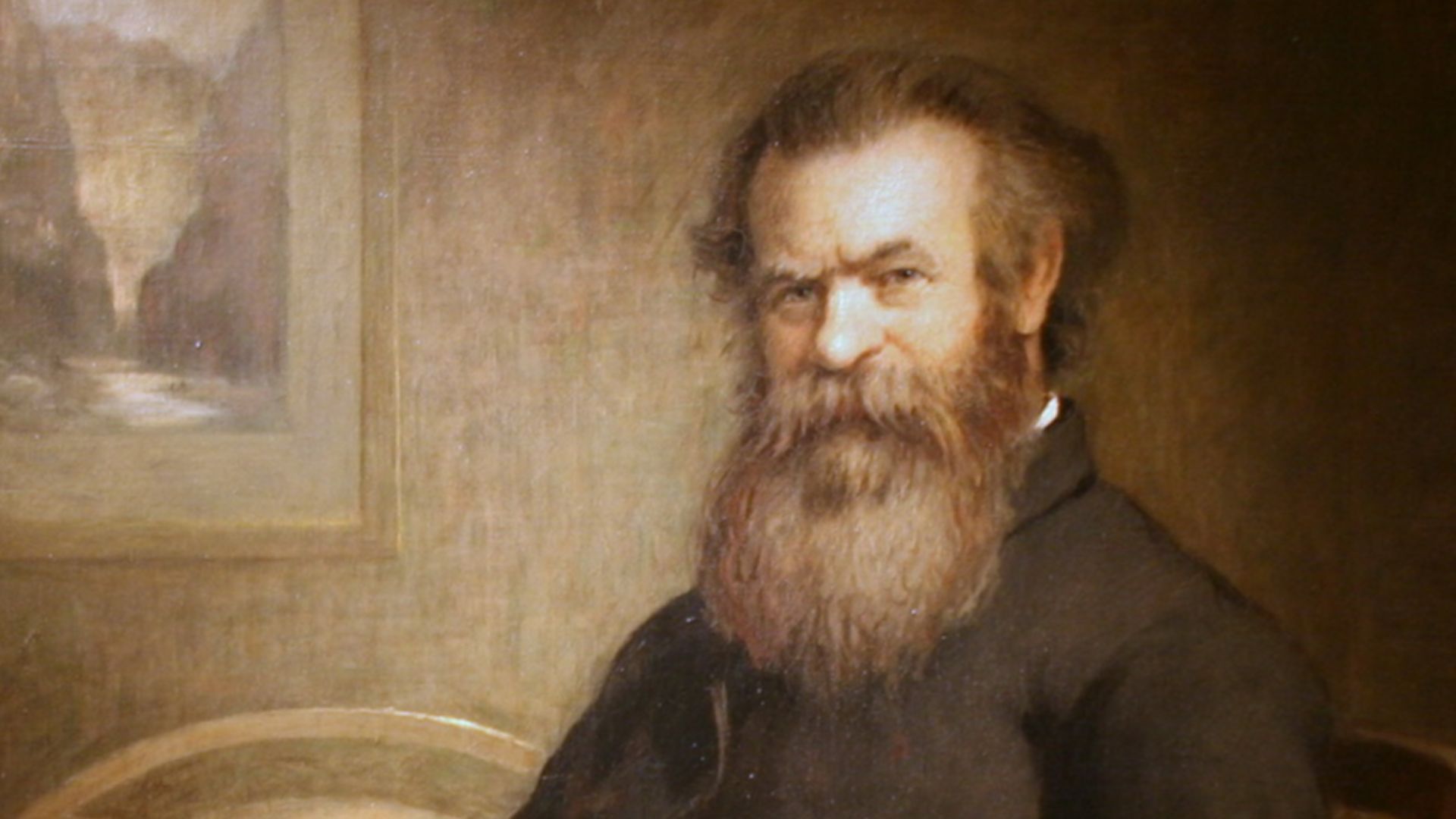 Painter: Edmund Clarence Messer (1842 - 1919), Wikimedia Commons
Mary Colter
Architect Mary Colter forever changed how millions experience the Southwest. Her carefully designed lodges, museums, and viewpoints blended Native American artistic traditions with modern architecture, creating many of the iconic buildings visitors still admire at the Grand Canyon today.
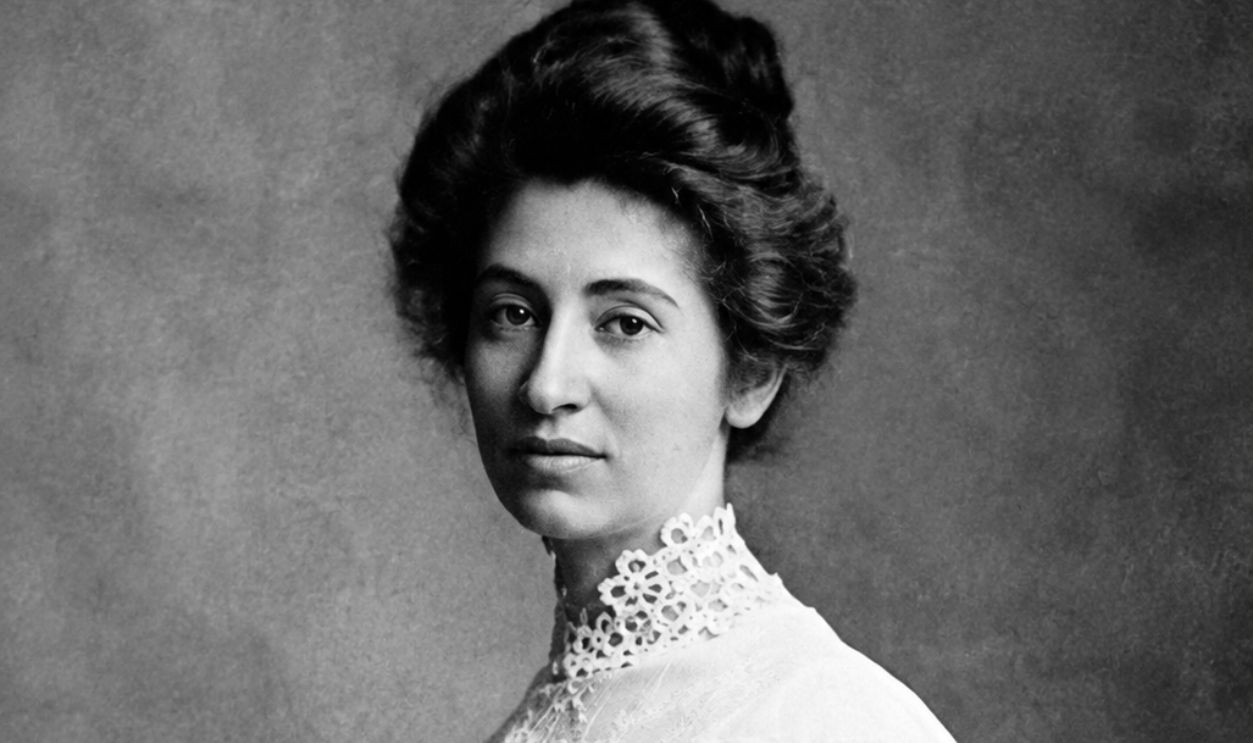 Unknown Author, Wikimedia Commons, Modified
William Lorimer
As a surveyor rather than a politician or soldier, William Lorimer quietly helped map transportation routes and settlement boundaries that guided development across portions of the western frontier. His work illustrates how countless technical experts shaped expansion without achieving lasting fame.
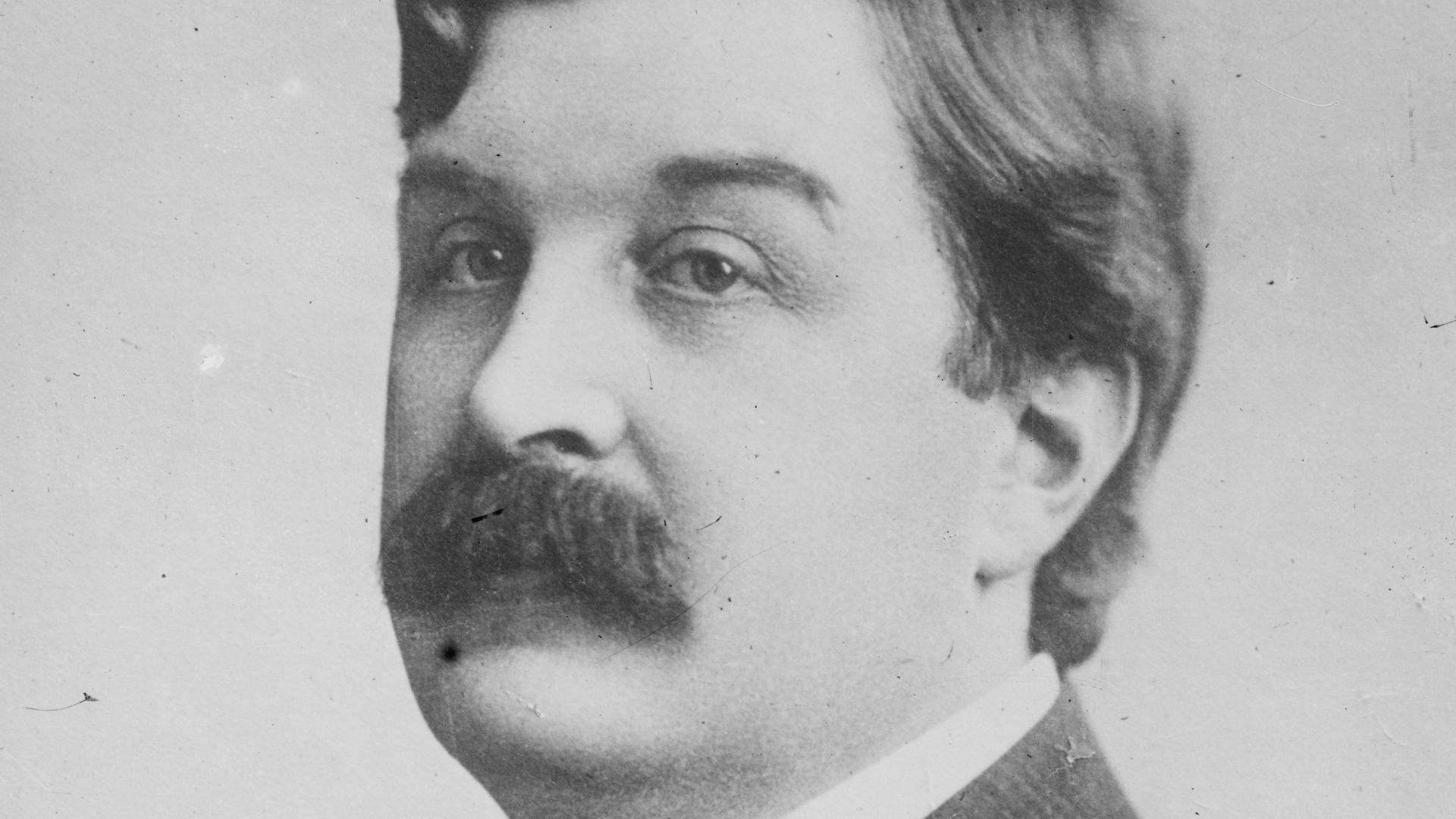 George Grantham Bain, Wikimedia Commons
History's Quiet Builders
The American frontier was never shaped by famous gunfighters alone. Explorers, teachers, physicians, traders, engineers, Native leaders, scouts, and ordinary settlers all influenced the West's development in profound ways. Their stories remind us that history is often made by people whose names rarely appear in the headlines but whose contributions continue to shape America today.
 Peteforsyth, Wikimedia Commons
You May Also Like:
Wild West Mysteries That We May Never Get An Answer To
Rough Facts About Calamity Jane, The Wildest Woman In The Old West
Infamous Facts About Wild Bill Hickok, The Lawless Sheriff Of The West








.jpg)

