
From Three To One
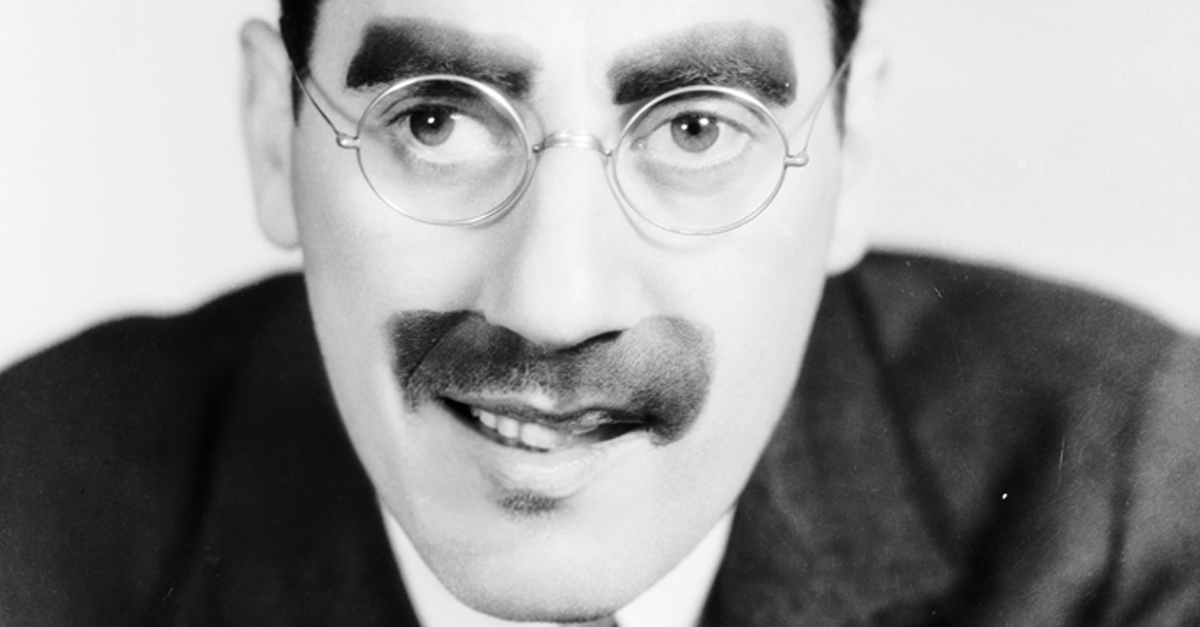
Carefully designing his iconic persona, Groucho Marx created a character that would influence the world of comedy for decades, but he didn’t do it alone. With his brothers along for the ride, he helped take their act from vaudeville to the big screen, turning them into one of history’s most famous comedy troupes in the process.
However, the question of when to stop only became more difficult—especially when he was the only one left on stage.
 John Kobal Foundation/Getty Images
1. He Spoke About His Birth
Whether he was on screen or simply talking to an interviewer, Groucho Marx was an entertainer through and through, meaning even his personal stories felt pulled from the big screen. Explaining the tale of his birth in 1890, he once claimed to have come into this world in the heart of New York City, specifically in a room above an East 78th Street butcher shop, somewhere “between Lexington and Third”.
His mother had greater aspirations for her children, and she knew just how they would achieve them.
 Unknown authorUnknown author, Wikimedia Commons
2. She Wanted His Money
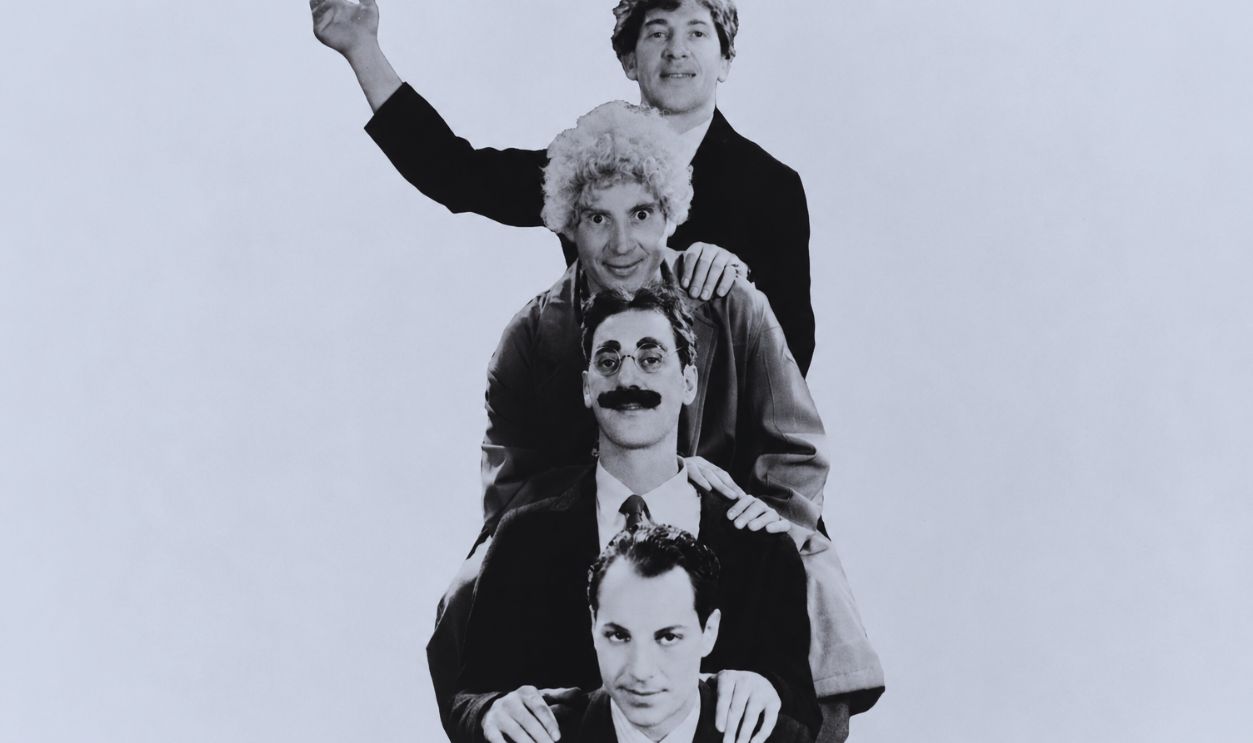
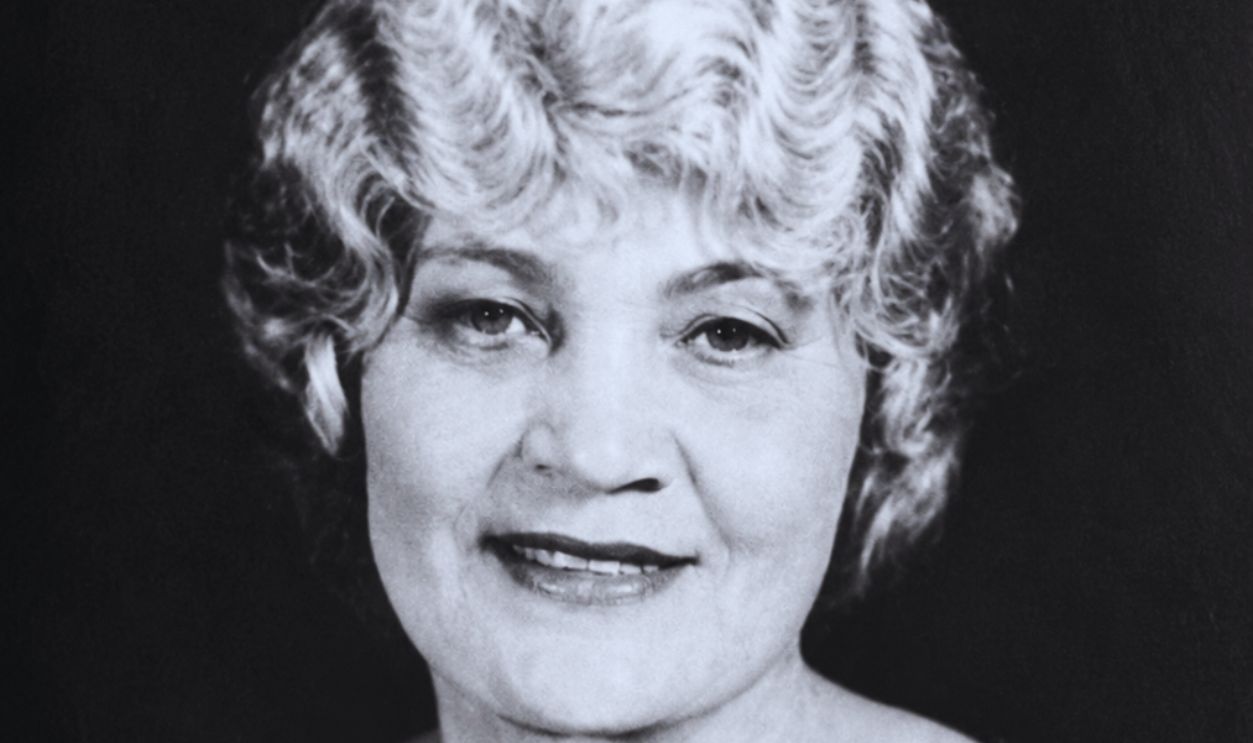
While he would adopt his stage name later in life, Groucho was born Julius Henry Marx, named after his uncle—who held a special place in their family. Groucho’s mother, Minnie, had come up with a theory that, despite Uncle Julius’s unemployment, he was secretly a millionaire. The only reason she named Groucho after him was in the hope that her son would eventually inherit this fortune.
He wasn’t her only fascinating relative, though, and one other would become her ultimate inspiration.
 FranksValli, Wikimedia Commons
3. He Was An Entertainer
Although Groucho and his brothers would certainly put the Marx name on the map, they weren’t the only performers in their family—or even the first. His uncle on his mother’s side, Al Schoenberg, was already making a name for himself in the noted vaudeville double act known as Gallagher and Shean, which gave Minnie a distinct idea.
This showed her that being a star was possible—though not for her.
 Ralph F. Stitt, Wikimedia Commons

History's most fascinating stories and darkest secrets, delivered to your inbox daily.
4. She Wanted Them To Be Stars
Minnie had been instrumental in helping her brother break into the vaudeville scene, and, seeing how well it had worked out, she believed she could do the same for her children. Urging Groucho and his three brothers to try out a variety of performing arts, especially music, Minnie discovered that he was a terrific natural soprano.
Despite his mother’s ambition, Groucho thought he should go for something more stable first.
 Unknown Author, Wikimedia Commons
5. He Tried Something Else
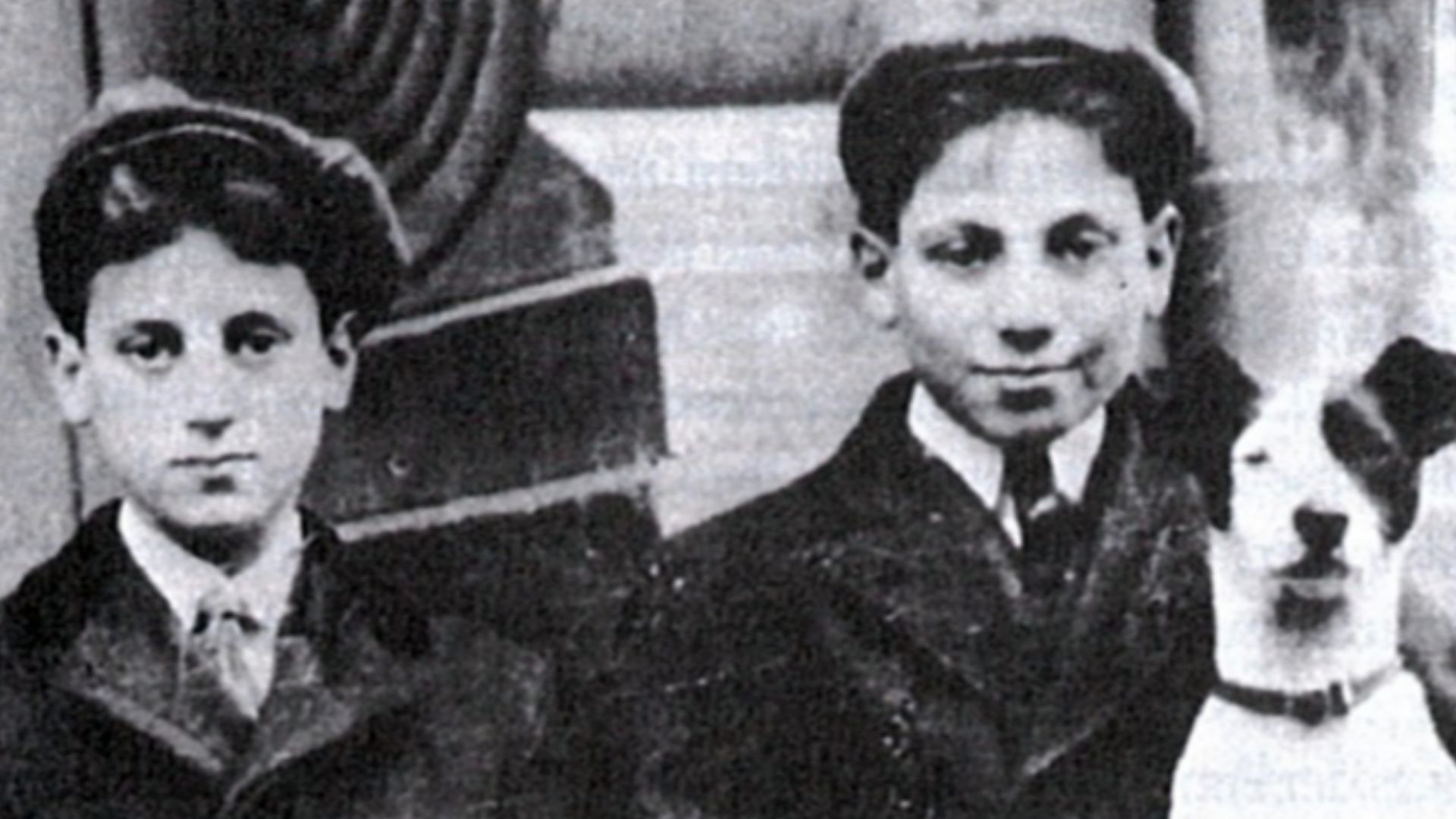
While an entertainment career had worked out for his Uncle Al, there was no guarantee that it would be the same for Groucho, so he had to think rationally. As he still needed to help support his family, he first took several more mundane jobs at an office or store, but he just couldn’t stay in that kind of work. Fortunately, he wouldn’t have to settle, as he was lucky enough to join a trio of singers.
Weirdly enough, this amazing opportunity could have easily passed him by.
 Unknown authorUnknown author, Wikimedia Commons
6. He Saw An Advertisement
While Groucho Marx managed to get his first taste of performing professionally in 1905, he may not have even had the chance if he hadn’t been reading the newspaper one day. In an ad posted by singer Robin Leroy, Groucho read that the man was looking for two other singers to form a trio with him. Along with another performer, Johnny Morris, he joined the group and made his official debut in Grand Rapids, Michigan.
He wouldn’t stay with this trio forever, though—especially since his mother still had her own aspirations.
7. She Brought Them Together
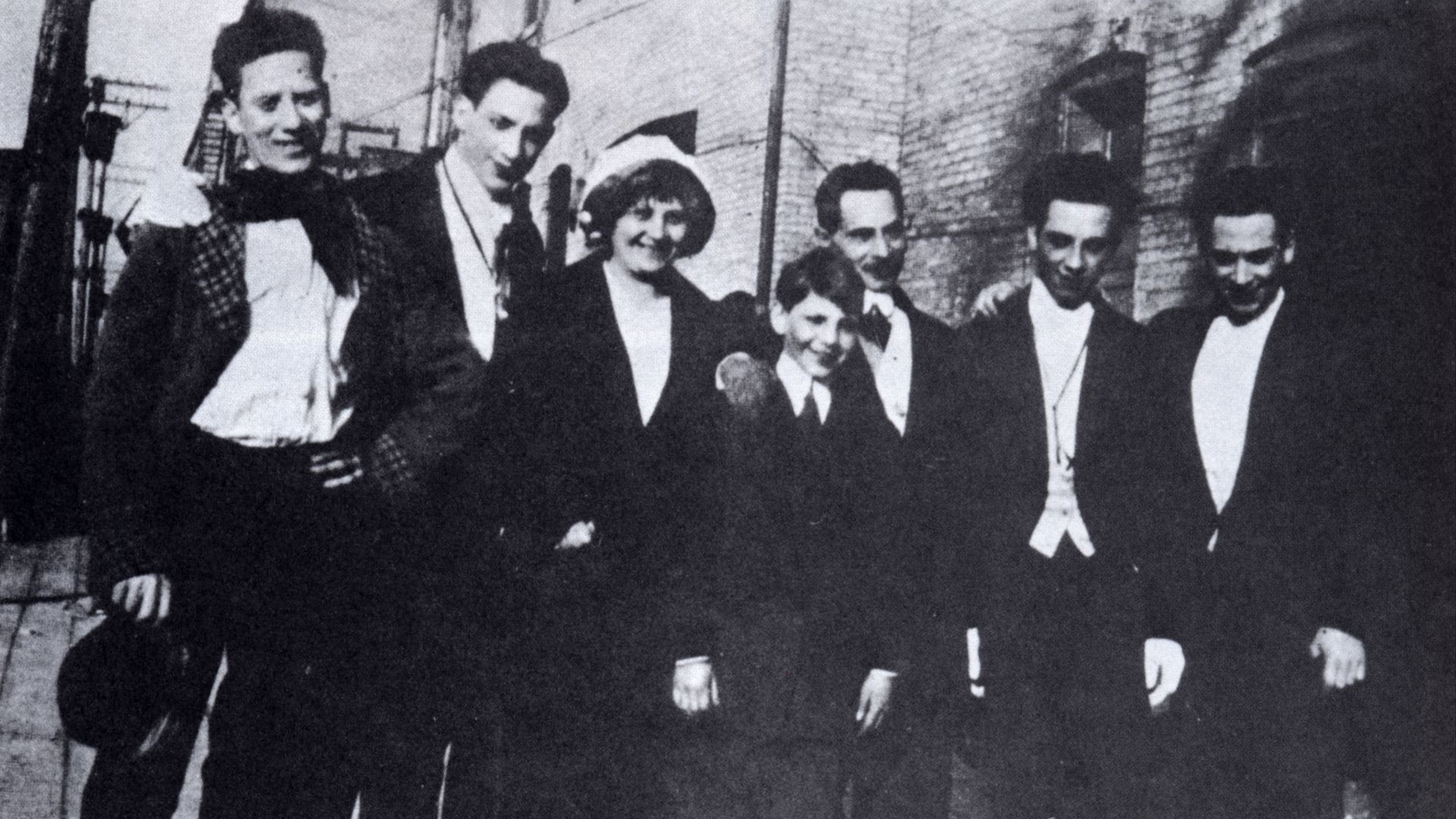
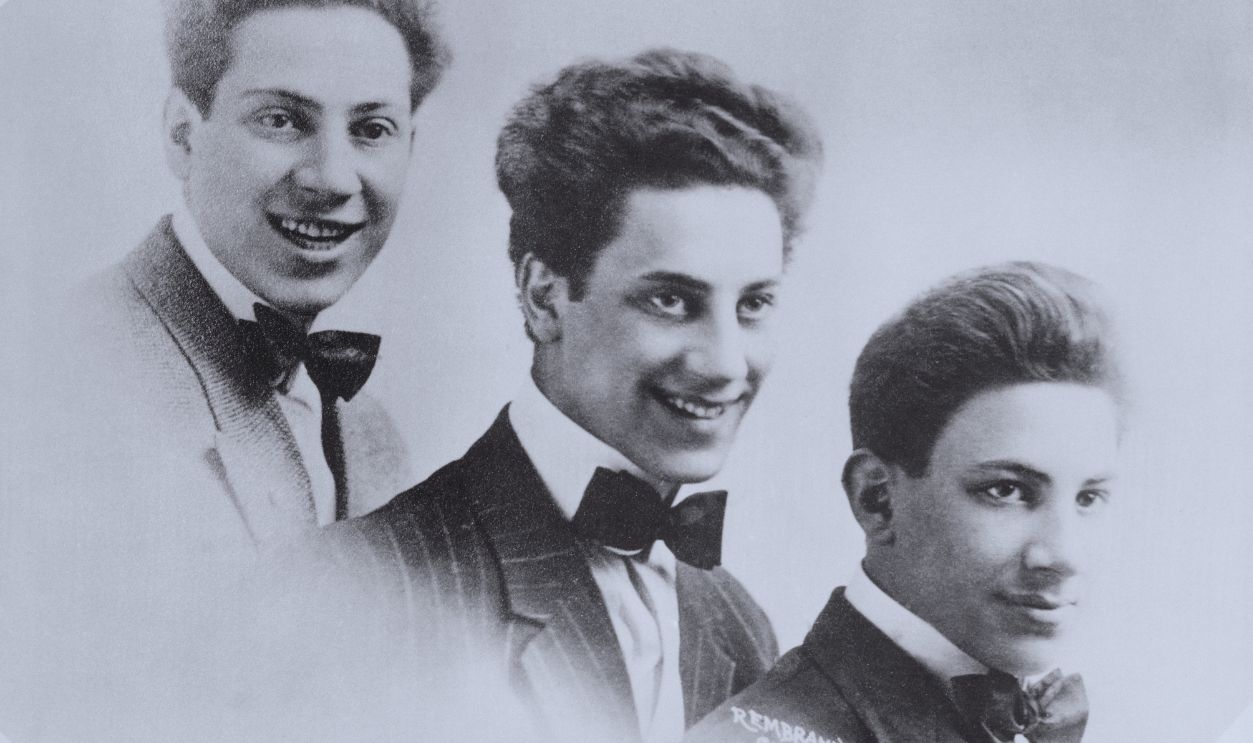
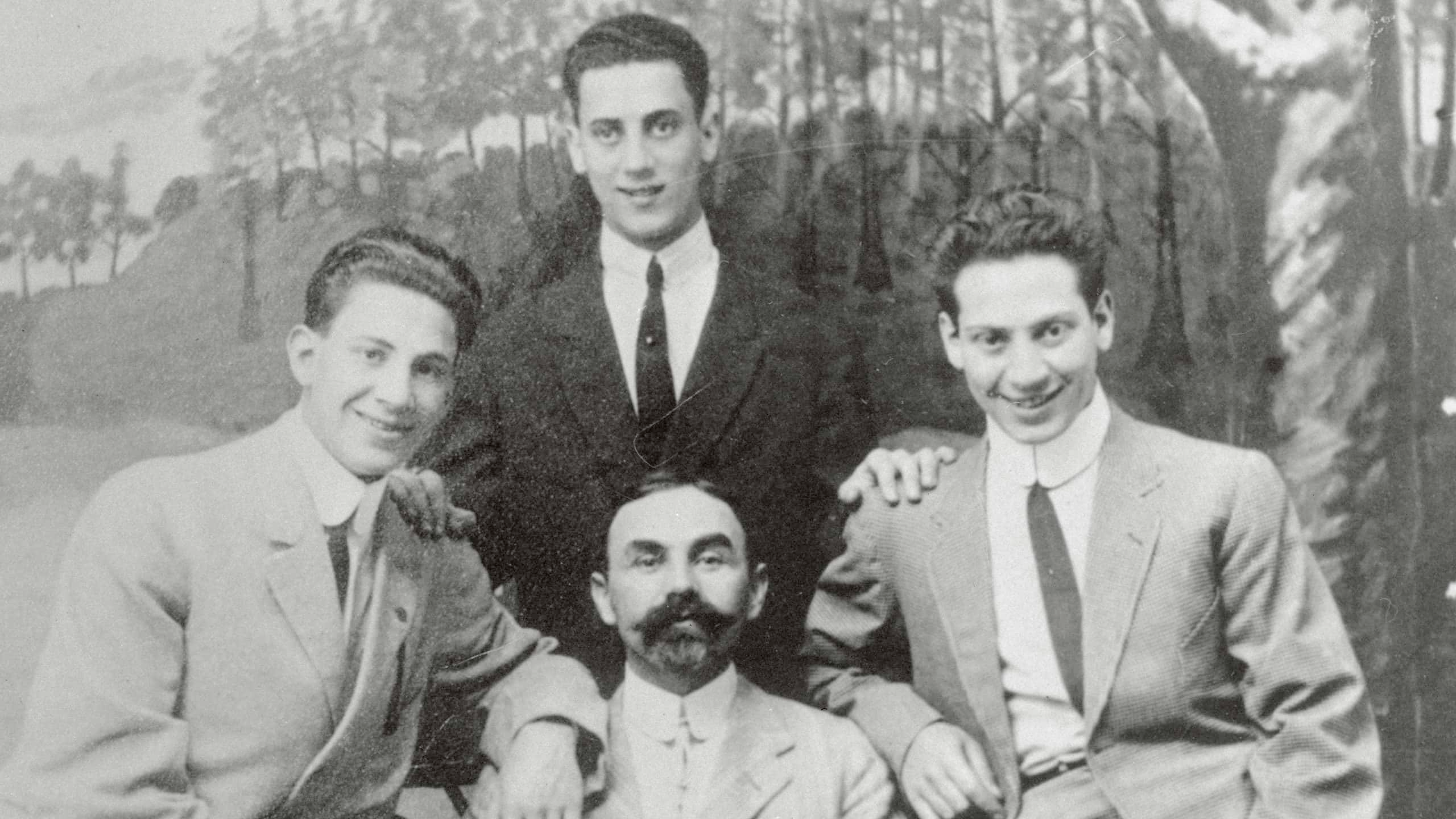
Seeing that Groucho was already making some headway with a career as a singer, Minnie decided to take matters into her own hands, forming and managing a music group of her three eldest sons. Calling themselves The Three Nightingales, they set out in 1909 and began performing at numerous venues across America.
Still, they hadn’t exactly found their groove as entertainers—until one night.
8. They Tried Something Else
As Groucho and his brothers toured the vaudeville circuit, they felt more and more disheartened as they sang for audiences who clearly had no interest in their act. However, all this changed during one show when, to relieve some of the tension, Groucho rattled off a few jokes. Surprisingly, these were an instant hit with the crowd, and he knew that he and his brothers had found their calling.
Unfortunately, they were in for some rough years—but would come out stronger than ever.
9. They Found Their Identity
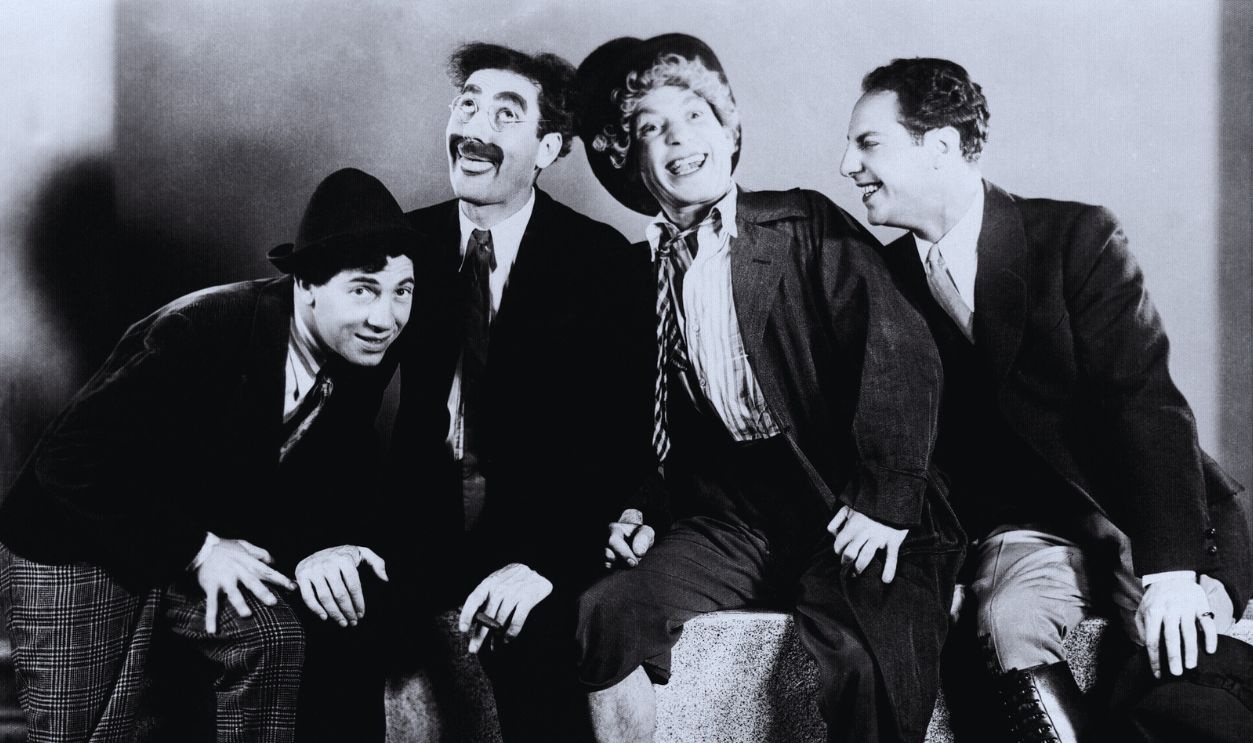
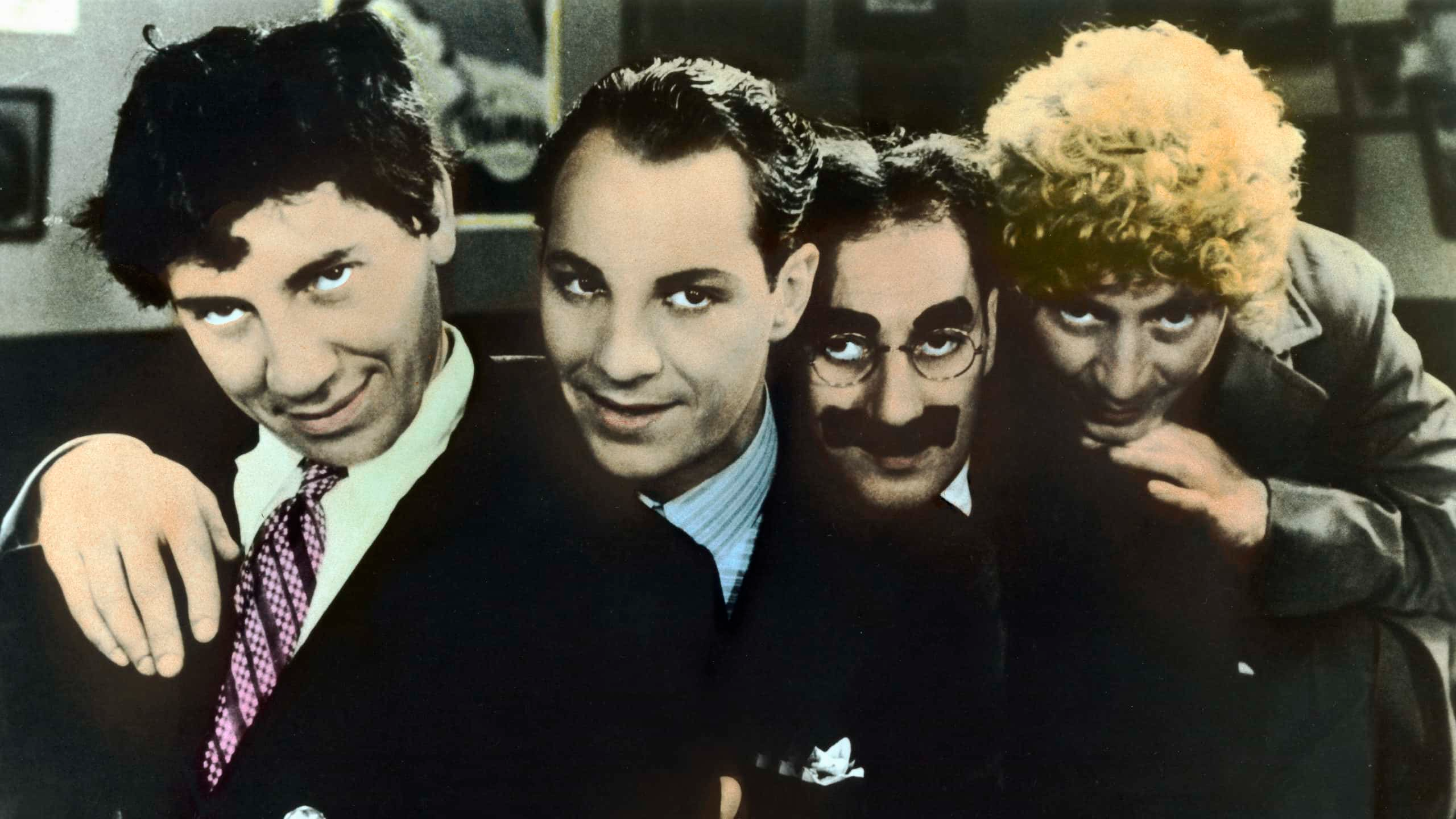
Just as they were transitioning from the world of music to that of comedy, disaster struck the globe as WWI broke out, and not all of the brothers could stay out of it. Specifically, Groucho’s younger brother, Milton, chose to enlist and serve his country, leaving a spot open in their group. Giving a chance to the youngest Marx boy, Herbert—who later took the name Zeppo—they finally began calling themselves the Marx Brothers.
Since they were just starting out, they adopted some of the most popular tropes—and Groucho discovered his first character.
History's most fascinating stories and darkest secrets, delivered to your inbox daily.
10. He Spoke In A Different Voice
Around this time, one of the comedic tropes that audiences seemed to find hilarious was an exaggerated ethnic accent, so the Marx Brothers followed the trend and chose their own. In Groucho’s case, he developed a German character in their first show, Fun In Hi Skule, which turned out to be an unequivocal hit.
However, just as the world was changing around them, so too did the Marx Brothers have to switch up their act.
11. He Changed His Character
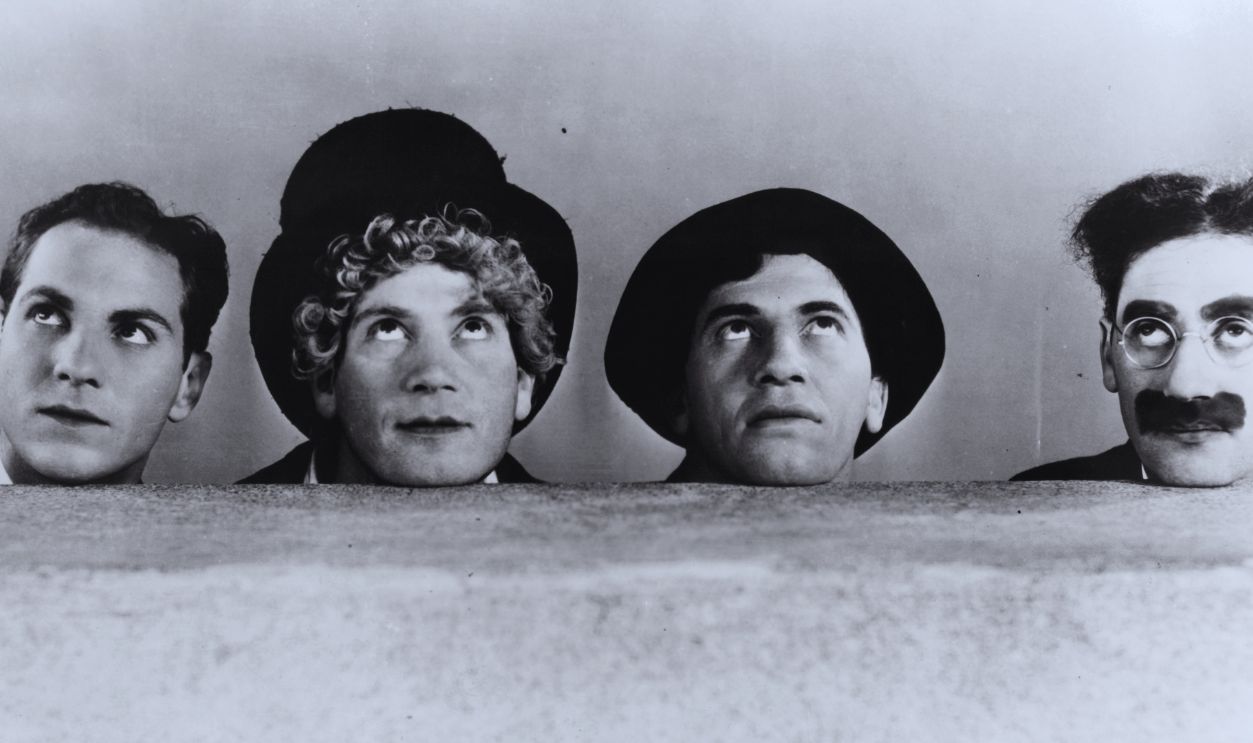
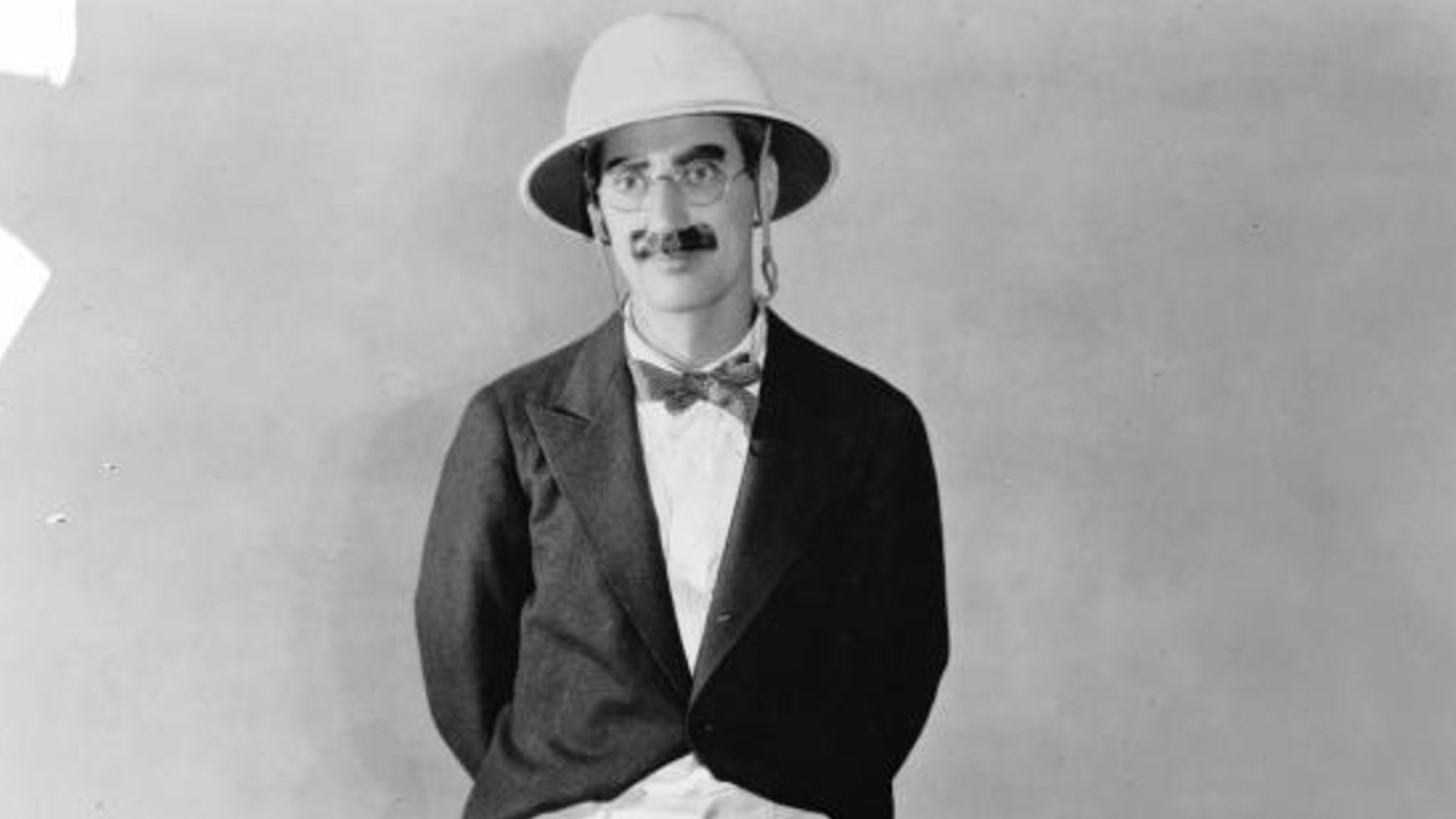
As WWI raged on, the Marx brothers tried to raise their audiences’ spirits, but doing so took nuance—and sensitivity. In 1915, a British ocean liner was sunk by a German submarine, resulting in the loss of over 100 US citizens and immediate outrage among the American public. Although Groucho had become known for his German character, audiences suddenly found it distasteful, so he instead adopted the new persona of a fast-talking smart aleck.
With that, he and his brothers were ready to make their big break—which would come sooner than expected.
 White Studio, Wikimedia Commons
12. They Broke Out
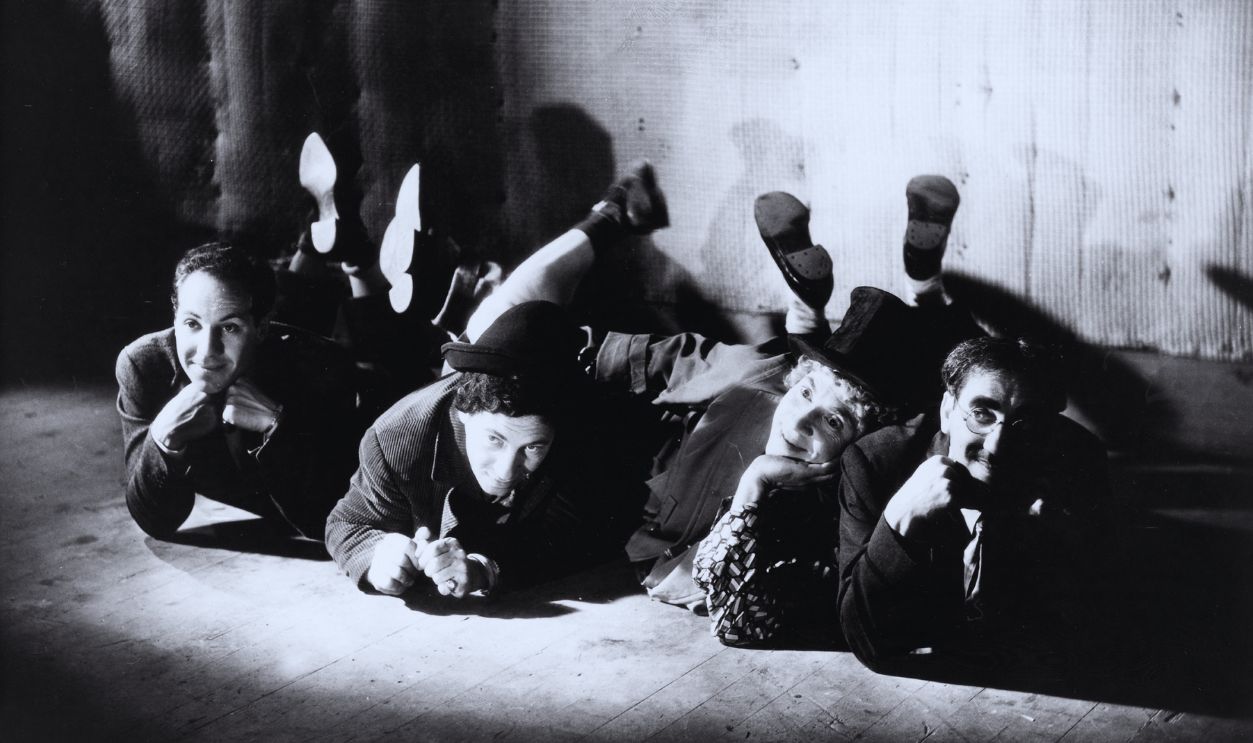
Consisting of Julius, Leonard, Arthur, and Herbert—known as Groucho, Chico, Harpo, and Zeppo respectively—the Marx Brothers set their sights on Broadway and began performing at the Palace Theatre. Since this venue had a reputation as the “Valhalla of Vaudeville,” making it big there would open any door they wanted. Thanks to their natural comedic talents, they became one of the theatre’s top acts before they knew it.
Finally, Groucho refined the character that would turn him from a common comedian to an icon.
 ullstein bild Dtl., Getty Images
13. He Created His Persona
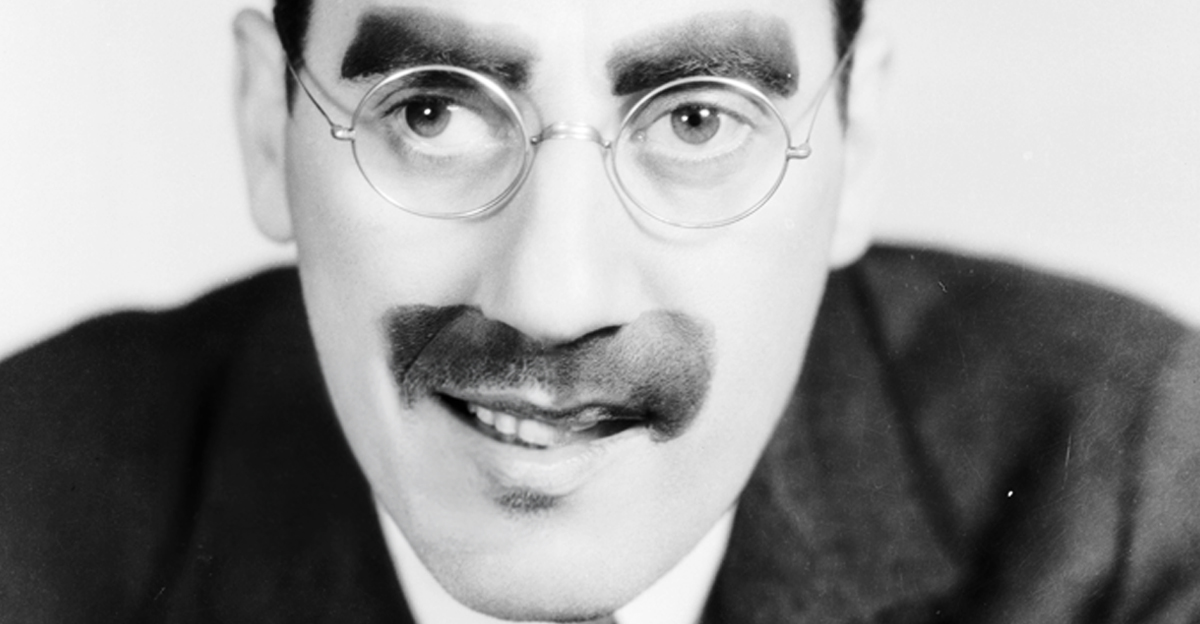
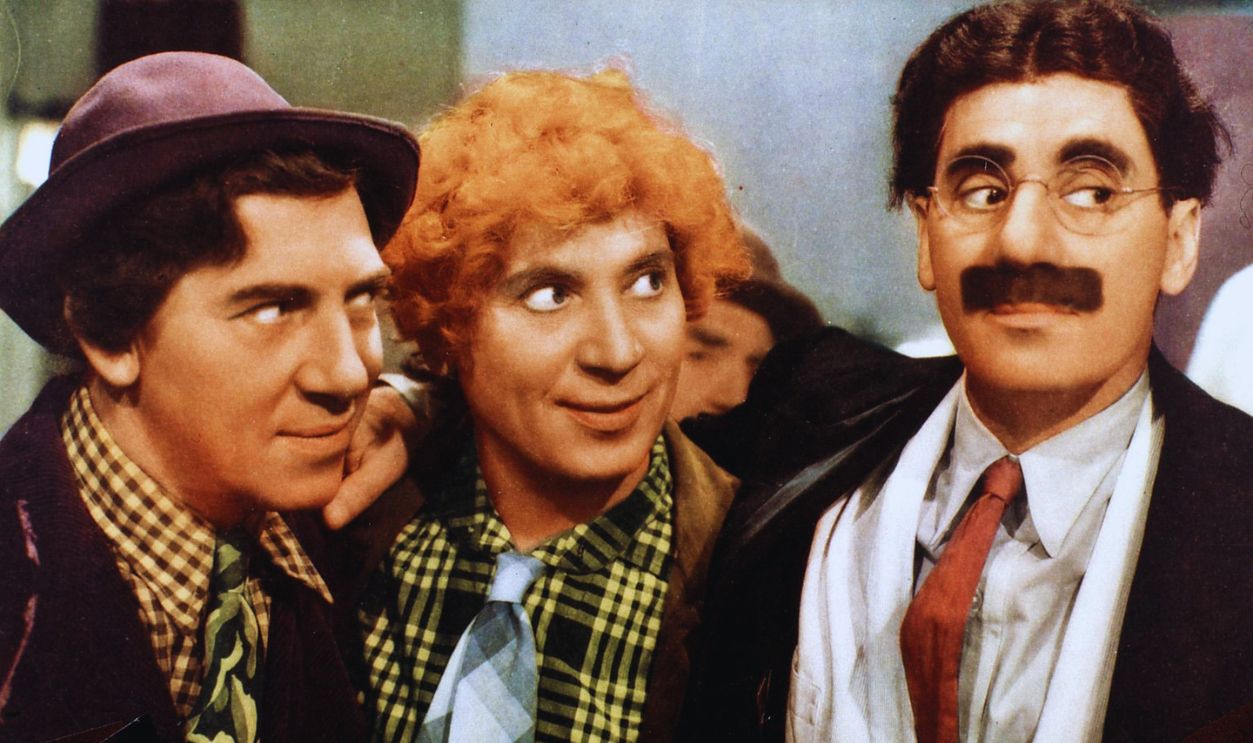
What started as a makeshift replacement for his German character turned into the role that would define Groucho’s career, and he had barely even started. Taking the base of his character as a wisecracker, he added a few details to flesh it out—including spectacles, a greasepaint moustache, and his iconic cigar.
While it may have seemed like Groucho put a lot of thought and care into his character, that’s not how he worked all the time.
14. He Thought Of It On The Fly
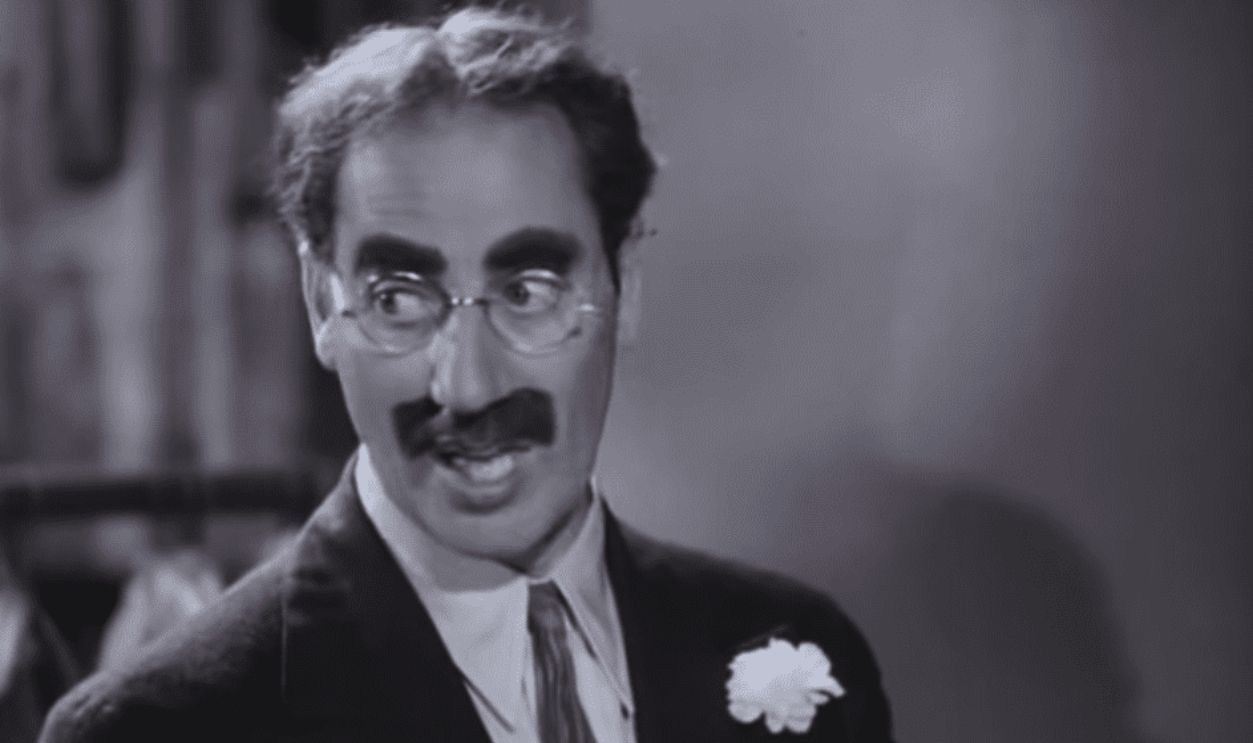
Before long, the greasepaint moustache and eyebrows that Groucho painted on became integral parts of his character, but he only began using them in the first place by mistake. Originally, he would simply glue on a fake moustache for the role, but on one stressful night as he rushed to get ready for a show, he realized he had no time to apply it. Thinking on his feet, he slathered on some greasepaint instead—a look he liked so much that it stuck.
At the same time, other aspects were more calculated—even when it came to something as simple as walking.
 Screenshot from A Night at the Opera, Metro-Goldwyn-Mayer (MGM) (1935)
15. He Used A Trend
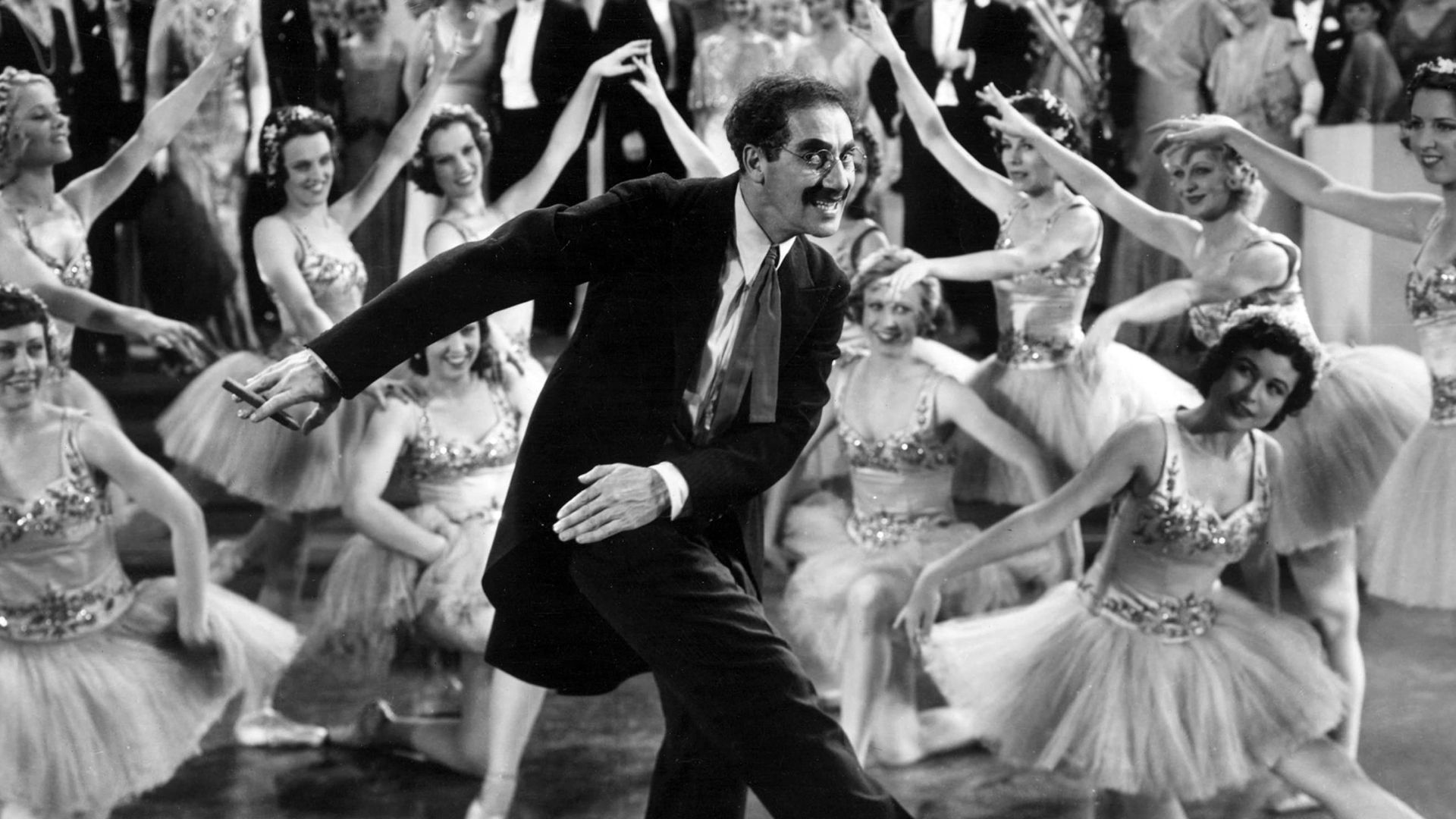
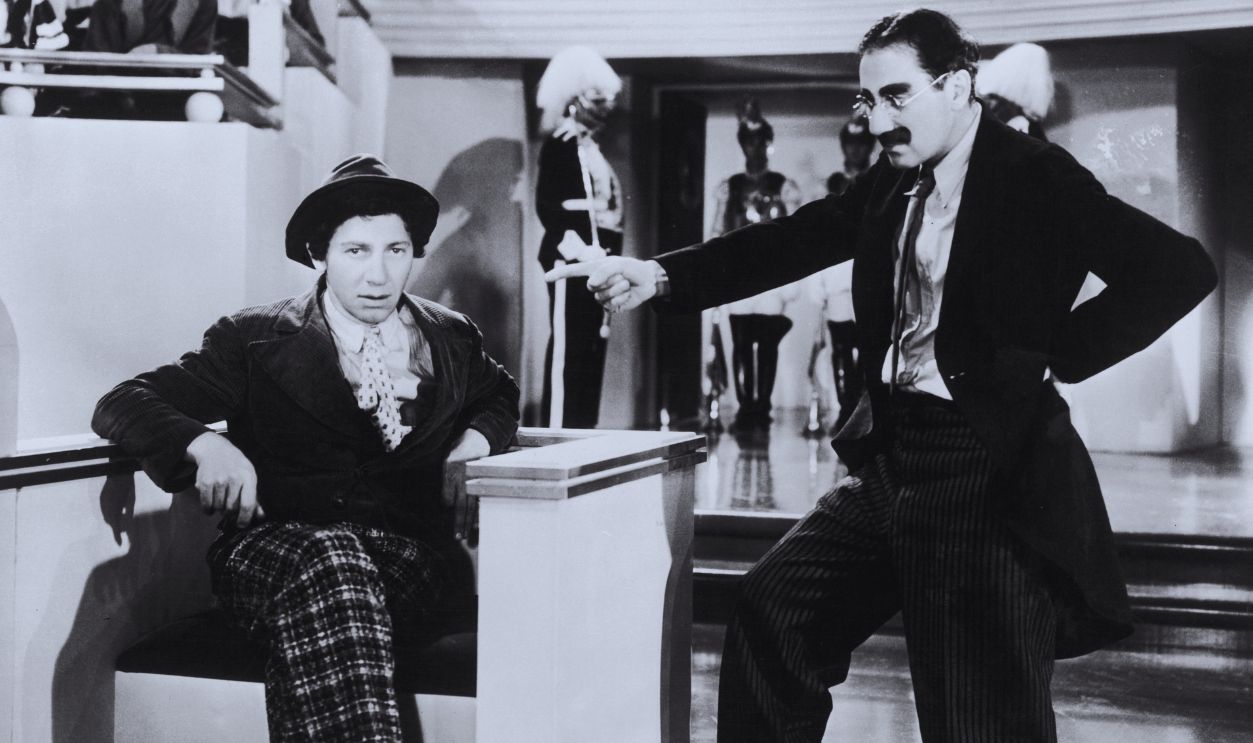
Another important detail that contributed to Groucho’s performance was his character’s walk, and while other choices may have happened on the fly, this one was rooted in recent history. Looking much like a chicken, always stooped in a half-crouch, he modeled the choice after a trendy—albeit ridiculous—walk adopted by men of high society in the late 1800s. Of course, he was happy to add his own exaggerations.
At last, he found the identity that history would forever recognize him as—though he may not have liked why.
 American Stock Archive, Getty Images
History's most fascinating stories and darkest secrets, delivered to your inbox daily.
16. He Was Always Moody
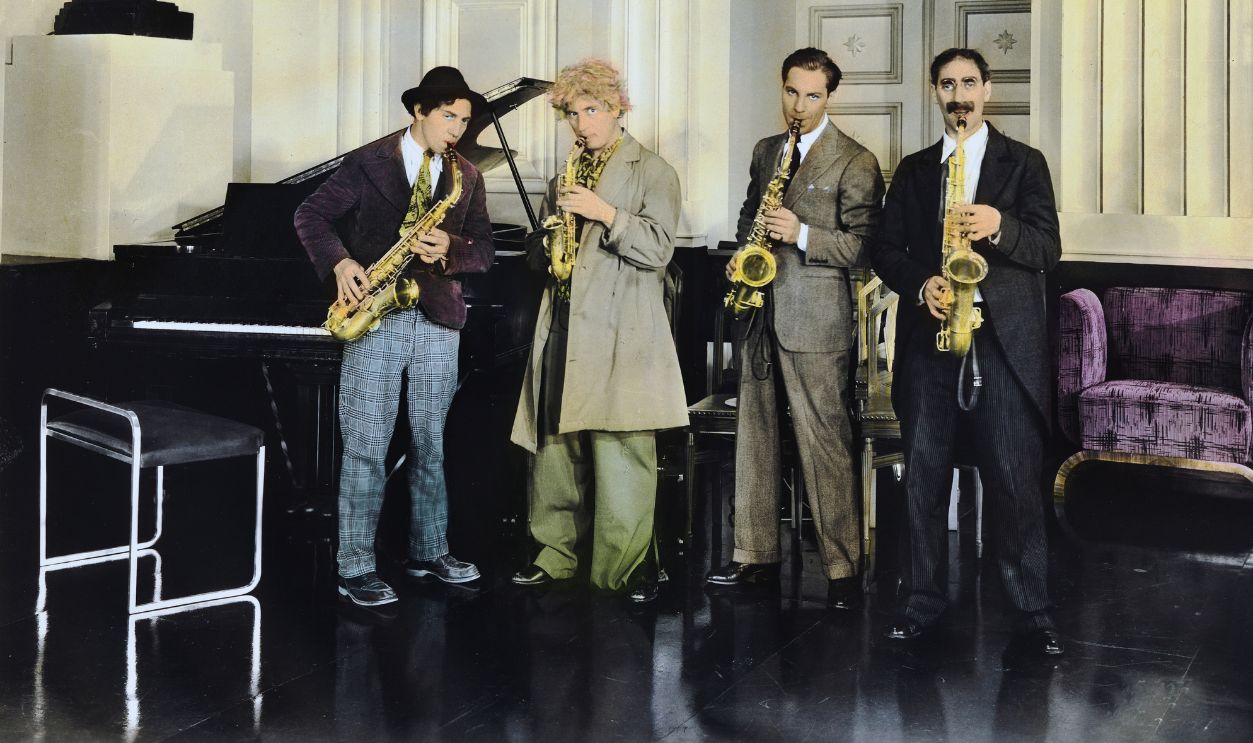
Each of the Marx Brothers went by a different stage name that usually came from some personal detail, and while it’s unclear exactly where the name “Groucho” came from, there have been some theories. Some claim it had to do with him frequently carrying a grouch bag, or that it was a reference to another character. However, the widely held belief was that it was nothing more than a nod to how changeable his temperament could be.
While he loved being such a comedic performer, he couldn’t deny that there was at least one downside.
17. He Couldn’t Be Serious
As he would often talk about later in life, Groucho Marx had so perfectly created and performed his character that he found it difficult to find people who took him seriously. Specifically, he would always lament that he had lost the ability to insult people, as anyone on the receiving end would always assume he was doing a bit.
Nonetheless, he managed to treat a few things with sincerity—especially his personal life.
18. He Started A Family
When it came to Groucho’s personal life, it was no laughing matter, as he constantly got himself into bad relationships with even worse endings—and it all started in 1920. At 29, Groucho married 19-year-old Ruth Johnson, a chorus girl he had met not long before. While they would remain married for 22 years, there came a point when they couldn’t continue and divorced, but not before welcoming two children, Arthur and Miriam.
On the professional side, he and his brothers were ready to step into a brand new world.
19. They Made Their Debut
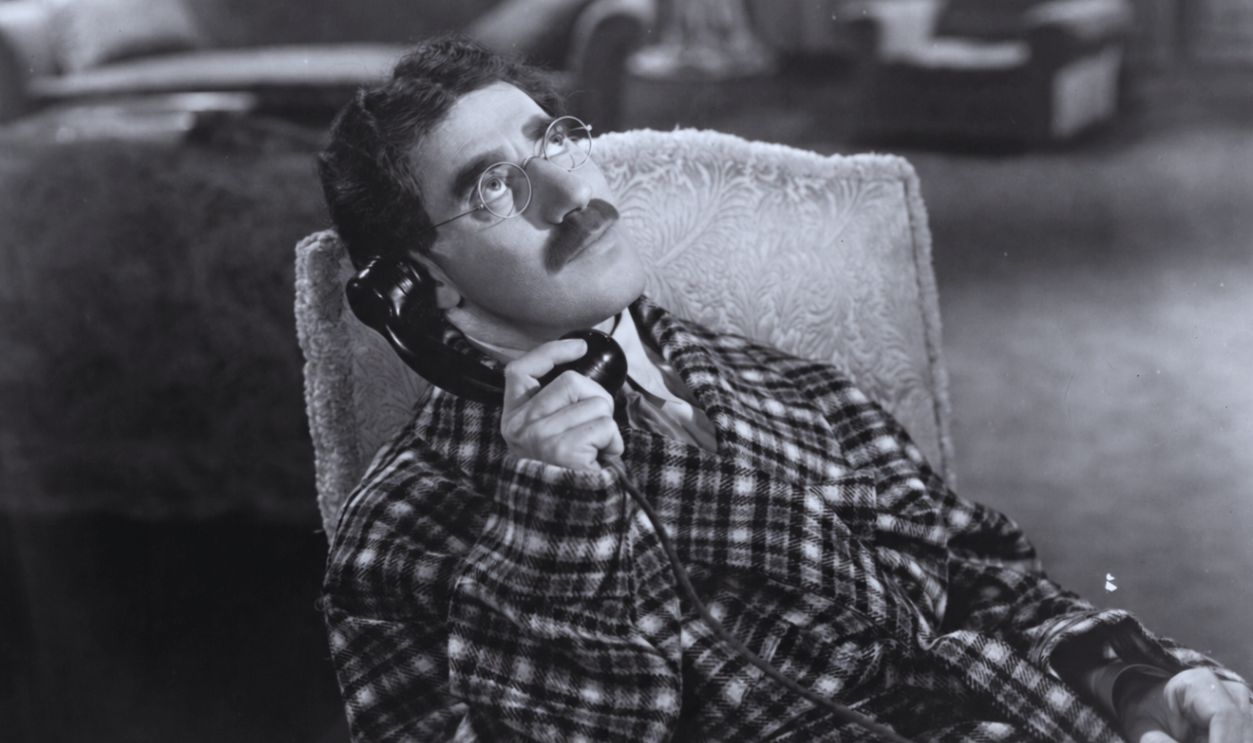
The Marx Brothers dominated the vaudeville and Broadway worlds for a couple of years, but as they saw the growing potential of cinema, they wanted in on the action. Starring in their first silent film, 1921’s Humor Risk, they were eager to make their debut on the silver screen, but it would have to wait as the film was destroyed after only one showing.
Sadly, they were about to find it much more difficult to put on a happy face.
20. They Lost Their Mother
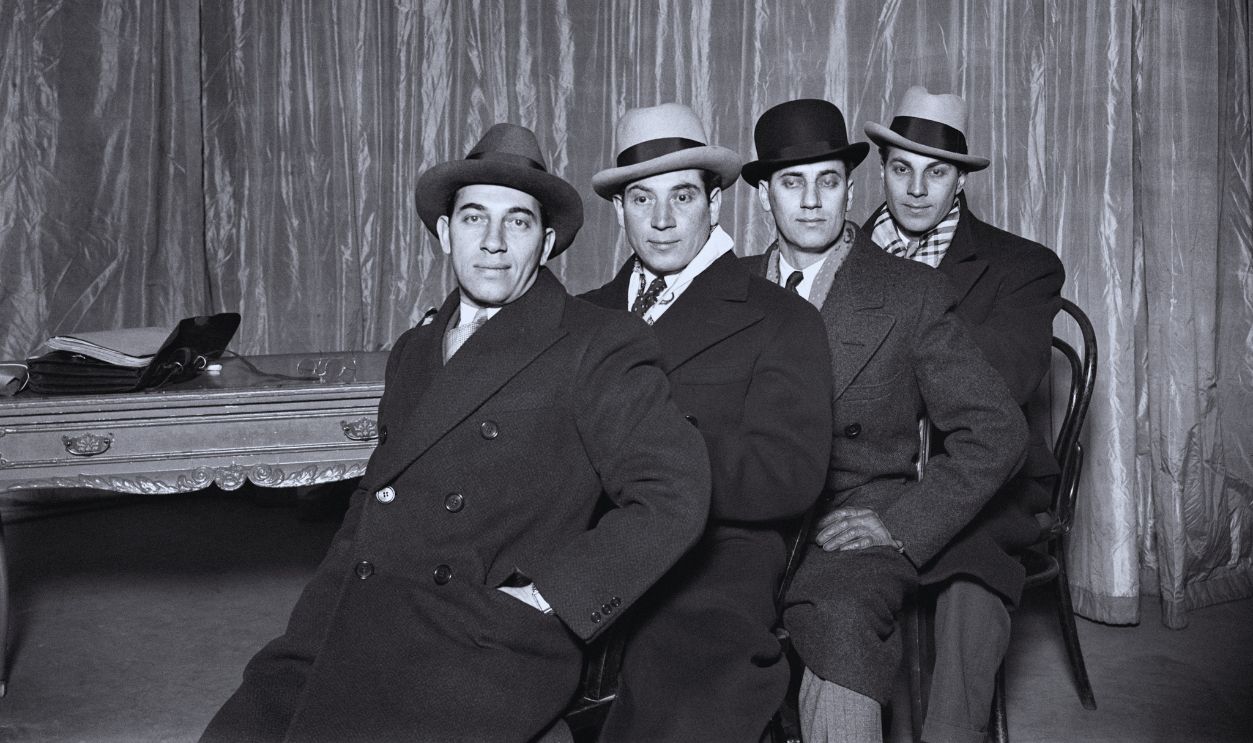
During the fall of 1929, the Marx Brothers were busy preparing themselves to go on tour for their film, Animal Crackers, but everything halted as they received truly devastating news—their mother had passed from a stroke. While they had to find a way to cope in the wake of this tragedy, they found comfort in the kind words of others, many of whom credited Minnie as the only reason the Marx Brothers existed.
Unfortunately, when it came to his own legacy, his first film wasn’t the only one lost to time.
21. They Almost Lost Them All
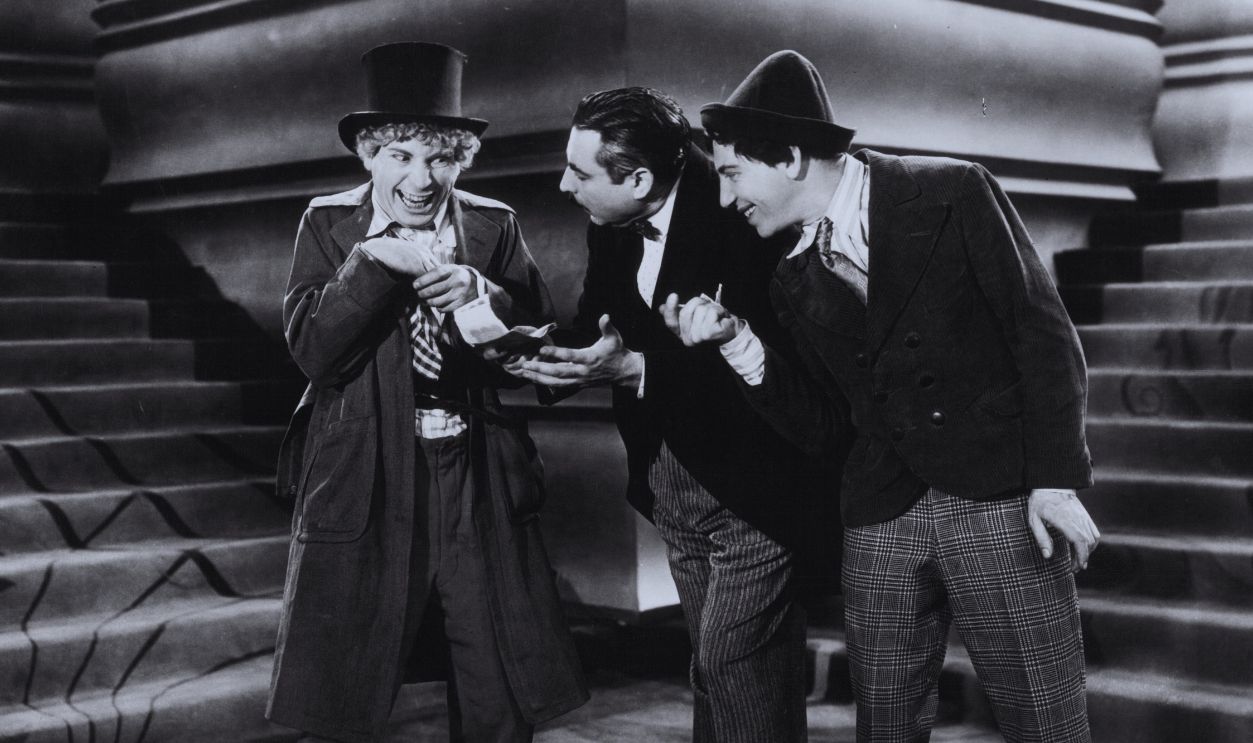
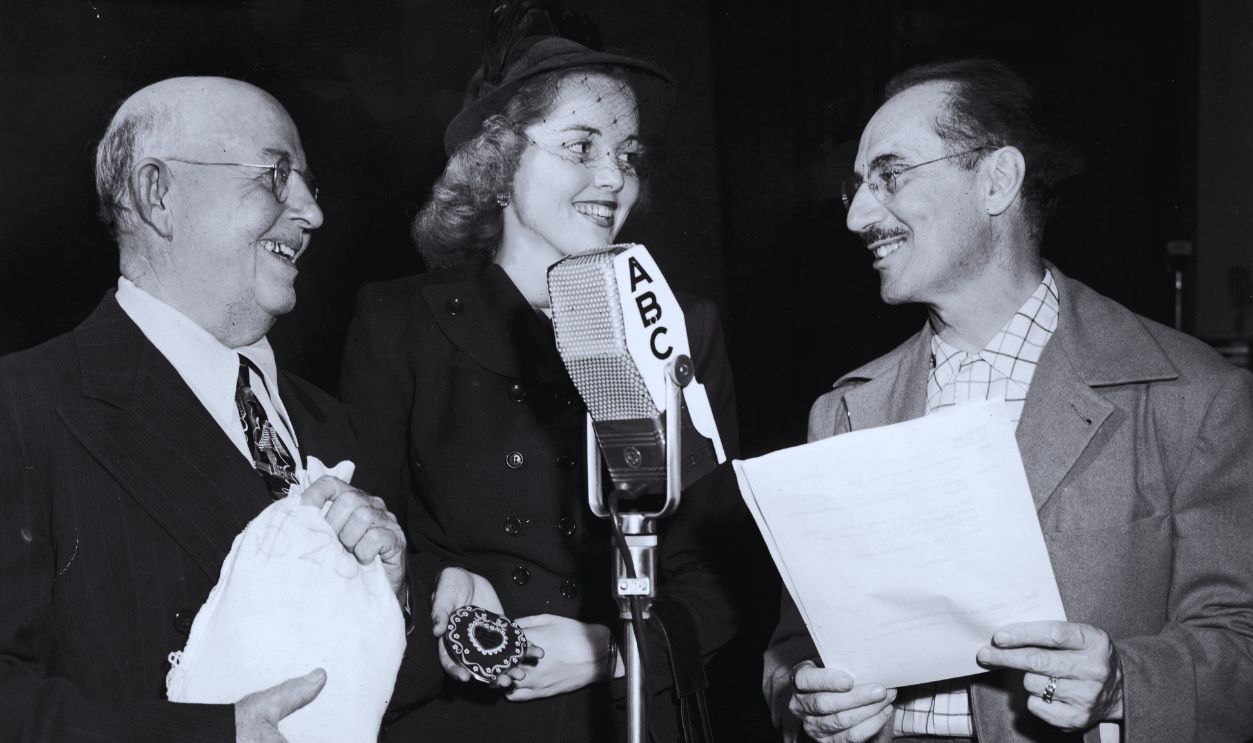
Although Groucho had proven he could rely on his character to support his career, he still wanted to branch out and try other jobs in entertainment, such as hosting radio shows. One of these was the series Flywheel, Shyster, and Flywheel, which was a part of his life that nearly vanished, as almost all the recordings and scripts seemed to have been destroyed. Thankfully, though, the large majority of them resurfaced in the Library of Congress.
Now that he was one of the world’s greatest comics, he had more chances to rub shoulders with the others—whether they liked it or not.
 Pictorial Parade, Getty Images
History's most fascinating stories and darkest secrets, delivered to your inbox daily.
22. He Agreed To Compete
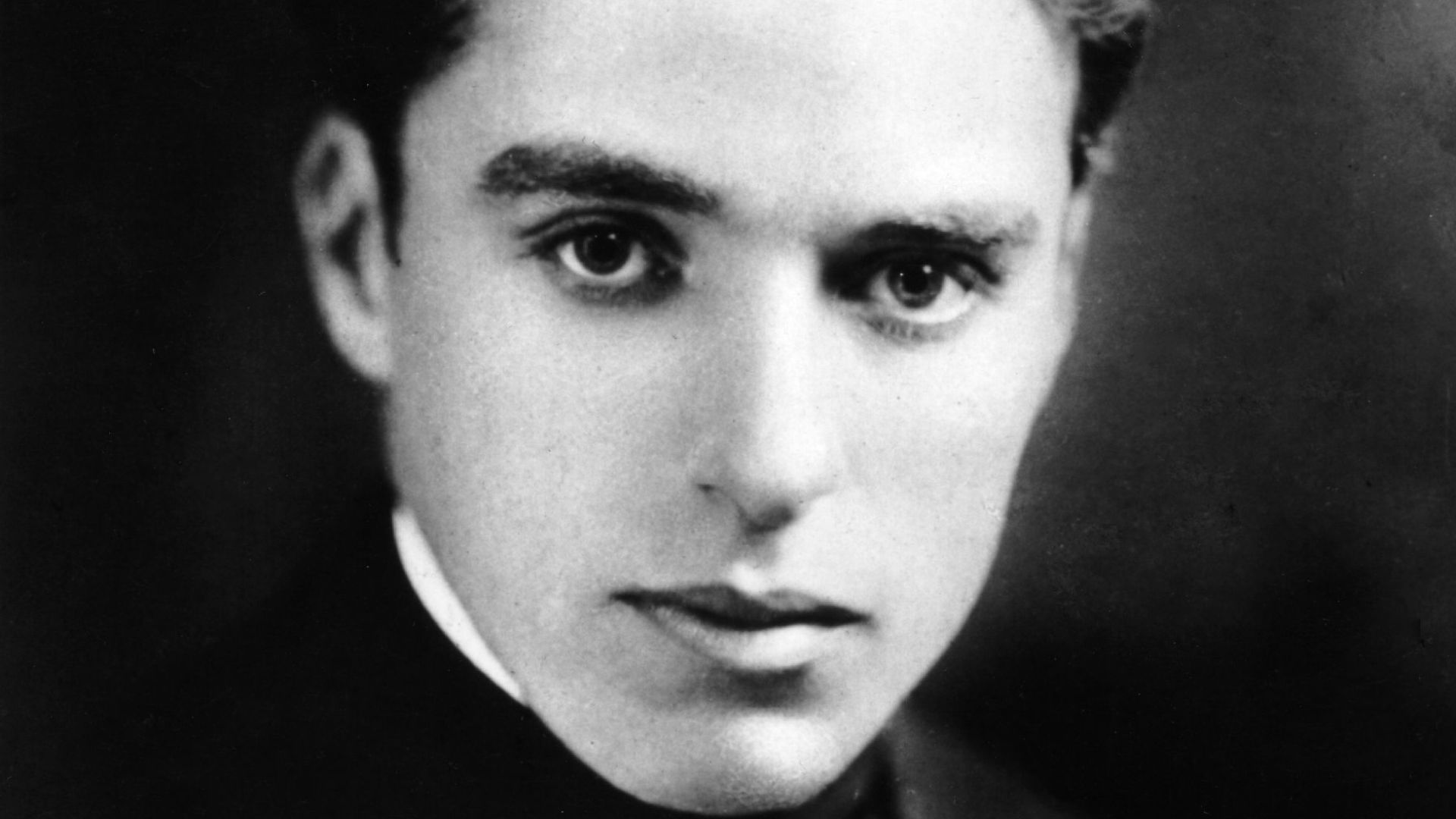
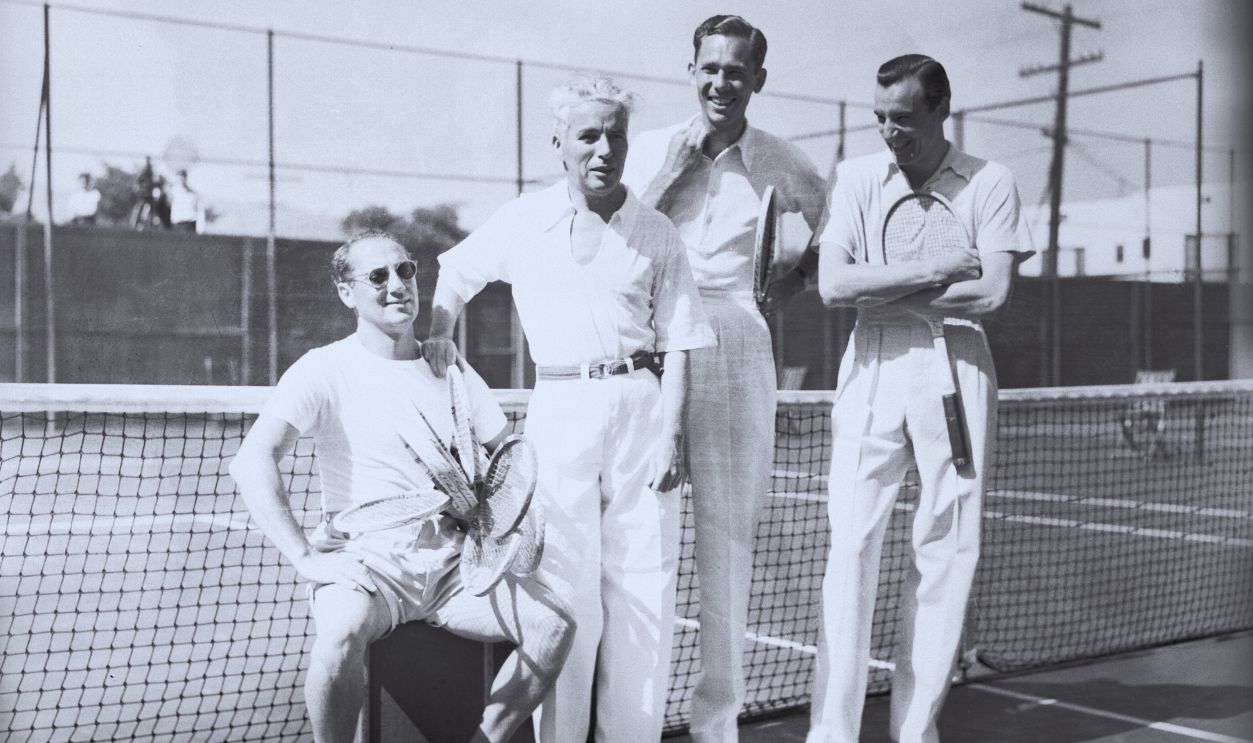
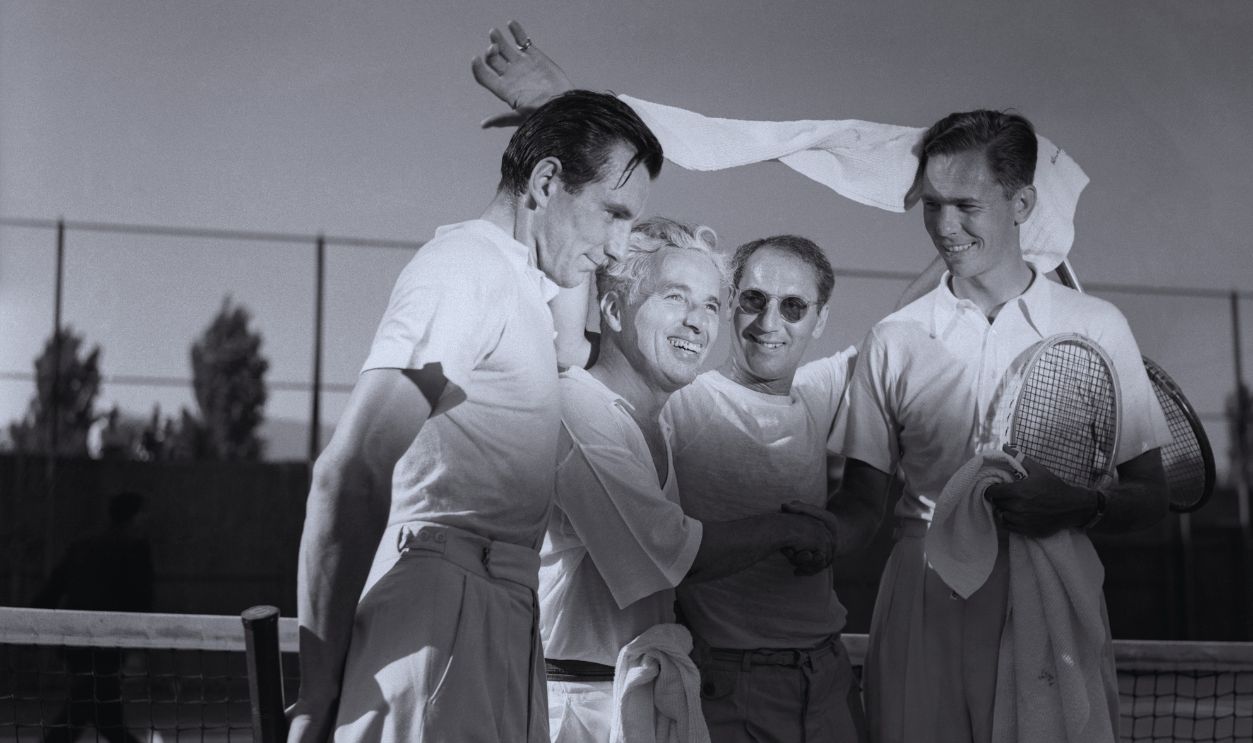
Now that he was a celebrity, Groucho Marx received many more exciting opportunities, but they weren’t always chances to perform. Taking part in the 1937 US vs England pro-celebrity tennis doubles match, he and his partner were set to play against a team with another titan of comedy—Charlie Chaplin.
As someone who often refused to take anything seriously himself—some of his colleagues would come to resent him.
 Unknown authorUnknown author, Wikimedia Commons
23. He Was Unimpressed
Unlike Groucho Marx, Charlie was clearly more invested in the tennis match, so when he saw how Groucho had arrived, he was less than pleased. There Groucho was, walking onto the court without a care in the world, likely knowing he was irritating Charlie as he lugged along a suitcase and a collection of around 12 tennis rackets.
It didn’t matter how annoyed Charlie Chaplin seemed—Groucho had come to play.
24. He Made A Joke Out Of It
Putting aside his bitterness, Charlie asked Groucho what exactly was so important that he needed to bring it onto the court in a suitcase. After inferring that Charlie was the weird one for not bringing a suitcase to tennis, Groucho later sat down and opened his own, revealing a meticulously packed picnic lunch—which he then ate.
Meanwhile, he was finally ready to get back on the market—though he hadn’t learned much.
25. He Found Someone Else
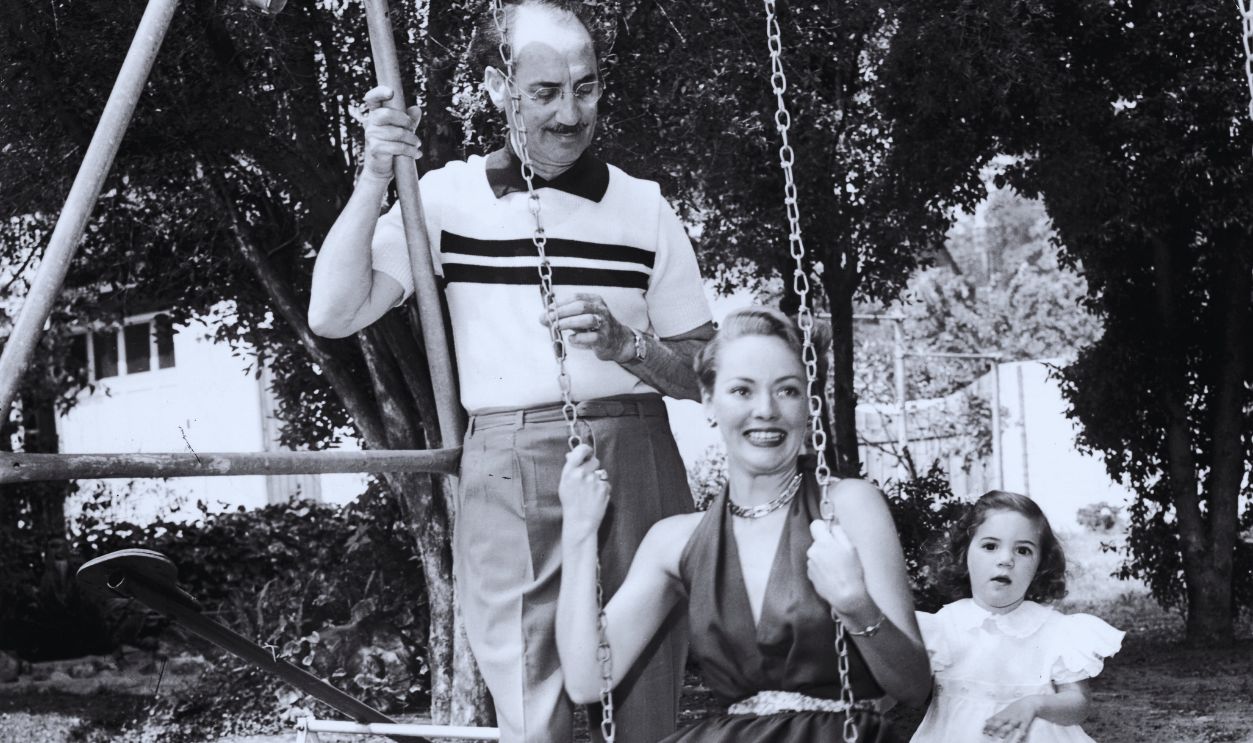
Groucho’s divorce from his first wife didn’t mean he lost any chance of his family growing, and in fact, he would get another shot after meeting a woman named Kay Marvis. Marrying her in 1945, they would welcome Groucho’s third child, a daughter named Melinda. However, the gap between him and his wife was even larger this time, with him being over twice her age—as she was 21 while he was 54.
It was hard for him to feel truly fulfilled, though, considering the state of his career.
 Pictorial Parade, Getty Images
26. He Was Unhappy
The Marx Brothers had worked on around 12 films by the 1940s, and were thinking about slowing down as each explored other avenues on their own—such as Groucho with his radio shows. Unfortunately, none of his series seemed to last too long, and he soon found himself in a creative rut, which eventually turned into a deep depression as he tried to figure out his next move.
Regrettably, his situation was about to become even more dire.
27. They Were Finished
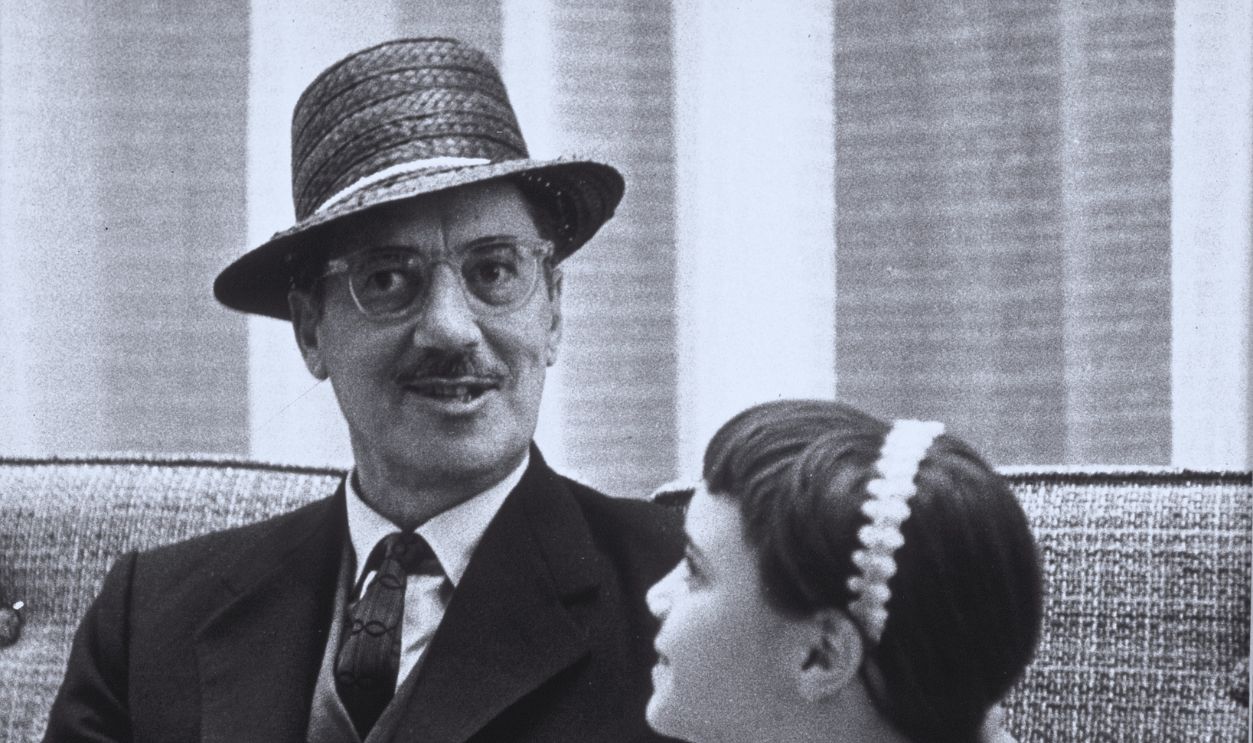
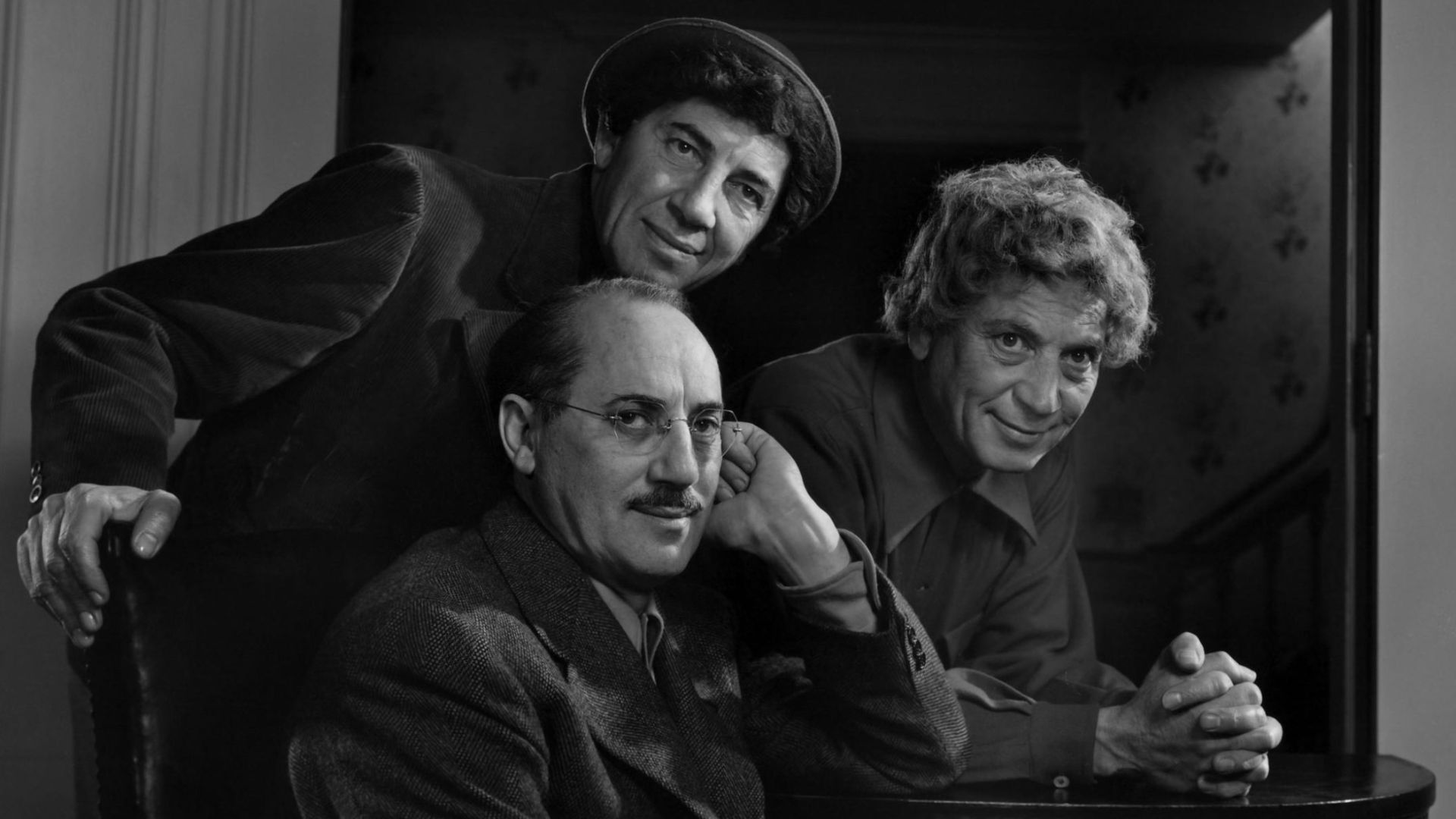
In the late 1940s, the Marx Brothers had decided that the film industry wasn’t for them anymore and announced their retirement—although they would return for one more picture to help Chico pay off his debts. Nonetheless, Groucho now had to rely on his solo work, but even then, his projects were never guaranteed to pan out.
Groucho already didn’t take many of his fellow comedians seriously, but he was about to become downright bitter.
 Yousuf Karsh, Wikimedia Commons
History's most fascinating stories and darkest secrets, delivered to your inbox daily.
28. He Grew Impatient
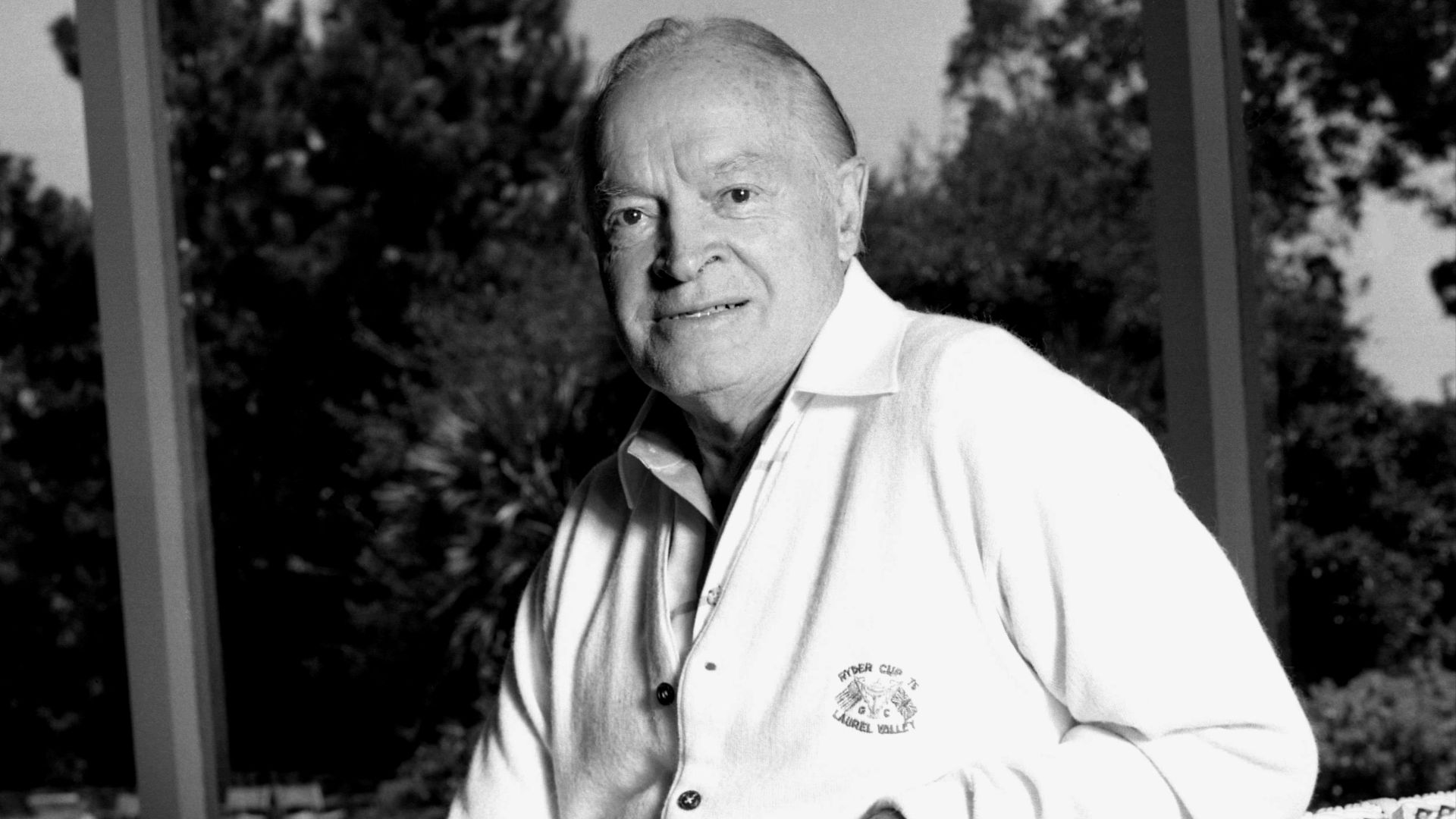
One opportunity that came along and actually worked out was his appearance on an episode of another radio series alongside legendary comic Bob Hope—but Groucho wasn’t the greatest guest. Once he arrived at the studio, programming issues left him waiting in the green room for 40 minutes before his allotted time, and he grew more annoyed by the second.
Living up to his name, Groucho’s performance on the show only got worse.
 Bob_Hope_at_home_Allan_Warren.jpg: Allan warren
derivative work: Beao, Wikimedia Commons
Bob_Hope_at_home_Allan_Warren.jpg: Allan warren
derivative work: Beao, Wikimedia Commons
29. He Was Difficult To Work With
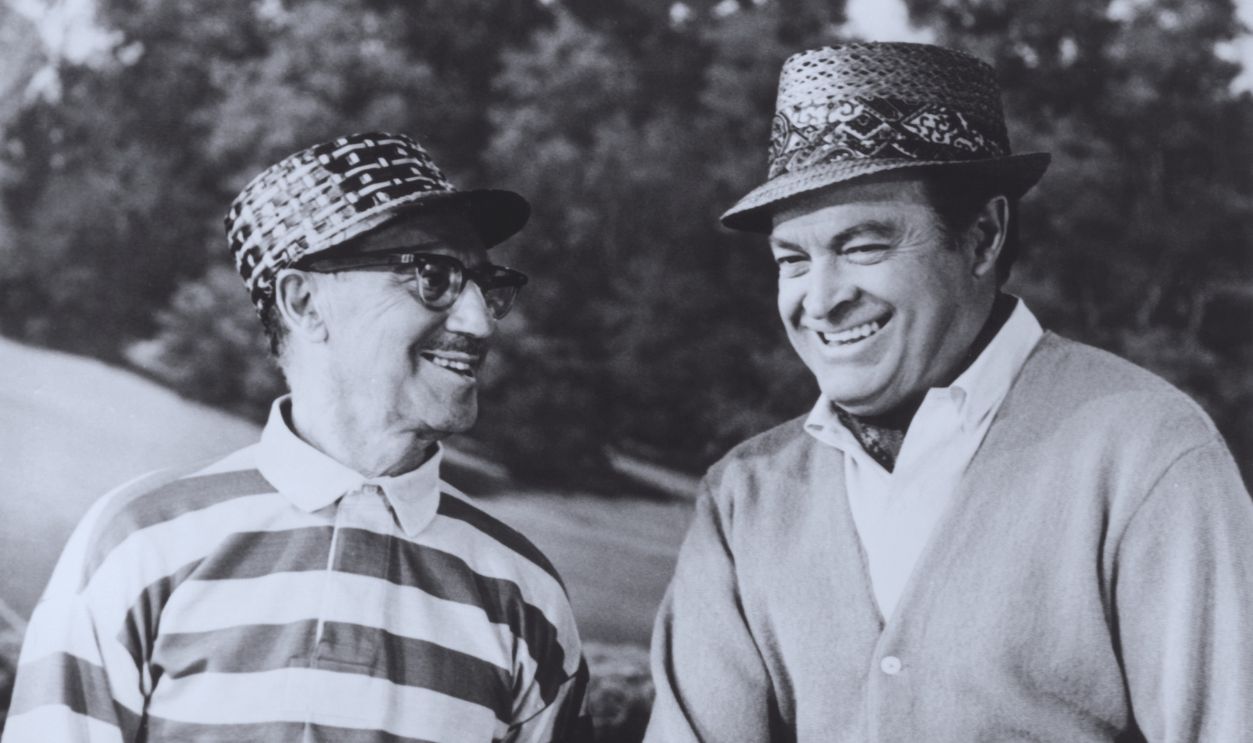
As soon as Groucho went on the air with his co-star, it was clear to everyone that the mood in the room had shifted, as their guest was clearly already fed up. Bob Hope tried to power through the tension and play his part, but Groucho wasn’t having it; instead, he improvised nearly all of his lines and forced the production into overtime.
Fortunately, he managed to find another project to commit to—and finally some stability.
30. He Found Another Gig
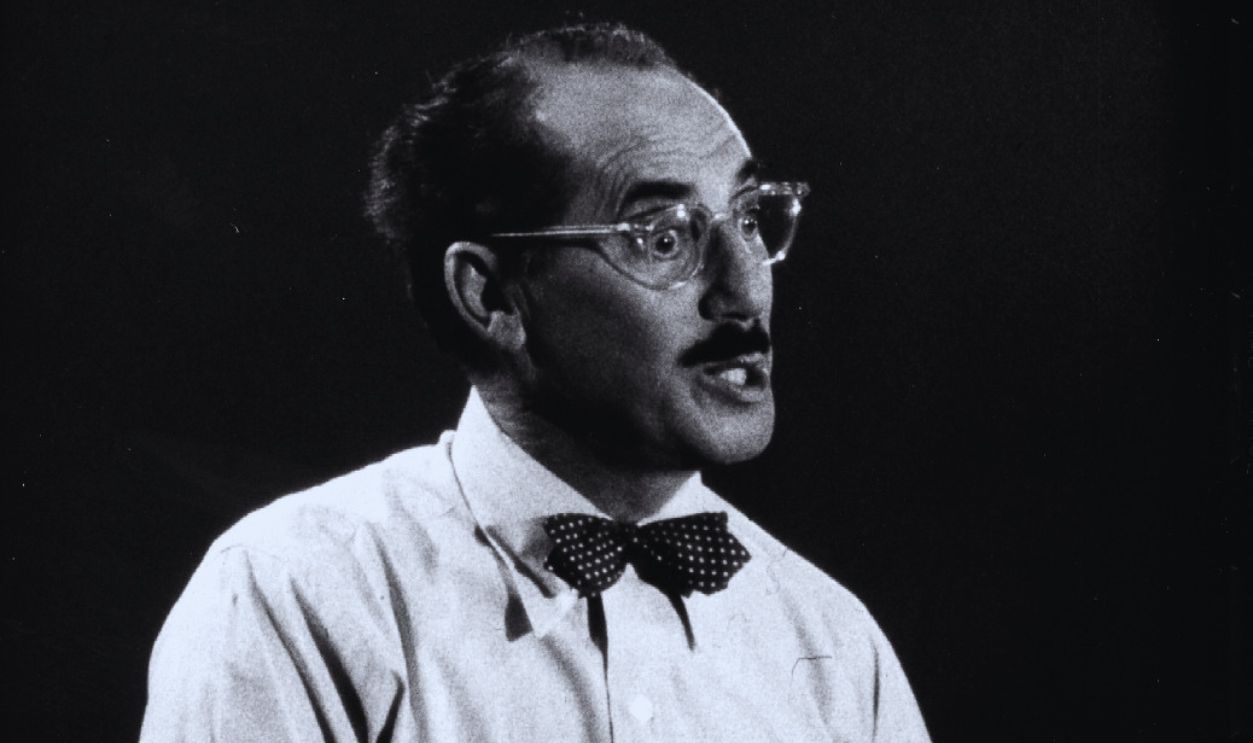
By this point, Groucho had tried several radio programs that never really took off, but that was all about to change when he signed on to host the radio quiz show, You Bet Your Life. While he was likely nervous about whether this would be another failed project, he soon realized its lasting potential as it existed in some form for over a decade after that.
At last, Groucho felt like he was getting back on the horse—and he found something he thought he had lost.
 Michael Ochs Archives, Getty Images
31. He Became An Icon Again
After moving to several radio stations, You Bet Your Life found a new home in 1950—this time in the exciting world of television. Once again demonstrating his talent with wit and improvisation, Groucho took the show to the top of the charts and continued to host it until its cancellation in 1961.
He even brought back his most beloved character—albeit with one major change.
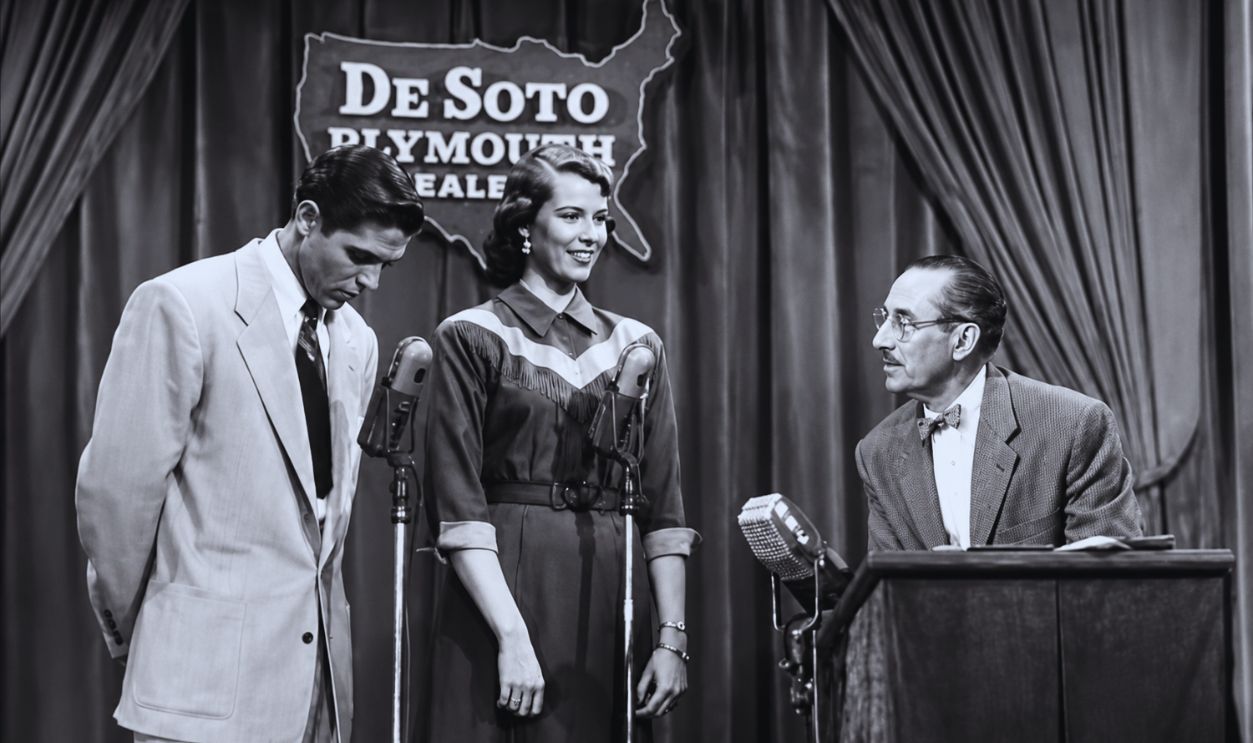 Screenshot from You Bet Your Life, NBC (1950–1961)
32. He Imitated His Art
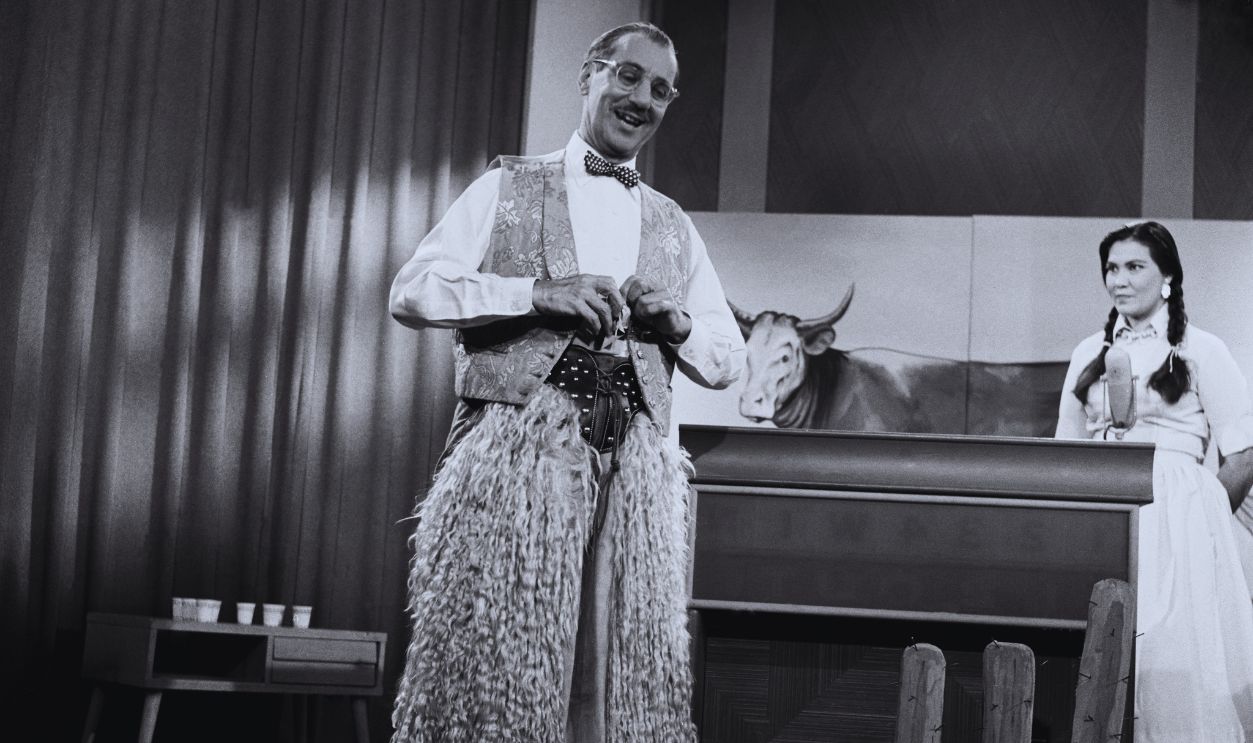
Years after he last performed his character as part of the Marx Brothers, Groucho was happy to don it once again for an episode of his show—though a bit more authentic this time. Back in the day, he wore fake spectacles and smeared on a greasepaint moustache out of convenience. However, now that he was older, he needed glasses anyway and simply chose to grow the moustache himself.
Groucho was just as persistent in his romantic life as he was in his career—although one wouldn’t work out so well.
33. She Was Much Younger
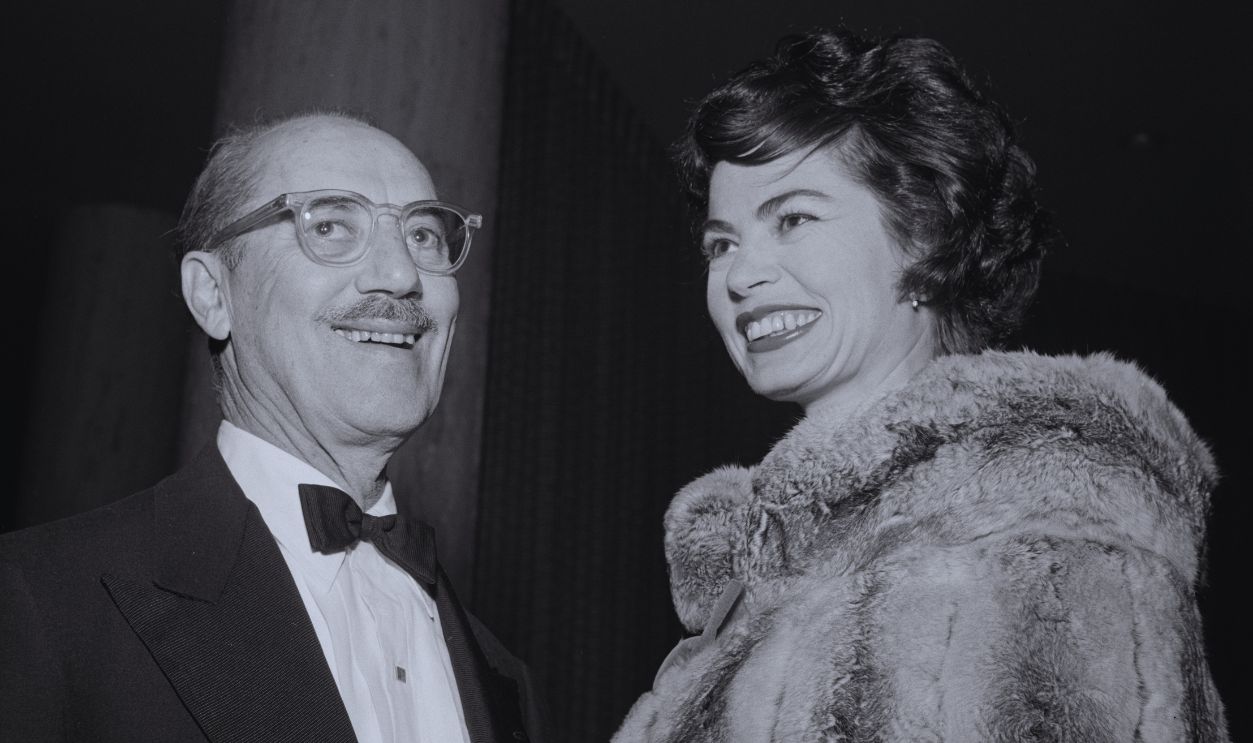
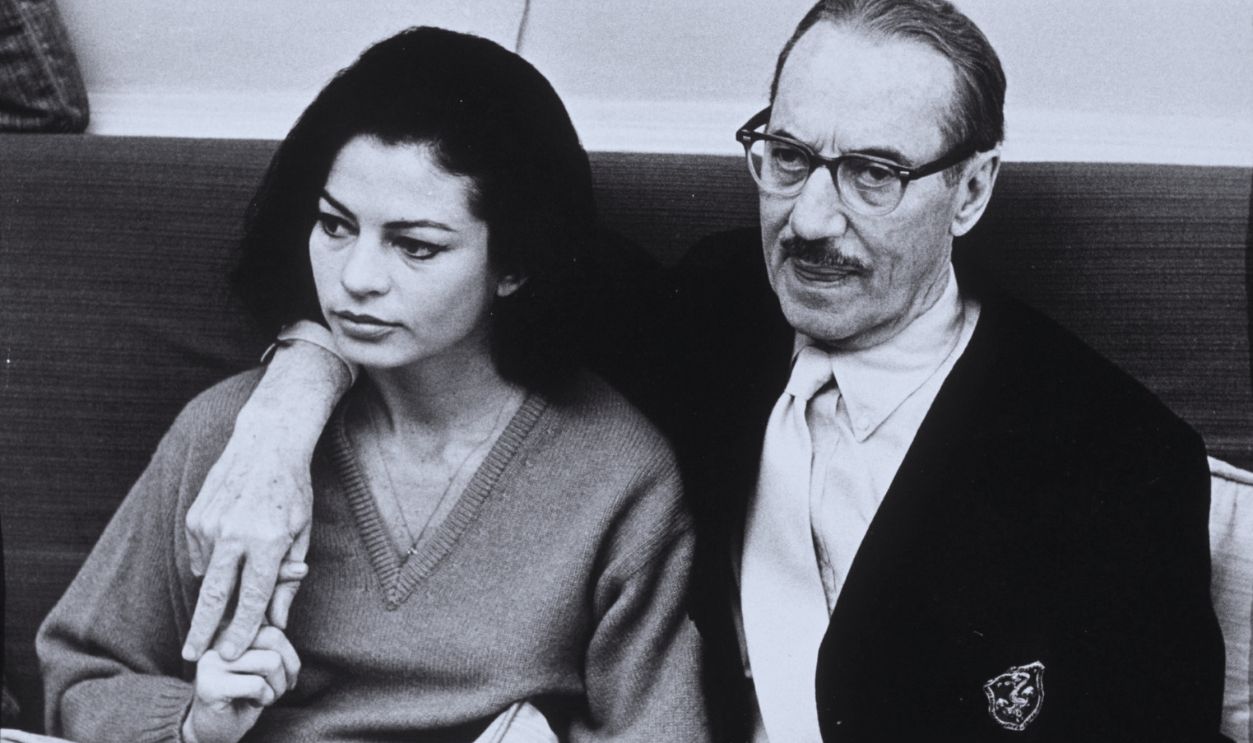
Groucho Marx continued to struggle in his love life, as he and Kay Marvis ended up divorcing after just six years of marriage—but he didn’t take long to move on. At 63, he became involved with a 24-year-old actress named Eden Hartford, whom he married in 1954. While they never had any children, they stayed together for about 15 years until, like his previous marriages, they divorced in 1969.
At this point, Groucho had clearly reached an age when life began to take away more than it gave.
History's most fascinating stories and darkest secrets, delivered to your inbox daily.
34. He Lost One Of Them
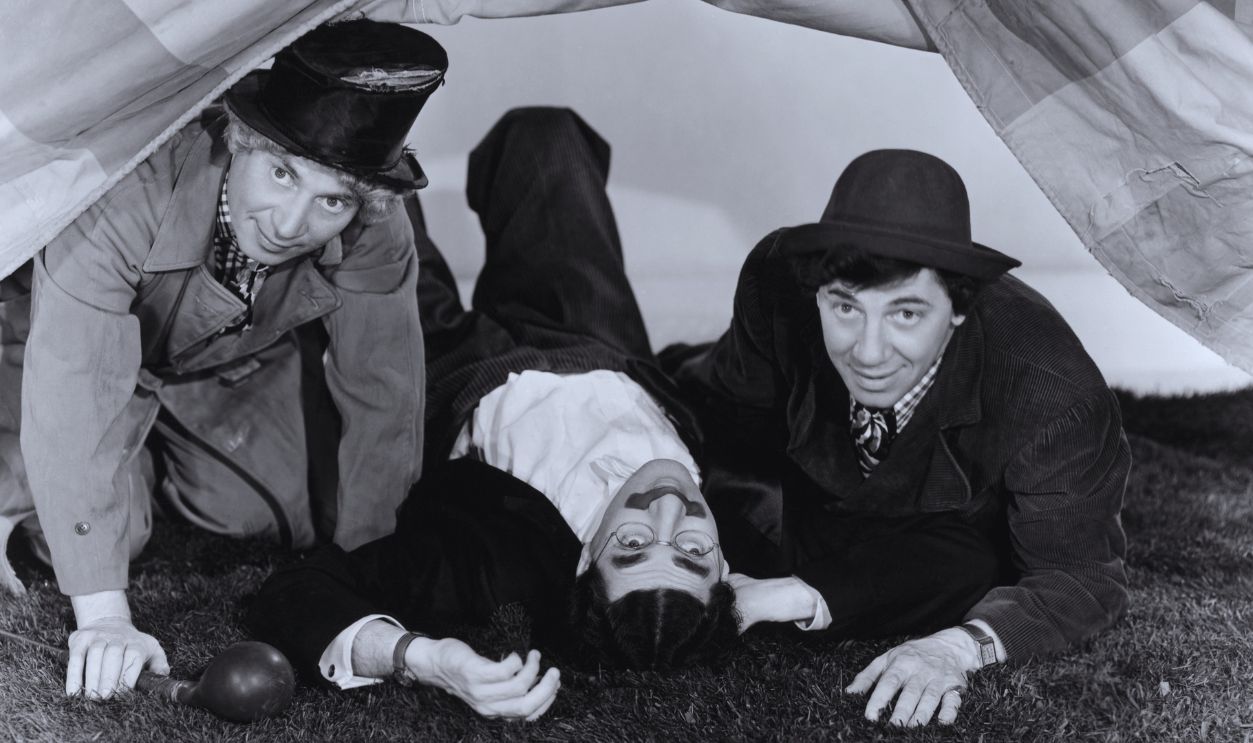
As Groucho and his brothers carried on with their own lives, they tried to stay in touch as much as possible, but with age came the realization that they would only have less time to do so. Groucho would receive a stark reminder of this in 1961, when his oldest brother, Chico—Leonard Marx—lost his life to arteriosclerosis, leaving the surviving Marx Brothers grief-stricken.
Sadly, this was only the first loss they would suffer in the 1960s.
35. He Didn’t Make It
Now into their 70s, Groucho’s older brothers had certainly been feeling their ages more and more, and unfortunately, Harpo—otherwise known as Arthur—would suffer his own challenges before long. Placed in the intensive care unit of a Los Angeles hospital, Harpo underwent a major heart surgery in 1964, but complications in the aftermath resulted in his own passing while he was still recovering.
Groucho had loved both of this brothers, but this tragedy was different somehow.
36. He Was Inconsolable
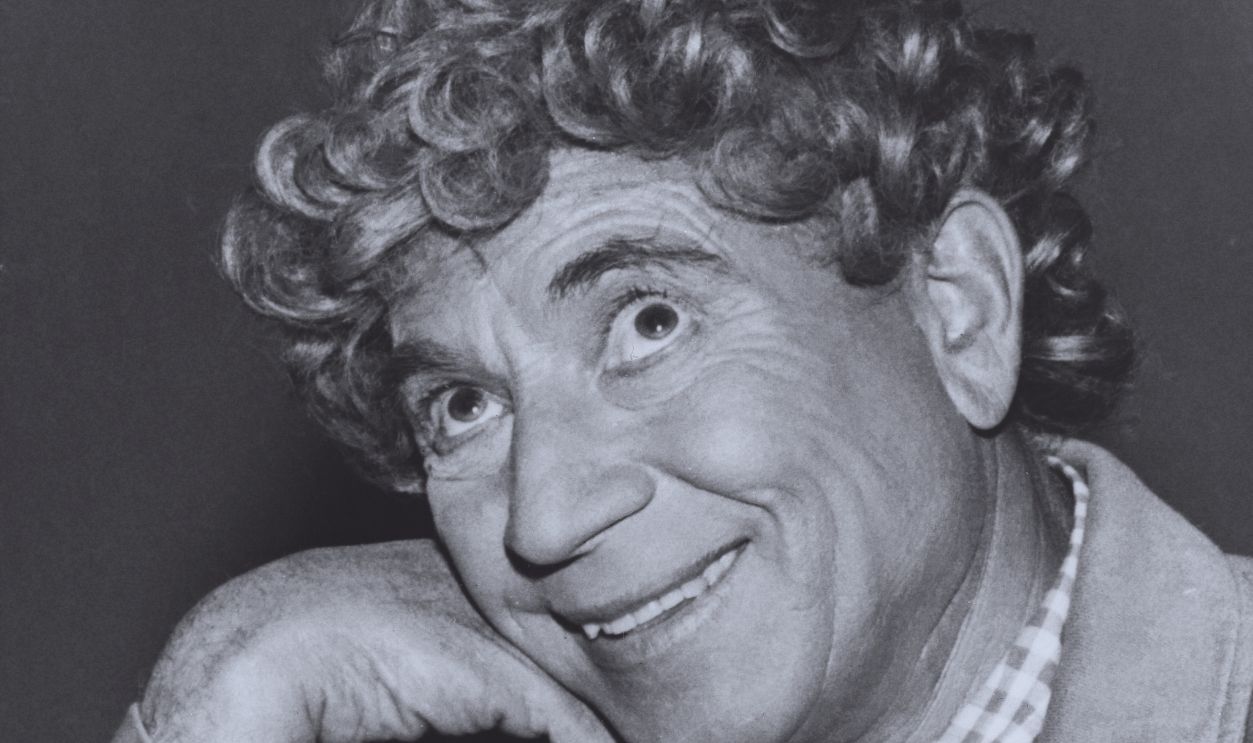
While Groucho had mourned the loss of his oldest brother like the rest of his family, both he and his two younger brothers seemed especially affected by the loss of Harpo. He never truly recovered from it, and as his son later revealed, Harpo’s funeral was the first and only time he saw Groucho cry.
Of course, it was only a matter of time before his age caught up with him as well.
 Michael Ochs Archives, Getty Images
37. He Became More Sickly
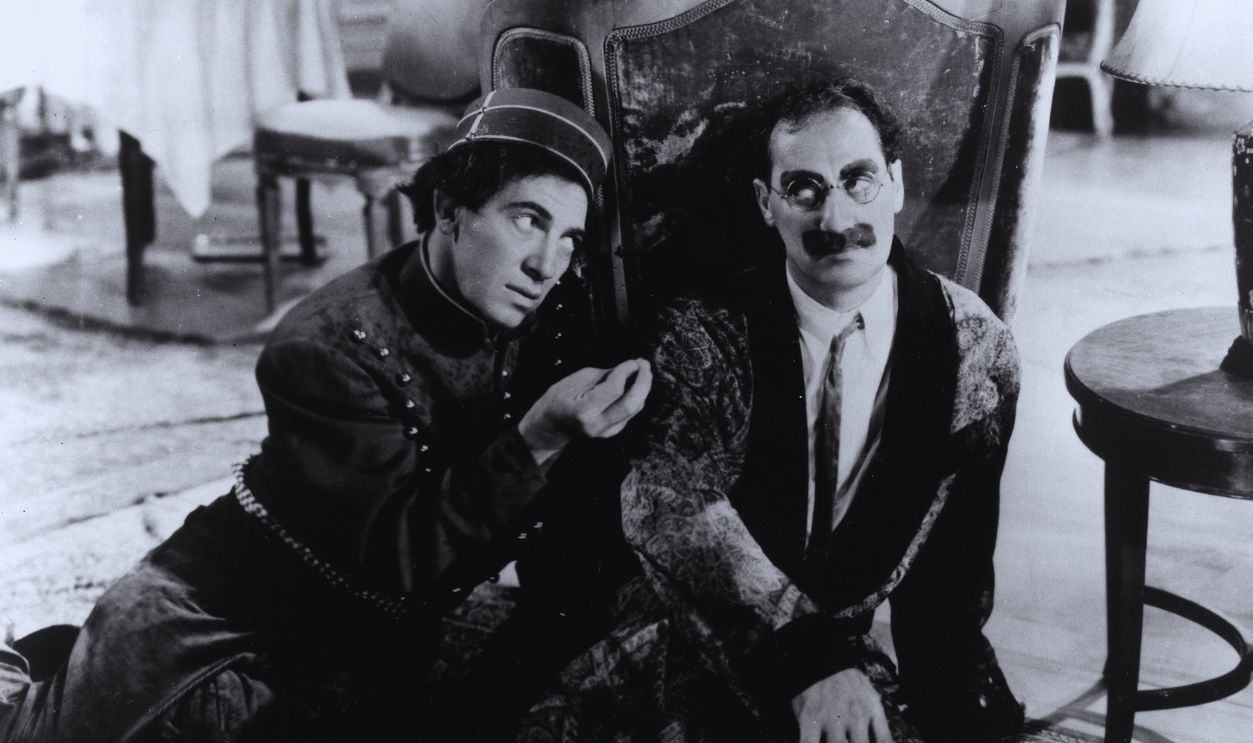
Approaching the 1970s, Groucho began to notice his own health declining, and his condition grew more severe with each passing month. Suffering from numerous medical issues that had piled up over the years, including several minor strokes, he entered his 80s having lost much of his strength and mental faculties.
Still, he didn’t let his health keep him down, and he even managed to befriend another legendary performer.
38. He Met A Superstar
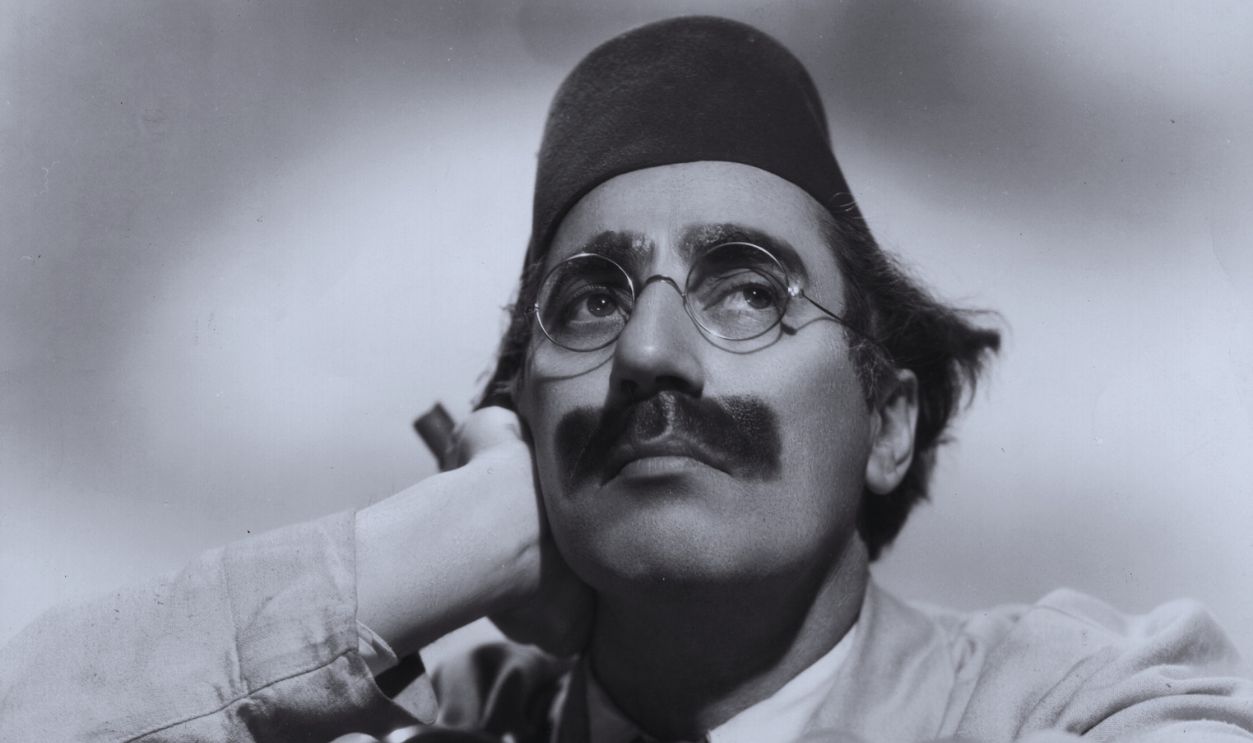
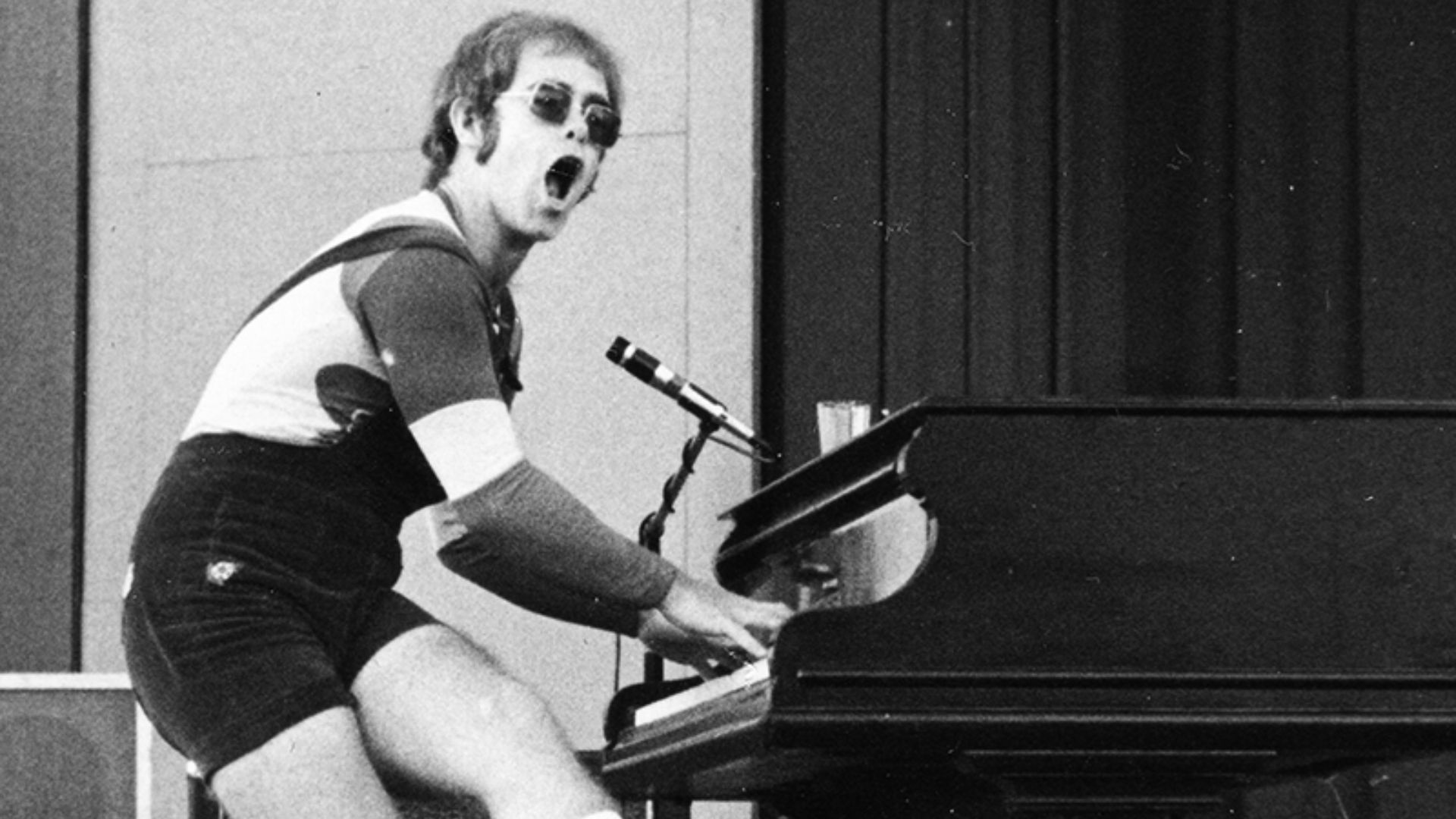
Many of Groucho’s interactions with other big names in entertainment had been less than pleasant, but one meeting in 1972 was much different. Now about 82 years old, perhaps age had softened his moody personality, so when he received a visit from none other than Elton John, Groucho was completely over the moon.
Groucho continued to be an inspiration himself—even to such a musical genius as Elton John.
 Heinrich Klaffs, Wikimedia Commons
39. He Gave Him An Idea
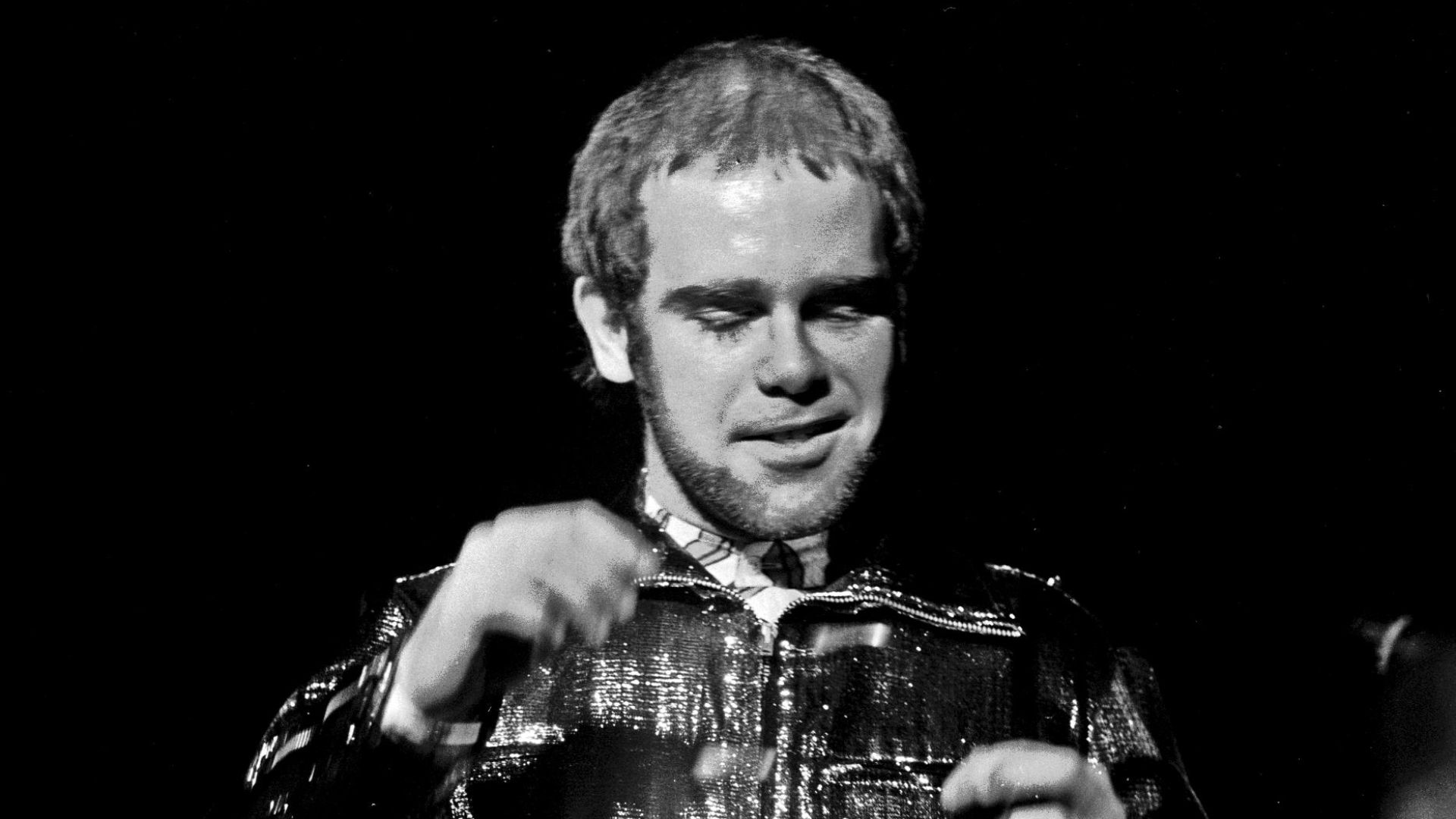
Having a lovely visit with Groucho, Elton John came away from the meeting with more than just a once-in-a-lifetime memory, as he had also found the name of his new album. According to the story, Elton had agreed to play the piano for a bit, during which Groucho jokingly pointed two finger-guns at the singer, who replied by throwing his hands up and saying, “Don't shoot me, I'm only the piano player”.
At the same time, while Groucho was proud, he wasn’t against taking advice from others.
 https://www.flickr.com/photos/yabosid/, Wikimedia Commons
History's most fascinating stories and darkest secrets, delivered to your inbox daily.
40. He Took Her Advice
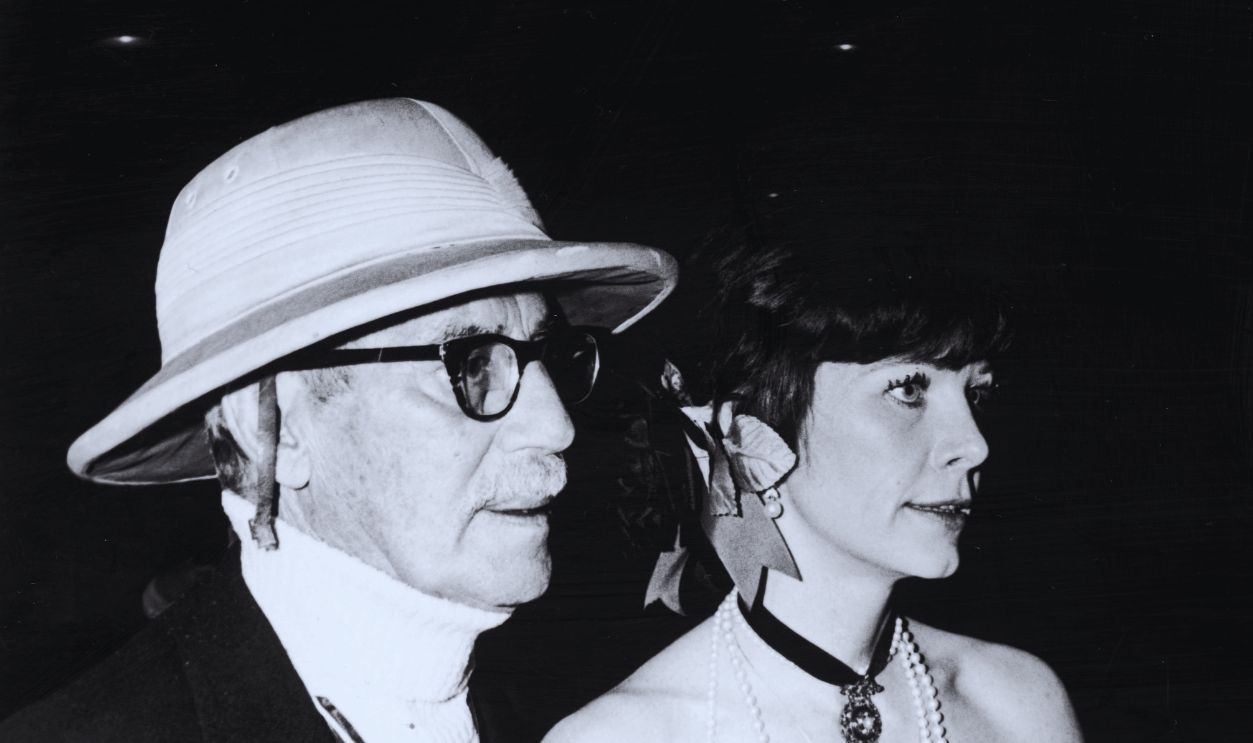
Around this time, Groucho became increasingly close with a woman named Erin Fleming—although she was about 50 years his junior. Nonetheless, her opinion carried a lot of weight, so when she pushed him to come out of retirement for one more show, he couldn’t refuse. Performing at Carnegie Hall in 1972, he put on a one-man show, later releasing a double album of the event titled An Evening with Groucho.
While he may have enjoyed this work in his old age, some weren’t so happy about where he got the idea.
 Michael Ochs Archives, Getty Images
41. They Didn’t Like Her
While the extent of their relationship has been up for debate ever since, Erin Fleming remained a major part of Groucho’s life in his final years—which wasn’t to everyone’s liking. Beginning as his secretary, she eventually took control of all his professional matters, leading his loved ones to question her motives. What began as suspicions that she was using his fame for her own gain turned into serious accusations of mistreatment by the end.
Meanwhile, it wouldn’t be much longer before he received the ultimate honor—but it wasn’t just for him.
42. They Recognized Him
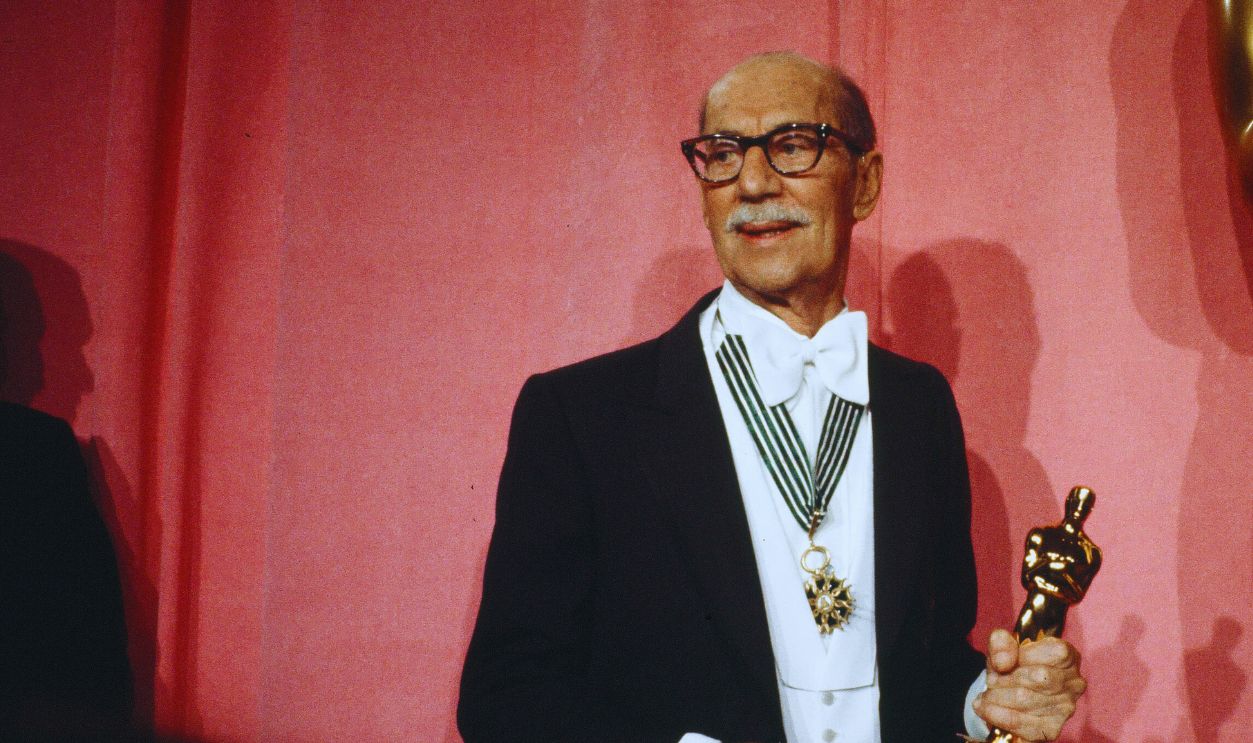
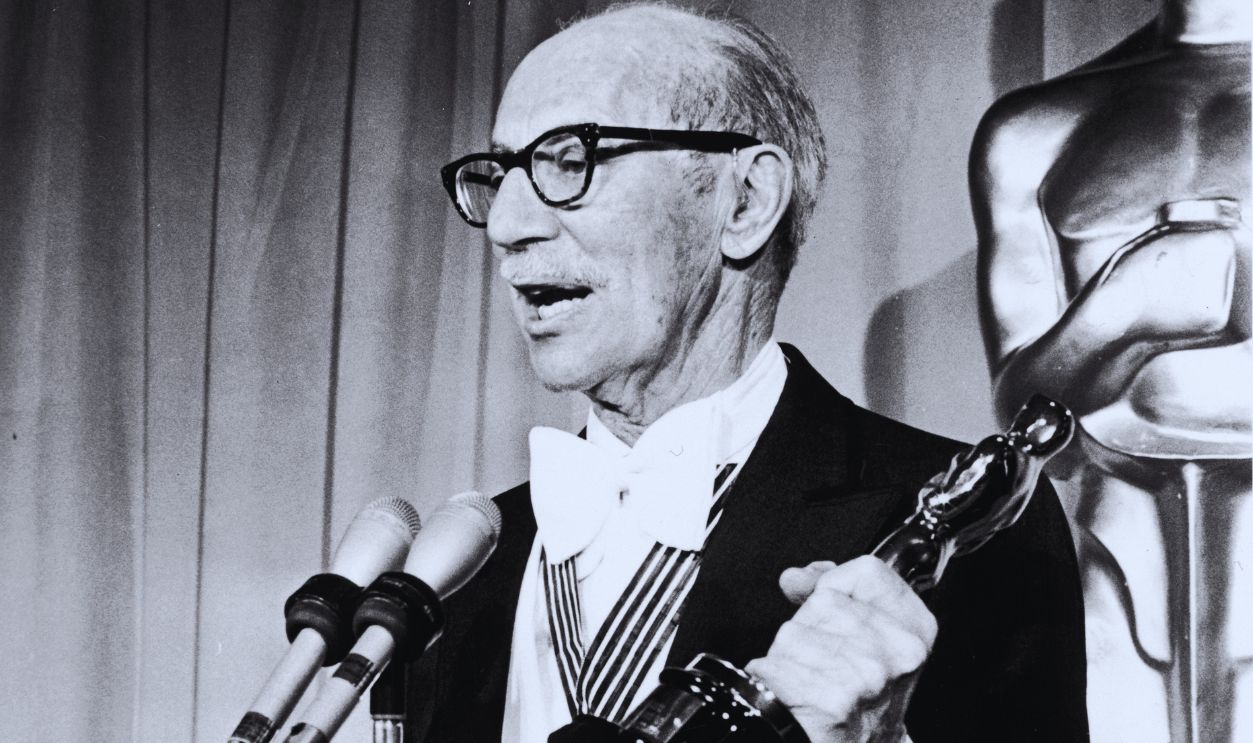
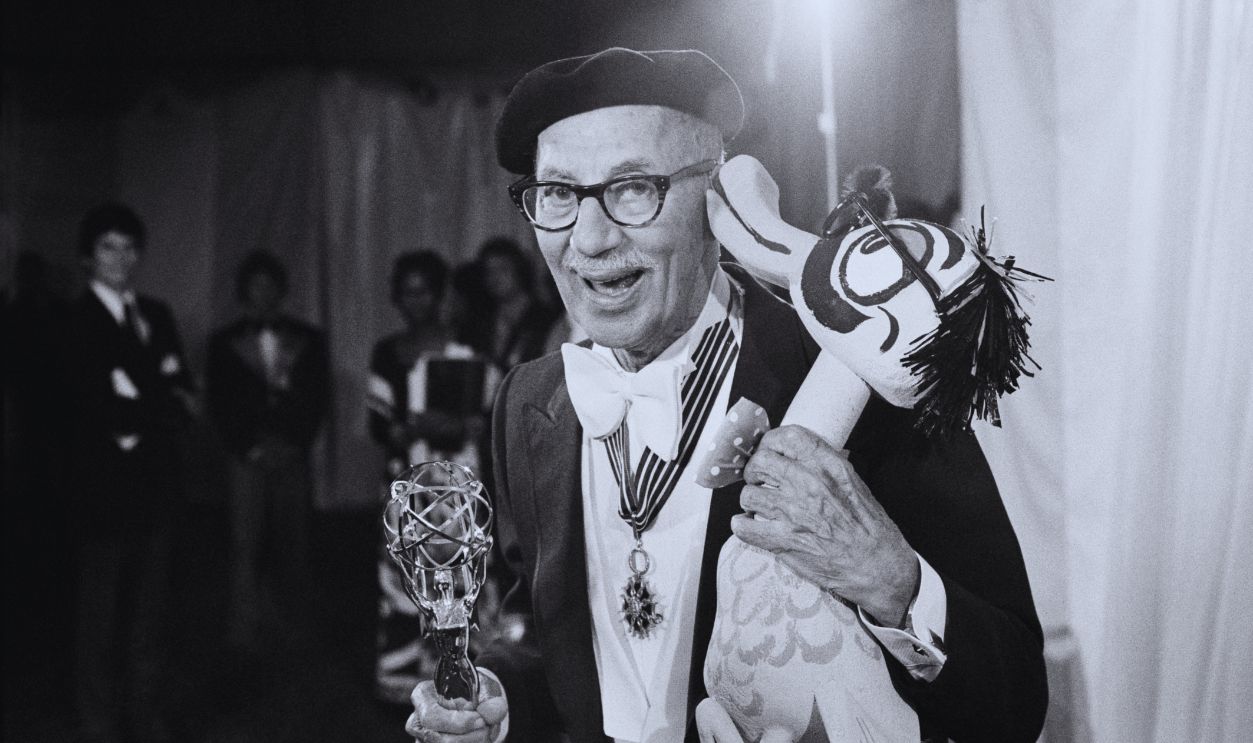
Although the world of cinema had long held Groucho up as one of the most iconic vaudeville performers in history, it wasn’t until 1974 that he received some concrete recognition. Attending that year’s Academy Awards, Groucho listened in stunned surprise as actor Jack Lemmon called him up to receive an honorary Oscar for his contributions.
Despite his condition, he insisted on expressing his gratitude—and his regrets.
 Michael Ochs Archives, Getty Images
43. He Wished They Were There
Met with a roar of applause and a standing ovation, Groucho made his way up to the stage to collect the award that not only honored his accomplishments, but the “unequalled achievements of the Marx Brothers” as a whole. Understanding the gravity of this moment, he took a bow on behalf of Harpo and Chico, admitting that he wished they were on stage with him to share it.
However, further tragedy was on the horizon—even if he didn’t realize it.
 Michael Ochs Archives, Getty Images
44. He Never Knew
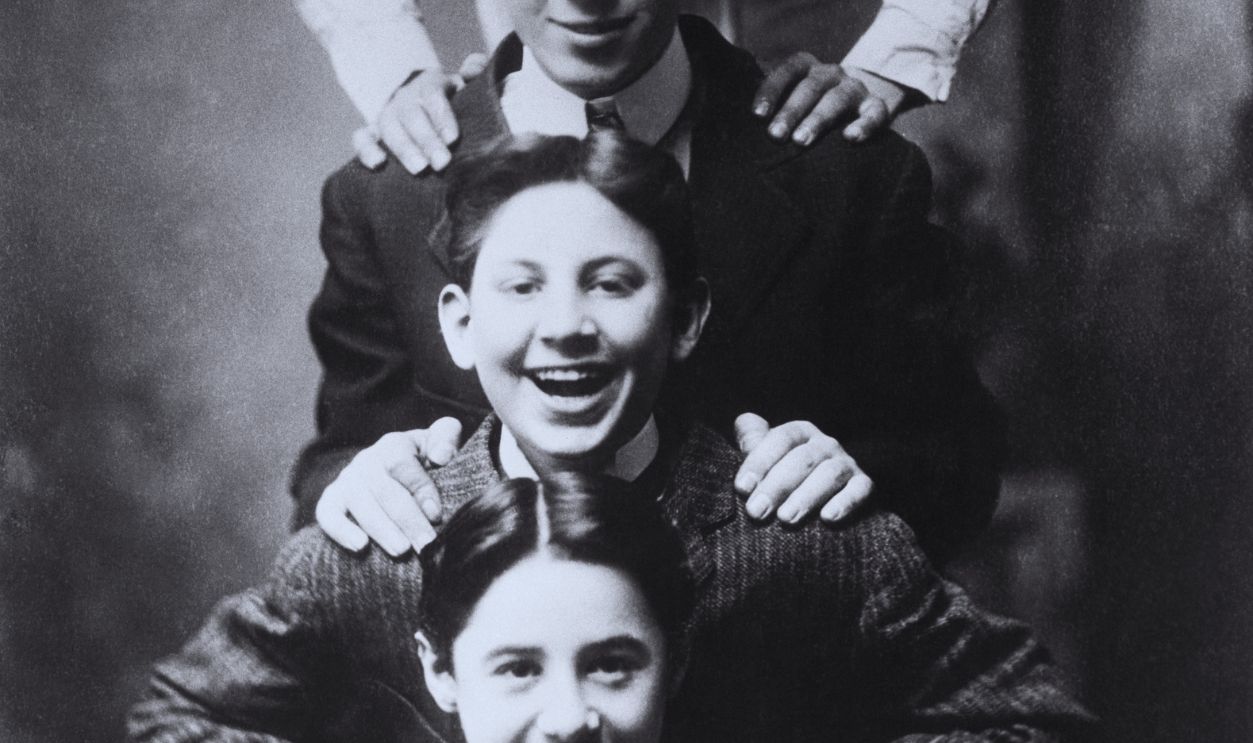
The years continued to take their toll on the Marx family, and before any of them knew it, the moment had come to say goodbye to another brother. Suffering a cerebral hemorrhage in 1977, Gummo Marx—originally Milton—passed at the age of 84, but the family made a shocking decision after his death. As Groucho’s health had only deteriorated further in recent years, his family thought that telling him of Gummo’s passing would only make things worse.
Ultimately, he would never find out the truth—as he was nearly out of time himself.
45. He Wasn’t Far Behind
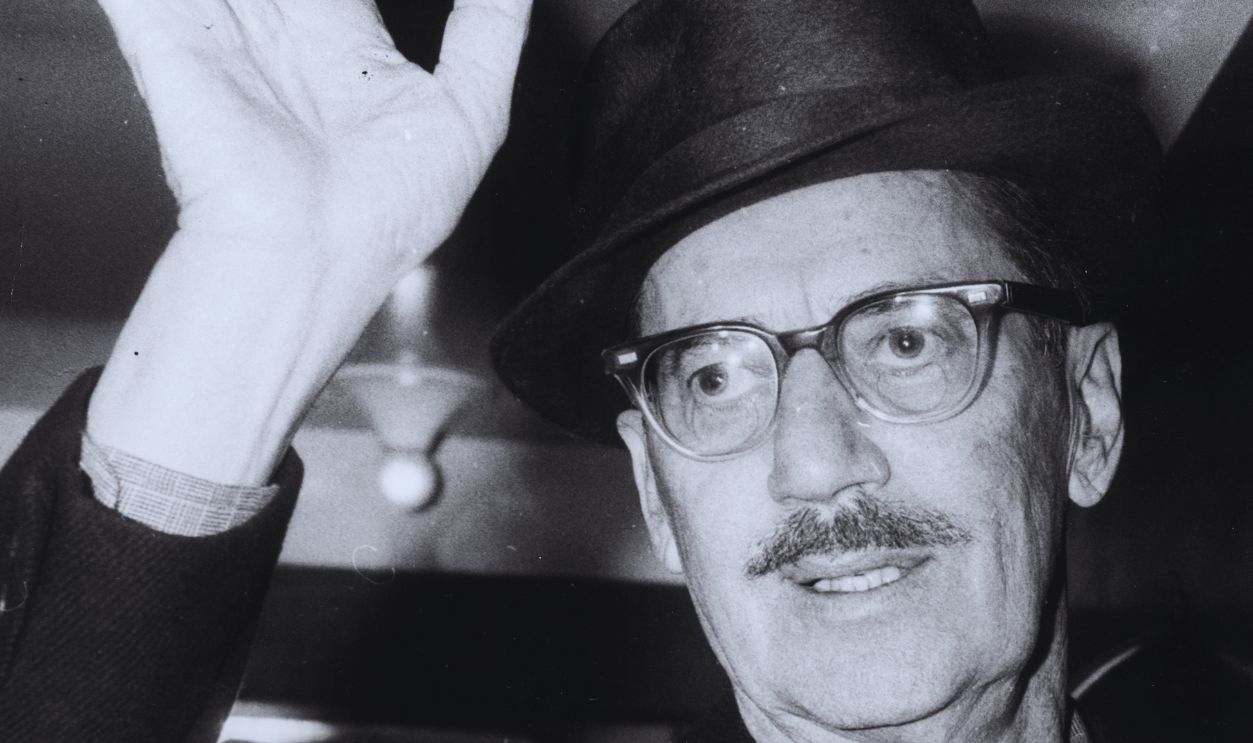
While Groucho’s family had the best intentions in keeping Gummo’s passing a secret, hoping to postpone the inevitable, they only bought the veteran performer a bit more time. Just four months after the loss of his brother, Groucho succumbed to a nasty case of pneumonia, himself passing on August 19, 1977.
It’s a good thing he had his honorary Oscar, as even in the end, he couldn’t help but fall victim to a cruel joke.
History's most fascinating stories and darkest secrets, delivered to your inbox daily.
46. He Was Upstaged
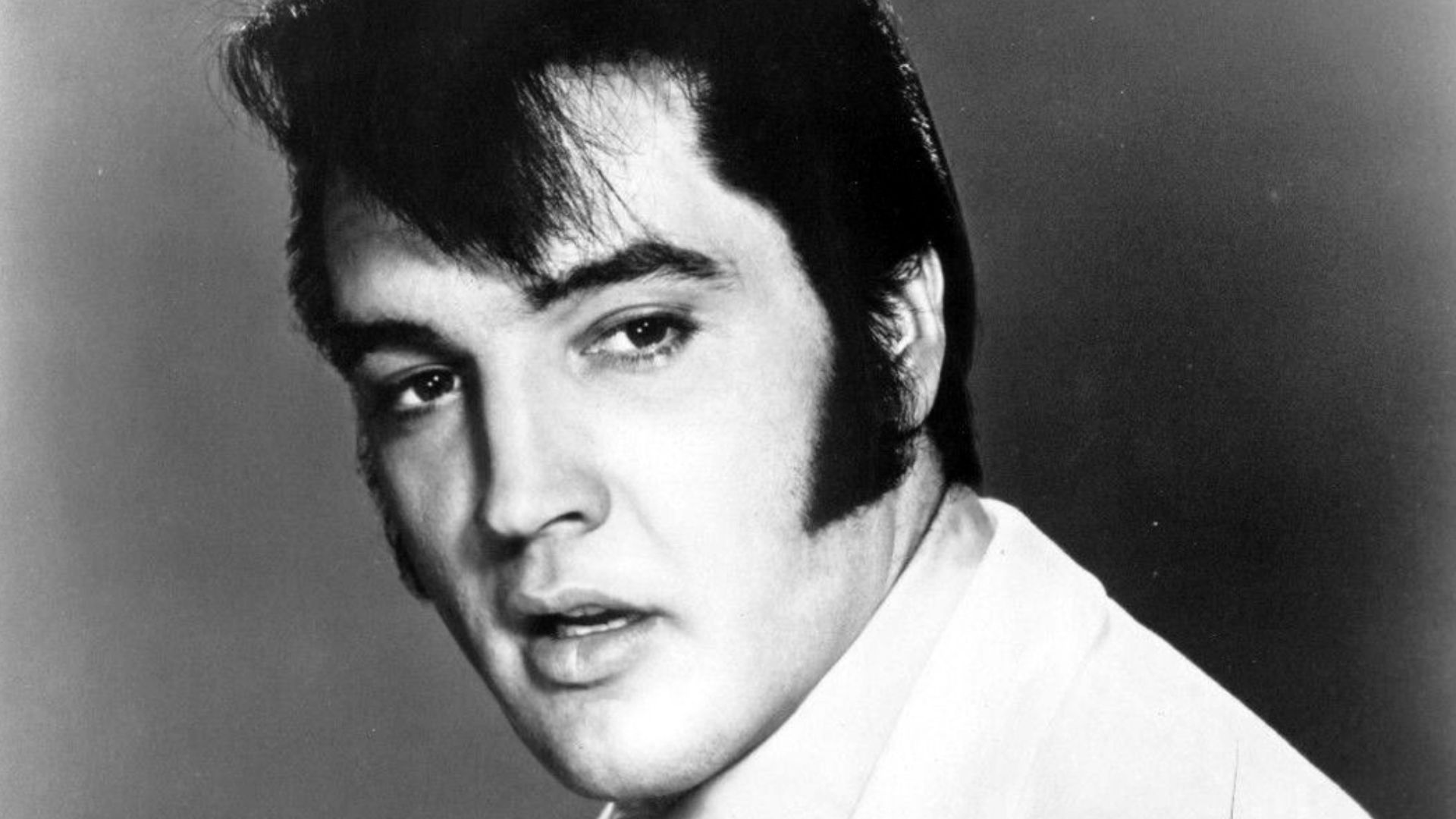
Although the Academy had honored him only a few years earlier, when news of Groucho’s passing broke, it didn’t exactly get the outpour of kind words and tributes his family expected. This, unfortunately, was because just three days earlier, headlines around the world had shocked readers as they learned that Elvis Presley had perished.
And that wasn't the only source of drama.
47. They Went After Her
While Groucho's secretary Erin Fleming had revitalized his popularity in his later years, his children accused her of exploiting an elderly man for personal gain. After Marx’s death, Fleming fought several legal battles with Marx’s three children and was eventually ordered to repay nearly $500,000. Fleming spent the rest of her life struggling with mental illness and abject poverty before taking her own life in 2003.
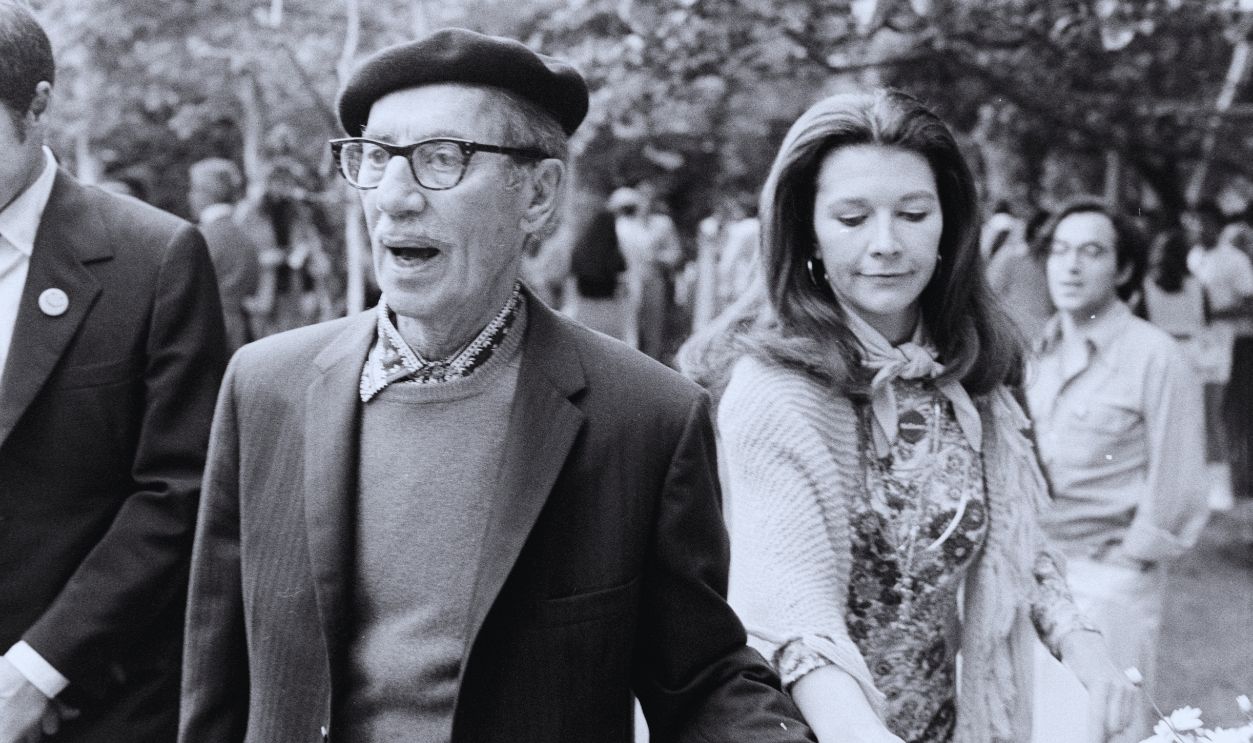
48. He Had Another Passion
Groucho Marx had taken pride in his lifetime of work as an entertainer, but when it came to his favorite creative outlet, he much preferred writing. Without receiving the education he wished he had as a child, he became obsessed with studying literature on his own and eventually wrote multiple books himself.
Luckily, in their grief, Groucho was able to make his children laugh one more time.
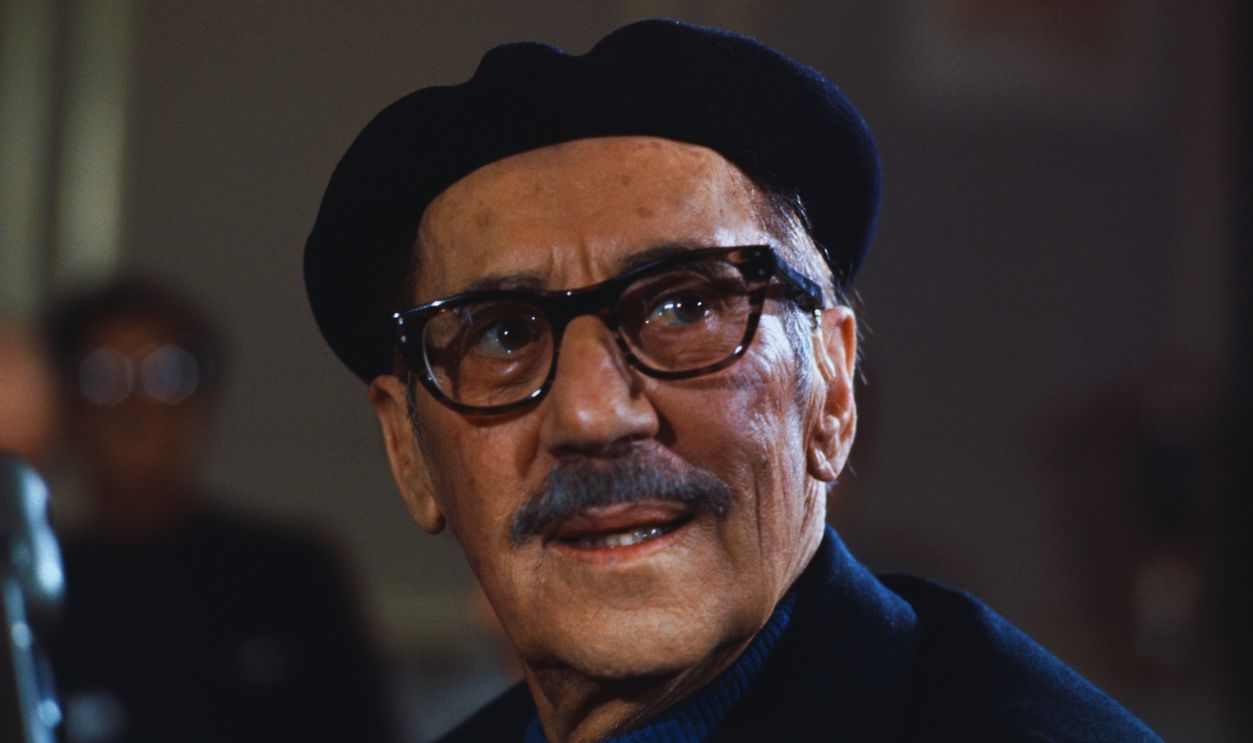
49. He Made One Last Joke
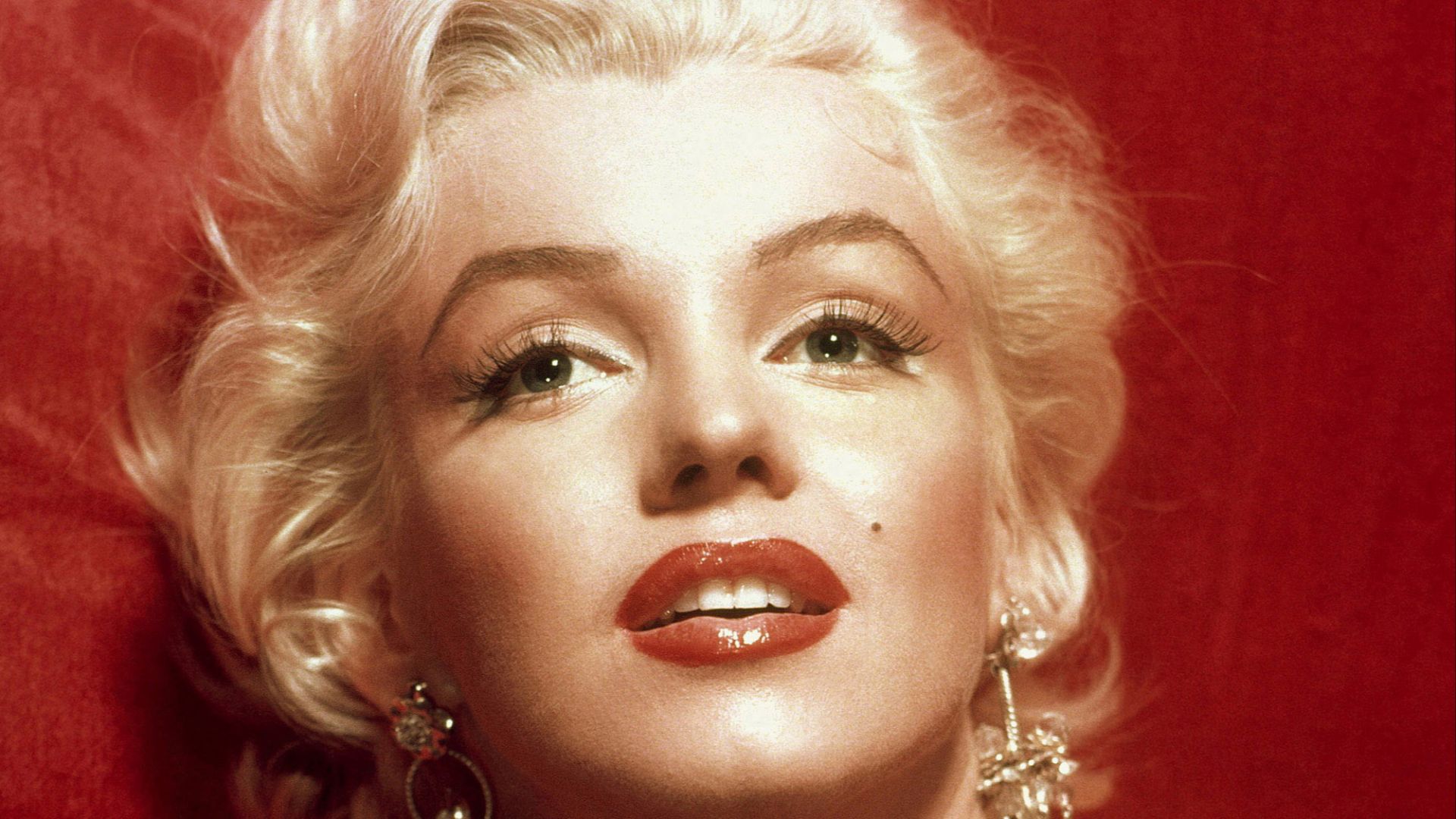
Even as Groucho’s health had declined and he felt that he was growing closer to the end, he never forgot his sense of humor—as his children would later discover. While going through his belongings in the wake of his passing, they found a letter in which he joked that his final request was to be buried on top of Marilyn Monroe.
In the end, he made his mark on the world forever—though not always in the way he had expected.
50. He Inspired Another Icon
Having become one of the most famous comedic performers worldwide, Groucho Marx would inspire many hoping to emulate him—in more ways than one. Created at the height of Groucho’s career, the character of Bugs Bunny took from many of the comedian’s signature elements, becoming a fast-talking rabbit who held a carrot instead of a cigar.
Of course, even beyond Bugs Bunny, his legacy would never disappear from the world—even if it wasn’t always so obvious.
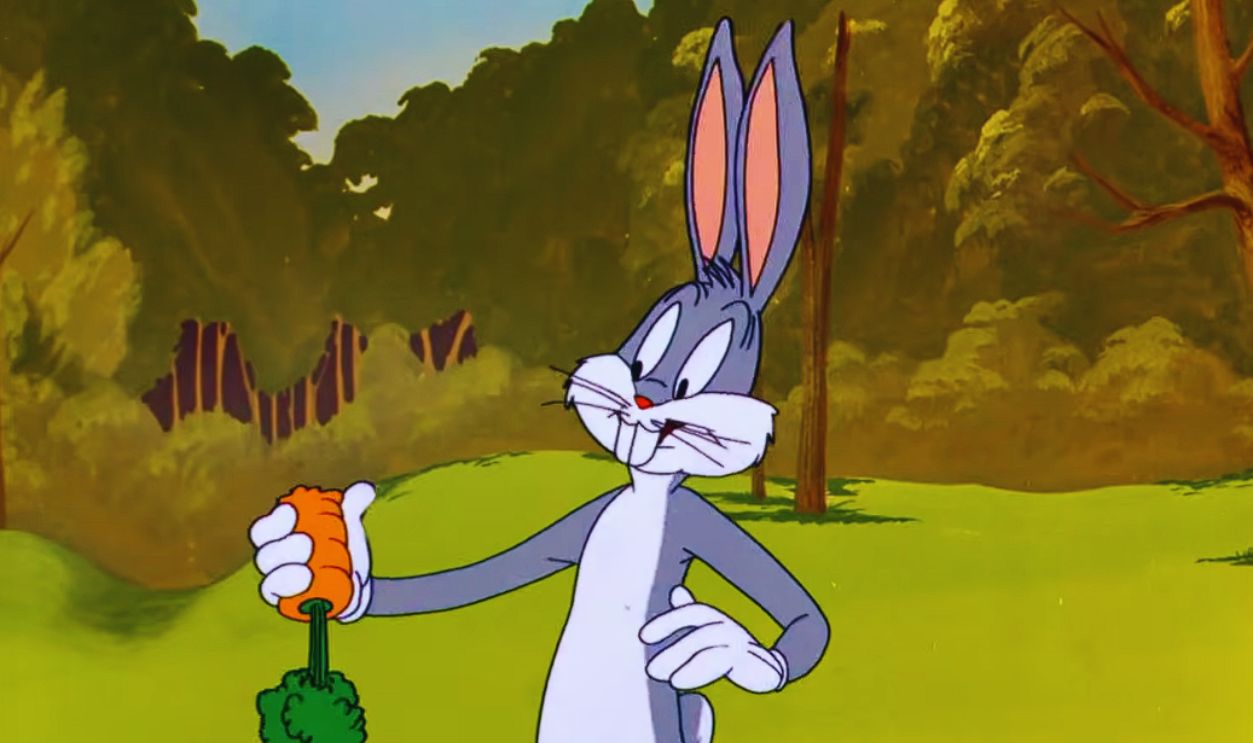 Screenshot from Looney Tunes, Warner Bros. Cartoons (1930–1969)
51. He Left A Huge Impact
There’s no question that the landscape of comedy in film would look completely different without the contributions of the Marx Brothers as a group, but Groucho Marx still seemed to stand out from the rest. Through his brilliant character work and his career in radio and TV, he undoubtedly became the most famous of his brothers, inspiring countless more characters and jokes over the decades than most audiences likely realize.
You May Also Like
Deadpan Facts About Buster Keaton, The Great Stone Face
These Classic Comedians Hid Disturbing Secrets









)
