The Generals History Forgot
Everyone knows Napoleon, Alexander the Great, and Julius Caesar. But some of history's most remarkable commanders won impossible battles, rescued collapsing armies, and transformed the art of warfare without becoming household names. From ancient empires to World War II, these 26 military leaders deserve a little more of the glory that went to their better-known contemporaries.
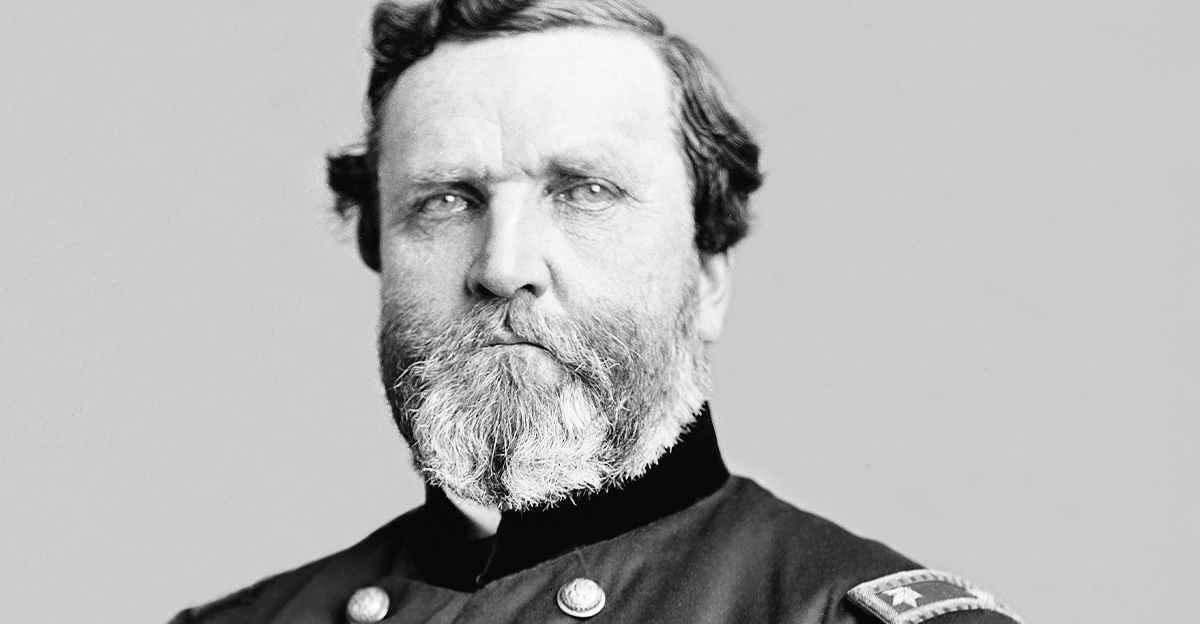 Mathew Benjamin Brady, Public domain, via Wikimedia Commons
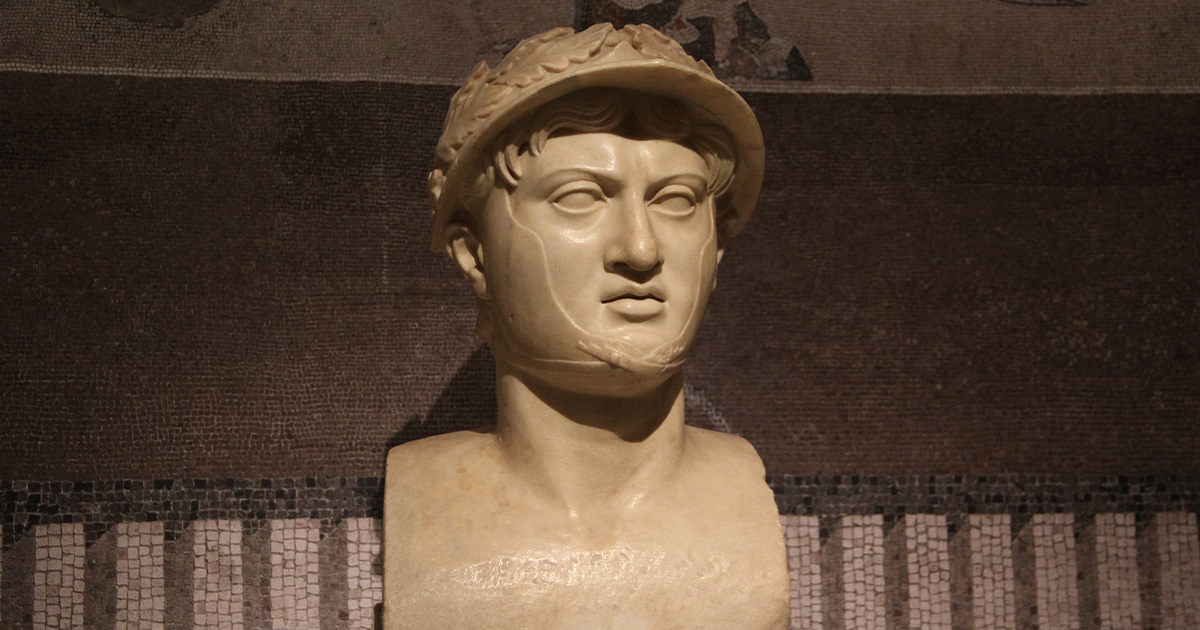
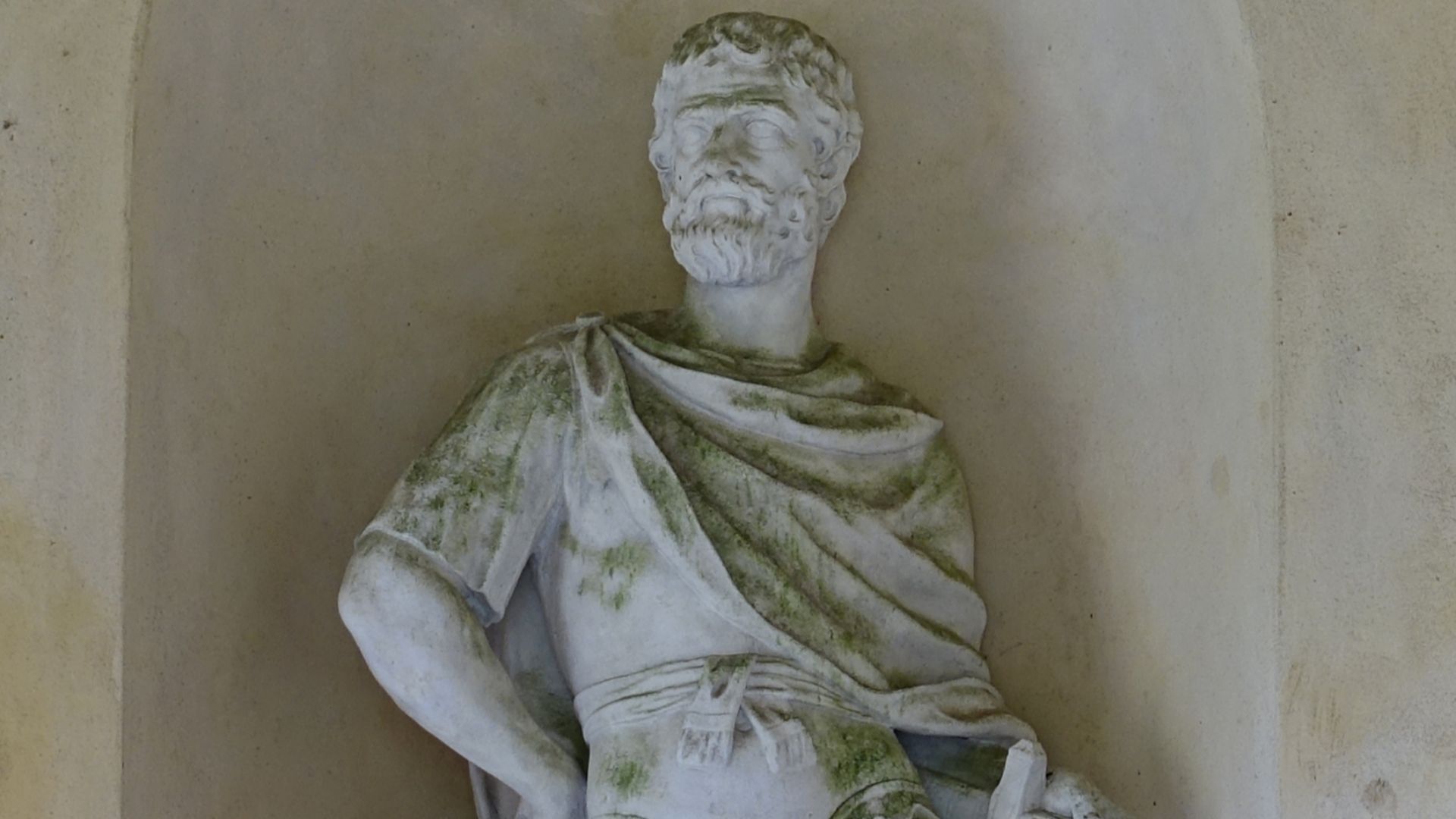
Epaminondas: The Man Who Broke Sparta
In 371 BC, the Theban general Epaminondas accomplished something almost unimaginable: he defeated Sparta's formidable army at Leuctra. By concentrating his strongest troops on one wing, he disrupted conventional Greek battle formations and shattered Spartan confidence. His subsequent campaigns helped end Sparta's dominance of Greece. Although Alexander the Great would later become far more famous, Epaminondas had already demonstrated the possibilities of bold battlefield innovation.
Chandragupta Maurya: India's Empire Builder
Around 321 BC, Chandragupta Maurya established the Mauryan Empire in northern India, overthrowing the Nanda dynasty and eventually confronting Seleucus I Nicator, one of Alexander's successors. With the guidance traditionally attributed to his adviser Chanakya, Chandragupta created a powerful state supported by a formidable military organization. His achievements as a conquering chieftain laid the foundations for one of ancient India's greatest empires, although a lot of the precise details of his campaigns are shrouded in mystery.
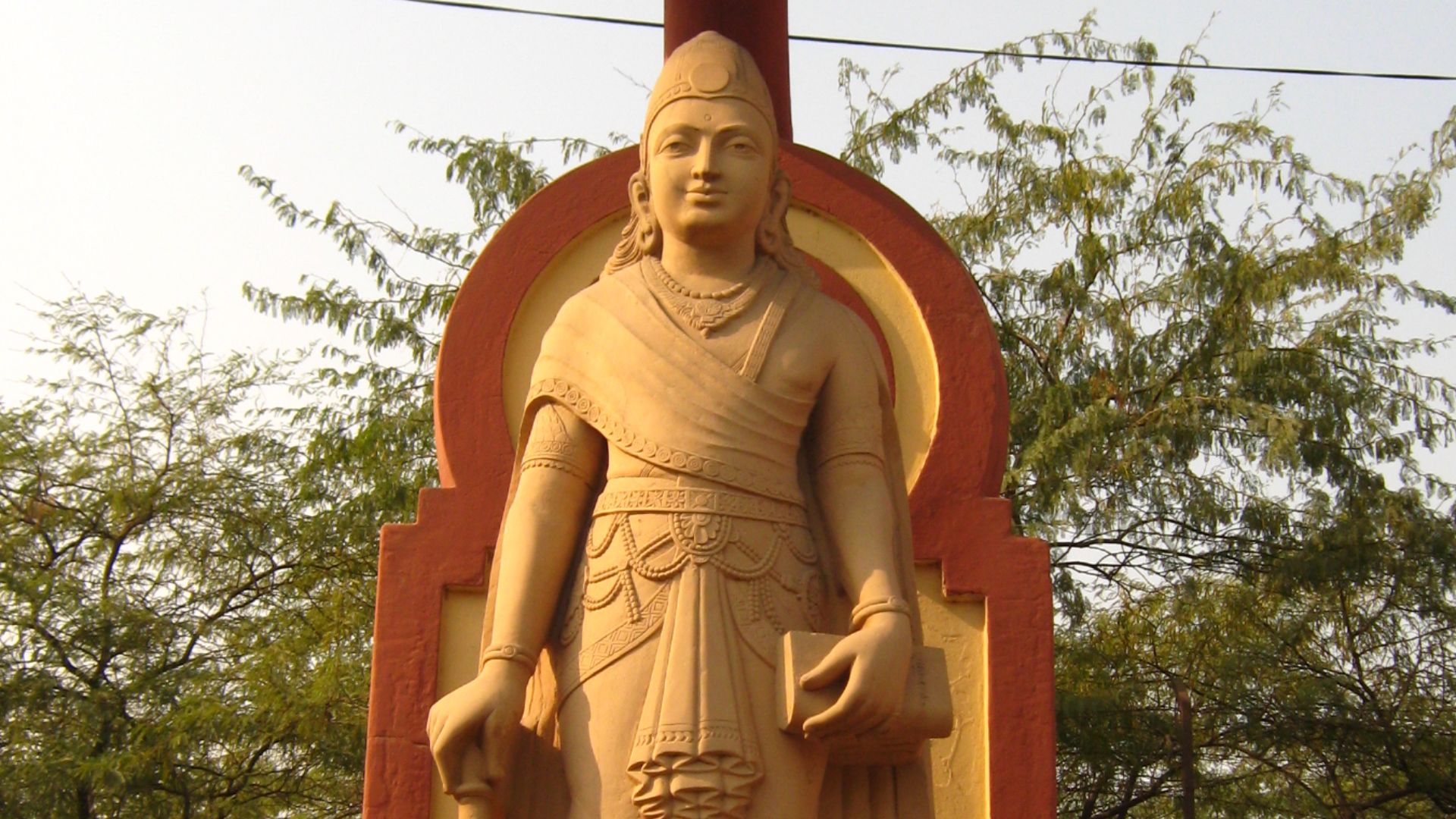 Ashish Bhatnagar at hi.wikipedia, Wikimedia Commons
Bai Qi: China's Ruthless Conqueror
During China's Warring States period, Bai Qi became one of the state of Qin's most feared generals. He repeatedly defeated rival armies and helped prepare the way for China's eventual unification. His victory over Zhao at Changping in 260 BC was particularly devastating. Ancient accounts attribute an enormous decimation of prisoners to him, although the reported numbers are disputed. His effectiveness as commander was undeniable, but his reputation remains inseparable from extraordinary brutality.
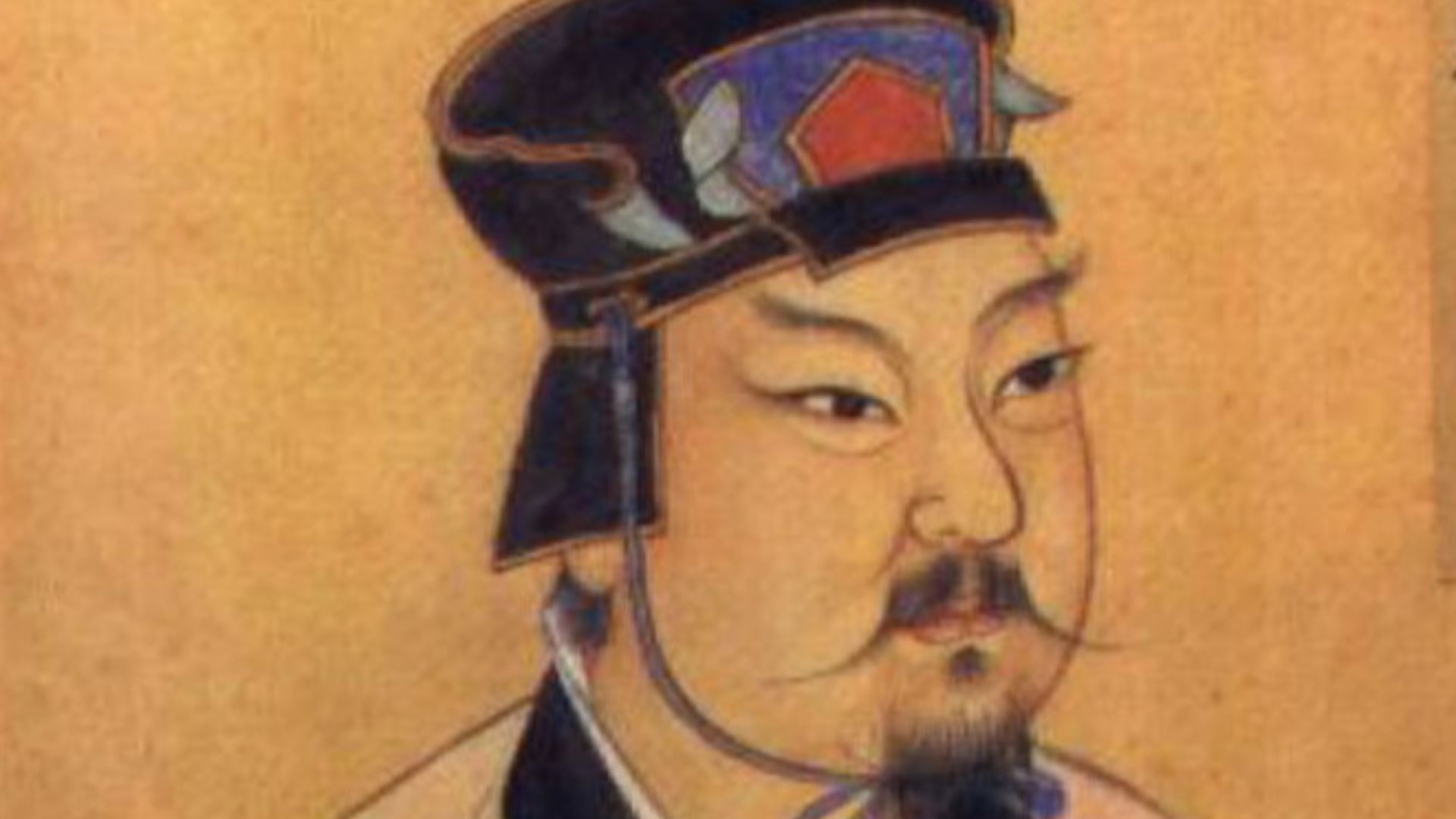 Unknown authorUnknown author, Wikimedia Commons
Belisarius: The Emperor's Unstoppable General
In the sixth century, Byzantine general Belisarius won victories that seemed to belong to another age. Serving Emperor Justinian I, he destroyed the Vandal kingdom in North Africa and recaptured Rome during campaigns against the Ostrogoths. Often operating with limited resources, he combined tactical flexibility with remarkable persistence. Justinian received the imperial glory, but Belisarius was the commander who made much of the reconquest possible.
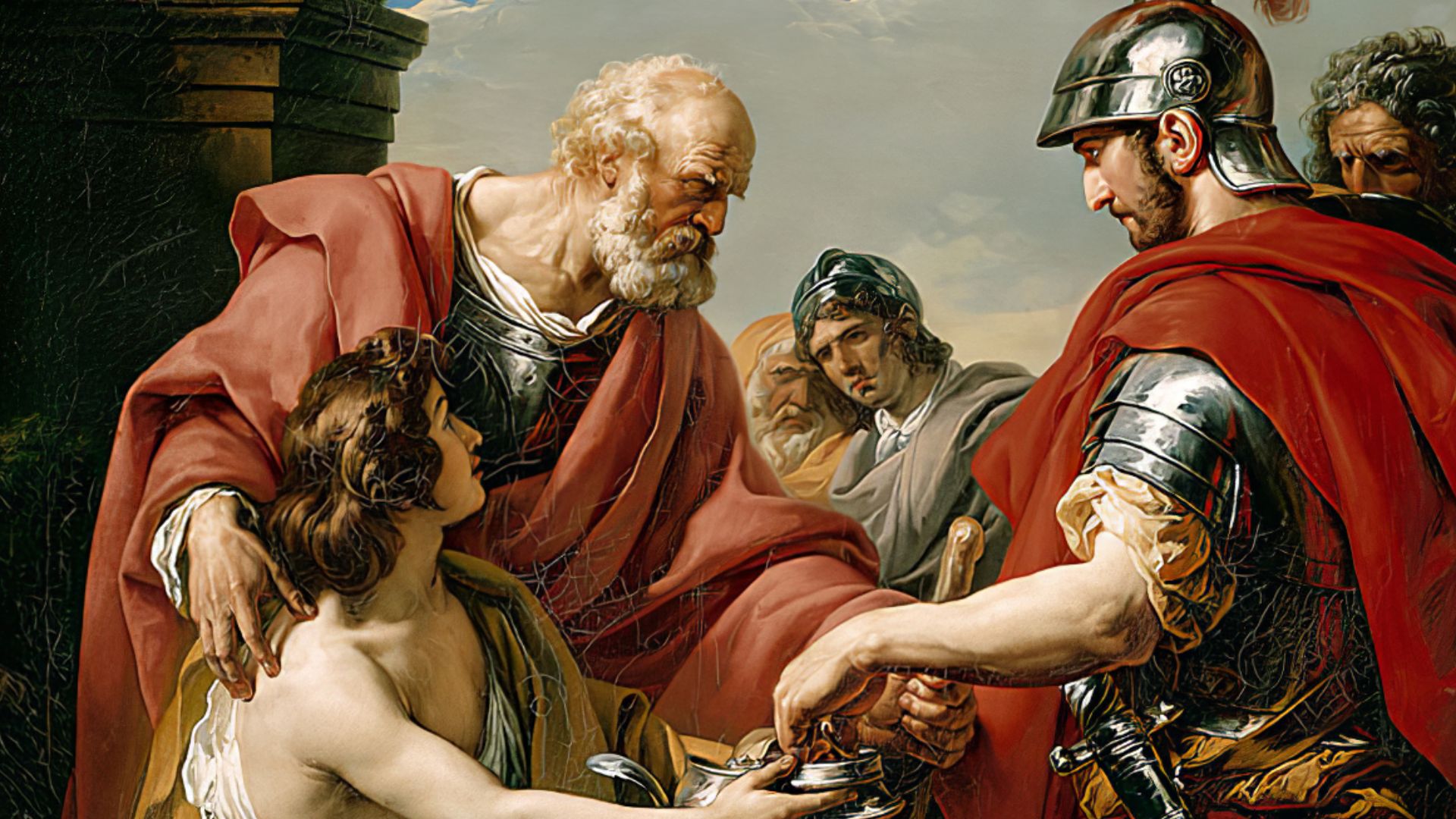 François-André Vincent, Wikimedia Commons
Khalid Ibn Al-Walid: The Sword Of God
Khalid ibn al-Walid became one of the most formidable commanders of the early Islamic conquests. During the seventh century, he led armies against rival Arabian forces and played a central role in campaigns against the Byzantine Empire. His cavalry maneuvers and ability to coordinate forces helped produce spectacular victories, including at Yarmouk in 636. Although the exact details of some battles remain debated, his reputation as an exceptional battlefield commander endured.
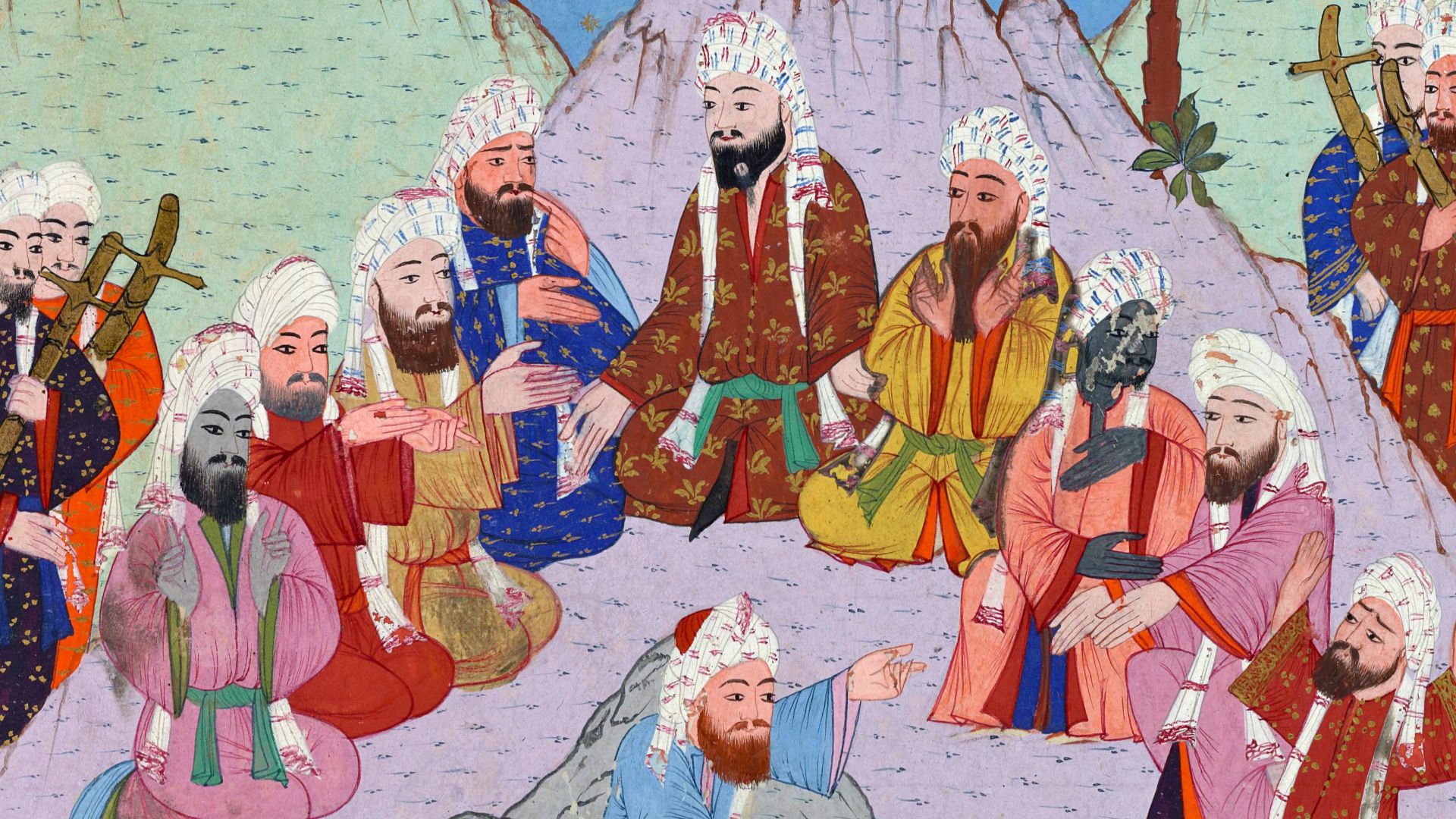 Unknown authorUnknown author, Wikimedia Commons
Subutai: Genghis Khan's Master Strategist
Genghis Khan conquered an empire, but Subutai helped make those conquests possible. Born far from the Mongol aristocracy, he rose through ability and became one of the empire's most accomplished generals. He coordinated campaigns across enormous Eurasian distances, using reconnaissance, deception, and synchronized attacks to defeat powerful enemies. His operations against Russian and European forces demonstrated a wily mastery of strategic planning that few medieval commanders could rival.
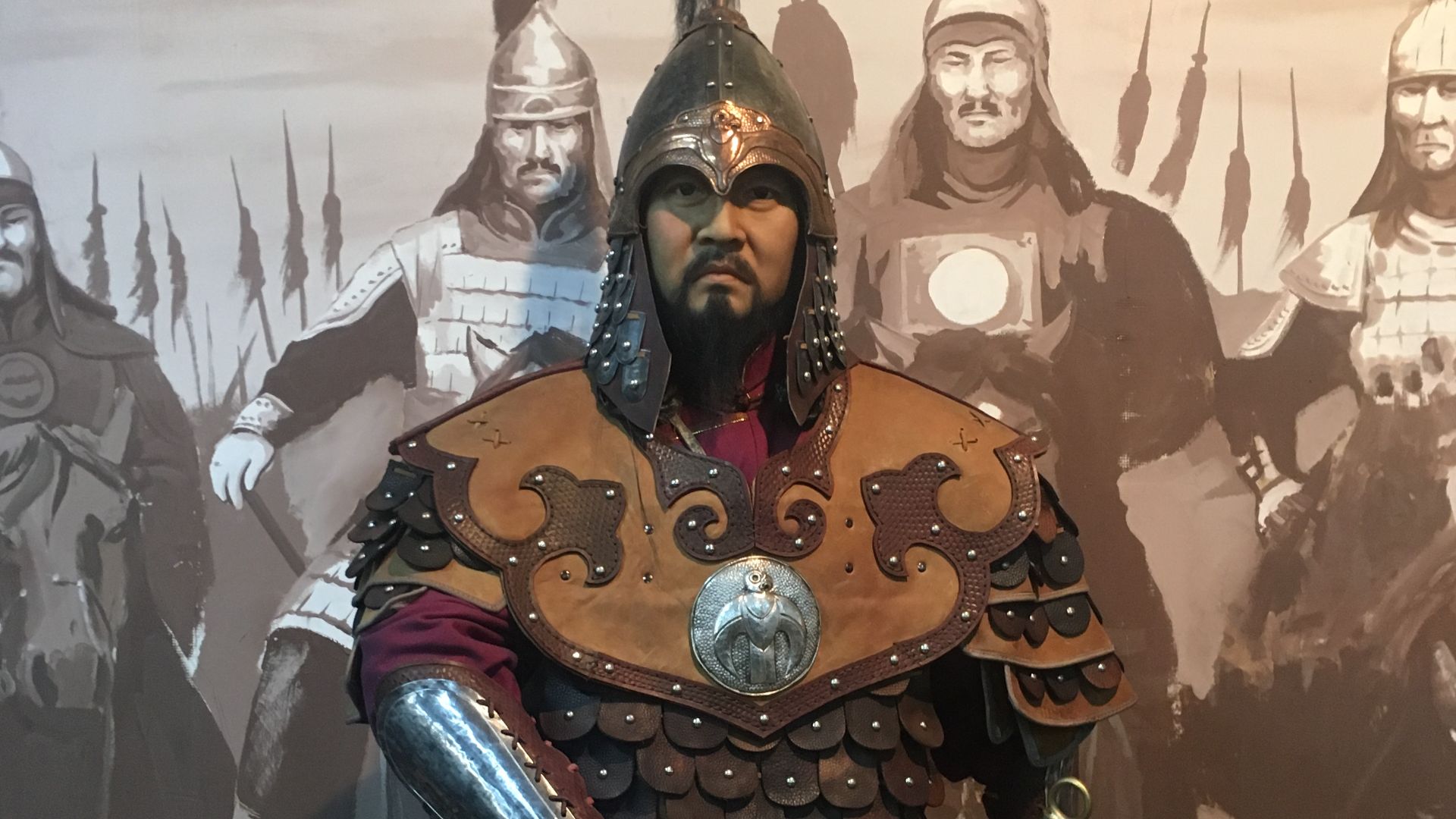 Karak-Kyzyl, Wikimedia Commons
Baybars: The Sultan Who Stopped The Mongols
Before becoming sultan of Egypt, Baybars was a Mamluk commander involved in the decisive victory over Mongol forces at Ain Jalut in 1260. He subsequently became one of the most effective rulers and military leaders of the medieval Middle East. Through relentless campaigning, he strengthened Mamluk power and captured important Crusader strongholds. His career demonstrated that the Mongols, seemingly unstoppable elsewhere, could be defeated by disciplined and capable opponents.
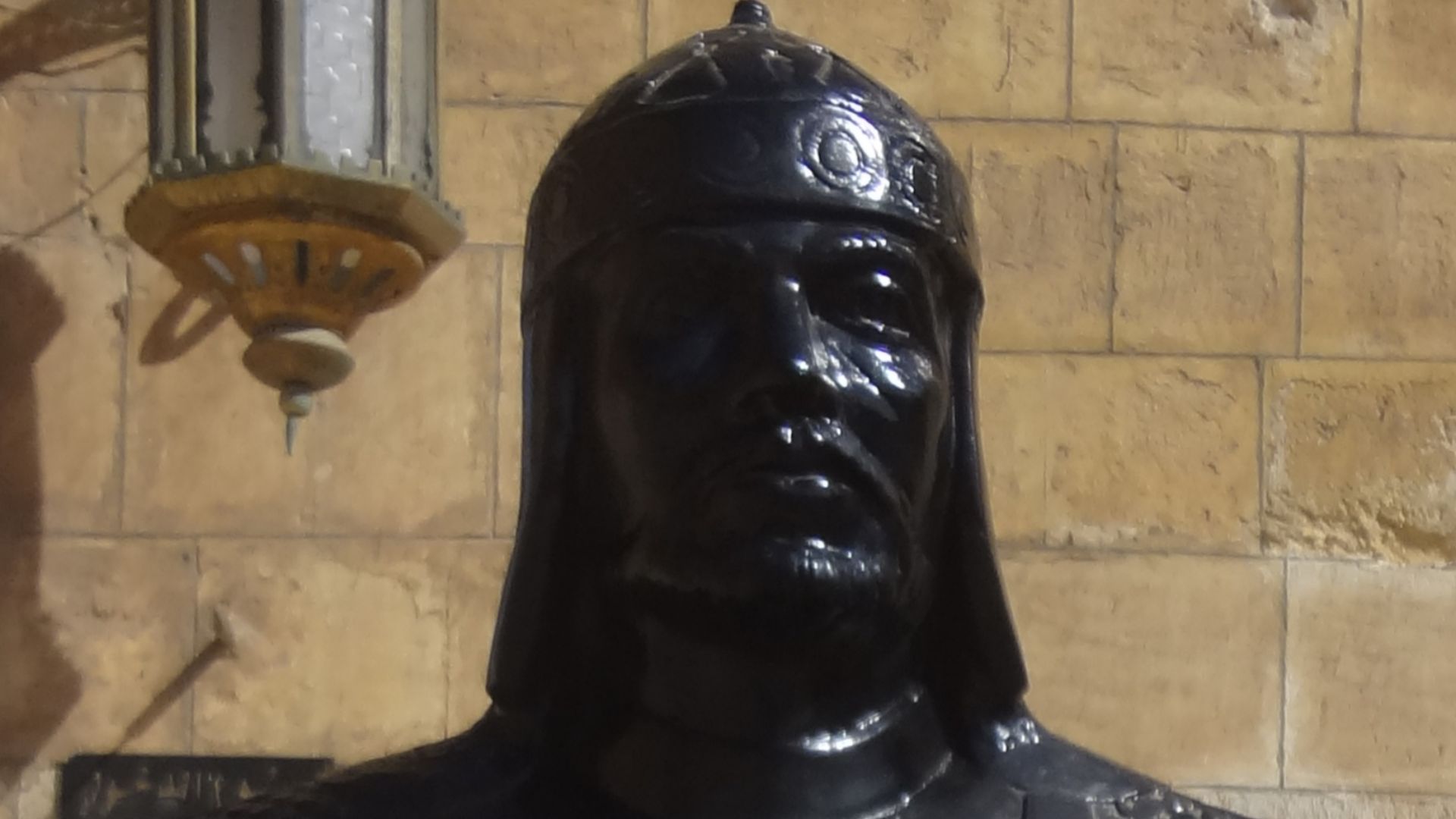 Ahmed yousri elmamlouk, Wikimedia Commons
Jan Žižka: The General Who Rarely Lost
The Czech commander Jan Žižka became famous during the Hussite Wars of the early fifteenth century. Facing powerful crusading armies, he transformed ordinary wagons into mobile defensive fortifications and combined them with muskets, artillery, and disciplined infantry. His forces repeatedly defeated better-equipped opponents. Remarkably, Žižka continued commanding after losing his remaining eyesight. He died in 1424 without suffering a clear battlefield defeat as commander.
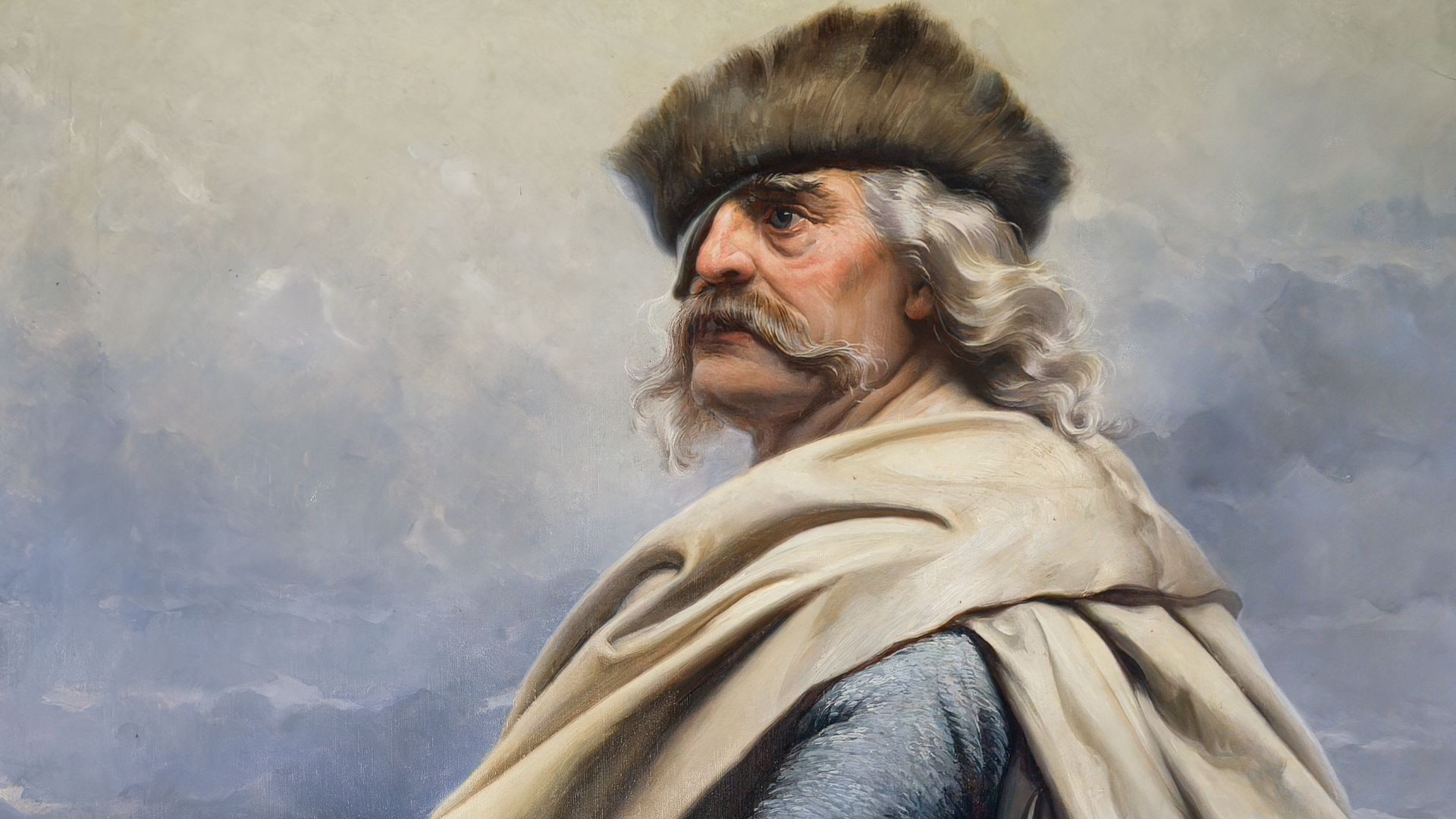 Adolf Liebscher (1857–1919), Wikimedia Commons

History's most fascinating stories and darkest secrets, delivered to your inbox daily.
Yi Sun-Sin: Korea's Naval Genius
During Japan's invasions of Korea in the 1590s, Admiral Yi Sun-sin repeatedly defeated Japanese fleets despite daunting odds. His victories at Hansando and Myeongnyang helped disrupt Japanese supply lines and preserve Korea's resistance. At Myeongnyang in 1597, he commanded a tiny fleet against a vastly larger enemy force. Yi was cut down in combat at Noryang in 1598, leaving behind one of naval history's most remarkable records.
![Bust of Yi held at the War Memorial of Korea. The KOGL license for this image is visible when you search for this page in their internal search engine of the War Memorial website. Also displayed here: [1]. Unfortunately I can't find info on who created th](https://www.factinate.com/storage/app/media/factinate/2026/10/13/1791870775dc446b73133acdcae2d0c18f5f65f8e5e5a667c2.jpg) Unknown, War Memorial of Korea, Wikimedia Commons
Unknown, War Memorial of Korea, Wikimedia Commons
Maurice Of Nassau: The Drillmaster
Maurice of Nassau helped transform European warfare during the Dutch struggle for independence from Spain. In the late sixteenth and early seventeenth centuries, he introduced systematic training, improved battlefield formations, and refined siege techniques. His armies became models of discipline and organization. Maurice's achievements weren't always as dramatic as a single spectacular victory, but his methods influenced generations of European commanders and helped shape modern professional armies.
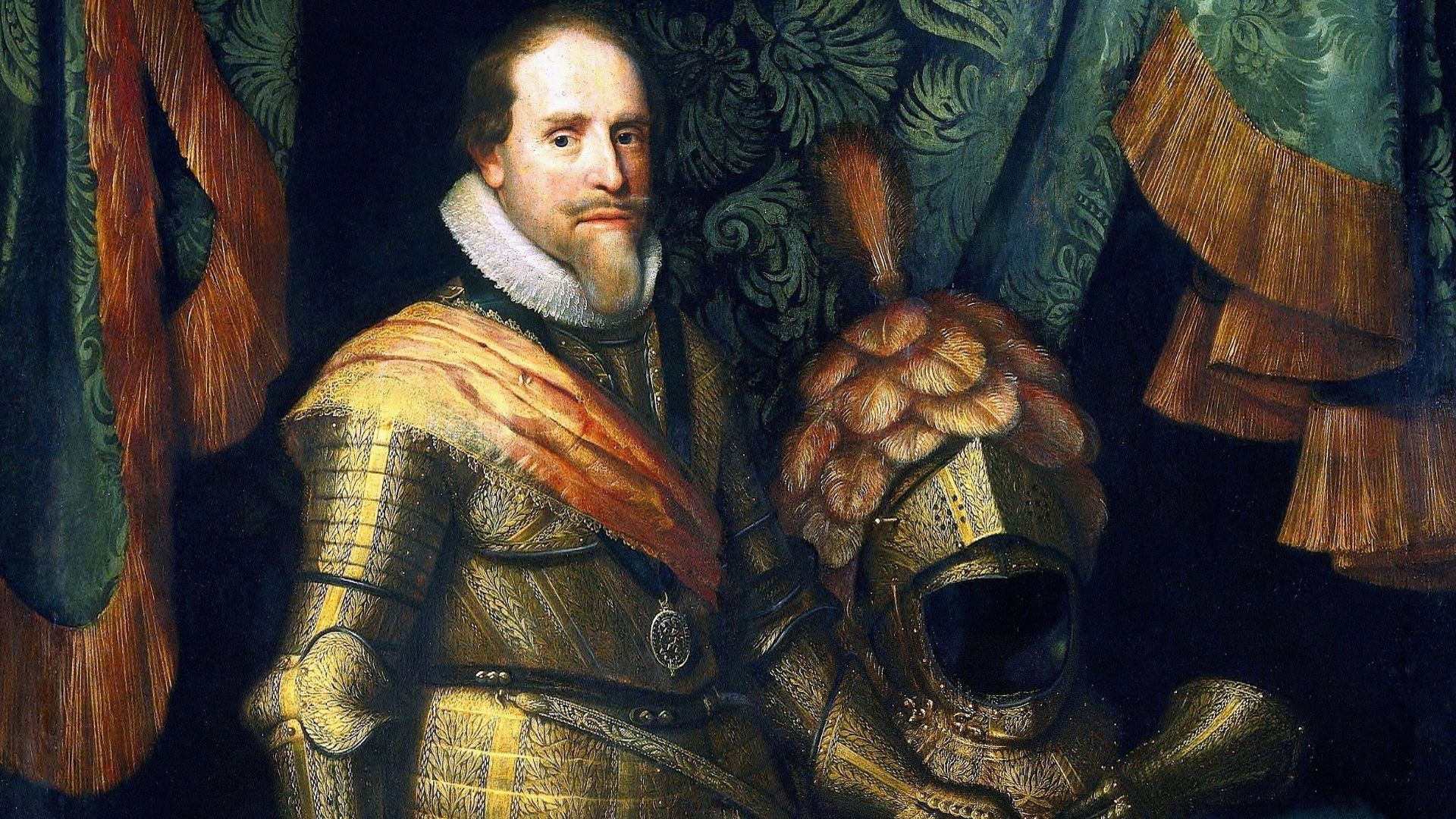 Michiel Jansz. van Mierevelt, Wikimedia Commons
Gustavus Horn: Sweden's Forgotten Field Marshal
Gustavus Adolphus receives enormous attention for Sweden's battlefield successes during the Thirty Years' War, but Gustavus Horn deserves considerable credit. One of the king's most trusted generals, Horn commanded troops at major battles and continued leading Swedish forces after Gustavus Adolphus died in 1632. Although defeated and captured at Nördlingen in 1634, Horn remained an important figure in Sweden's armed forces. His career illustrates how capable subordinates often disappear behind famous monarchs.
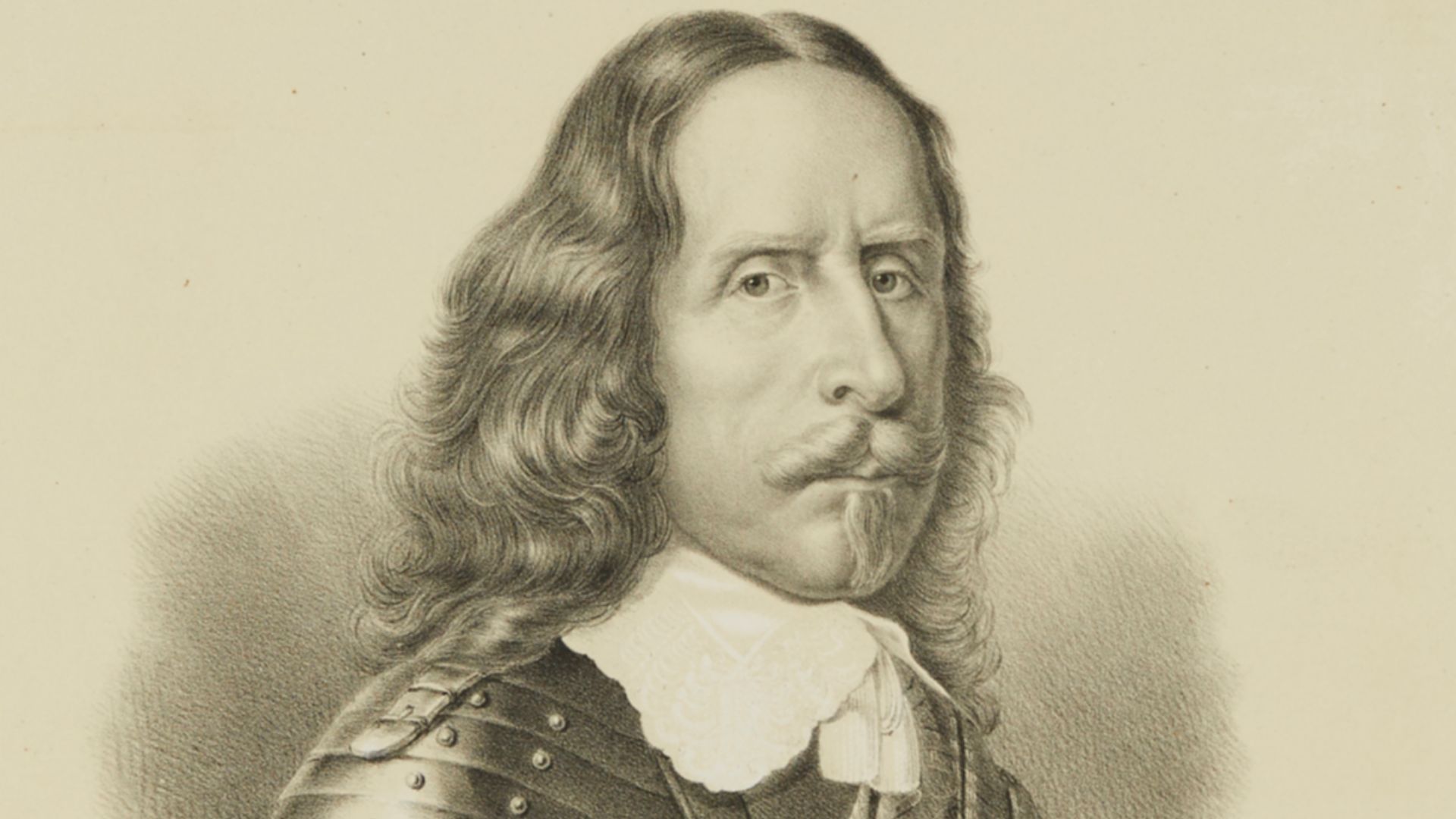 Axel Jacob Salmson, Wikimedia Commons
Turenne: France's Master Of Maneuver
Henri de la Tour d'Auvergne, Viscount of Turenne, became one of seventeenth-century Europe's most respected commanders. Serving France during the Thirty Years' War and subsequent conflicts, he developed a reputation for patience, mobility, and careful logistics. His winter campaign of 1674–75, which drove enemy forces from Alsace, remains particularly admired. Napoleon later studied Turenne's campaigns, but the French marshal is far less familiar to modern general readers.
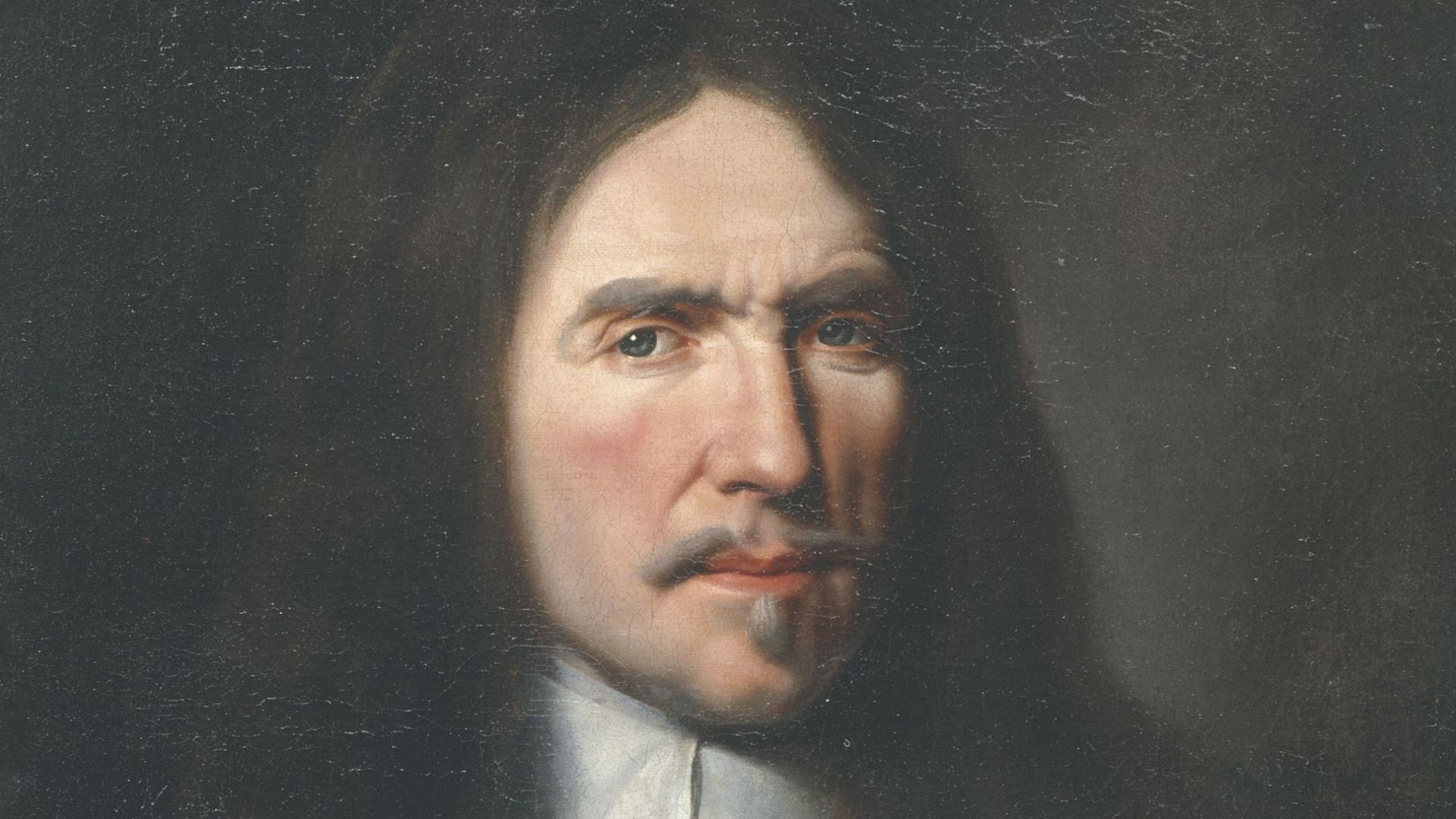 UnknownUnknown , French School, Wikimedia Commons
Prince Eugene: The Habsburg Empire's Savior
Prince Eugene of Savoy became one of the Habsburg monarchy's greatest commanders despite having been rejected for army service by France's Louis XIV. He defeated Ottoman forces at Zenta in 1697 and later fought alongside the Duke of Marlborough against France. Eugene's victories helped secure Habsburg territory and influence across Central Europe. Marlborough remains better known in English-language histories, but Eugene was a giant in his own right.
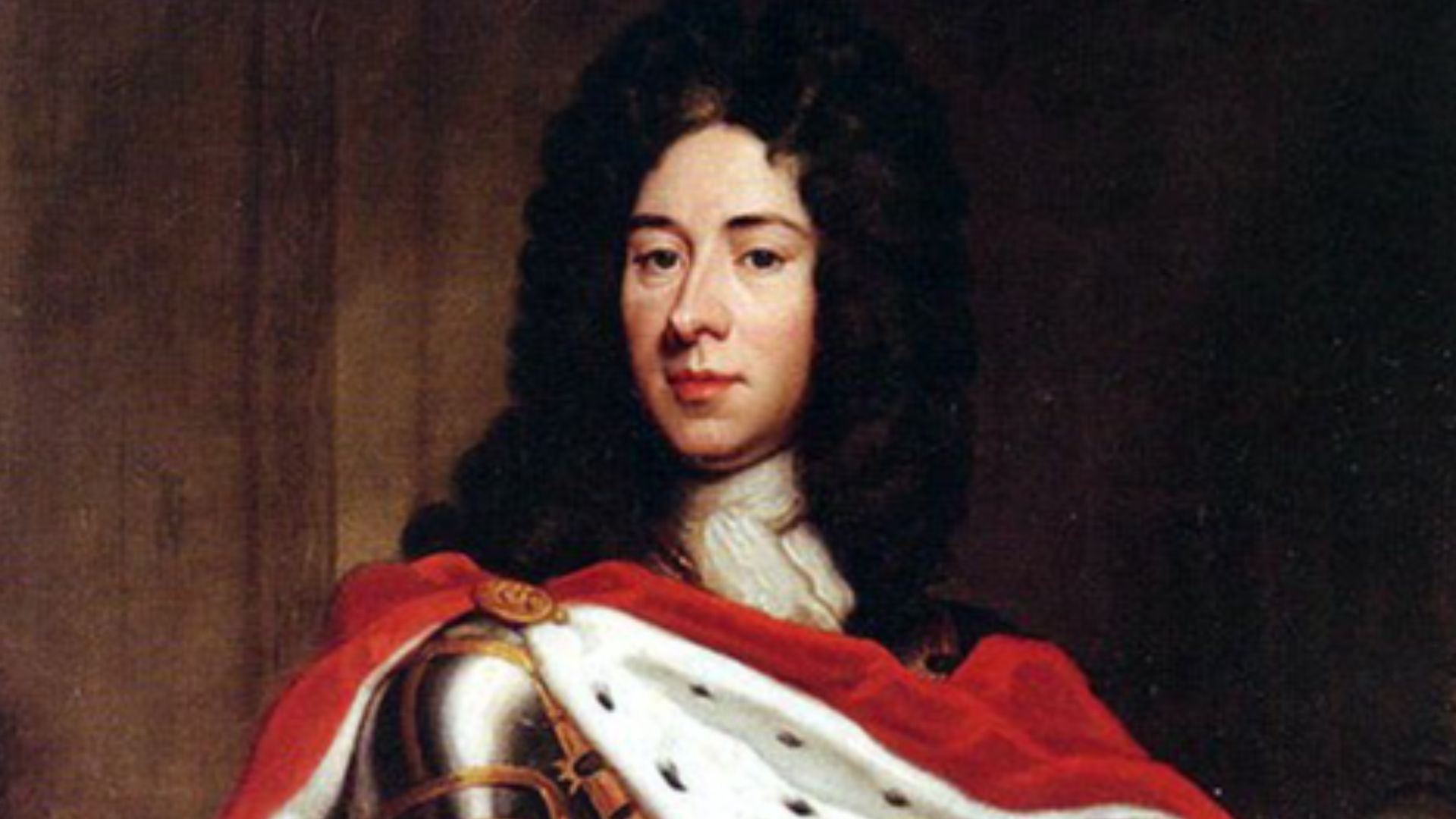 Godfrey Kneller, Wikimedia Commons
Nader Shah: Persia's Fearsome Conqueror
Nader Shah rose from relatively modest origins to become ruler of Persia and one of the eighteenth century's most formidable leaders. He rebuilt Persia's power, defeated Ottoman and Afghan opponents, and invaded Mughal India. His victory at Karnal in 1739 demonstrated remarkable tactical skill. Yet his campaigns also brought devastating destruction, including the sack of Delhi. He was brilliant, but his battlefield acumen came with an appalling human cost.
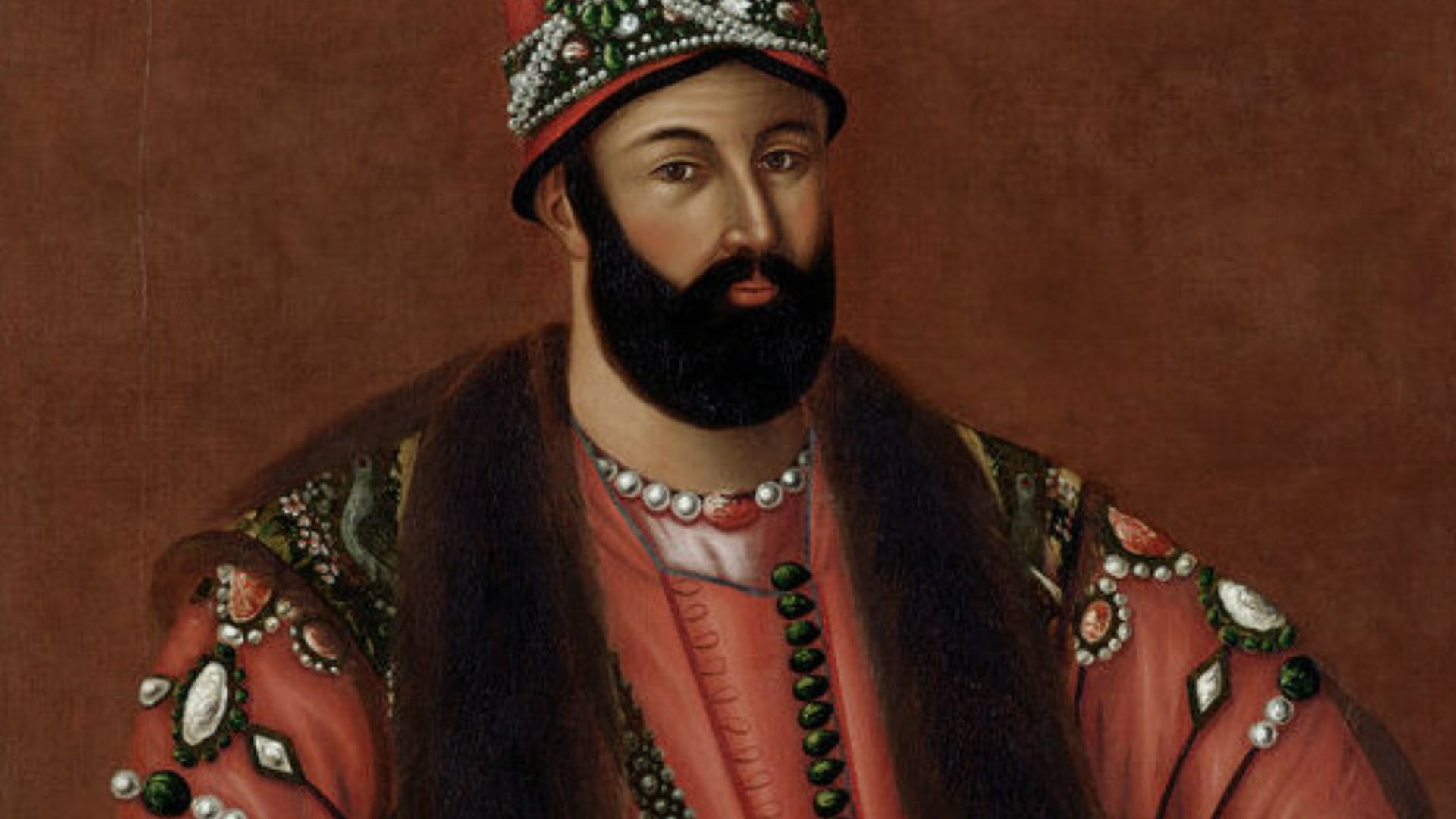 Unknown authorUnknown author, Wikimedia Commons
Nathanael Greene: Washington's Southern Strategist
George Washington became the enduring symbol of American independence, but Nathanael Greene performed some of the Revolution's most impressive campaigning. Taking command of the struggling Continental Army in the South in 1780, Greene used mobility, strategic withdrawals, and carefully chosen battles to exhaust British forces. Although he lost several individual engagements, his campaign undermined British control of the Carolinas and helped lay the groundwork for American victory.
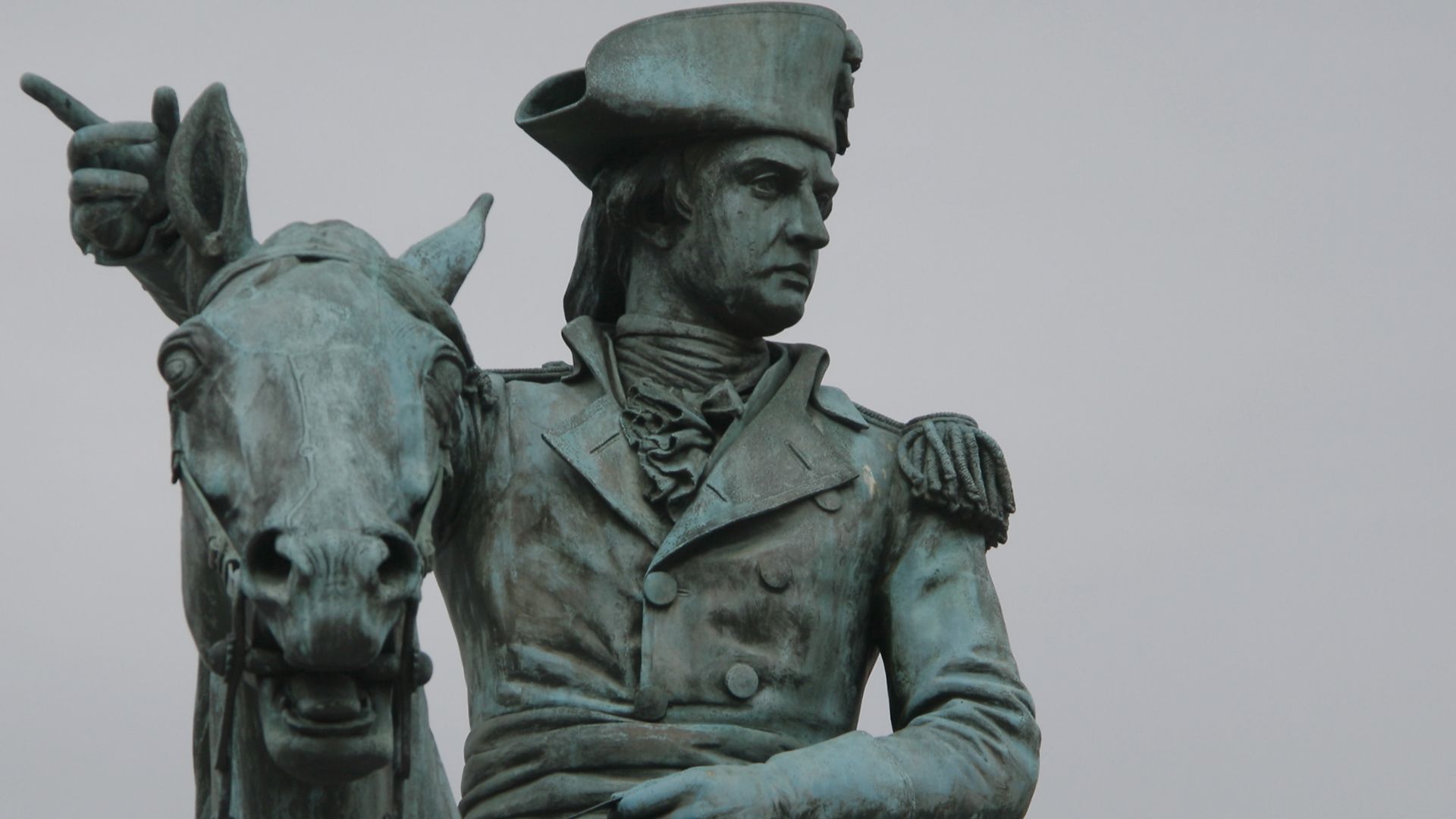 David from Washington, DC, Wikimedia Commons
Daniel Morgan: The Victor Of Cowpens
Daniel Morgan was a rough-hewn frontier soldier whose battlefield instincts proved invaluable during the American Revolution. At Cowpens in January 1781, he brilliantly arranged militia and Continental troops to exploit the aggressive tactics of British commander Banastre Tarleton. The resulting American victory destroyed much of Tarleton's force and strengthened the Patriot position in the South. Morgan's carefully staged defense remains a classic example of tactical deception.
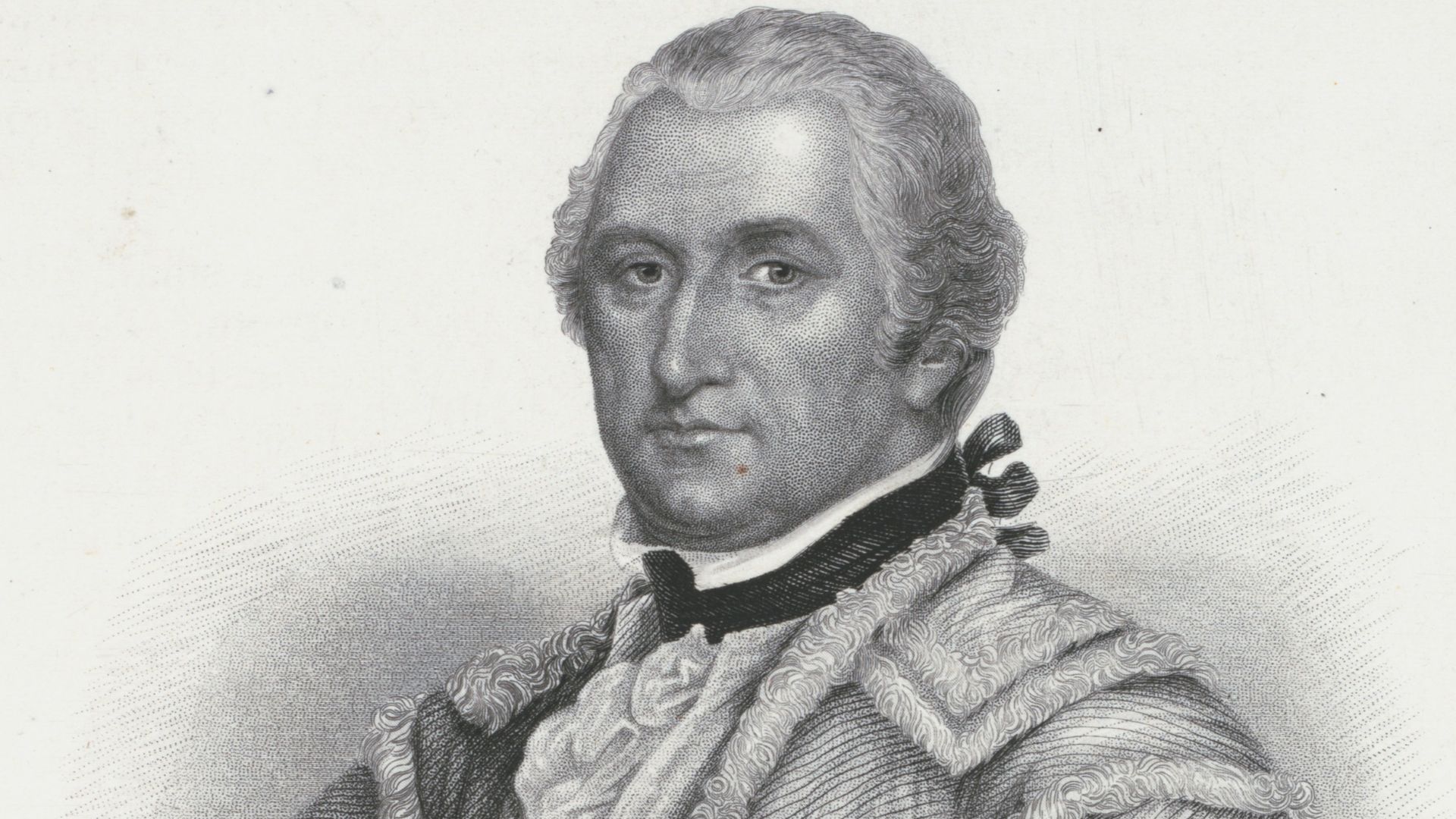 Scan by NYPL, Wikimedia Commons
George H Thomas: The Rock Of Chickamauga
While Grant and Sherman became household names, Union general George H Thomas earned a reputation for extraordinary steadiness during the American Civil War. At Chickamauga in September 1863, his stubborn defense prevented a Union defeat from becoming an even greater disaster. The following year, his army crushed Confederate forces at Nashville. A Virginian who remained loyal to the Union, Thomas was one of the North's most capable commanders.
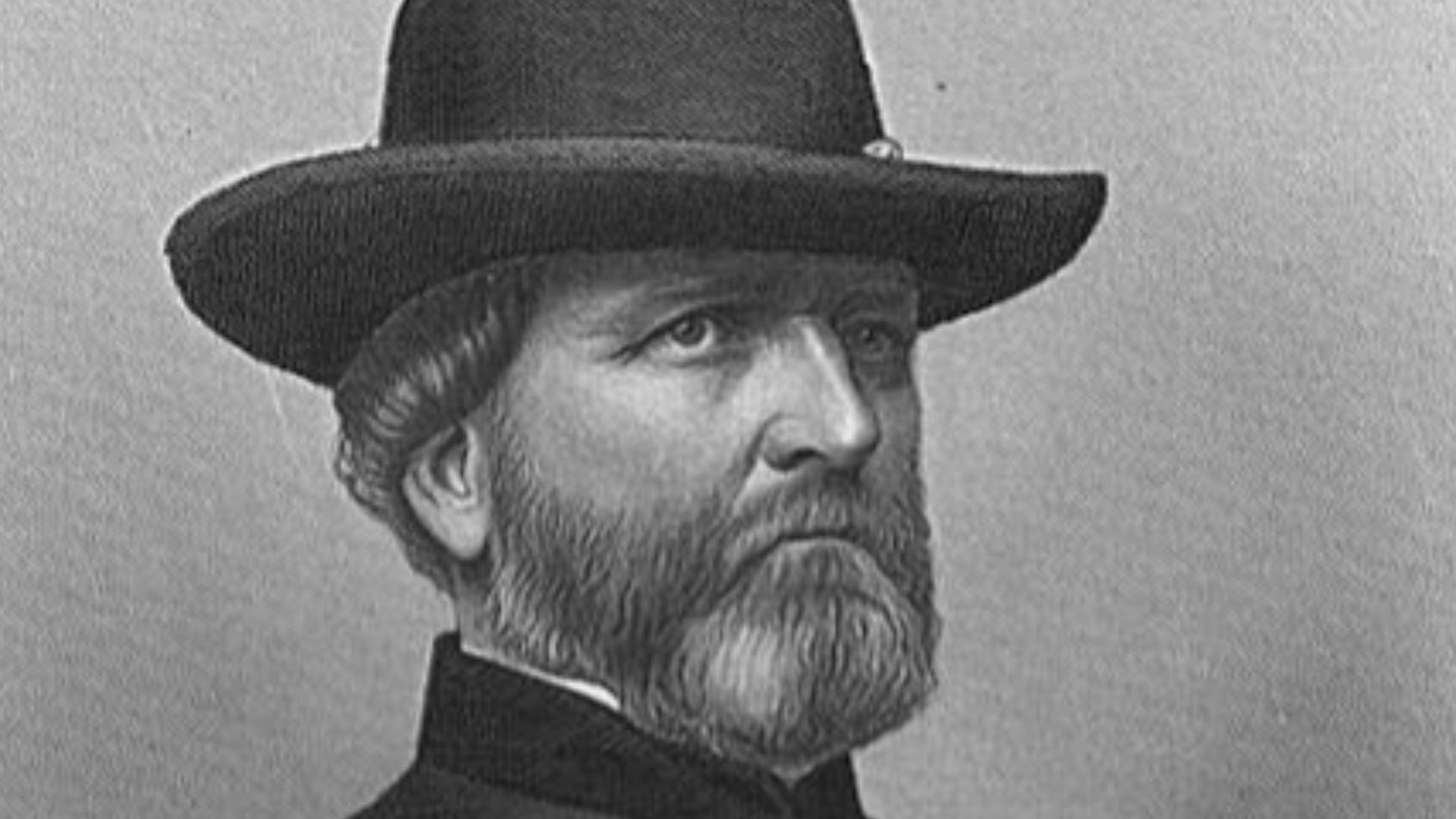
William T H Brooks: The Overlooked Union General
William T H Brooks served in the Mexican-American War before becoming a Union general during the Civil War. He commanded a division during the Peninsula Campaign and later led VI Corps at Gettysburg, although his troops saw relatively limited action there. Brooks subsequently commanded the Department of the Monongahela and participated in operations in Virginia. His career lacked the dramatic victories of Grant or Sherman, but it reflected the indispensable work of experienced professional officers.
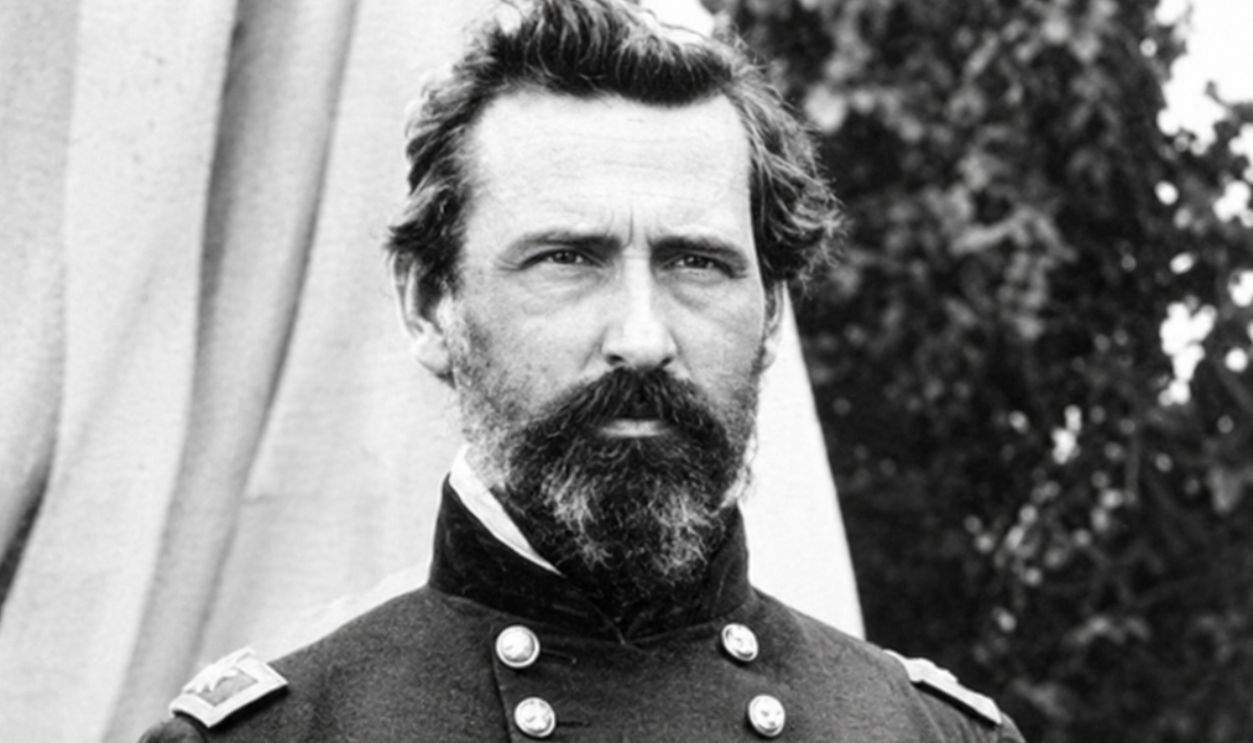 Unknown author, Wikimedia Commons, Enhanced
Paul Von Lettow-Vorbeck: The African Campaigner
During World War I, German commander Paul von Lettow-Vorbeck conducted a prolonged campaign in East Africa against much larger Allied forces. Relying on mobility, local knowledge, and African soldiers known as askaris, he avoided decisive defeat and continued operating until after the European armistice. His resourcefulness impressed military historians, although it must be said that his campaign also devastated civilian communities through requisitioning, displacement, and the enormous demands placed on African porters.
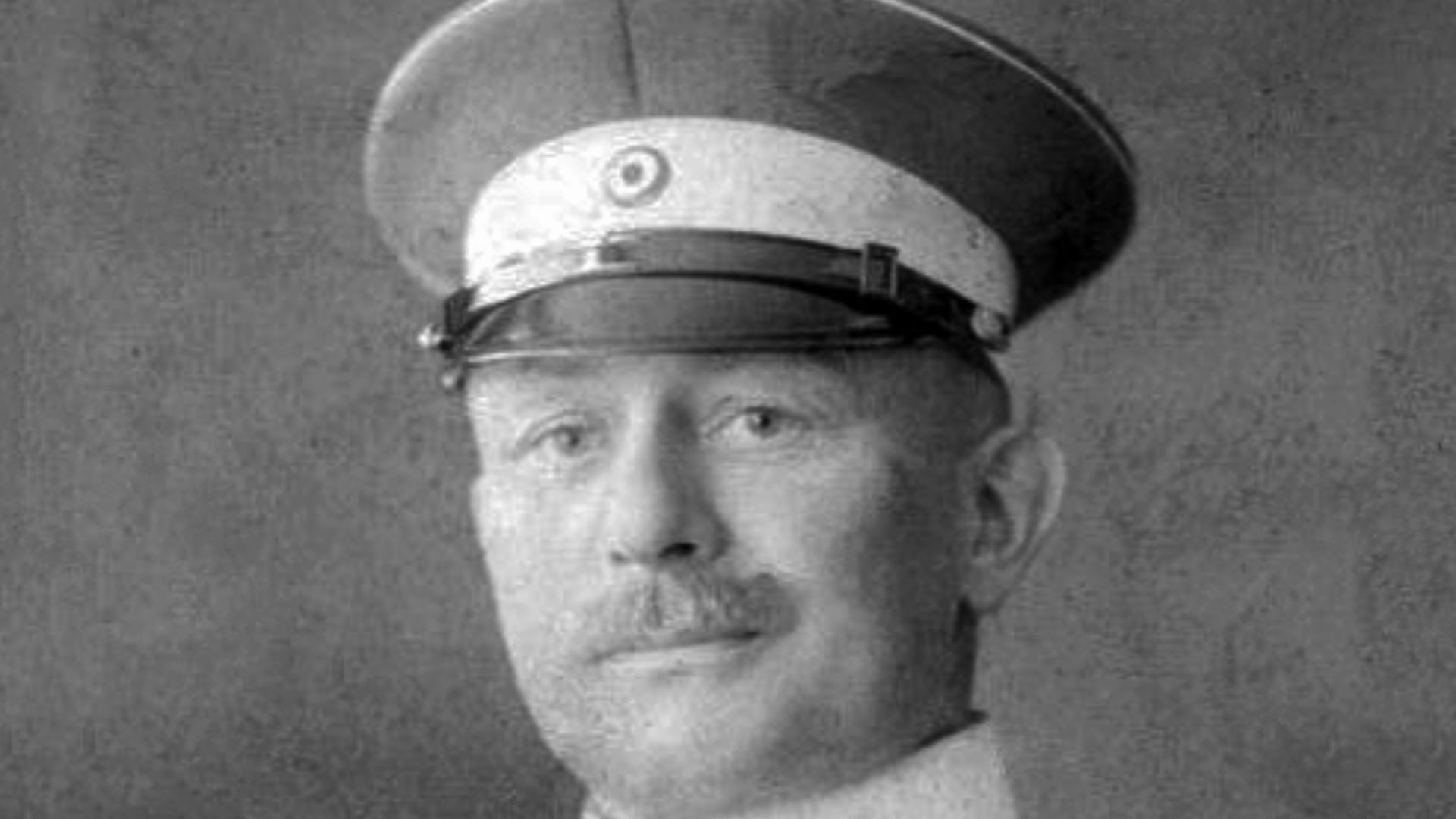 Unknown authorUnknown author, Wikimedia Commons
John Monash: The Engineer Who Mastered War
Australian general John Monash brought an engineer's precision to the Western Front during World War I. At Hamel in July 1918, he coordinated infantry, tanks, artillery, and aircraft in an exceptionally effective combined-arms operation. His plan anticipated a 90-minute battle; the objectives were secured in approximately 93 minutes. Monash subsequently helped direct major Allied offensives, demonstrating how careful preparation could overcome the deadlock of trench warfare.
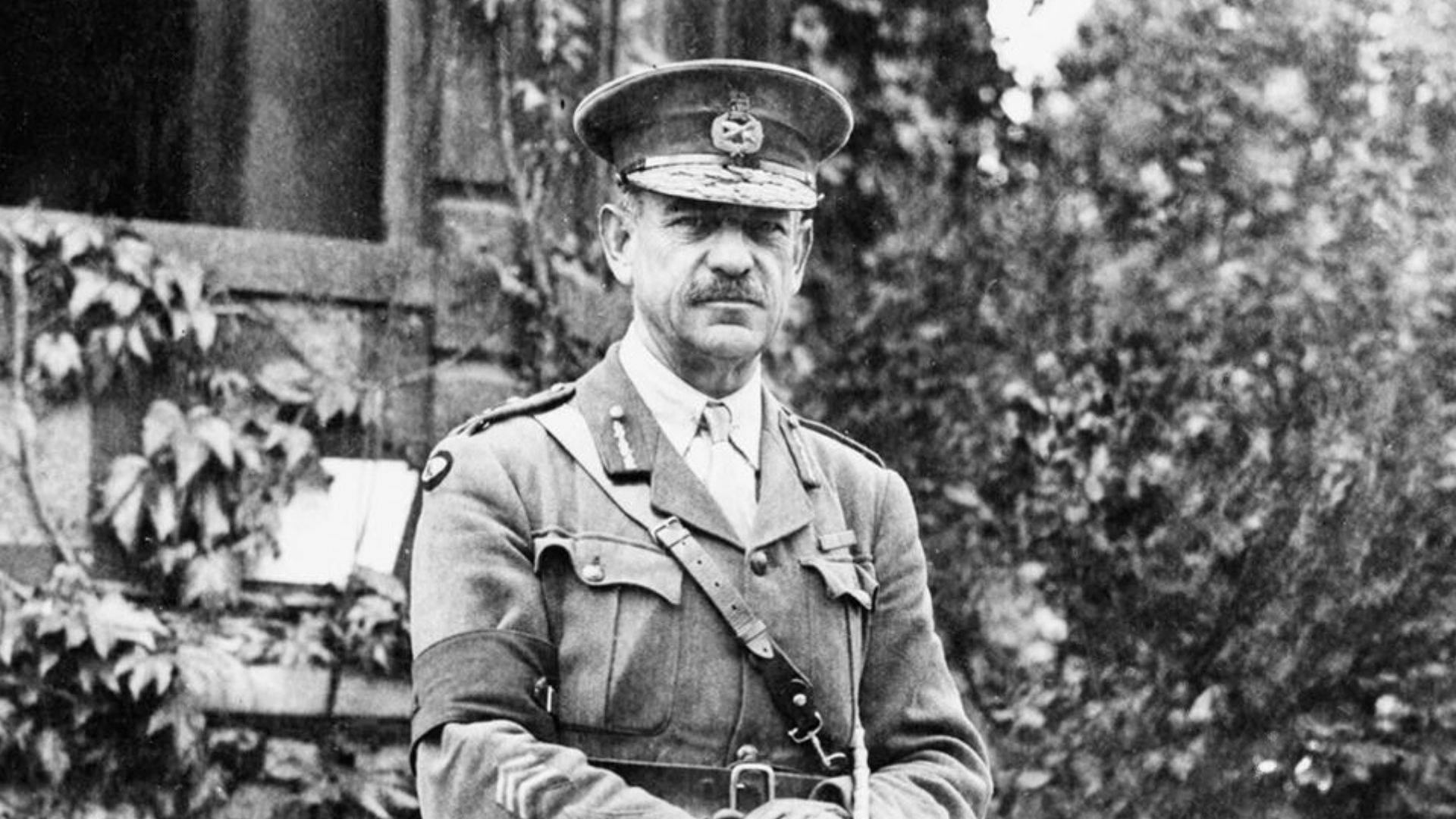 Australian official photographer, Wikimedia Commons
William Slim: The General Who Saved Burma
British Field Marshal William Slim inherited a battered army fighting Japan in one of World War II's most unforgiving theaters. Commanding the multinational Fourteenth Army, he rebuilt morale, improved supply arrangements, and adapted his tactics to jungle warfare. His forces defeated Japanese offensives in India in 1944 before reconquering much of Burma in 1945. Montgomery became a celebrity in Europe, but Slim's achievements in Asia were no less remarkable.
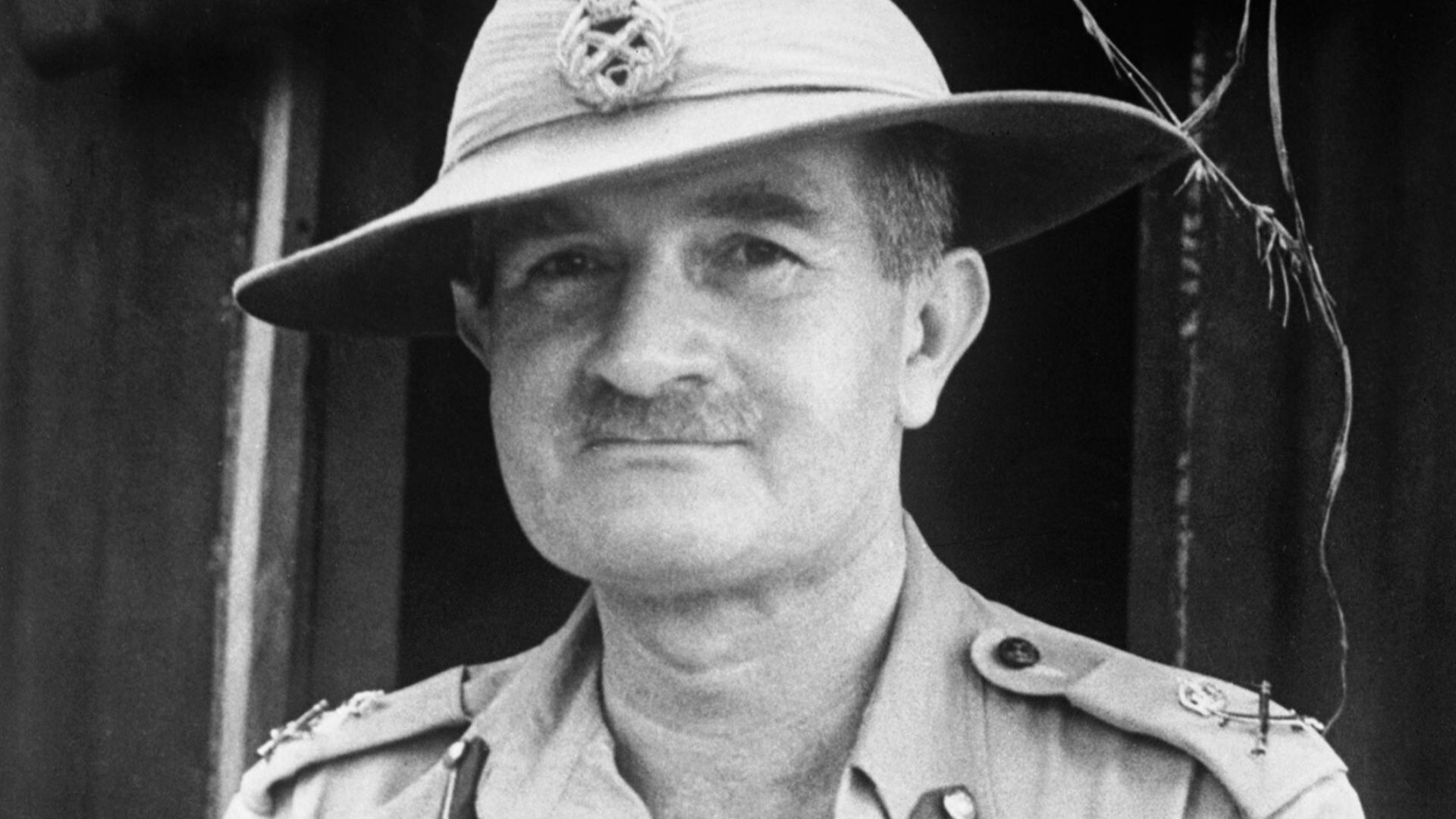 No 9 Army Film & Photographic Unit, Wikimedia Commons
Courtney Hodges: The General Behind The Advance
American general Courtney Hodges commanded the U.S. First Army during some of World War II's most important operations. His troops helped liberate Paris, fought through the Hürtgen Forest, endured the Battle of the Bulge, and captured the Ludendorff Bridge at Remagen in March 1945. Although his record included costly and controversial operations, Hodges commanded a major share of the American advance into Germany. Patton received the headlines; Hodges generally avoided them.
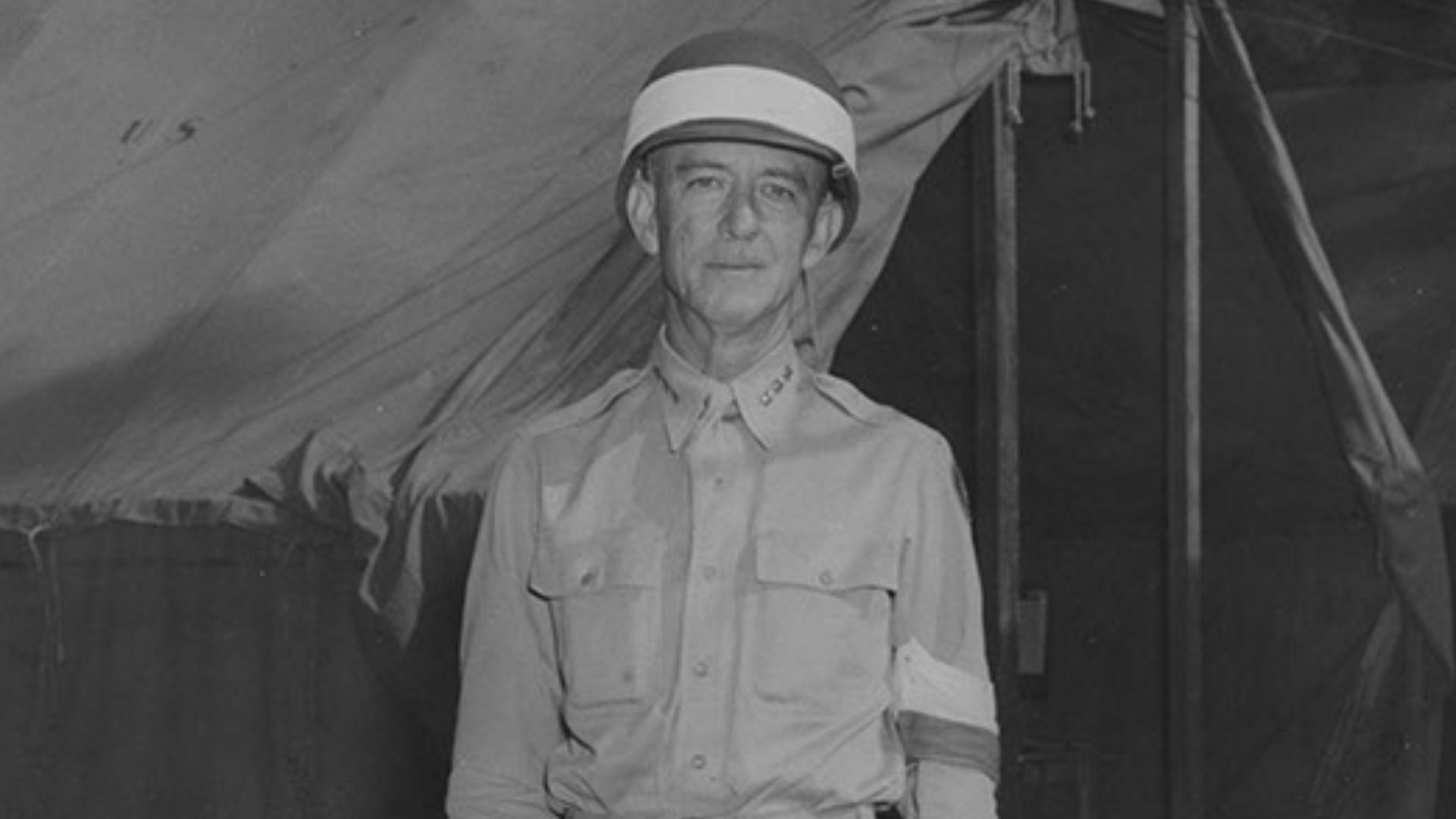 Houston County Public Library System, Wikimedia Commons
Lucian Truscott: America's Relentless Commander
Lucian Truscott rose rapidly through the American Army during World War II, earning a reputation for demanding training and energetic leadership. He commanded the 3rd Infantry Division in Italy, led VI Corps during the Anzio campaign, and later took charge of the Fifth Army. Truscott emphasized mobility, preparation, and aggressive operations. His contributions to Allied victories in the Mediterranean remain overshadowed by commanders who fought in the more celebrated campaigns of northwestern Europe.
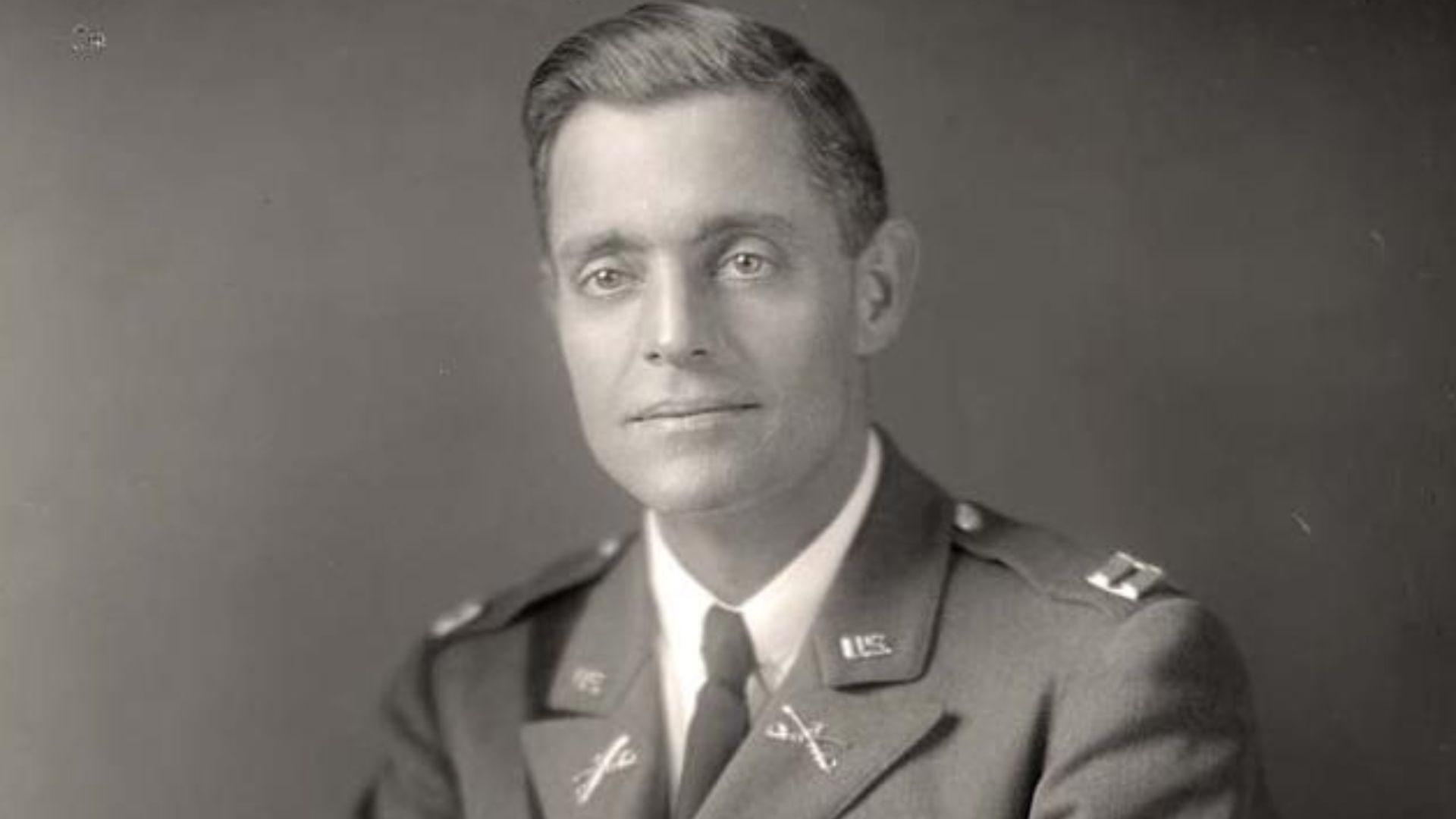 Harris & Ewing photo studio, Wikimedia Commons
Ivan Chernyakhovsky: The Soviet Rising Star
Ivan Chernyakhovsky became one of the Red Army's youngest and most promising commanders during World War II. After distinguished service commanding armored and combined-arms formations, he took command of the Soviet Third Belorussian Front in 1944. His forces played an important role in Operation Bagration, which shattered German Army Group Centre. Chernyakhovsky perished at the front in February 1945, aged just 38, cutting short a career that might have brought even greater prominence.
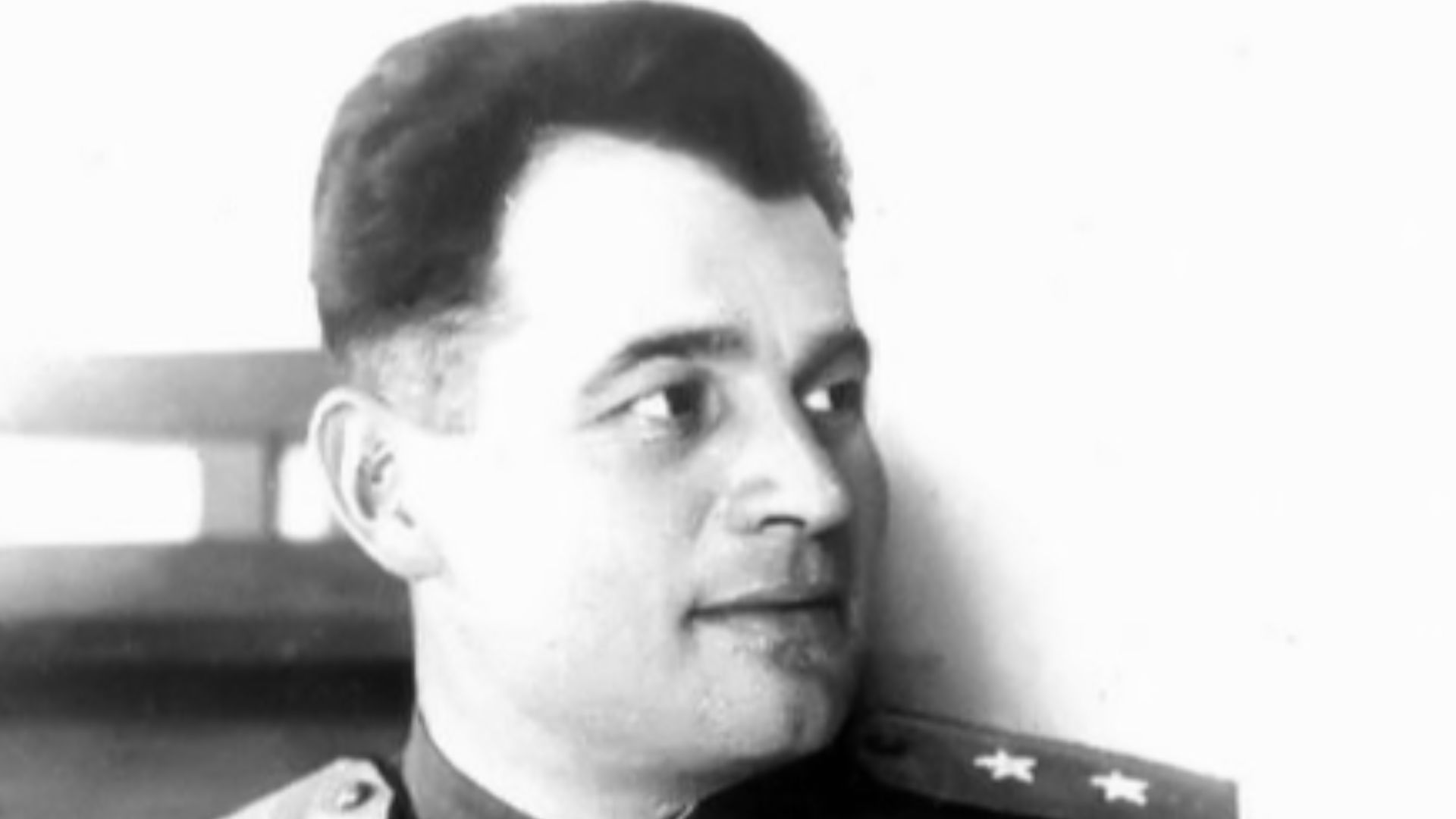 Unknown author., Wikimedia Commons
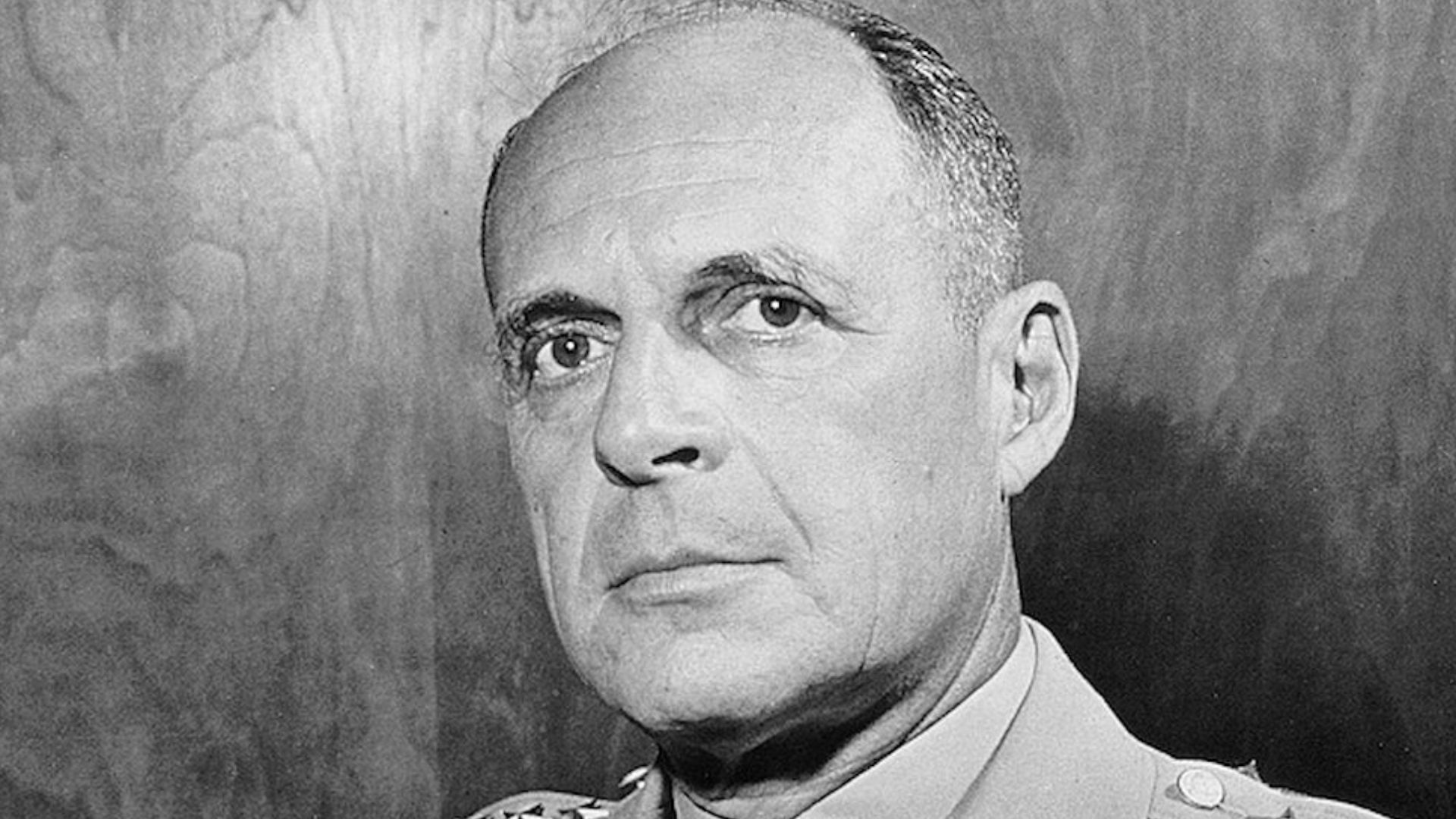
Matthew Ridgway: The Man Who Rescued Korea
When Matthew Ridgway assumed command of the U.S. Eighth Army in December 1950, United Nations forces in Korea were reeling from Chinese intervention. Ridgway restored confidence, improved leadership, and encouraged aggressive but carefully coordinated operations. Within months, his army had stabilized the front and regained lost ground. Later appointed Supreme Allied Commander Europe, Ridgway demonstrated that battlefield leadership could transform an army's fortunes without requiring spectacular numerical superiority.
 United States Army Japan, Wikimedia Commons
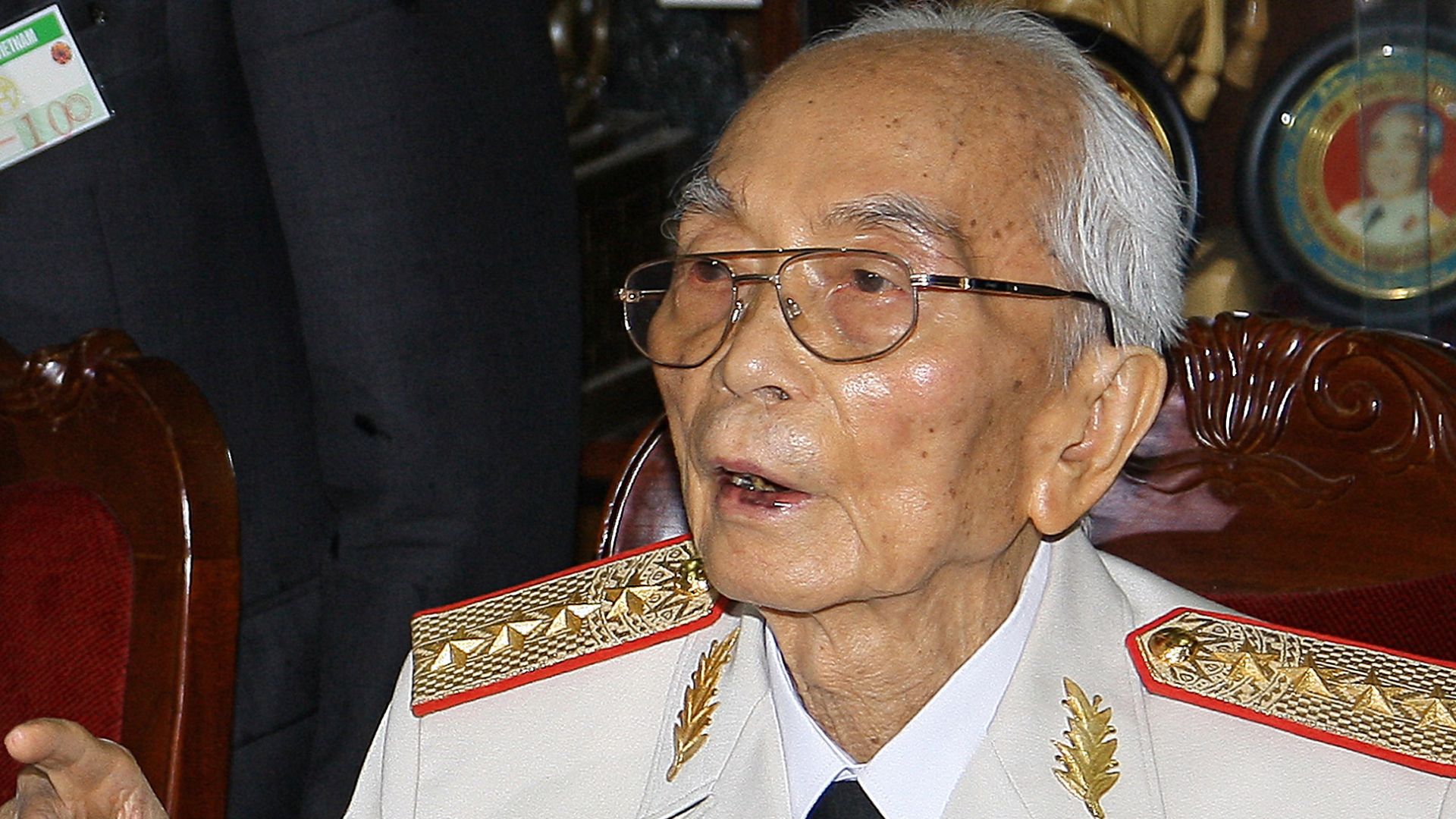
Võ Nguyên Giáp: Vietnam's Unconventional Strategist
Võ Nguyên Giáp began his military career without conventional professional training, yet became one of the twentieth century's most consequential commanders. Leading Vietnamese revolutionary forces, he helped defeat the French at Dien Bien Phu in 1954. He later held senior leadership positions during the war against the United States and South Vietnam. Although his precise role remains debated, Giáp reportedly opposed the strategy behind the 1968 Tet Offensive, doubting that it would produce the popular uprising its planners anticipated.
 Ricardo Stuckert (PR/ABr/Brazil), Wikimedia Commons
You May Also Like:
Misunderstood Facts About Cao Cao, The Warlord Of Wei
Illustrious Facts About Belisarius, The Last Great Roman General
Unbearable Facts About Bernard Law Montgomery, The Unbeatable Field Marshal
Sources: 1, 2, 3, 4, 5, 6, 7, 8, 9, 10, 11,12, 13, 14, 15, 16, 17, 18, 19, 20, 21