A Conqueror’s Genetic Legacy
Few historical figures left a legacy as earth-shaking as Genghis Khan, founder of the Mongol Empire. His military campaigns reshaped Eurasia, but his influence didn’t end with military conquest. Modern genetic research suggests that millions of people alive today may share a biological connection to him through a distinctive Y-chromosome lineage passed down through generations.

Rise Of The Mongol Empire
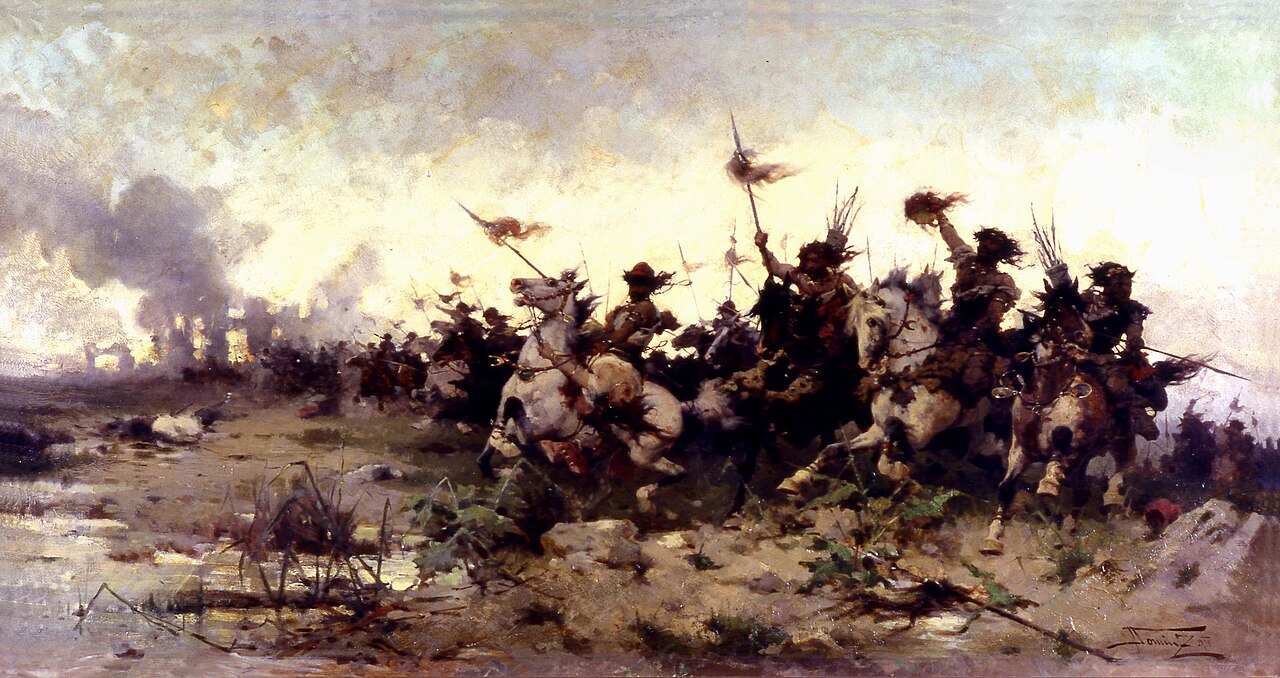
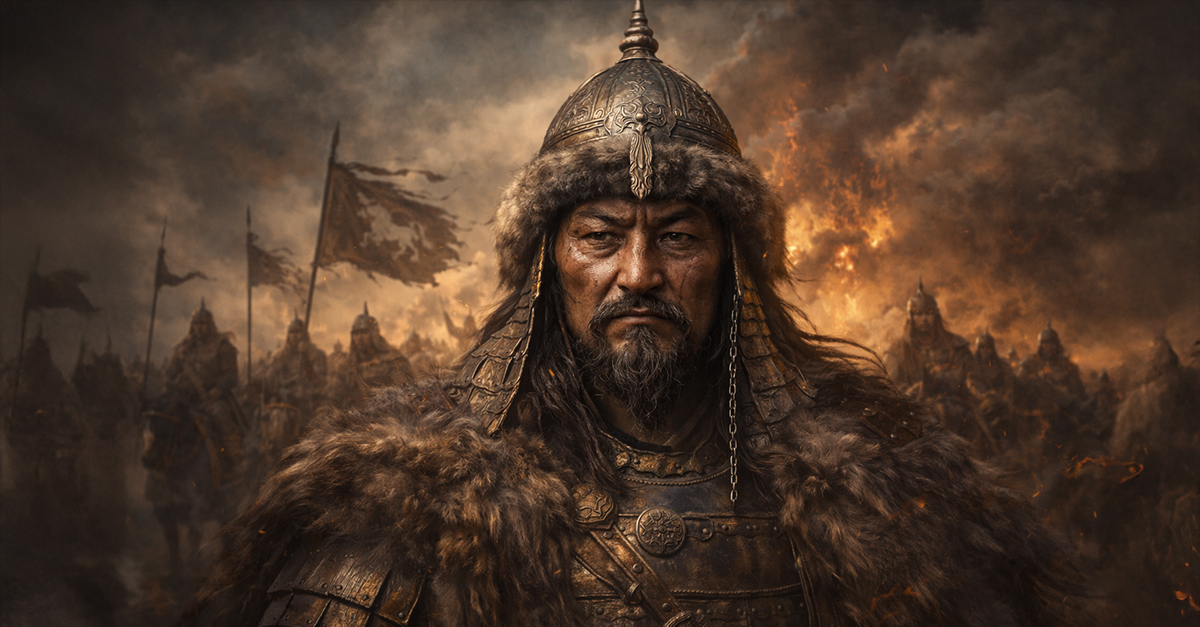
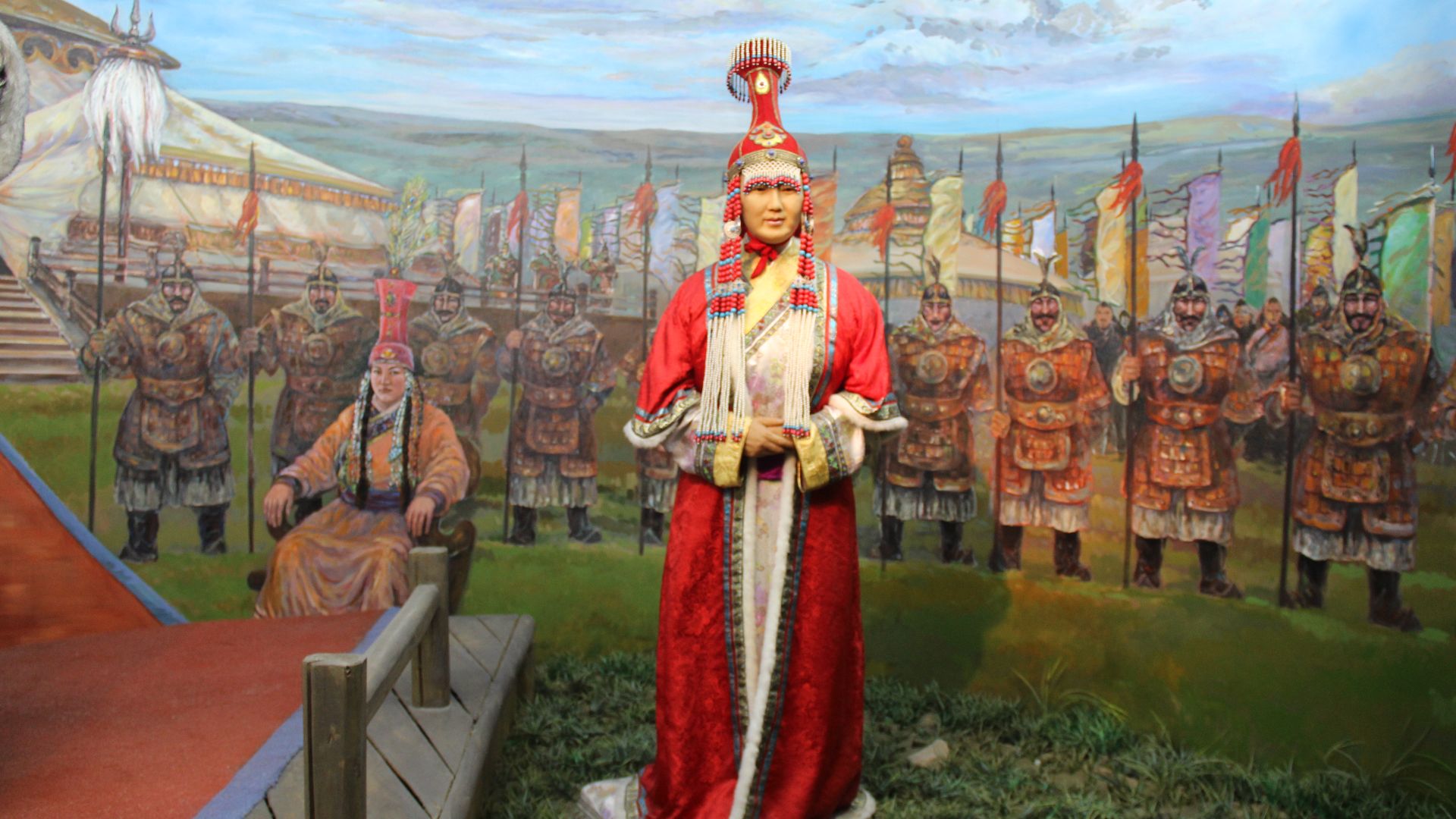
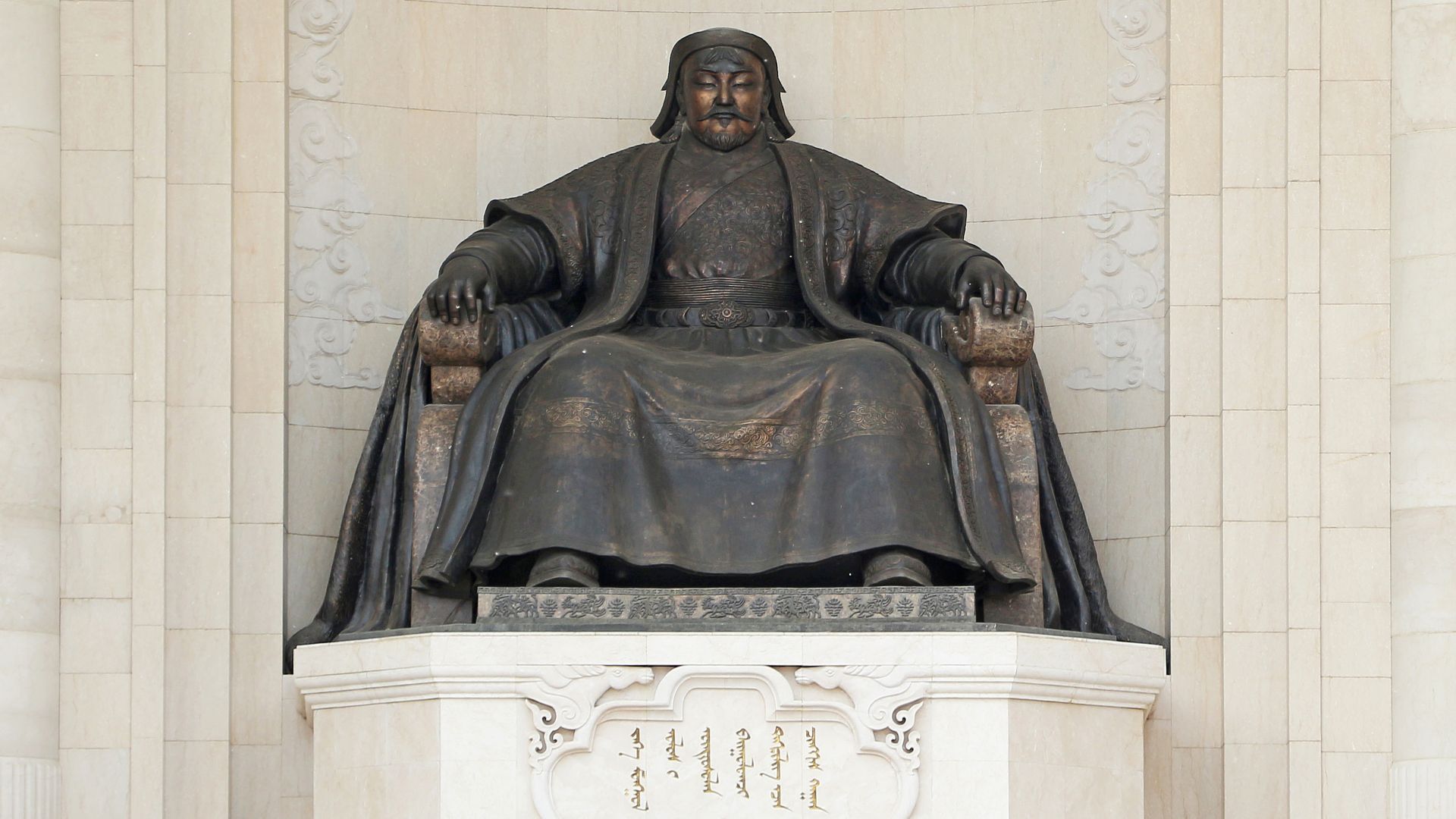
Genghis Khan, born Temujin around 1162, united the tribes of Mongols scattered all over the steppe, and created one of the largest empires in history. His armies pillaged across Asia and into Europe, conquering enormous swathes of territory. These victories brought power, wealth, and influence. This allowed his family line to spread widely across the regions his empire controlled.
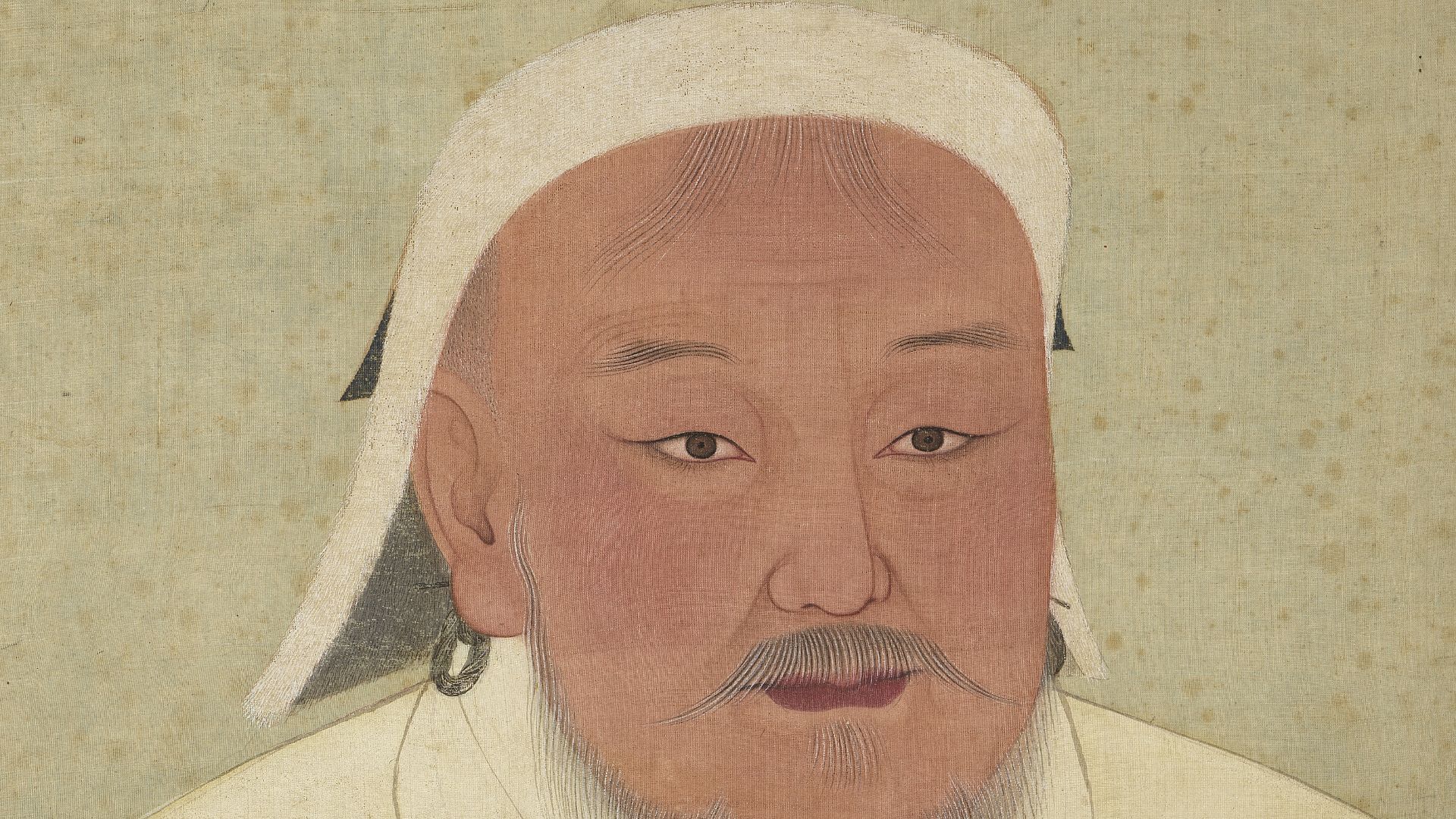 Unknown authorUnknown author, Wikimedia Commons
A Curious Genetic Pattern
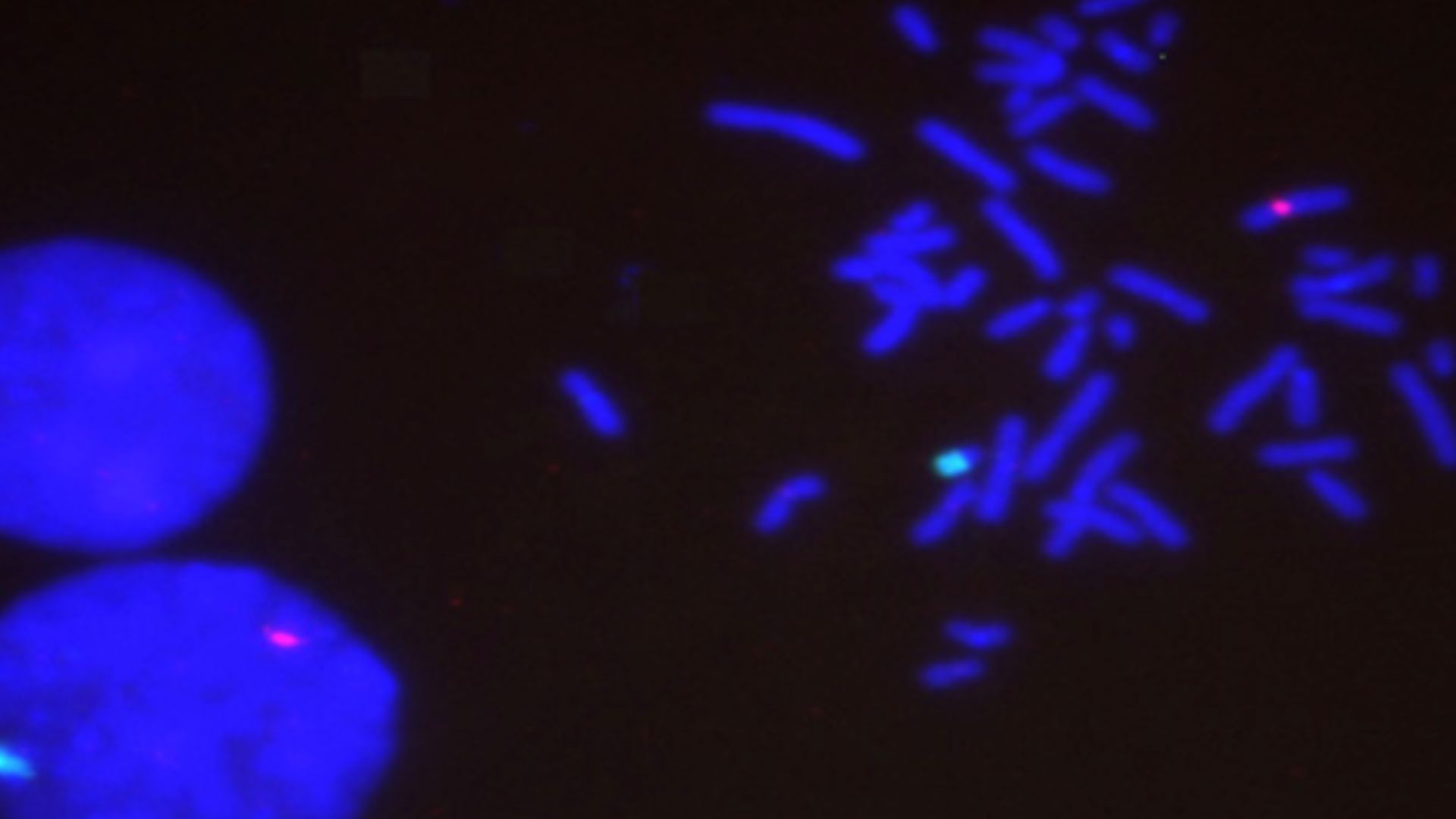
Centuries later, scientists began noticing an unusual genetic pattern among men across Central Asia. A particular Y-chromosome lineage showed up again and again across large populations. Because the Y chromosome passes from father to son, researchers suspected that the pattern could trace back to a single influential male ancestor who lived hundreds of years ago.
The 2003 Breakthrough Study
In 2003, geneticists studying Y-chromosomes found that roughly eight percent of men living across a vast region of Asia carried a nearly identical genetic signature. That translated to about sixteen million men at the time. These researchers concluded that this lineage likely began around the time of the Mongol Empire.
 Yulia Kolosova, Wikimedia Commons
Connecting The DNA To Genghis Khan
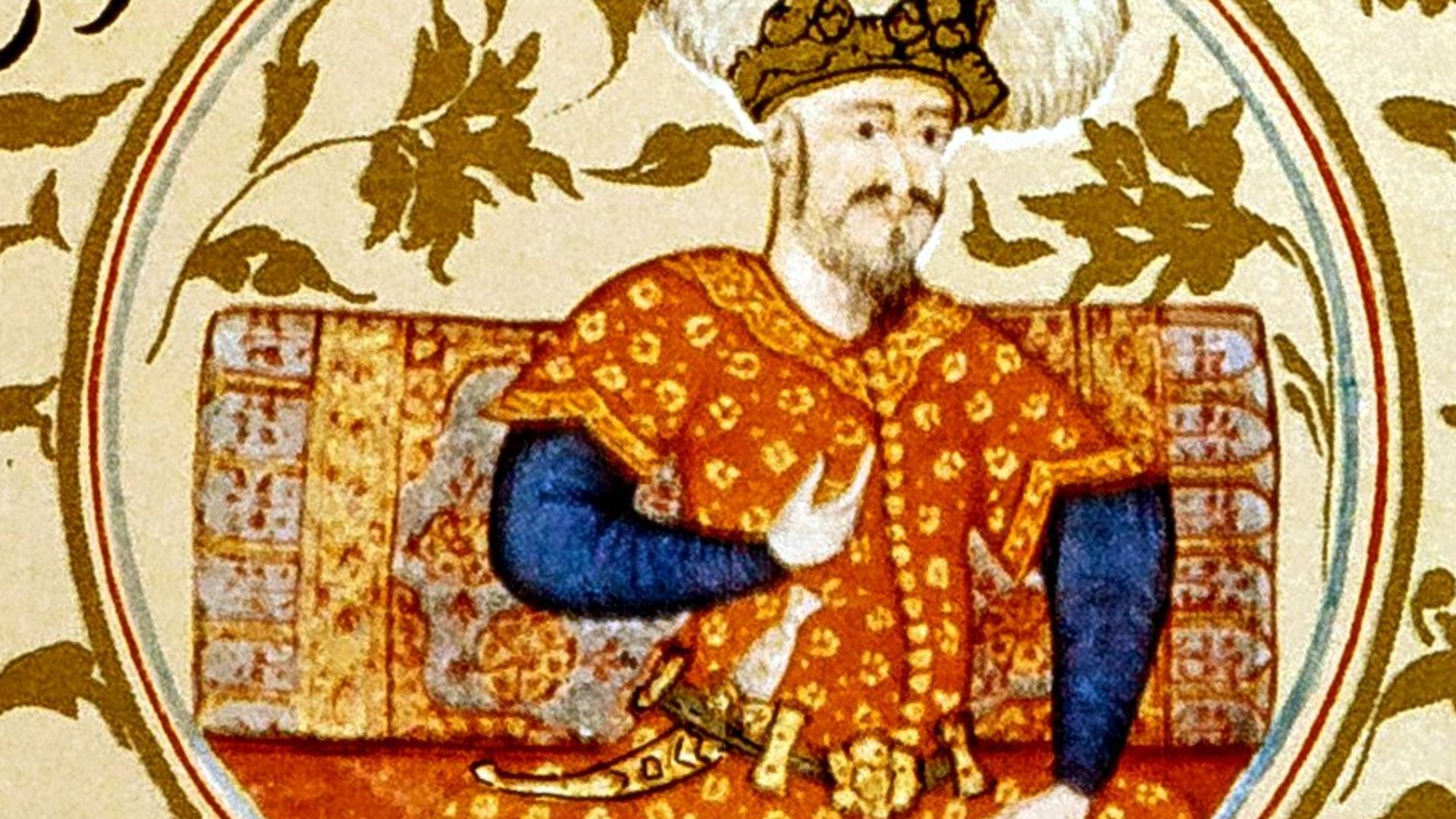
Scientists couldn’t directly test Genghis Khan’s DNA because his burial site is unknown, one of the great mysteries of the past. However, the geographic distribution and historical timing of the genetic lineage matched the growth of the Mongol Empire. The pattern was most strongly seen in regions historically ruled by the Mongols, suggesting the descent originated from Genghis Khan or a close male relative.
 Derviş Mehmed Pasha, Wikimedia Commons
Power And Reproductive Advantage
One explanation for the widespread genetic imprint is the enormous power held by Mongol rulers. Genghis Khan and his male descendants governed huge territories and maintained large royal households. Historical records suggest that elite men in the empire often had several wives or concubines, which dramatically increased the number of their descendants.

The Role Of His Sons And Grandsons
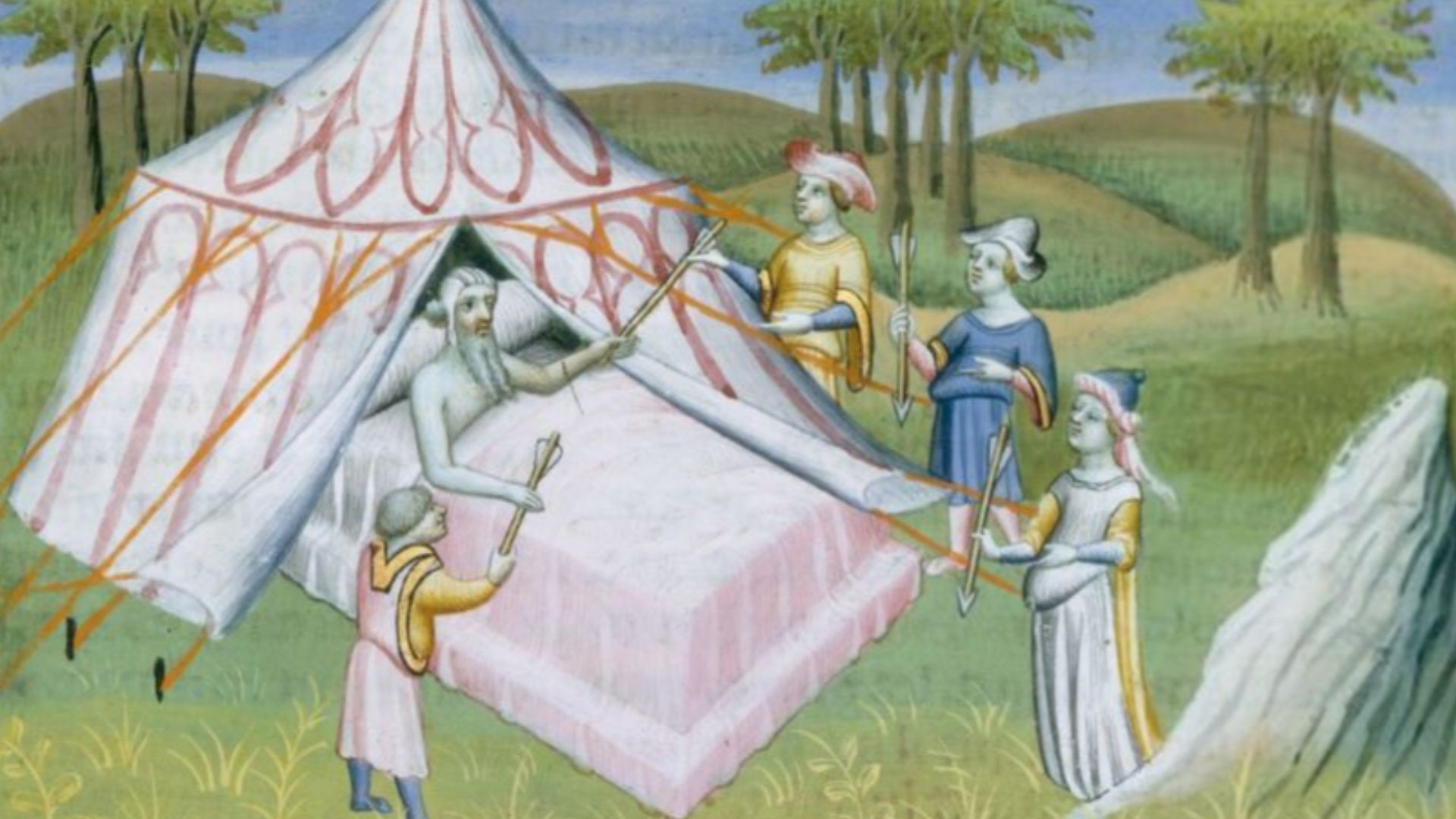
Genghis Khan had several sons who went on to become powerful leaders themselves. His descendants ruled major parts of the Mongol Empire, including China, Persia, and Central Asia. Each generation of rulers produced children who carried the same Y-chromosome lineage, further spreading that genetic signature across large populations.
 Atelier de Maître de la Mazarine, Wikimedia Commons
Mongol Elite Network
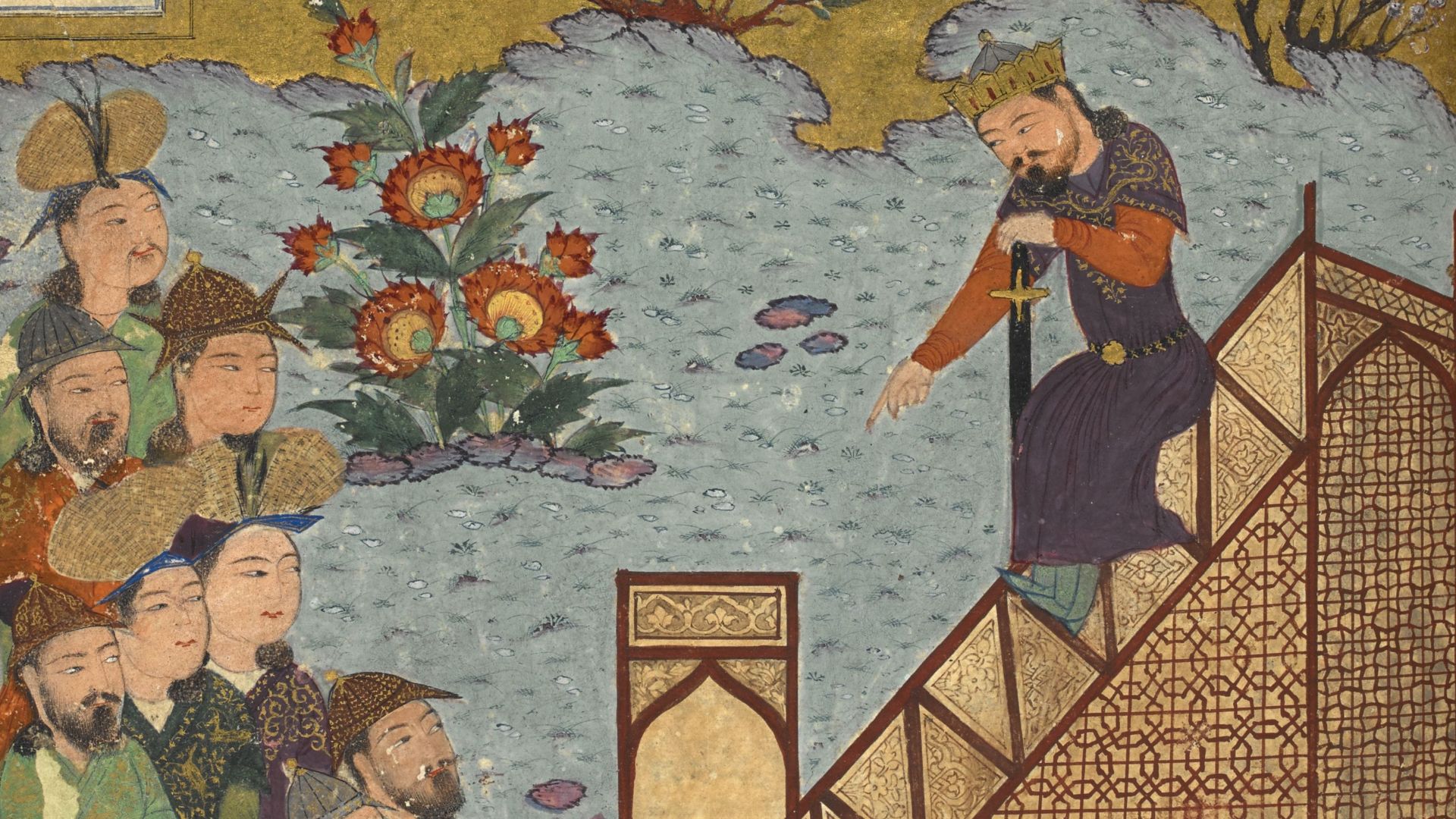
The genetic lineage may not belong solely to Genghis Khan himself but rather to a broader ruling clan within the Mongol elite. Members of the imperial family often married into powerful regional dynasties for political reasons. Through these alliances, their descendants could spread all across the Eurasian landmass, embedding the genetic signature in multiple populations.
Genetic Studies Continue
As DNA technology improved, scientists carried out more detailed and fascinating genetic studies across Asia. Researchers collected thousands of DNA samples and examined the distribution of Y-chromosome variations. These studies proved that the lineage was unusually widespread and that it originated around 800 to 1,000 years ago.

Massive Population Impact
Because the Y-chromosome passes directly from father to son, one successful male lineage can spread rapidly if descendants hold power or a large social advantage. Over centuries, the descendants of a single influential ancestor can multiply into millions. It looks like this was exactly what happened with this lineage linked to the Mongol imperial family.
A New Genomic Reassessment
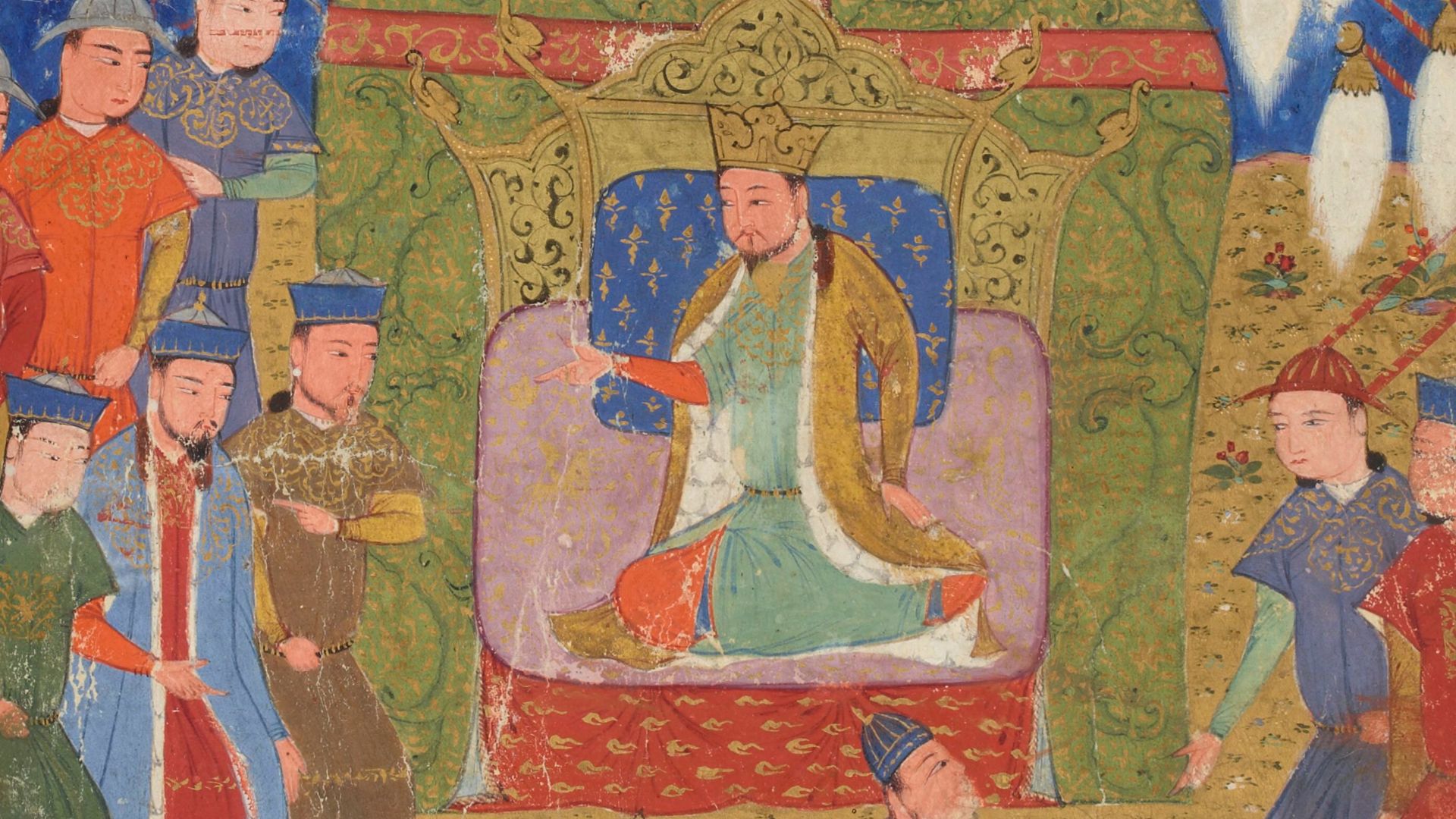
More recent genomic research has revisited the earlier estimates about Genghis Khan’s descendants. Scientists studying broader genetic databases discovered that the number of men carrying this specific Y-chromosome lineage may actually be smaller than once was believed. Earlier estimates may have overstated the number of direct descendants.
 Sayf al-Vâhidî. Hérât. Afghanistan, Wikimedia Commons
Far Fewer Than First Thought
New genetic analysis suggests that the famous lineage might represent fewer people than earlier claims suggested. While millions may still carry the genetic signature, the estimate of sixteen million direct descendants may have been inflated due to limited early datasets and wrong assumptions about population distribution.

Limits Of Genetic Evidence
Genetic research can identify shared ancestry but it’s not always able to identify the exact historical individual responsible for the lineage. With no confirmed DNA from Genghis Khan himself, scientists are forced to rely on circumstantial evidence, including historical records, geographic patterns, and estimated timelines of genetic mutations.

Why The Y Chromosome Matters
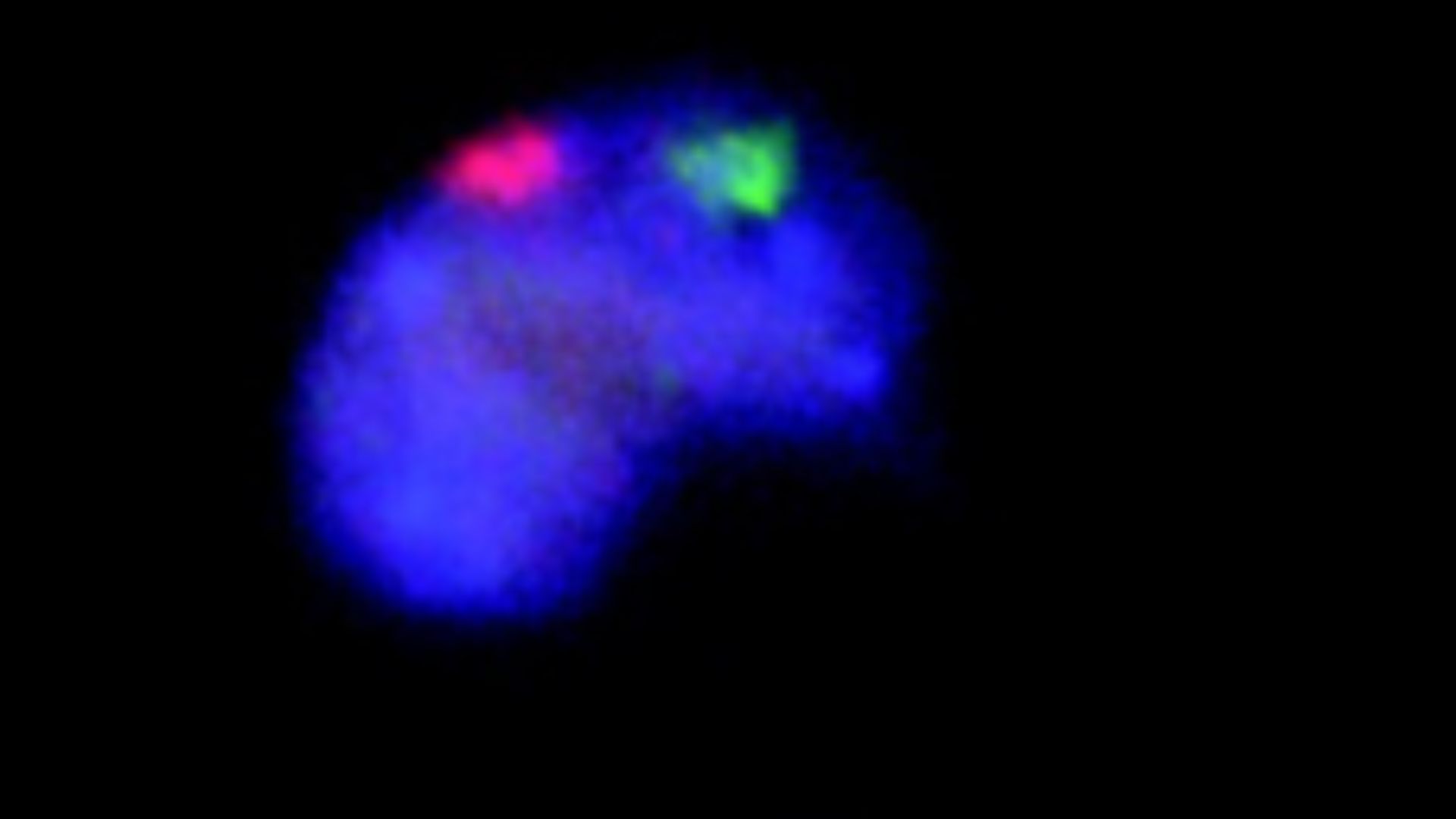
The Y chromosome has a unique role in genetic studies because it changes relatively slowly and passes directly through male lines. This makes it a key feature for tracking paternal ancestry across centuries. Researchers use mutations within the chromosome to estimate when different branches of a lineage first appeared.
 Janice Y Ahn, Jeannie T Lee, Wikimedia Commons
Mapping Ancient Family Trees
By analyzing tiny genetic variations, scientists can reassemble large family trees that stretch back hundreds or even thousands of years. These genetic maps help researchers estimate when a lineage started to spread and how it expanded through different regions. The lineage associated with the Mongol Empire shows rapid growth starting in the thirteenth century.
Spread Across Eurasia
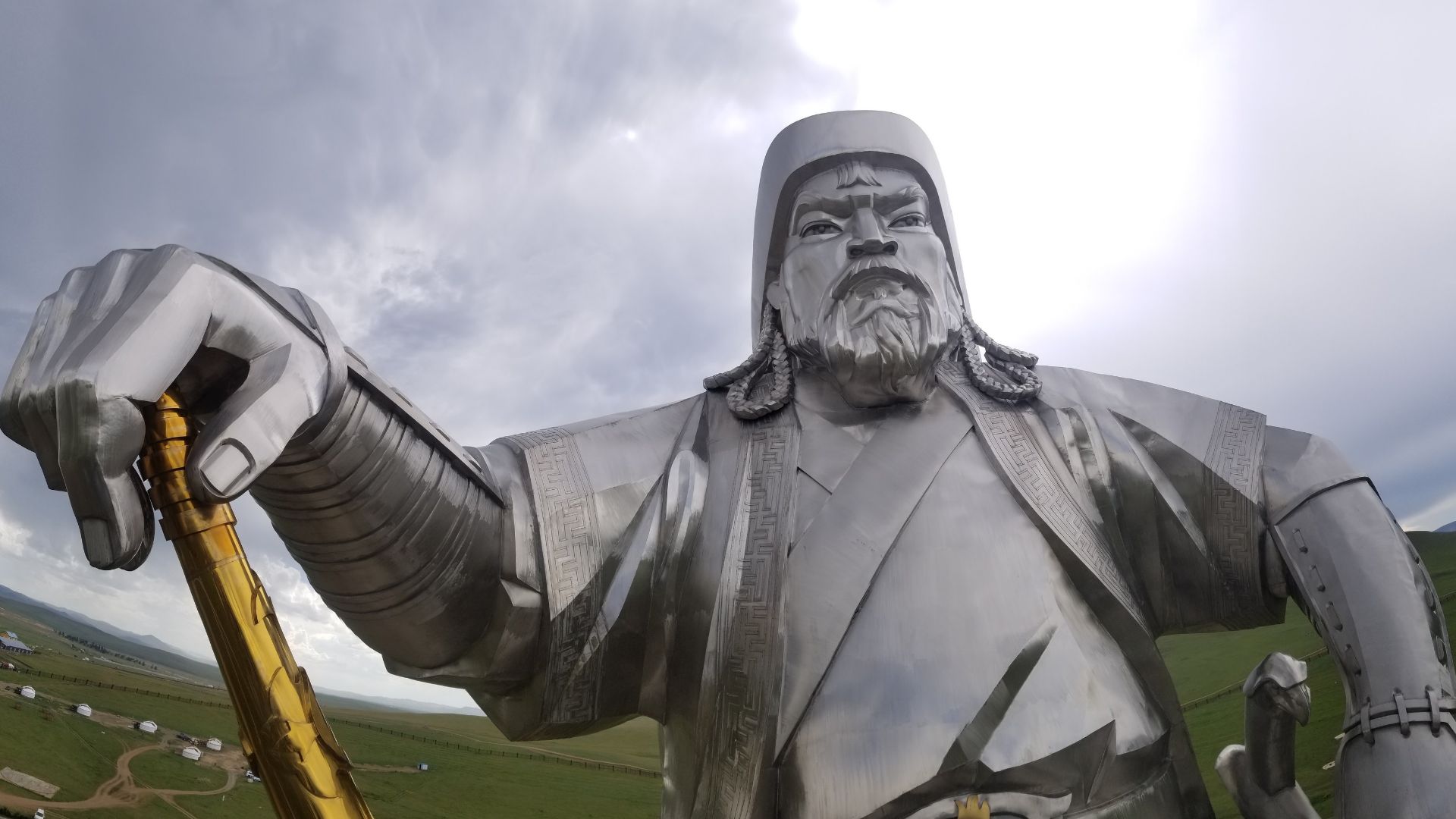
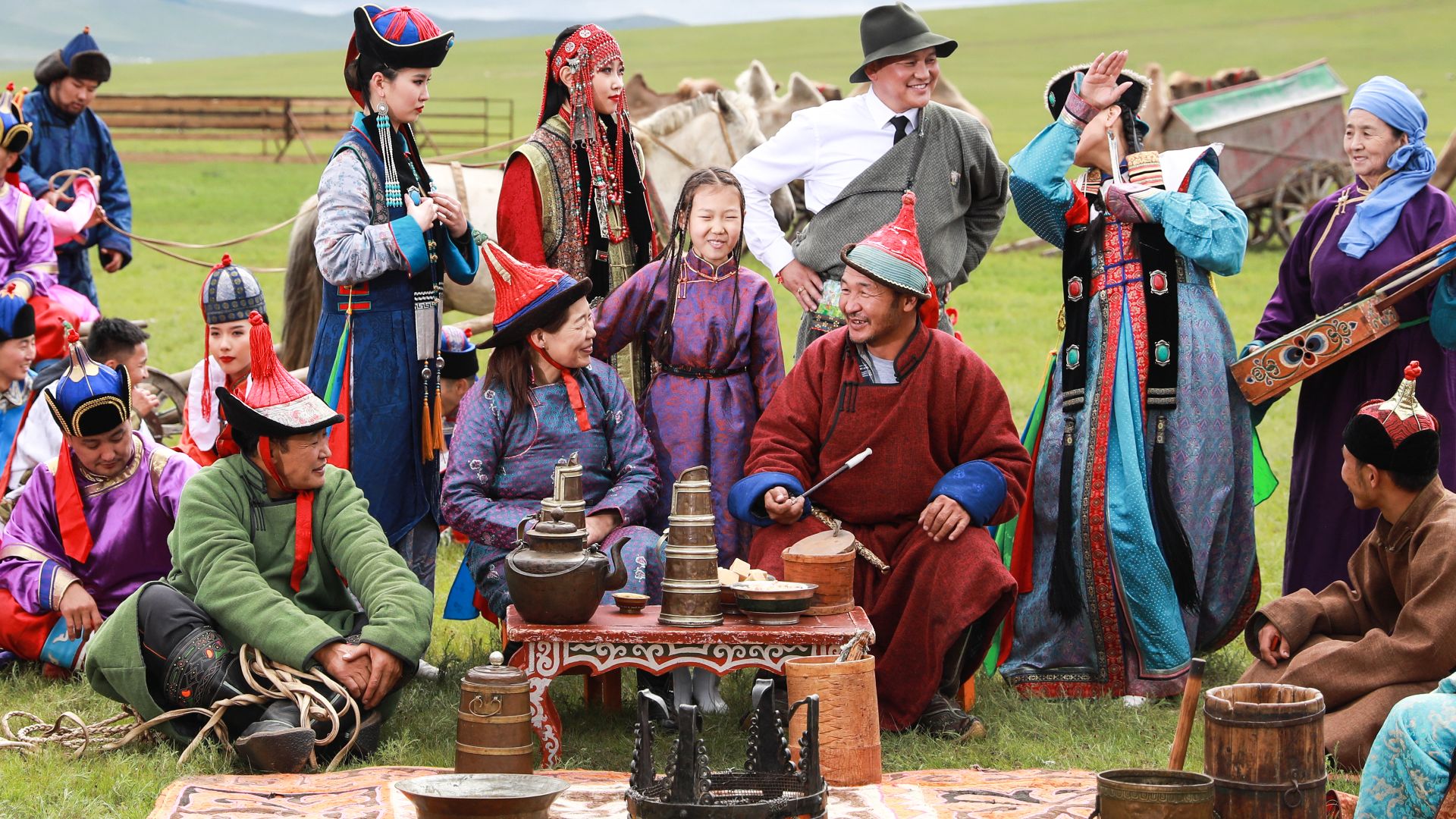
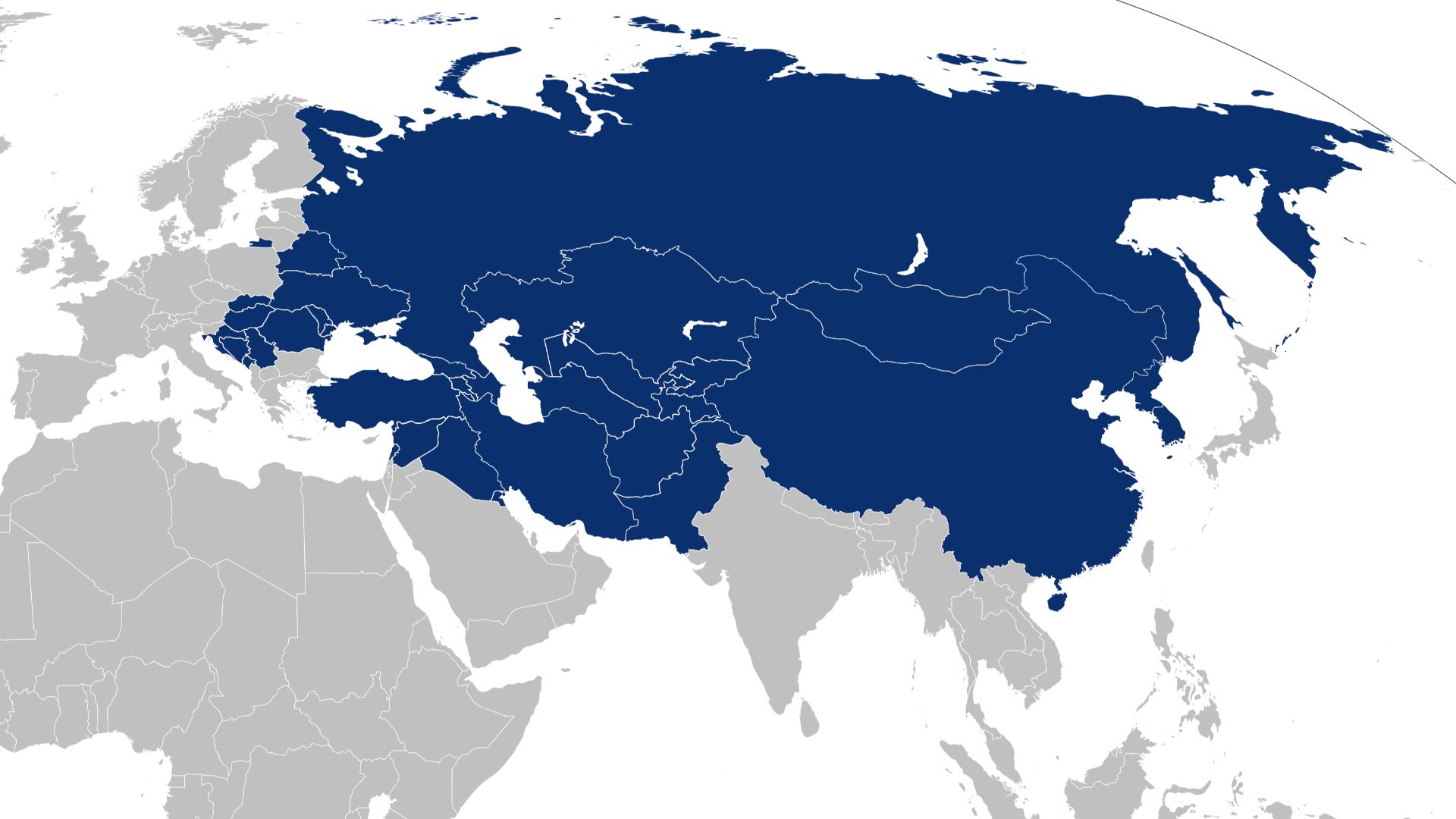
The genetic lineage believed to originate with the Mongol imperial family appears across Mongolia, China, Kazakhstan, Uzbekistan, and parts of Russia. Its presence in so many regions is a relic of the enormous territorial reach of the Mongol Empire at the peak of its supremacy during the thirteenth and fourteenth centuries.
 J bayarmagnai, Wikimedia Commons
Genetics And Historical Clues
Genetic evidence can’t on its own prove that a particular historical figure is the source of a lineage. But when genetic patterns align closely with historical events, they can provide powerful clues. In this case, the spread of the lineage closely matches the known expansion of Mongol rule across Eurasia.

Mystery Of Genghis Khan’s Tomb
One of the reasons the genetic question is still unresolved is that Genghis Khan’s tomb has never been conclusively identified. According to legend, his burial site was deliberately concealed, and those who concealed him were killed soon afterward. Without confirmed remains, scientists can’t obtain direct DNA evidence to verify if the famous lineage truly belongs to him.
 Gary Todd from Xinzheng, China, Wikimedia Commons
Legacy Beyond Conquest
Whether or not the lineage belongs directly to Genghis Khan himself, this DNA research is proof of the enormous demographic impact of powerful ruling families. Political dominance, social privilege, and polygamous households allowed certain lineages to spread far more rapidly than those of ordinary people.

Genetic Echoes Of Empire
The Mongol Empire once stretched from Eastern Europe to the Pacific Ocean. Even centuries after its collapse, traces of its influence remain embedded in the DNA of millions of people. The spread of this genetic lineage may represent one of the most striking examples of how historical power shaped human populations.
 BlueHypercane761, Wikimedia Commons
What Science Still Cannot Prove
Despite decades of research, scientists still cannot say with absolute certainty that the lineage belongs to Genghis Khan himself. The evidence strongly suggests a connection to the Mongol ruling family, but the exact identity of the original ancestor may never be known without direct genetic material.

The Continuing Fascination With Genghis Khan
More than eight centuries after his death, Genghis Khan remains one of the most influential figures in world history. His military achievements reshaped continents, and modern genetics suggests his legacy may also live on in the DNA of millions. Few rulers have left such a mark on both history and human biology.
 Bernard Gagnon, Wikimedia Commons
You May Also Like:
43 World Conquering Facts About The Mongol Empire
Vicious Facts About Genghis Khan, The Most Bloodthirsty Conqueror In History