The West Was Stranger Than Fiction
Some outlaw stories barely need embellishment. The real frontier produced criminals, fugitives, impostors, escape artists, and accidental celebrities whose lives would seem excessive even in a Hollywood script.
 Unknown author / Wikimedia Commons
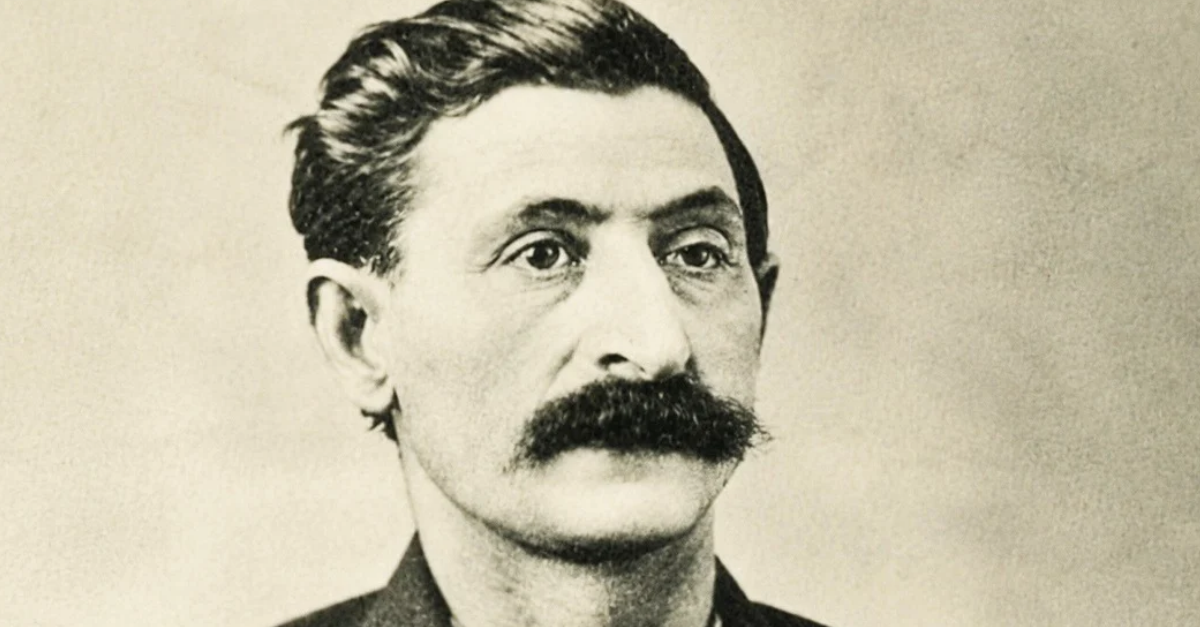
Pearl Hart Robbed A Stagecoach
Pearl Hart became one of the most notorious women in the West after she and a partner known as Joe Boot robbed a stagecoach outside Globe, Arizona, in May 1899. A posse captured them only days later, but newspapers quickly transformed Hart into a national sensation. At a time when armed robbery was overwhelmingly associated with men, a female stage robber was irresistible copy.
 Unknown authorUnknown author, Wikimedia Commons
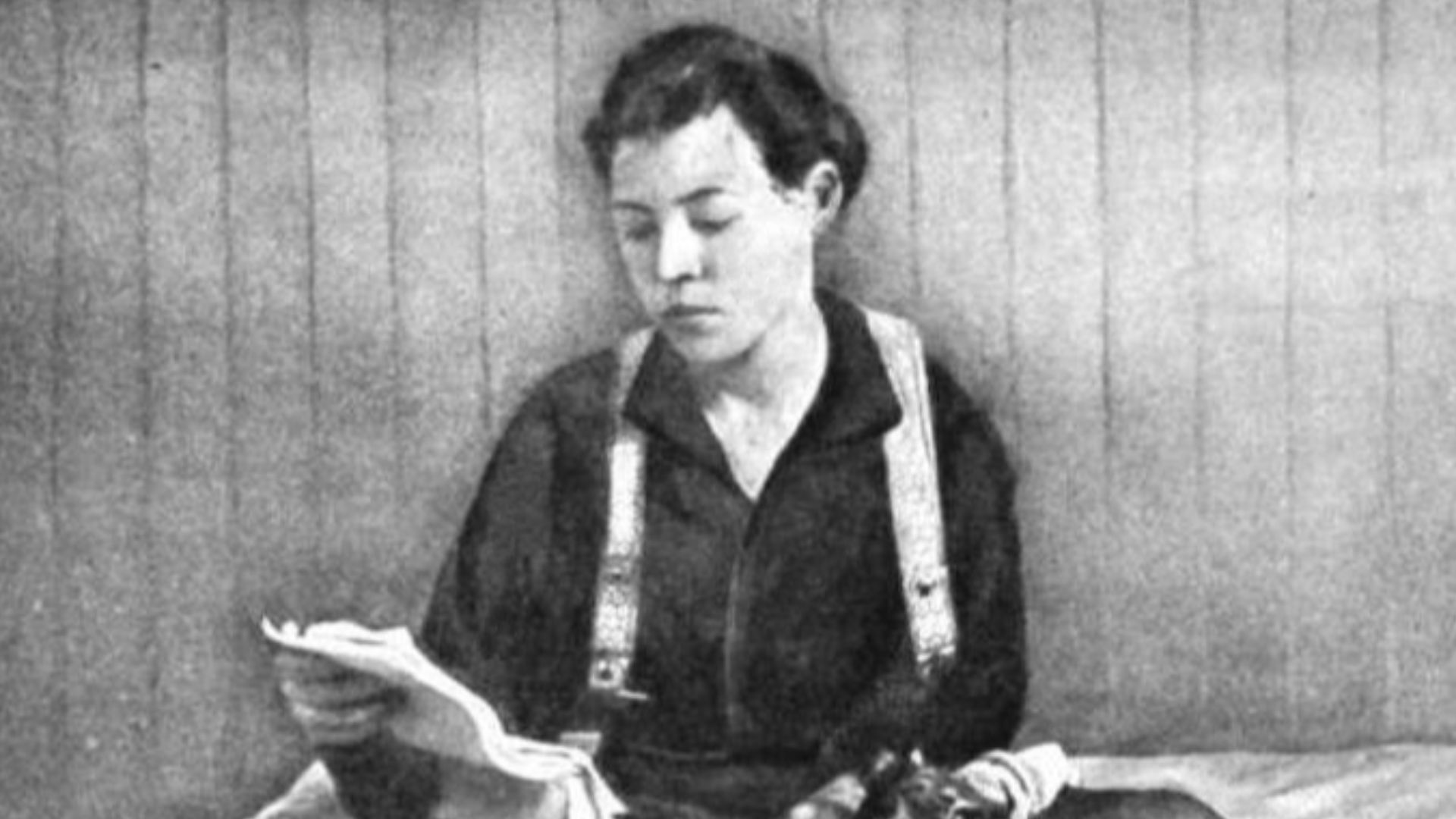
Then Pearl Escaped From Jail
Hart's story became even stranger after authorities transferred her to Tucson while awaiting trial. In October 1899, she escaped from jail with a male prisoner, only to be recaptured near Deming, New Mexico. She eventually served time at Yuma Territorial Prison, received a pardon in 1902, and even reportedly performed versions of her robbery for Wild West audiences.
 Unknown photographer, Wikimedia Commons
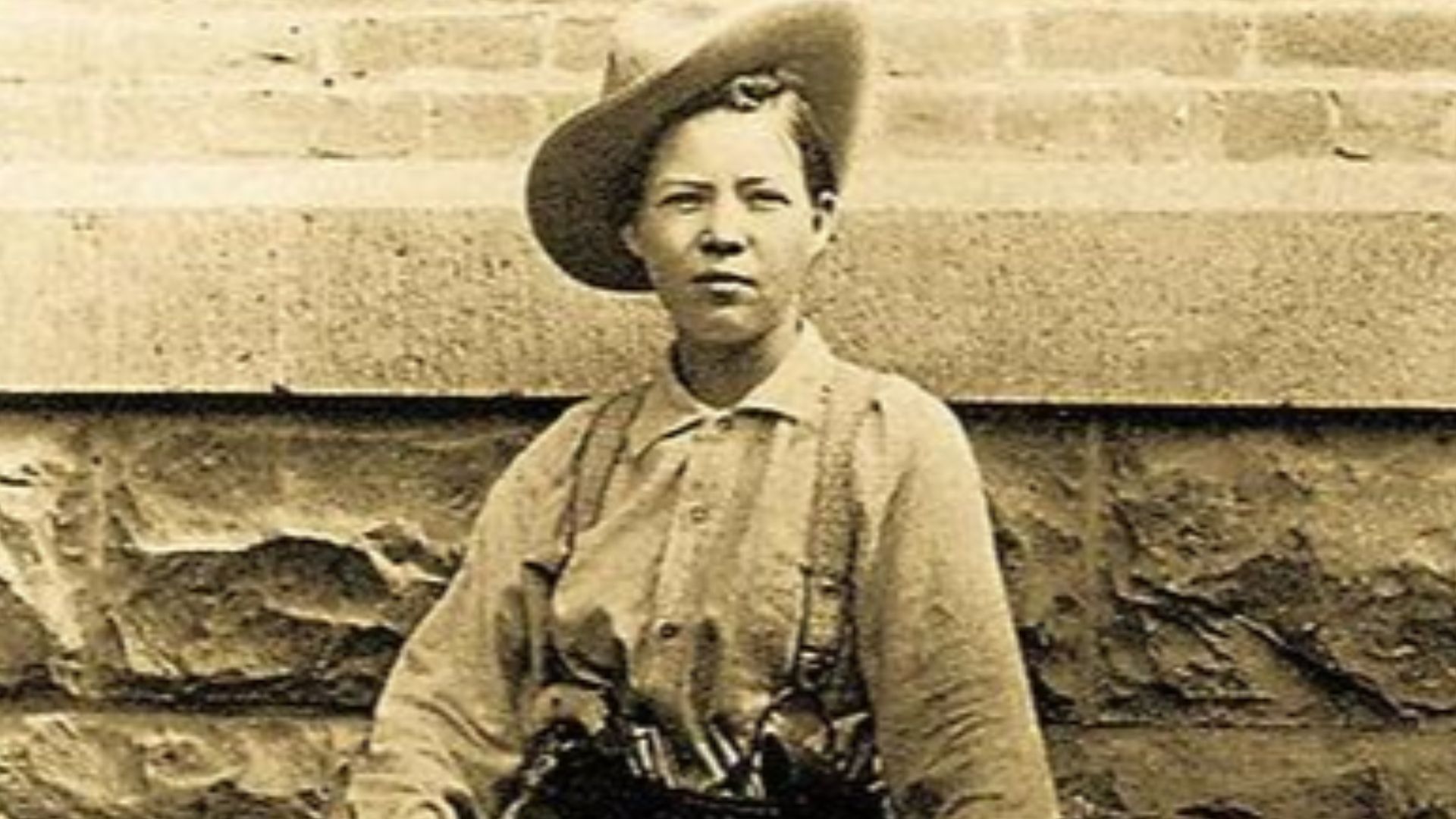
Henry Starr Robbed Banks For Decades
Henry Starr claimed Cherokee ancestry and became one of the most persistent bank robbers of the late frontier era. Arrest, imprisonment, and even a presidential pardon failed to end his criminal career, and he repeatedly returned to robbery after being released. In 1915, Starr participated in an audacious attempt to rob two banks in Stroud, Oklahoma, at essentially the same time.
 Unknown authorUnknown author, Wikimedia Commons
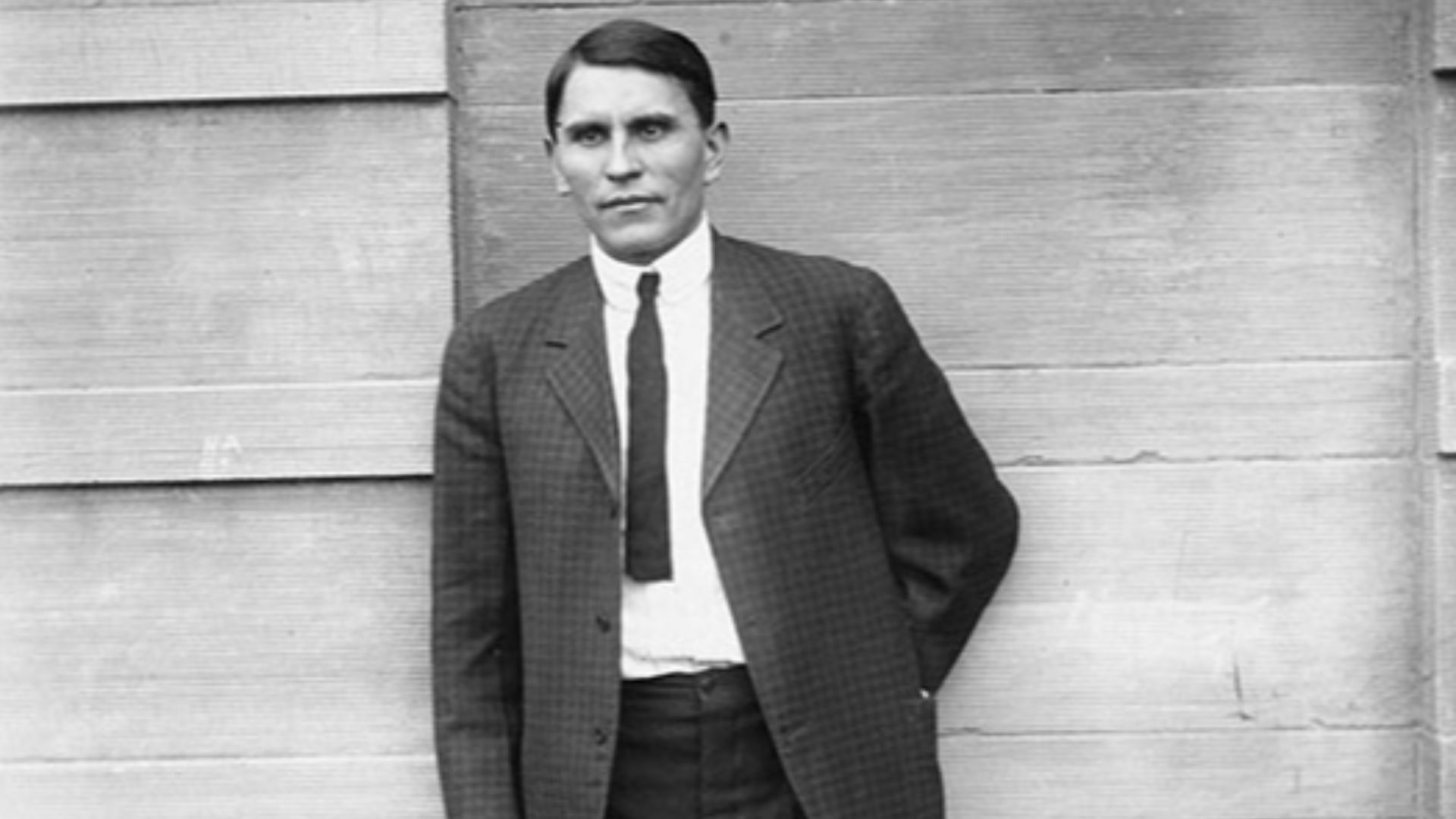
Then Starr Made A Movie About Himself
After receiving parole in 1919, Starr entered the motion-picture business instead of disappearing quietly. He worked on A Debtor to the Law, a silent film dramatizing the very Stroud robbery that had sent him back to prison. Financial difficulties apparently did little for his rehabilitation, because in 1921 he was mortally wounded while robbing another bank in Arkansas.
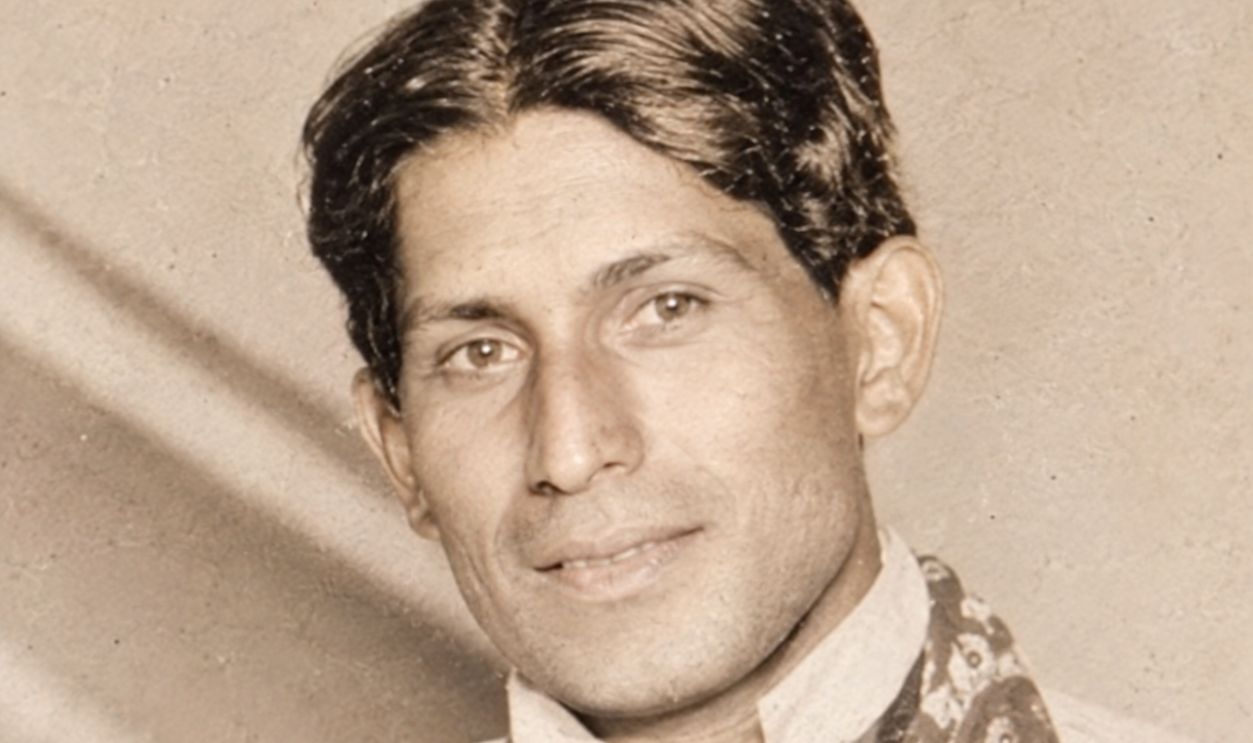 Photography Studio, Wikimedia Commons, Modified
Bill Carlisle Used A Toy Gun
Bill Carlisle decided to rob a Union Pacific train in 1916 after struggling to find work in Wyoming. Among the weapons he carried was an imitation glass pistol that he had originally intended as a Christmas present for his niece. His first robbery brought him just $52.35, but his white mask and unusual behavior made him an instant regional celebrity.
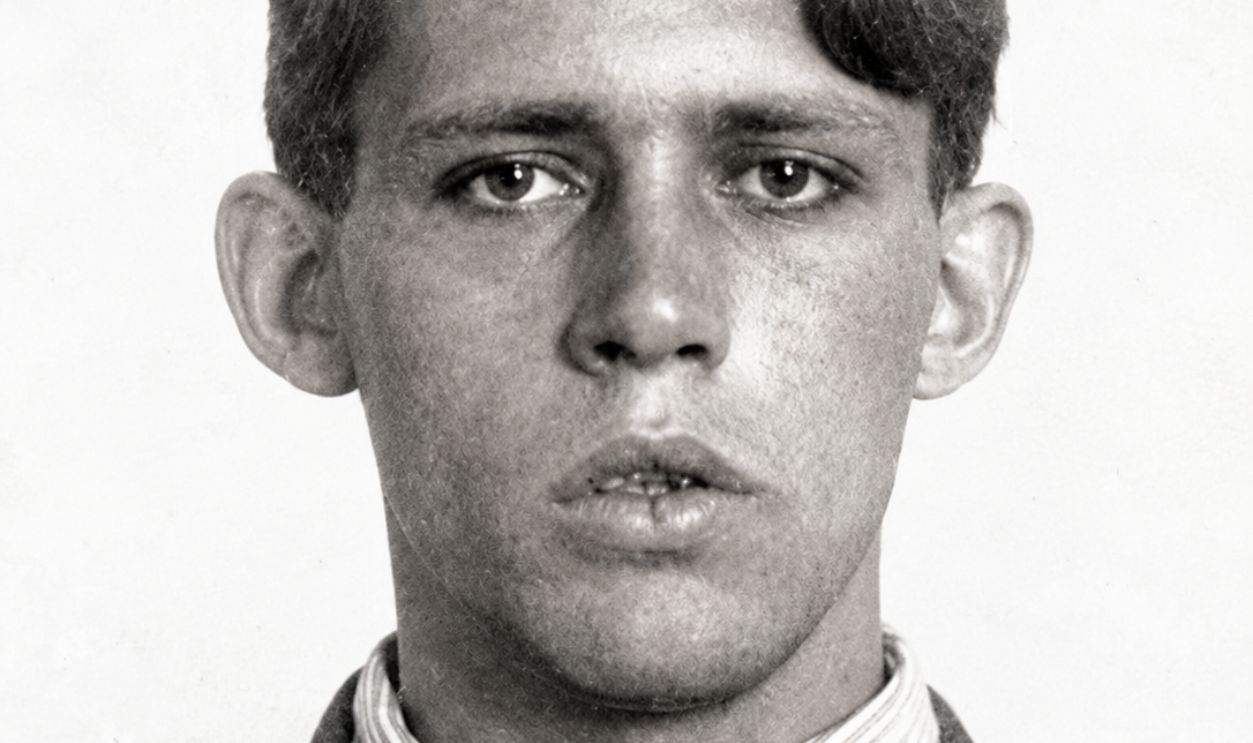 Unknown Author, Wikimedia Commons, Modified
Carlisle Escaped In A Box Of Shirts
Captured and given a life sentence, Carlisle proved that prison had not cured his appetite for improbable plans. In November 1919, he escaped from the Wyoming State Penitentiary by hiding inside a carton of shirts made by prisoners. He robbed another train soon afterward, but reportedly refused to take money from soldiers and sailors returning from World War I.
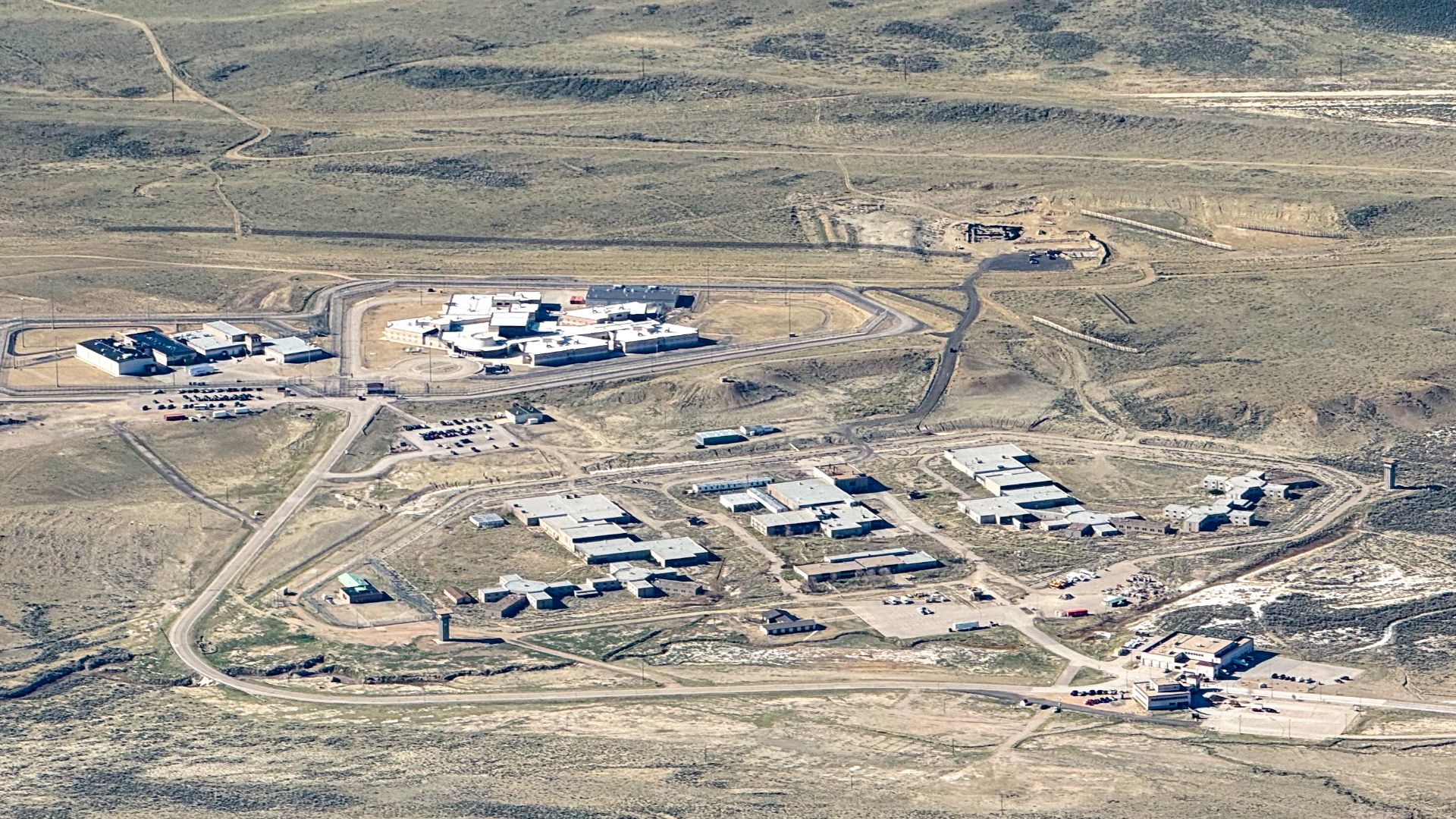
Big Nose George Became A Pair Of Shoes
George Parrott, better known as Big Nose George, belonged to a gang involved in robbery and the murders of two Wyoming lawmen. A mob lynched him in Rawlins in 1881 after he attempted to escape from jail. With nobody claiming his corpse, two physicians acquired it for medical study, and what followed was considerably stranger than his criminal career.
A Future Governor Wore His Skin
Physician John Osborne had portions of Parrott's skin made into a pair of shoes. Osborne later became governor of Wyoming and reportedly wore the shoes to his 1893 inauguration. Parts of Parrott's skull and the notorious shoes eventually entered museum collections, preserving one of the grimmest artifacts of frontier outlaw history.
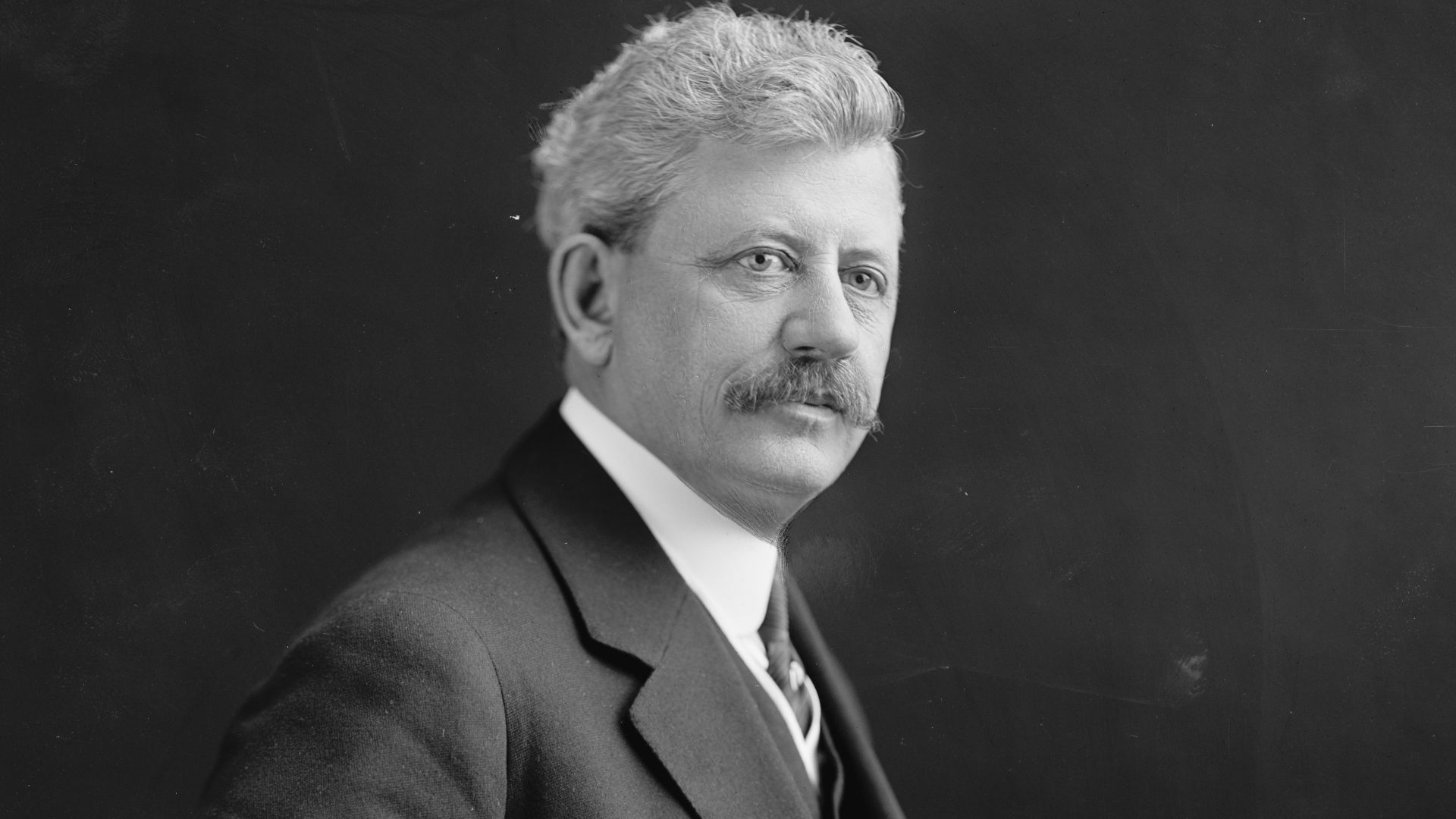 Harris & Ewing, photographer, Wikimedia Commons

History's most fascinating stories and darkest secrets, delivered to your inbox daily.
Doc Middleton Led A Horse-Thieving Gang
David Cherry, better known as Doc Middleton, became a notorious horse thief in Nebraska after arriving in the region during the 1870s. He operated under multiple names and organized a group commonly remembered as the Hoodoo Gang. Their activities centered heavily on stealing livestock from the sprawling ranges of the Niobrara country.
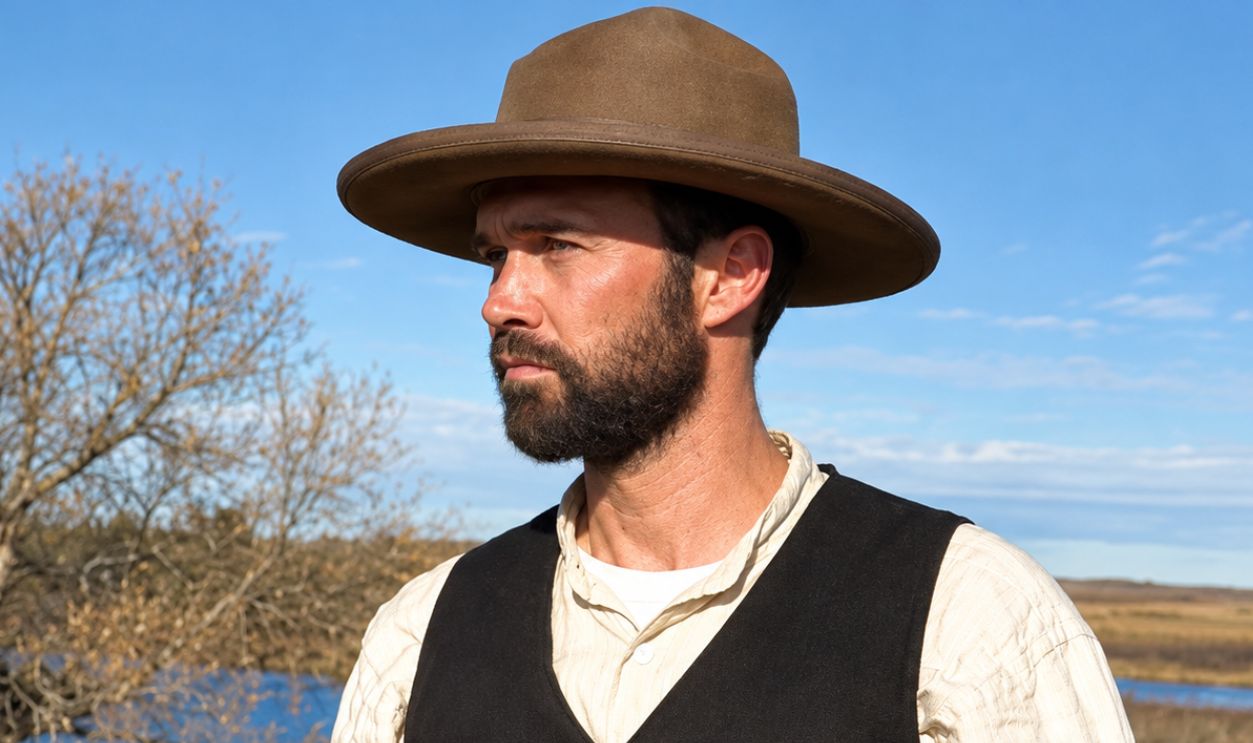 Screenshot from Doc Middleton: The Unwickedest Outlaw, 10 YR. Productions (2017)
The Outlaw Eventually Settled Down
Middleton's later life looked very different from his earlier years as a fugitive. Nebraska historical records place him farming and ranching, while later recollections kept alive stories from his outlaw period. He lived until 1913, meaning a man associated with the rough frontier survived long enough to see the West changing around him.
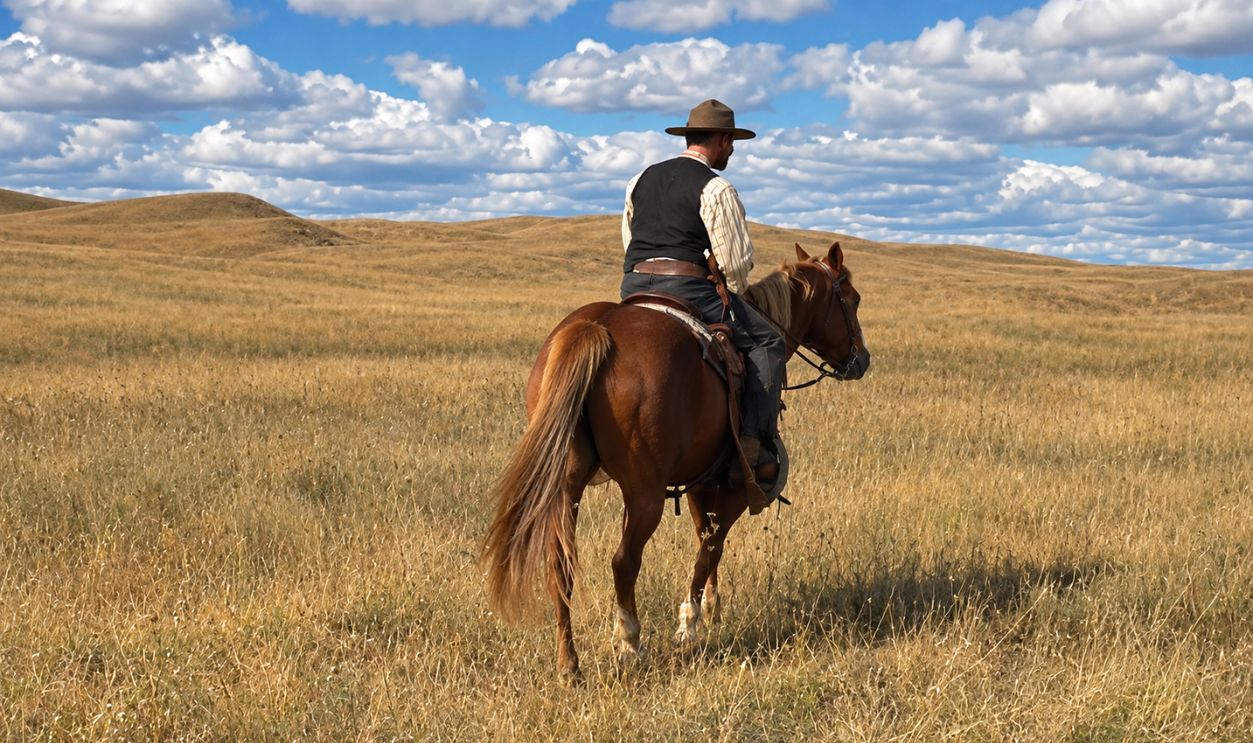 Screenshot from Doc Middleton: The Unwickedest Outlaw, 10 YR. Productions (2017)
Kid Wade Signed The Wrong Guest Book
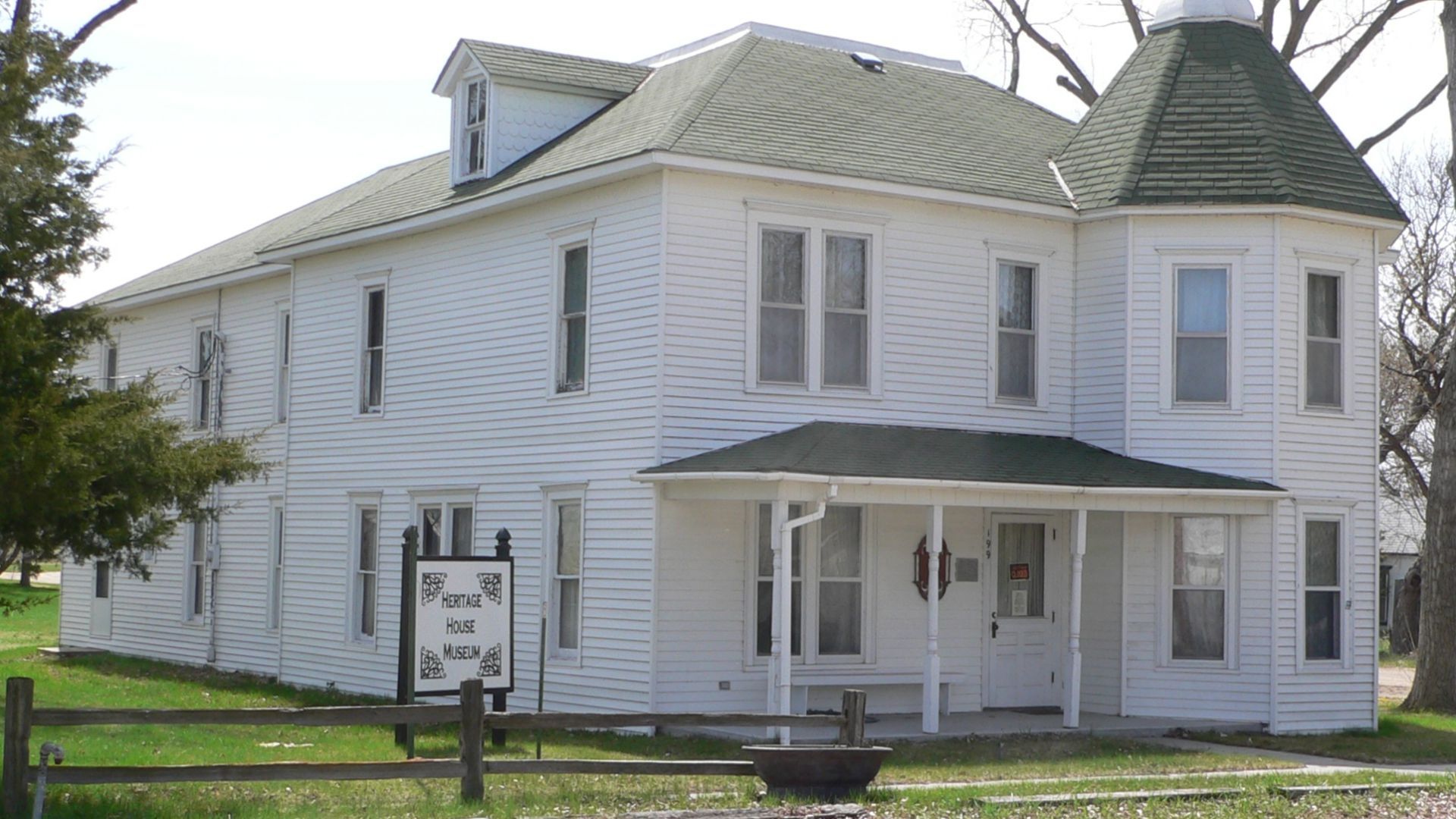
William Albert “Kid” Wade rode with the Pony Gang associated with Doc Middleton. After his capture in 1884, Wade stayed at the Long Pine House in Nebraska, where his signature was preserved in the hotel's guest register. That ordinary scrap of paperwork became evidence of a story that was about to turn violent.
Vigilantes Stole Him From The Sheriff
A vigilante party attempted to lynch Wade, but the local sheriff initially managed to take custody of him. The vigilantes simply seized him again. Wade was then hanged from a telegraph pole east of Bassett, making his preserved hotel signature a strangely mundane surviving trace from the final days of a frontier outlaw.
Frank Canton Was Not Frank Canton
Wyoming lawman Frank Canton had an impressive reputation as a sheriff and stock detective, but “Frank Canton” was effectively a reinvention. He had been born Josiah, or Joe, Horner and had lived as a Texas outlaw before appearing in Wyoming under his new identity. Horner had been involved in cattle theft, robbery, violence, and multiple escapes from custody.
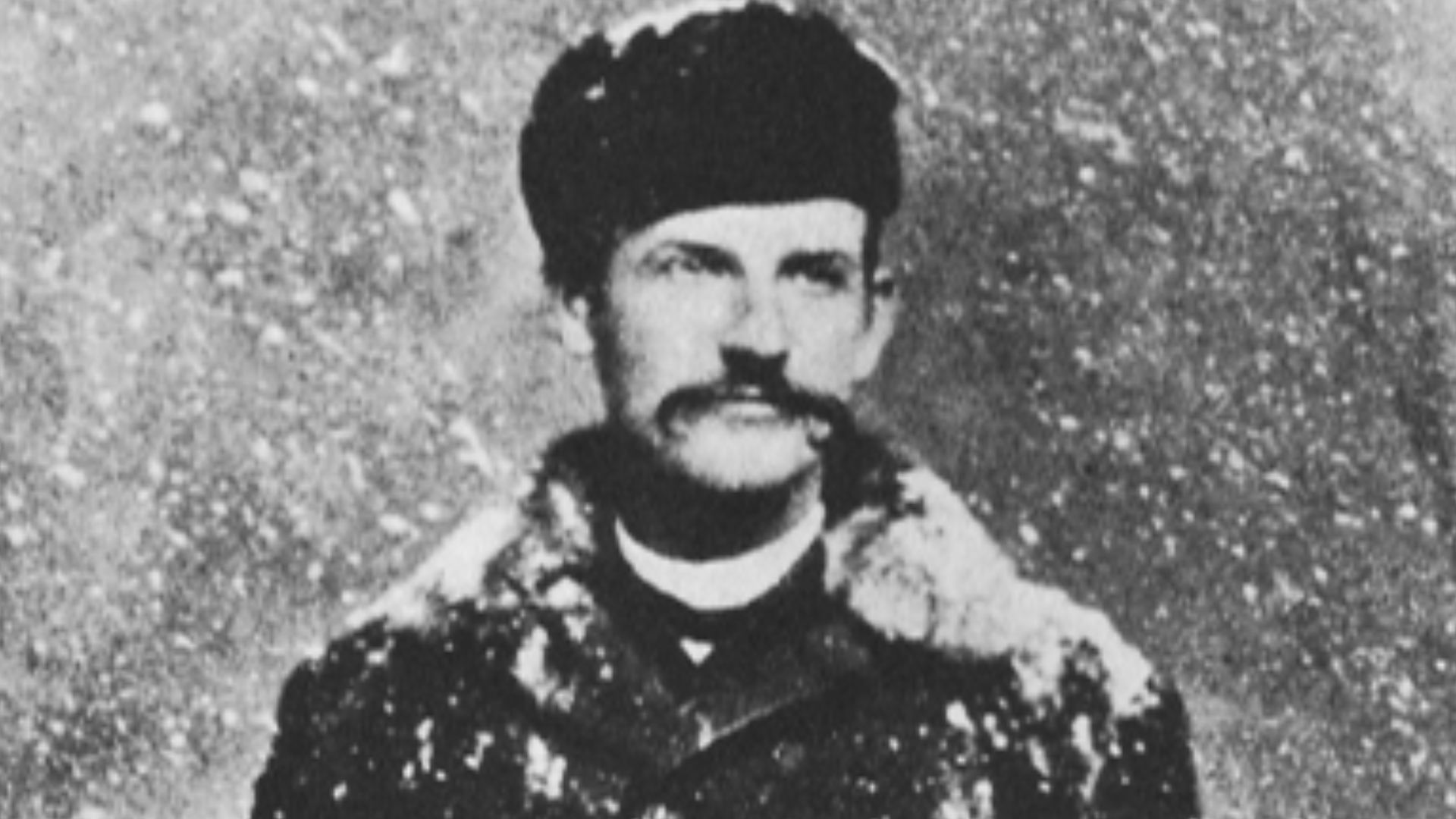
The Outlaw Became The Sheriff
After escaping the Texas penitentiary in 1879, Horner reinvented himself as Canton and eventually became sheriff of Johnson County, Wyoming. He later worked for powerful cattle interests and became deeply involved in the violent tensions surrounding the Johnson County War. Even stranger, he eventually secured a Texas pardon and later served as adjutant general of the Oklahoma National Guard.
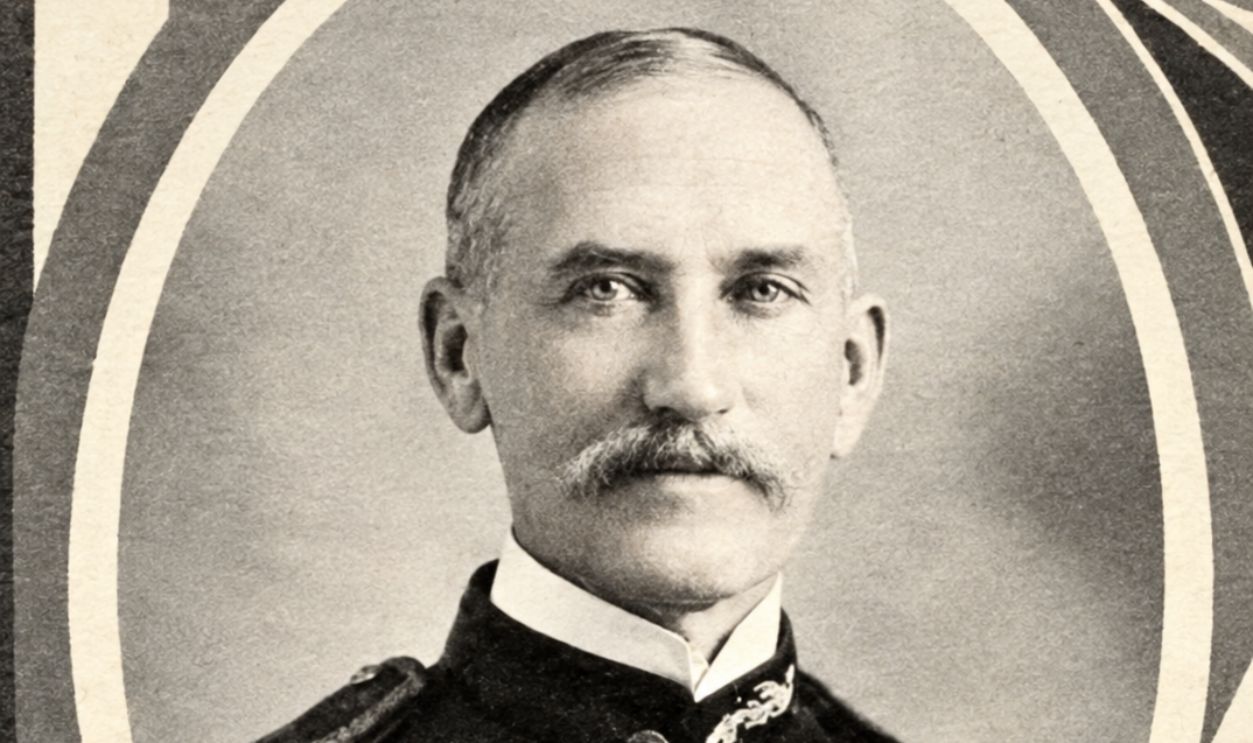 The Oklahoma Red Book, Wikimedia Commons, Modified
Al Jennings Started Out As A Lawyer
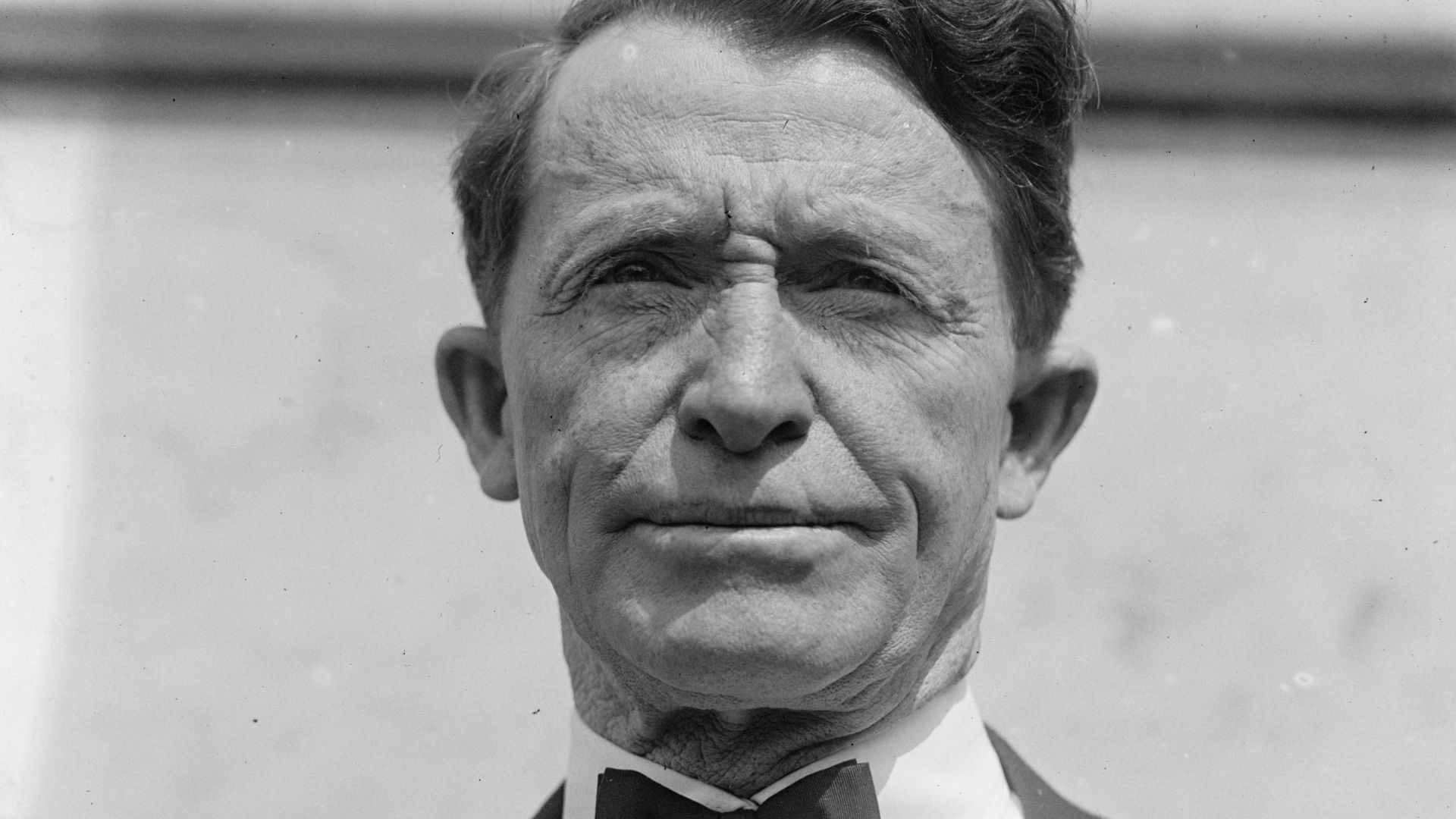
Alphonso “Al” Jennings hardly looked destined for an outlaw career. He practiced law in Oklahoma Territory and served as a county prosecuting attorney before a deadly dispute involving his family helped derail his life. By 1897, the former lawyer had joined a gang and was attempting robberies instead of prosecuting criminals.
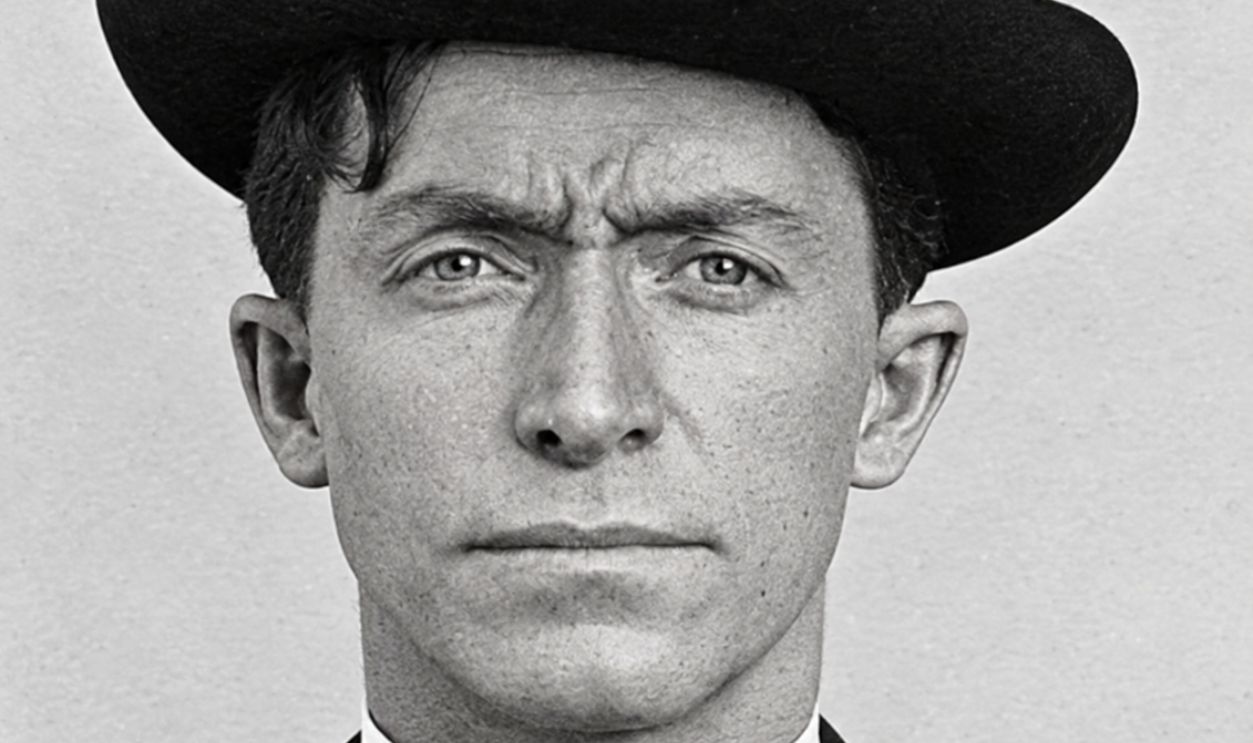 National Photo Company Collection, Wikimedia Commons, Modified
Then Jennings Ran For Governor
Jennings's actual outlaw career lasted only a few months and was far less successful than his later publicity suggested. After prison and a presidential pardon, he cultivated his frontier reputation through writing, public appearances, and motion pictures. In 1914, the former train robber even sought the Democratic nomination for governor of Oklahoma.
 National Photo Company Collection, Wikimedia Commons
Cherokee Bill Was Barely An Adult
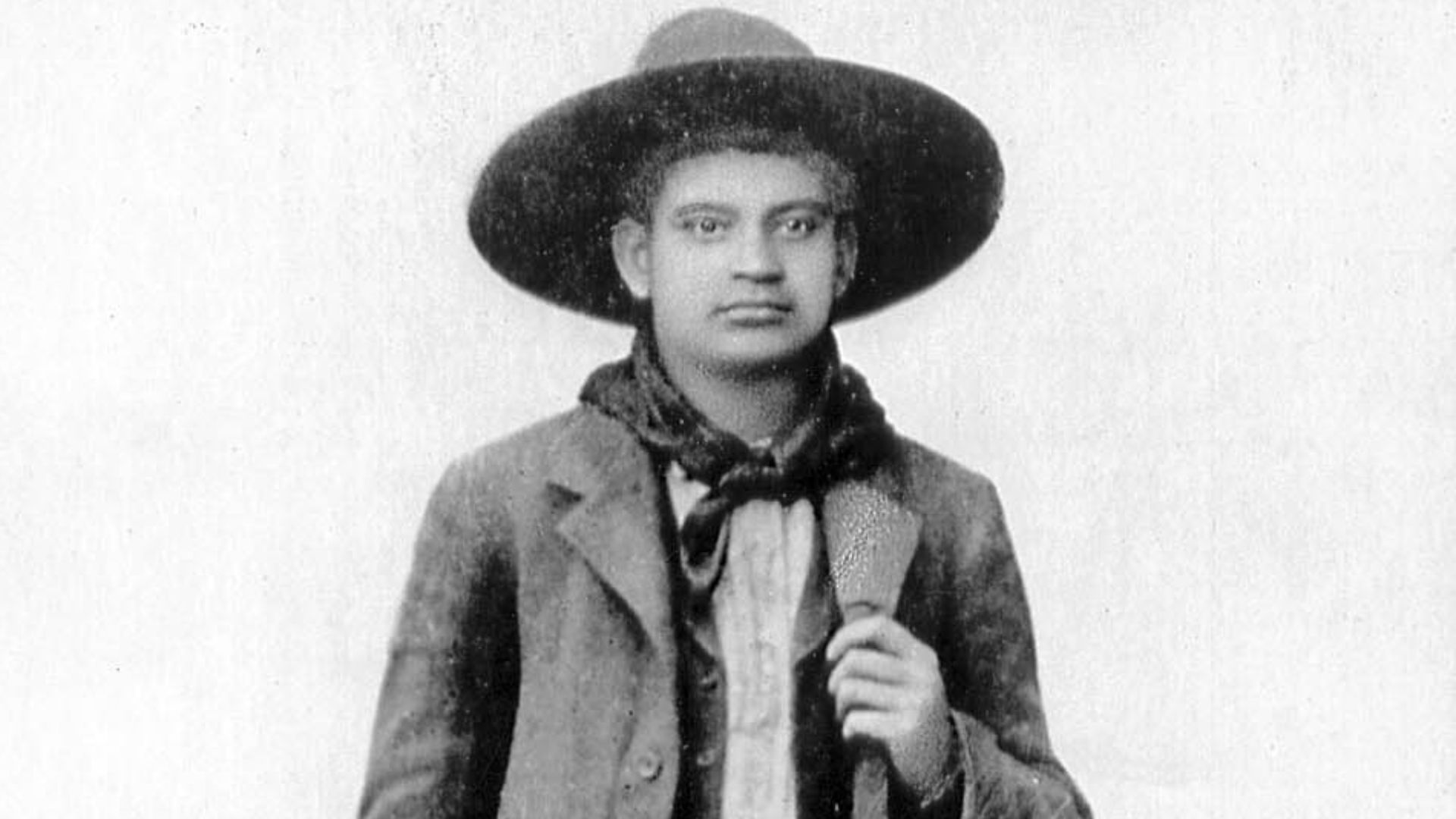
Crawford Goldsby, remembered as Cherokee Bill, became one of Indian Territory's most feared fugitives before he was even 20. He joined the Cook gang after a violent confrontation in 1894 and participated in a rapid succession of robberies. Contemporary reports transformed the young outlaw into an almost monstrous public figure.
 Unknown authorUnknown author, Wikimedia Commons
His Criminal Career Was Surprisingly Short
For all his later notoriety, Cherokee Bill's major outlaw career unfolded over a remarkably brief period. After his capture, he made a violent escape attempt from the federal jail at Fort Smith but failed to regain his freedom. He was executed there in 1896, still only in his early twenties.
 Unknown Author, Wikimedia Commons, Modified
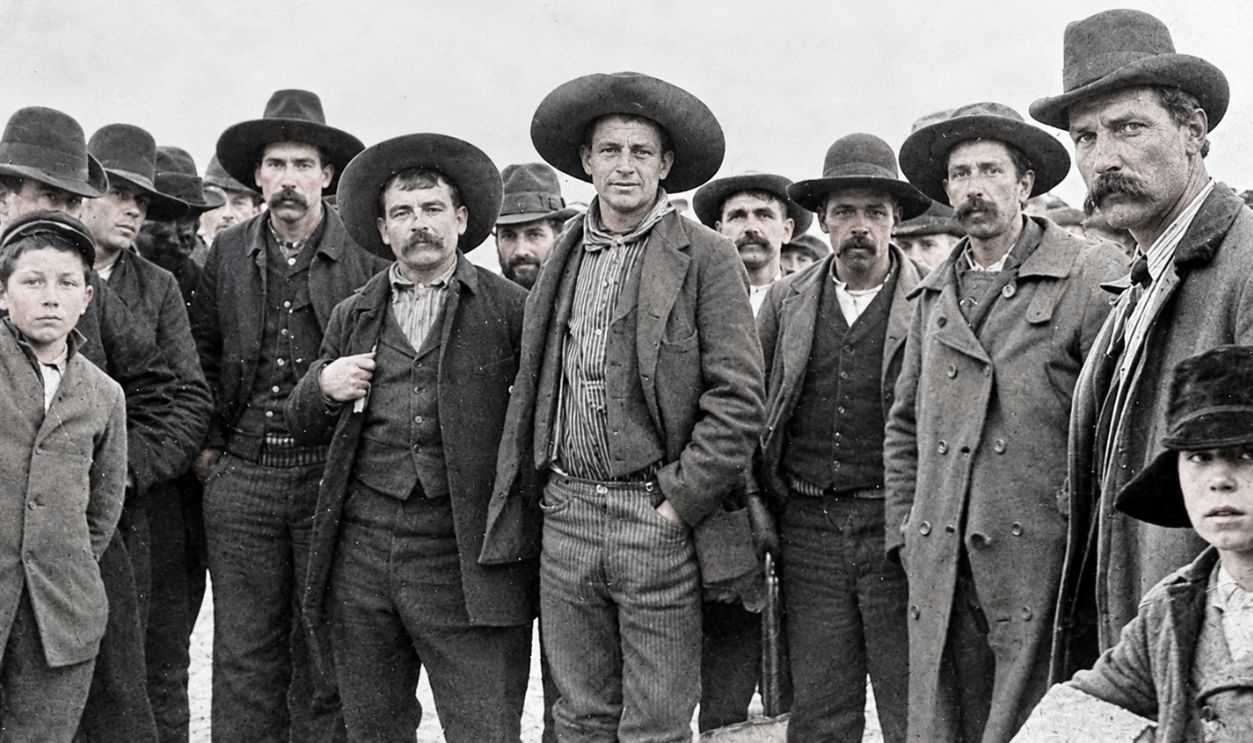
Rufus Buck Had A Gang Of Teenagers
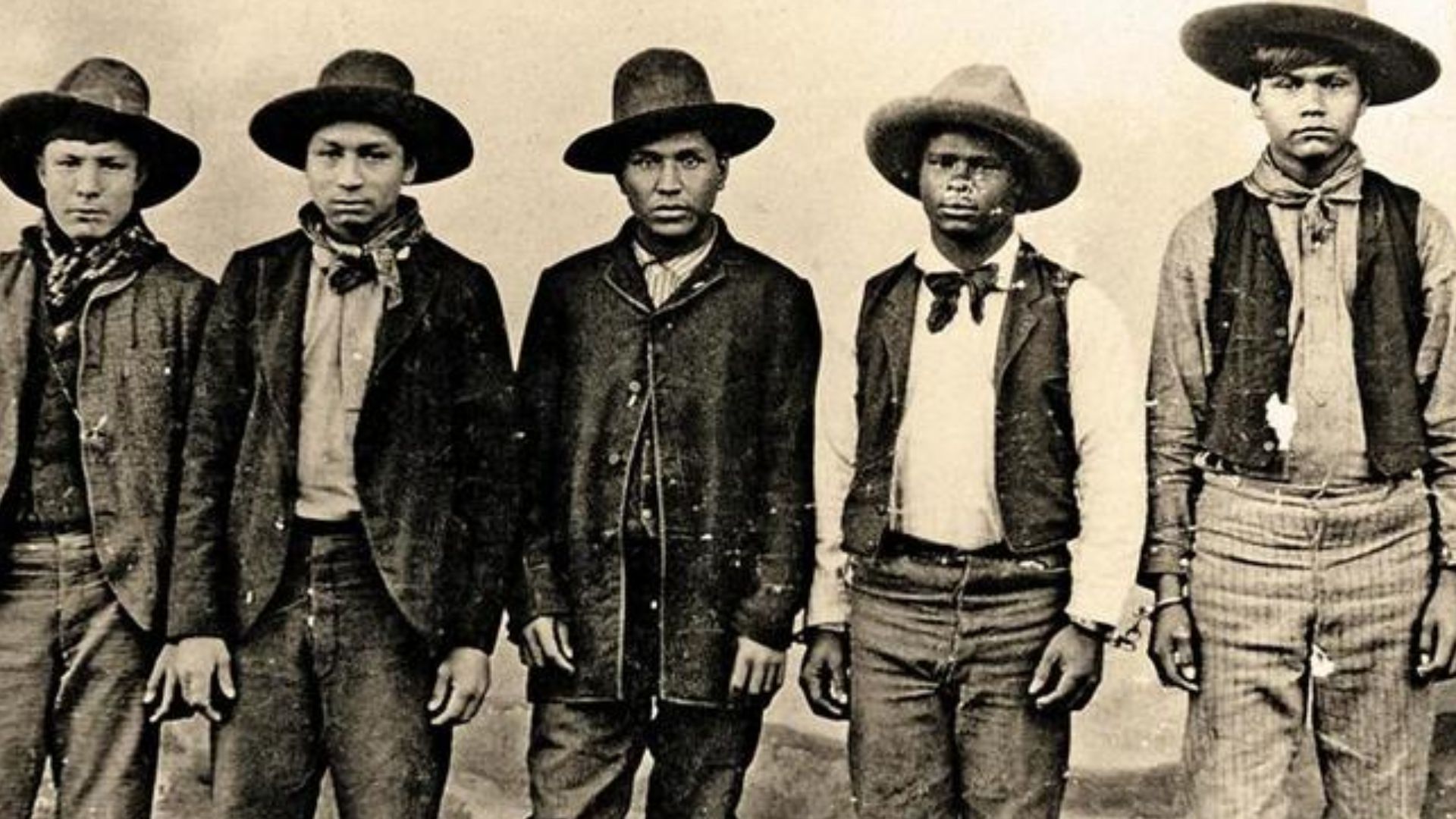
Rufus Buck led a five-man gang that operated in Indian Territory during the summer of 1895. Its members were of Native American or African American descent, and the group carried out a violent spree involving robbery and murder over less than two weeks. Buck's personal hostility toward white settlement in Indian Territory has been cited as an important part of his motive.
 unknown photographers, Wikimedia Commons
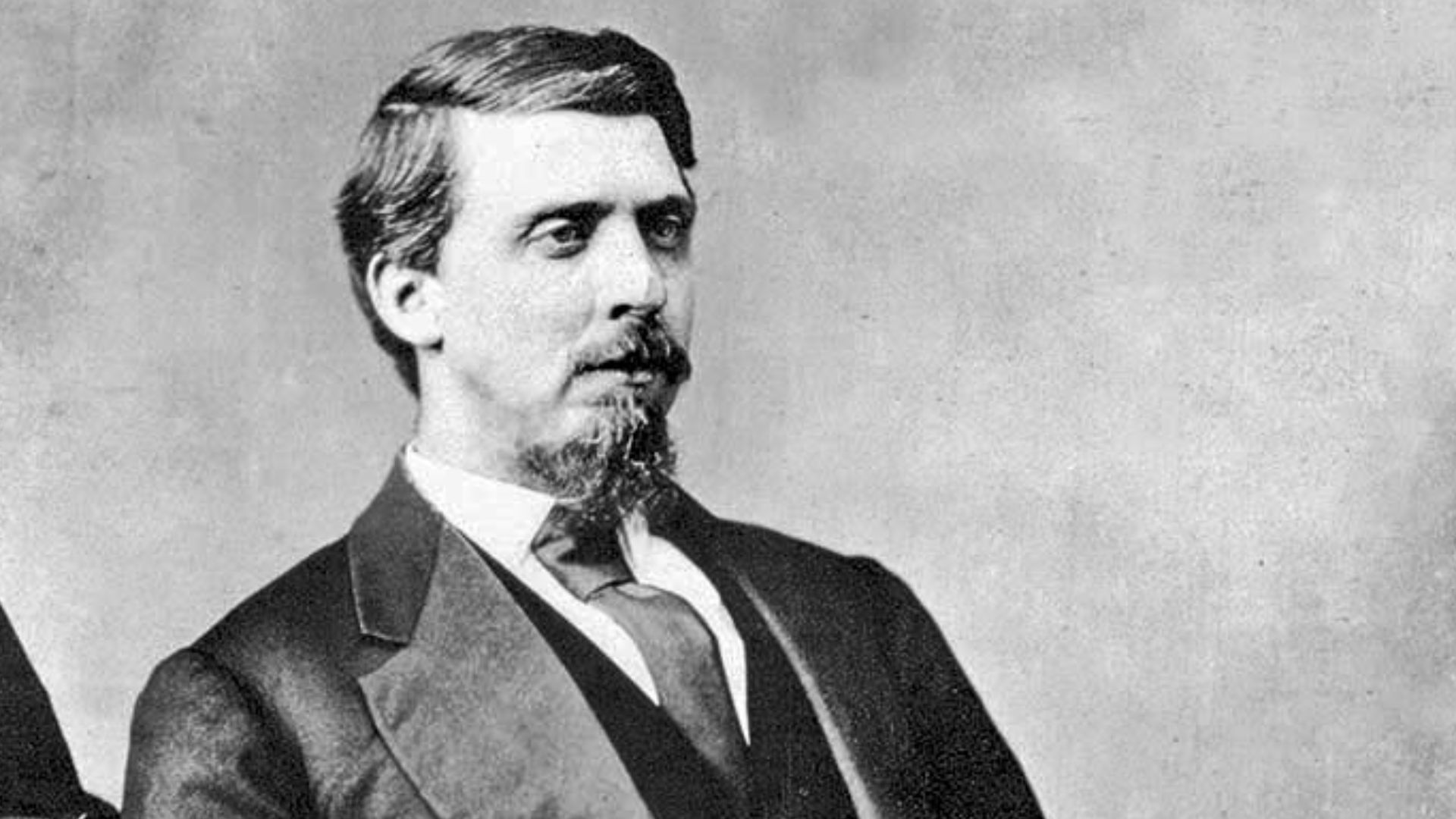
Thirteen Days Ended At The Gallows
The Buck Gang's rampage lasted only about thirteen days before a gun battle with law officers helped end it. The men were prosecuted in the federal court at Fort Smith under Judge Isaac Parker. After appeals failed, all five were executed together on July 1, 1896.
 Mathew Benjamin Brady, Wikimedia Commons
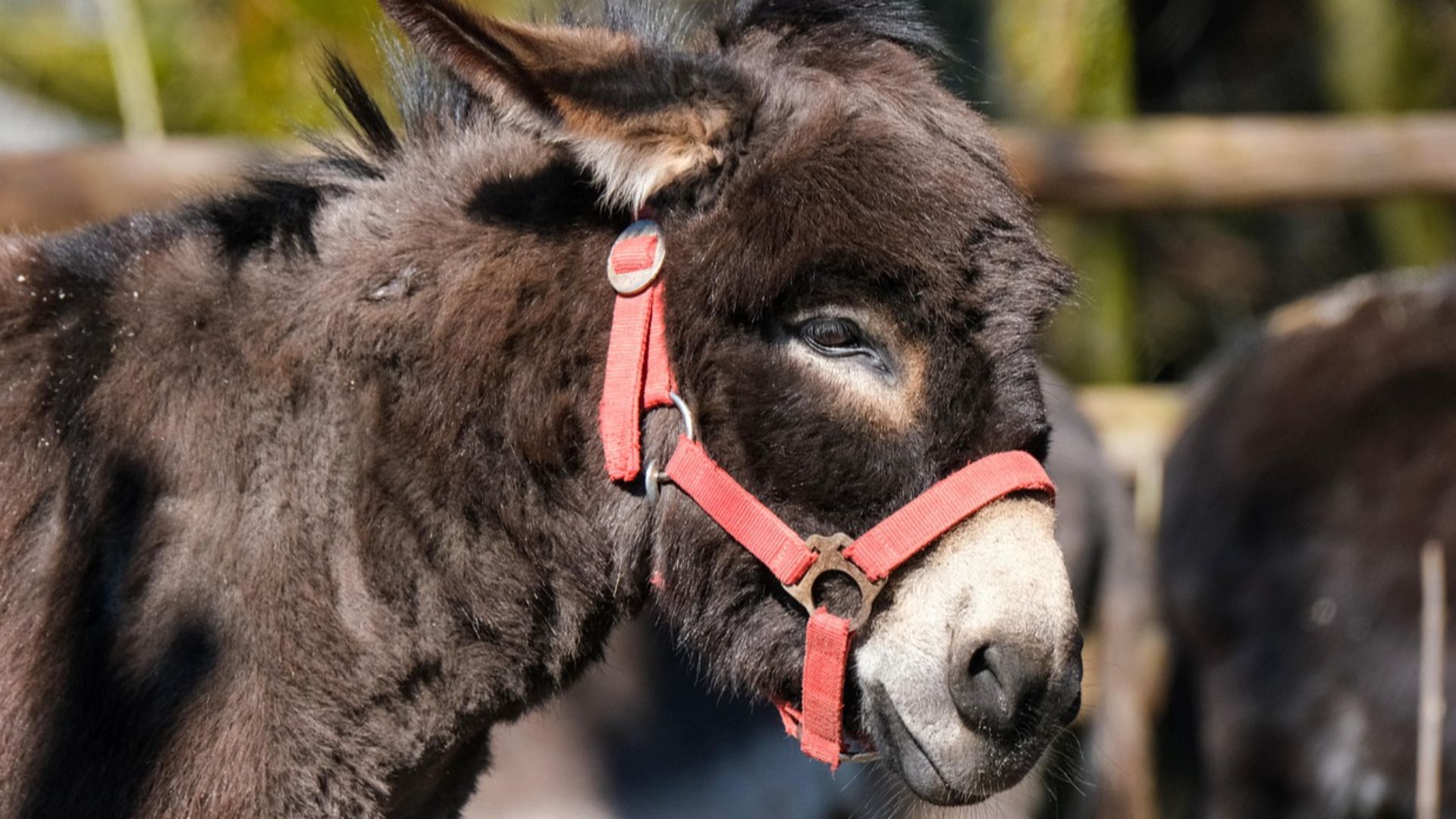
Red Buck Escaped Before His Sentence Began
George “Red Buck” Waightman was already a horse and mule thief when Deputy Marshal Heck Thomas arrested him in 1890. Sentenced to nine years, Waightman escaped while being transported to prison, meaning his punishment had barely begun before he was on the run again. He later became associated with Bill Doolin's gang.
Even Doolin Had Enough Of Him
After an 1895 train robbery, Waightman stole a horse and shot the animal's owner, who was a minister. According to the Oklahoma Historical Society, the killing prompted an argument between Waightman and Bill Doolin, and Waightman soon left the gang. He formed his own band before lawmen finally killed him in 1896.
 Photography Studio, Wikimedia Commons, Modified
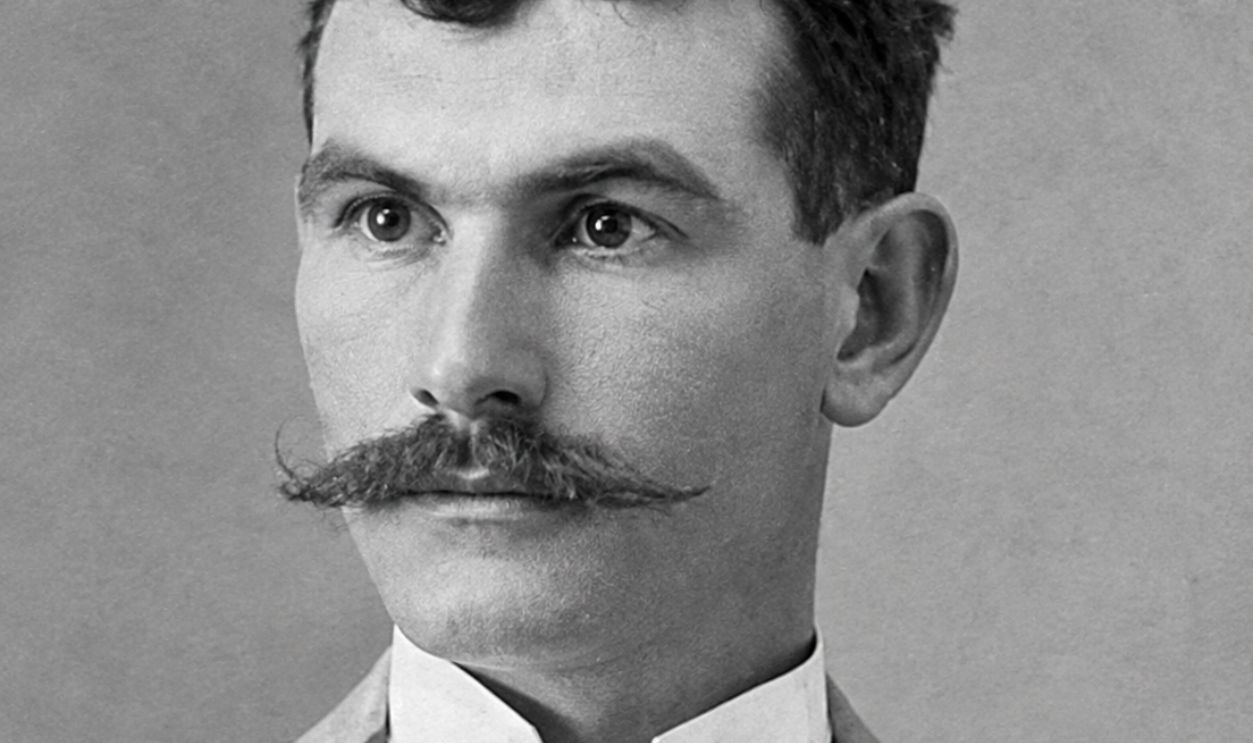
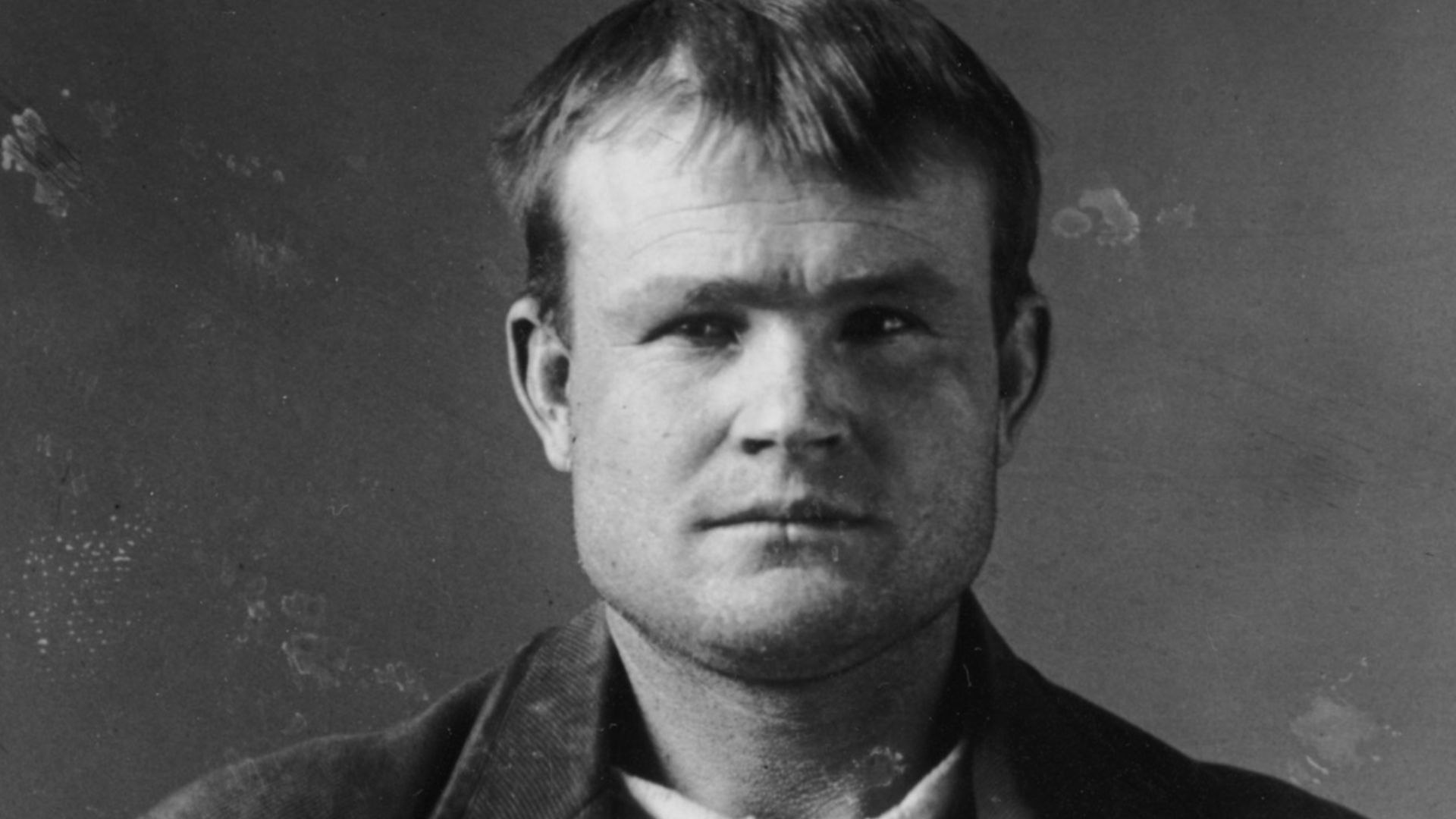
Elzy Lay Robbed A Payroll In Broad Daylight
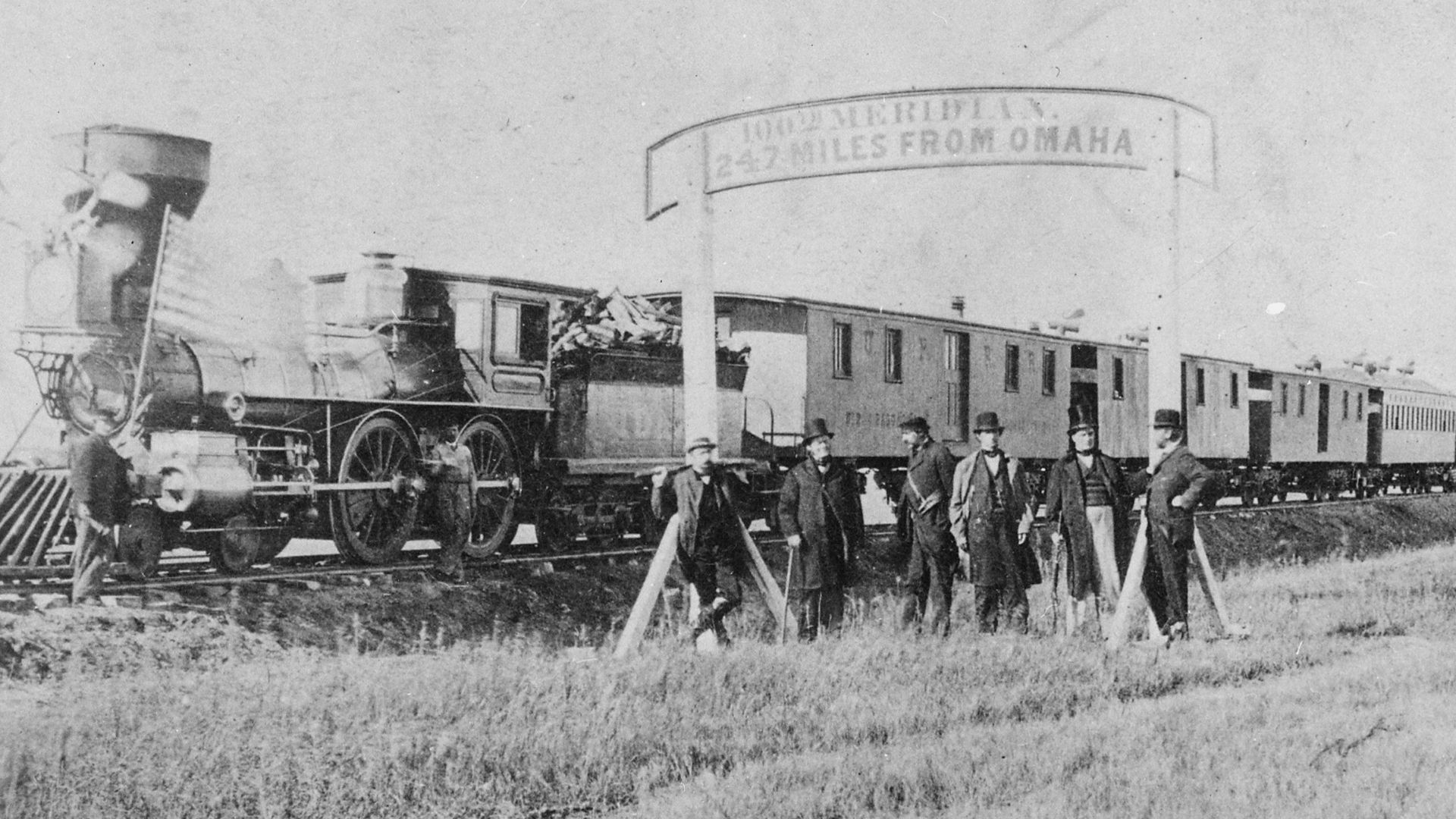
Elzy Lay is far less famous than his close associate Butch Cassidy, but he participated in some of the Wild Bunch's boldest crimes. In 1897, Cassidy and Lay targeted a payroll shipment at Castle Gate, Utah, and simply carried out the robbery in daylight. Contemporary records place the amount stolen at roughly $7,000, an enormous sum for the period.
 Unknown authorUnknown author, Wikimedia Commons
Lay Outlived The Wild Bunch Era
Lay also participated in the notorious 1899 Union Pacific train robbery near Wilcox, Wyoming. Unlike several better-known Wild Bunch figures, he eventually served his prison time and survived well into the 20th century. His later life included work far removed from outlawry, a surprisingly quiet ending for one of Cassidy's closest criminal partners.
 John Carbutt, Wikimedia Commons
Cattle Annie Was Practically A Child
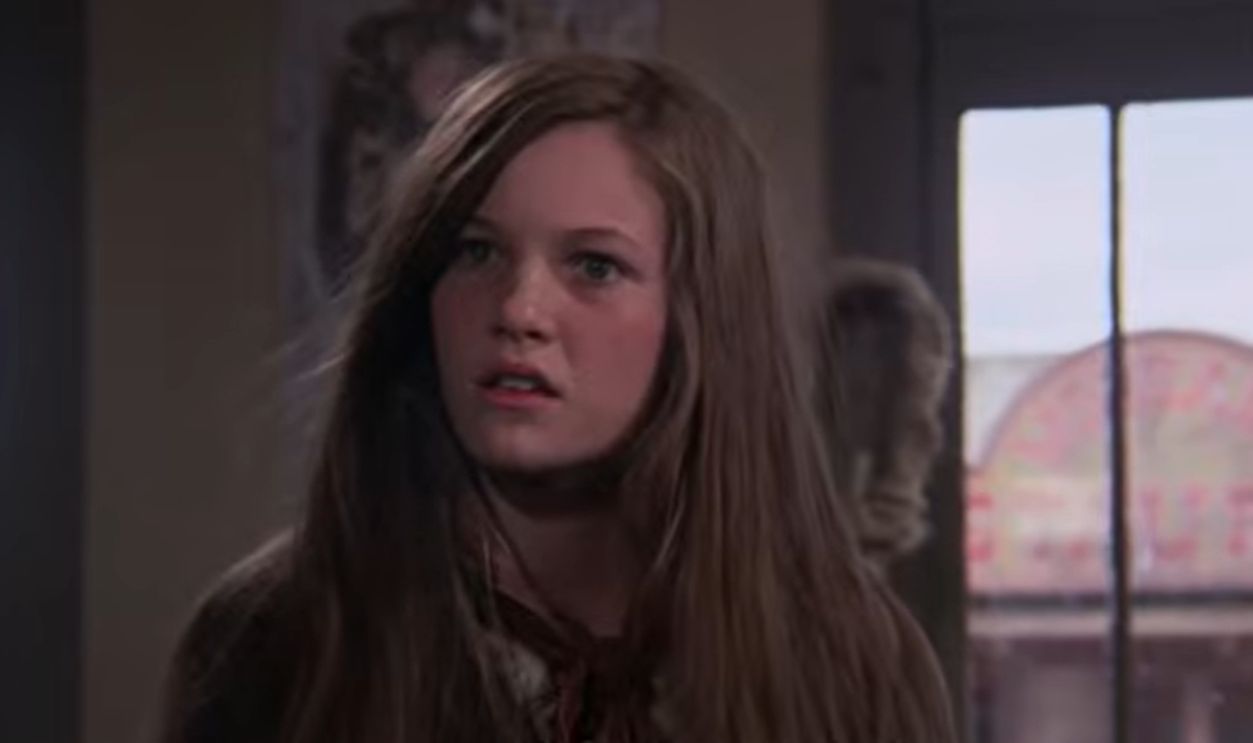
Anna Emmaline McDoulet, better known as Cattle Annie, was still extremely young when she entered Oklahoma Territory's outlaw world. Historical accounts connect her with horse and cattle theft, illegal liquor sales, and assistance to criminal gangs. Her reputation later became much larger than the actual scale of her crimes.
 Screenshot from Cattle Annie and Little Britches, Universal Pictures (1981)
Little Britches Joined Her
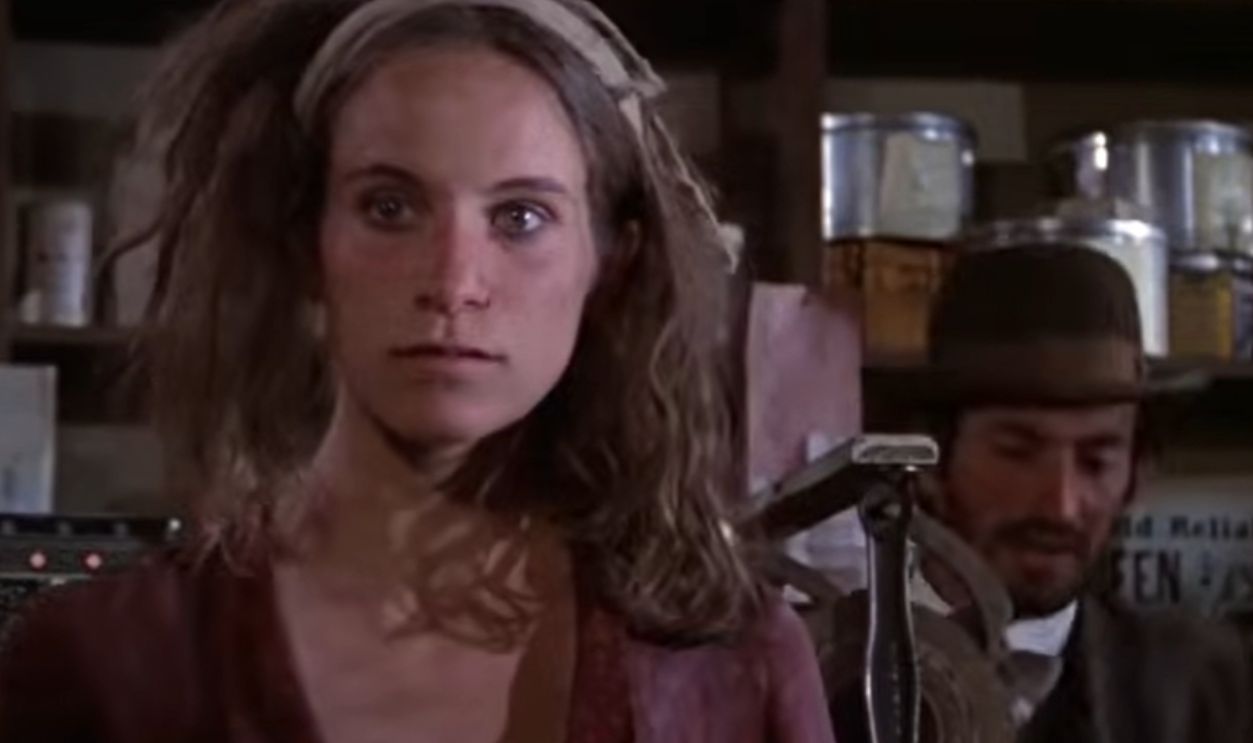
Jennie Stevenson, remembered as Little Britches, became closely associated with Cattle Annie. Historical evidence indicates that the pair acted as informers or lookouts and participated in livestock theft, though later tales embellished their adventures considerably. Both were eventually arrested and sent east to a reformatory rather than becoming the glamorous gunfighters of later legend.
 Screenshot from Cattle Annie and Little Britches, Universal Pictures (1981)
Burt Alvord Arrested Outlaws Before Becoming One
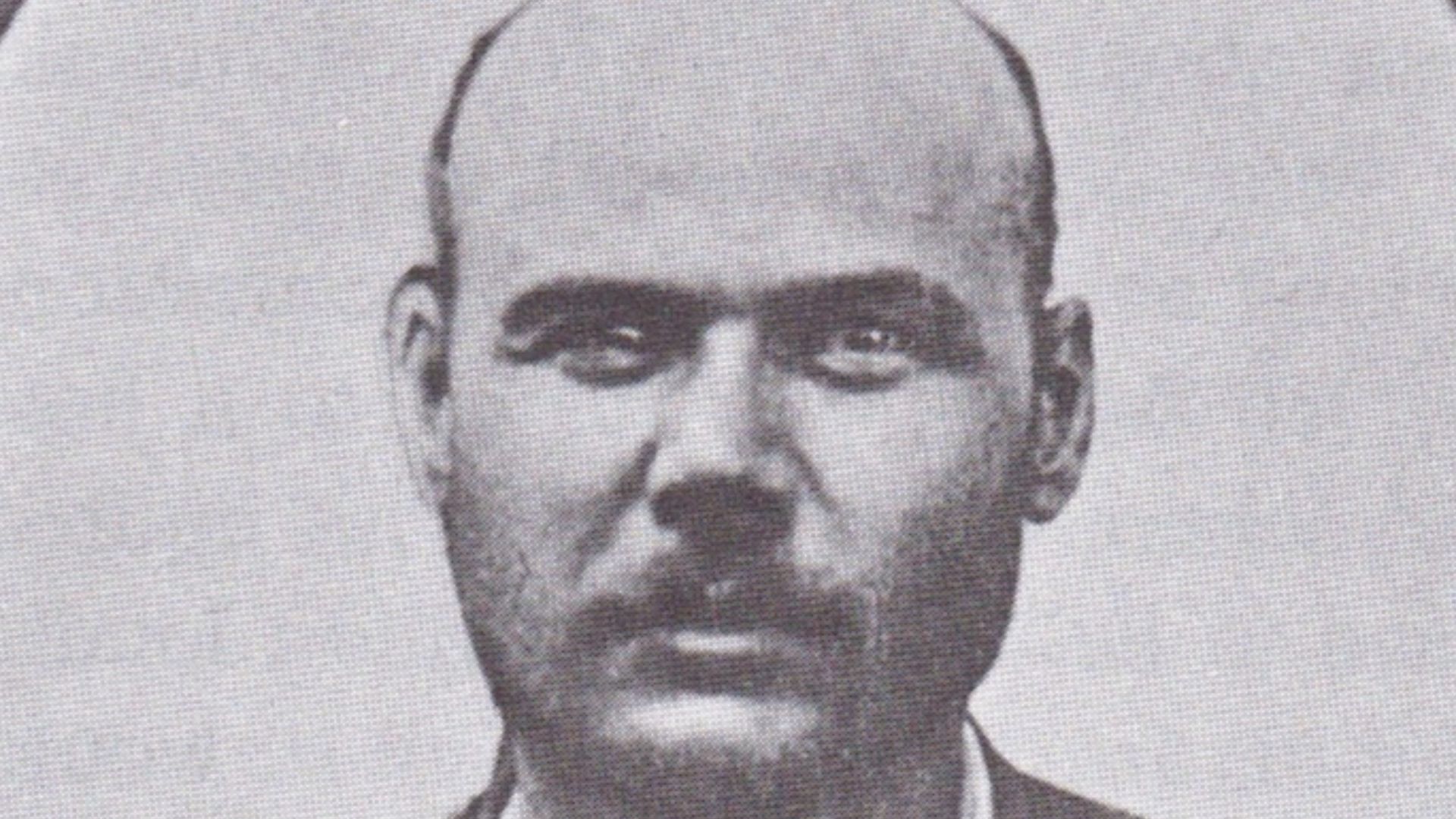
Burt Alvord began his frontier career on the side of the law, serving as a deputy under famous Arizona sheriff John Slaughter. He helped pursue criminals around Cochise County before gradually becoming associated with the same kind of men he had once chased. By the turn of the century, the deputy had transformed into a train robber.
 Unknown (Life time: ), Wikimedia Commons
His Friends Kept Breaking Him Out Of Jail
Alvord's outlaw years became a dizzying cycle of robberies, arrests, betrayals, jailbreaks, and flights into Mexico. His associate Billy Stiles helped free him from jail more than once, including an escape from Tombstone. After another capture, Alvord eventually served prison time and later vanished from the familiar Western story, with reports placing him in Latin America during his final years.
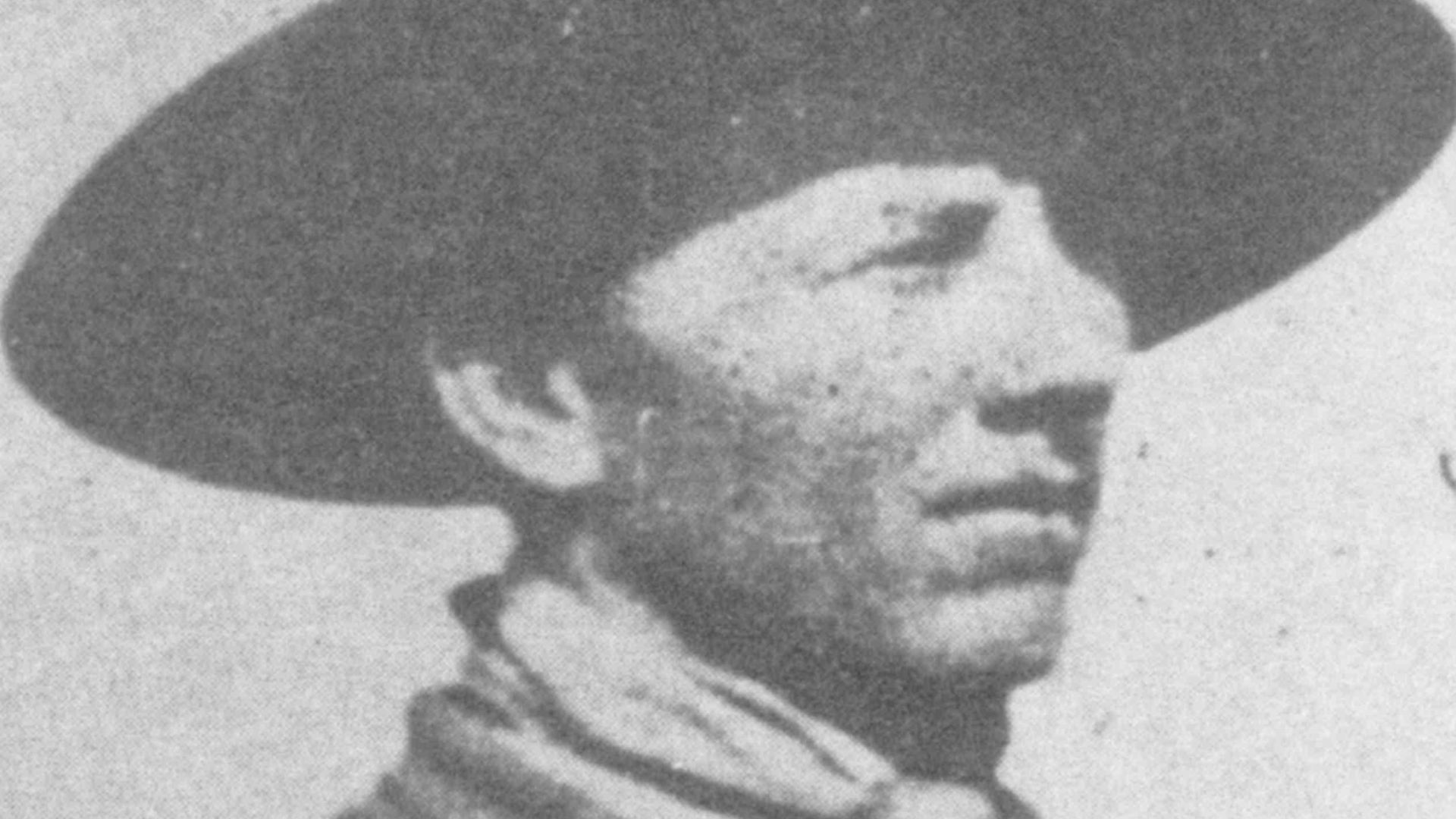 The Humboldt Star (Life time: ), Wikimedia Commons
The Real West Rarely Followed The Script
These people were not the polished antiheroes that later Westerns often created. Their lives involved failed robberies, strange career changes, publicity stunts, gruesome endings, and moments of absurd luck that fiction might reject as implausible. The frontier was already producing stories stranger than Hollywood long before anyone pointed a movie camera at it.
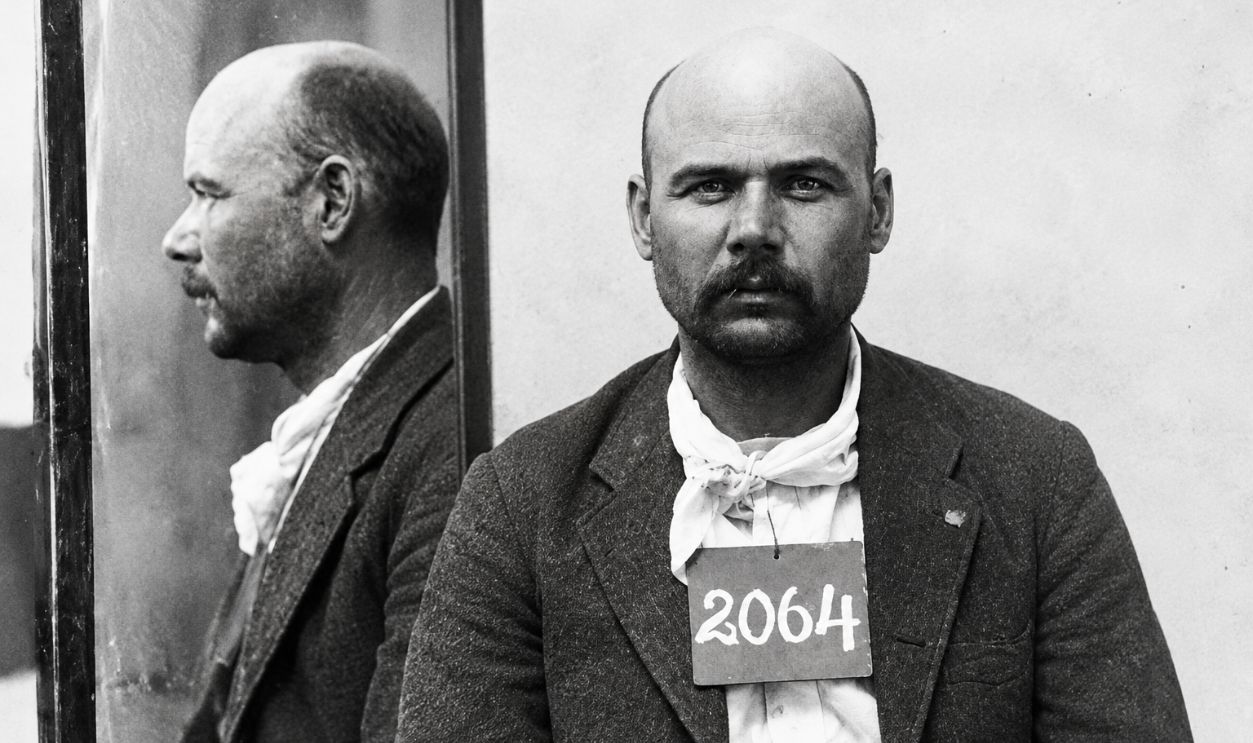 Yuma Territorial Prison, 1904, Wikimedia Commons, Enhanced
You May Also Like:
Hidden Figures Of The Wild West Who Changed The American Frontier Forever
The Wild West Was Wilder Than You Think
Straight-Shootin' Facts About Westerns
Sources: 1, 2, 3, 4, 5, 6, 7, 8, 9, 10, 11, 12, 13, 14, 15, 16, 17, 18, 19, 20, 21, 22, 23, 24