
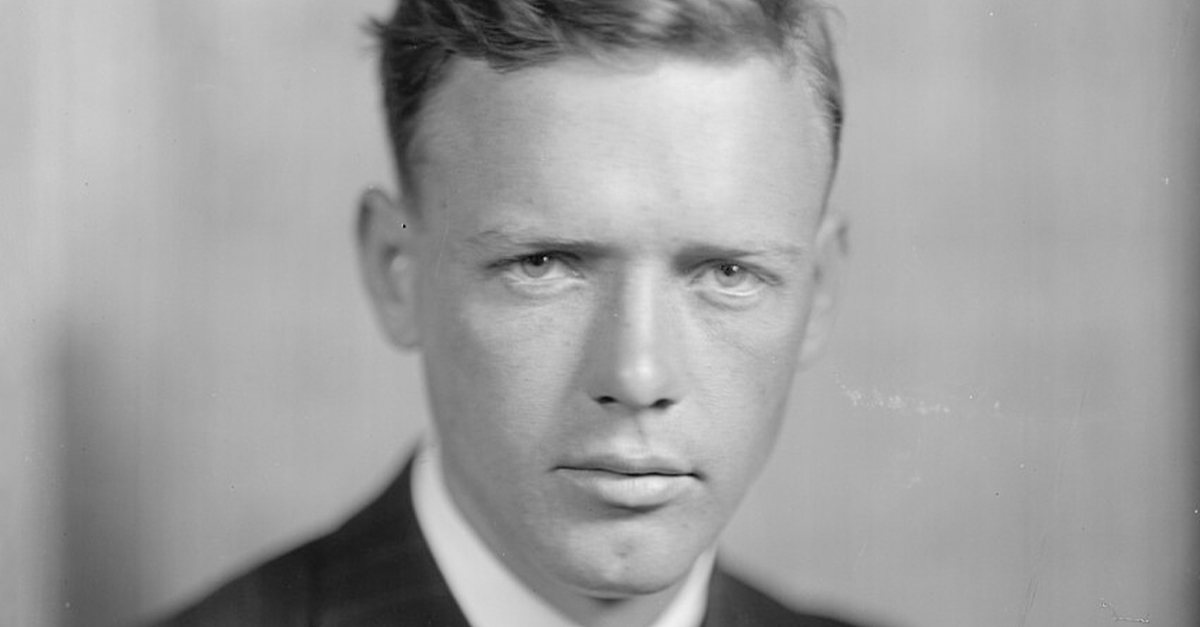
This Famous Pilot Had His Secrets
Fame is a powerful privilege to have, but for Charles Lindbergh, it didn't save him from tragedy or controversy. Though he became a celebrity through his aviation accomplishments, his legacy remains riddled with scandal. After all, he took his darkest secret to the grave.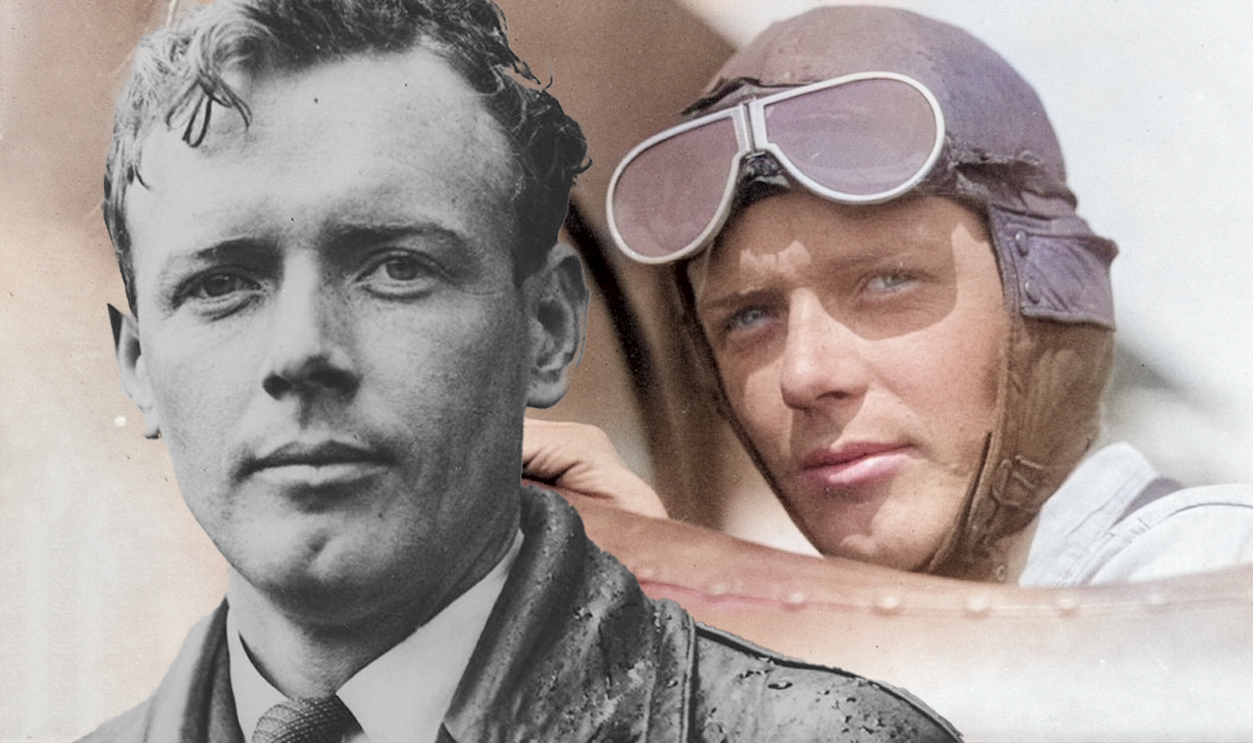
1. He Was From The Motor City
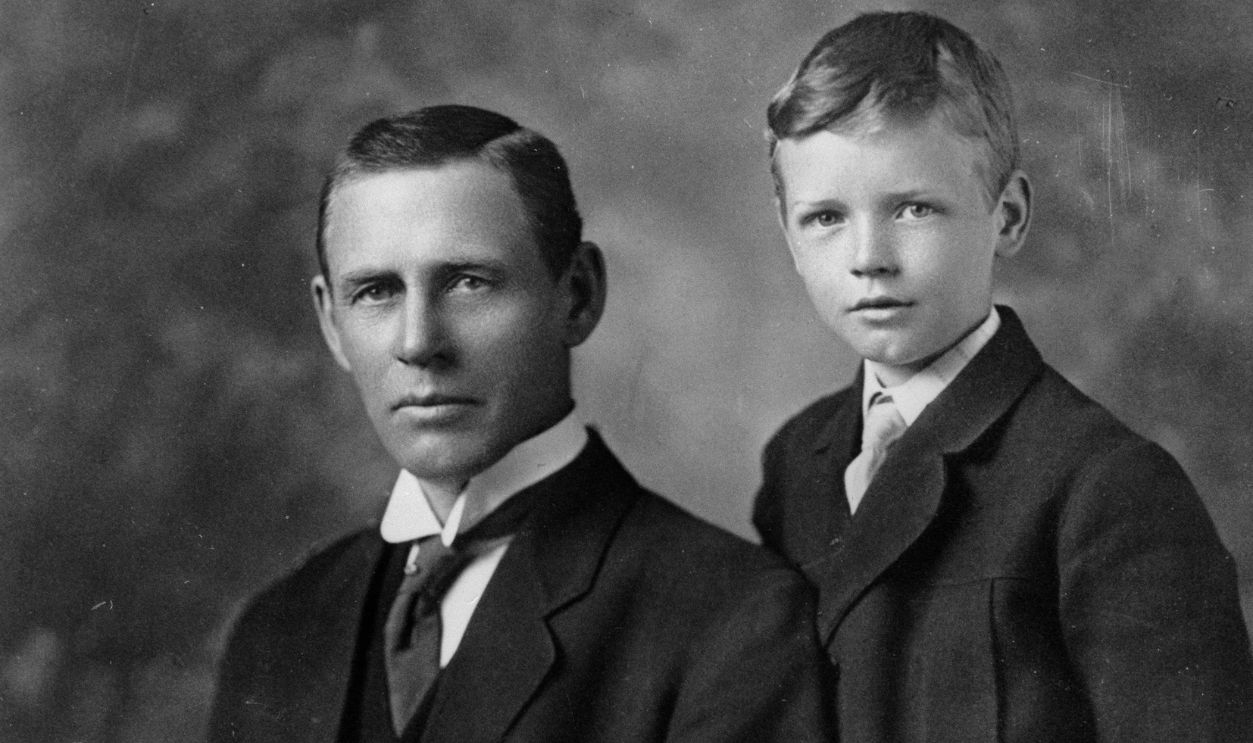
On February 4, 1902, Charles and Evangeline Lindbergh welcomed Charles Augustus Lindbergh as their only child. Of course, he wasn’t totally alone, since Charles Sr had three daughters from a previous marriage. The young Charles’s intrigue for anything with an engine seemed hardwired in him from the beginning. After all, he was born in Motor City—Detroit, Michigan.
This became even more evident as he grew older.
2. He Always Loved Machines
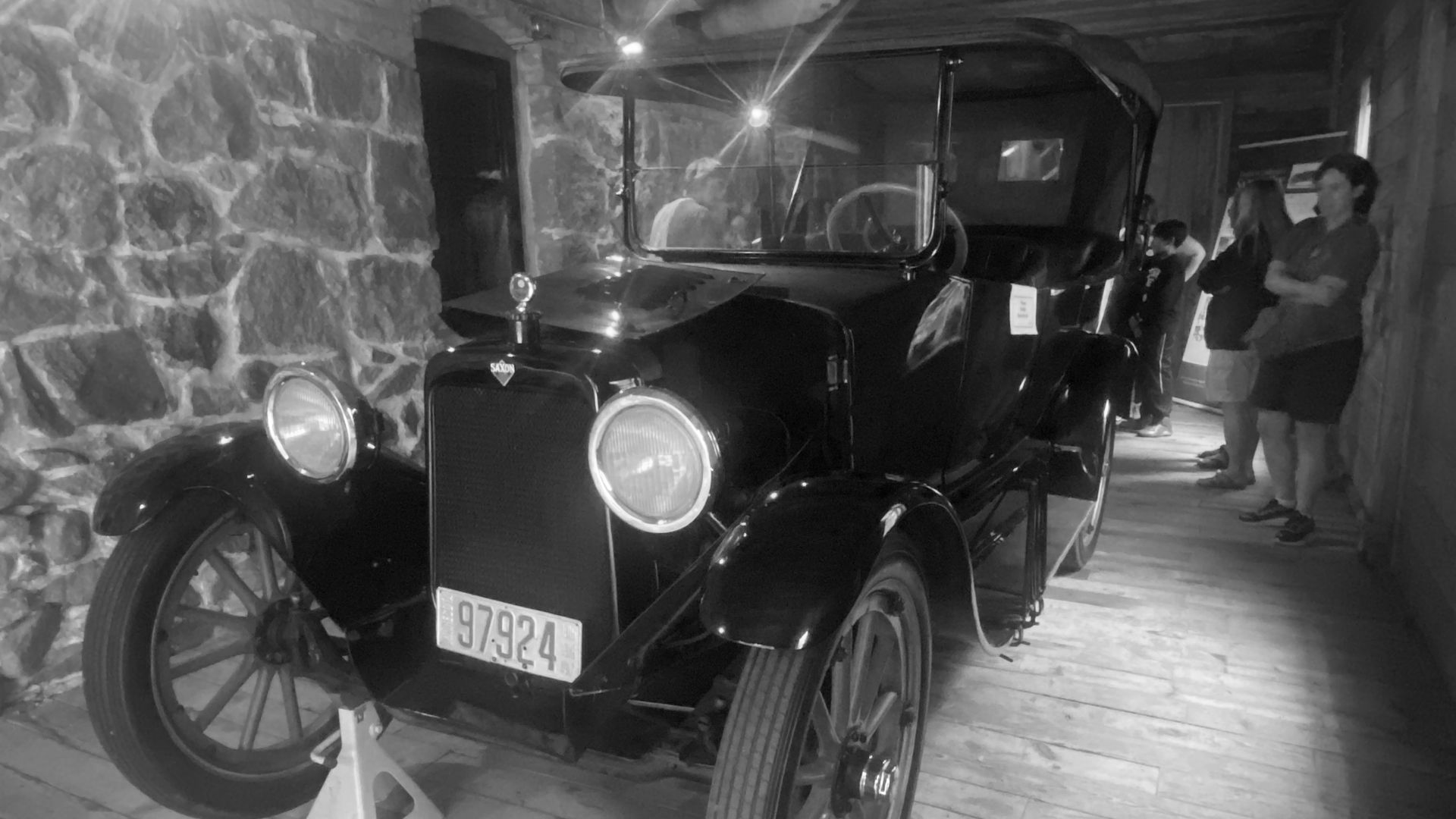
Although not specifically focused on aircraft yet, Charles became drawn to any motorized vehicles and the complex inner workings of their designs. Early on, he displayed an interest in the family vehicle—a Saxon Six—and later owned an Excelsior motorbike. Of course, these interests would eventually seal his destiny.
3. He Started Flying
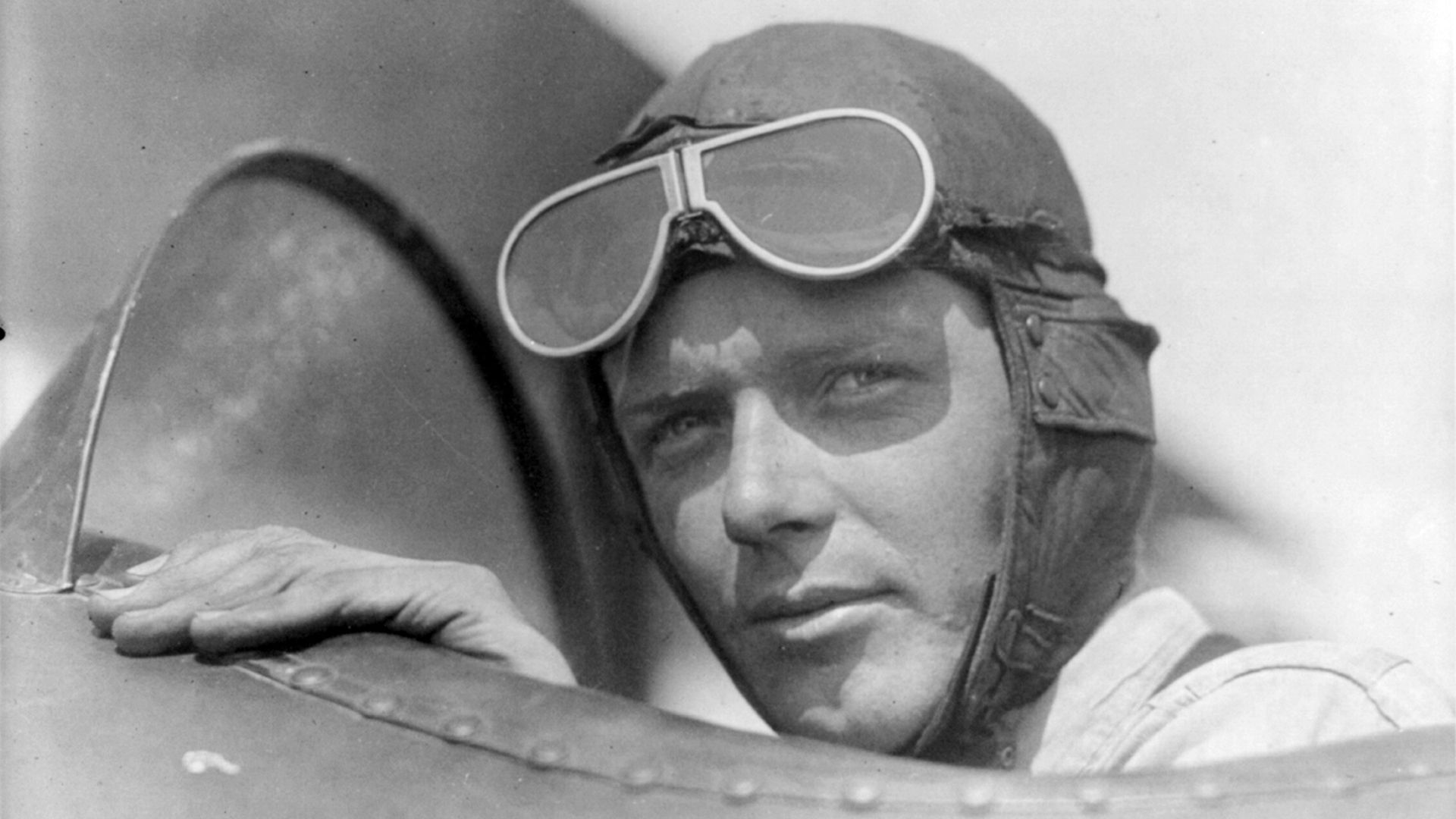
Despite his decision to quit college in 1922, his experience as a mechanical engineering student had given him a newfound passion for flying. Of course, he hadn’t even been close to an aircraft before, so he began attending the flying school at the Nebraska Aircraft Corporation. On April 9, he finally flew in an instructor-piloted Lincoln Standard biplane.
However, it would be a while before he flew solo.
 John M. Noble, Wikimedia Commons
4. He Did It By Himself
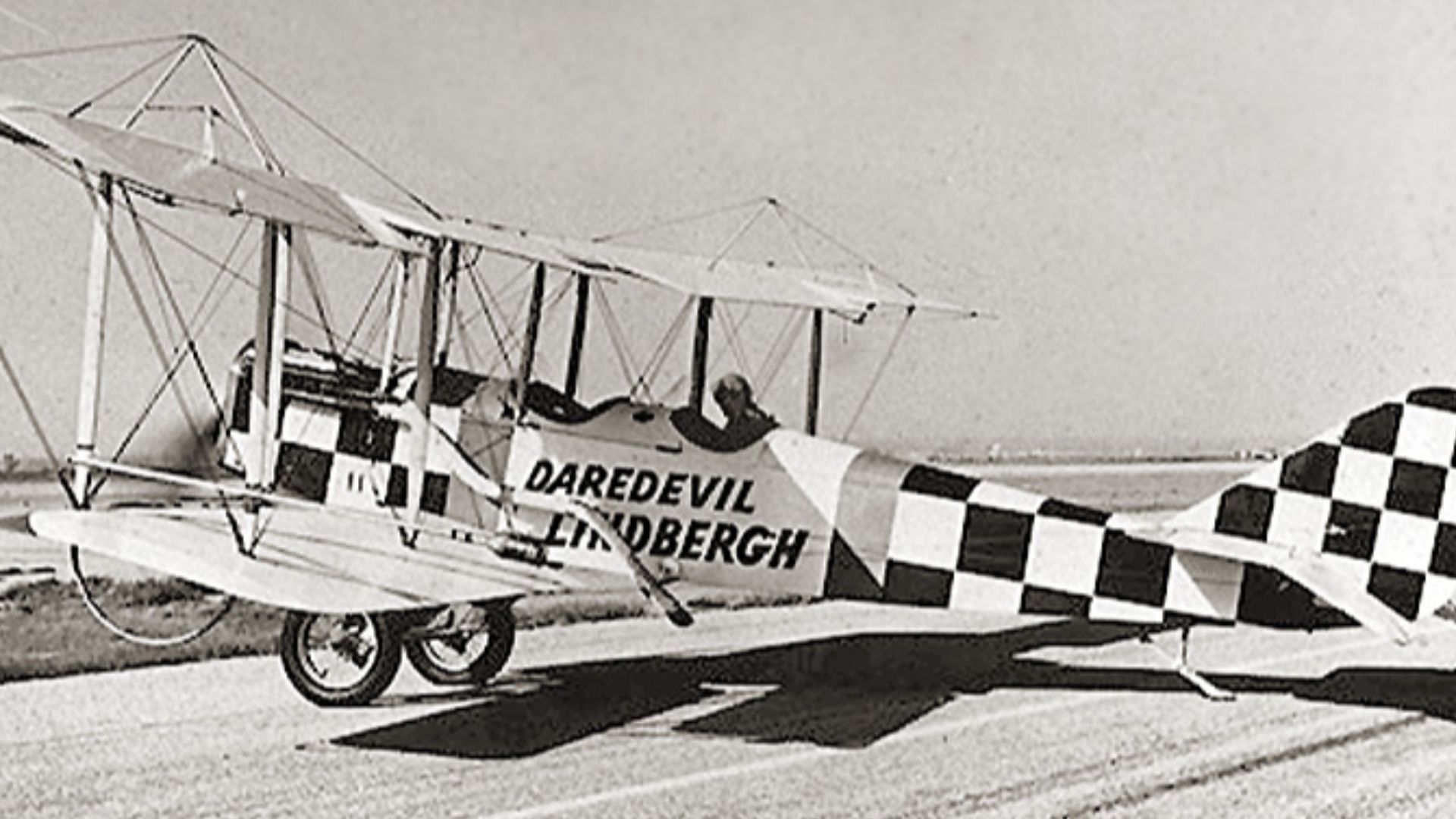
Charles’s flight school wouldn’t allow him to fly solo as he couldn’t afford the cost of the damage bond. To raise money, he started barnstorming until that winter, when he moved back in with his father in Minnesota. Fortunately, after six months of not stepping near a plane, he made his first solo flight in May 1923, using his newly purchased Curtiss JN-4.
Following this, he quickly upped the ante.
5. He Made A Long Flight
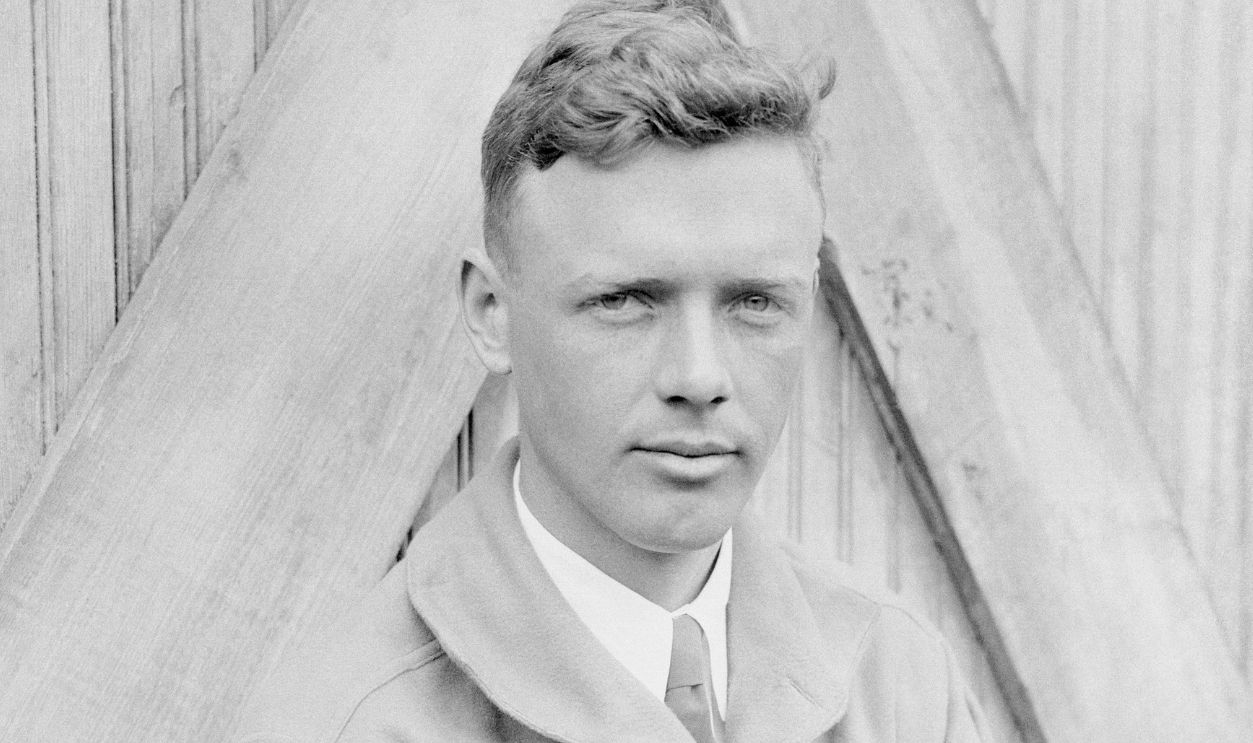
Charles had made his first solo flight at a former training airfield for the army in Americus, Georgia, where he spent the next week in continuous practice. Having accumulated more time as a pilot-in-command at the end of that week, he flew solo cross-country for the first time from Georgia to Montgomery, Alabama.
At this point, however, there was something else pulling him in a shocking direction.
 San Diego Air and Space Museum Archives, Wikimedia Commons
6. He Joined Up
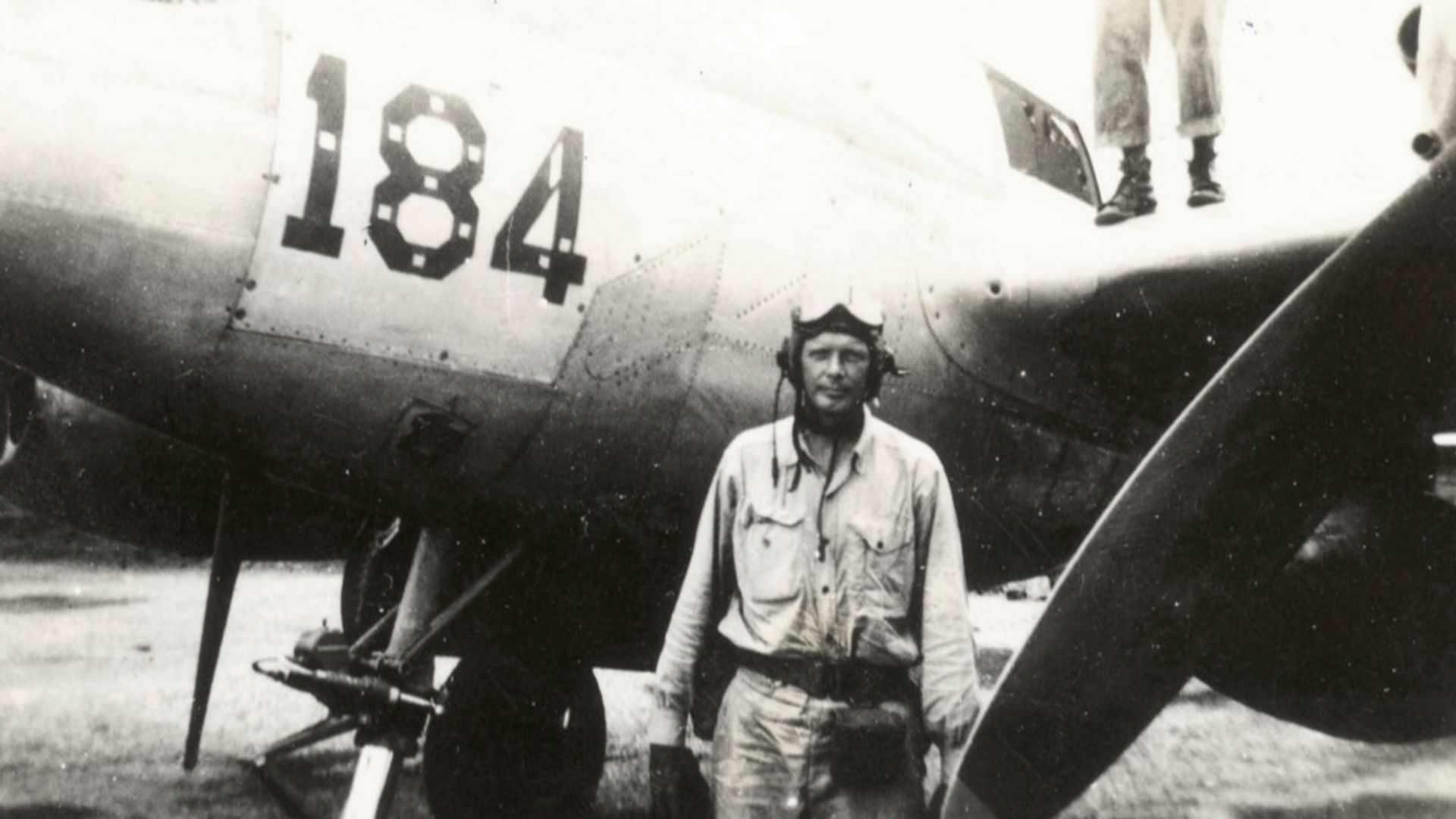
Continuing to barnstorm for another year, Charles aimed his life down a dangerous path after traveling to San Antonio, Texas. On March 19, 1924, he began training with the United States Army Air Service, honing his aviation skills through rigorous practice. However, this chapter of his career wasn't always smooth sailing. In fact, it proved to be downright perilous.
 U.S. Air Force, Wikimedia Commons
7. He Graduated At The Top Of His Class
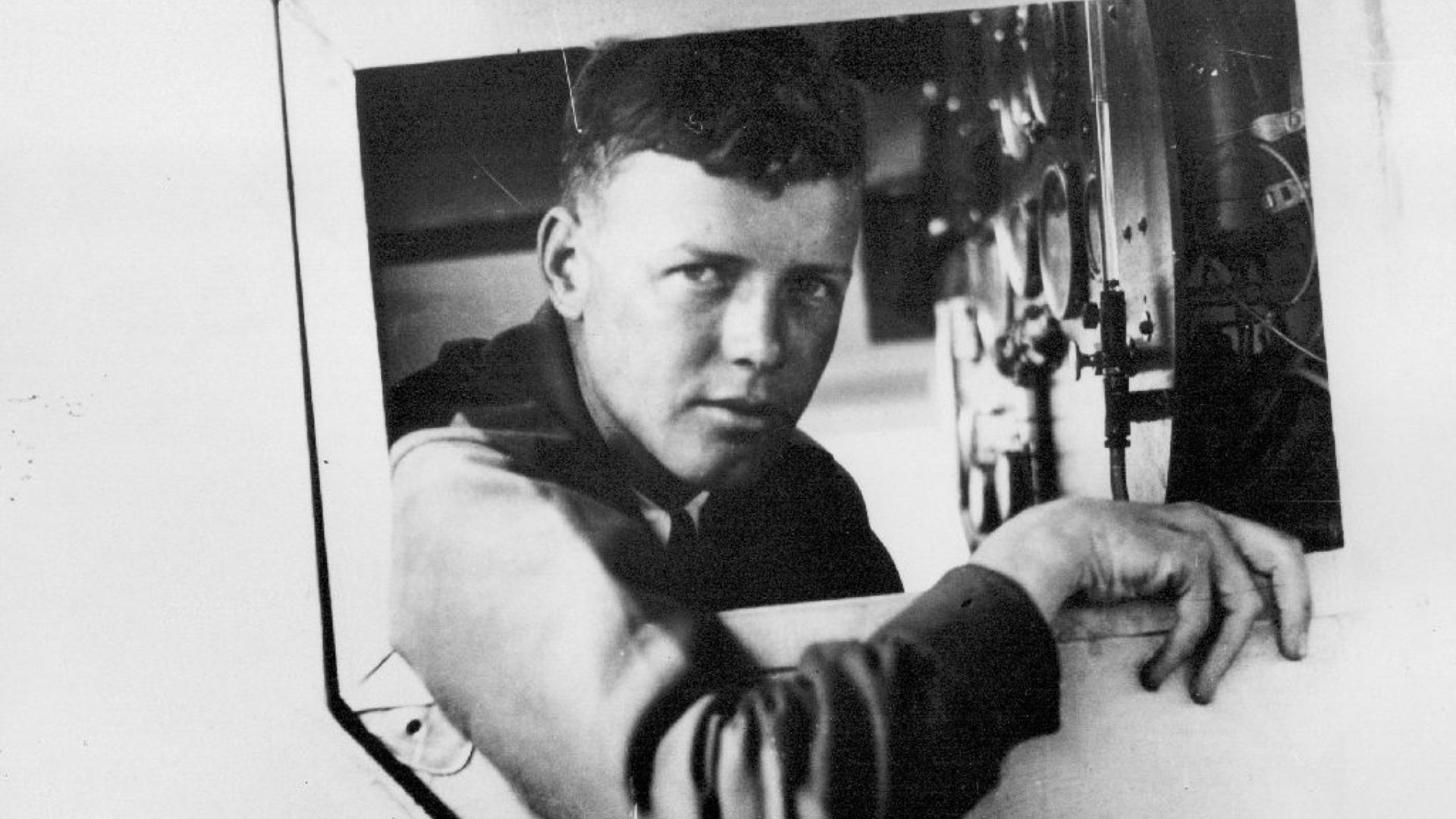
In March 1925, Charles narrowly survived a mid-air collision with another army plane. Although the accident was severe, he made it through. What's more? Eight days after his collision, he graduated first of his class—one of the remaining 18 pilots from his initial class of 104. Unfortunately for him, he had no choice but to go home after, since the army didn’t require more active-duty pilots.
As such, he became a reserve pilot and worked as a civilian flight instructor. Even so, he had a bigger opportunity coming.
 San Diego Air & Space Museum Archives, Wikimedia Commons
8. He Had His Eye On The Prize
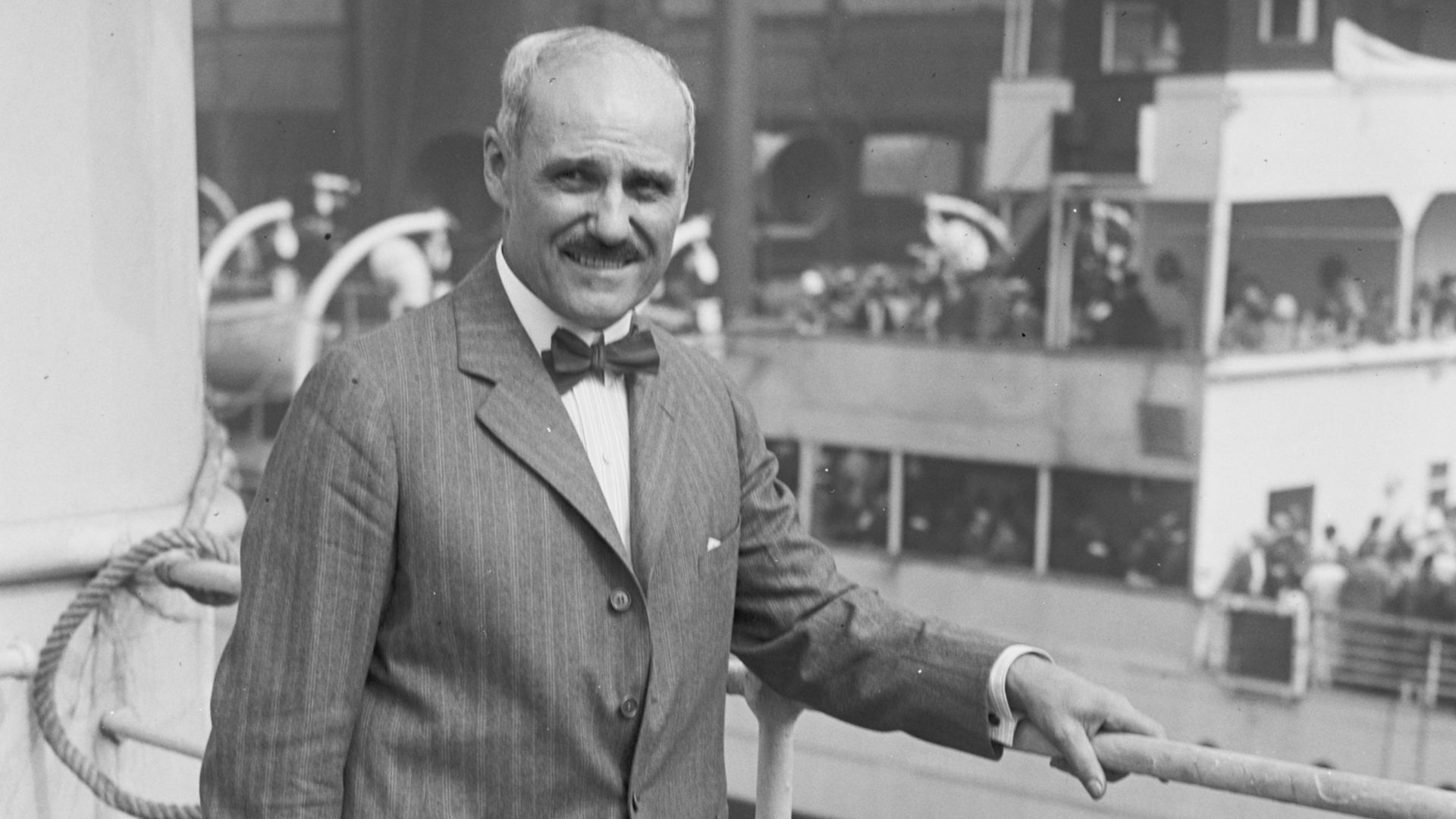
In response to the first non-stop transatlantic flight in 1919, wealthy hotelier Raymond Orteig partnered with the Aero Club of America for a historic contest. Whoever could fly non-stop from New York City to Paris first would receive $25,000, providing it was within five years. Since no one achieved this initially, the contest extended in 1924 to another five years.
This was when Charles became interested.
 Bain News Service, publisher, Wikimedia Commons

History's most fascinating stories and darkest secrets, delivered to your inbox daily.
9. He Thought It Was Nothing
Charles wasn’t the first to attempt the New York to Paris challenge, so when WWI flying ace René Fonck tried and failed in 1926, Charles started paying attention. Having been flying as an airmail pilot since October 1925, he believed this competition would be a piece of cake compared to his usual job in winter.
Luckily, he had some backing.
 Unknown authorUnknown author, Wikimedia Commons
10. They Took A Chance
Charles was neither rich nor famous, which proved a detriment since the momentous flight would cost much more than he had. Fortunately, he had the support of his employers—the Robertson Aircraft Corporation—who donated $1,000, and he received further aid from two St Louis businessmen with a $15,000 bank loan.
However, they weren’t the only ones in his corner.
 FastilyClone, Wikimedia Commons
11. They Helped Him
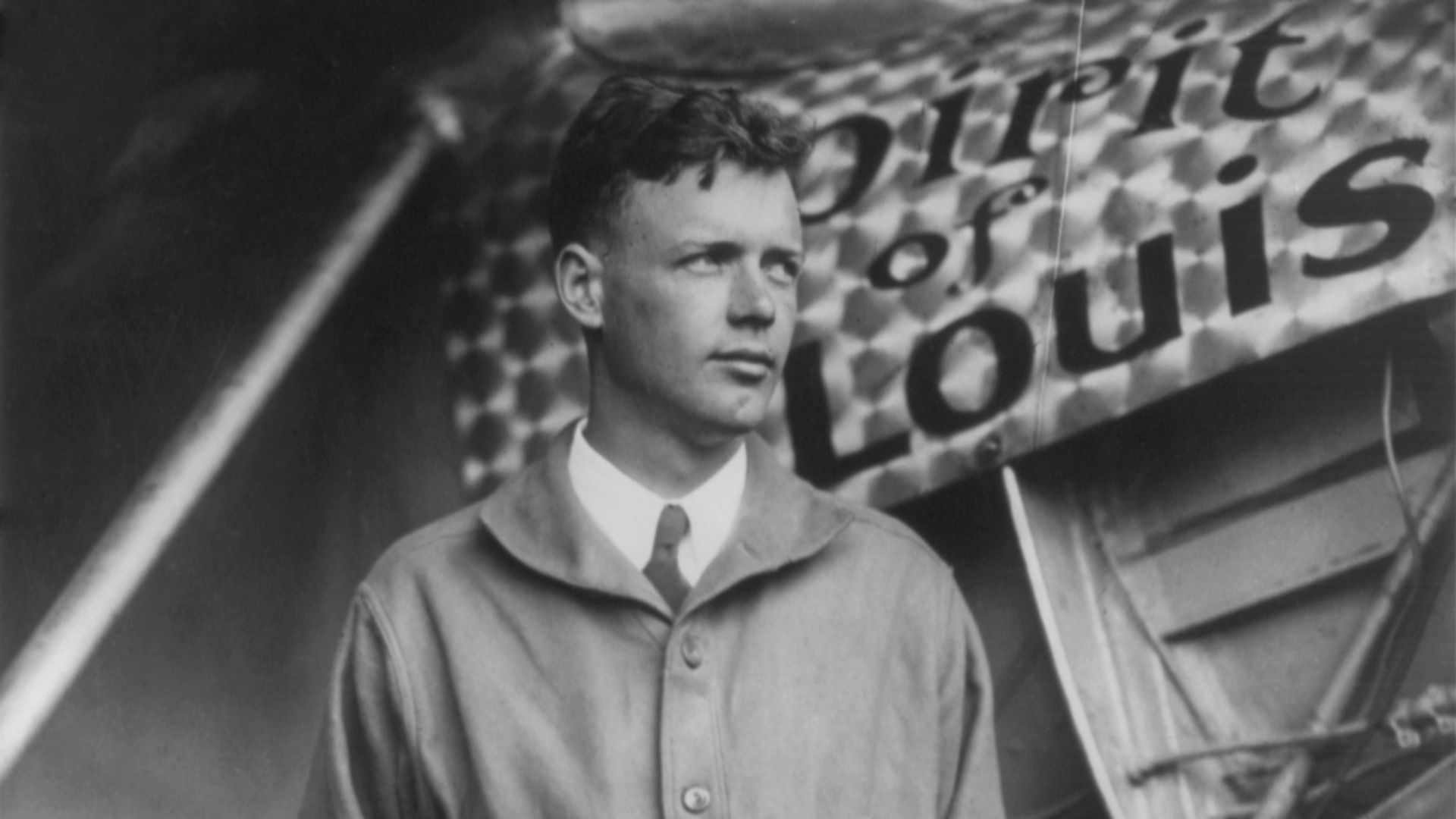
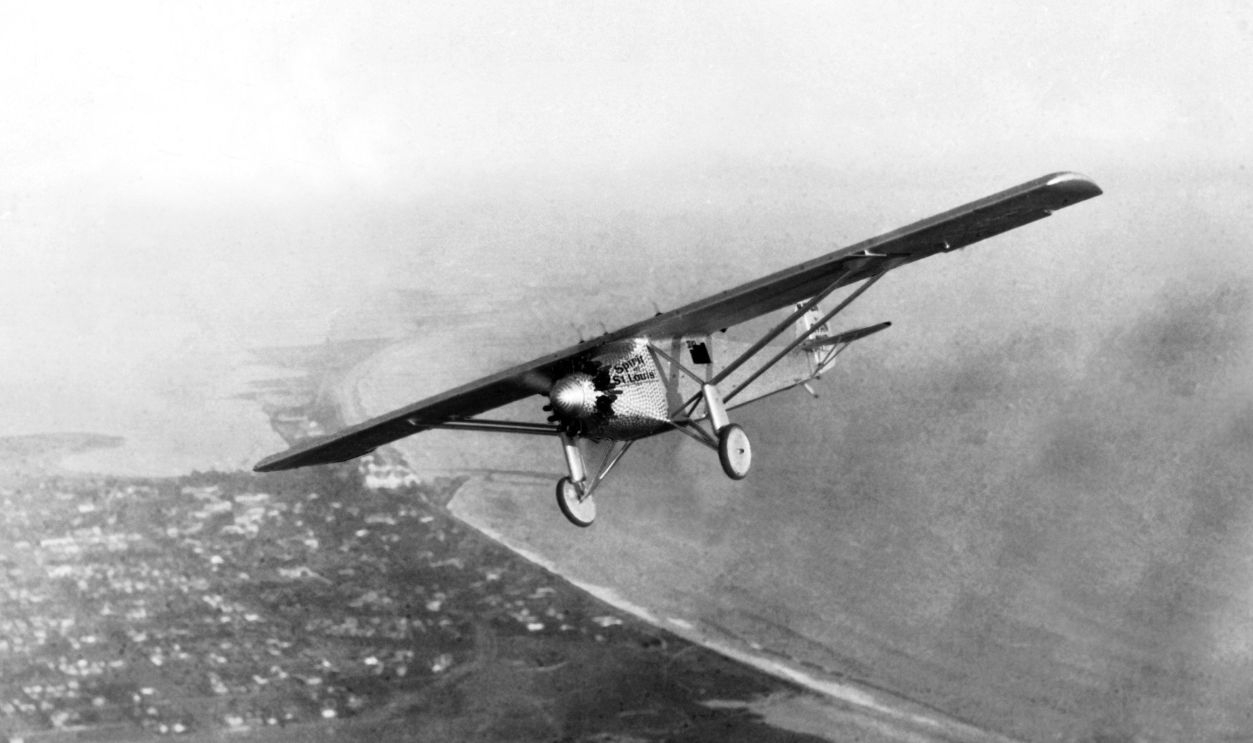
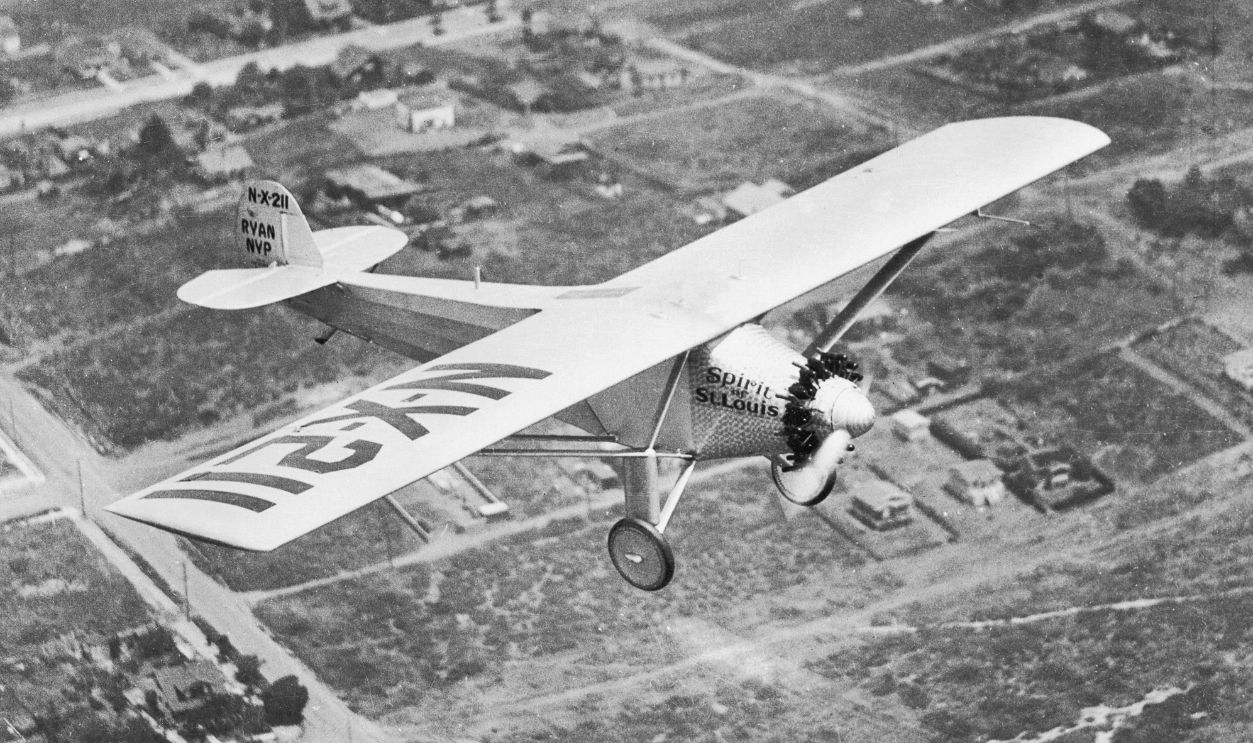
After trying to procure a monoplane from several aircraft companies, Charles and his financiers found a suitable deal. For $6,000, San Diego’s Ryan Airline Company agreed to create a custom single-engine high-wing monoplane for Charles, which was then named the Spirit of St Louis.
Finally, the time came for him to take off.
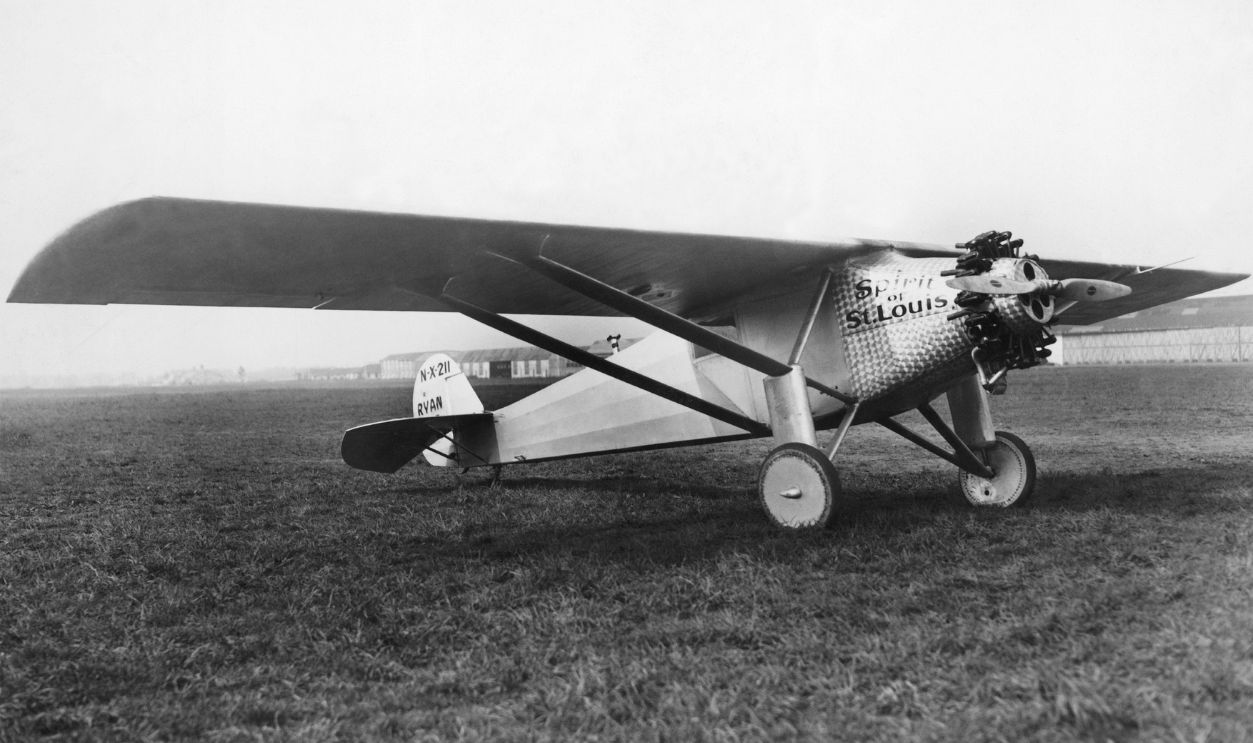
12. It Was A Grey Day
As he prepared for his flight on the morning of May 20, 1927, it likely felt like the weather was against them, as the rain didn’t seem to let up. With the runway so wet and muddy, workers had to wheel the plane into position, at which point the clouds broke, and the downpour finally stopped.
Although the clouds were parting, Charles still had to deal with another kind of fog.
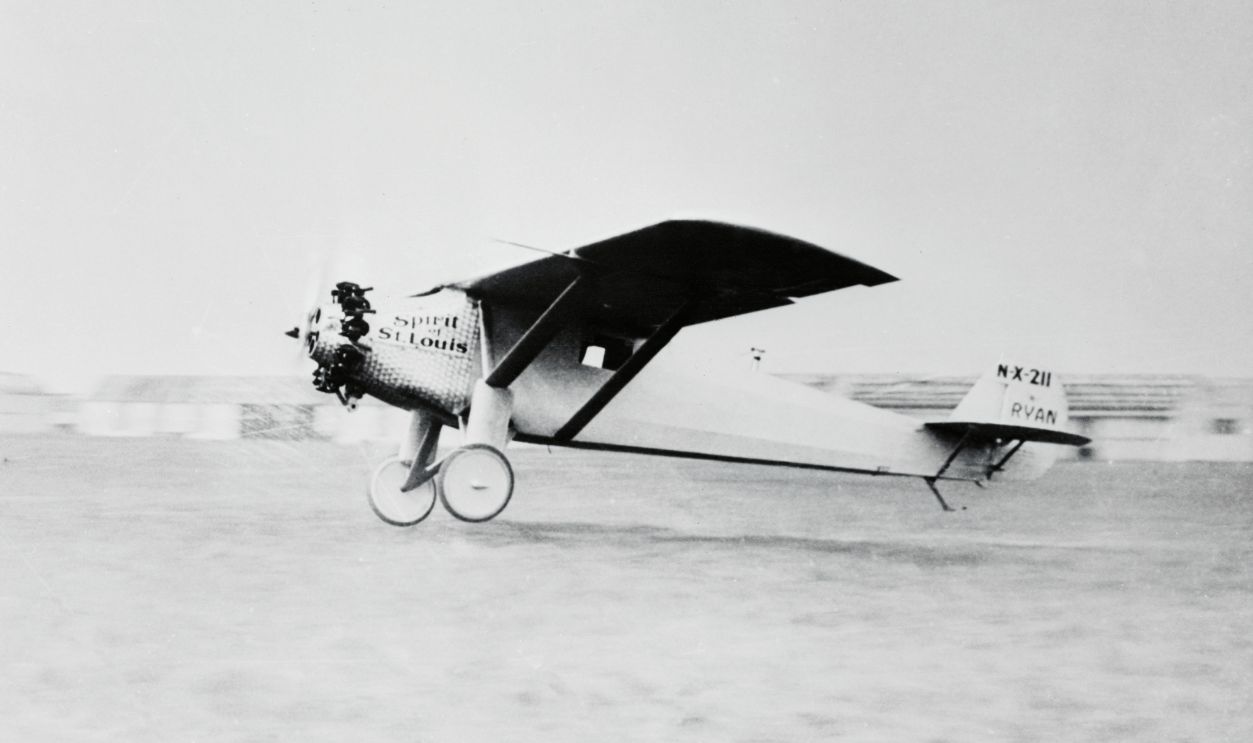
13. He Was Tired
By the time Charles launched this endeavor, several pilots had made previously unsuccessful attempts, many of which either perished, became injured, or disappeared. Needless to say, preparation was everything, including getting a good night’s sleep. However, all this work had made Charles so busy that he barely slept the night before.
Still, he wasn’t about to postpone, especially with such a crowd.
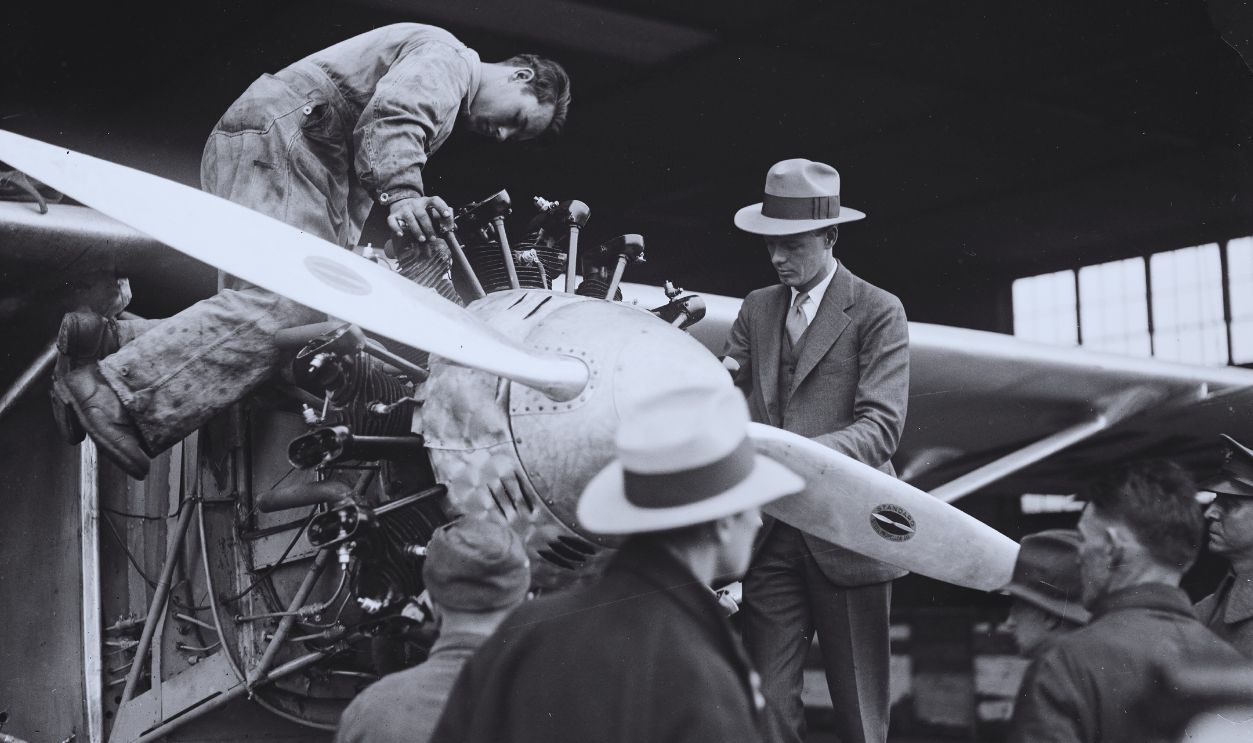 Interim Archives, Getty images
14. He Had An Audience
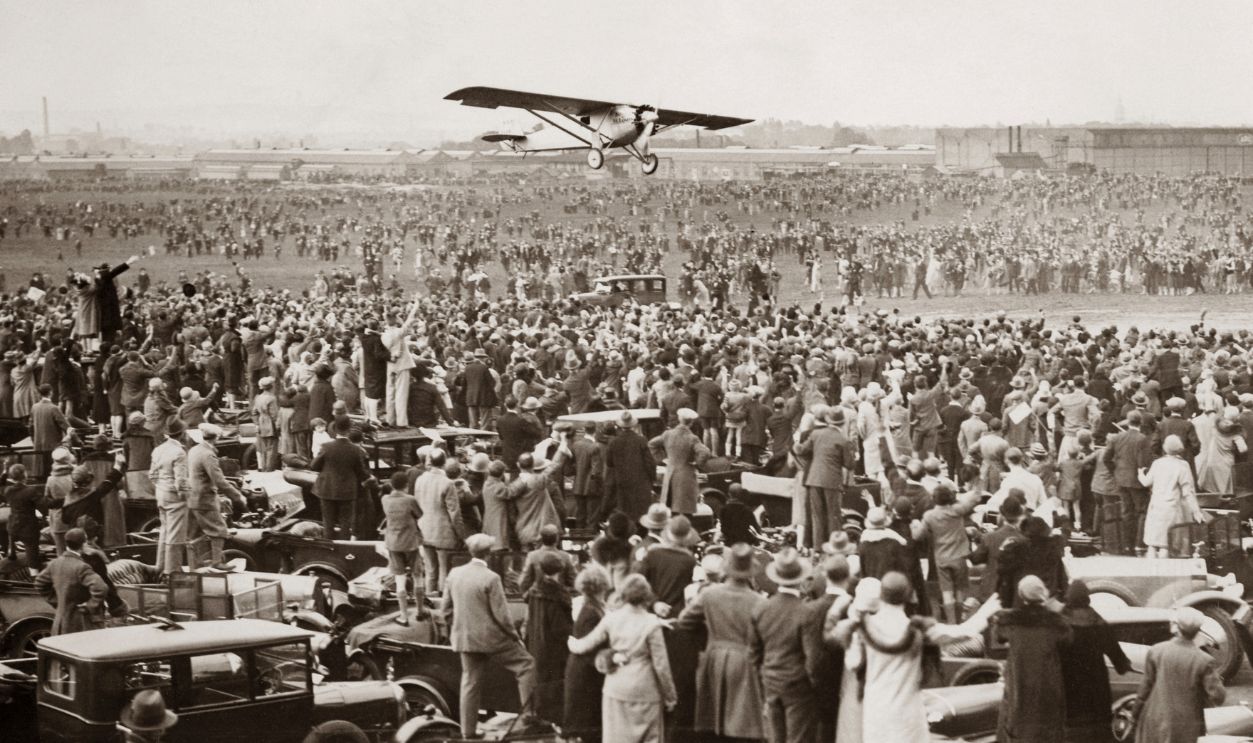
Charles may not have been famous enough to have received the proper funding, but word started to spread once he announced his plans. On the morning of his take-off, a crowd of possibly “several thousand” people gathered at Roosevelt Field on Long Island to see him depart.
Finally, it was time.
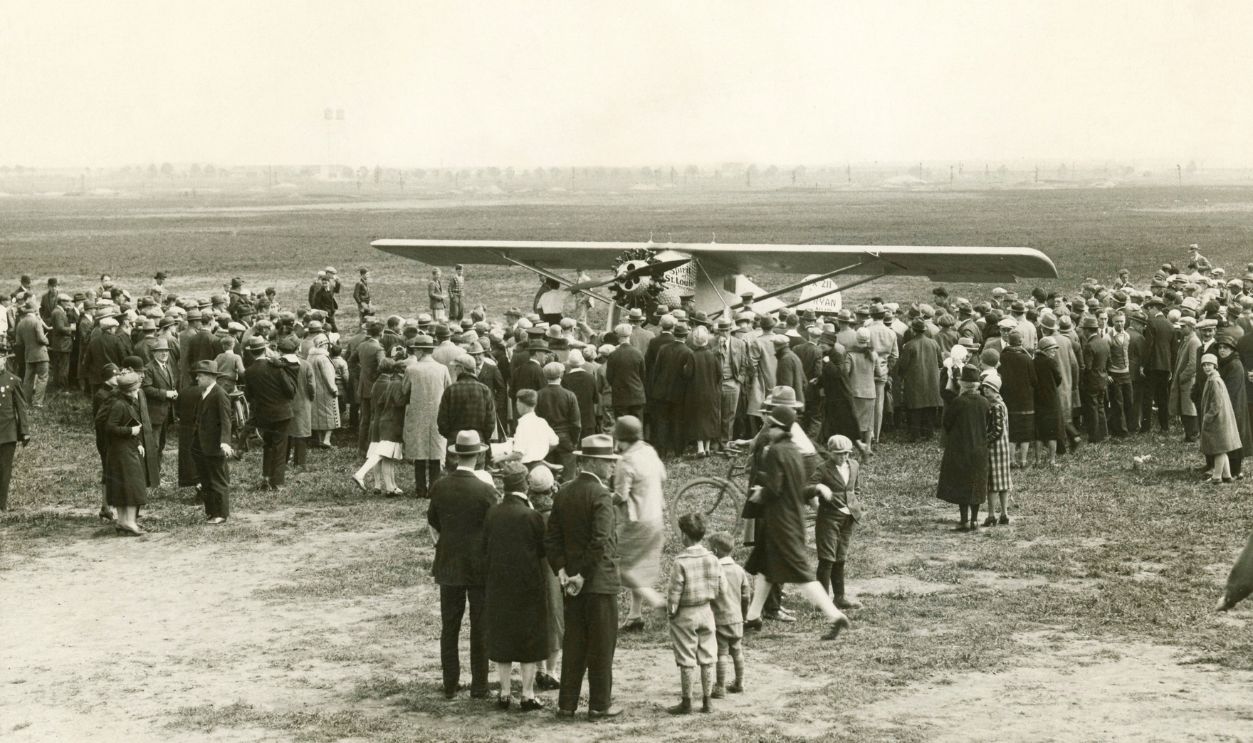 Sjoberg Bildbyra, Getty Images
15. He Started Drifting
Having taken off at 7:52 am, he reached Boston two hours later and noted Cape Cod to his right—but was already experiencing issues. Nothing was wrong with the plane, but as the adrenaline of starting his flight wore off, his body remembered his lack of sleep. Still, so far, he was on the right track.
16. He Left The Continent
Over the first day, Charles flew along the coast and found it challenging to stave off the desire to sleep, often changing altitude to keep things interesting. Finally, around 7:15 pm, he passed over hundreds of spectators in St John's, Newfoundland, as he departed for the next leg of his trip over the ocean.
Then, things got worse.
 Sjoberg Bildbyra, Getty Images
17. He Couldn’t See
At around 8 pm, the stars had come out, but Charles still had trouble seeing where he was going, as a thick fog had descended. From his altitude of 800 feet, he climbed above the fog to 7,500 feet and eventually 10,000 feet. There, he found an enormous thunderhead and—with little cause—flew straight into it, only to turn around when ice started to form.
Unfortunately, his energy level wasn’t improving.
18. He Was Exhausted
Halfway through his trip, his lack of sleep was proving more and more of a burden, especially as he passed his 18th hour. Falling asleep for “seconds, possibly minutes” at a time, he started to hallucinate due to his exhaustion. He was planning to celebrate reaching this point in the journey, but his mental state made this impossible.
Luckily, he made it across.
 Donaldson Collection, Getty Images
19. He Reached The Other Side
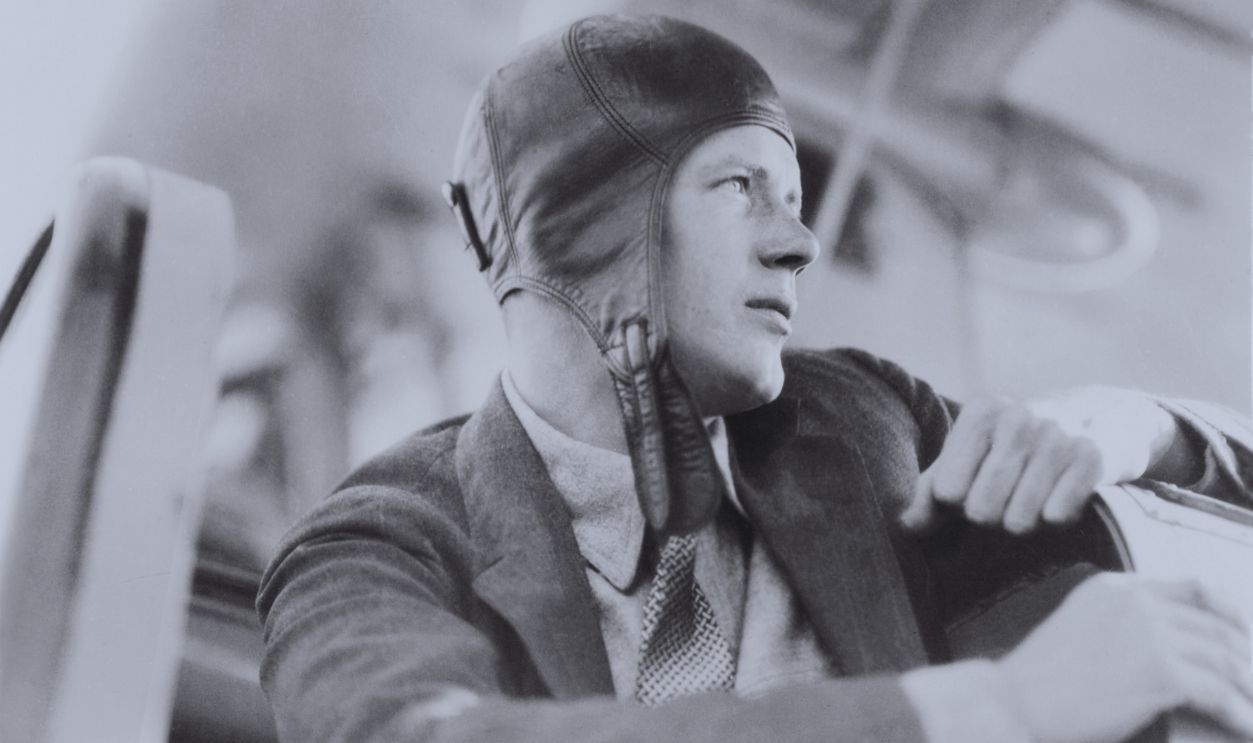
Having passed 27 hours of flight, Charles thankfully started to see "porpoises and fishing boats," which led him to believe he had officially crossed the Atlantic. Finally, he passed over his first bit of European land in Dingle Bay, Ireland, at 3 pm local time, around two and half hours ahead of schedule.
Now fully awake, he gave his waiting audience a show.

20. He Made An Entrance
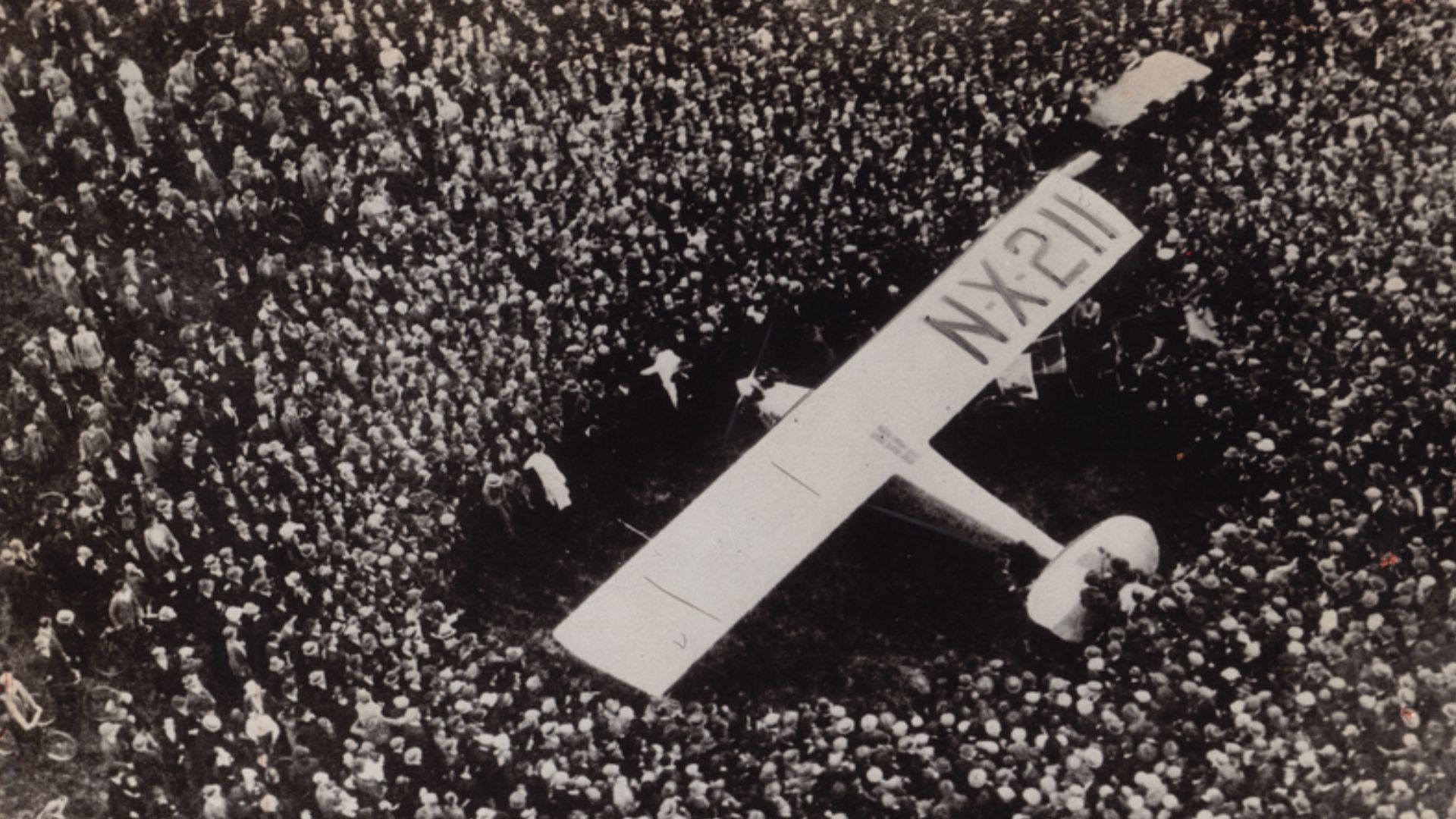
After 33 and a half hours of flying, Charles finally reached Paris on May 21, intending to land at Le Bourguet Field nearby. Before he did so, though, he wanted to please his spectators and "circled the Eiffel Tower," finally touching down on the field at 10:22 pm with a crowd of over 100,000 cheering fans in attendance.
After his flight, this excitement followed him everywhere.
 Pacific and Atlantic photos inc., Wikimedia Commons
21. He Blew Up
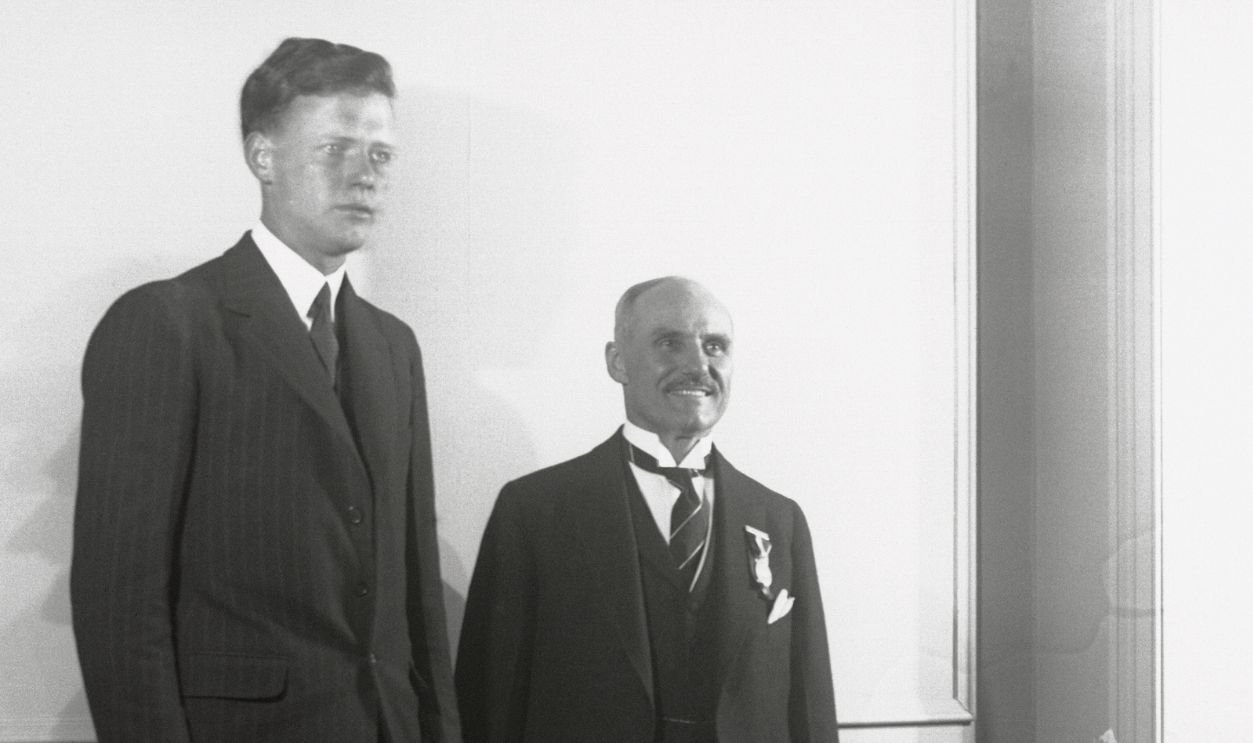
Having accomplished such an astonishing feat, Charles’s reputation grew, and soon everyone in the world wanted to meet him. Over the next several years, he received many requests to visit other countries and influential people, as well as proposals for endorsement deals and marriages.
Of course, this came with many honors.
22. He Rose In Rank
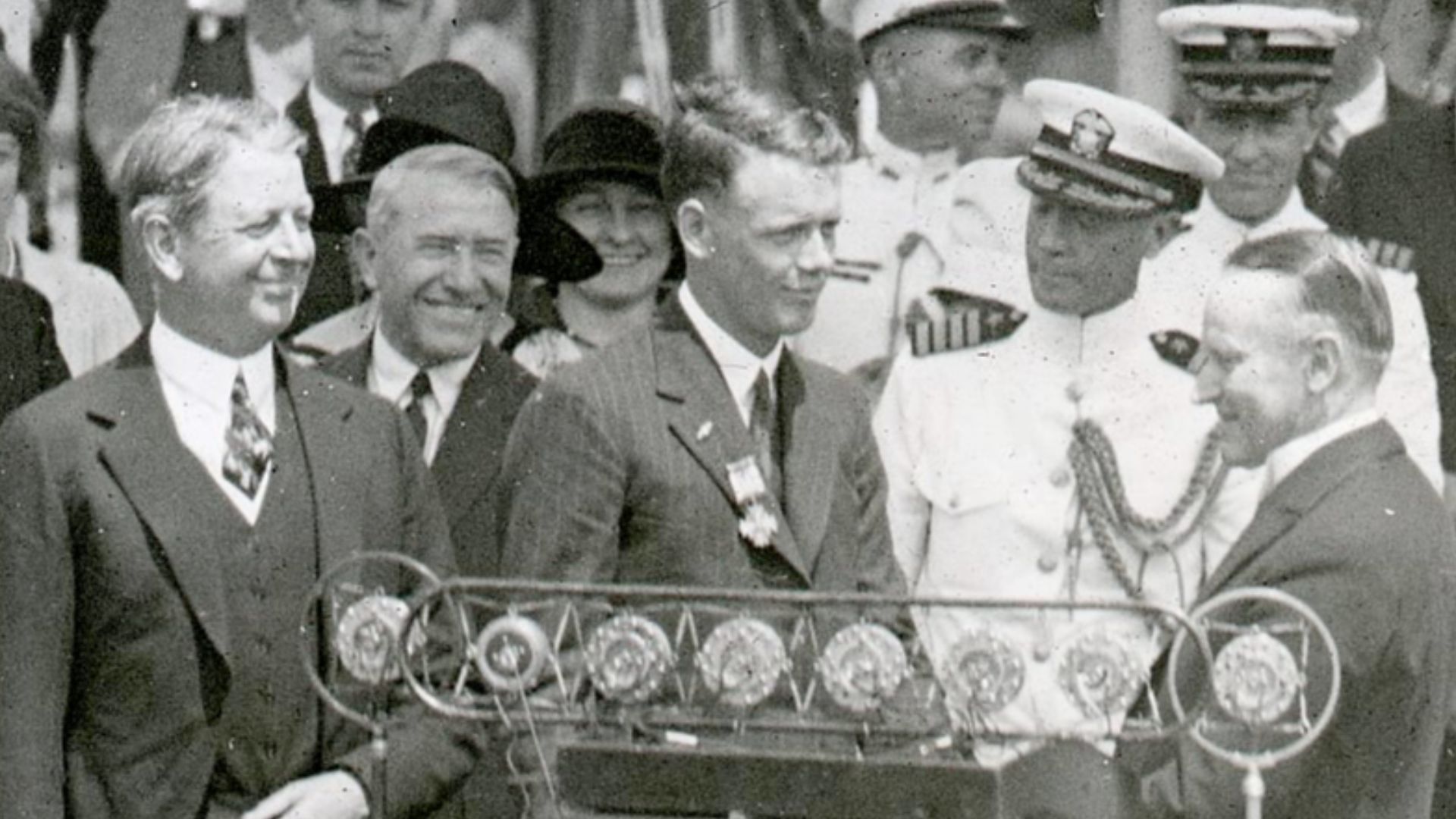
Aside from receiving the Distinguished Flying Cross from President Calvin Coolidge, Charles’s status elevated him as a member of the US Army. Joining the Air Corps of the Officers Reserve Corps, the army promoted him to colonel on July 18, 1927. Naturally, this kind of success had a lasting effect.
 Indefatigable2, Wikimedia Commons
23. He Had A Huge Impact
Before this historic moment, many considered aviation a strange profession, likely because of how new it was. Charles’s flight changed all that, and people not only started to revere pilots as national heroes, but investors realized just how much money there was in a partnership with them.
Around the same time, Charles had a different impact on someone else.
 The Stanley Weston Archive, Getty Images
24. He Met Someone
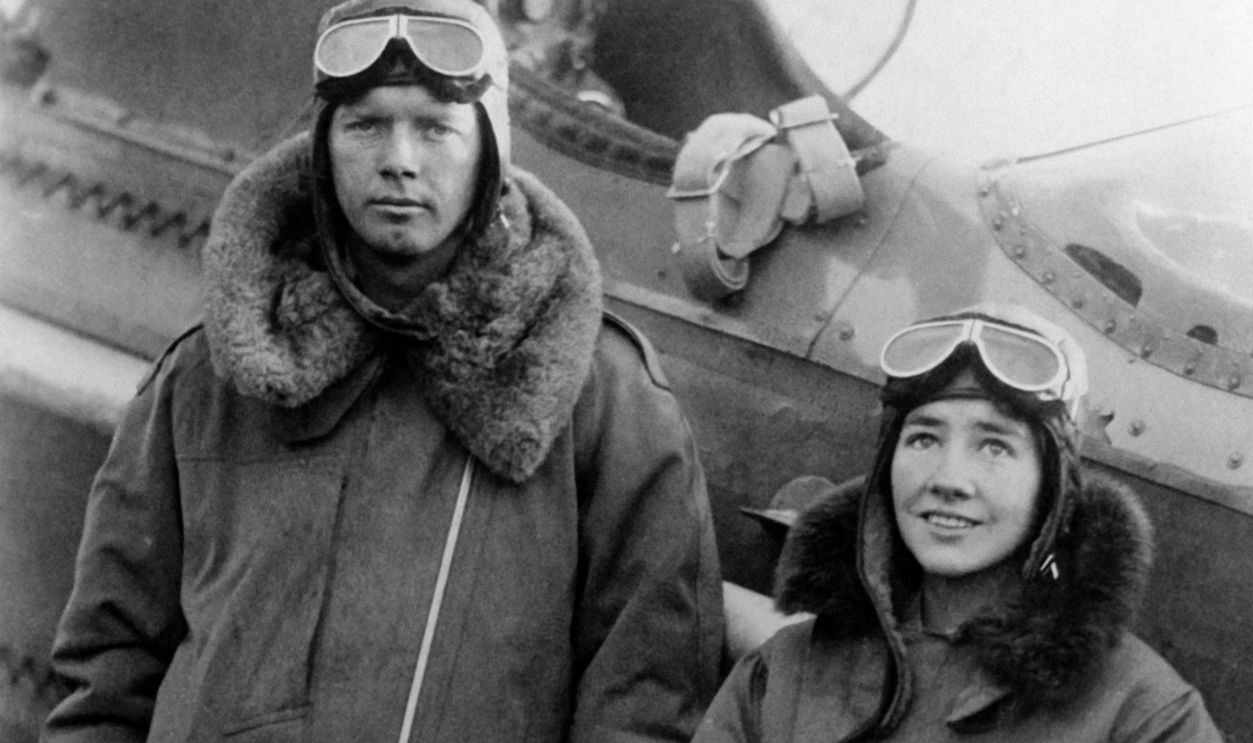
Shortly after his flight, Charles traveled to Mexico on a goodwill tour, invited by the US Ambassador to Mexico and his financial adviser, Dwight Morrow. While there, Charles met Morrow’s daughter, Anne, and the two seemed to click. After two years of dating, they married on May 27, 1929.
It wouldn’t be just the two of them for long.
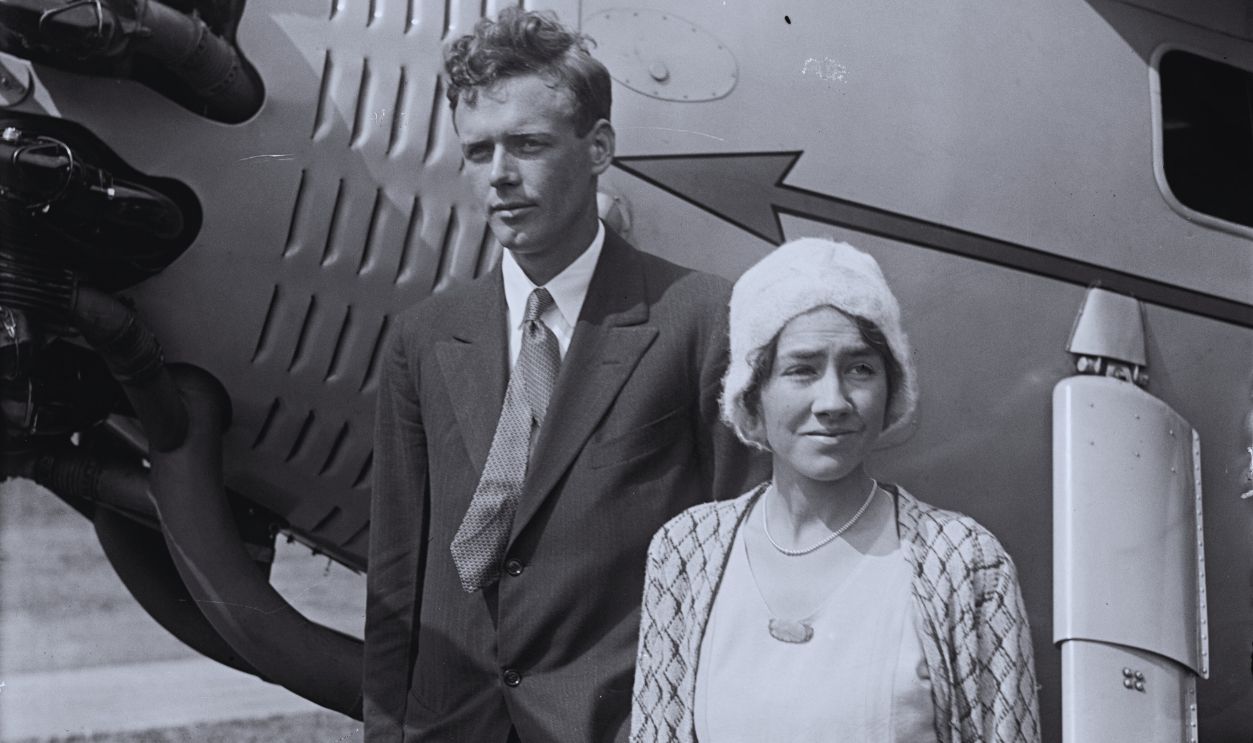 National Photo Company Collection, Wikimedia Commons
25. They Made A Family
The following year, Charles and Anne’s household grew as they welcomed their first child and son, Charles Augustus Lindbergh Jr. Over the next decade and a half, Anne would give birth to six more children, the last being Reeve Lindbergh in 1945. With all his business and publicity, though, their children only saw Charles for a few months in a year.
Sadly, something sinister was on the horizon.
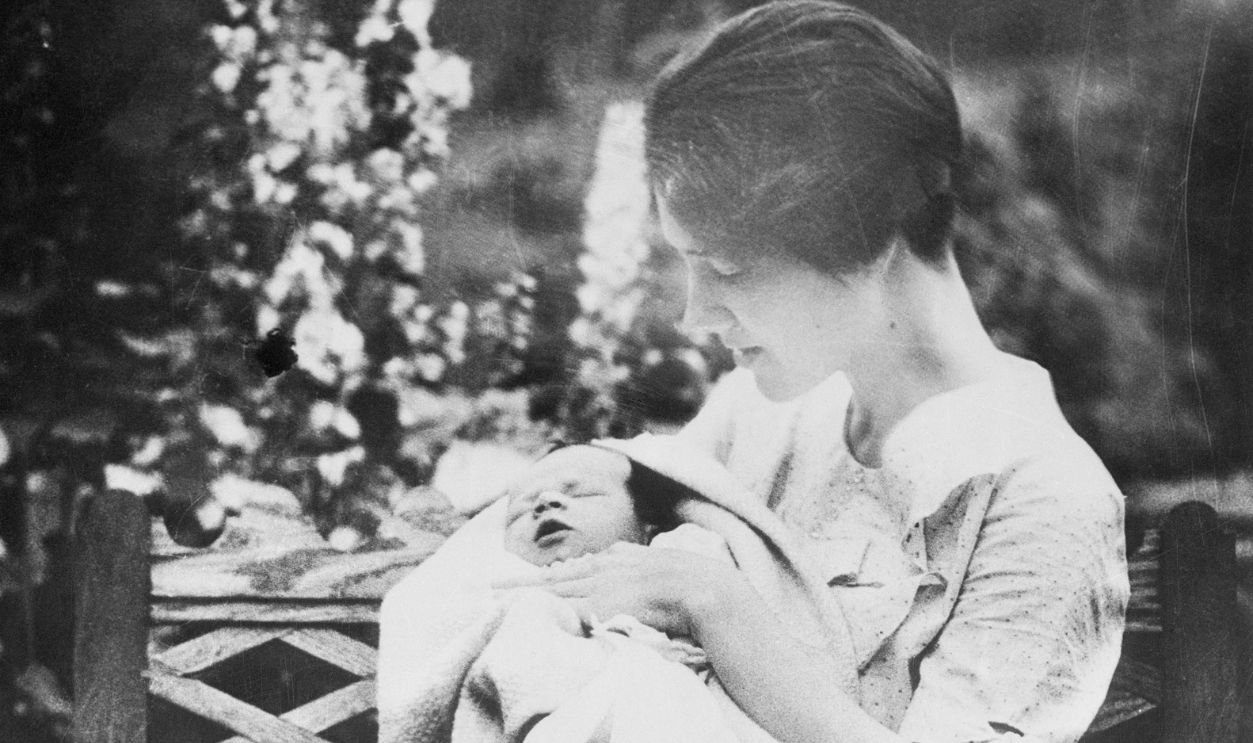
26. His Child Went Missing
On the evening of March 1, 1932, fate dealt the Lindberghs a real-life nightmare. Their nurse Betty Gow realized that the 20-month-old firstborn, Charles, was nowhere to be found. Betty immediately shared this disturbing news with Charles, who went to investigate. When he searched his son's room, he made a chilling discovery.
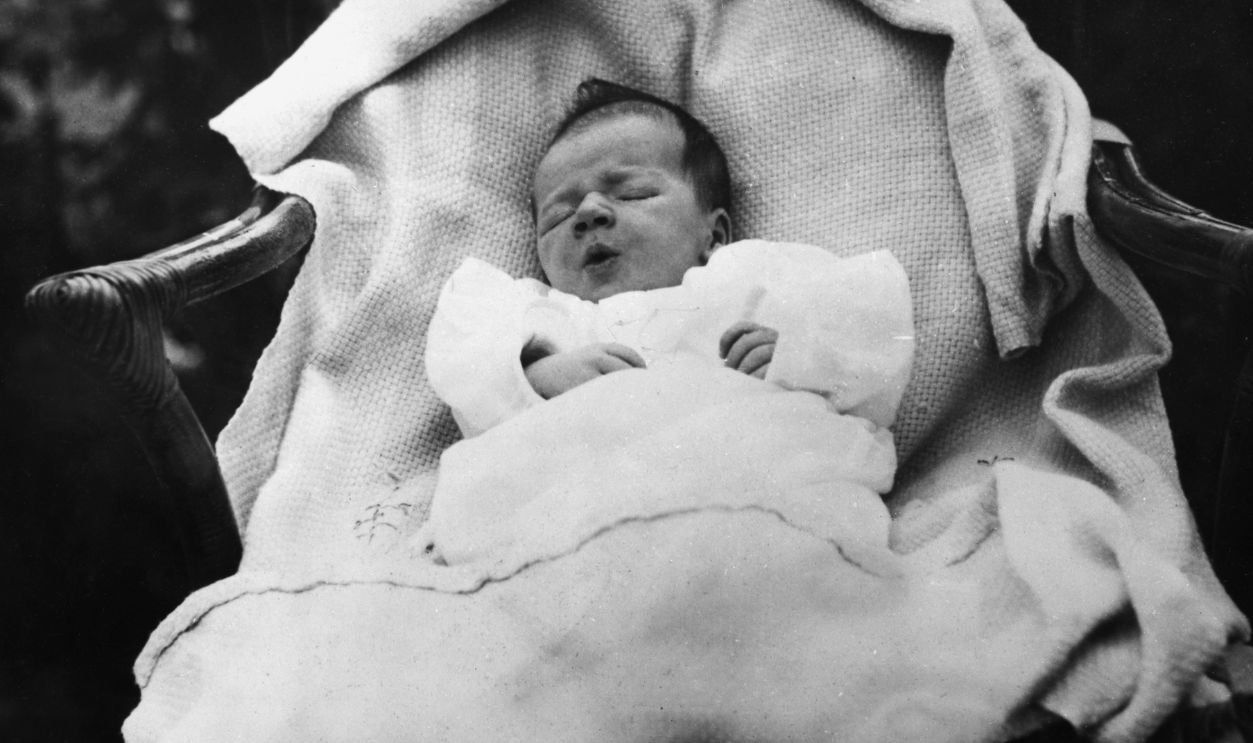
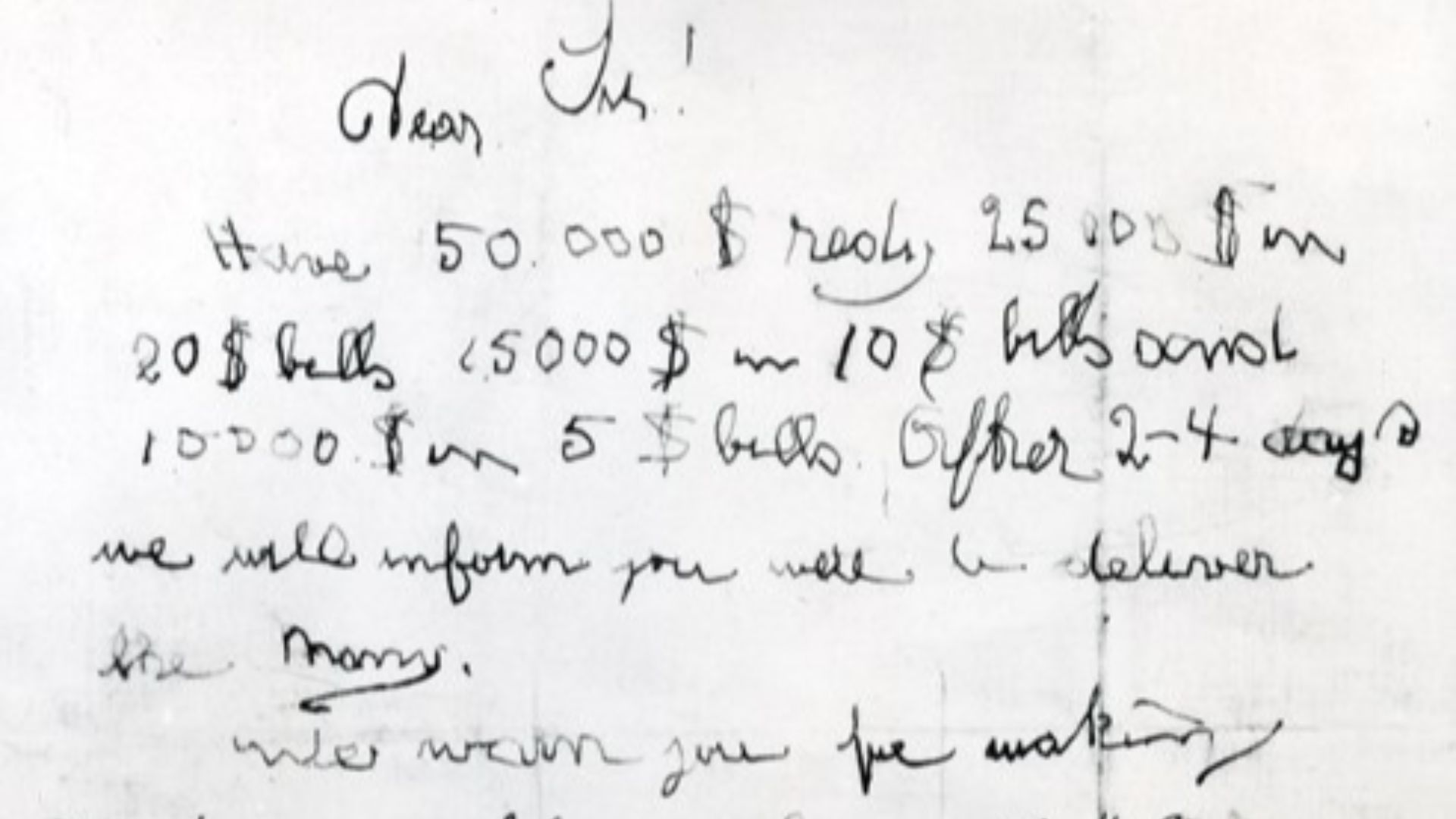
27. He Found A Ransom Note
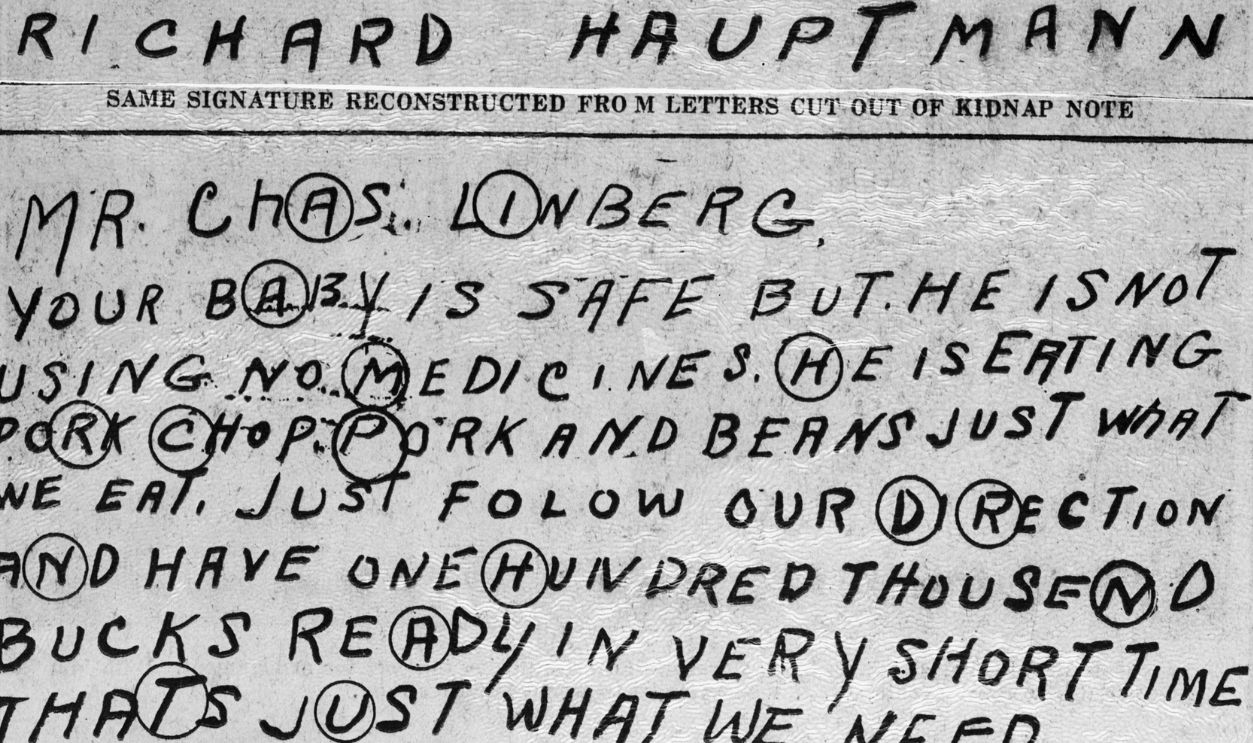
A ransom note sat waiting on the windowsill—and there was something strange about it. The grammar was spectacularly bad and the handwriting itself was abysmal. Part of it read: "Dear Sir! Have 50.000$ redy 25 000$ in 20$ bills 15000$ in 10$ bills and 10000$ in 5$ bills After 2–4 days we will inform you were to deliver the money".
The note also warned the Lindberghs to not involve the authorities. Charles's reaction was heartbreaking.
 Lindbergh Kidnapper, Wikimedia Commons
28. He Searched The Grounds
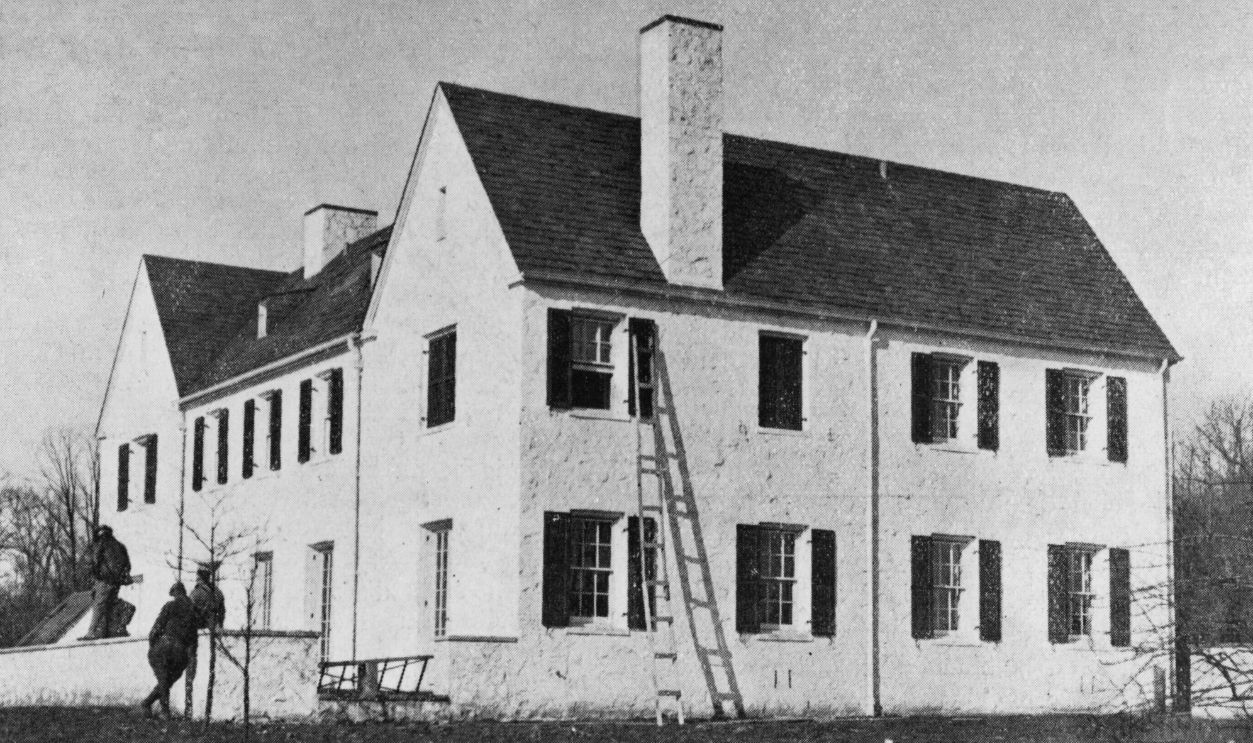
The disappearance of his child caused Charles to reach for his firearm. Both he and the butler went out to search the grounds, but what they discovered outside the baby's window likely made their blood run cold. Someone had clearly used a ladder to climb into the residence and take the baby. They found remnants of a ladder, as well as a baby's blanket.
What was Charles Lindbergh to do?
29. There Were No Fingerprints Left Behind
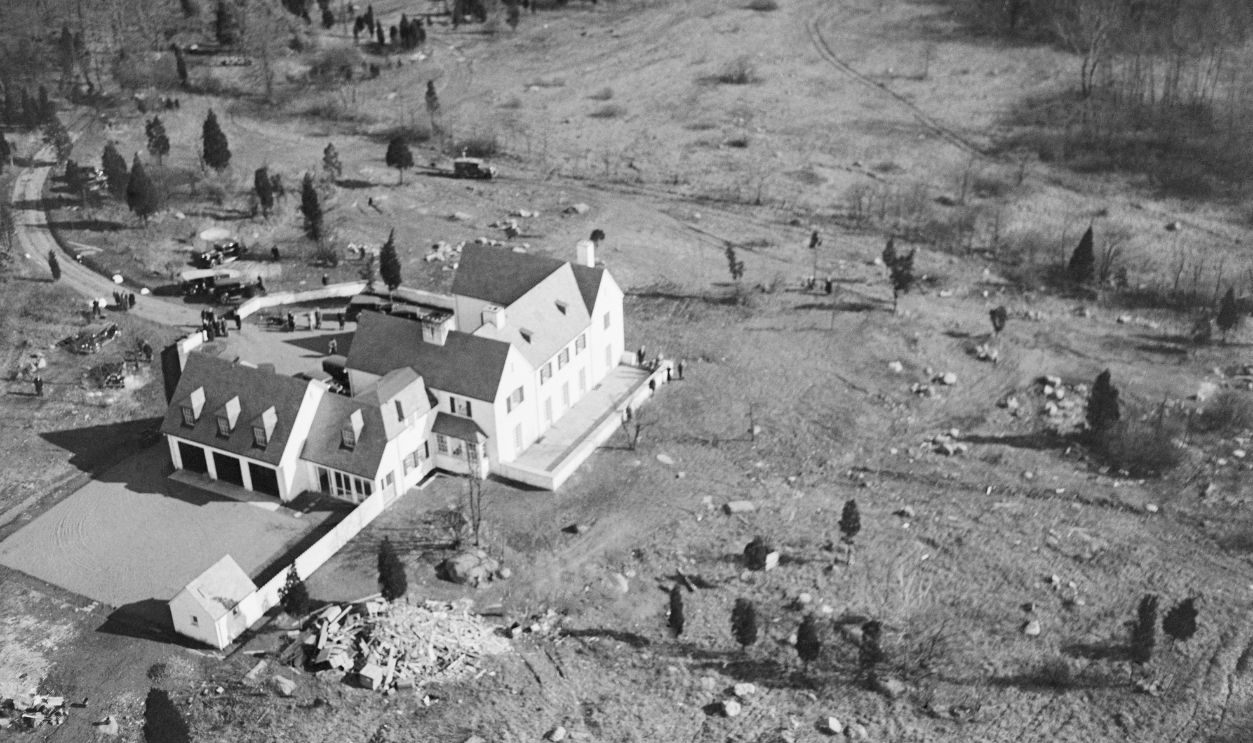
Charles did not abide by the ransom note's request, hastily getting into contact with the authorities and his attorney. An investigation was launched immediately, but the immediate findings were utterly disappointing. Though a fingerprint expert scoured the room, the ladder, and the note—they came up with nothing. It also didn't help that the distressing news spread like wildfire.
30. His Celebrity Attracted An Audience
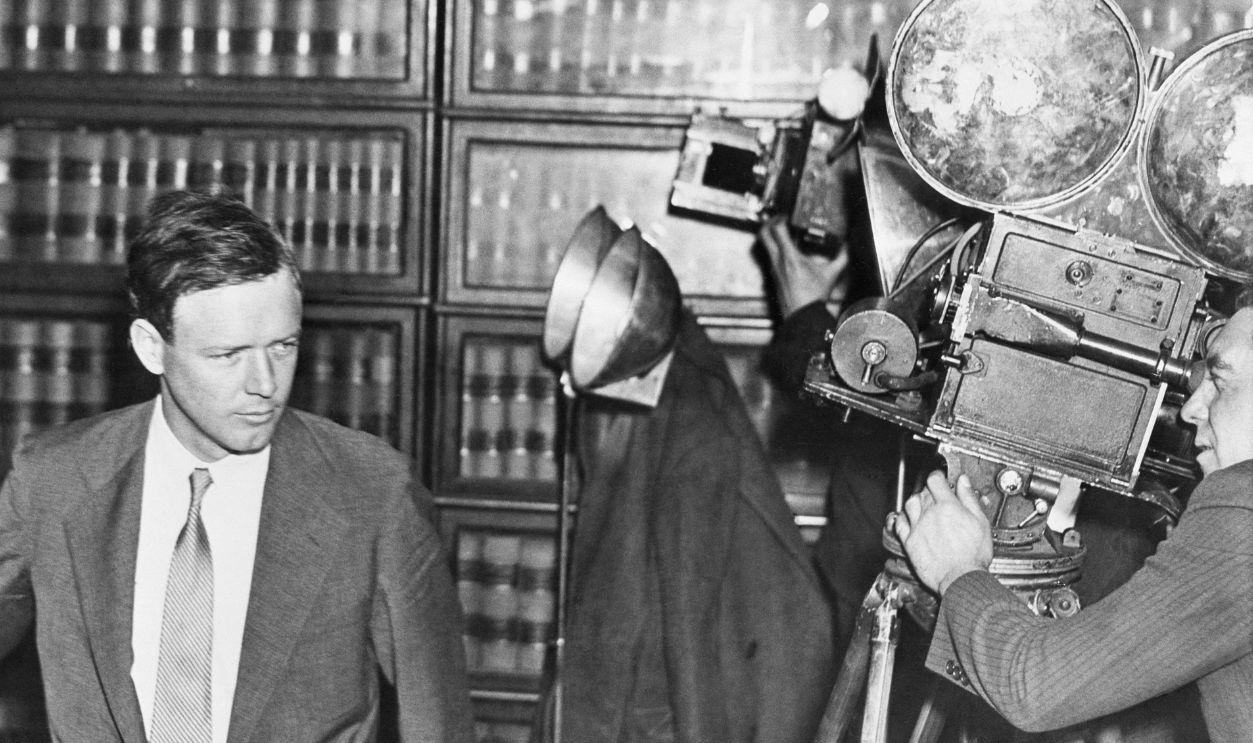
As a celebrity, Charles Lindbergh's name drew attention—and so when news of his missing child leaked out, curious onlookers and folks hoping to help arrived at the Lindbergh residence. Unfortunately, they wound up doing more harm them good, likely destroying any evidence of footprint had there been any.
31. They Offered A High Reward
Even during the trying times of the Great Depression, Charles Lindbergh and his wife were willing to go to jaw-dropping lengths to have their son returned to them. On top of the $25,000 reward offered by New Jersey officials, the Lindberghs sweetened the pot by promising another $50,000, bringing the reward to $75,000.
Charles had a powerful hand in the investigation, but there were more twists in store for him.
32. He Received More Ransom Notes
The first ransom note certainly wasn't the last, and several others were sent with updated conditions—one being that the ransom amount had been woefully raised. $70,000 was the hefty price for the safe return of little Charles. In the end, the Lindberghs decided to pay this ransom... in part.
33. He Paid The Price
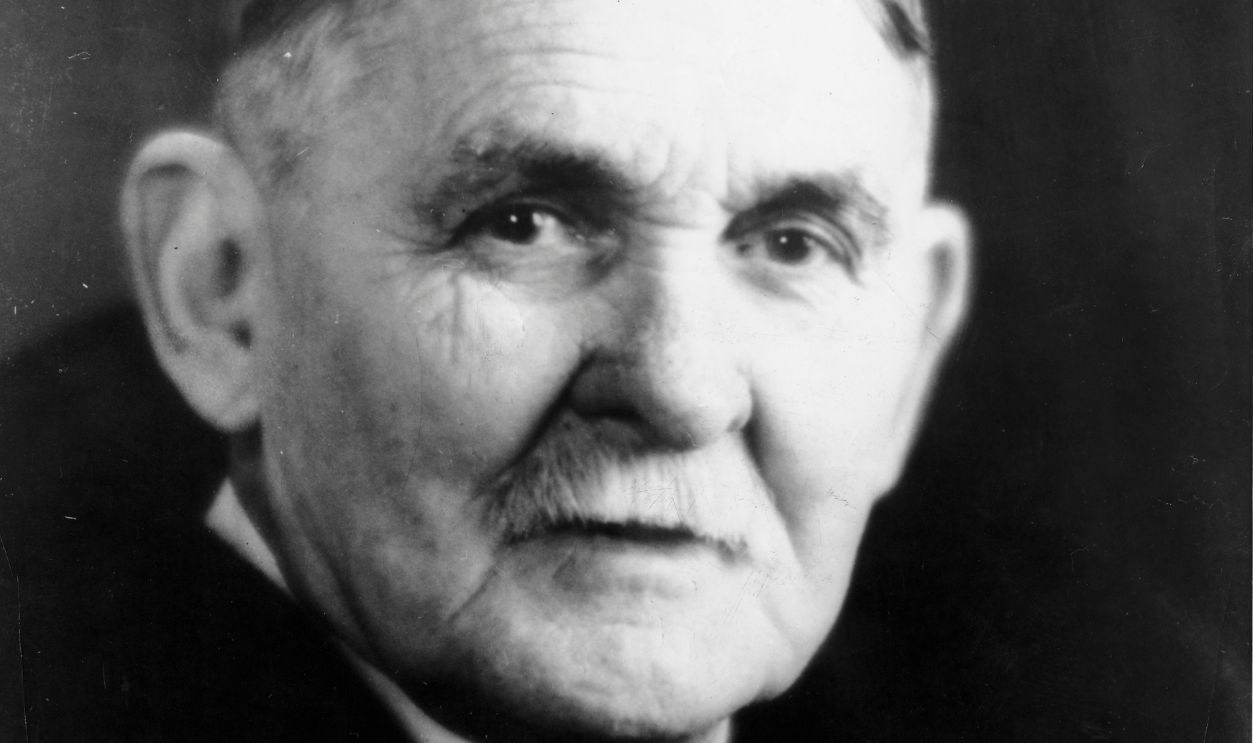
Through the intermediary John Condon—a retired teacher—the ransom was eventually offered up to the kidnappers, who agreed to accept just $50,000. But though they promised that the child was still alive, the truth was utterly devastating.
34. His Son Didn't Make It
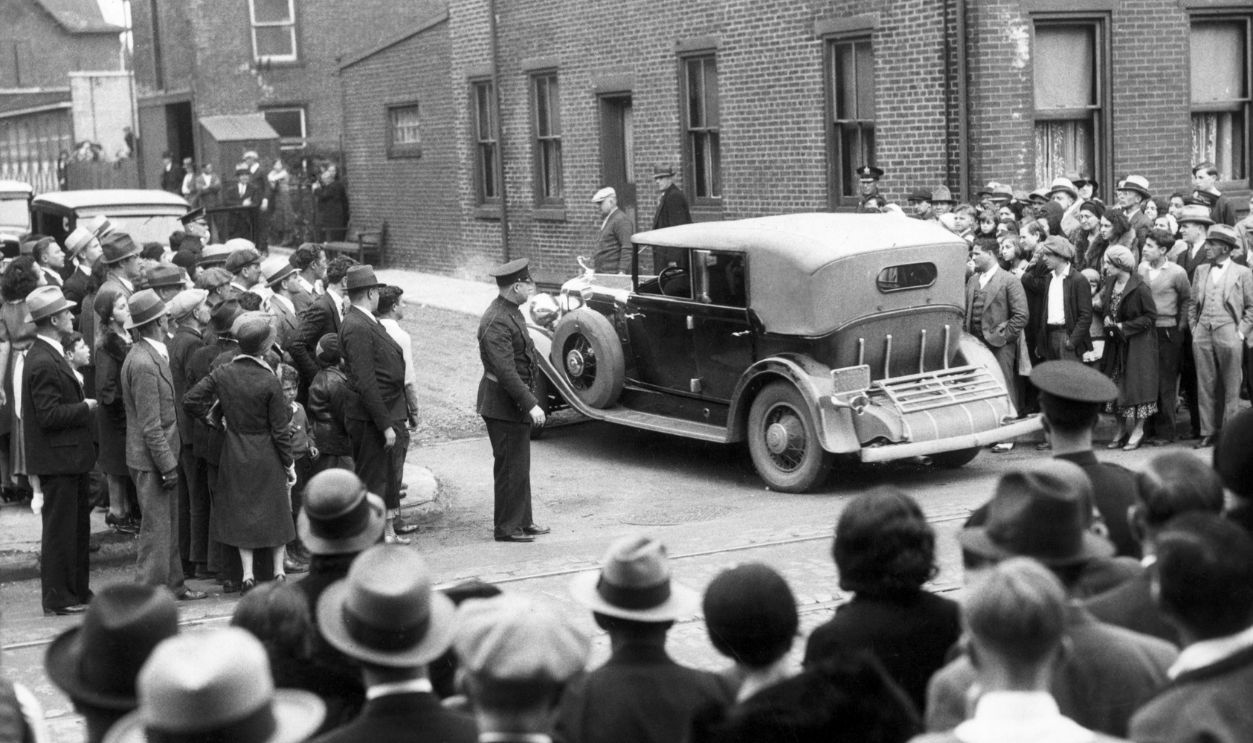
On May 12, Charles's worst fears were made real. His son was found... but he was not alive. A delivery truck driver found the boy's remains by happenstance by the side of the road. It looked like the perpetrators had attempted to bury him, but they had done a horrid job of it.
Charles Lindbergh chose to cremate his little boy, but even plagued by the sting of grief and defeat, there was still justice to be had.
35. They Found Him
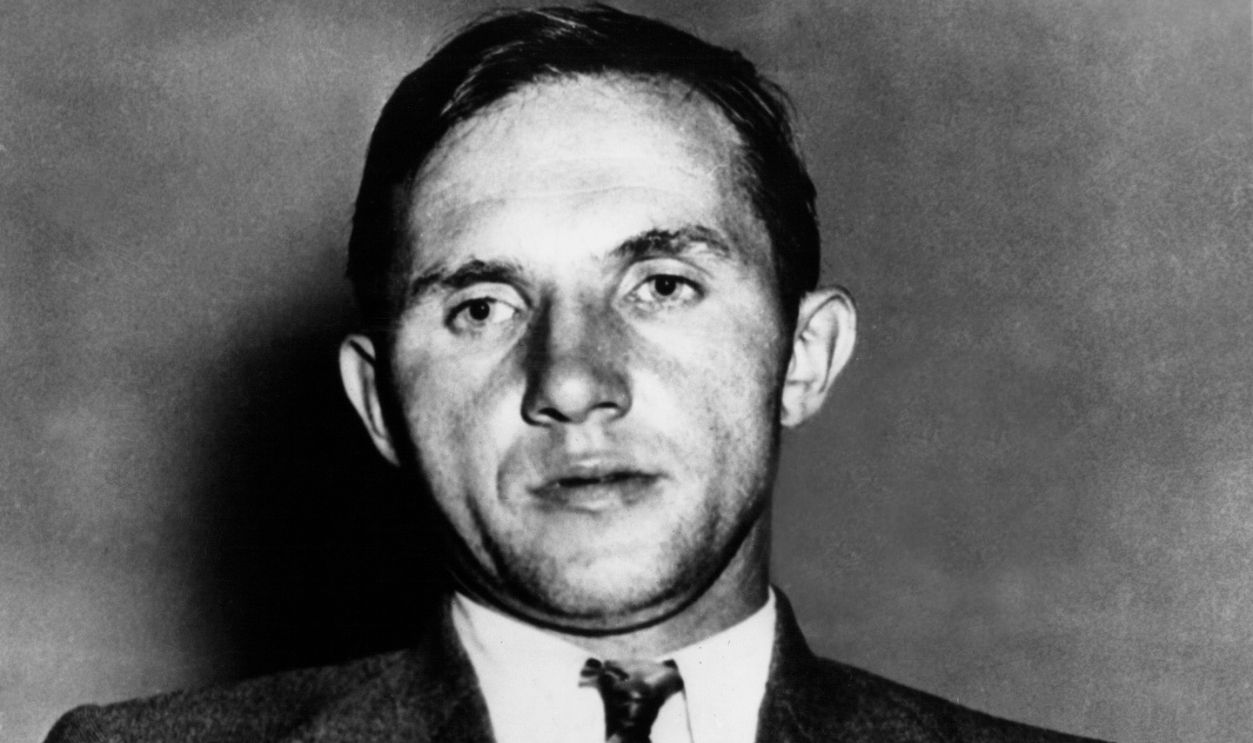
For two years, the kidnapping investigation dragged on until something popped up. Authorities had recorded the serial numbers of the bills used in the ransom, one of which surfaced when German immigrant Richard Hauptmann paid for gasoline in 1934. After authorities found evidence in his home, including $13,760 of the ransom, he was eventually sentenced and executed on April 3, 1936.
Shortly after this, Charles’ work continued to take him away from home.
36. He Went To Germany
Stemming from his prolific reputation and status as a colonel in the Army reserves, the US approached Charles with a request in 1936. Over several visits, he traveled to Berlin to meet officials and attend social functions, with the primary objective being to assess their air force in the years leading up to WWII.
As it happened, he might have been the wrong choice.
37. He May Have Lied
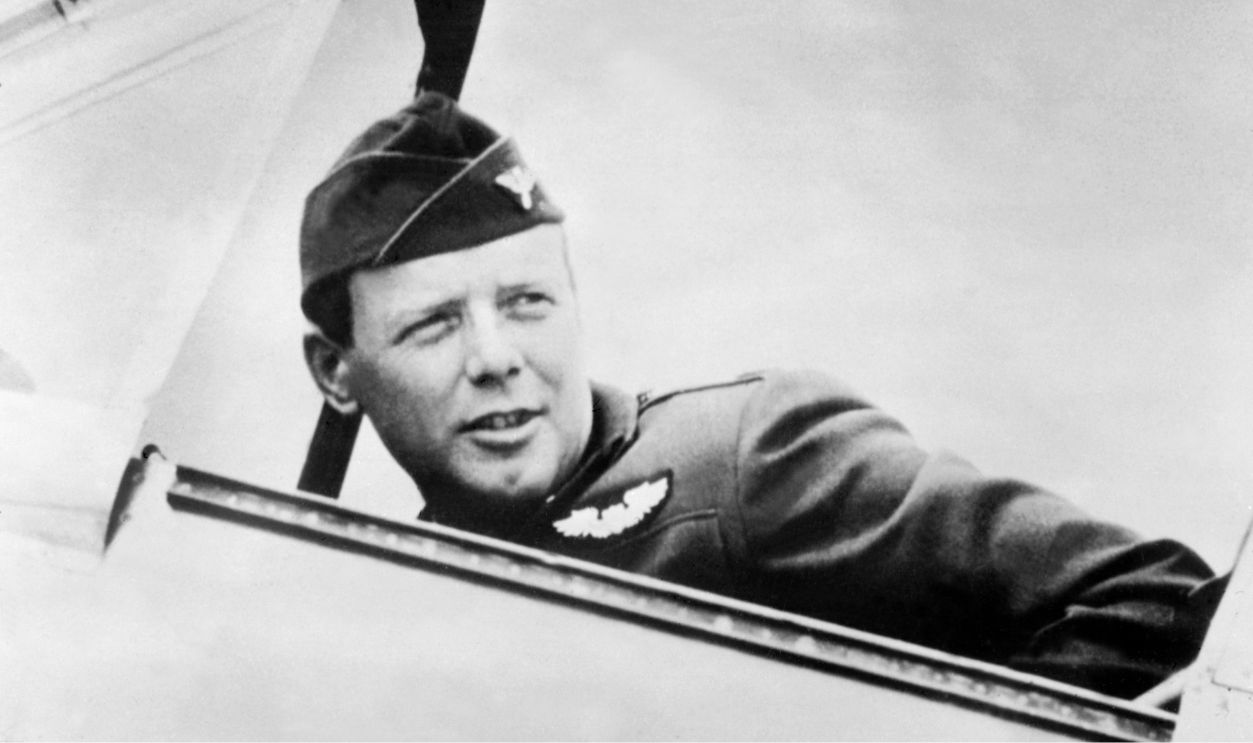
Although Charles had gotten the opportunity to collect intelligence in Berlin and relay it to America and Britain, they probably should have asked someone else. Upon hearing his reports, government officials became doubtful of their veracity. However, despite believing his assessment to be slightly embellished, the US and Britain still found it valuable.
At the same time, it was clear how Germany felt about him.
38. They Awarded Him
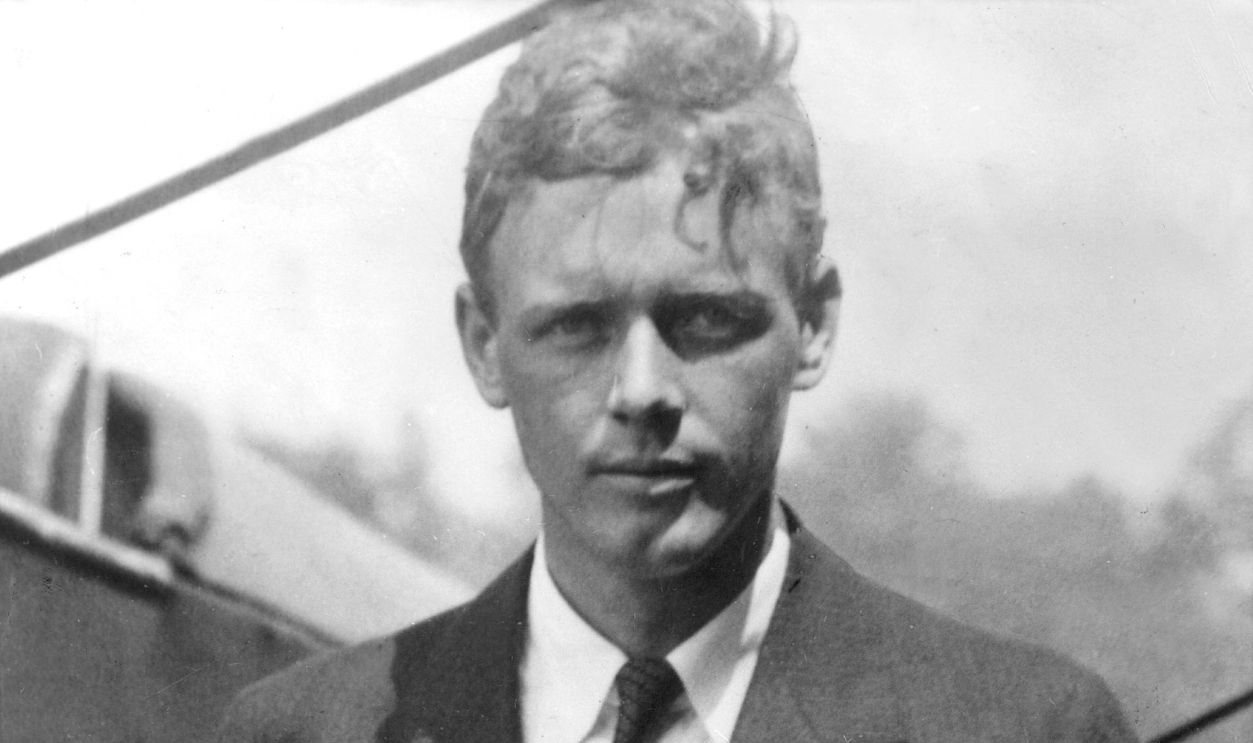
Charles made powerful connections within the German government, later attending a dinner with several officials in 1938. While there, the German air chief gave Charles the Commander Cross of the Order of the German Eagle. Charles accepted and later refused to return it, even when Germany’s horrific Kristallnacht occurred a few weeks later.
This likely also influenced his stance.
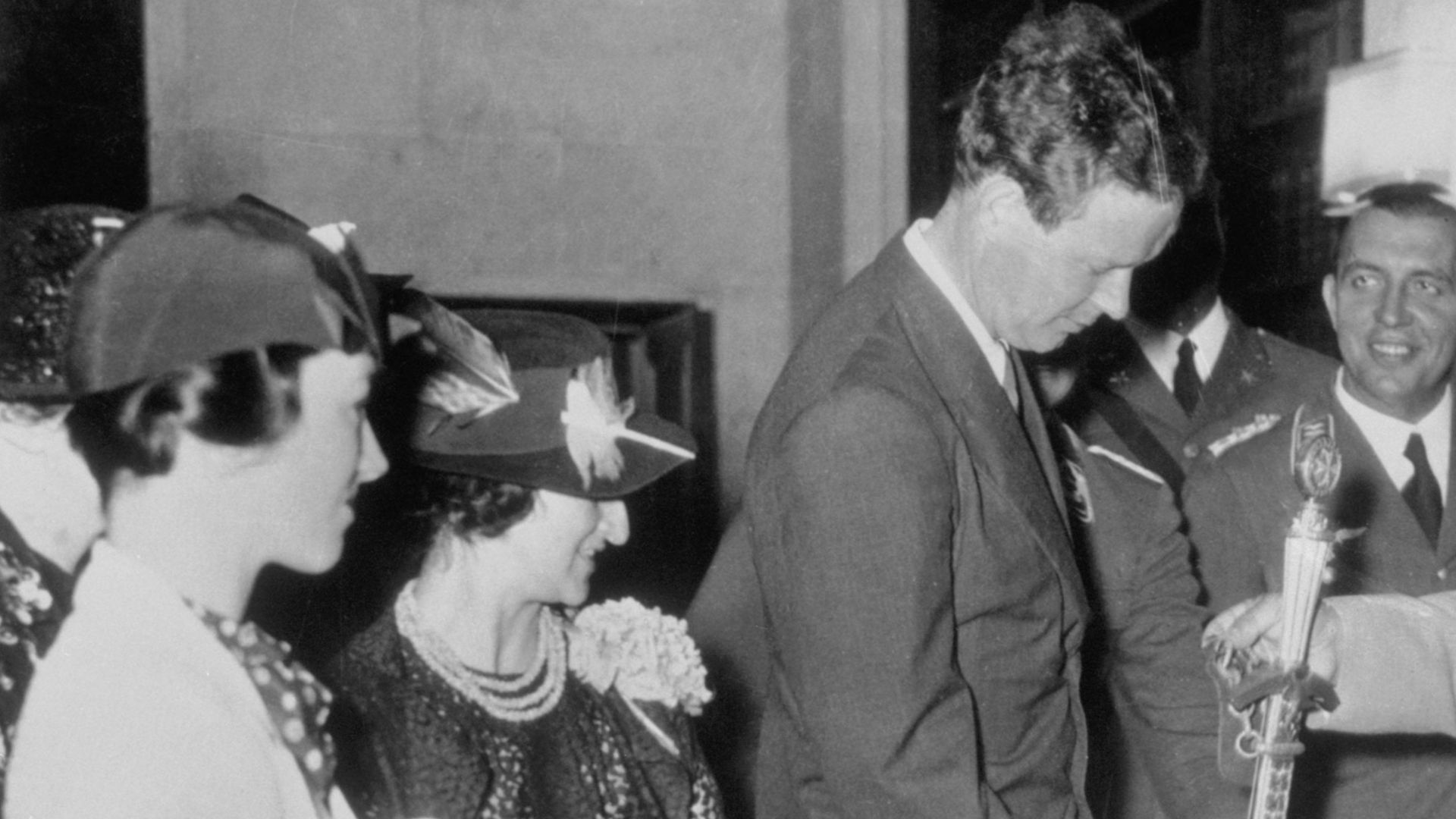 The Herman Goering Collection donated this photo to the Library of Congress. The LOC says
39. He Was Scared
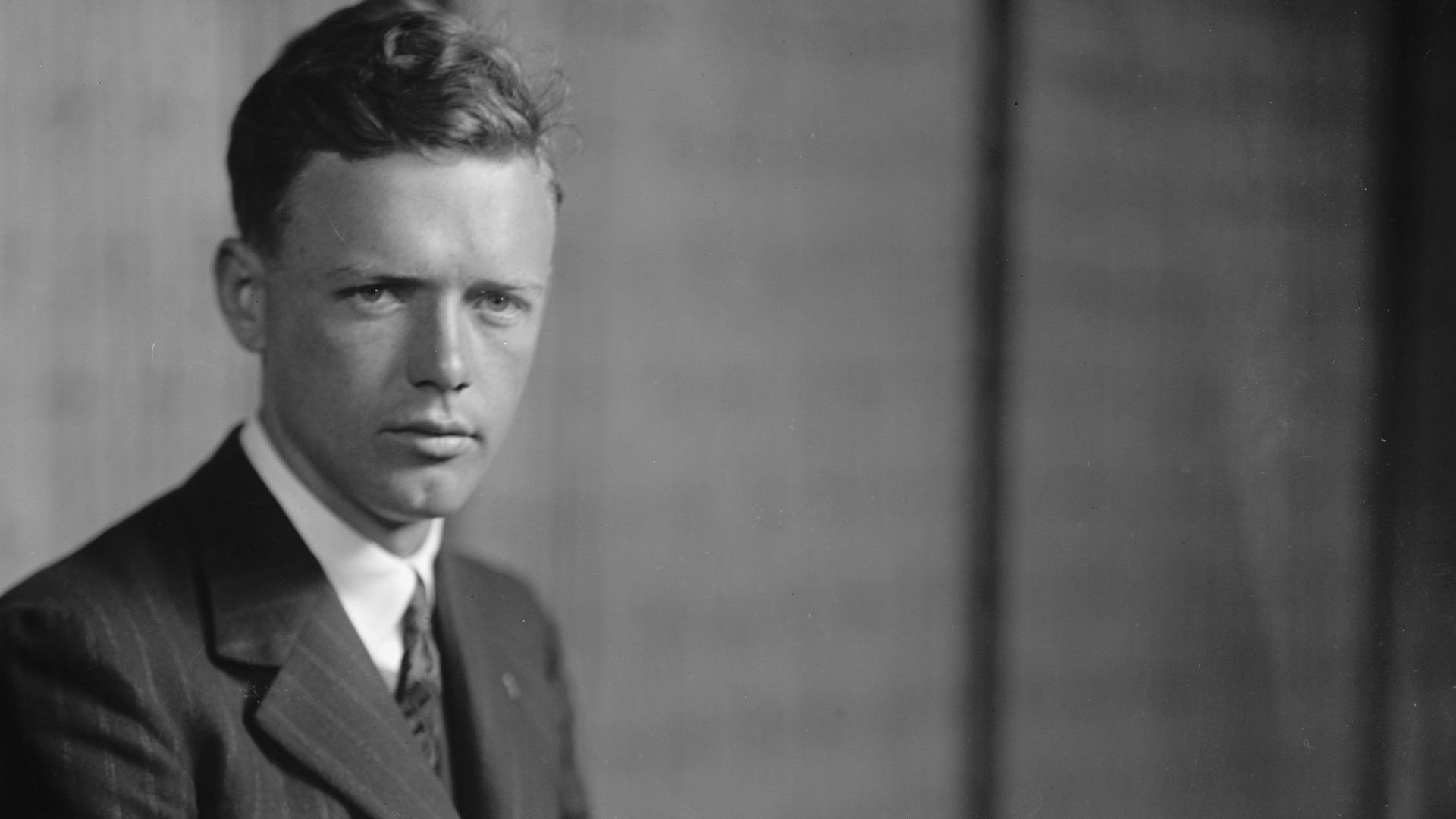
Also in 1938, Charles traveled to Germany again, invited by the US Air Attaché in Berlin. After examining the steadily growing German air force and thinking back to the brutality of WWI, Charles’ view on America’s part in these global affairs formed. Knowing that a large-scale conflict was coming, he adamantly opposed the US’s involvement.
This also led him to continue exaggerating in a shocking way.
 Harris & Ewing, photographer, Wikimedia Commons
40. He Lied Bigger
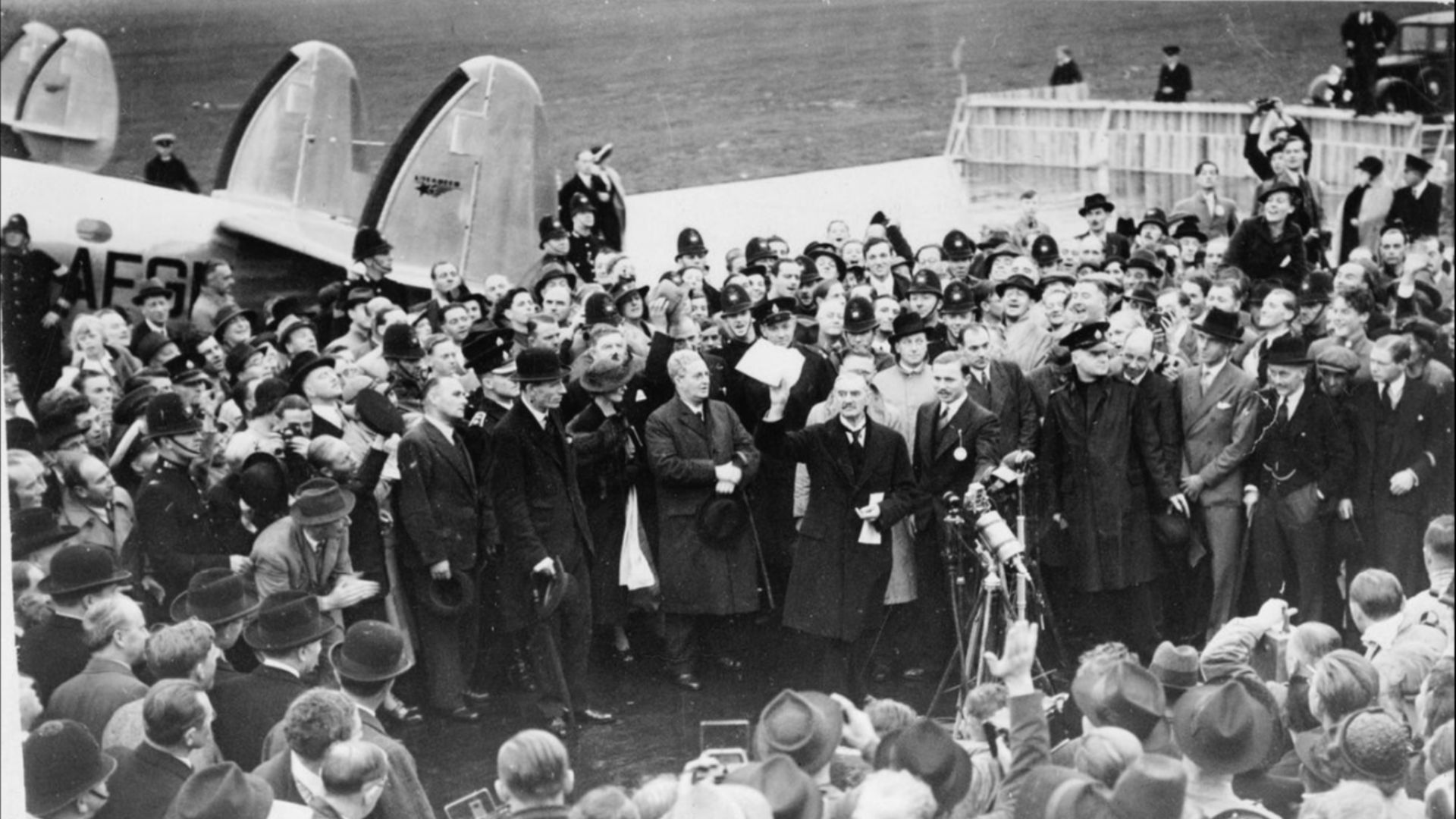
In line with many of Charles’s views, which promoted appeasement, he took his findings to the French cabinet in 1938 and greatly embellished them. Reporting around seven times the actual number of aircraft later determined by France’s intelligence, he partly influenced the creation of the Munich Agreement, which allowed Germany to occupy Czechoslovakia.
However, he didn’t limit his influence to world leaders.
 Ministry of Information official photographer, Wikimedia Commons
41. He Addressed The Public
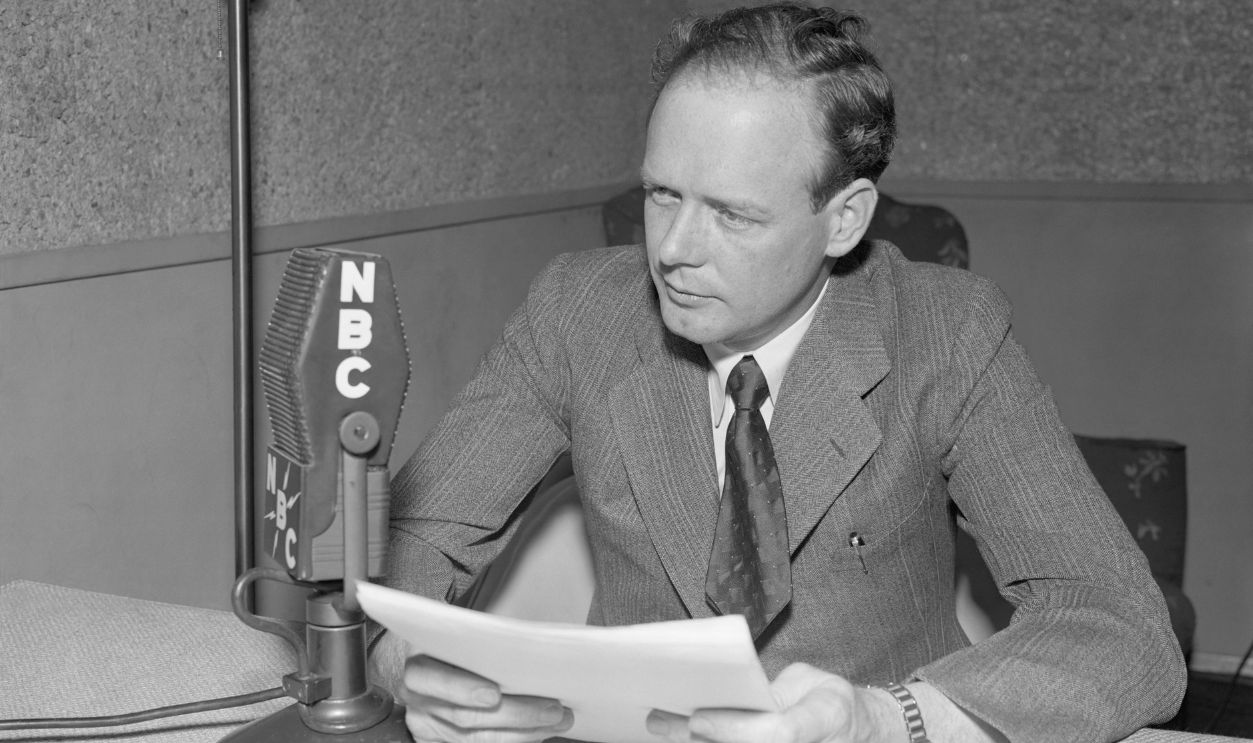
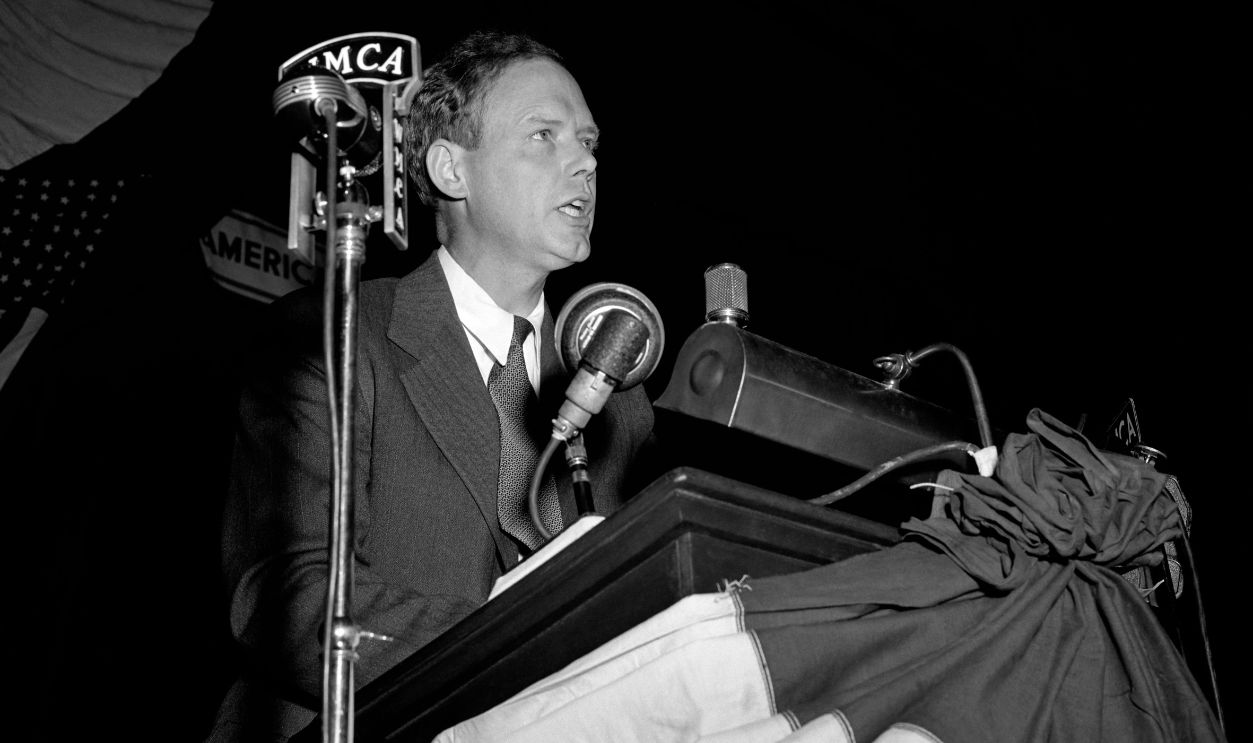
By the fall of 1939, Charles had taken to speaking out against America’s potential involvement in WWII, but it wasn’t only because he believed in isolationism. In a radio address on September 15, he said many sentiments similar to those of the German government, including several commonly used antisemitic stereotypes.
Along with this, he shunned those who disagreed with him.
42. He Criticized Them
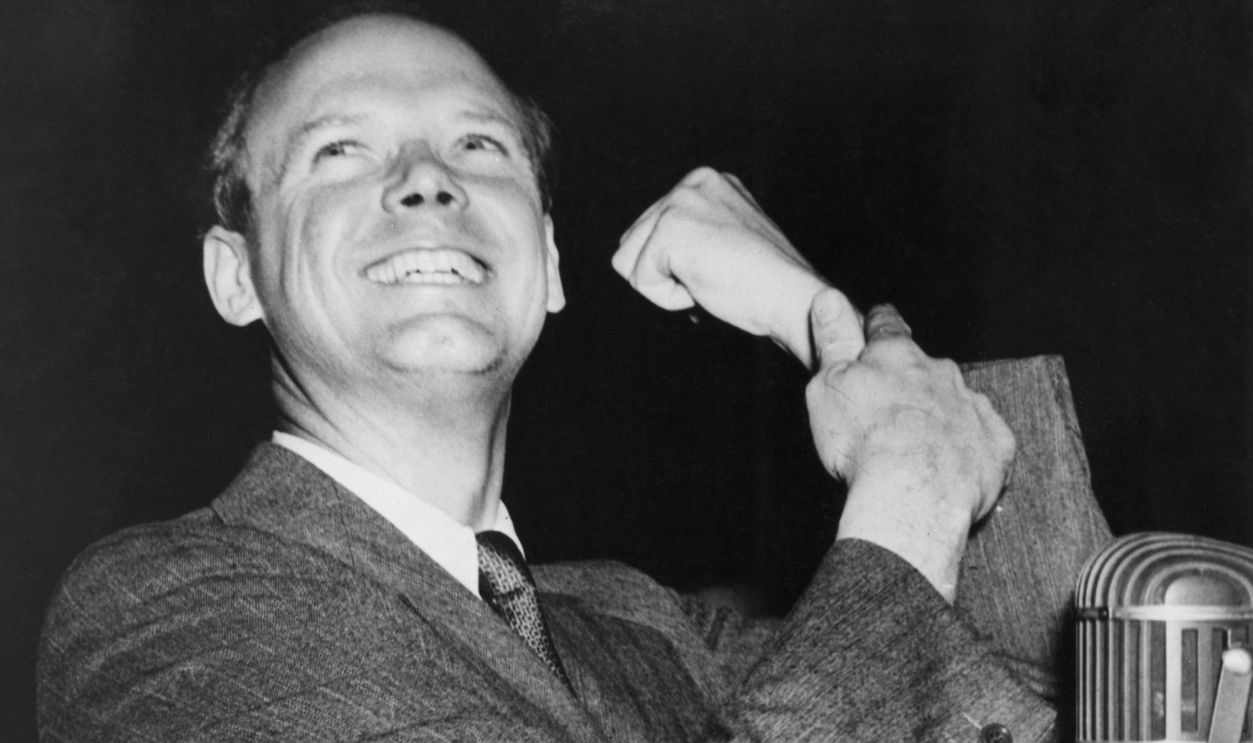
Charles’s isolationist views extended beyond America’s affairs, especially as WWII and the conflict between Britain and Germany began. As soon as Canada joined Britain to oppose Germany, Charles went on the air to publicly deride them, claiming Canada only did it because they preferred Britain over the US.
Then, he took his sentiments a step further.
43. He Wanted Neutrality
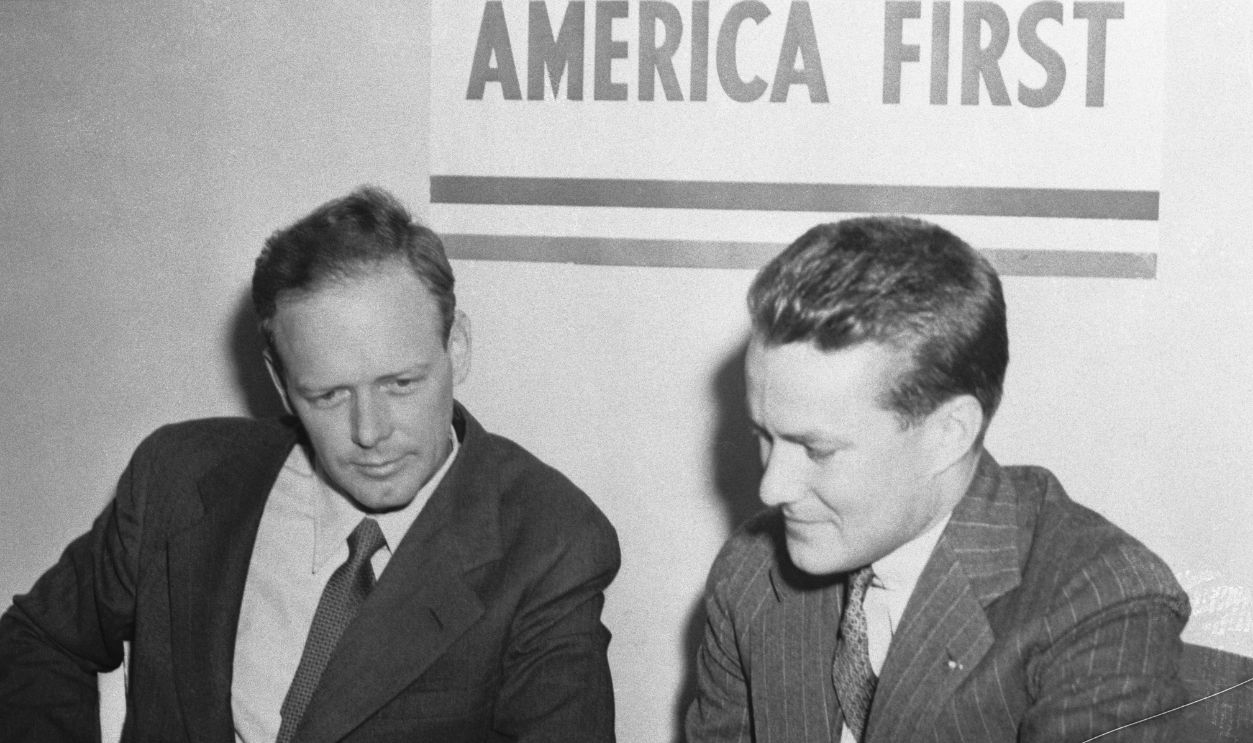
After joining as the spokesman for the isolationist America First Committee in 1940, Charles testified before the House Committee on Foreign Affairs a year later. Directly speaking against the US delivering supplies to allied nations, he called for America to negotiate a pact of neutrality with Germany.
Of course, America’s leaders weren’t having it.
44. He Called Him Out
While many Americans agreed with Charles’s opinions, most higher-ups refused to listen to him. Specifically, President Franklin Roosevelt greatly disliked Charles, publicly referring to him as a “defeatist and appeaser” at best and accusing him of sympathizing with Germany at worst.
When things didn’t go his way, Charles made a statement.
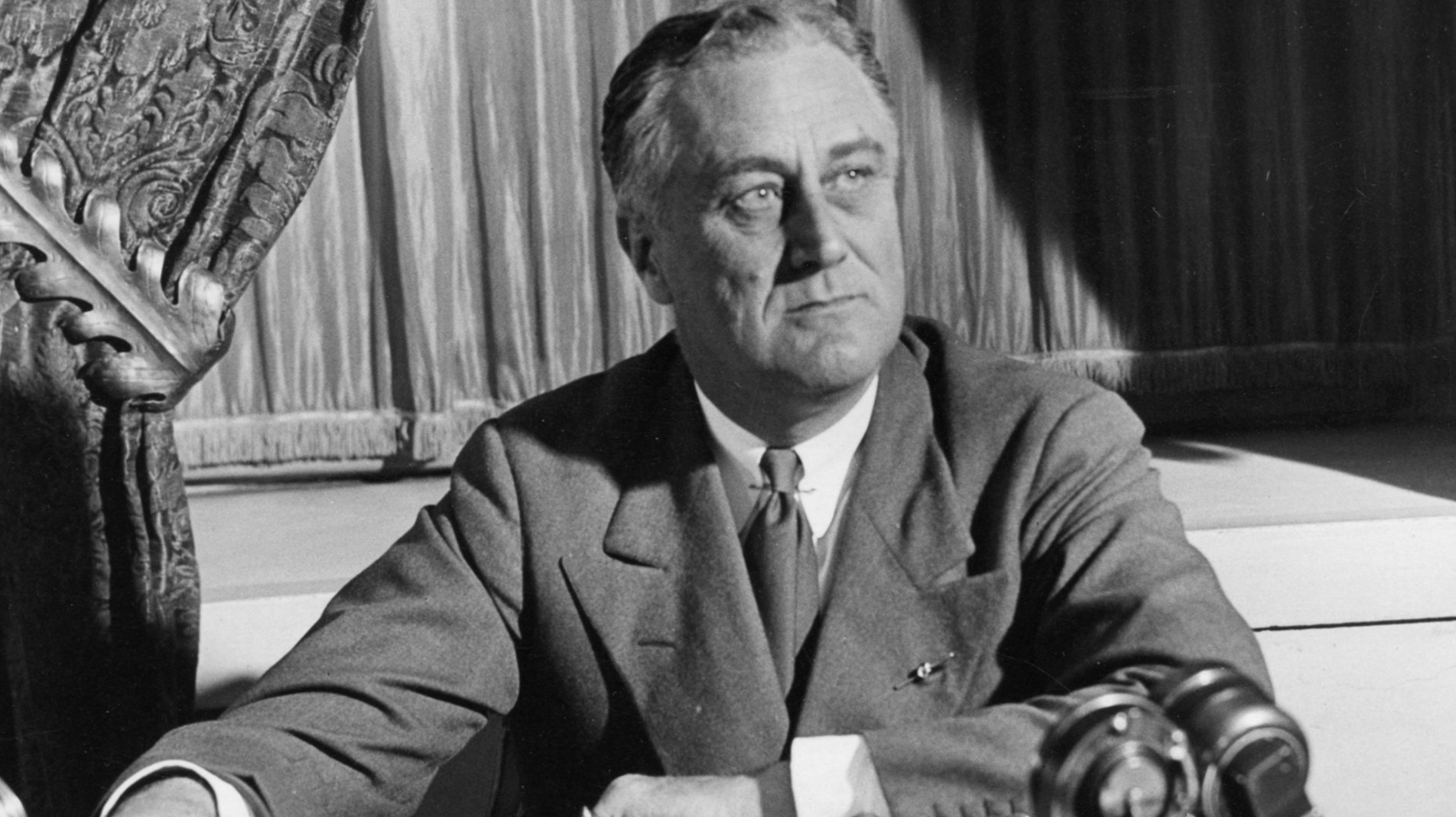
45. He Resigned
Seeing that America was on its way to declaring hostilities against Germany and hearing Roosevelt’s accusations of disloyalty, Charles made a drastic decision. On April 28, 1941, he resigned from his rank of colonel in the US Army Air Corps Reserve, as he believed there was “no honorable alternative”.
This kind of thinking didn’t last long, however.
 Irving Haberman, IH Images, Getty Images
46. He Changed His Mind
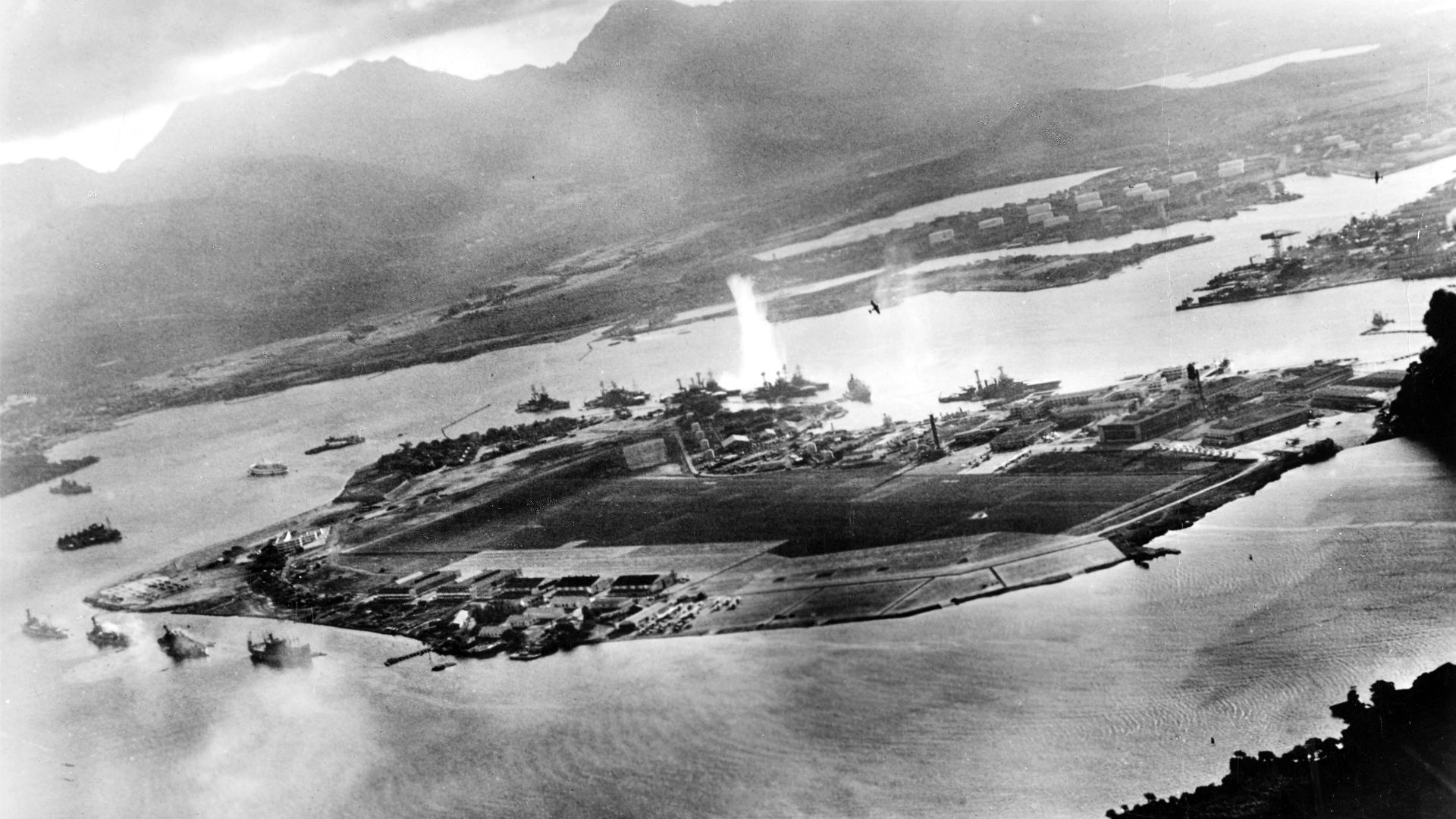
Charles’s views on appeasement and isolationism seemed to vanish following Japan’s attack on Pearl Harbor. Suddenly, he wanted to join America’s fight in WWII, meeting with the US government to request his reenlistment in the Army Air Forces. Once again, things didn’t go the way he wanted.
 Imperial Japanese Navy, Wikimedia Commons
47. They Said No
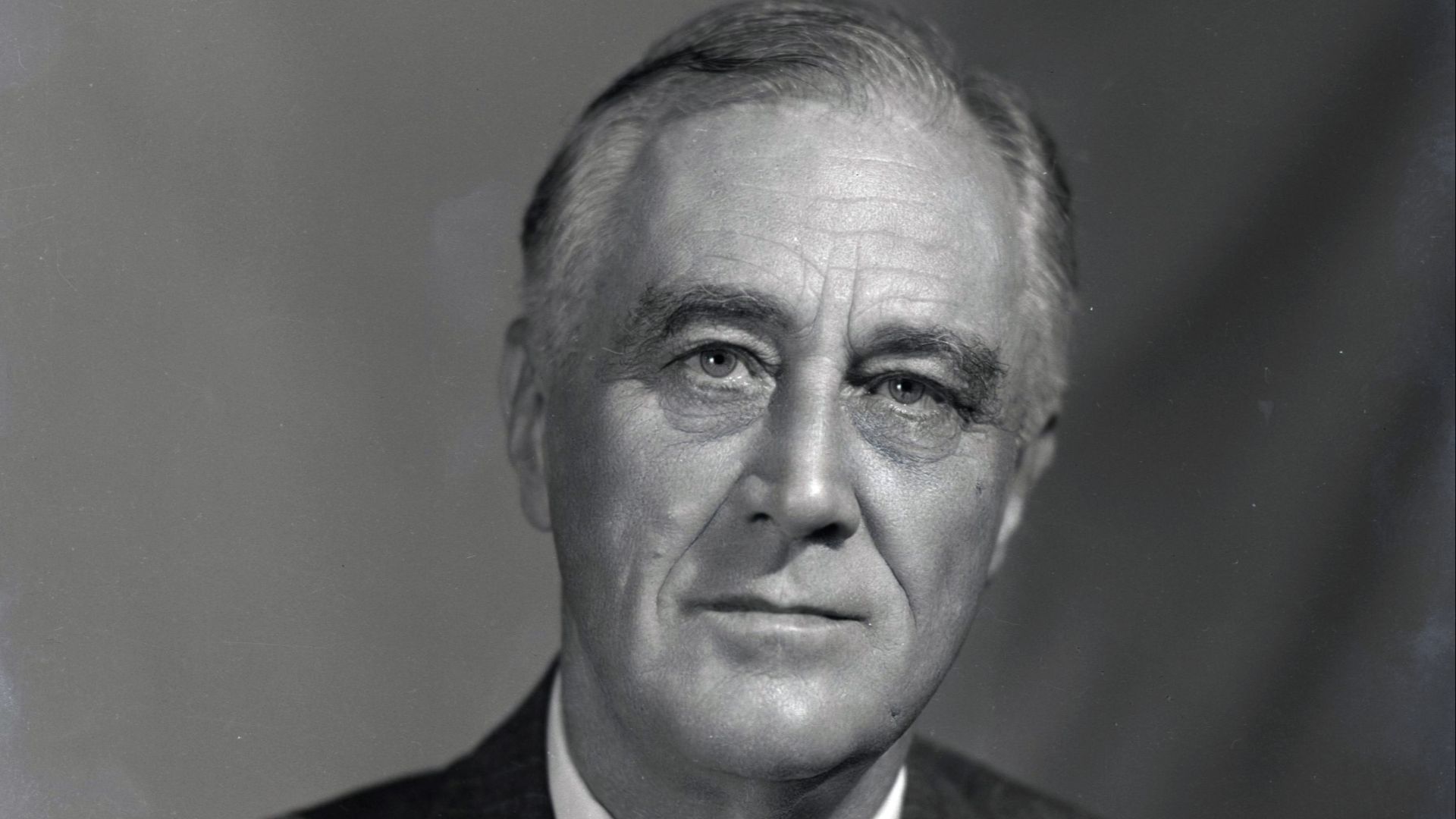
Understandably, most who heard Charles’s request to join up again as a US Army pilot were hesitant, to say the least. Given his long history of public statements ranging from promoting appeasement to sympathizing with Germany, the Army didn’t trust him. Roosevelt simply stated, "You can't have an officer leading men who thinks we're licked before we start".
Of course, Charles didn’t take no for an answer.
 Leon Perskie, Wikimedia Commons
48. He Found A Loophole
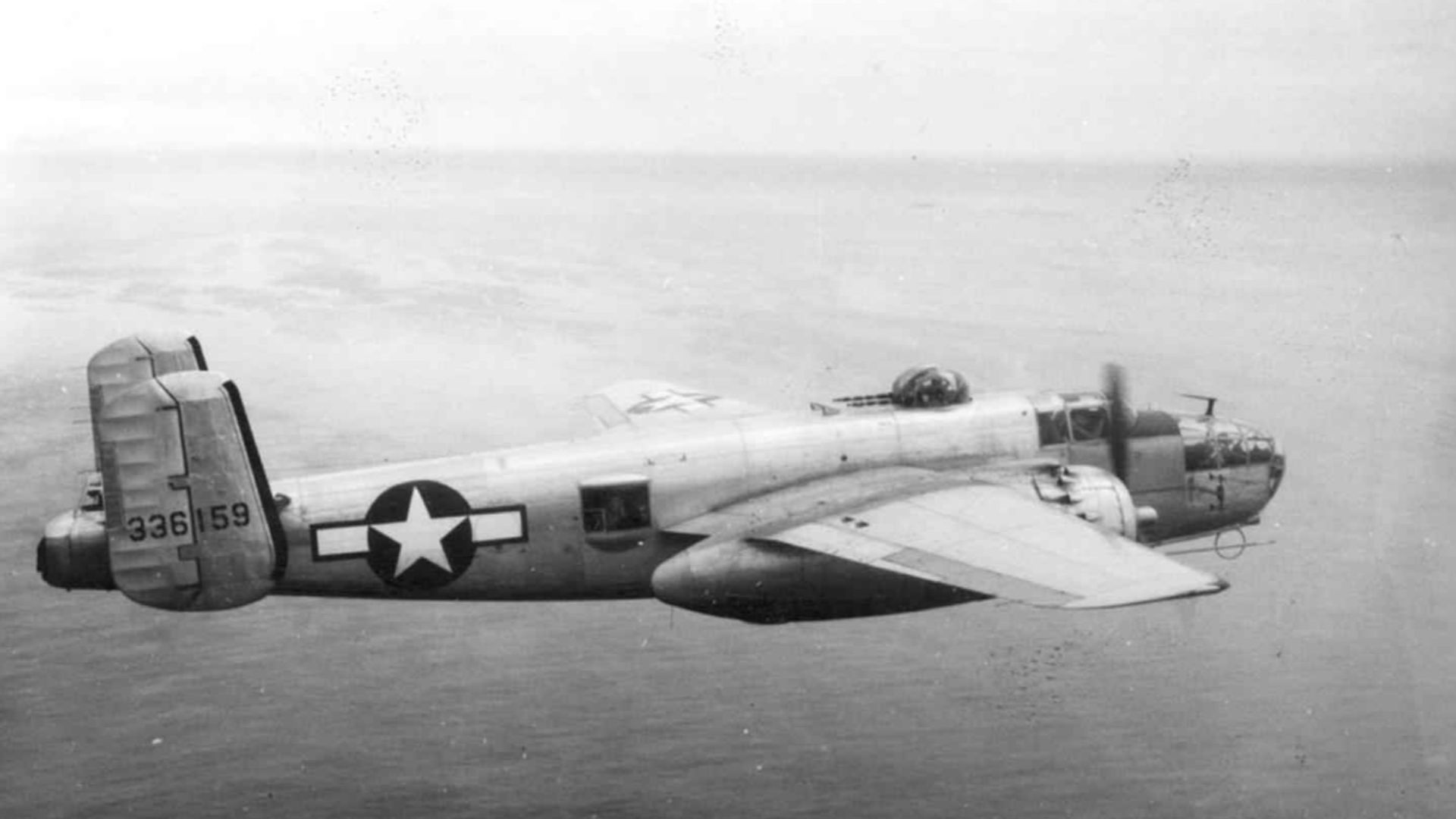
Having been denied a recommission, Charles looked for other ways to do his part, including working with Henry Ford as a technical adviser. He then got much closer to the action in 1944, when United Aircraft sent him as a representative to the Pacific as a means to study aircraft in combat.
However, he did much more than any typical “civilian”.
 Halter Leo, U.S. Fish and Wildlife Service, Wikimedia Commons
49. He Fought Anyway
To all appearances, Charles considered his job with United Aircraft the same as being in the Army, even purchasing a naval uniform without an insignia before leaving. This went even further during his time there, as the Army allowed him to fly 50 combat missions while still acting as a civilian.
Following WWII, he stayed active.
 U.S. Army Air Forces, Wikimedia Commons
50. He Continued Speaking Out
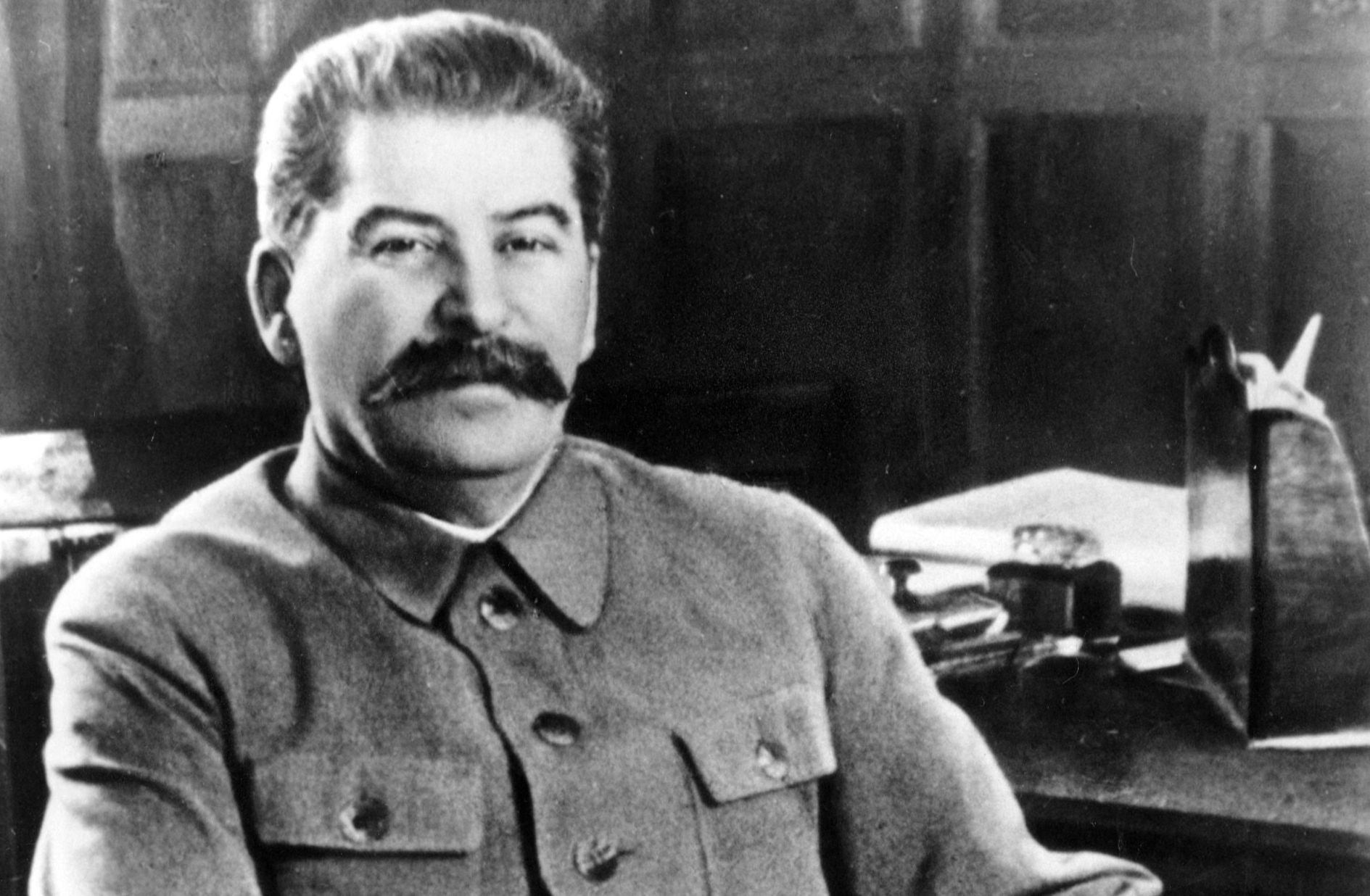
One of the many reasons why Charles initially opposed conflict with Germany was that he believed the Soviet Union was the true enemy. This sentiment continued after the end of WWII, and he argued that since Soviet power remained, America should then join Europe in the fight against communism.
Nearly a decade after WWII, the new President felt differently toward him.
 Unknown Author, Wikimedia Commons
51. He Was Promoted
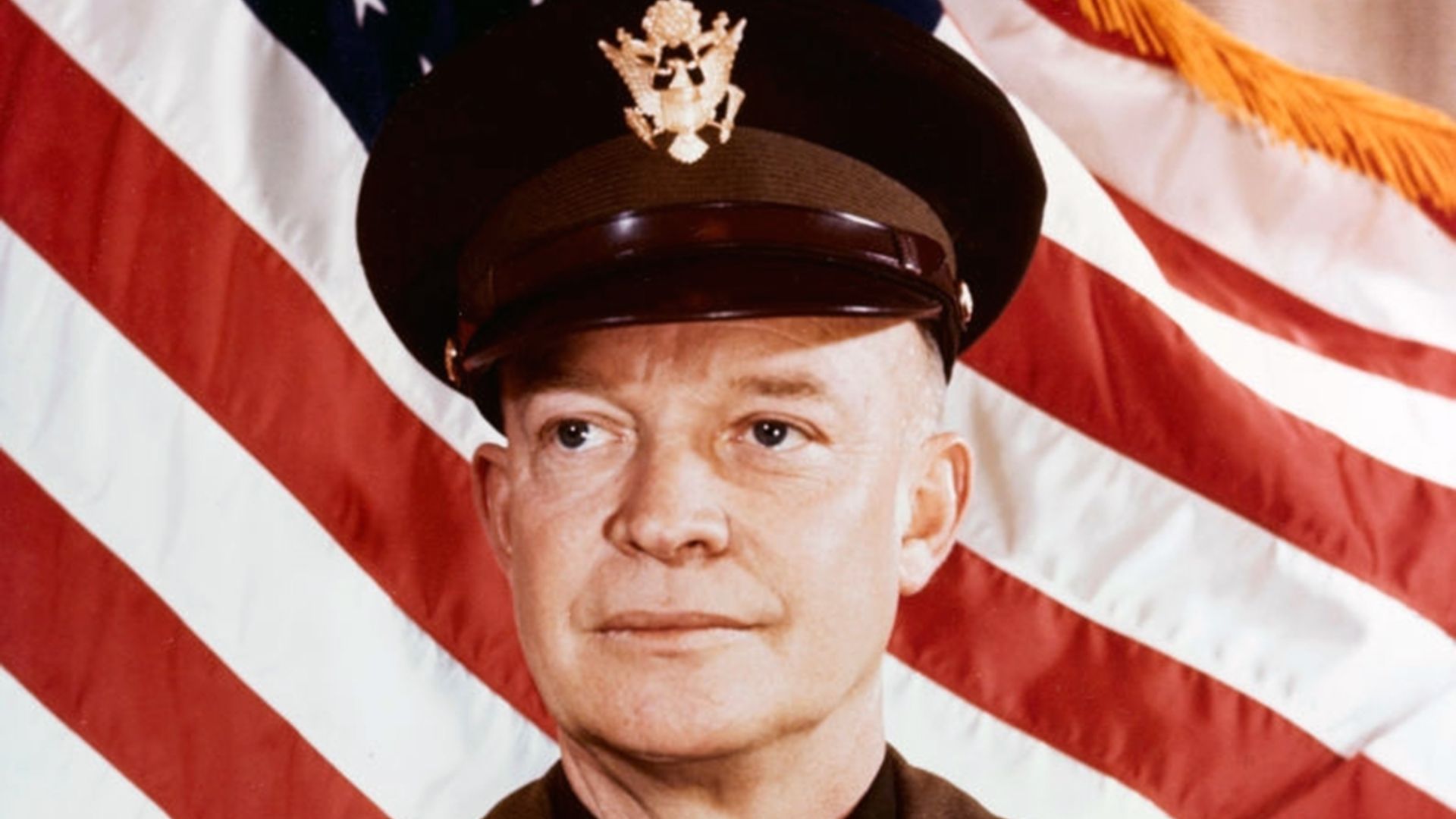
Despite WWII ending almost a decade before, Charles’s request for a recommission in the US Army was finally granted. Two Presidents after Roosevelt, on April 7, 1954, Dwight D Eisenhower commissioned him again in the US Air Force Reserve, this time as a brigadier general.
Charles's career had certainly been a rollercoaster—and as the years wore on and he grew older, his lasting legacy seemed already set in stone. However, it would later prove to be far more malleable than he realized.
 Unnamed photographer for US Army, Wikimedia Commons
52. He Settled Down
Having worked with aviation industrialist Samuel F Pryor Jr to conserve the plant life and wildlife in Kipahulu Valley, Maui, Charles fell in love with the location. After constructing an A-frame cottage in 1971, he chose the Hawaiian destination as his place of retirement. Unfortunately, things took a turn for the worse.
 Forest and Kim Starr, Wikimedia Commons
53. He Got Sick
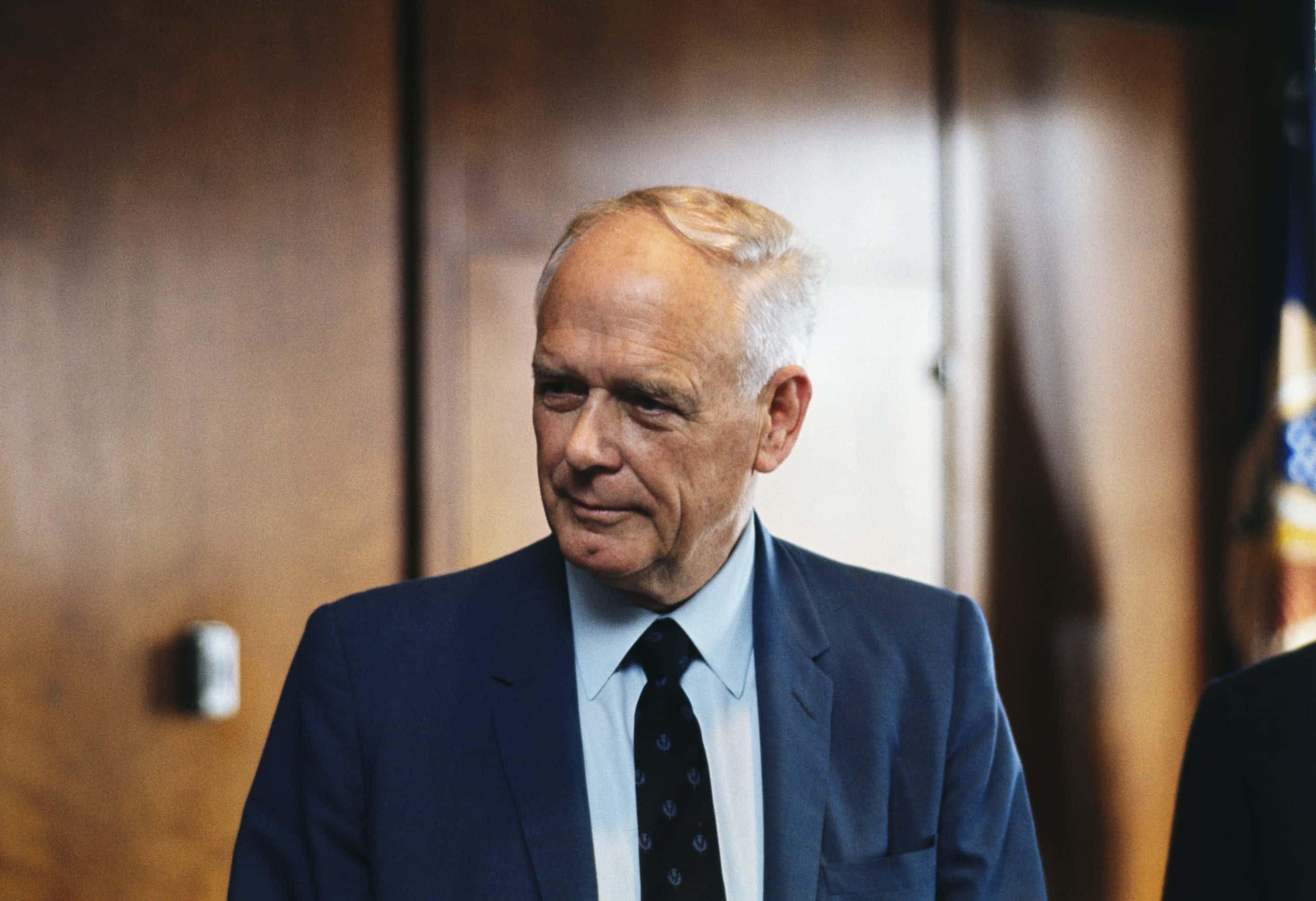
A year after building his retirement home, Charles received a grave piece of news. Diagnosed with cancer, he spent the next two years exploring different solutions, including radiation treatments in Maui and traveling to New York to stay at the Columbia-Presbyterian Medical Center.
At a certain point, he knew where he wanted to be.
 Getty Images54. He Went Home
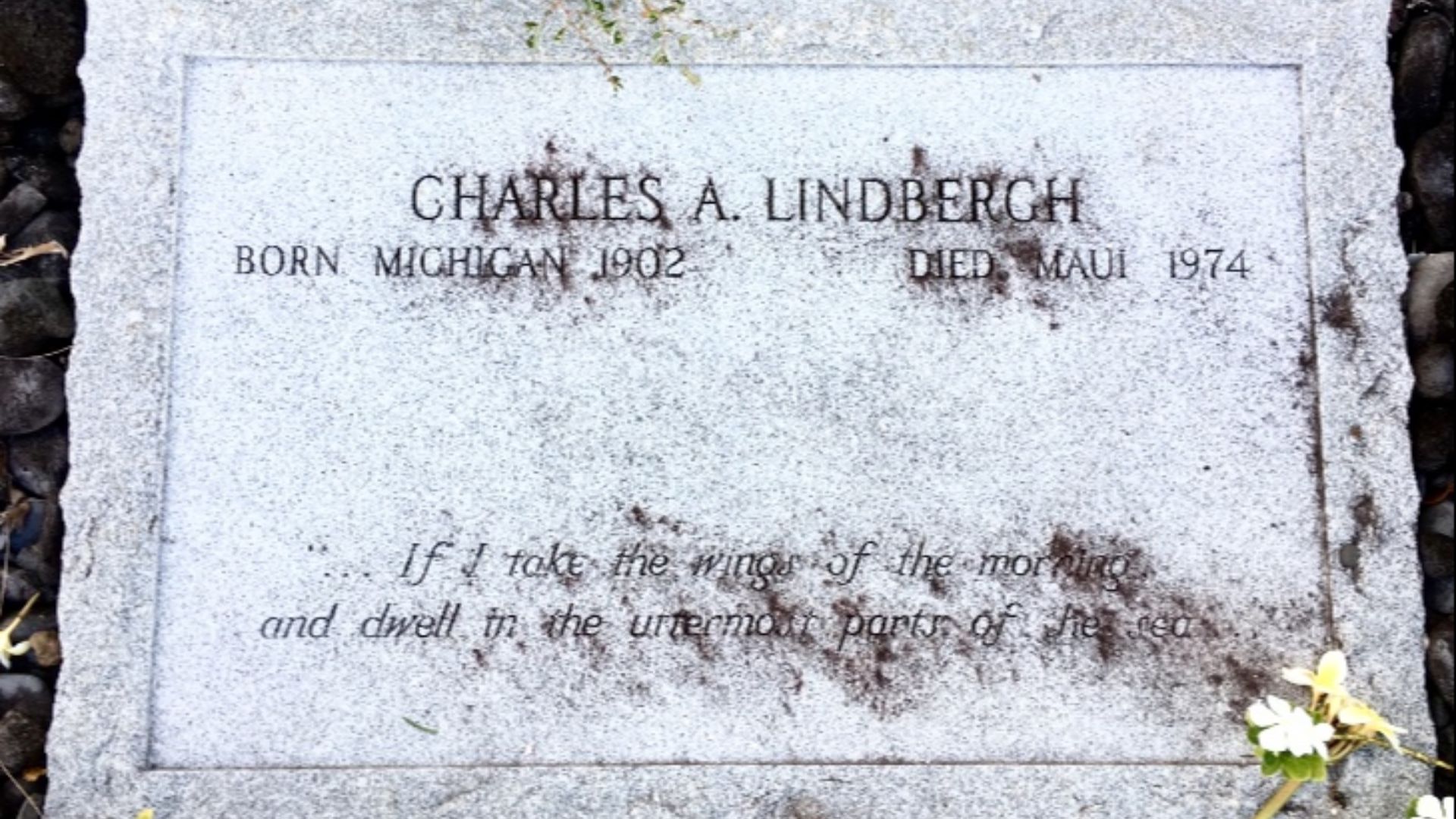
After staying at the New York hospital for 26 days in 1974, Charles and his doctors saw no improvement in his condition. Knowing this was the end, he and his wife returned to Hawaii that summer to be at home. A week after returning, on August 26, 1974, Charles passed due to lymphoma.
Naturally, many consider his legacy murky at the very least.
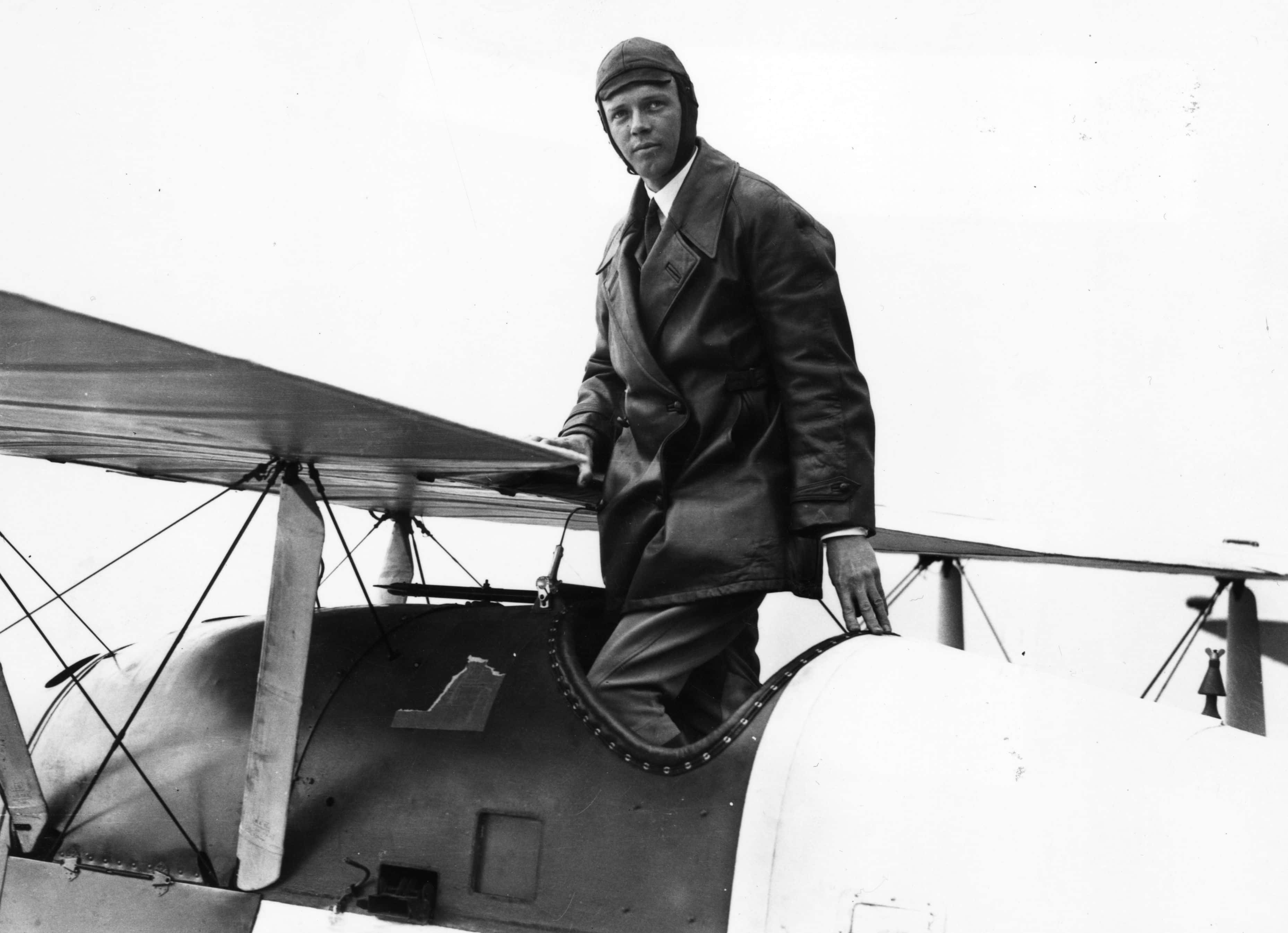 Central Press, Getty Images55. He Had Similar Views
On the whole, Charles Lindbergh’s influence led to more strife than solutions, but it’s difficult to deduce his mindset fully. In most of his speeches throughout his life, he shared many opinions with that of Germany in WWII, advocating for the preservation of the “inheritance of European blood” and expressing opposition to the Jewish people.
At the same time, he tended to flip-flop.
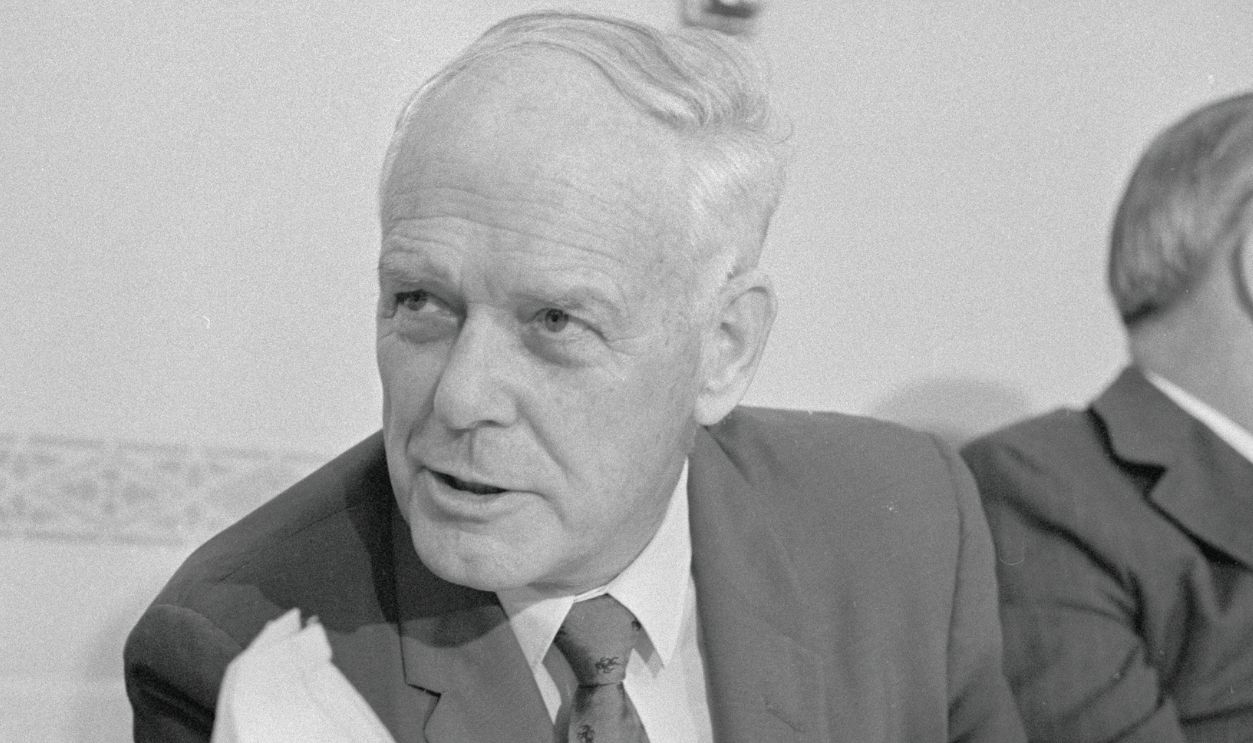
56. He Contradicted Himself
While in life, Charles seemed to support parts of Germany’s efforts, he also confusingly spoke against them. For instance, in 1941, he stated that no one decent could “condone the persecution of the Jewish race in Germany”. During a post-WWII tour of a concentration camp, Charles described it as a place where those inside reached “the lowest form of degradation,” despite speaking against stopping Germany years earlier.
As such, Charles cemented his controversial legacy—but even in death, there was more to his story.
 xiquinhosilva, CC BY 2.0 ,Wikimedia Commons
57. He Took A Secret To The Grave
You see, Charles Lindbergh had taken his darkest secret to his grave. To fully understand it, we must flash back to the start of 1957. At this time, Charles was indeed married to Anne, but quite scandalously, he was in no way faithful to her. He cheated on her with three different women. Not only that, but they were so much more than brief flings.
58. He Had Multiple Affairs And Secret Children
These affairs were quite long—their length proved by the fact that he fathered multiple children with each of his mistresses. With Brigitte Hesshaimer, a hatmaker from Geretsried, Charles had three children. Keeping things in the family, he also pursued a romantic relationship with Brigitte's sister Mariette, who was a painter. With her, he had two children as well. Somehow, he didn't stop there.
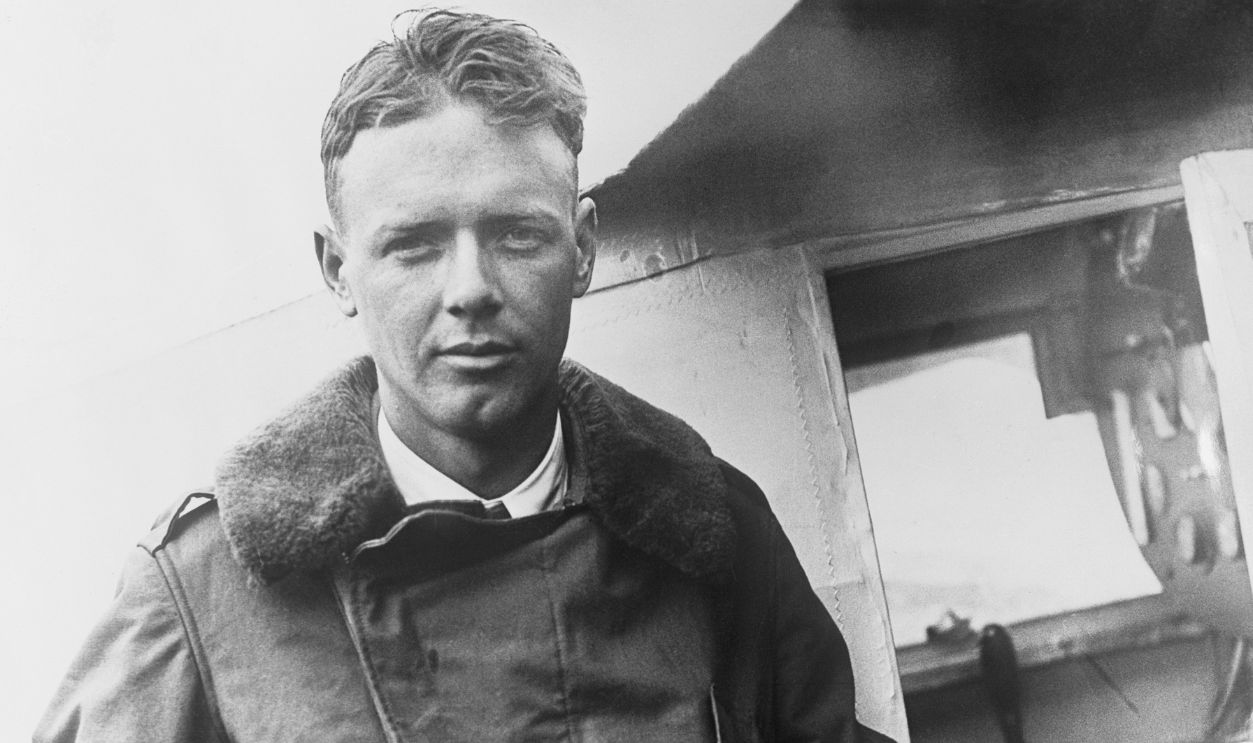
59. He Slept With His Secretary
On top of the two German sisters, Charles also became involved with his European private secretary, Valeska. He had two children with her too—born in 1959 and 1961. All in all, Charles had fathered seven children with his mistresses in less than a decade, but he also did not want the world to discover the truth.
If there was one secret he wanted to take to his grave, this was it.
60. He Asked Them To Keep Their Lips Sealed
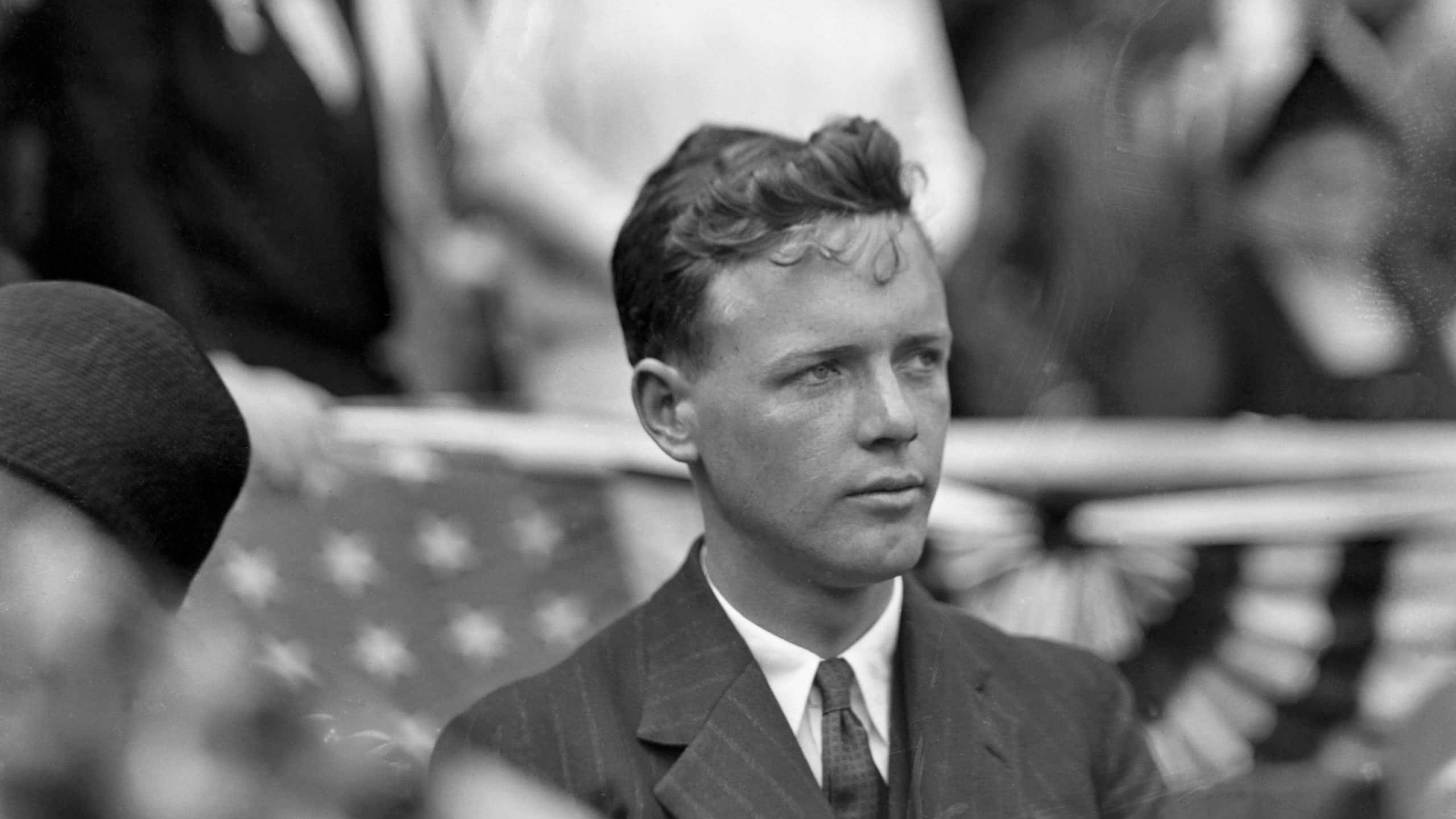
Knowing that the Grim Reaper was on his doorstep, Charles did something quite desperate. 10 days before he passed, he wrote letters to all three of his secret lovers, asking them to keep their lips sealed about everything—the affairs and the children. All three women were loyal to his wishes, so much so that even the children had no clue who their real father actually was.
 Unknown authorUnknown author, Wikimedia Commons
61. His Children Didn't Know Who He Was
On the rare occasions that Charles visited his illegitimate children, he did so under a fake name. To them, he was simply Careu Kent, and definitely not one of the most famous aviators in history. Quite possibly, Charles may have gotten away with burying his scandalous secrets forever, if it hadn't been for one of his daughters.
62. His Daughter Unearthed The Truth
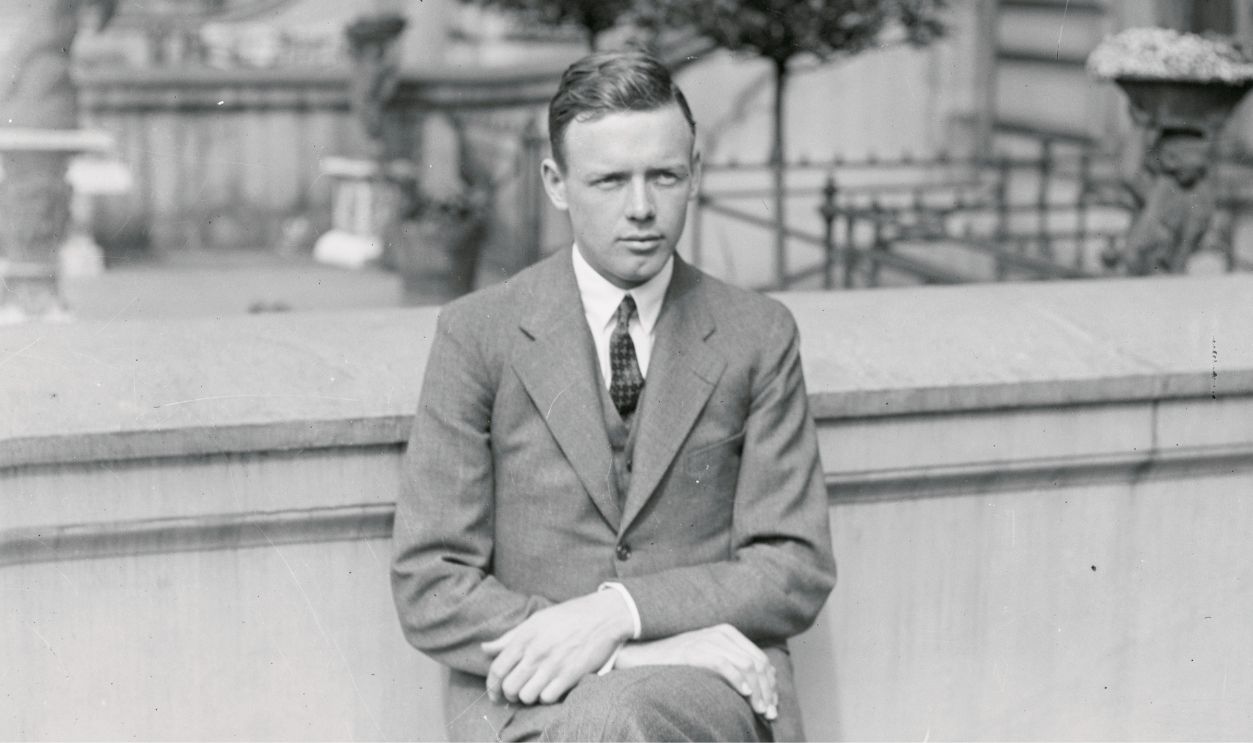
Astrid Bouteuil was one of Charles Lindbergh's secret children, the daughter of Brigitte Hesshaimer—and she managed to sniff out the very thing that her father wanted to keep hidden. In the mid-1980s, she read a piece about him in a magazine and began putting the puzzle pieces together. And then she made another bombshell discovery.

63. It Wasn't Just A Rumor
When Astrid found 150 love letters written by Charles Lindbergh, she had physical proof of her suspicions. There were also photographs. Still, she kept this secret... that is, until her mother and Anne Lindbergh passed on. Then she and her siblings felt free to make the truth known. To support her claims, DNA tests made in 2003 confirmed that Lindbergh was the biological father of the Hesshaimer children.

64. He Wanted To Protect Himself
Lindbergh's daughter Reeve Lindbergh had a devastating reaction to the revelation that her father had secret families. According to her journal, she wrote, "This story reflects absolutely Byzantine layers of deception on the part of our shared father. These children did not even know who he was! He used a pseudonym with them (To protect them, perhaps? To protect himself, absolutely!)"
You May Also Like:
The Man Who Built The Vanderbilts









_LCCN2016843905_(crop).jpg)

