An Ambitious Vision
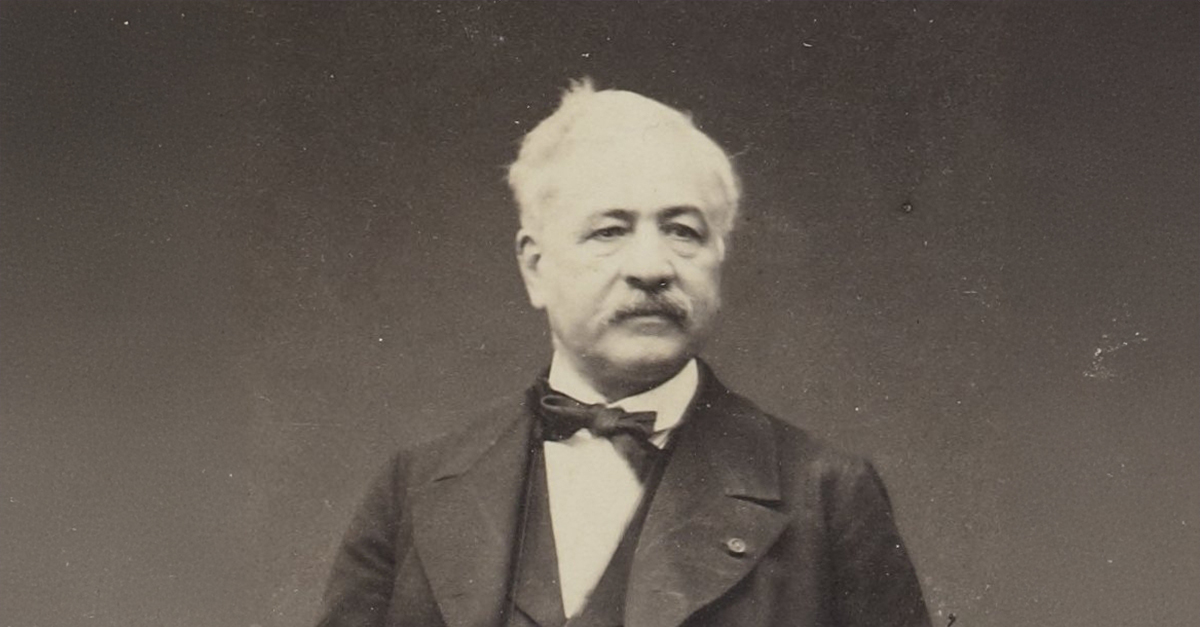
Few endeavors captured the imagination and ambition of the 19th century like the attempt to carve a canal through Panama. Led by French diplomat and builder Ferdinand de Lesseps, who had earlier triumphed with the Suez Canal, the Panama Canal project was to unite the Atlantic and Pacific Oceans through a sea‑level passage. But what started as a vision of global progress and soon turned into one of history’s biggest engineering failures.
Early Life And Career Of Ferdinand de Lesseps
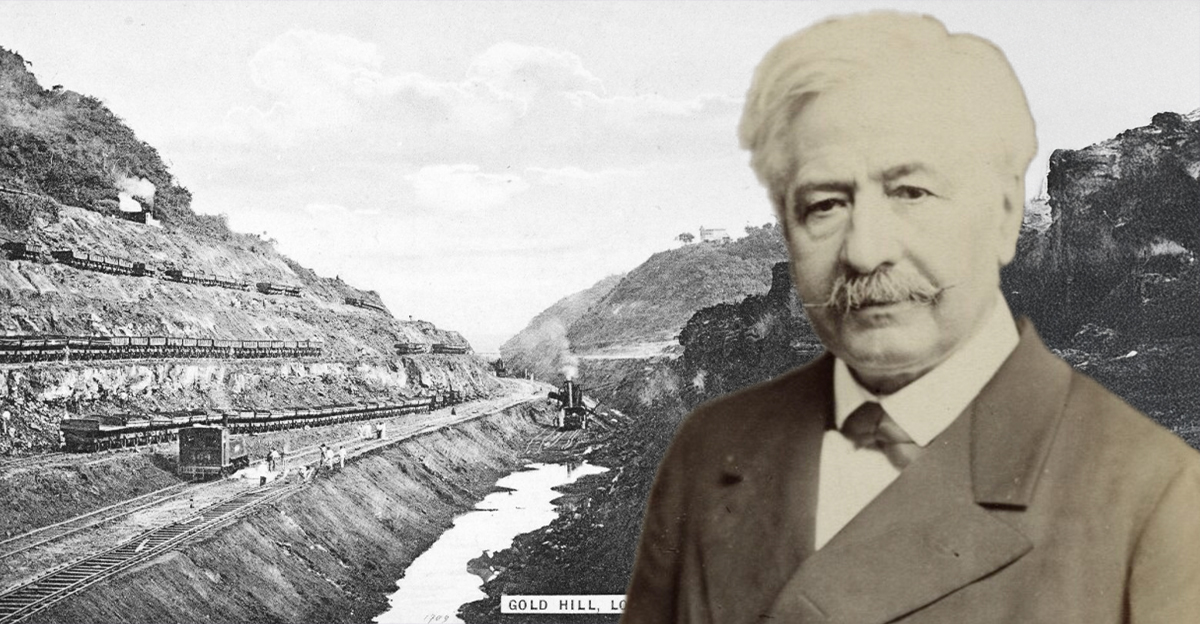
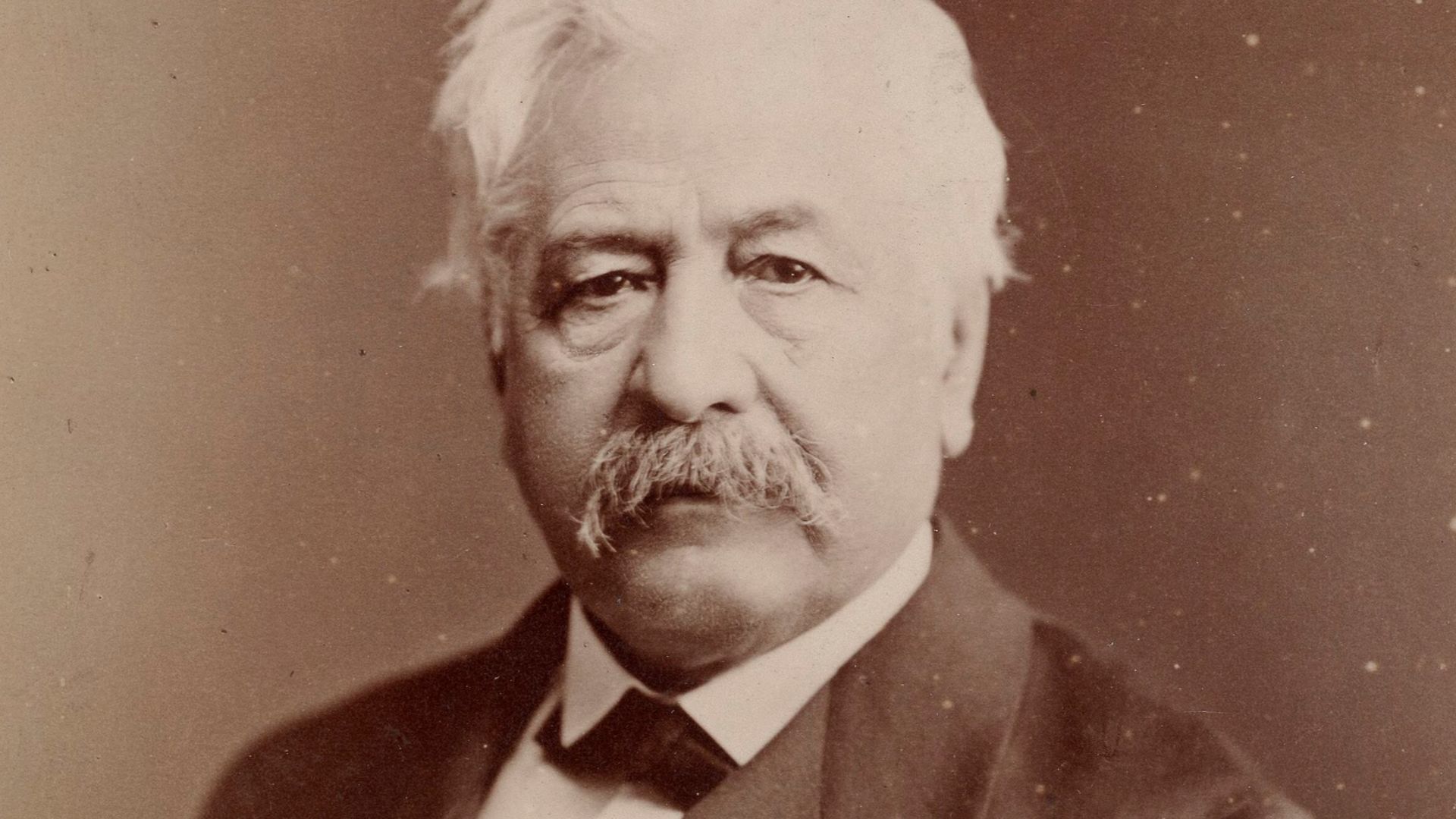
Ferdinand de Lesseps was born in 1805 in Versailles, France. His family had deep roots in the French diplomatic corps, and he served in French foreign posts (e.g., in Egypt and Tunisia) before turning his attention to large‑scale engineering projects.
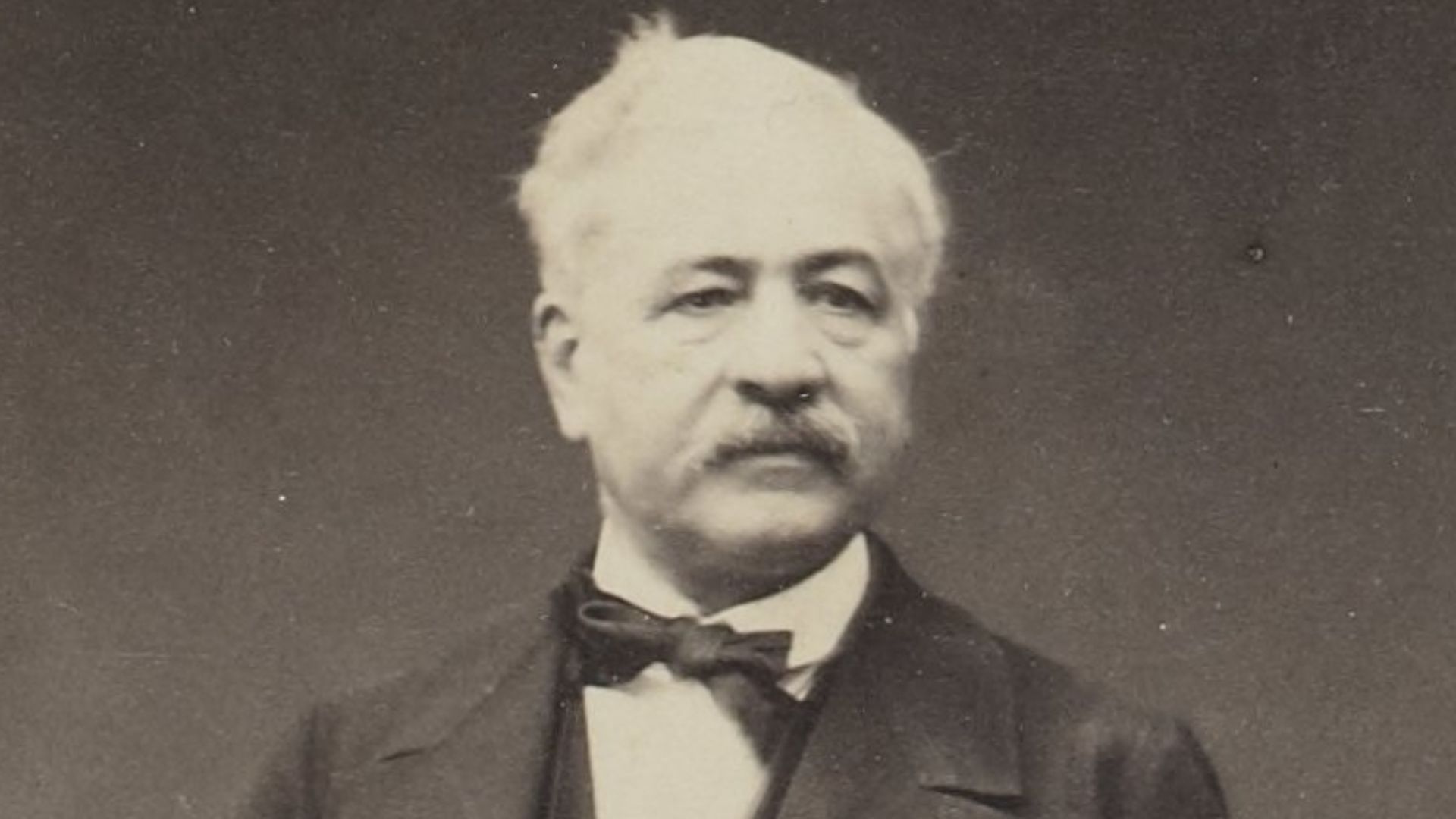 Pierre Petit, Wikimedia Commons
The Vision Of The Suez Canal
De Lesseps became most famous for his role in the construction of the Suez Canal. Completed in 1869, the Suez Canal connected the Mediterranean and Red Seas, dramatically shortening the Europe‑to‑Asia shipping route. His success in raising money for the project and in gaining the necessary political approval of Egypt and other countries brought him celebrity status in France and abroad. But de Lesseps now turned his attention to an even more ambitious goal.
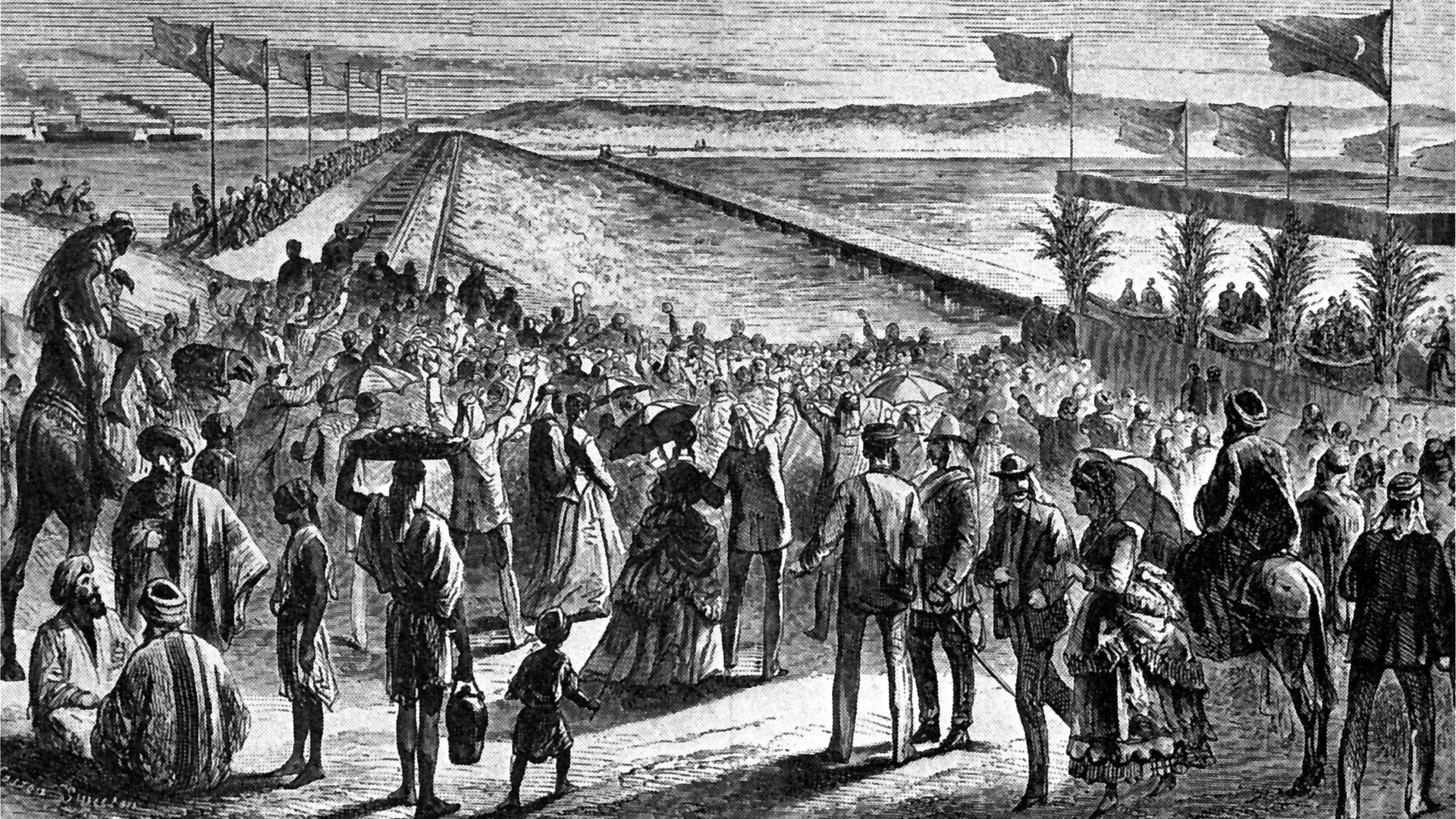 Unknown authorUnknown author, Wikimedia Commons
Another Canal On The Table
The idea of a canal across the Isthmus of Panama had incredible strategic and commercial significance: it promised to link the Atlantic and Pacific Oceans and massively shorten global shipping routes. A canal through Panama would completely change maritime trade, naval movement, and global economic geography.
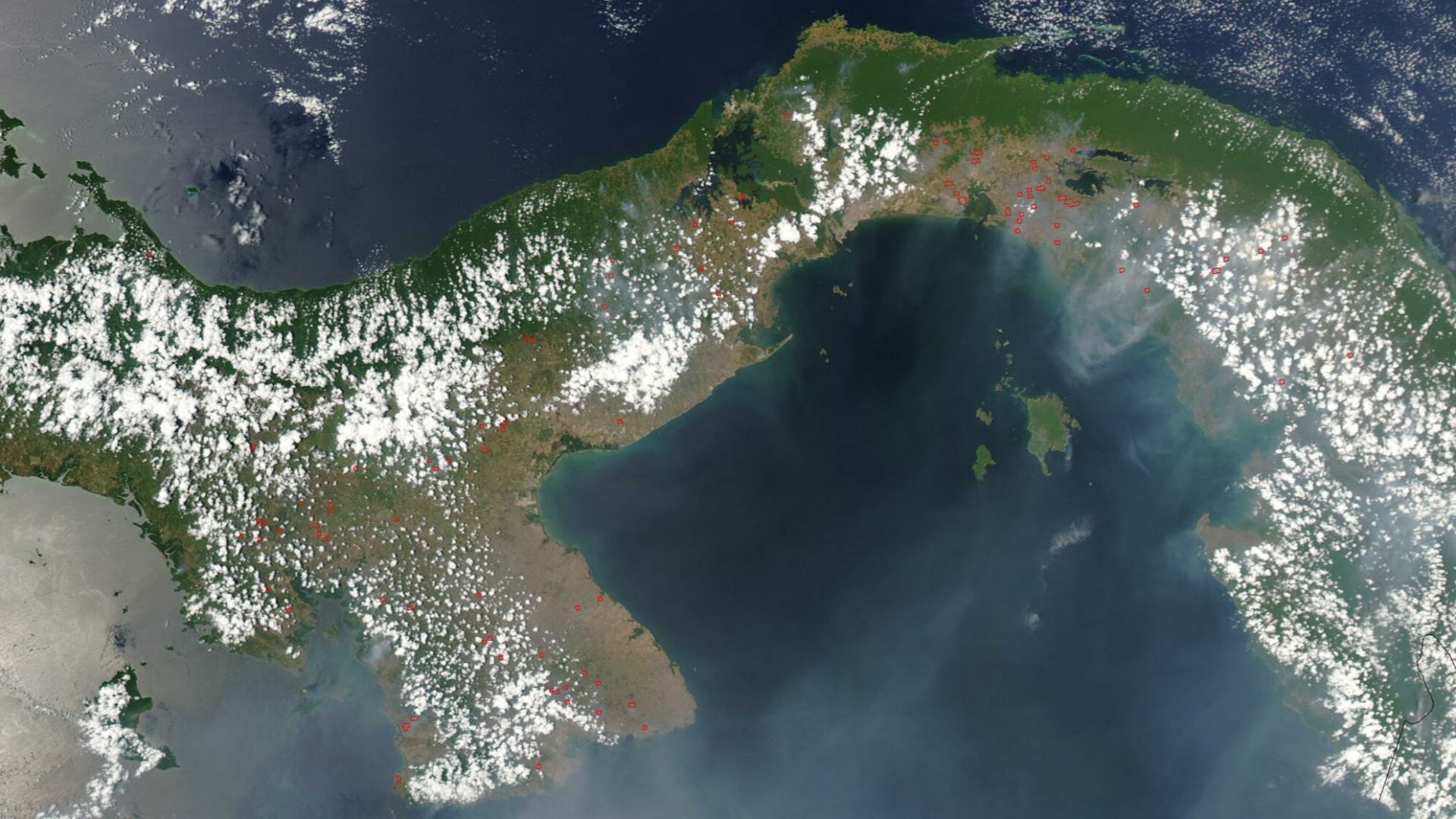 Jeff Schmaltz, MODIS Rapid Response Team, NASA/GSFC, Wikimedia Commons
French Ambition In Panama
Inspired by his Suez success, de Lesseps in 1879 became head of the newly-created French company (Compagnie Universelle du Canal Interocéanique) dedicated to building a sea‑level canal across Panama. He believed deeply that the same model of a sea‑level cut used in Suez could work in Panama, despite the country’s very different terrain.
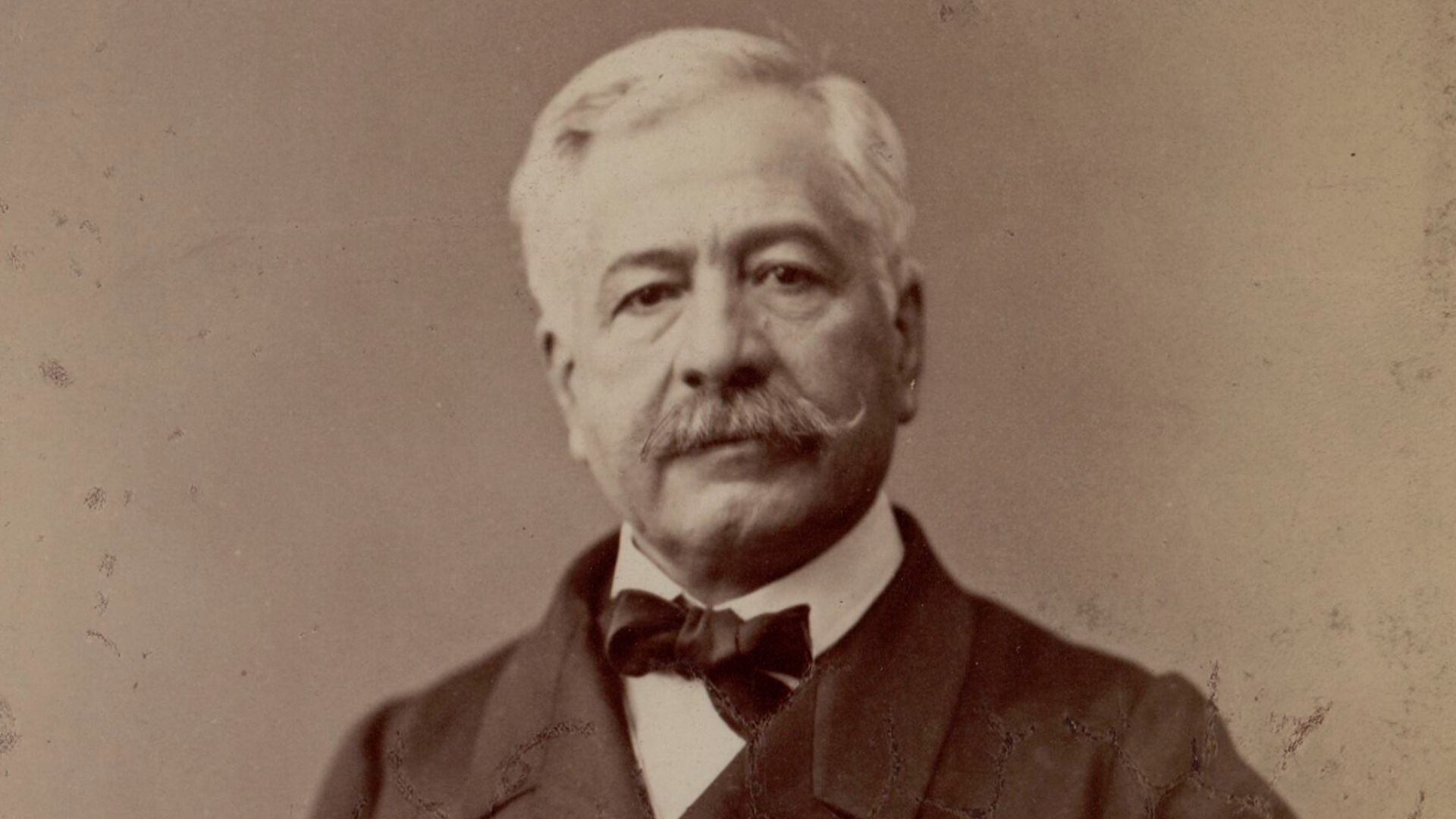 Atelier Nadar. Photographe, Wikimedia Commons
Different Terrain And Environment
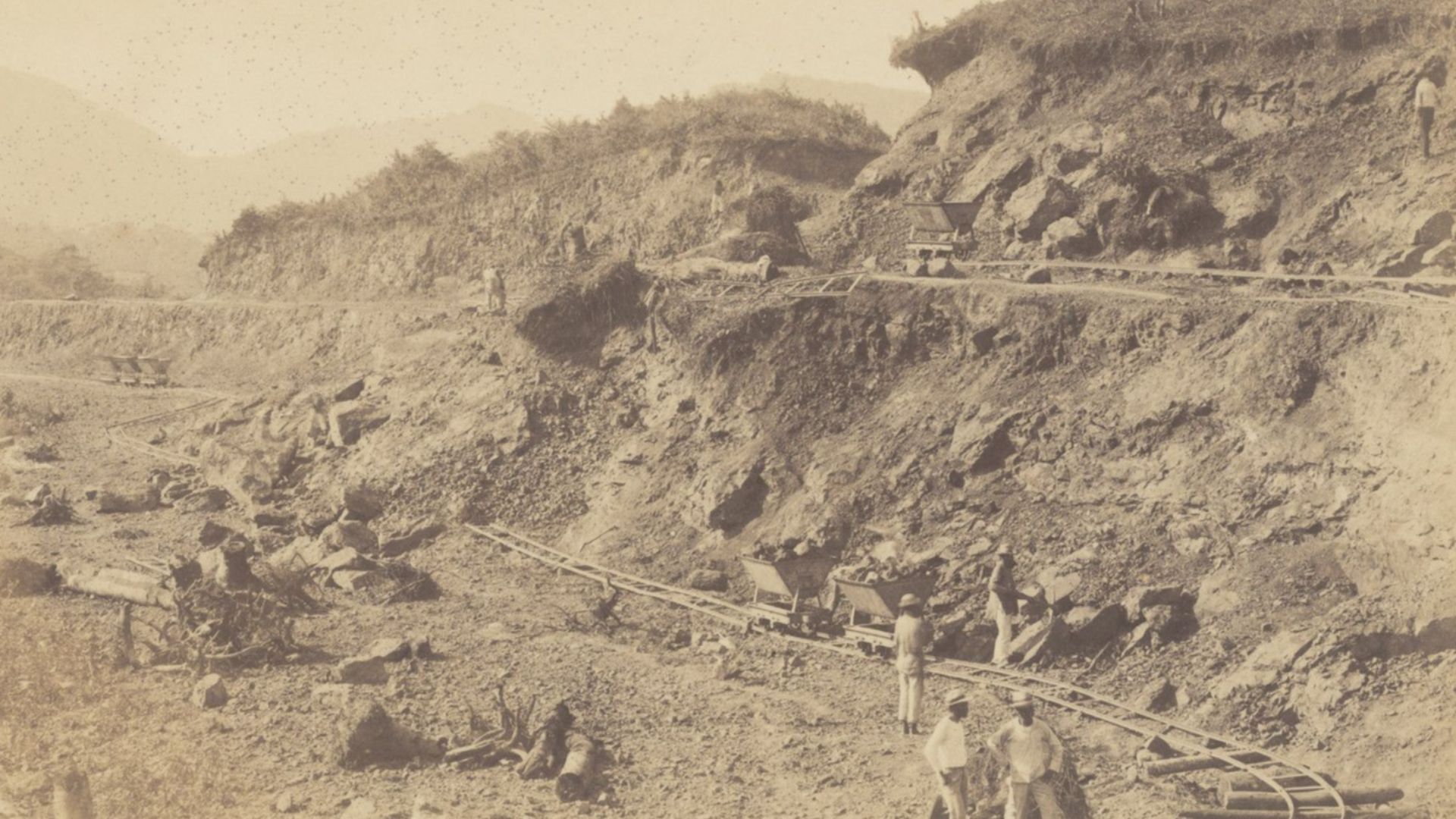
Unlike the flat, arid terrain of Suez, Panama’s geography had its share of challenges: dense tropical jungle, heavy rainfall, landslides, and the raging Chagres River. De Lesseps and his team failed to realize how different the geography was and attempted a sea‑level approach that later turned out to be impractical.
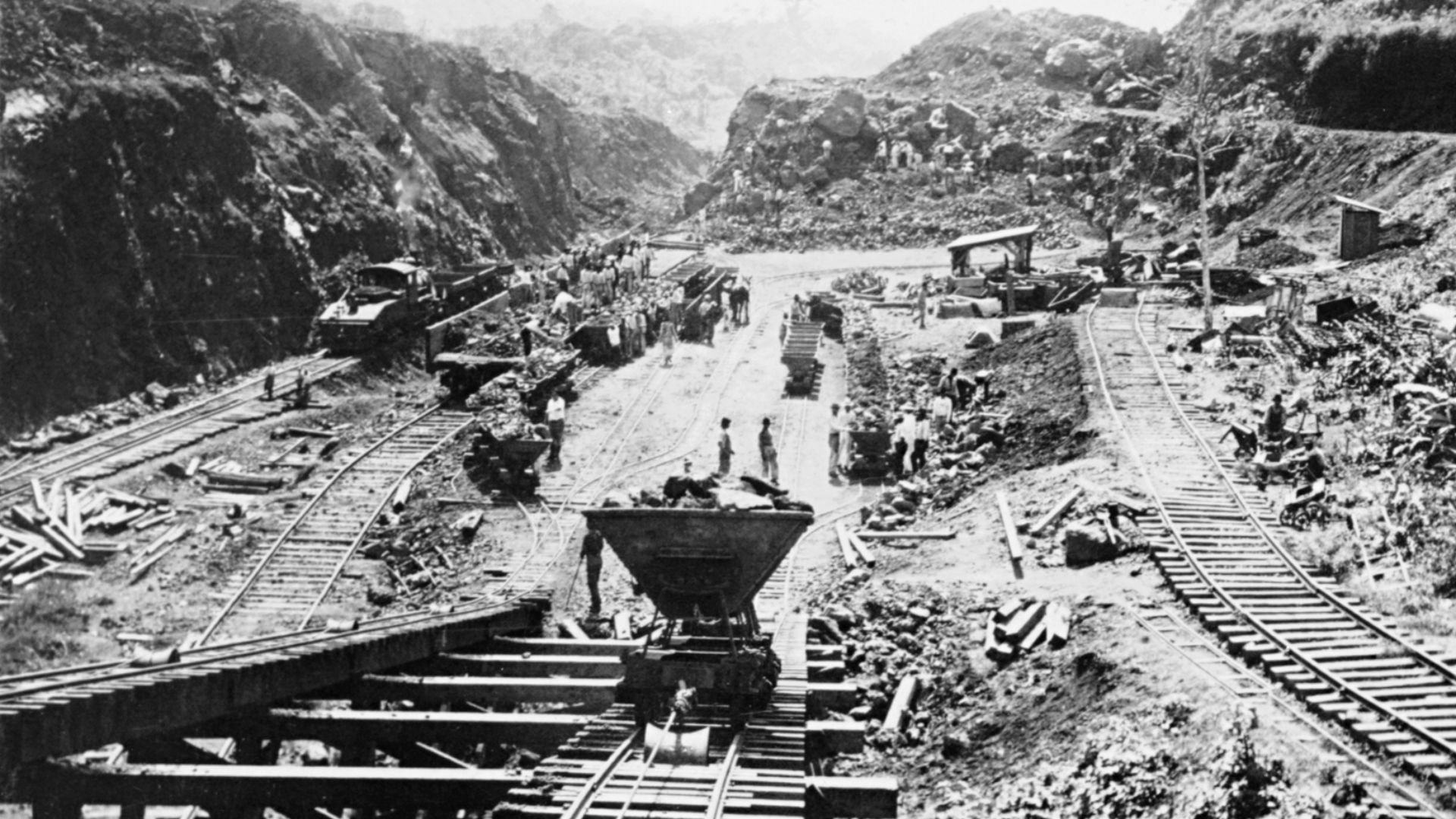 H.C. White Co., Wikimedia Commons
Disease And Labour Problems
From the beginning, the French effort was beset by tropical diseases, particularly the dreaded malaria and yellow fever, which decimated workers and disrupted the construction schedule. Along with harsh labor conditions, high mortality and rampant worker absenteeism ground progress to a near standstill.
 Unknown photographer, Wikimedia Commons
Too Much Optimism
Backed by strong public enthusiasm in France, initial share offerings for the canal company were wildly oversubscribed. But the cost estimates were far too low, and soon the company faced massive budget over-runs, interminable delays and spiraling risk.
 Harris & Ewing, photographer, Wikimedia Commons
Engineering Mistakes
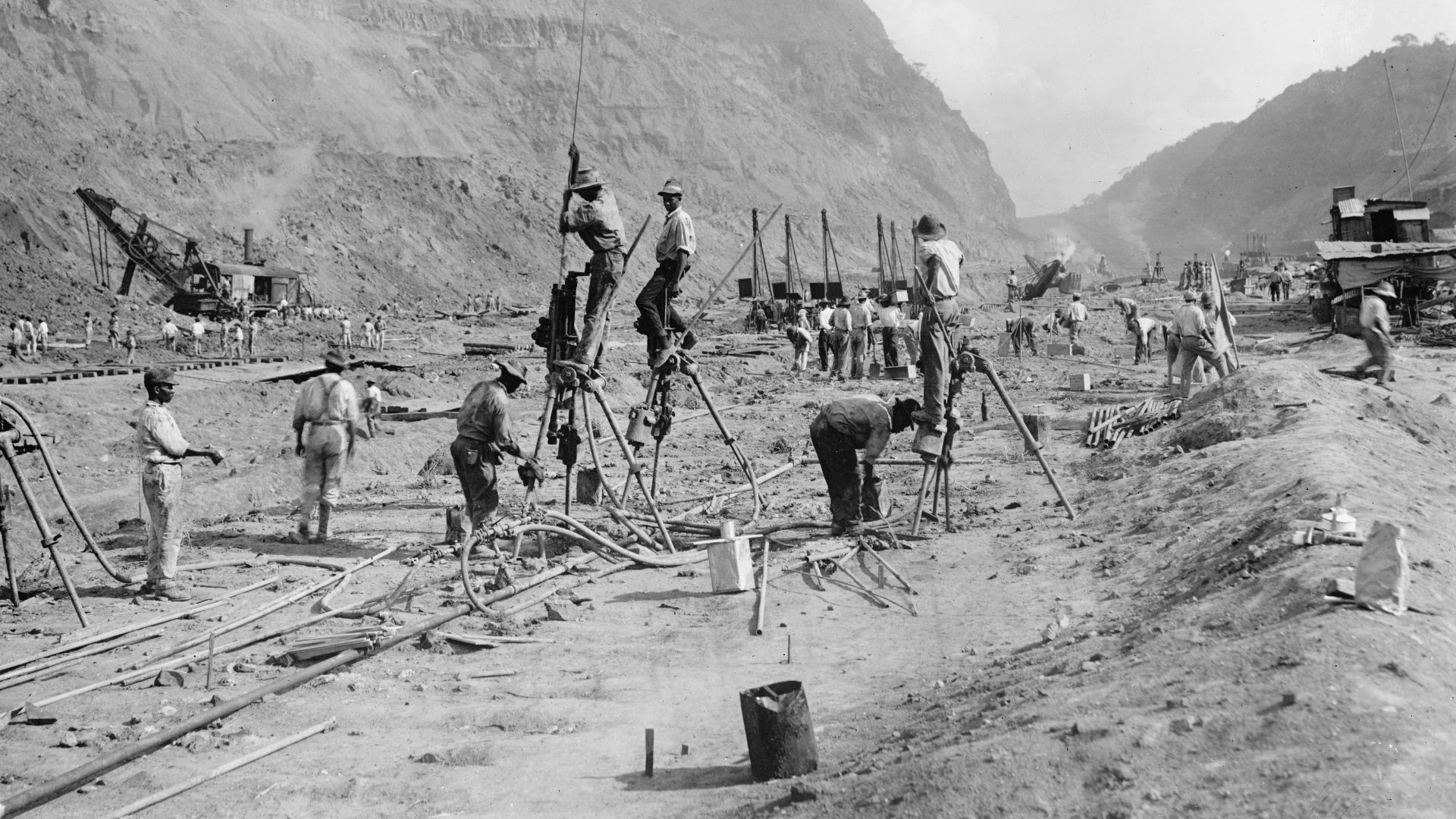
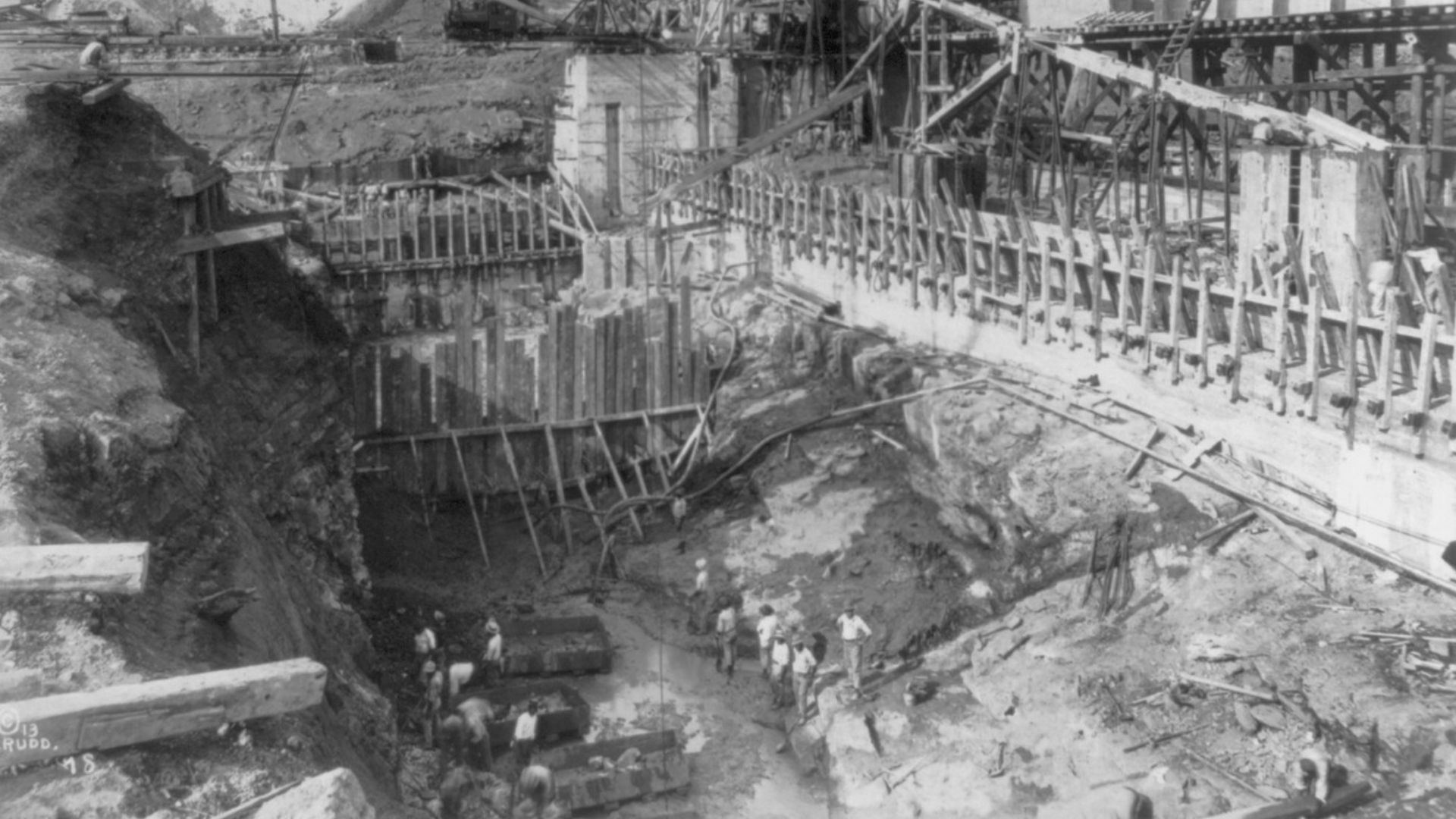
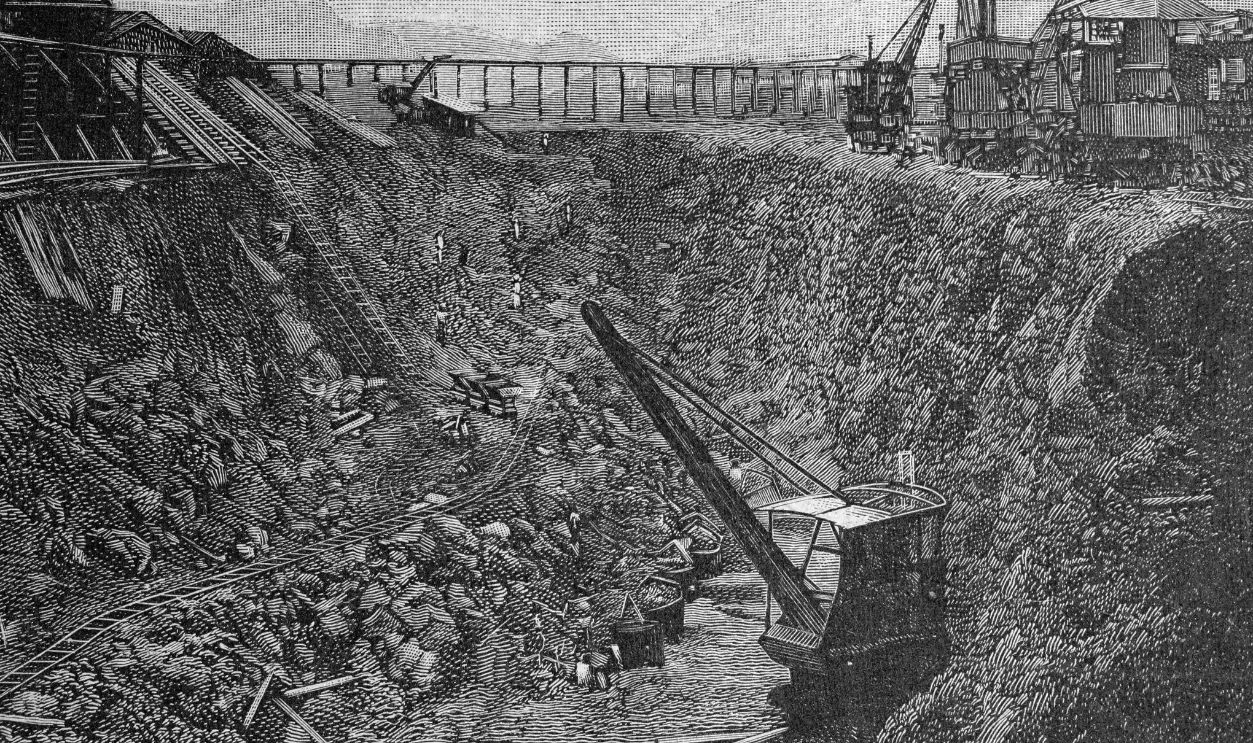
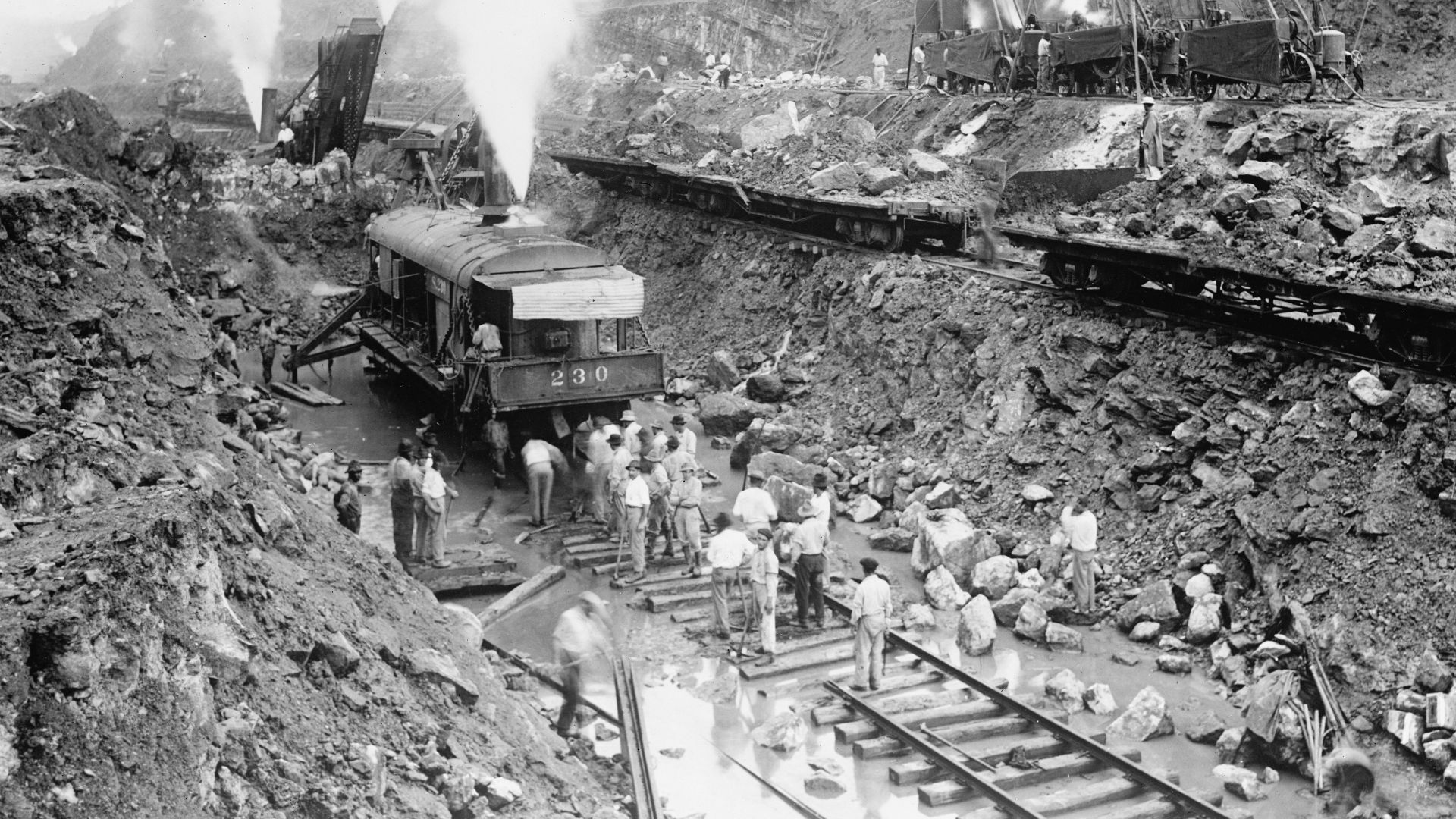
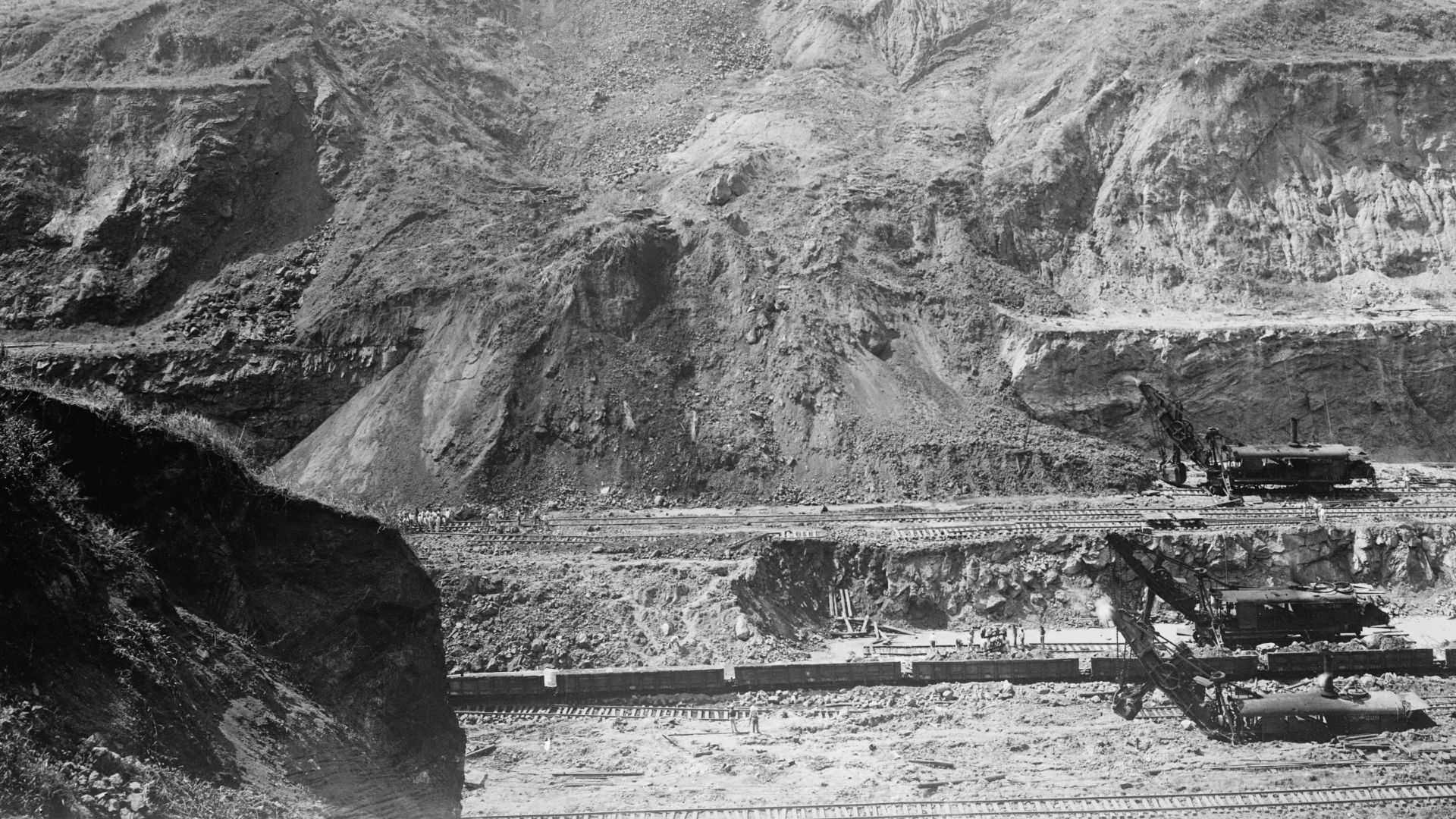
The French determination to build a sea‑level canal meant enormous earthworks and constant excavation in soft unstable soil. Time after time, landslides, floods and the power of the surging Chagres River obliterated work or required expensive repairs.
 Miscellaneous Items in High Demand, PPOC, Library of Congress, Wikimedia Commons

History's most fascinating stories and darkest secrets, delivered to your inbox daily.
Final Failure
By the late 1880s the French effort had collapsed. The company declared bankruptcy in 1889, after failing to complete the canal. In the process they had incurred enormous losses in money, time and lives. The human cost was catastrophic. Estimates now suggest that around 20,000 workers died in the endeavor.
 Bildagentur-online, Getty Images
The Panama Scandal In France
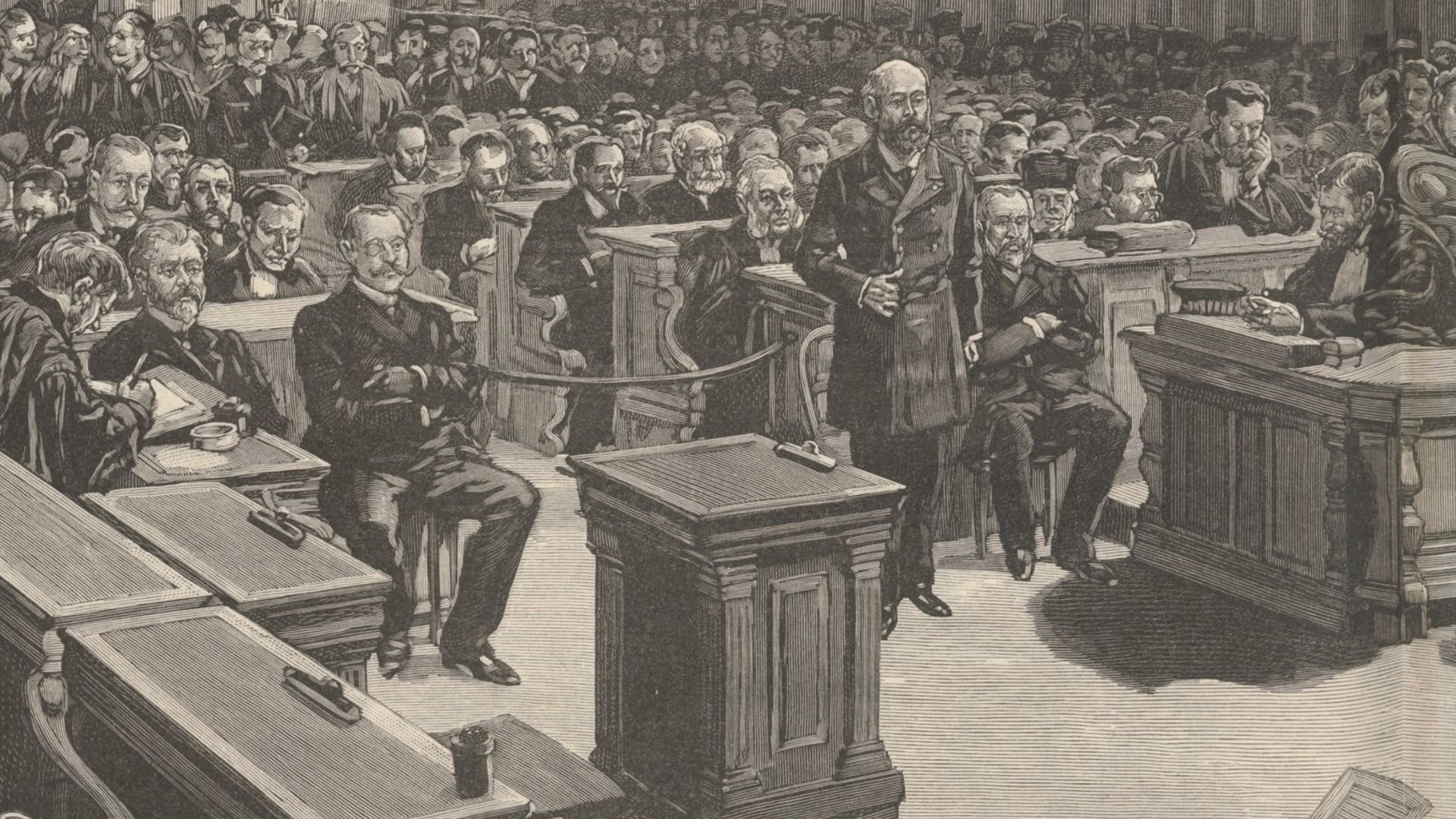
The failure came home to France, triggering the so‑called “Panama Scandal”, that involved allegations of corruption, mis‑management and bribery in the company and government. The public outrage ruined political and business reputations all across France.
De Lesseps’ Later Years
In his later life, de Lesseps faced disgrace in the aftermath of the French failure and scandal. He died on 7 December 1894 in Guilly, France, aged 89. His earlier triumph at Suez was still a part of his legacy, but the Panama attempt had clouded his track record.
 Atelier Nadar. Photographe, Wikimedia Commons
Aftermath Of Failure
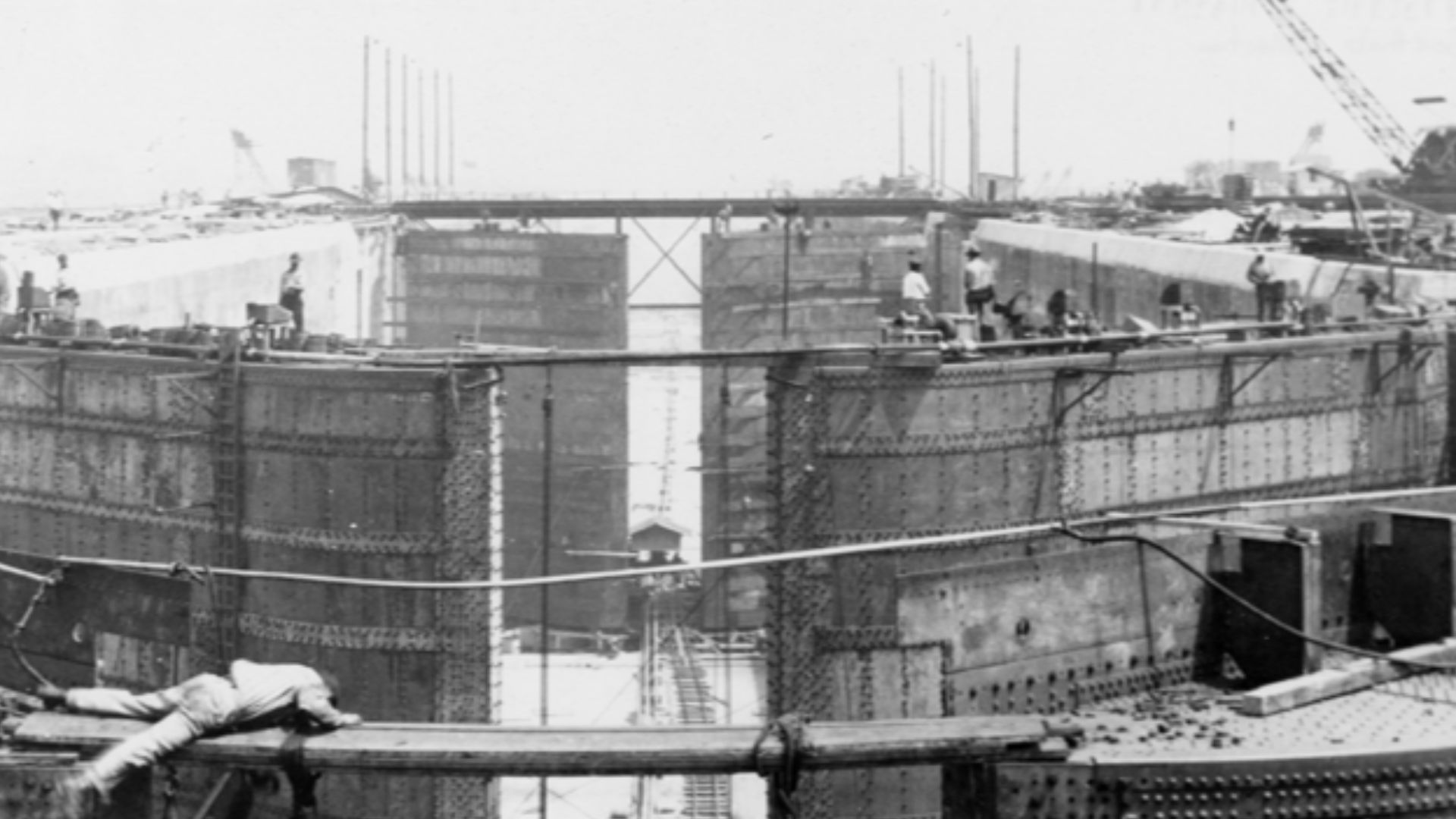
Though it was unsuccessful, the French attempt left behind partially excavated sections, infrastructure, and some valuable lessons about the extreme challenges of building a canal through Panama. These assets and knowledge were of great value when the United States took over.
 Unknown authorUnknown author, Wikimedia Commons
American Entry And New Strategy
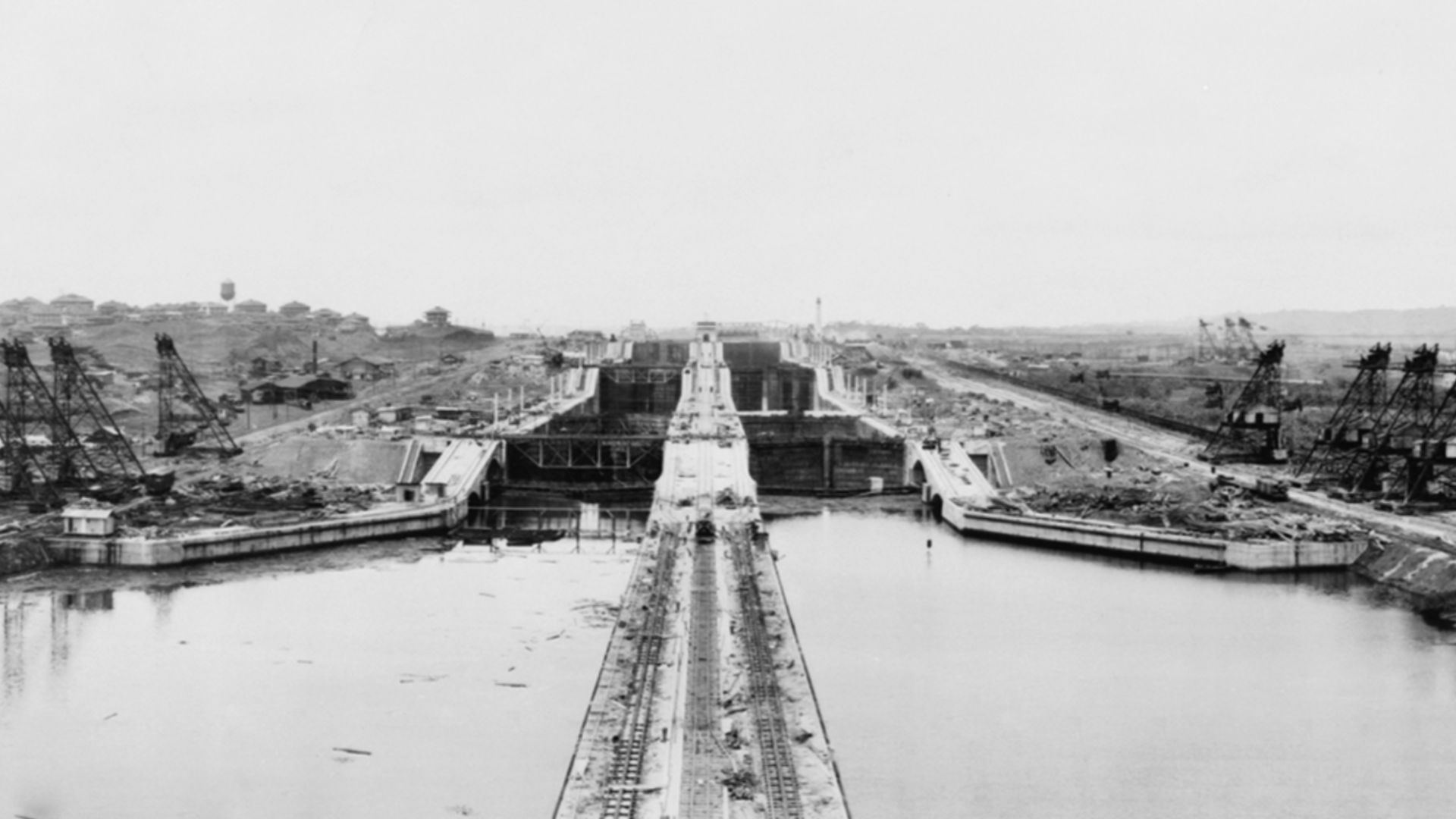
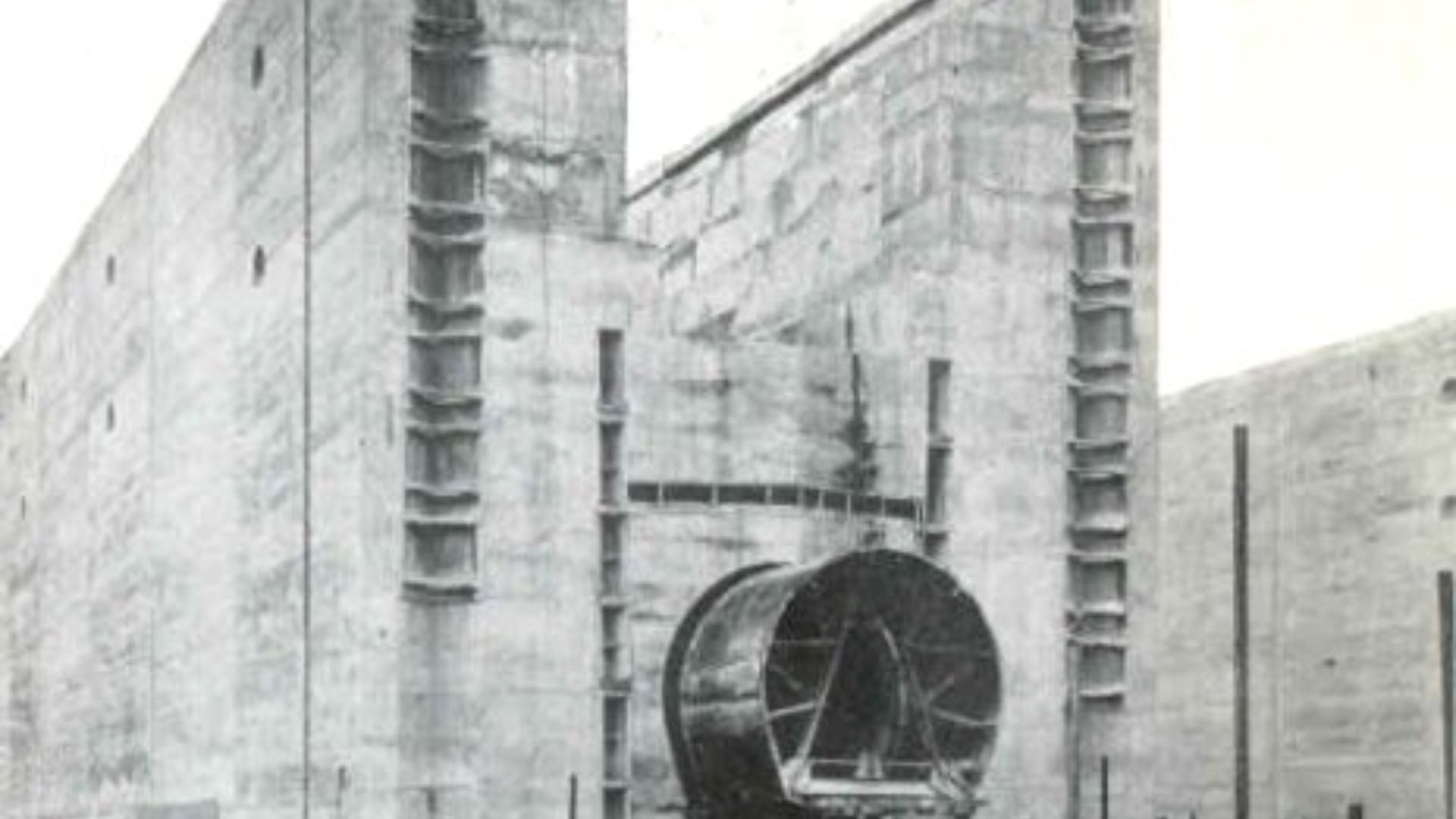
The Panama Canal project was given new life under American leadership (1904–1914). The Americans acquired the French company’s assets and shifted the design away from a sea‑level canal toward a lock‑based system.
Locks, Lakes And Disease Control
Unlike the French, the Americans dedicated themselves to a lock‑and‑lake design which was far better suited to the elevation change of the terrain. They aggressively tackled the disease problem, most notably by controlling the mosquito population. Public health advances, led by William C. Gorgas, allowed workers to survive and work reliably.
 Unknown authorUnknown author, Wikimedia Commons
Why The American Approach Succeeded
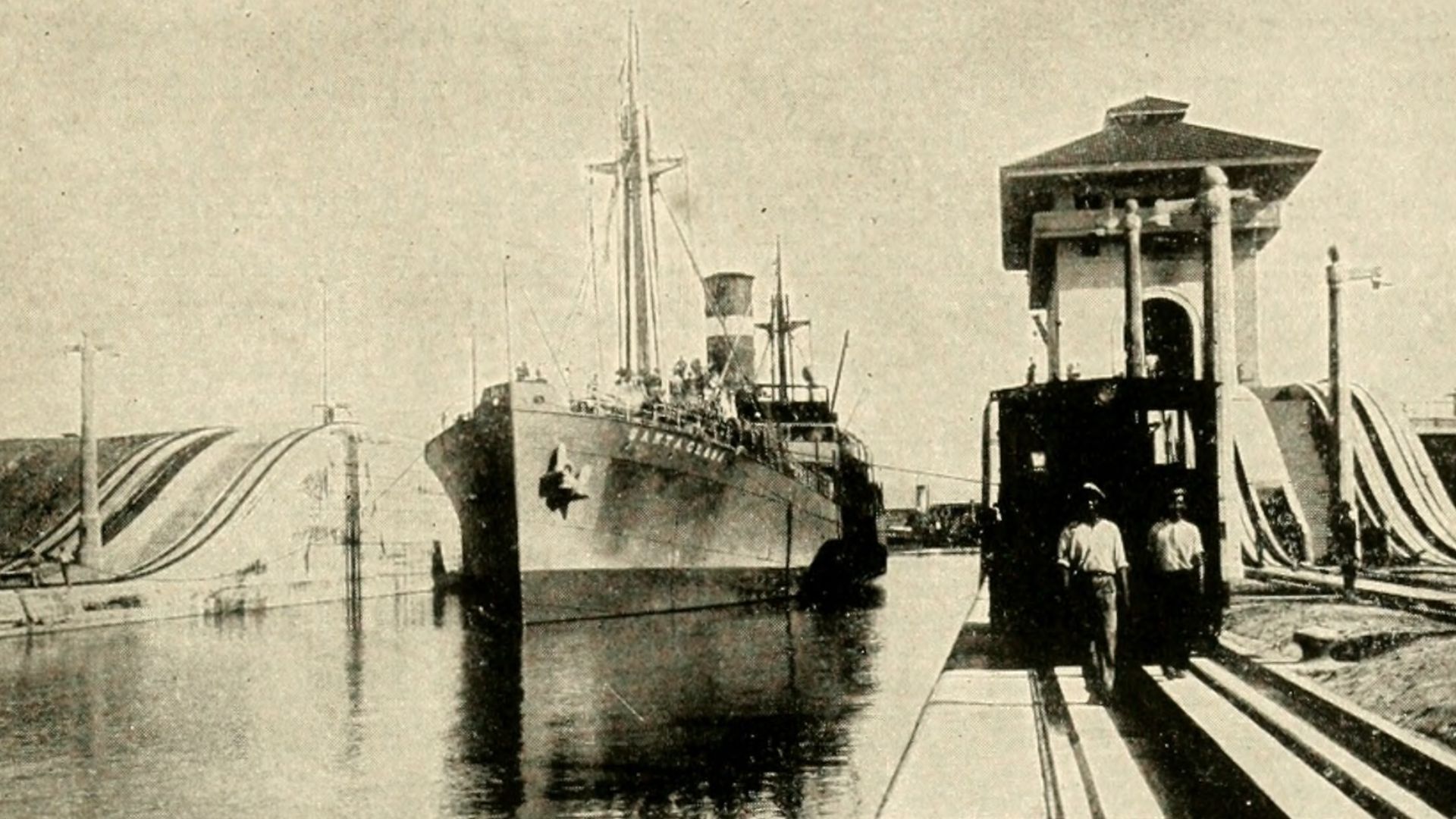
The combination of the right engineering concept (locks rather than sea‑level), strong management, disease mitigation, and pure logistical and organizational scale led the Americans to succeed where the French had failed. In 1914 the canal officially opened and totally transformed the world’s maritime trade.
 Internet Archive Book Images, Wikimedia Commons
Economic And Strategic Impact Of The Canal
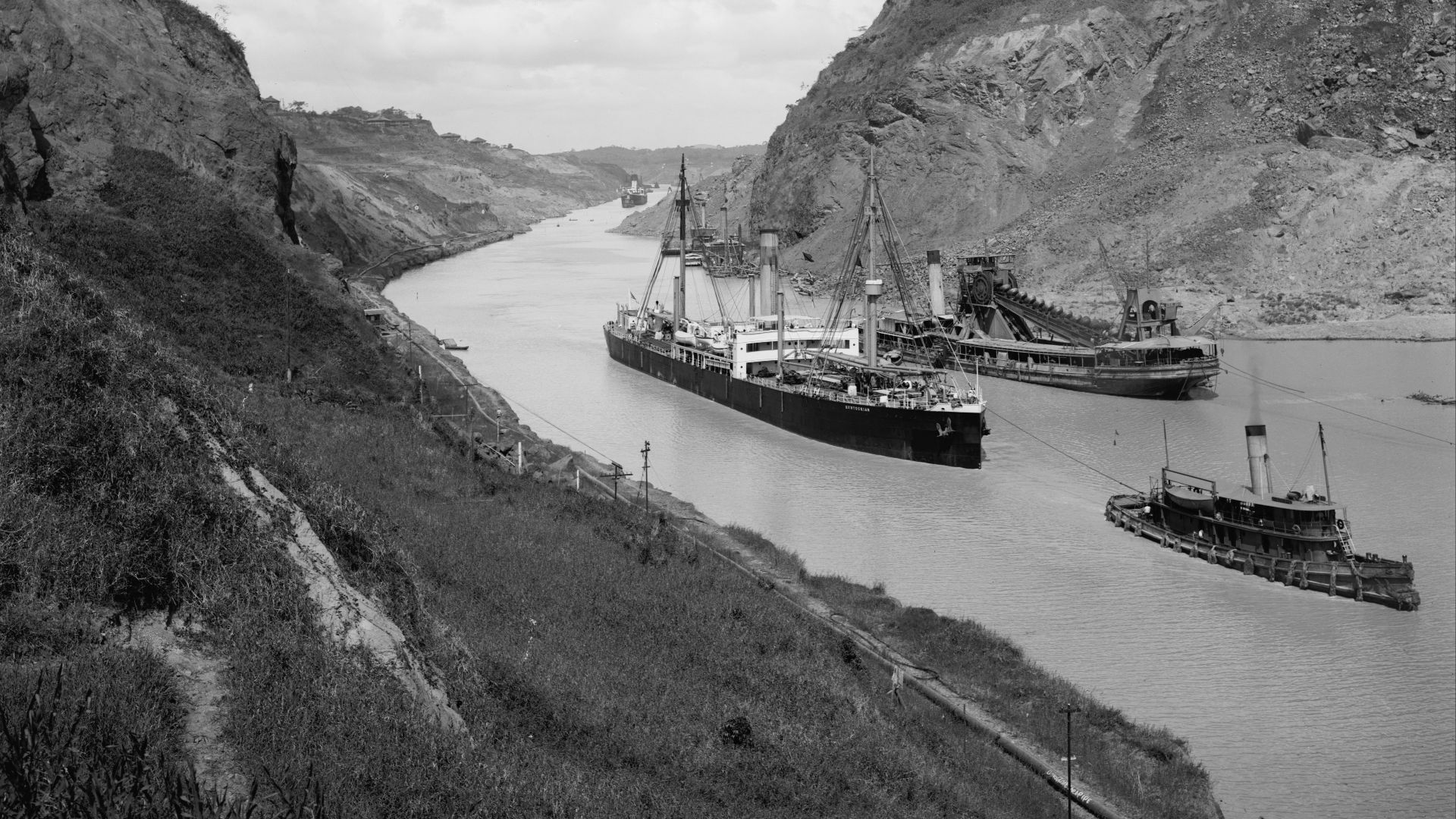
Once opened, the Panama Canal transformed world trade by enabling much faster shipment between Atlantic and Pacific ports. It also greatly strengthened US strategic naval mobility and turned Panama into a globally important transit zone.
 Detroit Publishing Company, Wikimedia Commons
The French Effort Was Still Important
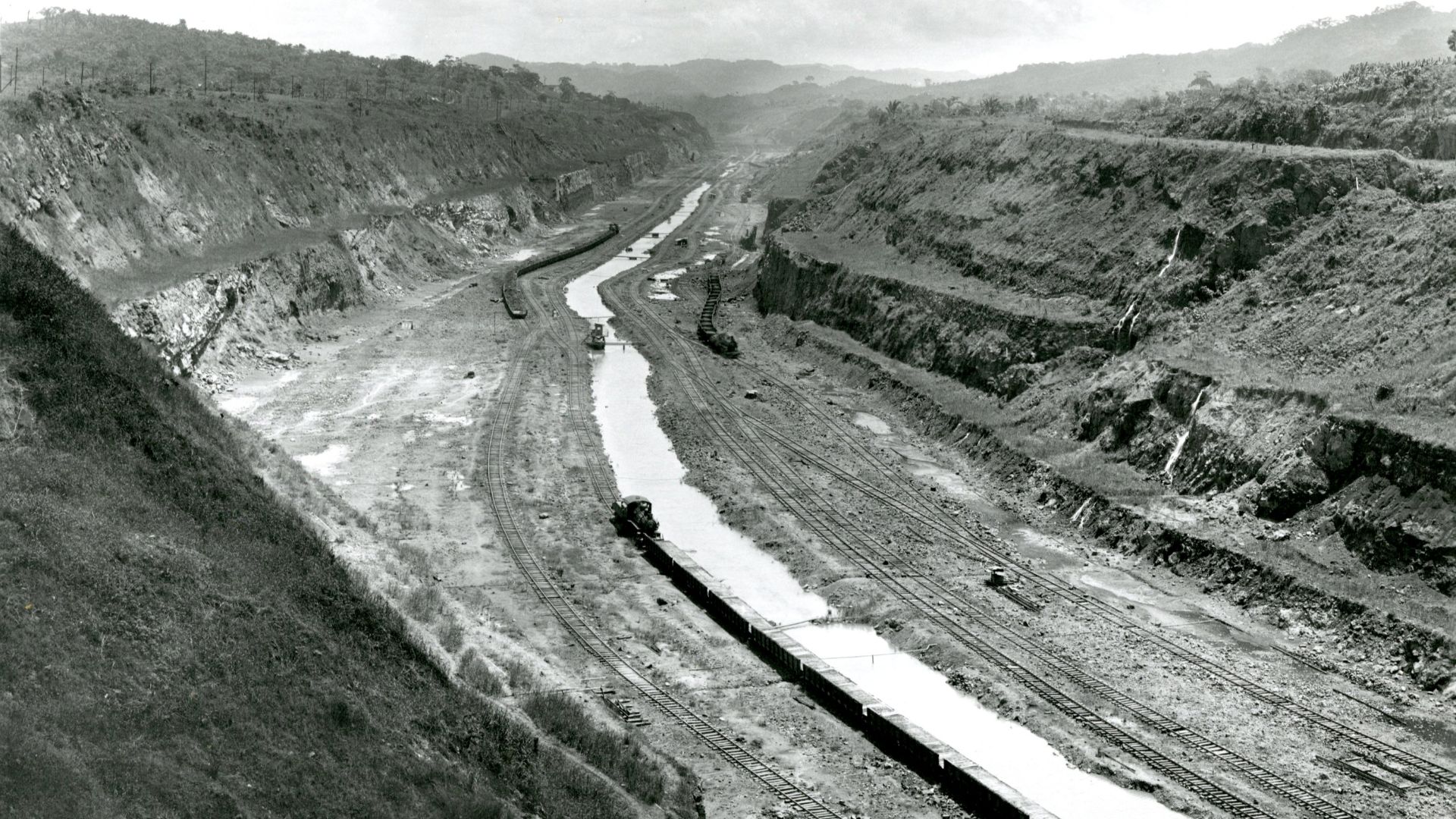
Even though the French failed, their bold attempt proved the route was viable and provided a wealth of infrastructure and operational lessons. The ruins of their work acted as a foundation and a cautionary tale for future engineers.
 Department of Defense, Wikimedia Commons
Ambition And The Limits Of Engineering
The story of de Lesseps and the French Panama attempt show that ambition has to be matched by serious evaluation and respect for local conditions. Tropical disease, terrain and logistics, even with good funding, can ruin major projects if underestimated.
 Harris & Ewing, photographer, Wikimedia Commons
De Lesseps’ And Historical Memory
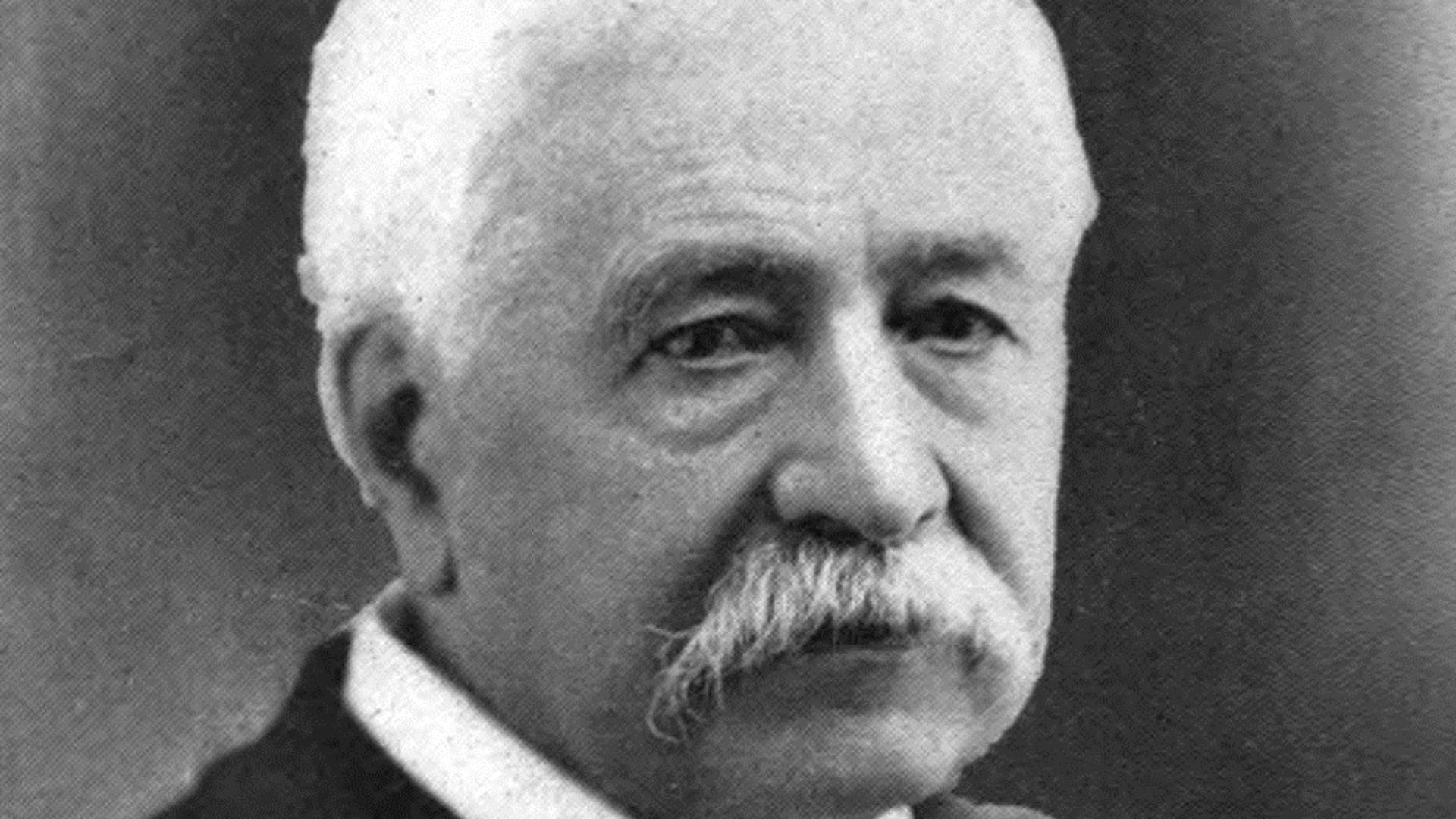
De Lesseps can be viewed as a complex figure: celebrated for his Suez success, but also associated with one of the biggest engineering setbacks of his era. His name represents both visionary ambition and hubristic mis‑judgement.
 Unknown authorUnknown author, Wikimedia Commons
Lessons Learned
The French attempt led by Ferdinand de Lesseps was a bold but ultimately flawed venture. It failed because of terrain, disease, cost and over‑optimistic assumptions. But the lessons learned laid the groundwork for the eventual American success.
 Harris & Ewing, photographer, Wikimedia Commons
You May Also Like:
The Golden Hind: The Ship That Made Queen Elizabeth Stinking Rich
Disturbing Facts About The French Monarchy