
Technology Has A Short Memory.
These inventors discovered an odd truth about innovation: sometimes your name has a much longer shelf life than the device that made it famous.
 B. C. Forbes Publishing Company
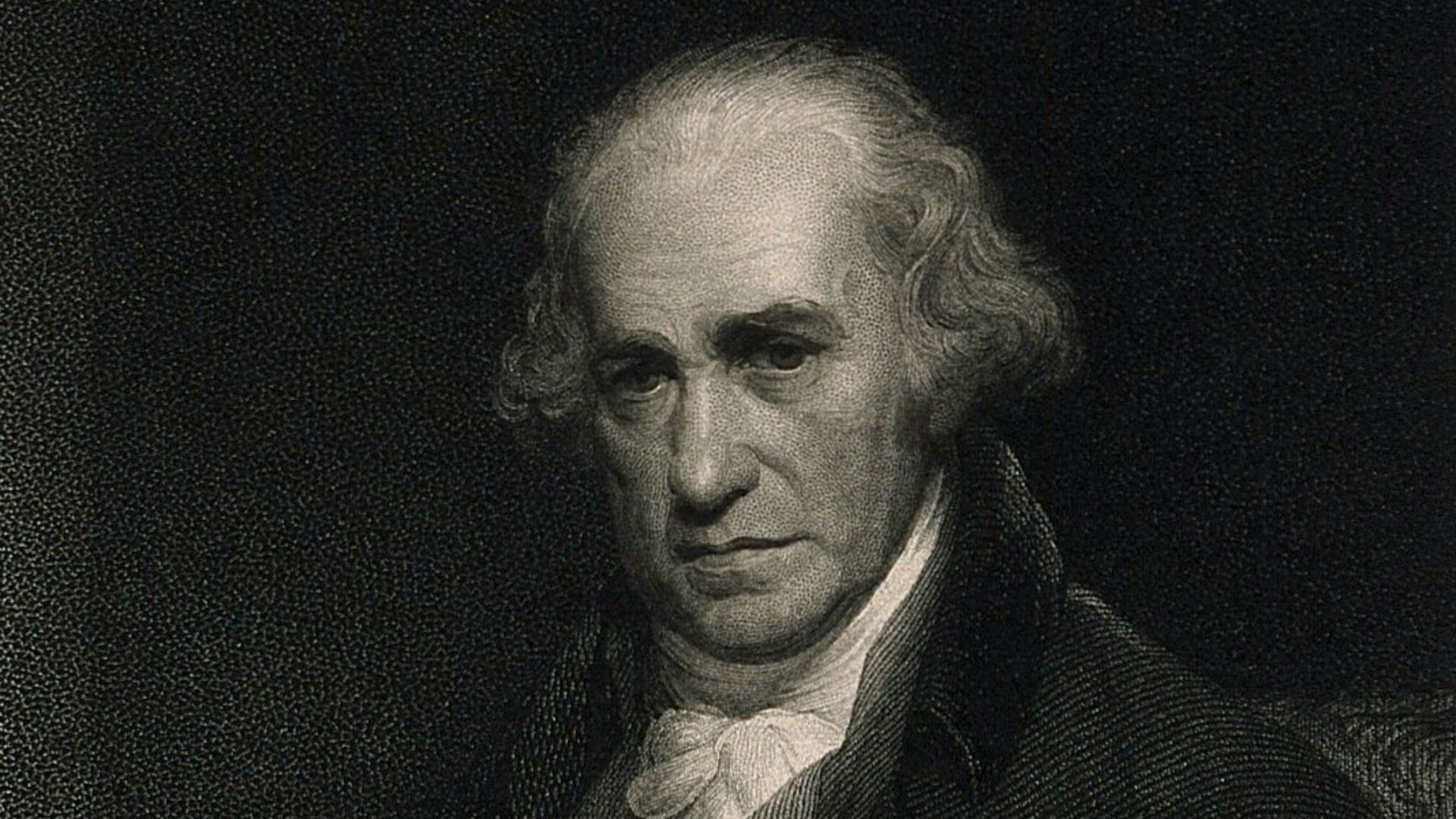
James Watt Did Not Invent The Steam Engine
James Watt is so closely linked with steam power that he is sometimes mistakenly credited with inventing the steam engine itself. Earlier Newcomen engines were already pumping water from mines when Watt began studying their enormous appetite for fuel. His crucial breakthrough was a separate condenser that prevented the main cylinder from repeatedly cooling and reheating, dramatically improving efficiency. Watt patented that approach in 1769.
Watt's Engines Helped Power An Industrial Revolution
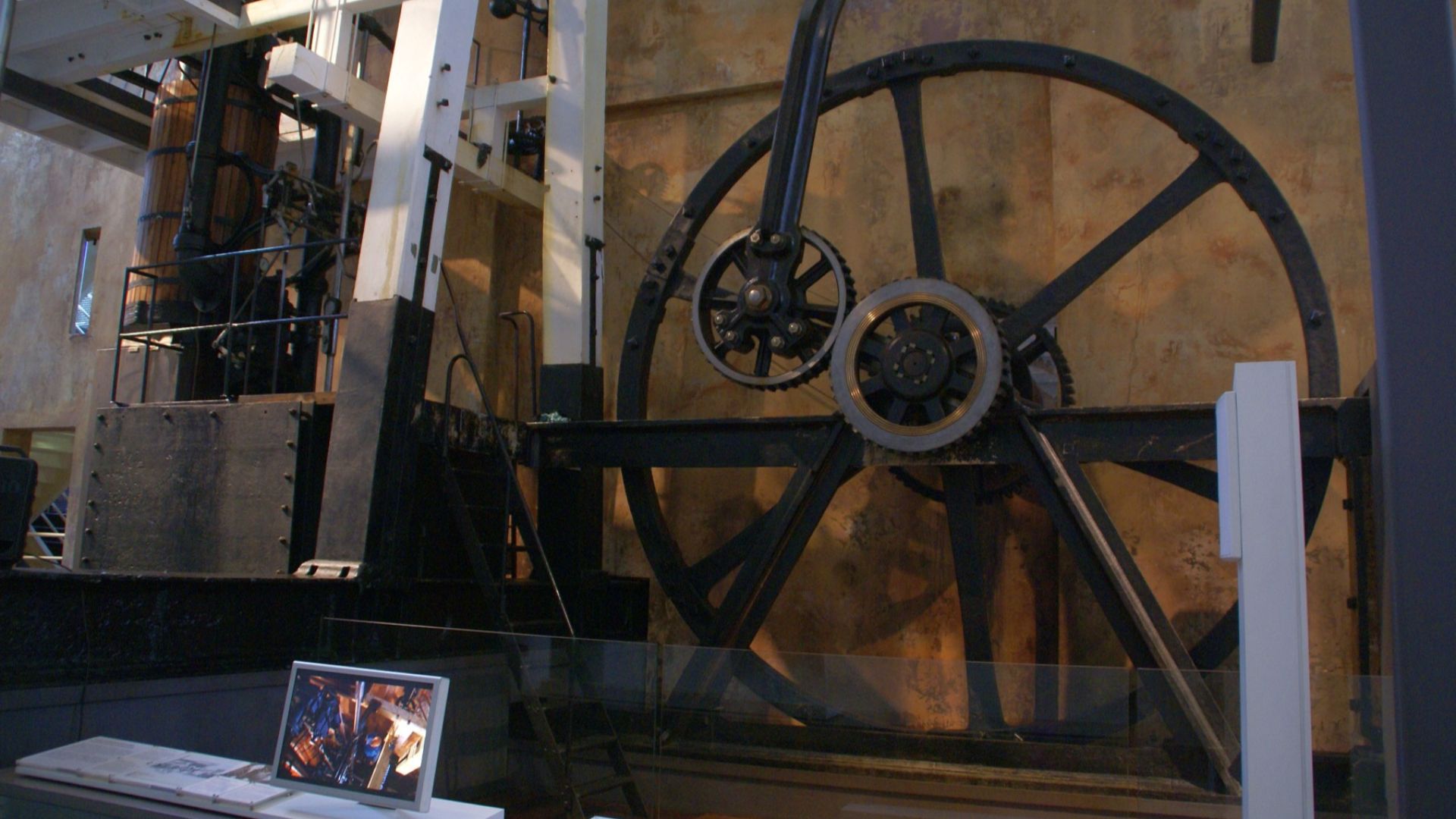
With entrepreneur Matthew Boulton, Watt turned his improved engine into a major commercial business. Versions powered mines, mills, distilleries, waterworks, and eventually machinery requiring rotary motion. By 1824, Boulton and Watt had produced more than 1,100 steam engines, while Watt's improvements helped make steam useful far beyond coalfields. Few machines were more closely associated with industrial progress.
 David Maciulaitis from Auckland, New Zealand, Wikimedia Commons
The Engine Faded But The Watt Went Everywhere
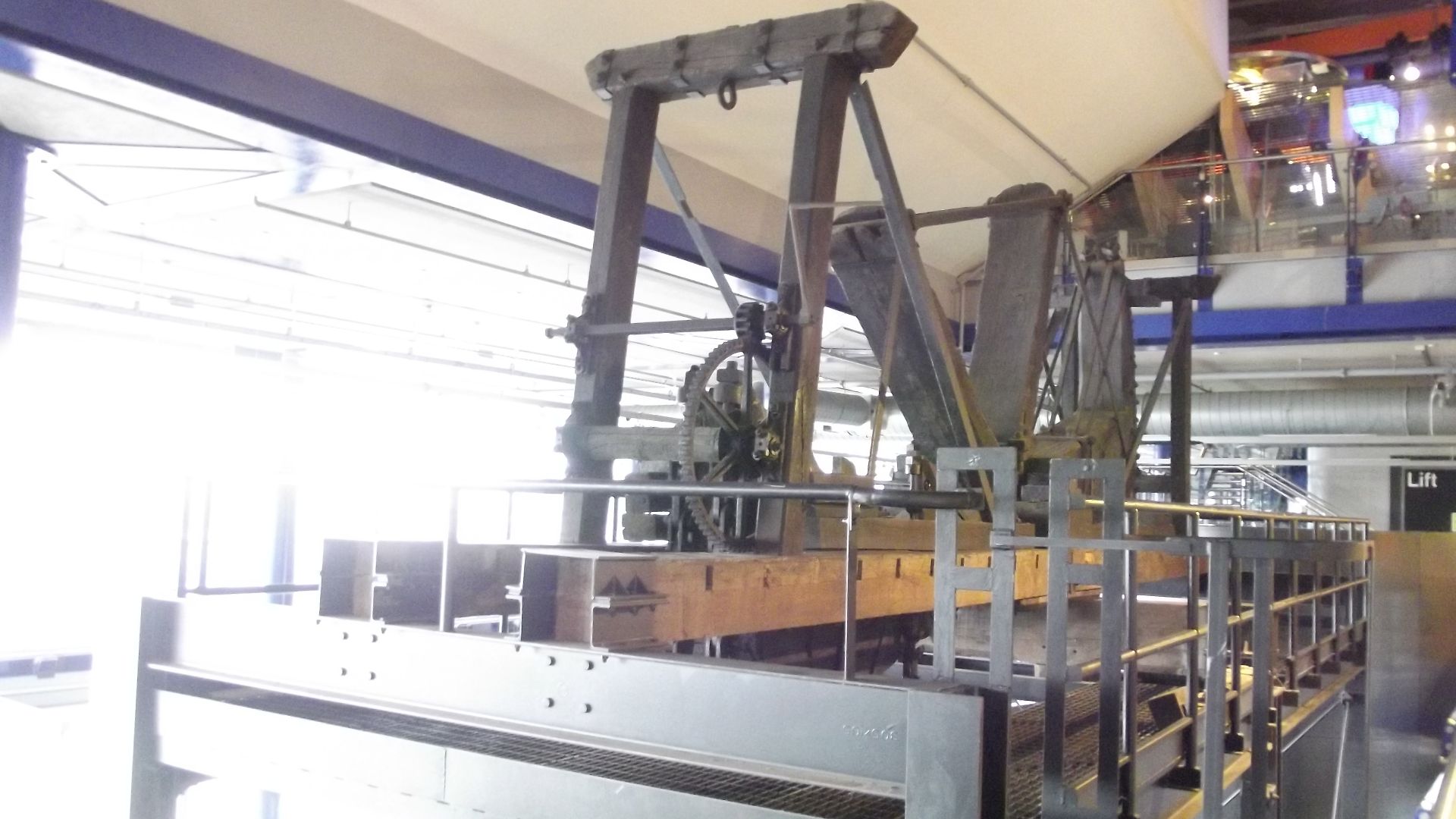
Watt's enormous beam engines belong largely to museums and industrial heritage sites today, but his surname escaped the steam age entirely. The watt became the standard unit used to express power, defined as one joule per second. That means people encounter Watt's name on light bulbs, speakers, appliances, chargers, and power specifications without ever seeing one of his engines. His machinery aged out of ordinary life while his name became part of its measurement system.

History's most fascinating stories and darkest secrets, delivered to your inbox daily.
Samuel Morse Started Out With Paintbrushes
Samuel F. B. Morse spent the first part of his career as an artist and professor rather than an electrical engineer. During the 1830s, he began developing a system for transmitting information electrically across a wire, working with important collaborators including Leonard Gale and Alfred Vail. An early prototype receiver was even constructed using an artist's canvas stretcher. Morse eventually became far more famous for communications technology than for the paintings he originally expected to define his career.
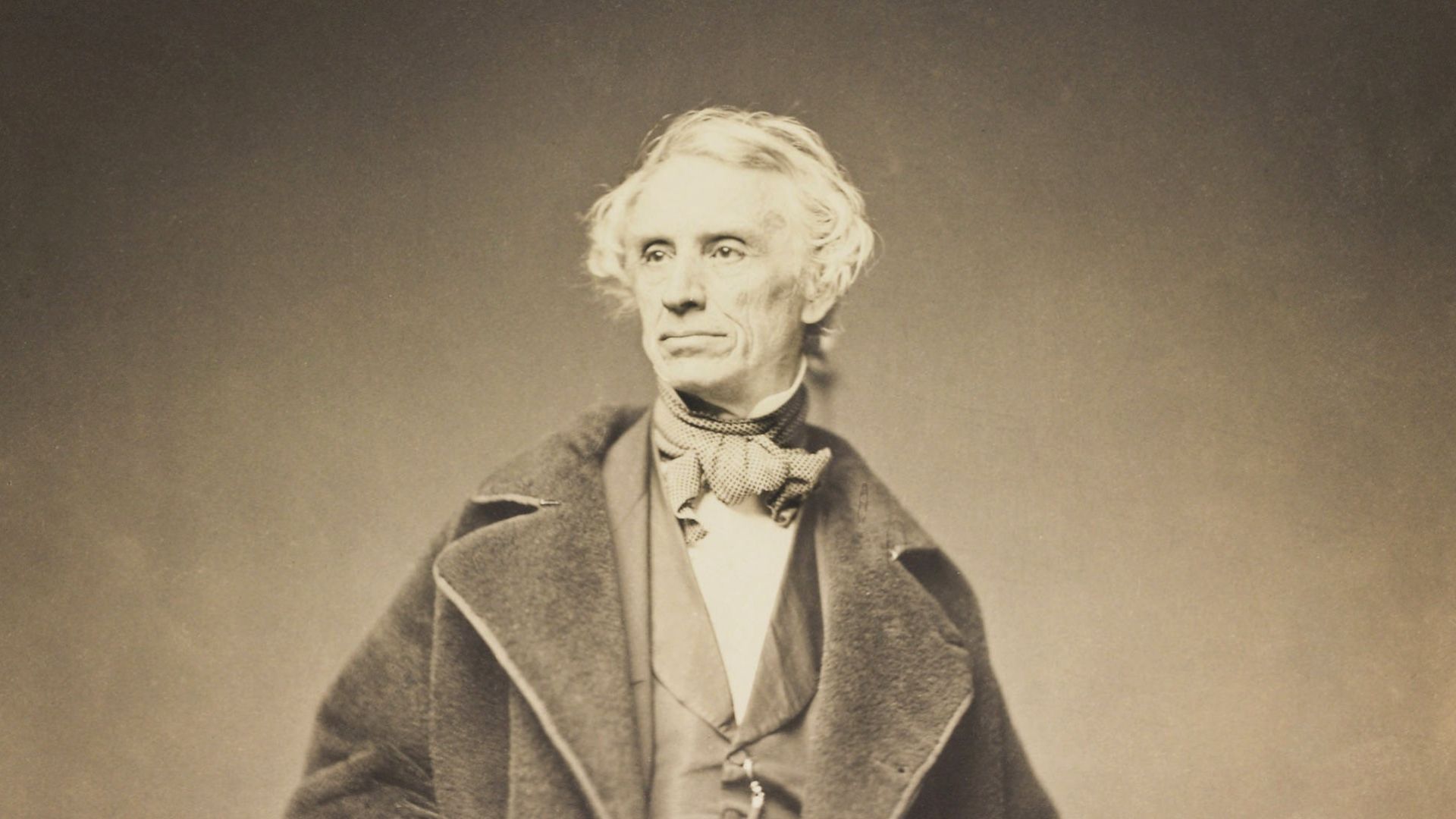 Mathew Benjamin Brady, Wikimedia Commons
One Message Changed Communication Forever
On May 24, 1844, Morse transmitted “What hath God wrought?” between Washington and Baltimore. His system initially recorded coded marks on moving paper, although operators soon learned that they could interpret the patterns by sound. Telegraph lines spread rapidly, and newspapers, railroads, businesses, governments, and ordinary customers began using near-instantaneous long-distance communication. The machine helped collapse distances that previously required days or weeks to cross.
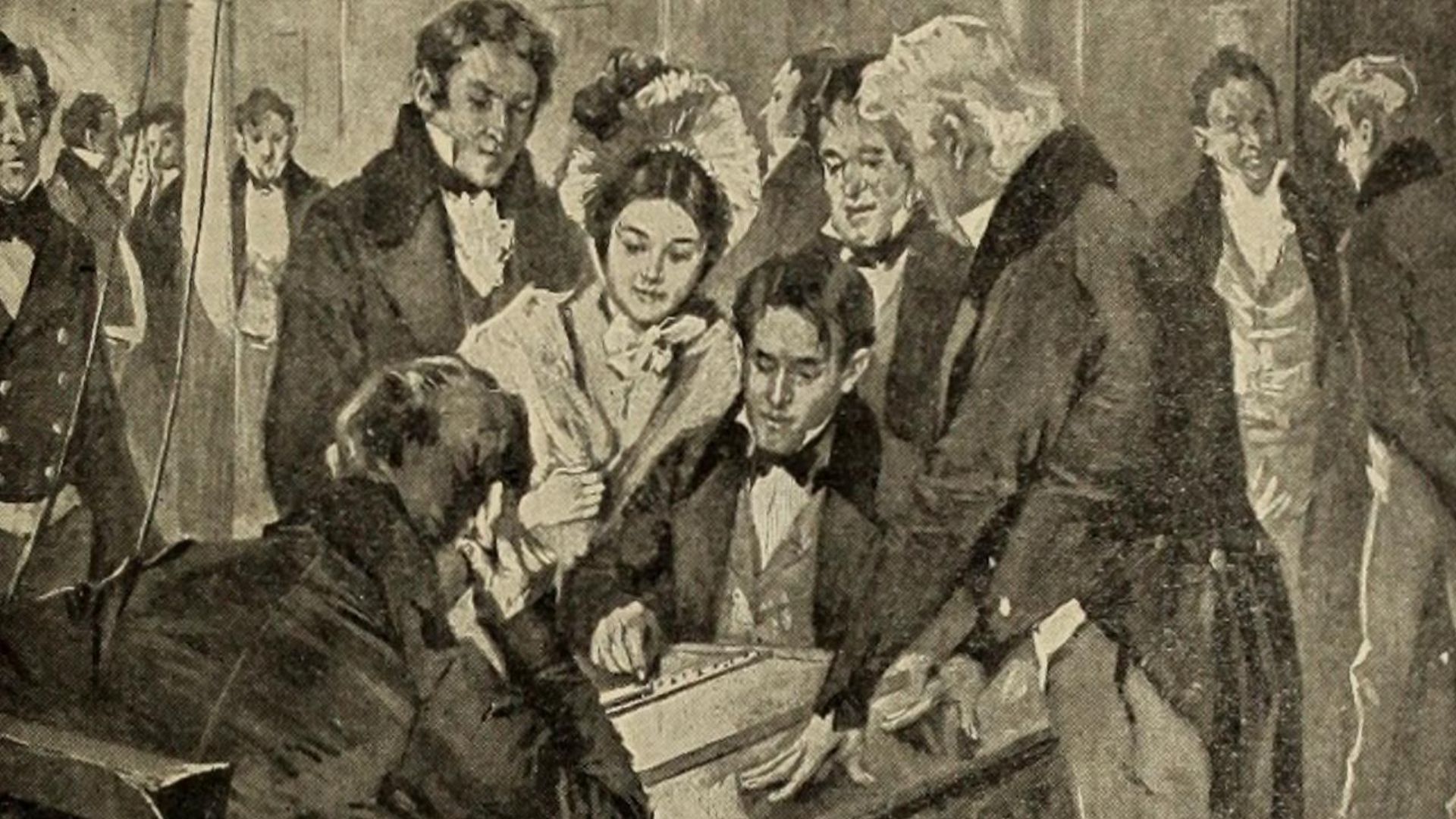 Internet Archive Book Images, Wikimedia Commons
The Telegraph Died But Morse Code Refused To
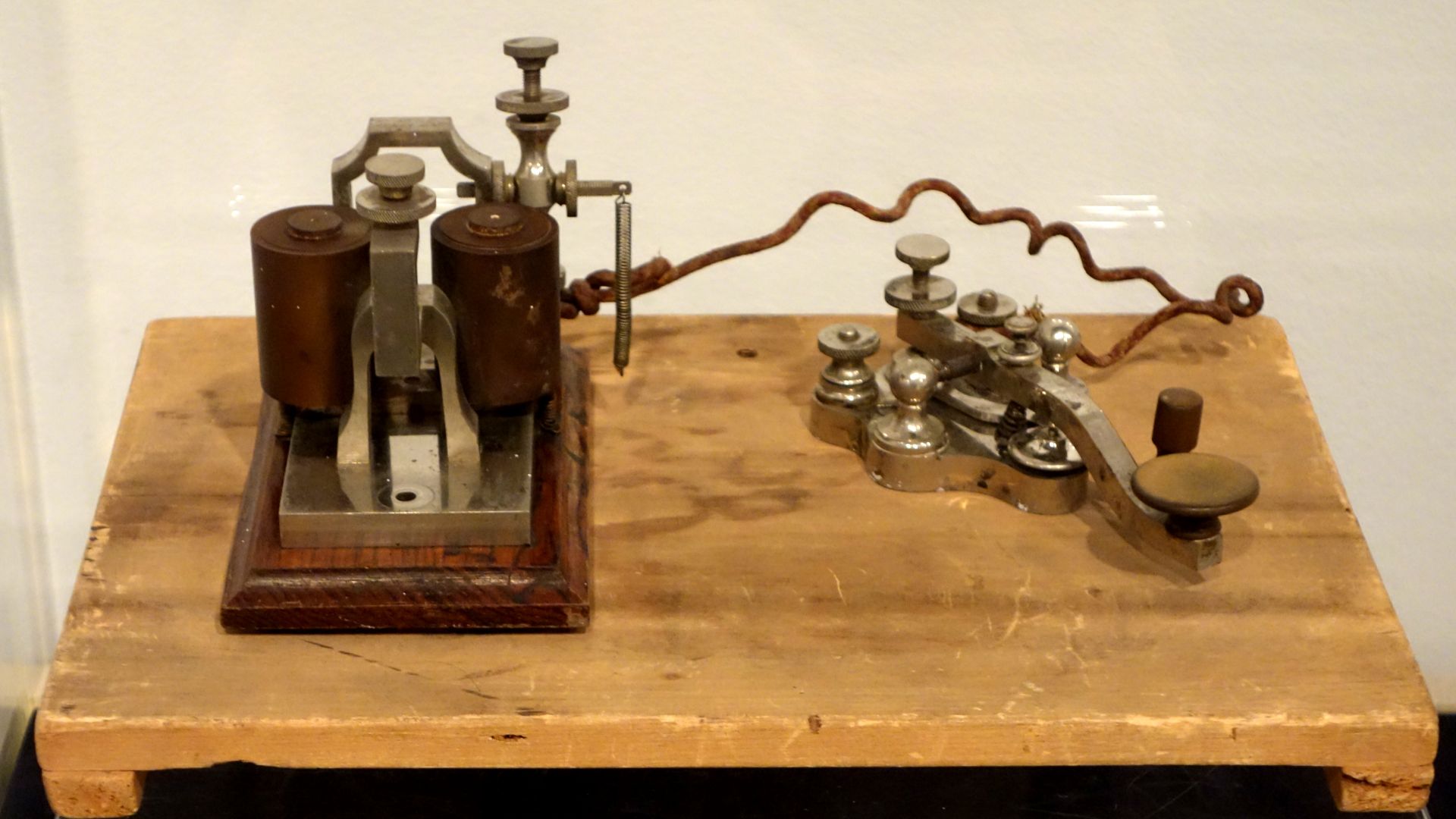
Morse's original recording machines, paper tapes, electromagnetic receivers, and vast networks of wired telegraph offices eventually disappeared from ordinary communications. Even the code that carries his name evolved through the work of Morse, Vail, and later international standardization. Yet “Morse code” remains instantly recognizable, and the dots-and-dashes imagery still symbolizes communications technology. The hardware became antique equipment while Morse's surname became almost impossible to separate from the very idea of coded signaling.
Louis Daguerre Put His Own Name On Photography
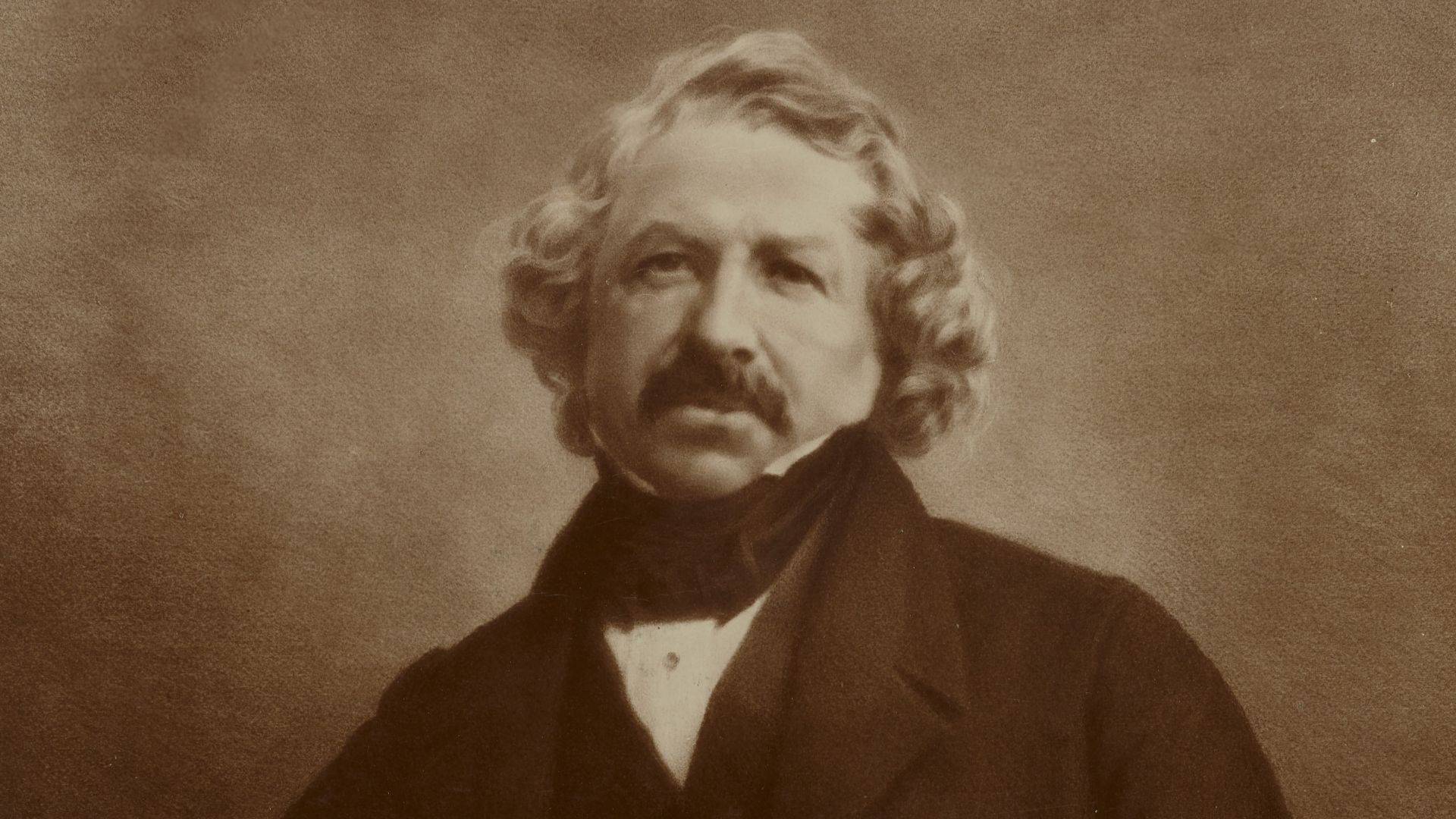
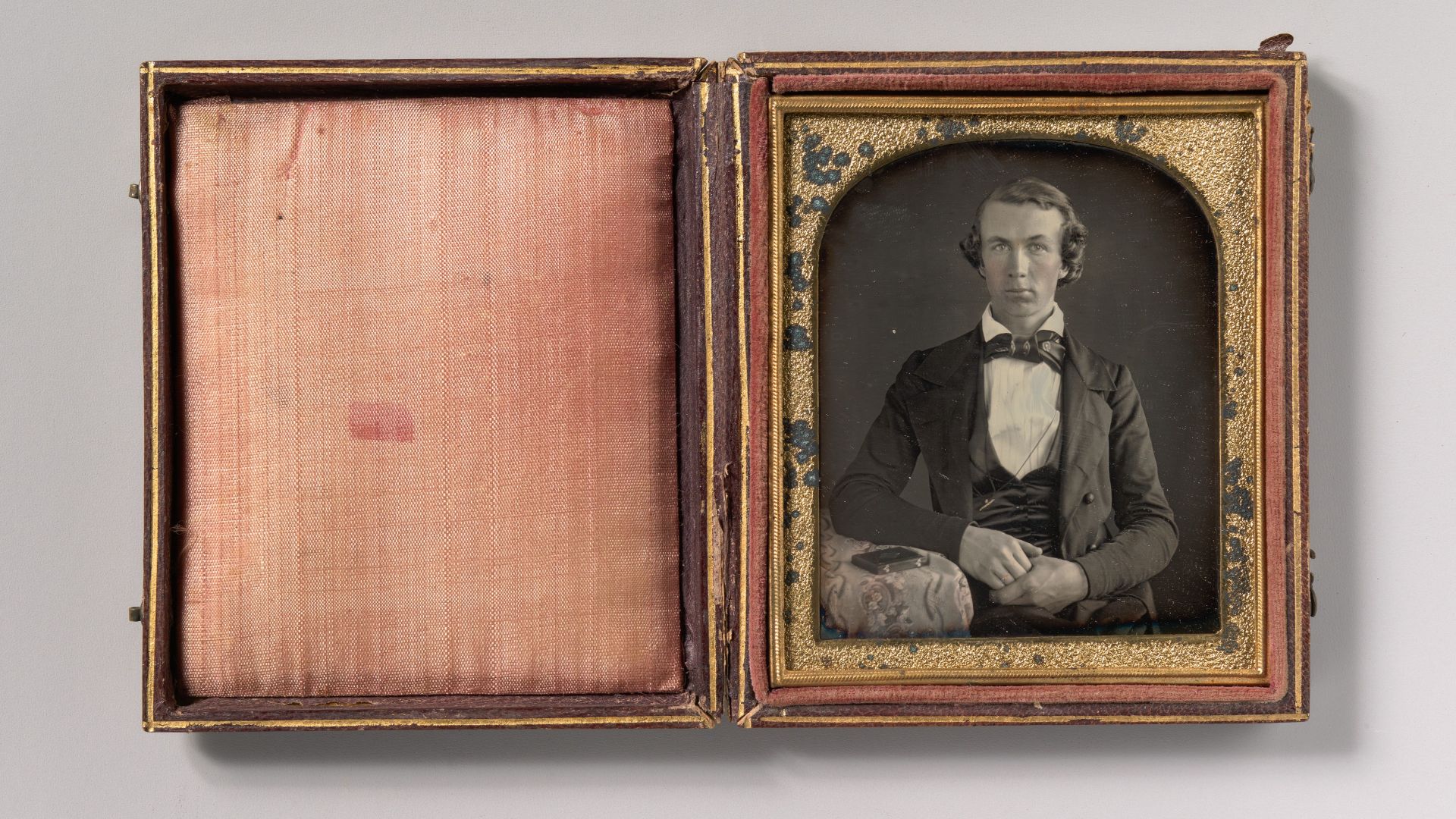
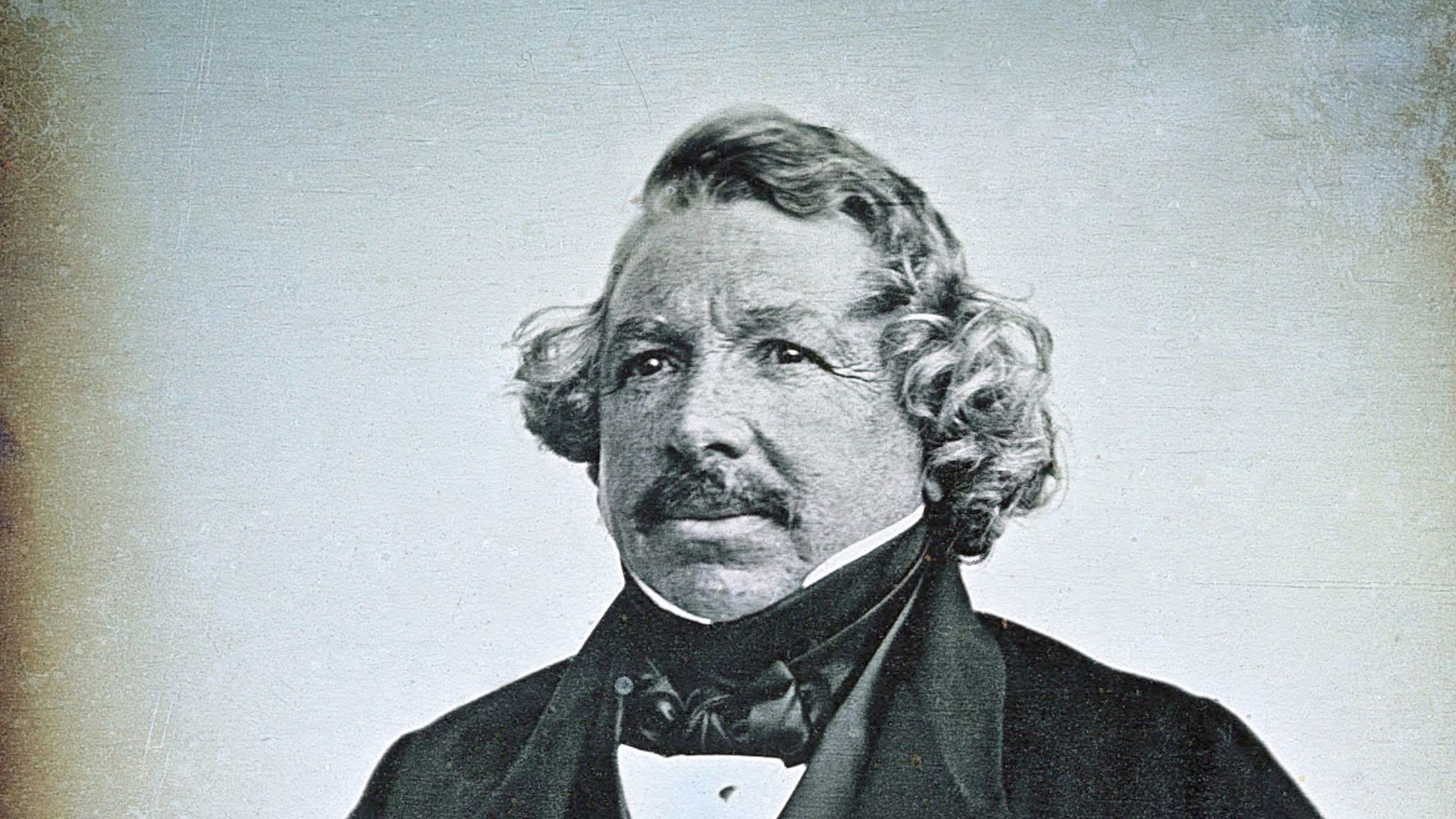
Louis-Jacques-Mandé Daguerre had worked as a painter, theatrical designer, and creator of the popular Diorama before becoming a photography pioneer. He had partnered with Nicéphore Niépce, who had already achieved important photographic results, before Niépce's death in 1833. Daguerre continued experimenting and perfected a practical process using silver-plated copper. He called the resulting image a daguerreotype, placing his own surname directly inside the new technology.
Daguerreotype Mania Spread Across The World
Daguerre publicly unveiled the process in 1839 after the French government arranged pensions in exchange for making its details widely available. The technique produced extraordinarily detailed, one-of-a-kind images, and enthusiasm spread rapidly through Europe and North America. Portrait studios opened, scientists adopted the process, and millions of daguerreotypes were ultimately created. For a time, Daguerre's name was practically synonymous with photography itself.
 Unknown authorUnknown author, Wikimedia Commons
His Revolutionary Process Lasted Barely Two Decades
The daguerreotype had serious limitations, including the fact that every image was a unique plate rather than a reproducible negative. New photographic processes made copying and printing photographs easier and gradually displaced it. The Metropolitan Museum of Art notes that daguerreotypes were replaced entirely by paper photography after roughly two decades of dominance. The process vanished astonishingly quickly, but Daguerre remains one of the handful of names almost every history of photography still has to mention.
 Jean-Baptiste Sabatier-Blot, Wikimedia Commons
History's most fascinating stories and darkest secrets, delivered to your inbox daily.
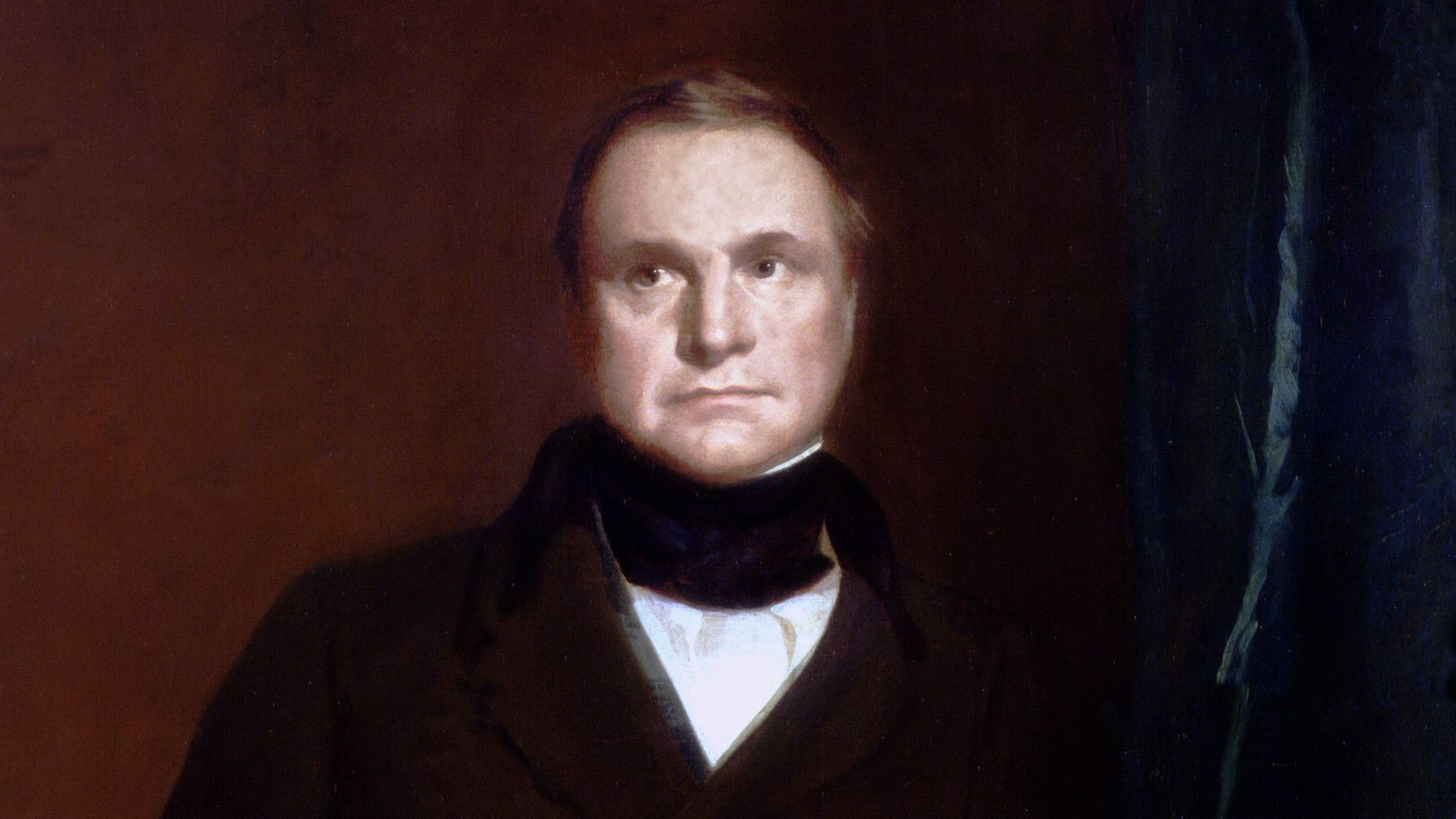
Charles Babbage Invented A Computer He Could Not Finish
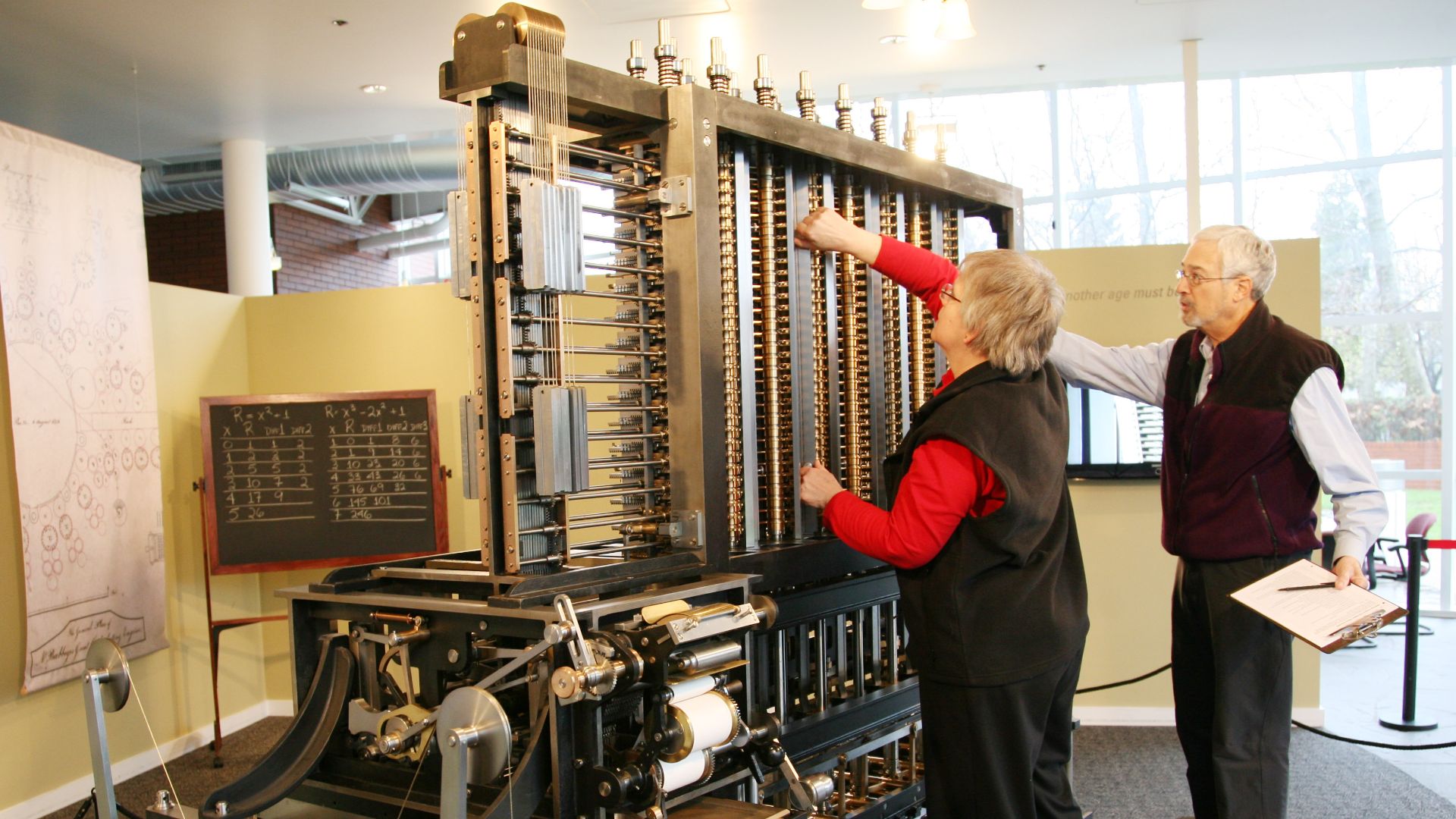
Charles Babbage became frustrated by errors in mathematical tables calculated and typeset by hand. Beginning in the 1820s, he designed the Difference Engine to calculate and print tables mechanically. The proposed machine would have contained roughly 25,000 parts and weighed around four tons. Construction collapsed after disputes, delays, and enormous costs, leaving only a working section of the machine.
 Samuel Laurence, Wikimedia Commons
Then Babbage Designed Something Even More Impossible
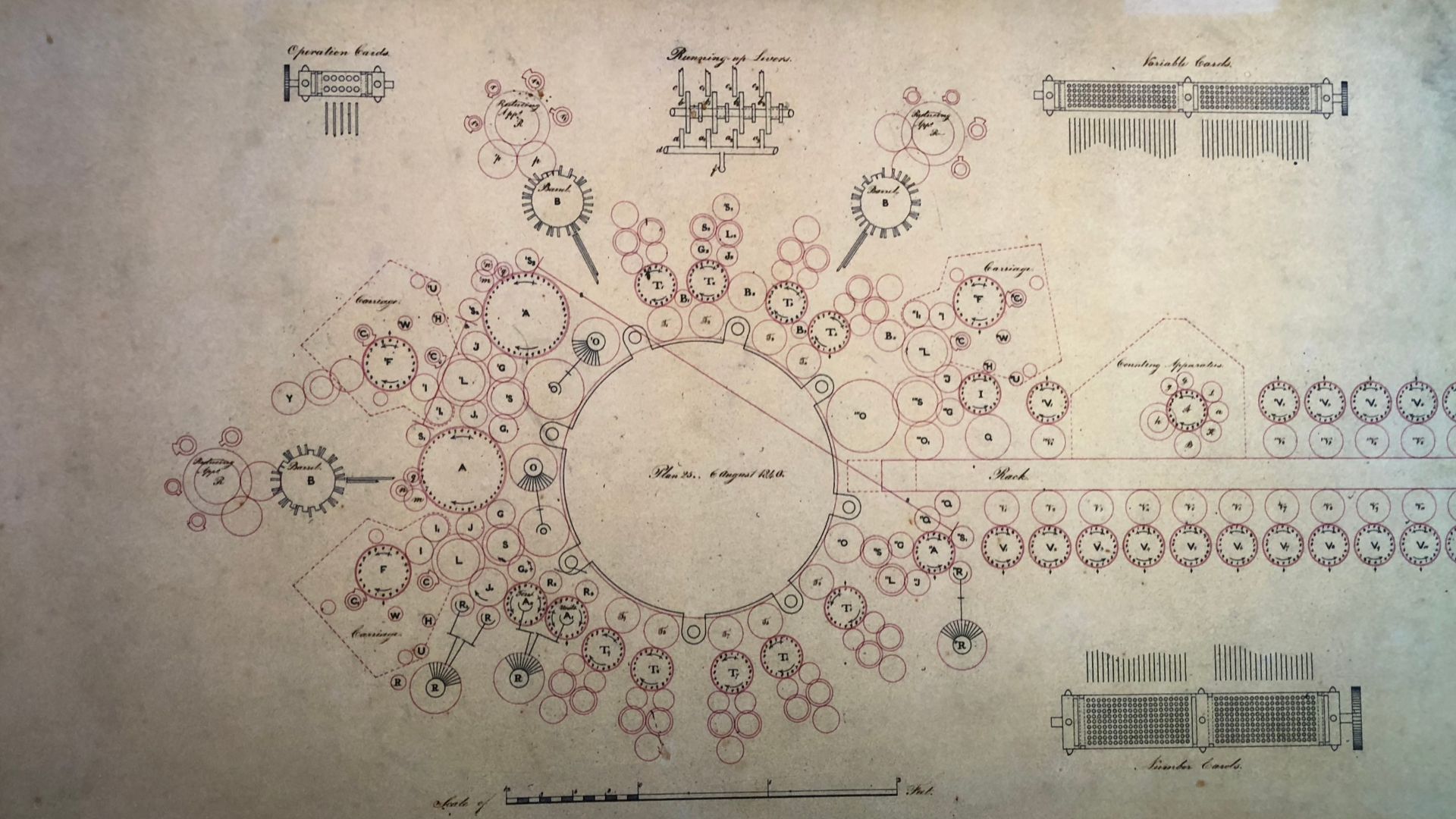
Instead of abandoning mechanical computation, Babbage devised the much more ambitious Analytical Engine. It incorporated concepts recognizable in modern computing, including a separate memory or “Store,” a processing section or “Mill,” punched-card programming, loops, and conditional operations. The design represented a leap from specialized calculation toward a general-purpose programmable machine. It was also far beyond what Babbage ever succeeded in constructing.
 ArnoldReinhold, Wikimedia Commons
His Famous Invention Had To Wait 150 Years
No complete Babbage engine was built during his lifetime. In fact, the Computer History Museum notes that there is no continuous technological line directly connecting his engines with the electronic computers that followed generations later. A full Difference Engine No. 2 built from his designs was finally completed in 2002 and worked as intended. Babbage became one of computing's most celebrated pioneers even though Victorian society never got to use the machines that made him famous.
 Jitze Couperus from Los Altos Hills, California, USA, Wikimedia Commons
Cyrus McCormick Made Harvesting Look Easy
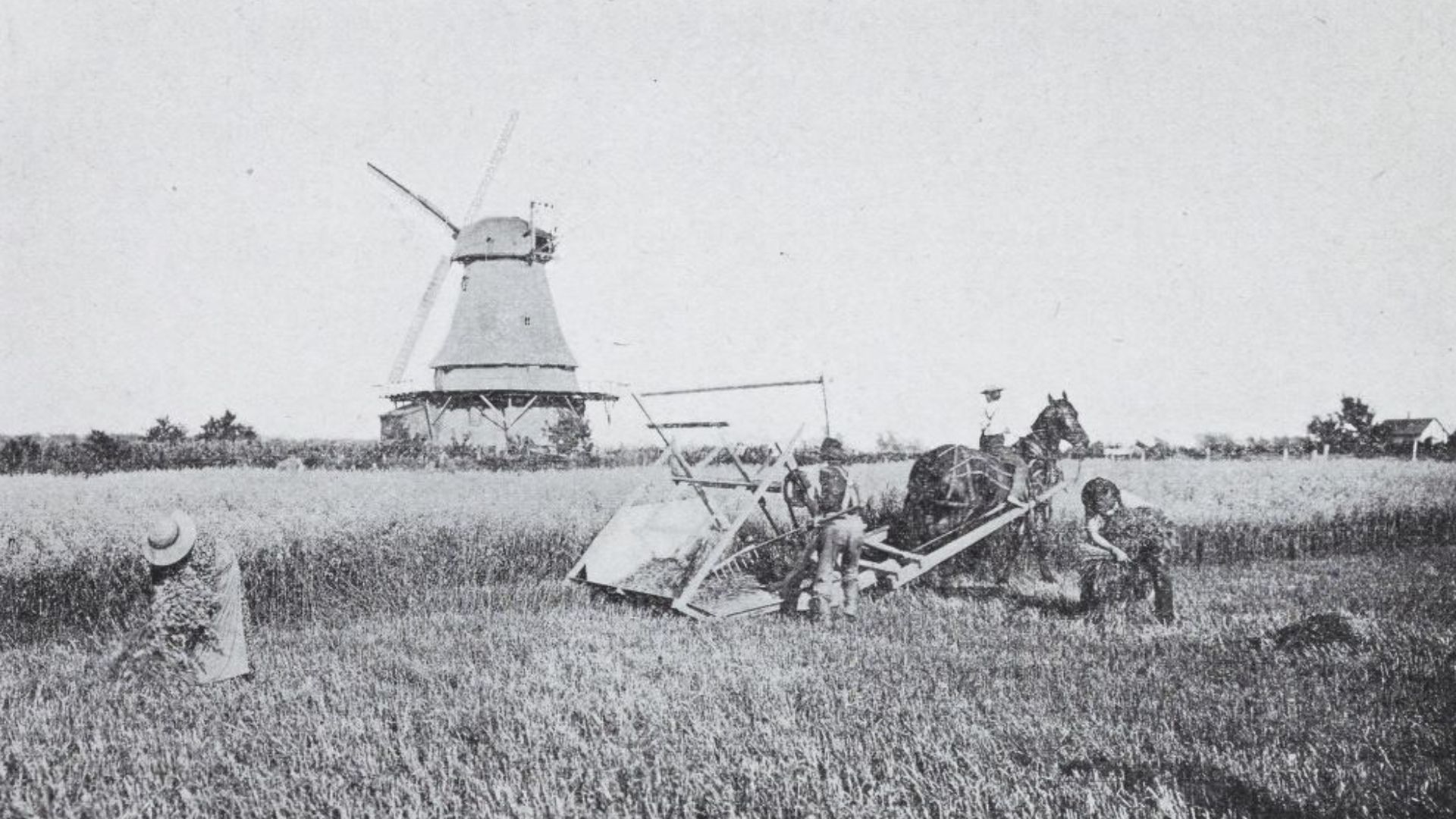
Cyrus McCormick grew up on a Virginia farm where his father had spent years attempting to build a practical mechanical reaper. Using that unfinished work as a starting point, Cyrus developed his machine with important assistance from Jo Anderson, a man enslaved by the McCormick family. The reaper mechanized work previously done with hand tools and greatly expanded the amount of grain farmers could harvest. McCormick eventually turned the machine into a booming industrial business.
 American Rolling Mill Company, Wikimedia Commons
Farmers Eventually Bought Reapers By The Tens Of Thousands
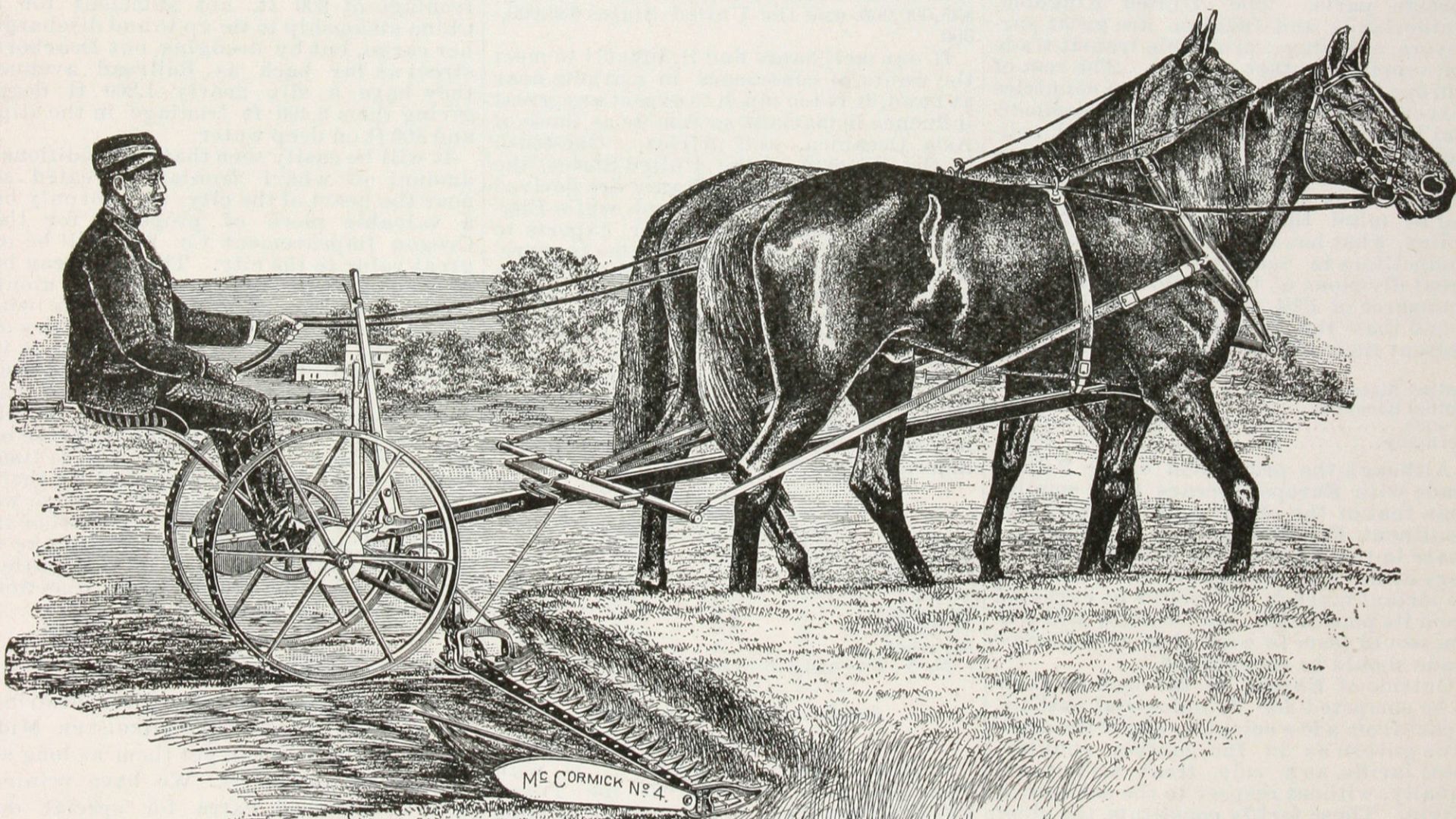
McCormick opened a manufacturing operation near Chicago in 1847 and combined production improvements with aggressive marketing. By the mid-1880s, the McCormick Harvesting Machine Company was selling more than 50,000 reapers annually. Later versions reduced the number of workers needed to operate them and increasingly automated cutting and handling grain. The horse-drawn reaper became one of the iconic machines of 19th-century agriculture.
 McCormick Harvesting Machine Company, Wikimedia Commons
The Farm Kept Evolving Without His Reaper
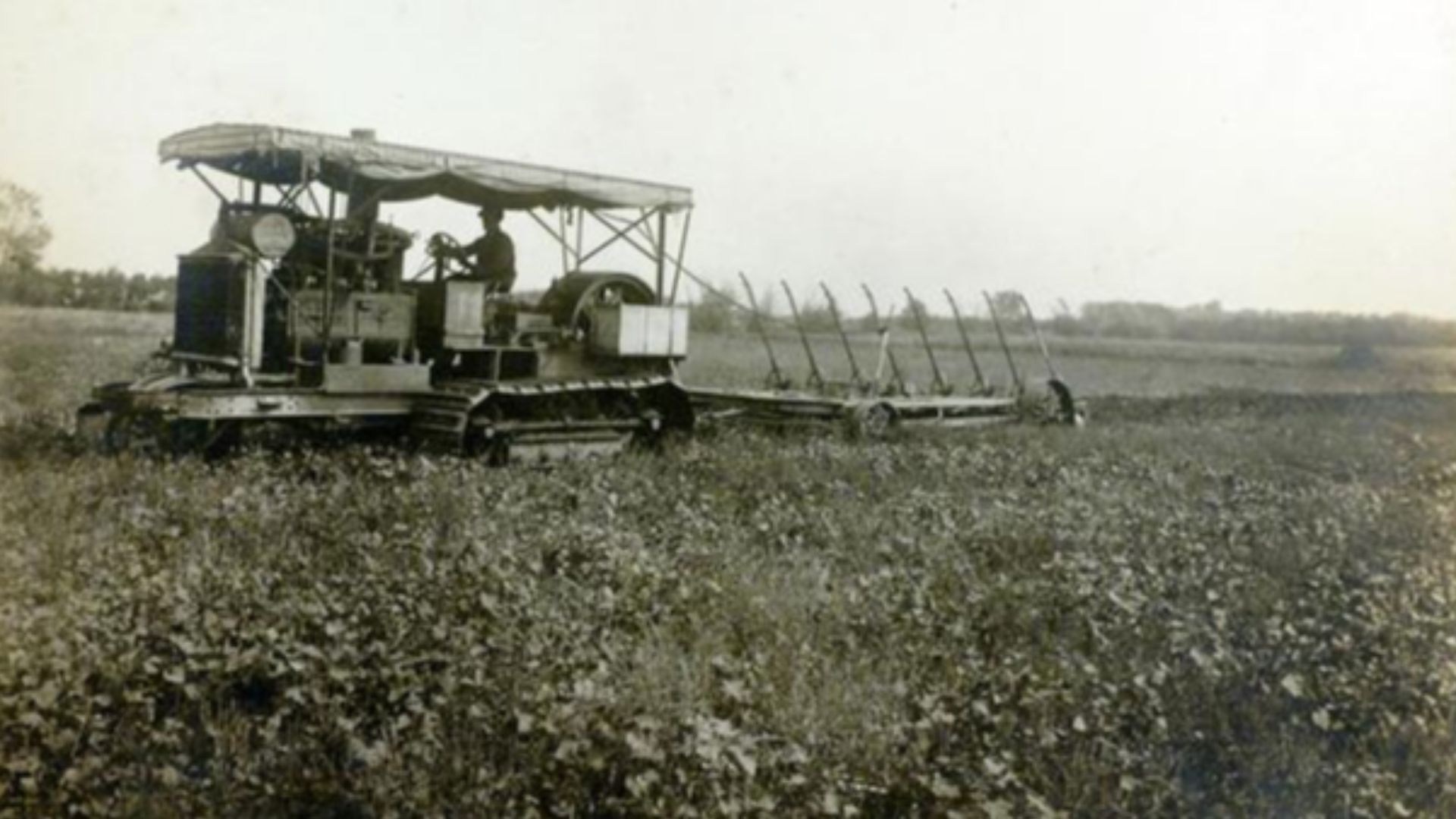
Agricultural machinery did not stop with McCormick's design. Combined harvester-threshers increasingly brought cutting, threshing, cleaning, and bagging into a single machine, while gasoline-powered tractors gradually displaced horse-drawn equipment in the 20th century. The Smithsonian describes animal-powered machinery as fading as mechanized farming expanded. McCormick's original reaper became a museum object, but his name remained permanently attached to the revolution in farm mechanization.
 Unknown authorUnknown author, Wikimedia Commons
History's most fascinating stories and darkest secrets, delivered to your inbox daily.
John Logie Baird Built Television From Junk
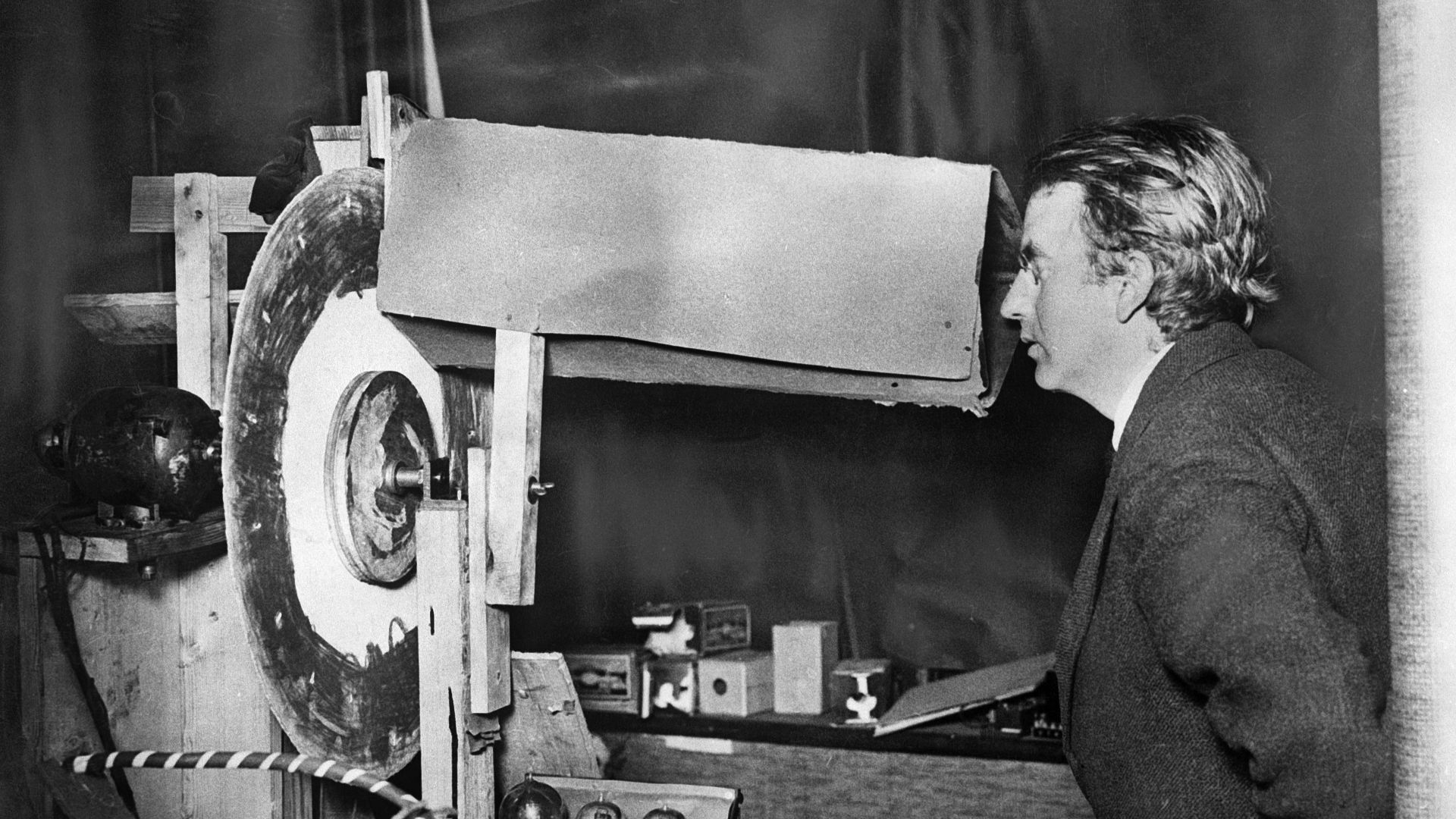
John Logie Baird began experimenting with transmitting images while struggling financially and working with remarkably crude materials. His early apparatus incorporated items including a hat box, tea chest, bicycle-light lenses, needles, and scissors. By 1925, he was successfully producing recognizable images and used a ventriloquist's dummy called Stooky Bill during experiments. In January 1926, he demonstrated his television system to members of the Royal Institution.
![Omschrijving: Personen: De Schot John Logie Baird (1888-1946), uitvinder van de televisie. [Engeland],1926.](https://www.factinate.com/storage/app/media/factinate/2026/9/25/1790327541a490adab3a8155ecf944ed542a31e9177102efbf.jpg) Unknown authorUnknown author, Wikimedia Commons
Unknown authorUnknown author, Wikimedia Commons
Baird Started Broadcasting Before Television Was Ready
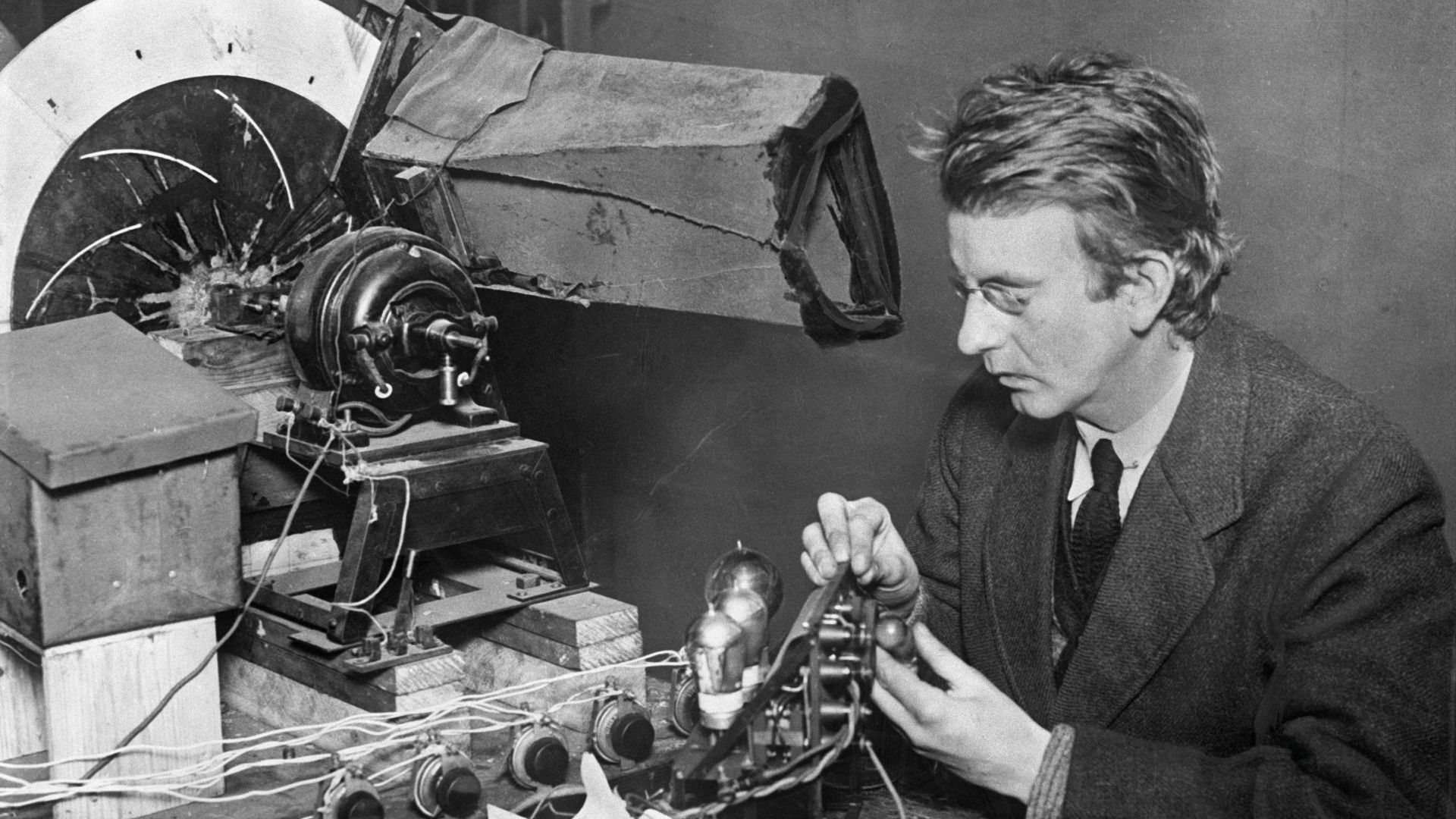
Baird pushed his mechanical television system through a remarkable sequence of demonstrations. He transmitted pictures between London and Glasgow, later sent images across the Atlantic, produced experimental BBC programming, and sold early commercial “Televisor” receivers. His machines mechanically scanned scenes using rapidly rotating discs rather than the fully electronic approach that ultimately prevailed. For a brief period, Baird's system looked like one possible future of television.
 Wide World Photos, Wikimedia Commons
The BBC Abandoned His System In 1937
The BBC eventually tested Baird's mechanical approach against the 405-line electronic Marconi-EMI system. The electronic technology delivered better results, and the Baird system was dropped in 1937. Baird continued experimenting with large-screen, stereoscopic, and color television, but the mechanical system that established his fame became a technological dead end. His name survived as a television pioneer even though modern televisions have almost nothing mechanically in common with the device that made him famous.
 Wide World Photos, Wikimedia Commons
Lee De Forest Put A Third Part In A Vacuum Tube
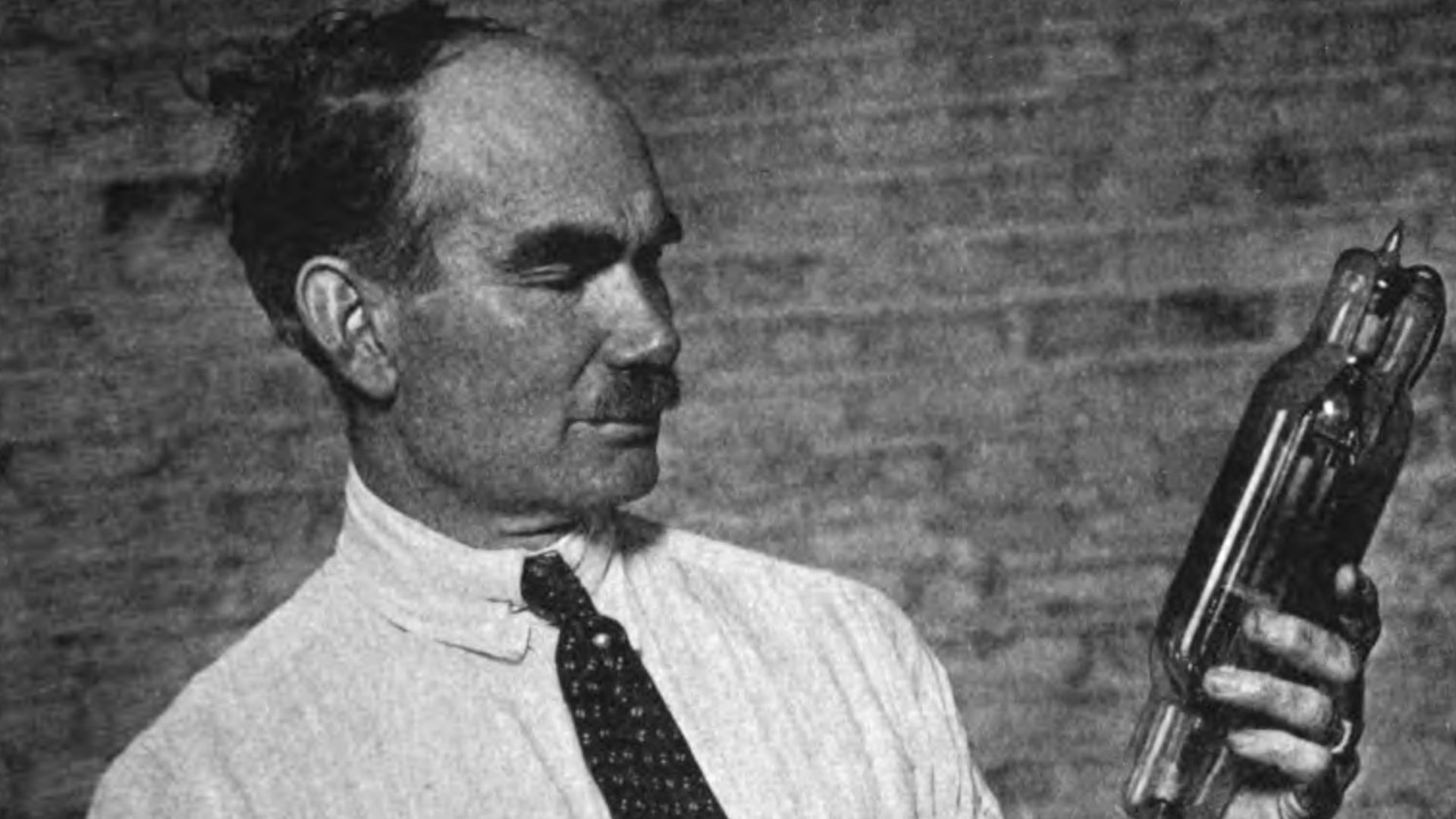
Early radio systems struggled with detecting and amplifying weak electrical signals. In 1906, American inventor Lee de Forest developed an electron tube he called the Audion, building on earlier work by Thomas Edison and John Ambrose Fleming. His device incorporated three internal elements, including a control grid, creating what became known as a triode. The Smithsonian calls it one of the most important inventions in radio history.
 Unknown authorUnknown author, Wikimedia Commons
The Audion Helped Create The Electronic Age
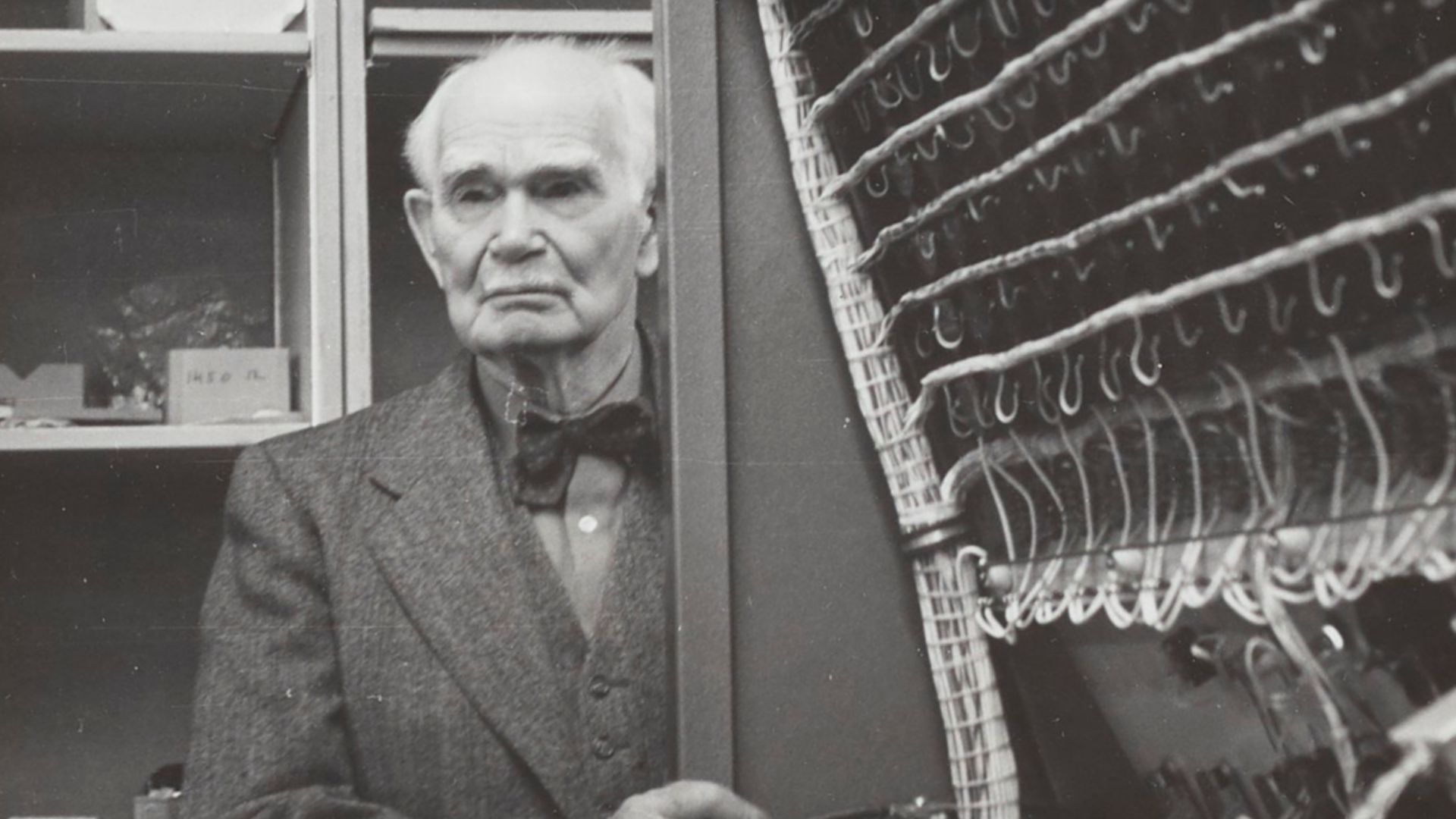
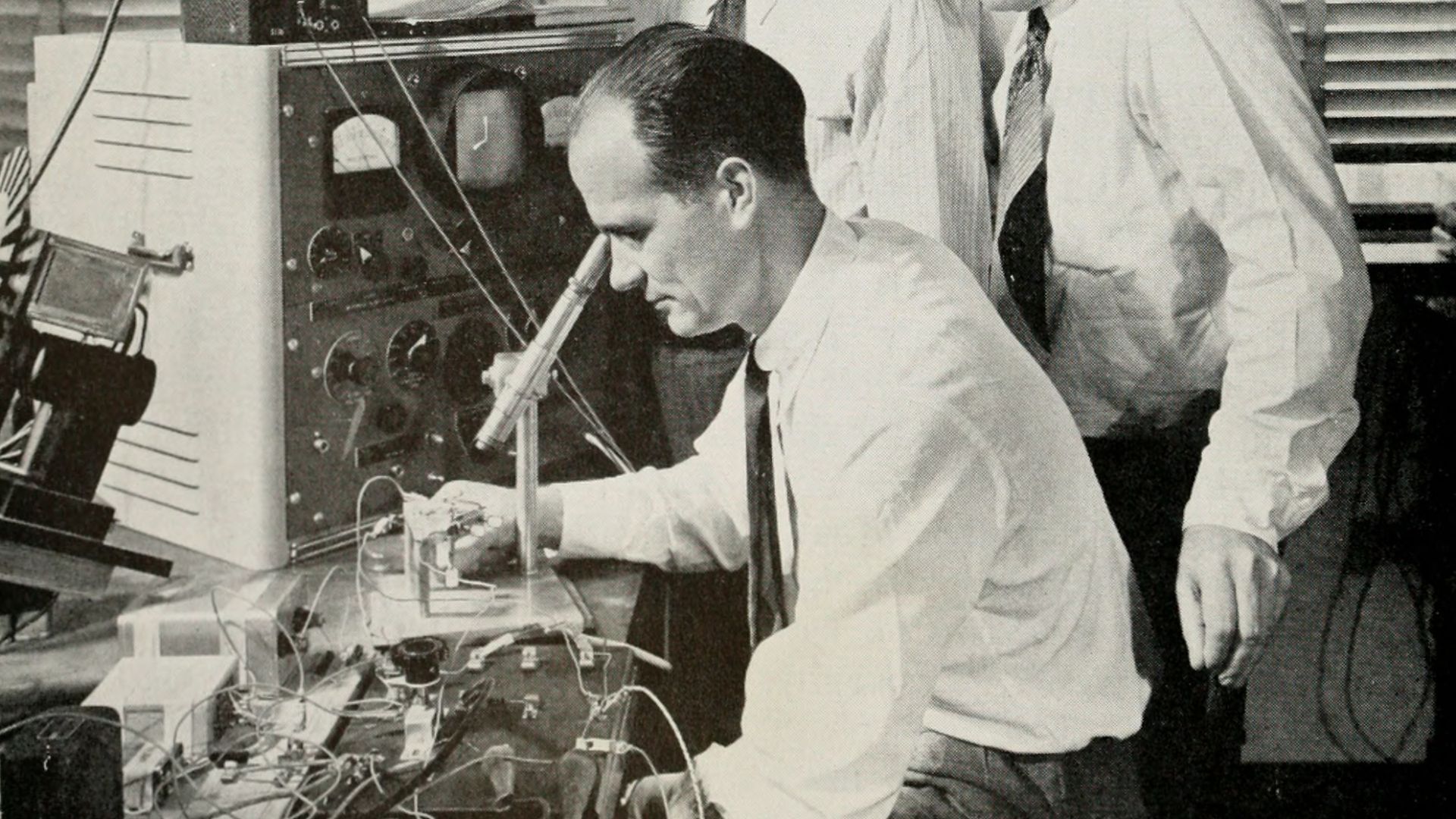
Vacuum tubes based on the triode principle could amplify electrical signals and eventually became fundamental to radio, telephone systems, broadcasting, and early electronic computers. Improved versions quickly moved beyond de Forest's earliest Audion designs, but the basic three-element tube became enormously influential. Large electronic systems could contain thousands of vacuum tubes. For several decades, glowing glass tubes were among the defining components of modern electronics.
 Science History Institute, Wikimedia Commons
Then A Tiny Transistor Replaced The Tube
The transistor arrived at Bell Labs in 1947 and offered major advantages over vacuum tubes. It could perform amplification and switching while being smaller, more reliable, less power-hungry, and ultimately cheaper. During the 1950s, transistors rapidly displaced vacuum tubes in fields such as computing and portable electronics. De Forest's Audion became an artifact of early electronics, while his name remained permanently embedded in histories of radio and amplification.
 Internet Archive Book Images, Wikimedia Commons
History's most fascinating stories and darkest secrets, delivered to your inbox daily.
Edison Thought Cylinders Were The Future Of Recorded Sound
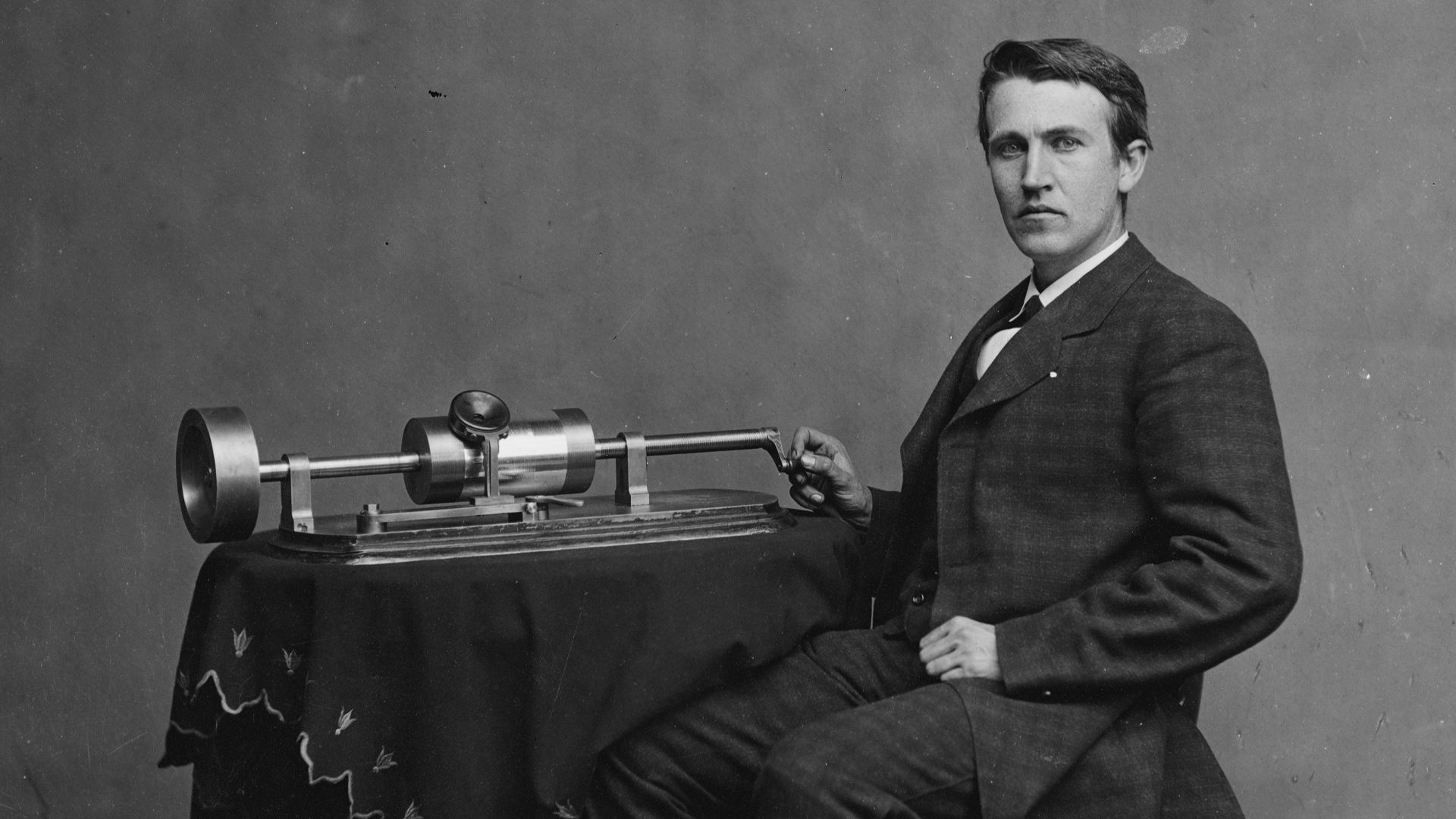
Thomas Edison developed his phonograph in 1877 while experimenting with ways to record communications. His earliest device inscribed sound onto tinfoil wrapped around a cylinder, allowing spoken words to be reproduced mechanically. Later versions used improved wax and celluloid cylinders, and Edison became deeply attached to the format. Of all his inventions, the Library of Congress notes, the phonograph was the one Edison said he liked most.
 Levin C. Handy (per http://hdl.loc.gov/loc.pnp/cwpbh.04326), Wikimedia Commons
Consumers Chose Discs Instead
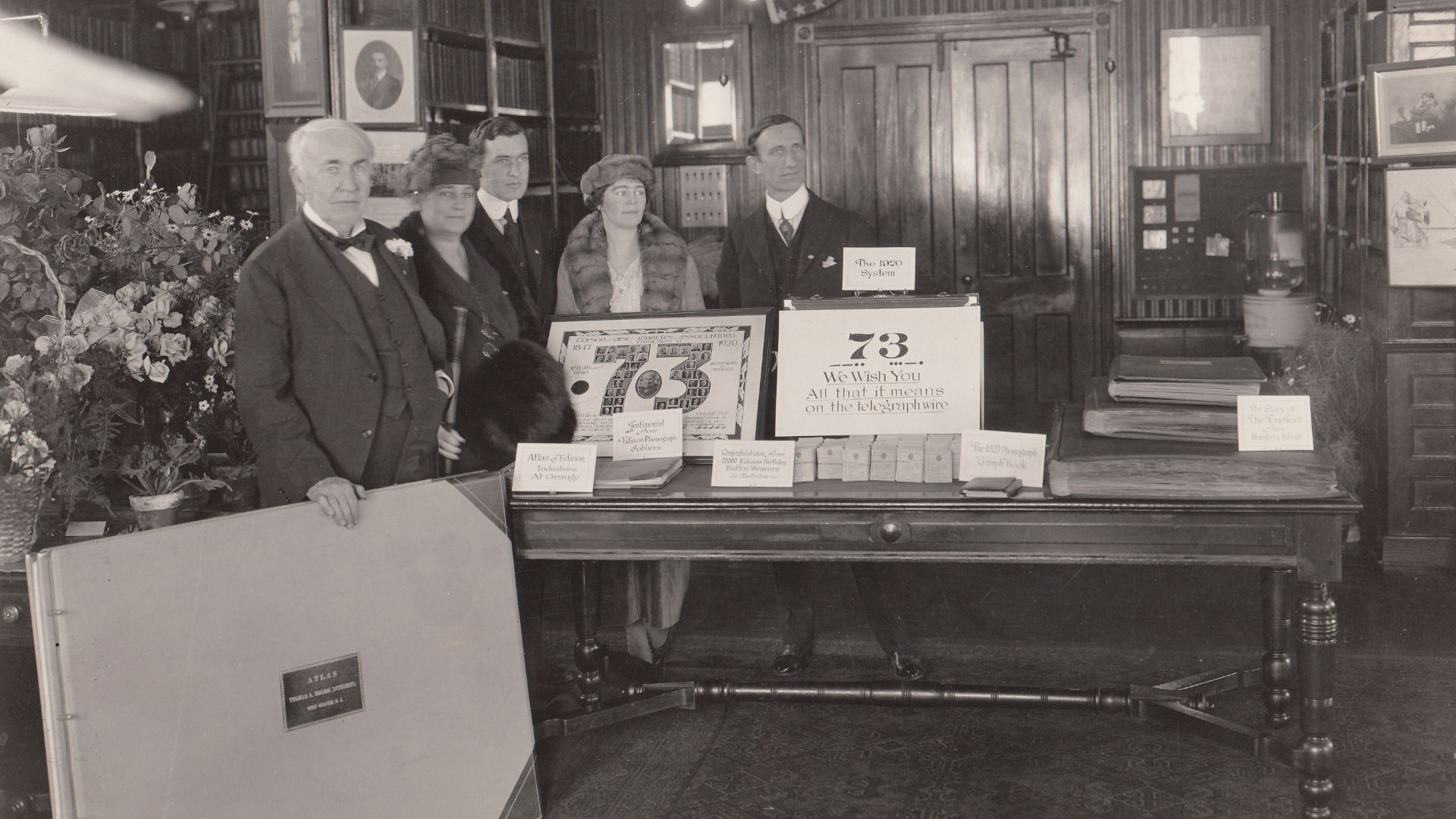
Cylinder recordings had technical strengths, but flat discs increasingly won over consumers after the turn of the century. Cylinders peaked in popularity around 1905, while companies such as Victor built successful disc businesses. Edison resisted the trend before eventually introducing his own Diamond Disc system. Even that format was incompatible with many competitors' records, leaving Edison increasingly isolated from the market standard.
 Unknown authorUnknown author, Wikimedia Commons
Edison's Record Business Disappeared Before Edison Did
Competition from radio hurt the phonograph business during the 1920s, while Edison's proprietary formats continued struggling. His company finally ordered the disc business closed in October 1929, two years before Edison died. Cylinders and Diamond Discs survive largely among collectors, archives, and museums. Edison himself, however, remains so famous that his name has outlasted multiple recording formats his company once hoped would dominate the future.
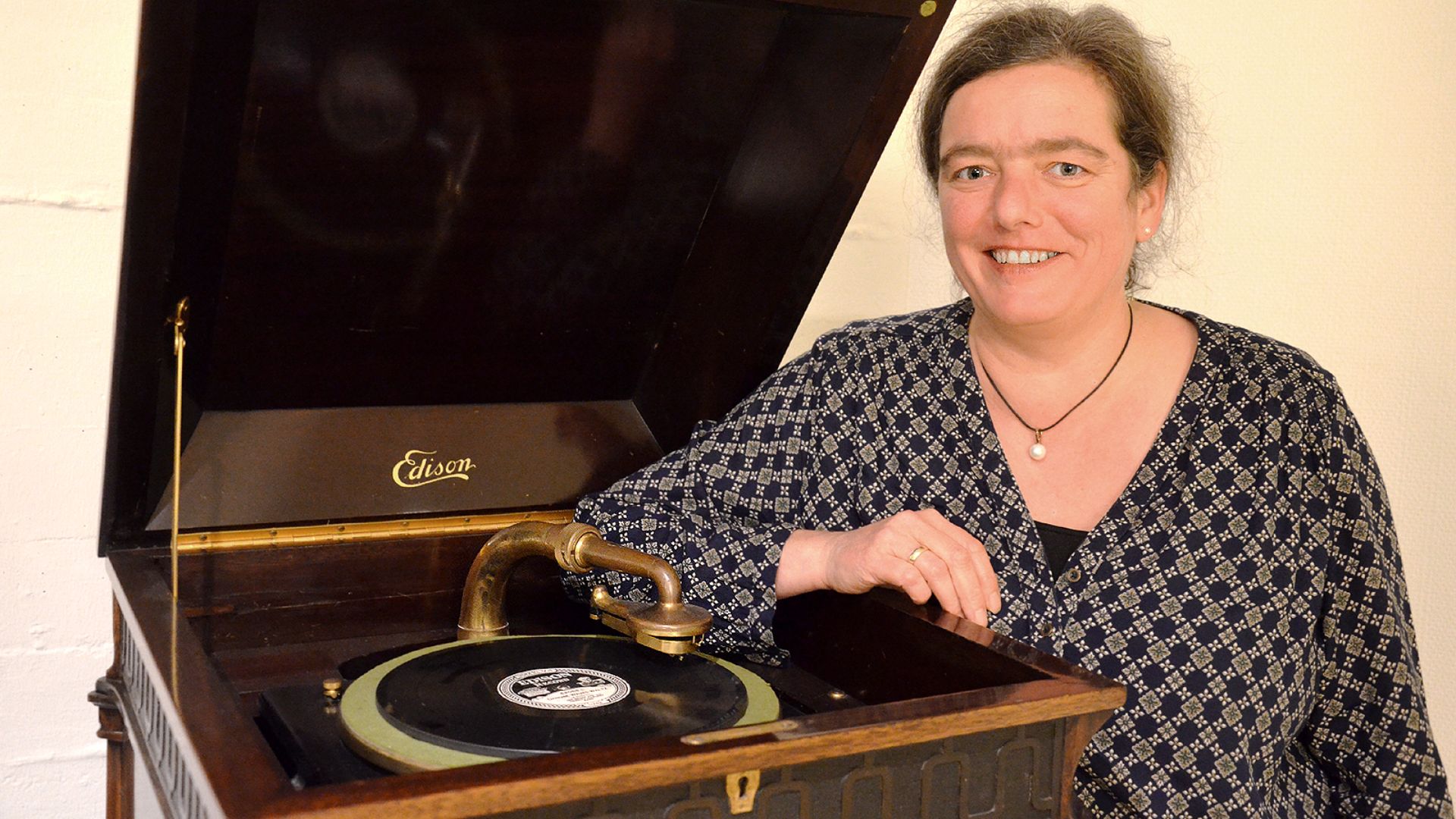 Foto: Bernd Schwabe aus Hannover, Wikimedia Commons
George Eastman Made The Camera Almost Effortless
Photography had once demanded bulky equipment, chemical preparation, and considerable technical expertise. George Eastman's Kodak system changed that relationship dramatically when the Kodak camera appeared in 1888. Customers received a camera loaded for 100 exposures, then mailed the entire device back to Rochester for developing, printing, and reloading. Eastman's brilliant slogan summarized the idea perfectly: customers pressed the button while Kodak did the rest.
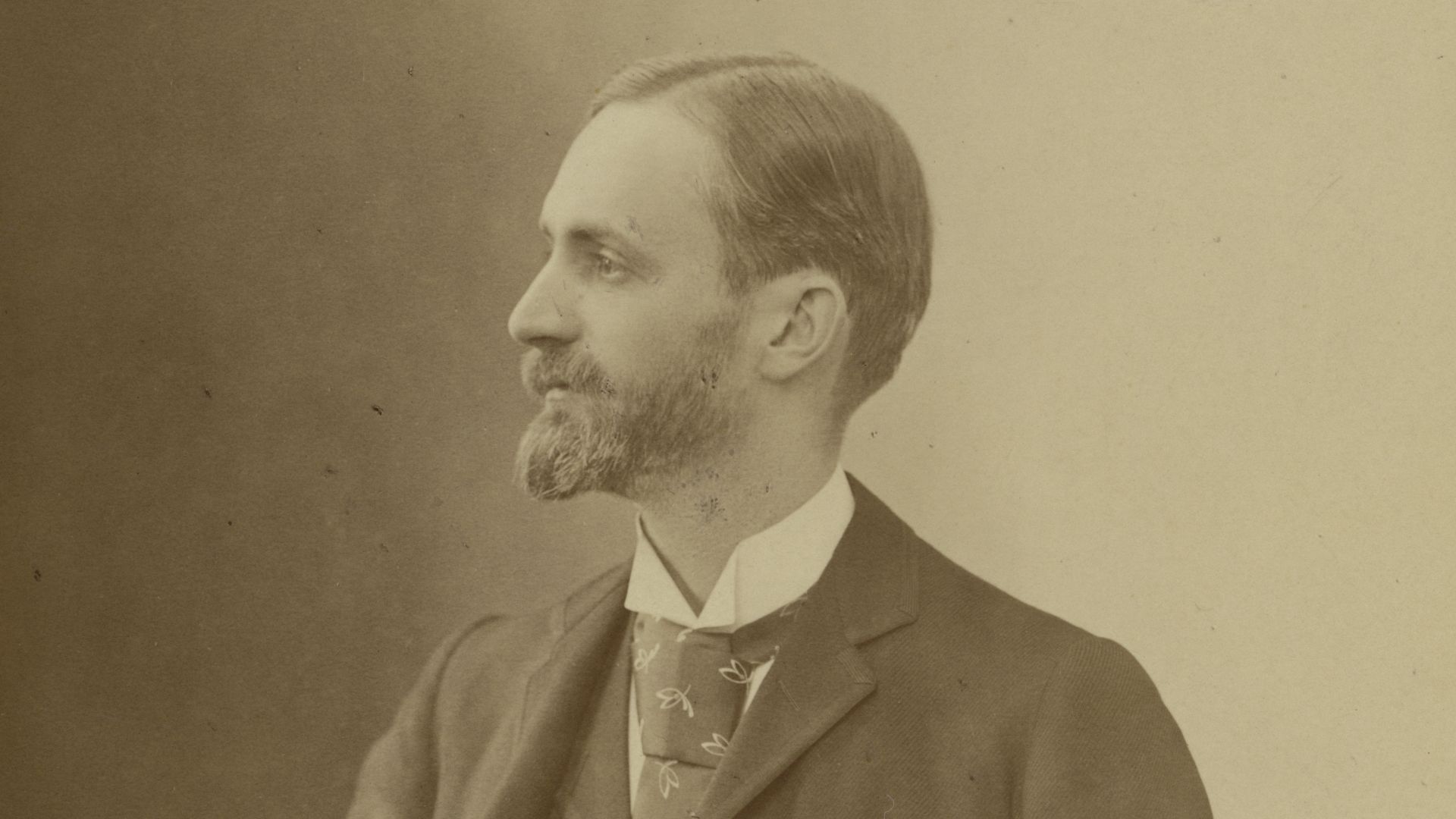
Film Created An Empire Of Snapshots
The cheaper Brownie camera, introduced in 1900, helped make casual photography accessible to a vast new audience. Eastman's business depended on an ecosystem of cameras, roll film, chemical processing, prints, and repeat purchases. The physical film technology also became crucial to motion pictures, with early Kodak transparent film helping provide material for experimental cinema. For most of the 20th century, taking a photograph usually meant exposing a piece of film.
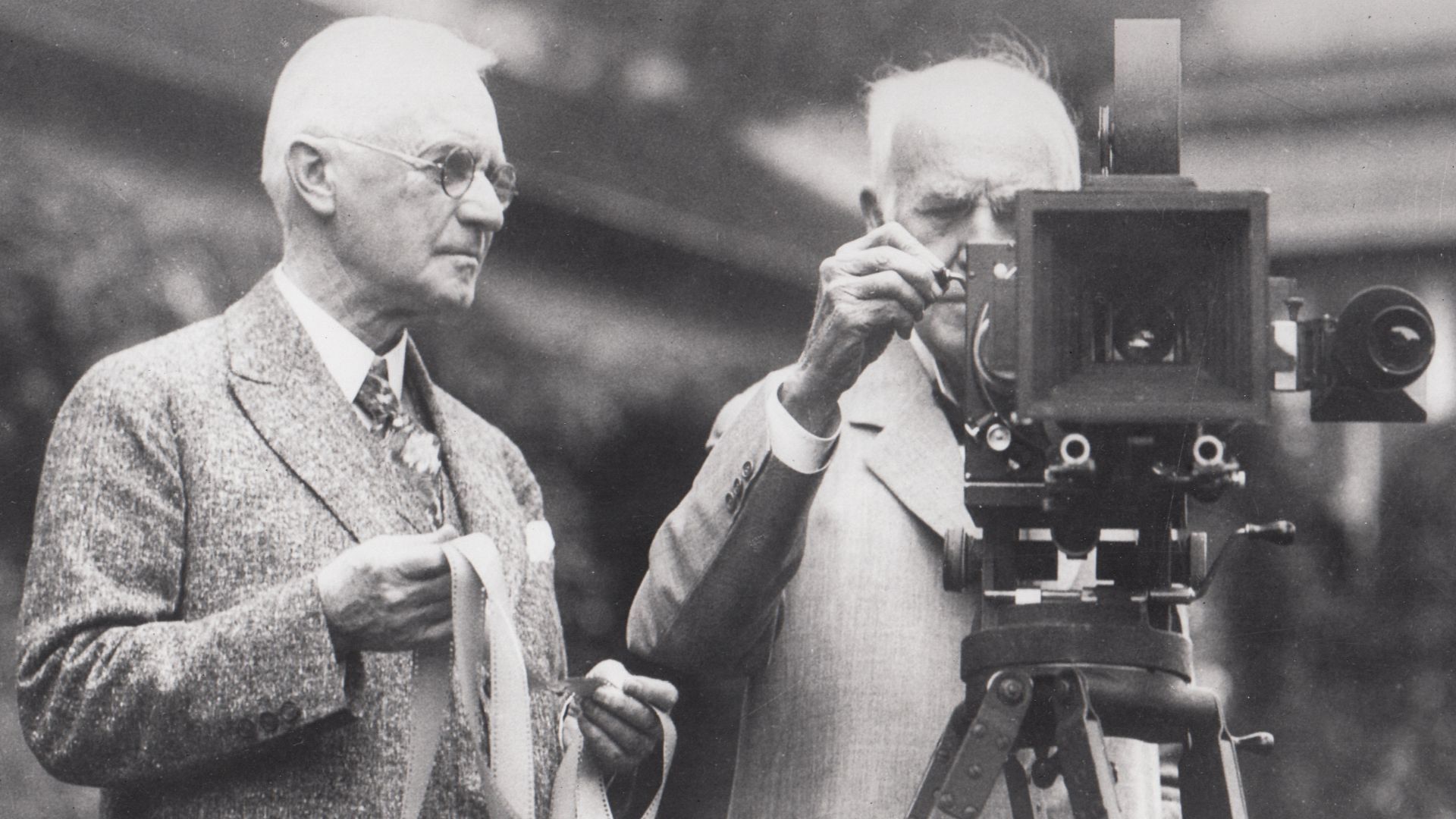 Unknown authorUnknown author, Wikimedia Commons
Digital Photography Ate The Industry Eastman Created
Ironically, a Kodak engineer named Steven Sasson built the first completely digital camera prototype in 1975. The George Eastman Museum notes that digital photography overtook analog film within roughly 25 years and eventually came to dominate photographic practice. Smartphones pushed the transition even further by placing sophisticated digital cameras in billions of pockets. Eastman's roll-film world largely vanished from everyday life, yet his mansion, museum, company history, and reputation still make his name inseparable from photography.

History's most fascinating stories and darkest secrets, delivered to your inbox daily.
Alfred Nobel Made Nitroglycerin Safer To Handle
Alfred Nobel did not invent nitroglycerin, but he became obsessed with making the dangerously unstable explosive practical. His experiments were hazardous enough that a 1864 explosion killed five people, including his younger brother Emil. Nobel eventually mixed nitroglycerin with porous kieselguhr, producing a material that was much easier to handle and shape. He patented it as dynamite in 1867.
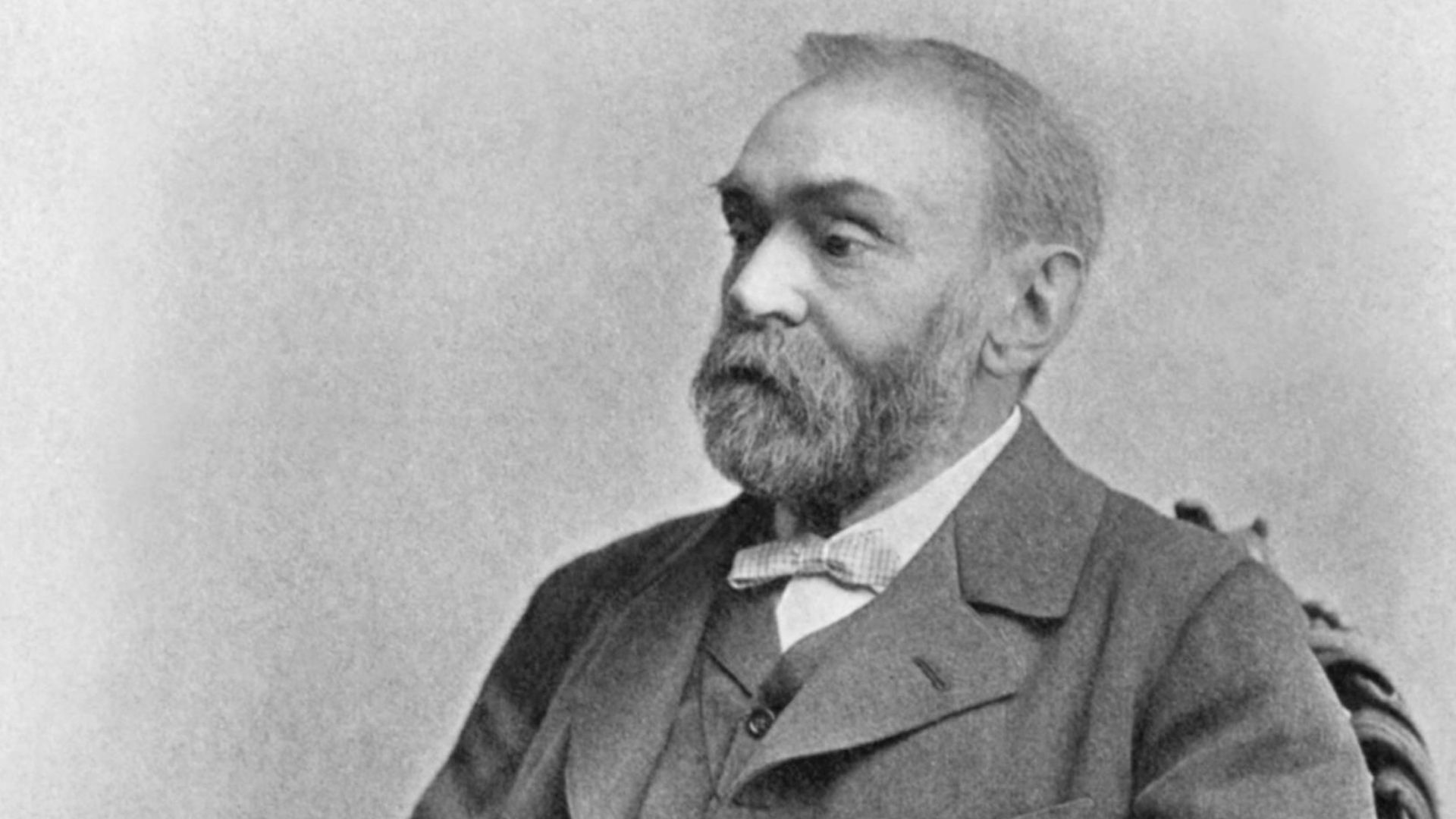 Unknown authorUnknown author, Wikimedia Commons
Even Nobel Quickly Improved On Dynamite
Dynamite made Nobel enormously wealthy and helped make massive construction projects more practical. Yet Nobel himself recognized weaknesses in the formula and continued experimenting. In 1875, he developed blasting gelatin, which was more powerful than dynamite and became an important industrial explosive for decades. The invention most strongly associated with Nobel was therefore already being superseded by another Nobel invention during his own career.
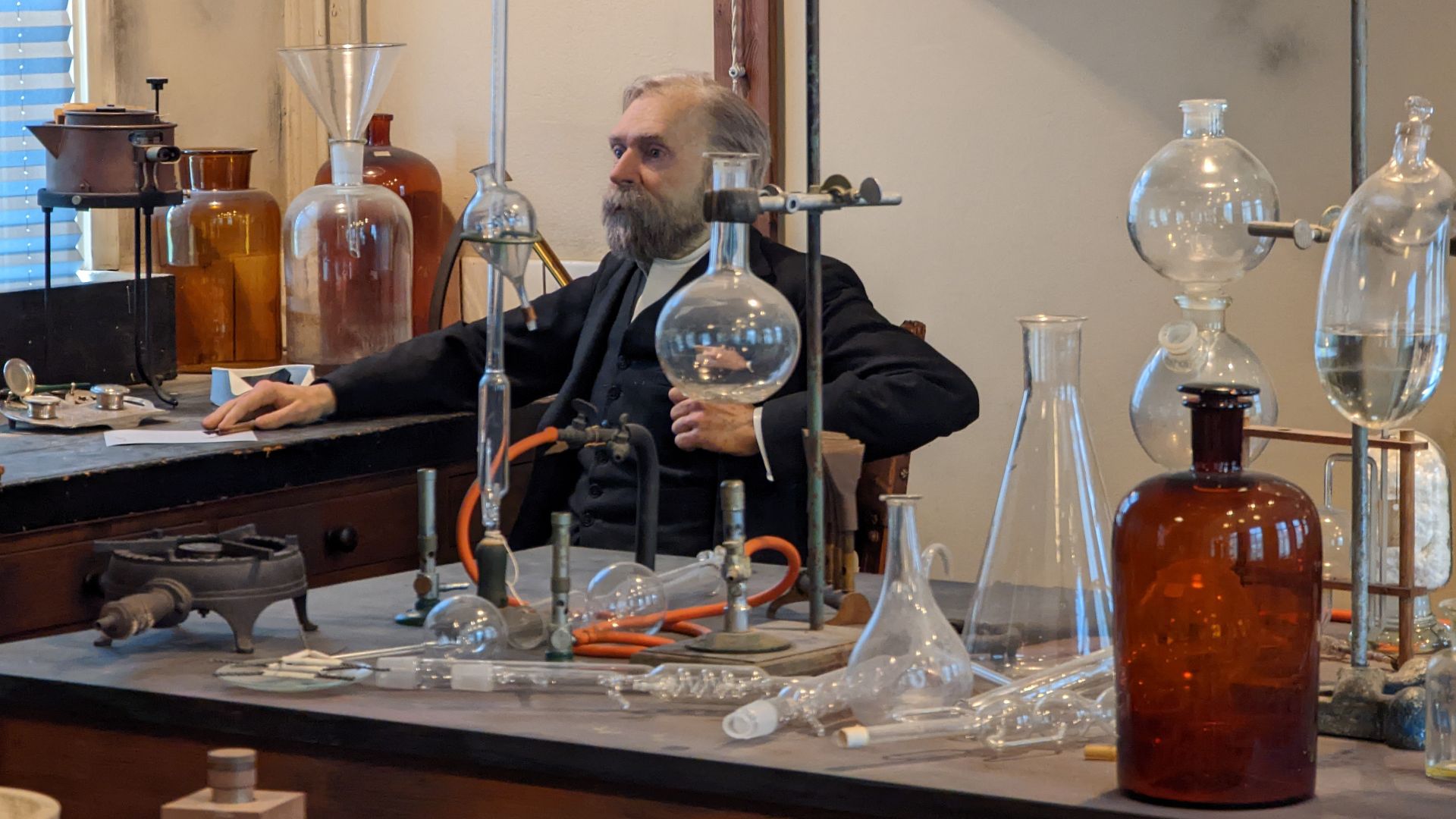
The Nobel Name Found A Completely Different Future
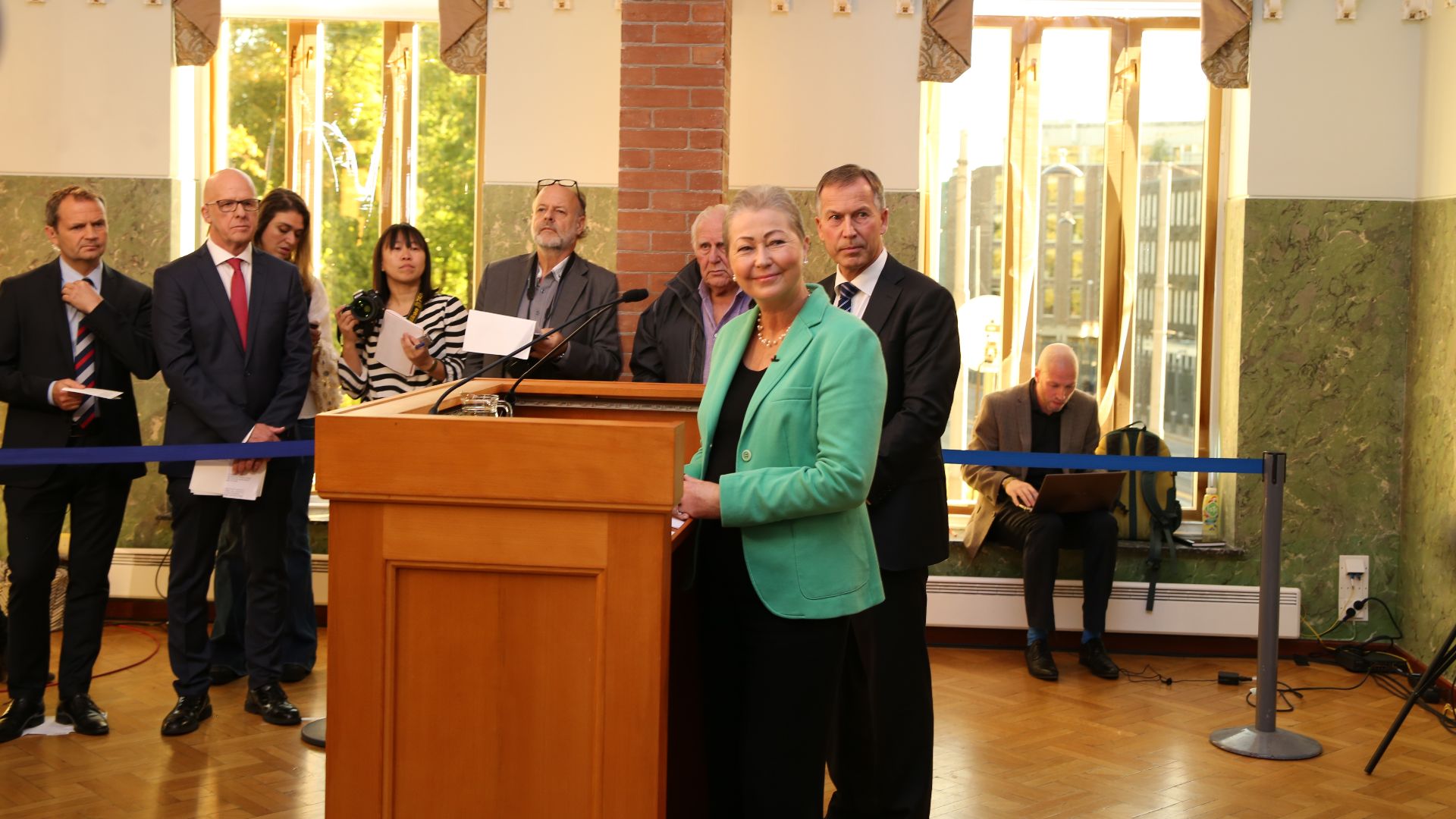
By 1895, Nobel had accumulated a vast fortune and hundreds of patents. His final will devoted most of his estate to prizes recognizing achievements in physics, chemistry, medicine, literature, and peace, with the first awards presented in 1901. Dynamite was among the world's most important explosives for nearly a century, but it is no longer the reason most people hear the word “Nobel.” His surname achieved the ultimate escape from its original technology by becoming shorthand for intellectual and humanitarian achievement.
 Astrid Carlsen (WMNO), Wikimedia Commons
You May Also Like:
Accidental Inventions That Changed Our Lives Forever
Page-Turning Facts About The Literary World's Wildest Scandals
Historical Geniuses Who Were Complete Disasters Outside Their Field
Sources: 1, 2, 3, 4, 5, 6, 7, 8, 9, 10, 11, 12, 13, 14, 15, 16, 17, 18, 19, 20, 21, 22, 23, 24, 25, 26, 27, 28, 29, 30, 31, 32, 33, 34, 35, 36, 37, 38, 39










.jpg)