

When Getting It Wrong Changed Everything
Failure has an odd way of revealing what success can hide. Some of history's most consequential mistakes, disasters, and rejected ideas forced inventors, engineers, companies, and governments to confront problems they might otherwise have ignored for decades.
Edison Solved A Problem Congress Did Not Want Solved
Thomas Edison's first patented invention was an electrographic vote recorder designed for legislative bodies. Each lawmaker could indicate yes or no at a desk switch, while a central device rapidly recorded names and totals. Edison saw an obvious inefficiency and believed electricity could eliminate it.
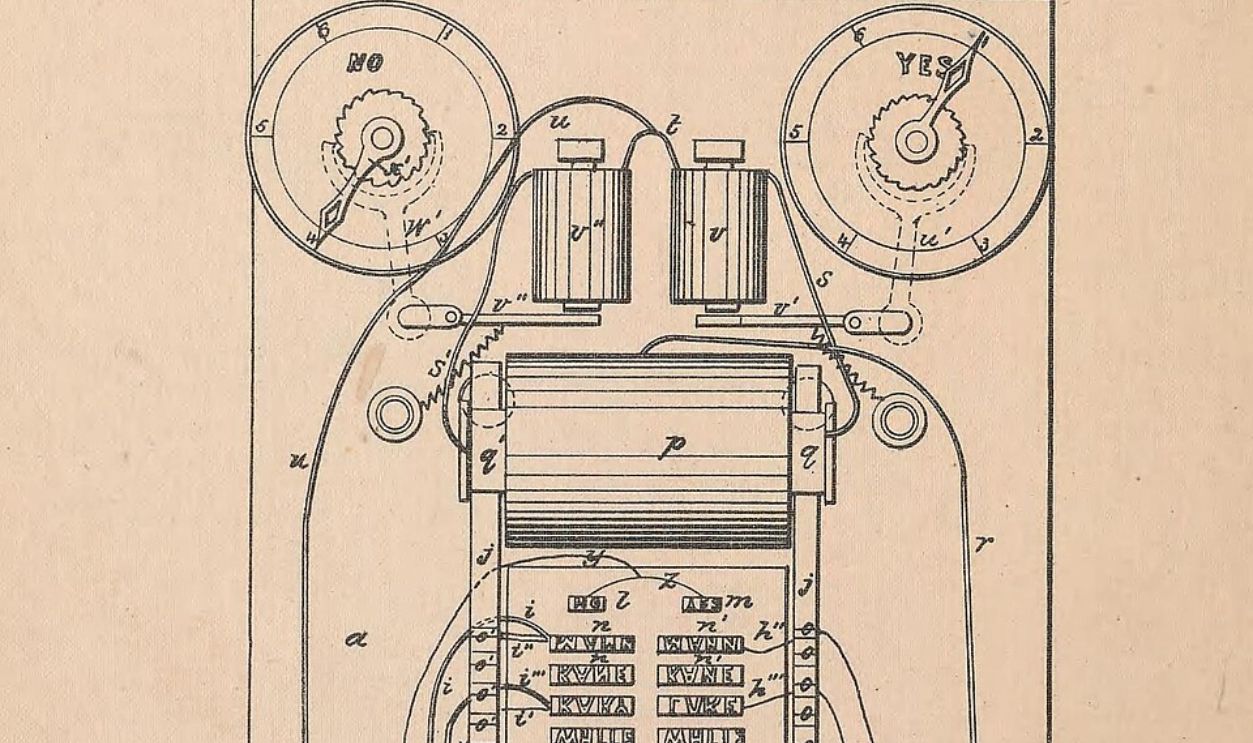 Edison, Thomas A, Wikimedia Commons
Congress Thought Faster Voting Was The Problem
A fellow telegraph operator, Dewitt Roberts, bought an interest in the machine and demonstrated it in Washington. According to the Edison Papers, a congressional committee chairman objected precisely because the device worked too quickly. Slow roll calls gave legislators time to delay proceedings, negotiate, and persuade colleagues to change their votes.
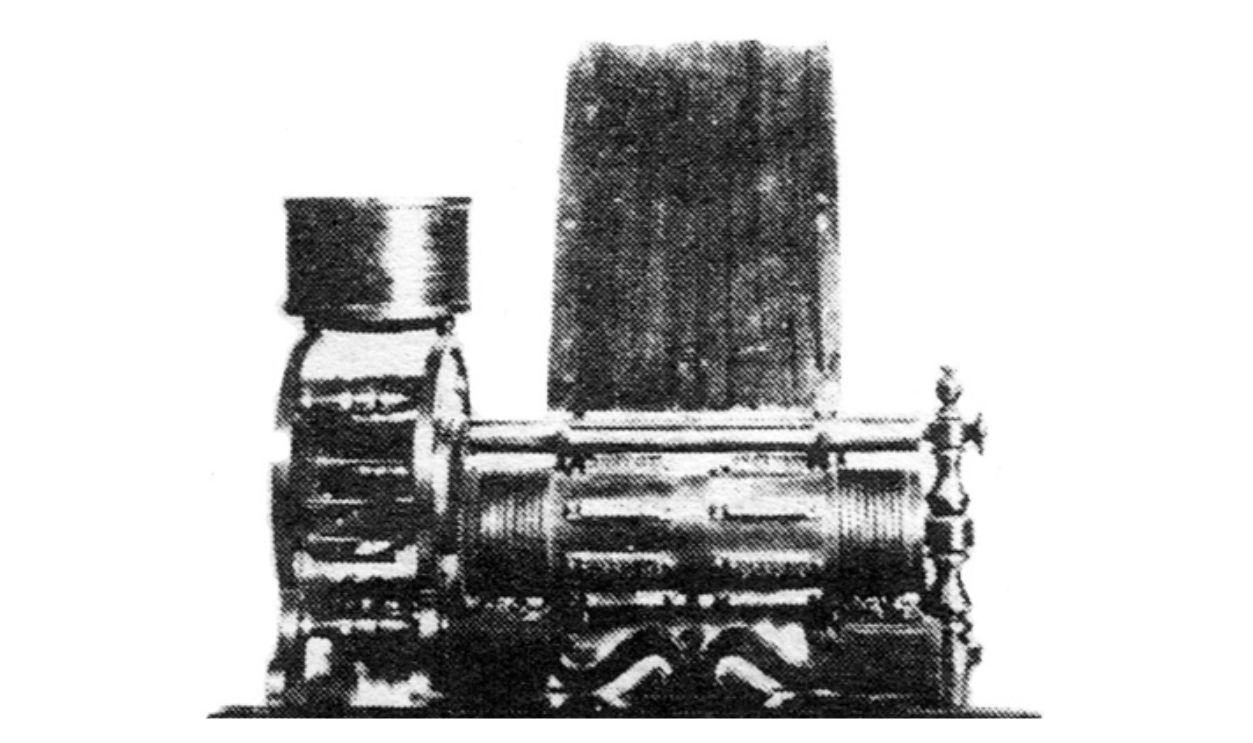 Unknown author, WIkimedia Commons
Failure Changed How Edison Invented
The vote recorder was never adopted, making Edison's first patented invention a commercial failure. More importantly, the experience confronted him with a distinction that would shape his later career: a technically impressive invention was not necessarily something customers wanted. Instead of perfecting a solution in isolation, Edison increasingly focused on technologies with obvious practical and commercial demand.
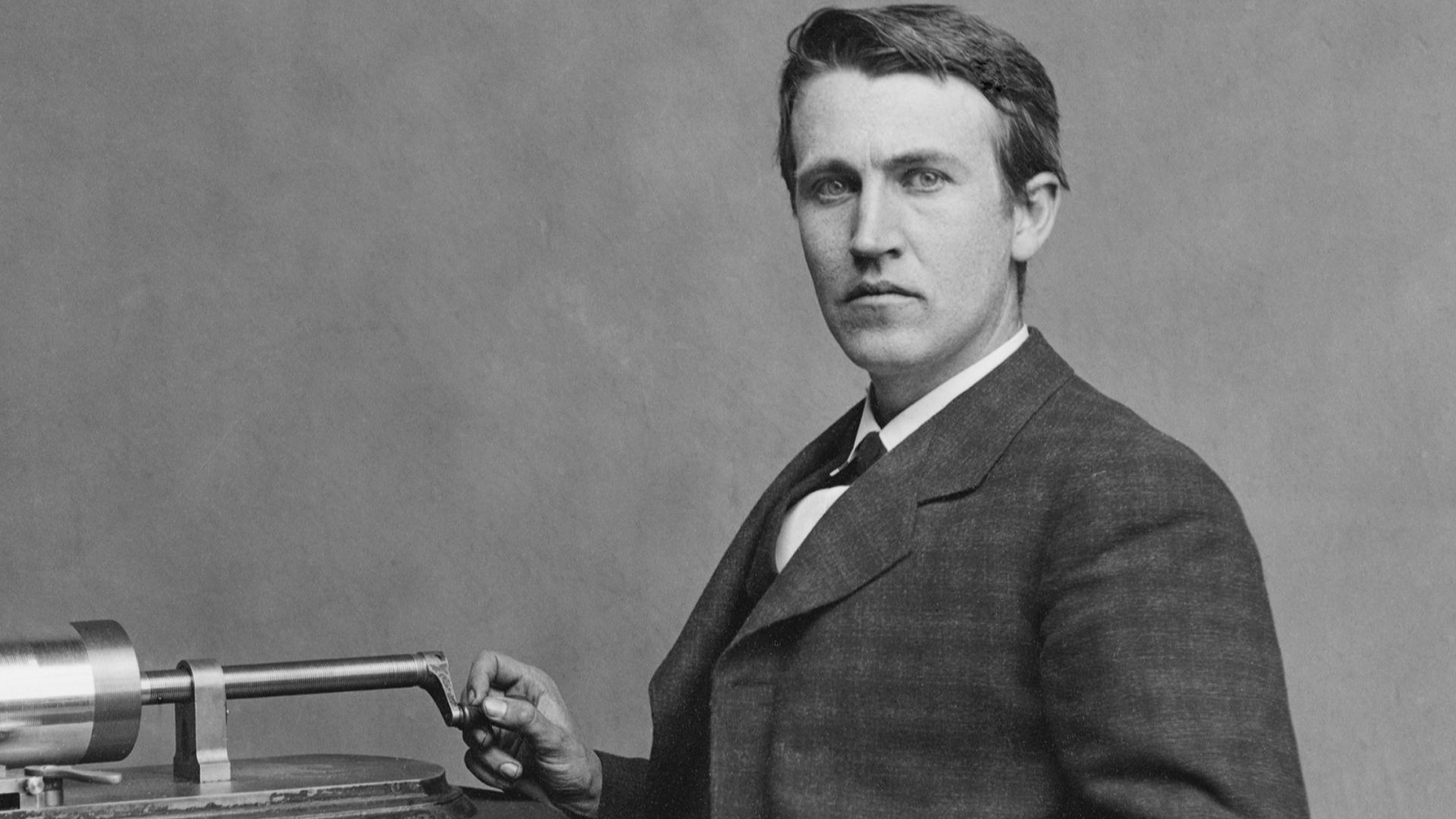 Levin C. Handy (per http://hdl.loc.gov/loc.pnp/cwpbh.04326), Wikimedia Commons
The Wright Brothers Thought Their Glider Was A Disaster
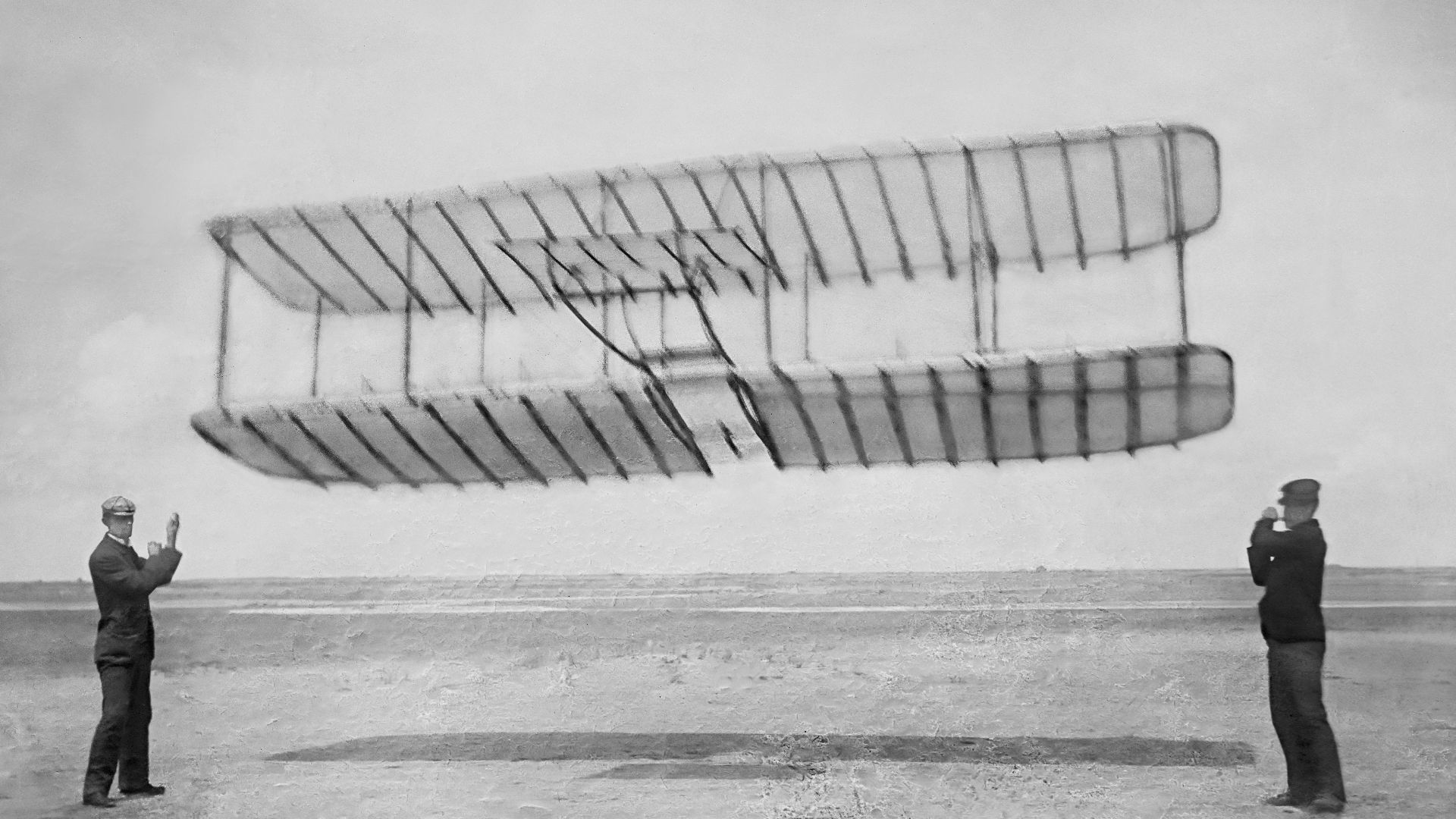
Wilbur and Orville Wright arrived at Kitty Hawk in 1901 expecting their new glider to perform far better than their previous machine. Instead, it produced only about one-third of the lift predicted by the aerodynamic data they were using and developed serious control problems. Wilbur later wrote that they considered their experiments a failure.
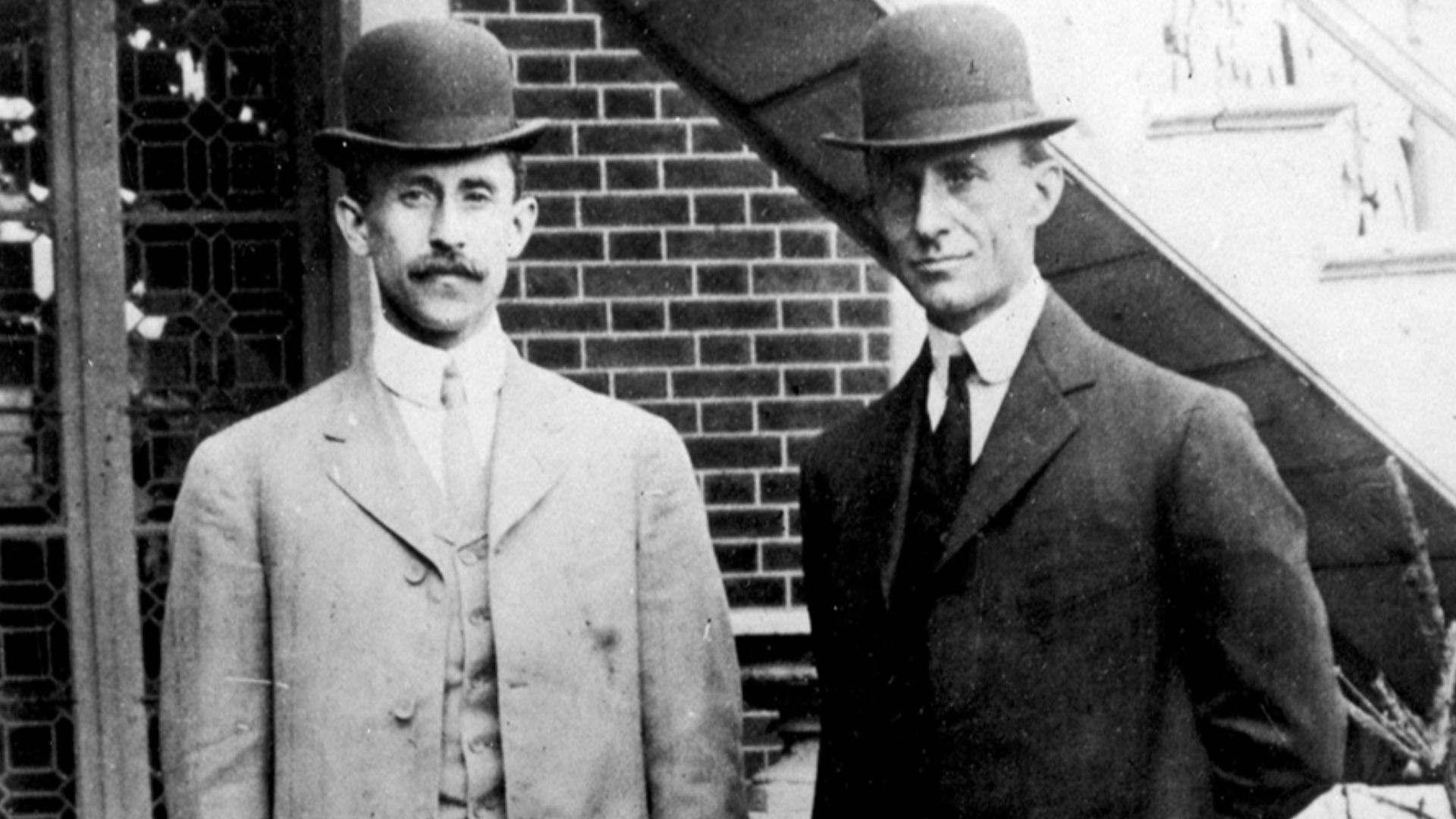 unattributed, Wikimedia Commons
Failure Made Them Question The Experts
The brothers had relied heavily on established aerodynamic measurements, particularly those associated with pioneering glider experimenter Otto Lilienthal. Their disappointing flights convinced them that some accepted figures were wrong or were being applied incorrectly. Rather than simply modifying another glider, they returned to Dayton and decided to measure lift and drag themselves.
 Orville or Wilbur Wright, Wikimedia Commons
Their Worst Season Led Straight To The Airplane
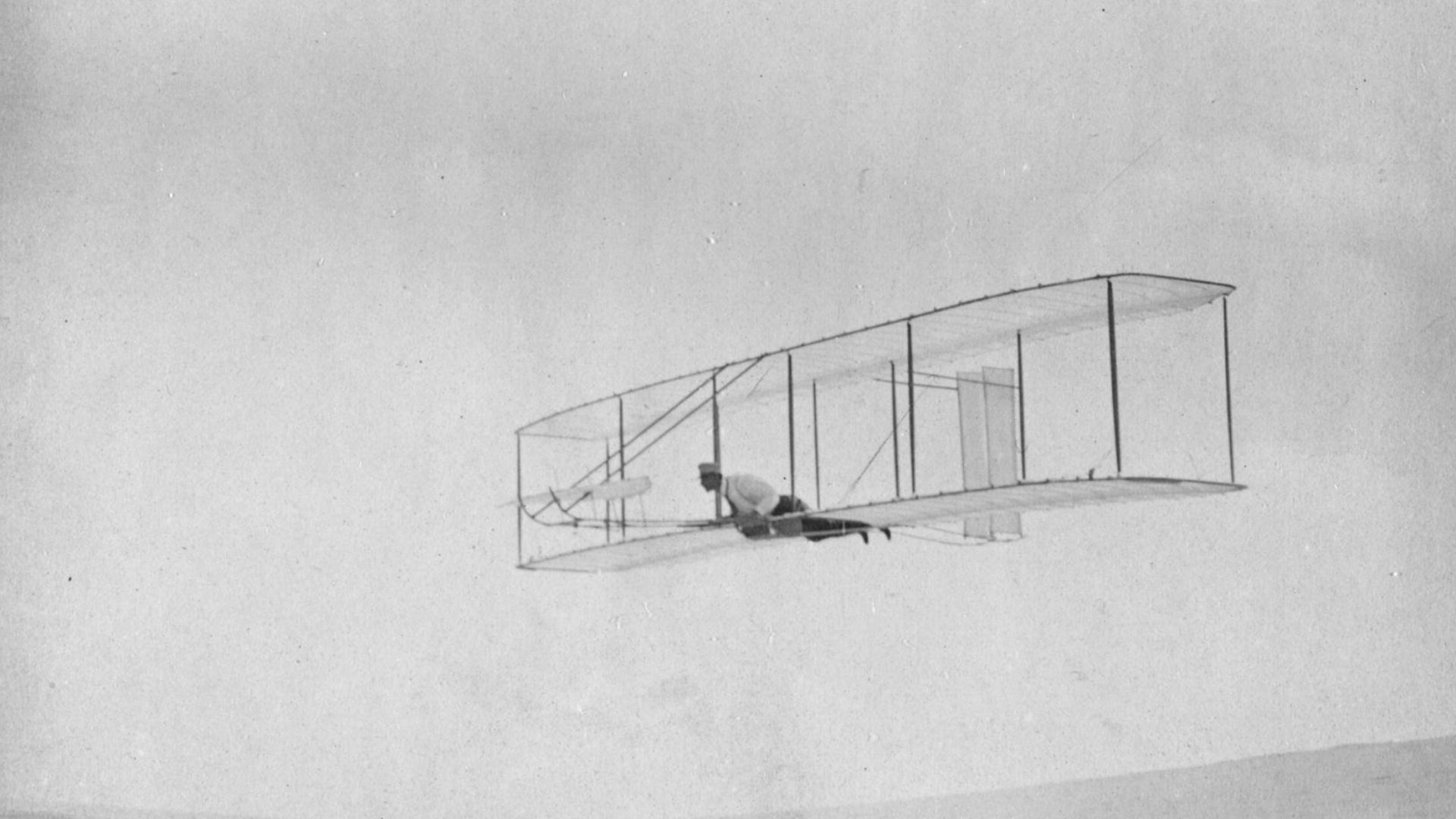
The Wrights built a small wind tunnel and tested dozens of wing configurations during the winter of 1901. NASA says the resulting experiments gave them some of the most detailed wing-performance data then available and supplied the information needed for their successful 1902 glider. The humiliating results of 1901 had forced them to stop trusting inherited assumptions, helping clear the path toward powered flight in 1903.
 User Willy Logan on en.wikipedia, Wikimedia Commons
Spencer Silver Made An Adhesive That Barely Stuck
In 1968, 3M chemist Spencer Silver was attempting to develop a stronger adhesive. Instead, he created unusual microscopic acrylic spheres that produced a low-tack adhesive strong enough to cling lightly to a surface but weak enough to be removed. As a conventional glue, it looked like a disappointing result.
For Years Nobody Knew What To Do With It
Silver spent several years promoting the adhesive internally at 3M while struggling to find a convincing product for it. Eventually colleague Art Fry remembered Silver's invention while looking for a bookmark that would stay inside his church hymnal without damaging the pages. Fry coated pieces of paper with the adhesive and realized the idea was more useful as a removable note than simply as a bookmark.
 Liveoncelivewild, Wikimedia Commons

History's most fascinating stories and darkest secrets, delivered to your inbox daily.
The Failed Glue Became An Office Essential
Even the finished concept struggled at first, with early market tests producing disappointing consumer interest. Sampling changed that because people who actually tried the notes tended to want more, and Post-it Notes received a nationwide U.S. launch in 1980. An adhesive that had failed at its original purpose ultimately created an entirely new category of everyday product.

Titanic Exposed The Price Of Confidence
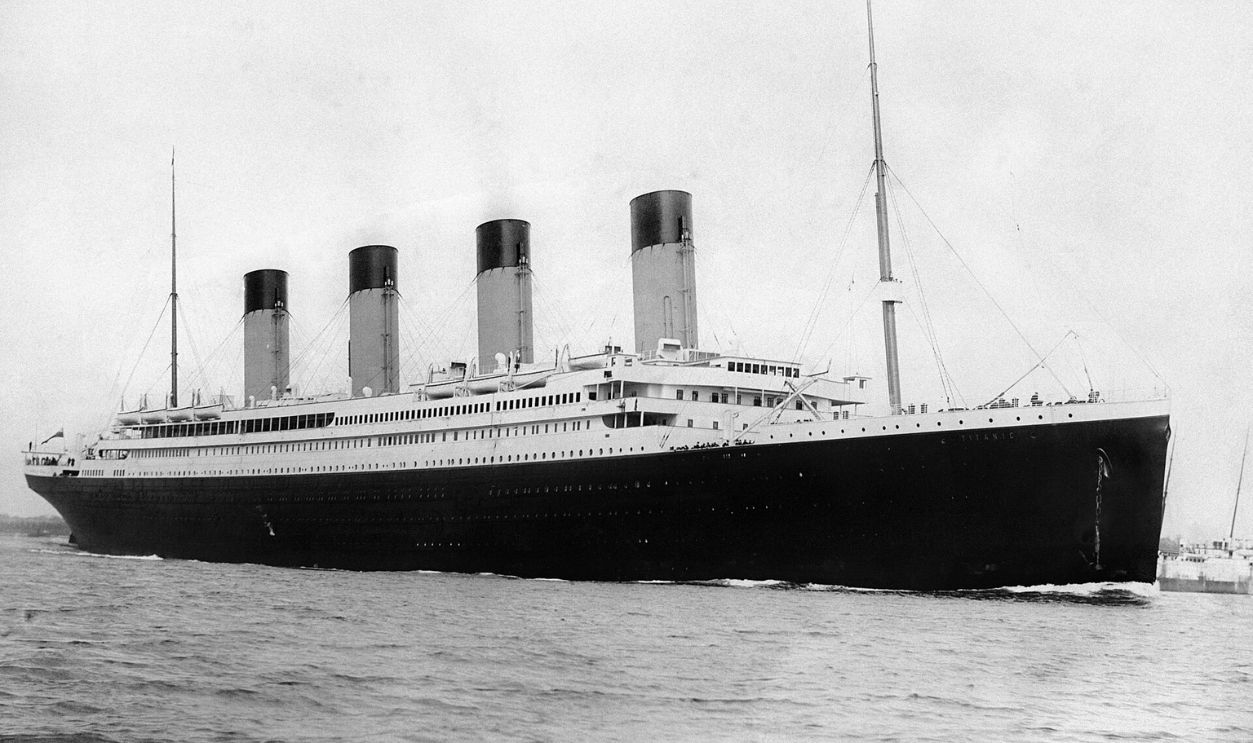
When Titanic struck an iceberg and sank in April 1912, more than 1,500 people died. The disaster exposed serious weaknesses in the maritime safety system, including inadequate lifeboat capacity and shortcomings in emergency procedures. The scale and international profile of the loss made it impossible for the shipping world to treat existing regulations as sufficient.
 Francis Godolphin Osbourne Stuart, Wikimedia Commons
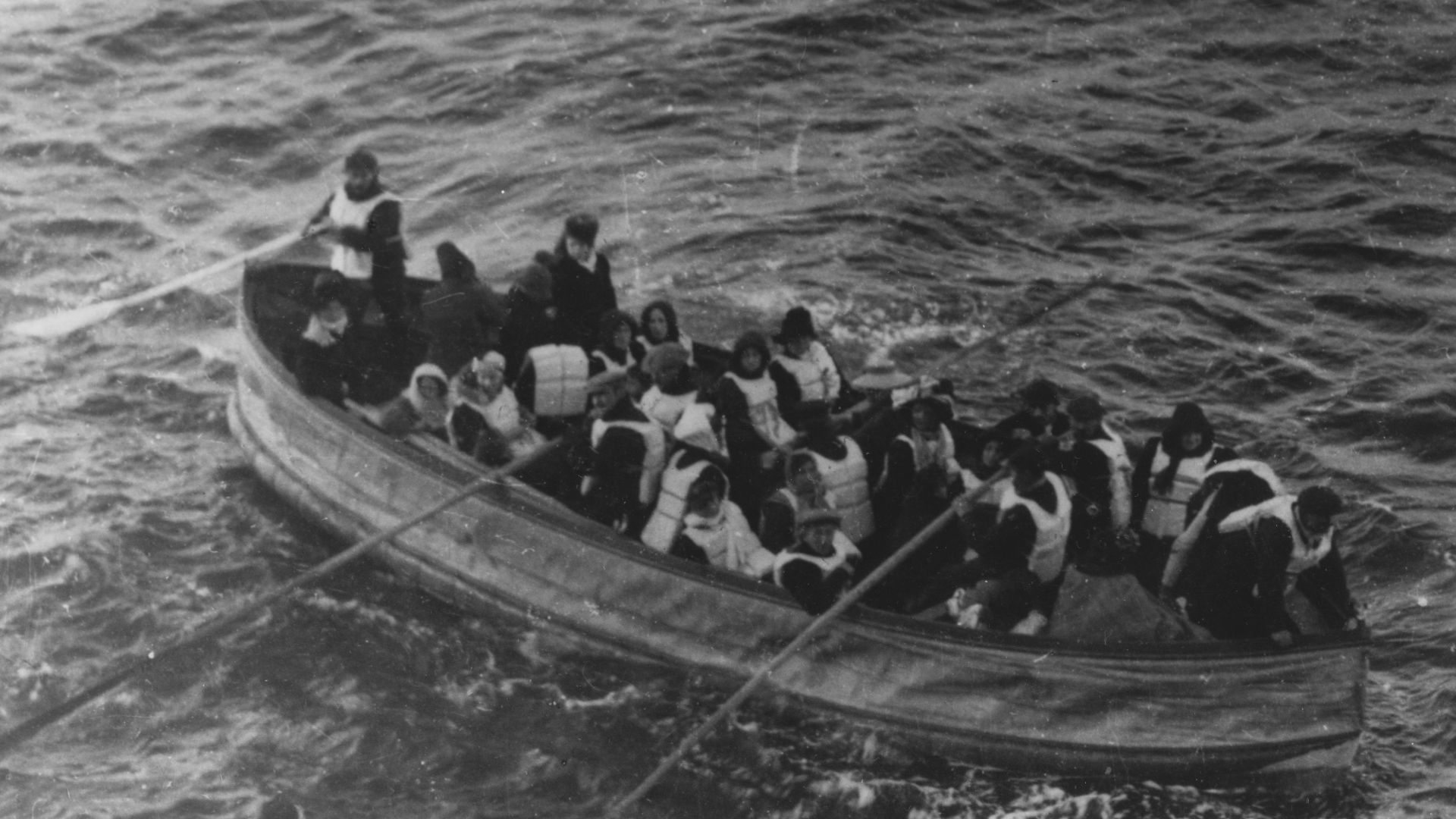
The Disaster Produced A New Safety System
The sinking prompted major maritime nations to develop the first International Convention for the Safety of Life at Sea, known as SOLAS, in 1914. Its provisions addressed life-saving equipment and other areas of ship safety, while later versions expanded and strengthened the international framework. The International Maritime Organization still describes SOLAS as the central international treaty governing merchant-ship safety.
 Louis Ogden, Wikimedia Commons
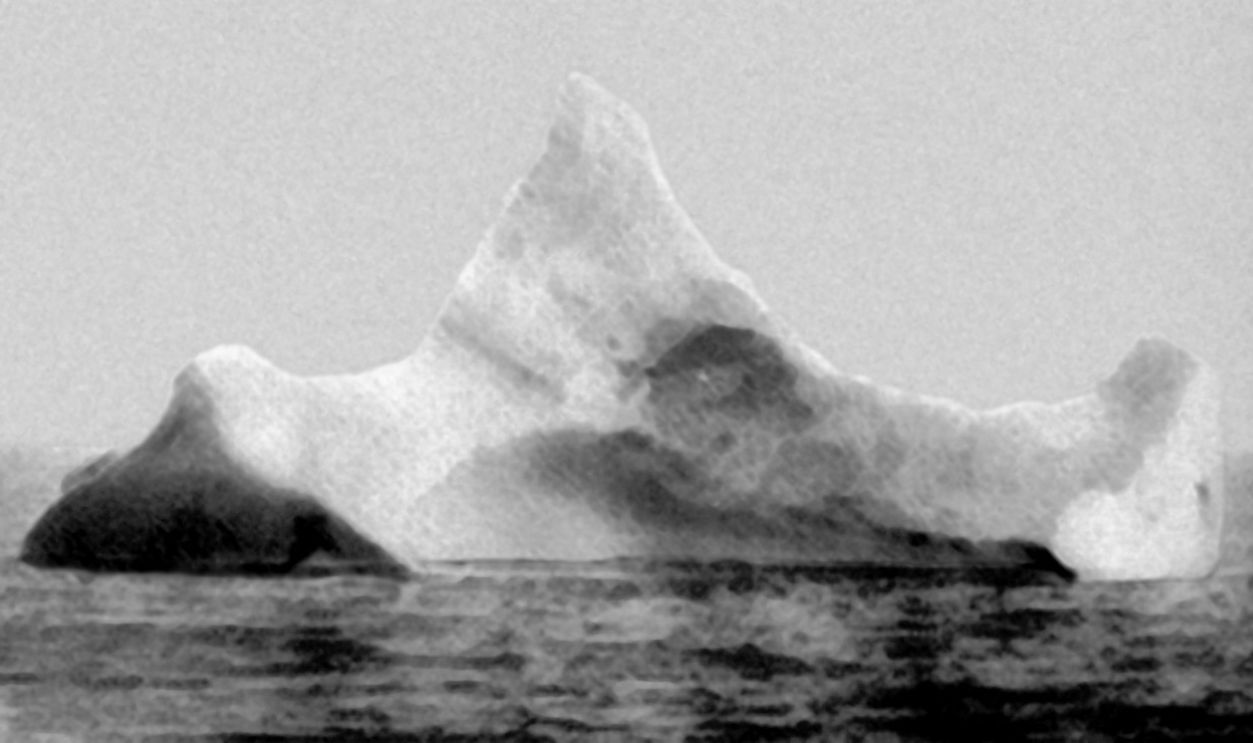
Titanic Also Put Icebergs Under Surveillance
The disaster triggered another innovation that still exists. The United States began sending vessels to monitor dangerous North Atlantic ice, and the Revenue Cutter Service assumed regular patrol duties in 1913. The International Ice Patrol was formally incorporated into the new international safety system and has continued, apart from interruptions during the world wars, for more than a century.
 Prinz Adalbert, Wikimedia Commons
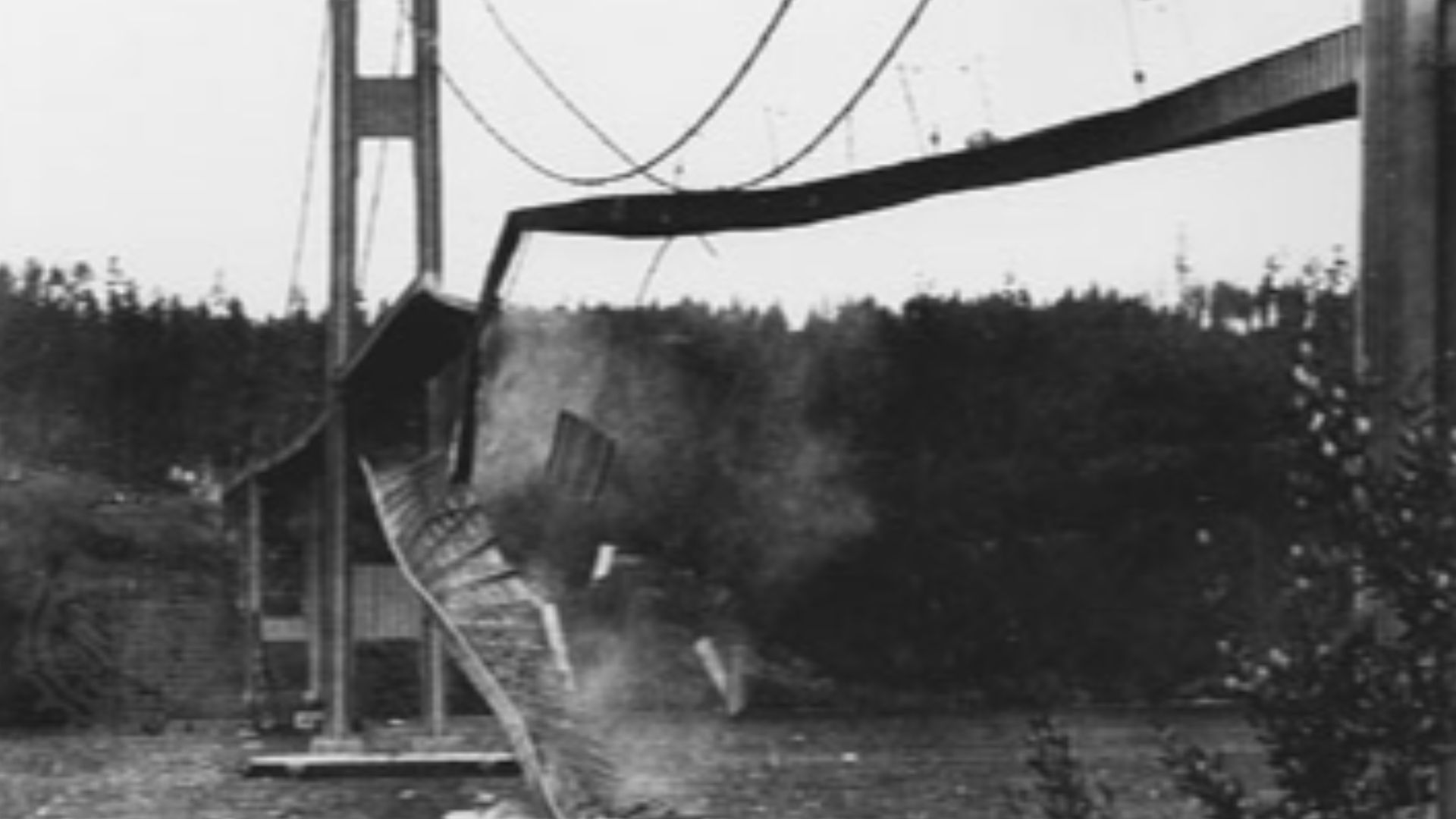
Tacoma Narrows Looked Modern Until The Wind Arrived
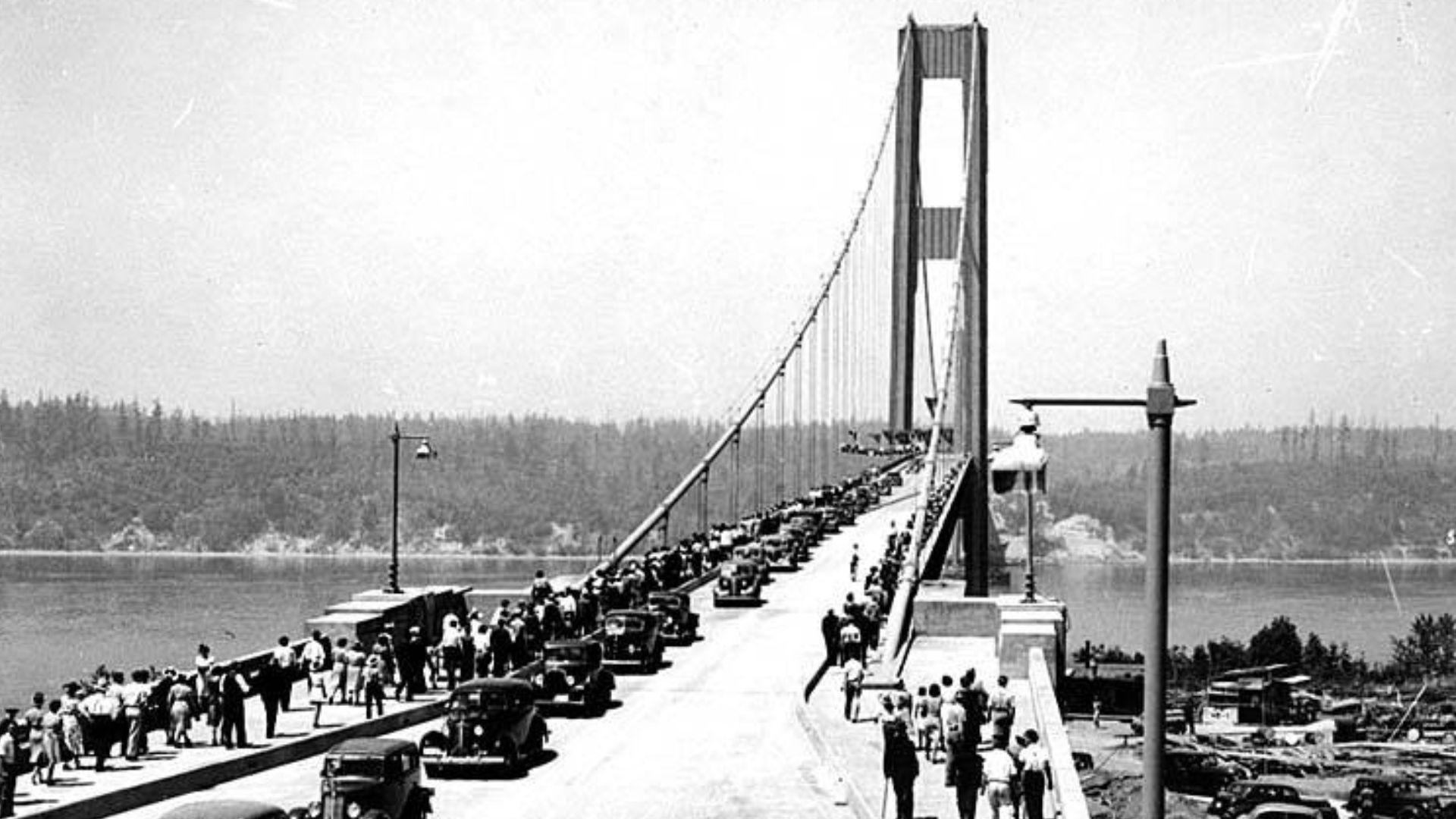
Washington State's Tacoma Narrows Bridge opened in July 1940 with an unusually slender suspension design. Drivers quickly noticed that the deck moved dramatically in relatively modest winds, earning the bridge its famous association with undulating motion. On November 7, barely four months after opening, violent twisting culminated in the collapse of much of the main span.
 Botaurus-stellaris, Wikimedia Commons
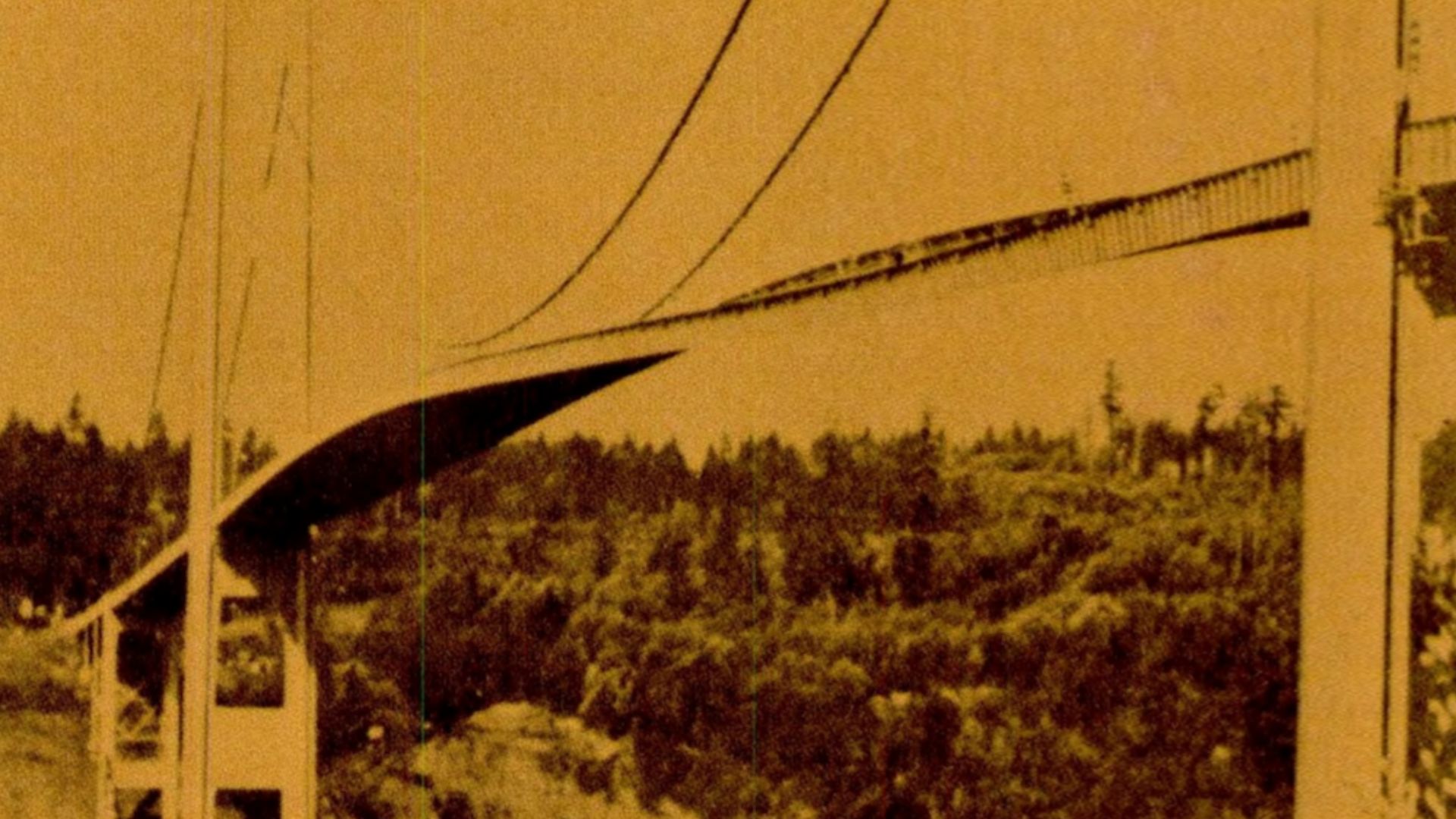
The Collapse Exposed A Blind Spot In Bridge Design
The disaster demonstrated that engineers needed to consider wind as more than a simple static sideways force. Long, flexible bridges could interact dynamically with moving air in ways capable of producing dangerous oscillations and torsional movement. The Federal Highway Administration identifies the collapse as a crucial event in bringing aerodynamic behavior into long-span bridge design.
 Federal Highway Administration, Wikimedia Commons
Galloping Gertie Changed The Bridges That Followed
Researchers subjected bridge sections to wind studies and paid greater attention to stiffness, damping, torsional resistance, and aerodynamic stability. The Federal Highway Administration notes that research following Tacoma Narrows contributed to improvements incorporated into later suspension bridges. One spectacular structural failure became a permanent engineering lesson visible in safer long-span bridges around the world.
 University of Washington Libraries Digital Collections, Wikimedia Commons
The Comet Beat Everyone Into The Jet Age
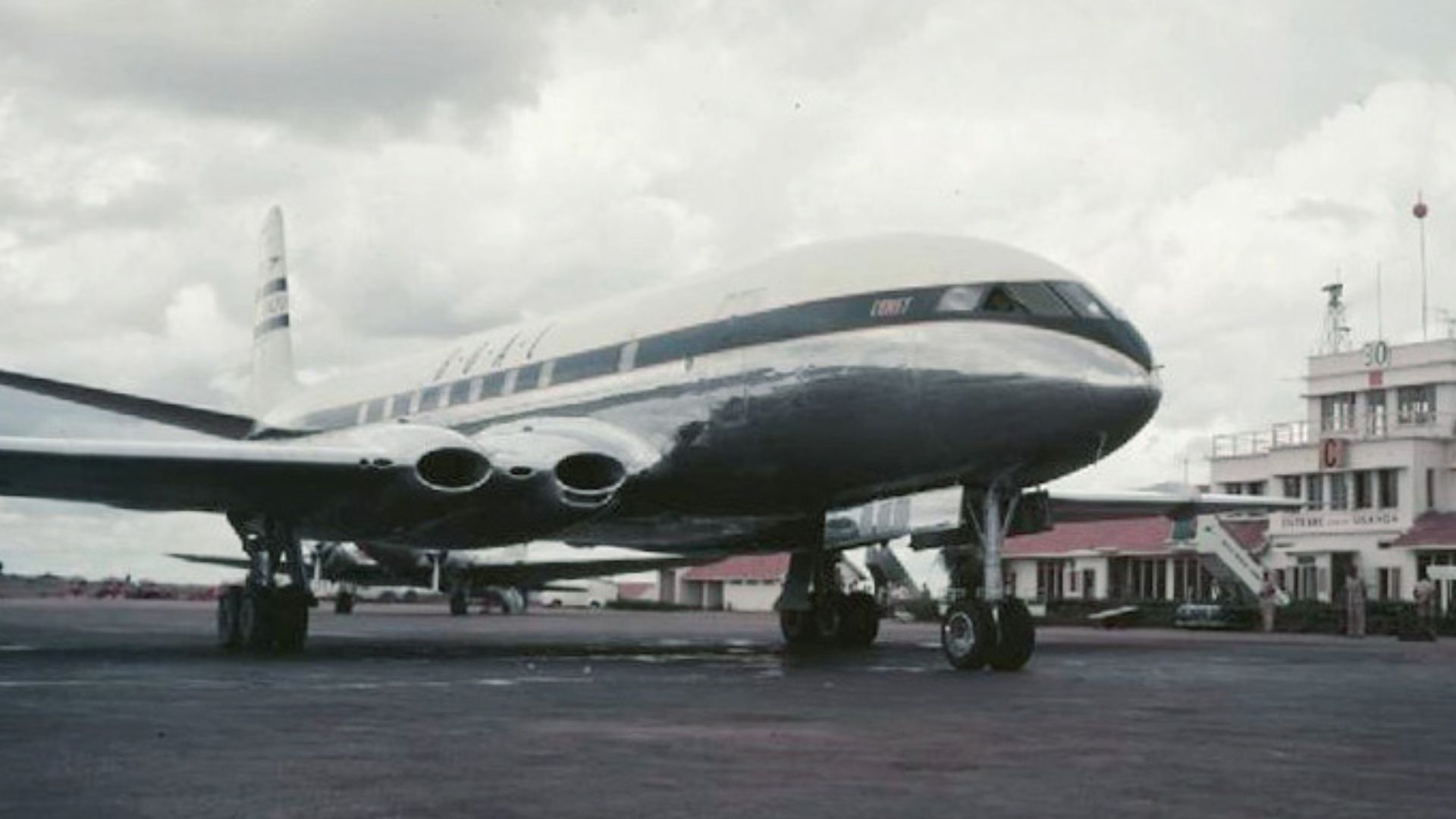
Britain's de Havilland Comet entered passenger service in 1952 as the world's first commercial jet airliner. It offered unprecedented speed and a pressurized cabin that allowed it to fly comfortably at high altitude, putting its competitors years behind. For a short time, Britain appeared to have seized the future of international aviation.
Then Comets Began Breaking Apart In Flight
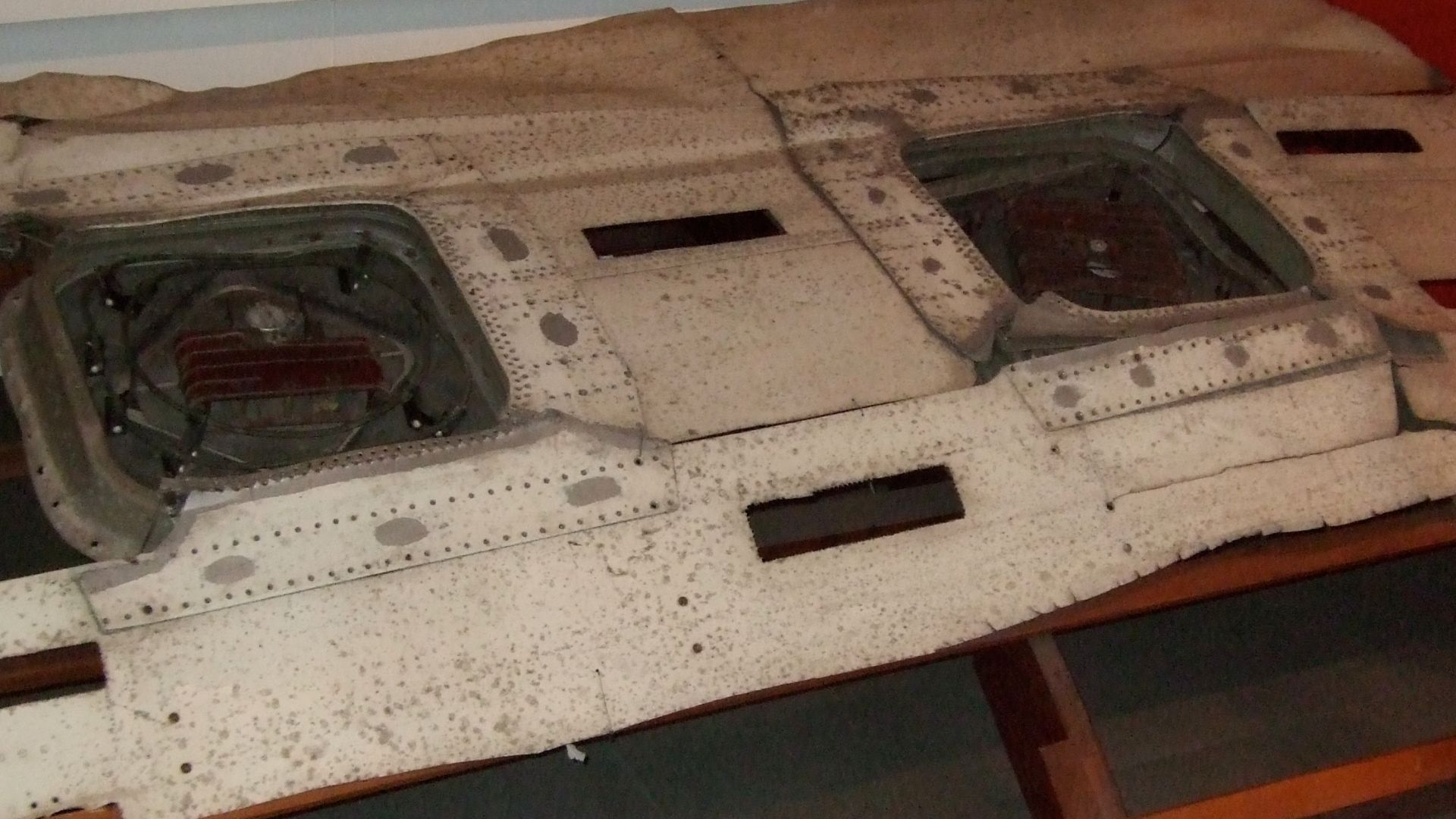
Two Comets were lost within months of each other in 1954, forcing a major investigation and the withdrawal of the aircraft's certificate of airworthiness. Investigators recovered large portions of wreckage and subjected another fuselage to repeated pressurization inside a water tank. The evidence eventually revealed fatigue cracking in the pressure cabin, a phenomenon whose full danger had not been adequately understood when the aircraft was designed.
Aviation Learned From De Havilland's Disaster
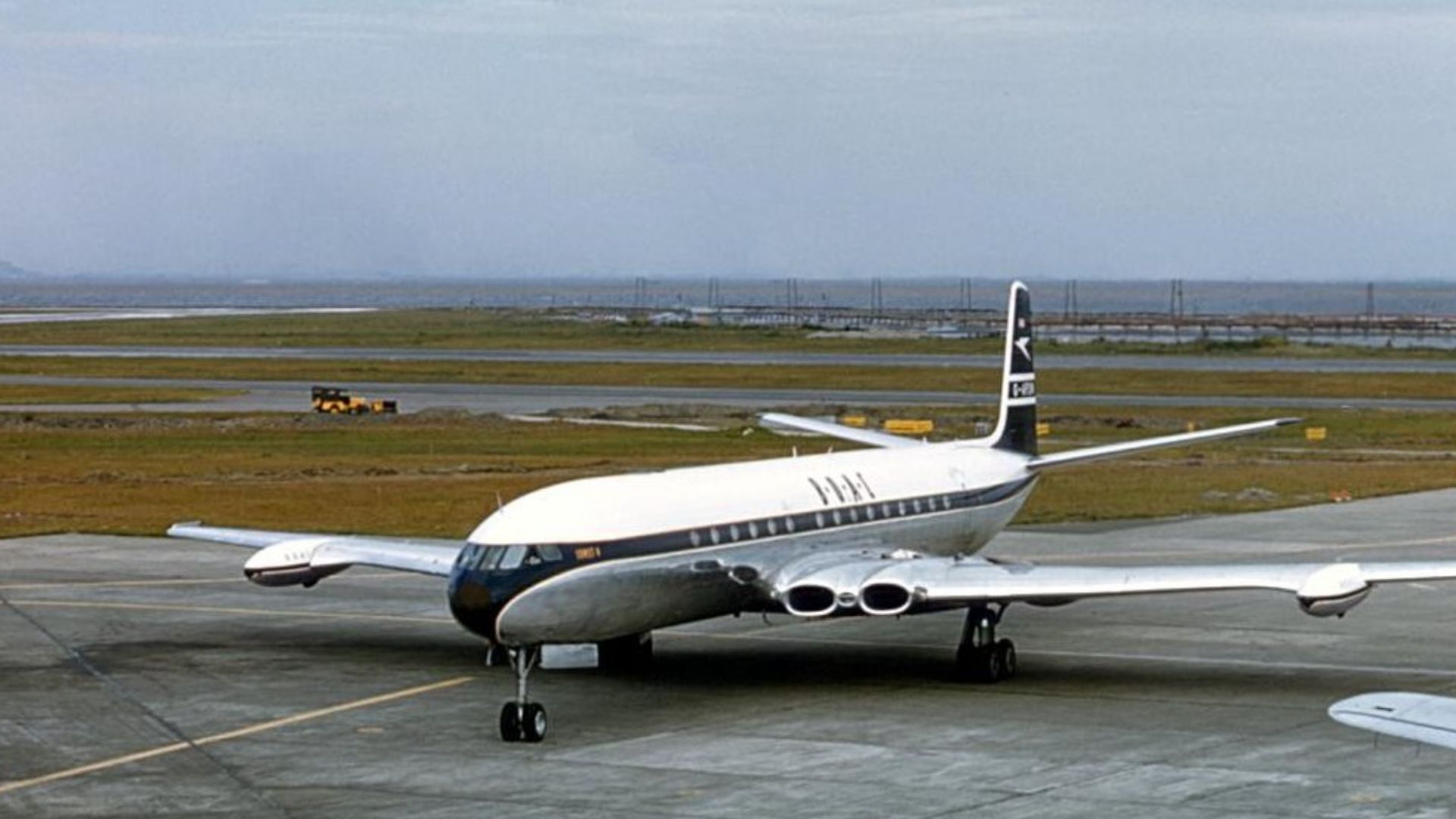
The Comet investigation pioneered methods including large-scale wreckage reconstruction and full-aircraft pressure-cycle testing. De Havilland redesigned the aircraft, and the later Comet 4 successfully returned the type to commercial service. More broadly, the harsh lessons about repeated pressurization and fatigue crack growth were shared with other manufacturers and became part of the knowledge base behind safer generations of jet airliners.
 The original uploader was Het brein at Dutch Wikipedia., Wikimedia Commons
The Silver Bridge Collapsed In Rush-Hour Traffic
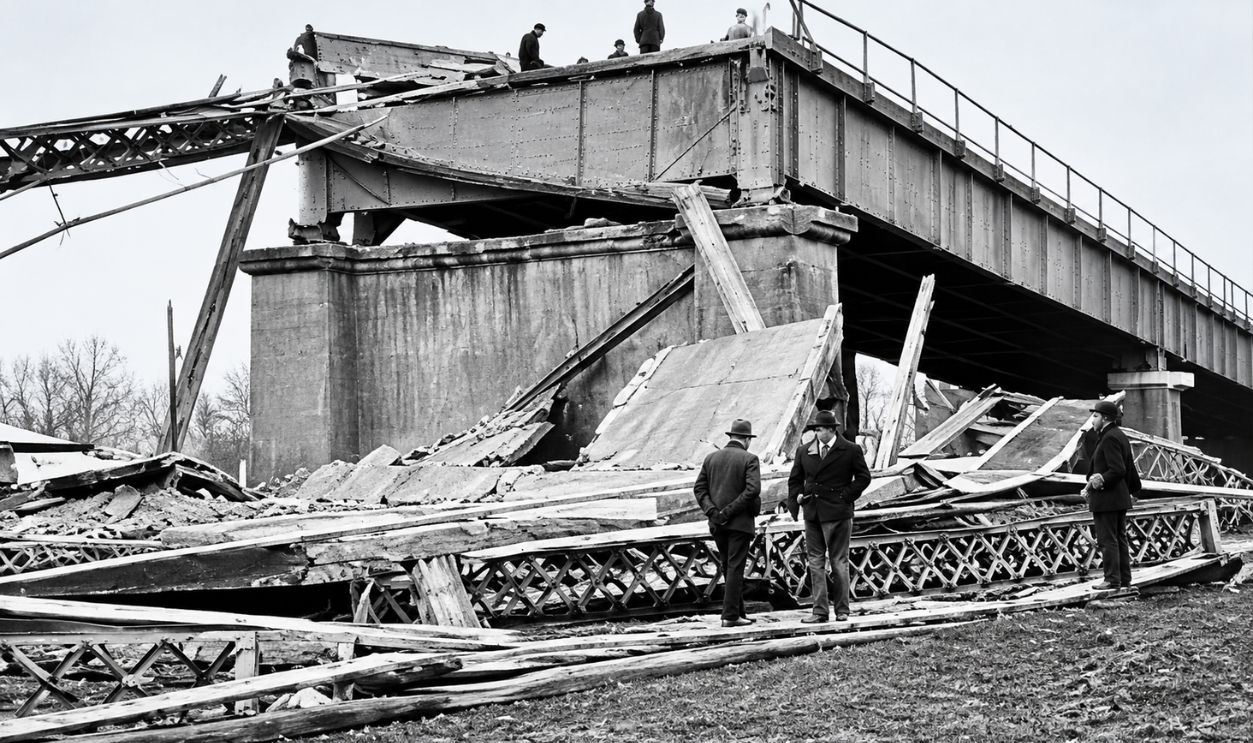
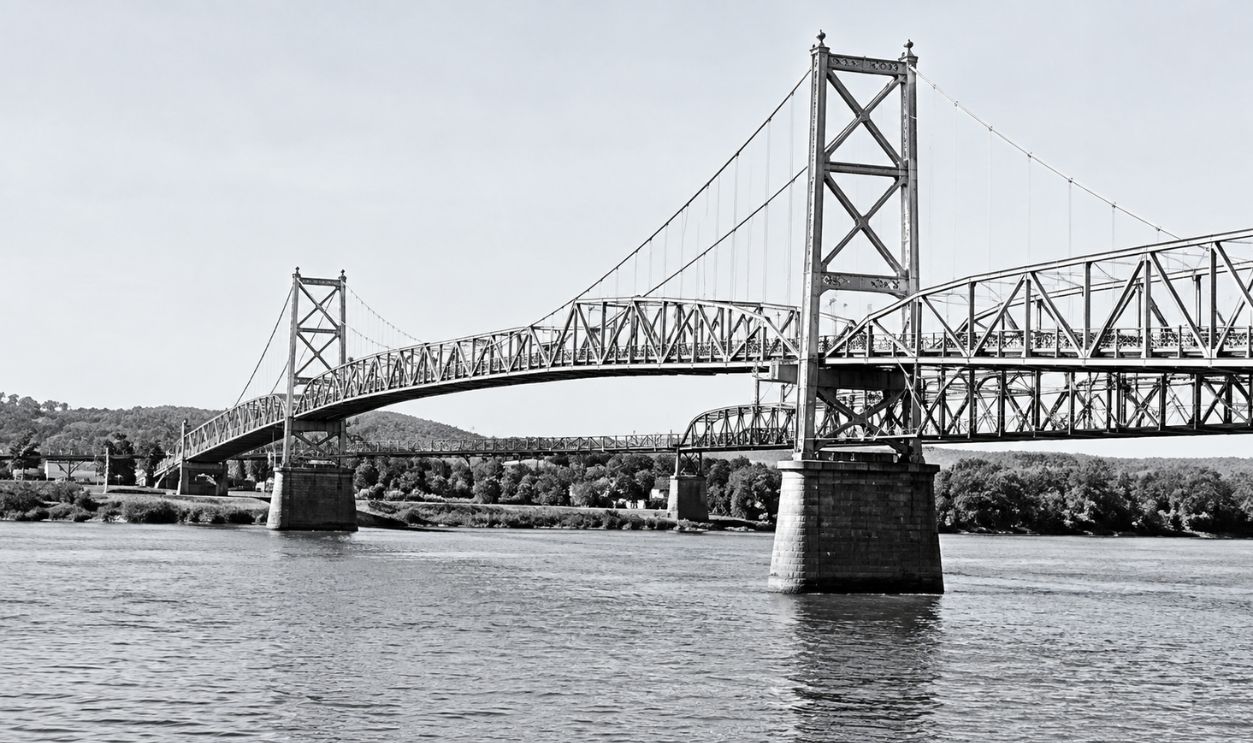
On December 15, 1967, the Silver Bridge connecting Point Pleasant, West Virginia, and Gallipolis, Ohio, suddenly collapsed. Forty-six people died as vehicles and sections of the bridge plunged into the Ohio River. The catastrophe exposed how aging bridges could contain dangerous deterioration that existing inspection practices had failed to identify in time.
 Federal Highway Administration, Wikimedia Commons, Modified
One Hidden Failure Exposed A National Problem
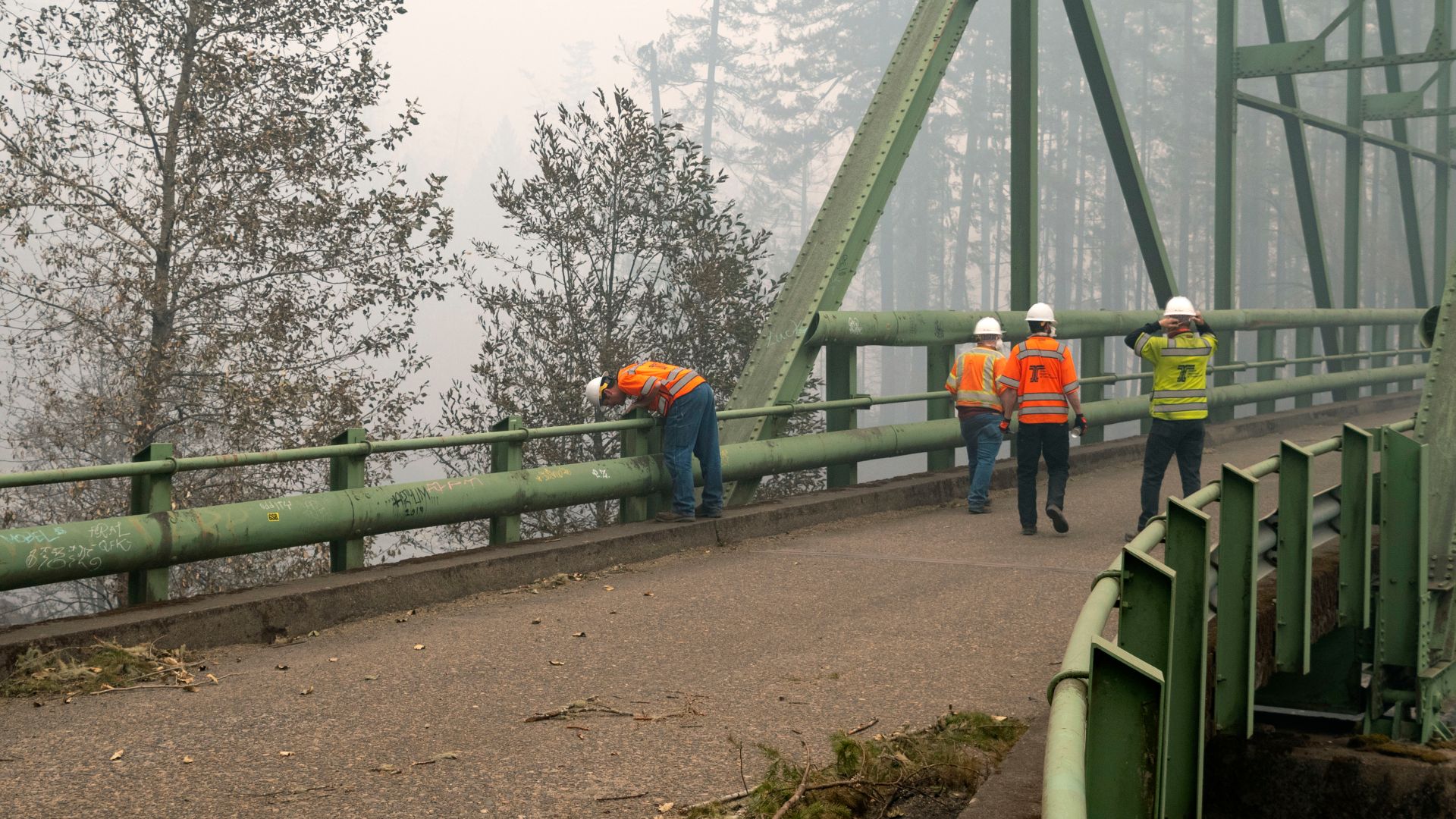
Federal officials responded by examining the broader condition of America's enormous bridge network. The Silver Bridge investigation helped convince policymakers that occasional or locally determined inspections were not enough for infrastructure carrying millions of people. In 1968, Congress directed the Department of Transportation to establish national standards for bridge inspection.
 Federal Highway Administration, Wikimedia Commons, Modified
America's Modern Bridge Inspections Came From The Wreckage
The first National Bridge Inspection Standards were published in 1971, establishing the country's first nationally coordinated bridge-inspection program. The rules addressed inspection methods, inspector qualifications, documentation, and limits on the intervals between inspections. The collapse of one bridge had produced a nationwide system intended to find dangerous weaknesses before another failure could expose them.
 Oregon Department of Transportation, Wikimedia Commons
Apollo 1 Never Even Reached The Launchpad Countdown
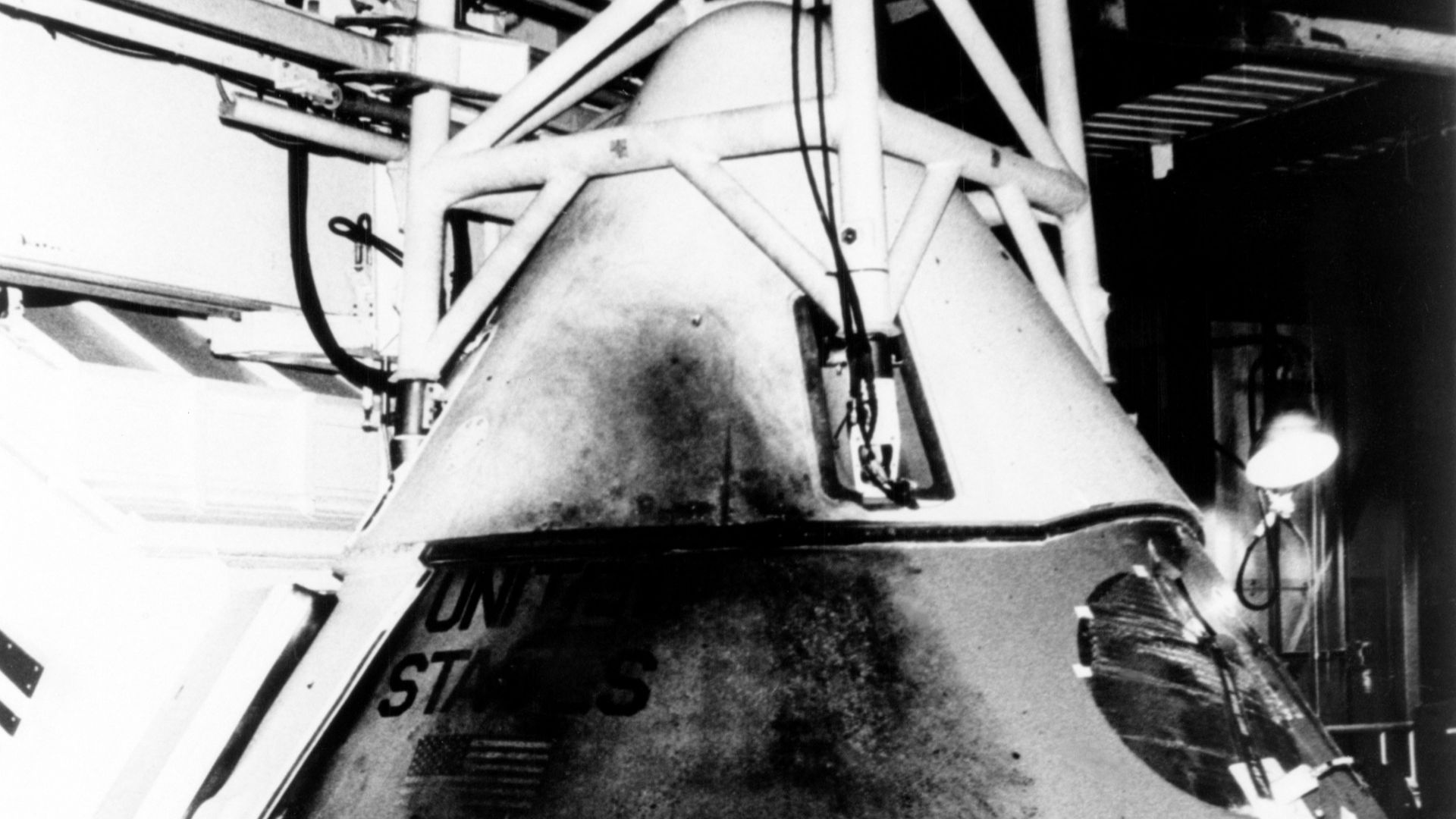
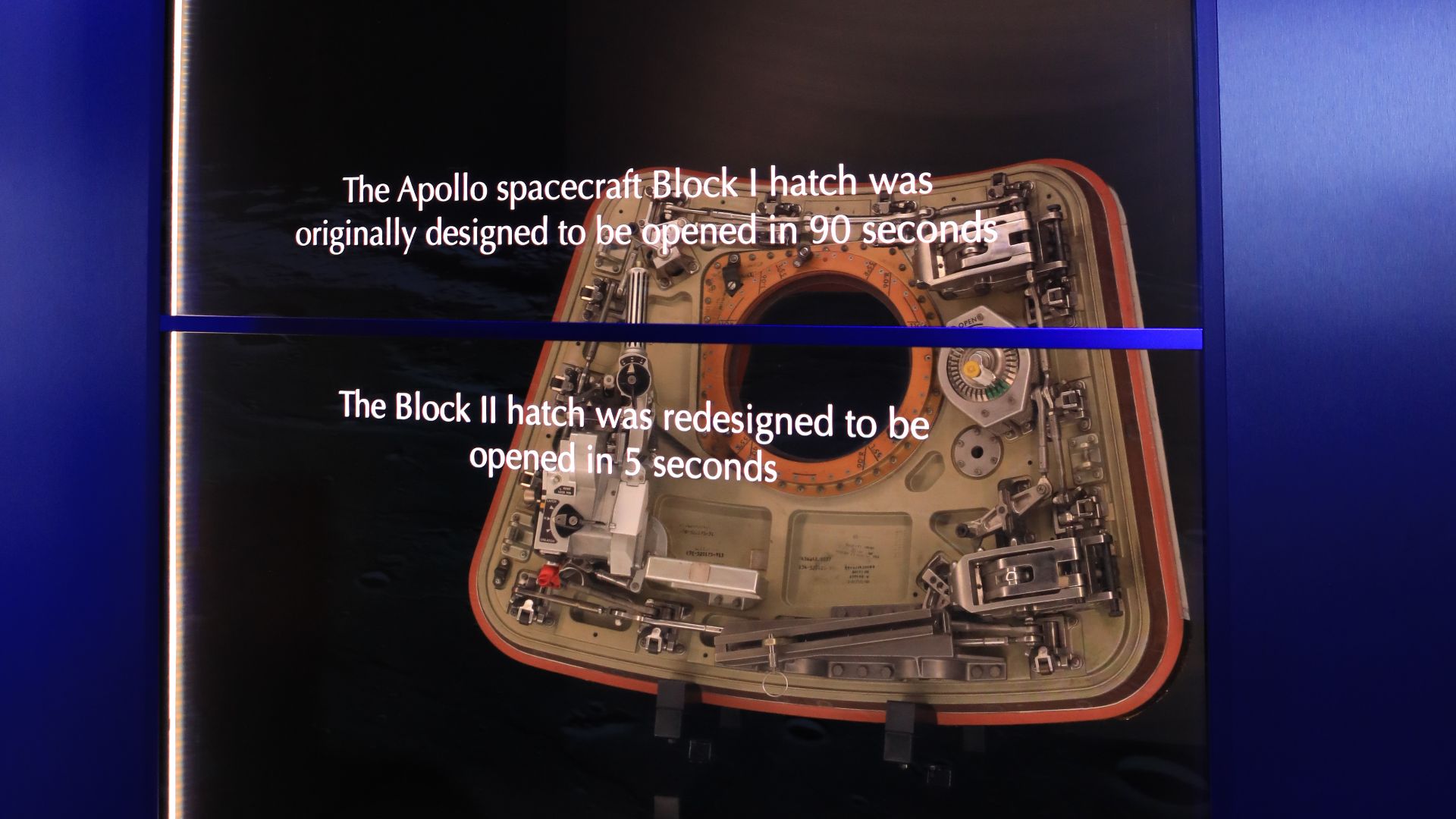
On January 27, 1967, astronauts Virgil “Gus” Grissom, Edward White, and Roger Chaffee were conducting a ground test inside their Apollo command module when fire swept through the cabin. A high-pressure pure-oxygen atmosphere, combustible materials, vulnerable wiring, and a hatch that could not be opened quickly contributed to the catastrophe. All three astronauts died before America's first crewed Apollo mission could leave Earth.
NASA Rebuilt The Spacecraft Around What Went Wrong
The investigation produced major modifications to Apollo hardware and procedures. NASA replaced the difficult inward-opening hatch with a unified design that could be opened rapidly, restricted combustible materials, improved wiring protection, and adopted fire-resistant spacesuits. Flammability testing and emergency preparations also received much greater attention.
 NASA/Kim Shiflett, Wikimedia Commons
The Fire Changed More Than The Capsule
Apollo 1 exposed weaknesses not just in equipment but in manufacturing, testing, quality control, and management. NASA's own history records substantial revisions to test discipline and safety oversight after the accident. The lunar program suffered a devastating delay, but the resulting changes made the spacecraft that eventually carried astronauts to the Moon substantially safer than the one that had burned on the ground.
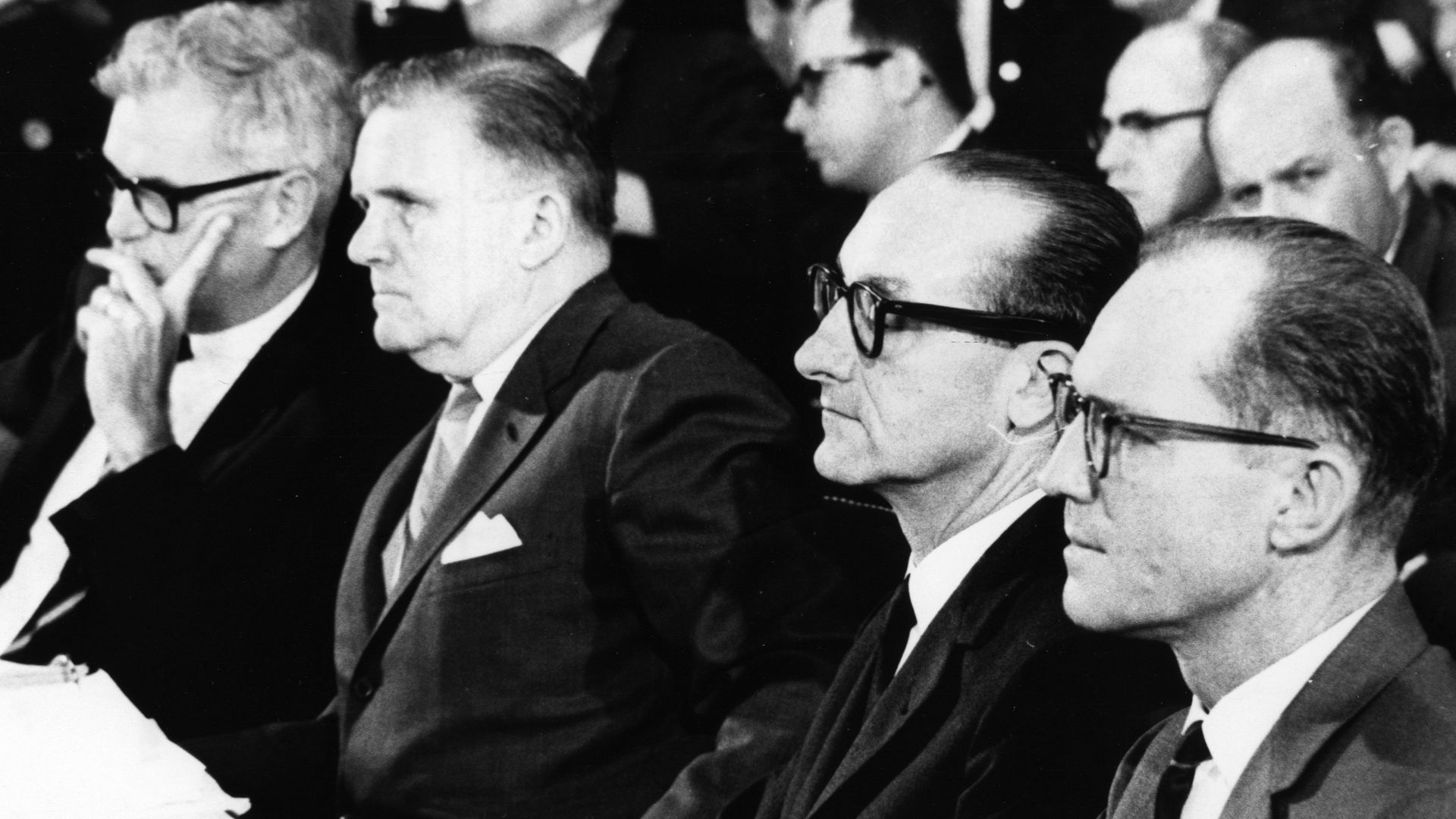
Challenger Failed In Front Of The World
Space Shuttle Challenger launched on January 28, 1986, carrying seven crew members. Seventy-three seconds later, the vehicle broke apart after a failure in the right solid rocket booster's field joint allowed hot gases to escape. The disaster unfolded during one of NASA's most closely watched missions and immediately stopped normal shuttle operations.
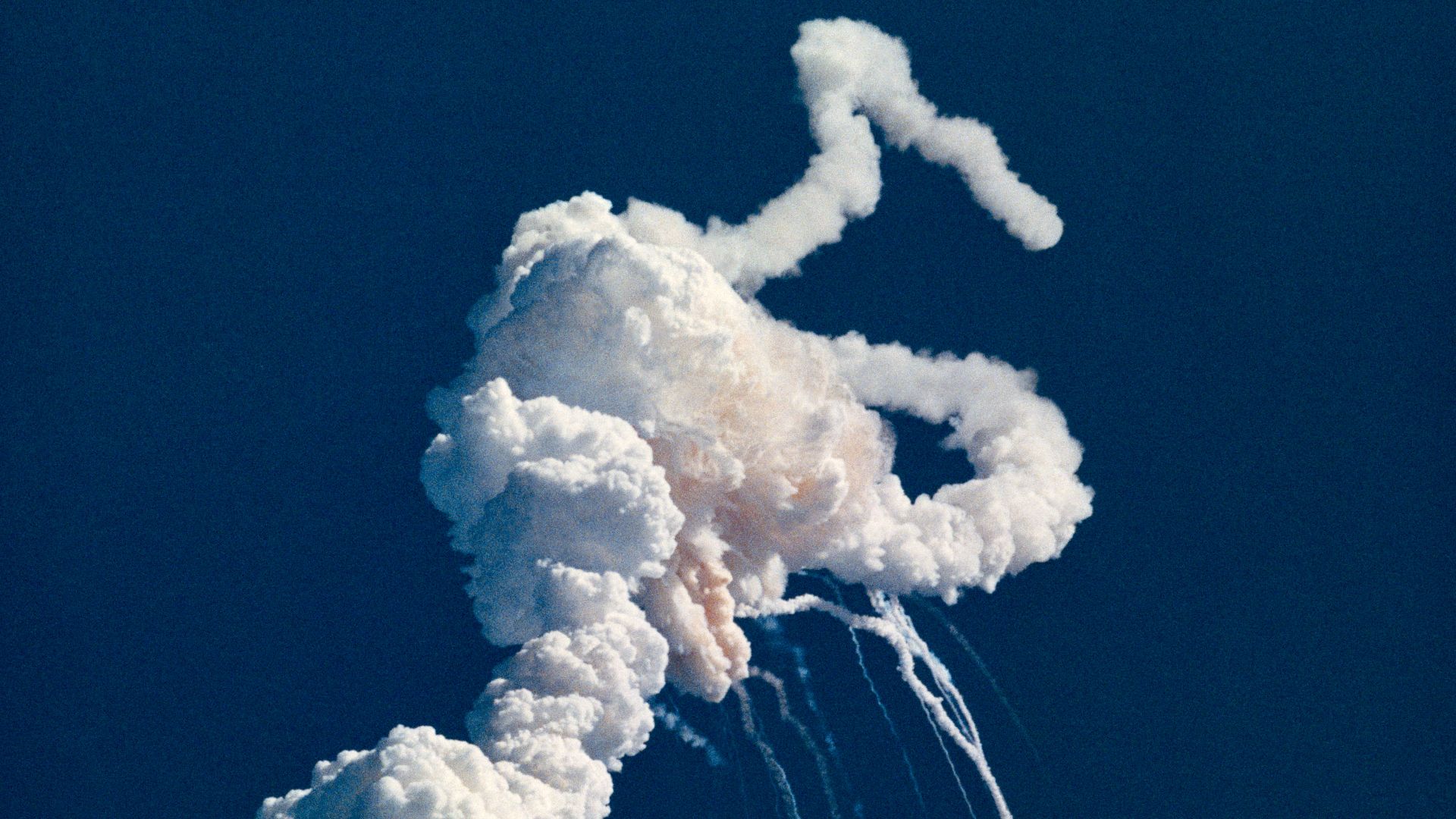
The Hardware Failure Revealed A Management Failure
The Rogers Commission traced the immediate technical problem to the booster joint and its O-ring seals, which performed poorly in unusually cold conditions. Its investigation also found that NASA and contractor management had encountered evidence of O-ring erosion before the accident yet gradually accepted the abnormal behavior as an acceptable risk. Challenger therefore became a famous case study in how organizations can normalize warning signs instead of responding to them.
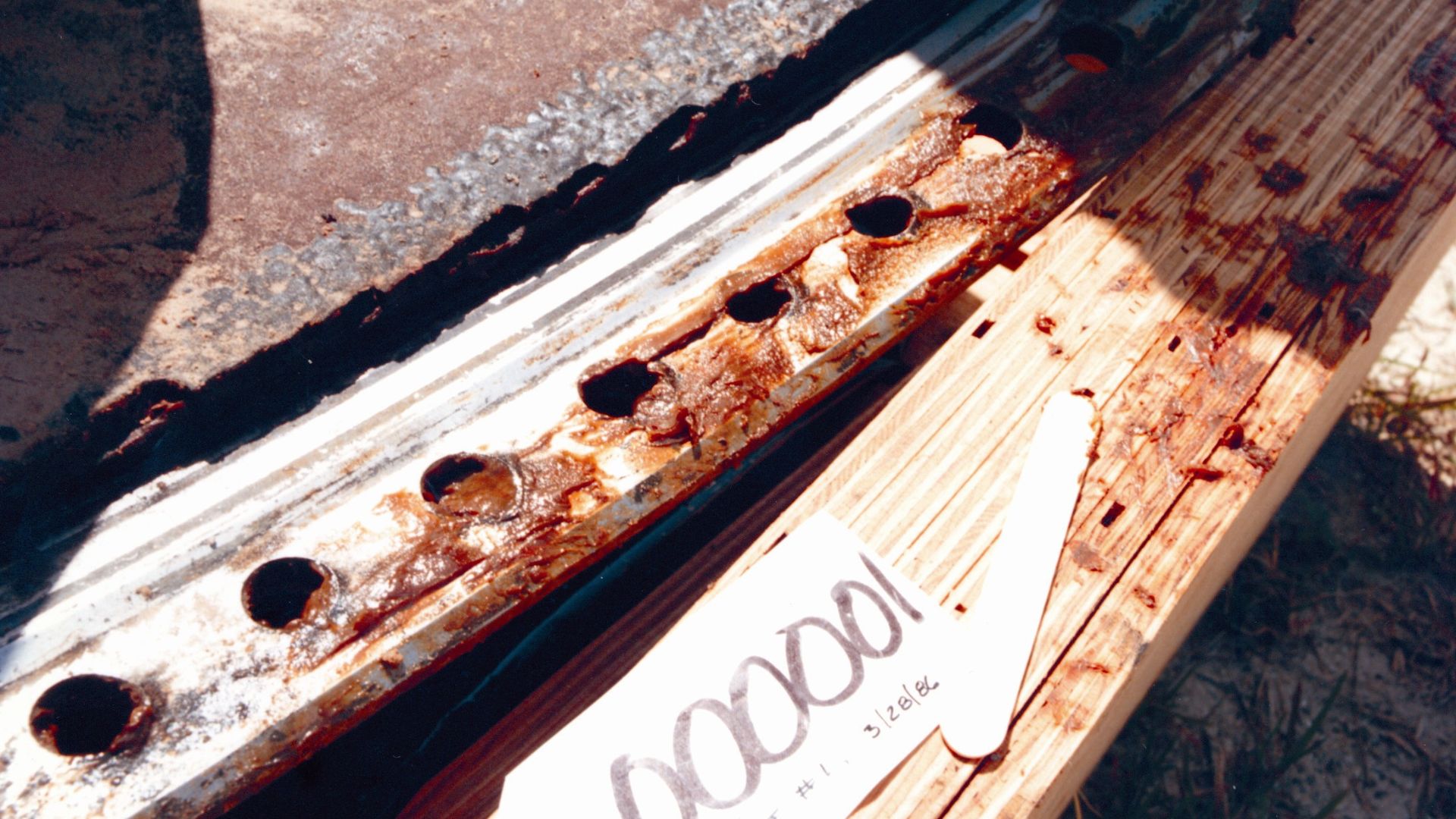
NASA Had To Change Before The Shuttle Flew Again
Before returning the shuttle to service, NASA redesigned the solid rocket booster joints and implemented more than 200 changes across the shuttle system. The agency also altered management structures and strengthened independent safety, reliability, and quality-assurance oversight. Discovery returned the program to flight in September 1988, but Challenger's larger legacy became a warning about engineering communication and institutional decision-making as much as rocket design.
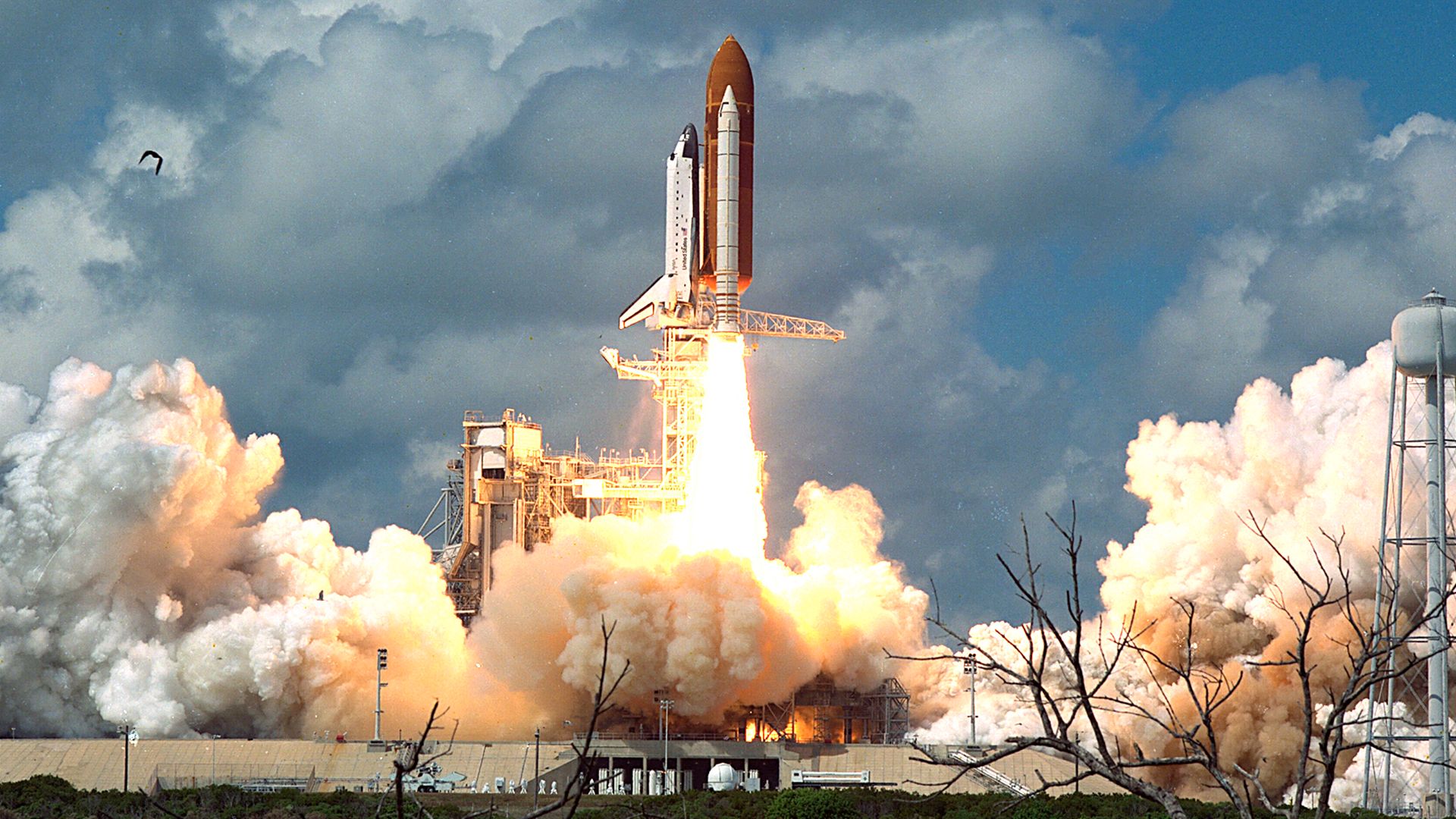
Mars Was Lost Over A Unit Conversion
NASA's Mars Climate Orbiter launched in December 1998 to study Martian weather and serve as a communications relay. The spacecraft reached Mars in September 1999 but disappeared while attempting to enter orbit. Investigators found that a ground software system had supplied thruster data in pound-seconds while navigation software expected newton-seconds.
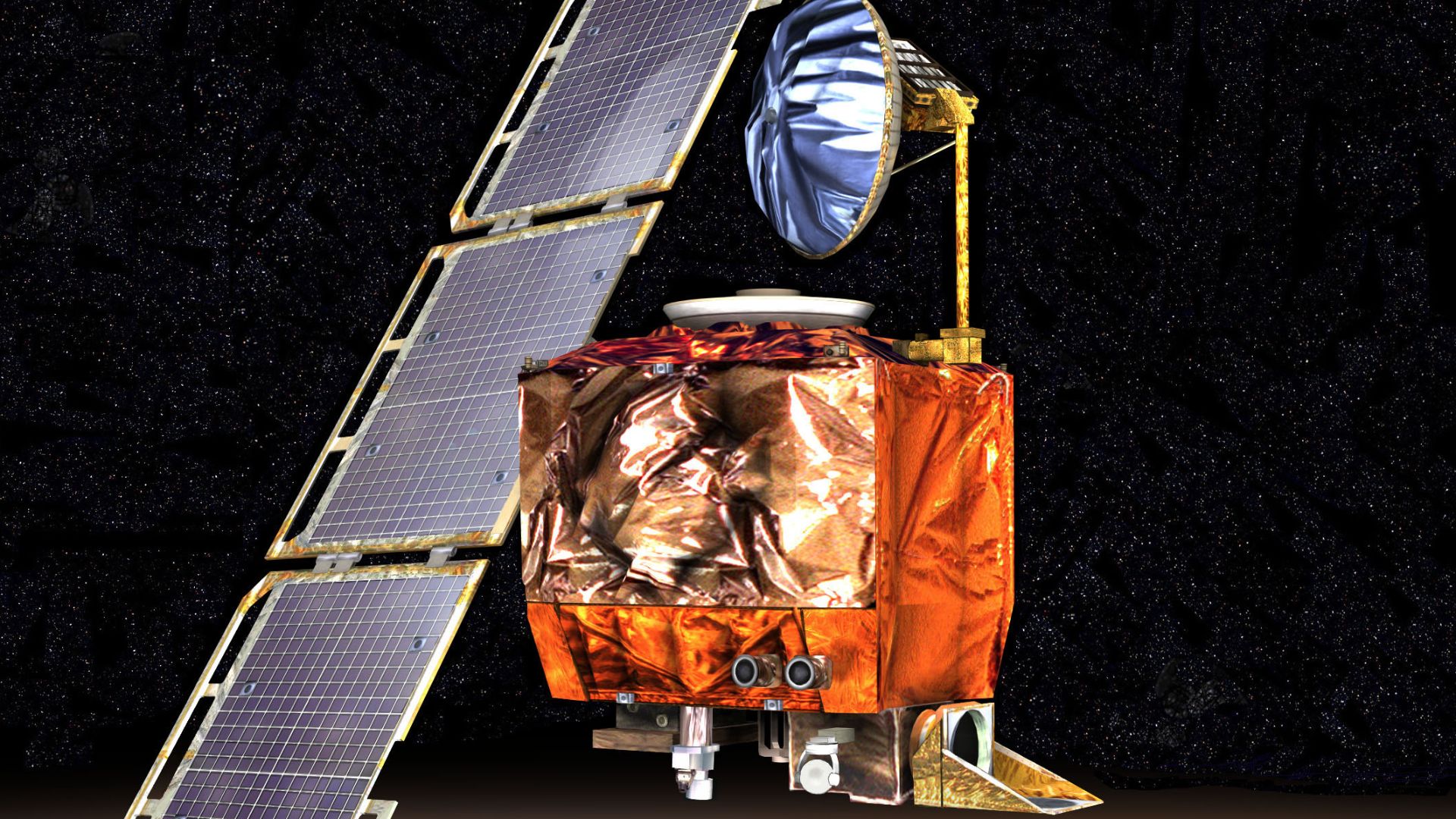 NASA/JPL/Corby Waste, Wikimedia Commons
The Famous Metric Error Was Only The Beginning
The unit mismatch caused the navigation software to underestimate the effect of small spacecraft maneuvers by a factor of roughly 4.45. Yet NASA's investigation stressed that a single conversion error should not have been enough to destroy a spacecraft. Inadequate communication, verification, staffing, training, and systems-engineering processes had all failed to detect the growing discrepancy during the nine-month trip to Mars.
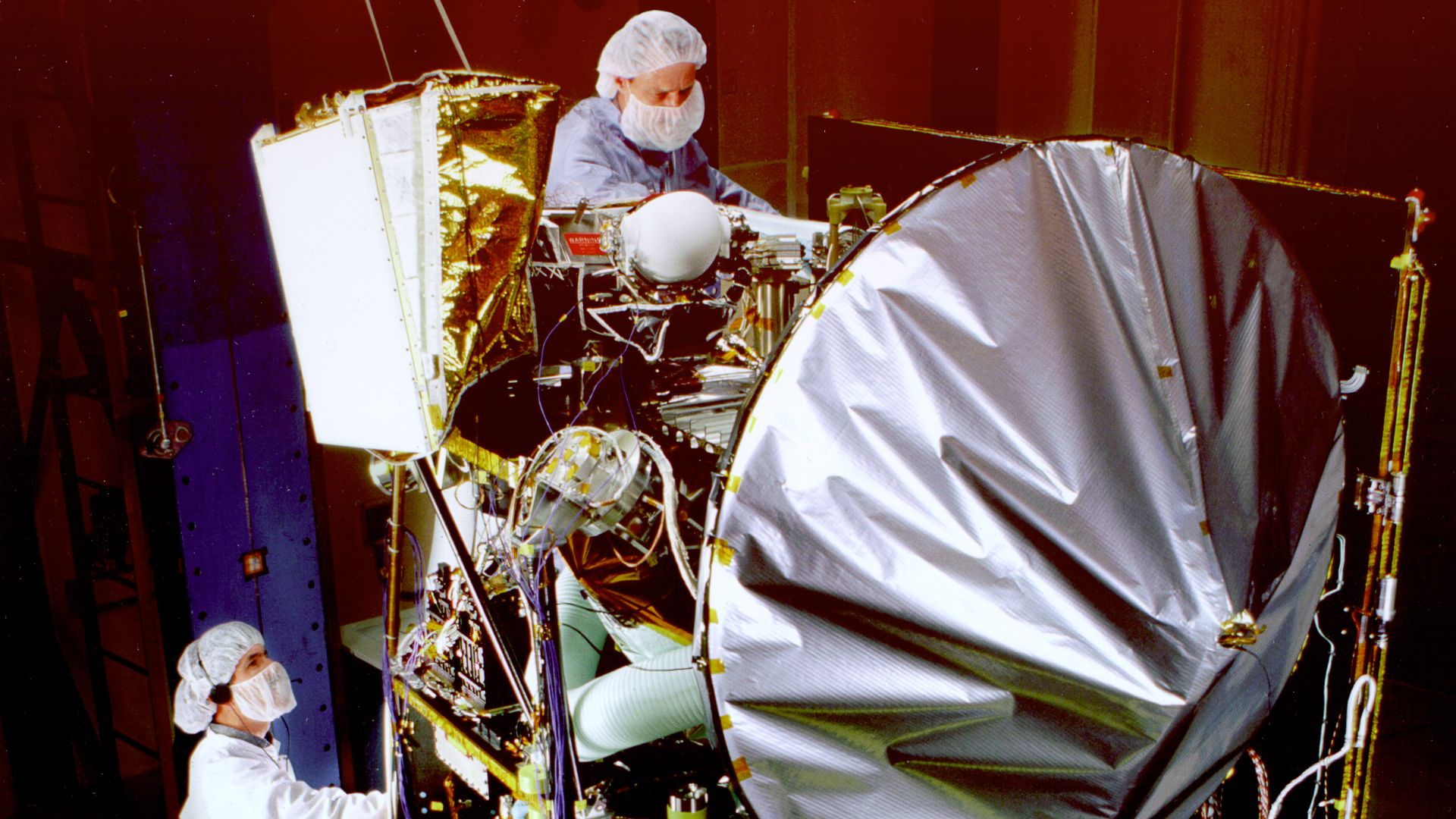
A Lost Spacecraft Became A Systems-Engineering Lesson
NASA created review teams to examine not only the failed orbiter but its wider Mars program and management structure. Investigators recommended stricter verification of measurement units, better compliance with interface requirements, improved communications, and stronger checks between spacecraft and navigation teams. The Mars Climate Orbiter became one of engineering's most memorable demonstrations that tiny technical errors become catastrophic when the systems designed to catch them fail too.

You May Also Like:
History's Most Bone-Chilling Events
Sources: 1, 2, 3, 4, 5, 6, 7, 8, 9, 10, 11, 12, 13, 14, 15, 16, 17, 18, 19, 20, 21, 22, 23, 24, 25, 26, 27, 28, 29, 30, 31, 32, 33, 34, 35, 36, 37, 38










_(14756495675).jpg)


