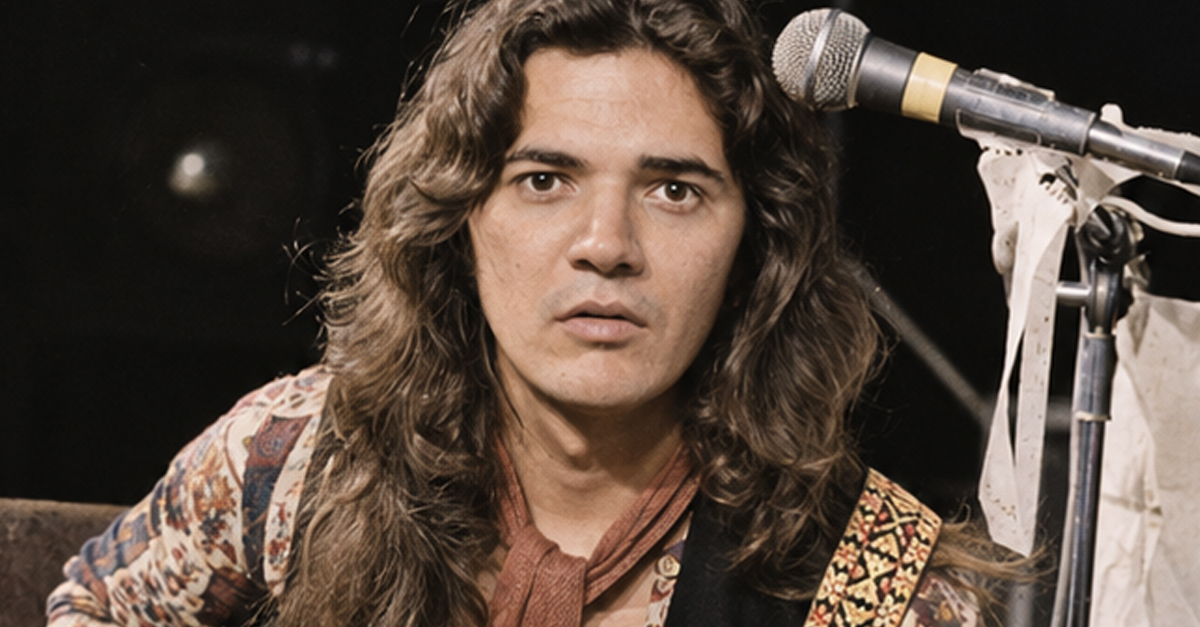
He Was A Rare Talent
Tommy Bolin was the self-taught jazz-rock fusion guitarist who was already shredding alongside the likes of Jimi Hendrix and the Beach Boys in his teens. But, just as his solo album was about to make him a household name, one mysterious night in a hotel room ended it all.
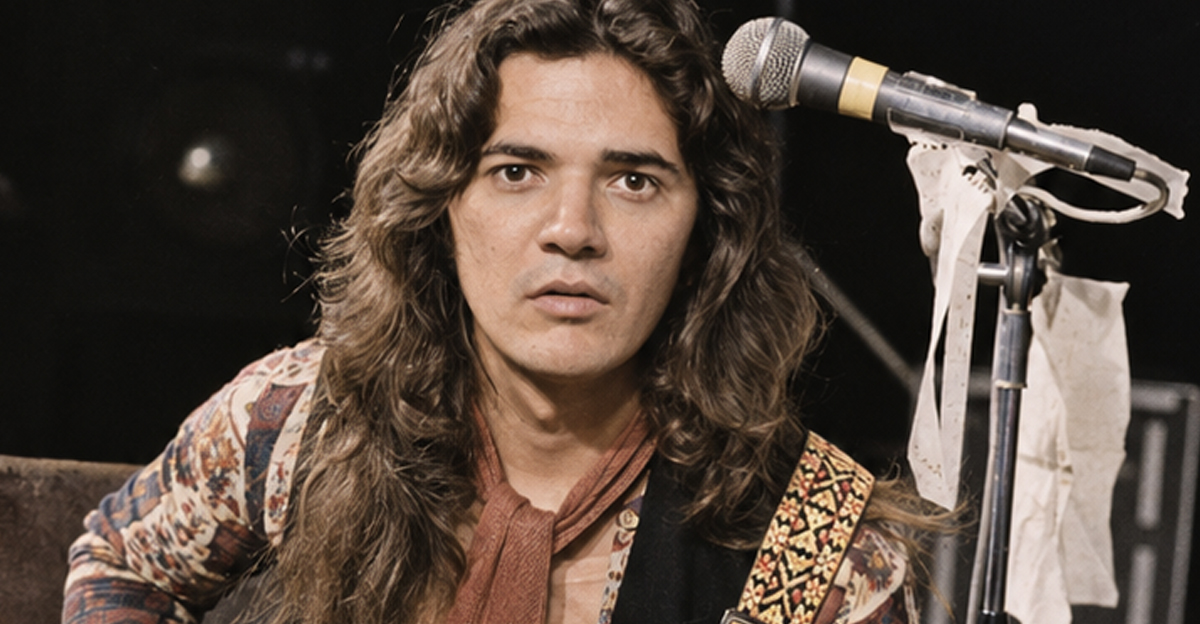 Fin Costello/Redferns via Getty Images
1. He Was Lebanese Music Royalty
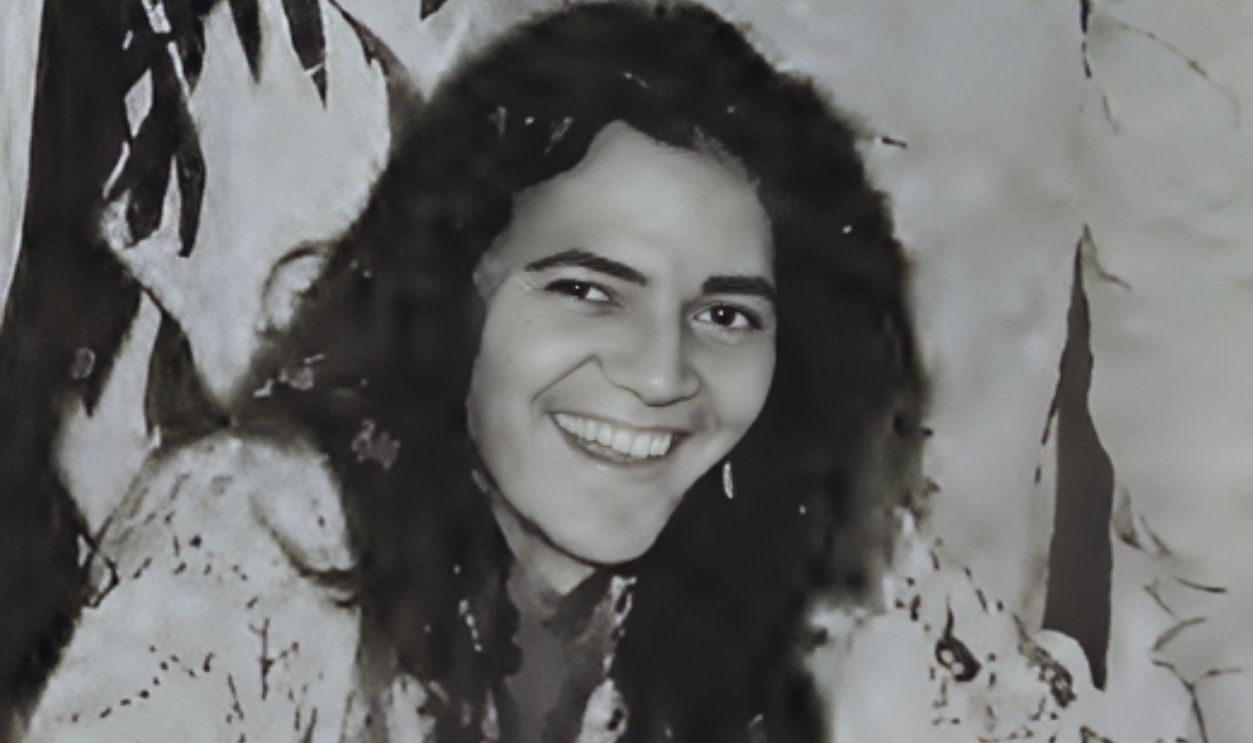
When Thomas Richard Bolin strummed his first strings in Sioux City, Iowa, on August 1, 1951, he was already music royalty. Just not American music royalty. His mother’s father, Abraham “Abe” Joseph, had been a recording artist half a world away in Lebanon. Bolin’s younger brothers, Johnnie and Rick, would also follow in the family business as a drummer and singer respectively.
But Bolin’s musical idols were not his Lebanese ancestors.
 Unknown author, Wikimedia Commons
2. He Couldn’t Read…Music, That Is
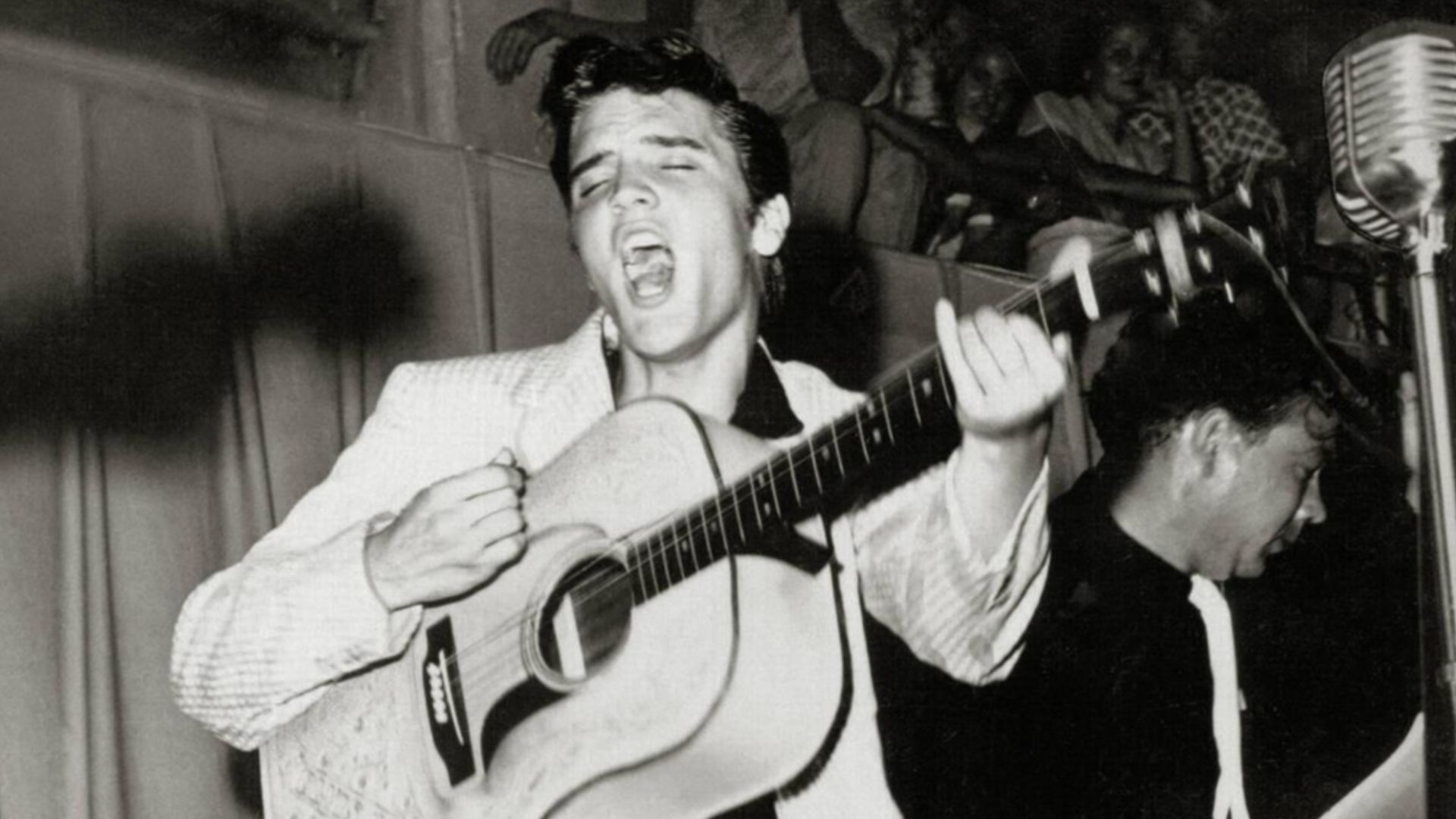
Bolin’s mother, Barbara, had been a music teacher. Ironically, Bolin was musically illiterate. But he didn’t need to read music to fall in love with Fifties rock and electric blues, jamming on the drums to the likes of Elvis Presley. Pretty soon, however, he found his true calling and ditched the drumsticks for an ax.
He did not wait for a stage before he started performing.
 Unknown authorUnknown author, Wikimedia Commons
3. He Rocked Out In The Garage
Like countless other music hopefuls who were still too young to drive—far less perform in a club—Bolin rocked out in the garage. Along with other neighborhood kids, he formed a band called Denny and the Triumphs. But their only triumph was keeping their parents up at night as they tuned their sound to the latest chart-topping hits, from rock and roll to R&B.
 Screenshot from The Old Grey Whistle Test, BBC (1973)
4. He Turned Up And Got Turned Out
Still in his teens, Tommy Bolin eventually found his way into a new band called A Patch of Blue. With one of the band members’ fathers stepping in to manage the young musicians, things looked promising. Right up until Bolin turned up his guitar so loud that the other members of the band forced him to leave. Getting kicked out of bands was one thing. Getting kicked out of school was another.
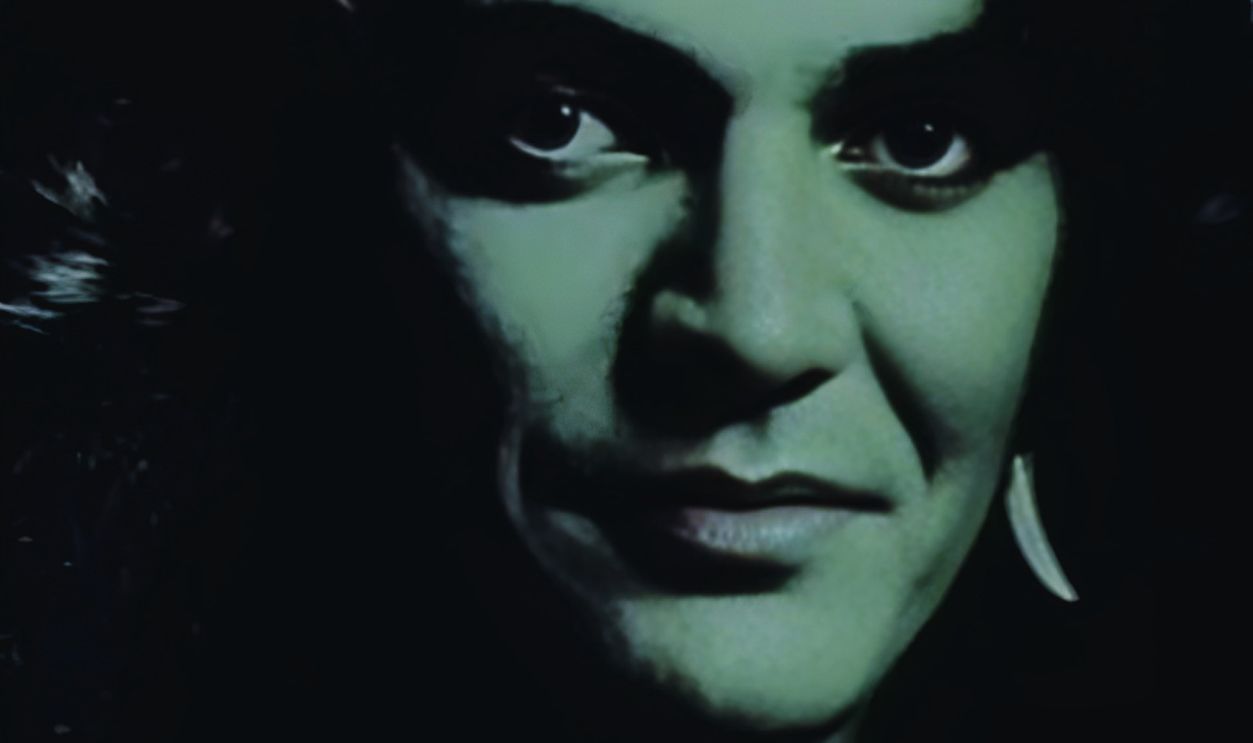 Screenshot from Tommy Bolin - The Ultimate Documentary, Music Link / KUBD-TV (1989)
5. He Refused To Cut His Hair
Bolin’s A Patch of Blue bandmates weren’t the only ones who had had enough of his teenage rebellions. By the time he was 16, he was also getting on his teachers’ nerves. Like any aspiring rock and roll guitarist, Bolin had grown out his hair and, when he refused to cut it, his high school cut him. Without a band or a classroom to tie him down, Bolin found his way to Denver.
Even there, he was developing a reputation.
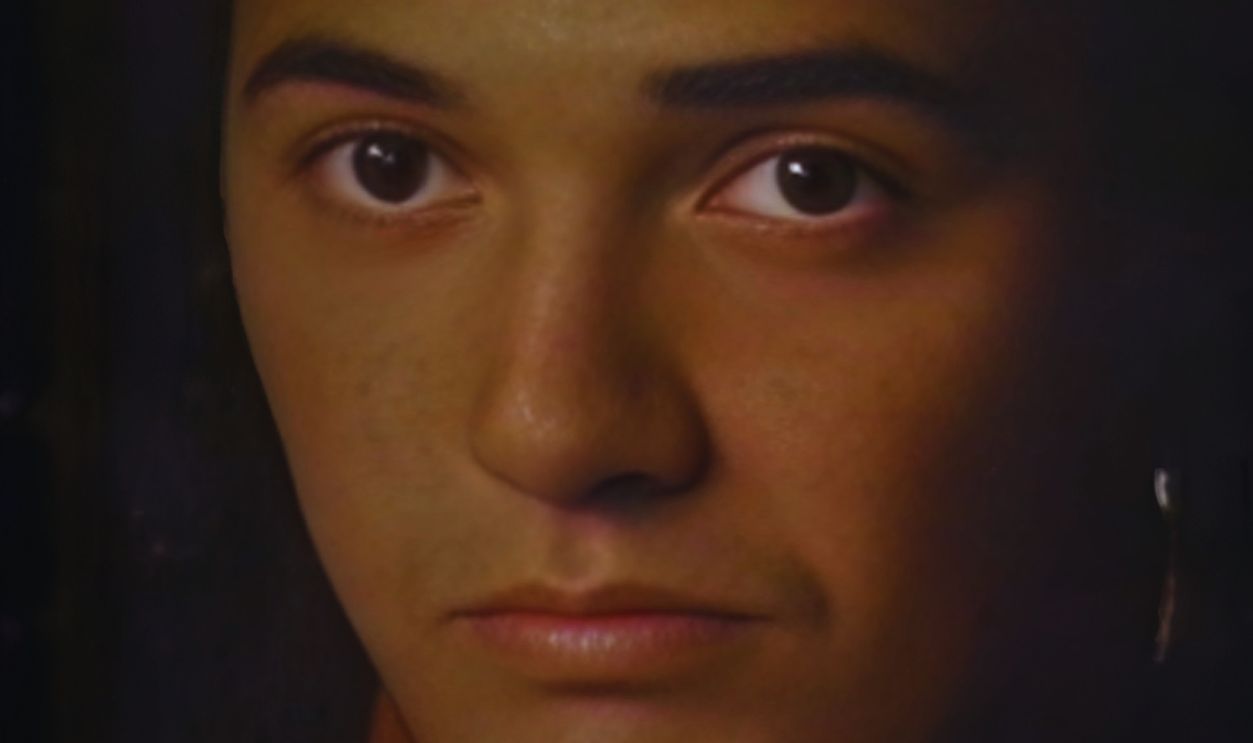 Screenshot from Tommy Bolin - The Ultimate Documentary, Music Link / KUBD-TV (1989)
6. He Had A Reputation
In Denver, Tommy Bolin stayed with a friend and former bandmate of his as he began building his reputation as a guitarist. But it might not have been the best reputation. One former musician who had been called to fill in for a gig that Bolin missed later recalled that his reputation for skipping gigs preceded him.
Bolin preferred…less formal arrangements.
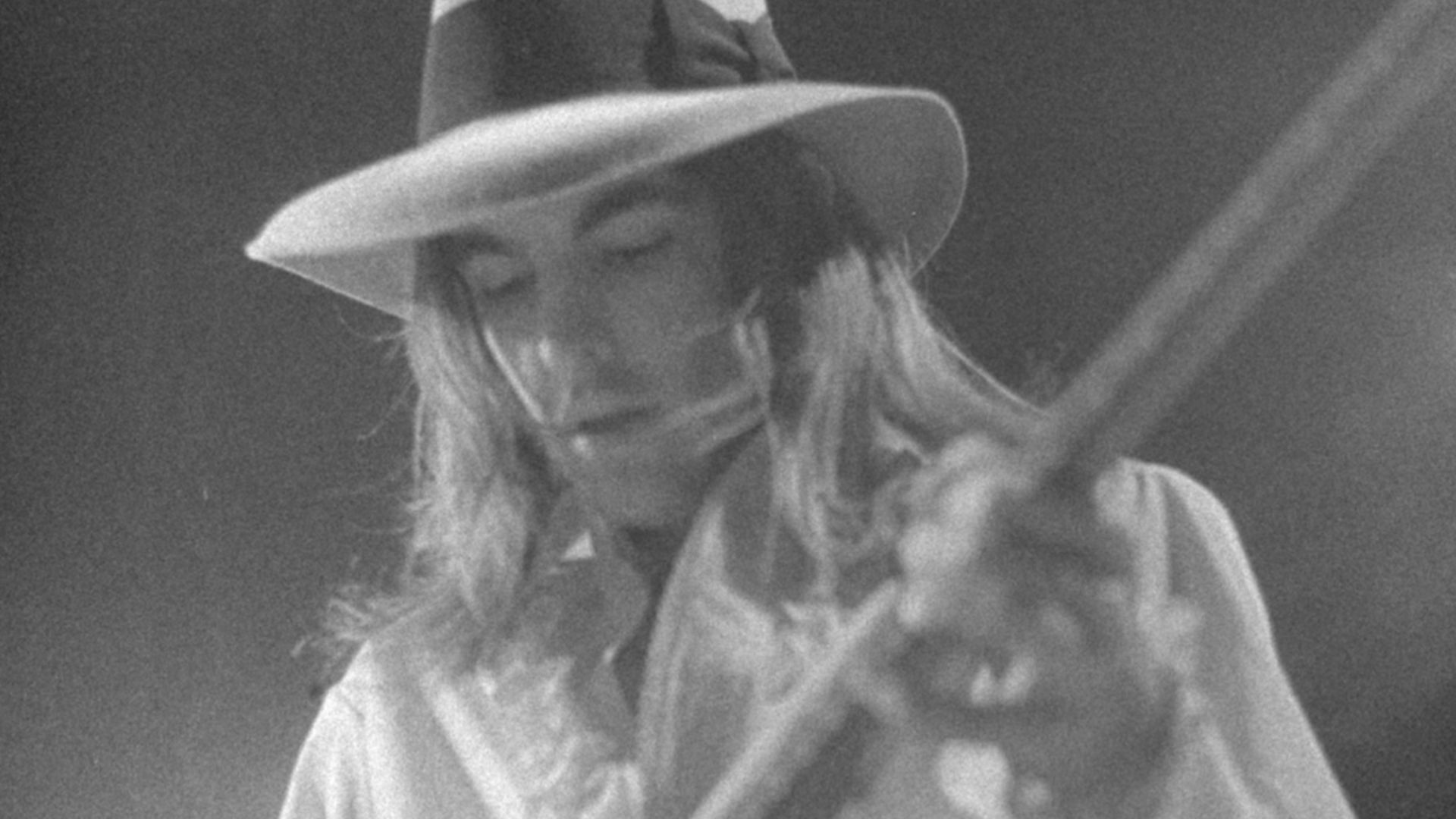 John McDavid, Wikimedia Commons
7. He Flushed His Music Down The Toilet
Band names always have interesting origin stories and Bolin’s next band, American Standard, was no exception. He formed the band with Jeff Cook, who he had met while Cook was still with Crosstown Bus. The inspiration for the moniker? Toilets. Bolin and Cook had named their band after a brand of toilets. Their sound must actually have been…well, you get the idea.
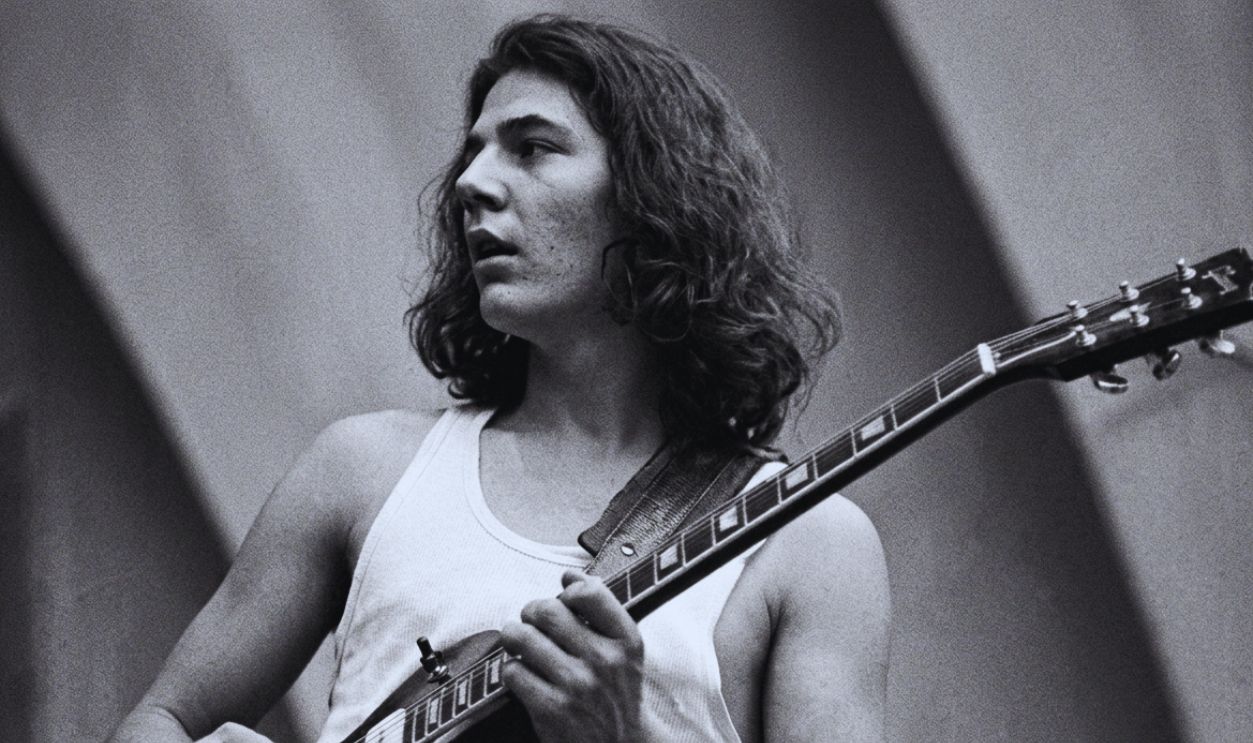 Screenshot from Tommy Bolin - The Ultimate Documentary, Music Link / KUBD-TV (1989)
8. He Took The Zephyr Express To Success
Bolin’s next band, Ethereal Zephyr, took its name from a train in California—and the city of dreams was where they were headed. Playing in Boulder, Colorado, Bolin and his bandmates captured the attention of major record labels and soon landed a record deal. On one condition: They drop “Ethereal”. Whatever their name, they were about to rock the music world.
 Screenshot from Tommy Bolin - The Ultimate Documentary, Music Link / KUBD-TV (1989)
9. He Opened For Zeppelin
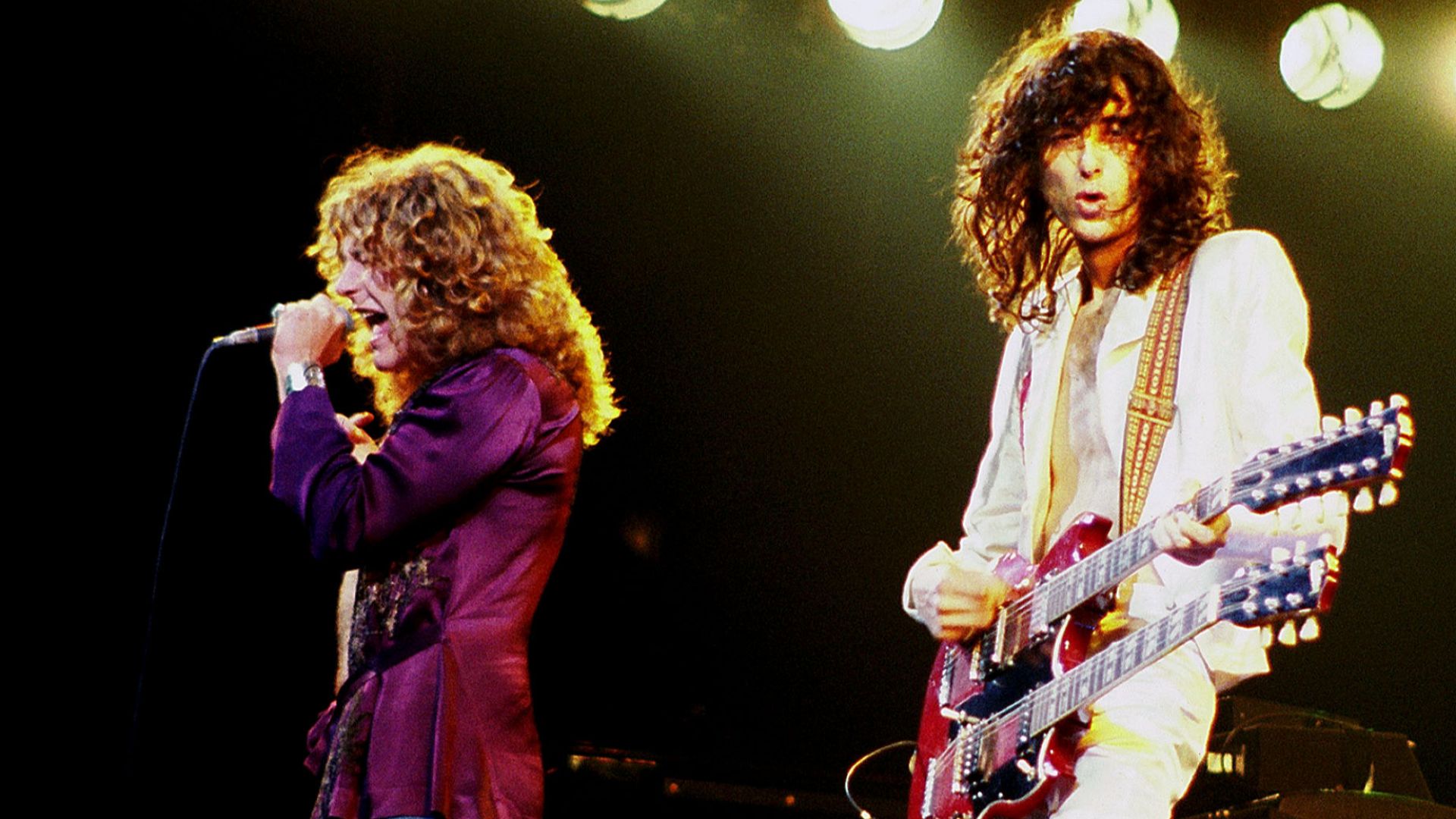
After bouncing around from band to band since he was barely a teenager, Bolin finally found success with Zephyr. Off the back of two successful albums, Zephyr (1969) and Going Back to Colorado (1971), Bolin and his bandmates opened for Led Zeppelin and took concert ticket billing right alongside the likes of the Jimi Hendrix Experience.
But even success couldn’t keep Bolin in one band for long.
 Jim Summaria, http://www.jimsummariaphoto.com/, Wikimedia Commons
10. He Tried A New Sound
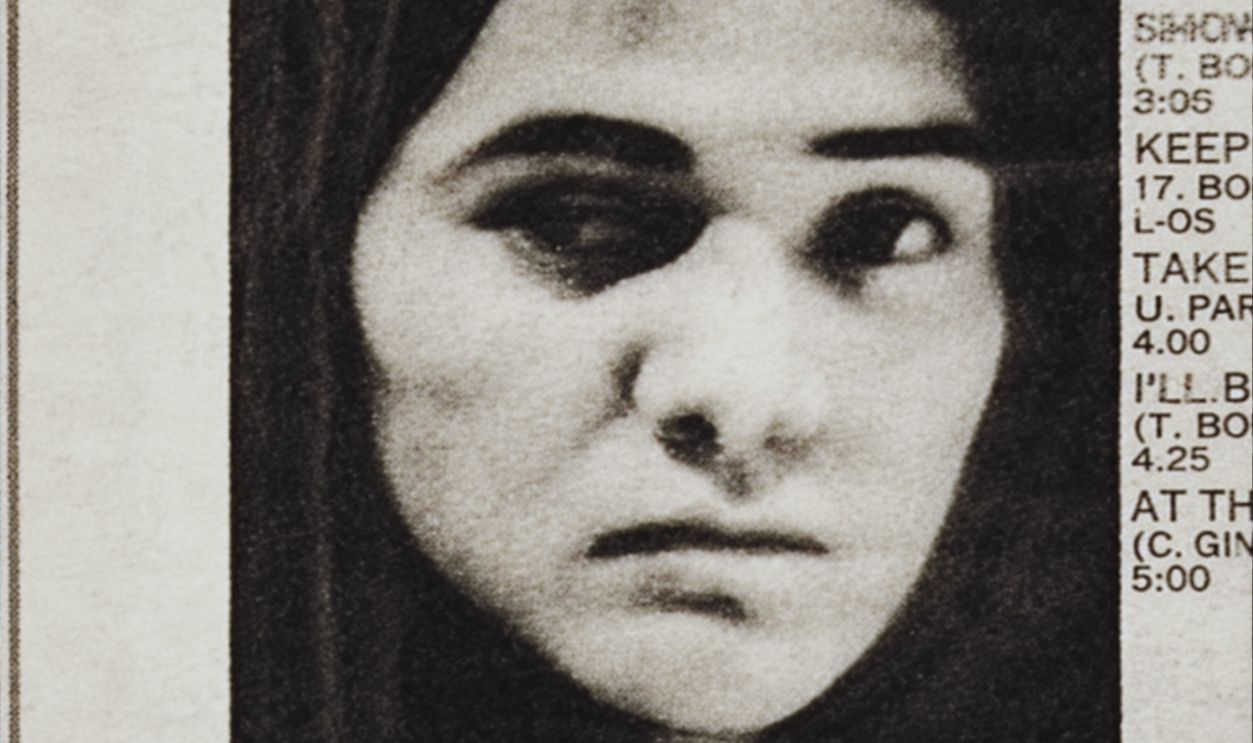
Despite their success, Tommy Bolin left Zephyr after their 1971 album and tour. This time, he wasn’t asking to join anyone else’s band—he was forming his own. Bolin pieced together an all-instrument lineup called Energy, producing a “fusion jazz-rock-blues” sound. Unfortunately, the fusion band proved too experimental for record labels and they failed to secure a deal.
It nearly ended Bolin’s music career.
 Screenshot from Tommy Bolin - The Ultimate Documentary, Music Link / KUBD-TV (1989)
11. He Wrote Almost 100 Songs
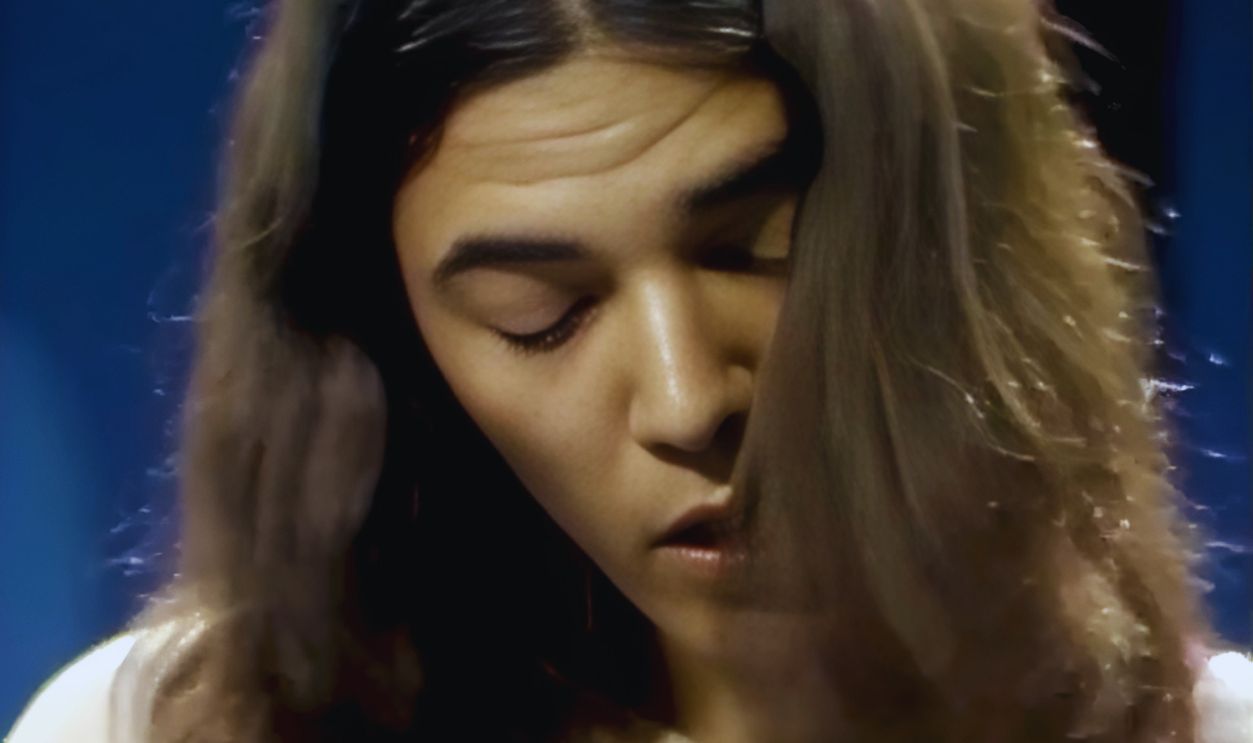
Following his fusion failure, Bolin joined a new band playing oldies. But his mind was on new music—lots of it. Instead of jumping into a new arrangement as he so often did, Bolin took time away from the music scene. Away from the intensifying spotlight, he focused on his craft and, over the course of almost a year, wrote nearly 100 new songs.
And he wasn’t done writing yet.
 Screenshot from Zephyr (feat. Tommy Bolin), Independent / Archival Broadcast (1971)
12. He Joined A Gang
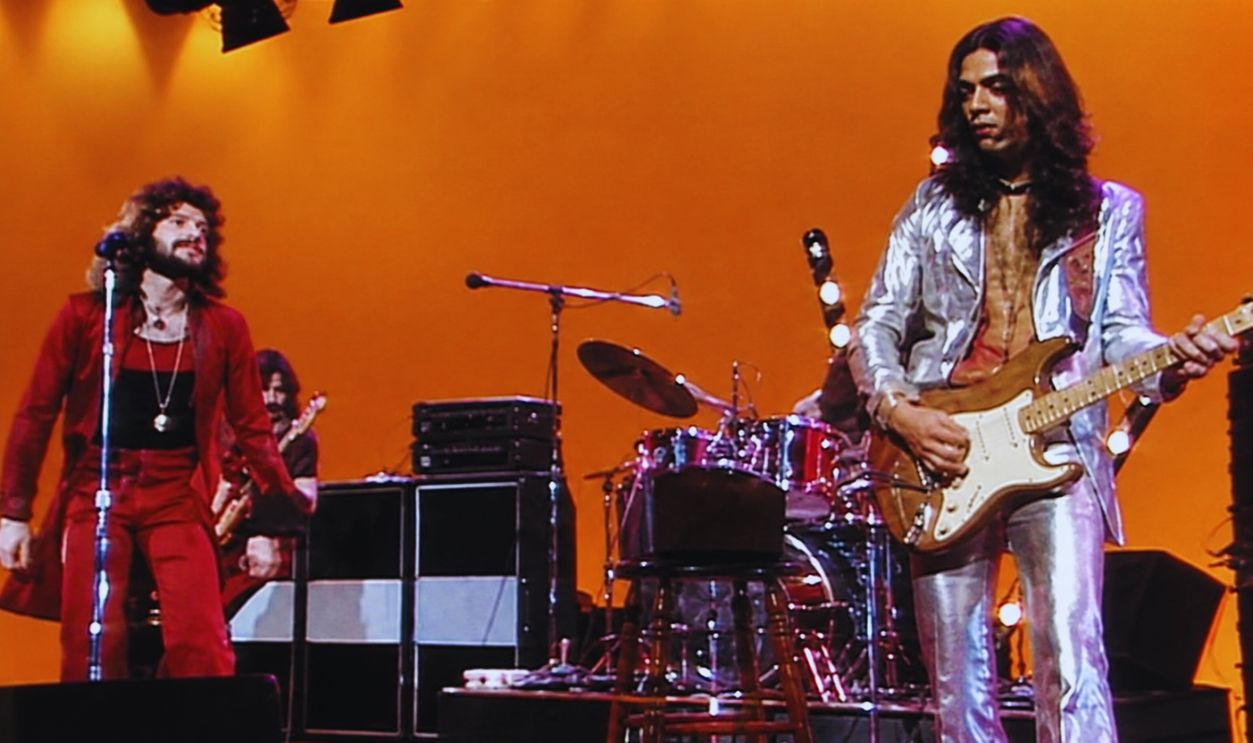
Tommy Bolin reemerged into the music scene after an old friend of his from Colorado hooked him up with a band called James Gang. In just two short years, Bolin and his new band cranked out two albums, Bang and Miami. Bolin’s year in solitude had served him well as he wrote or co-wrote all of James Gang’s songs for both albums with the exception of one track.
He thought he had his groove back.
 Screenshot from James Gang (The Beat-Club / Musikladen), Radio Bremen (1971)
13. He Gave It Another Go
With a couple of new albums under his belt and renewed interest from fans and record labels, Tommy Bolin took one more shot at it and re-formed Energy. However, even with a new lineup, it wasn’t enough. Less than a month after giving his jazz-rock band one more try, it fell apart again. Almost no one would hear their recordings until decades later.
By then, it would be too late.
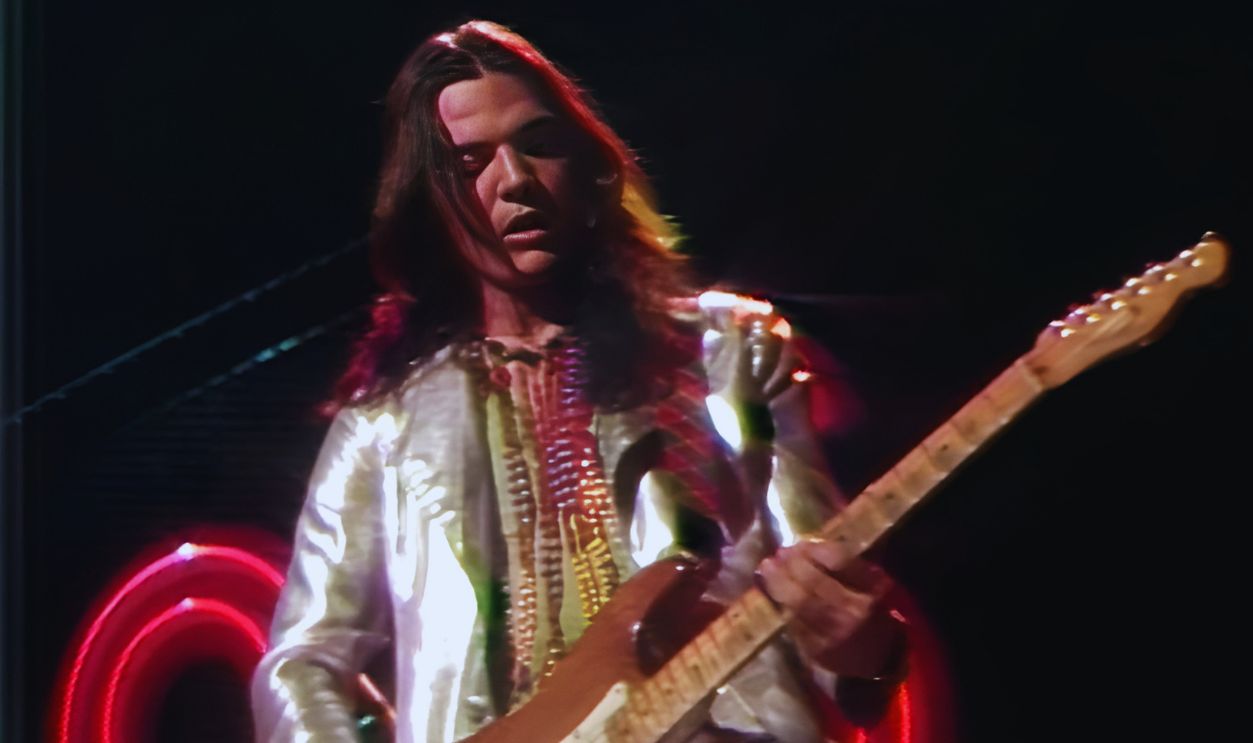 Screenshot from The Midnight Special, Burt Sugarman Productions (1974)
14. He Was On The Spectrum
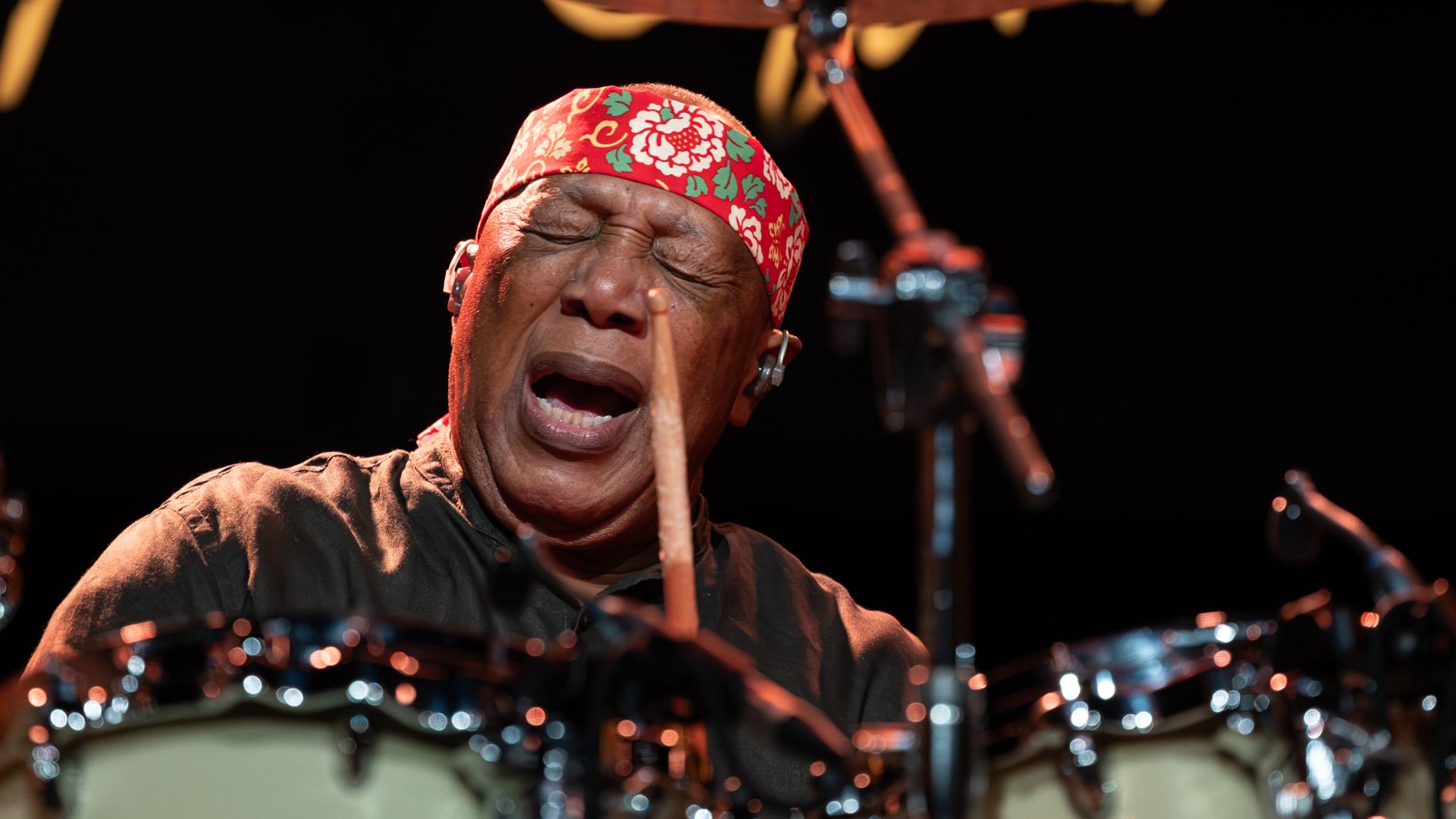
In 1973, Tommy Bolin had worked as a session guitarist for the legendary drummer Billy Cobham on his album Spectrum. Bolin’s shredding on the guitar attracted the attention of another drummer, Alphonse Mouzon, who invited Bolin along with other notable musicians to Hollywood for an epic, hours-long jam session. It was an epic moment in music history.
Or, at least, it would have been.
15. His Recordings Were Erased
The Hollywood music studio owner who had the privilege of recording Bolin’s session with Mouzon and others recalled what happened. Allegedly, Bolin had forked over some of his own cash to record the session and insisted on getting it all on tape. Sadly, most of the session is lost to history as someone had accidentally flipped the recording tape, erasing the recordings.
There was only one solution: do it all over again.
 Screenshot from The Midnight Special, Burt Sugarman Productions (1974)
16. He Had A Mind Transplant
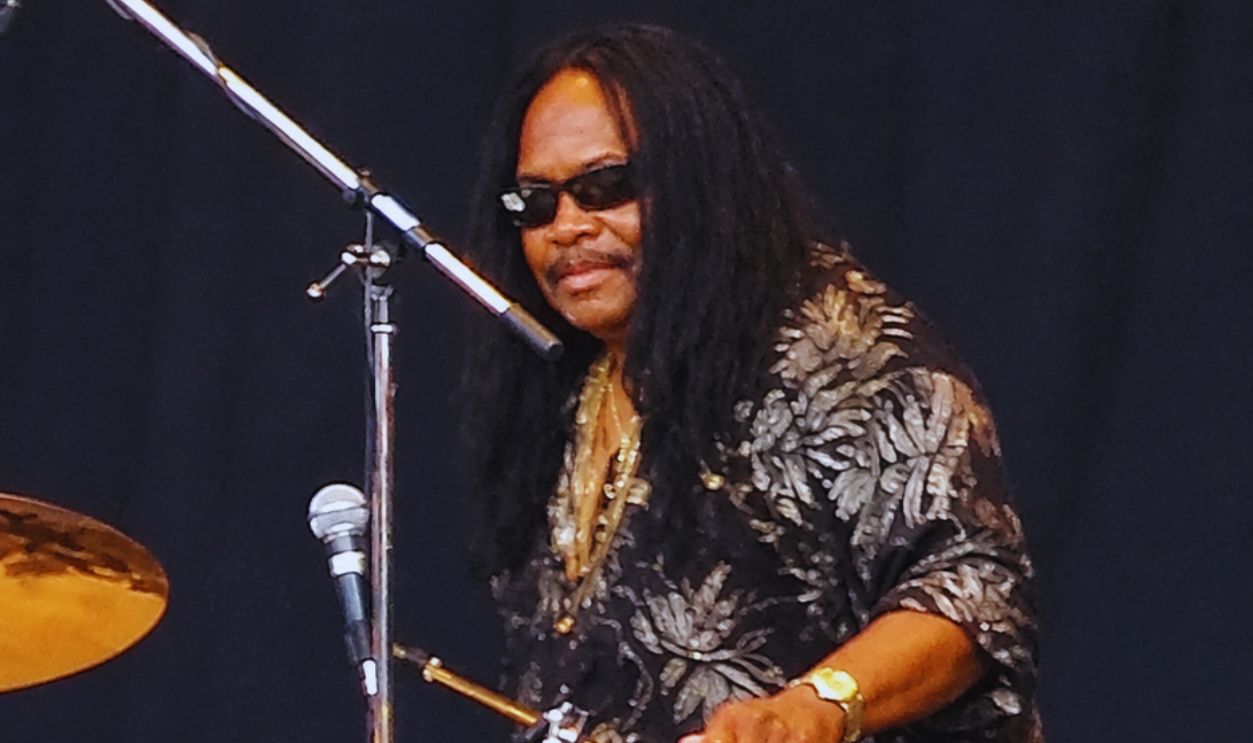
Instead of crying over the lost recordings, Tommy Bolin jumped right back into the studio with Mouzon and another lineup of talented musicians. This time, they recorded everything, resulting in Mouzon’s 1975 album Mind Transplant. But, with featured solos on four of the hit tracks, it was as much Bolin’s album as it was Mouzon’s.
How Bolin managed to perform those songs was a story all on its own.
17. He Played It By Ear
Unlike the other guitarists who recorded for Mouzon’s Mind Transplant, Bolin couldn’t read music. Even so, Mouzon trusted him implicitly. To accommodate Bolin, Mouzon played several Mind Transplant songs for Bolin, who, after just a few minutes, committed the melody to memory and improvised his own legendary contributions.
Major names in the music industry took note.
 Screenshot from Tommy Bolin - The Ultimate Documentary, Music Link / KUBD-TV (1989)
18. He Gave His Fans A Teaser
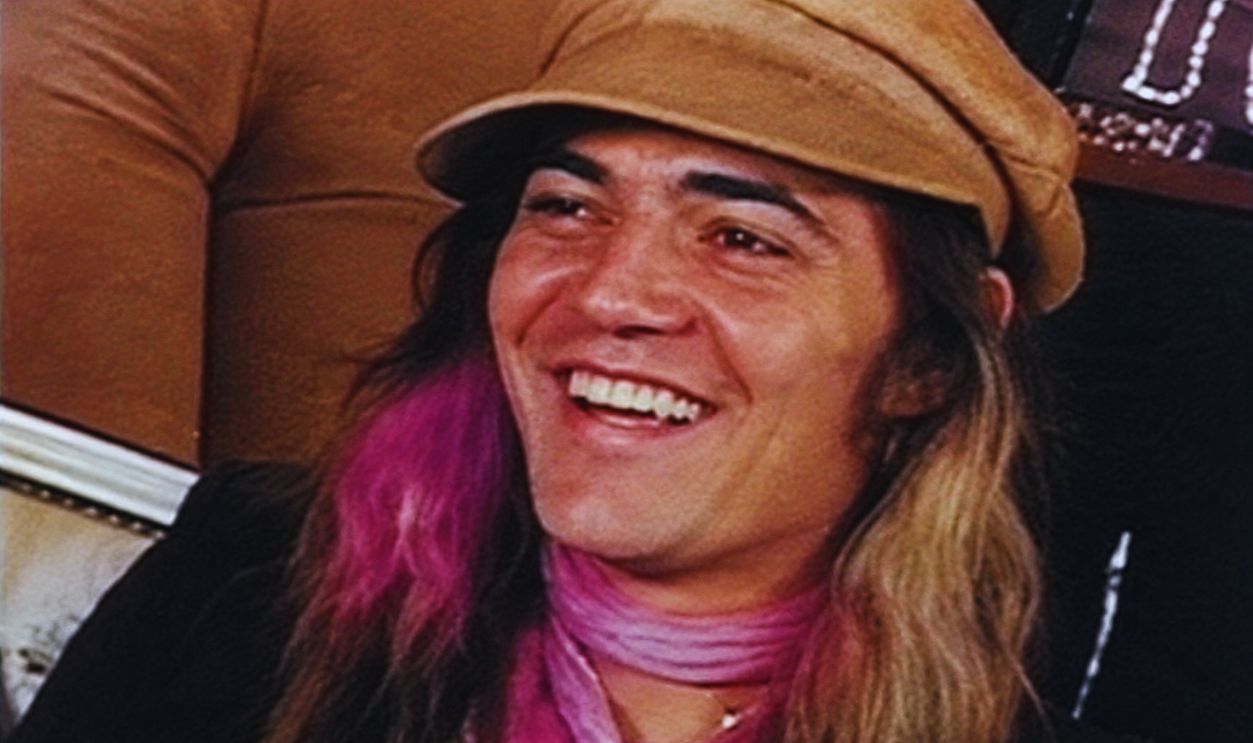
In 1975, off the success of Mind Transplant, Tommy Bolin managed to secure the thing he had always wanted: a solo record deal. And he got help from the unlikeliest of places. Signed to Nemperor Records in April of 1975, Bolin released Teaser. To help him with the vocals, he got singing lessons from none other than the Beach Boys.
Bolin wouldn’t be solo for much longer.
 Screenshot from Tommy Bolin - The Ultimate Documentary, Music Link / KUBD-TV (1989)
19. He Saved Deep Purple
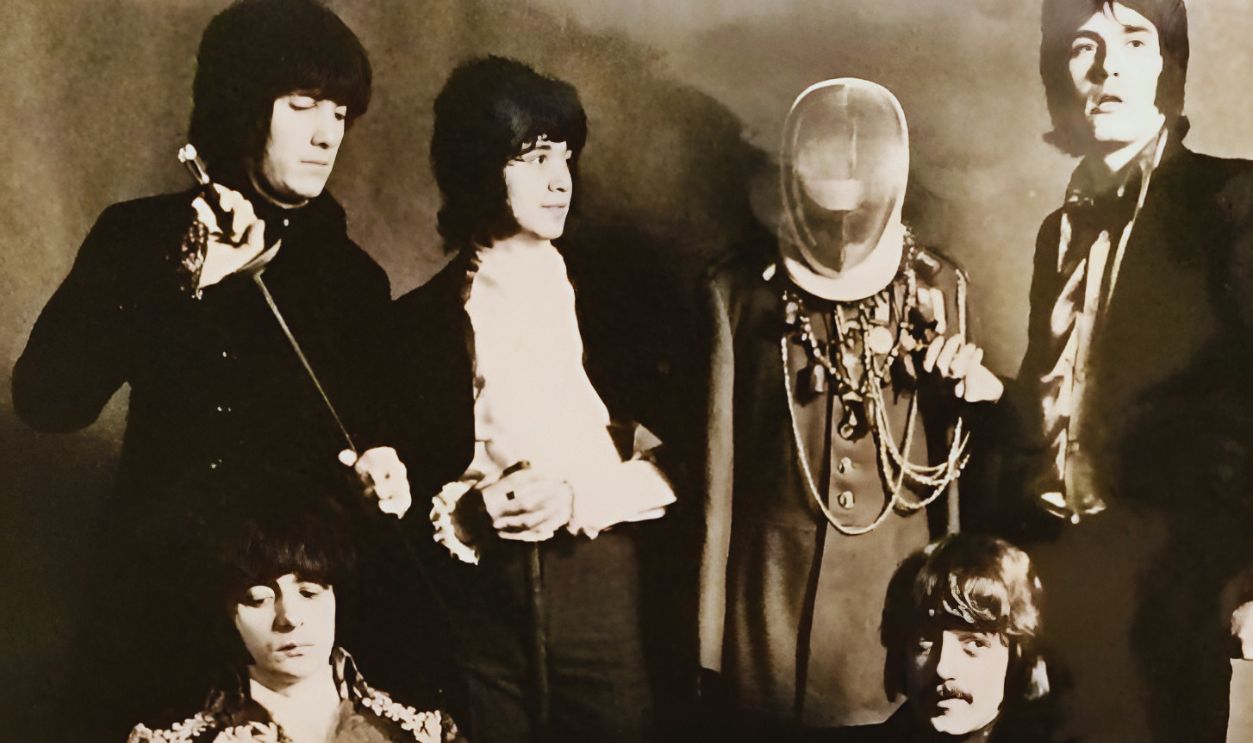
In April of 1975, just as Bolin had turned up the amps on his career, the British rock band Deep Purple was falling apart. The band’s keyboardist, Jon Lord, was on the brink of breaking up the band after another member’s departure. However, when singer-songwriter David Coverdale played Spectrum for Lord, he knew his band had been saved.
“I was blown away and utterly entranced by this guitar player,” Lord recalled.
 Tetragrammaton Records, Wikimedia Commons
20. He Found A New Band
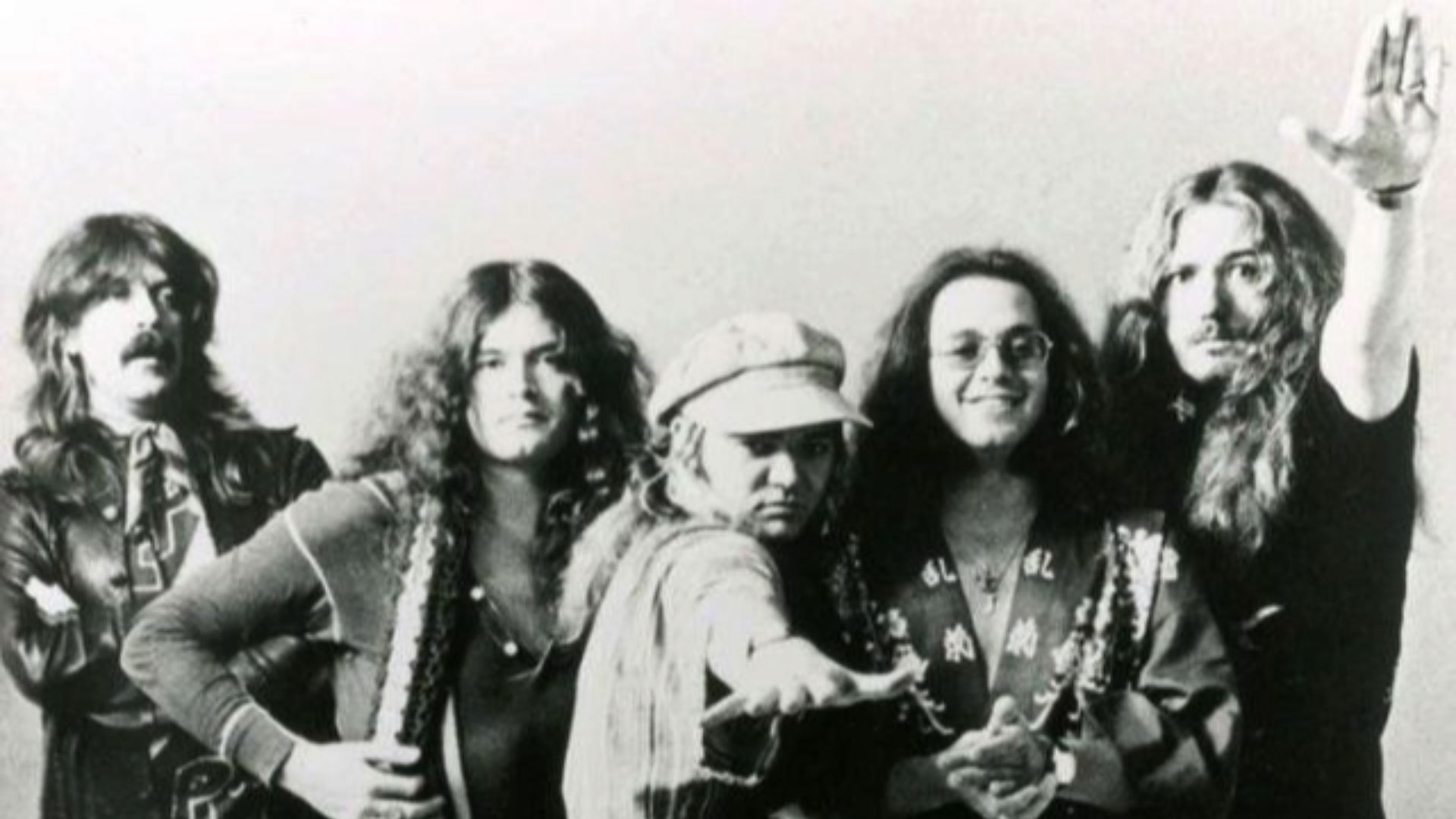
Luckily for Deep Purple, Tommy Bolin just so happened to be living in Malibu at the time. One of Deep Purple’s road crew members reached out to Bolin and invited him to audition for the band. “This glorious young man walked in with red and green hair and this beautiful wide, friendly grin,” Lord recalled. After a marathon jam session, Bolin became Deep Purple’s newest addition.
But it came at a cost.
21. He Gave Deep Purple A Taste Of His Talent
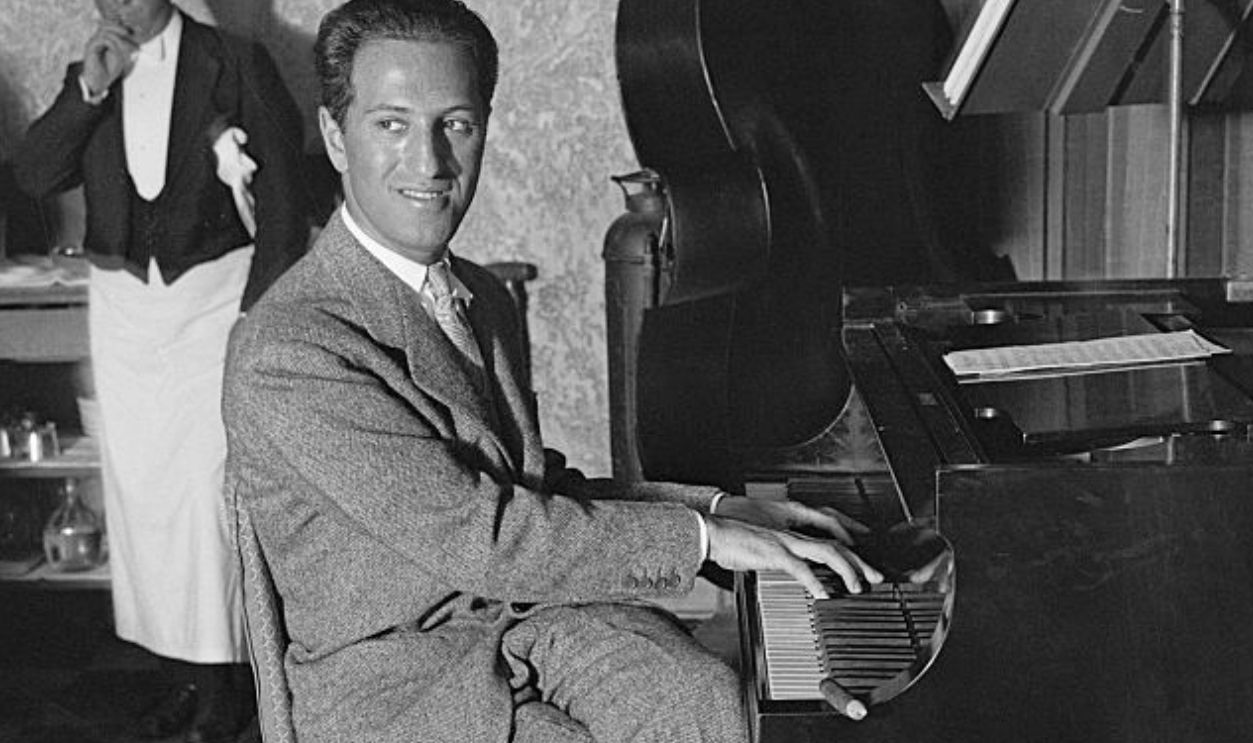
Almost as soon as Bolin joined Deep Purple, they whisked him off to Munich to begin work on Come Taste the Band. And Bolin gave them plenty to work with. He wrote or co-wrote seven of the album’s nine tracks, including the standout instrumental tribute to George Gershwin. It would be the only studio album he recorded with the band.
His own album was another matter.
22. He Had No Time For Himself
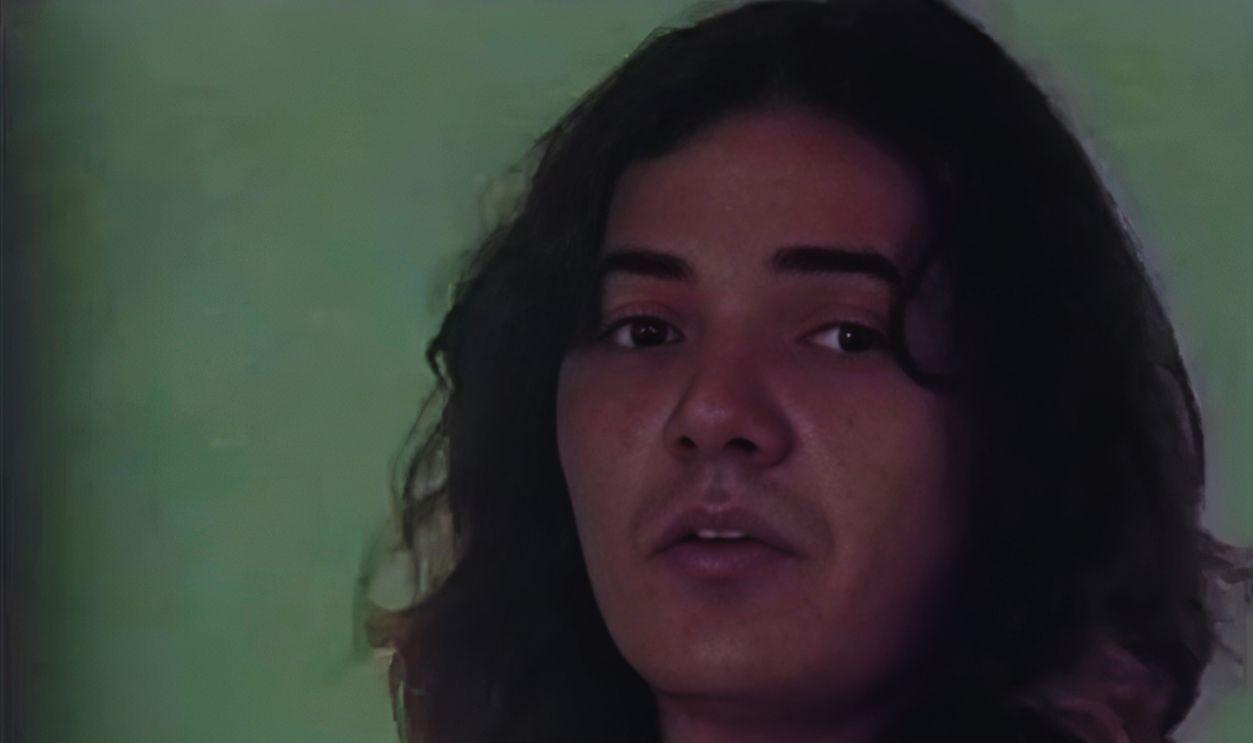
Joining Deep Purple had its downsides. With the release of Come Taste the Band and his own album Teaser, Tommy Bolin had plenty of music to promote and not enough time to promote it. His obligations to Deep Purple meant that he couldn’t go on tour to promote his own work. Instead, he toured with the band across Australia, Japan, and America.
He wasn’t necessarily the best self-promoter.
 Screenshot from Tommy Bolin - The Ultimate Documentary, Music Link / KUBD-TV (1989)
23. He Never Learned His Scales
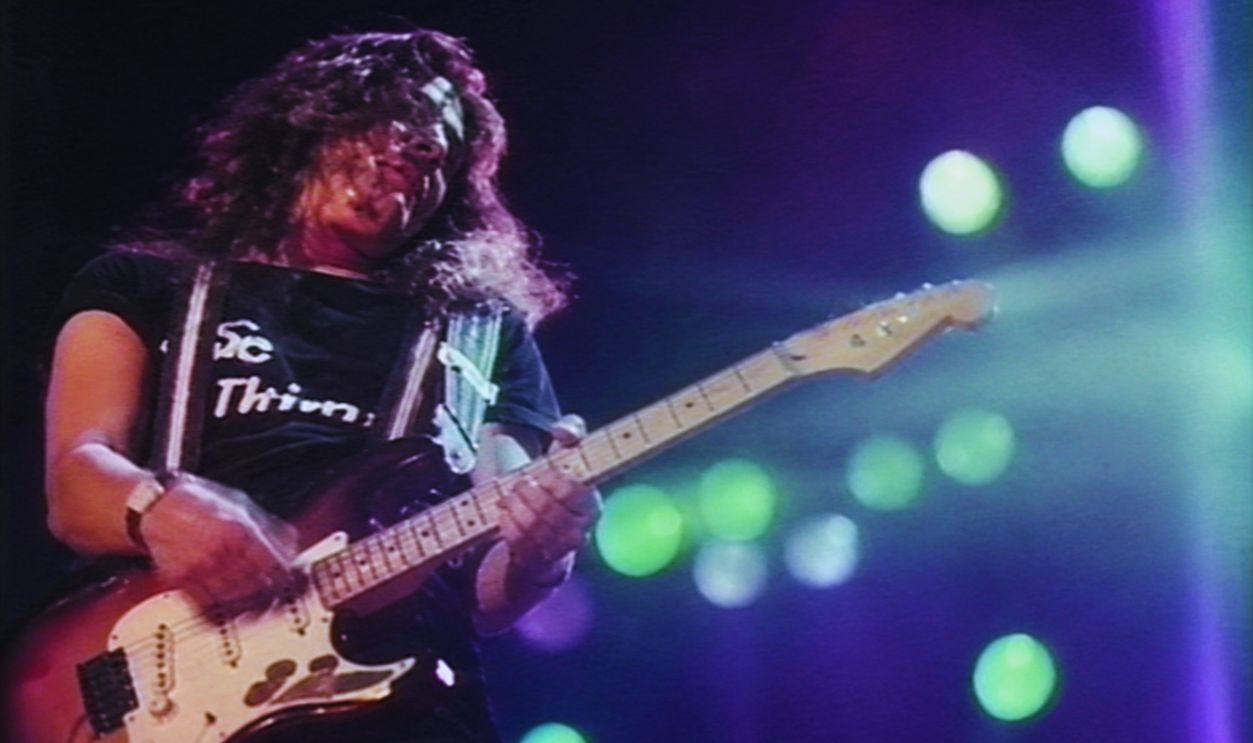
For all the albums and all the bands, Bolin still hadn’t learned his scales. In a 1975 article, he described himself as entirely self-taught and explained how he played by ear: “I only ever had four lessons. I don’t know any scales at all”. Scales or not, Bolin knew all of the right chords to strum. But then his tour with Deep Purple went from all business to tragedy.
 Screenshot from Tommy Bolin - The Ultimate Documentary, Music Link / KUBD-TV (1989)
24. His Tour Took A Dark Turn
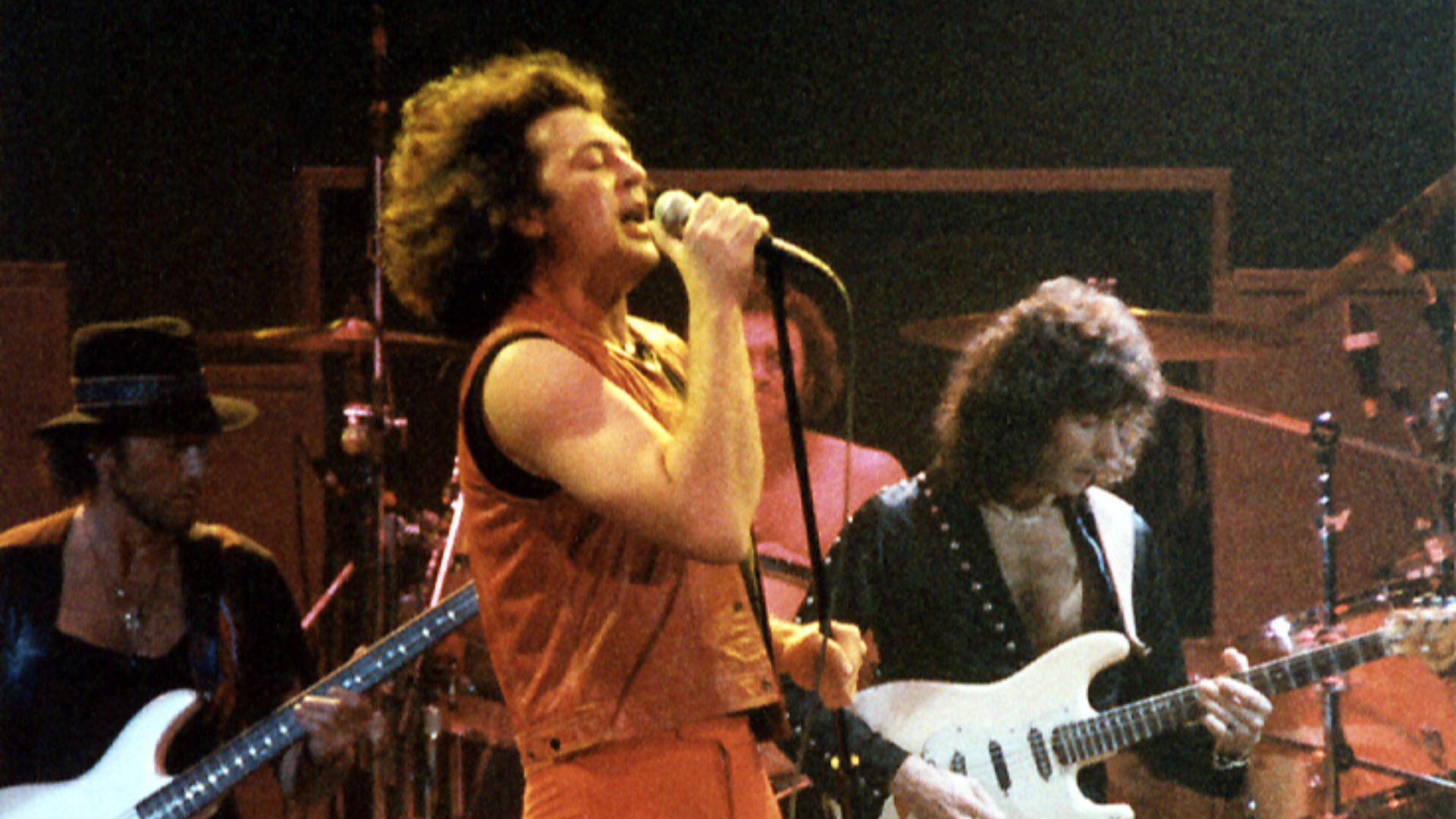
When one of the people touring with the band suffered a fatal fall down an elevator shaft, Bolin’s experience on the road with Deep Purple became a tour of misery. Authorities in Jakarta suspected foul play and kicked the band out of the country, but not before the promoter withheld their payments and detained the band’s manager. Bolin’s troubles had only just begun.
 Dana Wullenwaber, Wikimedia Commons
25. He Had A Stiff Arm
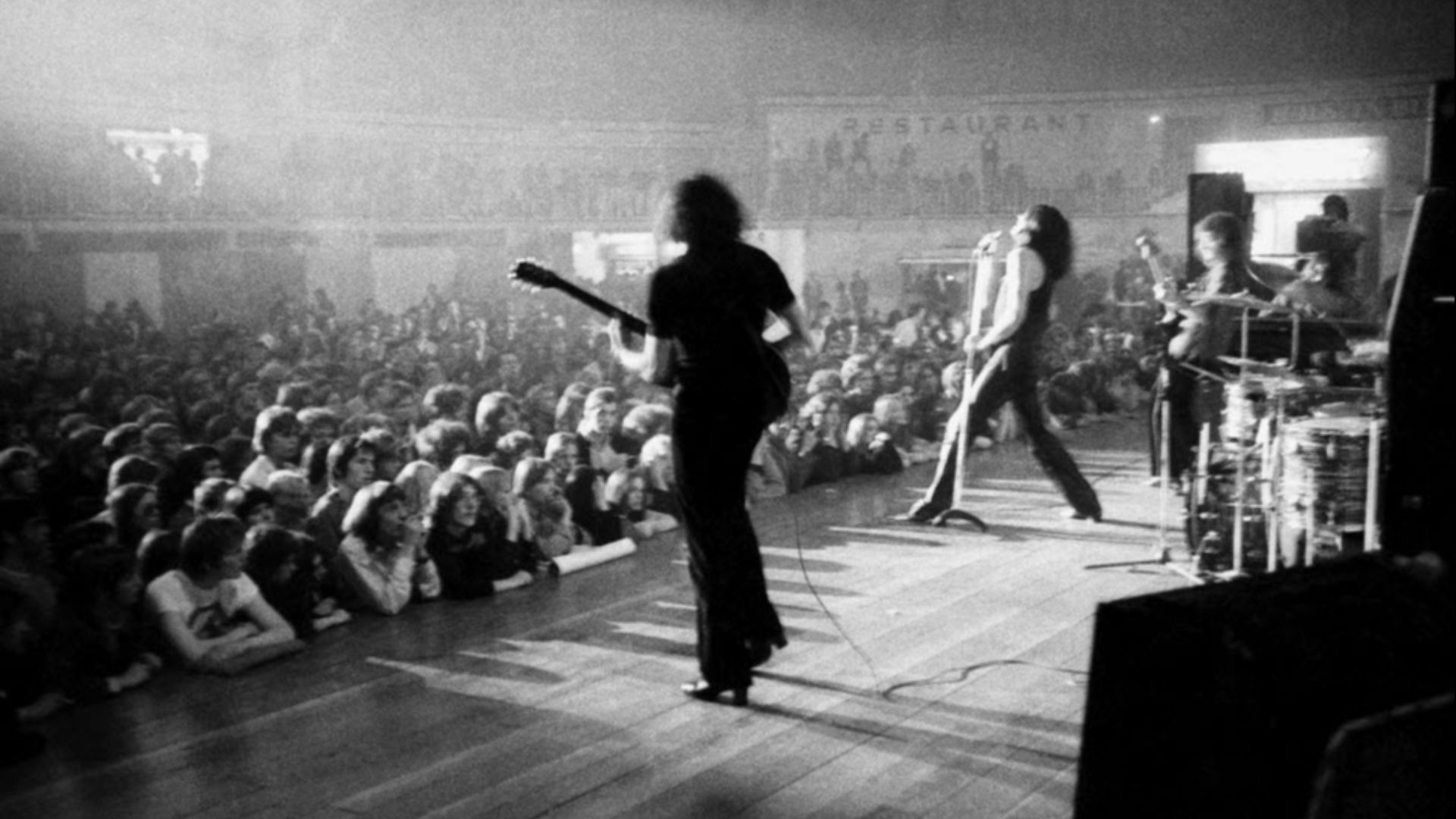
With everyone cleared of wrongdoing, Tommy Bolin and the rest of Deep Purple continued their tour, arriving in Tokyo. But trouble followed them. At their Tokyo concert, Bolin could barely play his guitar, strumming only the most basic of chords in “open tuning”. The problem? Bolin claimed that he had fallen asleep on his left arm.
His bandmates, however, accused him of injecting some “low-quality” illicit substance into his arm.
 Magnussen, Friedrich (1914-1987), Wikimedia Commons
26. His Tour Took A Tumble
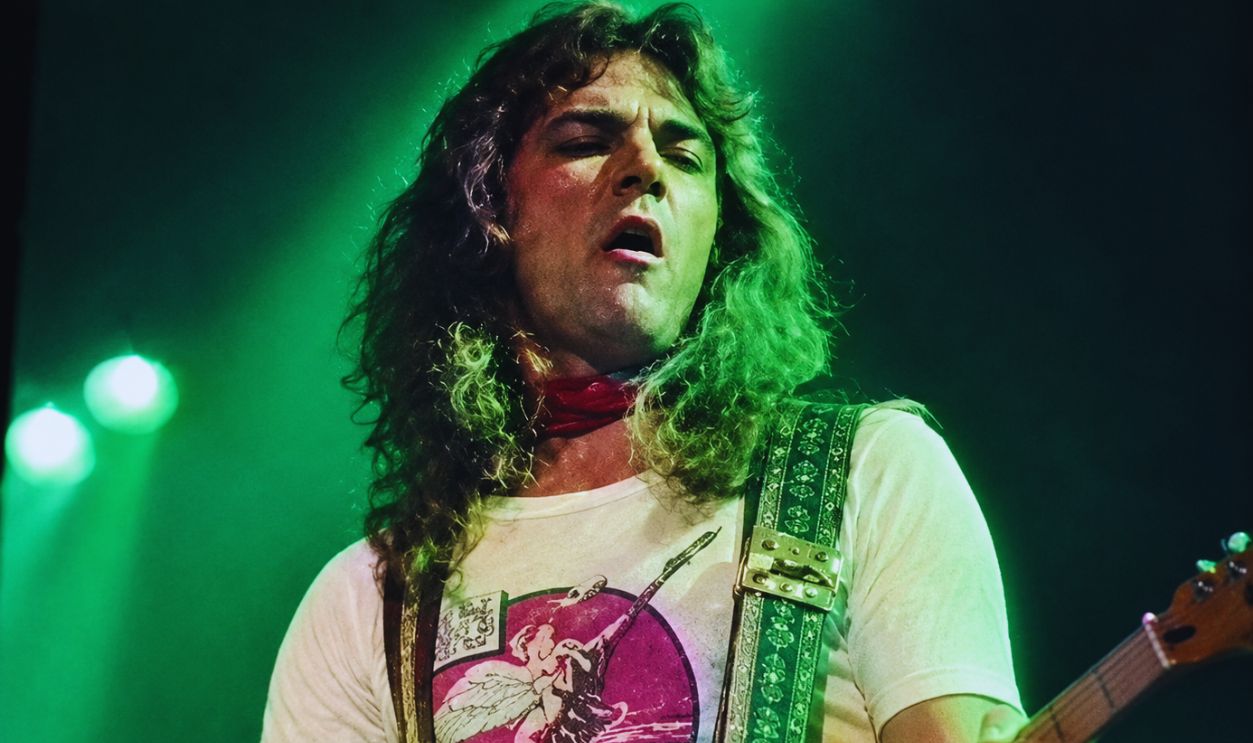
Between the elevator shafts, the withholding of payments, and curiously stiff arms, Bolin’s tour of East Asia with Deep Purple had almost been a disaster. Thankfully, when the band arrived stateside, they turned everything around. Even Lord praised Bolin, saying, “On occasions he played absolutely sublimely”. The operative words there being “on occasions”.
 Screenshot from Tommy Bolin - The Ultimate Documentary, Music Link / KUBD-TV (1989)
27. He Was Not Welcome In The UK
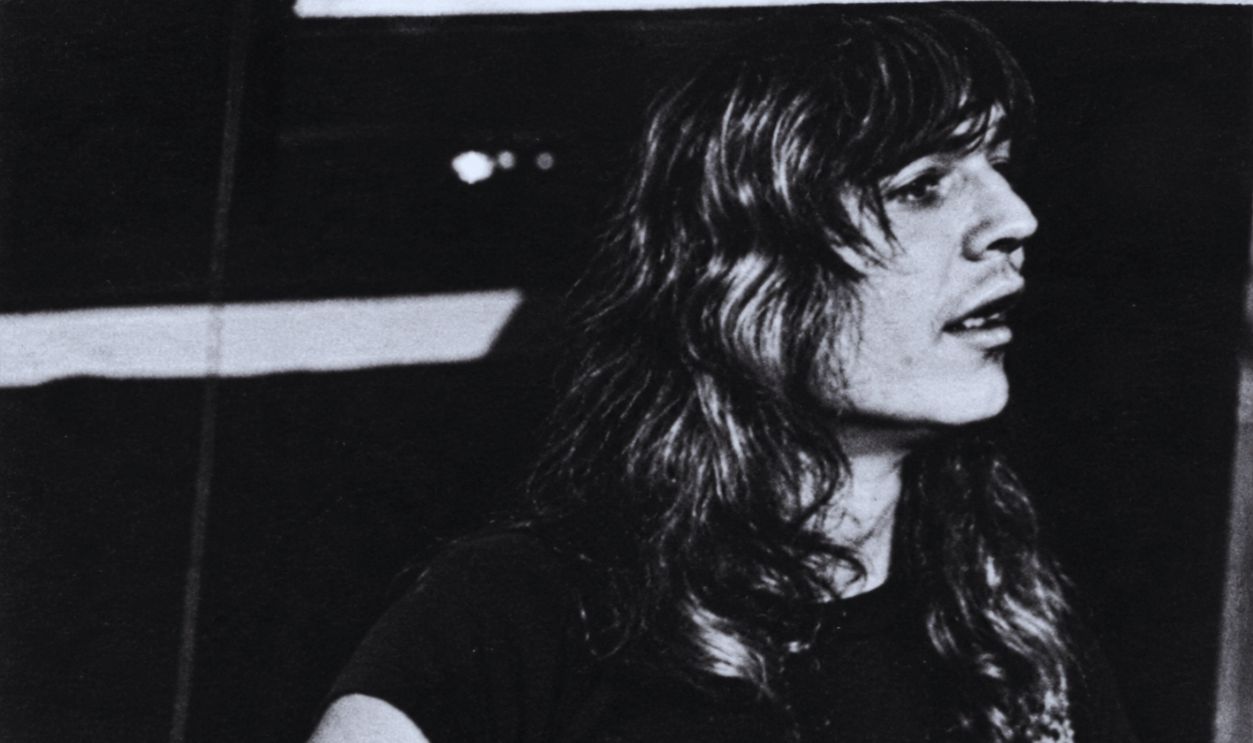
For the American leg of the tour, Tommy Bolin had been on home soil. But when the band arrived in the UK, he was a visitor—and the fans let him know it. As Lord recalled, ardent Deep Purple fans were not impressed to have an American guitarist in their favorite British band and their shows often descended into shouting matches between Bolin on the stage and the fans in the crowd.
The writing was on the wall.
 Screenshot from Tommy Bolin - The Ultimate Documentary, Music Link / KUBD-TV (1989)
28. His Band Broke Up
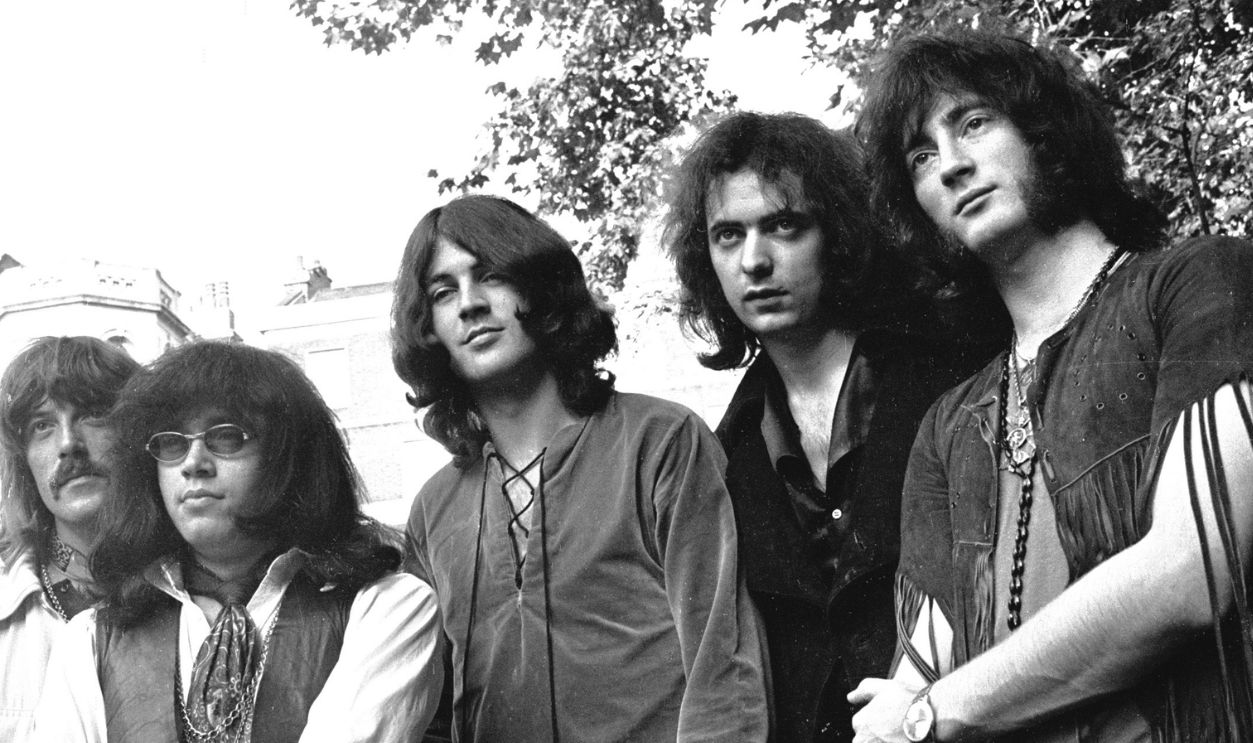
After their show in Liverpool, Deep Purple was feeling the stress from their exhausting and dramatic tour. And Bolin wasn’t the only one looking for the exits. When the band’s lead singer, David Coverdale, went to inform Lord that he wanted out, Lord had only one thing to say: “…there was no band to leave”. For Bolin, that meant freedom.
29. He Did His Own Thing
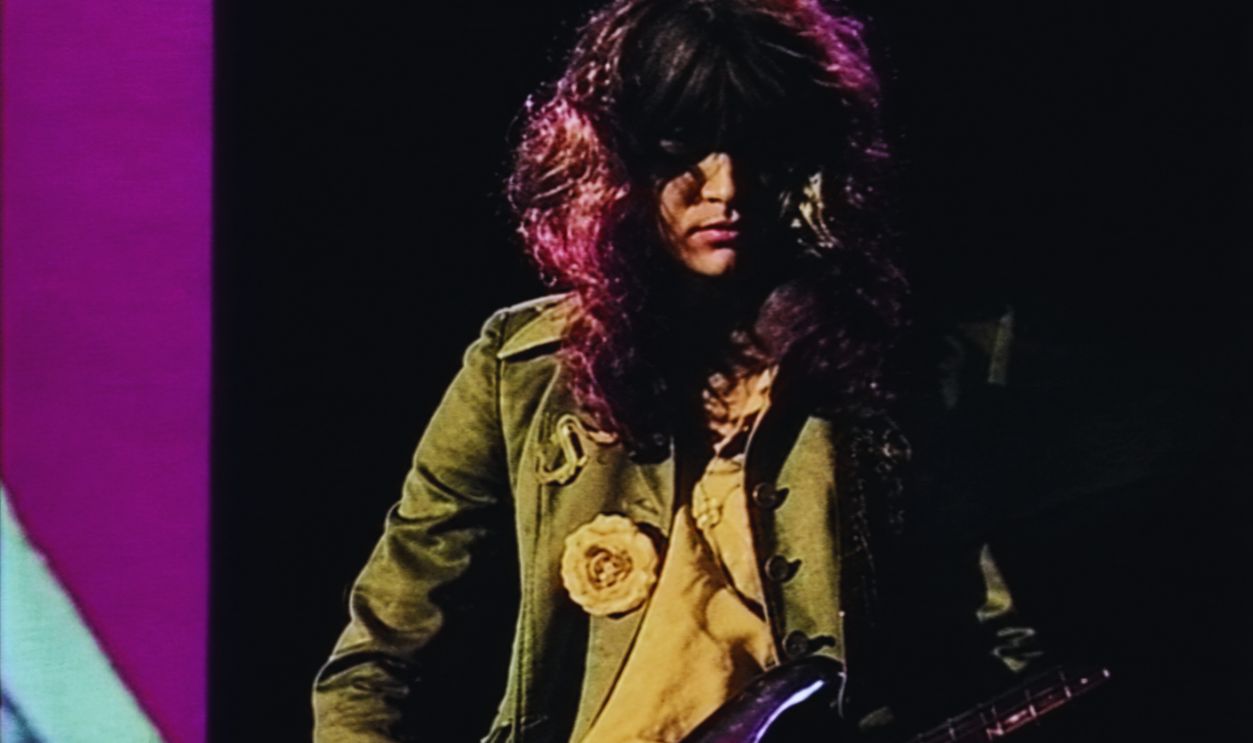
With the breakup of Deep Purple, Tommy Bolin was finally able to get back to his own music. He put together the Tommy Bolin Band—a rotating lineup of all-star musicians that would eventually include his own brother, Johnnie, on the drums. As the band toured, Bolin began putting together the arrangements for his second solo album.
It would be his swan song.
 Screenshot from Tommy Bolin - The Ultimate Documentary, Music Link / KUBD-TV (1989)
30. His Second Solo Was A Success
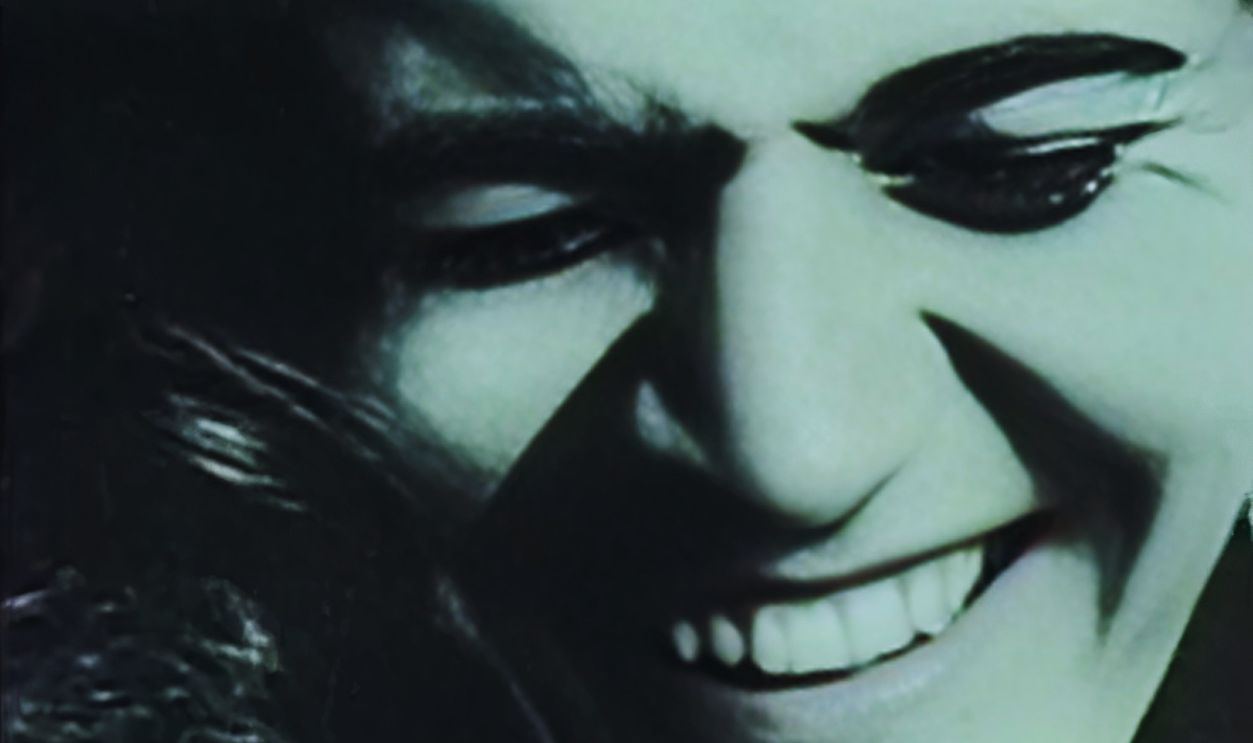
It didn’t take long for CBS Records to snap up the freewheeling Bolin and give him a contract to record Private Eyes. The album was a notable maturation from his early days experimenting in jazz-rock fusion, and it successfully blended everything from jazz and reggae to rock and roll and Latin beats. For Bolin, it was all about the music.
And that was precisely the problem.
 Screenshot from Tommy Bolin - The Ultimate Documentary, Music Link / KUBD-TV (1989)
31. He Was Losing Thousands
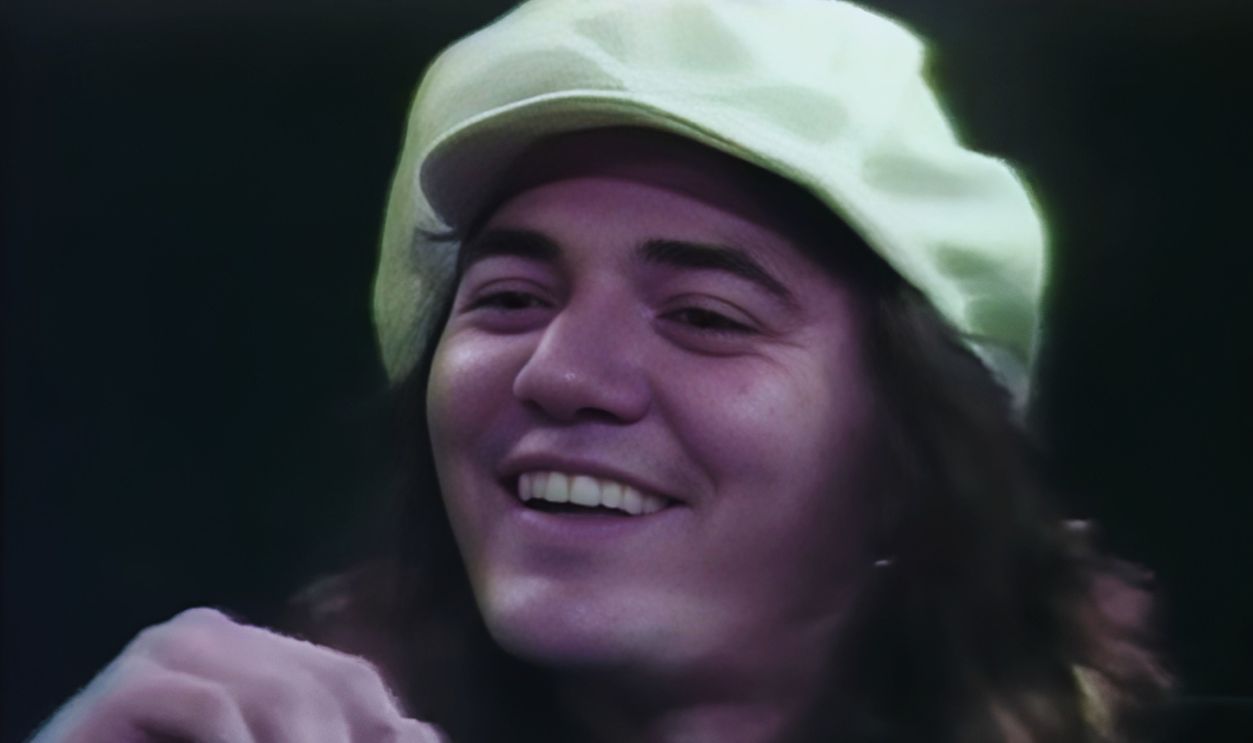
Bolin’s second solo career was a huge success—just not financially. His manager, Barry Fey, said that Bolin had insisted on paying his accompanying musicians handsomely. But his focus on music instead of money meant that the whole operation was losing anywhere between $8,000 and $10,000…every week. But it’s not like Bolin had anyone else to spend money on.
 Screenshot from Tommy Bolin - The Ultimate Documentary, Music Link / KUBD-TV (1989)
32. He Lost His “Longtime Girlfriend”
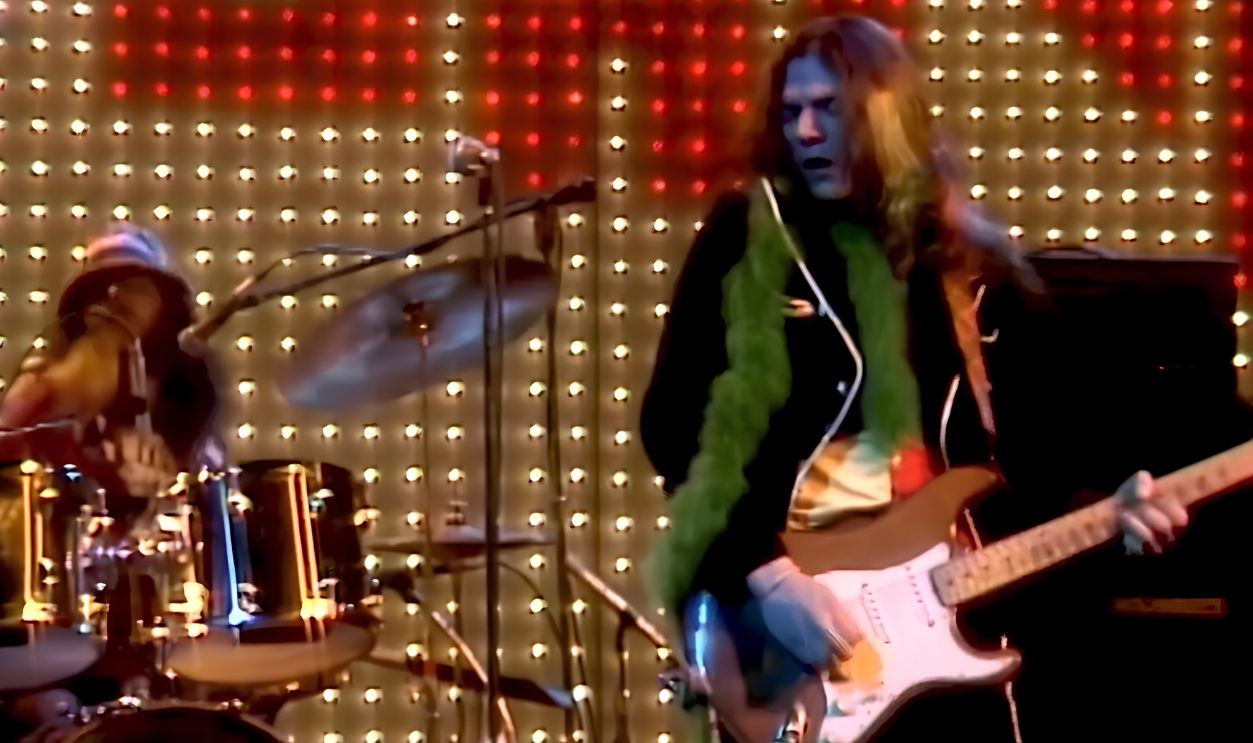
Just as his solo career had taken off again, Bolin’s personal life had fallen into shambles. Sometime in mid-1976, Bolin and his long-term partner, Karen Ulibarri, had decided to go their separate ways. No sources ever gave a reason for the couple’s decision but, given what was happening behind the scenes, it’s not hard to make some educated guesses.
 Screenshot from The Midnight Special, Burt Sugarman Productions (1974)
33. He Put On A Brave Face
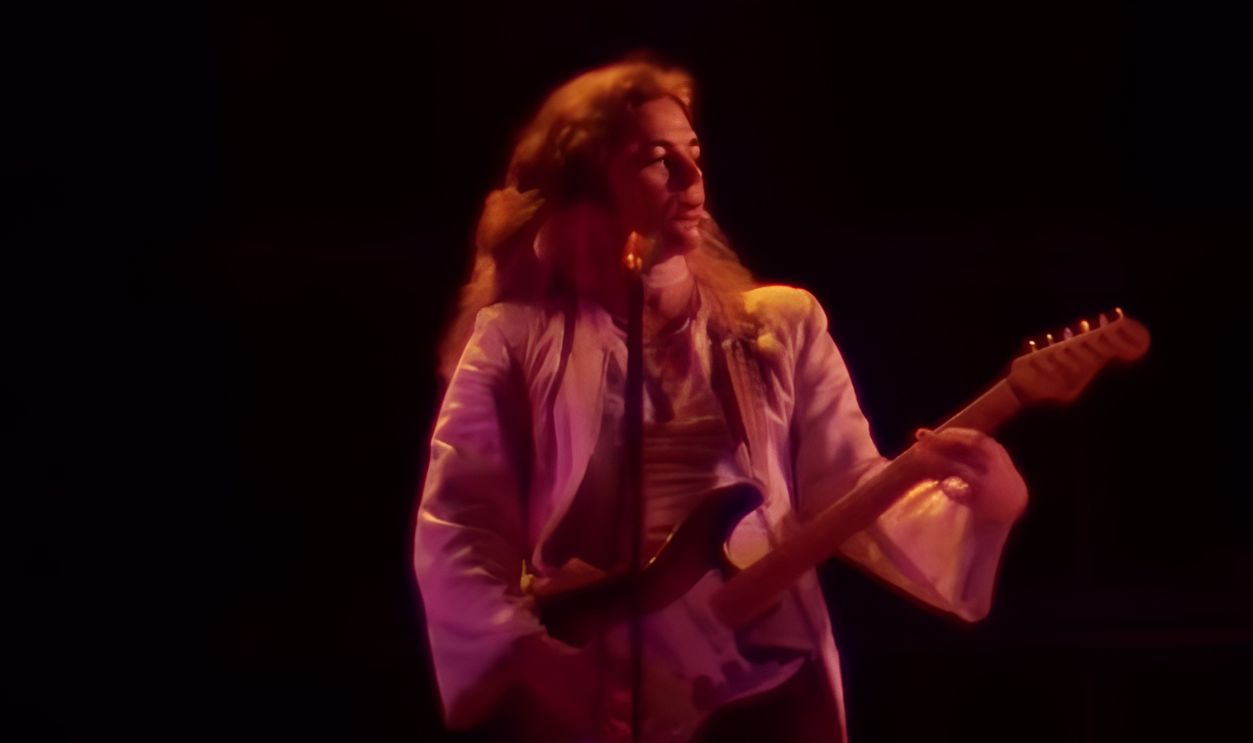
Shortly after breaking things off with Ulibarri—as in, almost immediately after—Bolin had started dating another woman, named Valeria Monzeglio. Years later, Monzeglio revealed that Bolin had been struggling. “He smiled for everyone,” she said, but told the world that he had been relying on illicit substances to keep himself going.
Still, in the midst of his troubles, he found time for family.
34. He Went Back Home
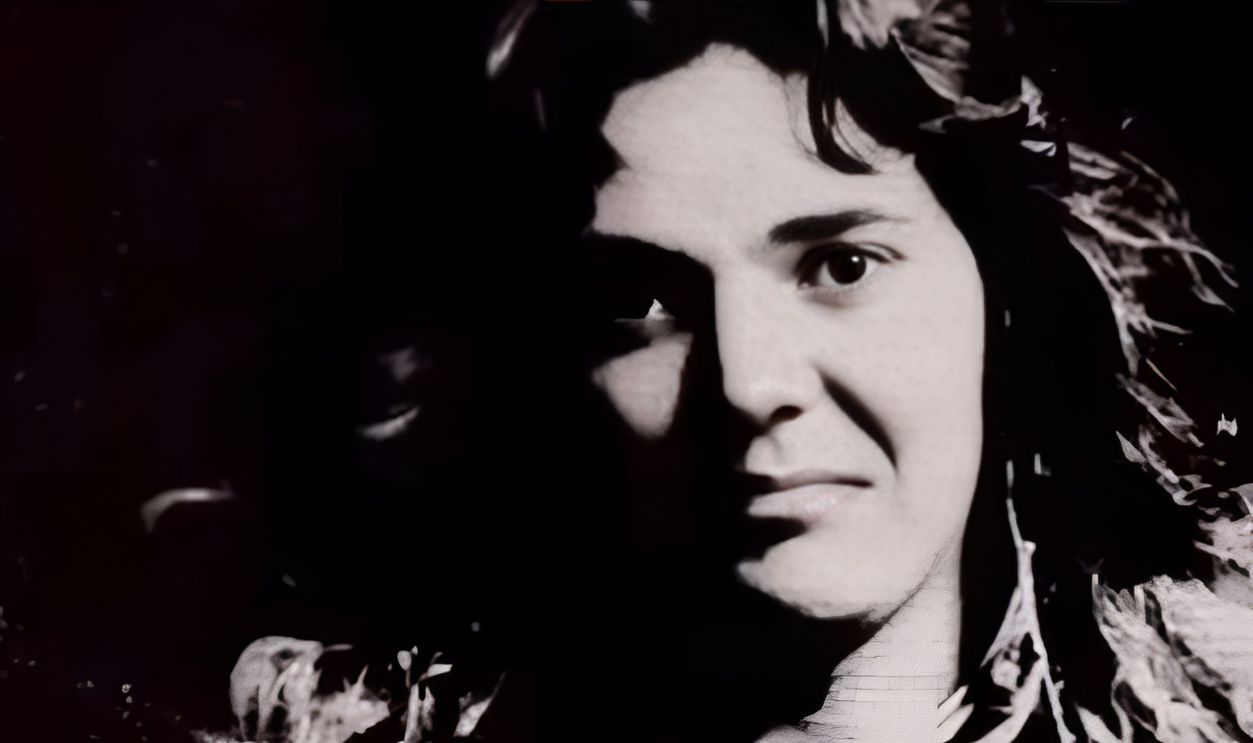
Tommy Bolin briefly returned home to Sioux City, Iowa, in late 1976. While there, he met up with some of the musicians he had played with years earlier in their parents’ garages. Alongside his brother, Johnnie, he even formed a band with these old acquaintances, performing as the Gassers. But the demands of his growing solo career soon called him back to the road.
 Screenshot from Tommy Bolin - The Ultimate Documentary, Music Link / KUBD-TV (1989)
35. He Was The Best Opening Act
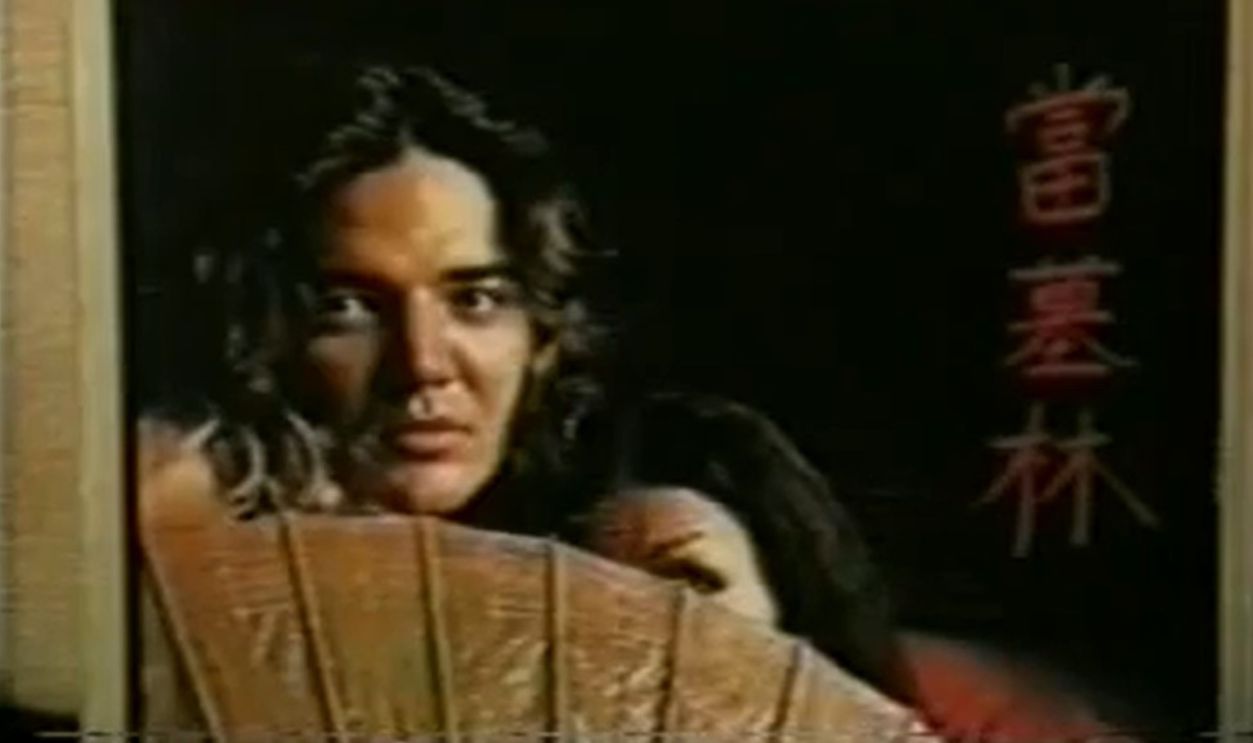
Bolin’s Private Eyes tour saw him take the opening spot for acts like Peter Frampton and Jeff Beck. But he wasn’t your average opener. While he was opening for Beck at Miami’s Jai-Alai Fronton, the audience demanded an encore from Bolin. He obliged, giving them “Post Toastee”. Neither the audience nor Bolin himself knew that it would be his last live performance.
 Screenshot from Tommy Bolin - The Ultimate Documentary, Music Link / KUBD-TV (1989)
36. He Thought He’d Live Forever
Just before going on stage to open for Beck in Miami, Tommy Bolin had sat down for an interview with Miami News. The interview was personal and intimate and the interviewer ended the conversation by telling Bolin to take care of himself. “I’ve been taking care of myself my whole life,” Bolin replied. “Don’t worry about me, I’m going to be around for a long time”.
Sadly, “a long time” would be less than 24 hours.
 Screenshot from The Old Grey Whistle Test, BBC (1973)
37. He Had A Fun Night Out
Bolin returned to his hotel after the Miami show and did what many troubled musicians do: He had drinks at the bar with some friends. The binge session lasted well into the wee hours of the morning before Bolin decided to head up to his bodyguard’s room. While there, he met up with childhood friend Phillip Polimeni, and another acquaintance, “Art”.
They had business to settle.

38. He Had Unsettled Business
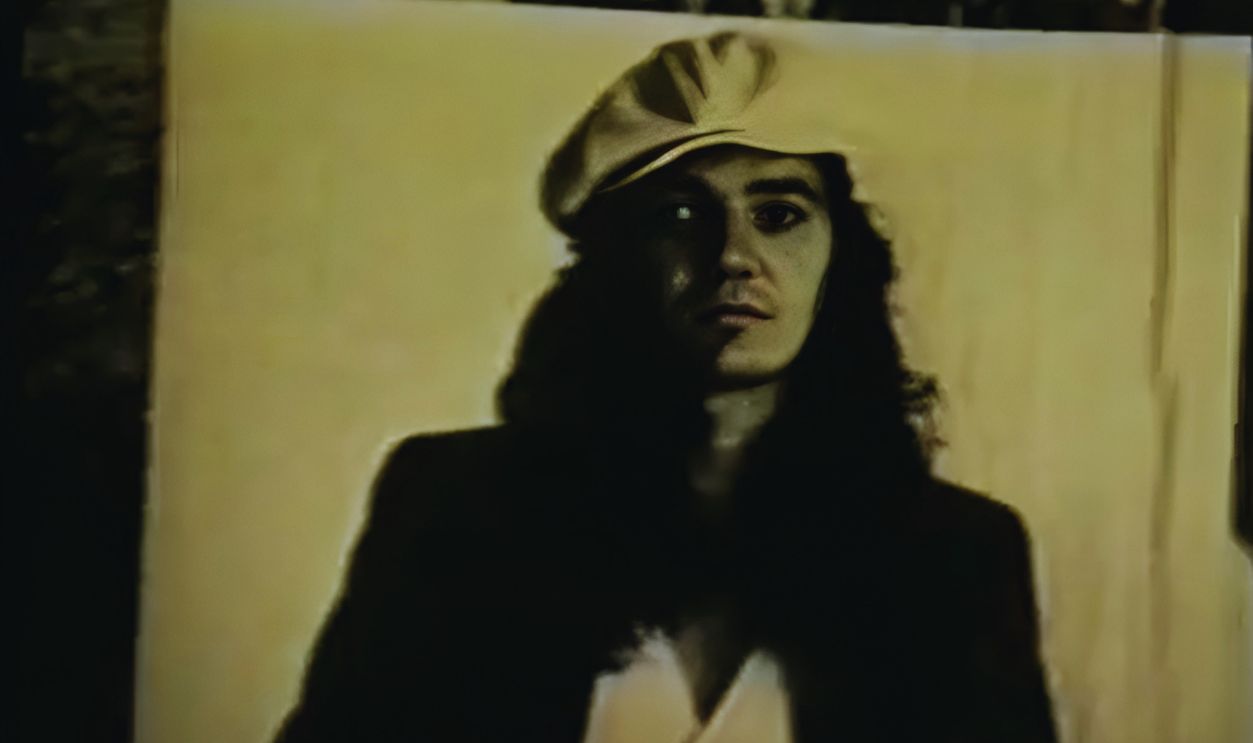
According to Polimeni, Bolin had been considering an investment in a limousine business in partnership with Polimeni and Art. Bolin’s manager, Fey, later corroborated Polimeni’s story, saying that Bolin had expressed such an interest. So, Bolin, Art, and Polimeni broke off and returned to Bolin’s hotel room to finalize the arrangement.
What happened next left everyone scrambling for answers.
 Screenshot from Tommy Bolin - The Ultimate Documentary, Music Link / KUBD-TV (1989)
39. He Just “Slumped Over”
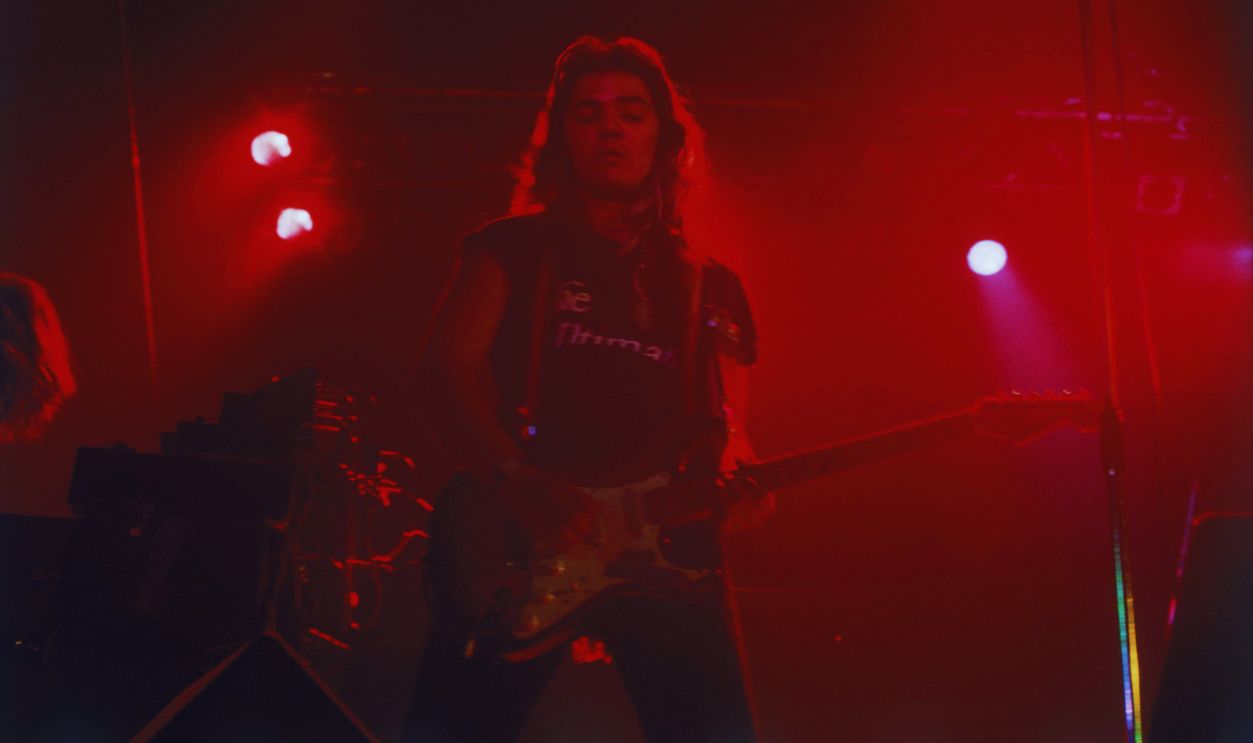
Bolin, Polimeni, and Art had been gone for about an hour when panic set in. According to Polimeni, Bolin had been on a phone call when, all of a sudden and seemingly without explanation, he simply “slumped over”. In a panic, Polimeni called Bolin’s bodyguard into the room, who showed up moments later with Bolin’s girlfriend, Monzeglio, and others in tow.
He would need all the help he could get.
40. He Had Mixed His Substances
With the help of a roadie, Bolin’s bodyguard lifted the semi-conscious guitarist into the bathroom and put him in the shower to try and wake him up. Bolin’s bodyguard demanded to know what Bolin had taken. According to Polimeni and Art, in addition to the drinks he had been having all night, Bolin had taken an illicit substance, either intravenously or by snorting it.
But that might not have been the full story.

41. He Seemed To Get Better
In the aftermath of that night’s events, Polimeni told a slightly different story. While Bolin’s bodyguard and roadie said that they had heard Polimeni confirm that Bolin had taken an illicit substance, Polimeni denied it. He said that he “did not remember” what he had told them. Either way, mercifully, Bolin’s condition seemed to improve.
They placed Bolin in his bed and hoped for the best.
 Mix and Match Studio, Shutterstock
42. He Could Not Wake Up
Bolin’s apparent recovery was, sadly, short-lived. Just after three o’clock in the morning, they realized that they couldn’t wake Bolin from his slumber. In a panic, one of the roadies called the hotel’s emergency line, getting one Dr Ira Jacobson on the phone. Jacobson later confirmed that the roadie told him that Bolin had taken Valium after a night of drinking.
Jacobson’s prognosis was grim.

43. He Should Have Gone To The Hospital
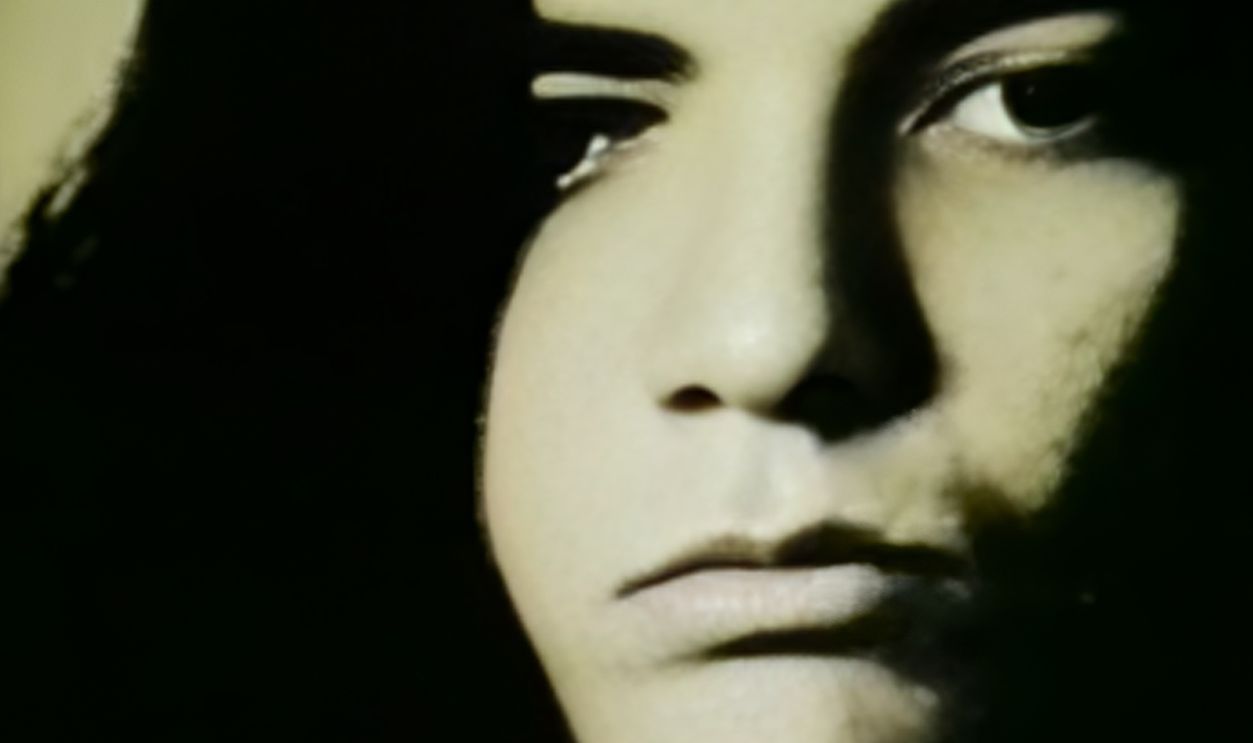
Dr Jacobson didn’t like the sounds of what he was hearing. He advised the roadie to immediately take Bolin to the hospital to seek treatment, warning that failure to get him help could have fatal consequences. The roadie, however, claimed that the doctor had never said that and denied ever making a promise to rush Bolin to the emergency ward.
It didn’t seem that serious—until it was.
 Screenshot from Tommy Bolin - The Ultimate Documentary, Music Link / KUBD-TV (1989)
44. He Was In And Out Of Consciousness
The roadie claimed that Tommy Bolin was in and out of consciousness. He said that Bolin was even lucid enough to mutter to his bodyguard, “I’m glad you’re here”. It was, as far as anyone could tell, like any other night when Bolin simply had too much to drink. Calling for an ambulance, they worried, would only have attracted media attention.
What he really needed, however, was medical attention.

45. His Pulse Dropped
As the morning hours ticked away and the sun began to rise, everyone except for Bolin’s girlfriend, Monzeglio, left the hotel room. What transpired in those final moments, we’ll never know. But, shortly after seven in the morning, Monzeglio found that Bolin’s pulse had dropped so low that she did what they had all been putting off for hours: She called an ambulance.

46. He Was Already Gone
When the ambulance arrived on the morning of December 4, 1976, there was nothing they could do. Tommy Bolin, sadly, had already passed on at the tender age of 25. Given the varied accounts and incomplete stories, authorities simply ruled Bolin’s passing as an accidental overdose involving multiple substances. The fallout to the music world was immediate.
 Screenshot from Tommy Bolin - The Ultimate Documentary, Music Link / KUBD-TV (1989)
47. He Took Music History Into The Grave
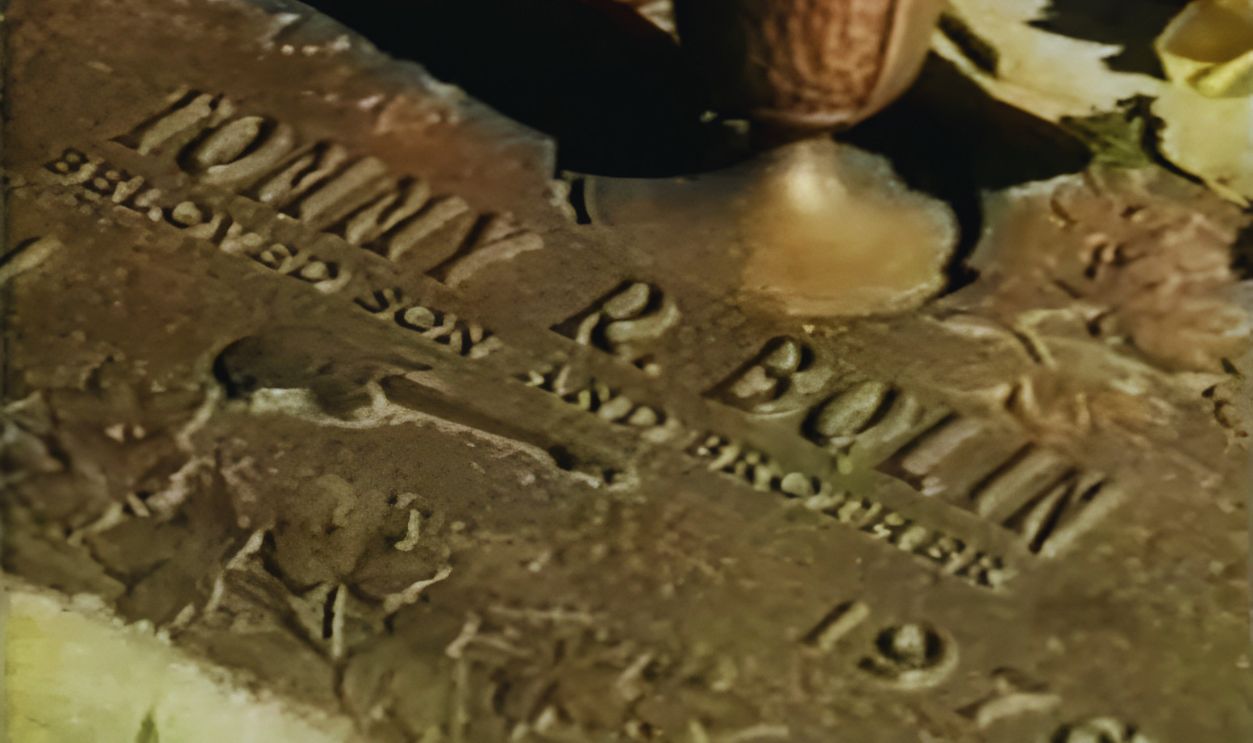
Less than a week after his passing, Bolin’s family buried him in his native Sioux City. The funeral saw 350 people attend. Even six feet under, Bolin took music history with him. Before he was buried, Ulibarri placed a ring on his finger. That ring had previously belonged to the legendary Jimi Hendrix. Other members of the music world couldn’t believe the news.
 Screenshot from Tommy Bolin - The Ultimate Documentary, Music Link / KUBD-TV (1989)
48. His Former Bandmates Paid Him Tribute
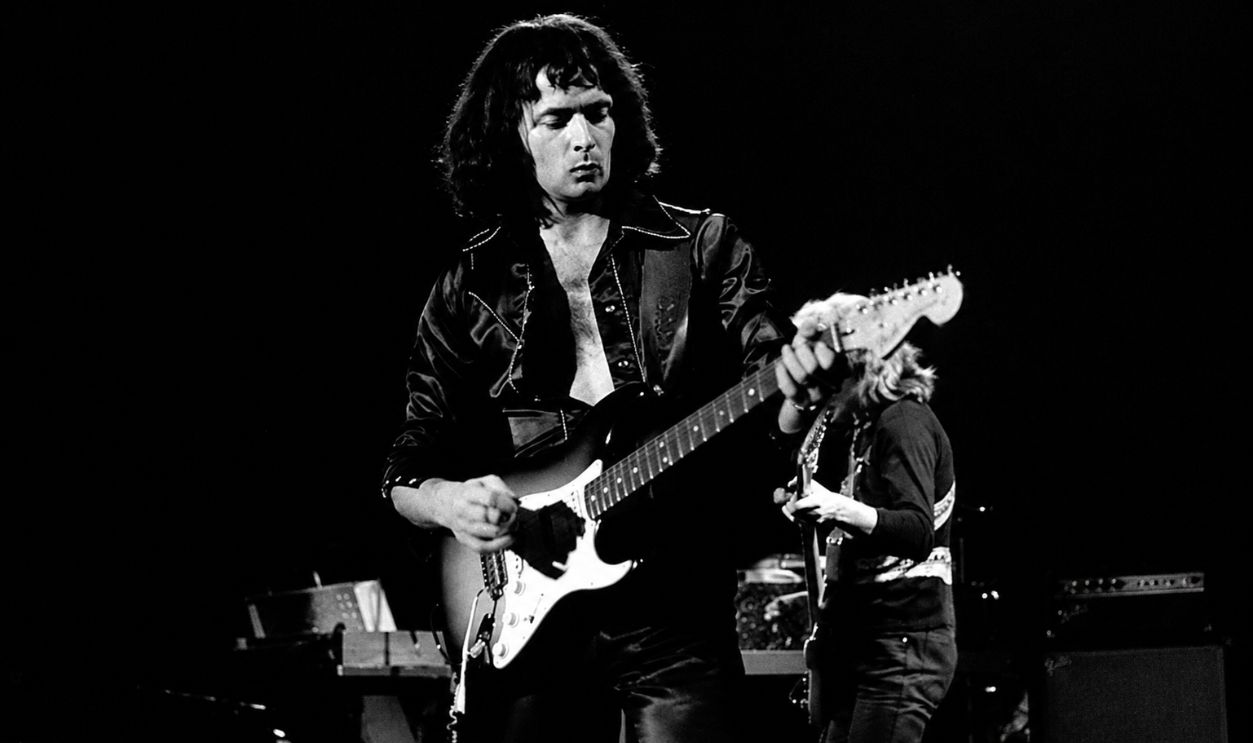
When Bolin’s old Deep Purple bandmate Jon Lord heard the news, he felt devastated and helpless. “Sometimes I feel guilty that we didn’t do more,” he lamented. “But I’m not sure what we could have done”. Fellow Deep Purple guitarist Ritchie Blackmore could only express his sadness in song, dedicating a performance to Bolin while onstage in Japan.
 Helge Overas, Wikimedia Commons, Modified
49. He Still Had Songs To Share
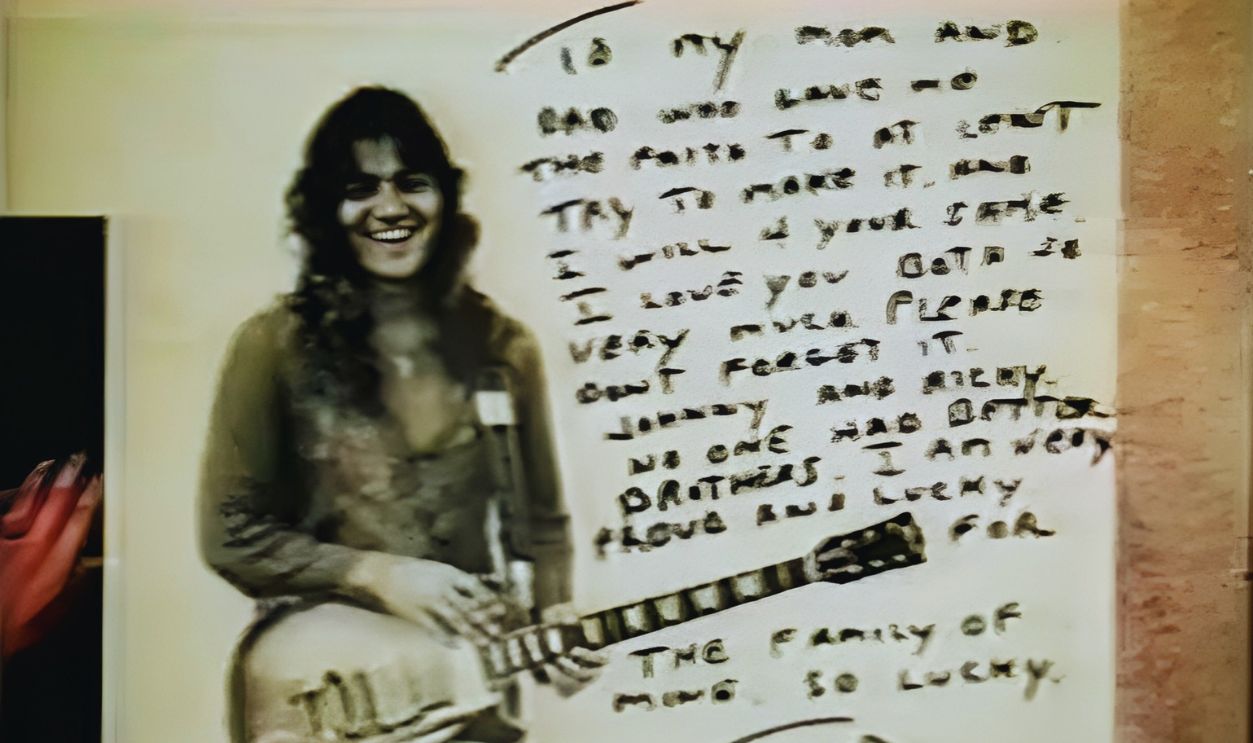
Even if he was gone, Bolin still shredded. He had been hard at work on a third solo album and left behind dozens upon dozens of reels of recordings that he had simply never released. Over the years, Bolin’s surviving brothers released the recordings to the delight of fans who had appreciated Bolin’s unique talent since his days with Zephyr.
In fact, his passing did little to stop his accomplishments.
 Screenshot from Tommy Bolin - The Ultimate Documentary, Music Link / KUBD-TV (1989), Modified
50. He Joined The Hall Of Fame
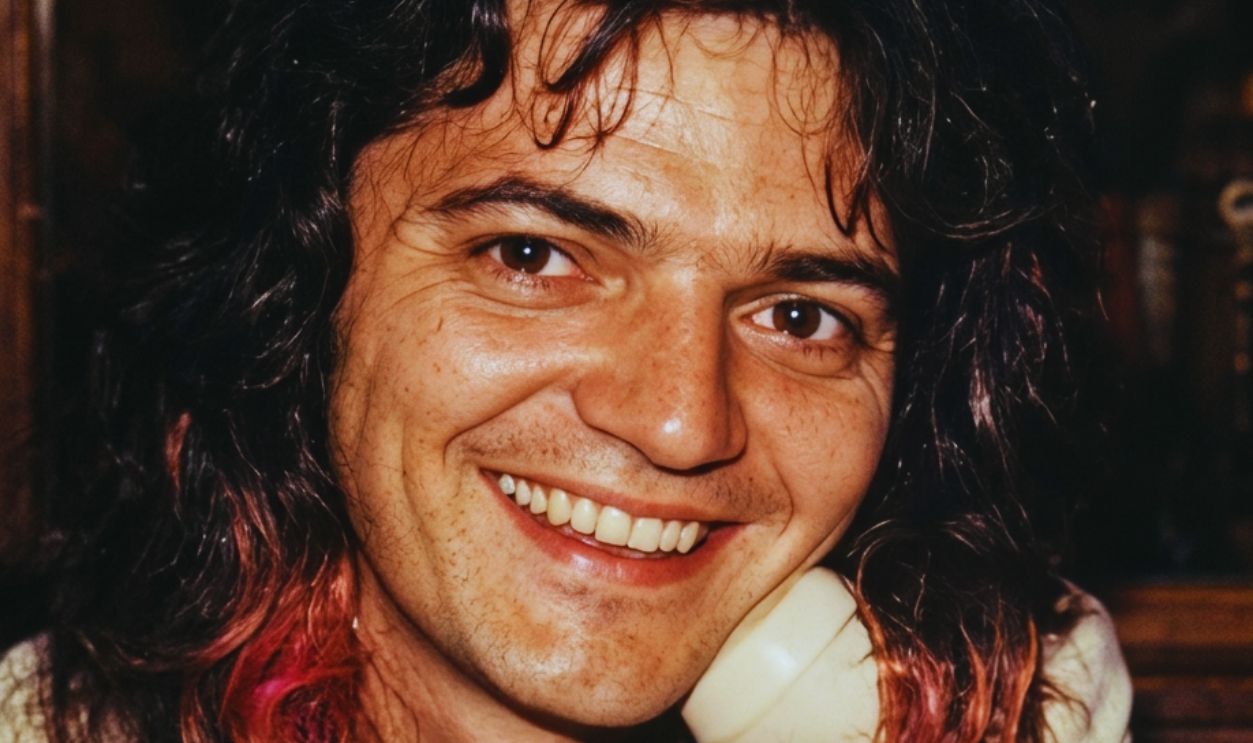
A Patch of Blue: Live was Bolin’s final contribution to the music world. The 1999 album consisted of over two dozen live recordings from two separate 1967 concerts in Iowa. The album immediately made it into the Iowa Rock & Roll Hall of Fame. Two decades later, Bolin himself was inducted into the Colorado Music Hall of Fame among the legends he used to shred alongside.
 Screenshot from Tommy Bolin - The Ultimate Documentary, Music Link / KUBD-TV (1989), Modified
You May Also Like:
Impressive Facts About Terry Kath, The Greatest Forgotten Guitarist
Fast Lane Facts About Joe Walsh, The Guitar Genius Behind Hotel California