The Man Behind The Tsarina
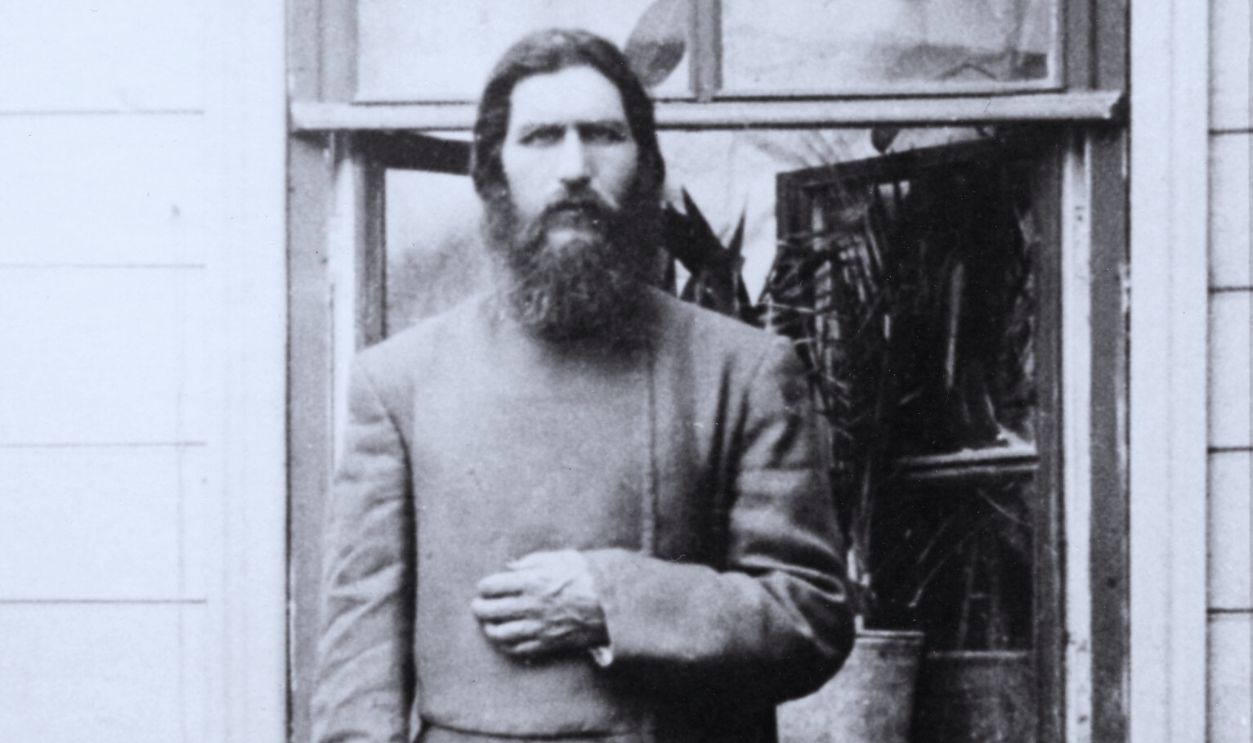
Rasputin rose from an illiterate Russian peasant to one of the most powerful men in the Romanov Empire, and he did it by means that still stump historians today. Loved by an ardent, powerful few and hated by the masses, dark rumors always swirled around the “Mad Monk” who had the Tsarina in his thrall…including the details of his mysterious end. The trouble is, some of those rumors are true.

1. He Had A Hard Beginning
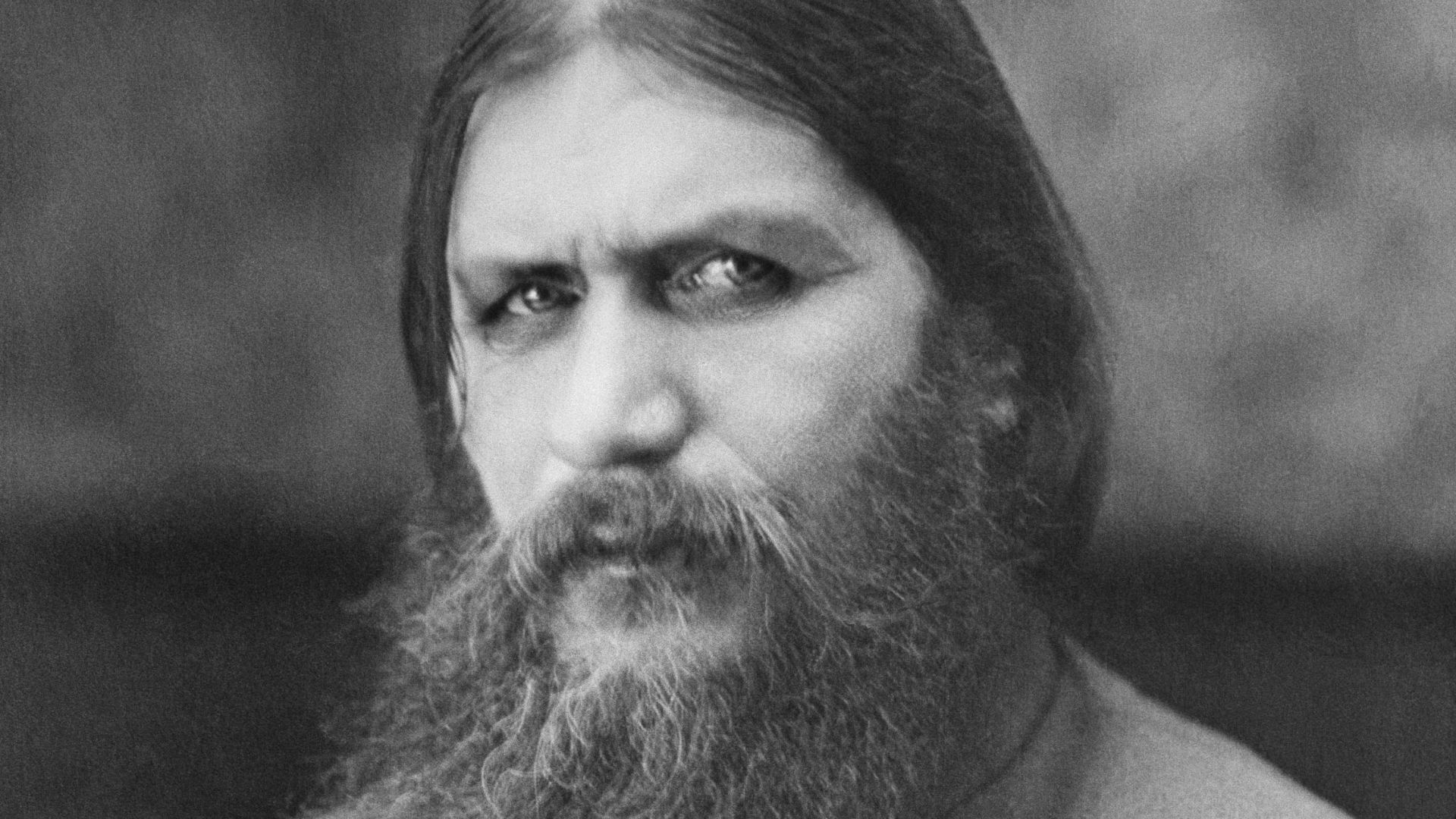
Grigori Rasputin was born in the small town of Pokrovskoye in the Russian Empire, in the middle of the bitter winter of 1869. Even his beginnings were mystical. Born to the peasant farmer Yefim and his courier wife Anna, Rasputin’s parents had seven other children, but—besides a possible younger sister—only Rasputin managed to live to adulthood.
His upbringing wasn’t enviable.
2. He Was A Troublemaker
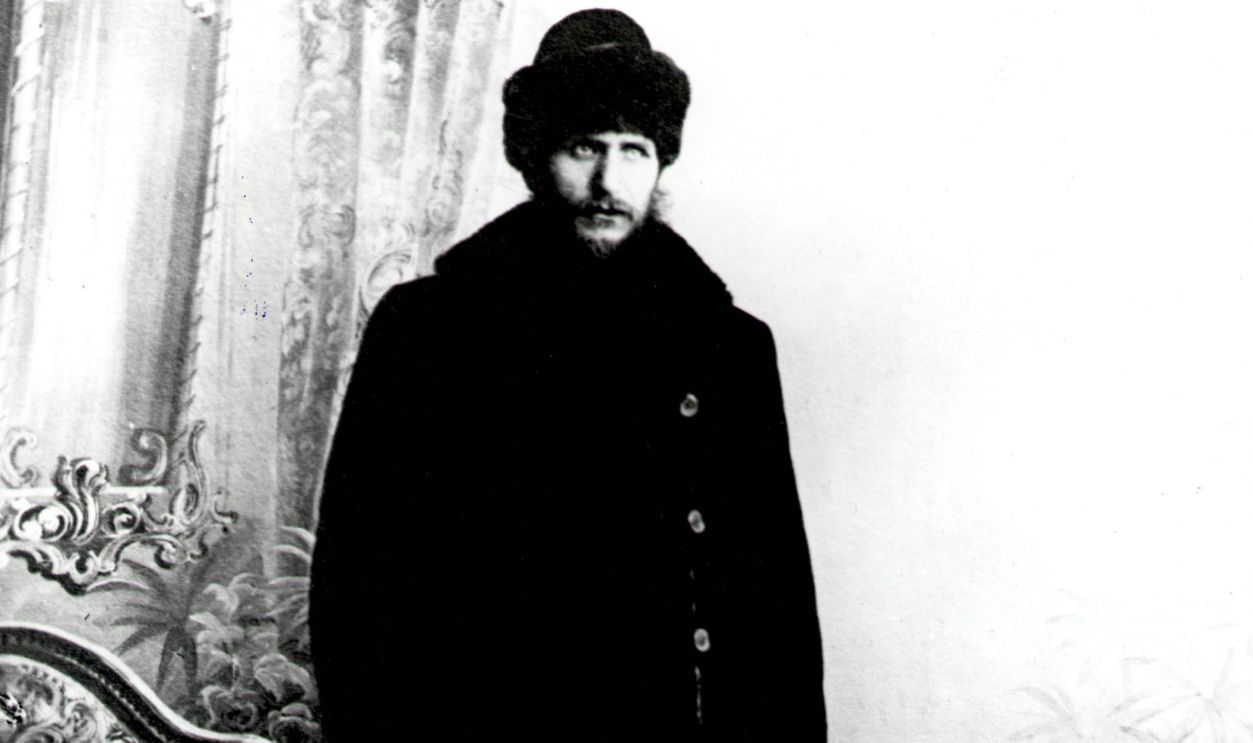
Historians call Rasputin’s early life “a black hole” for how little we know about it, but what we do know is chilling. Likely growing up illiterate and without formal education, there is evidence that Rasputin caused his parents great heartache. Local records show he took up drinking, carousing, and petty thievery, all while showing a marked disdain for authority.
Given this, his next turn was surprising.
 Unknown authorUnknown author, Wikimedia Commons
3. He Married Young
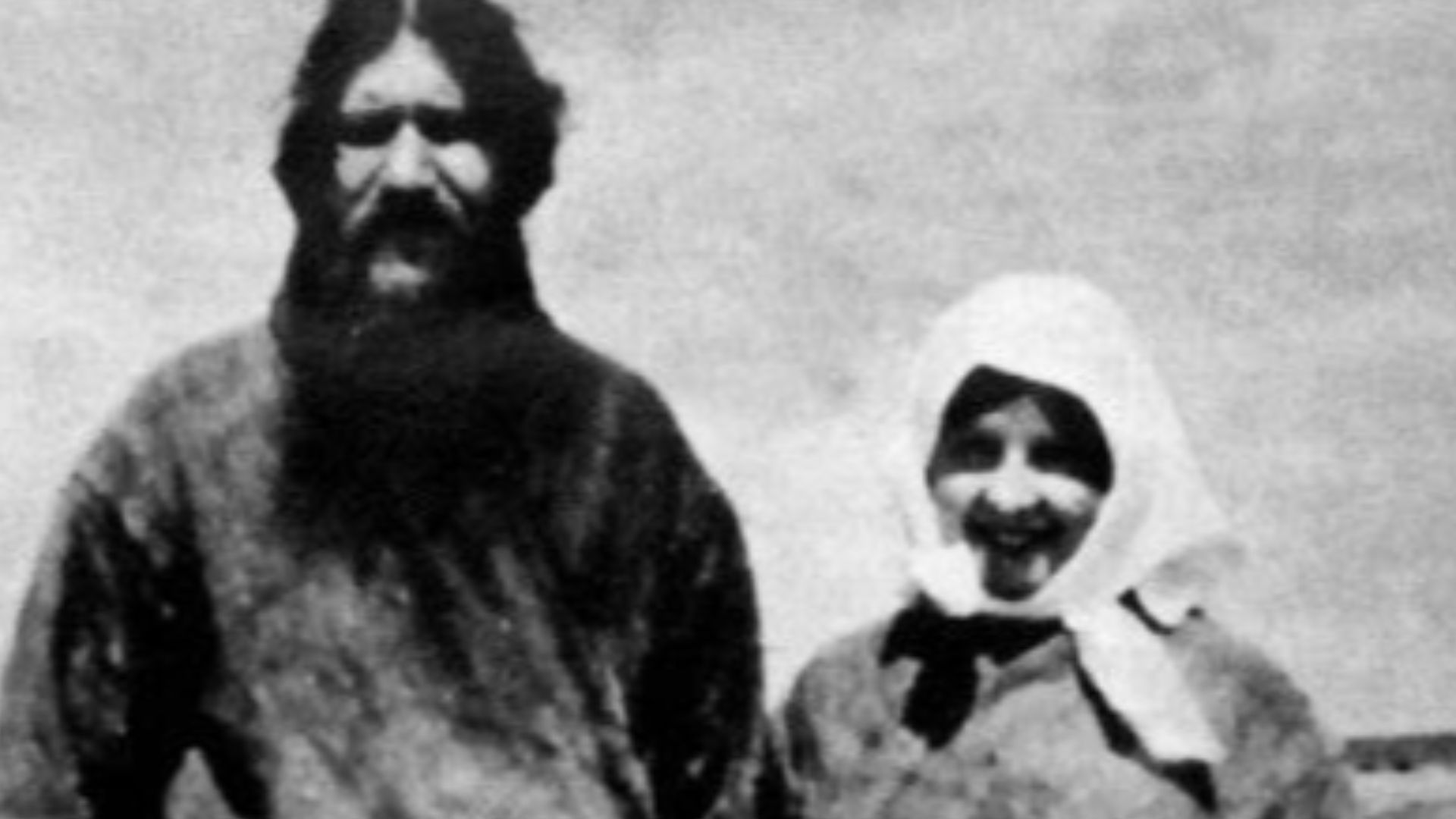
In 1886, when Rasputin was only 17 years old, he traveled to the faraway village of Abalak, closer to Moscow, and met the peasant Praskovya Dubrovina. The pair fell in love, courted for the next months, and finally married in February 1887, just after Rasputin’s 18th birthday. Within a handful of years, they had three children together, and it looked like Rasputin was going to settle down into anonymity.
Then he hit the crossroads that would define his life, and the life of the Russian Empire.
 Unknown photographer, Wikimedia Commons
4. He Went On A Pilgrimage
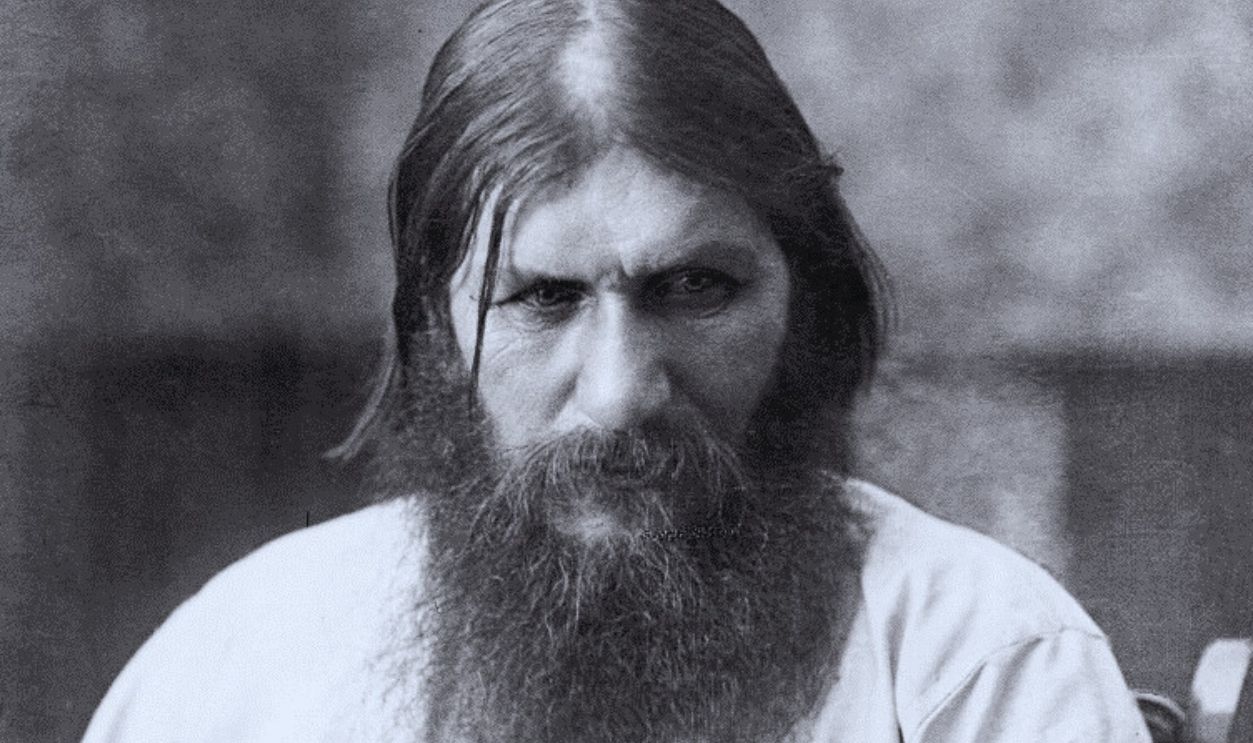
Just after his 10-year wedding anniversary, an obsessive idea overtook Rasputin. Although only mildly religious before, he now suddenly felt spiritual, and left his wife and children at the age of 28 to go on a religious pilgrimage. At the time, one of his children was an infant, and another was still in its mother’s womb.
The reasons behind his abandonment were extreme.
 See page for author, Wikimedia Commons
5. Something In Him Snapped
Although no one is sure why Rasputin went on the pilgrimage, the theories all go back to a fundamental “snap” in Rasputin’s life. Some say he was attempting to flee from justice after stealing a horse, while others posit that he saw a vision of the Virgin Mary or another saint and was compelled to go. Either way, as one historian put it, his momentous decision “could have only been occasioned by some sort of emotional or spiritual crisis”.
In that case, Rasputin’s pilgrimage wouldn’t solve his problems. When he returned, he was all crisis.
6. He Came Back Changed
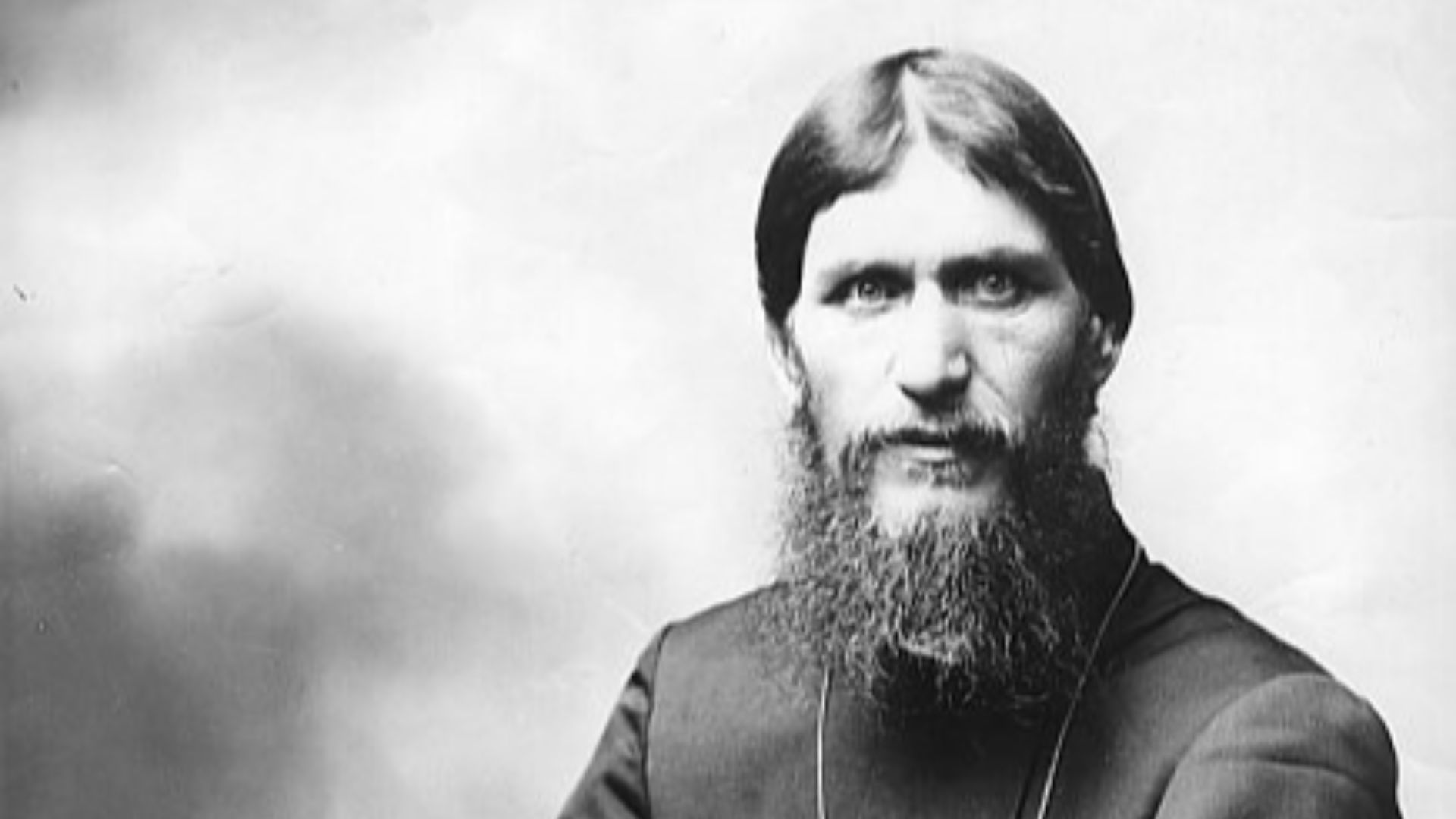
In many ways, the “before” and “after” of Rasputin’s life took place on this pilgrimage. He went to St Nicholas Monastery, where he studied with an elder and may have learned to read and write. When he arrived back home, he was barely recognizable: He now refused alcohol, wouldn’t eat meat, and prayed and sang religious songs with a strange fervor that was nonetheless mesmerizing—especially to women.
The effect on the people around him was immediate.
 Unknown photographer, Wikimedia Commons
7. He Had A Private Cult
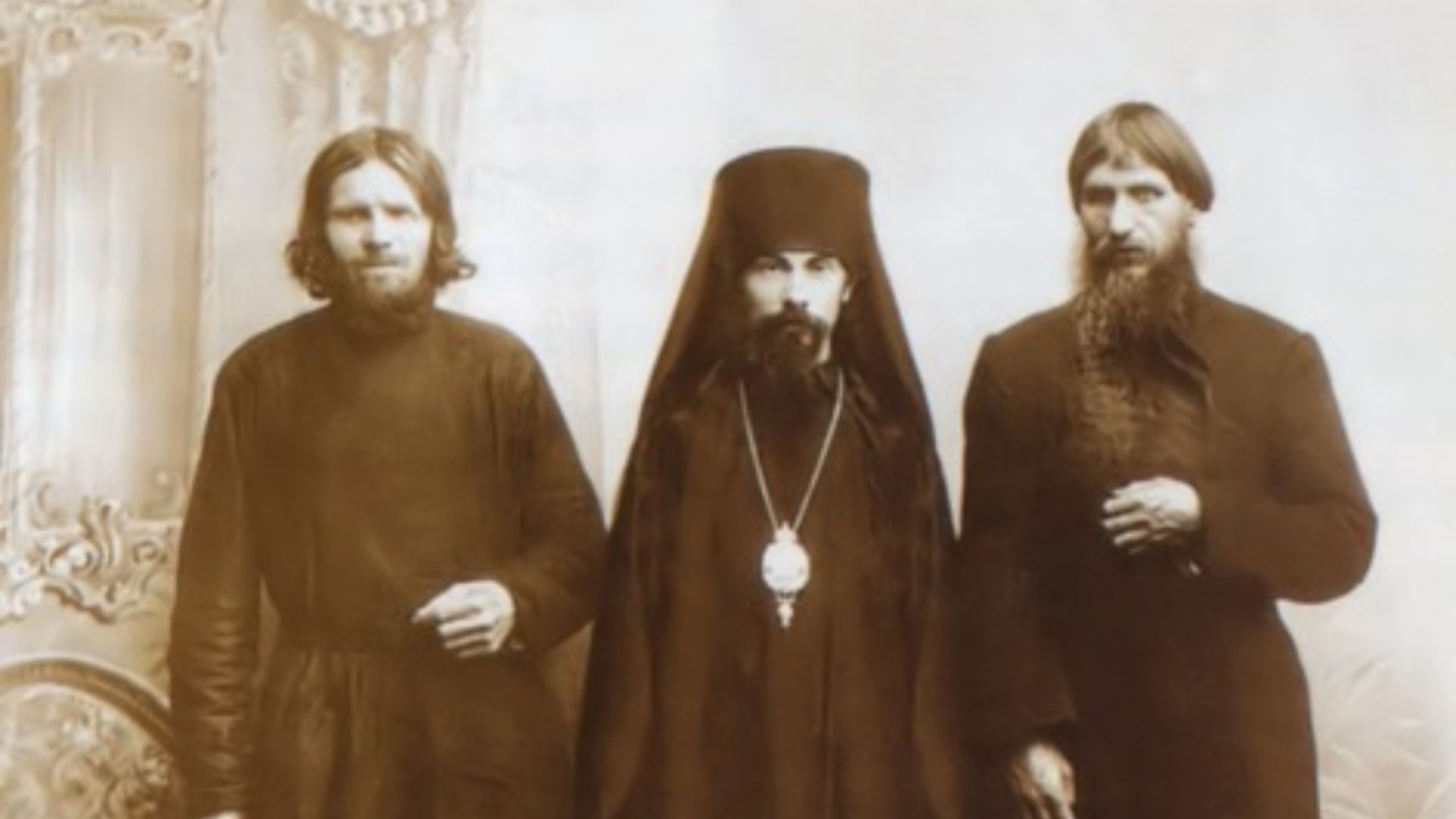
Over the next years, Rasputin became a “holy wanderer,” spending months away from home even after the birth of his third child in 1900. Then, a strange thing began happening: As he prayed and sang and traveled, he began to accrue followers, among them his own wife and other locals. Soon, he was holding secret prayer meetings in his father’s cellar.
What happened in those meetings was an eerie sign of the future.
 Unknown photographer, Wikimedia Commons
8. He Made Early Enemies
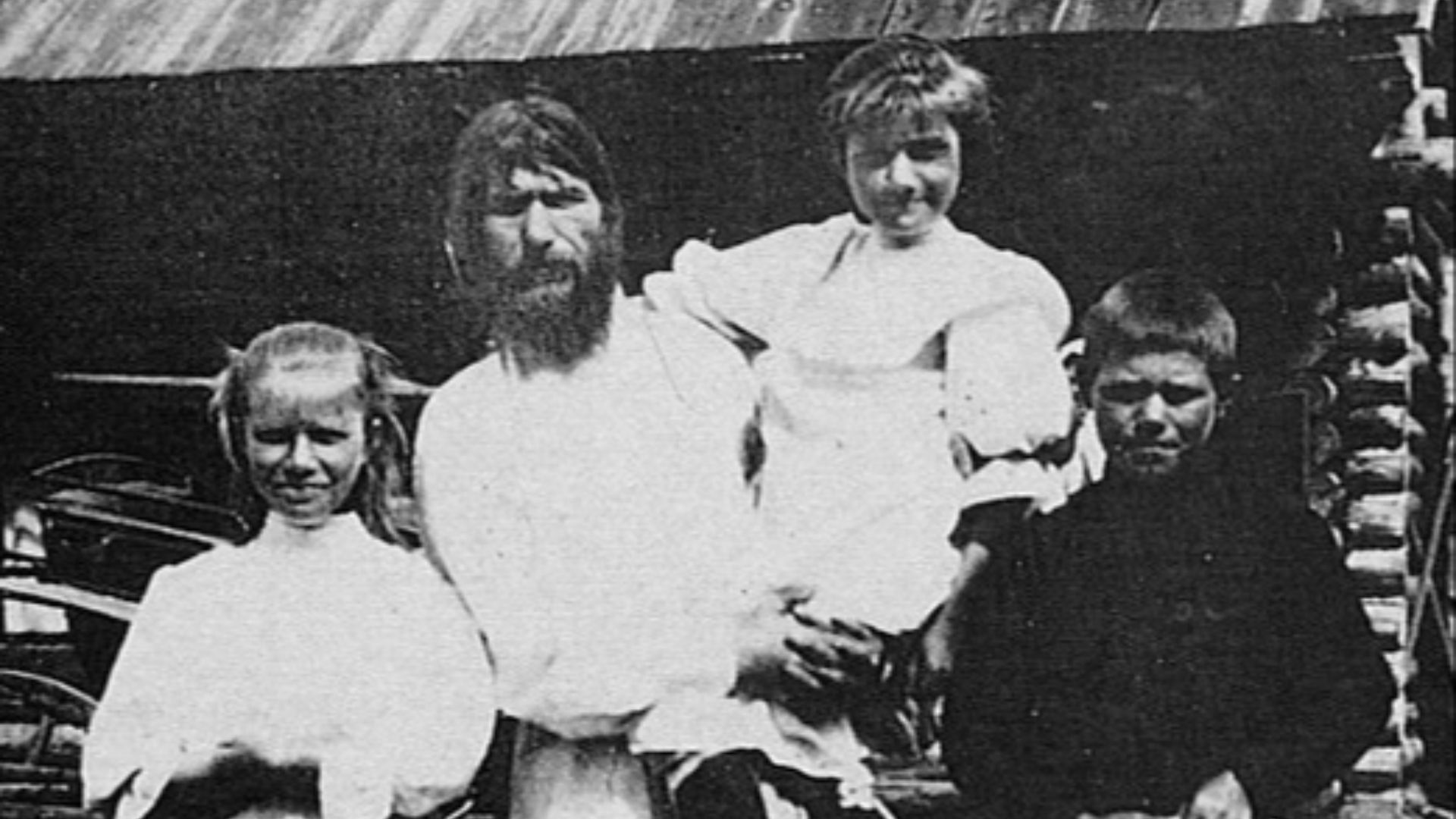
Rasputin’s post-pilgrimage charisma attracted and repelled people in equal measure, and the village priest looked upon his not-so-secret meetings with disdain and even fear. He had good reason: Even this early on, there were rumors that women were ritually cleansing Rasputin before each meeting. Soon, outsiders were connecting Rasputin’s clan to the Khlysty, a sect that reportedly reveled in self-flagellation and group intimacy.
While Rasputin’s ties to the Khlysty seem imaginary, his next actions did nothing to stop the allegations.
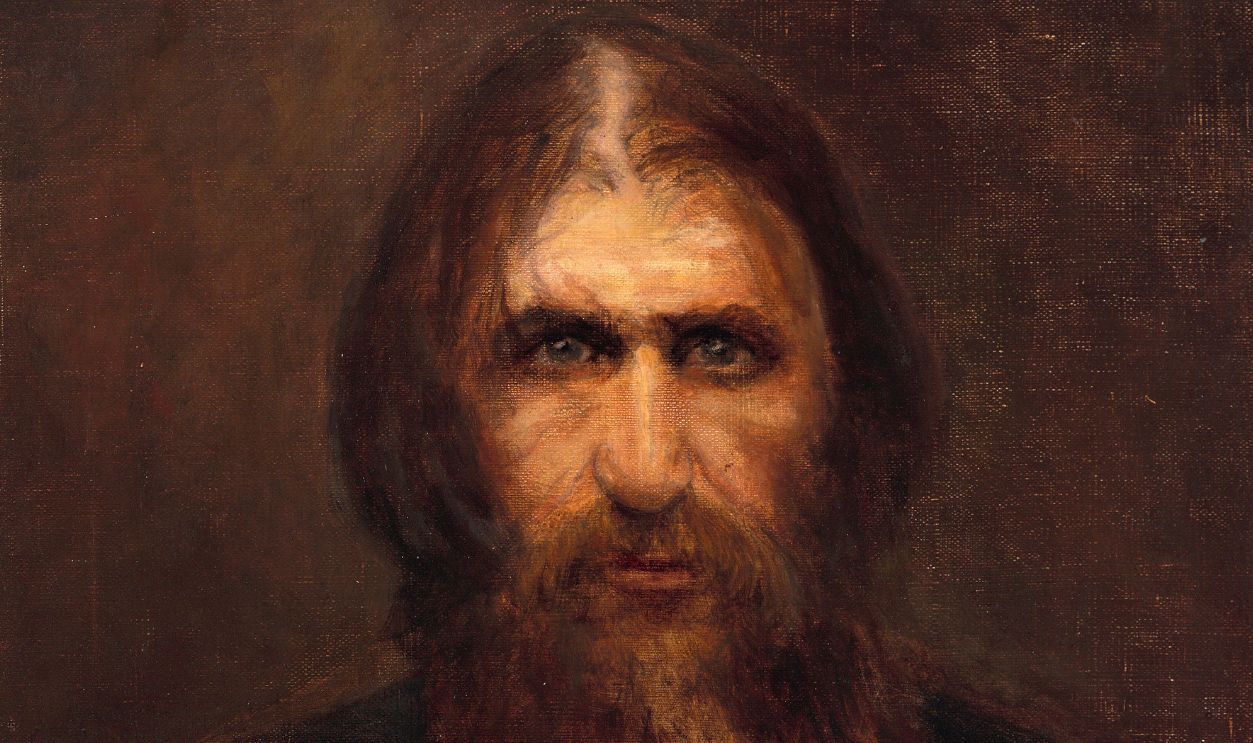

History's most fascinating stories and darkest secrets, delivered to your inbox daily.
9. Dark Rumors Followed Him
In the early 1900s, Rasputin hit a new level of infamy. People around Siberia began to hear about his mystical qualities, and in 1904, he traveled to the city of Kazan and began to advise people on their worst spiritual crises. Even there, however, whispers that he was bedding his female acolytes popped up again.
Despite this, high-ranking holy men were impressed with his “abilities,” and sent him on to Saint Petersburg. He was at the doorstep of his destiny.

10. He Was An Aristocratic Pet
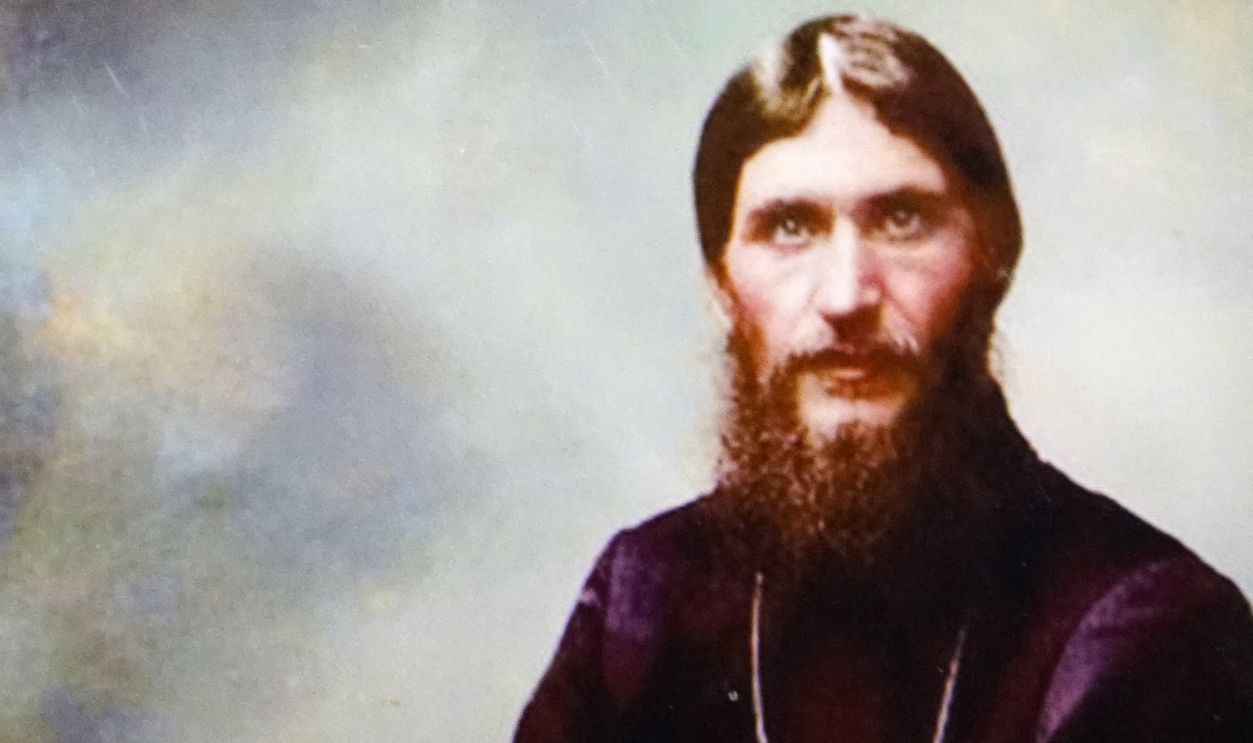
Saint Petersburg, at the time the seat of the Imperial Romanov family, was one of the largest cities Rasputin had ever and would ever visit, but he climbed its ranks with ease. Much of the bored, dawdling aristocracy was intensely interested in the occult, and they flocked around this Siberian peasant and his “strange manners” as soon as he found his way into their salons.
In a bare number of months, he found his key to true power.
 Universal History Archive, Getty Images
11. He Found Royal Friends
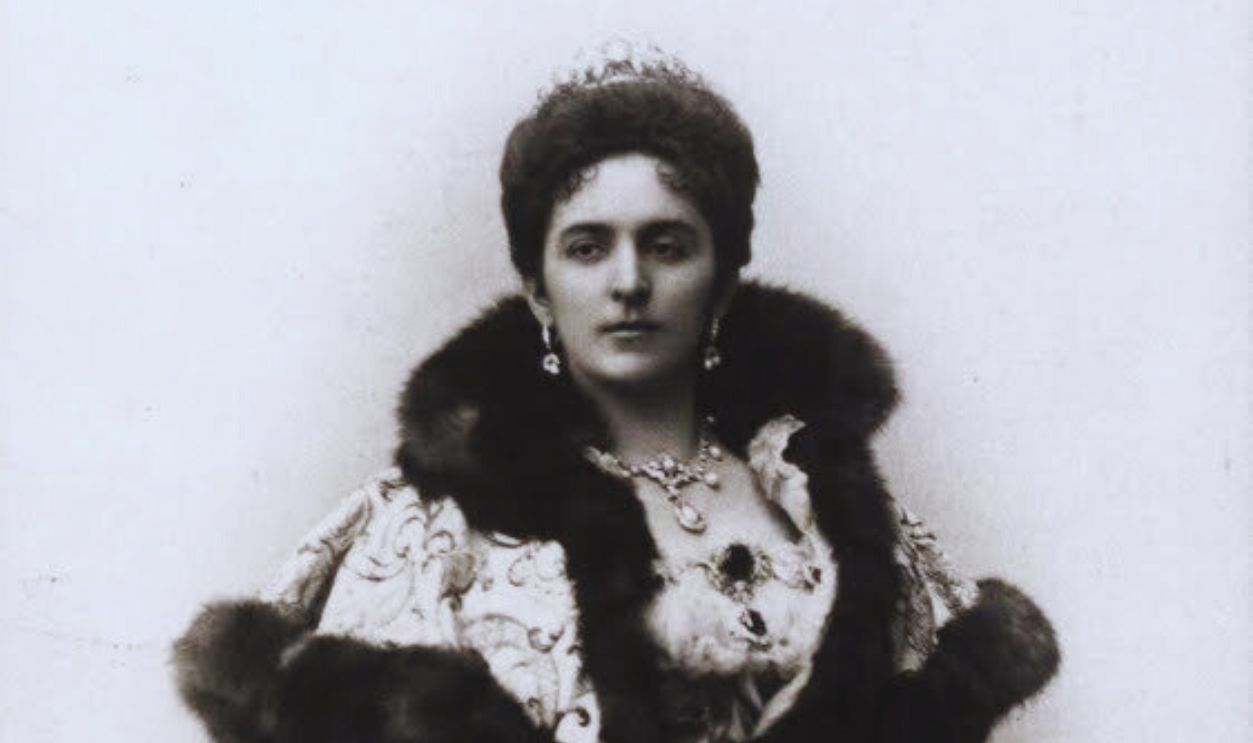
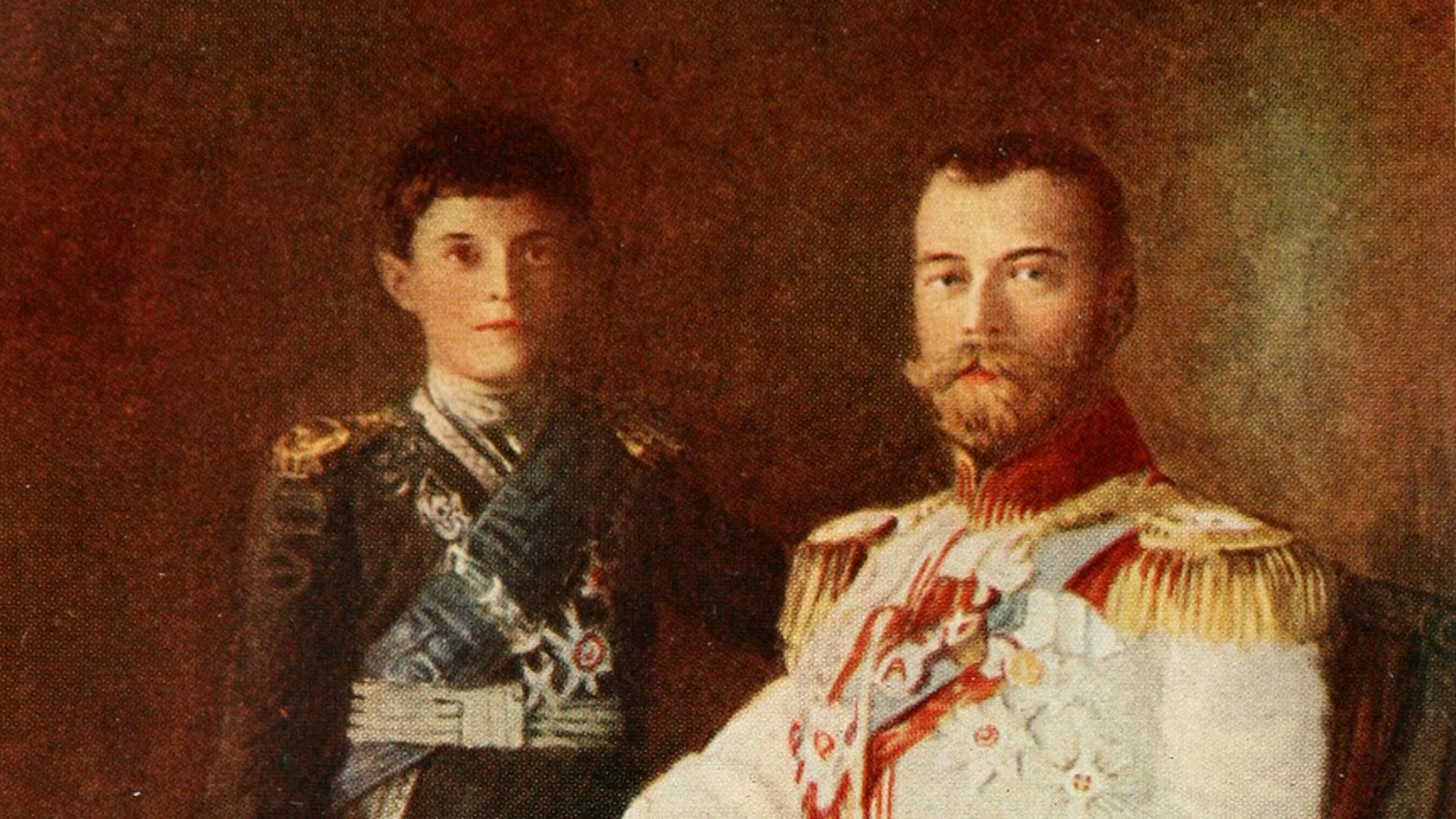
By 1905, Rasputin had found his perfect followers. The “Black Princesses,” Militsa and Anastasia of Montenegro, were supernatural-obsessed aristocrats married to the cousins of Tsar Nicholas II, and they loved Rasputin. It was a golden connection: The Romanovs, after all, were a suspicious and elusive family who kept themselves well away from the common people, but now Rasputin had an in. He used it immediately.
 Unknown Author, Wikimedia Commons
12. He Met The Imperial Family
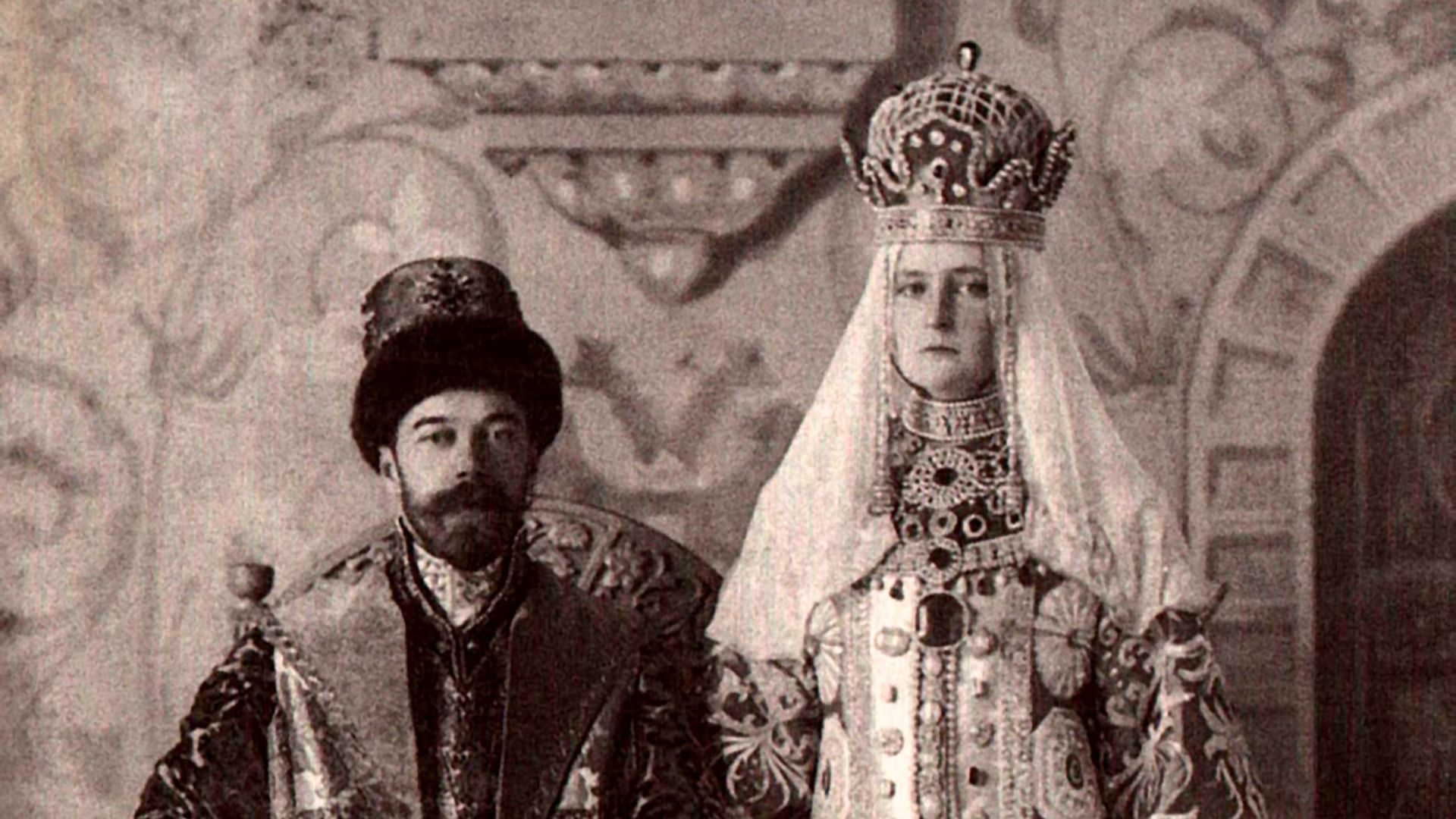
From Tsar Nicholas’s own diary, we know that Rasputin met with the Tsar and his wife Alexandra Feodorovna on November 1, 1905, at the Peterhof Palace. The entry was brief, saying only that they had “made the acquaintance of a man of God—Grigory, from Tobolsk province,” but the next July, they met with Rasputin again, and then again that October.
The second meeting that Fall was particularly momentous, for one reason.
 Original uploader was Crimea at hu.wikipedia, Wikimedia Commons
13. They Trusted Him With Their Children
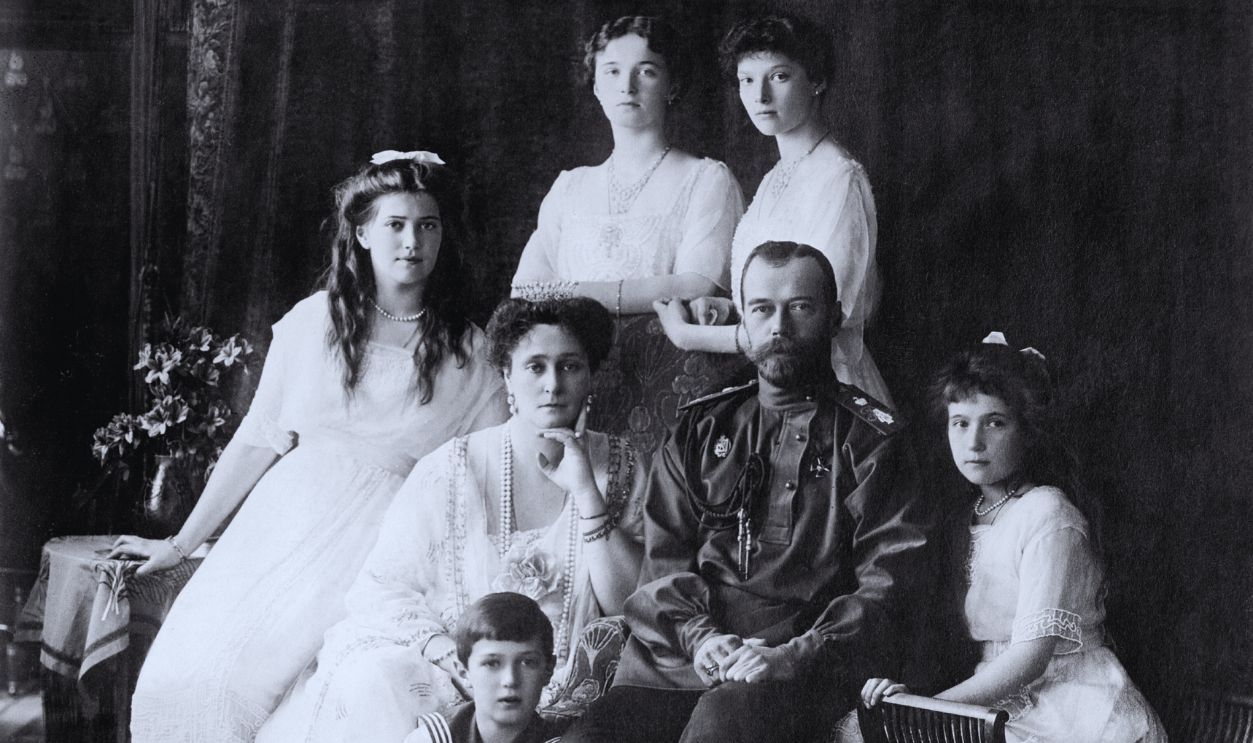
When Rasputin walked in to meet the Tsar and Tsarina in October 1906, he witnessed an extremely rare sight. Nicholas and Alexandra had also brought their children along—their older daughters Olga and Tatiana, their younger daughters Maria and Anastasia, and their two-year-old son Alexei.
The royal children almost never met figures outside of palace life, and it was an immense show of trust by the Tsar and Tsarina. But then again, they had ulterior motives.
 Boasson and Eggler St. Petersburg Nevsky 24., Wikimedia Commons
14. He Had A Desperate Case
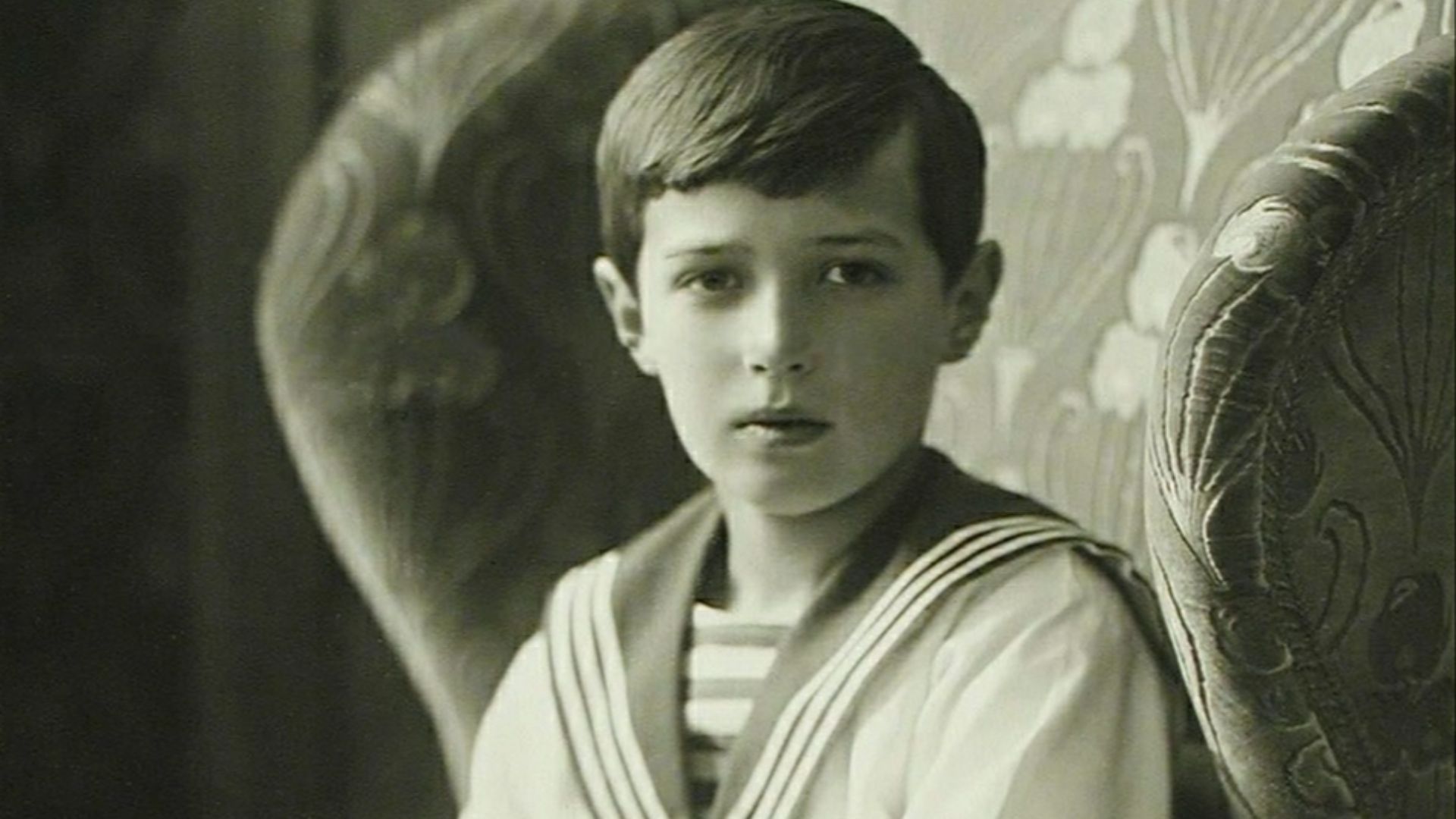
Tsar Nicholas and Tsarina Alexandra were hiding an enormous secret: Their son Alexei was afflicted with hemophilia, a bleeding disorder he had gotten from his maternal great-grandmother Queen Victoria. The illness was almost always fatal to males, as any slight injury could turn disastrous, and the Russian Imperial family was terrified that the public would find out their only son and heir was a ticking time bomb. They were also desperate to save him.
At some point during their early meetings with Rasputin, the Tsar and Tsarina began to think Rasputin was just the man for the job—but it would take a disaster to convince them.
 Boasson and Eggler St. Petersburg Nevsky 24., Wikimedia Commons
15. He Performed An Apparent Miracle
We don’t know exactly when Rasputin began acting as Alexei’s healer, but in the spring of 1907, he was called to Alexei’s bedside after the boy had suffered an internal hemorrhage. Then the “miracle” happened. Alexei recovered the morning after sitting in prayer with Rasputin, leading the Tsarina’s friend Anna Vyrubova to become an instant convert to his cult of personality, and Alexandra to go a long way toward that as well.
It was the beginning of his ascendancy.
 Internet Archive Book Images, Wikimedia Commons
16. He Found His Mark
In the Tsarina, Rasputin had an immensely willing audience: German-born, despised by many in Russia, and exhausted from decades of trying to give birth to a son who was now already on the brink of losing his life because of her genes, Alexandra desperately needed the comfort and fantasy that Rasputin provided. Before long, he had become “an indispensable member of the royal entourage,” and Alexandra had a “passionate attachment” to him.
She also passed that attachment on to her children.
17. He Got Close To The Heirs
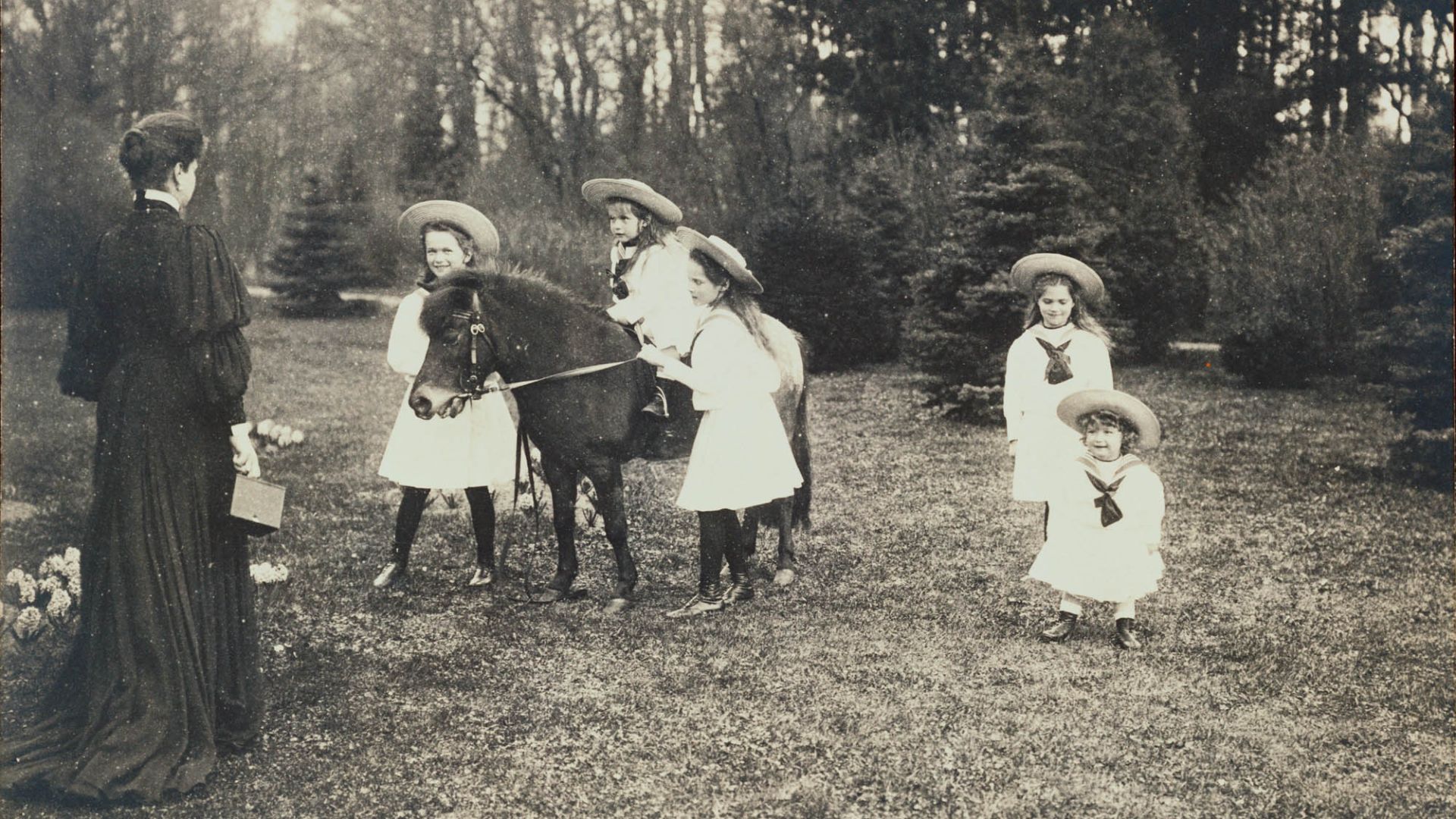
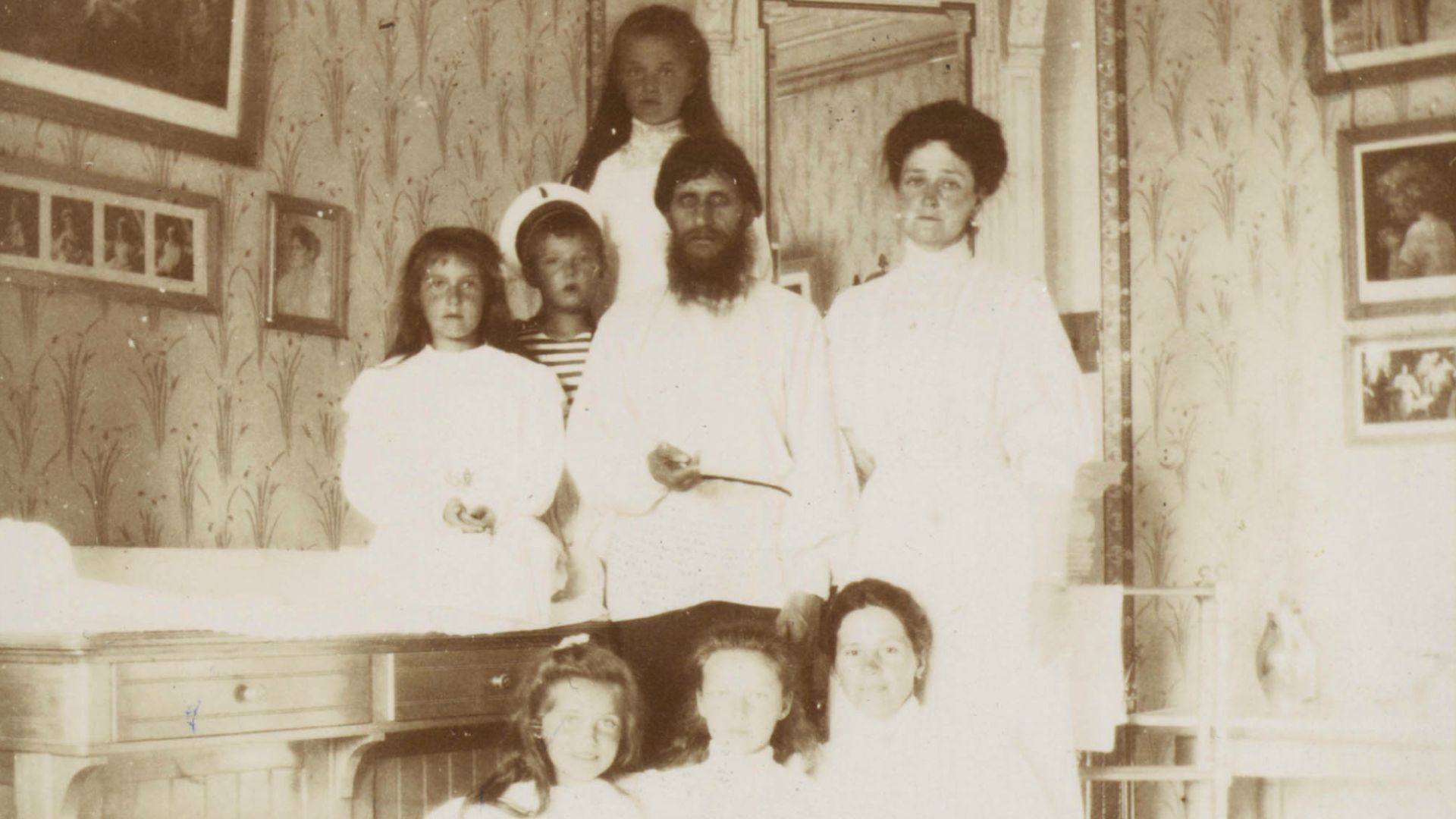
After this 1907 incident, Rasputin took one step closer to the inner confidences of Alexandra and her family. Alexandra began teaching her children to think of Rasputin as their “Friend,” and encouraged them to tell him all their worries. Likewise, Rasputin now spent long hours playing with the sheltered royals in their chambers; as their aunt noted, "They were completely at ease with him”.
But not everyone was at ease with this.
 Romanov family or retinue, Wikimedia Commons
18. He Creeped People Out
Rasputin’s intimacy with the Romanovs immediately alarmed people. In 1910, one of the princesses’ governesses was aghast to find Rasputin in the nursery when the girls were only in their nightgowns, and tried to have him barred from the room in addition to warning everyone in the family she could about her concerns. It backfired. Eventually, Alexandra had her fired.
Yet this didn’t stem the tide of dark allegations.
 Romanov family or retinue, Wikimedia Commons
19. He Was Accused Of Horrifying Acts
The same year the nursery alarm went off, another of the royal governesses—this time one who had been initially enthralled with Rasputin—went to the royal family and told them he had violated her. After dismissing her story and claiming that “everything Rasputin does is holy,” Alexandra had the woman fired as well.
A slew of similar allegations followed, including from aristocrats and powerful figures in Russian society, but Alexandra just made similar denials. But the next scandal couldn’t be waved away.
20. He Claimed He Seduced The Empress
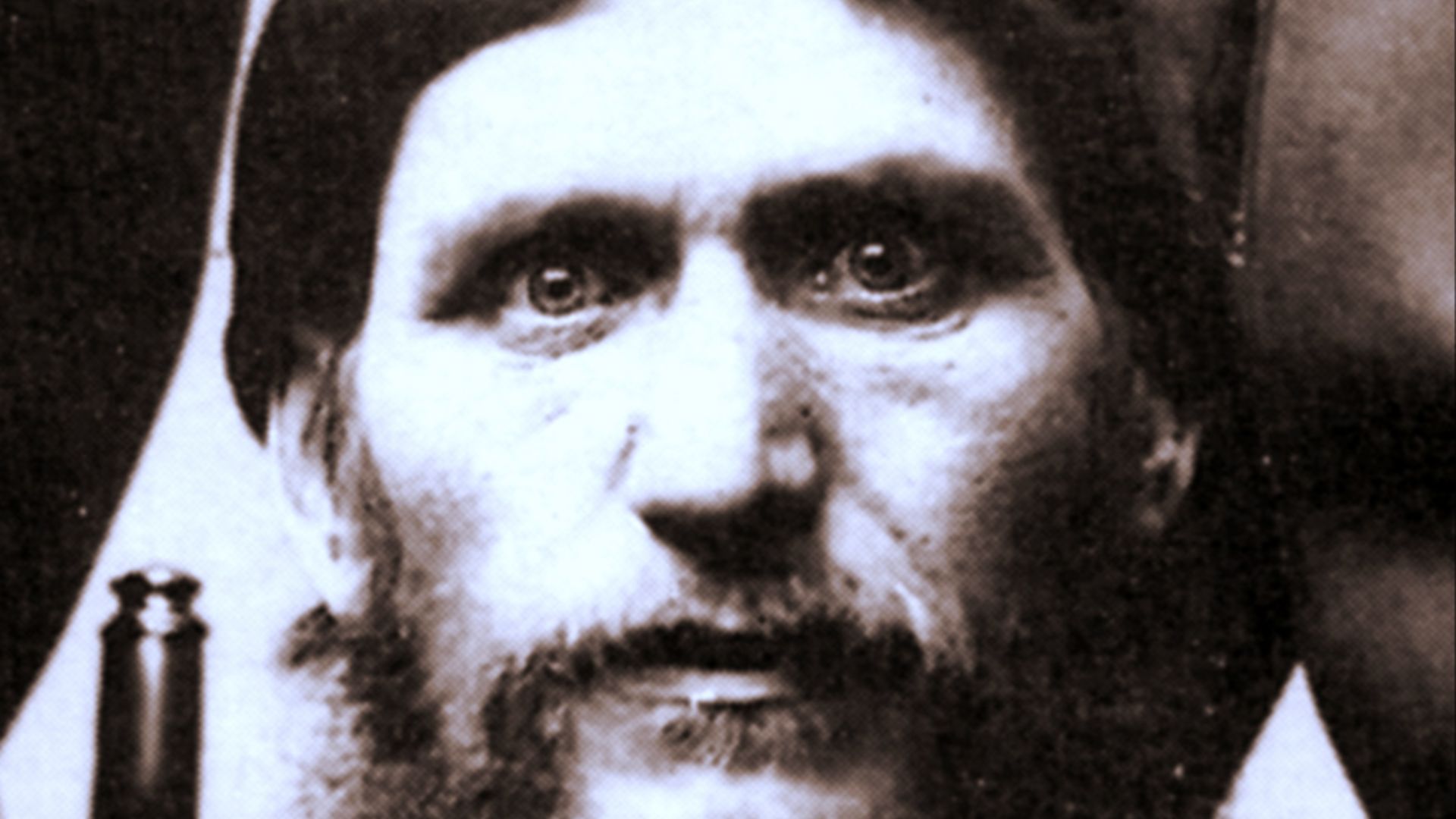
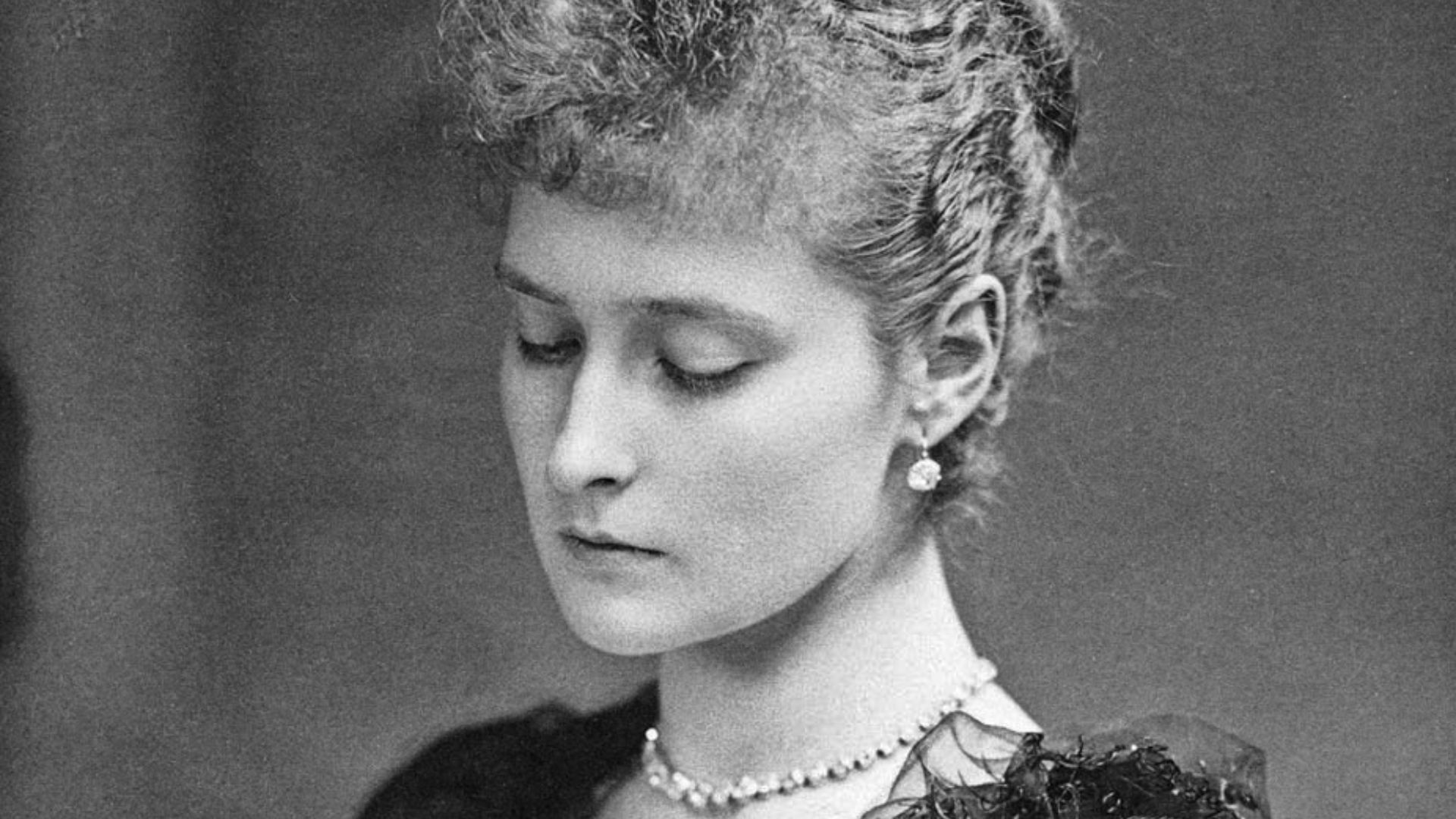
In late 1911, Rasputin made a scandalous confession. He told a monk named Iliodor that he had kissed the Tsarina, a ruinous claim to make in Imperial Russia. In fact, Iliodor was so shocked that he refused to believe Rasputin…until Rasputin produced scores of letters from Alexandra that poured forth with her ardor.
In the coming years, it was these letters—initially put out by Rasputin himself—that would form the basis of the belief that Alexandra and Rasputin were having an affair. But this wasn’t even the controversy that broke him.
 John Thomson, Wikimedia Commons
21. His Worst Sin Came Out
So far, Alexandra and Nicholas had shrugged off allegations about Rasputin, but the next charge was a step too far. It came out that Rasputin had violated a nun this time, and although Alexandra still believed he was innocent, it was no longer politically viable to have him around.
Over the next months, many of the friends Rasputin had left turned on him, and he became persona non grata in Saint Petersburg.
But fate had crueler plans than letting Rasputin languish in obscurity.
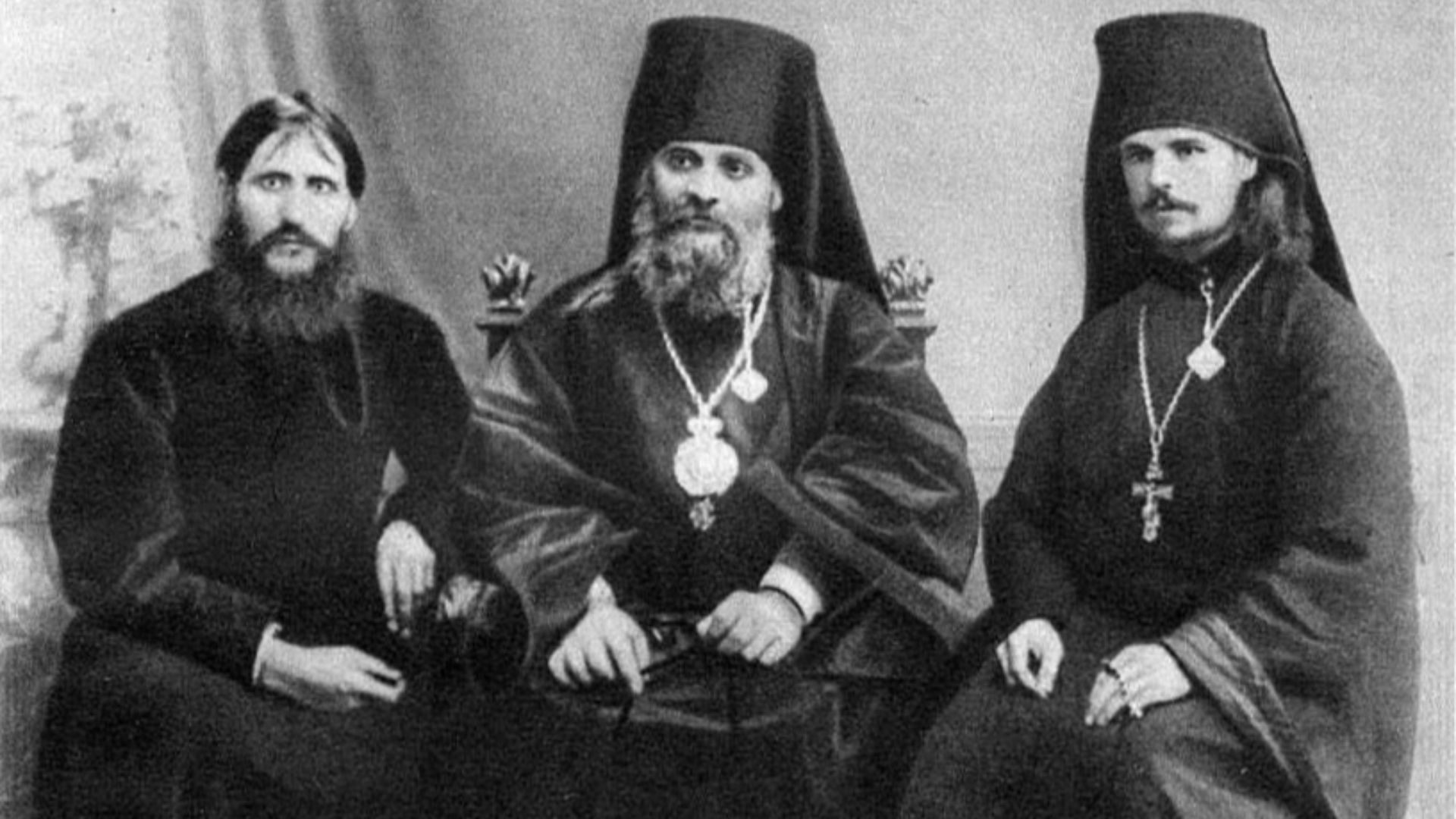 Unknown authorUnknown author, Wikimedia Commons
22. His Charge Fell Ill
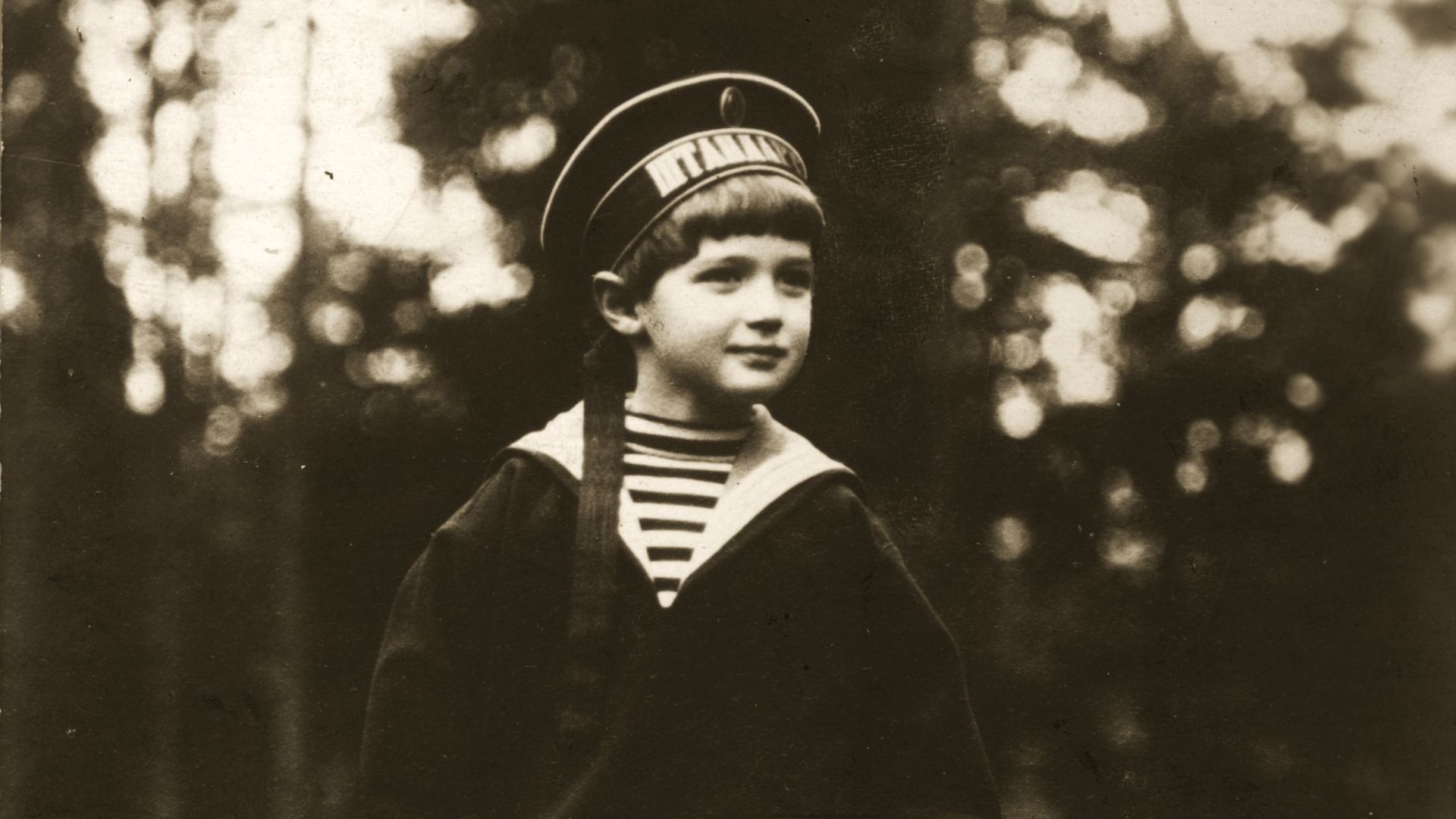
In October of 1912, the Romanovs had been free of Rasputin for a year and were on a hunting retreat in Spala. Then disaster hit fast and furious. During a carriage ride his mother had prescribed him for some fresh air, the jolting of the road injured Alexei and sent him into agony. As one of his companions described it, it was “an experience in horror. …[B]y the time we reached home, the boy was almost unconscious with pain”.
In no time at all, he hovered on the brink. Terrified for her son and heir, Alexandra saw only one solution.
 Unknown authorUnknown author, Wikimedia Commons
23. He Sent A Fateful Telegram
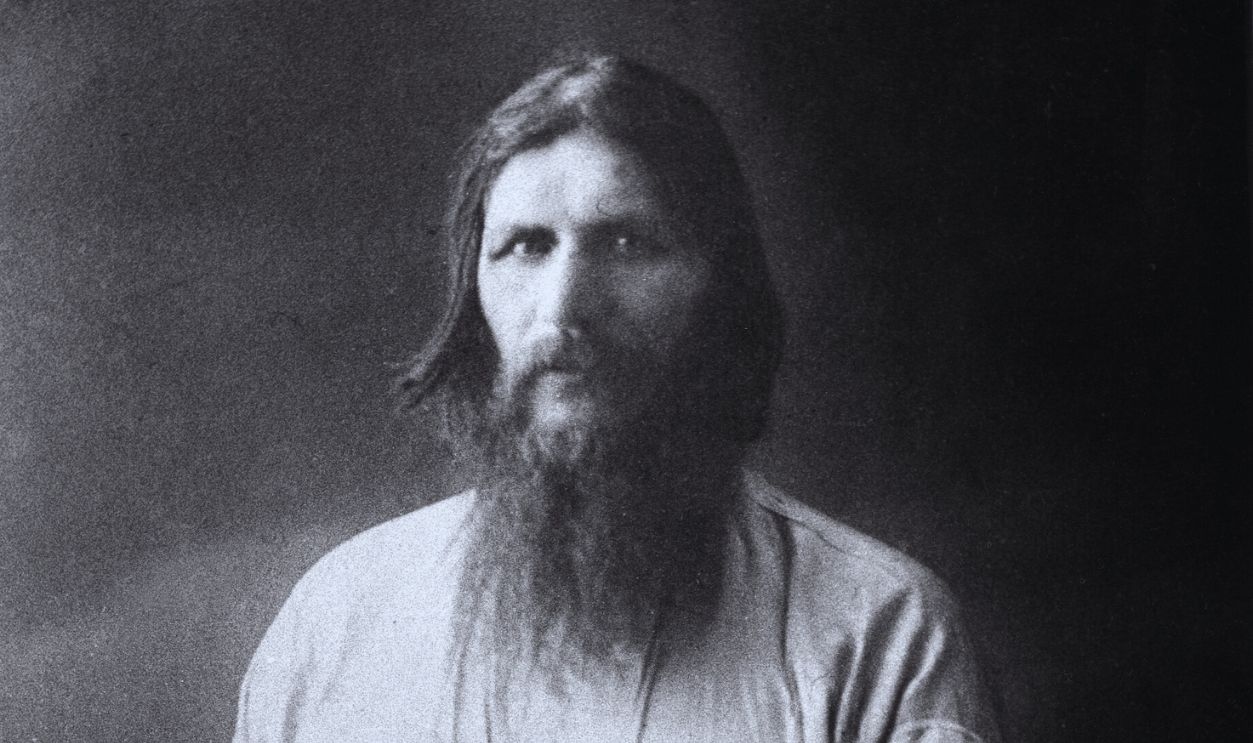
In the utmost secrecy—for Alexei’s illness still wasn’t public knowledge—Alexandra telegraphed Rasputin, told him of the crisis, and begged him to pray for her boy. Rasputin wasted no time sending a message, and told her in reply, “God has seen your tears and heard your prayers. Do not grieve. The Little One will not die. Do not allow the doctors to bother him too much".
Then another miracle occurred.
24. He Defied Medical Knowledge
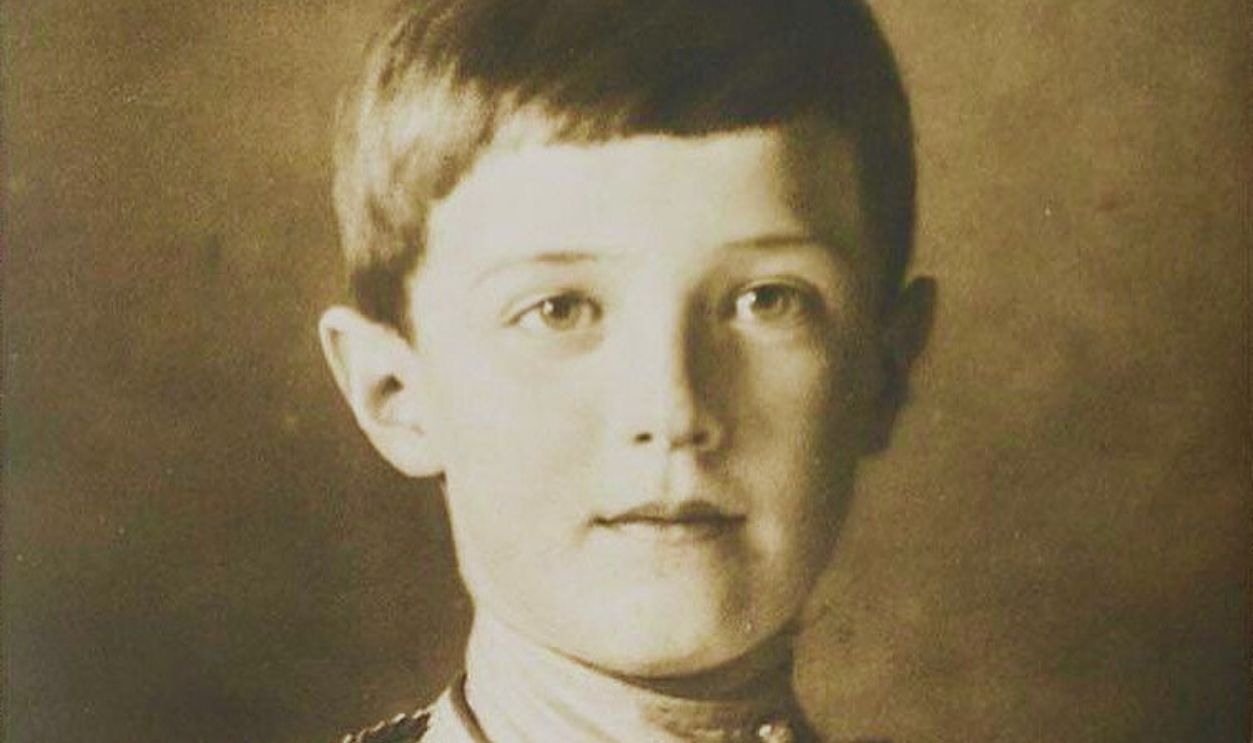
To everyone’s astonishment, Alexei’s bleeding, which had been profuse and constant for days, stopped. Even Alexei’s own doctor was in awe, since “the recovery was wholly inexplicable from a medical point of view”. The medic even conceded that it was hard not to view Rasputin as a mystic, saying, “Rasputin would come in, walk up to the patient, look at him, and spit. The bleeding would stop in no time....How could the empress not trust Rasputin after that?"
There were, however, other explanations.
25. He Gave One Good Piece Of Advice
To this day, Alexei’s recovery is “one of the most mysterious episodes of the whole Rasputin legend,” according to historian Robert Massie. But the truth may be simple. If Rasputin’s directive that the doctors not bother Alexei was heeded, this physical rest may have helped immensely in healing. Moreover, Rasputin’s message soothed the Tsarina’s stress, allowing her to calm her son down as well.
Whatever the case, Rasputin’s power now grew limitless—and terrifying.
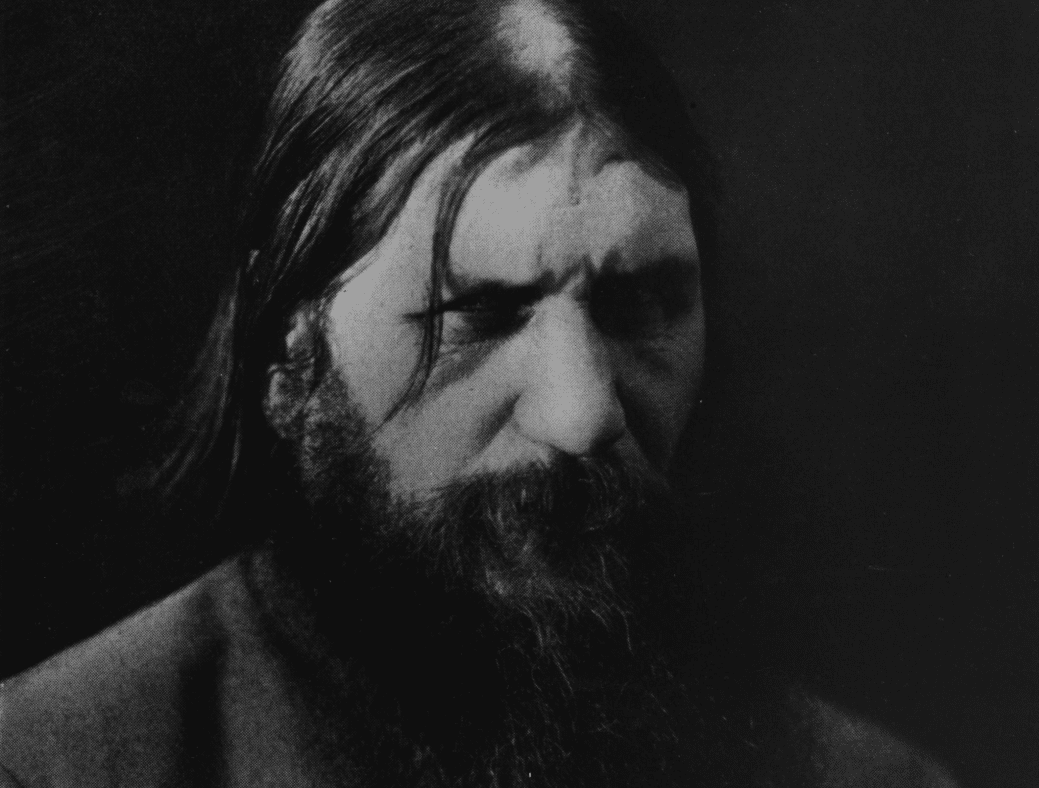
26. He Turned His Vice Into Holiness
Though Rasputin’s enemies (and victims) still tried to topple him from his royal perch, he now seemed invulnerable, and indulged his vices with renewed vigor. Indeed, Rasputin had begun preaching that any woman who was intimate with him would be purified by his presence, and thus his scores of affairs were now sanctioned by God.
It didn’t help quell the rumors that Rasputin was bedding the Tsarina, nor the emerging whispers that he had moved on to the older Romanov girls, Olga and Tatiana. But rumors now defined Rasputin’s life.
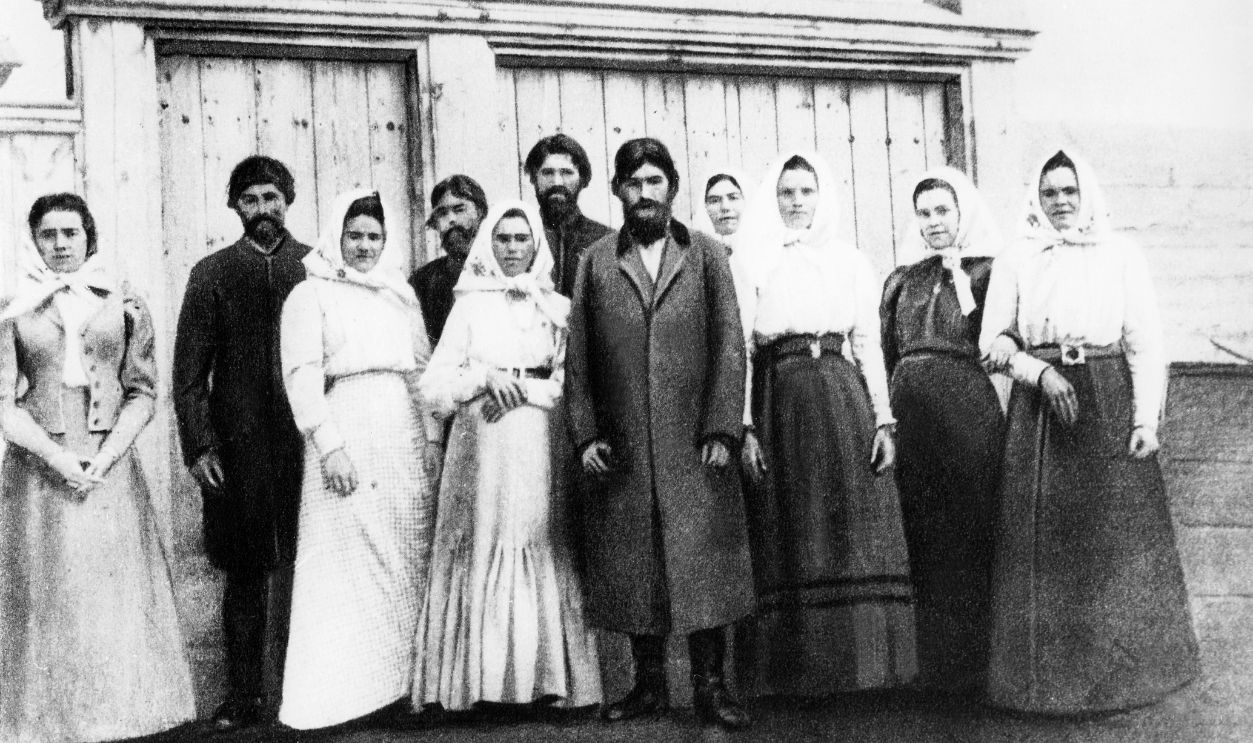 ullstein bild Dtl., Getty Images
27. People Thought He Was Dirty
Thanks to his hated place in Russian history and his peasant upbringing, some of the stories we have about Rasputin during this time are downright disgusting. According to one infamous tale, Rasputin barely ever bathed, and was once heard bragging that he hadn’t changed his underwear in six months.
While it’s difficult to verify this story as fact or malice…the ones we can verify are just as revolting.
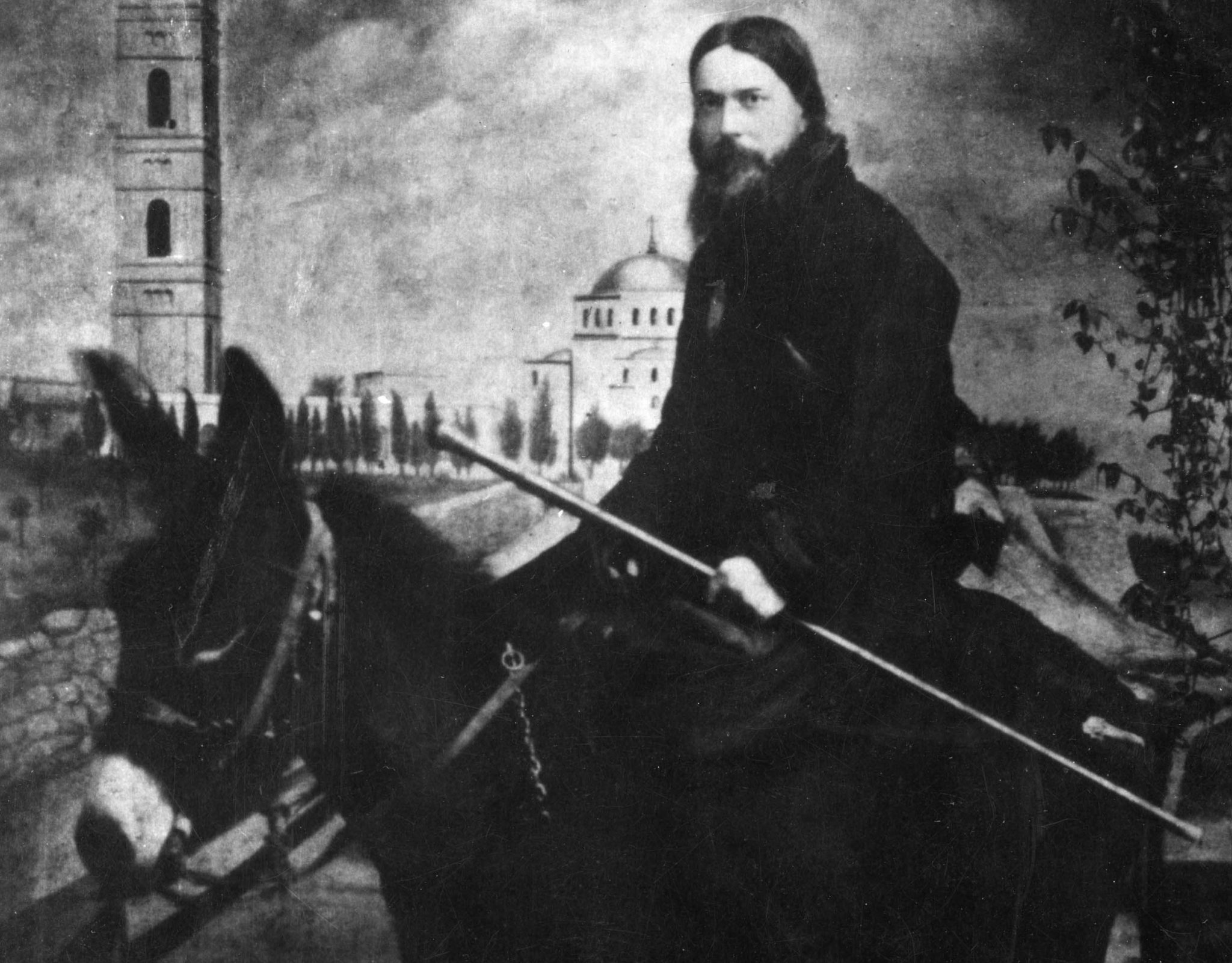
28. His Beard Was Filthy
In Rasputin: Faith, Power and the Twilight of the Romanovs, historian Douglas Smith tried to separate truth from gossip around Rasputin, and came up with some disturbing answers. Amidst all the spurious talk, it’s certainly true that Rasputin’s general presentation was…unsettling. His table manners in particular were the definition of crude, and he seemed to always have food flecked in his long, unkempt beard.
It does get worse than that.
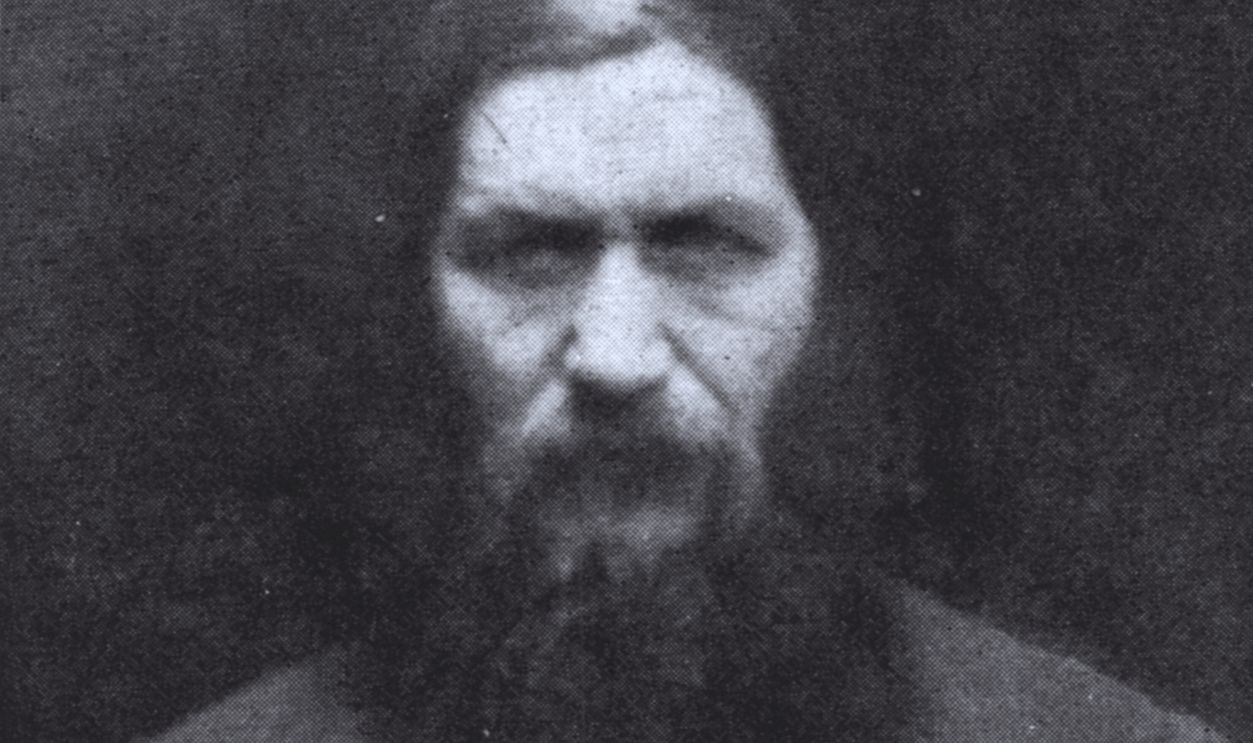
29. He Had Disgusting Table Manners
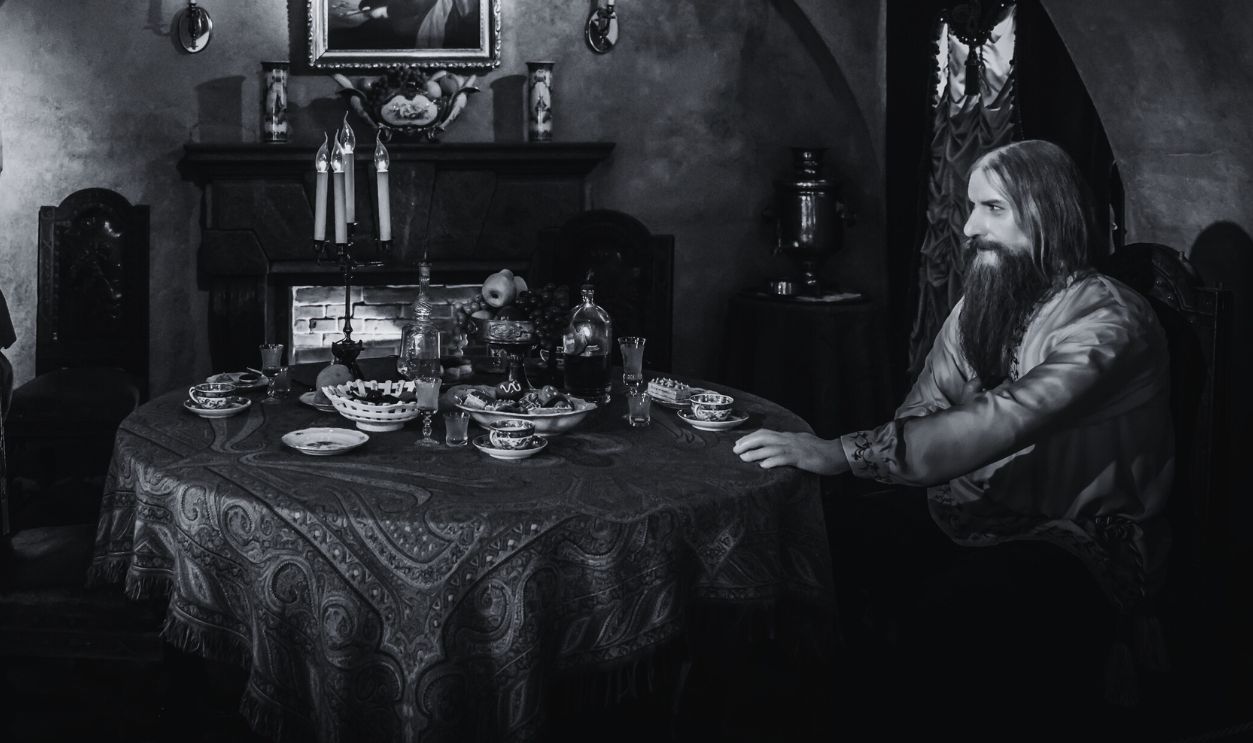
Rasputin’s eating style was also reportedly repellent. He would lick serving spoons “clean” before passing them along to his tablemates, and liked to tear both bread and fish apart with his fingers, only to then wipe his oily, dirty hands on the tablecloth. The most incredible thing of all, however, is that these boorish acts actually benefited him.
 Ninara from Helsinki, Finland, Wikimedia Commons
30. Women Begged For His Scraps
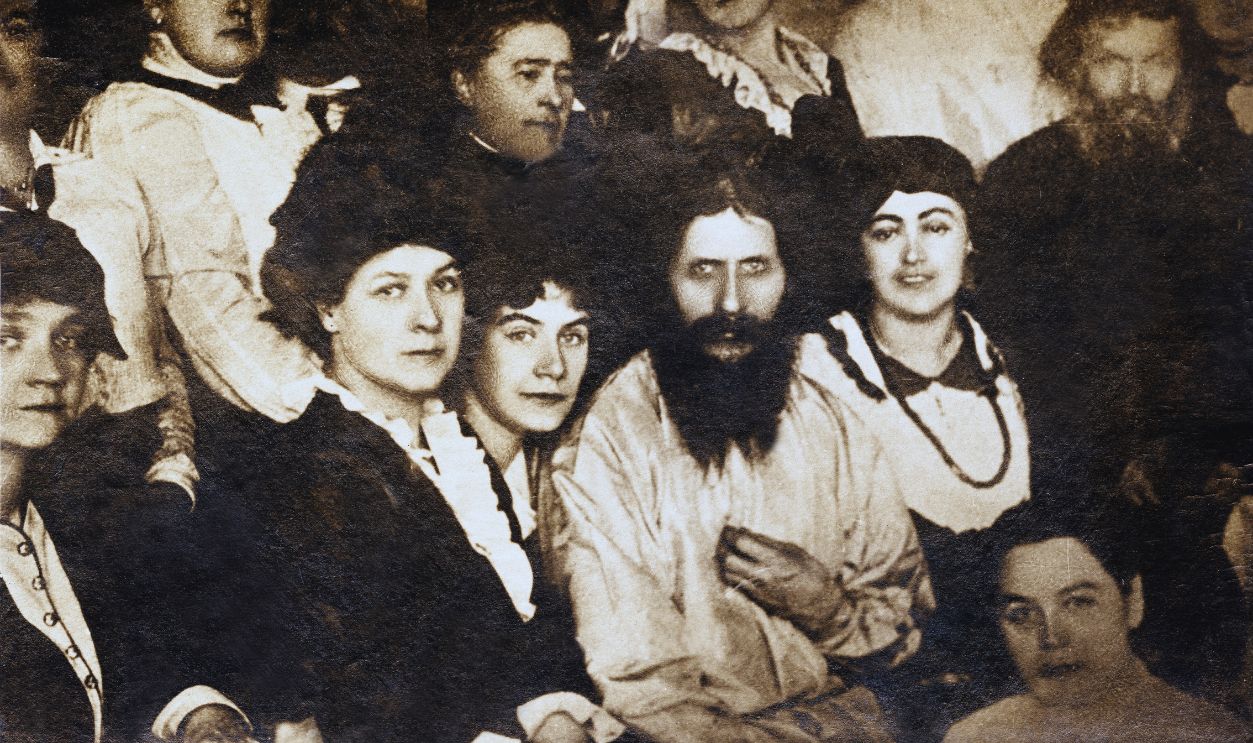
Some historians believe Rasputin hammed up these rustic manners for the Russian aristocracy, who liked to see him as an eccentric. Moreover, women—at least the ones not claiming he’d attacked them—seemed to find his manners hypnotizing and even attractive. His most devout female followers would often kiss his food-dusted fingers or eat the crusts off his plate.
Yet these heady days were coming to an end.
31. He Was Ambushed
In the summer of 1914, Rasputin hit catastrophe. While he was away from Saint Petersburg and outside his village home in Prokrovskoye, a peasant woman named Khioniya Guseva pierced him in the stomach, seriously wounding him and throwing his life into the balance.
When authorities detained her, her story made jaws drop.
 Unknown authorUnknown author, Wikimedia Commons
32. He Had A Powerful Enemy
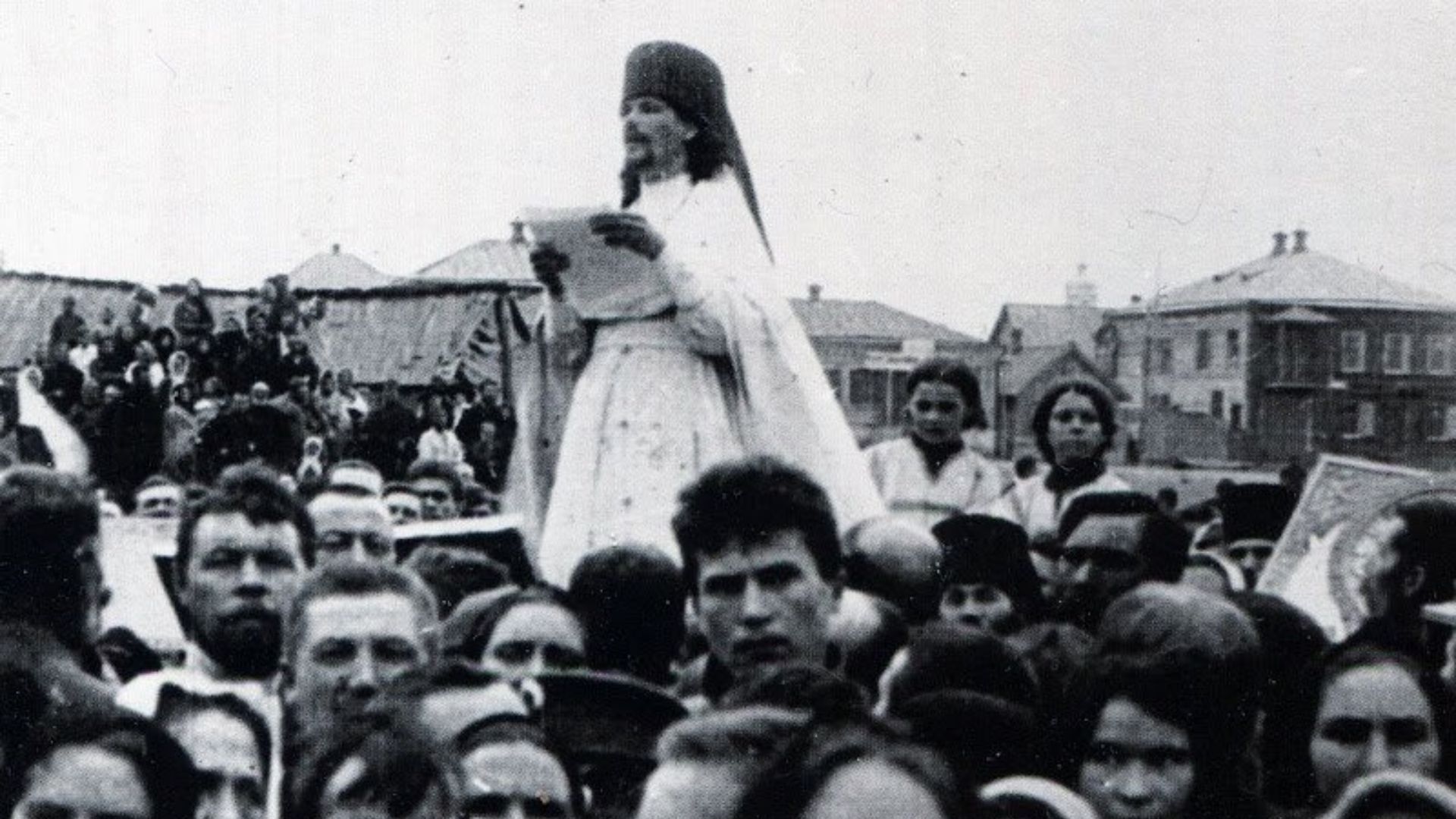
Although Guseva claimed she was acting alone and upon the belief that Rasputin was “a false prophet,” it soon came out that she was a follower of none other than Iliodor, the monk who had heard Rasputin’s confession about kissing the Tsarina. In the years since, Iliodor had turned against the Romanov favorite, and officers believed he had instigated the attack.
While Iliodor fled the country, it looked like Rasputin would meet his end. But it was never that easy with him.
 Парфианович, Wikimedia Commons
33. He Wouldn’t Go Gently
After emergency surgery and time recovering in a hospital, Rasputin was able to walk back out into the world again, with little indication that the attack had ever occurred. It was a grave disappointment to his growing cadre of enemies, but it was also an eerie sign of things to come, when Rasputin finally did perish.
In the meantime, though, history was about to throw Russia a curveball.
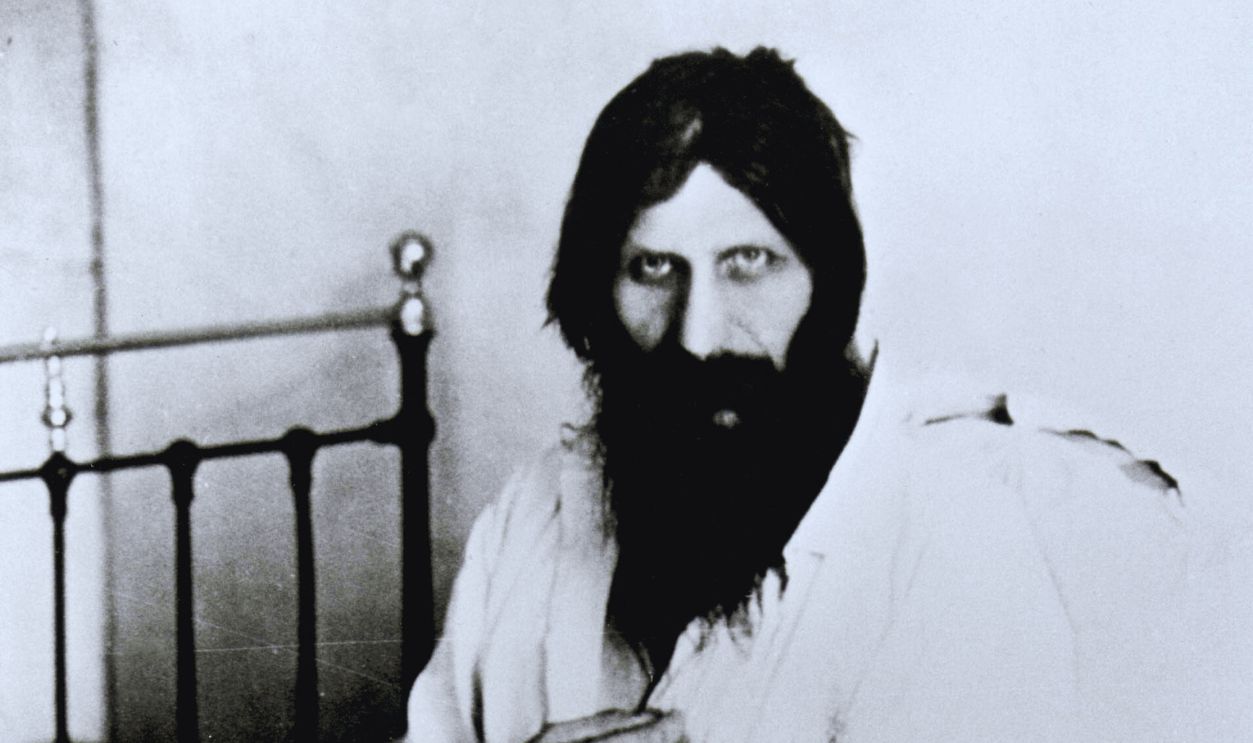
34. He Had A Disastrous Premonition
The same year as the assassination attempt, WWI broke out in Europe, and Tsar Nicholas II, who had family in the British monarchy, was poised to follow his allies into the fray. Rasputin gave him a chilling warning. He reportedly begged Nicholas not to join the conflict, telling him it would “be the end of the monarchy, of the Romanovs and of Russian institutions”.
He would never find out how right he was, but he did get a glimpse.
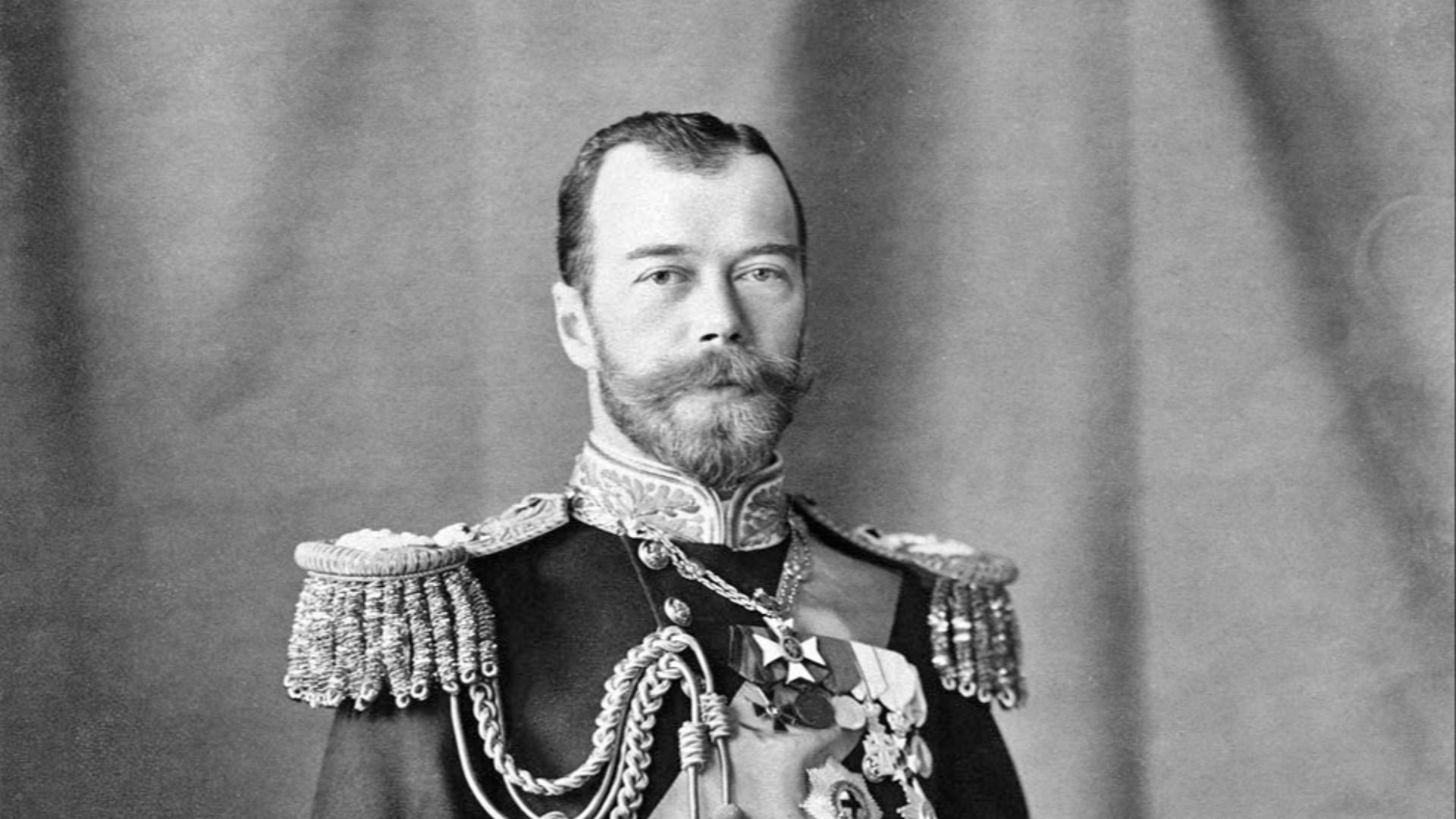 Boissonnas & Eggler, photographer, active 1902-1923, St. Petersburg, Nevsky 24., Wikimedia Commons
35. His Patrons Were In Trouble
WWI was a complete disaster for the Romanov Empire. The country lost scores of men to the conflict, and the new German enemy only fanned the country’s flames of hatred for Tsarina Alexandra, German Princess that she was. Suddenly, the Romanovs’ absolute power was looking mighty shaky…and more tremors were to come.
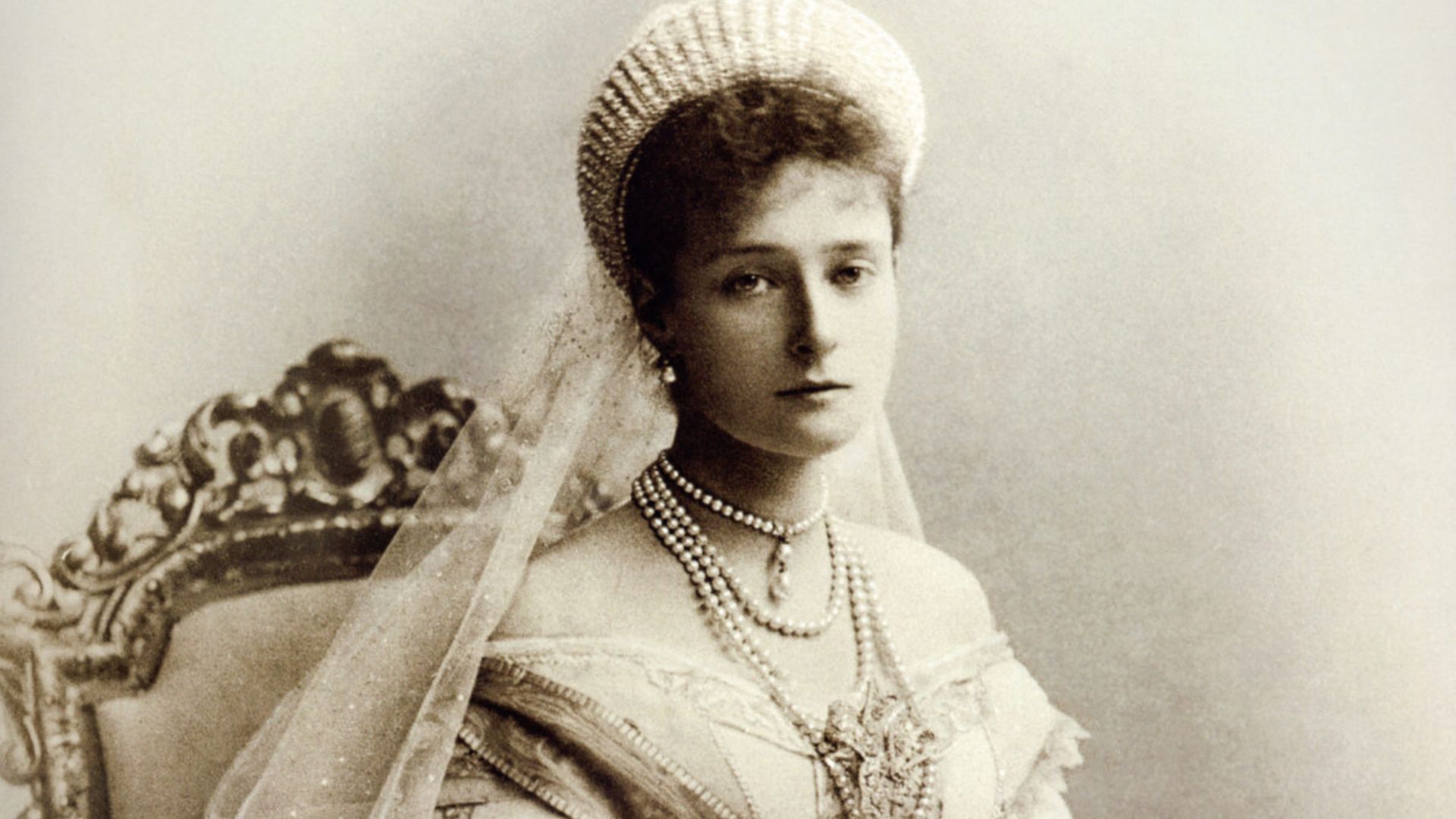 A. Pasetti, St. Pétersbourg, Nevsky 24., Wikimedia Commons
36. He Was Bitterly Right
Russia’s morale and its economy tanked during WWI, with inflation rising 300 percent, leading the country to the brink of starvation. If that wasn’t bad enough, food transportation lines also broke down, leaving many Russian peasants almost completely without the means or the ability to buy food.
Yet instead of saying “I told you so,” Rasputin did something much more surprising.
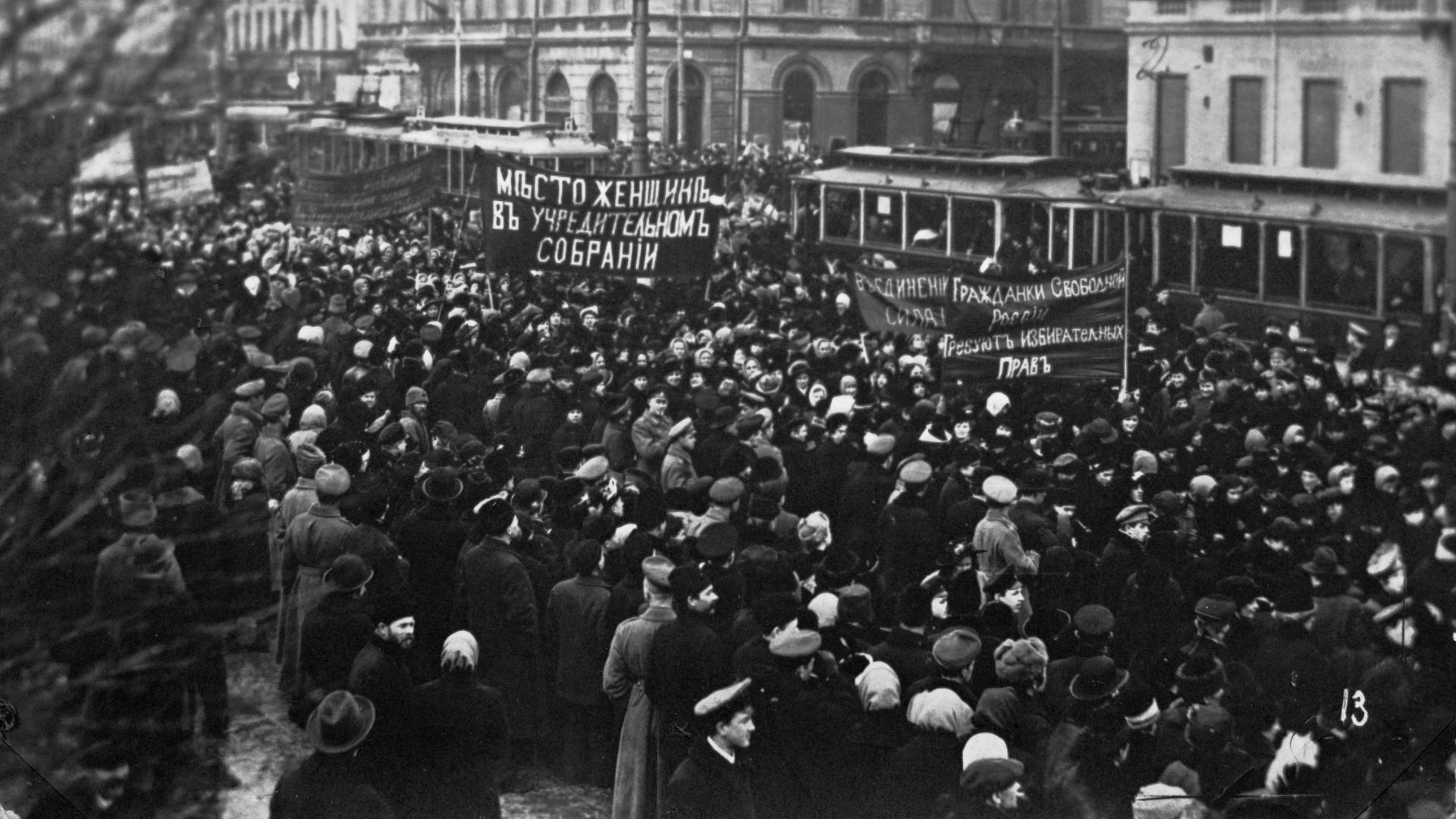 unknown; photo retake by George Shuklin, Wikimedia Commons
37. He Tried To Save Them
Witnessing the collapse of the Russian Empire, Rasputin performed a heartwarming act. He began begging the Tsar and Tsarina to fix the situation, and wrote to government officials to get them on board as well. He even suggested that Alexandra distribute food in the streets.
It was all in vain: The Tsar, Tsarina, and officials didn’t heed his advice, and the seeds for revolution were sown. Not that Rasputin was there to see it.
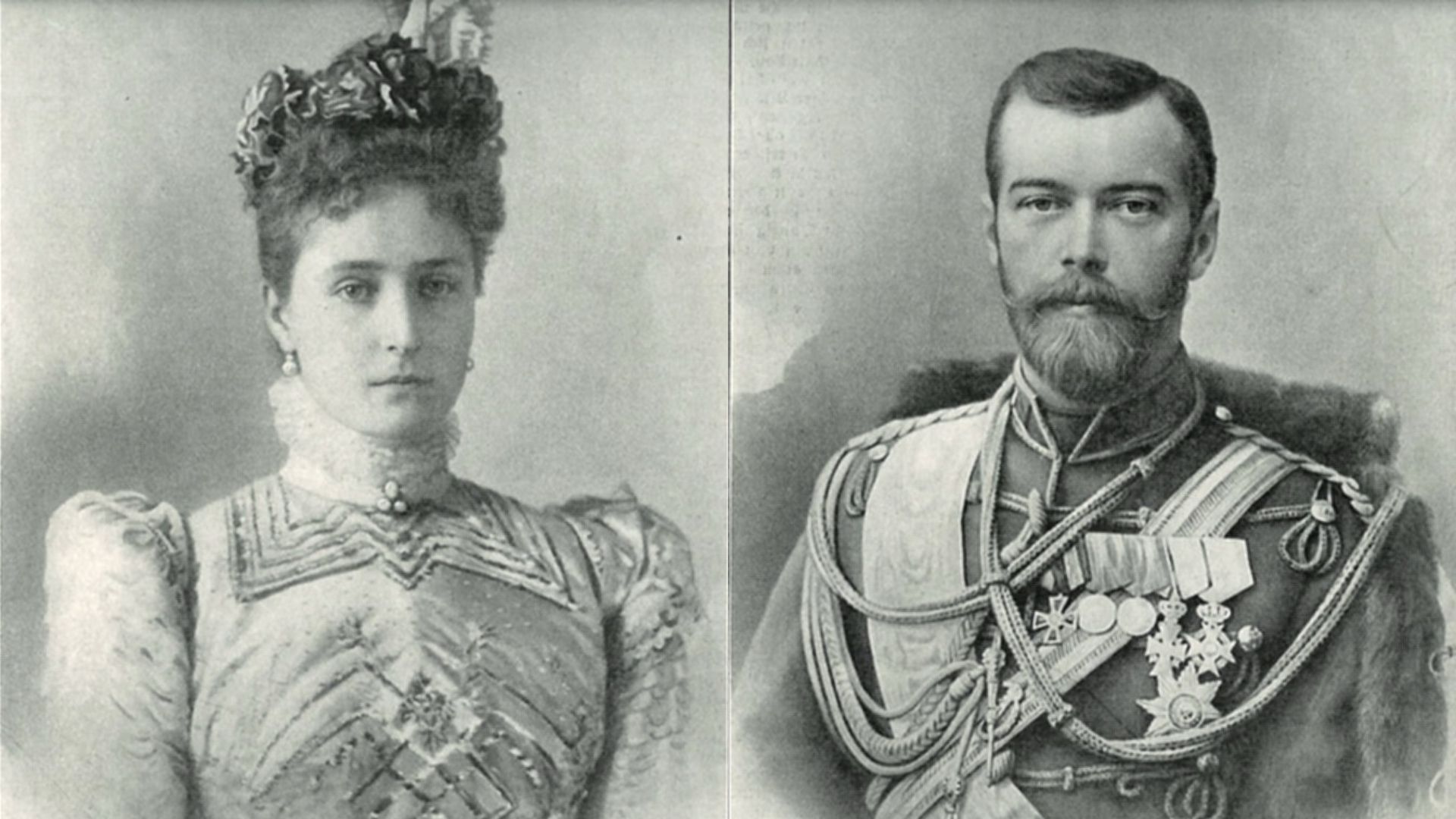
38. He Came Into Power
Tsar Nicholas had always been a more sober supporter of Rasputin than his wife, and people considered him a balancing influence when it came to the Mad Monk. But in WWI, that all changed: with Nicholas continually away from court during the conflict, Russians believed Rasputin now had completely free rein over the Tsarina and the country.
They decided it was time to do something about it.
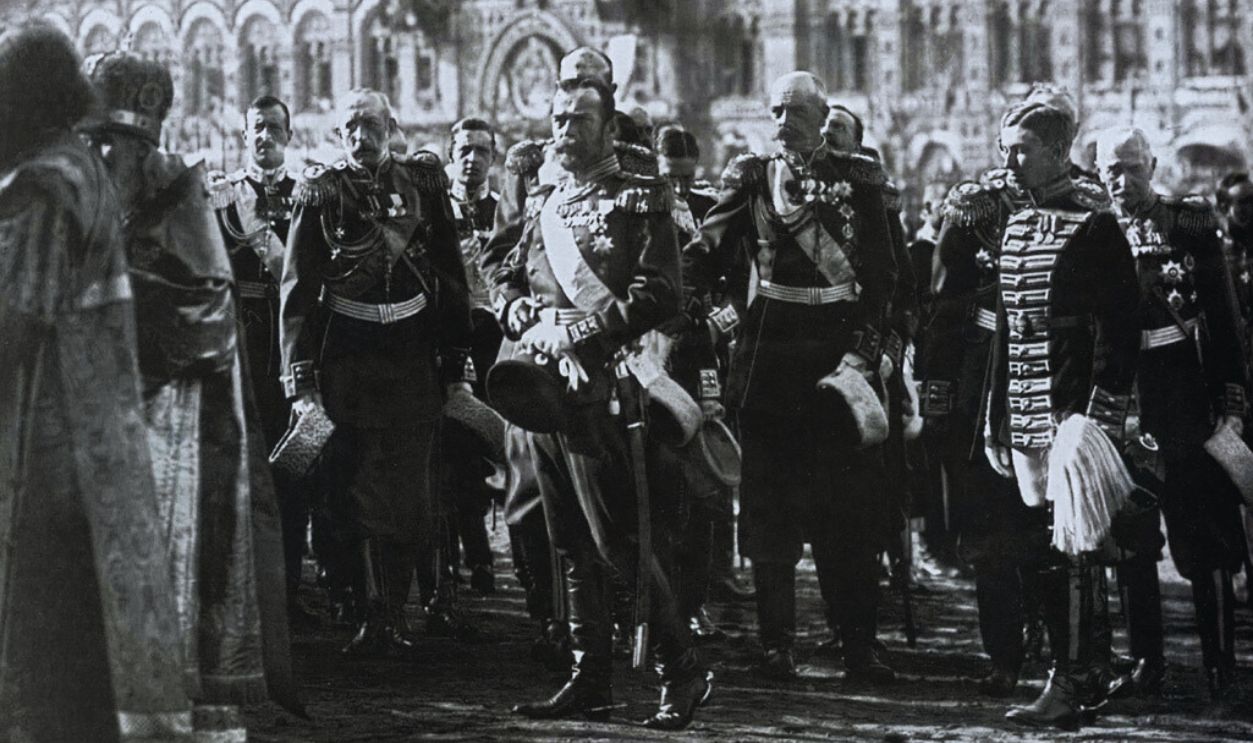 Moscow in photographs, 2004, ISBN 5874171584, Wikimedia Commons
39. They Plotted Against Him
In December of 1916, a group of aristocrats led by the Tsar’s cousin Felix Yusupov hatched a plot to dispose of Rasputin once and for all. At the time, Rasputin was 47 years old, had been ascendant in Russia for a decade, and had weathered threats to his life countless times before. But this time would be different.
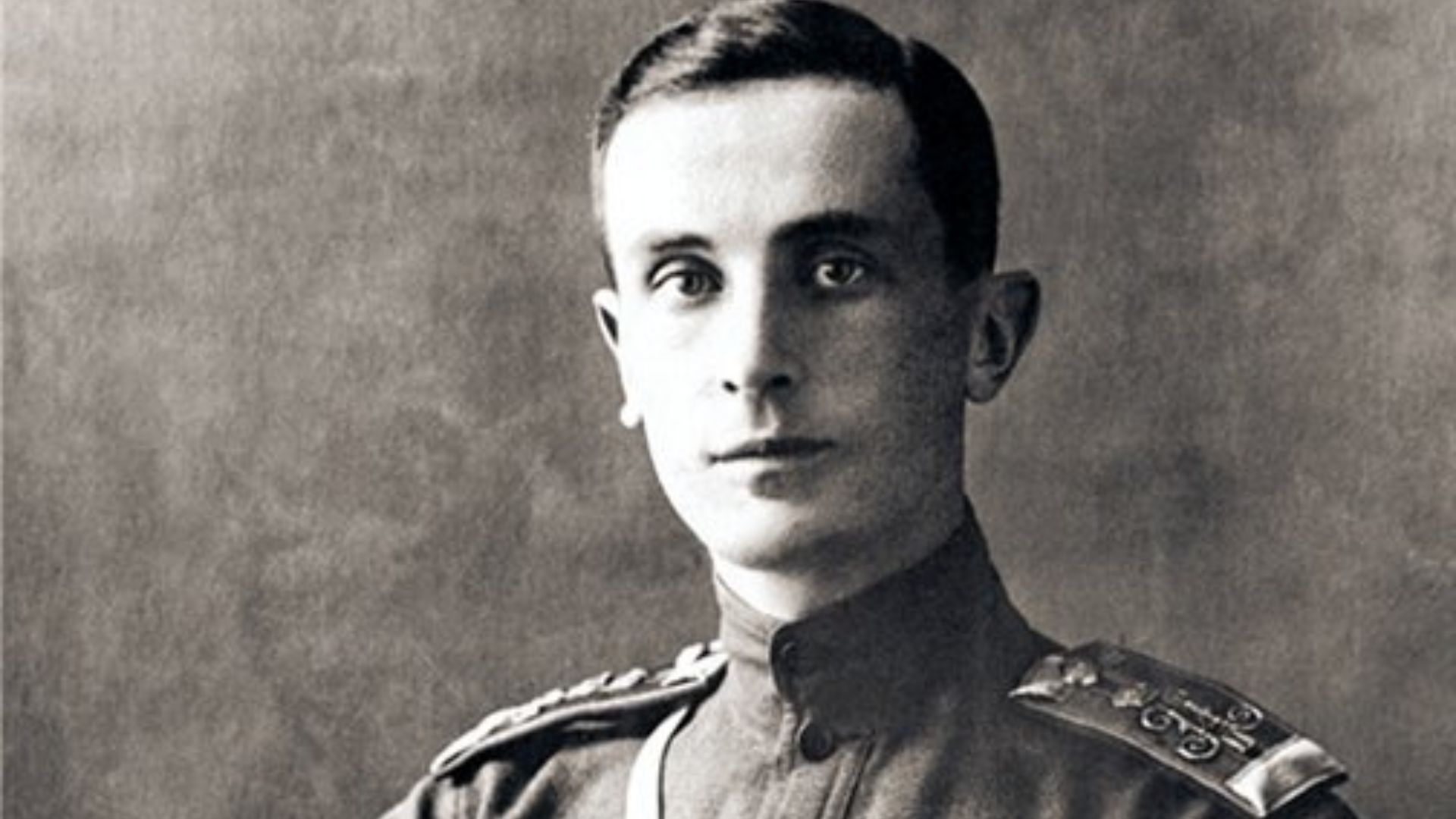 Unknown authorUnknown author, Wikimedia Commons
40. He Went Into A Dark Room
There are a few things we know for certain about the last day of Rasputin’s life. On the evening of December 29, after receiving yet another death threat through the phone that morning, Rasputin went to Yusupov palace to meet with Felix. Yusupov then led him down to the basement, where he had laid out Madeira wine and plates of sweetcakes.
This is where the trouble started.
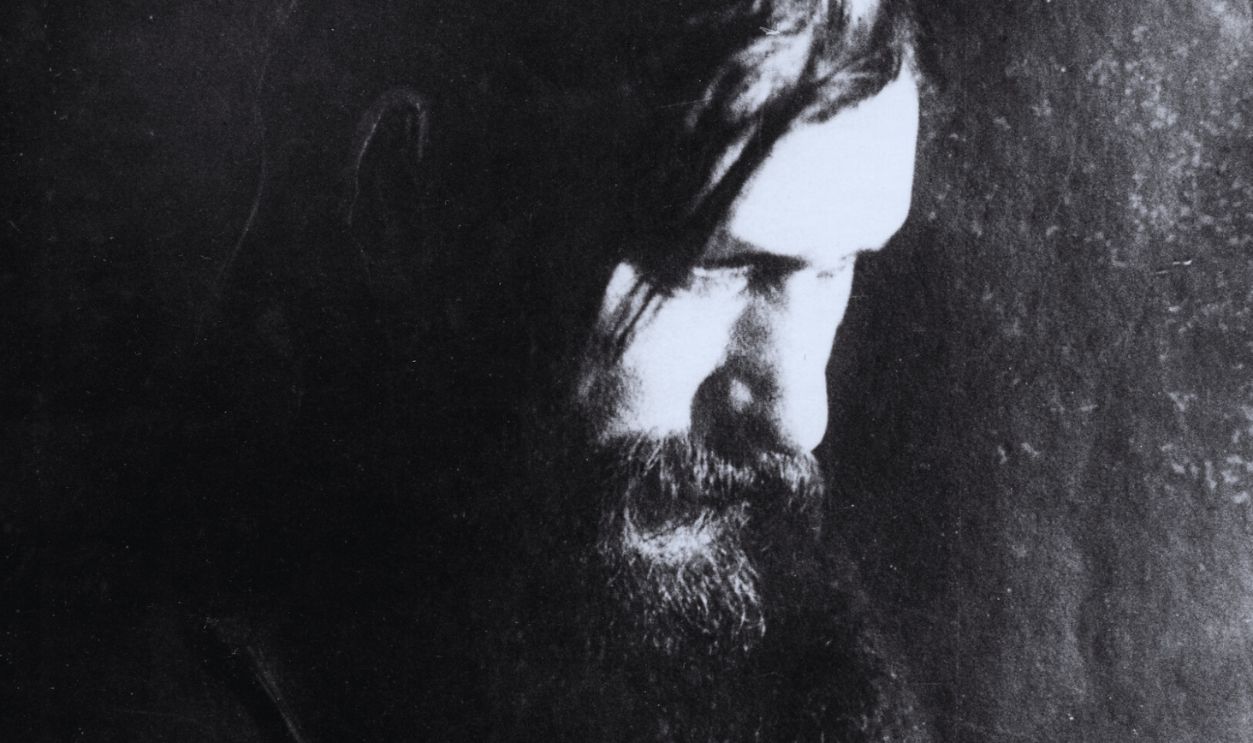
41. He Survived A Poisoning
According to Yusupov, he watched closely as Rasputin ate one of the cakes. He was alarmed at the monk’s reaction. The cakes had actually been laced with cyanide by one of Yusupov’s four accomplices—who were all lying in wait upstairs—yet Rasputin appeared to suffer no harm after eating them. He drank the wine, also poisoned, and still nothing.
So Yusupov upped the stakes, and wound up horrified.
42. He Perished In A Basement
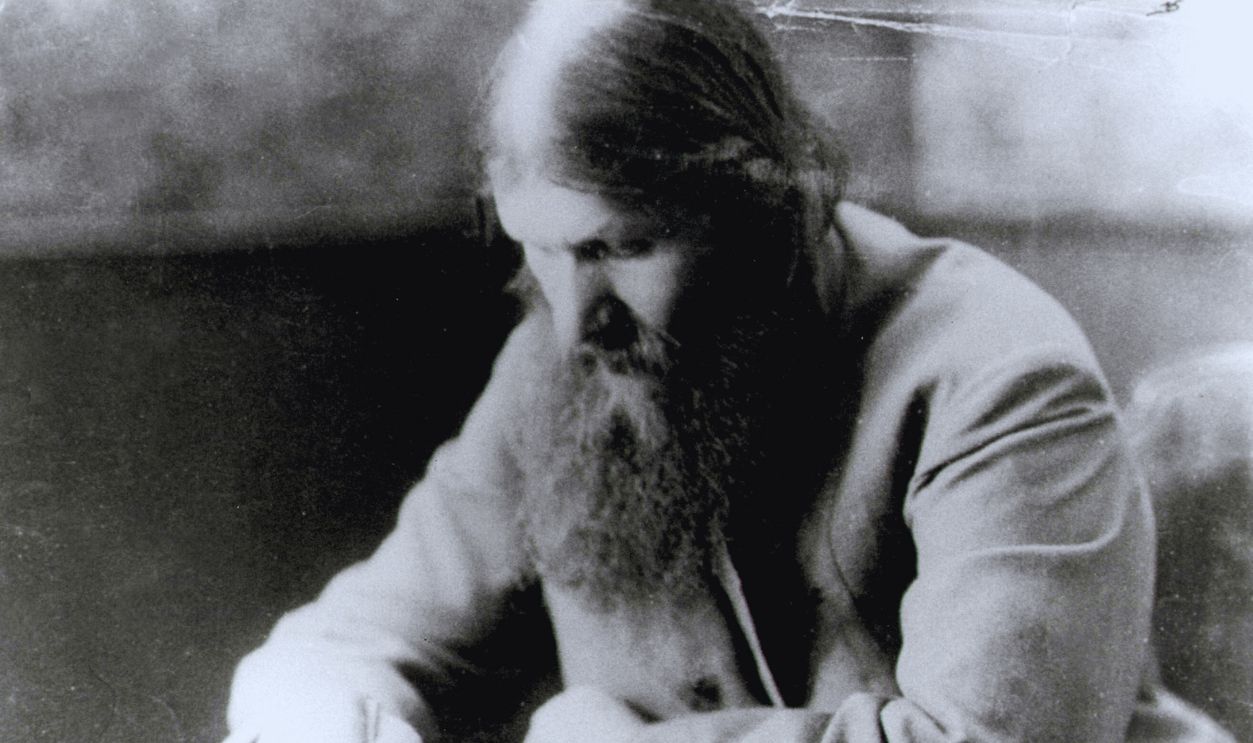
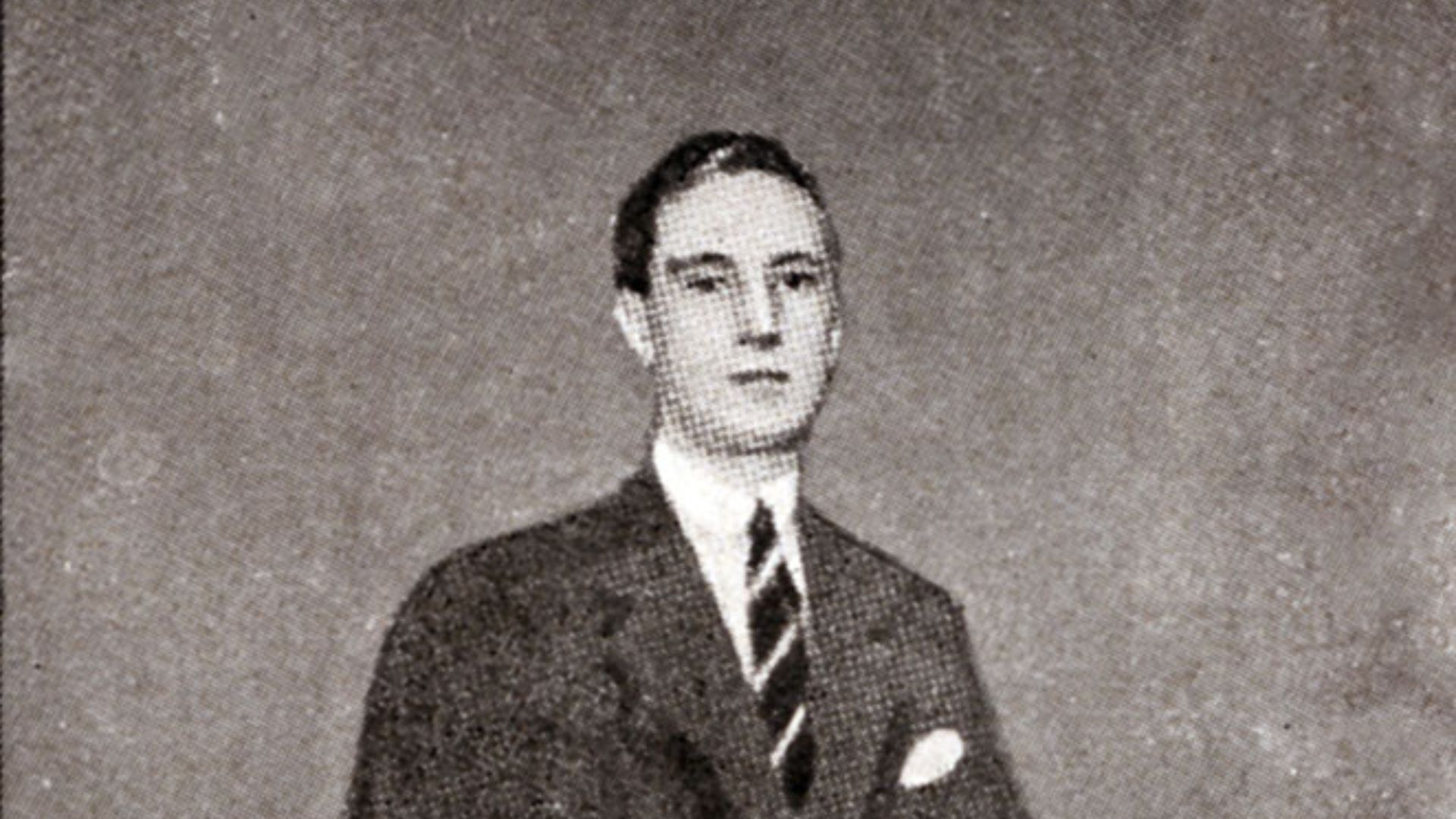
After excusing himself from the room, Yusupov went up to his conspirators, took a revolver, and went back down and pointed the weapon at Rasputin’s chest. After telling Rasputin he “better look at the crucifix” that was in the room “and say a prayer,” Yusupov pulled the trigger from a point-blank range.
Believing the Monk was finally finished off, the conspirators then hurried to cover their tracks around the neighborhood. But Yusupov’s story wasn’t done yet.
 Unknown authorUnknown author, Wikimedia Commons
43. He Came Back To Life
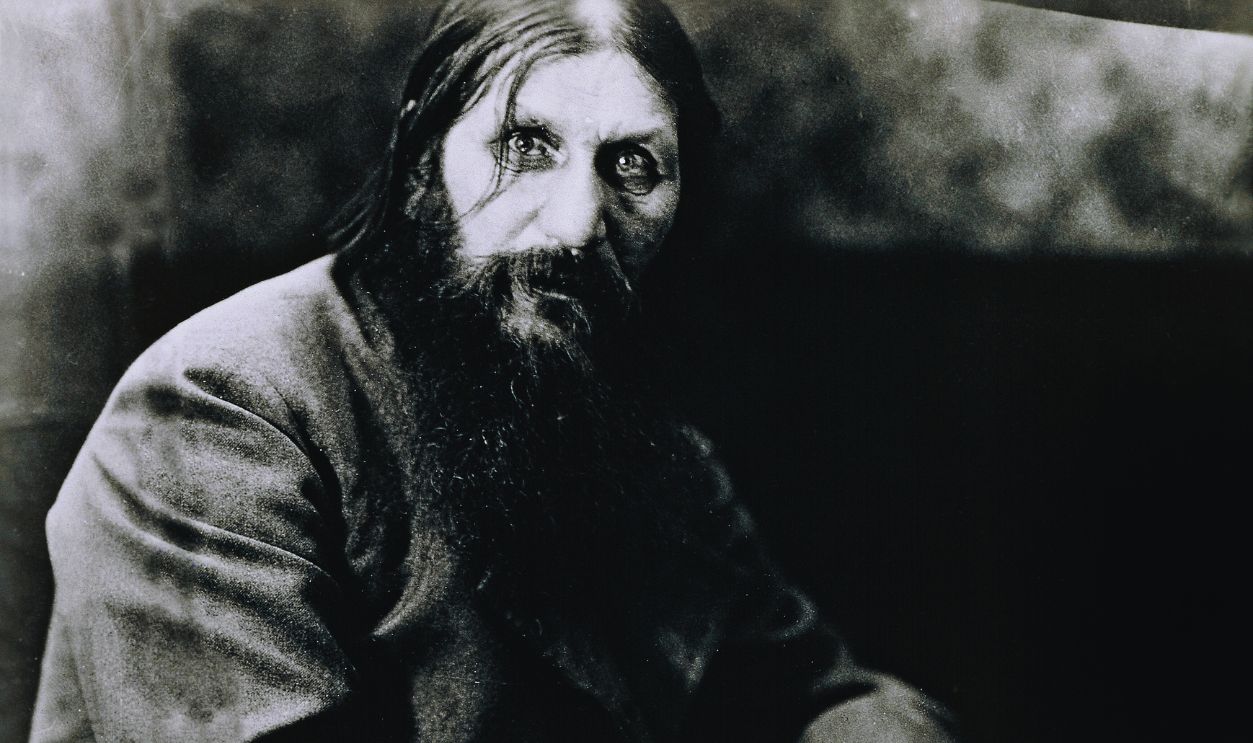
Yusupov claimed that when he went back to his palace to check on Rasputin’s body, he got the shock of his life. Rasputin, somehow still alive, jumped up and went for Yusupov, who then fled. When the pair ran into the courtyard, another conspirator managed to shoot Rasputin again, and the holy man fell into a snowbank.
Shaken, they took one final precaution.
 DEA / G. DAGLI ORTI, Getty Images
44. He Met An Icy End
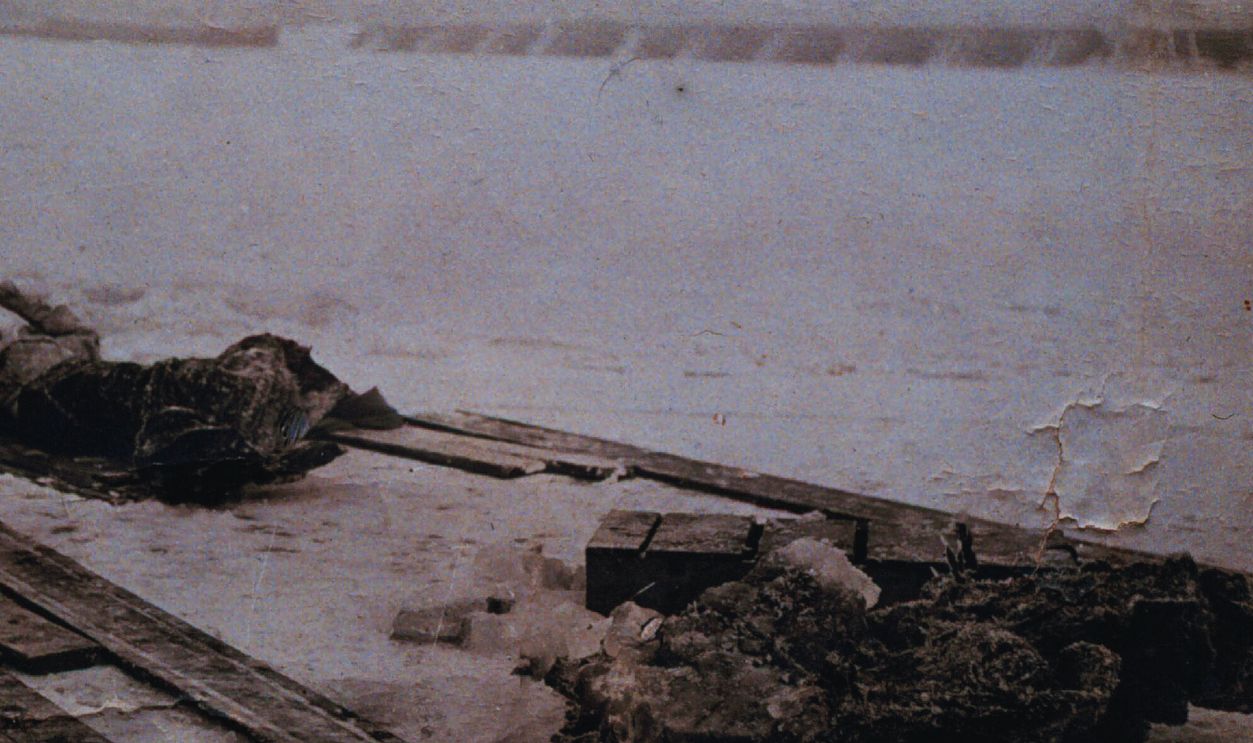
In the early morning hours of December 30, 1916, Yusupov and his allies wrapped Rasputin’s remains in a cloth and dropped it into the Little Neka river. With the job finally done, they went back home—though even then, some said that Rasputin was still alive right up until he hit the freezing waters.
Minutes after his demise, Rasputin’s reputation as a nigh-unkillable mystic had already begun. It only got worse from there.
45. Rumors Flew About Him
Before anyone could recover the body, word got out that Rasputin was finally gone, and rumors started to multiply. Publications reported any scrap they could—a later rumor would claim Rasputin had been castrated that night—and a feverish, highly-unreliable atmosphere took hold. Even Felix Yusupov’s version of events isn’t completely reliable. Written after Yusupov fled Russia, they remain a compelling testament to the fear Rasputin struck into Russian hearts, but can’t be fully accurate.
Besides, Rasputin’s autopsy tells a much different story.
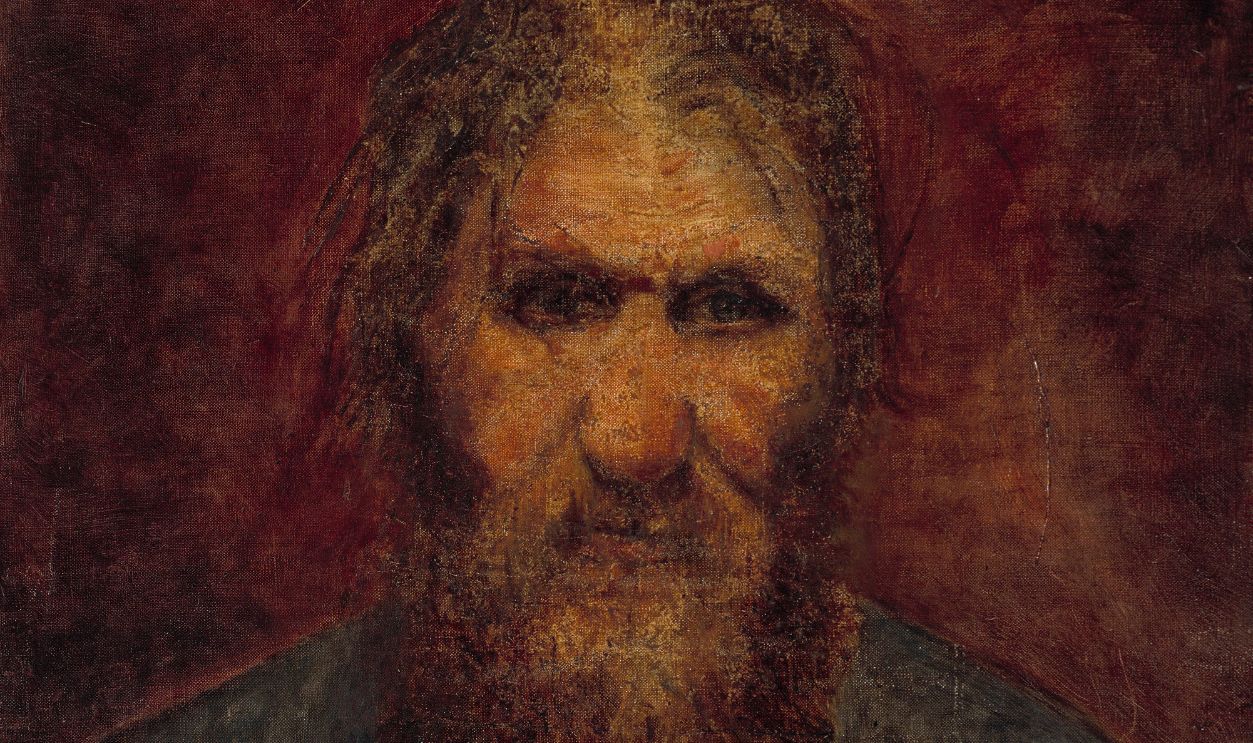
46. They Examined His Body
When investigators found Rasputin’s body—a full two days after his assassination—they sent it on to Saint Petersburg’s senior autopsy surgeon, Dmitry Kosorotov. Kosorotov later stated that he found three gunshot wounds in his exam, with one on Rasputin’s forehead, as well as a host of probable post-mortem injuries. But there were also details he didn’t find.
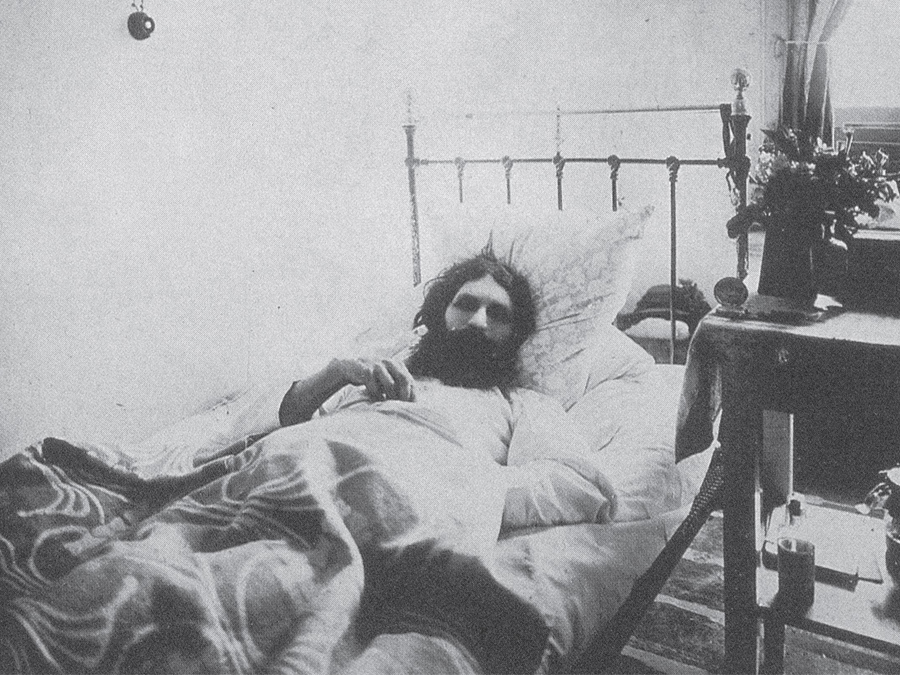
47. Something Was Missing
When Kosorotov took a look at Rasputin, several things didn’t match up to Yusupov’s account or to the swirling rumors. First, he found no water in Rasputin’s lungs, indicating he hadn’t been alive when he hit the river. Second, he found Rasputin’s private area intact. Third, and most shocking of all, he found no poison in Rasputin’s system.
With no cyanide to speak of, what had really happened with the poisoned sweet cakes?
 Fototeca Storica Nazionale., Getty Images
48. His Daughter Revealed The Truth
For years, the story of Rasputin eating—and surviving—Yusupov's poisoned sweetcakes circulated, adding to the Mad Monk's mystique and making him seem even more superhuman. Shockingly, it was Rasputin’s daughter Maria who held the key to this unsettling mystery. And according to her, the truth was a lot simpler than themany stories that circulated about the incident.
Maria Rasputin claimed that her father was actually missing something most of us are plagued by: A sweet tooth. He really didn't care for sweet foods, and Maria said that he never would have eaten the cakes that Yusupov had offered him, even out of a sense of politeness. She believed that Yusupov had to have either embellished the story of been mistaken about Rasputin eating the cyanide-laced treats, which would certainly explain how he had managed to "survive" such a poisoning attempt.
It’s one more historical mystery solved, but Rasputin’s terrifying legacy lives on.
 Agence de presse Meurisse, Wikimedia Commons
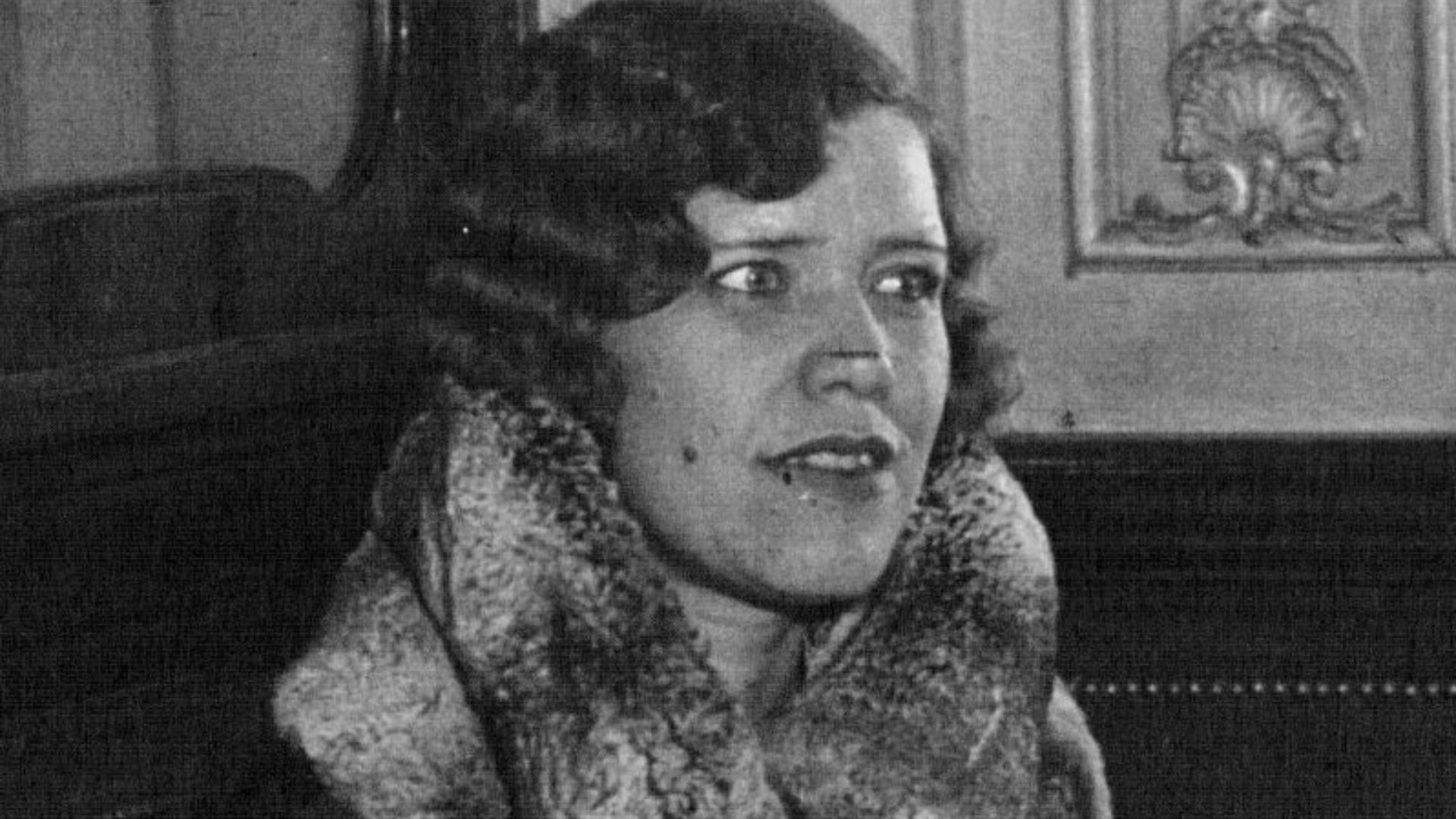
49. The Romanovs Protected Him
Even after his demise, the Russian royal family didn’t abandon Rasputin. When his funeral took place on January 2, 1917, at a small church, only the Imperial family and their close friends were allowed to attend. They even barred Rasputin’s wife, who had still loved and supported him throughout his rise, from coming to the service along with his children.
Ironically, the Romanovs were near their own funerals, too.
 Unknown authorUnknown author, Wikimedia Commons
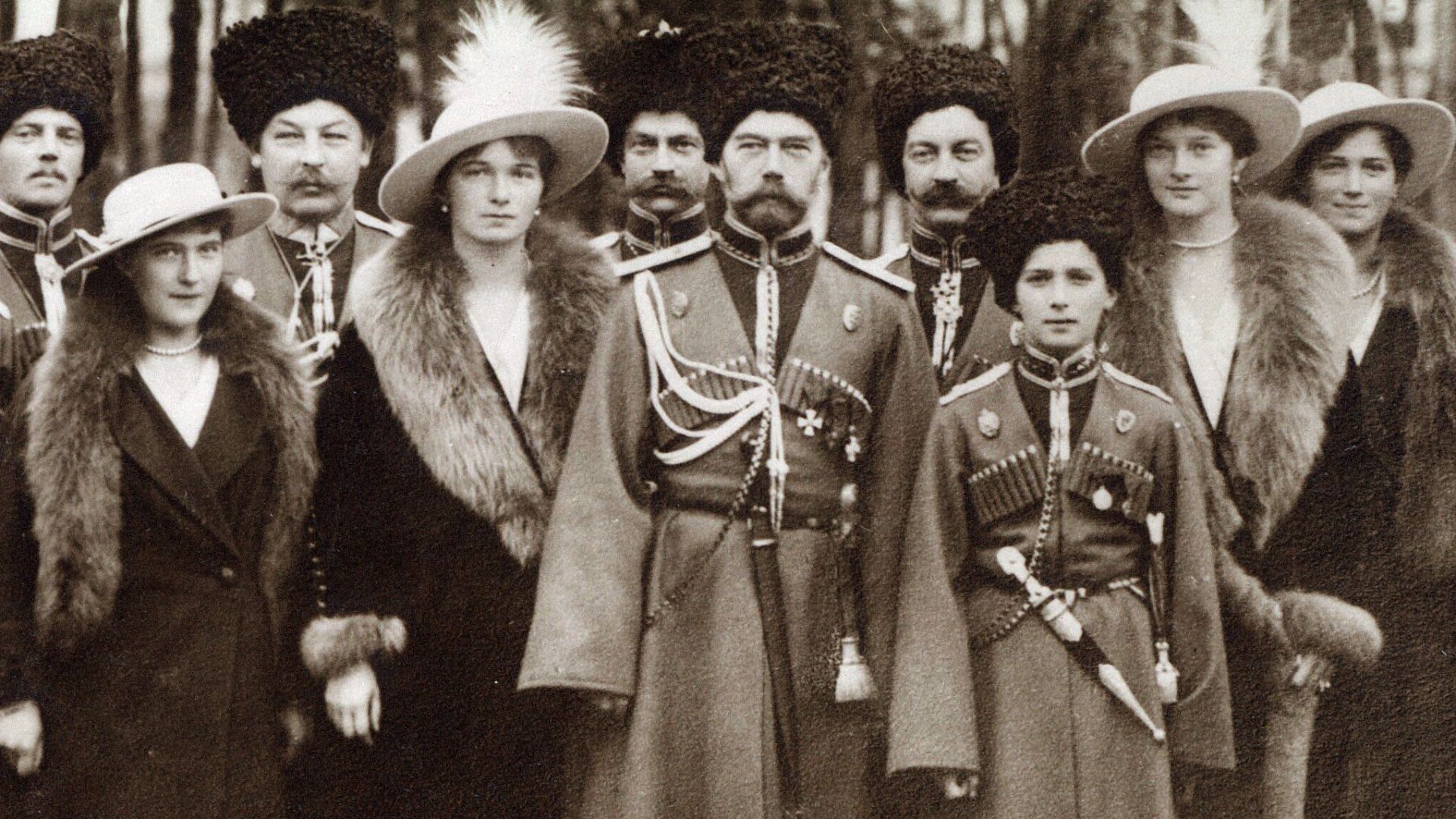
50. The Empire Collapsed
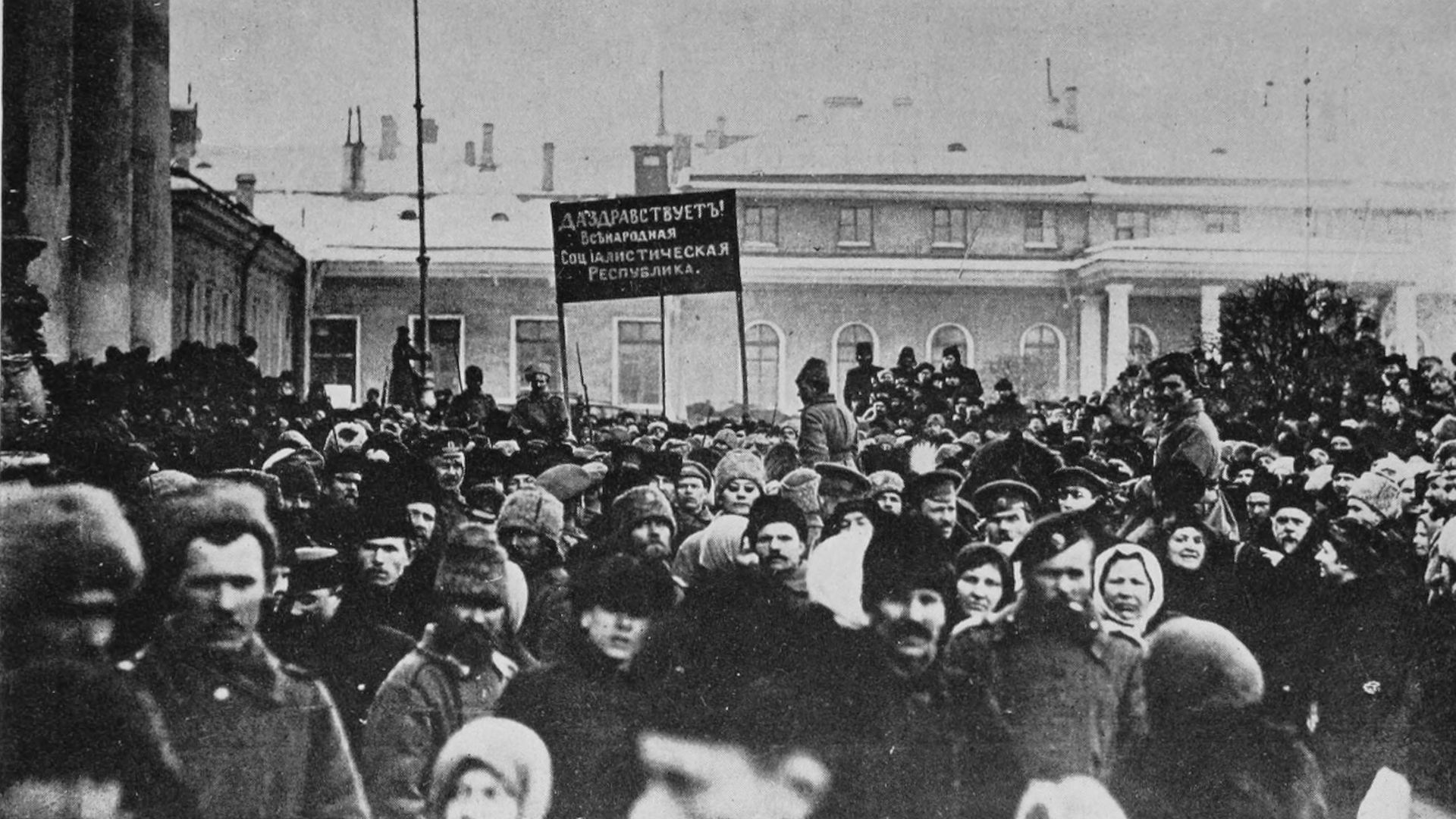
In hindsight, Rasputin’s collapse was a harbinger for the collapse of the entire Romanov line. After years of turmoil, starvation, and unrest, the February Revolution spread throughout Russia in the very month following Rasputin’s end, forcing Tsar Nicholas II to abdicate that March. By 1918, the Romanov family were themselves felled down, and the Bolshevik Revolution all but complete.
Had the Romanovs listened to Rasputin when it mattered, they might have saved themselves—but as it was, they joined their holy man in death.
 Jones, Stinton, Wikimedia Commons
You May Also Like:
The Queen Who Changed England’s Destiny
Queen Joan Of France Lived A Royal Nightmare