He Was More Myth Than Man
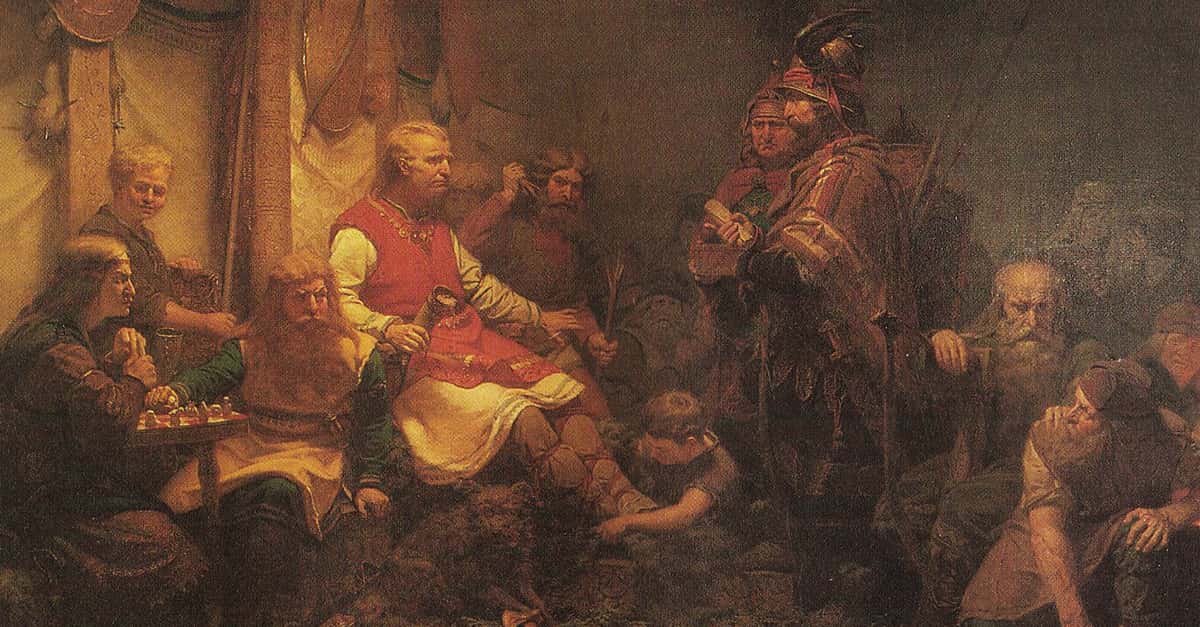
Ragnar Lothbrok is the legendary Viking hero and king who, in his final harrowing moments, predicted that his sons would avenge him with the Great Heathen Army. Or did he? Equal parts man and myth, here is what we actually know about Ragnar Lothbrok.
1. He Was A Viking Hero And King
Most—if not all—of what history knows about Ragnar Lothbrok comes from quasi-fictional sources. The Old Norse sagas, poems, and Icelandic chronicles paint the picture of a fearsome Viking warrior and Danish king. Yet, what is fact and what is fiction remains a matter of debate. Where does the man Ragnar Lothbrok end and his mythology begin?
Probably somewhere in the frozen tundra.
 Screenshot from Vikings, MGM Television (2013-2021)
2. He Was Nordic Nobility
The best available information about Ragnar Lothbrok says that he was the son of Sigurd Ring, the storied king of the Swedes and Danes. His mother, allegedly, was Alfhild, a Swedish princess from the small kingdom of Álfheimr. Lothbrok had Nordic nobility coursing through his veins.
He may also have had some lightning in his DNA.
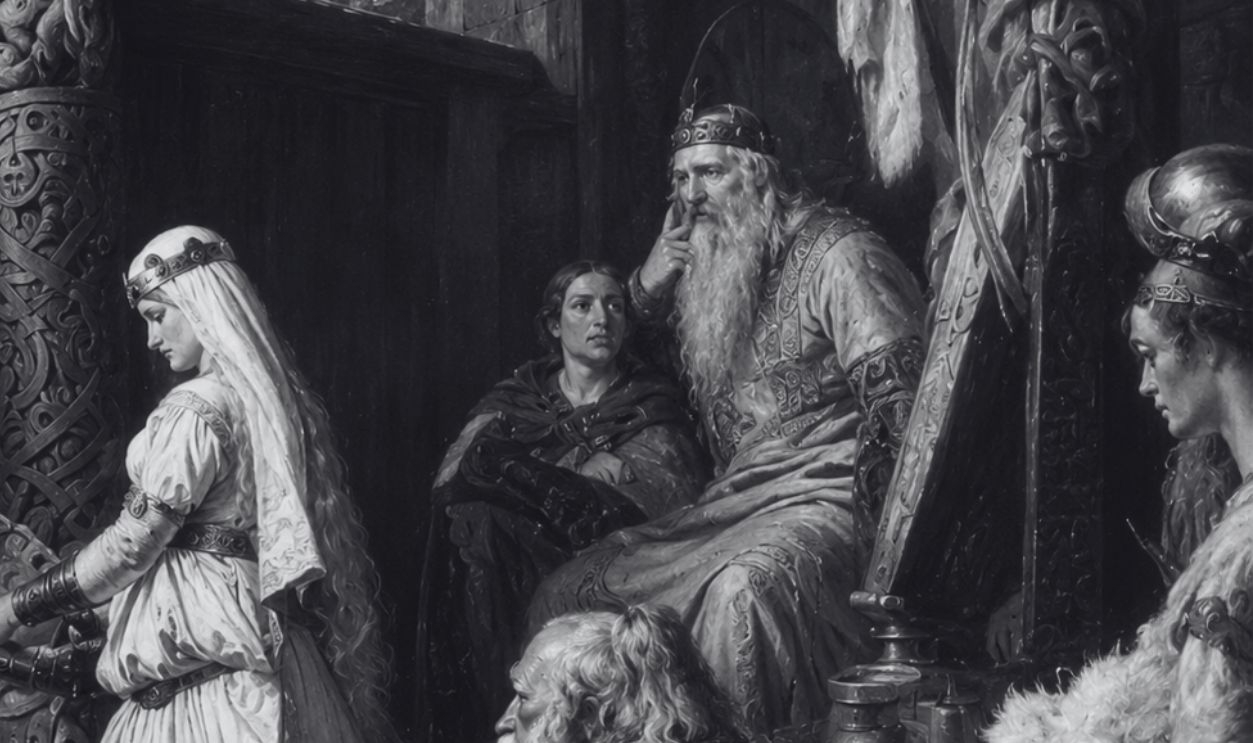 Hermann Vogel, Wikimedia Commons, Enhanced
3. He Claimed The Blood Of Odin
Lothbrok was, according to himself, not just nobility—he was practically divine. Lothbrok boldly claimed that he was a direct descendant of Odin, the Allfather. Claiming descent from Odin wasn’t just self-aggrandizement, though. His semi-divine heritage had the effect of legitimizing his reign and striking fear into his enemies.
He did, apparently, look like the son of a god.
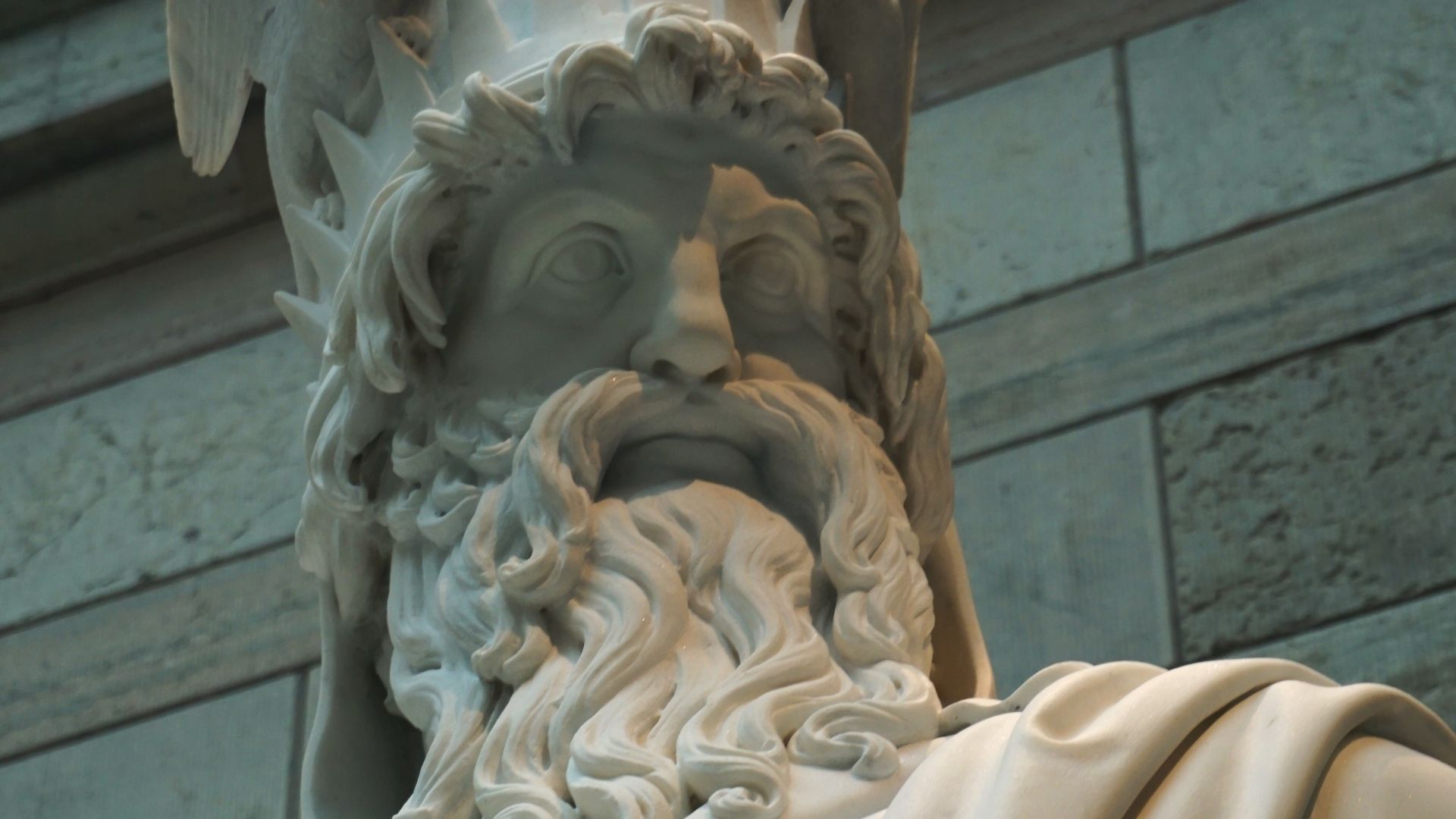 Bengt Erland Fogelberg, Wikimedia Commons

History's most fascinating stories and darkest secrets, delivered to your inbox daily.
4. He Was The Fairest And Fiercest Of Men
The sagas paint a flattering picture of Lothbrok, describing him as “the biggest and fairest of men that human eyes have seen”. Another account called him “a big man, handsome and well-provided with wisdom. He was good to his men and cruel to his enemies”. In short, the perfect Viking—almost, one dares to say, too perfect.
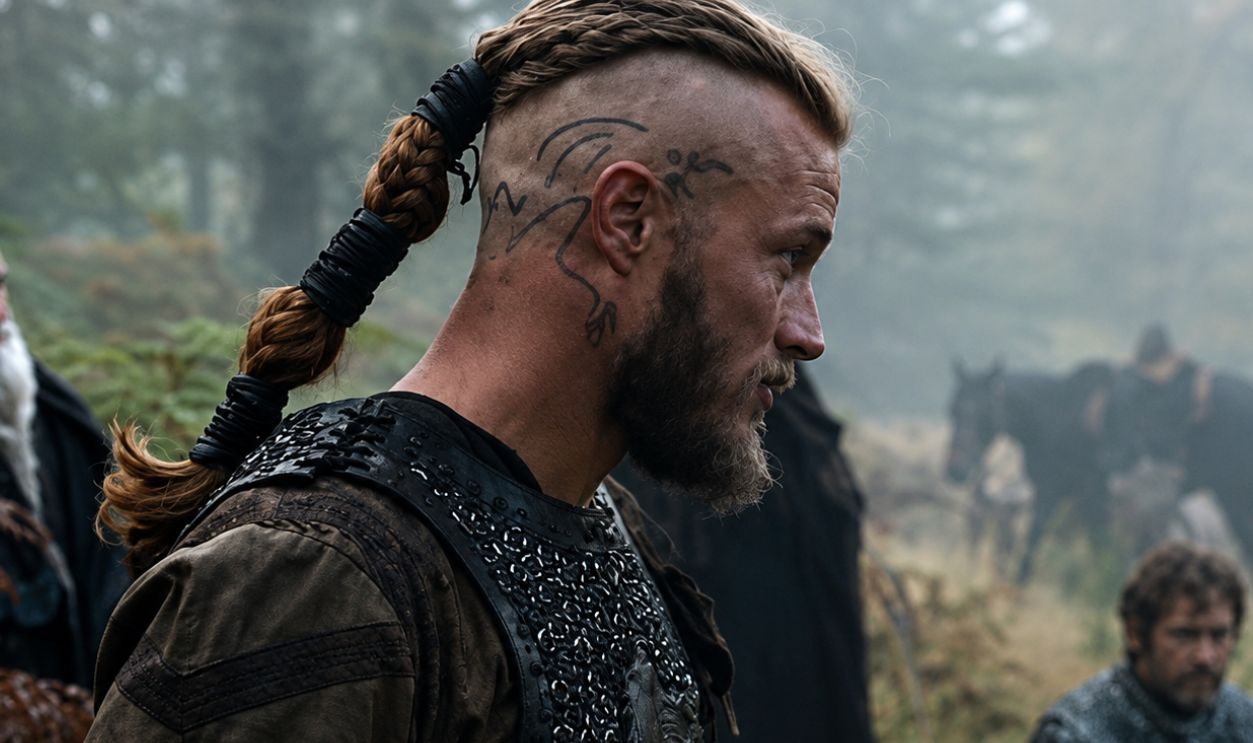 Screenshot from Vikings, MGM Television (2013-2021)
5. His Tale Wasn’t Told For Centuries
Ragnar Lothbrok and his Viking raiders were, it would seem, too busy raiding and pillaging to actually write down where they were raiding and what they were pillaging there. The richest accounts of his exploits, therefore, come from Icelandic sagas, composed decades and even centuries after he was in Valhalla. Even so, “certain scholars” have agreed that “at least part of Ragnar’s story” is historically accurate.
If it was his story at all.
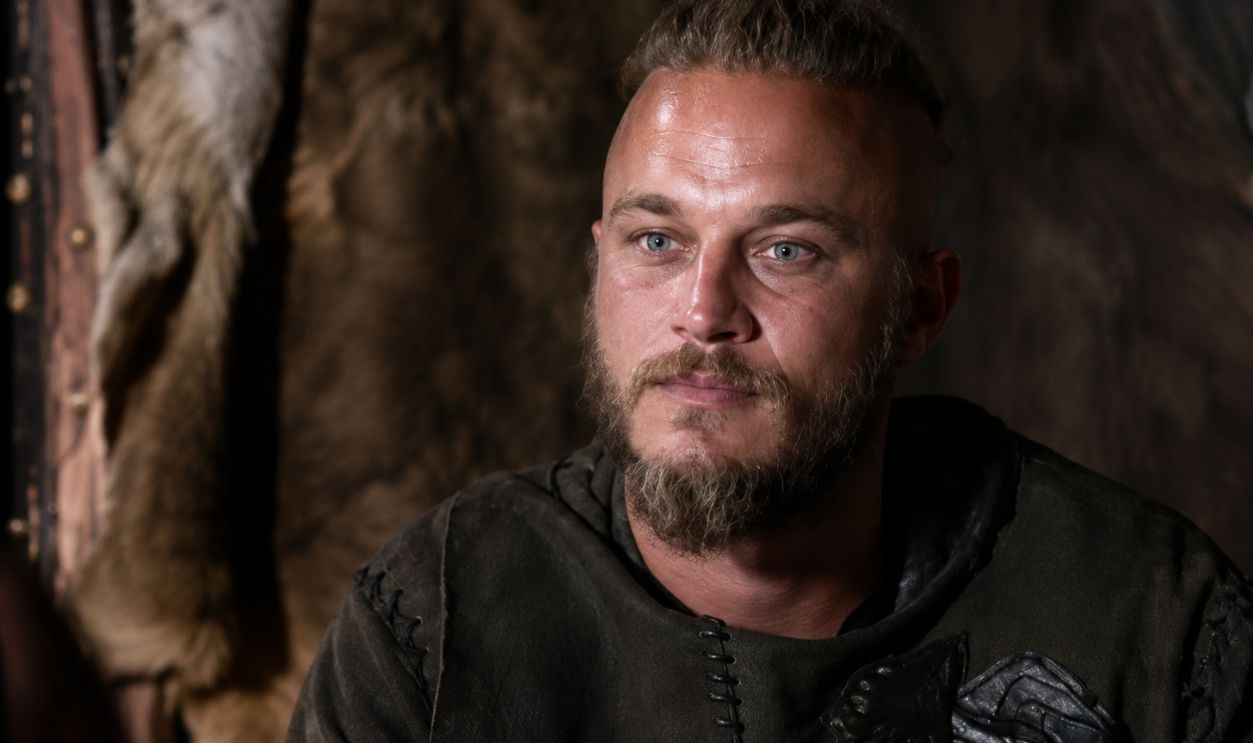 Screenshot from Vikings, MGM Television (2013-2021)
6. He May Have Been Several Vikings
Some scholars argue that the Lothbrok we know today is actually a composite character. They say that all or most of the exploits we attribute to Lothbrok are actually the real deeds of multiple Viking raiders whose victories slowly merged under a single name. A single name that, it should be noted, does not even appear consistently in the historical records.
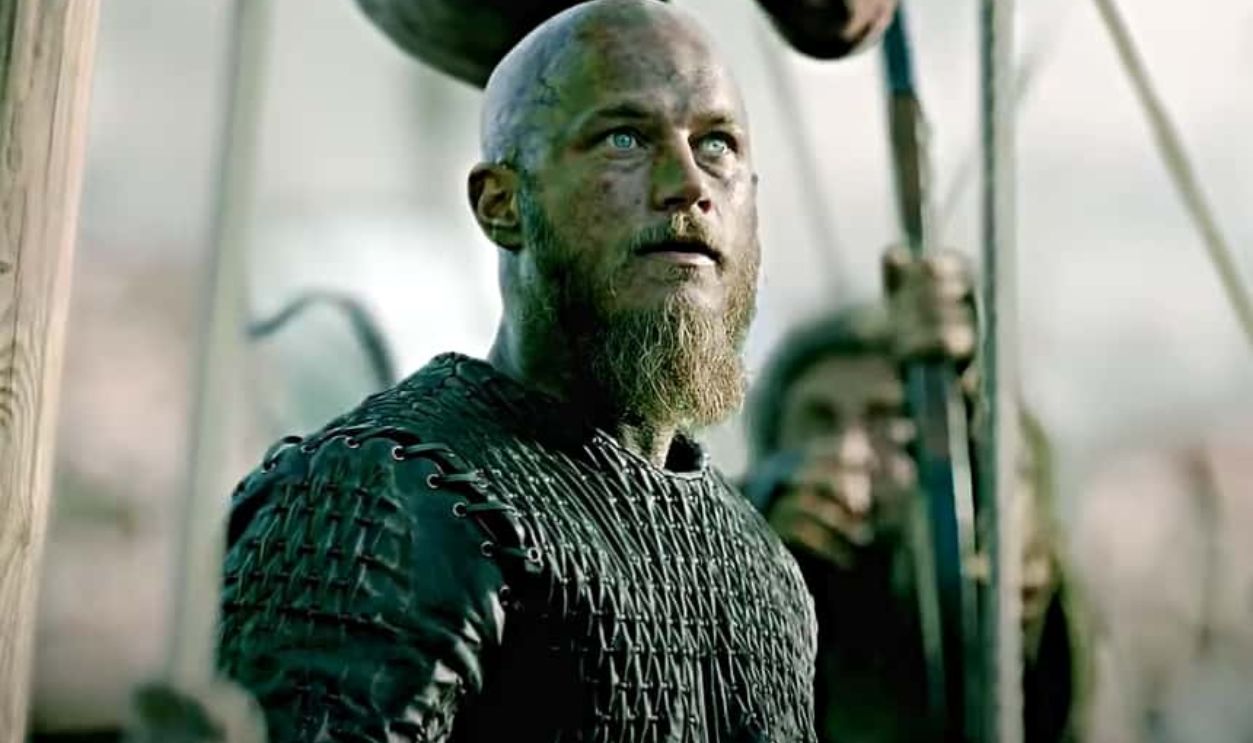 Screenshot from Vikings, MGM Television (2013-2021)
7. The Anglo-Saxons Recorded His Shadow
Historians mostly rely on the Anglo-Saxon Chronicle for their facts about Viking raiders. But, even this generally reliable source offers little clarity on Lothbrok. The Chronicle mentions two formidable Viking raiders in 840 AD: one called “Ragnall” and another “Reginherus”. Most experts believe both names point to the same man—Ragnar Lothbrok.
And his exploits are truly legendary.
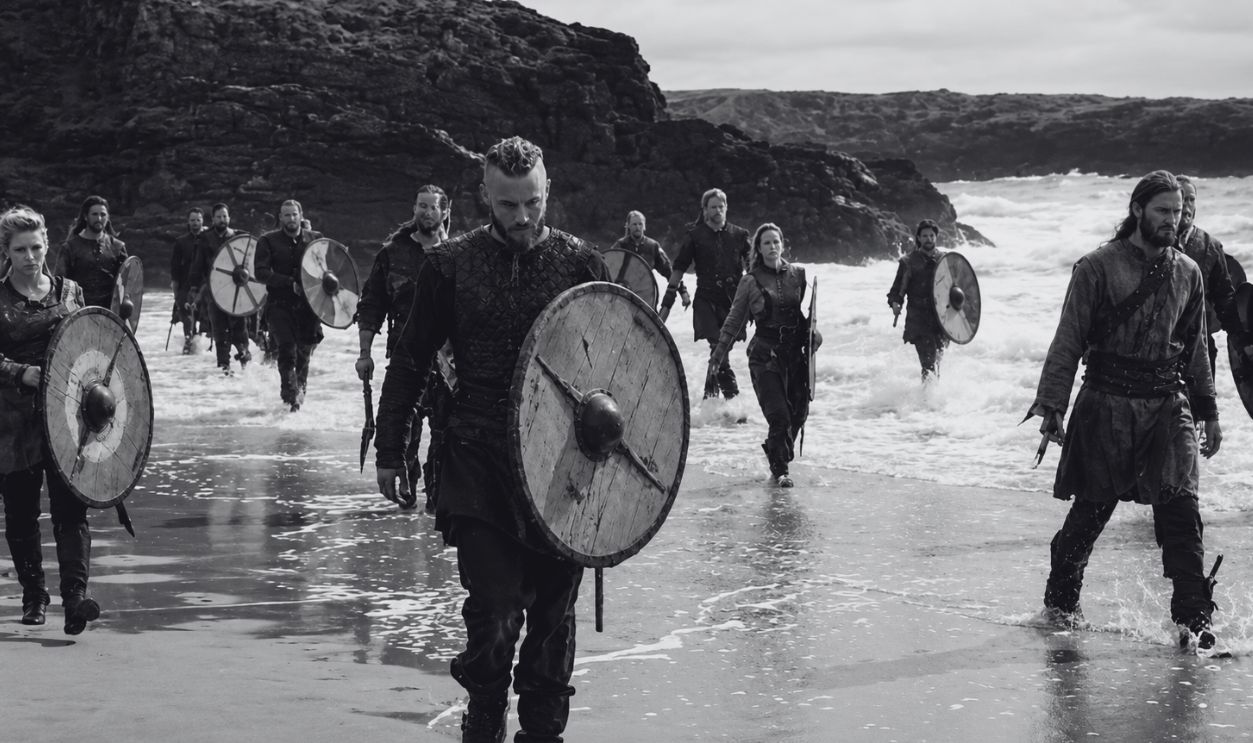 Screenshot from Vikings, MGM Television (2013-2021)
8. He Slew A Giant Serpent
The first act of heroic bravery attributed to Lothbrok sounds like it comes straight out of a fairy tale. As per the legend, Lothbrok faced down a “giant snake” (sometimes said to be a dragon) that was guarding the fair maiden Thora Borgarhjort. Once he slew the beast, he rescued the damsel and earned her hand in marriage.
Along with a funny name.
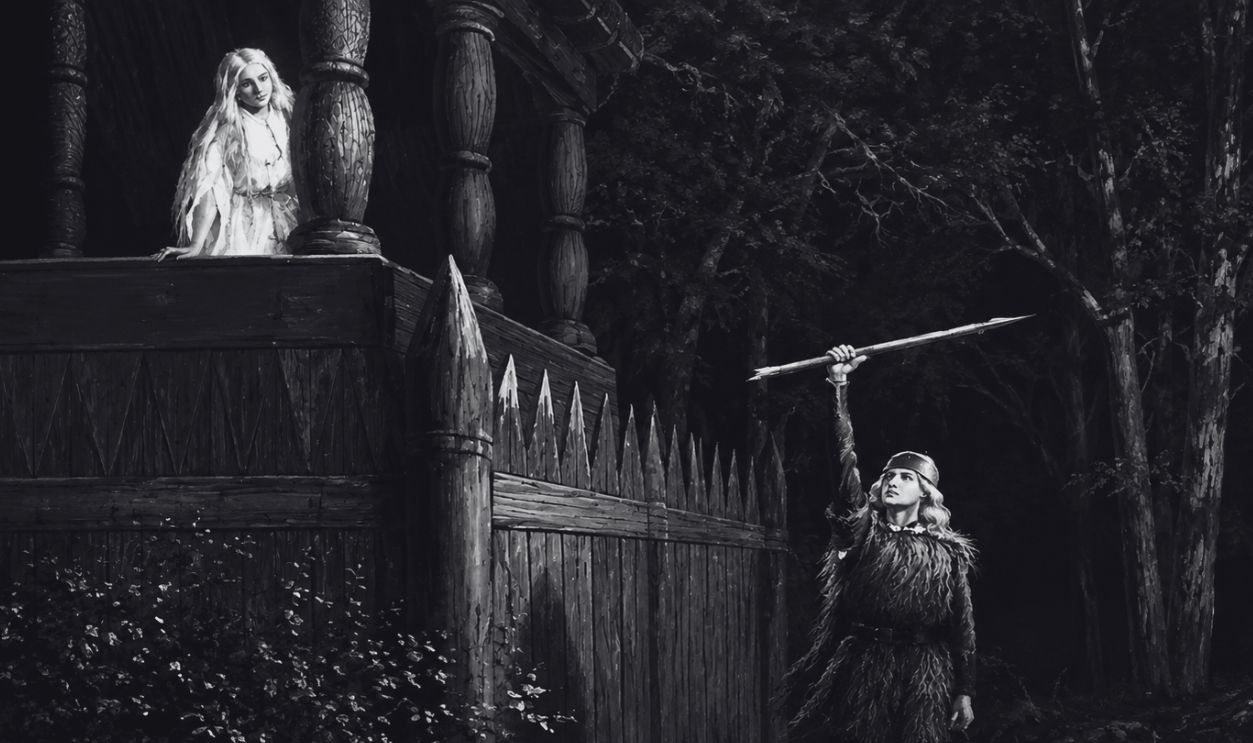 Jenny Nystrom, Wikimedia Commons, Enhanced
9. His Boots Gave Him His Name
Battling a dragon was no easy feat, and Lothbrok needed special armor. According to legend, in his battle against the serpent, Lothbrok wore cow-hide trousers boiled in tar. The result was a “shaggy” protective layer. The unusual outfit earned him the nickname “Lodbrok”—meaning “hairy-breeches”. Clearly, however, the ladies liked his threads.
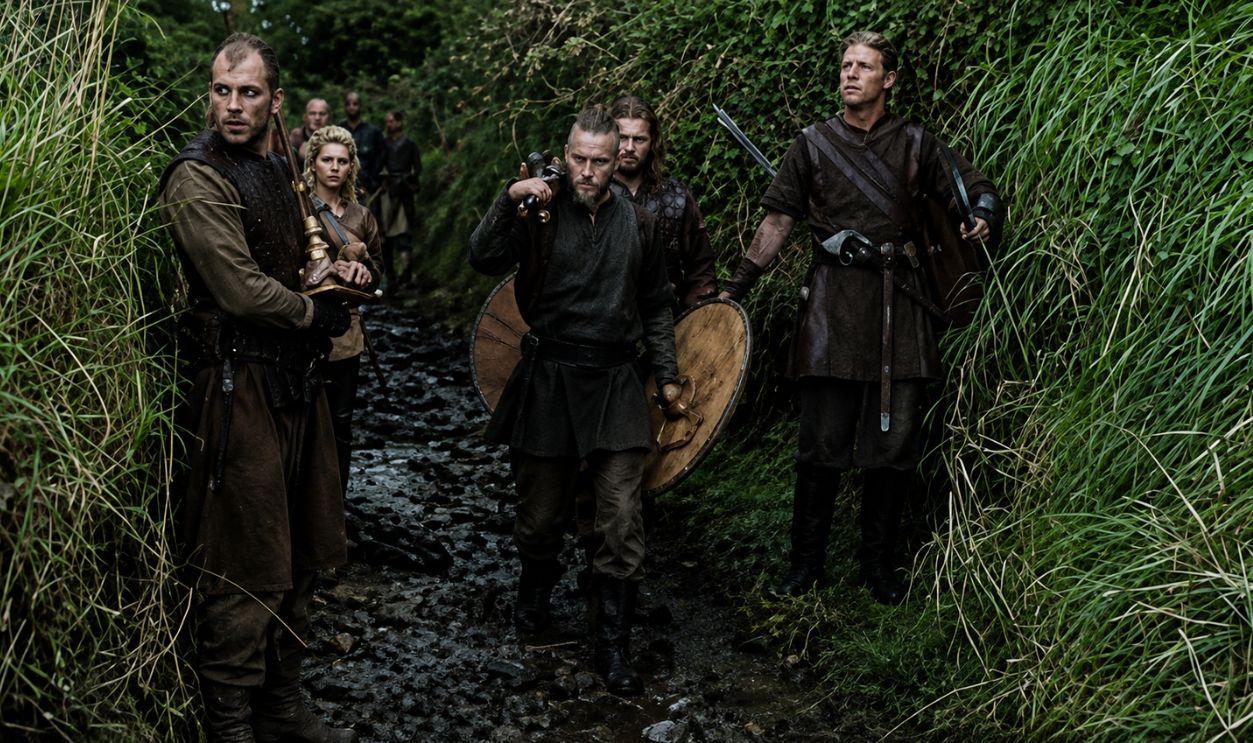 Screenshot from Vikings, MGM Television (2013-2021)
History's most fascinating stories and darkest secrets, delivered to your inbox daily.
10. He Hounded Down His First Wife
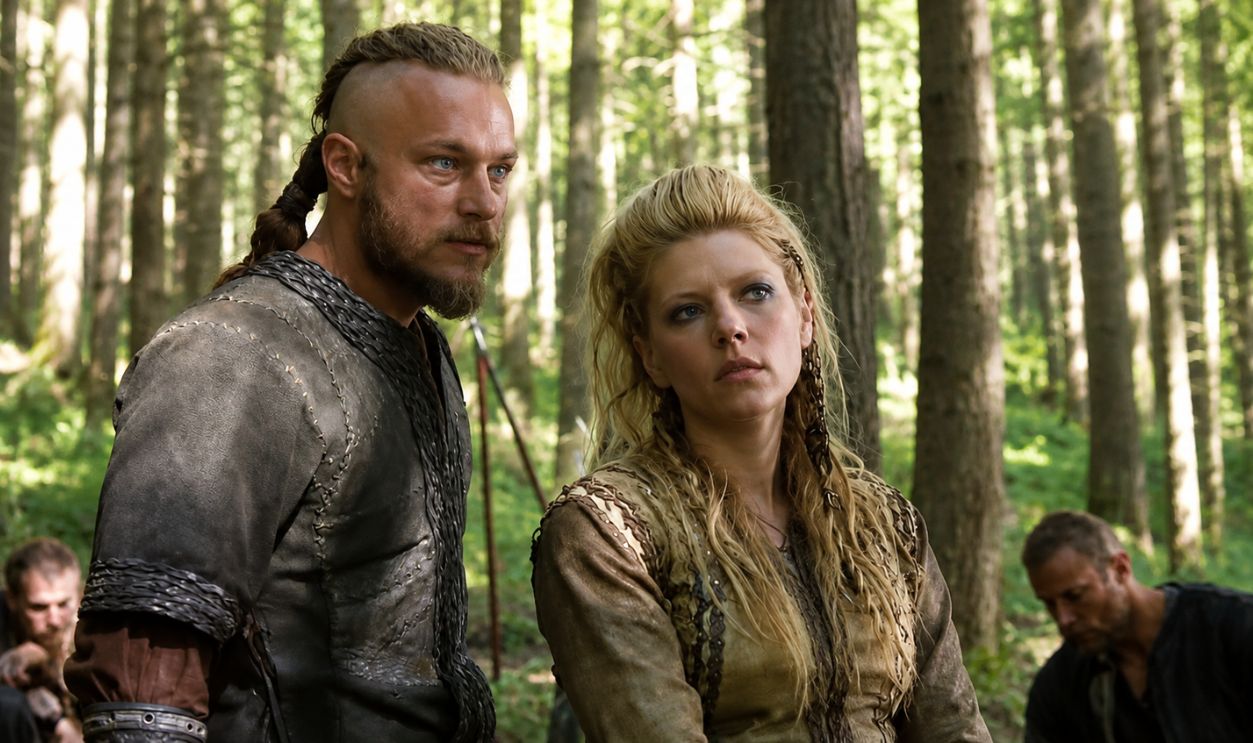
One of the few facts about Lothbrok that most historians would agree on is that he had three wives. They probably wouldn’t agree on how he “won” these wives. According to legend, Lothbrok’s first wife was not actually Thora Borgarhjort, but Lagertha, a fierce shieldmaiden. To win her hand, he slew a bear and a massive hound that prowled outside her home.
Seems like their marriage was a happy one.
 Screenshot from Vikings, MGM Television (2013-2021)
11. He Left His First Wife
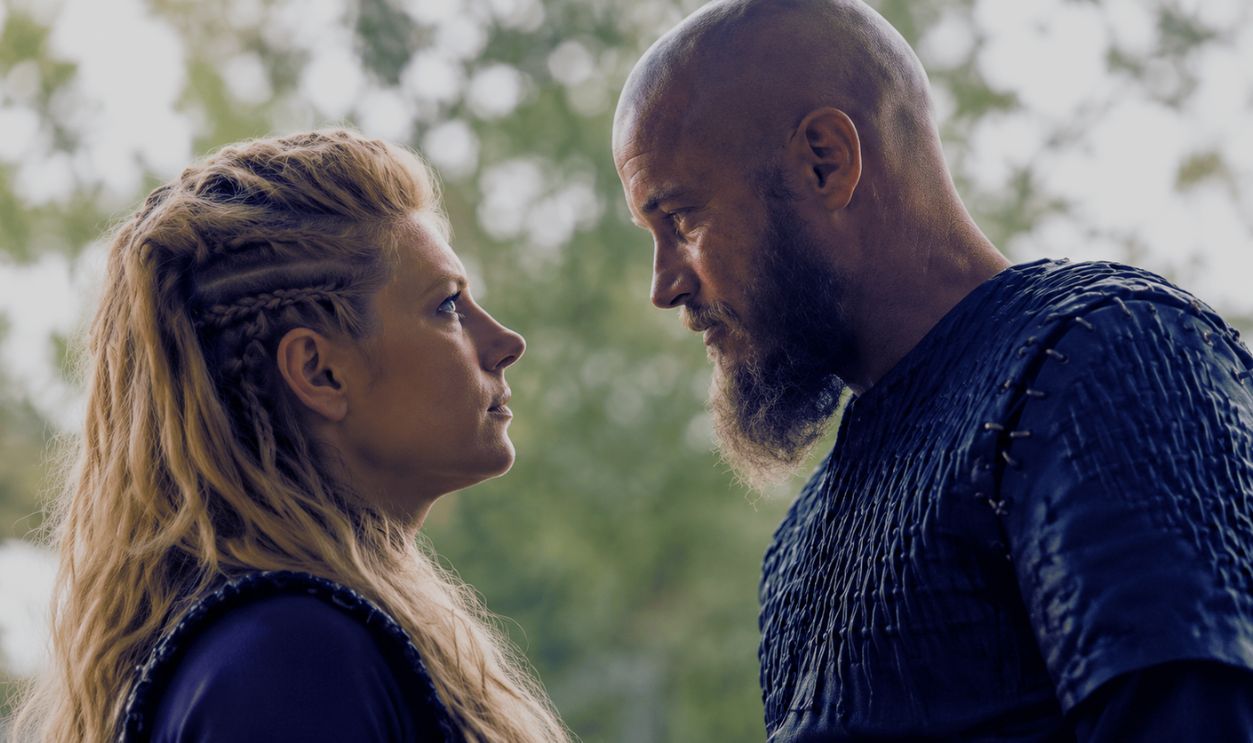
The Danish historian Saxo Grammaticus provides some of the only accounts of Lothbrok’s turbulent marriages and private life. Grammaticus claimed that Lothbrok had a son, Fridleif, and two daughters with Lagertha. However, despite a fruitful marriage, Grammaticus claims that Lothbrok later “repudiated” (essentially, divorced her) his first wife. Perhaps in favor of wife number two.
 Screenshot from Vikings, MGM Television (2013-2021)
12. He Married A Princess
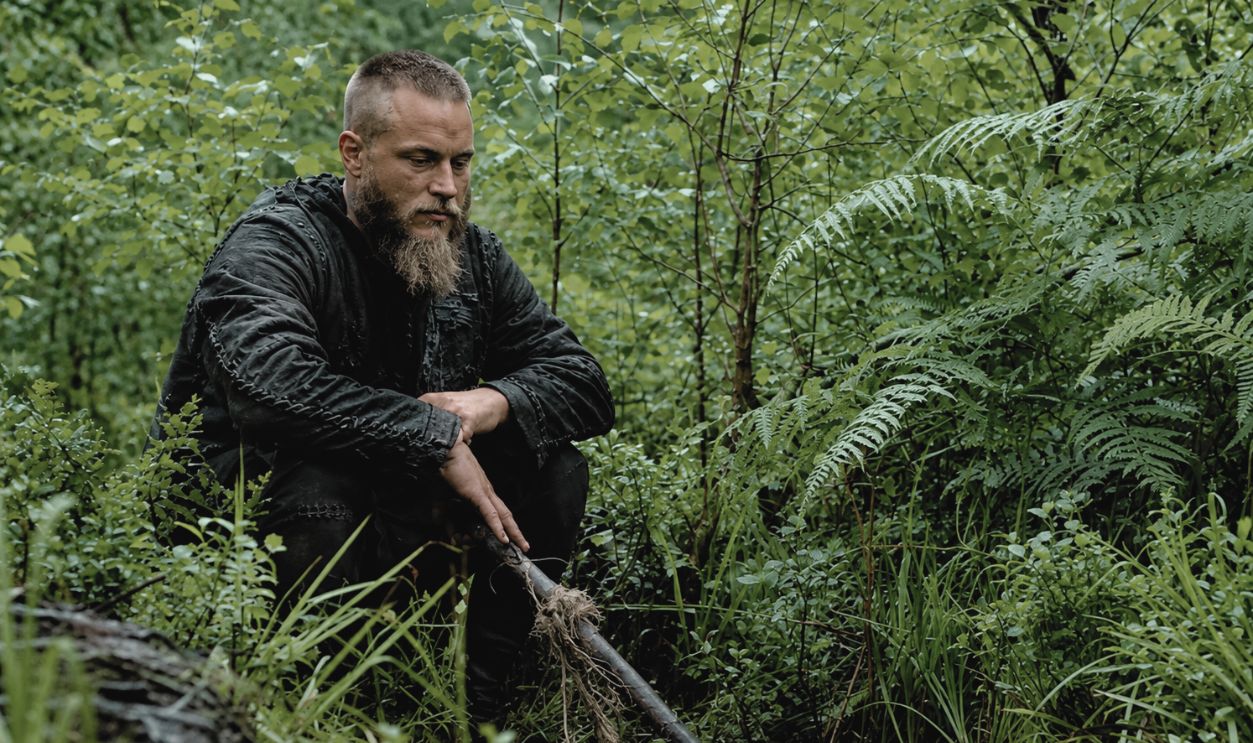
As we already know, Lothbrok won the hand of Thora Borgarhjort in marriage after slaying the dragon that was guarding her. But Thora wasn’t just a damsel in distress—she was a princess, daughter of the Swedish King Herrauðr. Grammaticus again records Lothbrok’s children with Thora, naming “Radbard, Dunvat, Sigurd Snake-in-the-Eye, Björn Ironside, Agnar, and Ivar the Boneless”.
However, most historians think Lothbrok’s famous sons had a different mother.
 Screenshot from Vikings, MGM Television (2013-2021)
13. He Found A Secret Wife
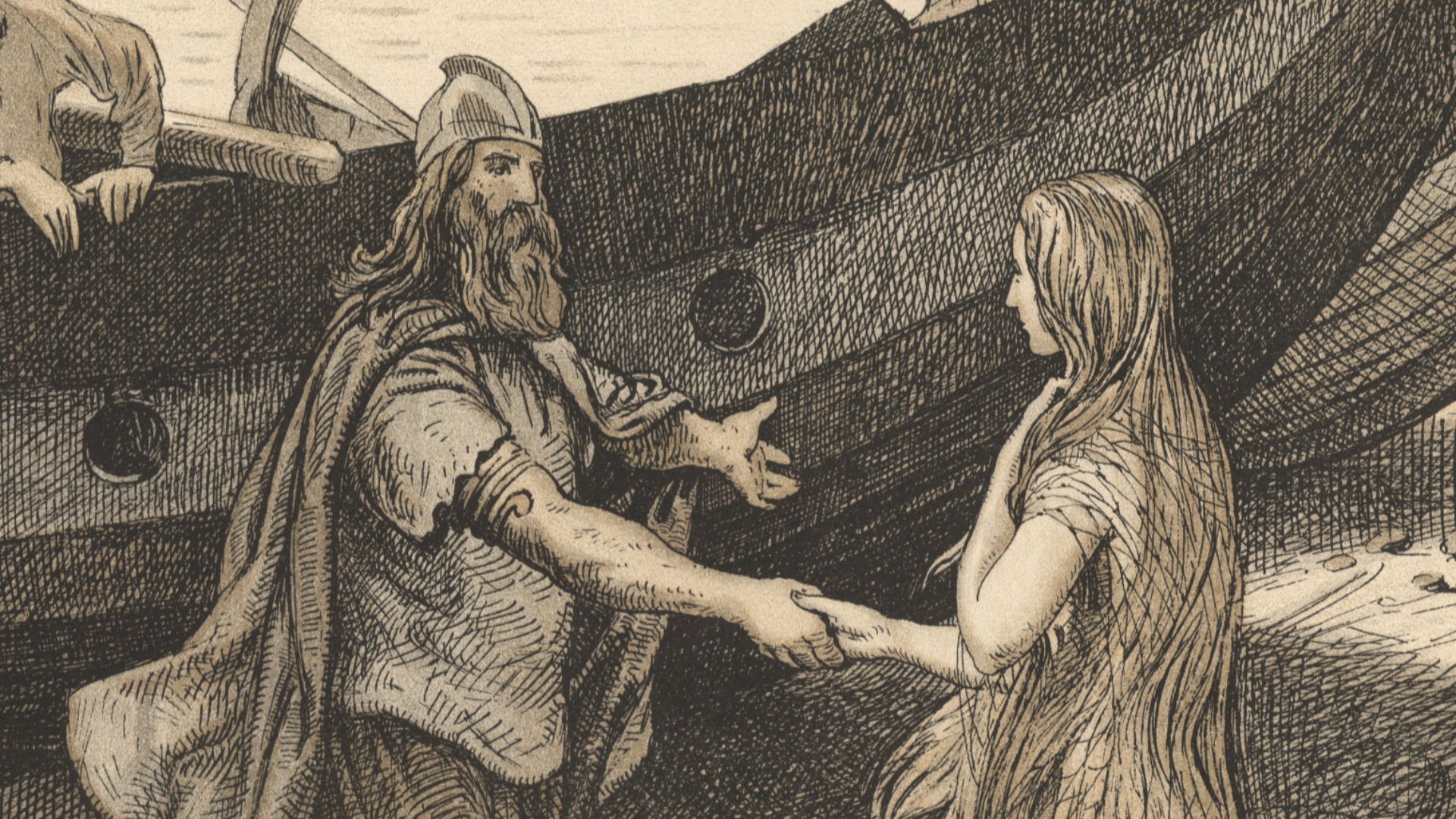
According to the sagas, Thora passed from an unknown illness, leaving Lothbrok all alone. Though not for long. Lothbrok is said to have fallen in love with Kráka, an “outstandingly” beautiful and wise woman. The Tale of Ragnar Lodbrok states that Ivar the Boneless, Björn Ironside, and Sigurd Snake-in-the-Eye were the product of Lothbrok’s marriage to Kráka, not Thora Borgarhjort.
But even that’s not certain.
14. His Wife Wasn’t Kráka After All
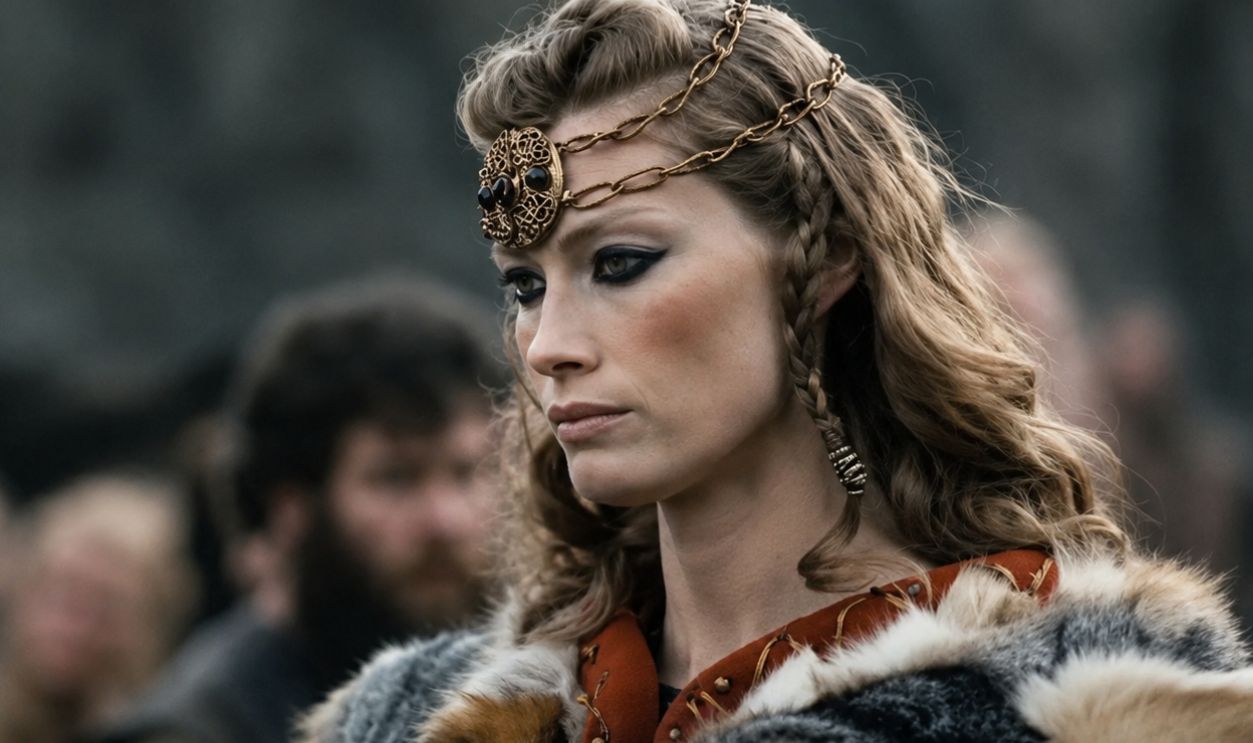
When Lothbrok met Kráka, she was staying with a peasant couple. But Kráka wasn’t her real identity. Kráka was actually Aslaug, the hidden daughter of Sigurd Fafnesbane (a dragon-slayer himself) and a fearsome shieldmaiden, Brynhildr. Unlike his marriages to Thora Borgarhjort and Lagertha, Lothbrok didn’t have to slay a beast to win his damsel.
Once Aslaug solved Lothbrok’s riddle, the mythological couple got married.
 Screenshot from Vikings, MGM Television (2013-2021)
15. He (Possibly) Had A Fourth Wife
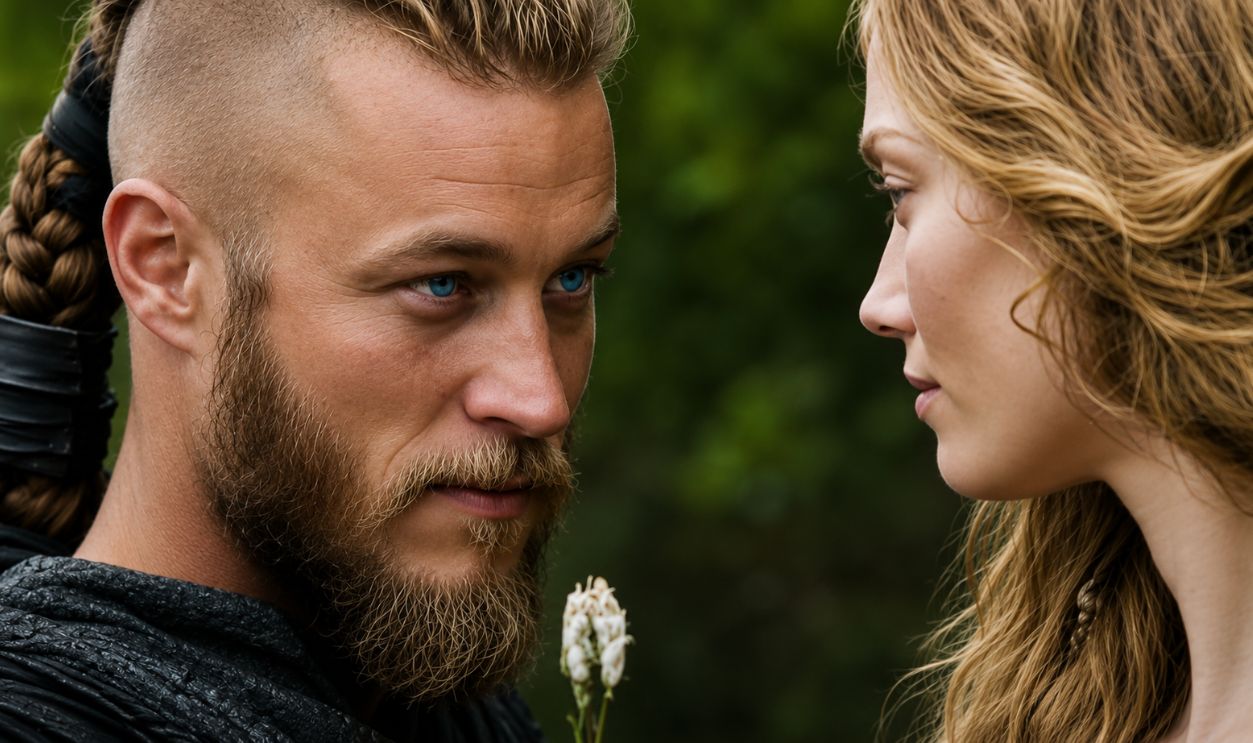
In Gesta Danorum, Grammaticus’ magnum opus, another woman crops up in Lothbrok’s life. While most sources agree that Lothbrok only had three wives, Grammaticus lists a possible fourth as Svanlaug (or Swanloga). Even so, it’s possible that Svanlaug was just another name for Aslaug. That said, it’s not like Lothbrok was known for his fidelity to marriage.
 Screenshot from Vikings, MGM Television (2013-2021)
History's most fascinating stories and darkest secrets, delivered to your inbox daily.
16. He May Have Had Another Lover
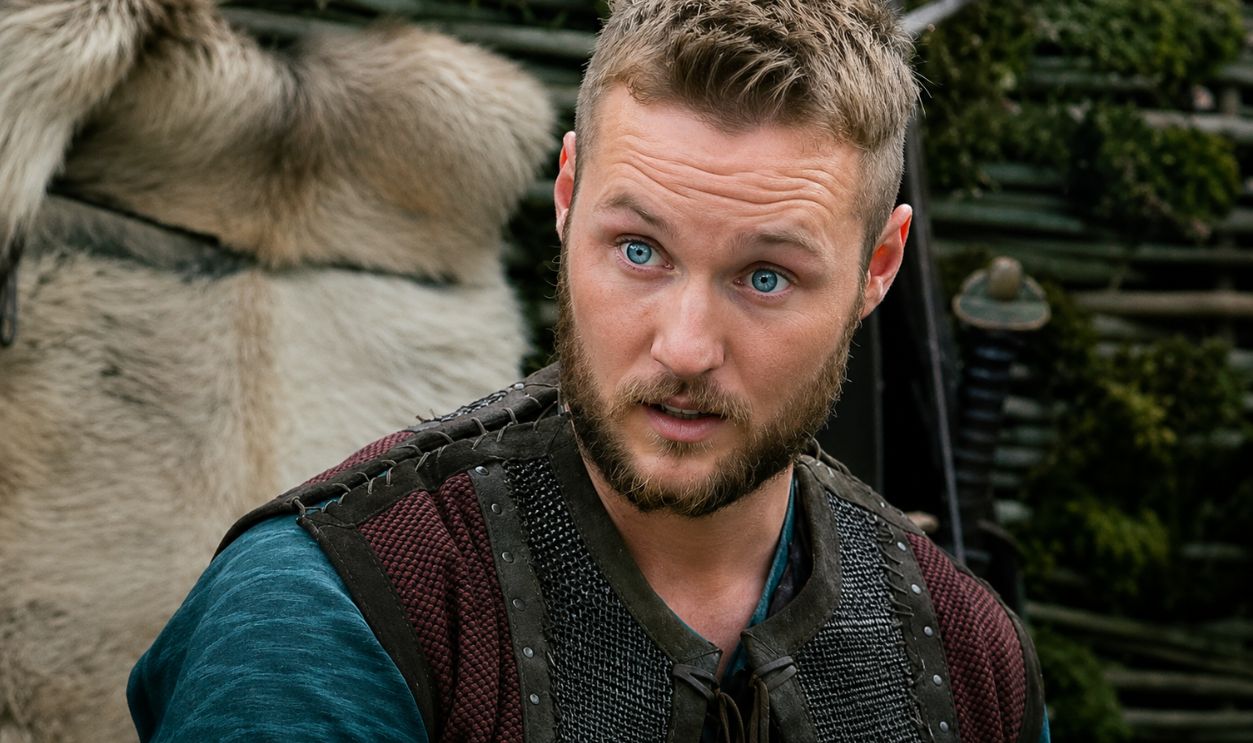
In writing on Danish history, Grammaticus had more to say about Lothbrok’s marriages—and trysts. The famed historian records that Lothbrok had another son, Ubbe, from a possibly extramarital affair with an unnamed woman. With all of those little Odinsons running around, it was understandably hard for Lothbrok to keep track.
 Screenshot from Vikings, MGM Television (2013-2021)
17. His Sons Were Definitely Real
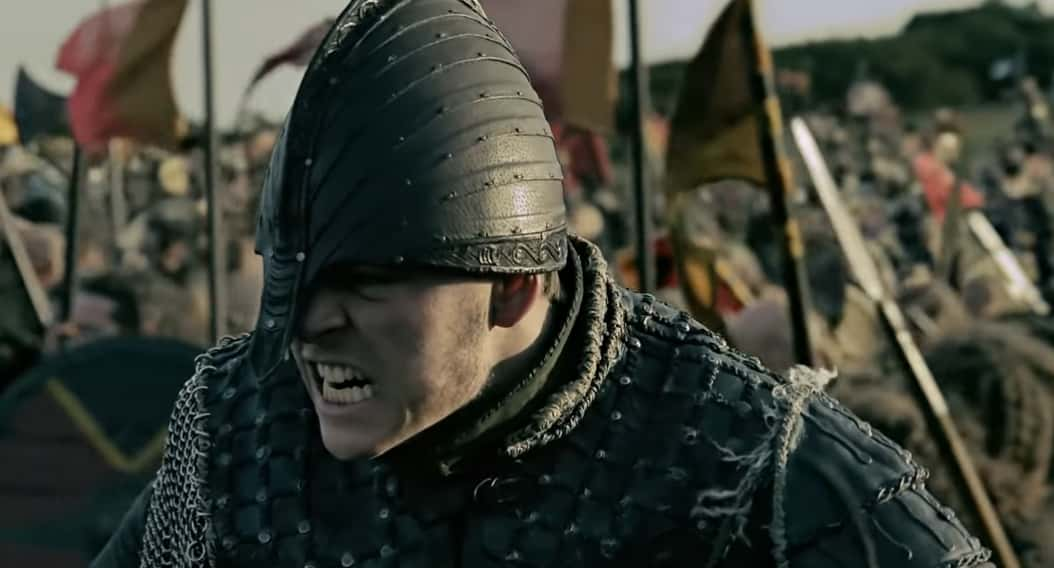
Lothbrok’s dragon-slaying and hound-fighting might have been mythological, but his sons almost certainly were not. Multiple historical records from different times and places confirm that many of Lothbrok’s sons actually existed. Ivar the Boneless, Ubbe, Sigurd Snake-in-the-Eye, Fridleif, Halfdan Ragnarsson, and Björn Ironside are all confirmed historical figures.
And almost all of them would outshine their father.
 Screenshot from Vikings, MGM Television (2013-2021)
18. His Son Was “Utterly Cruel”
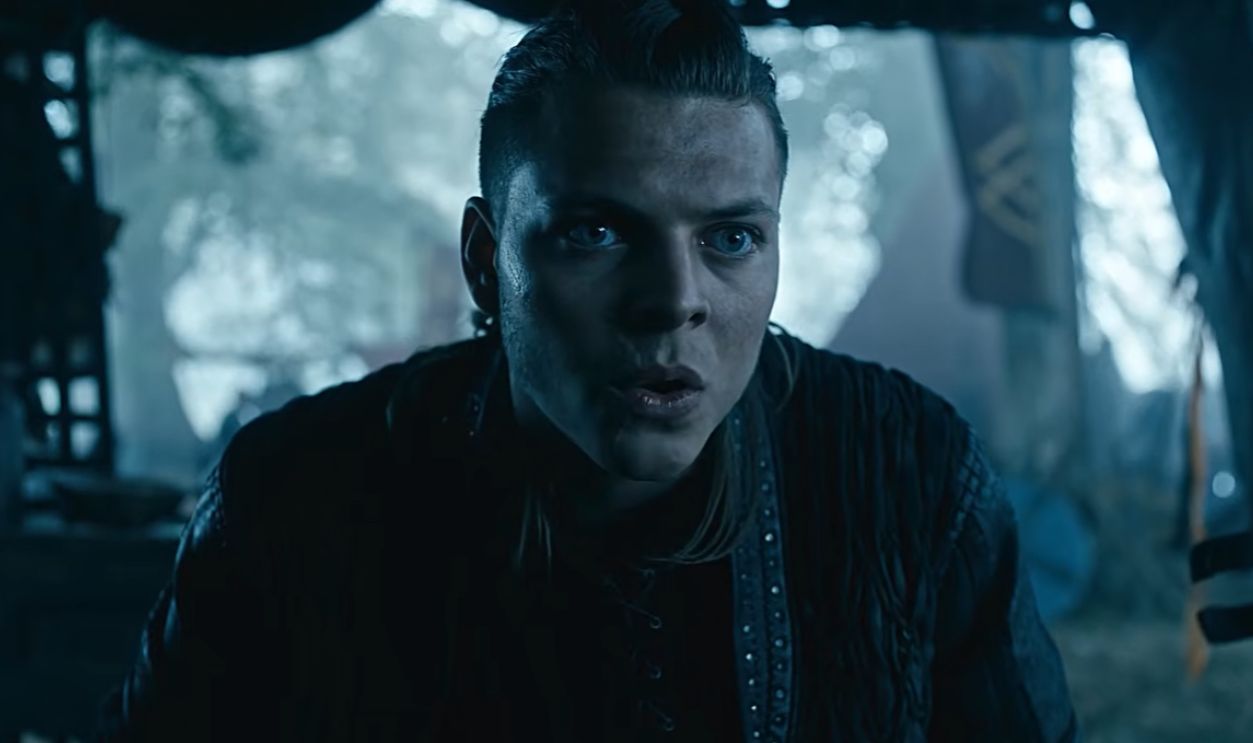
Given that his sons certainly existed, historians have been on the hunt for conclusive evidence that proves Lothbrok, too, was an actual man and not just a myth. One of the pieces of evidence they often point to comes from the Chronicon Roskildense—a 12th-century historical document—that calls Lothbrok (spelled “Lothpardus”) the father of “the utterly cruel Norse King Ywar [likely Ivar the Boneless] and his brothers”.
 Screenshot from Vikings, MGM Television (2013-2021)
19. His Name Went Down In History
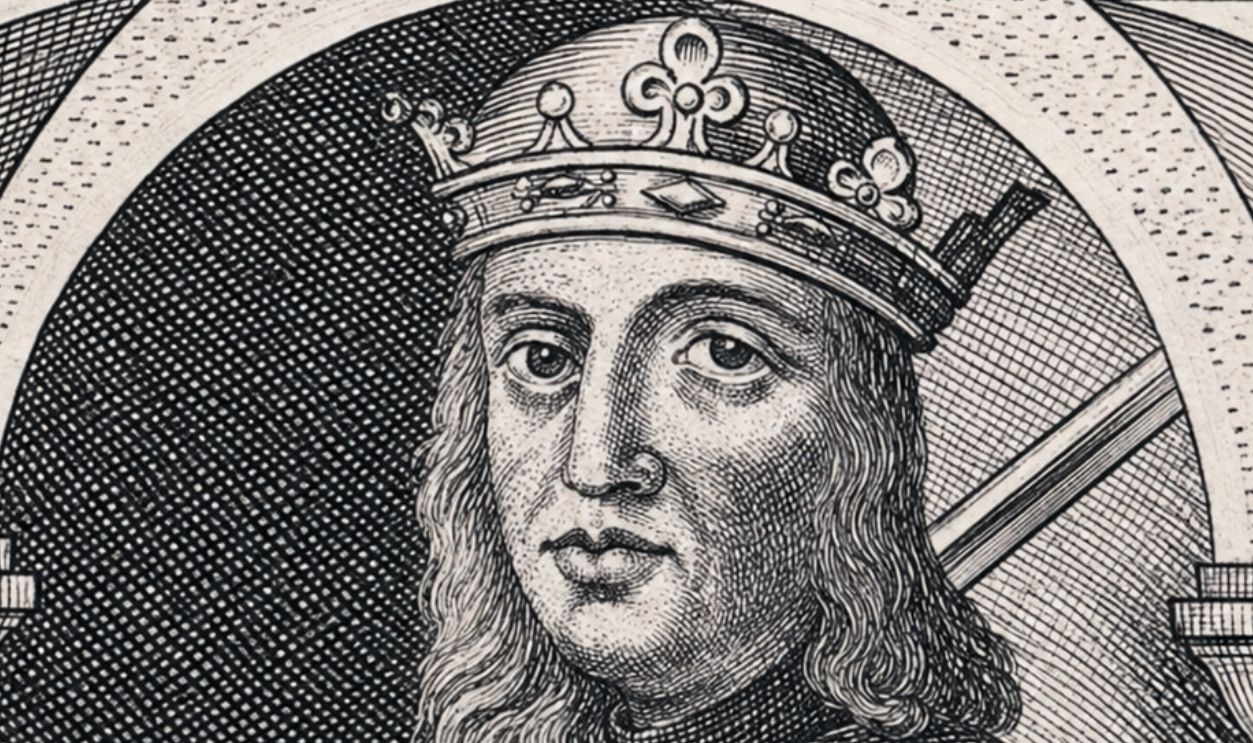
Around 1190, the Danish chronicler Sven Aggesen became the first person in recorded history to use Lothbrok’s full name as we know it today: “Regnerus Lothbrogh”. Aggesen’s account was given more weight given that he claimed that it was Lothbrok’s son, Sigurd Snake-in-the-Eye, who invaded Denmark, sent its king to Valhalla, and married his daughter before assuming the throne for himself.
All pretty factually accurate.
 Erico Olai Tormio (publisher), Wikimedia Commons, Enhanced
20. His Legend Spread To Iceland
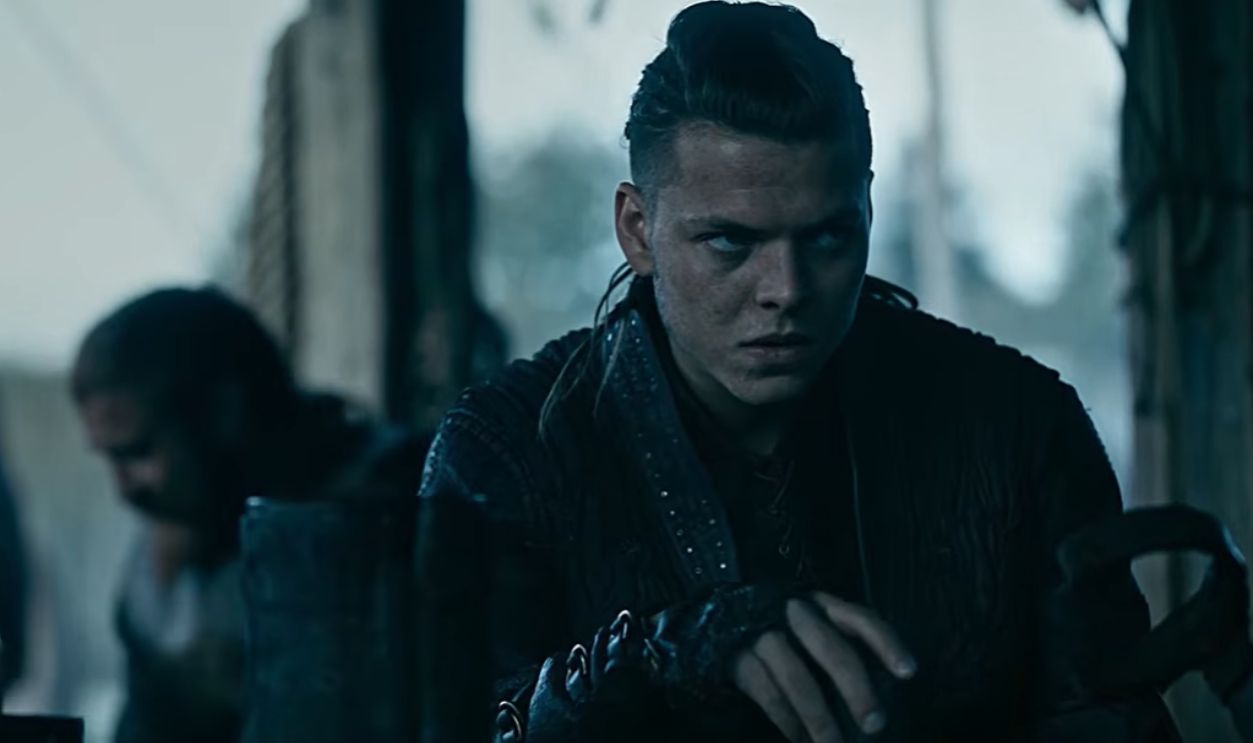
By the 12th-century, real or fake, Lothbrok’s legend had spread far and wide across the Nordic world. The Icelandic scholar Ari Thorgilsson, writing sometime between 1120 and 1133, confirmed details of Lothbrok’s exploits. Namely, Thorgilsson claimed that it was “Ivar, son of Ragnar Lothbrok” who had put an end to King Edmund of East Anglia.
It wasn’t long before the bards got in on the legend.
 Screenshot from Vikings, MGM Television (2013-2021)
21. He Was A Muse For Poets
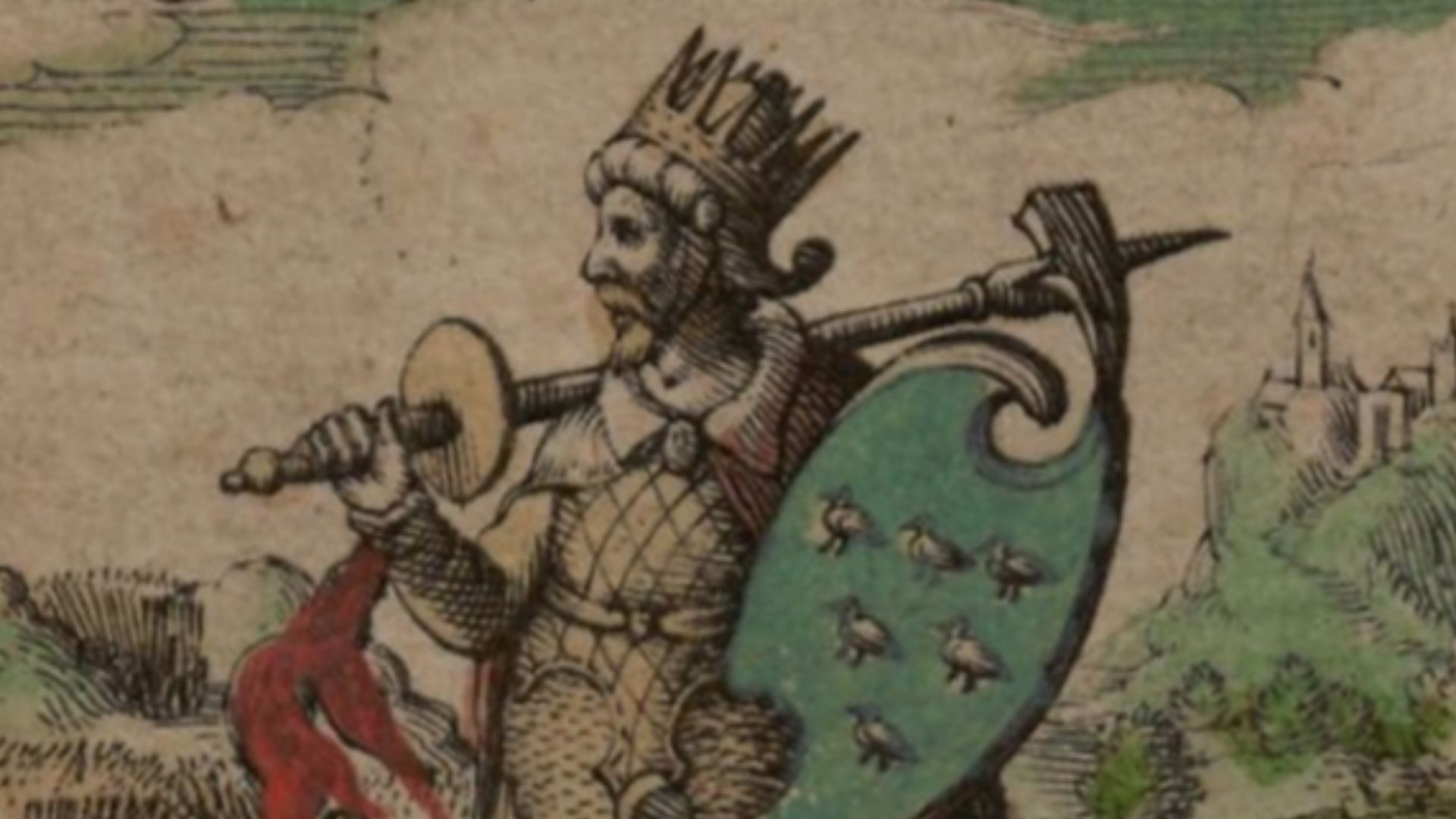
The poets did as much to immortalize Lothbrok as the historians. The 9th-century poet Bragi Boddason composed Ragnarsdrápa, a skaldic poem that made Lothbrok a legend. Though there is some debate over the poem’s exact origins, its story is clear. The lyrics praise “Ragnar, son of Sigurd” and talk about his “richly decorated shield”.
The only shield he would need, however, would be from his own sons.
History's most fascinating stories and darkest secrets, delivered to your inbox daily.
22. He Banished His Son
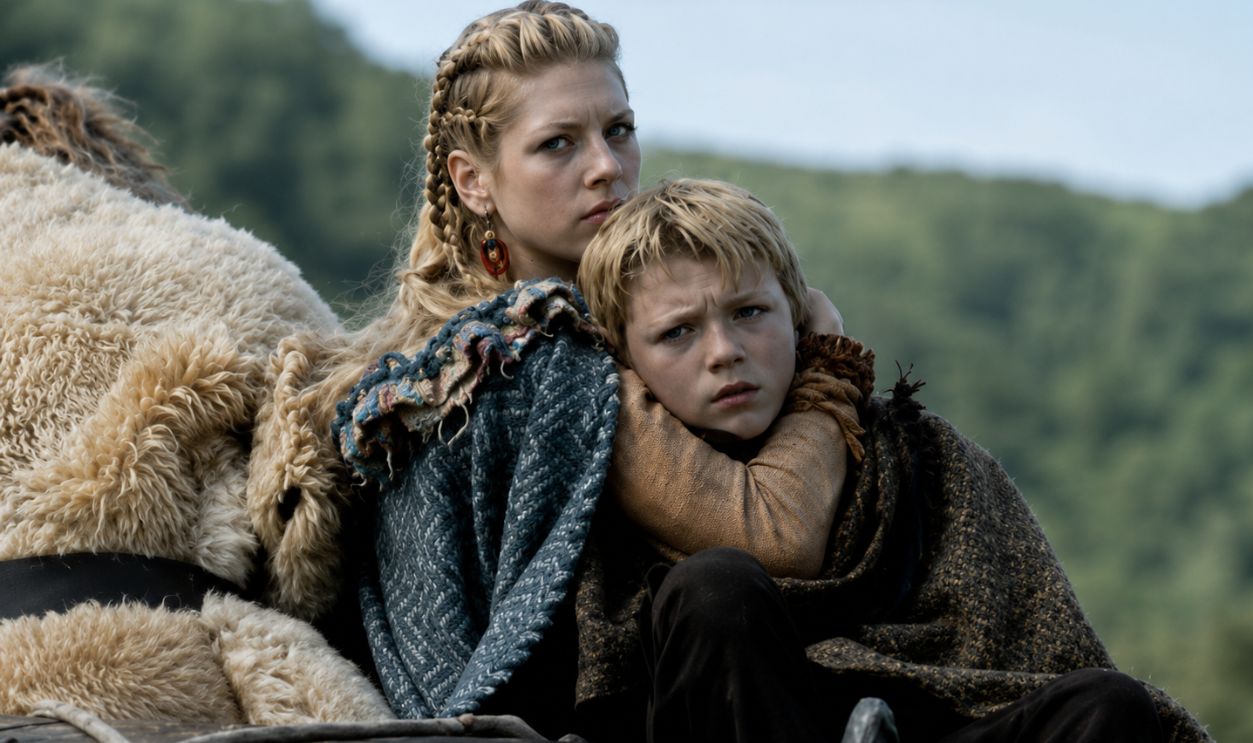
Part of the difficulty in confirming Lothbrok’s life and exploits is that almost all of the information about him comes from Norse sources. That is, until the Norman historian William of Jumièges wrote about “King Lodbrok of Denmark” who banished his son, Björn Ironside, from his realm. History definitely records Björn raiding and pillaging from Normandy to the Mediterranean.
Lothbrok’s other sons were just as fearsome.
 Screenshot from Vikings, MGM Television (2013-2021)
23. His Son Was Cruel To Christians
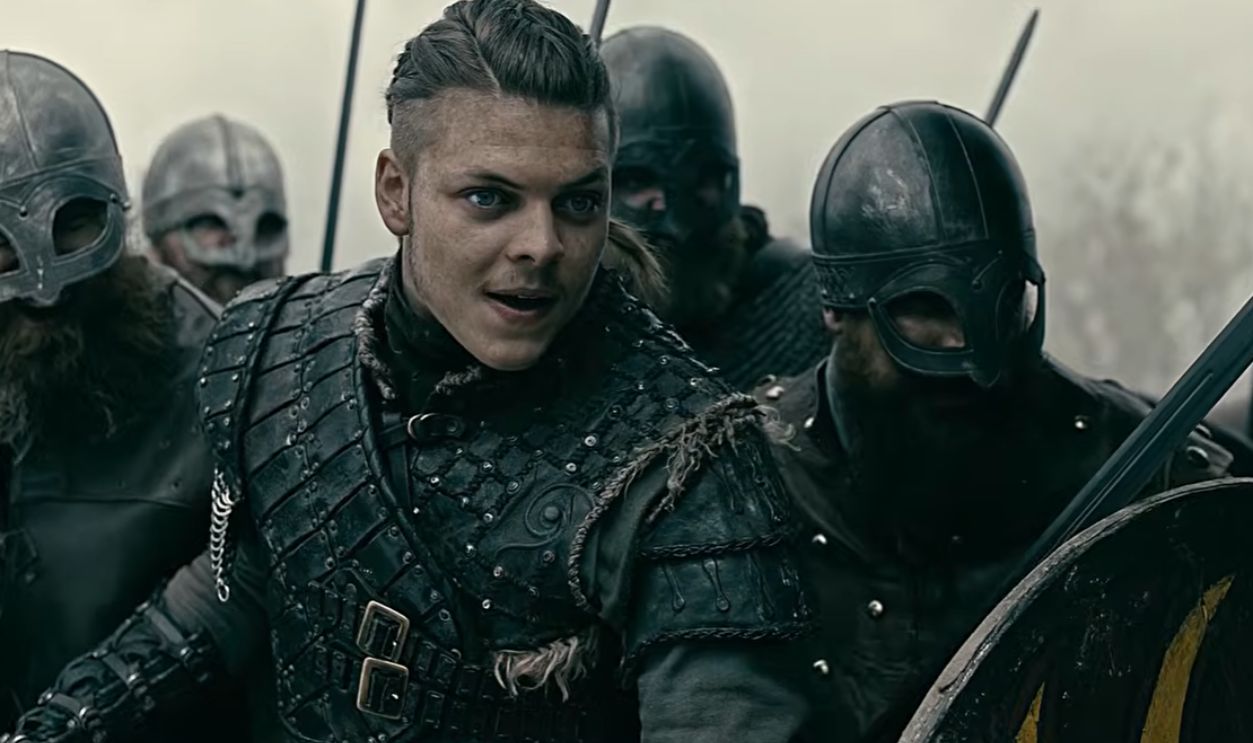
In writing a history of the Archbishopric of Hamburg-Bremen, the chronicler Adam of Bremen makes passing mention of Lothbrok that warrants further scrutiny. Adam wrote about the cruelty of Ivar the Boneless and his “Norse warriors” (read: Vikings) towards Christians. And he made sure to mention that Ivar was “filius Lodparchi”—Lothbrok’s son.
But, was Lothbrok even a man?
 Screenshot from Vikings, MGM Television (2013-2021)
24. He Might Have Been A Woman
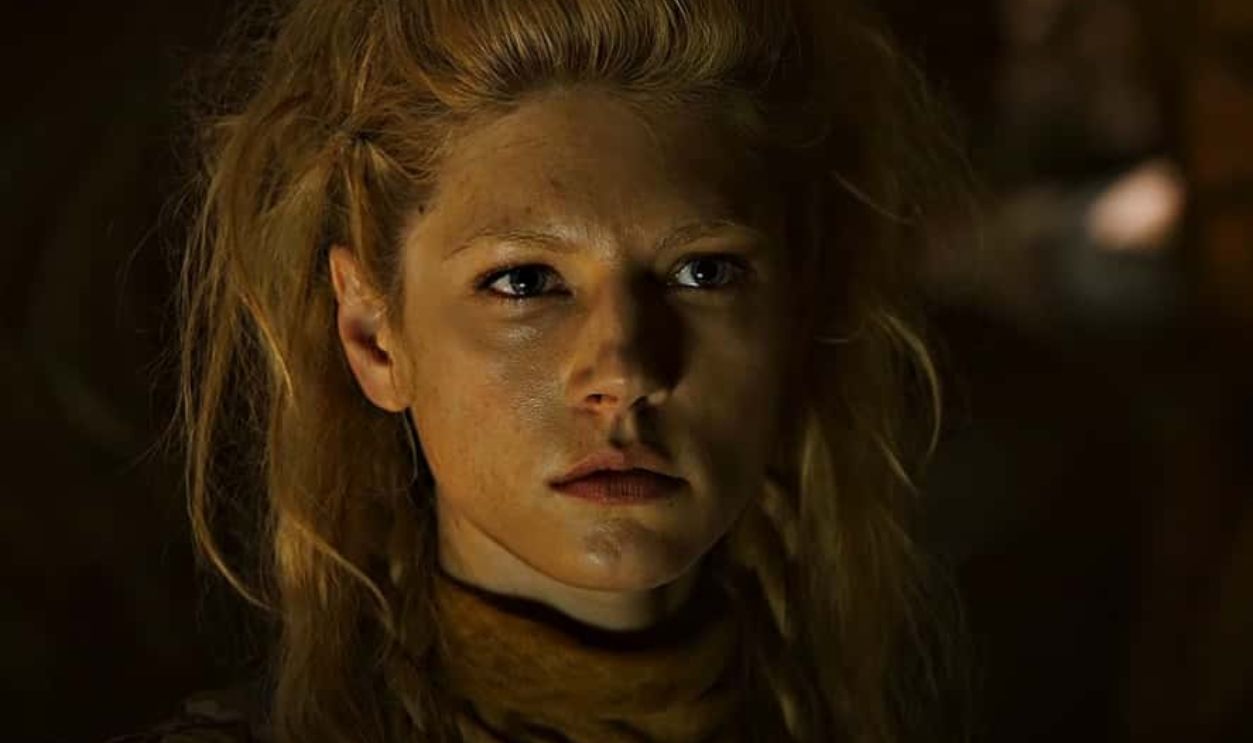
The famous chambered tomb in Maeshowe on Orkney has the only confirmed “runic inscription” that actually mentions Lothbrok. Though, not in any way you might expect. “This howe was built a long time before Lodbrok’s,” the inscription reads. “Her sons, they were bold; scarcely ever were there such tall men of their hands”.
The inclusion of “her sons” has led some to believe that Lothbrok was a shieldmaiden!
 Screenshot from Vikings, MGM Television (2013-2021)
25. He Blitzed His Opponents
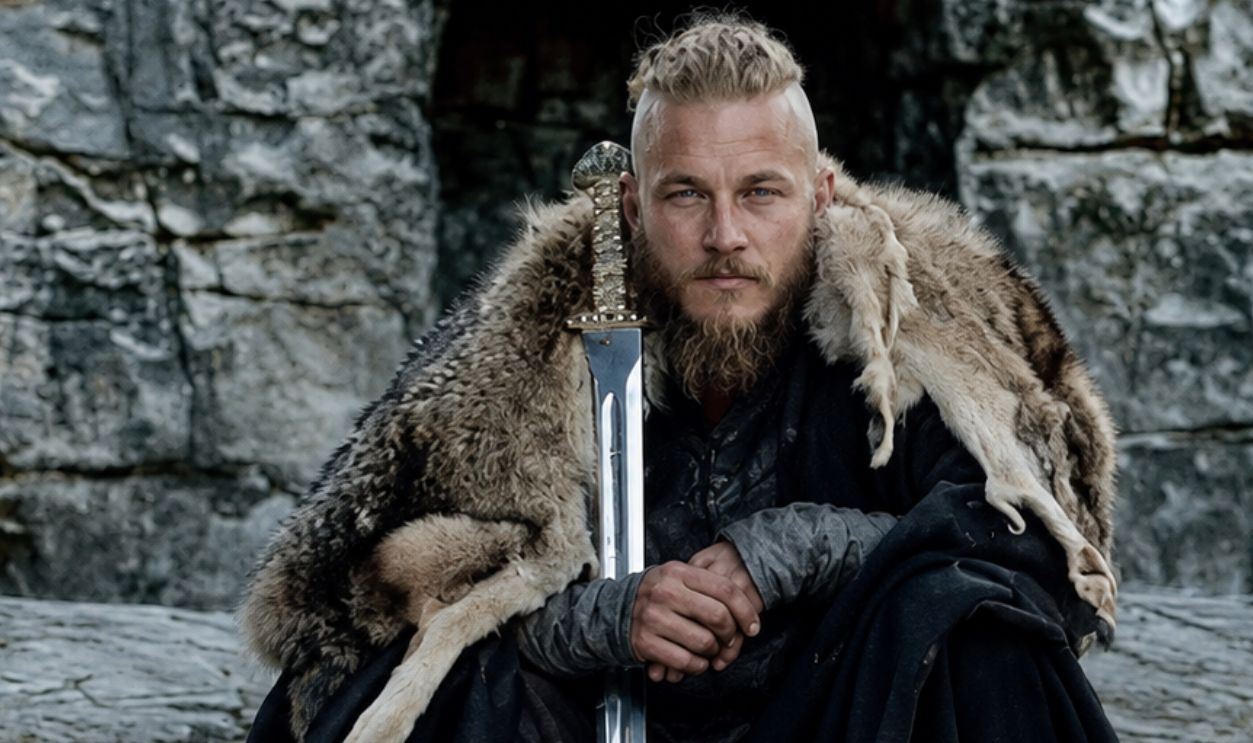
Fact or fiction, man or myth—or, man or woman, as the case may be—Lothbrok was one thing above all: terrifying. Multiple sources confirm that Lothbrok was an expert at the Viking style of conflict, the dreaded “blitzkrieg”. Striking hard and fast and only when he had the upper hand, Lothbrok instilled fear in his opponents before they could even mount a proper defense.
Paris was about to learn all about Lothbrok’s blitzkrieg tactics.
 Screenshot from Vikings, MGM Television (2013-2021)
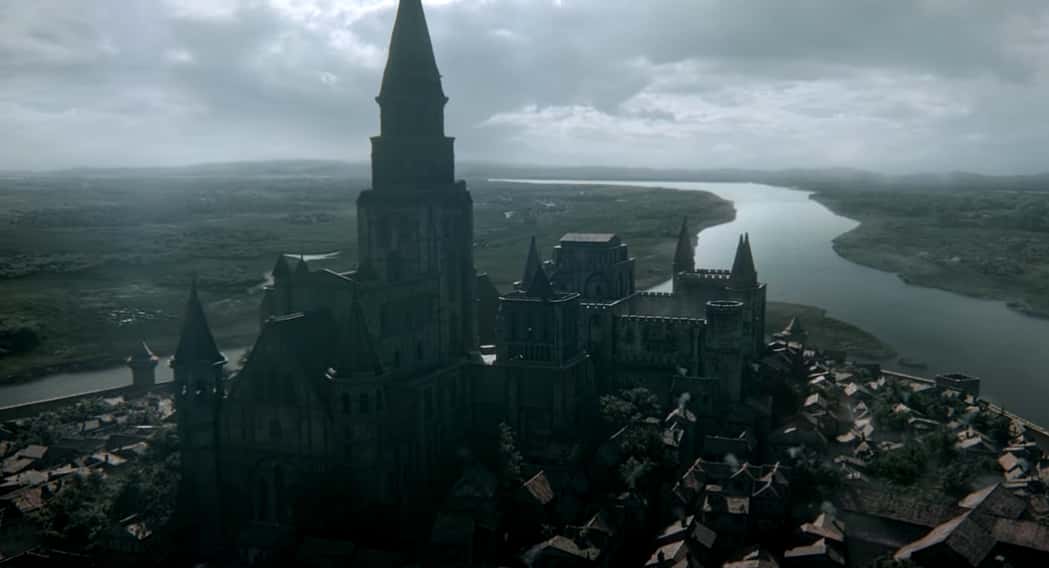
26. He Pillaged Paris—Probably
The Siege of Paris in 845 is one of the best documented Viking raids in history—and it was almost certainly all Lothbrok’s idea. Frankish accounts of the siege and sacking specifically name “Reginherus” (AKA Ragnar) as the leader of the attack. Even so, historians are reluctant to concretely say that “Reginherus” was, in fact, Ragnar Lothbrok.
But only Lothbrok could do something as awesome—and terrible—as what happened next.
 Screenshot from Vikings, MGM Television (2013-2021)
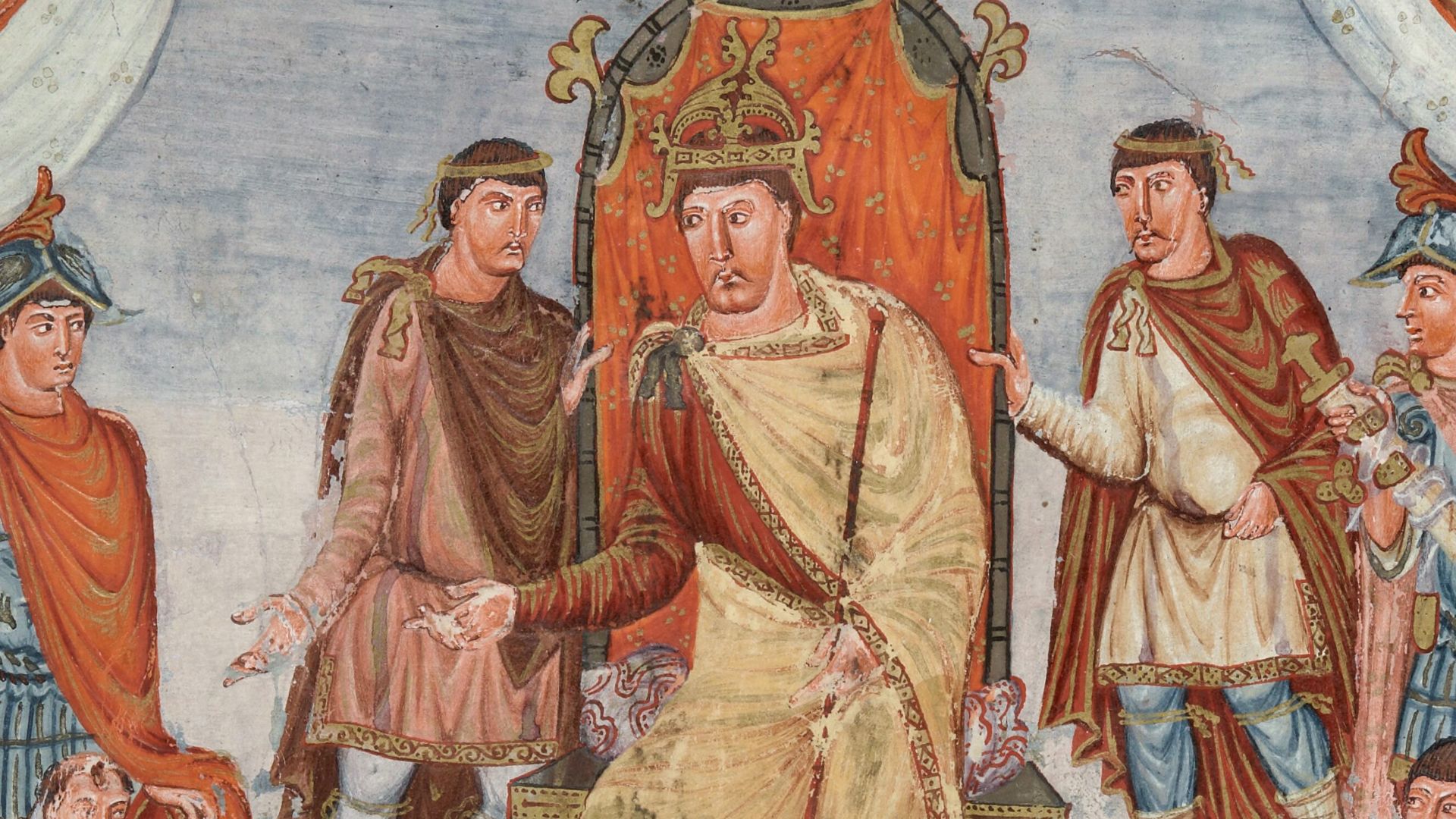
27. He Hanged 100 Captives Just To Send A Message
Before he arrived in Paris, while still making his way up the Seine, Lothbrok is said to have raided Rouen. That prompted Charles the Bald to split his army in two, allowing Lothbrok to destroy both halves easily. But he didn’t stop there. Lothbrok reportedly took over 100 captives and hanged them on an island in the Seine to demoralize the Frankish forces.
Suffice to say, it worked.
 Gennadii Saus i Segura, Wikimedia Commons
History's most fascinating stories and darkest secrets, delivered to your inbox daily.
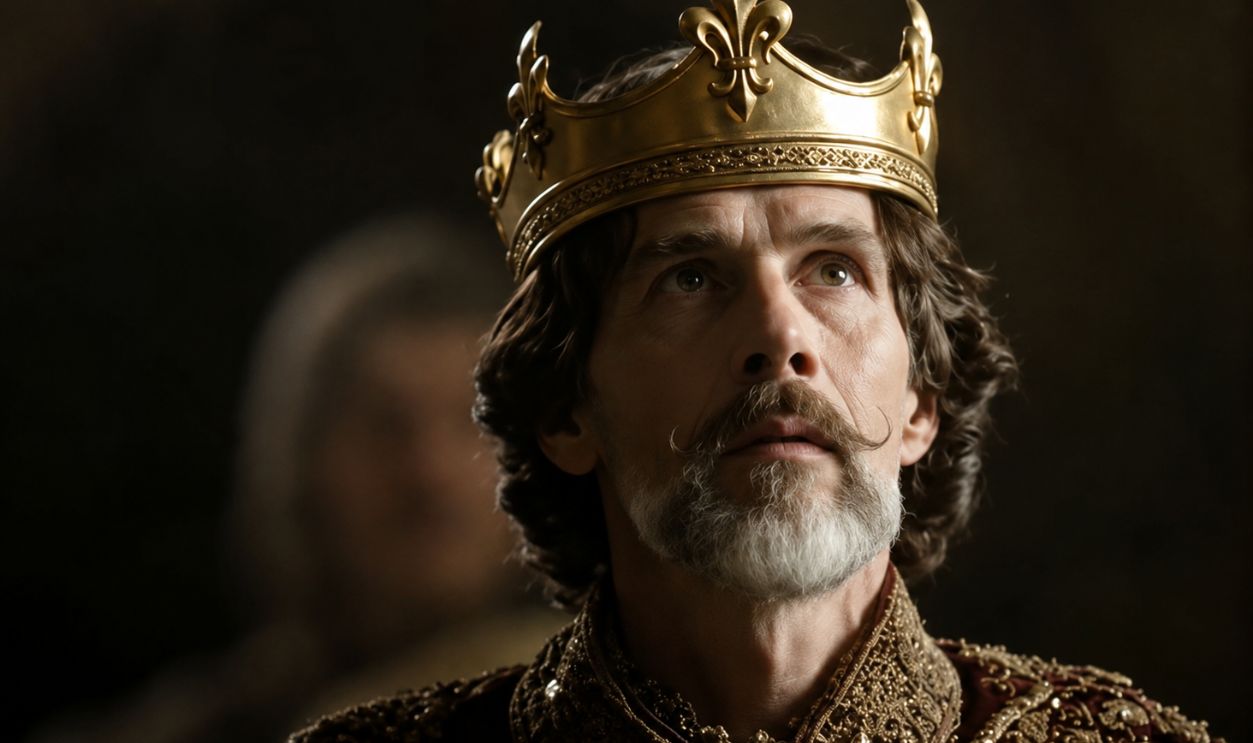
28. He Got Paid—A Lot
With his forces defeated (and terrified) and Paris sacked and burning, Charles the Bald had no choice: he had to surrender to Lothbrok. And the legendary Viking’s terms were insane. Just to get him to go away and (hopefully) never come back, Charles the Bald paid Lothbrok a staggering 7,000 livres of silver—one of the largest ransoms ever paid to Vikings.
Not that Lothbrok would be able to enjoy spending it all.
 Screenshot from Vikings, MGM Television (2013-2021)
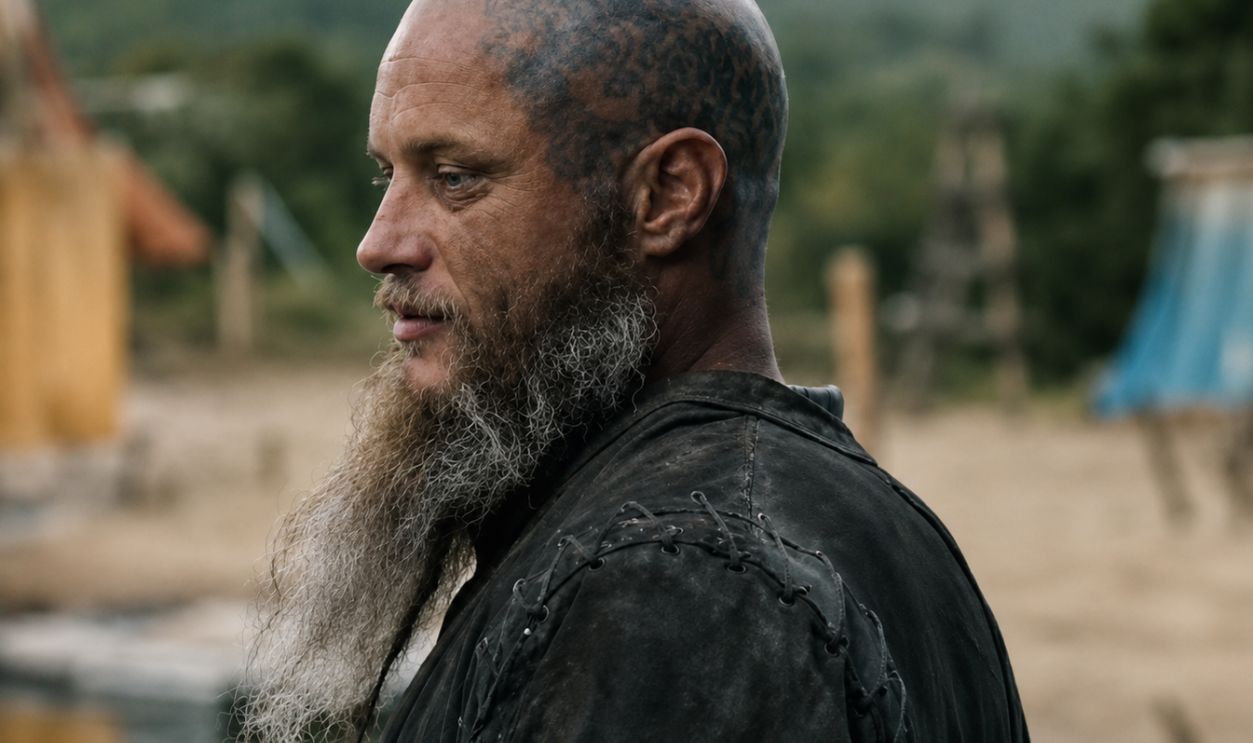
29. He Faced “Divine Retribution”
Frankish chroniclers were, understandably, a little sore at the ransom they had paid Lothbrok and his Vikings. But, if their accounts are accurate, justice came swiftly. Frankish accounts claim that, shortly after he left Paris, Lothbrok fell terribly ill and ultimately passed on in Denmark. The Christian writers called it “divine retribution”.
 Screenshot from Vikings, MGM Television (2013-2021)
30. He Kept Raiding
Looking away from the Frankish accounts back to Saxo Grammaticus and his Gesta Danorum, Lothbrok continued raiding after leaving Paris. Grammaticus claims that Lothbrok went on to raid the Irish coast in 851 and even created a settlement near the modern city of Dublin. From there, Grammaticus writes, Lothbrok sailed up and down the Irish and English coasts doing what he did best.
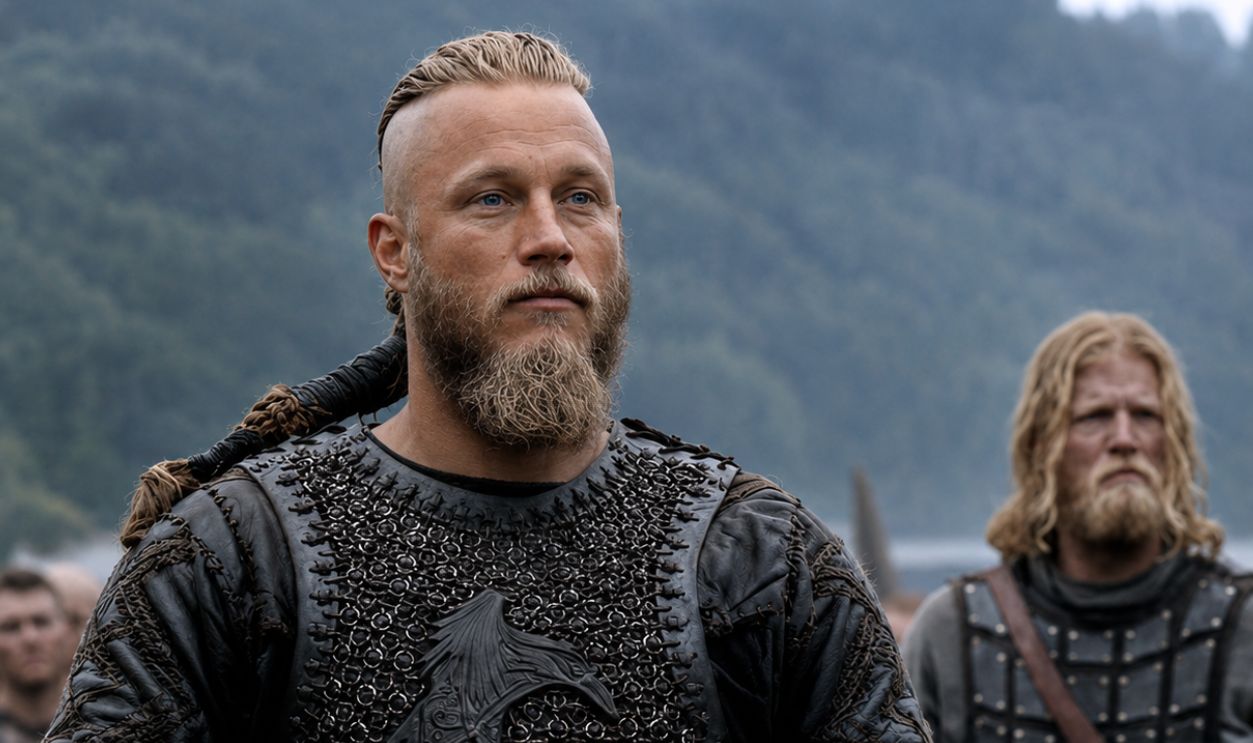 Screenshot from Vikings, MGM Television (2013-2021)
31. He Was Finally Captured
Grammaticus wasn’t the only one to contradict the Frankish accounts. Icelandic sagas confirmed Grammaticus’ claim that Lothbrok went raiding in England where, they say, he met a grisly end. According to these sagas and chronicles, the Anglo-Saxon King Aella of Northumbria captured Lothbrok and had him thrown into a pit of snakes in 865.
Even then, he just refused to go quietly.
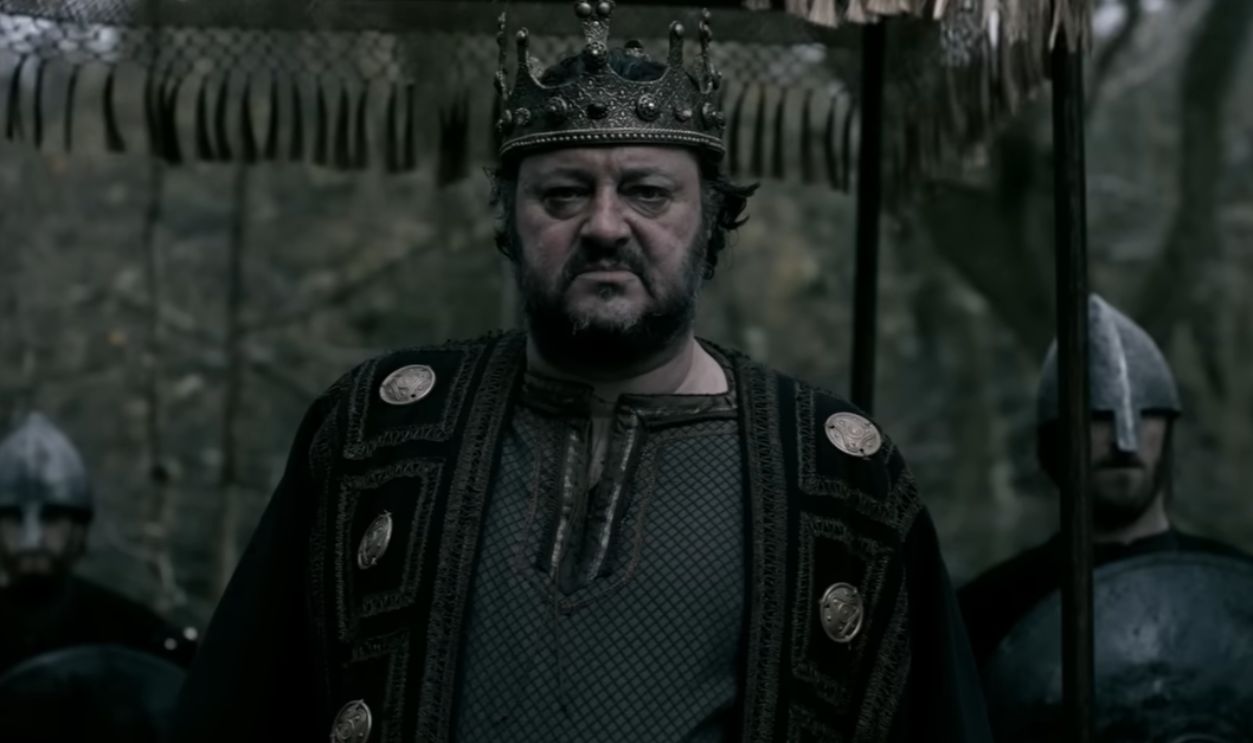 Screenshot from Vikings, MGM Television (2013-2021)
32. He Scared The Snakes
The Saga of Ragnar Lothbrok might provide the most detailed account of the legendary Viking’s final moments. Allegedly, after King Aella’s men threw him into the snake pit, even the snakes were afraid of him and refused to bite him. “This is a great man,” one observer said, “no weapons would bite him today, and now the serpents will not bite him”.
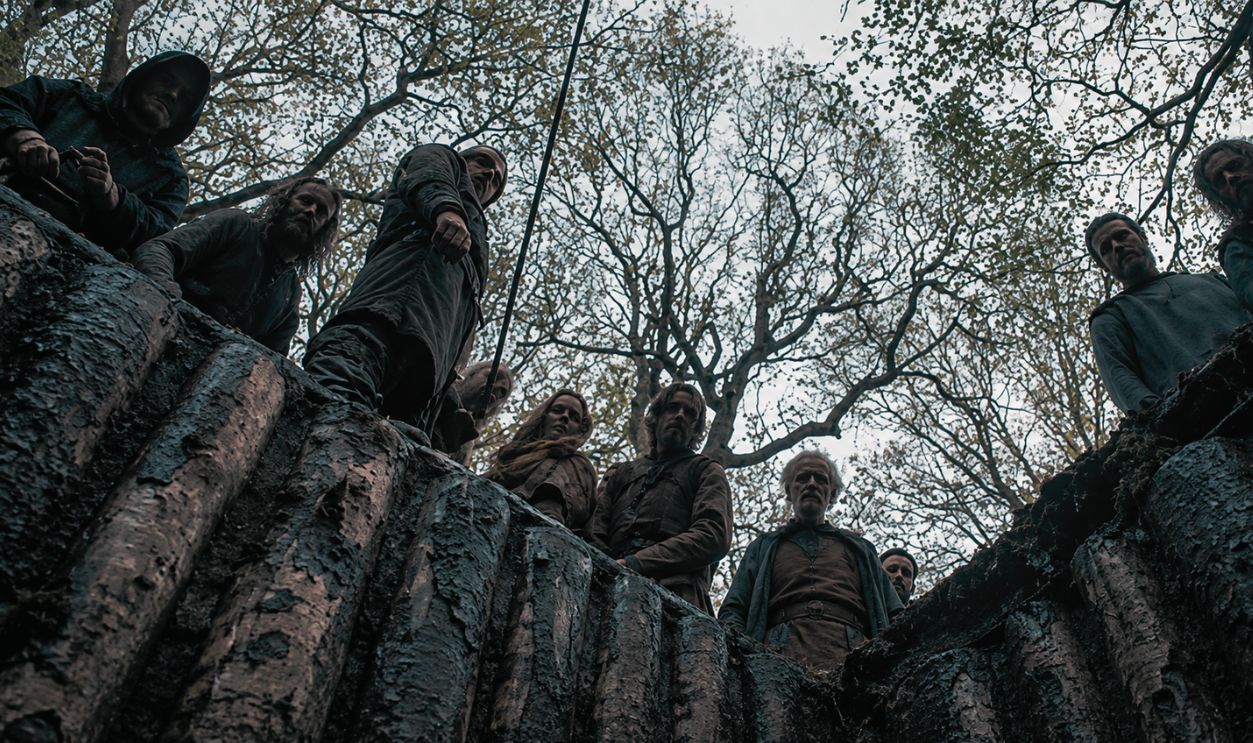 Screenshot from Vikings, MGM Television (2013-2021)
33. He Predicted His Revenge
The snakes in the pit did, eventually, bite Lothbrok—and he would never climb out of there alive. However, the Viking legend had the last laugh. As he lay in the pit, taking his final labored breaths, Lothbrok reportedly said, “How the little piglets would grunt if they knew how the old boar suffers”. Many view that as a prophecy of what his sons did next.
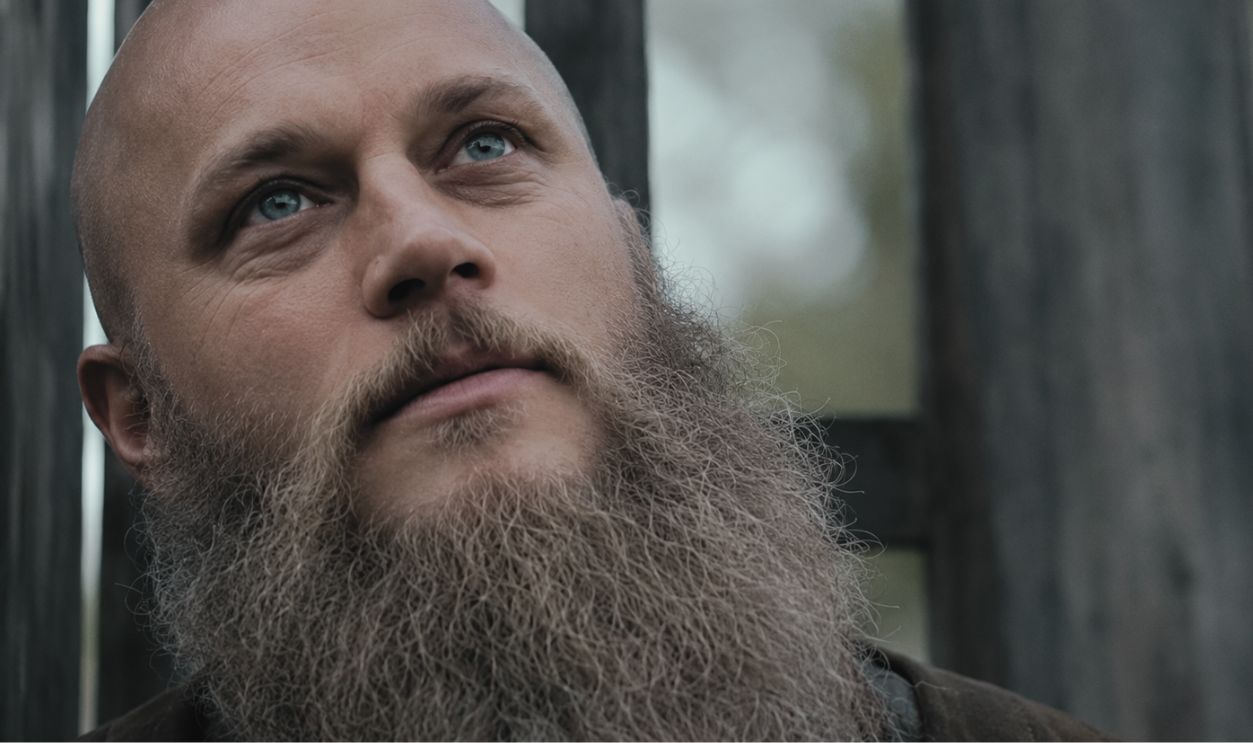 Screenshot from Vikings, MGM Television (2013-2021)
History's most fascinating stories and darkest secrets, delivered to your inbox daily.
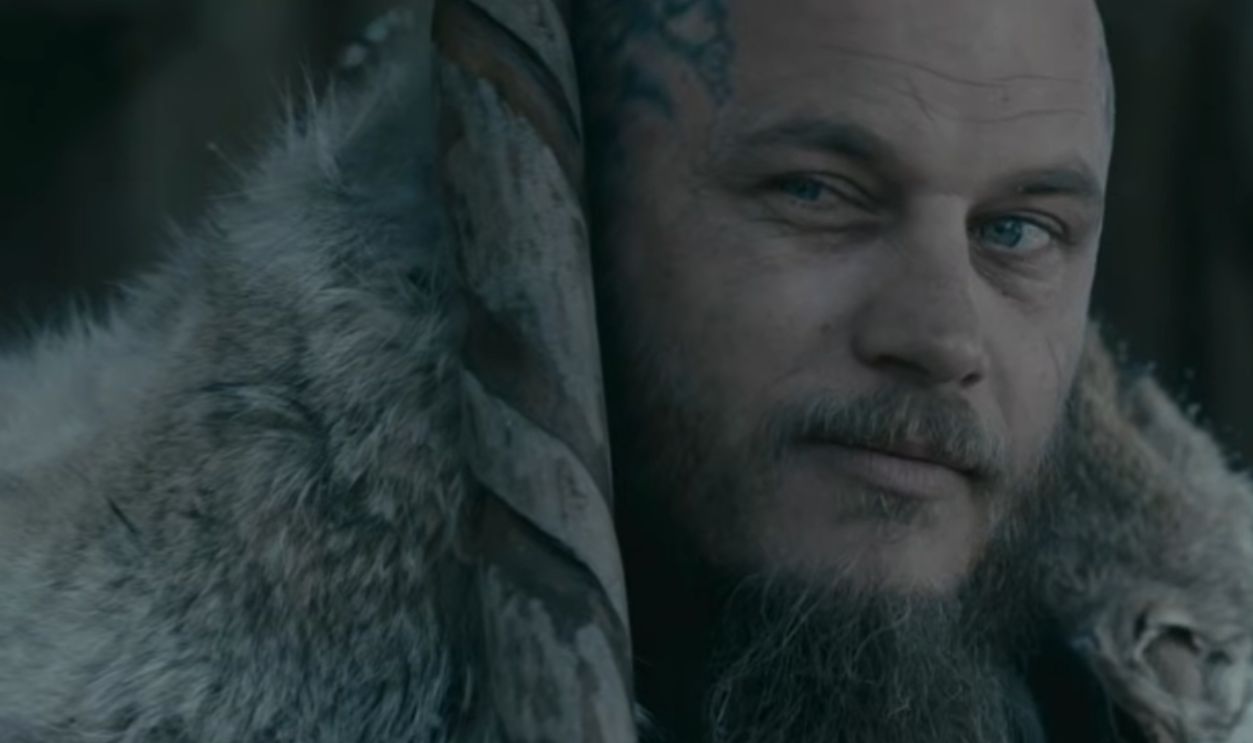
34. He Perished In A Tempest
Other accounts of Lothbrok’s demise are less apocryphal. One account, for example, states that Lothbrok likely perished doing what he loved: raiding. According to these alternate stories, Lothbrok met his end between 852 and 856 in a storm on the Irish Sea. Many scholars agree that this version of Lothbrok’s final days is more accurate.
It was certainly the most reflective of his character.
 Screenshot from Vikings, MGM Television (2013-2021)
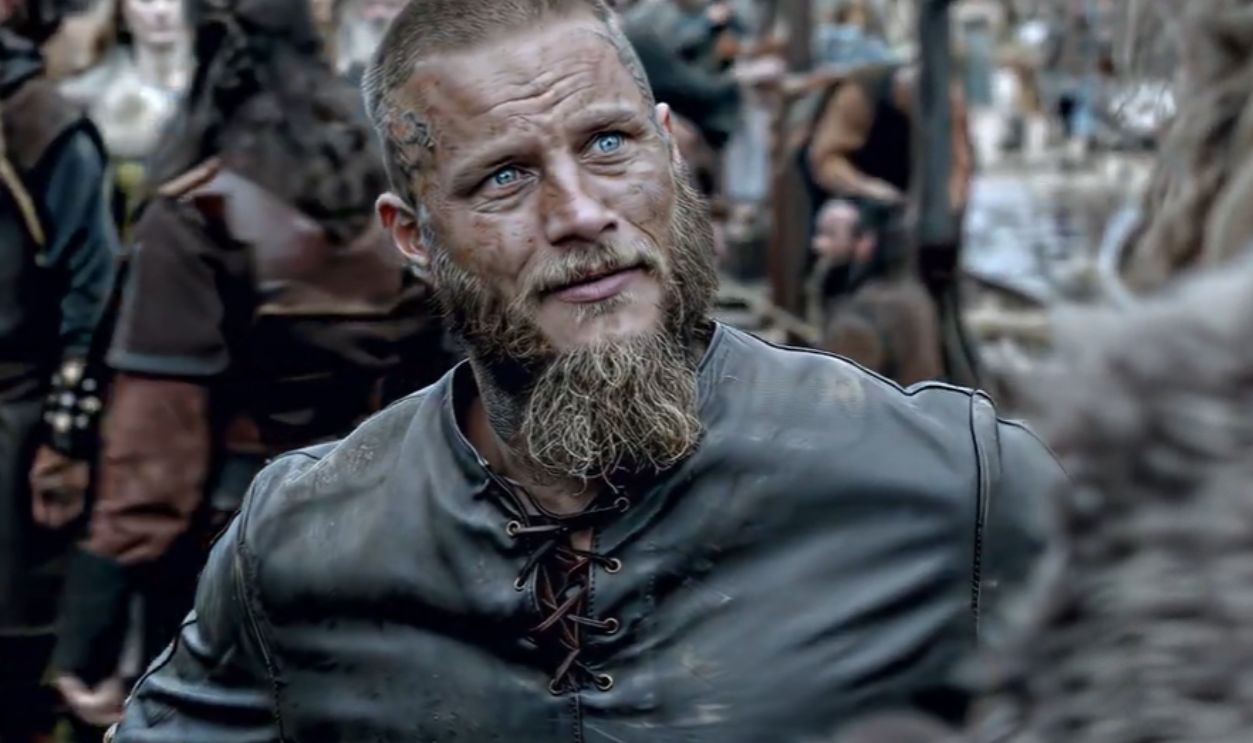
35. He Has His Own Saga
The 13th-century Icelandic saga, the Saga of Ragnar Lothbrok, has provided historians with most of the material that is known about the Viking king. Billed as a sequel to the Völsunga saga about other epic Vikings, it is from the Saga of Ragnar Lothbrok that we know about his marriages, exploits, and blitzkrieg to fame.
It’s also how we know that he may actually have ended up in a snake pit.
 Screenshot from Vikings, MGM Television (2013-2021)
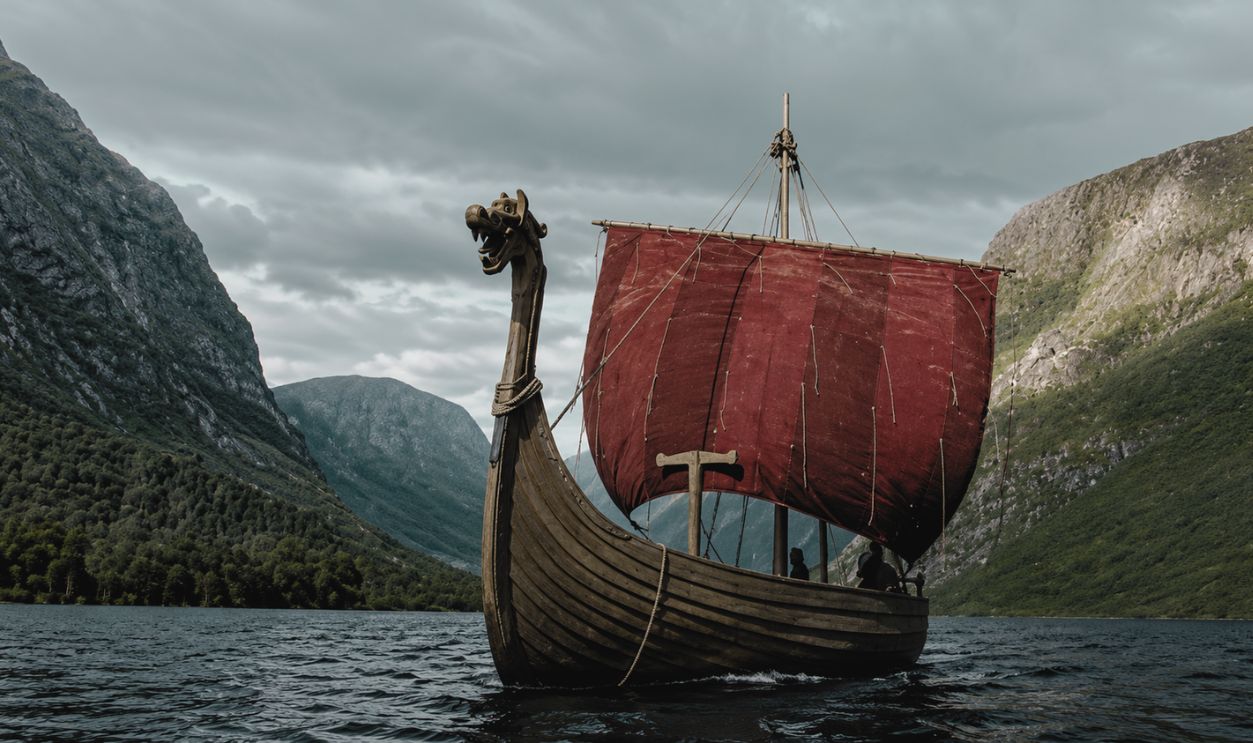
36. He Set Sail With Just Two Ships
By the time Ragnar Lothbrok had sacked Paris, his sons Björn Ironside and Ivar the Boneless had already established reputations of their own as fearsome Vikings. But Lothbrok didn’t want his sons to overshadow him. So, he set sail to conquer England with a small force of men and just two ships. That, according to legend, is how King Aella was able to defeat him.
The sons, King Aella was about to learn, were indeed more fearsome than the father.
 Screenshot from Vikings, MGM Television (2013-2021)
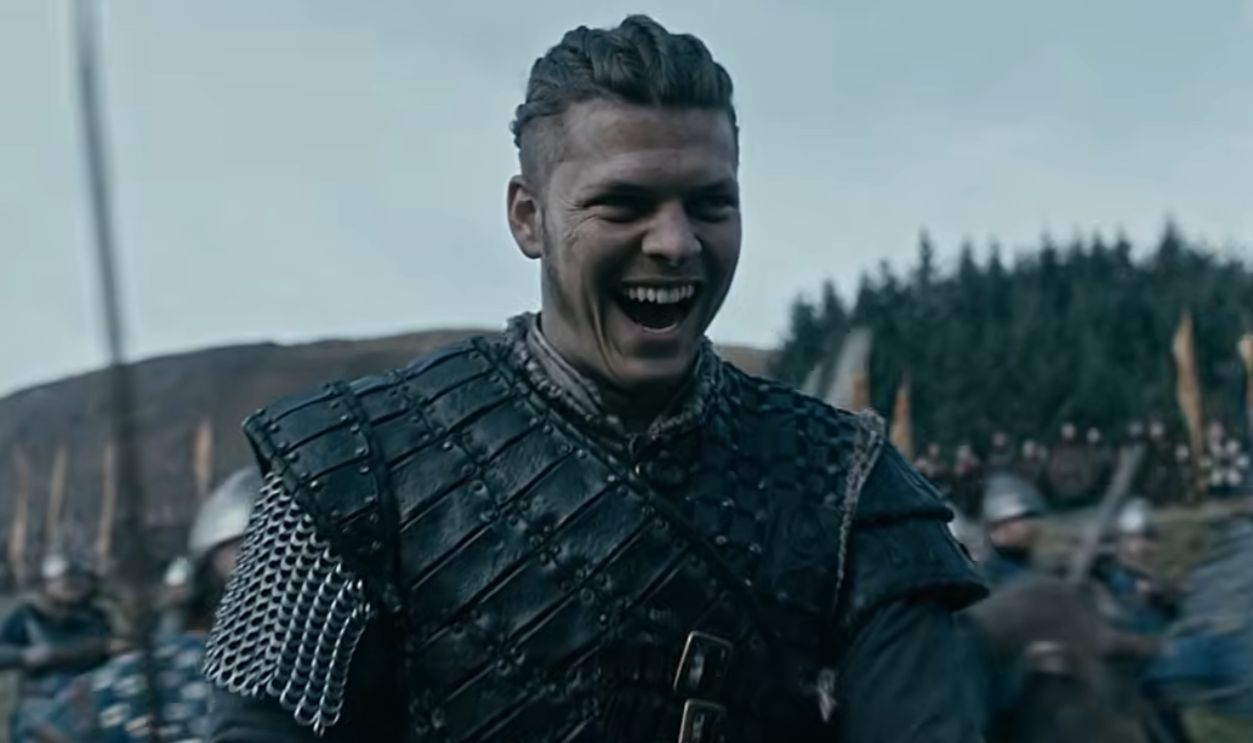
37. His Sons Went Berserk
When they learned of their father’s demise, Lothbrok’s sons did what any good Viking would do: they went berserk. Björn Ironside, Halfdan Ragnarsson, Ubbe, Ivar the Boneless, Hvitserk, and Sigurd Snake-in-the-Eye rallied a force numbering 4,000 strong and set sail for England and Aella. The Great Heathen Army was unlike any the world had seen.
 Screenshot from Vikings, MGM Television (2013-2021)
38. His Sons Fulfilled His Prophecy
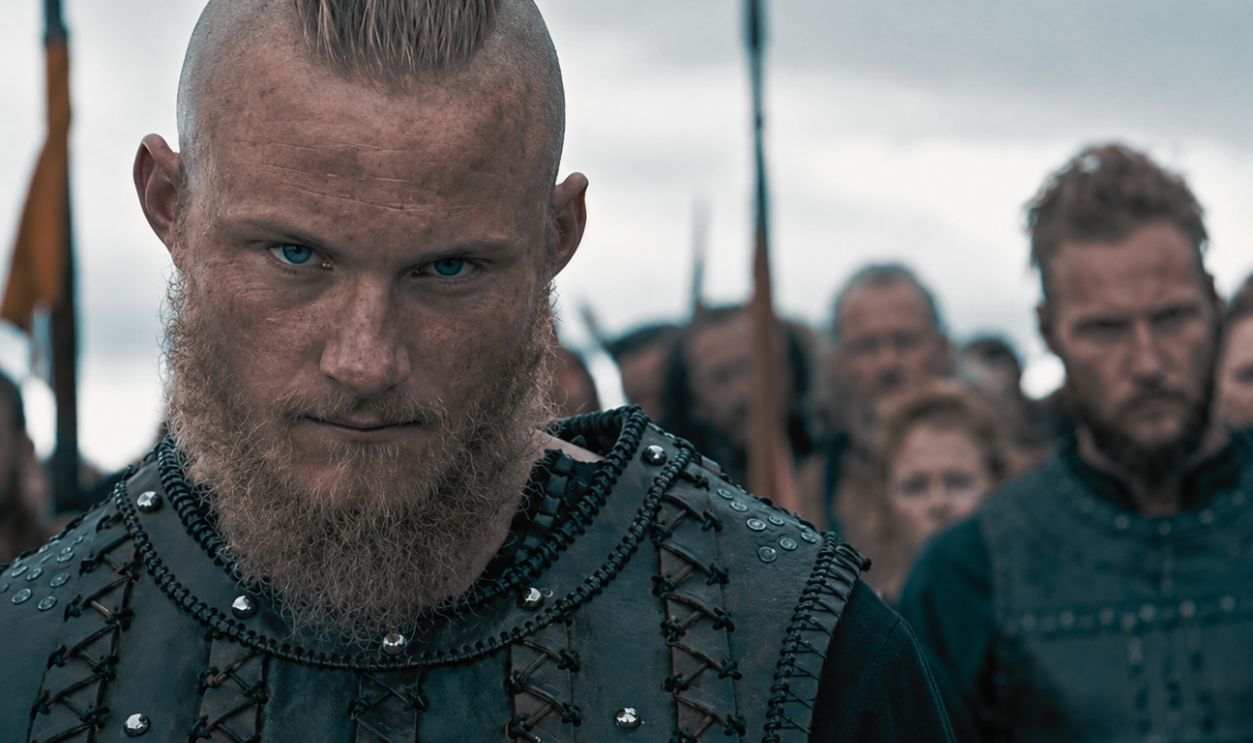
When the Great Heathen Army made landfall in Thetford, they immediately put their enemies to the sword, famously ending Edmund the Martyr. Next, they marched on the city of York where they fulfilled their father’s final prophecy. At the battle, Lothbrok’s sons defeated King Aella and sent him off to Valhalla where Lothbrok waited for him.
England would never be the same again.
 Screenshot from Vikings, MGM Television (2013-2021)
39. He Laid The Groundwork For Danelaw
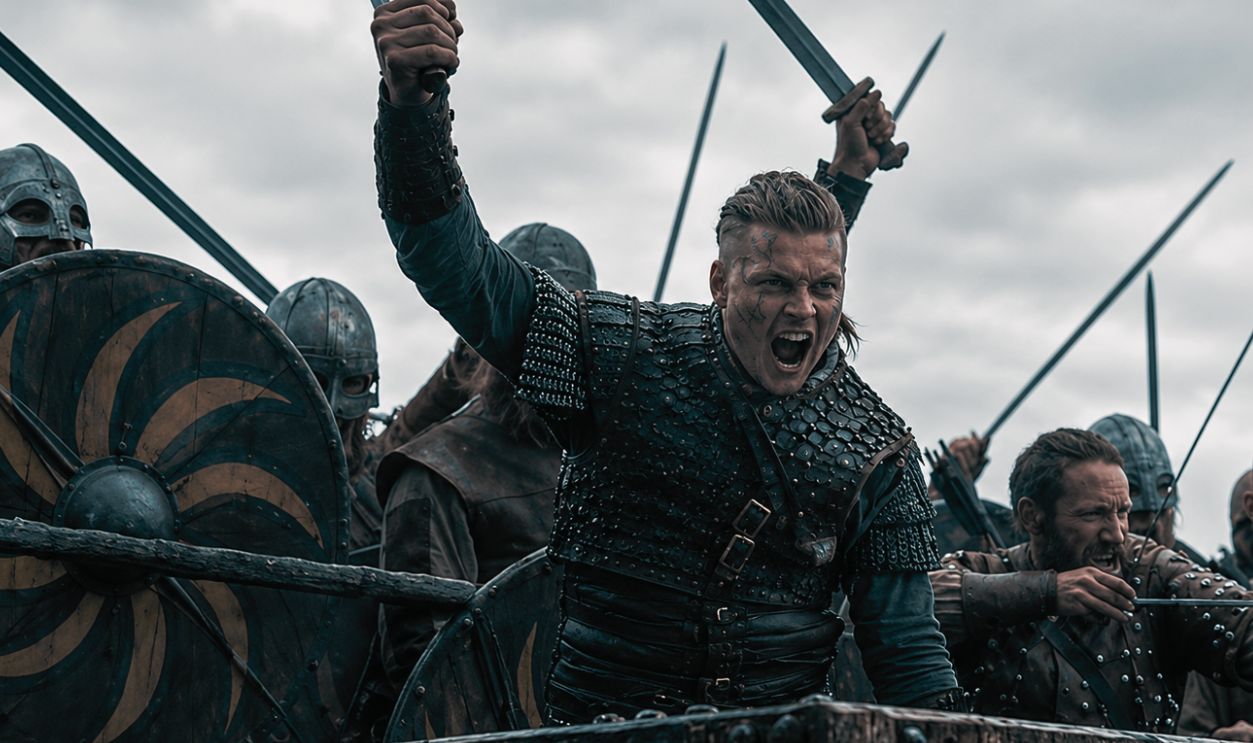
When the Great Heathen Army defeated King Aella and his forces, it set the groundwork for Viking occupation and eventually led to the creation of Danelaw. Even so, Ivar led the Great Heathen Army for another five years, eventually passing in Dublin in 873. After that, Halfdan took command of the Norse forces and invaded Wessex.
Lothbrok’s revenge had only just begun.
 Screenshot from Vikings, MGM Television (2013-2021)
History's most fascinating stories and darkest secrets, delivered to your inbox daily.
40. His Son Made Peace
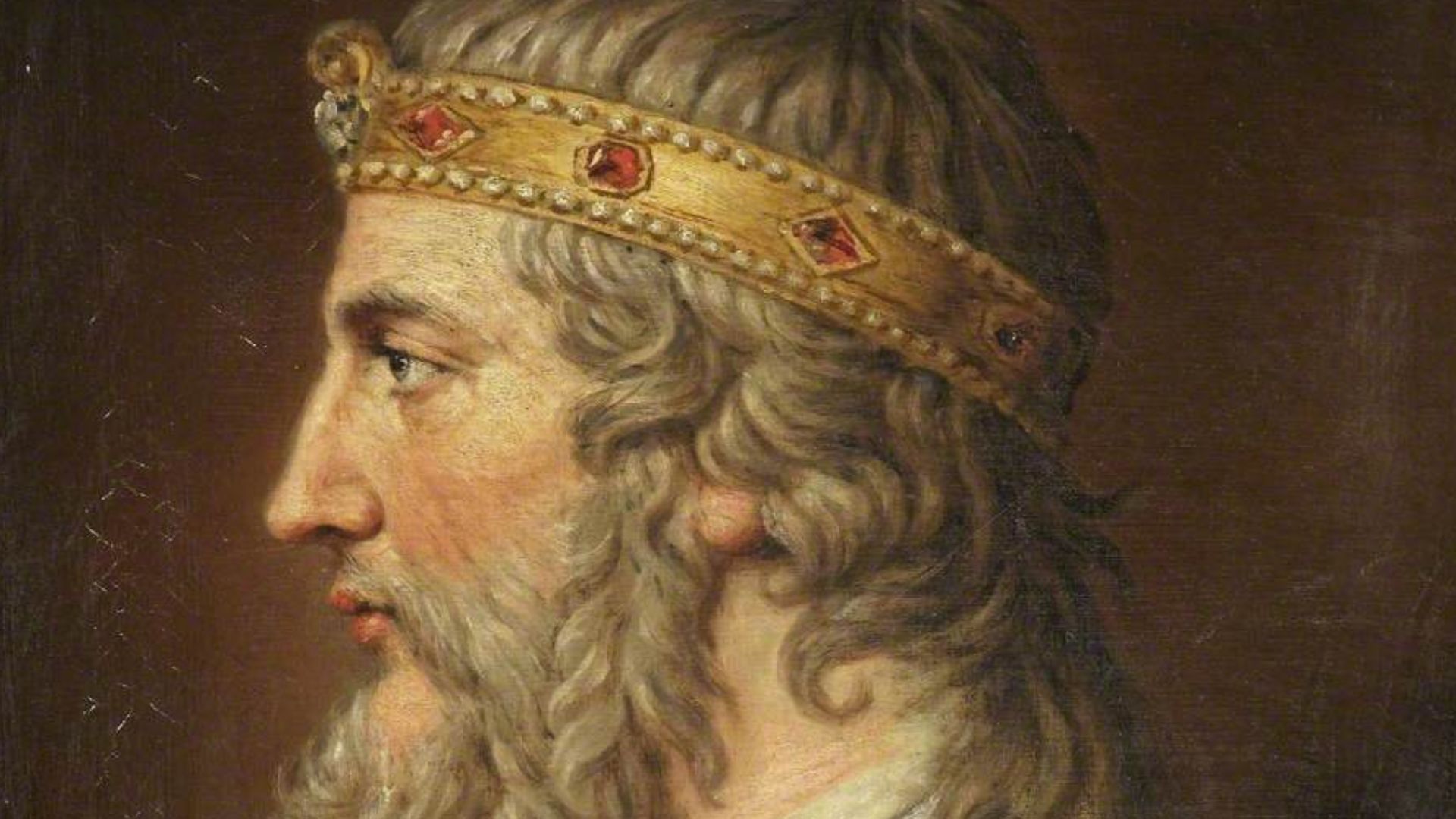
At the helm of the Great Heathen Army and carrying his father’s legacy with him, Halfdan fought multiple battles in Wessex. However, when the Danish King Bagsecg fell during the Battle of Ashdown, Halfdan took the opportunity to make peace with the increasingly powerful new King of Wessex, Alfred the Great. Meanwhile, the rest of Lothbrok’s sons were causing havoc elsewhere.
 Samuel Woodforde, Wikimedia Commons
41. His Son Raided Paris Again
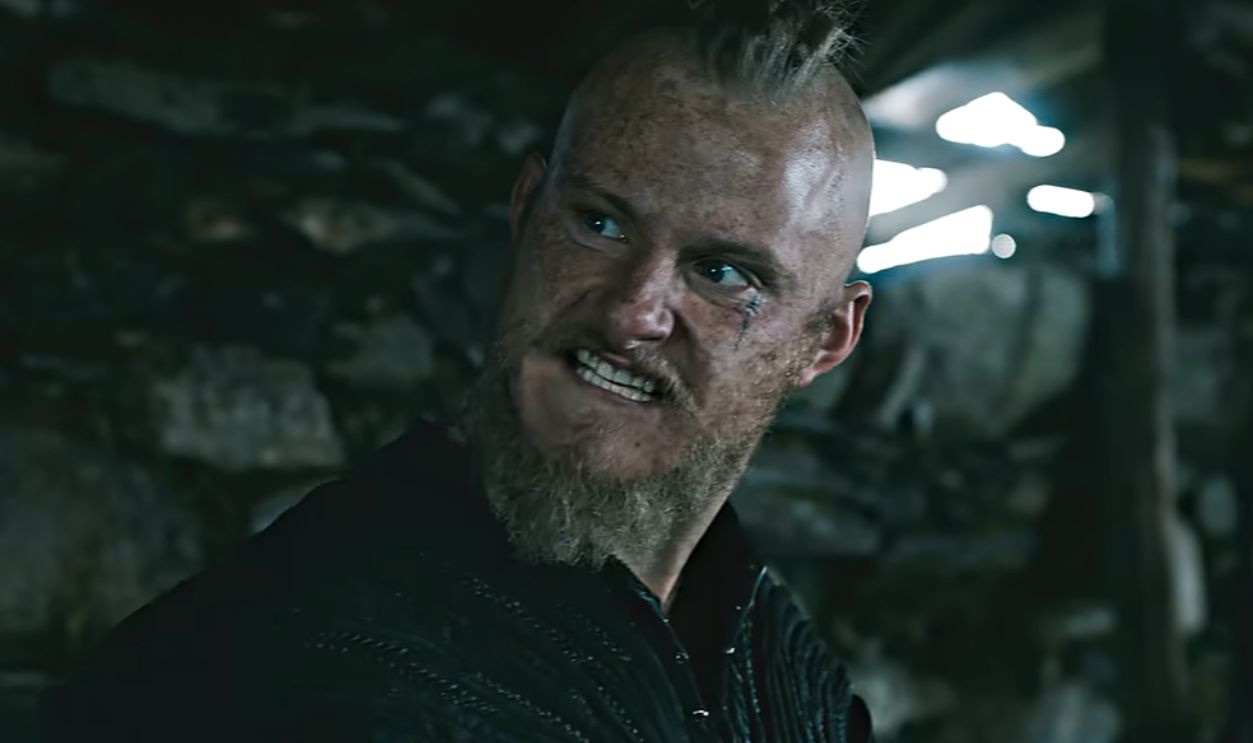
Between the years 857 and 859, the historical record talks about a fearsome Viking and “skilled naval commander” who raided in and around Paris. The record only names this berserker as “Björn”, suggesting that it was none other than Björn Ironside. He would do more than any other of Lothbrok’s sons to carry on his legacy.
 Screenshot from Vikings, MGM Television (2013-2021)
42. He Fathered A Dynasty
Later sagas might have embellished exactly how deep into history Lothbrok’s legacy went. According to some of these sagas, Björn Ironside went on to become King of Sweden and Uppsala, eventually passing the crown to his son, Erik, and his grandson, also Erik. However, historians note that if these accounts are taken literally, they present “chronological inconsistencies”.
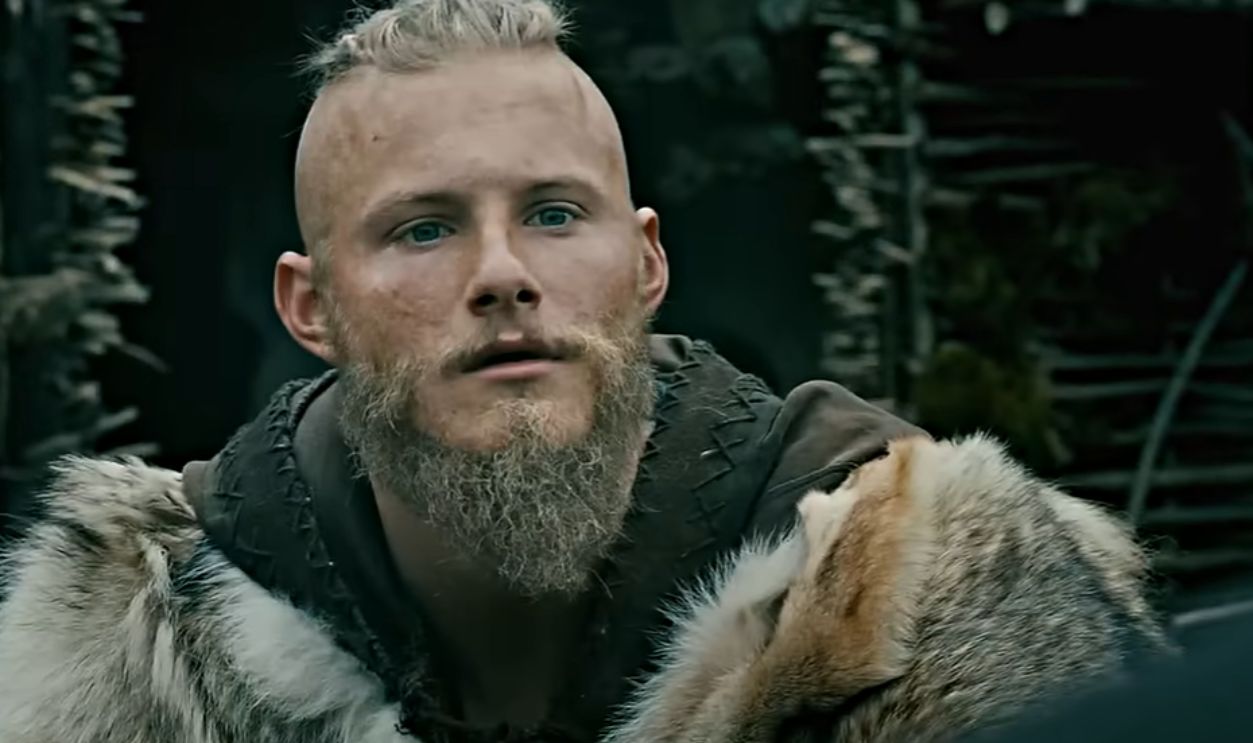 Screenshot from Vikings, MGM Television (2013-2021)
43. His Legacy Spanned Multiple Realms
Björn wasn’t the only one of Lothbrok’s sons to wear a crown (if the sagas are to be believed, that is). Many believe that Sigurd Snake-in-the-Eye and King Sigfred of Denmark were the same person, especially because Sigfred ruled alongside Halfdan. If true, his realms included Zealand, Skåne, and the lesser Danish Isles.
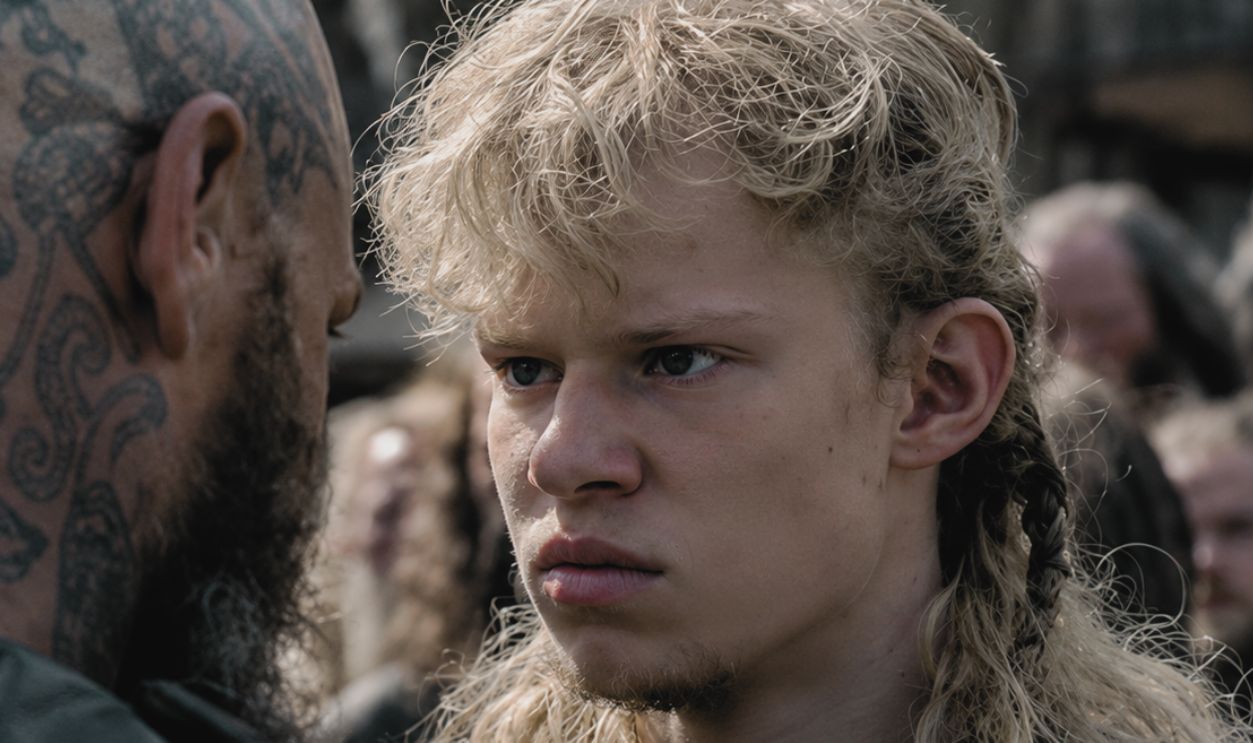 Screenshot from Vikings, MGM Television (2013-2021)
44. His Son Lost An Important Battle
The Lothbrok family winning streak couldn’t last forever. Two separate sources both record that, in 878, “the brother of Hingwar and Healfden” (believed to be another one of Lothbrok’s sons) landed in Devon with a small fleet. There, he fought the Battle of Cynwit, and lost badly, even losing control of the fabled Raven banner.
That banner might have been the secret to Lothbrok’s success.
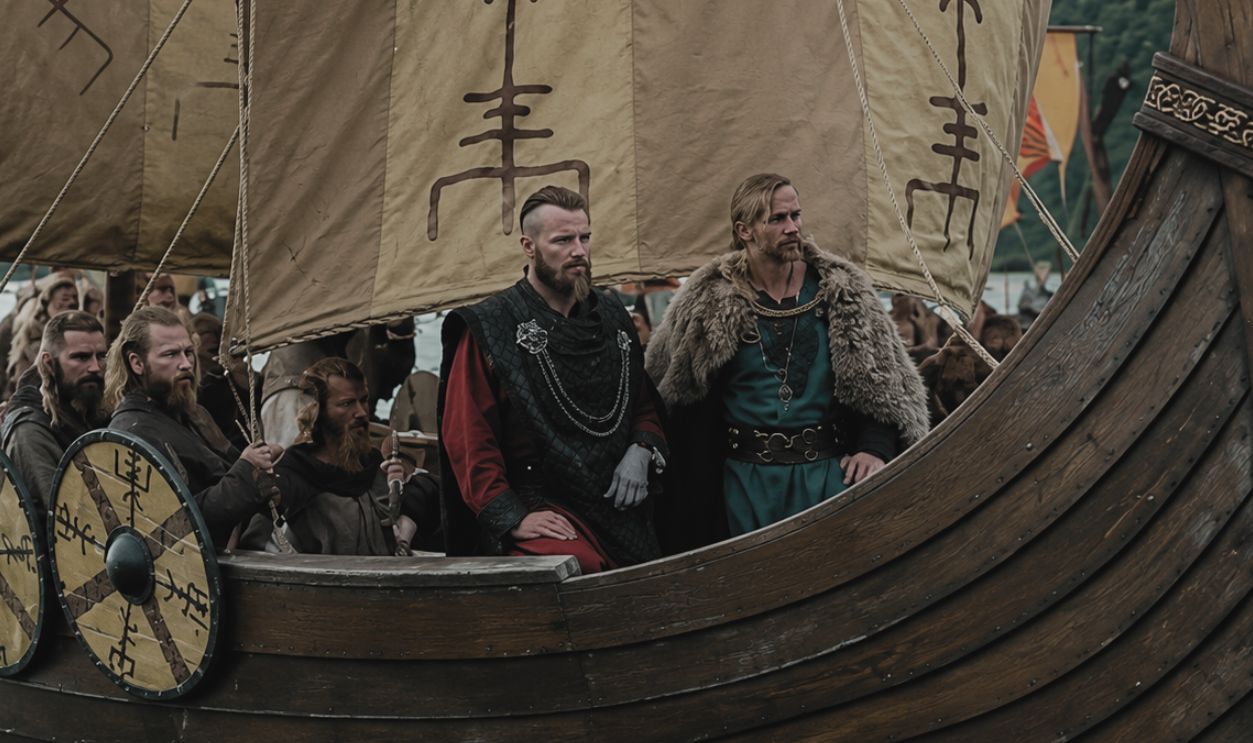 Screenshot from Vikings, MGM Television (2013-2021)
45. He Always Had A Raven On His Side
Legend has it that Lothbrok’s daughters—the “three sisters of Hingwar and Hubba”—had woven the Raven flag themselves in just one day. The Vikings believed that in battle, if the flag was blowing before them and it looked like a real, living crow, then Odin would give them victory. But if the flag was still, they would be defeated.
The line between fact and fiction was getting thin.
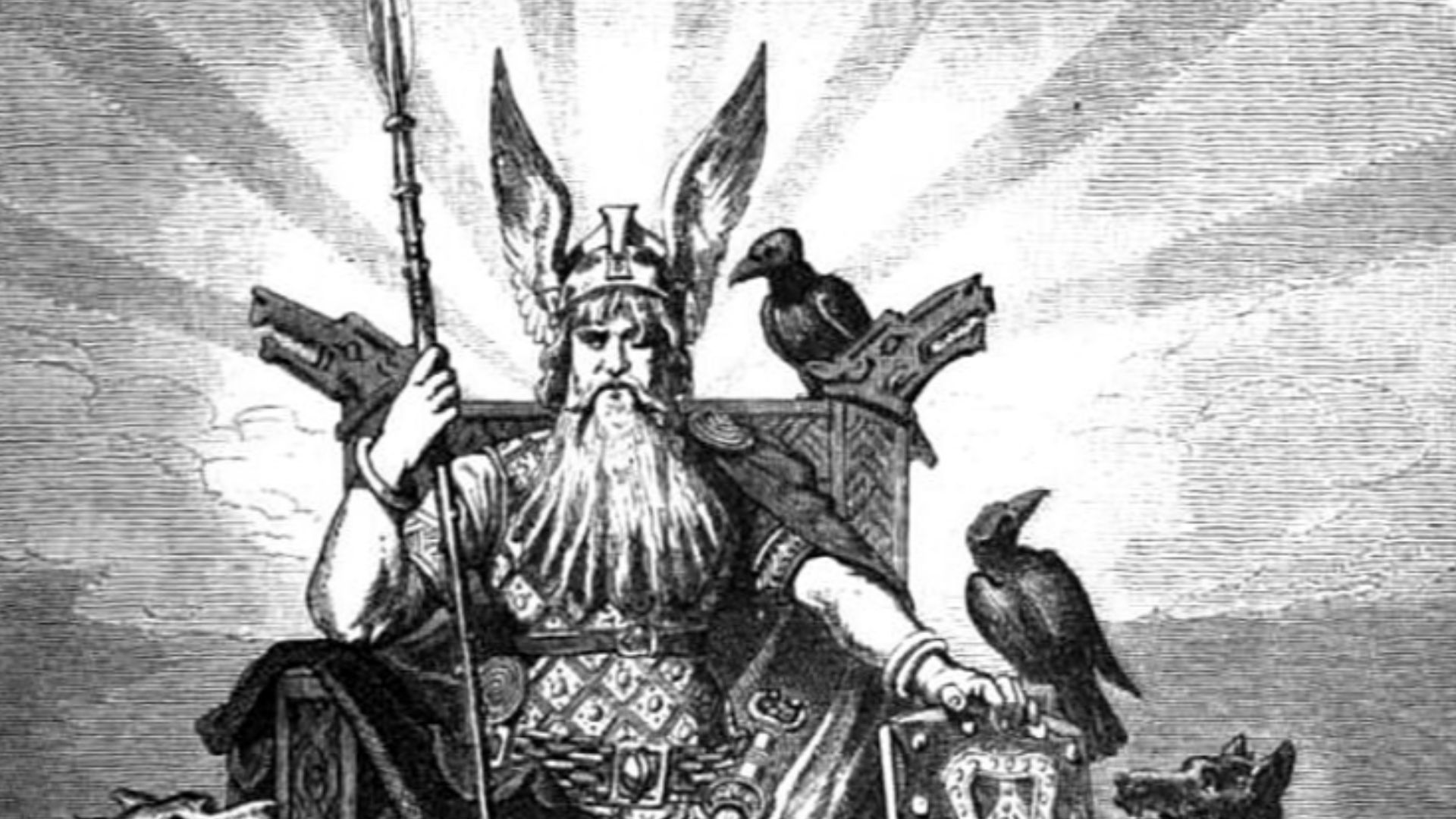 Carl Emil Doepler (1824-1905), Wikimedia Commons
History's most fascinating stories and darkest secrets, delivered to your inbox daily.
46. His Name Alone Was Terrifying
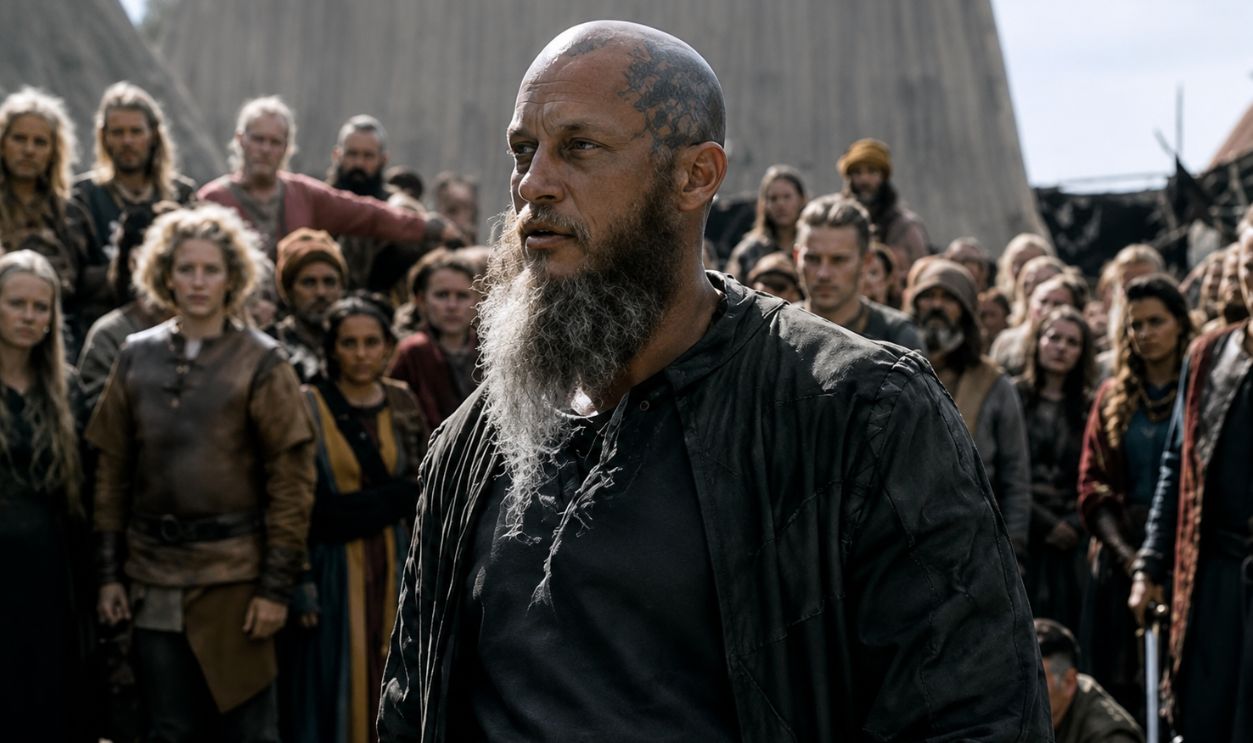
Ragnar Lothbrok’s legend—tales of dragon-slayings and prophecies—may all have been a careful construction to pave the way for Viking raids. Some historians believe that most of what we know about Lothbrok was just political propaganda. And if it was, it was effective. Many of his sagas state that “the mere mention” of his name was enough to “spread fear among his enemies”.
Fear—and contempt.
 Screenshot from Vikings, MGM Television (2013-2021)
47. He Faced “God’s Rightful Vengeance”
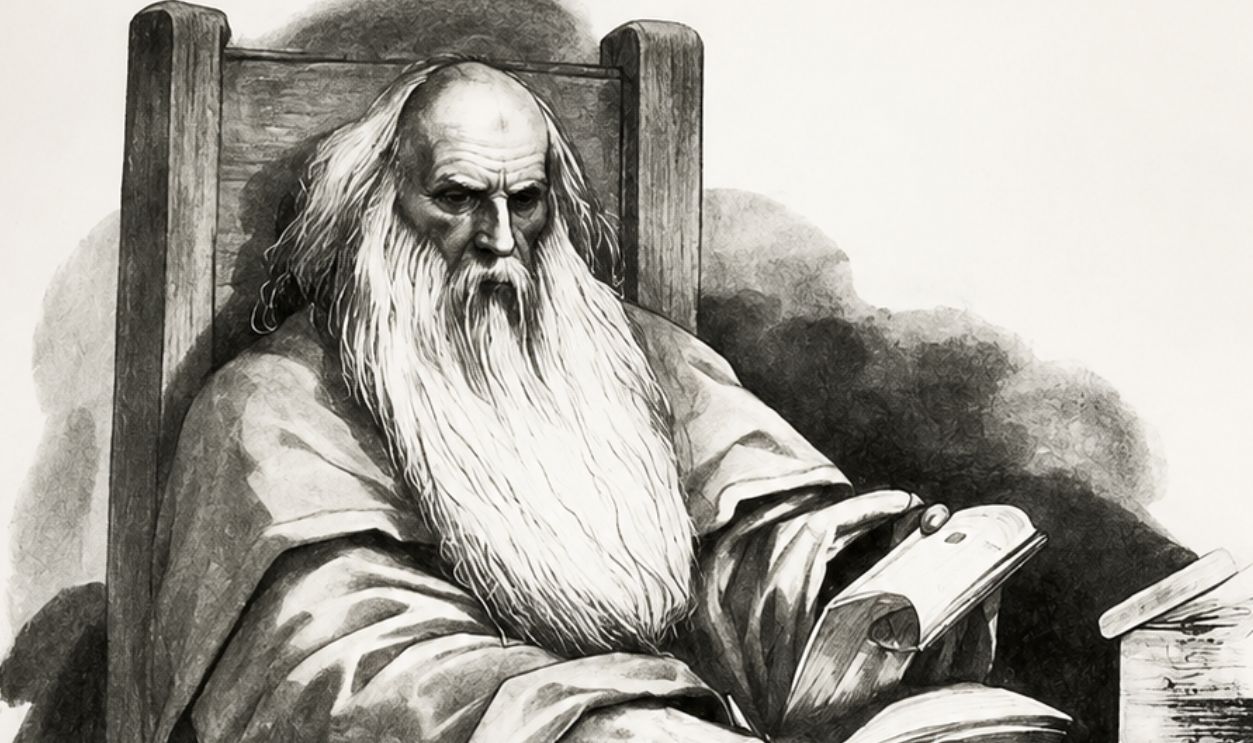
Saxo Grammaticus, one of the best sources for information on Lothbrok, had mostly positive things to say about the legendary Viking. And some decidedly not nice things to say. Grammaticus’ biggest criticism of Lothbrok was to say that his demise in a snake pit was “God’s rightful vengeance for the contempt he had shown the Christian religion”.
Even so, everyone wanted to cash in on Lothbrok’s fame.
 Louis Moe, Wikimedia Commons, Enhanced
48. He Was Everyone’s Daddy
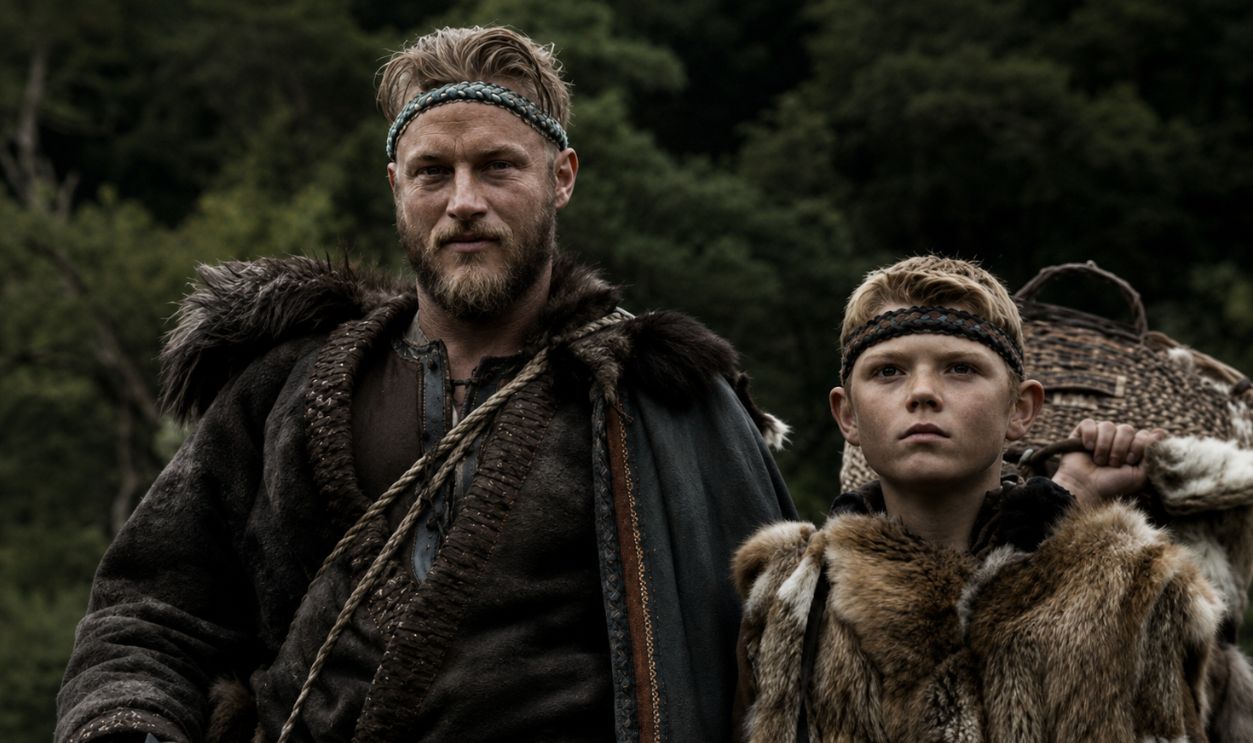
For centuries after his demise and all across the Nordic lands, everyone wanted some of Lothbrok’s shine to rub off on them. Kings, leaders, and bone-crushing Vikings all claimed to be descendants of the fabled Ragnar Lothbrok. All of his children, however, have been accounted for—at least, that’s what historians think.
 Screenshot from Vikings, MGM Television (2013-2021)
49. He Could Have Been Anyone
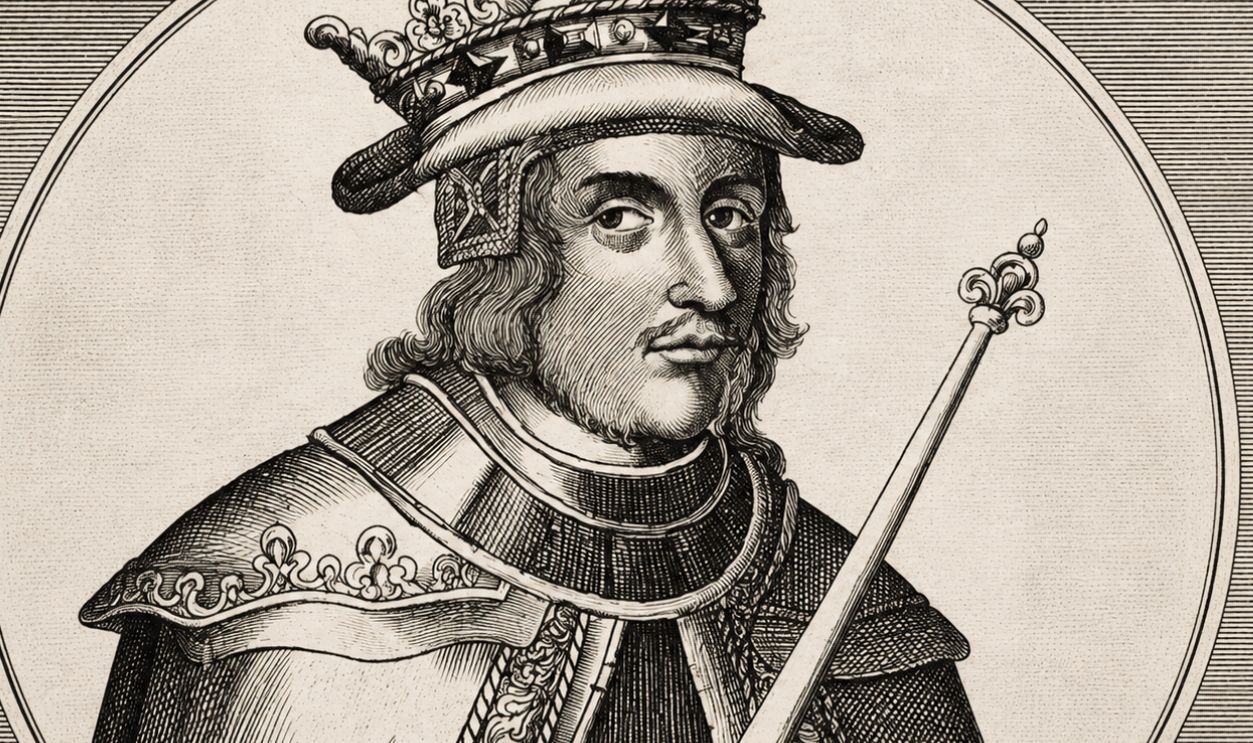
History abhors a vacuum. That’s why, over the years, historians have tried to find a real Ragnar Lothbrok. And they aren’t short of candidates. “Reginherus”, the chieftain who laid waste to Paris in 845 is a strong contender. As is the Danish King Horik I who passed in 854. But then, there’s also King Reginfrid, and Ragnall from the Irish Annals.
In other words, they have no idea. But there is one thing that most scholars can agree on when it comes to Lothbrok's true identity.
 Uncertain artist, Wikimedia Commons, Enhanced
50. He Still Inspires Berserk Facts
Hilda Ellis Davidson, a scholar on the era of Viking raids, made an important observation. Commenting on Grammaticus’ Gesta Danorum, Davidson said that elements of Lothbrok’s legend may have been the result of an attempt to reconcile the contradictory and confusing accounts known to the chronicler by placing them within the reign of a single king: Ragnar.
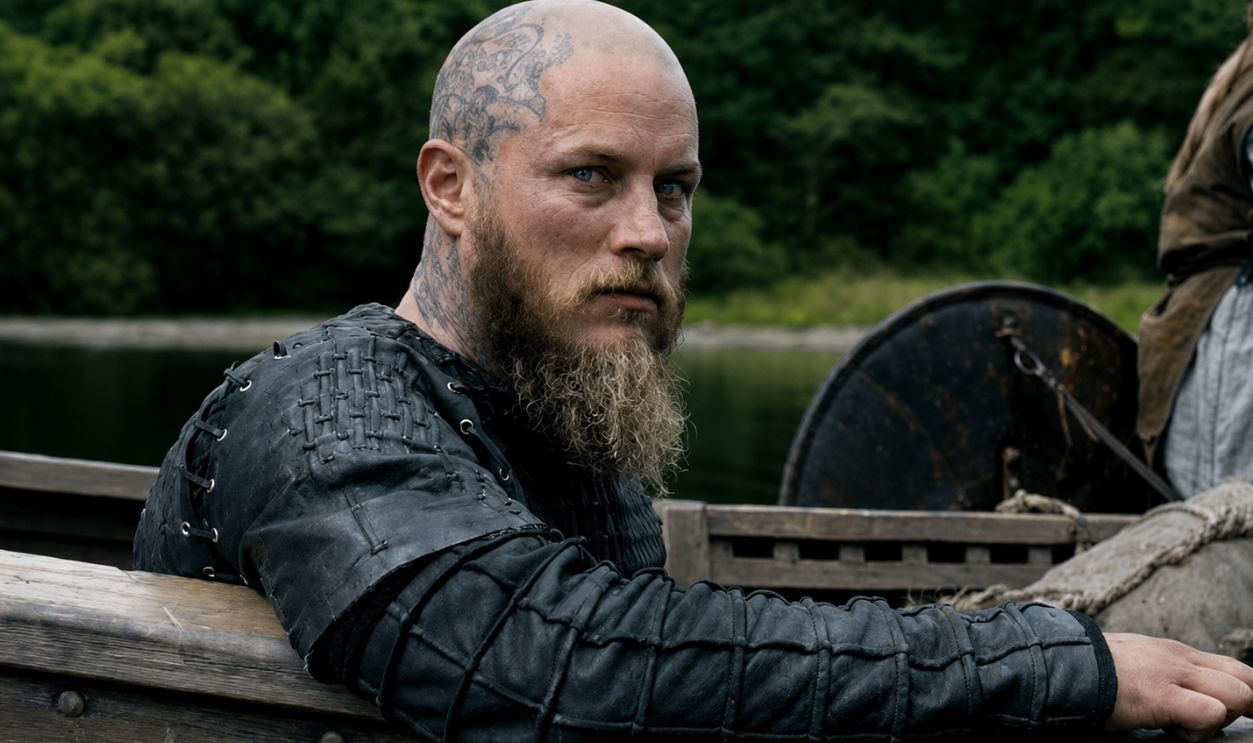 Screenshot from Vikings, MGM Television (2013-2021)
You May Also Like:
Hardened Facts About Leif Erikson, The Viking Explorer
Fearsome Facts About Harald Hardrada, The Last Viking