He Wanted To Be Alone
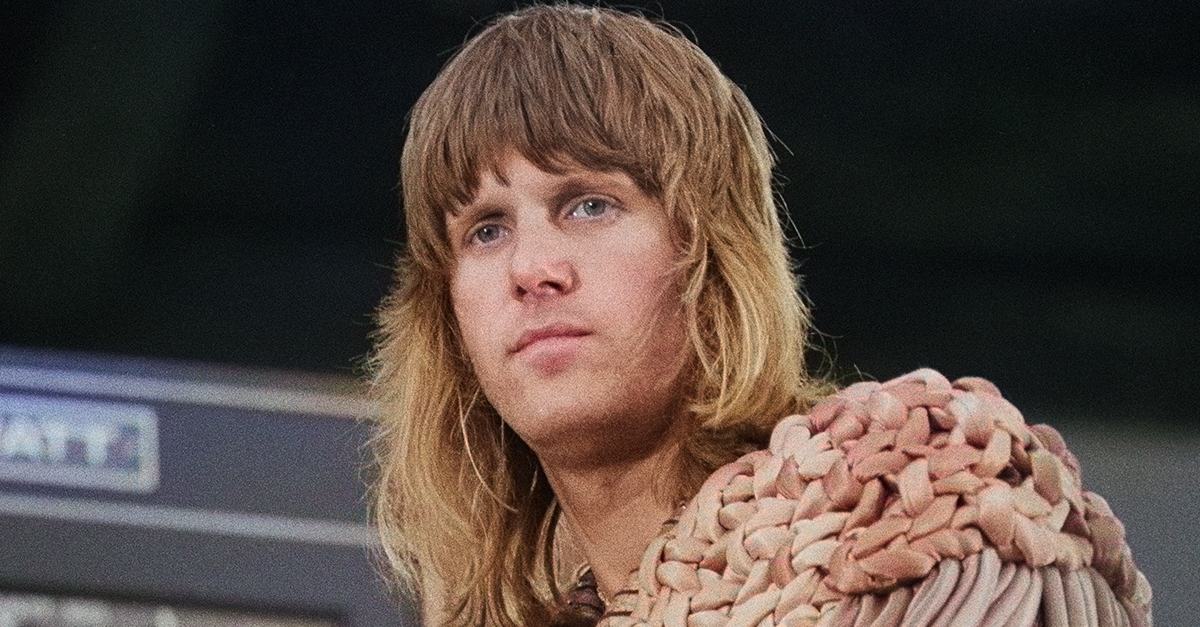
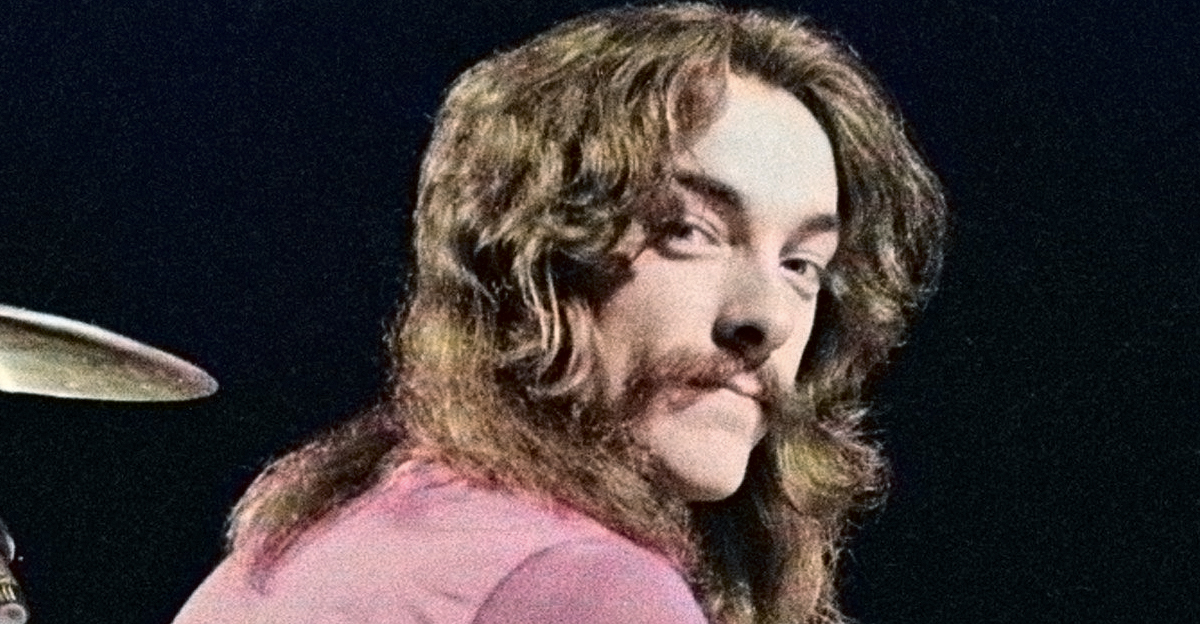
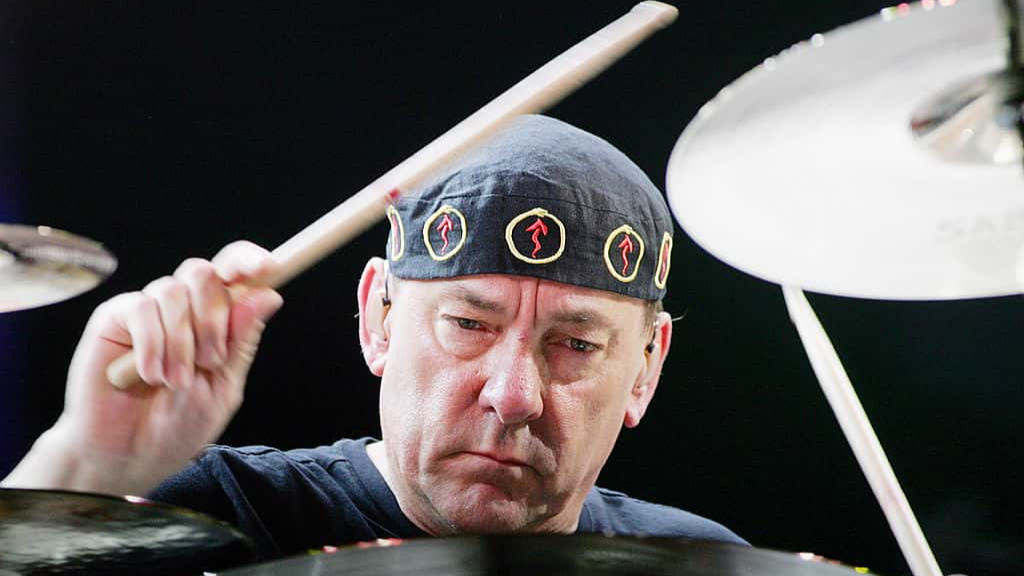
Rush’s Neil Peart didn’t follow the rock star playbook. He wasn’t into wrecking hotel rooms, partying with groupies and supermodels, or even dabbling in the typical vices of the rock and roll lifestyle. All he wanted to do was bang on his impressive drum kit and let everyone else deal with the fame of being in a band that sold 26 million records. Despite turning away from the pitfalls of rock and roll, tragedy found him anyway.
 Fin Costello/Redferns via Getty Images
1. He Started With A Piano
Neal Peart was born on September 12, 1952, and his family spent the years in the area around Canada’s Niagara Falls. Like many families back then, his parents wanted their son to play a musical instrument. They chose the piano…which maybe wasn’t the best choice for Peart.
It soon became very clear which instrument would grab their son’s attention.
2. He Was A Noisy Child
Peart’s family noticed that he spent a lot of time with chopsticks in his hands, beating out a rhythm on furniture or anything else he could find. When he turned 13, his parents gifted him real drumsticks, a practice pad to hit, and, maybe most importantly, drum lessons.
Peart was about to find out if he had what it took to be a drummer.
3. He Had To Pass A Test
Mom and Dad weren’t really ready to lay out the cash for a real drum set, but they had a plan. They told Peart that if he didn’t quit his lessons for a full year, they would get him that prized set of drums. Maybe they hoped he wouldn’t be successful.
But he was.
4. He Needed A Move
When his 14th birthday came along, Neil Peart got his first real drum set. He didn’t waste any time and started performing in churches and high schools. He called his first band The Eternal Triangle. Soon, he was touring around Southern Ontario, but one thing became very, very clear. Small town Canada was not going to cut it for Peart.
It was time to broaden his horizons.
5. He Had A Realization
To chase his dream of rock and roll stardom, Peart chose London, England. There, he found some work as a session musician but also had to support himself selling jewelry on Carnaby Street. Still, this small town boy was living a life he could not have dreamed of. Except he kind of wasn’t. Suddenly Peart had a realization. This wasn’t working out.
He not only quit London, but he also quit playing music.
 Phillip Perry , Wikimedia Commons
6. He Gave It All Up
Not only did Neil Peart return to Canada, but he went right back to the same hometown where his parents lived. He even got a job with his father selling tractor parts. It looked like Peart had totally given up on music. This story could have ended there, with Peart working a local job in small town Ontario.
But fate was not about to let Peart leave behind music that easily.
 Ryan Hodnett, Wikimedia Commons
7. He Couldn’t Help Himself
Peart just couldn't seem to completely quit music. The members of a band called JR Flood asked him to join them for their club gigs around the Niagara region. Peart reluctantly agreed. Once he started feeling it for music again, he heard about a Toronto band that was looking to replace their drummer.
A band in Toronto was a big deal, and Peart decided to give it a shot.
8. He Was Himself
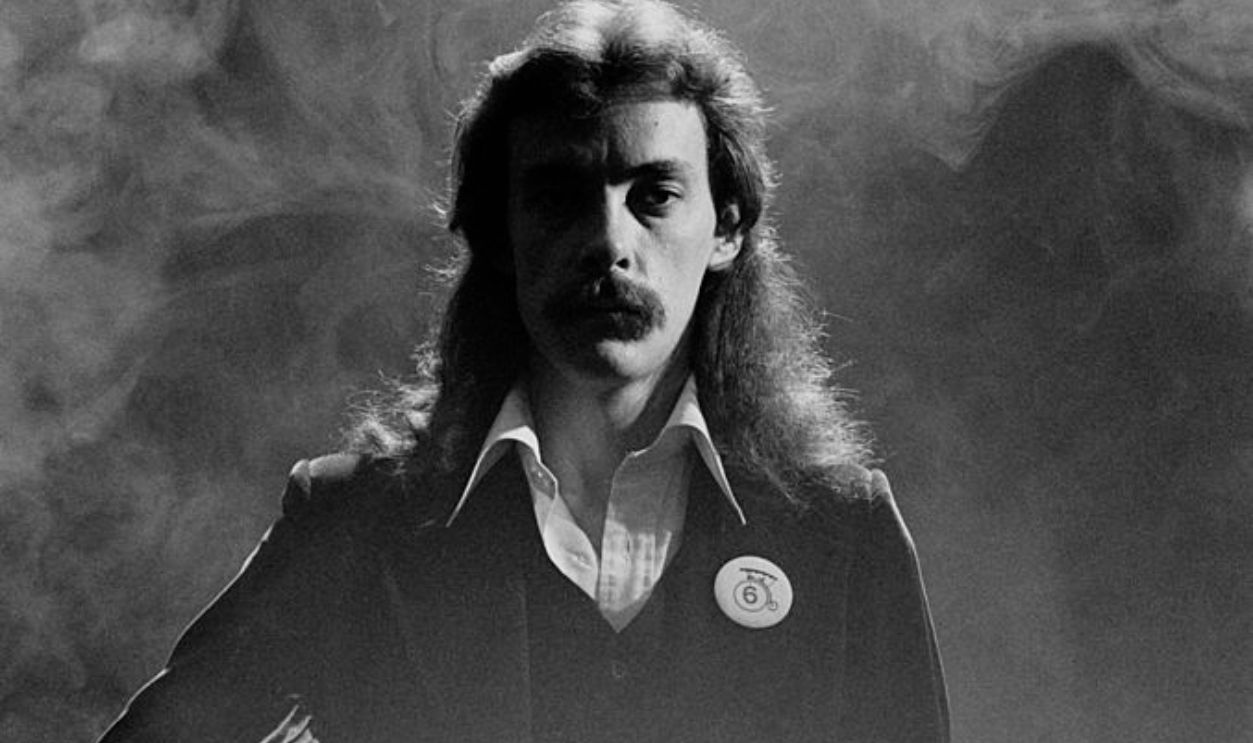
Neil Peart wasn’t about to feel intimidated in front of this band from the big city. So, he arrived for his audition for Rush in his old Ford Pinto with his not-so-fabulous drum kit unglamorously encased in garbage bags. Peart wasn't making a great first impression.

History's most fascinating stories and darkest secrets, delivered to your inbox daily.
9. He Didn’t Look The Part
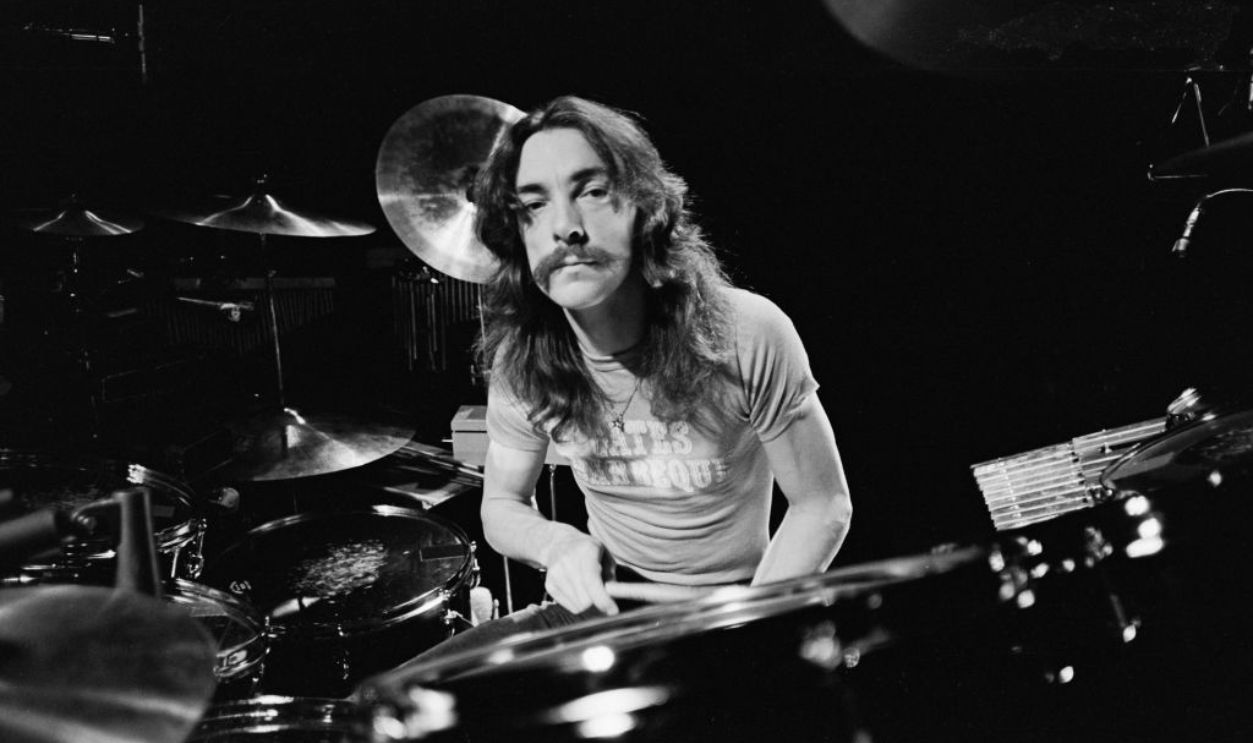
About Peart’s audition with Rush, Geddy Lee later said that he had a good chuckle when he first saw the drummer. He thought Peart looked like a small town farmboy. And there was also his hair. The guys in Rush were sporting rock star hair, and Peart still had his hair short.
Peart was going to have to do some very good drumming to convince Rush he could join them.
10. He Pummeled The Drums
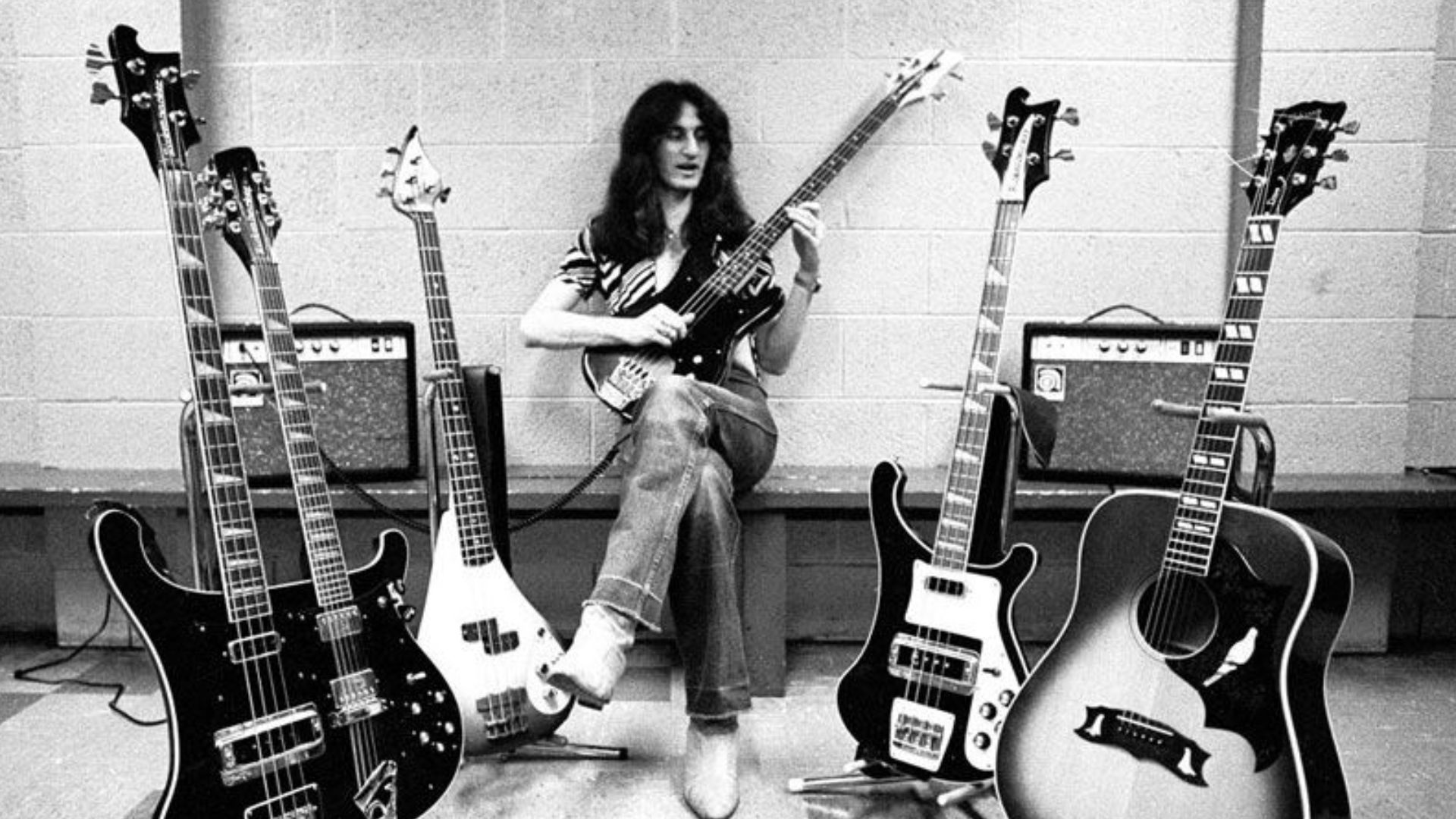
Lee later described Peart’s audition as a man who “pummeled the drums”. He had also never seen such a combination of dexterity and power. Peart thought the audition hadn't gone well. But Lee was sure he was the next member of Rush the “minute he started playing“.
Unfortunately, not all members of Rush were on board.
11. It Was Going To Be A Huge Challenge
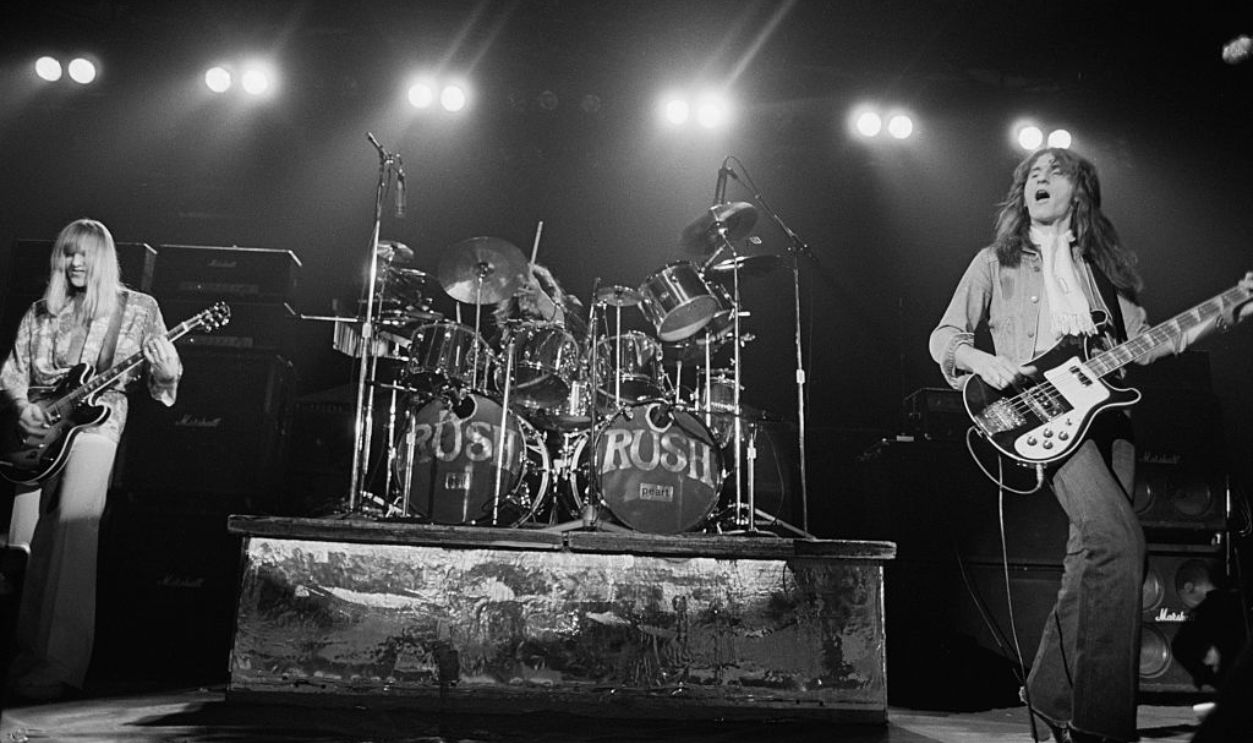
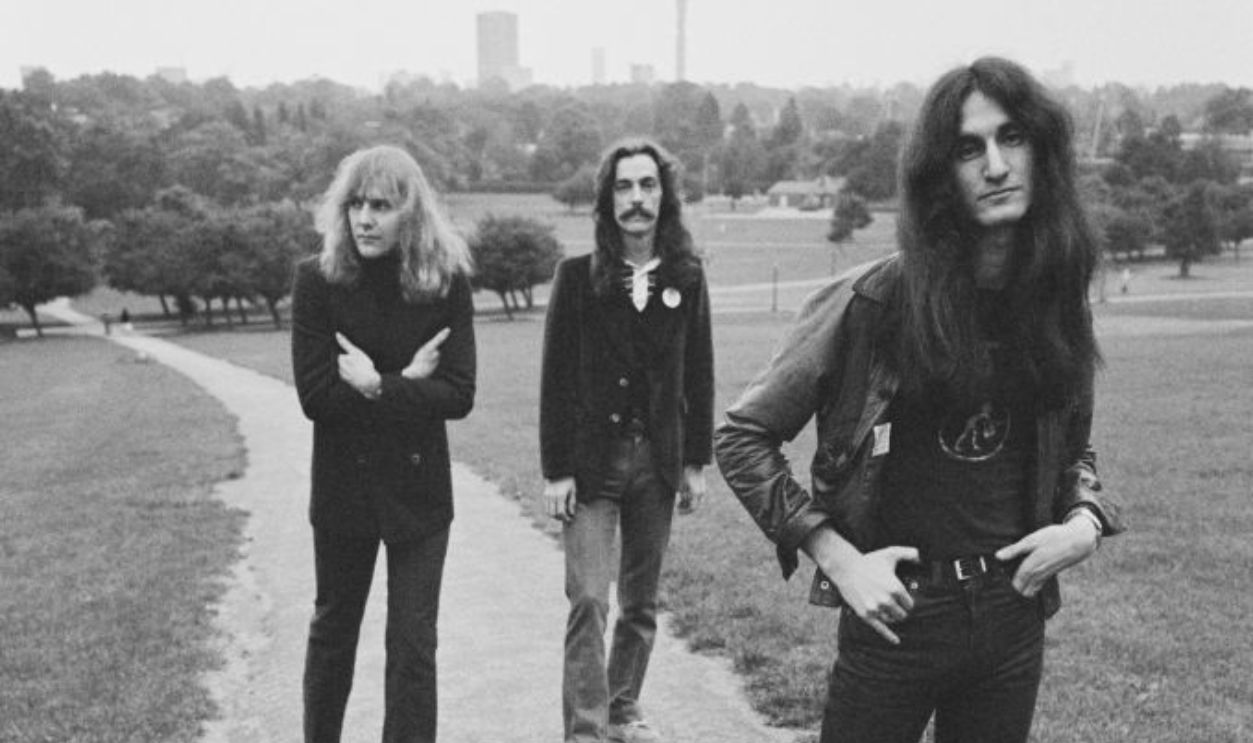
At this point, Rush consisted of Geddy Lee, Alex Lifeson, and outgoing member John Rutsey, who was leaving due to his health. Lee managed to convince the other members to bring Peart on. The first gig would be a sort of test. But the cards seemed stacked up against Peart.
12. He Had To Learn Fast
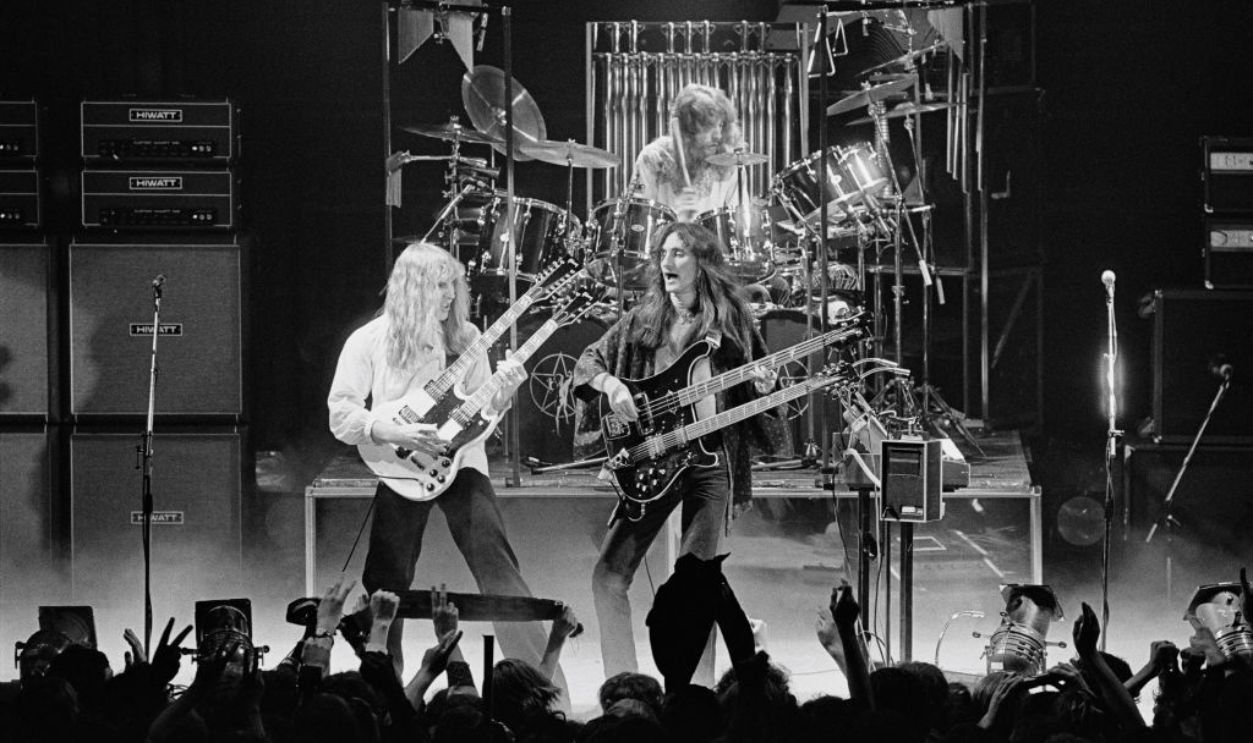
Sure, Rush was welcoming Peart in, but what they asked of him was a lot. He had only two weeks to learn everything that Rush wanted to play on the upcoming tour. On top of that pressure, there was also the fact that Rush had been waiting for this American tour for a long time, and expected great things. Peart compared the experience to a tornado hitting him. He eventually, he walked on stage alongside Rush in front of 11,000 fans at the Civic Arena in Pittsburgh.
This had to go well.
13. He Had To Step Up
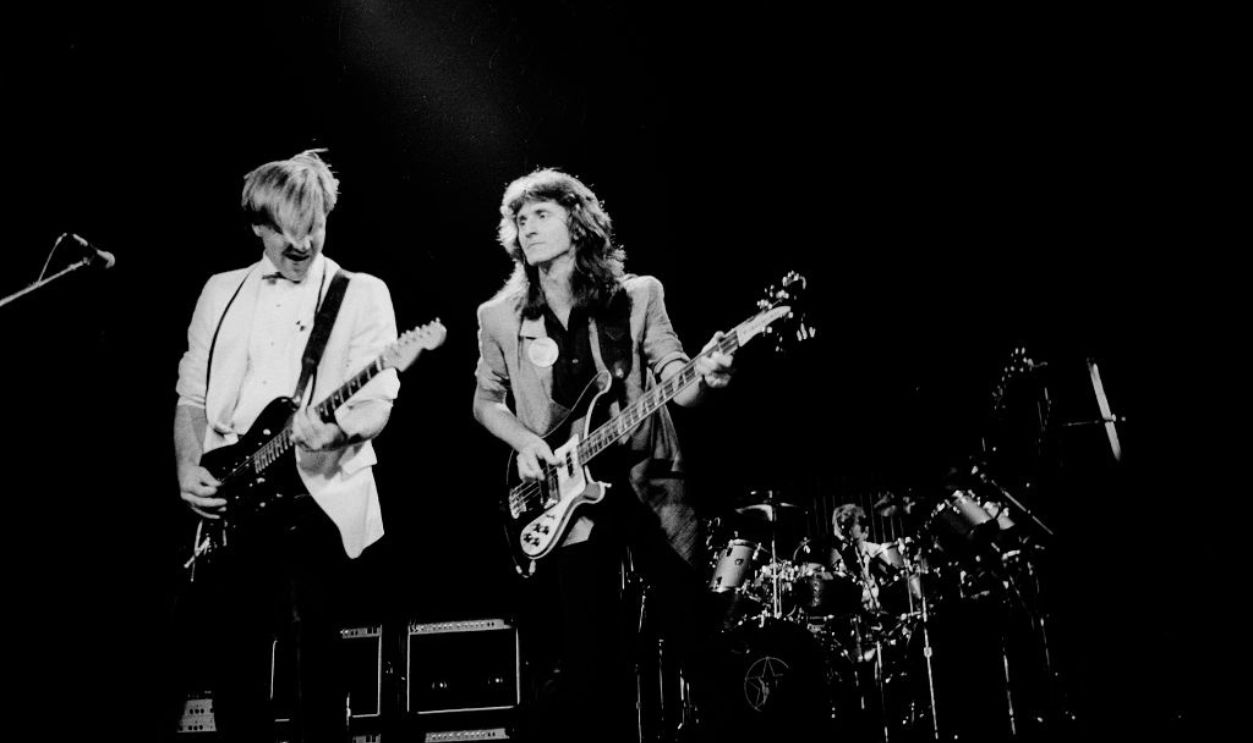
By the time the lights went down, things were clear. Neil Peart had no problem blending in with Rush, and the ensuing tour was a success. But he soon noticed something lacking. No one in the band really wanted to write lyrics. Lucky enough for them, Peart was a lyricist and brought his own songs to the band—and then wrote some new ones. Before long, with Peart as the writer, Rush had an album.
They put it out there and waited for the response.
14. He Had A Good Start
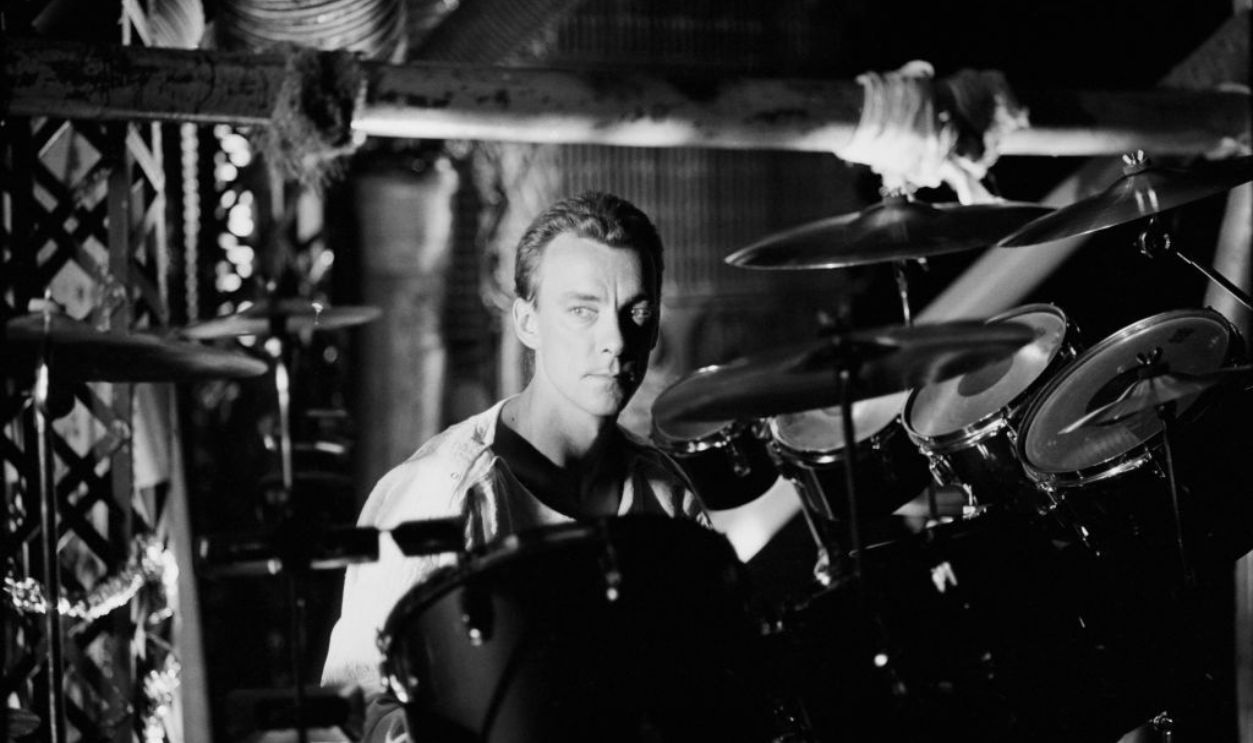
Rush’s first album with Peart was Fly by Night, and it did reasonably well. It hit number 9 in Canada and number 113 on the US Billboard 200. The guys did an extensive tour to promote the album. Things looked even better when they won a Juno, a prestigious Canadian music award, for most promising new act.
It seemed like nothing could go wrong. Until the next album.
15. They Disappointed
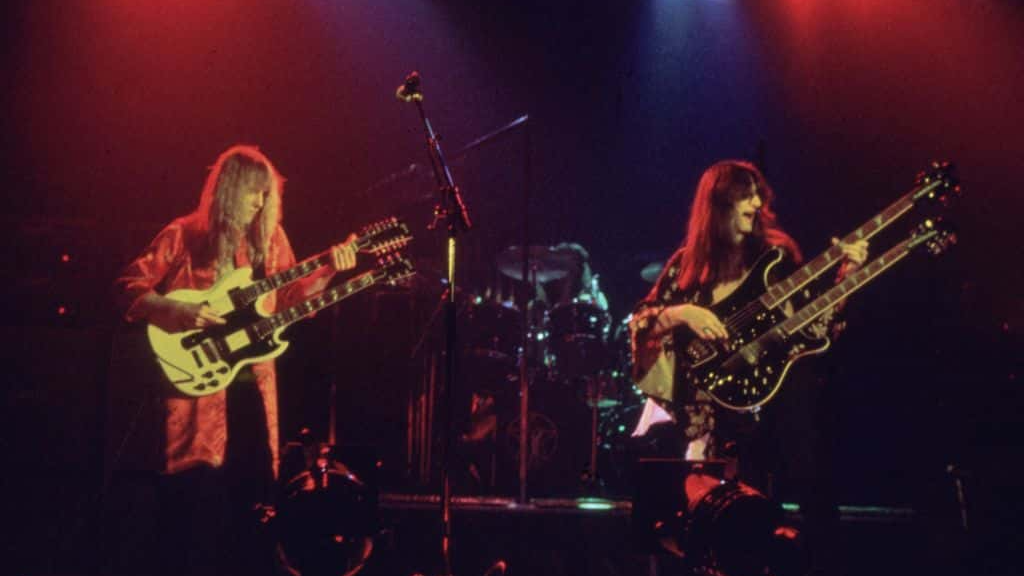
For Caress of Steel, Rush went in a different direction. They had been a hard rock band, and now they sounded more like a progressive rock band. Neil Peart and Rush had a great deal of excitement about this change—but they were in for a brutal surprise. As it turns out, neither critics nor fans liked it at all.
When they went on tour, the fan’s disappointment came in loud and clear.

16. He Had No Idea
The lyrics for “Caress of Steel“ came from a time when Peart was still a teenager working on the boardwalk of an amusement park. Little did he know back then, but this song would be the center point of Rush’s least popular album. He also didn't know about what other problems this endeavor would present.
17. They Got The Cover Wrong
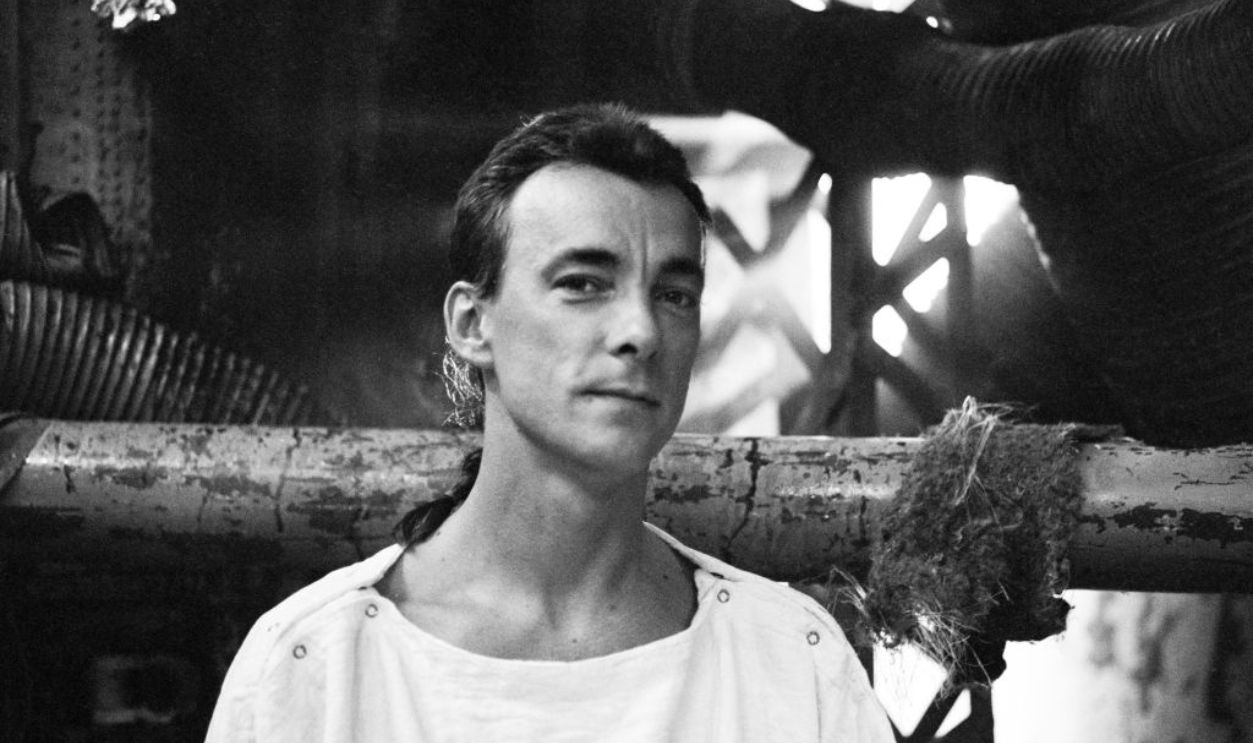
While working at the theme park, Peart was likely not in the best of spirits. The song title “Caress of Steel” suggests a cold, gray touch. Sadly, the printers who produced the album cover messed up and made it gold instead of gray. Not quite what Peart was going for. This album seemed to have no end of issues.
Sadly, they were still going to have to tour with this embarrassing dud.
18. He Had To Go On Stage
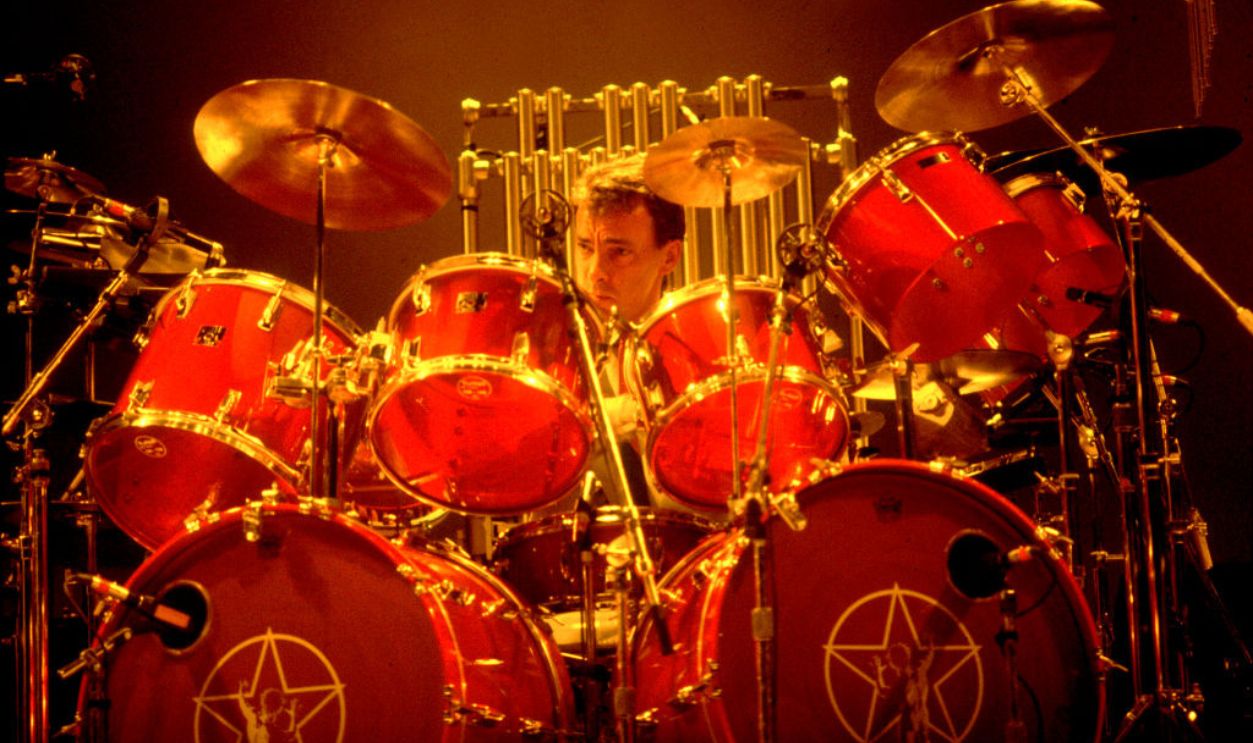
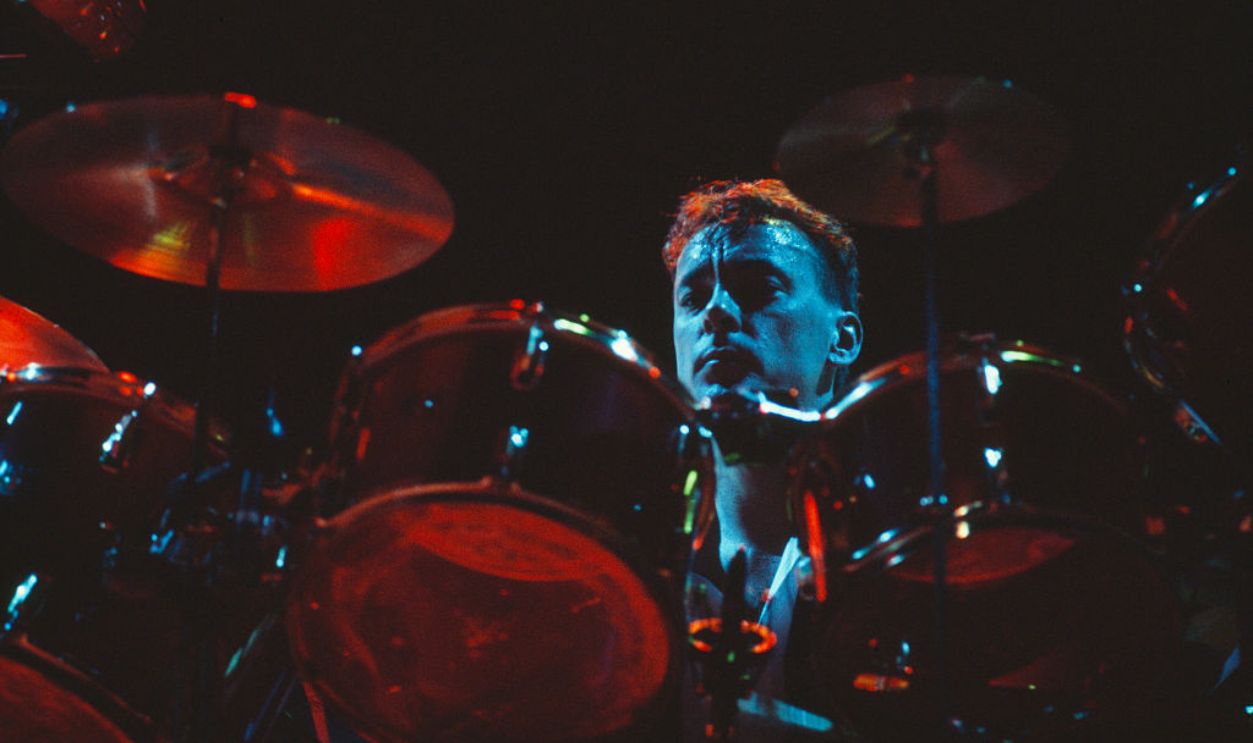
Music lovers were not rushing to stores to get their copy of Caress of Steel. The media were either not liking it or ignoring it completely. With this agonizing situation echoing in his head, Neil Peart had to get behind his drum kit for a Caress of Steel tour. The boys soon gave this tour a nickname: the “Down the Tubes” tour.
After the tour, they had to face their angry record label.
 David Tan/Shinko Music, Getty Images
19. They Got One Last Chance
Mercury Records was not happy with the results of Caress of Steel, and their first thought was to drop Rush altogether. They decided to give them one last chance. Their recommendation was to stop this progressive rock thing and give the audiences what they wanted: commercially successful music.
Peart and the guys heard the recommendation—and then completely ignored it.
20. They Took A Huge Risk
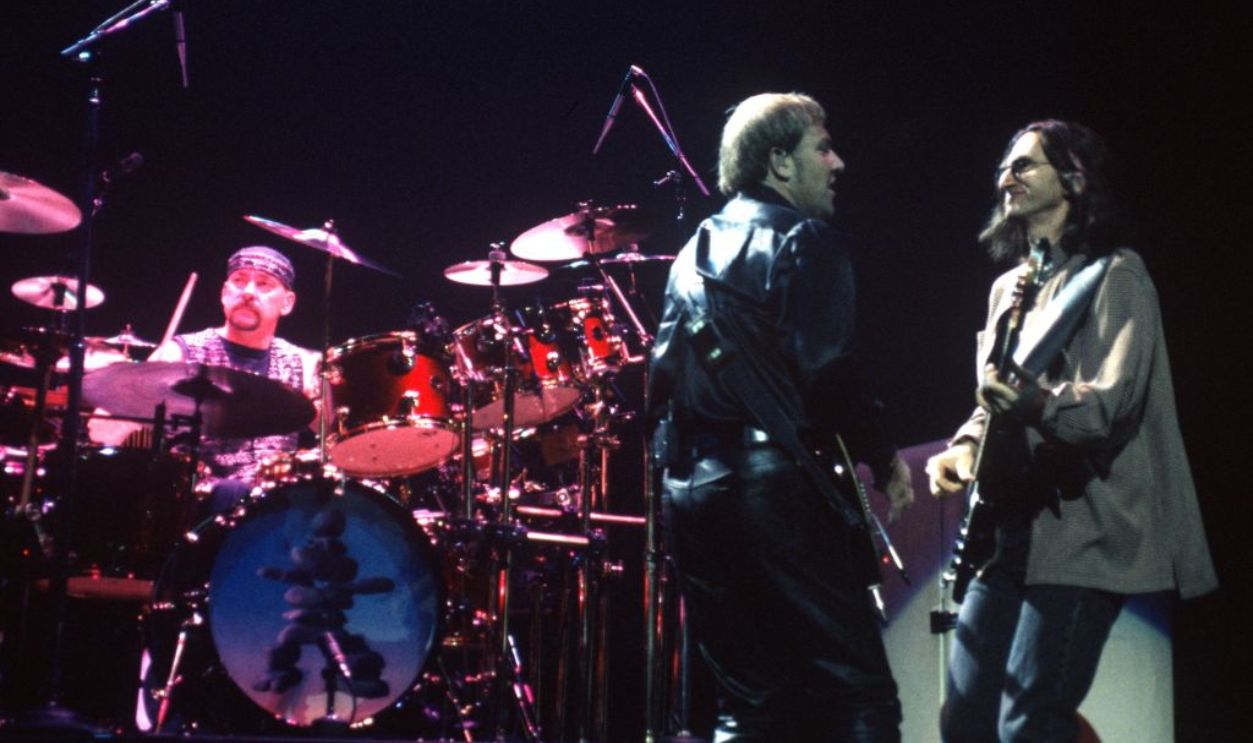
As the lyricist behind Rush, Neil Peart refused to cave to the demands of the record company. The band recorded a new album they called 2112. The title song was 20 minutes long and had a science fiction sound. It was exactly what the record company didn’t want.
But Peart wasn't about to ignore Mercury's request completely.
21. They Tried To Please Everyone
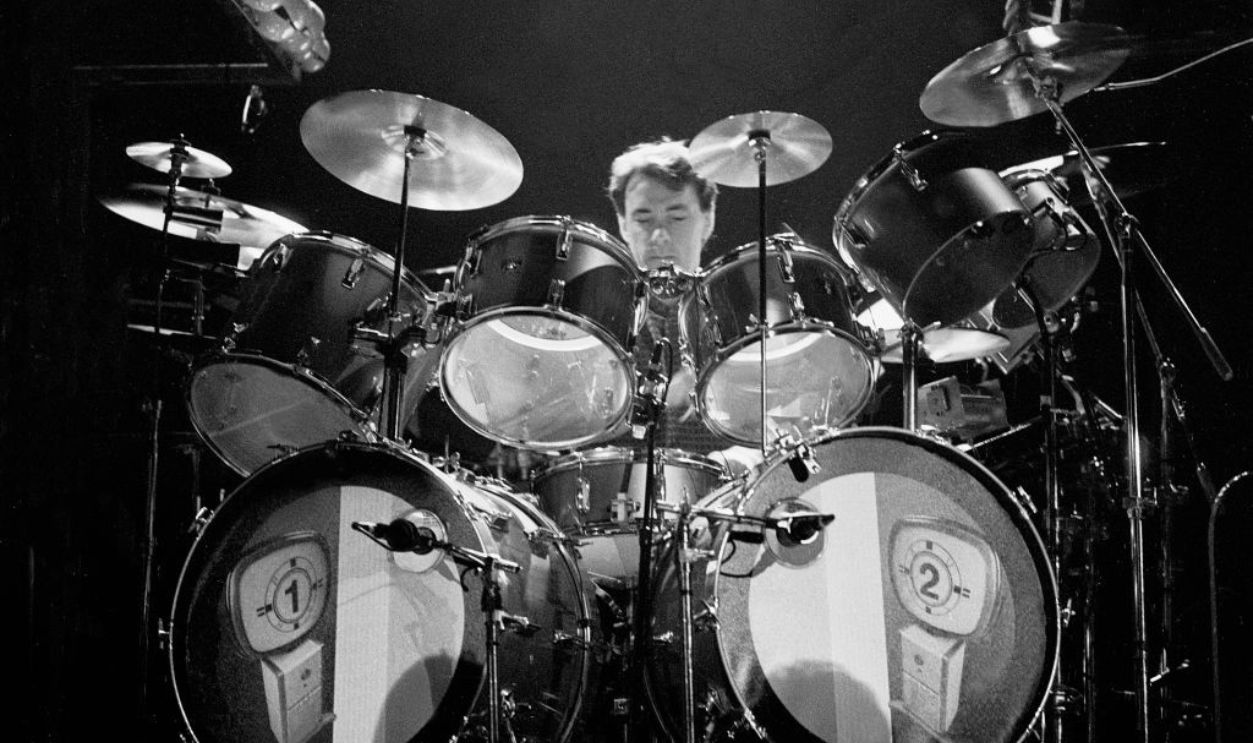
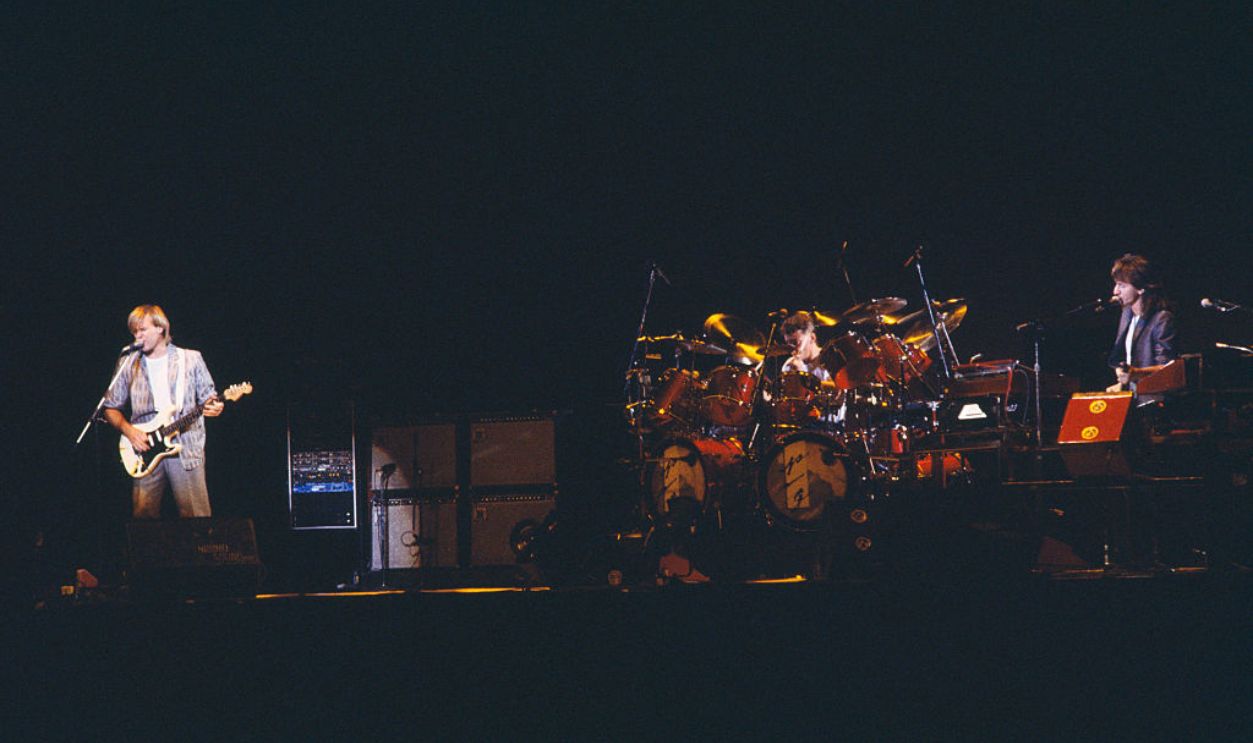
On the flip side of 2112, Rush provided shorter songs that they were pretty sure audiences would like. When all was said and done, Neil Peart and the guys had put together an album that they could be proud of, and they hoped that the record label, critics, and fans would also like.
The stakes were high, as the record label was ready to drop them like a hot potato.
 Gutchie Kojima/Shinko Music, Getty Images
22. Everyone Was Happy
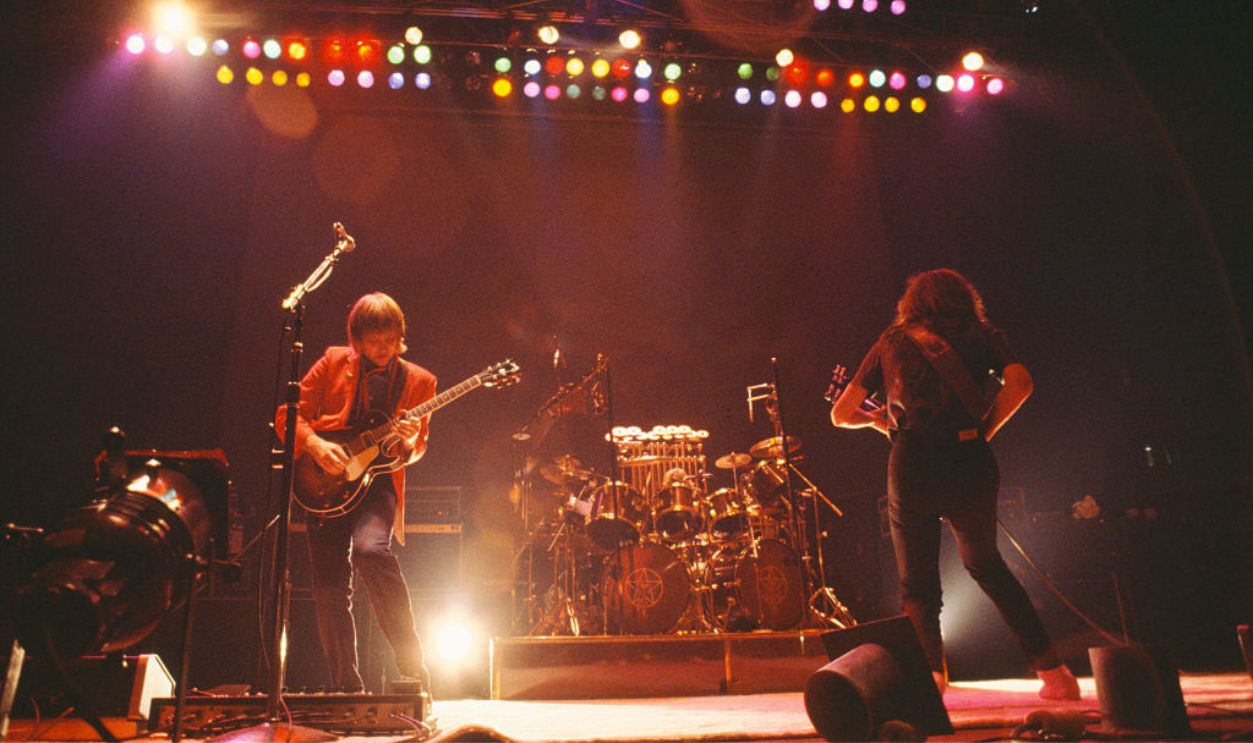
Most people know that when you try to please everyone, no one is usually that happy. Well, this wasn’t the case with 2112. The initial critical response was good, and then fans started buying albums. 2112 quickly outsold Rush’s previous albums and eventually became Rush’s second highest-selling album. Of course, those kinds of sales also pleased Mercury Records.
For Peart, this success meant more than album sales.
 David Tan/Shinko Music, Getty Images
23. He Fulfilled A Dream
While promoting 2112, Neil Peart got to fulfil a dream he had back when he lived in small-town Ontario. At the time, there was no more esteemed venue than Toronto's Massey Hall. Historically, it was for orchestras and choirs, but in 1976, on the heels of the album’s unexpected success, Peart got to live his dream and perform three shows there.
This was where bandmate Lee introduced him as “The Professor on the drum kit”. This nickname stuck, and Peart was ready for stardom.

24. He Was Busy
Following the success of 2112, Rush made five albums in just four years. Somehow, they also performed an astonishing 300 concerts per year. Neil Peart was so busy that he later described this time with Rush as living in a “dark tunnel”. He desperately needed a break.
More importantly, he needed a change.
25. He Became A Family Man
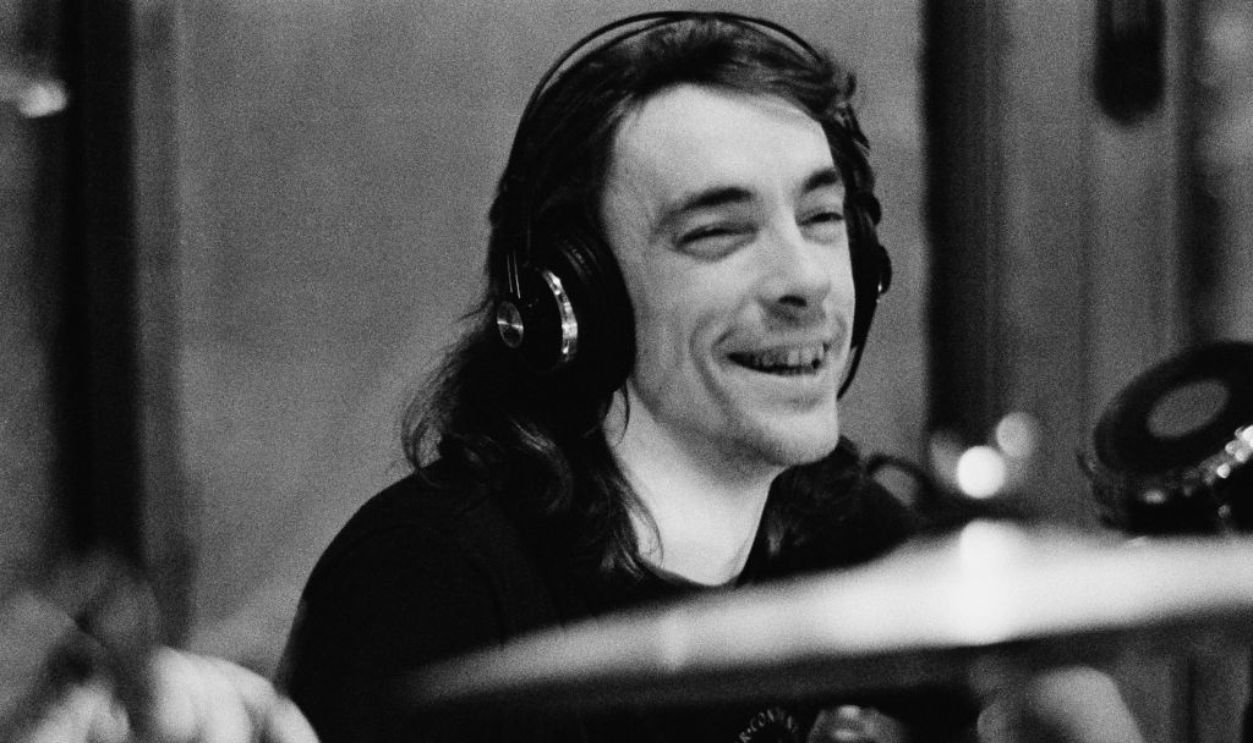
Even while Rush was recording albums and touring at a breakneck pace, Neil Peart found some peace back at home when he fell in love with Jacqueline Taylor. In 1978, Jacqueline gave birth to a daughter that they named Selena. Now, when he wasn’t on the road, he had two people he could look forward to seeing—something to go home to.
But that didn’t mean he stopped giving his all to Rush—both with his presence, and his creativity.

26. He Expanded Their Sound
Throughout the 80s, Rush tried new and different things—and their gambles paid off. They reached true radio success with hits like “Spirit of the Radio” and “Tom Sawyer,” and introduced synthesizers to their sound with fan favorite hits like “Subdivisions”. They went even further with this on their mid-80s albums Power Windows and Hold Your Fire—but not everyone was along for the ride, as they parted ways with their long-time producer in this period.
Rush had established themselves. They had staying power—and finally, Peart was being recognized as a true creative powerhouse.
 Matt Becker, Wikimedia Commons
27. He Got An Incredible Offer
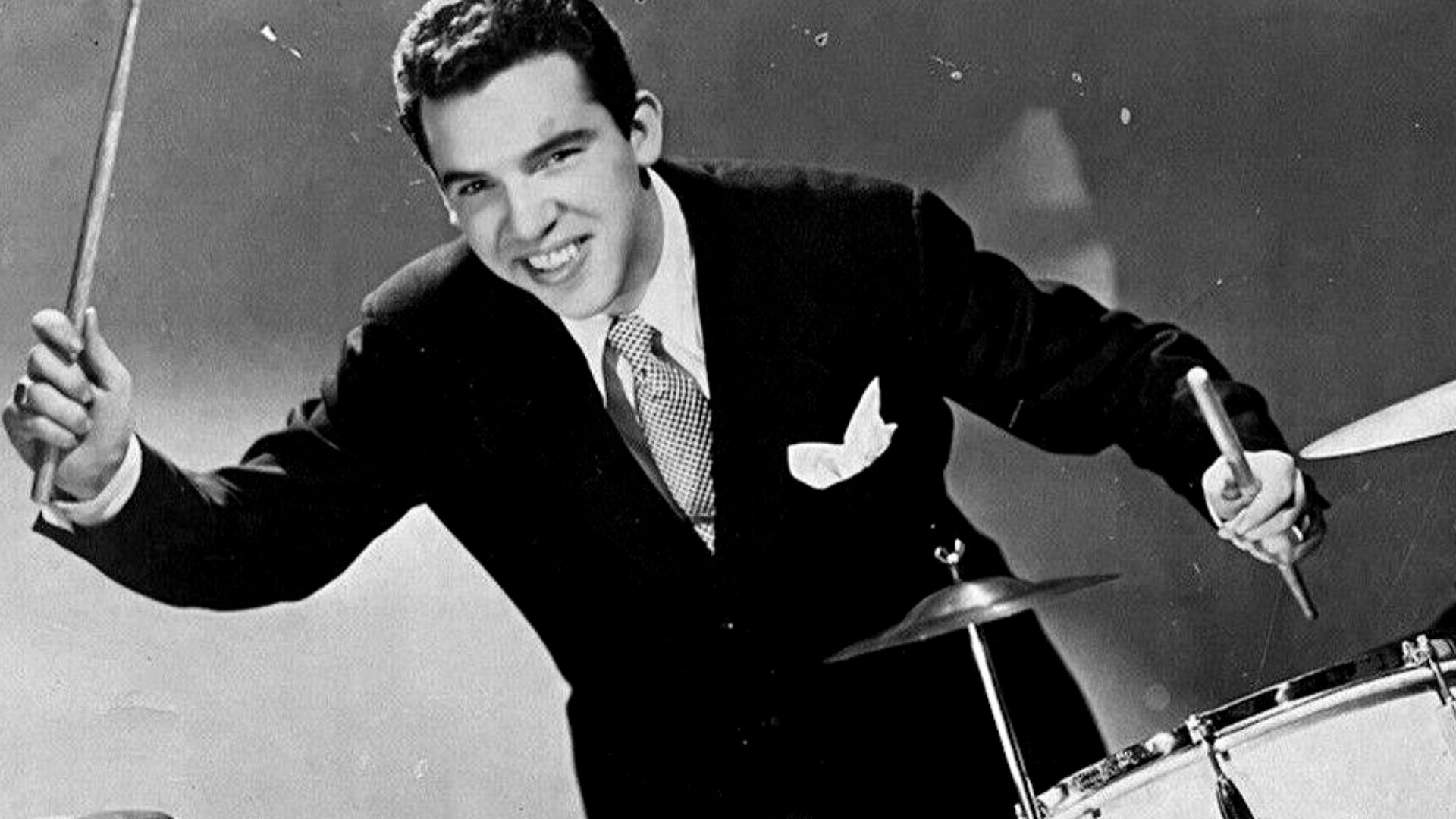
While Rush continued to gain popularity, Peart was finally getting his due as an extraordinary drummer. He got a message from Cathy Rich, whose father was drummer and jazz icon Buddy Rich. In fact, many called him the “most influential drummer of all time”. Cathy wanted Peart to perform in a concert called the Buddy Rich Memorial Scholarship Concert. This was a huge honor, and Peart was ready to do his best.
Sadly, his best wasn’t quite good enough.
 James Kriegsmann, Wikimedia Commons
28. He Messed It Up
When Neil Peart arrived in New York City, he must have felt honored to be playing a tribute to the amazing Buddy Rich. When Buddy Rich’s Big Band started playing, Peart had a horrible realization. He and the band were playing different arrangements of the song. Peart had learned the wrong arrangement.
A humiliated Peart desperately looked for a way to make things right.
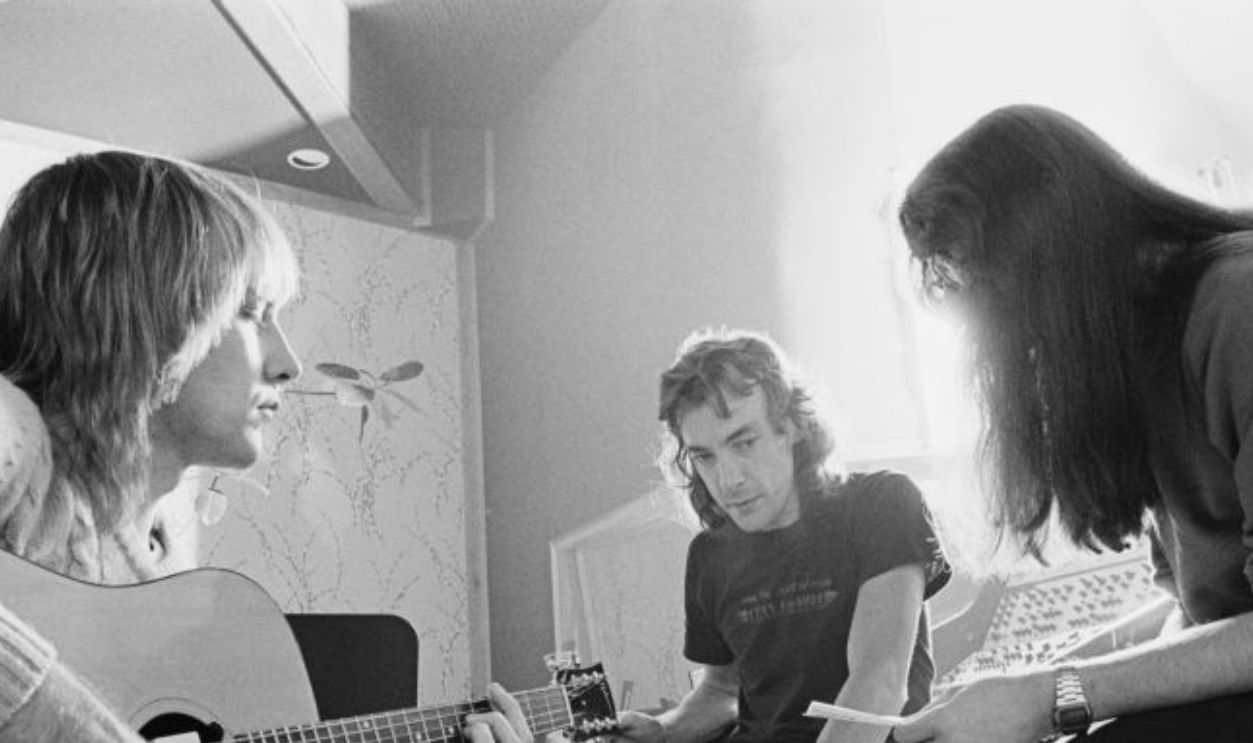
29. He Paid For His Mistake
To make up for making a fool of himself at the Buddy Rich memorial, Peart had an idea. He decided to make a Buddy Rich tribute album. He made two versions, one in 1994 and another in 1997. While working on producing these albums, Peart came across Steve Smith, who he met when Smith was the drummer for Journey.
Peart noticed that Smith’s drumming had gone from good to amazing, and Peart wanted to know why.
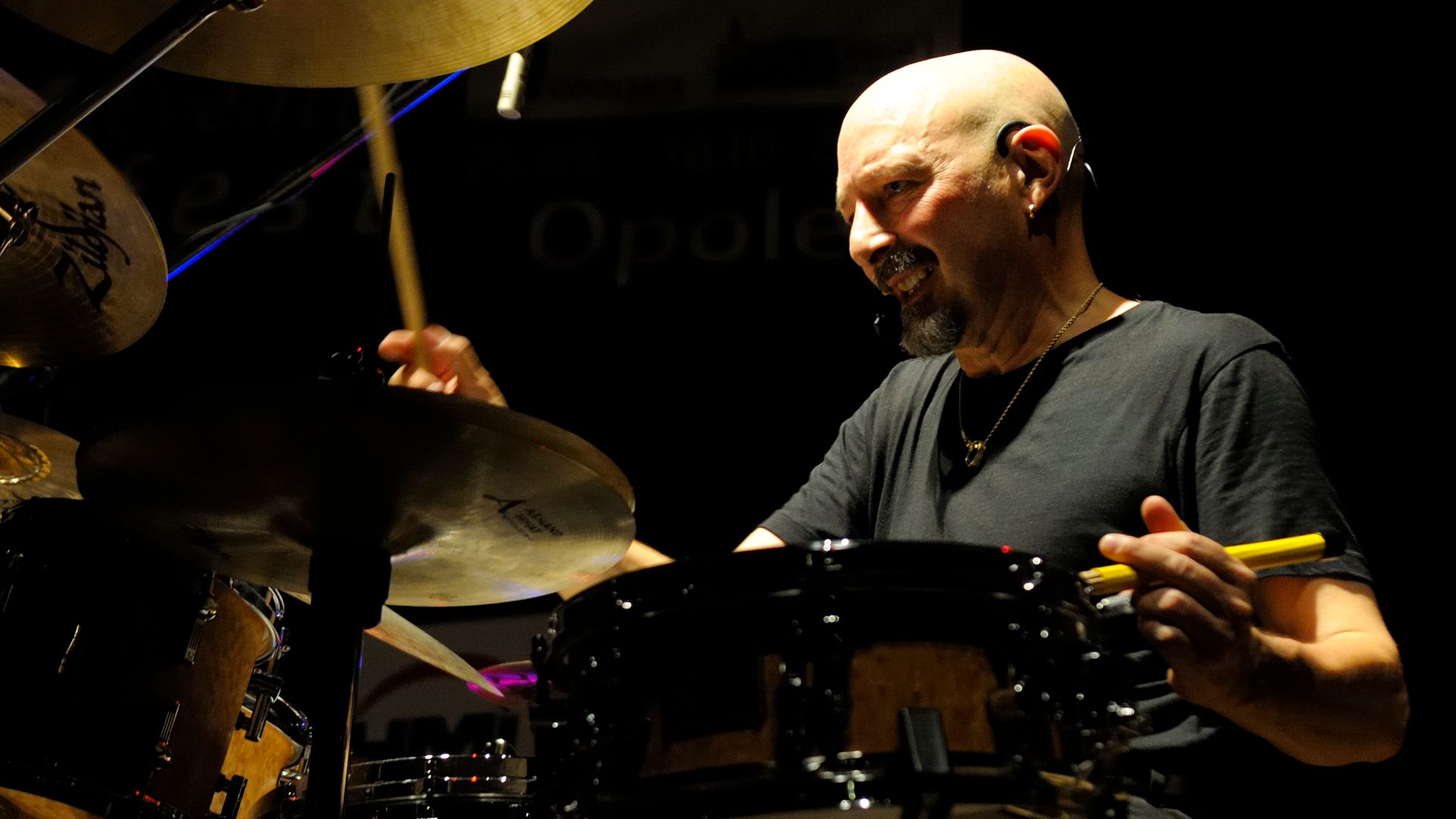 Kuba Bożanowski, Wikimedia Commons
30. He Had A Change
Smith gave Peart a recommendation. He said to take lessons from master drummer Freddie Gruber. Peart decided to give it a go, and before long, he was ready to make a huge change in his music style. Peart wasn't just a rock and roll drummer anymore. He could now add swing and jazz to his repertoire.
Sadly, while Peart was busy expanding his horizons, tragedy was looming.
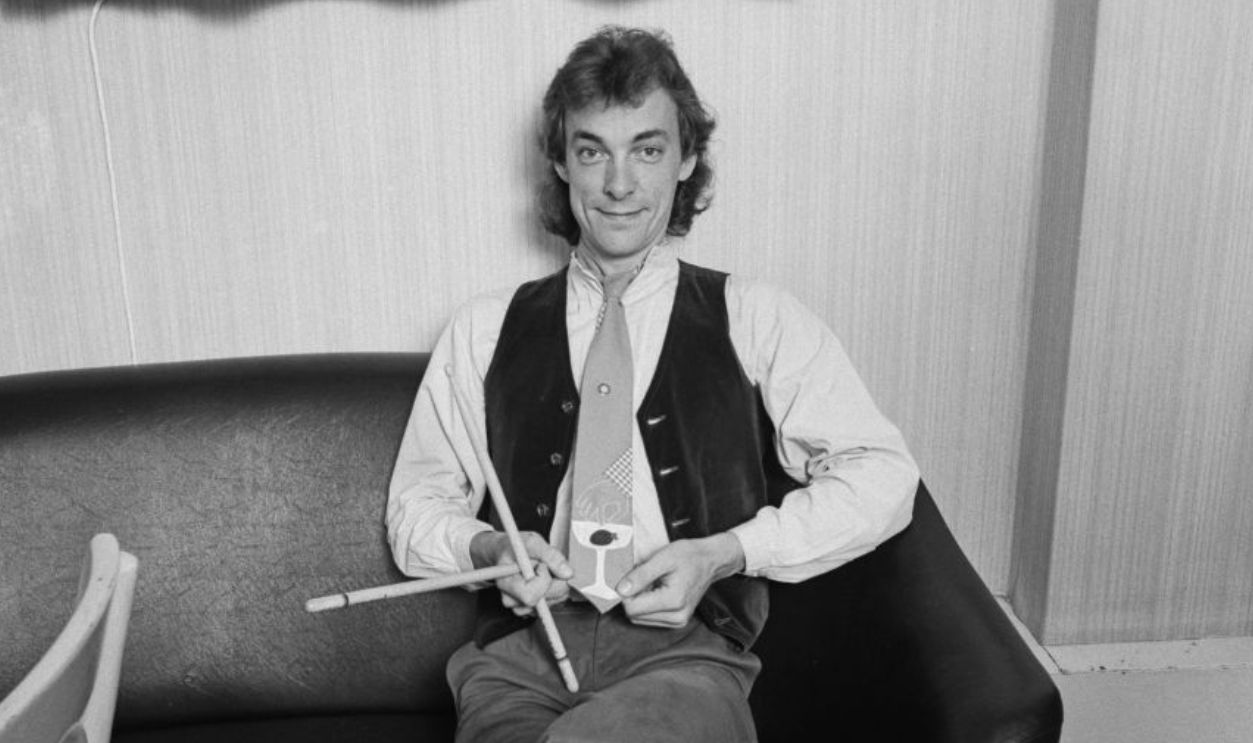
31. He Lost His Daughter
In 1997, Rush was just finishing the tour for Test for Echo. An exhausted Peart got the worst news a parent could get. His daughter, Selena Peart, had been in a car crash and had not survived. He was left to mourn with his common-law wife Jacqueline Taylor.
But the tragedy wasn't over yet.
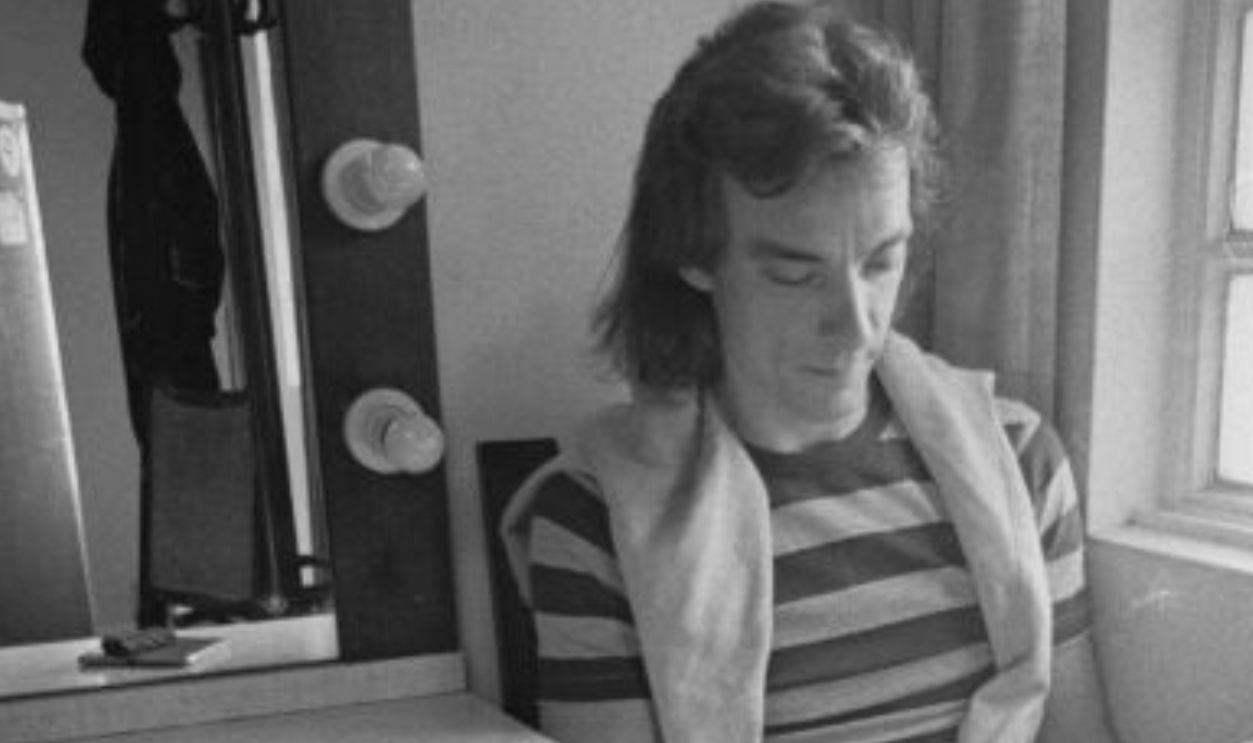
32. He Lost Another One
Peart’s partner, Taylor, could not get over the loss of their daughter. In her grief, she began a slow decline and on June 20, 1998, she also passed. The doctor said it was cancer—but Peart had an even more devastating take on the loss. He believed that she had died due to her "broken heart”. In one agonizing year, Peart had lost his daughter and his partner.
He would not get over this tragedy easily.
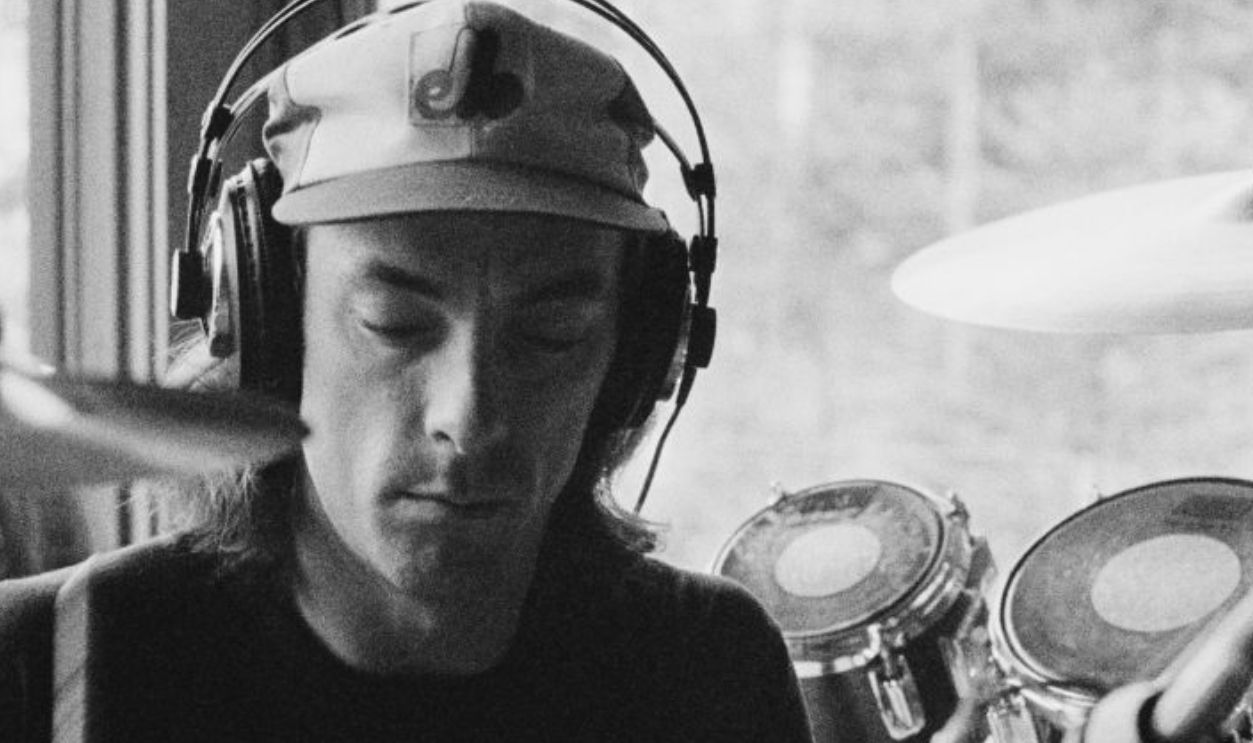
33. He Had To Get Away
At Taylor's funeral, Peart decided to give his bandmates a directive that was as shocking as it was heartbreaking. He would not be returning to Rush and they should consider him retired. He got on his motorcycle and rode 88,000 km (55,000 mi) through North and Central America. His grief was so profound that only a huge distance like that could help him deal with it.
When he was through, a lot of strong feelings remained. He decided to write them down.
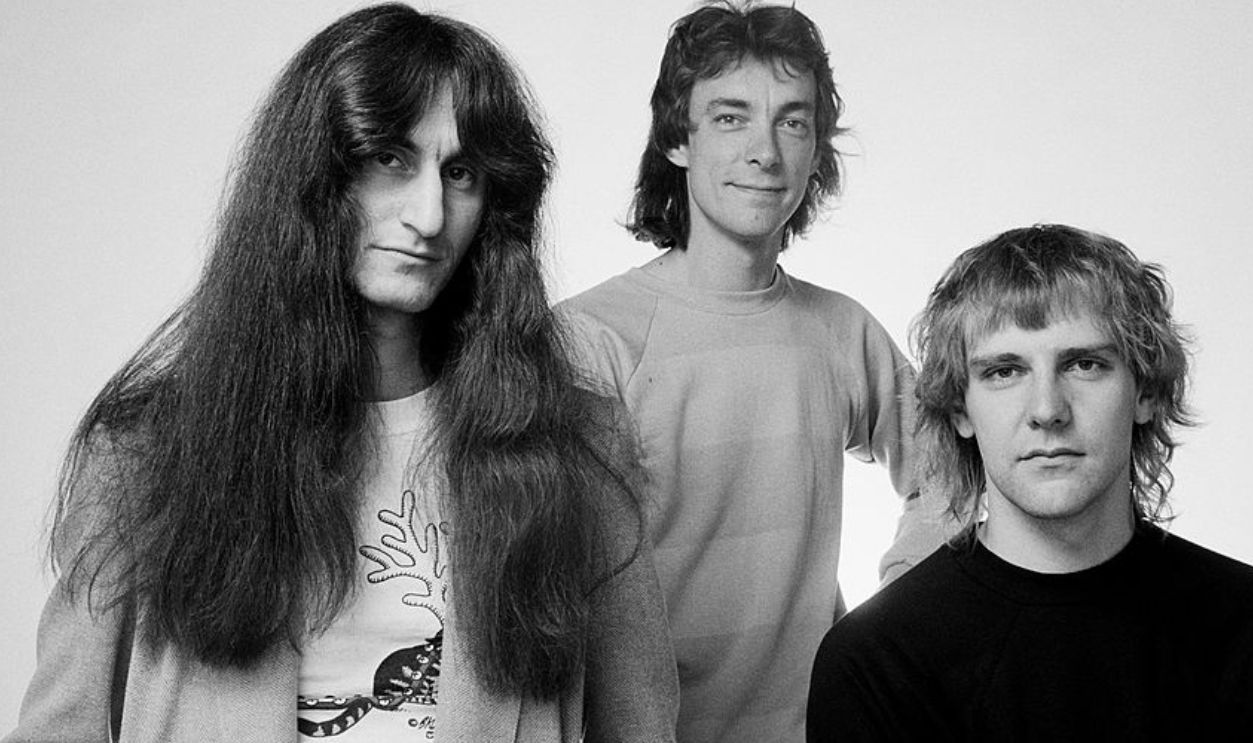
34. He Learned To Forgive
Neil Peart had already written a book about his travels, but this seemed especially like a good time for another. Dealing with the loss of his daughter and partner, Peart took pen to paper and wrote Ghost Rider: Travel on the Healing Road. In writing this book, Peart learned to “forgive life” and forgive those who still lived, even himself.
Peart was ready to move on with his life—and there was a surprise waiting for him.
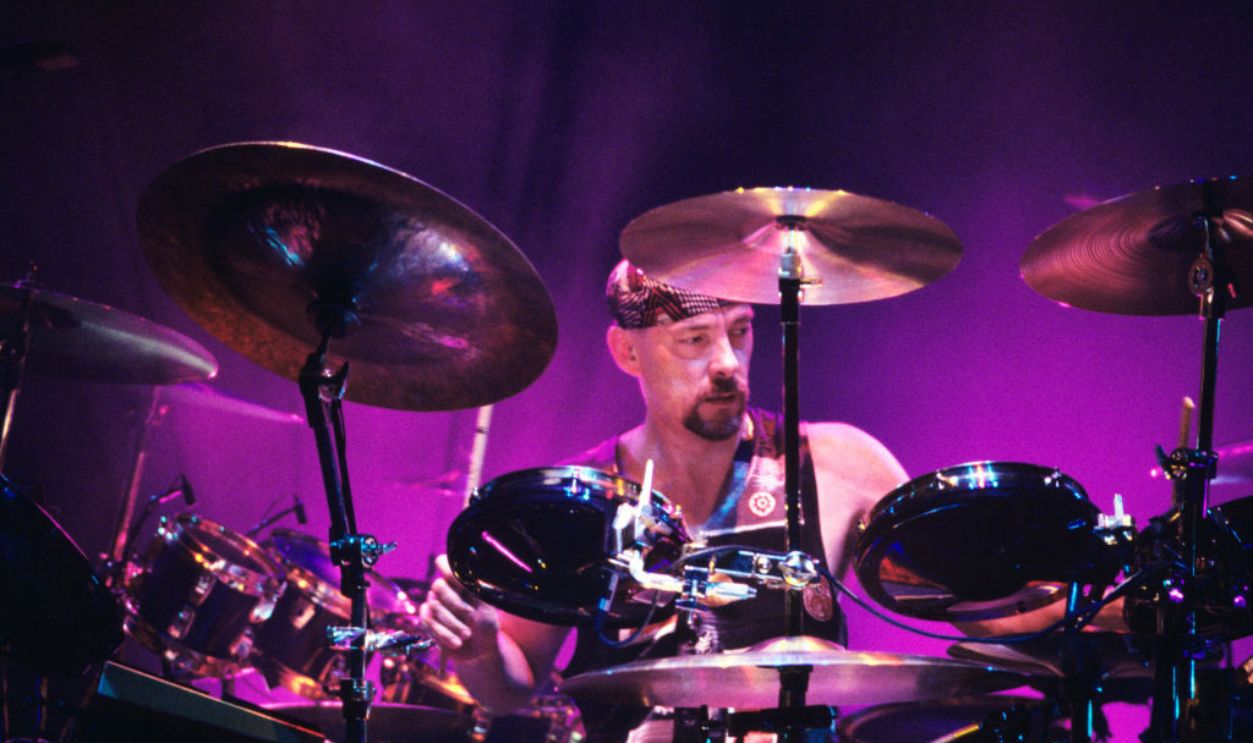
35. He Had A Chance Meeting
After his trip, Peart was hanging out with Rush photographer Andrew MacNaughtan. Through him, he met Carrie Nuttall, another photographer. That’s when something unexpected happened. Sparks flew between Nuttall and Peart. The two went on to tie the knot on September 9, 2000.
By the next year, Peart had another surprise for his old bandmates.
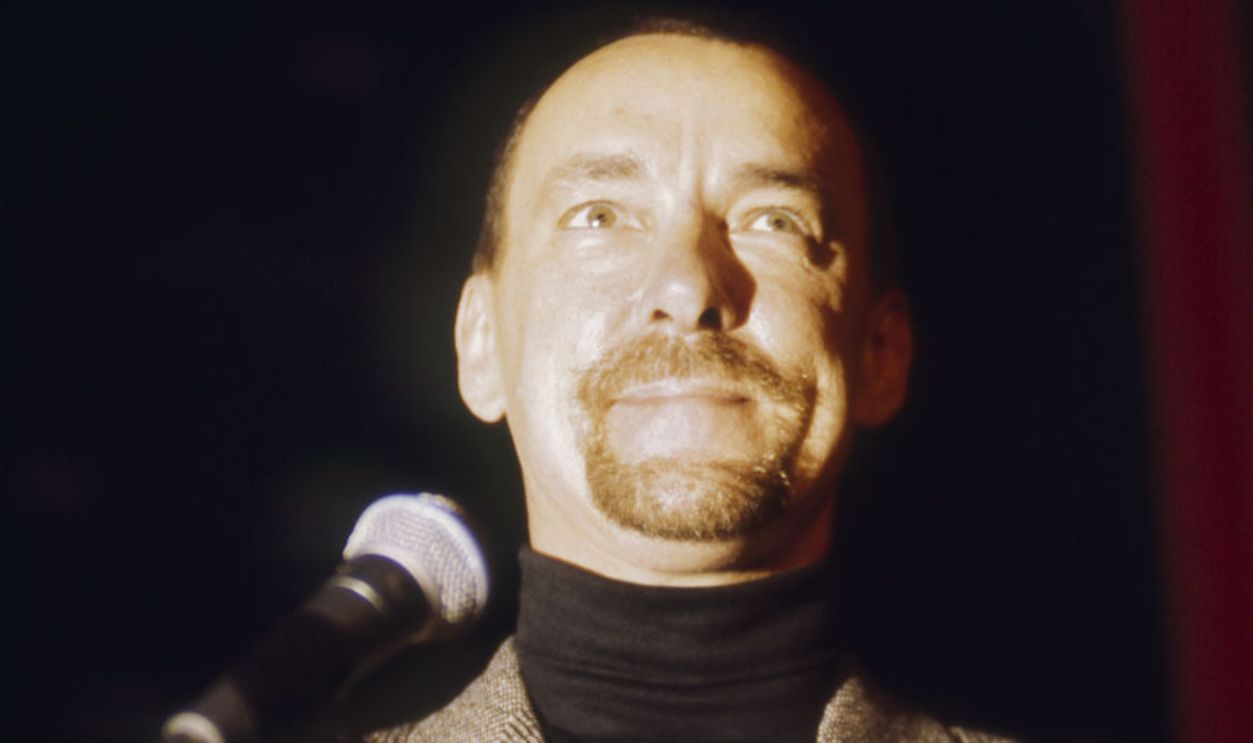
36. It Was Haunted
At the beginning of 2001, Neil Peart delivered some very happy news. He was ready to end his retirement and rejoin Rush. The band soon came out with their next album, Vapor Trails. One critic said that Peart’s sense of tragedy over the loss of his daughter and girlfriend haunts the album.
Peart was back, but so much had changed in the years that passed. Was he ready to go on tour?

37. He Got A Break
Of course, touring is a lot more than just playing shows. It involves dealing with the media. During this tour, Peart’s bandmates showed him an incredible kindness. They let him miss out on all the press events. They didn't want him to have to answer painful questions about his recent tragedies.
But missing out on meet and greets was about to get Peart into trouble.

38. He Didn’t Engage
Some fans were noticing that it wasn’t just meet and greets that Peart was missing out on. He was failing to engage with his fans in any way. One long time Rush fan even posted that he thought Peart had forgotten who bought his albums. In short, he thought that Peart was turning his back on his fans.
Peart may have been shy, but he made up for it in a surprising way.

39. He Cared A lot
One reporter tells the story of going to an early Rush show and trying to pass copies of his articles to give to the members of Rush. Peart got some of these articles through the road crew. Later, the reporter regularly received post cards from Peart with a note for him personally. Maybe Peart didn't like interacting face-to-face, but he did care about his fans.
Another complaint about Peart was about his politics.

40. He Had His Beliefs
When Peart was struggling to find a career back in London, he started reading the works of philosopher and writer Ayn Rand. In some people’s books, it’s a given assumption that anyone who follows Rand is a far-right conservative, and that fact didn’t sit well with his fans and critics. So, why didn’t Peart keep his love of all things Rand a secret?
It’s actually for a surprising reason.

41. He Had A Fear
No one would have known about Peart’s interest in Rand, except for one thing. He gave her credit in the liner notes of the album 2112. You see, after Peart had penned the lyrics for the title song, he realized that some of the ideas had come from Rand’s book Anthem. So, it wasn’t his love of Rand that got her in liner notes—it was Peart’s worries about accusations of plagiarism.
42. It Was Time To Celebrate
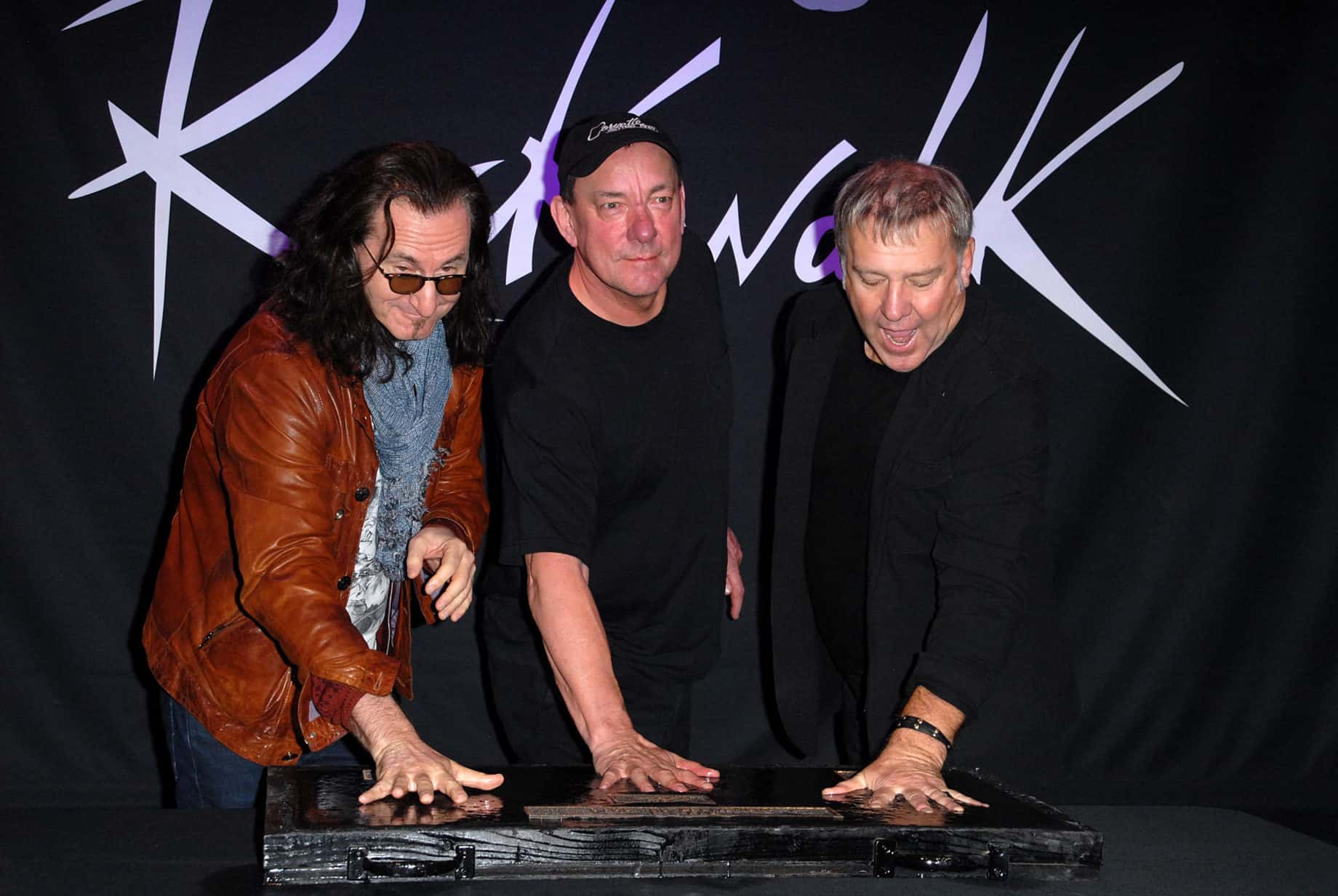
The year 2012 marked a major milestone for Rush and their fans. It was their 40th anniversary. To commemorate 40 years as a band, they went back out on tour. And apparently, they still had it going on. The average concert on this tour had over 12,000 happy fans in the crowd, and the average gross was more than a million dollars.
This same year, Rush also accomplished a major milestone.

43. They Made The Cover
Fans of Rush had been waiting for one magical event to happen. They wanted Peart and Rush to appear on the cover of Rolling Stone magazine. In response to the successful 40th anniversary tour, they finally got their wish. But there was something even more important—especially for Peart—that happened with this tour.

44. She Saw Him For The First Time
Remember, Peart had gone through a long mourning period when he lost his common-law wife and daughter. He had managed to come out of it and marry Carrie Nuttall, and the two had a daughter, Olivia. At five years old. Olivia finally got to see her dad performing. She was in awe as to why so many people wanted to see her dad—not to mention uncles Alex and Geddy—perform.
Sadly, tragedy was once again lurking around the corner.

45. He Got Some Very Bad News
Rush played its final show on August 1, 2015. It would just be a few months after this that Peart received a terrifying diagnosis. He had an aggressive type of brain cancer called glioblastoma. Peart had been ready to retire, but it looked like he would have very little time to enjoy it. Not surprisingly, Peart kept his diagnosis in his inner circle.
His fans would be in the dark until it was too late.
 Enrico Frangi, Wikimedia Commons
46. Suddenly He Was Gone
Neil Peart passed on January 7, 2020. On January 10, his family and his Rush bandmates announced his passing on the band’s website. They asked for privacy from his fans. For those wanting to do something, they suggested donating money to the cancer charity of their choice.
Of course, for the fans, it would be impossible to forget Peart.
47. He Was Unique
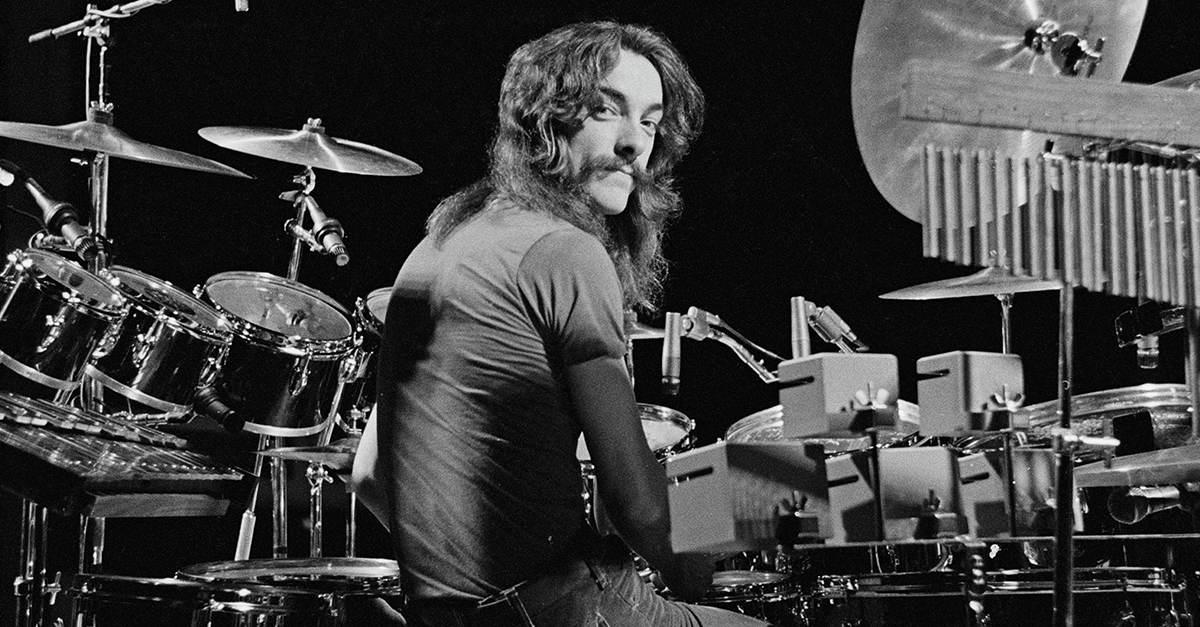
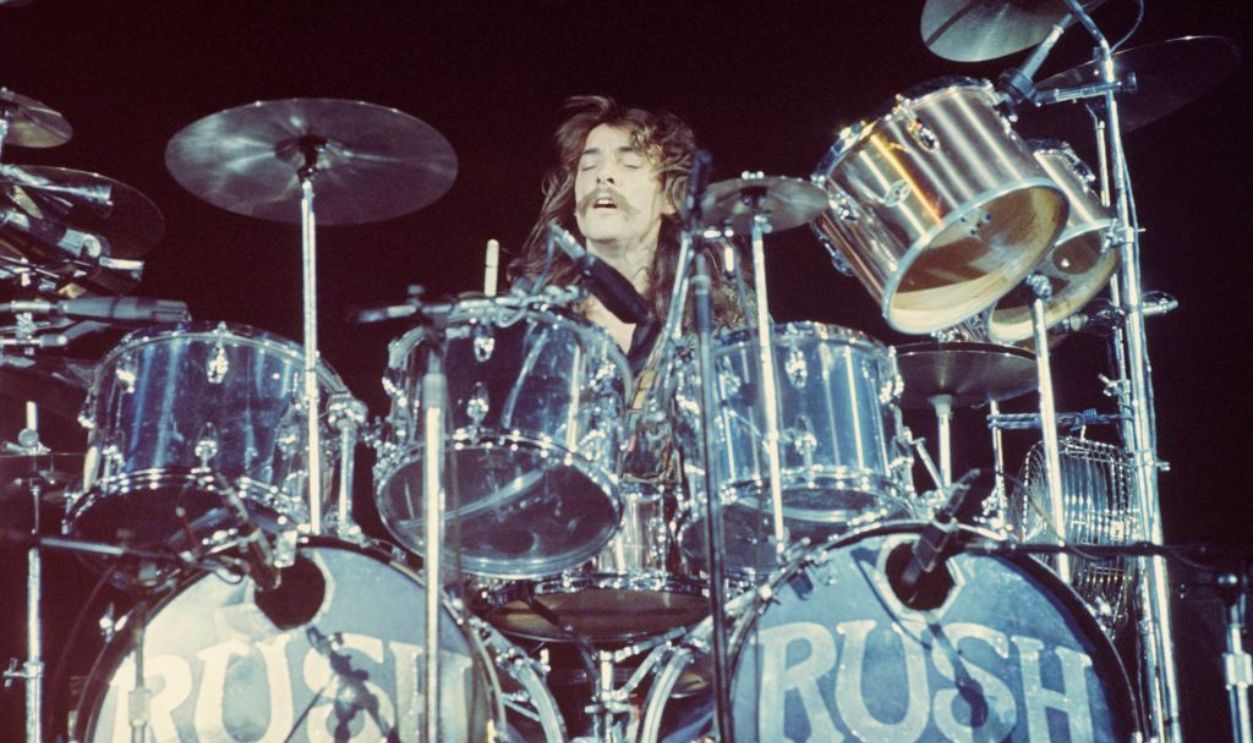
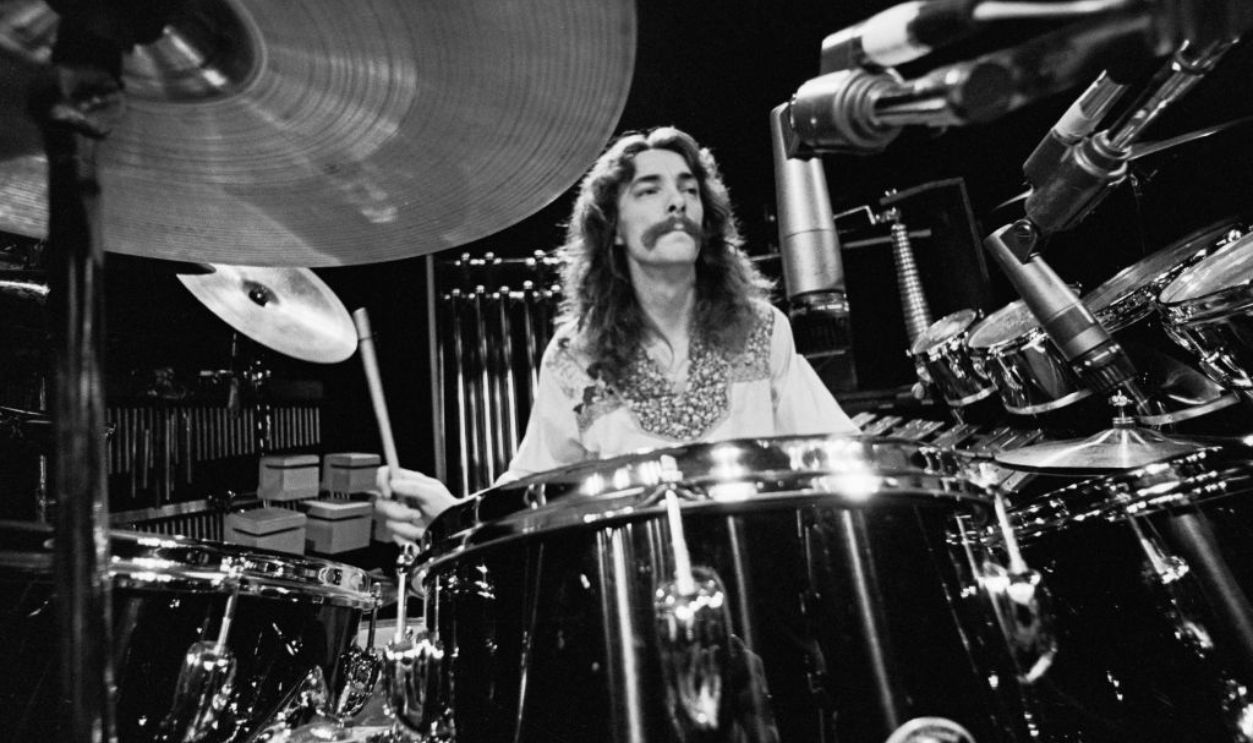
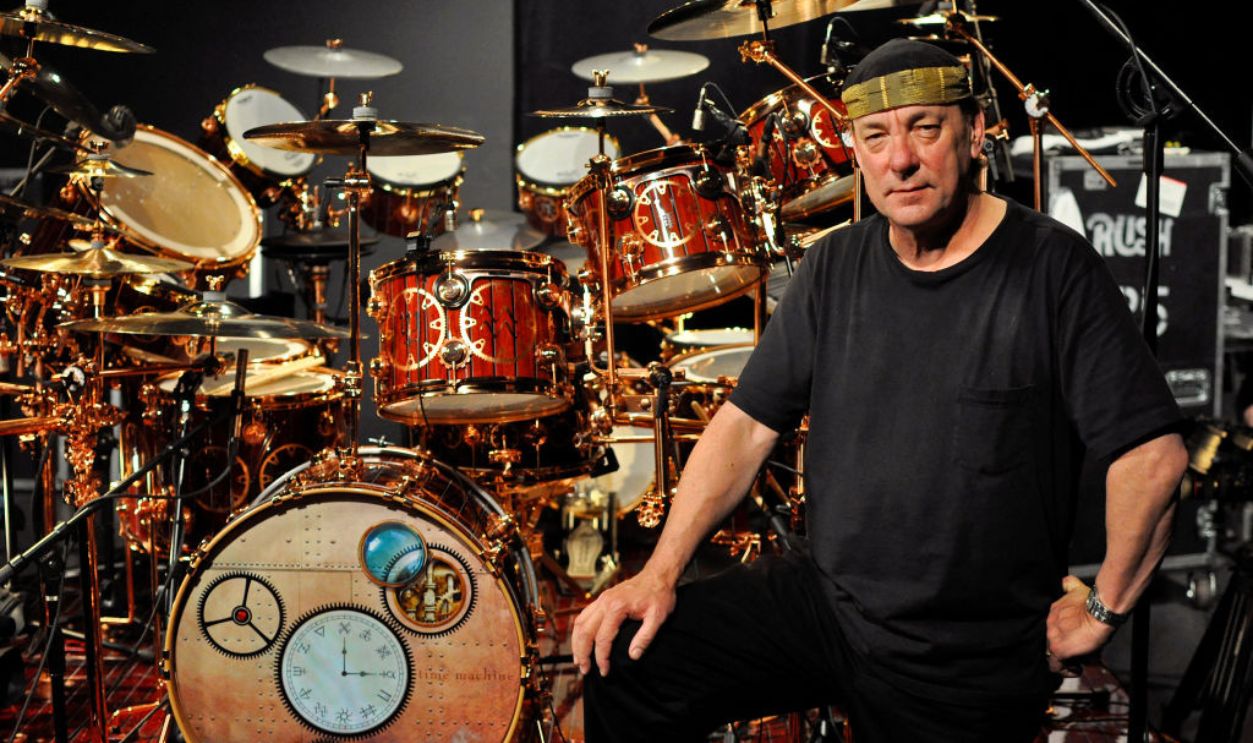
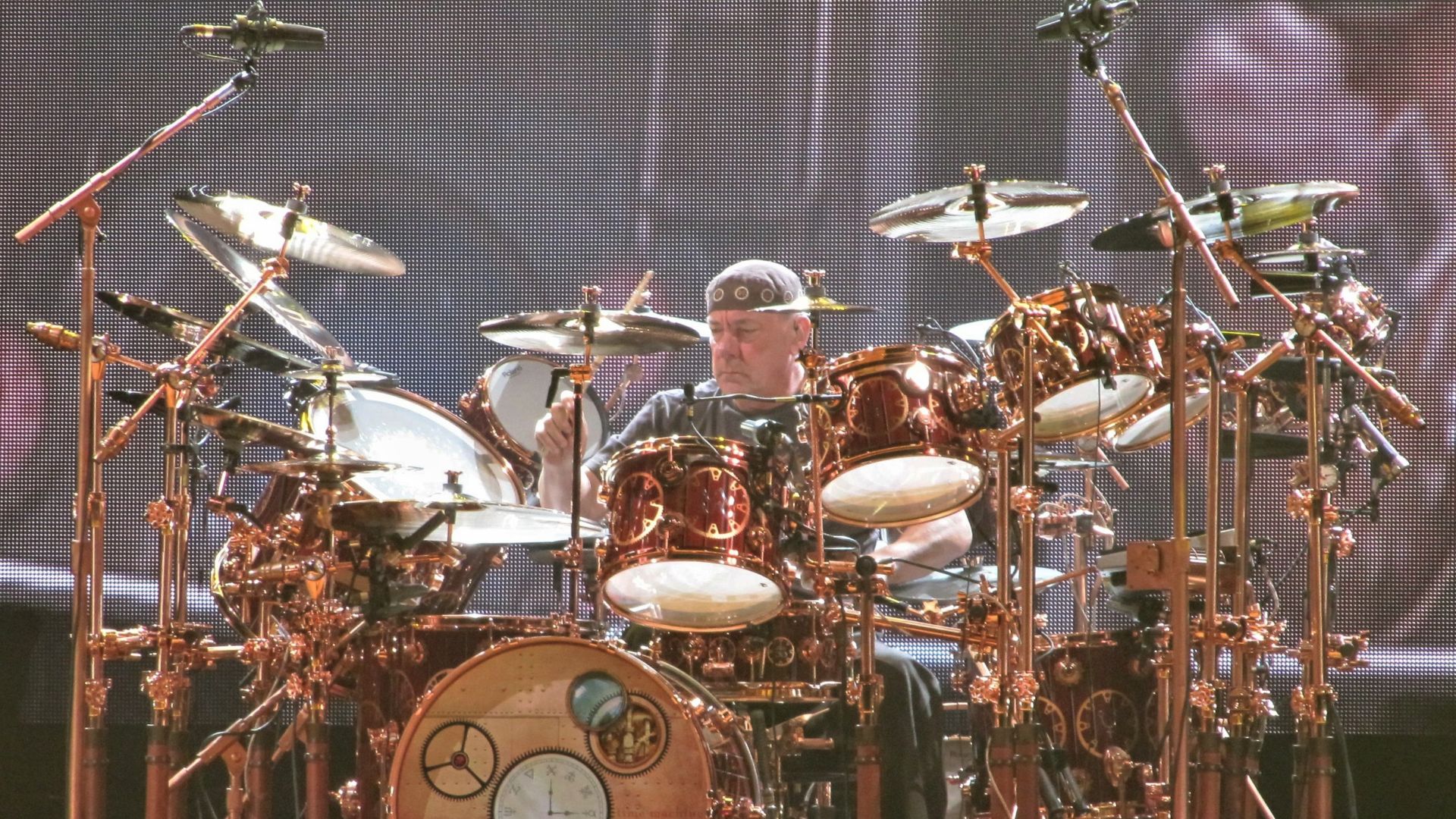
One memorable thing about Peart’s drum kit was its size. He sometimes had in excess of 40 drums surrounding him when recording and performing. Included in the mash up are things like tubular bells, cowbells, windchimes and gongs. This is especially amazing when you consider that the average drum kit only has about five pieces.
But there was something else unique about Peart. And it wasn’t his drums.
 Clalansingh, Wikimedia Commons
48. He Wasn’t Like Other Rock Stars
Way back in 1974, Peart went on his first tour with Rush. He noticed that there was a lot of time to just hang around and do nothing. While many other rock stars enjoyed this potentially self-destructive hanging around time, Peart decided to use it to read, study, and ride a bicycle.
Peart wasn't your average rock star. And neither were his bandmates.
 David Tan/Shinko Music, Getty Images
49. They Were Friends Until The End
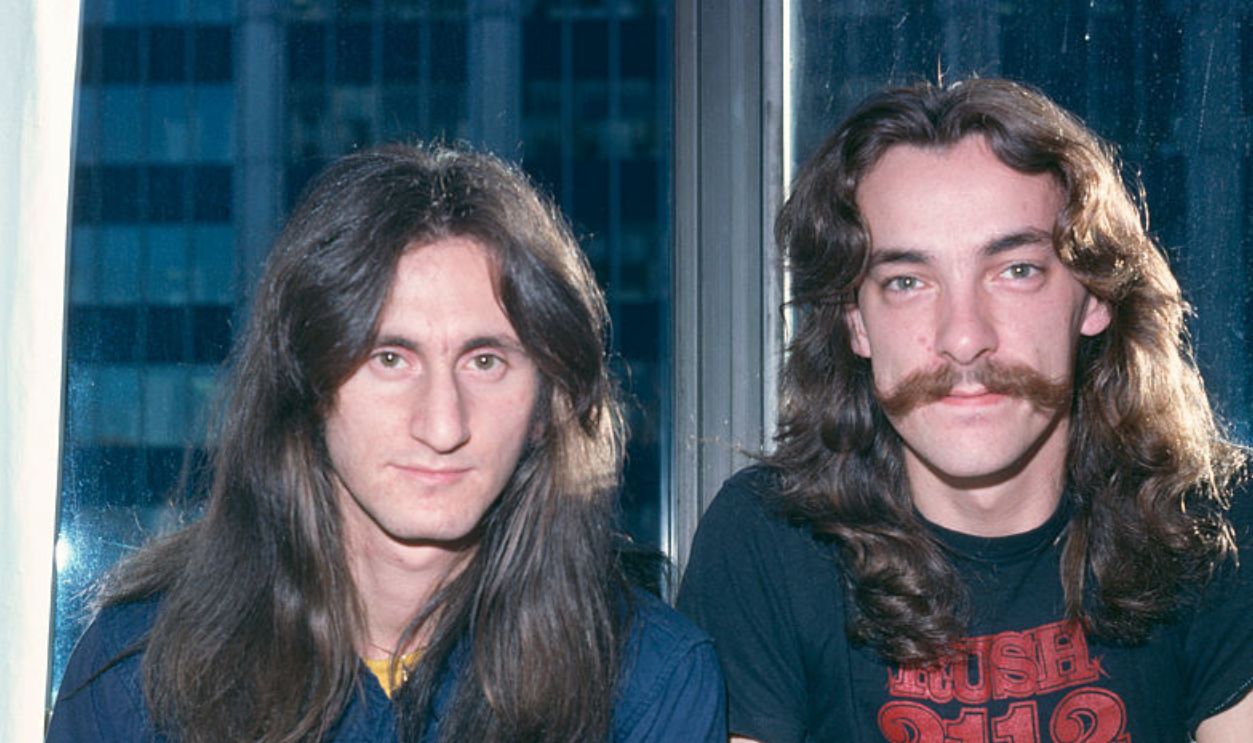
Most members of popular bands find it hard to remain friends. Working together, touring together and dealing with being famous can all take a toll on a friendship. Once Rush had decided to call it quits, the friendship between Peart, Lee, and Lifeson could have ended as well. But it didn’t. They remained good friends right up until Peart’s passing.
Of course, the loss of Peart resulted in a lot of tears.

50. He Brought Them To Tears
For those not in Peart’s inner circle, this tragic news of his loss came as a shock. Some critics, like Buffalo News writer Jeff Miers admitted that the loss of Peart made him cry. Michael Hann at the Guardian said Peart’s passing made his “eyes swell”. Rolling Stone magazine writer Brian Hiatt, went one step further.
He said he even cried while watching Peart rehearse with Rush. He just seemed to have that kind of effect on people.
You May Also Like:
Wild Facts About Keith Moon, The Rock And Roll Animal
Bad-Tempered Facts About Ginger Baker, Rock's First Superstar Drummer
Heart-Pounding Facts About John Bonham, Rock’s Wildest Drummer
Sources: 1, 2, 3, 4, 5, 6, 7 ,8, 9, 10, 11, 12, 13, 14, 15, 16, 17