
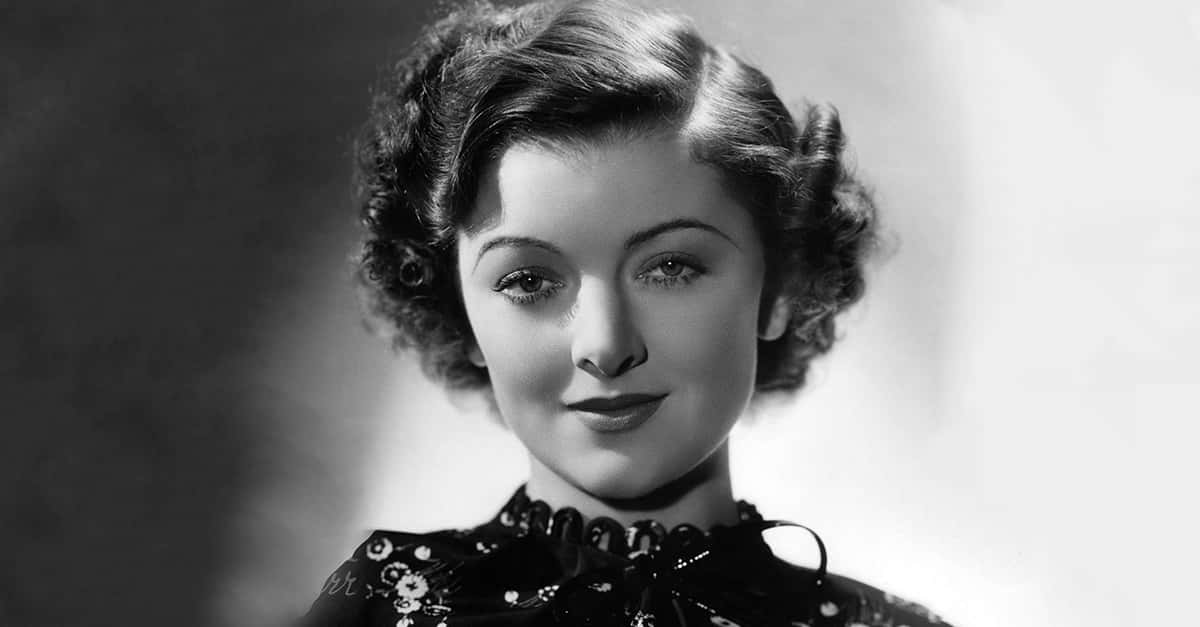
She Was A Legend
Myrna Loy appeared in well over 100 films between 1925 and the 1980s. Her career spanned black and white film, silent film, Technicolor, and the introduction of sound. But the real breakthroughs happened behind the scenes. From racy roles to rumored romances, these are the facts every cinephile needs to know about Hollywood’s favorite femme fatale.
1. She Got Her Name From A Train Station
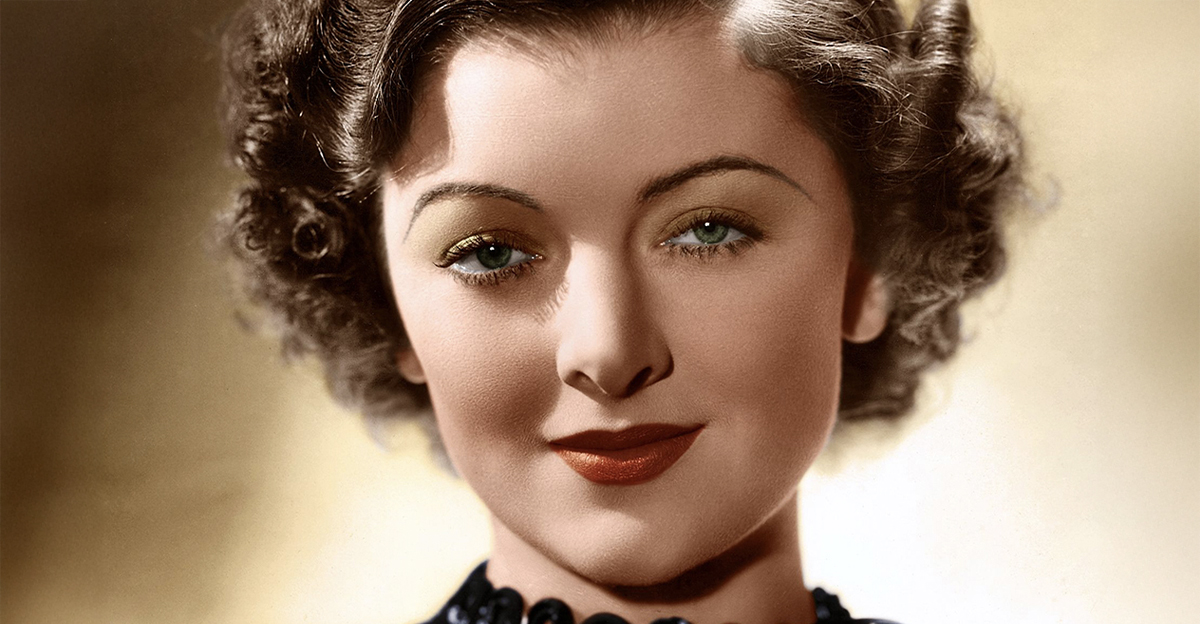
Myrna Adele Williams was born in Helena, Montana, on August 2, 1905. She got her unique (read: unusual) name from her father, who borrowed it from a Nebraska train station. David Franklin Williams, Loy’s father, passed through the Myrna station earlier that year and decided it sounded perfect for his future daughter.
He was an unusual kind of guy.
2. Her Father Broke Political Records
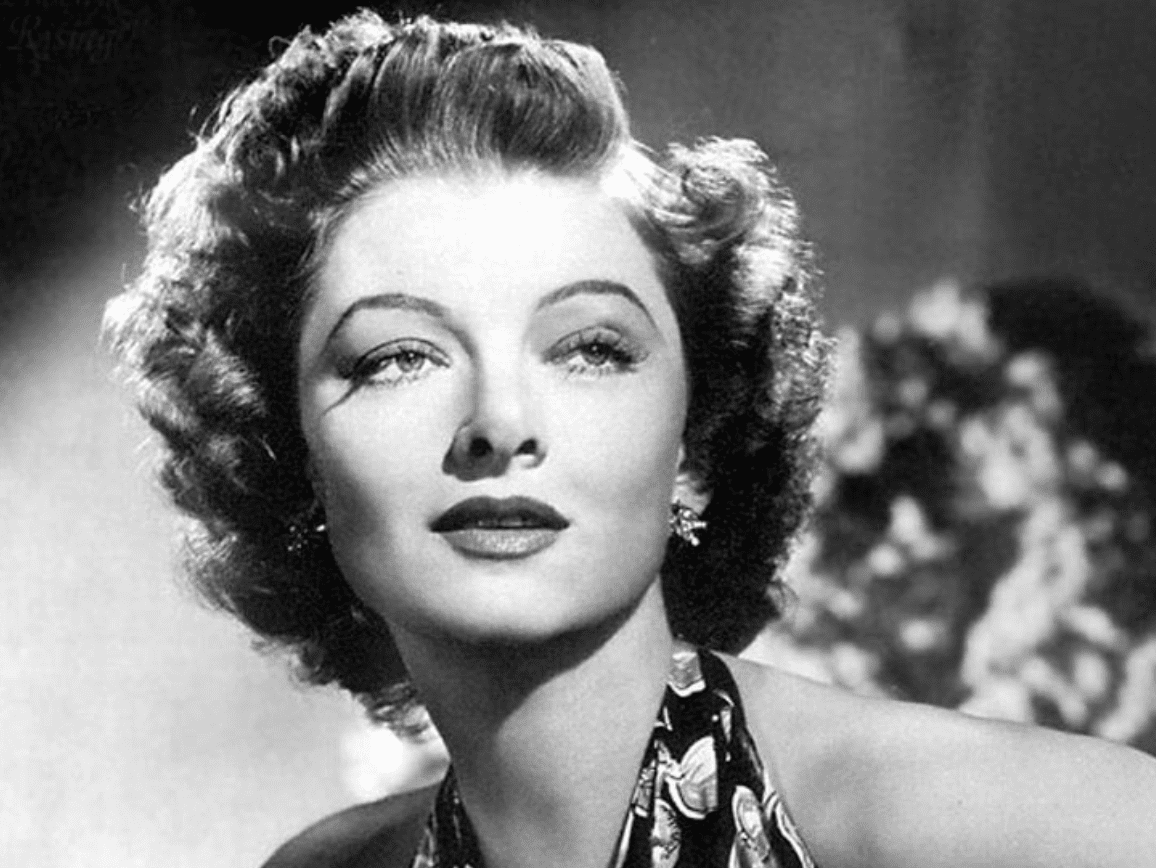
Loy’s father made history. No, not as a famous film actor or Hollywood honcho. Rather, he was elected Montana’s youngest state legislator at just 21 years old. The ambitious banker and real estate developer worked hard and juggled politics with ranching to provide for Loy and her younger brother.
Her father wasn’t the only one who sacrificed for the family.
 Studio Publicity, Wikimedia Commons
3. Her Mother Abandoned Concert Dreams
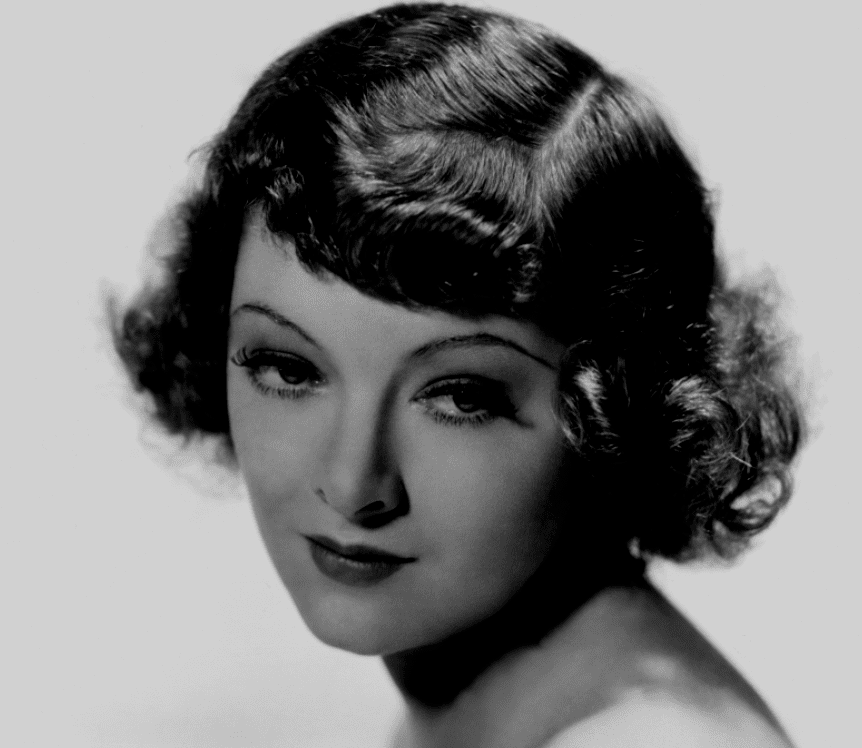
Myrna Loy may have inherited her talents from her mother, Adelle Mae Williams. Loy’s mother had studied at Chicago’s prestigious American Conservatory of Music, training for a concert career that, sadly, never materialized. Instead, she devoted herself to raising Loy and her brother.
But she may have just passed on her dreams to the future screen legend.
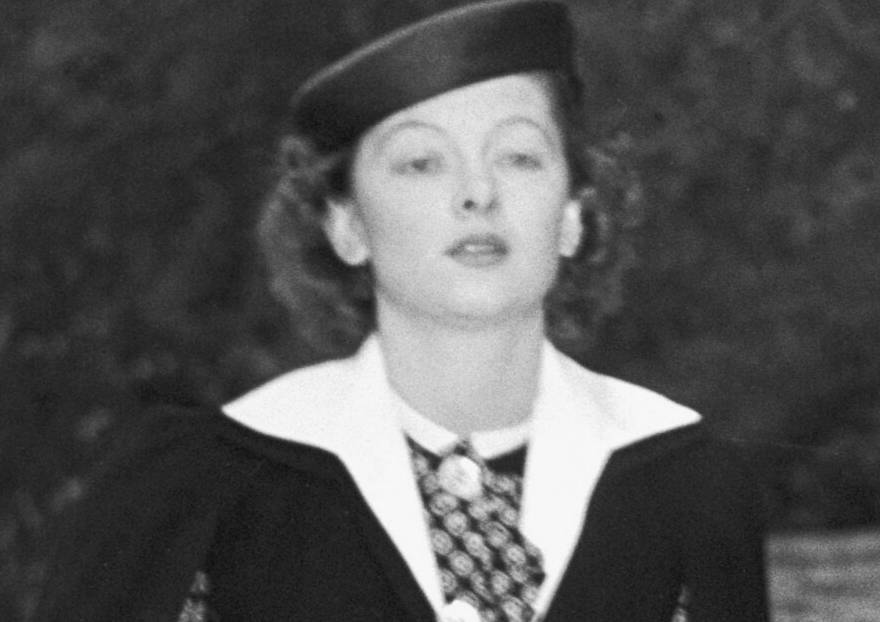 Los Angeles Daily News, CC BY 4.0, Wikimedia Commons
4. She Escaped Montana’s Brutal Winter
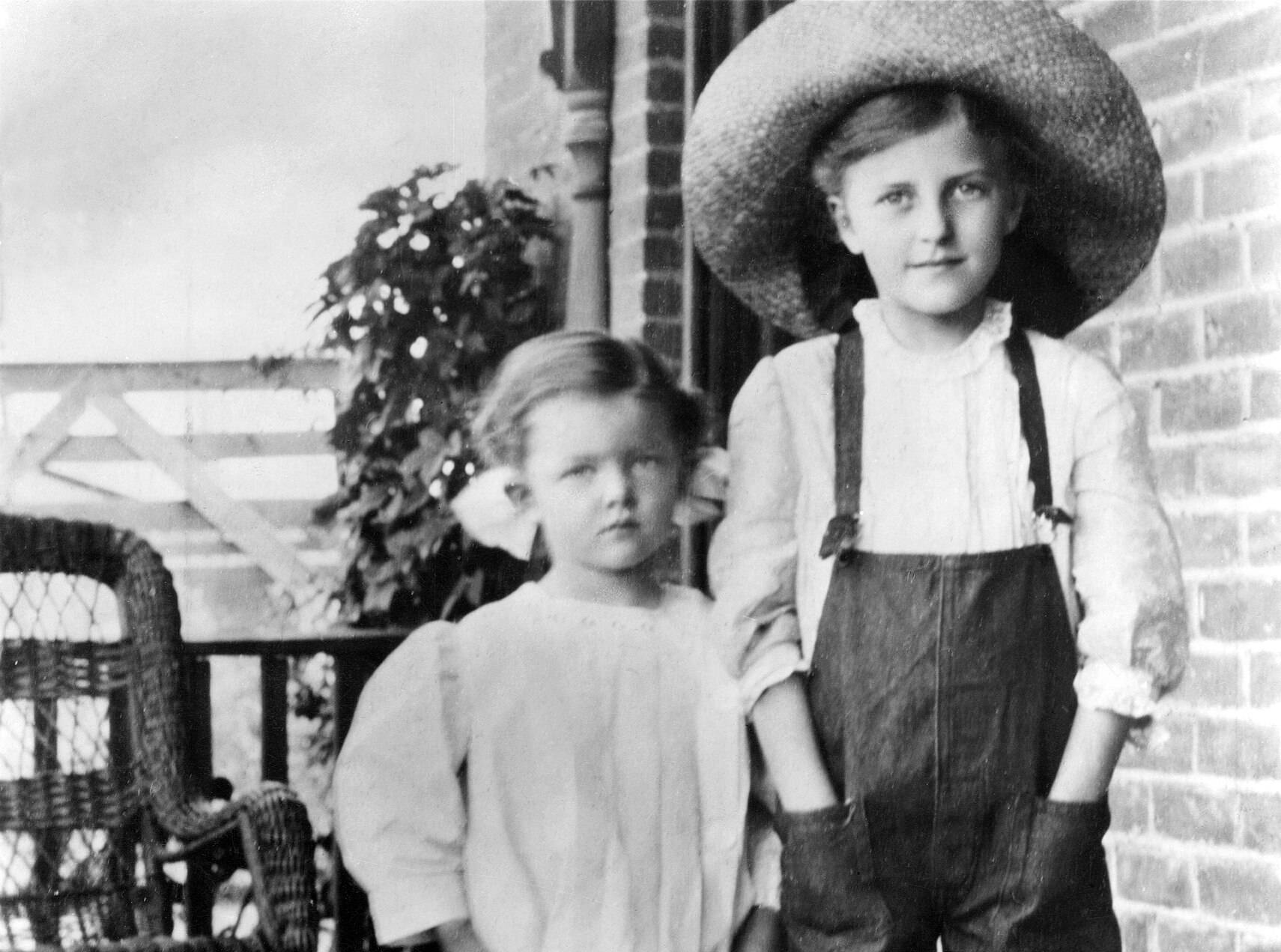
When Loy turned seven, her quiet life took a dramatic turn. Loy’s mother nearly succumbed to pneumonia during the harsh Montana winter of 1912. Desperate to save his wife, Loy’s father sent the family to La Jolla, California, where she might recover. Loy’s first brush with Hollywood was closer than she knew.
In fact, it was right under her feet.
5. She Founded Chaplin’s Film Studio—Kind Of
While recuperating in the California sunshine, Loy’s mother convinced her husband to invest in Southern California real estate. The shrewd move included property that Loy’s father would later sell (at a hefty markup) to none other than Charlie Chaplin for his film studio.
A life in entertainment was all she dreamed about.
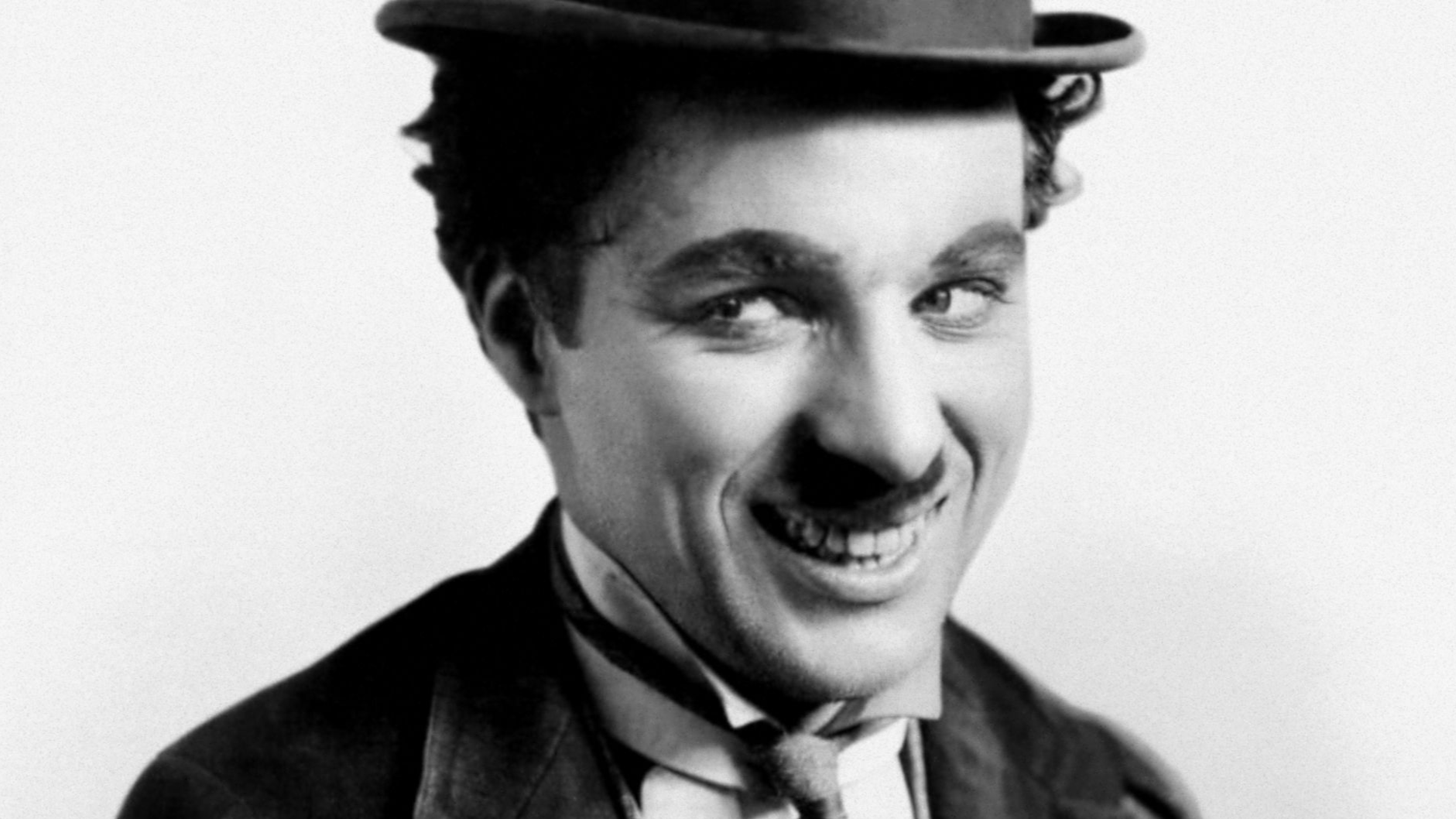 P.D Jankens, Wikimedia Commons
6. She Discovered Dance
Loy’s mother’s health concerns brought the family back to California, this time to Ocean Park. While her mother recovered from a hysterectomy, young Loy didn’t just sit idly by playing nurse. Instead, she began taking dance lessons. She would two-step her way into the spotlight.
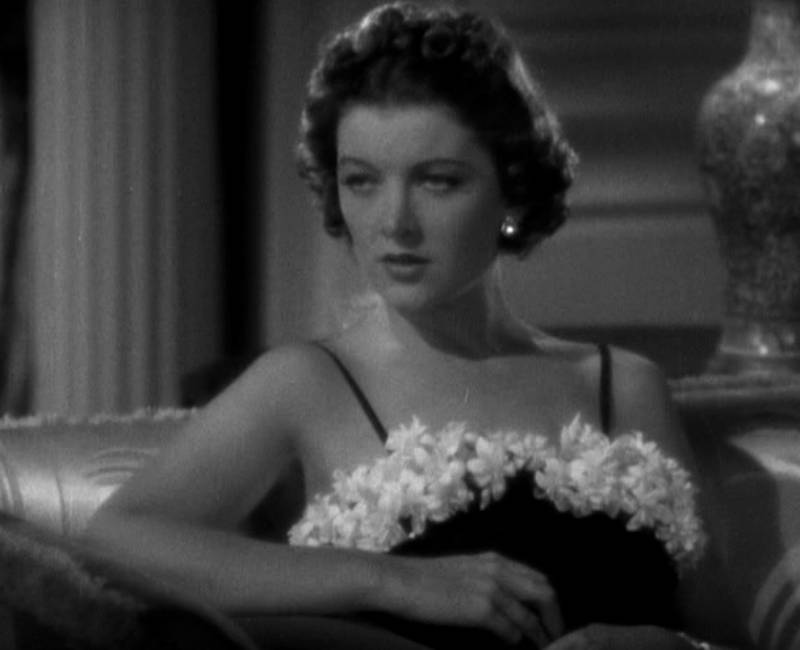 Jack Conway, Wikimedia Commons
7. She Choreographed Her Stage Debut
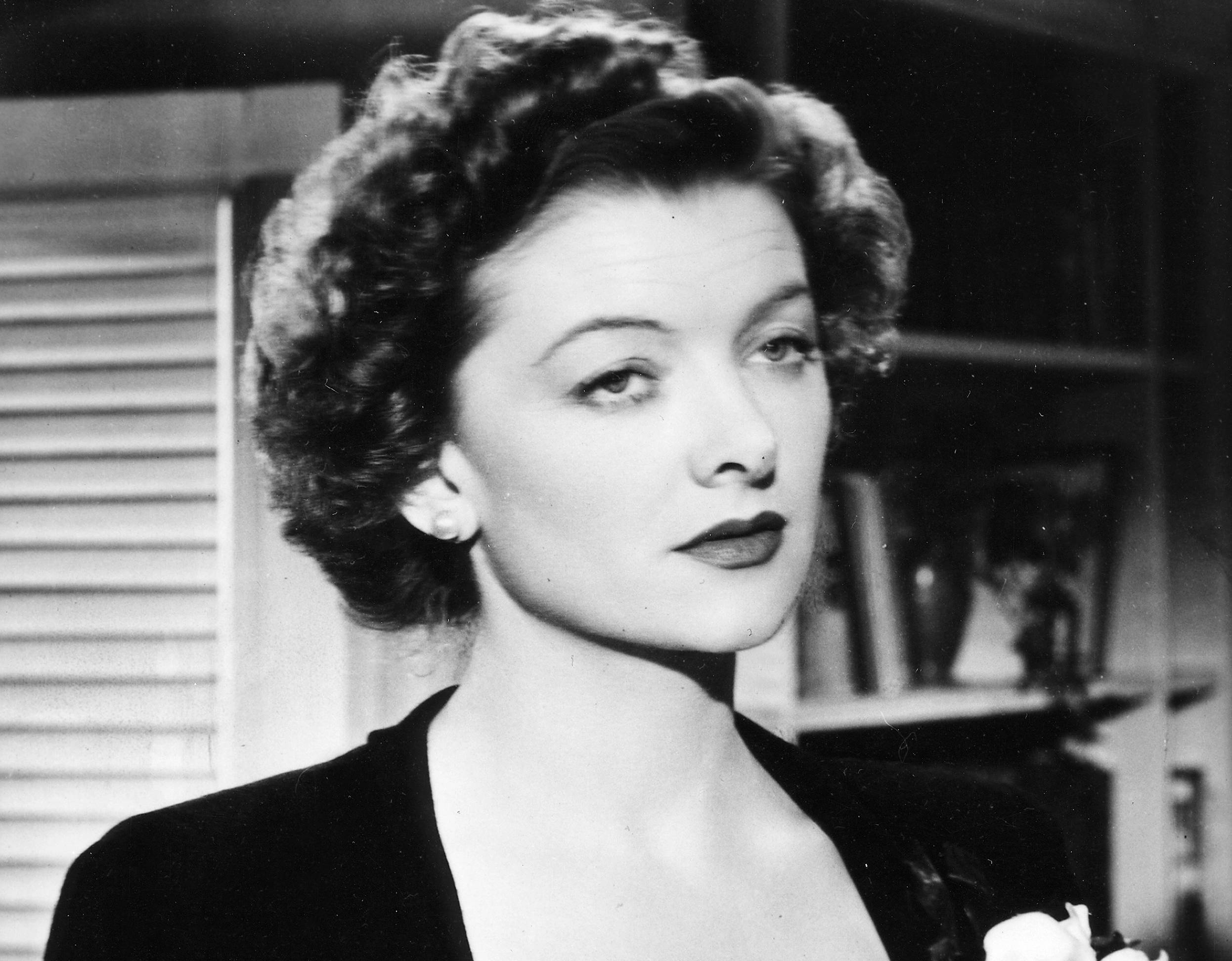
At just 12 years old, Myrna Loy demonstrated that she was a true star in the making. To the delight of a packed audience, Loy made her debut at Helena’s Marlow Theater, performing a dance that she had choreographed herself. Unfortunately, her big debut was followed by a big disappointment.
 ullstein bild Dtl., Getty Images
8. She Lost Her Father To The Flu
The 1918 flu pandemic was particularly hard on Loy. Not because she got sick, but because it claimed her father’s life, leaving her family without its provider and protector. Loy’s mother immediately packed up their Montana life and moved the family permanently to Culver City, just outside of Los Angeles.
The move wouldn’t be easy.
 Irving Reis (1906-1953), Wikimedia Commons

History's most fascinating stories and darkest secrets, delivered to your inbox daily.
9. She Defied Her Posh School
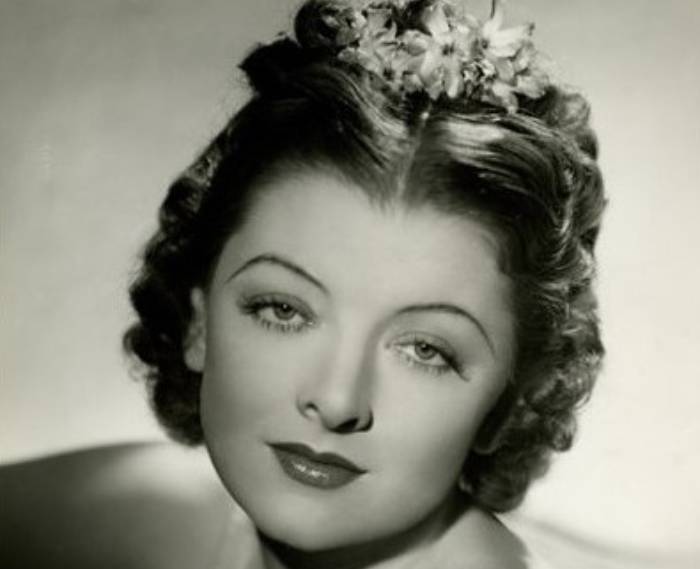
The exclusive Westlake School for Girls where Myrna Loy first enrolled after moving to California objected to her theatrical pursuits. But, instead of pulling Loy from dance, her mother pulled her from the rigid school and transferred her to Venice High School. It was the right decision. By the time she was 15, she was performing in local stage productions to support her family.
You might say that she was an “inspiration”.
 Clarence Bull, Wikimedia Commons
10. She “Inspired” People
In 1921, 16-year-old Loy became immortal—kind of. With her graceful, dancer’s poise and composure, she posed for a sculpture by one of her school’s teachers. “Inspiration,” as the statue was called, was the centerpiece at an art installation near her school’s outdoor pool. The jaw-dropping sculpture earned Loy her first “credit”.
 Columbia Pictures, Wikimedia Commons
11. She Got Her First Press Credit
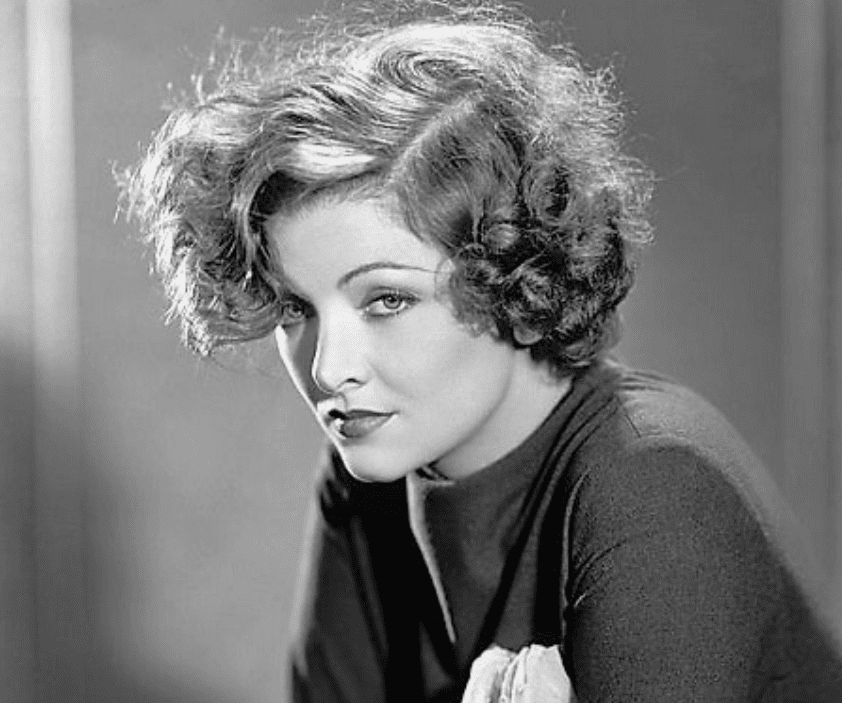
“Inspiration” wasn’t just a statue—it was Loy’s first brush with true fame. Reporting on the stunning art installation, the Los Angeles Times ran a feature describing it as a “vision of purity, grace, youthful vigor, and aspiration”. Even better? The paper printed Loy’s name. For the very first time, the world read “Myrna Loy”.
They would never forget it.
 Ruth Harriet Louise, Wikimedia Commons
12. She Had A Cameo in Grease
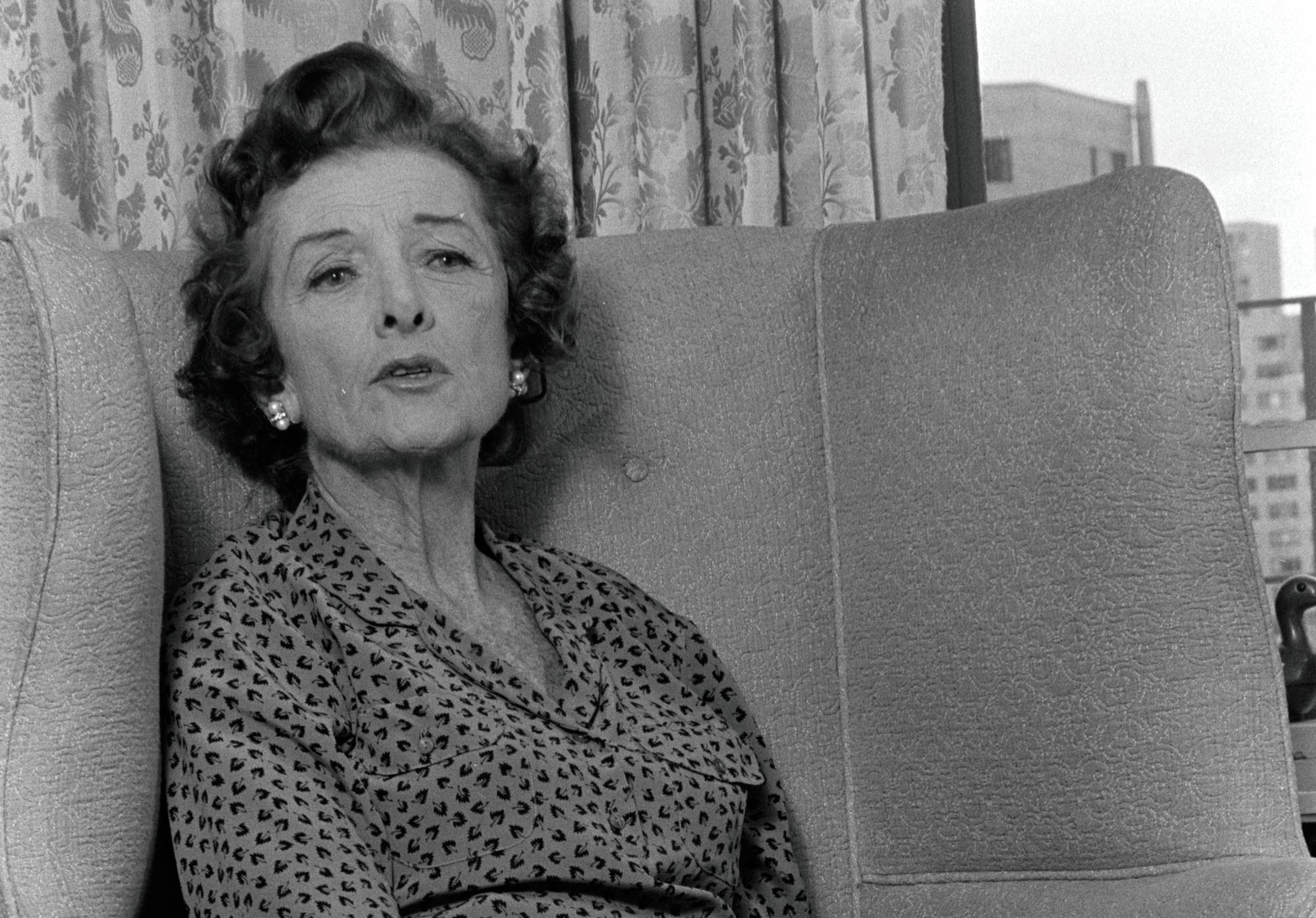
“Inspiration” didn’t just launch Myrna Loy—it gave her an unforgettable cameo decades later. The statue appeared in the opening scenes of 1978’s iconic film Grease. Sadly, years of weather and vandalism destroyed the original, which the school had to replace in 2010 with a bronze duplicate.
The irony is that she was never a particularly keen student.
13. She Quit School For Work
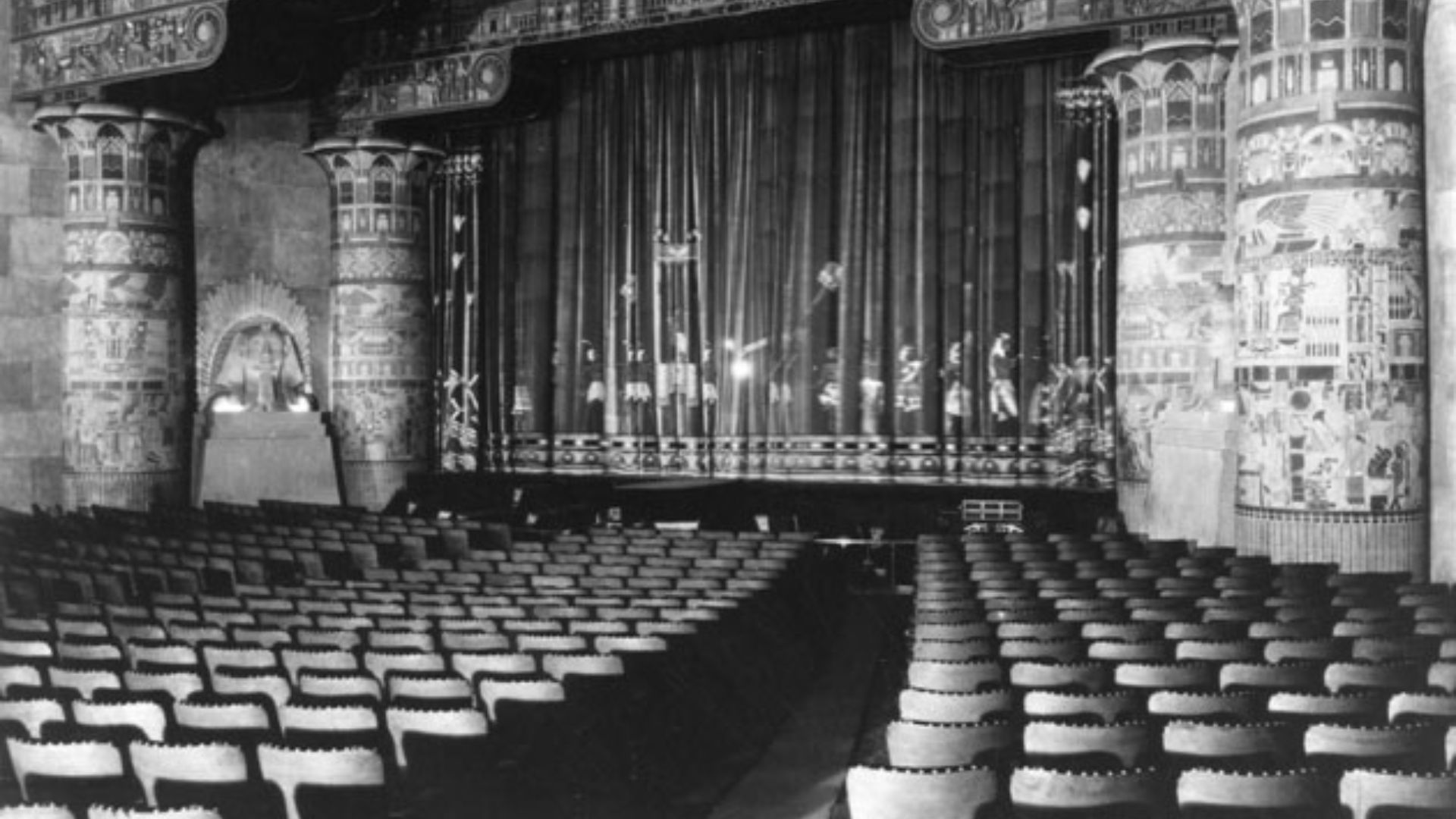
By 18, after years of carrying on without her father, Loy’s life was at a crossroads. To help keep her family afloat, she left school and landed a job at Grauman’s Egyptian Theatre. But her early role was far from glamorous. Loy danced in the chorus line of the prologue for The Ten Commandments. It wasn’t a starring role, but it did give her front-row seats to the only education she would ever need.
 Unknown authorUnknown author, Wikimedia Commons
14. She Took Notes From A Legend
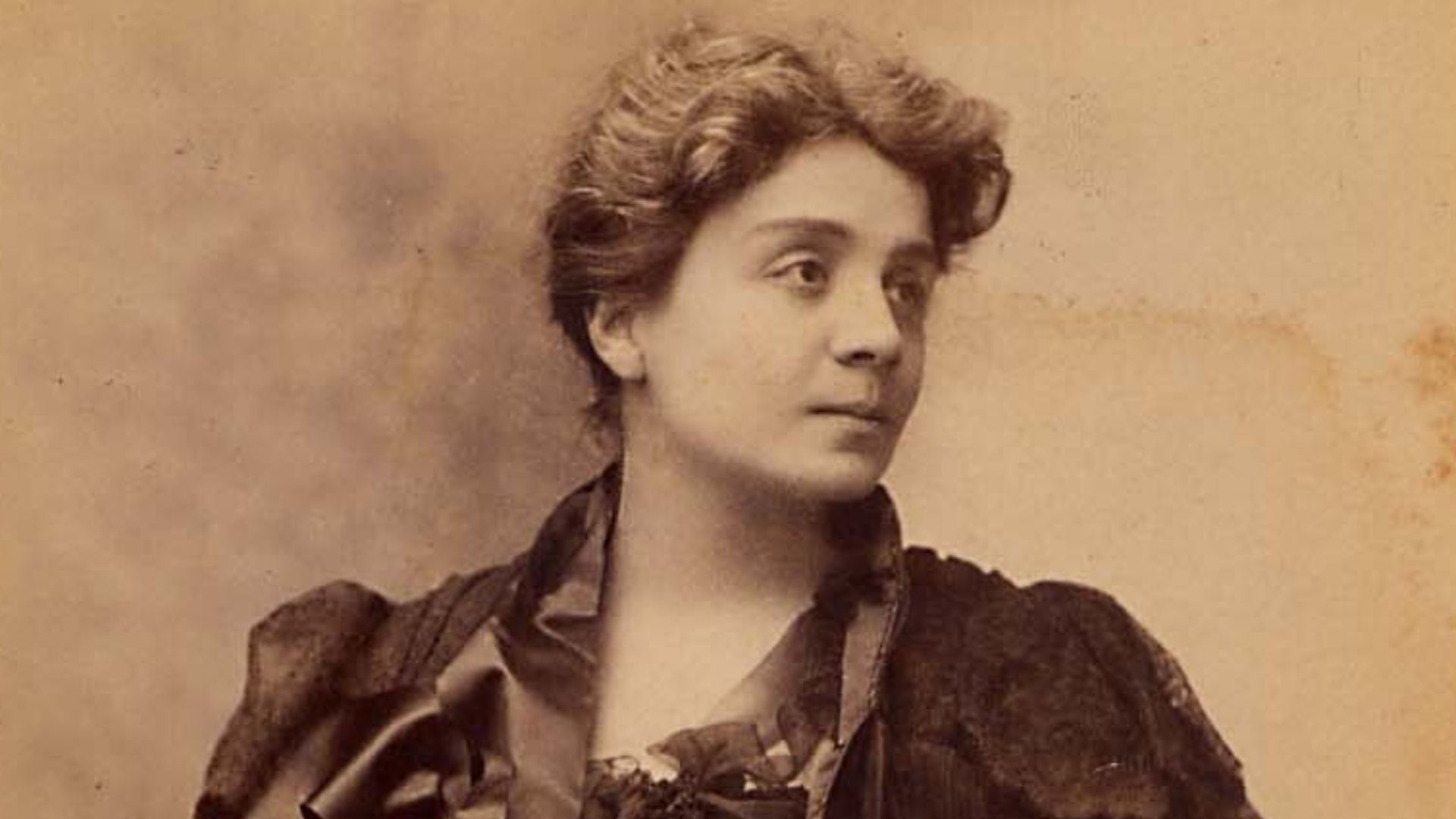
While dancing in the prologue at Grauman’s Chinese Theatre, Myrna Loy had all the time in the world to study the great screen legends of her time. While working as a chorus girl, she saw the famed actress Eleonora Duse perform Thy Will Be Done. Duse’s understated style floored her—and Loy never forgot it.
But, while she was watching Duse, someone was watching her.
 Aime Dupont, Wikimedia Commons
15. She Got Valentino’s Attention
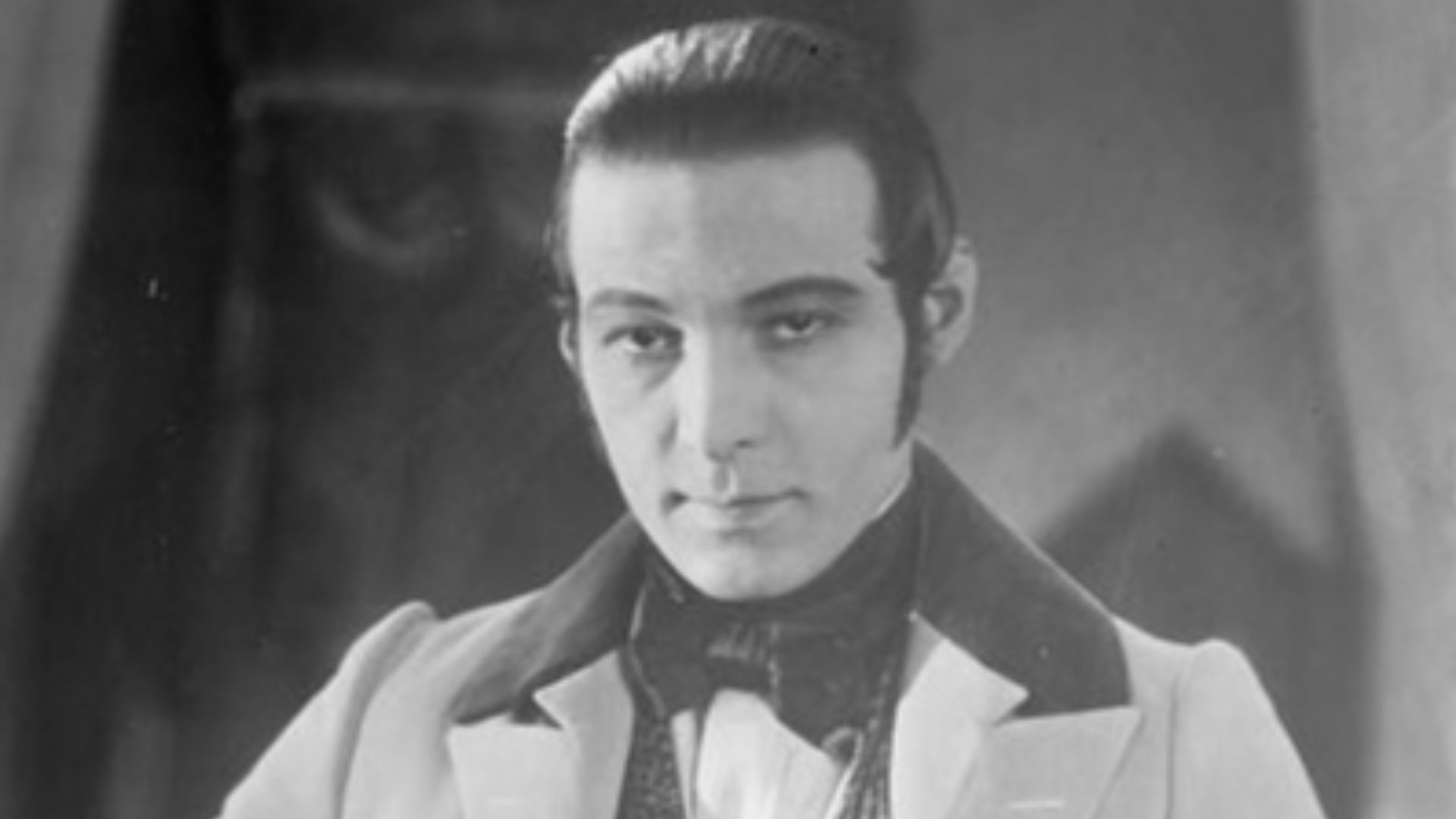
While dancing at Grauman’s, Loy caught the eye of photographer Henry Waxman. Captivated by her obvious star potential, Waxman snapped a few photographs of Loy and presented them to Rudolph Valentino. The swarthy heartthrob was equally impressed with Loy and arranged a screen test for her for the upcoming film Cobra.
Loy didn’t land the role—it went to Gertrude Olmstead—but Hollywood had taken note.
 Bain News Service, publisher, Wikimedia Commons
16. She Became Joan Crawford’s Friend
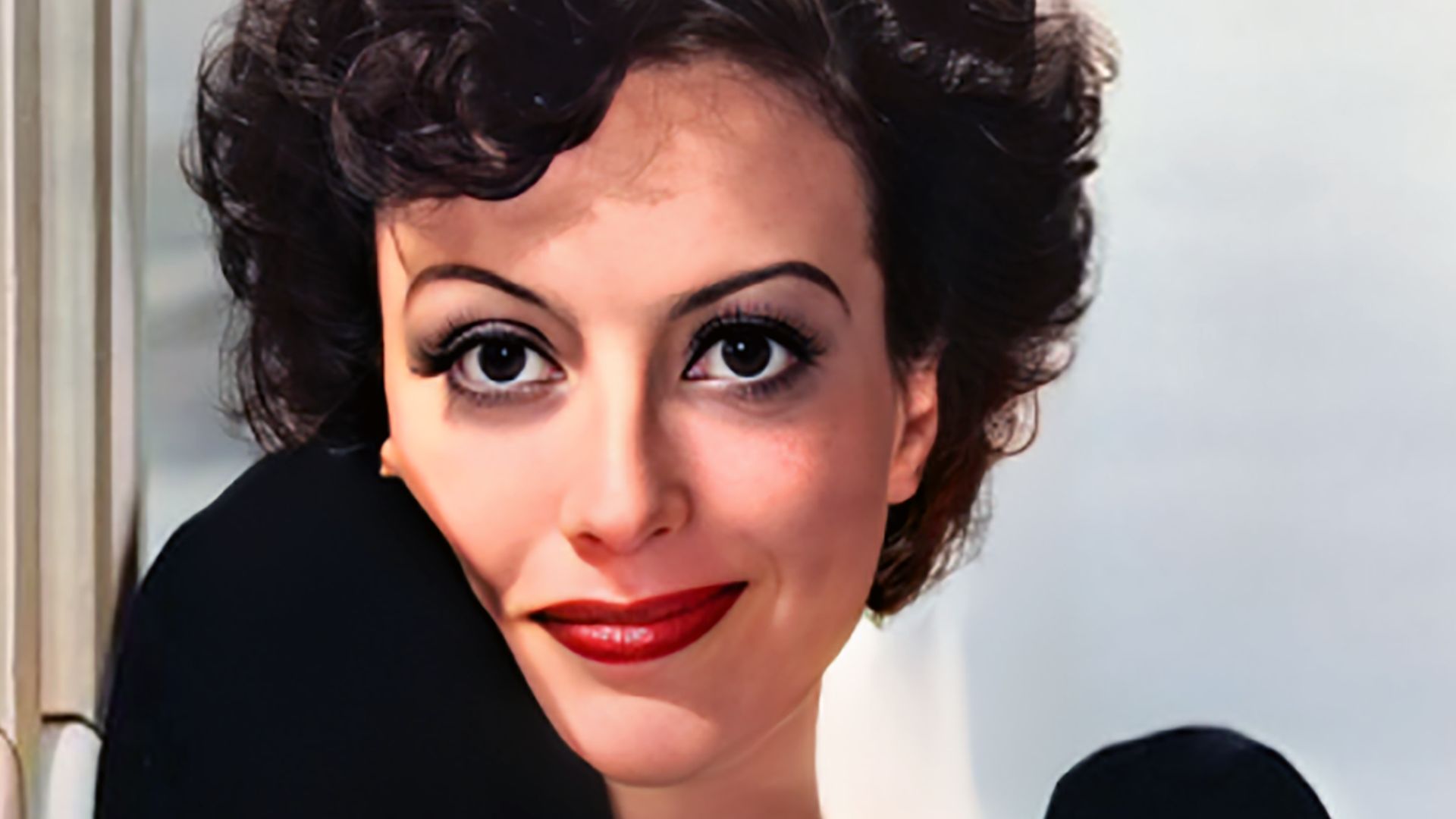
Myrna Loy didn’t stay on the sidelines for long. That same year, in 1925, she scored extra work in Pretty Ladies playing one of many chorus girls hanging from a chandelier (long before Sia turned that into an anthem). Among her fellow extras was none other than a young Joan Crawford. The two became lifelong friends. But, for both of them, it would be a long way to the top.
 Studio Publicity, Wikimedia Commons
17. She Landed A Role Through Natacha Rambova
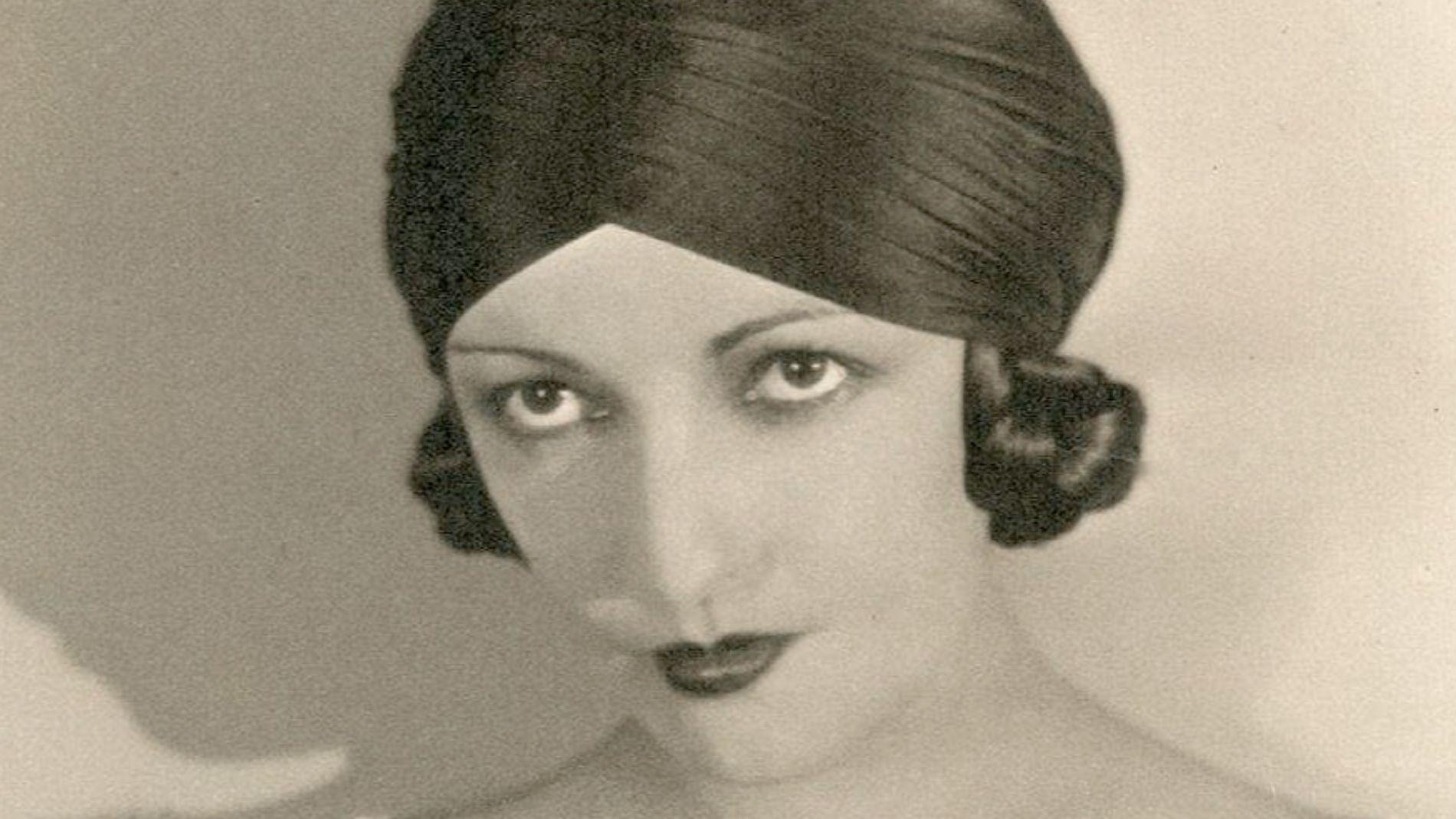
Valentino might have passed up Loy for 1925’s Cobra. But Valentino’s wife, Natacha Rambova, had just the part for the budding star. She gave Loy her first small but flashy part in What Price Beauty?. Though the film sat on the shelves for three years, stills of Loy in “exotic makeup and costume” featured in film magazines.
Based on the photos alone, Warner Bros signed Loy. And they didn’t waste any time putting her to work.
 Unknown authorUnknown author, Wikimedia Commons
18. She Broke Into Talkies Early
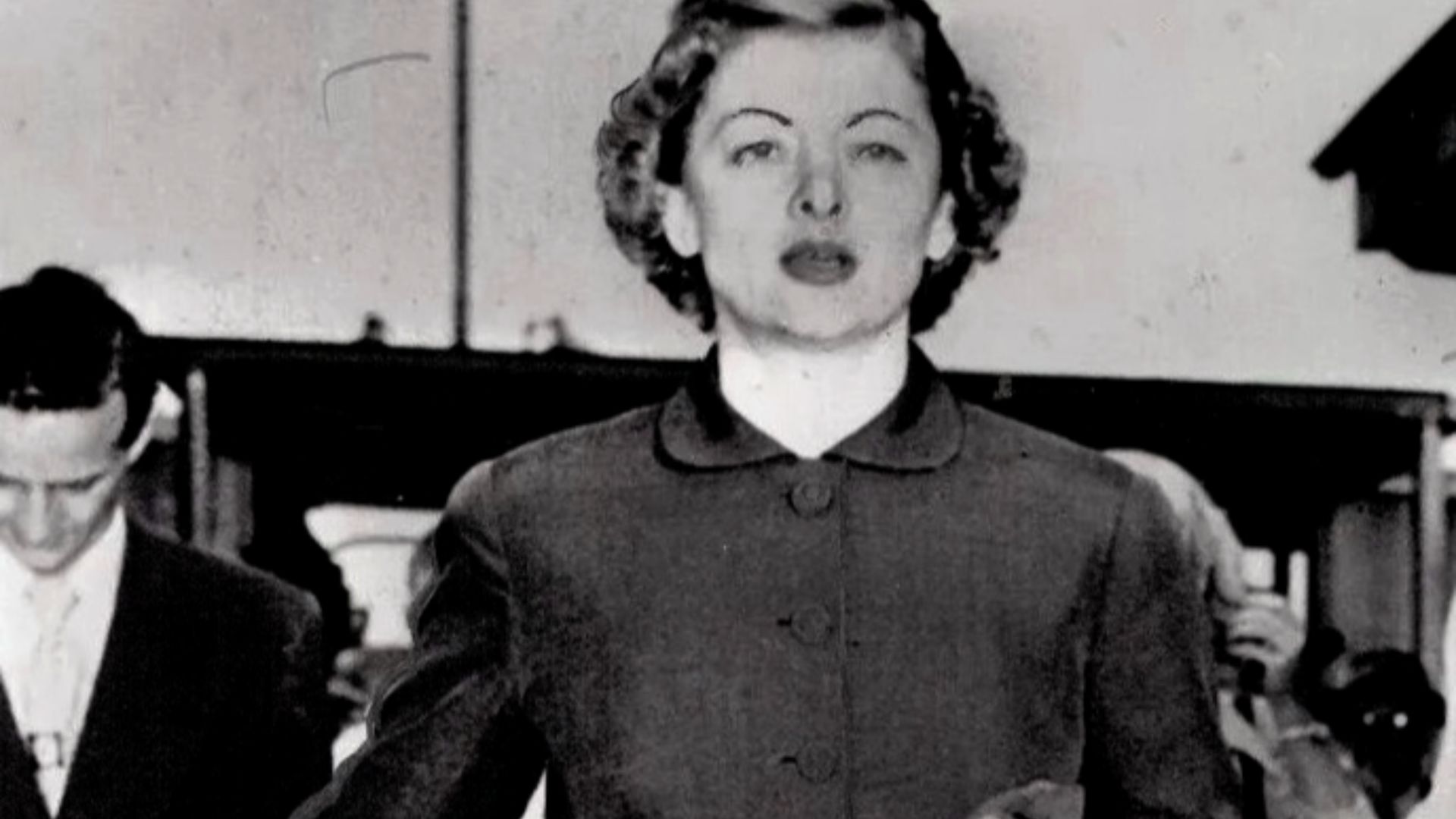
Loy’s career straddled the silent and sound eras of cinema. In fact, even before she became an A-lister, she was already a trailblazer. Lot appeared in 1926’s Don Juan, the first feature film with synchronized sound. The next year she appeared in The Jazz Singer, the first film with audible dialogue. Unfortunately, no one had any interest in what she had to say.
They just cared about how she looked.
 Unknown authorUnknown author, Wikimedia Commons
19. She Was Typecast As “Exotic”
Loy’s earliest film roles put her into a box. With her swooped eyelids and distinctive features, Hollywood producers always cast Loy in “minority” roles, typically as Asian or Eurasian femmes fatales. Loy became the go-to “vamp” with notable appearances in films like Across the Pacific (1926), The Crimson City (1928), and The Black Watch (1929).
She wasn’t exactly proud of her race-bending roles.
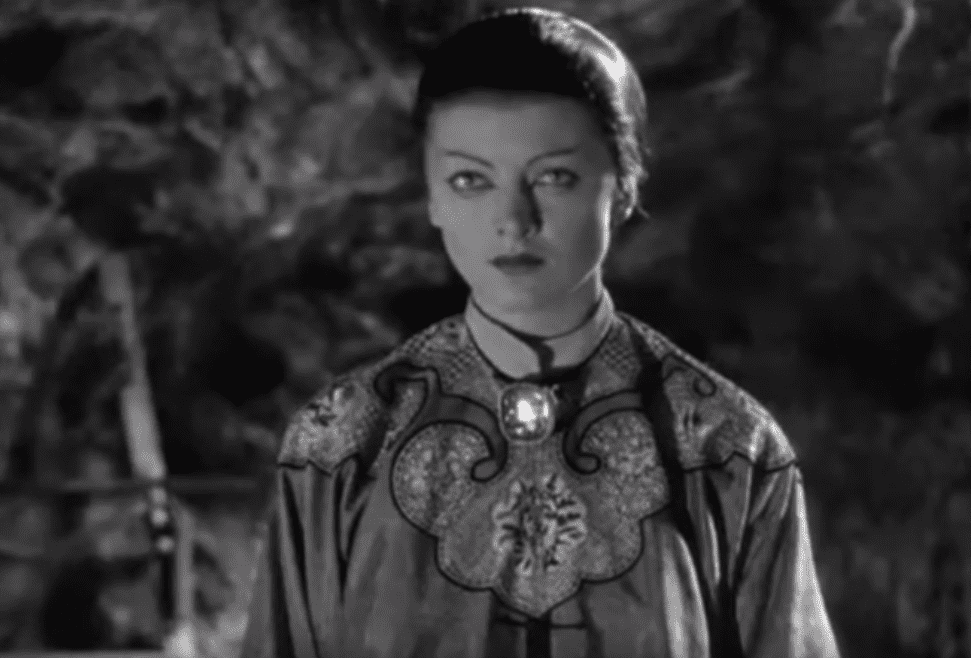
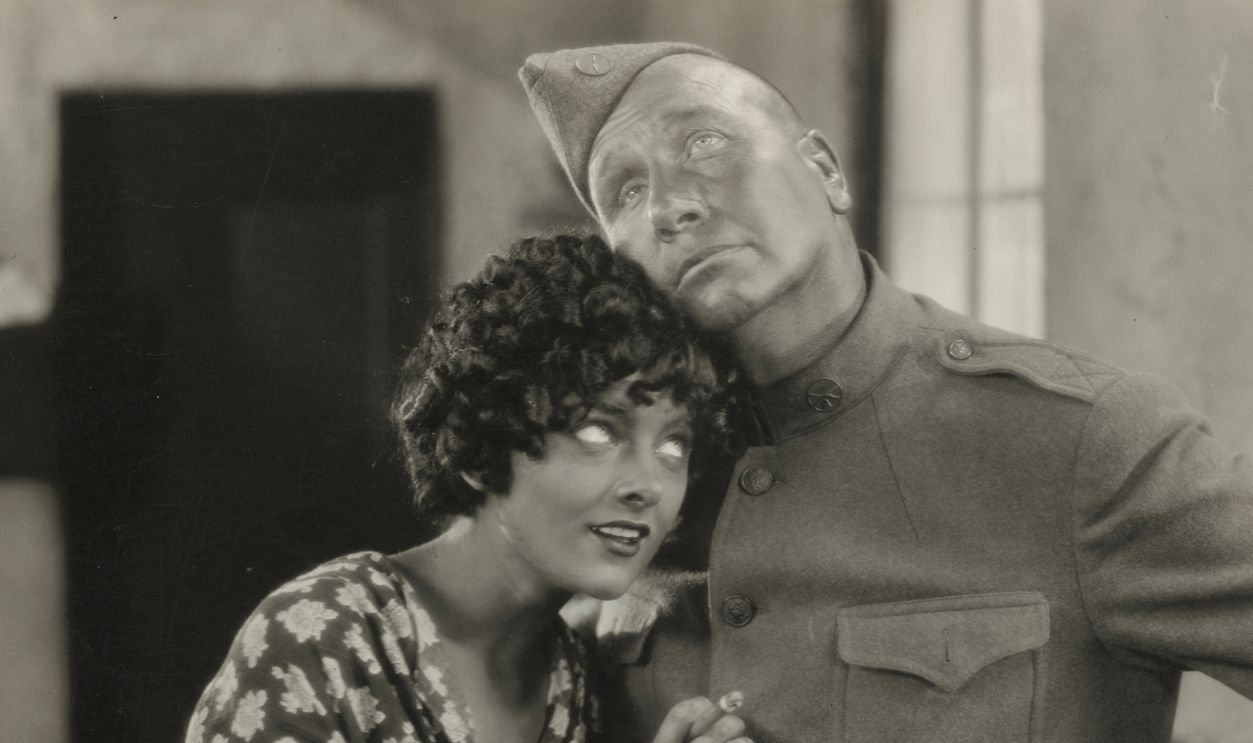
20. She Regretted A Racist Role
Despite the fact that these early features paved the way for her success, Myrna Loy lamented them. One title in particular haunted her. In 1927’s Ham and Eggs at the Front, Loy appeared in blackface. Later, she expressed her deep regret at having made the film, calling it “shameful”. But she didn’t let it slow her down.
 John Springer Collection, Getty Images
21. She Lost Her Shine For A While
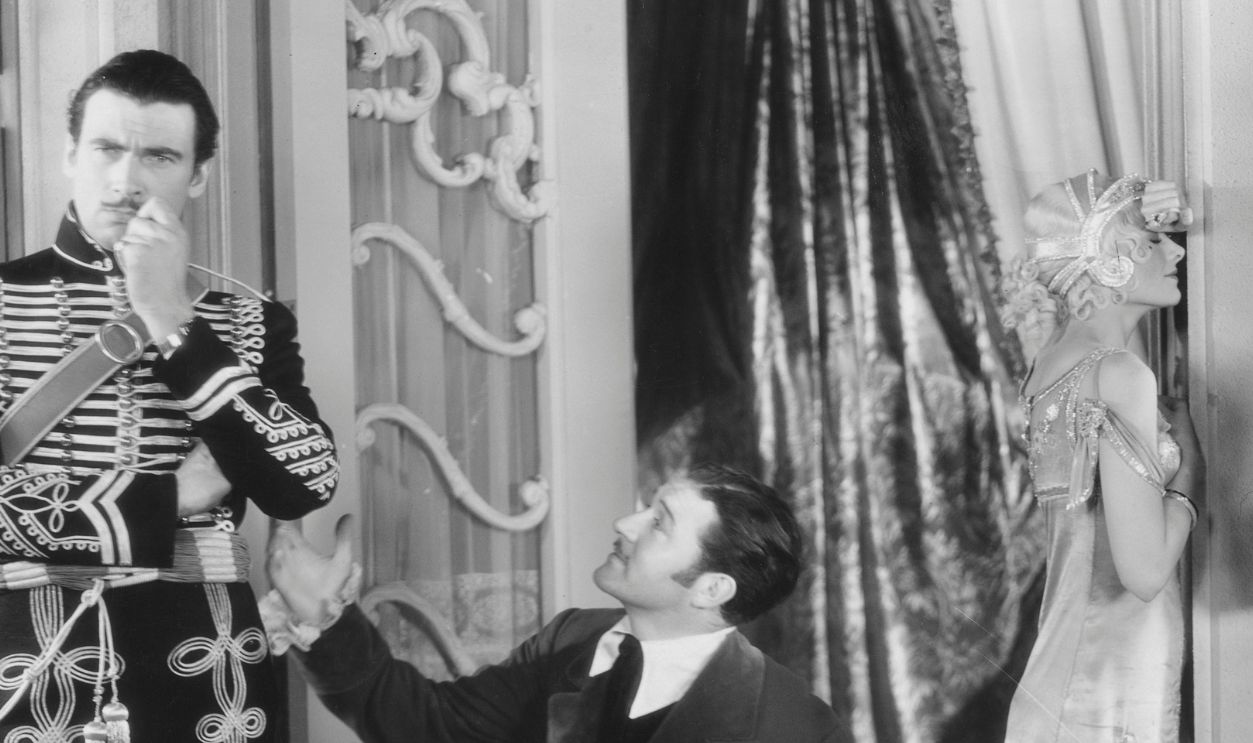
Loy snagged small roles in early Technicolor extravaganzas like The Show of Shows, The Bride of the Regiment, and Under a Texas Moon. But when audiences soured on musicals, her career slumped. But changing audience preferences was the least of her concerns.
She had other film divas to contend with.
 John Springer Collection, Getty Images
22. She Upstaged Her Co-Star
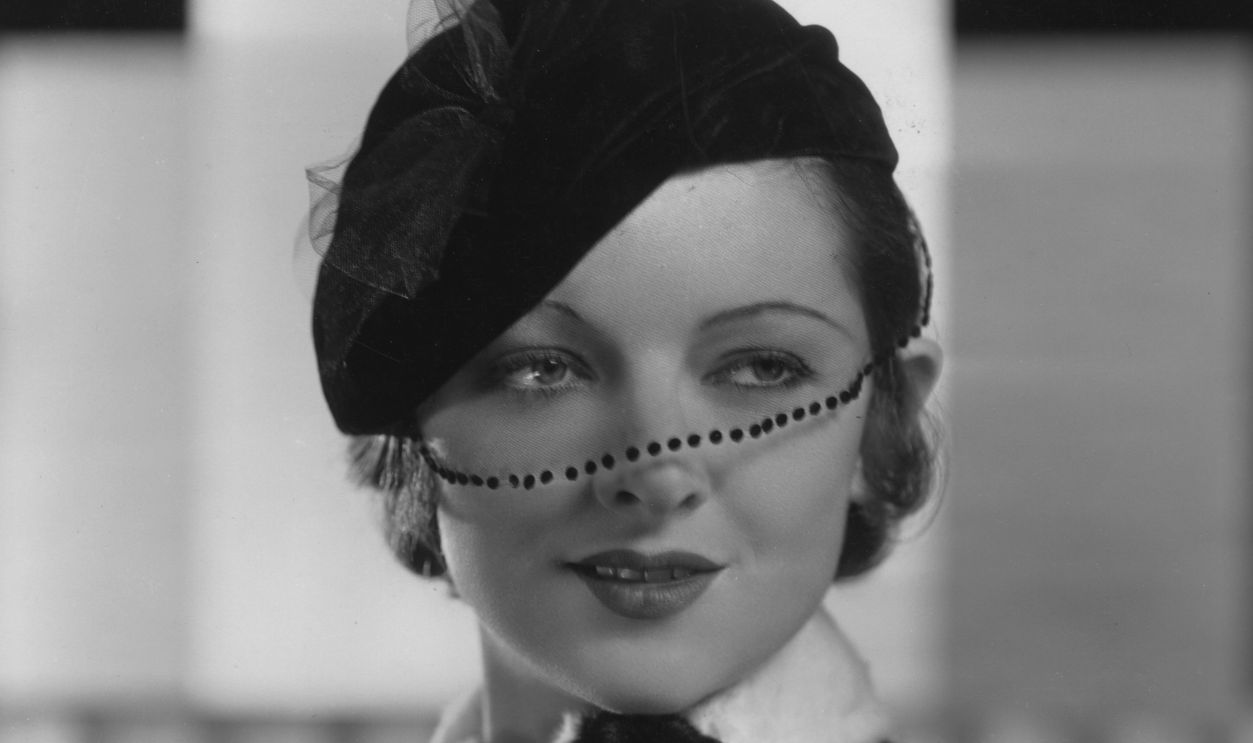
While filming Love Me Tonight, Myrna Loy got into a diva-off with her co-star, Jeanette MacDonald. MacDonald, worried that Loy would upstage her on screen, demanded that she get the empire-style gown meant for Loy’s appearance in the big scene. Rather than sulk, Loy gave MacDonald the gown and raided the costume room, emerging in black lace number that had jaws on the floor.
Needless to say, Loy hogged all the attention in her lace dress—perhaps too much attention.
 Visual Studies Workshop, Getty Images
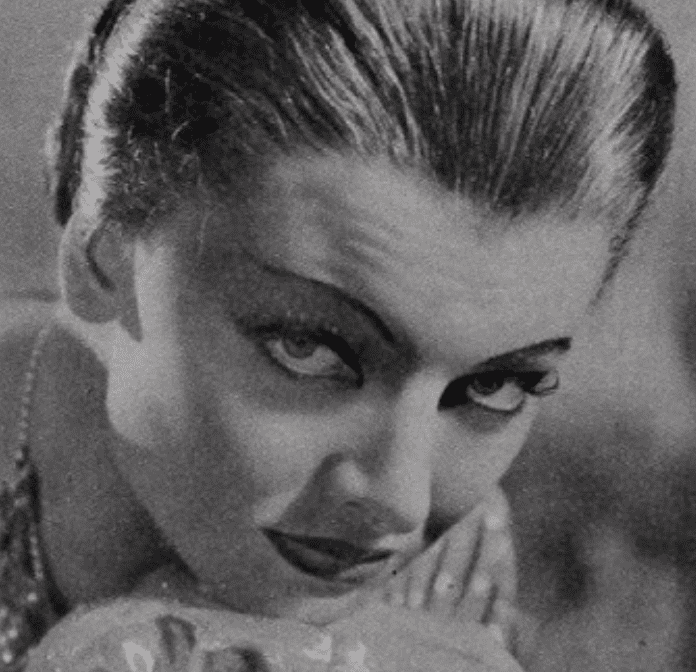
23. She Made Her Male Co-Stars Too “Enthusiastic”
While filming 1932’s The Mask of Fu Manchu, Loy’s male co-star, Charles Starrett, gave her a little too much to work with. In a steamy scene between the two, Starrett was wearing only a loincloth. As the scene got heated, so too did Starrett. Loy’s raw sensuality made Starrett a little “excited,” causing retake after retake.
Starrett wasn’t the only man who couldn’t resist a little Loy.
 Picturegoer Magazine, Wikimedia Commons
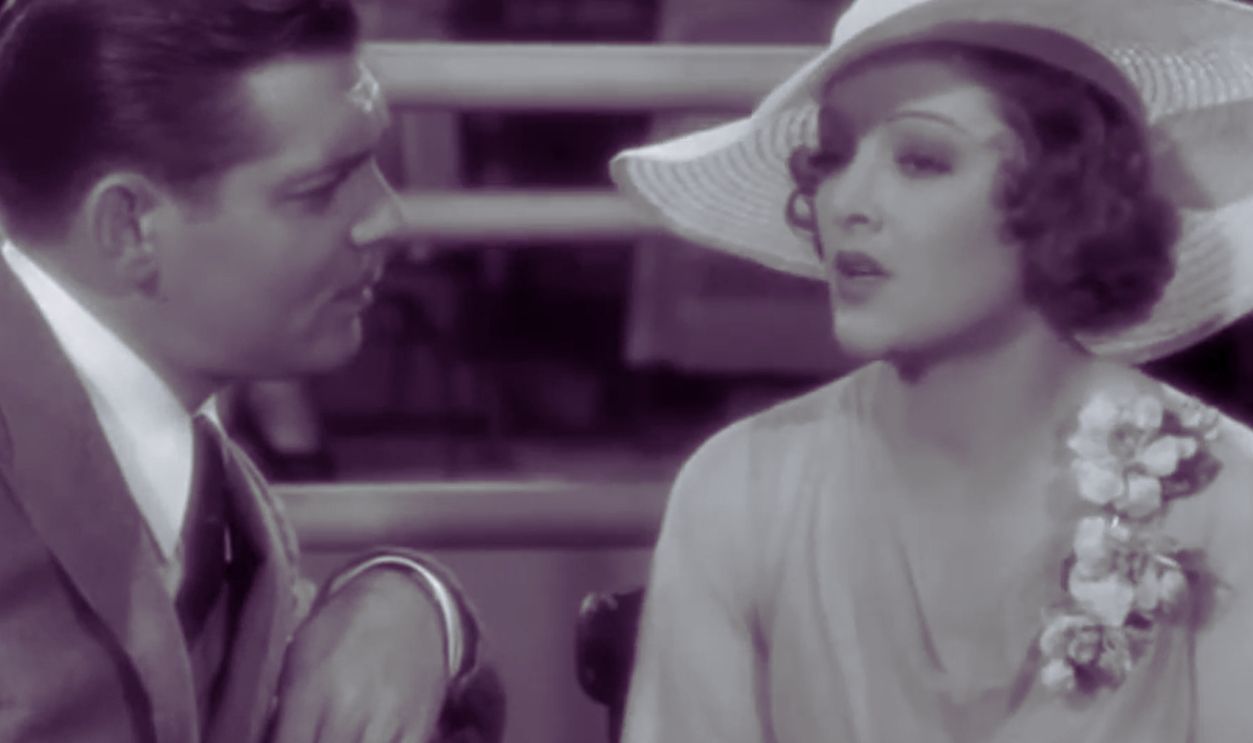
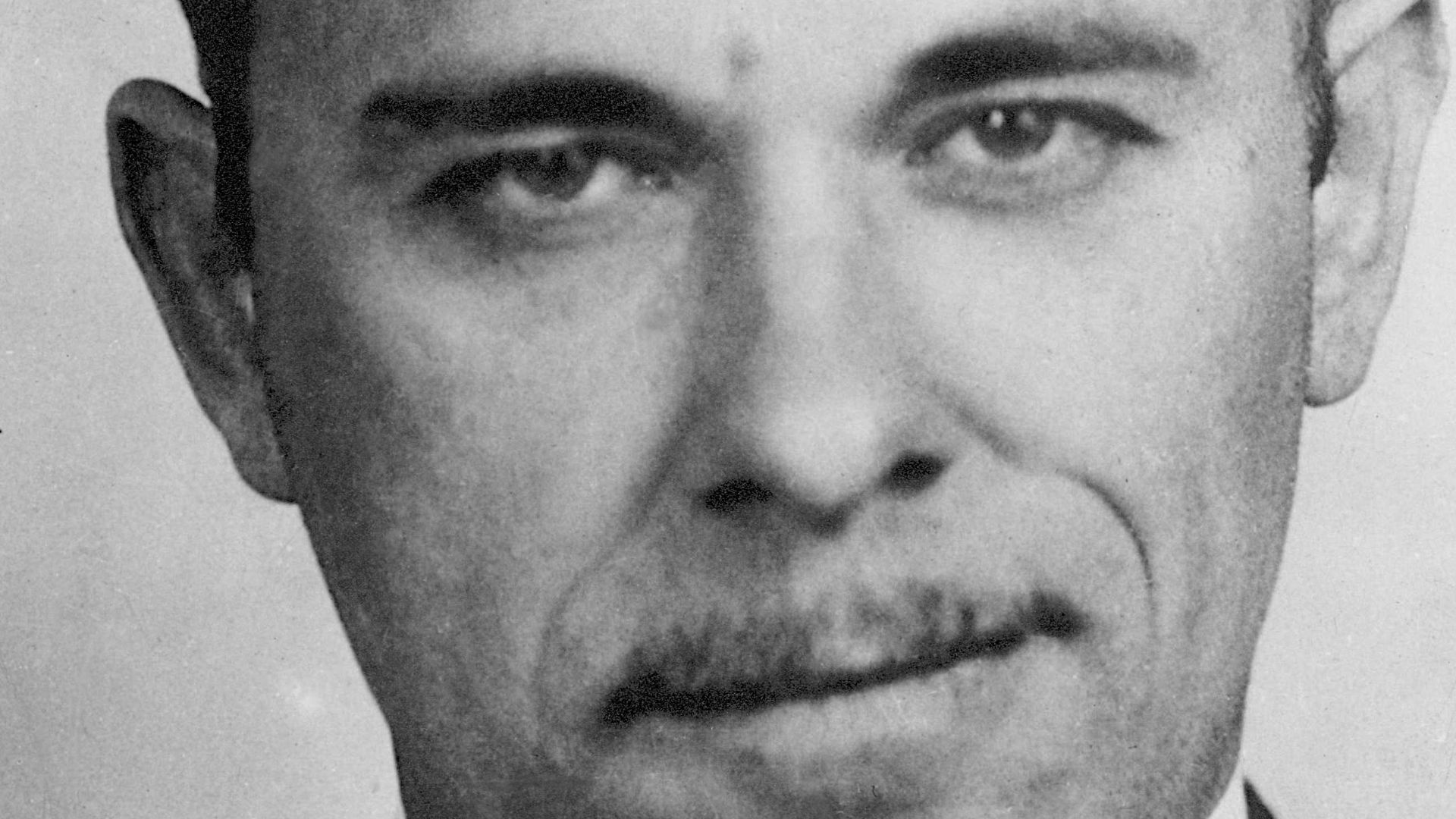
24. She Was Dillinger’s Favorite Actress
In 1934, Myrna Loy shared the screen with Clark Gable and William Powell in Manhattan Melodrama. While the film was a hit in its own right, it became infamous when the FBI’s most wanted man, John Dillinger, came out of hiding to see it. As he emerged from the theater, the authorities cut him down in a blaze of ignominy.
The papers quickly printed the line that Loy had been Dillinger’s favorite actress. Loy wasn’t exactly flattered by the connection.
 Screenshot from Manhattan Melodrama, Metro-Goldwyn-Mayer (1934)
25. She Felt Guilty About Dillinger
Loy reflected on her strange (and bloody) association with Dillinger in her autobiography, Being and Becoming. “Supposedly a Myrna Loy fan, he broke cover to see me,” she wrote about the infamous outlaw. “Personally, I suspect the theme of the picture rather than my fatal charms attracted him, but I've always felt a little guilty about it, anyway. They filled him full of holes, poor soul”.
But, perhaps, it was just the kind of press she needed.
26. She Went For A Swim
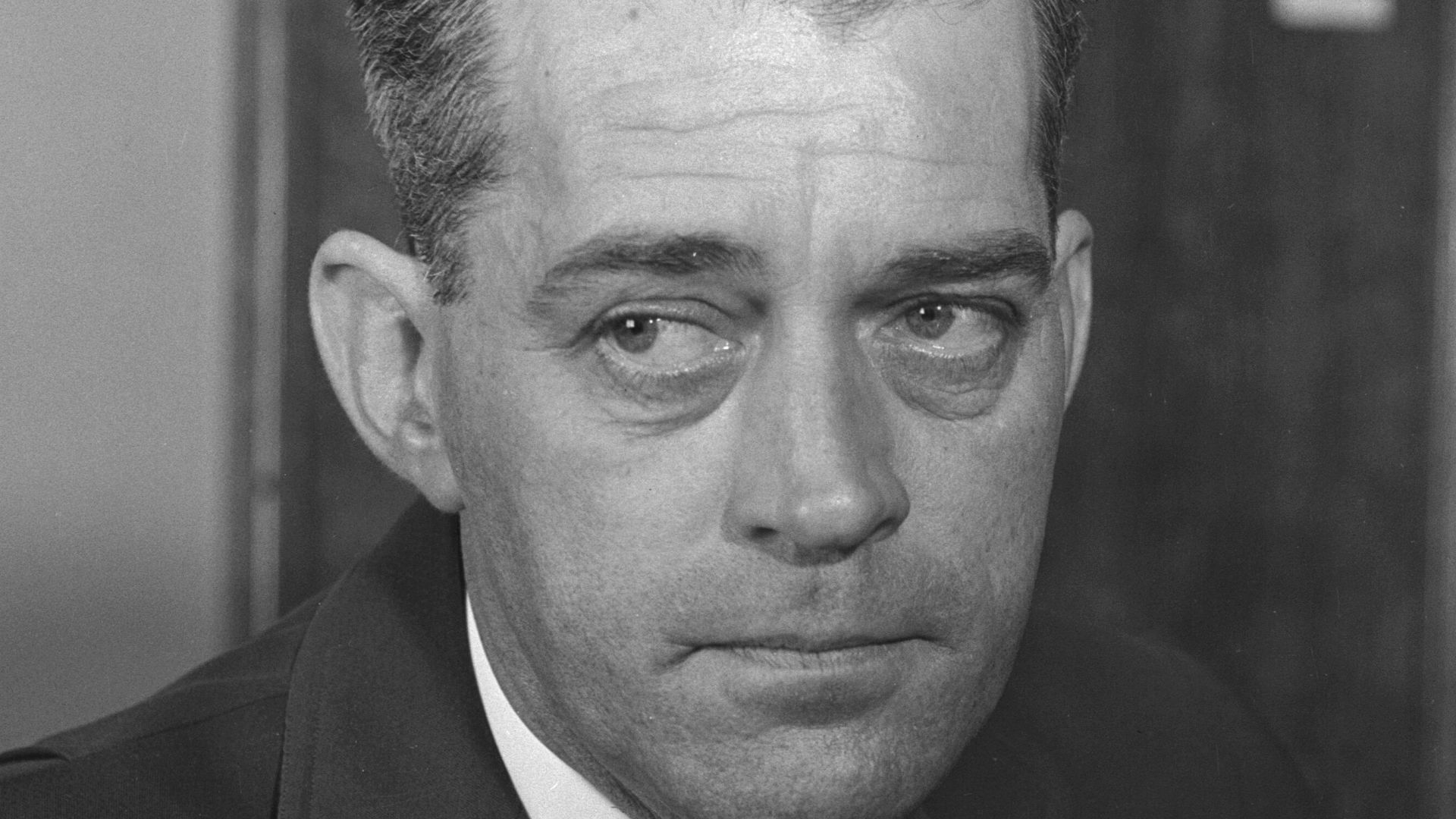
Director WS Van Dyke saw something in Myrna Loy that no one else had seen: a comedic talent waiting to be unleashed. However, Van Dyke wanted to test Loy’s commitment to comedy before casting her as Nora Charles in his upcoming film, The Thin Man. So, at a party, he shoved her into a swimming pool just to see her reaction.
When Loy climbed out of the water and laughed it off, he knew he’d found his star. And not a moment too soon.
 Los Angeles Times, Wikimedia Commons
27. She Won A Battle With Mayer
MGM boss Louis B Mayer didn’t see the comedic potential in Loy the way that Van Dyke did and opposed casting her in The Thin Man. He saw her as a dramatic actress, not a comedienne. Van Dyke, however, refused to back down, finally winning Mayer’s approval on one condition: the film had to wrap in three weeks flat.
Those three weeks changed Loy’s life.
28. She Made ‘Em Laugh—80 Films Later
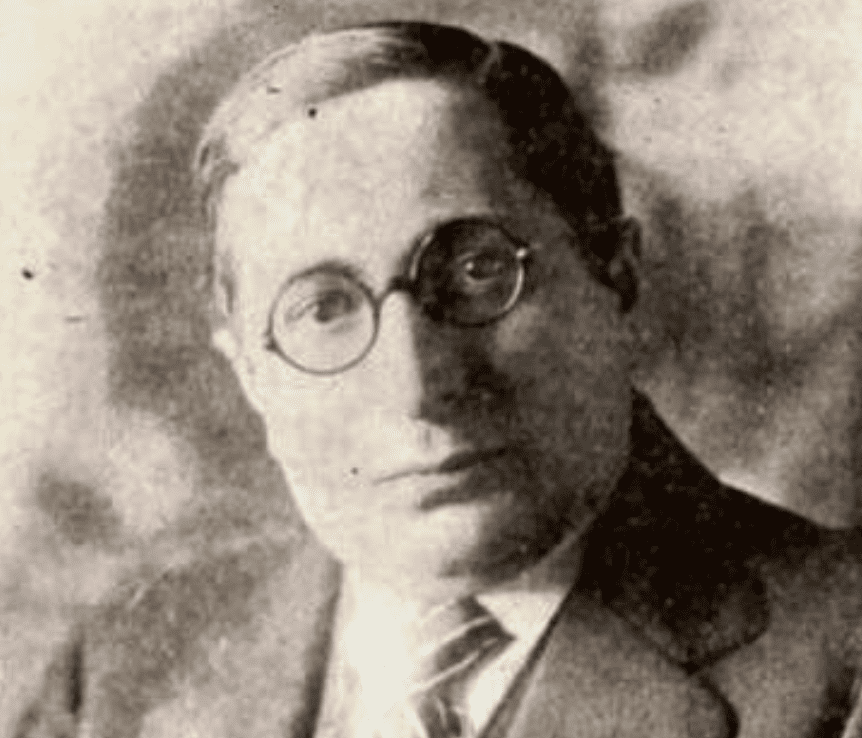
When The Thin Man hit theaters in 1934, it became one of the year’s biggest hits and even scored a nomination for Best Picture. Much to Van Dyke’s vindication (and Mayer’s frustration), the critics raved about Loy’s unexpected comedic flair. After years of slinking around as a vamp, she finally got to make audiences laugh.
Loy later confessed, “The Thin Man finally made me—after more than 80 films”.
 Metro-Goldwyn-Mayer, Wikimedia Commons
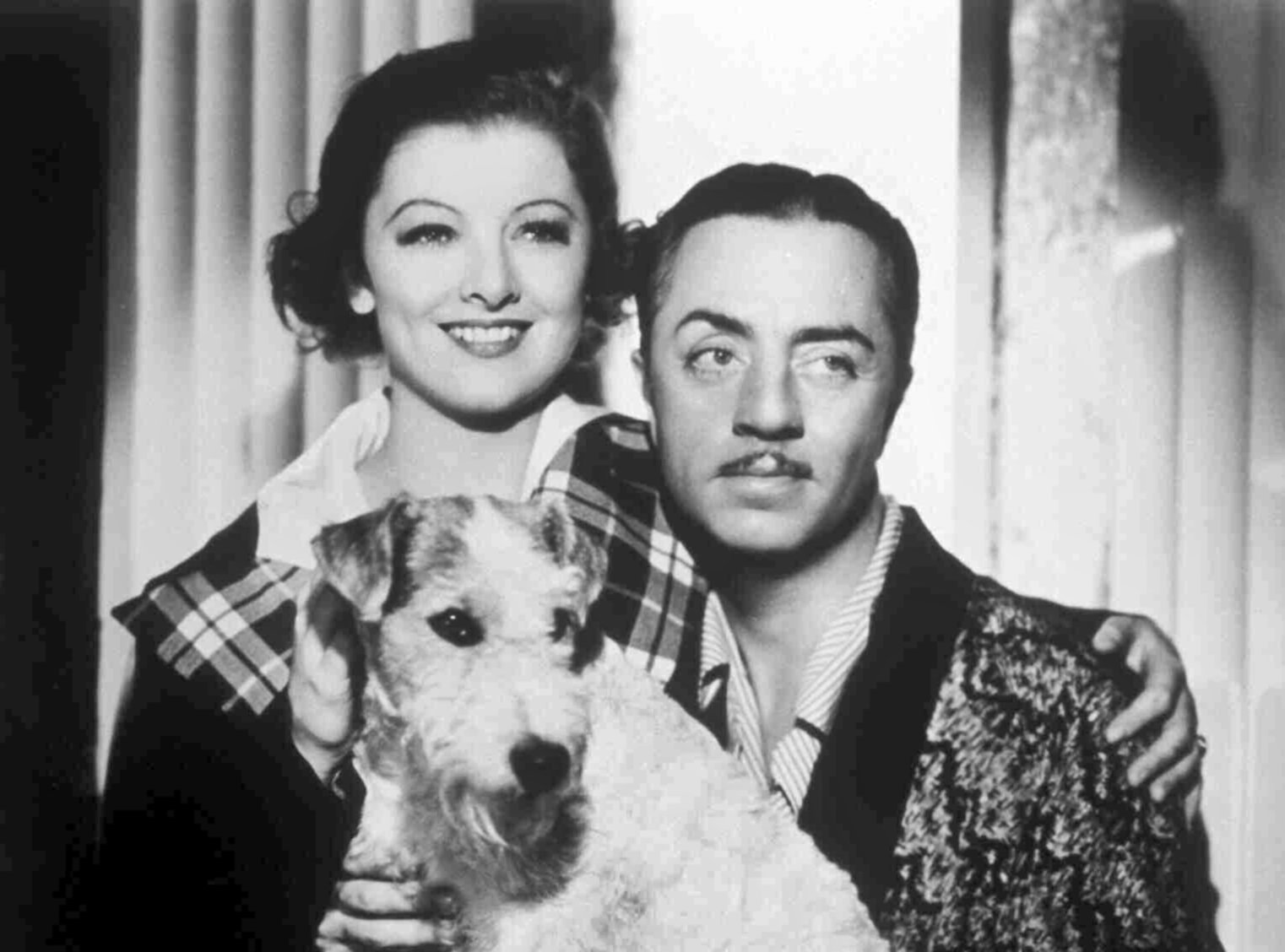
29. She Became One Half Of A Legendary Duo
Together with her The Thin Man co-star, William Powell, Myrna Loy became one half of a box office juggernaut. Loy and Powell went on to star in 14 films together, making theirs one of Hollywood’s most prolific (read: profitable) partnerships. And their relationship blossomed off-screen as well. Powell affectionately called Loy “Minnie”.
Their chemistry was undeniable.
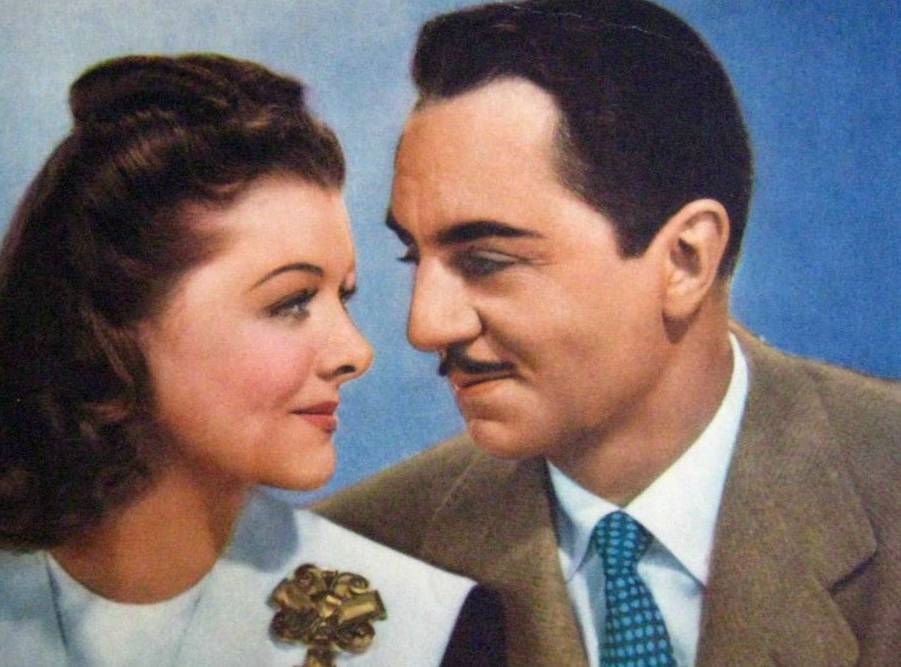
30. She And Powell Were Perfect Together
Even Powell couldn’t deny the on-screen chemistry that he and Loy shared. “When we did a scene together,” he recalled, “we forgot about technique, camera angles, and microphones. We weren’t acting. We were just two people in perfect harmony”. But, it wasn’t just on-screen chemistry that the two shared.
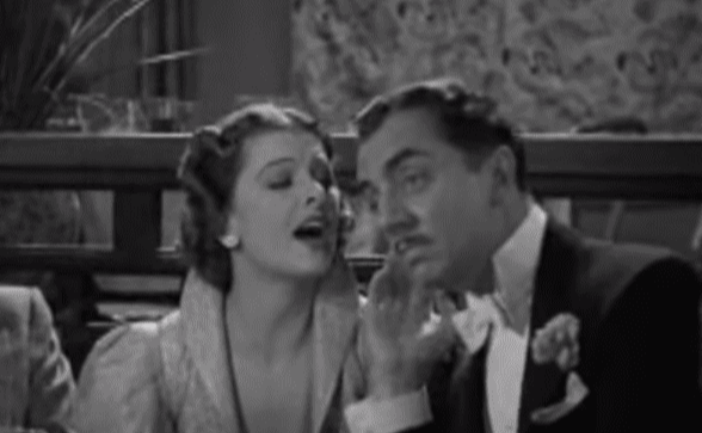
31. She Earned Powell’s Highest Praise
Powell couldn’t stop gushing about Loy’s talents, adding that she lacked the “diva temperament” of most stars of her status. “Myrna, unlike some actresses who think only of themselves, has the happy faculty of being able to listen while the other fellow says his lines”. But, the pair heaped so much praise on each other that everyone got the wrong idea.
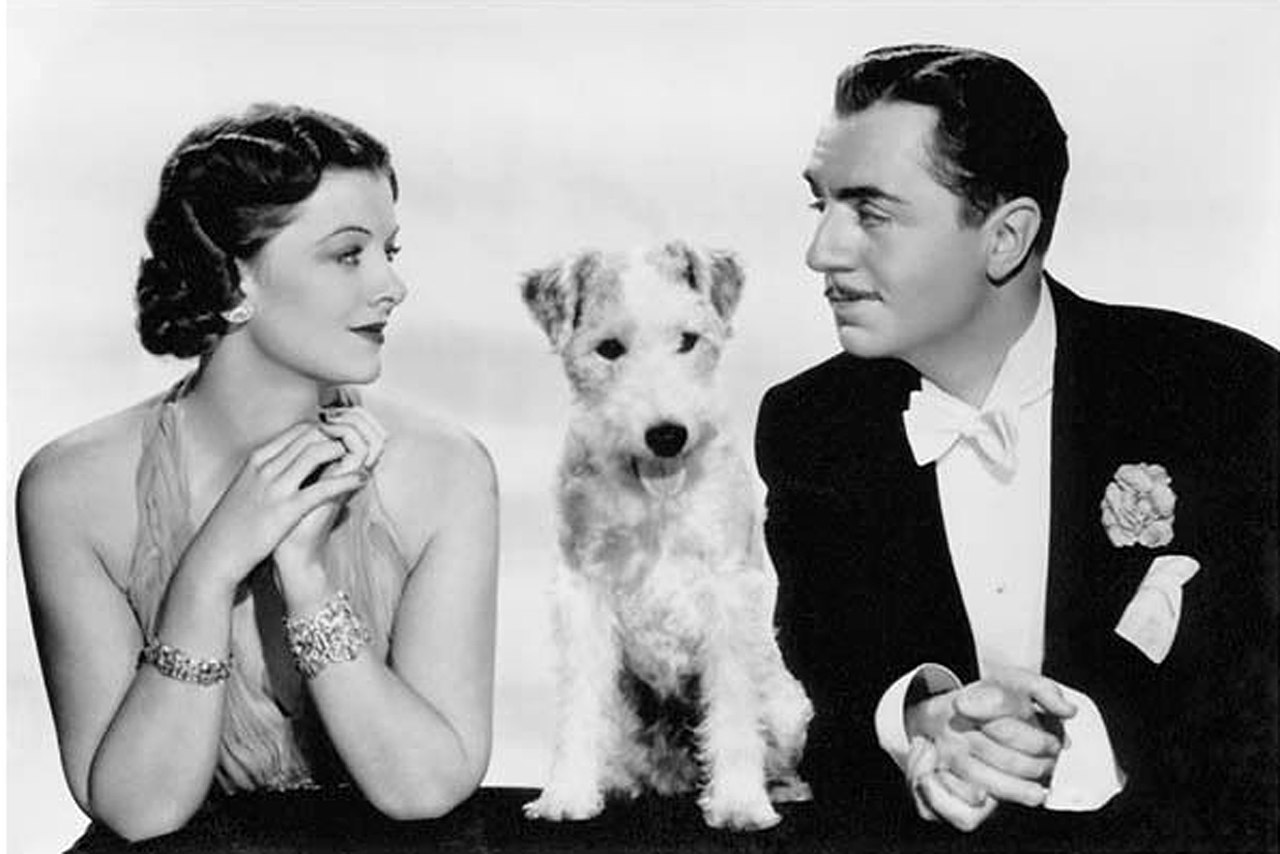
32. She Was Not Mrs Powell
Off-screen, Loy and Powell were best friends—not lovers. But the public refused to believe it. While shooting After the Thin Man in San Francisco, the duo waltzed up to a hotel counter where the clerk eagerly handed them a deluxe suite for “Mr and Mrs Powell”. The awkward twist? Jean Harlow, Powell’s actual long-time partner, was standing right next to them.
The awkward moment could have ended badly.
 Donaldson Collection, Getty Images
33. She Was Besties With Harlow
Rather than getting into a weird, fan-fueled love triangle with Powell and Harlow, Myrna Loy handled the situation like a pro. She and Harlow even shared the San Francisco hotel suite together, kicking Powell out to get a room of his own. “You would have thought Jean and I were in boarding school,” Loy recalled about the incident, making light of the awkward situation.
Her effortless, drama-free spirit made her even more irresistible.
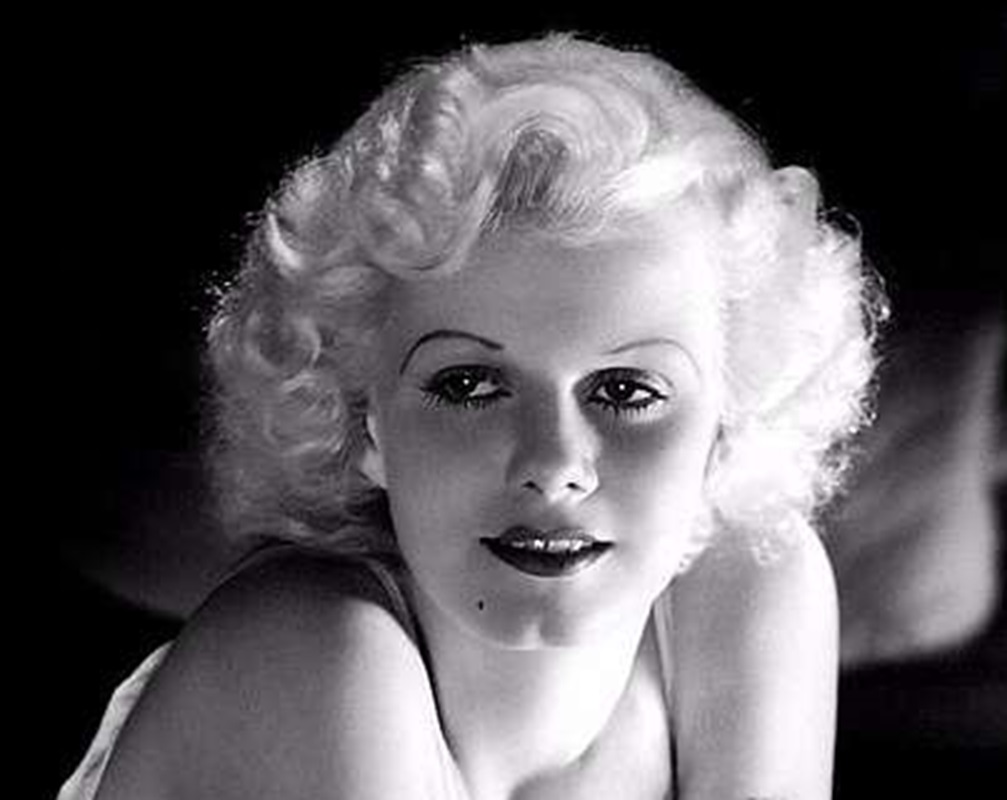
34. She Was Movie Royalty
In 1936, Loy cemented her place atop the Hollywood kingdom. A national poll crowned her the “Queen of the Movies,” alongside Clark Gable as “King”. The honor came with a crown of tin and purple velvet. Turns out, everyone wanted to be just like Myrna Loy. Actually. Just like her.
 Movie studio, Wikimedia Commons
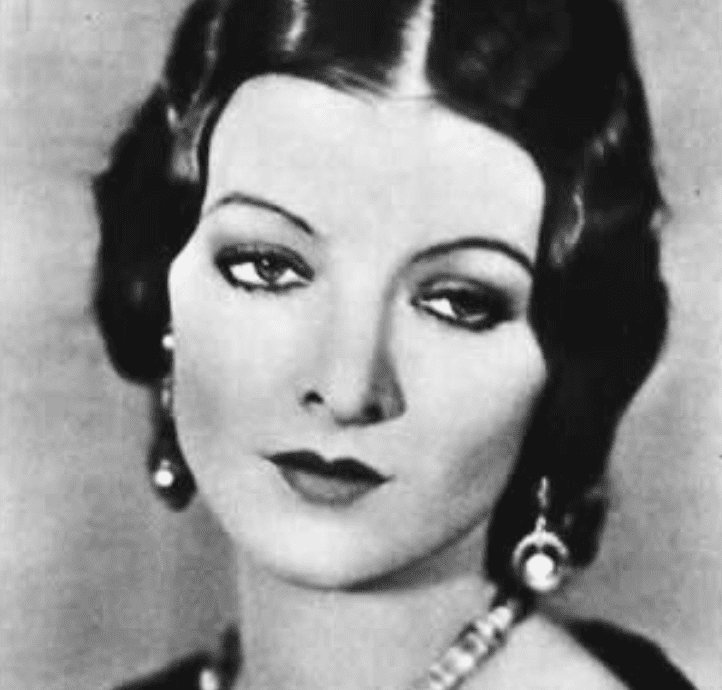
35. She Had A Look Everyone Wanted
By the mid-1930s, Loy had become so wildly famous and beloved that every man wanted her and every woman wanted to be her. Maybe a little too much. Loy’s facial profile became the most requested look women asked their plastic surgeons to copy. With looks like that, she could have any man. But she only wanted one.
 Photoplay magazine, Wikimedia Commons
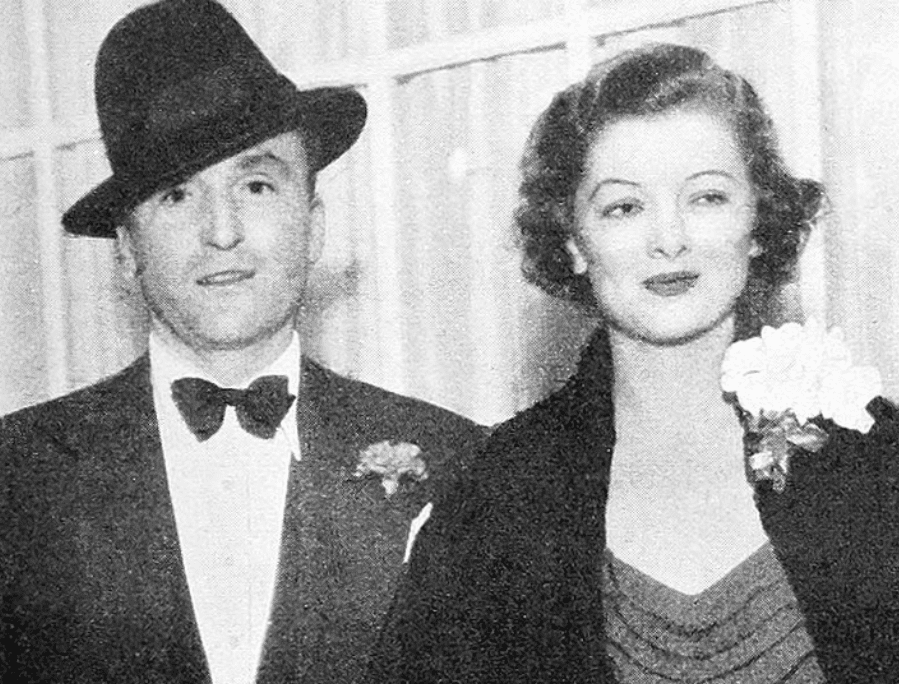
36. She Eloped With A Producer
Loy met producer Arthur Hornblow Jr on the set of Arrowsmith. Sparks flew, and by June of 1936, the pair eloped, eschewing the usual media frenzy for the weddings of famous starlets. When news finally did break about her nuptials, Loy’s fans and friends alike celebrated her marriage. Albeit, in very funny ways.
 Macfadden Publications, Wikimedia Commons
37. Her “Jilted” Lovers Set Up A Table
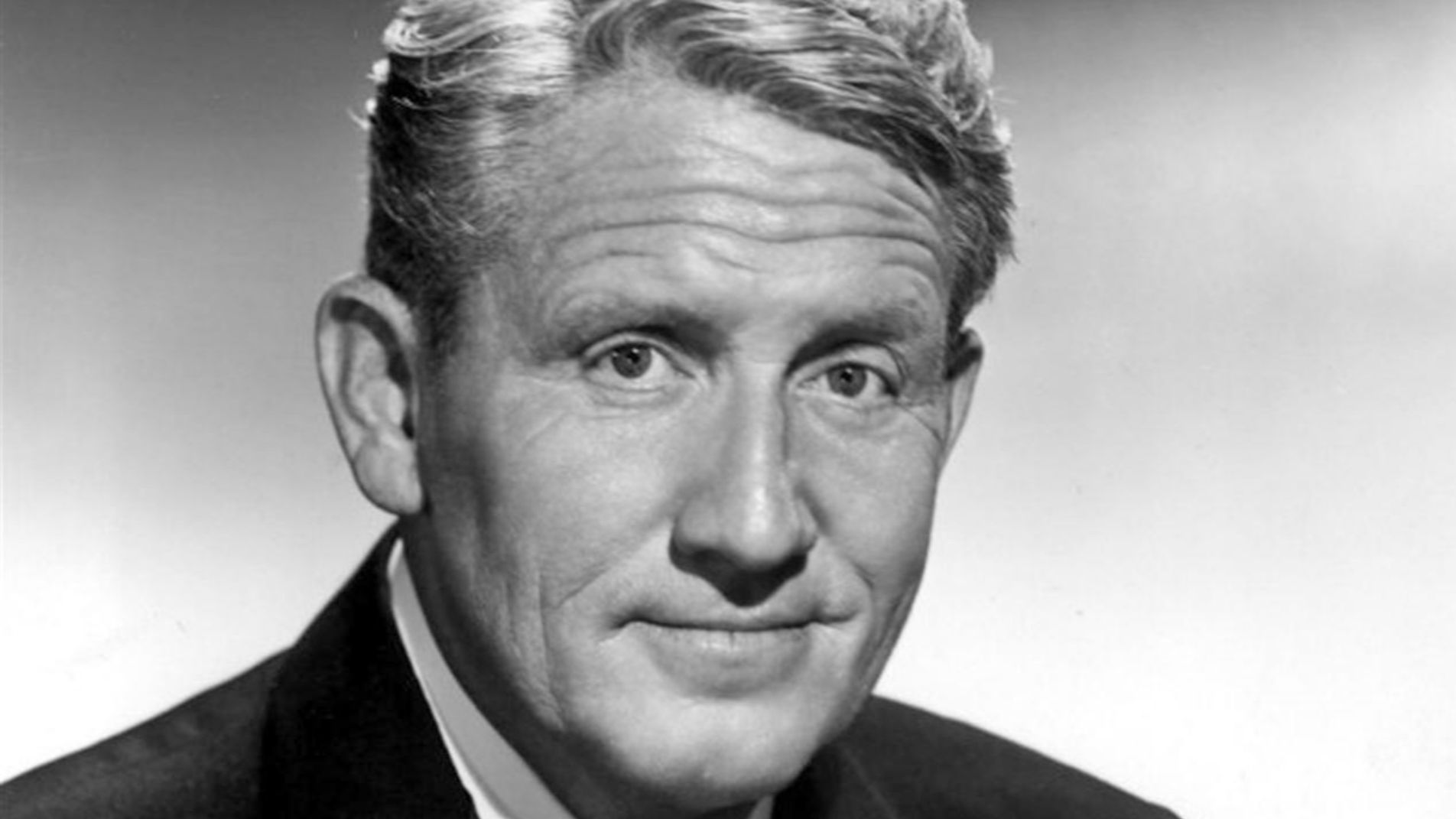
While filming 1936’s Libeled Lady, Loy’s co-stars—including Spencer Tracy—turned her marriage into a running gag. Tracy, giving voice to every lovelorn man with eyes for Loy, set up an “I Hate Hornblow” table in the studio’s commissary for all the men who pretended she had jilted them. Even Powell joined in on the fun.
Loy had little time for laughs, though.
 Metro-Goldwyn-Mayer (work for hire), Wikimedia Commons
38. She Called Out Hollywood Double Standards
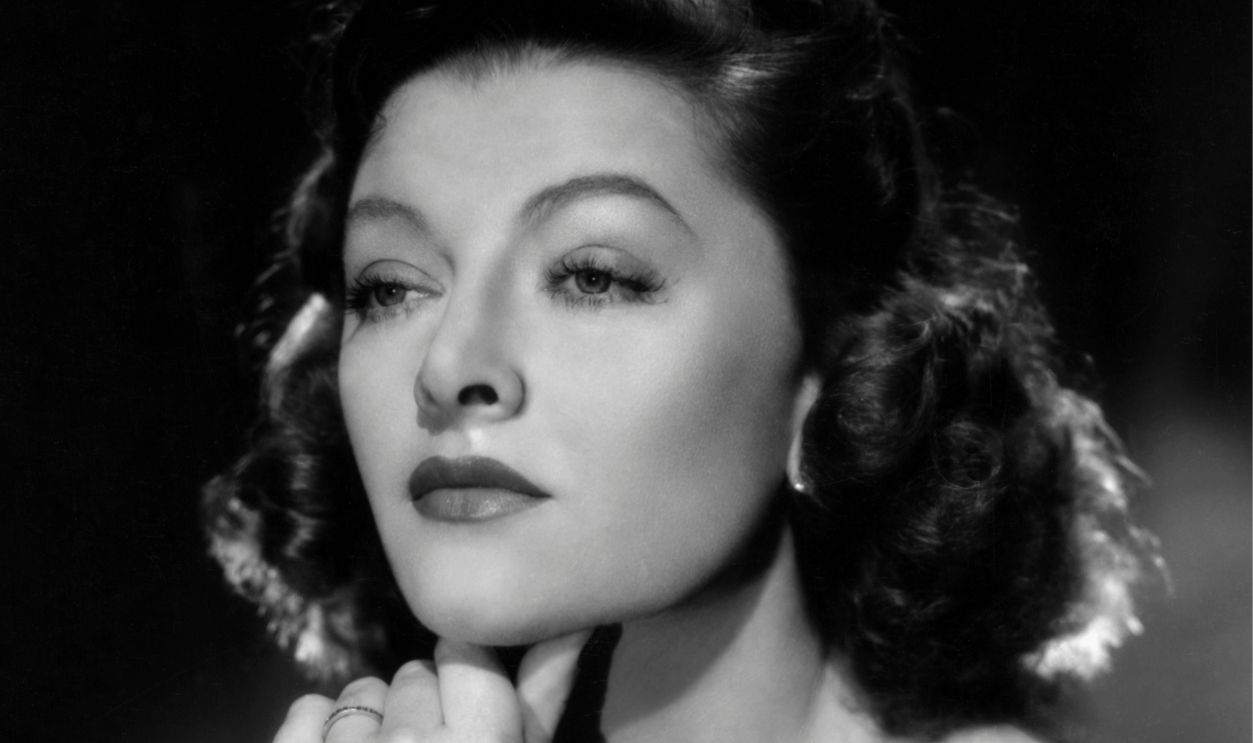
When she wasn’t laughing it up with her co-stars, Loy was fighting what she perceived to be injustice at MGM. “Why does every black person in the movies have to play a servant?” she asked. “How about a black person walking up the steps of a courthouse carrying a briefcase?” It was a bold stance for the time—but she had enough injustice of her own to fight.
39. She Suffered “Cruelty”
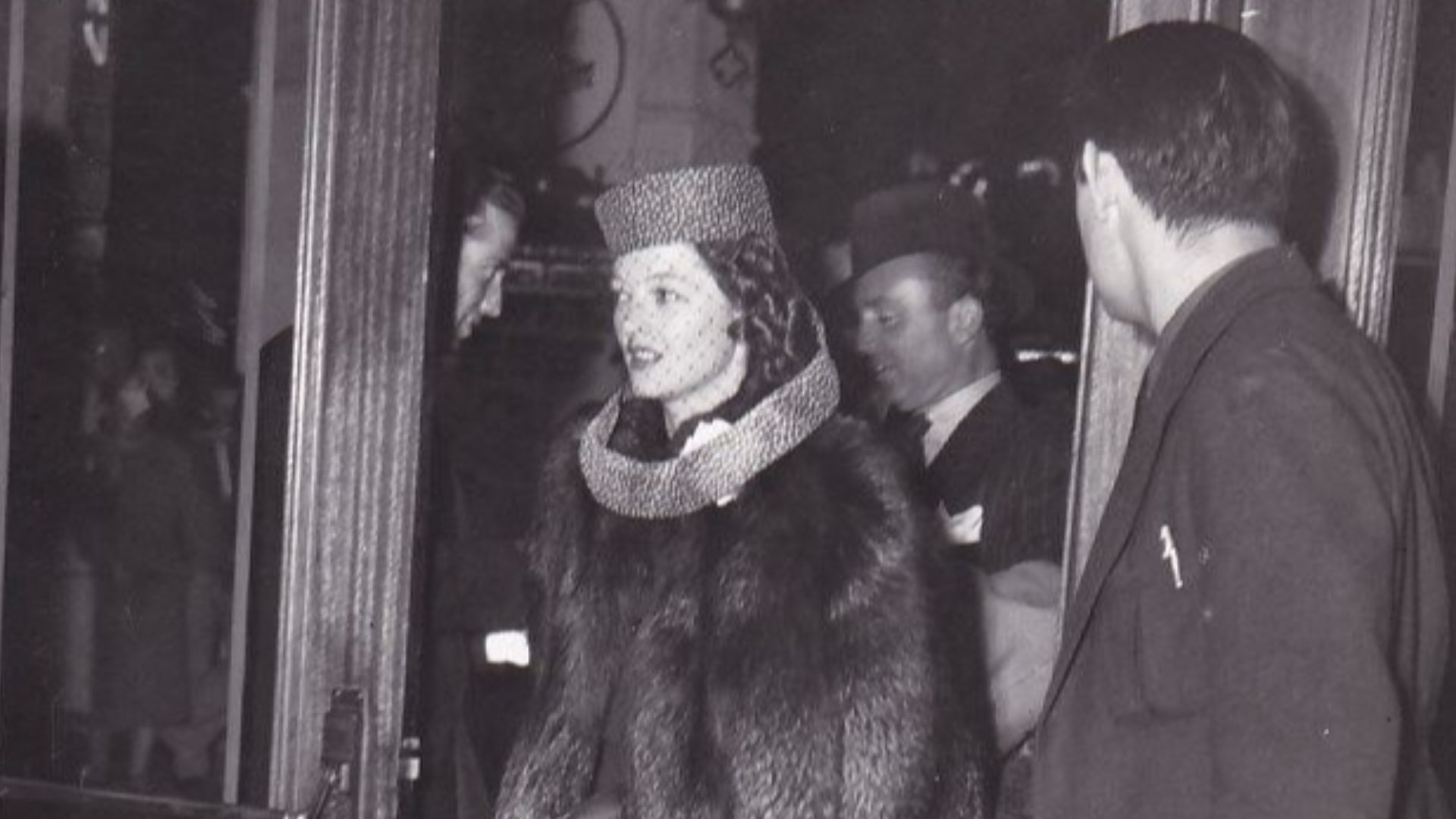
By 1942, Loy’s marriage to Hornblow had soured. The details of what, exactly, transpired behind their closed doors are hard to come by. But Loy’s divorce filings were telling. On June 1, she filed for divorce in Reno, citing “mental cruelty”. What she did next, however, might have had some asking who, exactly, had been cruel to whom.
40. She Remarried Just Five Days Later
Loy wasted no time moving on from Hornblow. On June 6, 1942—just five days after securing her divorce from Hornblow—Loy wed the scion of the Hertz rental car fortune and business executive, John D Hertz. The marriage lasted barely two years before Loy, once again, filed for divorce citing “mental cruelty”.
Two failed marriages didn’t stop her from pursuing love.
41. She Found Love Again
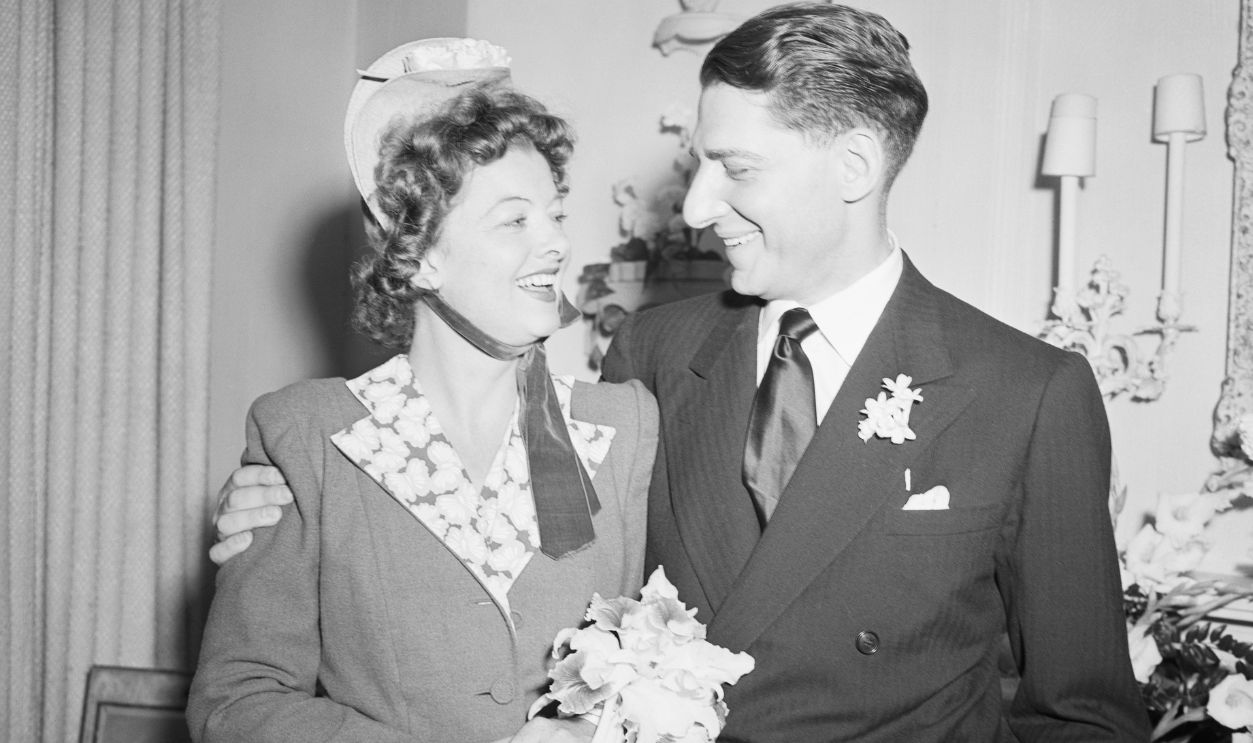
By 1945, Loy was in love again—this time with producer and screenwriter Gene Markey who had once been married to Joan Bennett and Hedy Lamarr. True to form, Loy kept the marriage low-key, tying the knot on January 3, 1946 in a private ceremony at the chapel on Terminal Island. Sadly, her marriage would only last a little longer than the floral arrangements.
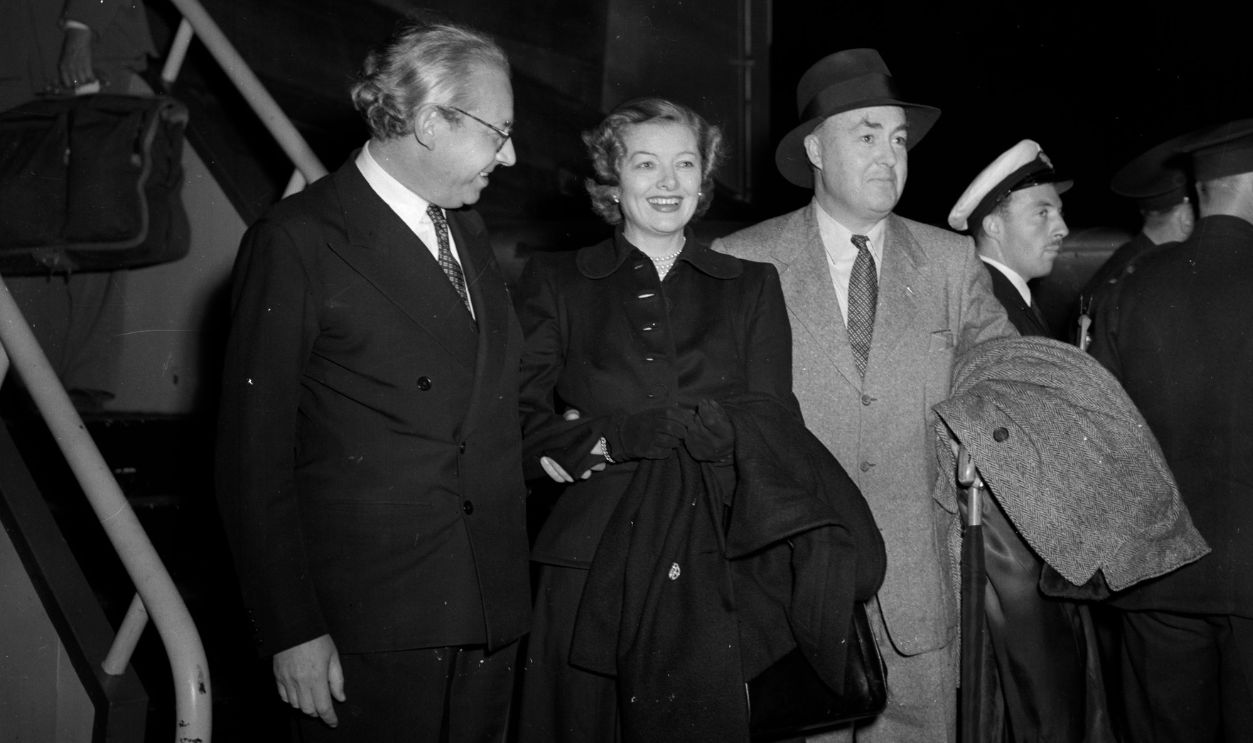
42. She Got Divorced And Married—And Divorced—Again
Loy’s third marriage didn’t last, as she divorced Markey in 1950. Ever the optimist, she quickly moved on, marrying Howland H Sargeant, a US cabinet official and president of Radio Liberty. They married in Virginia in 1951, but by 1960, she divorced him too. Four marriages, four divorces. But only one mortal enemy.
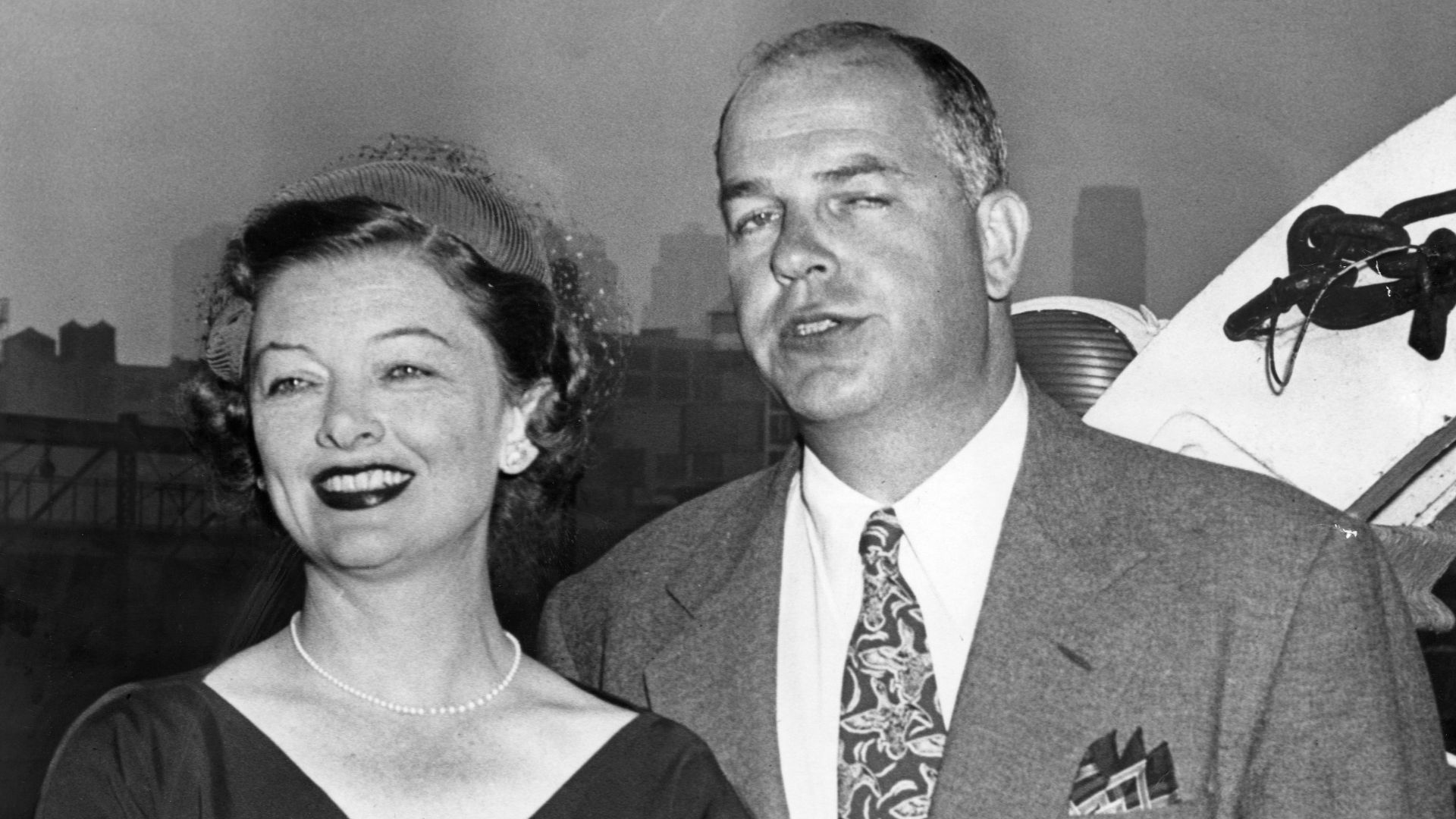 International News Photos; Bernie Aumuller, photographer, Wikimedia Commons
43. She Was On The Führer’s Naughty List
When WWII erupted, Loy walked away from Hollywood and threw herself into the effort to oppose the Third Reich. She worked tirelessly with the Red Cross and condemned the Führer so loudly that he heard her all the way across the Atlantic. Infuriated, he added Loy to his lengthy blacklist, barring her films from showing in Germany.
Loy didn’t flinch.
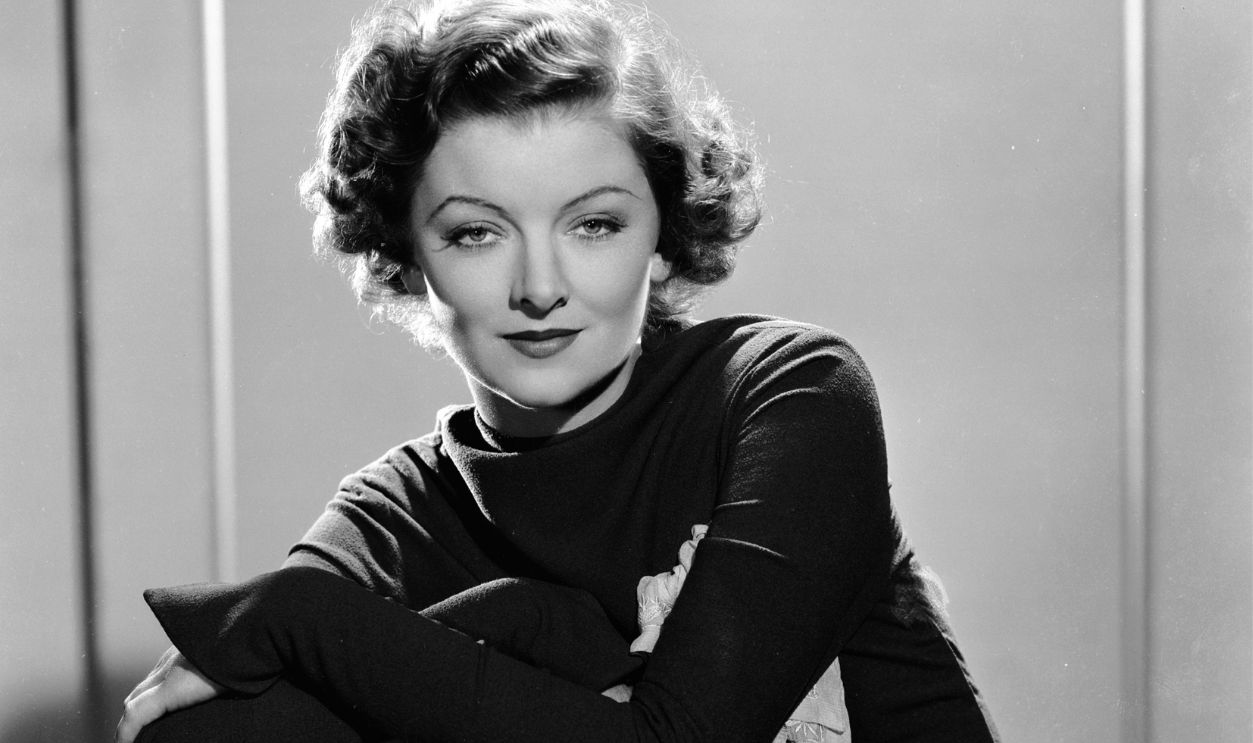
44. She Put On A Uniform
Loy didn’t just fundraise against the Third Reich—she put on her armor. Loy helped run a Naval Auxiliary canteen, toured constantly to rally donations, and joined the Hollywood chapter of “Bundles for Bluejackets”. Wearing a uniform, she showed America she wasn’t just playing a part this time.
The world took note.
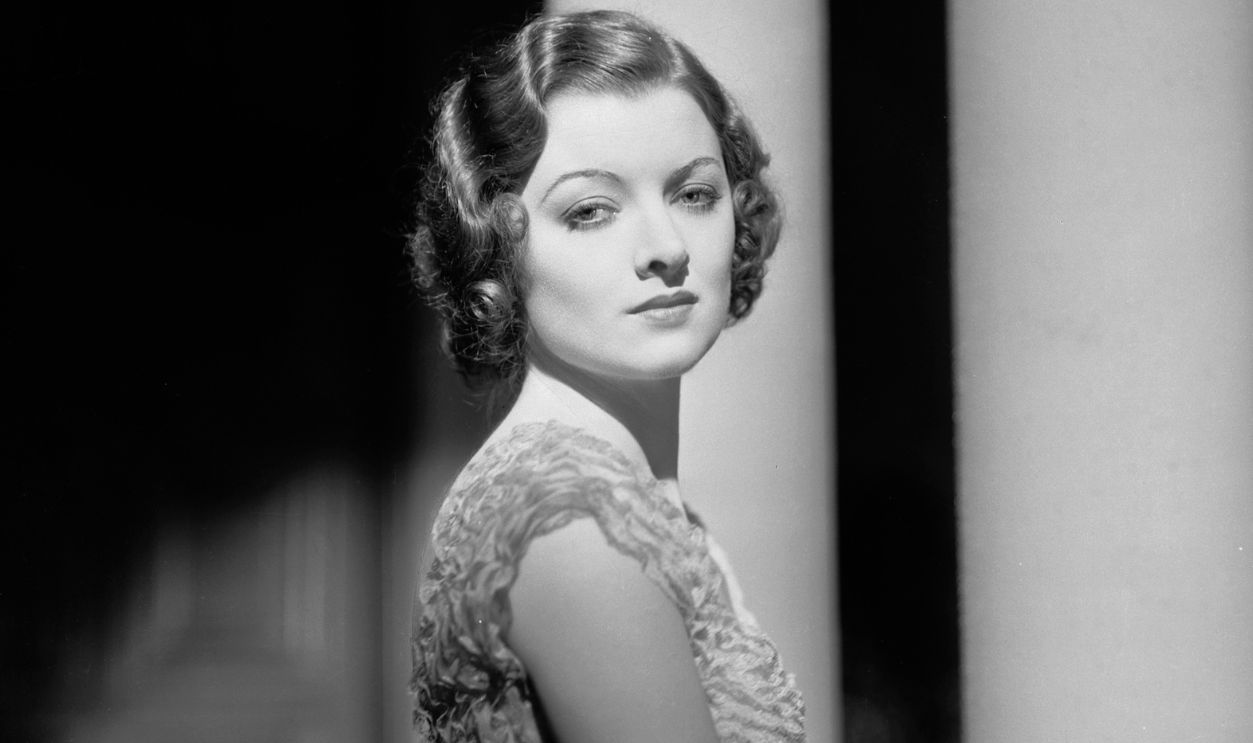
45. She Counted World Leaders As Fans
As her political profile grew, Loy’s admirers went far beyond Hollywood. James Stewart, Winston Churchill, and even Franklin and Eleanor Roosevelt counted themselves amongst her biggest fans. Roosevelt even invited Loy to the White House, where she struck up a warm friendship with the First Lady herself!
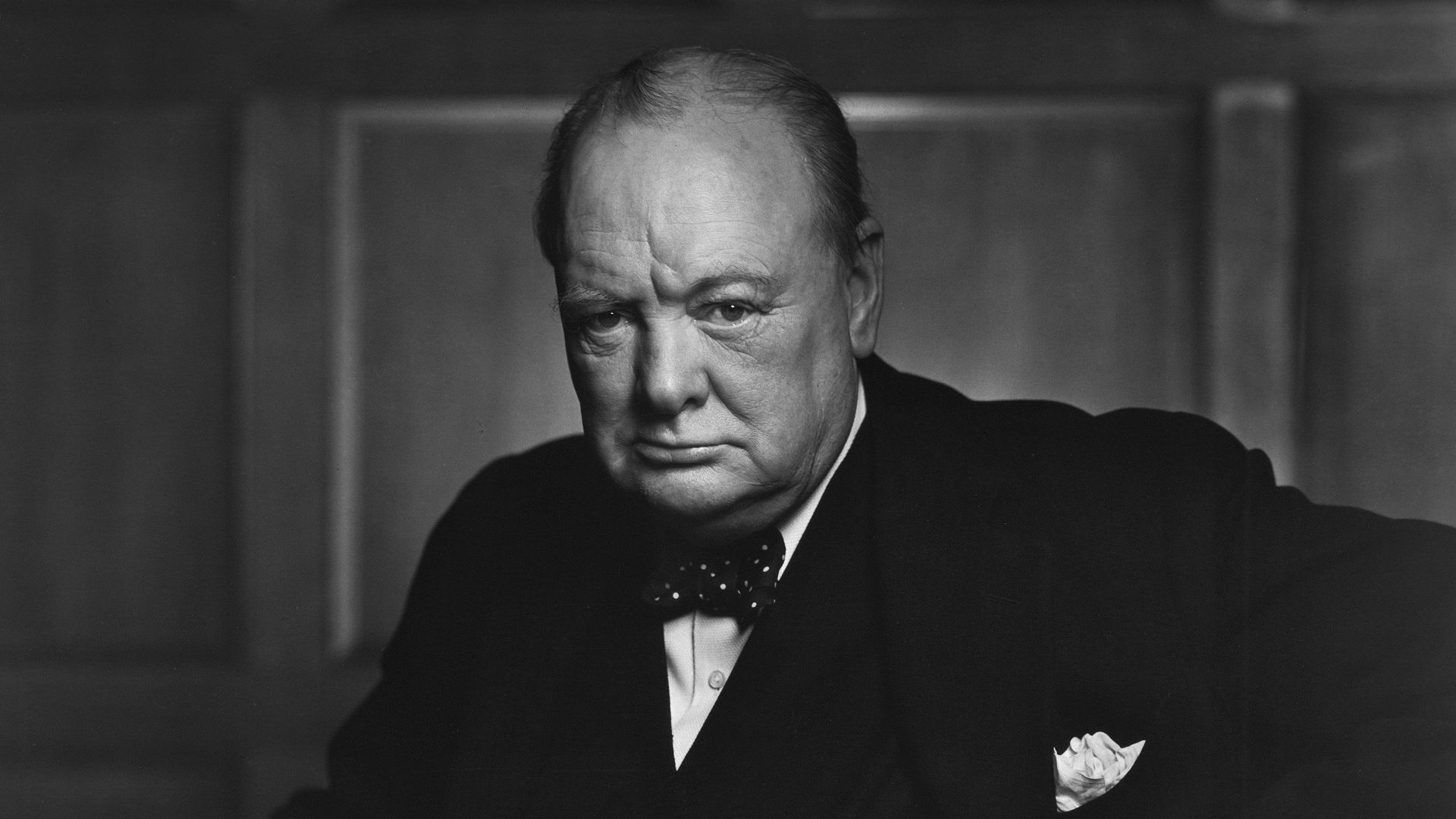 Yousuf Karsh, Wikimedia Commons
46. She Scored A Family Hit
In 1950, with WWII fading into memory, Loy returned to the big screen—in a big way. She co-starred with Clifton Webb in Cheaper by the Dozen. The film pulled in a staggering $4.4 million at the US box office, making it one of her biggest commercial hits of the decade. Audiences adored her as much as ever. But she was keeping a dark secret from them.
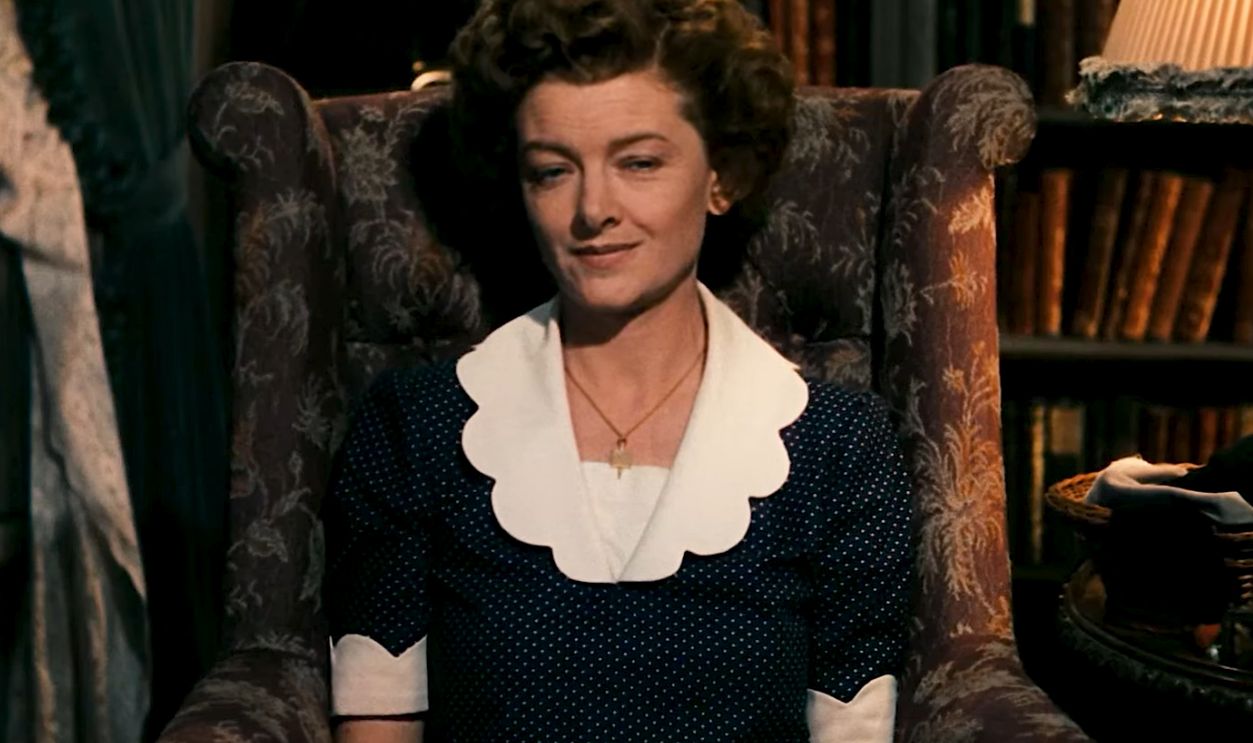 Screenshot from Cheaper by the Dozen, 20th Century Fox (1950)
47. She Quietly Fought Cancer
In 1975, Loy’s doctors gave her a devastating diagnosis: she had breast cancer. Acting quickly, Loy underwent two mastectomies, removing the cancer—but forever keeping its scars. For more than a decade, she kept her illness private, only revealing it in her 1987 autobiography. She still had so much to do.
48. She Made A Broadway Debut
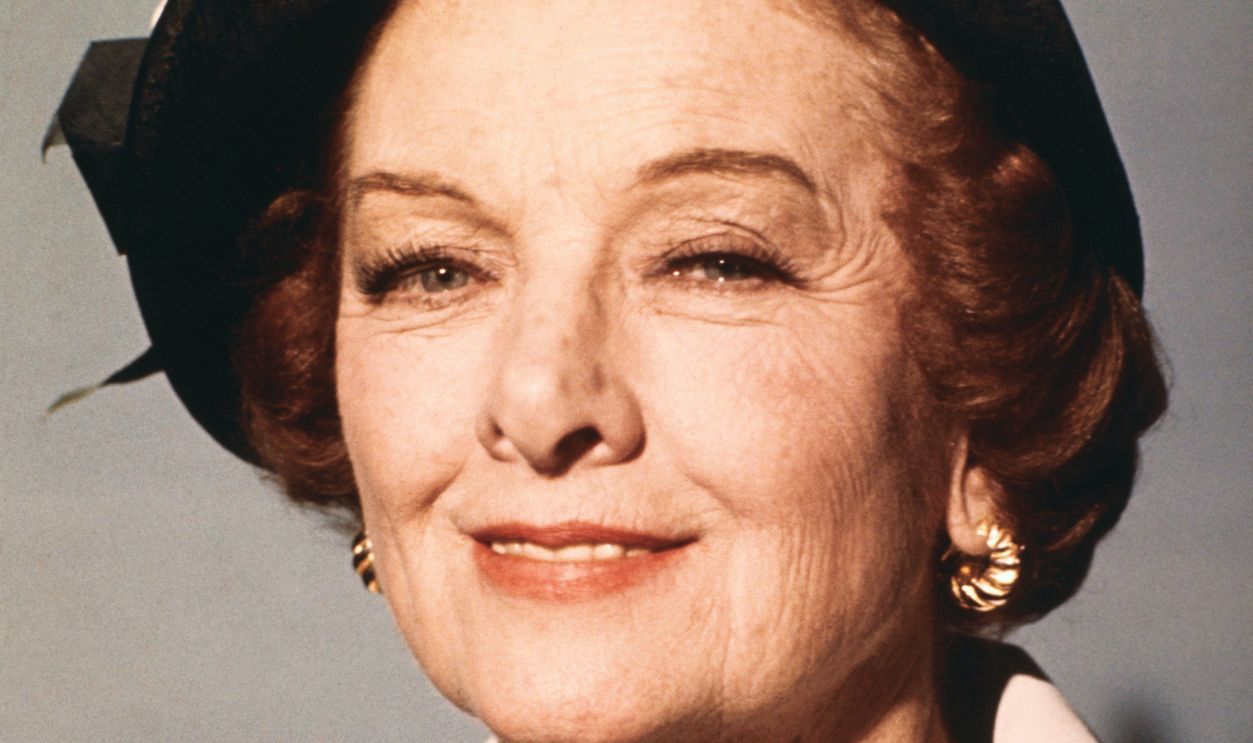
Loy had dominated the screen for so long that it was hard to imagine that she hadn’t done it all already. But it took her until 1973 to finally step onto Broadway, joining the revival of The Women. For a Hollywood star who had dominated movies for decades, conquering the stage was just another milestone.
49. She Bowed Out On Screen Gracefully
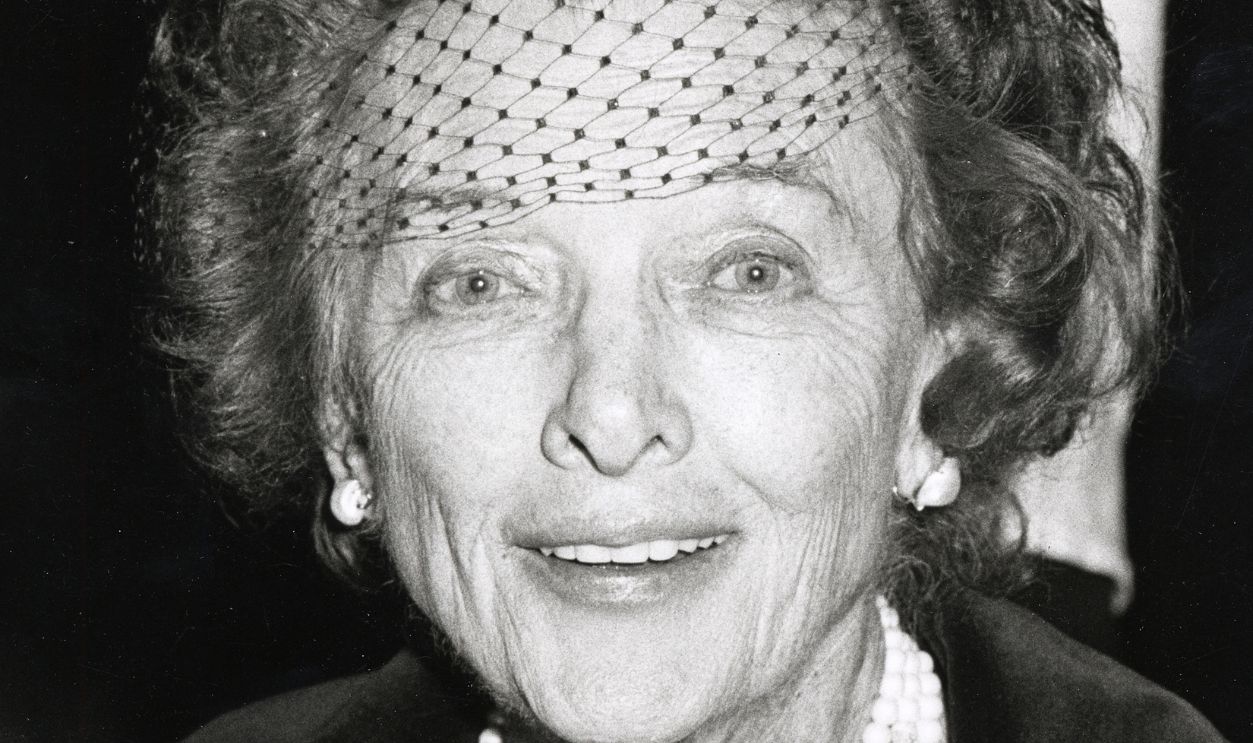
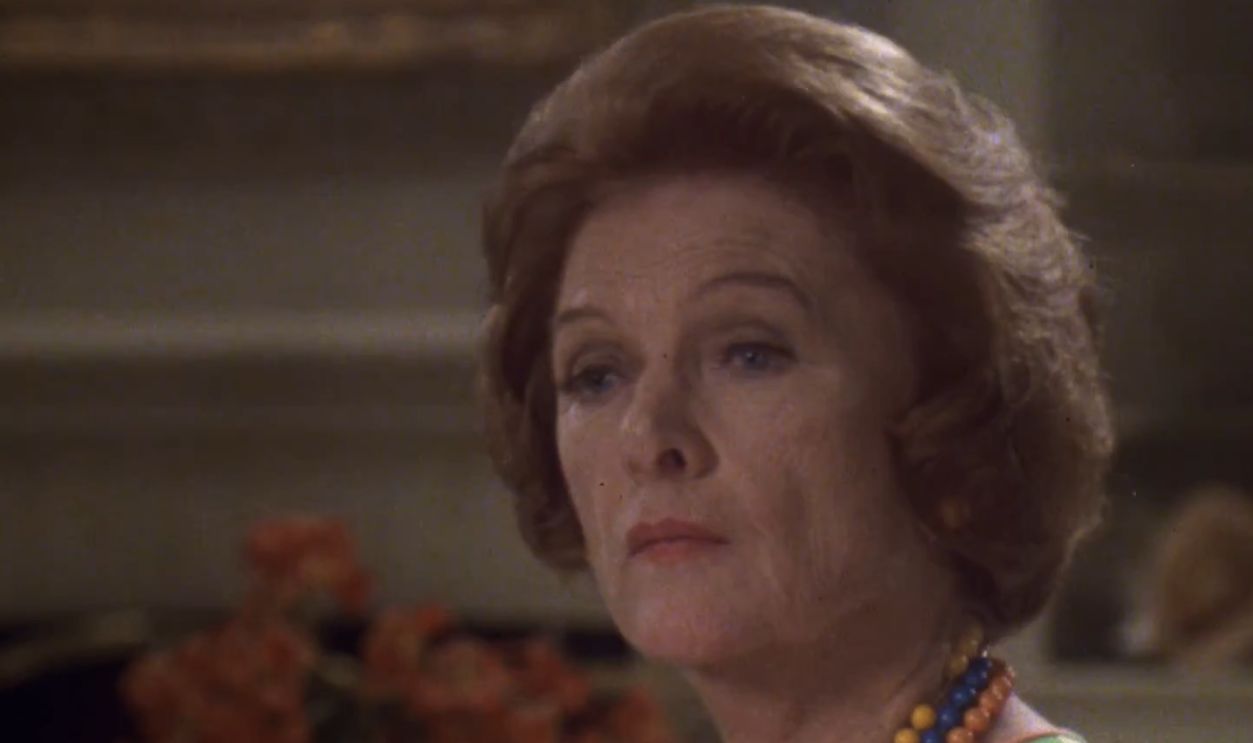
With an illustrious career behind her, Loy finally turned to retirement. In 1978, she played Burt Reynolds’s mother in The End, and in 1980, she gave her last film performance in Sidney Lumet’s Just Tell Me What You Want. By 1982, after a guest spot on Love, Sidney, her acting career quietly came to an end.
 Screenshot from The End, United Artists (1978)
50. She Finally Won An Oscar
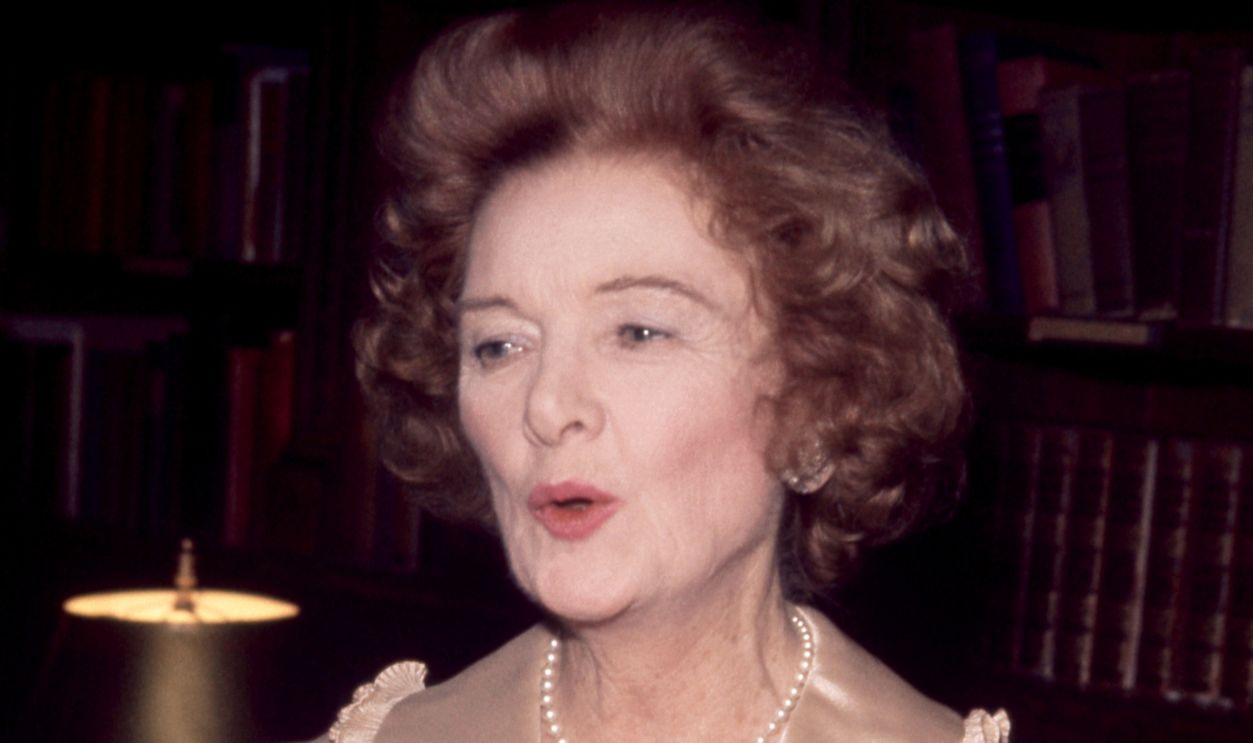
Despite appearing in nearly 150 films (two of which were Best Picture winners) and topping the box office for years, Loy never earned so much as a single Academy Award nomination. But in 1991, thanks to an aggressive letter-writing campaign from her Hollywood friends, the Academy righted that wrong. They presented Loy with an Honorary Award for lifetime achievement.
Appearing via camera from New York, she said simply, “You’ve made me very happy. Thank you very much”.
51. She Came Home At The End
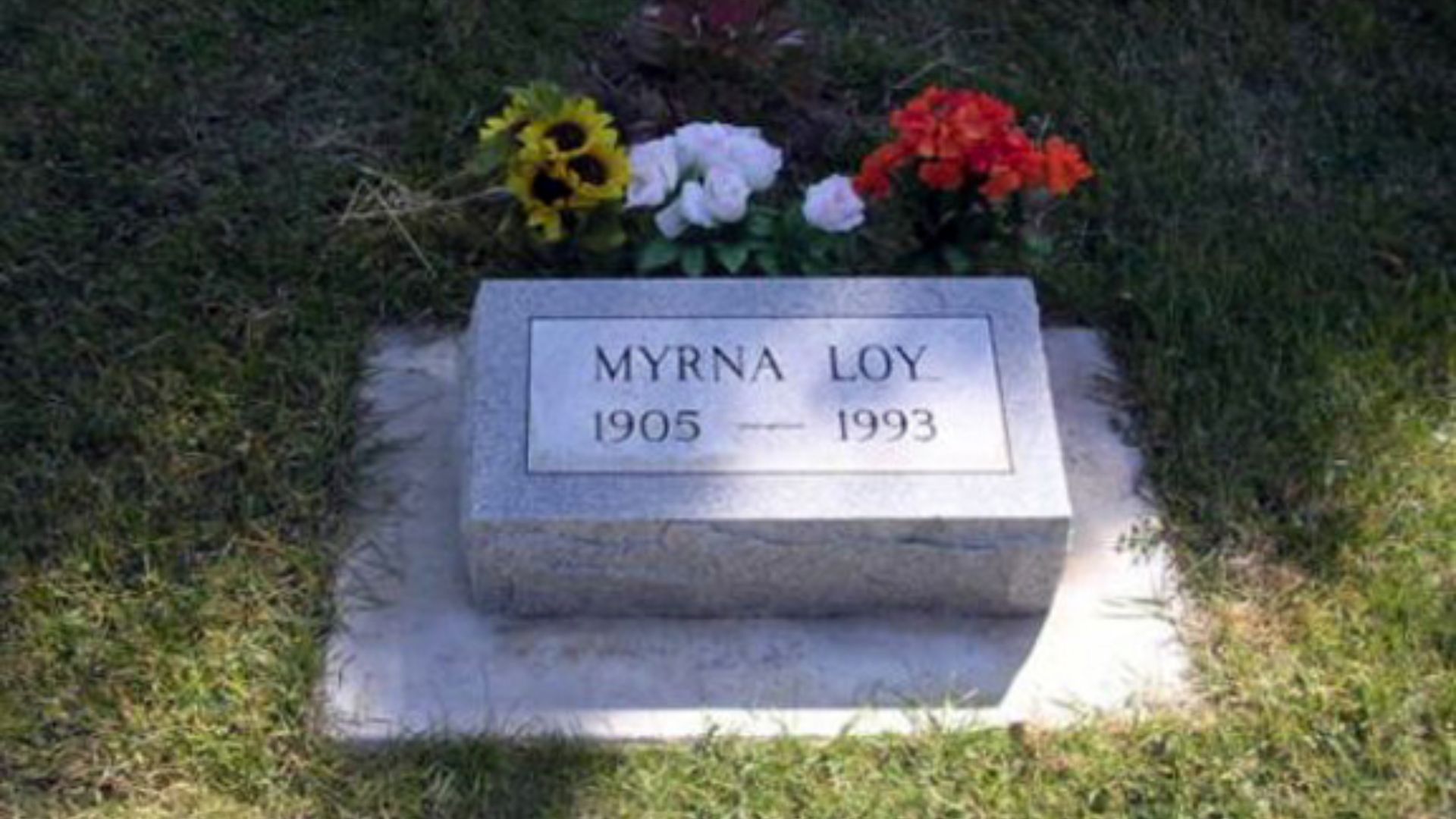
On December 14, 1993, Loy passed on during surgery in Manhattan at age 88. After cremation, her ashes returned to Helena, Montana, where she was laid to rest at Forestvale Cemetery. Hollywood’s beloved femme fatale was home again.
 Thekingofcarryon at English Wikipedia, Wikimedia Commons
You May Also Like:
The Tragic Life Of Jean Harlow
William Powell Was The World’s Unluckiest Lover











.jpg)


