
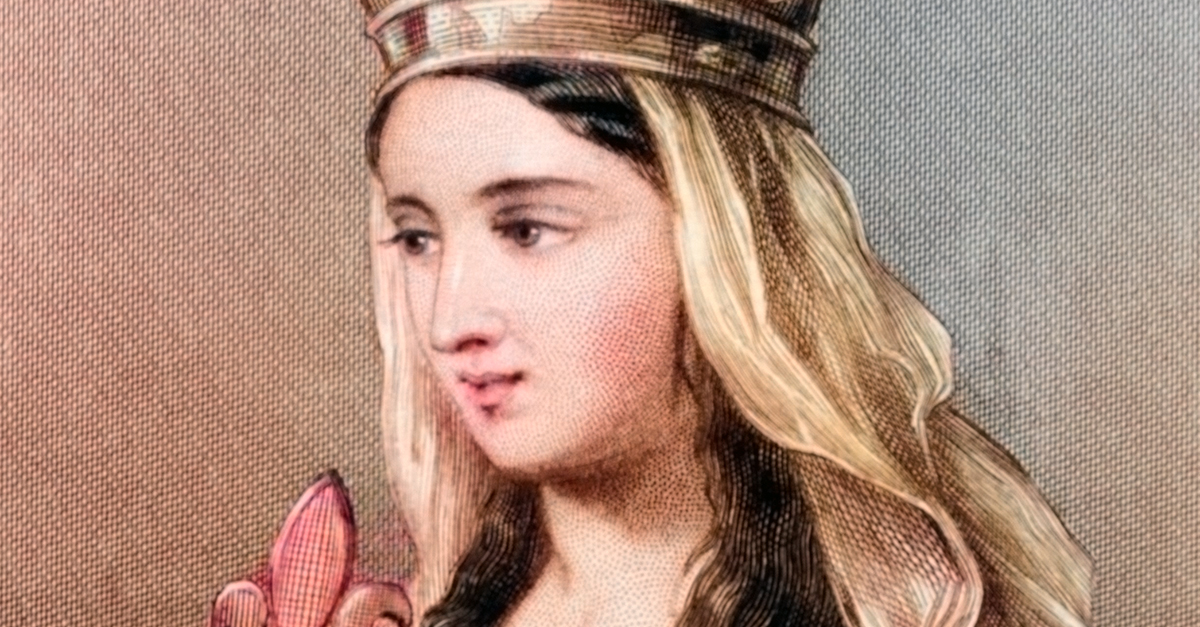
Conqueror And Regent
Matilda of Flanders was born into the powerful House of Flanders, which made her a great marriage prospect for any potential royal suitors in the 11th century. But ultimately, she would end up with the most significant one of all. Not to be overshadowed by her powerful and legendary husband, however, Matilda became a competent and wise leader in her own right.
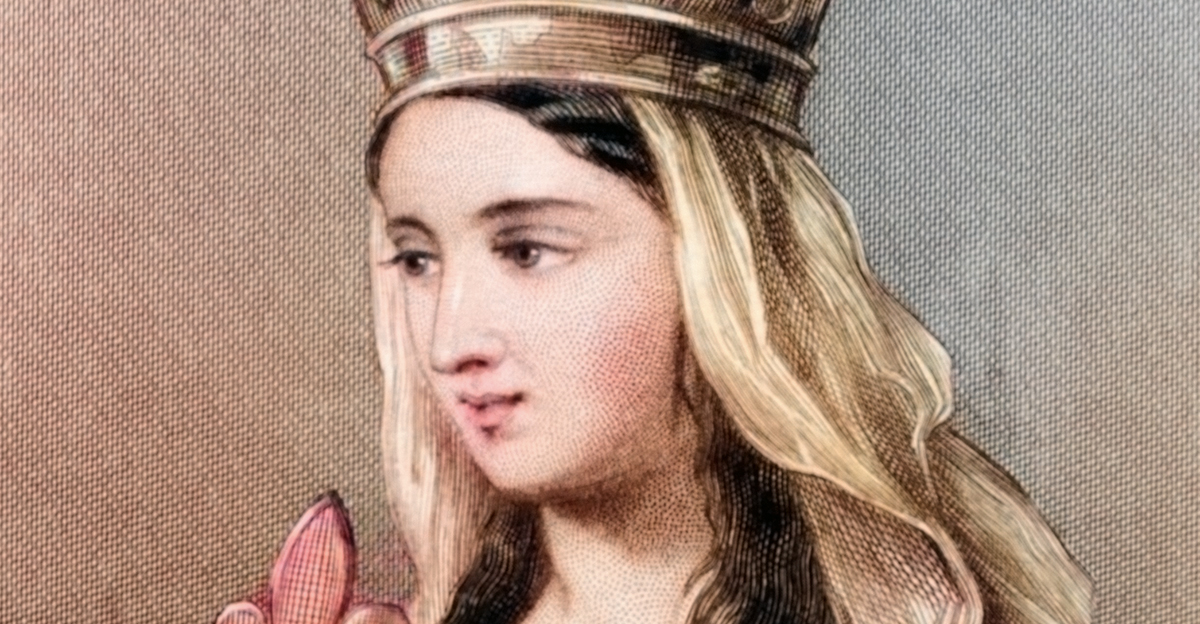 Kean Collection/Archive Photos/Getty Images
1. She Was A Dynasty
Matilda of Flanders was born in 1031, into the prominent House of Flanders, a medieval ruling dynasty with Frankish origins, meaning she was already born with a significant amount of power. That dynasty presided over a region of what is now part of the Netherlands, and while the Flanders were powerful in their own corner of the world, the family’s grander ambitions found personification in that generation’s only daughter.
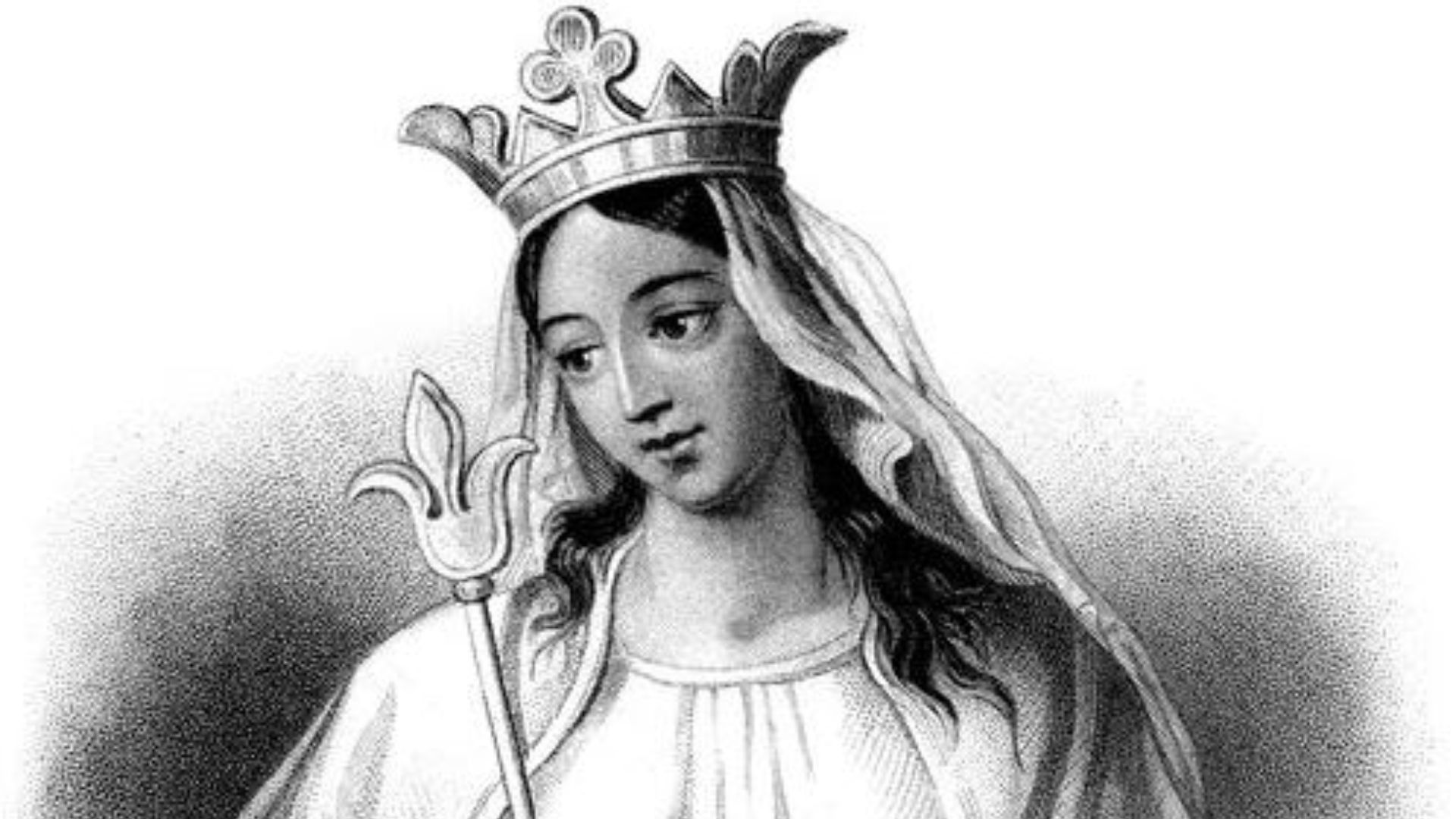 Henry Colburn, Wikimedia Commons
2. She Was Her Parents’ Hope
Matilda was the only daughter of her parents, Count Baldwin V of Flanders and Adela of France, and that meant that all her parents’ hopes of marrying into a more powerful family fell on the young countess. Matilda would need to be married off to a powerful lord or, even better, a king. Indeed, their striving toward royalty may have come from a sense of entitlement, given Adela’s lineage.
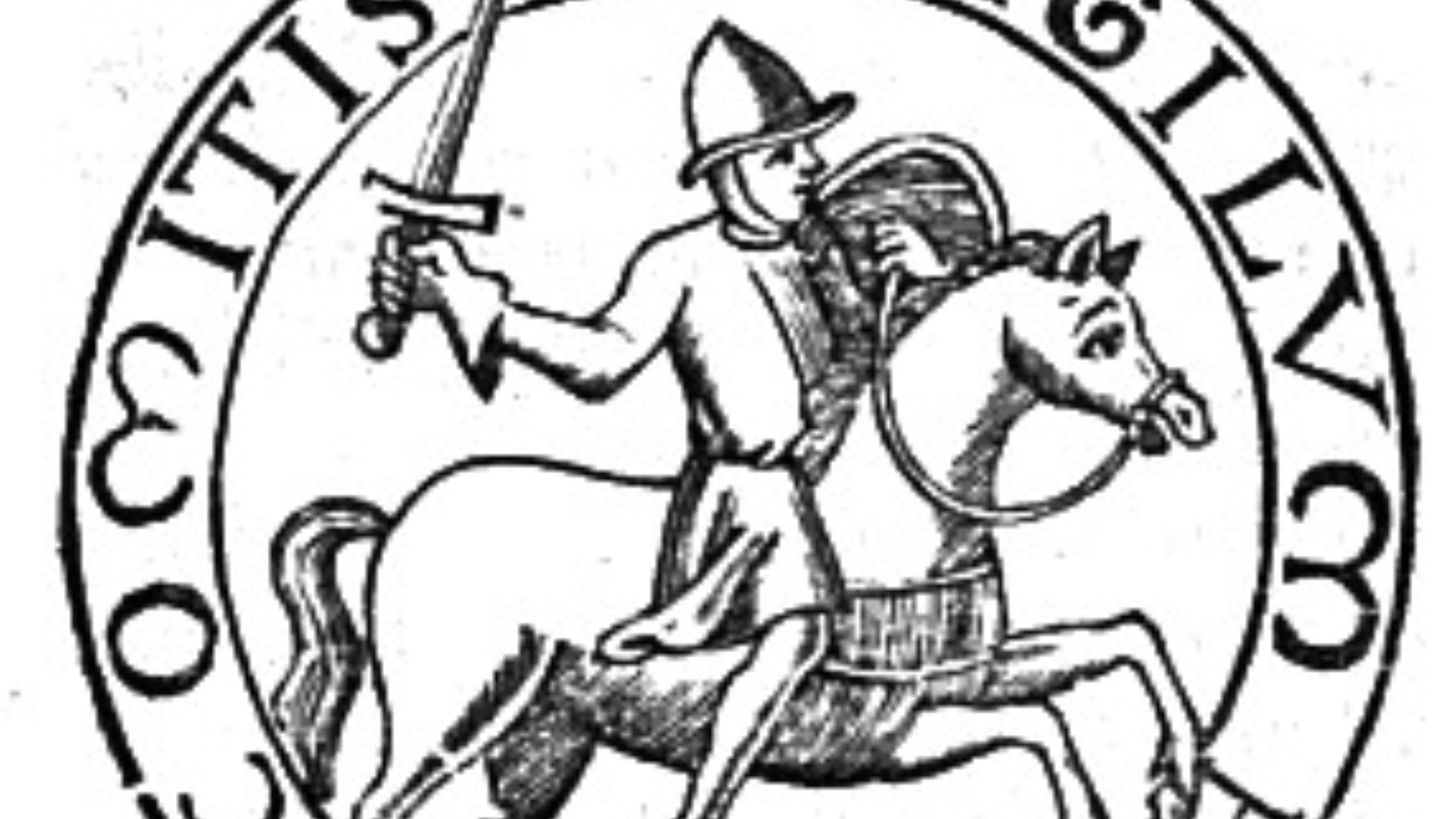 Charles François Toustain, René Prosper Tassin, Jean Baptiste Baussonnet, Wikimedia Commons
3. She Had A Royal Grandfather
Matilda’s mother, Adela, was the daughter of King Robert II of France, meaning that though she was but a humble countess, she came from grander stock than most similarly ranked nobles. And though her mother was the King’s second daughter and, therefore, nowhere near power herself, her marriage to the Count of Flanders may have been a strategic move on the King’s part.
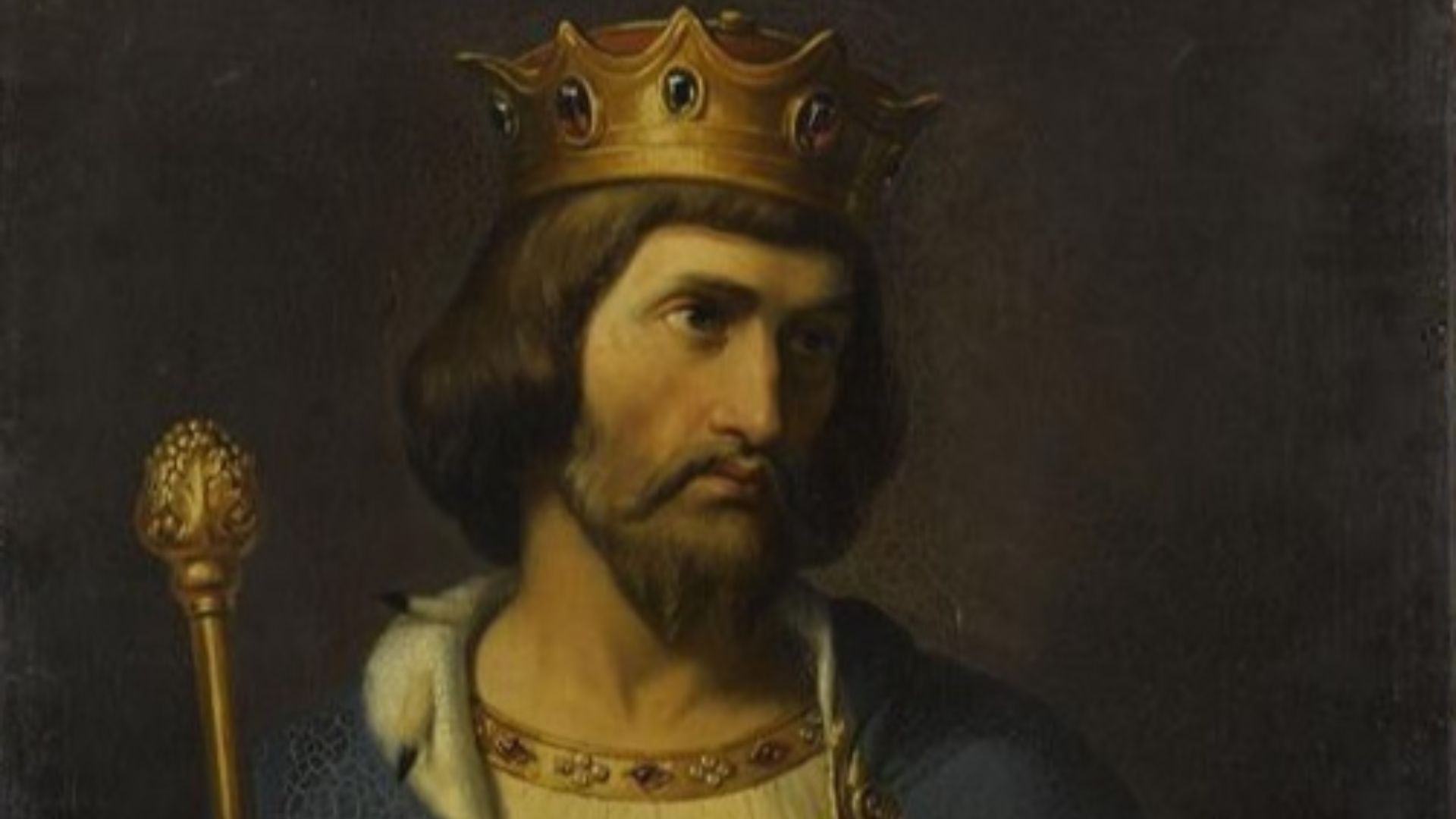 Merry-Joseph Blondel, Wikimedia Commons

History's most fascinating stories and darkest secrets, delivered to your inbox daily.
4. She Occupied Important Land
Matilda grew up in Flanders, a beautiful region that also had strategic significance. Contemporary leaders saw it as a steppingstone between England and the Continent and played an important role in facilitating strategic trade and preventing Scandinavian intruders from invading English shores. As a young girl, however, Matilda hardly concerned herself with such matters, instead focusing on something much more important: boys.
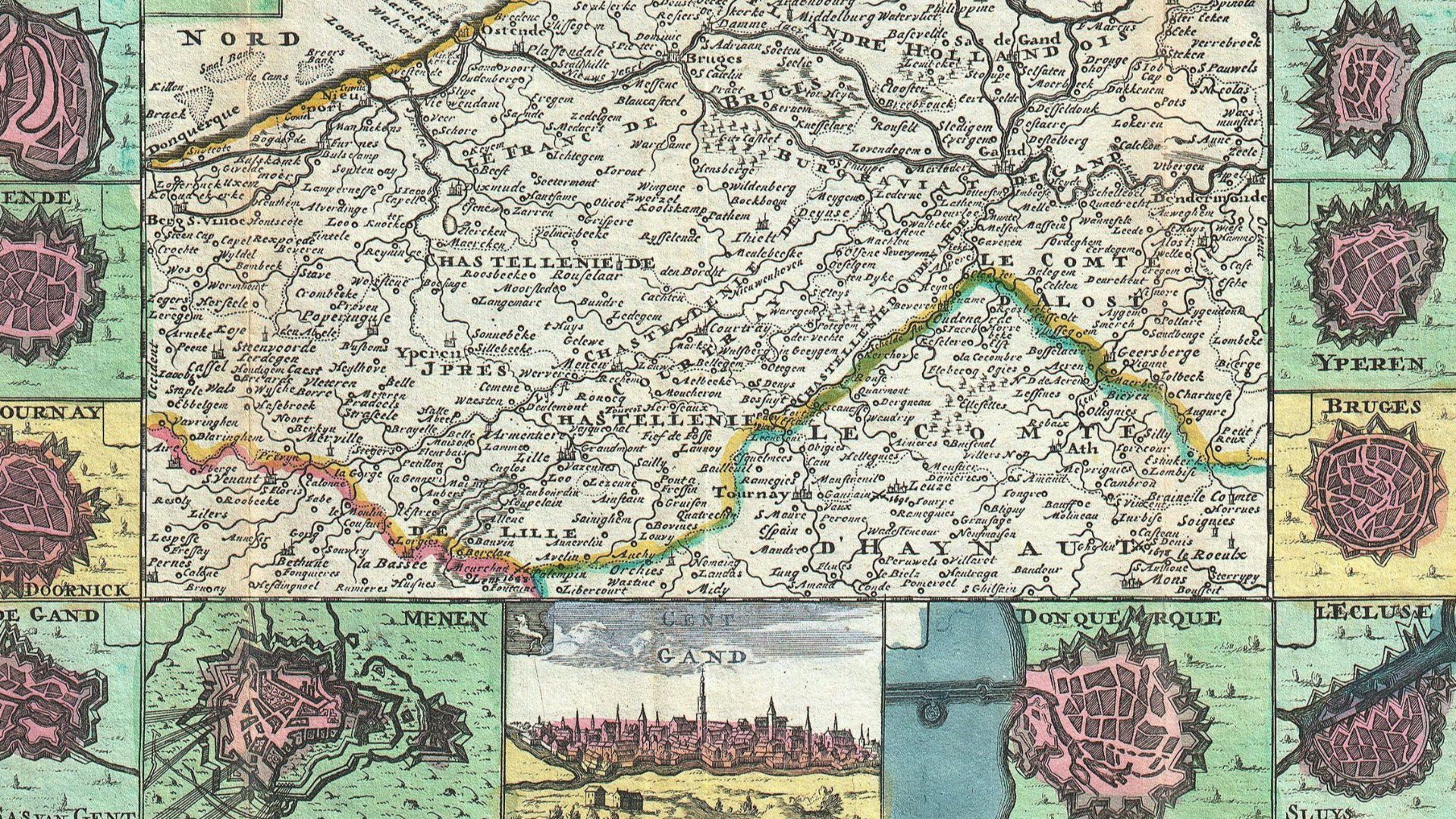 Daniel de Lafeuille, Wikimedia Commons
5. She Had A Crush
Accounts of Matilda’s youth paint her as something of a hopeless romantic, and she had many rumored crushes, usually on other powerful men of the region and visiting foreign dignitaries. One such story claims she was in love with the English ambassador to Flanders, perhaps sparking a more general interest in the land across the Channel. She wasn’t shy about making her feelings known, either.
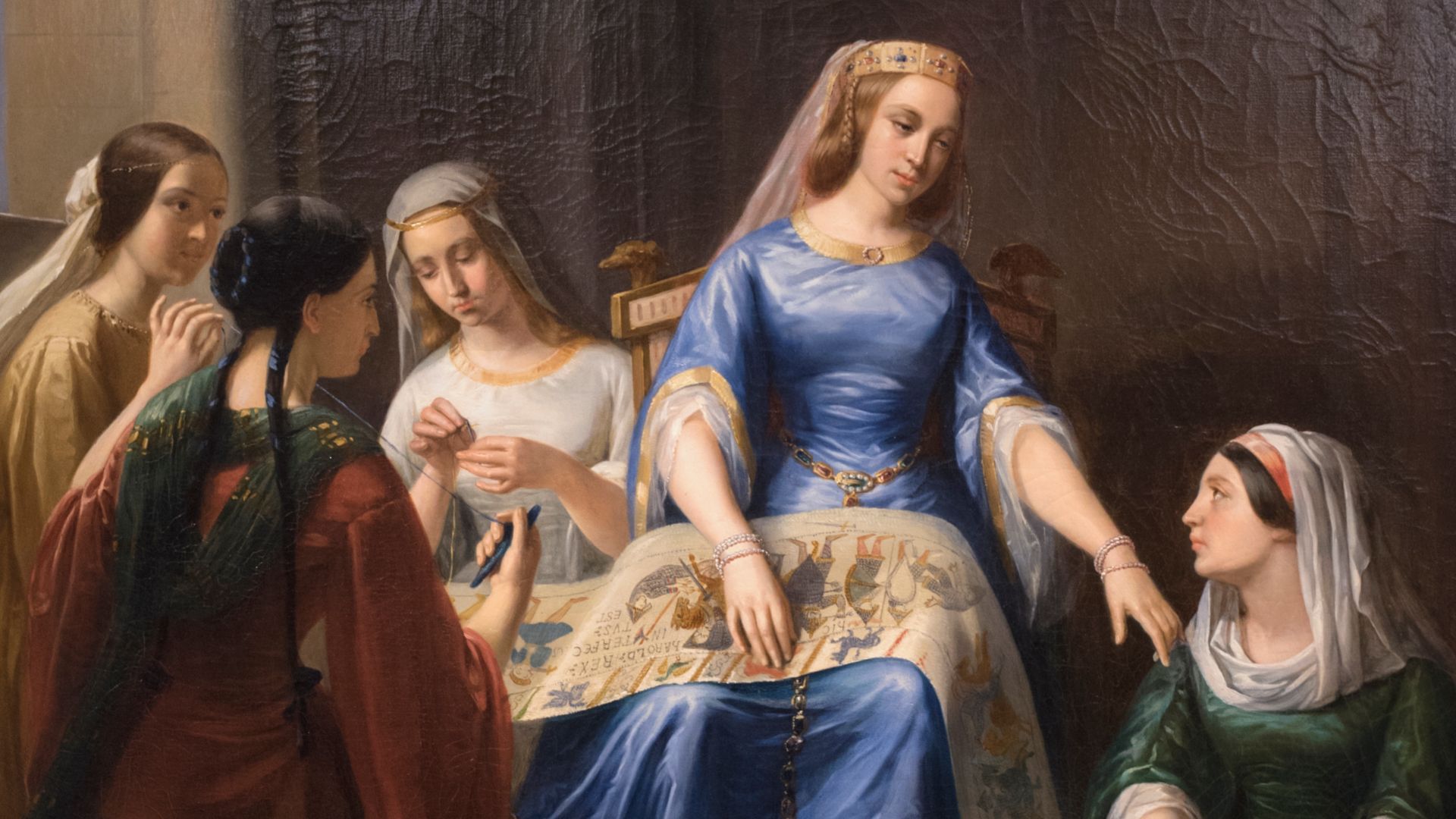 Alfred Guillard, Wikimedia Commons
6. She Made A Move
There were also rumors that Matilda of Flanders fancied a young Brictric, son of Algar, who would later become a great Anglo-Saxon thane, known for his fearsome prowess on the battlefield. Matilda even went so far as to make advances on the young man, showing her early signs of confidence and independent spirit. Brictric politely declined her attempts at courtship, but the countess would not forget this particular rejection.
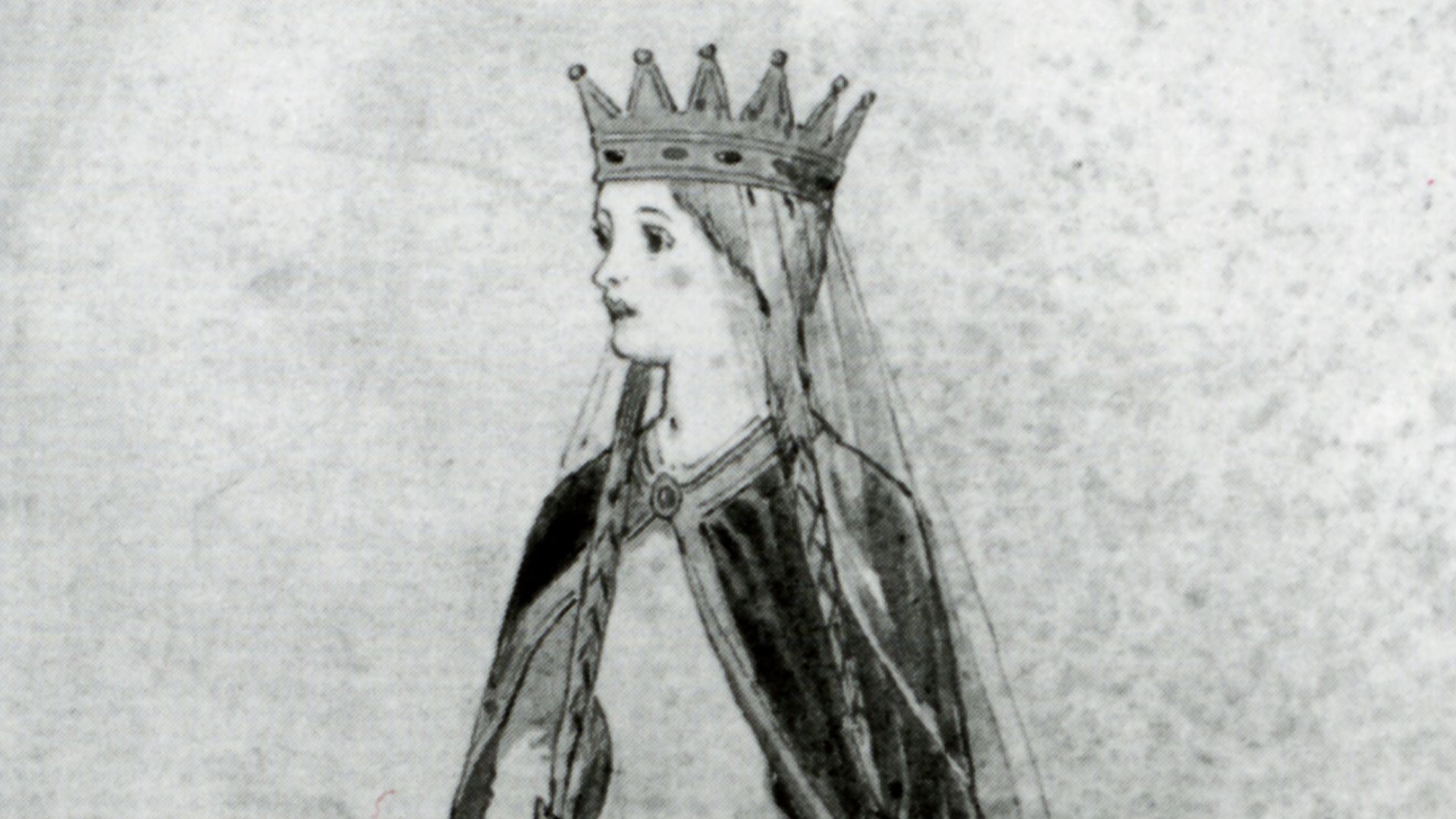 Matilda of Flanders, Wikimedia Commons
7. She Took Revenge
Later in life, when she became the Queen of England, Matilda used her authority to confiscate Brictric’s lands and imprison him for the remainder of his days. And while we can never know her motivations for sure, many have posited that this outsized punishment was revenge for his rejection in their youth. Perhaps it was this fiery streak that delayed the process of her betrothal somewhat.
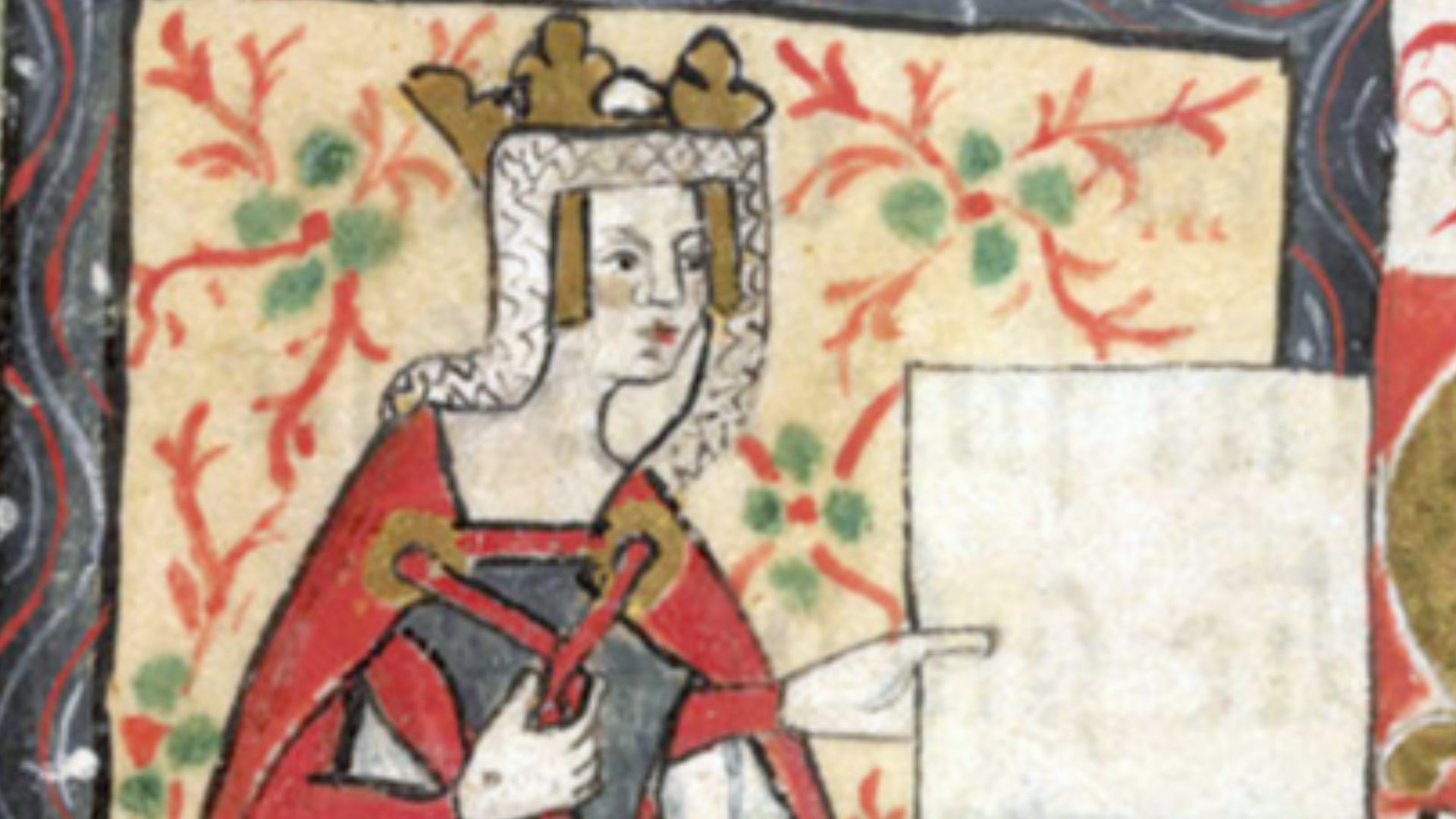
8. She Waited A While
Many accounts suggest that Matilda’s marriage took a long time to arrange. Indeed, she would not end up marrying until she was around 20, which was quite old for a woman of her time and position. It is likely many sought her hand in marriage, and we don’t know how many candidates she cycled through. But there was one candidate who seemed like her most likely match—yet other factors may have delayed the arranging of this marriage.
 Screenshot from King & Conqueror, BBC (2025)
9. She Was Set Up
The prime candidate that emerged for Matilda’s hand in marriage was the Norman duke William, better known by a more vulgar moniker referring to his parentage (until he would gain his far more famous moniker of “the Conqueror” in 1066). It was given to him because he was the illegitimate child of the unmarried King Robert I of Normandy. This status gave Matilda some reservations.
 Screenshot from King and Conqueror, BBC One / CBS Studios (2025)
History's most fascinating stories and darkest secrets, delivered to your inbox daily.
10. She Hesitated
William was determined to marry Matilda of Flanders and personally sent a representative to Flanders to ask for her hand. Matilda held a lot of pride in her royal lineage, however; she was a granddaughter of a French King but had connections to many other European royals too. She dismissed the representative, insisting she was too high-born to even consider marrying an illegitimate child. William was furious.
 Screenshot from King and Conqueror, BBC One / CBS Studios (2025)
11. She Got A Response
The legends of what happened next are pretty wild and paint a shocking portrait of William. Upon receiving news of Matilda’s rejection, the duke, his feelings very much hurt, allegedly jumped on a horse. He proceeded to ride all the way from Normandy to Flanders, where he reportedly burst into Matilda’s room, and violently beat her. And that’s just one of the crazy stories.
 Screenshot from King and Conqueror, BBC One / CBS Studios (2025)
12. She Got Dirty
There is an alternate version of the tale of William’s reaction, but it is no less shocking and violent. Like the first story, William’s response was immediate and involved him making the journey to Matilda’s lands. In this second story, however, he found the countess herself ahorse, pulled her from her mount, and had his way with her in the roadside mud. Regardless of which of these are true, it greatly displeased at least one sensible man.
 Screenshot from King and Conqueror, BBC One / CBS Studios (2025)
13. Her Daddy Stood Up
As the story goes, Matilda’s father, Count Baldwin, was naturally furious at this physical attack on his daughter. Taking great offense at William’s dishonoring of the Flanders daughter and family, the Count reportedly challenged the Norman duke to a duel. The weapon of choice for both men was the sword. Matilda’s reaction, however, may be the craziest part of an already unwieldy tale.
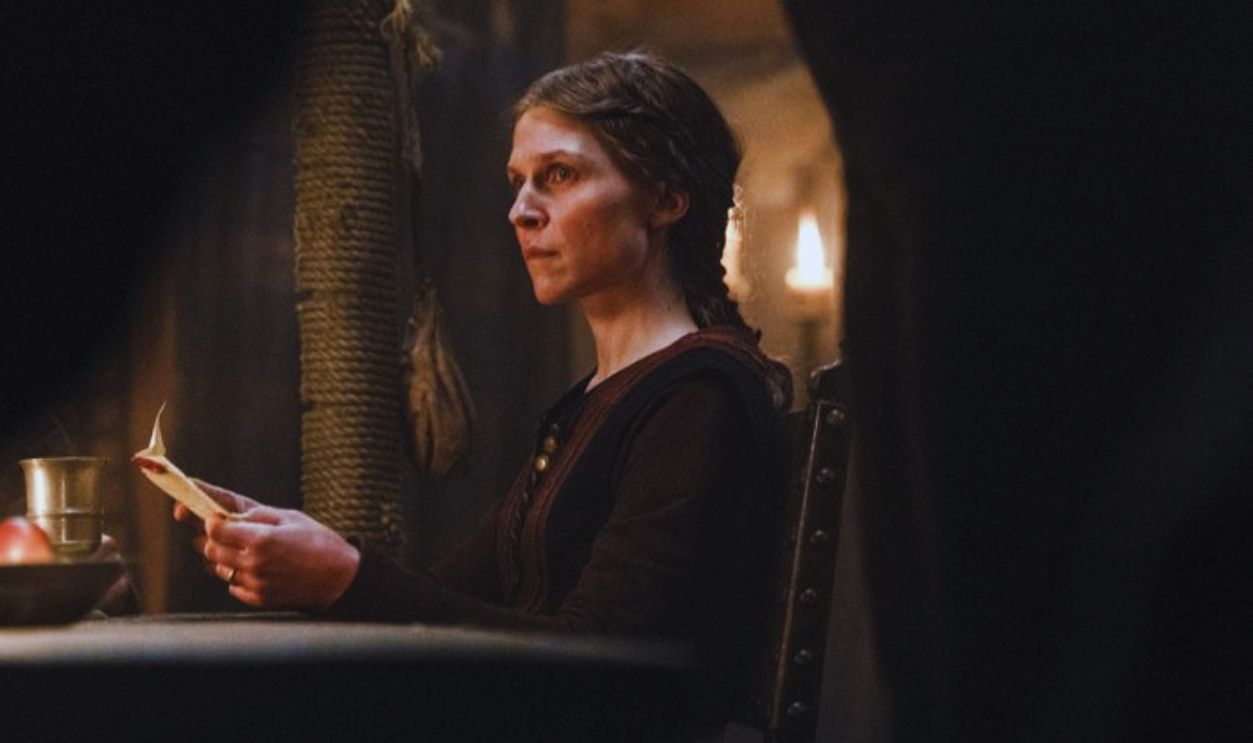 Screenshot from King and Conqueror, BBC One / CBS Studios (2025)
14. She Made Up Her Mind
Tensions were high and both the Count and the Duke were ready to sort the issue out once and for all. But before William and her father could draw swords, Matilda of Flanders settled the matter in the most baffling way. Despite the horrific violence leveled against her, the countess now refused to marry anyone but William. If the story sounds too crazy to be true, it may be because it is.
 Screenshot from King and Conqueror, BBC One / CBS Studios (2025)
15. Her Story Is Exaggerated
Readers may feel understandably baffled as to why Matilda was now swooning over the man who mercilessly attacked her. Most historians by now, however, regard the tale of William and Matilda’s “courtship” as largely fictional, designed to illustrate William’s strength and conquering nature, however perverse the manner in which he did it sounds to our modern ears. The truth, as it turns out, was likely much more sensible.
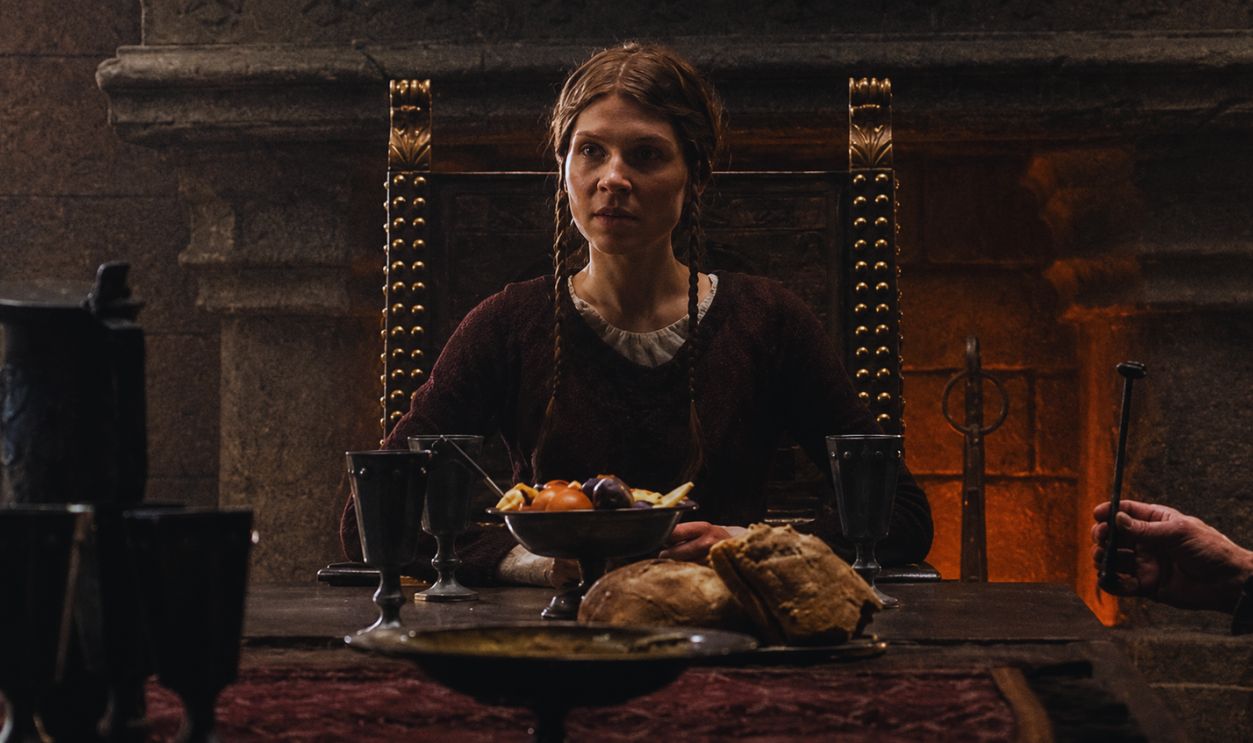 Screenshot from King and Conqueror, BBC One / CBS Studios (2025)
History's most fascinating stories and darkest secrets, delivered to your inbox daily.
16. Her Marriage Was Strategic
In reality, the marriage was much more likely to have been a friendly arrangement between Baldwin and William. Normandy and Flanders both would have welcomed the alliance of the other, and Matilda was probably a bargaining chip used in the negotiations. And she dutifully performed her role, too.
 Screenshot from King and Conqueror, BBC One / CBS Studios (2025)
17. She Got Married
Matilda of Flanders and William the soon-to-be-Conqueror got married sometime in 1051 or 1052; she was around 20 years old, and he was four years older. Their negotiators sealed the deal quite a while before the actual wedding day, but the nuptials got delayed. There was a powerful objector to the couple’s union.
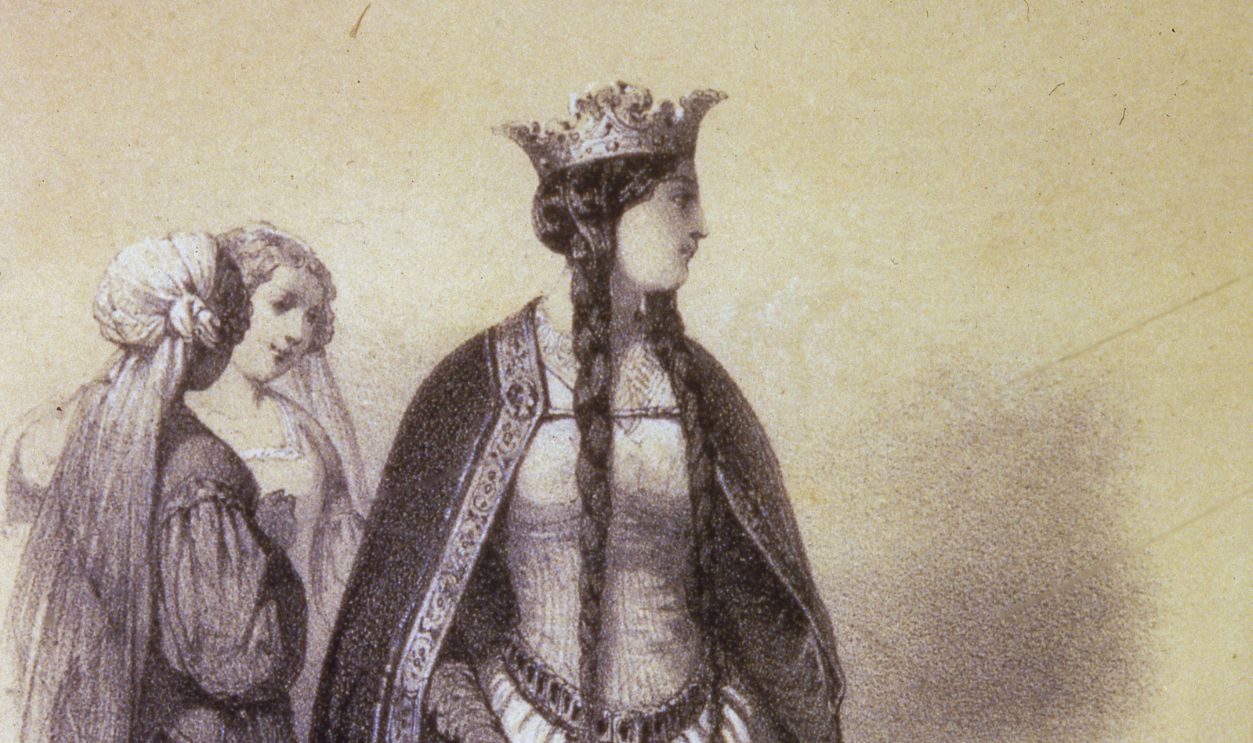
18. She Faced Interference From Rome
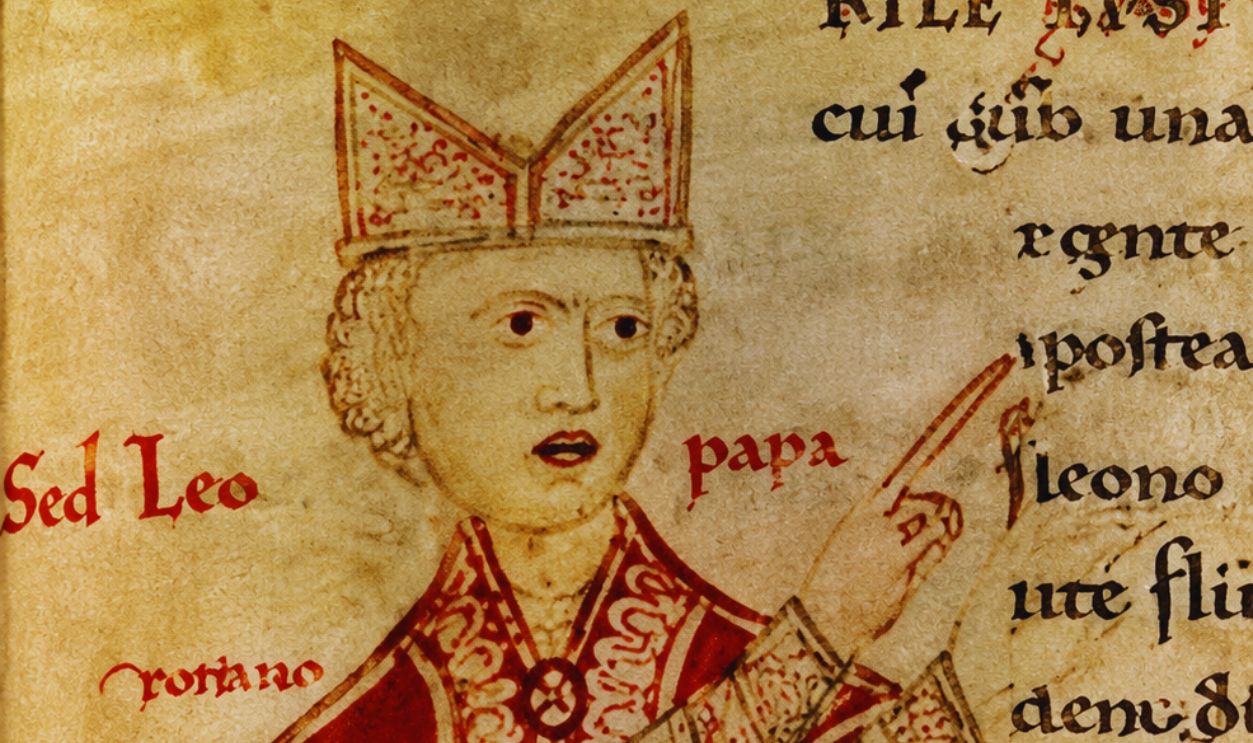
The delay in Matilda’s marriage was ecumenical in nature: Pope Leo IX issued a papal ban on the union, citing the grounds as consanguinity, that is, the characteristic of sharing a common ancestor. The claim was not unfounded; Matilda and William were, in fact, third cousins once removed. With the Flanders-Norman alliance in peril, the couple proceeded cautiously.
 Unknown Author, Wikimedia Commons
19. She Was Let Off The Hook
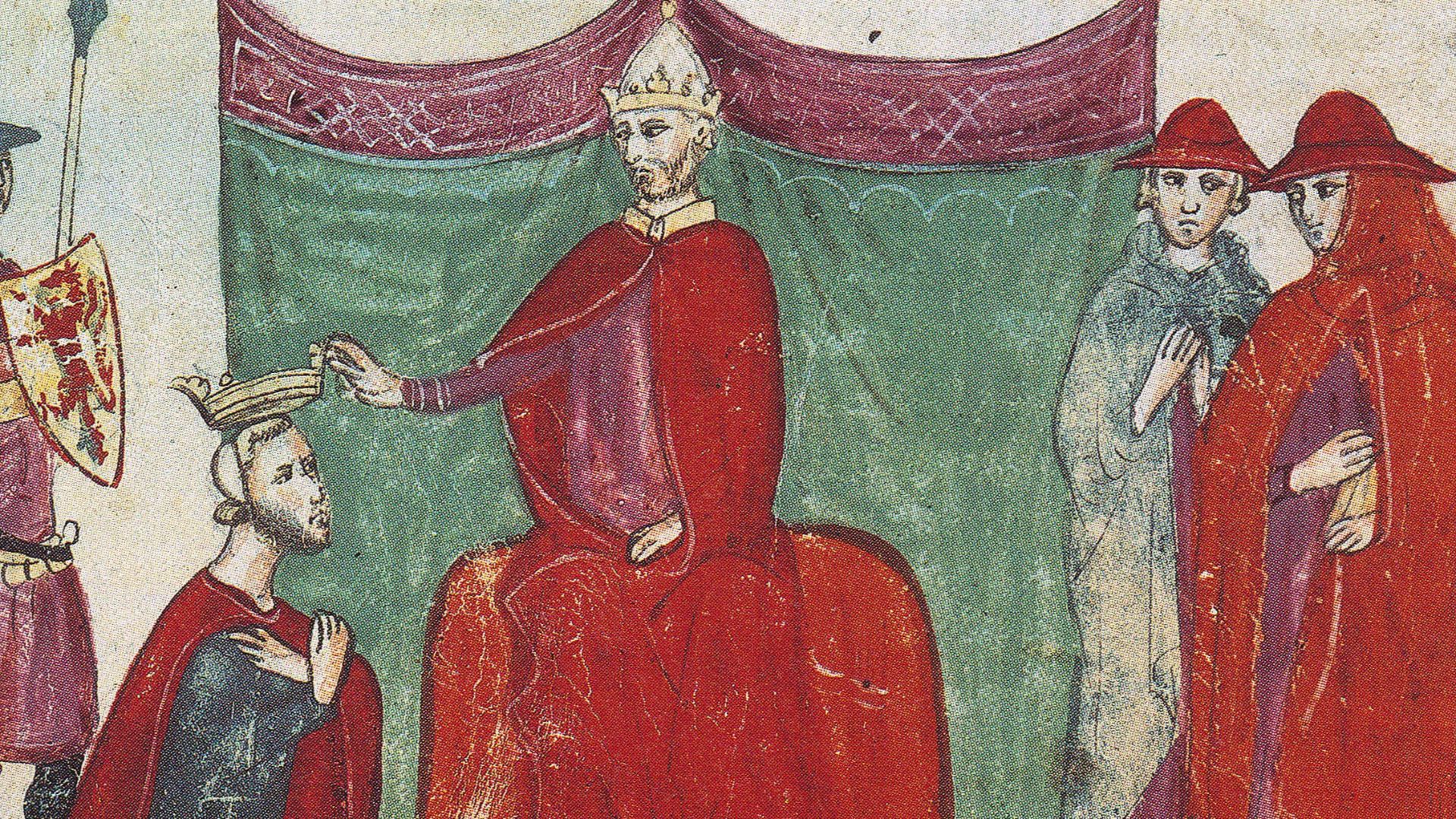
Matilda of Flanders and William proceeded with their wedding despite Rome’s objections, and it’s just as well that they did: the process of pleading their case was a lengthy one. Finally, in 1059, the couple received a papal dispensation, by Pope Nicholas II, a full seven to eight years after their wedding day. It came with a price.
 Unknown authorUnknown author, Wikimedia Commons
20. She Had To Repent
Matilda and William’s ally, Lafranc, the prior of Bec Abbey, traveled to Rome to negotiate the couple’s settlement. The final arrangement required the new(ish)lyweds to make penance in the form of founding two new churches, which they promptly complied with. The Abbaye aux Hommes and the Abbaye aux Dames were the results. Matilda now had Church blessing to wear her new title free from sin.
 Screenshot from King and Conqueror, BBC One / CBS Studios (2025)
21. She Gained Power
With her marriage to William, Matilda of Flanders was now the Duchess of Normandy, a powerful step up in her standing and power. And while her fierce new husband had grander ambitions beyond the lands he currently ruled, his first conquest was Matilda’s heart.
 Screenshot from King and Conqueror, BBC One / CBS Studios (2025)
History's most fascinating stories and darkest secrets, delivered to your inbox daily.
22. She Had A Loving Husband
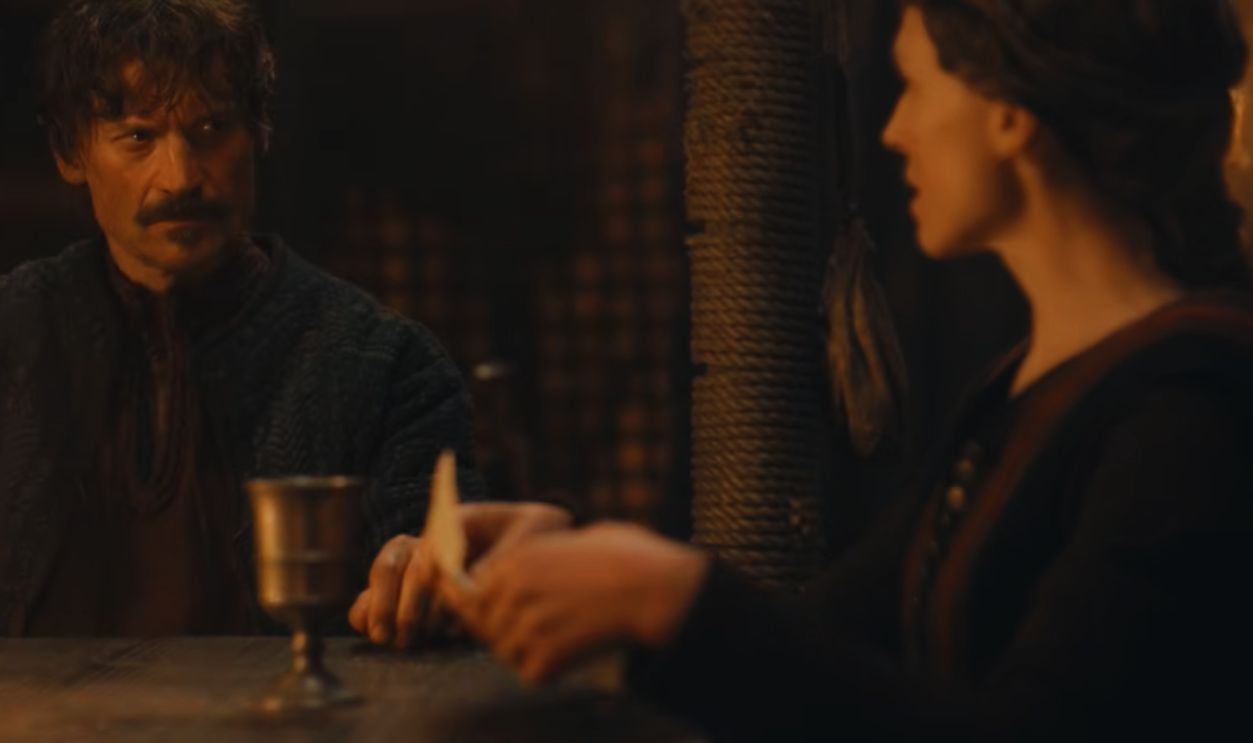
Despite William’s legendary aggression and hardiness, he appeared to have a soft spot for his wife. By all accounts, Matilda’s marriage to her husband was happy and fruitful, and the two remained in love for its entire duration. And though William had a reputation as a conqueror, he clearly felt he had no further conquests on the romantic front.
 Screenshot from King and Conqueror, BBC One / CBS Studios (2025)
23. Her Husband Was Faithful
Perhaps even more shocking than such a battle-hardened warrior like William being in love was the fact that most contemporaries believe the Conqueror remained completely faithful to Matilda for their entire marriage. This fact stands in stark contrast to most kings throughout basically all of history. Their marriage bore other rewards, too.
 Screenshot from King and Conqueror, BBC One / CBS Studios (2025)
24. She Had A Mess Of Kids
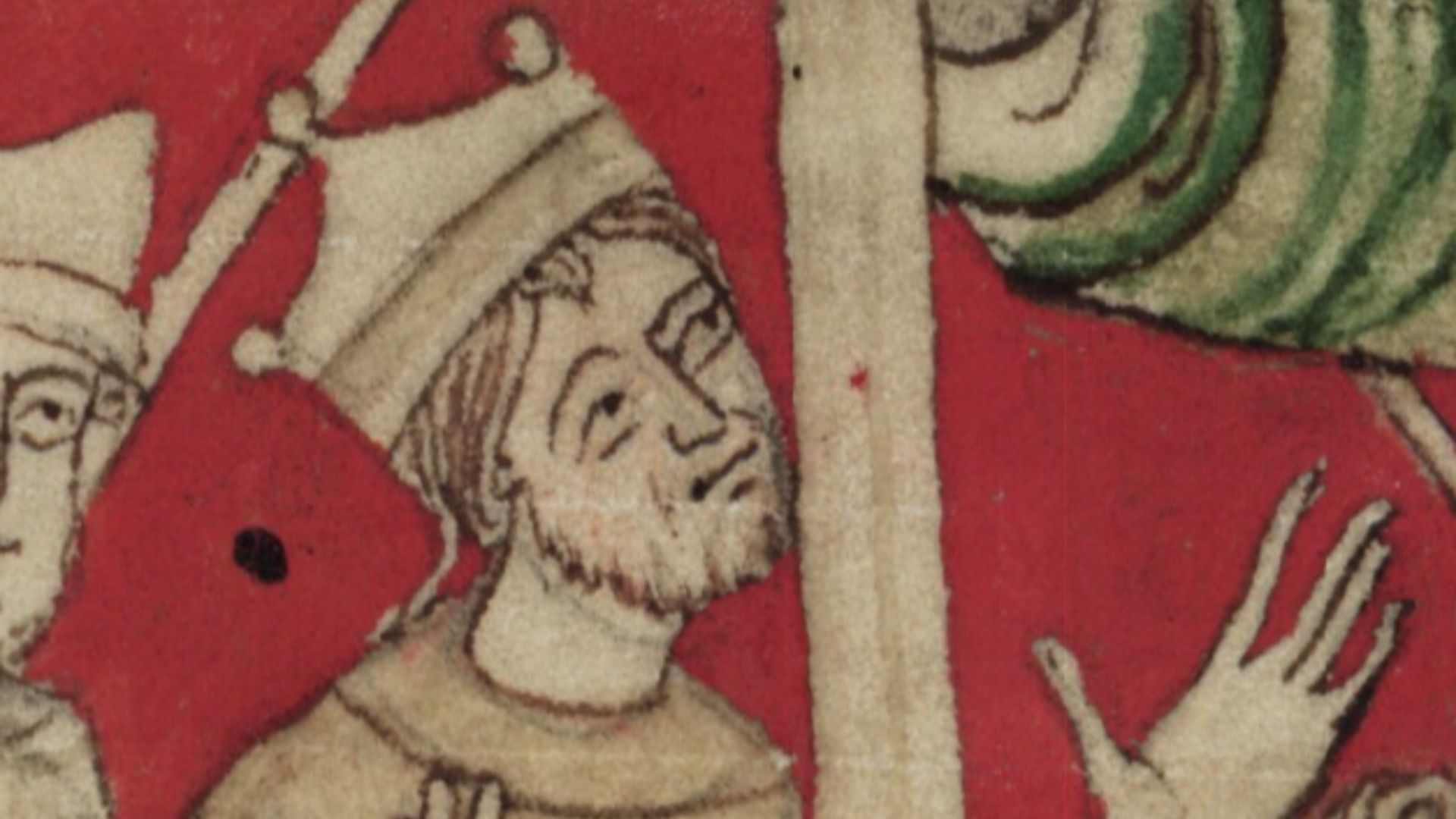
Over 20 years, Matilda and William had no fewer than nine children that survived into adulthood, an impressive and robust litter, even by royal standards of the time. And though records show almost all nine had some significant historical impact, no one can deny that two kids stood above the rest.
 John of Worcester, Wikimedia Commons
25. She Mothered Kings
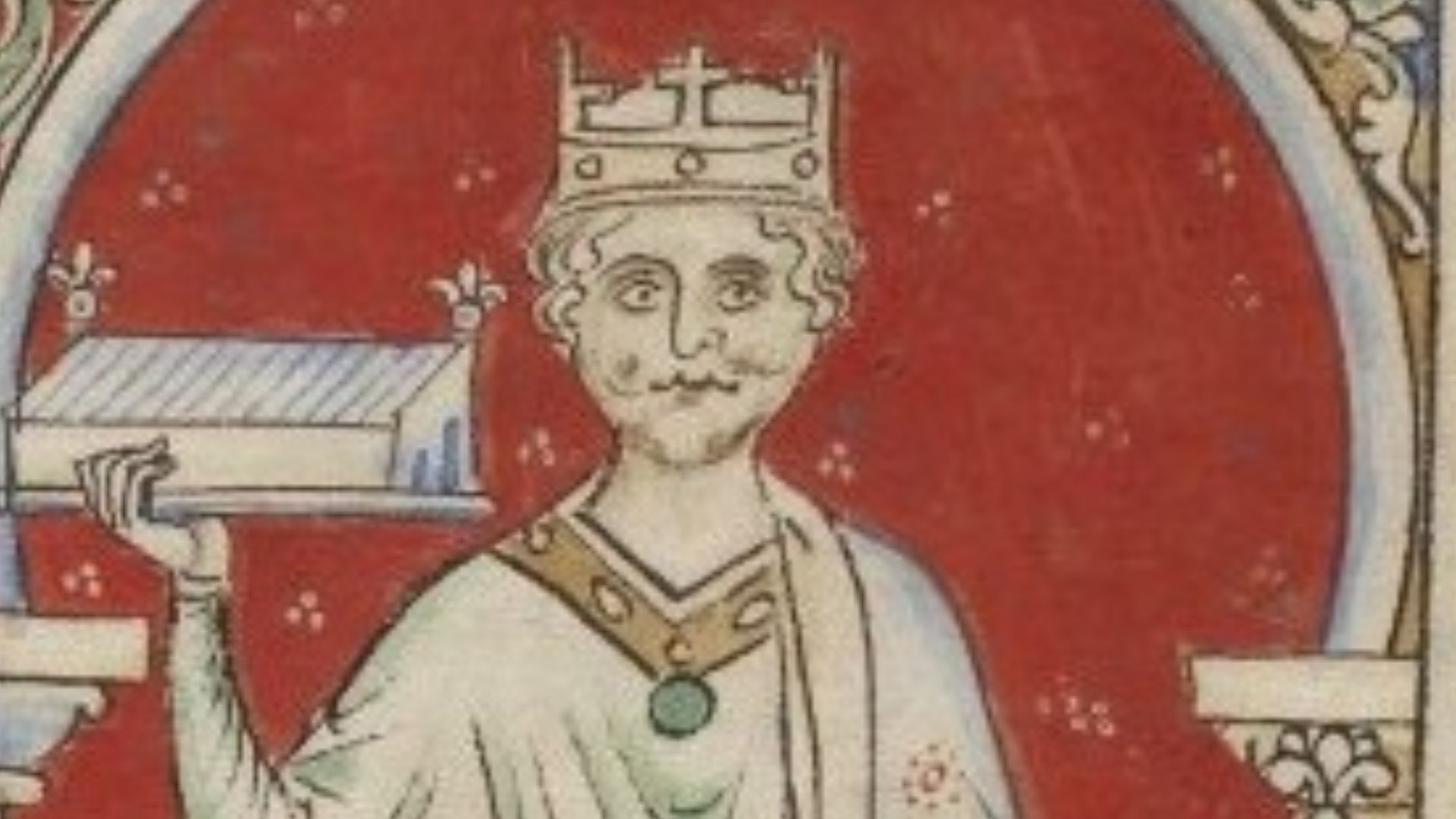
Two of Matilda’s sons would eventually ascend to their father’s soon-to-be throne, meaning she was a rare woman in history to mother not one but two rulers. Those Kings would be her fifth child, King William II, and her ninth, King Henry I, both of whom would eventually rule England. But for their historical destiny to be realized, Matilda first had to ensure her husband took that throne.
 Matthew Paris, Wikimedia Commons
26. She Funded A Gift
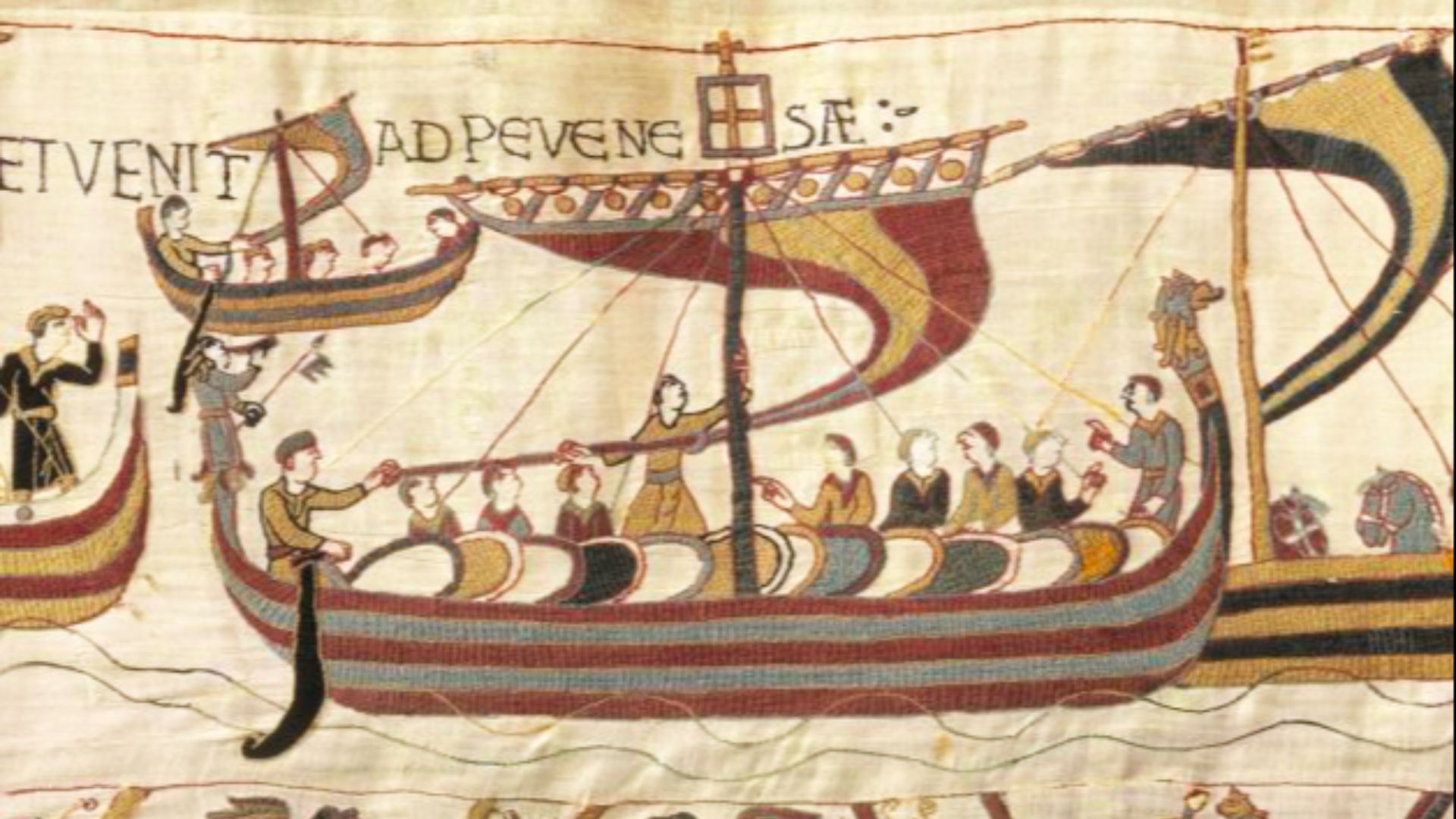
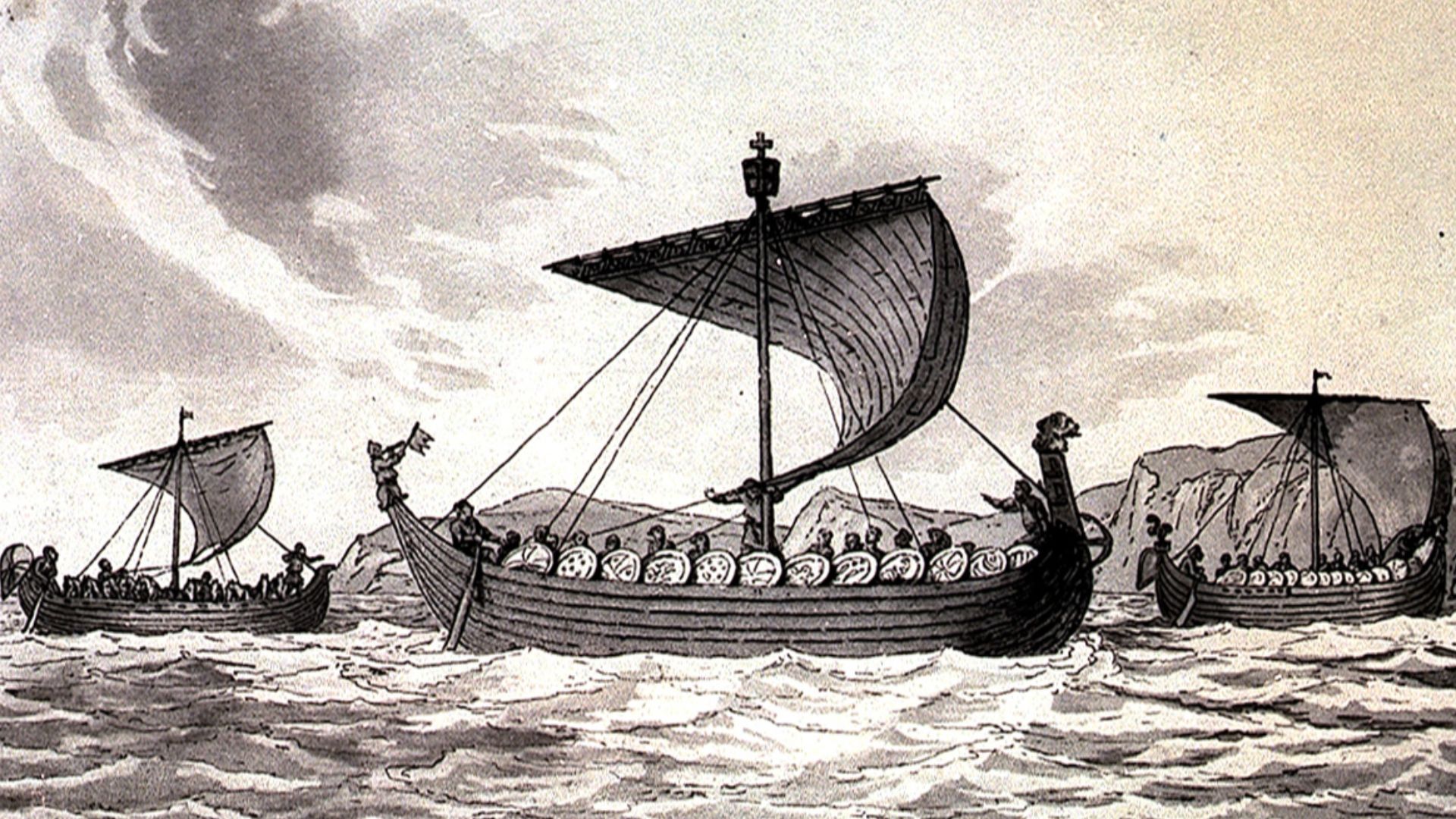
Perhaps sensing her husband’s restless ambitions, Matilda started planning a special project for him. Using her own funds, the Duchess outfitted a ship, intending to gift it to William for use in his developing plans. She named the ship Mora and presented it to the duke. It greatly inspired him and changed history too.
 AnonymousUnknown author, Wikimedia Commons
27. She Launched A Conquest
So impressed was William by Matilda’s gift that he made Mora the flagship for his masterplan: the Norman Conquest of England. It wasn’t long before the duke set sail across the Channel, a campaign that culminated in the Battle of Hastings in 1066. But someone needed to look after Normandy in his absence.
History's most fascinating stories and darkest secrets, delivered to your inbox daily.
28. She Ruled The Land
In his absence, William entrusted the regency of his duchy to none other than Matilda of Flanders herself, forgoing all his high-ranking male advisors and officers. It was a touching display of his respect and trust in his wife’s leadership, intelligence, and capability, and it would not be the last time he entrusted her with such responsibility. But Matilda’s reward at the end of his campaign came with more power than she ever expected to hold.
 Screenshot from King and Conqueror, BBC One / CBS Studios (2025)
29. She Got Crowned
On Christmas Day of 1066, William the Conqueror defeated English forces in the Battle of Hastings to become King of England, and thus Matilda of Flanders was now officially Queen. And though her coronation was a lavish and elaborate ceremony, it wouldn’t actually happen for a while yet.
30. She Waited Patiently
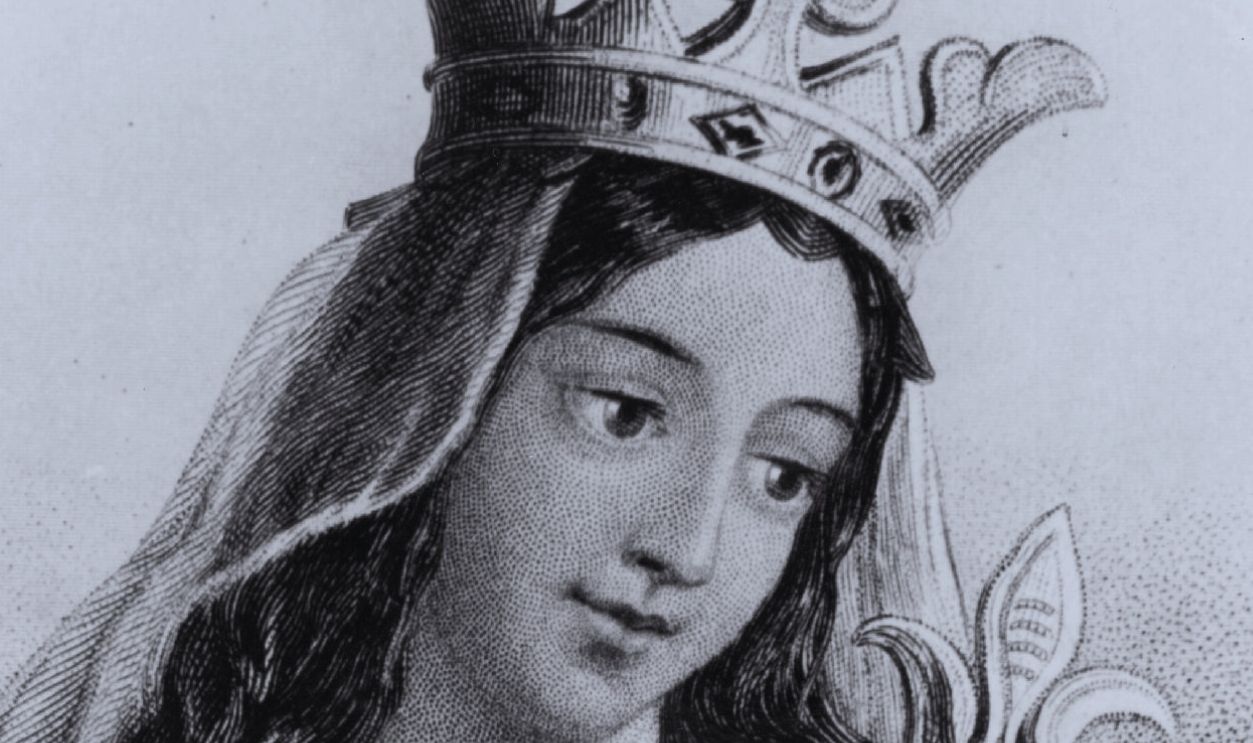
Though William became King in 1066, Matilda would see actual coronation until almost two years later. The pious Queen opted to remain in Normandy and delay her coronation so that they could crown her on Pentecost, a Christian holiday following Easter. She received her crown at Westminster Abbey on May 11, 1068, and redefined the role of a queen in the process.
31. She Ensured Her Power
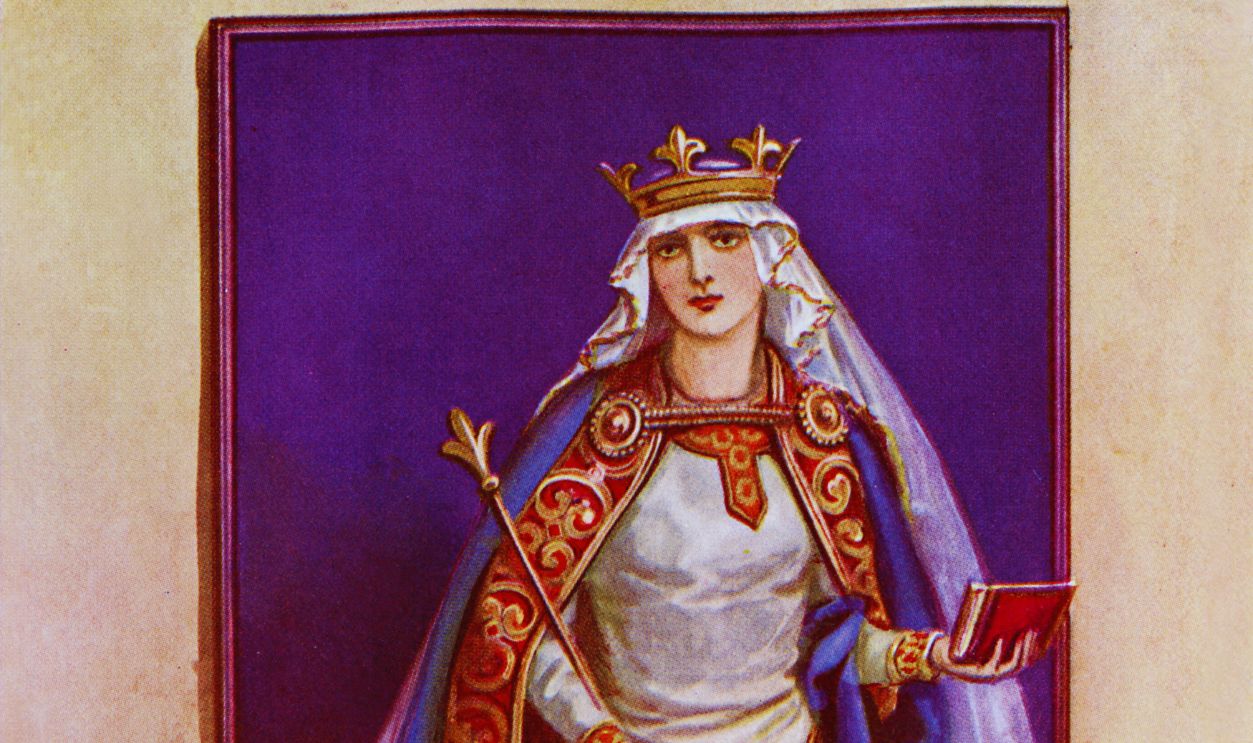
With Matilda’s crowing as Queen of England, three new phrases that officially cemented the position’s importance got etched in law. These phrases asserted that the queen was divinely ordained by God, that she shared in royal power, and that she blessed her people through her power and virtue. And though her rule was baked into this strange new land, Matilda would not spend all her time there.
 Joseph Martin Kronheim (1810–96)[1], Wikimedia Commons
32. She Was Bicoastal
Over the course of her reign, Matilda would split her time between her kingdom of England and her duchy of Normandy (with the occasional visit home to Flanders). Her husband, on the other hand, now King of England, found his time almost entirely taken up by matters of the crown. But Matilda was more than capable of picking up the slack.
 Screenshot from King and Conqueror, BBC One / CBS Studios (2025)
33. She Became Regent
The responsibility for the duchy of Normandy in William’s absence fell to Matilda of Flanders, and she assumed regency of the land on a number of occasions. Though she ruled in the name of her 14-year-old son, Robert, who was next-in-line for Duke of Normandy, it was Matilda who truly guided the duchy through William’s absences. And she was good at it.
 Unknown authorUnknown author, Wikimedia Commons
History's most fascinating stories and darkest secrets, delivered to your inbox daily.
34. She Had A Steady Hand
Matilda’s role as ruler was a pioneering one for women of the time, and she met the moment with competency and grace. Historians view her regency as a successful one, with no major uprisings or unrest occurring during her tenure. William was obviously keenly aware of his wife’s capabilities because he gave her responsibility on multiple occasions.
 Screenshot from King and Conqueror, BBC One / CBS Studios (2025)
35. She Ruled A Lot
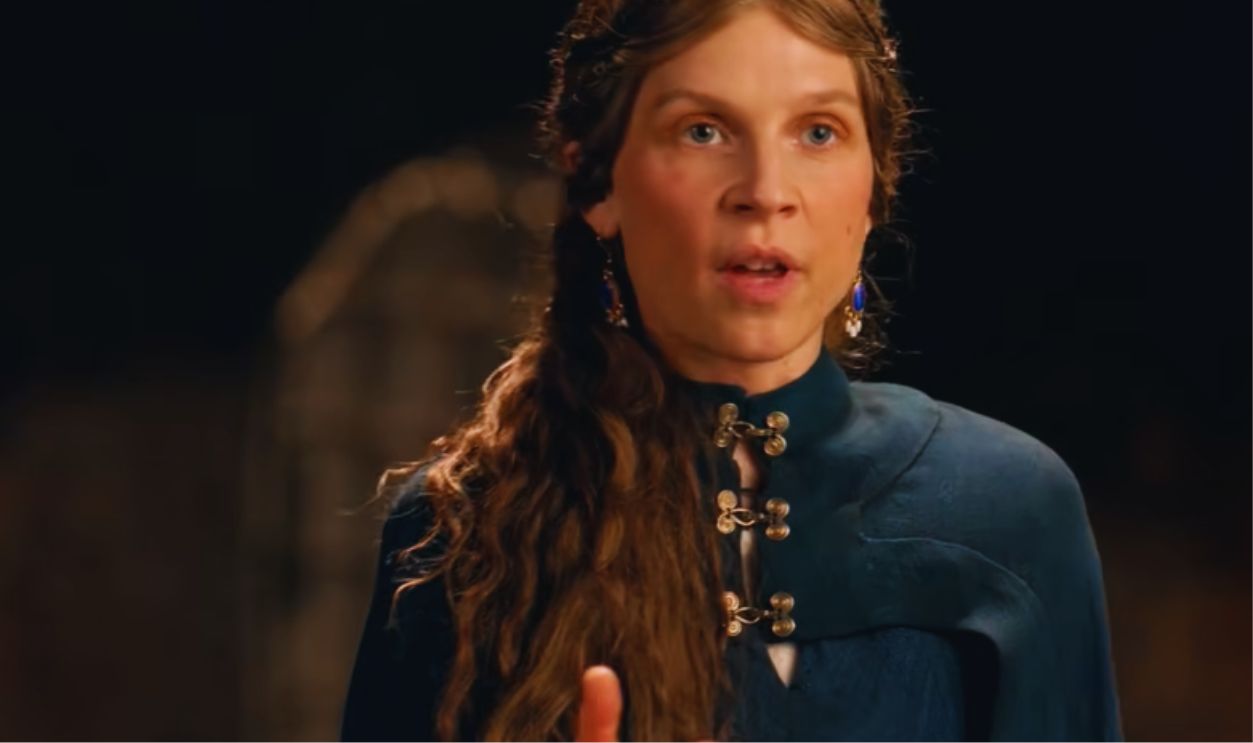
Matilda’s total number of stints as regent amounted to six. In William’s absence, she ruled Normandy from 1066-1067, 1067-1068, 1069, 1069-1072, and 1075-1076, each one a resounding success. She always kept her connection to home, however.
 Screenshot from King and Conqueror, BBC One / CBS Studios (2025)
36. She Backed Her Family
During her regency, Matilda’s brother, Robert, faced a dispute of his succession in Flanders, and he called upon his sister for help. Matilda was more than happy to oblige, sending Norman troops to support her brother’s claims in her home region. She invested beyond the battlefield, too.
 Screenshot from King and Conqueror, BBC One / CBS Studios (2025)
37. She Spread Her Faith
Matilda was a very pious woman and was determined to save souls where she could. To that end, she took great interest and enthusiasm in sponsoring ecclesiastic houses in Flanders, seeking to spread the good word further amongst her countrymen. Indeed, it was in her nature to look out for those in her care.
 Screenshot from King and Conqueror, BBC One / CBS Studios (2025)
38. She Supported Her Kids
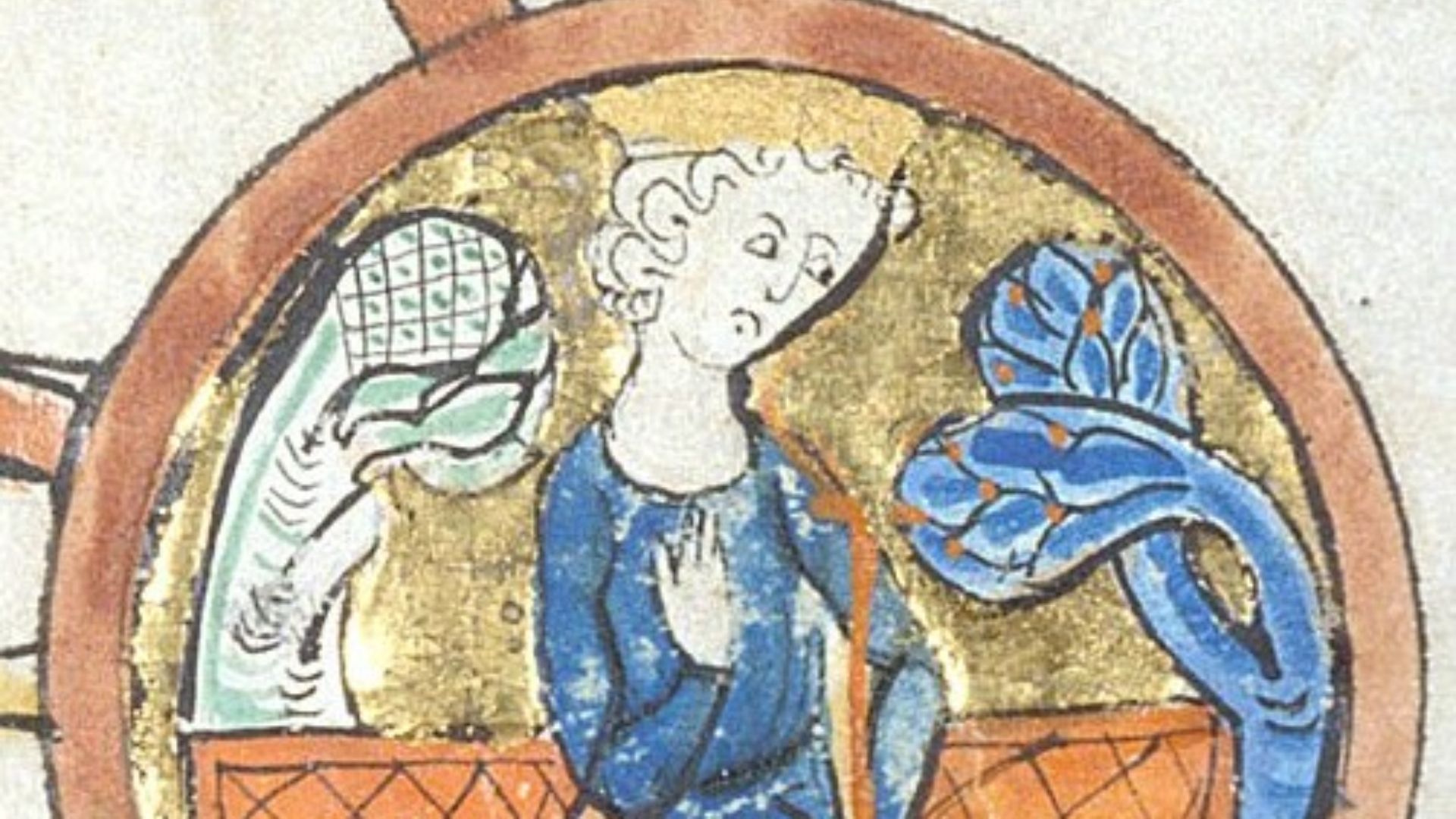
Along with matters of rule, Matilda also took a close interest in her children’s education. Even among royalty of the time, her kids gained a reputation for being remarkably well educated, and all showed great proficiency in their studies. It was unsurprising because Matilda made sure they only had the best.
 AnonymousUnknown author, Wikimedia Commons
39. She Hired The Finest
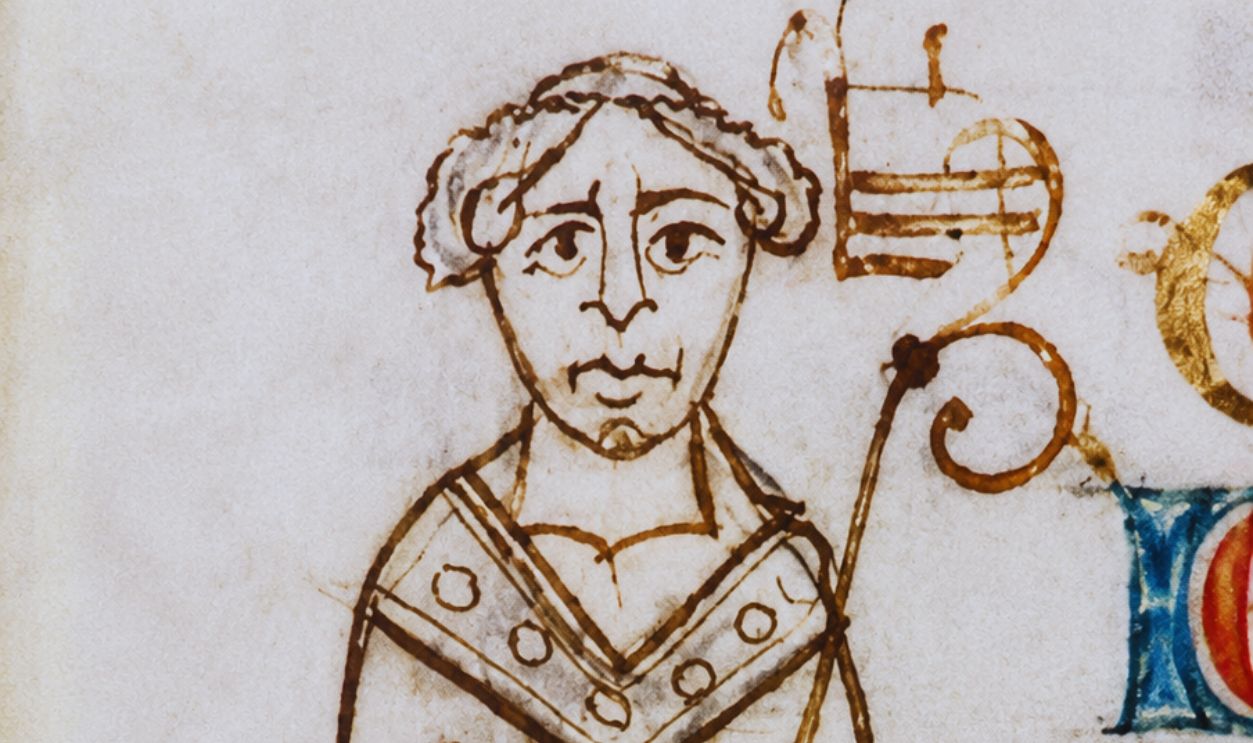
Matilda enlisted the help of some of Europe’s finest tutors for her children’s education. Lanfranc, an Italian monk and scholar, who the royal couple eventually named Archbishop of Canterbury, taught her sons.
Her daughters, on the other hand, received tutoring in Latin at the Abbey of Sainte-Trinité in France, one of the churches founded by Matilda and William as part of their papal dispensation. Matilda’s support for her children knew no bounds, even when it angered her husband.
 Unknown authorUnknown author., Wikimedia Commons
History's most fascinating stories and darkest secrets, delivered to your inbox daily.
40. She Supported Her Failson
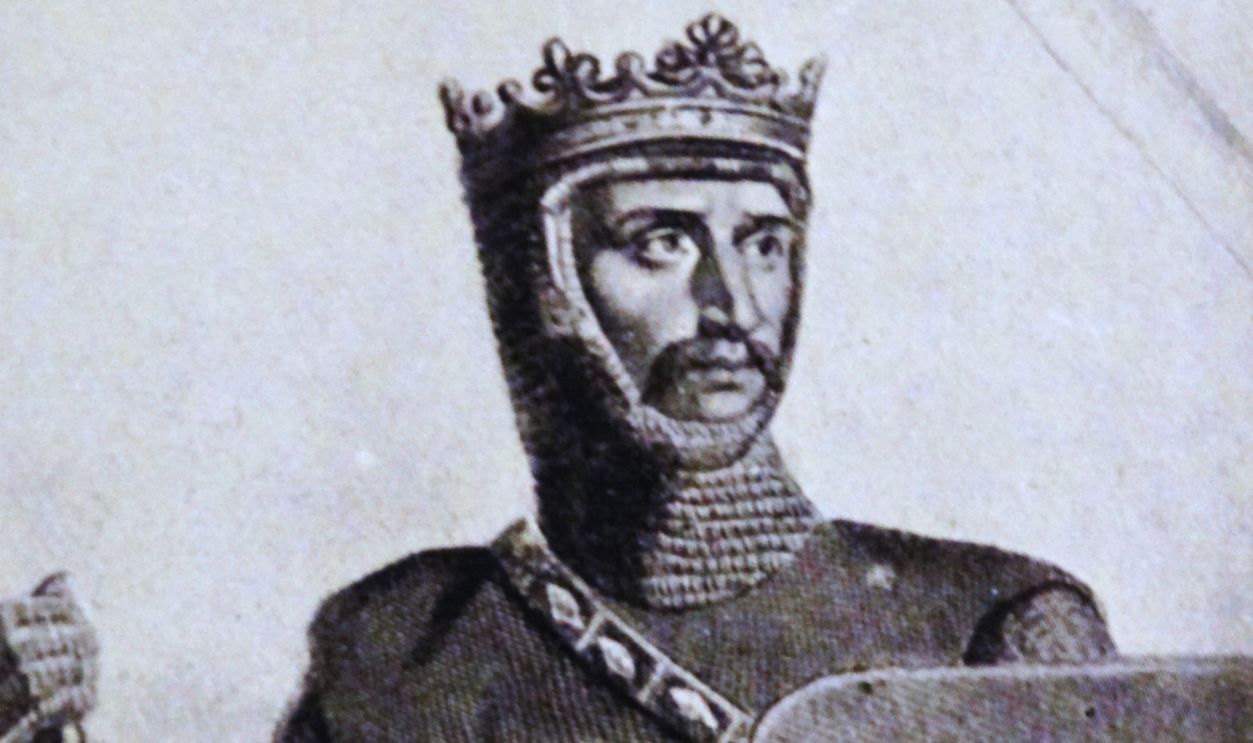
In 1077, Matilda’s eldest son, Robert, instigated an attempted insurrection against his father. William was furious and, after events transpired, Robert ended up in exile in Flanders, where he fell into near destitution. Matilda took pity on her suffering son and secretly sent him large sums of money. William soon found out and was furious at his wife for indulging their insolent child. But Matilda would ultimately mediate the men’s reunion, too.
 Universal History Archive, Getty Images
41. She Brokered Peace
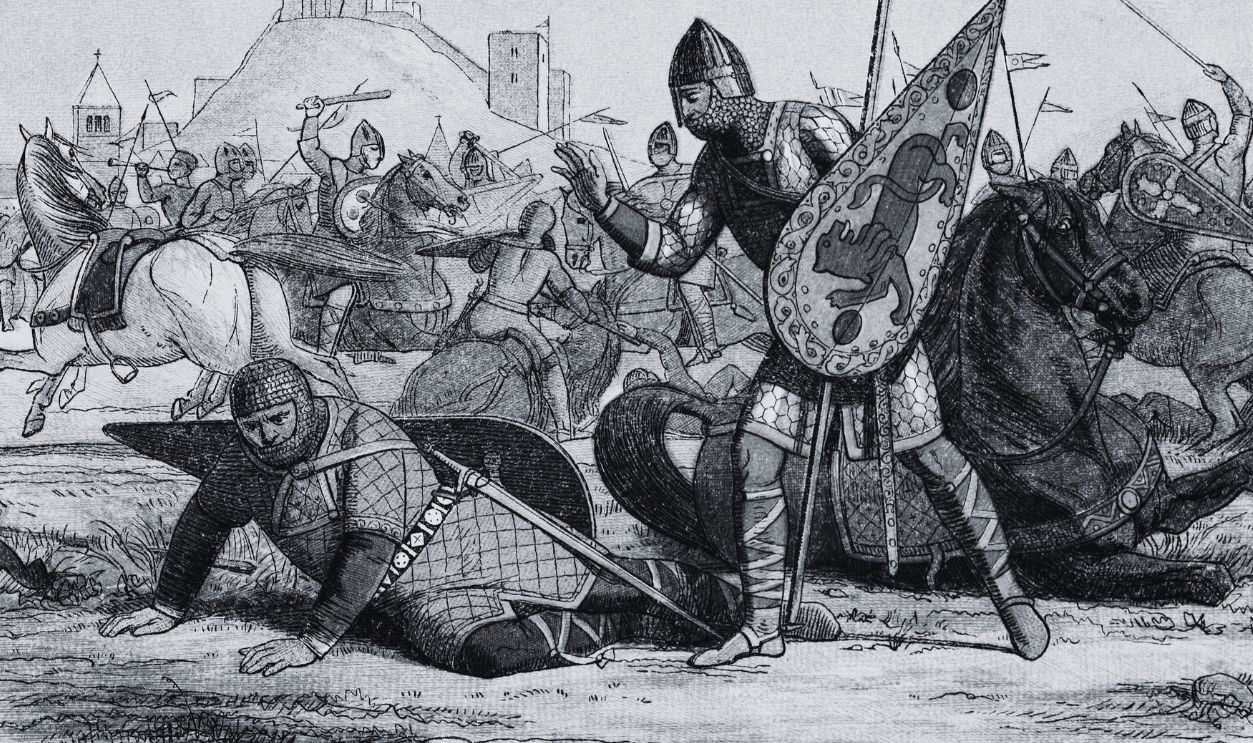
Matilda was determined for her husband and son to reconcile and made great efforts to facilitate a reunion. She finally managed to arrange a truce between the two stubborn men in 1080 and, ever the fan of religious significance, effected the truce on Easter of that year. Indeed, above all else, Matilda always looked out for her family.
 Historical Picture Archive, Getty Images
42. She Guided Other Queens
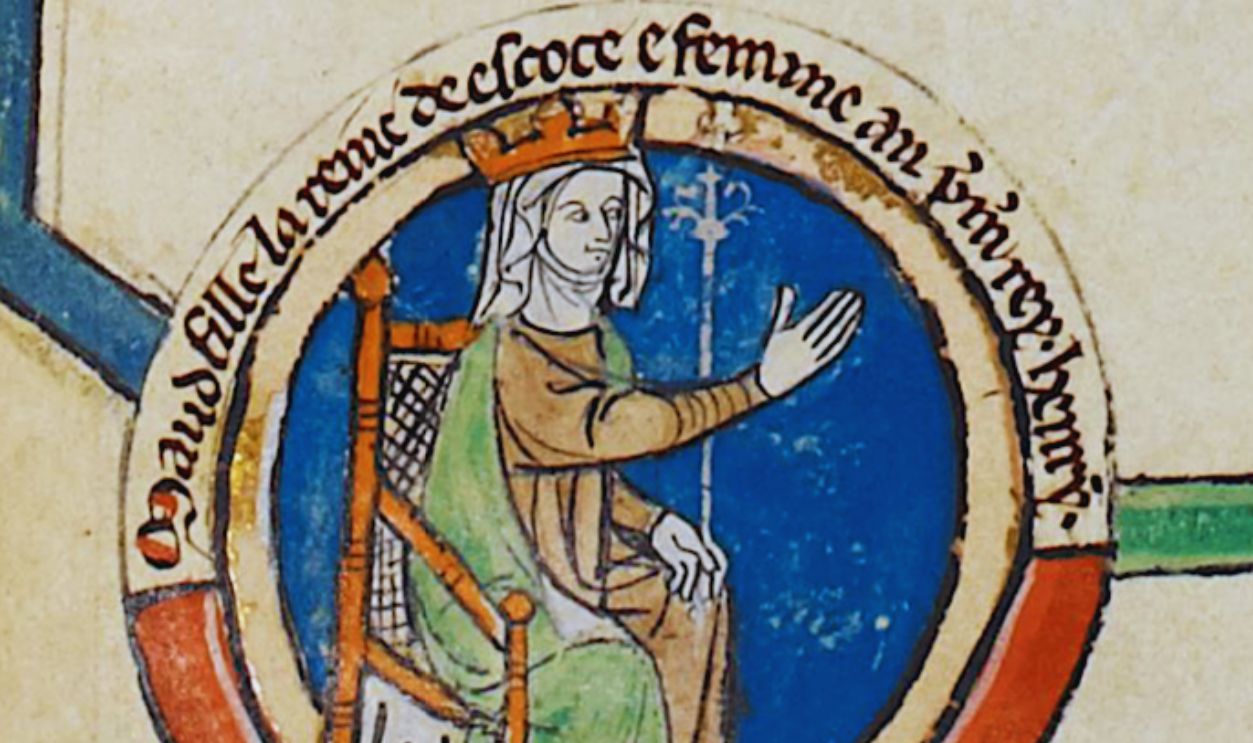
Queen Matilda was also a skilled diplomat and would give her blessing and support to other royal allies. To this end, she stood as godmother for her younger namesake, Matilda of Scotland. The younger Matilda would eventually marry the elder’s son, Henry I, becoming Queen of England in her own right. The christening portended this event.
 AnonymousUnknown author, Wikimedia Commons
43. She Took Part In Prophecy
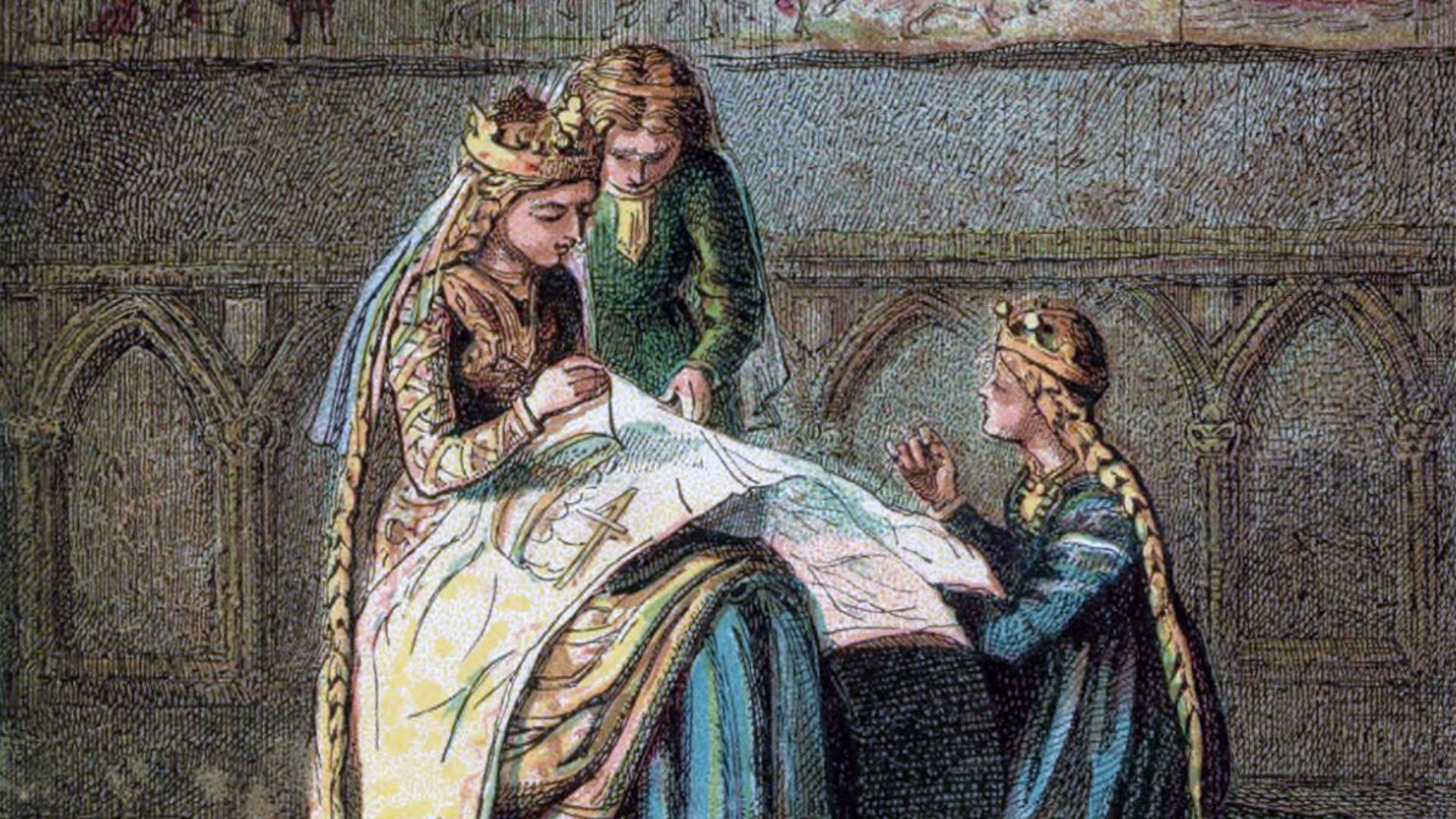
During the Christening of Matilda of Scotland, while Matilda of Flanders was holding the infant, the baby pulled at the Queen’s headdress, causing it to topple gently onto the child’s head. This was determined to be an omen that, someday, Matilda of Scotland, too, would be Queen, a prediction that came to fruition. Matilda would have to make way for a successor eventually, of course.
44. She Felt Under The Weather
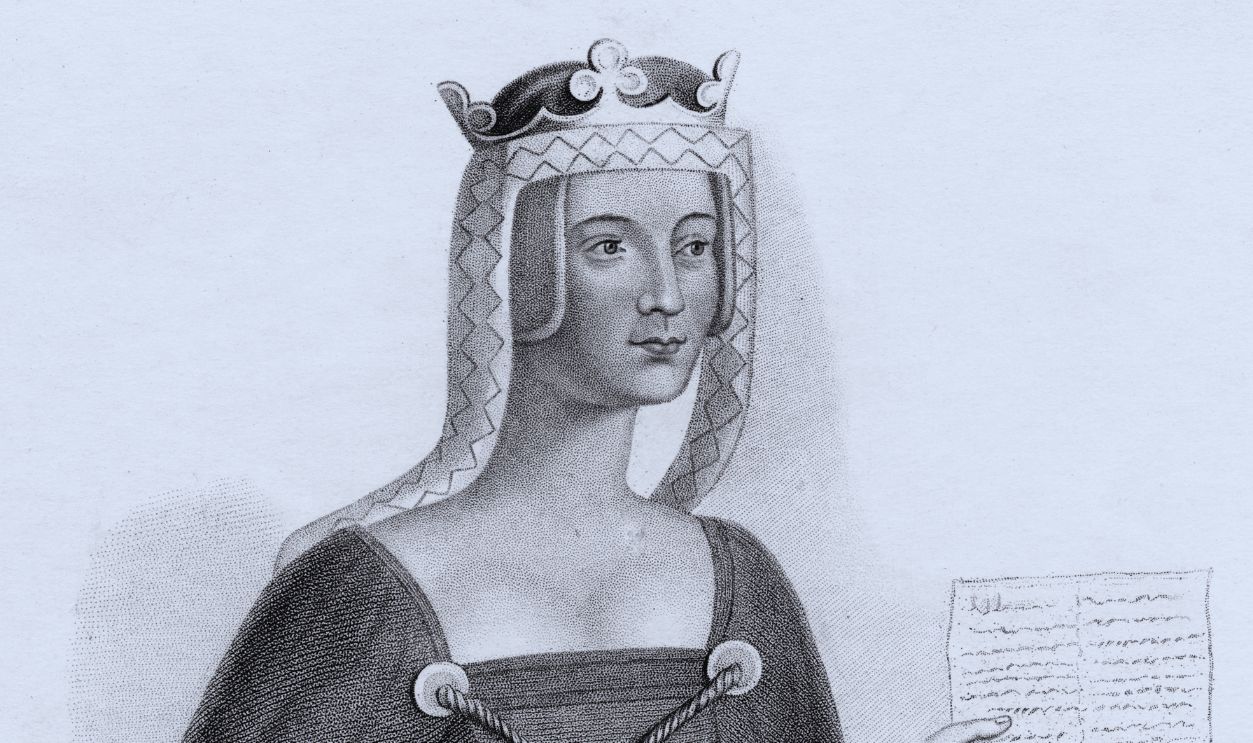
While she was, by all accounts, a healthy Queen, it would not spare Matilda of Flanders the dangers of her era’s low life expectancy. In the summer of 1083, the Queen fell ill and found herself confined to her bed chambers. Devastatingly, she would never leave that room.
 Screenshot from King and Conqueror, BBC One / CBS Studios (2025)
45. She Succumbed To Illness
On November 2, 1083, Matilda of Flanders passed around the age of 52. While this is devastatingly young by today’s standards, it was a ripe old age at the time and the Queen had a lived a fulfilling and meaningful life of faith, care for her children, and steady rule as regent. She was probably very happy when she met her maker.
 Screenshot from King and Conqueror, BBC One / CBS Studios (2025)
History's most fascinating stories and darkest secrets, delivered to your inbox daily.
46. She Made Good With God
Pious til the end, Matilda of Flanders engaged in the longstanding Catholic tradition of giving a final confession on her deathbed. Present for this was King William the Conqueror, her loving, loyal, and now devastated and grieving husband. And indeed, William paid tribute to his fallen love in the most sacrificial way he knew how.
 Screenshot from King and Conqueror, BBC One / CBS Studios (2025)
47. Her Husband Paid Tribute
In a touching display of romantic grief, William committed to lessening his own life following the demise of his wife: in tribute to her, and as an expression of his sadness at Matilda’s passing, the Conqueror swore to give up his favorite sport, hunting. The King was never quite the same after the loss of Matilda, and he followed her into the next life soon after.
 Screenshot from King and Conqueror, BBC One / CBS Studios (2025)
48. Her Husband Grieved
William spent the next few long, hunt-less years missing his wife and, now that she was out of the picture, feuding once again with his eldest son. But without Matilda by his side, the King found himself tired and stretched thin and finally passed four years after she did. Luckily for Matilda, she died before she could see the true extent of what he'd sown.
49. They Paid The Price
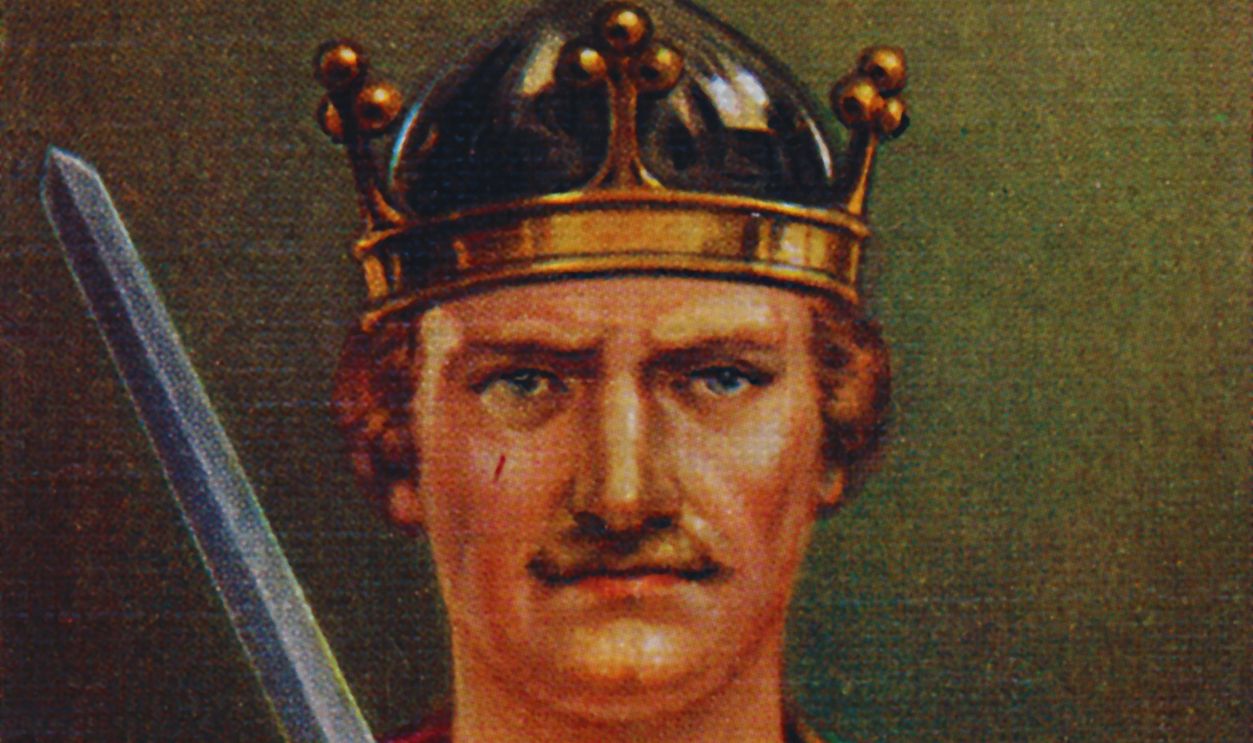
William the Conqueror was warned that his sons would pay for his bloodshed. Though Matilda of Flanders did not live long enough to witness their fates, there's no doubt that they would've broken her heart. Two of her children predeceased her. William II was killed in what looked like a hunting accident—but the circumstances have caused historians to speculate he was assassinated. Her daughter Constance died in 1090, and another historian claims she was poisoned by her husband. Henry I of England fell ill and died after reportedly eating too many lampreys, against his doctor's advice.
Tragically, Matilda wasn't allowed to rest forever.
![An illuminated detail from BL Royal MS 20 A ii, Chronicle of England [folio 6v], showing Henry I of England. Held and digitised by the British Library. C. Hollister in](https://www.factinate.com/storage/app/media/factinate/2026/5/22/177944286780637ff54d4a63d90b846758c2c5474a378180d2.jpg) Andrew Gray, Wikimedia Commons
Andrew Gray, Wikimedia Commons
50. Her Rest Got Disturbed
Matilda was entombed in Caen at l'Abbaye aux Dames, in the community of Sainte-Trinité in Normandy. There she rested, undisturbed for a long time. Unfortunately, though, at some point, her tomb was desecrated and her original coffin destroyed. Luckily her remains were preserved, and intact enough to play a trick on modern historians…

51. She Misled The Modern
In 1959, scientists measured Matilda’s remains to determine her physical characteristics, including height. The reported results of the examination put her at 4’2” tall, leading many to believe she was extremely small. This proved to be an error in the reporting, however—in reality, the Queen was about five feet tall, quite an average height for women of the time.
The myth of her tininess has persisted, however, despite the fact that the shadow she cast was much, much taller.
You May Also Like:
Unveiled Facts About Eleanor Of Aquitaine, The Captive Queen
English Queens You've Never Heard Of
Ruthless Facts About Queen Isabella Of Castile, The First Queen Of Spain







.jpg%20)
