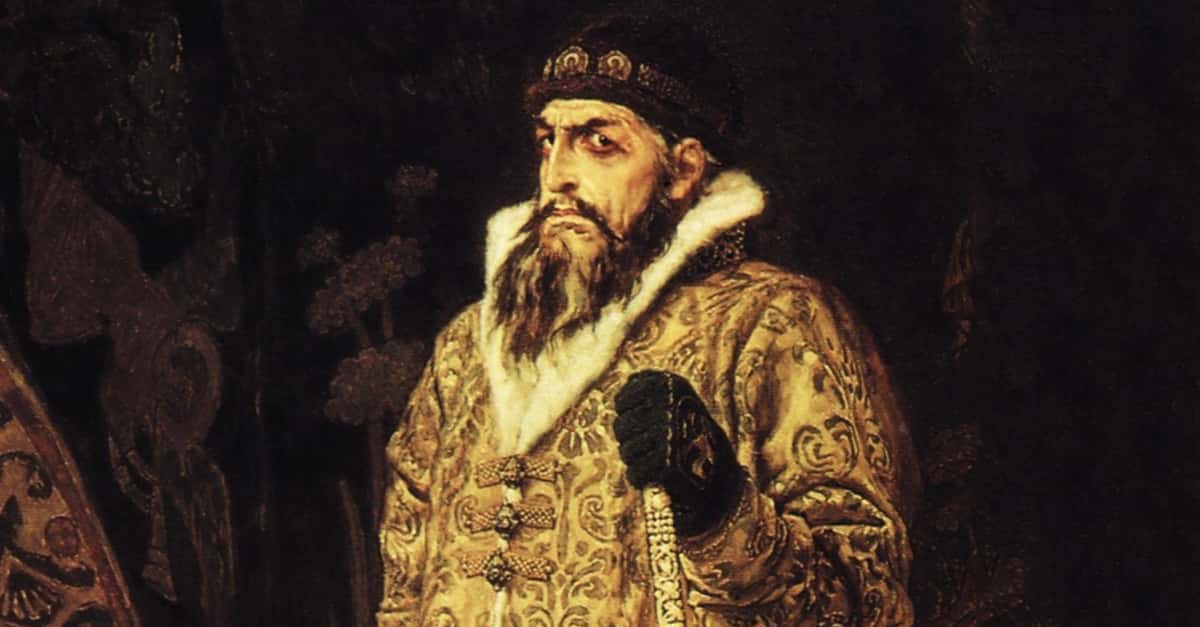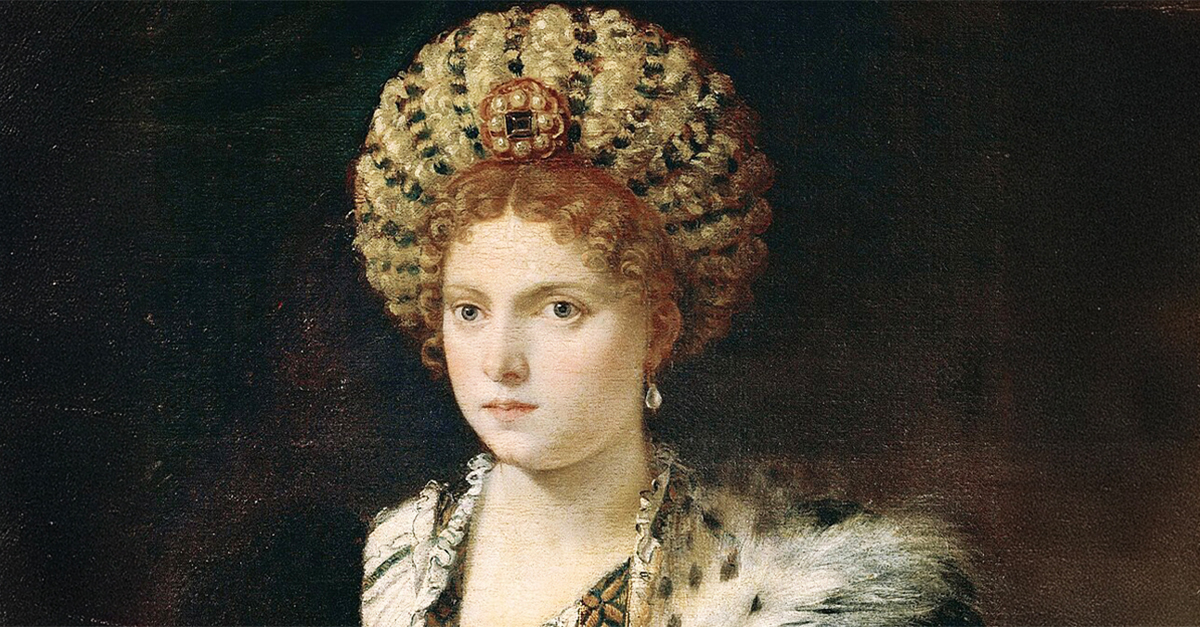
She Turned Renaissance Politics Into An Art Form
In an age dominated publicly by kings, popes, generals, and princes, Isabella d’Este quietly became one of the most influential political operators in Renaissance Italy. Through diplomacy, artistic patronage, and relentless ambition, she transformed the Italian city-state of Mantua into a cultural powerhouse while outmaneuvering enemies, rivals, and even members of her own family.
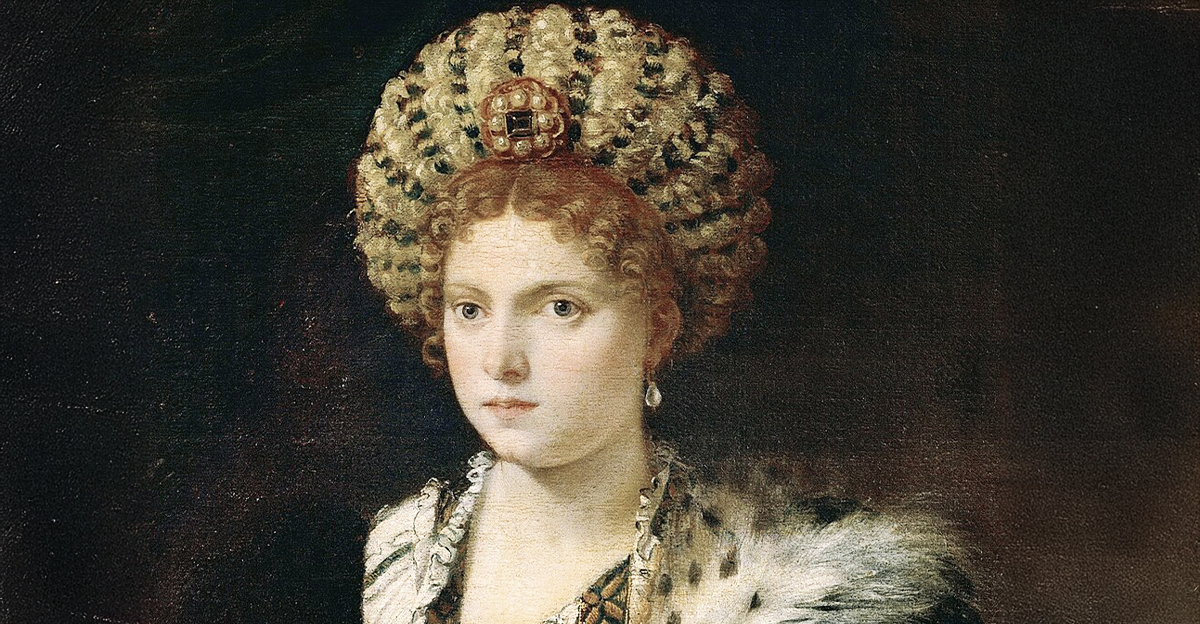 Titian, Public domain, via Wikimedia Commons
A Daughter Of Ferrara
Isabella d’Este was born on May 19, 1474, in Ferrara to Ercole I d’Este and Eleanor of Naples. Raised inside one of Italy’s most sophisticated courts, she received an unusually advanced education for a Renaissance noblewoman. Her intelligence impressed diplomats early, and powerful families soon sat up and took notice of her political potential.
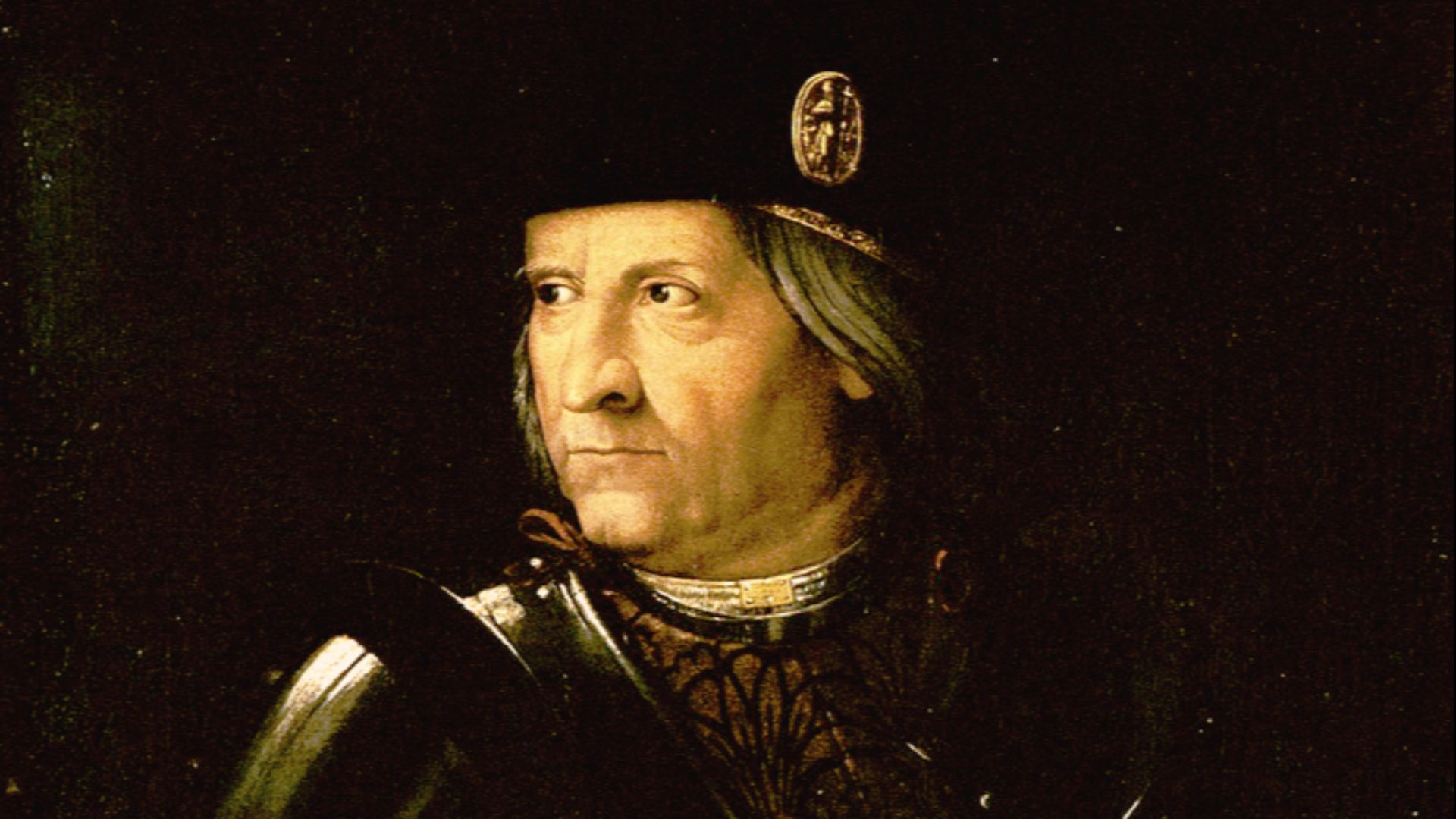 Dosso Dossi / After Ercole de' Roberti, Wikimedia Commons
The Education Of A Renaissance Princess
Unlike a lot of other noblewomen of the era, Isabella studied Latin, music, literature, history, and classical philosophy alongside her brothers. Humanist tutors gave high marks to her sharp memory and debating skills. Renaissance Italy rarely offered women direct political power, but Isabella learned early how culture and intellect could become political tools if wielded effectively.
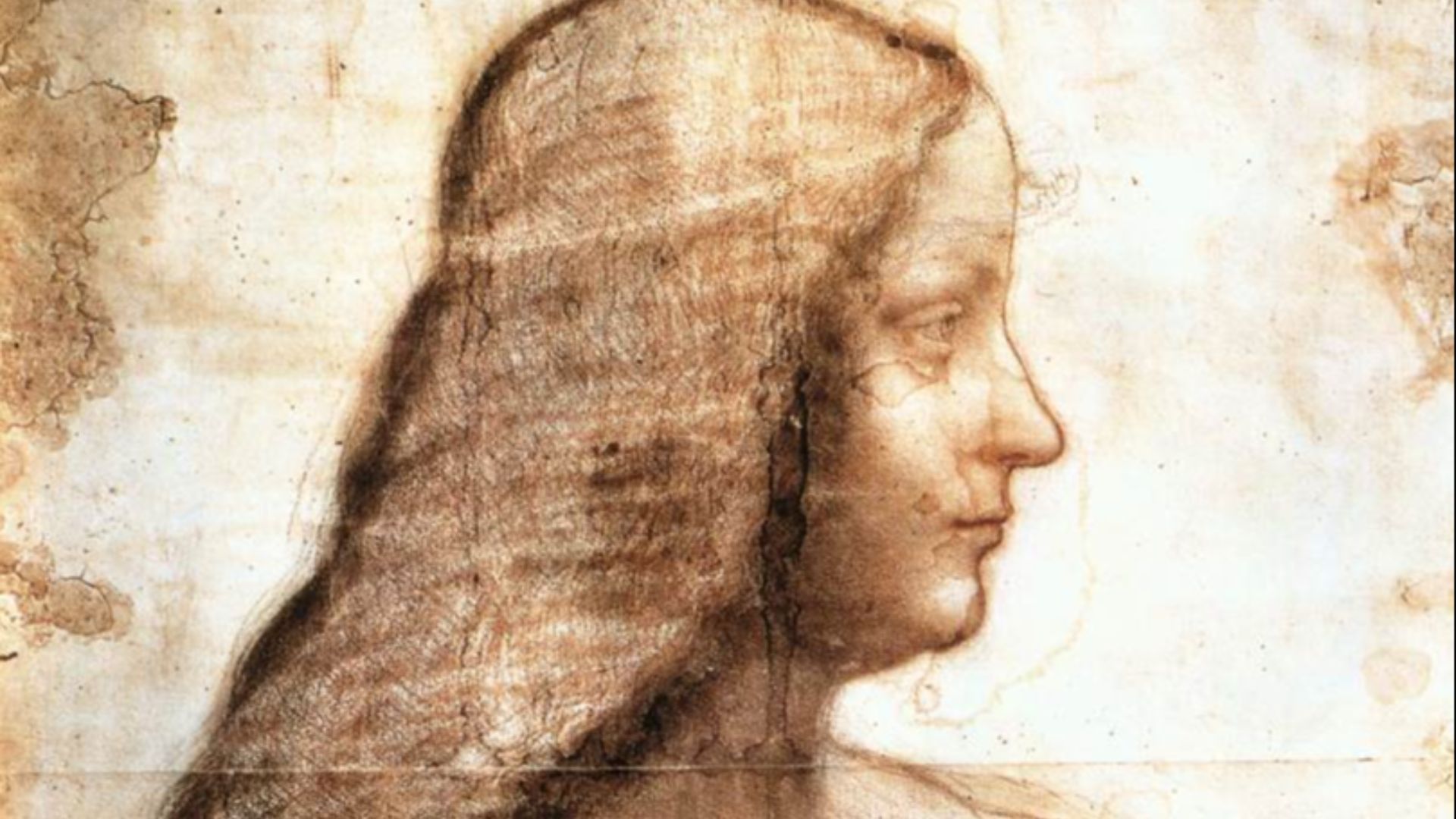 Leonardo da Vinci, Wikimedia Commons
A Carefully Planned Marriage
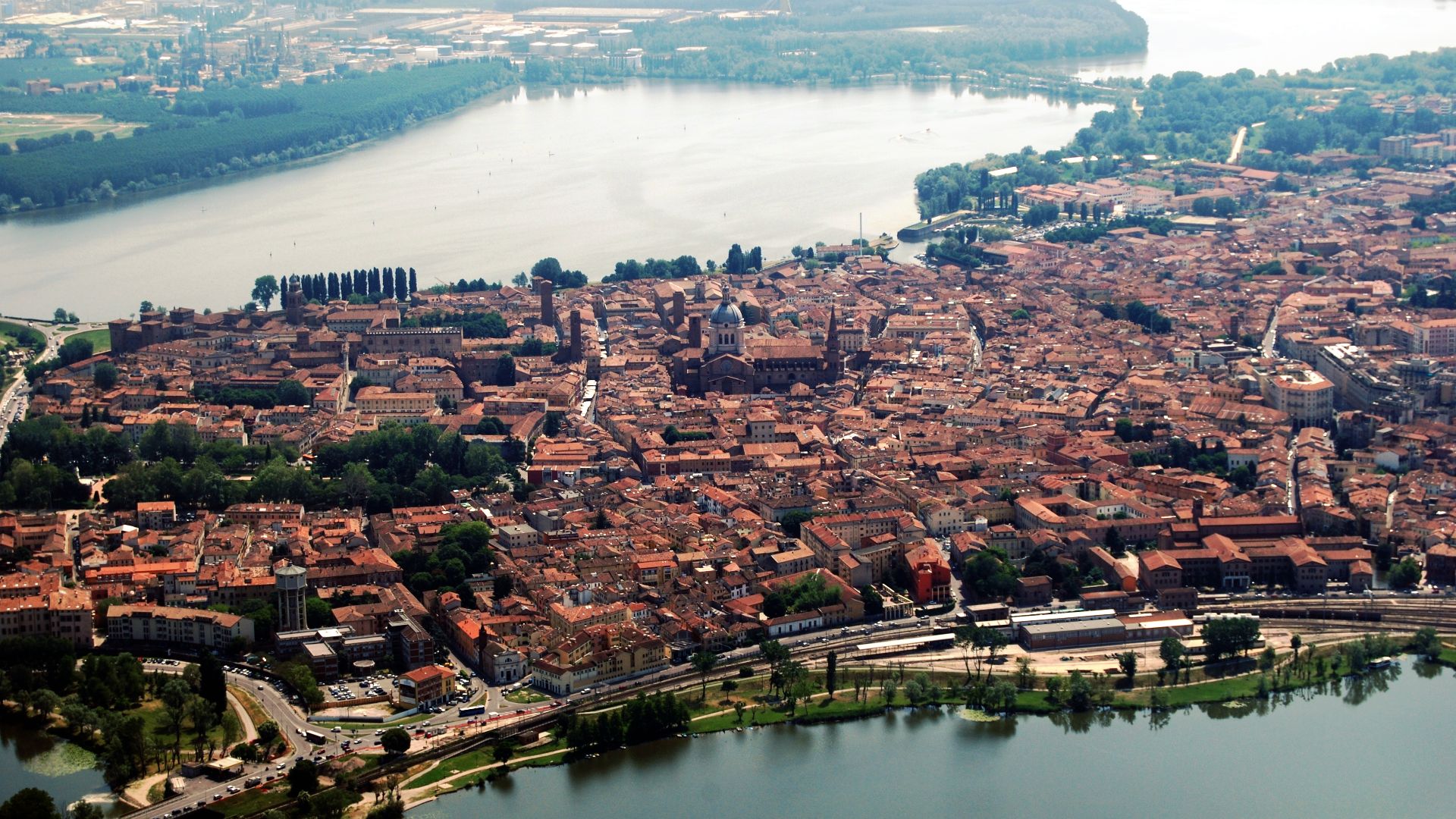
In 1490, at the young age of 16, Isabella married Francesco II Gonzaga, Marquis of Mantua. The marriage united the Este and Gonzaga dynasties and elevated Mantua’s status among Italian courts. At once Isabella began adapting to court politics, though her husband’s military ambitions would soon leave her governing in his absence.
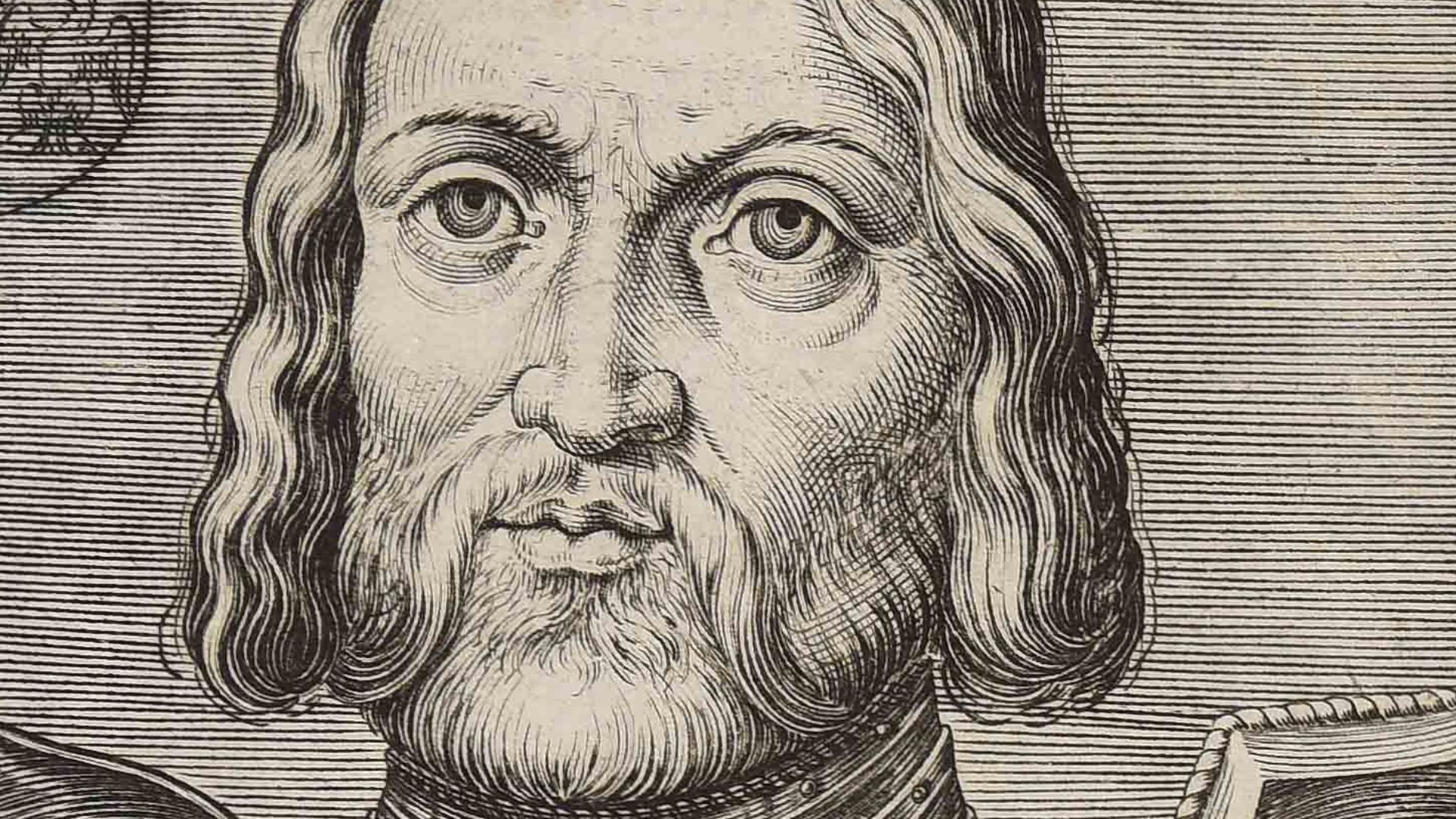 Aliprando Caprioli, Wikimedia Commons
Mantua Gains A New Power Broker
After arriving in Mantua, Isabella quickly impressed ambassadors with her confidence and diplomacy. She organized court entertainments, advised on political matters, and cultivated influential contacts from across Italy. Visitors soon saw that Mantua’s young marchioness had ambitions that went far beyond the expected decorative ceremonial duties.
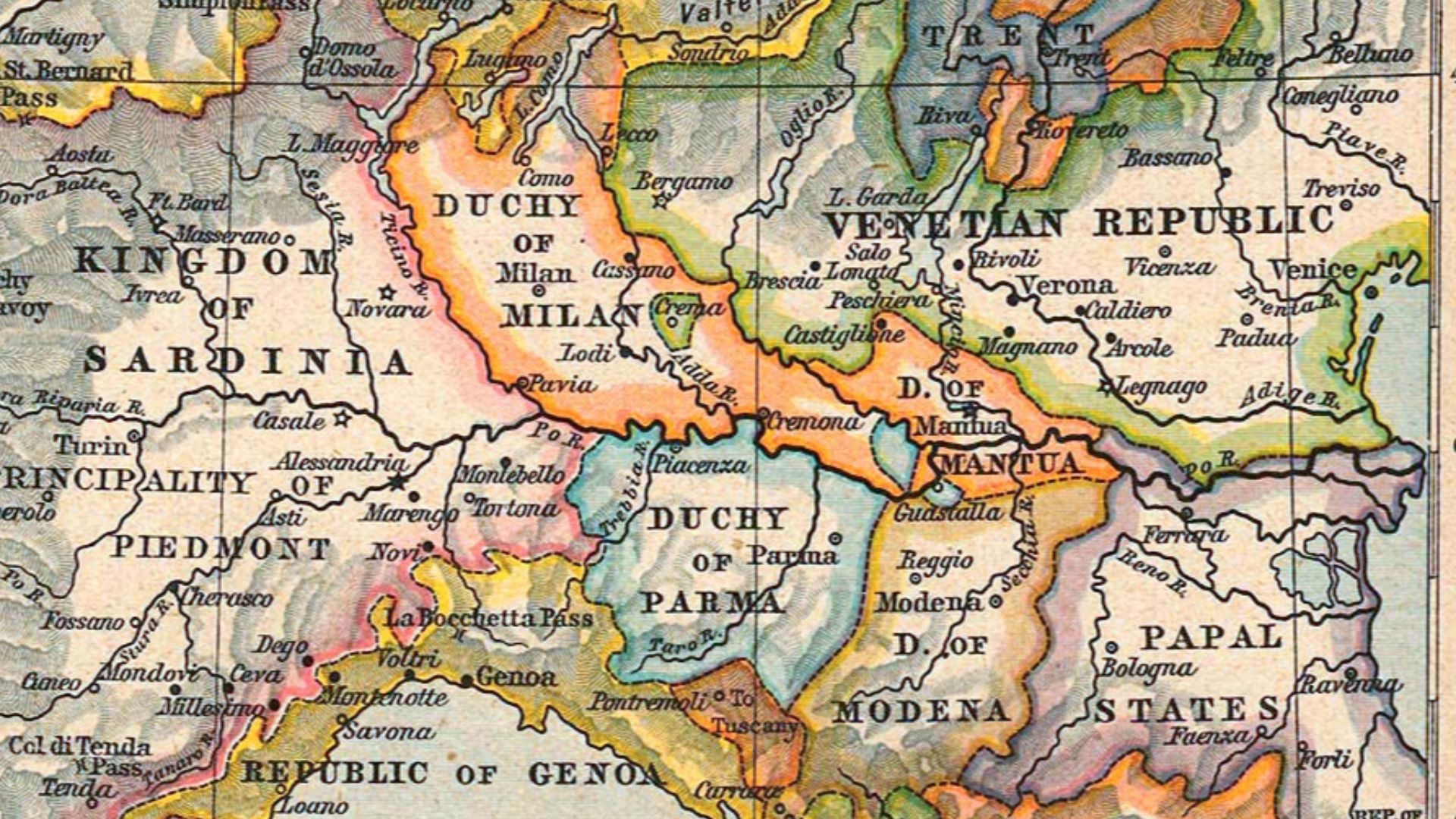 William Robert Shepherd, Wikimedia Commons
Her Husband Preferred War
Francesco Gonzaga spent much of his career serving as a condottiero, or mercenary military commander, for various Italian states. His long absences left Isabella increasingly responsible for overseeing Mantua’s administration. Those years gave her practical political experience that a lot of Renaissance rulers, whether they were male or female, never fully acquired.
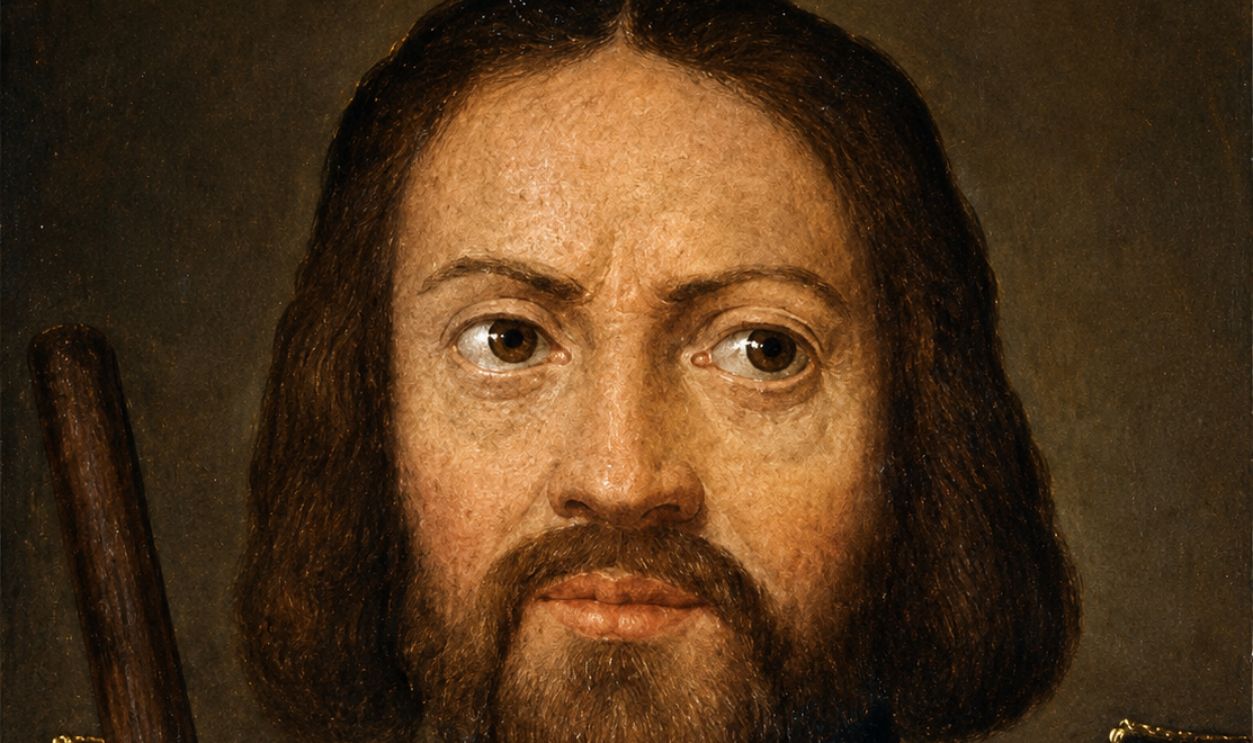 Workshop of Fermo Ghisoni, Wikimedia Commons, Modified
Isabella Learned How To Govern Early
By the mid-1490s, Isabella was regularly managing Mantua’s finances, diplomatic correspondence, and internal disputes during Francesco’s military campaigns. Ambassadors reported that she handled affairs decisively and intelligently. That made her stand out amid the chaos that reigned across Italy in those years. Her growing reputation gained her admirers and jealous rivals around northern Italy.
She Was A Mom
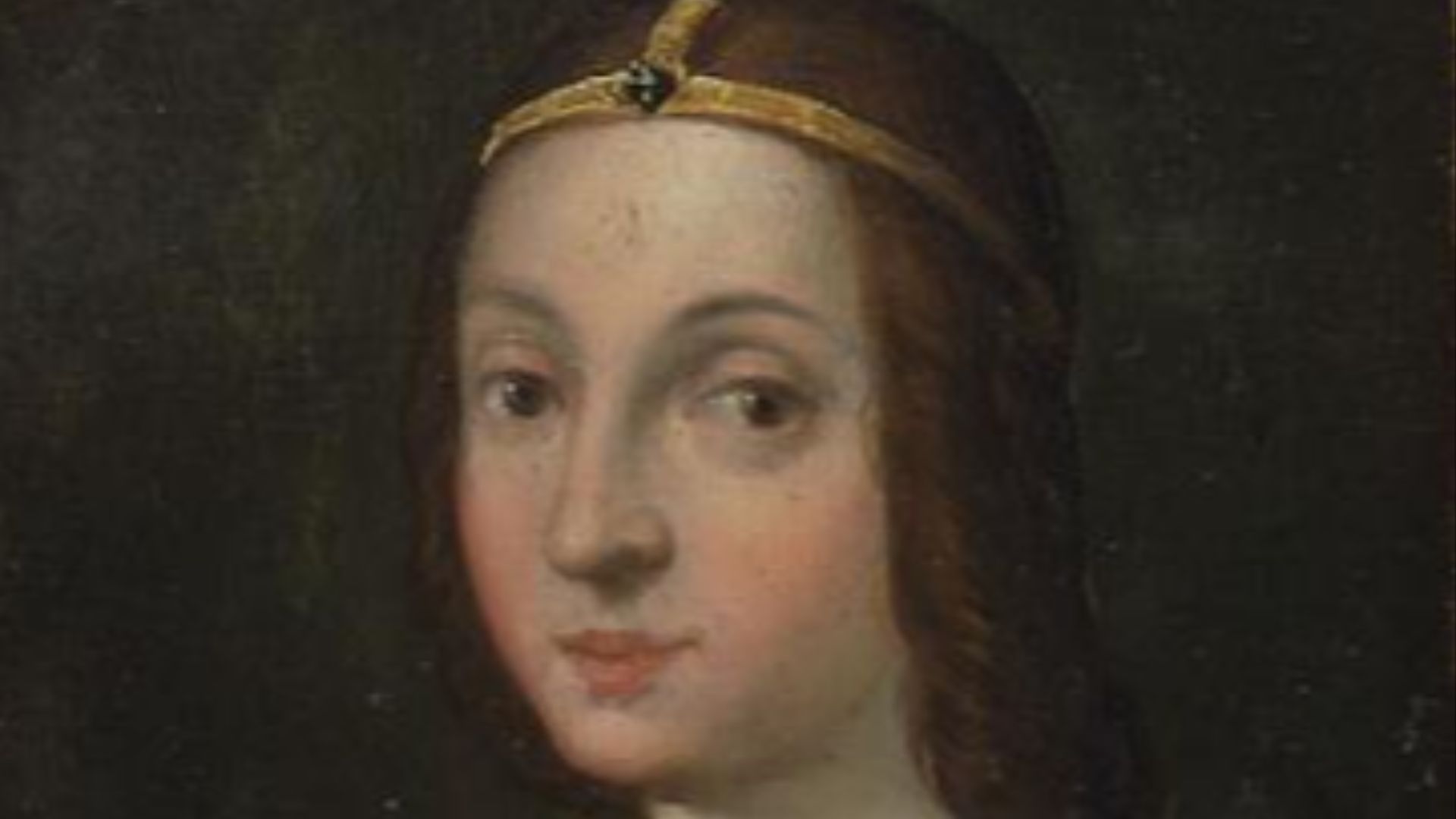
Isabella d’Este gave birth to eight children during her marriage to Francesco Gonzaga, including firstborn daughter Eleonora who strengthened political alliances through marriage, later becoming Duchess of Urbino. But like many noblewomen of the Renaissance, she faced intense pressure to produce strong male heirs to secure the dynasty.
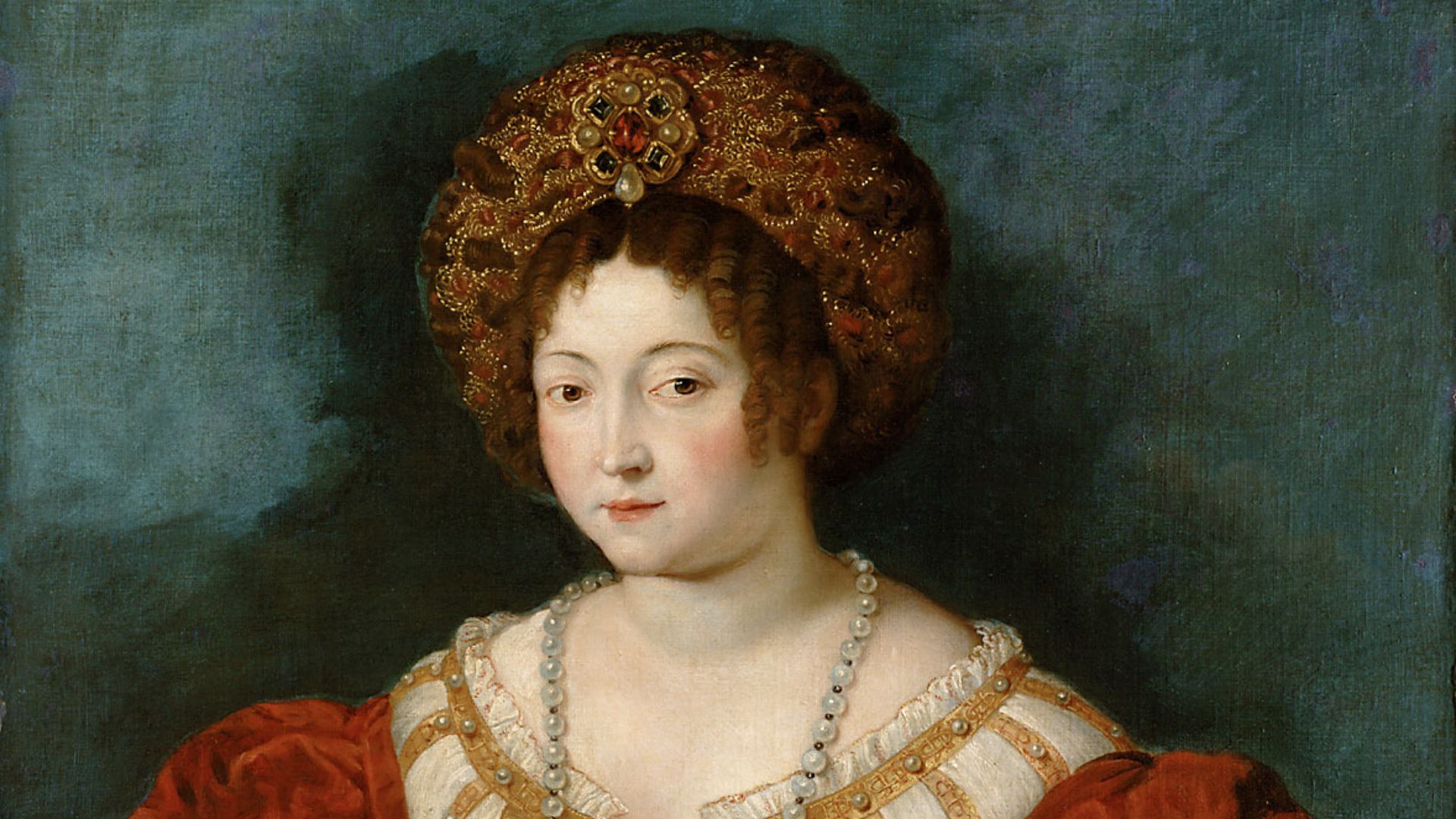 Peter Paul Rubens, Wikimedia Commons
She Gave Him An Heir
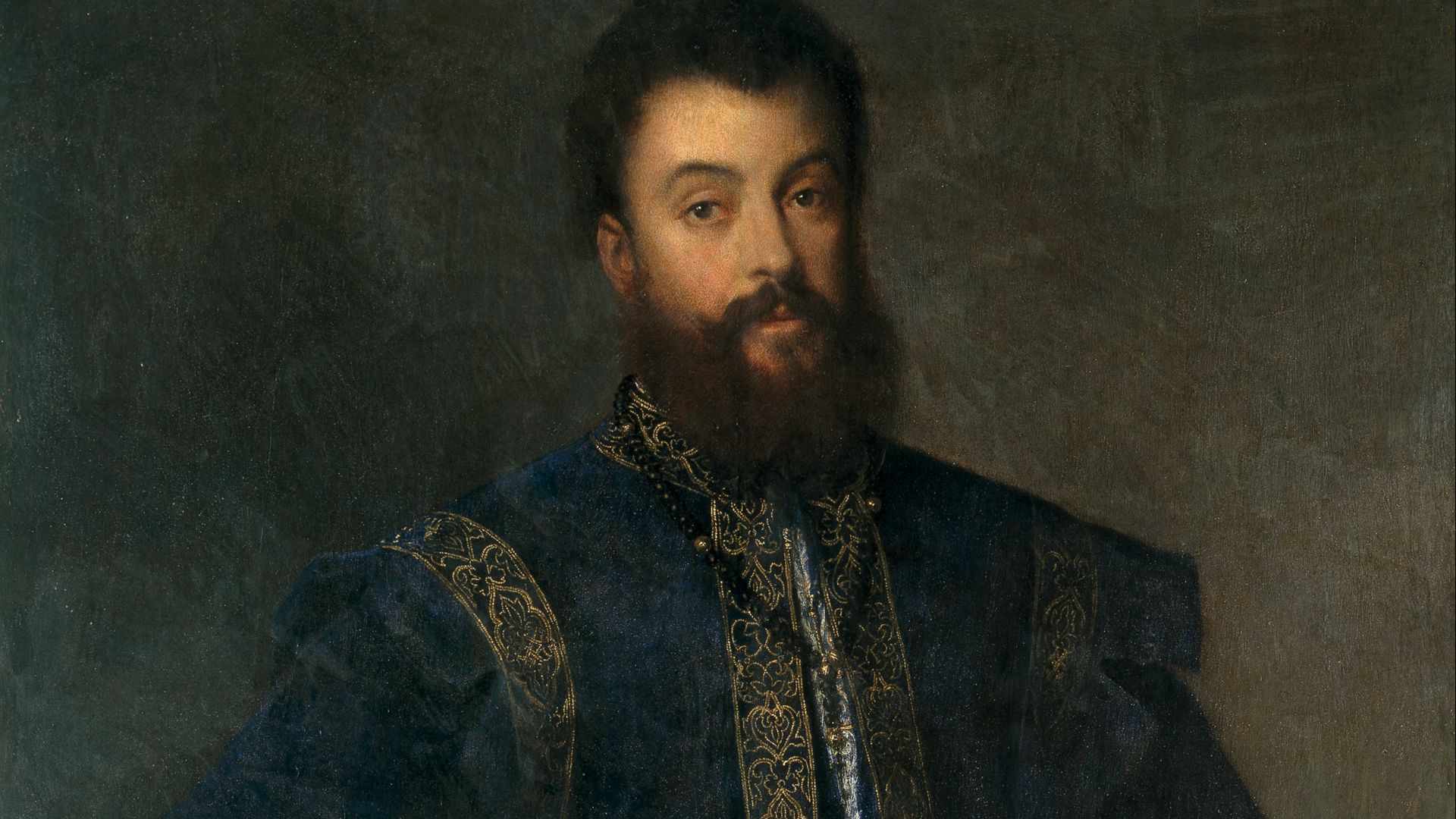
Although she eventually bore sons, including Federico Gonzaga, years of anxiety and repeated pregnancies created enormous strain. The rich archive of letters she wrote during her life reveal deep frustration, especially during periods when political instability made the succession of Mantua feel dangerously uncertain.

History's most fascinating stories and darkest secrets, delivered to your inbox daily.
Leonardo Da Vinci Entered Her Orbit
In 1499, Isabella met Leonardo da Vinci while he traveled through Mantua after fleeing French invasions in Milan. Leonardo sketched her portrait in chalk, creating one of the era’s most famous drawings. Isabella desperately wanted him to complete a painted version, but as was so often the case with Leonardo, he never quite got around to it.
 Attributed to Francesco Melzi, Wikimedia Commons
She Pursued Artistic Prestige
Isabella believed that great art reflected political legitimacy and personal sophistication. She aggressively competed with rival courts for paintings, sculptures, rare books, musical instruments, and antiquities. Her ambitions helped to transform Mantua into one of Renaissance Italy’s leading cultural centers, drawing celebrated artists directly into her political and social network.
Her Studiolo Became Legendary
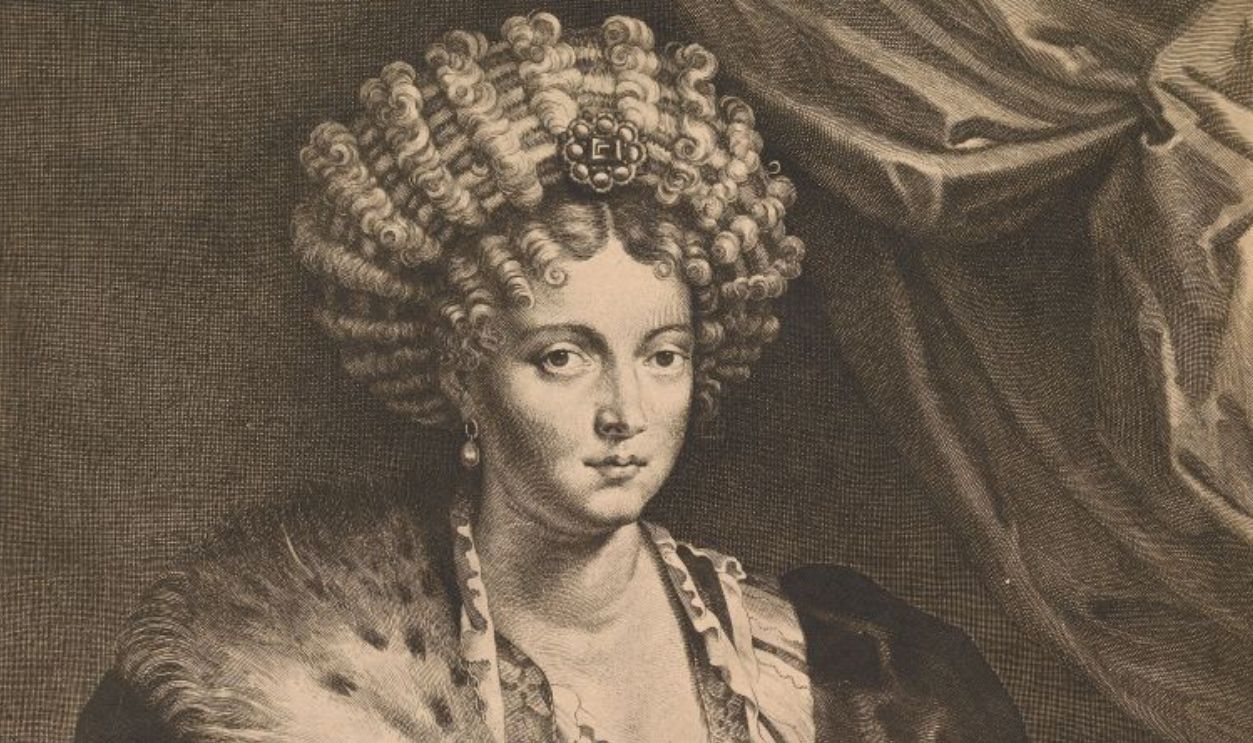
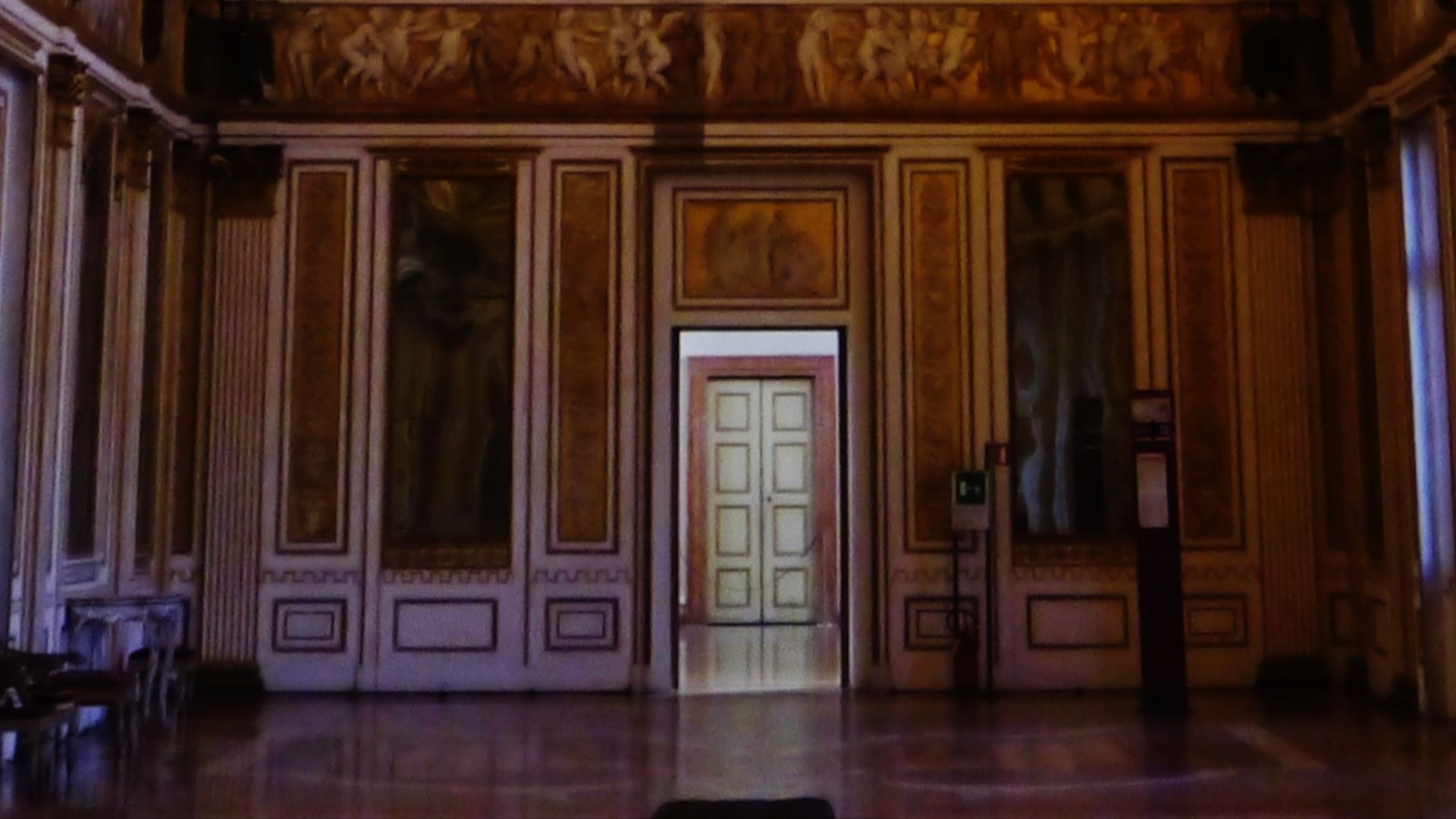
Inside Mantua’s ducal palace, Isabella created a famous private studiolo filled with mythological paintings, classical objects, and commissioned artworks. The room served partly as intellectual retreat and partly as political theater. Distinguished visitors would enter it expecting to see treasures, but would often leave discussing Isabella herself instead.
Mantegna Became One Of Her Greatest Artists
Painter Andrea Mantegna worked extensively for Isabella and produced masterpieces including Parnassus (1497) and Minerva Expelling the Vices from the Garden of Virtue (1502). Isabella closely supervised the artistic details of these works and the symbolism behind them. Her demanding perfectionism sometimes drove artists crazy, but she also pushed them toward remarkable results.
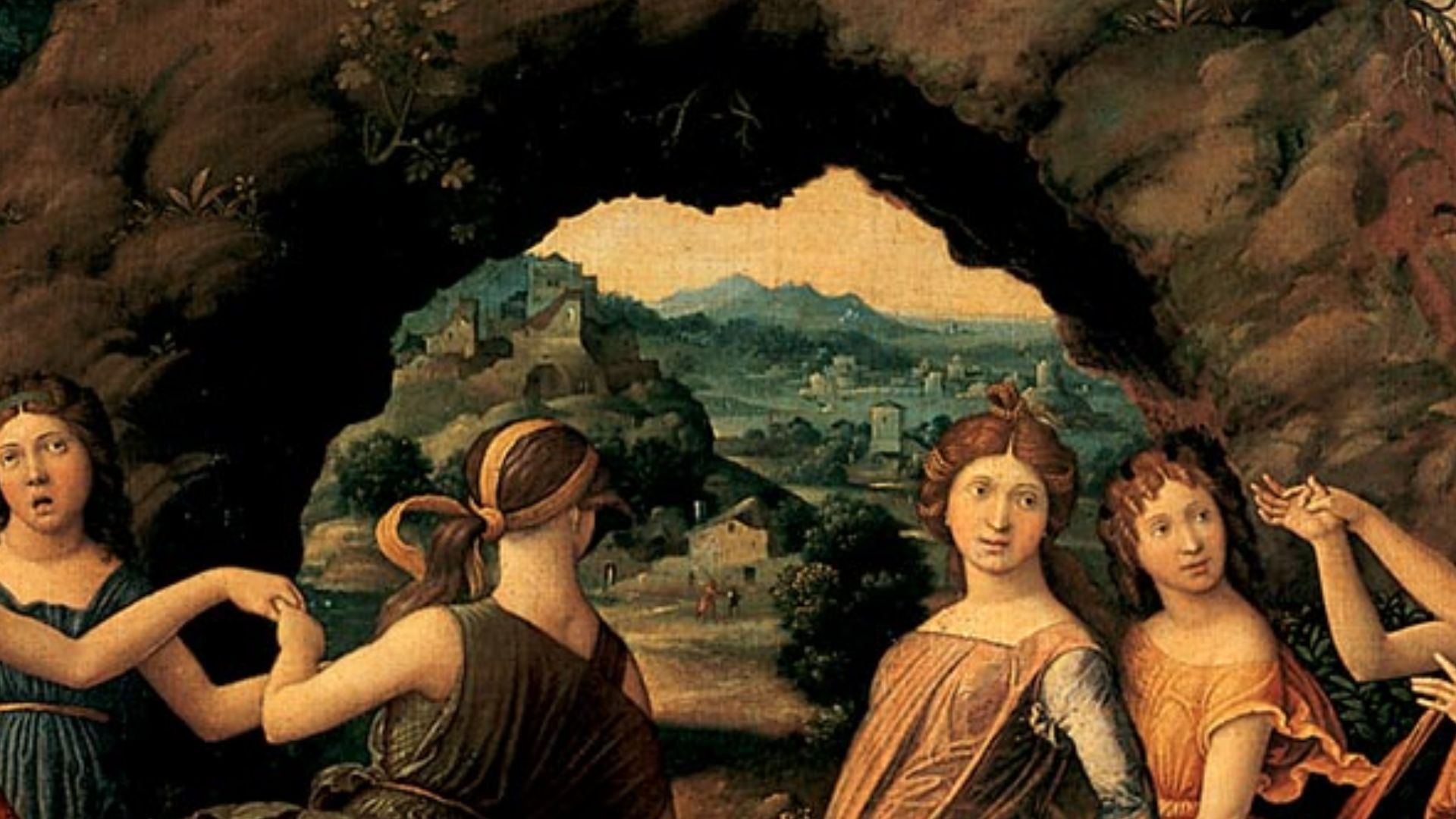 Andrea Mantegna, Wikimedia Commons
She Wanted The Best Artists In Italy
Isabella constantly sought commissions from the leading painters of the age, including Giovanni Bellini, Perugino, and Titian. She often negotiated prices, subjects, and delivery schedules personally. These negotiations show the extent of her involvement in shaping the artistic culture of the High Renaissance.
A Rival Appears
In 1502, Isabella’s world changed when her brother Alfonso d’Este married Lucrezia Borgia, daughter of the infamous Pope Alexander VI. Isabella instantly viewed Lucrezia as both social rival and political threat. Their tense relationship soon became one of Renaissance Italy’s most famous aristocratic feuds.
 Didier Descouens, Wikimedia Commons
Isabella Distrusted The Borgias
Like many other Italian nobles, Isabella distrusted the Borgia family’s rapid rise and boundless reputation for intrigue. Lucrezia’s intelligence and charm complicated matters further as she quickly started turning heads at Ferrara’s court. Isabella feared losing influence within her own family network, intensifying their growing rivalry.
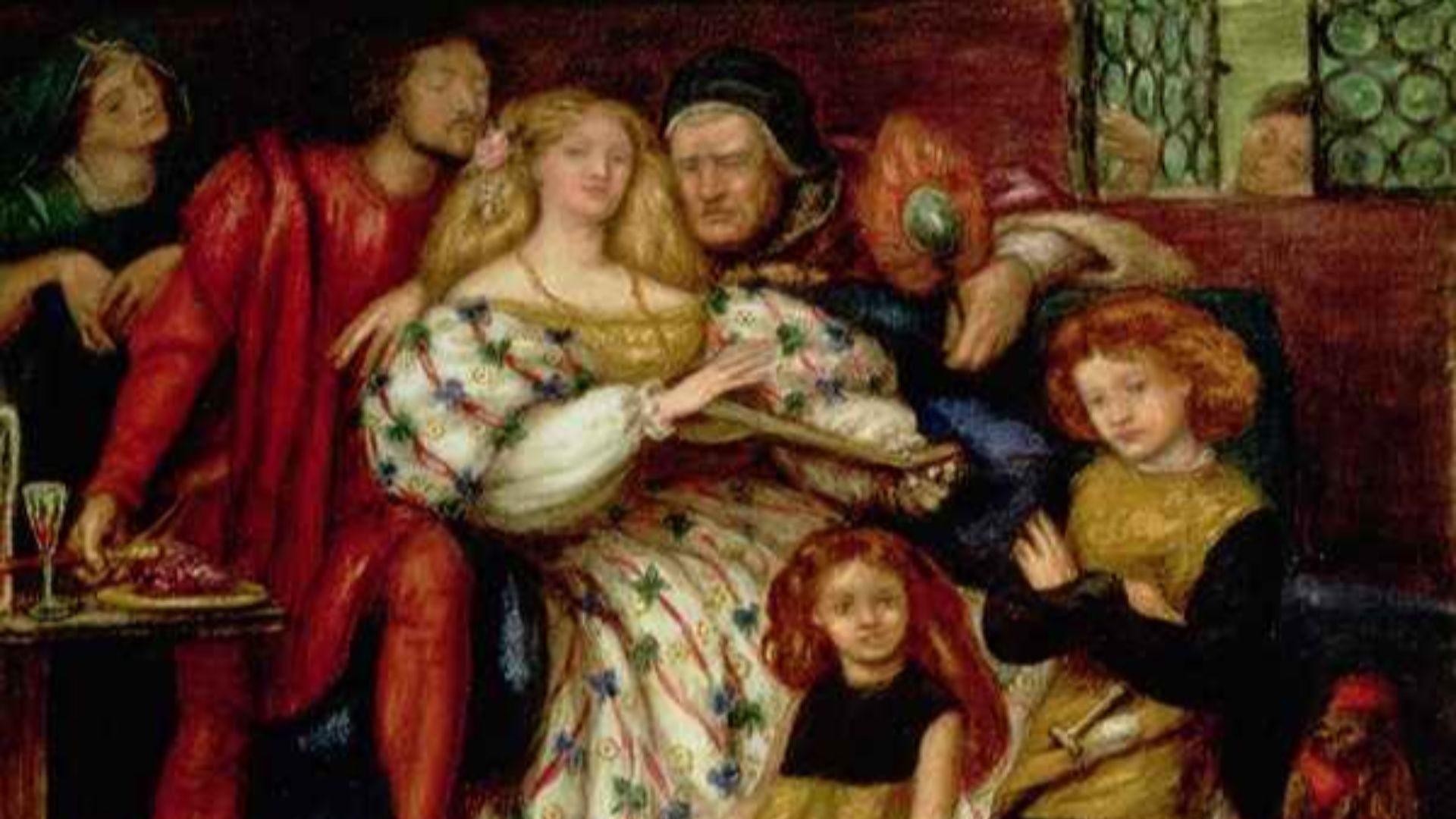 Dante Gabriel Rossetti, Wikimedia Commons
Court Fashion Became A Battlefield
Isabella and Lucrezia competed fiercely through fashion, jewels, hairstyles, and court presentation. Isabella became one of Renaissance Europe’s leading trendsetters, with noblewomen across Italy copying her clothing designs. Behind the elegant appearances, though, there was a deeper struggle going on.
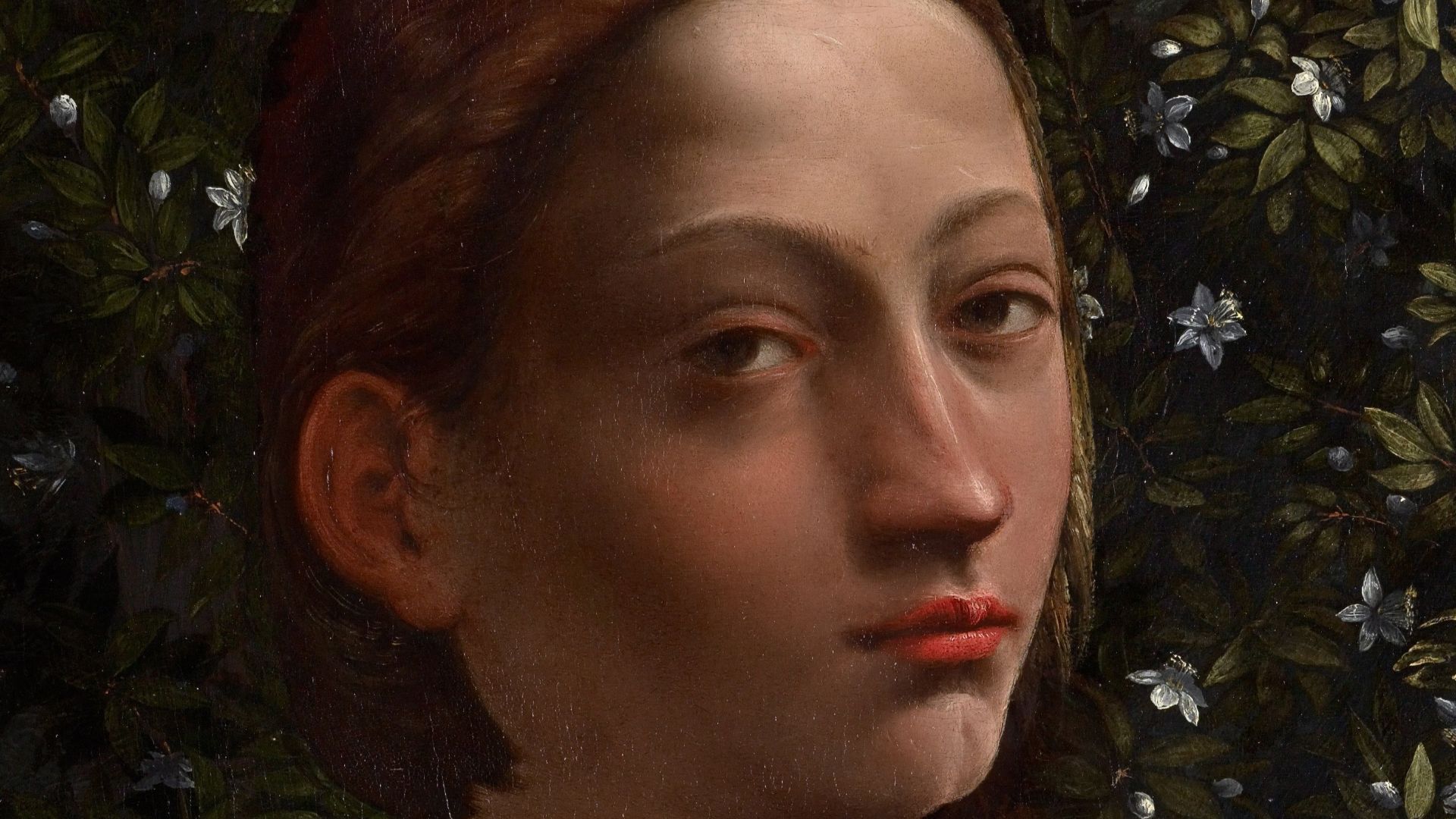 Attributed to Dosso Dossi, Wikimedia Commons
Lucrezia And Francesco Crossed A Dangerous Line
Tensions got dramatically worse when rumors spread that Lucrezia had entered into a flirtation, and possibly even an affair, with Isabella’s husband Francesco Gonzaga around 1503. Surviving letters between Francesco and Lucrezia reveal unmistakably intimate language, humiliating Isabella personally while deepening the already poisonous rivalry between the two women.
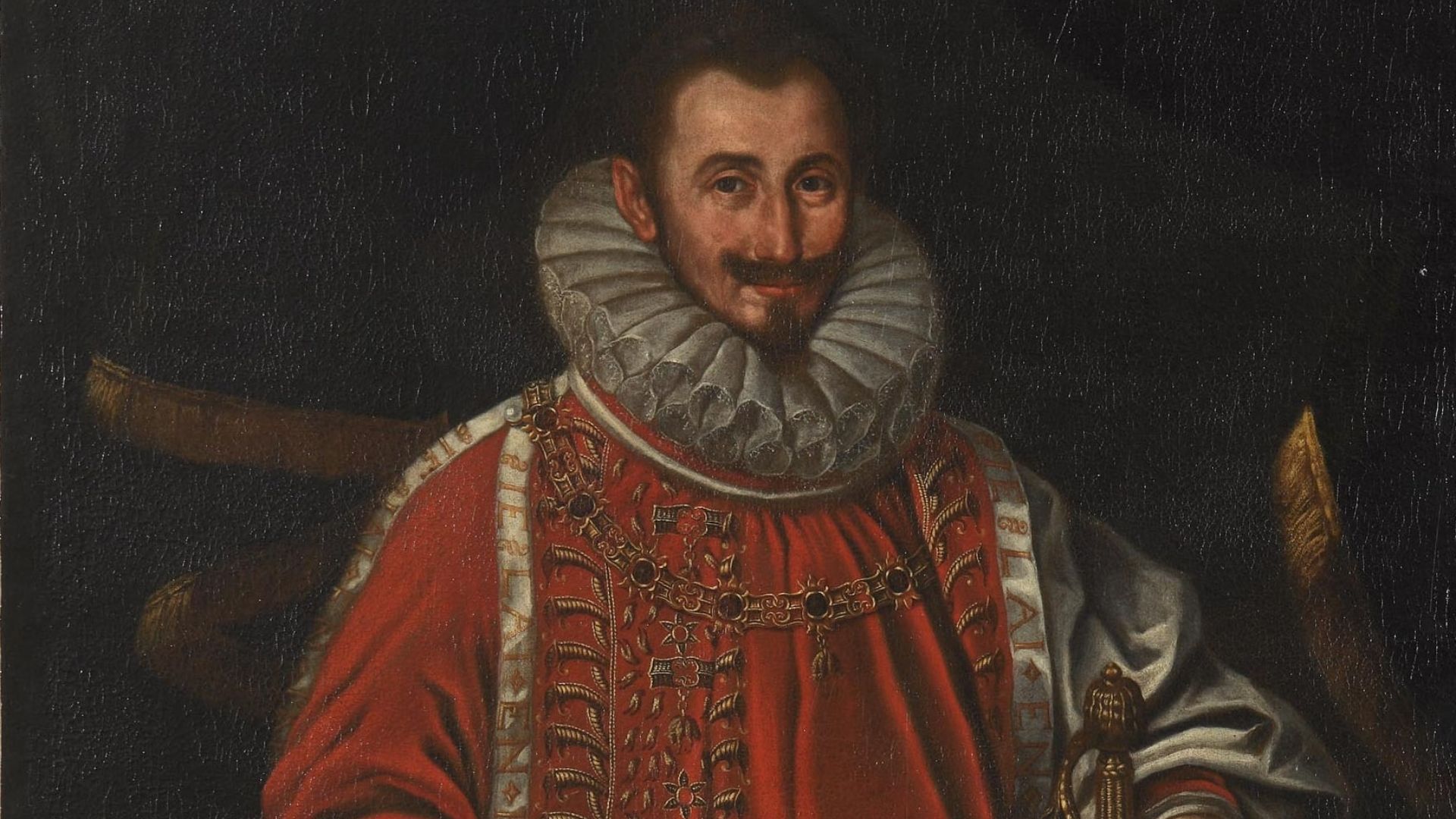 Unidentified painter, Wikimedia Commons
Isabella Refused Reconciliation
Although Lucrezia kept trying to build warmer relations through gifts, compliments, and courtly diplomacy, Isabella coldly blew all these efforts off. Ambassadors noted Isabella’s obvious jealousy of Lucrezia’s celebrated beauty and charisma, especially as Lucrezia gained admirers across Ferrara. Isabella’s pride and competitive attitude meant that their relationship never fully recovered from the betrayal.
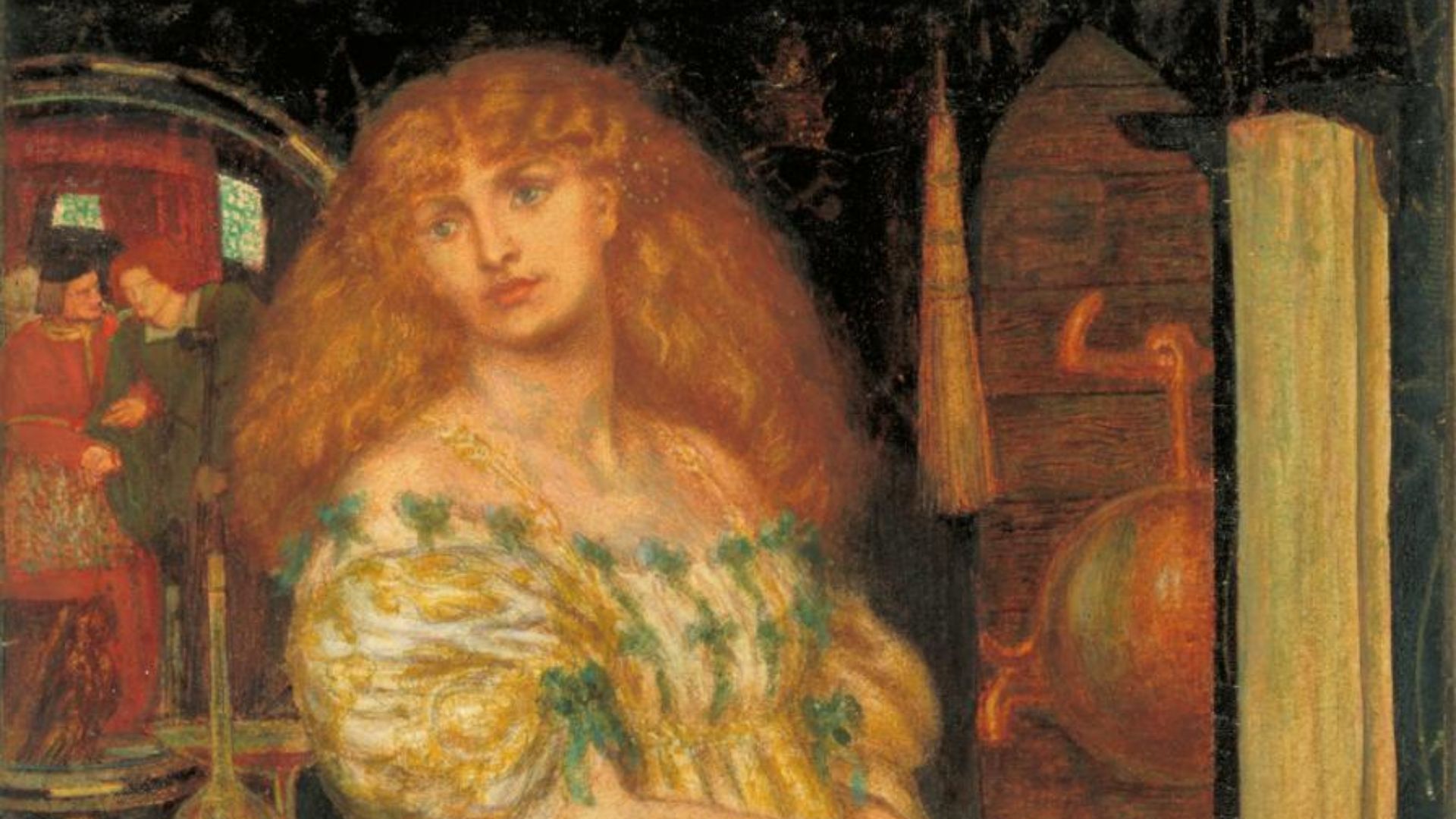 Dante Gabriel Rossetti, Wikimedia Commons
Francesco Gonzaga Was Captured
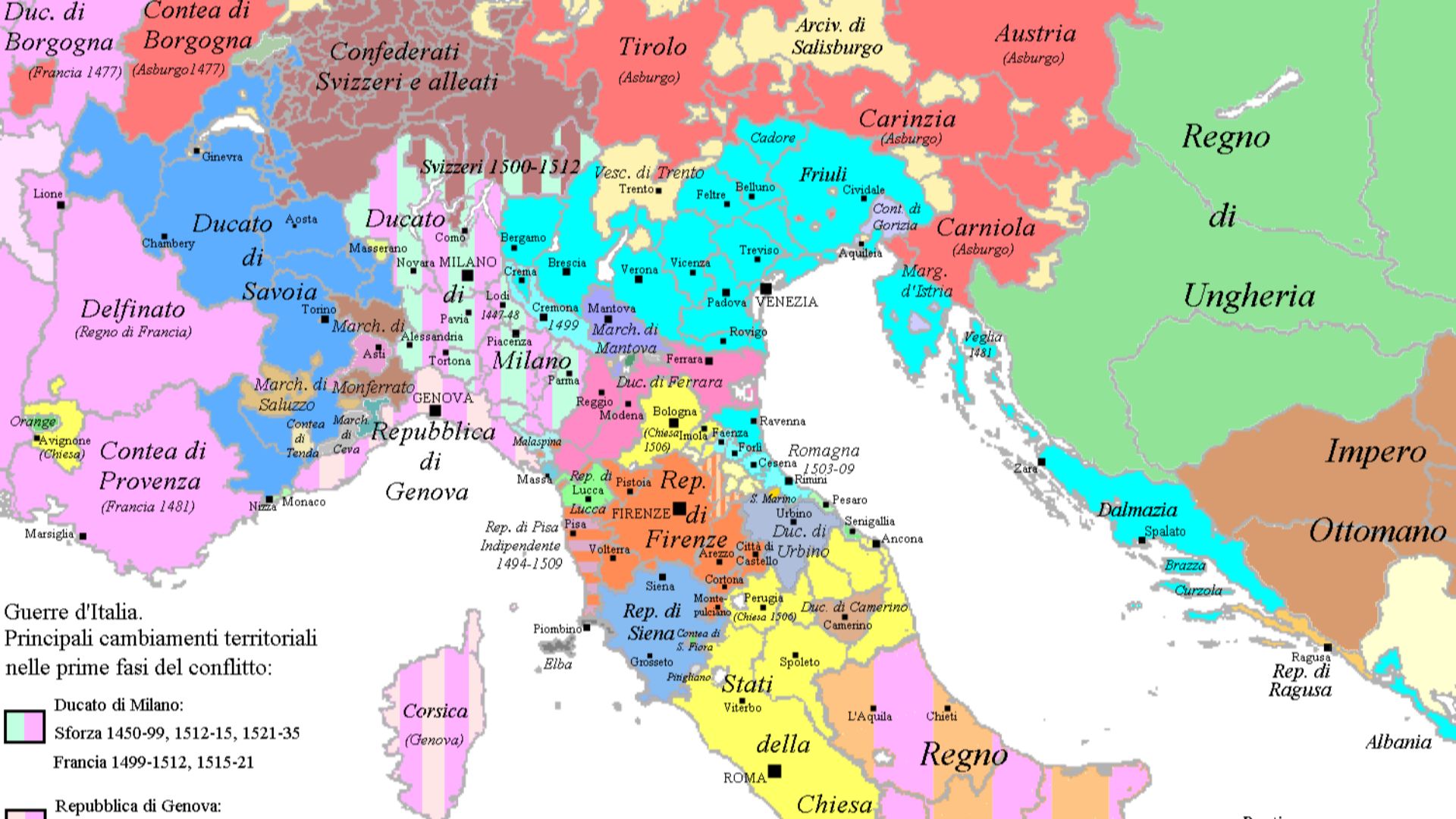
In 1509, during the War of the League of Cambrai, Venetian forces captured Francesco Gonzaga after a battle. Mantua suddenly faced political instability and possible military disaster. Isabella went into action immediately, stepping fully into leadership during one of the greatest crises of her early political career.
Isabella Defended Mantua
While Francesco was still imprisoned in Venice, Isabella organized Mantua’s defenses, negotiated diplomatically, and maintained political stability. Many male rulers might have cracked and panicked under similar strain, but Isabella remained remarkably composed. Her effective leadership during the crisis dramatically strengthened her reputation throughout Italy.
Her Marriage Began To Fracture
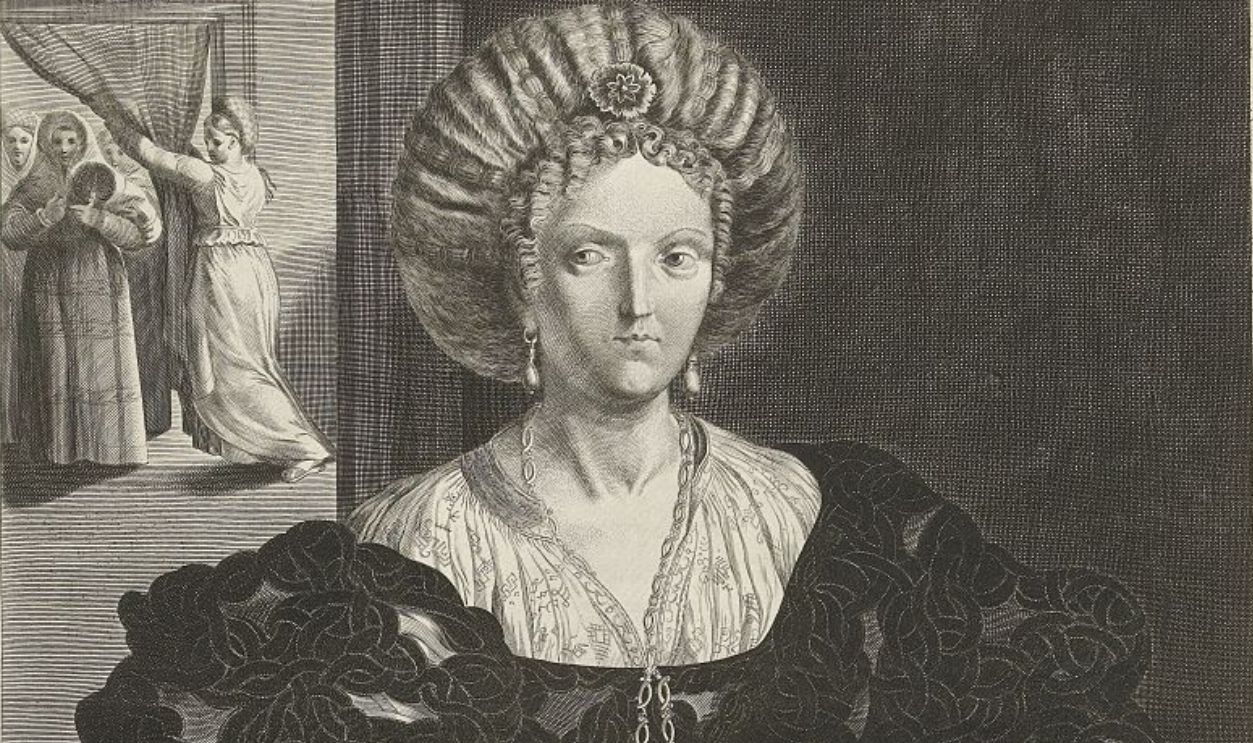
Despite their political partnership, Isabella and Francesco’s marriage only deteriorated over time. Francesco engaged in numerous affairs and eventually contracted syphilis. Isabella increasingly drew away from him emotionally while focusing more intensely on politics, collecting art, and expanding her personal influence within Italian diplomatic circles.
The Marquis Returned Home
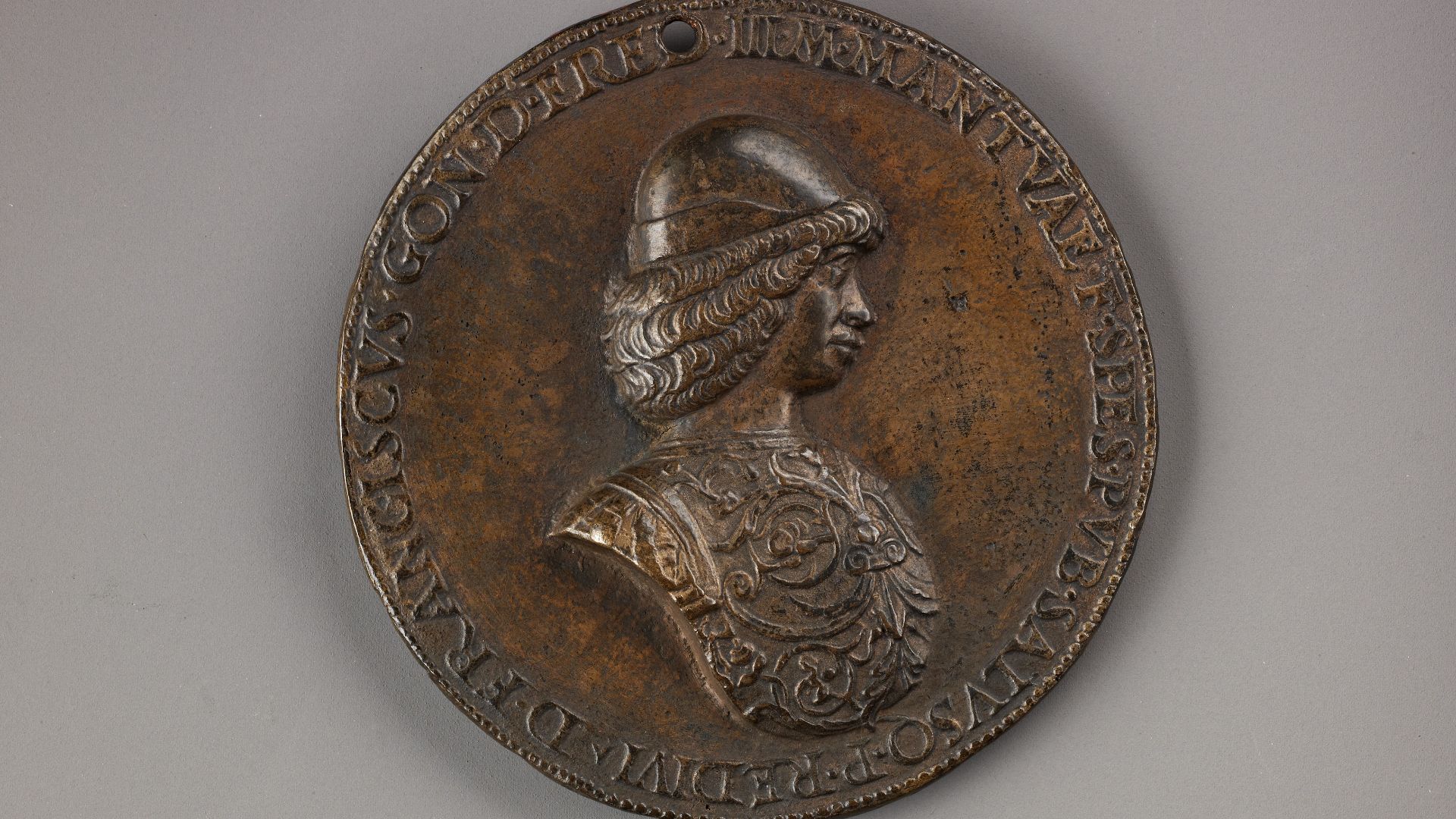
Francesco eventually returned home from captivity, but his authority never fully overshadowed Isabella’s growing prestige again. Ambassadors increasingly described Mantua as effectively governed by two rulers rather than one. Isabella’s independent authority had become too visible and too respected for things to ever go back to how were in the past.
 Bartolomeo Melioli, Wikimedia Commons
Francesco Gonzaga’s Death Left Isabella In Full Control
Francesco II Gonzaga died in March 1519 after years of declining health. His death immediately elevated Isabella d’Este into an even more powerful political role. With her son Federico still consolidating authority, Isabella stepped decisively into the role of regent managing Mantua’s diplomatic affairs, finances, marriages, and political alliances during one of Italy’s most unstable periods.
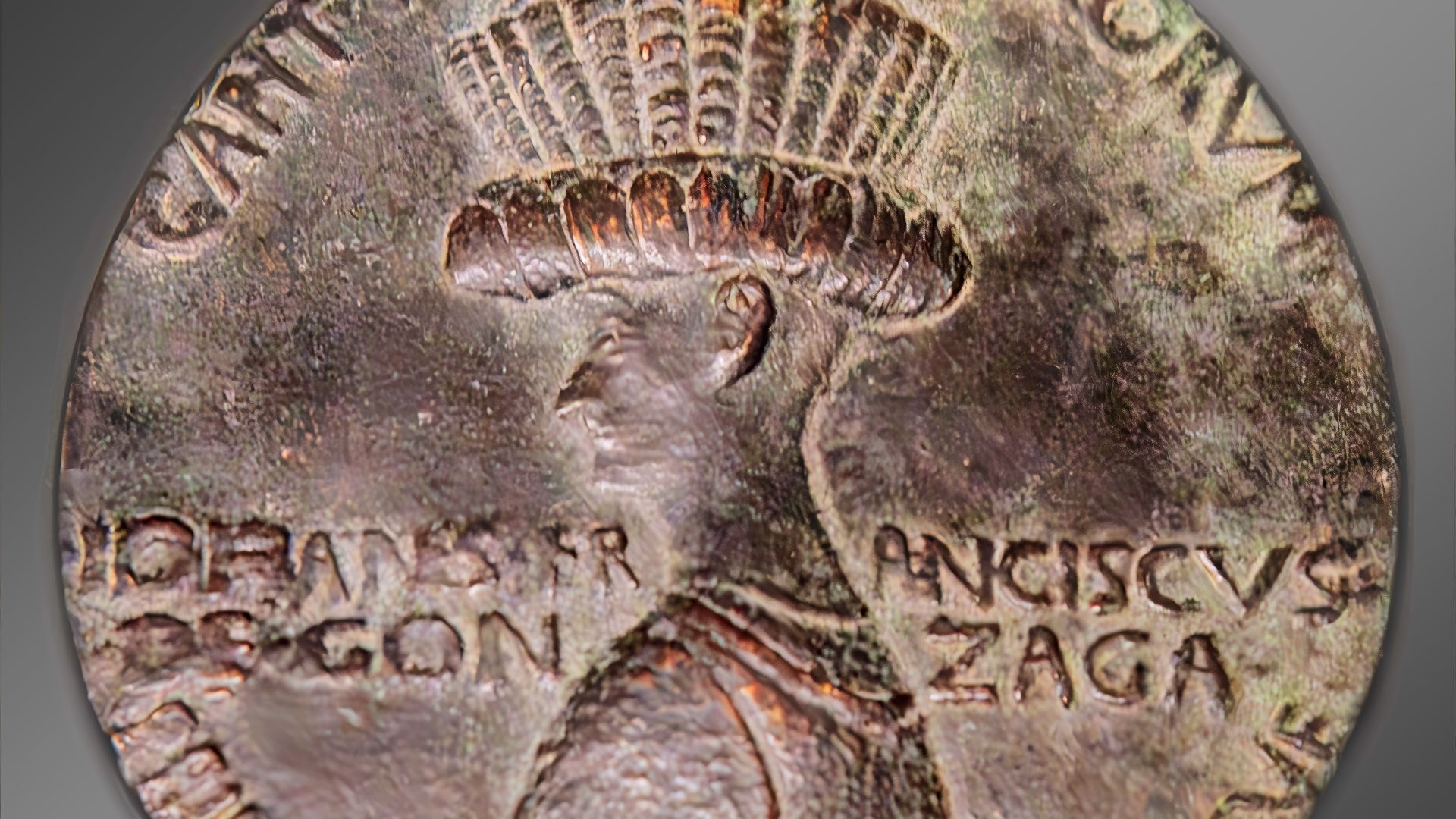
She Collected Antiquities Obsessively
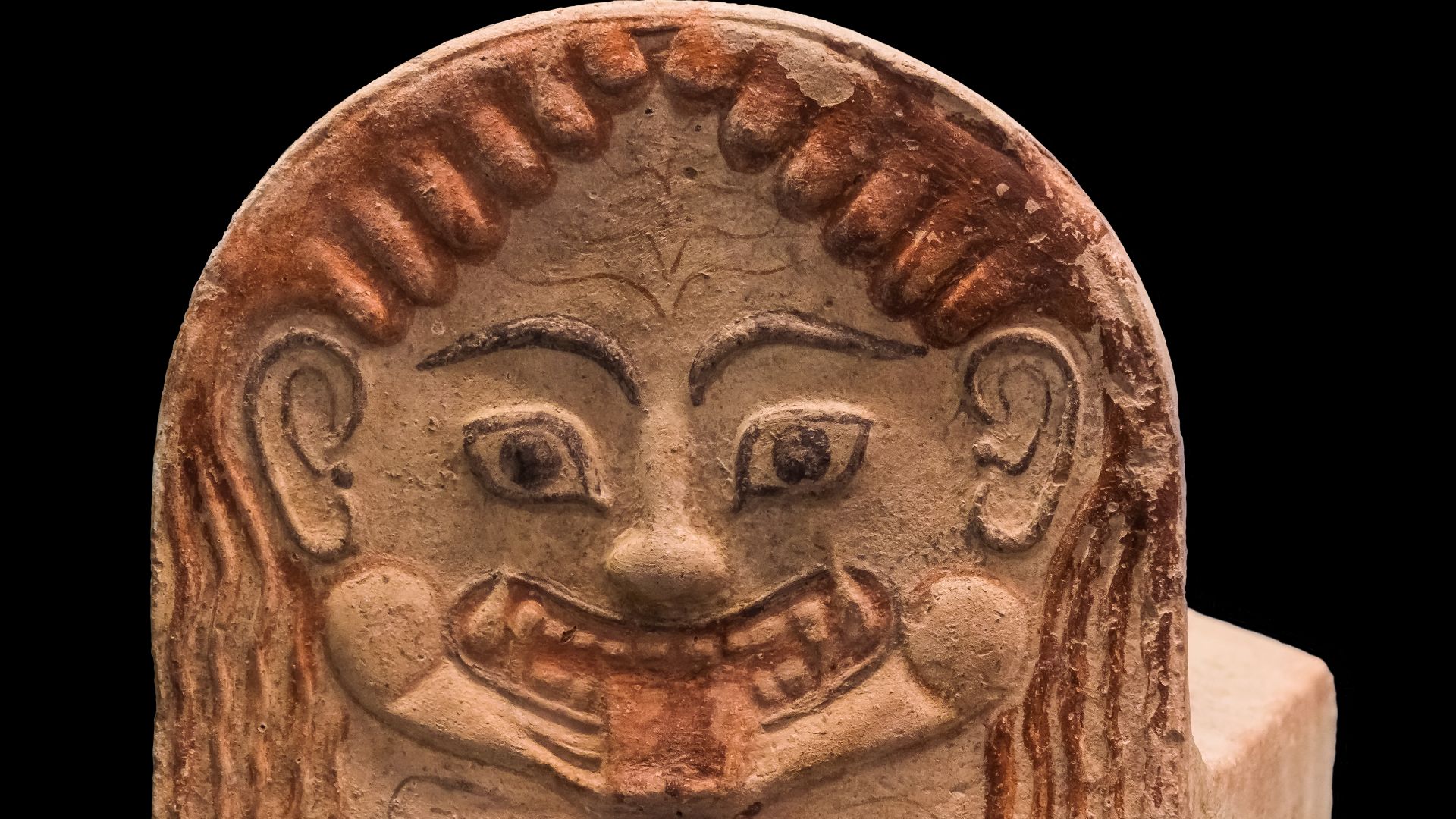
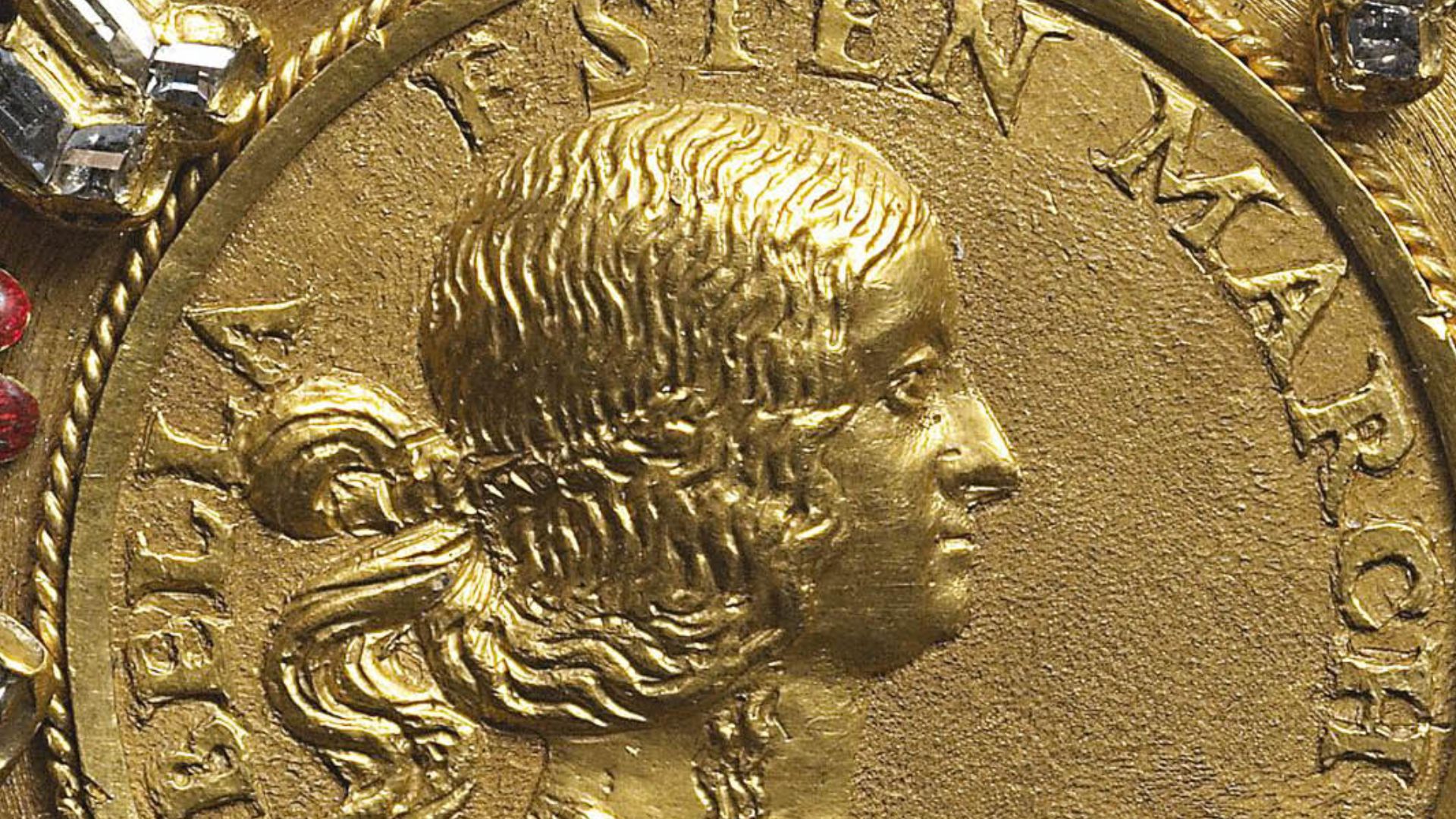
Isabella became fascinated with ancient Roman and Greek objects, helping fuel Renaissance Europe’s obsession with classical civilization. She purchased statues, cameos, coins, manuscripts, and inscriptions through agents across Italy. Her collecting habits influenced aristocratic tastes for generations and molded her image as a very influential Renaissance patron.
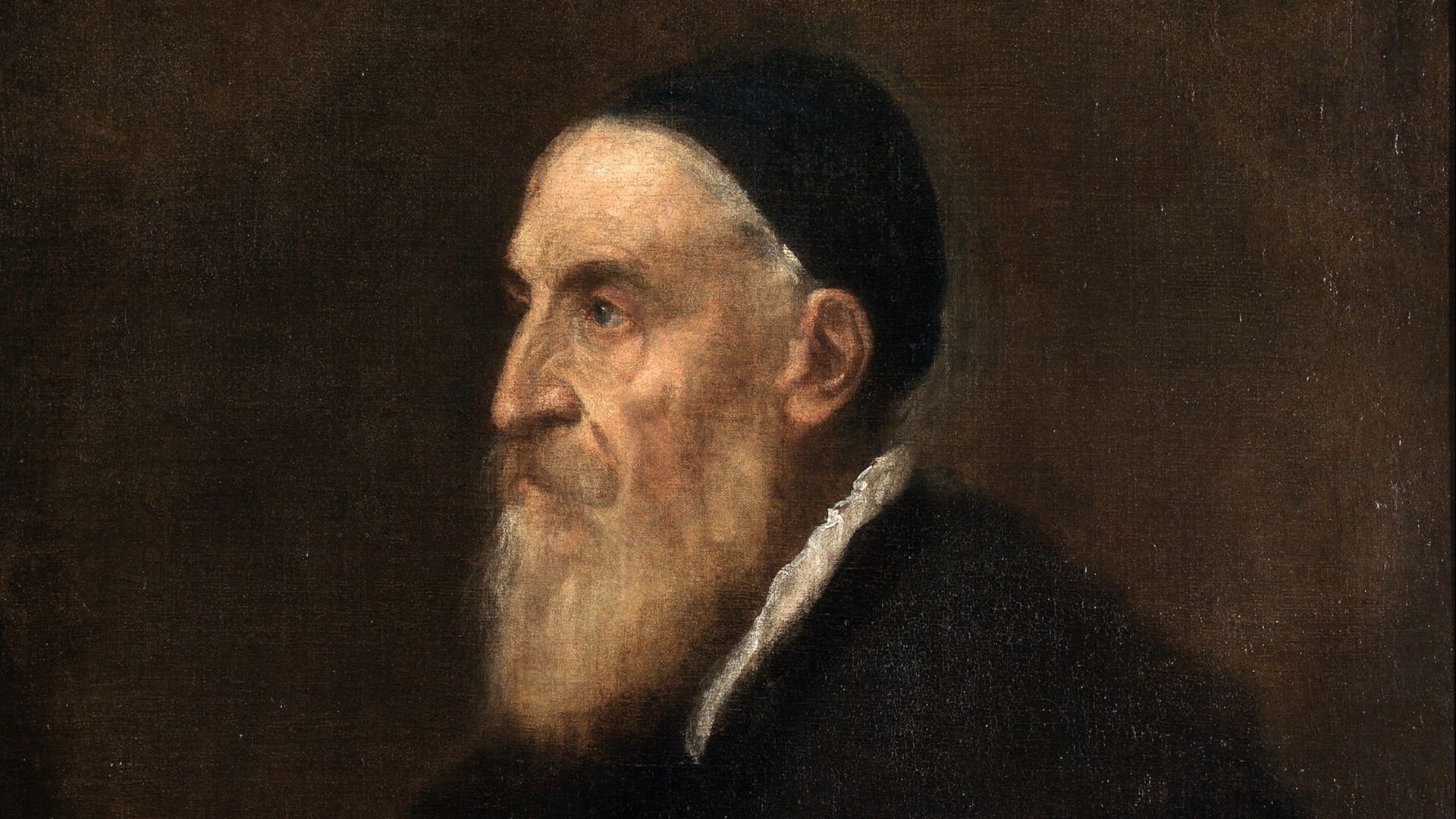
Titian Painted Her Idealized Beauty
By the 1530s, Isabella commissioned Titian to paint her portrait even though she was already in her sixties. Unsatisfied with realistic depictions, she requested an idealized youthful appearance instead. The resulting portrait demonstrated both her vanity and her deeper understanding of the importance of crafting a public image in the present and for the future.
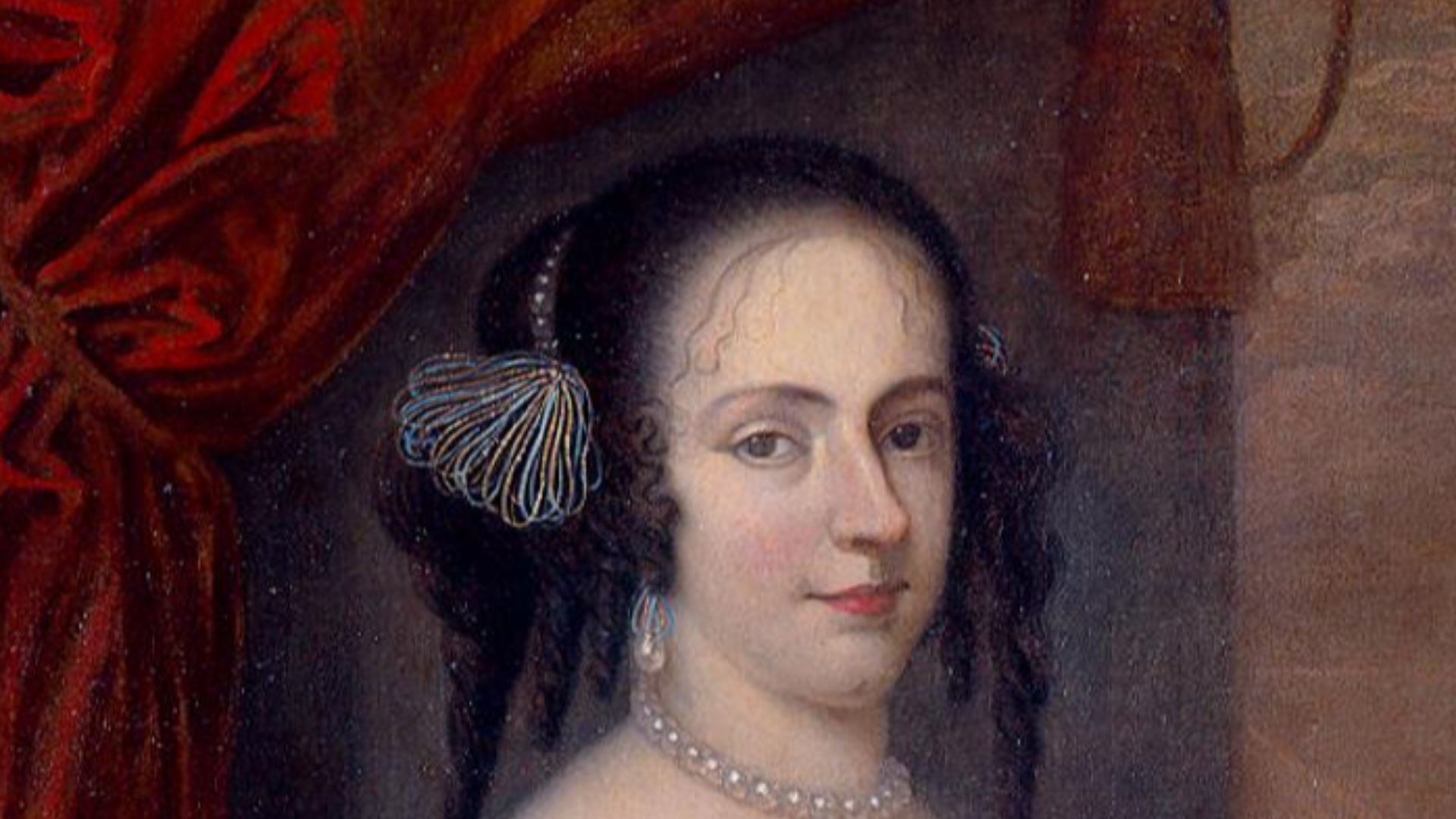
Women Rarely Held Such Influence
Renaissance Italy celebrated powerful male rulers publicly, but women usually only exercised influence indirectly through marriages, correspondence, patronage, and diplomacy. Isabella mastered these informal channels more successfully than almost any contemporary woman, showing how intelligence and cultural authority could partially overcome the gender limitations of her time.
 Frans Denys, Wikimedia Commons
She Negotiated With Kings And Popes
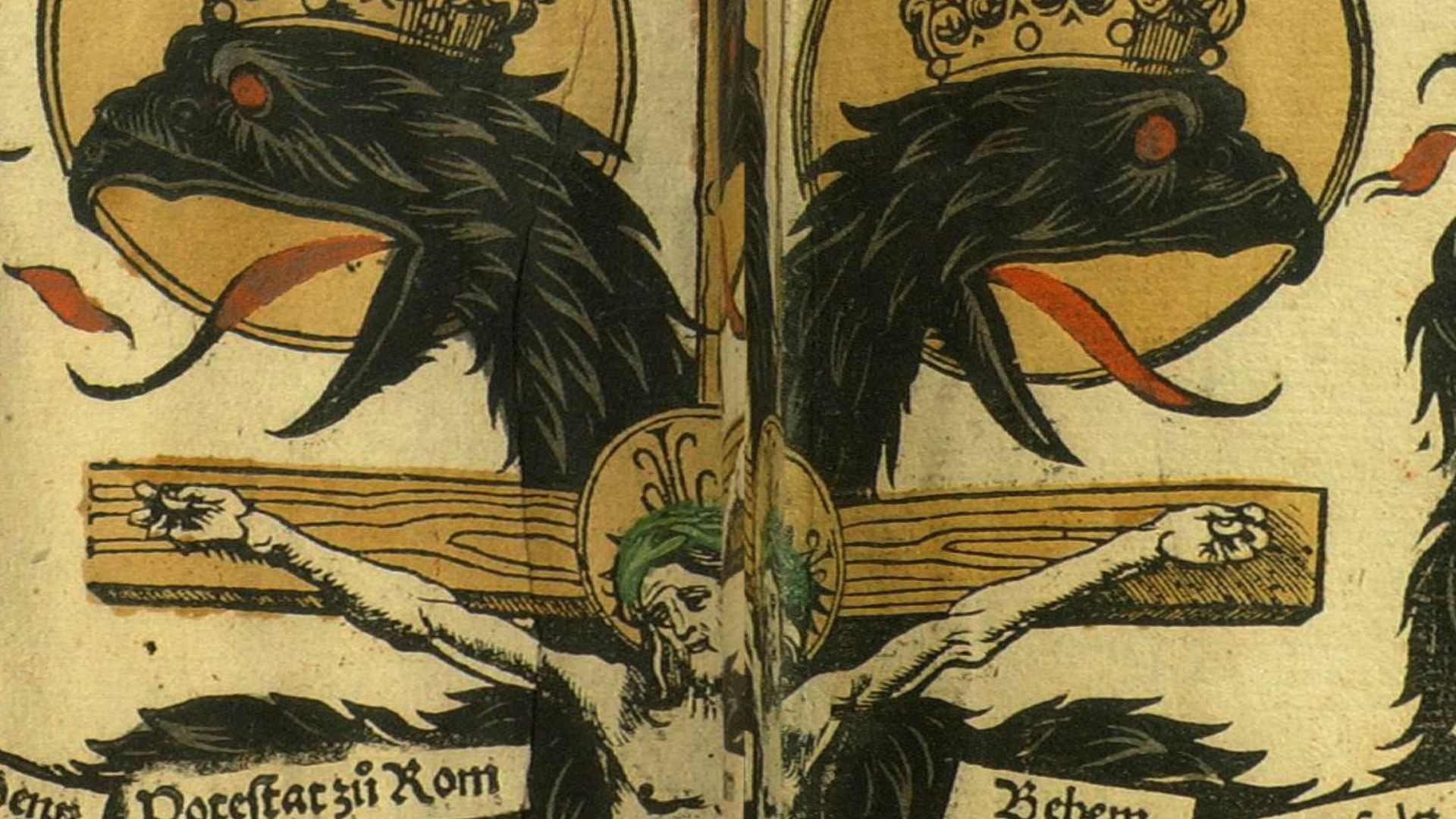
Throughout her life, Isabella corresponded with kings, cardinals, ambassadors, and popes. She skillfully balanced relationships between France, the Holy Roman Empire, Venice, Milan, and the Papacy during Italy’s chaotic wars. Her letters reveal a ruler constantly calculating risks, alliances, and opportunities for Mantua’s survival.
 Jost de Negker, Wikimedia Commons
Rome Descended Into Chaos
In 1527, catastrophe struck Italy when mutinous imperial troops brutally sacked Rome during the reign of Pope Clement VII. Thousands died while nobles, clergy, artists, and ordinary civilians desperately sought escape. Isabella soon found herself directly involved in one of the Renaissance’s darkest moments.
Titian, Public domain, via Wikimedia Commons
Isabella Sheltered Refugees
During the Sack of Rome, Isabella used her palace and political connections to shelter refugees fleeing violence and looting. Contemporary accounts praised her generosity and organizational skill during the crisis. While much of Italy descended into panic, Isabella again demonstrated the calm pragmatism that defined her leadership.
 Andrea Zennaro, Wikimedia Commons
She Protected Her Family’s Interests
Even amid humanitarian chaos, Isabella remained politically alert. She negotiated carefully with imperial representatives while protecting Mantua’s strategic position. Her ability to combine compassion with political calculation helped preserve her family’s status during an extraordinarily dangerous moment for Italian noble houses.
Her Son Became A Cardinal
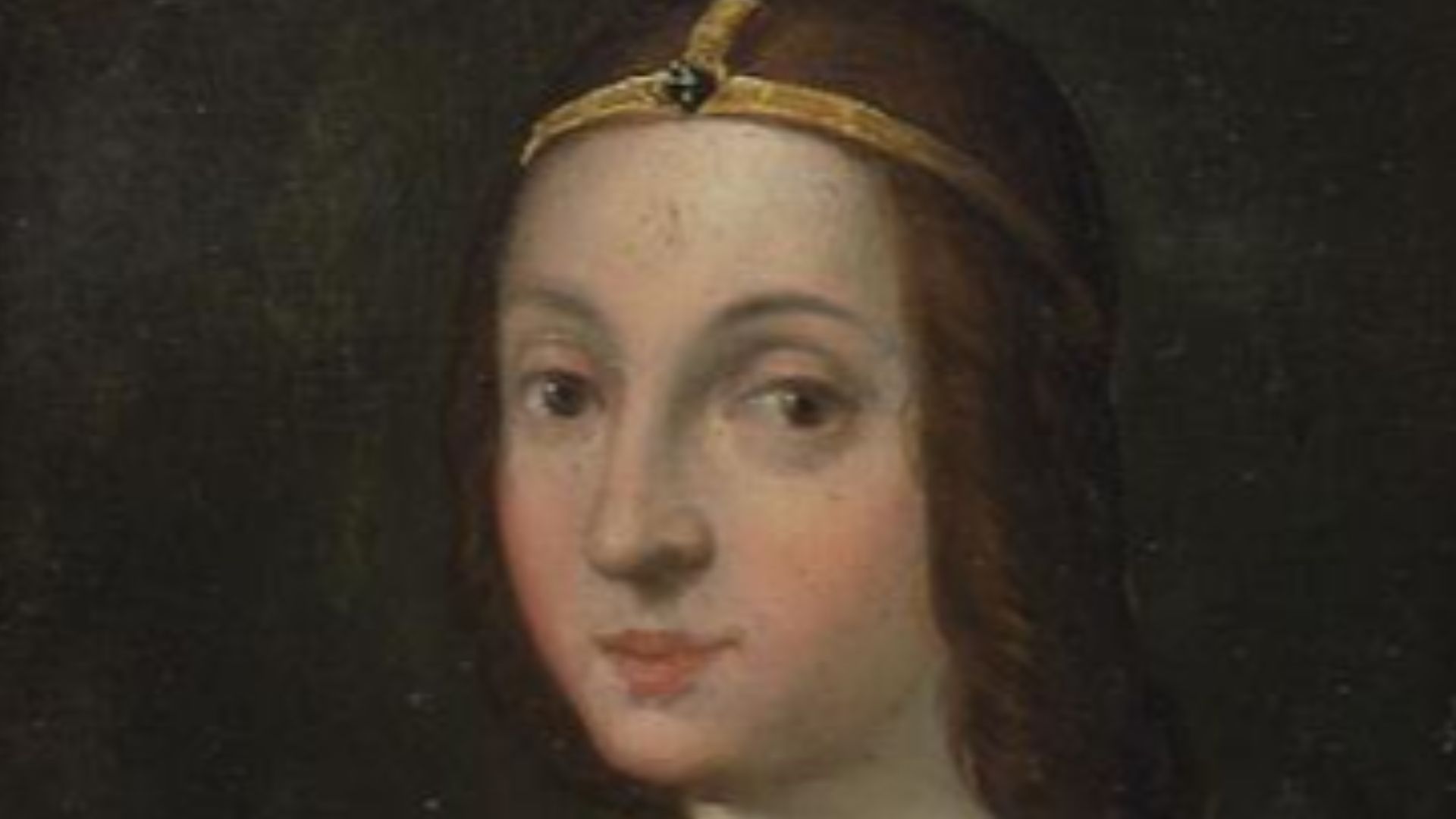
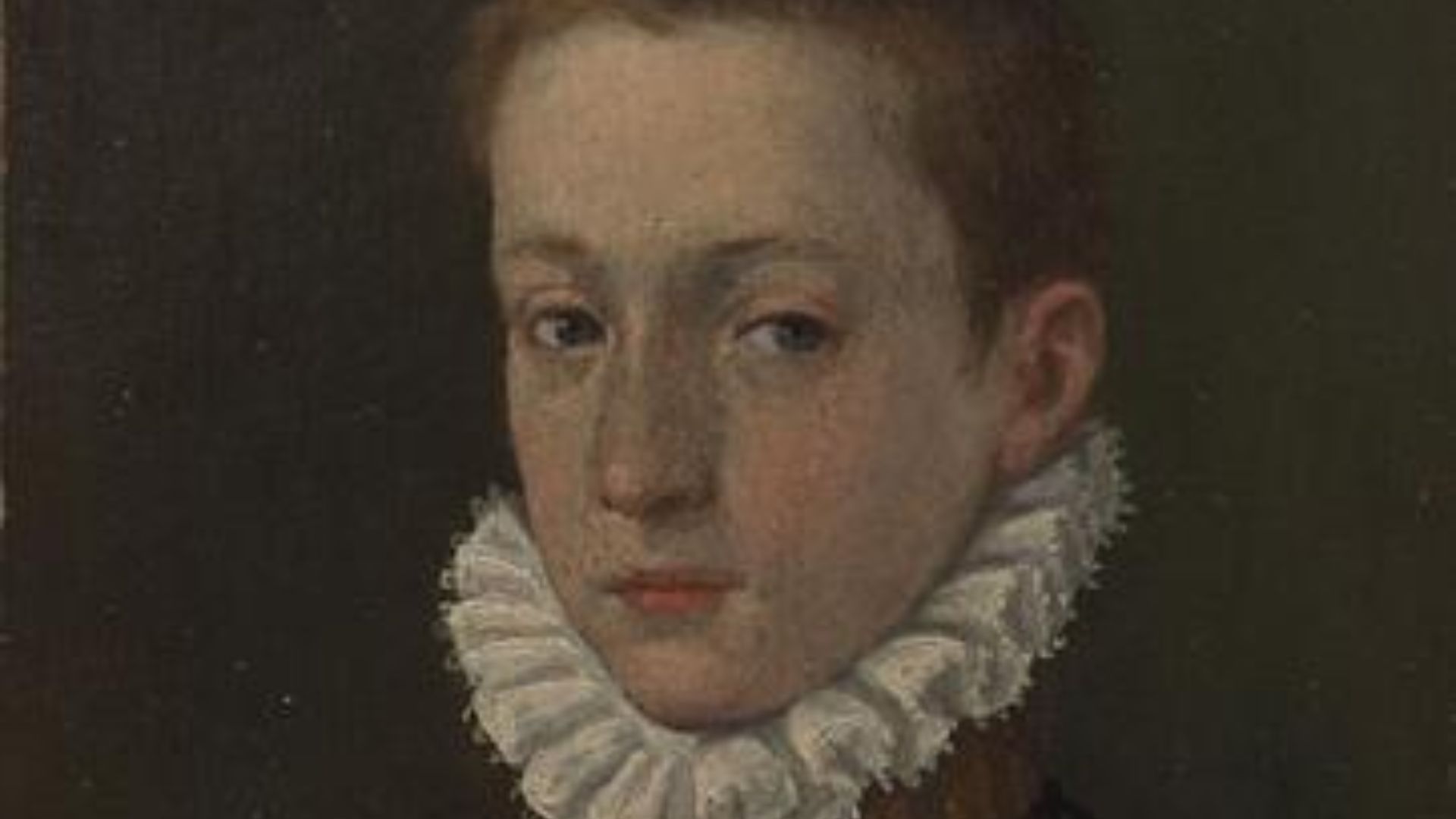
Isabella devoted enormous energy toward advancing her children’s careers, particularly her son Ercole Gonzaga. Through relentless lobbying and diplomacy, she helped secure his appointment as a cardinal. Family advancement remained central to Renaissance politics, and Isabella proved exceptionally effective at navigating those dynastic ambitions.
 AnonymousUnknown author, Wikimedia Commons
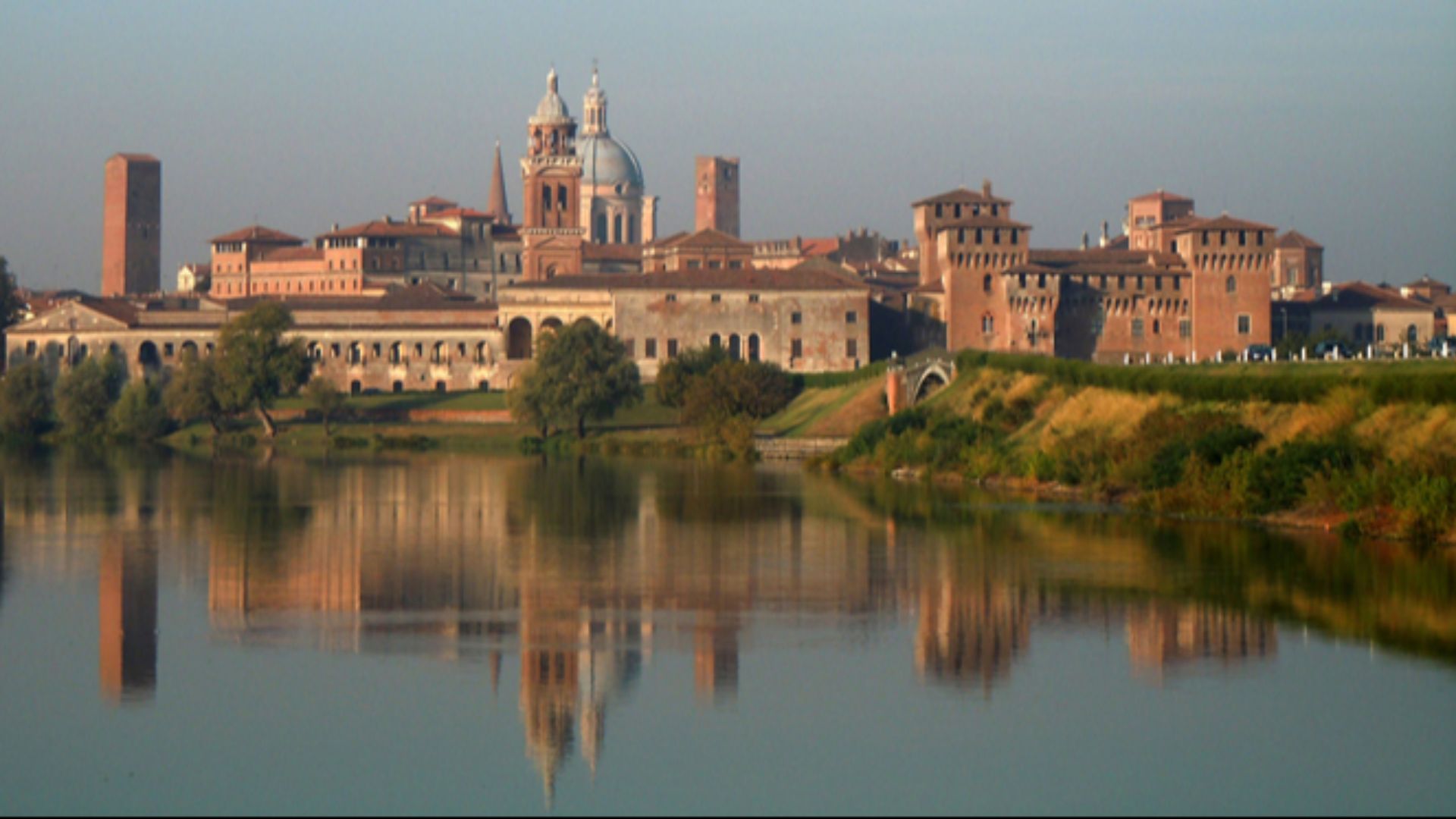
Mantua Became A Cultural Jewel
Under Isabella’s influence, Mantua evolved into one of Europe’s most admired artistic courts despite its relatively small size. Scholars, musicians, painters, poets, and diplomats passed through constantly. Visitors frequently remarked that Isabella herself seemed to embody the sophistication and ambition of the entire Italian Renaissance.
 Massimo Telò, Wikimedia Commons
Her Collection Spread Across Europe
After Isabella’s death, many works from her collections gradually dispersed across Europe through inheritance, sales, and political upheaval. Yet her influence endured in museums, archives, and Renaissance studies. Many masterpieces associated with Mantua still carry traces of Isabella’s exacting tastes and personal direction.
She Never Stopped Managing Details
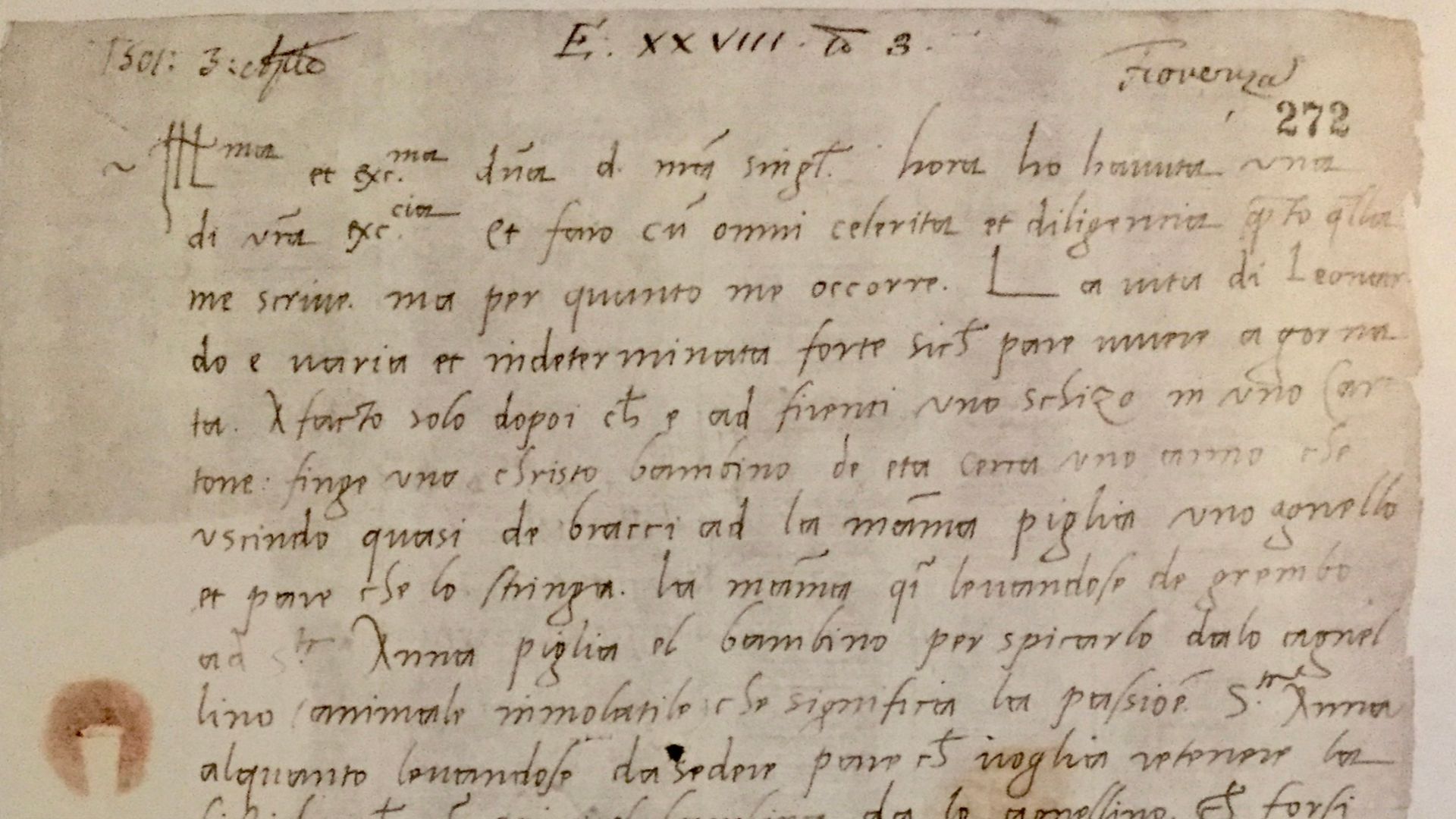
Even late in life, Isabella remained deeply involved in finances, court management, diplomacy, and artistic commissions. Her surviving correspondence shows relentless attention to detail. Whether discussing military threats or decorative fabrics, Isabella approached nearly every issue strategically, reinforcing her reputation as an unusually disciplined ruler.
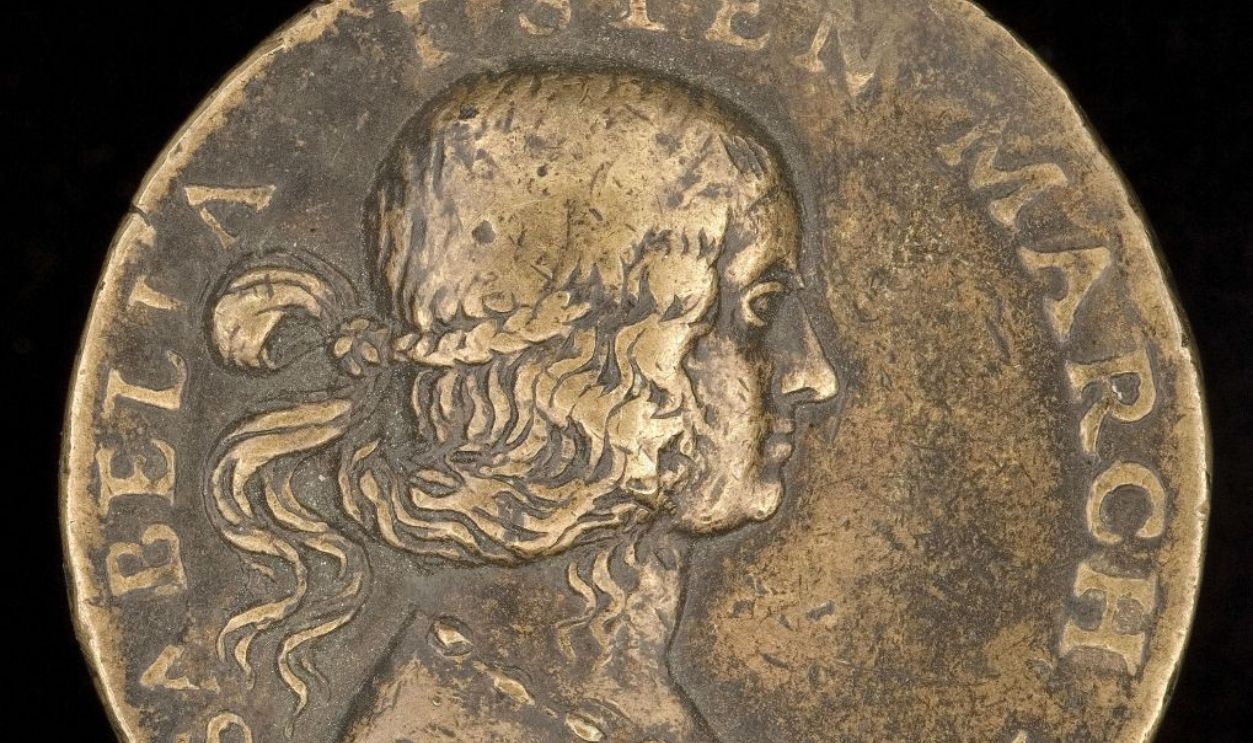
Isabella Outlived Many Rivals
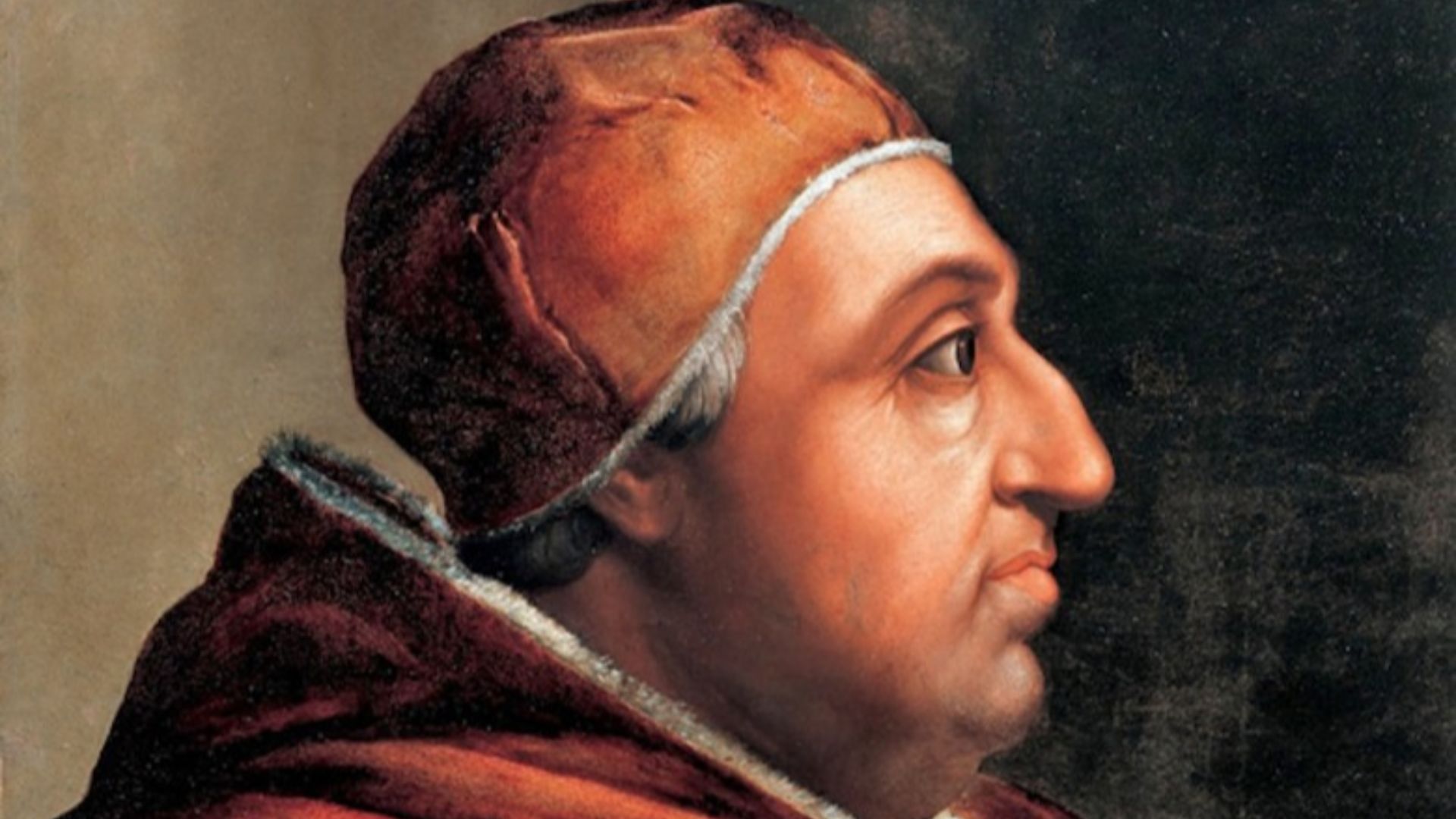
By the 1530s, Isabella had outlasted numerous rivals including Francesco Gonzaga, Pope Alexander VI, Cesare Borgia, and many earlier Renaissance power brokers. Italy itself had changed dramatically during her lifetime. Foreign empires increasingly dominated the peninsula, but Isabella remained one of its most respected surviving aristocrats.
 Cristofano dell'Altissimo, Wikimedia Commons
Her Reputation Spread Beyond Italy
Writers and diplomats across Europe praised Isabella’s intelligence, style, and political sophistication. Some referred to her as “The First Lady of the Renaissance.” Although partly flattering rhetoric, the title reflected genuine admiration for her rare combination of cultural influence and practical political ability.
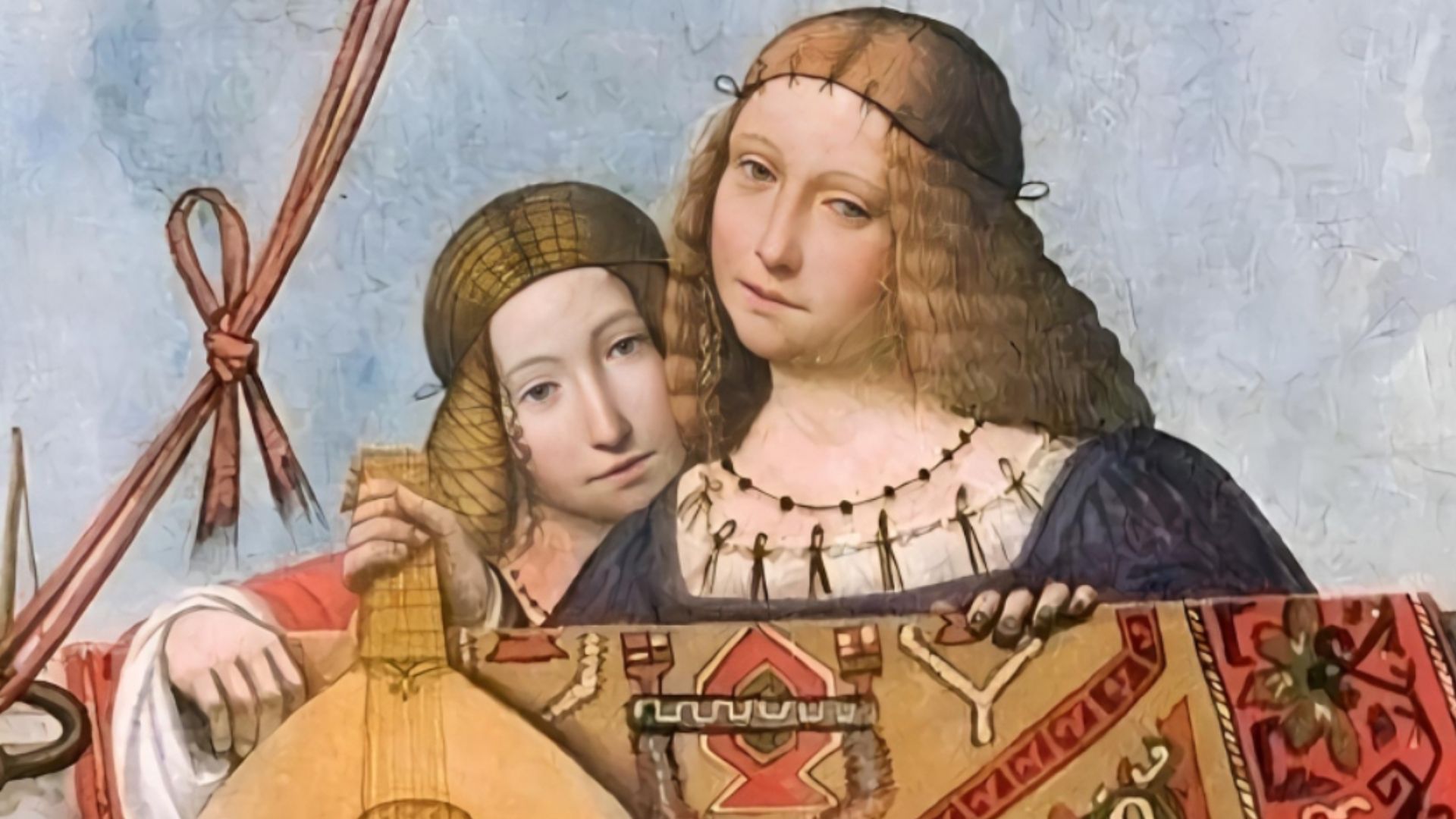 Benvenuto Tisi, Wikimedia Commons
Isabella D’Este Died In 1539
Isabella d’Este died on February 13, 1539, at age 64. She left behind one of the Renaissance’s most extensive collections of correspondence, artwork, and political records. Those documents preserved not only her accomplishments, but also a vivid portrait of Renaissance Italy itself.
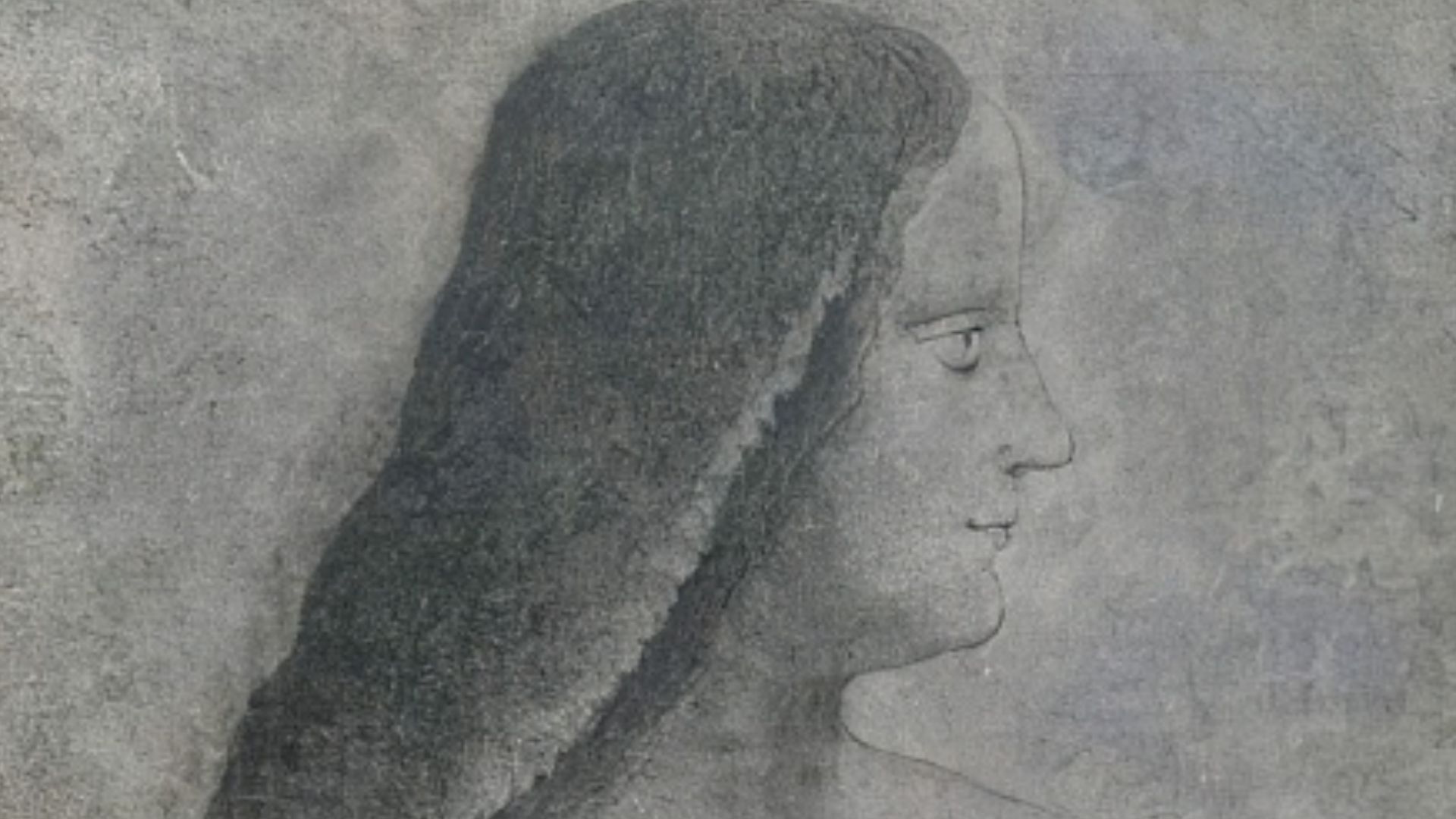
Her Rivalry With Lucrezia Never Fully Ended
Historians still compare Isabella d’Este with Lucrezia Borgia as competing models of Renaissance womanhood. Lucrezia became associated with scandal, legend, and sexual manipulation of men; while Isabella represented intellect, diplomacy, and artistic sophistication. The two women represented different ways of dealing with the ruthless competition of Renaissance aristocratic life.
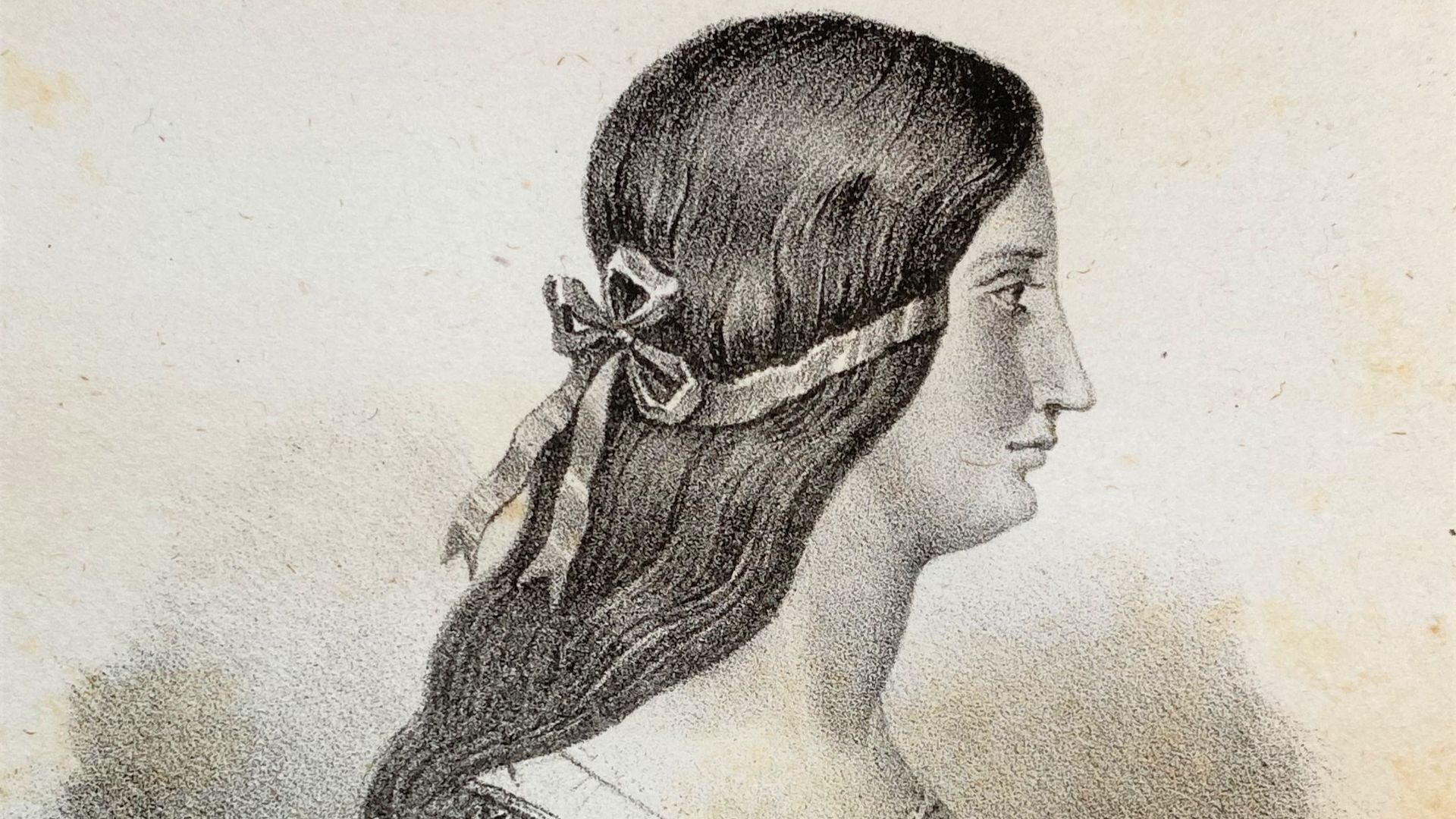 P. Berlotti & Laure Junot Abrantès, Wikimedia Commons
Machiavelli In Skirts
Although Niccolò Machiavelli never centered Isabella d’Este in his book The Prince (1532), many historians have noted how her political behavior reflected the book’s core principles. Like Machiavelli’s Prince, Isabella balanced appearances with ruthless practicality, cultivated prestige through art and spectacle, and shifted alliances when necessary for her own survival.
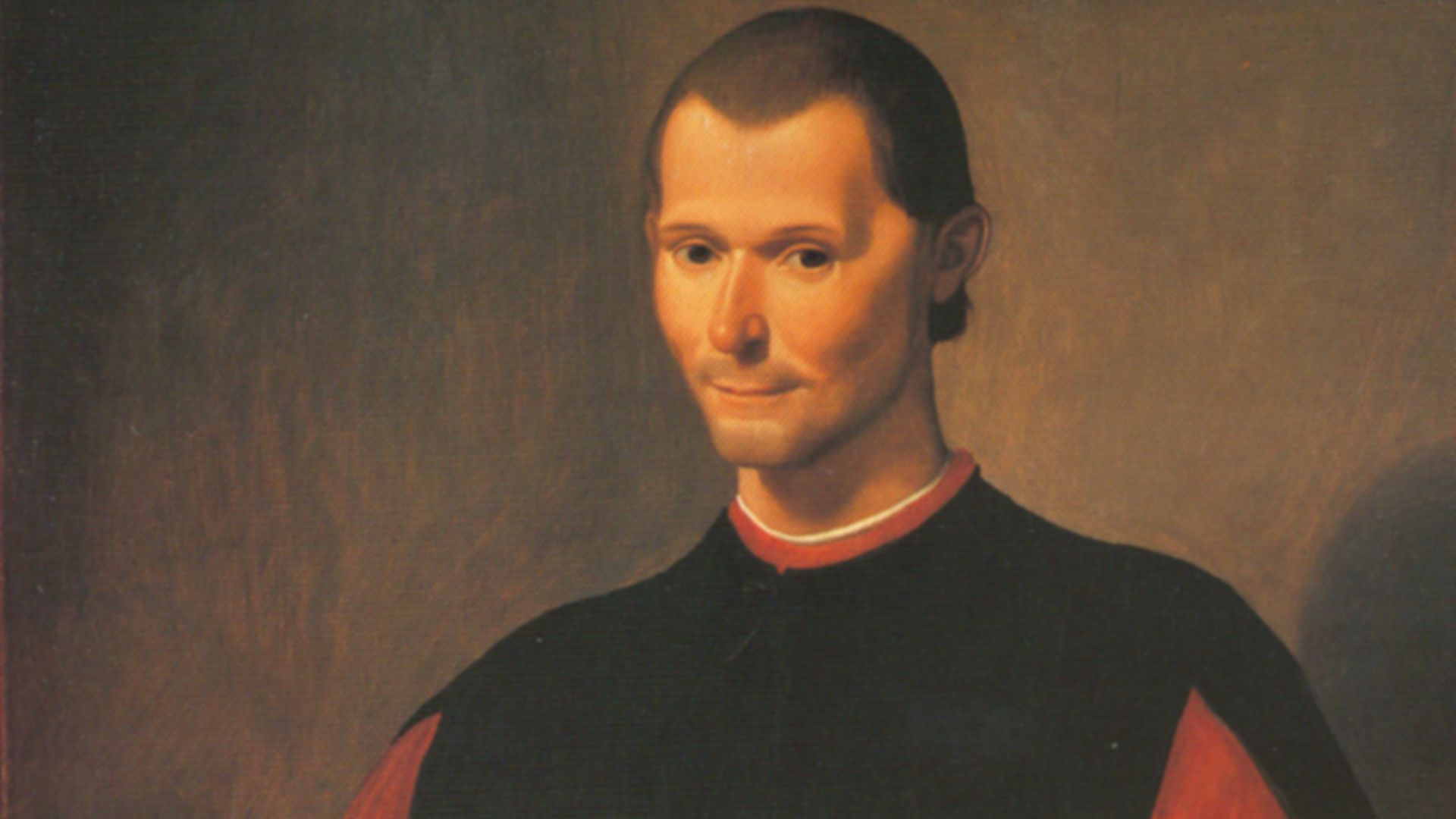 Santi di Tito, Wikimedia Commons
Artists Remembered Her Forever
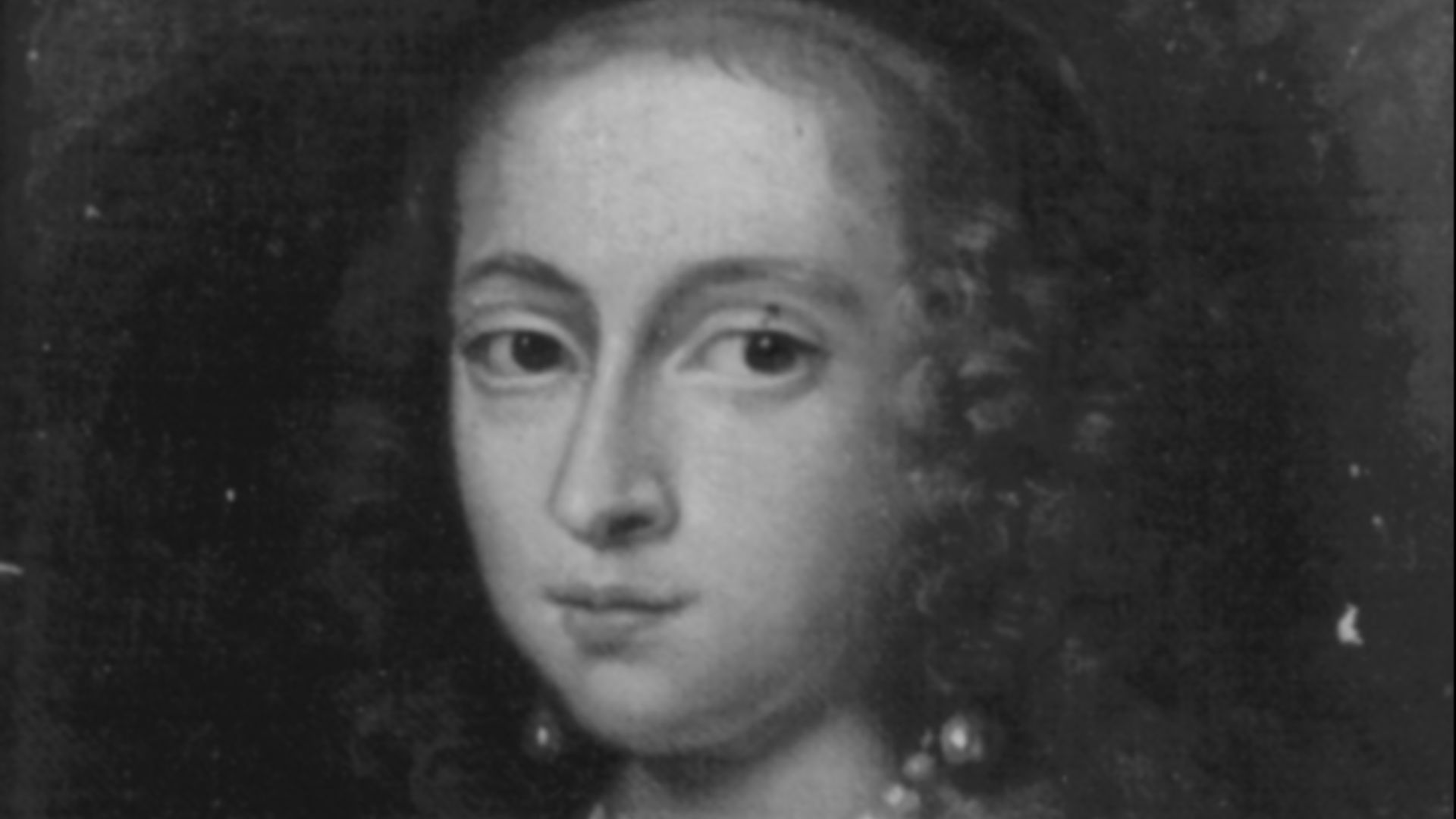
Many rulers funded artists during the Renaissance, but relatively few of these people actually shaped artistic culture as personally and obsessively as Isabella did. Her patronage influenced painting, collecting, interior design, music, and court culture across Europe. Long after Mantua fell into decline, Isabella’s artistic legacy continued to grow.
 AnonymousUnknown author, Wikimedia Commons
She Turned Taste Into Power
Isabella d’Este understood something that a lot of other rulers missed: cultural prestige could strengthen political authority as effectively as armies or wealth. By mastering diplomacy, patronage, fashion, and court spectacle simultaneously, she transformed herself into one of the most formidable women of the Renaissance world.
You May Also Like:
The Renaissance Life Of Cecilia Gallerani
Enlightened Facts About The Renaissance
Infamous Facts About Lucrezia Borgia, The Black Widow Of Rome