A Global Superstar With A Secret
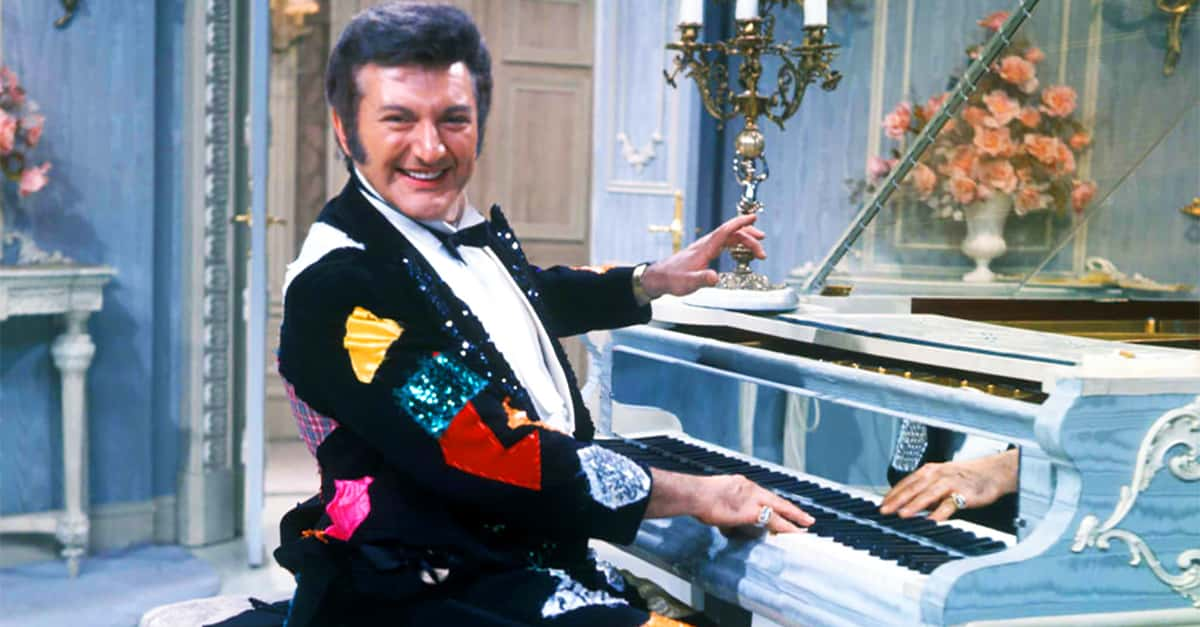
Liberace came from humble beginnings but went on to redefine the very character of showmanship and performance. Behind his lavish lifestyle and flamboyant persona, however, he could never truly reveal the person he really was.
1. He Was A Midwesterner
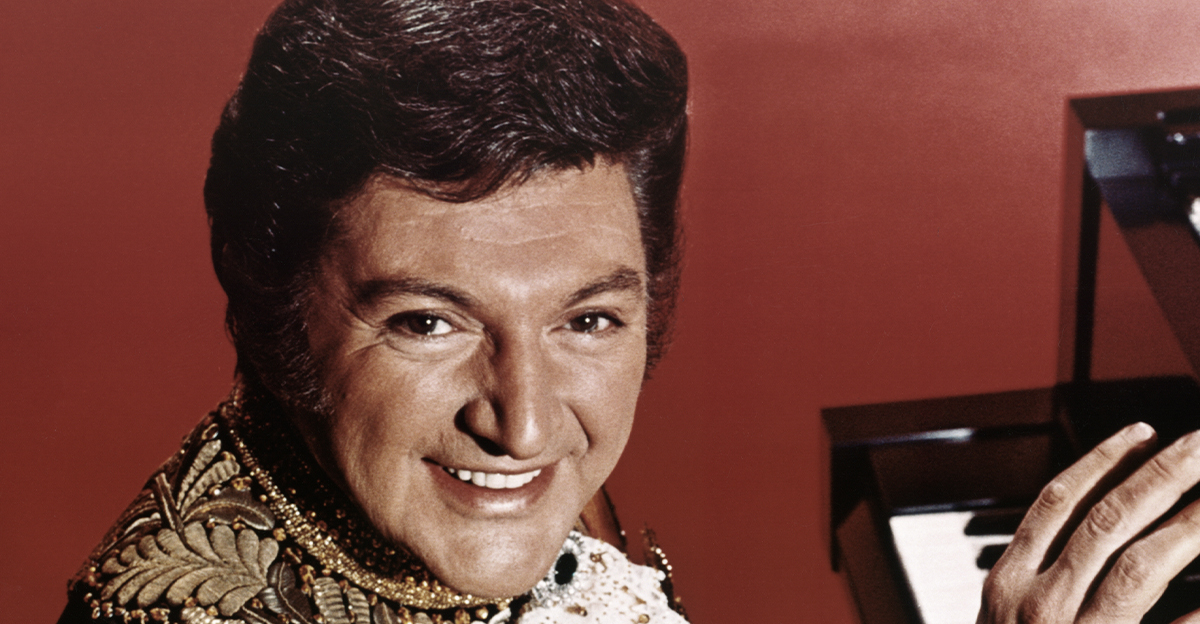
Władziu Valentino Liberace was born on May 16, 1919, in West Milwaukee, Wisconsin. His father, Salvatore “Sam” Liberace, was born in Italy and his mother, a Wisconsinite, had Polish ancestry. Tragedy would define the beginning of the young Liberace’s life.
 Allan warren, Wikimedia Commons
2. He Had A Twin
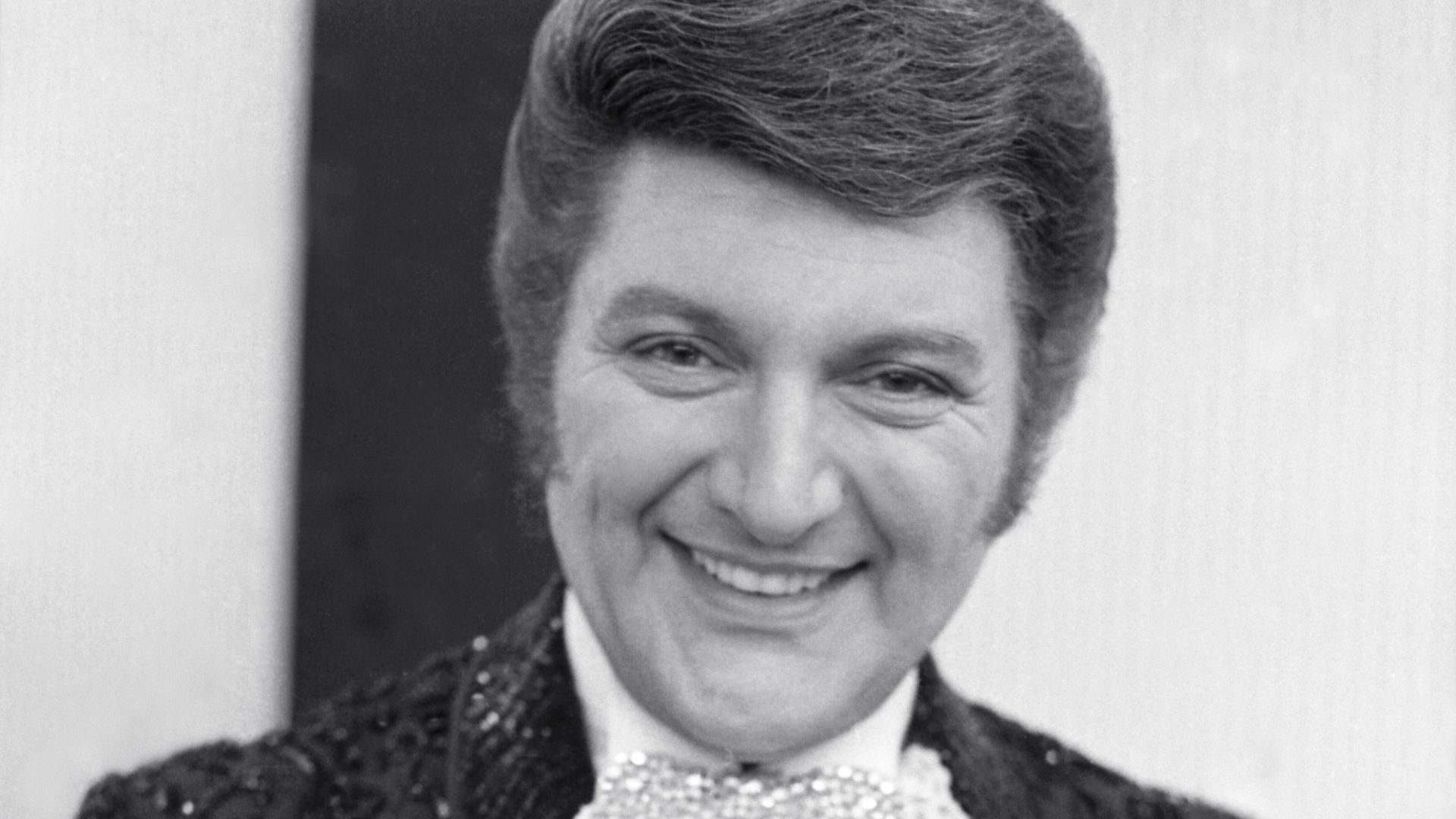
Liberace was one of a pair of identical twins. Devastatingly, however, his twin brother did not survive birth. Liberace never spoke much of his sibling with whom he shared a womb, but perhaps he later felt he had to exude personality enough for the two of them. He also felt he needed to get rid of that strange-looking Polish name.
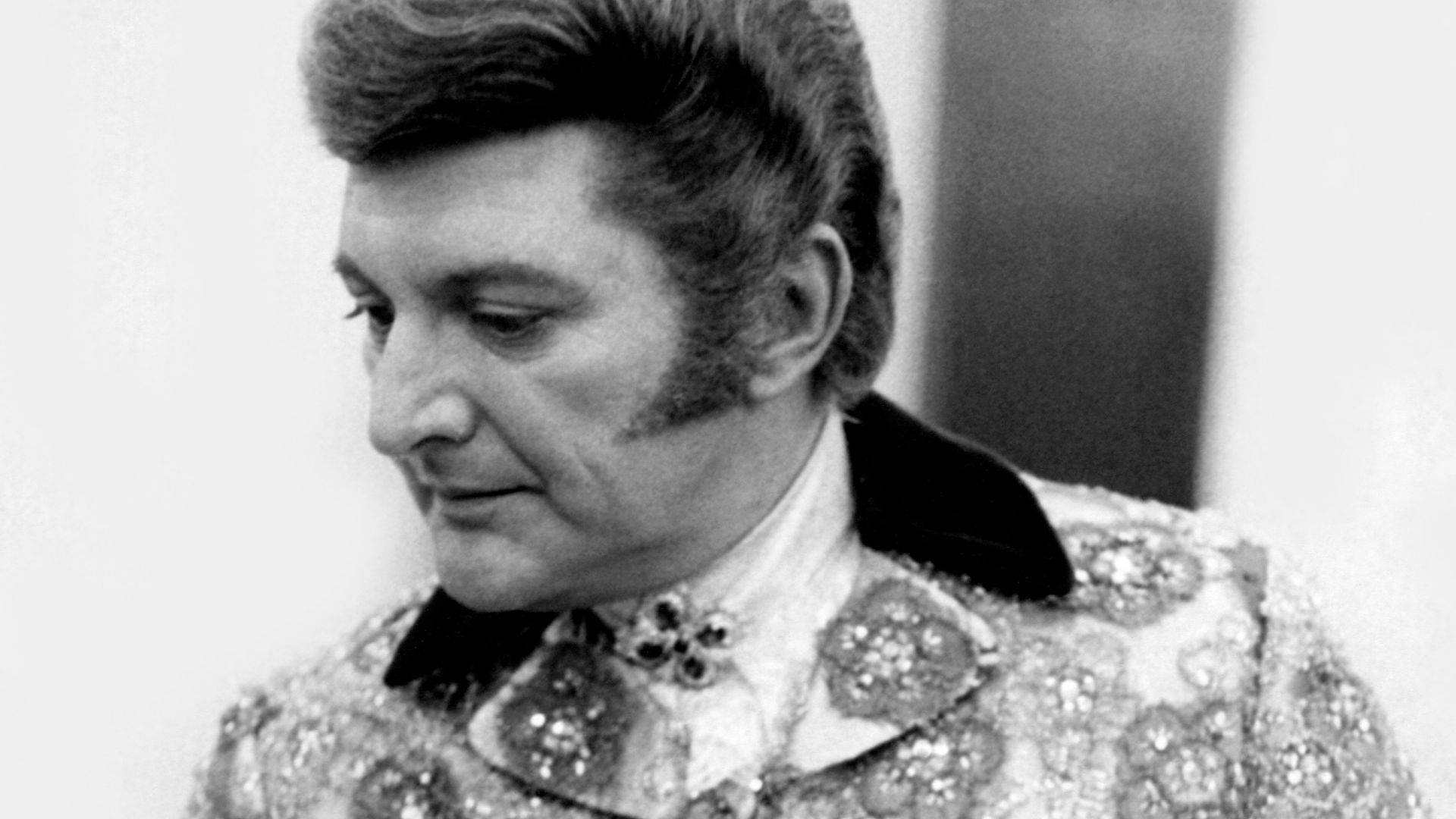 Allan warren, Wikimedia Commons
3. He Had Early Nicknames
Later famous for going by a singular moniker, Liberace was never crazy about his given birth name to begin with. Day-to-day, his family referred to him in the Anglicised version of his name, Walter. To his friends, he was Lee. But be it Walter, Lee, or Liberace, the young man had destiny written in his genes.
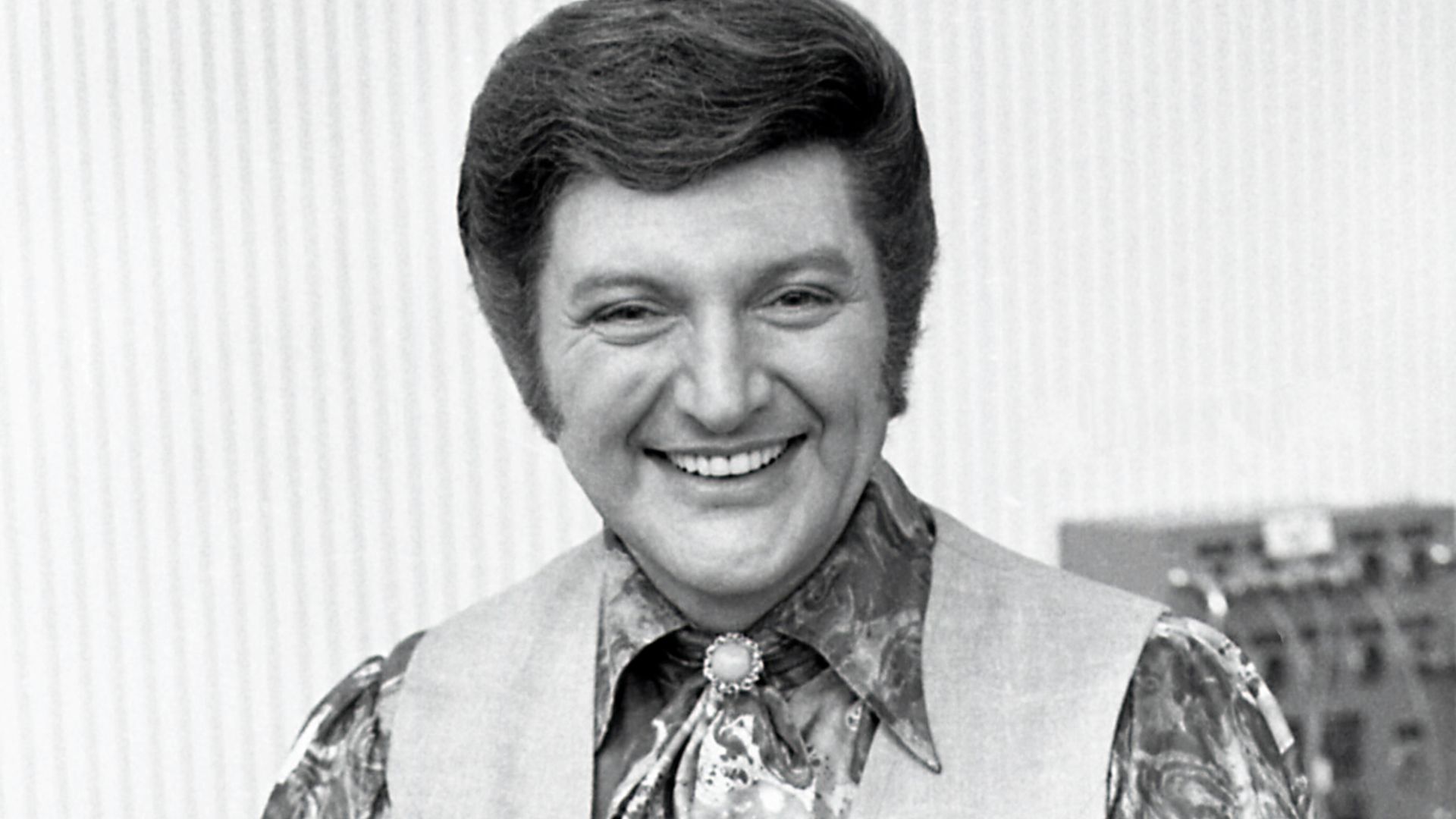 Allan warren, Wikimedia Commons
4. He Came From A Musical Family
Liberace’s father, Sam, was a talented musician, who played French horn in bands and in cinemas, giving his son early exposure to performance. Liberace’s brother, George, was also a talented violinist, and his mother had been a concert pianist before her marriage. Music proved to be a point of contention for the Liberace family, however.
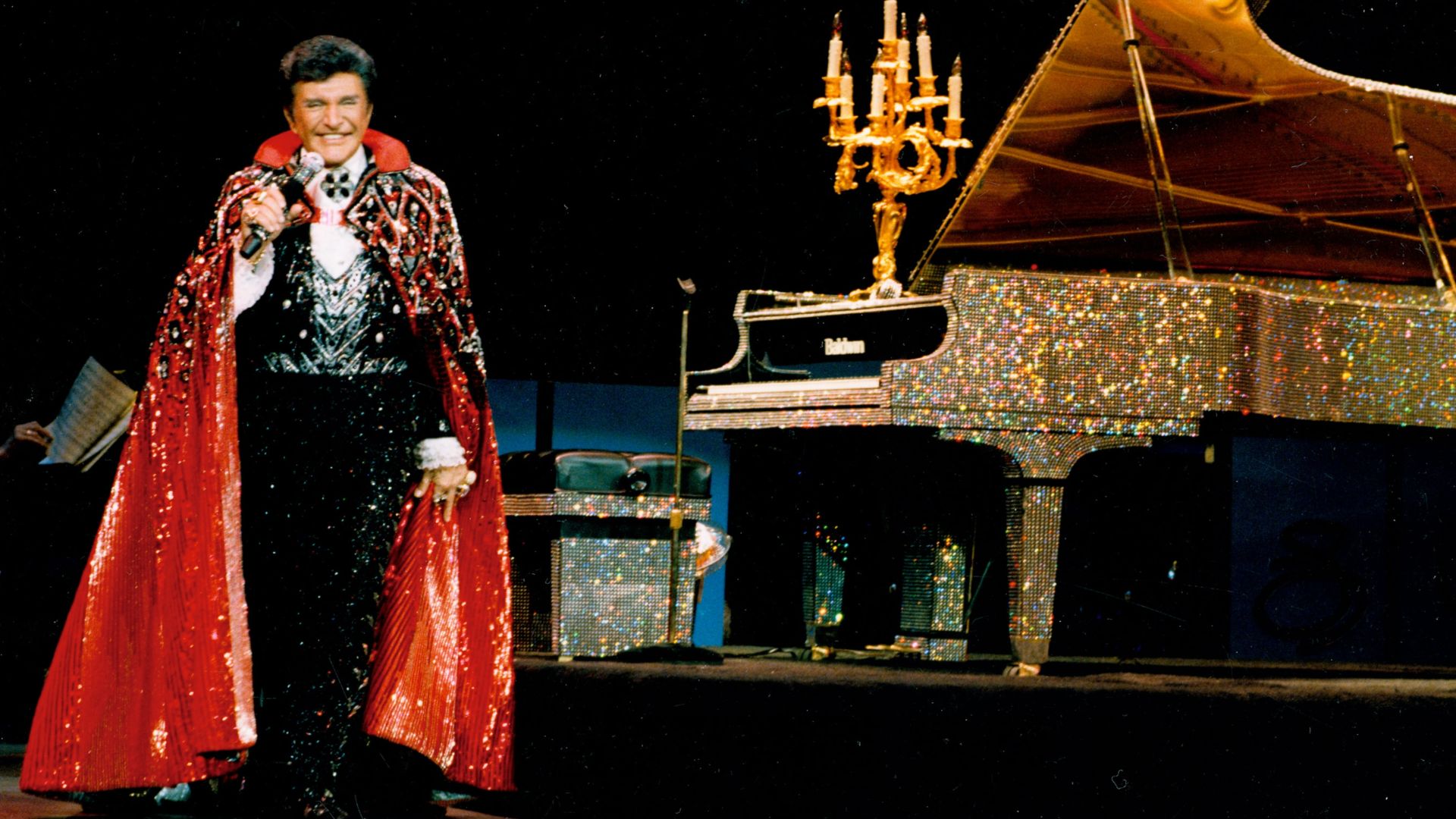 Unknown authorUnknown author or not provided, Wikimedia Commons
5. His Parents Disagreed
Liberace’s father strongly encouraged music in his children, but his mother was not as enthusiastic. She viewed music lessons and record players as excessive luxuries and a waste of resources, a stance which caused many disputes with her husband. Sam won out in the end though, and his son showed how closely the apple had fallen from the tree.
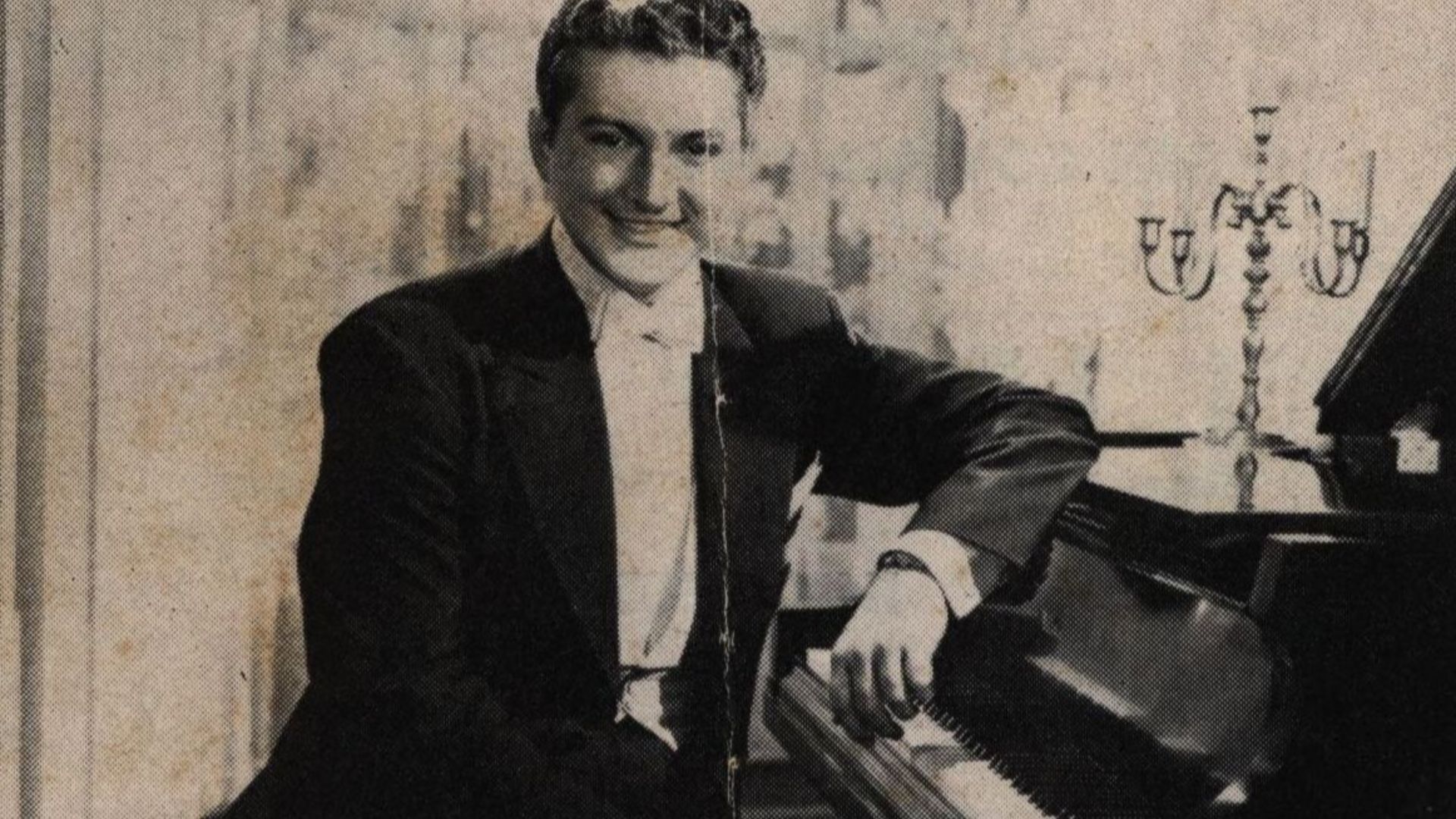 Columbus Metropolitan Library, Wikimedia Commons
6. He Was An Early Prodigy
At the age of four, Liberace began playing the piano. His incredible talent was obvious early on, and by the age of seven, the young prodigy could memorize incredibly difficult pieces. It was not surprising, considering the pressure he was under.
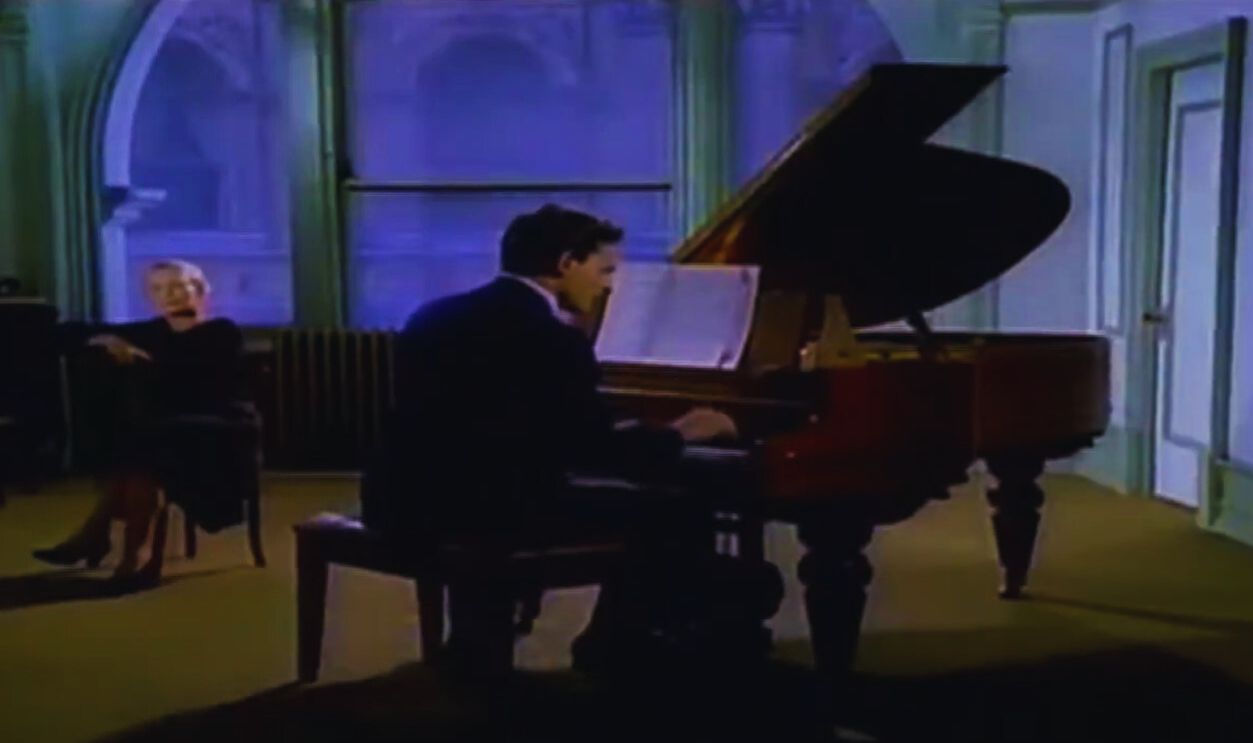 Screenshot from Liberace: Behind the Music, CBS (1988)
7. His Father Was Tough
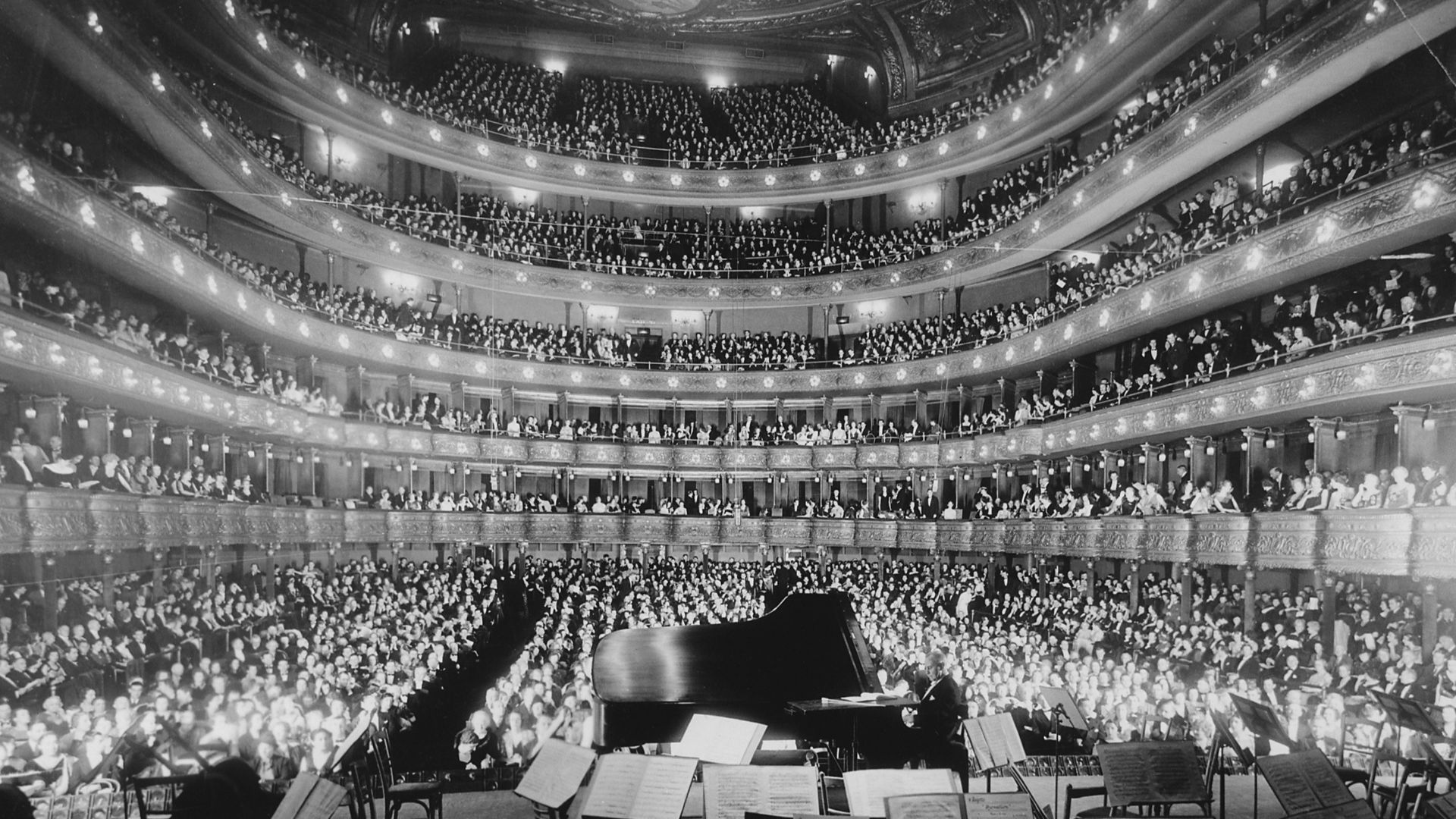
With great encouragement came great stress from Liberace’s father. While Sam took his children to many concerts to expose them to music, he also laid the pressure on hard, demanding very high standards from his kids in practice and performance. And as if things weren’t difficult enough at home, the young Liberace was having a tough time in school too.
 Unknown authorUnknown author or not provided, Wikimedia Commons
8. He Got Bullied
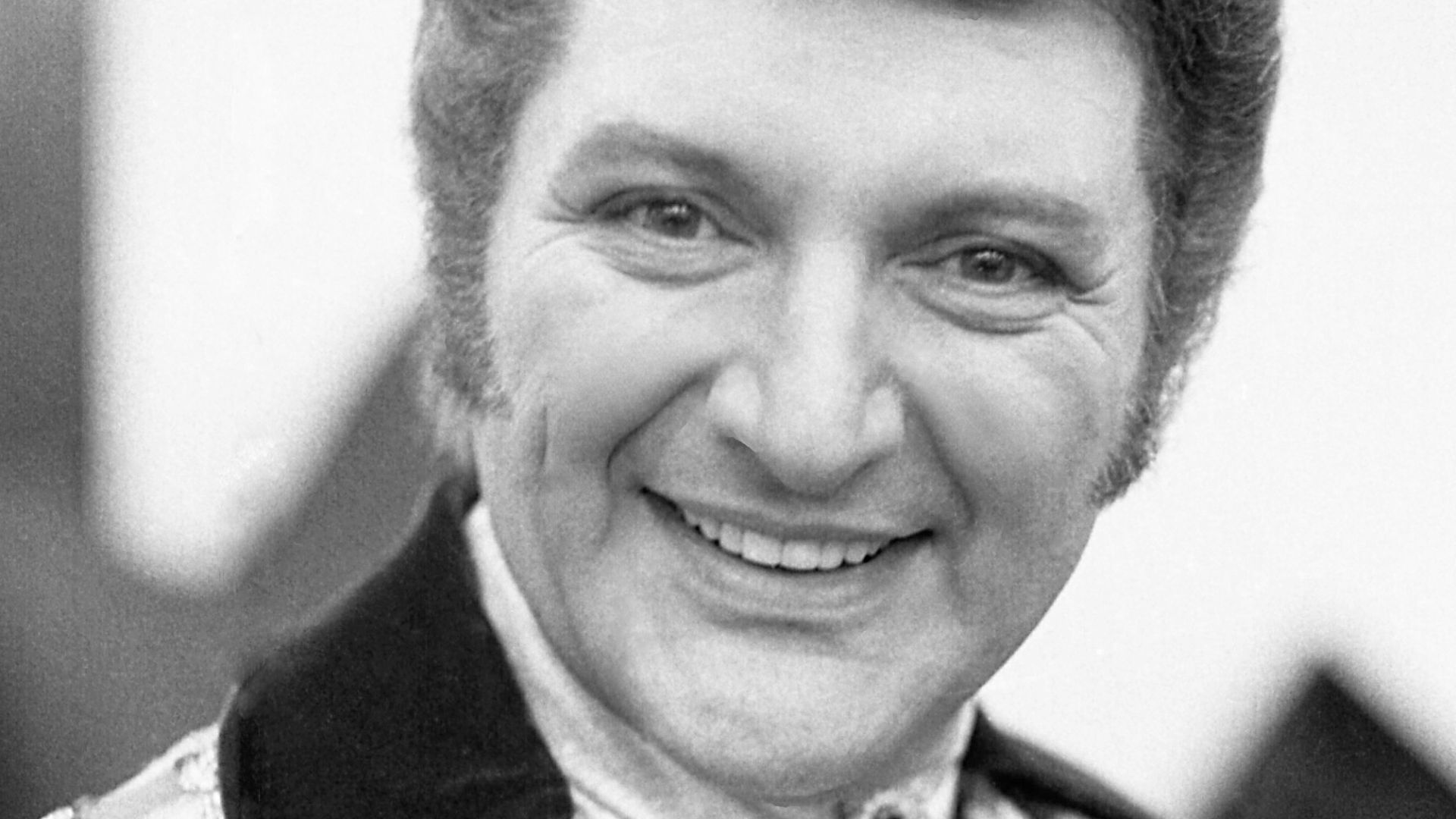
School was not easy for Liberace. He suffered from a speech impediment for which his peers intensely mocked him. As a teen, he had an effeminate personality which he was taunted relentlessly for, along with his neglect of traditionally “masculine” hobbies, like sports, in favor of music and cooking. But the young man’s commitment to honing his talent would soon pay off.
 Allan warren, Wikimedia Commons

History's most fascinating stories and darkest secrets, delivered to your inbox daily.
9. He Met His Idol
As a boy, Liberace was a big fan of Polish pianist Ignacy Jan Paderewski, whose virtuosic playing intoxicated the young prodigy. He even got a chance to meet Paderewski backstage at a concert. Liberace was so excited by the meeting that he vowed to pursue music as a career, completely committing his life to it. Paderewski later became his mentor, and Liberace never missed an opportunity to pay tribute to him. The young protégé had the talent. Now he needed the image.
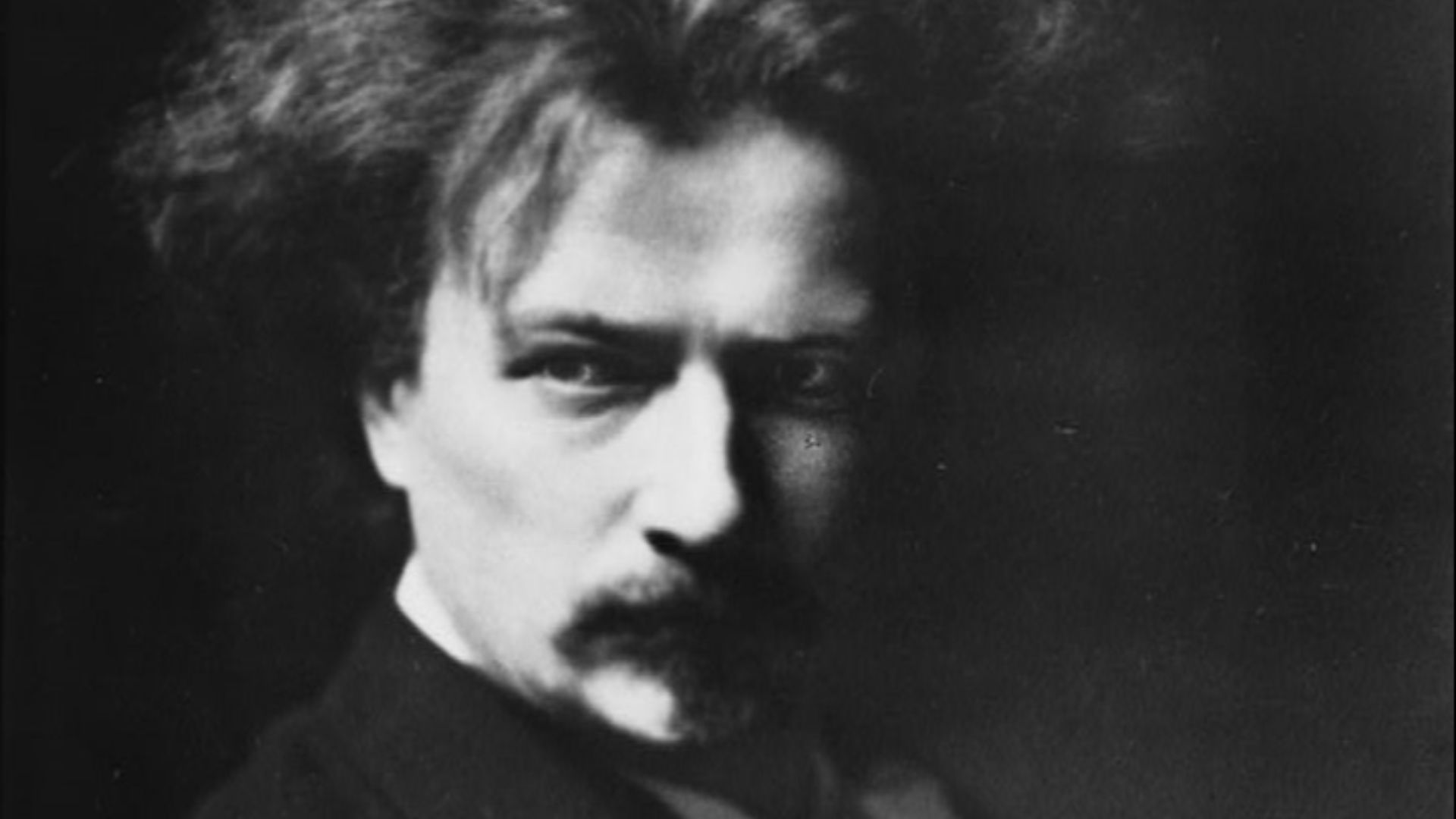 Genthe, Arnold, 1869-1942, photographer, Wikimedia Commons
10. He Adopted His First Stage Name
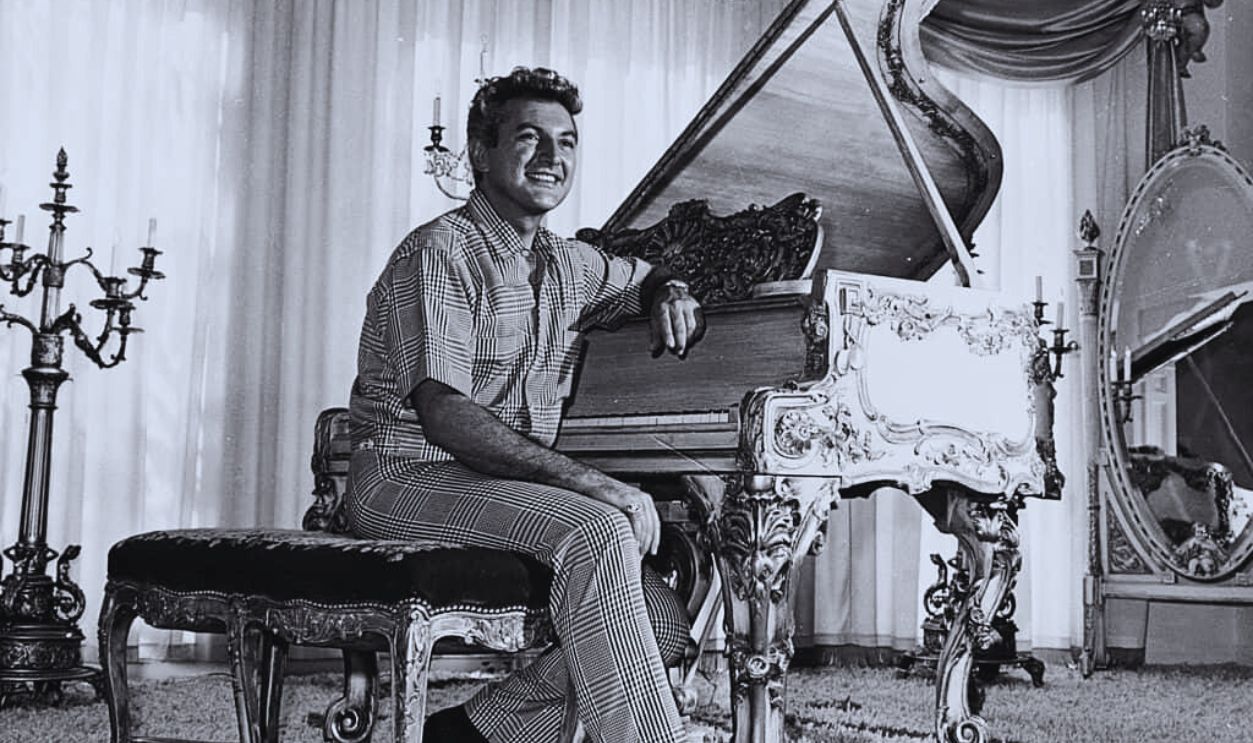
As he aged into a talented young man, Liberace began performing wherever he could, playing both classical and popular music on the piano in theaters, the radio, dancing classes, weddings, and even strip clubs. He started making a living performing, welcome income for his family during the Depression. He even adopted a stage name for a time, playing under the name Walter Busterkeys. He tweaked other aspects of his image too.
 Keystone Features, Getty Images
11. He Took On Other Interests
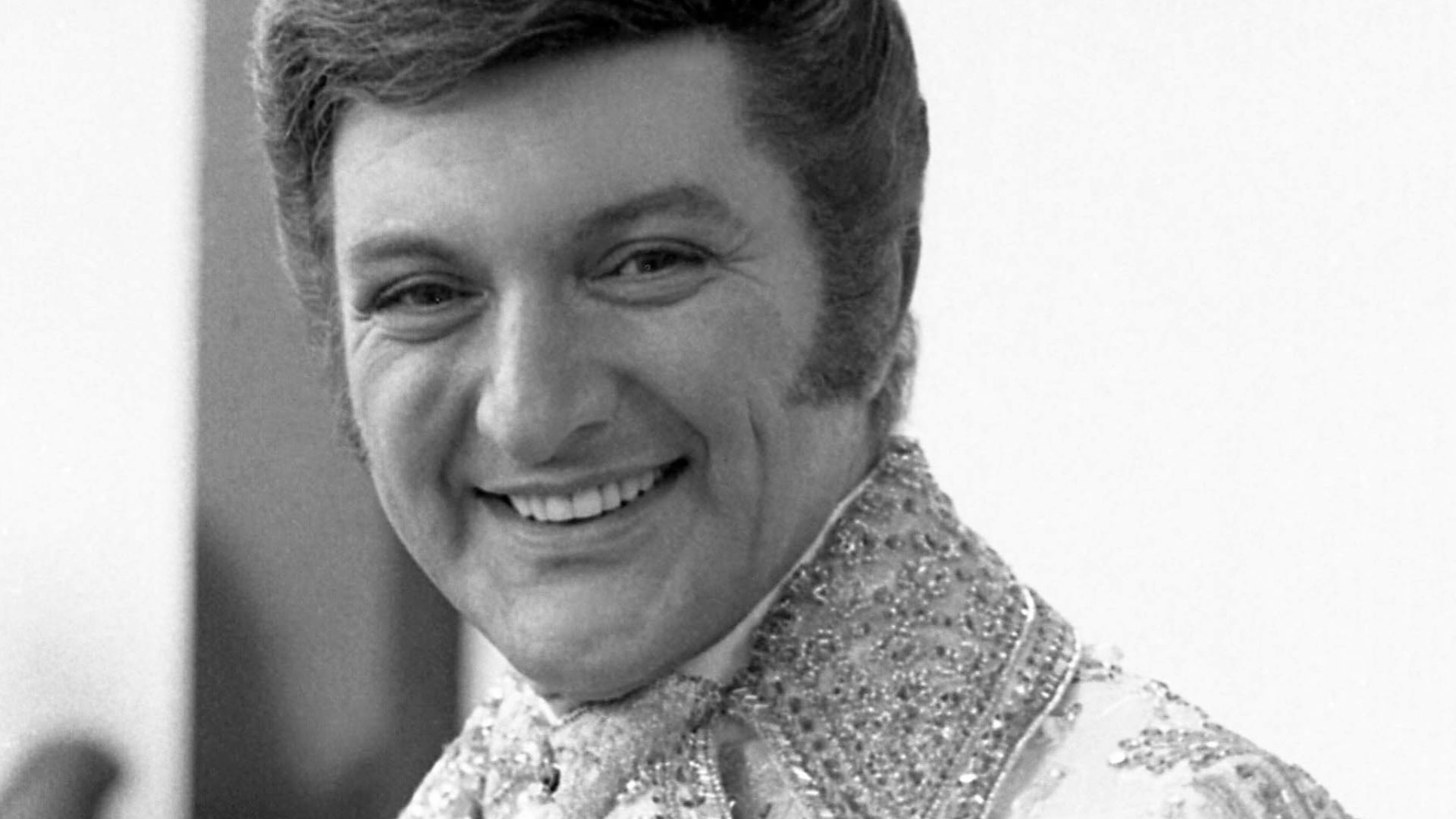
With an uptick in performances, Liberace expanded his horizons elsewhere too. He adopted several new hobbies, signalling a newfound interest in the visual arts through draftsmanship, design, and painting. Above all else though, he developed a keen interest in fashion, following trends closely and gaining a reputation as a meticulous dresser. And he used his image to his advantage.
 Allan warren, Wikimedia Commons
12. He Turned Weaknesses Into Strengths
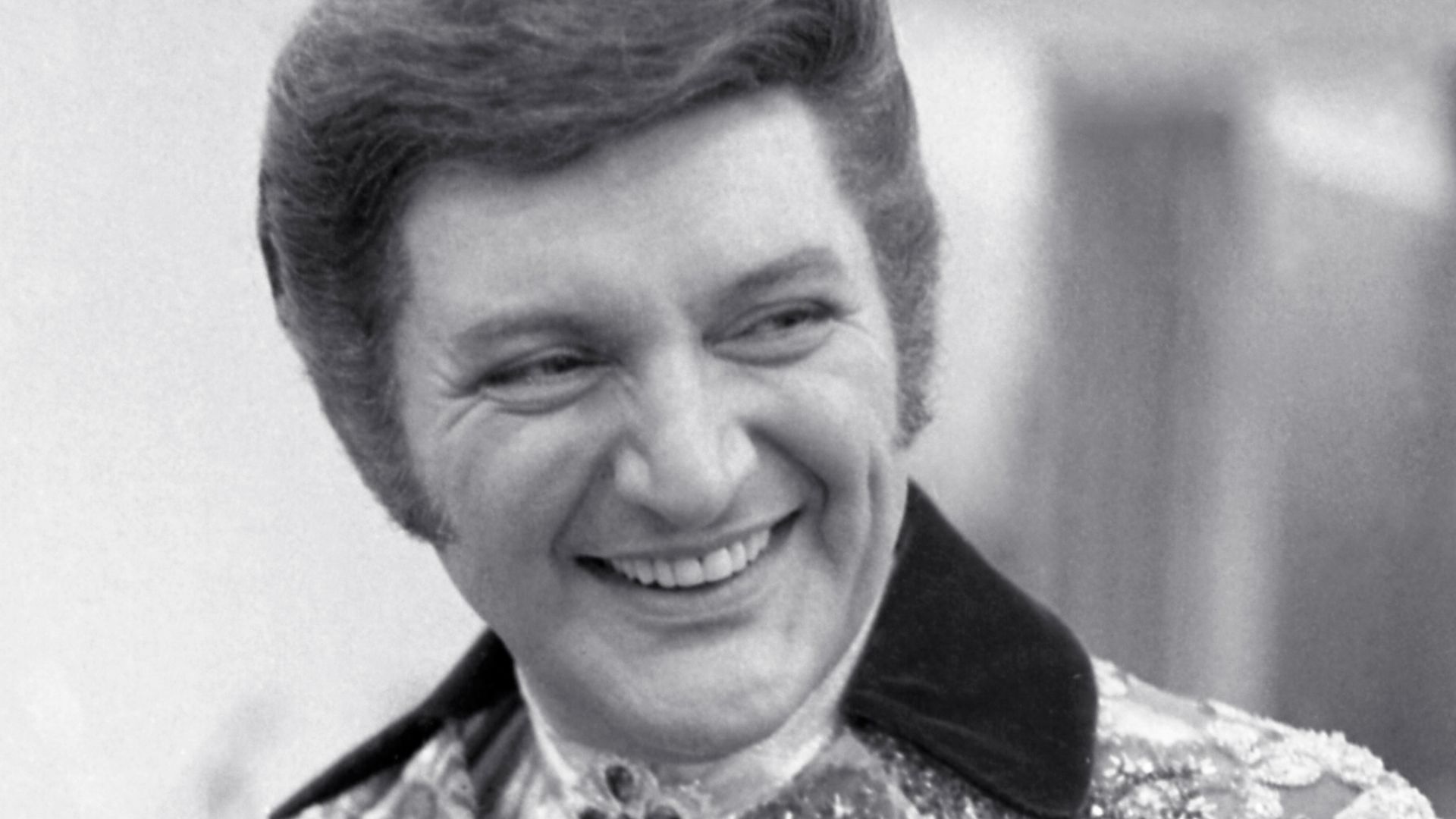
Liberace, still in school, began leaning into his unorthodox image, skillfully turning his previously mocked eccentricities into attention-grabbing stunts. Despite still receiving some ridicule, the young man gained increasing popularity among his schoolmates for his unbridled individuality. His act needed an unstiffening too.
 Allan warren, Wikimedia Commons
13. He Found His Own Style
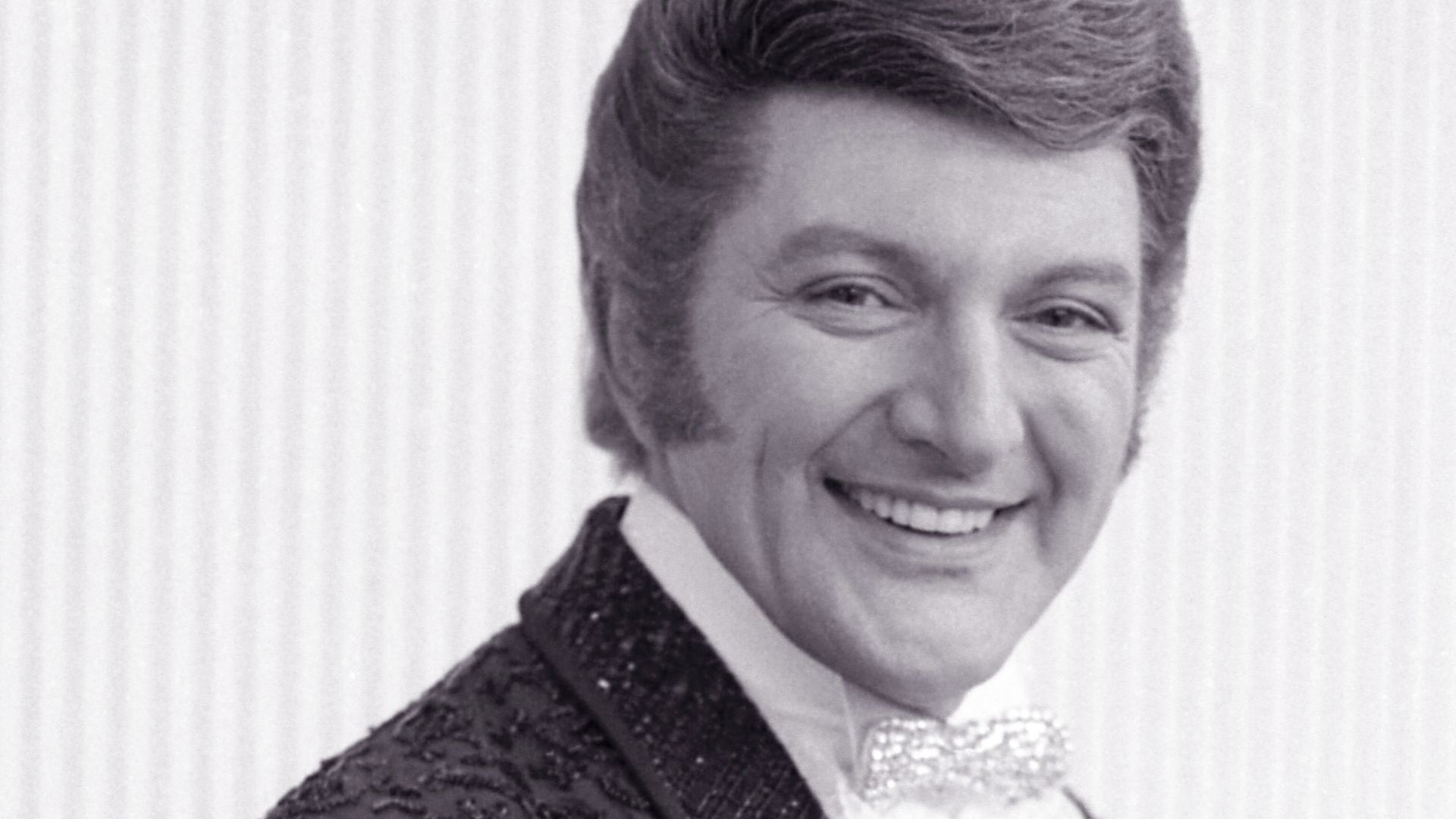
Liberace received classical training, and so his shows involved playing largely classical pieces. With his increasingly flamboyant personality, however, these stiff, old-timey numbers suited him less and less. He began incorporating more pop and less classical music in his act, what he described as “classical music with the boring parts left out”. The music wasn’t the only thing that changed.
 Allan warren, Wikimedia Commons
14. He Was A Performer
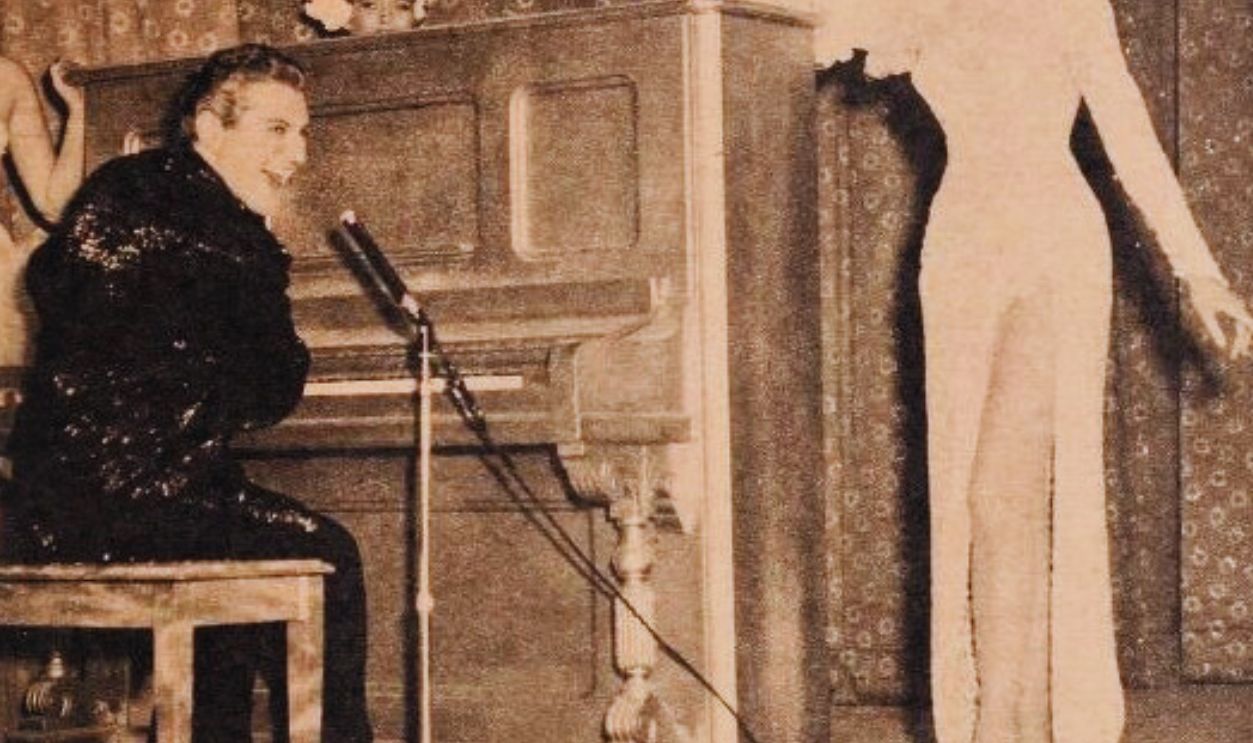
Alongside poppier shows, the young Liberace was honing his penchant for flair and showmanship. His performances were riotous, with lots of joking, audience interaction, and request-taking. He began paying greater attention to lighting, presentation, and staging, and even added gimmicks to his act, like performing alongside a phonograph. Liberace was quickly becoming a pioneering showman, and he was ahead of his time in other ways too.
 Dell Publishing, 1960. Photographer not credited, Wikimedia Commons
15. He Wanted His MTV
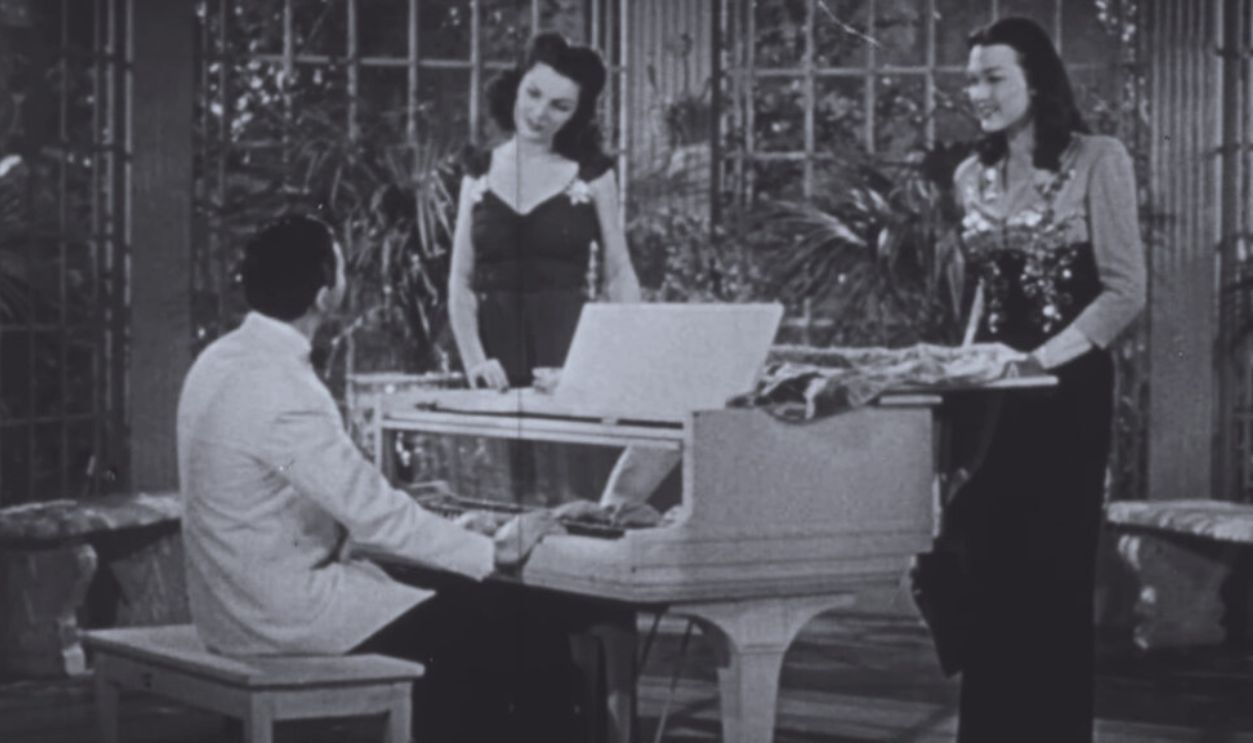
In 1943, Liberace embraced a burgeoning new form of media called Soundies. These were short films featuring both audio and video of a musical performance—in other words, a precursor to music videos. In these Soundies, the young talent recreated two extravagant numbers from his nightclub act and was credited as Walter Liberace. But clearly, he decided that his full name lacked a certain pizzaz.
 Screenshot from Liberace: Tiger Rag, Soundies Distribution (1941–1947)
16. He Became A Oner
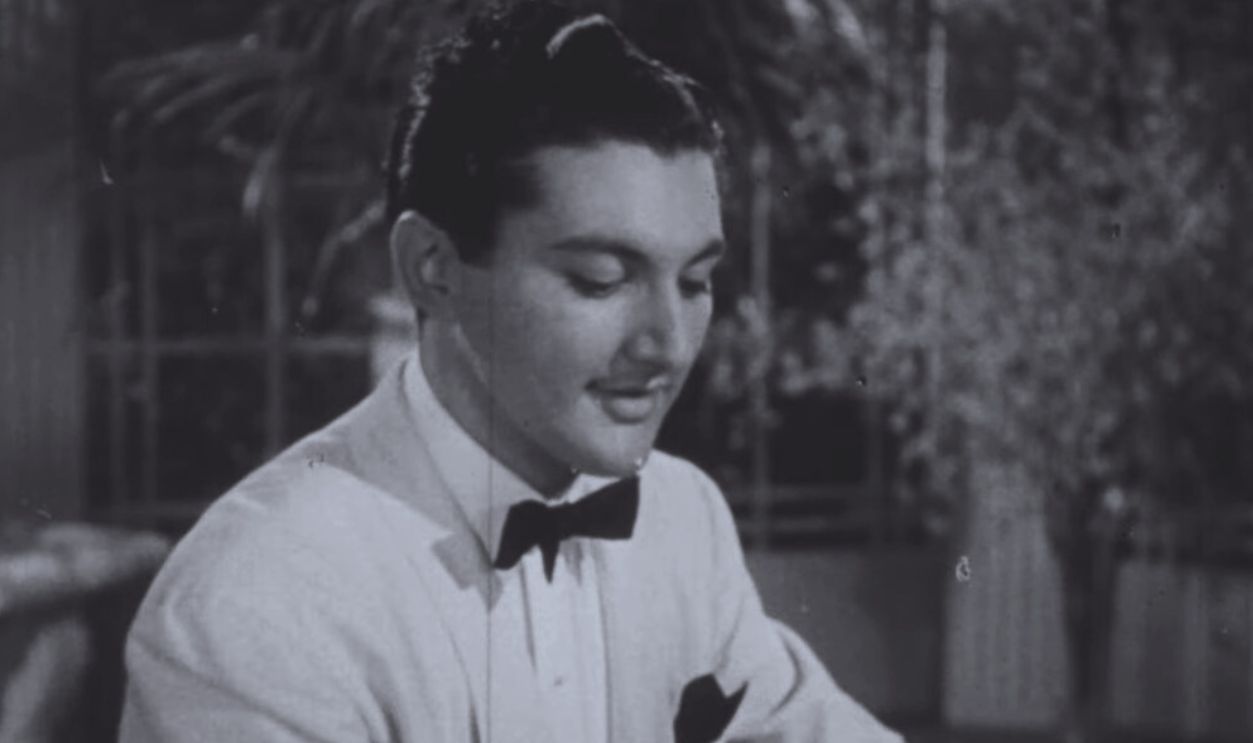
As his star rose and he refined his act further, the young showman ditched his first name, performing exclusively under the stage name Liberace. He made a point in press releases to stress how to pronounce his name (“Liber-Ah-chee”), and by 1947, was billing himself as “Liberace—the most amazing piano virtuoso of the present day”. Audiences came in droves.
 Screenshot from Liberace: Tiger Rag, Soundies Distribution (1941–1947)
17. He Travelled The Country
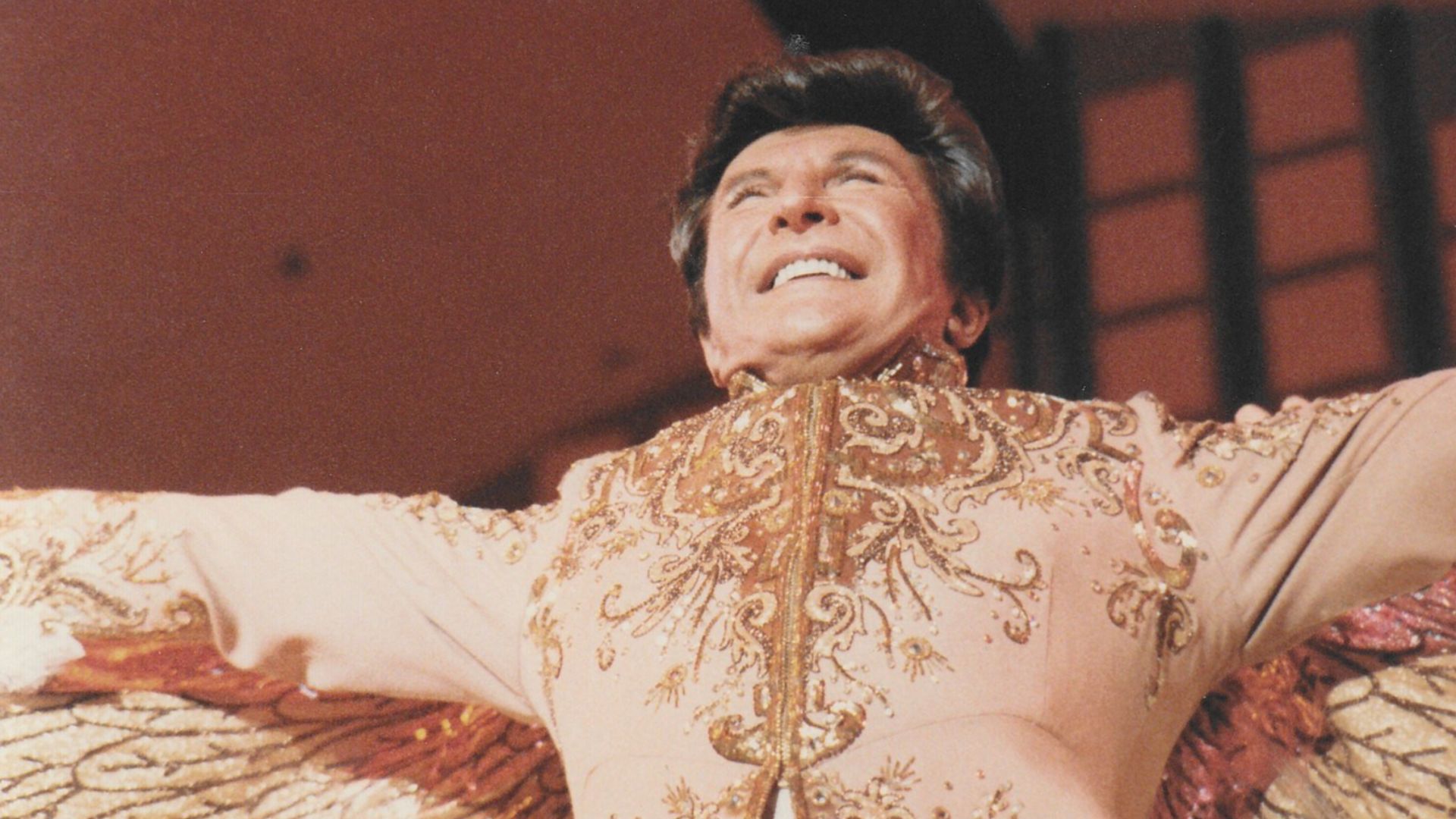
Gaining increasing notoriety, Liberace began performing across the United States. His elaborate tours covered the Midwest (where he would occasionally play with orchestras), New York City (where he would get contracts with hotels as a lounge singer), and Los Angeles (where he moved to in 1947). The masses loved him, and so did the upper crust.
18. He Got Private Gigs
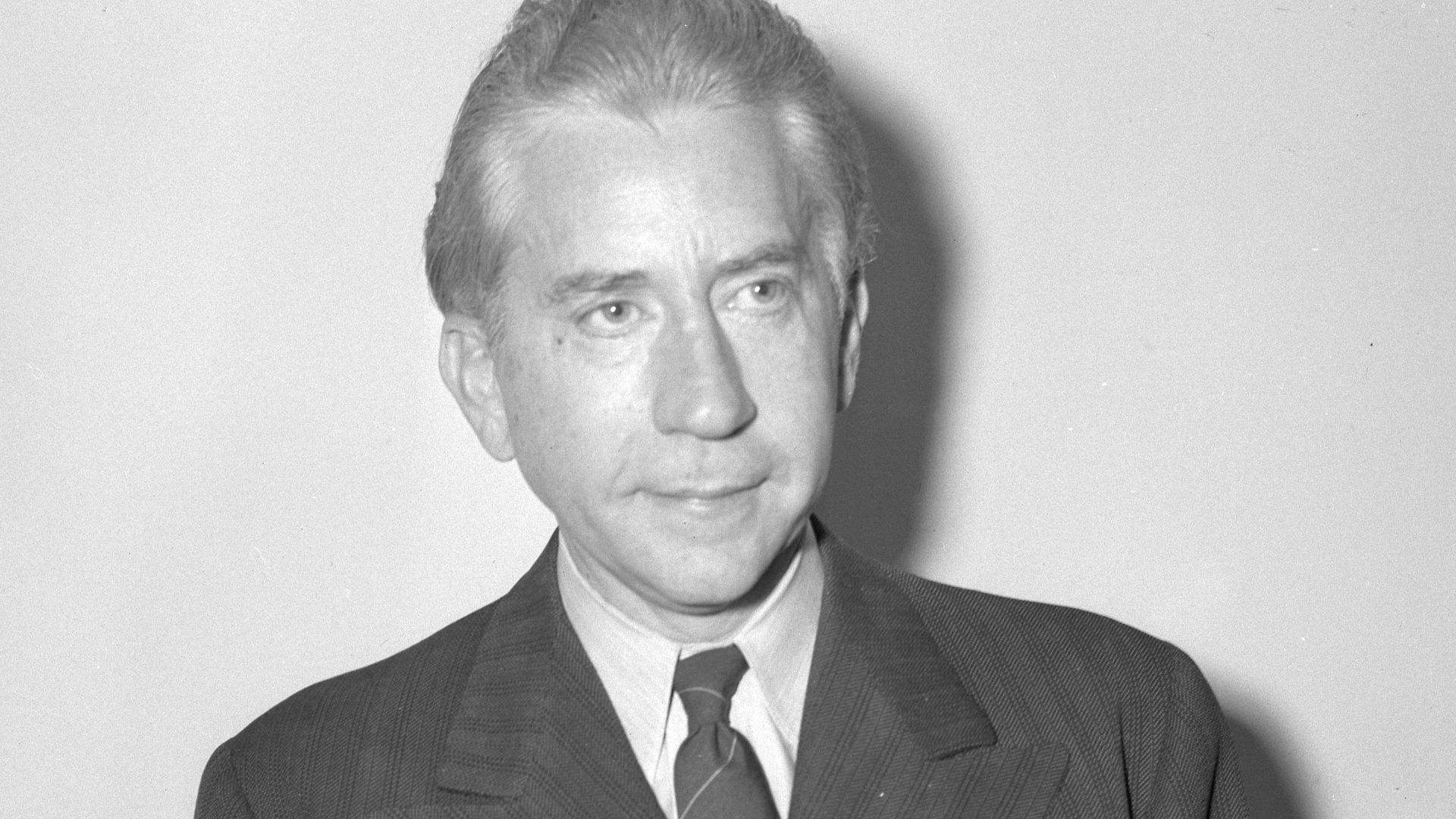
Liberace’s signature white tie and tails look (which he adopted for better visibility in large halls) also attracted attention from some big spenders. He was hired to play many lavish private parties for millionaires, like oilman J Paul Getty, for example. His big personality was a draw for all walks of life.
 Los Angeles Daily News, Wikimedia Commons
19. He Honed An Image
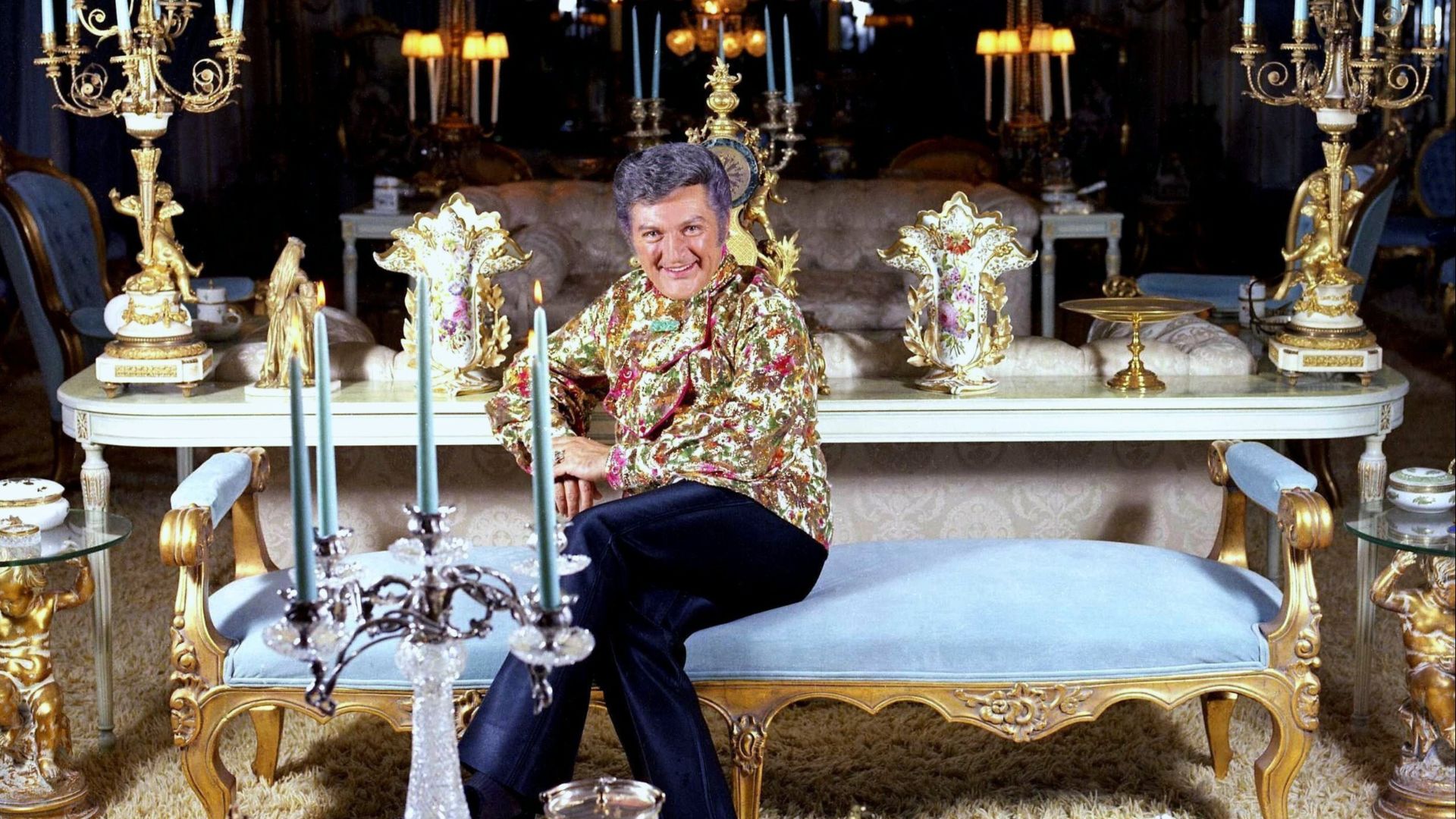
Liberace fully embraced the chaos of his exploding fame, and he gained a reputation for his flamboyantly excessive lifestyle both on and off stage. He took in huge amounts of money but became just as notorious for his unrestrained spending. He did not shy from flaunting his wealth onstage either.
 Allan warren, Wikimedia Commons
20. He Was Over-The-Top
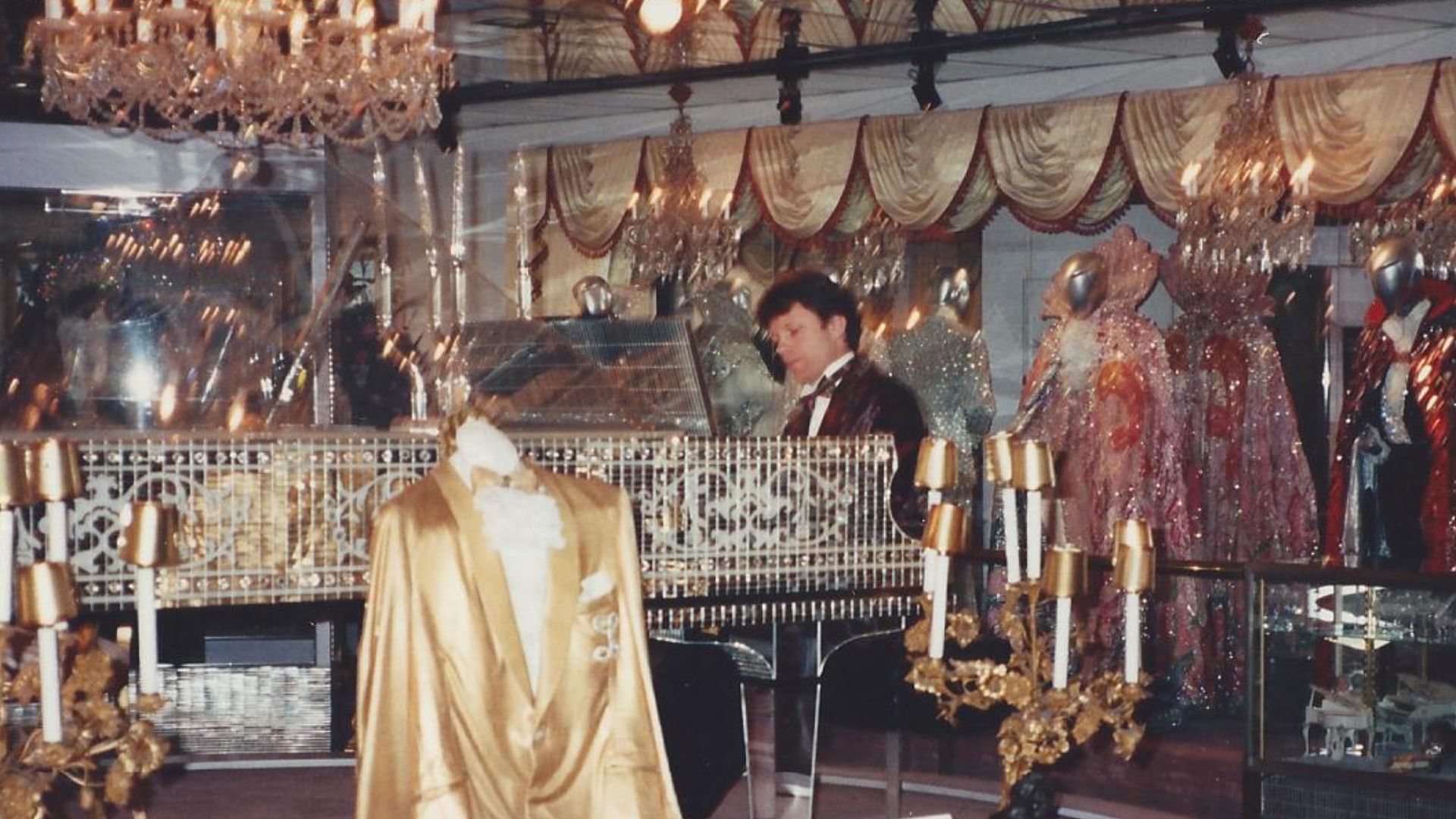
With his growing fame and financial standing, Liberace needed the equipment to match. He purchased a rare, oversized, gold-leafed grand piano, incorporating it in into his press kit as his “priceless piano”. He didn’t stop there, however, eventually accruing an arsenal of extravagant custom pianos, many of which were jewel encrusted. But despite his excessive flaunting, no one could say he didn’t earn it.
 Phillip Wilcher, Wikimedia Commons
21. He Got A Residency
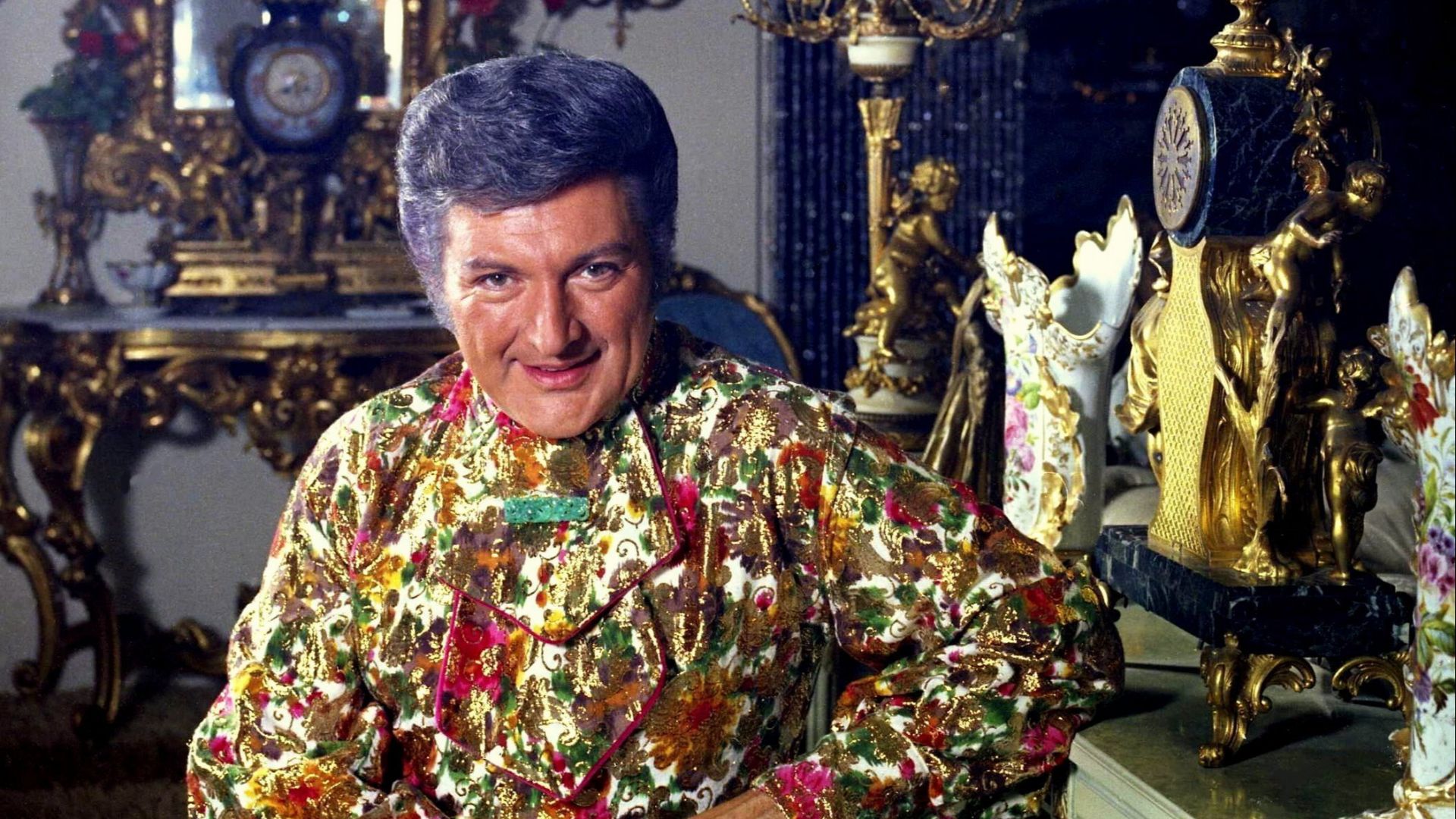
Liberace had grand ambitions and continued to expand his show to meet his lofty goals, adding more costumes, extravagance, and even supporting cast members. This eventually attracted the attention of Las Vegas promoters who offered Liberace a residency as a performer in a casino. This became the star’s signature hallmark and made him incredibly wealthy. But he didn’t stop there.
 Allan warren, Wikimedia Commons
22. He Got A Big Payout
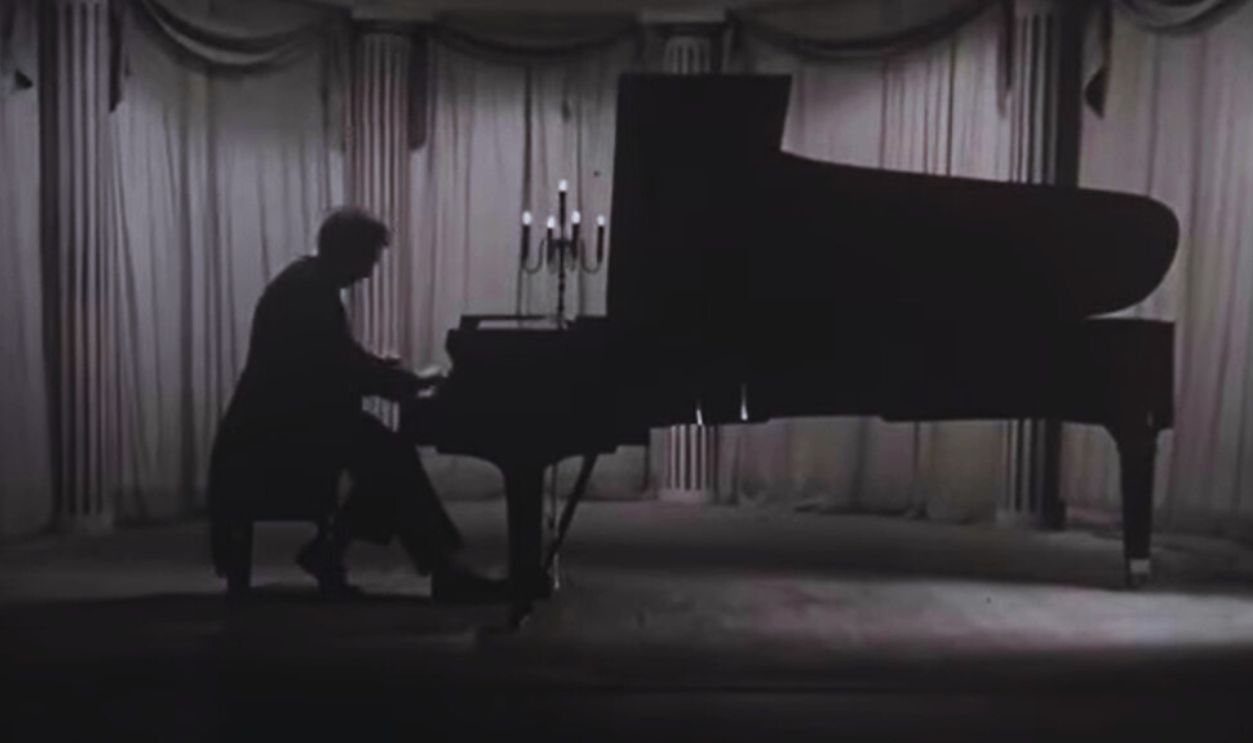
In 1954, Liberace played a massive gig at Madison Square Garden. Bringing his signature bombastic live show to New York City, the only thing that was bigger than the performance was the paycheck: Liberace earned a record $138,000 for the performance. Adjusted for 2024 inflation, that’s the equivalent of $1,600,000 for one show! Audiences lapped it up, but the consensus wasn’t all good.
 Screenshot from Liberace Show 1954 – Concert Tour, Television Syndication (1954)
23. He Shunned The Critics
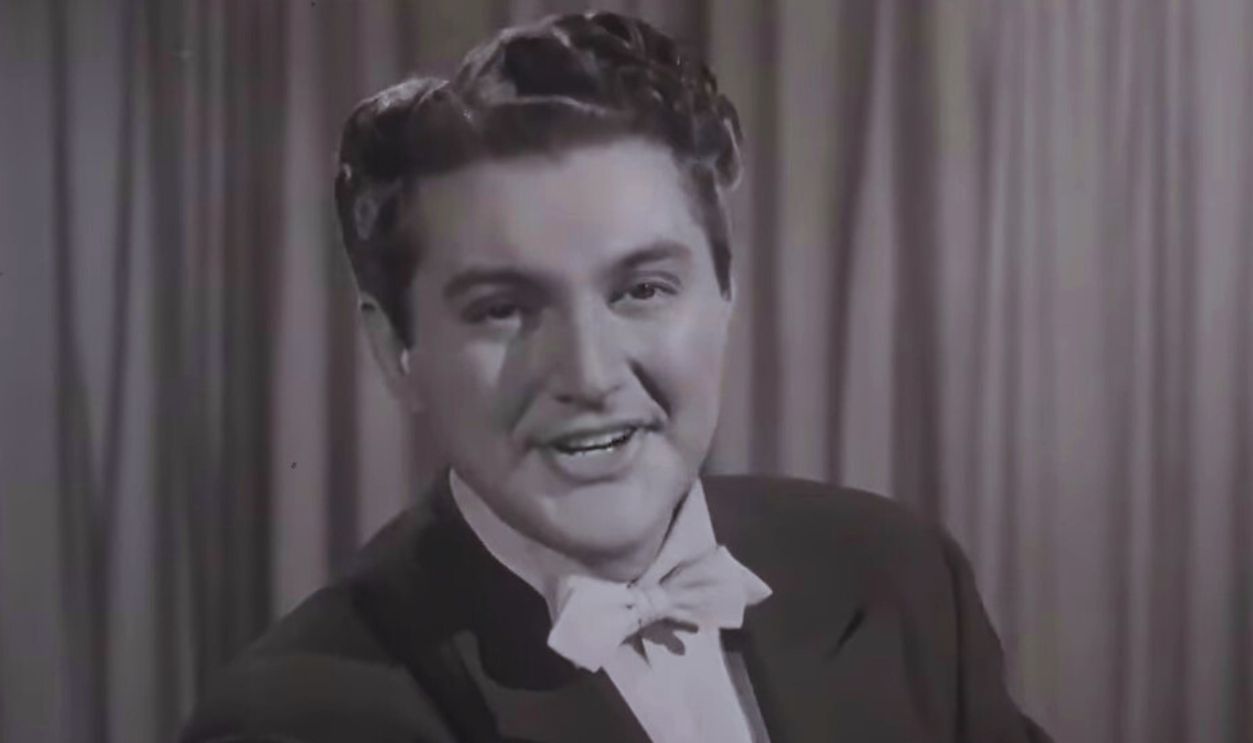
Music critics generally disapproved of Liberace, constantly panning his piano playing and his perceived “disrespect” for the classics. Liberace, for his part, did not seem to care. With all the money he was making, he dismissed his critics, claiming that he read the reviews and, coining his signature phrase, “laughed all the way to the bank”. If money was all that mattered, then the superstar had won the game.
 Screenshot from Liberace Show 1954 – Concert Tour, Television Syndication (1954)
24. He Made Bank
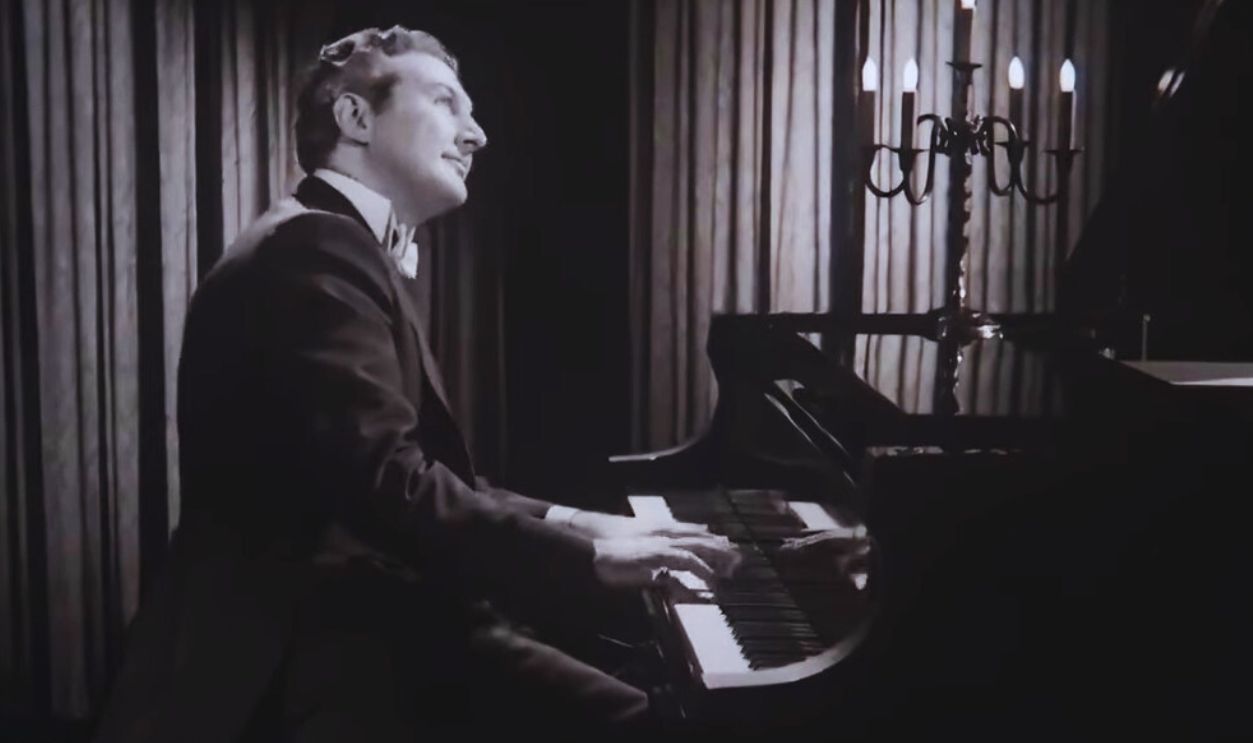
At the peak of his fame, Liberace was the highest paid entertainer in the world. The numbers are staggering: by 1955, he was making $50,000 a week. From public appearances and television, he raked in over $1 million per year. And he made for an entertaining onscreen storyteller.
 Screenshot from Liberace Show 1954 – Concert Tour, Television Syndication (1954)
25. He Had A Unique Status
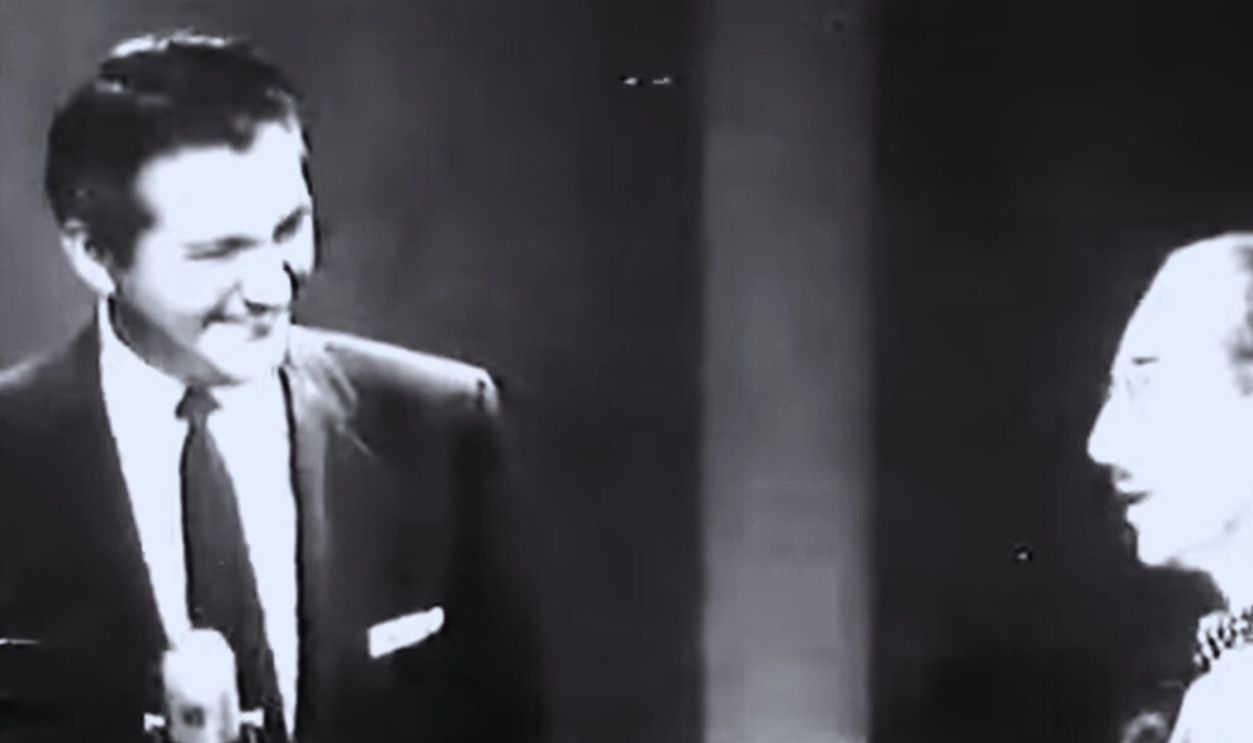
On an episode of the quiz show You Bet Your Life in 1956, Liberace made an interesting assertion. Having legally changed his name to his singular moniker, he claimed he was the only person registered to vote in the United States using a single name. Whether true or not, his entertaining declaration showed a penchant for talent in another form of media.
 Screenshot from You Bet Your Life with Groucho Marx, NBC Television (1956)
26. He Wanted To Be Seen
While many famous musicians of the era sought success on radio, Liberace felt the audio-only medium would not do his extravagant performances justice. Instead, he sought to bypass the wireless in favor of television, pursuing appearances relentlessly. His day in the small screen spotlight would soon arrive.
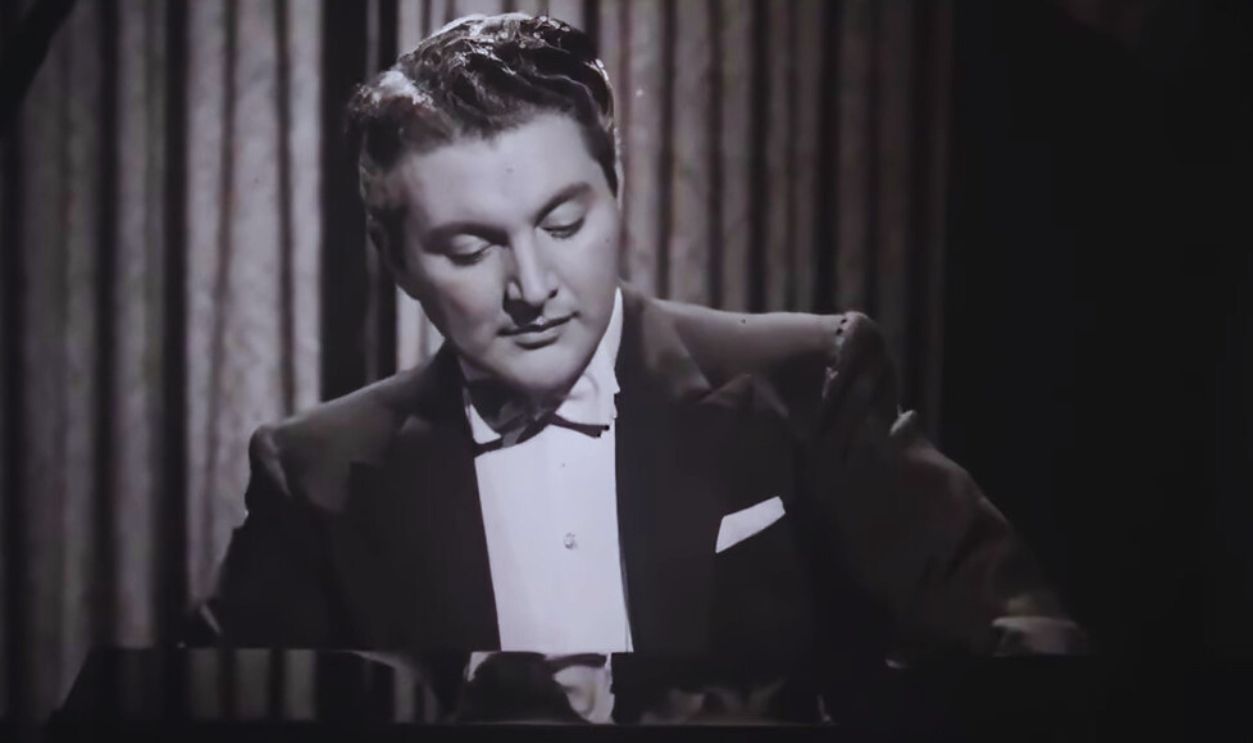 Screenshot from Liberace Show 1954 – Concert Tour, Television Syndication (1954)
27. He Got His Own Show
After a few tries with some programming on local TV, Liberace was finally given a national network show, The Liberace Show, which began airing on July 1, 1952. The show quickly became a massive hit, smashing ratings records and attracting a high stratum of guest appearances. Liberace did not forget his roots, however.
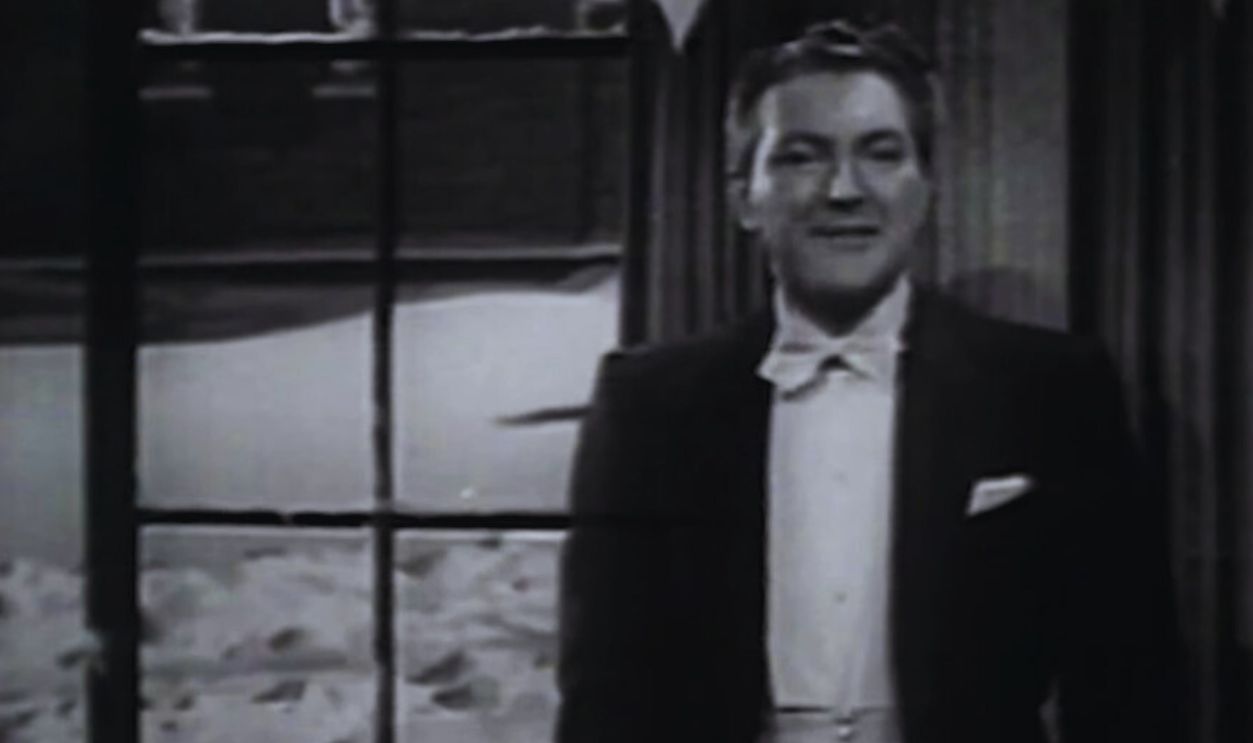 Screenshot from The Liberace Show Music, Syndicated Television (1952–1969)
28. He Included His Day Ones
Despite the bombast of Liberace’s television broadcasts, he still strived to maintain a “family atmosphere” for the viewing public. To achieve this, the host often brought members of his very own family onto the show: his brother George regularly appeared as a guest violinist and orchestra director, and Liberace often mentioned his other family members by name. He had achieved his TV dream, but that didn’t mean he was going to pass up that sweet record money.
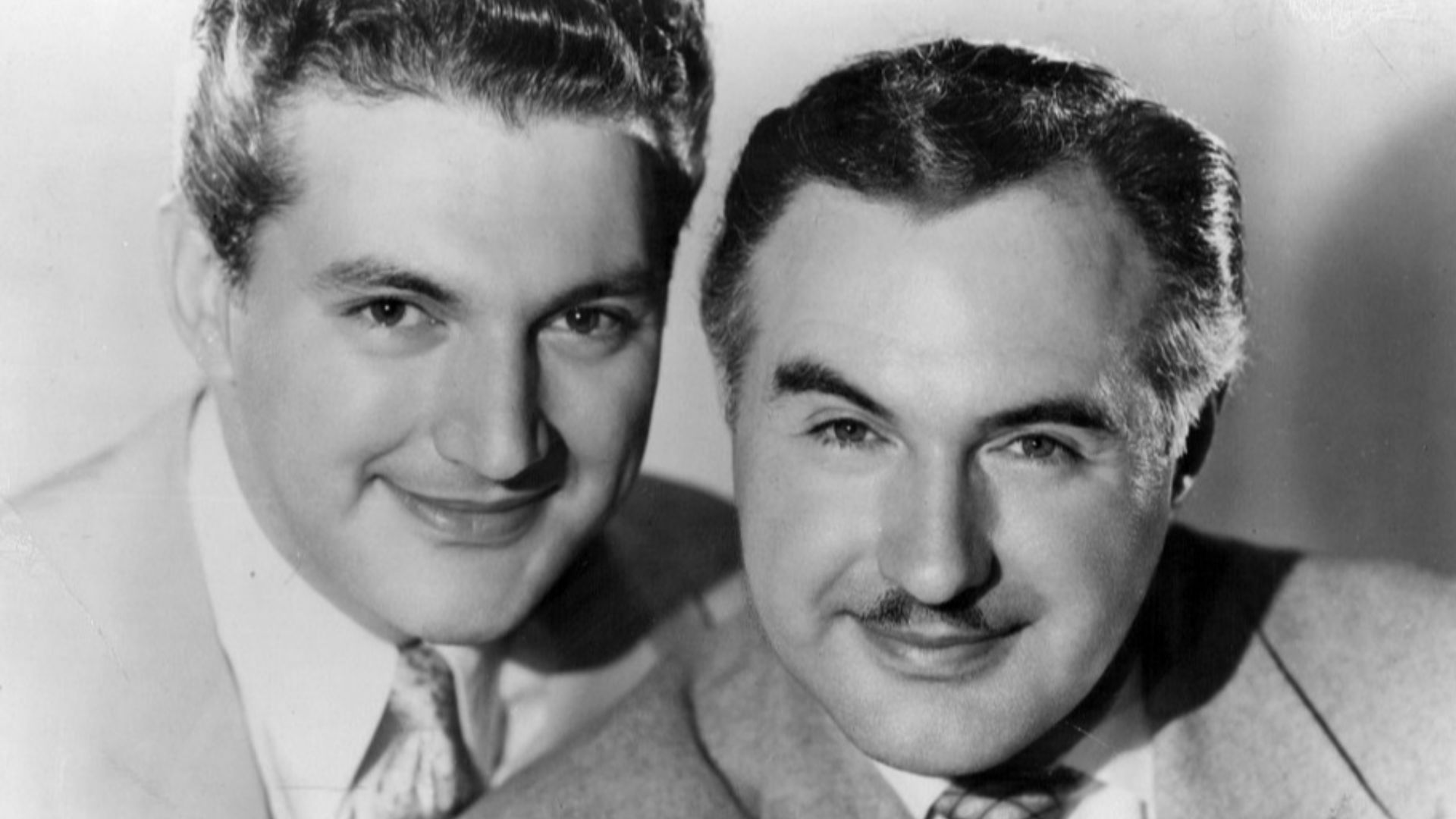 MCA-Music Corporation of America (management), Wikimedia Commons
29. He Was Prolific In The Studio
Liberace’s television success led to a high demand for recorded materials from the artist, and he more than obliged. Between 1947 and 1954, the host recorded almost 70 separate discs. With such a tireless work ethic, it was inevitable that life would catch up with Liberace sooner or later.
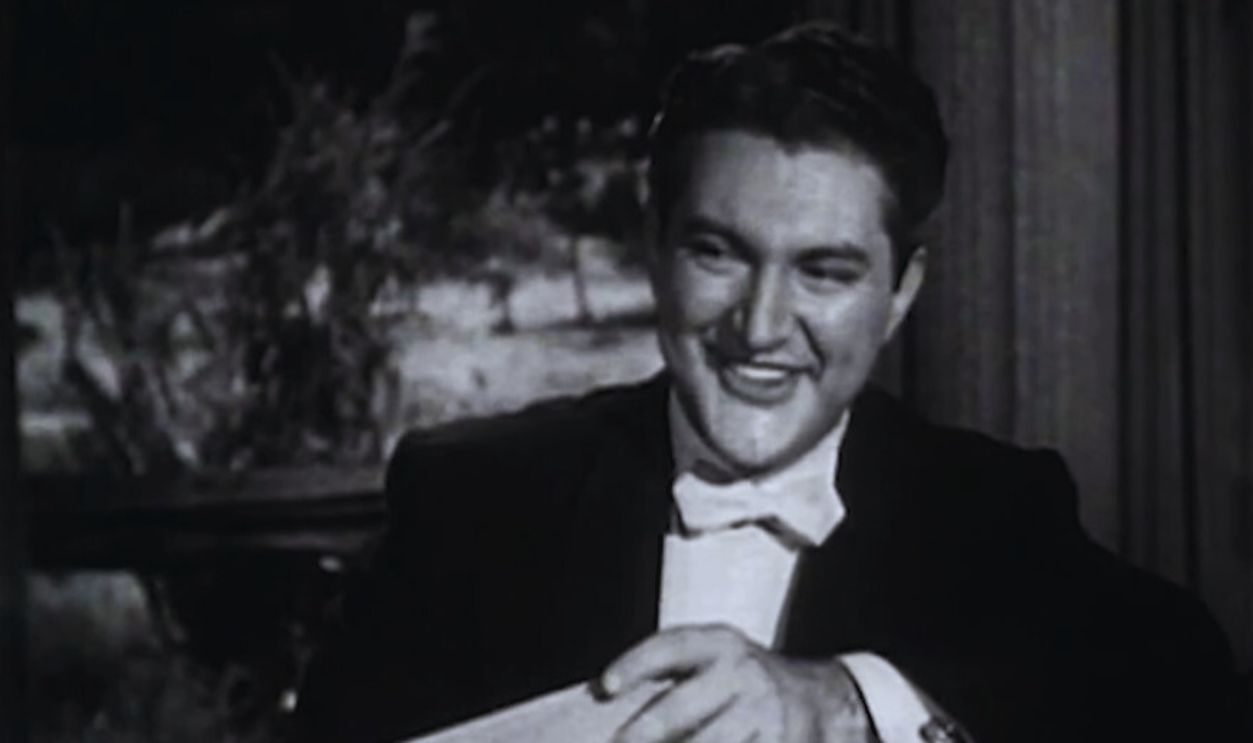 Screenshot from The Liberace Show Music, Syndicated Television (1952–1969)
30. He Suffered A Medical Incident
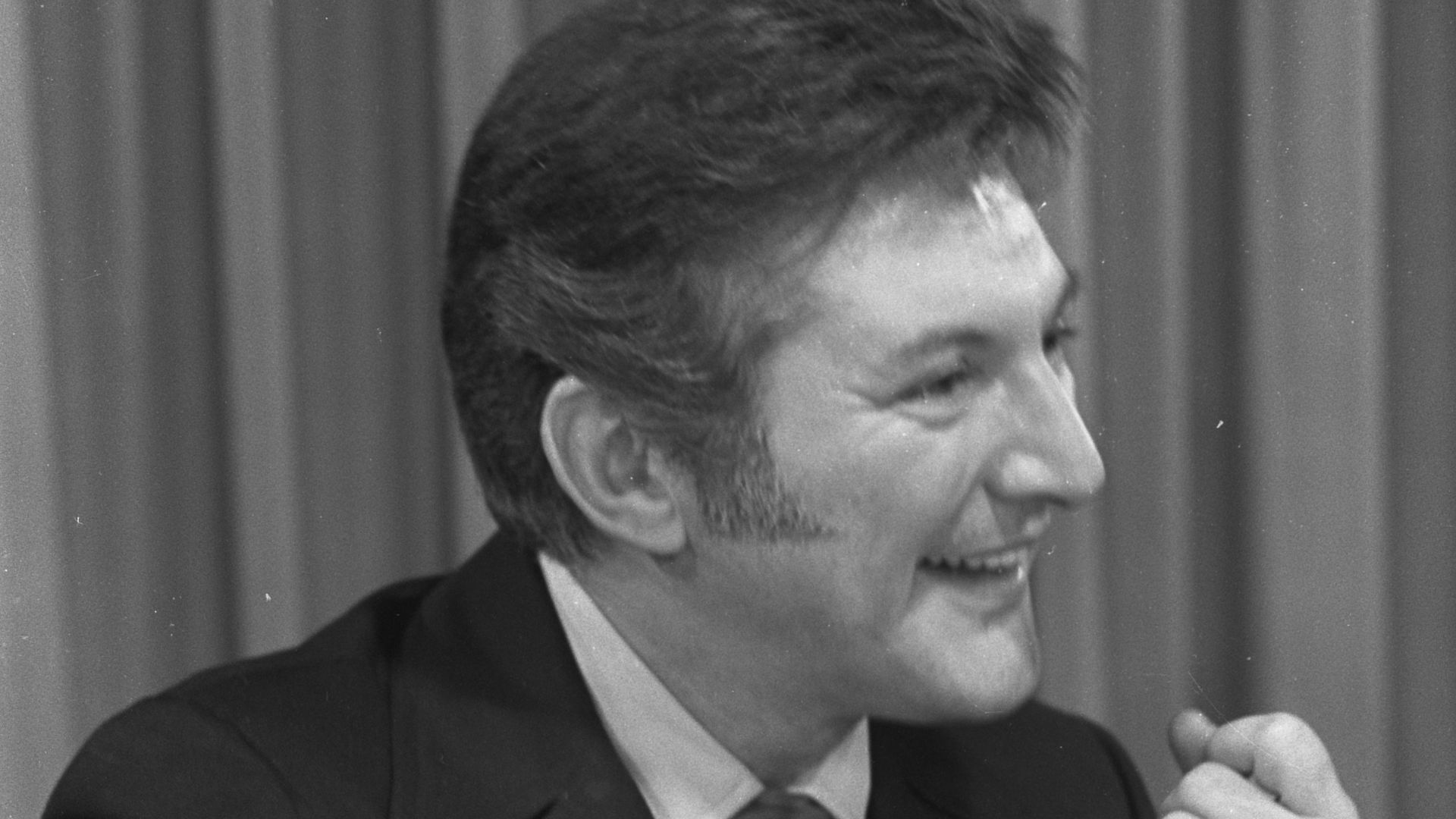
On November 22, 1963, Liberace collapsed in his changing room backstage. He was quickly rushed to hospital where it was determined that he had suffered kidney failure. It was later determined that it had been triggered by his inhaling excessive amounts of dry-cleaning fumes from his freshly washed costumes. He may have succumbed to the accident entirely if not for another national tragedy.
 Jack de Nijs for Anefo, Wikimedia Commons
31. The President Saved Him
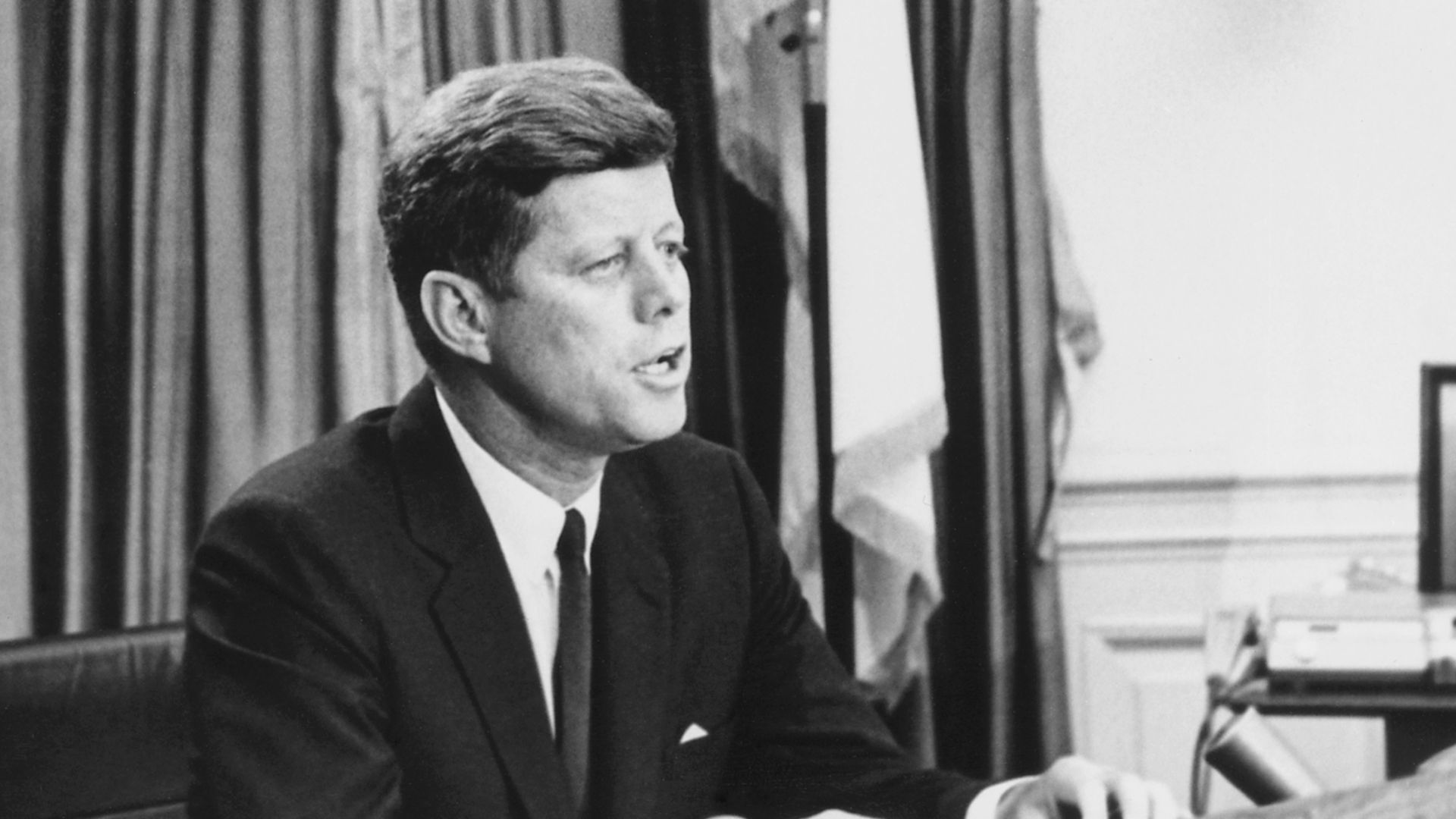
The date of Liberace’s kidney failure may look familiar to some, and the events of that fateful day saved the performer’s life. Liberace claims his near-lifeless body was only found because members of his entourage had rushed into his changing room to inform him of the day’s biggest news story: the assassination of President John F Kennedy. Liberace survived, but he was not out of the woods yet.
32. His Prognosis Was Bad
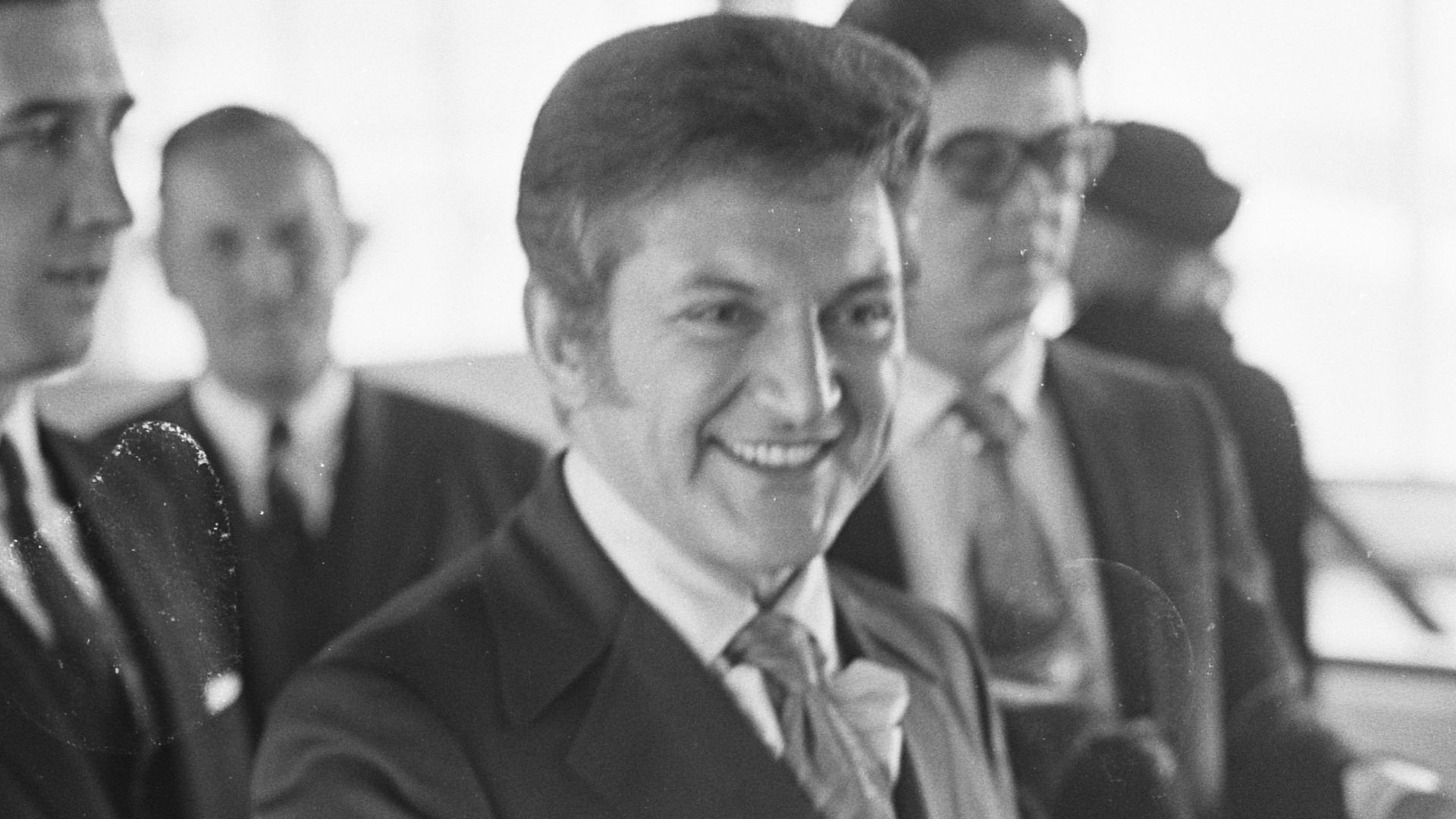
Doctors were not positive about Liberace’s chances and gave the entertainer a slim chance of living. Believing his condition to be fatal, Liberace did with his remaining time what he did best: spent money. Seeking to spend his entire fortune, he began buying lavish gifts for his friends, from furs to jewels to even a full house. After one month, however, the big spender had made a full recovery. And now he needed to regain his losses.
 Jack de Nijs for Anefo, Wikimedia Commons
33. He Became An Influencer
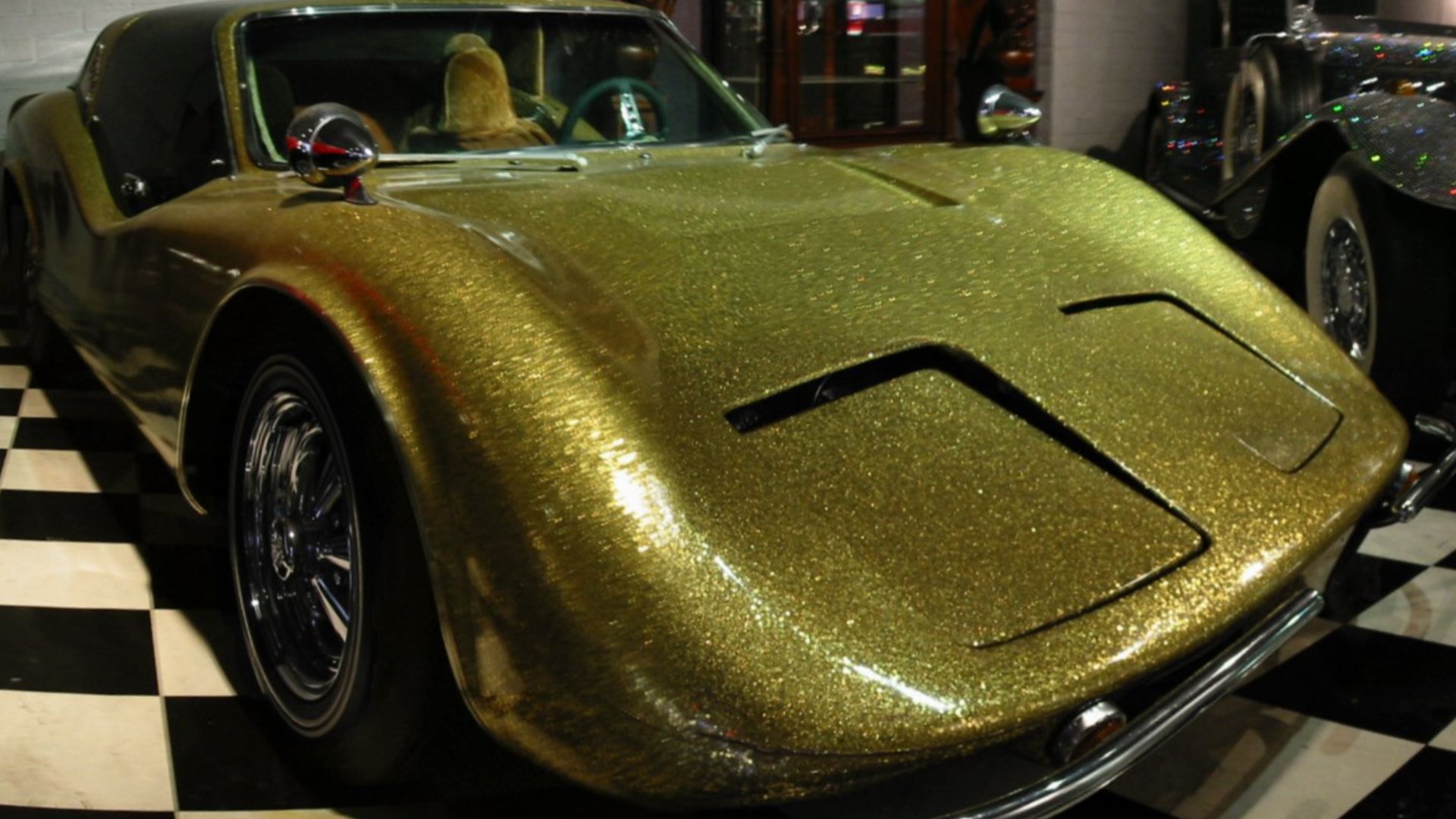
Liberace maintained his wealth and public image through a plethora of promotional tie-ins, and there was little he wouldn’t tie his name to. Among the products and services he hawked were cookbooks, banks, insurance, cars, food, and even morticians! But there was one cash cow that even a superstar of Liberace’s caliber couldn’t milk.
 Binksternet, Wikimedia Commons
34. He Flopped At The Box Office
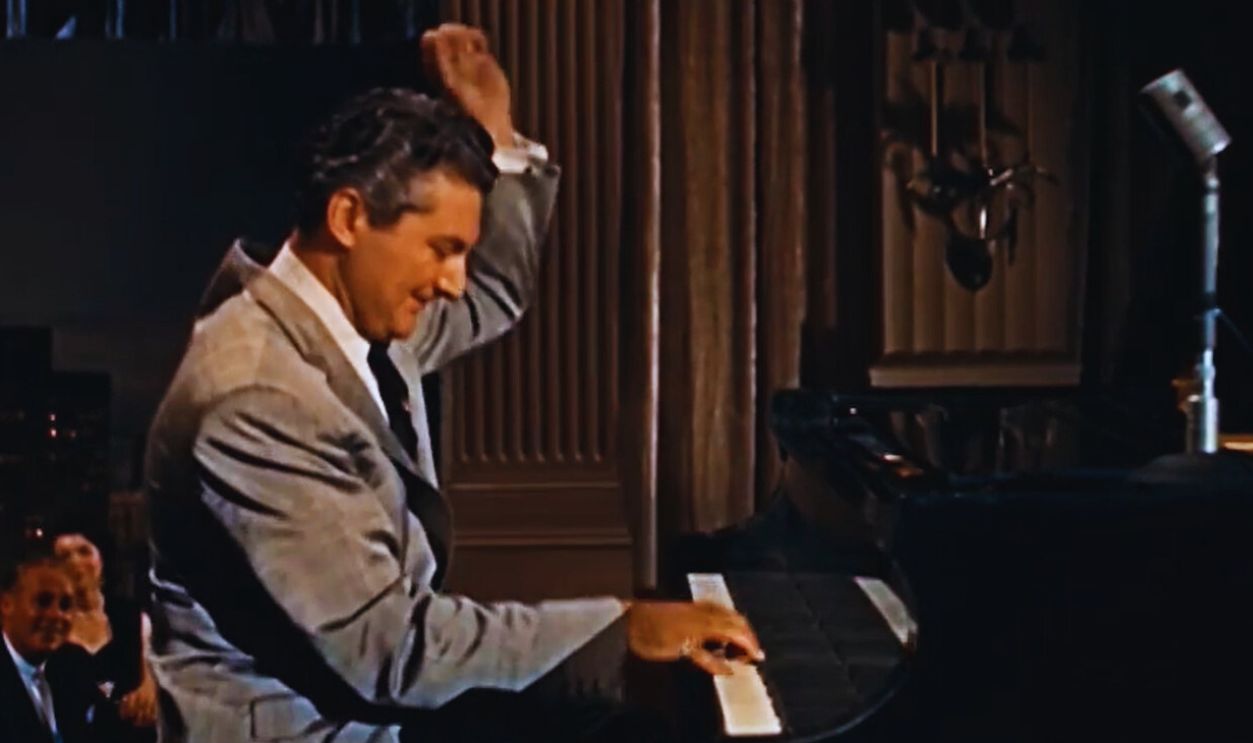
Having conquered stage and (small) screen, Liberace set his sights on acting in the movies. At the height of his career, Warner Bros offered him a starring role in the film Sincerely Yours, and the studio launched an aggressive marketing campaign upon release. The movie was a critical and commercial flop, however, with the entertainer unable to apply his eccentric persona to a Hollywood leading man. It wasn’t the end of his acting career, however.
 Screenshot from Sincerely Yours, Warner Bros. (1955)
35. He Returned To TV
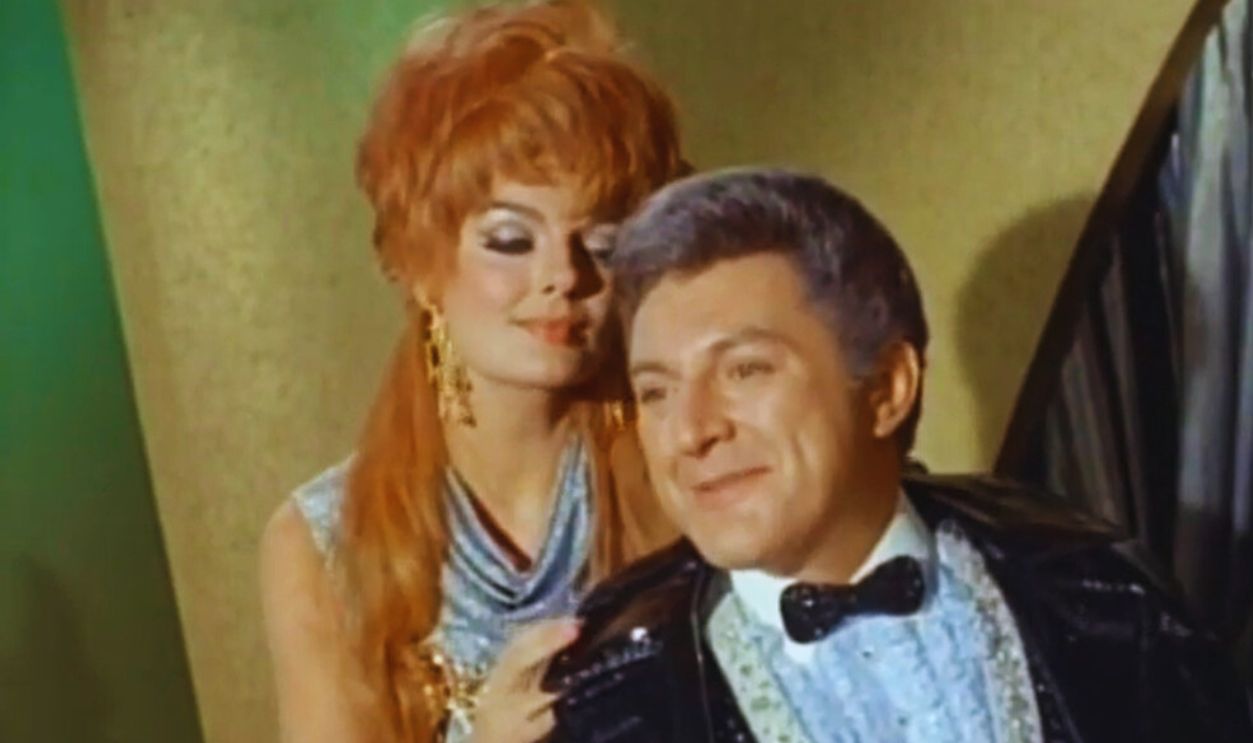
Liberace continued to appear on television for the remainder of his career. As well as being a staple guest on the late-night circuit, he also had smaller acting roles in various shows like Adam West’s Batman, The Muppet Show, and even Saturday Night Live. The man refused to be beaten down and kept the income flowing for the rest of his days. It was probably his faith that kept him going.
 Screenshot from Batman, ABC (1966–1968)
36. He Was Pious
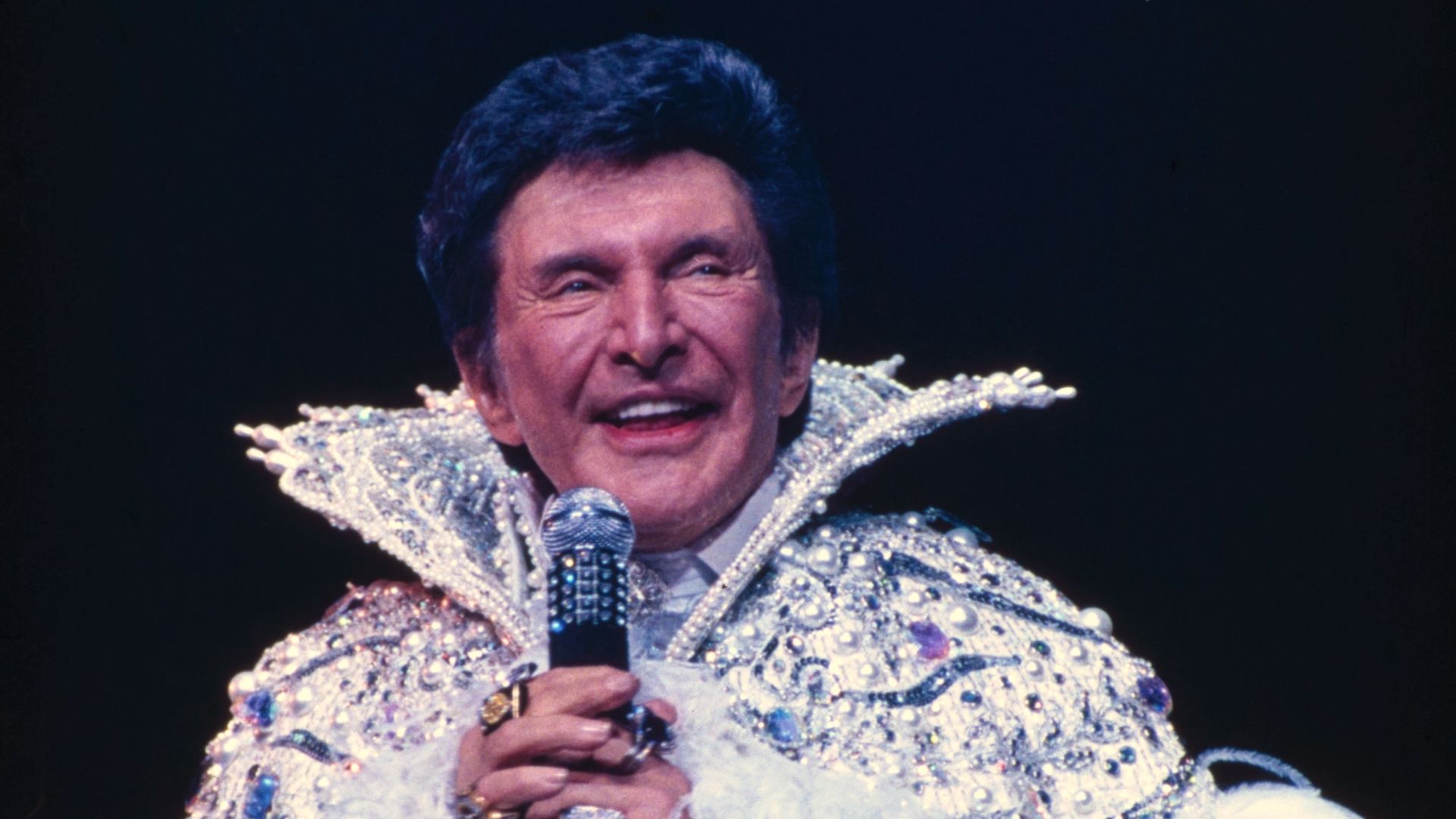
Despite his lavish lifestyle, Liberace remained a devout Catholic his entire life, having inherited the religion from his mother. Indeed, upon meeting the Pope on his European tour in the late 50s, Liberace marked it a highlight of his life. He would need his faith as ageing took its toll.
 Gotfryd, Bernard, photographer, Wikimedia Commons
37. He Thinned On Top
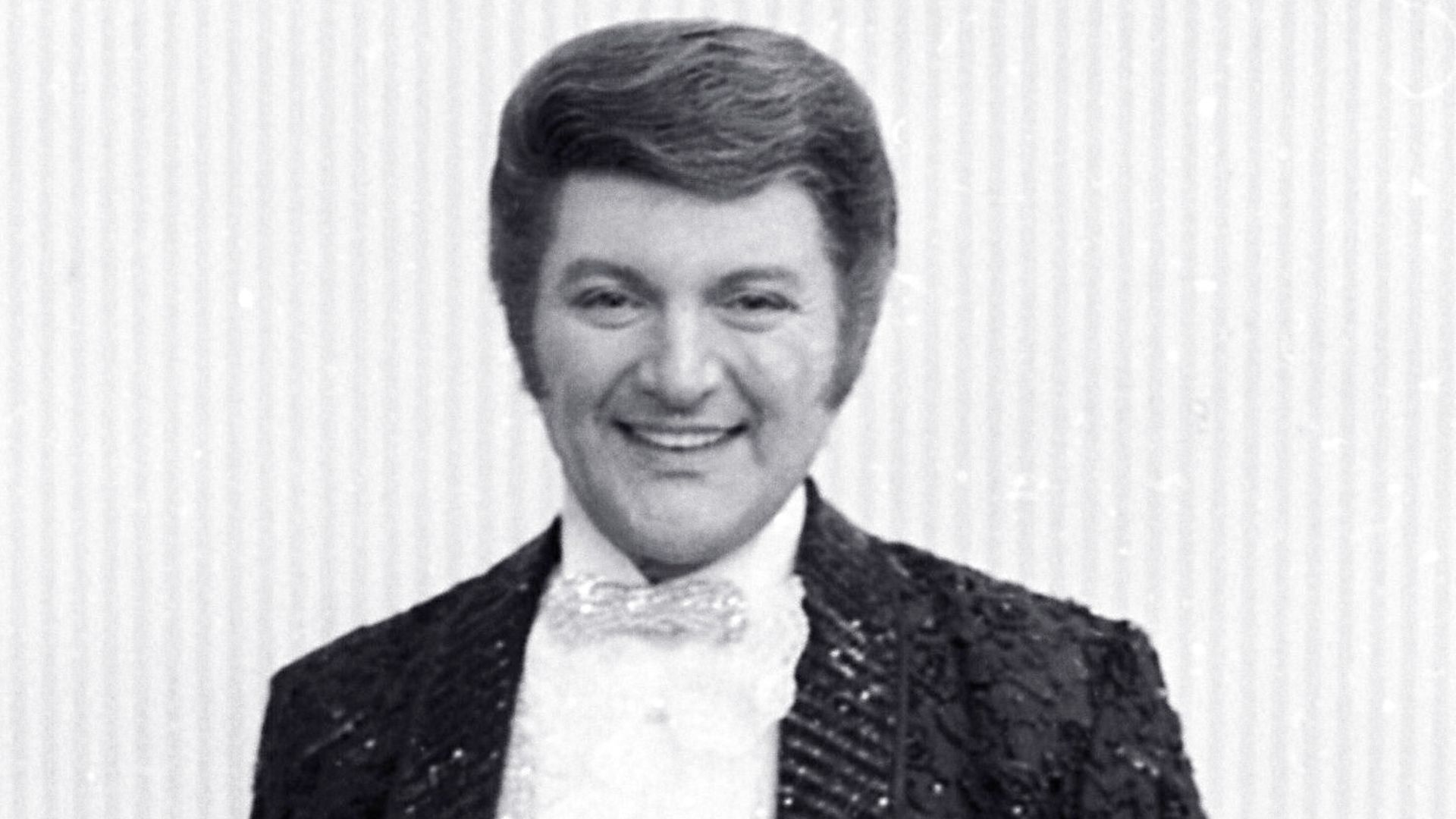
With the onset of middle age, time came for Liberace like it does for all of us and he started going bald. This was unacceptable for the flamboyant entertainer, however, and he reportedly became very insecure about his hair loss, employing elaborate hairpieces to hide the fact and refusing to be seen in public or in private without his toupee. It was not the only secret Liberace kept.
 Allan warren, Wikimedia Commons
38. He Lived A Double Life
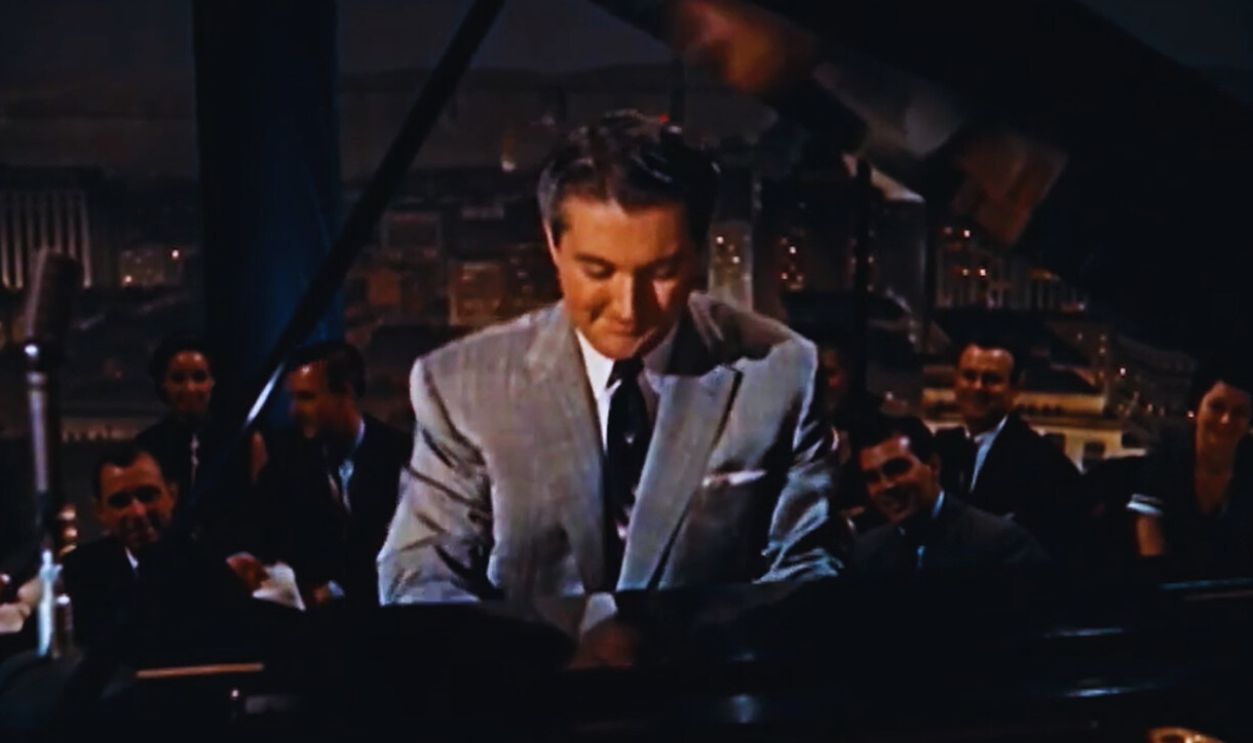
The worst-kept secret about Liberace was his sexuality. Many suspected the entertainer was gay and even encouraged him to come out as acceptance of homosexuality became more common. But Liberace never publicly acknowledged his orientation, remaining steadfastly in the closet his entire life. He even clapped back at his “accusers”.
 Screenshot from Sincerely Yours, Warner Bros. (1955)
39. He Took Many To Court
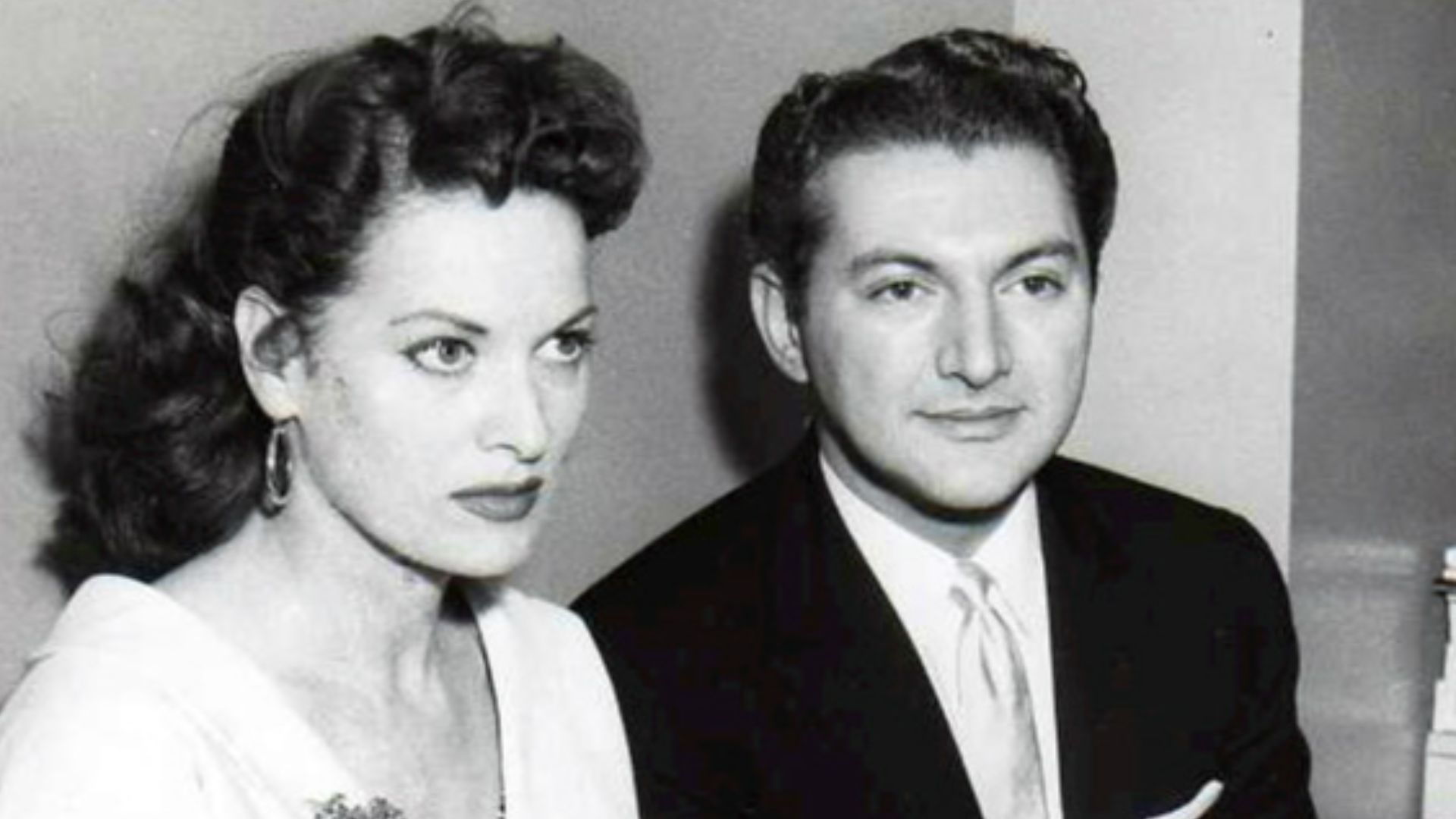
Liberace’s refusal to admit he was gay didn’t stop the accusations from rolling in. He did not stand for it in the slightest, however, and over the course of his career, the entertainer sued many parties for libel, including a prominent case against the Daily Mirror in the UK. But another superstar of the era later revealed his secret.
 United Press International, Wikimedia Commons
40. He Had A Beard
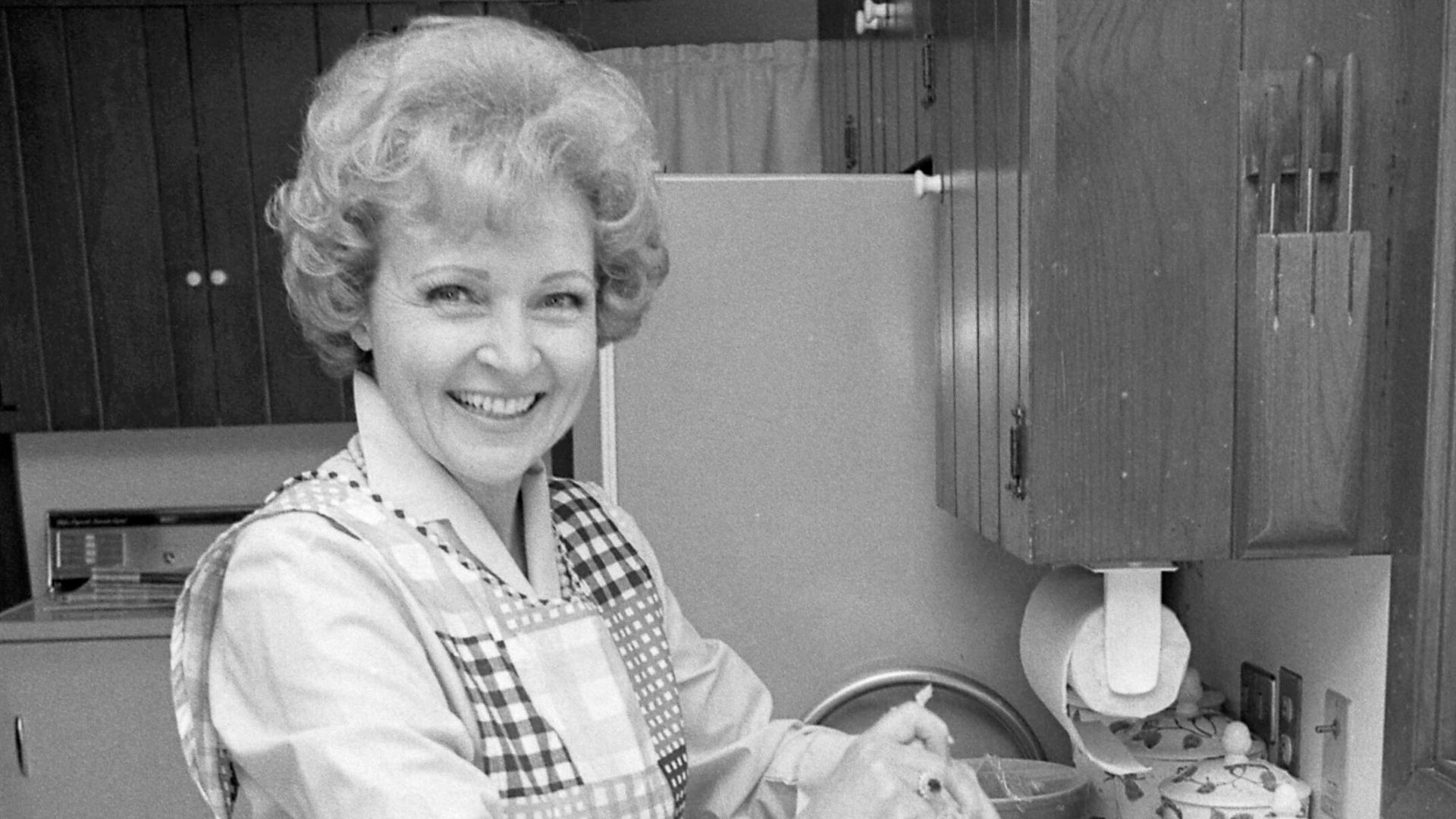
Liberace’s homosexuality was later confirmed by none other than actress Betty White. In a 2011 interview, White verified the rumors and even recounted how Liberace’s management used her as a “beard” (a term for a woman who pretends to be partnered with a closeted gay man to counter rumors). But just because Liberace never came out does not mean he had no effect on the gay community.
 Penni Gladstone, Los Angeles Times, Wikimedia Commons
41. He Inspired Another Superstar
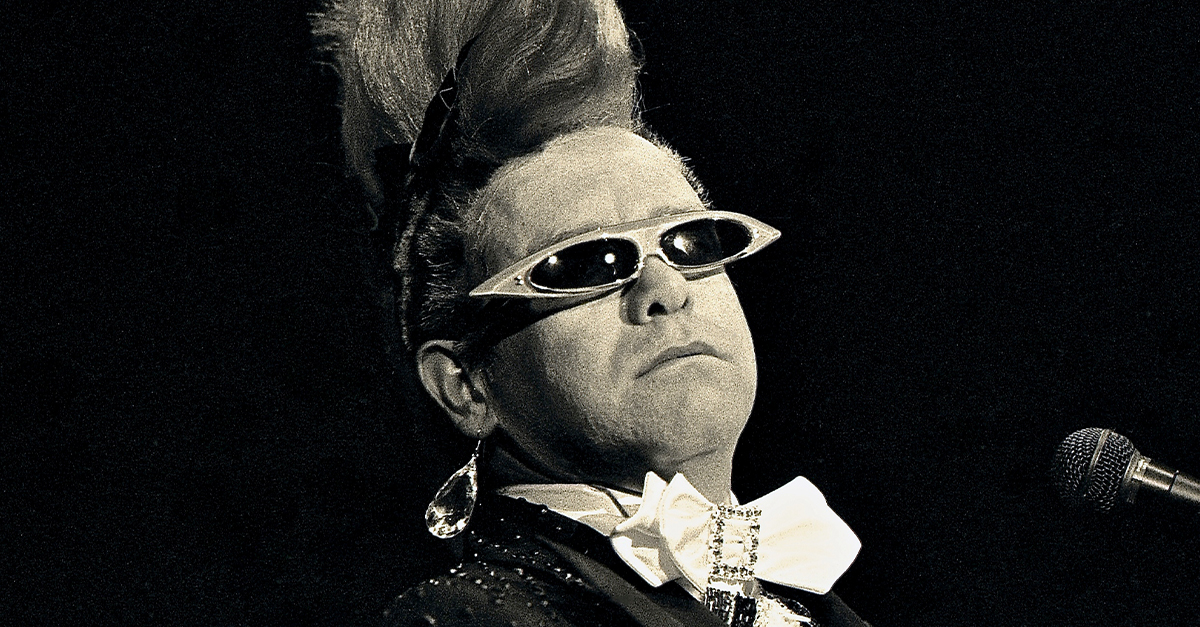
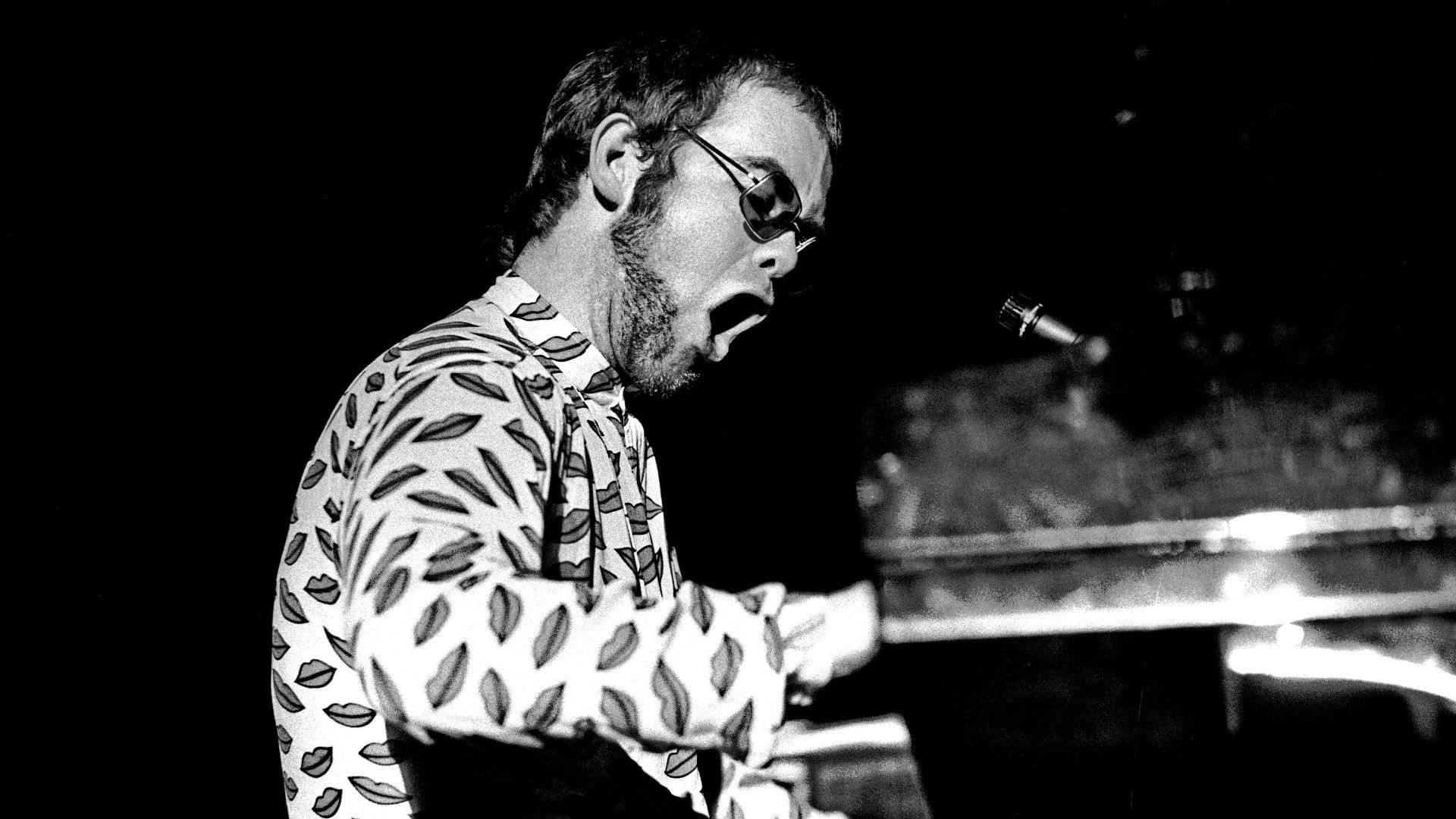
The Liberace Show found success in the United Kingdom as well, where broadcasts gave him a dedicated following and appealed to gay men in particular. Liberace was even cited as a hero by popstar Elton John, who was inspired by Liberace as the first gay man John had ever seen on television. The young John had no idea that he may have actually had a chance with his hero.
 Heinrich Klaffs, Wikimedia Commons
42. He Adopted A Boyfriend
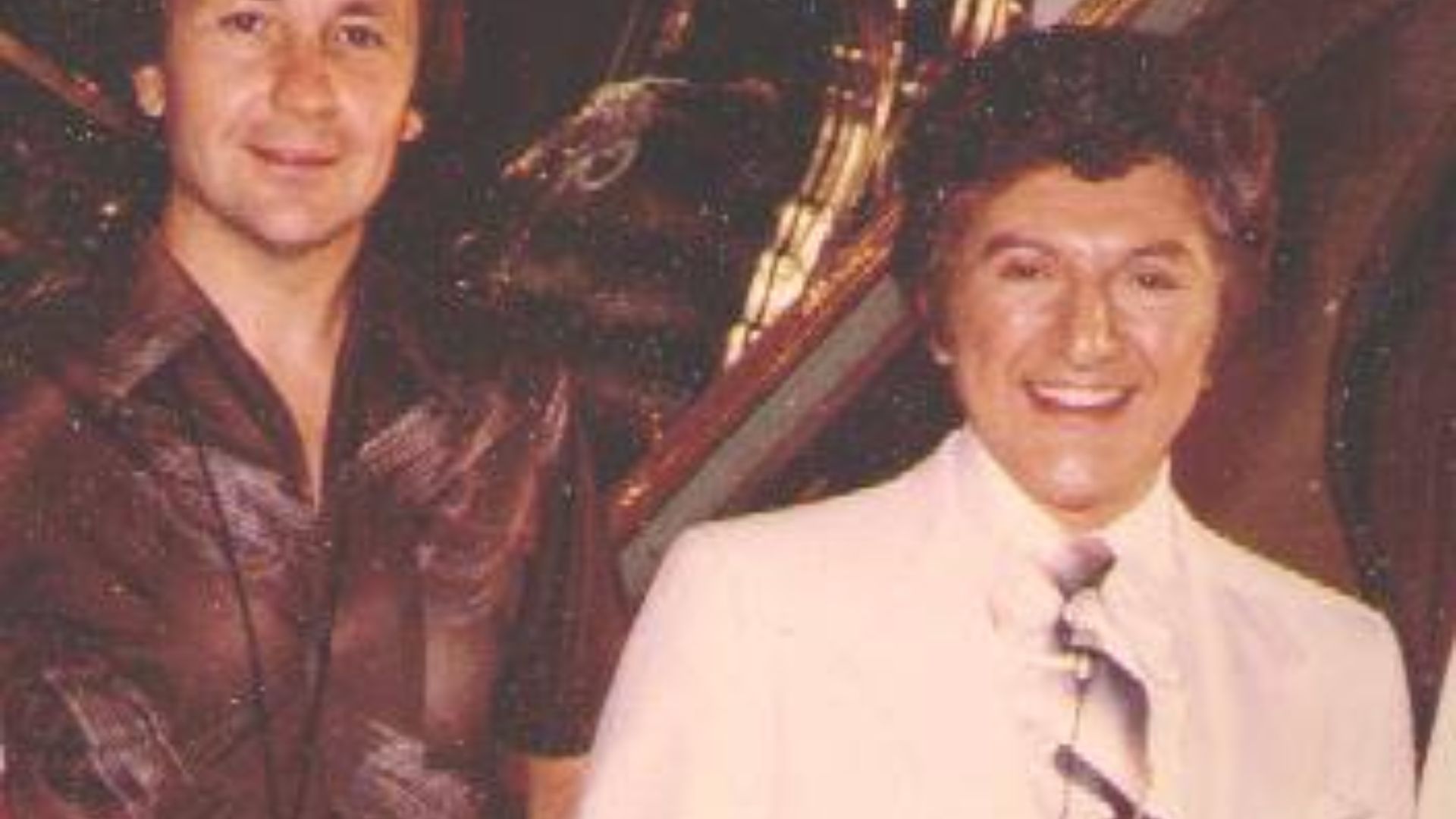
Liberace had many rumored romances, but the most scandalous of all was his relationship with Scott Thorson. The two met when Thorson was just a teenager, and when the young man turned 18, Liberace hired him to act as a personal companion. Liberace proceeded to shower his new boytoy with lavish gifts for the next five years. Thorson was completely infatuated, and would do literally anything for his sugar daddy.
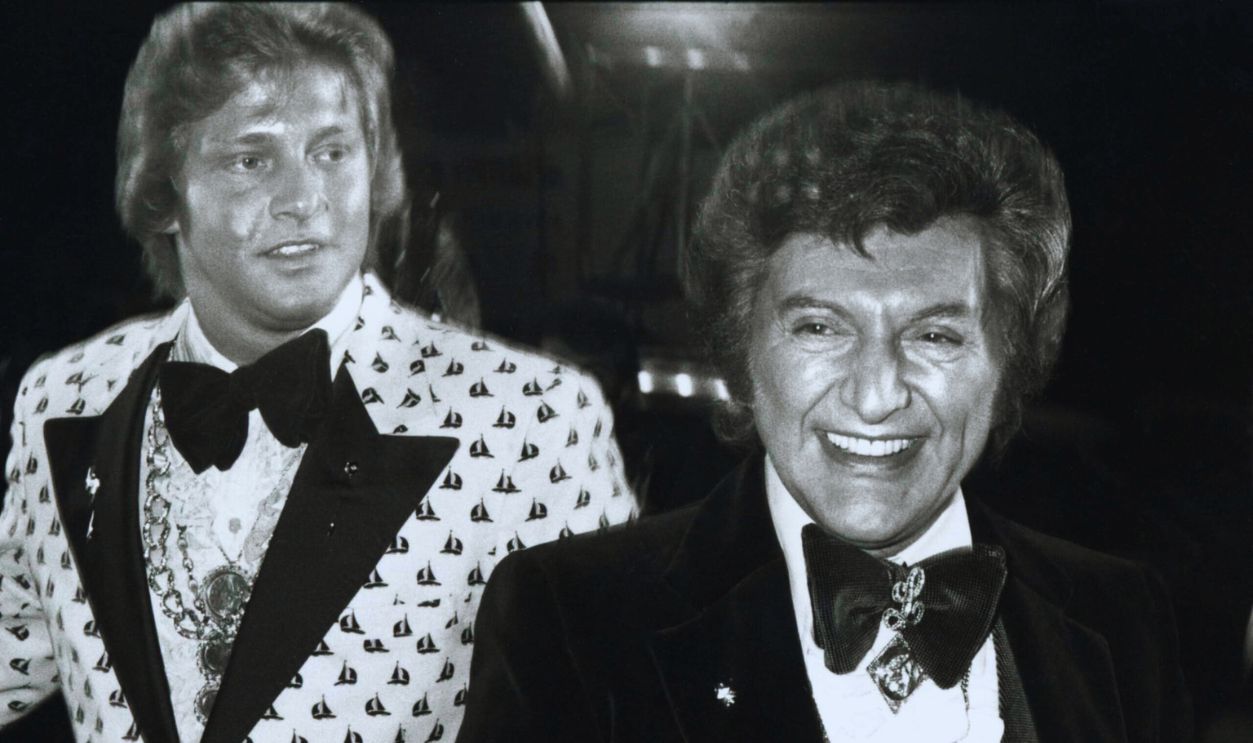
43. His Boyfriend Was Extremely Dedicated
Thorson later described his relationship with Liberace as quite one-sided, with the entertainer being generous but also incredibly possessive. Thorson’s commitment to Liberace went to astounding lengths, however, and he would do anything to please his partner. Incredibly, he even underwent plastic surgery to “look more like Liberace” at the older man’s suggestion. Such toxicity was not sustainable in a loving union.
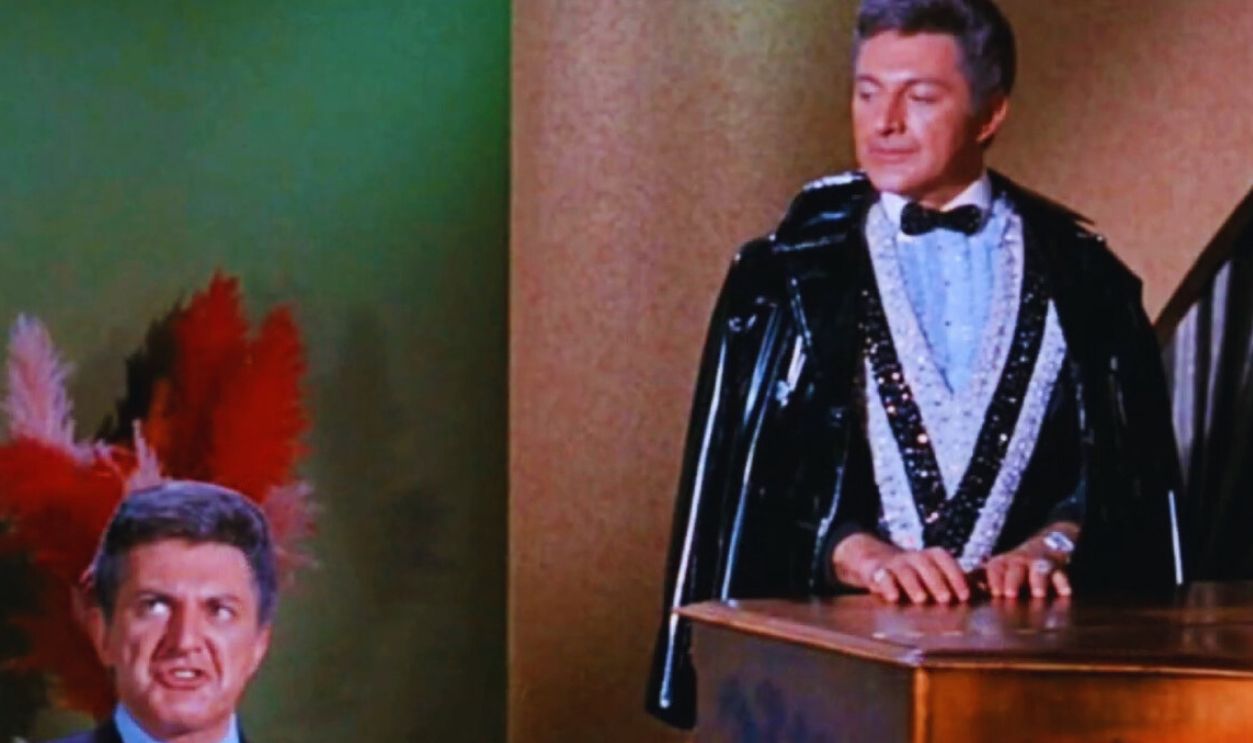 Screenshot from Batman, ABC (1966–1968)
44. His Relationship Was Dysfunctional
Liberace’s tumultuous relationship with Thorson did not last, and the two eventually broke up. Citing the reasons for the split, Thorson claimed that Liberace’s promiscuity became too much for him. Additionally, Thorson had developed serious substance abuse issues, which Liberace disapproved of, despite Thorson’s claim that the entertainer was the one who got him addicted in the first place. The drama was not over yet.
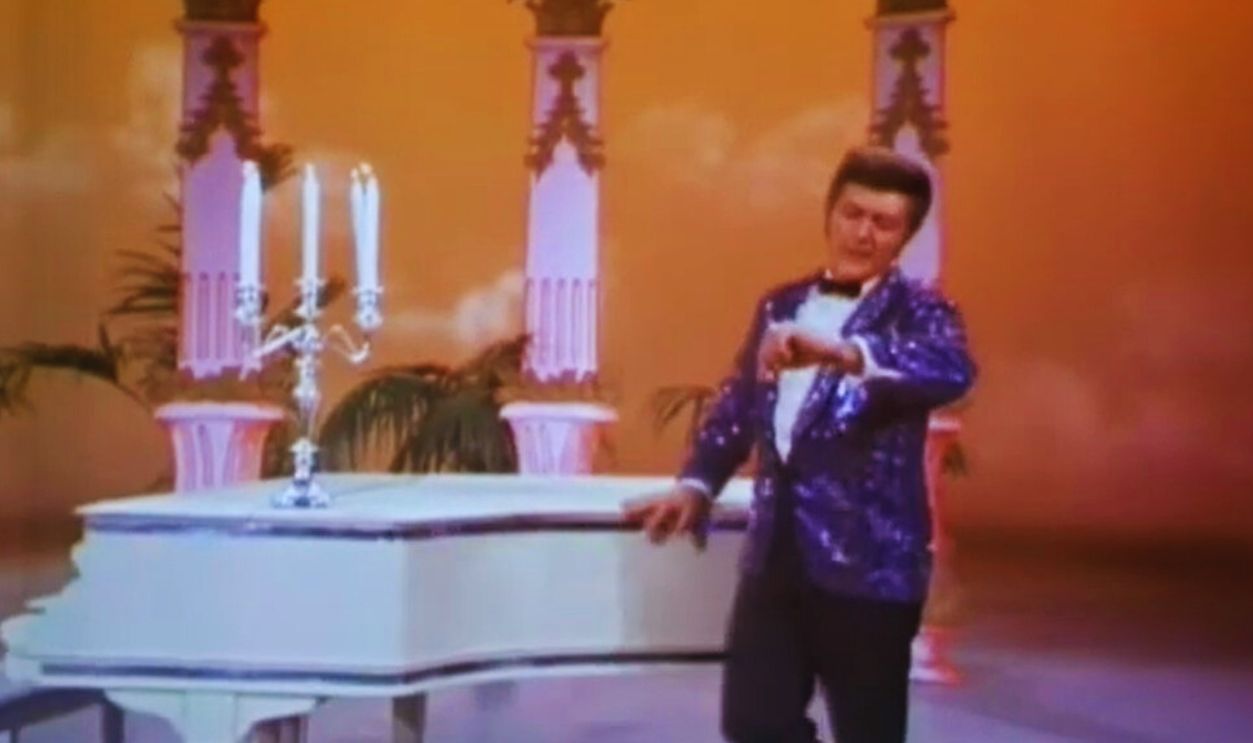 Screenshot from Candelabra, Syndicated Television (1968)
45. He Went To Court
After being dismissed by Liberace in 1982, Thorson filed a shocking $113 million lawsuit against the performer. Part of the suit was for palimony, making it the first same-sex palimony suit in United States history. Liberace did not make it easy, however, completely stonewalling the case, calling Thorson a disgruntled employer, and denying all the while that he was a homosexual. The case settled out of court in 1986. For such a dramatic whirlwind, the rest of the details leaked by Thorson were not nearly as compelling.
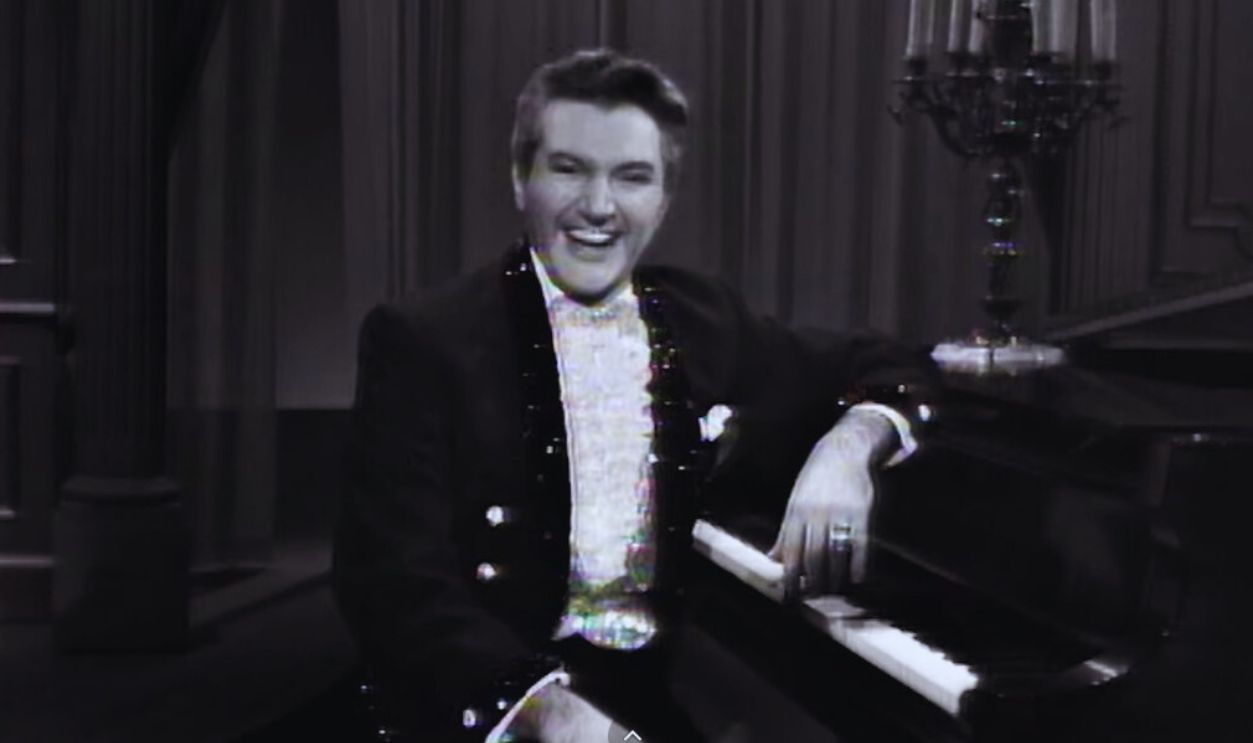 Screenshot from Liberace “Mack the Knife” on The Ed Sullivan Show, CBS Television (1960)
46. He Lived A Quiet Private Life
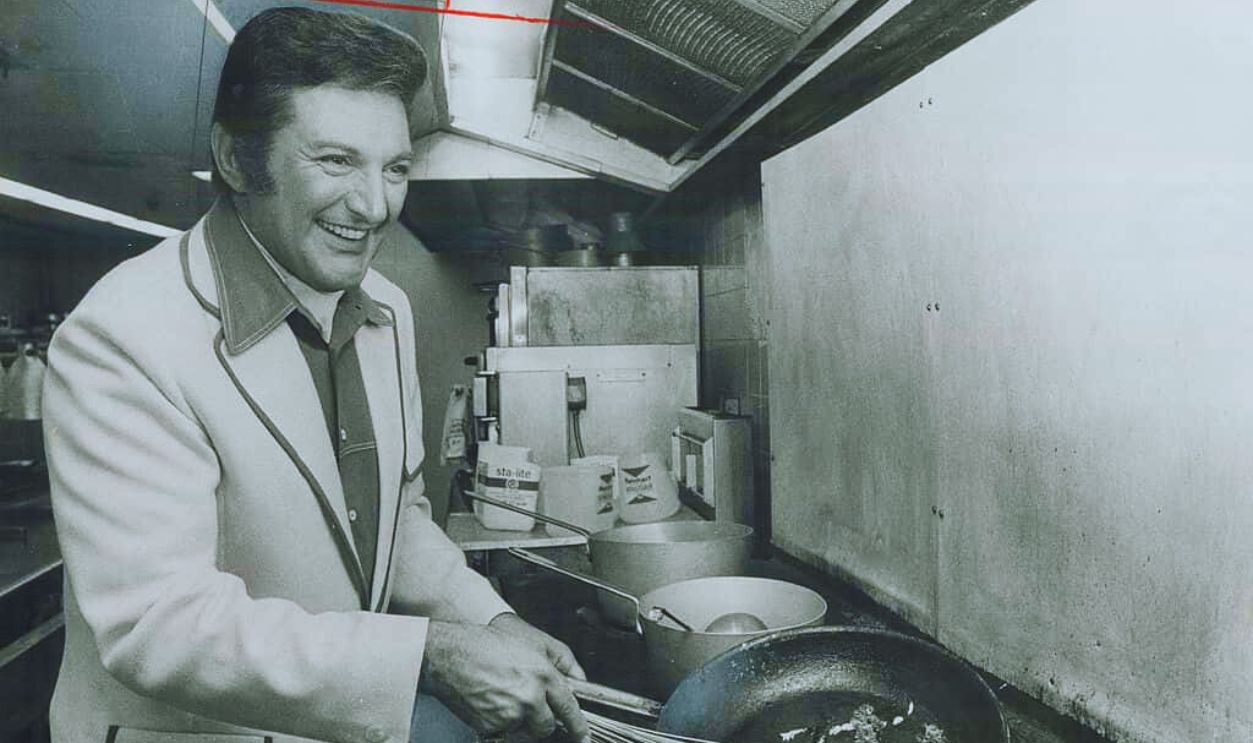
Later, after Liberace’s passing, Thorson, described the home life of the superstar. The picture painted was very much in contrast to the entertainer’s bombastic public persona. Liberace was allegedly a very “boring guy” at home who spent his free time cooking, decorating, playing with his dogs, and, surprisingly, never playing piano. His quiet life was about to be rocked, however.
47. He Got A Grim Diagnosis
In August of 1985, Liberace received a secret diagnosis from his private doctor that would irreversibly alter his life. After testing for it, he received a positive result for HIV, a relatively new virus that was ravaging the gay community (though not just the gay community) by the mid-1980s. As his condition deteriorated, Liberace made fewer and fewer public appearances.
48. He Wound Down His Career
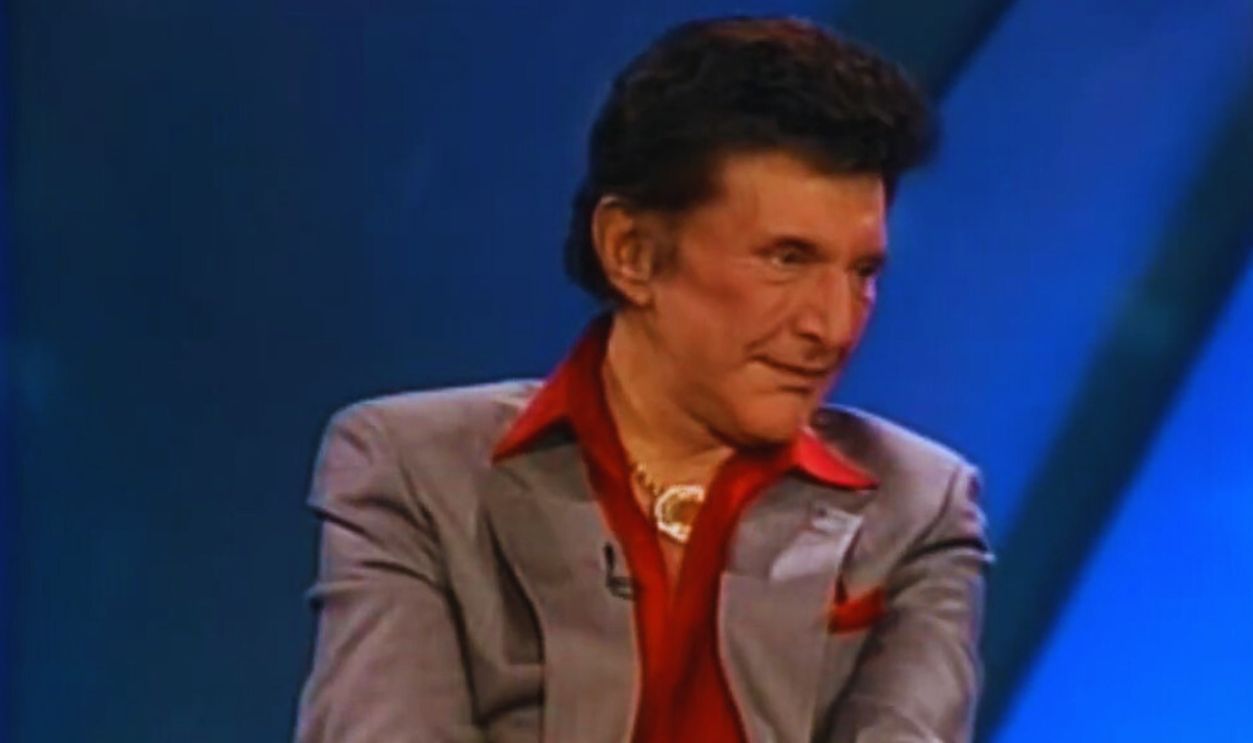
Liberace slowly retreated from the public eye as his illness took its toll. His last stage performance took place on November 2, 1986, in Radio City Music Hall. That same year, he made his final television appearance as a guest on the Christmas Day episode of the up-and-coming new Oprah Winfrey Show. His illness was never mentioned.
 Screenshot from Liberace on The Oprah Winfrey Show, Harpo Productions (1986)
49. He Took A Secret To The Grave
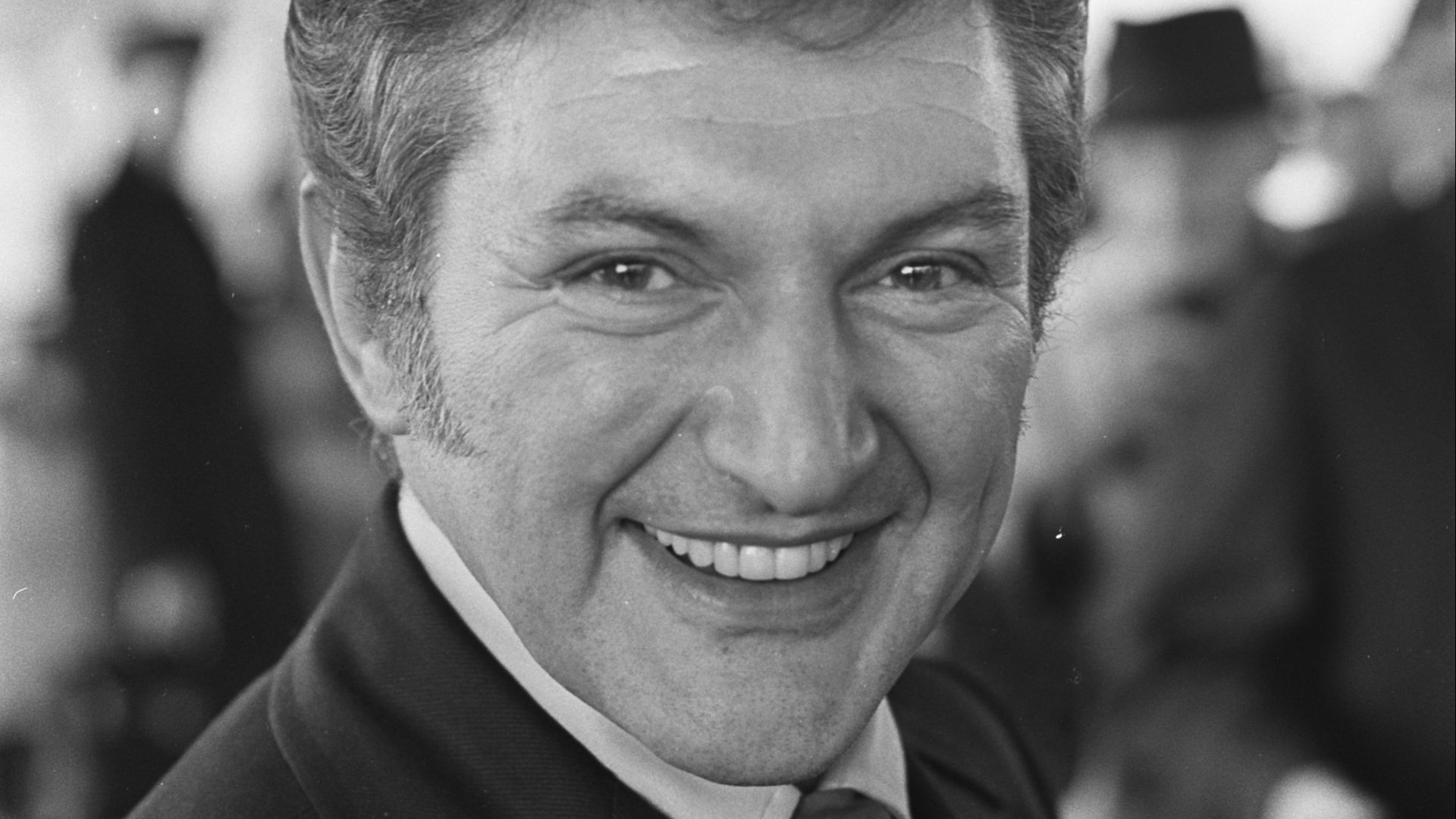
Liberace never publicly disclosed his illness, and even in his private life, only a select few knew of his condition. Furthermore, the entertainer opted not to seek medical treatment, perhaps fearing what the public would imply if found out (many people erroneously associated HIV with homosexuality at the time). Those close to him tried to keep up the façade after his passing, announcing that it was "anemia, emphysema, and heart disease" that had taken him out. But when the County Coroner conducted an autopsy, they discovered the real cause of death: pneumonia as a result of AIDS.
Liberace's end was tragic, but the legacy he left behind was astounding.
 Jack de Nijs for Anefo, Wikimedia Commons
50. He Left Plenty Behind
Liberace’s career, in the end, spanned four decades. During that time, he made untold sums of money and left behind a vast fortune after his passing. Much of this money went to funding the Liberace Foundation, a college scholarship for up-and-coming performers. Indeed, it was an appropriate legacy for the man who redefined what a live show could be.
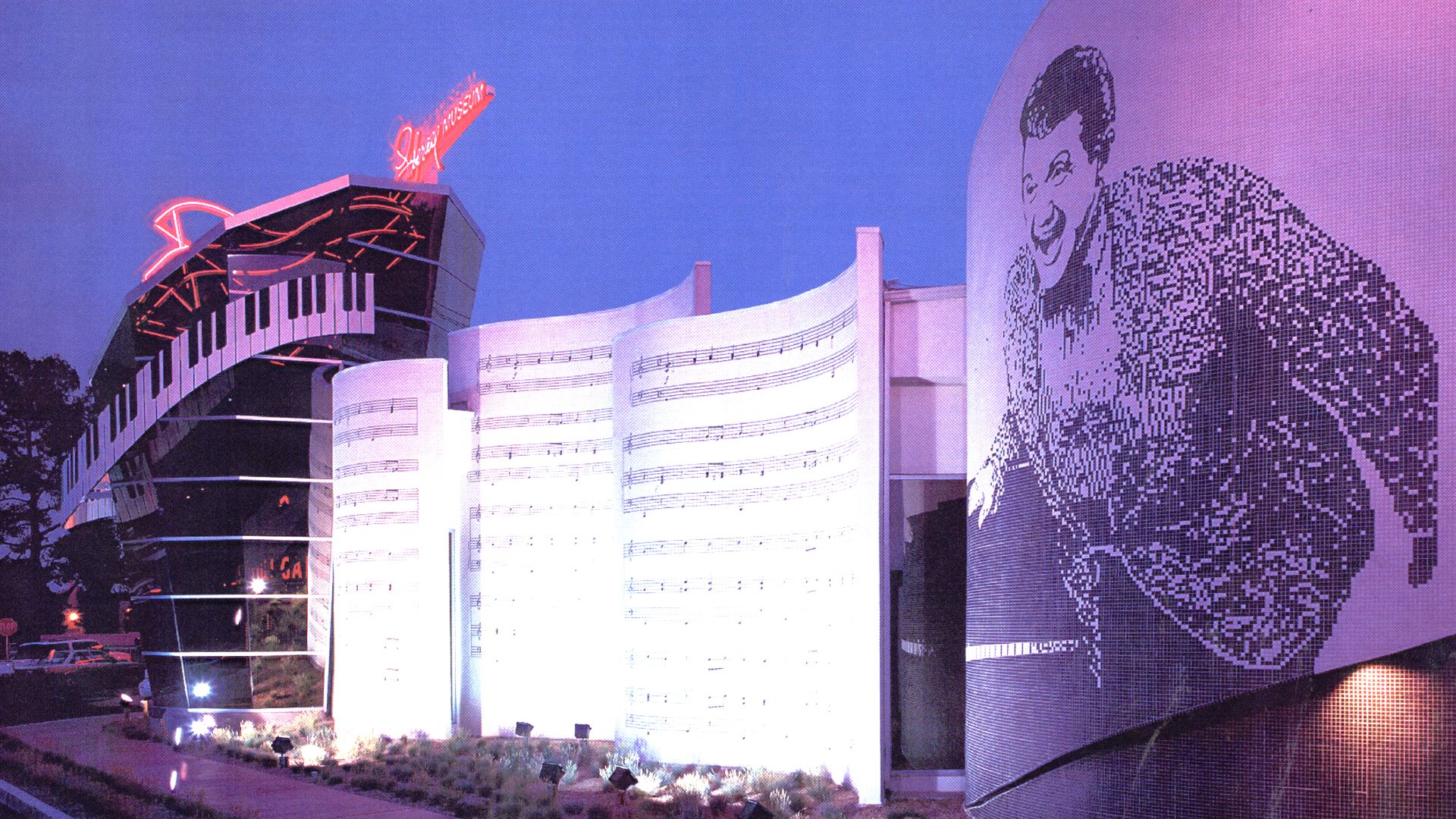 Unknown authorUnknown author or not provided, Wikimedia Commons
You May Also Like:
Bedazzled Facts About Elton John, The Rocketman
Tiny Tim Was Music's Most Eccentric Singer
The Devastating Story Of Gypsy Rose Lee, History’s Most Scandalous Burlesque Performer