Money Can’t Buy Happiness
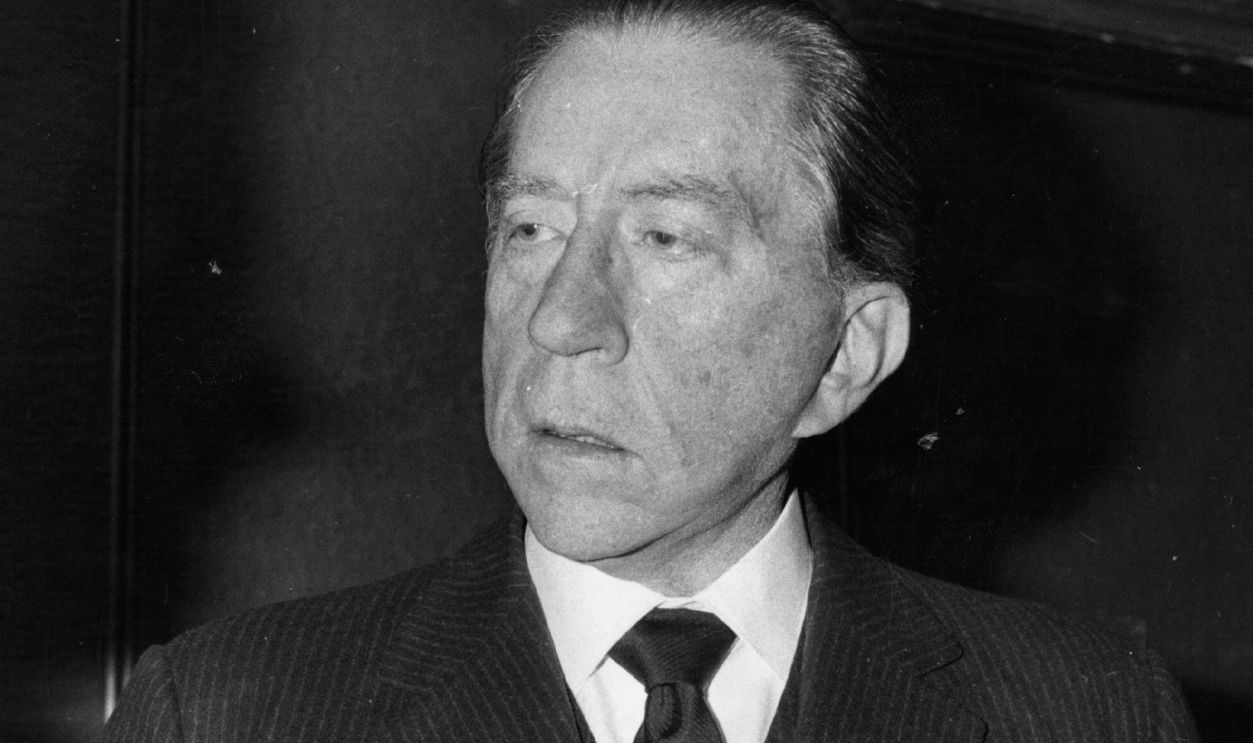
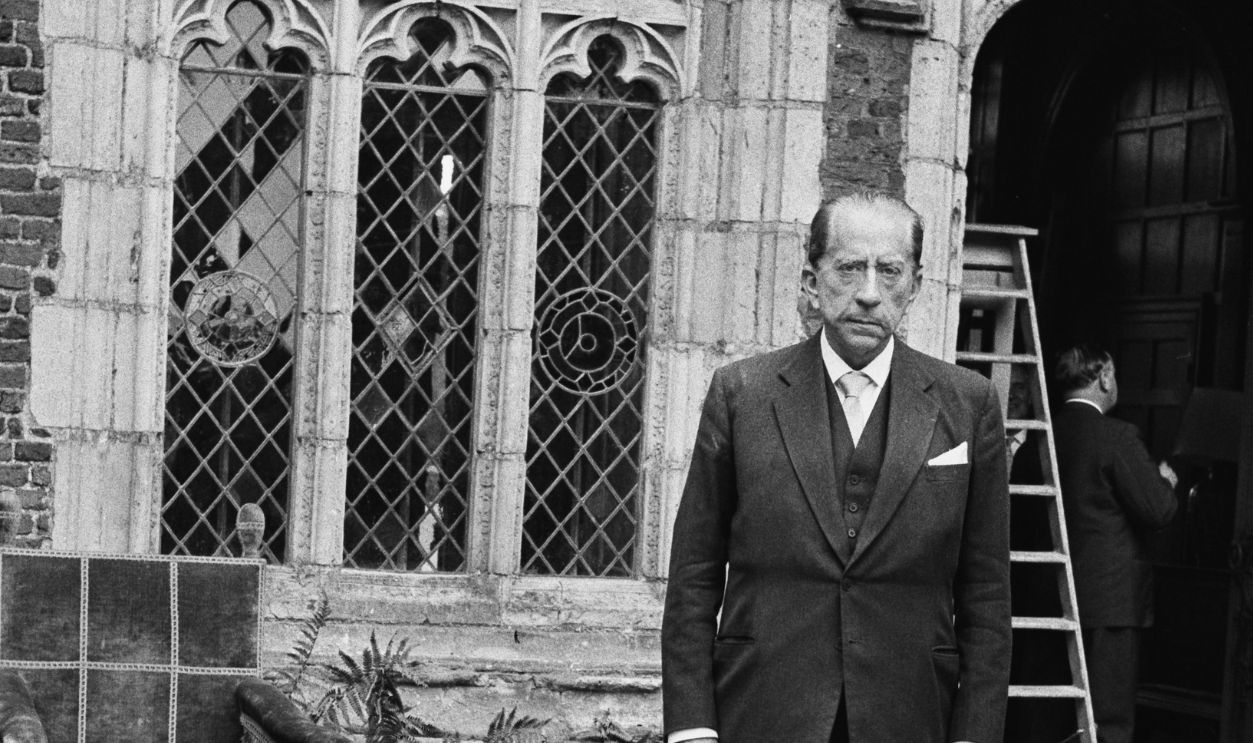
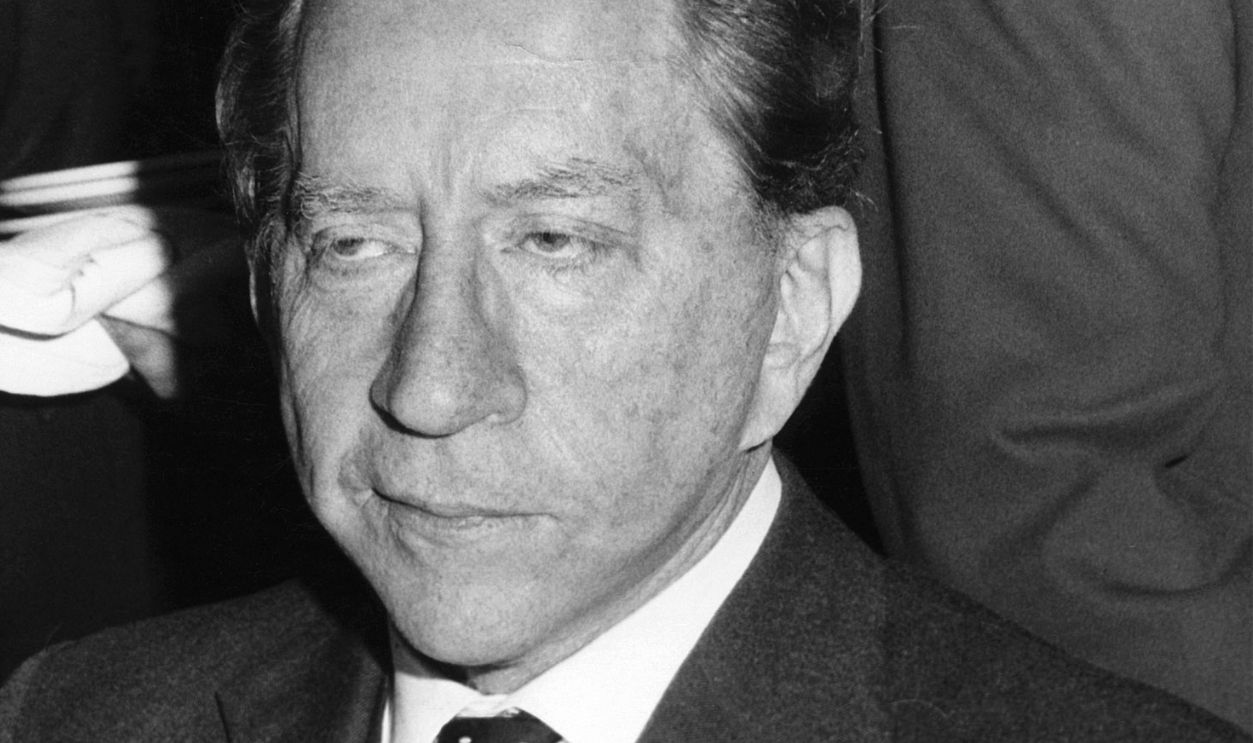
During his lifetime, J Paul Getty rose to become the richest man in the world. Nothing remained out of reach for him—and yet, he hoarded his money, counting every penny that life cost him. He could’ve lived a lavish life full of luxury, and yet, in the end, he lost everything that mattered, finding joy in the only thing that he had left: counting his millions, as if it still mattered.
1. His Upbringing Stayed With Him
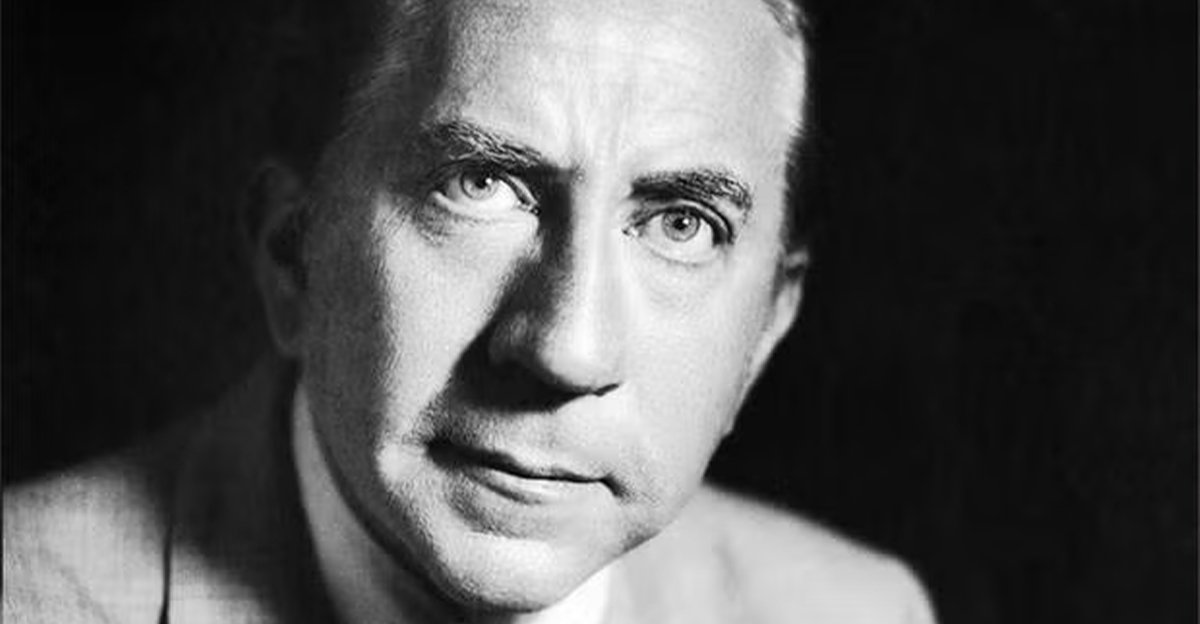
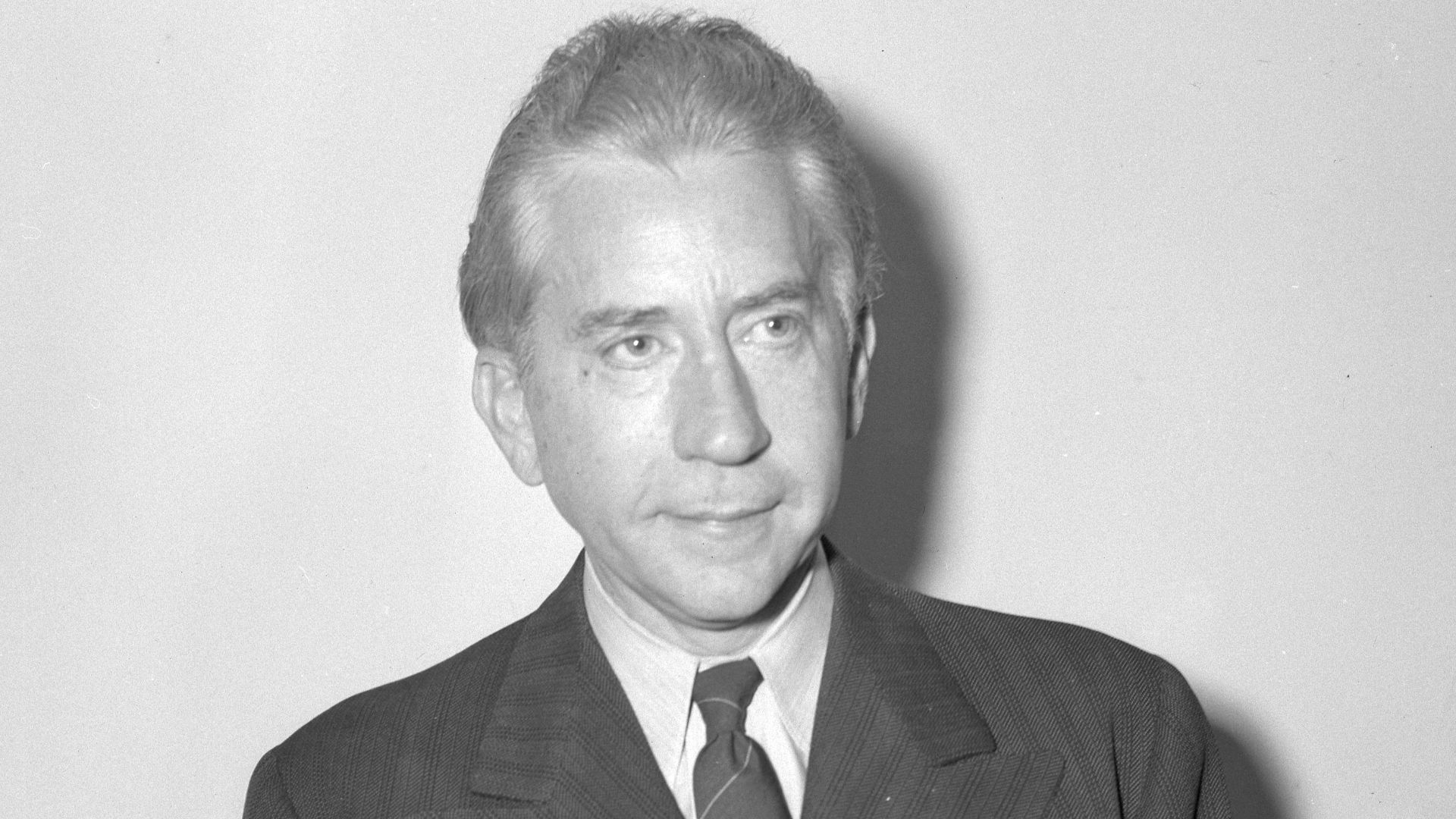
Jean Paul Getty was born in a modest home in Minneapolis. His parents, Sarah Catherine McPherson and George Getty, were Methodists who lived by the philosophy of a simple life. This included being staunch avoiders of alcohol. This upbringing left its mark on Getty in profound and damaging ways.
 Los Angeles Daily News, Wikimedia Commons
2. His Life Changed Overnight
Getty’s life changed forever at the age of 10. His father, George, purchased mineral rights for land in Oklahoma in 1903. Within a few years, they’d struck gold—black gold. Their land produced 100,000 barrels of crude oil per month. The Gettys became millionaires nearly overnight. Getty used his newfound wealth to seek out two things: more wealth and trouble.
 Kerwin Moore, Wikimedia Commons
3. He Had An Unsatiable Appetite
J Paul Getty had a keen business sense. However, his appetite for women greatly outweighed his appetite for wealth. Unlike in business, where Getty had no problem holding on to money once he gained it, Getty couldn’t hold onto the women once he got them. His revolving door of partners started in 1917 with a scandal he never lived down.
4. His Track Record Was Spotty
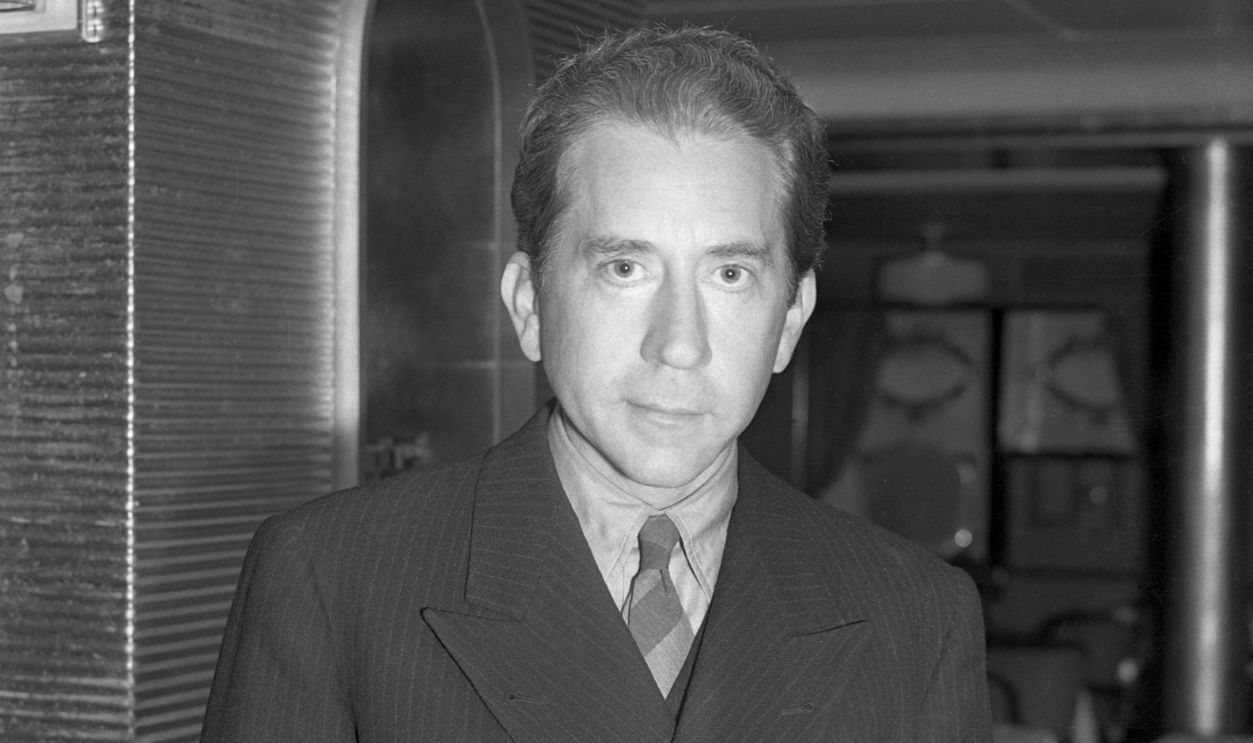
Who knows how many women J Paul Getty had been with before Elsie Eckstrom? Given his future track record and the fact that he was 25 years old, Eckstrom couldn't have been first. However, she was the first to catch Getty with his pants down—quite literally.
5. He Took Advantage Of Her Youth
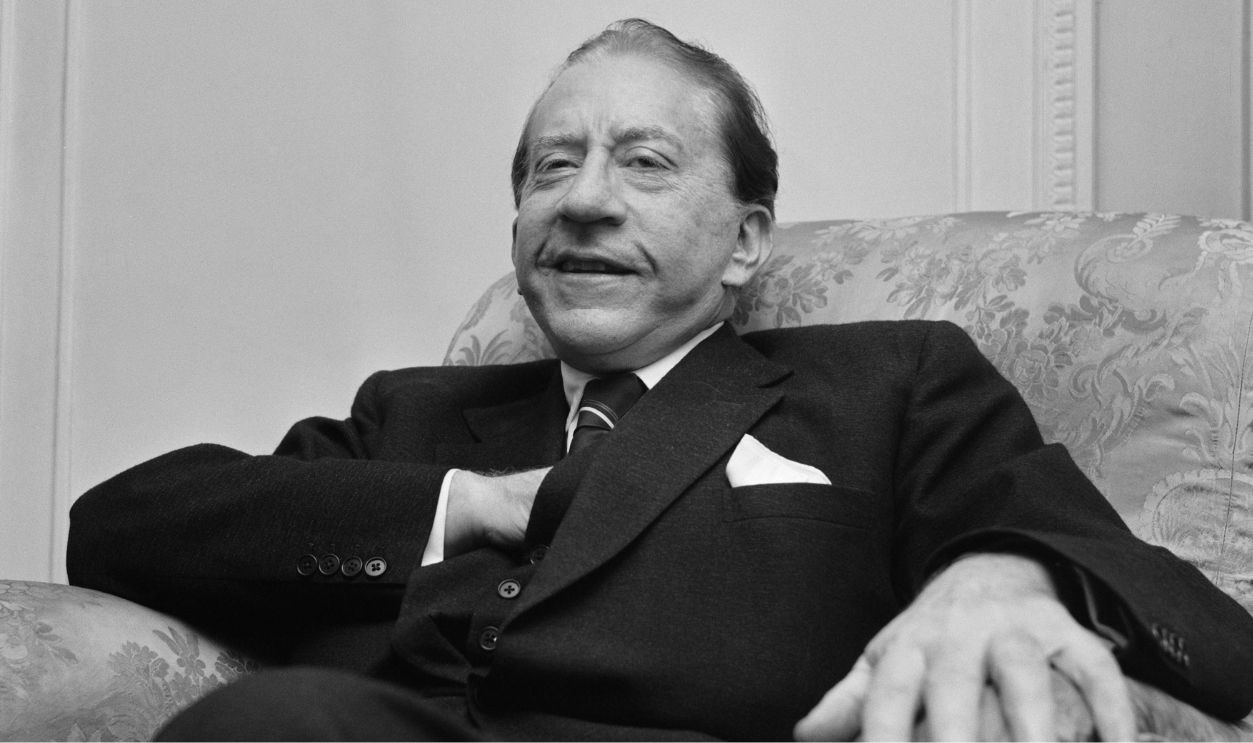
According to Eckstrom, Getty had indeed been a bad boy. Eckstrom claimed that he’d taken advantage of her while she’d been drunk, claiming her virginity for himself and leaving her with a daughter to boot. A daughter that Getty had no intention of acknowledging. Too bad for Getty that Eckstrom wasn’t going to let him get away from his responsibilities that easily.
 Evening Standard, Getty Images
6. He Couldn’t Bully Her
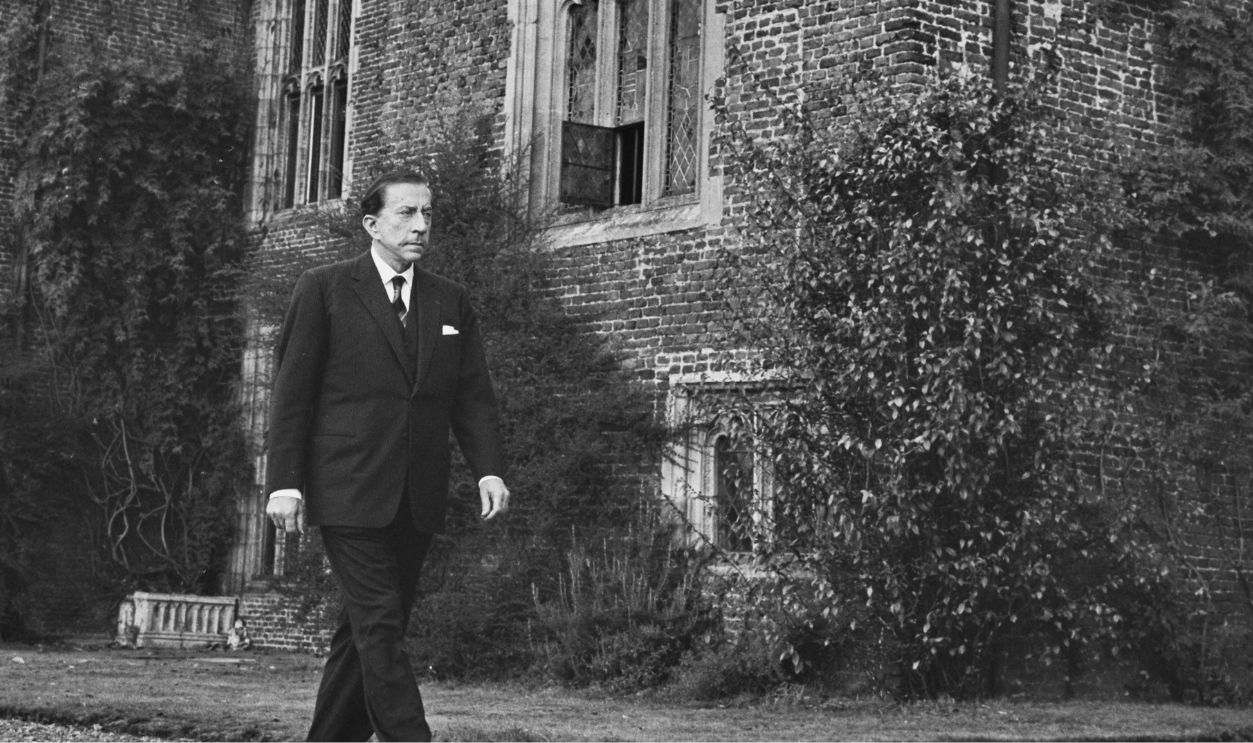
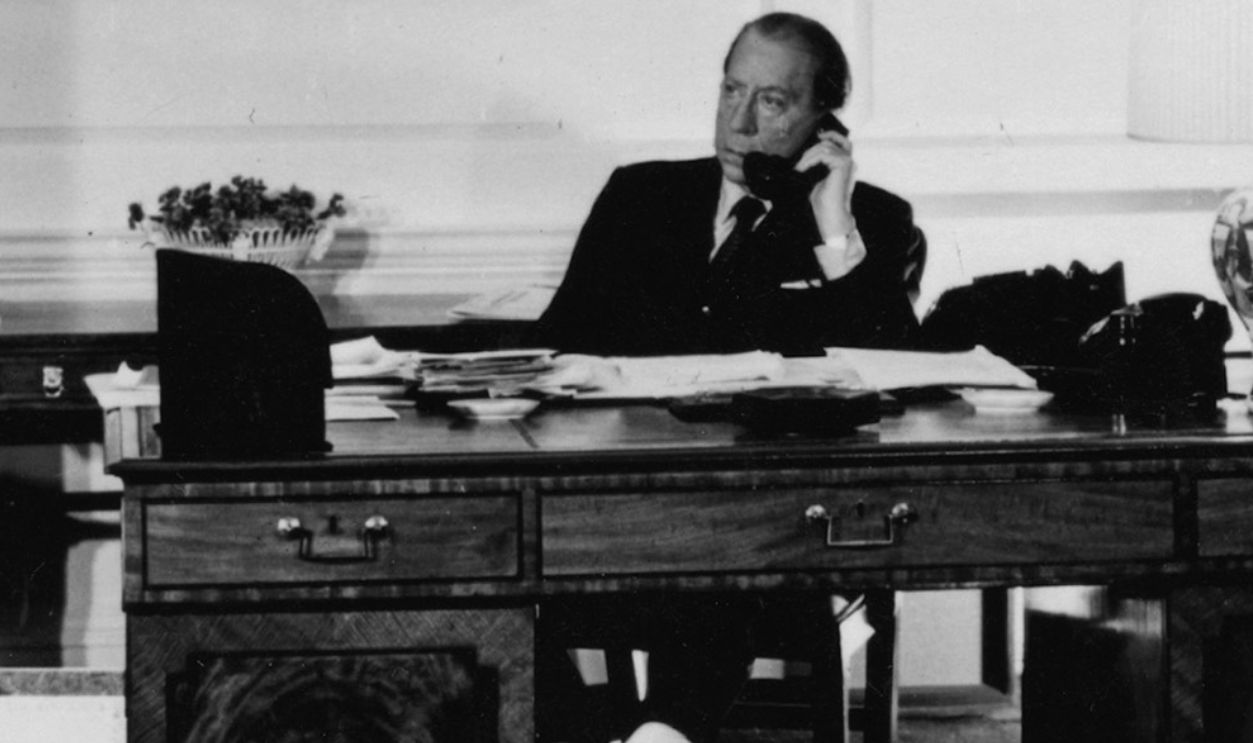
Showing a great amount of strength, Eckstrom didn’t let the Getty wealth push her back into the shadows, as the family surely would’ve liked. Instead, Eckstrom filed a paternity suit against Getty, alleging him to be the father of her daughter, Paula. Getty, of course, had no interest in conceding to the claim. So, he and Eckstrom went to battle.
 Pictorial Parade, Getty Images
7. He Made Accusations
It’s a tale as old as time. When a woman accuses a wealthy and prominent man of taking advantage of her, leaving her with a child that he has no interest in keeping, his lawyers fall back on the same argument: she’s a hussy, having slept around with so many men that their defendant couldn’t possibly be the father. Unfortunately for J Paul Getty, Eckstrom wouldn’t back down.
8. He Paid Her Off
Despite the cruel accusations about her promiscuity, Eckstrom continued to persist with her suit. In the end, it became clear that she had no intentions of going away; therefore, Getty needed to do something. He settled, paying $10,000, at which point Eckstrom and her daughter disappeared. Getty must’ve viewed this as getting away with the matter, as he learned nothing from the incident.


History's most fascinating stories and darkest secrets, delivered to your inbox daily.
9. He Couldn’t Say No
Getty’s appetite for women became as infamous as his stinginess with his money. It prompted his lawyer to say, “Paul could hardly ever say 'no' to a woman, or 'yes' to a man”. There, undoubtedly, were many more women after Eckstrom. However, Getty managed to evade any attachment to them until Jeanette Demont.
 Express Newspapers, Getty Images
10. He May Have Gotten In Trouble
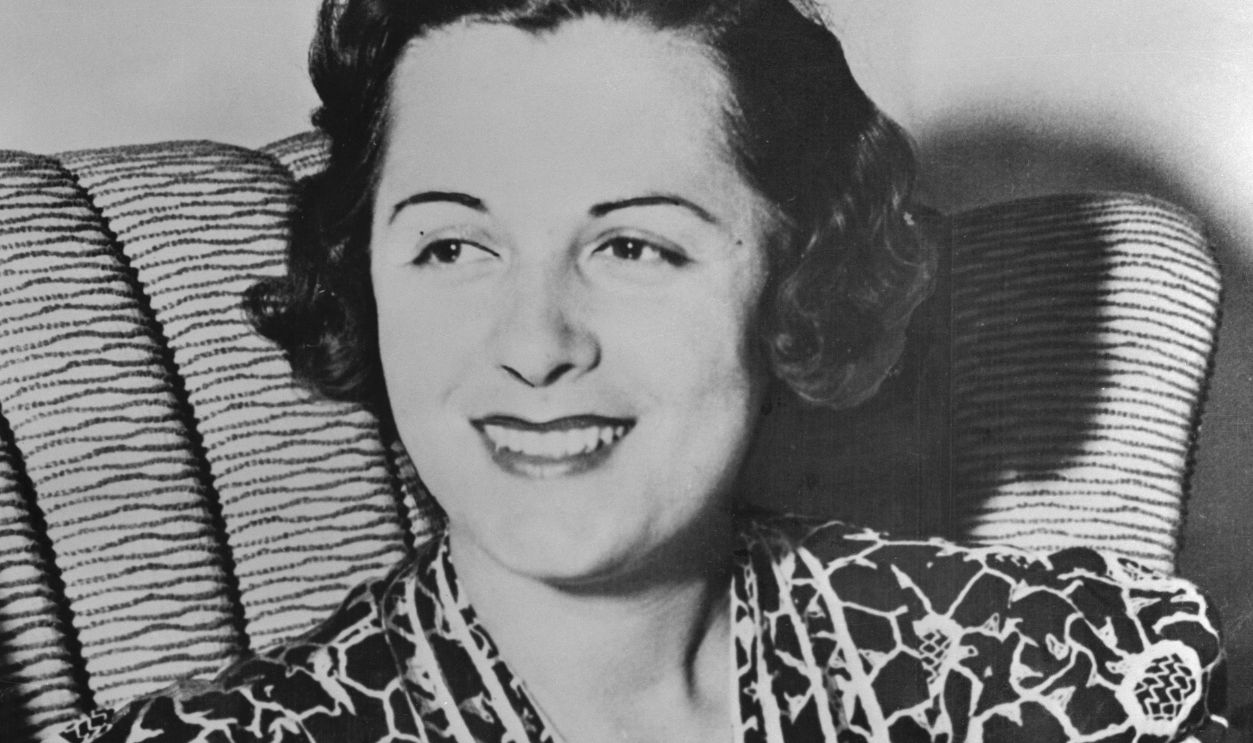
Few records say much about Jeanette Demont, aside from suggesting that she was 17 at the time that she met J Paul Getty. Whatever the story behind their meeting, Getty appeared to have grown enough by 1923 to take some responsibility for his actions. But the math suggests that they may have married under questionable circumstances.
11. His Marriage Was Conveniently Timed
Now 31, J Paul Getty married Jeanette Demont in October 1923. Roughly nine months later, in early July 1924, Demont gave birth to Getty’s first son, George Franklin Getty II. There is not enough evidence to conclusively say that Getty and Demont had a shotgun marriage, but it’s enough to wonder if it’s a possibility, especially given how quickly Getty moved on from Demont.
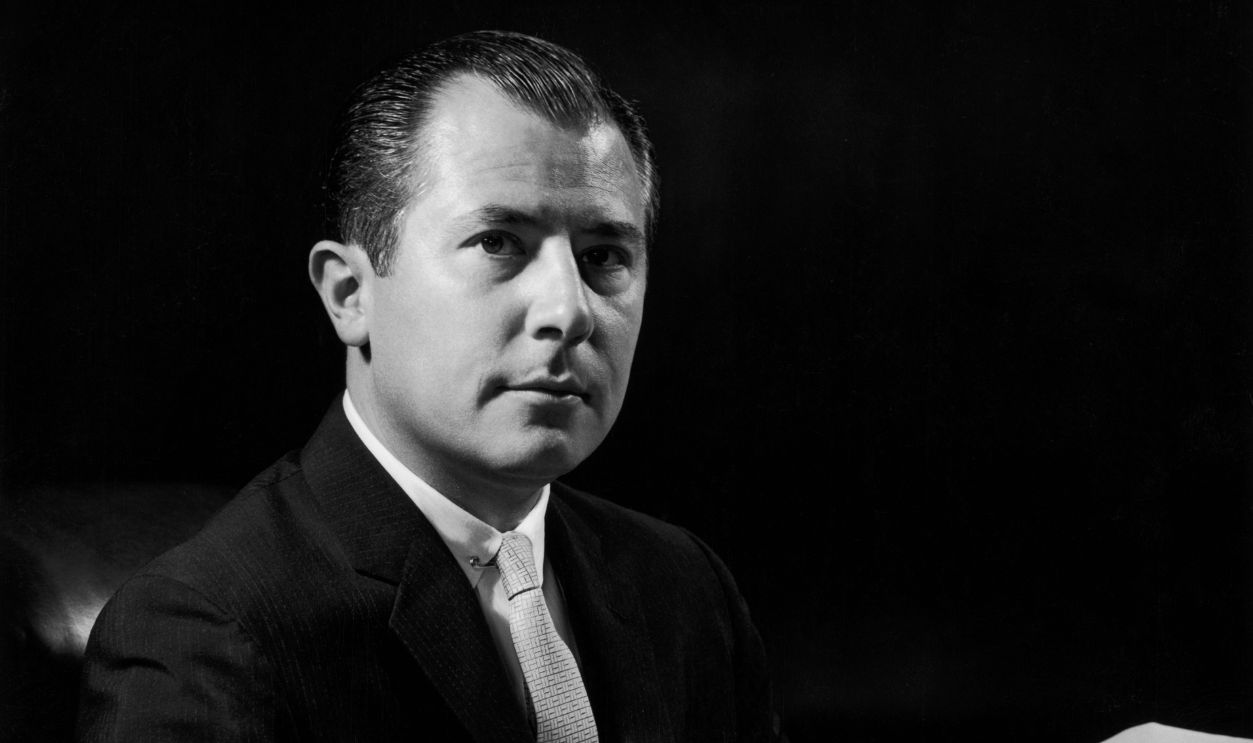
12. His Wife And Child Were Left Behind
Three years later, in 1926, Getty’s work had taken him to Mexico City. Objectively, Getty was there to oversee business interests and study Spanish. However, he may have had other ideas in mind. Certainly, his first wife and son weren’t with him when another 17-year-old girl caught his eye.
 Nan Palmero, Wikimedia Commons
13. He Got Caught Up In The Moment
Getty’s relationship with Allene Ashby proved as “whirlwind” as you can get. Getty, now around 34, met the 17-year-old Ashby while in Mexico City. Their attraction surely was intense, for they got so swept up in the romance of it all that they eloped to Cuernavaca. Getty, surely, became caught up because he forgot about one teeny, tiny problem.
 Zoran Lazic, Wikimedia Commons
14. He Forgot Something Important
Who can blame a man for getting caught up in the romance of a moment, against the force of their desire? Surely, no one can blame them for forgetting that they are still legally married when they run off with another woman—as was the case with Getty. He eloped with Ashby before divorcing Demont.
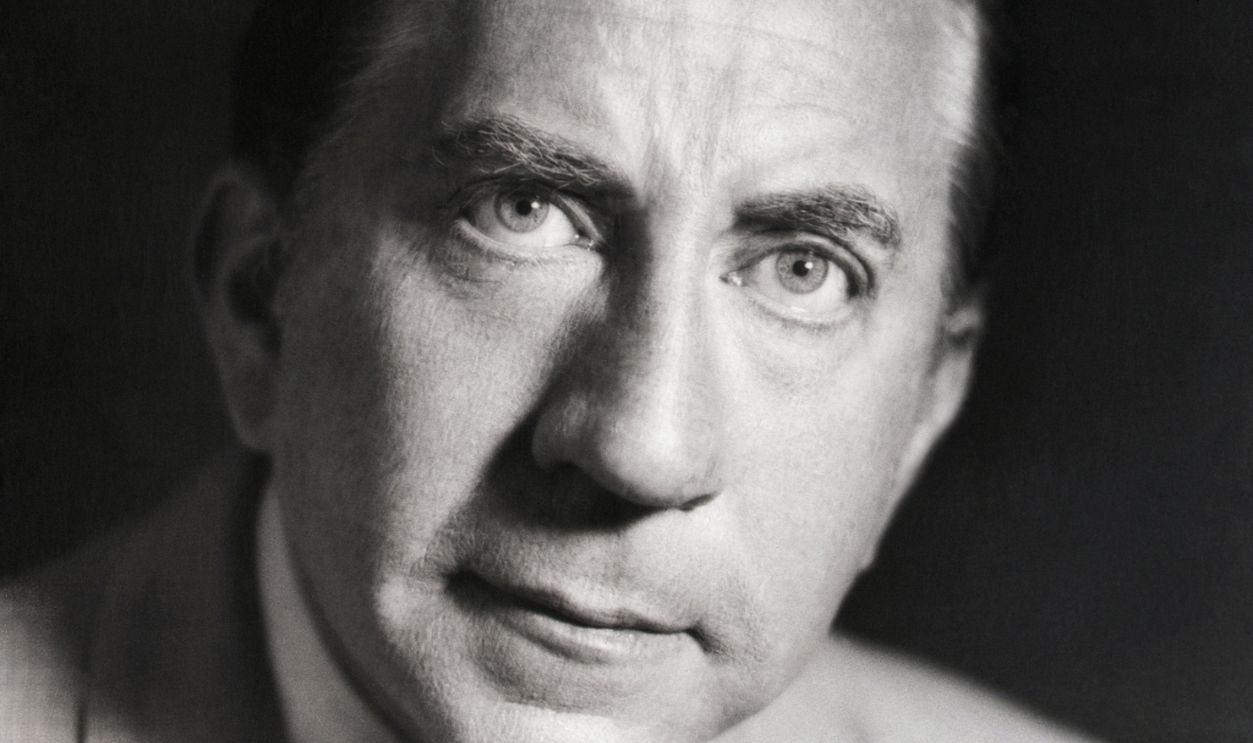
15. He Handled Two Things At Once
Any successful businessman needs to know how to multitask, and J Paul Getty proved that tenfold with his second marriage. His potentially bigamous union with Ashby succeeded in ending not just one, but two of Getty’s marriages in one go. Getty and Ashby’s marriage didn’t outlast his stay in Mexico. By 1928, Getty had left Ashby and Mexico behind—it was time for yet another wife.
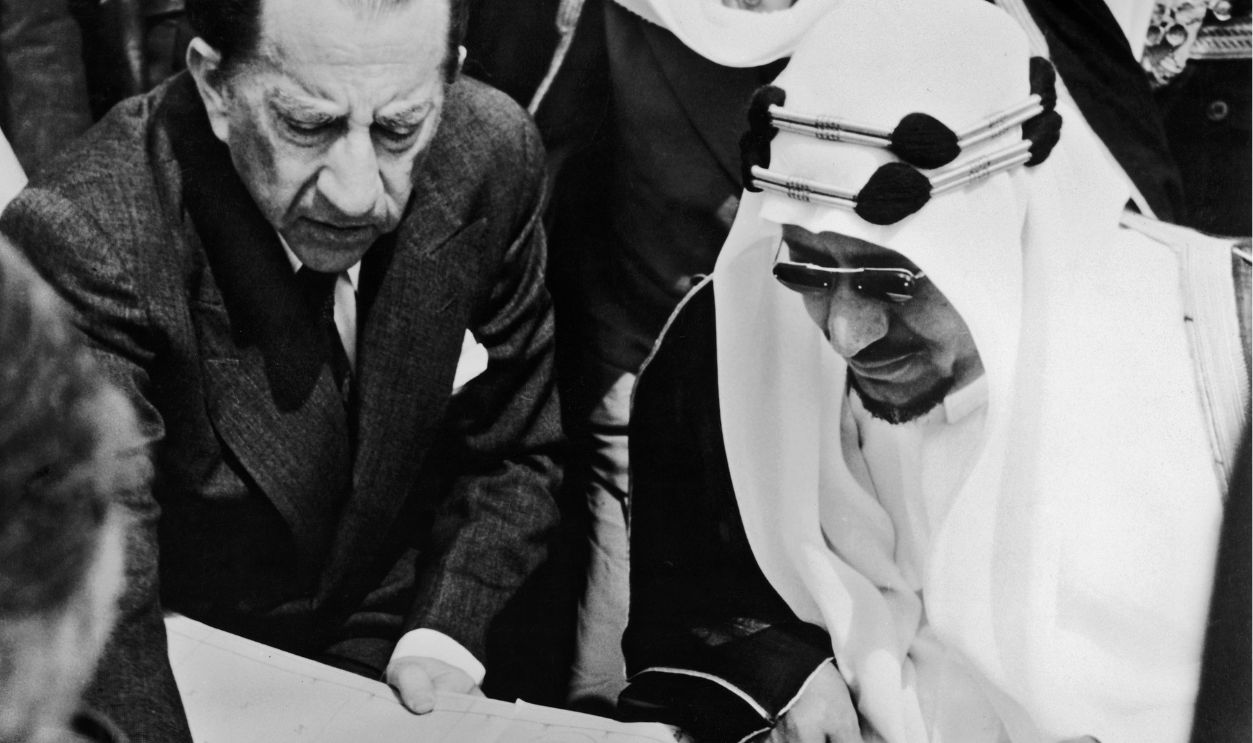
16. His Wives Stayed The Same Age
While Getty continued to get older with each passing year, his wives all stayed the same age. By 1928, Getty was now 36 and visiting Vienna, where yet another 17-year-old girl caught his eye. However, unlike his previous wives, Getty’s third wife appeared to have someone looking out for her—not that it helped matters, in the end.
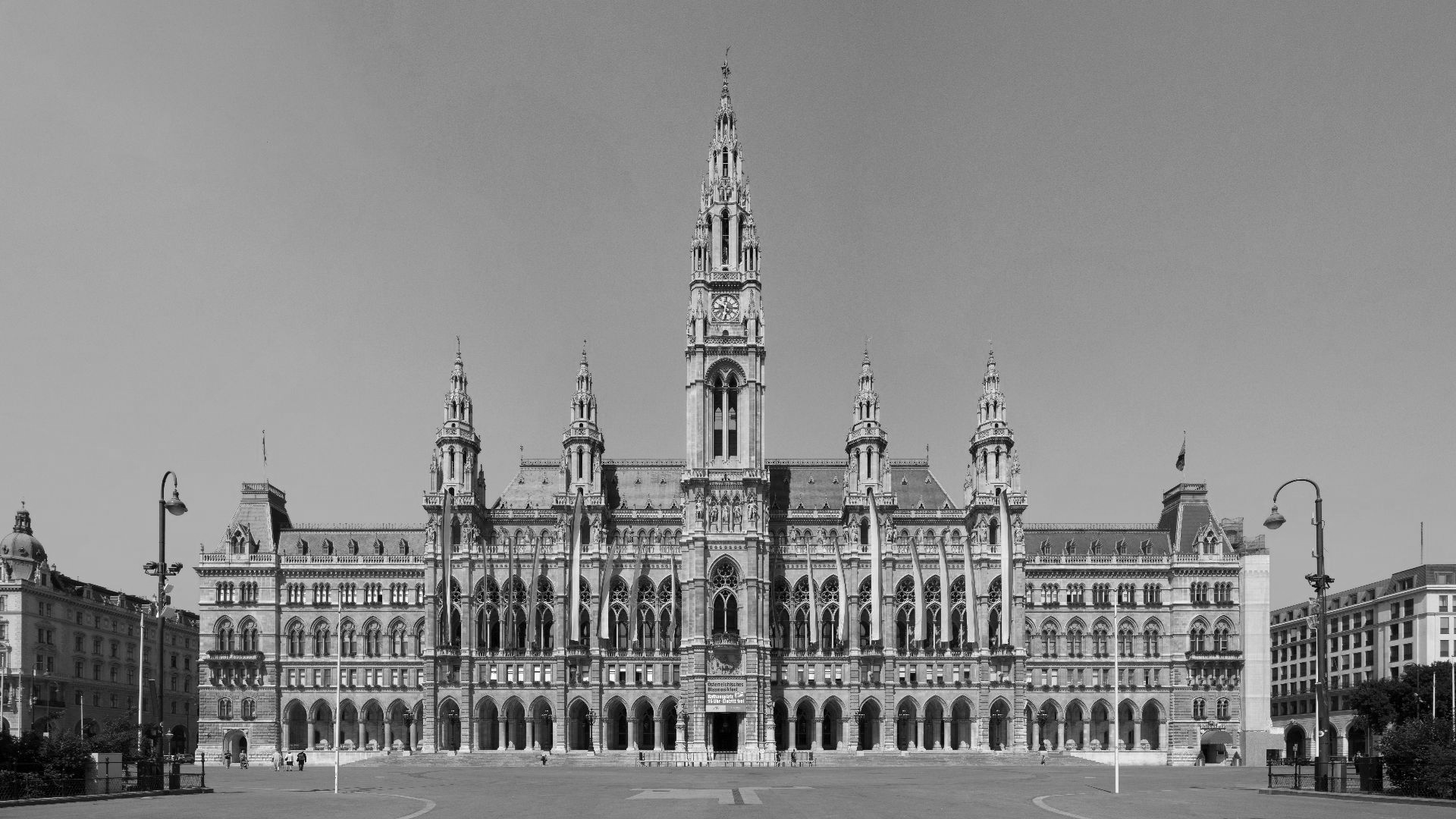 Thomas Ledl, Wikimedia Commons
17. He Wasn’t Liked By Fathers
Adolphine Helmle was 17 when she met J Paul Getty in Austria. Helmle became taken by Getty, just as Ashby and Demont had been before her. However, Helmle’s father, a respected and established doctor in Germany, saw Getty for what he was: a man ten years older than his daughter with two failed marriages already behind him. He put his foot down. The marriage would not happen.
 Evening Standard, Getty Images
18. He Pulled The Same Move
Unfortunately, everyone knows that 17-year-old girls are not prone to listening to their father, and Getty knew exactly how to get around this sort of thing. Getty took Helmle to Cuernavaca, where the two eloped—the same move that Getty took with Ashby. Unlike Ashby, however, Helmle didn’t escape the union unscathed.
 Diego Tirira from Quito, Ecuador, Wikimedia Commons
19. He Liked The Weddings
After eloping in Mexico, J Paul Getty and Helmle settled in Los Angeles, where Helmle gave birth to a son, Jean Ronald Getty, roughly a year later. While Getty expressed great fondness for women, he appeared to be careless of the children that they produced. Once Helmle transformed from woman to mother, their relationship changed entirely.
20. He Lost Interest In Her
Getty loved Adolphine Helmle, the vibrant 17-year-old girl. Mrs Getty III, the mother of his son, held far less appeal to him. He lost all interest in Helmle after their son was born. With her rose colored glasses removed, Helmle’s father finally found the foothold he needed. He would get his family back from Getty, one way or another.
 Evening Standard, Getty Images
21. He Entered A Battle
Without Getty’s attention, Helmle realized the concerns her father had expressed before her elopement were valid. Therefore, she finally acquiesced to his request to return home, taking her son back to Germany with her. By 1930, Getty had three failed marriages and at least two children, and his father, a staunchly devoted man, had noticed.
 Christian Wolf (www.c-w-design.de), Wikimedia Commons
22. His Father Was Ashamed
Thanks to the combined efforts of father and son, the Getty fortune now rested at roughly $10 million. As he’d given him his early start, J Paul Getty surely expected to receive a good portion of that money, if not all of it, upon his father’s passing. However, George Getty had been watching his son over the years. He didn’t like what he saw.
23. His Marriages Caused A Problem
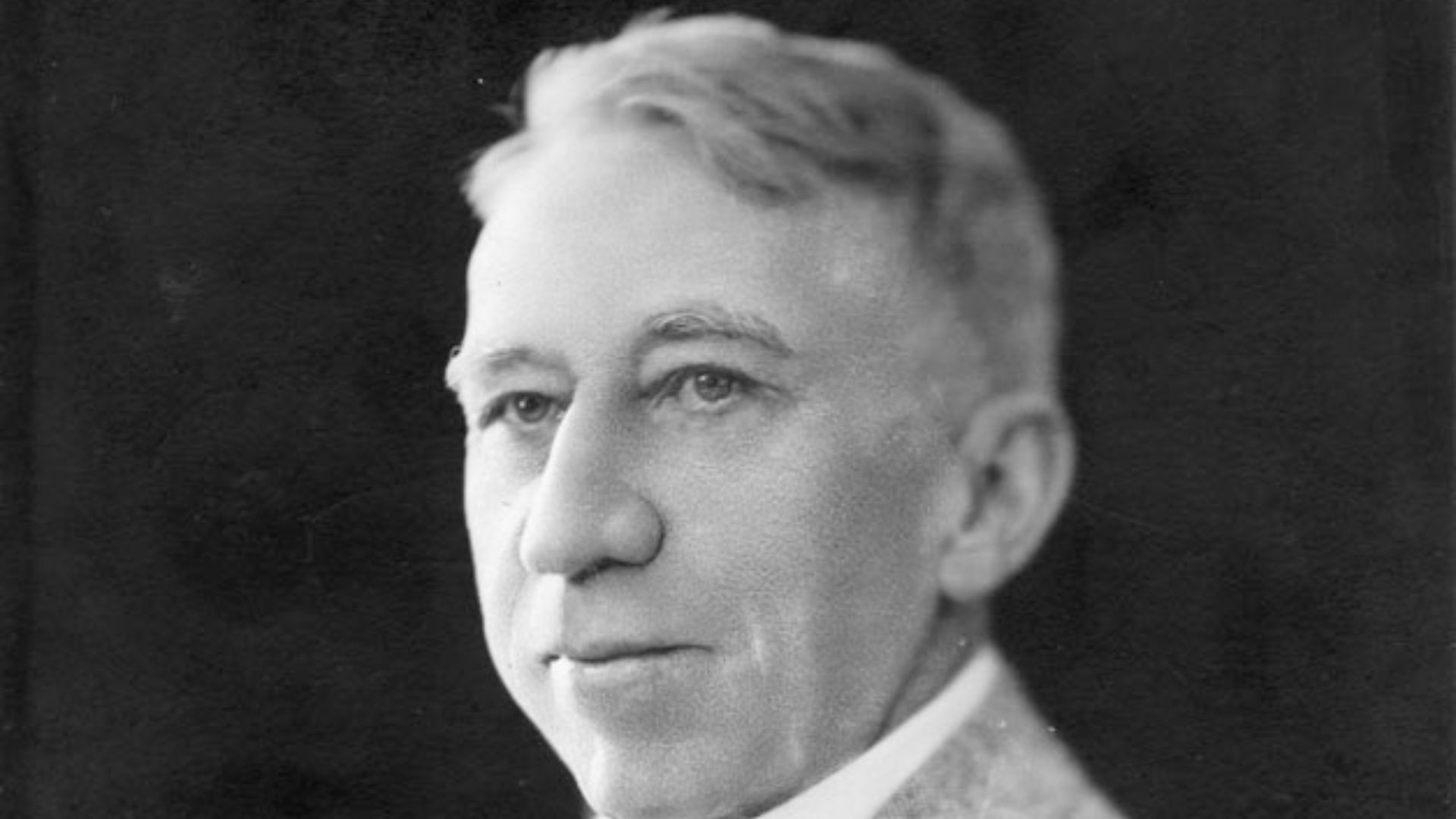
George did not approve of his son’s womanizing ways. It destressed him to the point that he doubted the quality of man his son was. Therefore, when George passed in 1930—right in the middle of Getty’s third divorce—he took measures to ensure that Getty couldn’t destroy his business the way he’d destroyed his life.
 Aaron Tycko, Wikimedia Commons
24. He Was Left Out
Of the $10 million that George Getty was worth at the time of his passing, J Paul Getty only received $500,000, a pathetic fraction. Moreover, George only gave him one-third of George Getty Inc’s stocks, leaving the remaining two (and control) to his wife. If George intended this to be a message to his son, he greatly underestimated Getty.
25. He Took His Time
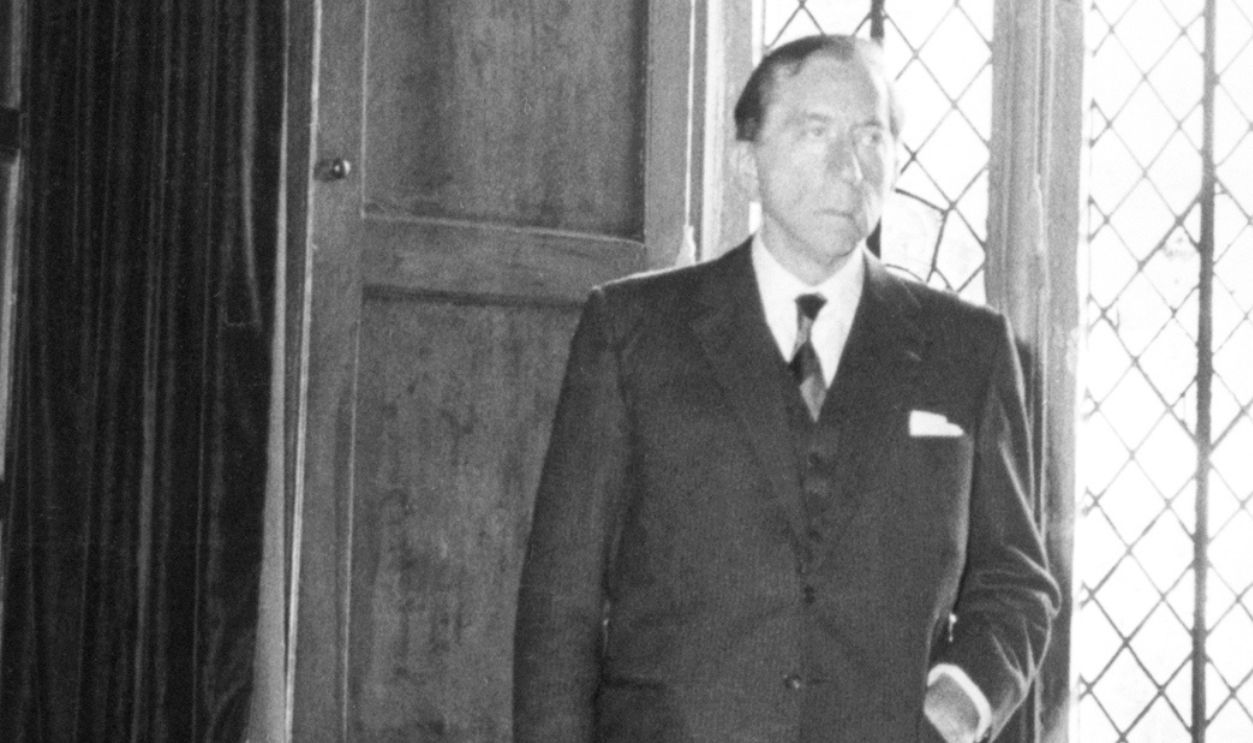
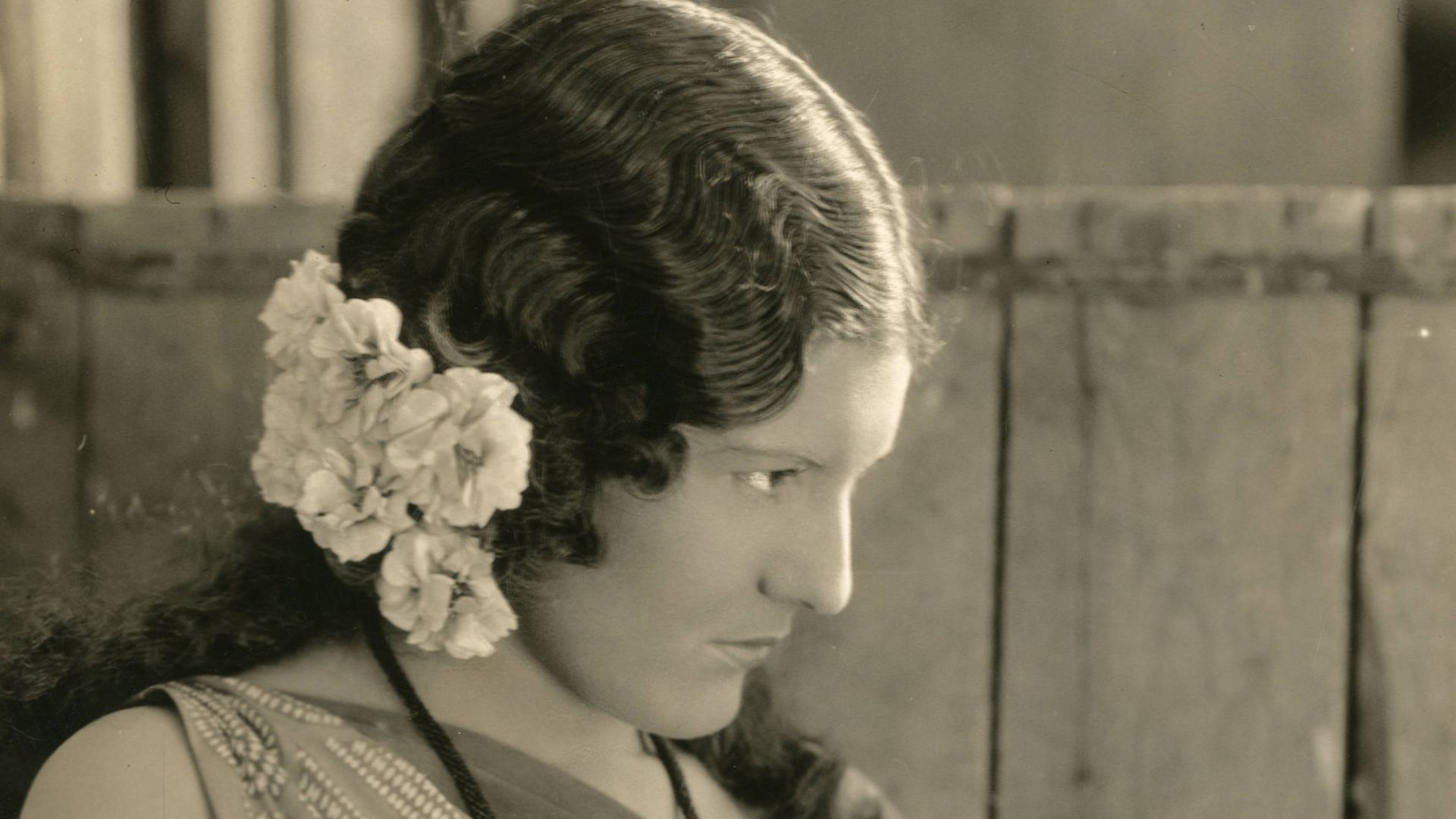
Getty had known Ann Rork since she was 14 and he was 31. However, Getty had some restraint. He didn’t start eyeing Rork as a romantic partner until 1930, when his third marriage had fallen apart, his father cut him out of the will, and she was a respectable 21. He was 38. Surely, the fourth time would be the charm, right?
 Unknown authorUnknown author, Wikimedia Commons
26. He Dove Into Another Partnership
Thanks to his messy and contentious divorce with Helmle, Getty and Rork had to abstain from their passions until Getty freed himself from Helmle. By August 1932, Helmle had successfully gained a large sum from Getty, had full custody of their son, and ended their marriage. Freed, Getty wasted no time jumping into bed with Rork.
 De Carvalho Collection, Getty Images
27. His Family Grew
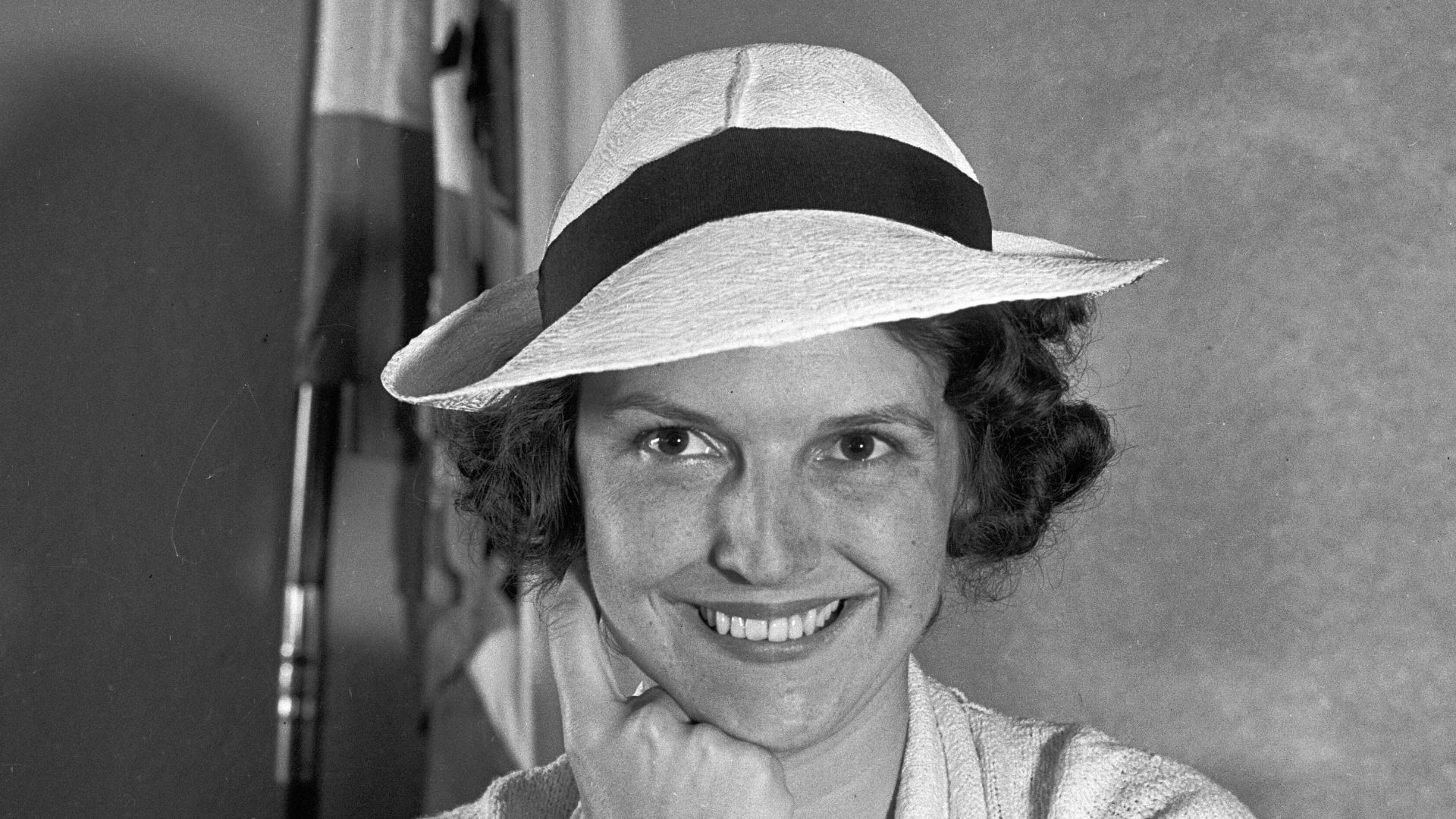
By the end of 1932, Getty and Rork had sealed the deal, officially increasing Getty’s number of brides from three to four. Initially, things looked promising. Rork gave birth to two sons within the first two years of their marriage. However, Getty proved a better groom than he did husband.
 Los Angeles Times, Wikimedia Commons
28. He Was Never There
For the majority of their marriage, Getty was nowhere to be found, spending large amounts of time in Europe, presumably on business. However, as Rork would later reveal, Getty’s absence from their lives may have been preferable to when he was there.
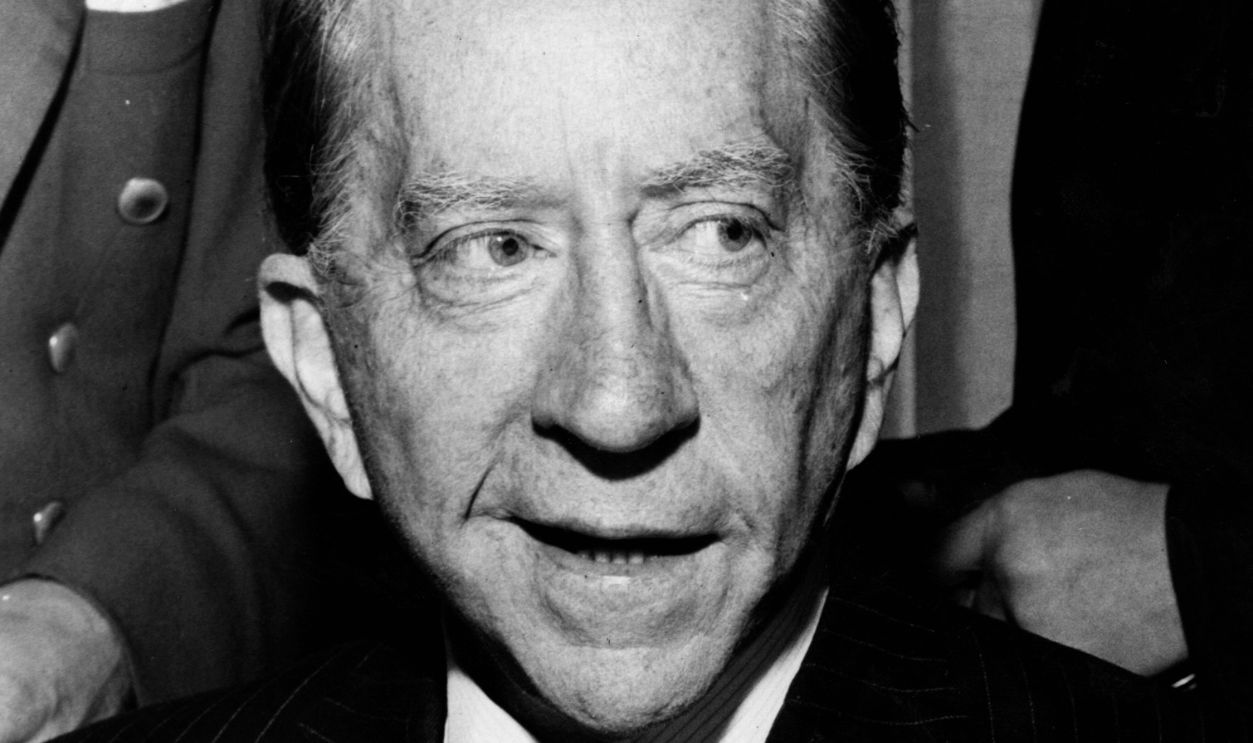
29. He Made Mistakes Early
In business, Getty got what he wanted. It appeared that he may have expected the same from his wives as well. Early in their marriage, Rork and Getty visited Italy. There, they were in the Naples area when the fancy struck Getty to climb to the top of Mount Vesuvius. That’s where things took a dark turn.
 pietro scerrato, Wikimedia Commons
30. He Expected To Hear Yes
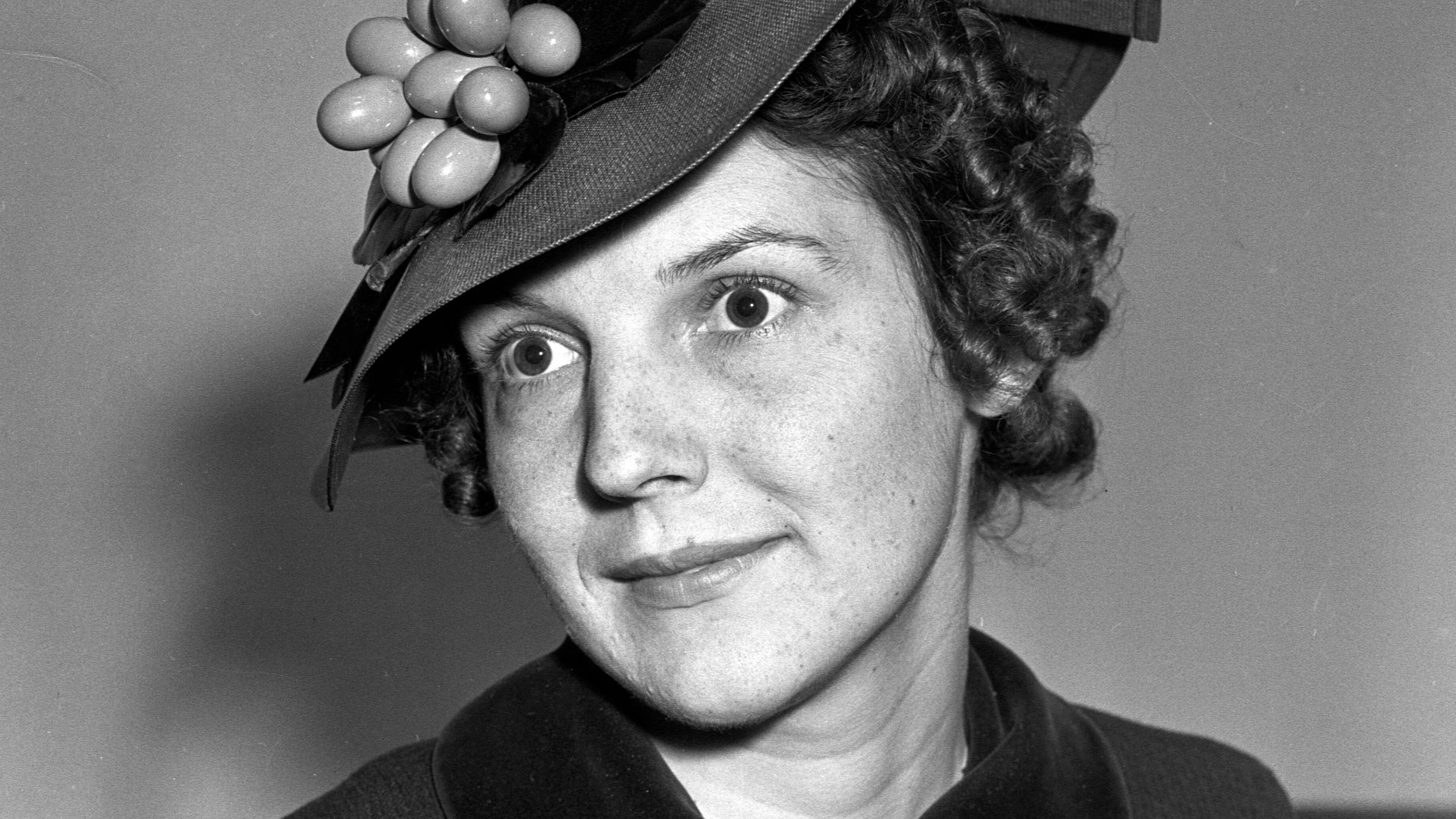
Rather than enjoying the sight himself, he demanded that Rork accompany him up the grueling climb—even though she was pregnant with their first son. This appeared to be just one incident of many that came to light when Rork finally realized what every woman before her had: Marriage to Getty was a bad idea.
 Los Angeles Times, Wikimedia Commons
31. He Never Learned His Lesson
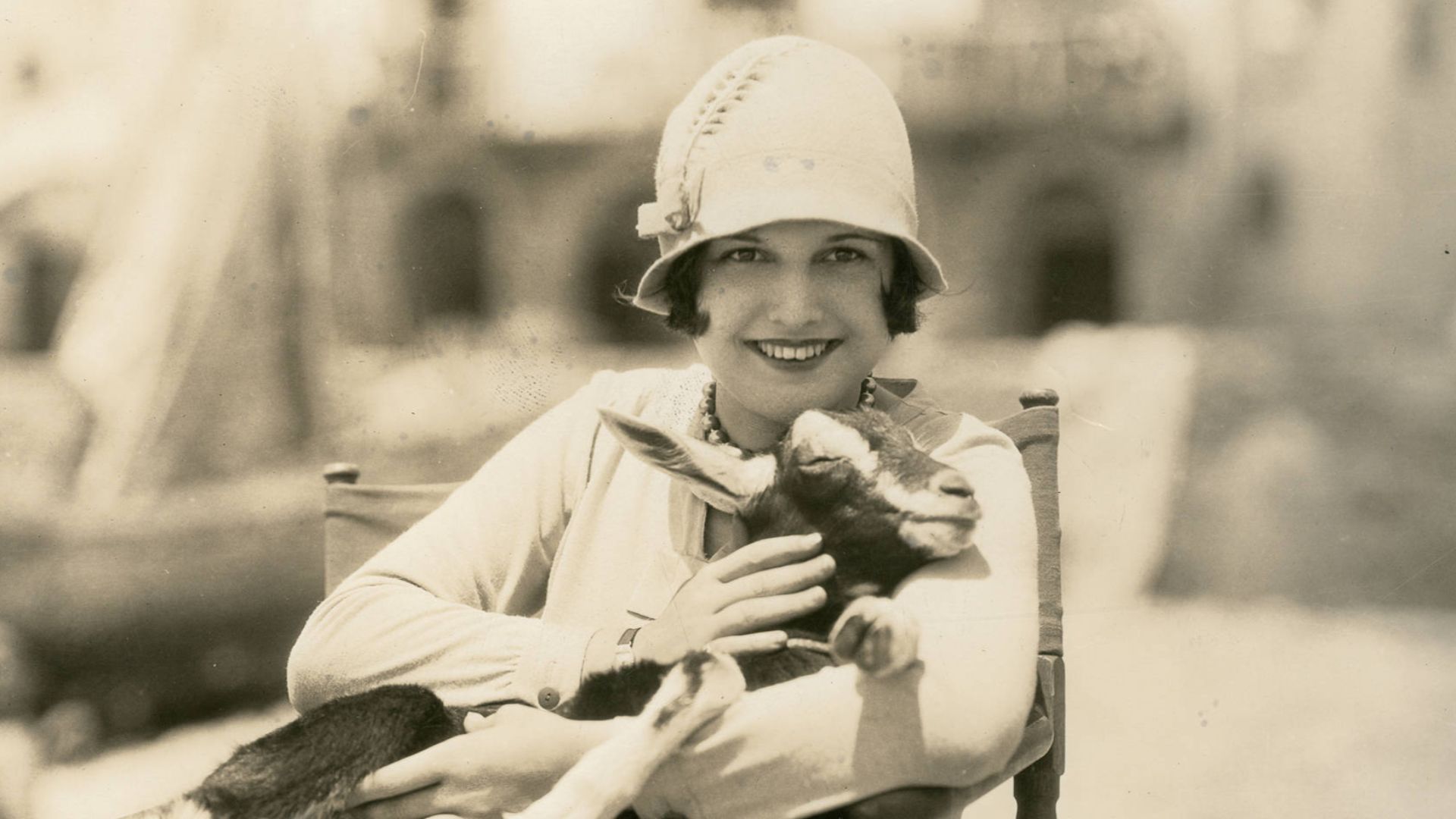
By 1936, four years into their marriage, Rork had had enough of Getty’s behavior both at home and away. She filed for divorce on the grounds of emotional abuse and neglect. After a short battle, the courts ruled in favor of Rork, giving her roughly $4,500 per month for alimony and child support. Yet, still, Getty wasn’t quite done trying.
 Unknown authorUnknown author, Wikimedia Commons
32. He Always Had A Backup
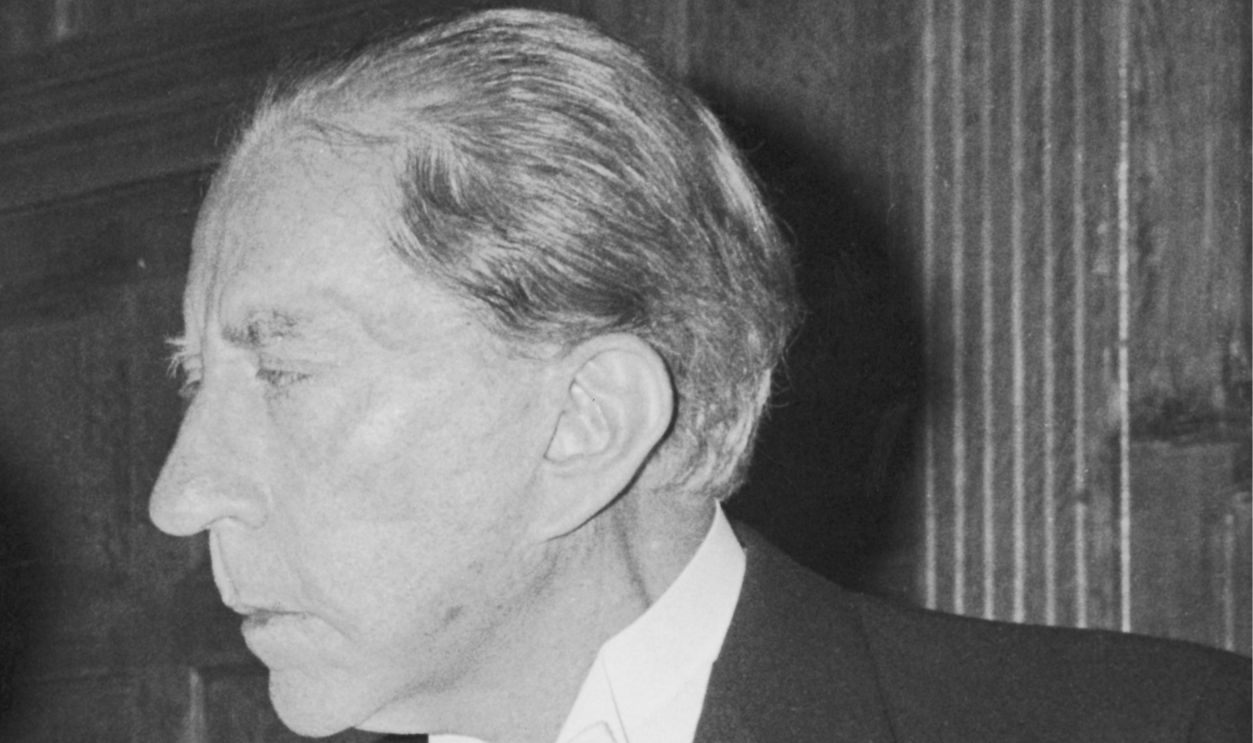
Getty never went without a woman for long. As his marriage to Rork dissolved, he met Louise Dudley Lynch, or Teddy as she went by, while she sang at a New York nightclub. Perhaps his earlier failures taught Getty something after all—for once, he and Lynch didn’t rush into marriage.
 Evening Standard, Getty Images
33. He Didn’t Rush Into It
Instead, Getty and Lynch waited roughly three years after his fourth divorce before tying the knot in Rome, Italy. On the surface, this patience paid off. Getty and Lynch remained married for almost 20 years, Getty’s longest marriage by far. However, behind the facade hid all of Getty’s demons.
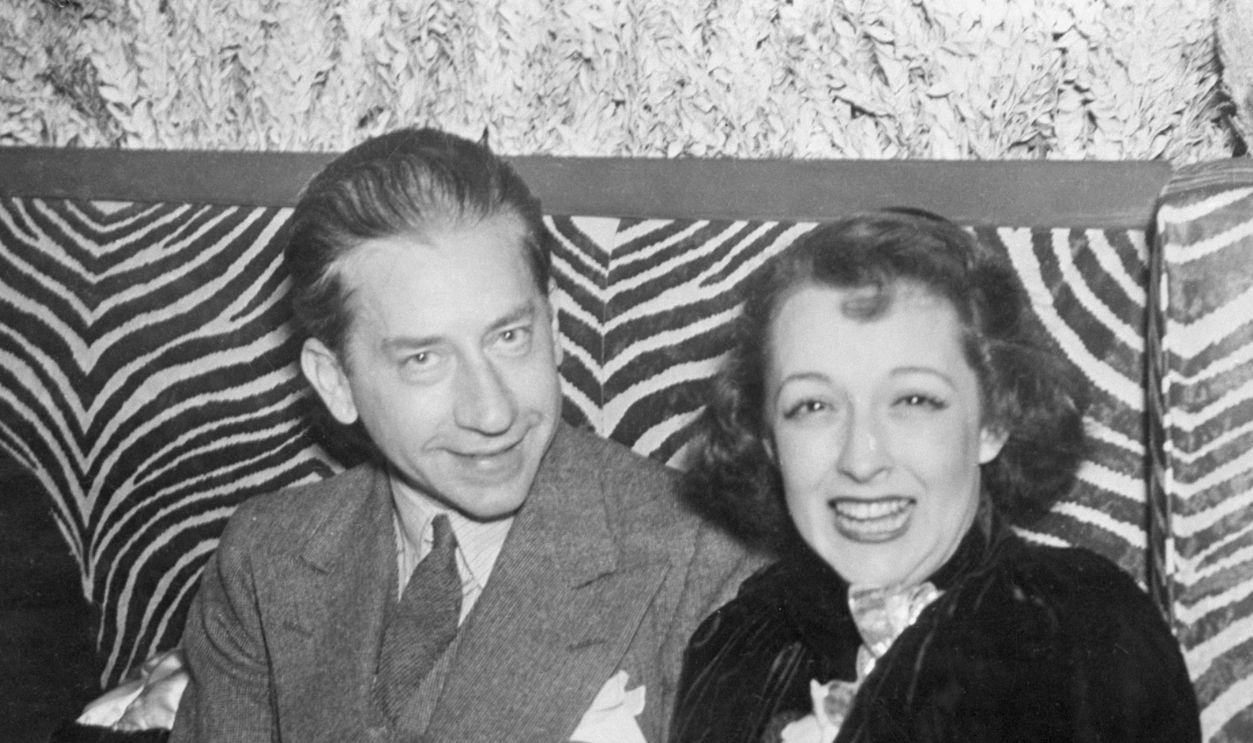
34. He Had A Problem
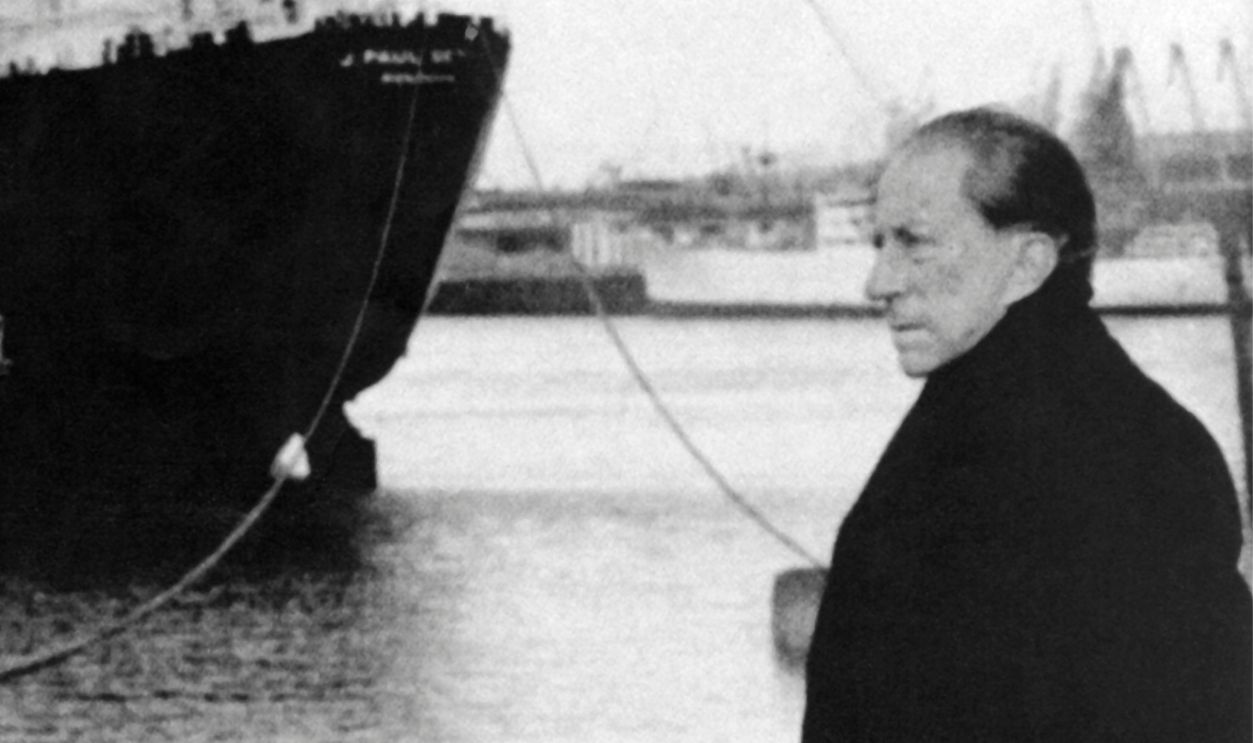
Lynch gave Getty one more son: Timothy Ware Getty, born in 1946. Unfortunately, Timmy’s life proved to be a tragic one. At the age of six, Timmy developed a brain tumor that robbed him of his vision. Lynch, understandably, did everything she could to save him. Getty had a problem with that.
 Underwood Archives, Getty Images
35. He Cared More For Money Than Family
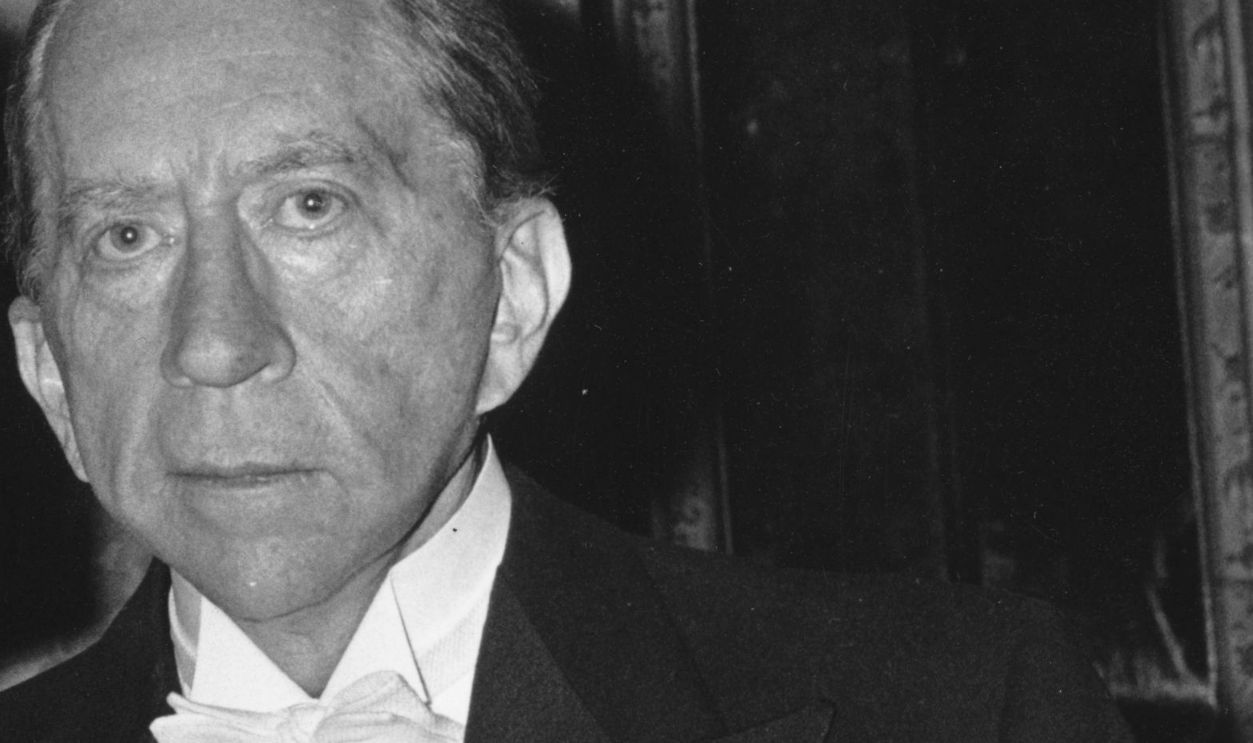
In 2013, as she neared the end of her life, Lynch revealed a dark side to Getty through her memoir. Having access to the vast Getty fortune, Lynch spared no expense in an attempt to heal their poor Timmy. This annoyed Getty. He scolded Lynch for spending too much money on Timmy’s treatment, a stance he would double down on six years later.
 Evening Standard, Getty Images
36. He Didn’t Come Home
Timmy’s affliction appeared to have developed around the age of six. He lived for another six years before passing at the age of 12. By this point, Getty lived in Europe while his wife and son lived in America. The distance proved too great to travel for his lost son. Getty didn’t go to Timmy’s funeral, and he buried another marriage along with his son.

37. He Continued To Value Money Over Family
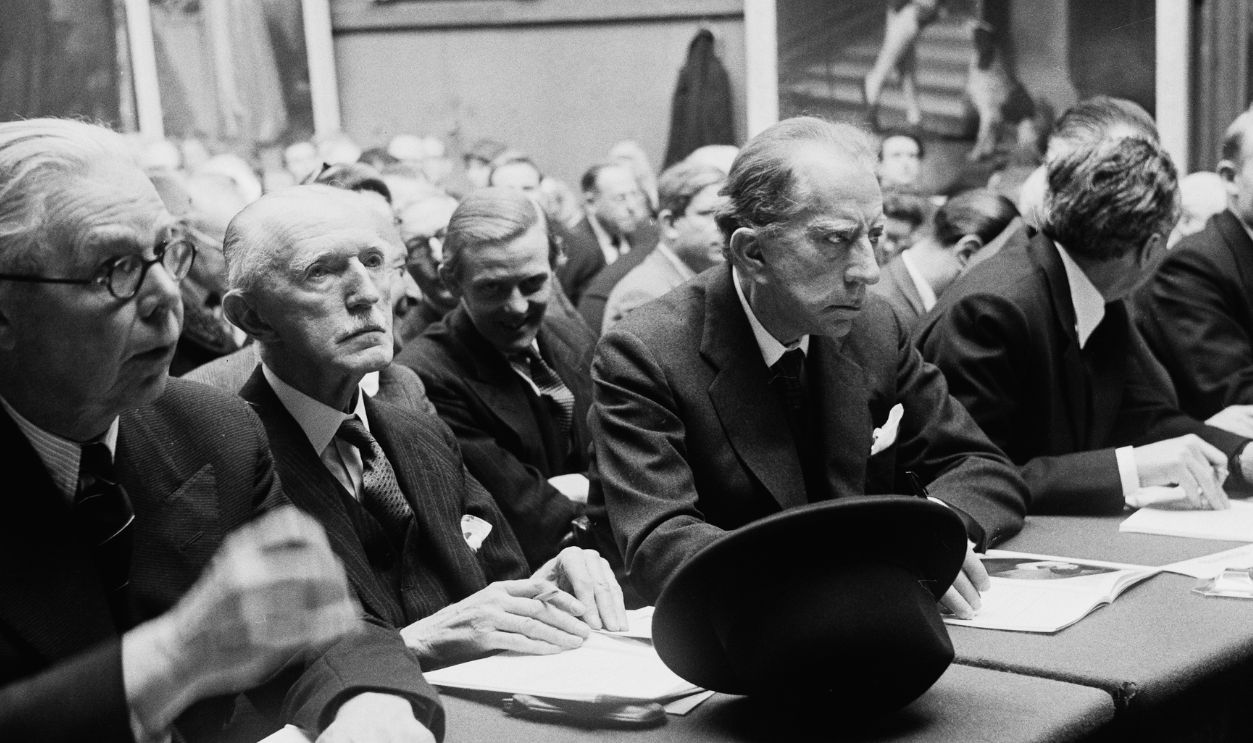
The Timmy incident was not an anomaly in Getty's life. While Getty once said, “I would gladly give all my millions for just one lasting marital success”, his actions as a famous spendthrift, at the cost of all else, proved otherwise. Getty never spent more than he needed to—even at the expense of his own family.
 Evening Standard, Getty Images
38. He Wasn’t Most Men
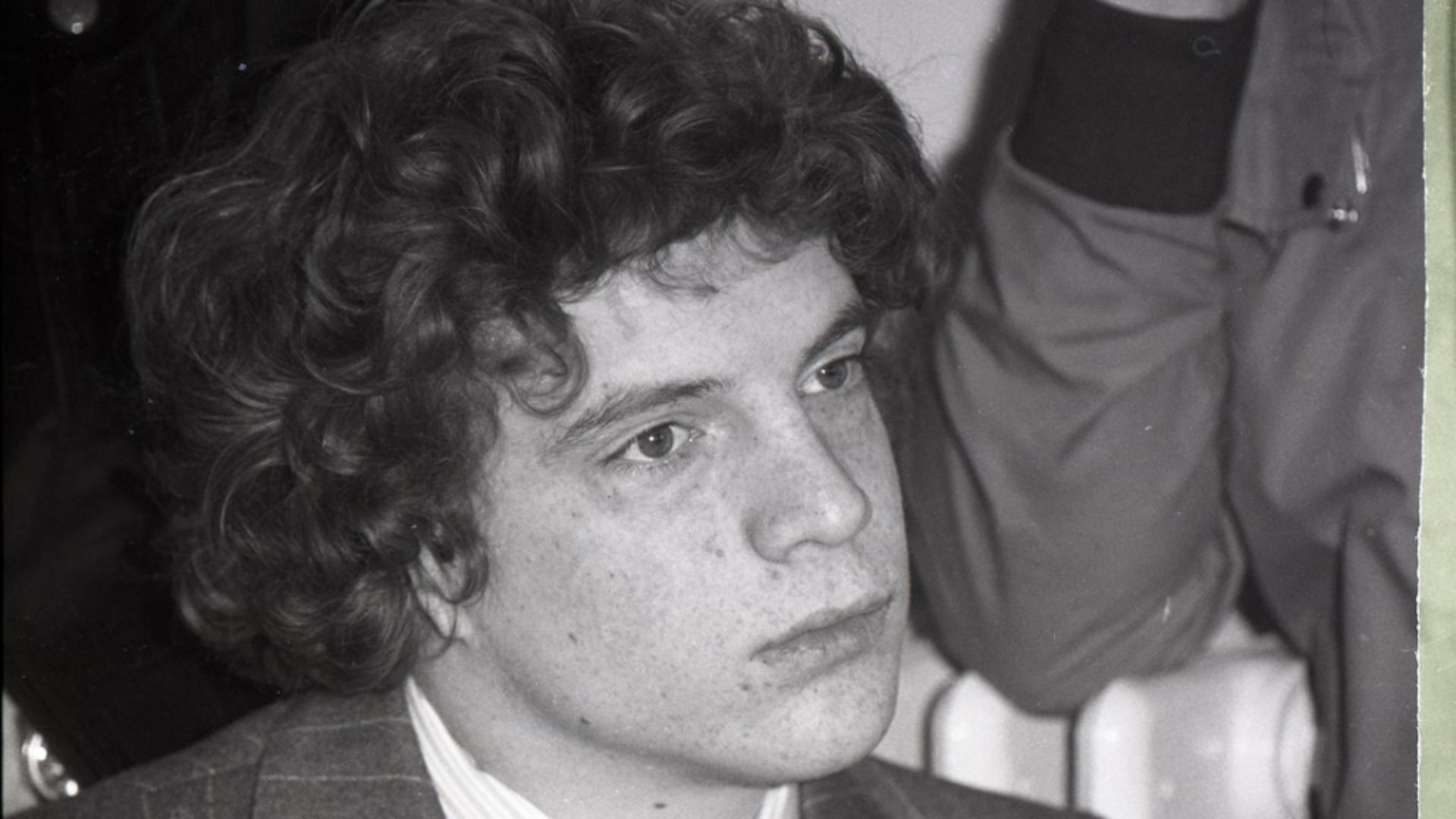
Despite Getty’s failed marriages, he left four surviving sons behind. By 1973, he also had 14 grandchildren, including John Paul Getty III, the son of John Paul Getty Jr, his eldest son with Ann Rork. For most rich men, family is a point of weakness for them, a pressure point that someone can take advantage of. However, Getty wasn’t most men.
 Umberto Pizzi, Wikimedia Commons
39. His Family Asked Him For Help
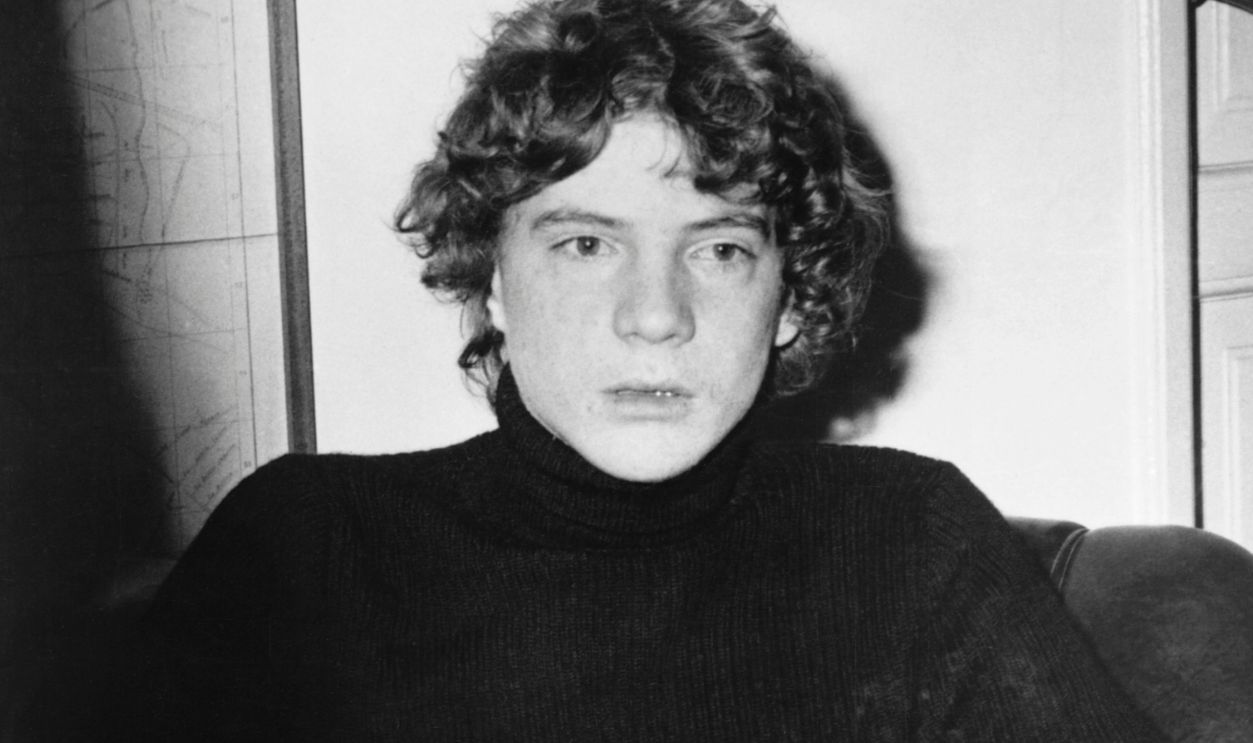
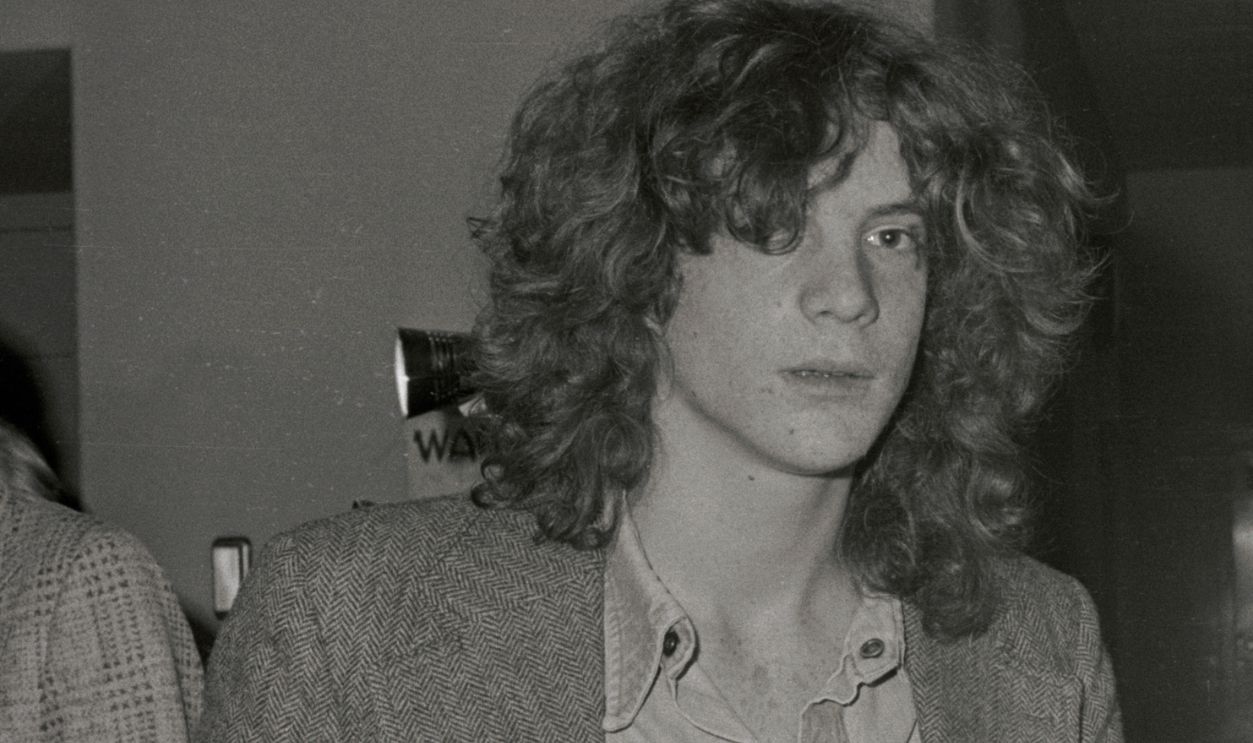
On July 10, 1973, while in Rome, John Paul Getty III, known as Paul to friends and family, disappeared. Shortly after, his parents received a demand: Give the kidnappers $17 million (approximately $120 million in modern money) and they would see their child again. His father, Getty Jr, made his first mistake by appealing to his grandfather for help.
40. He Refused His Family
Getty refused to give his son any money to save his grandson. He believed the ransom to be a ploy. At the time, the family thought that Paul had arranged the entire thing, looking to get money out of his grandfather, famous for holding onto his pennies. They soon discovered just how wrong that assumption was.
41. His Grandson Remained Missing
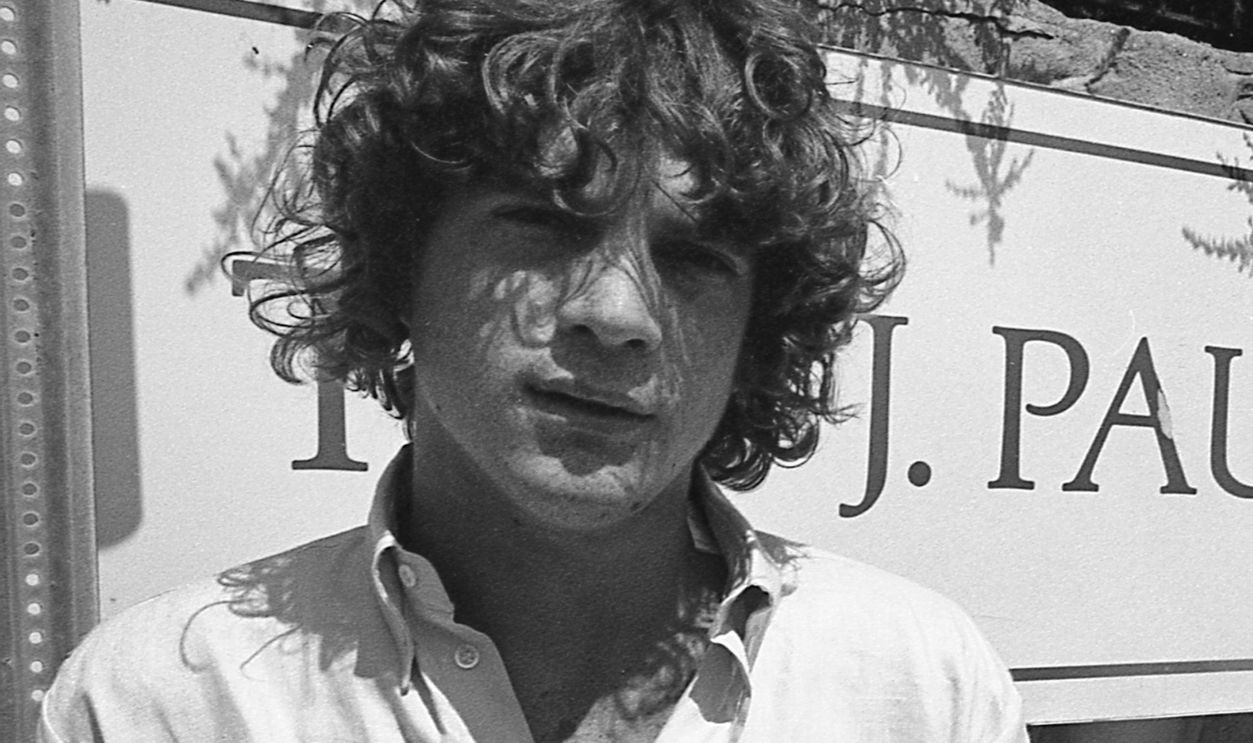
Paul went missing in July. Suspecting that Paul had played a part in his disappearance, the family did not pay. The next ransom message did not arrive until November. A postal strike in Italy had delayed the arrival of the message. Now things had escalated to an alarming rate.
42. He Was Forced To Take It Seriously
The kidnappers sent their second ransom note not to the family but to a daily newspaper. When employees opened the envelope, they found the following: a lock of hair, a human ear, and a message that read “This is Paul's ear. If we don't get some money within 10 days, then the other ear will arrive. In other words, he will arrive in little bits”. Surely, Getty had to take things seriously now, right?
43. He Only Gave So Much
The answer is yes and no. The note also reduced the ransom from $17 million to $3.2 million. With pieces of his grandson in play, Getty saw the necessity of stepping up for his family. However, even in this case, Getty would only go so far. He didn’t get so rich by being generous.
 Evening Standard, Getty Images
44. He Always Made The Best Deal
Getty refused to pay the ransom outright for his son. Instead, he gave his son $2.2 million, AKA the exact amount that he could give away while still being tax-deductible. As for the remaining $800,000, Getty didn’t leave his family high and dry. However, he did ensure that he got something out of it.
45. He Expected His Son To Repay Him
Instead of handing the remaining ransom money over to his family, Getty loaned it to his son. Not only did Getty expect Getty Jr to pay him the $800,000 back, but he charged his son four percent interest on top of it. Meanwhile, Paul continued to wait in captivity as Getty bartered with his own family over Paul’s life.

46. He Continued To Slight His Family
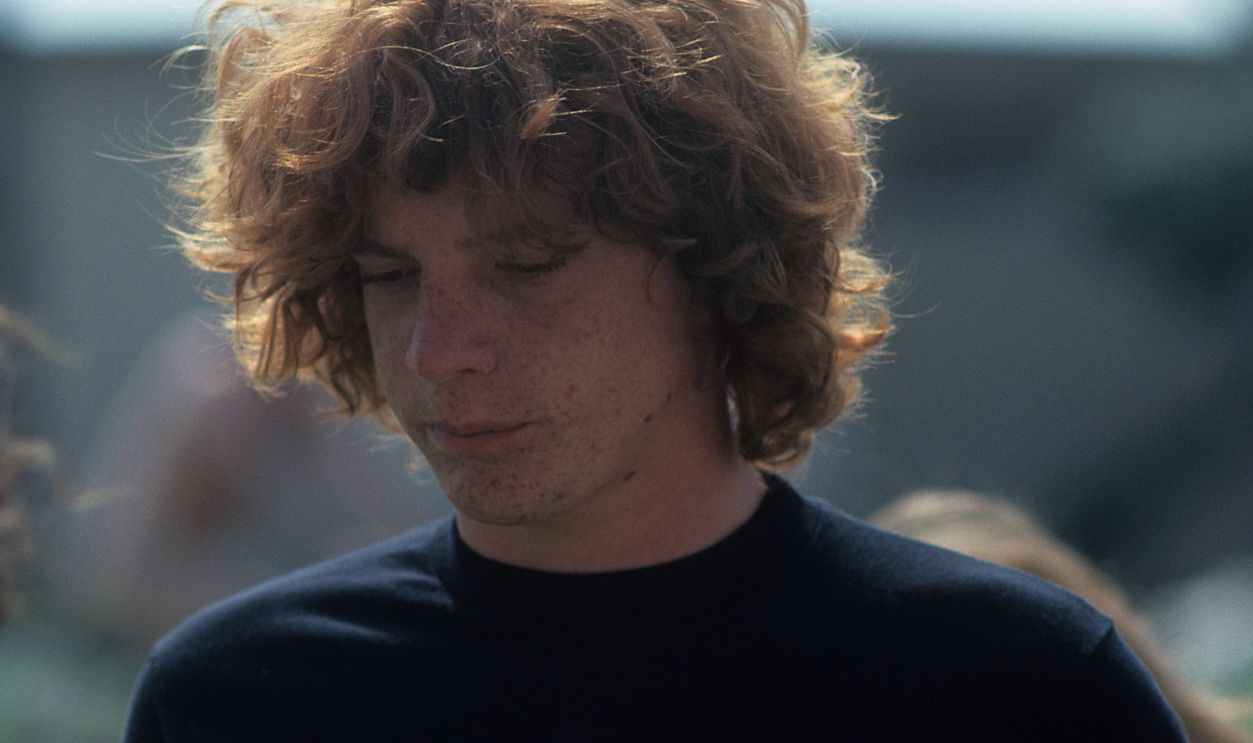
Once they’d settled the matter between them, Getty Jr paid the ransom money. Shortly after, authorities found Paul alive after five months of captivity. At the urging of his mother, the 16-year-old boy called his grandfather to thank him for paying his ransom. However, Getty wasn’t done slighting his family.
 Michael Ochs Archives, Getty Images
47. He Didn’t Pick Up
Getty didn’t answer the phone when Paul called him to thank him for paying his ransom. As people called him out for his callousness, Getty claimed utilitarian reasoning. He claimed to be thinking about his 13 other grandchildren, who could come under threat if he paid the ransom, proving that kidnapping them was a successful way to get money from him. However, few ever believed him.
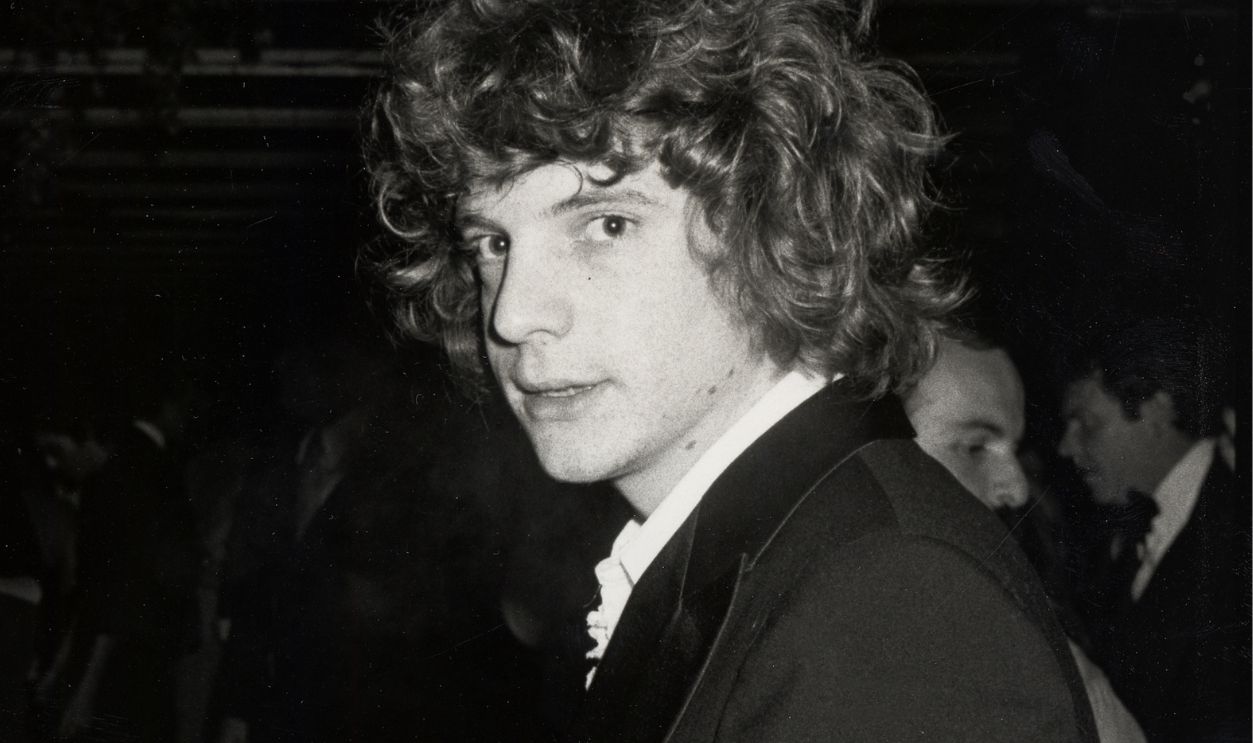
48. He Had A Lot Of Women
Despite never marrying again, Getty spent the end of his life with a near-constant revolving door of women, all looking for something once he was gone. Most of them were disappointed—most but not all. Getty passed at the age of 88, and he named 12 women as beneficiaries in his will. Only one of them was an ex-wife (Lynch), and only one of them may have had his heart.
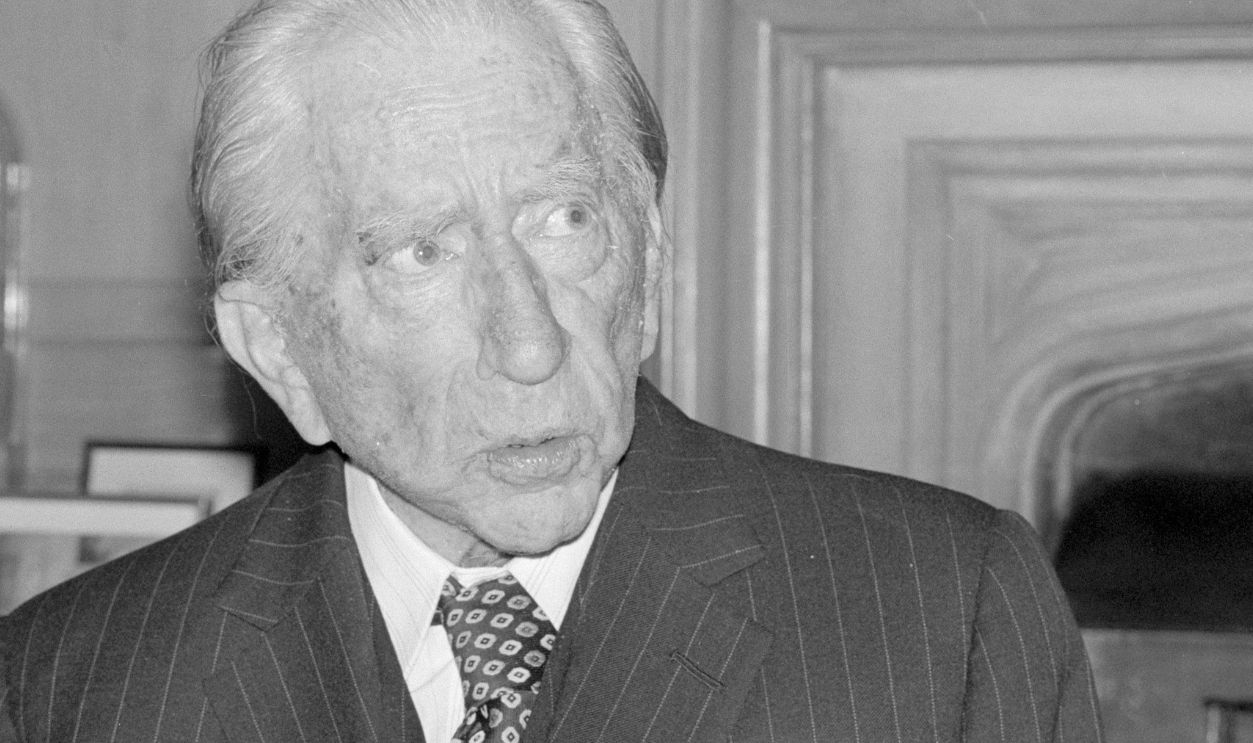
49. He Wanted What He Couldn’t Have
The woman who benefited the most from Getty’s will was Penelope Kitson, an interior designer whom he’d met in the 1950s. Kitson received 5,000 shares in Getty Oil and $1,167 a month for life. Why did she stand out in a will with so many women? Kitson may have found the one way to stay in Getty’s heart.
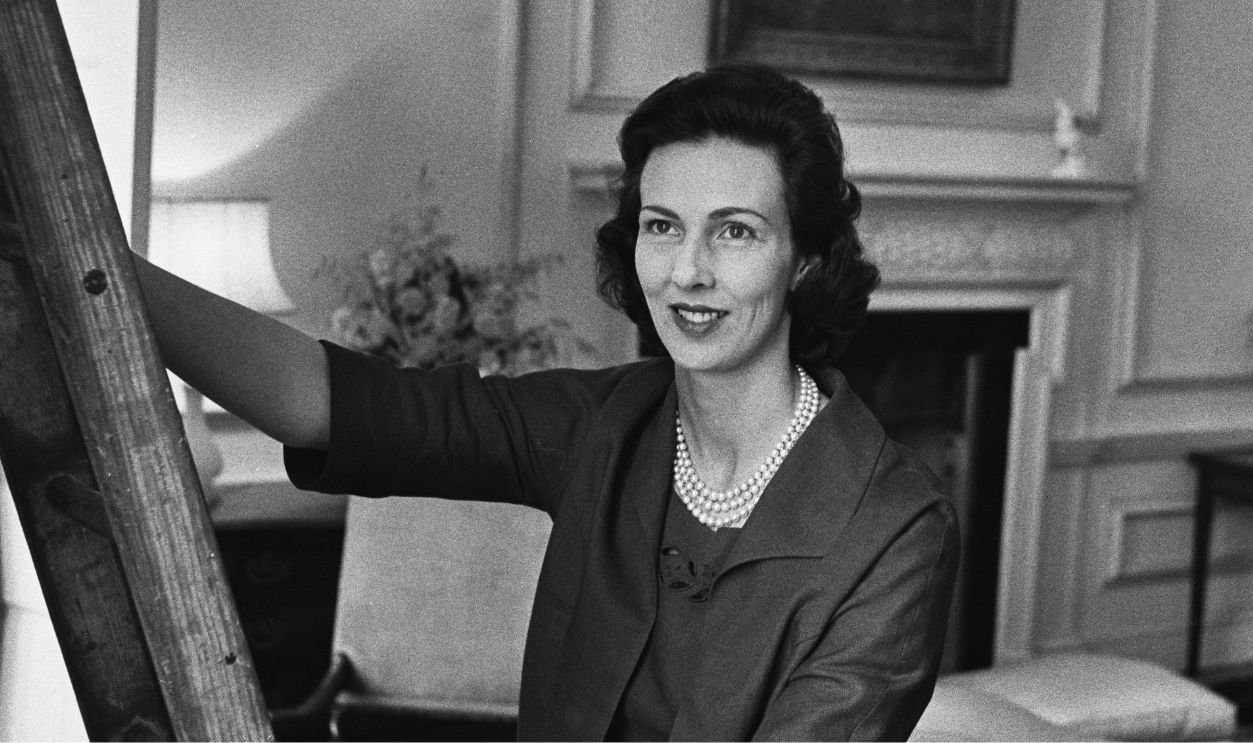 Evening Standard, Getty Images
50. He Ended His Life Rich But Alone
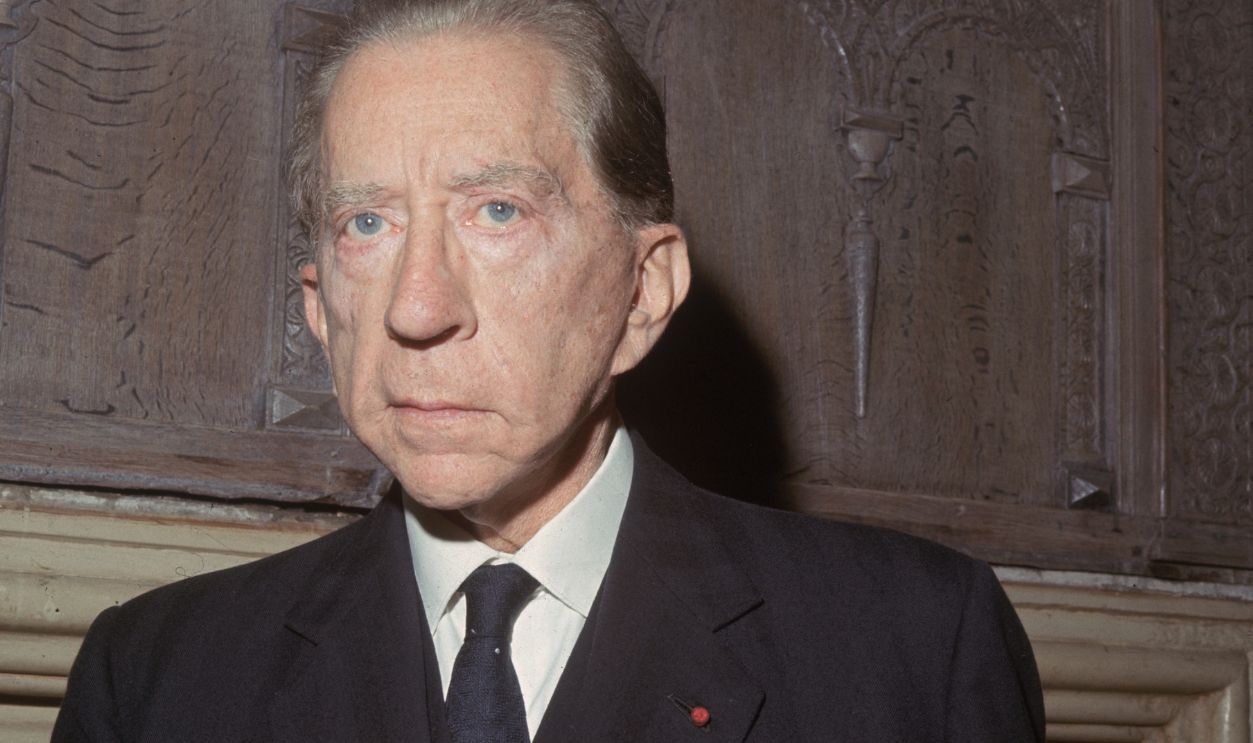
The truth was that Getty wanted what he couldn’t have. If you gave it to him, he lost interest. As one man said about Kitson, “He wanted to marry her, but she told him she was not prepared to be trampled on like his other wives, nor was she prepared to be his mistress”. In the end, Getty played himself. Despite his millions, he passed alone, remembered for his sins not his virtues. As they say, money can’t buy happiness.
You May Also Like:
The Most Tragic Poor Little Rich Boy
The Railroad Baron Who Shocked The World