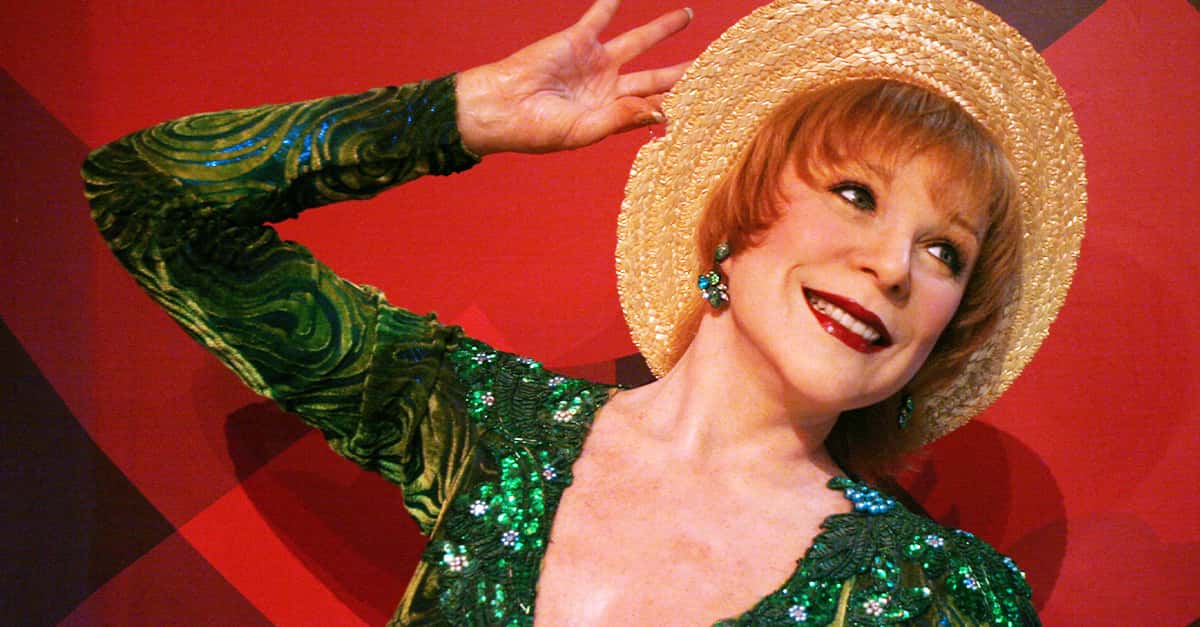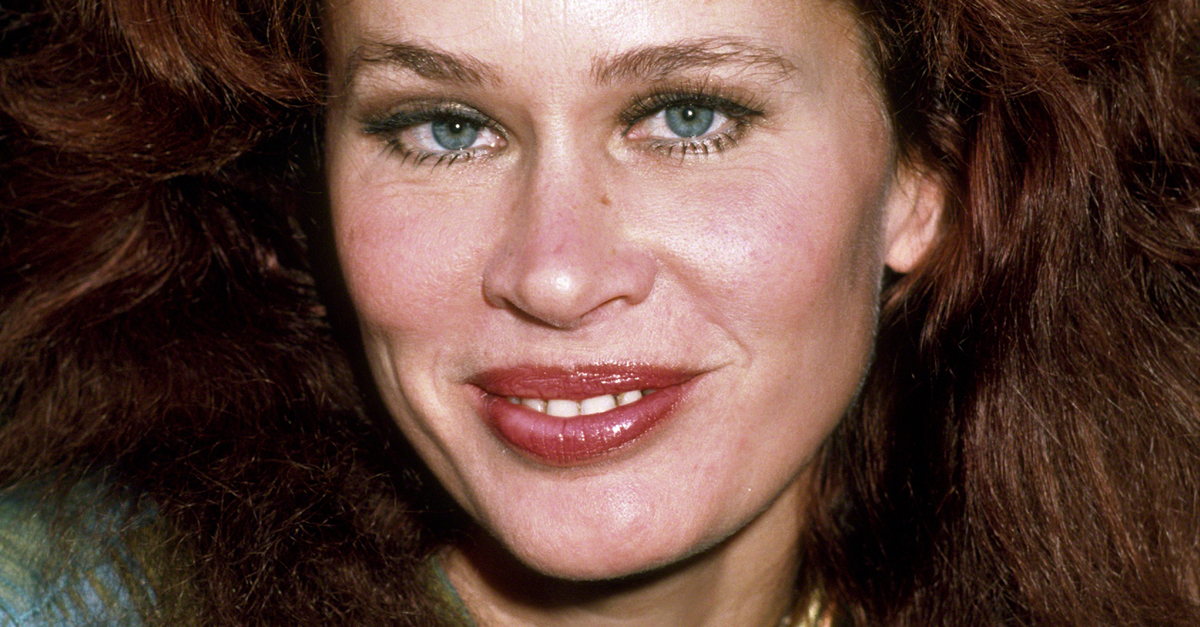
She Was A Horror Icon
Karen Black had a career that started out as blazing hot as a house on fire. She eschewed acting classes and did it her way. Surprisingly, this worked out, and she found herself working with some of the most notorious members of the counterculture movement. Then she went on to work with big-name directors in big-budget features and even got a nomination from the Academy. Then…it all turned around.
At the end of her life, most people only remembered her as a cult horror actress. Obviously, something went wrong along the way.
1. She Had Artists In The Family
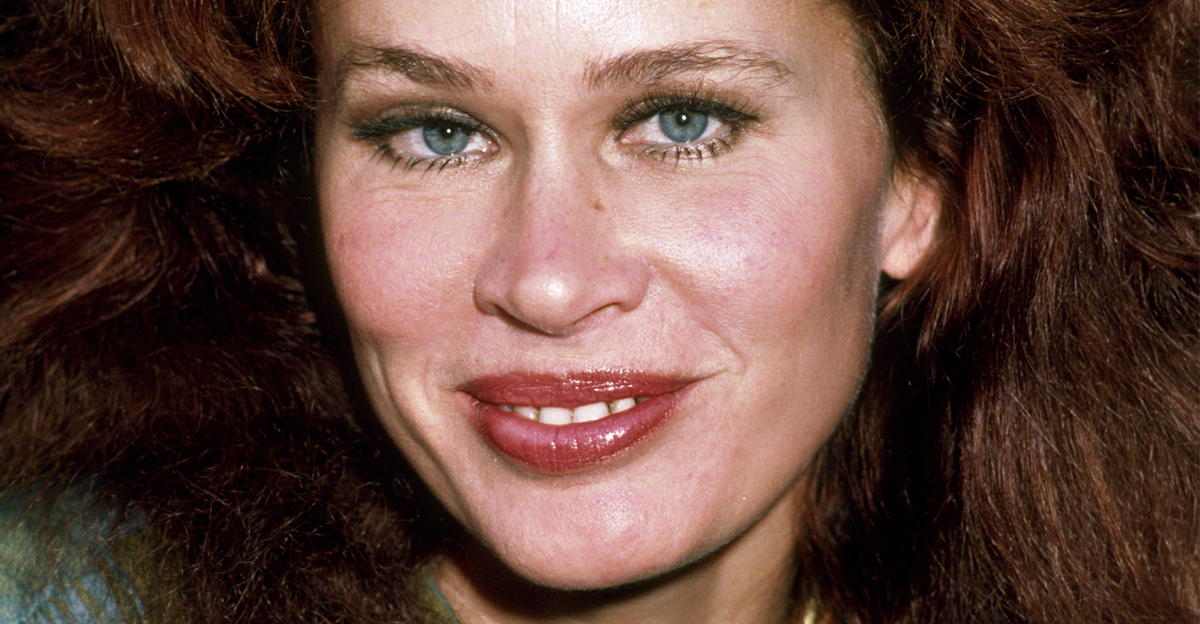
Karen Black was born Karen Blanche Ziegler in Park Ridge, Illinois, on July 1, 1939. Her grandfather was a violinist, and her mother wrote prize-winning novels for children. It was Dad who had the non-artsy job as a businessman. It didn’t take long for Black to find her own connection to the arts.
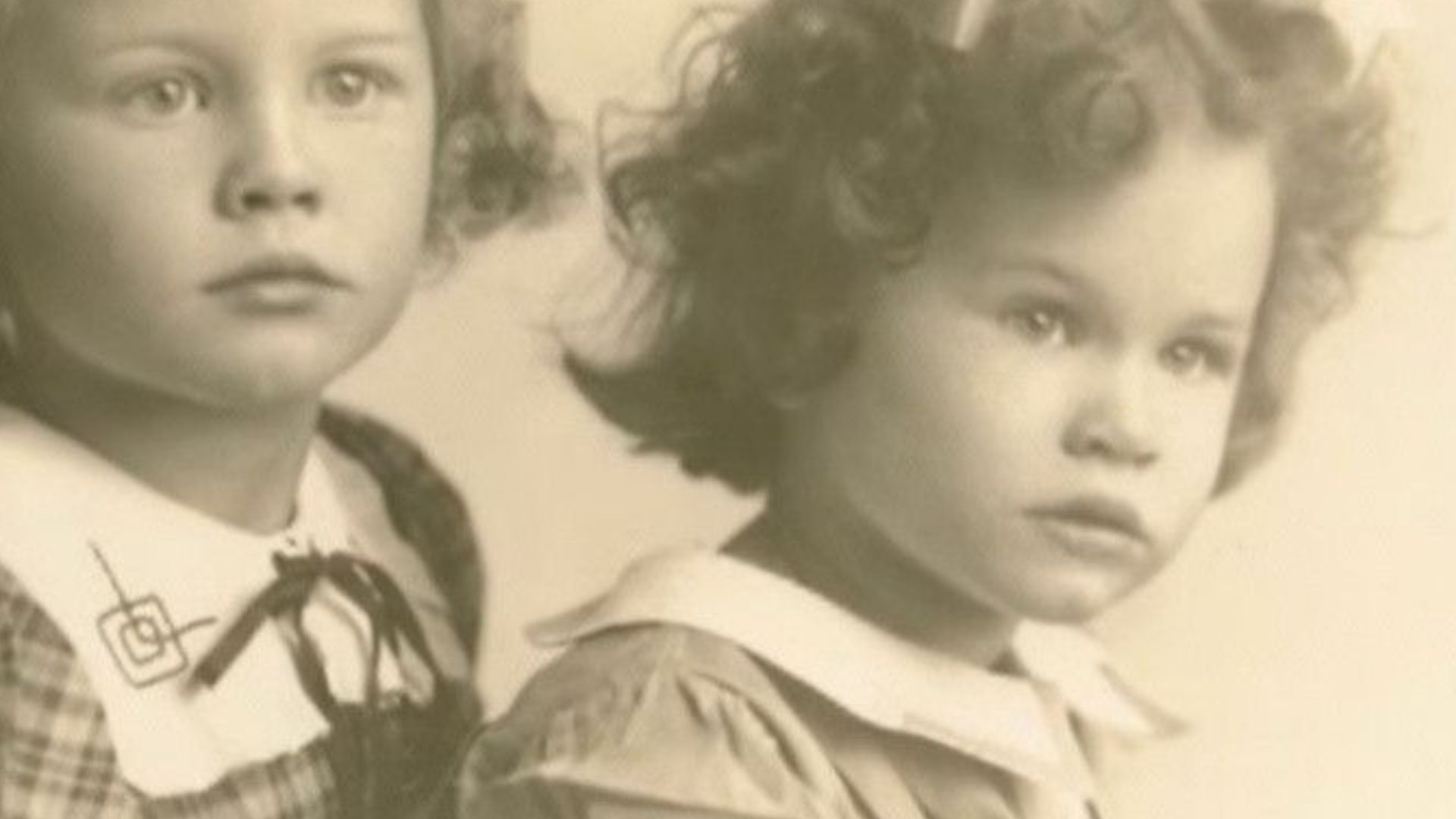 Karen Black, Wikimedia Commons
2. She Wasn’t Typical
When summer vacation came around, Black wasn't a typical teen looking for sun and adventure. Instead, she headed out to get work in summer stock productions. She cleaned toilets and worked as a prop girl. Anything to get her near the stage. When she turned 17, she got a job in the chorus line as a singer.
But during this time, something happened that would stick with her for life.
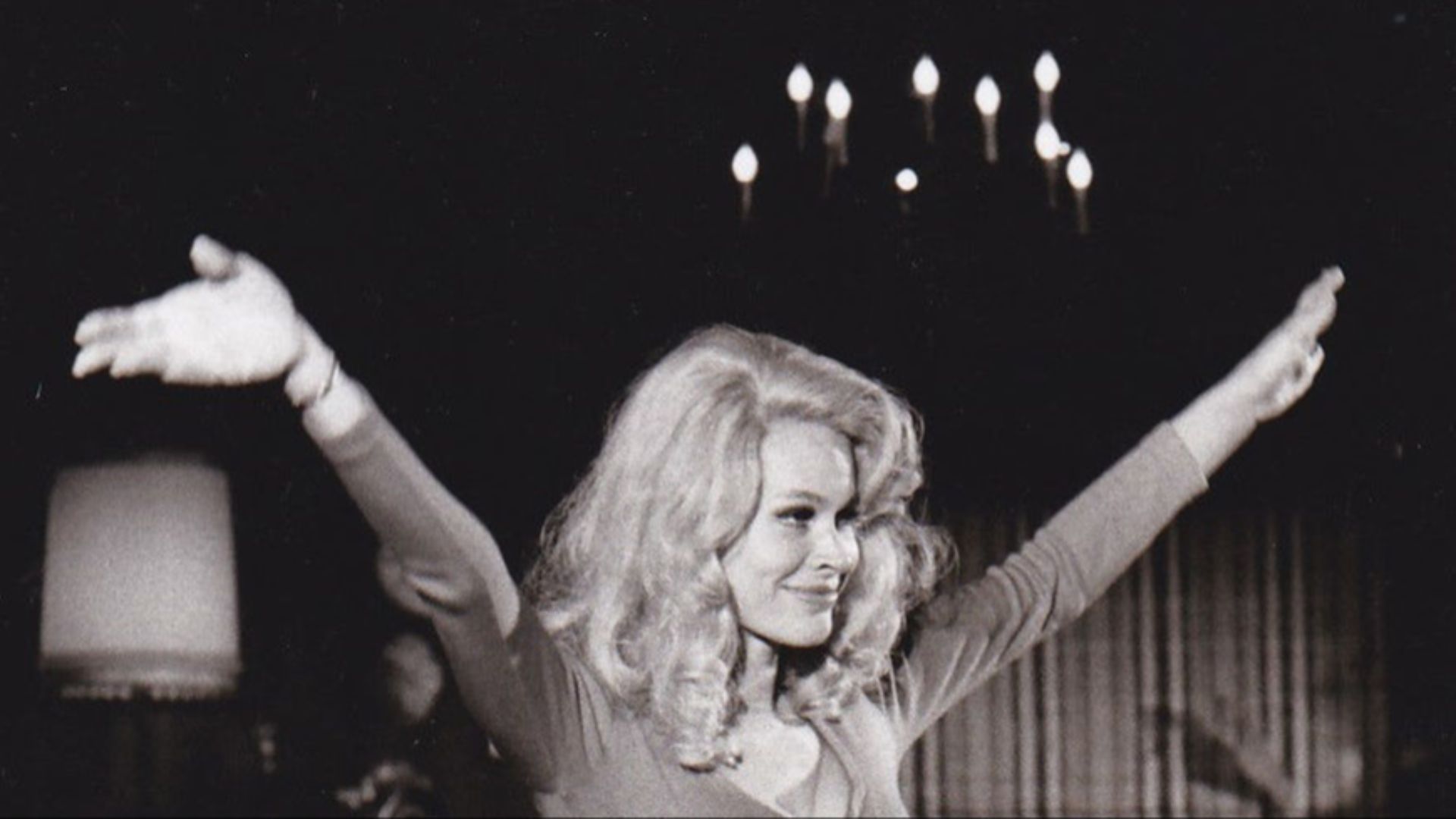 Unknown authorUnknown author, Wikimedia Commons
3. She Got Into Serious Trouble
While still a teen, Karen Black started dating a slightly older man. This was Charles Black, and Karen took her last name from him. But that’s not all. She says that the first time she became intimate with Charles, who was 18 years old, she got pregnant. Black was just 15 years old.
Soon, her parents stepped in and proposed an outrageous solution.
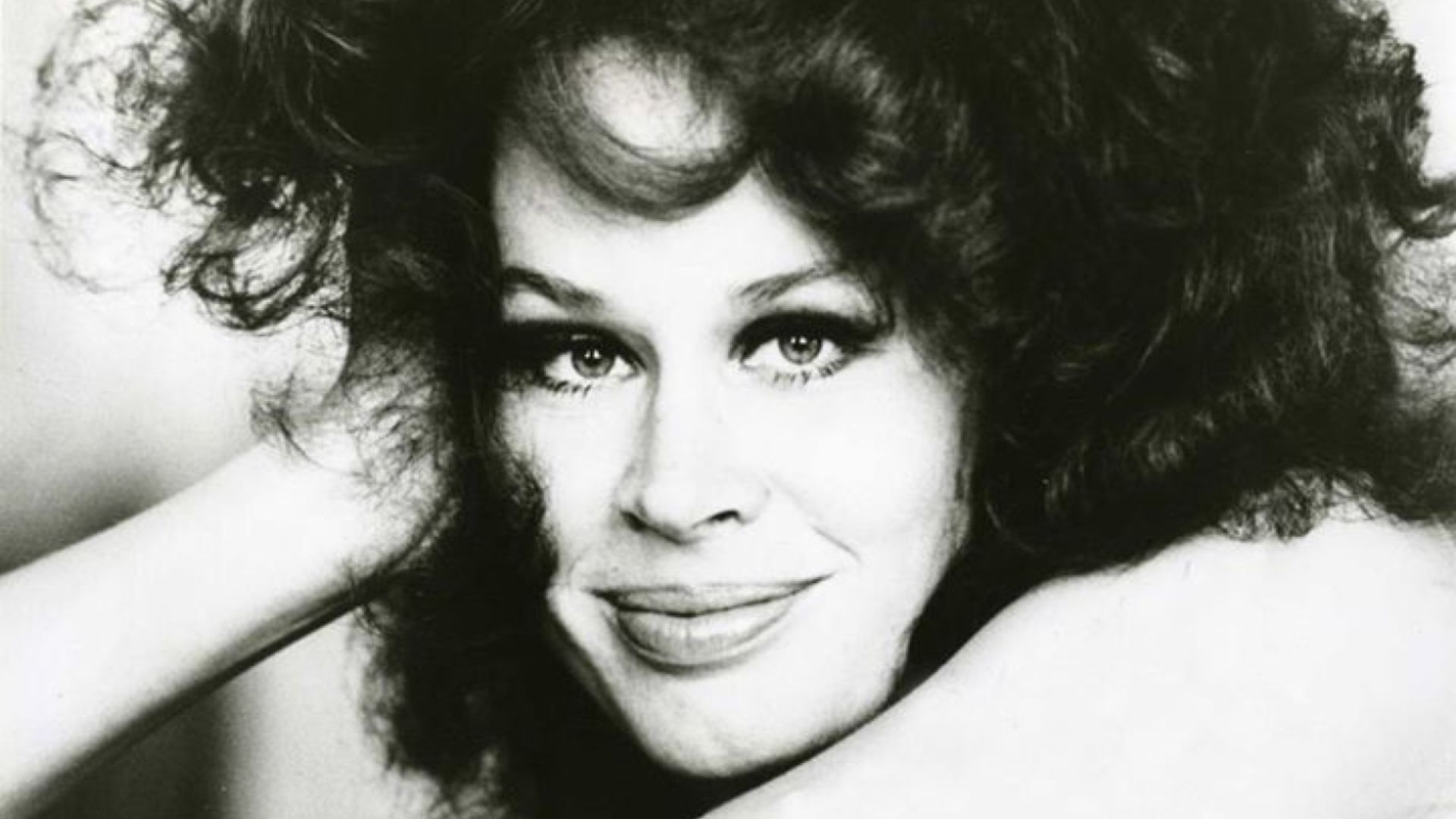 Unknown authorUnknown author, Wikimedia Commons
4. She Was Ready To Start A New Life
It didn't matter how young she was—Black’s parents wanted her married. They drove her and Charles to Alabama, where the law allowed a 15-year-old to marry with parental permission. Black moved to Indiana with her husband and got ready to be a mom. It looked like Black’s life was already mapped out for her.
And then one event derailed everything.
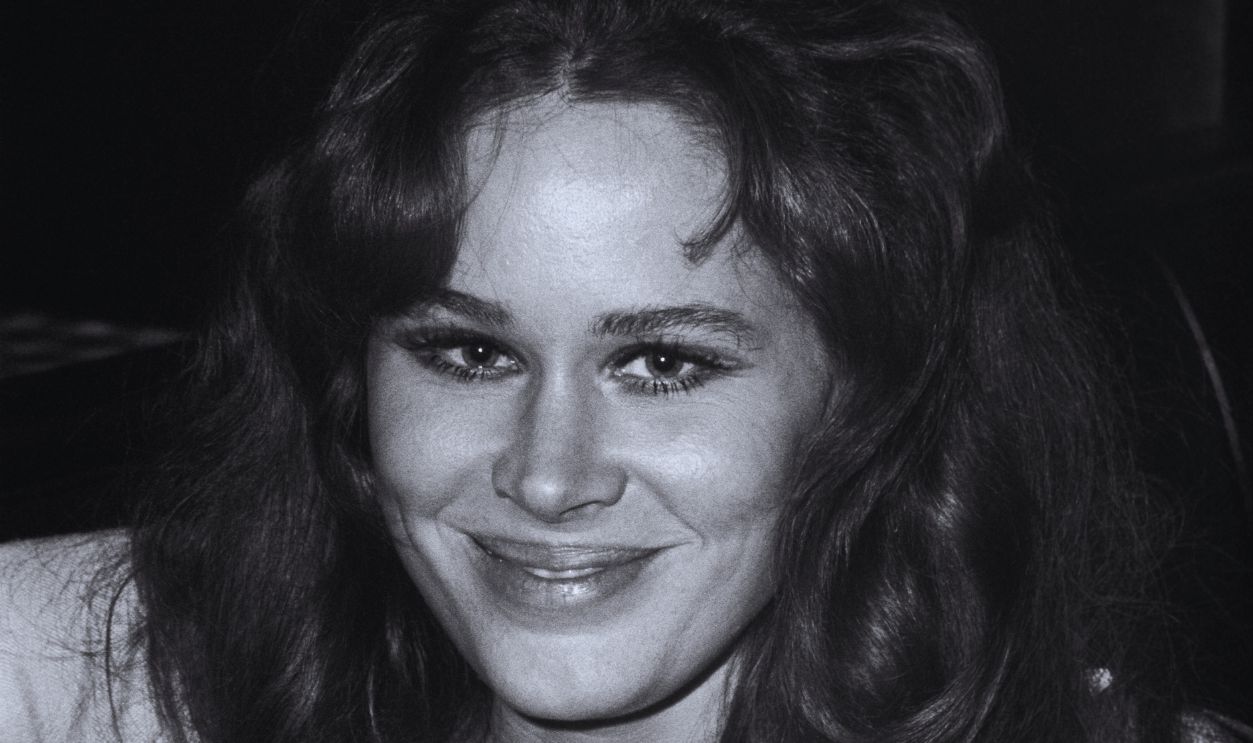
5. She Wasn’t Welcome
To everyone’s surprise—and Black’s relief—she had a miscarriage. Black took this as a sign to move back home. But on her arrival, her welcome was less than warm. Dad forbade her from coming into the house. She went back to Indiana and ended her marriage.
She had her life back, and she wanted to do something big with it.
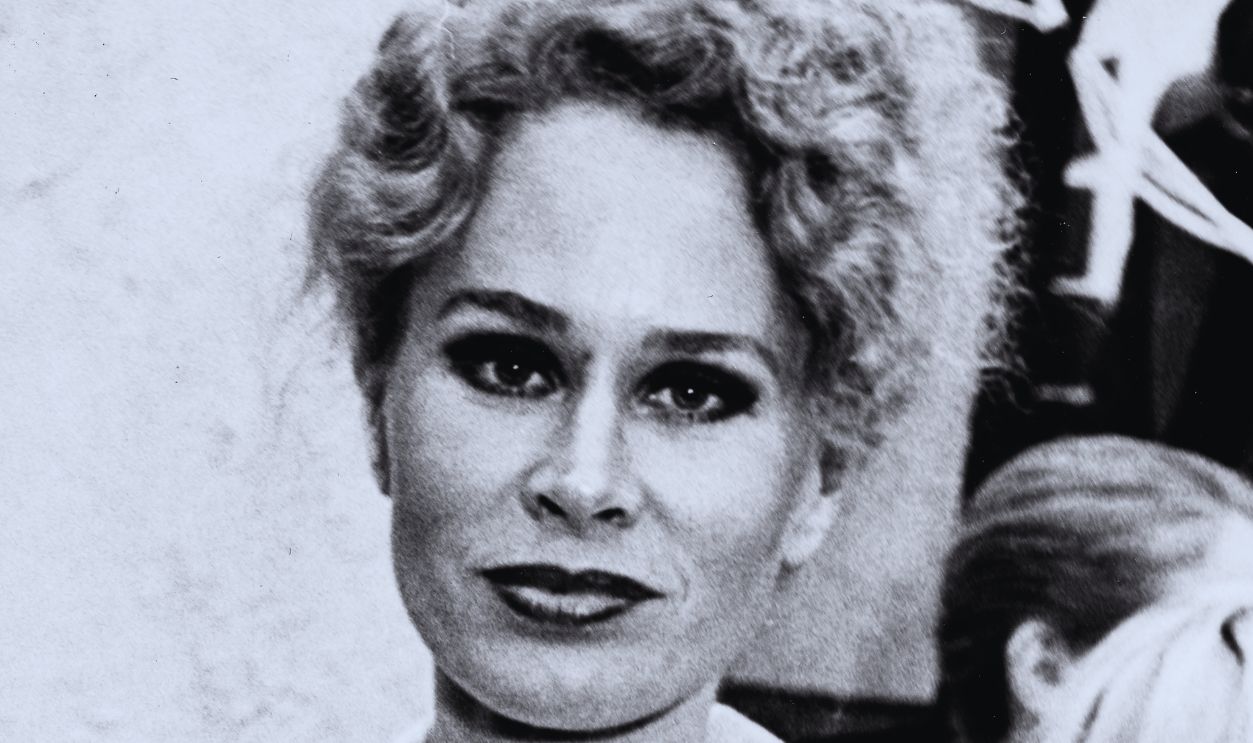
6. She Dropped Out
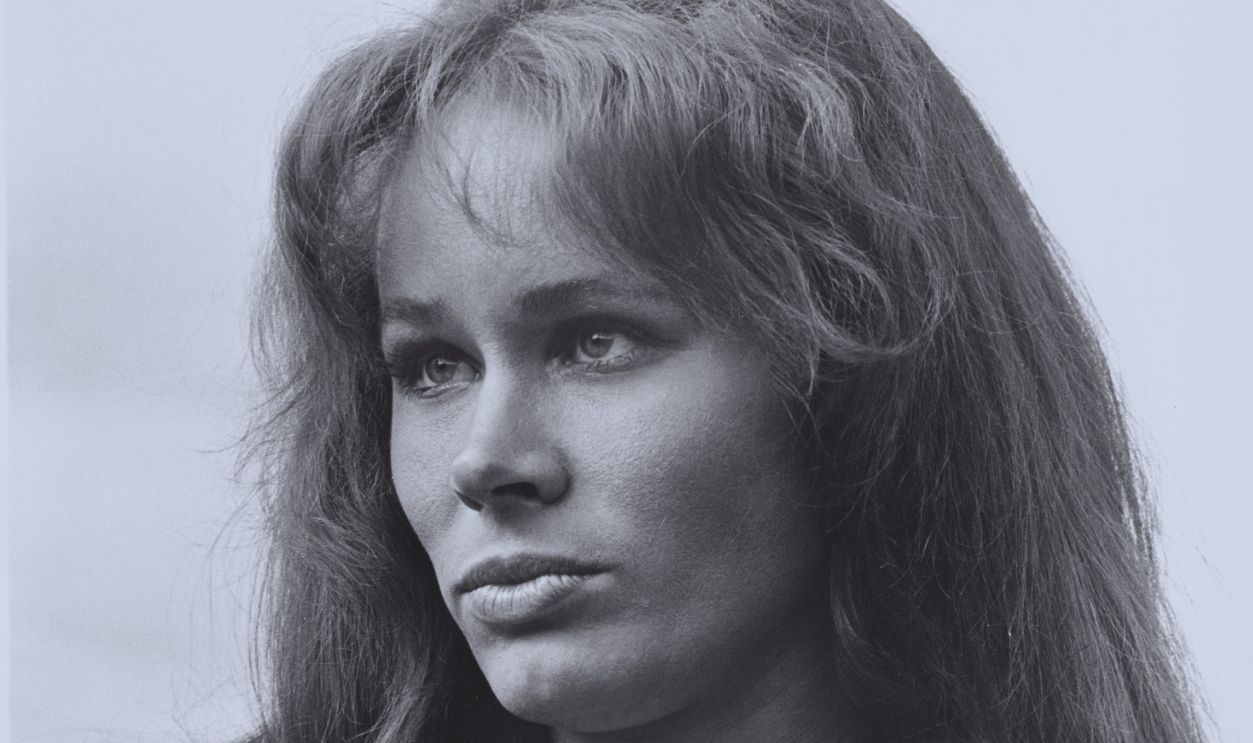
Karen Black hadn’t forgotten about her love for the stage. She enrolled at Northwestern University, where her major was theater arts. Black was in the right place for a career as an actor. And then fate stepped in in a familiar way.
 John Springer Collection, Getty Images
7. It Happened Again
While studying at Northwestern University, Black started dating a young man named Robert Benedetti. As luck would have it, Black became pregnant again. This time, there was no miscarriage, and Black had a daughter on March 4, 1959. She then made the difficult decision to put her up for adoption.
Black tried to put the painful experience behind her and returned to her studies at university.
8. She Wanted Fame On Her Own Terms
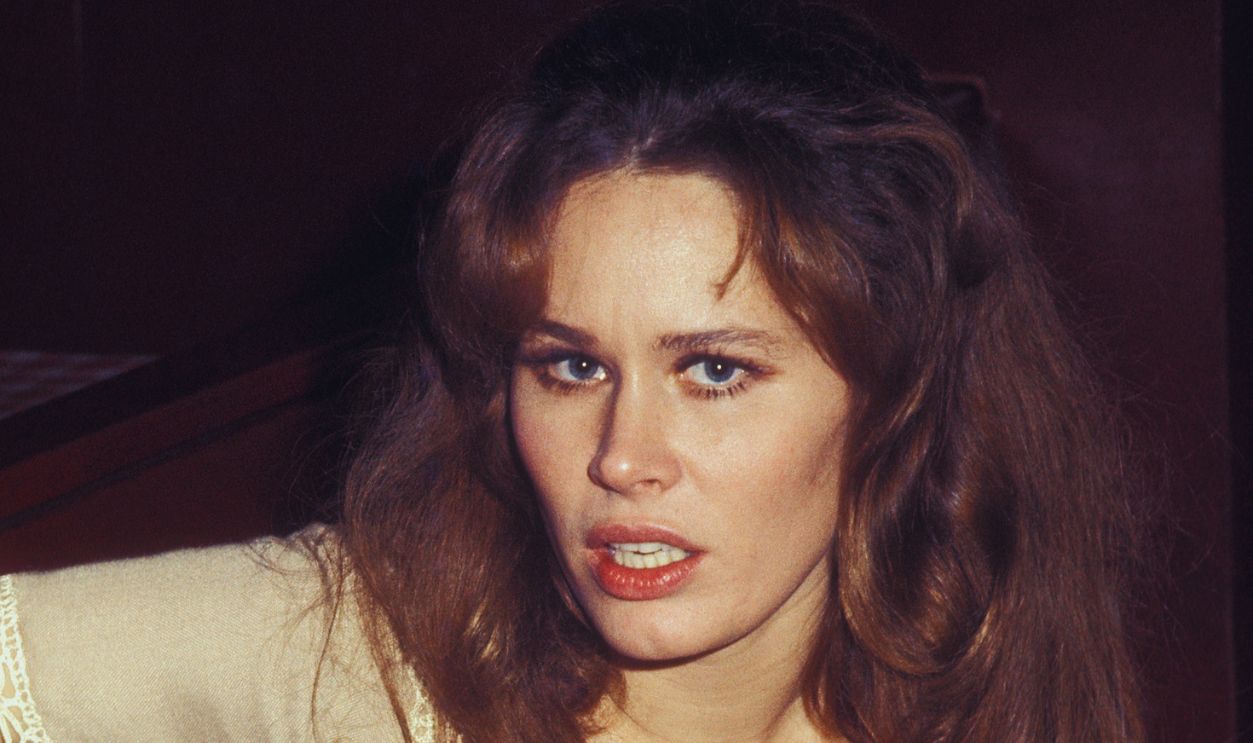
Karen Black returned to Northwestern University to study acting, but she was not happy. After two years, she lost interest in the school’s technique of invalidating the students and playing favorites. Black was going to make it as an actor on her own terms. She just wasn’t sure how that could happen.
 Stephen Eckelberry, Wikimedia Commons
9. She Quit Again
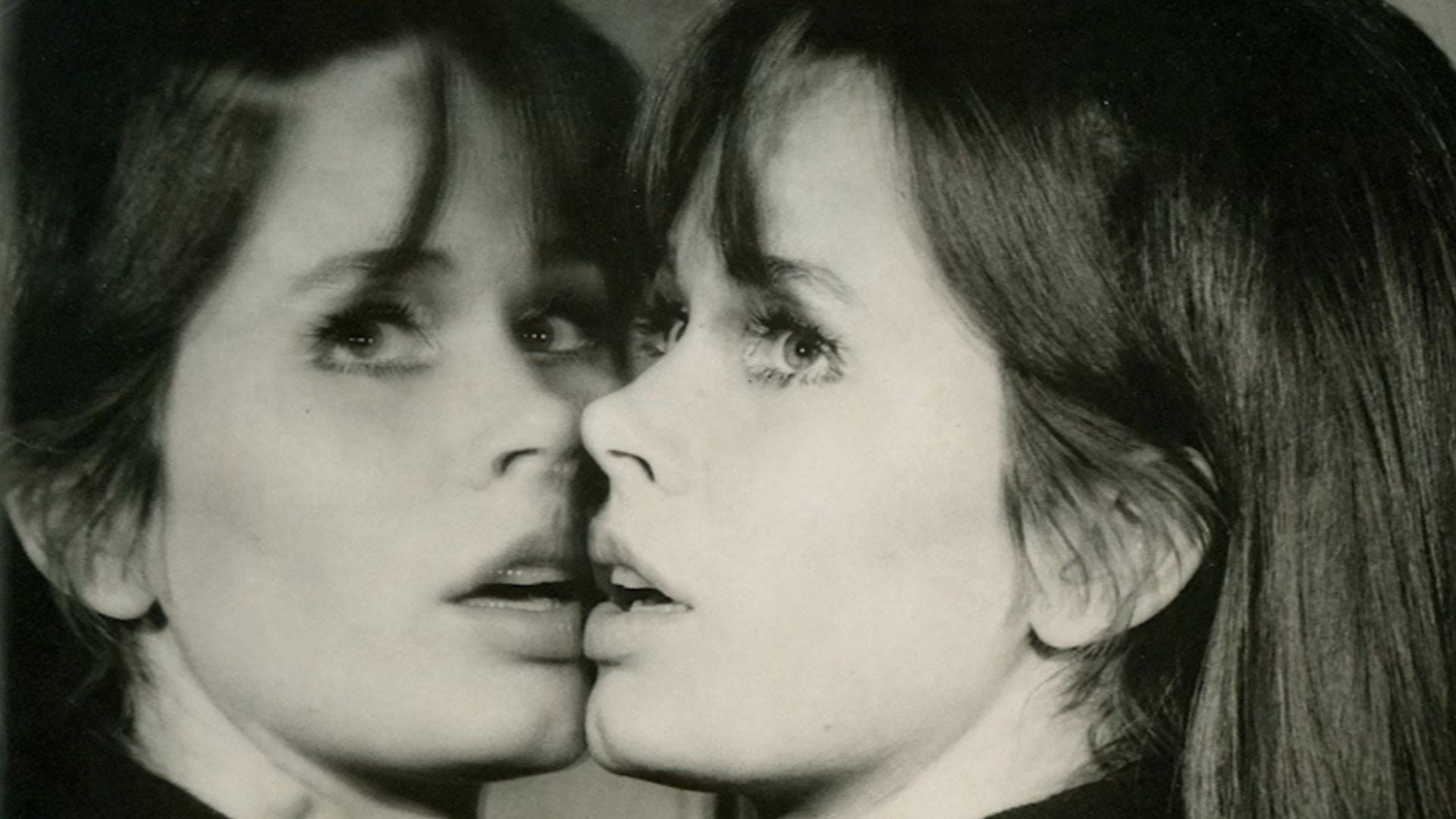
Black had the idea that if she wanted to act, she should be in New York City. She moved there and got a cheap apartment and jobs as a secretary, hotel receptionist and in insurance. She tried acting classes again, this time with the Actors Studio. Once again, she had to drop out due to conflicts with their philosophy.
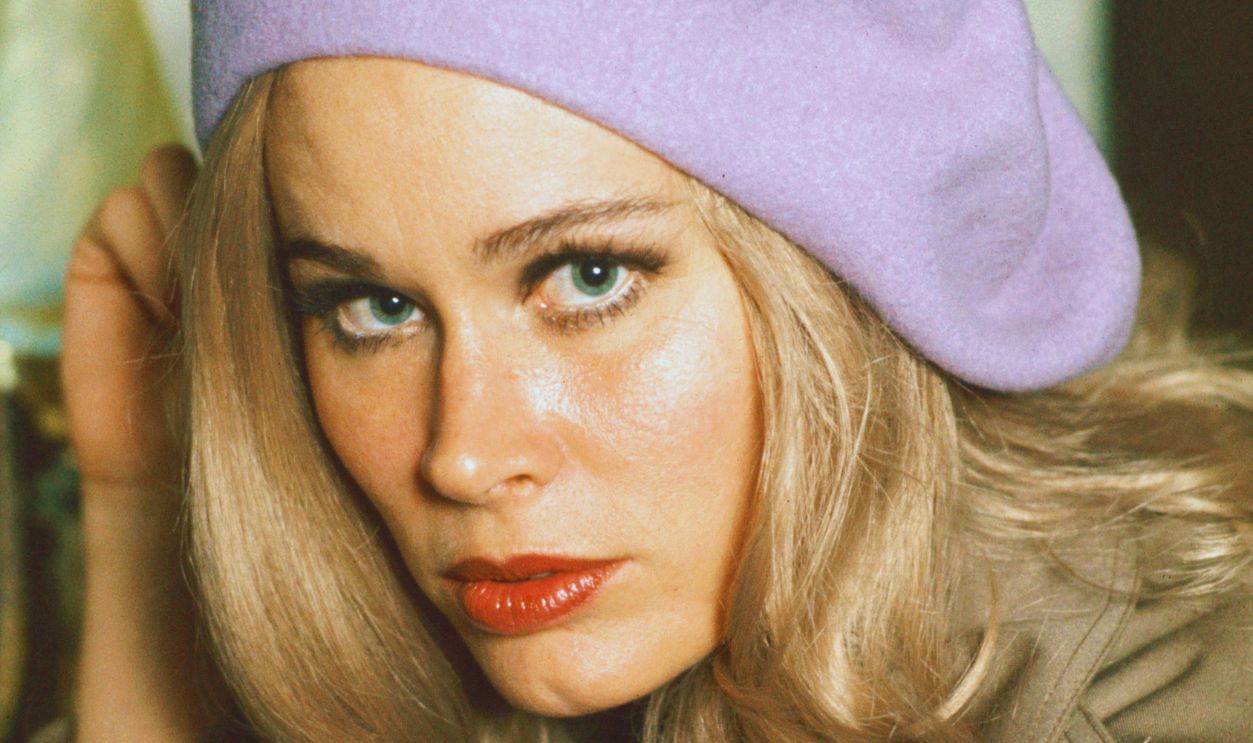
Black wasn’t one to jump through hoops to make it as an actor. It was her way or the highway.
 Silver Screen Collection, Getty Images
10. She Got Her First Film Role
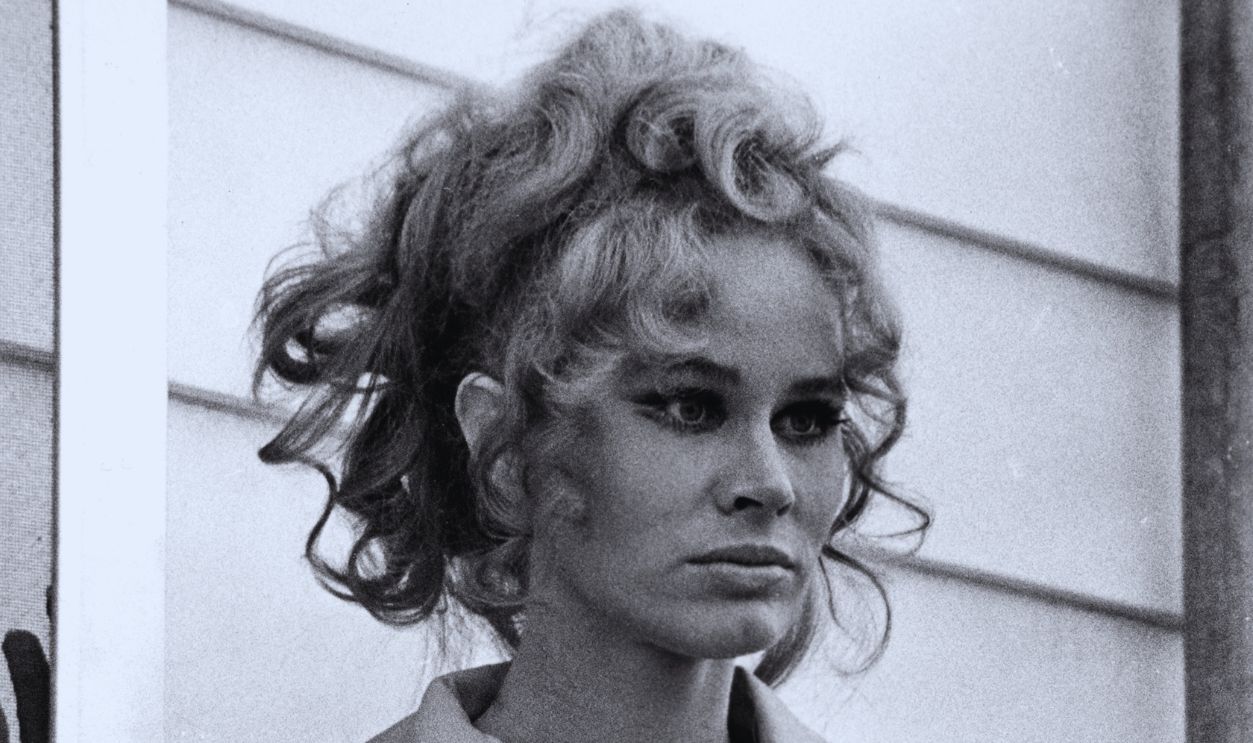
After performing with the Rockefeller Players, Karen Black got her first film role. This was a low-budget, indie film called The Prime Time. She was not the lead actor, and one thing she had to do was take off her clothes and frolic in a quarry with a bunch of other performers. This role may have come back to haunt her—if not for one thing.
 Silver Screen Collection, Getty Images
11. They Had It Destroyed
Before the release of The Prime Time, Black retained the services of an agent. He was pretty sure Black’s appearance in this film—Black called it the worst film ever made—would not be an asset for her future career. So, her agent paid out $2,500 to get the nude scene destroyed.
Black had it with film. It was the stage where she belonged.
12. She Took Home Trophies
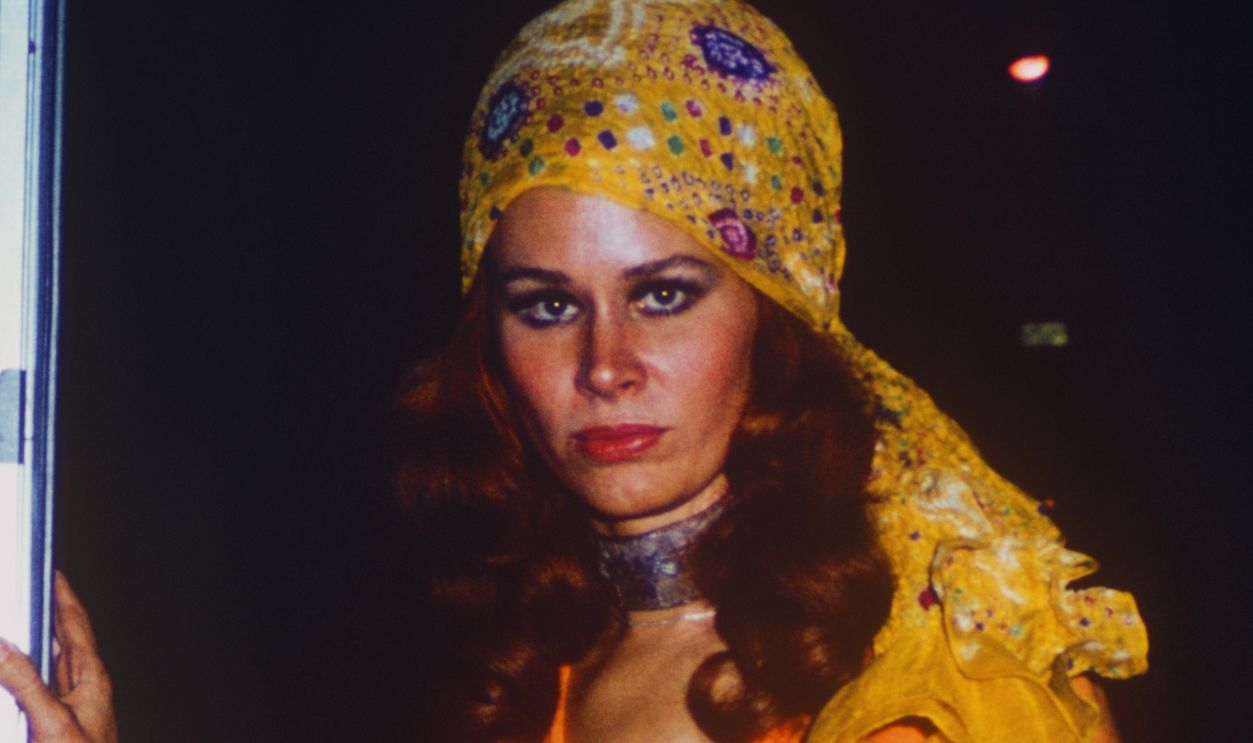
It took five years, but Karen Black finally got her Broadway debut in The Playroom. She played the spoiled Upper West Side Judy and won a Best Actress award from the New York Drama Critics' Circle. She then won an Angel award for her work in Arthur Miller’s After the Fall. So, it seemed that Black didn't need those acting classes after all.
Maybe she had given up on film a little too quickly.
13. She Worked With A Rising Star
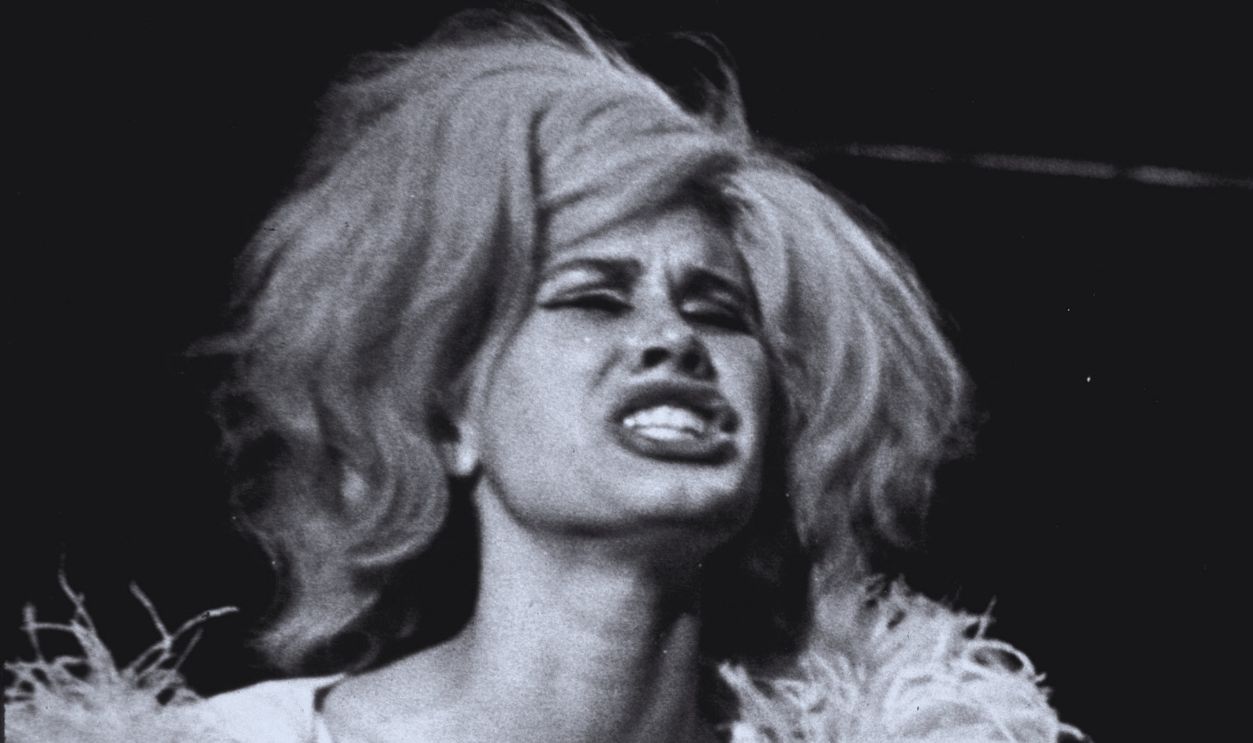
When karen Black signed on for the comedy You’re a Big Boy Now, she likely had no idea that the writer/director, Francis Ford Coppola, would one day be a big deal. The film did well and even garnered a few award nominations for her co-stars. Black received no nomination, but critics gave her strong reviews.
This was good enough for Black. She was moving to California.
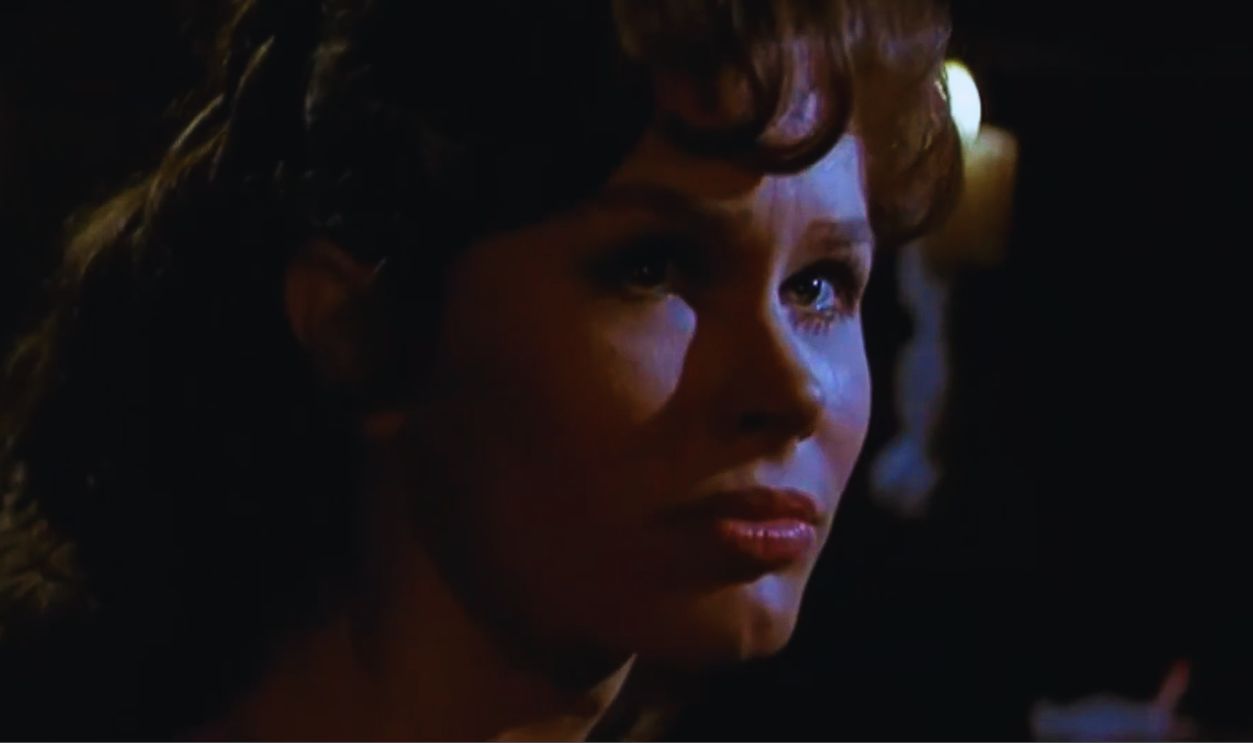 Screenshot from You’re a Big Boy Now, Warner Bros.-Seven Arts (1966)
14. She Did TV
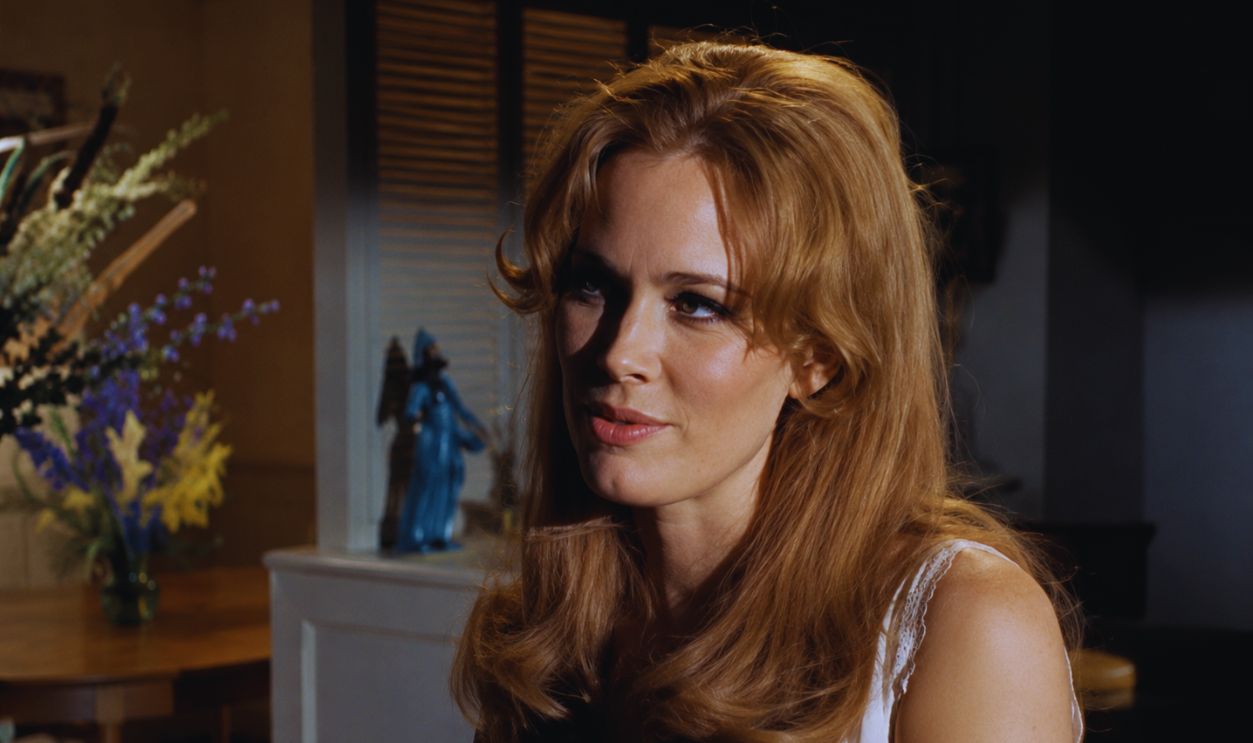
Once in Lalaland, Black did the usual thing. She appeared on television. She managed to get guest roles on TV favorites like Mannix, Adam-12, and Run For Your Life. But certainly this wasn't what the cerebral Black wanted to do. For her next project, she would be as far away from squeaky clean TV as she could possibly get.
 Screenshot from Adam-12, Universal Television (1968–1975)
15. She Got In With A Dangerous Crowd
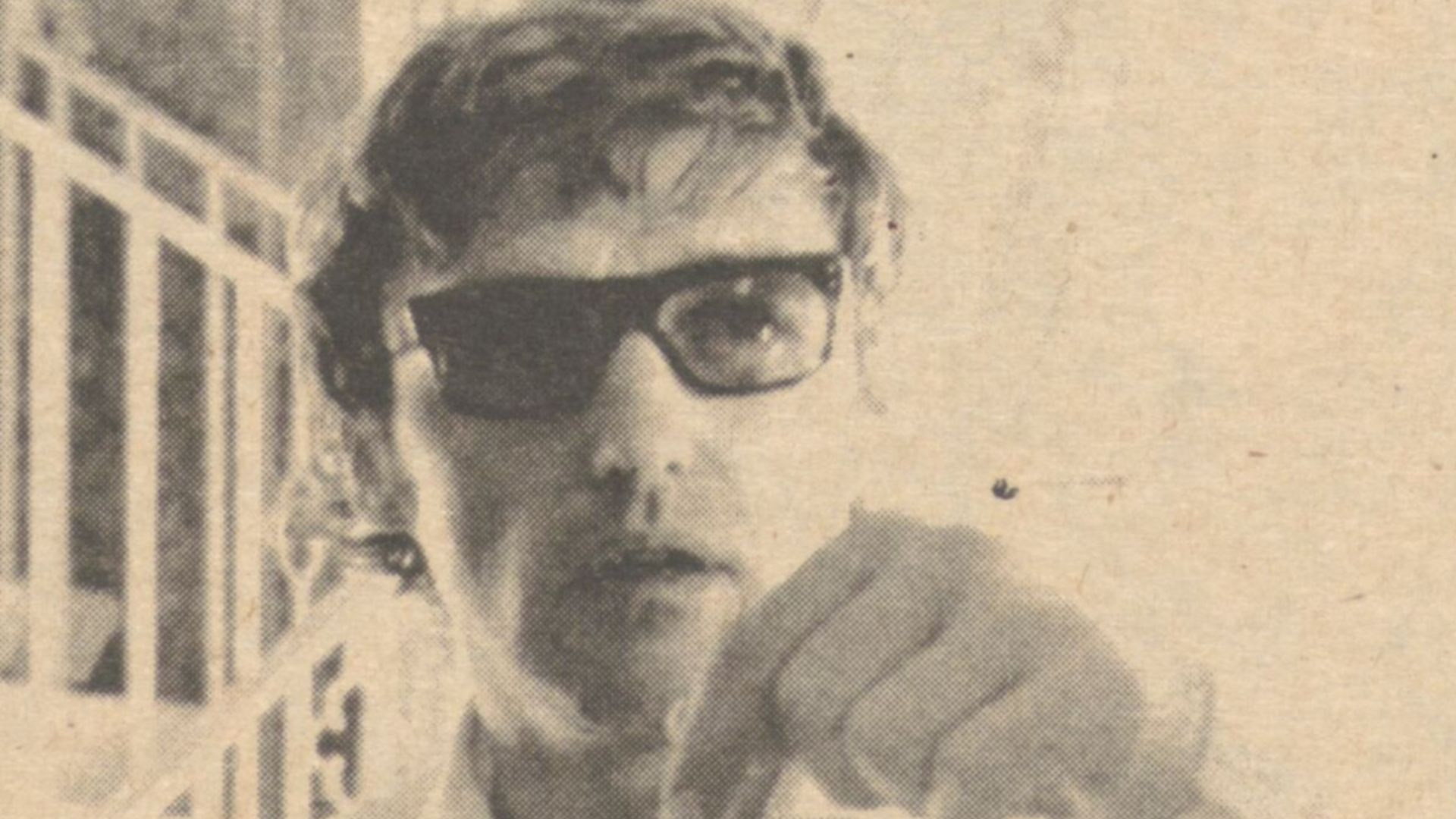
At this time in Hollywood, there wasn’t anyone more on the fringe than Dennis Hopper. He was making a movie with Peter Fonda called Easy Rider. While making this counterculture film, Black may have worried she was back in The Prime Time—a film she would rather forget. After all, Hopper wasn’t your typical director, and there didn't even seem to be a proper crew.
It looked like Black had made another mistake.
 Dorpat, Paul, Wikimedia Commons
16. She Got Caught
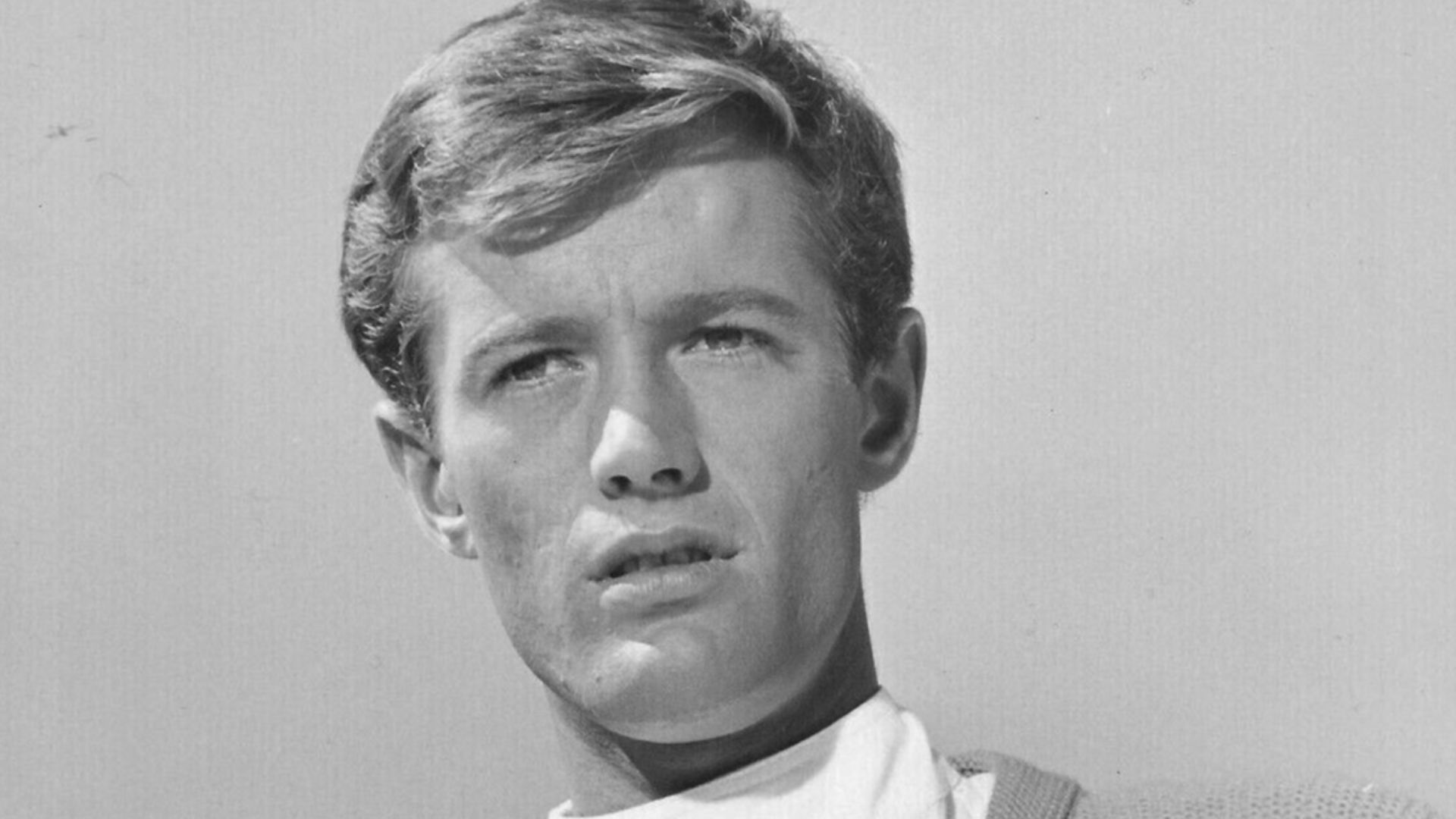
Karen Black later called the making of Easy Rider “insane”. The story goes that a Hopper got in a fight and smashed into Peter Fonda’s room. There he found Fonda in bed with both Black and her co-star, Toni Basil. Black swears this did not happen, but it went down in Easy Rider folklore anyway.
But this little independent film did wonders for Black’s career.
 Universal Pictures, Wikimedia Commons
17. She Was Among The Future Stars
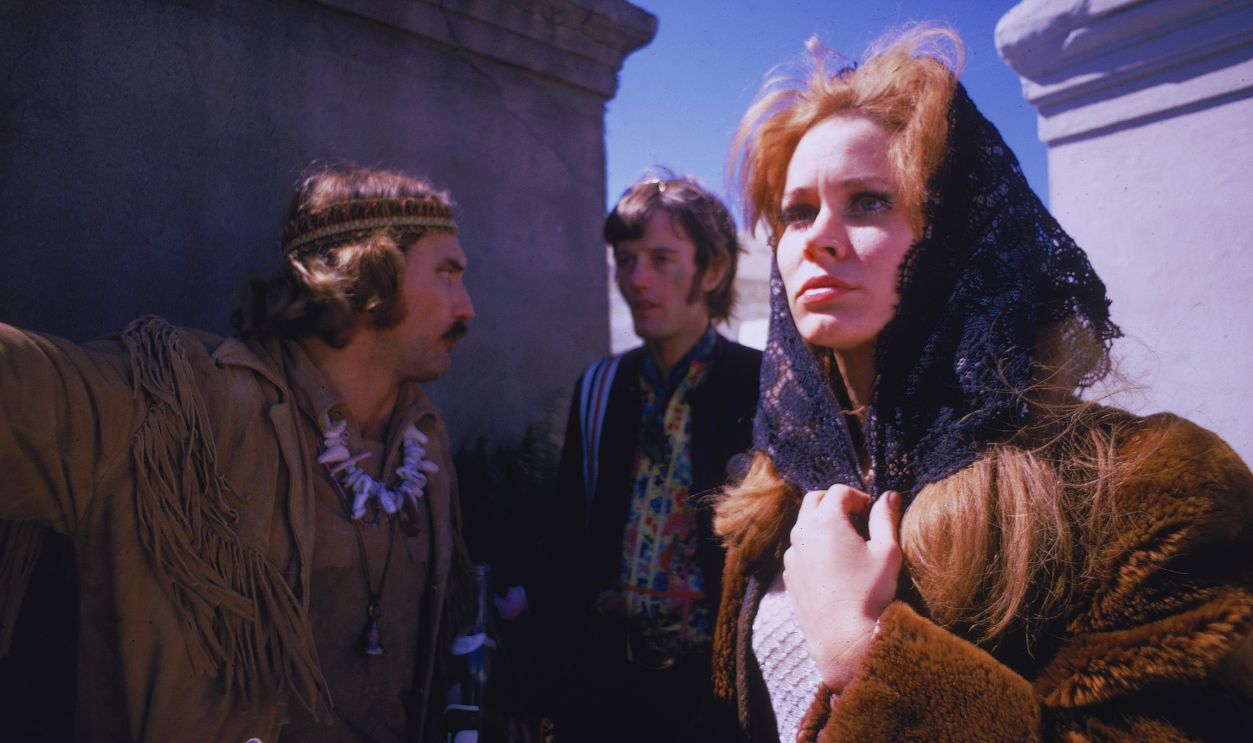
Easy Rider ended up being a huge hit and an iconic film for the counterculture movement.
Also, Black had had no idea about the fate of the people she was working with. Jack Nicholson would go on to win an Oscar. Fonda, Hopper, Carrie Snodgrass and Black herself would go on to receive Academy Award nominations.
Easy Rider would also lead to one of her standout performances.
18. She Had To Turn Her Brain Off
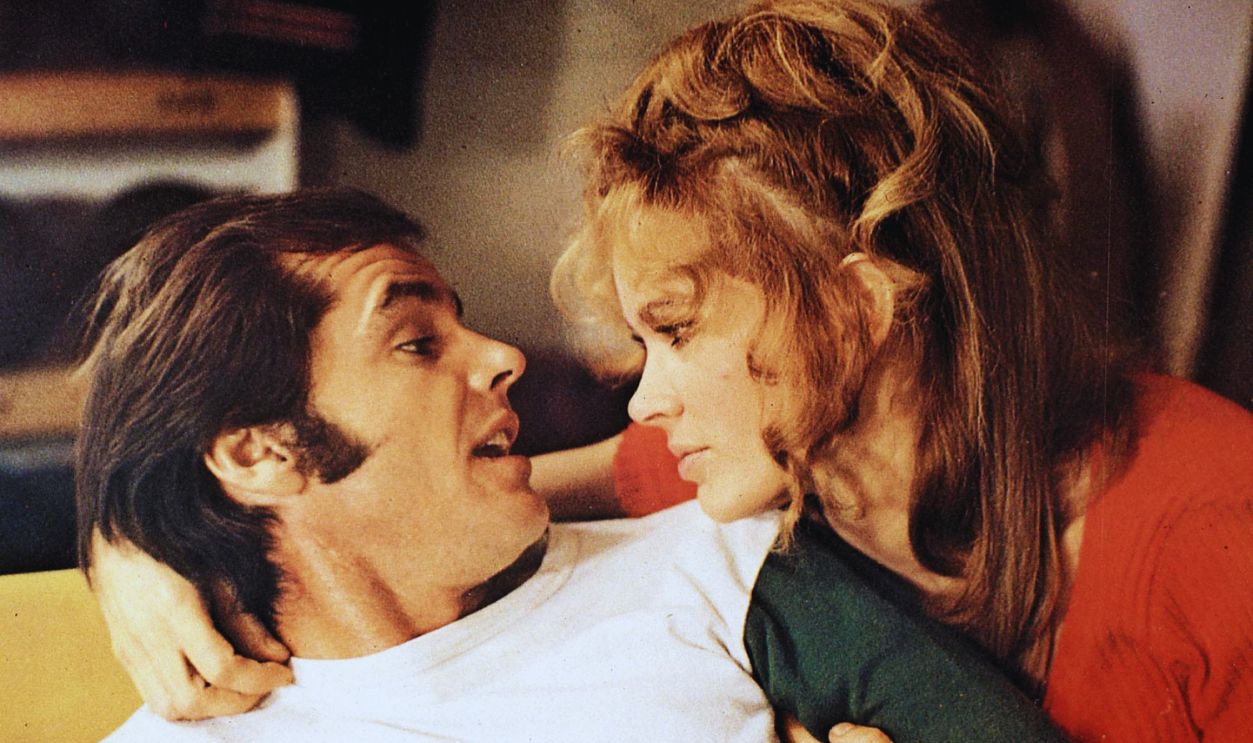
In 1970, Black was once again with Jack Nicholson, this time in Five Easy Pieces. Like Easy Rider, this was a road movie, but this time Black was one of the leads. The problem Black had was that her character was so dumb. She told the director that when he yelled action, she just had to stop thinking.
Well, she must have been doing something right.
19. She Was In A Hit
Five Easy Pieces received stellar reviews and a more than decent box office. Come awards season, it received four nominations from the Academy, and one was for Karen Black. She didn’t win that one, but she did take home a Golden Globe, a National Board of Review Award and a New York Film Critics Circle Award.
Her career was about to take off big time.
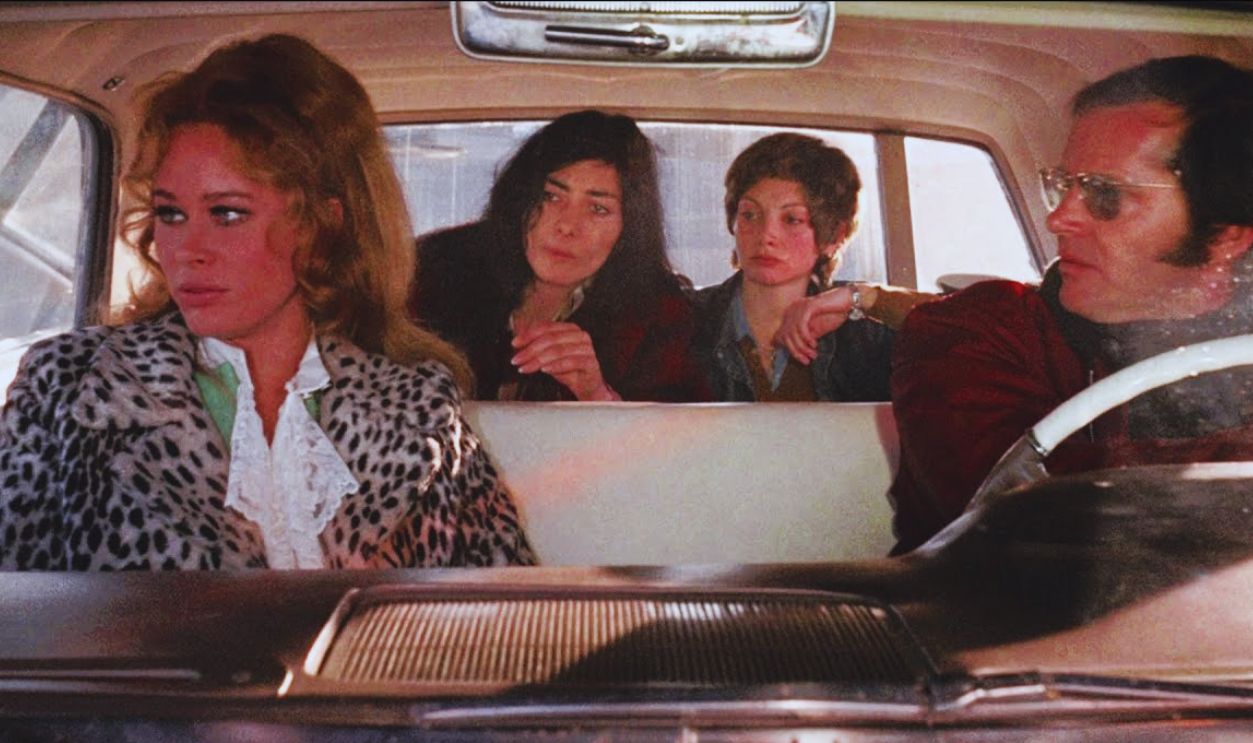 Screenshot from Five Easy Pieces, Columbia Pictures (1970)
20. She Met Up With Drama
Black took her handful of awards and got herself a role in Born To Win opposite George Segal. She experienced her first taste of Hollywood drama when the studio gave co-star Paula Prentiss top billing, even though Prentiss appeared in the film for only three minutes. Apparently, her agent insisted.
But there was someone else in this cast she should have worried about.
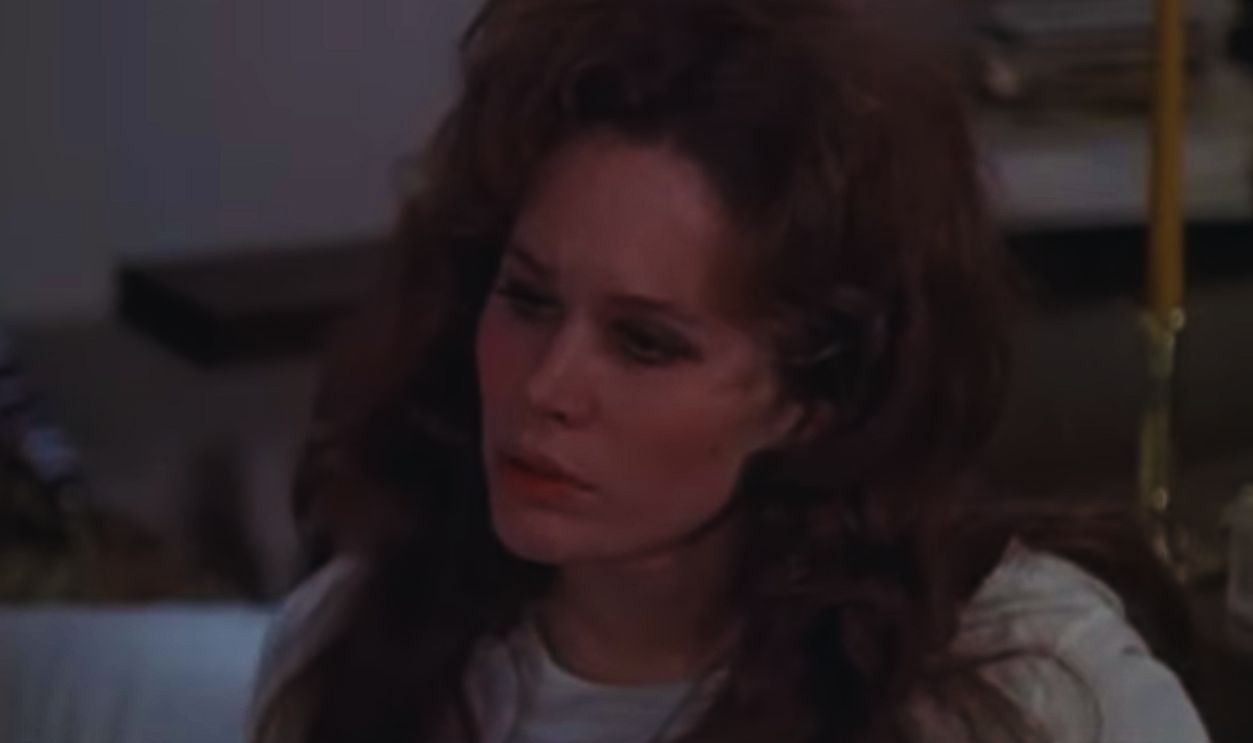 Screenshot from Born to Win, United Artists (1971)
21. He Tried To Steal Focus
Robert De Niro was not such a big star at this time, and he had a supporting role in Born to Win. Director Ivan Passer later said that De Niro was using tips from his Stella Adler acting class to draw attention to his character and take it away from Black and Segal. Luckily, Black survived De Niro’s attempts to upstage her.
Next, she was a guinea pig for Jack Nicholson’s directorial debut.
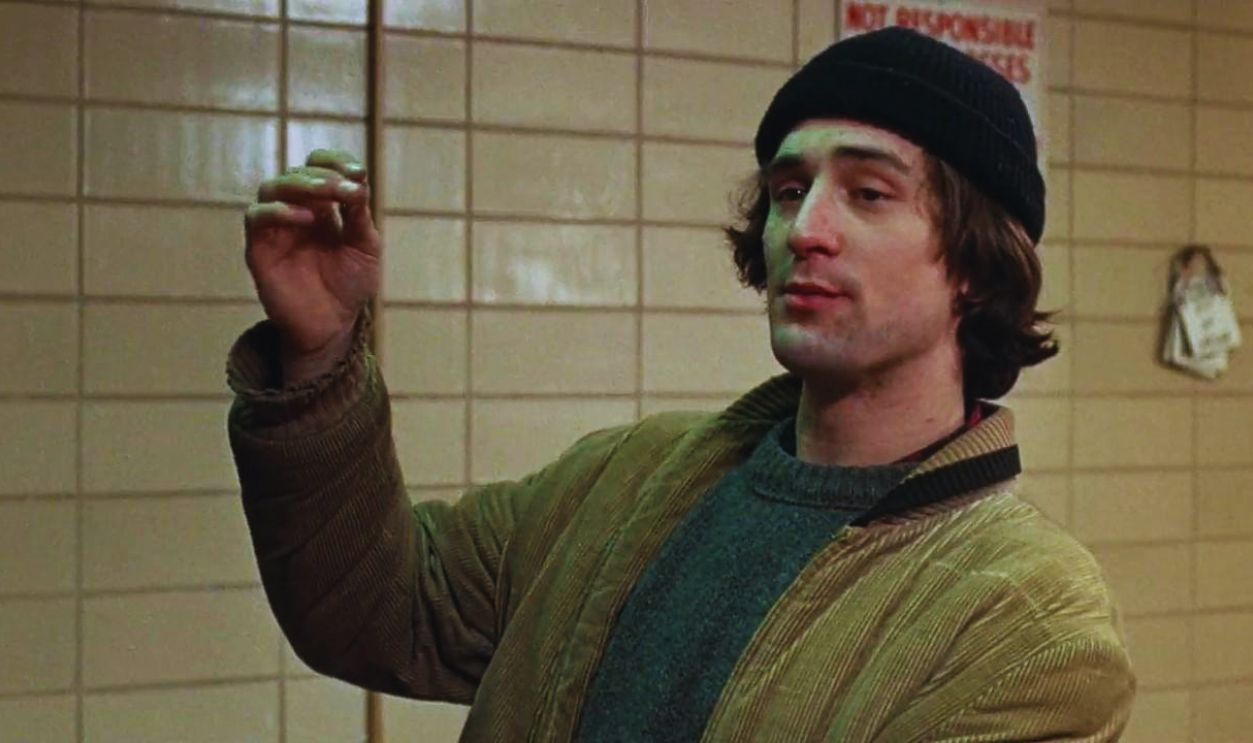 Screenshot from Born to Win, United Artists (1971)
22. She Went Back To Jack
Karen Black had already worked with Jack Nicholson twice, and in 1971, he called her up for his directorial debut. The film was Drive, He Said, and given Nicholson’s reputation, Black should have been ready for controversy. The Motion Picture Association of America tried to give it an X rating because of a scene where Black’s character experiences pleasure on screen. It received mixed reviews.
Next, she’d work with a star that wasn't exactly born…yet.
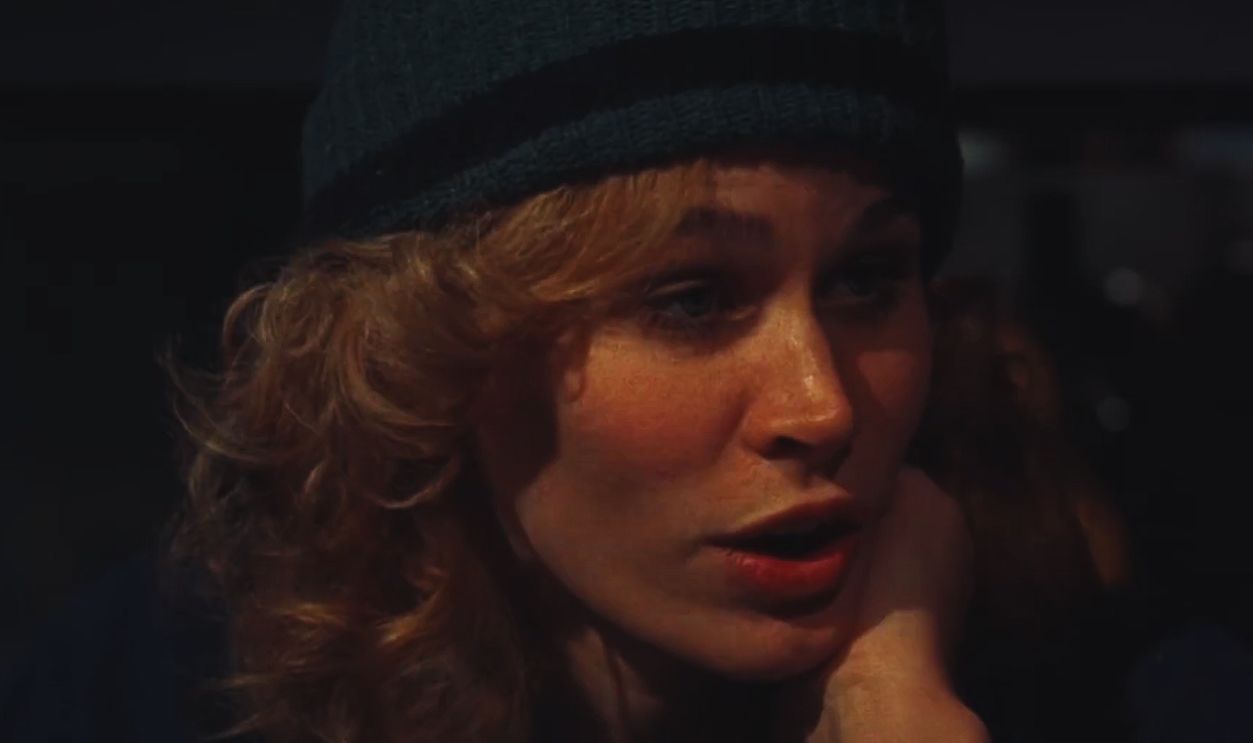 Screenshot from Drive, He Said, Columbia Pictures (1971)
23. She Wasn’t Wanted
In 1971, Black worked on Cisco Pike with Kris Kristofferson and Gene Hackman. The director, Bill L Norton, actually didn't want Black in the film at all. Columbia Pictures put its foot down and demanded that he hire Black. It wasn’t that Columbia thought so highly of Black’s abilities; they just wanted the boost of Black’s recent Academy Award nomination.
As it turned out, he was lucky to have her.
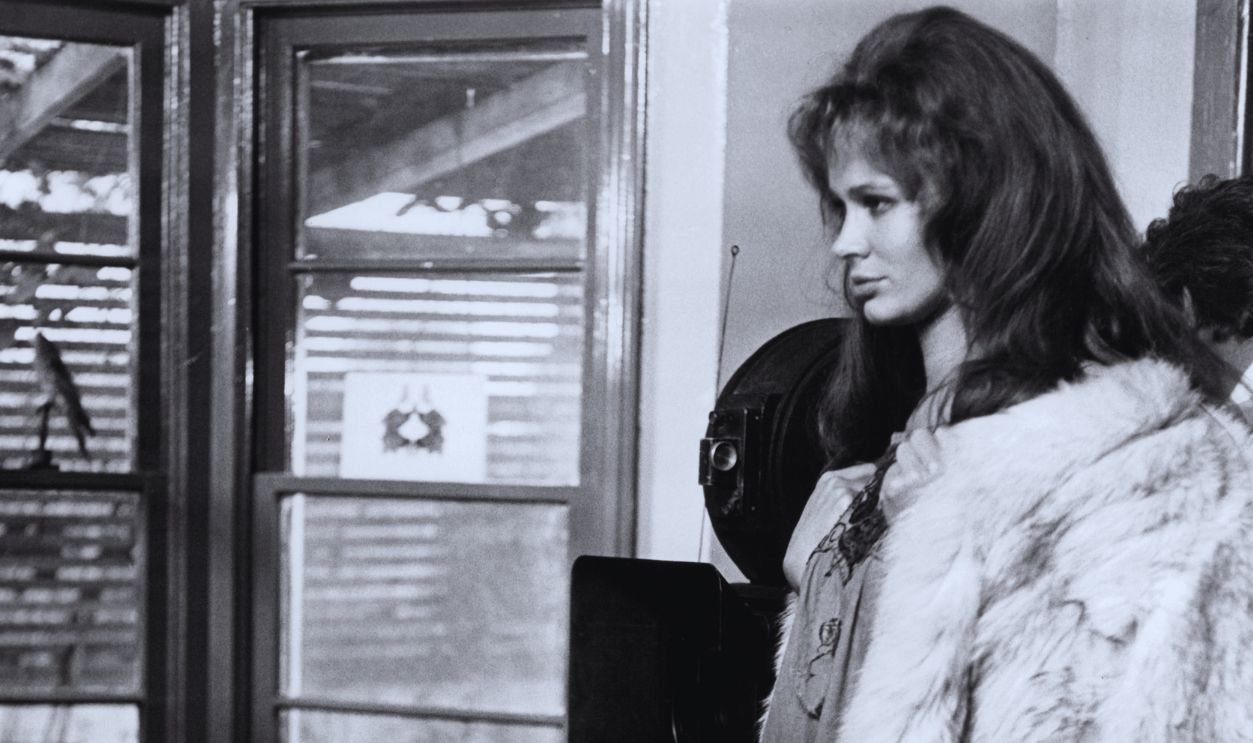
24. She Wasted Her Talents
Kristofferson, who would later appear in A Star is Born with Barbra Streisand, was still new to acting. In Cisco Pike’s some saw him as lacking dimension. This was good news for Black, as compared to him, she stood out as a pro. In fact, one critic said she was wasting her talents on this film.
Next, she’d take her talents northward.
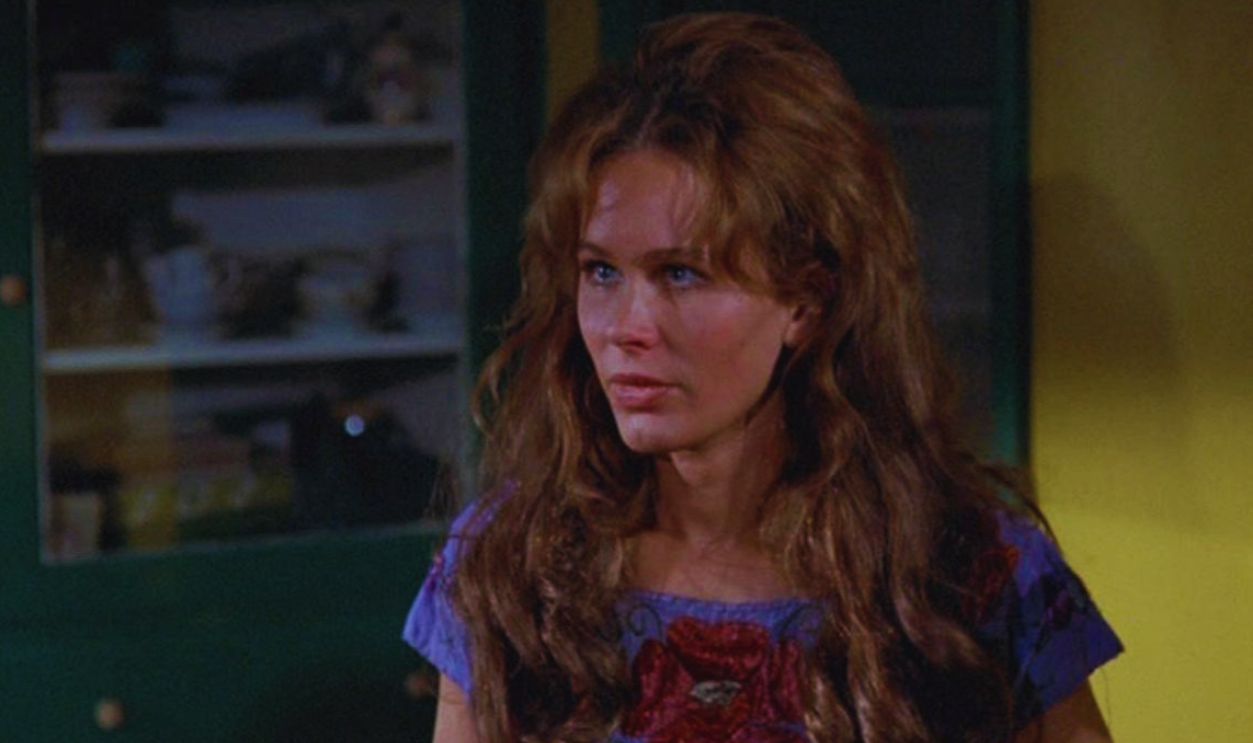 Screenshot from Cisco Pike, Columbia Pictures (1972)
25. She Went North
After appearing in the disastrously bad Portnoy’s Complaint, Black headed up to Canada for a horror film called The Pyx. Here she met up with The Sound of Music's Christopher Plummer. In this film, Black began showing another side to her talent. She wrote and performed songs for the film.
So far, a lot of Black’s films have involved a certain amount of casual substance abuse. The Pyx took it to a much higher level.
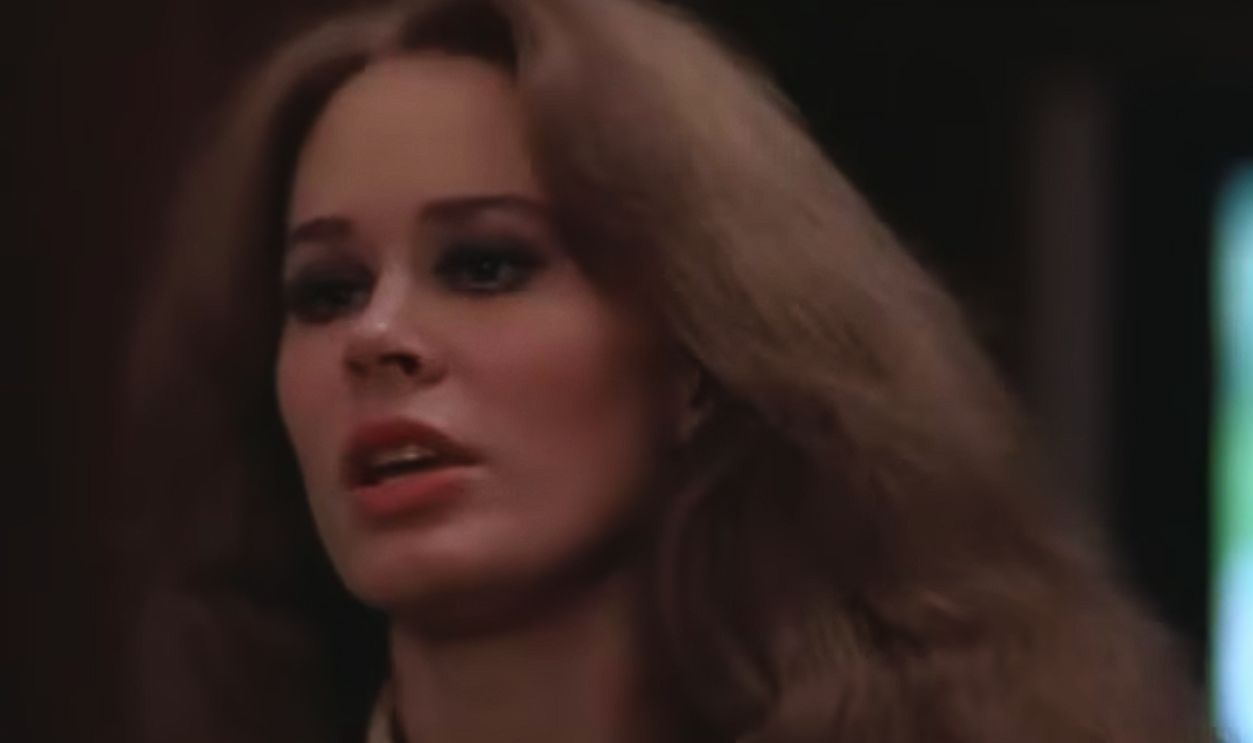 Screenshot from The Pyx, Cinerama Releasing Corporation (1973)
26. She Had Competition
In The Pyx, Karen Black plays a lady of the night with an opioid addiction. To get the part right, Black interviewed an ex-addict, so she could fully understand what withdrawal was like. She was also smart enough to use a body double for nude scenes. But as it turned out, Black would be in direct competition with another film—and a formidable opponent.
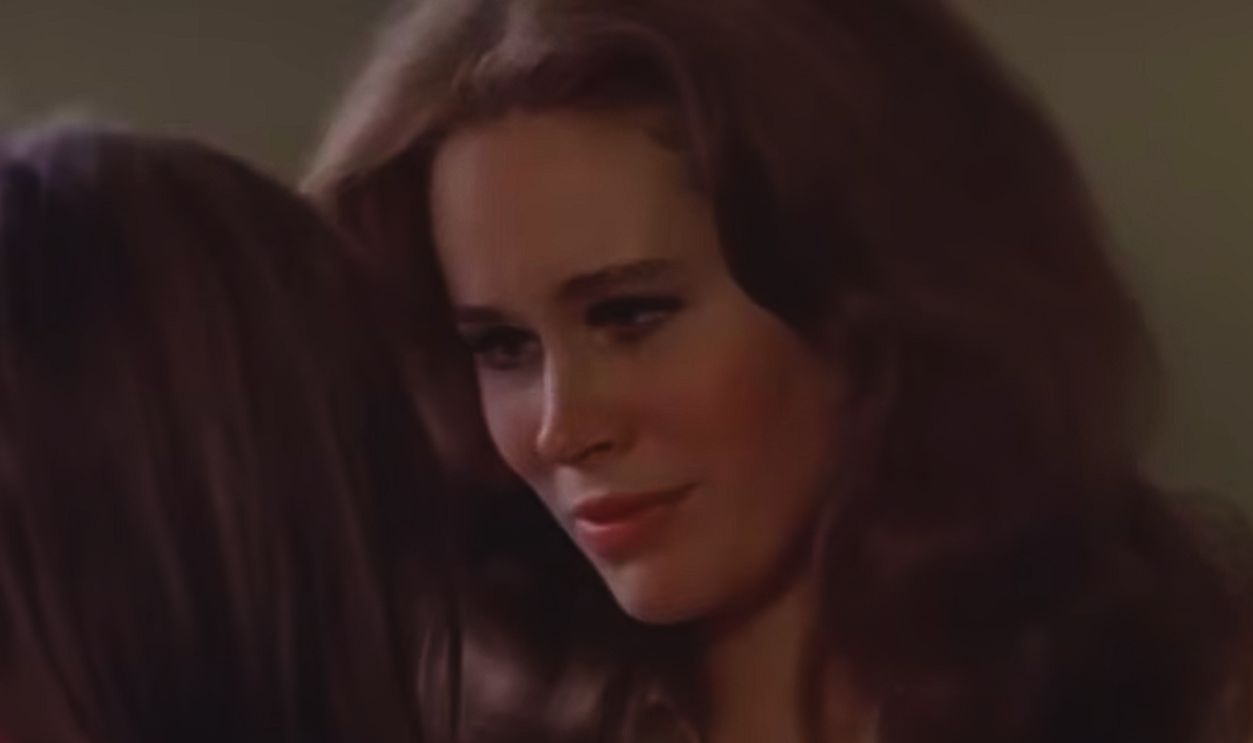 Screenshot from The Pyx, Cinerama Releasing Corporation (1973)
27. She Went Head-To-Head
The year before Black appeared in The Pyx, Jane Fonda appeared in Klute. Both films had murders, and both actors played prostitutes. People were drawing comparisons to the two films and the two actors. When Fonda walked away with the Academy Award for Best Actress, many believed that Black could have won with a better screenplay. Some called it her best work.
Besides Fonda, there was another actor she was in competition with.
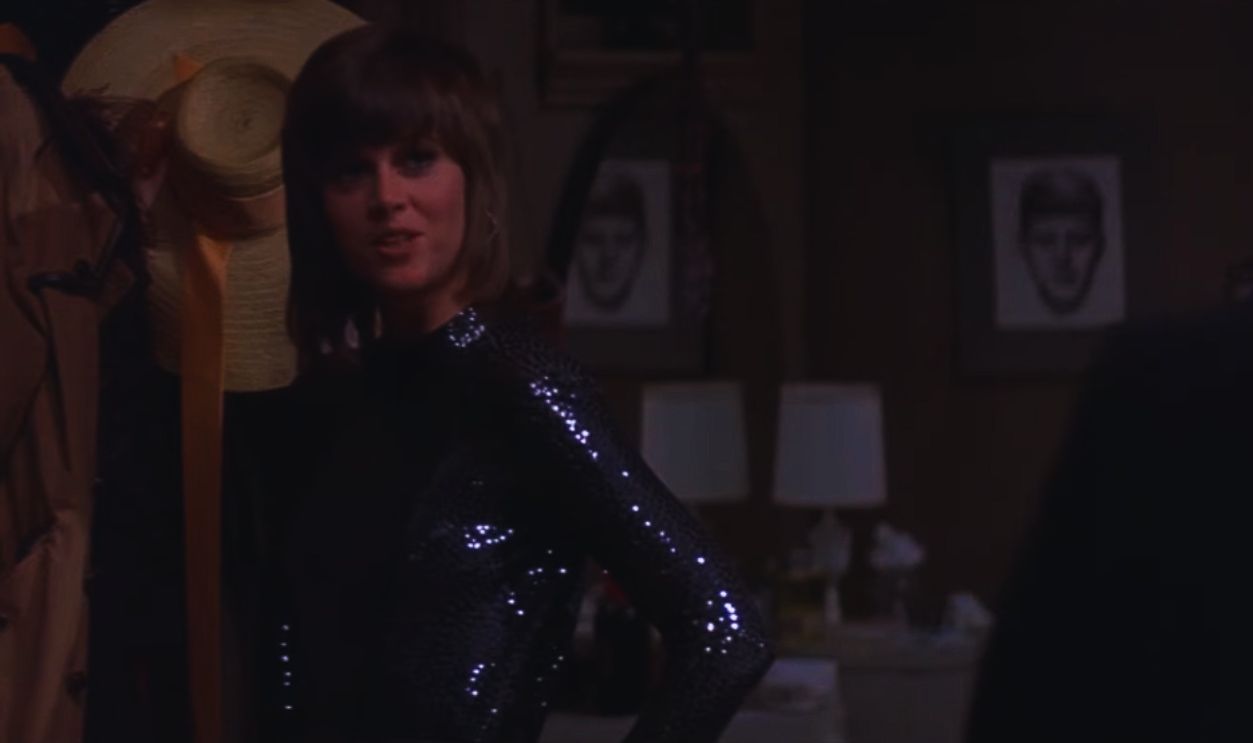 Screenshot from Klute, Warner Bros. (1971)
28. She Had A Doppelganger
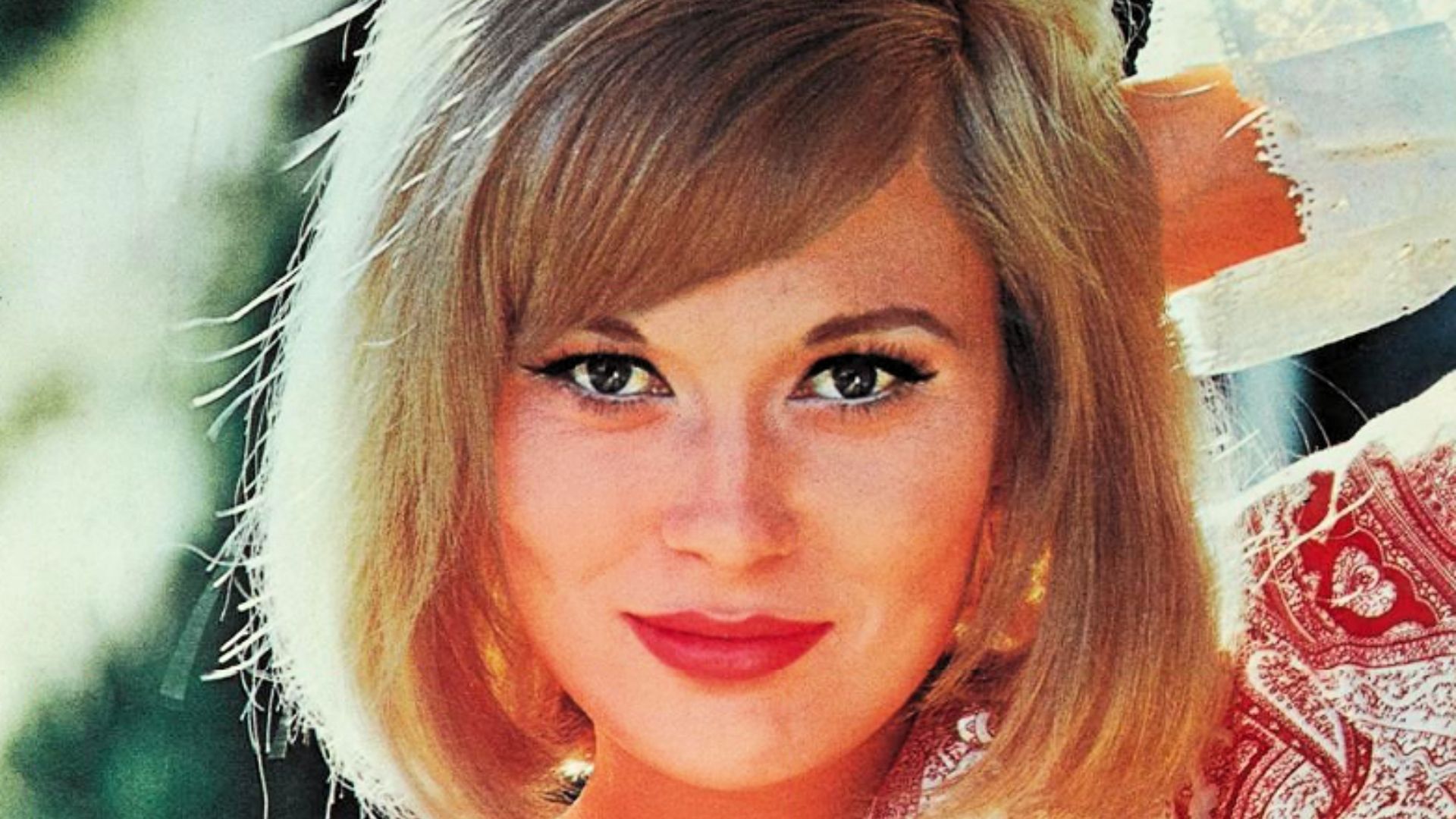
In 1973, Black began work on The Outfit with Robert Duvall. In her beret, she was looking very much like Faye Dunaway in Bonnie and Clyde. Black and Dunaway often played similar roles, and many people viewed them—along with Jane Fonda—as the top stars of the 1970s.
Black had already lost out to Fonda. Now, she was going head-to-head with Dunaway.
29. She Paled In Comparison
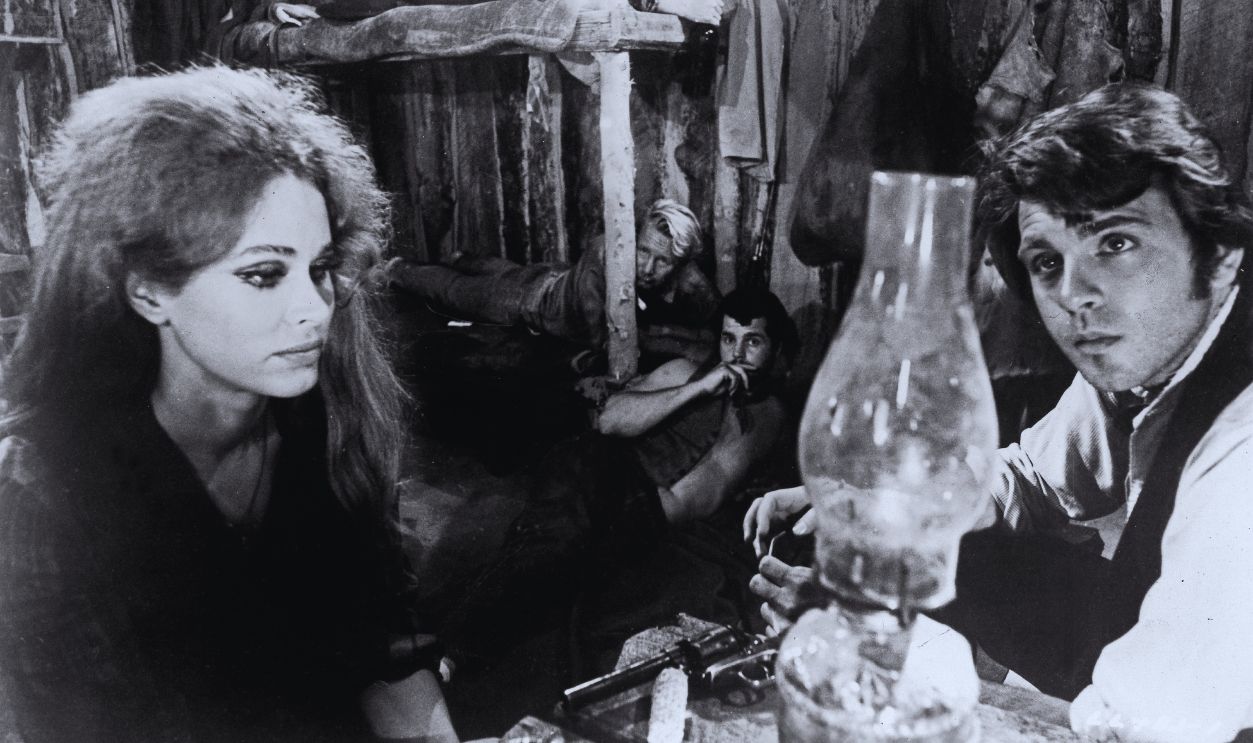
When Karen Black made Little Laura and Big John, the comparisons to Dunaway became very clear. Little Laura and Big John, like Bonnie and Clyde, was another film that featured a pair of ne’er do wells on a spree. Sadly, Black’s film came out a few years after Dunaway’s, and it looked like the moment had passed. Bonnie and Clyde had a slew of Academy Award nominations, and Black’s film had none.
Black made herself feel better by getting married.
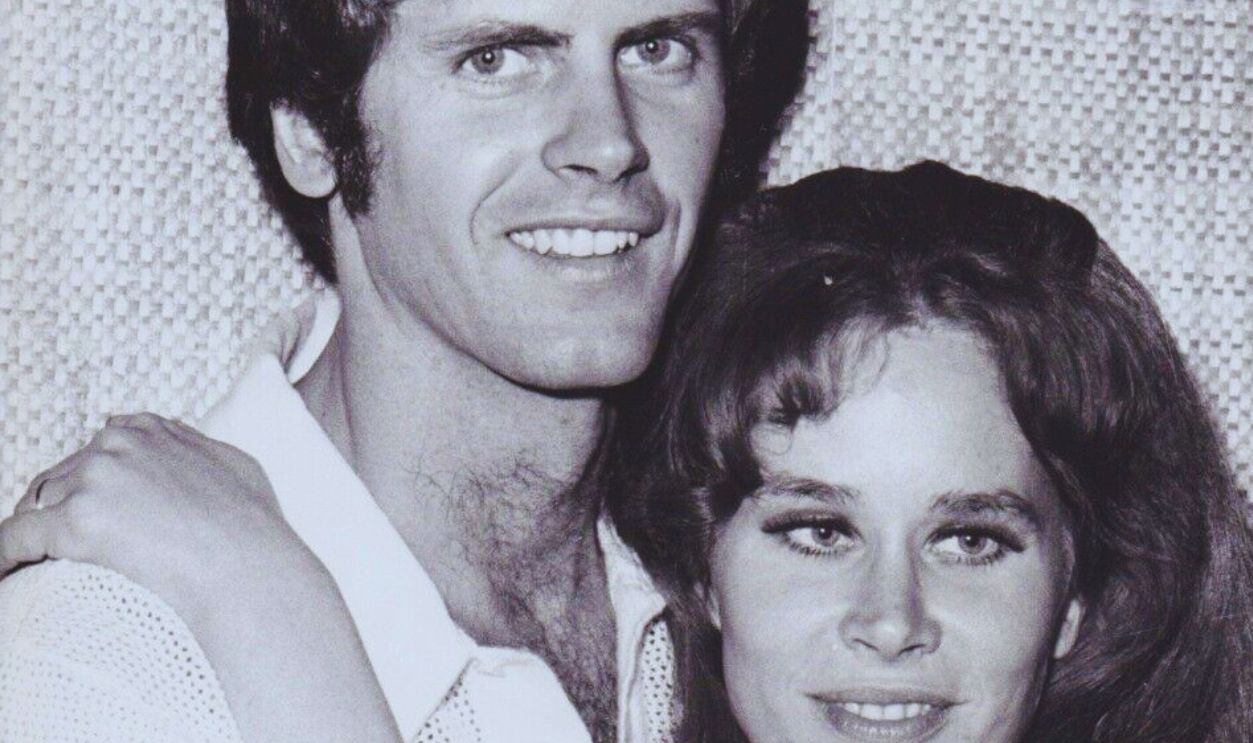
30. She Tied the Knot
Black’s second husband was actor Robert “Skip” Burton. Burton, who once wanted to become a priest, was seven years younger than her. This union was going to be a good thing. Especially for Burton's burgeoning acting career. But there was someone else in the Black family coming into show business.
 eBayFront and back, Wikimedia Commons
31. Her Sister Followed In Her Footsteps
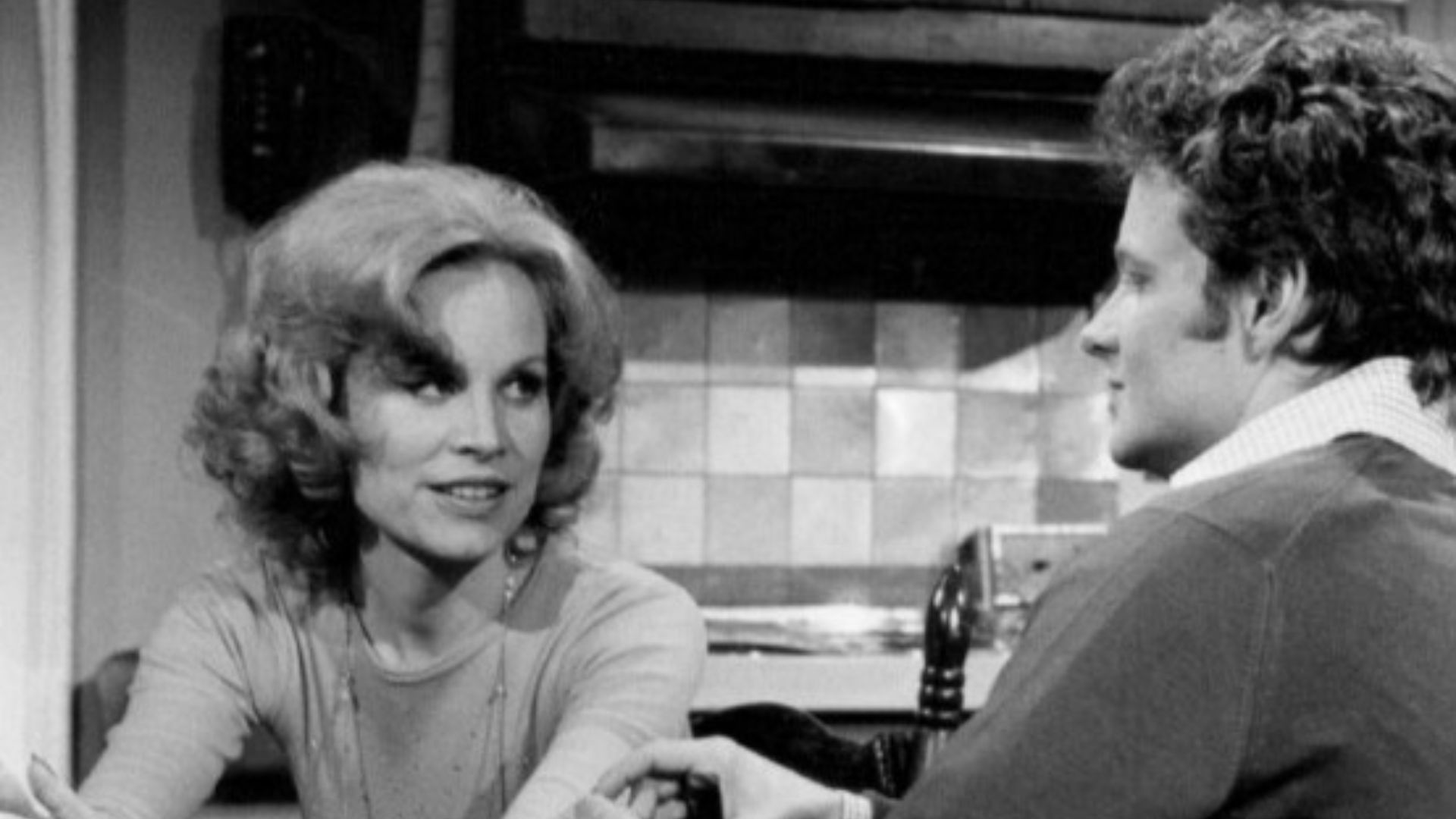
Karen Black wasn't the only member of her family to become an actor. In 1975, her sister Gail became a regular on the soap opera Another World. She stayed on the show for over 10 years. In an odd coincidence, like Black, Gail took her surname from her first husband. Also, like Black, the name was a color. She married Michael Brown and became Gail Brown.
But Black was worlds away from the world of soap operas. She was about to be in a huge blockbuster.
 NBC Television, Wikimedia Commons
32. She Did A Disaster
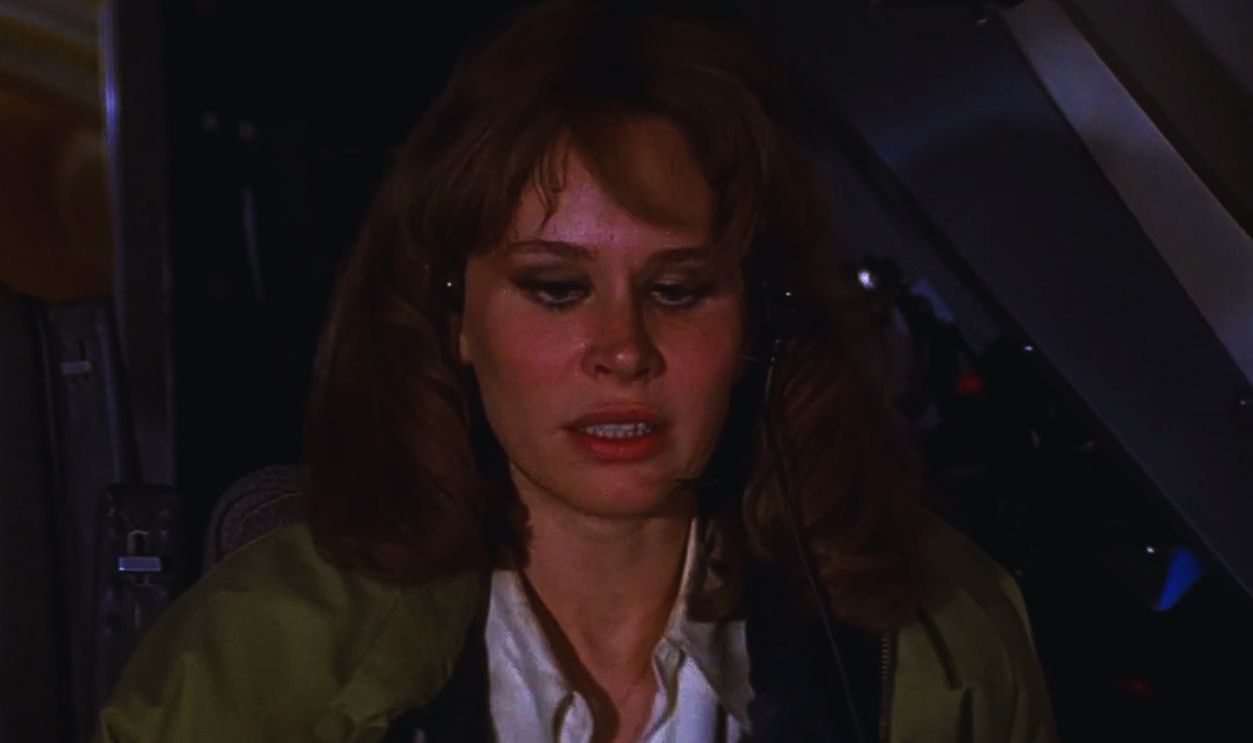
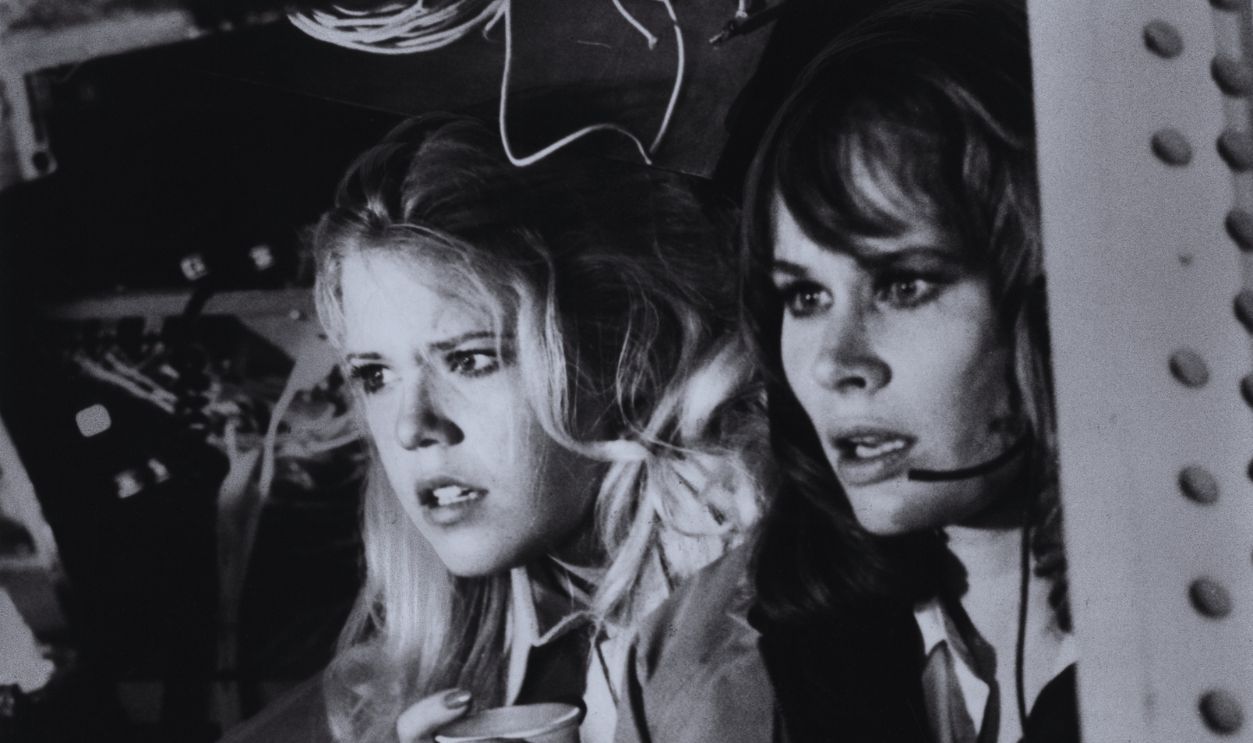
After a disastrous attempt at comedy in Rhinoceros, Black got an offer for a big-budget disaster. This would be the first sequel to the wildly popular Airport movie. In Airport 1975, Black’s name would be among heavy hitters like Charlton Heston and Gloria Swanson. Black had a lot riding on making this film a hit.
 Screenshot from Airport 1975, Universal Pictures (1974)
33. She Went Down In History
Black’s character in Airport 1975 is a flight attendant. While the men in the film treat her as incompetent, it’s Black’s character that has to land the plane. She may have saved the day, but Black could not save this movie. It did poorly, but it did help with Black’s future presence as a cult icon. The movie Airplane! had a ball making fun of the film and especially of Black’s character.
Black would then make the strange decision to go from blockbuster disaster to a TV movie.
 Michael Ochs Archives, Getty Images
34. She Took A Step Down
After picking up a Golden Globe for her work in The Great Gatsby opposite Robert Redford, Black did a made-for-TV horror movie. You might wonder why this award-winning actor would accept a role that was clearly a step down. Her reason was: she did it for love.
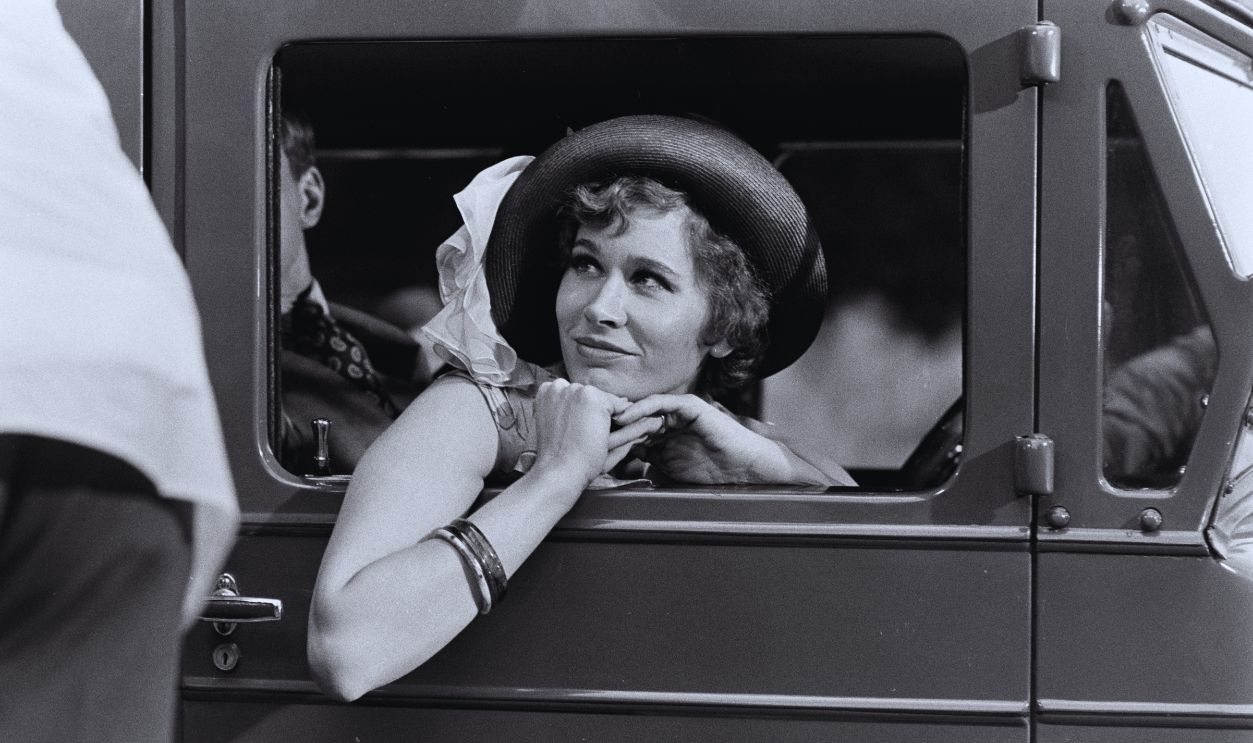
35. She Did All Three
Remember, back in 1973, Black had married struggling actor Robert Burton. Well, when Burton got a small role in Trilogy of Terror, Black thought it might be fun to join him. While Burton only appears in one of three short films, Black takes the lead in all three. Critics praised her performance as a tour de force.
This made her career tilt in an unexpected way.
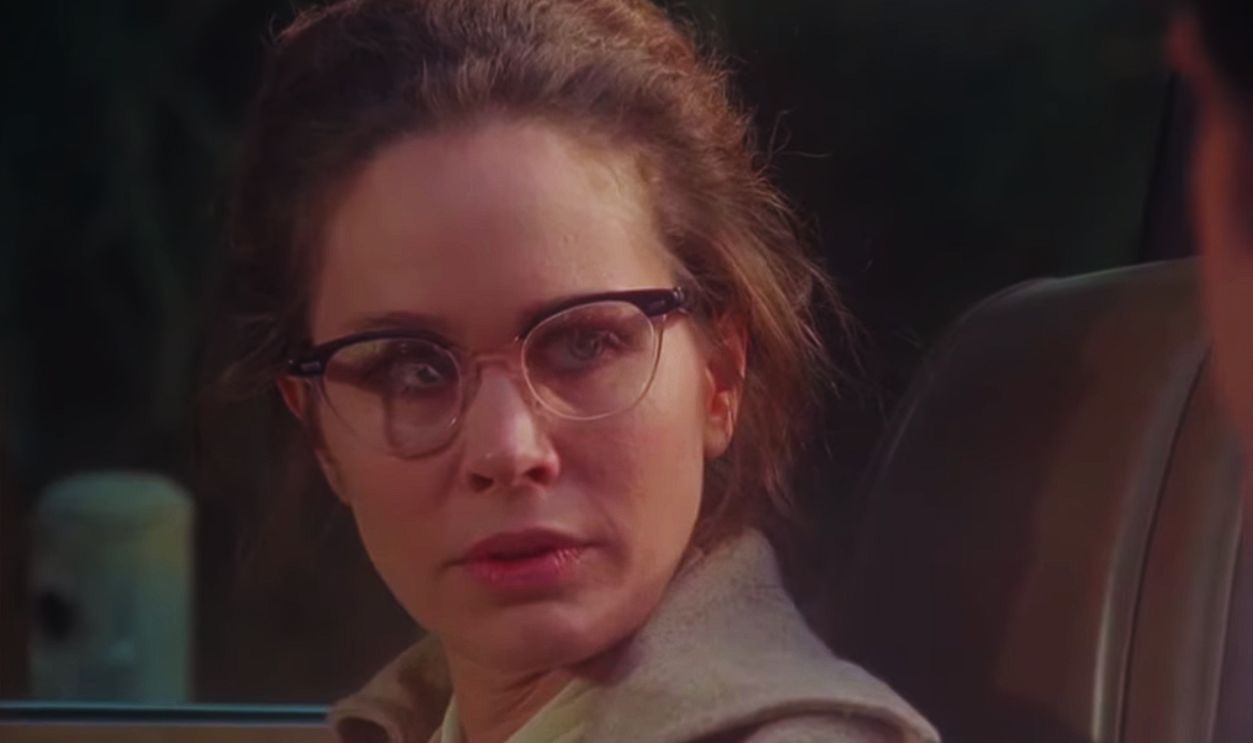 Screenshot from Trilogy of Terror, ABC (1975)
36. Her Career Changed Directions
Sadly, Black’s marriage to Burton didn't even last long enough for them to make popcorn and watch Trilogy of Terror together on the couch. But something about Black’s performances in this film struck a chord with audiences. Suddenly, Black had a mailbox full of offers to appear in low-budget horror. Wait a minute, wasn't she an Academy Award-nominated actor?
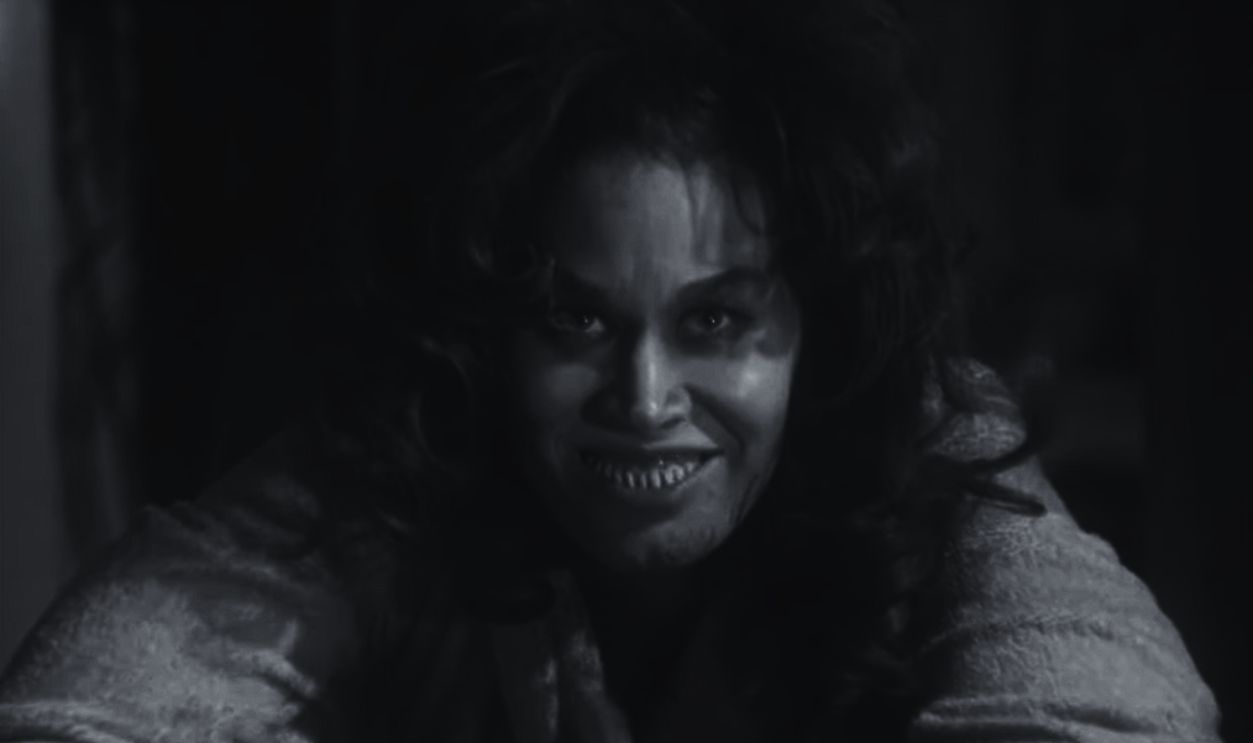 Screenshot from Trilogy of Terror, ABC (1975)
37. She Had A Bad Time
Karen Black tried to ignore all the offers to do horror and focused on a film with esteemed Midnight Cowboy director John Schlesinger. The film was The Day of the Locust, and the seven-month production ran into countless problems. Black may have been avoiding making horror films, but this was quickly turning into one.
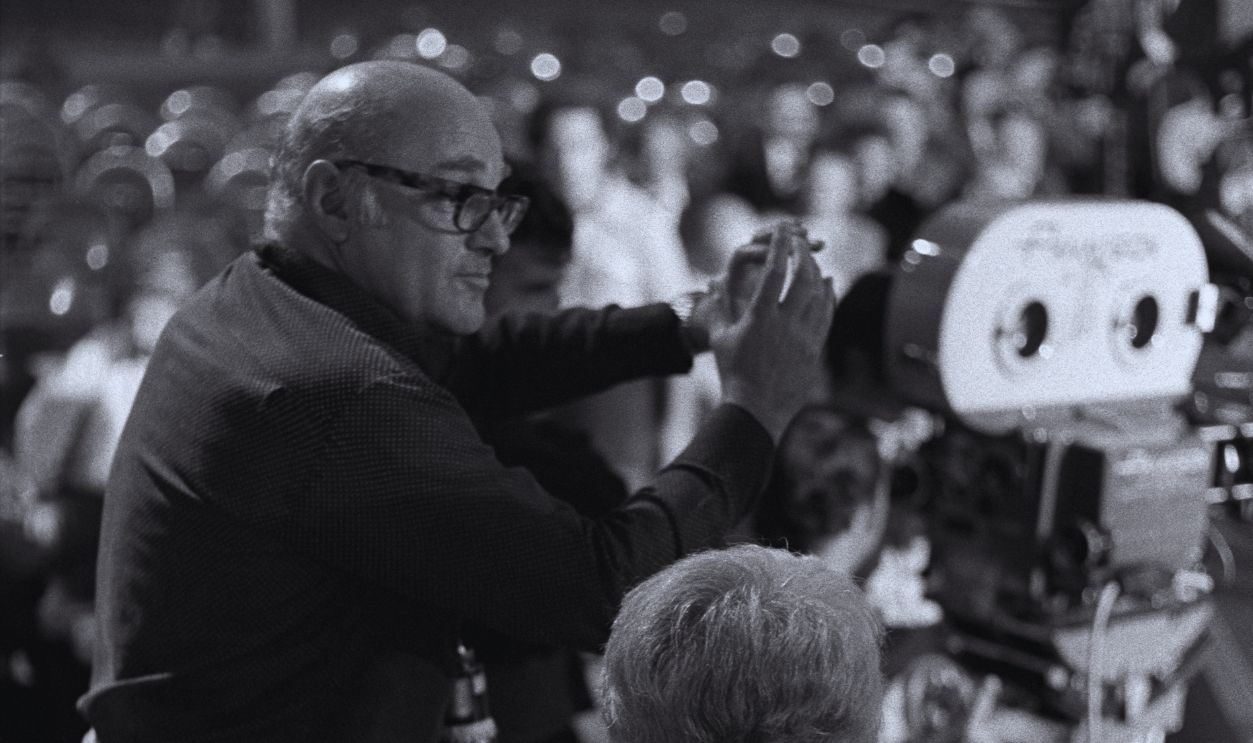 Fairchild Archive, Getty Images
38. She Was A Scapegoat
Black got the role in The Day of the Locusts because the director thought that Raquel Welch was “too gorgeous” to play the part. It also strengthened the confusion between her and Faye Dunaway, as Black's character in this film was an actress named Faye. But the real horror began when the cast and crew started getting sick, and some of them were fired. The weird thing was, many of the cast and crew blamed Black for the problems.
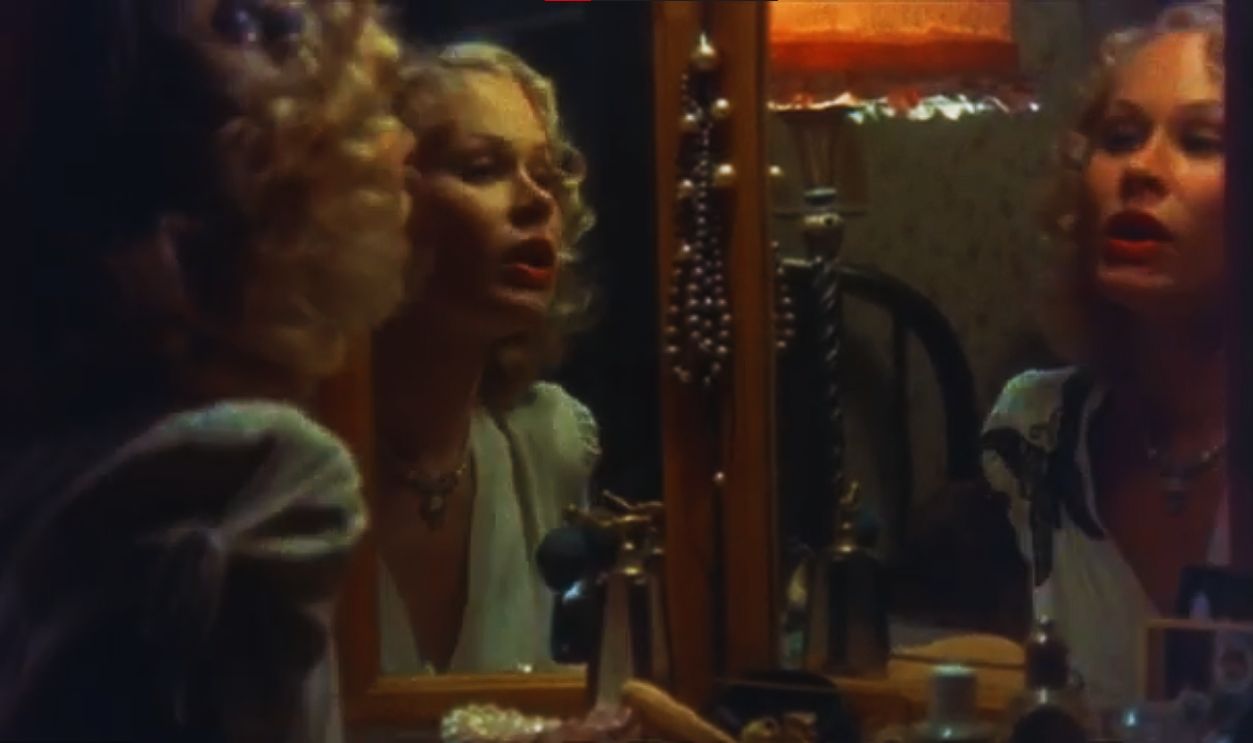 Screenshot from The Day of the Locust, Paramount Pictures (1975)
39. She Was Possessed
Maybe Black’s terrifying performance in Trilogy of Terror was coming back to haunt her. You see, some of the cast and crew on The Day of the Locusts started blaming her for all the difficulties on set. Black later regretted making the film at all and even said it brought her career to an early end. The film tanked at the box office and received mostly poor reviews.
Black wiped her feet of this horrible experience and turned to music.
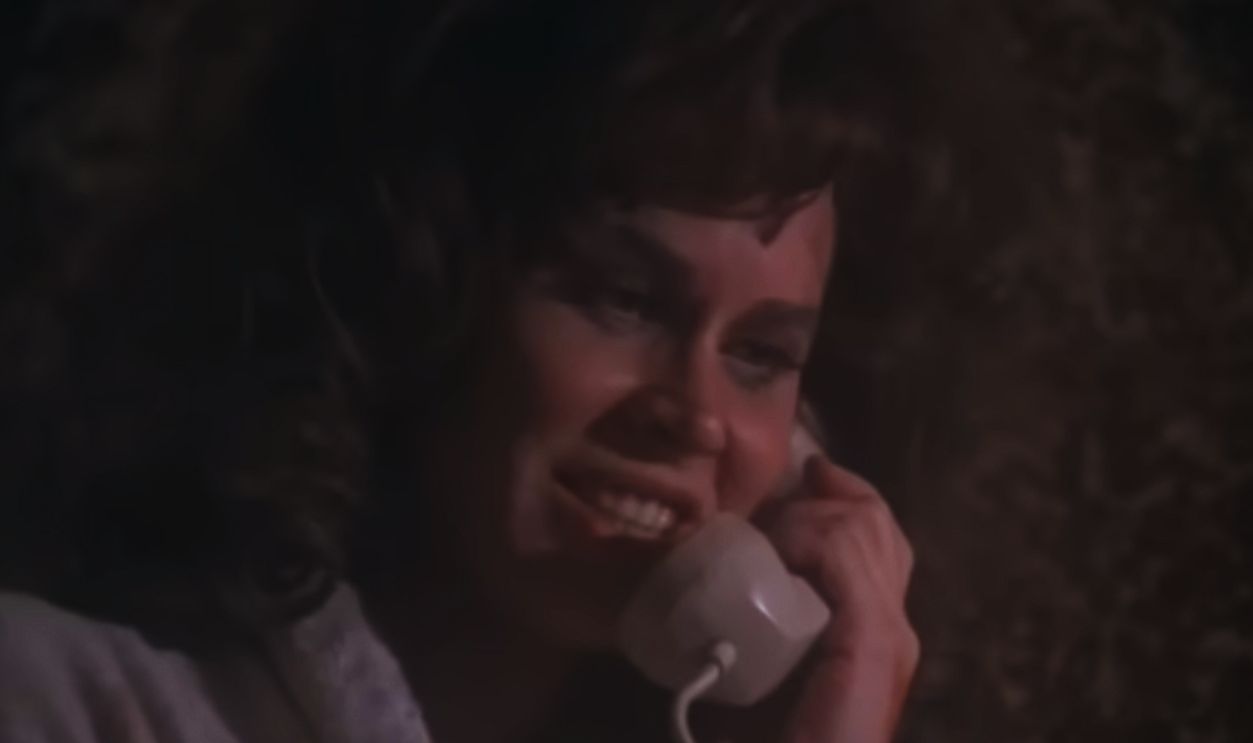 Screenshot from Trilogy of Terror, ABC (1975)
40. He Thought She Was Perfect
Back in 1972, Black had approached director Robert Altman to appear in the only horror film he ever made, Images. That film had been a failure, but Altman came back to Black for his next film. He knew that Black could both write and perform music, so he thought she would be perfect for his country music film, Nashville. Black wrote and performed two songs: “Memphis” and “Rolling Stone”. She received a Grammy Award nomination.
It was time for Black to look back at the incredible year she’d had.
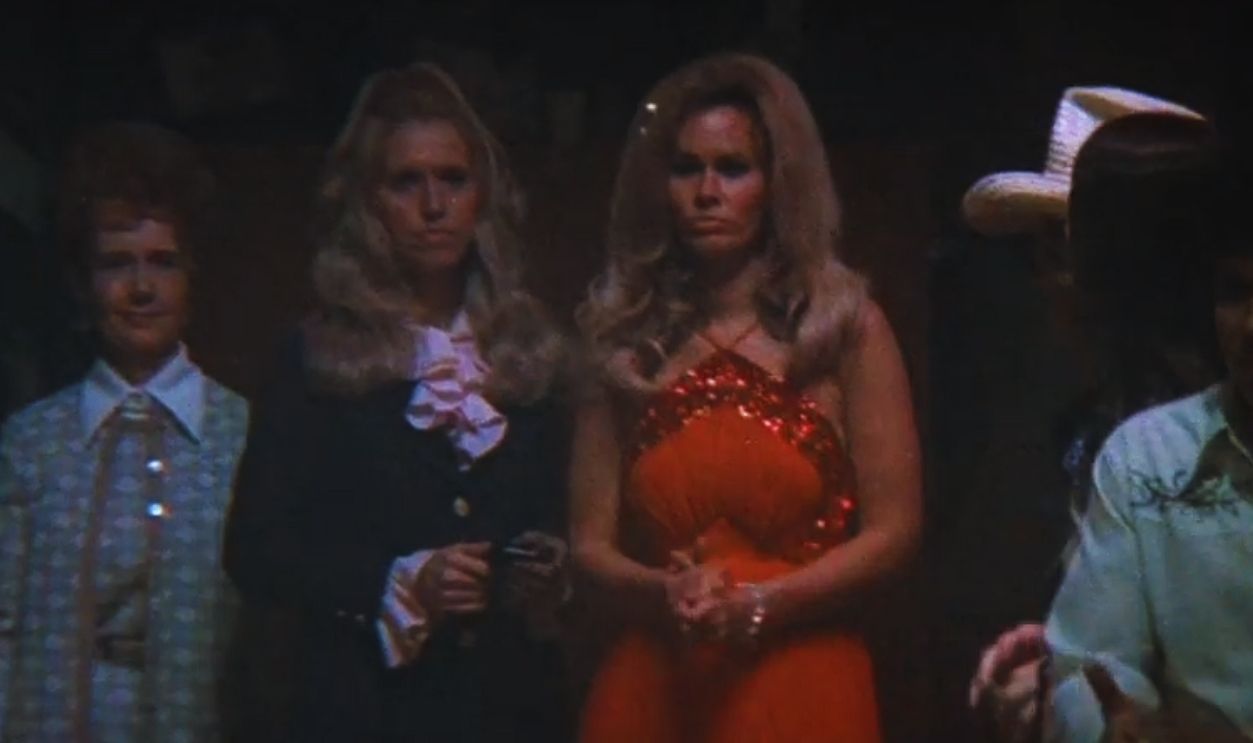 Screenshot from Nashville, Paramount Pictures (1975)
41. She Tried Husband Number Three
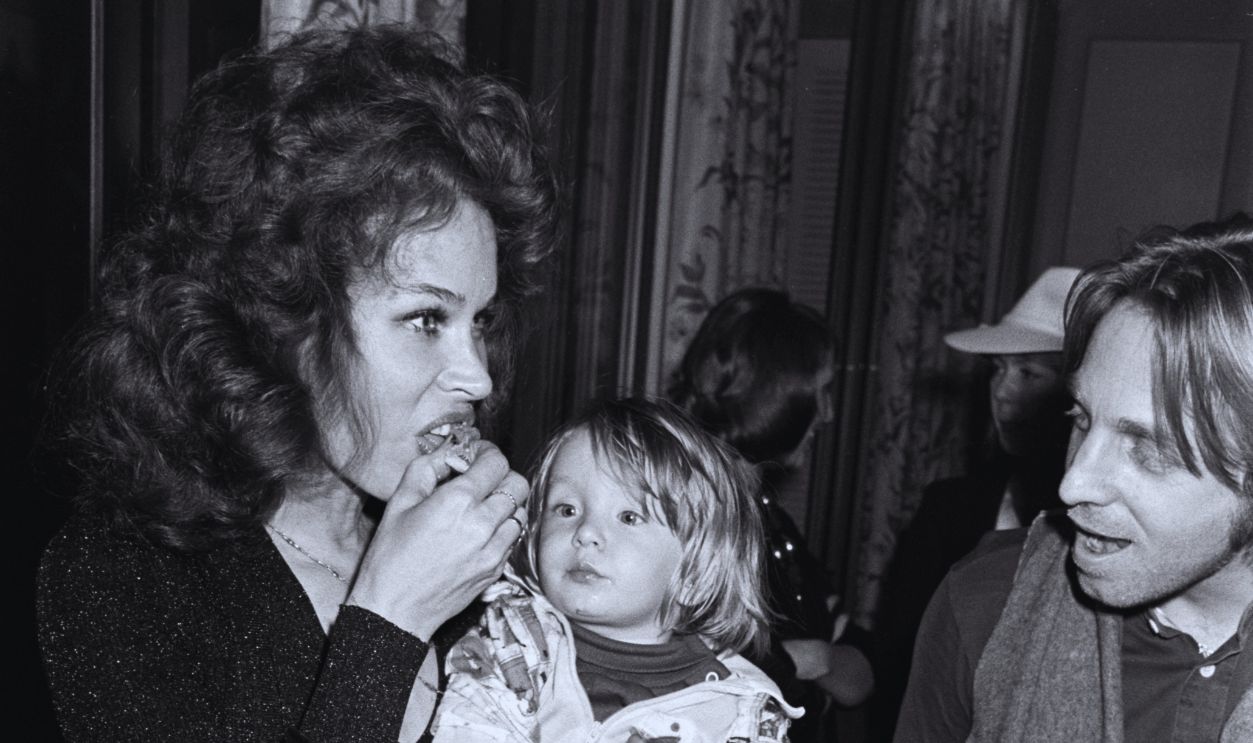
1975 was a big year for Karen Black; she made three feature films and even squeezed in a marriage. Black had met screenwriter LM Kit Carson in January 1975 while doing an interview for Oui magazine. They married that summer, and they welcomed a son that December. It wouldn’t take long for Hunter Carson to get his first taste of fame.
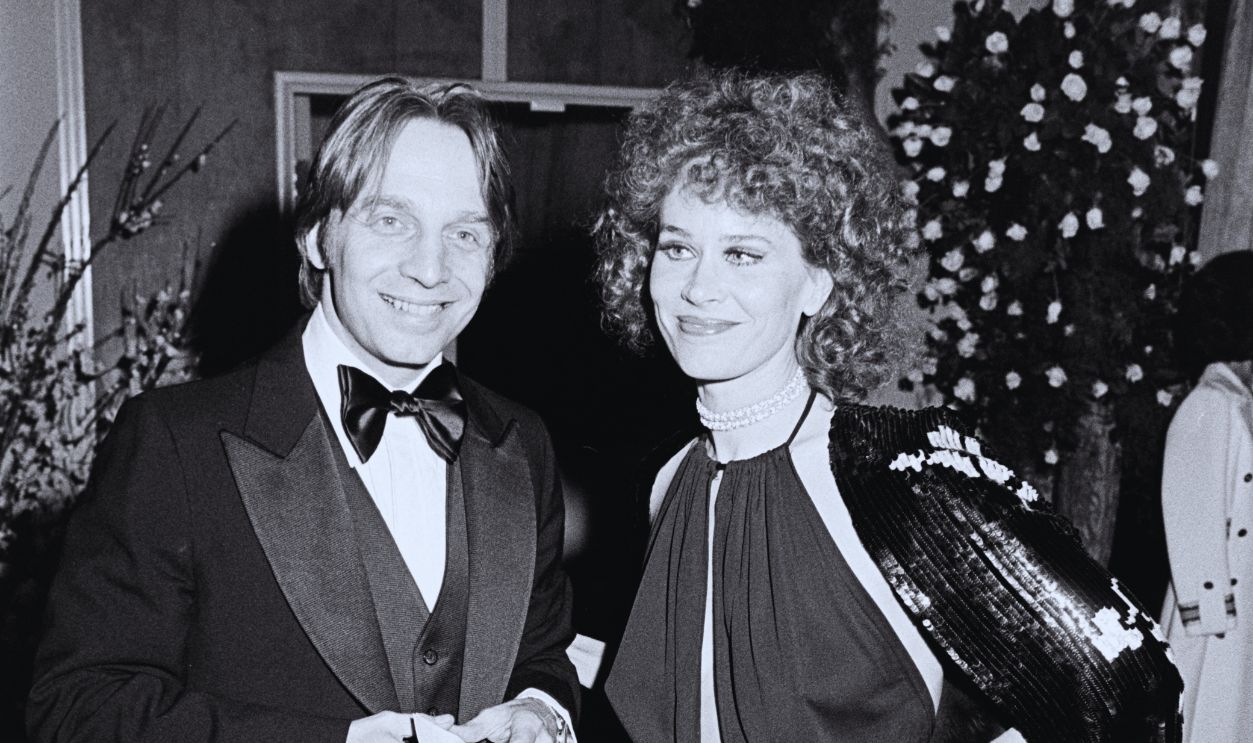
42. She Brought Him On Stage
In October 1976, Karen Black had the honor of hosting Saturday Night Live. For her opening monologue, Black did something unexpected. She held her nine-month-old son Hunter in her arms for her entire opening monologue. When the couple divorced in 1983, Hunter chose to live with his father.
But this wasn’t the last time Black would be someone's second choice.
43. She Was His Second Choice
Black had been trying to avoid getting too associated with the horror genre. But when the master of horror, Alfred Hitchcock, came calling, she had to say yes. The truth was that Hitchcock had originally wanted Black’s doppelganger, Faye Dunaway, but Black was apparently cheaper. Black now had the distinction of appearing in Family Plot, Hitchcock's last theatrical feature.
Soon, Robert Altman would call on her again.
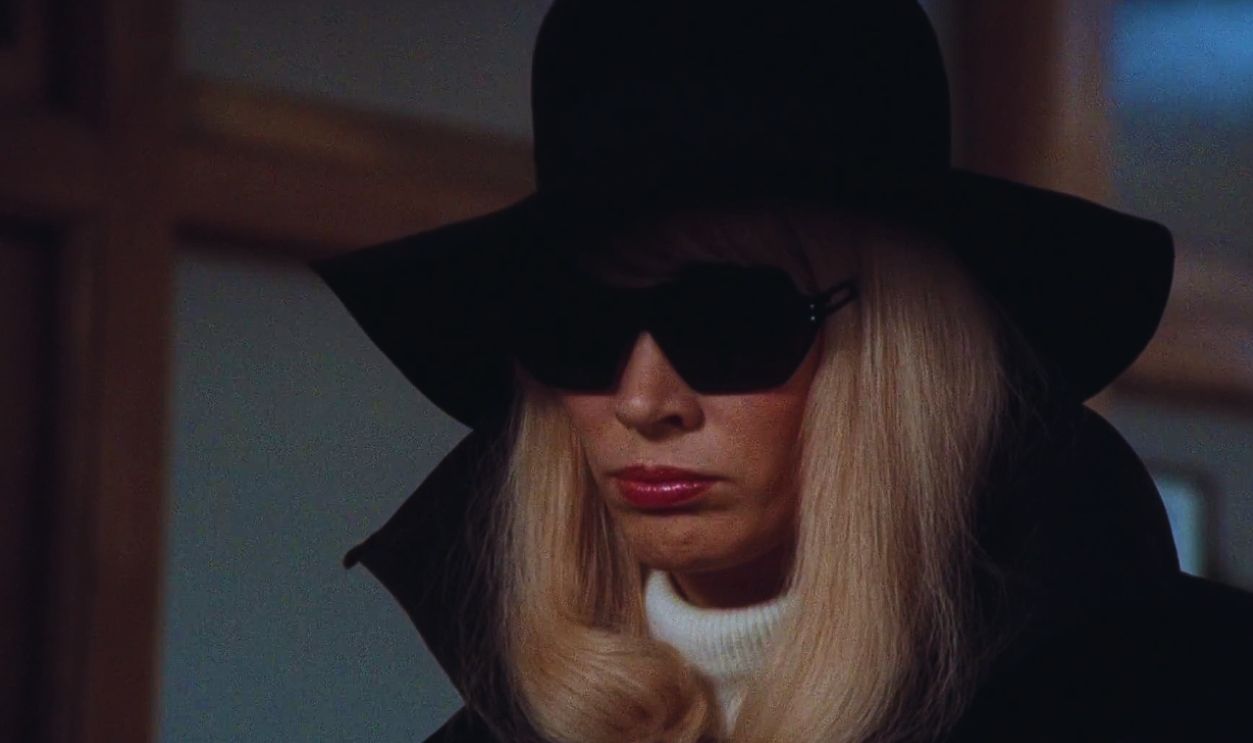 Screenshot from Family Plot, Universal Pictures (1976)
44. She Took A Risk
In 1982, Black took a risk appearing in Robert Altman’s play and film Come Back to the 5 & Dime, Jimmy Dean, Jimmy Dean. Besides the onerous title, the risk here was that Black was playing the difficult role of a trans woman. While she received some bad press for the play, the press was kinder to the movie. Years later, one critic called it “one of the best trans films of all time”.
Black was ready to give marriage one last chance.
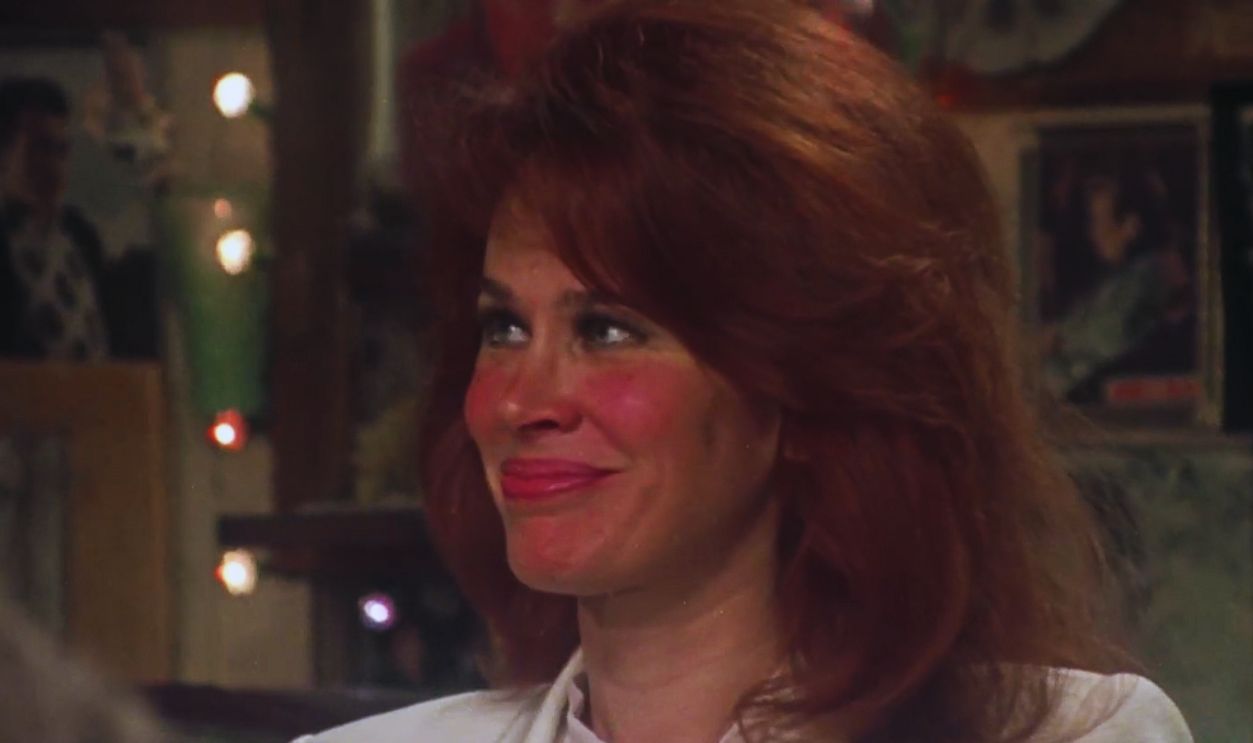 Screenshot from Come Back to the 5 & Dime, Jimmy Dean, Jimmy Dean, Cinecom Pictures (1982)
45. She Gave It One More Chance
Back in 1964, Karen Black had joined the Scientologists. In 1987, she was at a church-related retreat and met film editor Stephen Eckelberry, who was 22 years younger than her. The two married and then adopted a daughter. This was Black’s fourth marriage, and it was the one that took. She stayed with him for the rest of her life.
The marriage was a good one, but her career was going in the other direction.
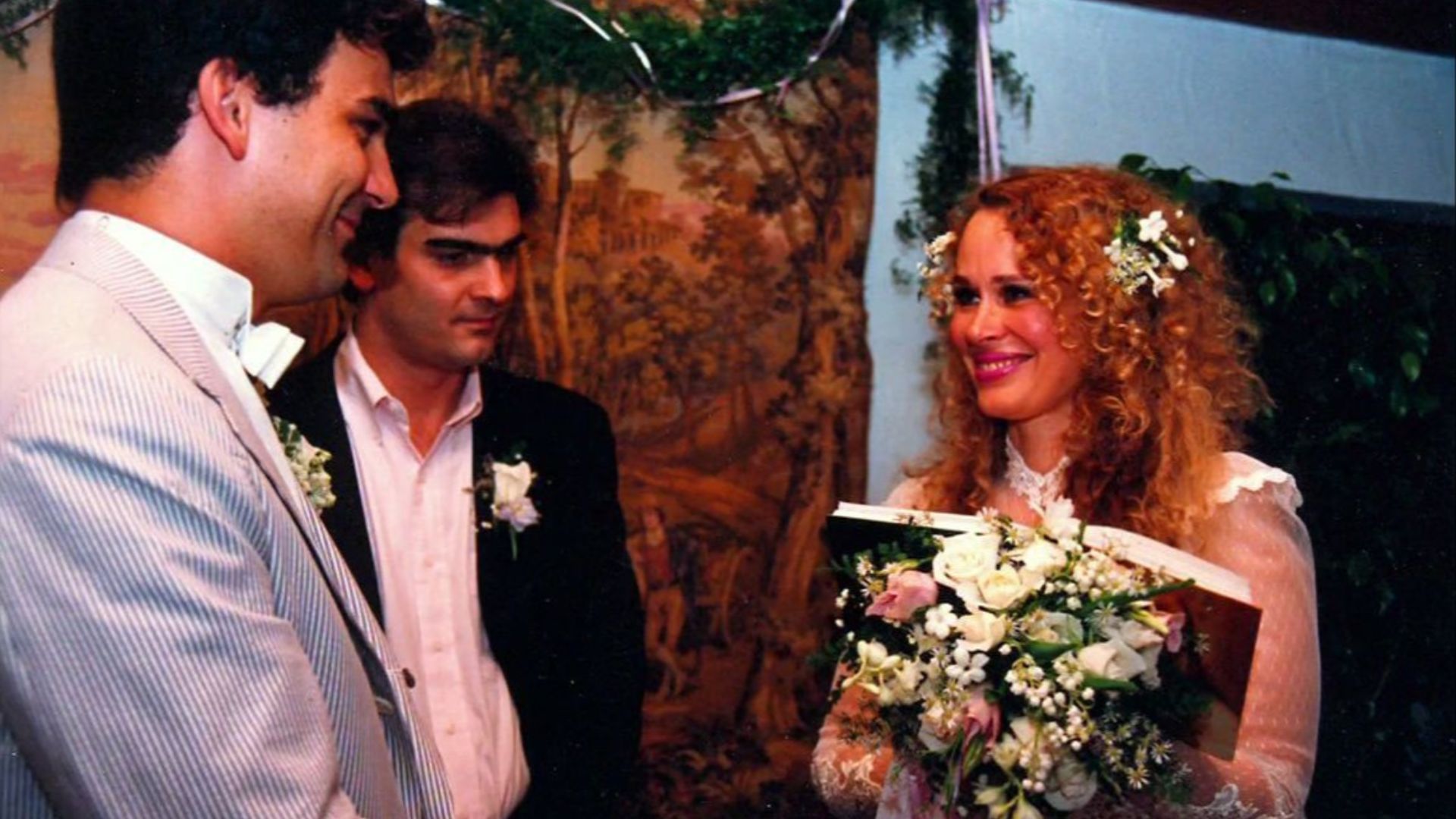 Stephen Eckelberry, Wikimedia Commons
46. She Became An Icon
Karen Black had tried to avoid the traps of becoming a horror movie queen, and then she finally gave in. She appeared in films with titles like Burnt Offerings and Evil Spirits. She also did her share of franchise films like the fourth installment of Children of the Corn and the third of It’s Alive. Sadly, most would forget her earlier career and think of her only as a cult horror icon.
Soon, Black would be unable to make any films at all.
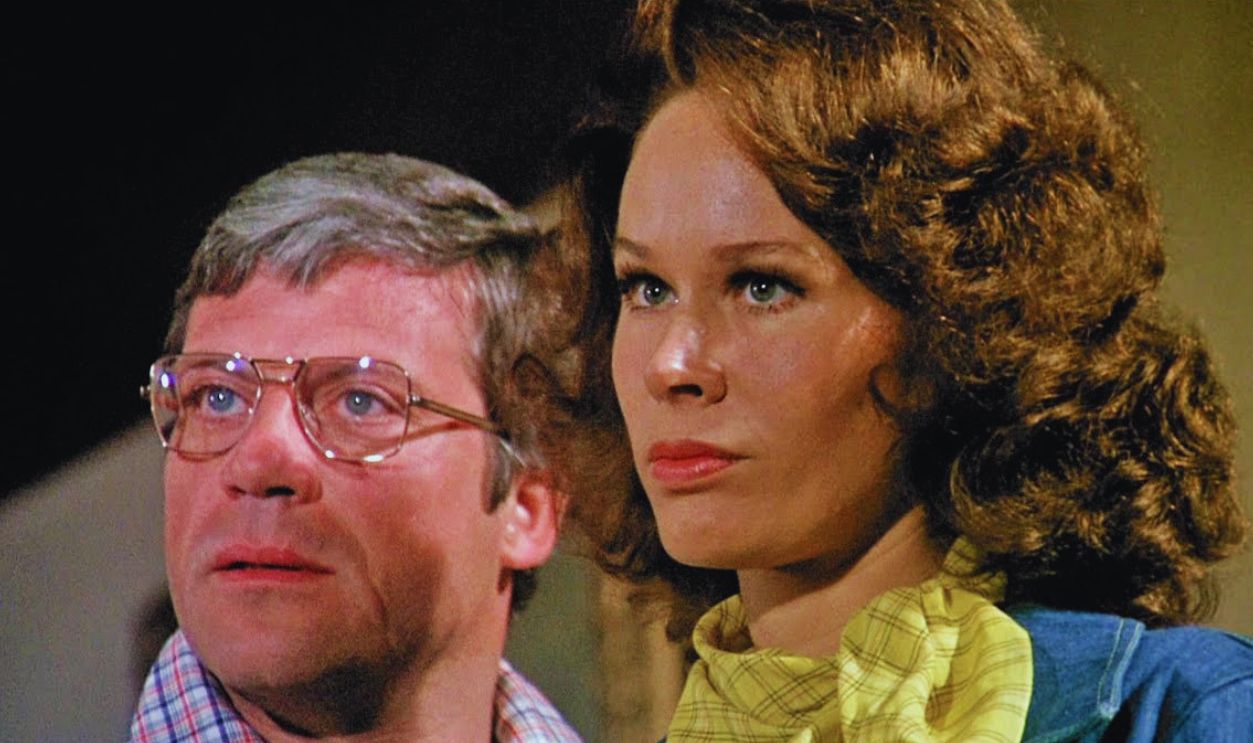 Screenshot from Burnt Offerings, United Artists (1976)
47. She Got Some Bad News
It was near the end of 2010 when doctors gave Black a terrifying diagnosis. She had ampullary cancer. Black had a long battle with the disease and even had a section of her pancreas removed. During this very difficult time, someone Black had never thought she’d ever see again came back into her life.
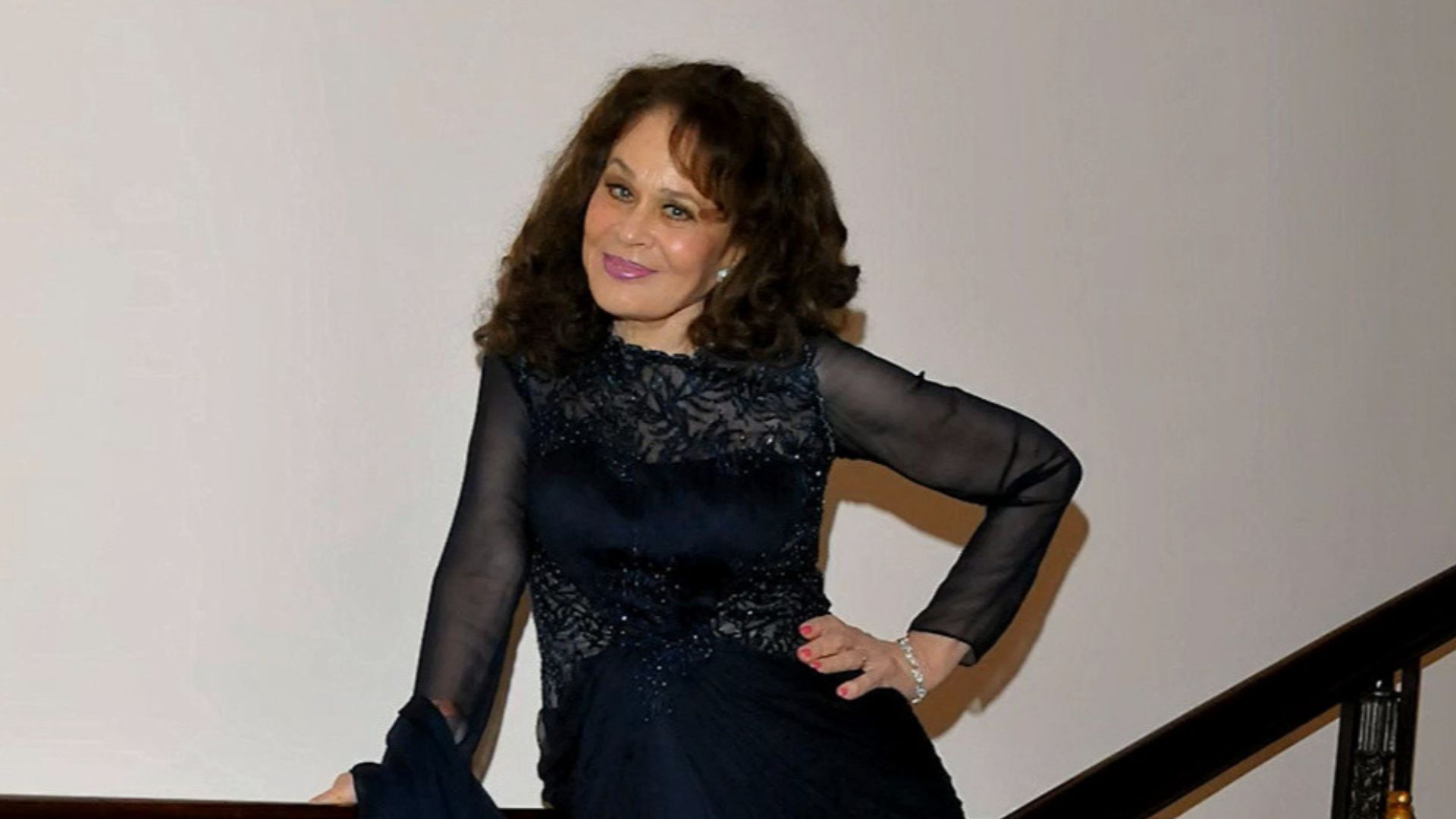 Stephen Eckelberry, Wikimedia Commons
48. She Tracked Her Down
In August of 2012, Karen Black was looking at her fan page on Facebook, and one message caught her eye. It was from a woman claiming to be the girl she had given up for adoption back in 1959. Sure enough, the dates all lined up, and Black had a chance to reunite with Diane Bay from Chicago, Illinois.
Sadly, their reunion would be short-lived.
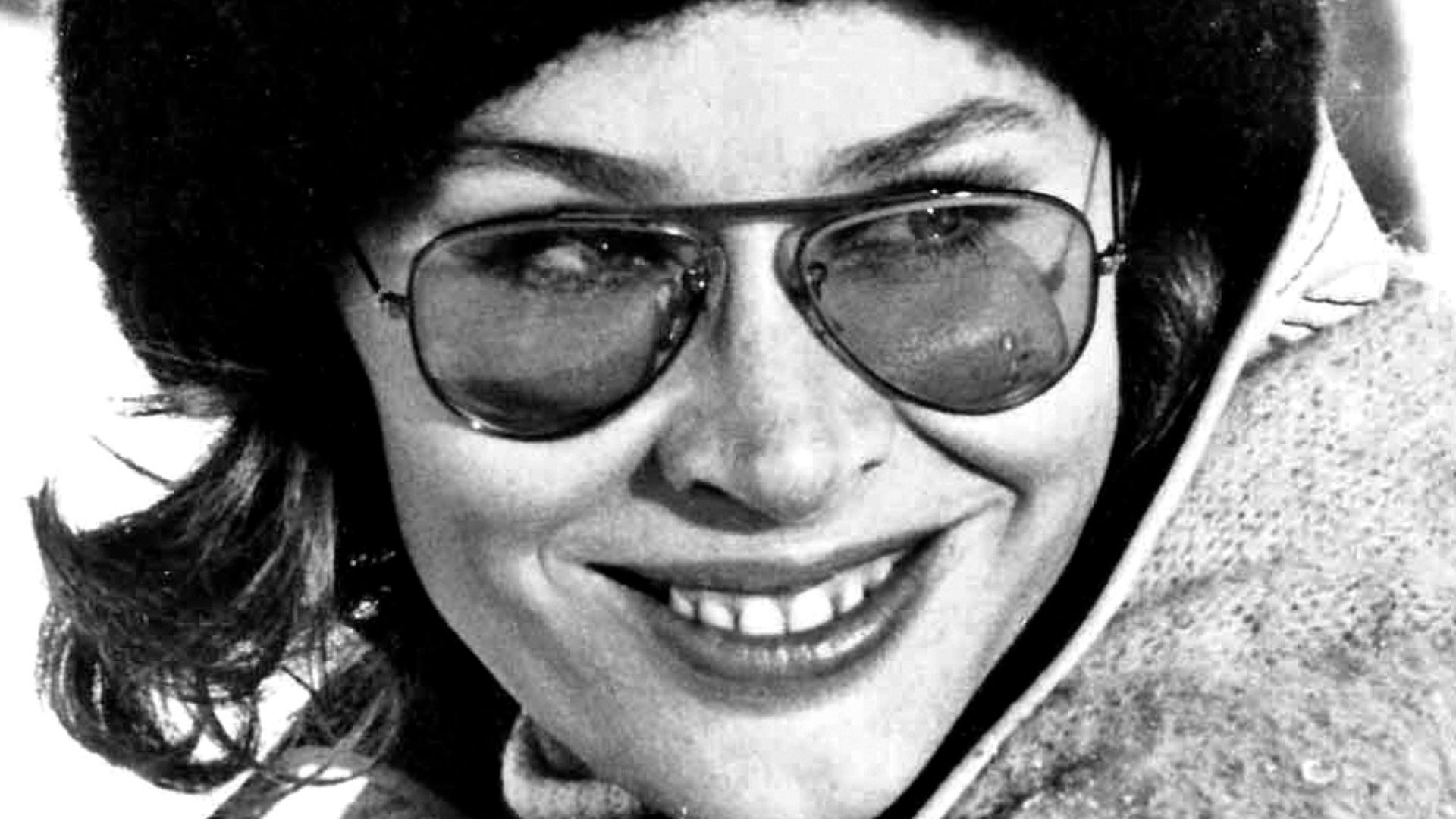 20th Century Fox, Wikimedia Commons
49. She Remembered Her As A Mom
One year after Karen Black reunited with her long-lost daughter, she passed. It was on August 8, 2013, and at the West Hills Hospital in LA. Juliette Lewis, also known for playing off-beat characters, called Black her mentor and second mother. They laid her to rest in Oceanside, California.
All that was left now was to remember Black and her quirky career.
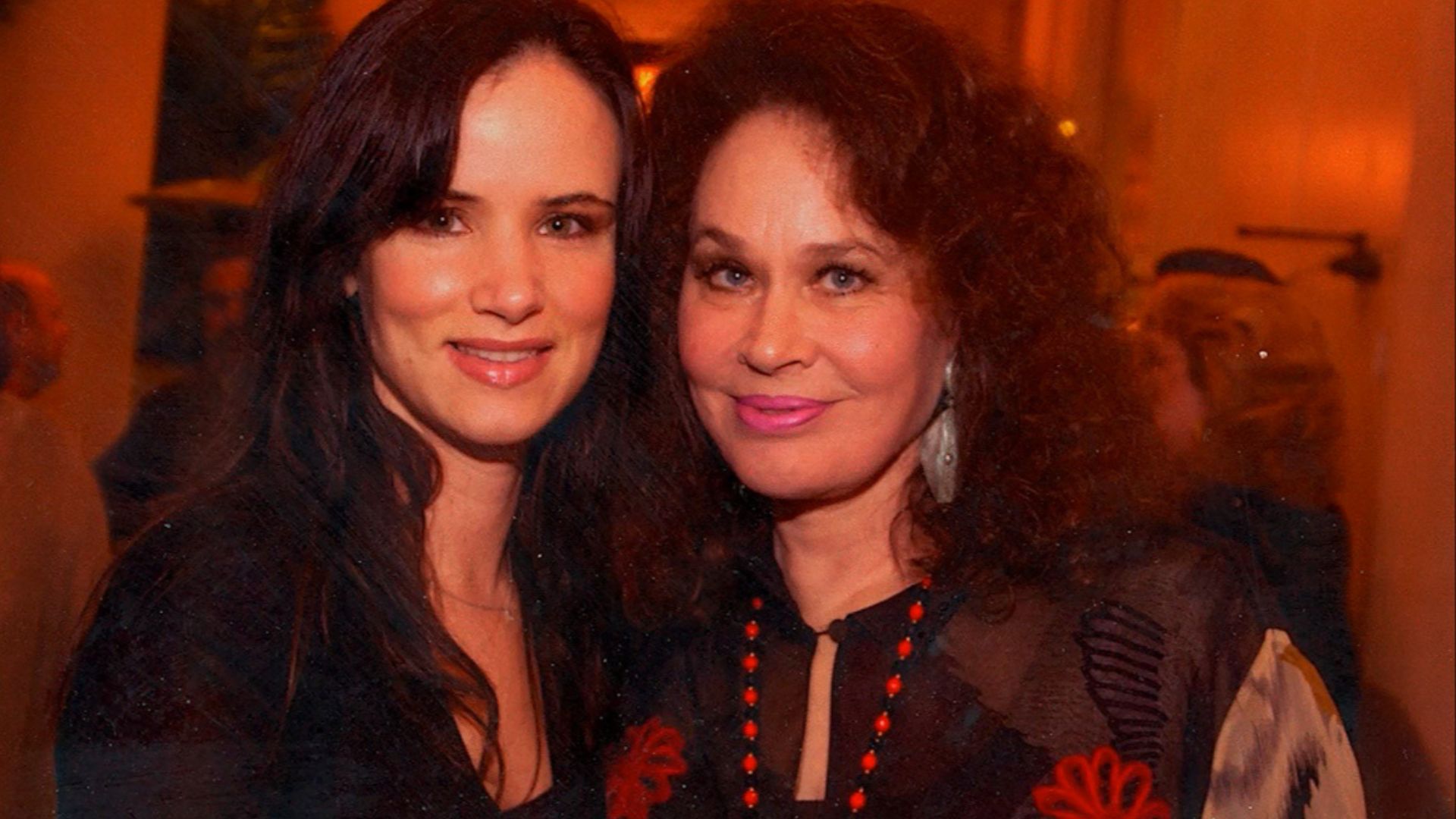 Stephen Eckelberry, Wikimedia Commons
50. She Was More Than An Icon
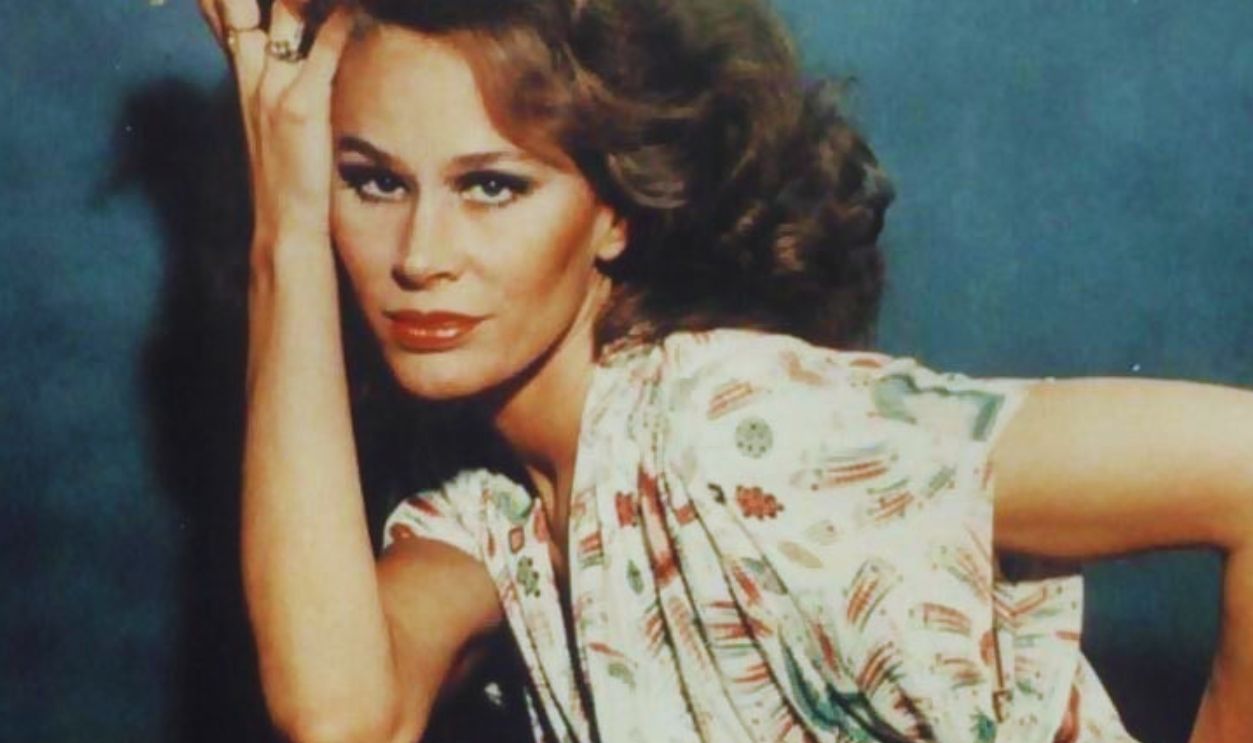
While many will remember Karen Black as a horror film icon, there are other things that might be more important. First and foremost is her Academy Award nomination for best supporting actress. She worked hard for animal rights and appeared in an anti-fur ad for PETA. Black also made her voice heard for gay rights.
 Unstated photographer, Wikimedia Commons
You May Also Like:
Dazzling Facts About Joanne Woodward, The Last Real Movie Star
Heavenly Facts About Farrah Fawcett, The Tragic ‘70s Dream Girl
Tragic Facts About Margaux Hemingway, The Cursed Daughter
Sources: 1, 2, 3, 4, 5, 6, 7, 8, 9, 10, 11, 12, 13, 14, 15, 16, 17, 18, 19, 20, 21, 22, 23, 24, 25, 26, 27, 28, 29, 30